
By Peter Abraham — I recently attended a public virtual meeting put on by CalTrans. That’s the state government organization that manages transportation in California, including highways, rail and airports. The purpose of the meeting was for CalTrans to present to the public their plan to improve bike safety on Pacific Coast Highway in Malibu. This is an important issue for me, because I’ve ridden my bike on that stretch of road since I was a UCLA student in the mid-1980s. I have several friends who’ve been hit by cars while riding on PCH, and I myself have had many close calls. As someone who takes his bike all over LA, I believe there is no higher bike infrastructure priority than making our roads, including PCH, safe places to ride.
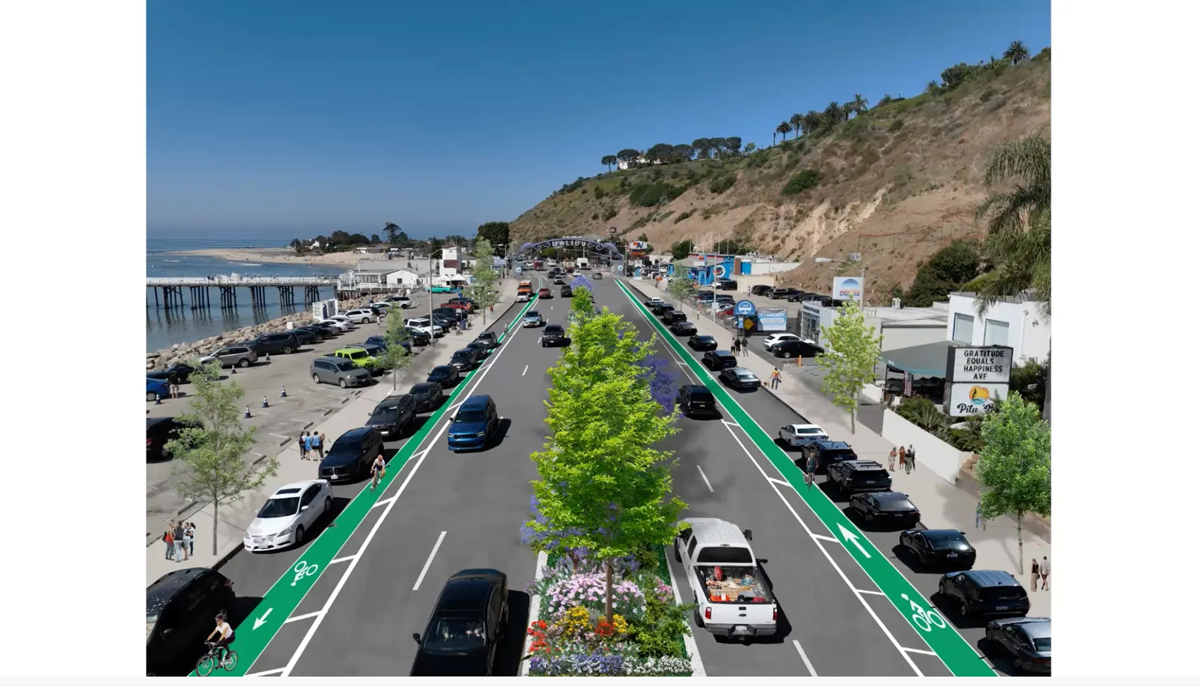
So I was excited for this meeting. They started by presenting to attendees the plan, what they intended to build on PCH. There were many thoughtful components in what they presented: Different versions of bike lanes that had yet to be finalized, intersections turned into traffic circles that would slow cars down, improved pedestrian crosswalks, landscaping, new sidewalks and more. And this plan covers about 20 miles of roadway. There was a lot to like about what they showed us.


Once they’d gotten through all of that exciting stuff, they got to the budget and the timeline. I’m thinking to myself, “Hey this is an overworked government agency, so their time estimate could be as long as 3–5 years to get the work done. Prepare to be disappointed.” So they put up a couple slides. The first was the estimated budget for the work. There was a low and high estimate on the page. The range went from $62 million up to $268 million. OK, wow, that’s a lot of money and also a HUGE range. Is it that hard to estimate construction costs for an infrastructure project like this?
Then comes the schedule. Their estimate is 11–20 years to get the work done, IF THEY FIND THE NECESSARY FUNDING. Wut? 20 years? We’re talking about some bike lanes, and not, for example, a new international airport. I was prepared to be disappointed, but this was over the line. I immediately started thinking about how many places in the United States cannot even build basic safety infrastructure anymore. Why is that? This is country that put a man on the moon, invented the airplane and created the internet. But we can’t build some basic bike lanes in less than 10 years?
I closed my laptop in anger and set off in search of some answers. The first thing I did was buy the book Abundance by Ezra Klein and Derek Thompson. It dives into the issue that America struggles to get public infrastructure built anymore, from widely available healthcare to low income housing to high speed rail. It takes many years and billions of dollars to move the needle on these things, if they get done at all. And this PCH bike lane project feels like a microcosm of the same issue. The reasons, they explain in the book, boil down to all of the public policies, laws, permits and regulations that have been created on top of each other. While these things are well meaning (yes, there should be environmental reviews for some projects) there are now a huge number of hurdles to clear in order to get even a single thing built. The process of building public-facing projects is now so complicated that it actually prevents infrastructure from being created at all.
The next thing I did was call some friends with lots of experience in bike infrastructure. I wanted to learn from the experts around the United States and even in different countries. I had my own set of perceptions, but I’m just a marketing guy in LA. So I set up a series of calls and meetings with people who live and breathe bike infrastructure every day.
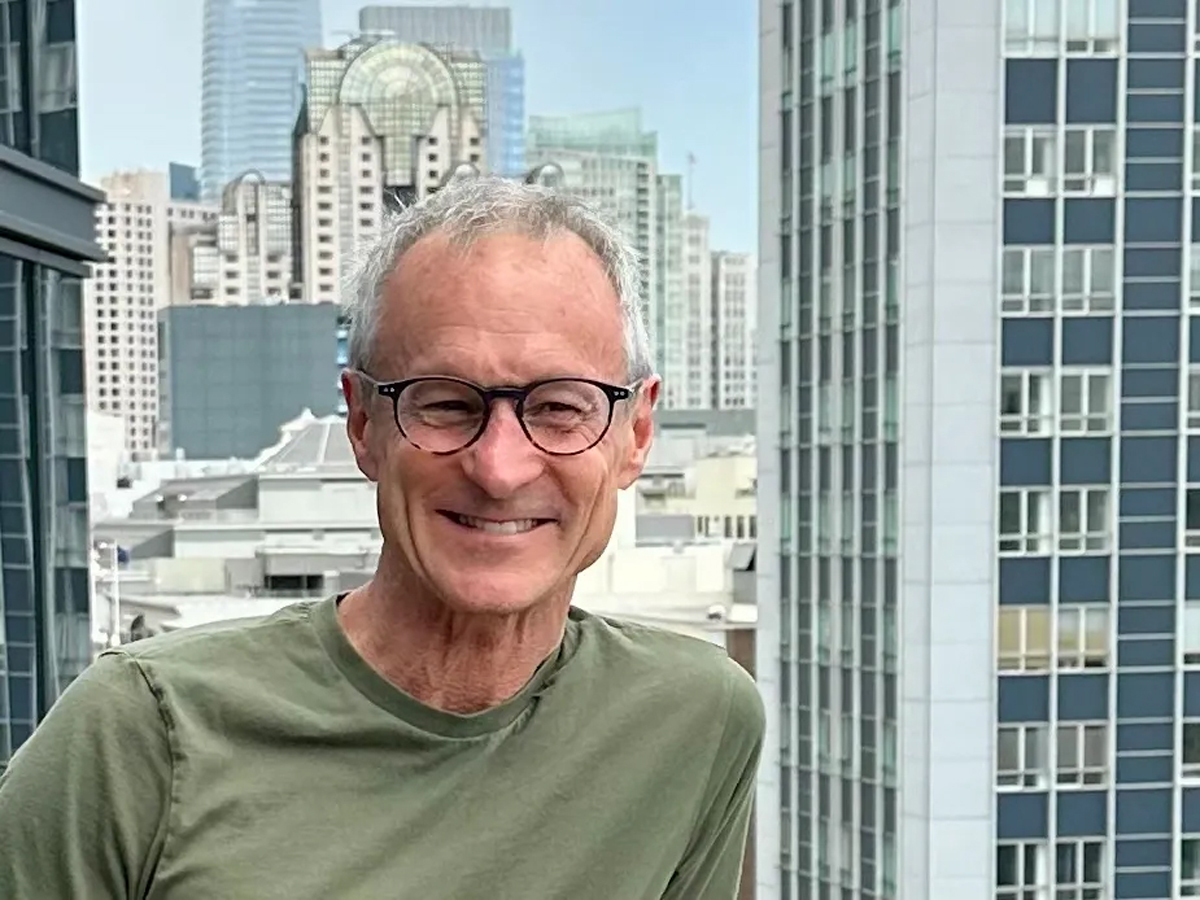
Dave Snyder, San Francisco
Dave, a veteran infrastructure advisor and advocate based in the San Francisco bay area, largely echoed the issues raised in the Abundance book I read:
“In our democracy, we’ve built a lot of process into government to ensure decisions are inclusive. That’s a good intention, but it’s created a system where both politicians and staff avoid responsibility. Politicians can say, ‘We’re waiting on staff,’ and staff can say, ‘We’re waiting for political support.’ Each side punts responsibility to the other. If I had to point somewhere, I’d say the incentives for politicians are the issue. They benefit from slowing things down. That said, it’s also about our litigious culture and the environmental review process.”

Robin Stallings, BikeTexas
Robin is very smart about navigating a complex political landscape for bike infrastructure. He’s learned how to bring different viewpoints and political orientations together to get things built. And he’s getting a lot done in a state that might not be at the top of your list for bike lanes. I just visited Austin to ride bikes, and the community, infrastructure and law enforcement support for cycling was really impressive.
In 2020, Austin voters approved a big bond to improve bicycle and pedestrian infrastructure: https://www.peopleforbikes.org/news/austin-will-be-americas-next-great-biking-city
Some things he shared with me:
“Austin has made progress by learning from the Dutch. In 2012, Austin city leaders — including the fire chief — visited the Netherlands. They learned the value of community engagement up front.”
“Texas is a unique place — almost the size of Canada, and just as diverse. We have great things happening in cycling and some real challenges, all at the same time. Sometimes we find common ground with people we might disagree with on everything else, just by focusing on cycling.”
“So we’re statewide, headquartered in Austin. We’ve always worked at the local, state, and federal levels. While we’ve worked on education programs, we’re active at the legislature, which meets every other year. We’ve also been involved in bond elections, including the one for $460 million that you referenced earlier. Our efforts are definitely more focused on infrastructure than education now — getting plans done, funded, and implemented.”
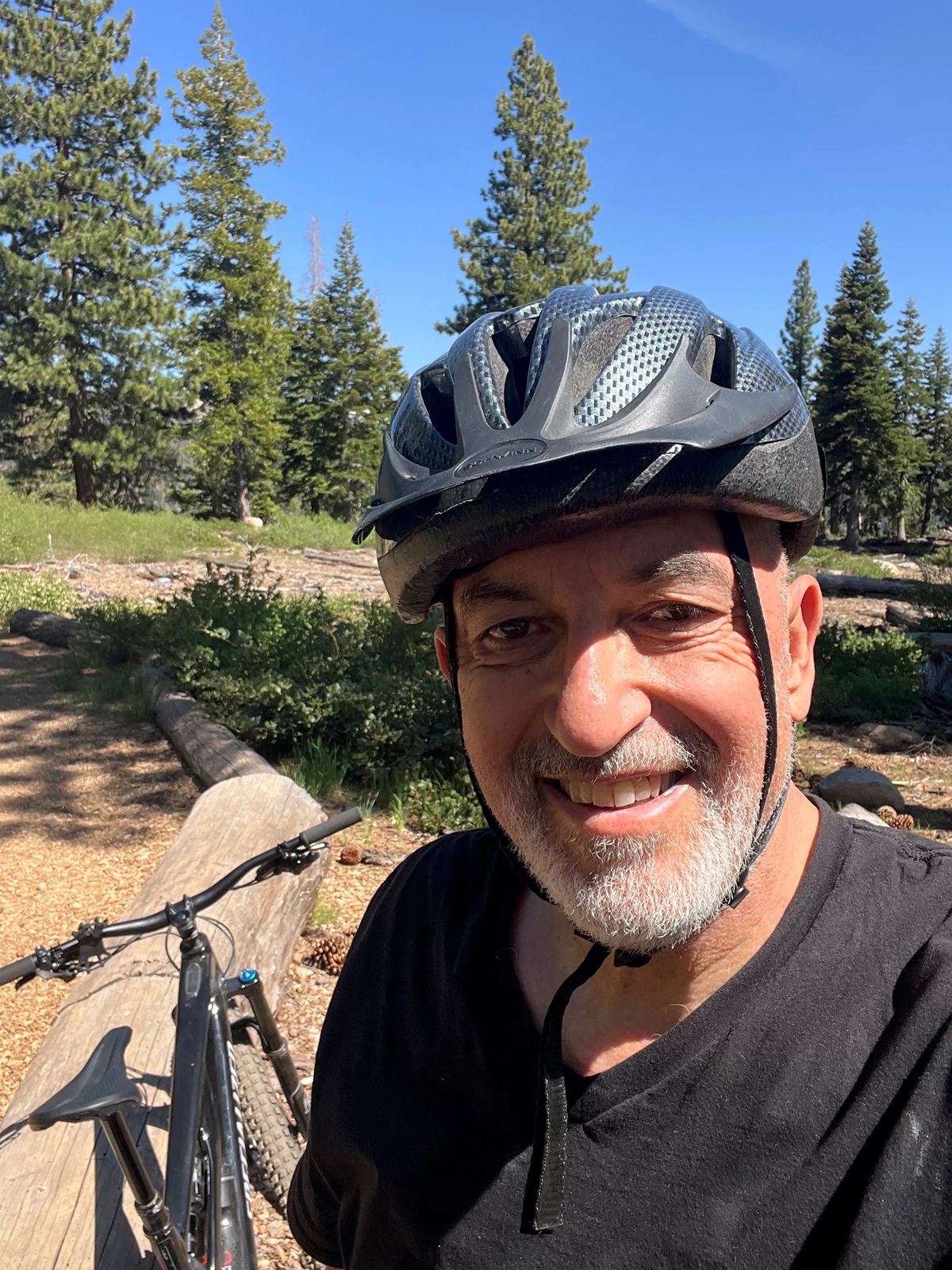
Yuval Bar-Zemer, Linear City Development, Los Angeles
Yuval is an experienced real estate developer leading the creation of The Festival Trail in Los Angeles, a grassroots effort to connect 14 LA2028 Olympic venues by bicycle. He calls this “a spine for active transportation.”
Talking to Yuval I identified a few important things about getting bicycle things built in LA:
Firstly, he said, And on top of this, the greater Los Angeles area contains a patchwork of islands that are their own independent cities: Beverly Hills, West Hollywood, Santa Monica and Culver City all have their own mayors, city councils and development guidelines. So getting any infrastructure done in Los Angeles County that connects all of these different cities and council districts is uniquely complex.
Secondly, I note that real estate developers like Yuval are especially good at solving bike infrastructure issues, as they’ve been navigating city and regional bureaucracies to get things built for many years. This is what they do.
He added, “As I mentioned, bike infrastructure is just one of a long list of public assets — low-income housing, airports, trains — that require movement and initiative to get done. And we’re falling way behind other countries when it comes to actually making these things a reality. Can we catch up? I have no idea, but my fingers are crossed, as a cyclist and a citizen.”
Yuval was a major contributor to Measure HLA, passed by voters in 2024, in Los Angeles. That law requires the City of LA to complete, among other things, 238 miles of protected bike lanes.
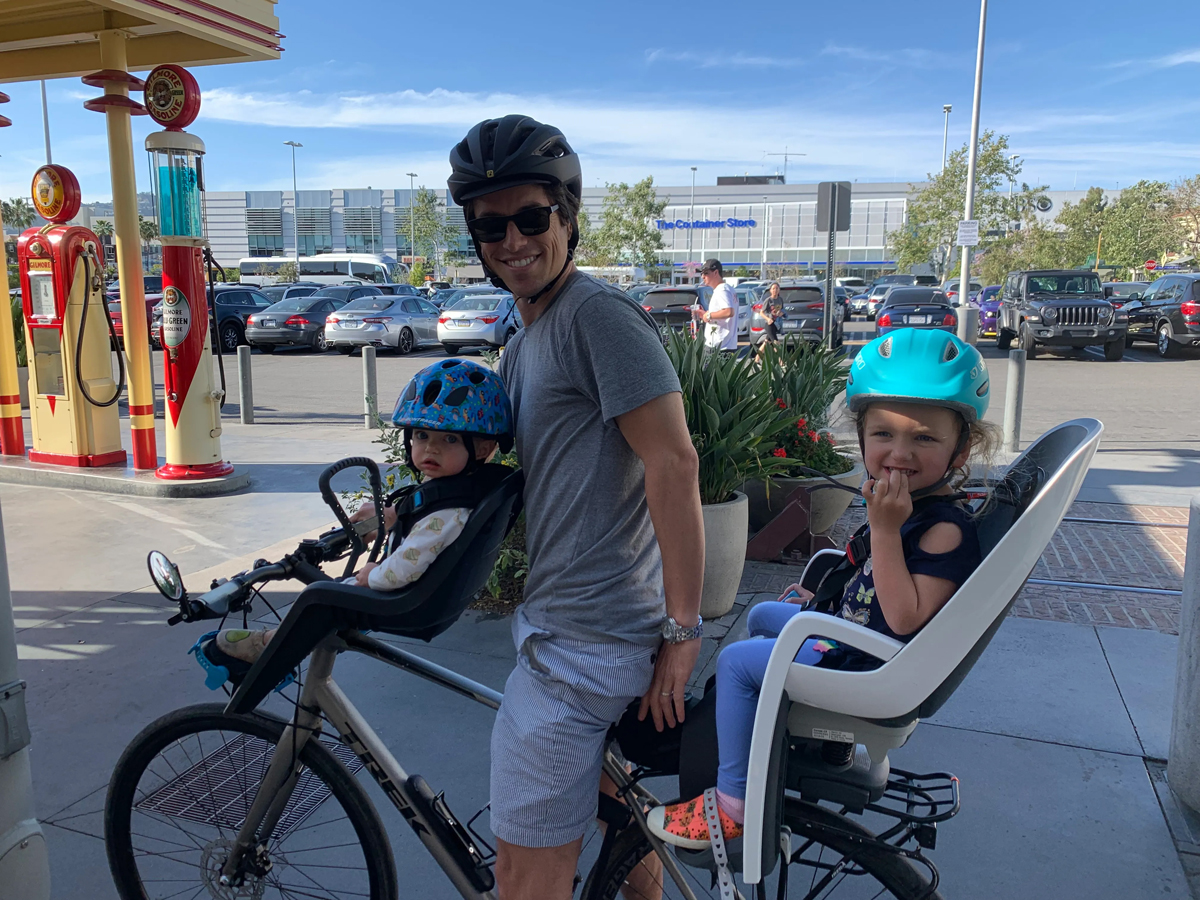
Michael Schneider, Streets for All, Los Angeles
“The city of LA is unbelievably broke right now and trying to manage a $1 billion deficit.” Michael explained to me how complex it is to get things built in LA. And in addition, we just had the massive and catastrophic fires destroy entire parts (Pacific Palisades and Alta Dena) of the city. Los Angeles is a place with a lot of challenges right now. So bike infrastructure may not be the top priority for city government.
I appreciate that Michael has a deep understanding of the California political landscape and how to get initiatives over the finish line. He also played a key role in getting Measure HLA passed in 2024. And Streets For All is actively involved in both state transportation bills and neighborhood council elections, both of which are central to getting infrastructure built here in LA.

Gary Vernon, Runway Group, Bentonville, Arkansas
Gary has led MTB trail building in Northwest Arkansas on behalf of the Runway Group (led by Tom and Steuart Walton) for many years. In addition to building over 600 miles of beautiful trails in his own backyard, he’s consulted with many other regions who want to emulate what’s going on near Bentonville. Gary is a Rich source of wisdom on what it takes to get bike infrastructure built.
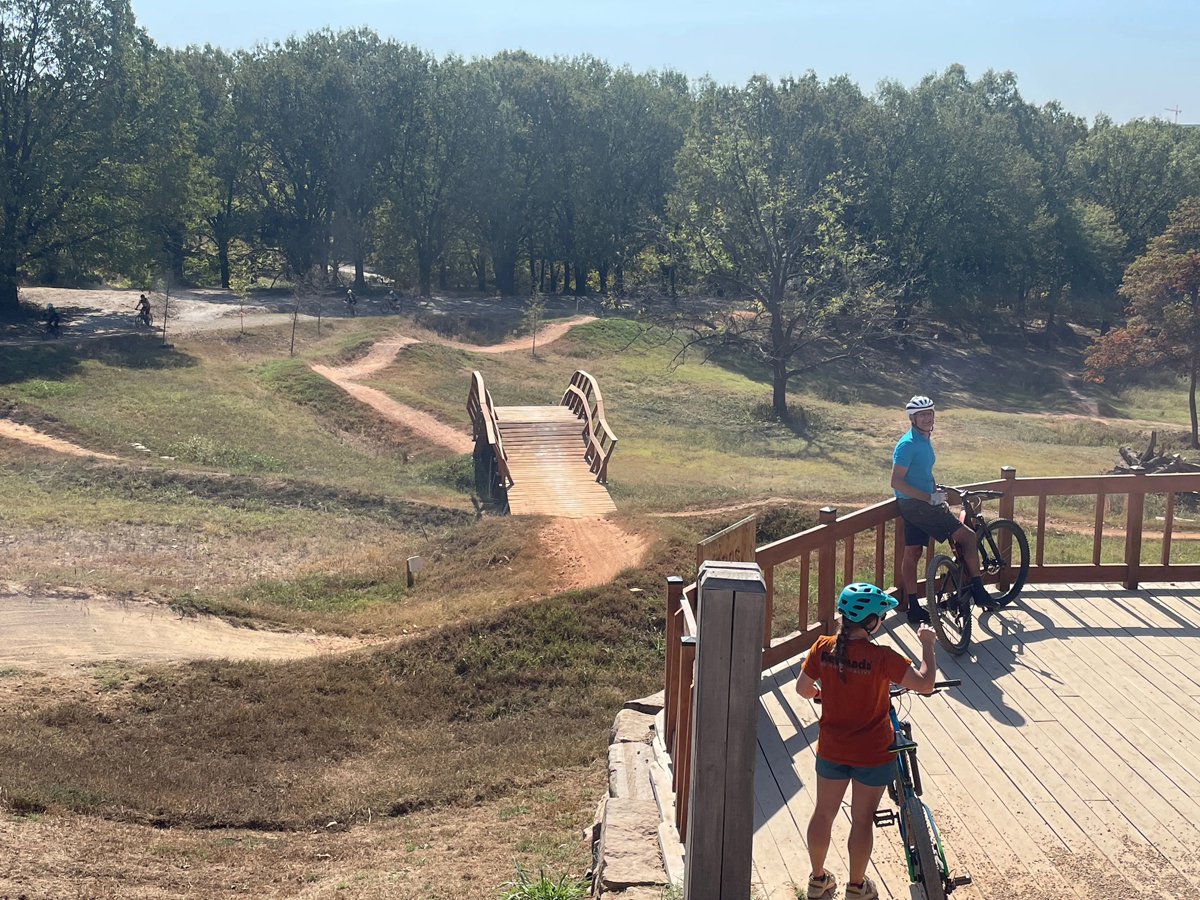
I have been traveling to Bentonville, Arkansas to ride bikes (often with Gary) for over five years. I’m fascinated by the transformation that bicycles have brought to the region, and Gary is an integral part of this. He’s mostly been focused on the creation of mountain bike trails. And if you’ve never seen this part of Arkansas, it would be easy to write off these improvements as very basic, lowest common denominator kind of bike infrastructure. In fact, everything Gary has built is incredibly strategic, thoughtful and built to maximize fun and inclusion. He creates ways for everyone to enjoy the trails, from first-time beginners to world-class experts. And often, he’s incorporated that wide skills range within the same trail or park. It’s remarkable.
Gary explained to me that once a community builds about 12-miles of new trails, then the infrastructure crosses a tipping point. After that the town or region gets behind the initiative and starts advocating for more trails. Moreover, not only are MTB trails 90% less expensive to build than paved bike paths, but they often attract trail runners and walkers as well. So different communities see the benefit of the infrastructure. All of these things have a compounding effect that accelerates the creation of more trails.

Ian Drake, former CEO of British Cycling
Ian is someone I’ve learned a lot from. He led the effort to create all sorts of bike infrastructure before and after the London 2012 Olympics. It was a remarkable and successful effort to increase the use of bicycles at every level across the country.
One thing Ian helped me understand is the difference between “software” — bicycle rides and events — and “hardware” — infrastructure — in creating ways for people to ride bikes. Both things are important, but sometimes a city needs to create software — a big cycling event, for example — to prove to government that people actually want to get out on their bikes, before then getting into building the infrastructure. One of the iniatives that Ian oversaw was the Mayor of London’s Skyride in 2009, where about 85,000 people showed up to ride a 15 km route in London. This was during the lead in to the London 2012 Olympic Games, and that massive turnout helped pave the way for the dozens of bike projects, hundreds of grants and work that continues today with the Places to Ride initiative.
Martina Haggerty, People for Bikes
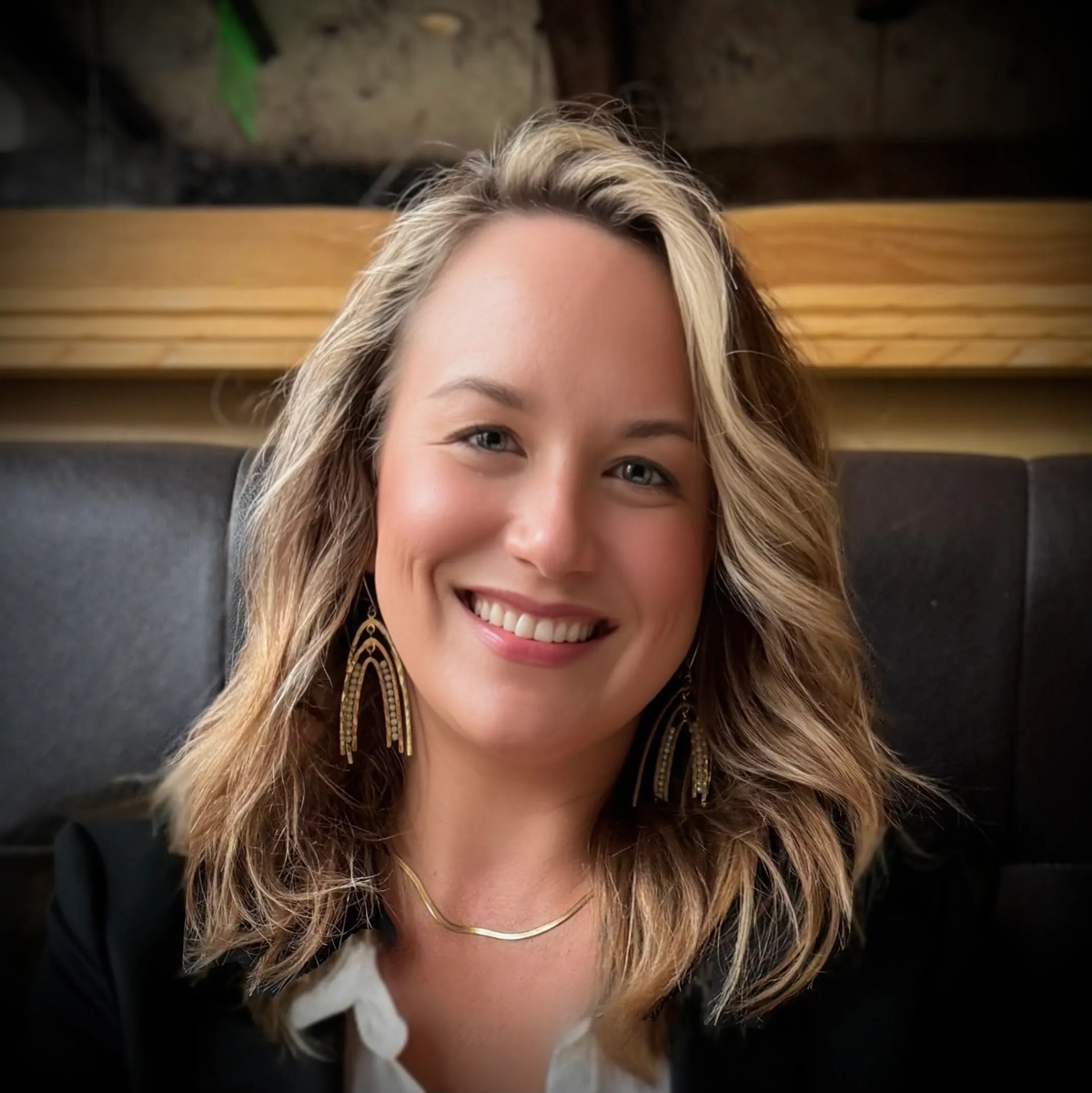
Martina is the VP of Infrastructure at bike industry non-profit People for Bikes. I’ve long been a supporter of this organization, because they do so much important work around the country. Their mission is “to make the US the best place in the world to ride bikes.” That’s something I can get behind. While Martina is based on the East Coast, she works on projects all over. So I wanted to get her perspective on the challenges and opportunities facing bike infrastructure. Here’s what she told me:
“The number one reason bike infrastructure doesn’t get built in more communities is simple: elected officials don’t prioritize it. Even when funding exists and community plans call for safer streets, too many leaders back down in the face of opposition or fail to champion the work needed to move bike projects forward. All this despite the fact that bike infrastructure remains incredibly popular with the vast majority of voters across the political spectrum. Without bold political commitment, progress stalls.
“Even when there’s strong local support for bike infrastructure, securing funding remains a persistent challenge for many communities. When bike projects are eligible for funding, navigating the bureaucracy to access it can be complex and time-consuming, particularly for under-resourced communities.
“To solve these issues, communities and local advocates must build and demand political will at every level. We must invest in and support leaders who are willing to prioritize building safe, connected places to ride — even when it’s politically challenging.”
After all of these informative discussions, I came to a similar conclusion than Ezra Klein and Derek Thompson did in their book: there are just too many hoops — political, regulatory, public alignment — to jump through to get things built. What is the solution? I don’t know exactly, but I can say that without leadership from our government officials, this complicated process will not improve. In fact, it may even get worse than it is today. Here in California, have I seen our Governor, our Senators, our representatives, the Mayor of LA or state representatives speak out on the need for safe places to ride bikes? The answer is no, I have not seen any of them speak on this topic. That does not mean none of those people have ever mentioned it, but it will take real commitment and near constant advocacy to improve the situation. The bottom line? LEADERSHIP is needed. I’m here to help.


I’m against it.
Not really, I’m a lifelong cyclist but the push for gazillion $$ bike lanes is the problem, not the solution. Many of these bike “organizations” are nothing more than lobbying machines and a payday for the organizers.
Just fill the potholes and sweep the bike lanes of debris every decade or two. Government and union work are not the answer.
2 examples of .GOV incompetence here in San Diego: The city of Encinitas decided a historically safe and beautiful section of coast hwy needed to become a “protected” bike path. Clearly no cyclists were involved in the design and there have been over 30 documented significant crashes earning it the nickname “The Senator Bleakspear corridor of death”.
As part of the Billion $$ trolley extension , the city added a new “protected” bike path along the trolley line and the I-5. The cost must have been $100 million ( I think I’d rather not know) . 2 small problems – first, there is a lightly trafficked and wide street that parallels most of the route – you could pave, stripe and add green bike paint for probably 3 cents on the dollar vs. the cost of the bike path. The path also parallels a creek / river where the crackheads live. It’s strewn with encampments, stolen junk, trash (and worse) and decorated with zombies folded over from Fentanyl unsure what planet they are on. This section has been appropriately dubbed “fentanyl alley” . Even if the .GOV were to do their jobs and clear the trash and the un-roofed , they forgot to put any $$ in the budget to maintain the path so it’s already overgrown with bushes and trees. The combination makes it about the farthest thing from safe cycling I can imagine.