
By Charles Pekow — Will we say goodbye to a new program designed to improve micromobility and connections in disadvantaged and underserved communities? In its budget reconciliation package, the House Transportation and Infrastructure Committee voted to abolish the Neighborhood Access and Equity Grant Program (NAEGP) created in 2022 under the Inflation Reduction Act. The budget reconciliation proposal would even stop the release of any authorized funding not yet spent. The program was authorized to award $3.155 billion in grants per year for planning and building projects.
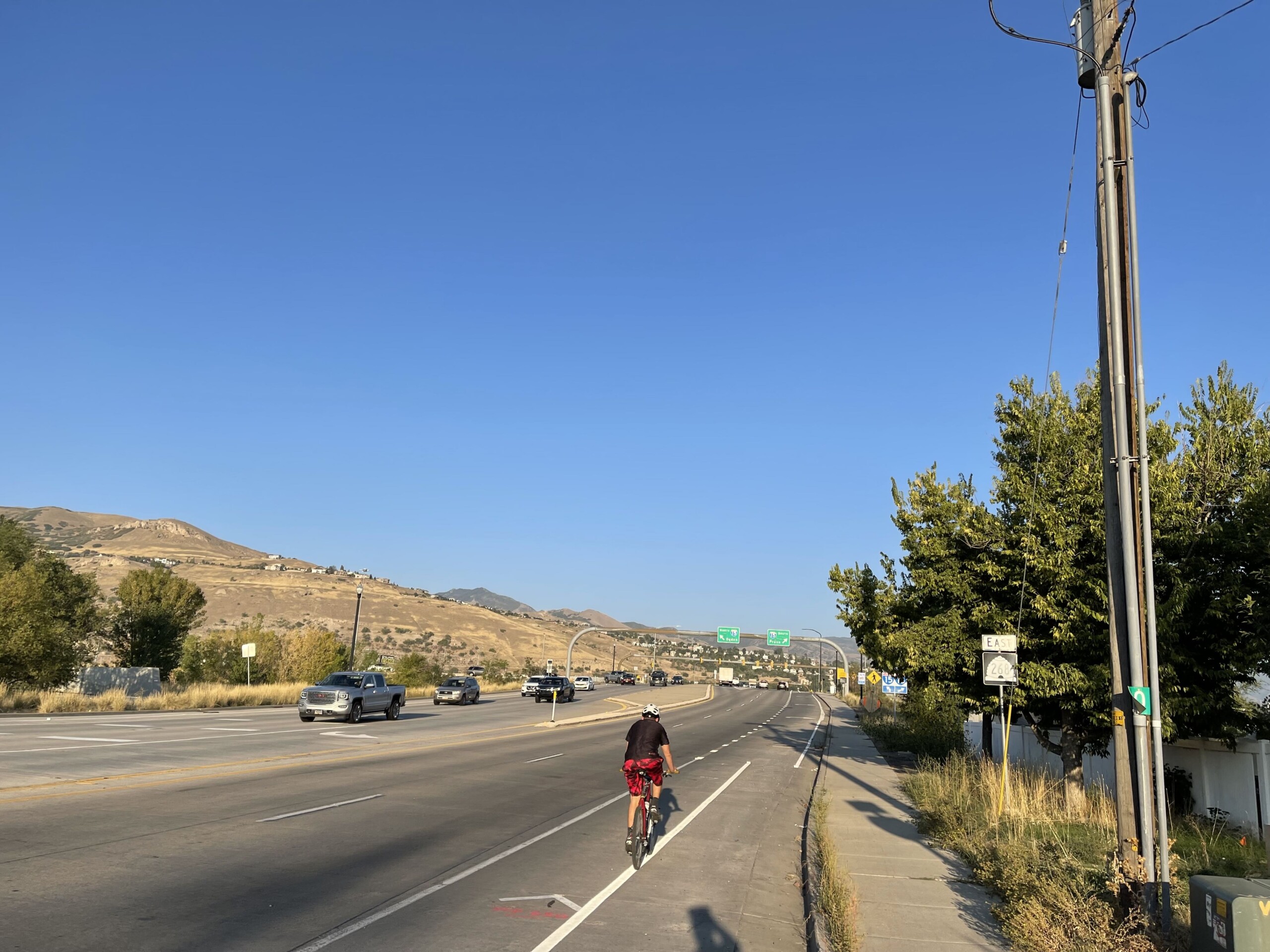
The committee called NAEGP one of the “unnecessary Green New Deal style programs” and stated that it funds “projects that states and other entities may pursue if they prioritize them, or are efforts that should be driven by the industry and not mandated by the federal government.”
The already-awarded grants that could be in jeopardy include $8.5 million for Pocatello, Idaho, for the Terry First Connection, a project designed to provide safe bike and pedestrian crossing over the Union Pacific Railroad at the Benton Street overpass (projects.pocatello.gov/us-dot-awards-8-5m-for-terry-first-connection/). Another award gave $35.475 million for bike and pedestrian connections and other improvements in Denver.
Meanwhile, in May, U.S. Transportation Secretary Sean Duffy canceled a series of “woke university grants” that he deemed “were used to advance a radical [diversity, equity and inclusion] and green agenda that were both wasteful and ran counter to the transportation priorities of the American people” (transportation.gov/briefing-room/us-transportation-secretary-sean-p-duffy-defunds-woke-university-grants).
Canceled grants include $6 million given to New York University to study “e-bikes to low-income travelers in transit deserts.” Spokespeople for NYU did not respond to inquiries.