
By James Knight — Recently passed Utah Senate Bill 195 would threaten the creation of new bike lanes in Salt Lake City, making Salt Lake City streets less safe. The bill, sponsored by Senator Wayne Harper, would essentially prevent new bike lanes in the general area of the city center of Salt Lake City. It seeks to do so by banning narrowing or reduction of travel lanes from at least February 25, 2025 to mid-2028 without approval of each project by the Utah Department of Transportation. This means that the city will not be able to put in new bike lanes or do any road work that could potentially slow car traffic down, without initiating a cumbersome traffic study for each project. The bill also targets the Salt Lake City Vision Zero Program, which is an initiative that seeks to eliminate traffic fatalities, in that it will hamper projects designed to make streets safer.
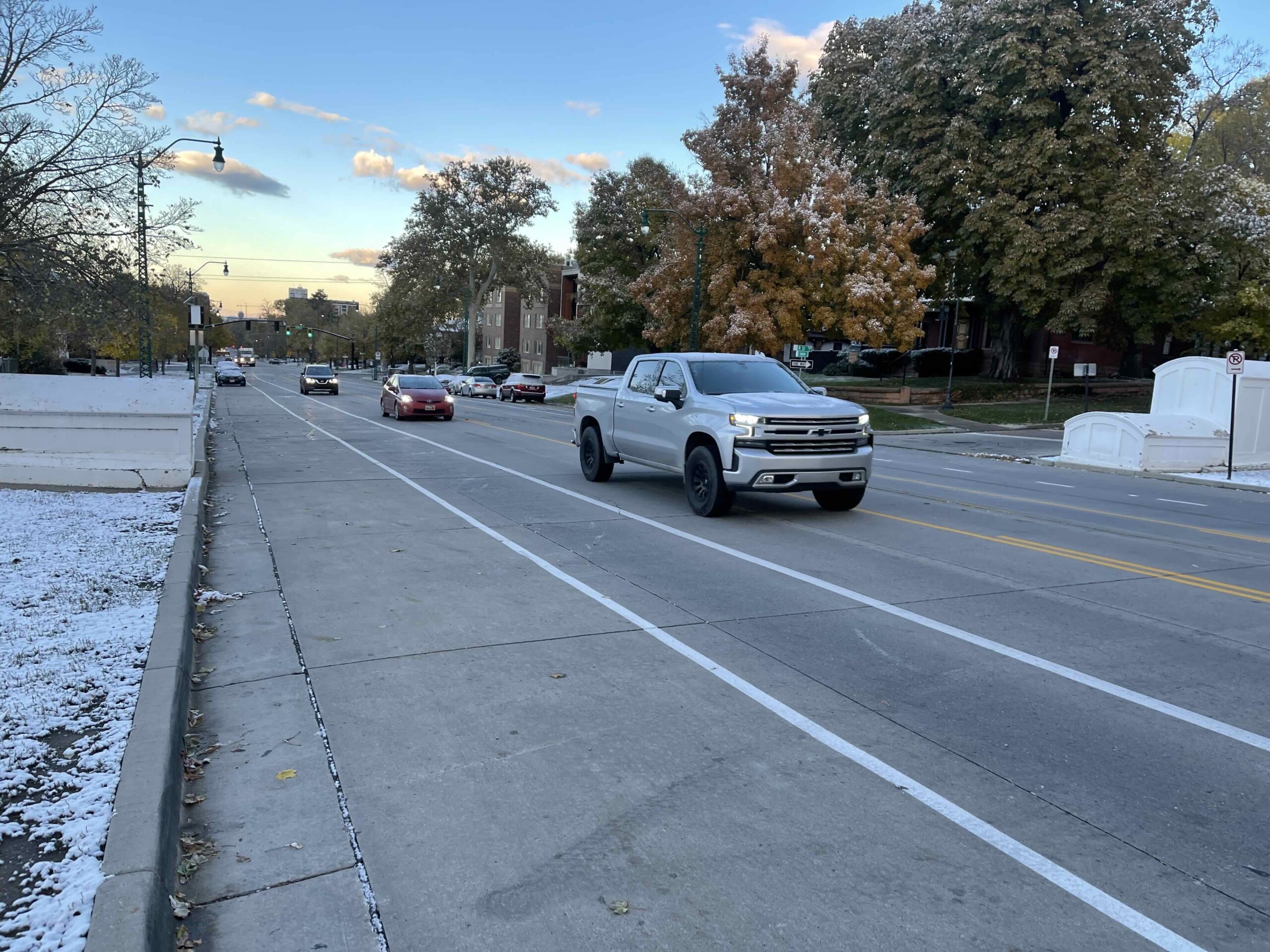
Jon Larsen, Salt Lake City’s Transportation Division director, discussed the bill in detail, saying “SB-195 puts a hold on any lane reductions or projects that could impede traffic flow on major roads in Salt Lake City, east of I-15, west of Foothill Blvd, south of 600 North and north of 2100 South. This impacts our ability to build new bike lanes and implement projects that improve safety for all users. The bill requires Salt Lake City to do a study of the impacts of these types of projects over the past five years, as well as an analysis of planned projects. The Utah Department of Transportation (UDOT) will review this study, and any projects that they approve will be allowed to move forward.”
Benjamin Wood, the Chair of Sweet Streets, a local street safety advocacy organization, and editor for Salt Lake City Weekly, seconded the problems with the bill, saying that “it really can’t be overstated just how damaging this law is to the effort to create safe, multi-modal transportation options on the Wasatch Front.”
Due to so many people relying on their own cars or public transportation in larger cities, city officials don’t seem to put in sufficient bike lanes or other safety measures. Wood described SB195 as “essentially codifying this paradigm that car traffic is superior to all other forms of movement and that it’s not worth the hassle to try and get trail and bike lane users’ safety across an existing right-of-way for car travel.”
While Wood believes Salt Lake has the resources and means necessary to get a quality project done, he expects street planners to get tired of UDOT’S review process.
While not taking bicycle safety seriously on Salt Lake City streets sounds like a major problem, Wood isn’t surprised at the legislature’s lack of commitment to street safety. Wood said, “We knew something like this was coming. We’ve seen similar “ban the bike lane” backlashes in Canada, the UK and areas around the world. The question now is whether the Legislature will take the lesson that it’s not worth picking on SLC streets, or whether they’ll be emboldened by the fight to extend these anti-safe streets posture statewide.”