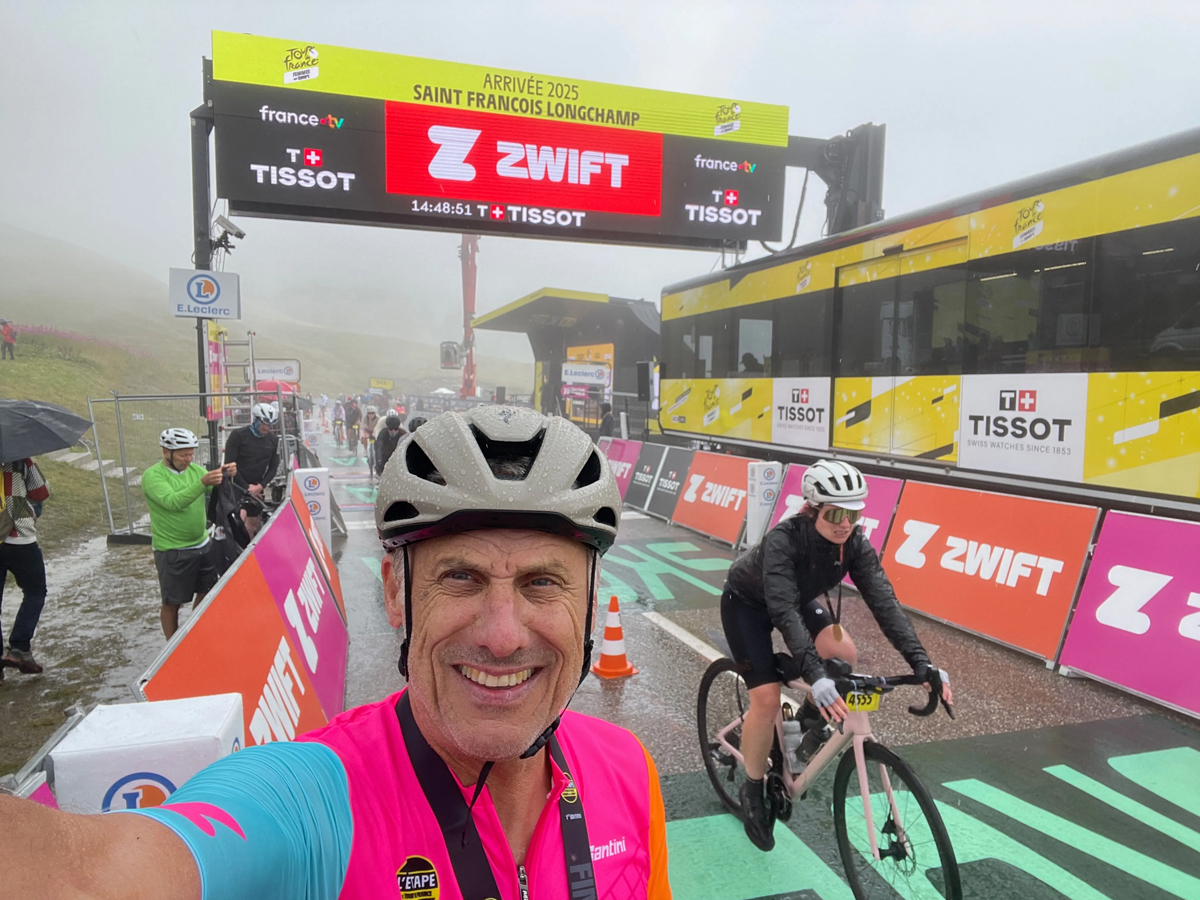
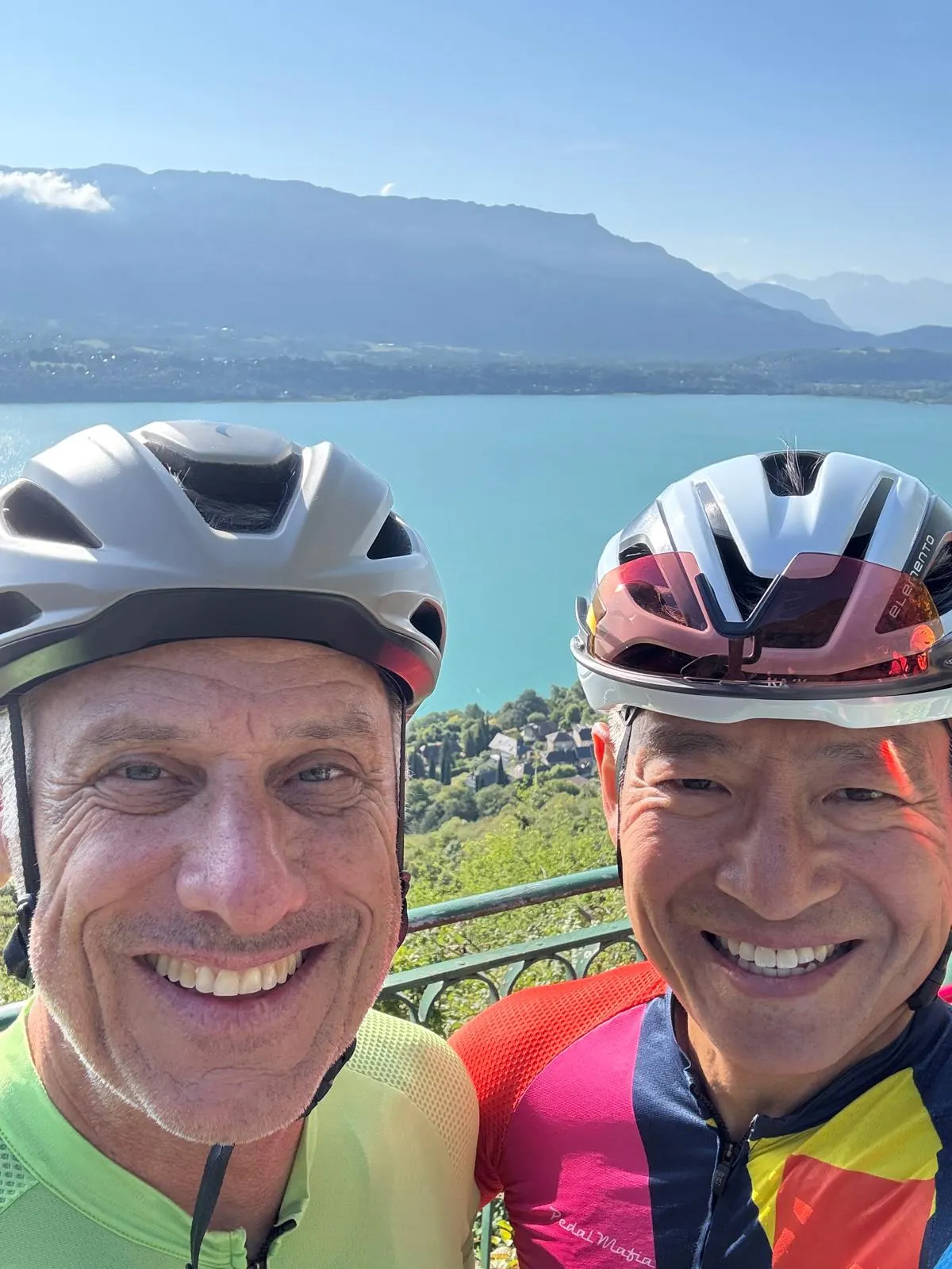
By Peter Abraham — I’m just back from a fantastic trip to visit the Tour de France Femmes avec Zwift (TDFF) with a bunch of leaders from the global bike industry. We were graciously hosted by Zwift CEO Eric Min, and I’m so glad I made the trip. Our itinerary involved both fun rides from our home base in Aix-les-Bains as well as riding most of the Stage 7 course and the difficult L’Étape event on the complete Stage 8 route, including the infamous (and crazy hard) Col de la Madeleine climb.
Here are the things I learned going to the event and riding in the French Alps:
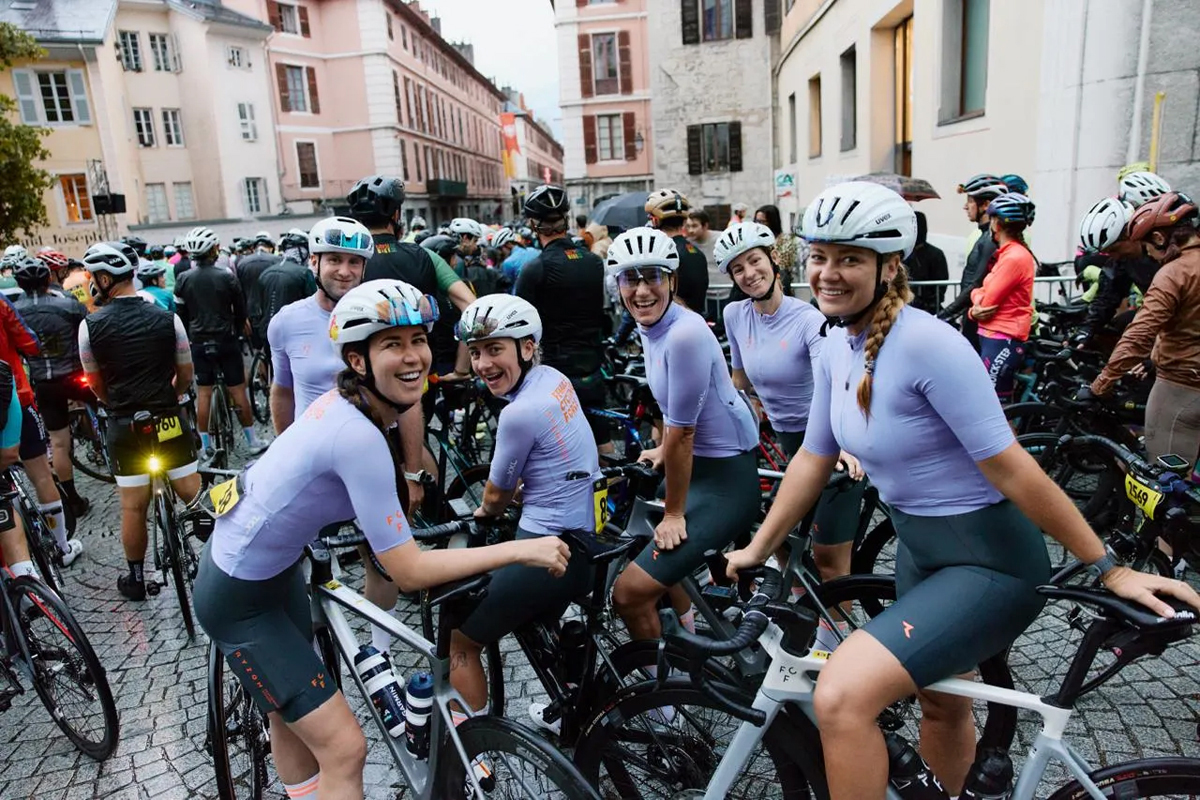
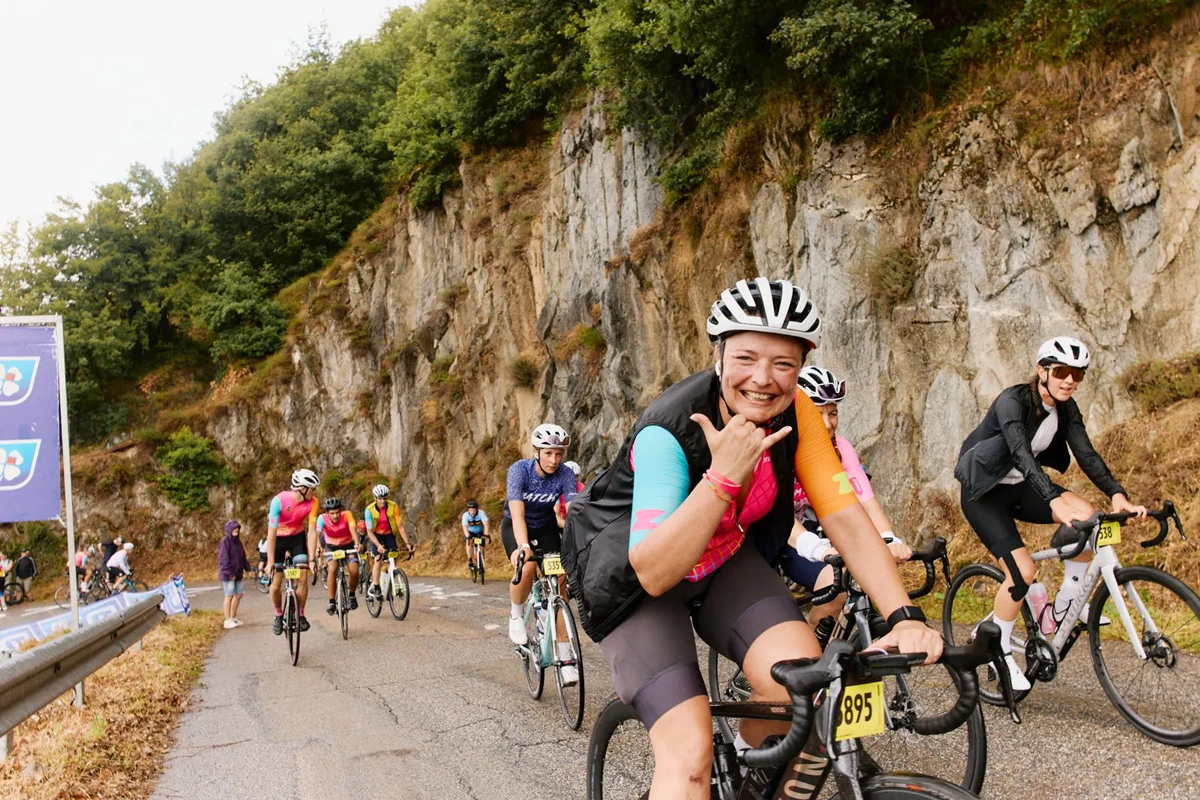
The ONE THING that we were all talking about for a week after the experience was the huge number of strong women riding in L’Étape. Registration by women was about 2,000–2,500 of the total participation number of 6,000. I have seen this kind diversity at gravel races in the US over the last 6–8 years. But to see it at a road event in Europe is a different thing. I was with a couple dozen bike business executives, and I could see the lightbulbs going on in their heads: “Wow, there’s a huge new market materializing that did not even exist 10 or 12 years ago.” Let’s hope this trend continues onward and upward in different countries around the world. I spent years in the running business, and I watched 5K runs in the United States go from about 30% women to 60% women between the early 90s and 2015 or so. The same thing could happen in cycling.
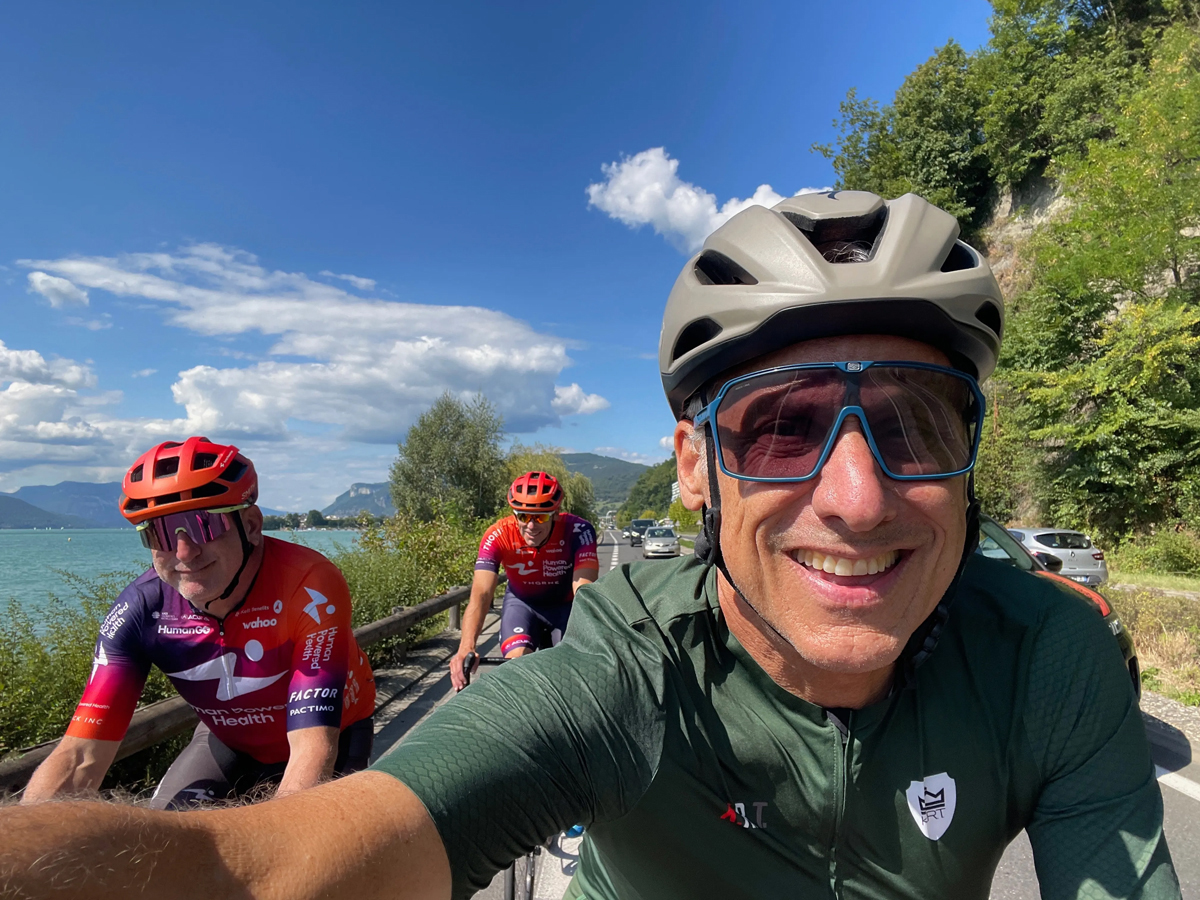
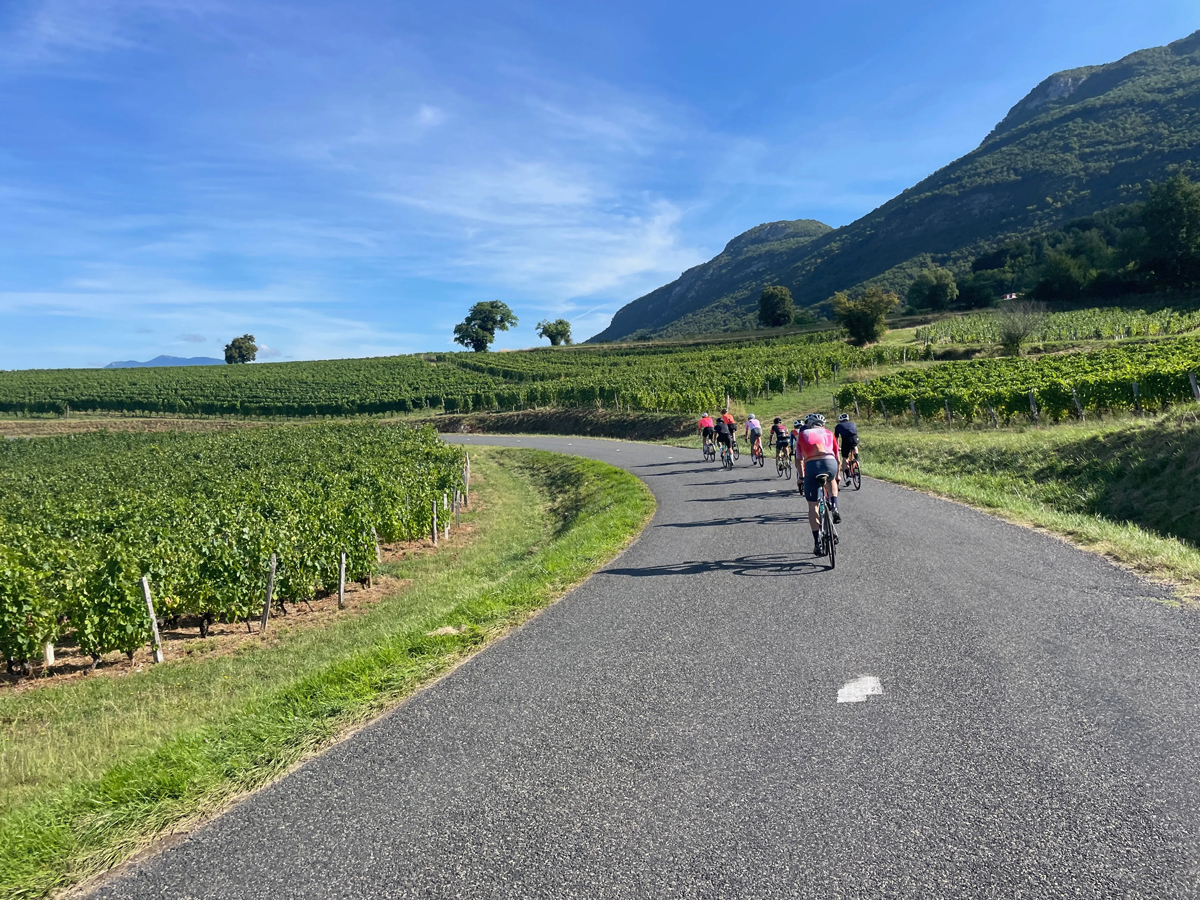
Cycling in the nice parts of Europe (there are many of these) is just better than here in the US. Why? Well two things: 1. The roads are objectively better — fewer cars, smaller, much better bike infrastructure and 2. While you’re riding in Europe you’re immersed in a cultural, historical context that only exists there — ancient villages, churches, another language, regional food. These things make riding in Europe a very special experience. Do not miss the opportunity if you can get over there.

The Tour de France Femmes avec Zwift is not just “a smaller version of the Tour de France.” The event has quickly taken on a life of its own and has gotten very big, very fast. By “big” I mean huge numbers of spectators, media coverage (over 25 million tv viewers in France alone), sponsorship, and being part of the global sports landscape. One of the things I noticed being on the ground for the race was the number of American content creators and influencers that I met at the race: Dominique Powers, Ayesha McGowan, Gretchen Powers, Marley Blonsky, Dr. Meg Fisher, Danny Awang, Melanie Jarrett, Jeff Clark and others. They’d come to Europe for the women’s Tour and not the men’s. Having been around for the meteoric growth of gravel 2017–2022 or so, I have pattern recognition on this. I can tell when something is hitting the culture hot button and taking off. Put TDFF and women’s bike racing into this category.
At the same time as the race is taking off, there are some structural problems to fix in pro cycling. First of all, as I’ve written about before, the cycling team sponsorship model is badly broken. The team strategy of “give us a pile of money and we’ll put your logo on our jersey” just does not provide ROI to many sponsors. And I would say the disconnect between current pro cycling sponsors (geopolitical interests, groceries, building materials, banking and oil companies) and the fan base/participants in cycling (educated, affluent, outdoorsy) is less aligned than any other sport. Take a look at sponsors of EPL Soccer, PGA Tour, the New York City Marathon and ATP tennis. Generally there are lots of tech and consumer brand partners with these other sports. While Red Bull does now own/sponsor a men’s team, telecom provider Movistar sponsors a Spanish team and Oatly is a co-sponsor of the EF team, there aren’t many contemporary consumer & technology brands sponsoring cycling. And many teams, even big ones, are struggling to stay afloat. I do believe Zwift’s sponsorship of Tour de France Femmes is a move in the right direction, as I’m a near daily user of that tech-forward consumer brand.
Prize money for the Tour de France Femmes avec Zwift (Pauline won €50,000 vs Tadej Pogaçar’s €500,000) is currently 90% smaller than the men’s race. While the men’s prize purse, relative to the scale of TdF is already surprisingly small, the women’s purse is downright embarrassing. I can make a case for the women’s purse to be smaller than the men’s (maybe half?), because it’s a shorter event with far fewer sponsors and broadcast deals. But at the current level the skilled female pros in the event look more like indentured servants. Given the undeniable success of the event, let’s hope owner ASO fixes this before next year.
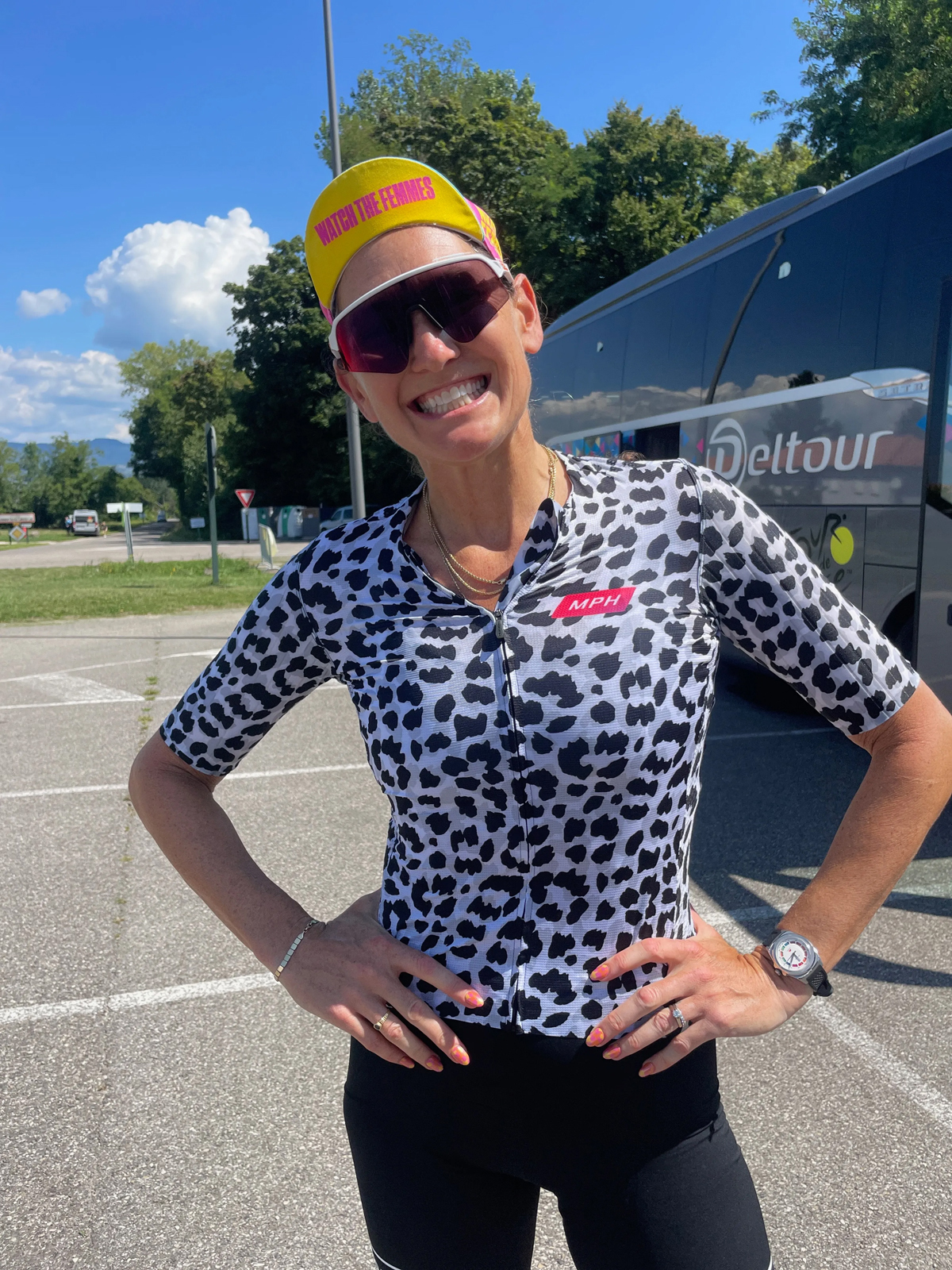
Overall, I give ASO (owner of Tour de France) and CEO Yann Le Moenner and title sponsor Zwift credit for leaning into women’s professional cycling with not only TDFF but also the Paris-Roubaix classic event. I hope they continue to grow these events and build the global fanbase for women’s cycling. As Yann told me one night at dinner, “This event has exceeded all of our expectations.” I could not agree more, and I look forward to going back next year.