
By Charles Pekow — Every urban cyclist knows the drill: a delivery van idles in the bike lane, forcing a swerve into traffic or a sudden stop. In Chicago, one rider turned that daily frustration into a nationwide tool. Christina Whitehouse founded Bike Lane Uprising (BLU), an app that lets users report blocked bike lanes—and builds a growing database of where violations happen and who causes them.
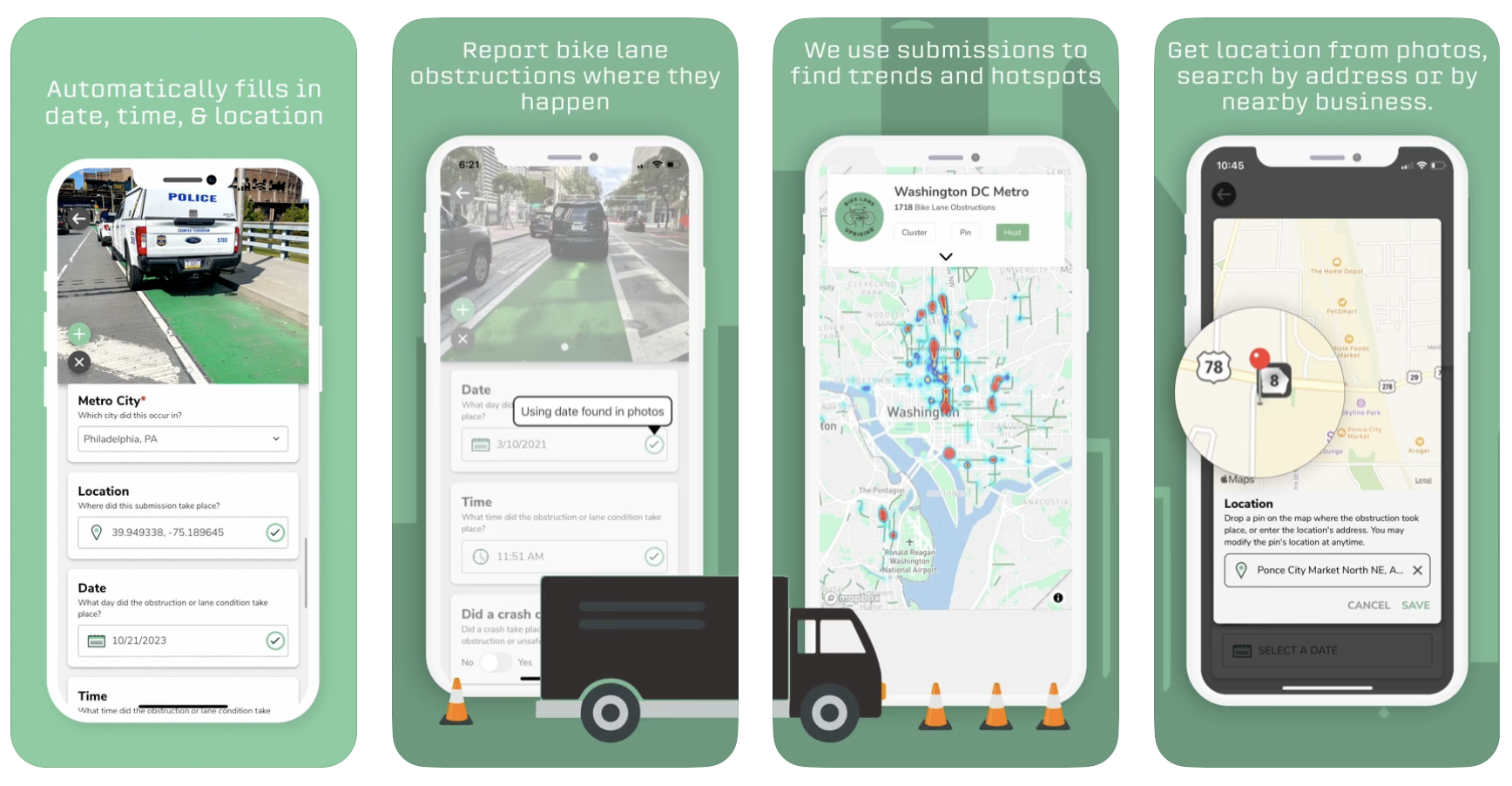
Whitehouse argues that drivers will continue to ignore unprotected bike lanes as long as it remains the easiest and cheapest option. BLU channels each report into a central database spanning the United States and Canada. By early March, users had logged more than 114,000 incidents—data that cities now use to guide enforcement and infrastructure improvements.
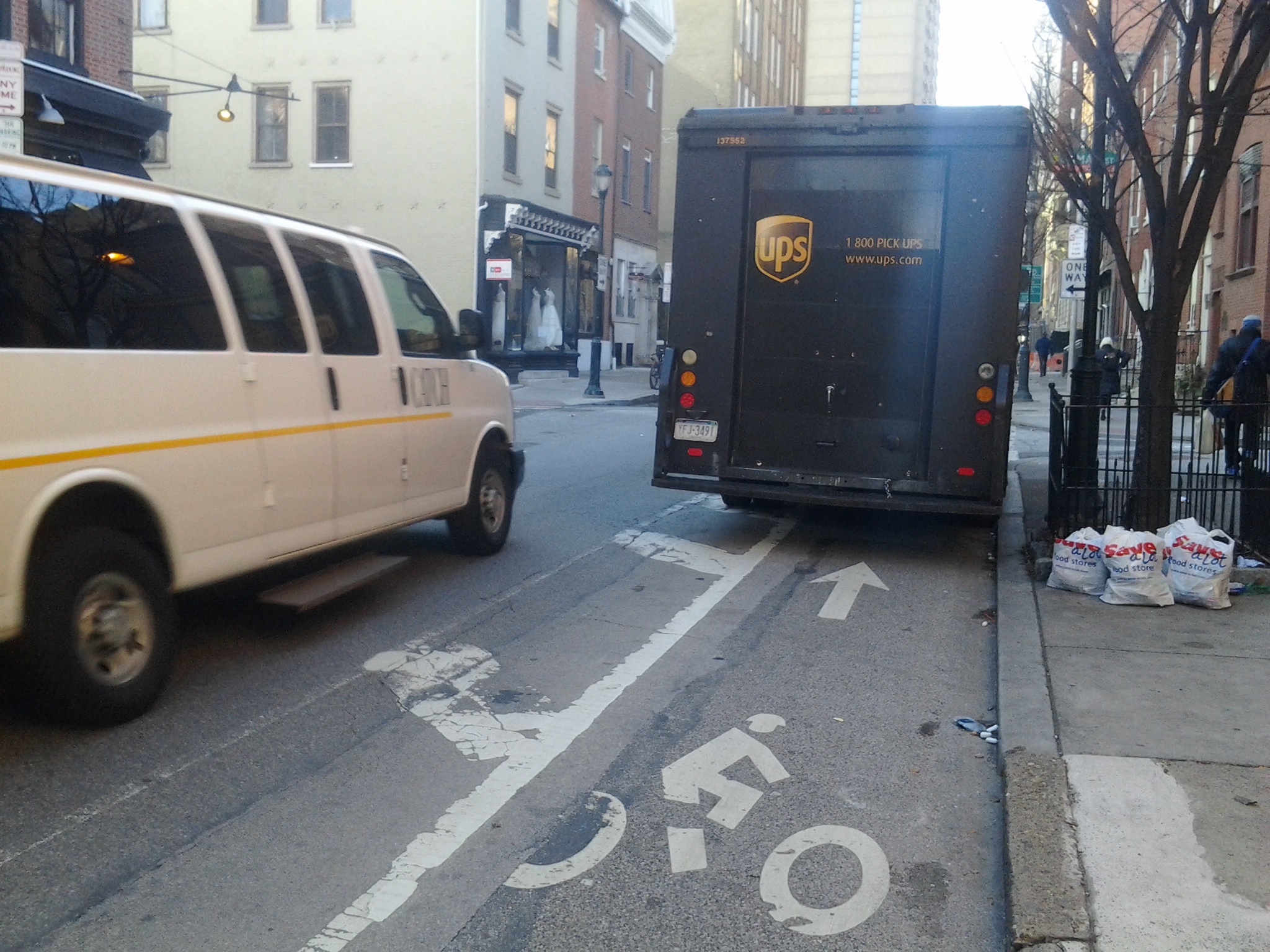
BLU does more than collect complaints. The organization runs education programs to explain bike lane laws, identifies repeat offenders, and flags companies whose drivers repeatedly block lanes—one firm accumulated 60 violations. The app also notifies companies directly. Some employers, Whitehouse says, are unaware of the problem; others may implicitly encourage it.
In Chicago, BLU has worked with the city to reroute 911 complaints about bike lane obstructions away from police dispatch and toward parking enforcement. Officials have also used BLU’s mapped data to pinpoint where stronger enforcement—or better infrastructure—is needed.
Cyclists in western cities have adopted the app as well. In Cedar City, reports show most violations come from private drivers, with about 20 percent from company vehicles and even a handful from municipal employees—while for-hire drivers account for relatively few.
The app is available at https://www.bikelaneuprising.com/.