
By Charles Pekow — Securing adequate resources for bicycling infrastructure in Complete Streets programs has challenged many communities. Once built, maintaining those facilities often creates additional problems. A new report from the National Academies of Sciences, Engineering, and Medicine notes, “Roadway maintenance equipment is often incompatible with bicycle and pedestrian facilities, and additional funding for dedicated maintenance is limited.”
The report, Funding for Maintenance of Complete Streets, examines how states and communities are addressing these challenges.
The report finds that routine highway maintenance typically receives consistent funding, but many states fail to maintain nonmotorized infrastructure systematically. As a result, local governments shoulder much of the responsibility, creating disparities. Wealthier communities are often better equipped to maintain these facilities, a gap that has contributed to higher cyclist fatalities in lower-income areas.
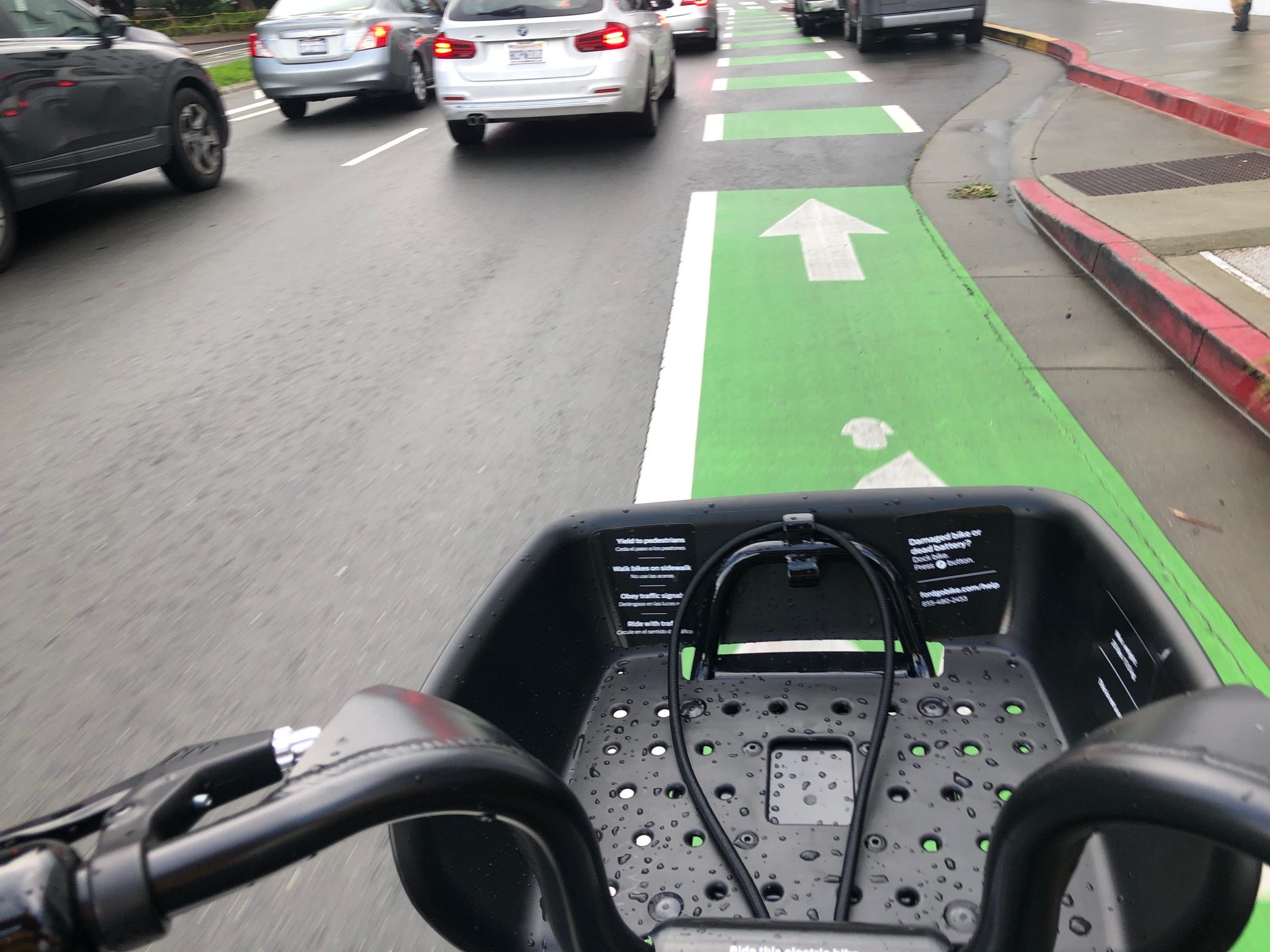
Several states have taken steps to address the issue. Montana involves maintenance staff early in the design process. Illinois allocates dedicated funding for bike and pedestrian projects and clarifies shared maintenance responsibilities between state and local governments. Minnesota ensures that agreements clearly define who maintains bike lanes.
The academies received 43 responses to a survey of state transportation departments, including Puerto Rico and the District of Columbia. Utah, Arizona, and New Mexico did not respond. Of those surveyed, 35 departments cited inadequate funding and staffing.
The study warns that while many transportation departments have adopted multimodal policies, gaps persist in training, funding, and coordination. It calls for better alignment across agencies, expanded training, and more sustainable funding models to ensure long-term success.
Training remains a major shortfall: 70 percent of responding states reported they do not train maintenance staff, and few plan to start. Only five states use equipment designed specifically to clean bike lanes. Just 24 states said they can use Complete Streets funding to build bike facilities.
The full report is available at https://www.nationalacademies.org/publications/29314