Home Blog Page 10

UnPAved: A Gravel Event in the Keystone State

“Many a month has come and gone
Since I wandered from my home,
In those Pennsylvania mountains where I was born.
Many a page of life I’ve turned
Many a lesson I have learned,
But I find that in those mountains I still belong.”
—with apologies to Woody Guthrie

By Don Scheese — “You can’t go home again,” said Thomas Wolfe. Maybe, maybe not. But you can still certainly visit the area you once grew up in and where you spent some of your formative decades. And so, every October for the past three years I’ve combined visiting family in the general area where I was raised and participating in a wonderful gravel event called “UnPAved.” Held in the small Pennsylvania town of Lewisburg in the Susquehanna River valley, the event is the brainchild of Cimarron Chacon (you gotta love anyone with that name), who is also a co-creator of gravel races out West like True Grit in southwestern Utah.

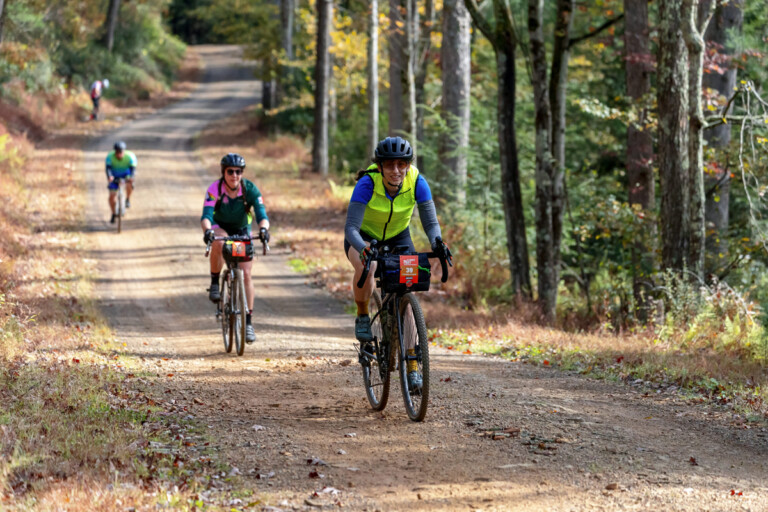
The event, which started in 2018, is held on the second weekend of October over three days. There are routes of varying distances: 30-50-70-100, and 200 miles, and even an overnight bikepacking trip to Poe Paddy State Park in which your gear is shuttled to the campground so you can ride as lightly as possible. There is no mass start; instead, several timed hill climbs decide who the “winners” are of the race. Organized pre-rides are available so you can recon parts of the courses, and there’s a gear expo and a gravel film festival the day before the race. A post-ride party completes the activities, where food and beverages are provided as part of your registration fee.

Scenes from UnPAved. Photo by Abram Eric Landes, FirespirePhotography.com

All told over 1000 riders participate, and the gravel event is held the same weekend as the Lewisburg Fall Festival, featuring food vendors and the works of various local artists and craftspeople. The small town with its charming colonial downtown historic district is the home of Bucknell University and has all the good vibes and amenities of a college town, including interesting restaurants and coffee shops (for great ice cream don’t miss the Old Mill Creamery a few miles west of town).

The forecast was looking iffy for race day on Sunday. I arrived on Friday, in time to get in a short recon ride on my excellent rental bike from Link Cyclery in town, a Giant Revolt Advanced 2, on the pancake-flat Buffalo Valley rail trail, a 10-mile straight shot from Lewisburg to Mifflinburg to the west through farmland and hardwood forest. With a Nor’easter roiling up the East Coast predicted to just scrape central Pennsylvania, it was disturbingly unclear how much rain would fall on Sunday. So, I chose to ride a version of the 50-mile route on Saturday, which promised fair weather for that day. That way I could (hopefully) stay dry, avoid the crowds of gung-ho racers, and enjoy relative solitude on the trail and roads. Then Sunday, weather permitting, I could still get in a shorter ride with the hordes of gravel-riding aficionados who’d be trundling along that day. As it turned out, my plan worked to perfection.
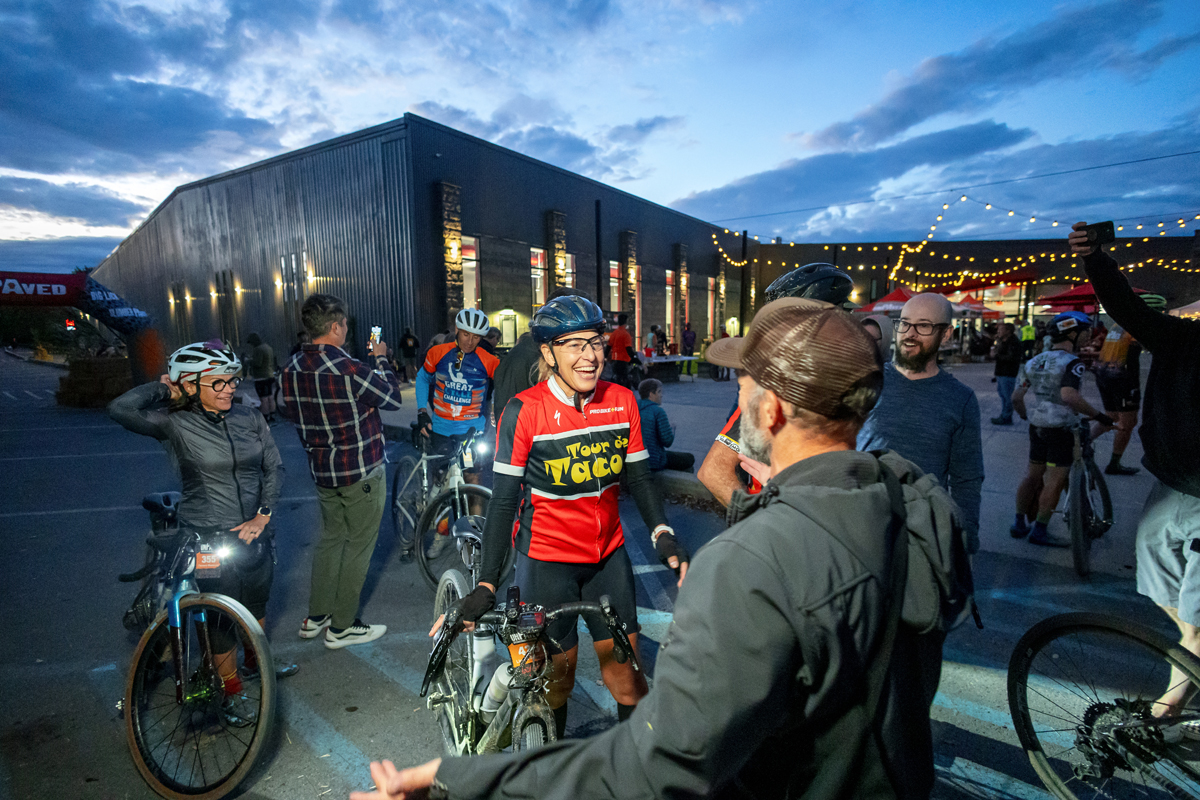
Riders celebrate at the finish party at UnPAved. Photo by Abram Eric Landes, FirespirePhotography.com

The first four miles of the route were on the Buffalo Valley gravel path. Pennsylvania can boast of many such rail trails, abandoned railroad lines once purposed to serve the coal mining industry for which the state is famous, and relatively recently transformed into non-motorized recreational corridors for walkers, runners, cyclists, and equestrians. My father worked in the underground coal mines for over 30 years, before strip mining took over and put many miners out of work in the early 1960s. I very much liked the idea of riding on routes once used for hauling coal out of the mountainsides; it represented a nostalgic return to my roots.
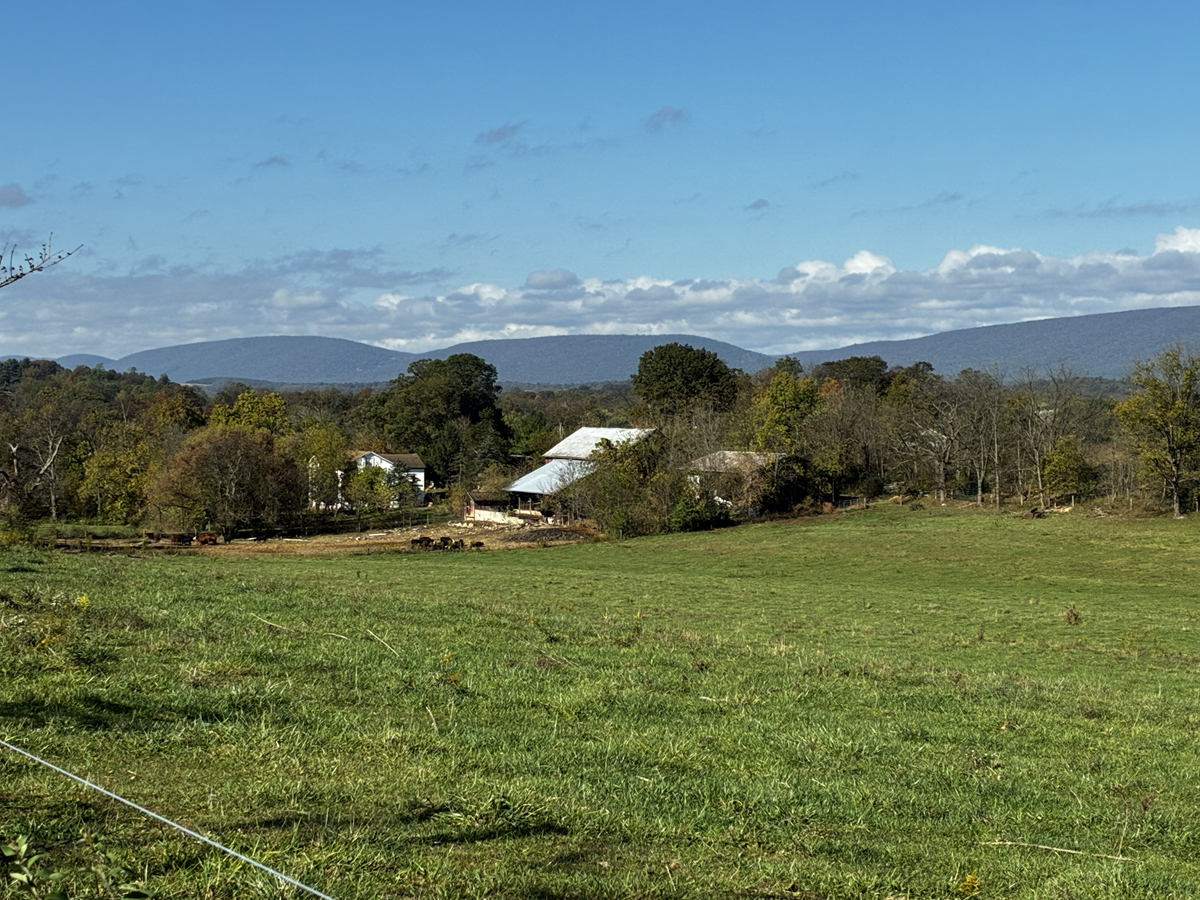
Pennsylvania pastoral. Scenes from UnPAved. Photo by Don Scheese

I saw and heard bluejays and cardinals through the forest patches, as I passed groups of young Mennonite girls on bikes, their long flowy dresses and white bonnets distinguishing them from other trail riders. At the junction of Strickler Road I met up with a group of women heading out for the “Slumber Party,” the overnight bikepacking trip, whose enthusiastic whoops of joy announced their arrival. We would pass and re-pass each other the next couple miles over the undulating backroads as the route wound through lovely pastoral landscapes of well-maintained farms and fields.
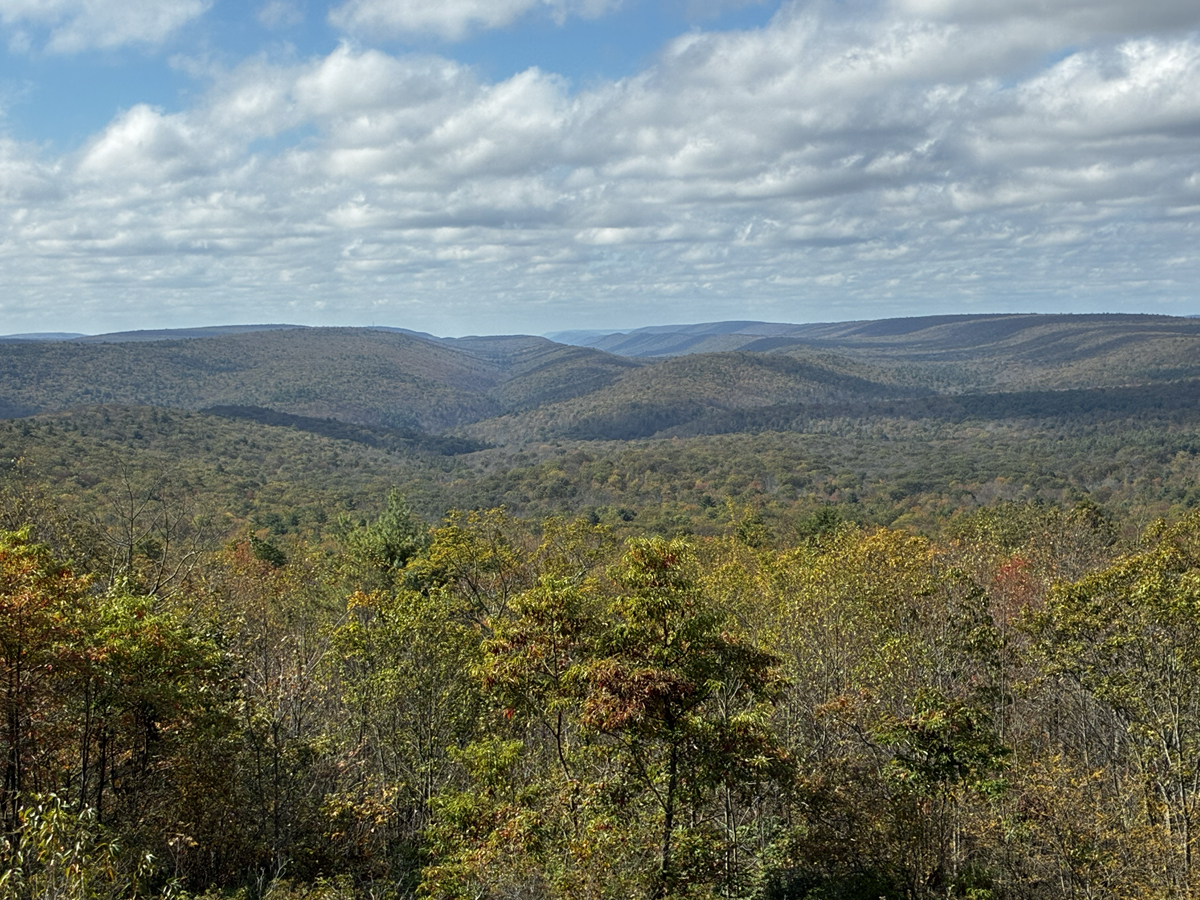
Jones Mountain view. Scenes from UnPAved. Photo by Don Scheese

The undulating roads leading to the base of Jones Mountain in Bald Eagle State Forest are no joke: with short gradients as much as 13% they are an effective warm up for the longer climbs to come. I passed Amish horse-drawn buggies and piles of horseshit on the smooth backroads, part of the ‘local color’ of bike riding in these parts. With little vehicle traffic, this was proving to be an idyllic experience on a lovely sunny, cool, calm morning.

I had the route uploaded to my Garmin, and the turns were marked on the road’s surface with bright orange arrows. Somehow though I managed to miss a turn on a sudden fast descent and wound up on Steffen Road with a (I kid you not) 20% gradient! Grinding away in my lowest gear, I crawled up the punchy climb, then cursed as I quickly lost the elevation I had just gained, descending to another creek valley. At the junction with Centennial Road, I stopped to consult my paper map of the area (an avowed old-school kind of rider, I always carry paper maps of any area I ride through during a gravel event in unfamiliar territory). I’d come too far to backtrack, I reasoned, so the only option was to carry on and rejoin the official route somewhere ahead. I figured out that if I took Centennial Road north (which I’d crossed earlier), then briefly headed west on busy Buffalo Road, I could get on Jones Mountain Road for the one and only truly ‘epic’ climb of the entire route.

Which is exactly what I did. And make no mistake: Jones Mountain is a challenging climb. Over 3 miles it rises some 1200’ with steady gradients in the 10-13% range. As the road surface changed from pavement to gravel in the state forest, and quickly reared up to formidable steepness, I settled into a comfortable rhythm after letting out some of the air in my tires for better traction. Now I was entering the deep woods of my youth: a riot of vegetation in peak fall foliage, hardwood trees looming, thick understory, sprinkled with occasional dark patches of mountain laurel, the state flower of Pennsylvania. The colors only grew more intense the higher I climbed.

A word about Pennsylvania gravel. As a relocated Westerner who’s ridden on many chunky, rutted, rocky stretches of gravel roads in national forest and BLM lands, the gravel back East is ‘gravel lite’: hard-packed, relatively smooth with only occasional potholes. This is great for gravel-grinding but be forewarned: It also means drivers of vehicles don’t have to take it too slowly on these well-maintained roads. And while I would only meet with perhaps a dozen vehicles in the 20-30 miles of state forest land, most of them I encountered drove too fast and refused to yield to cyclists on narrow stretches and blind corners. The stereotype of “impatient Easterners” clearly proved true in these parts, so using headlights and taillights is not a bad idea.

Continuing to grind away, I eventually rejoined the official route (which comes in from Brandon Road). Nearing the summit I encountered event signs like “THIS IS NOT THE TOP” and “EASY ON THE EYES, HARD ON THE LEGS”—examples of wry ironic humor for which UnPAved is well known. Just past the official high point one of the few vistas of the entire route opened, where I met with another group of women doing the slumber party option. Their laughter and chatty conversation indicated they were having a good time. The sublime view reminded me of this nostalgic passage from Edward Abbey’s essay “Mountain Music,” as he reminisces about the landscape of his youth:

“Where does the line ‘High on a windy hill’ come from? I cannot remember.
But it evokes at once the spirit and the atmosphere of those skyward
excursions. Clouds soaring by, the soft and melting clouds of Pennsylvania
on the gentle Watteau blue of the Pennsylvania sky. Down below—far below
I would have said then—I could see the red barns, the white farmhouses, the
green and yellow fields, the meanders of a creek, the winding ways of the
country roads passing among the hills from farm to farm….”

Indeed. Like Abbey, I was a Pennsylvania native who also emigrated to the American West in his early twenties to find his second, perhaps truer home, one reason I developed such a deep affinity for this influential writer and environmentalist.
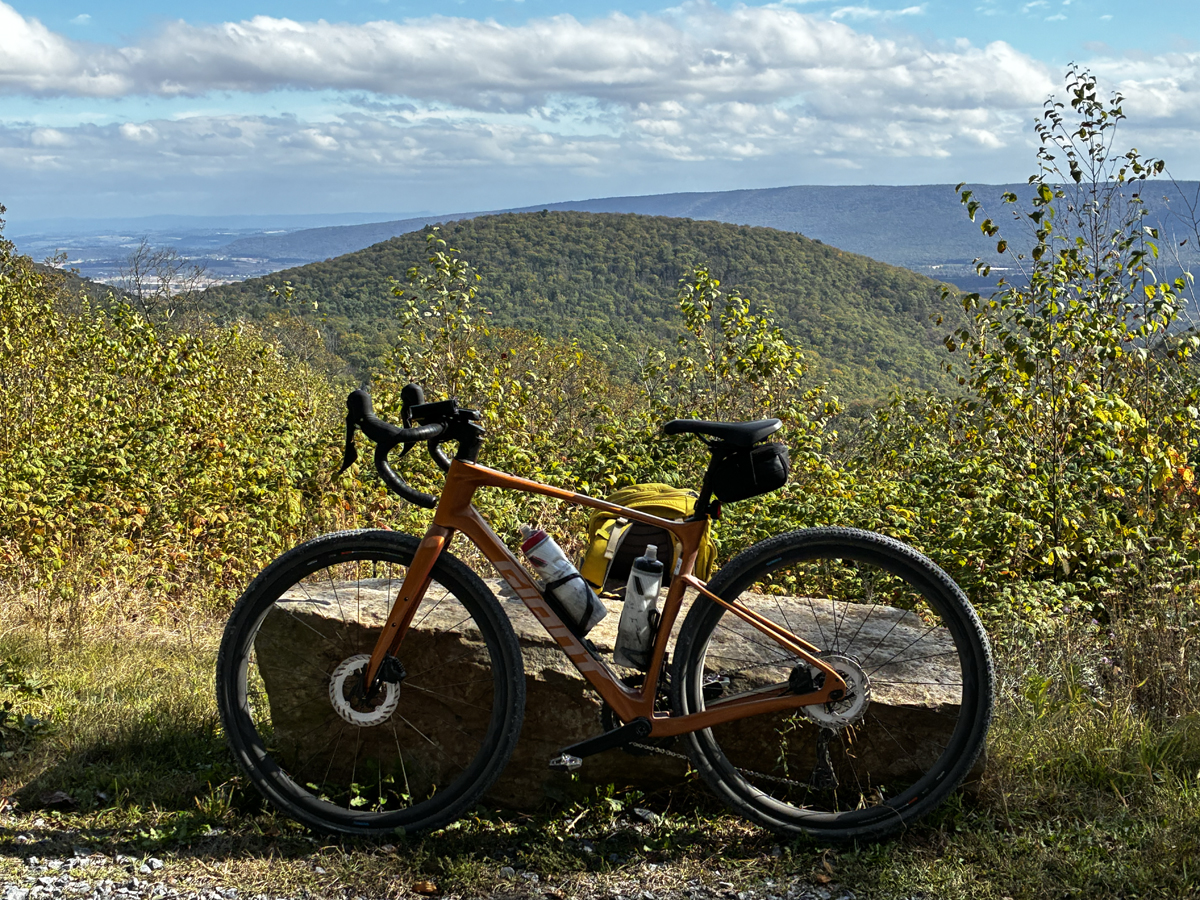
Hobo Vista. Scenes from UnPAved. Photo by Don Scheese

The road plunged down from the Jones Mountain vista through a forest that became increasingly darker and wilder. Hardwoods were replaced with Eastern hemlock trees and Eastern white pine, interspersed with bright yellow patches of beech and elm leaves. Chickadees and nuthatches chirped from the dense woods, and I even heard the wild cries of a pileated woodpecker. The route continued to roller-coaster like this for another 10 or so miles before reaching the junction of Stony Run Road, where the first official aid station is located. My mouth watered as I thought of the savory hot dogs, pierogies (dumpling like pasta stuffed with potatoes and/or cheese), and cold Cokes that would be served tomorrow by dedicated volunteers. Ruefully munching on a Clif bar, I thought of the obvious disadvantage of not riding the route on race day. Oh well…. the solitude and quiet made up for the gustatory disadvantage I faced.

“Run” is a geographical term back East used to denote creeks and streams. Stony Run featured a shady, shallow watercourse I followed upstream for a couple miles to the next junction. It too was dark and mysterious, making for more introspective riding. I reminisced about the forts we used to build in the woods as kids and the battles we would carry out between rival groups with crabapples as our main weapons. Much more gradual than the Jones Mountain climb, it was easy to fall into a comfortable rhythm on this ascent.
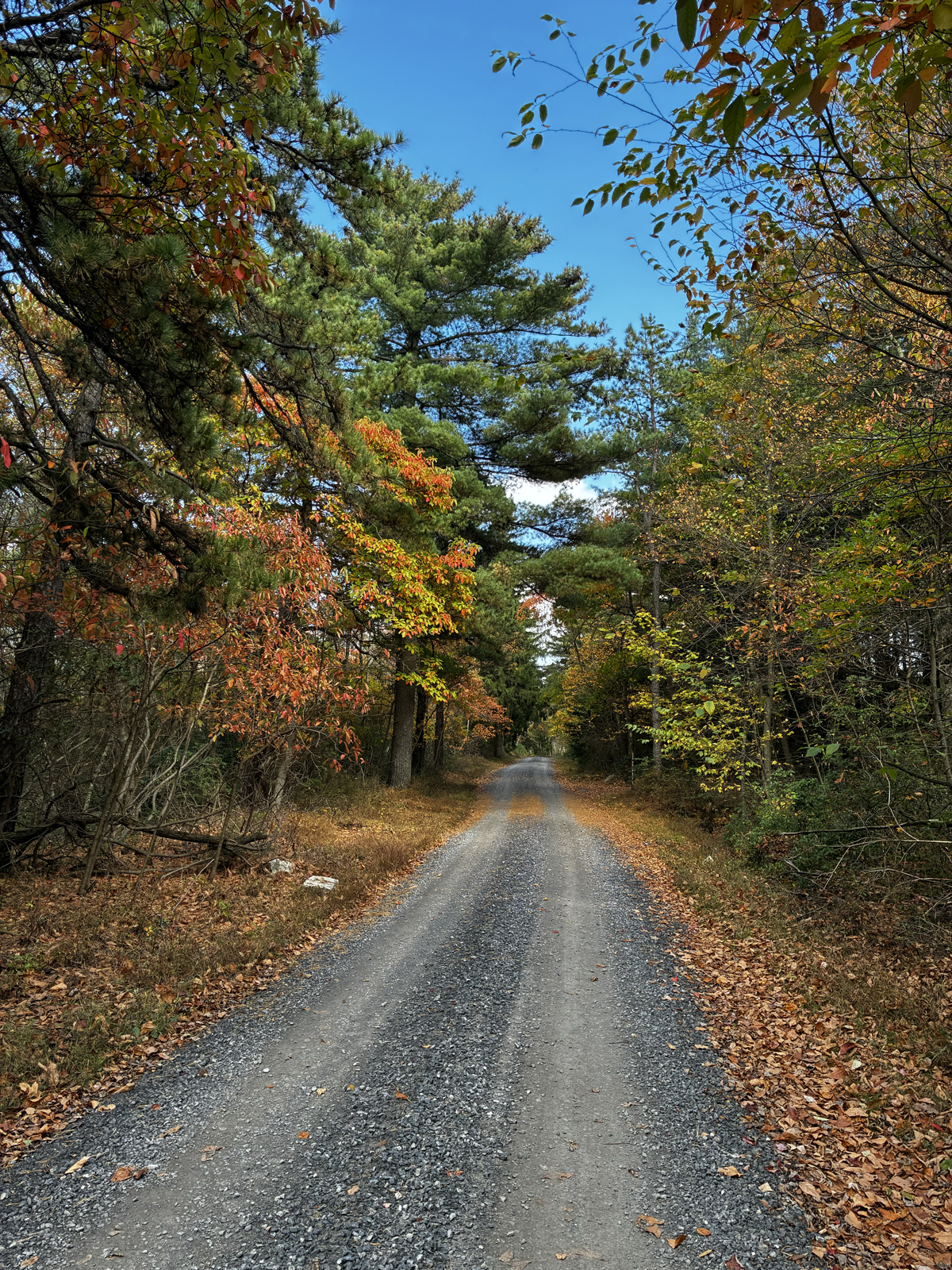
Fall colors along Buffalo Mountain Road. Scenes from UnPAved. Photo by Don Scheese

More challenging came the climb after the turnoff on Buffalo Mountain Road, which climbed up to the next and only additional viewpoint of the route, Hobo Vista (I’d love to know how it had acquired such an intriguing name). Here again I stopped to refuel and recover, this time enjoying complete solitude and quiet. Giant slabs of rock were conveniently placed along the turnout to recline on, and as I took in the view I again (ever the former English professor) thought of Abbey and countless other writers who once evoked the sublime feelings one gets from encountering an unexpected prospect.

Buffalo Valley Rail Trail. Scenes from UnPAved. Photo by Don Scheese

Mercilessly, the road continued to climb back up to over 2000’ before topping out in more hemlock and pine forest. Thoroughly soaked in sweat In the East Coast humidity and 60-degree temps, I made sure to zip up my vest and long-sleeve jersey before the final plunge back down Shingle Road to “civilization”—scattered cabins and houses niched into the Pennsylvania woods. Then it was on to more paved backroads through yet more farmland (Pennsylvania, I’ve been told, has more miles of paved roads than any other state in the nation). More local color ensued as I rode through a picturesque, well-maintained covered bridge over Buffalo Creek. Then I cautiously crossed busy Highway 45, and headed east again on Swengel Road back to 45, with a decent shoulder providing adequate protection from traffic the last few miles to Mifflinburg, where I regained the Buffalo Valley trail.
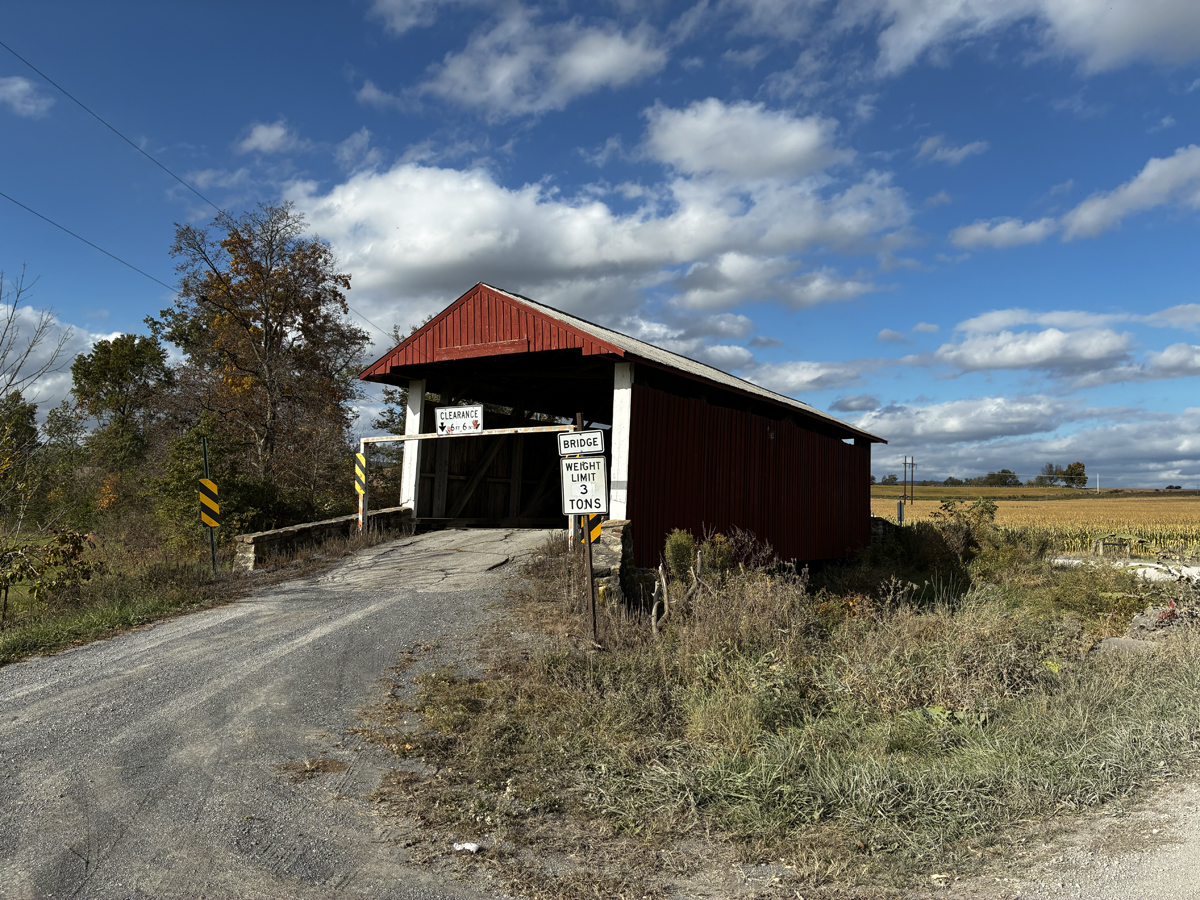
Covered bridge over Buffalo Creek. Scenes from UnPAved. Photo by Don Scheese

Only 10 miles back to Lewisburg. But before that a break at the Rusty Rail tavern with good homebrew and hot food. Then a rewarding tailwind to boot!

Ride totals: 57 miles, 3900’ of climbing, 9.9 mph average.

On Sunday, contrary to the earlier forecast, the weather proved fair and inviting, so I did a 30-mile route of my own design, with 1100’ of climbing in the foothills. On the return loop near Mifflinburg, I joined up with scores of other riders and imbibed the free local samples of beer provided by the Rusty Rail. Seeking some input and perspective on the event, I accosted the first pretty girl on a bike I could find and asked her some questions. Thirty-something Valerie from Philadelphia, splendidly attired from head to toe in Rapha kit, mounting a fancy bike, positively loved the event, citing its “chill vibe” yet challenging routes, as well as the diversity of riders, and decided then and there to return in future years. Definitely a satisfied customer.

It left me with a good vibe too, as I crossed the finish line back in Lewisburg later that afternoon. At the conclusion riders are presented with swag like a mug, musette, t-shirt and, best of all, a whoopie pie! (You will have to research that yourself to learn what it is.) Plus, a meal of barbecue, mac ‘n cheese, and two local beers.
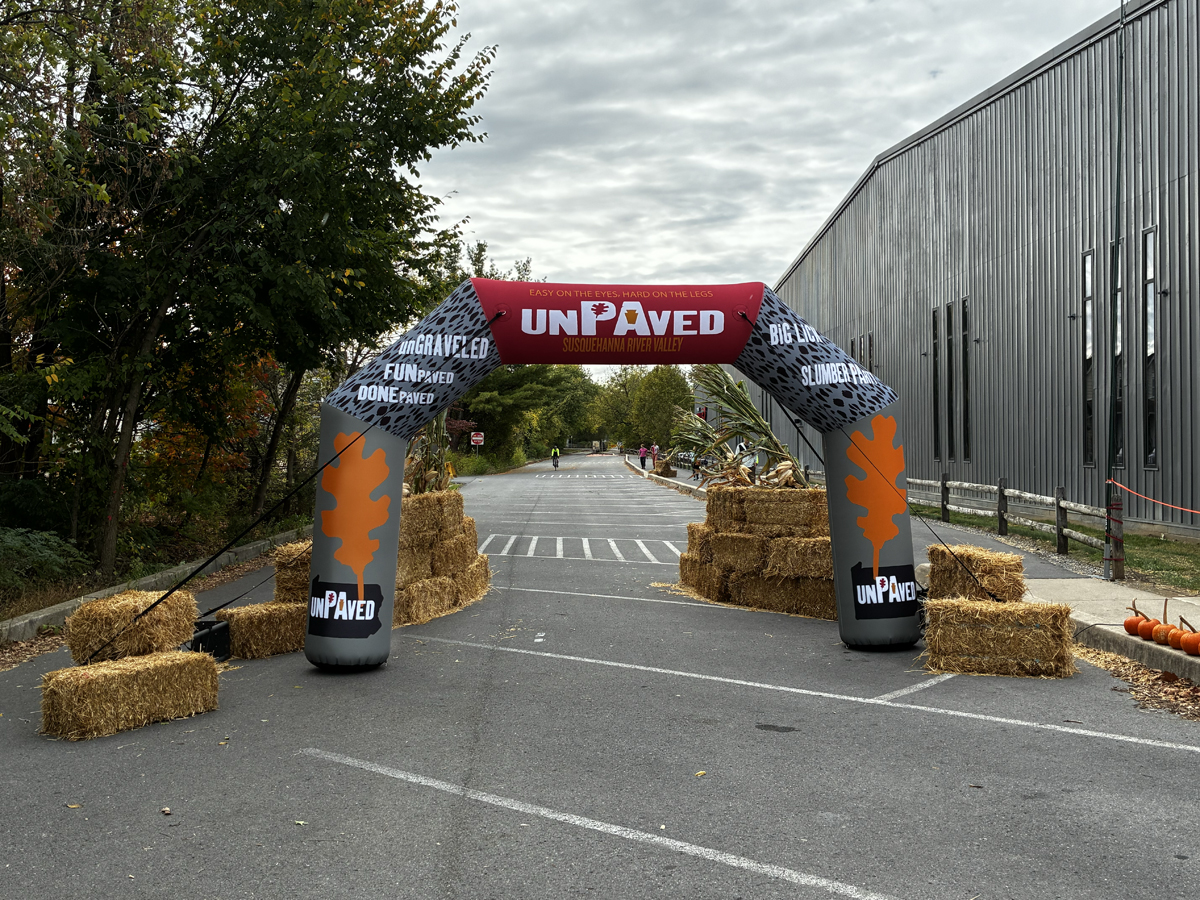
Finish line. Scenes from UnPAved. Photo by Don Scheese

As I ate my meal, always the contemplative over-thinker, I wondered: was it worth traveling 1000s of miles, spending 100s of dollars, to ride a bike in new surroundings, when I could have ridden the same mileage at home, spending far less time and money to travel? What does it all mean, what did the experience amount to? I recalled some lines from Elizabeth Bishop’s poem “Questions of Travel”:

“Is it lack of imagination that makes us come
To imagined places, not just stay at home?
Or could Pascal have been not entirely right
About just sitting quietly in one’s room?
Continent, city, country, society:
The choice is never wide and never free.
And here, or there…No. Should we have stayed at home,
Wherever that may be?”

Here’s the only answer I can offer: we humans have been wandering for millions of years, ever since we left the African savannah. Wandering is still an integral part of our DNA.

Perhaps the answer is as simple as this: the meaning is in the motion.

P.S. Testifying to the good gravel grinding readily accessible in the area, a new “Gravel Adventure Field Guide” has just been published for the Susquehanna River Valley in central Pennsylvania, featuring 10 different routes varying in length from 25 to 100+ miles. See my review of the current guidebooks in this series in the Spring 2025 issue of Cycling West.

Event Info:

October 11, 2026 — UnPAved of the Susquehanna River Valley, Lewisberg, PA, Cimarron Chacon, [email protected], unpavedpennsylvania.com
Bike Couriers and Pedicab Drivers Could See Tax-Free Tips Under Proposed IRS Rule

By Charles Pekow — If you transport people, papers, or products by bike for a living, a portion of your income may soon become tax-free. Legislation passed this year eliminates taxes on tips. To prevent workers from reclassifying wages as tips, the IRS proposed limiting the exemption to a defined list of occupations that traditionally rely on tipped income.

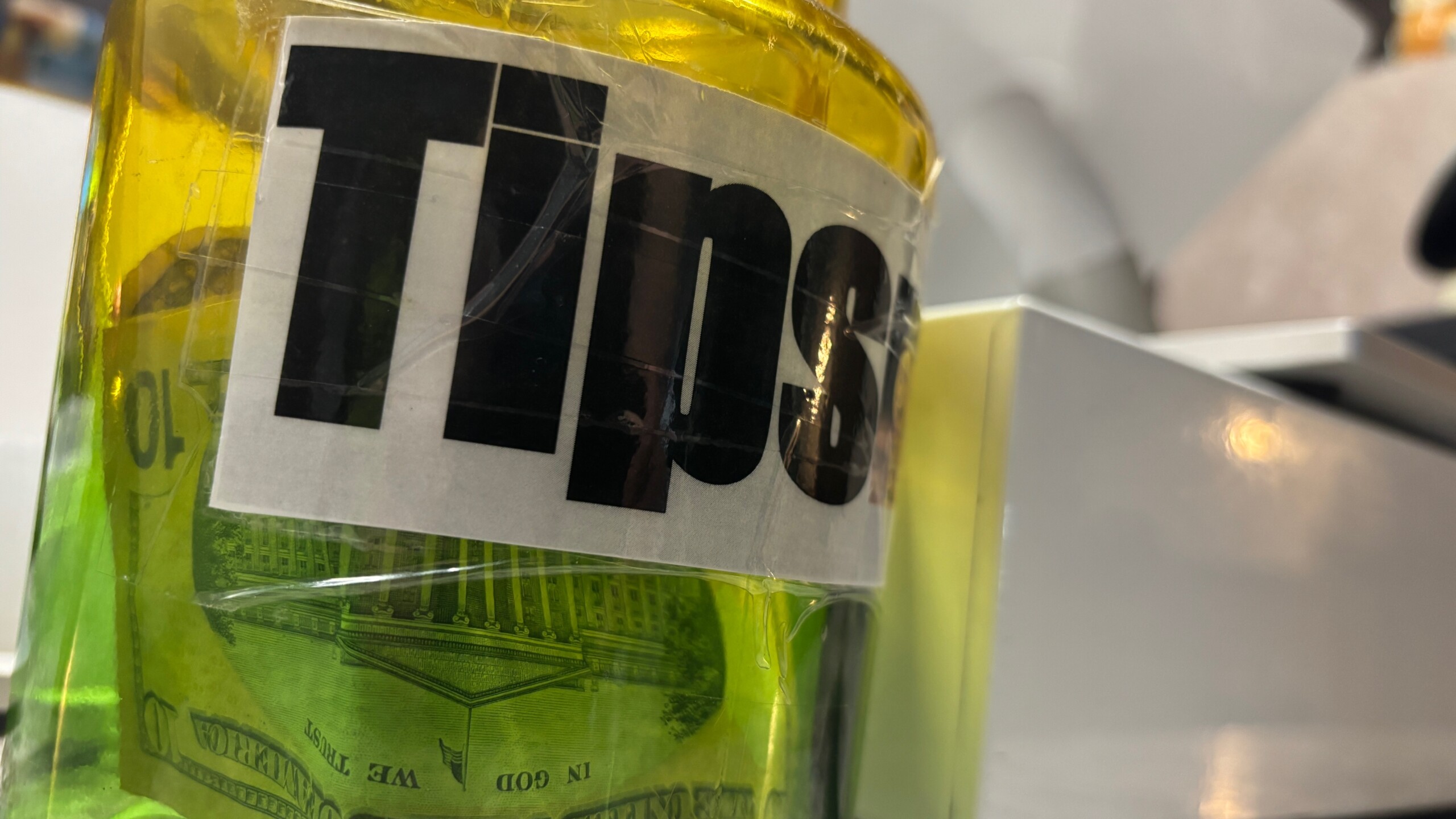
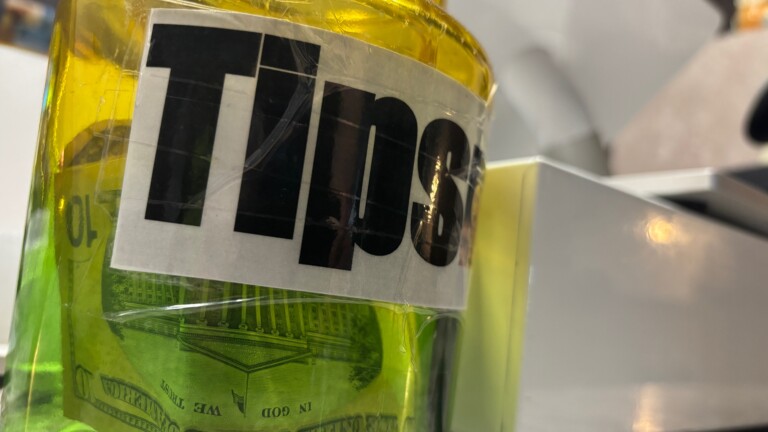
Closeup of a jar with a label that says “Tips” with cash inside.
Qualified cash tips can now de deducted from taxable income, up to $25,000. CC0 licensed photo by Topher from the WordPress Photo Directory

That proposed list includes bicycle couriers and bike taxi drivers.

Under the rule, qualified tips include money left in cash, credit cards, gift cards, and even casino chips. However, workers who receive non-cash gifts—such as event tickets or free meals—must still treat the value of those items as taxable income.

The full proposed rule is available at:

https://www.govinfo.gov/content/pkg/FR-2025-09-22/html/2025-18278.htm


March Cycling Trivia: The Road to the Ronde

By Steven Sheffield — Every February and March, as the cobbles of Flanders emerge from winter’s grip, the cycling world turns its attention to Belgium for the most demanding stretch of the professional calendar. From the season-opening Omloop Het Nieuwsblad through the brutal bergs and windswept polders to the sacred Sunday of the Ronde van Vlaanderen, a series of races tests riders against terrain, weather, and history. These aren’t just bike races—they’re cultural touchstones in a region where cycling is woven into the national identity. The cobbled climbs have names spoken with reverence: the Oude Kwaremont, the Paterberg, the Kemmelberg, the Muur. The winners join a lineage of Flandriens stretching back generations. The following questions explore the history, heroes, and hallowed ground of the Belgian spring classics, from the season-opening semi-classics through the final dress rehearsals before Flanders’ biggest day.

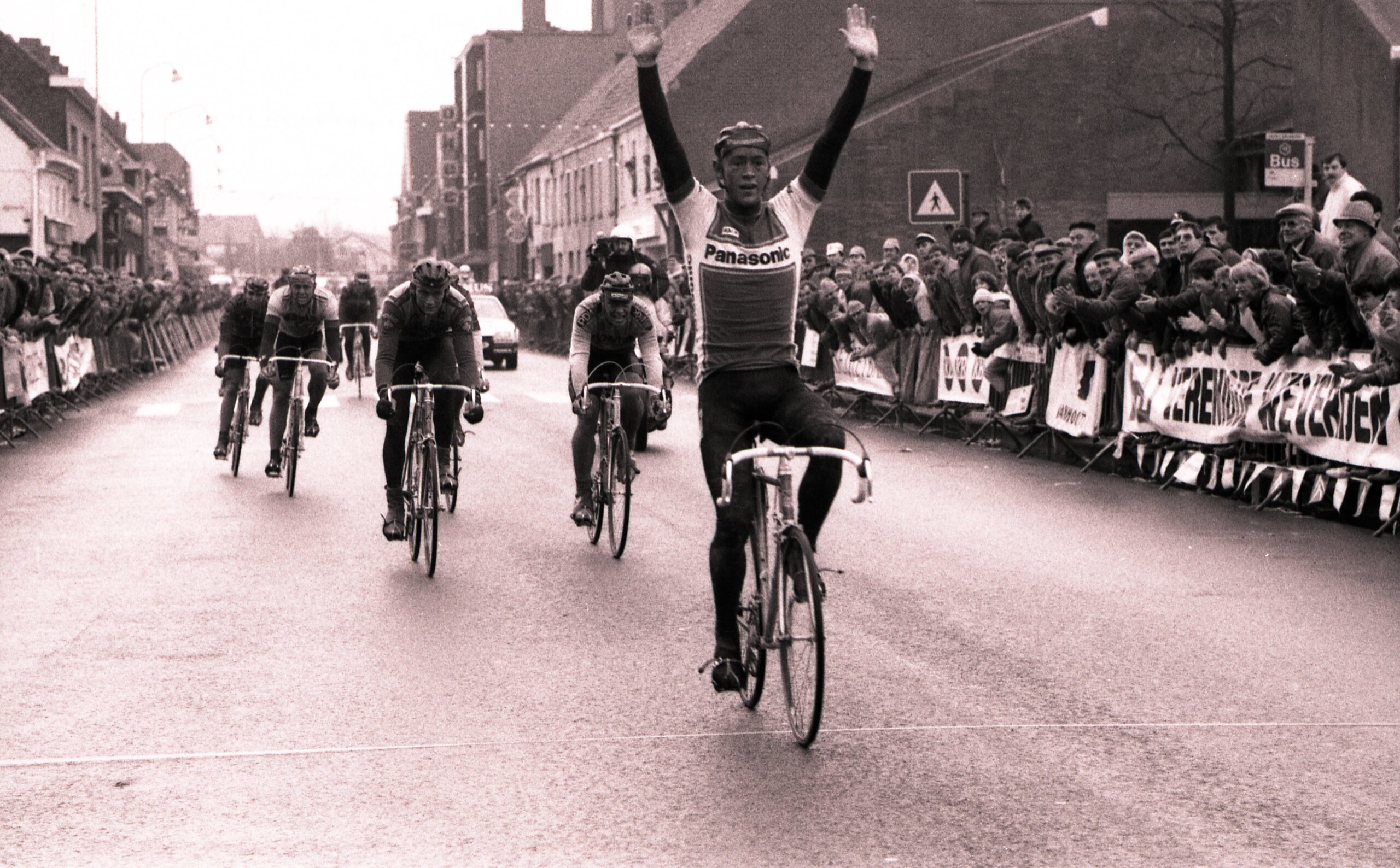
In 1986, Eric Vanderaerden proved to be the fastest of a compact leading group. After a third (1983) and second (1985) place, the Limburg native took victory for the first time. Dwars door België 1986, Waregem. Photo by Maurice Terryn (collectie KOERS. Museum van de Wielersport), CC BY-SA 4.0 <https://creativecommons.org/licenses/by-sa/4.0>, via Wikimedia Commons

Q1. Since 1945, Omloop Het Nieuwsblad opens the Belgian cobbled season as the spring classics’ curtain-raiser. Organizers originally named the race Omloop Het Volk after its newspaper sponsor. After Het Volk merged with Het Nieuwsblad in 2009, organizers renamed it. Riders contest the race on the final Saturday of February, often providing the first chance to see who has the form and courage to tackle the hellingen in cold, unpredictable conditions. The Omloop traverses many iconic climbs used in the Ronde van Vlaanderen. Which fearsome cobbled climb, first included in 1979, features gradients over 20% and serves as a decisive selection point in both races?

Q2. Teams contest Kuurne–Brussel–Kuurne on the Sunday after the Omloop, forming the “Opening Weekend” double to assess early-season form. Organizers first ran the race in 1946 to celebrate the region’s post-war recovery. The course loops from Kuurne to Brussels and back. Unlike the hilly Omloop, Kuurne–Brussel–Kuurne favors riders suited to flatter, wind-exposed roads through the Flemish Ardennes and Pajottenland. Which legendary Belgian classics specialist holds the record with three victories?

Q3. Organizers first ran the Bredene Koksijde Classic in 2018, making it the newest early-season race. The course offers coastal racing along the North Sea between Bredene and Koksijde, replacing the defunct Handzame Classic and providing a tune-up the week after Opening Weekend. What notorious weather phenomenon, common along the Belgian coast in early March, repeatedly decimates pelotons and forces organizers to alter courses?

Q4. Since 1968, Le Samyn—formerly the Grand Prix Samyn and now the Ename Samyn Classic—takes place in Wallonia’s Hainaut province, an outlier among Flemish-dominated races. Organizers first called it the Grand Prix de Fayt-le-Franc, then renamed it after José Samyn, who won the 1968 edition and died in a 1969 racing accident. The race honors his memory while giving francophone Belgium its own cobbled classic, featuring the notorious côtes of Hainaut. Which Belgian rider holds the record for most Le Samyn victories, and how many riders have won it more than once?

Q5. Organizers first held Nokere Koerse in 1944 during the last year of German occupation. Named for the small village of Nokere near Kruishoutem, it gained fame for its finale with multiple laps on a local circuit featuring the Nokereberg, a short but punchy climb. What distinctive road surface covers the final stretch to the finish, and why does it produce such dramatic endings?

Q6. Organizers first ran the E3 Saxo Classic in 1958 as Harelbeke–Antwerp–Harelbeke. Over time, it grew from a regional event into a Monument-quality classic, earning the nickname “the little Tour of Flanders.” The race takes its name from the E3 highway, now the A14/A17, which once connected the region. Held on the Friday nine days before the Ronde van Vlaanderen, it covers much of the same terrain as a final dress rehearsal. Ten riders have won both the E3 and the Ronde in the same year. Which Belgian rider holds the record, and in which years did he achieve it?

Q7. Organizers renamed Gent–Wevelgem “In Flanders Fields” in 2024 to honor World War I history and John McCrae’s poem. They first ran the race in 1934 from Ghent to Wevelgem, later moving the start to places like Deinze and Middelkerke. Unlike other Flemish races, it ventures into the Heuvelland near France, where the Kemmelberg and Monteberg provide decisive terrain. The Kemmelberg serves as the signature climb, feared for its savagery more than its length. In which year did organizers abandon its original cobbled south side for safety, and why was it so dangerous?

Q8. Dwars door Vlaanderen (known as the Dwars door België through 1999), held the Wednesday before the Ronde, has run since 1945 as a final test before the Monument. Once regarded as a minor semi-classic, organizers elevated it to WorldTour status in 2019, reflecting its growing importance. The race cuts diagonally across Flanders from Roeselare to Waregem and includes hellingen that appear three days later. Dwars favors attackers rather than sprinters and often produces surprise winners. Only two riders have won Dwars on Wednesday and the Ronde on Sunday in the same week. Name either rider.

Q9. Only a few riders win multiple Belgian semi-classics and Monuments in a single spring. The cobbled season demands so much that even two wins represent a remarkable feat; three or more signals dominance. Which rider assembled the most dominant modern spring, and which races did he win?

See next page for answers.

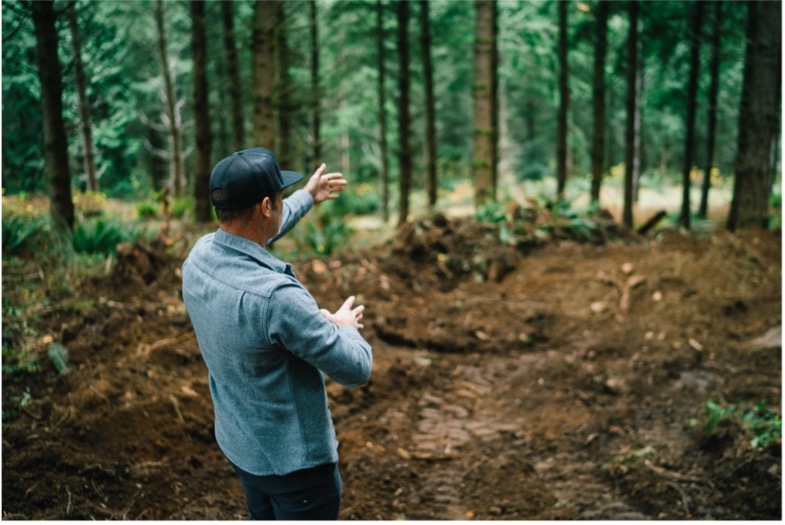
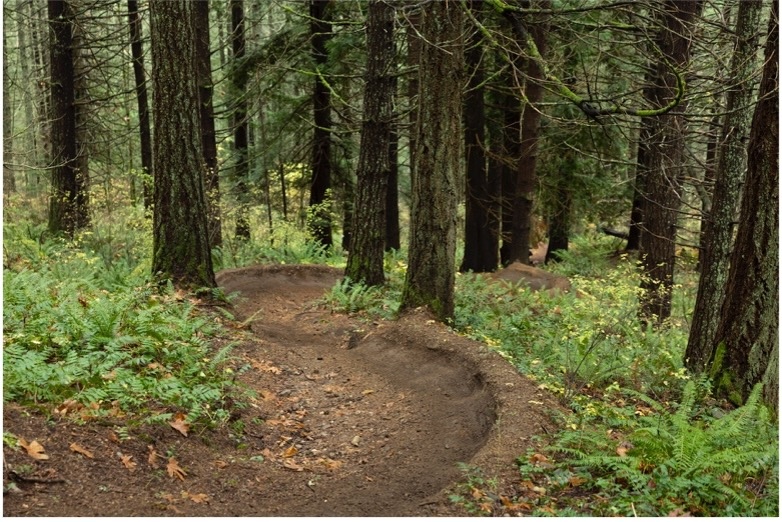
Shimano Trail Born Expands to New Continents in 2026

(February 17, 2026) — When Shimano launched its Trail Born initiative in 2024, the company pledged to put real money behind the dirt—the actual trails riders depend on. Two years later, that commitment is widening its footprint.

Photo courtesy of Shimano North America

In 2026, Shimano will fund 19 new trail projects, marking the program’s first expansion into South America and a deeper push into Asia, while continuing investments across North America and Europe. The move builds on a 10-year, $10 million commitment aimed at strengthening trail infrastructure, supporting advocacy groups, and backing the local communities that design, build, and maintain riding networks.

Photo courtesy of Shimano North America

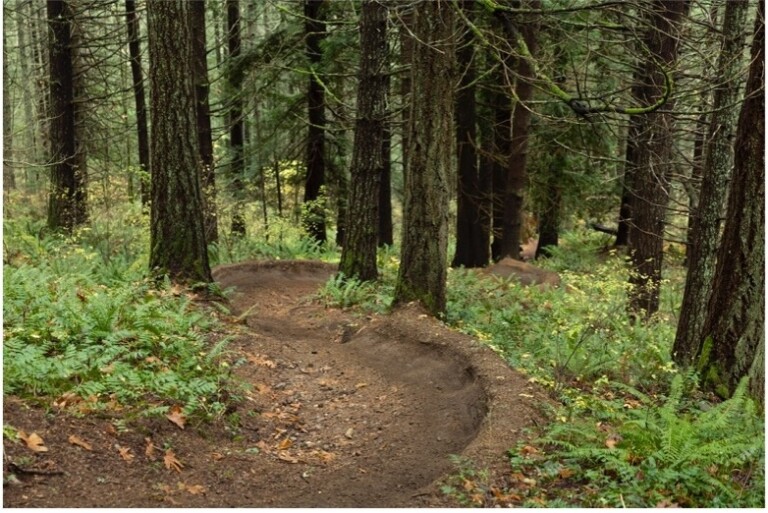
Since its launch, Trail Born has supported 18 projects worldwide, helping fund nearly 48.5 miles (78 kilometers) of trail and contributing to the construction of a 15,000-square-foot pump track. Additional projects slated to open in spring 2026 will add to that mileage.

Photo courtesy of Shimano North America

This year’s expansion reflects growing demand. Trail organizations from around the world submitted 45 proposals for 2026 consideration; Shimano selected 19. The new slate includes projects in Brazil and Mexico—Trail Born’s first entries into South America—as well as Japan, South Korea, and Indonesia. In Europe, new developments will take shape in France, Norway, Italy, and Scotland, while U.K. initiatives continue. In the United States, the program will back projects in California, Oregon, and Vermont.

Rather than simply sponsoring events or athletes, Trail Born directs funding toward long-term infrastructure—trail corridors, pump tracks, and community-driven networks designed to serve riders well beyond a single season. The strategy underscores a broader industry shift: brands increasingly recognize that participation depends not only on equipment innovation, but on accessible, sustainable places to ride.

As trail systems worldwide face mounting pressure from growth, land-use debates, and maintenance costs, programs like Trail Born position major manufacturers as active stakeholders in the future of off-road riding.


Campus Cycles Partners with Lincoln Elementary for Community Bike Rodeo

DENVER, Colorado (February 23, 2026) — This spring, Lincoln Elementary will once again transform its playground into a hub of two-wheeled activity as it hosts the annual Lincoln Elementary Bike Rodeo on May 13 from 3 to 6 p.m. in Denver’s West Wash Park neighborhood.

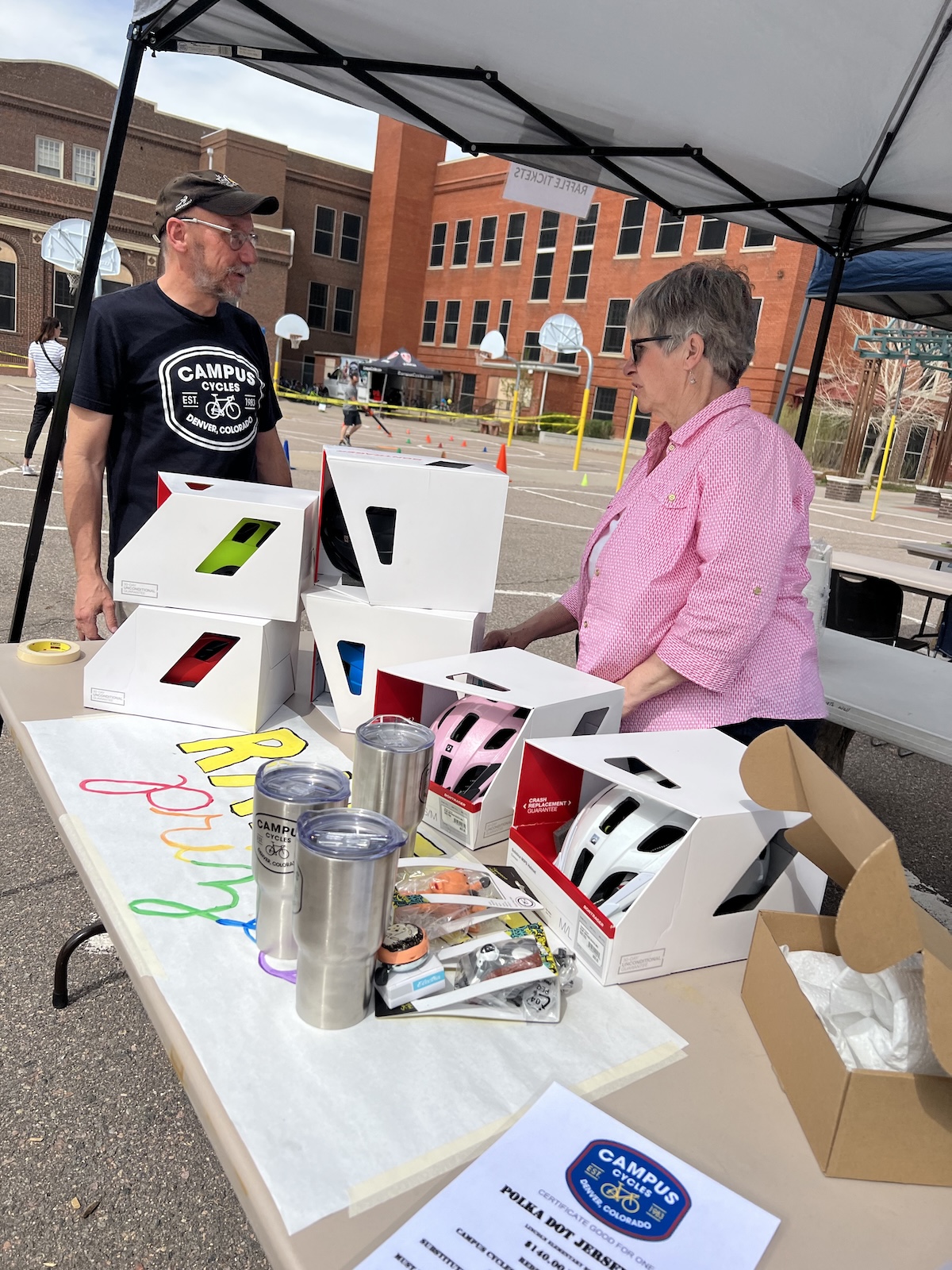
Organized in collaboration with Campus Cycles, the free community event is expected to draw hundreds of students and families for an afternoon focused on bicycle safety, skills development, and good old-fashioned fun.

Photo courtesy of Campus Cycles.

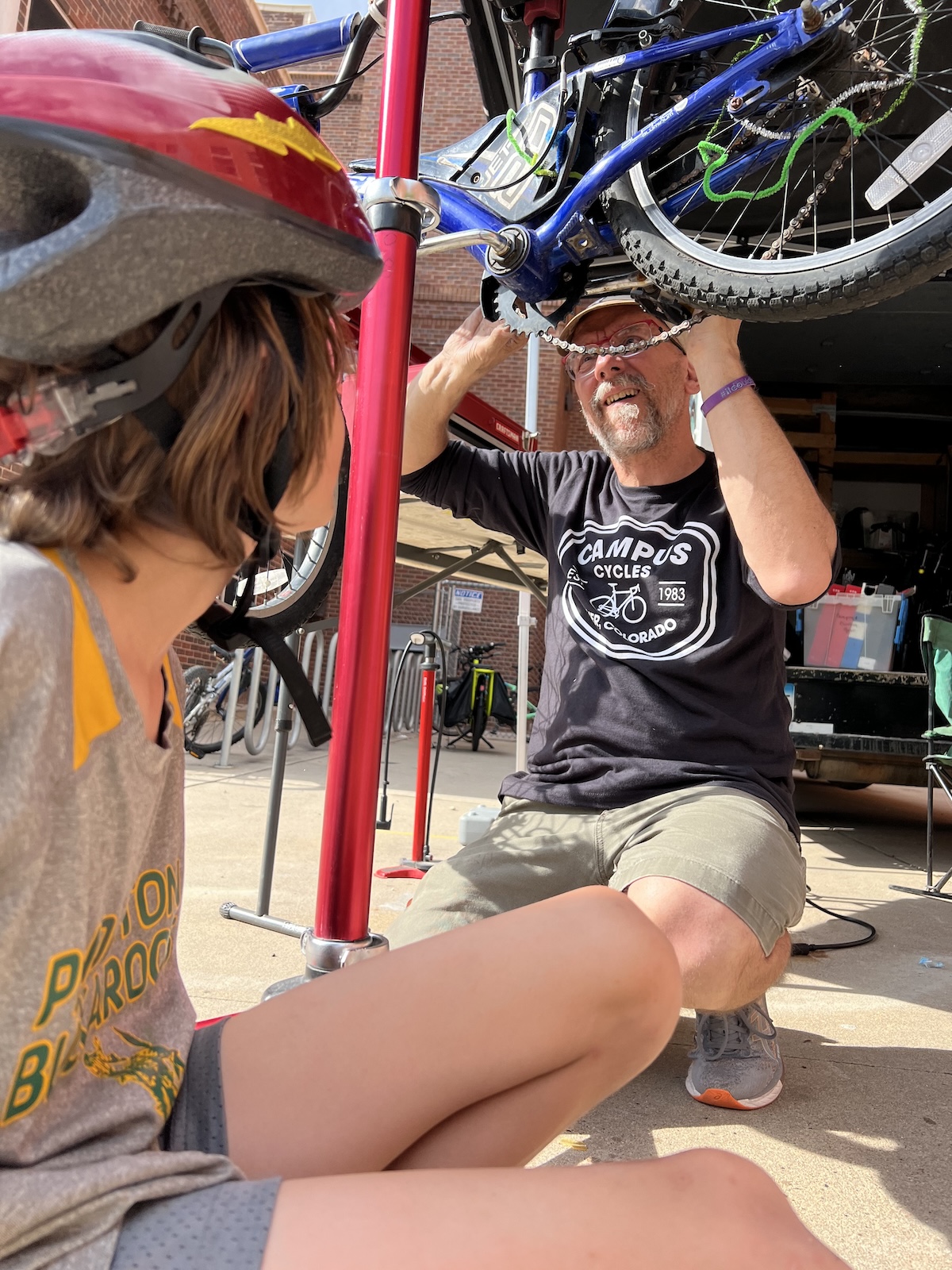
The bike rodeo offers a mix of hands-on learning and celebration. Young riders can test their abilities on an obstacle course, compete in a slow bike race, and participate in a “rules of the road” clinic designed to teach safe riding habits. A bike repair station will provide free safety checks and basic maintenance, while a guided family ride through the surrounding neighborhood encourages riders to put their new skills into practice.

Photo courtesy of Campus Cycles.

Food trucks, a helmet art station, music, raffles, and a six-block bike parade — complete with a police escort — round out the festivities.

“Our number one goal is to encourage people to get out on their bike more, not only for recreation but also for transportation,” said event organizer Kate Kopelove of Lincoln Elementary.

Photo courtesy of Campus Cycles.

New this year is an e-cargo bike “hay ride,” offering families a chance to experience electric cargo bikes built to carry passengers or heavy loads with ease. The addition highlights the growing role of practical, car-replacing bicycles in urban transportation.

Photo courtesy of Campus Cycles.

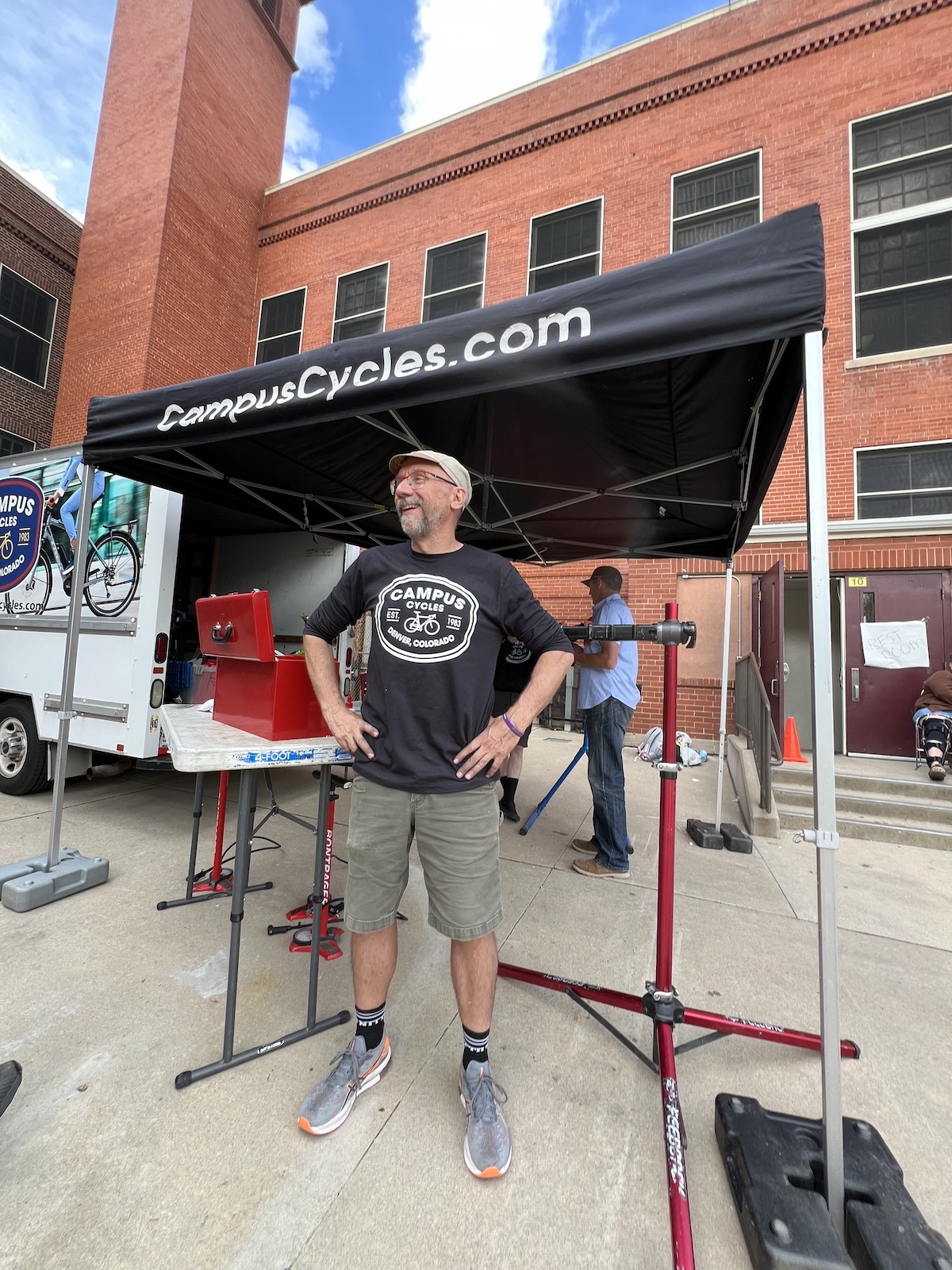
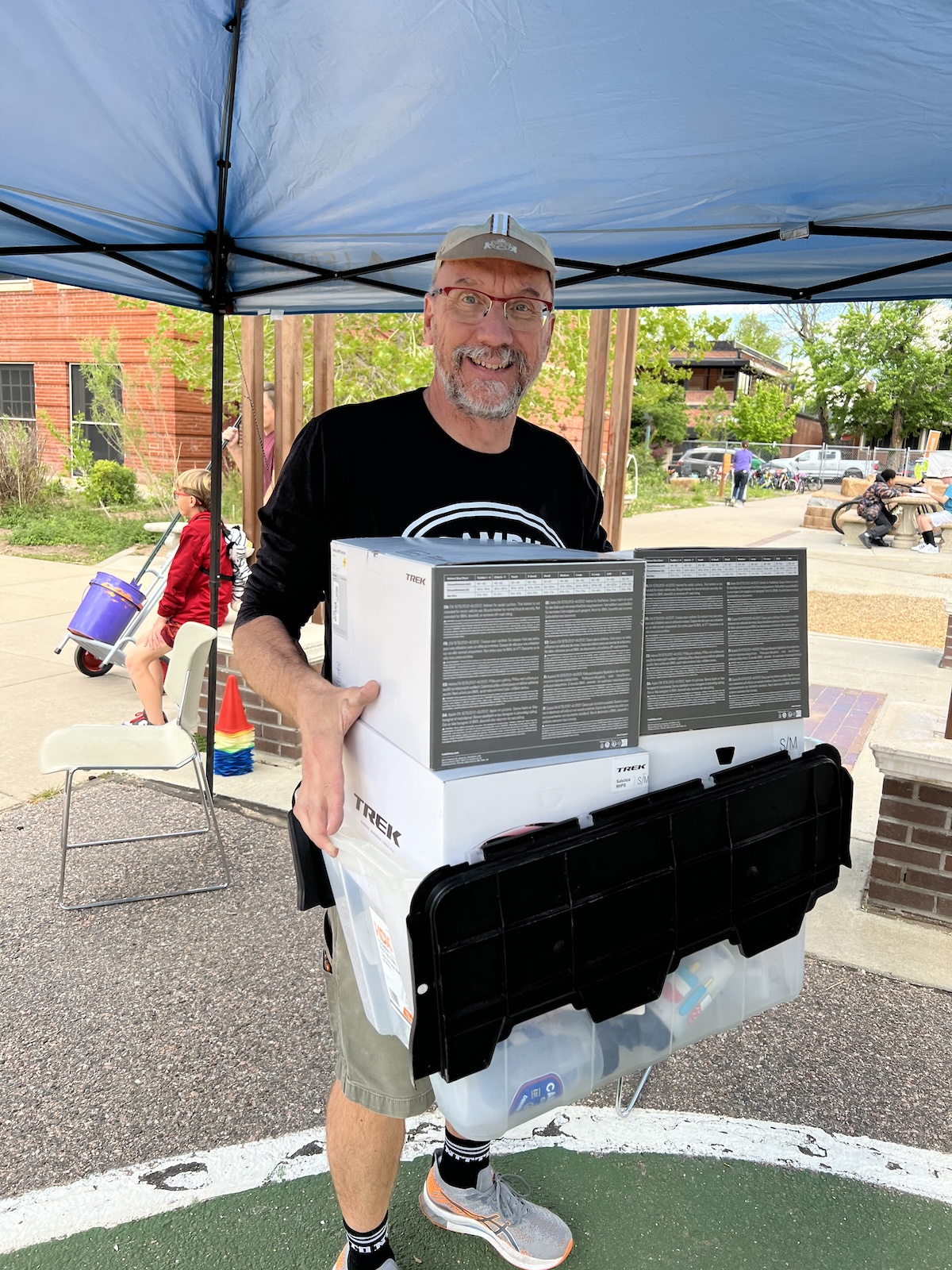
Campus Cycles, a longtime Denver bike shop, remains a cornerstone of the event. Staff mechanics will provide free safety inspections and maintenance — a service especially meaningful for families who might otherwise struggle to keep bikes in working order.

Photo courtesy of Campus Cycles.

“We like to do events like this to show our gratitude for the support the community has given us,” said Campus Cycles co-owner Mark Velat. “It also ensures we are meeting their cycling needs while serving as a local resource.”

Photo courtesy of Campus Cycles.

The rodeo also addresses a larger issue: the sharp decline in the number of children who bike or walk to school. According to Safe Routes to School, nearly half of school-aged children walked or biked to school in 1969. Today, close to 90 percent travel by car or bus.

By creating a safe, welcoming environment for young riders and their families, organizers hope to rebuild confidence in active transportation while promoting its environmental and physical health benefits. Events like the Lincoln Elementary Bike Rodeo not only teach practical skills but also foster a sense of community around cycling.

“The memories made at the bike rodeo help encourage everyone to change their habit of driving and think about how much more fun it is to use active transportation,” Kopelove said.

The Lincoln Elementary Bike Rodeo is free and open to the public. Those interested in volunteering can contact Kopelove at [email protected].

BLM Considers Mountain Bike Restrictions in Wyoming

By Charles Pekow — The Bureau of Land Management may restrict mountain biking in parts of Wyoming as it considers changes aimed at environmental protection. The Rock Springs Field Office is reviewing potential amendments to its Resource Management Plan, which covers about 3.6 million acres across Sweetwater, Sublette, Lincoln, Fremont, and Uinta counties.

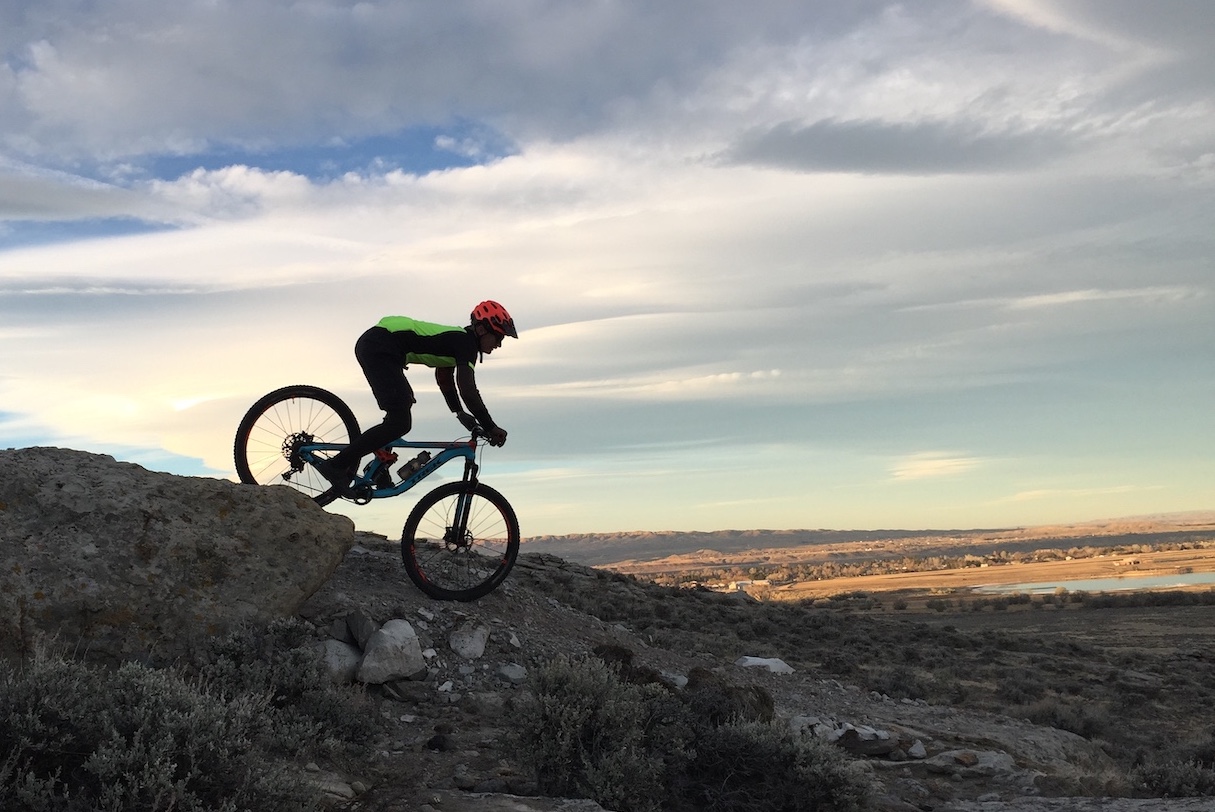
A mountain biker rides the Beck Lake Mountain Biking Area near Cody. (Nancy Patterson/BLM Wyoming/FlickrCC)

Under the options now under consideration, the BLM would close some trails to mountain bikes. At the same time, the agency could expand resource extraction to align with the president’s call for increased energy development on public lands. Some alternatives would prohibit mountain bikes in wild and scenic river corridors while allowing them to continue in other areas where riding is currently permitted.

The BLM originally set the public comment period to end on Nov. 3, but it extended the deadline to Jan. 17.

Additional details are available at:

https://eplanning.blm.gov/eplanning-ui/project/13853/510

Winter Cycling Trivia

By Dave Campbell

Q1. American cyclist Matthew Riccitello finished the 2025 Vuelta Espana in fifth, but perhaps more importantly, won the white best young rider’s jersey. He is the first American to win this jersey at the Vuelta. He joins only three other Americans to win the “neophyte” jersey in a Grand Tour. Can you name those riders and the year of their accomplishment?

Q2. Three American cyclists finished in the top ten at this year’s Vuelta. Riccitello in fifth, Sepp Kuss in 7th,, and Matteo Jorgenson 10th. Has this ever happened before at a Grand Tour? If so, when and where? HINT: You may need to consider events that have been “revised”!

Q3. Magdeleine Vallieres became the first ever Canadian, man or woman to win a World Road title this past September at the UCI World Road Championships in Kigali, Rwanda. Four other Canadians had previously won medals in the road race. Can you name them? Hint: none were silver!

2024 UCI Road World Championships in Zurich – Men’s elite road race in Zurich: winner and World Champion Tadej Pogačar. Albinfo, CC BY-SA 4.0, via Wikimedia Commons

Q4. Slovenian wunderkind Tadej Pogačar won the World title following victory in the Tour de France again this year, “out-Merckxing” Eddy Merckx! The great Belgian also “did the double” twice-in 1971 and again in 1974 but never back-to-back. Only three other cyclists have “done the double”, all on only one occasion, can you name them?

Q5. Belgian Remco Evenepoel set the record for most Men’s Elite World Road Championship medals this year in Rwanda with eight total: Four Golds (Road 2022, TT 2023, 2024, 2025), Two Silver (TT 2019, Road 2025), and Two Bronze (TT 2021 and 2022). This begs the question what is the Women’s record and who holds it?

See answers on next page.

Why Does an Event Like BorderLands Gravel Matter?

By Sean Benesh — The Arizona borderlands is a geographic and cultural region on the northern side of the Arizona–Mexico border. Talking about the borderlands as a whole transcends a simple line on a map; it is the place where two countries meet.

While the border has become a hotly contested topic in the political theater of this election cycle, its history shows that it has always been complicated—and that the border itself has moved. The Treaty of Guadalupe Hidalgo ended the Mexican-American War in 1848. As a result, the United States purchased land that is now California, Nevada, Utah, and parts of Arizona and New Mexico. Five years later, the Gadsden Purchase added even more land, including the area where Douglas, Arizona, sits today. Although Douglas wasn’t officially incorporated until 1905, the shift meant that if you lived in the area, one night you went to bed in Mexico and woke up the next day in the United States.

It’s complicated—and beautiful—at the same time.

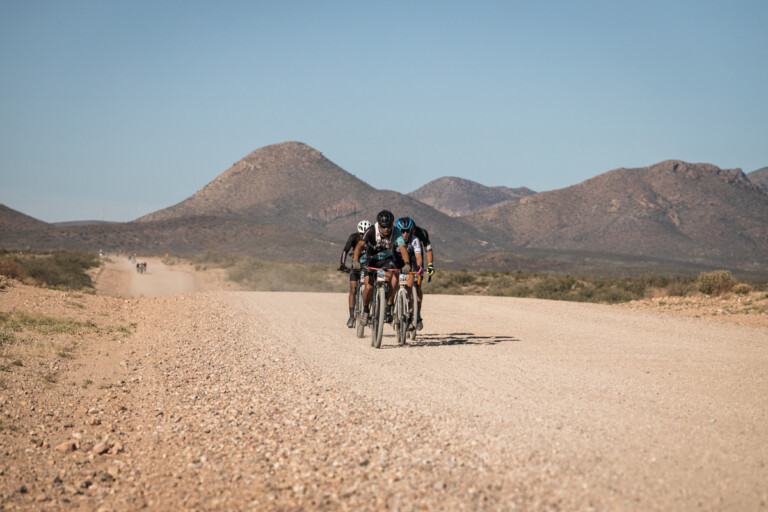
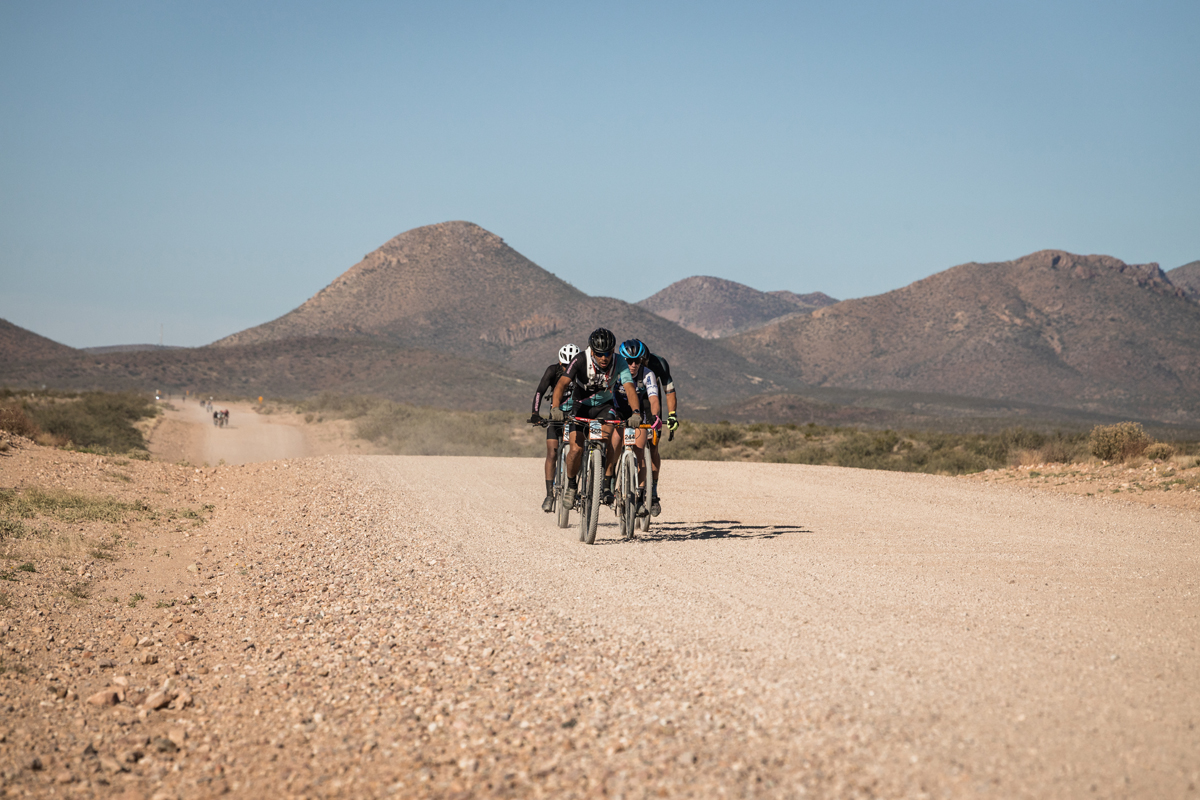
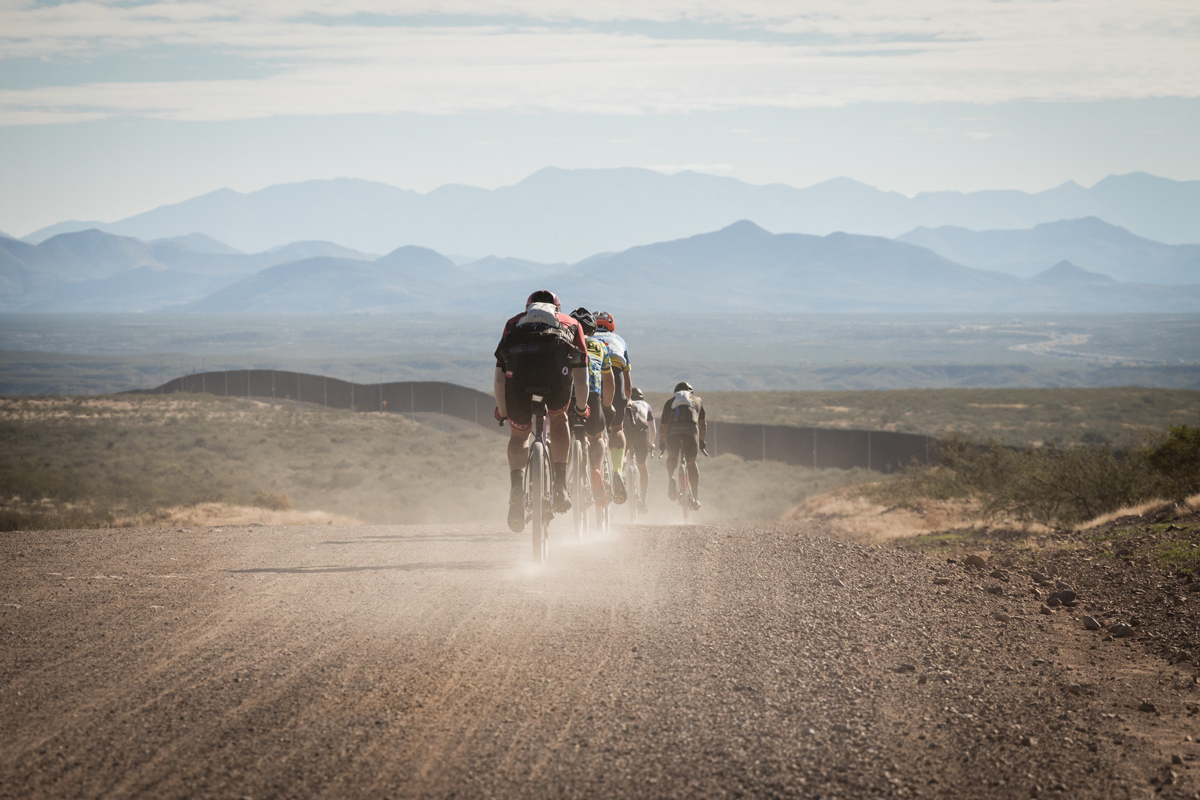
That complexity forms the backdrop for the BorderLands Gravel race, which started and finished in the border town of Douglas. It would have been easy to write about the race itself—to focus on the course, the mileage, the podium winners, and the results. But once the racers left the pavement just outside of town, the gravel road veered south, and the most prominent feature in front of us was the Arizona–Mexico border wall. Context matters.

Riders in the 2025 BorderLands Gravel event. Photo by Sean Benesh

Sitting at just over 4,000 feet in elevation, Douglas exists in a transitional zone between the Sonoran and Chihuahuan deserts.

As I watched the event unfold, one question stayed with me: why does an event like BorderLands Gravel matter? That question led to others. What impact does a gravel race have in Douglas? What value does it bring to the community? And why did racers travel—sometimes great distances—to ride this stretch of desert gravel along the border?

To understand why this matters for Douglas, we first need to look at the data.

According to the 2024 Outdoor Participation Trends Report by the Outdoor Foundation and the Outdoor Industry Association, outdoor recreation participation grew 4.1 percent in 2023 to a record 175.8 million participants—57.3 percent of all Americans aged six and older (p. 3). Americans continue to recreate outdoors, and of those 175.8 million participants, 17.2 percent did so on a bicycle. That translates to more than 30 million Americans experiencing the outdoors by bike.

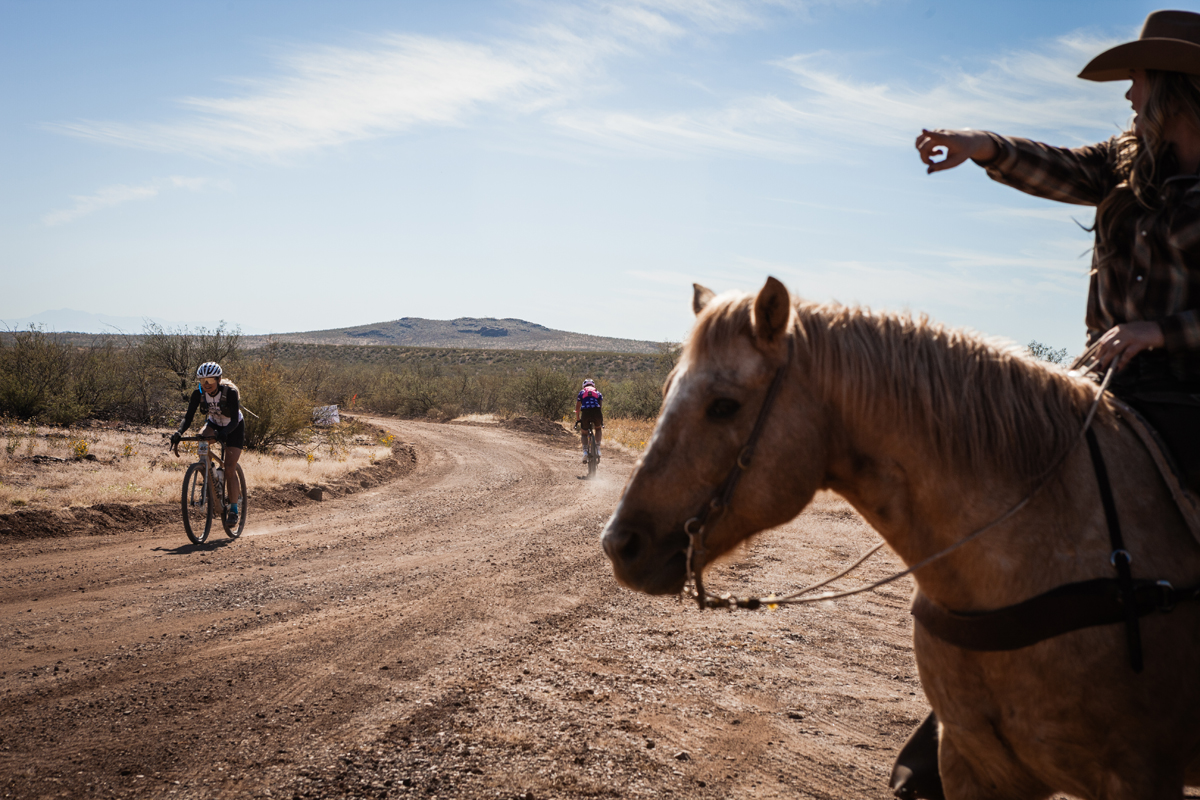
Scenes from the 2025 BorderLands Gravel event. Photo by Sean Benesh

At the same time, increased outdoor participation delivers a positive economic impact. Outdoor recreation consumers spend $887 billion annually, supporting 7.6 million jobs and generating $65.3 billion in federal tax revenue and $59.2 billion in state and local tax revenue. In Arizona alone, consumers spend $21.2 billion on outdoor recreation, funding 201,000 jobs, $5.7 billion in wages and salaries, and $1.4 billion in state and local tax revenue.

Gravel cycling, in particular, has experienced explosive growth. Bike brands now produce entire lines of gravel-specific bikes, and races like BorderLands Gravel continue to multiply. Strava data shows a spike in logged gravel rides. As Jim Cotton (2024) notes, “Strava’s report highlights a 55 percent global increase in the dirt-surface sport, with a 48 percent increase among U.S. users of the platform” (para. 3). Simply put, more people are riding gravel bikes outdoors.

For communities across Arizona, the impetus is to thoughtfully and strategically capture outdoor recreation spending. That’s why events like BorderLands Gravel matter for a place like Douglas.

Douglas benefits from a stable employment base due to its shared border with Agua Prieta, but its rural location presents challenges. Still, where some see challenges and weakness, others see opportunity. To host a gravel cycling race, you need certain fundamentals—and Douglas has them in abundance: miles of gravel roads, stunning desert scenery, mild temperatures, supportive city staff, and countless stakeholders, agencies, and landowners willing to work together. In other words, the entire community backed the event. Even more important, the race needed a visionary to connect these pieces. That’s where race organizer Mike Miller comes in—the straw that stirs the drink.

To them, the race represents more than economic impact. It showcases the town of Douglas and the landscape surrounding the community.

Race Organizer Mike Miller at the 2025 BorderLands Gravel event. Photo by Sean Benesh

As Mike Miller envisioned the event, Douglas emerged as an unexpected destination for a premier gravel race, anchored by the storied Gadsden Hotel. Inspired by the hotel’s historic charm, he began shaping a vision for a gravel race along the iconic Geronimo Trail. The process started in November 2023 with a meeting between Mike and the Gadsden Hotel’s general manager, followed by conversations with local tourism leaders and city officials. By January 2024, the concept had secured official backing, setting the stage for an event that would highlight Douglas’s rich heritage and rugged terrain.

From the outset, Douglas proved it had the infrastructure and potential to host a world-class gravel event. Drawing on Southern Arizona’s reputation as a gravel riding destination, Mike built partnerships with the City of Douglas, regional organizations, local businesses, and even international partners in Agua Prieta, Mexico. A professional business plan—rooted in years of entrepreneurial experience and collaboration—helped align stakeholders and secure support. With an emphasis on community engagement, clear communication, and delivering results well beyond expectations, the groundwork was laid for the first race on November 16, 2024, and the second on November 15, 2025.

Scenes from the 2025 BorderLands Gravel event. Photo by Sean Benesh

Launching the inaugural event required building a cohesive, experienced team. From course mapping and registration to sound production and on-course support, the organizers planned every detail carefully, drawing on expertise from the mountain biking community. Profitability was never the primary motivation. Mike’s passion centered on creating a memorable, meaningful experience.

As racers left Douglas, they made a right-hand turn onto Geronimo Trail Road. In a region where history constantly surfaces—like water from a deep aquifer—even a road name carries meaning. Geronimo Trail Road is more than a road.

In her article “Geronimo Trail,” Kathy Montgomery writes, “The Geronimo Trail in Southern Arizona feels as remote as just about any drive in Arizona. But it wasn’t always that way. The route once was a major migration corridor for Apache Indians, as well as Spanish explorers, missionaries, Mormons and Mexican revolutionaries” (para. 1). The trail stretches 80 miles from Douglas to Animas, New Mexico, and along this historic route, racers faced stiff headwinds and friendly competition.

Scenes from the 2025 BorderLands Gravel event. Photo by Sean Benesh

During the race, I worked as a photographer, capturing the event through my lens. That role meant testing the limits of my rental SUV from the Tucson airport. For most of the course, the road remained graded and passable. Throughout the day, I drove, stopped, jumped out of the vehicle, and photographed racers pedaling toward me—or disappearing into the distance.

For the first 22 miles, the Geronimo Trail paralleled the border wall. The route then wound through John Slaughter Ranch and the San Bernardino National Wildlife Refuge before turning northeast toward the New Mexico border. Racers who chose the long route turned around at the state line.

The race’s remoteness makes it especially compelling. In “Trips & Trails: Geronimo Trail,” Eva Rupert writes, “Stretching over 80 miles from Douglas, Arizona, to Animas, New Mexico, you’ll feel like you’re in the middle of nowhere” (para. 2). That sense of isolation amidst the vast terrain appealed to many racers. Aside from the occasional truck or ATV, we had the road to ourselves. A gravel race, after all, should be challenging, remote, and beautiful.

Many racers I spoke with praised the challenge, the location, and the hospitality of Douglas. Although most lived in Arizona, many had never visited Douglas before. If they traveled this far south, they usually stopped in nearby Bisbee. Now, Douglas was on their radar.

In marketing, we often talk about the sales funnel. At the top of that funnel sits awareness. Before people can buy a product or service, they have to know it exists.

Douglas and the surrounding borderlands remain hidden gems. Events like BorderLands Gravel raise awareness and introduce people to a vibrant community with spectacular scenery and welcoming residents—and great food. Douglas boasts some of the best Mexican food in the country.

Between the race and the awards ceremony, my search for a breakfast burrito took me just a 10-minute walk from the border. The moment reinforced the importance of understanding Douglas in context: its geography, its shared border with Agua Prieta, and its intertwined culture and economy. Its history reflects layers of Spanish missionaries, explorers, miners, ranchers, and Mexican revolutionaries.

Now, we can add gravel racers to that list.

If you missed the race this year, mark your calendar: the next BorderLands Gravel race takes place on November 14, 2026.


Over the Hill Gravel Grinder Returns to the Payette River Valley for a Third Year

1

HORSESHOE BEND, Idaho (February 21, 2026) — Gravel riders will once again roll into the Payette River valley this June for a ride that blends big miles with a bigger mission.

The third annual Over the Hill Gravel Grinder returns to Horseshoe Bend on Saturday, June 13, 2026, bringing riders of all abilities to the rugged backroads above the Payette River corridor. Hosted by the Lost River Cycling Club, the event has quickly established itself as an early-summer test piece on Idaho’s gravel calendar—equal parts scenic grind and community fundraiser.

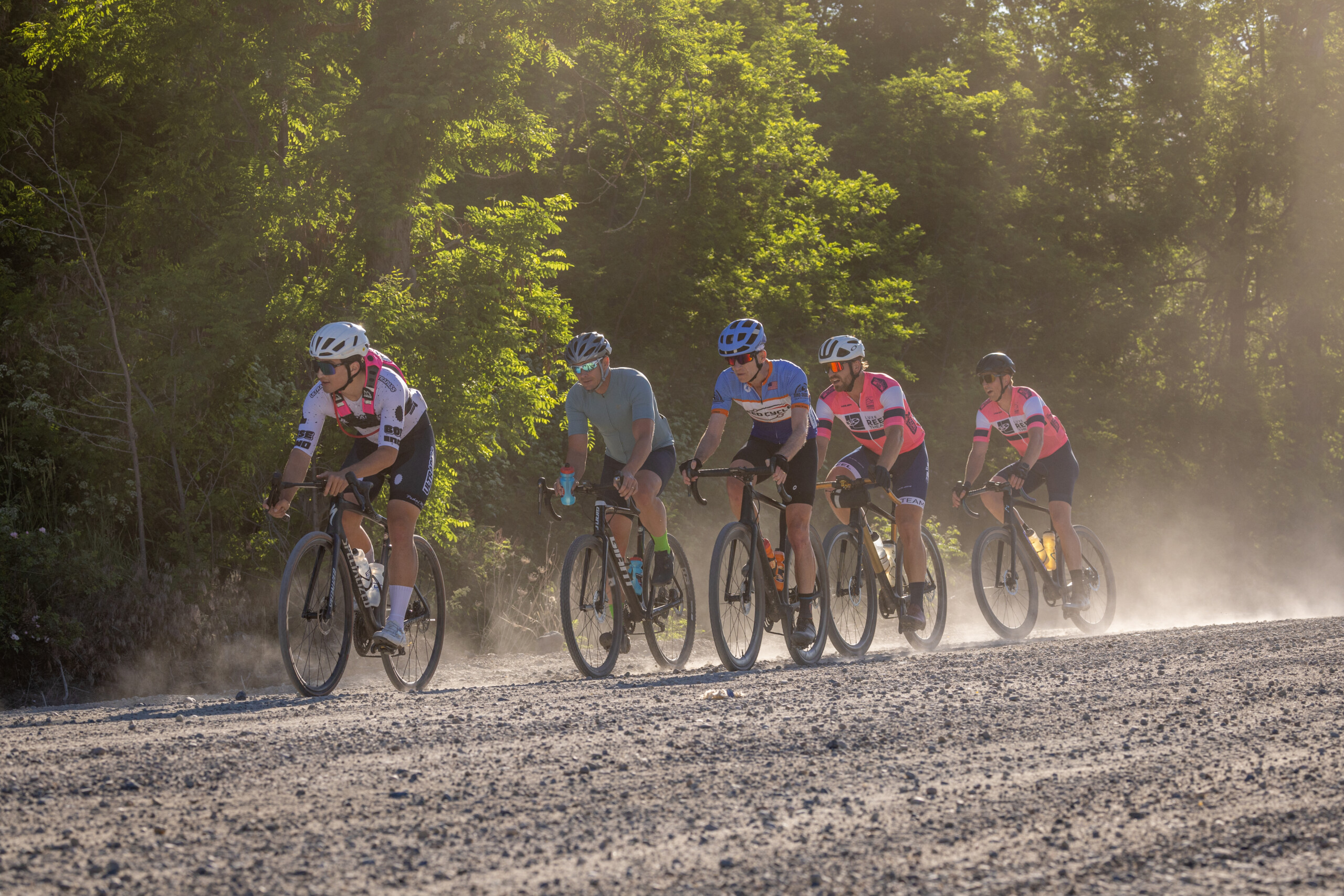
Captured at Over The Hill Gravel Grinder on 8 Jun, 2024 by Brian Kohagen. @briankohagen, @idahobikebrian, Over the Hill Gravel Grinder – , Gravel Ride

The ride begins at 8:00 a.m. at Horseshoe Bend High School, with routes that climb into the rolling foothills and trace long stretches of gravel overlooking the river below. Organizers have designed three options to welcome everyone from seasoned endurance racers to first-time gravel riders.

Captured at Over The Hill Gravel Grinder on 8 Jun, 2024 by Brian Kohagen. @briankohagen, @idahobikebrian, Over the Hill Gravel Grinder – , Gravel Ride

The marquee “Warhorse” route stretches 84 miles and packs more than 8,100 feet of climbing (some course descriptions list the total closer to 8,500 feet), making it a stout challenge worthy of its name. Riders can expect sustained climbs, wide-open views of the Payette River valley, and long, fast descents on well-maintained gravel.

Captured at Over The Hill Gravel Grinder on 8 Jun, 2024 by Brian Kohagen. @briankohagen, @idahobikebrian, Over the Hill Gravel Grinder – , Gravel Ride

For those seeking a mid-distance option, the “My Little Pony” loop covers approximately 43–44 miles with just over 4,000 feet of elevation gain. It offers much of the same scenery and terrain as the long course in a more approachable format. The “Hobby Horse” route, at 17 miles with 1,200 feet of climbing, provides an inviting entry point for newer riders or anyone looking for a shorter but still scenic spin.

Captured at Over The Hill Gravel Grinder on 8 Jun, 2024 by Brian Kohagen. @briankohagen, @idahobikebrian, Over the Hill Gravel Grinder – , Gravel Ride

All routes are fully supported, with aid stations positioned at key locations along the courses. Volunteers from the club and community help keep riders fueled and moving, reinforcing the grassroots spirit that has defined the event since its inception.

After the dust settles, participants will gather for a post-ride celebration at the Locking Horns Riverside Restaurant along the Payette River. The after-party will feature live entertainment, food, and the kind of relaxed storytelling that follows a hard day in the saddle.

Beyond the riding, the Over the Hill Gravel Grinder serves a meaningful cause. Proceeds, after expenses, benefit the Alzheimer’s Association Greater Idaho chapter through its “Do What You Love to End ALZ” campaign. By pairing challenging terrain with charitable impact, the event offers riders a way to turn miles into momentum for a cause that touches many families in the region.

Registration opens February 23, 2026, at BikeReg.com. Early entry pricing is set at $75 for the Warhorse, $50 for the My Little Pony, and $35 for the Hobby Horse, with fees increasing in April and again in mid-May. Organizers encourage riders to sign up early to secure the best rate and ensure a spot on the start line.

With its blend of demanding climbs, sweeping river views, and community-driven purpose, the Over the Hill Gravel Grinder continues to build on its reputation as one of Idaho’s must-ride gravel events.

Most Commuter Buses Have Bike Racks

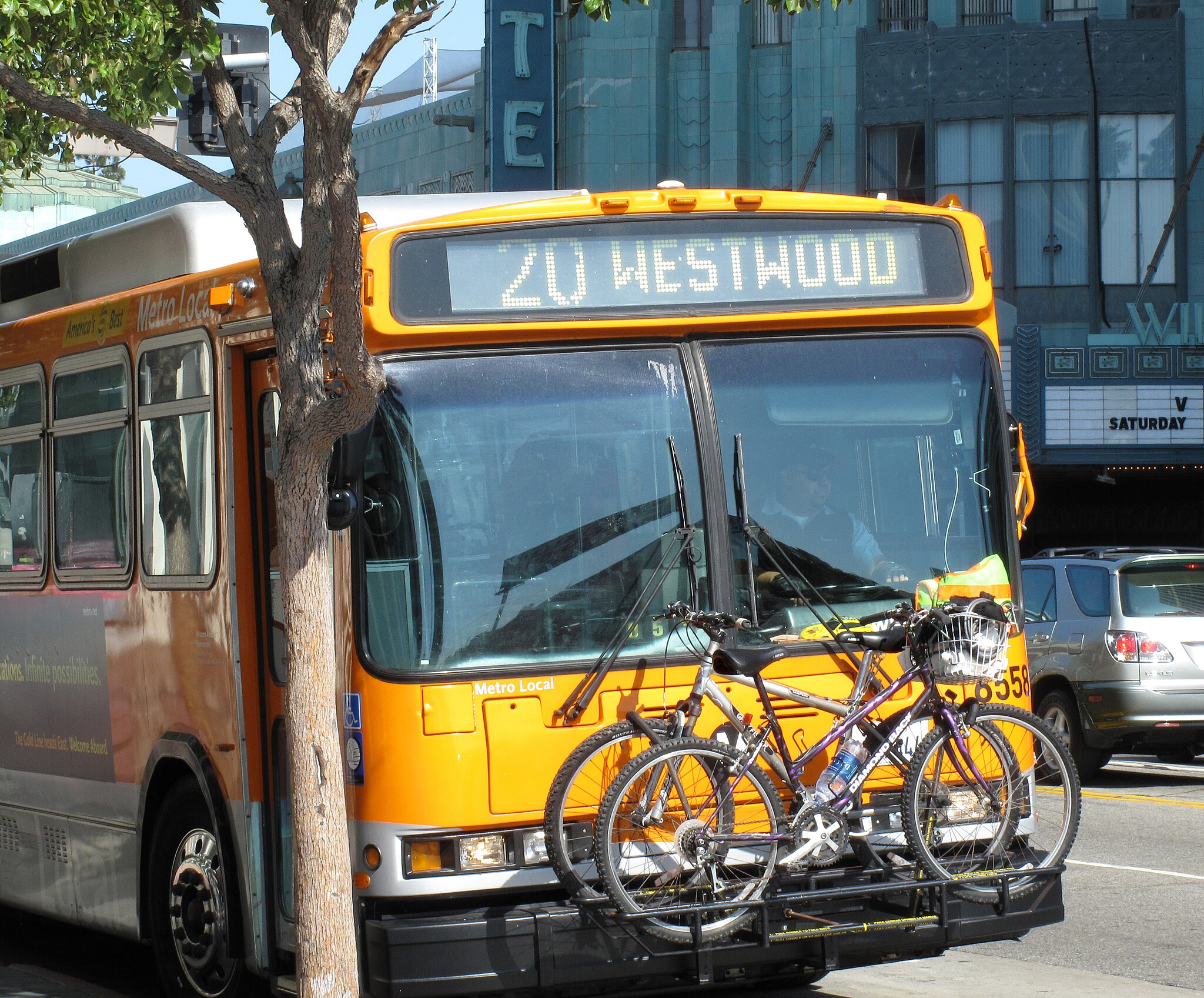
By Charles Pekow — If you ride a bus, it likely has an exterior bike rack—but probably doesn’t detect you as you approach. The 2025 Public Transportation Fact Book from the American Public Transportation Association (APTA) reports that 76 percent of commuter buses are  equipped with bike racks, unchanged from 2014. However, only nine percent of buses feature bike or pedestrian detection systems.

Downtowngal, CC BY-SA 3.0, via Wikimedia Commons

The full report is available at:

https://www.apta.com/wp-content/uploads/APTA-2025-Public-Transportation-Fact-Book.pdf


How to Dress for Winter Cycling – And Enjoy It!

By Sarah Kaufmann — As temps drop and daylight shortens, clothing choice becomes critical to continue riding through the winter. Options abound for indoor riding and you can maintain your bike habit with outdoor rides as well. Cycling is challenging in cold temps because the changes in speed (and therefore wind) are dramatic, making it difficult to be dressed for the right temps all the time. Being selective with weather and timing will help and a few key clothing choices can make these rides more pleasant. The goal is to be cool enough to avoid sweating through your clothes but stay warm enough to be comfortable – a balance. Manage temps in categories – core/trunk and extremities.

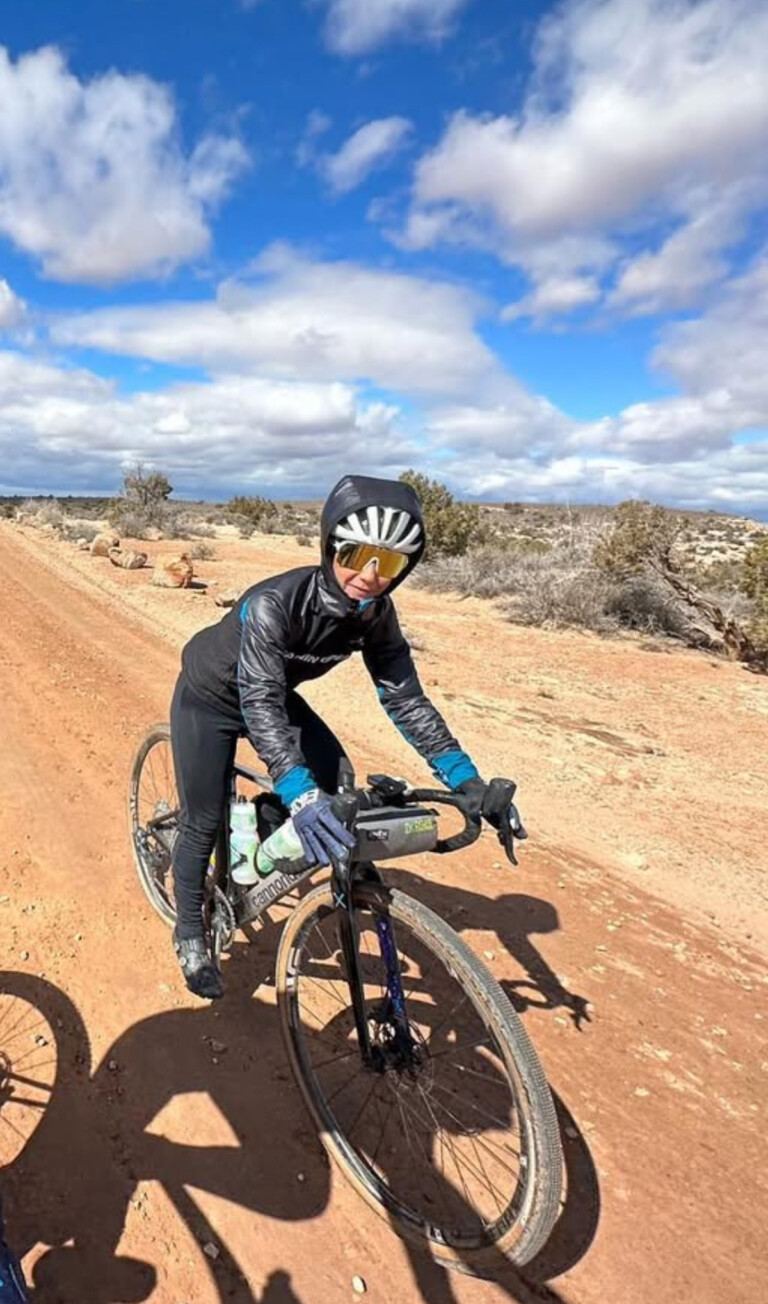
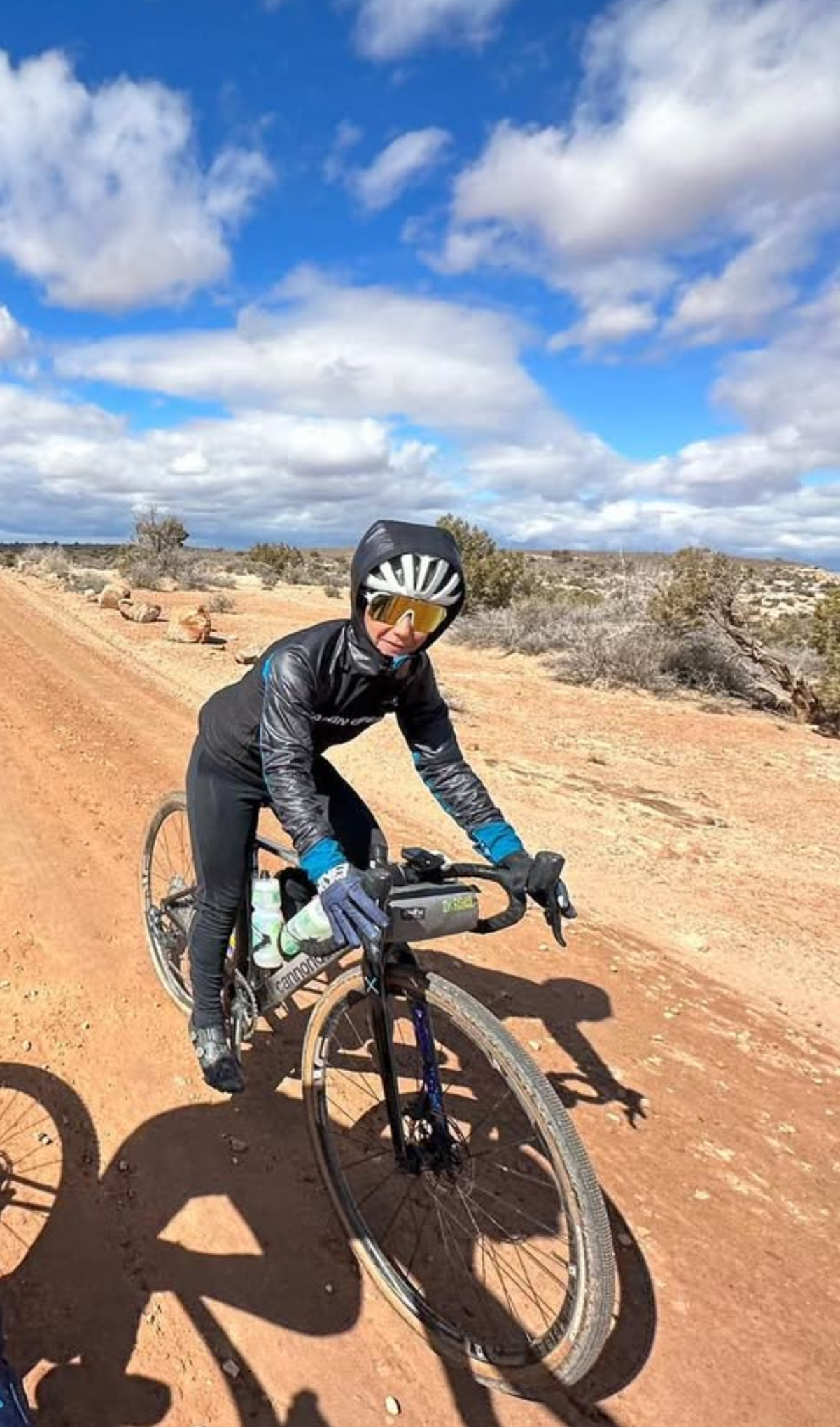
Sarah Kaufmann bundled up for a cold gravel ride in Moab. Photo courtesy Sarah Kaufmann

Feet First

Toes are often the pain point. Metal pedals and cleats against the soles of your feet means it’s hard to keep toes warm.

    • Chemical toe warmers go a long way. Here are a few options for various temps and cold tolerance:
      1. Under your sock, on top of your toes, directly against your skin. (And in violation of the warning label).
      2. Over your sock, inside your shoe.
      3. On top of your shoe, under a shoe cover (always use shoe covers if it’s cold).
    • Heated insoles/socks: Pricier, but more environmentally friendly. Battery life drops with higher heat settings.
    • Wool socks: Always. Feet sweat, wool insulates even when damp.
    • Pro tip: Start with warm shoes — use a boot dryer or set them in front of a heating vent for pre warming.

Some fat bike riders skip clipless pedals altogether and go for winter boots and platform pedals. Less efficient, but warmer.

Hands Next

Hands are trickier — you need warmth but also enough dexterity to brake and shift.

    • Bar Mitts/pogies: Great for flat bars. On drop bars they can make it slightly more difficult to go from hoods to drops.
    • Convertible mittens: My personal favorite is a $40 pair called SnowStoppers, made by Treeline, and available on Amazon. Mittens for descents, lightweight gloves for climbing.
    • Sweat management: Wet gloves = cold fingers. Carry at least one backup pair if it’s a long ride.
    • Hack: A thin latex glove liner holds heat. But your hands will get quite wet with sweat. This is more of a last resort. These gloves are extremely light and packable so useful to carry for a numb fingers emergency.

Core, Legs & Layering

Layering is the key. For reference, here’s my go-to for 20–30°F sunny or 30–45°F cloudy days:

    • Bottoms: Thermal tights or thermal shorts with thermal leg warmers. Hips catch a lot of wind so thermal fabrics help cut the sting of the cold.
    • Tops: Thermal long sleeve jersey or long sleeve base layer plus lighter weight long sleeve jersey.
    • Outerwear: A softshell or wind jacket you can unzip/zip frequently for temperature management. Vests are also a popular choice.
    • Neck Buff: Small, lightweight, and a big difference-maker for core temperature. Pull it up on descents, pull it down or take it off when you start to sweat.
    • Head: Ear band or cap works, but I swear by a hoodie jacket with the hood over your helmet. Easy to take the hood up or down and, again, a big difference-maker in holding or shedding heat. Keep it up for high speed or descents and pull it down on climbs or as you warm up.
    • Helmet: Aero helmets minimize venting. Nice but not critical.

Managing Layers

A bar bag or small pack can be really helpful as you will likely have more to carry than warm summer rides. Winter riding usually means frequent stops to add or subtract layers and your pockets will quickly become too full. Plan to start the ride slightly chilly and you will warm up in the first 10-20 minutes, when you can stop for your first layer shedding.

This Investment in Fitness Goes Far

Be guided by wicking fabrics or wool, avoiding sweat and moisture, and an emphasis on extremity warmth. Training through the winter gives us so much to be thankful for when it’s warm and sunny. Winter cycling is what makes the difference for those who reach their summertime fitness goals. Dress smart and get out!


Portneuf Greenway Reaches 20 Miles With East-Side Path Expansion

By Daniel Harelson — The Portneuf Greenway Foundation, in cooperation with private donors, the City of Pocatello, Bannock County, and the Idaho Transportation Department, recently completed a major expansion of the paved, separated multi-use path system in Pocatello, Idaho. The expansion added almost two miles of path and increased the Portneuf Greenway system to more than 20 miles of paved, ADA-accessible paths in the Pocatello and Chubbuck, Idaho, area.

On the east side of the city, the new paths provide residents and visitors with easy access between neighborhoods and local attractions, including the Bannock County Event Center, the Portneuf Wellness Complex, the Mountainview Event Center, and Idaho State University.

The Portneuf Greenway Foundation is a volunteer, nonprofit organization that facilitates the construction and operation of paved, non-motorized paths in the cities of Pocatello and Chubbuck and does not receive any direct public funding.


Utah Bill Could Require Lights or Reflectors on Hitch Mount Bike Racks

0

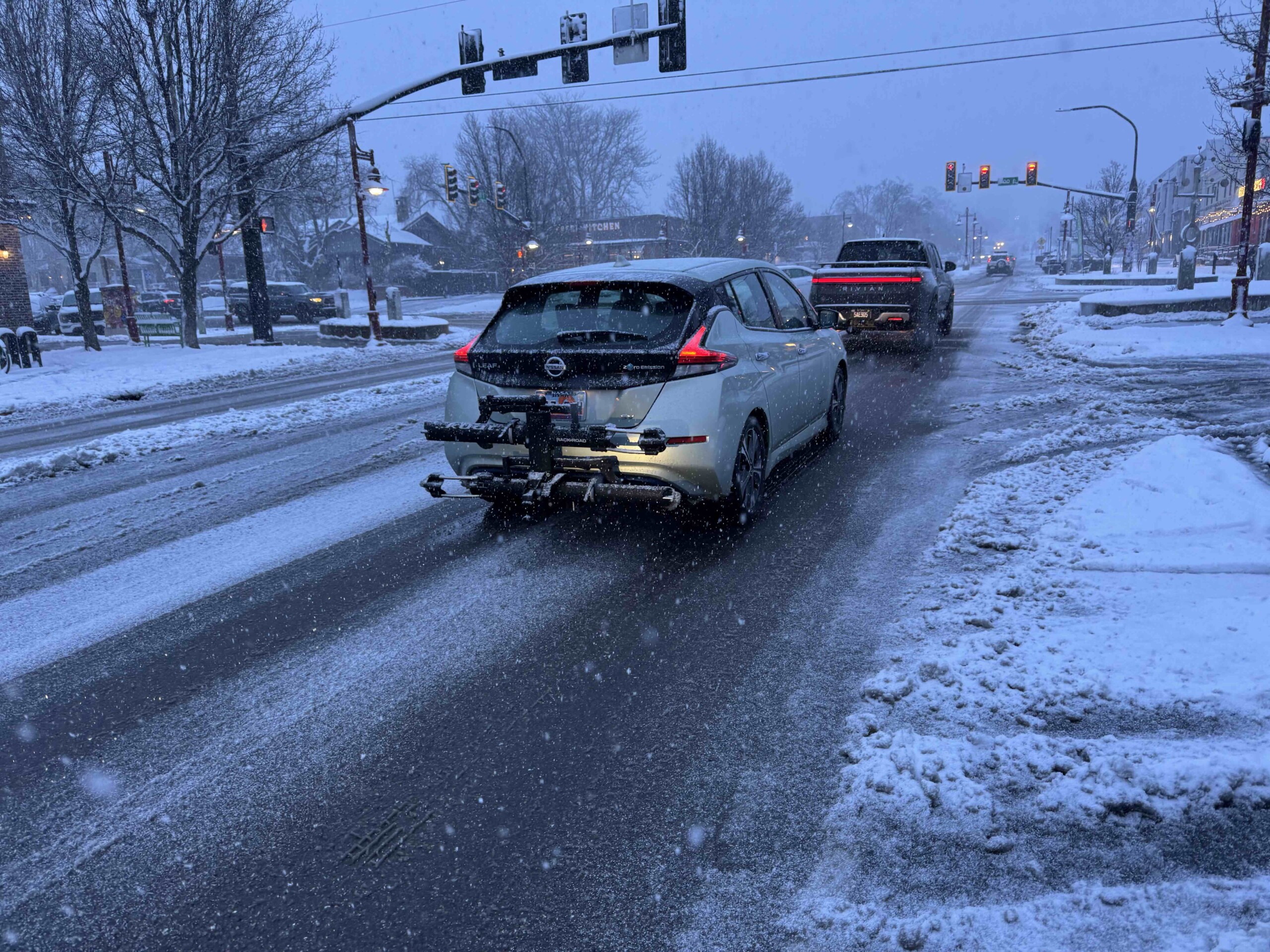
Salt Lake City, Utah (February 18, 2026) — A Utah bill is targeting cargo carriers including bike racks if they obscure a vehicles taillights. HB0120 “prohibits operating a motor vehicle when a cargo carrier obscures required tail lights unless auxiliary lighting equipment or reflectors are installed.”

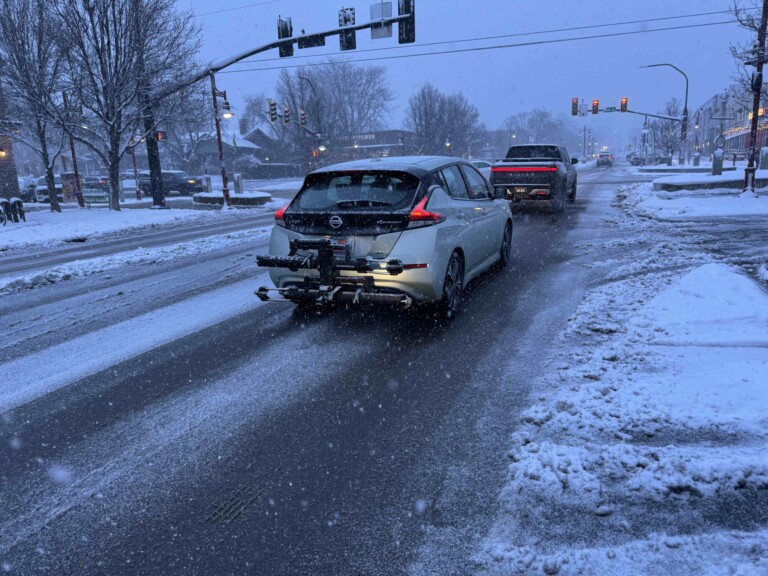
Hitch mount bike racks might be required to have lights or reflectors if they obscure taillights
under a proposed Utah law. This car’s bike rack does not obscure the taillights. Photo by Dave Iltis

The bill may apply to hitch mount bike racks such as 1Up, Küat, Thule, Alta Racks, Velocirax, or Yakima if obscure a vehicle’s taillights. It is unclear from the bill language if this applies to the bikes that are being carried if they obscure the vehicle’s taillights. It is sponsored by Rep. Scott Chew (R-68: Duchesne & Uintah Counties) and Sen. Kathleen Riebe (D-15: Salt Lake County).

Violations would incur a $100 fine on first offense and $200 on additional offenses.

The bill passed the House Transportation Committee 12-0, but failed in the House by a vote of 36-32-7. Bills require 38 votes to pass and with 7 absent representatives, it did not pass despite having a majority. It is currently circled and up for reconsideration in the house. There is also an proposed amendment by Rep. Paul Cutler that would remove bicycle racks from the requirement to have taillights or reflectors.


Listo (Ready to Go) – The Bicycle Art of Guillermo Galindo

Name of artist: Guillermo Galindo

About the artist:  Guillermo Galindo is a Post-Mexican composer/artist. “The extent of the work of experimental composer, sonic architect, performance artist and visual media artist Guillermo Galindo, redefines the conventional limits between music, the art of music composition and the intersections between art disciplines, politics, humanitarian issues, spirituality and social awareness.” (from his website galindog.com). He presently teaches at the California College of Arts in San Francisco.

Title of piece: Listo (Ready to Go)

Listo (Ready to Go) by Guillermo Galindo. Photo by Randy Dodson, courtesy of the Fine Arts Museums of San Francisco

About the piece: “Listo (Ready to Go) critiques the ineffectiveness of the expansion of the border wall, facilitated by the Secure Fence Act of 2006, which redirects crossings by migrants to more perilous desert routes. Guillermo Galindo incorporated found material, such as a broken bicycle left in the borderlands, into the creation of sonic objects that would “enable the invisible victims of immigration to speak through their personal belongings.”

Galindo seeks the voice of the object, elevating discordant and atonal sounds to the status of sacred music. Bicycles serve as a covert means for crossing the US-Mexico border undetected by footfall sensors; when they are discovered, US Border Patrol agents render the bicycles unusable by driving over them. The artwork serves a quasi-reliquary function as it entwines personal narrative with materiality, evoking an ineffable sense of loss and the possibility of hope tied to the imagined futures of their owners.” – Fine Arts Museums of San Francisco.

Medium and Size: Sculpture. Crushed immigrant bicycle and border patrol chair assemblage. 2015. 44.5 x 54 x 15.25 in. Fine Arts Museums of San Francisco, Museum purchase, a gift from The Svane Family Foundation.

Where can people find the art: Listo is on display at the de Young Museum of Fine Arts in San Francisco through July 5, 2026. Visit famsf.org for information.

Website for Guillermo Galindo’s art: galindog.com
Photograph of Listo (Ready to Go) by Randy Dodson, courtesy of the Fine Arts Museums of San Francisco.


Corner Crossers Want Lawmakers to Step Up

0

By Karlee Provenza and Joshua A. Seckinger — Last summer, hunters and anglers stepped up in a huge way to help defeat a proposal by Utah Senator Mike Lee to sell off millions of acres of public land. 

In the end, public land defenders won. Confronted by an outpouring of grassroots opposition, Senator Lee removed his amendment to the Trump administration’s “Big Beautiful Bill.” But the struggle demonstrated that we need to act sooner.

A landscape of the Birhorn Mountains in Wyoming.

Four elk hunters in Wyoming showed us what stepping up can look like. Instead of sitting back and looking sadly at a huge chunk of prime elk country blocked by a billionaire’s ranch, they built a special ladder. By climbing over it, they crossed from one corner of public land to another, setting in motion a legal process that freed up millions of acres of public land in six states.

They also shot some nice bulls.

The hunters’ creativity in the field has become an inspiration. That’s why the two of us—state legislators in Wyoming and Montana—are teaming up to fight for public land access, just as the hunters on Wyoming’s Elk Mountain did. 

Across the West, millions of acres of public land are still legally open but practically inaccessible. At checkerboard corners where public and private land meet, a person can stand on public ground, look directly at more public ground just an inch away, and still be told they cannot step from one to the other. 

In Wyoming, the question of corner crossing dragged through the courts for years. Last October, the Supreme Court refused to hear a case challenging a lower court decision allowing corner crossing. The ruling establishes that crossing between public land corners without touching private property does not constitute trespass. 

That means corner crossing remains legal in the 10th Circuit states of Wyoming, Colorado, Utah, Oklahoma, Kansas and New Mexico.

In other states, a legal grey area remains.

In Montana, Governor Greg Gianforte and the director of Fish, Wildlife and Parks say that corner crossing remains unlawful under state law. That declaration puts political clout behind the status quo, where public land remains accessible to those who can buy control of key parcels and hire fancy attorneys.

The consequences are not abstract. For working families in Montana and Wyoming, access to public land is a necessity, not a luxury. It is how people put meat in the freezer as grocery prices rise. It is how parents take their kids outdoors without paying fees. It is how rural communities hold on to traditions that are increasingly out of reach.

We, as elected leaders, need to act. We can’t let confusing court decisions or laws that don’t serve the people be the last word on any issue dealing with public land.

That’s why the two of us support state legislation in both Wyoming and Montana that will clarify the law and protect public access. The stakes are high and rising. Land prices have become astronomically out of reach for most people, outside wealth continues to pour into our states, and politicians in Congress and our state legislatures increasingly side with wealthy landowners.

Unless public land supporters in office act to clarify corner crossing in law, access will continue to shrink. The result will be a two-tiered system: a West for people who can afford exclusive access, another West that’s diminished for everyone else.

Corner crossing may be ingenious, but it is not radical. It is a straightforward affirmation that public land needs to be available to the public. We don’t think this is a partisan issue. Hunters, anglers, hikers, conservationists, landowners, and working families span every political stripe in our states. Fair access to public land for future generations is a shared value.

The choice ahead is simple. We can defend public land as a public right for our children and grandchildren, or we can allow the West to slide toward a situation where those with wealth continue to block vast swaths of public land.

As legislators from Montana and Wyoming, we know which side we are on.

The writers are contributors to Writers on the Range, writersontherange.org, an independent nonprofit dedicated to spurring lively conservation about the West. Karlee Provenza is a Democrat serving House District 45, Laramie, in the Wyoming House of Representatives. Democrat Joshua A. Seckinger serves House District 62, Bozeman, in the Montana House of Representatives. For information about the bills they propose, contact [email protected] or [email protected]. The Wyoming Legislature convenes Feb. 9 and plans to consider corner crossing.