Home Blog Page 140

U.S. Cycling Athlete Katherine Compton Accepts Sanction for Anti-Doping Rule Violation

0

COLORADO SPRINGS, Colorado (August 11, 2021) — USADA announced today that Katherine Compton, of Colorado Springs, Colorado, an athlete in the sport of cycling, has accepted a four-year suspension for an anti-doping rule violation.

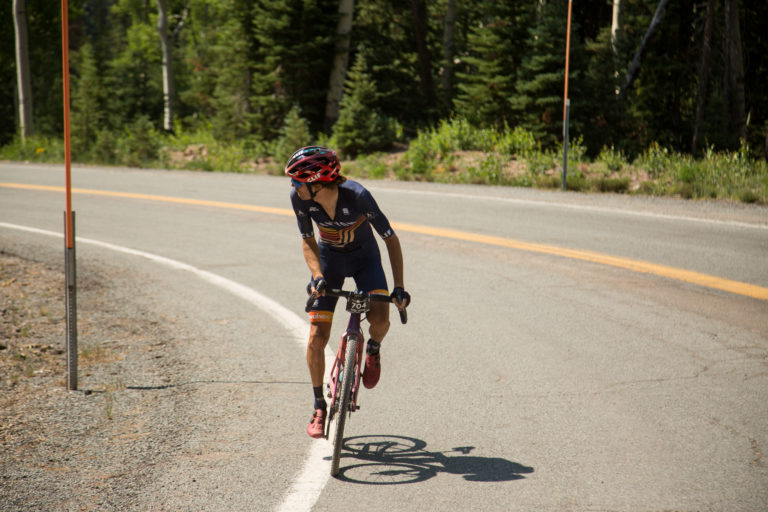
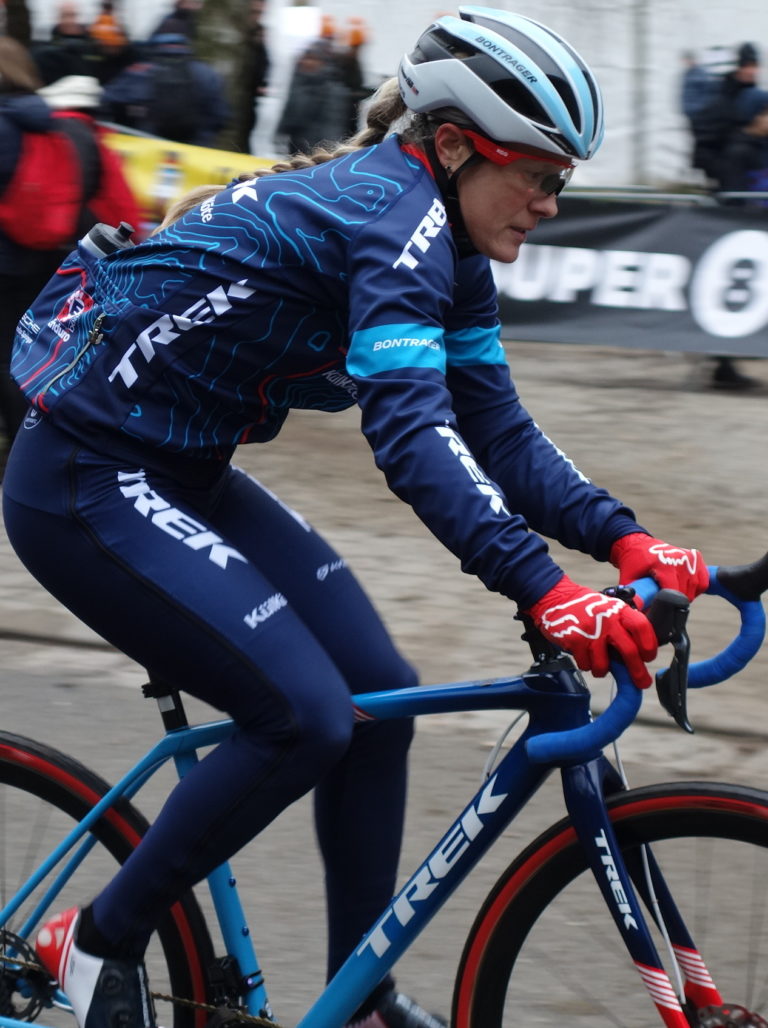
Compton is a 15-time national cyclocross champion, two time UCI World Championship Cyclocross silver medalist, and multiple world cup cyclocross race winner."Before
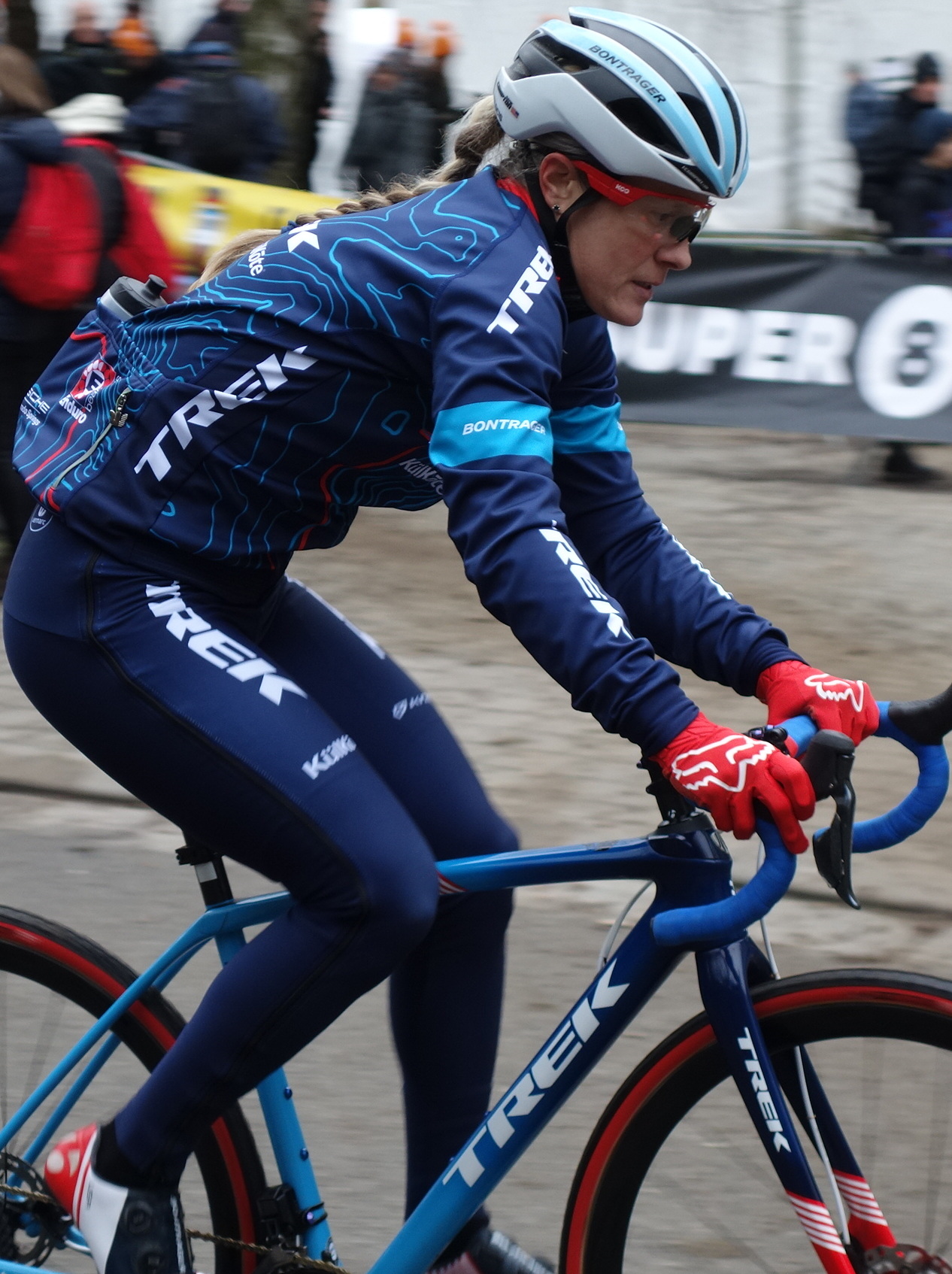
Compton, 42, tested positive for an anabolic agent as the result of an out-of-competition drug test on September 16, 2020. Her urine sample was analyzed using a specialized test, known as Carbon Isotope Ratio testing, that differentiates between anabolic androgenic steroids (AAS) naturally produced by the body and prohibited anabolic agents of external origin. Anabolic agents have powerful performance-enhancing capabilities and can give an athlete an unfair advantage over fellow competitors.

All AAS are Non-Specified Substances in the class of Anabolic Agents and are prohibited at all times under the USADA Protocol for Olympic and Paralympic Movement Testing, the United States Olympic and Paralympic Committee National Anti-Doping Policy, and the Union Cycliste Internationale Anti-Doping Rules, all of which have adopted the World Anti-Doping Code and the World Anti-Doping Agency Prohibited List.

Compton’s four-year period of ineligibility began on September 16, 2020, the date her positive sample was collected. In addition, Compton has been disqualified from all competitive results obtained on and subsequent to September 16, 2020, including forfeiture of any medals, points and prizes.

Compton released the following statement to friends and family prior to the news breaking, then released it wide to the press:

This news comes with great heartache and sadness, and it is the worst possible way to end my cycling career. I need to preface this news with the fact that I have always been a clean athlete, and I am proud of how much I have accomplished racing clean and being very careful with whatever I put into my body, especially after dealing with so many health issues throughout my life.

I provided a sample for USADA in September 2020 that came back negative for any banned substances, it was not even atypical. That news was communicated to me in the same way it has always been via a letter from USADA. I’ve received that same letter after every test I’ve submitted for the last 19 years. In early February of 2021, after returning from a difficult race season, I learned that the same sample from September was re-analyzed due to a bio-passport irregularity and found to be positive for an exogenous anabolic steroid. This was devastating news to me as I have never intentionally or knowingly put anything like that into my body. I know how delicate women’s hormones are, and I would never choose to take anything to jeopardize my health and, as a result, suffer irreparable damage to my endocrine system. And not only that, I never took anything for ethical and moral reasons; I’ve been a strong proponent of clean sport my entire career and feel doing anything to enhance one’s own natural ability is cheating, full stop.

Despite deciding to retire in March, I also felt the need to try and defend myself and my reputation. I hired a lawyer and did my best to investigate how the substance got into my system but was unsuccessful in finding that answer. Over the past six months, I learned that I cannot prove that I didn’t intentionally take anything, and I can’t afford to keep fighting knowing the outcome will be the same regardless. Unfortunately, seeing that it was five months between the sample collection and the notification, trying to figure what allegedly got into my body proved to be impossible, and I have decided to stop fighting an expensive and difficult battle and accept the sanction. 

So, it is with great stress and sorrow that I’ve ended my competitive career. My friends and family know how much I’m against doping and know it is a topic in which I have always been outspoken. This news is gut-wrenching to me and the worst period I’ve ever experienced during my life so far. I’ve processed all the emotions over the past year and realized that I don’t need bike racing in my life anymore. I still love riding my bike and enjoying that with friends, but I have no desire to ever race or be competitive again, which is probably good since the sanction includes a four-year ban from competition.

I wanted to share this news prior to USADA releasing it to the public so you hear it from me first. I’m obviously stepping away from the competitive cycling world for the next few years and don’t know what my future within the sport may look like post sanction, but I want people to know that I’ll miss the racing community, specifically all the amazing people I’ve met along the way who simply share the love of riding bikes. I’ll always cherish the experiences and wonderful adventures cycling has given me while also acknowledging that it has brought me plenty of heartache and disappointment, and I’m emotionally and mentally exhausted. Ending my career this way is simply soul-crushing. It physically hurts and makes me incredibly sad.
Bikepacking the Cathedral Valley

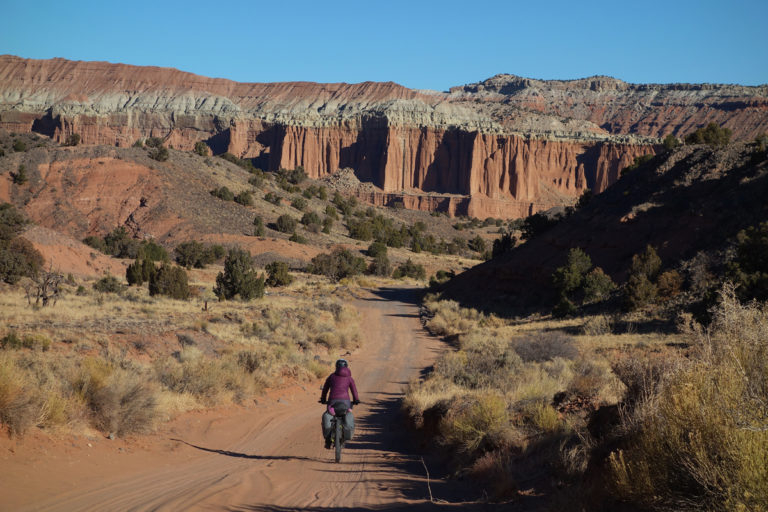
By Jill Homer — It was one of the most life-affirming moments I’ve experienced. I stood on a sandstone ledge wearing every stitch of clothing I’d packed into bicycle bags for an overnight trip in the desert. Inside my coat, I cradled a hydration bladder with three liters of icy water to keep it from freezing solid. I was exhausted at 7 a.m., both from the long pedal to reach this high overlook, and from shivering through the night. In this bleary state, I watched as the rich light of this late November morning stretched across a desert floor more than a thousand feet below. My heart fluttered in wonder as a bright orange glow crept up the sculpted sandstone monoliths known as the Cathedrals. It’s difficult to describe the elation I felt. I had survived the night. The world was endlessly beautiful. Everything was going to be okay.

Over Thanksgiving 2020, my friend, Danni Coffman, and I met up from our respective quarantine zones — Montana and Colorado — for a week of bikepacking in the Utah desert. We spent a couple of days on the White Rim in Canyonlands National Park before moving onto a more remote region of central Utah for an overnight ride through the Cathedral Valley. We planned this trip as a brief respite from the long isolation of the COVID-19 pandemic. This meant it was a no-frills, self-supported endeavor. We brought all of our food and water, didn’t venture into local businesses, and even maintained a physical distance from each other while riding. These were strange times, but we were glad to simply be out in the world again.

And what a world! Located in Capitol Reef National Park, the Cathedral Valley is known for entrada sandstone monoliths rising from the sand. The cathedrals are so named because they resemble ornate structures built to withstand the harsh winds that scrape the desert floor. The first superintendent of Capitol Reef, Charles Kelly, explored the area in 1945 and decided the Gothic sandstone formations deserved a grand name.

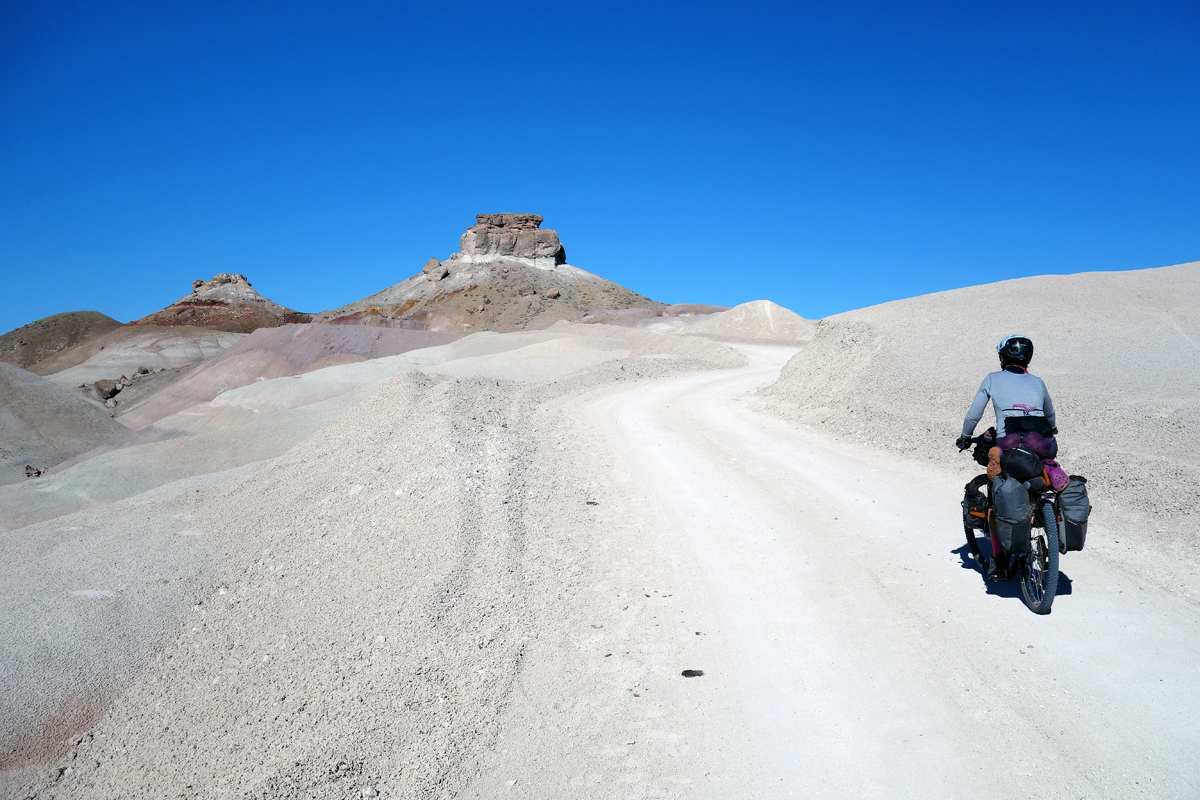
Danni Coffman rides through the Bentonite Hills. Photo by Jill Homer

Other unique features in the region include the Bentonite Hills. These barren yet colorful, contoured mounds formed during the Jurassic period when mud, fine sand, and volcanic ash were deposited in swamps and lakes. This beautiful moonscape can be the bane of both drivers and cyclists when it rains because bentonite clay becomes extremely sticky when saturated. Even foot travel becomes impossible as the gray sludge builds up in thick layers on any surface it touches.

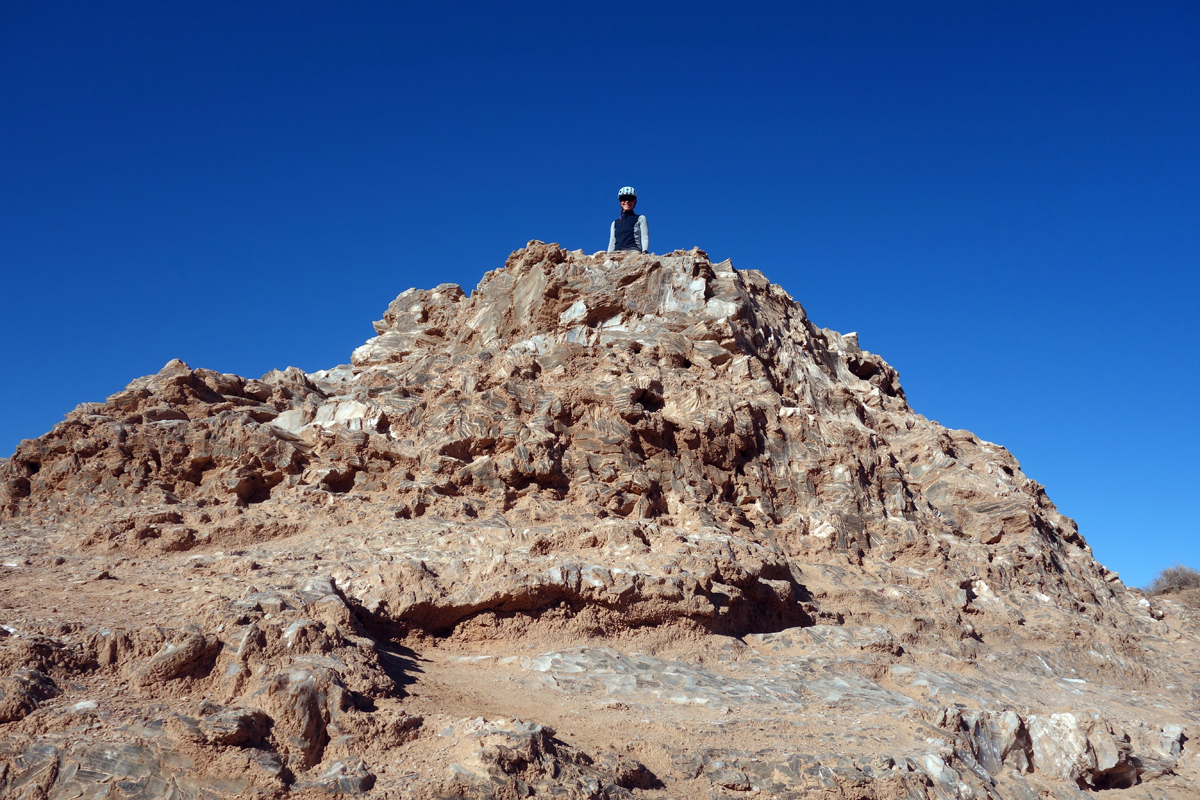
Glass Mountain Photo by Jill Homer

Then there’s Glass Mountain, a house-sized mound of exposed selenite crystals. This sparkly “mountain” formed when gypsum carried by groundwater began to crystalize, causing a “plug” that is now eroding away.

The Gypsum Sinkhole formed from the reverse of this process, as groundwater dissolved buried gypsum, collapsing the surrounding rock layers, and leaving a sinkhole that is nearly 200 feet deep. These geologic anomalies add to the otherworldly atmosphere of Cathedral Valley.

Most visitors explore the area via a 58-mile loop on rugged, sandy roads. A popular bikepacking Web site, bikepacking.com, took this scenic drive and added a few side trips for an ideal bikepacking overnight: 76 miles, 4,607 feet of climbing, and 92 percent unpaved. Near the halfway point is an established campground where visitors can stay for free on a first-come, first-served basis. There is typically no water on the route, so bikepackers will need to carry at least two days’ worth. This can range from five or six liters in the winter months, to as many as 12 in the heat of the summer. The rugged terrain and limited resources make the Cathedral Valley loop a tough but worthy challenge.

Danni and I set out around noon on November 27, 2020. We had to drive from Moab that morning, which led to this late start, but we were confident we could reach the campground at mile 35 before dark. First, we had to contend with a crossing of the Fremont River. We opted to start our ride at the junction of Hartnet Road and Highway 24, then ride clockwise. We figured it would be best to ford the river in the relative heat of midday and hoped the dry autumn months would mean lower flows on this major tributary. What we found was an ice-choked shoreline and swift-flowing water the color of chocolate milk. We removed shoes and socks and shouldered our gear-laden mountain bikes. Danni got a head start and picked the best line, walking diagonally to the bank until she reached the other side of the road about 50 yards upstream. I tried a direct crossing and ended up fighting the swift current in a thigh-deep channel. I could not find a ramp to climb up the near-vertical bluff and nearly dropped my bike as my feet went numb. It was harrowing, but the hard part was now over … right?

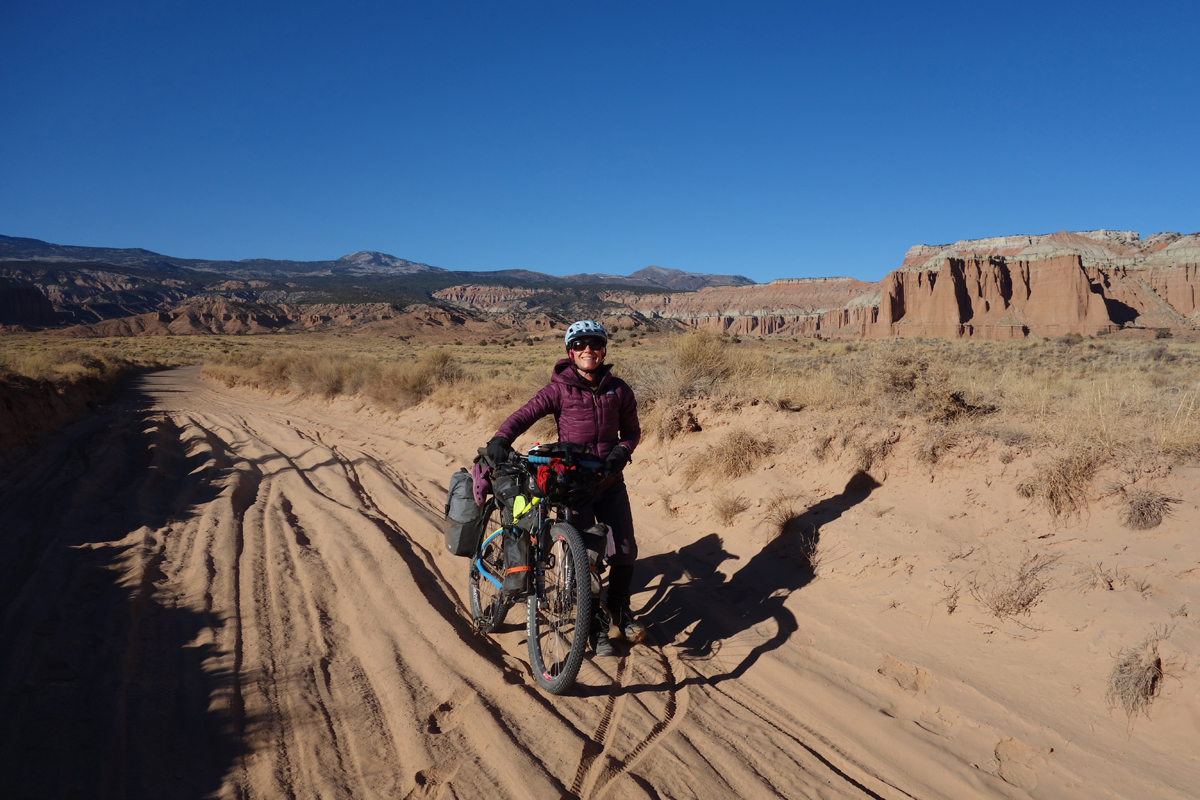
Deep sand on Cathedral Road. Photo by Jill Homer
The ride along the washboard gravel of Hartnet Road was difficult but decidedly more pleasant. We climbed through the Bentonite Hills and enjoyed the sweeping vistas of North Blue Flats. A diversion to the South Desert Overlook revealed jaw-dropping views of Jailhouse Rock, which rises 500 feet from the valley floor. I dragged Danni through all of the recommended side trips and lingered so long that our daylight ended up running short. We watched the sun set over the Upper Cathedral Valley and pulled into camp with the last light of dusk.


Temperatures plummeted with the disappearance of the sun. We bundled up in puffy jackets and pants, fired up stoves to rehydrate meals, and crawled into our tents before 7 p.m. Here I would discover that while the Utah desert is an ideal location for a late-November bikepacking trip, it’s also far from balmy at 7,200 feet. My lightweight sleeping bag, rated to 32 degrees, was not going to cut it. On this night, the temperature plunged to a chilling 4 degrees (F.) I moved both my fuel canister and drinking water bladder into my sleeping bag to prevent freezing. I’m no stranger to winter camping, but without the proper gear, it’s a miserable experience indeed. Throughout the night, I alternated between shivering until I lapsed into sleep, snoozing for thirty minutes or so, waking up from unconscious shivering, and leaving my tent to pace the campground until my limbs felt somewhat warm again. Then I repeated the process. It was one of the longest nights of my life.

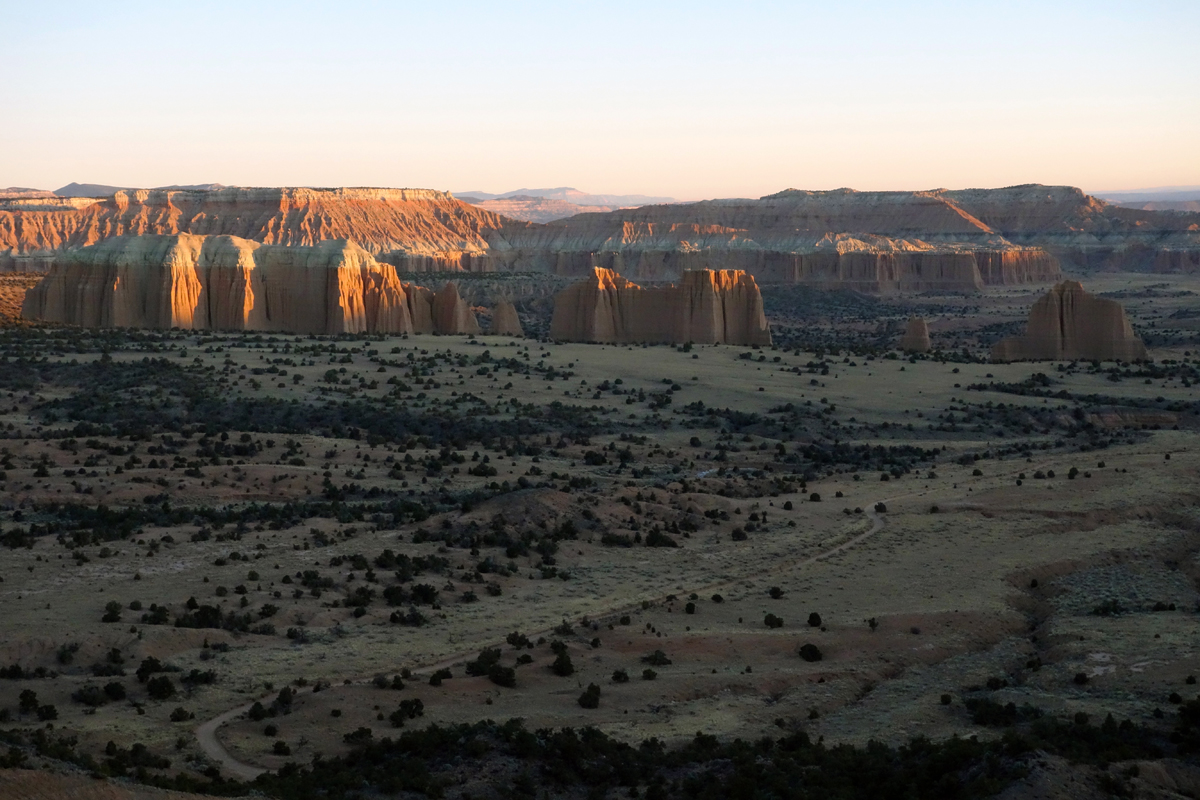
Upper Cathedral Valley at dawn. Photo by Jill Homer

At 6:30 a.m., the first hints of dawn started to appear on the horizon. I decided to finally get up for good. My muscles were so stiff from shivering that I walked like a zombie for several steps, cradling my water bladder — I called it my “ice baby” — beneath my puffy coat. The air still felt painfully cold, but a streak of crimson light appearing over the juniper-clad foothills gave me hope. I waddled to an overlook at the edge of the campground and gasped when I gained my first full view of the Upper Cathedral Valley. Watching the rising sun cast its glimmer of warmth on the cathedrals was an incredible experience. It was almost worth suffering through the long, cold night … almost.


Danni had a better sleeping bag and fared much better than me through our 12 hours of waiting out the long night. I was eager to start moving again, but she was content to linger over coffee and oatmeal as the morning sun rose high enough to spread real warmth across the desert sand.

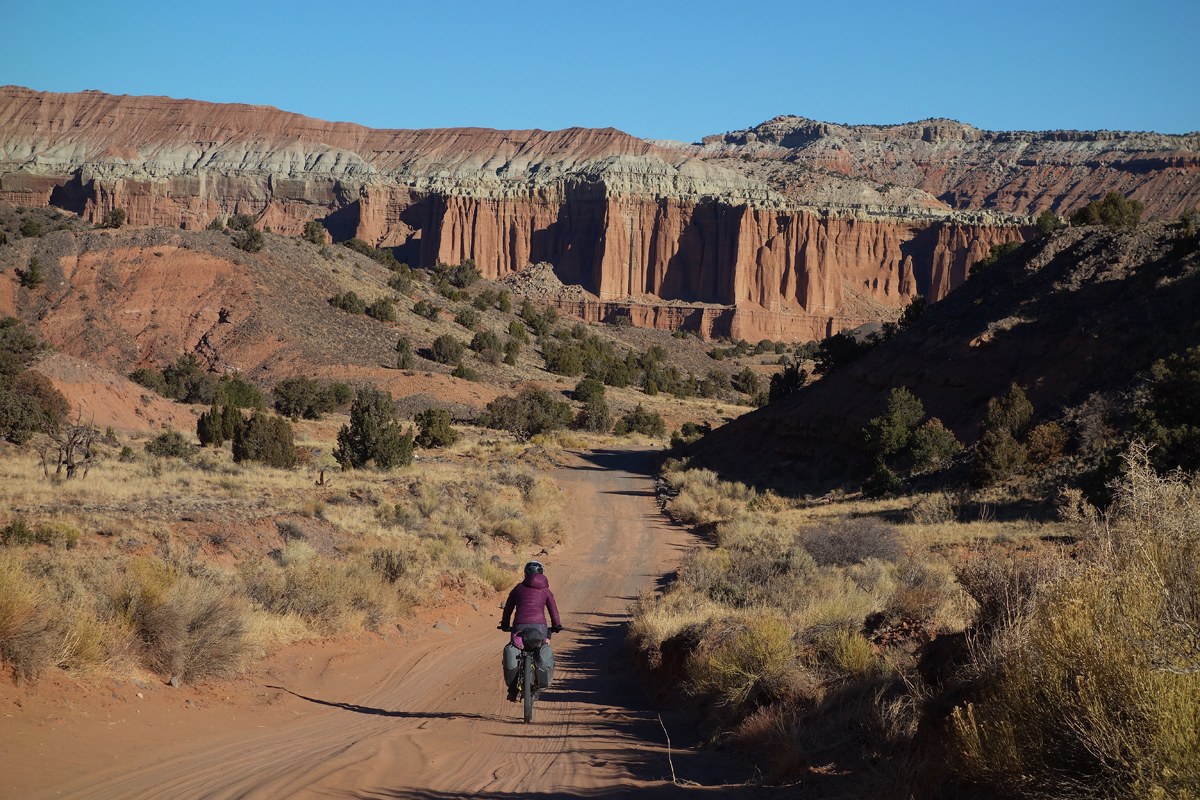
Danni descends into Cathedral Valley. Photo by Jill Homer

Finally, we launched into the long descent into the valley, craning our necks at the cathedrals as we pedaled and swerved through a veritable sandbox. At higher altitudes, the road had been rocky, but the surface dissolved into increasingly deep sand that proved challenging when it came to maintaining momentum. We’d launch into sandpits and pedal with all of our might, only to swerve and stall and finally put a foot down.

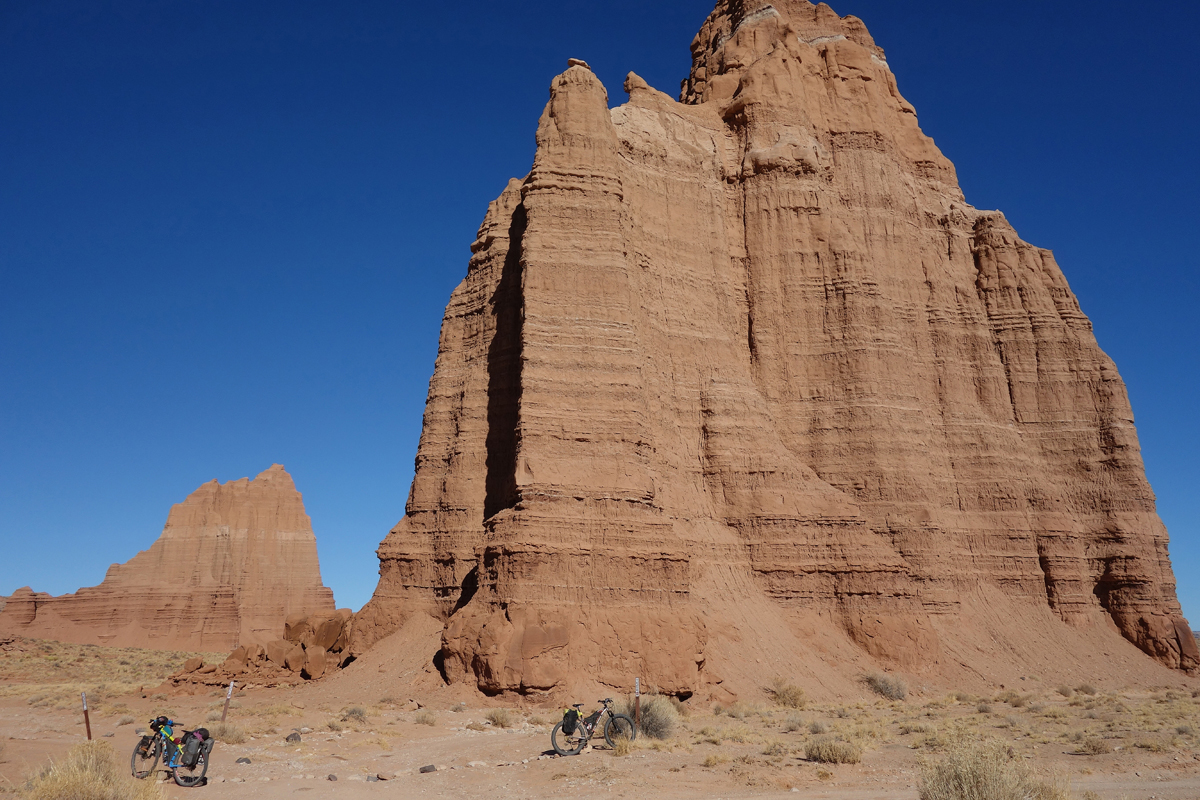
Our bikes in front of Temple of the Sun. Photo by Jill Homer

Again, I dragged Danni through all of the side trips. She was beginning to feel the fatigue of long days of pedaling but was a good sport about my insistence that we had to visit the Gypsum Sinkhole, Glass Mountain, and Temples of the Moon and Sun. Although we were generally descending — a reward for the continuous climbing of the first day — the deep sand kept us churning. Meanwhile, sheer sandstone cliffs and cathedrals loomed overhead. Late-autumn shadows cast a stark contrast of deep reds against shimmering yellow and orange hues. In this light, the formations seemed particularly stoic and grand.

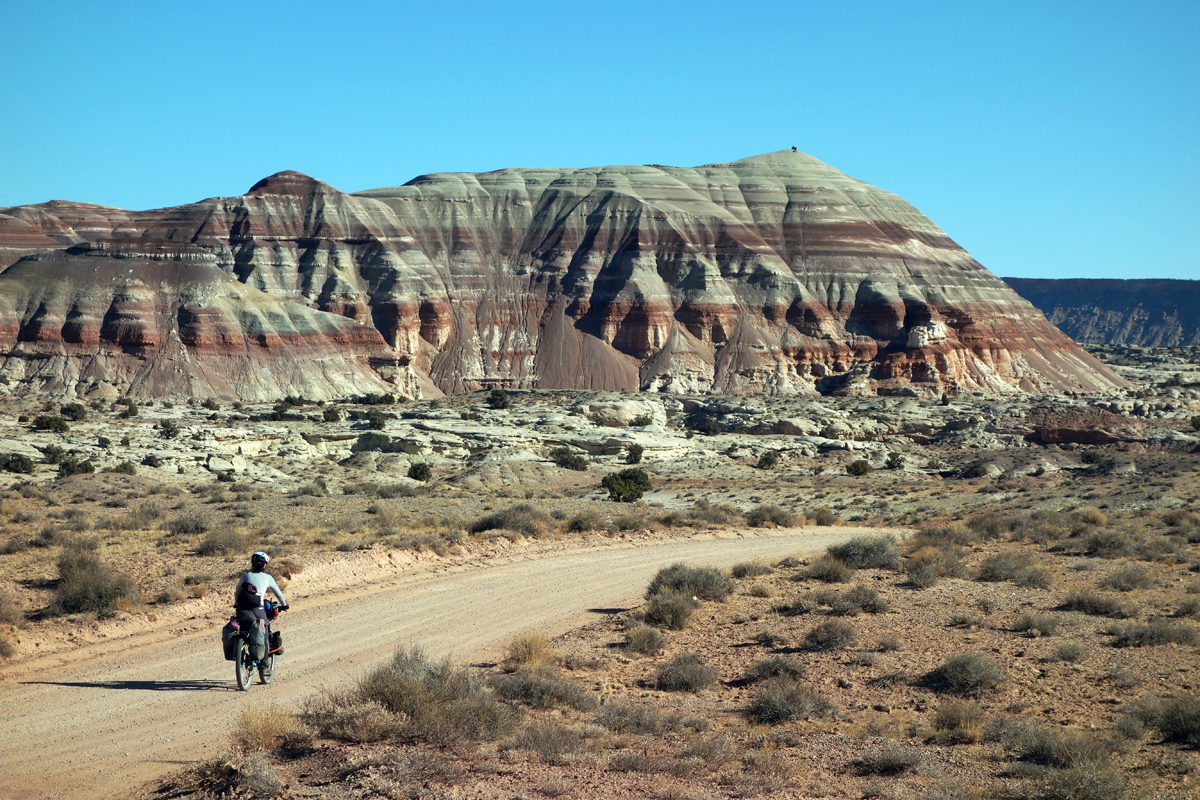
Danni rides through the Painted Desert. Photo by Jill Homer

We descended out of the national park and into the rolling and colorful hills and arroyos of the Painted Desert. On this section, I relished in launching into a descent and full speed and staying in the big ring as I mashed the pedals up another punchy climb. The afternoon sun felt almost hot. Danni and I had finally shed most of our layers by the time we arrived back at Highway 24 for a six-mile pavement pedal to our cars. It had been a brief journey — just over 24 hours — and we’d pedaled a mere 76 miles in that time. But it felt like we’d traveled to the far end of the world and back.

More information and a GPS track can be found at: https://bikepacking.com/routes/cathedral-valley-loop.

Facts (from bikepacking.com):

  • Distance: 76 miles
  • Days: 2
  • Unpaved: 92%
  • Difficulty: 5 out of 10
  • Rideable: 100%
  • Total ascent: 4,607 feet
  • High point (Cathedral Campground): 7,204 feet

Notes: There is no water on route. Within the national park, camping is only permitted in the campground. Be prepared to be self-sufficient, and if it’s early or late in the season, it is more than worth carrying a few extra layers and a warmer sleeping than you think you’ll need.

The best seasons for the Cathedral Valley Loop are spring and autumn. It can be ridden any time of year, but winter and summer rides will require extra gear or water. Temperatures can dip below zero during the winter months and climb above 100 degrees in the summer. There is limited shade, no resupply, and no shelter along the route.


Filmed By Bike to Play in Salt Lake City on August 21, 2021

0

SLCBAC Hosts Fundraiser for the Bicycle Collective

On August 21, 2021 The Salt Lake County Bicycle Advisory Committee will host the First Annual Filmed by Bike Salt Lake City, presented by Progressive Leasing, a program of bicycle movies from all over the world.

“Cyclist” Melih Aslan- Istanbul, Turkey. Image courtesy Filmed by Bike

This event features a bike ride, a movie screening, a silent auction, pre-event gatherings for ticket holders, food, beverage and opportunities to connect with people and organizations from within Salt Lake City bike culture.

Proceeds from the evening will benefit The SLC Bicycle Collective, a non-profit organization that promotes cycling as an effective and sustainable form of transportation.

Tickets prices range from $5-$20 and tickets are available online (only) until 5pm day-of-show. Tickets will not be available for purchase at the event.

Filmed by Bike is a film festival that showcases the world’s best bike movies. Cities all over the world host Filmed by Bike movie events to strengthen and inspire their bike communities. For the past 20 years, the Filmed by Bike festival has worked alongside the bicycle culture and advocacy communities to entertain people with incredible films from independent filmmakers.

EVENT INFORMATION + TICKETS
Full event information and a link to tickets can be found on the event website
BicycleCollective.org/salt-lake-latest/item/998-fbb

ABOUT THE FILMS
Film night is 1.5 hours total.
11 films from Japan, Russia, Turkey, Great Britain, Malaysia, New York and more.
This inspiring collection of fun and creative films mingles extremely short films with a few heartfelt pieces that tell stories of how bicycles are changing lives. The program includes a stunning mix of lighthearted films, as well as important stories from all over the globe. Fun, quirky pieces are woven in to keep the night lively.

This event is appropriate for all ages. There is limited, non-gratuitous profanity.

Event timeline for Saturday August 21st:

6:30 – Group ride meets at SLC Bicycle Collective! (Limited availability; RSVP HERE)
6:50 – Group ride leaves Bicycle Collective
7:50 – Audience takes their seats
8:05 – Show begins!
9:20 – Show end

“Thursday Fields” Harry Zernike – New York, New York. Image courtesy Filmed by Bike
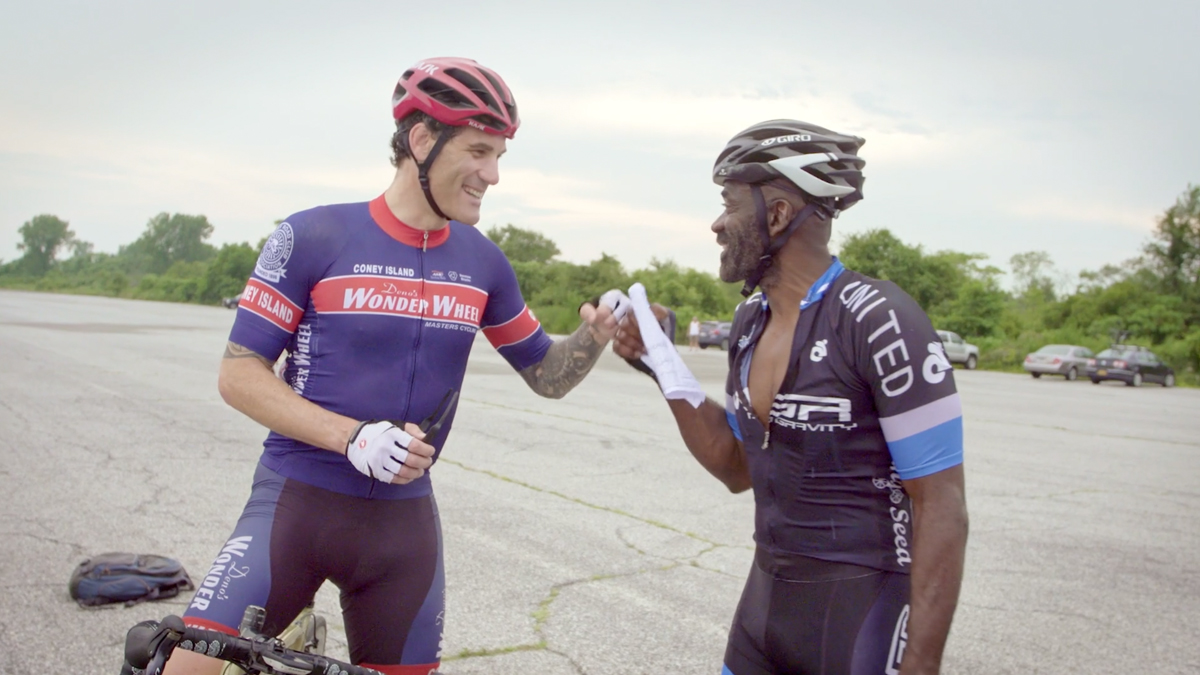
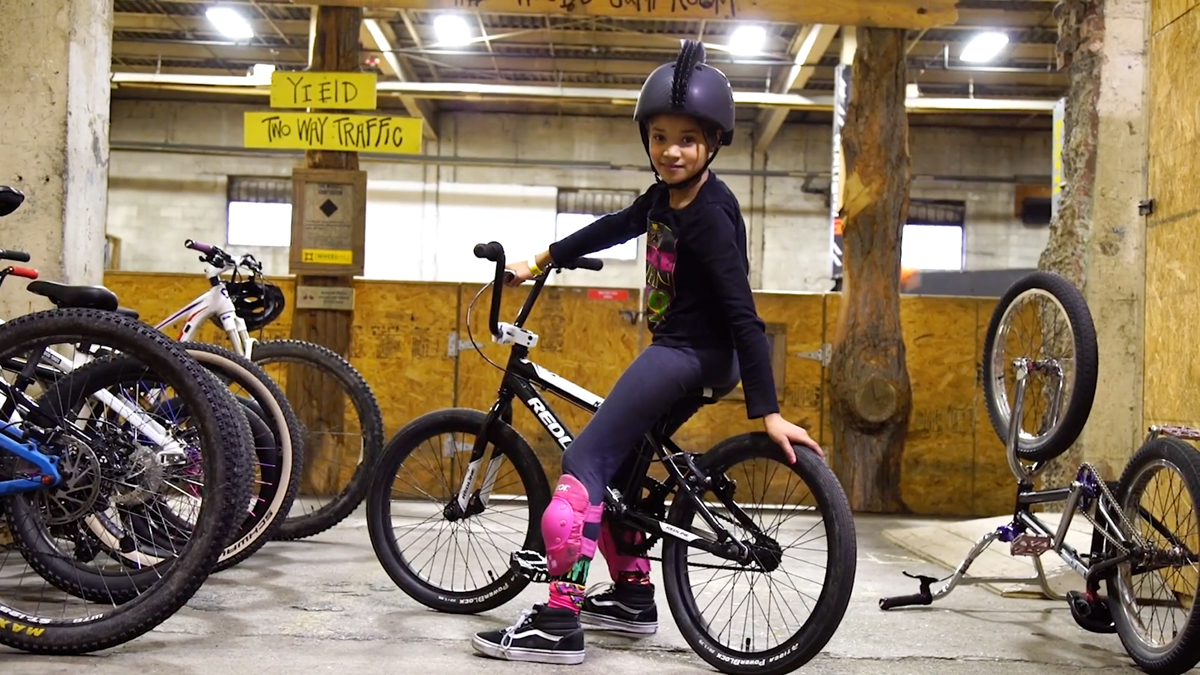
“Ride Like A Girl”  Jon Lynn + Carley Young – Brooklyn, New York. Image courtesy Filmed by Bike
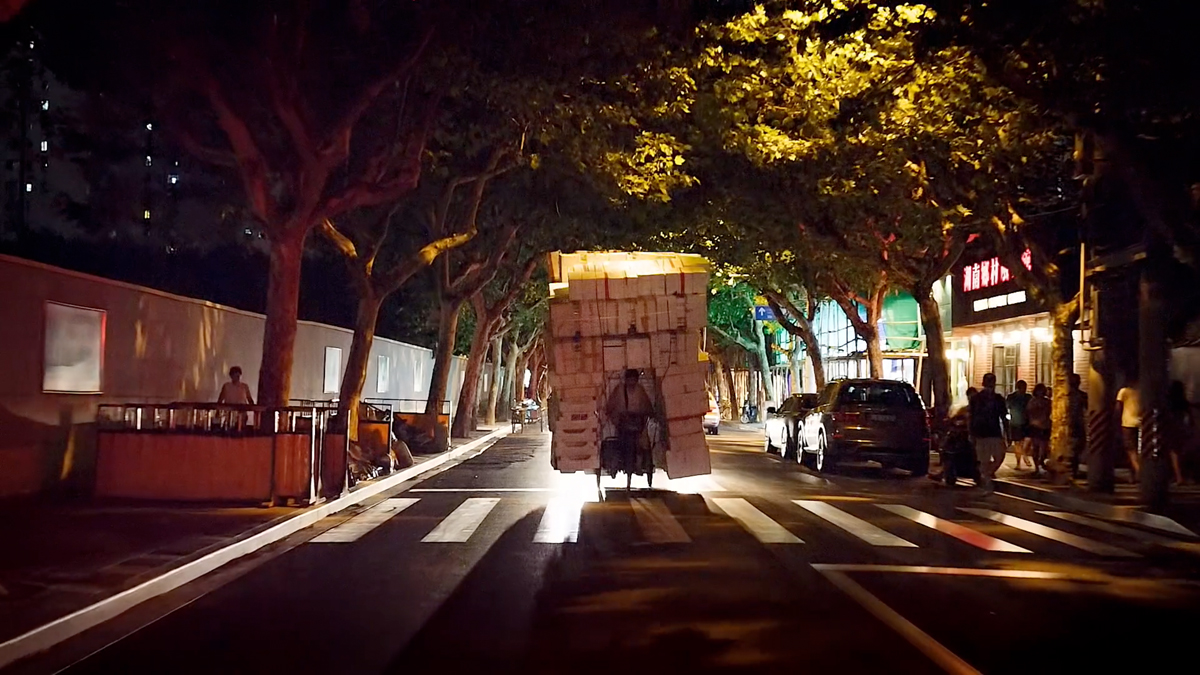
“Styrofoam ” Winner of the 2020 Golden Helmet Award, the top prize of Filmed by Bike. By Noah Sheldon + Jean Liu –  Evanston, Illinois. Image courtesy Filmed by Bike

Developing Endurance for Long Rides

By Sarah Kaufmann — Summer is here and we are getting out for longer days on the bike. Perhaps you have spent the winter on your bike, indoors or out, perhaps you spent the winter on skis, or perhaps you even took the winter off! As you get back into regular days on the bike, ramp your volume up gradually to make sustainable endurance progress.

Long rides make longer rides. Think of your rides in hours (not miles). If your longest ride is 90 minutes, try adding another 30 minutes and get to two hours. Then try two hours, two days in a row. Continue to increase your duration in this way by growing the duration of a single ride and then doing another longer ride the following day. Try making the second day longer than the first to change and grow the stimulus.

Sarah Kaufmann working on developing endurance for long rides. Photo by Matt McKinney

Use ‘tempo’ work or its slightly higher intensity companion, ‘sweet spot,’ work. This kind of effort feels like about a 6-8 out of 10 in your Rate of Perceived Exertion. Start on a steady climb or flat section and ride at a 6 or 7 out of 10 with continuous effort. The feeling of exertion will continue to climb but don’t let it get above an 8 out of 10. Try doing 4x 10 minutes of these intervals with 5-10 minutes of recovery between. If you are riding with a power meter, tempo power is usually between 80-89% of your Functional Threshold Power. Sweet Spot is between 90%-94% of FTP. As you get more comfortable, try 4x 12; 4x 15; 3x 20, etc. And/or try to shorten the recovery time between those intervals. Do not get tempted into making this a single continuous push and doing the entire time in zone as one interval. Your power will likely drop (though the intensity will still feel high), so you will not get the same stimulation and adaptation.

Keep in mind that both tempo/ sweet spot work and long endurance rides require substantial fueling and hydration to keep you going. Make sure you drink an electrolyte drink and fill a pocket with snacks. Then, make sure you eat and drink small sips and nibbles frequently to keep hydration and fuel coming in. Try to eat something every 30-60 minutes and drink 15-25oz of fluid depending on the temperature and your size. Often, athletes tell me that they crack at the 90-minute mark or some other specific time and when we drill down into it, it turns out they are not eating or drinking enough to fuel the work they are doing. Fitness can help develop your endurance but fueling and a big part of this puzzle too.

On the days you have less time, do the tempo or sweet spot intervals. When you have more time available, try the longer endurance days and adding back-to-back days. This ramping of training stimulus will lead to increased aerobic conditioning – endurance – so you can get out and enjoy long days on the bike this summer.

Bike Lanes are Good for Business

By Charles Pekow — Two arguments you often hear against adding bike lanes or parking: they will hurt business and create traffic problems by taking away parking and travel lanes.

Now, cycling advocates can refute the claims, which have garnered plenty of attention. Researchers at the University of California, Davis did a meta-analysis of twenty-three studies in the United States and Canada examining the arguments.

Their conclusion: “Taken together, the studies indicate that creating or improving active travel facilities generally has positive or non-significant economic impacts on retail and food service businesses abutting or within a short distance of the facilities….” The sole exception: businesses that cater especially to autos.

The results were practically the same whether or not travel lanes or auto parking was reduced to make room for cycles.

The study, “Economic Impacts on Local Businesses of Investments in Bicycle and Pedestrian Infrastructure: a Review of the Evidence” appeared in the April Transport Reviews.


Book Review: Deciding on Trails – 7 Practices of Healthy Trail Towns

By Charles Pekow — It’s not enough to just build, maintain, use, and promote a trail. The greatest level of use and support comes from making a community’s trails an integral part of its culture and economy – becoming a “Trail Town.”

Or as the old African proverb, renewed by Hillary Clinton, might have said, it takes a village to raise a trail to its highest potential.

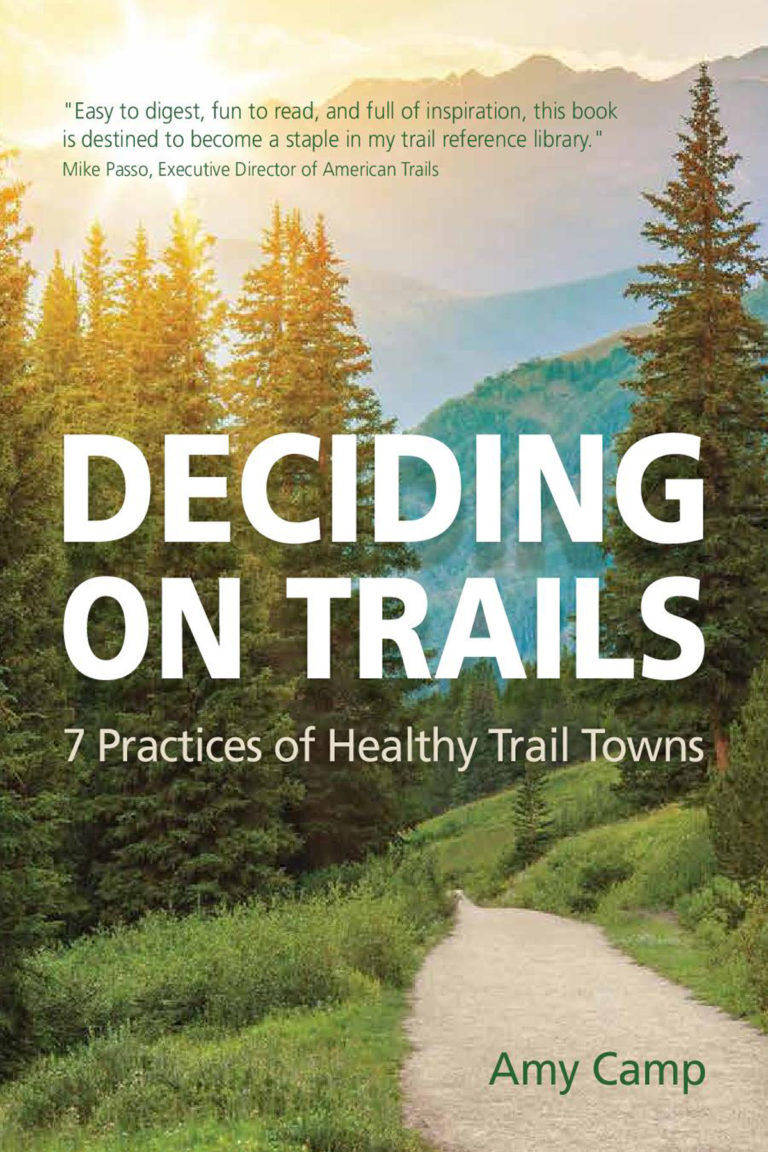
Deciding on Trails: 7 Practices of Healthy Trail Towns.
Author: Amy Camp. 218-page paperback, Plug & Play Publishing, $19.95; Kindle version $9.99, is available on Amazon, ISBN-13 : 979-8578619489

A recent book not only explains that but can serve as an inspiring guide for those who want to expand support for recreational trails and take advocacy to a new level. Deciding on Trails: 7 Practices of Healthy Trail Towns by trails and tourism consultant Amy Camp notes that a successful trail town involves much more than building and maintaining trails, distributing maps, and organizing rides and other activities. The benefits of trails to recreation, transportation and economics have been well documented elsewhere.

The Arbor Foundation runs a Tree City USA with more than 3,400 communities and the League of American Bicyclists has designated more than 500 places Bicycle Friendly Communities. No one has yet started a national Trail Town program, but several states; including Florida, Kentucky, and Michigan; operate statewide programs. But, the book adds, you can take some steps without a formal government or non-profit running a trail culture program. And no one owns a copyright on the name Trail Town should a community decide to call itself one.

The solution is instilling a trail culture. That means much more than supporting businesses. The author writes “those places that value trails only for the anticipated financial benefits miss out on what I think of as the ‘trail magic’ that can touch communities”

Camp describes her own experiences developing a culture along the 150-mile Great Allegheny Passage (GAP) in Western Pennsylvania, where she initially found a “disconnect” between the population and the trail, as non-users couldn’t see how they could benefit from it – a restaurant that closed on the busiest trail days and a C-store clerk who couldn’t direct people to the trail half a mile away. So, a successful initiative must get the whole community involved in welcoming trail users.

When a trail connects multiple communities, it’s vital that the towns work together in numerous ways, regarding everything from signs pointing to the next town, to arranging tours and accommodations for visitors. And note that improving trail conditions outside town helps people get there. “It is better for you to be among a cohort of communities than to do your own thing….” the book warns.

Trail culture can revolve around a single multi-community trail such as GAP, or a series of trails going into and through a town.

A few examples Camp gives: Several waterfront towns in Ontario started bike share programs initially to help boaters explore the areas. Then locals started using the bikes. Elsewhere, art grants to place murals and sculpture located most of the artworks within sight of the trails.

Build a great trailhead. Just adding a welcome sign at the trailhead lets people know the town cares. A kiosk with maps and information about town can help but it’s important to keep it stocked. A bikeshare station or loaner bikes at the trailhead instills culture. “I can imagine hikers who would LOVE to take an easy pedal into town rather than going by foot,” Camp writes. The City of Council, ID even allows approved trail users to camp in a local park and get a bathroom key from the sheriff.

And if a major trail runs through your town, don’t just market tourism to long-distance haulers. People who aren’t up to overnight rides will want a tour or ride through town. If the trail doesn’t go through downtown, build a connector.

The book is very well structured and takes you on a three-part trail starting with a history of trail towns to turning your community into one to where the movement goes from here (even coping with a pandemic). It’s very readable and the author keeps reminding you where you are and why you’re reading. It stops short of being a step-by-step how-to guide, only aiming to send the audience down the right path.

Deciding on Trails: 7 Practices of Healthy Trail Towns
Author: Amy Camp
218-page paperback, Plug & Play Publishing, $19.95; Kindle e-book $9.99, is available on Amazon, ISBN-13 : 979-8578619489.


Life at a 45-Degree Angle: Idaho’s Tater TOT

By Jeff Levenson — Welcome to another installment of cycling life on a recumbent trike. Since I can’t remember seeing very much in this publication on recumbents in general, you can find lots of videos on YouTube. For those of you who think you have health problems preventing or exacerbating the riding life, check out “David Rides a Trike”.

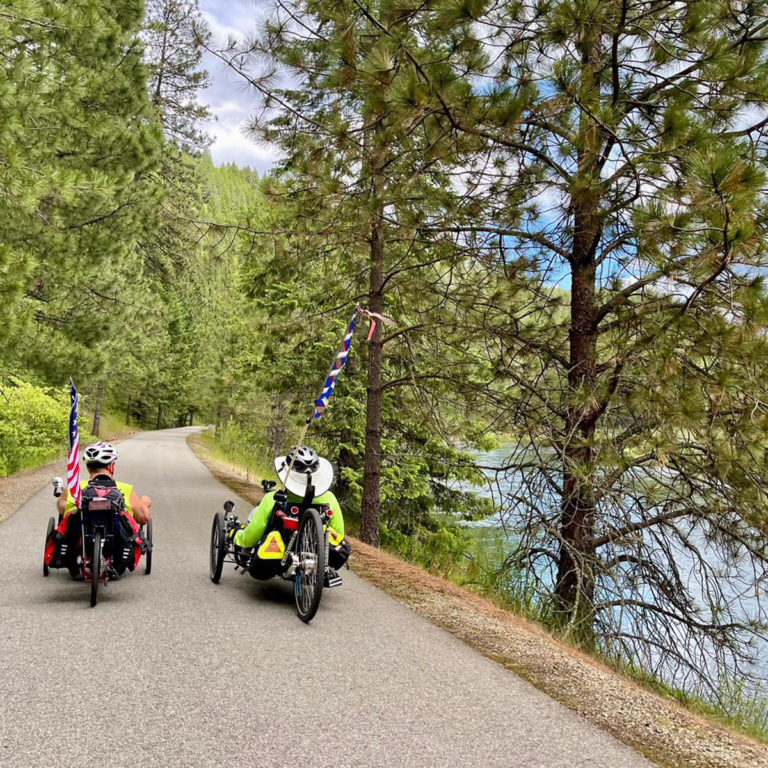
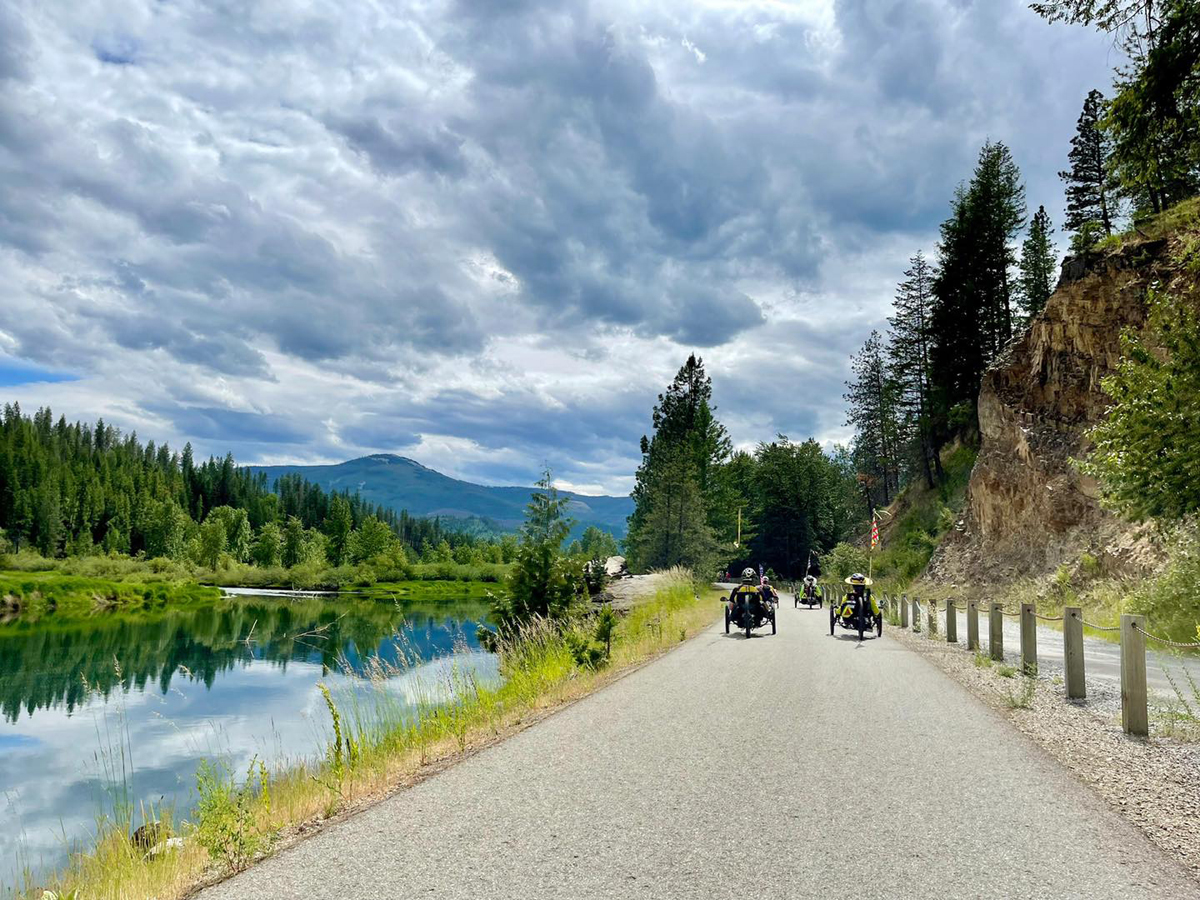
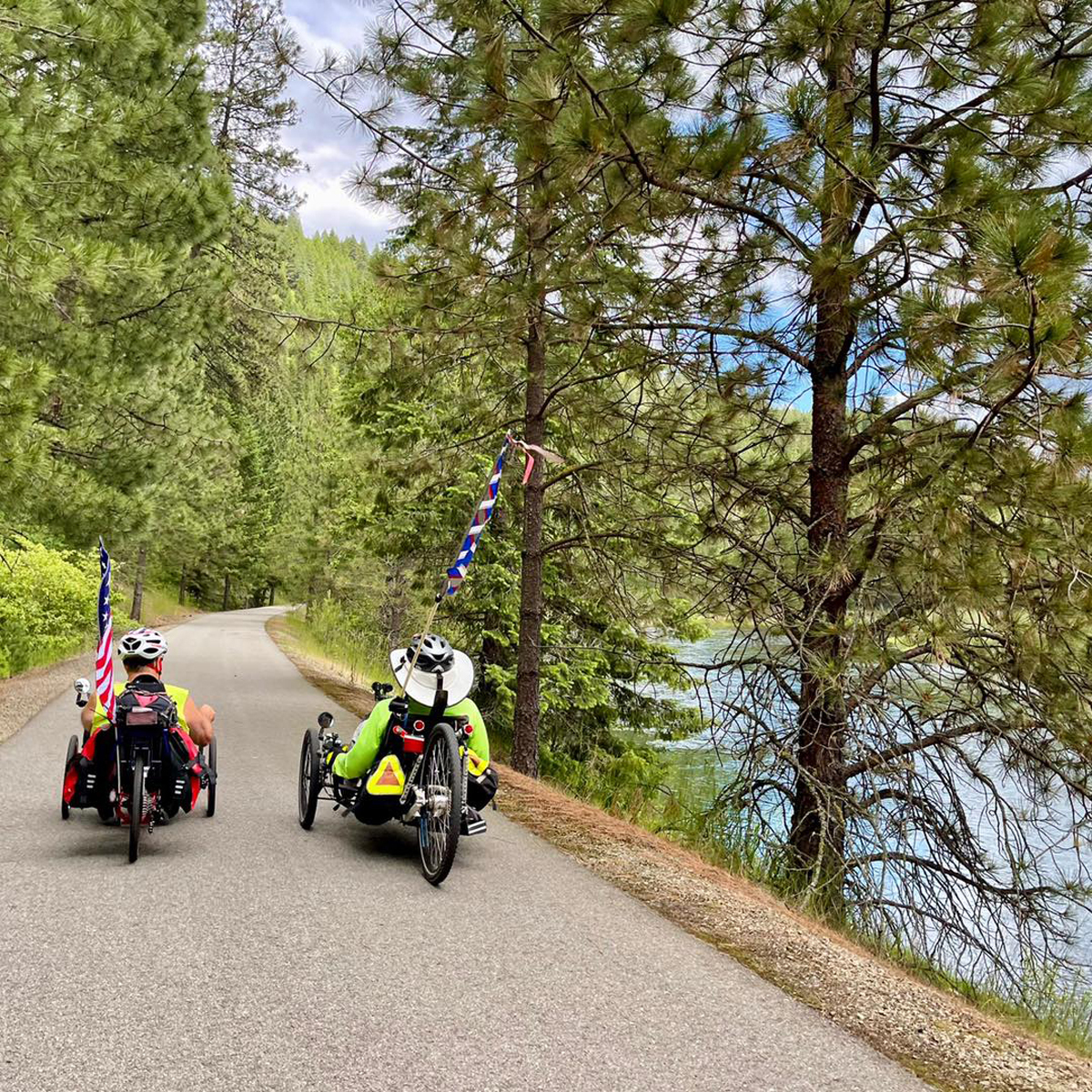
Riders at the 2021 Tater TOT Recumbent Rally. Photo by Janet Buckwalter, Steintrikes.com

I just returned from a trip to Kellogg, Idaho, for the annual Tater TOT—Trikes Optional Tour— since about 2006 (nobody can remember). Supposedly this started because riders across the country on the Bentrider website were complaining that their local clubs would not allow their cycles on club rides or centuries. The story goes that someone from Salt Lake City suggested a get-together in Kellogg since it was the midpoint of a 75-mile rail-to-trail conversion. Until the pandemic, there was an attendance of 120 – 150 riders – this year about 50. People kept on showing up, although the Salt Lake person apparently never came again, as legend has it.

The road experience is different in Kellogg. People locally commute on it, and tourists are there on all types of cycles. The trail has several dozen or more cross streets, and drivers actually STOP and wave you on – even when they have the right of way. People wave and say hello. For a moment I was tempted to tell walkers to “Get the Hell off the Trail and get on a sidewalk where you belong!”, but I managed to restrain myself. The entire event is unstructured, except for the Sunday night Potluck Supper. One of the TOTS, as we call ourselves, had a food cart business. He brings his cart and grill, and cooks steaks, hot dogs, sometimes brats and linguica, and this year Philly Steak sandwiches. They were especially delicious.

Riders at the 2021 Tater TOT Recumbent Rally. Photo by Janet Buckwalter, Steintrikes.com

For those of you who only care about mileage (you know who you are), distances range from 10 to 100 miles, all car free except for the cross streets. The trail foundation maintains the paved part and cuts the fallen trees for removal. Most of the trail is woods, lakes, some swamp, and the occasional moose. As we were riding one section, we came upon a young moose standing in the middle of the pathway, munching on his breakfast; he was still big enough to straddle the width of the trail and still reach the shrubbery for nibbling. Lots of avian life for birdwatchers, the odd snake here and there, and we saw some pretty butterflies, some a robin’s egg blue. For other wildlife, 15 miles up the road is the town of Wallace, which has a bordello museum. The working girls lost their jobs when the business closed in the mid 1980’s.

For more specific info on The Trail of the Coeur D’Alene, go online.

Ride Safe! Stay Healthy!


Life Time Events Acquires Sea Otter Classic

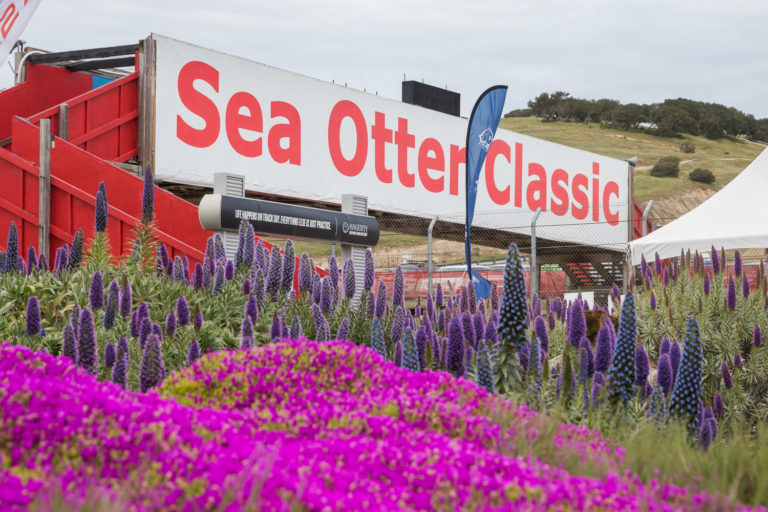
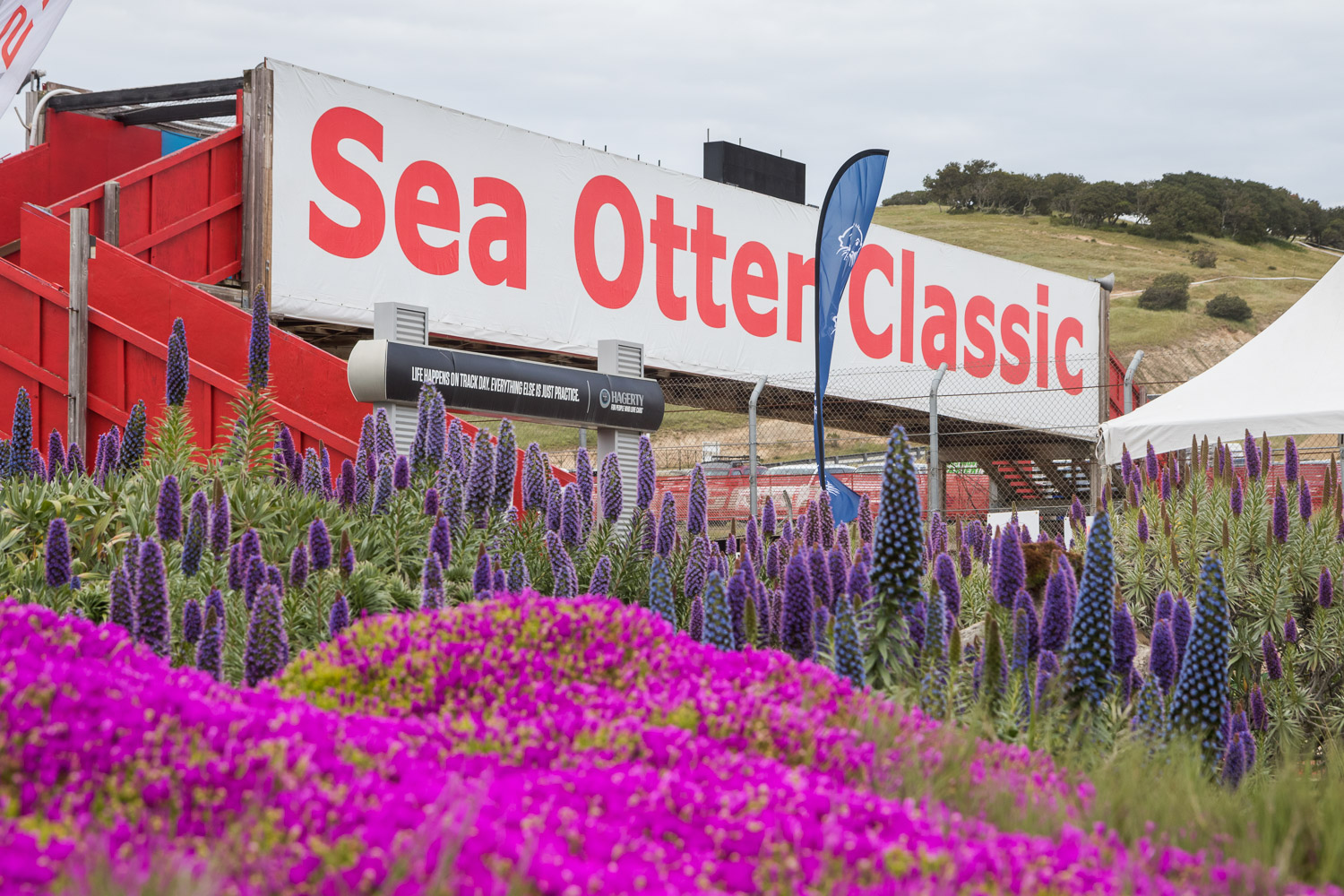
CHANHASSEN, Minn., Aug 3, 2021 – The Sea Otter Classic, North America’s largest consumer cycling event set in beautiful Monterey, Calif. joins Life Time’s robust line-up of renowned athletic events. The acquisition leaves in place the Sea Otter Classic leadership team and Event Co-Founder and Director Frank Yohannan, and blends the mission of both organizations—to empower people to live healthy, happy lives and build community and connection through exceptional athlete experiences. The acquisition builds upon Life Time’s portfolio of cycling events, including UNBOUND Gravel, Crusher in the Tushar, and the Leadville Trail 100 MTB. 

Photo by John Shafer, photo-john.net, Digizuk

“The cycling industry is in the midst of a transformation and Life Time is here to support it,” says Kimo Seymour, president, Life Time Media and Events. “Sea Otter Classic is a premiere event in the bike industry, providing an unparalleled experience to athletes, consumers and industry partners. With Life Time’s focus on iconic brands that deliver exceptional and unique opportunities, the Sea Otter Classic is a natural fit within our ecosystem, and we couldn’t be more proud to work with the Sea Otter Classic team to get even more people riding bikes.” 

Now in its 31st year, the Sea Otter Classic has helped millions of consumers deepen their love of cycling through this annual event. It successfully brings together the breadth of the bicycle industry to celebrate bikes, riding and racing across multiple disciplines of cycling— road, mountain, gravel and e-bike—with a globally-renowned consumer and industry product expo. 

“Life Time and the Sea Otter Classic share a common belief in the power of bikes and their ability to change people’s lives,” says Frank Yohannan, co-founder of Sea Otter Classic. “But I also want to recognize and celebrate our athletes and bike-loving festival attendees whose passion and energy make our event what it is. I can confidently promise that, in partnership with Life Time, the Sea Otter Classic will continue to offer more of what our community now expects: steeper drops, higher jumps, tougher races and more rides.” 

Hear directly from Frank and Kimo regarding this change: https://www.seaotterclassic.com/lifetime 

The Sea Otter Classic will return to Monterey, Calif. Oct. 7-10, 2021. For more information, visit seaotterclassic.com. 

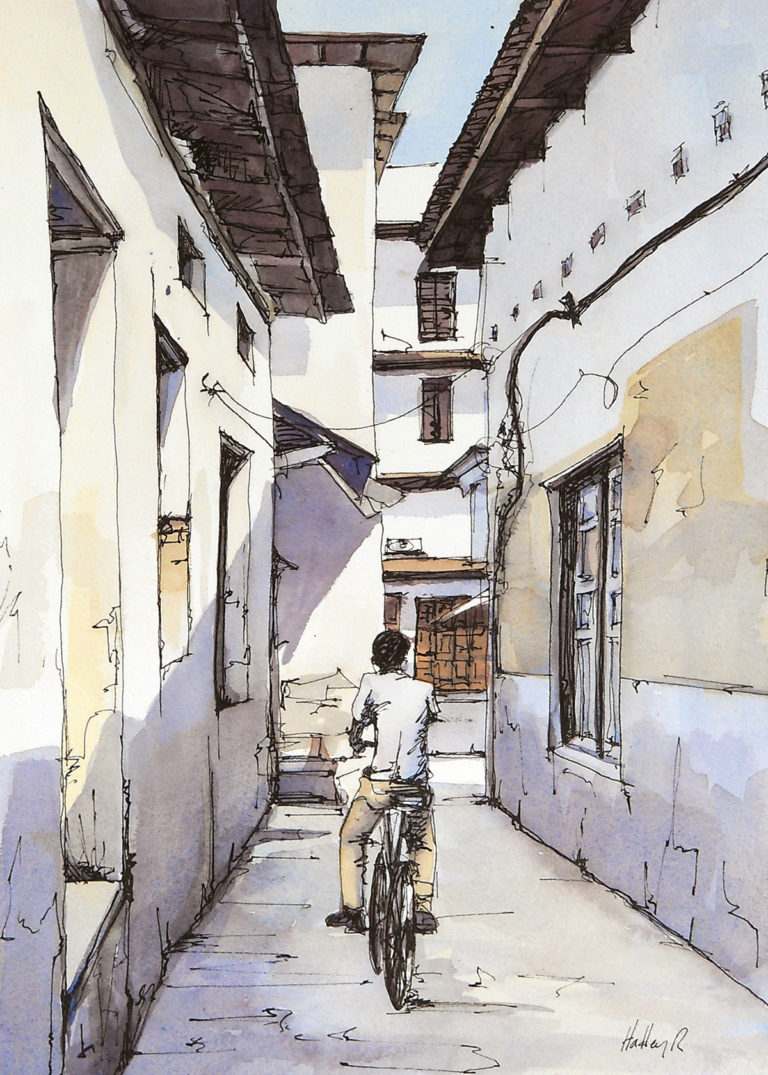
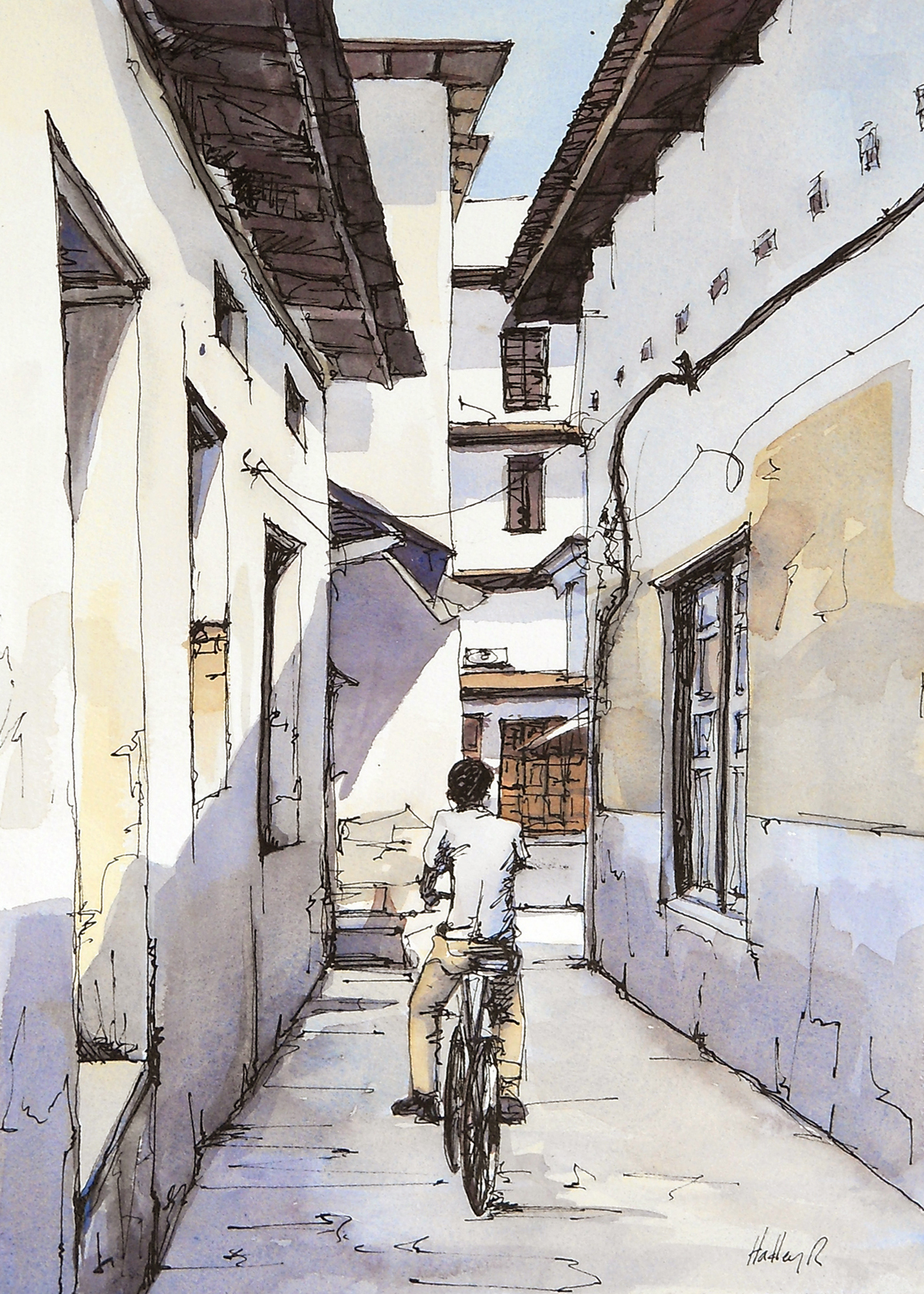
Pedaling Through Stone Town, Zanzibar – The Bicycle Art of Hadley Rampton

Artist’s Statement: Hadley Rampton’s paintings are an amalgamation of her love of composition, color, mark making and being present in the outdoors.

“I’m energized by the challenges and beauty of nature, by the dynamics of light, atmosphere and temperature in the Rocky Mountains and in the deserts of the southwest” says Rampton. Her work rests somewhere between abstraction and realism.

“It’s clear to see in [Rampton’s] work that her sense of being outside mixes with her thoughts and blends with her knowledge of formal color theory, paint application, as well as a feel for the abstract composition.” (Michele Corriel, Western Art & Architecture, 2015).

In plein air painting, there is an immediacy that takes hold and guides the process. Rampton grasps hold of this energy but, especially in her larger pieces, combines it with a more contemplative studio approach, as she will work on the same piece over several days.

“I prefer to work onsite where I not only see the scene before which I stand but feel its light, weather and mood. Those feelings inform the energy by which I lay down each stroke. I paint with a palette knife in bold strokes, happy to break my subject matter down into simplified form composed of value and color. This is a two dimensional surface upon which I work and I don’t want to hide that. I want my process and the abstract nature of the accumulation of paint strokes to be evident, but when one stands back, for a three dimensional, Renaissance form and space to emerge. This is what excites me.”

Artist: Hadley Rampton, Title: Pedaling Through Stone Town, Zanzibar. Medium: watercolor & ink, Size: 14 X 10 inches

After having drawn and painted for as long as she can remember, Rampton graduated from the University of Utah with an Honors BFA in Painting and Drawing in 1999. During her course of university study, she spent a semester in Florence, Italy at the Instituto di Lorenzo d’ Medici studying studio art, Renaissance Art History and History of Renaissance Architecture. Rampton began painting professionally shortly after graduation.

Over the course of her 20+ year professional career she has participated in numerous Juried Exhibitions and Solo shows held at such venues as The High Desert Museum, Bend, OR, Desert Caballeros Museum, Wickenburg, AZ, Willard Art Center’s Carr & Hall Galleries, Idaho Falls, ID, Springville Museum of Art, SLC, UT, Eccles Art Center, Ogden, UT, Salt Lake Community College, Phillips Gallery, SLC, UT and Art Access, SLC, UT.

She has been featured in several publications including Plein Air Magazine, Western Art & Architecture, Judsons Plein Air Journal, Artists of Utah’s 15 Bytes Online Publication and Southwest Art Magazine. Rampton’s work can be found in the collections of the Wallace F. Bennett Federal Building, SLC, UT, the Yellowstone Club, Big Sky, MT, Questar Gas, SLC, UT, Aspen Traditional Rehab, Meridian, ID, Rowland Hall-St. Marks, SLC, UT, the Law Firm of Preg, O’Donnell & Gillett, Seattle, WA, Rooker Mohrman, Rawlings & Bailey, SLC, UT, Ballard, Spahr, Andrew & Ingersoll, SLC, UT and Hutchinson & Steffen, Las Vegas, NV.

She is currently represented by Phillips Gallery, Salt Lake City, UT, Torrey Gallery, Torrey, UT, Sorrel Sky Gallery, Durango, CO and Santa Fe, NM and Abend Gallery, Denver, CO.

Website: HadleyRampton.com


Angela Patterson Edwards, John Mansell win Cache Gran Fondo

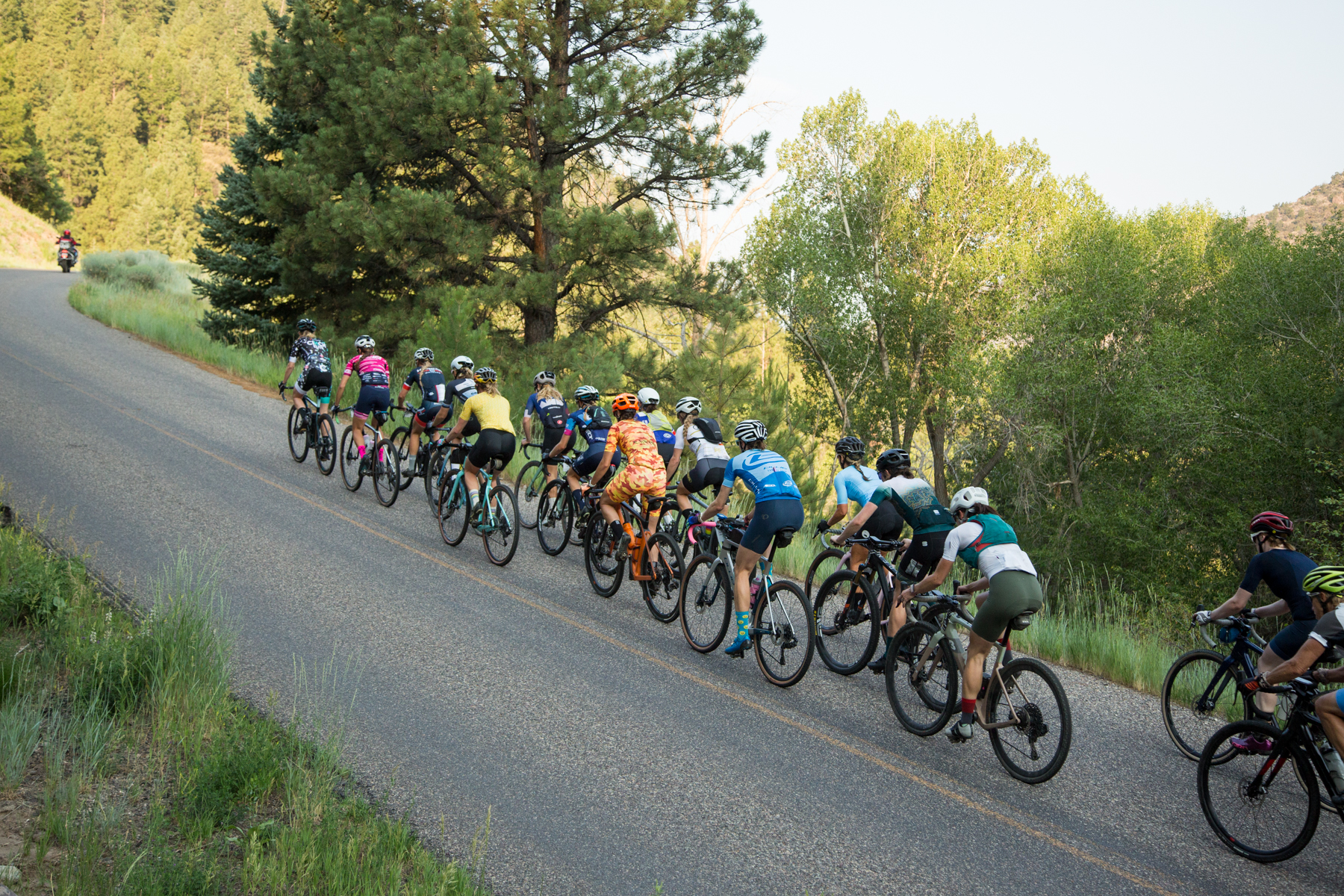
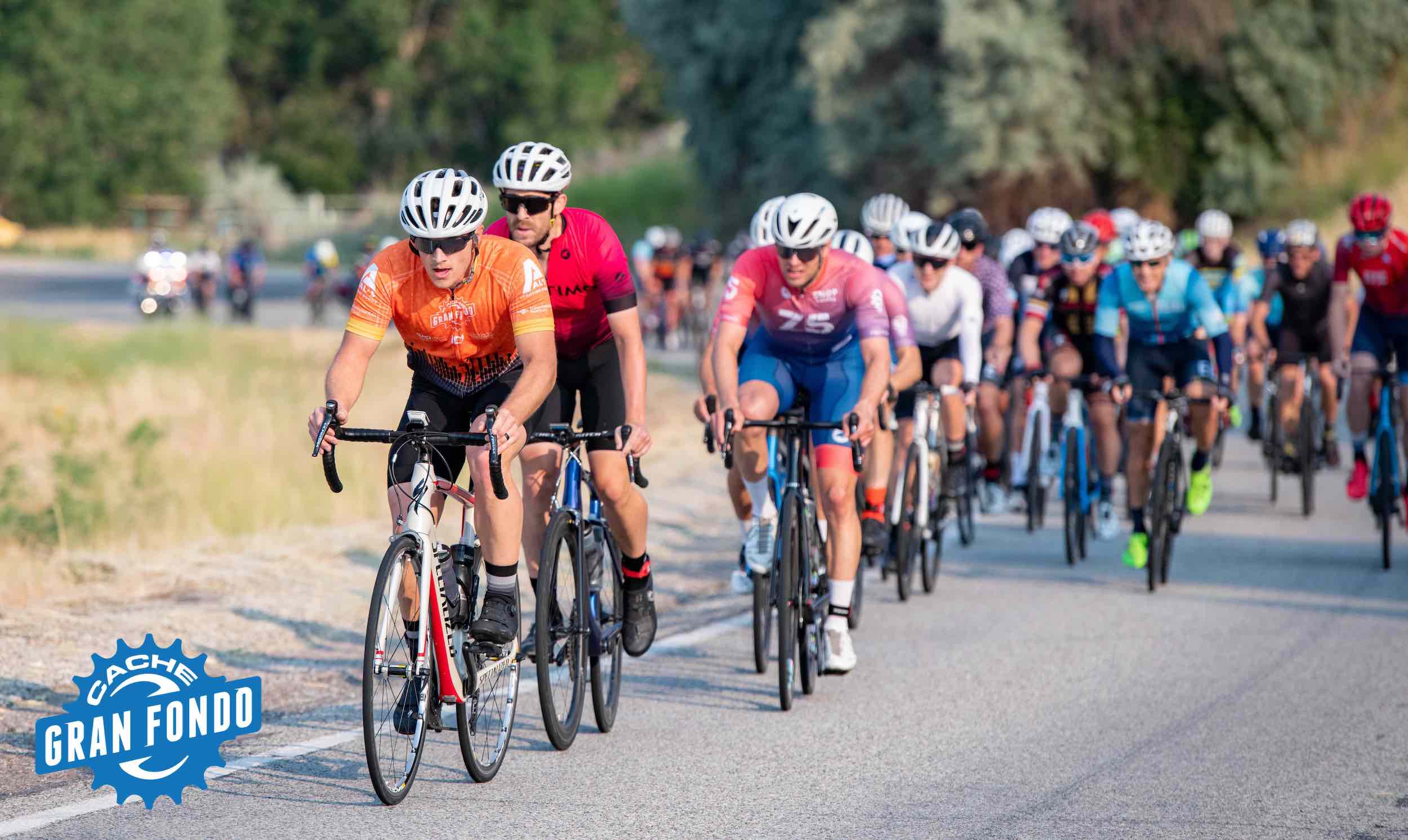
The 2021 edition of the Utah Gran Fondo which is also known locally as the Cache Gran Fondo had 1520 riders at the start and counted for the second time as a UCI qualifier event for the UCI Gran Fondo World Championships. Over 28 US states were represented in the event.

Riders had the option between 4 different courses, but the 76-miles distance was the only race which counted as official qualifier for worlds.

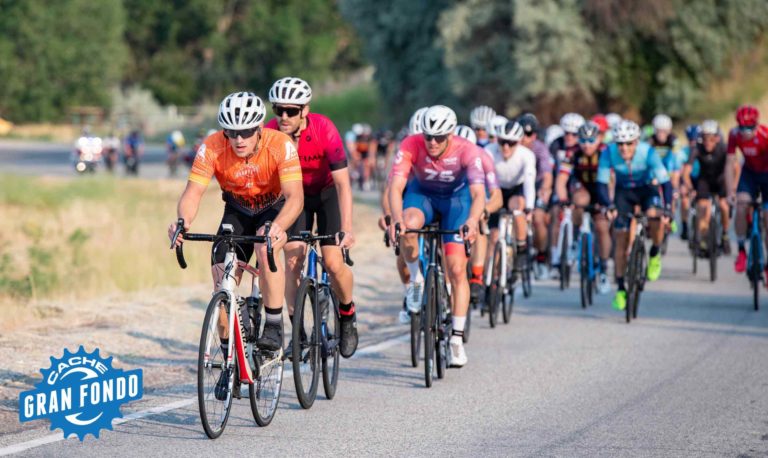
Riders participating in the 2021 UCI Cache Gran Fondo. Photo courtesy Cache Gran Fondo

The 76-mile cyclists started in one wave with a 4.5-mile neutral start to safely leave the city. The race course offered some minor elevation with several rolling hills but the majority of the course was flat and fast, resulting in a 23-men sprint at the end to award the overall winner and the winners per age group.

The race was a close battle with John Mansell of the 55-59 age group outsprinting many of his younger opponents to claim overall victory over new-comer Supe Dursteler (M19-34) and Taylor Edwards (M35-39). Strong and experienced riders from the 60-64 and 65-69 age groups also pushed the leaders in the same sprint finish battling for the win. The average speed of the first group was 25.2 mph (40.57 km/h). The course’s oldest rider was the impressive 81-year-old Bernd Pankow from Camas, Washington.

The 55-59 age group showed power and race experience in the female categories as Angela Edwards Patterson and C.J. Boyenger scored the fastest female times in an average speed of 24.1 mph (38.8 km/h) to take the first two spots in the ladies’ race. Shane Ellis (F45-49) took overall third in the same sprint finish.

The time trial who was scheduled had unfortunately been cancelled due to Covid-19.

Congratulations to all riders listed below, who qualified to participate in the UCI Gran Fondo World Championships.

2021 Cache Gran Fondo UCI Gran Fondo Qualifier list
Place Last Name First Name UCI Age Gender City State Country
Women’s 19-34 (19 Total Participants)
1 Fisher Janalynn 26 F Hyde Park UT USA
2 Young Stefanie 32 F Lehi UT USA
3 Huff Brittany 32 F Lafayette IN USA
4 Edwards Ellie 30 F Hyde Park UT USA
5 Colletti McKenna 30 F Cottonwood Heights UT USA
               
Women’s 35-39 (10 Total Participants)
1 Marx Lindsay 37 F Layton UT USA
2 Hanks Katie 35 F Smithfield UT USA
3 Anderson Bonnie 36 F MAHOMET IL USA
               
Women’s 40-44 (21 Total Participants)
1 Evans Maggie 41 F Savannah GA USA
2 Green Glenda 42 F Highland UT USA
3 Lawson Kim 44 F Holladay UT USA
4 Steed Marek 40 F LAYTON UT USA
5 Carter Ashley 42 F Alpine UT USA
6 Greenwell Andrea 43 F Park City UT USA
               
Women’s 45-49 (13 Total Participants)
1 Ellis Shane 49 F Springville UT USA
2 Lewis Jodi 48 F Gilbert AZ USA
3 Adachi Rika 46 F Ann Arbor MI USA
4 Jasperson Rachael 45 F BOUNTIFUL UT USA
               
Women’s 50-54 (15 Total )
1 Timpson Misti 54 F SANDY UT USA
2 Smith Donna 54 F Rexburg ID USA
3 Philippi Kristy 53 F Draper UT USA
4 McPherson Kelly 50 F South Jordan UT USA
5 Flygare Annette 54 F Alpine UT USA
               
Women’s 55-59 (19 Total )
1 Patterson Edwards Angela 56 F Rancho Santa Margarita CA USA
2 Boyenger Cj 57 F Springville UT USA
3 Bingham Danielle 58 F Eagle ID USA
4 Lindsay Nancy 58 F Perry UT USA
5 Wright Dianna 58 F sandy UT USA
               
Women’s 60-64 (19 Total )
1 Douglass Margaret 63 F Salt Lake City UT USA
2 Stuart Julie 61 F Springville UT USA
3 Granger Diane 64 F Lakewood CO USA
4 Williams Debra 61 F Alpine UT USA
5 Torres Joanne 60 F Eden UT USA
               
Women’s 65-69 (1 Total )
1 Kessinger Katy 67 F Slc UT USA
               
Women’s 70+ (2 Total )
1 Roushdi Narda 71 F Berkeley CA USA
               
Men’s 19-34 (68 Total Participants)
1 Dursteler Supe 24 M North Logan UT USA
2 Skinner Taylor 26 M Phoenix AZ USA
3 Frost Tim 34 M BEAR RIVER CITY UT USA
4 Metten Tyler 27 M Orem UT USA
5 giron jonathan 30 M Mesa AZ USA
6 Money Brendan 33 M Holladay UT USA
7 Creed Jack 32 M Park City UT USA
8 DeVries Trevor 32 M Salt Lake City UT USA
9 Kelly Dallin 22 M Provo UT USA
10 Kirkpatrick Steven 28 M Encinitas CA USA
11 Kimball Crozier 29 M Salt Lake City UT USA
12 Parkinson Rhett 28 M Logan UT USA
13 Lopez Michael 34 M Salt Lake City UT USA
14 HINDES JOSHUA 32 M LA VERKIN UT USA
15 Butler David 27 M Idaho Falls ID USA
16 Cruz-Vargas Diego 20 M West Jordan UT USA
17 Hill Broc 26 M Providence UT USA
               
Men’s 35-39 (27 Total Participants)
1 Edwards Taylor 39 M Saratoga Springs UT USA
2 Jansen Curt 35 M Lafayette IN USA
3 Houston Mike 39 M Vineyard UT USA
4 Branstetter Michael 38 M North Logan UT USA
5 Postel Craig 35 M Lander WY USA
6 Collins Blake 38 M Woods Cross UT USA
7 Grandstaff Dave 36 M Syracuse UT USA
               
Men’s 40-44 (50 Total Participants)
1 Benton Caleb 40 M boise ID USA
2 Liddell Tom 40 M Mesa AZ USA
3 Stanley Ryan 43 M Jackson WY USA
4 Madsen Chris 41 M Saratoga Springs UT USA
5 Woodward Weston 40 M Ogden UT USA
6 Branstetter John 41 M Los Angeles CA USA
7 Dustin Kelly 44 M Rexburg ID USA
8 Bracken David 42 M Riverton UT USA
9 Cancel Jaime 44 M QUEEN CREEK AZ USA
10 Dodge Benjamin 42 M Mesa AZ USA
11 Watts Michael 40 M West Linn OR USA
12 Conger Nathaniel 44 M Mtn Green UT USA
13 Foster Jon 44 M Logan UT USA
               
Men’s 45-49 (50 Total Participants)
1 Whelchel Christopher 46 M Lakewood CO USA
2 Lesher David 46 M Woodland Hills UT USA
3 Campbell Rich 47 M South Jordan UT USA
4 Owens Spencer 45 M Gilbert AZ USA
5 Delp Sean 47 M GILBERT AZ USA
6 Corry Drew 48 M North Logan UT USA
7 Jenson Brian 48 M Providence UT USA
8 Petersen Brian 48 M SLC UT USA
9 Kelly James 49 M Provo UT USA
10 Voymas Ben 46 M North ogden UT USA
11 Heim Marty 46 M North Salt Lake UT USA
12 Tippets Nate 46 M North Ogden UT USA
13 Tate Randy 49 M Draper UT USA
               
Men’s 50-54 (52 Total Participants)
1 Likert Mike 53 M Clinton UT USA
2 Adachi Hideomi 51 M Ann Arbor MI USA
3 Yates Kevin 51 M Layton UT USA
4 Kalar Denny 50 M Park City UT USA
5 Rayl Kenneth 52 M Kaysville UT USA
6 Donat Trent 53 M Park City UT USA
7 Murray Steve 50 M Mesa AZ USA
8 Johnson Richard 53 M WEST HAVEN UT USA
9 Blotter James 54 M Hyde Park UT USA
10 Millecam Kent 51 M Smithfield UT USA
11 Scheib John 54 M Salt Lake City UT USA
12 Taylor Troy 50 M Smithfield UT USA
13 Christie Tommy 54 M Huntsville UT USA
14 Ferguson Turd 54 M Eden UT USA
               
Men’s 55-59 (62 Total Participants)
1 Mansell John 56 M Boulder CO USA
2 Zimmerman Craig 56 M Santa Barbara CA USA
3 Sarkisian Vigen 56 M SLS UT USA
4 Loose Michael 56 M Napa CA USA
5 Winsper Paul 55 M Lake Oswego OR USA
6 Oneill Tim 56 M Boise ID USA
7 Ganowsky mark 59 M Cedar City UT USA
8 Rogers Stephen 55 M Lehi UT USA
9 Harper Paul 55 M Huntsville AL USA
10 Carmen Mark 59 M Las Vegas NV USA
11 Rogers Dan 55 M Lehi UT USA
12 MONTROSE Mike 59 M American Fork UT USA
13 Lobell Steven 57 M Salt Lake City UT USA
14 Wilcox Michael 59 M Billings MT USA
15 Harris Denzil 59 M Alpine UT USA
16 Glick David 55 M Seattle WA USA
17 dominguez brooke 59 M ogden UT USA
               
Men’s 60-64 (33 Total Participants)
1 Edwards James 61 M Rancho Santa Margarita CA USA
2 Poulsen Kevin 61 M West Jordan UT USA
3 Friedman Brett 63 M Salt Lake City UT USA
4 Frantz Gary 62 M West Valley City UT USA
5 Lindsay Jeff 62 M Perry UT USA
6 Bratton Larry 63 M South Ogden UT USA
7 Neuwirth Volker 61 M Eden UT USA
8 POSTEL Tim 62 M CASPER WY USA
               
Men’s 65-69 (34 Total Participants)
1 SMITH GEORGE 66 M MENLO PARK CA USA
2 Page Don 65 M Scottsdale AZ USA
3 Raymond Wes 67 M Lindon UT USA
4 Smith Bob 68 M GRAND JUNCTION CO USA
5 NOVOA FRANCISCO 66 M TAMARAC FL ARG
6 Granger Mark 66 M Lakewood CO USA
7 Stuart Charles j 65 M Springville UT USA
8 Katz Eugene 67 M Park City UT USA
9 Gass Jim 69 M North Logan UT USA
               
Men’s 70-74 (8 Total Participants)
1 Rogers Randy 71 M Lindon UT USA
2 wilson stewart 73 M tremonton UT USA
3 Soper David 74 M West Bountiful UT USA
4 Dameron Steven 74 M Heyburn ID USA
               
Men’s 75-79 (5 Total Participants)
1 Curtis Steve 75 M Providence UT USA
2 Christensen John 76 M Idaho Falls ID USA
3 latimer bill 78 M park city UT USA
               
Men’s 80+ (2 Total Participants)
1 Pankow Bernd 81 M Camas WA USA
2 Stephens Ken 80 M Rupert ID USA

Crushing the Crits

By John Higgins — Criterium racing is a popular form of road bike racing that can be found in many cities and regions around the country. Crits are held on closed courses with no cars and are of short duration – usually an hour or less, making them a popular “after work” evening workout. The close and fast-paced group riding can be intimidating to start with, but you will be guaranteed a healthy dose of anticipation, excitement, adrenaline and exhaustion. Think of a criterium as unstructured interval training with a few riding buddies.

The Sugarhouse Criterium, generally held in May, is a great race that will challenge all riders. Photo by Dave Iltis

Crit racing demands and develops riding fitness and skills, but more is needed if you want to “crush the crits”. And it’s not just strategy, timing, and eye-watering acceleration. You need to give consideration to your choice of equipment, how it is set up, and how you position yourself on the bike.

The Bike

Let’s say you have embraced the notion of N+1, and have a dedicated bike allocated to crit racing. How might it be different to your every day, any event, gran fondo or canyon conquering bike? We’ll begin with the frame. A bike fit mentor of mine who grew up in the New York crit racing scene emphasizes that a crit bike should be longer in the top tube (more frame reach) but shorter in the stem than a traditional road touring (stage racing) bike. You want a bike stable under acceleration that holds a line well, but very responsive to steering inputs to dive into a gap or avoid a wheel overlap. For most people this would be a bike with a modern race geometry like a Specialized Tarmac rather than an endurance geometry bike like a Specialized Roubaix or a Trek Domane. Desired stem length is 70-90mm, depending on frame size, rather than a more traditional 100 – 120mm.

Handlebar width and shape is an important choice. Yes, handlebars come in different widths and drop profiles. A slightly narrower bar than what you are used to may offer the dual benefit of making you more aerodynamic and less likely to bump bars or entangle with another rider. You are likely to spend most of the time riding in the drops (more on this later). The bar should not be so narrow that you have to either wing out your elbows or tuck in your knees to complete the pedal stroke without your knees competing for space with your arms and hands. If this is an issue you may benefit from a bar that is wider in the drops than the hoods to give more leg clearance inside your forearms. Nor do you want a bar so narrow that it restricts your breathing. Crit racing demands a lot of oxygen, so don’t restrict the supply by going total pro and cramming yourself onto a 38cm bar if you are built like The Hulk. The depth and shape of the drops should also provide a secure and comfortable grip for your hands. There is surprising variation in the curve radius of the drops, and some bars just don’t work well with some hands.

Crank length is a very important variable for several reasons. The typical lineup of crank length in mm is 175, 172.5, 170 and 165. Shorter is better when it comes to crit racing. If you are long legged person on 175’s, drop to 170. If you are on 170, drop to 165. A shorter crank offers the following benefits:

  1. reduced chance of pedal strike when pedaling through corners. Digging a pedal into the road surface when cornering is an adrenaline-spiking, crash-inducing experience that is best avoided.
  2. accelerate faster. A shorter crank is easier to spin up as the pedal is turning through a shorter radius. Being able to respond to sudden moves by accelerating quickly is important in crits. You don’t want to get bogged down trying to turn a long lever or have to dump a bunch of gears before you spin quicker.
  3. ride more easily and aerodynamically in the drops as your hips will be more open. It’s easier to lower your torso, and an open hip angle helps you get force onto the pedal earlier in the pedal stroke. More force for longer = faster.

If you are concerned that a shorter crank reduces your power, I’ll refer you to local cyclist and renowned researcher Dr Jim Martin who is regarded as a leading authority on the relationship between crank length and power production (https://www.cyclingwest.com/tech/crank-length-coming-full-circle/). The short answer is that there is none.

Pedal system. I’ll nominate crank length as more important than pedal system when it comes to avoiding a pedal strike. However some pedal systems are lower profile than others. The standout are pedals from Speedplay (now owned by and marketed as Wahoo). If you are a seeker of marginal gains, then this is the pedal for you, especially as there is an aero version available.

Riding Position

The selection of equipment and how it is set up (thinking mostly handlebars) is going to determine your riding position. Your riding position needs to be optimized for the ABCs of crit racing:

  1. aerodynamics and accelerations;
  2. braking control;
  3. cornering. All of these can be achieved by riding in the drops.

It is astonishing to watch a local crit and see how many riders do lap after lap with their hands on the hoods. A crit is not a Sunday Stroll. Either the rider is not working hard enough, their strength and flexibility is sorely lacking, or the stem is already slammed and the drops are out of arm reach. The drops should be accessible, and you should be able to work up to riding in them comfortably for the duration of the event (40 – 60 minutes). Riding in the drops lowers you center of gravity, improving cornering control and traction; improves aerodynamics – the faster you are going, the more important this is; provides a more positive and secure hand grip to control the bike; allows for judicious feathering of the brakes (provided the brake lever reach is adjusted to suit your finger length); and coils the muscular spring for unleashing powerful moves to establish or catch a breakaway or go for the finishing sprint. If you cannot comfortably reach the drops and stay there, raise your bars until you can instead of riding on the hoods the whole time.

Riding Skills, Racing Skills, and Fitness

These are all very different, but are other important elements to riding safely and well in a criterium. If criterium racing is an important part of your riding agenda, or you would like it to be, engaging the services of a cycling coach may be advisable. You can also subject yourself to a deep end immersion experience by showing up at a local crit, watching a few races, and then signing up and lining up.

Local Events

For information on local criterium events, see our road racing calendars here: https://www.cyclingwest.com/event-calendars/, check with your local bike shops, or with USA Cycling at https://usacycling.org/events-search?discipline=19&sub_disciplines=8

Let the fun begin!

Marty Jemison’s 1998 San Sebastian World Cup Diary

0

1998 San Sebastian World Cup Race

14th ! for Marty Jemison

The race really all happens on the Jaizkibel….. a 8kms climb which averages 6%……… this climb is crucial as it comes after 125 miles of climbing. Yes that’s at 200kms. I was a protected rider for the day, knowing that the form from the TDF should be good. With me were Tyler and Lance…. although I was ready to work for them on the climb because they are usually better in the climbs…

The peloton split a bit going over a roller approx 5 k form the Jaizkibel…. from there it was an all out sprint to the base of the climb. With 500meters or so to go …. Lance wanted to move up , so I found a hole and rode to the front in the wind, all at around 60kph. After a right hand turn the climb started and we were in the top 10.. I felt very good.. working up to the top 5… L. Jalabert accelerated and I thought about going with, but thought that it might be a move where I would go to deep. I was expecting Lance to call out for me to set tempo…. to bring Ja Ja back, but I heard nothing. I followed in the chase, now 6-8 riders back. Ja Ja blew and so did 2-3 riders who had followed him… I found myself in second position with great legs. I decided to remain calm. I looked over my shoulder and saw that the group was a maximum of 25 riders!! I did not see Lance. I held my position, Meier set pace for the next 3-4kms, it was perfect. With 1.5kms to the top I was digging hard , Casagrande had attacked and our group was reallly stretching, it was not a steady tempo anymore. Riders were struggling…… I was on the rivet… going into serious oxygen debt!!

No recovery on the descent , I was sprinting out of every corner….. my judgement was off since I had gone sooo deep…. 25kms to the finish … and constant attacks… it never ended. Staying with the attacks was harder than going up the climb..

In the end I was sprinting for 10th. taking 14th!

M

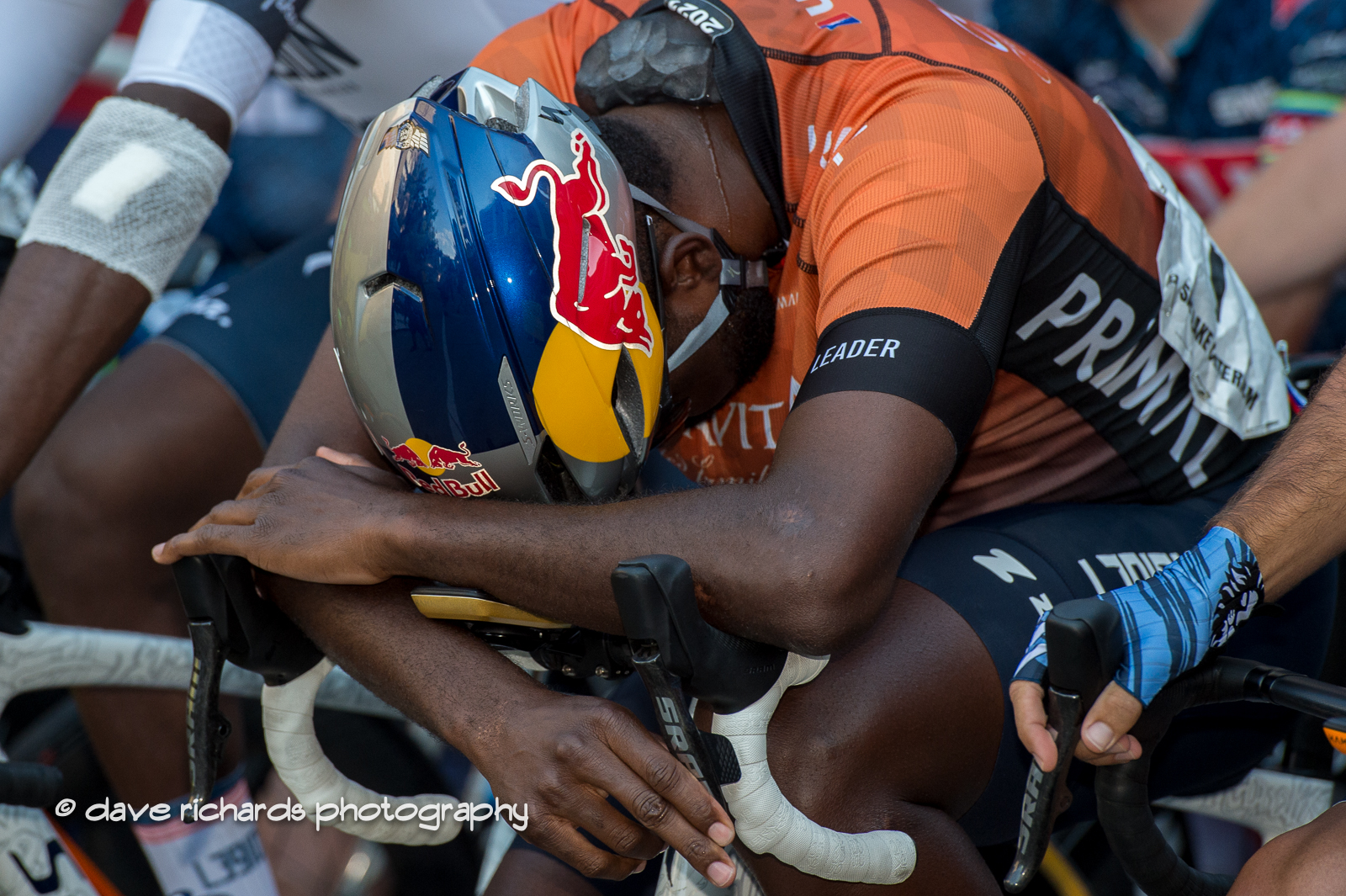
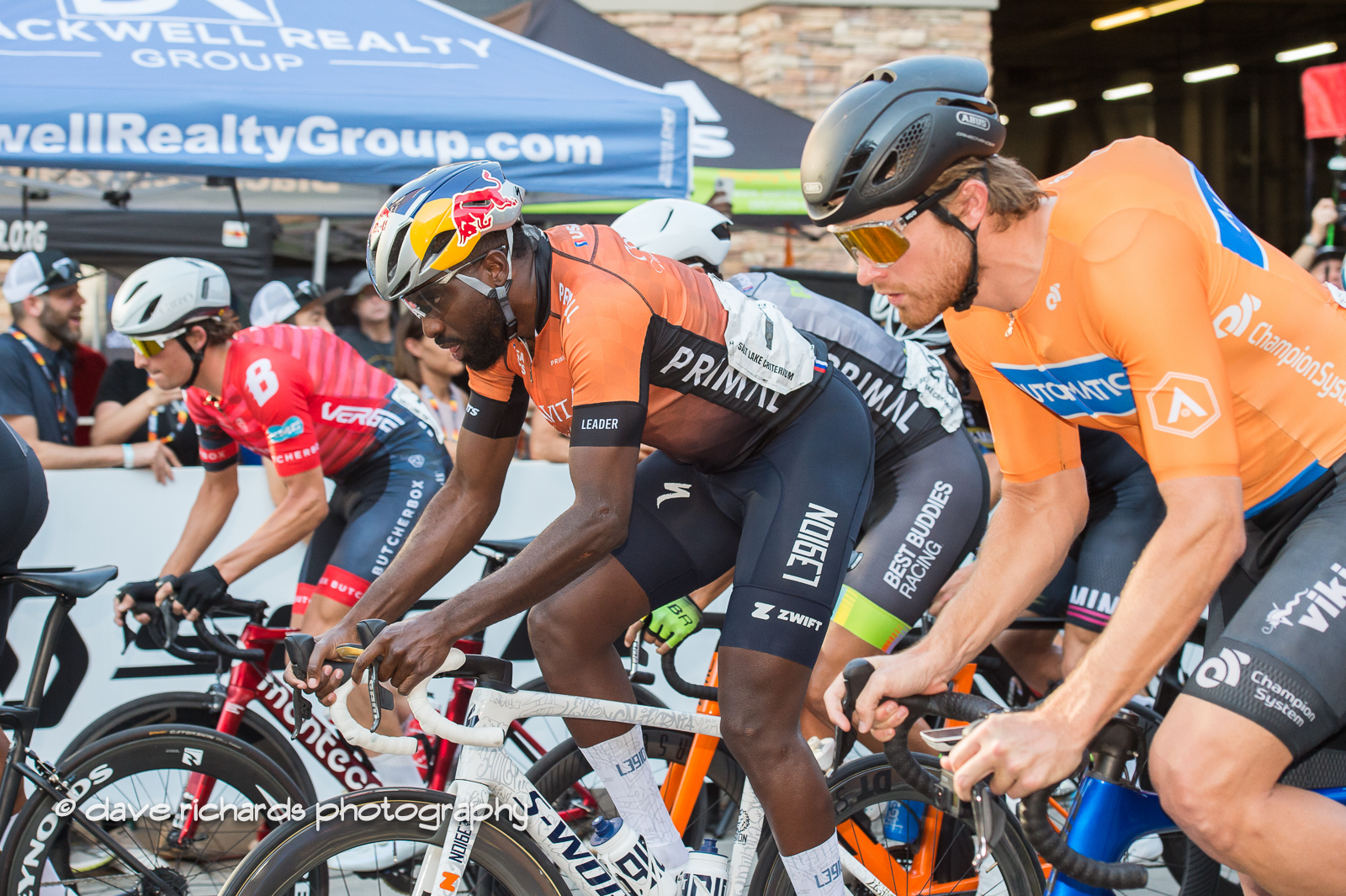
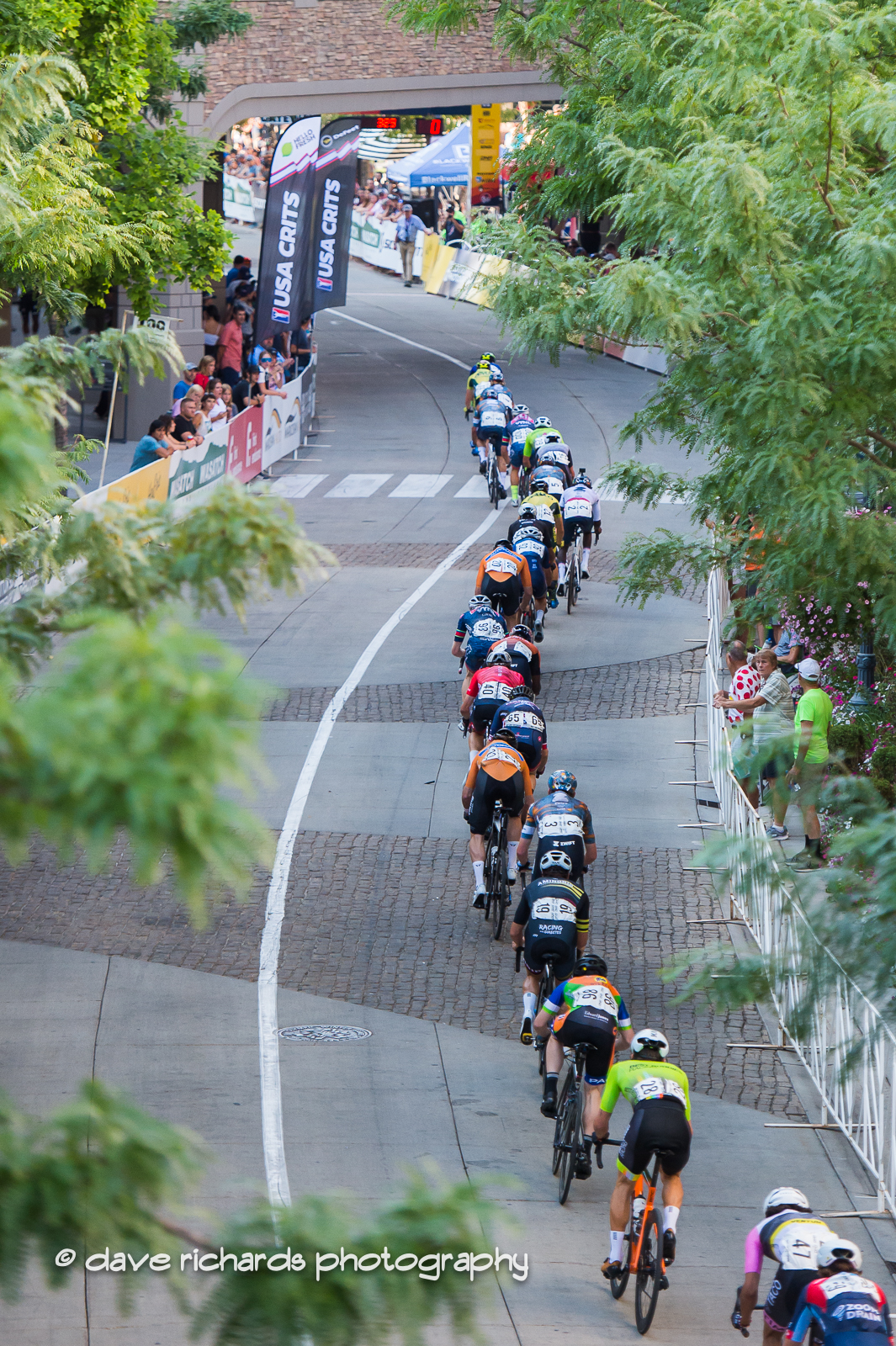
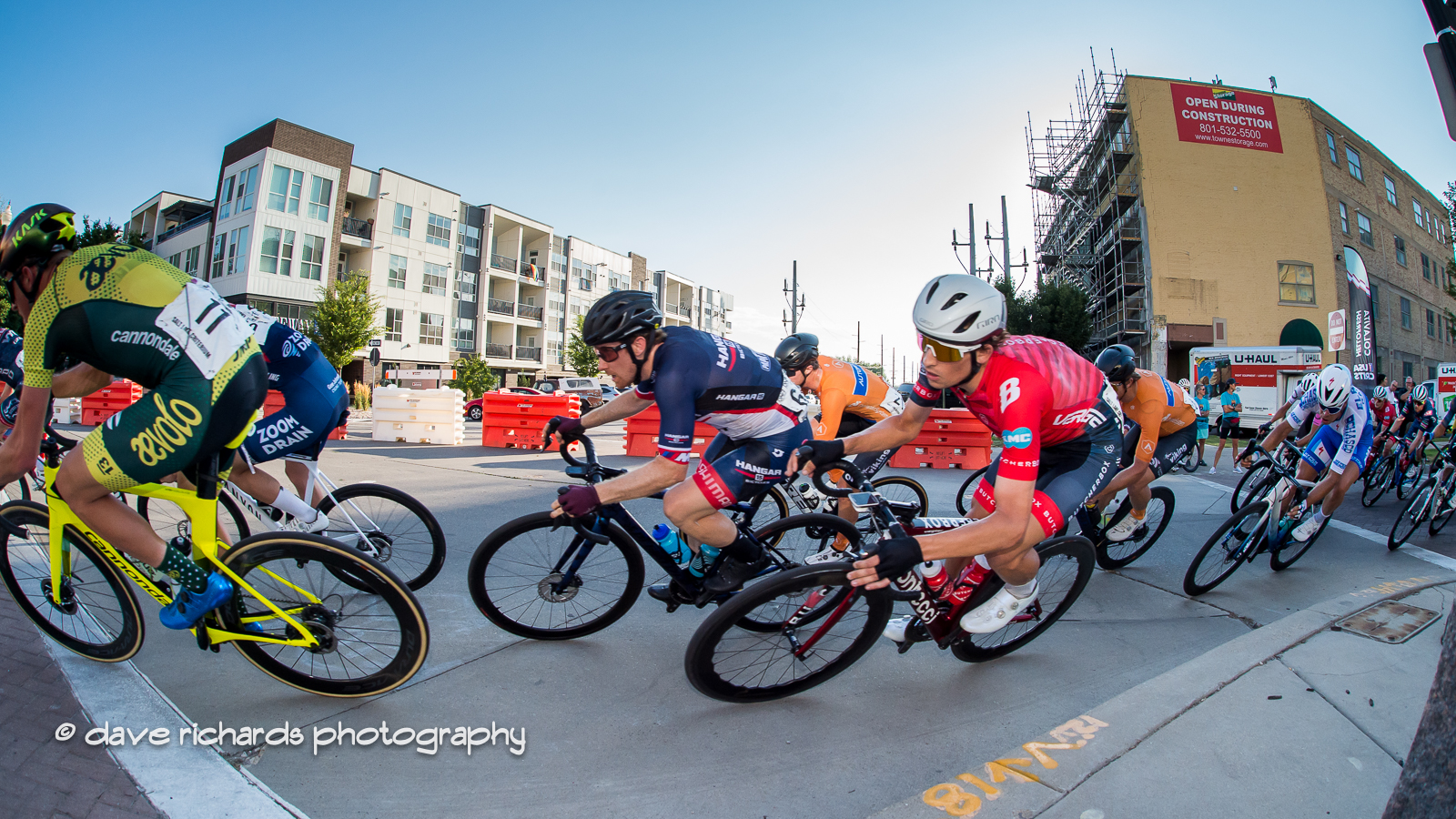
Salt Lake Criterium and Holladay Criterium Gallery by Dave Richards

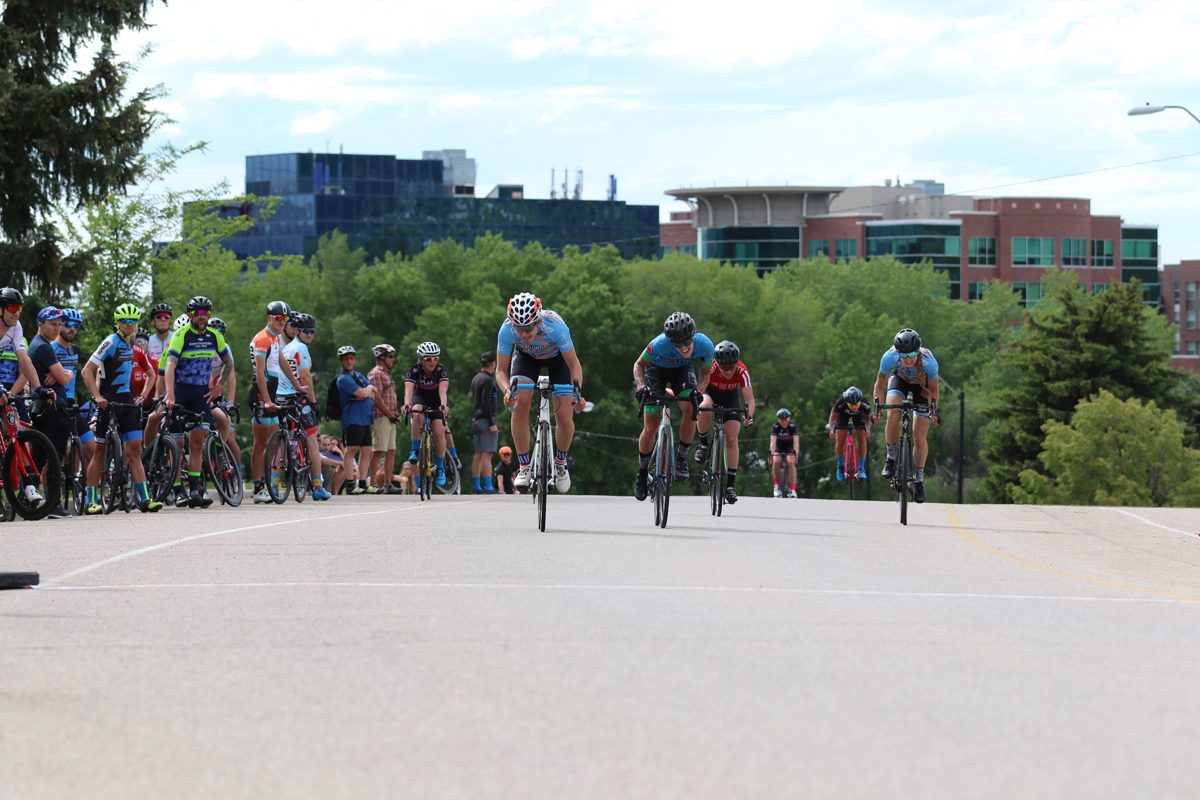
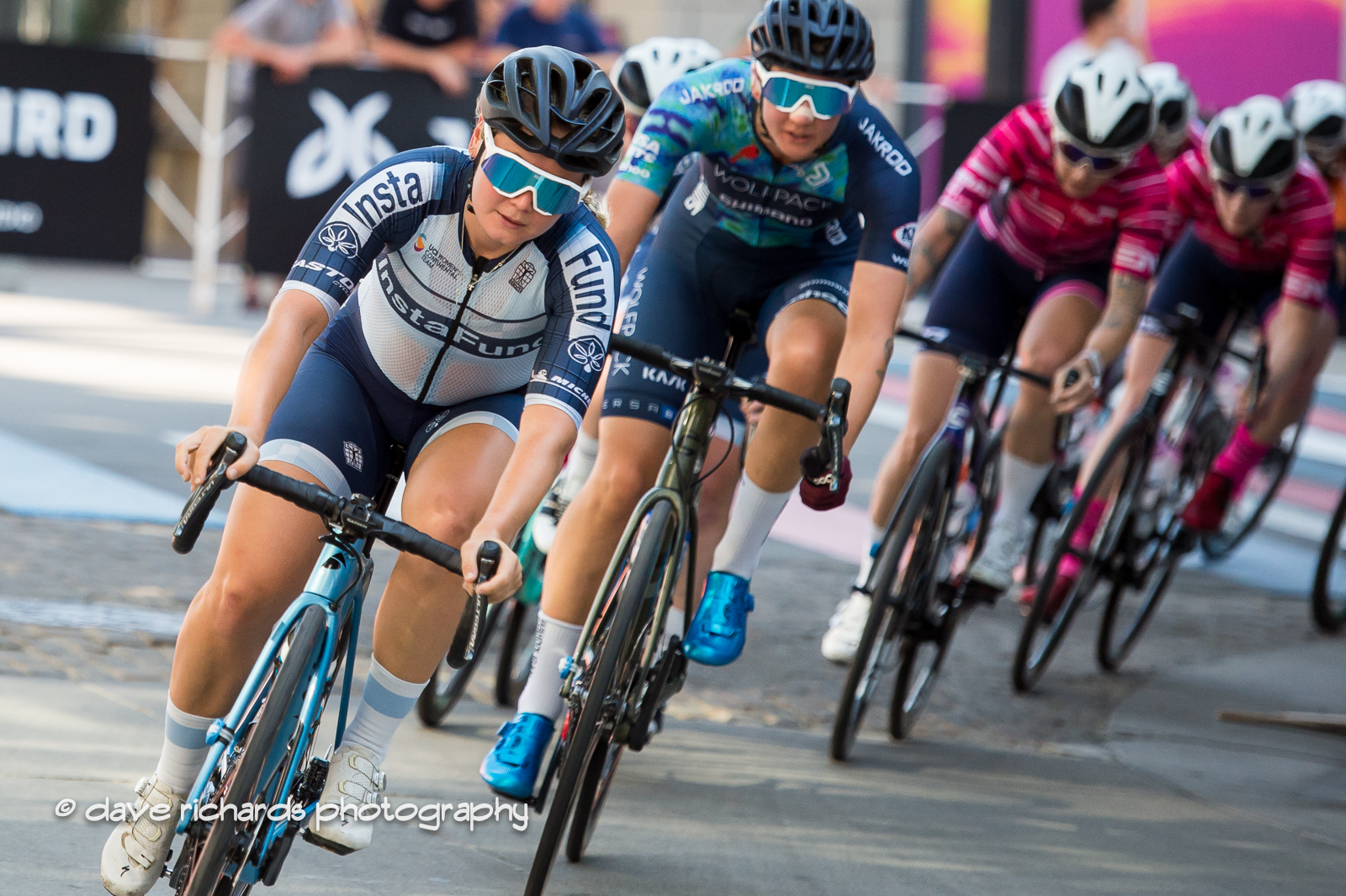
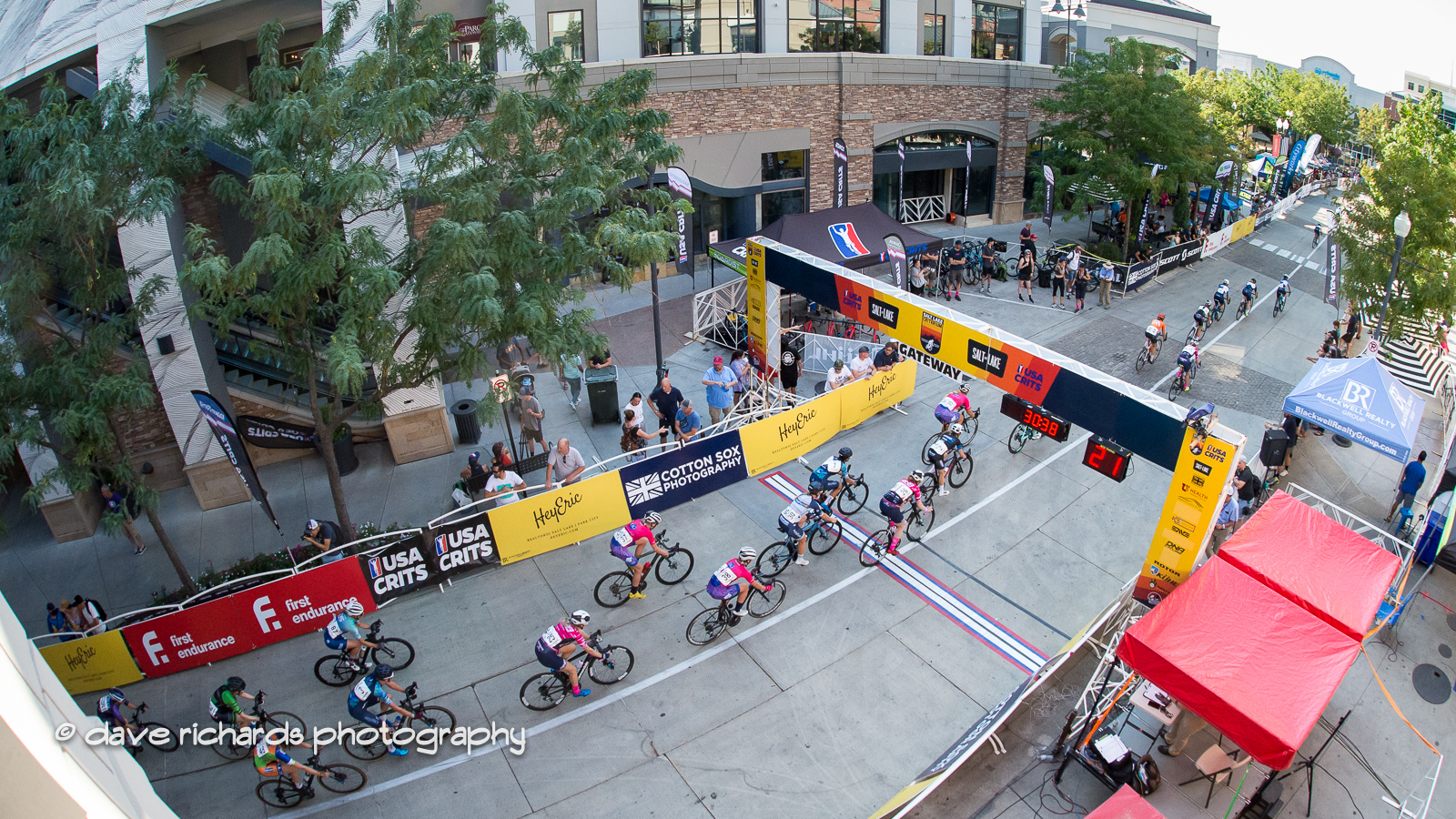
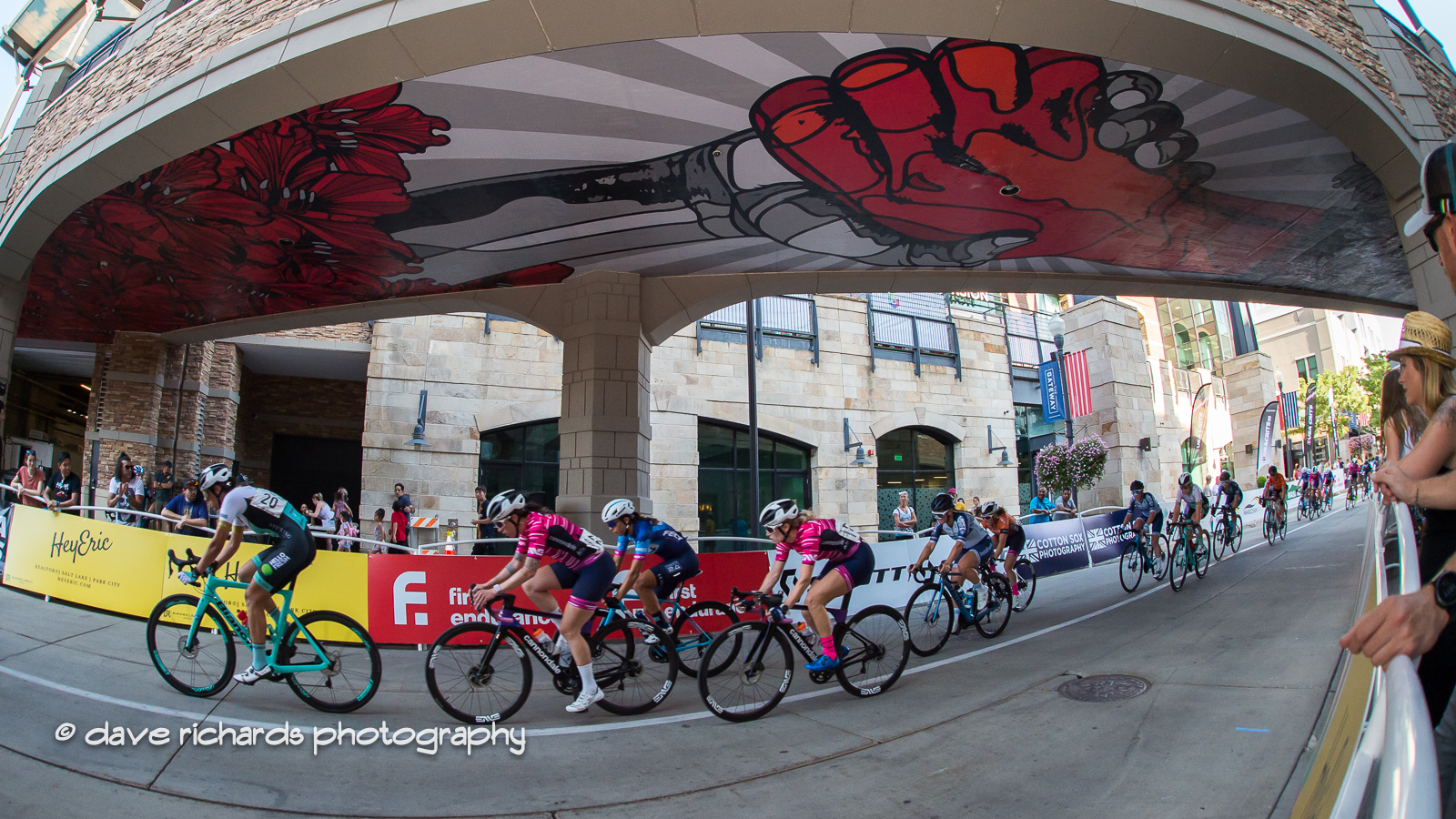
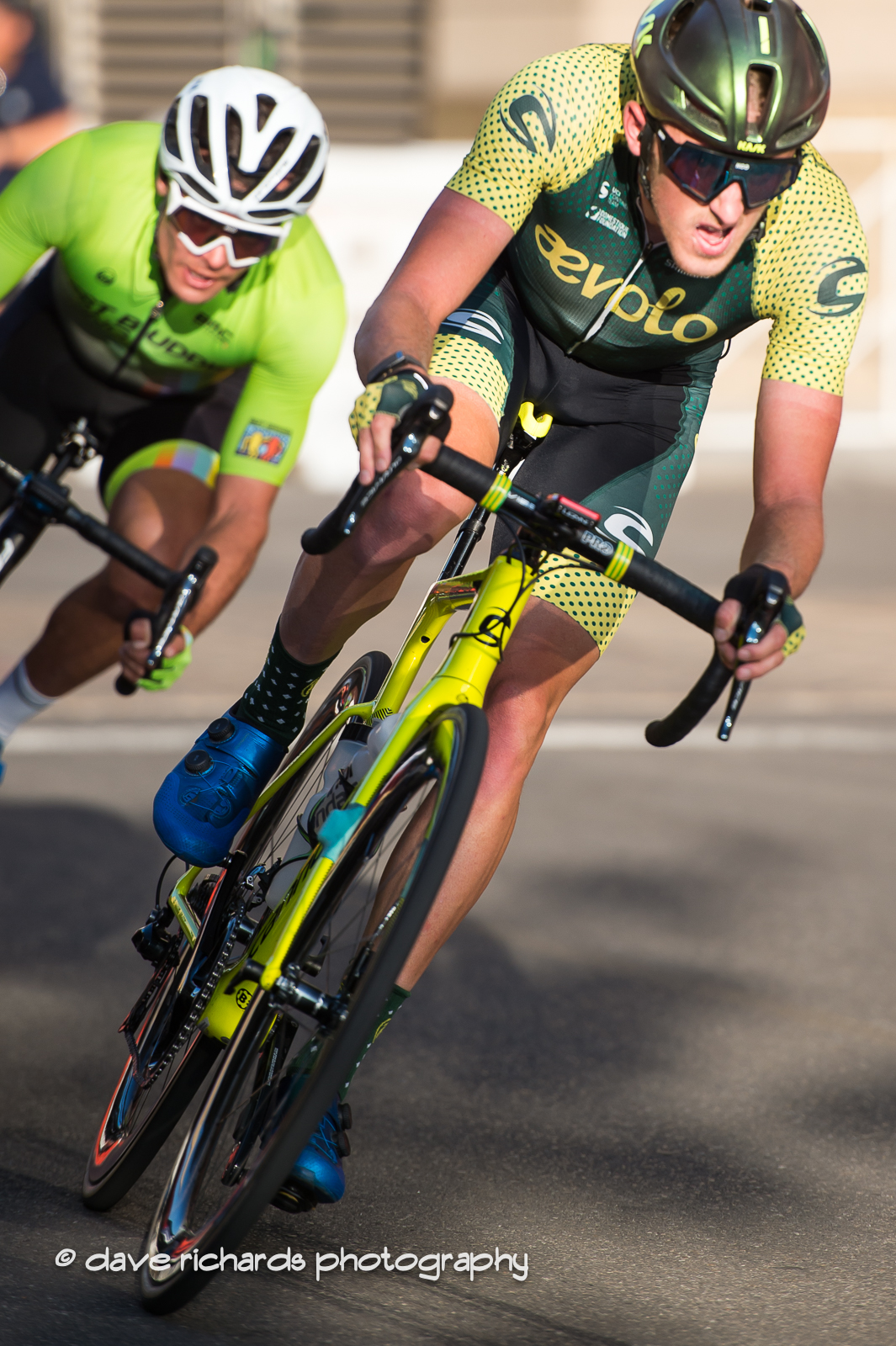
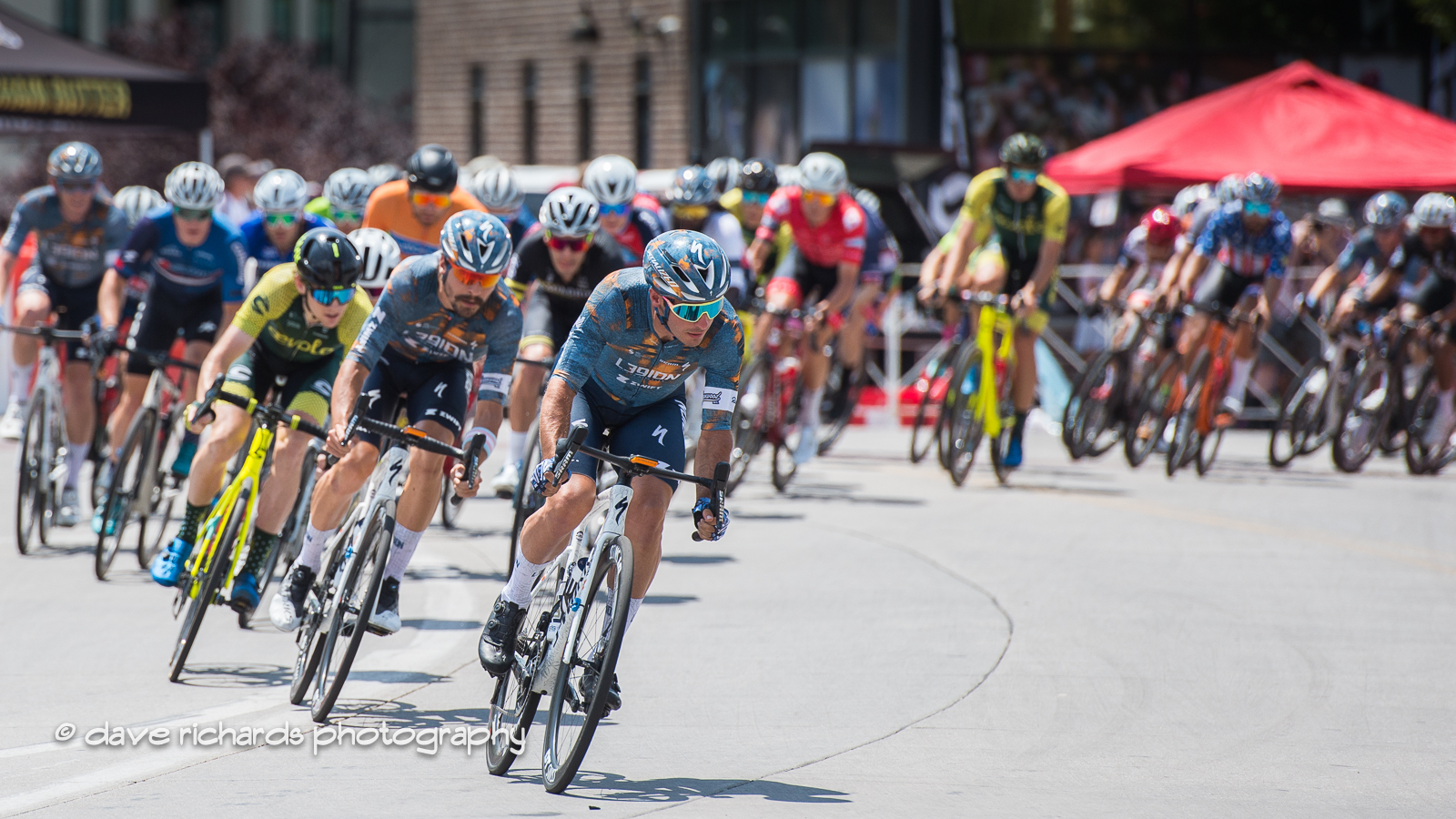
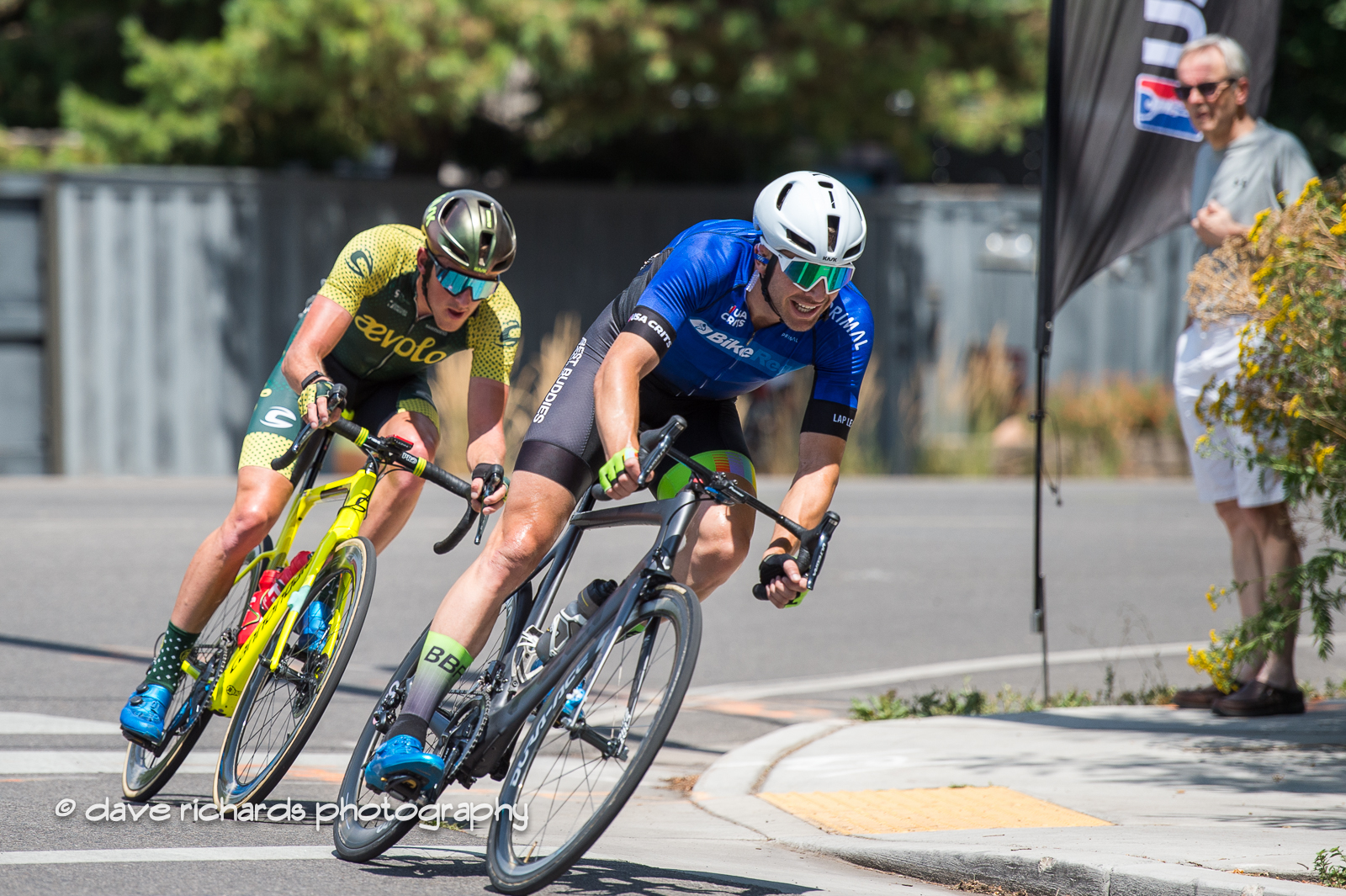
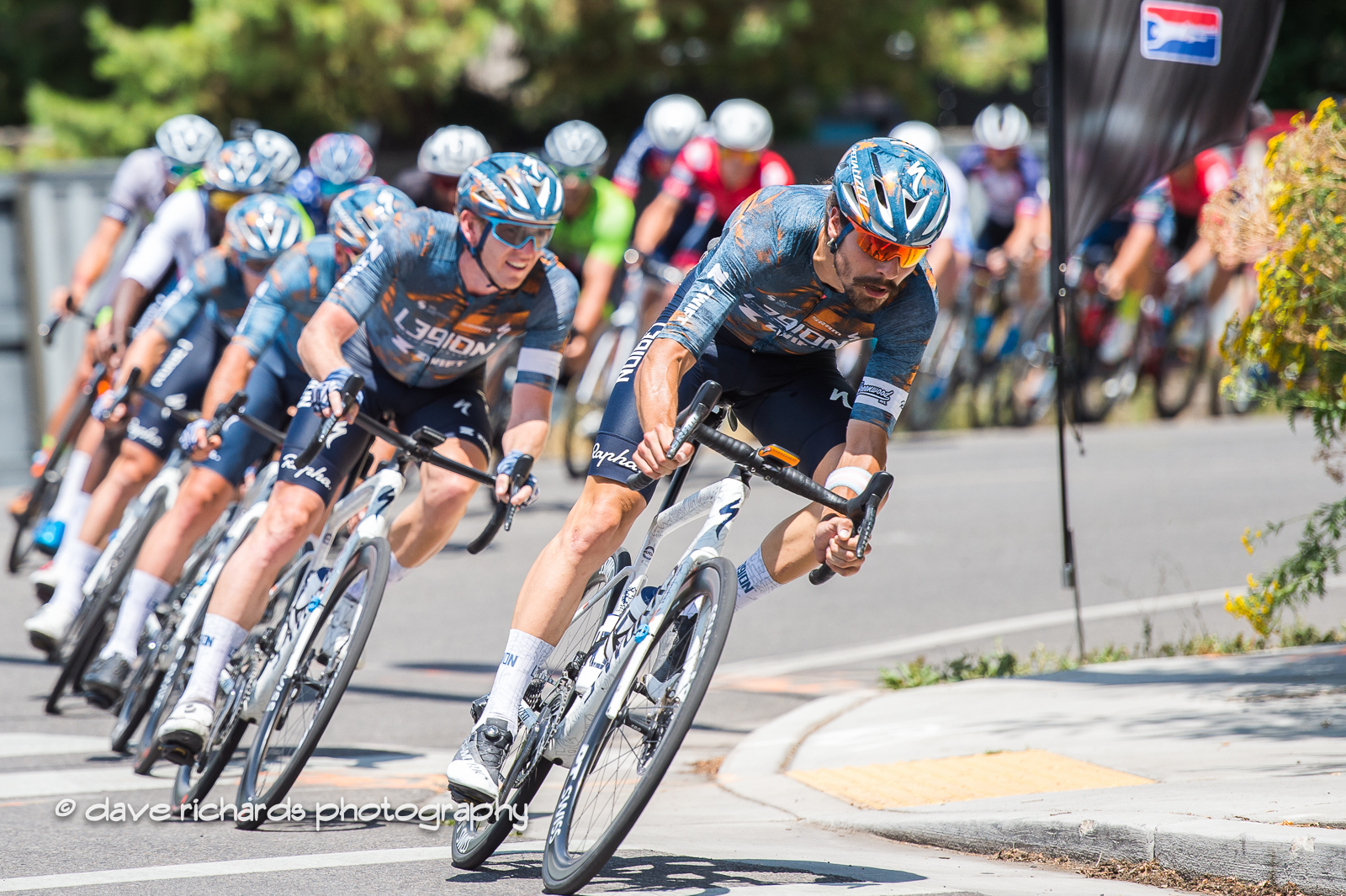
A gallery of photos by Dave Richards of the recent Salt Lake and Holladay Criteriums, part of the USA CRITS Series.

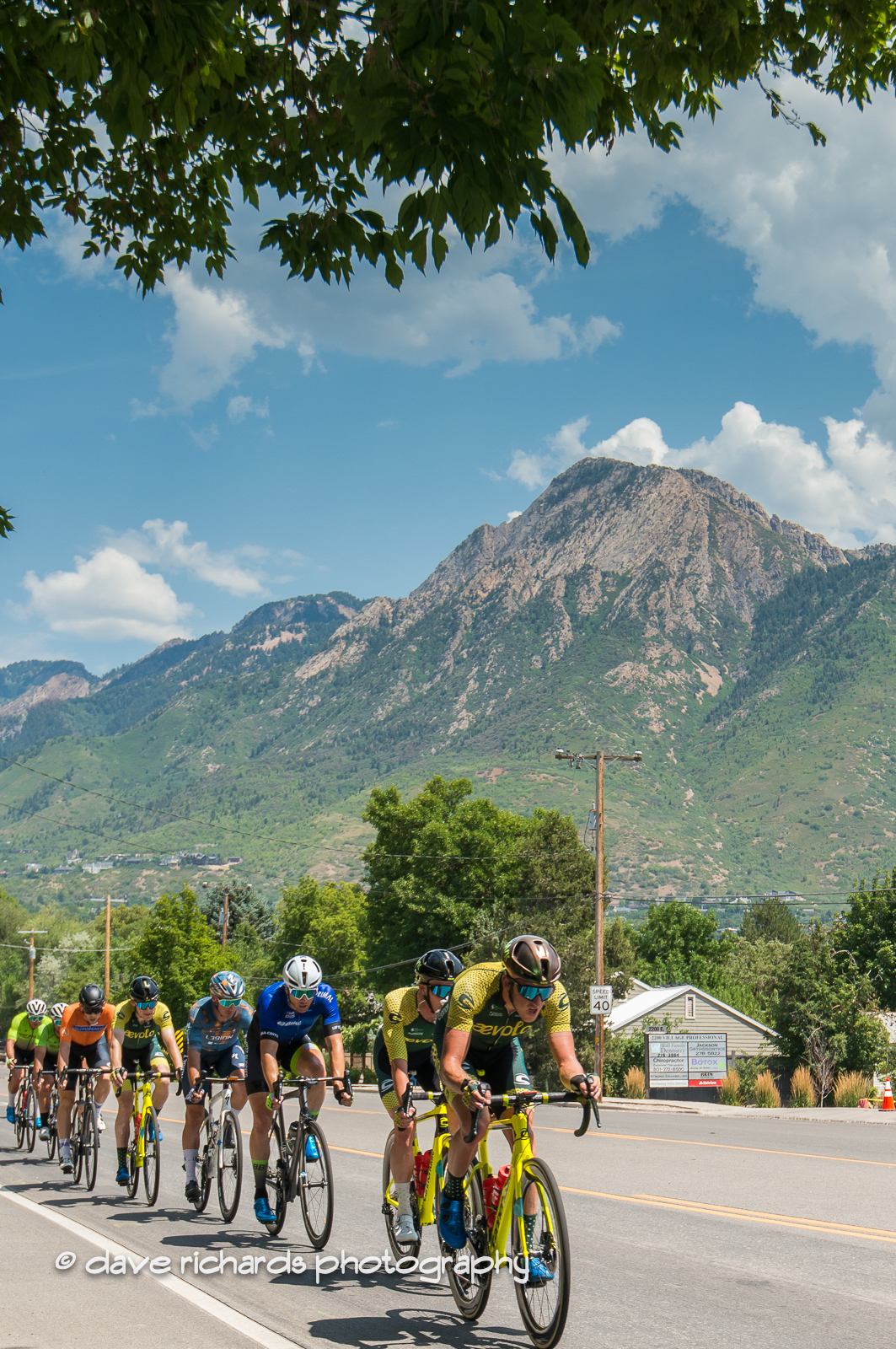
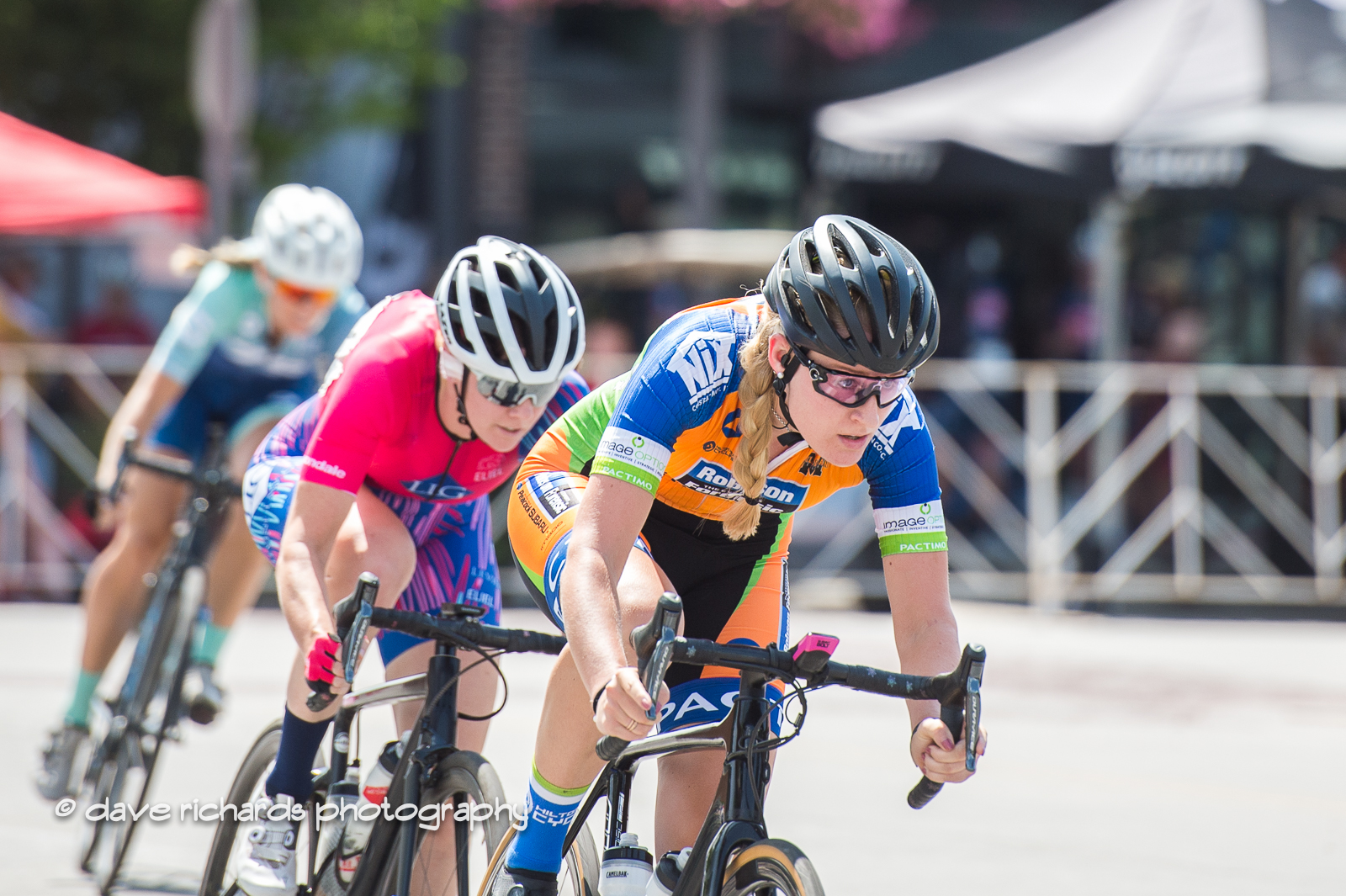
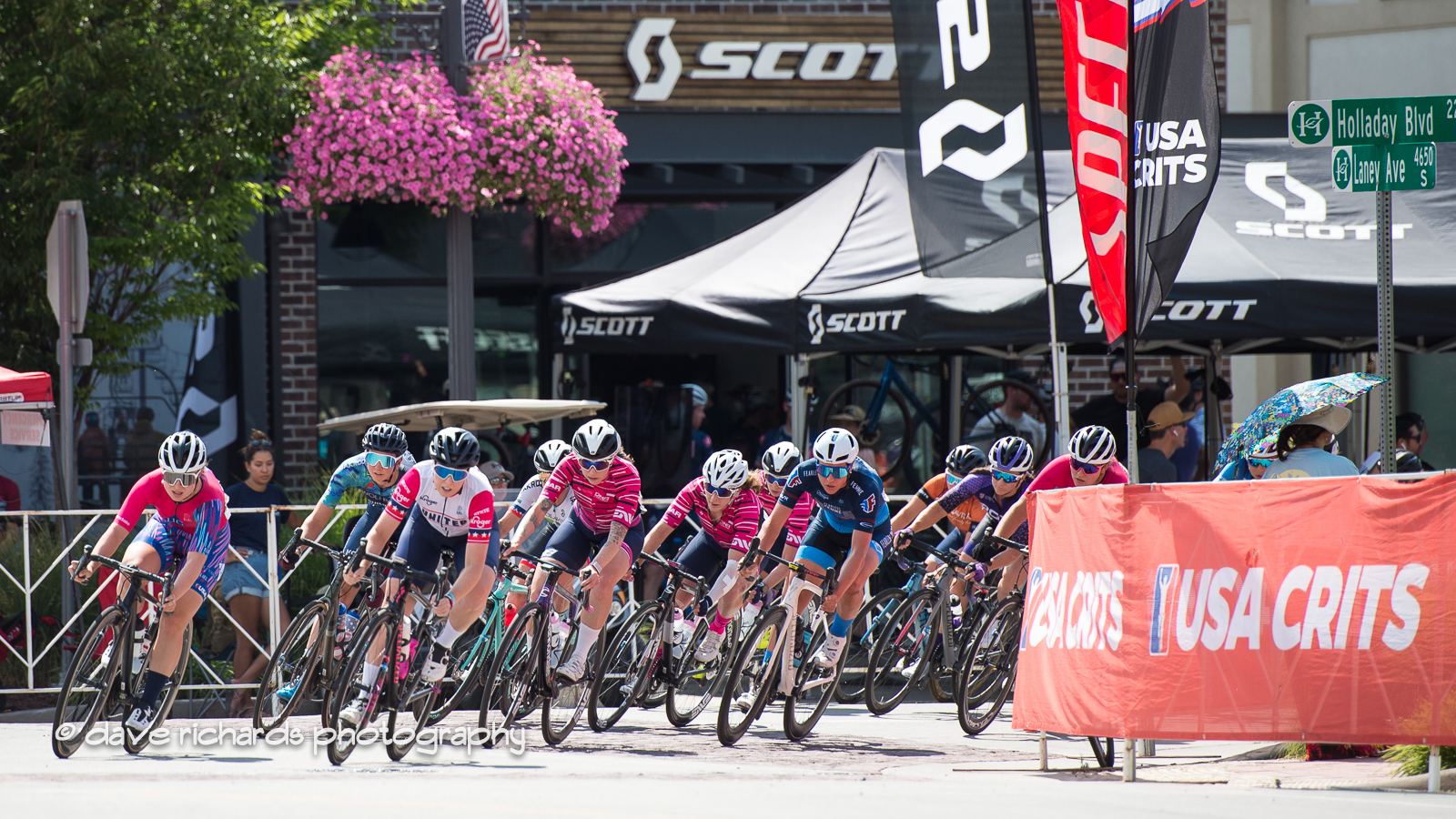
Salt Lake Criterium, USA CRITS series held at the Gateway Mall (Photo by Dave Richards, daverphoto.com)
Salt Lake Criterium, USA CRITS series held downtown Holladay City (Photo by Dave Richards, daverphoto.com)

Is Your State Safe for Cycling?

By Charles Pekow — So how do you rank states in terms of which are safest to cycle? StreetLight Data, a mobility data collection company, decided the best way involves crashes per miles ridden, as opposed to its old way of crashes per capita, using data from the National Highway Traffic Safety Administration’s Fatality Analysis Reporting System.

By StreetLight’s new criteria, you’re safer riding out West that East. The eight most dangerous states are in the eastern half of the country, with Arizona 9th and California 10th.

On the other end of the spectrum, Utah ranked the fifth safest state. StreetLight didn’t list all the states; only the top and bottom 10. Massachusetts proved safest.

You can download the report at https://learn.streetlightdata.com/bike-safety-shift-special-report