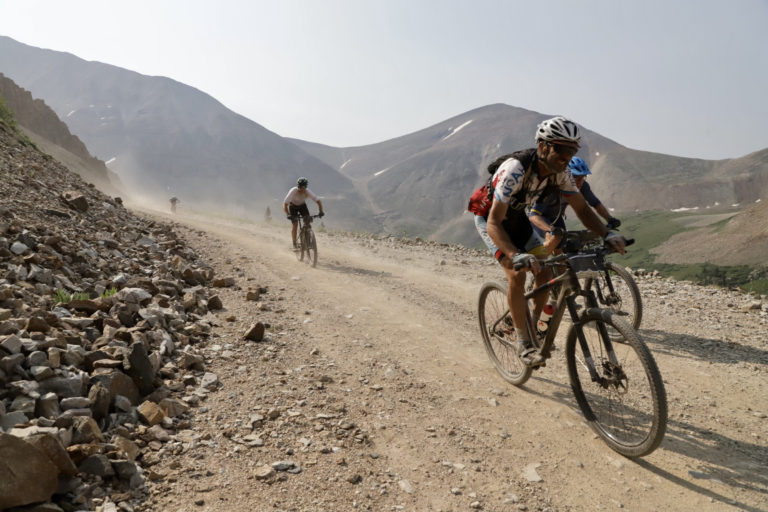
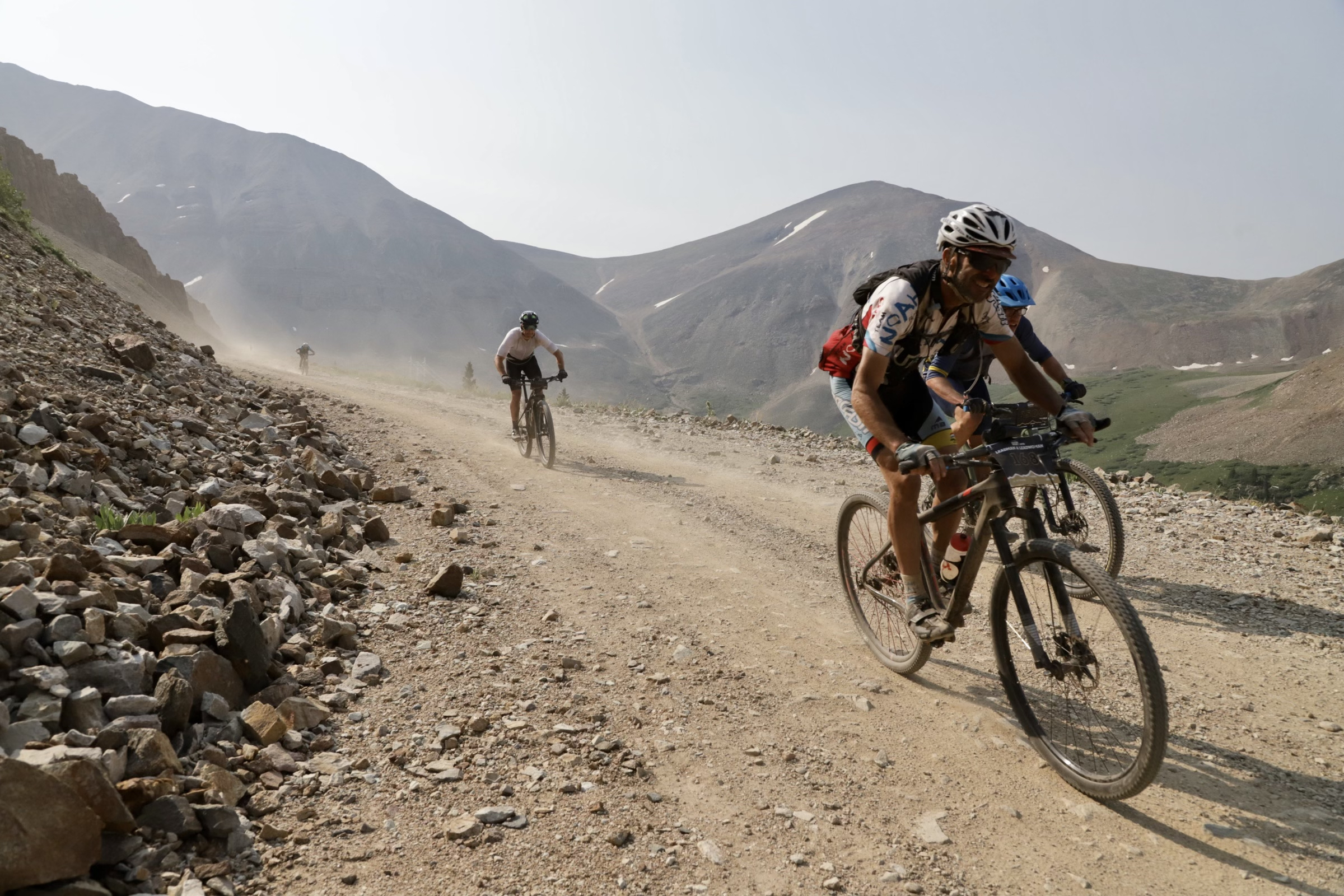
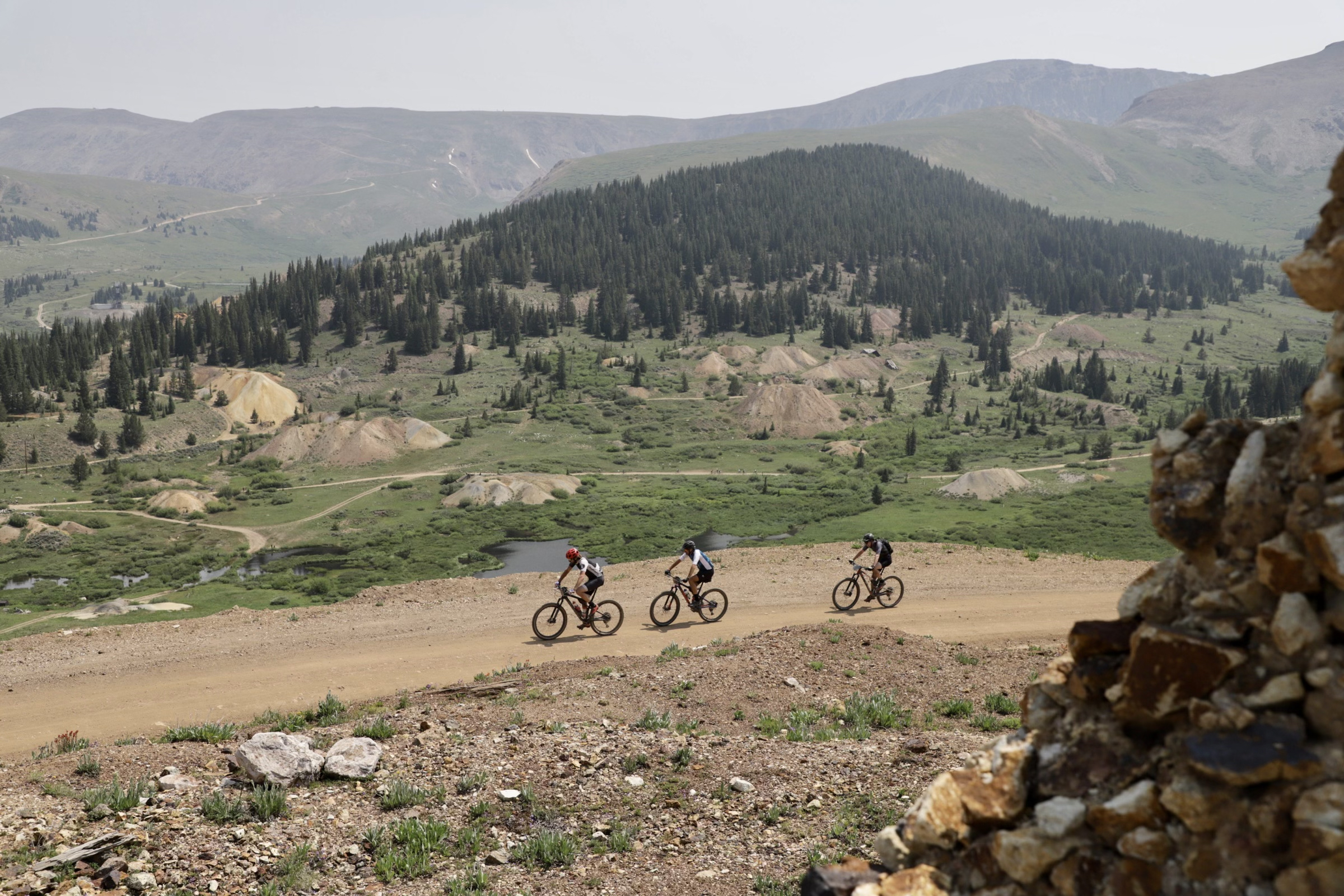
LEADVILLE, Colo. (July 11, 2021) — The Stages Cycling Silver Rush 50 MTB welcomed a field of over 530 riders representing 47 states and 5 countries to Leadville for a technical out-and-back course complete with glorious mountain views through a historic mining district. Riders ranging from age 15 to 67 years old took on various event challenges, pedaling approximately 8,000 feet of elevation gain this past weekend in the 50-mile race. The endurance weekend also included a Silver Rush 15-mile MTB ride and a 50-mile ride relay option, in which two participants tackle the 50-mile course through an exchange at the Stumptown Aid Station.
Photo courtesy Life Time Events
Endurance enthusiasts up for an even bigger challenge were invited to sign up for the Silver Queen and Silver King, first completing the Silver Rush 50 Run on Saturday and then the Stages Cycling Silver Rush 50 MTB on Sunday. This past weekend, approximately 50 athletes finished both events within the allotted time and walked away with the Silver King / Silver Queen title.
Photo courtesy Life Time Events
In the women’s 50-mile MTB division, Kate McLaughlin, 33, of Golden, Colo. placed first with a finish time of 4:41:25. Tracy Paradise, 47, of Victoria, Minn. secured second place with a finish time of 5:03:32 and Nicole Martin, 33, of Vail, Colo. placed third in the division with a completion time of 5:08:13.
For the men’s 50-mile MTB division, Jimmy Smith, 27, of Boulder, Colo. placed first with a finish time of 3:46:45. Brian Elander, 20, of Evergreen, Colo. secured second place with a finish time of 3:51:24 and Ryan Petry, 30, of Boulder, Colo. placed third in the division with a completion time of 3:53:41.
In the women’s 15-mile MTB division, Amelia Shea, 31, of Denver, Colo. placed first with a finish time of 1:13:01. Christina Briseno, 51 of Leadville, Colo. secured second place with a finish time of 1:23:45 and Hillary Schmidt, 30, of Frisco, Colo. placed third in the division with a completion time of 1:32:54.
In the men’s 15-mile MTB division, Sean Herring, 31, of Denver, Colo. placed first with a finish time of 1:04:58. Matt Cairns, 16, of Leadville, Colo. secured second place with a finish time of 1:07:30 and Peter Monko, 41, of Chicago, IL placed third in the division with a completion time of 1:10:00.
By Charles Pekow — If we’re going to expand bicycle transportation in this country to its full potential, we’ll need to partner with marginalized groups. This includes making bicycle education culturally relevant, says a new report from People for Bikes (PFB). The industry-supported association conducted focus groups with businesspeople and community members in ten cities (including Denver. Ft. Collins and Tucson) to reach its conclusions.
Expanding bicycling in underserved communities means more than placing bike routes and bikeshare stations in neighborhoods. We have to understand cultural reasons why some people hesitate to ride. They may see it as a sport for white men or be scared of how they’ll look arriving at work sweaty and in bike gear. (But when questioned, focus group participants agreed that they saw many families and a variety of people biking.)
“What emerged across cities was a racial and gender disparity regarding bicycle use and perception, as well as a lack of inclusive representation and community input when it came to infrastructure planning. Ultimately, researchers found that these factors led to an inequitable distribution of infrastructure and, in some cases, the association of bike lanes with gentrification,” PFB found.
What we need to do with marginalized communities:
Meet them in their neighborhoods. “Do not expect them to come to traditional meetings.”
Partner with local groups.
Encourage employers to offer benefits such as showers, bike storage and commuter benefits.
Expand education outside government facilities and the people featured in education to include the new audiences. And it’s not just bicyclists who need to be taught safety: motorists and police do too.
Yes, infrastructure matters. Safe, well-lit trails and secure parking will encourage people to ride.
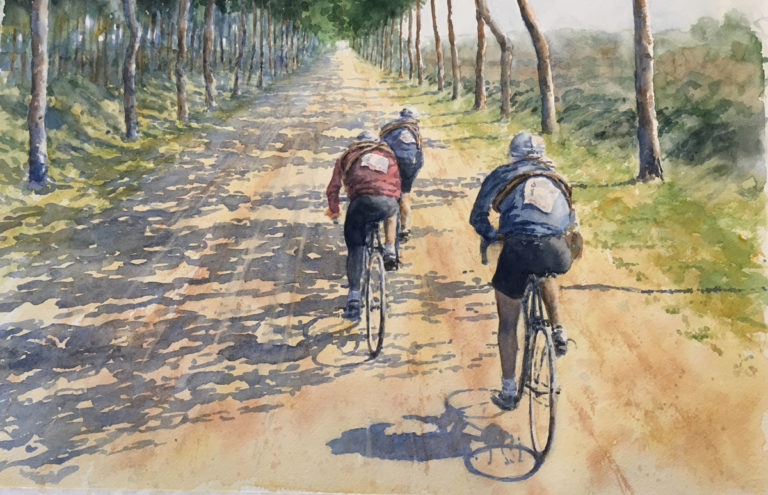
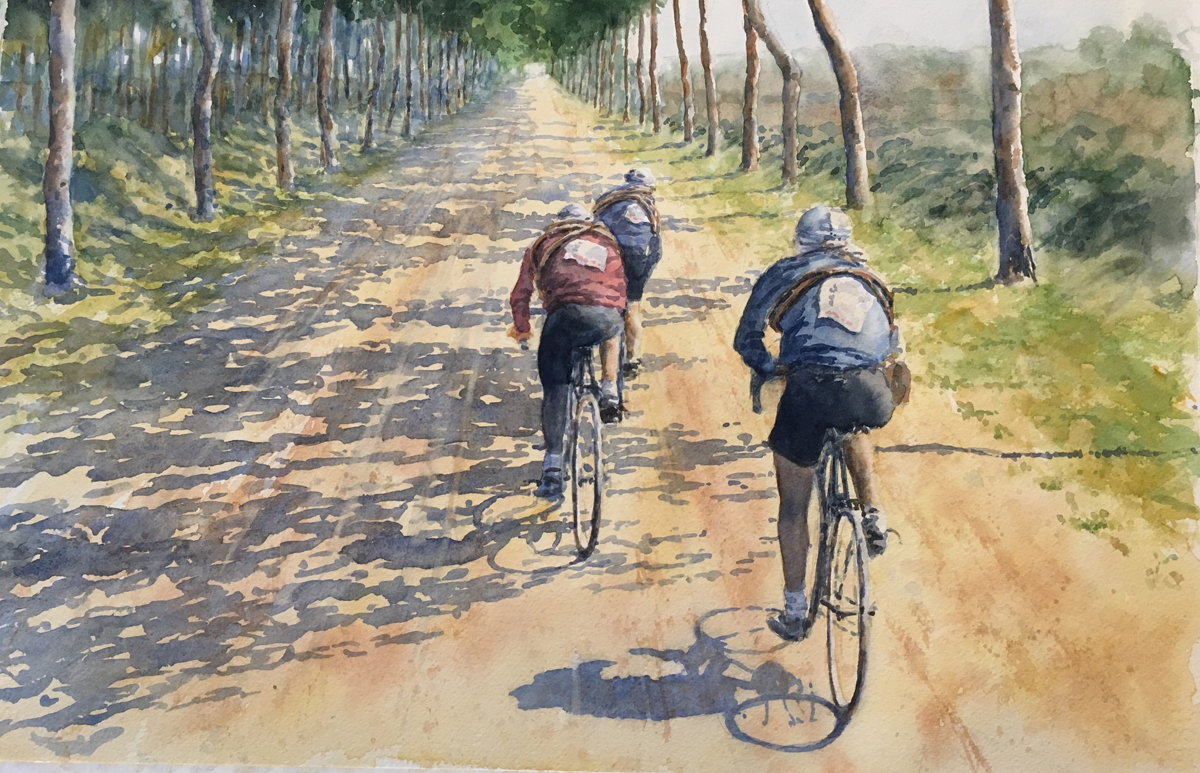
Rich Vroom is a watercolor artist based in Salt Lake City, Utah. His studio is in Sugarhouse where he teaches classes, paints, and bike races. He also teaches at the University of Utah.
Title: Three Man Break, Note: The piece depicts the 1928 Tour de France. Medium: Watercolor on paper.
Title: Three Man Break,
Note: The piece depicts the 1928 Tour de France.
Medium: Watercolor on paper.
Prints are available for purchase from Richard. Contact him at [email protected]
Follow Rich on Instagram
@richvroom or on Facebook: Rich Vroom Watercolors.
BEAVER, Utah (July 10, 2021) — The Crusher in the Tushar presented by the Creamery welcomed a field of 577 riders representing 26 states to Utah’s Tushar Mountains outside of Beaver, Utah on Saturday, July 10 for the tenth running of the state’s premier gravel event.
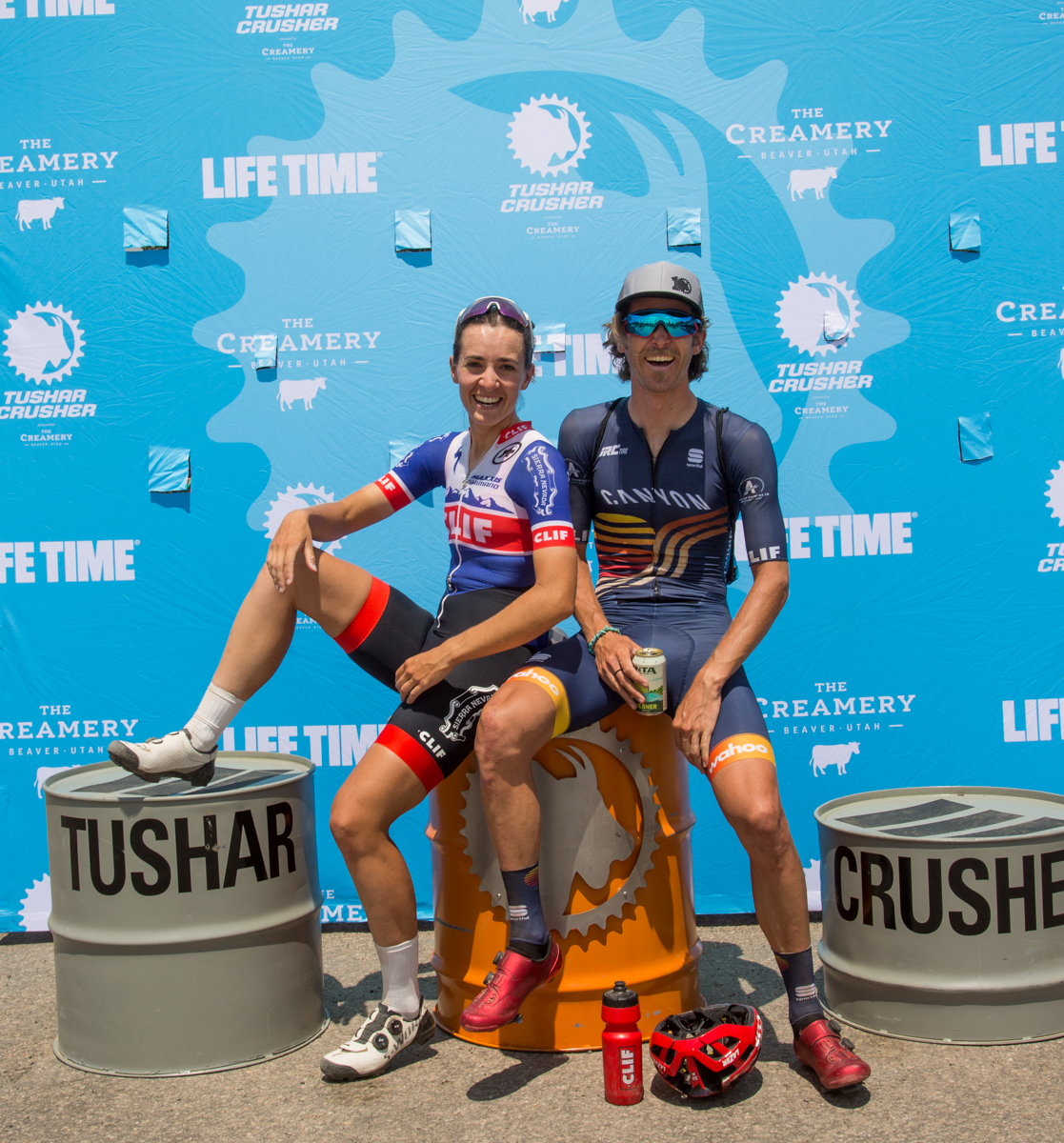
Peter Stetina & Sofia Gomez-Villafañe, winners of the 2021 Crusher in the Tushar. Photo courtesy Life Time
This uniquely formatted gravel race traditionally starts in historic downtown Beaver, the birthplace of famed outlaw “Butch Cassidy” and finishes at Utah’s newest ski and Summer resort, Eagle Point. The Crusher has a 60/40 split of gravel to tarmac sectors and allows riders to explore the stunning backcountry of Utah’s little-known Tushar Mountains and Fishlake National Forest. Racers tackle 10,400’ of climbing over 69 miles on the Crusher course, which is one of the most challenging gravel races in the world, and the only one with a true mountain top finish.
“Our 10th running of the Crusher in the Tushar is a year late, but so much greater than I ever could have imagined it when I started back in 2010,” said Burke Swindlehurst, founder and event director of Crusher in the Tushar. “The way the event has grown without losing the challenge that I envisioned way back when. Now with Life Time’s support, I’m really making good on my vision of sharing the beauty of this special place, while also giving back to my hometown and community.”
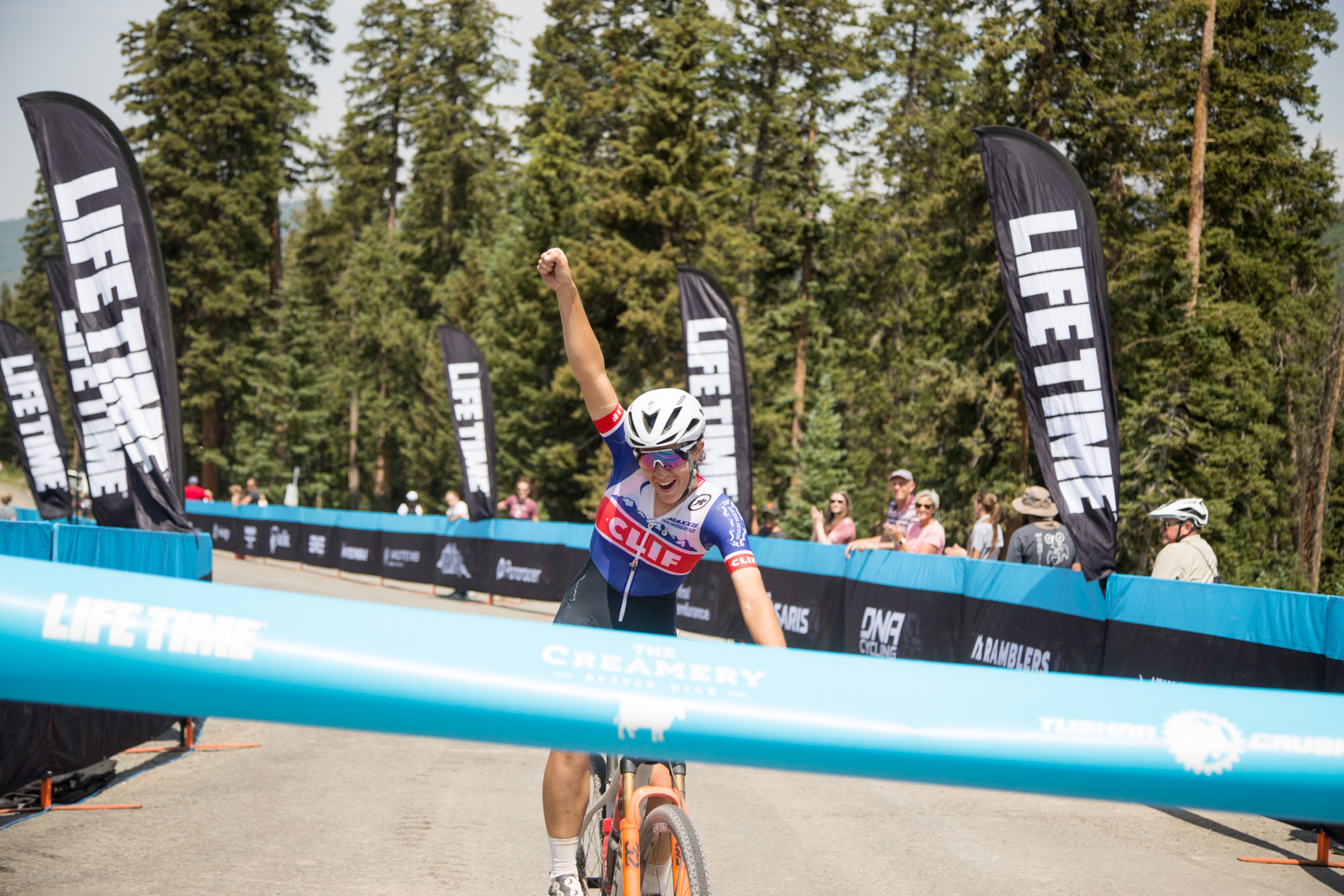
Sofia Gomez-Villafañe takes the Women’s Pro-Open win at the 2021 Crusher in the Tushar. Photo courtesy Life Time
In the women’s division, Sofia Gomez-Villafañe (CLIF-Specialized), 27, of Heber City, UT, was able to climb her way to the win ahead of second-placed Maude Farrell and 2018 winner Lauren De Crescenzo (Cinch-Elite) on the final climb and placed first with a finish time of 5:19:12. Farrell finished in 5:21:20. De Crescenzo eventually finished third in 5:30:28.
De Crescenzo, 30, of Atlanta, GA started pushing the pace early in the racer when the women turned off the main road out of Beaver. Initially, only Sofia Gomez-Villafañe was able to hold De Crescenzo’s wheel, but after realizing she would not be able to hold that pace all the way to the finish, Gomez-Villafañe eased off to settle into her own pace, allowing De Crescenzo to open a hefty lead on the rest of the women. Going down the Col d’Crush, De Crescenzo had about a 10-minute lead, followed first by Maude Farrell, then Melisa Rollins and Gomez-Villafañe, with Lindsey Stevenson (ABUS Pro Gravel), Amity Rockwell (Easton Overland), and Hanna Muegge (DNA Pro Cycling).
De Crescenzo was able to hold her lead through the Sarlacc Pit and on to the Col d’Crush, until cumulative fatigue and race day fueling errors caused her to crack, allowing Maude Farrell to catch and pass her just after the QOM point.
After losing time on the flat paved section from Junction to Circleville due to her bike set-up, Sofia Gomez-Villafañe, was able to haul back the few riders still in front of her, taking the lead after the last aid station as the road started ramping up towards the finish with about 10 miles to go. The top 3 were still within a minute of each other at this point, but once cracking, De Crescenzo quickly went backwards holding off Salt Lake City’s Lindsey Stevenson by just over one minute.
Gomez-Villafañe will represent her home country of Argentina in the cross-country mountain bike race at the upcoming Olympic Games in Tokyo.
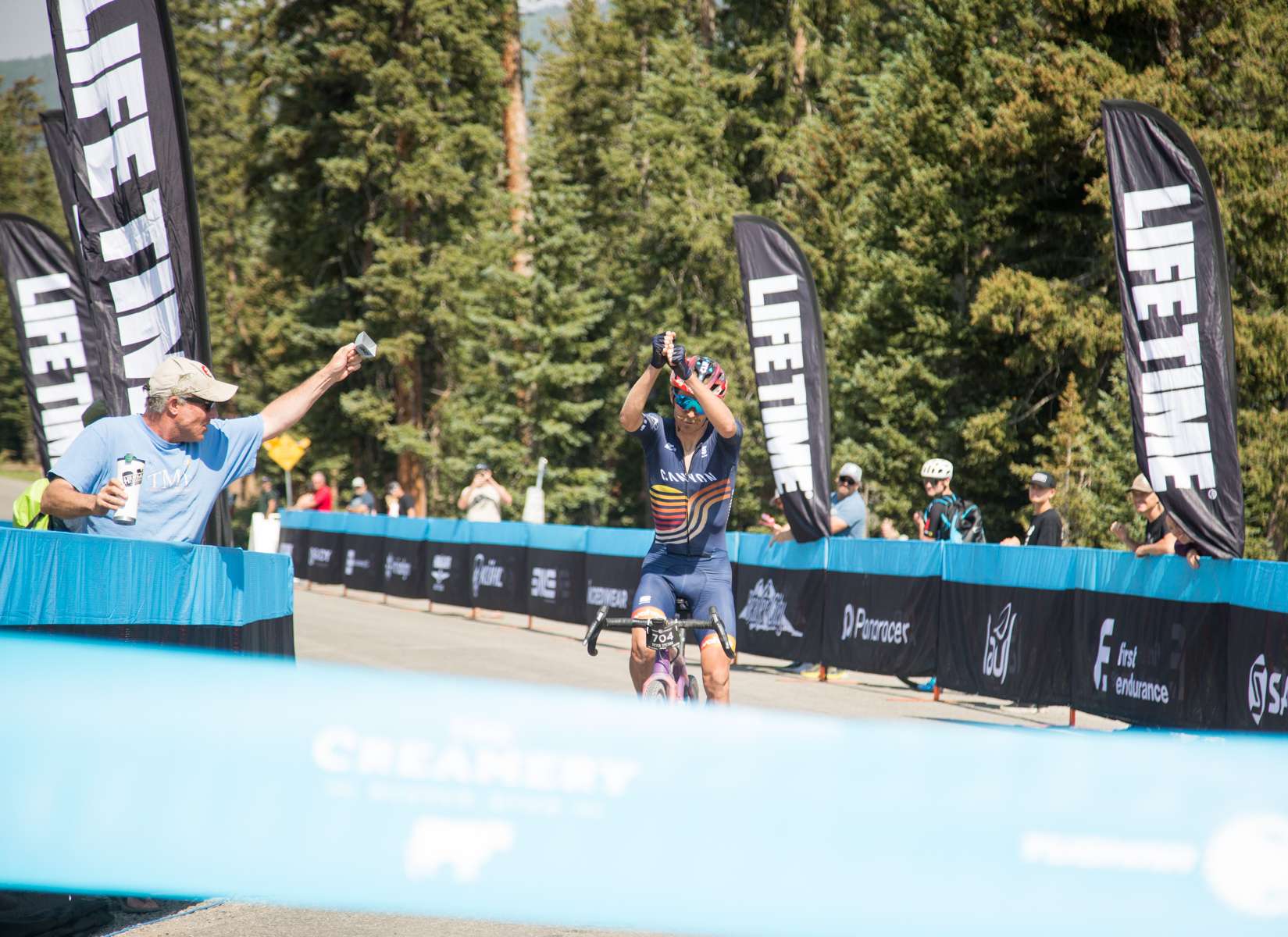
Peter Stetina takes the Mens’ Pro-Open win at the 2021 Crusher in the Tushar. Photo courtesy Life Time
For the men’s division, former WorldTour professional road racer turned gravel privateer Peter Stetina (Canyon), 33, of Santa Rosa, CA placed first with a finish time of 4:13:48. Zach Calton, 24, of Ogden, UT secured second place with a finish time of 4:22:27. Eddie Anderson (Alpecin-Fenix), 23, of Richmond, VA placed third in the division with a completion time of 4:25:28.
The men’s race started with a typically leisurely pace on the pavement out of town, but as the group made the right turn to start the first climb the pace gradually increased until the group whittled down to about 25 riders.
Once the pavement ended and the climb continued on dirt, Stetina (Canyon) increased the pace as Eric Brunner (Aevolo) bridged the gap back to a second group containing Zach Calton, Eddie Anderson, Gage Hecht (Aevolo), Bryan Lewis, Nathan Spratt (Ascent Cycling), and T.J. Eisenhart (Imaginary Collective).
As the groups neared the top of the first climb, which starts to flatten out near the feed zone, Calton bridged to Stetina and Brunner, joined shortly thereafter by Spratt, Lewis, and Hecht. Stetina continued pushing the pace to widen the gap back to the chase until the group hit the descent of the Col d’Crush. According to Zach Calton, Stetina took it a little cautiously on the descent, especially through the corners, allowing a gap to open to a lead group of three riders: Brunner, Calton, and Hecht, who also trailed off a little further down the descent.
Zach Calton then crashed, which let Brunner continue ahead solo off the front, but Calton was able to quickly get back on his bike and ride the rest of the descent with Bryan Lewis. When the leaders reached the pavement heading into Junction, it was Eric Brunner solo, followed by Calton and Lewis about a minute back, with Nathan Spratt, Peter Stetina, and Gage Hecht a further minute back. The two chase groups came back together heading into Circleville and were able to catch Brunner on Doc Springs Road heading into the Sarlacc Pit.
Once in the Pit, Stetina and Brunner started applying the pressure again opening about a 10-second gap to Calton and Hecht with a further gap back to Spratt and Lewis. Hecht sat on Calton’s wheel through this section and didn’t really contribute to the work since his Aevolo teammate was up the road with Stetina. As they neared the pavement again before the return climb, Brunner dropped back and rejoined Calton and Hecht, about a minute behind Stetina further up the road. Bryan Lewis and Nathan Spratt were able to catch back on just as the group made the left turn to start the climb up the Col d’Crush.
At this point, Zach Calton settled into his own pace and eventually was able to ride the others off his wheel. By the top of the climb, Stetina had about a 6-minute gap on Calton, with Eric Brunner another 2-minutes back, and the rest of the lead group spread out over climb. Stetina and Calton were able to hold their gaps into the finish; but somewhere along the line Alpecin-Fenix’s Eddie Anderson, who had been dropped on the first climb, was able to catch and pass the rest of the lead group to finish third.
Swindlehurst goes on to say, “Congrats to the honchos who won today—Sofia and Peter—and everyone who tested their fitness and grit to crush the Crusher!”
By Charles Pekow — Imagine a national digital list and map of all trails on federal recreational land. It’s on the way. The U.S. Geological Survey (USGS) announced plans to create a National Digital Trails Project–Trails Data Portal. But the map will be geared toward maintaining trails and linking them, not helping riders locate them.
The project includes three main goals:
A web-based geospatial analysis tool to assist federal land managers identify and prioritize connecting trails and trail networks.
Creating “a robust nationwide geospatial trails dataset including, at a minimum, trails from key federal agencies including the Bureau of Land Management, National Park Service, Fish and Wildlife Service and Forest Service.
A “mobile responsive application that will assist trail stewards, land management agencies, and members of the public in the maintenance of trails information.”
USGS opened a public comment period until August 2, 2021. It especially wants comments on creating the dataset, which will involve collecting information from federal, state and local officials and non-profits. Trail managers will login to provide info for the dataset. But participation will be voluntary so the list may not include all trails.
SALT LAKE CRITERIUM ROARS THROUGH THE GATEWAY JULY 17 RACE TEARS THROUGH DOWNTOWN HOLLADAY JULY 18
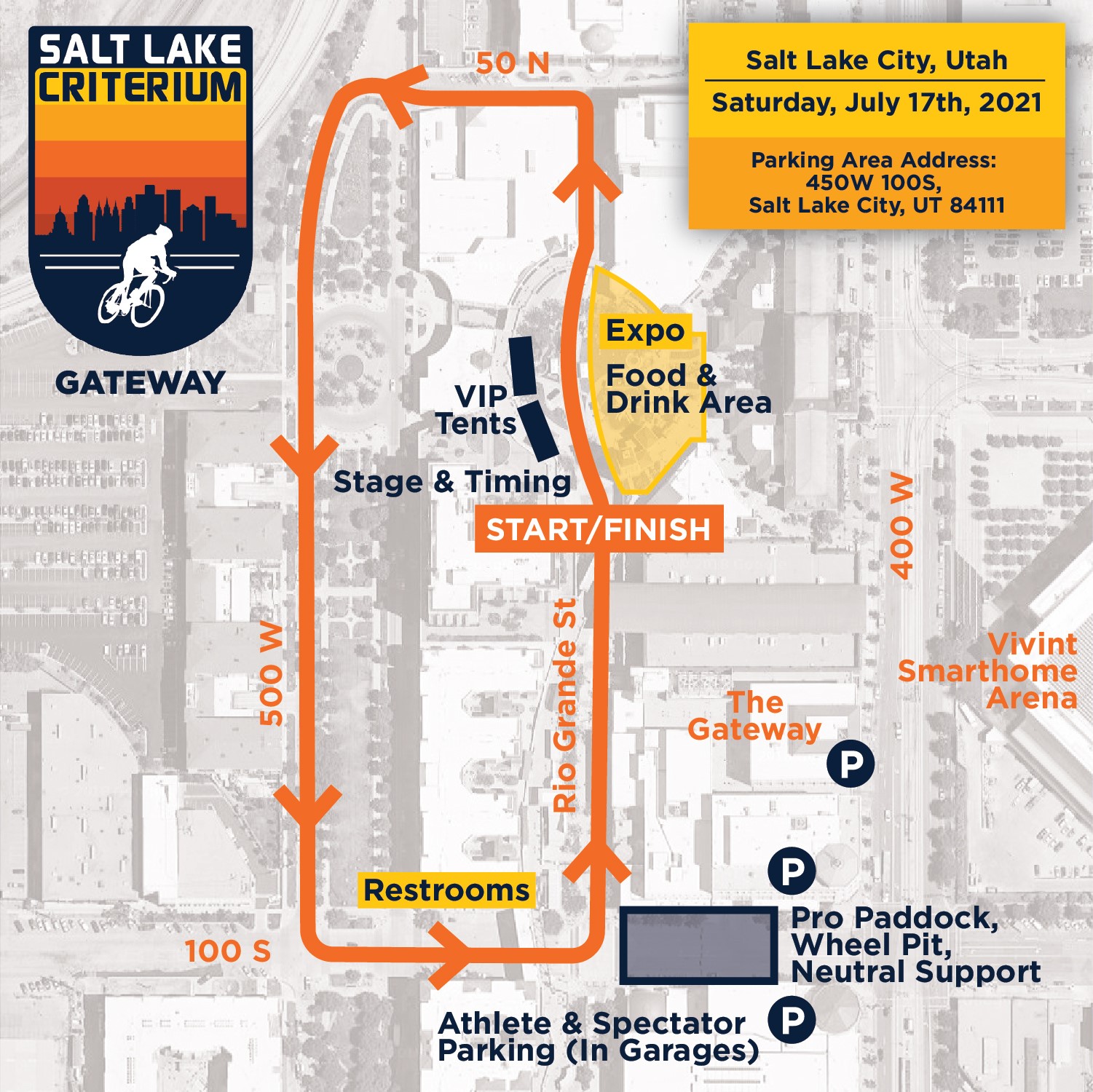
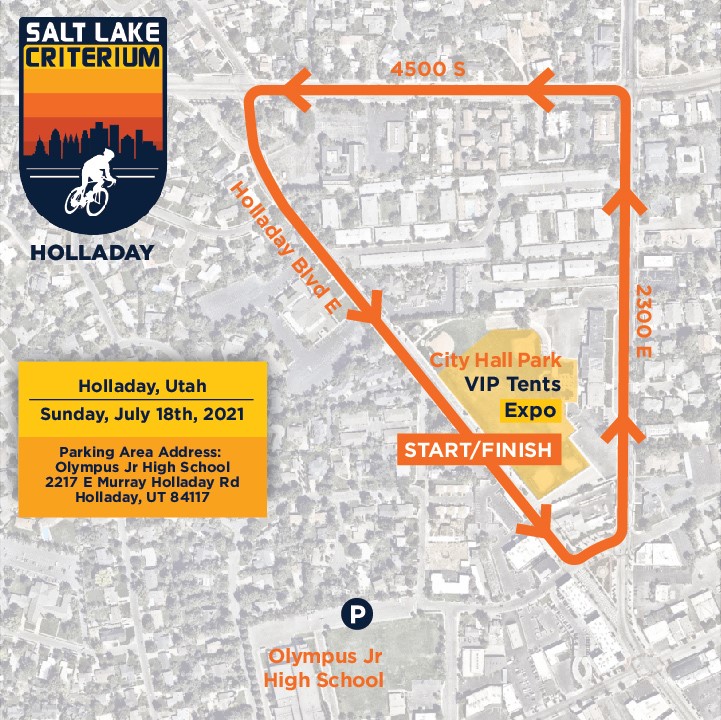
SALT LAKE CITY (July 7, 2021) — After a one-year hiatus due to the COVID-19 pandemic, the Salt Lake Criterium will once again again roar through the heart of Salt Lake City at The Gateway on Saturday, July 17. This year, organizers added a second day of intense rivalry racing on Sunday, July 18 in downtown Holladay. The two-day event is part of USA CRITS, the premier cycling series in the United States, showcasing the best riders in a uniquely American style of racing. Both days will be streamed live on USACRITS.tv.
While the Larry H. Miller Tour of Utah is on hiatus for another year these circuit races will provide big excitement for the bicycle racers and spectators alike with world-class and local favorite competitors lapping fast-paced, short 1 kilometer (.62 mile) multi-circuit courses. This is the second time USA CRITS Series is bringing the race to Salt Lake.
The criterium, with its fast, short laps, world class sprinters and professional teamwork, is one of the most exciting cycling disciplines to watch and is ideal for spectators who will be able to watch each race develop from start to finish. The rivalry among teams is expected to ratchet up the tension. Legion of Los Angeles, led by Justin Williams, dominated the first race of the series in Tulsa, OK in mid-June. Now Best Buddies Racing and Butcher Box Racing are ready to take points back in Salt Lake City.
“The very nature of criterium racing on short, closed circuits is what makes it possible for us to put on these events this year,” says Race Director Eric Gardiner. “A major stage race, like the Tour of Utah, requires hundreds of staff and volunteers, along with the cooperation of the Utah Highway Patrol and permits for every town along the route. Criteriums require a much smaller footprint and are able to more easily put together a plan make the event safer for everyone from riders to staff to spectators.”
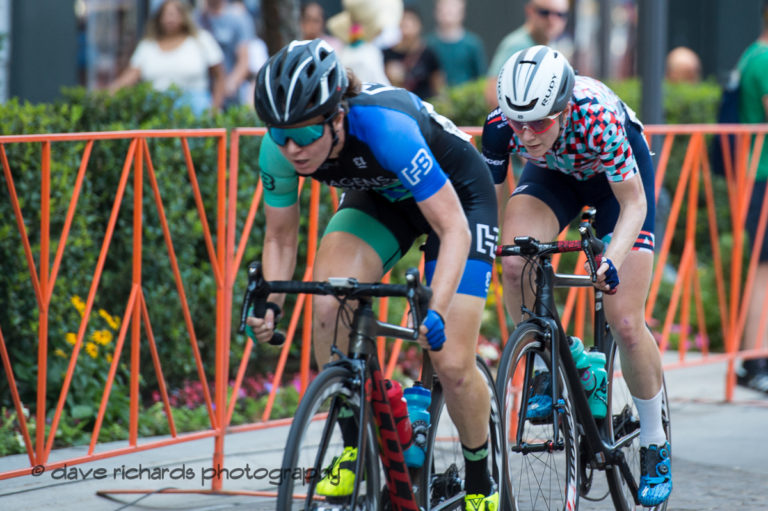
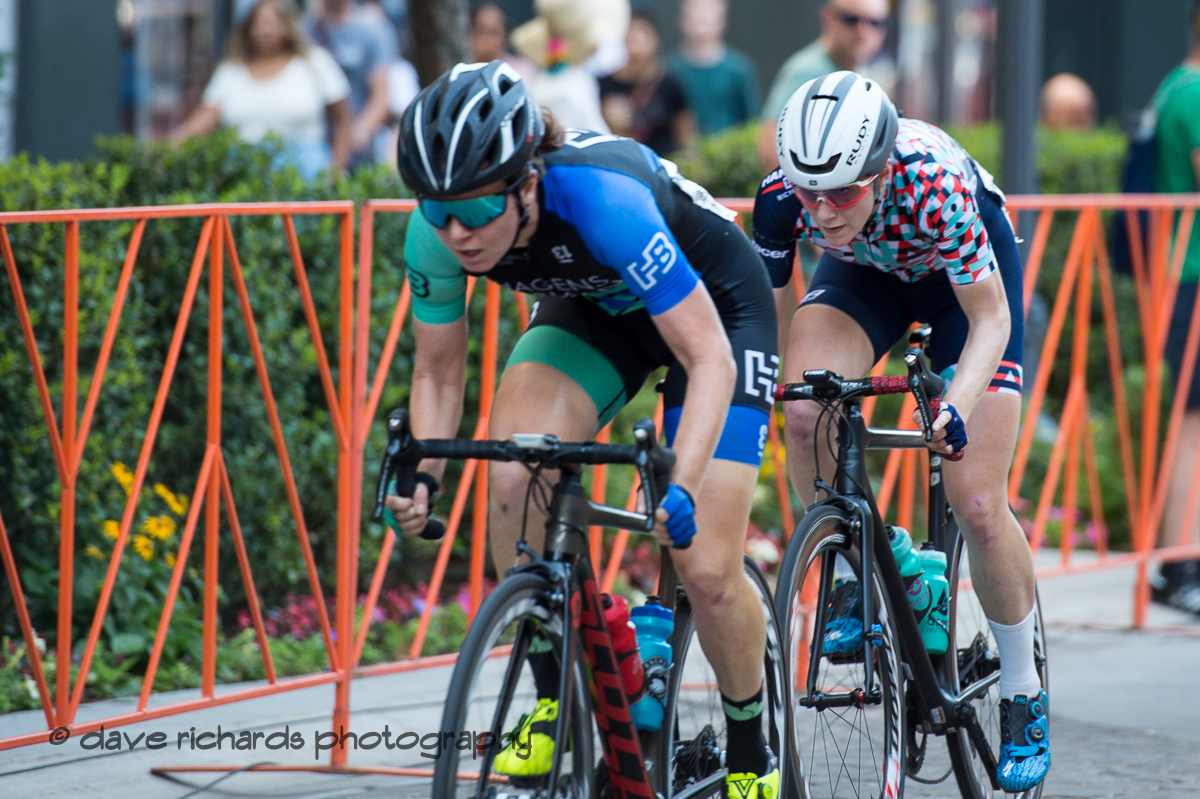
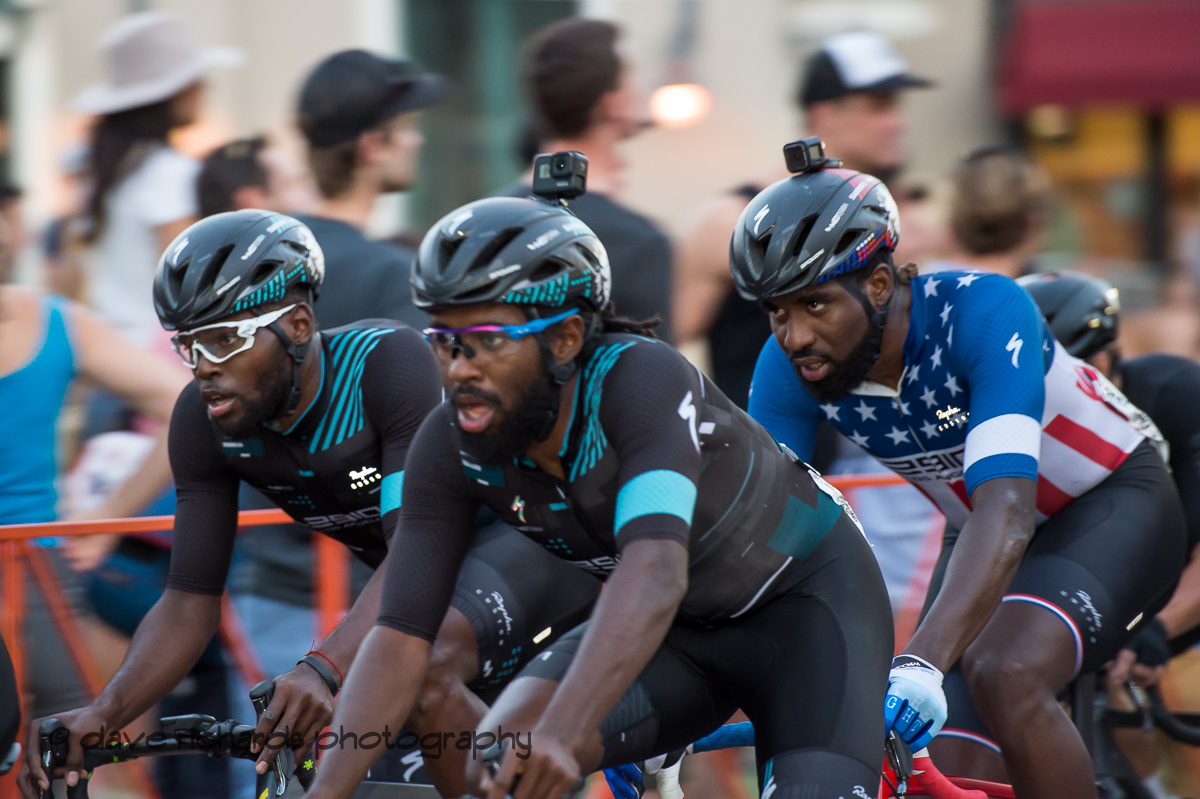
Two rider break during the Women’s D1/Pro race at the Salt Lake Criterium, USA CRITS series held at the Gateway Mall (Photo by Dave Richards, daverphoto.com)
America has a rich history of criterium racing, a unique form of cycling that stresses high-speed races contested amidst a thriving urban atmosphere. Criteriums are the most spectator-friendly and enduring form of bicycle racing in America. Locally originated events combine the highest levels of cycling with community gatherings and street festivals, while showcasing some of America’s most vibrant downtown districts.
Legion of Los Angeles tearm riders in tight formation setting up the win for Justin Williams. Salt Lake Criterium, USA CRITS series held at the Gateway Mall (Photo by Dave Richards, daverphoto.com)
“We are so excited to welcome these elite riders to Salt Lake,” said Clay Partain, managing director of Sports Salt Lake. “It’s exhilarating to host this caliber of race and these two venues represent the best places in the valley to see and feel the excitement of a crit race.”
The Organizing Committee will be planning to safely support the number of fans expected to watch in person. The Salt Lake Criterium inaugural event in 2019 was highly successful with 319 amateur riders, 21 USA CRITS D1 professional teams, and over 5,000 fans that came down to The Gateway throughout the day.
BEAVER, Utah (July 8, 2021) — In late 2010, Burke ‘T-Bird’ Swindlehurst retired from a decade-plus career as a professional road racer and one of North America’s best climbing specialists to focus on mountain bike and road adventure cycling. Mash that together, and what do you have? The Crusher in the Tushar! Or gravel racing, but way ahead of its time and gravel’s contemporary popularity. The Crusher was conceived from Burke’s want of adventure and a return to his hometown, and was born in July 2011 with an initial guest list of about 325 riders. It now fits neatly into the gravel calendar as one of the premier (and yet, in some ways still lesser-known) events in the United States. It also makes sense that Burke’s version of it combines road, dirt, huge climbs (10k feet of them), and high elevations.
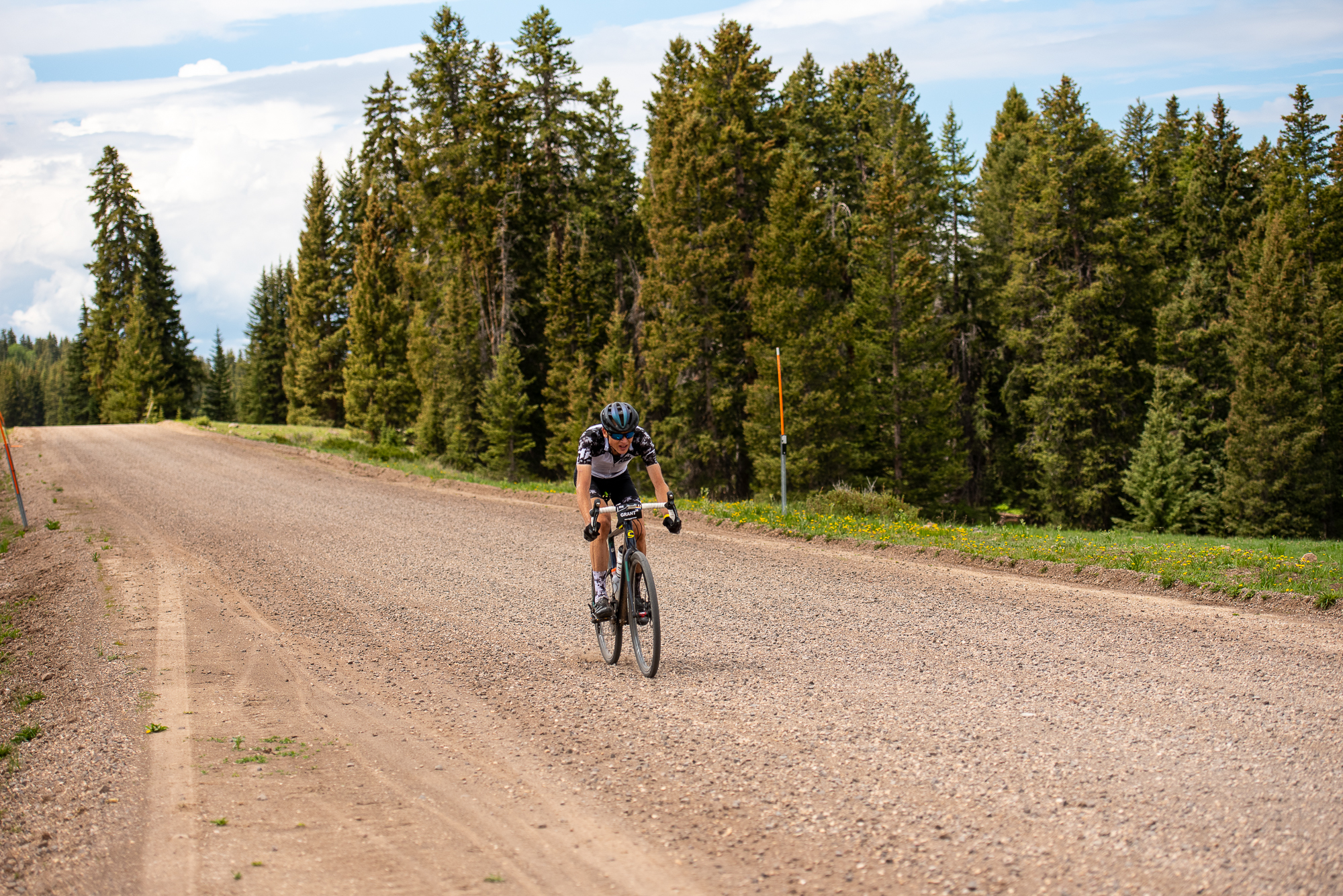
Alex Grant (Gear Rush) on Big Flat, as he soloes towards the finish of the 2019 Crusher. Photo: Steven L. Sheffield.
Due to the COVID-19 pandemic, the Crusher was unable to celebrate its 10th edition in 2020, but Burke and the crew have worked hard to give the Crusher a proper 10th birthday party this weekend in Beaver, Utah, where it all started. As part of the celebration, there will be two shake-out rides on Friday, July 9; the first led by former pro rider and current artist T.J. Eisenhart at 9:00 AM, and the second led by ENVE’s Neil Shirley at 3:00 PM.
There will also be an expo in the evening during rider check-in, where Eisenhart will also be doing a live-painting of the Crusher Goat to be auctioned off with all proceeds going to the Life Time Foundation, where it will be later distributed to various groups. For example, proceeds of 2010’s virtual Crusher were donated to the Beaver and Paiute County school systems to help fund each county’s school lunch programs, as well as to Beaver and Paiute County Search & Rescue and Voluntary EMS programs.
Stay tuned for more news and photos from the Crusher this weekend and early next week. In the meantime, please enjoy Cycling West’s coverage of the first nine years of the Crusher in the Tushar!
By Charles Pekow — Global warming. COVID19 pandemic. We’ve been living through quite a devastating era. But a new study says that bicycling can partially relieve the destruction of these menaces. The Potential Health and Environmental Benefits of Cycling in the U.S says, “Increasing the extent to which populations engage in health-oriented transportation, such as walking and cycling, could help to slow or reverse the advance of these crises by increasing overall physical fitness and decreasing vehicle emissions which contribute to air pollution and climate change.”
That said, the presenters come with a bias. The paper was released by the Initiative for Health-Oriented Transportation at the University of Wisconsin-Madison Global Health Institute. TREK Bicycle Co. funded the study.
The main conclusion is rather obvious, saying “walking and cycling in lieu of routine driving is one of the most effective ways to improve human health and can help mitigate climate change.”
Climate change is killing people because of floods, wildfires, reduced food supply, allergies, and respiratory disease from smog, etc. Obesity and lack of exercise kill people too. The paper notes that while only about one percent of urban trips in American cities are taken by bike, about 40 percent are in Amsterdam. “We estimate that if the metropolitan areas of the United States were to achieve 40 percent, approximately 70,000 deaths due to chronic disease would be averted each year in the U.S.,” it suggests.
A somewhat more plausible goal: “Approximately 20,000 annual deaths due to chronic disease could be averted if U.S. metropolitan areas increased their cycling percentage to six percent of trips, the rate seen in Madison, Wisconsin” as well as 28,000 cases of cardiovascular disease and 22,000 cases of diabetes.
By Enrique Arce-Larreta — This summer I was accepted to the International High School Teacher Program at CERN in Geneva, Switzerland. I studied particle physics with 50 teachers from 36 different countries for three weeks. As an avid cyclist, I could hardly resist flying my bike over and taking advantage of the many climbs near Geneva. I contacted several people to help me plan my bicycle trips in the Swiss and French Alps.
First, I contacted Mark Smedley, who owns Pika Packworks (pikapackworks.com), a local Utah-based bicycle carrying case company. Mark gave me a personal tour of his business. He lives in a custom built home that he built himself in Poplar Grove (just west of downtown Salt Lake City) and makes the cases in his basement. I purchased an excellent case that got my bike safe and sound both ways. The case is nice because you just remove your wheels, seat, pedals, derailleur, and stem. It takes about 15 minutes to pack up.
The second person to help me was Will from cyclingchallenge.com, an excellently organized website and blog for road bike routes in the Alps. Will replied to my emails and recommended various routes accessible from Geneva and in Switzerland. In the weeks before my trip to see the Tour de France, I rode the Col de Faucille in the Jura mountains, the Col de Barillette, Grimsel Pass, Furka Pass and Susten Pass. All of these were great rides, and it was an amazing Swiss trip.
During my last weekend in Geneva, the penultimate stage (stage 20) of the Tour de France was held on July 23, 2016 just 37 miles from the dorm room I stayed in. It was the final mountain stage of the Tour, and the last chance for the competitors to make a move in the general classification. I made plans to attend this stage, rain or shine. One surprise about the Alps is the number of rainy days in July, there are an average of 13 rainy days in Andermatt, Switzerland, for example. So I had to prepare for rain. I was constantly checking the weather as the weekend drew near, and thunderstorms were on the horizon.
I started my ride from CERN, in the northwest part of Geneva, and rode southeast through the city and its suburbs. For the first hour or so the narrow European roads had lots of traffic. The drivers are used to many bicycle commuters and knew how to drive with us – no honking. My handling skills were tested with no shoulders on the roads.
My first signs of the tour were in a small town named Mieussy which was on the route of the stage that day. The town had one main street and you could bike from one end to the other in about 3 minutes. The town had been decked out in colors and bicycles lined the street. At the center, a stage was set up and accordion players were entertaining all the locals. I started seeing other cyclists on the road, and was easily able to speak in English to all of them-something that I found easy to do all the time in Switzerland. The first group I joined were 4 cyclists living in Geneva but from the UK. We were all headed to the final climb of the day, the Col de Joux Plane. Passing this group, I soon was talking to three German cyclists who were supporting the Etixx Quick-Step team, because they were friends with pro cyclists riding in the tour. Just two and a half hours after leaving CERN, I was arriving at the base of the climb. The weather had been overcast, and not hot. A perfect day.
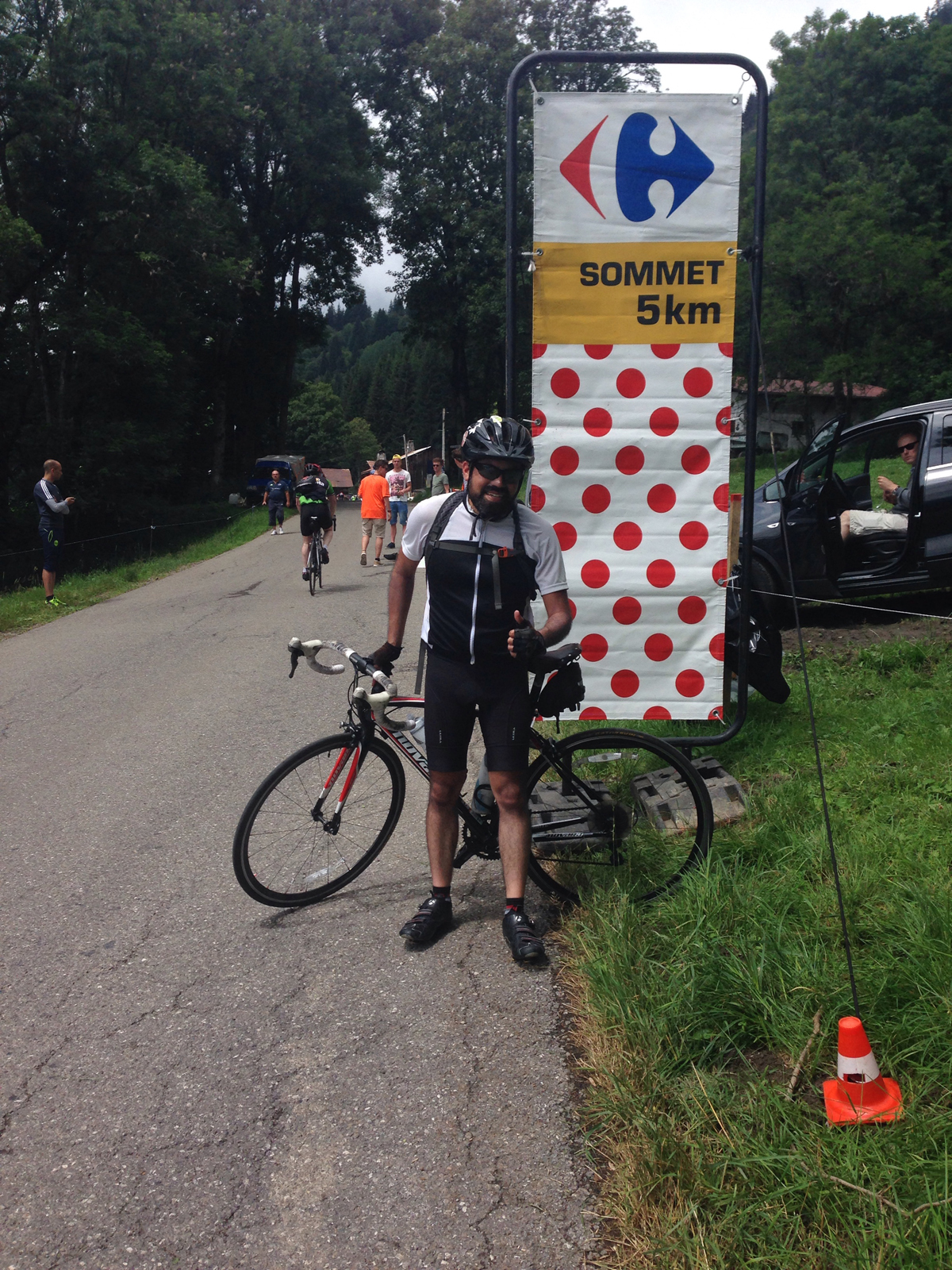
Enrique Arce-Larreta with 5 km to go to the top of the climb. Photo courtesy Enrique Arce-Larreta
The ride had been flat the whole day and as I arrived in the town of Samoens, I saw the sign for Col de Joux Plane, take a left. As soon I took that left, it was at least a 10 percent grade on the bike. The ride was fairly relentless and steep the rest of the way. It was hard for me to gauge the overall difficulty because I would stop to take photos often, keeping me out of any good climbing rhythm. There were plenty of spectators despite ominous clouds. The crowd was a mix of cyclists and local families out on picnics. I saw some scattered farm homes on the route, and those folks were grilling sausage, cooking cheese fondue, and drinking wine. I was offered wine and beer by a few cheering fans and high fived by several packs of children. It was easy to get people to cheer me on. There were many switchbacks which seemed to draw the bulk of the spectators. Security seemed sparse, even though the terrorist attacks in Nice had occurred just that week.
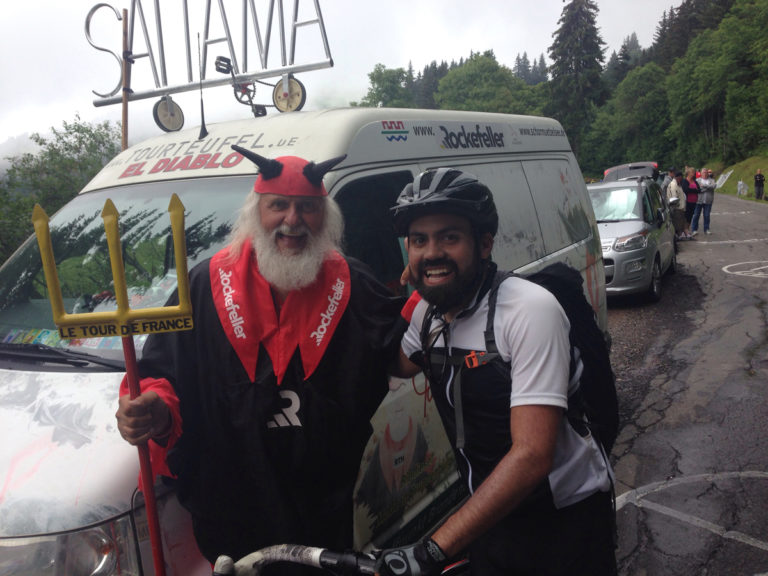
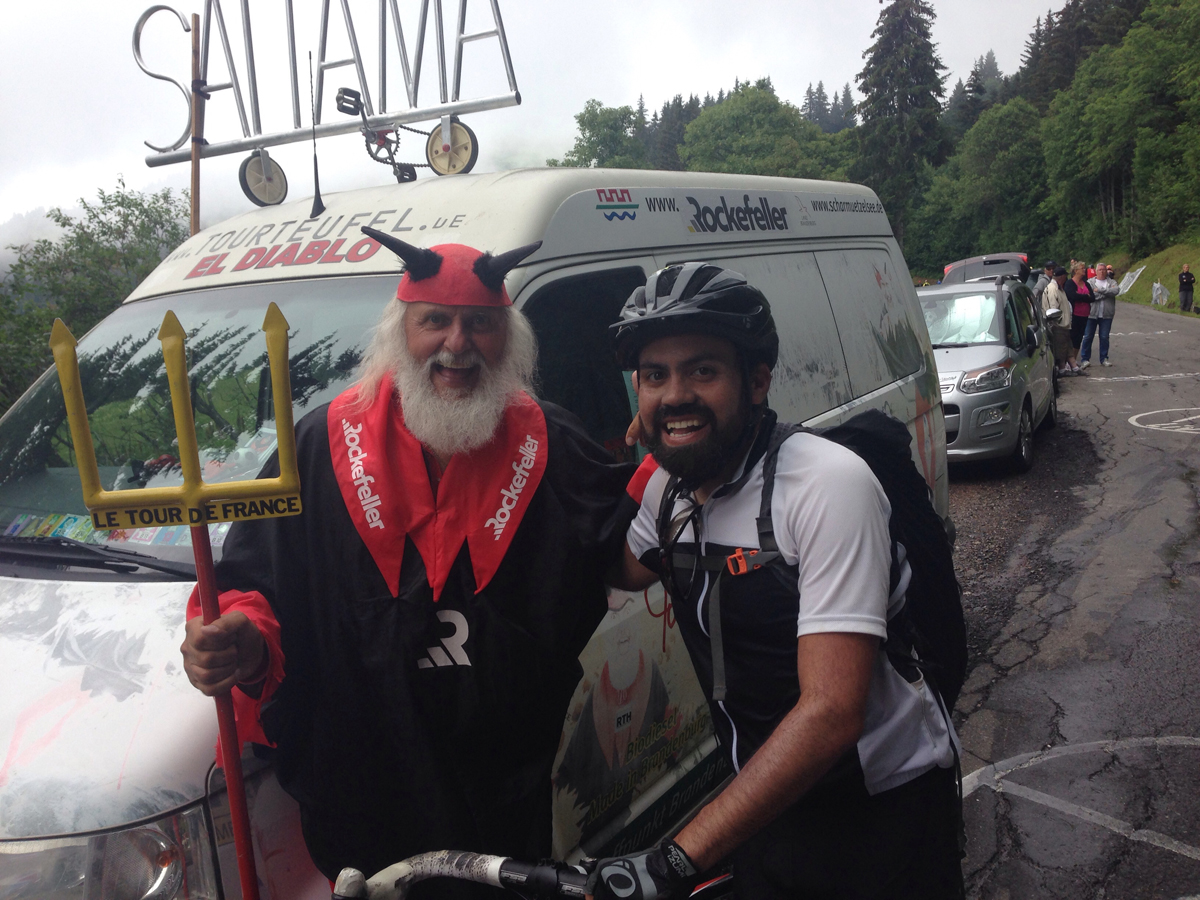
El Diablo and Enrique at the 2016 Tour de France. Photo courtesy Enrique Arce-Larreta
Near the top of the climb, as the grades became steeper, I rolled into a dense, wet fog and alpine conditions. I saw a famous spectator who dresses up as the devil and chases cyclists with a pitchfork–“El Diablo” was there waiting for the riders. I met him briefly, and he didn’t speak English or Spanish, so I couldn’t really ask him anything. When I reached the summit of the Joux Plane, I thought about descending to the finish, but security was in the process of closing the road to cyclists. I rode back down to a steep part of the climb, about 5 km from the summit, and bought some beer and an official Tour de France souvenir bag with water bottle, t-shirt and some other fun stuff. No sooner had I done this, than the caravan started driving through.
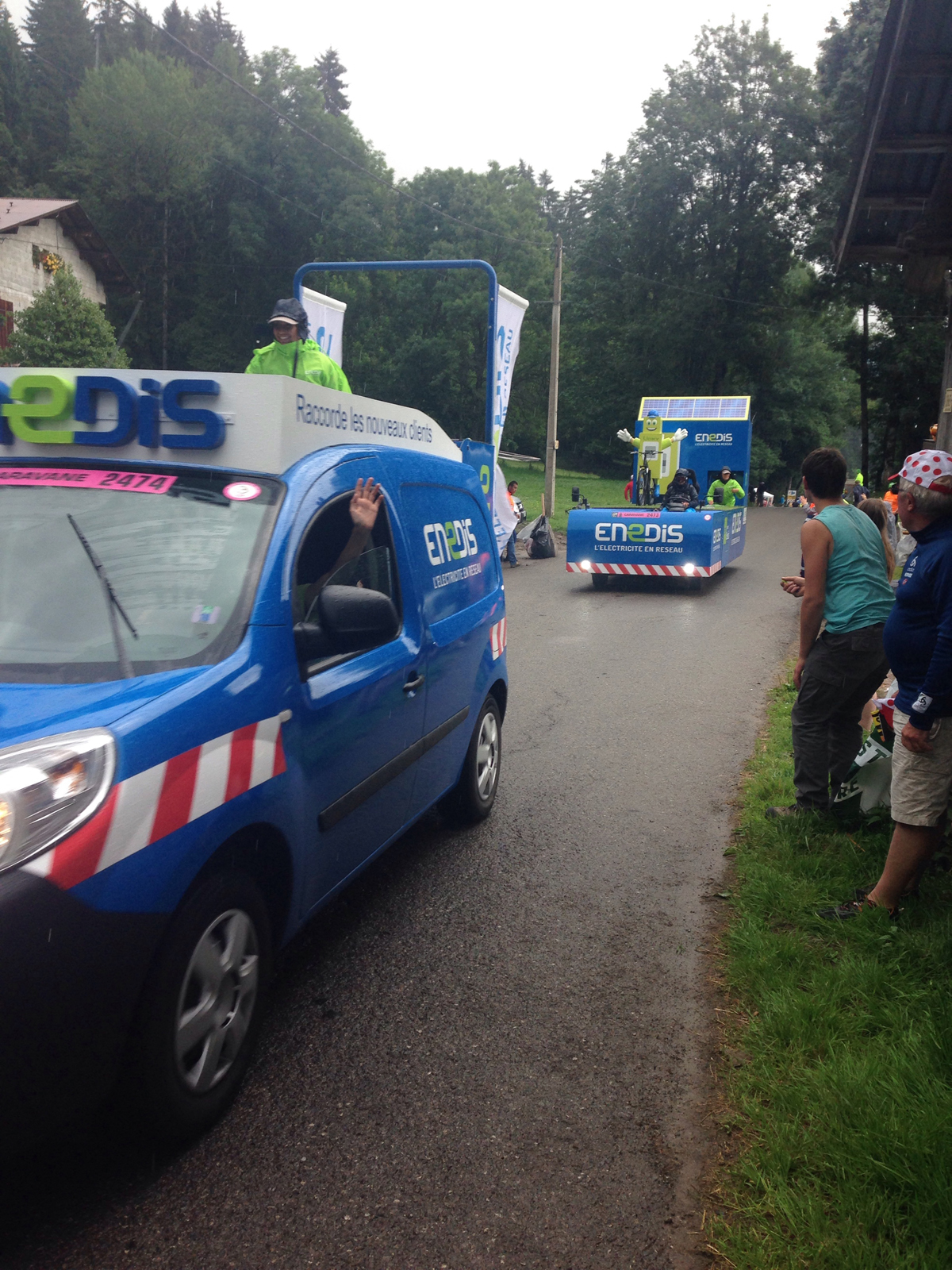
Sponsors in the caravan at the 2016 Tour de France. Photo by Enrique Arce-Larreta
The caravan is a group of sponsors in cars that drive through the course, throwing free goodies at everyone. They are usually equipped with interesting decorations like parade floats. Some have girls tethered to the vehicles so they don’t fall out as they project goodies to spectators. Banette, a bakery company was throwing out Twinkie-like pastries. Two of those became my lunch. I also ate some jelly beans that were sponsoring the tour. I collected several polka-dot hats and bunch of other random stuff: stickers, flags, bandanas, most of which I passed on to the nearest family and their children.
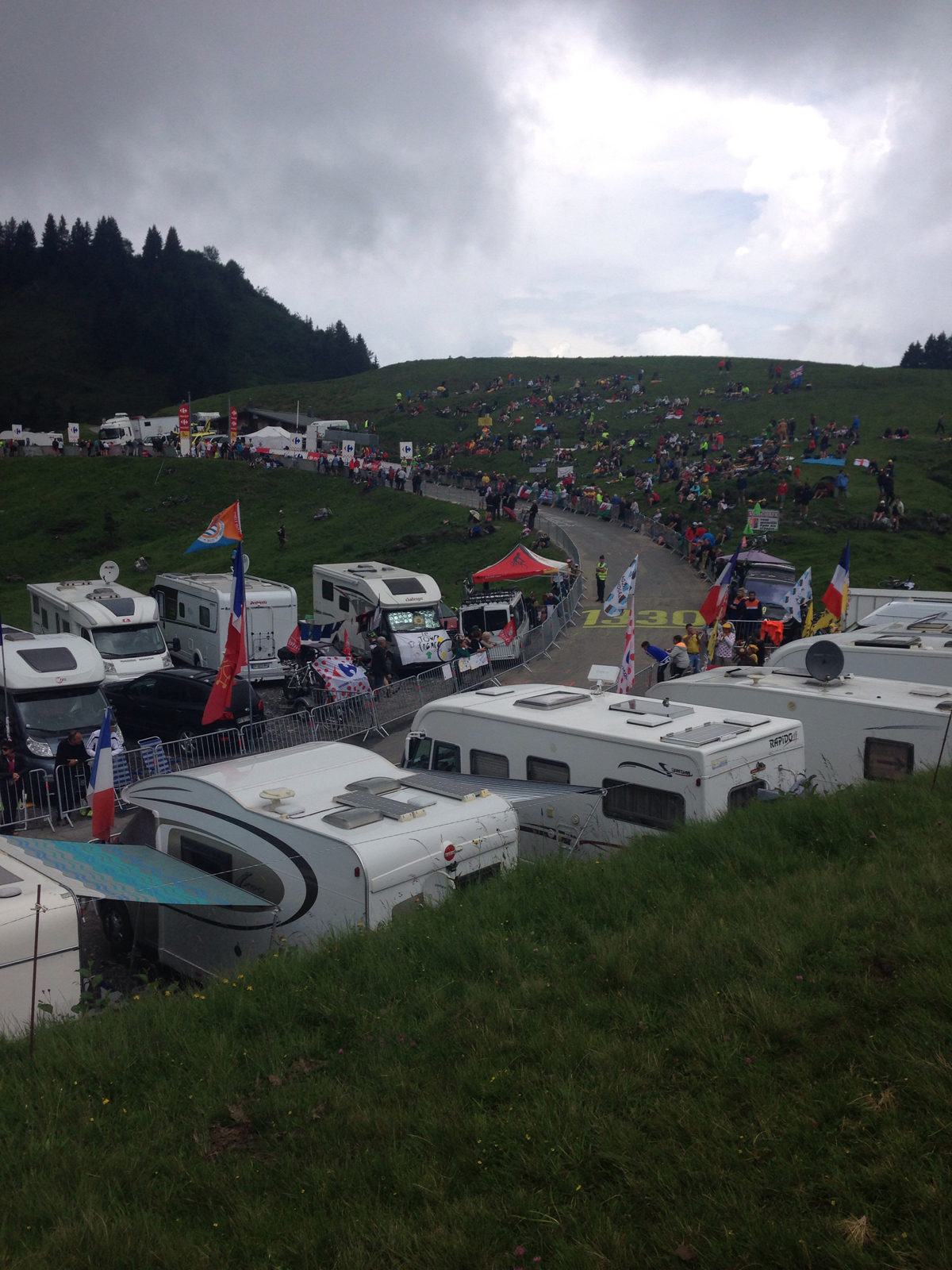
The view of the top 1 km of the Col de Joux Plane. Photo by Enrique Arce-Larreta
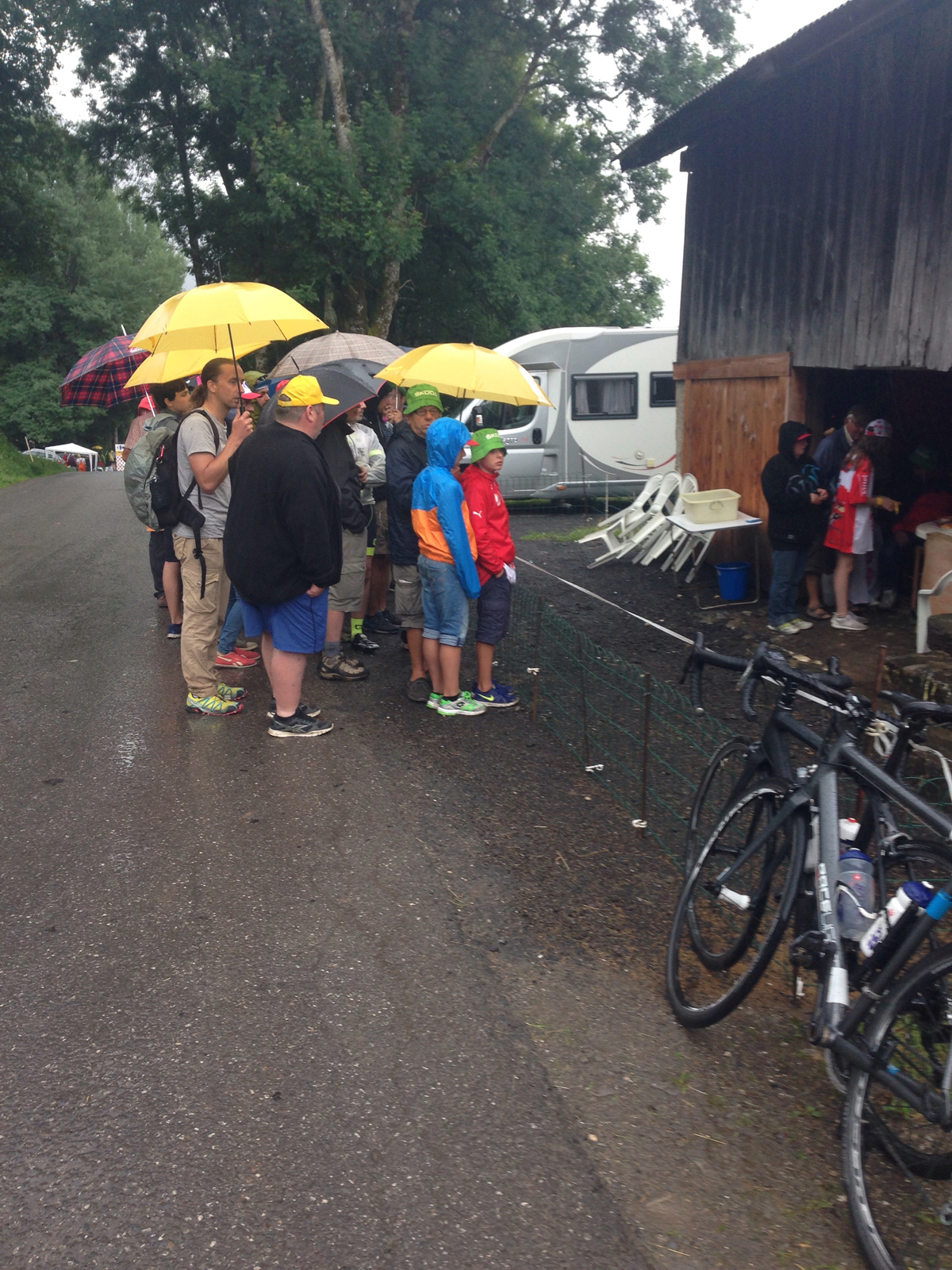
At some point during the caravan, it started raining pretty intensely. I layered up and put on my rain jacket. I was lucky to be standing by a barn, which shielded me and my bike from most of the rain. Soon, I had many new friends who were also avoiding the rain. I met a couple who had driven from Poland to watch the tour. The man was an avid cyclist and had maps of the route and timetables. His girlfriend was not a big fan of cycling and told me her top recreational activity was pole dancing, which she had recently taken up. They both spoke English well, and it was nice to converse. The rain continued for an hour as we waited for the riders to show up.
Umbrella group watching the Tour on television. Photo by Enrique Arce-Larreta
A family who lived on the farm had set up a television with the German broadcast of the stage so we could watch. So a group of us armed with umbrellas watched as the riders approached and began to climb the Col de Joux Plane. There was a break away group around four minutes ahead of the yellow jersey group. I left the TV and found a steep pitch along the road and waited. The motorbikes came through, followed by official cars, and a helicopter hovering above. Soon the first members of the break away group approached and I chased after them, encouraging them up the climb. The remnants of the break came through and I was chanting “5 km to Paris!” and “I named my dog Katusha” which made some riders laugh (Katusha is the name of a team in the Tour but I think its a good dog name). Soon, the yellow jersey group came by, moving super fast up the climb. I saw Chris Froome, followed by Valverde, Quintana and all the other GC boys. I screamed at Nairo: “Campion” and that I was from Utah.
Peter Sagan bicycled by all by himself, and I recognized him as I was chasing him. He had his own security car and was wearing the green sprinters jersey. Simon Geschke, one of the only bearded cyclists, came by alone, and chanted at him to “remember my beard.” The main peloton came last, with all the remaining riders in one large group. Past them were the team cars and the broom wagon – the last car that sweeps up all the remaining riders who can’t finish the race. After this, I began the descent back to Samoens. It was slow going because of all the cars and people walking down. The rain stopped once I got back into the small town, and it didn’t rain on the ride back to CERN. Riding back seemed to be faster, and before I knew it, I was back to my dorm room, ready to freshen up and drink more beer.
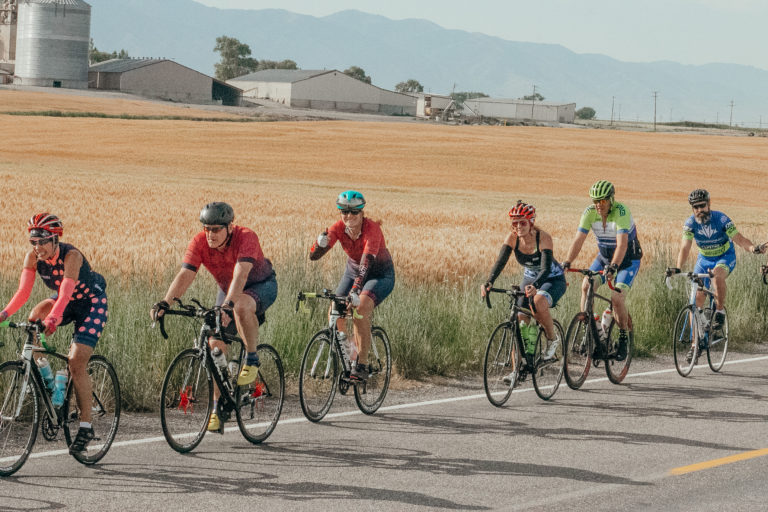
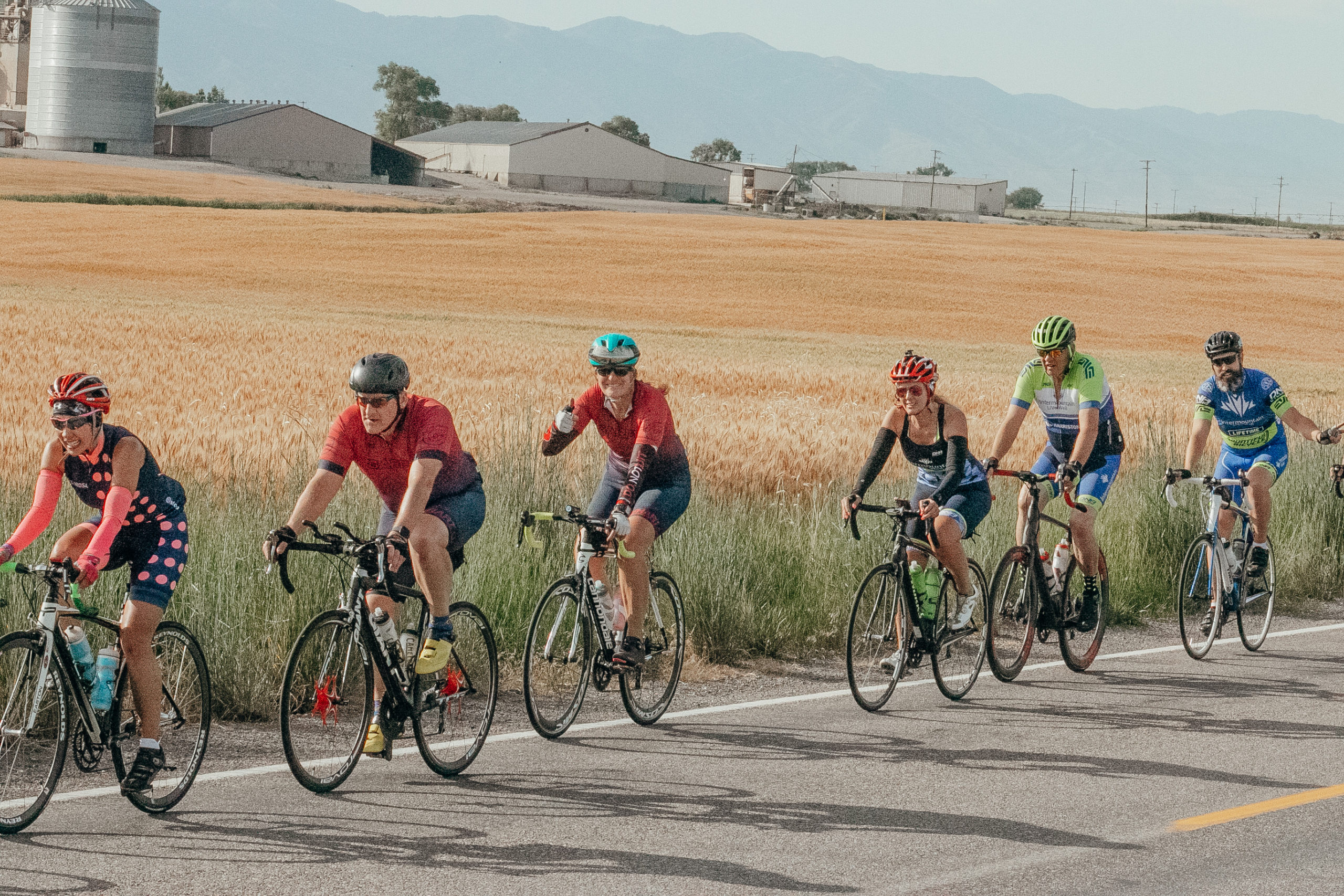
Ranked one of the top Gran Fondo events in North America, the 10th annual Cache Gran Fondo takes place next Saturday on July 10th 2021. Join over 1500 competitive and recreational Cyclists on a ride through beautiful Cache Valley in Northern Utah with distances of 35, 50, 75 and 100 miles to suit all abilities. The courses provide challenging hills, long rolling flat stretches, and the clean fresh air of the Cache Valley.
Photo courtesy Cache Gran Fondo
One of the hallmarks of the Cache Gran Fondo is the festive finish line with 3 local restaurants providing local fresh food, great prizes and a chance to win gift items, bike stuff, gifts cards, and other great prizes from sponsors like Campchef, Al’s Sporting Goods, Malouf, ARS, and Joyride Bikes.
All courses will have prizes for both competitive riders as well as recreational cyclists as we provide over $15,000 dollars’ worth of awards, rider gifts and prizes, even those not racing can benefit from prizes awarded randomly across the event.
The Four Courses
The 35-mile Piccolo Fondo is a perfect first ride, training ride, and rehab distance and e-bikes are welcome. The course is flat with only 440 feet of climbing over 35 miles.
The 50-mile Classic Gran Fondo offers many of the same country-road sections as the 2019 Tour of Utah Stage 1, with only a rolling hill from Newton to Clarkston. 1,052 feet of climbing over the 53 miles.
The 76-mile Medio Fondo is our race course. The UCI Gran Fondo Word Championship qualifier and the Gran Fondo National Series qualifier racers will compete for a chance to represent their country or state in these two prestigious events. Recreational riders will follow the pros out on the course and actually have the same opportunity to race for qualification as the racers, if they want to pour it on. Both racers and riders will be timed in this competitive race. Three support stops in Newton, Weston and Lewiston will give riders a chance to rest and refuel. 1,700 feet of climbing is spread over 75 miles and 3 gradual uphill sections.
The 104-mile Century Fondo is recommended for riders who can maintain an 18-20 mph average, or who will be working together in a pack ride this course. 3,496 feet of climbing.
For the fifth year in a row, the UCI Gran Fondo World Series returns to the U.S. at the Cache Gran Fondo, one of only three qualifiers in North America.
The 50-mile Classic and 35-mile Piccolo Routes will not be competitively timed for GFNS Route placement and points, however both the 100-mile Century and 75-mile Medio courses will be professionally timed. All riders will be eligible for prizes based on random drawing throughout the day.
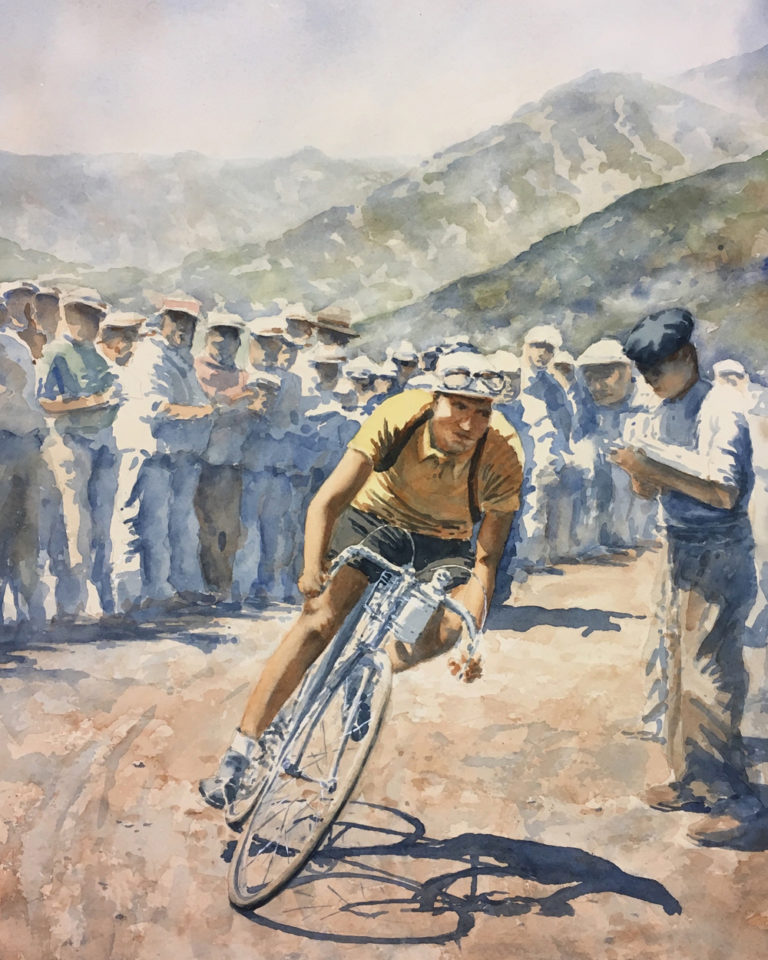
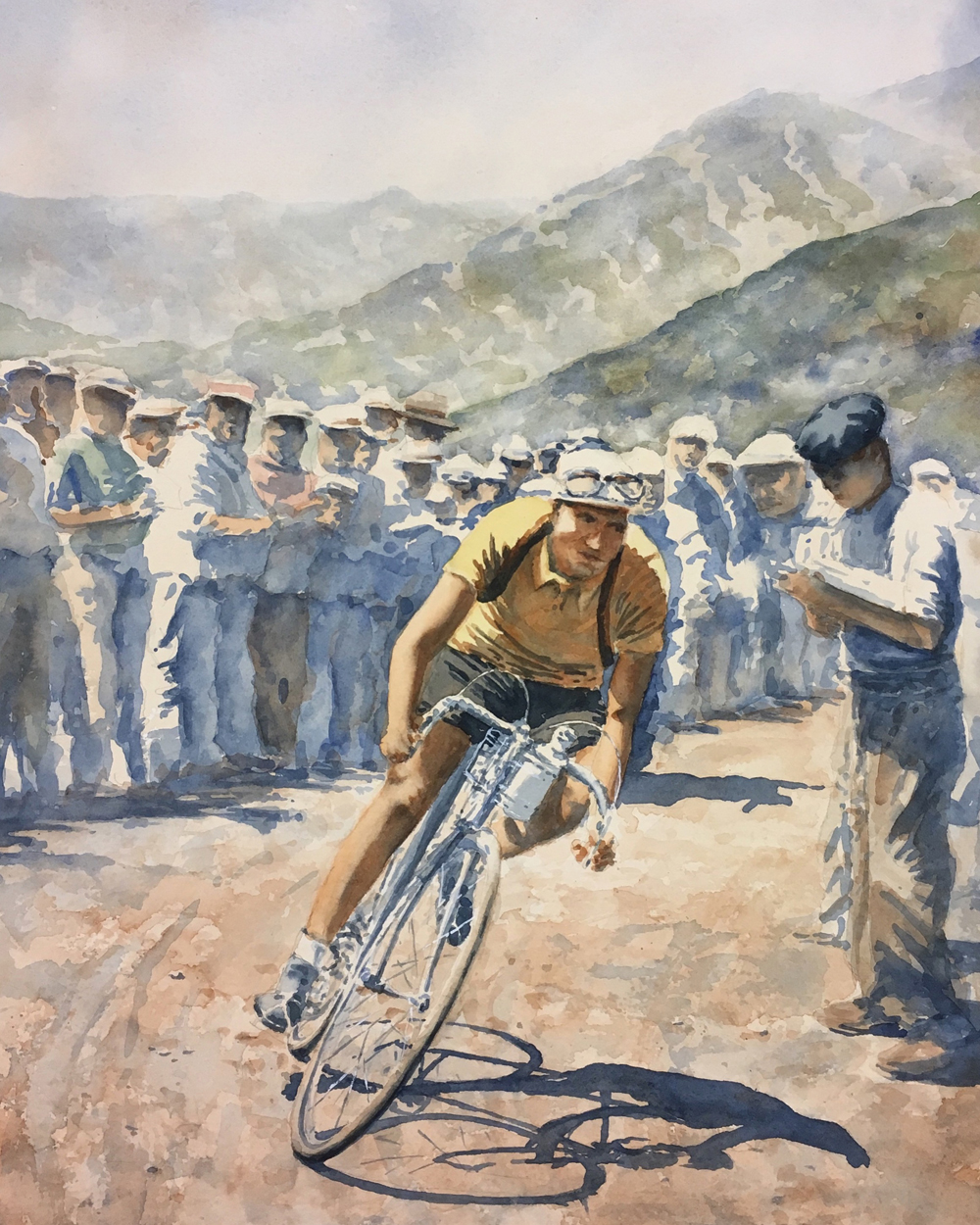
Rich Vroom is a watercolor artist based in Salt Lake City, Utah. His studio is in Sugarhouse where he teaches classes, paints, and bike races. He also teaches at the University of Utah.
Title: Gino Bartali – 1938 Tour de France, Medium: Watercolor on paper.
Title: Gino Bartali – 1938 Tour de France
Medium: Watercolor on paper.
Prints are available for purchase from Richard. Contact him at [email protected]
Follow Rich on Instagram
@richvroom or on Facebook: Rich Vroom Watercolors.
The US Department of Transportation (DoT) needs to develop performance assessment measures to evaluate efforts to improve bicyclist safety. It also needs to collect, analyze and share data on state strategies, says a new report from the Government Accountability Office (GAO).
The Federal Highway Administration (FHWA) and National Highway Traffic Safety Administration (NHTSA) have “not fully incorporated performance management practices into (their) pedestrian and cyclist safety efforts,” says PEDESTRIANS AND CYCLISTS: Better Information to States and Enhanced Performance Management Could Help DOT Improve Safety, GAO’s report.
Of 26 “countermeasures” for bicycle and pedestrian safety NHTSA lists, only three have proven very effective, GAO states. Bicycle helmet laws for children works best, followed by helmet laws for adults and pedestrian safety zones in high-crash areas.
DoT agreed on the information need and said it will work on it. But it also said some of the other countermeasures are more effective than GAO gives credit for. It also replied that it’s hard to judge the impact of something like training on safety. GAO also says we don’t know enough about how cyclist “distraction and impairment” affects safety.
DoT is working on a new bike/ped safety plan. It developed a five-year plan in 2016 but officials from both NHTSA and FHWA said the Trump Administration foiled it. The agencies intend to start a new five-year plan this year.
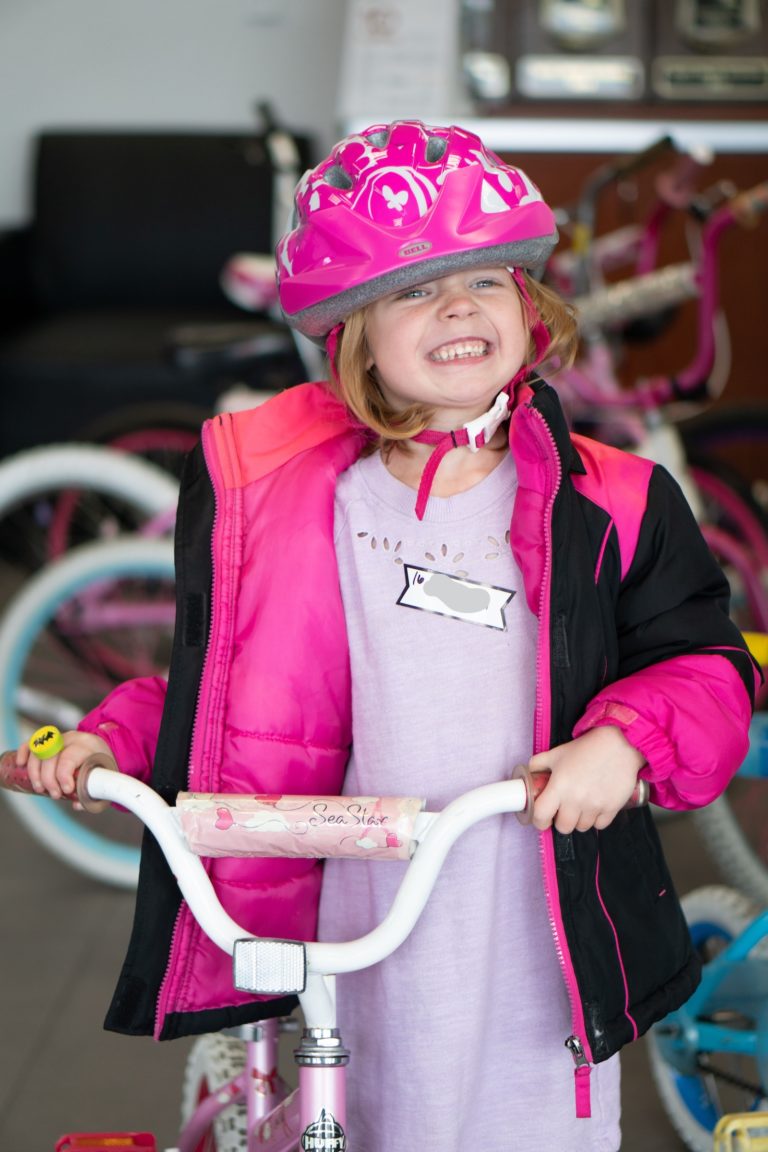
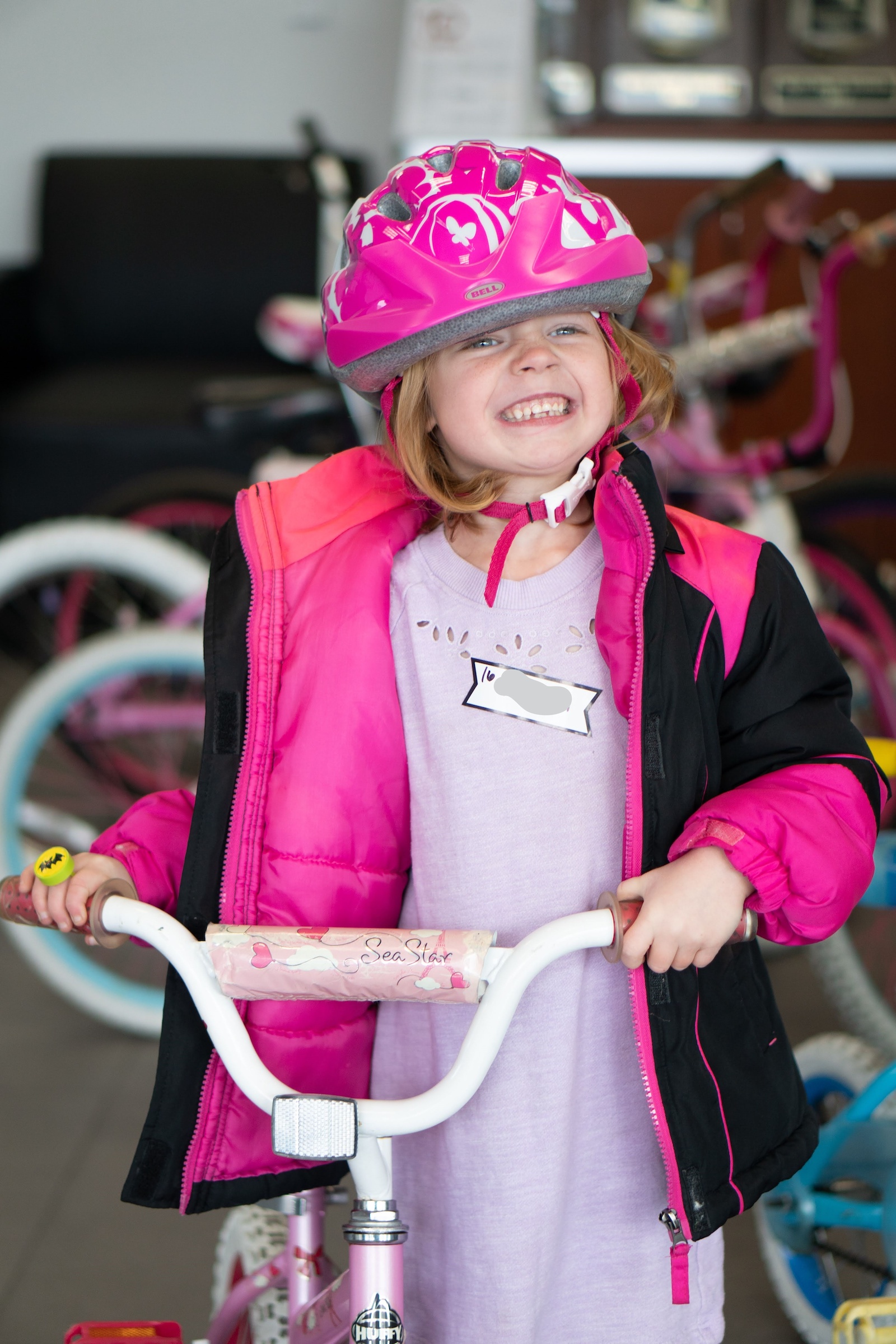
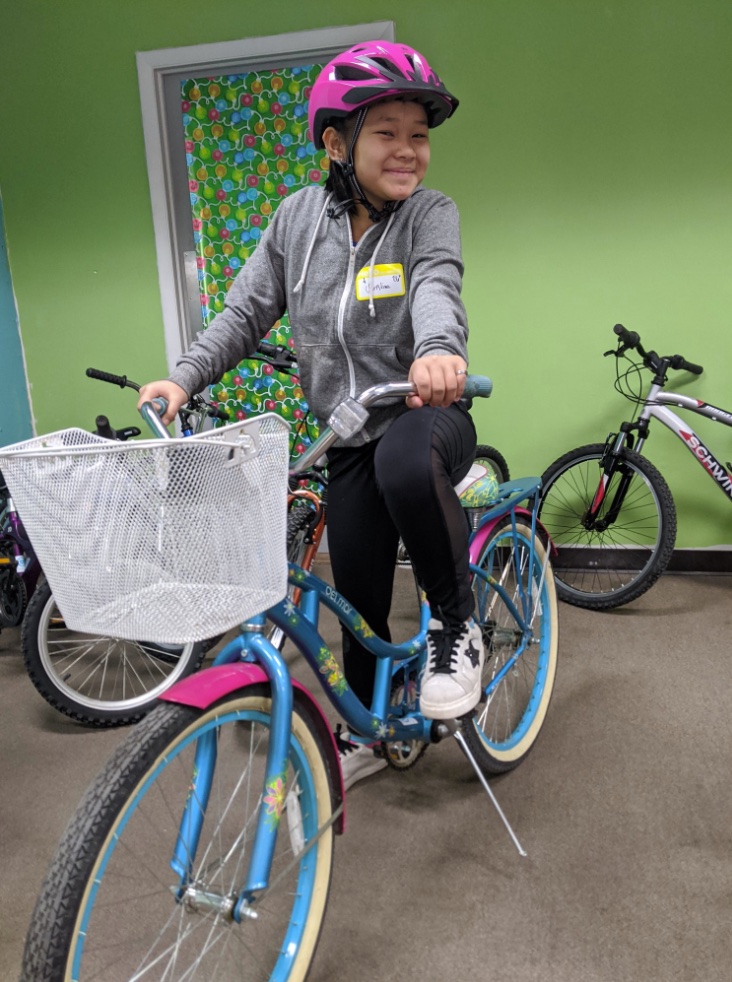
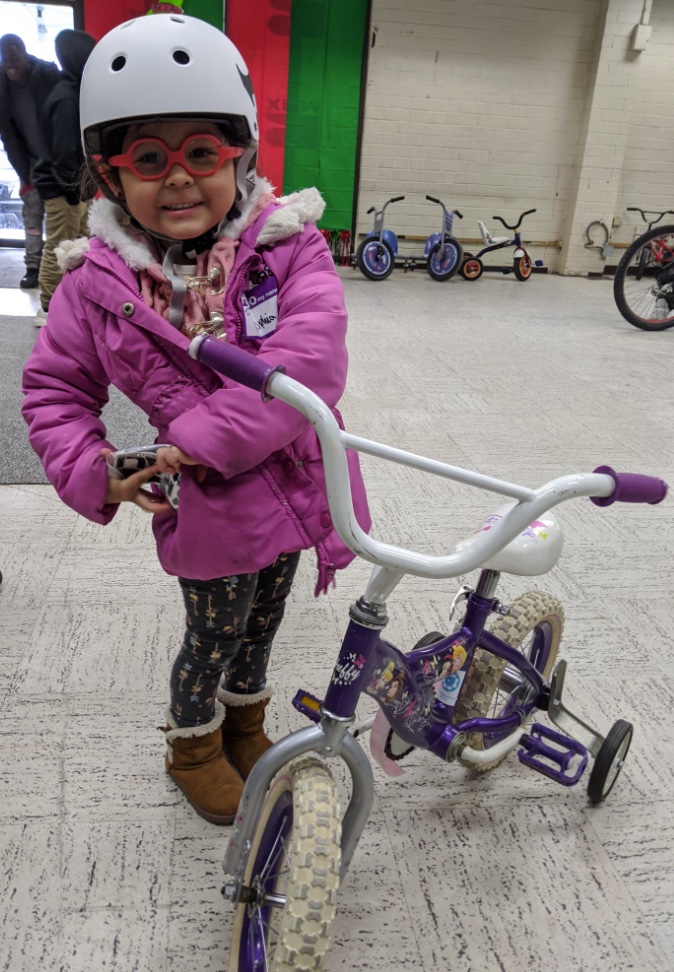
Free Bikes 4 Kidz Utah is a 501(c)(3) non-profit organization that believes every kid deserves a bike. Too often, bikes that kids have outgrown sit unused in garages or end up in the landfill. Meanwhile, many children grow up without a bike of their own. FB4K wants to help solve both of these problems by collecting and refurbishing used bikes and distributing them to kids in need.
FB4K Utah will be hosting five Bike Collection Events in July.
Saturday, July 3rd from 10:00 am to Noon
Saturday, July 10th from 10:00 am to Noon
Saturday, July 17th from 10:00 am to Noon
Saturday, July 24th from 10:00 am to Noon
Saturday, July 31st from 10:00 am to Noon
Bring your used bikes during those hours to:
FB4K Warehouse 2250 S. Main St in Salt Lake City
Photo courtesy Free Bikes 4 Kidz
We are looking for all sizes of bikes from kids to adults and accept bikes in any condition. Last year we gave out 200 bikes and this year we are hoping to double that!
Photo courtesy Free Bikes 4 Kidz
This is a Collection Event only. No bikes will be distributed at these events. Distribution will take place later in the year.
For more information on the organization, please visit www.fb4kutah.org, or contact Executive Director Nick Ekdahl. Email: [email protected] Phone: 801-243-4263
By Nancy Clark MS RD CSSD — Do you know the bacteria in your gut can enhance athletic performance? Or the sports you play when you are a kid impact your bone health as a young adult? Or your ability to exercise in the heat depends on how well you hydrate? At the annual sports nutrition conference hosted in March 2021 by SCAN (the sports nutrition practice group of the Academy of Nutrition & Dietetics; SCANdpg.org), the speakers offered updates on these topics of interest.
Performance-enhancing probiotics: A new frontier?
Athletes have endurance, strength, ability to recover from injuries, and strong minds. Could those traits be connect-ed to the athletes’ microbiome‑-those health-enhancing bacteria that live in their gut? Are the gut-brain and the gut-muscle connections in elite athletes comparable to those of non-athletes? Can the microbes of elite athletes offer information applicable to others?
To discover the impact of the microbiome on exercise performance, FitBiomics, a biotechnology company based in NYC, is studying the microbiome of top athletes, looking for performance-enhancing microbes. For example, marathon runners (compared to non-runners) have a higher amount of the bacteria Veillonella that efficiently eats lactic acid and reduces inflammation. Mice fed Veillonella improved 13% in endurance running. What if marathoners consumed Veillonella supplements? Would that help them run faster? More research is needed, but the information to date seems promising, so stay tuned!
Parents: Bone up on bone health for your kids
Given that up to 90% of peak bone mass is reached by age 18 in females and age 20 in males, parents should encourage their kids to participate in bone-building sports. This means doing weight-bearing exercise— such as soccer instead of swimming—during early puberty. High impact sports like gymnastics and volleyball also contribute to bones with about 10% greater bone mass.
Multi-directional sports (i.e., soccer, basketball) are better for bone health than one-directional sports (cycling, swimming). The jumping, cutting, and stopping that happens during soccer and basketball leads to stronger, more fracture-resist-ant bones. Track and field athletes who had participated in ball sports (such as soccer, volleyball, etc.) when they were younger had 50% fewer stress fractures than their peers who had not done so. Same goes for male runners who had played basketball; they had 82% fewer stress fractures. Military recruits who had played soccer and basketball when they were kids experienced fewer stress fractures later in their lives during basic training. Clearly, we need to start early to optimize bone health!
Athletes reduce their bone mass when they restrict calories to lose weight. A smart nutrition recommendation for dieting athletes is to consume foods naturally rich in calcium, i.e., drink more dairy milk. Each cup of skim milk consumed by young female athletes reduced risk for future stress fractures in by 62%.
To help protect against stress fractures, at-risk athletes should consume at least 1,500 mg. a day of calcium + 800 IUs of vitamin D. Female military recruits who took calcium and D supplements for 8 weeks had 20% fewer stress fractures compared to unsupplemented peers. Getting adequate sleep also contributes to bone health.
Exercising safely in hot weather
With global warming, athletes are more likely to train and compete in unusually hot weather. To effectively reduce the risk of exertional heat stroke (and death), athletes should allow 10 to 14 days to acclimatize to exercising in hot weather. During acclimatization, the body adapts to dissipate more heat, thereby enabling athletes to perform better. Most physiological adaptations occur between days 4 to 8 of heat exposure.
During the first week of being exposed to heat, athletes should have only one training session per day. Ideally, they will have access to cool fluids during exercise (more likely to be consumed) and they will frequently take small swigs of fluid throughout exercise (preferable to gulping a large bolus of fluid all at once).
When exercising in the heat, athletes should monitor their urine for color and quantity and think WUT:
Weight: Is my morning weight lower than the day before?
Urine: Is my urine dark and concentrated?
Thirst: Am I thirsty upon awakening?
Yes answers signal they are starting the day underhydrated.
In terms of health risks, being adequately hydrated is more important than being heat-acclimatized (though being well hydrated and heat-acclimatized is ideal for maximizing thermoregulation). An adaptation to heat acclimatization is reduced sodium in sweat. Despite that adaptation, endurance and team sport athletes often fail to replace adequate sodium during extended exercise in the heat. Salty sweaters (who have gritty sodium crystals on their skin) should purposefully consume sodium-rich foods and fluids.
Some athletes salt-load for a day or two before an event, but researchers advise against doing that. The kidneys do a good job of excreting excess sodium via urine. The additional fluid loss can be counter -productive and hurt, not enhance, performance.
Athletes should try to replace 70% to 80% of sodium and fluid lost during sweaty exercise. Knowing your sweat rate (by comparing pre- and post-exercise body weight) can reduce your risk of over- or under-hydrating. Drinking too much water is dangerous, because it dilutes the body’s sodium level and can lead to life-threatening hyponatremia.
Of all electrolytes, sodium is the biggest concern. Endurance athletes need to figure out how to replace sodium losses. Through trial and error, they can learn which salty foods taste good, settle well, and “work” for them. Pickle juice, bouillon, mustard, soy sauce and beef jerky are popular options that can be consumed both right before and during activity.
Conclusion
Eating fruits, veggies and whole grains will fuel your muscles, feed your microbiome, and impact your ability to perform at your best. Milk and yogurt rich in natural calcium will help keep bones strong. A sprinkling of salt can help retain water in your body. Fuel wisely, be responsible and bone up on good nutrition!