
Thursday, January 1, 2026
Home Blog Page 209

Election 2017: Ogden City Council Candidates Cycling Question and Answer

Candidates Vie for 2017 Ogden City Council Seats 

By Turner Bitton, November 1, 2017

In November (or October for those who vote by mail) we will go to the polls to select candidates for elected office across the state. We have the opportunity to pick city council members, mayors, and for those lucky few who live in Utah’s 3rd Congressional District – a new congressperson.

(Ogden Election Information: https://www.ogdencity.com/208/Election-Information). The election is on November 7, 2017, or vote by mail ahead of time.

This month’s commuter column is dedicated to profiles of all of the various candidates running for city council in Ogden and asked them about cycling, their campaigns, and other issues facing Ogdenites.

Our city is defined by our cycling industry, active cycling community, and miles of trails. It should come as no surprise then that cycling issues and the interests of cyclists are front and center in this year’s election. Each candidate was asked the same 7 questions about their campaign. The following 7 questions comprised our survey:

  1. What position are you running for on the city council?
  2. Please share with readers why you are running for office.
  3. Have you been involved in any efforts to promote cycling or improve safety for bicyclists? Please explain.
  4. How often do you bicycle, walk or use public transportation to travel around the city of Ogden? In your opinion what are the biggest challenges faced by people who use alternatives to driving their own cars or trucks to get around Ogden?
  5. Describe how you would support the implementation of the Ogden Bicycle Master Plan, including what budgetary or policy commitments you would make to achieving yearly milestones.
  6. What are some of the key steps you would take to make Ogden a more bicycle friendly city?
  7. Please feel free to share anything else that you would like readers to know about you.

Each candidate that submitted responses were also invited to submit a photo for inclusion in the article. Take a few moments to get to know the various candidates running for Ogden City Council.

Angela Choberka
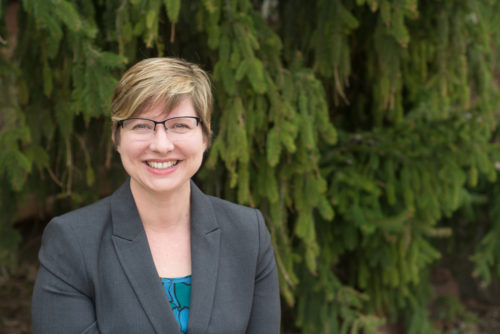
Angela Choberka is running for Odgen City Council in 2017.

1 – What position are you running for on the city council?

1 – Ogden City Council – Municipal Ward 1

2 – Please share with readers why you are running for office.

2 – I hope I can bring another perspective to the council: one that promotes community, equality, and accessibility. As a resident of central Ogden, I hope to speak for those of us who choose to live here because want to build on our community’s assets. We love the diversity of our neighborhood and want to help everyone who lives here enjoy a safe and pleasant daily experience.

3 – Have you been involved in any efforts to promote cycling or improve safety for bicyclists? Please explain.

3 – I hope I can bring another perspective to the council: one that promotes community, equality, and accessibility. As a resident of central Ogden, I hope to speak for those of us who choose to live here because want to build on our community’s assets. We love the diversity of our neighborhood and want to help everyone who lives here enjoy a safe and pleasant daily experience.

4 – How often do you bicycle, walk or use public transportation to travel around the city of Ogden? In your opinion what are the biggest challenges faced by people who use alternatives to driving their own cars or trucks to get around Ogden?

4 – Safety is the most important challenge to pedestrians, cyclists, and runners. The sidewalks throughout the city are not safe for most people when they are walking, but especially are not manageable for people who have special equipment such as wheelchairs, walkers, or canes. They are uneven and damaged. I walk through downtown and central Ogden quite often and negotiate these elements myself. This is part of my desire to be healthier myself, but also to slow down a bit and experience the neighborhood’s amenities at a more elemental level. While you are walking, you notice things you would not otherwise, and you can say hello to your neighbors as well. I also bike down to the River Parkway and enjoy it immensely.

I have friends who are regular runners who often fear for their lives because they run on the streets instead of on the sidewalks. People traveling in vehicles do not seem to understand that the pedestrian (runner) has the right of way. This is also the case quite often when I wait at the pedestrian crossing areas. Drivers will often ignore the fact that someone is standing in the crosswalk waiting to walk. I think this is because they see the world from their cars rather than from the perspective of someone who navigates the city by walking, running, or riding bikes. We need to raise the awareness of this issue with motorists.

5 – Describe how you would support the implementation of the Ogden Bicycle Master Plan, including what budgetary or policy commitments you would make to achieving yearly milestones.

5 – Living a healthier lifestyle and one where we build upon our community by taking the time to walk or ride bikes through it means making a commitment through not only words but through the allocation of the resources needed to accomplish those goals. The plans created need fiscal notes attached in order to truly come to fruition. I would support the efforts to put specifically earmarked funds toward a thoughtful plan.

6 – What are some of the key steps you would take to make Ogden a more bicycle friendly city?

6 – We need to continue to raise awareness of motorists and what responsibilities they have to ensure the safety of cyclists. We can also create more and more bicycle-friendly environments like bike lanes and parkways. Make it a norm to watch out for cyclists in our city.

7 – Please feel free to share anything else that you would like readers to know about you.

7 – No response submitted

Paul Rivers
Paul Rivers is running for Odgen City Council in 2017.

1 – What position are you running for on the city council?

1 – I am Running for Ogden City Council Municipal Ward One.

2 – Please share with readers why you are running for office.

2 – I am running on the platform Smart Growth Ogden. Ogden needs a future focus window to correct some past good decisions that were started and are now ignored. Some riders are not necessary enthusiastic about riding their bikes but along with the bus it is their last transportation option. Bicycle riders on the streets are at risk.

3 – Have you been involved in any efforts to promote cycling or improve safety for bicyclists? Please explain.

3 – I have listened, observed, and now it time for me to act.

4 – How often do you bicycle, walk or use public transportation to travel around the city of Ogden? In your opinion what are the biggest challenges faced by people who use alternatives to driving their own cars or trucks to get around Ogden?

4 – I don’t personally ride a bicycle often due an arthritic knee. I drive a bus and I see beginner to advanced cyclists riding in traffic daily. The buses have two or three place bike racks on the front. Cyclists often wait at bus stops and put their bike on the bus to ride safely from point A to Point B safely on some of the most congested multi-lane roads with parking in Ogden that are/have a designated painted bike lane with signage.

5 – Describe how you would support the implementation of the Ogden Bicycle Master Plan, including what budgetary or policy commitments you would make to achieving yearly milestones.

5 – There are several roads through mostly residential area where riders routinely ride that link to to the Ogden Trails and Weber Pathways systems.

Ogden is a growing city and suddenly we are in need of affordable housing. People are staying with their parents, living with friends and so on to avoid the high cost of rent. This a typical big city problem that meets a lot of resistance. There are several at market rate housing/transit projects going up near the Frontrunner stations (a city to city commuter train).

One of my goals for Smart Growth Ogden is to focus on affordable housing by design. Ogden has about 1% Mixed Use zoning and that will need to be increased to accommodate create new residences that meets the need of one or two people living near a transit route. Affordable housing can be bicycle and wheelchair friendly and may not in include parking to cut costs.

6 – What are some of the key steps you would take to make Ogden a more bicycle friendly city?

6 – Remove the designated bicycle routes from the congested streets and put them on residential avenues.

7 – Please feel free to share anything else that you would like readers to know about you.

7 – I received a B.S. in Geography with an emphasis in Urban Planning.

Doug Stephens
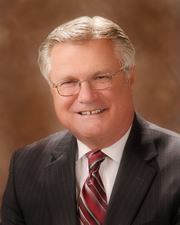
Doug Stephens is running for Odgen City Council in 2017.

1 – What position are you running for on the city council?

1 – I am running for the re-election for Ogden City Council Ward #3

2 – Please share with readers why you are running for office.

2 – (1) It is important that we be good stewards to the environment, our parks, open space and trails that will provide a quality of life for those who live here and visit. Ogden is an Outdoors Recreational area and to continue to improve the economic development, we need to take care to the environment. (2) I support the Transportation Master plan that includes a Bike Master plan to improve our streets and sidewalks. The Bike Master plan as a component to education the value of the use of bikes and its safety for those who use this mode of transportation and it also marks the “Bike Lanes” in our city. I would like to see more done in this area. (3) I support Public Safety for our citizens. Along with the element of Public Safety, I have organized 4 Neighborhood Watch program in the city. It is important that we provide a safe community. Our Public Safety employees give professional service to the residents of Ogden. (4) I support fiscal sustainability and transparency for responsible government for the residents of Ogden. (5) I will create and work to have a “Downtown Arts District” to assist the artist in our area. This will add additional opportunities for those to display and show their talents. (6) I support the housing program for the city. We need to provide the opportunity to have the right Housing mix for the citizens of Ogden. (7) I support to improve the public parks in the city. As we improve the parks, then they become Neighborhood Center for everyone to enjoy. Park improvements is an investment to the city and the neighborhoods.

3 – Have you been involved in any efforts to promote cycling or improve safety for bicyclists? Please explain.

3 – I have been very much involved in developing and promoting cycling and to improve the safety for the bicyclists. I am the Council Chairman of the Transportation Committee. We review on regularly the Transportation Master and the Bike Master plan. Any improvements to the streets in Ogden, the committee in involve to make sure that the “Bike Lanes” are part of the improvements. An example is the improvements with Harrison Blvd. The committee made sure that the “Bike Lanes” were part of the program. I encourage our new and established business, schools, public buildings provide “Bike Ranks” when possible. There is much more we could do but I will continue to work on the importance of bicyclists and their safety.

4 – How often do you bicycle, walk or use public transportation to travel around the city of Ogden? In your opinion what are the biggest challenges faced by people who use alternatives to driving their own cars or trucks to get around Ogden?

4 – I bicycle, or walk about every day of the week. There are several challenges that face us who use alternative methods of transportation to get around Ogden. (1) The schedules of the UTA buses and the routes. If I use the UTA bus, I will have to plan for a longer time period. (2) The bicyclists safety and having the public educated about those using the bikes. We need to also plan the routes in the city that would be a safe corridor for the bicyclists use. The improvements will come. I am committed in move forward with these challenges and many more.

5 – Describe how you would support the implementation of the Ogden Bicycle Master Plan, including what budgetary or policy commitments you would make to achieving yearly milestones.

5 – The City Council, which I am on, have passed and approved the Bike Master Plan. I support at every budget session that we fund this program. I am very mindful of the importance to develop more use of the bikes in Ogden. Bike riding is good for those who ride them and the air quality. It is also helps protect the environment of our city. As reported in the Standard Examiner on Sept. 19, 2017, the use and interest in cycling is increasing every year. Cycling is part of our future and we need to plan for it. In some of our CIP updates, the city council review the Bike Master Plan to see how Ogden is doing and where we need to improve. I support ongoing funding for the Ogden Master Plan.

6 – What are some of the key steps you would take to make Ogden a more bicycle friendly city?

6 – There are some key steps that I would continue to review about the use of bikes and bike safety in Ogden. (1) Continue to review the Bike Master Plan. (2) Encourage the development and use of bike ranks where possible. (3) Education is necessary for the safety and use of the bicyclists. With the right education, we decrease those who are injured in crashes. (3) Develop several Bike Parks in some of the city parks. (4) Encourage the creation of Bike Clubs in the schools and throughout the city. (5) Encourage the use of social media to organize Bike Rides. (6) Plan and develop the “Bike Lanes” in Ogden to be more productive. Develop the Green Bike (we need to have a Purple Bike) program. (7) Have Weber State, OWTAC, and the Ogden School District encourage the use of the bikes. They need to supply amenities for those want to use a bike. (8) Continue to fund the “Bike Master Plan”. (9) Set one day aside each month to “Ride A Bike Day”.

7 – Please feel free to share anything else that you would like readers to know about you.

7 – Bicycling is become more popular way to get around. We need to plan for the future by developing and funding an effective Bike program. Cycling is good for the health of the public and the environment. It is important that we educate the proper use and safety of a bicyclist. The businesses, schools, parks and public places need provide some amenities for those who use the bike. I support the bicyclists and enjoy riding my bike all the time.

Taylor Knuth-Bishop

1 – What position are you running for on the city council?

1 – Ogden City Council- Municipal Ward 3

2 – Please share with readers why you are running for office.

2 – Our world is currently experiencing an increase in divisiveness, a problem that invades countries, states, and even our great city of Ogden. This divisiveness can only be contested through the loving hearts and minds of individuals, like yourself.

As a young emerging leader in Ogden, I have seen first-hand the power of unity and togetherness. I believe that great things happen when people come together to create. Whether that be the current development of a Creative District in Downtown, bringing artists and community members together to envision a thriving Arts Corridor, or the newly formed Diversity Commission which strives to represent and include all of our diverse communities within Ogden. I have the great pleasure of serving on this Commission.

The power of community should never be underestimated.

3 – Have you been involved in any efforts to promote cycling or improve safety for bicyclists? Please explain.

3 – As Community Services Director for United Way of Northern Utah, I have been involved in health and safety fairs that seek to educate young children about bike safety, including distributing 750 Bell helmets each year through these efforts.

I also am an avid hiker of our trails in Ogden and have educated others and myself on bike safety in regards to hiking.

4 – How often do you bicycle, walk or use public transportation to travel around the city of Ogden? In your opinion what are the biggest challenges faced by people who use alternatives to driving their own cars or trucks to get around Ogden?

4 – I live in East Central Ogden. Throughout the summer, I make it a priority to walk or bike to Downtown events, be that Twilight Concert Series or the Farmers Market. Due to health issues, I have not been able to enjoy my bike as much as I would like to.

Having lived in NYC, which arguable has the best public transportation available, I see how our current methods of public transport could be improved. I believe a huge barrier for people to use public transportation is the availability year-round. Much of our bus stops in Ogden are not sheltered at all. This means in the winter, people are forced to stand in the cold as they wait for the next bus. I also think the bus schedules are not frequent enough, some buses only stopping ever 40 minutes. I see these same issues reflected on our frontrunner station.

I think public education in regards to bikes and pedestrians is a critical component in our city as well. Because the majority of our streets do not have defined bike lanes, and our sidewalks are deteriorating, we see both cyclists and pedestrians on our roads. We must educate the public on right of way laws in regards to pedestrians and cyclists and also remedy sidewalks and bike lanes to ensure their safety as well.

5 – Describe how you would support the implementation of the Ogden Bicycle Master Plan, including what budgetary or policy commitments you would make to achieving yearly milestones.

5 – What I like about the Ogden Bicycle Master Plan is the varied type of bike lane. From a buffered lane to simple markings, the plan demonstrates a strategic and thoughtful approach to solve our growing population needs for increased methods of transportation. This plan is expensive, but when compared to the cost of road construction, air quality issues due to higher amounts of cars on the road, and other traffic enforcement concerns, the costs seem nominal. I would keep the plan on track and encourage the administration to seek additional state and federal funding to help offset the costs associated with this plan.

6 – What are some of the key steps you would take to make Ogden a more bicycle friendly city?

6 – As mentioned above, I think education is critical. I also believe that safety is a concern as well. We must also look at crime in East-Central and Downtown Ogden. A barrier for cyclist is bike theft, so ensuring our communities feel safe is a key step in the direction of increased cycling. Twilight is a great example of allowing a more bicycle friendly city. Their “bike valet” allowed myself, and other cyclist, the opportunity to ride downtown, park and not worry. Efforts such as these could easily be duplicated throughout the City.

7 – Please feel free to share anything else that you would like readers to know about you.

7 – As the City grows the demand for innovative and progressive thinking on the Council has become critical for the success of Ogden; I offer a fresh, bold, and progressive voice to a seat on the council that has been held by my opponent for 12 years now which has led to a lack of representation for our Municipal Ward 3. New Leadership. New Possibilities.

Marcia White
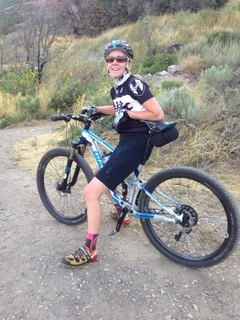
Marcia White is running for Odgen City Council in 2017.

1 – What position are you running for on the city council?

1 – I am running for re-election for the At-Large “A” seat.

2 – Please share with readers why you are running for office.

2 – Four years ago, I ran on solution-based decisions. From day one, I set forth to carry through my goals of being a vibrant city, having better transportation (including biking), supporting public safety, establishing responsible growth and creating excellence in government. I have been focused on building our community through sound policy making and funding of those goals and I want to continue to use my strategic business experience to follow through with my goals. My primary motivation to run for re-election is to continue to serve the people of Ogden and continue to work on those goals I set about doing four years ago to make Ogden an even better place to call home.

3 – Have you been involved in any efforts to promote cycling or improve safety for bicyclists? Please explain.

3 – I was fortunate to be one of the team members of the Ogden Bicycle Master Plan. As part of this collective team of private businesses, University and School District representation, Administration and the Council, I heard from everyday bicycle users to casual weekend riders. The Plan which was adopted last year help define a direction in which Ogden can move forward to create designated bike lanes on streets, to create safe bicycle lanes and paths for kids to get to and from schools, and to work with private businesses to make sure there are places for people who ride to have designated bike racks to lock and secure their bikes. In addition to working with this Master Plan, I often participate in events that are designed to get more people involved with biking. The Yeti bike ride is a good example that brings youth and parents together to ride through Ogden and down the Ogden river parkway. I also participated this summer in an even in which Weber Pathways promoted the use of our trails and it was a great event to encourage biking on our trails that surround Ogden.

Promoting cycling and improving safety is not just about Ogden City taking the lead but having many partners helping encourage people to ride. As a Council Member, I recognize the need to encourage and fund the continued efforts of the Bicycle Master Plan through the Capital Improvement Plan process of creating new bike lanes and education of riding bicycles in Ogden

4 – How often do you bicycle, walk or use public transportation to travel around the city of Ogden? In your opinion what are the biggest challenges faced by people who use alternatives to driving their own cars or trucks to get around Ogden?

4 – I am an avid cyclist and use my bike for both recreation and transportation. I also use public transportation to commute back and forth to Salt Lake City and often walk within my neighborhood. I don’t know if there is just one biggest challenge as it has been difficult this summer to ride with the extreme heat and poor air quality. However, the biggest challenge (taking funding out of the equation as well) of what an Ogden resident might have control over, in my opinion, as you put all of those together, biking, walking and public transportation is the need to understand that Ogden is a “hilly” city. When I get off the Front Runner and am faced with the thought of climbing a huge hill to get home, it is overwhelming. One of the items that was revealed in the Master Plan was the use of streets which was deemed the “Wildcat Wiggle”. This path uses a method in which you can go up a hill, go over on a flat street and then go up another hill. This method gives you bursts of hard effort with some relief on the flat streets. Eventually, you will get where you want to go. Finding solutions to the challenges is what is important to move Ogden forward as a bicycle friendly City.

5 – Describe how you would support the implementation of the Ogden Bicycle Master Plan, including what budgetary or policy commitments you would make to achieving yearly milestones.

5 – There were many recommendations and an overall strategic direction that was described in the Ogden Bicycle Master Plan which unfortunately cannot happen overnight. We have included many of the items within an overall Capital Improvement Plan projects and every year I am able to rank and approve the list of CIP projects. In addition, when we are approving streets for resurfacing or redoing, such as the Harrison expansion project, I am making sure that there are active transportation plans included within those projects. As part of the Council strategy, we have a workgroup that looks at projects such as this to make sure we are achieving the yearly milestones.

6 – What are some of the key steps you would take to make Ogden a more bicycle friendly city?

6 – Many of the key steps, of making Ogden a more bicycle friendly city, are already in motion. One of the biggest keys was the completion of the Bicycle Master Plan. We are utilizing the private/public partnerships with Weber Pathways and Visit Ogden to bring us events that encourage people to ride their bikes. The Ogden Downtown Alliance makes sure there is a safe place to park your bike when you ride to the Farmer’s Market. Our Ogden Police Department partners with local vendors who donate helmets for kids. The City works diligently to sweep our streets of debris along our current designated bike lanes. Weber State University has developed a better plan to encourage students to ride throughout campus in a safe and coordinated manner with those students who are walking. The Ogden Bicycle Collective offers classes for all ages on bicycle maintenance and also provides used bicycles to all who want them. And, this year sponsored, along with the Ogden City Arts, a very successful Bike Homecoming event. There are places to bike like the Ogden Bike Part and the Ogden River Parkway which are safe and out of traffic for all ages. The new Business Exchange development includes bike friendly roads and opportunities for employees to enjoy the bike paths that surround those buildings. The Utah Cyclocross Association, often holds an event or two at the Weber County Fairgrounds. Ogden has several high school mountain biking teams which are encouraging youth to get out and use our trails for practice and competition.

So, the key steps ARE happening and the synergy is being felt. Ogden is leading by example and as someone who bikes in Ogden, I’m trying to do my part to encourage the participation by leading, promoting and being an advocate for funding sidewalks, roads and trail infrastructure.

7 – Please feel free to share anything else that you would like readers to know about you.

7 – I have been working diligently over the last four years to make solid policy making and funding actions for those goals I find important to continue to make Ogden that place to call home. I made those promises and I kept those promises. I am a huge advocate for the biking community and I will continue to make sure the goals of the Bicycle Master Plan are being met. I am proud of what we are doing here in Ogden and encourage anyone who has not been here, to come up, bring their bikes and get out and ride. I can be reached at (801) 829-1350, Facebook at Marcia For Ogden City Council, or email at [email protected]

Lew Wheelwright
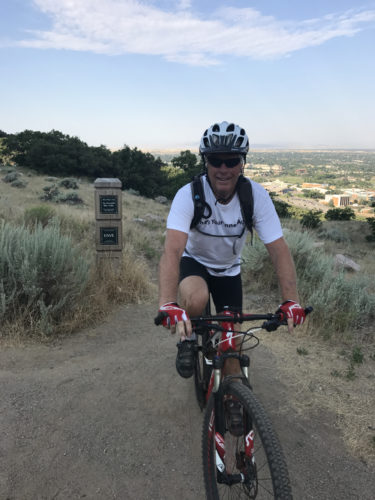
Lew Wheelwright is running for Odgen City Council in 2017.

1 – What position are you running for on the city council?

1 – Ogden City Council At large Seat A

2 – Please share with readers why you are running for office.

2 – I see a number of short comings that I would like to bring my skill sets to the table to help resolve.

3 – Have you been involved in any efforts to promote cycling or improve safety for bicyclists? Please explain.

3 – Over the last 30+ years have cut trails, built bridges, repaired trails and helped on trails crews.

4 – How often do you bicycle, walk or use public transportation to travel around the city of Ogden? In your opinion what are the biggest challenges faced by people who use alternatives to driving their own cars or trucks to get around Ogden?

4 – I mountain bike 40+ miles per week most on the trails along the Wasatch front this weekend I’m riding in St George. Don’t ride the road because I don’t like interfacing with cars and other large objects. Had the crap scared out I’m so I sold my road bike. The education of driver/biker is improving but bikers still have all the risks.

5 – Describe how you would support the implementation of the Ogden Bicycle Master Plan, including what budgetary or policy commitments you would make to achieving yearly milestones.

5 – 30 years ago the bike plan and trail system was just a dream. Now we have a great system not only here but nationwide with Rails to Trails work and other local communities. I believe all that’s needed is keep the government to a minimum and in list the local volunteers as in the past. In Weber county RAMP will be a great asset if I don’t get top heavy.

6 – What are some of the key steps you would take to make Ogden a more bicycle friendly city?

6 – Share bikes in down town metro and Weber State would be beneficial and should be self-supporting.

7 – Please feel free to share anything else that you would like readers to know about you.

7 – I love mountain biking and our local trails, working with land owners and governments is the biggest obstacle to expanding the trail system, we as bikers need to more cognitive of what we have, care and help maintain and always be respectful of the private property owners, and those who hike and run. A little common sense and respect would help our image.

Mary Khalaf
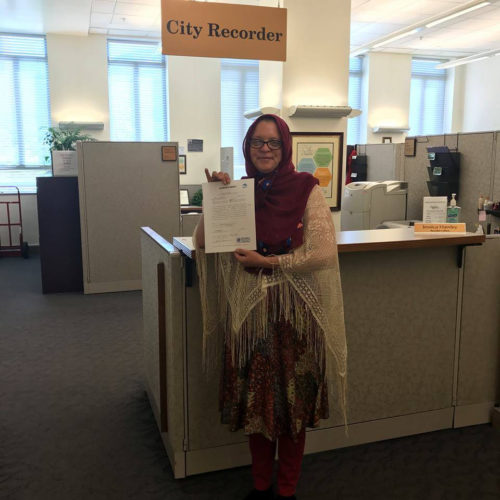
Mary Khalaf is running for Odgen City Council in 2017.

1 – What position are you running for on the city council?

1 – Ogden City Council At-Large Seat B

2 – Please share with readers why you are running for office.

2 – My campaign slogan is, “The Common Man is overregulated, overtaxed, and underrepresented” because I believe that. I believe we need more freedoms and we also need to get involved to be represented.

3 – Have you been involved in any efforts to promote cycling or improve safety for bicyclists? Please explain.

3 – Bicycling is actually a great issue for me. My children, who have disabilities, have come to love our local Bicycle Collective. I love the idea of people in the community coming together to help each other with bicycles.

Bicycling is also important to me because the city I’m asking to help lead is a city rooted in healthy living. We are an athletic and outdoors community. It’s something that attracts people to our community and I believe we need to emphasize bike usage to really grow in a smart way.

Ogden may be small but it’s growing to grow up. Our little community is connected by bike paths. I want to emphasize these paths to keep Ogden healthy, rideable, walkable, and connected in a growing community. Bike paths and bicycling can help our city grow in a really attractive way.

Bicycles also help create a sense of social responsibility to our carbon footprint and encourages Green Living which is an important issue to me.

4 – How often do you bicycle, walk or use public transportation to travel around the city of Ogden? In your opinion what are the biggest challenges faced by people who use alternatives to driving their own cars or trucks to get around Ogden?

4 – Something great about Ogden is they have bike paths and parks running right through the city. Until recently we lived in a sop in the business district and we loved that there were green spaces a few blocks away. We visited these areas almost daily and they were really helpful for mental health, physical health, and family cohesion.

I personally am battling cancer so I drive almost everywhere but I have walked the bicycle paths and depended on them to help improve my health as through exercise we heal. I would hate it if we didn’t have the walking/biking paths because they give us so much.

Even though I don’t walk much I know that Ogden is connected by trails that make it possible to walk from one part of the city to the other. They are a great resource to people who walk through the city. They can play an important role in future traffic planning. We should be encouraging biking in these back trails to ease traffic congestion.

5 – Describe how you would support the implementation of the Ogden Bicycle Master Plan, including what budgetary or policy commitments you would make to achieving yearly milestones.

5 – I read the plan and I liked it. It’s ambitious but I believe workable. I would like to see public involvement throughout the process because a big part of making bicycling popular is keeping the people involved. Let’s have Open Houses/meetings to keep people informed and help keep us on track. We can’t get people to bike if we don’t talk to them about it. I would like to see us get creative through funding and even give tax credits for people/businesses who help us go bike friendly. I think we need to build strong community partnerships to make this plan work.

6 – What are some of the key steps you would take to make Ogden a more bicycle friendly city?

6 – I would like to encourage bicycling events in our community. I believe tourism is important to Ogden’s growth and that tourism should be centered around healthy living. So I would like to see more bike events and festivals. I would like to improve our bike/walking trails so they are more accessible and more attractive/safe.

I would encourage bike sharing and rentals where possible. I would like to see more of those eco-friendly sustainable businesses and encourage them where I can. I would ask the Ogden’s Art’s Council to allow a free booth at the Farmer’s Market be open to help educate people on the benefits of bicycling and preferably by a non-profit educational group.

I would encourage, and hopefully launch, a public awareness campaign of the benefits of bicycling. Bicycling has to be a part of Ogden’s growth and that means educating the community on bicycling benefits.

I would encourage community service days where we ask the community to help upkeep our paths which encourages community cohesion and charity. I believe if we ask our neighbors to work together, to better the community, they will. I would also like to make it easier for bike taxis to prosper in our city which is great for job creation, traffic and city flavor.

7 – Please feel free to share anything else that you would like readers to know about you.

7 – I have been endorsed by the Ogden Chicken Alliance as I’m Pro Ogden residents owning chickens. It’s the most important issue in our community now which has a connection to bicycling because both activities are about rugged individualism. It’s very important to me to keep Ogden close to its rugged roots.

Utah is growing & one of the best States to live in because we adhere to Conservative fiscal + social values. It’s important to Mary to preserve these values for our children who are risk of being taxed into slavery through bureaucracy & poor management.

The wife of an Iraqi immigrant gives Mary a unique window into the needs of our growing immigrant community and she hopes she can help Ogden’s immigrant community prosper while integrating into the fabric of the city. Mary cares about all people in Ogden and would like to ensure that we all can prosper no matter our origins.
Bart Blair

Did not respond.

Bicycle Touring as a Couple – the Best Way to Travel for the Vincents

Cameron Pass Colorado
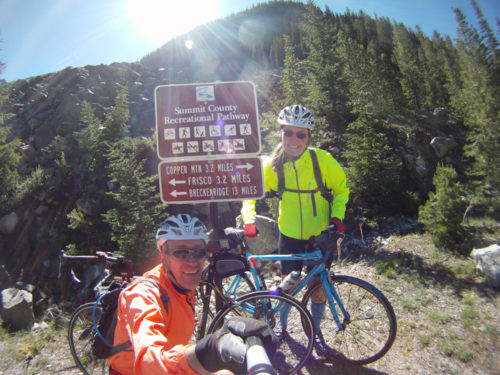
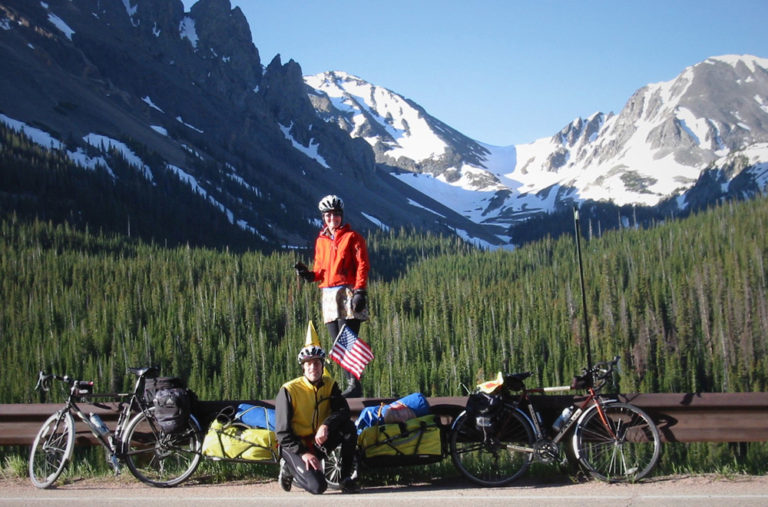
Don and Angie Vincent on a cross country bike tour shown here at Cameron Pass Colorado 10,276 feet.

By Lou Melini

To travel by bike alone, with one other person, or with a group is one of several decisions one has to make when going on a relatively long bike tour. For married couples the decision should be easy, but for a number of reasons, traveling together on a bike tour, even for a few days, simply does not happen for a lot of cycling couples. Don and Angie Vincent is one couple that have made the commitment and have traveled together on bikes for over 8,000 miles in the past 6 years, enjoying every moment-well almost every moment.

Cycling Utah: How did you get started bicycle touring and what are some of the best trips that you have done?

Don and Angie Vincent: Angie and I have enjoyed biking for a long time and when Angie retired from the Air Force (I had retired a few years before that), we started biking more and for longer distances. About that time, you and Cheryl Soshnik organized the first overnighter to Rockcliff that gave cyclists that have not traveled overnight by bike an easy trip to gain some experience and learn from those that have traveled by bike. That was our first trip. That same year Cheryl got us on a RAGBRAI (Register’s Annual Great

Cycling Nebraska
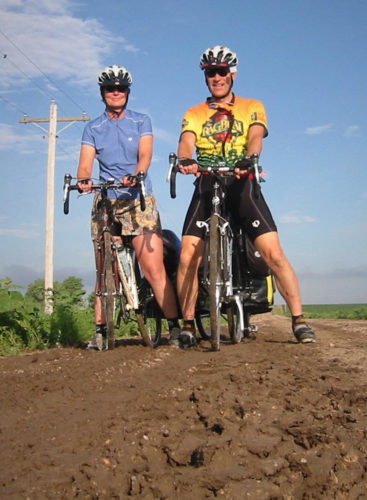
Slow going on a muddy road in Nebraska.

Bike Ride Across Iowa), party that was a week long supported trip. That was all it took for us to get hooked on touring. The following year we again biked to you and Cheryl’s overnighter at Rockcliff and just kept riding…all the way to the East coast in Georgia. Our trip to Georgia was our first true self-supported trip. It turned into a 3,700-mile; 77-day; 10-state ride! Our biggest and “bestest” rides were the 2700-mile Great Divide Mountain Bike Route and the before mentioned ride to Georgia; both were self-supported which means no cars were involved in those trips. We’ve done a lot of smaller rides, some supported and some self-supported. This summer we rode 520 awesome miles of self-supported back roads and trails on the Idaho Hot -Springs Mountain Bike Route. (Maps can be obtained through Adventure Cycling and see the May 2015 issue of Cycling Utah for a report by Lou Melini)

C.U.: What makes traveling as a couple special?

D & A: All in all, we really enjoy each other’s company and are happy to have someone to share the journey with. Angie and I have been married for 29 years and have been actively bike touring for 6 years and have had some great adventures together. We’re very fortunate because we are both retired and have a lot of time to bike.

C.U.: Have either of you ridden on a bike tour alone and if so how was the experience of not traveling together?

D & A: Angie and I do everything together except shopping; I hate shopping. I’ve done one week of solo touring without Angie. I liked being solo because I could go as fast and far as I liked but, other than that, we’ve always toured together. I can’t see too many situations where we wouldn’t tour together because that would leave one of us alone at home and that’s really, really sad.

C.U.: One reason for couples not bike touring together is different riding capabilities. How do you manage that?

Vail Pass in Colorado.
Starting up Vail Pass in Colorado.

D & A: With a number of tours under our belt, we’ve found ways to cope with our riding differences. On a bike tour, we usually ride at our own pace but regroup about every hour or at major turns or food stops so we don’t get too separated. Although I’d like to ride together it just doesn’t work for us. I’ve got a faster pace that feels comfortable for me and Angie has her own pace that is most efficient for her. Since I’m the stronger rider, I’ll carry more weight to compensate for our differences to keep us closer together.

Each morning we’ll discuss each leg and rally points throughout the day. We’re both prepared to travel independently by carrying everything we need such as a map, water filter (if needed), tools, snacks, etc. Good meeting places are convenience and grocery stores and restaurants. Since I’m usually in the lead I’ll lock my bike to a pole close to the road when I find a nice place to stop so Angie will know where I am and find me. She can usually find me because I’ll be in the shade or inside someplace with air conditioning.

C.U.: I’m surprised that you don’t ride together, aren’t you worried about Angie’s safety.

D & A: Well sure I worry about Angie but she’s not any safer riding next to me. The world isn’t as dangerous as the media would like you to believe. According to the evening news the world is full of murder, crime and mayhem. For a story to be news worthy it has to be an unusual event, the scarier the better. Random bikers are more of a nuisance than a crime opportunity. In normal everyday life, people are generally kind and considerate and they are not out to kill anyone. On the other hand, a dog bit Angie when she was riding on one occasion, but that didn’t make the evening news and Angie got a few stitches and a nice story out of it.

C.U.: Day to day decisions for couples or groups that travel by bike is frequent and can result in daily frictions. Can you discuss how you and Angie deal with decision making as a couple.

Bicycling Hot Springs in Idaho
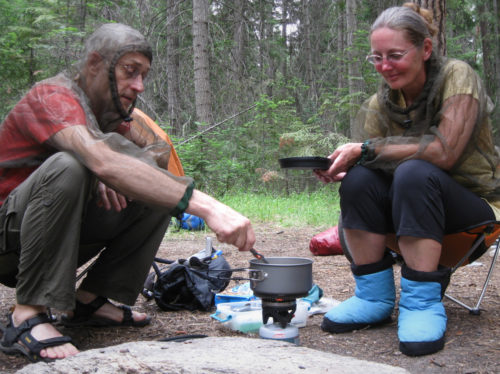
Primitive camping on the Hot Springs of Idaho Mountain Bike Route.

D & A: There are a lot of decisions to make on a bike tour and those decisions can be difficult under normal circumstances. When traveling alone, my own decisions over what I want to do and what I’m capable of based on how much I’m willing to suffer are difficult enough to make. With two people the decision making process is twice as complicated. It should be easy to make a logical decision but when you factor in different personalities and emotions it is really difficult to make a good plan that will make everyone happy. Sometimes I’ll try to guess what will make Angie happy while she’s trying to make a decision based on what she thinks I want. We are both pretty strong willed. I’m never wrong while Angie is always right.

It is a lot easier to make decisions earlier in the day before fatigue, hunger, heat, thirst and a sore butt complicate the issues. Try to decide daily distances based on current fitness levels against road conditions, elevation gains, weather and traffic. Some days will be harder or easier than others. Figure out rest stops, food stops and campsites understanding that any decision can change if conditions change or if the route is a little more or less difficult than expected. For us, we are usually on the road between 7 to 9 hours a day. That is normally 5 to 8 hours of peddling and 1 to 3 hours of stops and rests. That amount of riding can really tire a person out and stress a relationship. Not only does the physical work out tire the body but it also tires the mind. If the daily stress becomes too much, then we can decrease our daily millage or take a rest day.

C.U.: You are known for your early starts when touring. What is your schedule like for the day?

Sierra Cascades
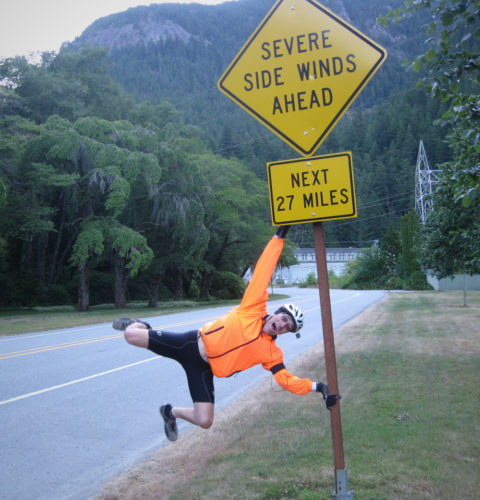
“Wind surfing” in Oregon on the Sierra Cascades Route.

D & A: We have found that it is much nicer to start early in the day to take advantage of cooler temperatures and less traffic. It can be hard to wake early but after a day or two you get used to it and the benefits outweigh the discomforts. We can ride a lot more comfortably at 60 degrees than 90 degrees with a lot less water. As an added incentive, we like to plan our overnight stops about an hour away from a nice breakfast restaurant. It is wonderful way to start the day a little early with a little work out before a hot breakfast to power us through to lunch. Besides, breakfast is generally the cheapest meal to buy. Angie also likes to end the day of riding around 5pm or so. It gives her time to unwind, chill, read her book, and enjoy a relaxed evening meal before it gets dark.

C.U.: You mostly camp but utilize motels as well. What is your “routine” for lodging?

D & A.: On our bike tours, the majority of nights are spent camping and, depending on where we’re at, we’ll either wild camp or camp at a commercial campground. I really prefer to pitch the tent away from everyone…it’s quieter and much more enjoyable. If at all possible, I like to camp far away from motor homes with their noisy generators. And while we don’t have a set routine for setting up camp, we’ve been doing this so much that we know what needs to be done and we just do it…no need for discussion. We have a 3-person tent (vital for 2 people), really good sleeping bags and air pads. And since Angie likes to hotel it, we’ll stay in one about once a week or so, again depending on the route and sometimes if we know bad weather is coming in. Flexibility is the key. In fact, on our last trip, we set up our tent on the widest shoulder we could find just before an afternoon thunderstorm ambushed us. It was on one of the pullouts on a single-lane, gravel Forest Service Road on a long, steep mountain climb. So, instead of getting soaked, we spent the evening warm and dry while the storm raged outside our tent.

C.U.: You talk about the problems associated with fatigue. What are some of the ways that you deal with fatigue other than the rest days that you mentioned?

D & A: One of the biggest helps on multiday rides is to eat and drink regularly throughout the day. Eat something every hour; power bars, fruit, trail mix, candy. Even if your brain doesn’t want to eat, your body needs it, so force yourself to eat. If you stop at a convenience store load up on snacks and as much ice water as you can. Cold water during the ride tastes great and helps keep your core temperature down. Also, don’t forget to replace your electrolytes with an occasional sport drink.

Sierra Cascades Route.
A rainy day in Oregon on the Sierra Cascades Route.

I’ve also found that taking caffeine pills (about 100 milligrams) about every hour or so helps alleviate mental fatigue. It really makes a big difference and can increase your performance. Caffeine pills are normally 200 milligrams so bite one in half to get a 100-milligram dose. Just don’t take caffeine on an empty stomach. Also, too much caffeine could make you jittery and very talkative but you’ll bike really, really fast.

C.U.: During your bike tours what keeps the two of you from riding, such as bad weather, illness or mental and physical fatigue?

D & A: We try not to ride in the rain if we can help it. Usually we are not on a schedule so, if it looks like a big weather system, we’ll wait it out in a hotel. Generally, it doesn’t rain all day so we can ride between small storms. There have been days on supported rides where we have to keep up with the group so we are forced to ride in the rain. If it is a warm rain, 70 degrees or above, it’s not too bad as long as you can dry off when you stop. If it is a cold rain, rain gear will make you sweat so much that you get wet anyway.

We always get mentally and physically trashed on long days of riding so Angie likes to take a rest day or, at least, take an easy day once a week. There are always the little annoyances that we just ride through. Things like sore butts or muscle aches. For sore butts there is Chamois Butt’r during the ride and A & D Ointment for over-night sores, the stuff in the brown tube not the blue. Muscle aches can be treated with Ibuprofen. On our Idaho Hot Sprigs trip this year, we had to stop for a couple of days because Angie came down with strep throat. Fortunately there was a clinic near by that shot her up with antibiotics so she recovered pretty quickly.

C.U.: What are some tips you can give the readers to make a bike tour pleasurable for a couple that is contemplating doing a bike tour?

D & A: Get an Alite Monarch Butterfly Chair. It is light enough for bike packing and its 2 rubber feet lets you rock back and forth to relax. You can also lean against a tree to sleep. At night, flip it over in the tent for a backrest. I know that you and Julie use REI chairs with four legs but the feet are smaller so they sink into loose soil, though a drink coaster could resolve that.

C.U.: I know that you are one of the few that have at times toured with a trailer and at other times with panniers. Do you have a preference? What are the pros and cons in your experience with each?

D & A: Almost everybody uses panniers but I love my BOB Trailer. Its low profile offers less wind drag then panniers and I like having everything in one place. If we are using trains or planes then panniers are more convenient but it takes a few days to figure out a packing system to find the things you need without looking through all four panniers.

C.U.: Any words of wisdom for other couples?

Camping on BLM Land near Craig, Colorado.

D & A: Bike touring is all about appreciating the journey which gets better when you have a partner to experience it with. Riding with a partner calls for compromises…and just like a marriage; the give and take is ever changing. When the ride is completed, the minor spats we have (and we always have them) are soon forgotten and we begin talking about our next ride! In fact, we’re already planning on riding Bike Route 66 (another Adventure Cycling Association route) next summer. It will be a 2400+-mile road bike tour from Santa Monica, CA to Chicago, IL.


Serious Cyclists

Frog Hollow
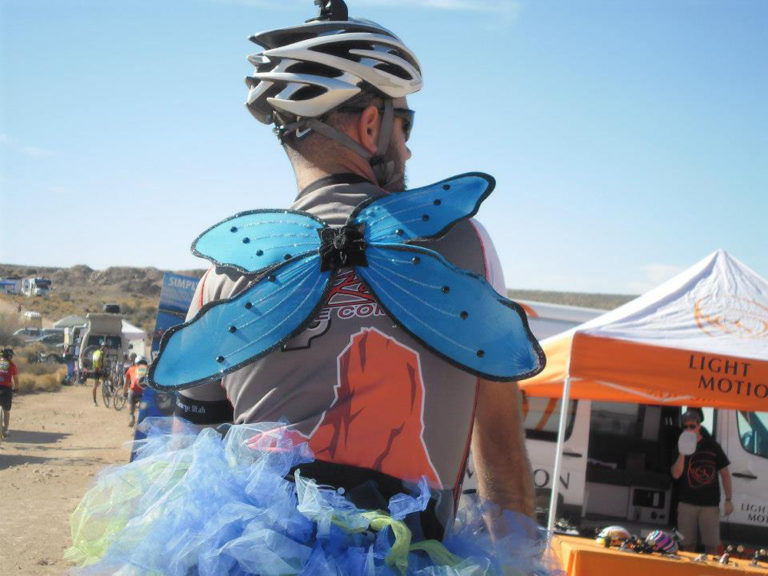
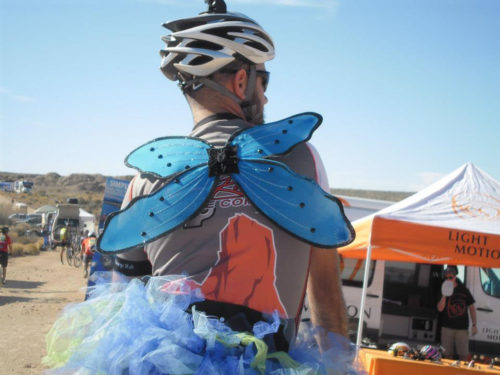
Wings and a tutu for Frog Hollow Photo by Kim Christensen.

By Lukas Brinkerhoff

I’m a serious cyclist.

Actually, that’s a complete fallacy. I don’t take anything seriously and especially not pedaling a two-wheeled love machine. Come to think of it, despite having worked in the cycling industry for 20 years, I don’t think I’ve ever met a serious cyclist. At least not one that would describe themselves as such. No, all the people I know that ride bikes don’t take riding too seriously and wouldn’t call themselves a serious cyclist.

It’s an interesting phenomena. The cycling world is so vast, yet so insular, that most cyclists don’t feel like they are part of the tribe. Maybe we can blame it on marketing, because that is what I like to blame things on, and the industry for having devised a million varieties of bicycles to the point that you can’t ride on a gravel road on a bicycle. No, you will need a gravel grinder, whatever that is. Oh, you don’t have a gravel grinder. Sorry, you can’t participate in our fun.

Maybe it’s the racers’ fault. We all know that racing is ruining this sport for everyone, so we might as well throw some blame their way. With their fancy kits, power meters and training programs there’s a substantially high barrier for entry. Unless you have $10,000 to drop on the bike, another $300 for the kit, $100+ for race fees each weekend, $1000 for the power meter, you don’t get to participate. No one wants a “non-serious cyclist” on their team, wearing their kit and bringing everyone down.

It could be that as an incoherent conglomerate, cyclists are perceived as being jerks and no one wants to be associated with them. The roadie with his head down trying to catch that KOM didn’t wave as he passed. The endurebro looked mockingly at your kit when you showed up in your XC garb for the gnar ride that had been planned. The bike path cruiser didn’t look before suddenly switching lanes making you break cadence and lose your rhythm. The racer replied, “Oh…” when you mentioned you would be participating in that Saturday’s hammer fest and you didn’t know how many watts you could put out because you didn’t own a power meter.

Or quite possibly, it’s because there isn’t a universally accepted definition. I asked a bunch of my cyclist friends to define a serious cyclist. Funny thing, every single one replied in some snarky manner. My favorite was from Ali Knutsen who said, “A cyclist who never smiles and has no sense of humor.” I guess that sums it up, it’s a person who is serious whilst cycling. Throughout my years of research on the subject, I have found that it is impossible for me to be serious while I’m riding. That and it’s impossible to mountain bike without beer.

Frog Hollow
Cruising through downtown SLC en route to the CTR party. Photo
by Lukas Brinkerhoff

I tend to surround myself with people who one would consider serious cyclists, people who spend an inordinate amount of time on their bicycles. Some of them race. Some of them don’t. Some don’t own cars and others drive often. One thing they all have in common, beside their love for two-wheeled love machines, is their lack of seriousness. You could, and many have, call them childish. They will show up in earnest to race cruisers down the bike path or wear wings, tutus and crowns at a 24 hour race. Why? Well, why not?

The bicycle keeps us young. It’s a reminder that after any hard push, you should be allowed to enjoy the coast down the backside. It’s a raised, angry fist to the suffocating norms of society and the need to conform. It’s a self-evident proclamation that the man has not won and we are not done fighting yet and despite the fact, that I have to go to work on Monday, today is Friday and I’m gonna ride my bike all weekend just like I did when I was a kid. Simply childish.

Joey Dye, another friend queried about serious cyclists, replied, “I’ve seen toddlers who are serious when they play. Kinda like that.” Riding a bike is play. It’s our outlet back to when that time when getting home from school meant dropping your backpack on your bed and running to your bike to do what? Ride in circles because it wasn’t anything else but riding your bike in a circle. You were ecstatic to be able to play.

I like to play hard. I may not self-describe as a serious cyclist. I do, however, consider myself to be someone who takes recreating very seriously. It’s the most important thing I do, recreate hard.

I’ve always thought that people who rode bikes aged well, always staying younger much longer. I contributed this to them being active and healthy, but I’m starting to believe that it has more to do with the amount of time they dedicate to playing. I don’t think there is another segment of society that plays as much as cyclists. Who else do you know that spends as much time on their hobby as you and your riding buddies? I’m positive that cyclists take the prize in dedication and time consumed playing.

I guess that’s why no one considers themselves a serious cyclist. It’s hard to say you are serious about something that is so much fun, something that provides you freedom from the 9 to 5 daily grind. The daily grind is serious. That’s when you pretend to be an adult. It’s the place you would never show up to in wings and a tutu, unless of course, you’re a ballerina. No, I don’t know any serious cyclists. I’m not one. And I think I like it that way.

Lukas Brinkerhoff blogs about mountain biking and life at mooseknuckleralliance.org.

Bicycle Saddle Position – Power to the Pedal

Power. Cyclists generate it, measure it, train by it, and usually want more of it. Cyclists use it to sprint to finish lines and get up and over climbs. Some even use it to make smoothies for Downtown Farmers’ Market patrons, or convert cellular energy to stored electrical energy.

There are many factors that affect the ability to generate power on a bike and turn that into forward momentum. One of them is position, specifically saddle position. Muscle contractions (back, glutes and quads) activate the levers (leg and foot bones) that push on the pedals. If the levers aren’t suitably arranged, then it’s harder to effectively generate power, and there is risk of injury.

If a saddle is too low, then the pedal stroke is over before the muscles have been able to fully do their thing (contract or extend). Increasing saddle height increases power output, up to a point. And at that point, power output then starts to decrease.

With a saddle that is too high, the muscles run out of action to fling the pedals past the dead spots of bottom dead center and top dead center, which is important for maintaining momentum to set up for the next downward power phase.

There are other downsides to a saddle that is too high or too low. A saddle too low usually means the hip angle between the torso and the thigh at the top of the stroke is restricted, which further diminishes the ability to generate force. And when force is generated, some of it is transferred into the knee instead of down to the foot, and this is a common cause of anterior knee pain.

Bike Fitting
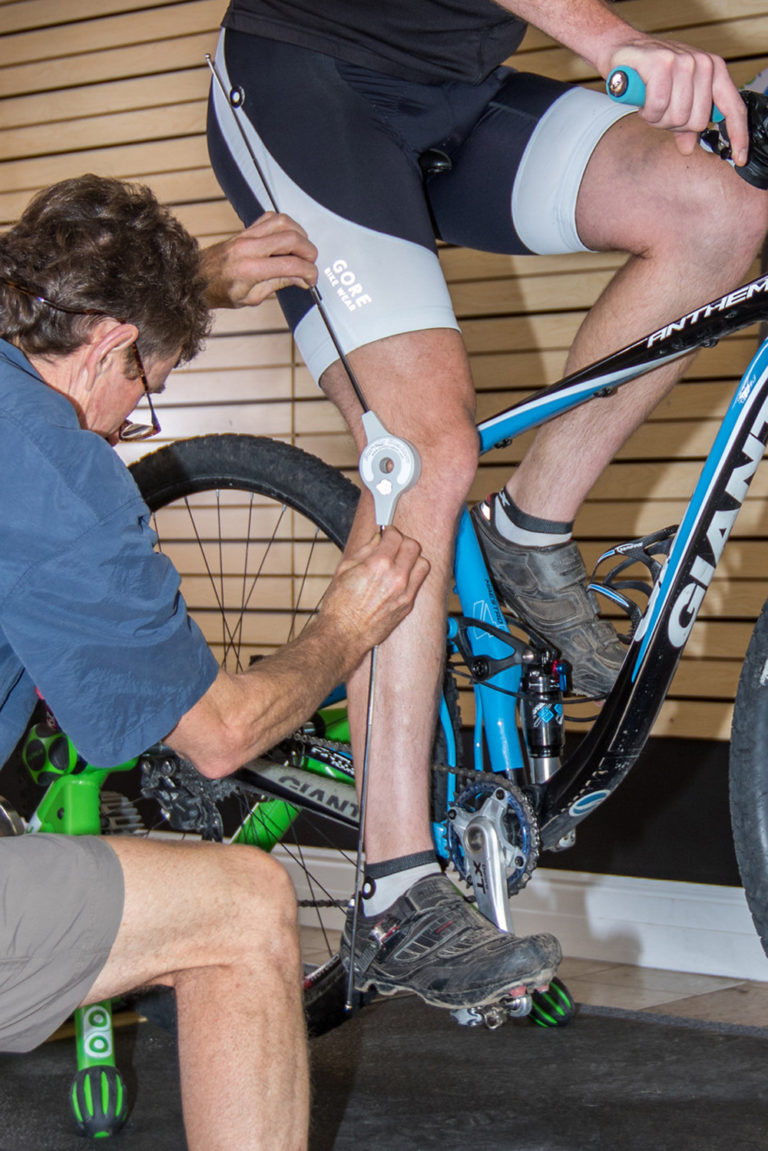
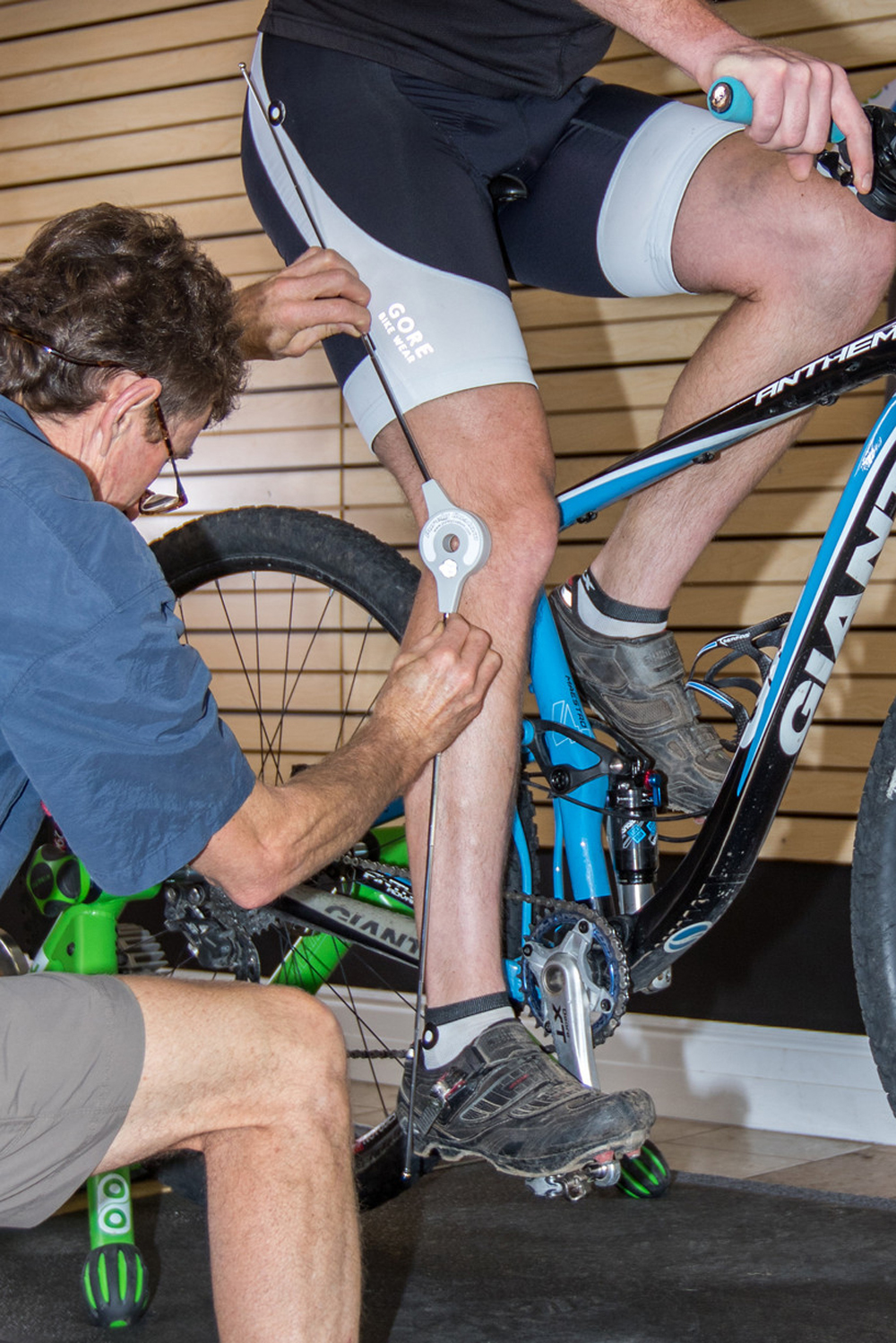
John Higgins assesses leg extension and saddle height during a fit. Photo by Angie L. Harker

Your body doesn’t like a saddle too high either, and starts to compensate to protect the joints (hip, knee, ankle) from being pulled apart. The hamstrings get overstrained leading to pain behind the knee or up into the pelvis; the pelvis can start tilting down from side to side to provide extra reach to the pedals. That fires up the lower back muscles to help stabilize the pelvis, and further kinetic chain connections flare up, using energy and generating fatigue, not power.

So where is the sweet spot? For position-sensitive riders it is a spot, and a few mm can make a big difference. For many riders there is a range for saddle height that could vary as much a centimeter or two and still be suitable. The sweet spot of saddle height can be determined through a combination of measurement, observation and feedback. Measurement of leg and foot length can provide a starting point for a suitable height range. Measuring knee angles at different phases of the pedal stroke helps qualify safe and sound cycling bio-mechanics. Observing a riders pelvic stability, pedaling style, knee action and leg extension provides further input, and rider feedback about what feels good is also important. A cyclist gets used to a saddle at a certain height, and if that height is not ideal, the body adapts, up to a point. However long term joint health and power output are compromised. Moving a saddle to a “better” position can require some re-adaptation over a period of weeks to create a new normal.

Ask other riders to observe you riding, and offer their thoughts on your saddle height; try out some adjustments for yourself; or see a bike fitter for more in-depth assessment and adjustment. Gym workouts and protein shakes won’t help if you can’t get the power to the pedal!

John Higgins offers bike fitting services at BikeFitr in Salt Lake City. Contact [email protected]


Parley’s Trail (PRATT Trail) Now Open from Wasatch Blvd to 900 W. in Salt Lake City

Ribbon Cutting Celebrates Parley’s Trail Project Milestone

Completed phases now connect Bonneville Shoreline to 900 West

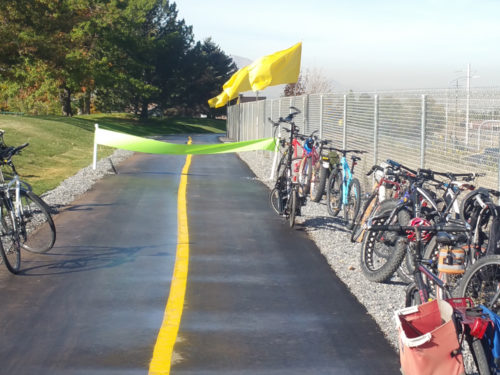
Parley’s Trail opened several new sections today and is now open from 900 W to Wasatch Blvd. in Salt Lake City. Photo by Robin Perkins

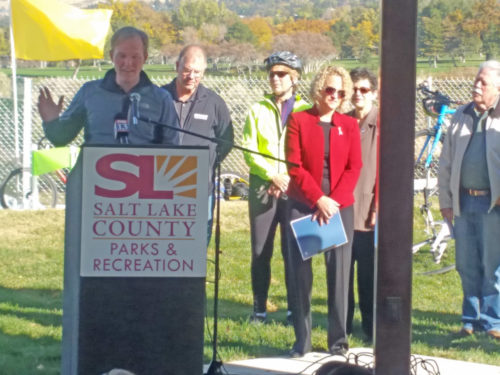
OCTOBER 17, 2017 -SALT LAKE CITY, UTAH (press release) – Marking major progress toward greater community connectivity in Salt Lake County, Salt Lake County Mayor Ben McAdams, joined by Salt Lake City Mayor Jackie Biskupski, South Salt Lake Mayor Cherie Wood, and Millcreek City Mayor Jeff Silvestrini, celebrated the opening of Parley’s Trail from the Bonneville Shoreline to 900 West with a ribbon cutting and ride on Tuesday, October 17th at Tanner Park in Salt Lake City.

“This opening marks a great step forward for active transportation and east-west connectivity in the valley,” said Mayor McAdams. “Greater multi-modal trail infrastructure promotes healthier communities by creating more opportunities for people to walk and bike more.”

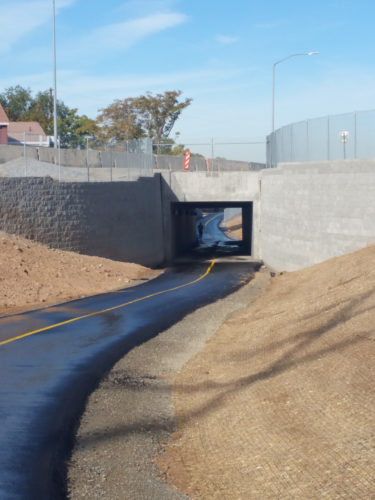
The project is divided into two segments. The eastern segment connects the Bonneville Shoreline Trail in Millcreek City to Sugar House Park in Salt Lake City via a Class I trail, which allows non-motorized users to travel completely separate from vehicle traffic. The 1.5 mile segment features two bridges – over 2000 East and 2300 East – and a tunnel under the I-80 off-ramp at 2300 East.

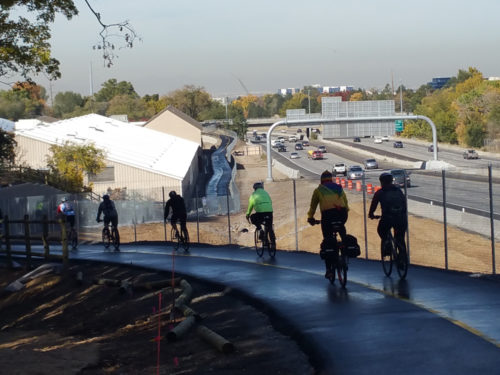
The western segment features increased wayfinding and dedicated bicycle lanes from 300 West to 900 West with a Class I trail portion that runs under the I-15/I-80 “Spaghetti Bowl” and travels over the rail switching yards in South Salt Lake along UTA’s Green Line TRAX.

“Connecting the east and west sides of South Salt Lake was a significant challenge with the freeways, railyards, and industrial properties dividing us.” said Mayor Wood. “Parley’s Trail has pulled off an amazing feat – making this a fun, safe and fascinating trip.”

Made possible by the 2012 Parks and Trails bond initiative, completion of these phases means eight miles of the trail is now complete. A final segment from 900 West to the Jordan River Parkway Trail is in the planning phase.

The project was managed by Salt Lake County Parks and Recreation and constructed by VanCon, Inc.

Trail users are asked to expect intermittent closures in the next week as finishing work to the landscape and fencing is completed.

For more information on the trail, visit https://www.parleystrail.org


Parley’s Trail opened several new sections today and is now open from 900 W to Wasatch Blvd. in Salt Lake City. Photo by Robin Perkins

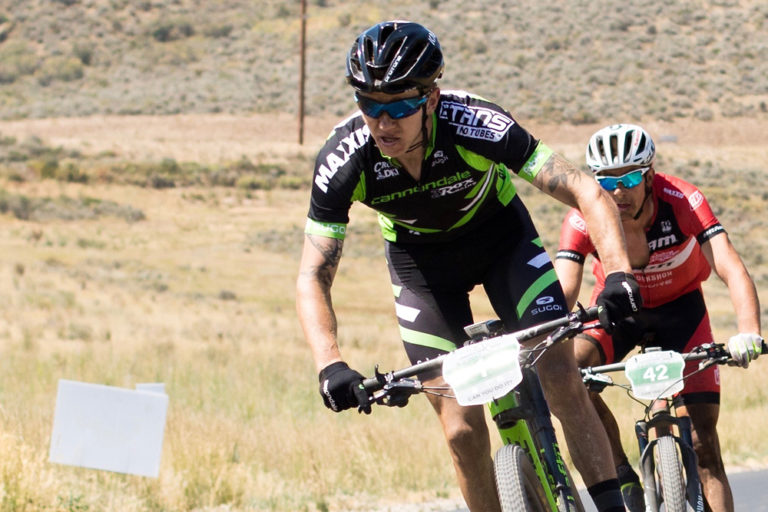
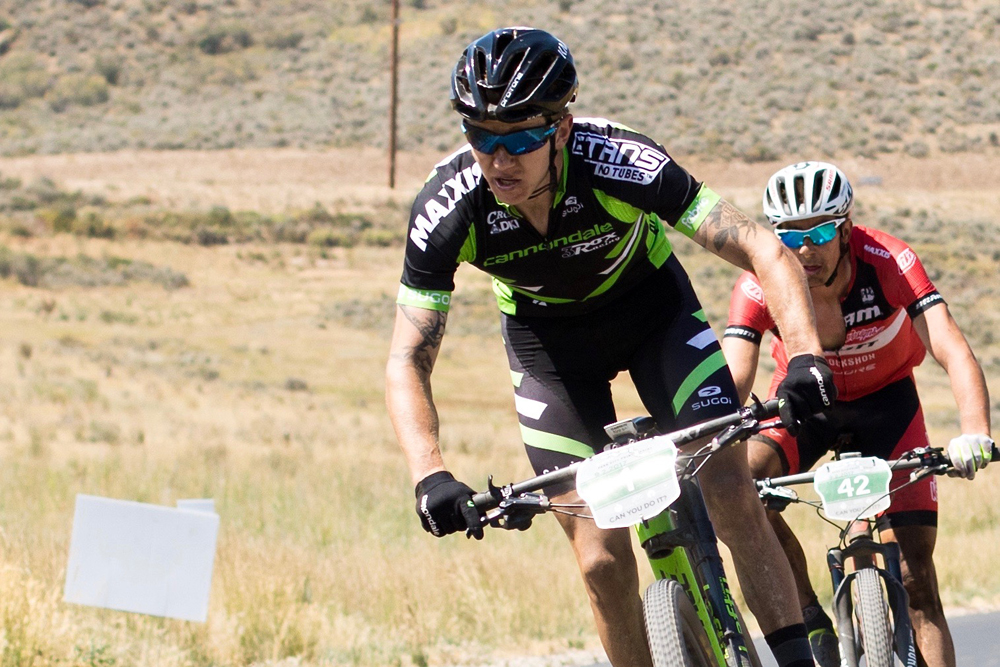
Connors and Swenson Victorious in 2017 Park City Point 2 Point

By Shannon Boffeli – Saturday morning, September 2, 2017, the backcountry mountain bike spectacle known as the Park City Point 2 Point sounded the start canon. The race that normally ushers in Utah’s colorful fall blasted off but none of the cool temps, changing foliage, or damp hero dirt that usually accompany the event were on hand. Instead, summer conditions were in full force in the Utah high country.

The forecasted temperatures in Park City were hotter than ever but so was the competition at the 9th annual Point 2 Point. With a $2,000 winners purse, the Point 2 Point always draws some top talent but 2017 featured a faster-than-ever group of men vying for the top positions. Highlights of that group included former national champions Todd Wells (Scott/Troy Lee) and Geoff Kabush (Scott), defending P2P champion Keegan Swenson (Cannondale), who passed up a trip to the world championships for a shot at defending his title, as well as a host of ultra-endurance honchos like Construction Zone Racing/Scott Sports teammates Kyle Trudeau and Fernando Riveros-Paez, Ben Sonntag (Clif Bar), and Justin Lindine.

Right from the gun it was clear this year’s P2P was going to be like no other. An hour in, despite miles of singletrack, no fewer than a dozen riders still occupied the men’s lead group, and they were rolling fast.

Another hour of climbing only managed to dislodge two riders as a pack of 10 powered through the Deer Valley feed led by ’15 P2P champ Robbie Squire. All the top riders were represented with Geoff Kabush biding his time a few bike lengths off the back.

Keegan Swenson beat Todd Wells in a fast and furious sprint after 75 miles of racing in the 2017 Park City Point 2 Point. Photo by Angie Harker, Find your photo at Selective-Vision.com

Around the halfway point, Swenson attacked, pushing the pace into the long enduro segment on the Corvair trail. A move that worked for him in 2016, Swenson popped more riders from the lead group but couldn’t shake Wells. By the time he entered the aspen-rooted maze known as John’s Trail, Swenson and Wells established a gap of a few seconds over the rest of the lead group.

The two leaders stayed wheel to wheel and Kabush rejoined the affair as they climbed up and around Shadow Lake, the high-point of the race. As they descended down the 20-minute Crescent Mine Grade trail Kabush would blow a tire before they reached Park City Resort (Support Station #3), dropping him back a little more than 5 minutes.

With just over 20 miles left the lead duo now had a 2-minute gap on Kyle Trudeau and Ben Sonntag and over 5 minutes on Canadian, Geoff Kabush.

Wells and Swenson continued their two-man battle over the final mix of climbs, rocky descents, and unbroken singletrack from Park City Resort to the new finish line outside Skullcandy headquarters.

After 75 miles the race came down to a sprint finish. Wells took the early lead out on the slightly downhill paved bike path that made up the final 200 meters of the Point 2 Point course. Swenson tucked in behind as both riders built up speed all along the finishing stretch. In fact, they were coming so fast that race director Jay Burke had to clear all the spectators from the finishing venue and pull up stakes on the finishing chute to make room for the elbow-to-elbow battle.

Both riders powered out of the saddle in their biggest gears, surging toward the line with Swenson popping out of the draft in perfect slingshot position to nip Wells at the line and take his second Point 2 Point title.

Geoff Kabush made an impressive final surge, posting the fastest time over the final 20 miles, taking minutes out of the leaders but coming up just short only a minute and a half behind at the finish.

Ben Sonntag rolled in for fourth just in front of Kyle Trudeau.

Women’s Race

The ladies of the 2017 Point 2 Point provided their own firepower for this ultra-endurance event.

Past winner Evelyn Dong (Liv) made her return to Park City and the P2P. Hannah Bingham (Eriksen), winner of the Steamboat Stinger, made her debut at the race as did TransSylvania Epic winner Kaysee Armstrong (Liv). Recent Pierre’s Hole 100k champion Caedran Harvey (Fitzgerald’s) was also on hand along with Breck 100 and Lutsen 99er champion Larissa Connors (Twenty20/Felt).

Larissa Connors on her way to winning the women’s open race at the 2017 Park City Point 2 Point. Photo by Angie Harker, Find your photo at Selective-Vision.com

From the start the pace was high as Connors and Armstrong jumped to the front opening gaps early on.

Connors quickly established herself as the early leader though, pulling away from Armstrong and the rest of the field in the winding one-track of Round Valley. The early climbs certainly didn’t slow Connors either as she steadily opened a gap to the chasers while picking off riders in the open men’s field that started in front of her.

A battle for second was brewing behind the lone leader however, Firecracker 50 winner Marlee Dixon (Pivot/DNA Cycling) was riding just in front of Caedran Harvey as both riders climbed past Deer Valley and Shadow Lake over 50 miles into the race.

Dixon held about a minute lead until both riders entered the Park City feed together. Harvey left the feed just in front of Dixon and despite having several thousand feet of climbing in front of her, Harvey started to feel her best form of the day coming on.

Harvey made the best of it, putting almost 10 minutes into Dixon in the last 20 miles. Despite Caedran’s impressive surge Connors was too far-gone to even think about bringing back.

Larissa Connors had such a good day in fact that at the finish her time would have placed her in the top-20 of a stacked open men’s field.

After just over 7 hours of riding Connors crossed the line to claim another win in her long list of ultra-endurance triumphs this summer. In a surprise move Connors donated her entire $2,000 prize purse to the Summit Bike Club, a local youth mountain bike development team.

Connors took the win by almost 30 minutes over second-placed Caedran Harvey. Marlee Dixon held on for third over past P2P winner Evelyn Dong who finished fourth. Hannah Bingham took the final podium spot in fifth.

Once all the excitement, awards, and money had been dispersed the final finisher was still on course. Although the fastest finishers cross the line in just over 6 hours most riders in the Park City Point 2 Point take much longer to cross the line.

Red Lantern

Each year the P2P saves a special prize package for the Red Lantern, the final racer on course, recognizing the incredible effort of the rider who spent the longest time on their bike and persevered to the finish. This year Josh Murphree took home the Red Lantern prize who in his second attempt at the Point 2 Point finished the 75-mile course in 12 hours 52 minutes and looked surprisingly fresh doing so.

Race organizer Jay Burke (left) congratulates Red Lantern Josh Murphree after a long day in the saddle. Photo by Angie Harker, Find your photo at Selective-Vision.com

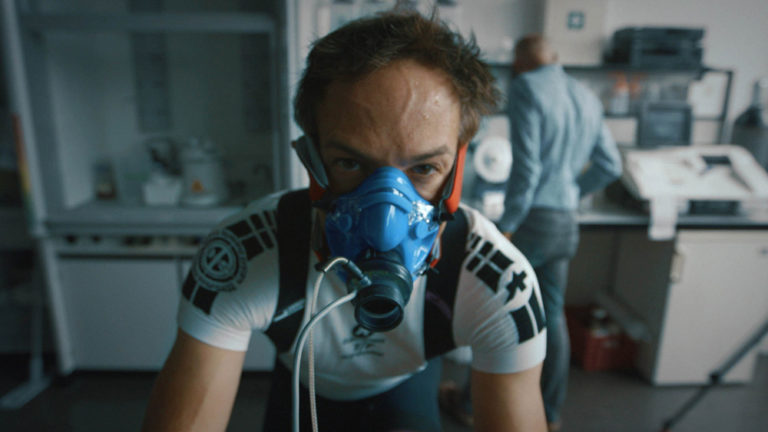
Icarus, a Movie on Doping in Cycling, to Show on Wed. October 11, 2017 in Salt Lake City, Utah

The movie Icarus examines the issue of doping in cycling. Photo courtesy Bryan Fogel.

Press Release: The Utah Film Center is presenting a free screening of ICARUS, Wednesday, October 11th at the Rose Wagner Performing Arts Center at 7:00 PM. The film’s director Bryan Fogel will be in attendance for a post-film discussion led by Doug Fabrizio of KUER. 


In ICARUS, an American filmmaker and cyclist unwittingly wades into a global scandal when a Russian scientist leaks shocking details of a vast doping conspiracy, and accusations of illegalities run to Russia’s highest chains of command. The two realize they hold the power to reveal the biggest sports scandal in living memory.
 
The showing will be at the Rose Wagner Performing Arts Center at 7:00 PM.
 
Tickets are free to the public. For details: https://www.utahfilmcenter.org/event/icarus/


Editorial: Salt Lake City Needs a Sustainable, Progressive, Safe, People-First Transportation Policy

Salt Lake City needs to completely rethink transportation.

Cycling Utah presents a vision for a new transportation policy for Salt Lake City (see below for details)

Bike lane! Salt Lake has made huge progress over the last decade. We need to accelerate the efforts. Photo by Dave Iltis

October 6, 2017 • Editorial by Dave Iltis, editor, cyclingwest.com, cyclingwest.com

Salt Lake City has been the leader in transportation in Utah with progressive bicycle and pedestrian programs such as the Pedestrian and Bicycle Master Plan of 2015 and the Complete Streets Ordinance of 2011, the Transportation Demand Management ordinance, and with previous mayors driving home the creation of the TRAX light rail (Deedee Corradini administration) and the S-Line Streetcar.

It’s time for the capitol city to once again lead the State of Utah forward.

With the hiring of new transportation director Jon Larsen, Salt Lake City has a chance to reset their transportation policy.

Larsen, a transportation planner for Wasatch Front Regional Council, is also chair of the Utah Chapter of the Congress for the New Urbanism, appears to be a great choice for the position. According to their website, “The Congress for the New Urbanism (CNU) helps create vibrant and walkable cities, towns, and neighborhoods where people have diverse choices for how they live, work, shop, and get around. People want to live in well-designed places that are unique and authentic. CNU’s mission is to help build those places.” If Larsen leads with those principles in mind, then Salt Lake City could be in good shape moving forward.

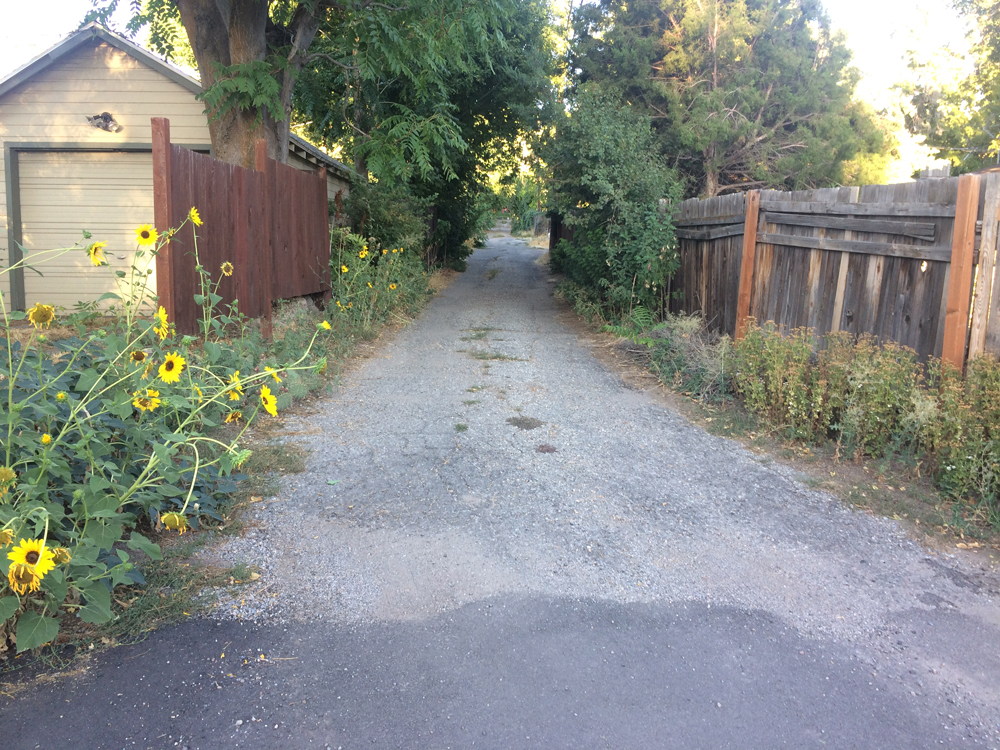
Alleyways such as this one off the McClelland Trail could be an important part of bicycling and walking infrastructure and a connector to this inner city trail. Photo by Dave Iltis

Image 1 of 19

Alleyways such as this one off the McClelland Trail could be an important part of bicycling and walking infrastructure and a connector to this inner city trail. Photo by Dave Iltis

To get there, however, Larsen will have to push the ideals of progressive transportation to the Biskupski administration. Over the last year and a half of the Biskupski tenure, there has been forward progress by the Transportation Division on bicycling in particular. The completion of the University to Downtown Bikeway, funding for the 300 N bike and pedestrian bridge, and the near completion of the 200 S to N. Temple bridge on the Jordan River Trail stand out. But there have been some regressive decisions from the Mayor’s Office. The Mayor pushed to remove the protected bike lane on 300 S. between 300 W and 600 E. as one of the first items on her agenda (which fortunately remained in place). Following this was a decision to not have protected or at least buffered bike lanes on 300 S. east of 600 E. during the University of Utah bikeway construction. And, later on, the Mayor overruled various master and small area plans and refused to install a road diet and bike lanes on 2100 S. between 1700 E and 2300 E.

Related Story: Mayor Biskupski’s responses to our campaign survey on cycling in Salt Lake City

Salt Lake City Mayor Jackie Biskupski leads the Mayor's Bike to Work Day on May 23, 2017. Photo by Dave Iltis
Salt Lake City Mayor Jackie Biskupski leads the Mayor’s Bike to Work Day on May 23, 2017. Photo by Dave Iltis

Biskupski has also stated that she doesn’t want to see any more protected bike lanes in Salt Lake. (http://fox13now.com/2017/05/23/slc-mayor-wants-to-add-more-bike-lanes/) Protected bike lanes, however, are a key to getting more people to ride, especially those that feel more vulnerable on the road. And, they are safer. Both of which are key tenets for better biking and better transportation in Salt Lake City.

Biskupski also stated that she doesn’t want to see more rails in Salt Lake City until a Transit Master Plan is adopted (http://archive.sltrib.com/article.php?id=2815022&itype=CMSID). The plan is, as writing this, in the public hearing phase with the City Council, and will likely be adopted soon. It will remain to be seen whether or not the Mayor supports new rail, such as the extension of the Sugarhouse streetcar, or the extension of TRAX to the International Center or along the Foothill – Wasatch Blvd corridor.

These sorts of decisions by Mayor Biskupski put forth a mixed message on the direction that Salt Lake City is headed and are antithetical to a progressive transportation policy. Salt Lake City cannot afford to continue on the car-centric path it is on. With the projected growth in the Salt Lake Valley, there simply won’t be room on the roads for more cars.

Cycling Utah is calling for a complete reevaluation and reconfiguration of our transportation system to one that is people-first, sustainable, safe, and progressive.

What could a People-first Transportation policy look like? We present some ideas below that we hope to see implemented in Salt Lake City. The plan presented below is a starting point, and is by no means complete, but is hopefully a catalyst for discussion and change.

Vision: Salt Lake City will move forward with a progressive, sustainable, safe, and people-first transportation system.

  1. Sustainable
    1. Salt Lake City needs to follow its trendsetting resolution on carbon emissions and rapidly implement a policy for a carbon free (or at least 80% reduced) transportation system. In November 2016, Salt Lake City passed a resolution to convert to 100% renewable energy for municipal operations and to reduce community carbon emissions by 80% by 2040 (http://docs.wixstatic.com/ugd/26b4b3_38cc4033433641a18811f468ef0ecf95.pdf).
      According to the EPA website, transportation is responsible for 27% of the carbon emissions in the U.S. (https://www.epa.gov/air-pollution-transportation/carbon-pollution-transportation). Additionally, transportation is responsible for 57% of the air pollution on the Wasatch Front. (http://www.kued.org/whatson/the-air-we-breathe/background/pollution-sources).
      In order to reach the goals of the resolution, and concurrently reduce the air pollution on the Wasatch Front, the policies and planning of today need to be replaced by a complete rethinking of its transportation system.
    2. While electric cars, buses, light rail, and streetcars can be powered by solar generated electricity, they are still energy intensive in their production and implementation. Electric cars in particular still create a host of land use, congestion, time, and environmental issues. Parking is expensive, increases rents by $200+ per month thus decreasing affordable housing. Congestion wastes peoples lives, and results in more land space dedicated to roads, and thus less to people, wildlife, open space, and other uses. The manufacturing of automobiles, is a large energy sink as well. The carbon budget for cars can range from 6-35 tons (https://www.theguardian.com/environment/green-living-blog/2010/sep/23/carbon-footprint-new-car and How Bad are Bananas?: The Carbon Footprint of Everything by Mike Berners-Lee). This implies a need for greater investment in Active Transportation (biking, walking).
    3. What components would a people-first transportation system have in regards to sustainability?
      1. Walkable communities
      2. Bikeable communities and Bicycle Oriented Development
      3. Transit Oriented Development
      4. Better Land Use planning
      5. Goal of elimination of air pollution.
  2. Safe
    1. Vision Zero: Salt Lake City needs to create a Vision Zero Salt Lake strategy.
      Vision Zero is “Vision Zero is a strategy to eliminate all traffic fatalities and severe injuries, while increasing safe, healthy, equitable mobility for all. First implemented in Sweden in the 1990s, Vision Zero has proved successful across Europe — and now it’s gaining momentum in major American cities.”
      Based on the international Vision Zero movement, the main goal is no more deaths due to transportation crashes. This is achieved through a multidisciplinary approach that includes “roadway design, speeds, enforcement, behaviors, technology, and policies — and sets clear goals to achieve the shared goal of zero fatalities and severe injuries.”
    2. Streets and transportation that are built for ages 4-94 (Borrowed from Brian Payne, founder of the Indianapolis Cultural Trail)
      1. Salt Lake City’s streets, all of them, should be safe and equitable for people using all modes of transportation including those using their feet, bikes, buses, and automobiles.
        What will this take to get there?

        1. A complete and safe bicycle route network. This will require the full and complete implementation of the 2015 Bicycle and Pedestrian Master Plan, but not in the 20-30 years spelled out in the plan, but rather in 5.
          • Streets such as State Street, 700 E., 400 S. etc. (mostly UDOT roads) will need bike lanes installed as soon as possible. This will require resolve and political support from the Mayor and Council to demand that UDOT rethink their approach to those streets that they control within Salt Lake City. Currently, UDOT is a huge impediment to safe and progressive transportation in Salt Lake City.
          • This should include a rapidly expanded protected bikeway network. Salt Lake made great strides with the implementation of 300 E, then 300 S, and followed by 200 W, along with national trendsetting protected intersection at 200 W and 300 S. Unfortunately, the Mayor has been unreasonably opposed to protected bikeways. One of her first initiatives in office was to attempt to remove the 300 S. Cycle Track. While she has since backed off on this, she is on record as stating that she does not want to see any more protected bike lanes in Salt Lake City. This is not in concert with the Pedestrian and Bicycle Master Plan, nor in agreement with worldwide trends.
          • Protected bike lanes are safer, and encourage more people to ride. In a 2016 study by John Pucher and Ralph Buehler, they note, “Compared with major streets with parked cars and no bicycle facilities, cycle tracks on roads without parked cars were 89% safer; regular, unprotected bicycle lanes on major roads without parked cars were 53% safer; and lightly trafficked residential streets without any bicycle facilities were 56% safer.” (Pucher and Buehler, 2016, AJPH, http://ajph.aphapublications.org/doi/full/10.2105/AJPH.2016.303507)
        2. A complete reevaluation of pedestrian facilities, crossings, and dangerous intersections.
          • This would include looking at how traffic-control devices are used for pedestrians, speed limits, safety programs, and more as well as street design and how it effects pedestrians.
    3. A complete reassessment of speed limits in Salt Lake City.
      1. All residential and most non-arterial streets should be lowered to 20 mph.
      2. All arterial streets should be lowered to 25 mph at most.
      3. Why is the speed limit on 800 S 35 mph which is mostly residential and has bike lanes? Why is the speed limit 35 mph by the Hogle Zoo where there are tons of kids and family crossing? Why is the speed limit 30 mph on 1700 S, which is a narrow 2 lane city street with bike infrastructure?
      4. Traveling 1 mile at 25 versus 35 mph takes 144 seconds versus 102 seconds. This brief delay for the shorter distances within the city would result in safer streets, and fewer accidents, and less serious injuries.
      5. Seattle, WA just instituted a new speed limit policy that requires 20 mph on residential streets and 25 mph on arterial streets.
      6. Injury statistics and speed – From a study by the AAA Foundation (2011), pedestrian injuries and death from automobile crashes increase drastically with increased speed,
        “Results show that the average risk of severe injury for a pedestrian struck by a vehicle reaches 10% at an impact speed of 16 mph, 25% at 23 mph, 50% at 31 mph, 75% at 39 mph, and 90% at 46 mph. The average risk of death for a pedestrian reaches 10% at an impact speed of 23 mph, 25% at 32 mph, 50% at 42 mph, 75% at 50 mph, and 90% at 58 mph. Risks vary significantly by age. For example, the average risk of severe injury or death for a 70‐year‐old pedestrian struck by a car travelling at 25 mph is similar to the risk for a 30‐year‐old pedestrian struck at 35 mph.” (https://www.aaafoundation.org/sites/default/files/2011PedestrianRiskVsSpeed.pdf)
      7. This would be a drastic change in Salt Lake City. But a change for safer streets.
  3. Progressive
    1. What does it mean to have a people-first transportation system? People-first transportation puts the happiness, health, safety, mobility, and equity of the people and the environment at the forefront ahead of movement of vehicles, speed, and convenience.
    2. There need to be a complete reevaluation of transportation in Salt Lake City. Who does the transportation network serve? Is everyone being served equitably? What are the goals? What are priorities for different modes? How is transportation used and how will it be used with the rapidly changing technologies that are on the way such as on demand autonomous electric vehicles, decentralized bike share, and increased telecommuting.
      1. As such, Salt Lake City needs a Transportation Master Plan that looks towards the 21st century that puts into official city policy the ideas within this proposal, and many more.
    3. Can Salt Lake City ensure equity in the re-creation of this system for all users, and all areas of the city? Can we put the needs of people at the forefront?
      1. Please see our proposal – 10,000 Wheels for Affordable Transportation. This proposal would help low income people have options for transportation including bicycling, walking, transit, bike share, and automobile repair. See https://www.cyclingwest.com/advocacy/cycling-utah-calls-for-10000-wheels-initiative-for-affordable-transportation-in-utah/ for details.
    4. A complete change in how roadways are designed.
      1. Road Diets
        1. Road diets are the reduction of travel lanes, generally going from 4 lanes of travel to 2 and a center turn lane.
        2. Salt Lake City is blessed and cursed with wide streets. The blessing being that they could allow for the implementation of Complete Streets in many places. The curse being that they cause induced demand of more traffic, and higher speeds. As such, Salt Lake City needs to look at an immediate and rapid road diet for the entire city. Streets such as South Temple, 500 E, 300 E, and 2100 S for example could be completely redesigned to become people-first streets that accommodate all users rather than autocentric, unsafe, and unfriendly speedways.
      2. 10 foot wide lanes should be the standard lane width. Narrower lanes are better roadway design, and result in lower speed limits, safer roadways, and more importantly, more room for bike lanes and sidewalks.
        1. For example, a roadway going from 4 lanes, each 13 feet wide (not including parking), to 2 lanes and a center turn lane (so, 3 total), each 10 feet wide provides an additional 22′ of right of way that could be used for bike lanes and wider sidewalks or pedestrian bulbouts. In some instances, this may be enough for protected bike lanes.
      3. There are many other best practices in roadway design that can lead to traffic calming and safer streets such as pedestrian bulbouts, proper use of medians, landscaping, sidewalk width, bike lane design, traffic-control devices, and more that lead to a better people-first transportation system.
      4. A drastic increase in number of roundabouts. Roundabouts have been implemented in a few places in Salt Lake City, such as Guardsman Way and S. Campus Drive. In Carmel, Indiana, they have made a huge push to increase them because of their resultant energy savings and safety improvements. With 100 roundabouts, Carmel has saved $5000 per intersection per year in electricity costs, and its residents 24000 gallons of gas per year per roundabout. These are significant carbon savings. Additionally, they are safer when compared to signalized intersections. (https://www.wsdot.wa.gov/Safety/roundabouts/benefits.htm)
    5. A complete change in parking policy in Salt Lake City.
      1. Salt Lake City has a large oversupply of parking, especially in the downtown area. Parking policy helps to dictate the number of cars on the road. Lesser amounts of parking lead to more people using non-automobile forms of transportation. And thus less air pollution, less congestion, and safer roads.
      2. Reduced parking requirements for housing result in lower development costs, and thus lower rents, and more affordable housing – which the Salt Lake Valley desperately needs. According to a study of parking in downtown Salt Lake City, each parking place increases rents by $225 a month (http://www.slcrda.com/meetingsmin/2016/BOD/0712/8.A.PARKINGSTUDY.pdf). This increases demand for cars as well, thus increasing congestion, pollution, and resource use.
    6. A reevaluation of downtown and the needs of pedestrians and cyclists in the Central Business District.
      1. Do we want Salt Lake to have a more friendly and open downtown, or to have more cars and traffic? Could we consider closing a number of streets, and redeveloping them into pedestrian malls? What about adding a number of parking garages on the perimeter of downtown and eliminating an equivalent amount of parking in the core to encourage more people to walk and ride their bikes? What about removing cars from streets such as Regent Street, which was just redesigned, so that these mid-block streets become places to walk and enjoy a meal or a shop and become a downtown oasis away from motorized traffic?
      2. The Mayor plans to institute an bicycle education program for the Central Traffic District (similar to the Central Business District) to encourage cyclists to use the street rather than the sidewalk. This would be a major shift in how cyclists are currently using the downtown space. From a recent bike count, approximately 1/3 of cyclists on 200 S and State (check) used the sidewalk. This is symptomatic of the lack of bike lanes in the downtown area, and the notion that cyclists will walk their bikes a half a block or ride 2-3 blocks out of their way to use a bike lane is ludicrous.
        Why not have bike lanes on all downtown streets as soon as possible? There’s room immediately on streets like 100 S, State Street, 300 W, 700 S with a simple reallocation of space with narrower lane widths and installation of bike lanes.
        Why not have a downtown that is friendly and safe for human-powered transportation?
    7. Alleyways as potential bikeways and neighborhood trails
      1. Salt Lake City has many alleyways that would make great connections for bicyclists and pedestrians. There are several that connect to the brand new McClelland Trail for instance that would great access points to this inner city trail. Salt Lake City needs an inventory of the alleyways and a study on how they might be used for biking and walking connections.
    8. Revisit the Transportation Demand Management ordinance
      1. Is it working?
      2. Is it as progressive as it can be?
    9. Revisit Walkable and Bikeable Neighborhoods
      1. What can be done to improve business zoning to create more neighborhood businesses and thus less need for transportation?
    10. Re-implementation of a city wide Safe Routes to School Program
      1. Salt Lake does have this, but it is not very well implemented, and not that many kids ride or walk to school.
    11. Improved budgeting, planning, and accounting for transportation projects
      1. Currently, the Capital Improvement Program does not work fluidly with the Engineering Division and the Transportation Division. Planning for Transportation related programs often happens after the outline of the project is set by Engineering. This can result in streets that are not as progressive as they could otherwise be. A reevaluation of how budgeting and planning happens in regards to these projects is needed.
      2. An increase in budget for transit, bicycling, and pedestrian programs. Other cities have set aside specific budgets for increasing their infrastructure. Salt Lake City has increased their funding for these programs over the last 10 years, but it’s often very difficult to figure out how much is actually dedicated to each of these modes of transport.
    12. A complete reevaluation of Transit and how it is used and implemented.
      1. Note that much of this will take place under the soon to be passed Transit Master Plan.
      2. However, if Salt Lake City wants more people to ride transit, and shift away from cars including ride services, then a policy of either or both of
        1. Free transit passes for all Salt Lake City residents
        2. Free fares on UTA within Salt Lake City limits.
        3. This would be paid for by a tax increase, perhaps the ‘prison’ sales tax or an increase in property tax
      3. The Transit Master Plan, as of writing this, is under review by the Salt Lake City Council. Cycling Utah submitted comments on this (available on request). One puzzling aspect of the plan is the seeming underutilization of rails for the future of Salt Lake City. There are many opportunities for installing streetcars or TRAX lines. While there is some debate nationally on this, generally, the effect in Salt Lake City and County has been to transform land use and transportation. Each new rail line results in more Transit Oriented Development, and heavier use of transit. By centralizing development along transit corridors, places where people want to live and work become more accessible by rail.
      4. A strong push and leadership in putting Proposition 1 back on the ballot to increase the sales tax in Salt Lake County in order to fund transit, bicycling, and walking infrastructure.
    13. A Reevaluation and Rewrite of the Complete Streets Ordinance and Policy
      1. What is a Complete Street?
        1. The National Complete Streets Coalition states:
          “Complete Streets are streets for everyone. They are designed and operated to enable safe access for all users, including pedestrians, bicyclists, motorists and transit riders of all ages and abilities. Complete Streets make it easy to cross the street, walk to shops, and bicycle to work. They allow buses to run on time and make it safe for people to walk to and from train stations.” (https://smartgrowthamerica.org/program/national-complete-streets-coalition/what-are-complete-streets/)
      2. Salt Lake City needs a complete rewrite of its Complete Streets Ordinance. More than any other change in Salt Lake City transportation policy, this would rapidly transform Salt Lake City to having a people-first transportation network.
        1. The current ordinance, passed in 2011 with the initiative of Councilman Luke Garrott, is pretty good, as compared to other cities, most of whom don’t have an ordinance. The key part of the ordinance states:
          “All city owned transportation facilities in the public right of way on which bicyclists and pedestrians are permitted by law, including, but not limited to, streets, bridges, and all other connecting pathways, shall be designed, constructed, operated, and maintained so that users, including people with disabilities, can travel safely and independently.”
          As it reads, it’s very progressive, however, the general provisions of the ordinance only apply to those streets that are being reconstructed or built for the first time, “Bicycle and pedestrian ways shall be established in the city’s new construction and reconstruction projects in the public right of way, subject to budget limitations…” The result of this is that streets are required to be made ‘complete streets’ when the are constructed for the very first time (which is very rare), or when they are completely reconstructed (which is rare as well). Reconstruction seems to only apply to those streets that are ripped out to their foundation, and then completely rebuilt. It does not apply to those streets that are simply being repaved with new tarmac, or resurfaced with slurry seal or chip seal. Almost all street work falls into the latter categories.
        2. The ordinance needs to be rewritten so that it applies to all street resurfacing and restriping projects. This would result in almost all of Salt Lake City streets being converted to Complete Streets in the next 7-10 years (the time frame when most streets are repaved). With this change, street projects such as the resurfacing of 2100 S would have resulted in the addition of bike lanes, pedestrian accommodations, and transit planning instead and thus a safer people-first street instead of keeping the non-functioning and unsafe status quo.
          This should have been the original intent of the program. And, it had functioned this way for the most part over the last 8 years under the previous administration. It hasn’t been until recently that streets such as 2100 S have not been made complete when repaved.
        3. Alternatively, the Biskupski administration could sign an executive order to do this immediately. Rocky Anderson’s administration did just this to implement the first complete streets policy in 2007 before it was passed as an ordinance.

The plan presented above is meant to be a starting point for conversation and direction. It is by no means comprehensive, and we have no doubt that there are many other ideas and policies that would have great benefit to the residents of Salt Lake City.

Ultimately, for Salt Lake City to create a 21st century sustainable, safe, and progressive city, a complete rethinking of what transportation means and how it is implemented is needed. We look forward to seeing what develops and if the current Salt Lake City government is up to the task.

Let us know what you think.

Moab-to-Moab by Bicycle: Be Prepared for a Very Nice Tour

By Lou Melini —

The starting point and timing (mid April of 2015) of this bike tour around Moab was chosen to coincide with a “celebration of life” for Arlo Tejada. Arlo battled cancer for several years. He is the son of Jose Tejada and Liz Ford, old friends of ours from the days I assisted with the Moab bicycle stage races held from 1985-1990. Jose, along with Rim Cyclery founders Bill and Robin Groff, initiated the cycling scene in Moab with the 3-stage “Moab Stage Race”. Jose currently owns Sherrie Griffith River Expeditions. Arlo worked as the marketing director for Jose but also guided some river trips; his last for the Bill Gates’ family. Julie and I left our car at Jose’s house for our own celebration of life, a 6-day bicycle tour starting and ending in Moab, Utah.

Moab Bike Trail
Julie on the bike trail showing off why the Moab Bike Trail may be the most scenic bike trail in the country. Photo by Lou Melini.

The plan was to ride to Monticello on day one then to Natural Bridges National Monument on day 2. That was the plan, but like some plans changes are necessary. The first day went well. Julie struggled a bit on the one long climb before Monticello, but overall did well. We stopped at the grocery store to find it closed. We were briefly puzzled until we realized “It’s Sunday!” The emergency dinner we keep became dinner at the Westerner RV Park on the south end of town, one of 2 RV parks in town. It looked cleaner than the RV Park at the north end of town. It was nice but the bathroom needed a serious cleaning/rebuilding. On day 2 we rode into Blanding to pick up supplies for the next 3 nights, 2 in Natural Bridges and one night at Hog Springs rest stop located 33 miles south of Hanksville.

Natural Bridges National Monument
A view from Natural Bridges National Monument. Photos by Lou Melini

The weather became hot as we left Blanding but we had “only” 35 miles to ride with “only” a 300-foot elevation change between Blanding and Natural Bridges National Monument, a stretch of road we have not previously been on. About 5 miles outside of town we quickly descended for over 2 miles. This wasn’t good. After a 2.5 mile 8% climb, we descended and again climbed for 2.5 miles. A third steep descent really had me concerned. Julie is not built for climbing but she usually does well on our tours but today would really challenge her. After 2 miles on this third climb she was lagging so I strapped her front panniers to my bike. At mile six of the climb she started walking and had difficulty drinking. I stuck out my thumb to try to get her a ride to no avail, though one couple provided us with 2 liters of water. After a quarter mile of walking Julie decided to stop when we saw a shaded shelf of rock just off the road. I obtained another 3 liters from a young couple for our impromptu camp, 12 miles from Natural Bridges National Monument.

Julie fully recovered for our ride to Natural Bridges the next morning. We planned to obtain a campsite and spend the day there. At 9:50 AM we were 20 minutes late for the last of 13 campsites though there is an overflow campground without water 3 miles outside of Natural Bridges. We now had a dilemma. If we stayed at Natural Bridges we would have 60 miles to ride to Hog Springs the next day, our next known source of water. Given what happened after Blanding, I was unsure of how well Julie would handle 60 miles, a normally easy day for her. In previous years, we could have stopped at Hite Marina and Campground but at the time of our departure the website said that no services were available so we were unsure of water availability. (Note: This section of our ride is part of the Western Express trail mapped by the Adventure Cycling Association (ACA). I contacted the ACA after our ride, and cartographer, Nathan Taylor, contacted the National Park Service. Water is now available at the ranger station at Hite.)

Natural Bridges National Monument
A view from Natural Bridges National Monument. Photos by Lou Melini

With a lot of back-and-forth discussion, we made a decision to ride the Natural Bridges loop road, fill up with 8 liters of water, and move on about 20 miles down the road to Fry Canyon. The senior ranger at Natural Bridges informed us that there was a high likelihood of pools of water just before the bridge at Fry Canyon. That was encouraging. Junior ranger remarked that the last time he was there, one pool was the size of an Olympic swimming pool. Upon further questioning, he admitted his last time to Fry Canyon was 2 years ago, not so encouraging. We had a good filter so we went the 20 miles.

It turned out that my concerns about Julie’s status were not necessary. Arriving at the bridge at Fry Canyon was a quick, mostly downhill ride. Finding shade was a problem so we set up a temporary camp under the bridge, cooking dinner and drinking our stash of good water. The pool of water mentioned by the rangers was the size of a small bathtub and brackish. As the weather cooled near evening we set up our tent on a small patch of sand, pumped enough water for breakfast and moved on the next day to Hog Springs.

<!–nextpage–>

Bike ride near Moab Utah
Riding on route 95; It looks like a lot of dynamite was used to blast through the rock for this road. Photo by Julie Melini.

After the heat of the past 2 days we were relieved to have overcast skies on our 4th day of riding. We had mostly downhill terrain to the Colorado River, with the last 2 miles at a 10% grade. We had passed Hite with no signs indicating that it was shut down. Shortly after crossing the Colorado River we encountered a 2-mile 10% climb followed by a relatively flat ride to Hog Spring picnic area. With ample lunch, full water bottles pumped water from the very clean year-round spring and Julie feeling well, we pushed on to Hanksville, a relatively flat 33 miles. Despite her physical and mental breakdown 2 days ago, Julie did well on today’s 68-mile ride.

If you have ever been to Hanksville, you will know what I mean when I say it is not a commercial hotbed. It does have an “oasis” for the traveling cyclist, DJ’s Grill and Campground. For us it was paradise. It had fantastically clean bathrooms, hot showers that caused me concern when Julie luxuriated in one for a very long time, and a grassy tent area that would make the groundskeepers for an English Premier League soccer club envious.

As I prepared dinner, I realized that my canister stove that lost the top screw shooting a single large flame in the air. Julie ran away thinking the stove was going to blow up as I replaced it with one of my spare bike bolts. Fortunately, MSR stoves are very simple to operate and fix. After dinner we had ice cream in the restaurant for dessert, at a total bargain-level cost of $20 for camping and dessert.

We shared the tenting area with a cyclist from the U.K. doing his 2nd 6-month ride in America. His plan was to ride the 124 miles to Blanding. I warned him about the website posting at Hite.

Shady Oaks Campgroound Moab Utah
Getting dinner ready at Shady Oaks campground; or Not So Shady Oaks Campground. Photo by Julie Melini

Our final 2 days were again hot, but not oppressive. On day 5 of our ride, we stayed at the Shady Oaks RV Park in Green River, a nearly fraudulent name. Otherwise, it was a pleasant campground. Our last day saw us arrive in Moab. We rode on an 8-foot shoulder on I-70 out of Green River, where I found a total of $1.57 in coins scattered over a 50-yard stretch of road. The road to Moab (route 191/163) was a mix of narrow one-foot shoulder space in some areas and wide 6-foot widths in others. Traffic was heavy and fast. On the narrow sections of the road there were turnouts approximately every mile, the only place Julie and I dared change positions. Except for this section of our tour, traffic was sparse and polite. Our time on state road 95 was relatively devoid of traffic.

Despite the problem of our second day of riding, the trip went well. We would do the trip again with a couple of changes. I think the clockwise direction we traveled is better than going counter-clockwise for several reasons. As we drove out of Moab, I noted the complete lack of shoulder going north out of Moab in a few areas. Also one would avoid the long steady uphill from Hite to Natural Bridges National Monument.

After our experience with the steep climbs leaving Blanding, we would want to camp in Blanding, taking on the climbs in the morning and camp at Natural Bridges. Staying in the remote campground of Natural Bridges would be suitable, but we would cook our dinner at the Visitor Center picnic tables to avoid the 3-mile back-and-forth ride to fetch water. With the now availability of water at Hite, we would consider camping there. However with the amount of downhill, the 89-mile ride from Natural Bridges to Hanksville is a definite possibility for a relatively fit cyclist.

Moab Bike Trail
A random family enjoying the Moab Bike Trail. Photos by Lou Melini

The Moab-to Moab loop (or whichever city you choose to start from) is one of 3 loop tours one can enjoy in Southern Utah that take you through or very near all 5 of Utah’s National Parks. The 3 loops include the Adventure Cycling Association Red Cliffs loop with the loop passing through Zion. Julie and rode this loop in the very early 1980’s. In 2007 we rode from Torrey to Torrey, a loop that included stops at Capital Reef and Bryce NP. The Moab-to-Moab loop took us past Arches and Canyonlands National Parks and as mentioned Natural Bridges National Monument. There is also a State Park with camping in Green River. For those without a car there is a new bus service to Price, Green River ($53). Moab, Monticello and Blanding ($80) from Salt Lake City. It is called Elevated Transit and it advertises “plenty of room in our bay storage area for bikes and luggage.”

The Moab to Moab is a very scenic ride. I highly recommend it, but be prepared!


Wasatch Front Transit Expert chosen to lead Salt Lake City’s Transportation Division

0


Jon Larsen has been chosen to lead the Salt Lake City Transportation Division under Mayor Jackie Biskupuski. Photo Courtesy of Wasatch Front Regional Council

Press Release: September 18, 2017 – On September 18, 2017, Salt Lake City Mayor Jackie Biskupski announced Jon Larsen as her choice for the Transportation Division Director of Salt Lake City.


Jon has extensive experience with transportation across the Wasatch Front. Serving as the director of modeling and data for the Wasatch Front Regional Council for the past six years, Jon led a team of engineers and planners in providing technical analysis for all modes of travel. He previously worked as a transportation engineer and project manager for both WCEC Engineers and Fehr & Peers.


“This is a unique position that is certainly a tall order, but I believe my experience has prepared me for the job,” Jon Larsen said on the appointment.


“Salt Lake City needs someone who is technically competent, visionary, collaborative, a strong leader, and a pragmatic problem solver,” said Mayor Biskupski. “Jon is ready to take this on.”


The Transportation Division is responsible for the planning, design, and operation of the transportation system across Salt Lake City, including walking, biking, transit, and auto travel. As director, Jon will manage programs and initiatives to improve mobility and access and will lead in support of an improved, sustainable transportation grid.


“All eyes are focused on better transit in Salt Lake City,” said Mayor Biskupski. “Jon brings a deep understanding of the unique and complex transportation issues our communities face, and I am confident that under his leadership, we will meet those challenges.”


“In his time at the Wasatch Front Regional Council, Jon has helped our entire region to plan for the challenges and opportunities of growth,” said Andrew Gruber, WFRC Executive Director. “Jon’s experience in planning for a balanced transportation system that meets the needs of all users will help our capital city enhance its transportation system.”


Jon will take the lead in implementing Salt Lake City’s first ever Transit Master Plan, which focuses on increasing connectivity, affordability, and enhanced transit routes to improve the city’s transit network. The City Council is holding a public hearing on the plan this Tuesday.


“As we move forward, I would also like to thank Kevin Young, who has been serving as Interim Director of the Transportation Division for the last year,” said Mayor Biskupski. “With over 25 years of experience, the division has not missed a beat under Kevin’s leadership.”


Jon currently sits as the chair of the Utah chapter of the Congress for the New Urbanism (CNU) and is an active member of the Utah chapter of the Institute of Transportation Engineers (ITE). He holds a master’s degree in Civil Engineering from Brigham Young University.


Jon Larsen is scheduled to begin his new position on October 9, 2017. This position is not subject to City Council advice and consent.


To learn more about Salt Lake City’s first ever Transit Master Plan visit: http://slcrides.org/about/

Who is a Cyclist?

I was talking with a friend at church who, I had learned, rides his bike to work. While speaking about his commute, he said to me, “But I’m not a real cyclist.” He went on to say that he did not have a fancy bike or all the gear, to which I replied, “But you ride a bike, right? ”

Woman and boy on a bike
Anita Kang and her child Devon ride in the Avenues. “We all need to recognize that anyone on a bike, whatever the reason, is a cyclist.” – David Ward. Photo credit by Dave Iltis

It is a curious perception, that you have to have a nce bike, and wear lycra and colorful jerseys to be a “cyclist”. It would be like saying you don’t have a nice car and only drive to get places and are therefore not really a motorist. Trying running that by a police officer who has just pulled you over.

The fact is, if you ride a bike, for whatever reason and with whatever frequency, you are a cyclist. A child who rides his bike to go to school or to visit his friends is a cyclist. As is the transient who rides a bike to simply get around. So is the person who forsakes a car for economic, environmental or other reasons and uses a bicycle for transportation. The LDS missionaries who ride bikes to appointments are cyclists. And so is my friend at church.

Indeed, these people make up the greater cycling population. I received an email from Ian Scharine, a fellow SLCBAC (Salt Lake County Bicycle Advisory Committee) member with a link to a recent article entitled, “Memo to Cities: Most Cyclists Aren’t Urban Hipsters” put out by the Kinder Institute for Urban Research. In decrying the perception of cyclists as “cool kid urban hipsters” and the “urban chic”, the article makes the point that the bulk of the cycling population are “invisible cyclists”, that is, those cyclists “for whom biking isn’t an environmental cause or a response to an urban trend but a means of transportation that’s cheaper than a car and faster than walking.”

[Editor’s Note: To read the entire article: http://urbanedge.blogs.rice.edu/2015/10/20/memo-to-cities-most-cyclists-arent-urban-hipsters/#.VjeXOCvuMf7]

That article was focused on the failure of cycling advocates to consider and include these “invisible cyclists” in their advocacy efforts. Ian forwarded this article to those of us involved in local advocacy here in Salt Lake County for our consideration. Fortunately, our major urban center, Salt Lake City, as pointed out by Rob MacLeod in replying to this article, has developed a cycling infrastructure that has not forgotten this demographic. “I see lots of bike lanes also being used by functional anyclists (or whatever one wishes to call this demographic). Our bike lanes serve predominantly the downtown core area, go close by shelters and other facilities of interest to folks in need.”

Indeed, these “invisible cyclists” don’t ride nice bikes or wear lycra. Though we may desire otherwise, most don’t wear helmets or use lights. They just use their bikes to get somewhere.

As a SLCBAC committee member, I can attest that Salt Lake County, under the leadership of Mayor Ben McAdams, and our committee, are also well aware of the need for long-term planning for cycling as an important and necessary form of transportation. Changing the general public perception of, and public policy and legislation for, cycling and cyclists, is a necessary part of making that happen.

As I have related before, thanks to my daughter’s employment with the Foreign Service and her resulting postings around the world, I been able to ride and observe cycling in many foreign cities. One of my most enduring experiences was in Amsterdam. There it was brought home to me how broad a group the term “cyclist” encompasses. I saw thousands of people of people on very journeyman bikes (which, curiously, though klunky and heavy, have themselves become chic in some urban areas) on the streets. There were people with children in carriers, men in suits, ladies in stylish dresses, people with their groceries in panniers, and workers carting around their tools, i.e., people simply on their bikes to run errands or get somewhere.

I will confess: I am an urban cyclist. I don’t need to ride to get anywhere. I am blessed to be able to afford and use a car for my transportation needs. But I ride for fun, for the environment, for exercise and for my physical and mental health. When I ride to work, it is primarily for those reasons, and to save money and wear on my cars.

But I get that I, and others like me, are only a small portion of the cycling demographic. While I may share a sense of community with other cyclists who ride for the same reasons I do, I doubt the kid riding her bike to school, the blue collar guy riding his bike to work, or even my friend at church, share that same sense of community with me. We are all cyclists. But like motorists, we are not all one community, but rather a demographic.

That is the perception that needs to change. It needs to change with the public and with the policy makers. And it needs to change within the cycling community. We all need to recognize that anyone on a bike, whatever the reason, is a cyclist.


10th Annual Moose Cross Cyclocross Festival October 7th and 8th 2017 to be held in Victor, Idaho

0

Moose Cross Header 2017September 19, 2017 — VICTOR, IDAHO —  The 10th Annual Moose Cross Cyclocross Festival is on for 2017 at Sherman Park (formerly Pioneer Park) with staging at the Kotler Ice Arena in Victor, Idaho on October 7th – 8th, 2017.

Moose Cross has been lauded by the locals for its challenging course and its fun atmosphere with multiple classes to serve the competitive, first-timer, and 18 and under, and as always under 12, and under 6 – balance-bikes welcome! This year, Moose Cross will introduce a fat bike class with day-of registration with no late fee. First-time women cyclocross participants and all 18 and under may participate free of charge.

Event proceeds go to Mountain Bike the Tetons, a 501c(3) non-profit.

Rail-road-tie run-up Moose Cross Cyclocross festival
Rail-road-tie run-up Moose Cross. Photo credit Chuck Collins

This year, the Moose Cross cyclocross course will feature the ten rail-road-tie run-up, the whoopdee-dos, power-sucking grass section, and S-turns. Participants will find longer straight-a-ways and less single-track between the technical sections.


The longer straight-aways and less singletrack will lend to better recovery, and the technical sections will cause a bottle-neck. The course is designed so that the whole race will be competitive and interestingly strategic.

The event will feature two days of racing. Each day will feature a different cyclocross course at Sherman Park. Expect great courses on both days.

Grassy-knoll Moose Cross cyclocross festival
Grassy-knoll Moose Cross. Photo credit Chuck Collins.
Moose Cross organizer and perennial Utah bicycle advocate, Chuck Collins, stepped up at the last minute to organize the event on behalf of the eastern Idaho and Jackson Wyoming bicycle community.

“It would have been a shame and a loss to the eastern Idaho bicycle community if Moose Cross went away,” said Collins. “It has always been important to me as a long-time bicycle advocate to help bicycling when I can and as needed. Moose Cross always has been super-cool. I’m grateful to Stoney Blouse, Executive Director of Mountain Bike the Tetons and Derrick Nobman, owner of Fitzgerald’s Bicycles of Victor, ID for their support and resources. I’m striving to have Moose Cross live up to its reputation. I wish I had a little more time to get it done. Still, I’m glad I can make it happen. Things are on track to have a great event, just shy of epic. That will require rain and snow!”
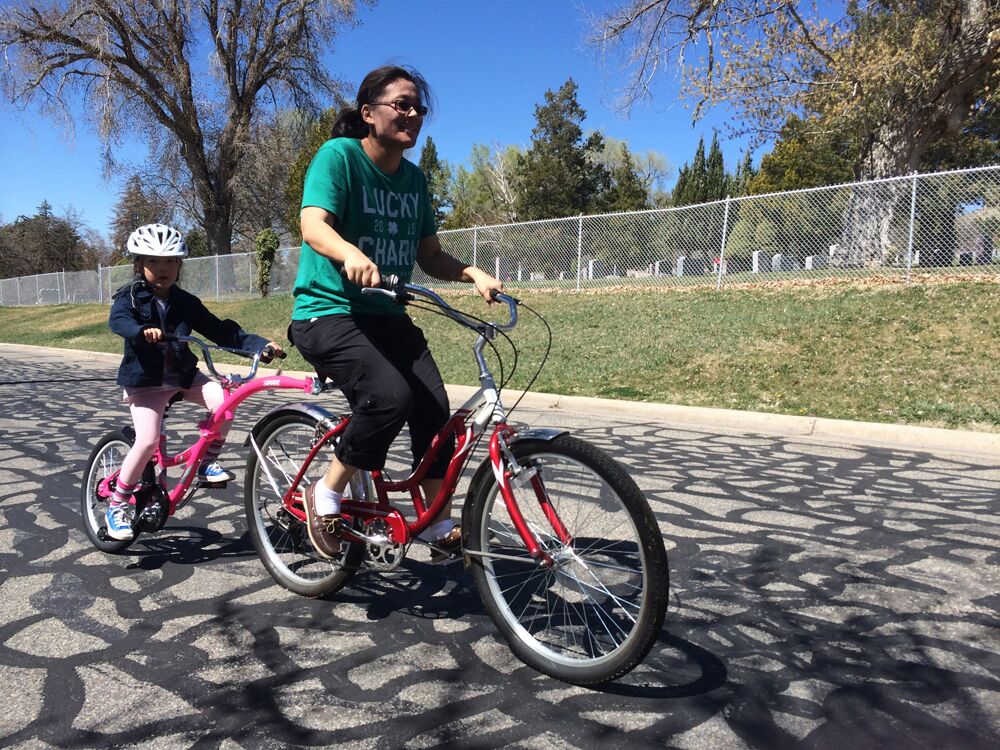
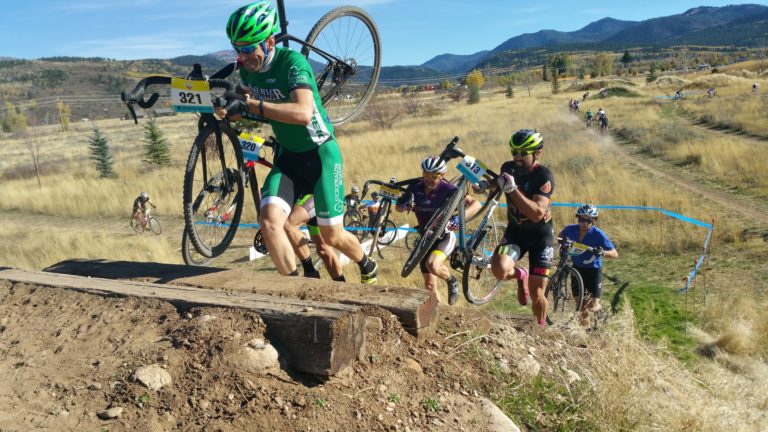

“In the couple of weeks leading up to Moose Cross I will be soliciting via social media – on Facebook @mooseCX for volunteers to assist with course set-up, registration, day-of logistics and whatever else needs to be done.” 

Moose Cross is supported by the local trail organization, Mountain Bike the Tetons  and Fitzgerald’s Bicycles Victor ID. Many other area businesses will play a supporting role.

Moose Cross was originally organized by Dave Byers of www.athlete360.com, Dave Bergart, and Scott Fitzgerald, former owner of Fitzgeralds Bicycles. Fitzgerald, with his wife Jannine, is the author of the kid’s book B is for Bicycles. They will soon be offering their second children’s book Buddy Pegs ( www.buddypegs.com )

Registration is open at moosecross.athlete360.com Complete information is available at www.moosecross.com

Event Details: October 7-8 — Moose Cross, Victor, ID, Two-day cross festival, fundraiser for Mountain Bike the Tetons, cross and fat bike categories, 10th Annual, Chuck Collins, 307-264-2016, [email protected], moosecross.com


Bicycling Basics Series to Help New Riders in Salt Lake County

0

Copy of BicyclingBasicsSeptember 19, 2017 – Salt Lake City, UT – The Salt Lake County Bicycle Ambassadors will hold several workshops for new riders. The Bicycle Ambassadors are a program of Salt Lake County that promotes active transportation and recreational cycling and helps to engage new riders.

There will be four upcoming workshops:

9/28/17, 6:30 pm – ABC Quick check

+ What you should check before each ride.

+ Walden Park, 5425 S Murray Parkway Ave (1070 W)

10/12/17, 6:30 pm – Fix a flat and chain problems

+ Everyone gets a flat and yes you can fix it!

+ SLC Bicycle Collective, 2312 S West Temple

10/26/17, 6:30 pm – Rules of the Road

+ Learn how to interact with other vehicles and positioning.

+ Cottonwood Heights City Hall, 2277 E Bengal Blvd

11/9/17, 6:30 pm – Commuter Tricks

+ Learn skills to help you commute to work, store, anywhere.

+ SL Co, exact location tbd


For more information, visit: 

http://slco.org/planning-transportation/activetransportation/bicycle-ambassadors/


Flier: BicyclingBasics in color PDF File

Copy of BicyclingBasics

Clif Bar CrossVegas announces move to Reno, Nevada for 2018; 2017 Race Set for Sept. 20 in Las Vegas

0

America’s Biggest Cyclocross Race heads to the “Biggest Little City in the World”

Wout Van Aert on his way to winning the 2016 Cross Vegas World Cup. Photo by Dave Iltis

LONGMONT, Colo. – August 1,2017 – CrossVegas, the US’s largest cyclocross race, announced today that the annual race will make a move to Reno, Nevada in September 2018. The move of the biggest cyclocross race in the US follows the announcement by Interbike, the annual bicycle tradeshow, to relocate to the northern Nevada city beginning in 2018. CrossVegas has been a part of the annual Interbike week of activities in Las Vegas since 2007.

Note that the 2017 race is set for Las Vegas on Wednesday, September 20, 2017. Registration information is below.

CrossVegas 2018 will take place on Wednesday evening, September 12, 2018 following the 2nd full day of the Interbike show.

Brook Watts, owner and organizer of CrossVegas commented, “Although the backdrop will change from the glitzy Vegas Strip to the stunningly beautiful Sierra Nevada mountains, the event will remain the same world-class Clif Bar CrossVegas that racers and spectators have loved for 11 years.  CrossVegas will still provide industry bragging rights for the Wheelers & Dealers, VIP hospitality for sponsors, opportunities for bike industry participation at all levels and top level competition among the pro women and men.”


Watts also announced the iconic CrossVegas name would remain despite the change of location to Las Vegas’ sister city to the north. “So many people know that name and the associate it with a great evening of fun that we decided to hang onto it as part of the heritage of the event.”

Jamey Driscoll flies through sand at the 2016 Cross Vegas World Cup. Photo by Dave Iltis

Preliminary plans include staging the evening event at Rancho San Rafael Regional Park, site of the upcoming 2018 US National Cyclocross Championships. The park has been home to other cross events and is conveniently located close to the downtown Reno area including the Reno-Sparks Convention Center and dozens of hotels.

Coby Rowe, Director of the Local Organizing Committee for US National Cyclocross Championships quote: “For me this is the best of all worlds. I’m a proud resident of Reno, where I love to race cyclocross. But I’ve had the honor of being involved in CrossVegas for the past few years. It’s a world class event in every sense of the word and I am thrilled to see the event move to my backyard.”

Watts added, “We’re looking forward to being part of Interbike’s next phase as well as the vibrant and blossoming cycling-friendly metropolitan area of Reno.”

Competitors in CrossVegas’s UCI, USAC, Wheelers and Dealers categories, and a new E-Bike fun race, will have their last chance to experience the lush grass and challenging course at the Desert Breeze Soccer Complex in Las Vegas on Wednesday September 20, 2017 Registration for the event is at https://www.racedirectorsolutions.com/Event/EventRegistration/2960

For more information about CrossVegas, go to www.crossvegas.com


Tittensor & Lindine Win the Intermountain Cup Finale at Powder Mountain

By Nate Gibby – Eden, UTAH—Nicole Tittensor (Jan’s Park City/Scott Bikes/Reynolds Cycling) won the Elite Women’s division while Apex/NBX/Trek’s Justin Lindine took top spot on the podium of the Elite men’s category at the Intermountain Cup’s series conclusion at Powder Mountain on August 26.

With a record-setting number of participants, the Powder Mountain course started just east of the Ogden Valley overlooking Pineview Reservoir, the race christened the new 15-mile lap, with approximately 1,800’ of climbing per lap. Featuring a hefty ~500’ climb up a service road right out of the gates, the course leveled out entering single track across several of Powder Mountain’s pristine high-valley trails.

The pro women at the start. Nicole Tittensor (in red) won the race and the overall series. Powder Mountain I-Cup, August 26, 2017. Photo by Nate Gibby

With an initial push up the first climb, Tittensor was able to beat out KC Holley (Kuhl, Racer Cycle Service) and Ami Stuart (Storm Cycles) to the single track and pull away for the top spot on the podium. “I did a little attack before the single track hit and just kept charging after that,” said Tittensor. “I had about a 15-second gap at the top and tried to catch as many of the men’s group in front of us before the single track to give myself a little barrier.”

“We took off and I thought we were going to start out kind of easy but then [Tittensor] took off and [Stuart] followed her,” said Holley, the second-place finisher. “I’m not a good starter so I just tried to hang. [Tittensor] continued to pull away, but I was able to beat [Stuart] to the single track and pull away on the fast, fun decent.”

With the win at Powder Mountain, Tittensor edged out Holley for the series title.

On men’s side, Lindine followed a similar strategy to fend off stiff competition from Jamey Driscoll (DNA Cycling) and Chris Holley (Kuhl, Race Cycle Service), the second- and third-place finishers respectively. “I was able to lead over the first climb, out of the start, which I was kind of surprised about actually but that let me get into the singletrack on Paper Airplane first,” Lindine said. “I opened up a little gap by the end of that and decided to keep pushing it. I was able to race really hard on the parts of the course that suited be best and then just try and maintain on the longer climbs where I was suffering a little more.”

Chris Holley’s second-place finish at Powder Mountain secured a second-place finish in the series standings.

The Powder Mountain race also introduced a freshman/sophomore category. With almost 70 participants, the addition resulted in that category having more racers than any other.

“The Utah high school MTB racing scene is becoming incredibly competitive,” said Joel Rackham, managing partner of Intermountain Cup. “The overwhelming response in the freshman/sophomore category not only shows the need to get these competing and ready for their high school season, but also gives the kids a first-hand look at world-class MTB competition.”

For a complete listing of the results from all categories, please visit intermountaincup.com

Great trails and great racing at the Powder Mountain I-Cup, August 26, 2017. Photo by Nate Gibby
Alaka’i Naluai races in the Junior High Boys category at Powder Mountain I-Cup, August 26, 2017. Photo by Nate Gibby
Ethan Lassiter is part of the new wave of racers from high school and junior high school mountain biking. Powder Mountain I-Cup, August 26, 2017. Photo by Nate Gibby