
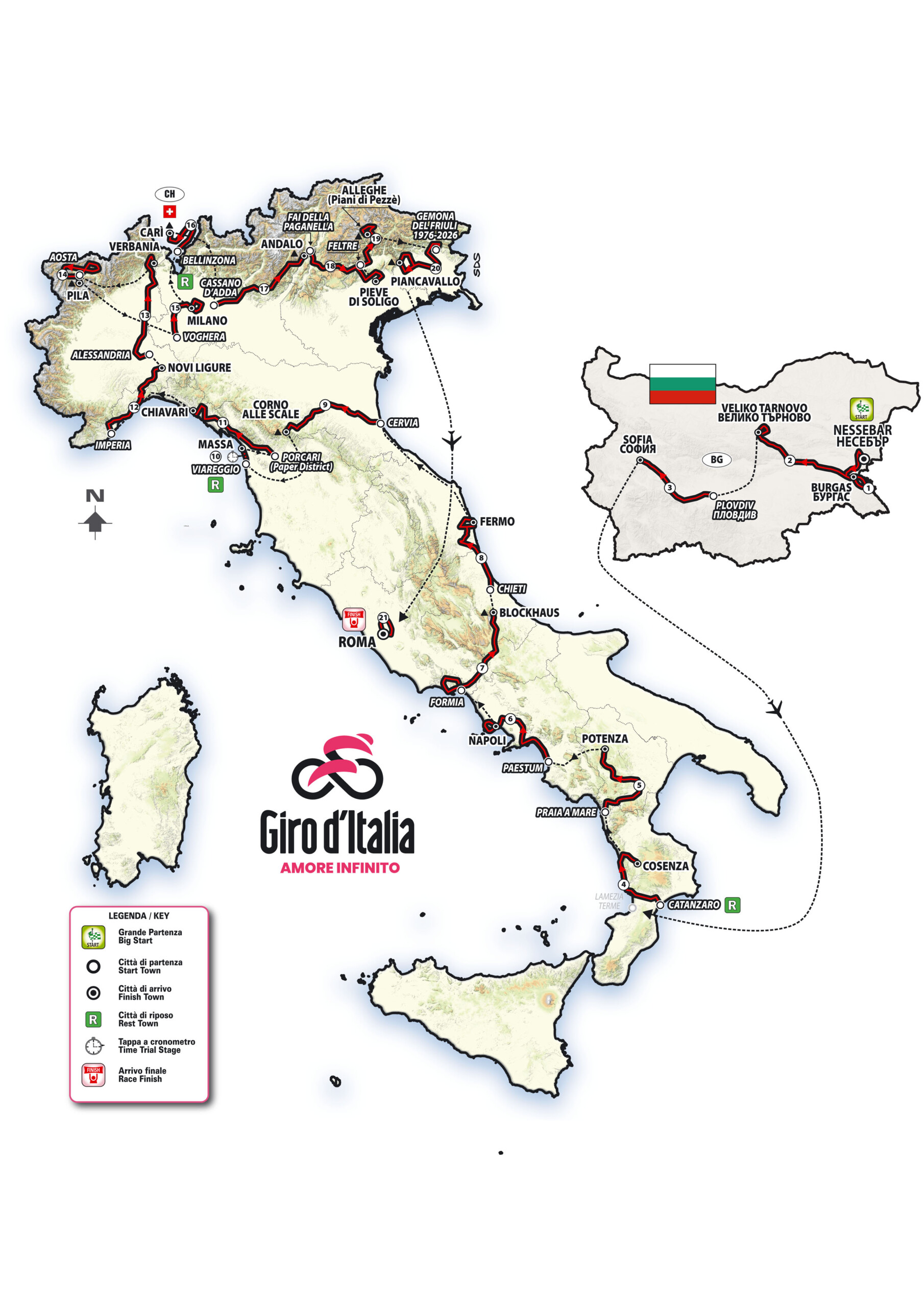
ROMA, Italy (1 December 2025) – The 109th edition of the Giro d’Italia, scheduled from 8 to 31 May 2026, promises one of the most demanding courses in recent memory. Covering 3,459 km with 50,000 metres of elevation gain, the race features seven summit finishes, eight flat stages, seven medium-mountain stages, five high-mountain stages, and a 40.2 km individual time trial.
“This year we have designed a more modern Giro, with shorter stages that are no less demanding for the general classification contenders, alternating with stages that will suit riders looking to make an impact with long-range attacks,” said Mauro Vegni, Director of the Giro d’Italia. “There will be seven summit finishes, the same number of stages for the sprinters, and just one individual time trial, although longer than in recent years. I would like to thank everyone who has worked with me and supported me over the years, especially my team and the law enforcement authorities, in particular the traffic police, who have escorted the Giro since its very beginnings.”
The presentation at Rome’s Auditorium Parco della Musica Ennio Morricone was hosted by Pierluigi Pardo and Barbara Pedrotti, with interviews conducted by Paolo Pacchioni of RTL 102.5. Attendees included Simon Yates, Elisa Longo Borghini, and two-time Giro winner Vincenzo Nibali, alongside Italian and Bulgarian authorities, senior RCS executives, and representatives from sport and institutional bodies.
Bulgarian Grande Partenza
The Giro will begin abroad for the 16th time with three stages in Bulgaria.
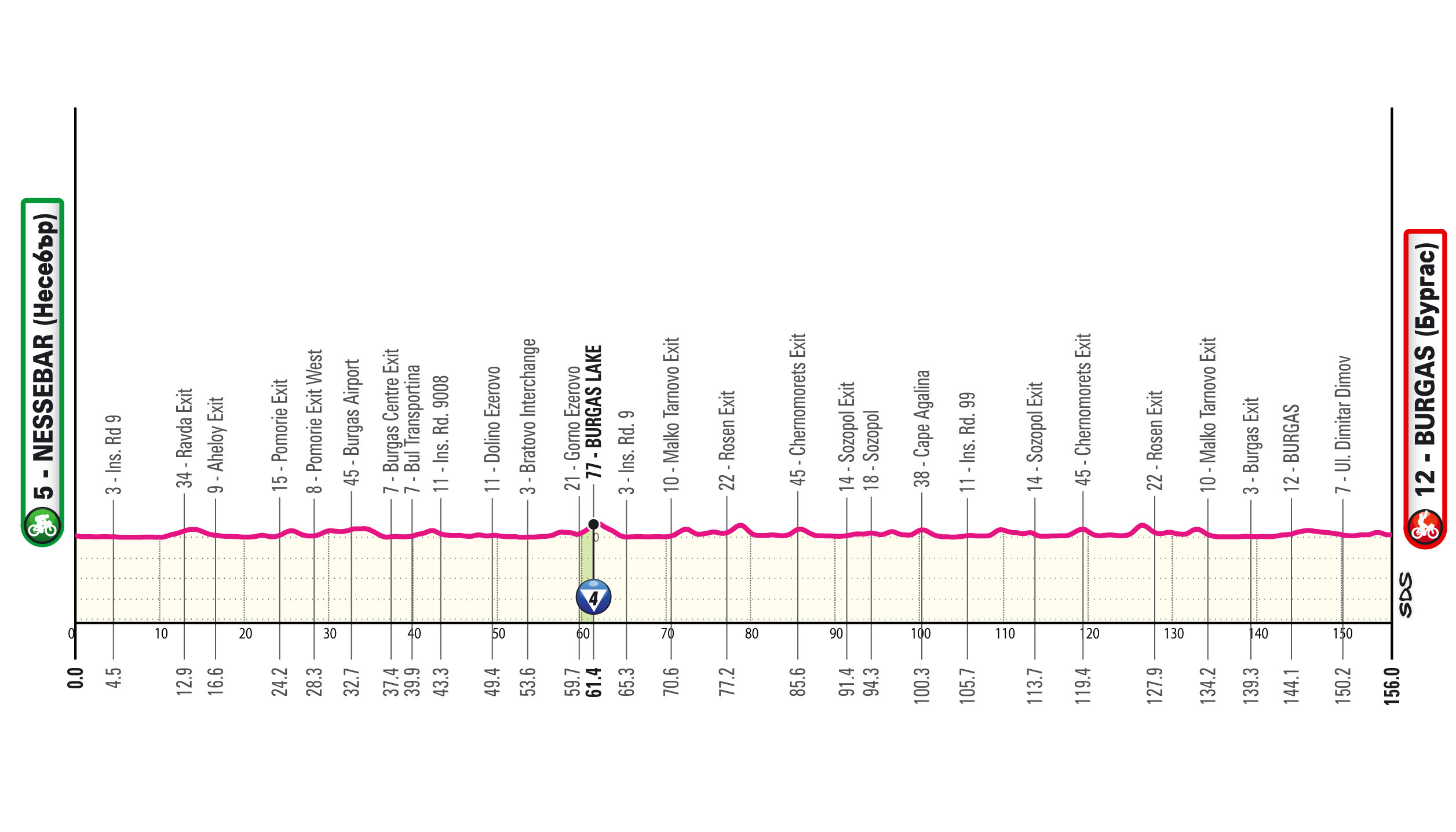
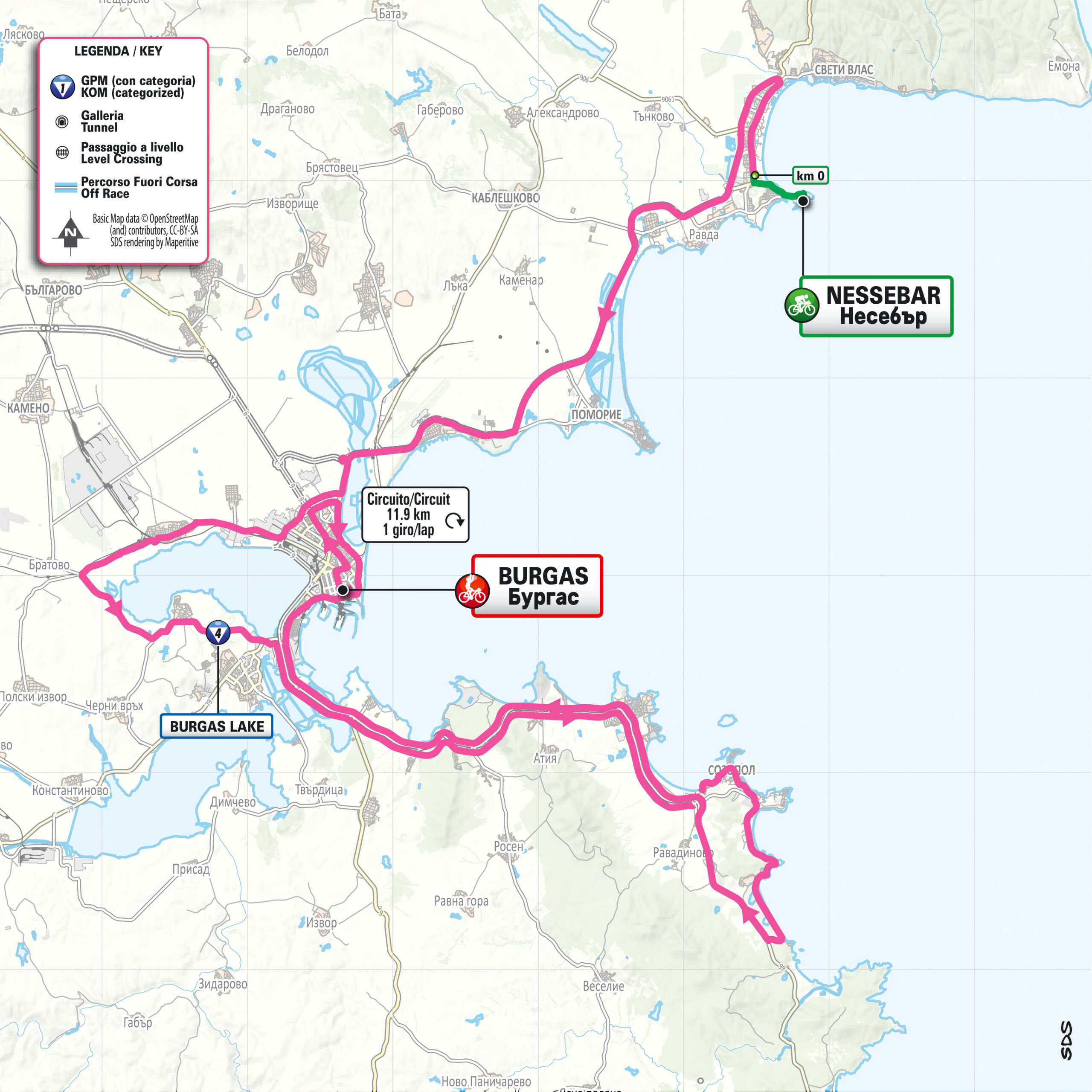
Stage 1 runs along the Black Sea coast from Nessebar to Burgas. “The first Maglia Rosa will be awarded here,” said Vegni.
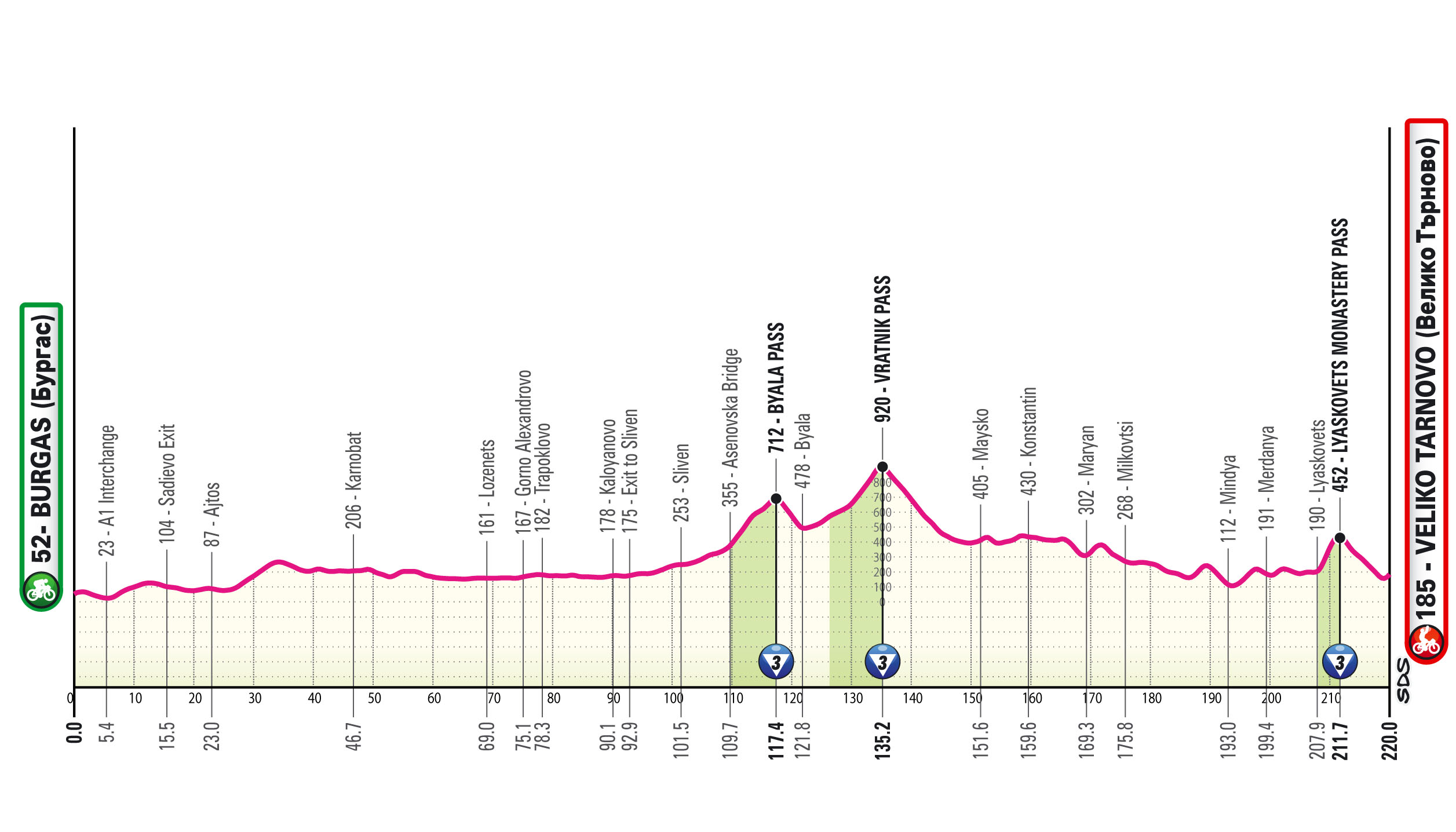
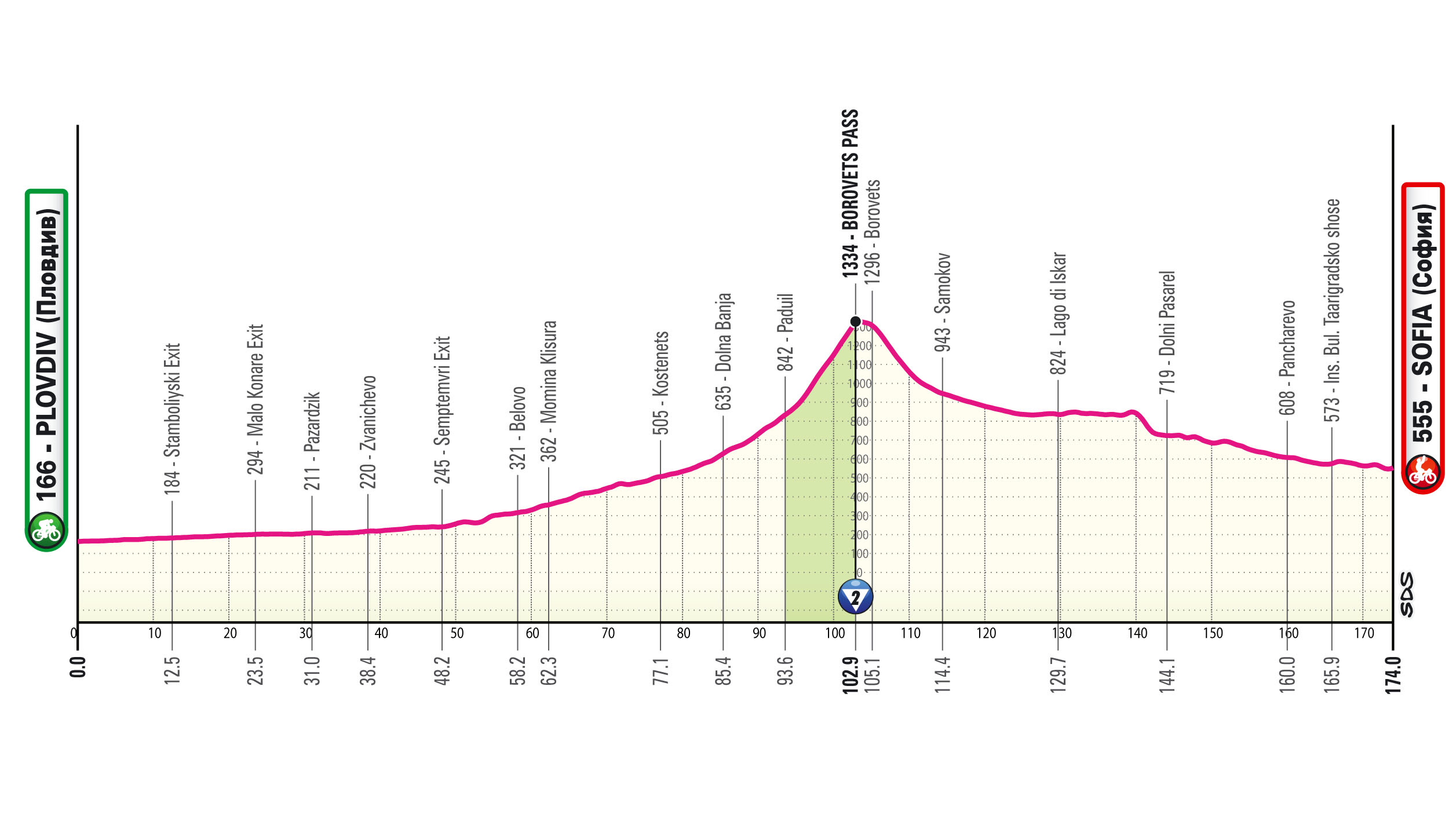
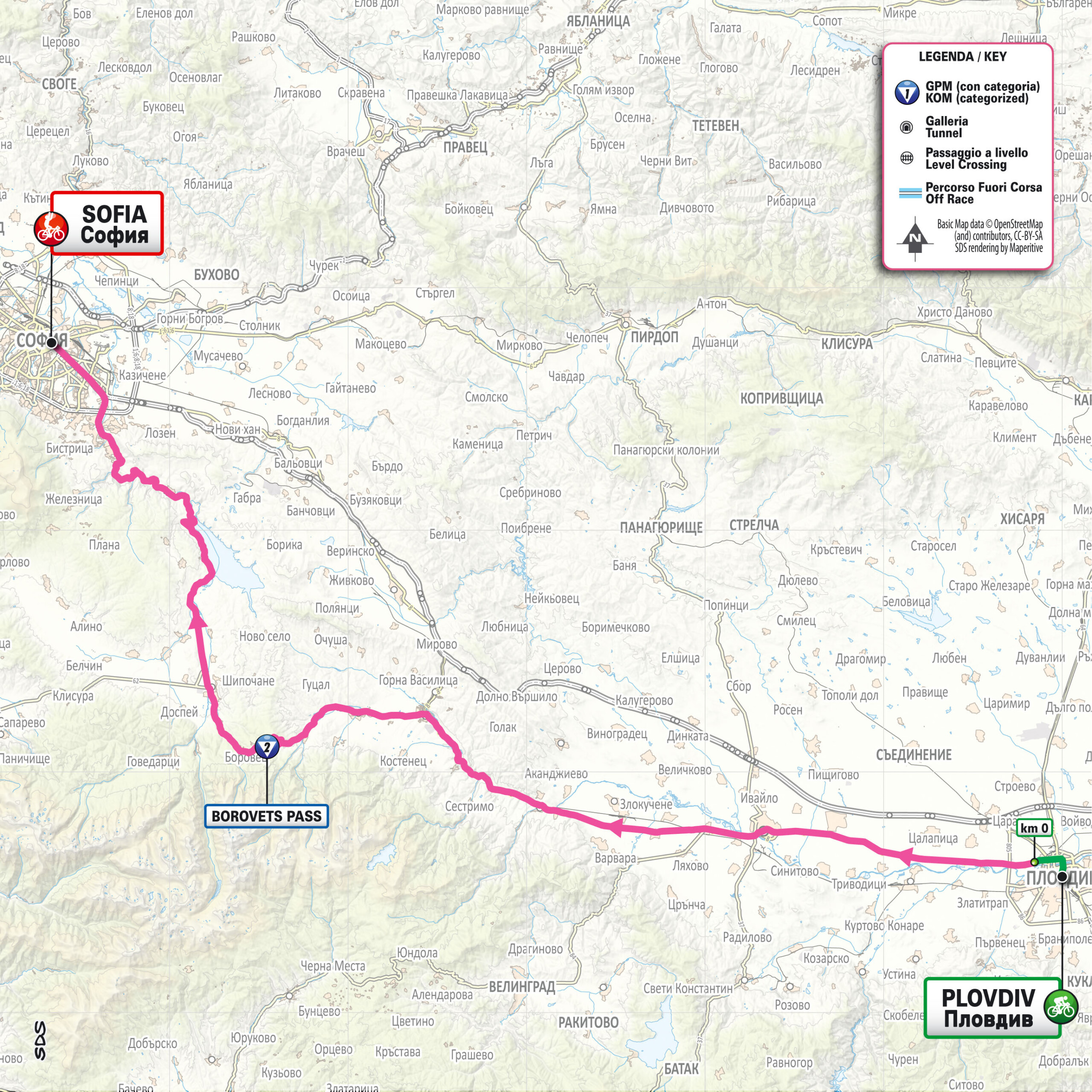
Stage 2, from Burgas to Veliko Tarnovo, covers 220 km and features a final climb of 3.5 km at 7.5%, promising early drama. Stage 3 finishes in Sofia, starting from Plovdiv, favoring the sprinters.
“I am pleased to be here this evening and honoured to see that Bulgaria will host the Grande Partenza of one of the most important sporting events in the world,” said Prime Minister Rosen Zhelyazkov. “The Giro d’Italia is not just a race, but a global symbol of tradition and sport, combining athletic competition with culture. Hosting it in our country confirms Bulgaria’s growing role in international sport. It is a unique opportunity to showcase our history, traditions and our value as a host nation, ready to provide everything needed for a memorable Grande Partenza.”
First Week: Italy Awaits
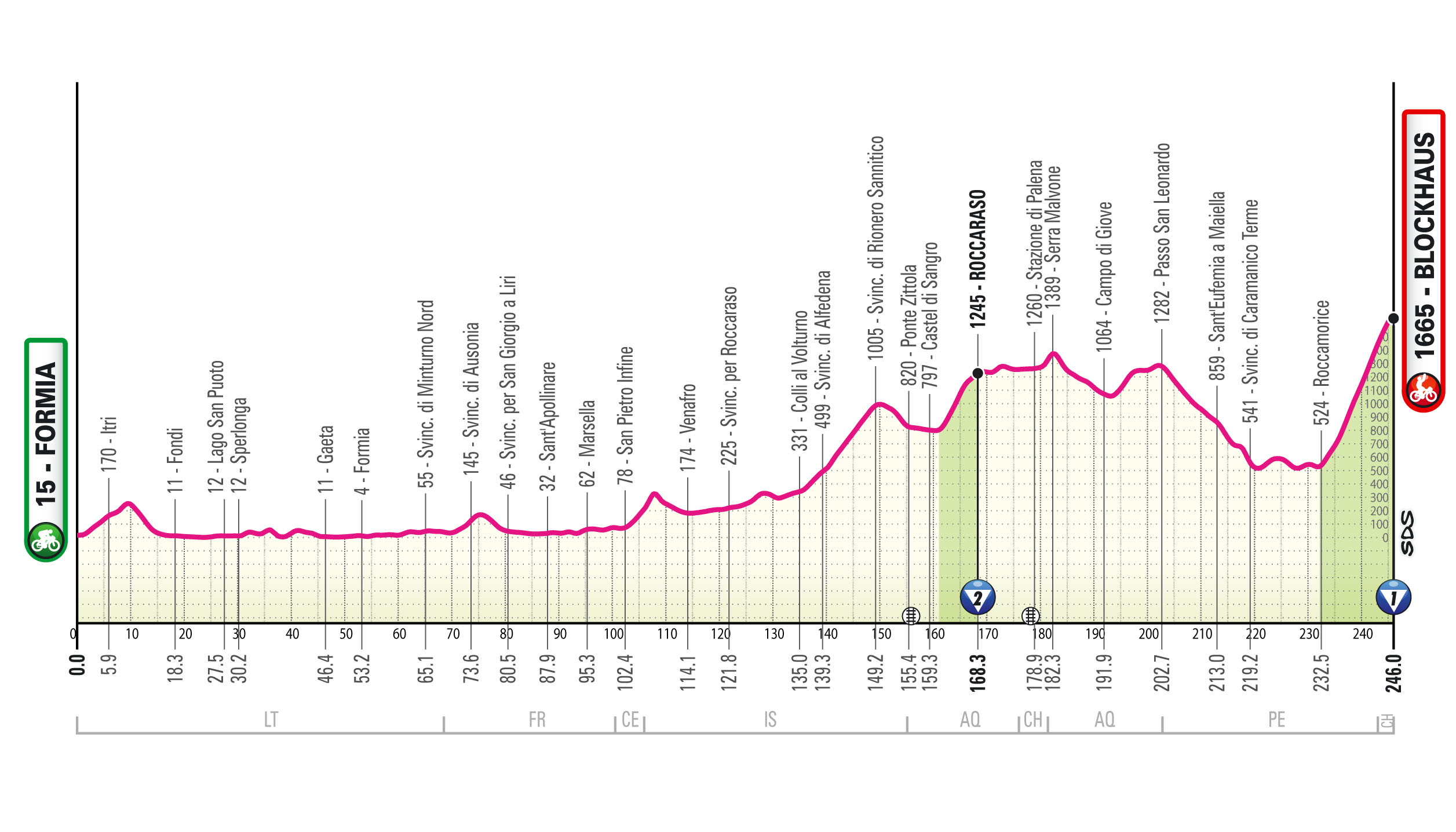
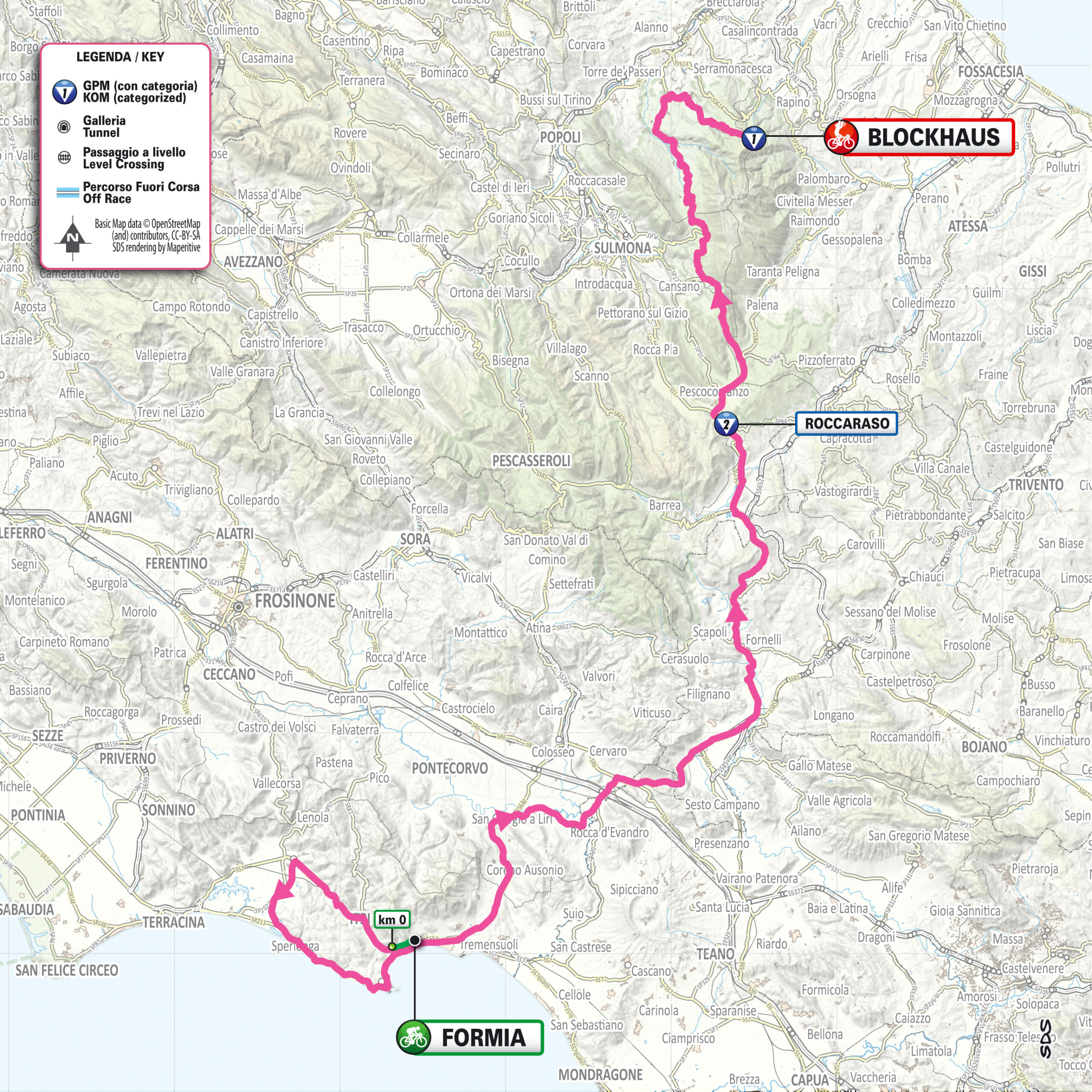
After the first rest day on 11 May, the race returns to Italy. Sprinters will find opportunities, though mountain stages will intervene. The peloton ascends the Blockhaus via the feared Roccamorice side, marking the first summit finish in Italy.
“The first summit finish will be on the Blockhaus after a long stage, and it will already be very demanding. You won’t be able to hide,” said Vincenzo Nibali. “In general, the finishes are very challenging, with short and explosive stages also in the second week. The Aosta stage, with almost 4,000 metres of elevation gain, will be crucial and you will need a strong team for support. The final week represents the heart of the Giro d’Italia. The Dolomites can really make the difference.”
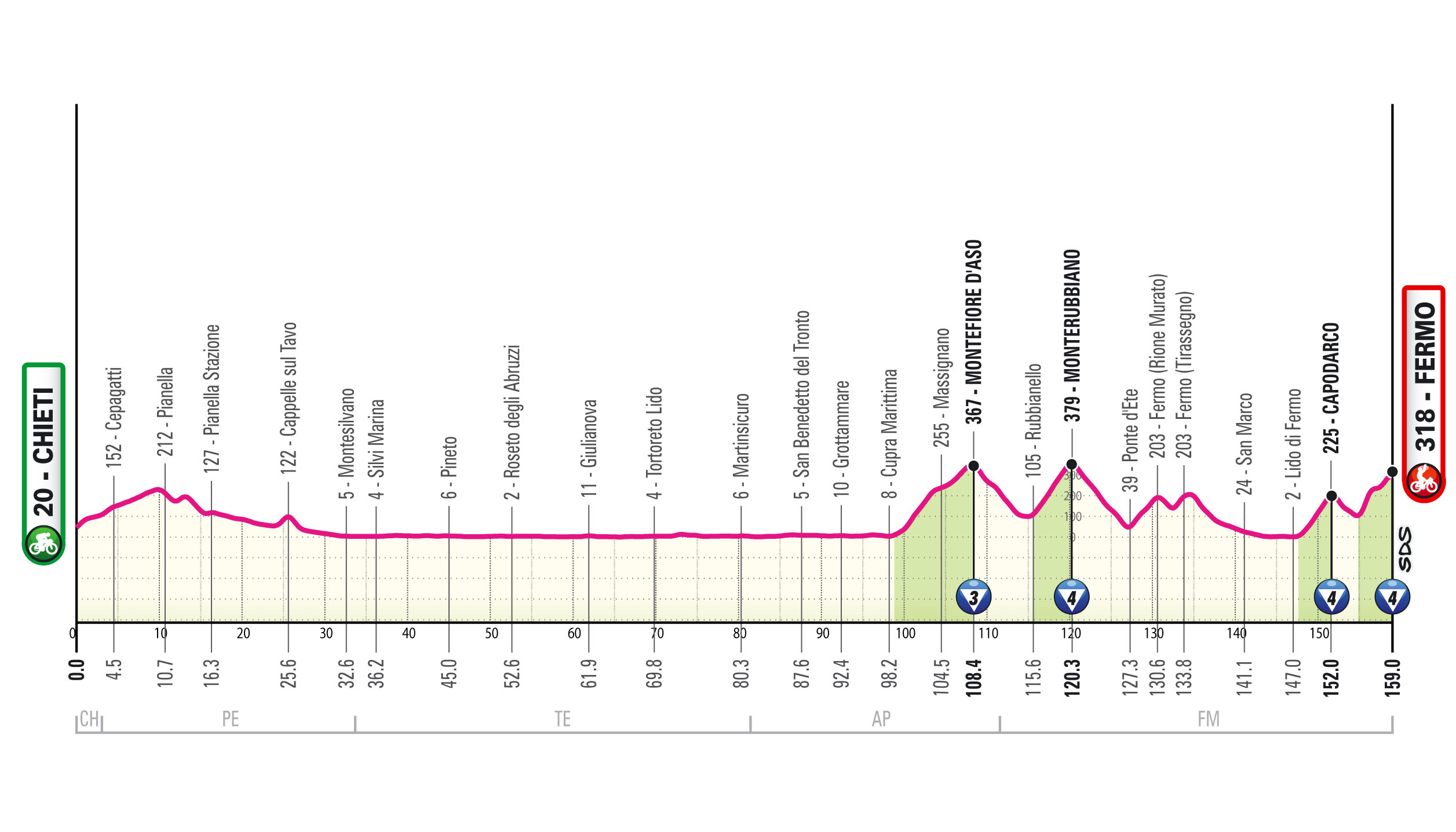
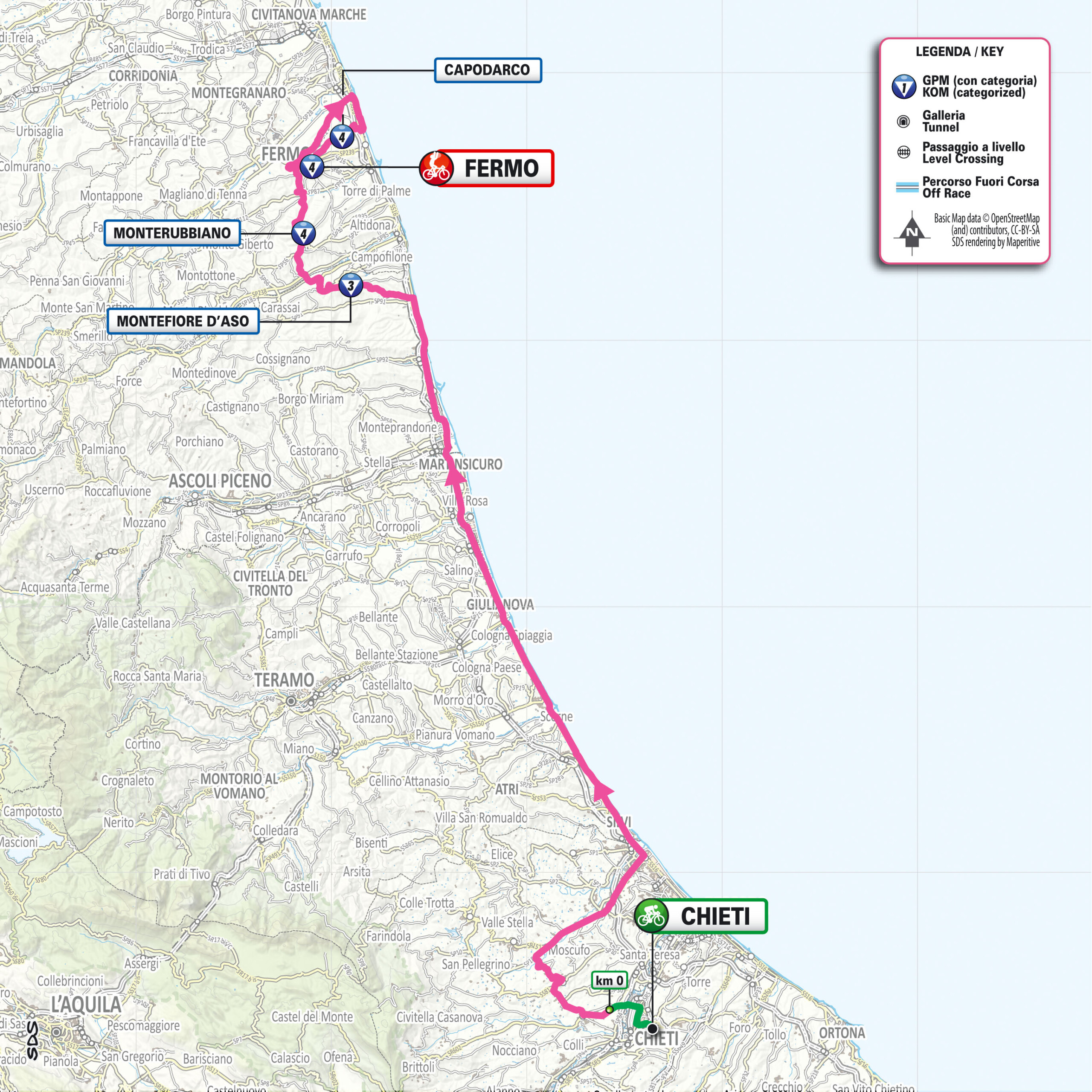
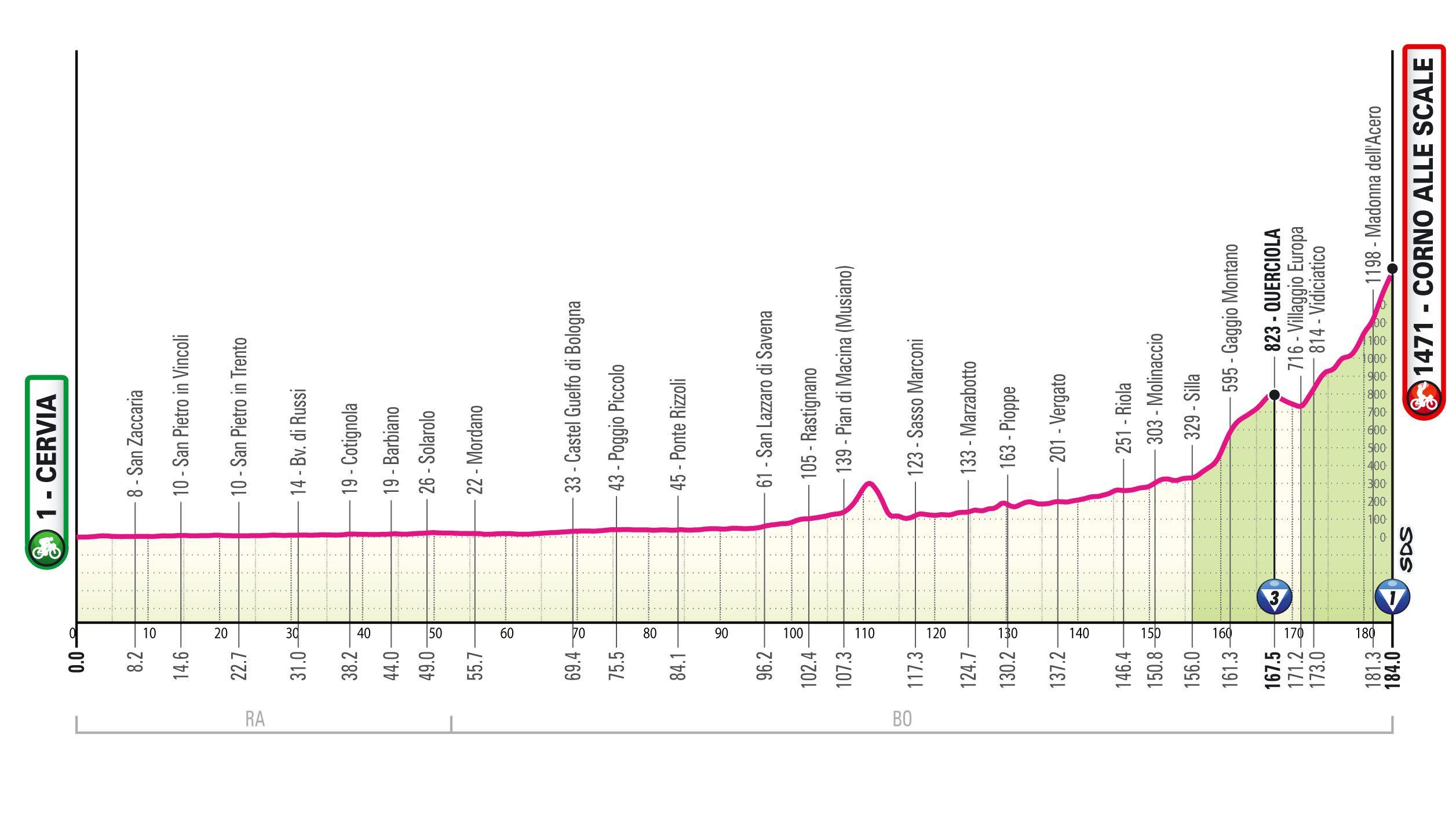
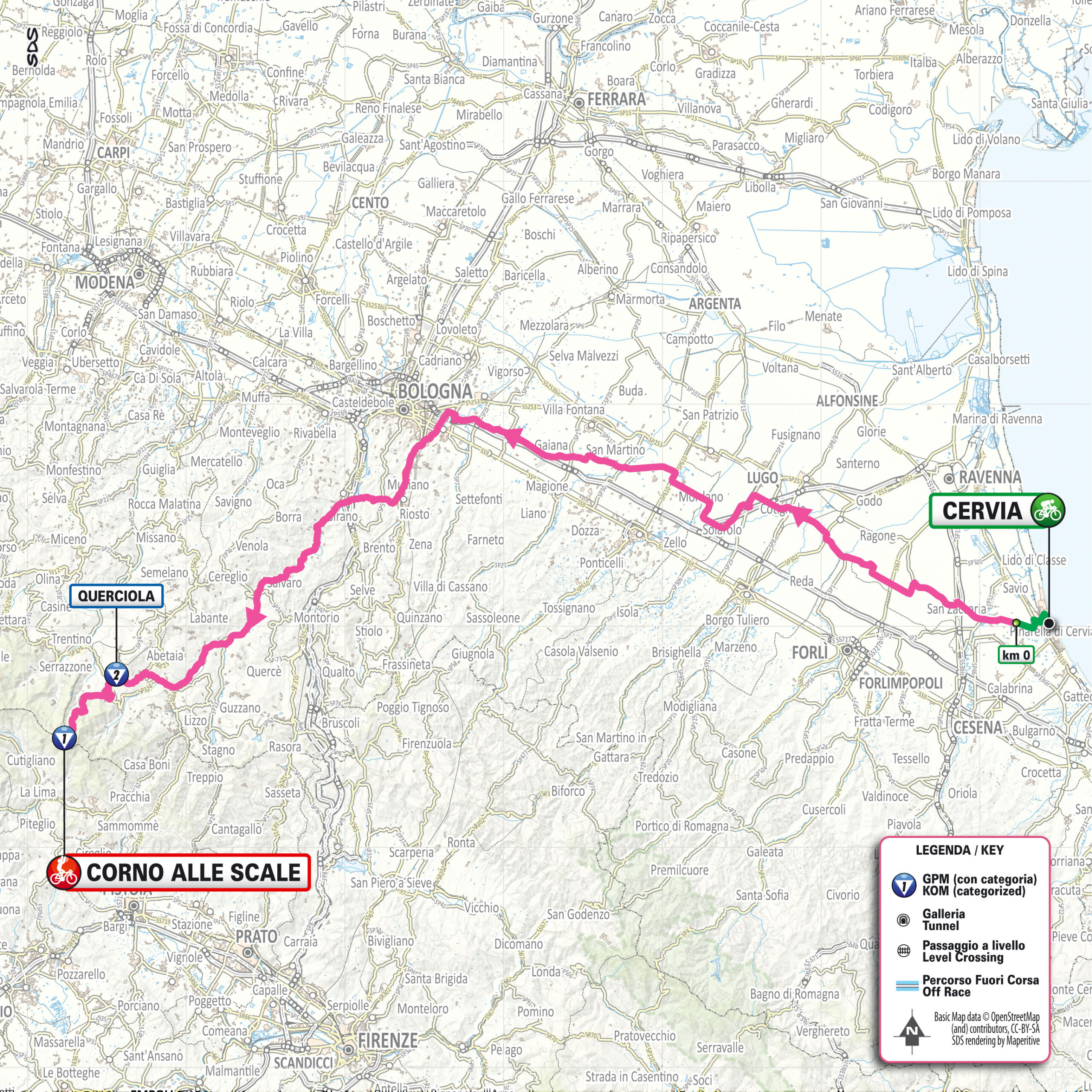
The week closes with the “Muri” stage to Fermo and the Apennine summit finish at Corno alle Scale, returning 22 years after Gilberto Simoni’s victory in 2004.
Second Week: Tuscan Time Trial and Alpine Assault
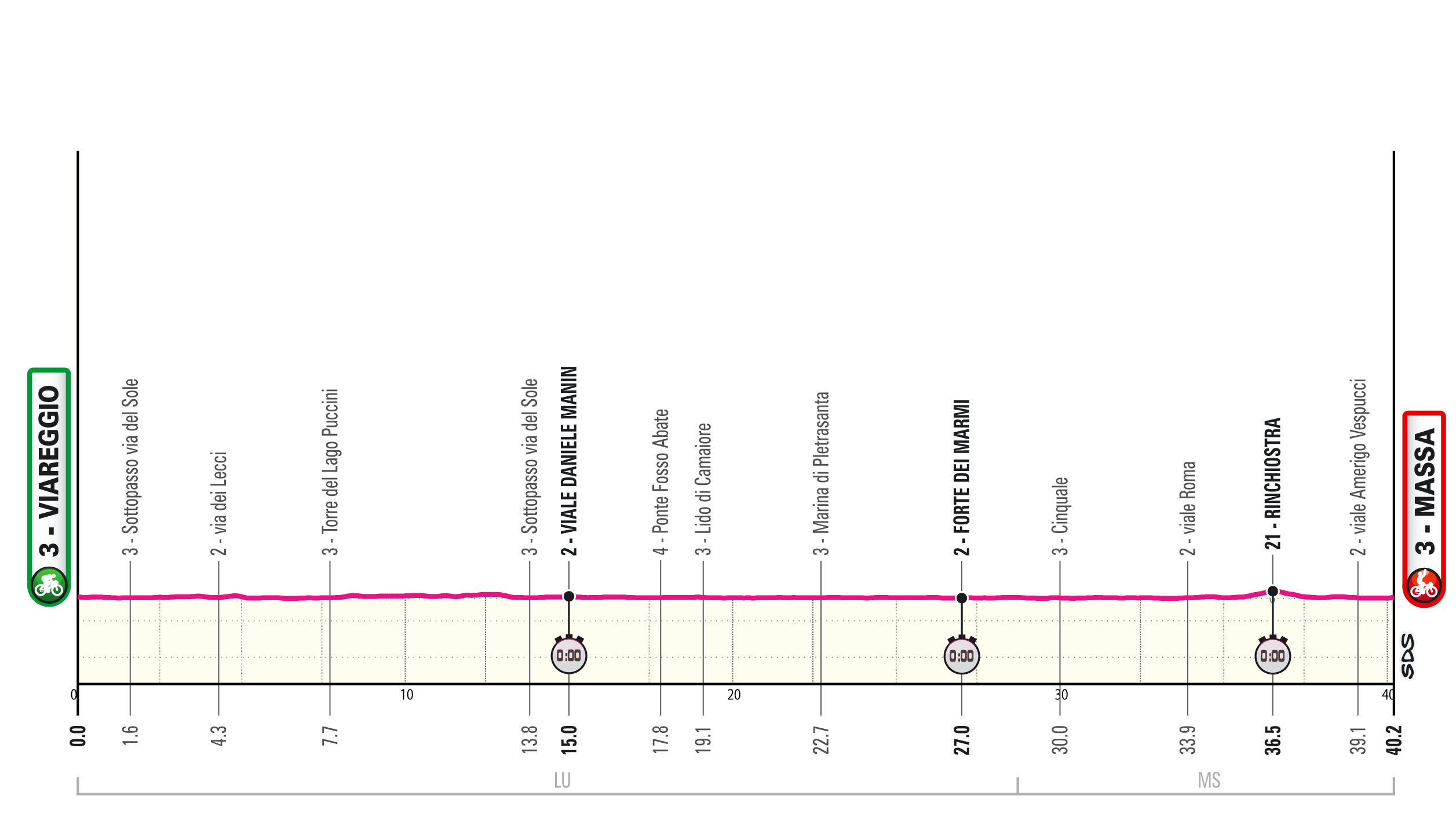
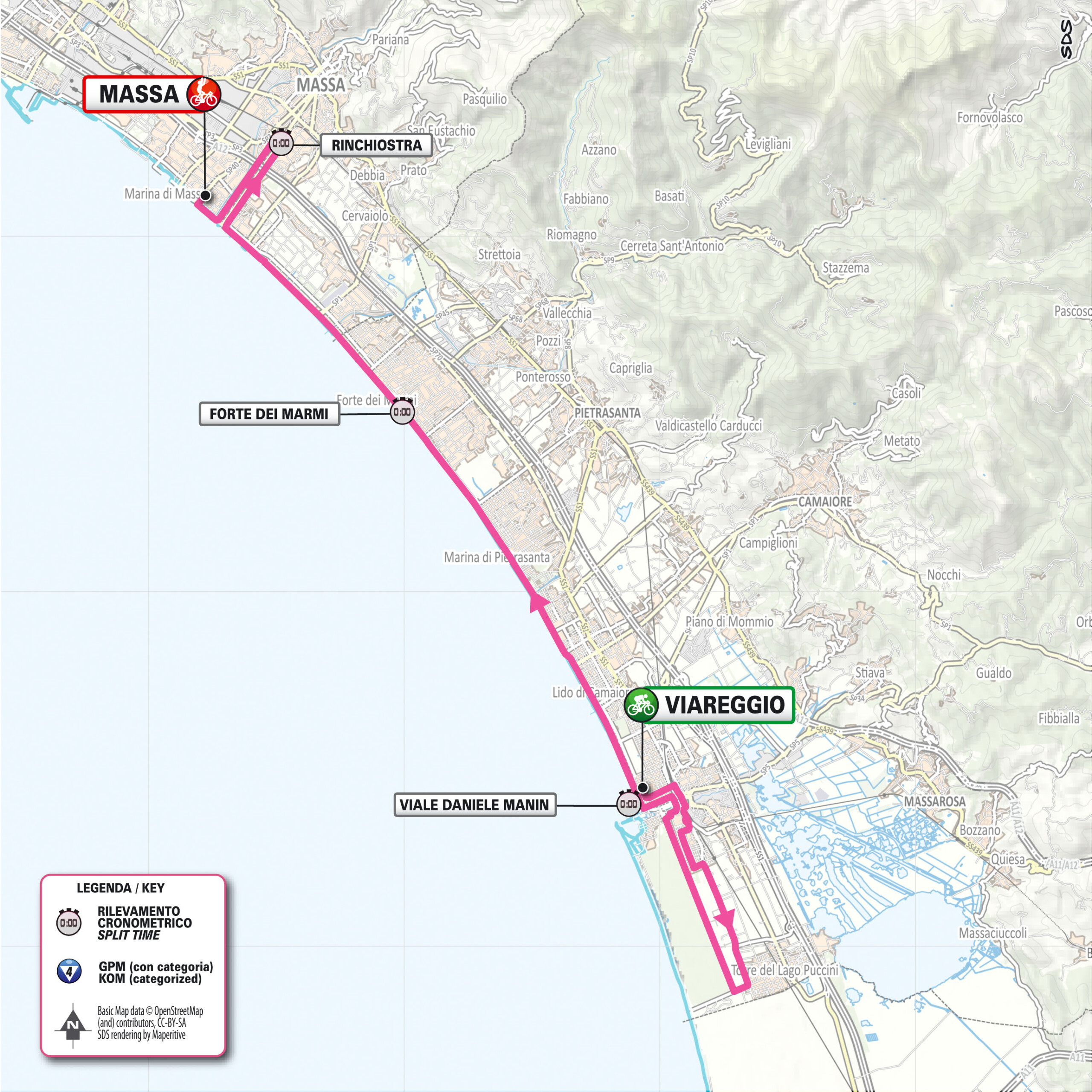
Racing resumes after the second rest day on 18 May with the 40.2 km individual time trial from Viareggio to Massa, the Tappa Bartali. “It’s an edition entirely in Tuscany,” Vegni noted.
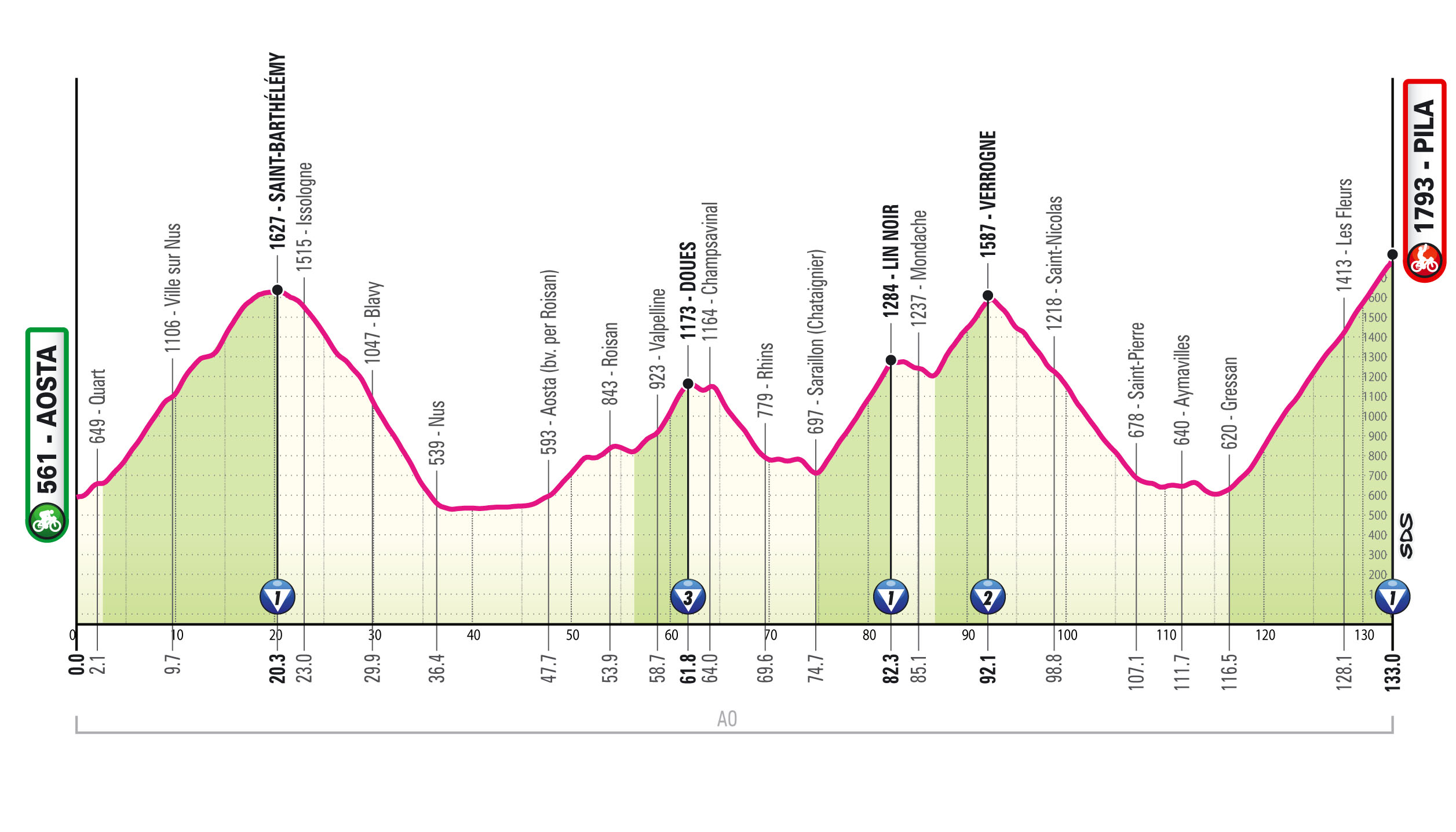
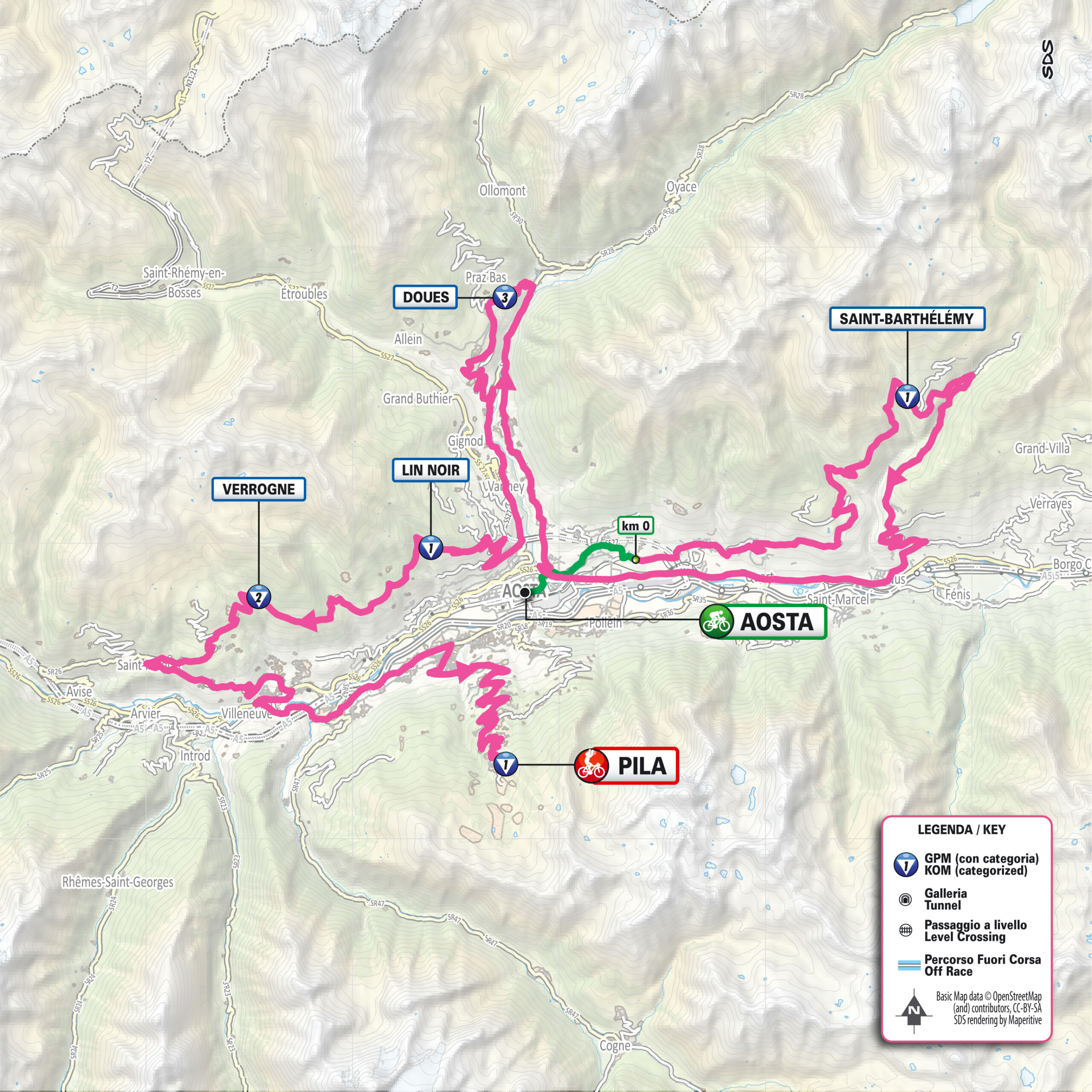
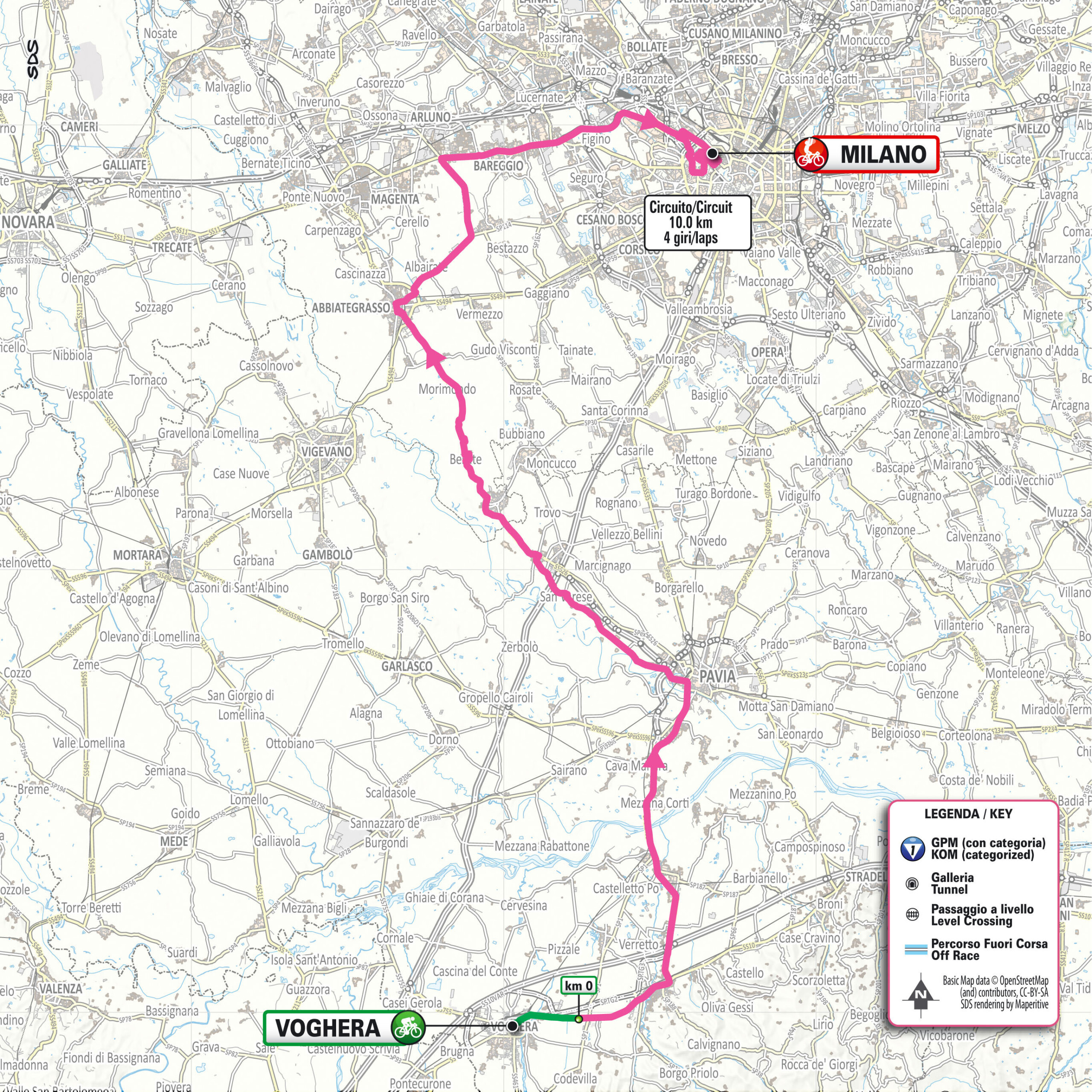
Three more stages follow, blending demanding finales and sprinter-friendly finishes. The weekend leads the peloton to the Aosta Valley for a punishing 133 km stage to Pila, featuring over 4,400 m of elevation gain. Milan hosts a sprint finish on Sunday, celebrating its 90th stage finish in Giro history.
Simon Yates reflected on the route: “The emotions I felt at the end of this Giro were incredible and I really hope to experience them again. In 2018 I had a great race, but also a painful ending with the crisis in the final stage. In the years after, I came back hoping to get my revenge, but it never really worked out. Still, in the back of my mind, I always wanted to try again. This year, I finally managed to do it. When I saw the Colle delle Finestre on the route, my first reaction was: ‘Oh, not again.’ But I was able to fight back and come up with something special. The route of the upcoming edition is very demanding. Blockhaus is a very tough climb, I rode it in 2022, and it can really change the race. The Aosta stage will probably be the key one: it’s extremely hard, but it suits my characteristics quite well.”
Third Week: Dolomites, Switzerland, and the Final Showdown
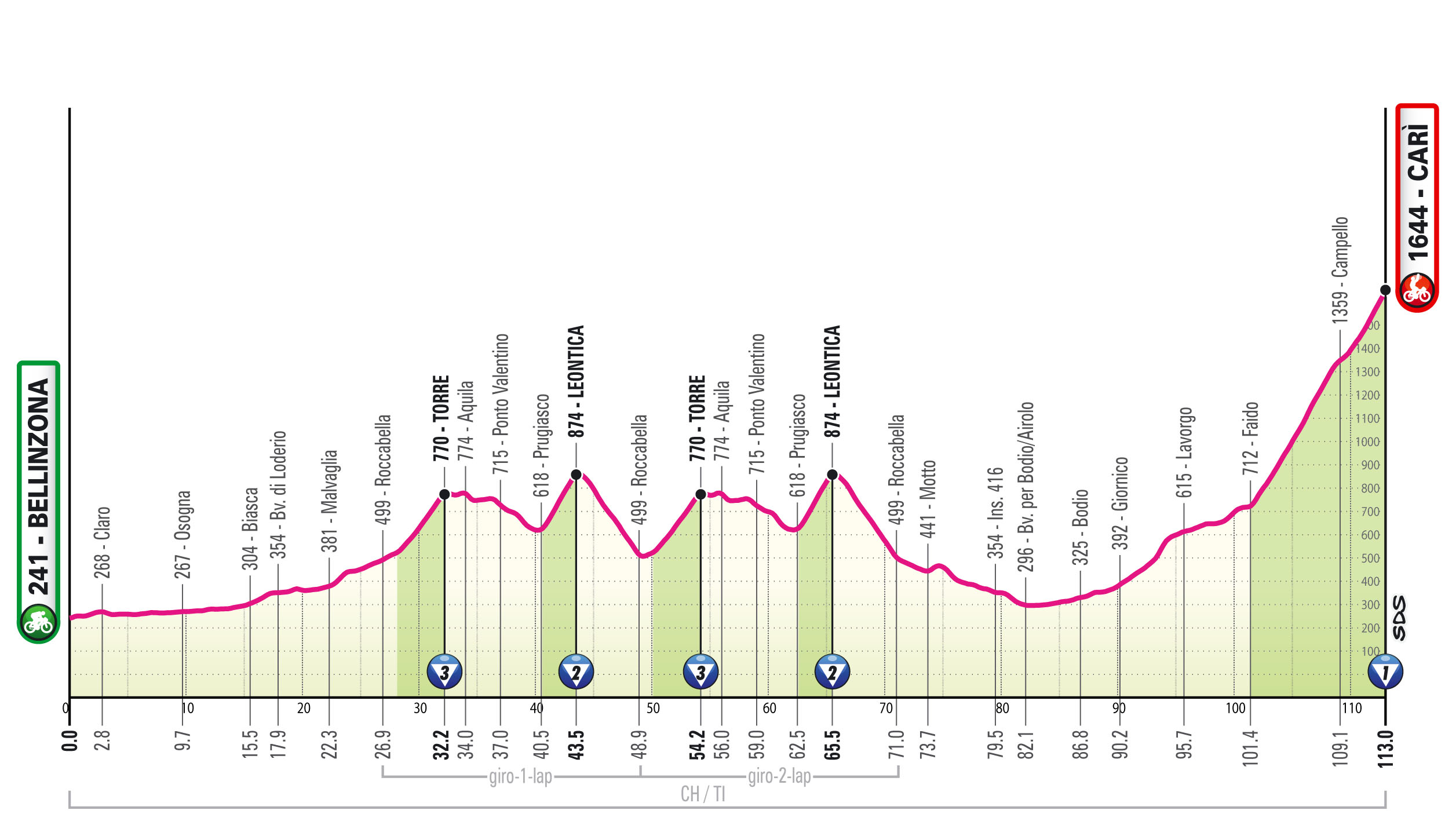
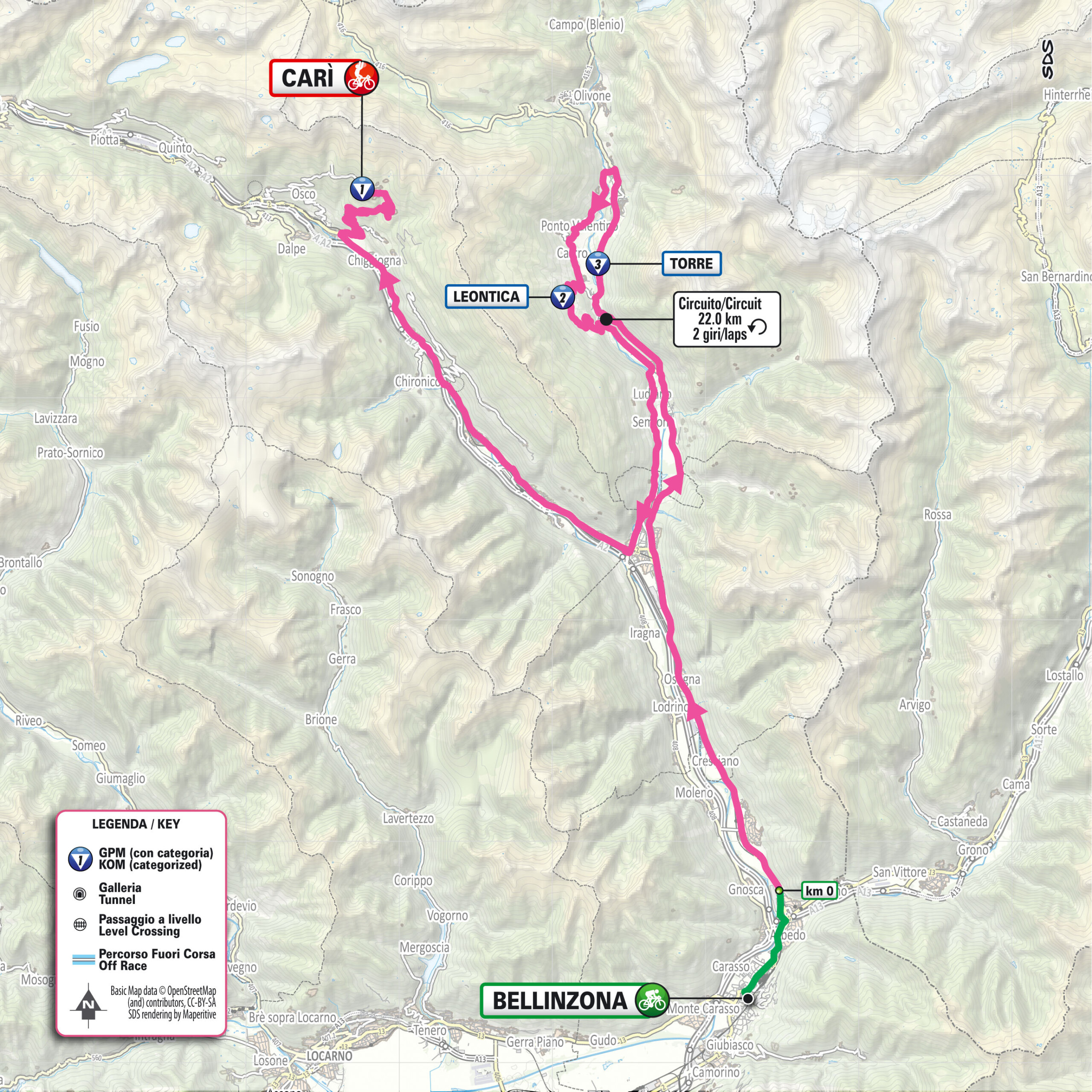
The final week begins with a short but intense stage entirely in Switzerland, from Bellinzona to Carì.
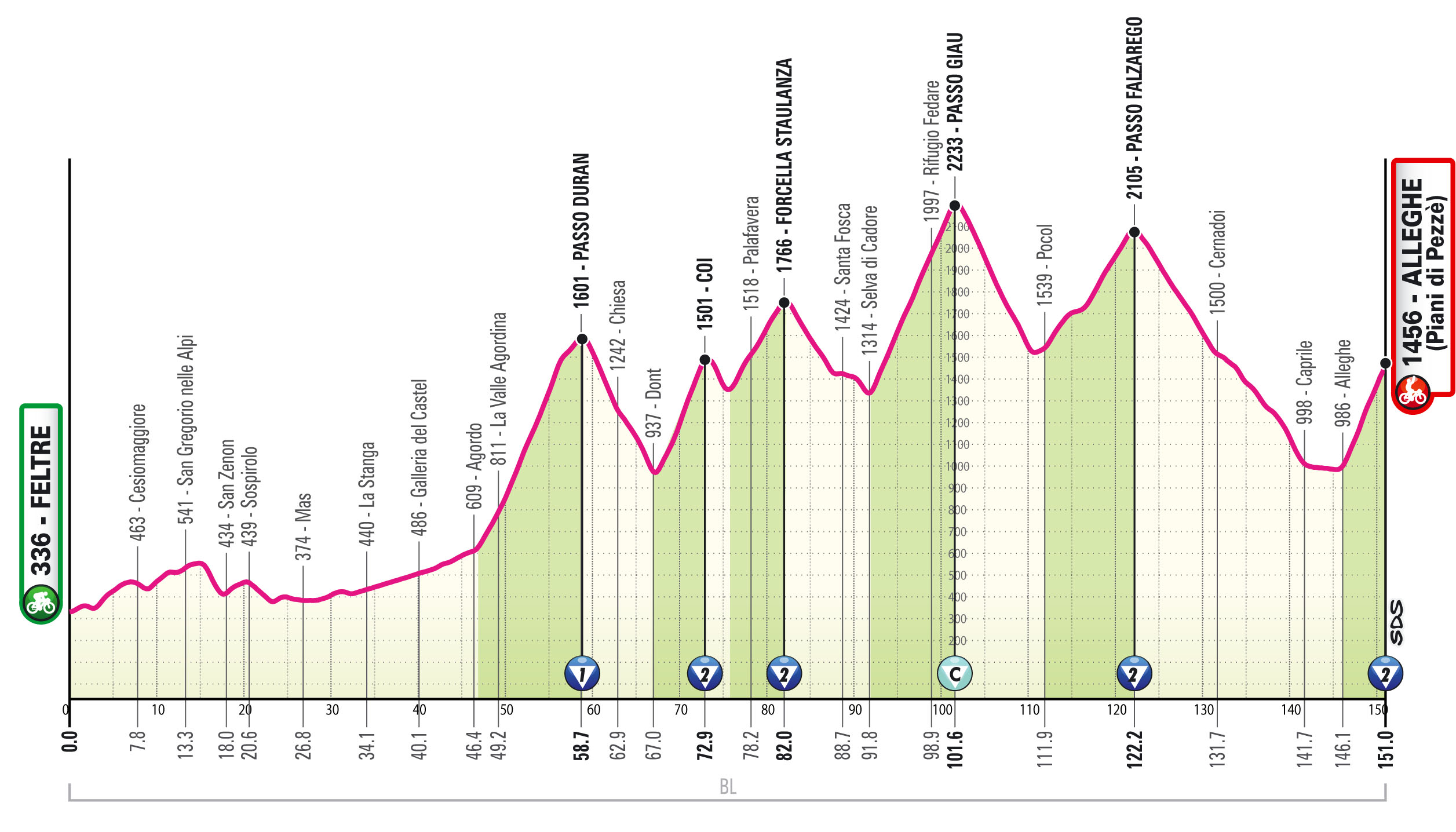
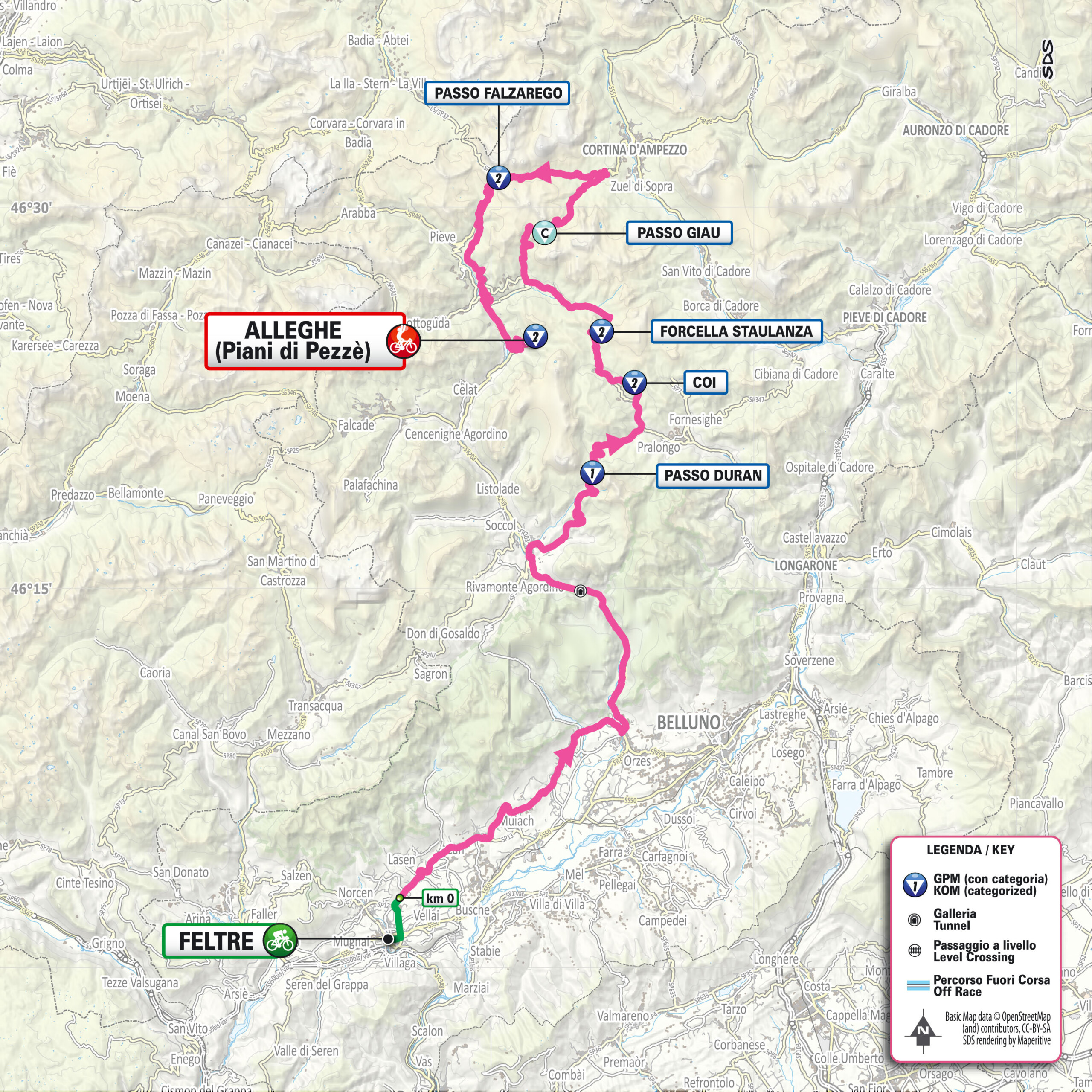
Two mixed stages set the stage for the final battles. The Dolomite queen stage stretches from Feltre to Piani di Pezzè, revisiting a route made famous by Marco Pantani in 1992. Riders will climb the Duran, Staulanza (with the Coi variant), Giau (this year’s Cima Coppi at 2,233 metres), and Falzarego passes.
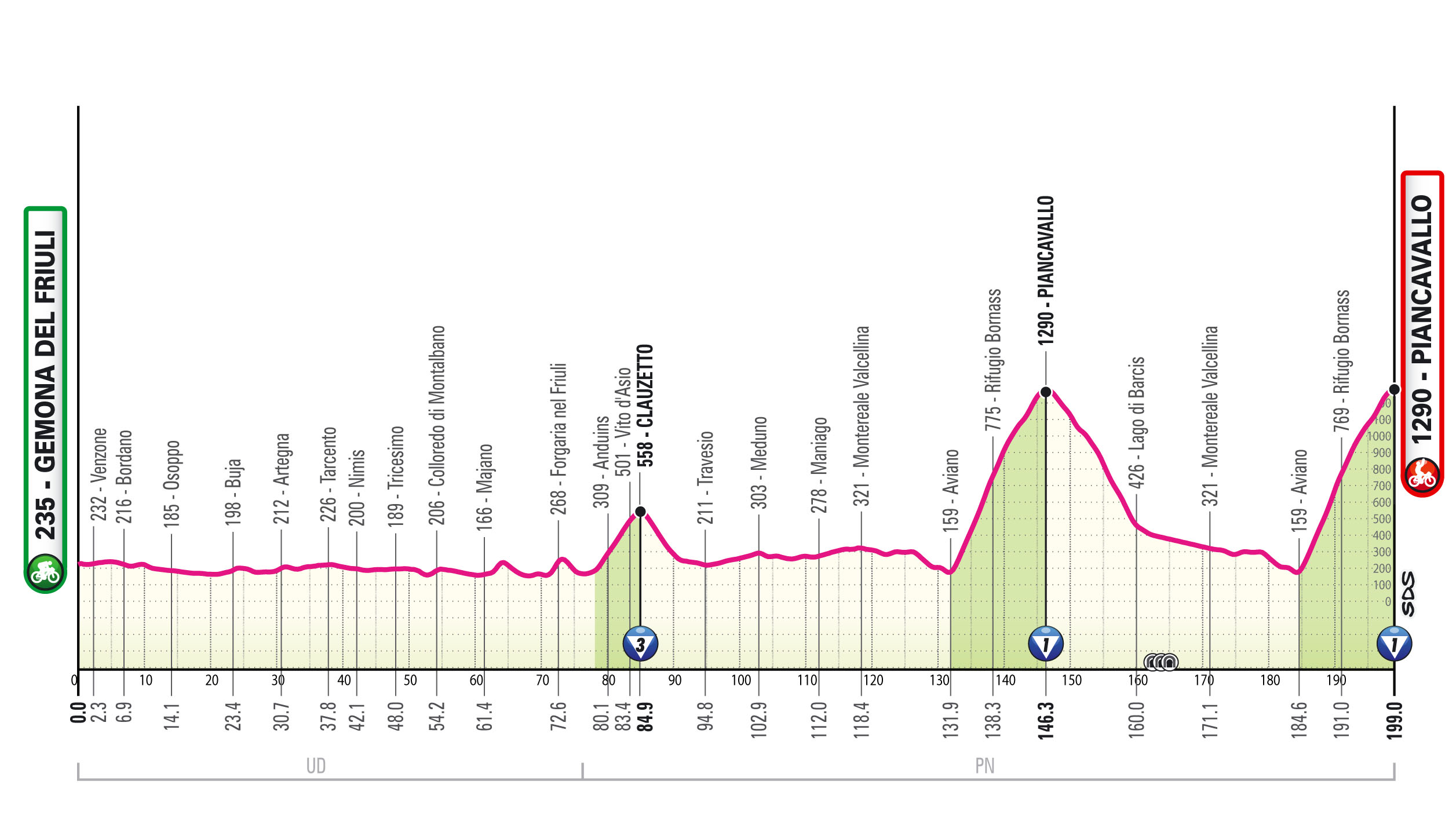
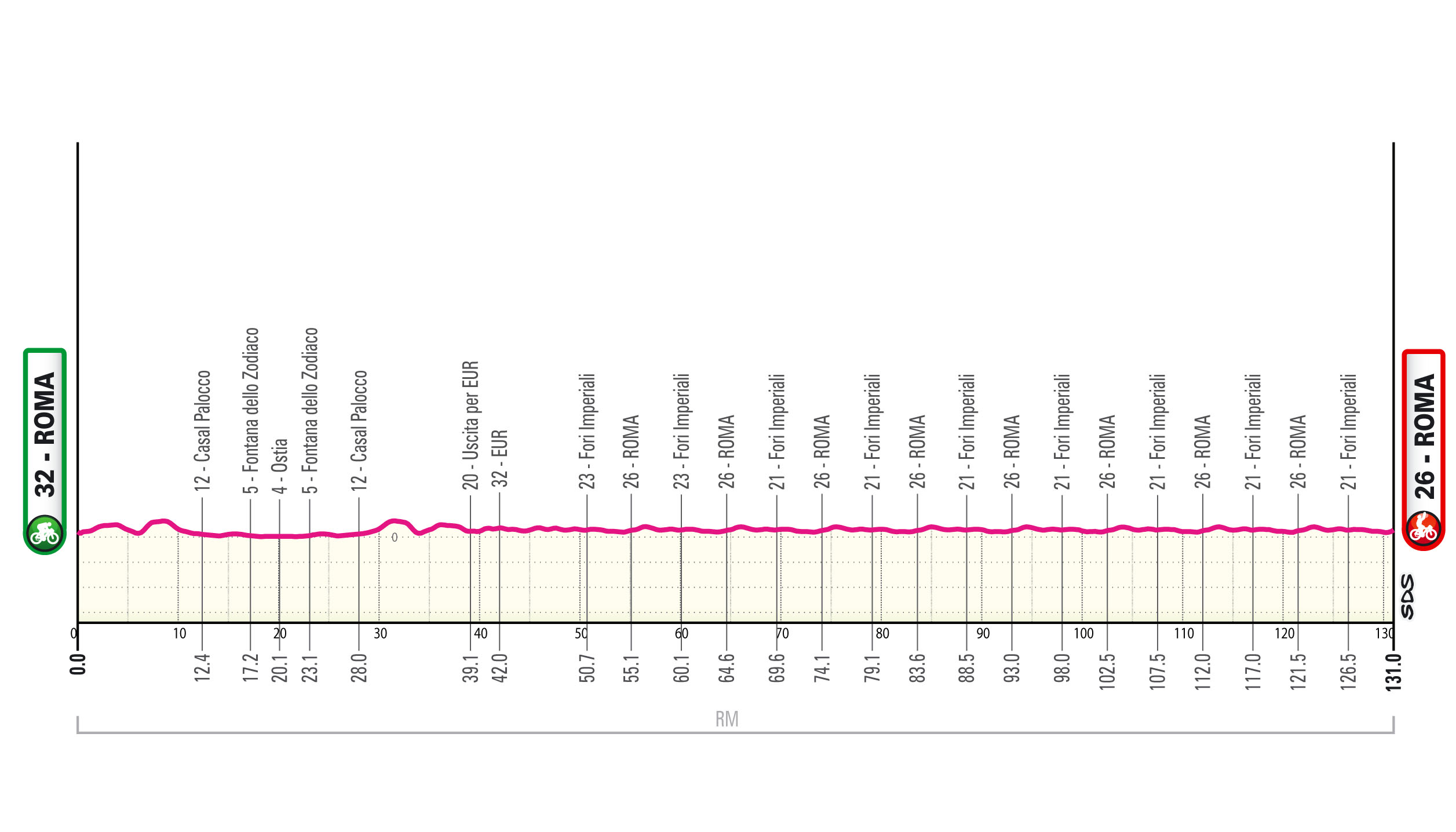
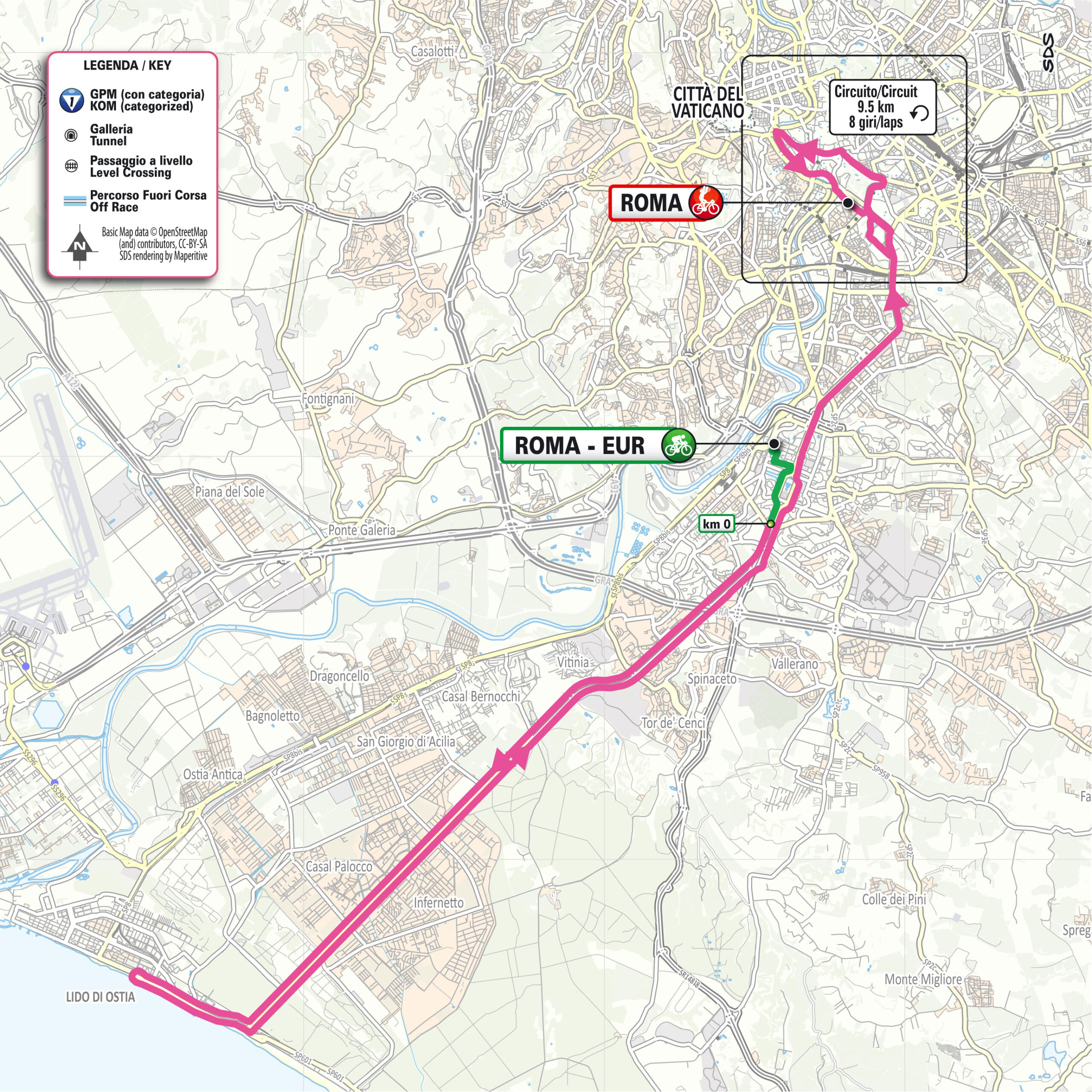
The following day commemorates the Friuli earthquake of 6 May 1976, passing through Gemona del Friuli before climbing Piancavallo twice to decide the general classification. The Giro concludes with the Grande Arrivo in Rome, featuring the traditional parade circuit through the Eternal City.
Numbers & Facts
- Total distance: 3,459 km
- Total elevation gain: 50,000 m
- Foreign Grande Partenza: 16th in Giro history
- Grande Arrivo in Rome: 8th time
- Individual time trial distance: 40.2 km
- Stage finishes in Milan: 90th
- Cima Coppi: Passo Giau (2,233 m) for the 4th time (1973, 2011, 2021)
Giro d’Italia 2026 – Stage Guide
Total distance: 3,459 km
Total elevation gain: 50,000 m
Dates: 8–31 May 2026
Stage 1 – Friday 8 May: Nessebar → Burgas (Bulgaria)
- Distance: 156 km
- Black Sea coast route
- Sprinter-friendly finish
- First Maglia Rosa awarded
Stage 2 – Saturday 9 May: Burgas → Veliko Tarnovo (Bulgaria)
- Distance: 220 km
- Final climb: 3.5 km at 7.5%
- Early test for GC contenders

Stage 3 – Sunday 10 May: Plovdiv → Sofia (Bulgaria)
- Distance: 174 km
- Sprint-favouring finish
Rest Day – Monday 11 May
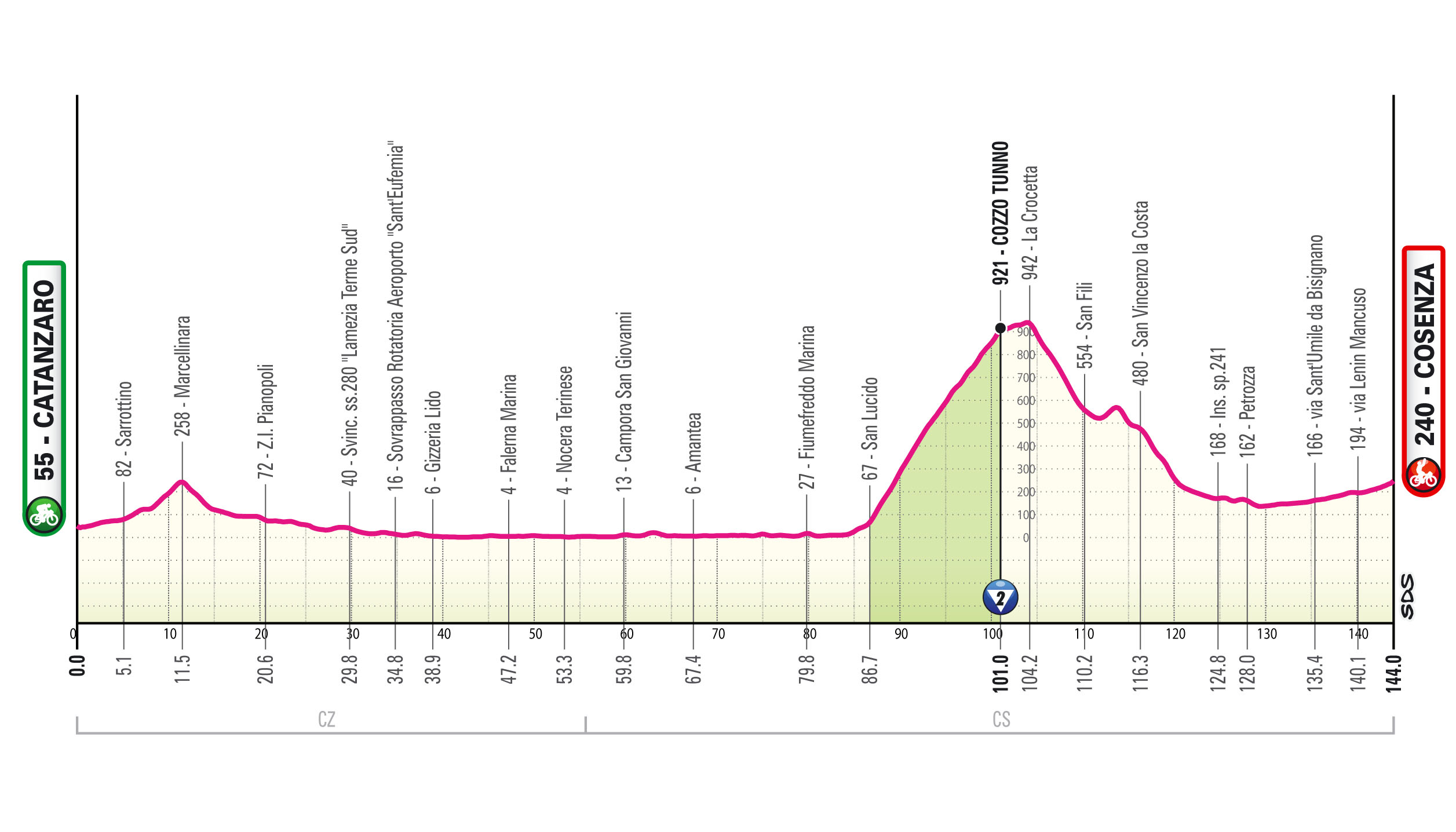
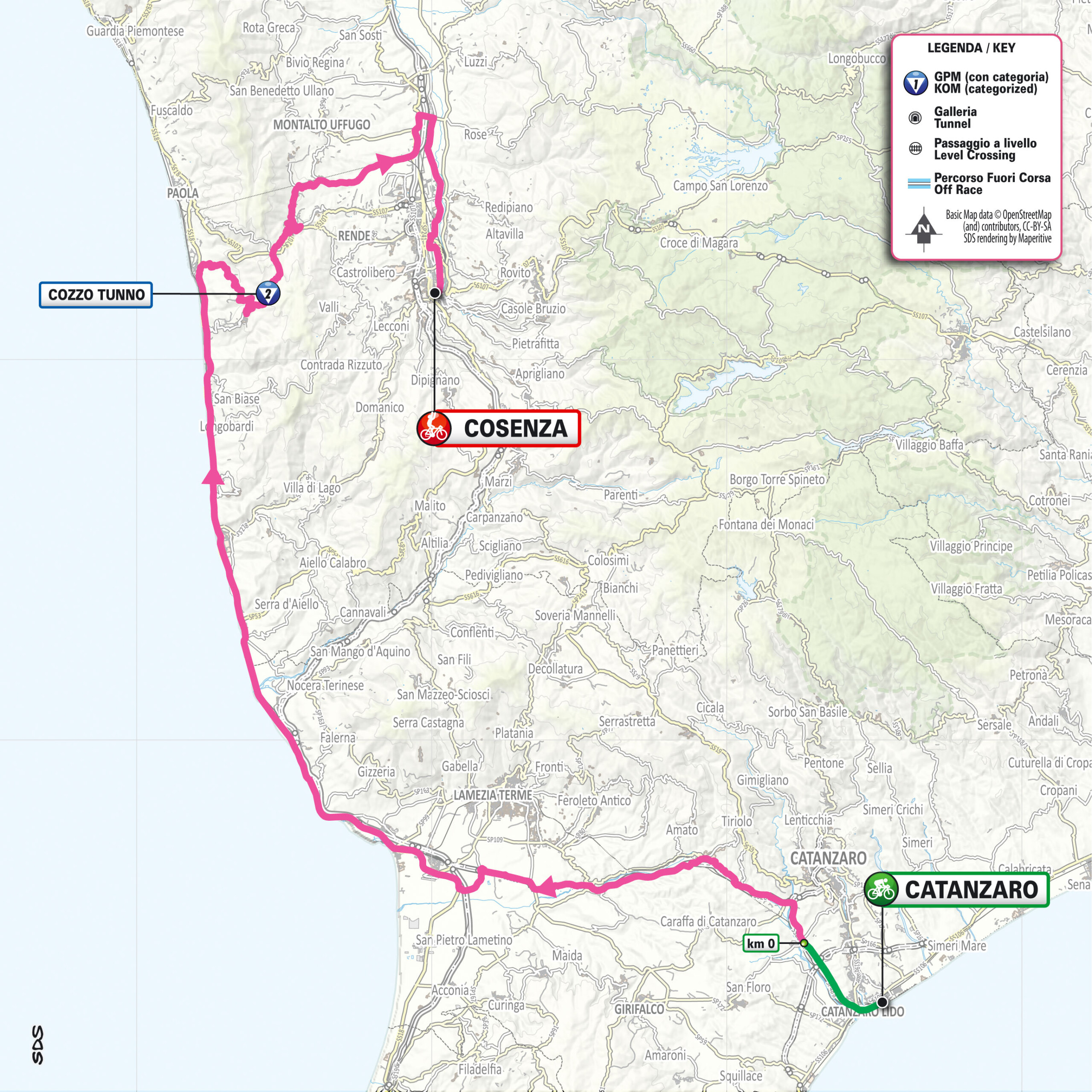
Stage 4 – Tuesday 12 May: Catanzaro → Cosenza
- Distance: 144 km
- Medium-mountain stage
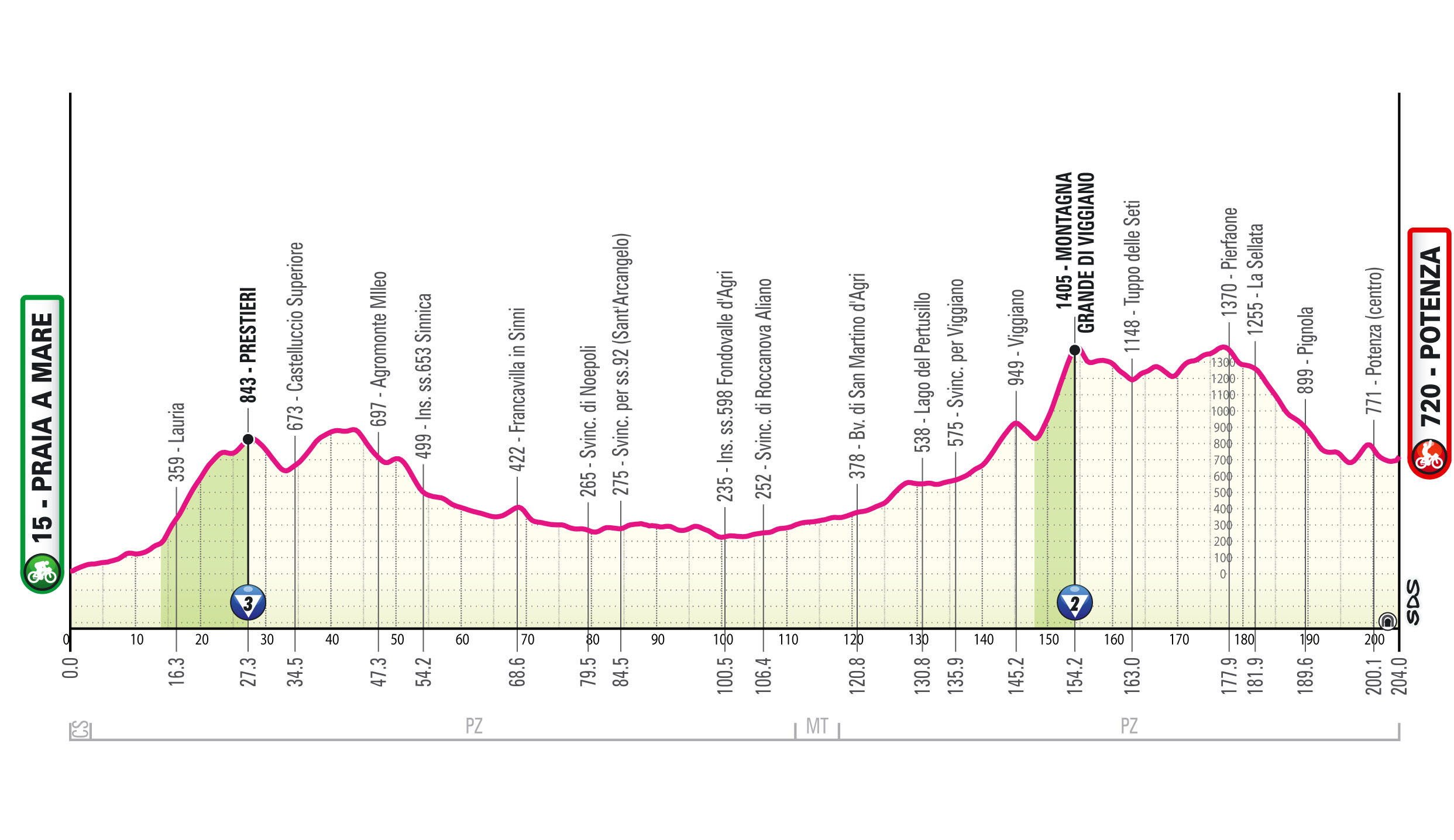
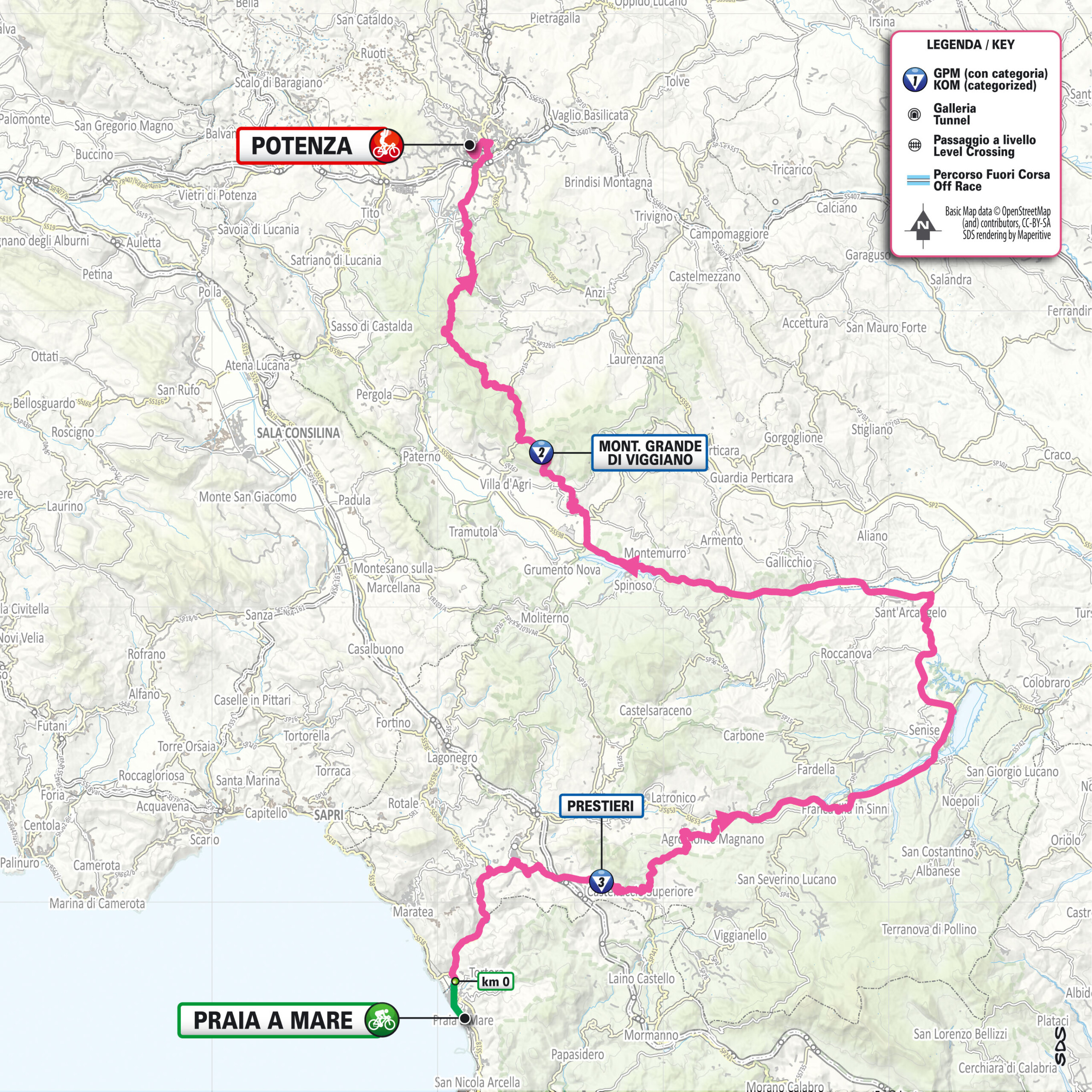
Stage 5 – Wednesday 13 May: Praia a Mare → Potenza
- Distance: 204 km
- Medium-mountain stage
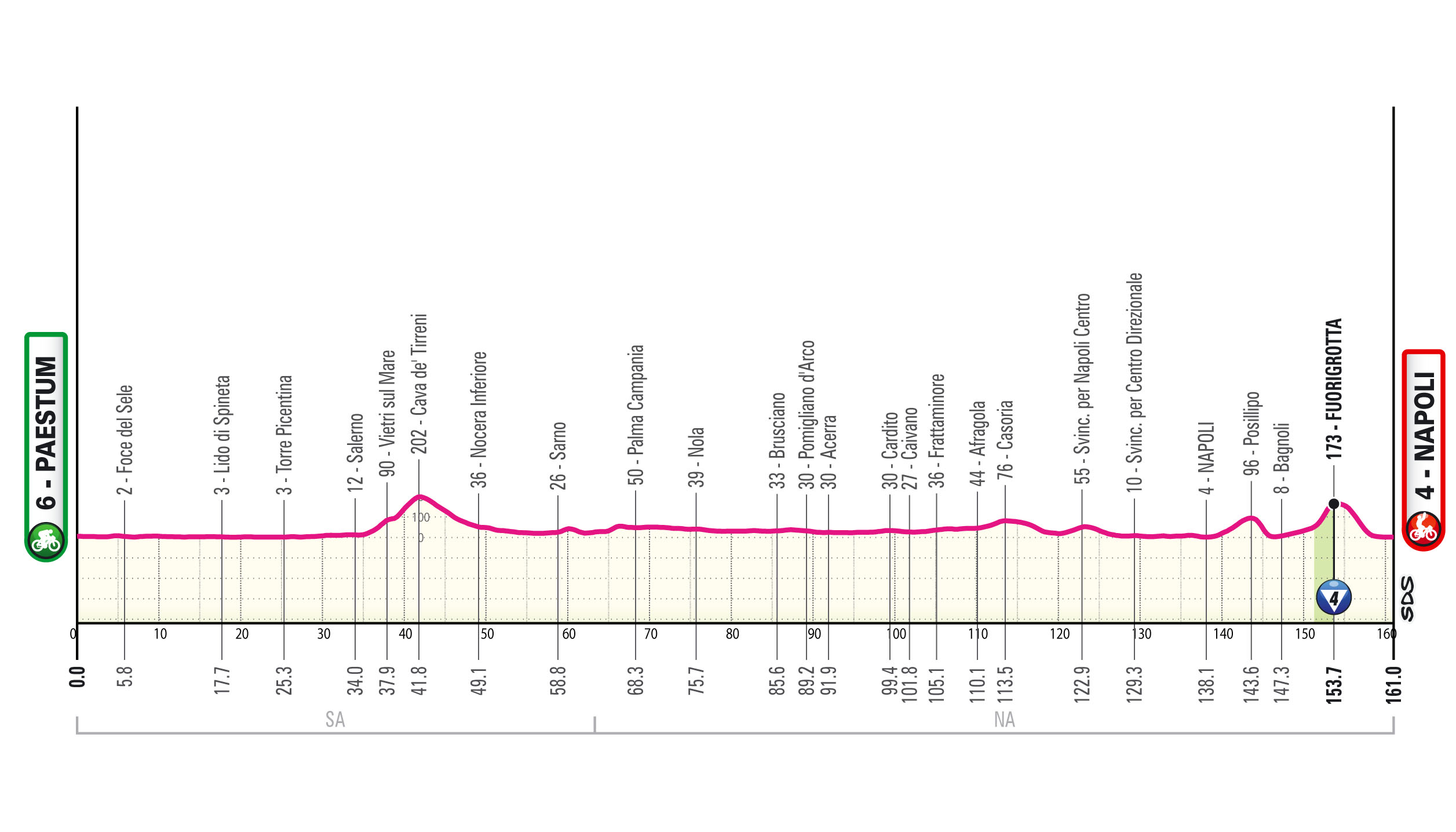
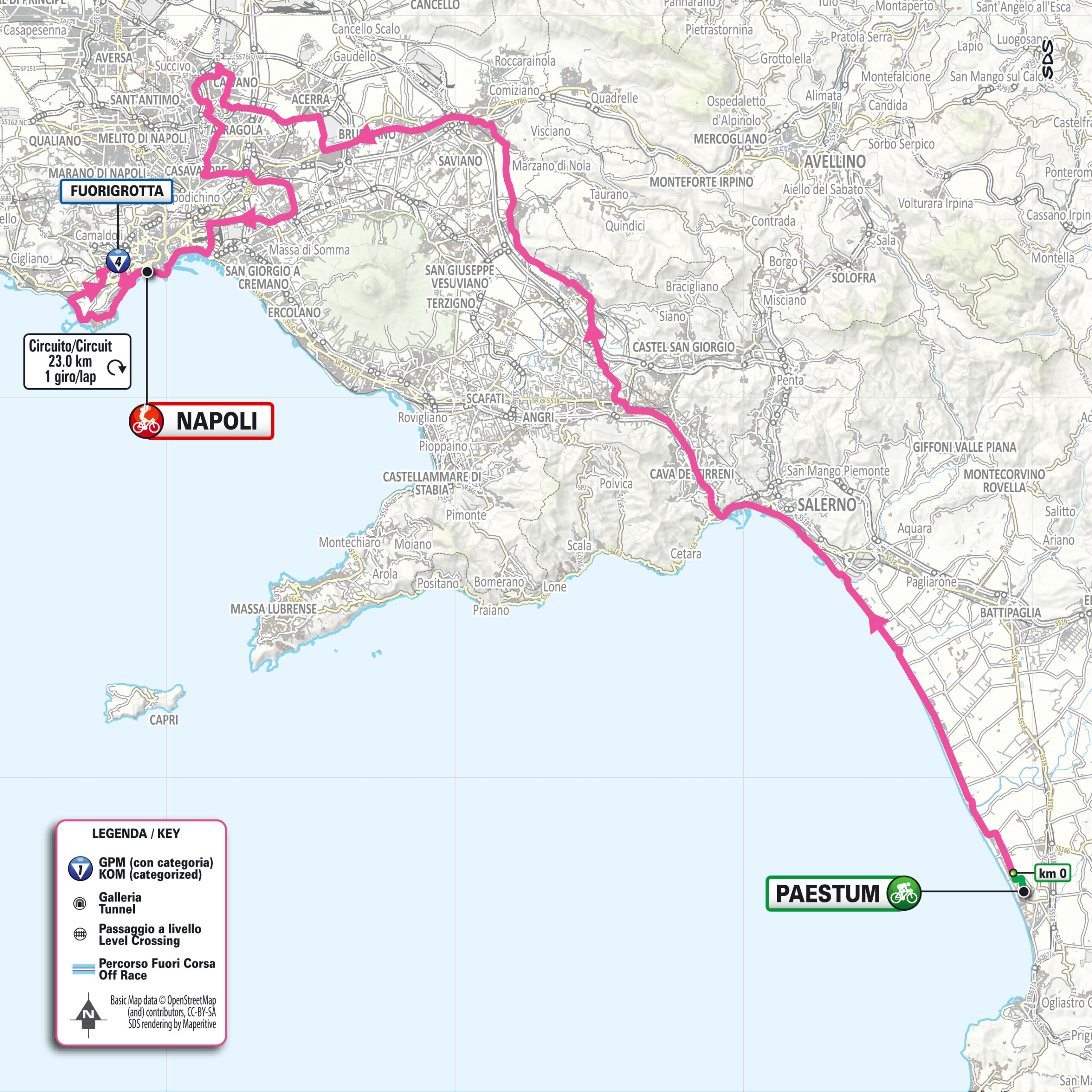
Stage 6 – Thursday 14 May: Paestum → Napoli
- Distance: 161 km
- Sprinter-friendly
Stage 7 – Friday 15 May: Formia → Blockhaus
- Distance: 246 km
- First major summit finish
- Key GC stage
Stage 8 – Saturday 16 May: Chieti → Fermo
- Distance: 159 km
- “Muri” stage, featuring punchy climbs
Stage 9 – Sunday 17 May: Cervia → Corno alle Scale
- Distance: 184 km
- Apennine summit finish
- Returns 22 years after Simoni’s 2004 victory
Rest Day – Monday 18 May
Stage 10 – Tuesday 19 May: Viareggio → Massa (TUDOR ITT)
- Distance: 40.2 km
- Individual time trial (Tappa Bartali)
- Crucial for GC riders
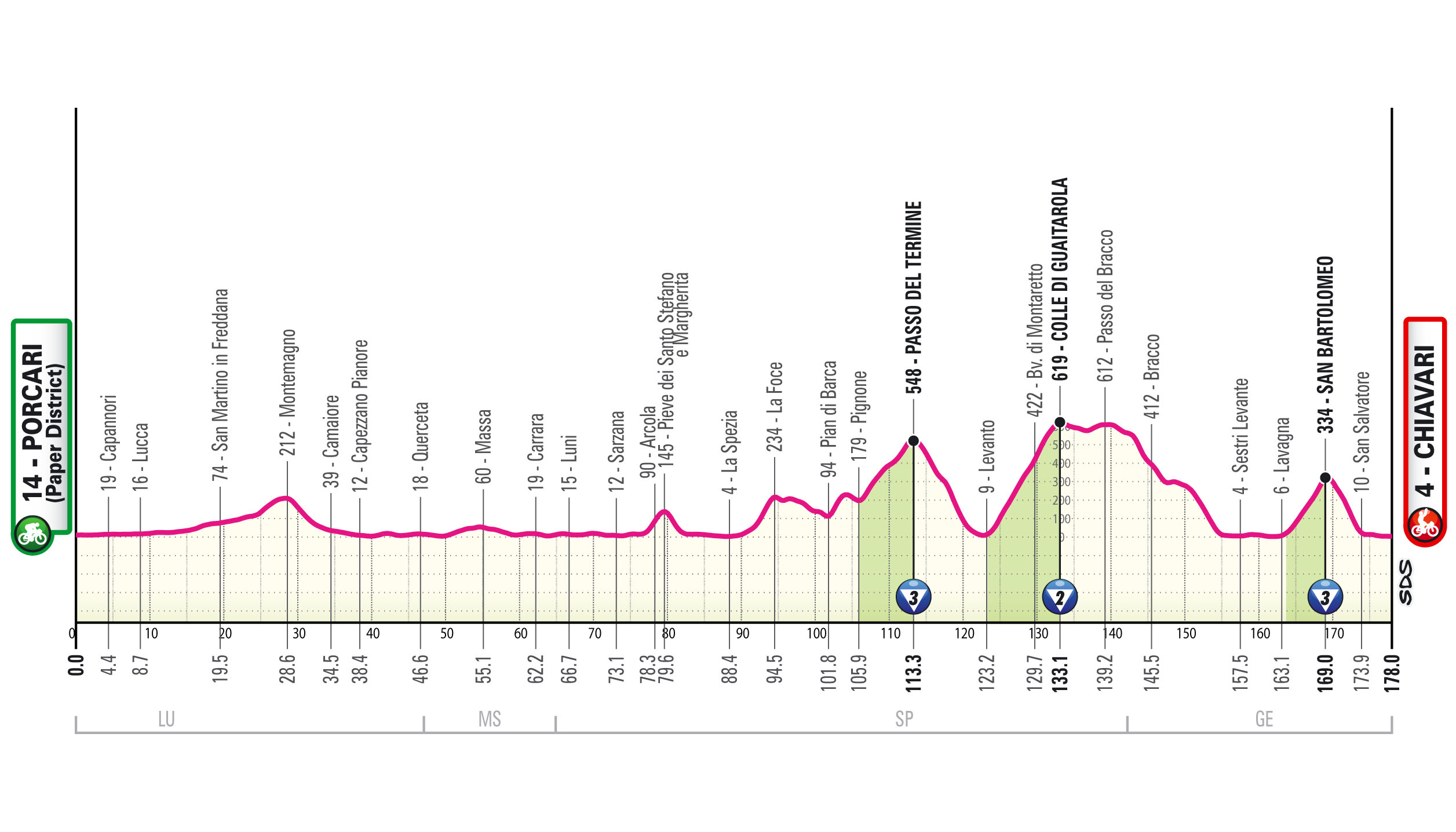
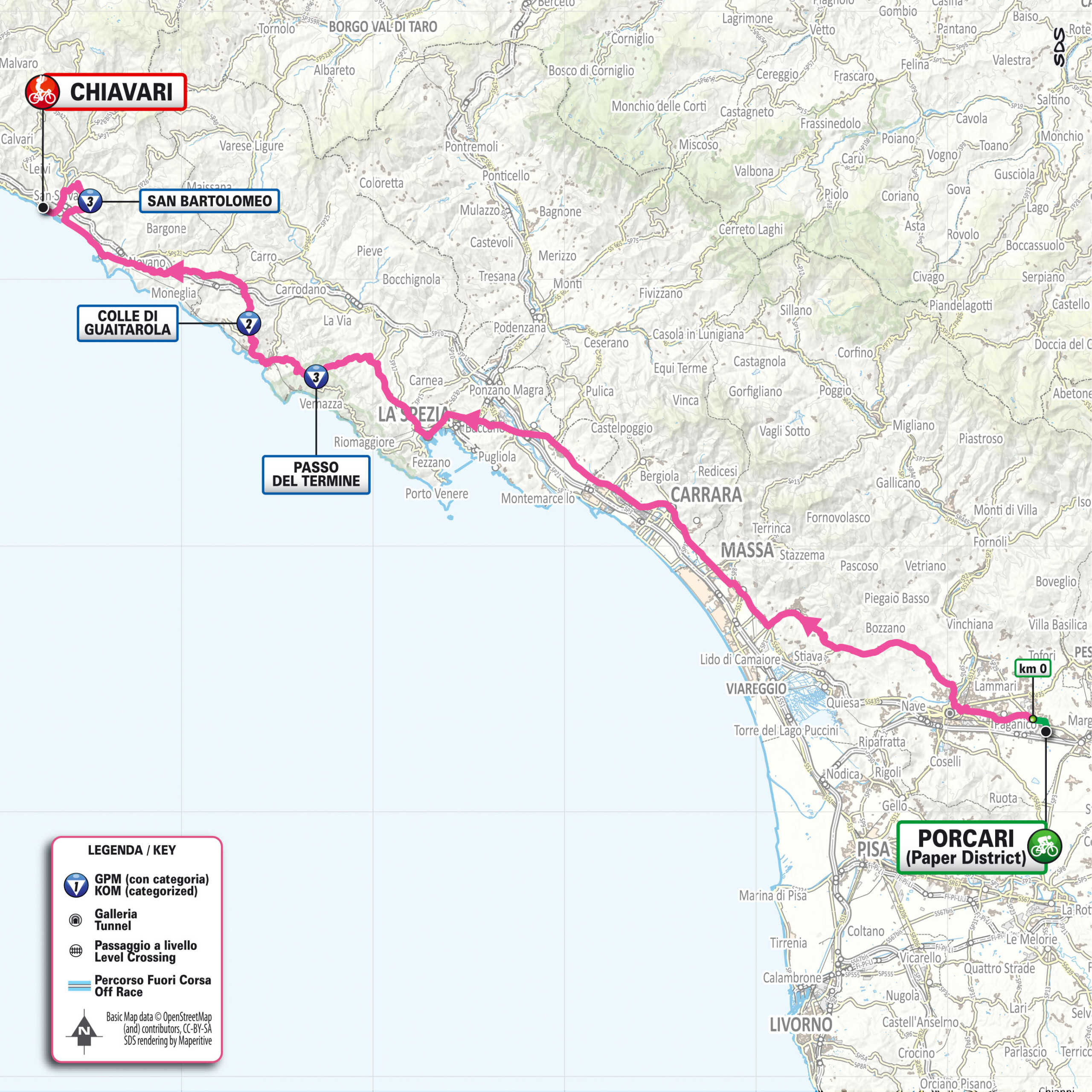
Stage 11 – Wednesday 20 May: Porcari (Paper District) → Chiavari
- Distance: 178 km
- Medium stage
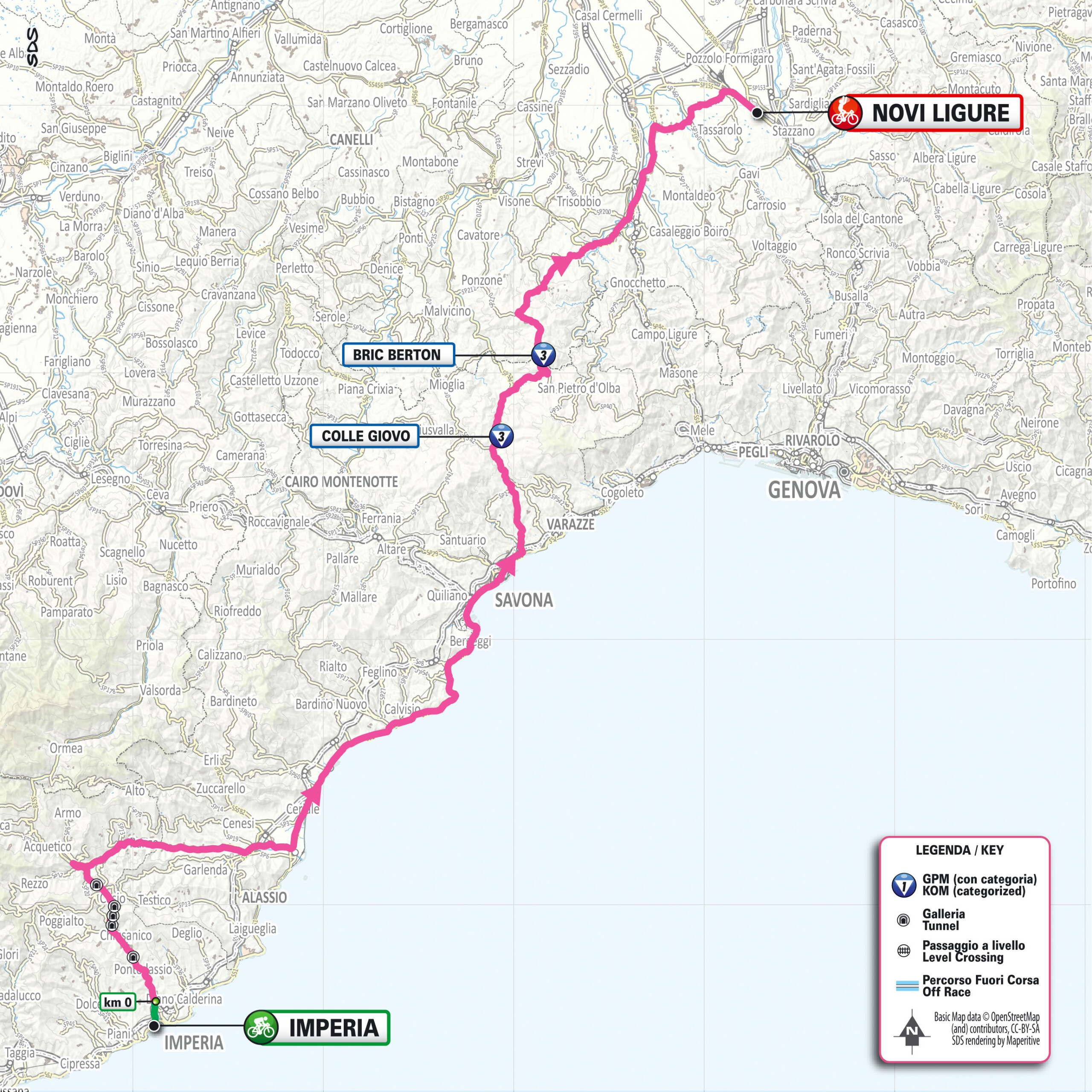
Stage 12 – Thursday 21 May: Imperia → Novi Ligure
- Distance: 177 km
- Likely sprinter-friendly

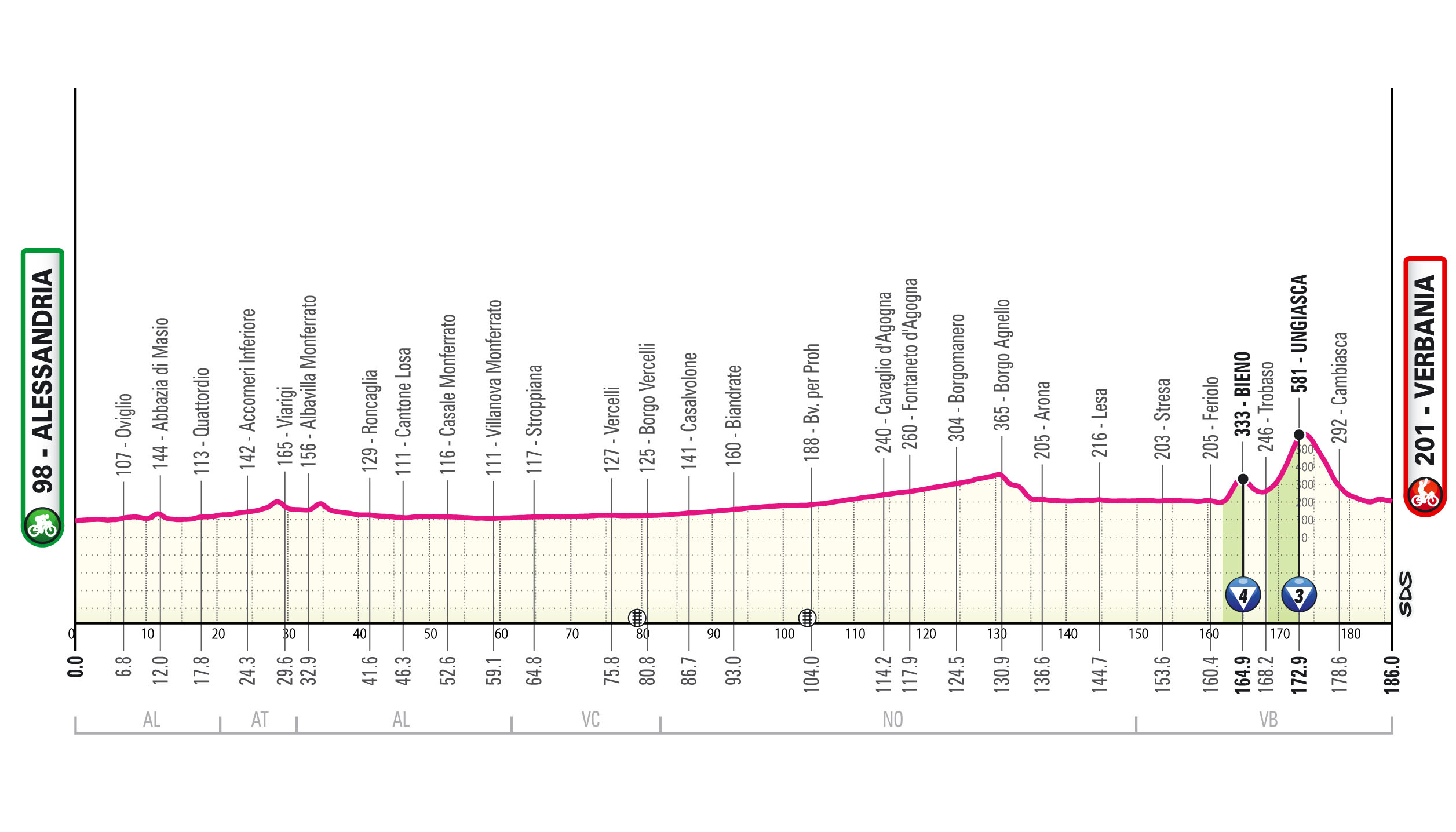
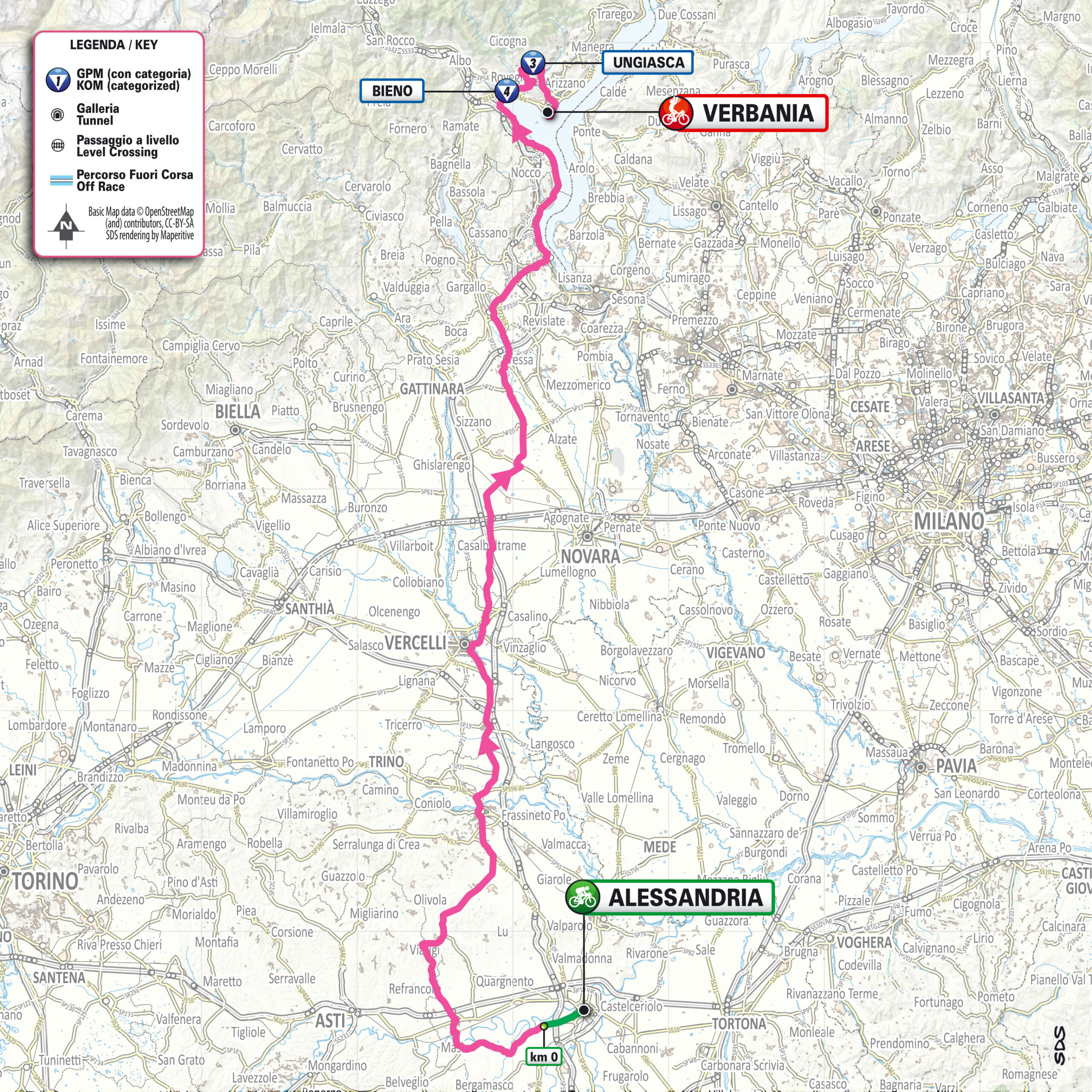
Stage 13 – Friday 22 May: Alessandria → Verbania
- Distance: 186 km
- Mixed stage
Stage 14 – Saturday 23 May: Aosta → Pila
- Distance: 133 km
- Brutal mountain stage
- 4,400 m elevation gain
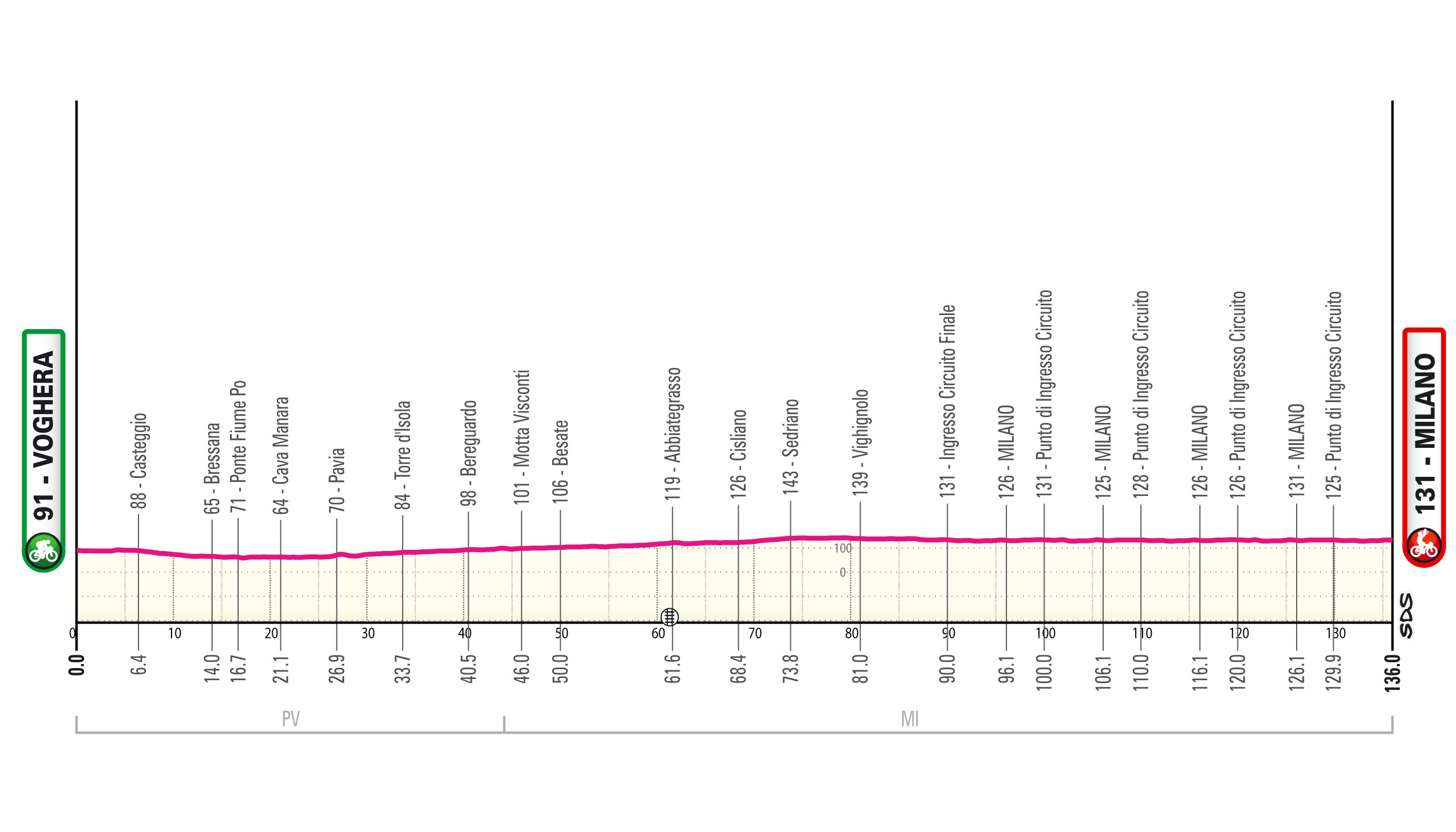
Stage 15 – Sunday 24 May: Voghera → Milano
- Distance: 136 km
- Sprint finish
- Milan hosts its 90th stage finish
Rest Day – Monday 25 May
Stage 16 – Tuesday 26 May: Bellinzona → Carì (Switzerland)
- Distance: 113 km
- Short but intense, mixed terrain
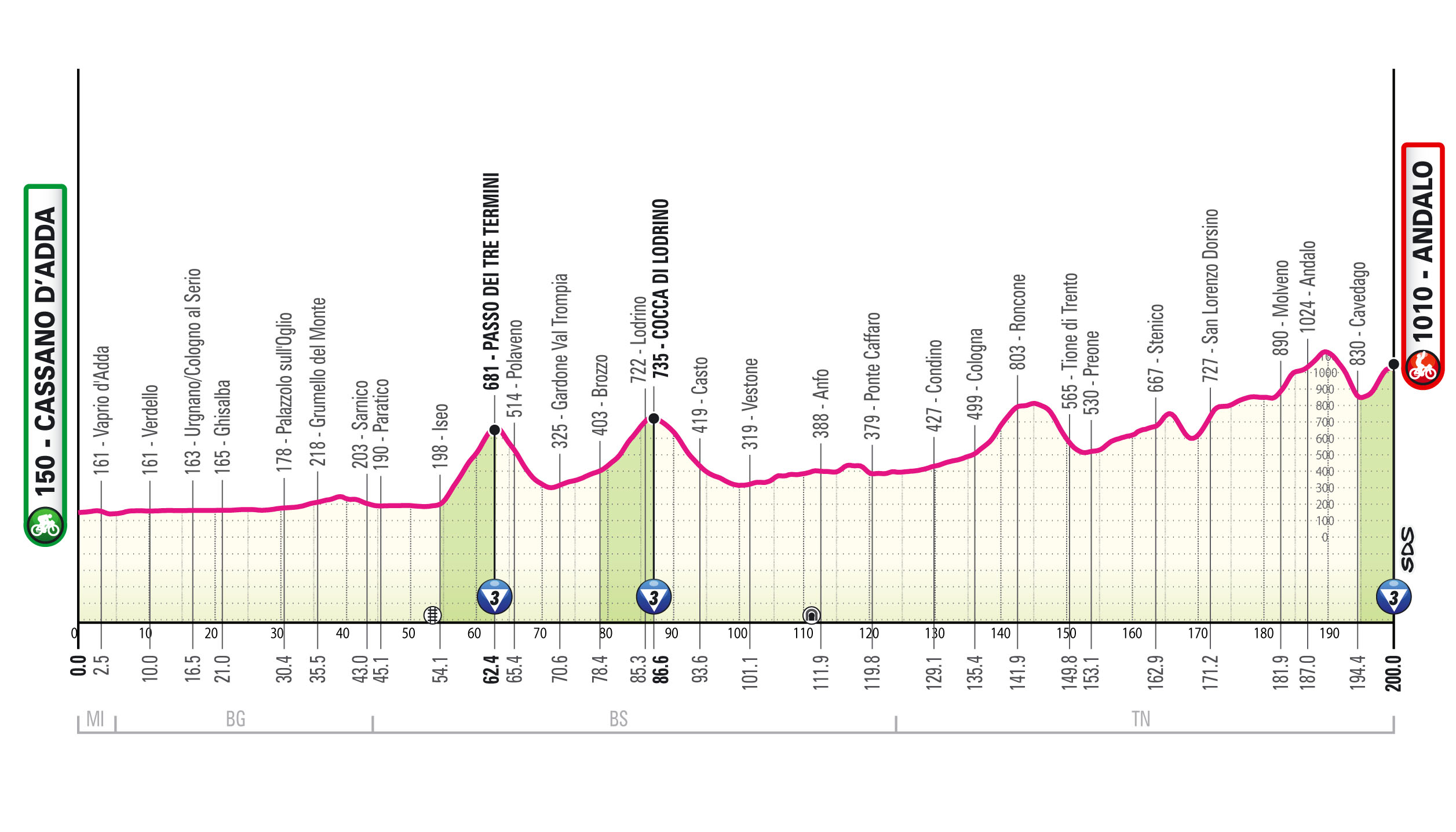
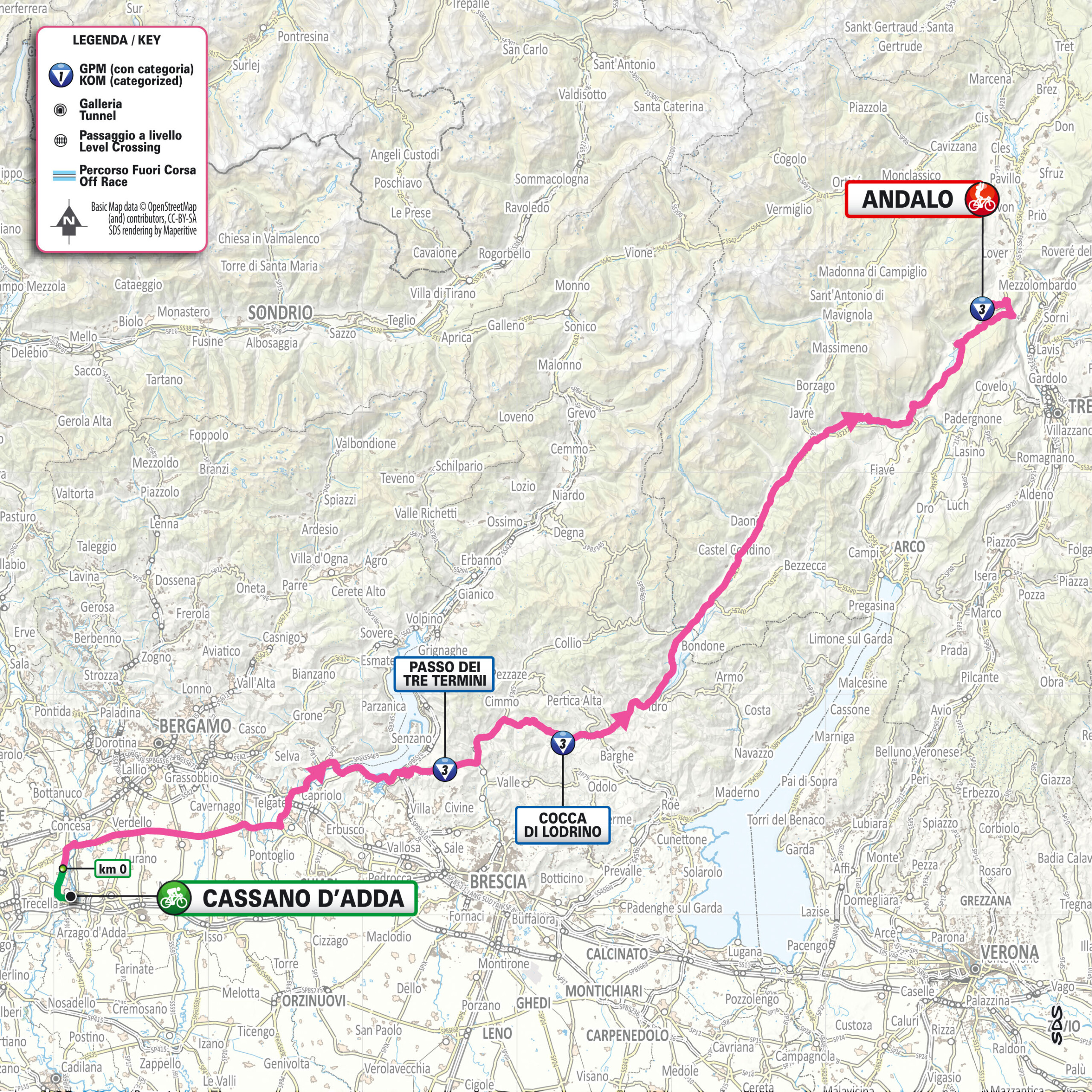
Stage 17 – Wednesday 27 May: Cassano d’Adda → Andalo
- Distance: 200 km
- Mountainous stage
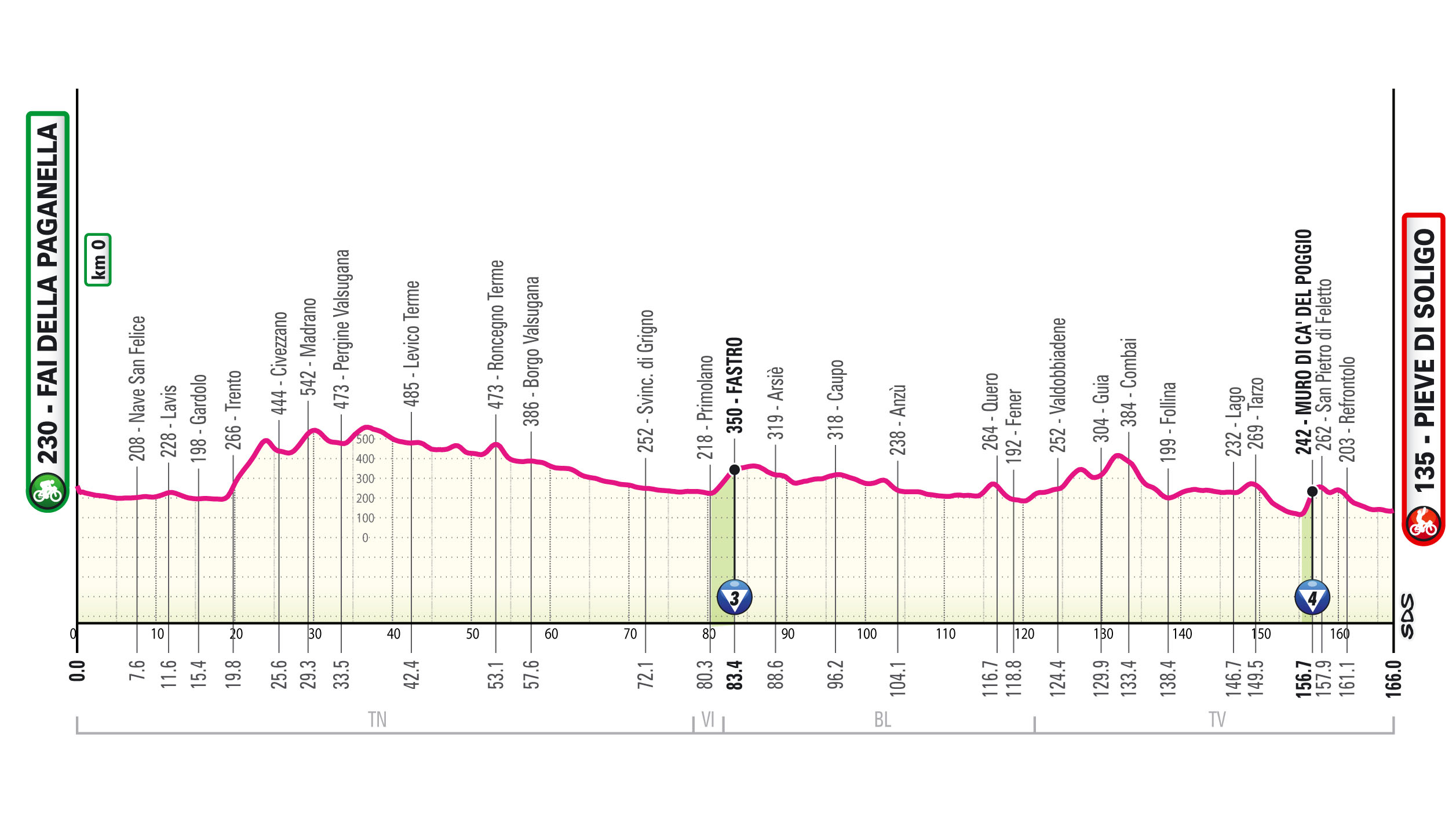
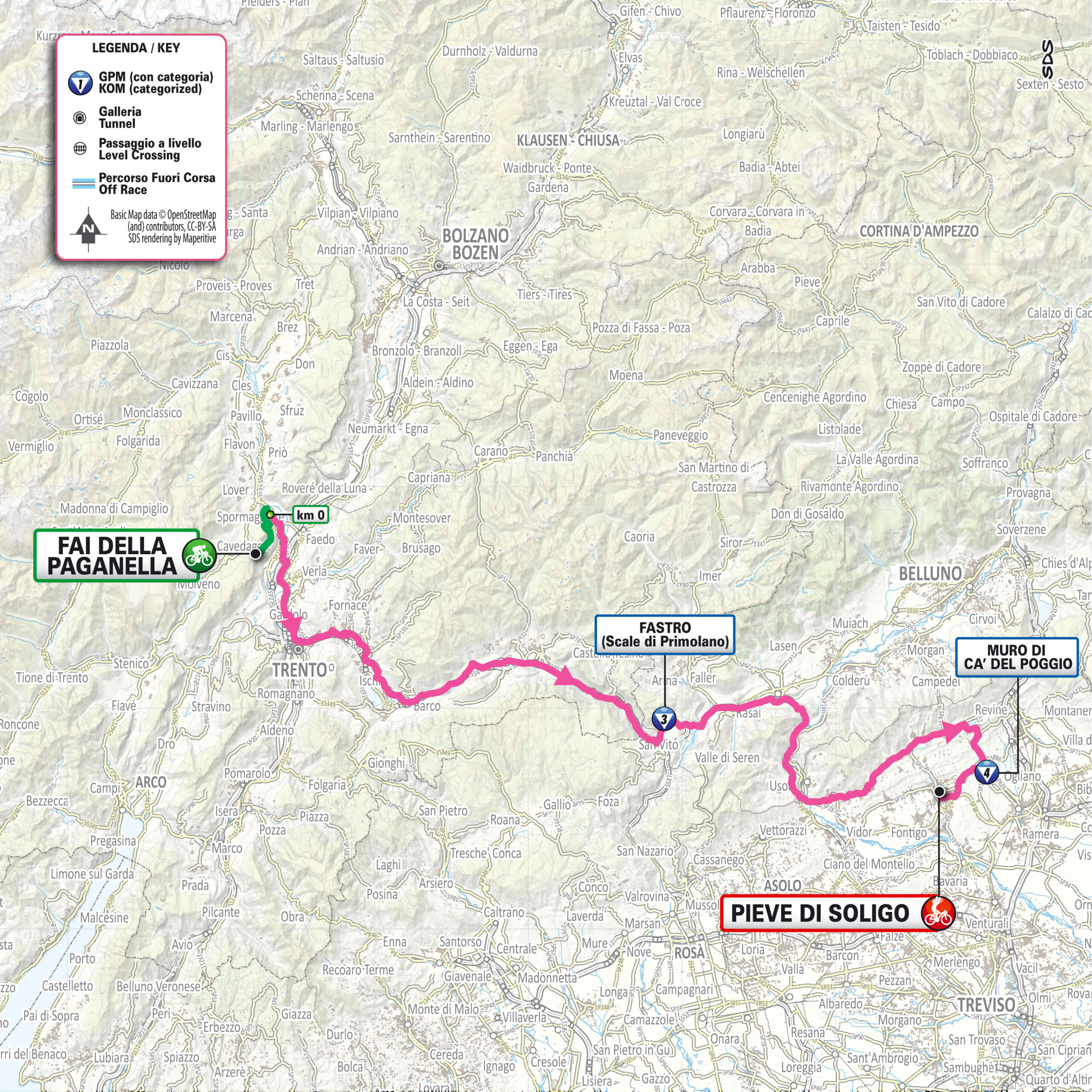
Stage 18 – Thursday 28 May: Fai della Paganella → Pieve di Soligo
- Distance: 167 km
- Mixed stage
Stage 19 – Friday 29 May: Feltre → Alleghe (Piani di Pezzè)
- Distance: 151 km
- Queen stage of the Giro
- Climbs: Duran, Staulanza (Coi variant), Giau (Cima Coppi, 2,233 m), Falzarego
Stage 20 – Saturday 30 May: Gemona del Friuli 1976–2026 → Piancavallo
- Distance: 199 km
- Two ascents of Piancavallo
- Commemorates 1976 Friuli earthquake
- Decisive for GC

Stage 21 – Sunday 31 May: Roma → Roma
- Distance: 131 km
- Traditional Grande Arrivo parade through the Eternal City
- Celebratory finish for all riders
#giroditalia