Home Blog Page 110

My Best Day On A Bike, Ever

By Jill Homer — The Iditarod Trail connects the Yukon River to the Norton Sound via an eighty-mile overland traverse known as the Kaltag Portage. The geography here resembles a crinkled piece of paper, with small mountains rippling across every horizon. Travelers follow the path of least resistance along the Kaltag River, where the trail wends in and out of steep embankments on a gradual rise to a pass. Beat told me the Kaltag Portage was one of his favorite segments of the Iditarod Trail — high tundra where everything is sparse, except silence.
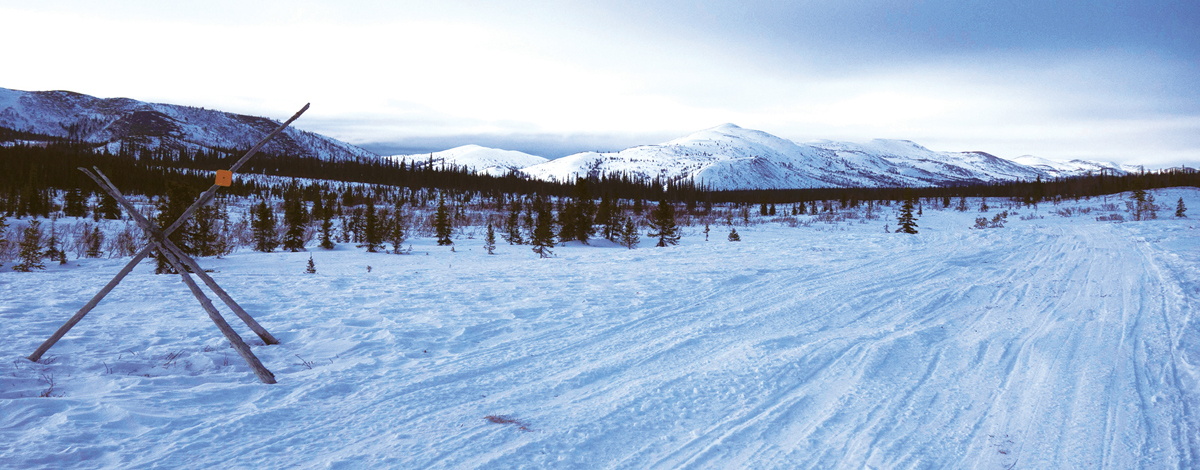
A trail-marking tripod on the Kaltag Portage on the Iditarod Trail. Photo by Jill Homer

I rolled away from Kaltag at first light, when the sky was still a gray pall. I struggled to engage even my lowest gears as I pedaled through a suffocatingly thick forest. My breathing was disproportionately labored for this meager effort.

“It’s just a morning funk,” I assured myself, ignoring the similarities to the early stages of every other physical shutdown I’d experienced in the past year.

Despite the respiratory angst, I felt a thrilling buzz of anticipation. This electric sensation hearkened back to Friday night adventures as a teenager, riding shotgun along State Street and stretching my arm out the open window, as far as I could reach into the summer night. It was the feeling that anything and everything could happen, and not even the stars could predict what life-altering experiences my friends and I would forge before the neon-lit darkness faded to dawn.

My life had changed a fair amount since my greatest adventures encompassed dragging the main strip of downtown Salt Lake City in a Chevy Cavalier, but this adolescent zeal returned each time I ventured beyond the edge of my known universe. I believe outdoor adventures are a fountain of youth for many reasons, but the most prevalent is their preservation of childlike joy.
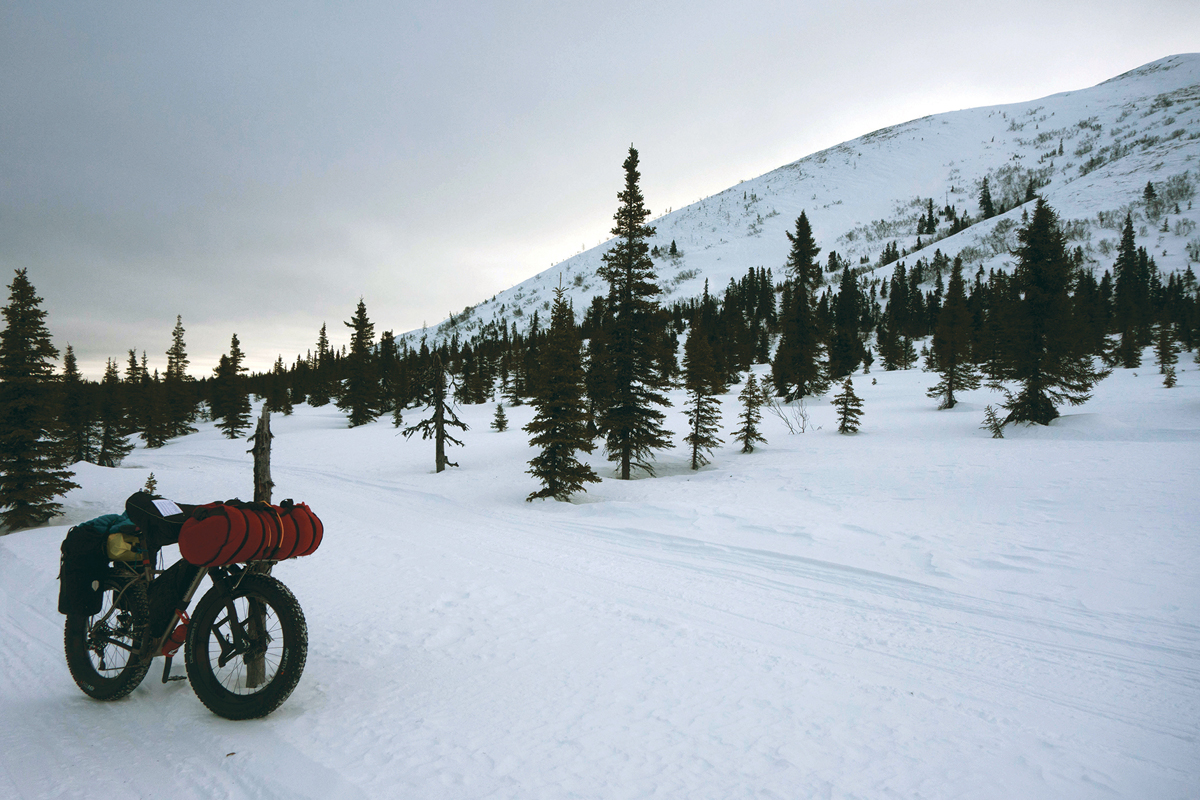
My fat bike on the Kaltag Portage. Iditarod Trail. Photo by Jill Homer

I’d ventured far beyond my pessimistic expectations, and every bend in the trail was a new triumph. The Kaltag River was laced with open leads that burbled menacingly, but every crossing was spanned by an ice bridge. After pedaling across four of these bridges without incident, I felt invincible. The trail climbed to the cusp of tree line, and the thick forest gave way to spindly black spruce, which gave way to bare, rolling hills.

Each crest brought a steep descent, which I hadn’t encountered in days. Now that my numb right hand was almost rigid, I no longer had the dexterity to steer or the strength to press the rear brake lever. As a result, my descending skills were severely compromised. I clasped the front brake and held on for my life as the rear wheel fishtailed dramatically, stirring up clouds of snow. I managed three lucky drops, but on the fourth hill, I lost control at twenty miles per hour. The front wheel plunged into a snow bank, flipping my body over the handlebars and tossing me into a hollow more than six feet off the trail. I was buried face-down in a drift, thrashing violently amid an exhilarating rush of adrenaline. After freeing myself and crawling back to the trail, I shook like a wet dog. My coat, hat, and boots were packed with snow, and the explosion of powder evoked a maniacal laugh. Nothing could touch me! I was unstoppable!
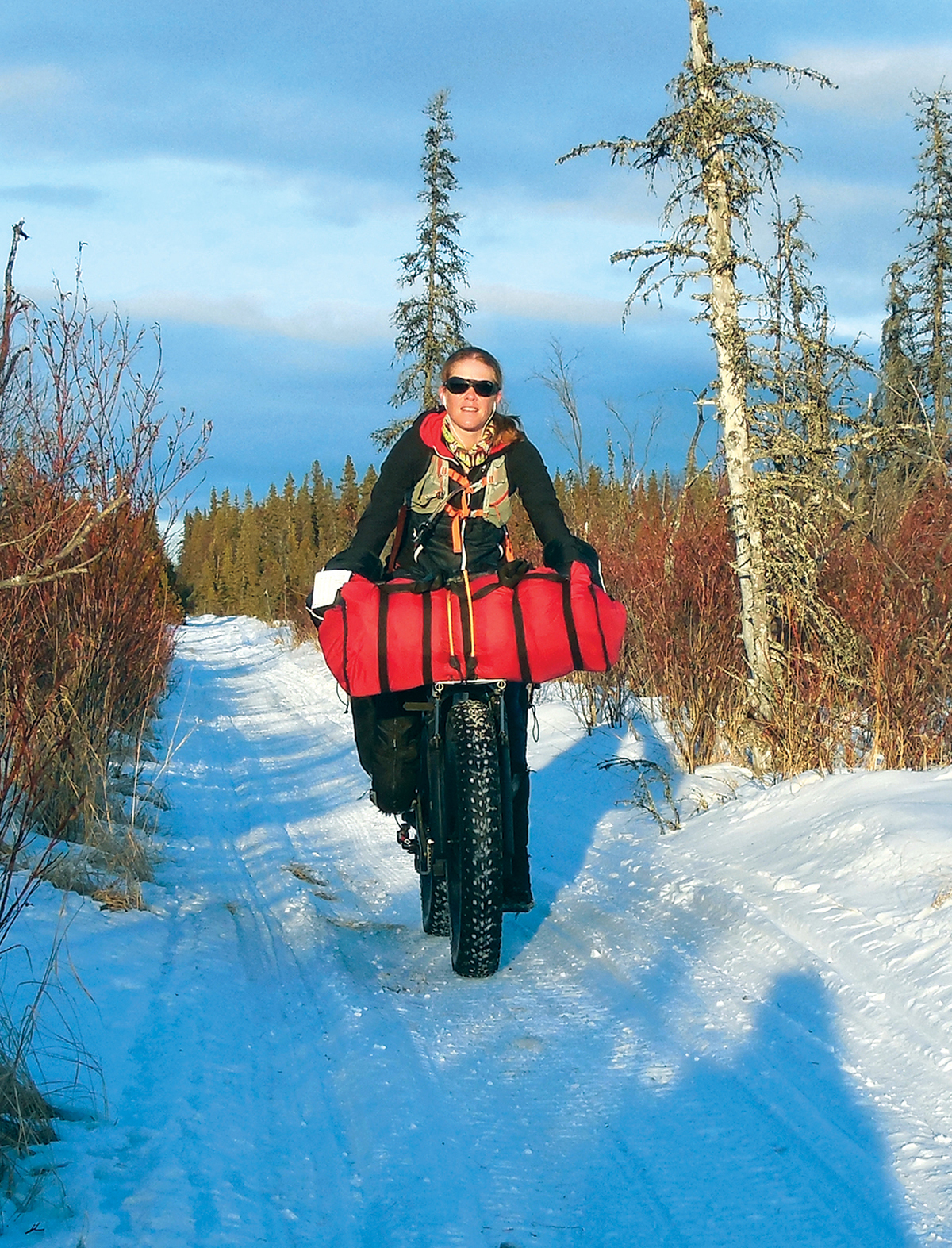
Jill Homer riding toward Unalakleet on the Iditarod Trail. Photo by Mike Beiergrohslein.

At noon I ate the last of the protein snacks I’d scavenged in Galena. I managed to cover twenty-two mostly uphill miles in four and a half hours, so traveling sixty more to the village of Unalakleet seemed like a feasible goal for the day. It felt unreal — the possibility that later that evening I’d return to the village where I started my ill-fated bike tour a year earlier, and left vowing never to return. Of course, I’d have to put in a hard effort if I wanted to reach Peace on Earth Pizza at a reasonable hour. The carrot of a hot pizza — and even more enticing, fresh salad and fruit juice — pulled me forward. I concentrated on rhythmic breathing and visualized a cartoon-like depiction of proteins replenishing my depleted muscles. This is another benefit of a childlike mind — the uninhibited hope that imagining something will make it true.
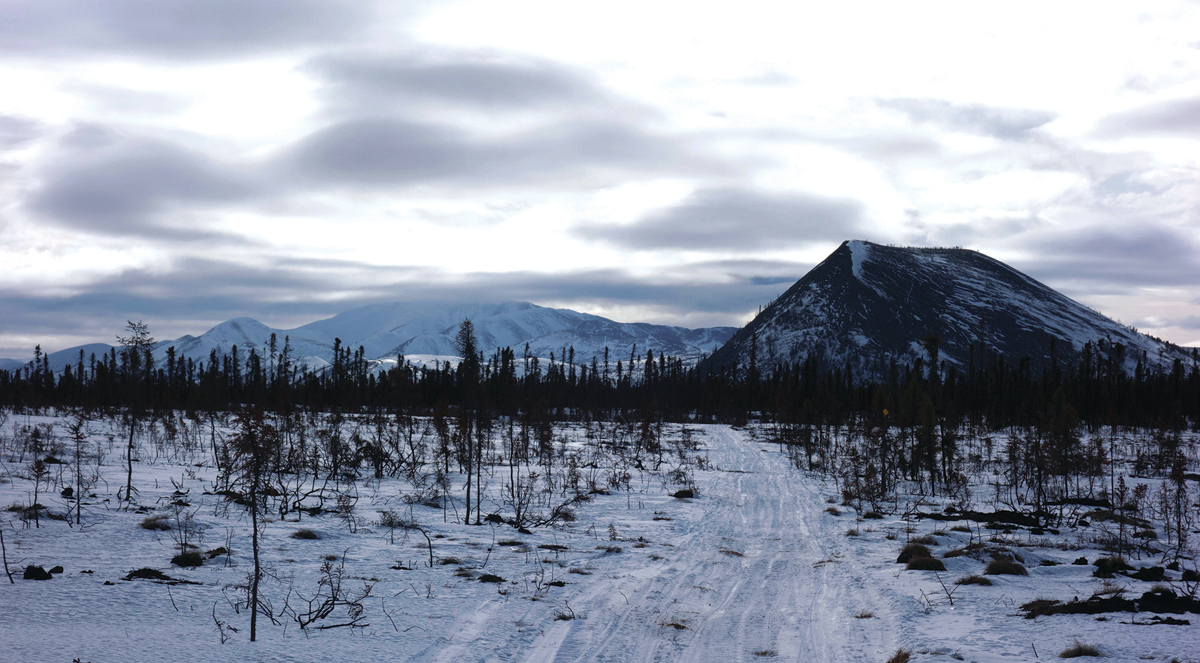
Old Woman Mountain. Iditarod Trail. Photo by Jill Homer

In the golden light of mid-afternoon, I descended through a charred forest toward a pyramid-shaped peak known as Old Woman Mountain. Iditarod legend tells the story of an old woman who ascended this mountain against the wishes of village elders, who believed such an arduous task was too dangerous for a woman. Because of her defiance, she was swept away in an avalanche, never to be found. Now her spirit haunts this desolate valley, cursing travelers so they too can never leave.
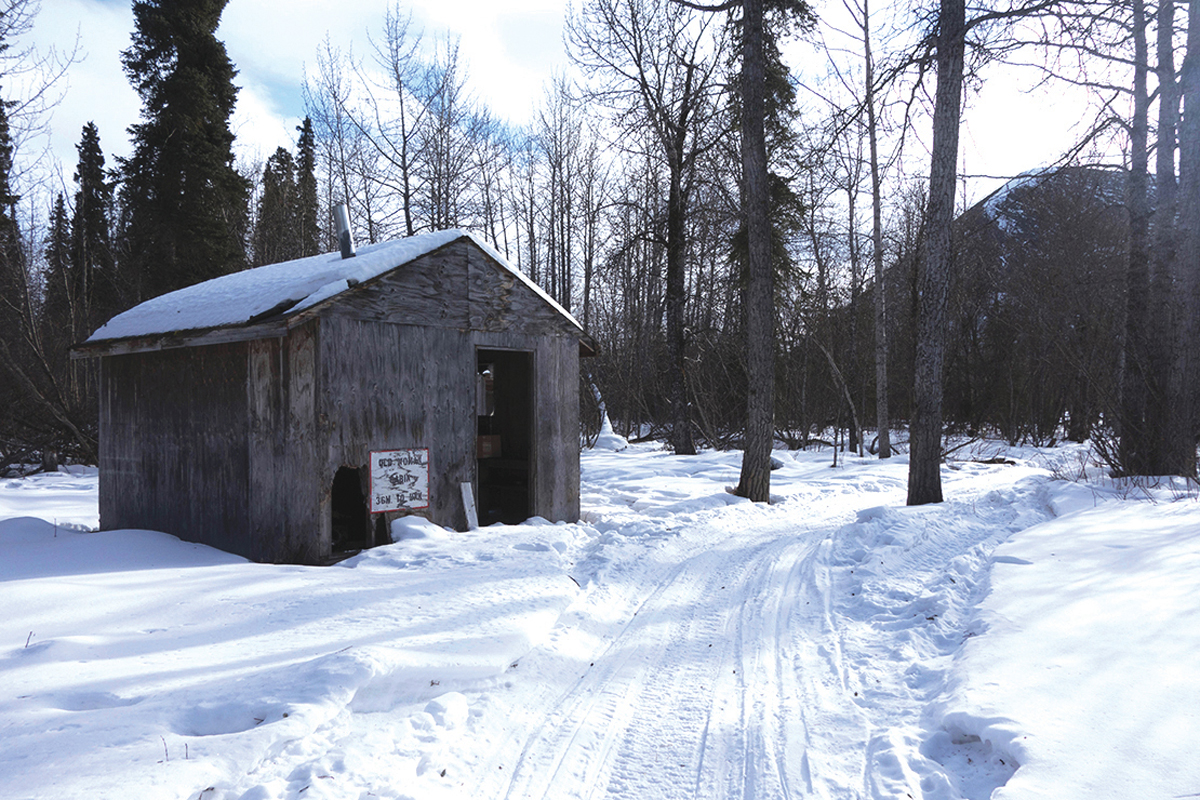
The “old” Old Woman shelter cabin. Iditarod Trail. Photo by Jill Homer

Iditarod mushers tell of sudden bouts of crushing fatigue and inexplicable urges to slow down or rest when passing beneath the Old Woman’s mountain. Legend holds that the ghost also has the power to generate terrible storms. A shelter cabin was built here to protect travelers from weather that reportedly is among the worst in Alaska. According to musher superstition, if an offering is left at the cabin for the Old Woman, she will spare the traveler. Otherwise, she will curse them with bad luck until Nome. Women are said to be especially susceptible to her curse, so I came prepared with an extra Snickers bar to sacrifice.

After several decades, the Old Woman cabin had fallen into disrepair, to the point where it could provide neither shelter nor respite for any traveler. The roof was collapsing, plywood walls were punched full of holes, and the door was missing. The interior was filled with garbage — empty food containers, rusted gasoline canisters, and snowmobile parts. As I approached the cabin with my chocolate offering in my hand, I was loathe to add to the garbage pile.

“Let her haunt me,” I thought, placing the candy bar back in my top tube bag. “She can’t slow me down.”
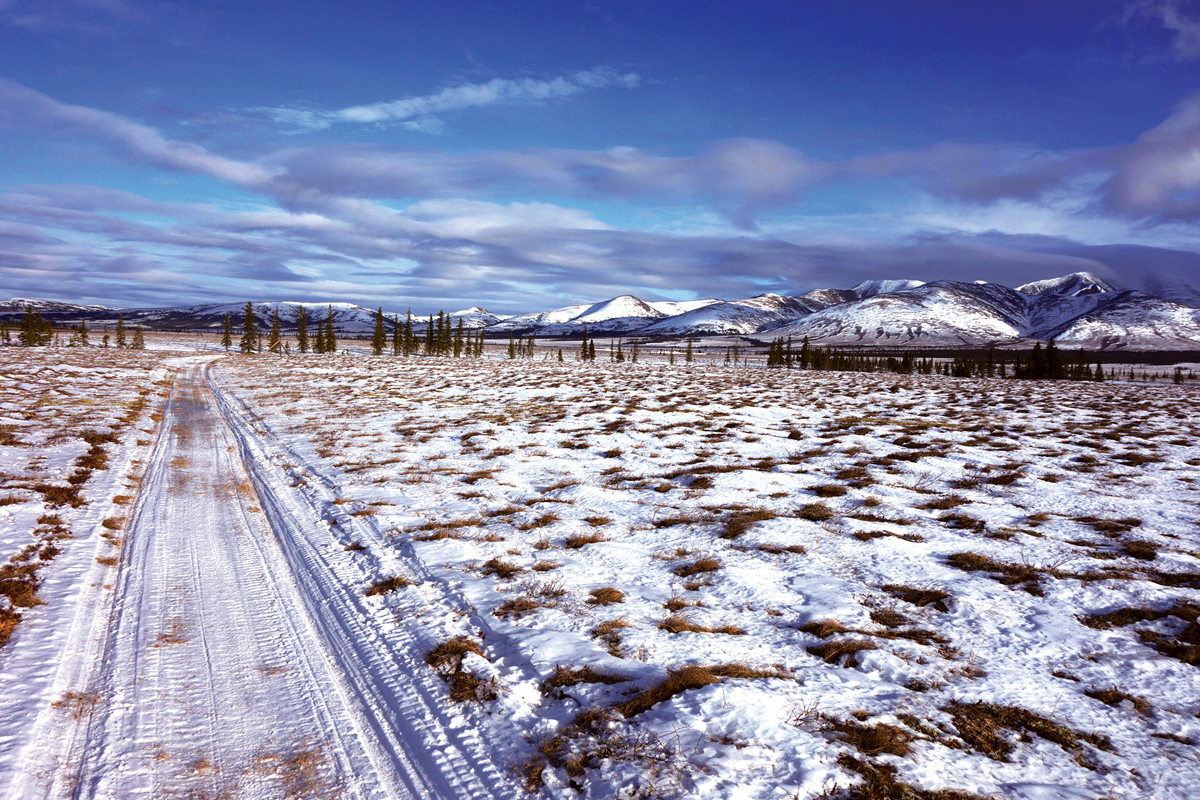
The Iditarod Trail heading west toward Unalakleet. Iditarod Trail. Photo by Jill Homer

A few miles down the trail was a new Bureau of Land Management shelter cabin that also bore the Old Woman’s name. Although superstition wouldn’t allow me to believe that an ancient ghost would just pick up and move to a nicer location, I pondered leaving my Snickers bar there to ensure a smooth trip into Unalakleet. Two men on snowmobiles were just pulling up when I arrived. One introduced himself as Kevin Keeler, a BLM employee whose Facebook page I followed for the latest trail updates. The other was a Native man from Unalakleet who was joining Kevin for a few days of work on the Iditarod Trail. As I paused to talk with them, I mindlessly gnawed on the frozen candy bar I’d intended to leave inside the cabin. This was only my second encounter with non-cycling humans on the trail — my first being the state troopers on the Yukon — and I enjoyed conversing with them. Kevin was particularly interested in my raggedy clothing system. The layers on my legs looked like a homeless person had cobbled together scraps of fabric from a dumpster.

“These aren’t pants, they’re actually primaloft shorts and homemade overboots,” I explained. “I use these detachable knee warmers because my knees are always cold, but I open the zips on my shorts because my thighs are always warm. I have to wear a hood over my balaclava to keep my ears and face warm in the wind, but open up my jacket to vent the heat from my core. Sometimes my butt is cold but my back is scalding. I’m always running both hot and cold somewhere.”

“That makes sense,” said Kevin, who was thickly bundled up in a one-piece snowmobile suit and full-face helmet. Although driving a snowmobile is far from a sedentary activity, snowmobilers aren’t as prone to sweating and can afford to wear heavy insulation. I envied them for this. Human technology allows us to wander through the harshest climates on Earth, but biologically we’re built for life on the savanna. Our bodies’ ultra-sensitive cooling system remains active even when our survival depends on staying warm and dry. While engaged in strenuous exercise, I needed to somehow vent moisture and retain heat at the same time — an impossible task because it defies the laws of physics. Since there’s no way to strike a balance, I was forced to reach compromises. Those compromises took me from overheated to shivering in the ten minutes I spent resting at the new Old Woman cabin.

“Sorry to run, but I’m getting really cold just standing here,” I said. “I should go.”

Kevin told me Unalakleet was thirty-seven miles away. I looked at my watch — 4:30 p.m.

“I wanted to hit the pizza place by nine,” I announced. “I’m going to have to book it.”

I bid them goodbye and continued pedaling down the winding trail along Old Woman Creek, with the menacing north face of Old Woman Mountain directly overhead.

“Those avalanche gullies look like they’re right on top of me,” I thought. Steady wind emitted a high-pitched hum — eerily similar to a siren. I regretted eating the Snickers bar that should have remained in the derelict cabin. But the infusion of sugar and the conversation with real, living people gave me a needed boost. Spinning the pedals faster, I imagined a specter in a tattered caribou-skin robe, floating over my head. My childlike state of mind gave weight to this fantasy, until I was looking over my shoulder every time a gust of wind screeched through the trees.

“Old Woman, go away, go away, go away,” I chanted.

The screeching intensified as the valley opened up and the forest again diminished. With no trees to block the wind, whistling gusts slammed into my back and pushed me down the trail. At thirteen or fourteen miles per hour, the landscape suddenly went silent. It’s always a little unsettling to hit wind speeds on a bicycle — sounds are muted and the air becomes calm. It feels as though time has stopped. You can see that you’re still moving forward, but inside this invisible bubble, everything is eerily still. It’s an otherworldly state that can mean only one thing: an incredible tailwind. As it turned out, the Old Woman was trying to push me away.
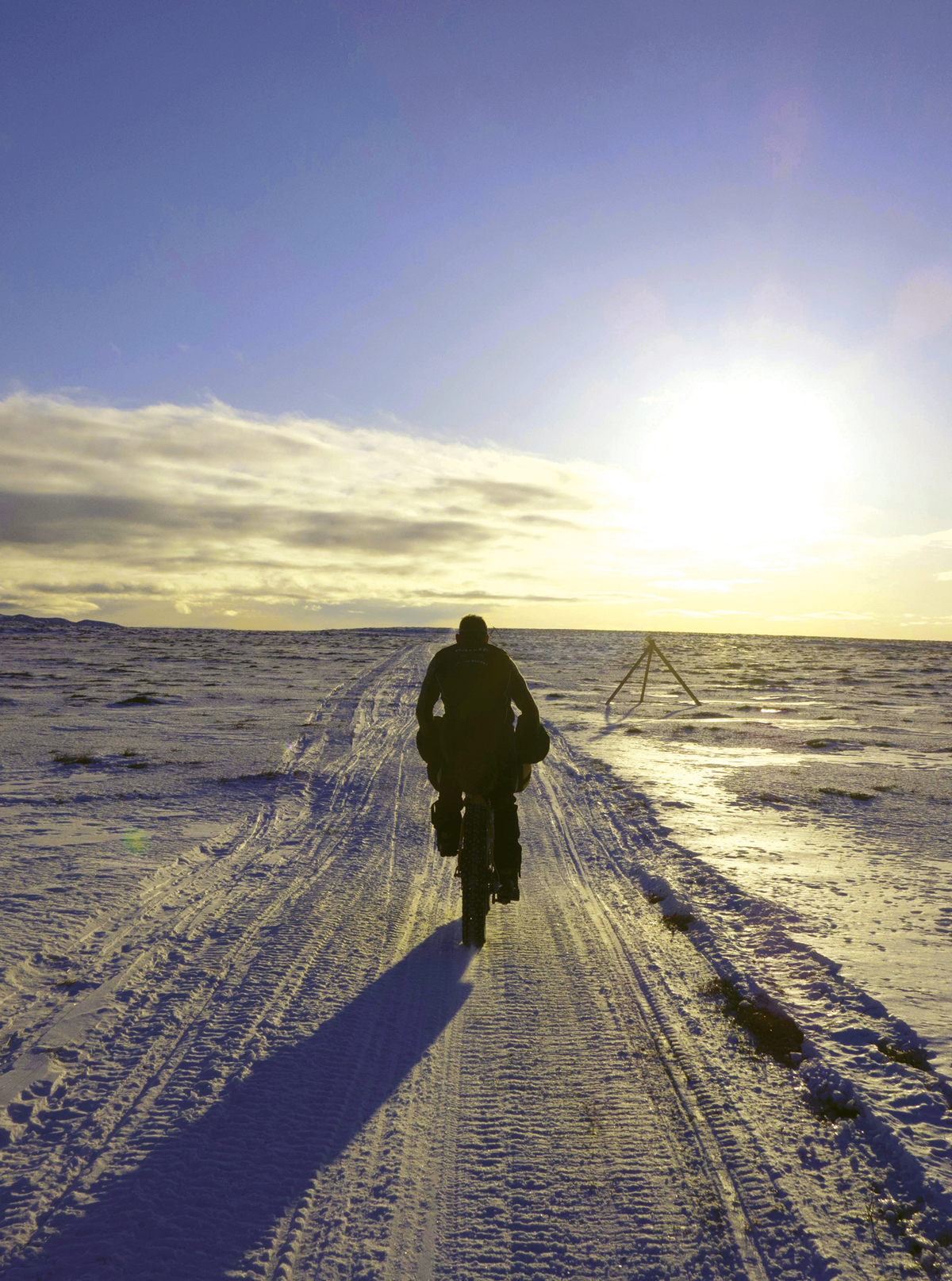
Mike Beiergrohslein rides on the Unalakleet River. Iditarod Trail. Photo by Jill Homer

I pedaled as hard as I was physically able, straining to remain inside this wind-speed bubble. As the valley opened up, snowpack diminished until the ground was a patchwork of brown tussocks and sugary clumps of snow. Wooden tripods marked the trail, which was barely discernible from the uneven landscape, yet felt smooth underneath my tires. Rounded mountains towered over the southern horizon, cast in gold and silver light in the late afternoon. To the north was a thin strip of spruce trees snaking down the valley — the corridor of the Unalakleet River. Exhilaration surged through my veins, and I pedaled until my legs and lungs were searing with hot blood and cold air. I didn’t fret because I truly was unstoppable. The Old Woman was on my side.
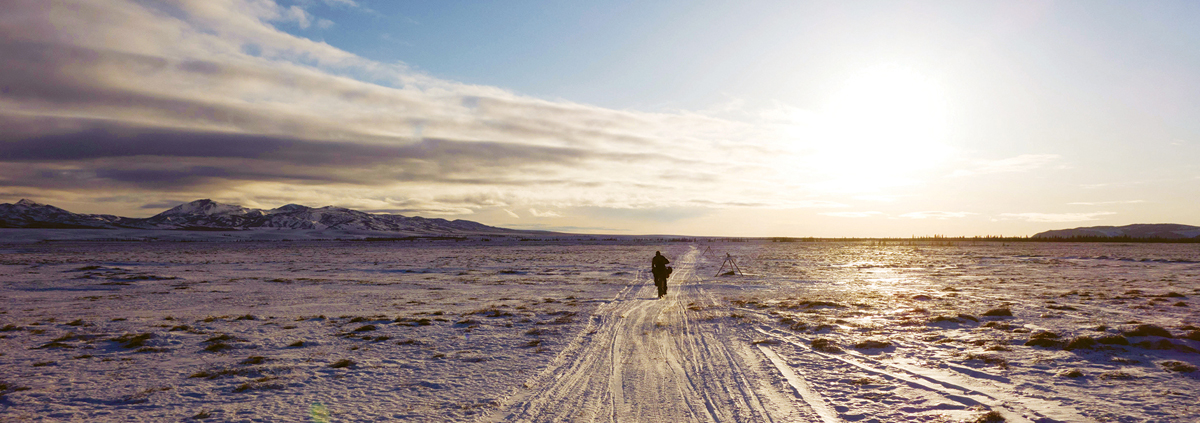
Evening on the Unalakleet River. Iditarod Trail. Photo by Jill Homer

Progress came to a screeching halt when I dropped onto the river and approached a sheer rise on the other side. The river bank was only five feet high, but so steep that it might as well have been a wall. My numb right hand no longer contributed to pushing efforts, and all seventy-something pounds of the bike pressed against my chest. As I struggled to shove it forward, I heard a loud “Wooooo” from behind.

“I wondered when you’d catch up to me,” I said without glancing backward. My poorly anchored left foot inched down as I spoke. “You picked a bad time. This is going to take all night.”

Without a word Mike pressed both hands against my butt and shoved. I was so startled that I lunged toward the lip of the river bank. I might have taken offense, but it was clearly the most logical thing for him to do in that moment.

“Uh, thanks,” I said. “These steep banks always get me. If I ever do this race again, I’m going to make sure I get a whole lot stronger.” This was a lie on multiple levels.

“No problem,” Mike said. “How far do you think it is until Unalakleet?”

“Probably about twenty miles.”

“So two hours?”

“Maybe for you,” I said. “The tailwind is dying, and so am I. The sun starts to set and suddenly everything shuts down.”

“I love riding in the evening,” Mike said. “I finally feel awake.”

“I don’t know about you, but pedaling all day makes me kind of tired,” I said. “Did you make it to Kaltag last night?”

“Yeah. I got in around midnight. I followed bike tracks to that apartment and knocked on the door, but no one answered. I looked through all the windows, but all I saw was this big dude in his underwear, and decided to get out of there. Luckily Doug got up and let me in the school.”

“Oh, I’m sorry,” I said. “I did not hear you at all.”

Mike shrugged. “It all worked out. I checked out the place in the morning. Looked nice in there.”

I blushed. “It was pretty decked out. Too bad you didn’t get there earlier. I went to sleep around ten thirty.”

We remounted the bikes and started pedaling. “You go ahead,” I said. “I started before eight and I’m guessing you left around noon … so yeah, tell the pizza guys I’ll be there in an hour.”

He passed with a devilish grin on his face. “Race you?”

Mike was strong and highly food-motivated. I doubted I could hold his wheel for a minute, but sprinted toward him anyway. Beside the trail, wind had carved intricate designs in the snow that reminded me of a plaster mosaic. The sun lingered just over the horizon, casting a metallic glow across the valley. A long shadow stretched from Mike’s silhouette, until it looked like I was chasing a phantom. The Old Woman’s wind had become a gentle breeze, caressing a patch of skin on the back of my neck. Mike and I raced as though Unalakleet were the end of the trail. We strained as though pizza was the ultimate reward. And we smiled as though the coast — the brutally exposed sea ice, the North Wind, and all of the hardest parts of the Iditarod Trail — was behind us, not ahead. Fatigue was consumed by fire, until everything about this evening was intoxicatingly perfect. I decided this was my best-ever day on a bike. I say that frequently, but this was truly it.

Mike still beat me to Unalakleet by more than twenty minutes. I lost ground after the trail meandered onto purple river ice, where I pedaled delicately and watched a salmon-colored sunset fill the entire sky. Three miles from Unalakleet, I descended a final hill and saw a twinkling strip of lights strung along the black, open ocean. “The Coast,” I breathed out. I’d returned.

With nearly seven hundred residents, Unalakleet is not only large enough for a real airport, but also several restaurants. Peace on Earth Pizza had taken to supporting the Iditarod races by offering floor space and pizzas any time of the day or night. Fresh ingredients are expensive out here. Large pizzas cost forty dollars for the works, but are worth every penny.

Thanks to Mike’s and my impromptu race, we both arrived during proper business hours and put in an order for a large vegetarian, two full-plate salads, and Odwalla smoothies. I took the rare Wi-Fi opportunity to pull out my phone and check e-mails, making it through two before I forgot how to read and mindlessly clicked on bookmarks. I announced to Mike that I was checking the weather.

“Friday in Unalakleet,” I read out loud. “Highs around five above. Northwest wind twenty to thirty miles per hour. Shaktoolik. Highs zero to five above. North wind thirty miles per hour.”

I looked up and let my jaw quiver for a few seconds.

“So that’s good?” Mike interjected.

“That’s bad!” I yelled. “I saw a better forecast in Unalakleet last year — remember I told you about the short trip where I almost got mowed off the sea ice? If they say it’s blowing thirty in town, it’s gusting to fifty on the ice. And a northwest wind is going to be right in our face all through the Blueberry Hills.”

“After the last few days, I’m getting pretty used to headwind,” Mike said.

“Those were like ten miles an hour, gentle breezes,” I said. “This is like … we’re going to die.”

“Ah, it will be fine,” Mike said. “Don’t be such a pessimist.”

“It’s best to be a pessimist,” I said. “I’m either right, or I’m pleasantly surprised.”

We polished off our pizza while continuing to surf the Internet on our phones. I don’t recall reading anything or enjoying a single bite of the formerly anticipated pizza and salad. All I remember is the leaden taste of doom.

Jill Homer is a freelance editor and writer in Boulder, Colorado. She enjoys exploring the world around her on two feet or wheels, and writes about her adventures at jilloutside.com.

This essay is part of “Into the North Wind,” which is her memoir about setting the women’s cycling record on the Iditarod Trail in 2016. The book is available on Amazon, and the audiobook was just released on Audible.
Red Bull Rampage Returns to Virgin, Utah on October 21, 2022

World’s Premier Freeride Mountain Biking Competition Adds ESPN/ESPN+ As New Broadcast Partner

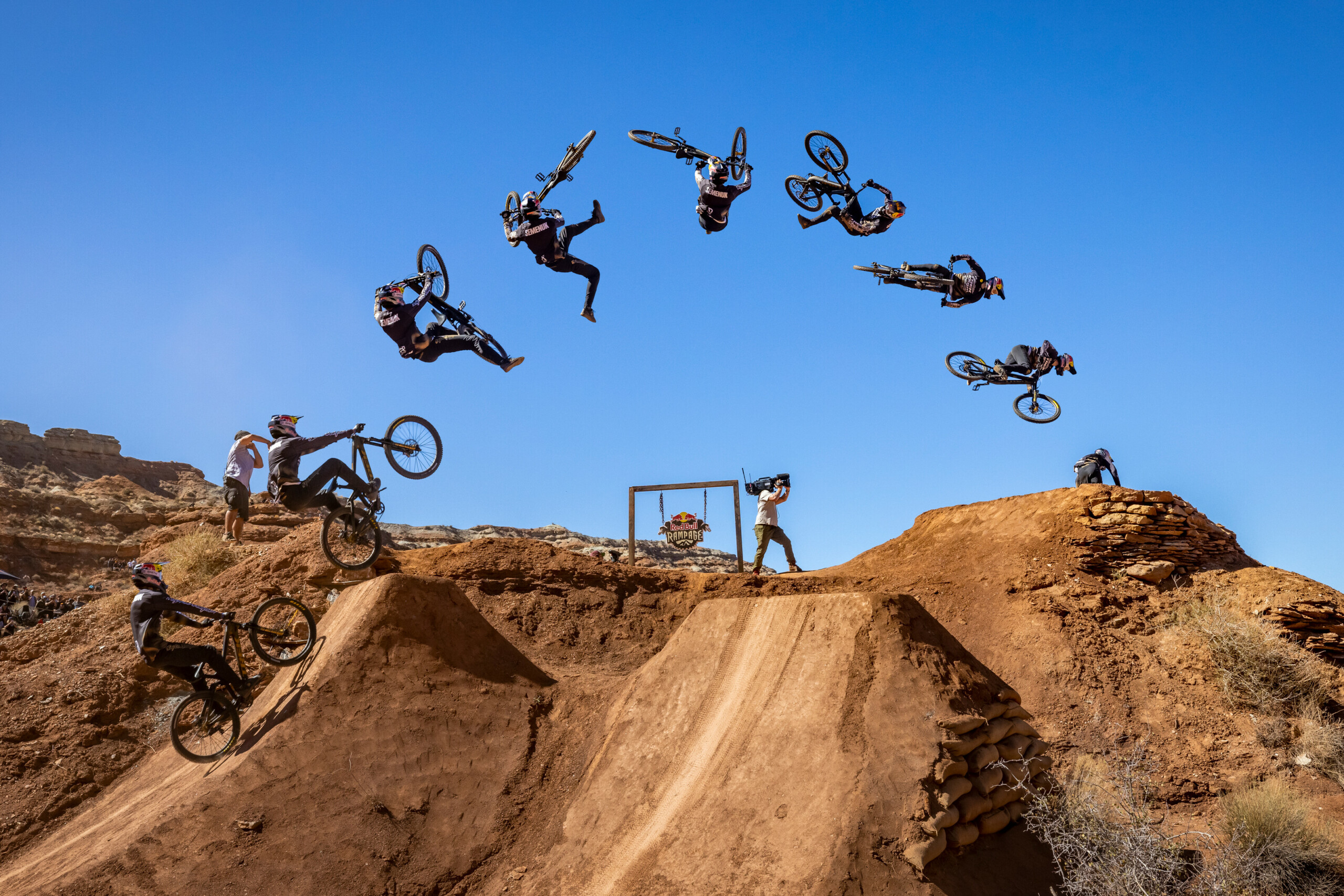
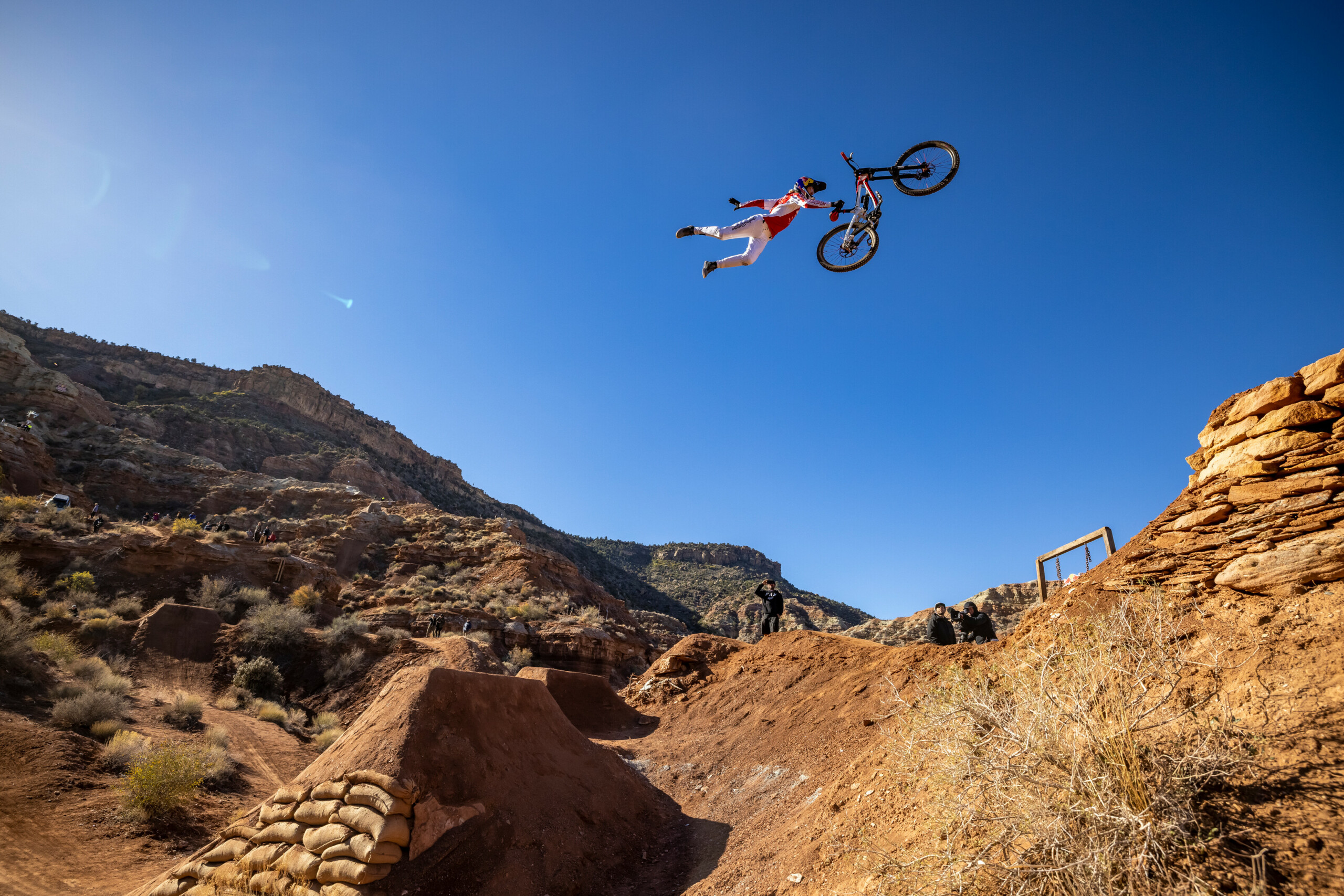
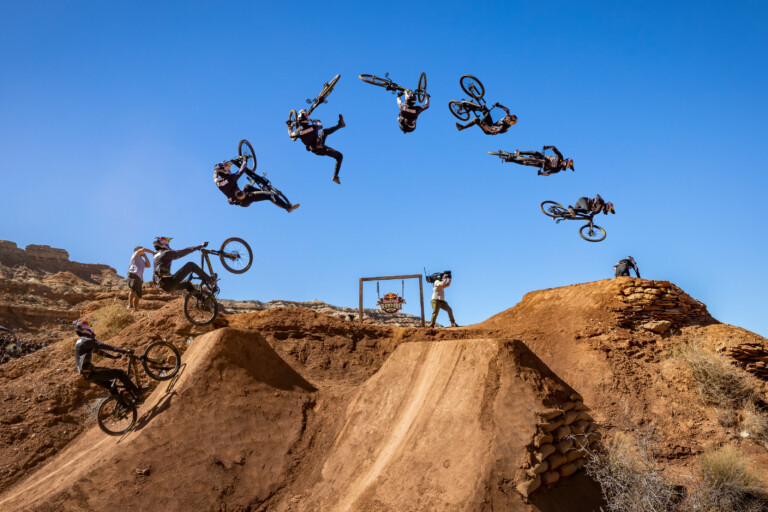
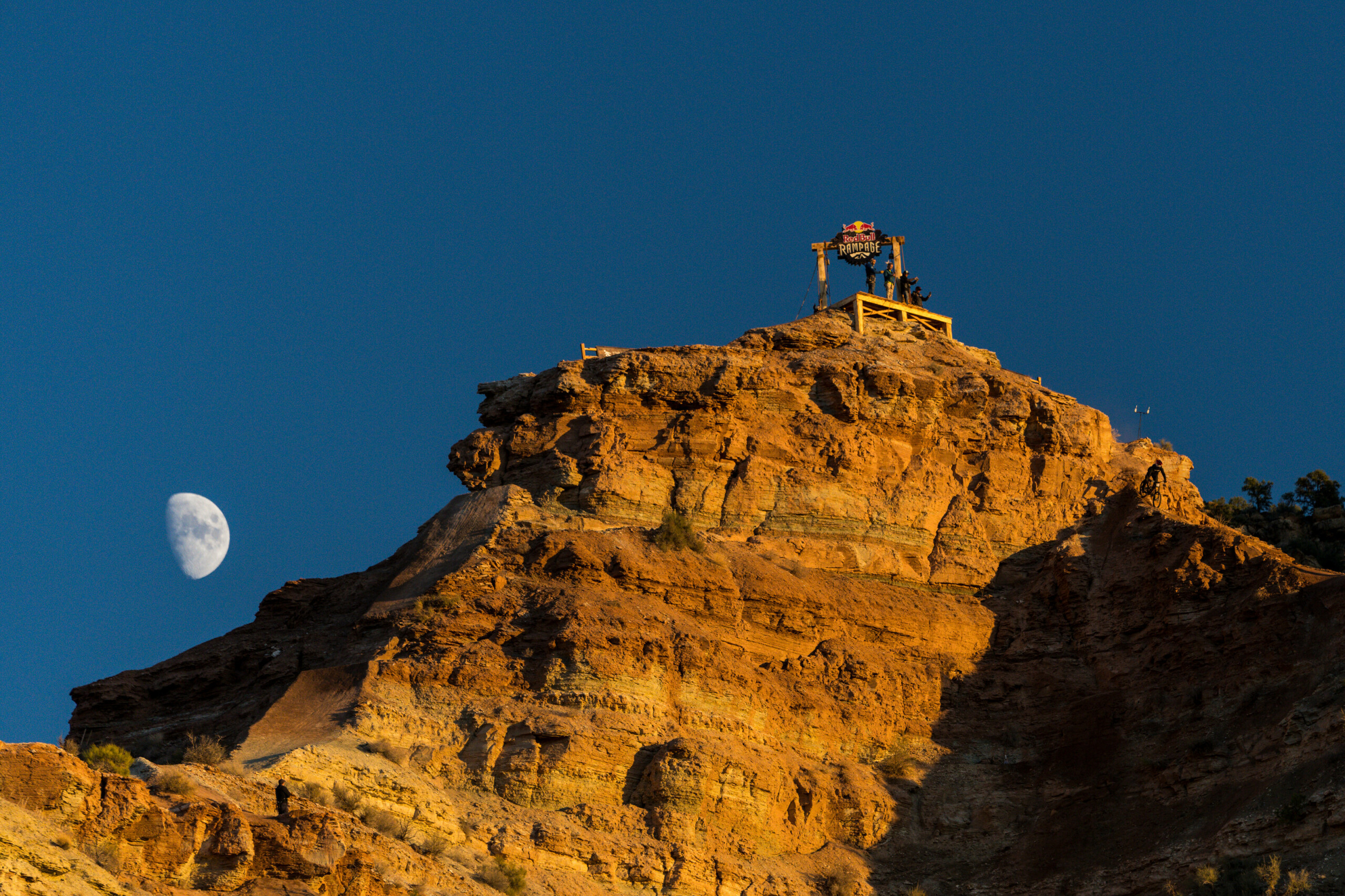
VIRGIN, Utah (August 11, 2022) — Red Bull is excited to announce the return of Red Bull Rampage, the world’s premier big-mountain freeride competition. On Friday, October 21st, the top 18 mountain bike athletes will descend upon the steep and rugged desert landscape of Southwest Utah as they take-on some of the biggest and baddest tricks, lines, and jumps that freeride has ever seen.

Vincent Tupin riding the course during the Red Bull Rampage in Virgin, Utah, USA on 14 October, 2021. // Christian Pondella / Red Bull Content Pool // SI202110150083 // Usage for editorial use only //

This year, the event will be streamed live exclusively on ESPN+ in the U.S., and on Red Bull TV in all other countries. In addition, the complete event will be available on-demand on both ESPN+ and Red Bull TV following the competition. Then on October 30th, viewers can also tune-in to a condensed 2.5-hour replay that will air on ESPN.

For fans looking to attend the event in-person, tickets will go on-sale via the Red Bull Rampage website with an announcement to come, so check the site for further updates and the official on-sale date in the coming weeks.

Brandon Semenuk competes at Red Bull Rampage in Virgin, UT, USA, on 15 October, 2021. // Long Nguyen / Red Bull Content Pool // SI202110160056 // Usage for editorial use only //

The inaugural Red Bull Rampage was held in 2001, and celebrated 20 years of Red Bull Rampage in 2021. Since the beginning, 15 different events and 9 different winners have earmarked their place in the history books. This year we’ll look to spotlight the future of freeriding — from the new crop of athletes grabbing the baton and continuing to innovate the sport, to the changemakers that drive the scene, to the mind-blowing action itself.

Jaxson Riddle competes at Red Bull Rampage in Virgin, Utah, USA on 15 October, 2021. // Garth Milan / Red Bull Content Pool // SI202110160069 // Usage for editorial use only //

The competition format will remain the same, with an elite group of riders carving their ultimate lines into the side of near-vertical sandstone ridges with the help of their two-person build crews. In advance of the competition, riders and their support crew will spend four days building their lines, followed by a rest day, and then four practice days. All of the preparation will end in an epic showdown in the desert, where only one will ride away as the champion of the 2022 Red Bull Rampage.

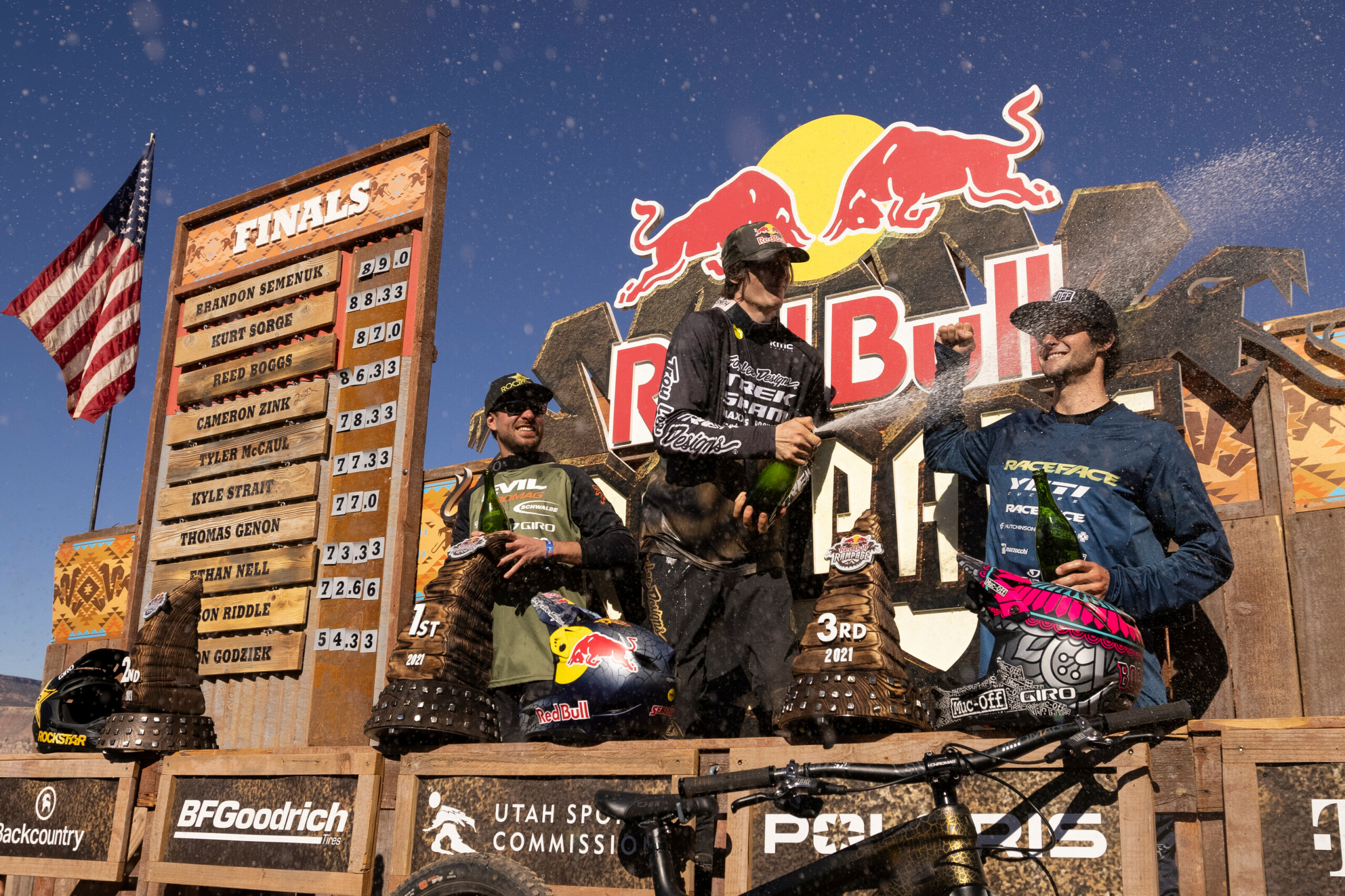
Kurt Sorge, Brandon Semenuk and Reed Boggs celebrate at Red Bull Rampage in Virgin, Utah, USA, on October 15, 2021. // Catherine Aeppel / Red Bull Content Pool // SI202110160052 // Usage for editorial use only //

To stay up to date on the latest Red Bull Rampage information, including confirmation of the official rider list, venue details, ESPN+ and Red Bull TV tune-in times, and spectator and ticketing info, follow @RedBullBike and visit the event website here.

5 Canyons Gears up for 5th Anniversary Epic Event

5 Canyons is celebrating its 5th anniversary by adding several additional course options for those who want to enjoy the beauty of the Wasatch Mountains in early fall but are not necessarily interested in tackling all five of Salt Lake Valley’s canyons in a single day.

Photo courtesy Wheels of Justice.

Starting this year, riders will be able to choose to ride one, two, three, four, or all five canyons in any combination they want. Or they can simply choose to ride the 25-mile “Straight Shot” course from start to finish.

Five years ago, at the inaugural 5 Canyons ride, only 20 or so riders threw their hats into the ring to climb all five canyons—and only seven finished. The ride has grown significantly since then and draws high praise from its participants.

Photo courtesy Wheels of Justice.

“Riding all five canyons has long been a goal of mine,” Daniel Blaiser commented, “and knocking that off the bucket list was awesome. I really appreciated the well-stocked aid stations and the eager cheer section that greeted me at each one.” Daniel was not alone in his praise. “It was brutal but awesome,” added Wyn Barnett.

Brian James elaborated: “I’ve been riding three years. I found out about this ride a week before, and being honest, I signed up with a little trepidation thinking about all the hardcore fit men and women who would be riding. I decided to go for it and glad I did! [I] felt a huge sense of accomplishment at the finish line. If anyone was on the fence like I was, I would tell them to go for it and sign up! [I] look forward to next year’s event!”

Photo courtesy Wheels of Justice.

The ride is sponsored by Wheels of Justice, a confederation of individual cyclists and cycling teams working to put an end to child abuse. Nicknamed “Ain’t No Mountain High Enough,” the ride is meant to show victims of child abuse that they can overcome any challenge to become survivors. It also shows them that there is no mountain too high to keep us from helping them to do so.

And mountains high the ride has. Comprising three HC climbs and two Category 2 climbs, the ride has more vert (over 14,000 feet) than almost any other ride in America and certainly the steepest average gradient.

Photo courtesy Wheels of Justice.

“Parts of me hurt that never hurt before,” Jeanette Peterson, laughed. “Hopefully I can do more things like this in the future.”

Of those riders who have completed both 5 Canyons and the other September epic, LoToJa, there is consensus: 5 Canyons is harder.

“I’m telling anyone that has done LoToJa that they need to try their luck at 5 Canyons,” offers Wade Olsen. “[It is] an amazing event!! Extremely challenging, amazing scenery, iconic climbs, well supported with supper people, and a lot of difficult fun—more than I expected and likely one of my top 3 rides.”

Photo courtesy Wheels of Justice.

One of the keys to the success of 5 Canyons is the on-course support it receives from UtahSAG, a team of volunteer HAM radio operators that work to ensure rider safety and more. Their work is not unnoticed by the riders.

“Please pass along my thanks to the awesome on-course support team yesterday,” wrote Anne Findlay regarding last year’s event. “They were incredible! [T]he gentleman on the motorcycle who accompanied me along 11th Ave and to the finish, [the gentleman who encouraged me] up City Creek, and the other on-course and aid station volunteers were so friendly and helpful. This year has been so stressful—wasn’t sure I was going to be able to finish, and it meant a lot to me that I did.”

From their perspective, UtahSAG agrees that the event is a huge success. The group’s leader, Mickey Applebaum, noted “that virtually every one of our folks helping out [at 5 Canyons] says that this is one of the best events of the year.”

All riders, regardless of how many mountains they conquer, will enjoy fully stocked aid stations, lunch, event drawstring backpack, Specialized water bottle, event t-shirt, finisher’s medal, discounted pasta dinner at Caputo’s, and good karma!

Riders can also earn a virtual 5 Canyons jersey as they train for the ride or on the day of the event. Simply download the MyCols app and connect to Garmin or Strava. Join Wheels of Justice on Strava. Then, begin riding the 5 canyons. When you have completed all five canyons, you will be awarded the jersey.

Always held on the second odd-numbered Saturday in September, 5 Canyons takes advantage of Utah’s most brilliant month for riding. The canyons provide cool temperatures, colorful foliage, and stunning views. There is no more abundance of beautiful canyons in all the world than along Utah’s Wasatch Front. The event is literally a breath of fresh air from start to finish.

To learn more about the ride, visit www.5canyons.org. To learn more about Wheels of Justice, including how you can join for free, visit www.teamwheelsofjustice.org.

Event Info:

September 17 — 5 Canyons Bike Challenge, Sandy, UT, One of the most daunting and beautiful cycling challenges in the country, ascending more than 14,000 feet over 116 miles through all five of Salt Lake City’s picturesque riding canyons before finishing at the Utah Capitol building.  Comprising three HC climbs and two Category 2 climbs, the ride has more vert than almost any other ride in America and certainly the steepest average gradient.  Participants may elect to ride one, two, three, four or all five of the canyons, Greg Hoole, 801-272-7556, [email protected]5Canyons.org


An Interview with Triathlete Melissa Coles

By Anthony J. Nocella II, Ph.D. — Anthony: Could you tell me how you got into cycling and if any women supported you in the beginning?

Melissa Coles: In college I sold my first car and bought a road bike and road my bike to work. It was an 18-mile commute to my job. My mom is one of my biggest supporters. She is always encouraging me to believe in myself and work hard.

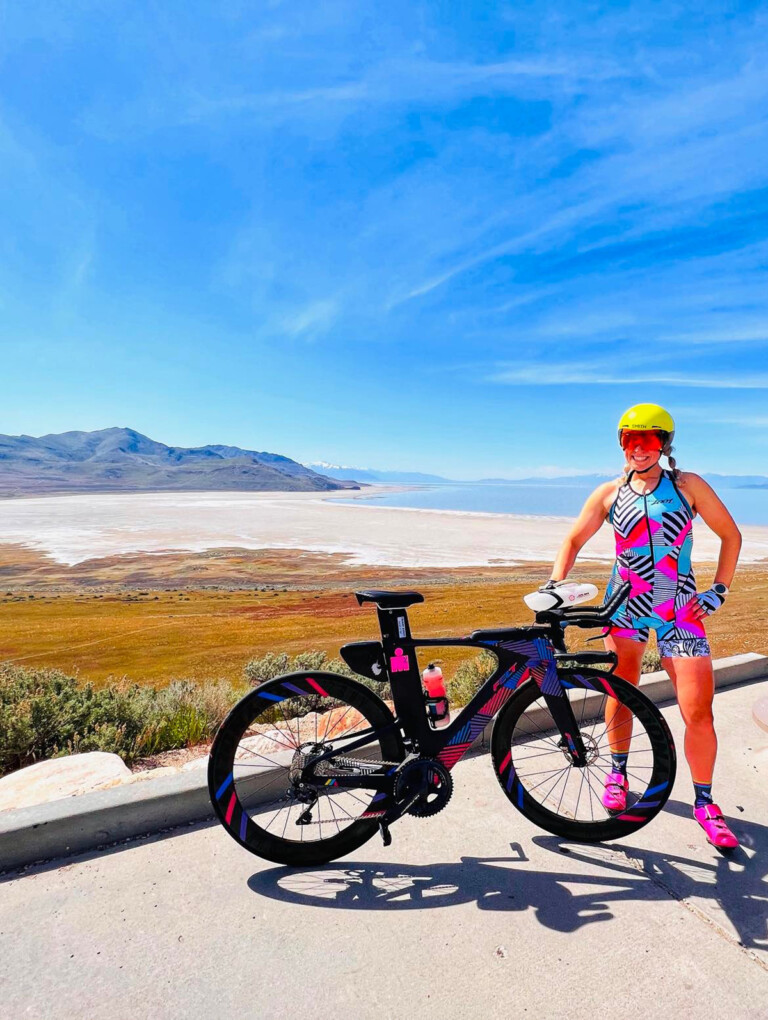
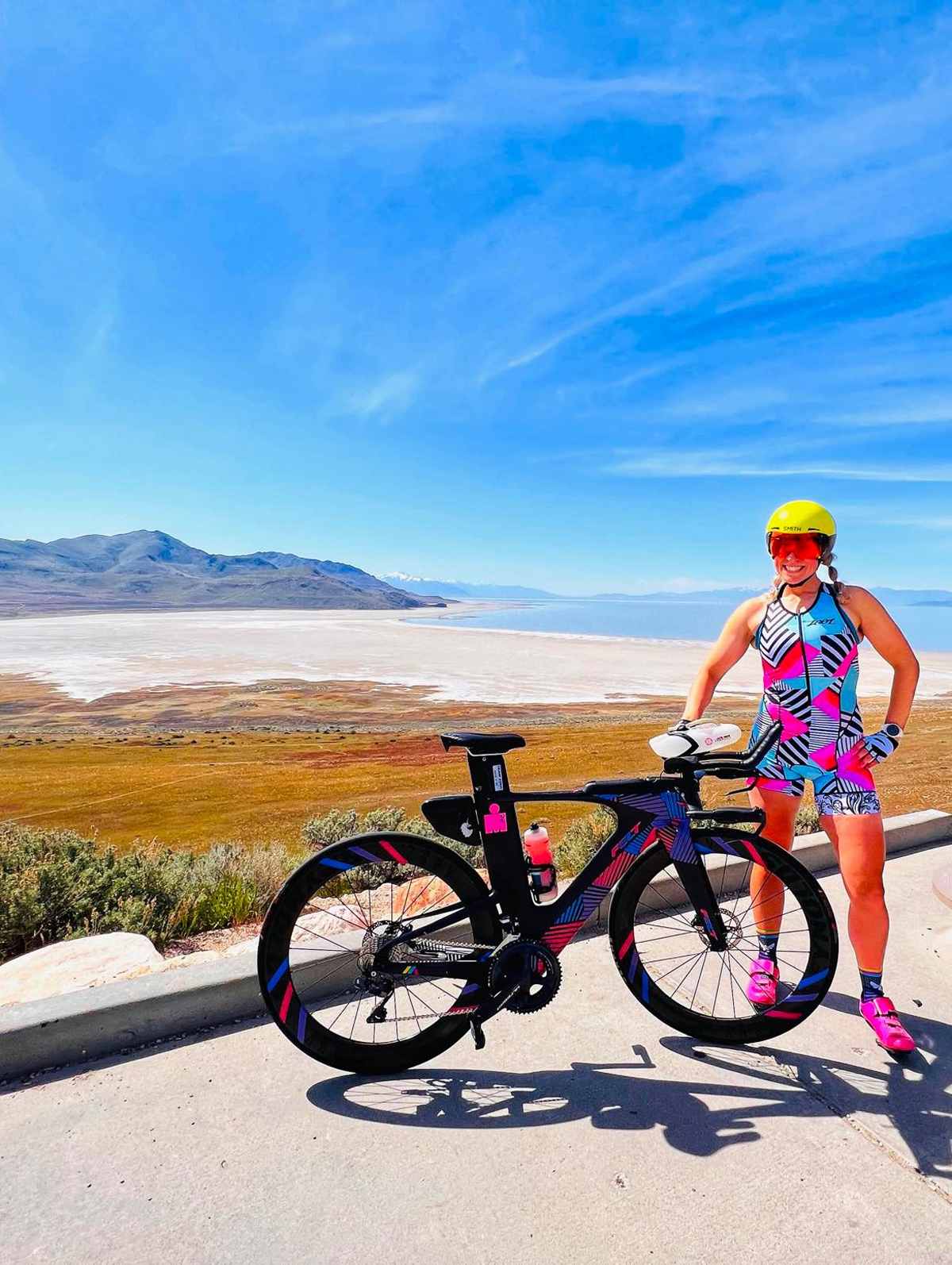
Melissa Coles, triathlete. Photo by LaRee Holcomb

AN: Tell me a bit about your racing history, such as your podiums and other accomplishments, including the teams you have ridden and raced for?

MC: My passion is with triathlons so that is where my focus is. The first one I joined is the Salt Lake Tri Club in 2017 and for the last 3 years I have been fortunate to be a part of Team Zoot as well. I have had the opportunity to take part in many local races here in Utah. In 2016 I was able to get my first Overall female podium. In 2017 I received a couple podium spots as well in the local smaller triathlons. I also completed my first 70.3 in St. George Utah. 2018 I completed my first full Ironman in Tempe Arizona. 2019 I did several local small races here in Utah and was able to podium at each one making me 1st overall female in my age group at the end of the season for all of Utah.

2020 was a bit rough on the racing schedule but I did manage a couple. I did a 70.3 and ranked 1st Overall Female and a 140.6 Bear Lake Brawl coming in 2nd overall Female.

2021 I broke my foot in late February and had surgery to repair a Jones Fracture but was able to come back and race in September placing 1st overall Female at the South Davis rec triathlon and 2nd overall female at the Brineman Triathlon just 5 days later.

AN: As a competitive cyclist can you tell me how your personal life or family life is shaped to support your racing and training?

MC: We try to schedule rides and exercise in general right alongside with family time. I do many workouts in the morning and then try to be home as many nights a week as I can. I also love having my kids join me on workouts when it’s possible. I could not do this without the love and support of my family. They are my biggest cheerleaders!

AN: When training and racing with other women what are some key differences that you see as the best part of the women’s cycling culture?

MC: Anytime I am able to train with other women there is a certain level of enthusiasm and excitement that I find to be contagious, and I love being able to cheer each other on and support each other in our goals!

AN: In your opinion, how can the industry, race promoters, and bicycle shops be more inclusive to women and girls, besides hiring them as is much needed?

MC: I know that I go to certain bicycle shops because I have built relationships with the owner and staff. They are smaller bike shops, but I feel more comfortable and learn more from them then the bigger bike shops.

AN: How can the general community support upcoming girls who want to be elite racing cyclists like you, and what do you have to say to young girls?

MC: I feel like we need more bike shops promoting all women’s group rides. Stop giving women the short end of the stick. The public needs to push for gender equality. Last big race the prize money was a joke for women vs men. Tell the big races that these kinds of things are not ok. This sends a signal to all women in cycling that we are not important or worth investing in.

Anthony J. Nocella II, Ph.D. is a full-time professor at Salt Lake Community College, author of numerous books, trail runner, triathlete, competitive cyclist, and in his free time works at Hangar 15 Bicycles Millcreek.

All Bodies On Bikes Takes On SBT GRVL with 15 Non-Traditional Athletes

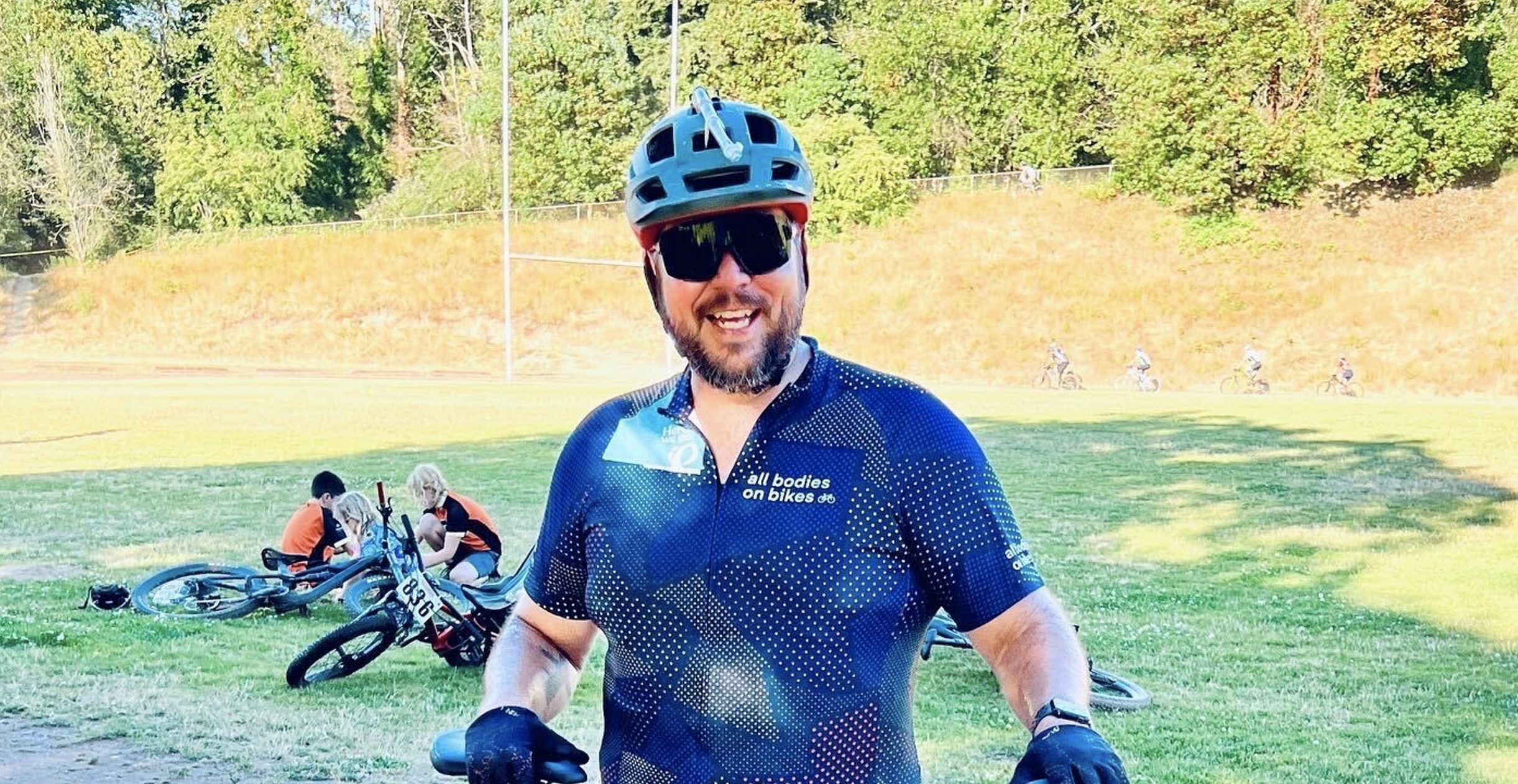
STEAMBOAT, Colorado (Aug 4, 2022) — All Bodies on Bikes, a movement to create and foster a size-inclusive bicycle community, supports 15 non-traditional athletes to take on SBT GRVL, one of the premier North American gravel cycling events. The All Bodies on Bikes athletes come from various backgrounds including triathlon, bikepacking, para-cycling, and athletes who are new to any form of cycling. Meet the full roster here.

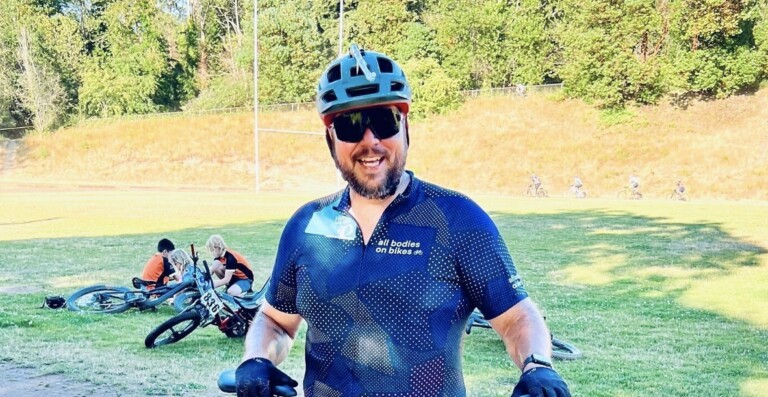
Photo courtesy All Bodies on Bikes

“As a life-long cyclist and accomplished bike racer, there’s a lot that I used to take for granted — bikes and bike clothes would fit me, and I’d have a place at any bike event. After becoming disabled in 2019, I quickly realized that I couldn’t take anything for granted,” said Andrew Bernstein, SBT GRVL All Bodies on Bikes Athlete. “Being a part of the All Bodies on Bikes movement has helped me connect with other cyclists who must work harder to create a space in the cycling community. My All Bodies on Bikes teammates have been an incredible inspiration to me this year, as we’ve all been preparing for SBT GRVL, and it’s been motivating to me to share my accomplishments while also seeing everyone else overcome their own challenges. I’m so grateful to Marley for creating this group and giving us the chance to show each other and the broader community that anyone can find a place in cycling and accomplish goals on the bike.”

PEARL iZUMi has been instrumental in support of All Bodies on Bikes since its inception. In 2022, they signed Marley Blonsky as an athlete and brand consultant. Marley Blonsky continues to work closely with the brand on expanded sizing, inclusive marketing, and supporting riders of all sizes. 

“Marley has been a great addition to the PEARL iZUMi team, and we are so happy to support her All Bodies on Bikes initiative. It was a delight to work with her to design a kit that has the same amount of great energy as she and her team does.” Lucas Marshall Graphic Designer

All Bodies on Bikes Schedule of Events at SBT GRVL

  • Friday, August 12th, 3-7 pm – SBT GRVL Expo. Look for the All Bodies on Bikes branded tent.
  • Friday, August 12th, 4-6 pm – All Bodies on Bikes Happy Hour at Ice Box Steamboat. Join the All Bodies on Bikes SBT GRVL team for a happy hour along the Yampa River.
  • Friday, August 12th, 5:30pm – Common Ground Panel – Co-Founder Marley Blonsky joins a panel of other notable athletes facilitated by Ian Boswell to discuss common ground and inclusivity among all athletes on bikes.
  • Saturday, August 13th, 9:30 am – All Bodies on Bikes Shakedown Ride with Chamois Butter, led by Marley Blonsky. Join ABOB for a shakedown ride. The ride will preview the final 10 miles of all courses. Meet at Little Toots Park at 9:30 am for donuts, coffee, and swag. The ride will roll out at 10am.
  • Sunday, August 14th – Race Day! ABOB Athletes will be riding in all distances, 37, 60, 100 and144 miles. ABOB will be at the finish line cheering on every distance and every rider. Join in on the celebration and meet the riders.

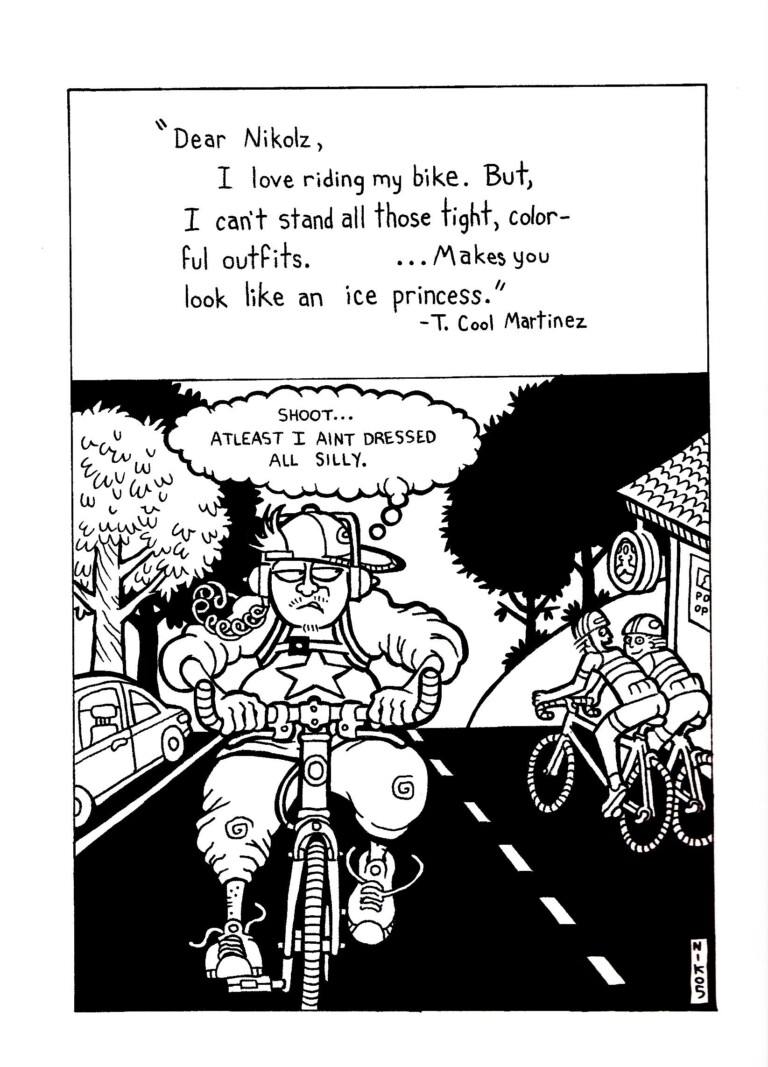
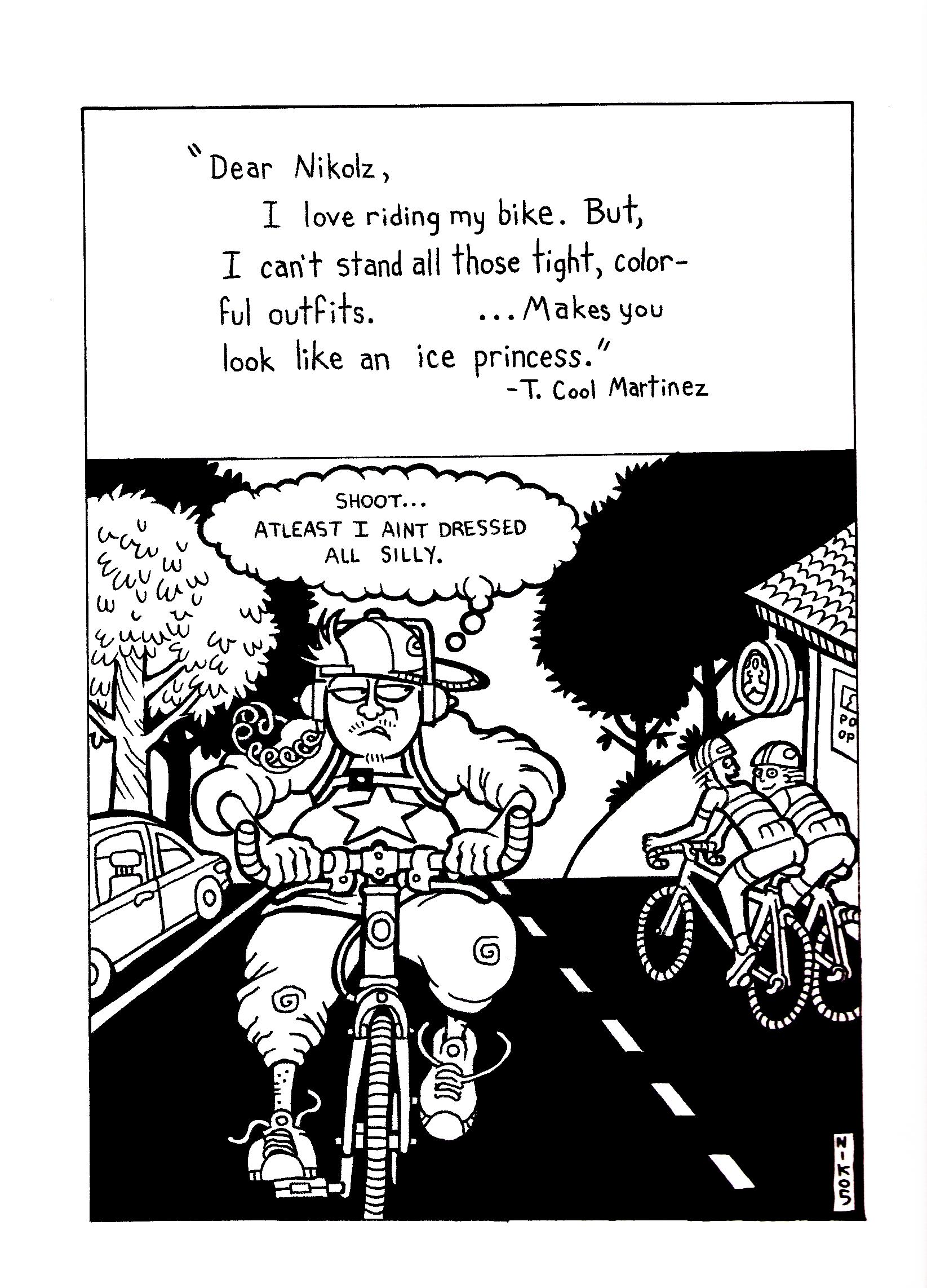
Quick Shot Bike Cartoon: Ice Princess

Quick Shot Bicycle Cartoon: Ice Princess, by Chad Nichols

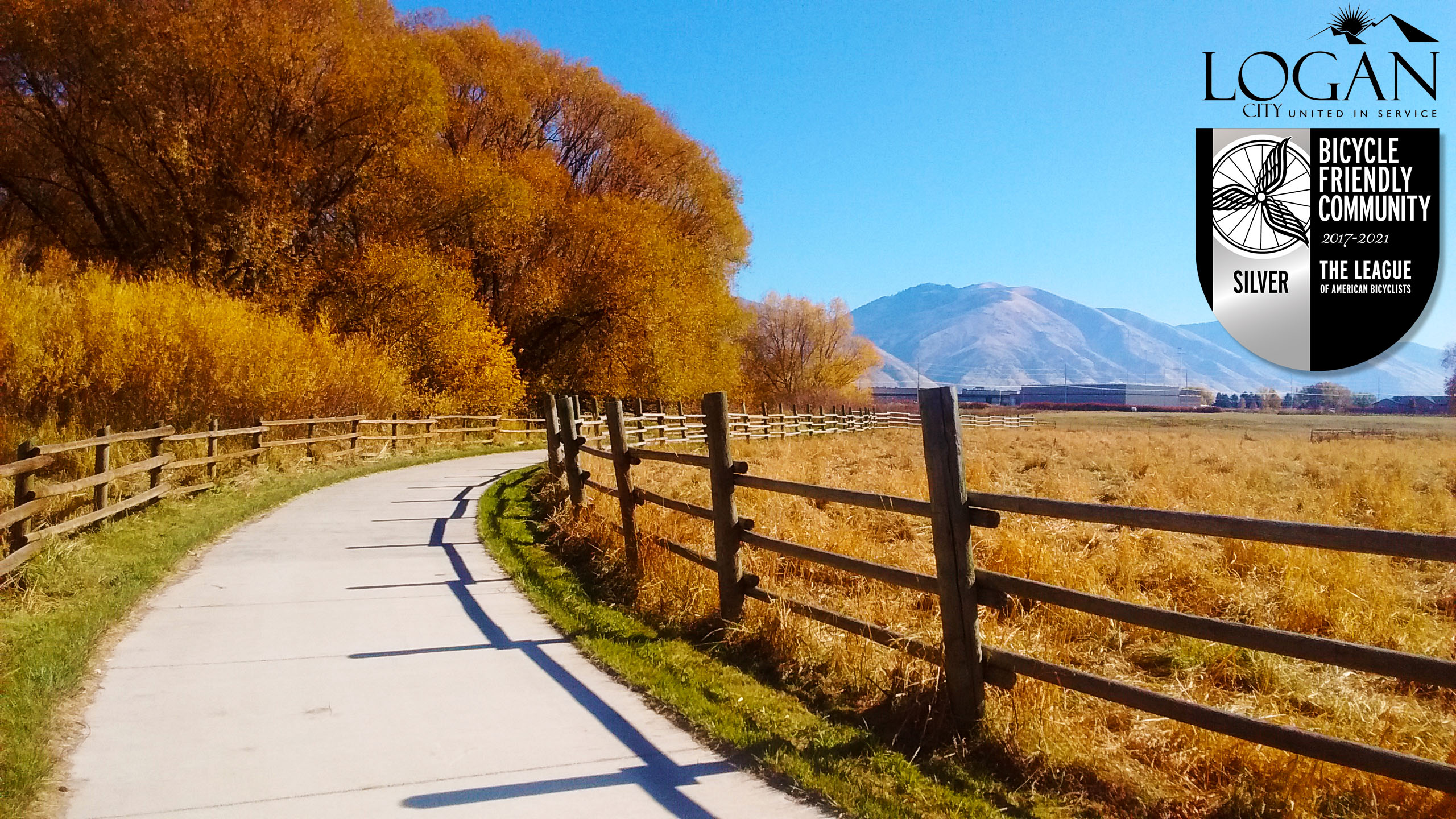
League of American Bicyclists Raises Standards For Bicycle Friendly Communities Awards

0

Under the Enhanced Guidelines, Fewer Communities will Qualify for BFC Recognition

The League of American Bicyclists has updated and increased its standards for localities seeking recognition as Bicycle Friendly Communities (BFC) through an enhanced application process. The recently revised application makes major updates to add and integrate equity and accessibility, emphasize the importance of building and connecting low-speed and low-stress bike networks, all while providing communities with the resources and guidance to meet these higher standards for what it means to be a Bicycle Friendly Community.

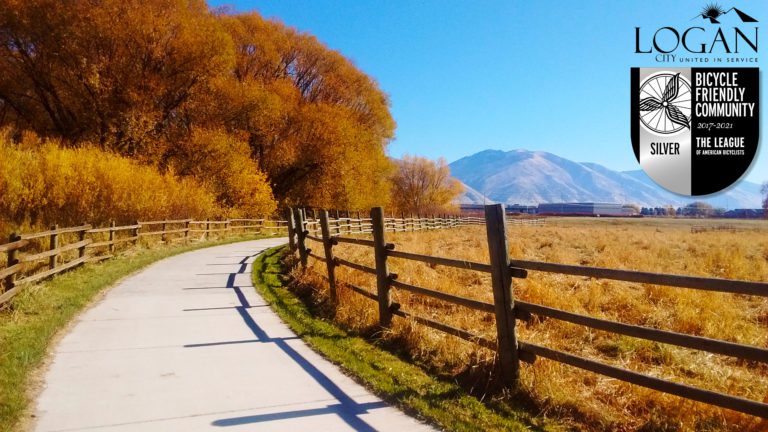
Logan, Utah was awarded a silver level Bike Friendly City Award in 2017. Photo courtesy Logan City.

“Encouraging and supporting the highest quality Bicycle Friendly Communities is an essential part of the League’s mission to build a Bicycle Friendly America for everyone,” said Bill Nesper, executive director of the League of American Bicyclists. “In updating and enhancing the application, our goal is to reflect the best practices in the field and raise the standard for what it means to be a Bicycle Friendly Community. We hope this new application will spur communities to embed equity in their processes and focus on building places where biking and walking is an easy and convenient option for everyone thanks to low-stress bike networks made up of low-speed streets and connected bike facilities combined with education, encouragement, and evaluation efforts.”

The League’s BFC application has been offline since September 2021 to allow for the first major overhaul of the application since 2016. Because the BFC program is both an awards program and an advocacy tool, the League used the revision period to listen, learn, and engage with communities and local advocates about what the new application should include. Over nearly six months, the League conferred with hundreds of local cyclists, advocates, and local officials who use the BFC program to improve conditions for cycling in their community about potential updates, in addition to conducting research and analysis on best practices and forward-looking standards.

“As bike advocates, we have a responsibility to all people who ride bikes, or who want to ride bikes, to make sure that our standards for communities reflect the latest guidance and best practices that create safe, cohesive, low-stress bike networks and foster inclusive and representative biking cultures in communities of all shapes and sizes,” said Amelia Neptune, director of the Bicycle Friendly America program at the League. “With this update, we wanted to make sure that the BFC application, the awards criteria, and the resources and guidance available to applicants and local changemakers who use the program, are all keeping up with the times and all reflect the current state of opportunities and challenges that exist in our evolving bike movement.”

The updated Bicycle Friendly Community application is online and available for communities and advocates to begin using. A new BFC Report Card, updated Quick Assessments for all BFA programs, and other new and updated resources will be coming throughout fall 2022 and into the future.


USA Cycling Announces 2022 Mountain Bike Worlds Team

Team USA is headed to Les Gets, France for the World Championships in Short Track, Cross-Country, Downhill, E-bike, and Team Relay.

COLORADO SPRINGS, Colorado (August 5, 2022) – USA Cycling announced today the athletes that will be representing the United States at the 2022 UCI Mountain Bike World Championships in Les Gets, France on August 22-28.

After impressive results this past weekend at the UCI Mountain Bike World Cup in Snowshoe, W.V., the team is in a great position heading to the World Championships.

Defending Short Track World Champion Christopher Blevins (Durango, Colo.; Specialized Factory Racing) won his first elite XCO World Cup in Snowshoe in 2021 and came back this year to take his first Short Track World Cup win in front of the home crowd. He is in great shape heading into the World Championships to defend his title.

Gwendalyn Gibson (Ramona, Calif.; Norco Bicycles) and Savilia Blunk (Inverness, Calif.; Orange Seal Off-Road Team) have had incredible results the past few weeks as well with Gibson winning the UCI Short Track World Cup and Blunk powering to her first Elite Cross-Country National Championship win. Both ladies also placed in the Top-10 at Snowshoe in their first-year racing in the elite XCO category.

XCO veterans and Olympians Haley Batten (Park City, Utah; Specialized Factory Racing) and Kate Courtney (Kentfield, Calif.; SCOTT-SRAM Factory Racing) have been showing strong form recently and are looking to have a great end to their season.

In the U23 Men’s category, Riley Amos (Durango, Colo.; Trek Factory Racing) and Bjorn Riley (Boulder, Colo.; Team Trek VAUDE) are two of the favorites going into the men’s race. Amos has landed on several World Cup podiums this season, even becoming the first-ever American male to win a U23 World Cup in 2021. Unfortunately, he broke his collarbone at the National Championships, but is looking to make a quick recovery and be back in time for Worlds. Bjorn Riley went on to win the U23 National Title then narrowly missed out on a win in Snowshoe landing in second place on his first World Cup podium.

The U23 women’s category will be headlined by Madigan Munro (Boulder, Colo.; Trek Factory Racing) who powered to her first U23 World Cup podium last weekend in Snowshoe after winning the U23 Cross-Country National Championship earlier in the week at Winter Park, Colo.

Jesse Anthony, USA Cycling’s Director of Cyclocross and Mountain Bike said, “The USA Cycling National Team showed what we’re capable of at Snowshoe, and the athletes are well-prepared for this World Championships. The U.S. mountain bike athletes have had a relatively quiet season on the World Cup circuit, and we have been slowly building momentum toward the end of the season. We are in an excellent position going into the World Championships, and U.S. fans have a lot to be excited about as the team heads to Les Gets.”

The downhill team has been showing impressive results this season with the usual heavy hitters like National Champion Dakotah Norton (Oliver Springs, Tenn.; Intense Factory Racing), Aaron Gwin (Morongo Valley, Calif.; Intense Factory Racing), and Luca Shaw (Hendersonville, N.C.; Canyon Cllctv). The next generation has been making a splash in the Elite category with Dante Silva (Chula Vista, Calif.; Canyon Cllctv Pirelli), Austin Dooley (Yucaipa, Calif.; Commencal USA), and Christopher Grice (Brevard, N.C.; Specialized Factory Racing) all continuously improving their results week after week on the World Cup circuit. On the Elite women’s side, Anna Newkirk (Riehen, Switzerland; Beyond Racing) and Abby Hogie (Heidelberg, Germany; Beyond Racing) just came off of their best results of the season at the Snowshoe World Cup finishing 9th and 12th, respectively.

The Team USA roster is as follows:

Cross-Country

Elite Men
  • Christopher Blevins (Durango, Colo.; Specialized Factory Racing)
Elite Women
  • Haley Batten (Park City, Utah; Specialized Factory Racing)
  • Savilia Blunk (Inverness, Calif.; Orange Seal Off-Road Team)
  • Kate Courtney (Kentfield, Calif.; SCOTT-SRAM Factory Racing)
  • Gwendalyn Gibson (Ramona, Calif.; Norco Bicycles)
  • Hannah Otto (Salt Lake City; Pivot Cycles/ DT Swiss)
  • Kelsey Urban (Kentfield, Calif.; Team 31: Outride)
U23 Men
  • Riley Amos (Durango, Colo.; Trek Factory Racing)
  • Robbie Day (Evergreen, Colo.; Bear National Team)
  • Brayden Johnson (Jordan, Utah; Bear National Team)
  • Bjorn Riley (Boulder, Colo.; Team Trek VAUDE)
  • Austin Beard (Middlesex, Vt.; Bicycle Express Racing)
U23 Women
  • Sofia Waite (Littleton, Colo.; WE Development)
  • Ruth Holcomb (Durango, Colo.; Bear National Team)
  • Lauren Lackman (Wausau, Wisc.; Rib Mountain Cycles)
  • Madigan Munro (Boulder, Colo.; Trek Factory Racing)
Junior Men
  • Jack Spranger (Sammamish, Wash.; Bear National Team)
  • Cayden Parker (Hot Springs, Ark.; Bear National Team)
  • Daniel English (San Ramon, Calif.; Voler/Easton/HRS/Rock Lobster)
Junior Women
  • Lauren Aggeler (Durango, Colo.; Bear National Team)
  • Bailey Cioppa (Durango, Colo.; Bear National Team)
  • Chloe Fraser (Boulder, Colo.; Boulder Junior Cycling)

Downhill

Elite Men
  • Austin Dooley (Yucaipa, Calif.; Commencal USA)
  • Christopher Grice (Brevard, N.C.; Specialized Factory Racing)
  • Aaron Gwin (Morongo Valley, Calif.; Intense Factory Racing)
  • Neko Mulally (Pisgah Forest, N.C.; Frameworks Racing)
  • Dakotah Norton (Clinton, Tenn.; Intense Factory Racing)
  • Luca Shaw (Hendersonville, N.C.; Canyon Cllctv)
  • Dante Silva (Chula Vista, Calif.; Canyon Cllctv Pirelli)
Elite Women
  • Ella Erickson (Hayden, Idaho; NW Gravity Collective)
  • Abby Hogie (Heidelberg, Germany; Beyond Racing)
  • Anna Newkirk (Riehen, Switzerland; Beyond Racing)
  • Kailey Skelton (Rancho Santa Margarita, Calif.; KHS Factory Racing)\
Junior Men
  • Andrew Driscoll (Bow, N.H.; Defiant Racing)
  • Colin McElyea (Scottsdale, Ariz.; Evolve Racing)
  • Evan Medcalf (Albuquerque, N.M.; Evolve Racing)
  • Alden Pate (Snohomish, Wash.; Transition)
  • Ryan Pinkerton (Aliso Viejo, Calif.; GT Factory Racing)
  • Tyler Zenoni (Short Hills, N.J.)
Junior Women
  • Riley Miller (East Burke, Vt.; Commencal USA)

E-MTB

Men
  • Dave Harrison (Sun Valley, Idaho)
  • Nat Ross (Golden, Colo.; Tough Guy Productions)
  • Gerald White (Tampa, Fla.)
Women
  • Shane Ferro (Brooklyn, N.Y.)
  • Ashley Hendershot (Mansfield, Ohio)

Bike Lanes Increase Ridership

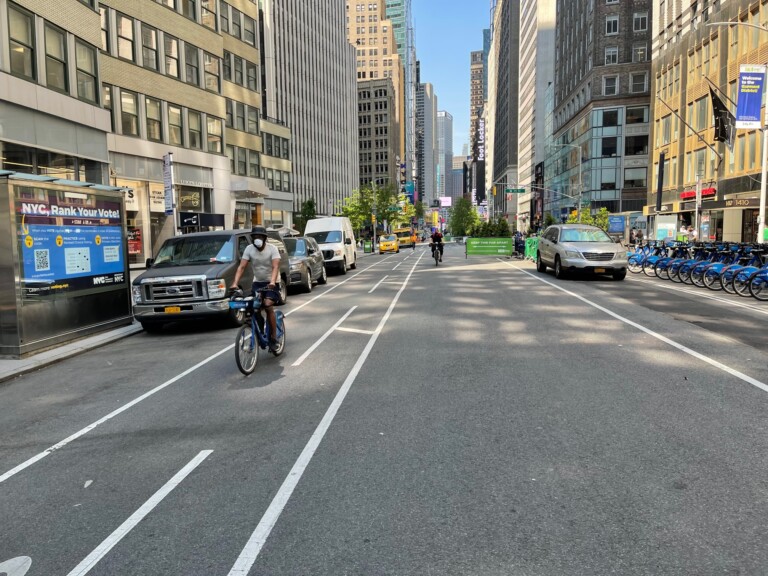
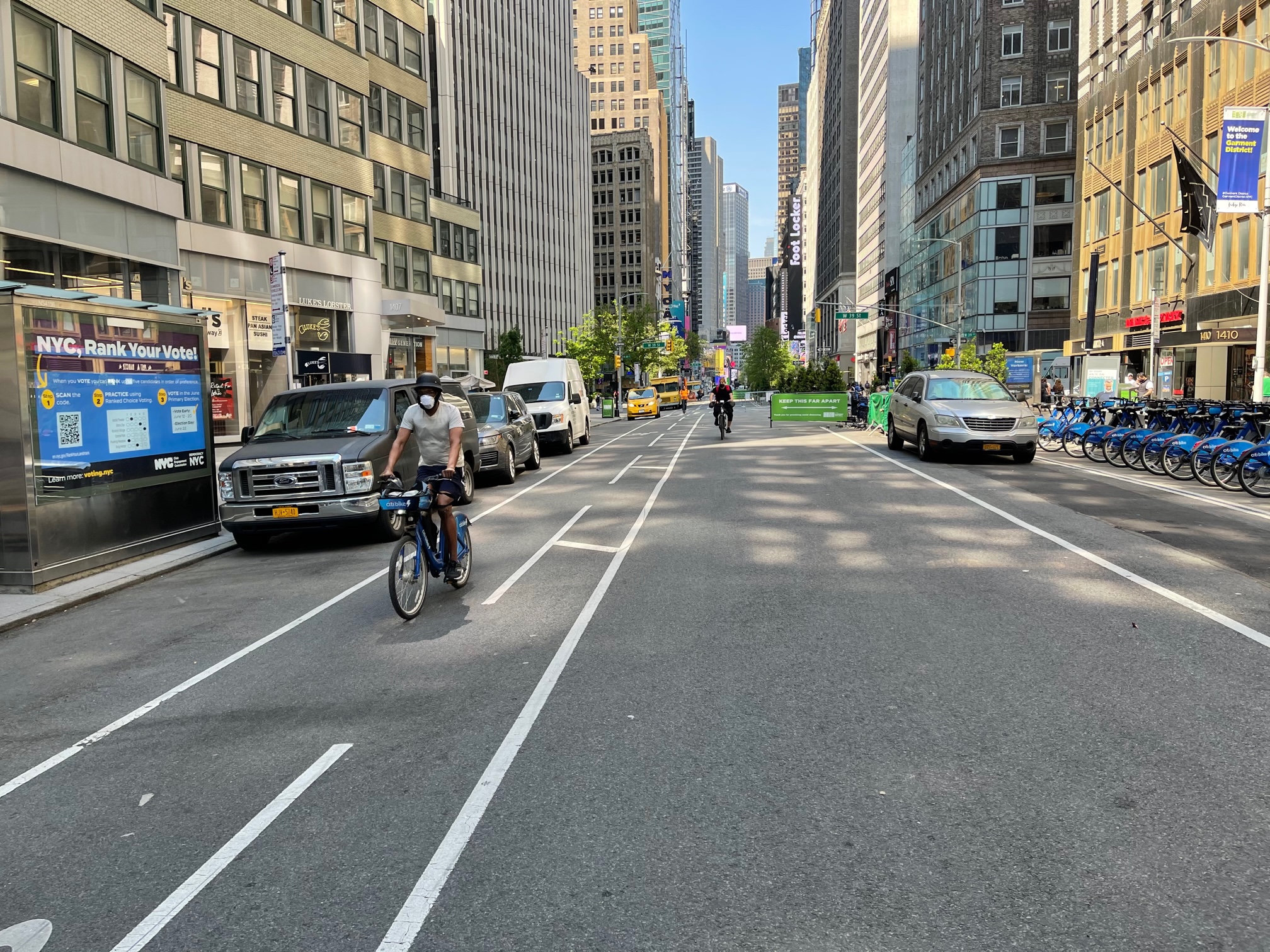
By Charles Pekow — Yes, adding a bike lane really can increase ridership. At least that’s what a study in Canada found when it tracked before- and after cycle use. The Waterloo Region in Ontario, west of Toronto, installed barrels to create a temporary bike lane on a road in 2020 and compared traffic in 2019 with 2020. Regional government took advantage of the COVID pandemic to install a bike lane on a road running between two municipalities.

New York City has been adding many new bike lanes. Photo by Dave Iltis

The Bike Lane Effect: How Infrastructure Drives Ridership — A Big Data Study, a report by data analytics firm Streetlight Data, found that not only did bike ridership increase 41 percent with a bike lane, auto traffic slowed 13 percent. The study examined nearby roads as a control, so changes weren’t entirely pandemic-related.

See https://learn.streetlightdata.com/bike-lane-ridership-study


GREENbike Expands to Ogden, Utah

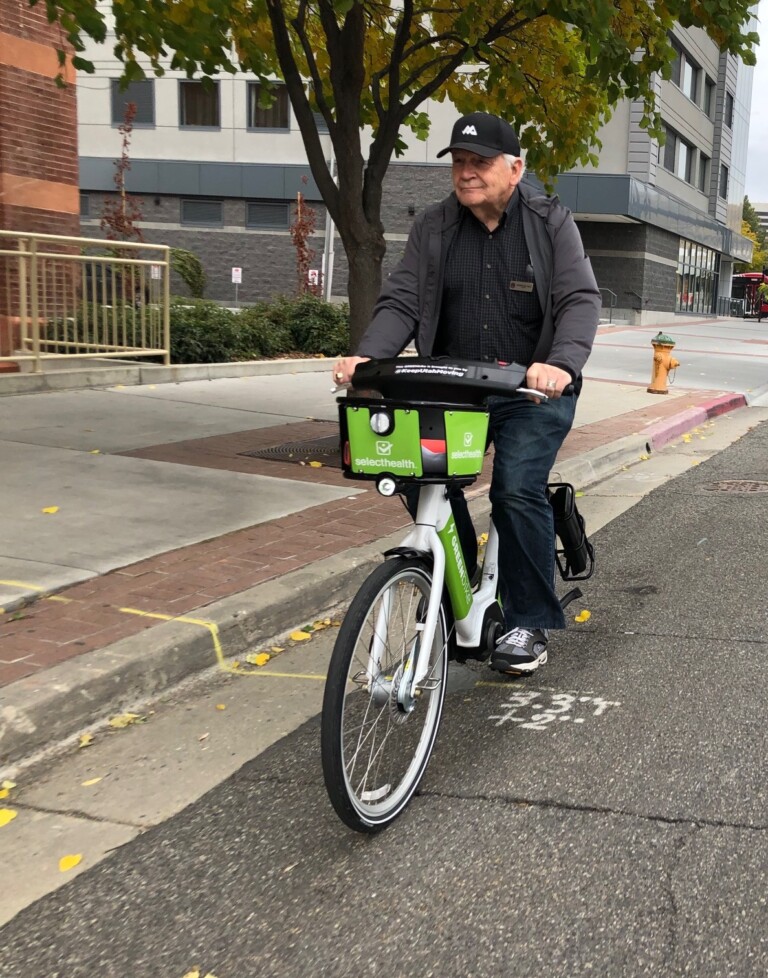
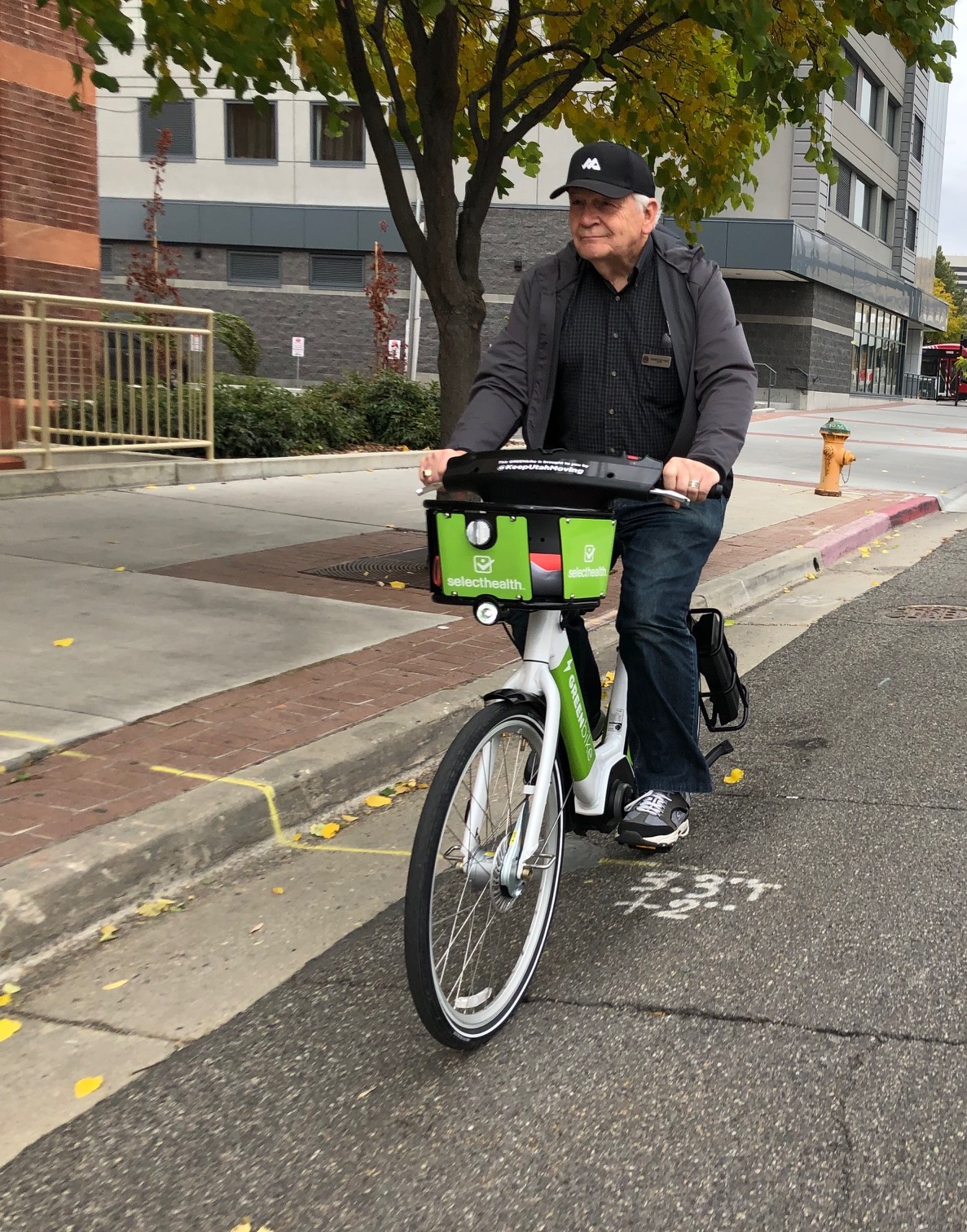
OGDEN, Utah (August 5, 2022) — GREENbike, Utah’s non-profit bike-share system, is excited to announce that they are expanding and adding stations and bikes to the city of Ogden. The launch of the Ogden GREENbike system officially makes GREENbike the country’s largest non-profit bike share connected by transit rail. GREENbike is working on adding six stations and 60 bicycles for the residents and visitors of Ogden in August 2022.

“We are so excited to work with the city of Ogden and bring our bike-share system to the visitors and residents.” Stan Penfold, Executive Director at GREENbike, said. GREENbike in Ogden will be the first expansion out of Salt Lake City for GREENbike.

GREENbike is expected to launch in Ogden, Utah in August 2022.

Ogden has been working hard to make the roads safer for riders with broader bike lanes. The stations will be at multiple locations throughout Ogden; some sites are FrontRunner Stations, Ogden River Parkway, and City Hall. “We are elated to have GREENbike in our community after several years of work towards this goal”, said Mayor Mike Caldwell who has been working with GREENbike to add a bike-share system to Ogden over the past few years. “Active transportation is a critical component of transit-oriented development, and we are so excited that GREENbike is here to help with last-mile solutions that will complement our upcoming Bus Rapid Transit line.”

To date, GREENbikers have prevented 6.7 million lbs. of C02 from entering our air, removed 7.5 million car miles from our local roads, all while burning over 86 million calories in the process. That’s over 300,000 slices of pizza! GREENbikes’s mission is to enhance the vibrancy of the greater Wasatch Front by providing an affordable, safe, convenient, fun, and efficient transportation option that connects people with the places where they live, work and play. GREENbike looks forward to bringing its mission to the city of Ogden.

Cargo Bikes Cleaner than Trucks

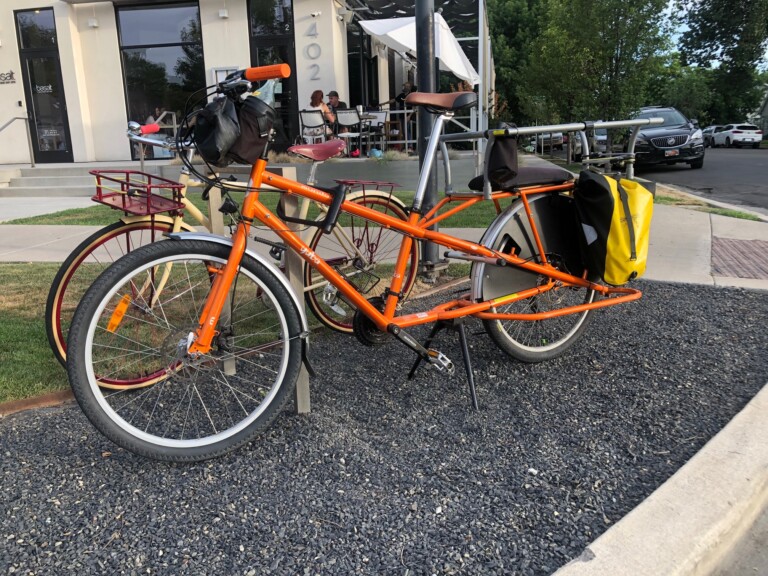
By Charles Pekow — Replace auto delivery with a cargo bike and you can improve city life in a variety of ways. At least that’s what a limited study in Oakland, CA found. Researchers at the Mineta Transportation Institute at San Jose State University examined a program in which packages were left at a transfer hub by an auto and delivered to the final destination on a bicycle equipped with plenty of space for packages.

Cargo bikes are cleaner than trucks when moving goods from one place to another, especially short distances. Photo by Dave Iltis

Assessing the Public Health Benefits of Replacing Freight Trucks with Cargo Cycles in Last-Leg Delivery Trips in Urban Centers found that sure enough, the city exhibited less air pollution, less noise, less traffic congestion, less wear and tear on streets, and more jobs and exercise.

The report notes that not much research has been done on the topic. See https://transweb.sjsu.edu/sites/default/files/1952-Hartle-Freight-Trucks-Cargo-Cycles-Delivery_0.pdf


Less Zoom, More Pedaling

A Bike Tour on the Eastern Express Route from Washington, D. C. to Chicago

By Matt Davidson — It’s always a good time for a bike tour! When I tour, I am all about enjoying the outdoors, meeting new people, absorbing new smells, and seeing amazing sights which may not be accessible on a car vacation. And there’s nothing like the experience of bicycle touring at 10 mph and taking it all in.

Prior to starting my adventure, I trained daily for two months with gallon jugs of water in my panniers. I often rode along a nearly flat dedicated bike path (Murdock Canal Trail) and also regularly climbed the 1,000-foot Suncrest mountain pass, between Lehi and Draper, UT. My skinny chicken legs were ready and were accustomed for days that reached 75 miles carrying 40 lbs, without feeling cramped and spent.

Along with getting physically ready, I wanted to be sure that my well-worn Trek 520 didn’t encounter any problems. Mechanically, I spent at least 10-20 hours in total going over my bicycle, ensuring that my brakes, cables, gear shifting, tires, and lubrication were tour ready or replaced and new. As a final check I had an expert bike mechanic at Saturday Cycles inspect my wheels, replacing a broken spoke in the process and also used my local bike shop, Hangar 15 for recommendations on a new hub.

Where to go? Well, after considering a few different routes my friend Lou Melini, a truly knowledgeable and well-traveled bike adventurer, tipped me off to the Eastern Express tour. I changed the overall route and targeted 1,200 miles between Washington, DC and Chicago, Illinois, eventually averaging about 50 miles per day, with a handful of zero-mile R&R days thrown in for good measure.

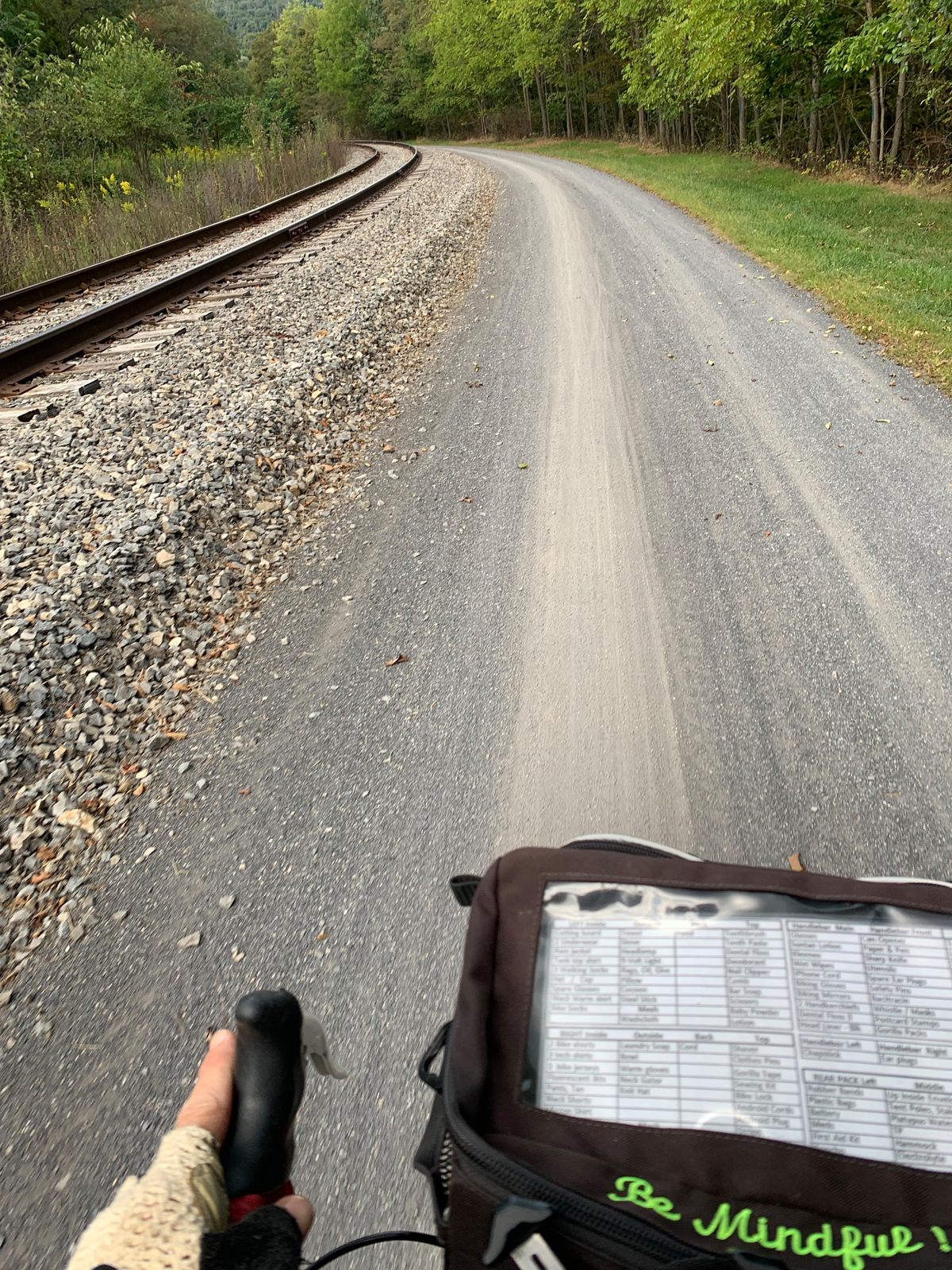
Smooth sailing! Crushed limestone along the Great Allegheny Passage Trail, near Frostburg, Maryland. Photo by Matt Davidson

This tour I traveled solo and relied on camping, hotels, and Warmshowers. Everyone has a unique pace and style when touring – not necessarily better than other styles, simply different. However, traveling by myself let me set my own schedule, pace, and route itinerary. Certainly, meeting other bicyclists on tour and sharing the road added even more variety to each day. Additionally, not having each day’s stop exactly planned out far in advance added to my sense of adventure. Seeing Washington, DC coupled with a sliver of the Eastern U.S. was the original attraction for my ride. What I didn’t expect was to tour through a history book and having a geographical tutorial unfold on events I had only read about.

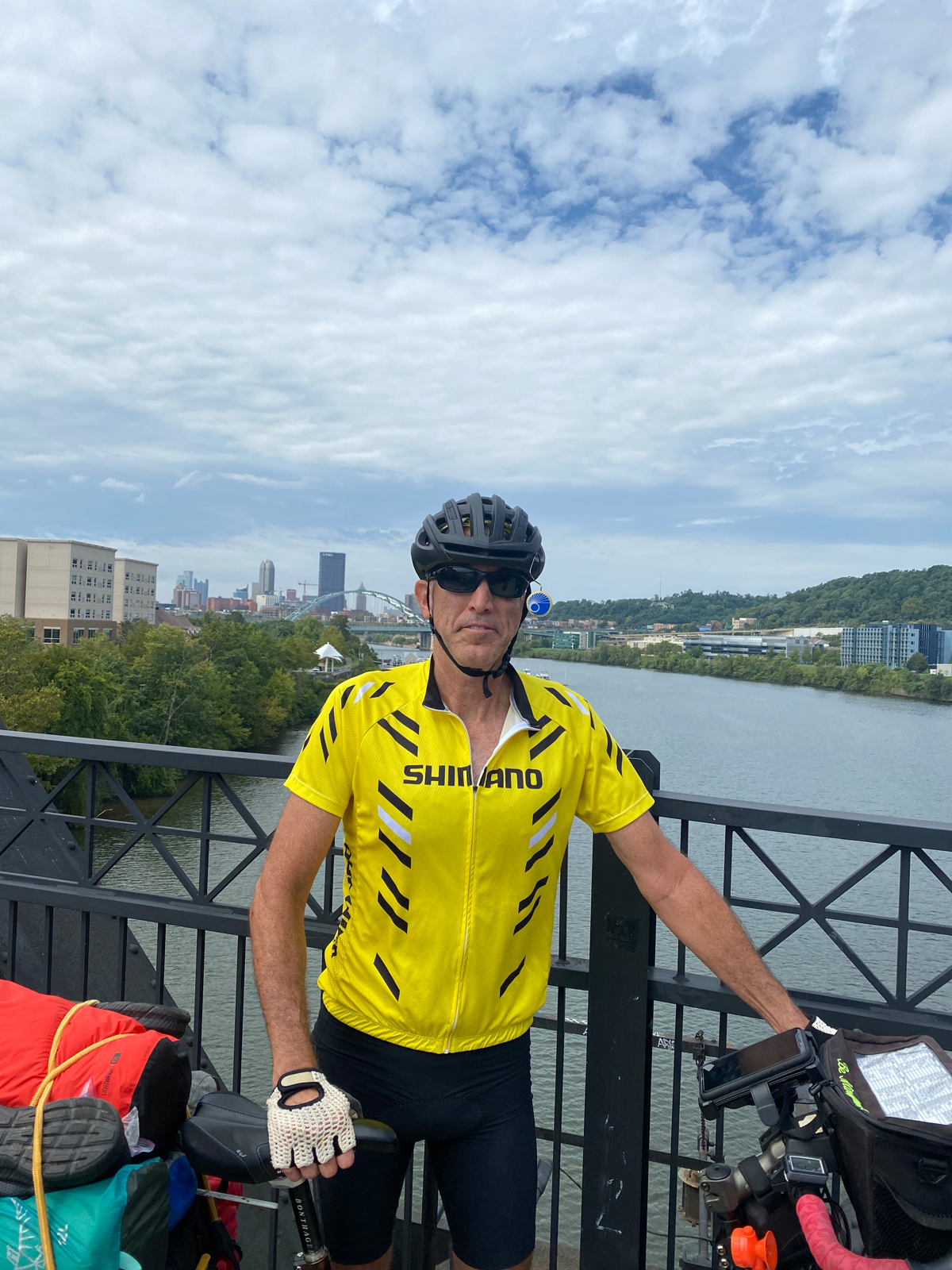
Matt Davidson first sighting the “City of Bridges”. Overlooking downtown Pittsburgh, PA., across Monongahela River’s Hot Metal Street bridge. During WWII, 15% of the United States steel-making capacity crossed Hot Metal Bridge on railroad cars, roughly 4,300 tons per day! Photo by Al Meder

Prior to officially starting the riding portion of my tour, I explored Washington, DC, the center of U.S. government power, and saw major tourist sites including the White House, Lincoln Memorial, Washington Monument, US Capitol, Supreme Court, Library of Congress, National Gallery, African American and Holocaust Museums. In hindsight my complete tour felt like a small part of the back-story leading to present day. At mile zero, my cycling tour began along The Chesapeake & Ohio Canal towpath, built by immigrants and slaves between 1828-1850. Built without the benefit of modern diesel-powered hydraulic machinery, the C&O Canal with its 77 locks spanning 180 miles, is an incredible engineering marvel. I could not help wondering about the long-term vision George Washington and James Monroe had when they put the wheels in motion for this transportation pathway.

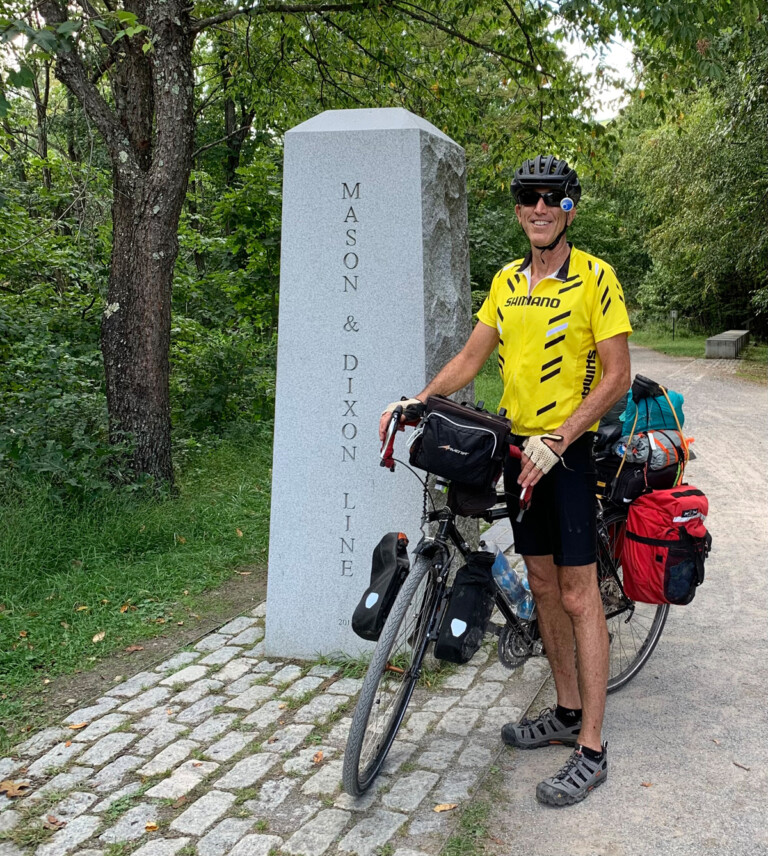
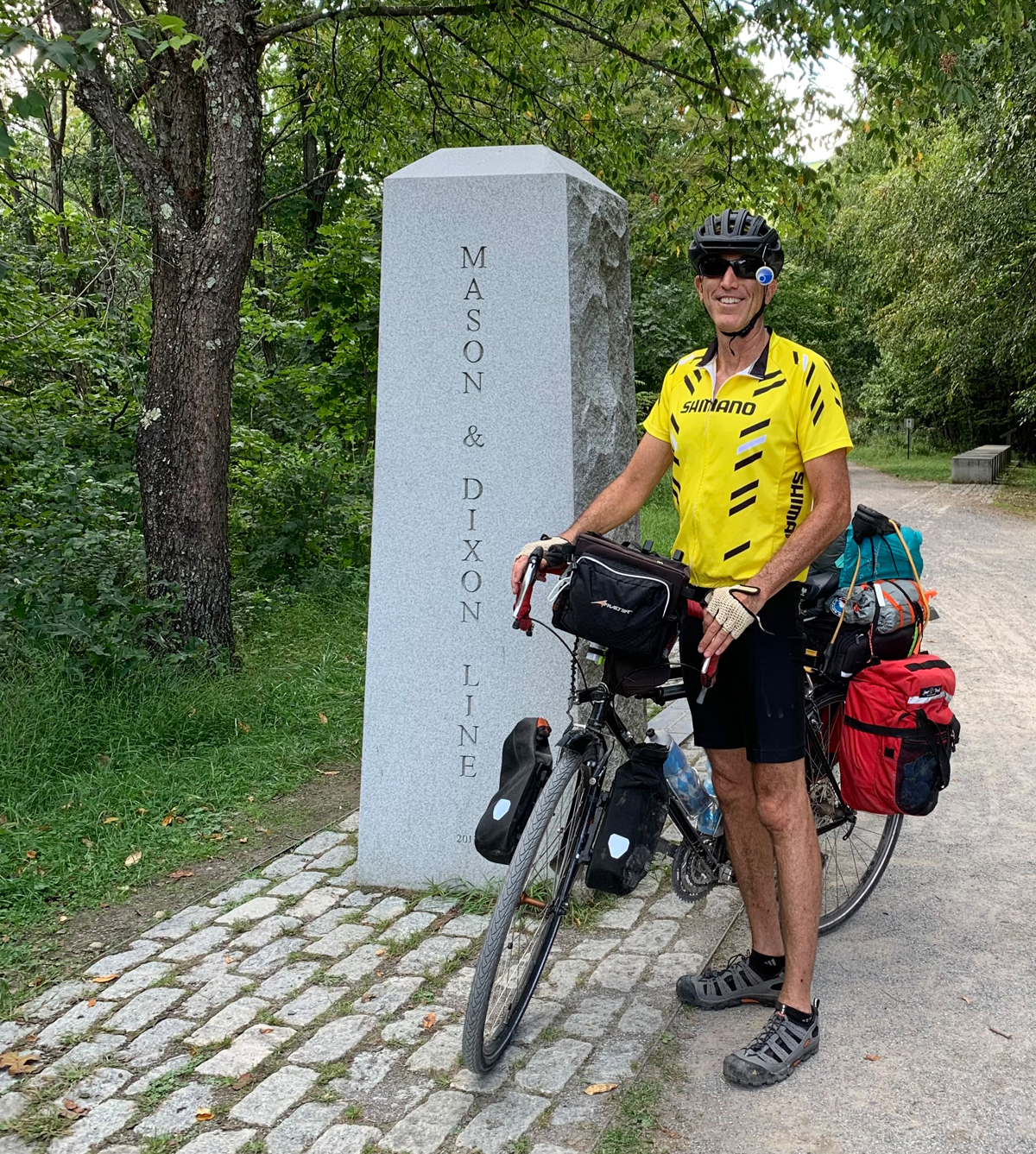
Matt Davidson posing by Mason Dixon Line marker on the Pennsylvania Maryland border. It is unlikely that Mason and Dixon ever heard the phrase “Mason–Dixon line”. The official report on the survey, issued in 1768, did not even mention their names. Photo by unknown Bicycle Tourist

As with all major transportation corridors, towns grew up along the canal. However, these towns soon withered with the emergence of the speed and efficiency of railroad transportation. My next chapter of history unfolded starting with Harpers Ferry, West Virginia, the site of a major Civil War battle spanning four days from Sept 11-15 in 1862. Riding along the C&O towpath, I envisioned what it must have been like for the Union and Confederate troops, traversing undeveloped forested areas and trying to stay fed, healthy, and alive in extremely challenging circumstances.

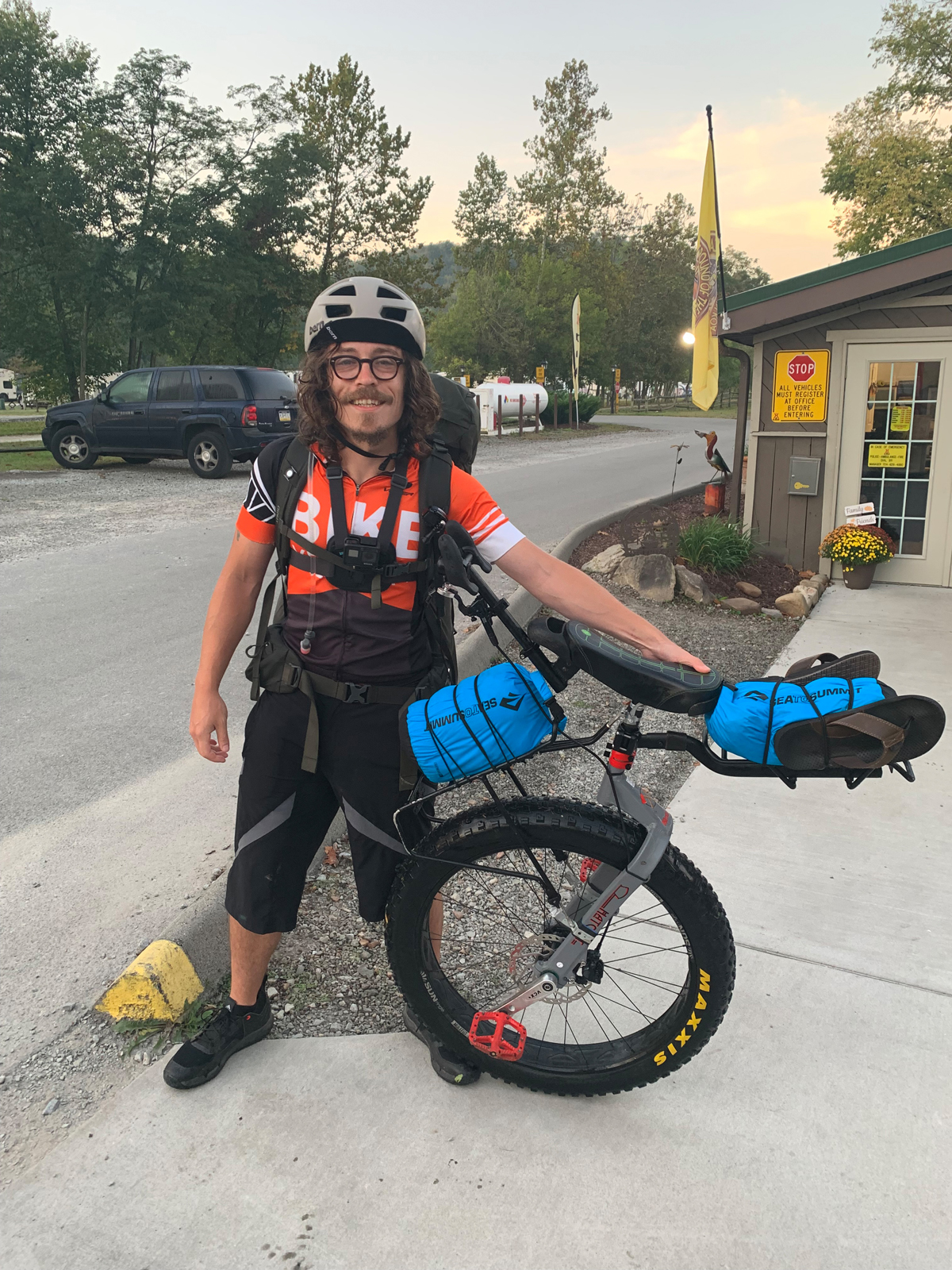
Crossed paths in Connelsville PA with Alex, the real Crazy Guy! Unicycling the GAP from Pittsburgh to Washington DC. Photo by Matt Davidson

After relatively easy riding along the C&O and Great Allegheny Passage trails, I entered Pittsburgh, Pennsylvania. Once gritty and shrouded in soot, Pittsburgh played a significant role in U.S. history and has now transitioned to a vibrant economic powerhouse with skyscrapers and a diverse economy not solely dependent on steel. Steel was one backbone of the Industrial Revolution that helped grow our country – and somewhat similar to today’s tech billionaires Zuckerberg and Bezos, Pittsburgh’s shrewd and ruthless steel barons, Carnegie and Frick, played a significant role and definitely affected the country’s growth. Historically, the city flourished based on steel production at the apex of the Monongahela and Allegheny Rivers. My tour took me along these waterways that flow through Southwest Pennsylvania and eventually drain into the Ohio River directly at downtown Pittsburgh.

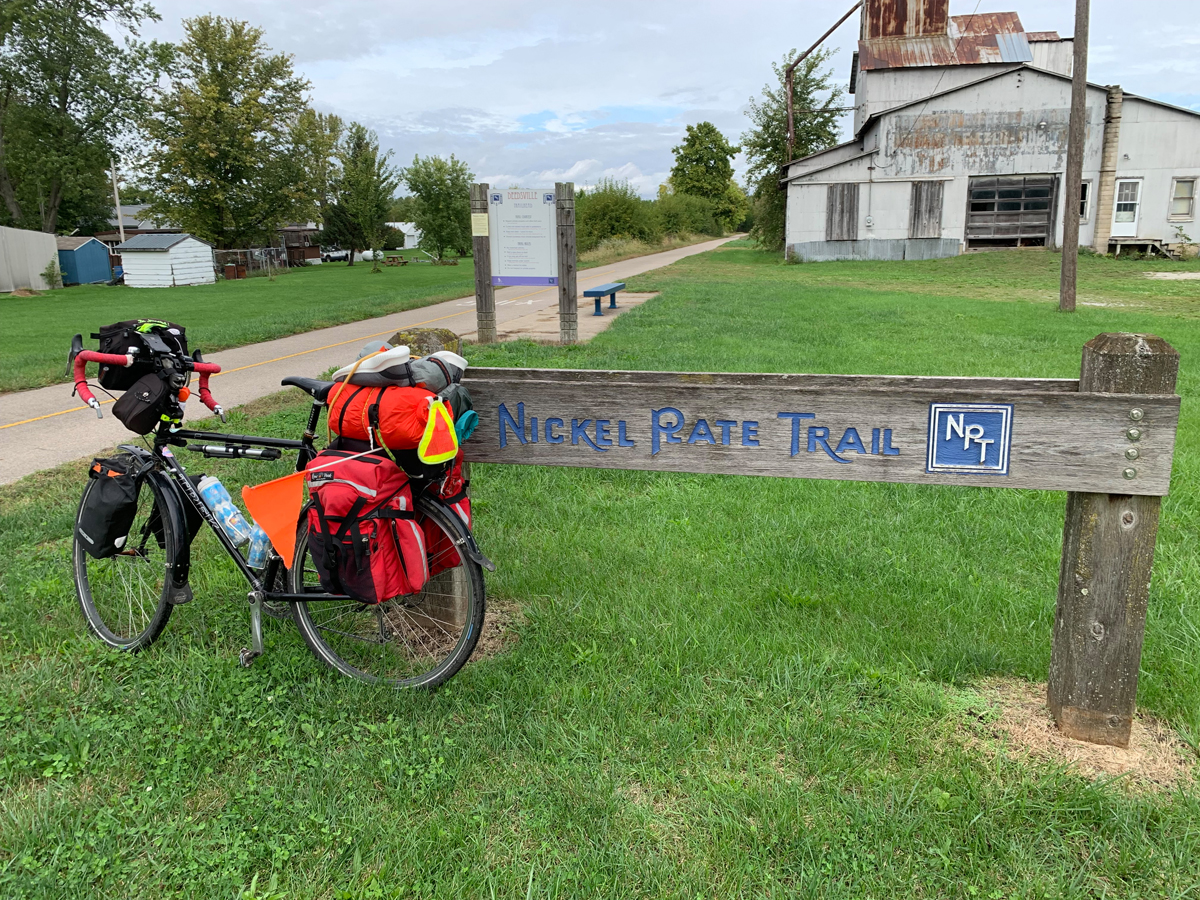
Rochester, IN to Kokomo, IN. – Smooth sailing along the Nickel Plate Trail. Photo by Matt Davidson

Even today steel still needs coal, and I cycled past heavily laden river barges being guided downstream, floating low with loads headed for furnaces or coke production. But as coal use declined, so did the towns that depend on coal jobs. Some of the towns I rode past felt like they were hanging on by their fingernails because they have not transitioned to new revenue sources. Wheeling, West Virginia was once a thriving town visited by Presidents and now is littered with shuttered storefronts. I wondered how long before they build their economy back based on something other than coal.

Riding through small towns, I avoided national chain businesses, opting to spend my tourist dollars at local shops and restaurants. There was also a trade-off between carrying my own food that gave me the ability to eat whenever I felt hungry versus riding until the next available diner. My preference was to stop and eat lunch at a relaxing park or viewpoint, rather than sitting at a table waiting to be served. Certainly, another benefit of riding solo was a wide-open flexibility on when and where I replenished my calories.

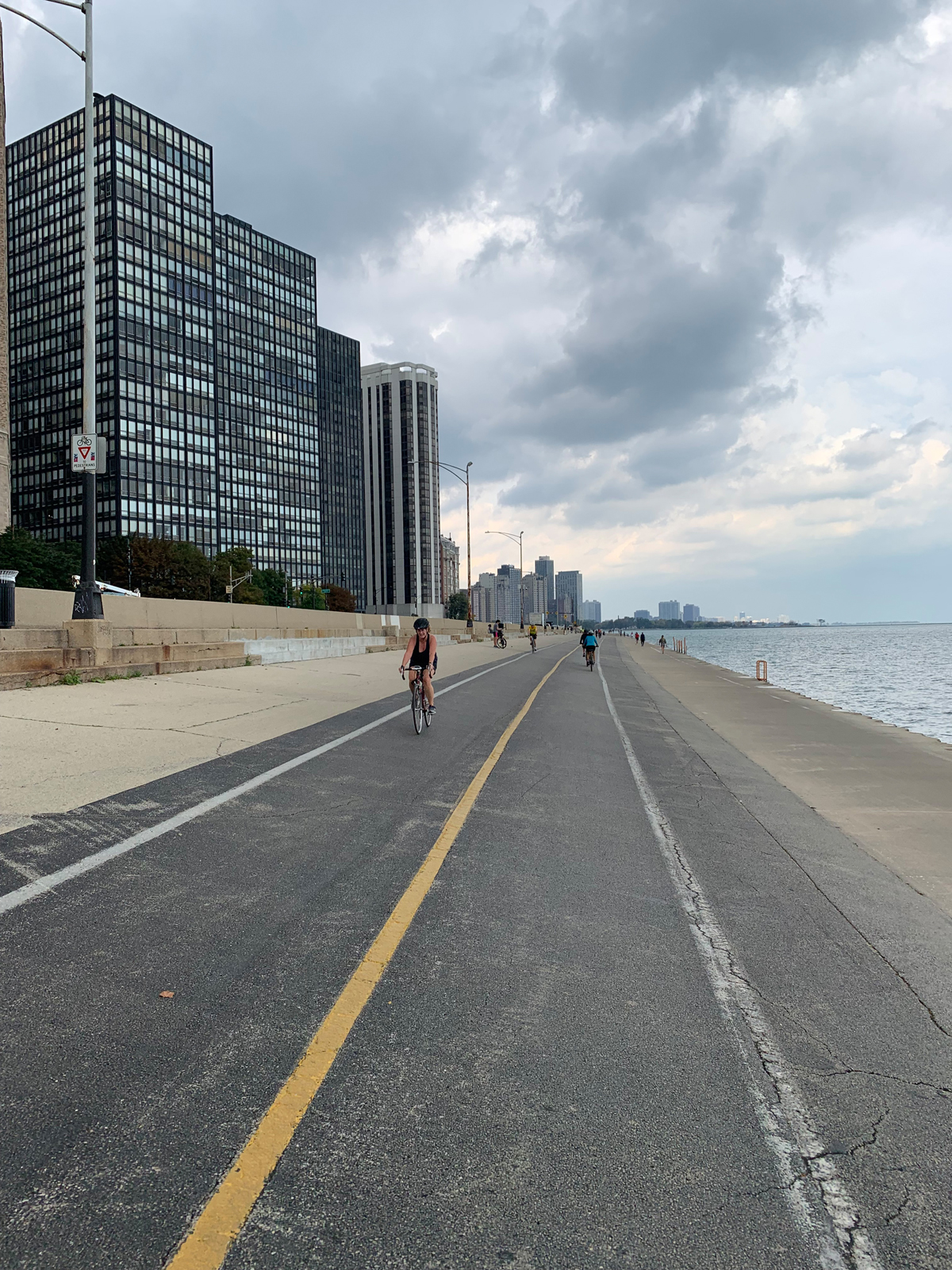
Along Lake Michigan, Lakeshore Drive bike path in Chicago, IL. Photo by Matt Davidson

Reflecting on the overall tour, it renewed my faith in the underlying goodness that exists in our country. Most of the goodness played out with Warmshowers hosts that made my tour extremely interesting and enabled me to peer into their lives during those stays. I found friendly, generous folks in most every town. Maybe that’s not groundbreaking news, but it certainly felt good and was a refreshing boost to my daily riding. I avoided political jousting altogether, and when seniors (older than me!) in small towns appeared wary of my Lycra-clad presence, I always started conversations with, “I’m touring this great country of ours.” That statement instantly put strangers at ease. Young and old, almost everyone wants to find out more about a Crazy Guy riding through their town. At the end of the day, every bike tourist wants to experience new situations no matter the challenge and that’s the draw of plotting a new ride and meeting new people. I’m already looking forward to my next tour!

Trek 520 Equipment Additions:

  • iPhone Google Maps “bicycle routing option” for navigating departures from ACA map route.
  • Q-Mount Cell Phone Holder – Single handed phone mount and dismount during trip, however, didn’t hold phone securely while using phone case.
  • Salsa 26T Chainring – Granny gear enabled hill climbing with sub-20 gear inches as recommended by sheldonbrown.com
  • Schwalbe Marathon Plus 700x38c – Flat tires: None, nada, zero! Tire width worked well on crushed limestone trails and rocky sections of C&O Towpath.
  • Yokozuna MTB Brake Shoes – Added stopping friction while wet in rain.
  • Click-Stand – Collapsible for storage and performed well with loaded panniers and handy when nothing to lean bike against.
  • Bontrager Trip Computer – Simple mileage odometer, clock, and average speed
  • Bontrager Ion Pro Front Light – USB rechargeable, 1300 – 400 lumen range. Lasts 22 hours for daytime front flashing strobe.
  • Shimano SPD Pedals – Personal preference to be clipped-in, allowing different leg muscle use when needed.
  • Lone Peak Panniers – Originally manufactured in SLC. Handy to have many compartments, but waterproofed panniers would have been better on rainy days!
  • Topeak Morph Pump with Gauge – Used daily to top off tire pressure
  • Planet Bike Rain Fenders – Lightweight. Installation required Reach Around adapter brackets to split both front and rear fenders due to 38c tire height.
  • Avenir Handlebar Bag – Perfect for daily snack and wallet storage. Needed a rainproof cover!
  • Tent Big Agnes Backpacking CopperSpur 1P – Easy & fast to pitch with great compartments. Two-person tent would have allowed some gear storage inside tent rather than under vestibule which is not always 100% dry.
  • Handlebar Bell – any kind works for warning pedestrians far in advance of approach.

Tour stats:

  • Unfriendly people: NONE, at least those I met!
  • Great conversations with people while on tour: 30 +
  • Weight Change: gained 3 lbs (loved the ice-cream and pastries!)
  • Camping Nights: 10
  • Warmshowers Stays: 12
  • Hotels: 7
  • Cars Honking Aggressively while passing: 1
  • Cars Honking with “Aaahhh-Oooogaaa” horn for fun: 1
  • Cars Honking to say “Thank You” for moving over: 2

Total miles, 1,234

Total days, 30

Type of campgrounds:

  • Bike Store Camping
  • YMCA Camping
  • Husky Haven, private Camping
  • KOA Camping
  • State Park Camping
  • City Campground Camping

Mill Creek Canyon in Salt Lake County, Utah to Close to Cyclists Starting August 8, 2022

0

SALT LAKE COUNTY, Utah (August 4, 2022) — Mill Creek Canyon, a popular cycling route in Salt Lake County, Utah, will close to cyclists starting August 8, 2022 and remain closed until Fall 2022 for construction. It is unclear if there will be any road improvements for cyclists such as wider bike lanes and slower car traffic speeds. The road will be closed to cyclists from the toll gate to the winter gate.

Cyclists climbing Millcreek Canyon. Photo by Lisa Hazel

A statement from the public involvement team is as follows:

Maintenance Work is Coming to Lower Millcreek Canyon
This August, the Greater Salt Lake Municipal Services District and Unincorporated Salt Lake County will begin conducting work to extend the life of the pavement in Millcreek Canyon. This project will mill off the top layer of asphalt and add fresh pavement and update signing and striping of the roadway. Additionally, some key area drainage improvements will also be included in this project.

MILLCREEK CANYON MILL & OVERLAY PROJECT WORK ACTIVITIES
Construction activities will begin on Monday, August 8th and will wrap up in fall 2022. Crews will be onsite daily from approximately 7 a.m. – 5 p.m. In order to complete the improvements to the roadway, lane closures will be in place during this work.

CANYON USERS:
PLEASE PLAN AHEAD

Road Cycling Closures.
Because this work will remove the top layer of asphalt, it will not be safe for cyclists to use the road until construction is complete. The road will be closed below the winter gate to all bicycle traffic throughout the duration of this project. For your safety and the safety of the crews, please do not attempt to pass through the construction area on your bike.

Other Impacts During Construction.
One lane of traffic will remain open throughout construction and will be fully reopened to traffic on weekends. Please plan for extra time when driving up the canyon. Driveway access will remain open except for very brief interruptions while work passes directly in front of each access.

OTHER AREA PROJECTS
Salt Lake County Upper Mill Creek Canyon Road Improvements Project
This project is separate from the maintenance on the Millcreek Canyon road section from Winter Gate to Big Water Trailhead. That project is funded by a Federal Lands Access Program grant and construction is anticipated to occur in summer 2025. For more information on this project, visit slco.org/planning-transportation/millcreek-road-improvements.

Uinta-Wasatch-Cache National Forest Elbow Fork Fuel Reduction Project

The Uinta-Wasatch-Cache National Forest will likely be doing wildfire prevention work (cut and pile fuel reduction) in the Elbow Fork area of Millcreek Canyon between August and October 2022 as part of the Water Restoration Initiative. This work is similar to what was done in the upper end of Lambs Canyon road in the summer of 2021. If you have questions about that work, contact the Salt Lake Ranger District at 801-733-2660.

CONTACT THE MILLCREEK CANYON MILL & OVERLAY PROJECT TEAM
If you have any comments or questions, please contact the Public Involvement team at 385-237-1744 or visit
https://msd.utah.gov/millcreek-canyon-mill-overlay-project/


A Roadie Tries Mountain Biking

By Jamie Morningstar — I’m a roadie. Well, actually I’m a cycle commuter and an occasional road biker. Six years ago, I tried out mountain biking with some friends, followed them on a too-hard trail, wrecked, and ended up in a fetching orthopedic boot-and-crutches combo for a few months. At that point, I decided that perhaps mountain biking was not my sport and stuck with the road.

But last year my daughter wanted to sign up for her high school mountain bike team and, never one to give up the opportunity to spend time with my kid or buy a new bike, I decided to try MTB out again. Without really knowing what I was signing up for, I certified as a NICA Level 1 coach so I could ride along with the team and committed to being an assistant ride leader. And suddenly I was riding with the team three days a week!

Jamie Morningstar practices a successful log bridge crossing (over and over again). Photo by Stephen Morningstar

And I had an amazing first MTB season. I am so impressed with NICA (National Interscholastic Cycling Association, the high school mountain biking organization) and their emphasis on kids having fun, growing, finding community, and challenging themselves. The fellow coaches were super supportive of this enthusiastic-and-skill-free mom, the kids were a blast to ride with, I got to hang out with my daughter even more, and I even got a new bike out of the deal. Win. I had an amazing first MTB season and both my daughter and I are definitely coming back for more this summer.

That said, I did, and do, have a lot to learn. I spent the majority of my summer with spectacularly bruised legs and brake-gripping fear of basically every turn and descent. So, if you’re new to mountain biking or just considering trying it out, here are a few lessons and pointers I took away from my first year as a mountain biker.

You just have to let go a little. Mountain biking is definitely an exercise in finding the boundary between letting go and being reckless. Your wheels need to be rolling in order to grip, which means if you’re grabbing brake your tires actually aren’t performing their best. So, if I’m panicking and braking, I’m actually causing my tires to be able to corner less effectively, causing me to panic and brake even more. You can see the vicious cycle emerging.

This letting go is challenging for me. I like being in control. And if I feel like things are out of control (which they basically always are when mountain biking downhill), I try to double down on the control. Yes, the life metaphors here abound.

Jamie Morningstar and her daughter enjoy the views of Mount Timpanogos while riding. Photo by Sasha Morningstar

This phenomenon is also true in road biking – all tires corner better while rolling – but it’s way more exaggerated in MTB. For me, the hardest part of beginning mountain biking has been trusting myself and my bike and letting go a little. It’s been a wonderful lesson in trusting my body and bike, finding my edge, pushing it, and having a blast.

Mountain biking is really strenuous. Mile for mile, mountain biking is way harder than road biking. As somebody who has done many (casual) century rides and commutes to work by bike every day, I thought I was in acceptable cycling shape. I was wrong. Mountain biking is a whole different kind of hard from road riding, or at least the kind of road riding I do.

I don’t know that there’s much to do about this one – you either build up the strength over time or buy an e-mountain bike (and those e-bikes are awesome! That’s a pretty sweet option!). I think the key to this lesson is a little self-love. If you find yourself climbing up one of our beautiful Utah trails coughing gunk out of unused corners of your lungs and wondering just how hard you can push before your heart actually explodes, you’re in good company. You’re not doing anything wrong; you’re just adjusting. Give yourself a little grace, shrug, and smile. If you end up hike-a-biking up a hill or five, just enjoy that you’re challenging your body in a whole new way.

You’re allowed to wear your road kit on the trail. I was worried about proper uniform when I started mountain biking. Over the years I’ve amassed quite the collection of cycling kit – would I get laughed off the trail if I wore spandex? Did I need to buy super ugly MTB-style sunglasses? What gloves were right for mountain biking?

I have good news for you if you share these concerns – mountain biking is pretty forgiving attire-wise. Although many mountain bikers will wear baggies, it’s perfectly acceptable to wear the clothes and even the helmet you have from road biking. Over time, you may choose to get MTB-specific gear, but you don’t have to spring for a whole new cycling wardrobe in the beginning. For example, I eventually decided that I didn’t like the way my road cycling glasses felt while on the bumpy trail and I did get a pair of fabulously futuristic MTB shades that still make my children cringe every time I put them on. But I didn’t have to start that way, and I still wear a lot of my road kit, gloves, and accessories on the trail.

Do wear long pants and long sleeves in the beginning. Always wear gloves. Perhaps you’re more coordinated than I am. Perhaps you’ll fall less. But I fell a lot during my first season riding a mountain bike. It was usually nothing spectacular, but I did fall. I wish I had figured out earlier that it was just smarter to wear long pants and long sleeves on the trail. More skin coverage would have saved me a lot of mid-grade scuffs and scrapes. And always wear gloves and eye protection on the trail (or on the road, for that matter).

Flat pedals are completely acceptable. Another area of angst for me when beginning to mountain bike was the question of clipless pedals. Right or wrong (probably more of the latter), there’s an expectation in road cycling that once you get “serious,” you’ll switch over to clipless pedals. There’s a certain cachet to walking around like a duck after exiting your bike.
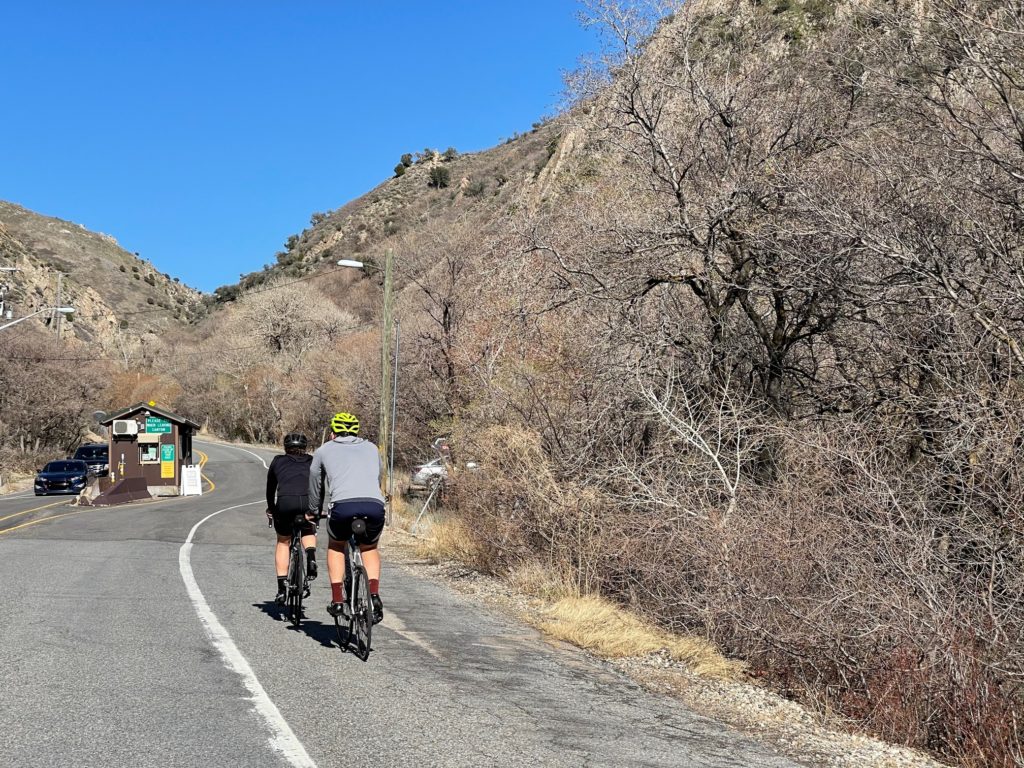
However, after my catastrophic mountain biking injury of five years’ earlier, I was extremely nervous about clipping in. You’ll imagine my delight that flat pedals are perfectly acceptable on mountain bikes. Yes, there’s still extra respect given to those wearing cleats, but the pressure just isn’t the same in MTB circles to swap over to shoes you can’t walk like a normal human in. In fact, mountain bike shoes are amazingly comfortable and present a delightful skater vibe to my mind. So, worry not, you can wear sneakers and use flat pedals while mountain biking

Enroll in a clinic to accelerate your confidence. Professional help is not that expensive and will help you learn good base skills and confidence that will serve you well for many seasons. Most resorts offer group lessons, and you can also sign up for independent group clinics in your area.

This is also a stark difference between road and mountain biking. Yes, sure, you can get coaching for road biking and racing, but there isn’t really a clinic or lesson culture around road biking. Not so with mountain biking! Group clinics, private lessons, and MTB camps abound. A quick online search for lessons in your area will yield a variety of options that are well worth the investment in building your confidence and skills.

Redoing a route is surprisingly fun. Another difference between road and mountain biking has been the fun of riding the same route repeatedly. Sure, on the road I have my favorite rides (usually the ones most convenient to my house), and I have never been one to disparage routine. But on mountain biking there’s a different kind of delight to re-riding a tricky section of trail over and over, learning the turns, gaining confidence, and learning how to navigate the route just right.

What you learn on a mountain bike will help you in your other cycling disciplines. I’ve been amazed by how much stronger and more skilled a cyclist I’ve become as a result of my foray into mountain biking. Skills that I thought I understood as a roadie, such as bike-body separation, cornering, and body position, are so much more exaggerated on MTB.

If you’re a roadie who’s flirting with the idea of trying out mountain biking; do it! The hills and the learning curve are steep, the views are fabulous from the trail, and you’ll be a stronger cyclist and happier human for your time on knobby tires.

Jamie Morningstar is an avid cycle commuter, a passable roadie, and a spectacularly uncoordinated mountain biker who lives, works, and rides in Utah Valley.

What is a Randonneur? Apparently, I Am!

By Kelly McPherson — In July, I am planning to do this crazy ride starting on July 11 in Canada and riding my bike along I89 until I reach Mexico on July 28 over 1750 miles later. My riding partner, Shem Flitton and I are using the ride to raise funds for Huntsman Cancer Institute. If you would like to donate, we would LOVE it, and you can do so by clicking on the link below. https://hope.huntsmancancer.org/diy/krazykelly If you would like to follow our adventure, follow us on https://www.facebook.com/Rideon89 or https://ride89.org/ In preparation for riding 100-150 miles a day for almost 3 weeks, I need to get a lot of training in. I need to do a lot of long rides! Someone pointed me towards the Salt Lake Randonneurs. https://www.facebook.com/SaltLakeRandos

What is a Randonneur? A Randonneur is a rider who rides ultra-long distances along a prescribed course that is not marked and has no aid stations. This is a completely self-supported ride fueled by what you bring or what you pick up at gas stations along the way, usually at least 200k in distance.

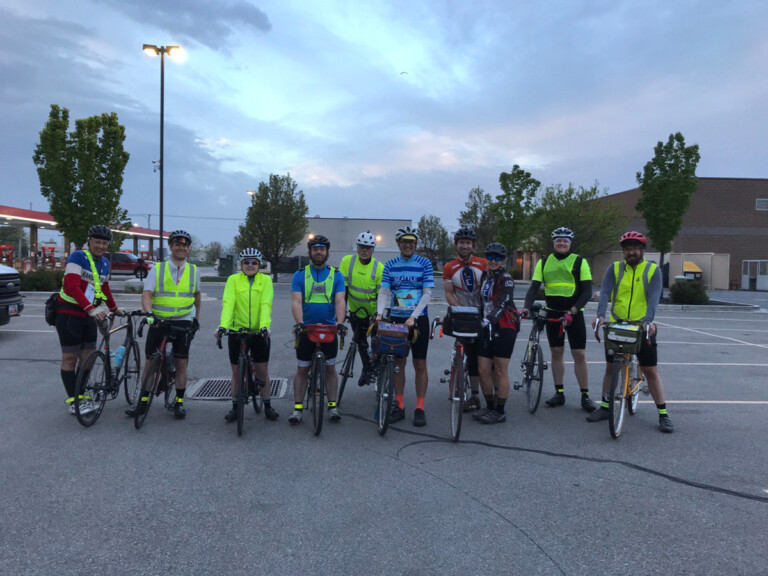
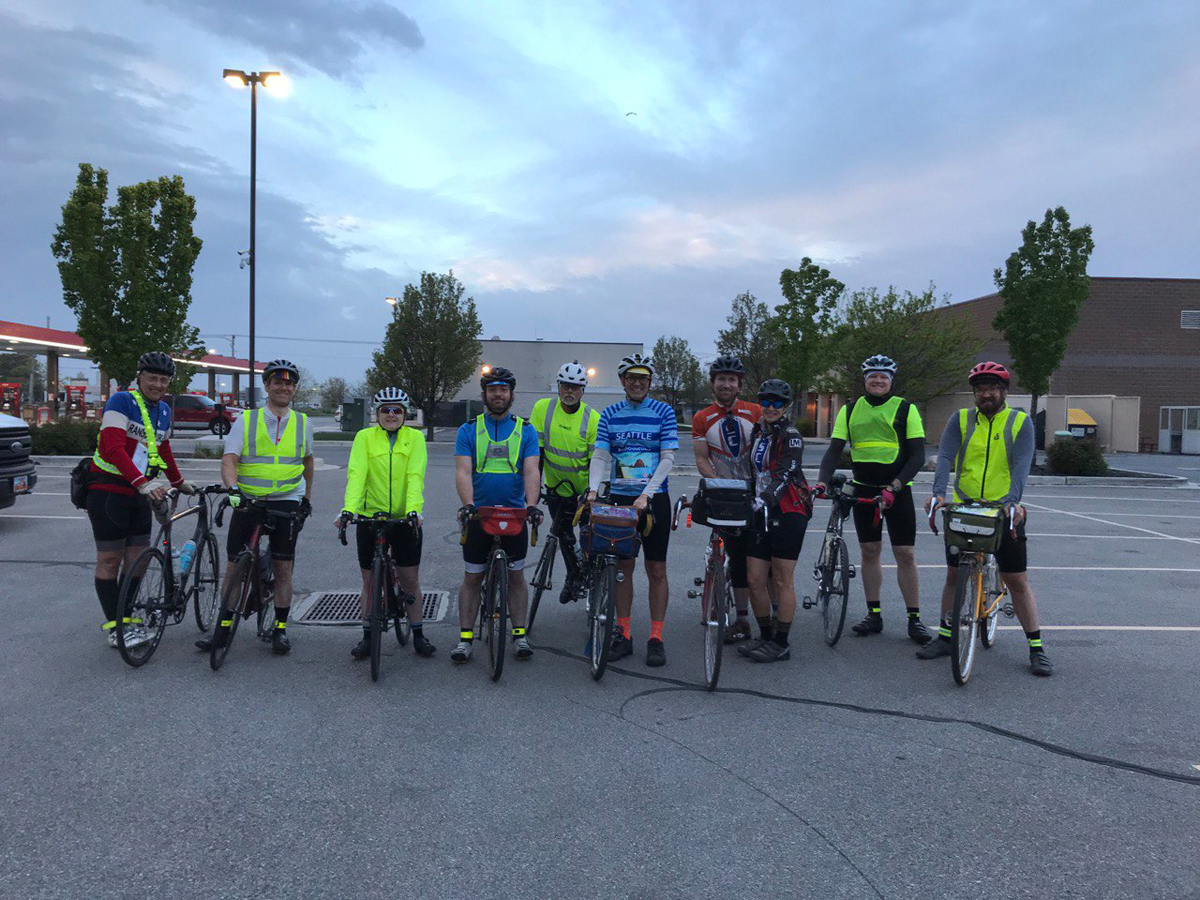
Salt Lake Randonneurs. Riders left to right: Pete McCain, Matt Bell, Kelly McPherson, Kyle Butt, John McCain, Ken Moss, Steve Wasmund, Amy Andrews, Jeremy Lamoreaux, Brady Smith. Photo courtesy Ken Moss

I figured that this style of riding would be good training for Ride89 in July. Our local Salt lake Randonneurs have a schedule of events on their website https://www.saltlakerandos.org/ I couldn’t ride the first one due to scheduling conflicts, but was able to ride the second one on May 7, the Wasatch Front/Antelope Island 200k/300k Brevet. Being new to this style of riding and not having ridden more than 70 miles this year so far, I wisely chose the 200k.

I began doing research on randonneuring and found that there wasn’t much out there to find. Having done some really long rides in the past, I started to think about what I would need to bring and prepare for to ride 125 miles unsupported. All of the rides that I had done of that length in the past were supported with SAG vehicles, course markings and aid stations at regular intervals along the course. I was fairly sure I could do the distance, but I was worried about getting lost or running out of food and water or having a mechanical that I wasn’t able to fix.

I began by buying some new bags for my bike as I would need to carry most of what I would need as stopping at every gas station would just slow me down. I chose a Rockbros Bike Frame Bag which was significantly larger than one that I had previously been using. I also got a Wildken Big Saddle Bag that was much larger than my current seat bag and had the benefit of being able to carry another water bottle.
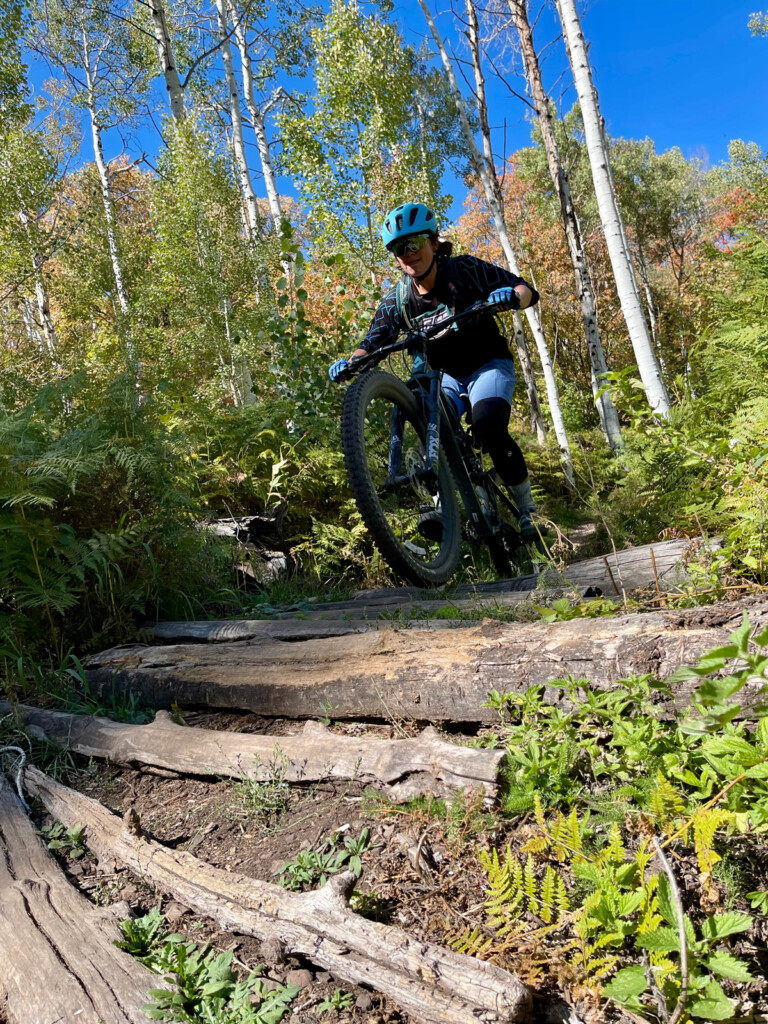
Then I set myself to the task of figuring out what food to bring. I’ve never been really good at my nutrition and tend to bonk at about 60 miles. This is something I really needed to get nailed down if I am to be successful with Ride89. I put together a spreadsheet that helped me calculate how many calories I was going to need for the expected duration and how many of which foods I would need to meet that calorie goal. I played with a lot of foods, but finally came across what I think will work. It’s a combo of salted caramels, golden double stuff Oreos, Rice Krispie treats, PB&J sandwiches and two-bit chicken, sweet potato, and rice pies. Yum!

The next task I needed to complete was to finally figure out how to download a map to follow on my Wahoo Elemnt Bolt. I am embarrassed to say that after almost 20 years of riding, I still didn’t know how to do this. All of my courses have been self-designed, had someone to follow or were clearly marked. Gratefully, it isn’t all that hard once you find and read instructions.

The night before the Brevet, I nervously prepared and packed my food, water bottles and extra electrolyte drink mix. I packed extra tubes, CO2, bike tools, ChapStick, allergy pills, ibuprofen, and a host of other things that I wouldn’t want to be stranded without. I checked and double checked my map on my Elemnt.

I woke up incredibly early the morning of the Brevet to load my bike and drive to our starting point, a Maverick in North Salt Lake. It was a small and interesting group. Sleek road bikes were few in favor of heavier bikes with mud guards. I had been nervous that the large bags that I had put on my bike would look silly to the other riders. They did. They were way too small compared to their large handlebar bags and panniers.
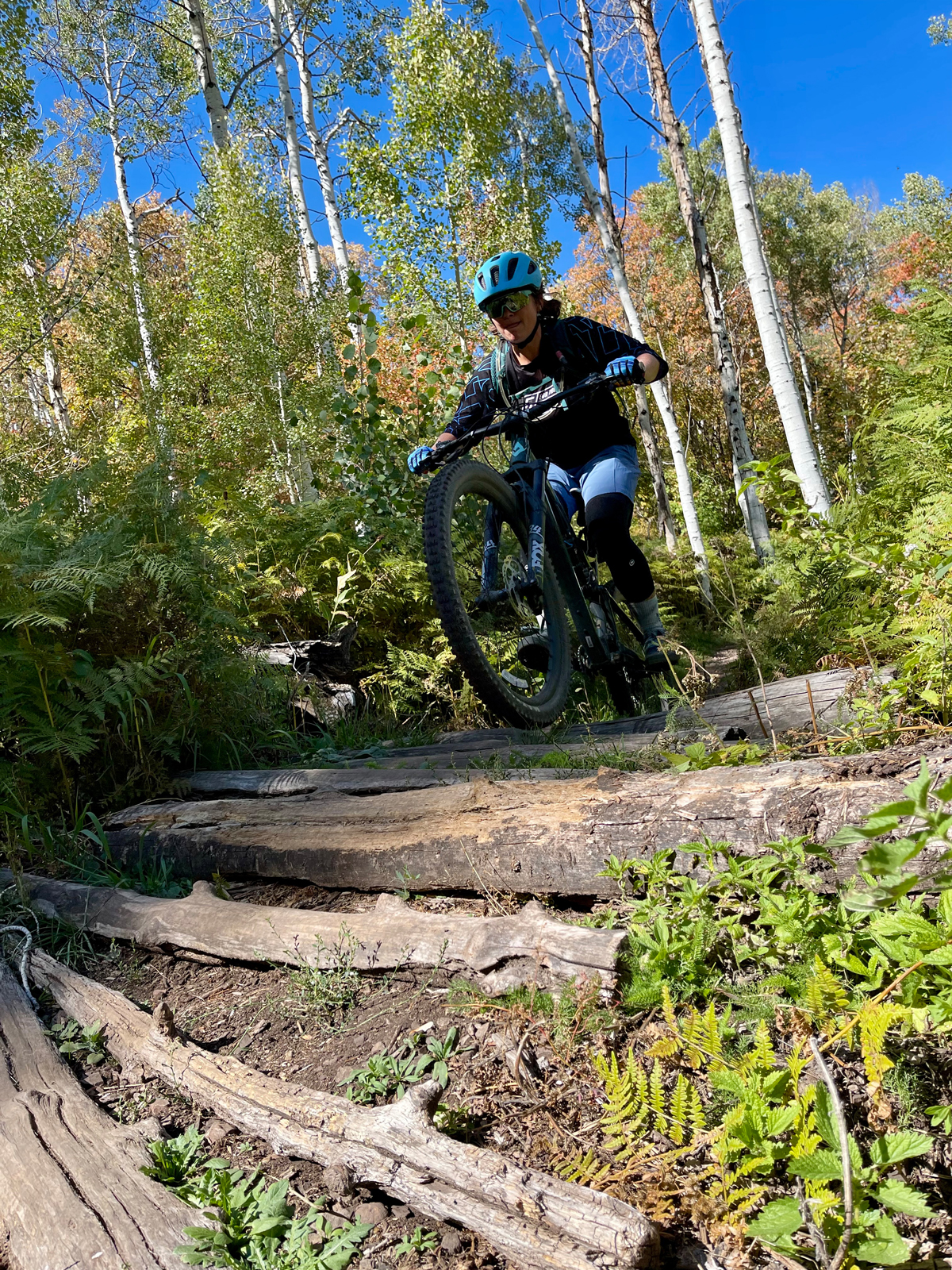
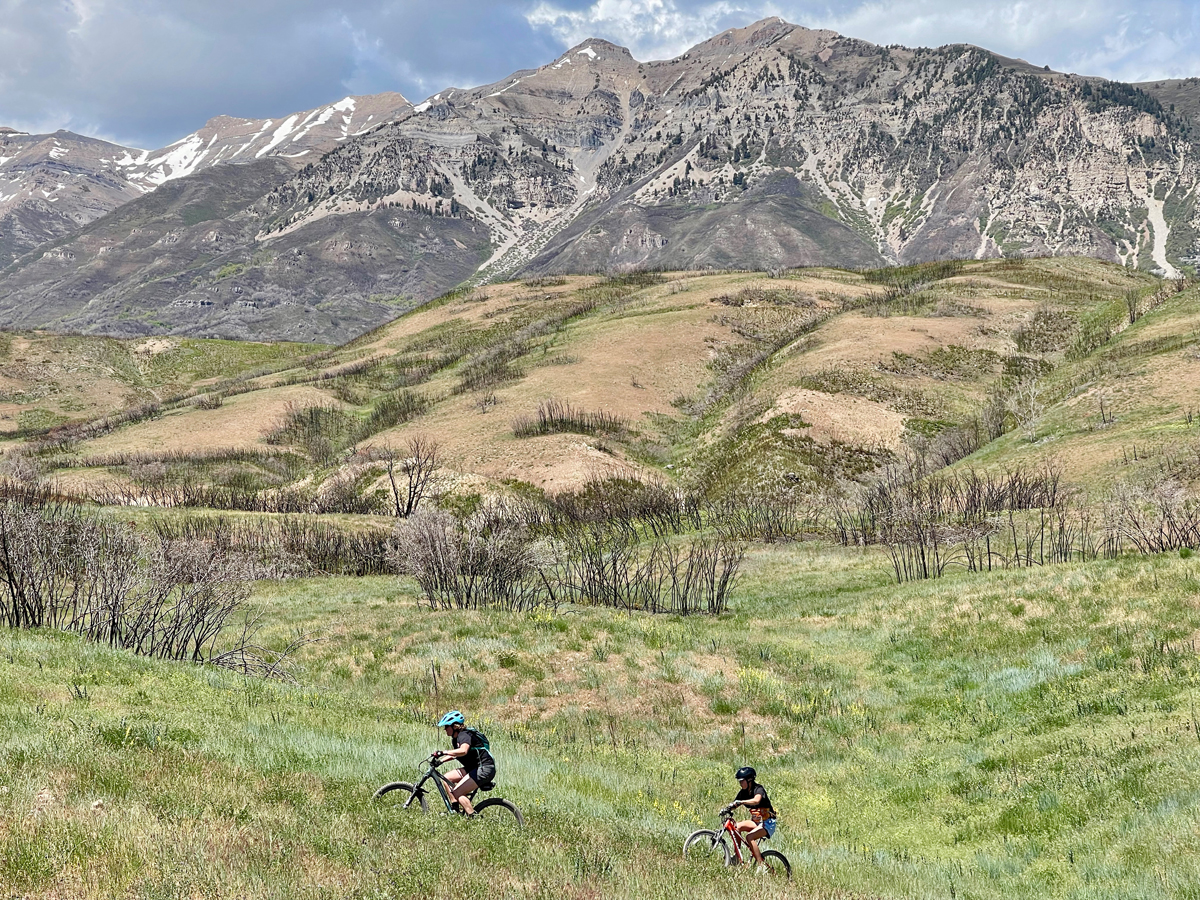
They were friendly and every one of them made a point of getting to know my name and chatting with me for a bit. It was nice!

Most of the group was doing the 300k, but we all started out at the same time and rode fairly casually over back roads by the airport and then through downtown Salt Lake. We got stopped at EVERY single light on our way up to Emigration Canyon, but no one seemed to really care. It was going to be a long day and patience was crucial.

The flip point for the 200k was at the top of Emigration while the 300k continued up Big Mountain and onto destinations eastward. A couple of guys saw me coming up the climb as they were coming down, flipped to chat with me at the top and then ride with me for the rest of the course. Wow! That would never happen in some of the races I have been in.

The 200k course took us back through downtown, onto Jordan River Parkway trail for a short bit and then Legacy Parkway for a long way and then up to Antelope Island. We turned around part of the way out to the ranch and headed back the way we came. It was 125 miles total and really was a lot of fun. I would totally do this again.

I learned a few things. First, 125 miles is a long way and I need to do a lot more of these in training for July’s Ride 89 ride. Getting more calories in made riding the distance a lot easier. Carefully planning things rather than just throwing what I have on hand in my jersey pockets made it so I didn’t bonk. Yeah! I also learned that my Rockbros frame bag was nice to fit everything in, but it got in the way of my knees when I stood. Maybe the handlebar bags the others were using would be better? My larger saddle bag was really nice but putting a water bottle in it made it rub on my rear tire. I either need to leave the bottle out or put on a fender. It rubbed enough to wear a hole in the bag. I loved the map on my Elemnt. It was perfect! I had come prepared to have Ridewithgps loaded on my phone and an earbud so it could talk to me, but I was worried it would wear my battery down too quickly. I am glad I didn’t need to use it. I don’t like using earbuds when I ride anyway.

Overall, I am intrigued by this style of riding. Due to scheduling conflicts, I won’t be able to do any more Salt Lake Randonneur events this year, but likely will next year as well as try a few others in other areas. It looks like fun and like it might be a style of riding that I could be relatively good at.

Again, if you are curious about our Ride 89 event in July, please feel free to follow us at https://ride89.org/ https://www.facebook.com/Rideon89 or donate at https://hope.huntsmancancer.org/diy/krazykelly

Kelly is a 40+ cyclist who lives in South Jordan UT with her husband of 27 years and 5 kids. She has a BS in Health Education from the University of Utah and loves to stay healthy and fit and take as many people with her as she can.