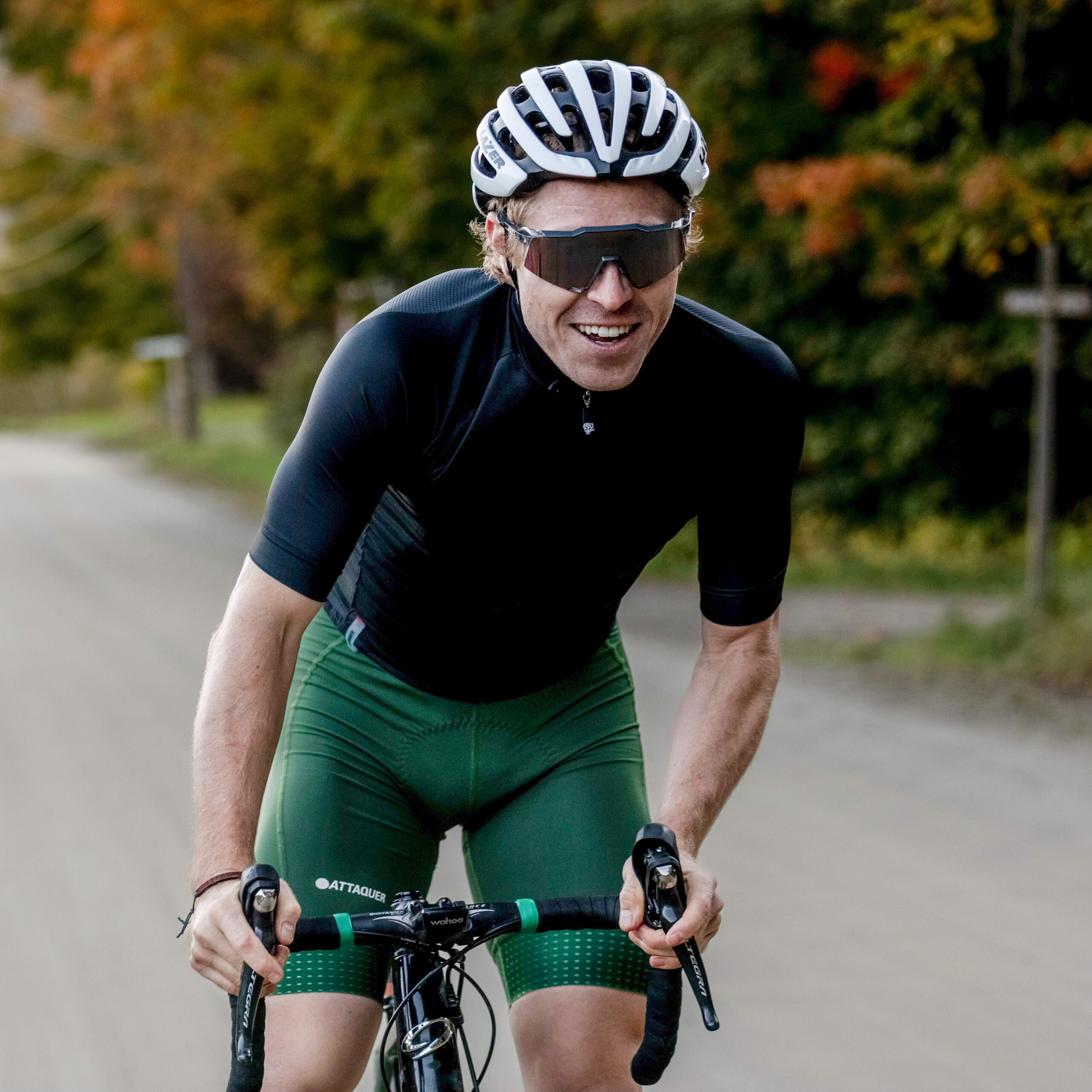
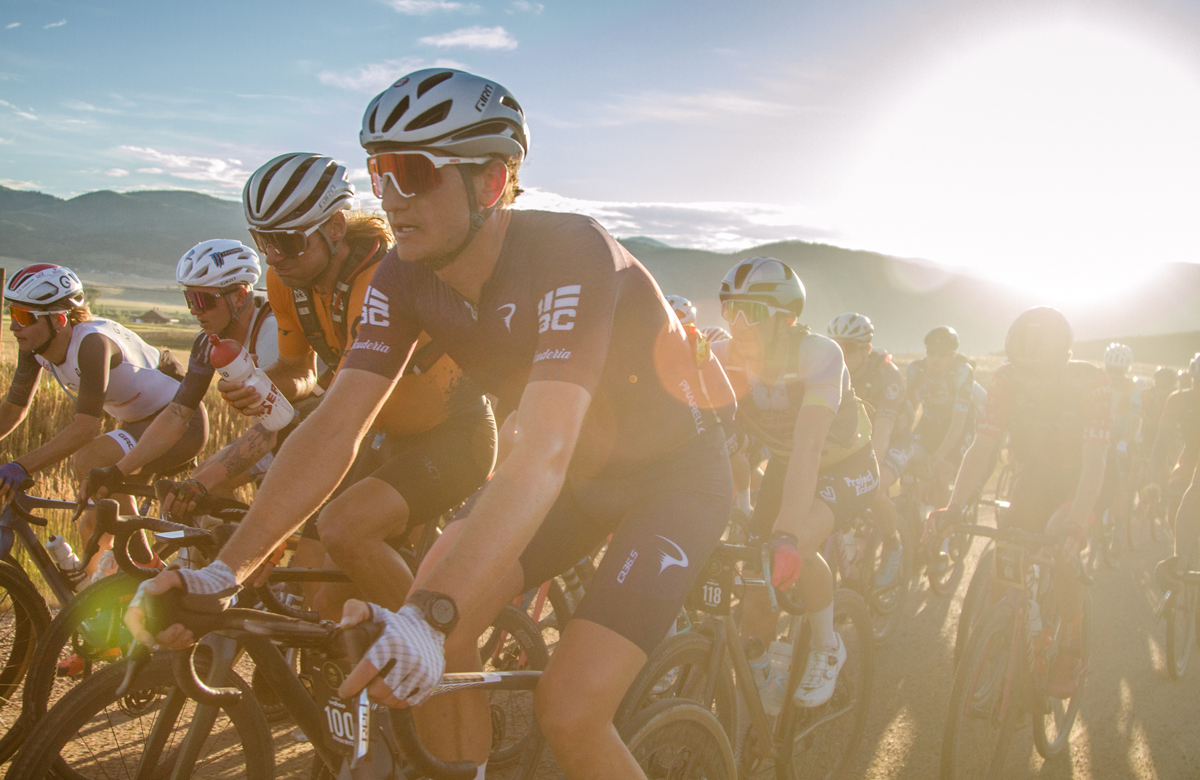
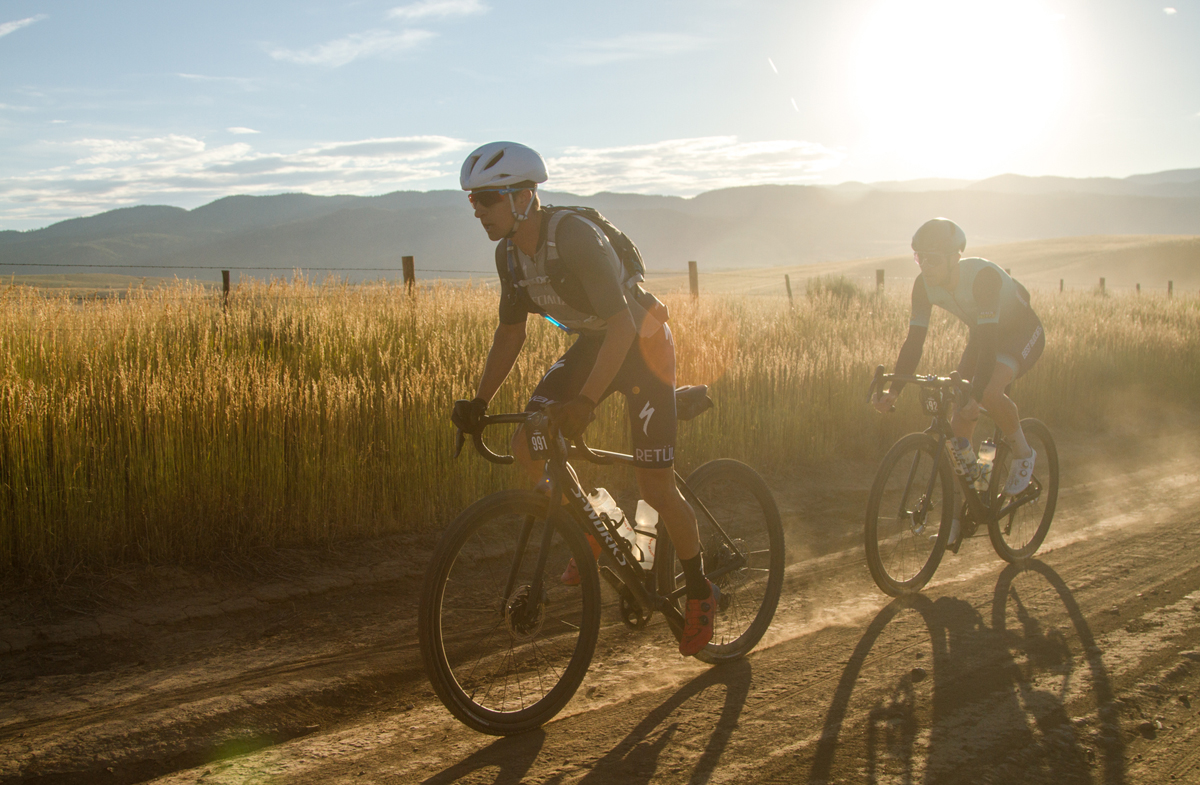
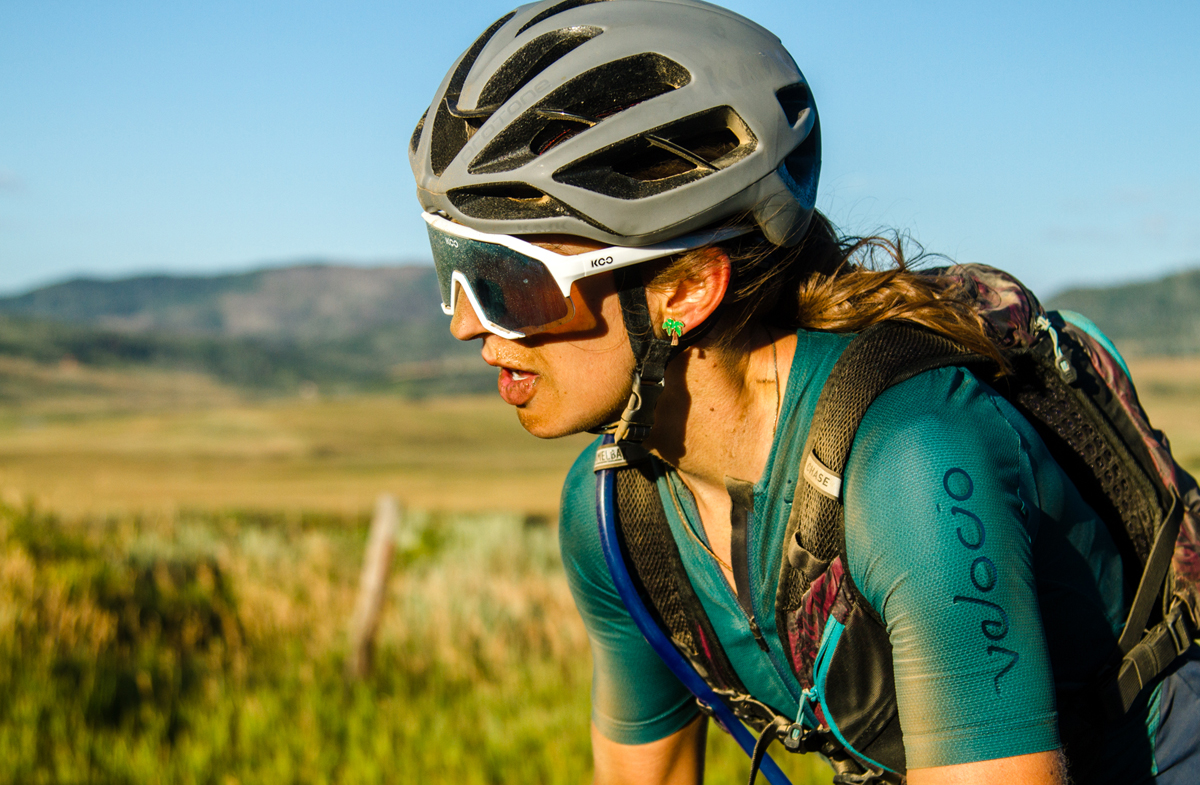
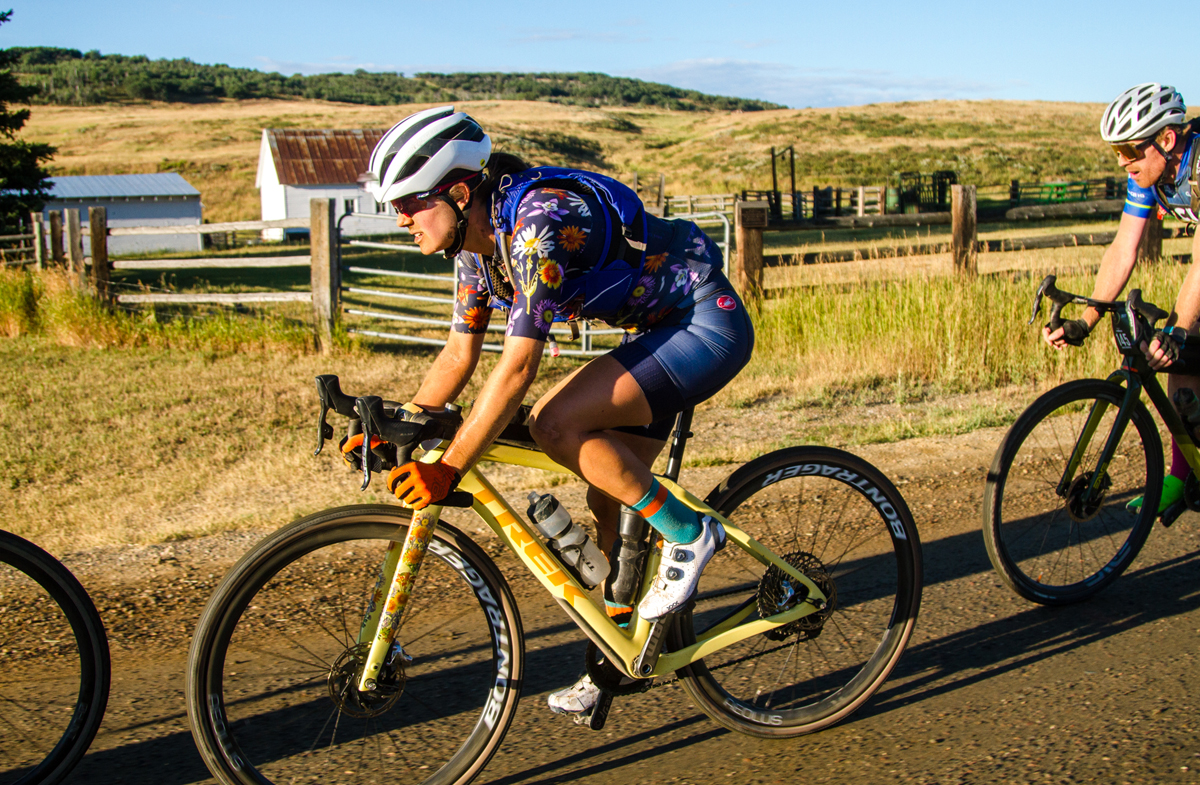
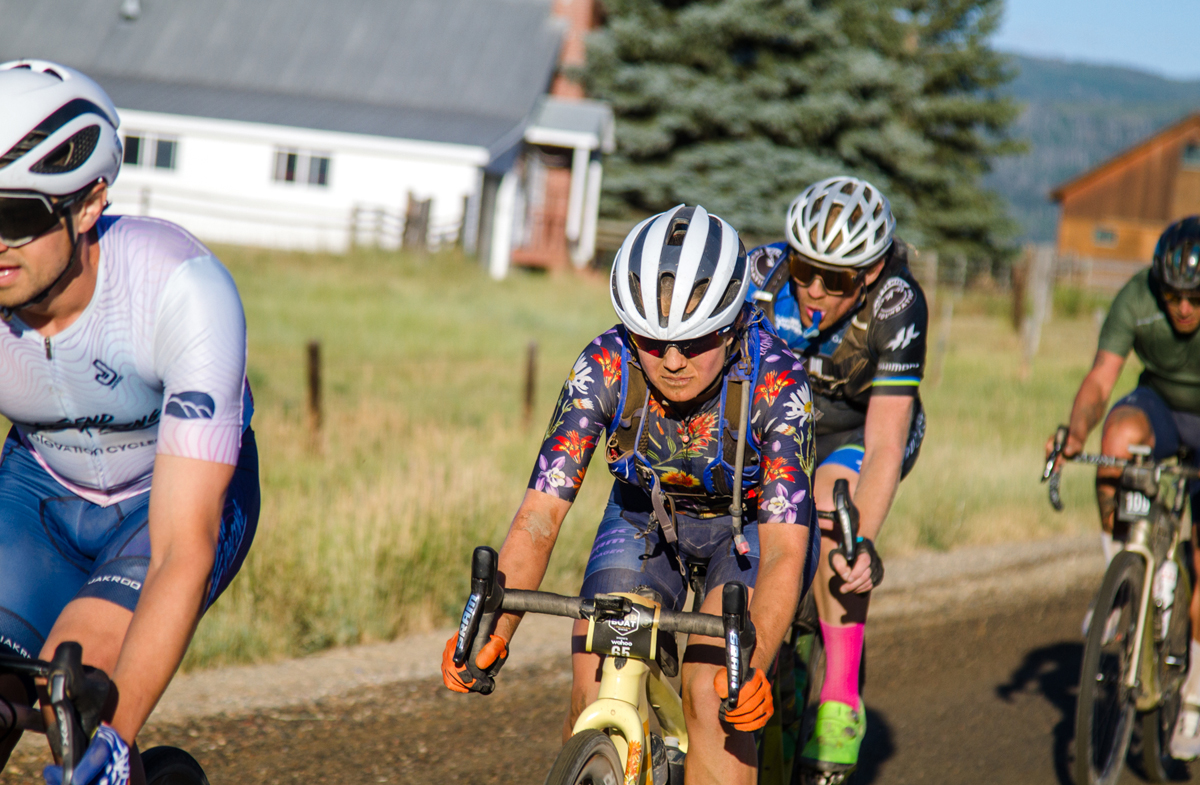
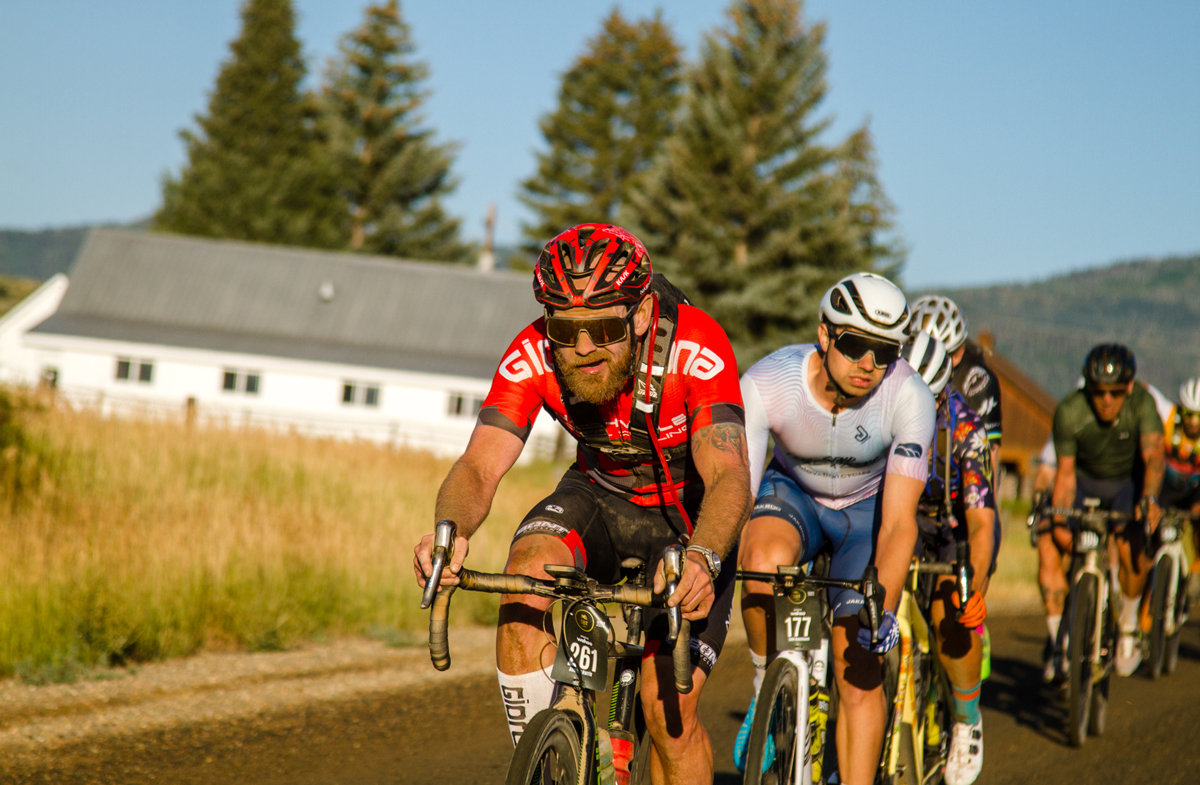
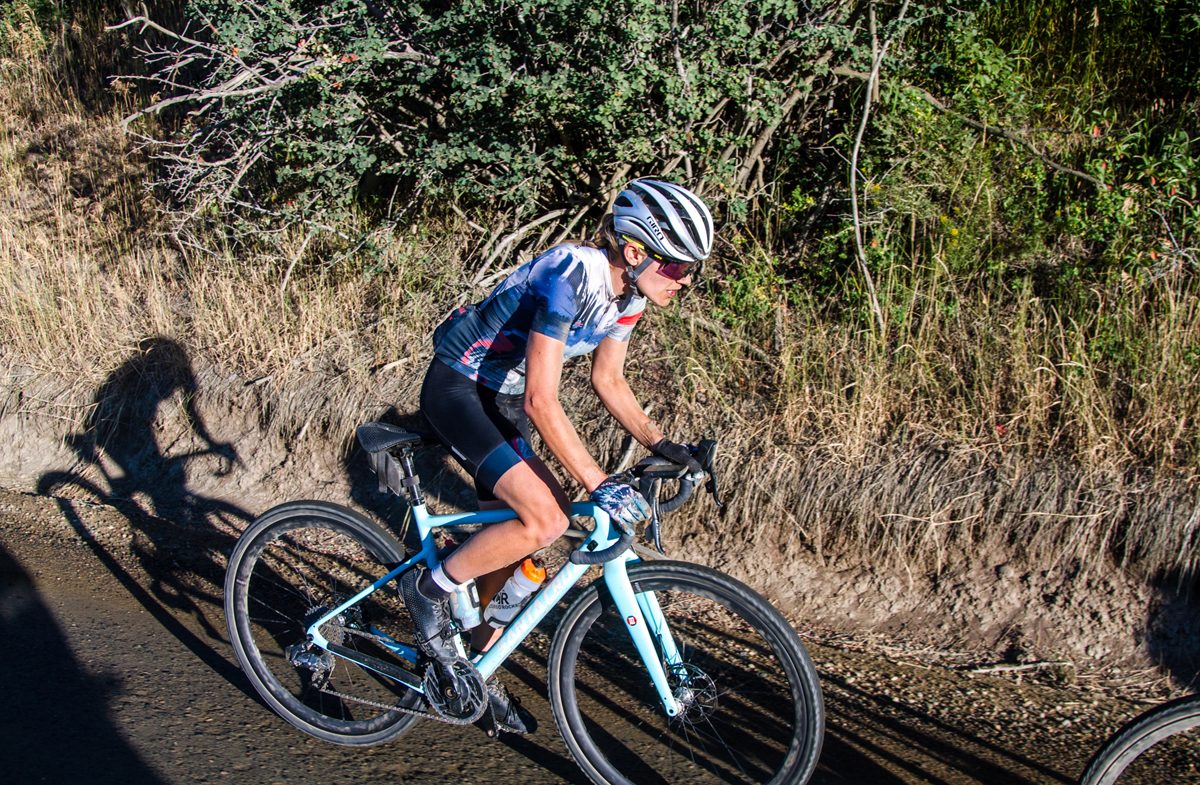
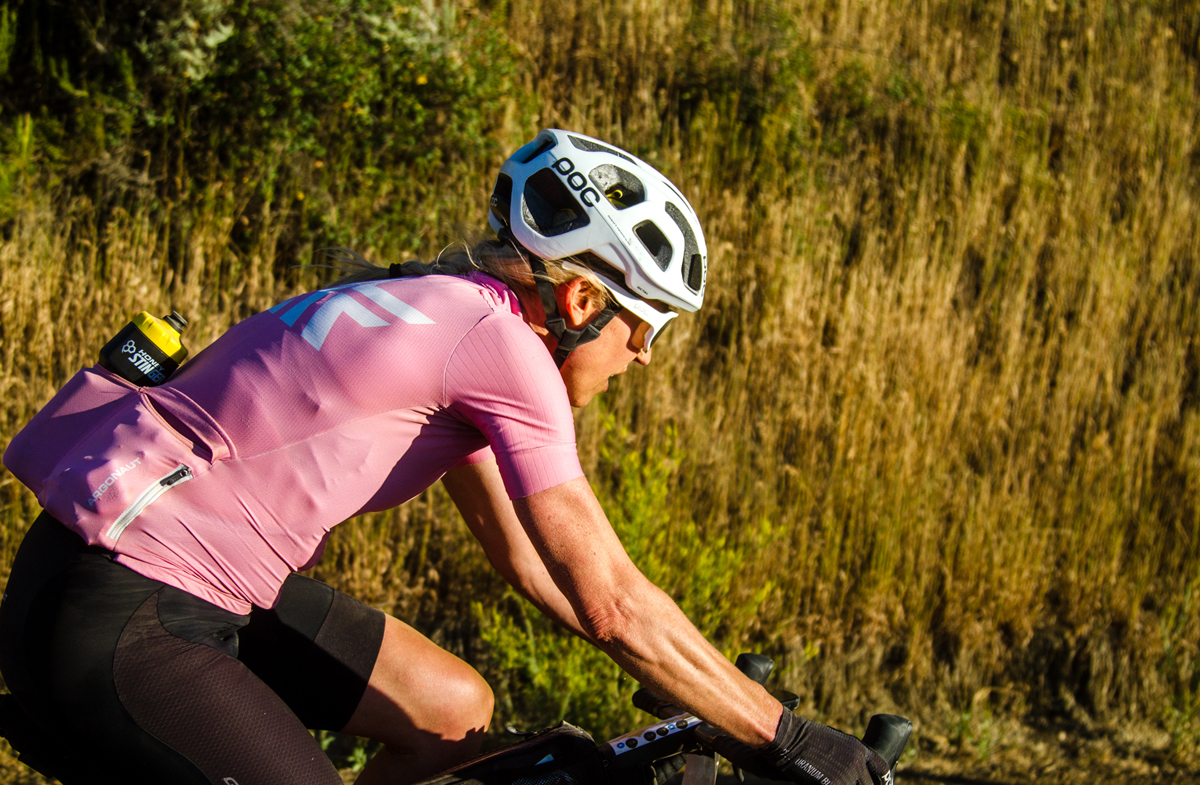
SALT LAKE CITY, Utah (August 23, 2022) —DNA Pro Cycling has hired Jack Seehafer as Performance Director for the 2023 season. Seehafer will direct the team alongside team co-owner and sports director Catherine Fegan-Kim to coach the squad, select events and rosters, and contribute to success in international racing.
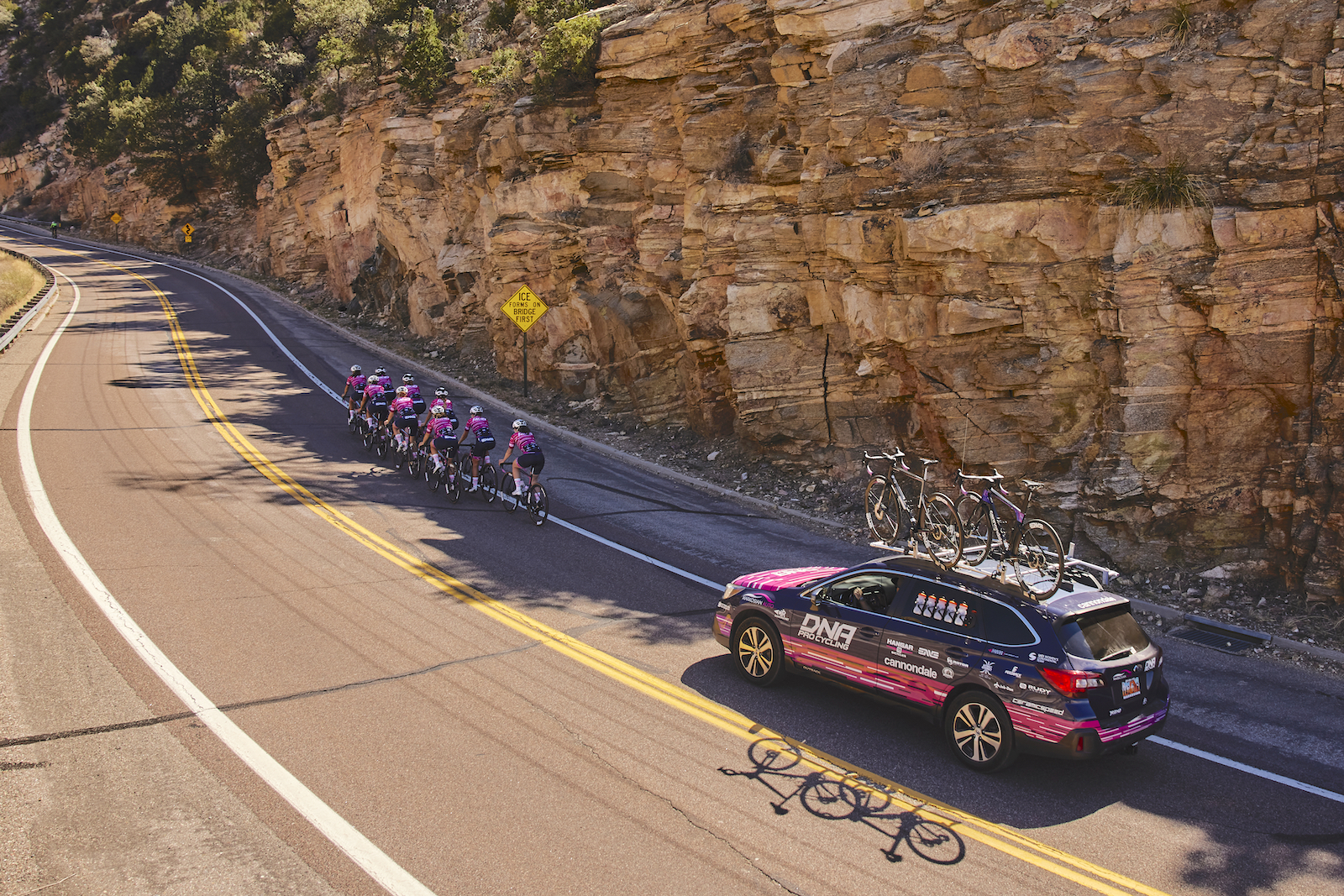
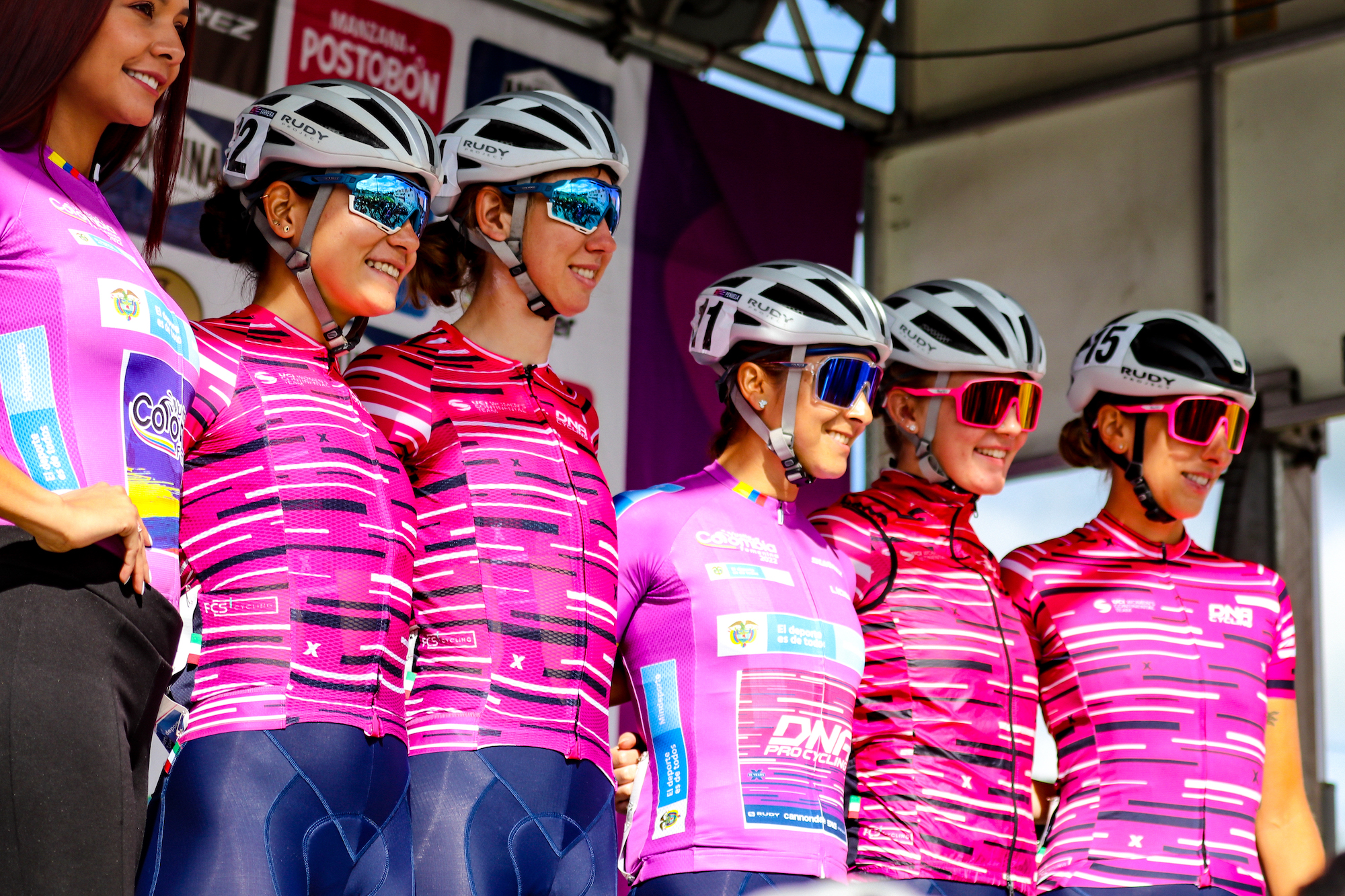
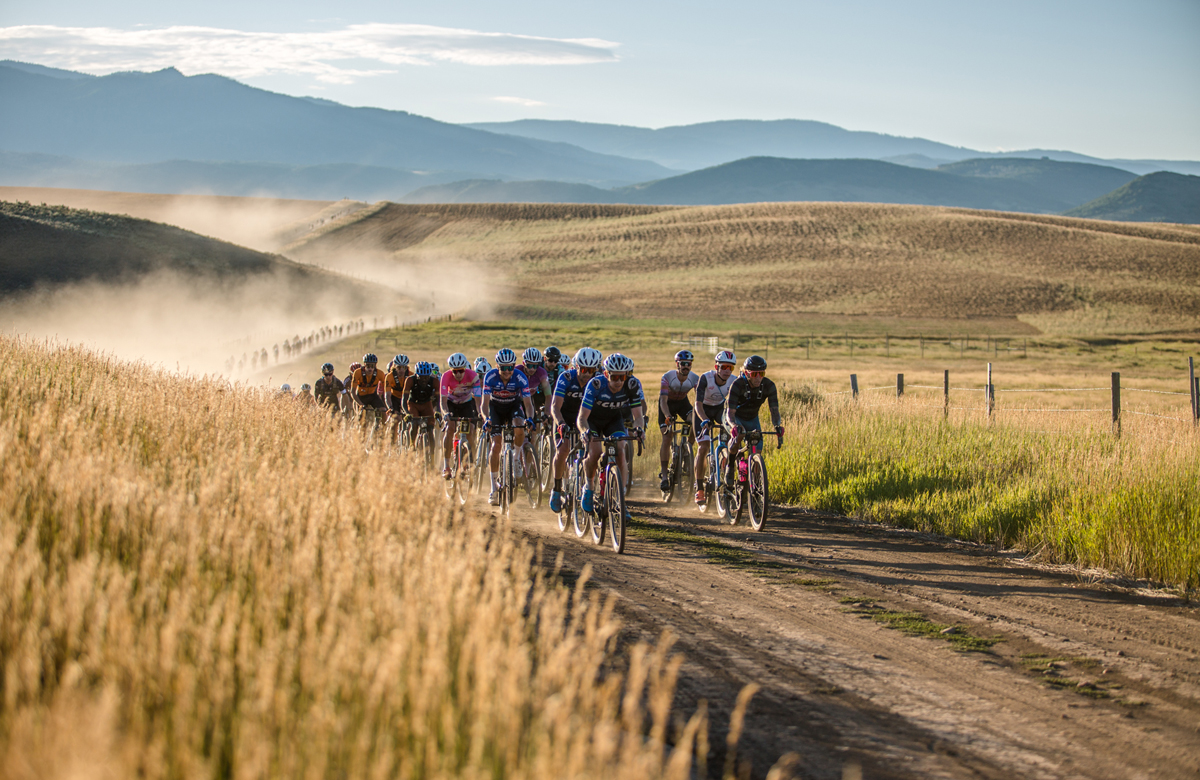
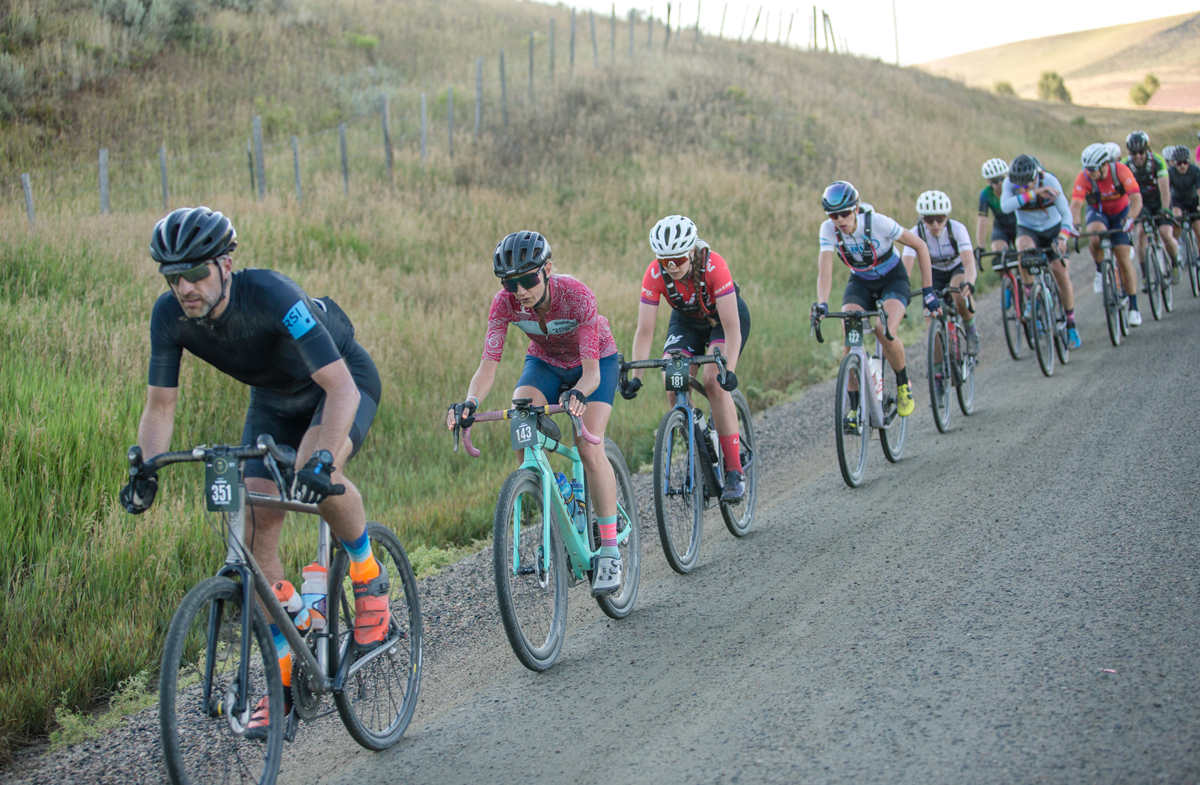
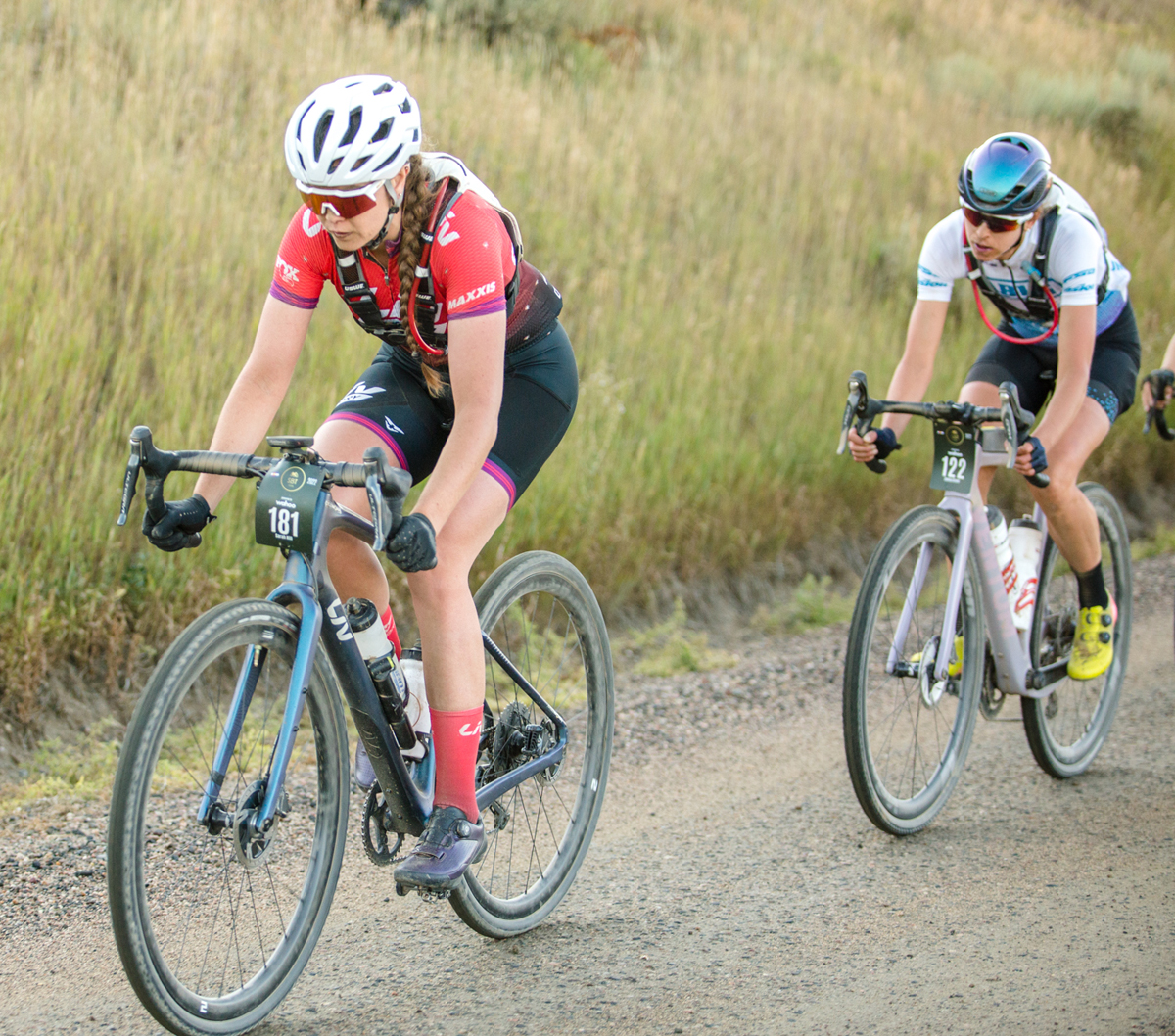
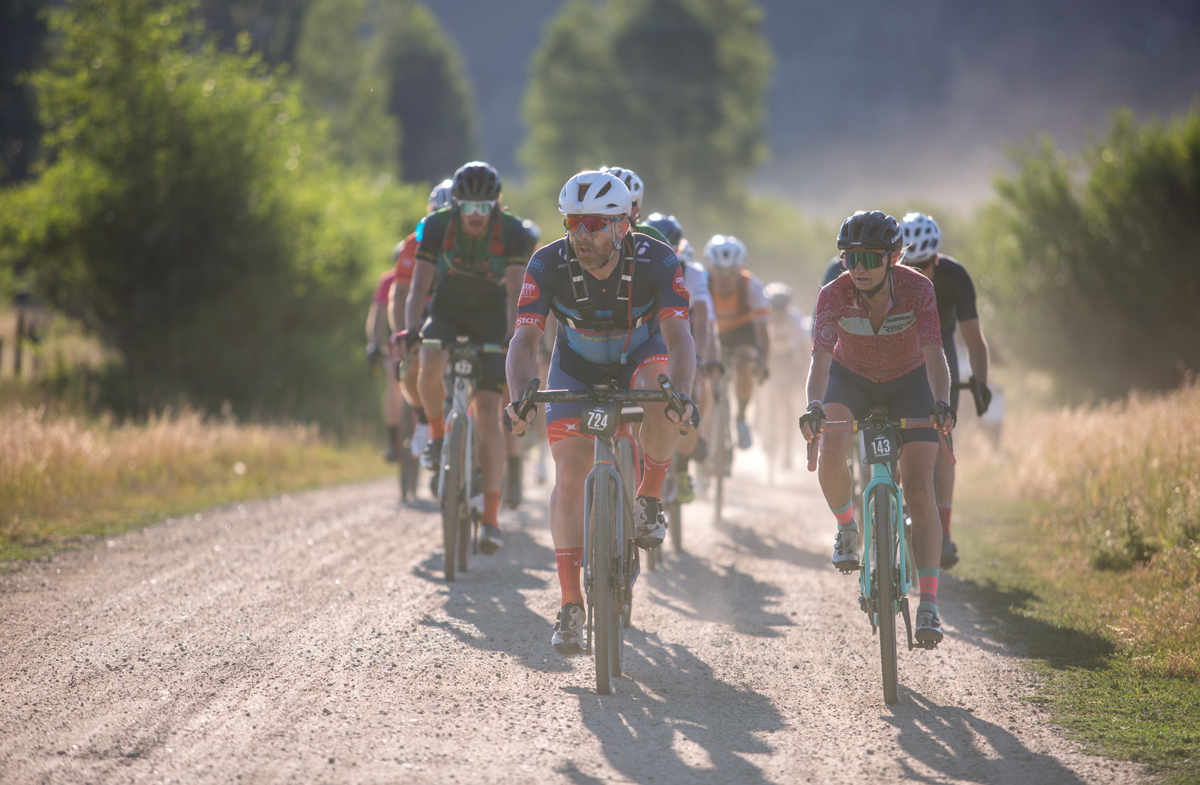
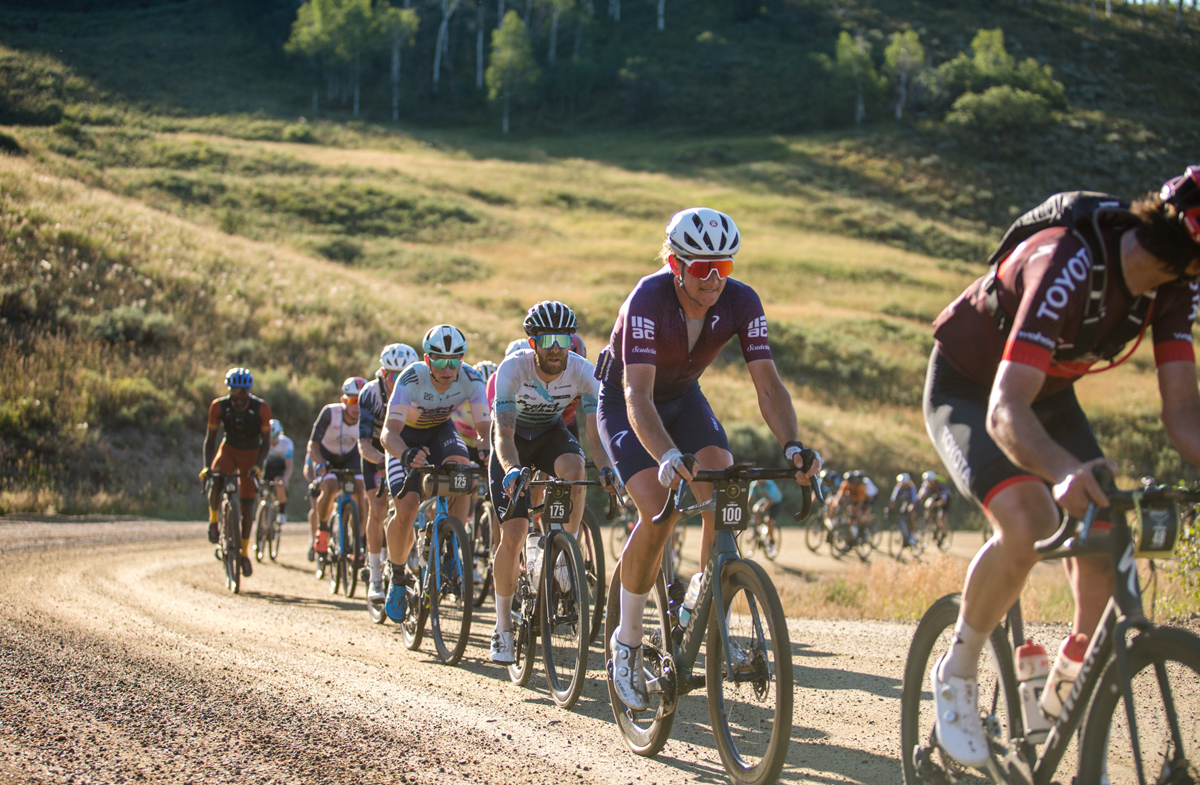
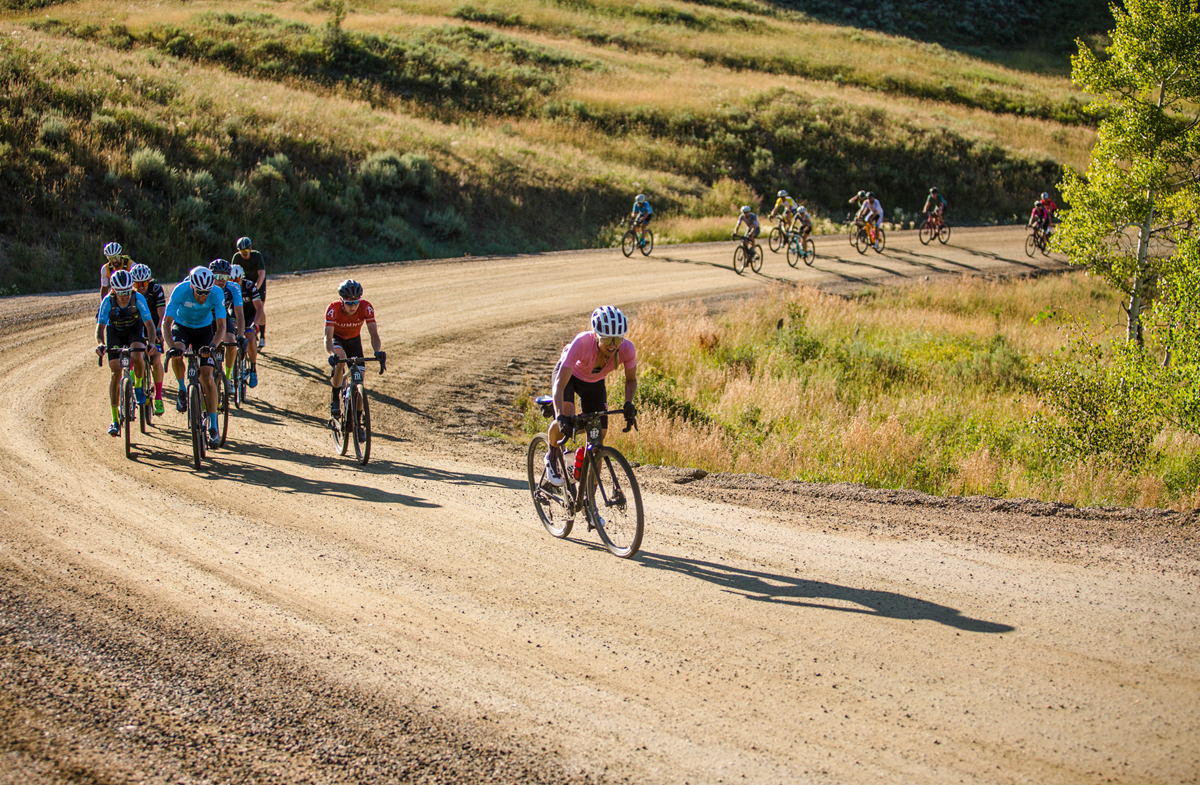
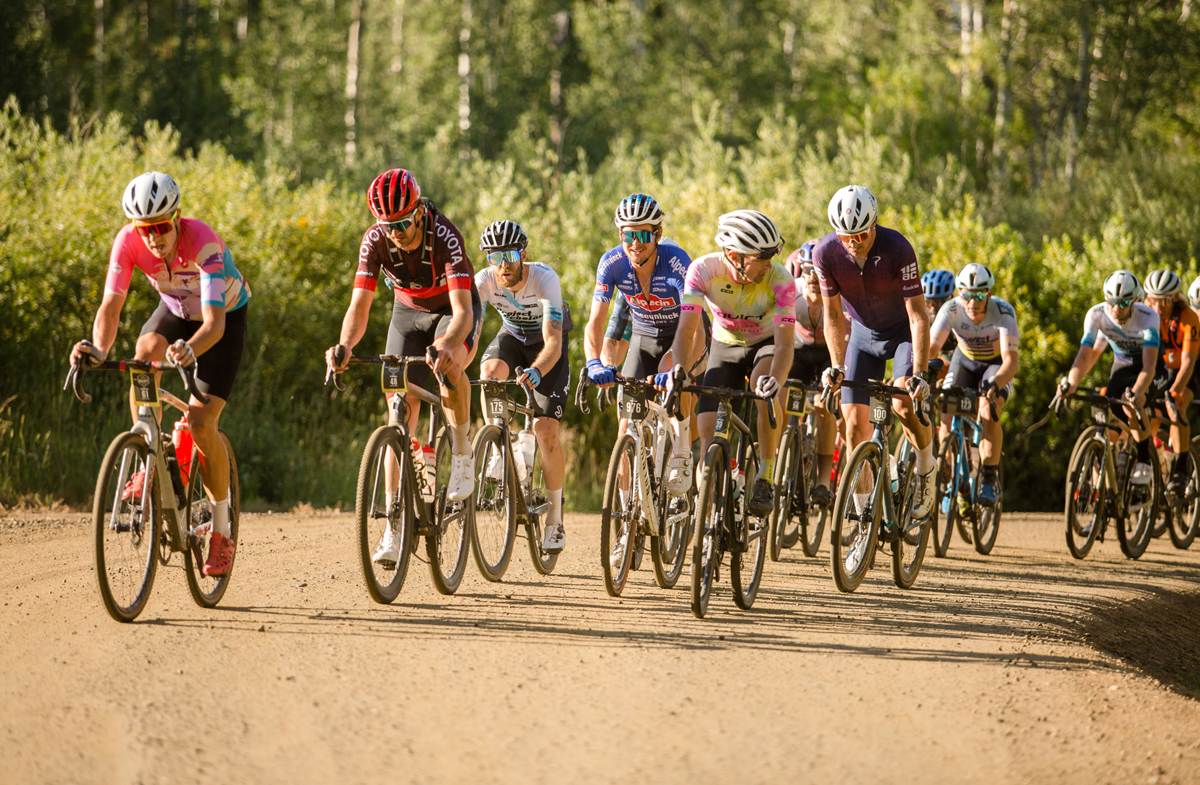
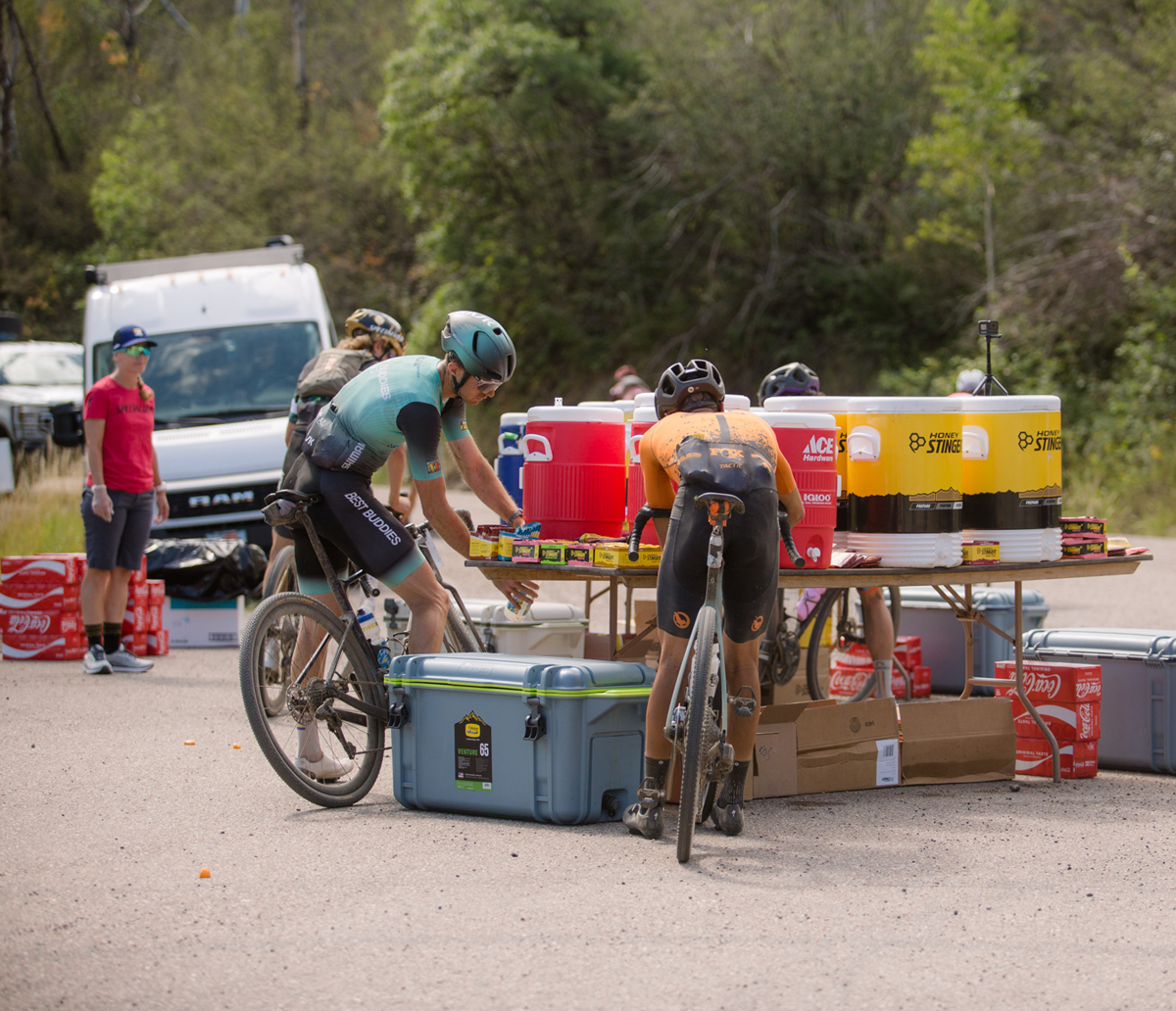
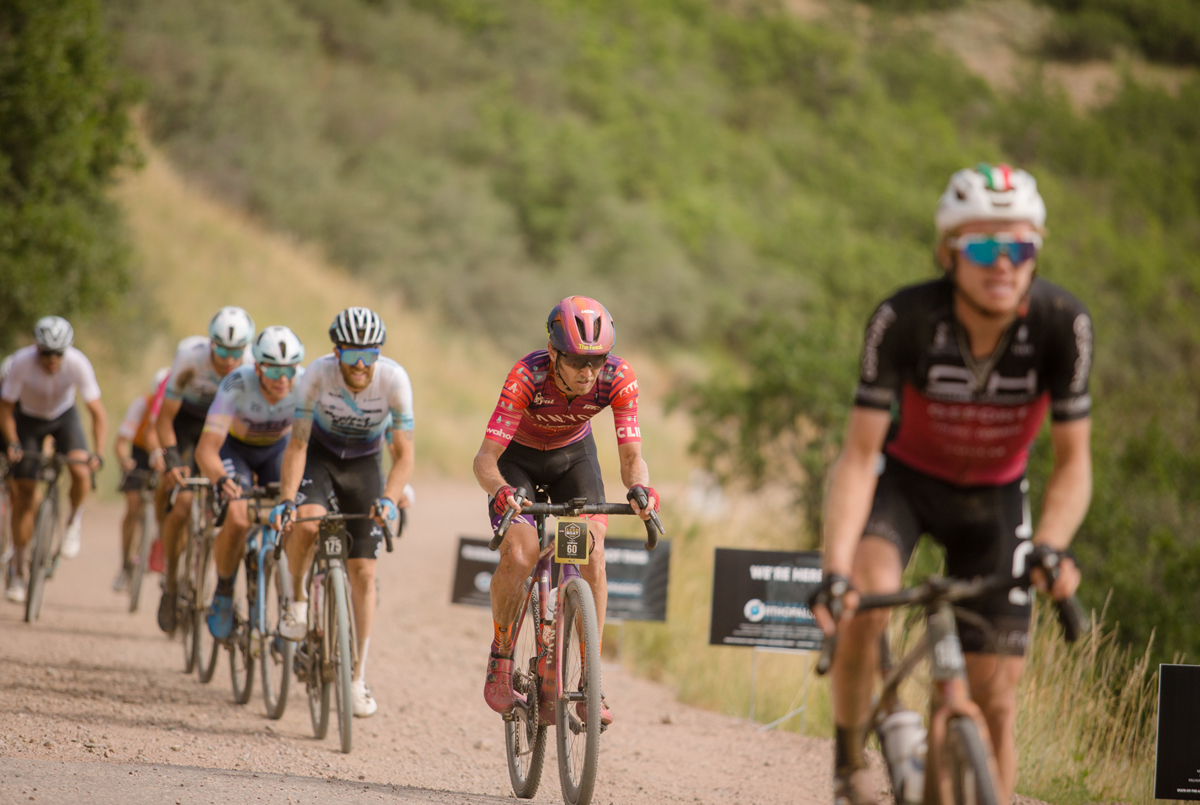
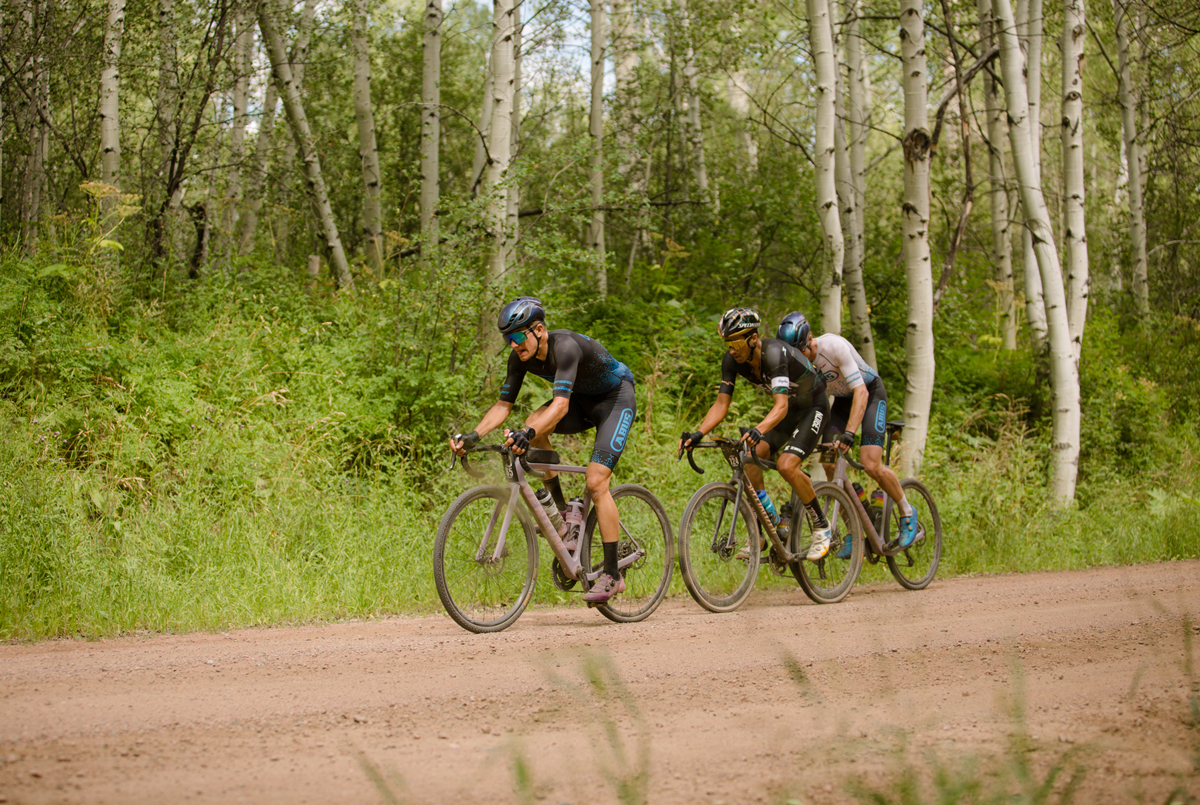
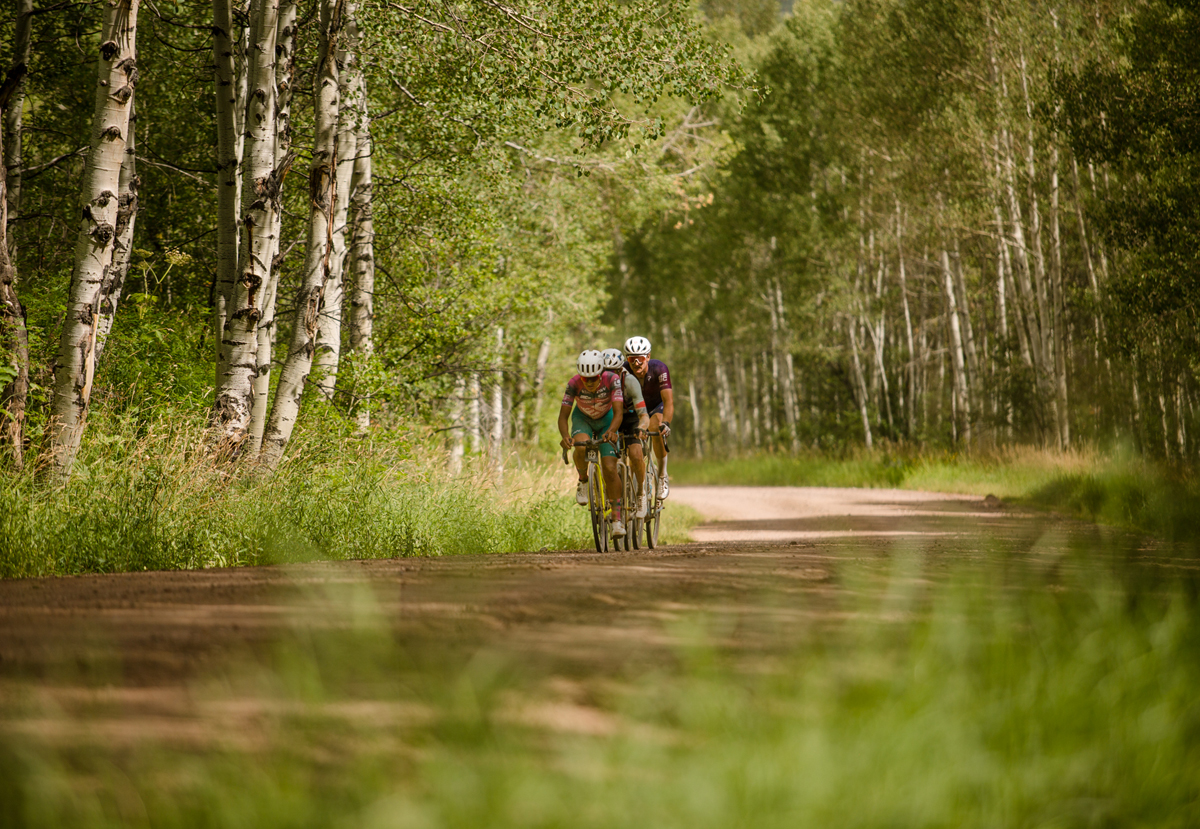
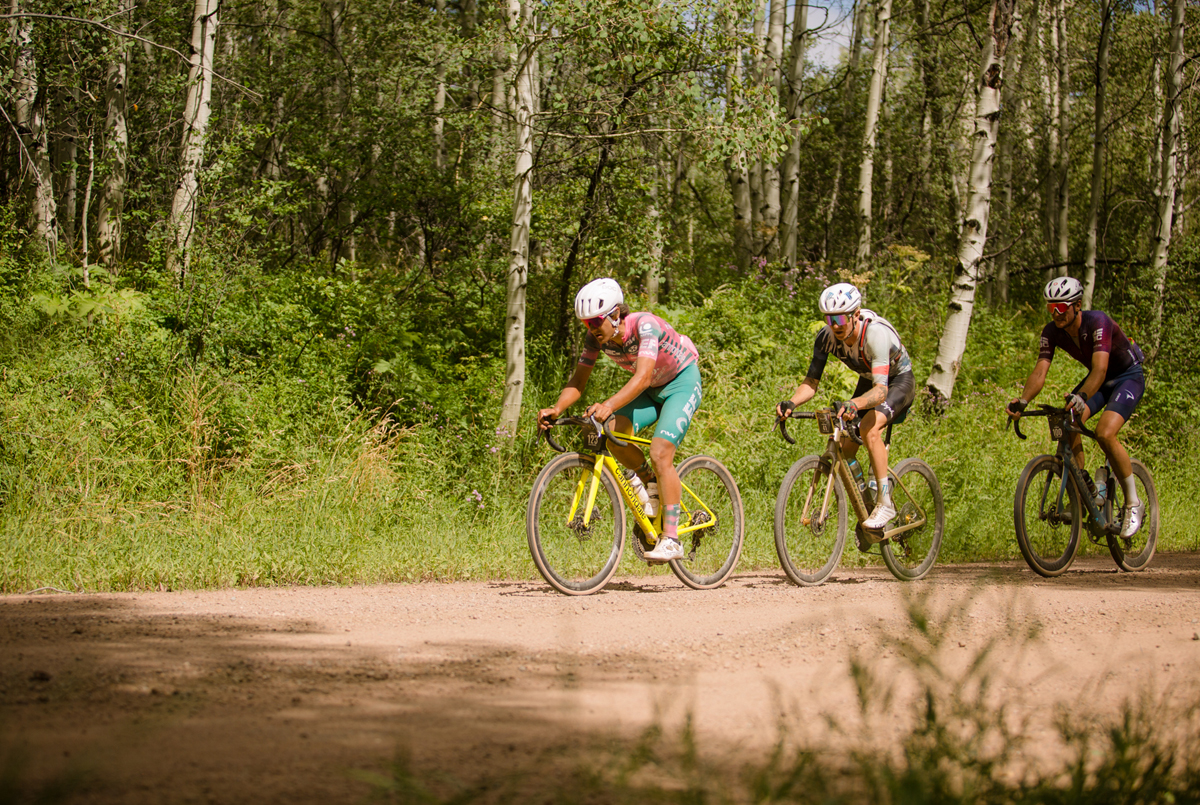
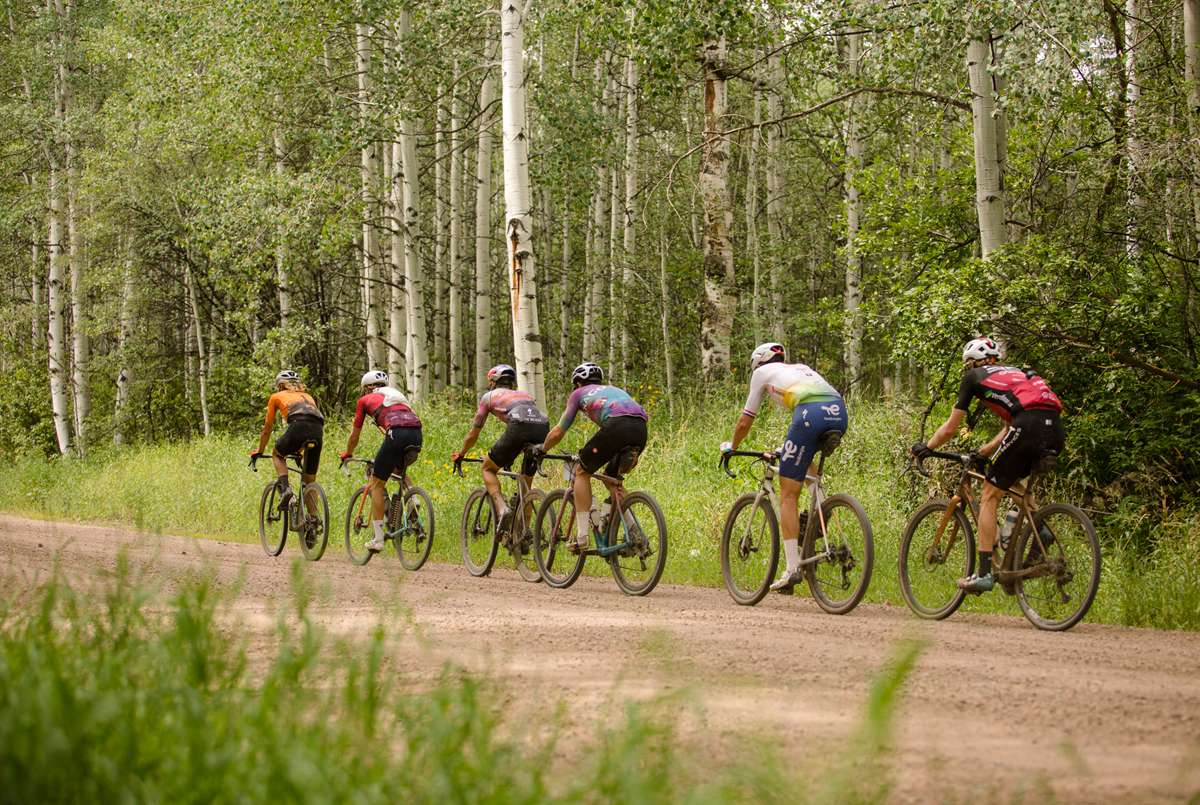
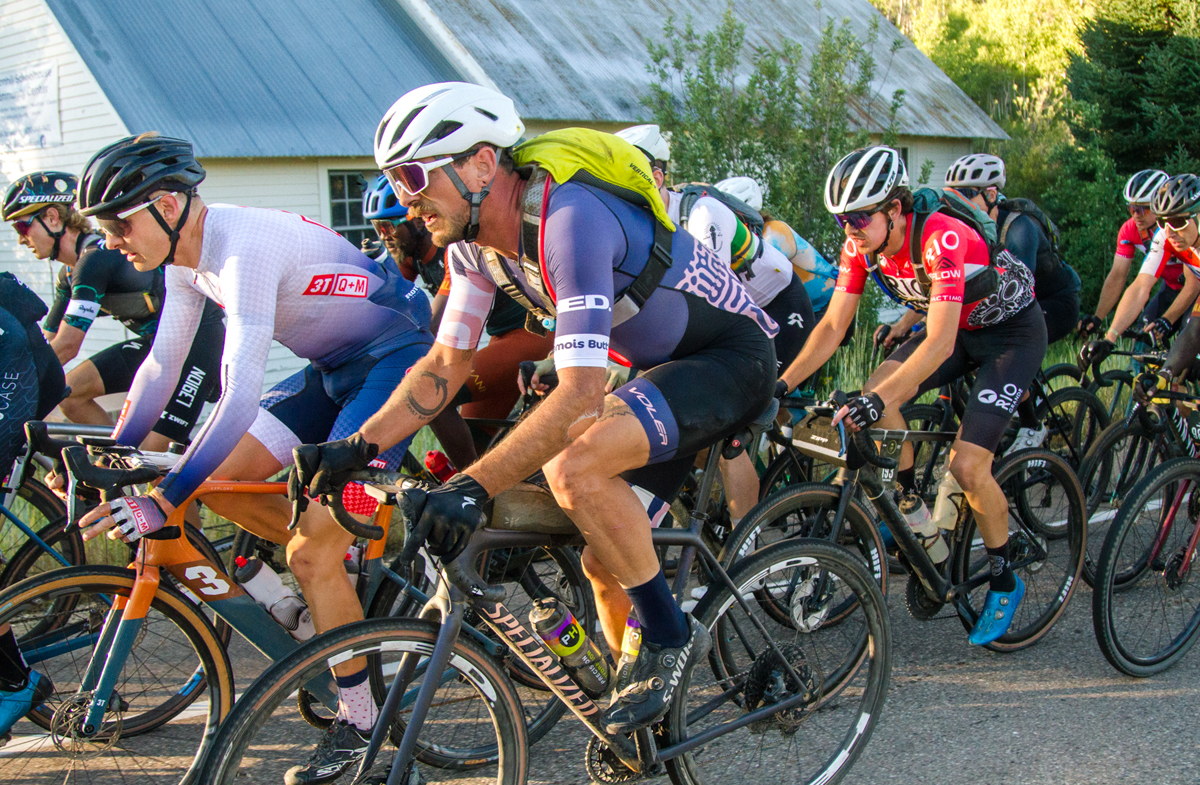
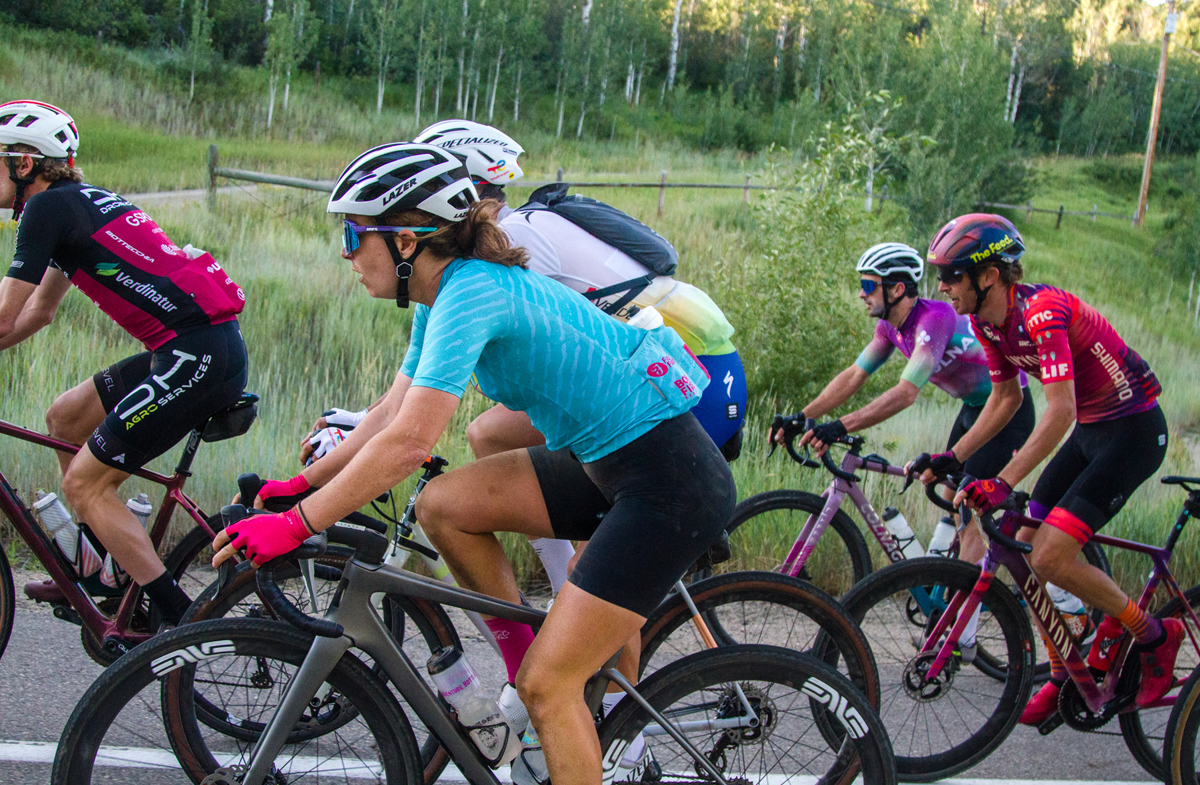
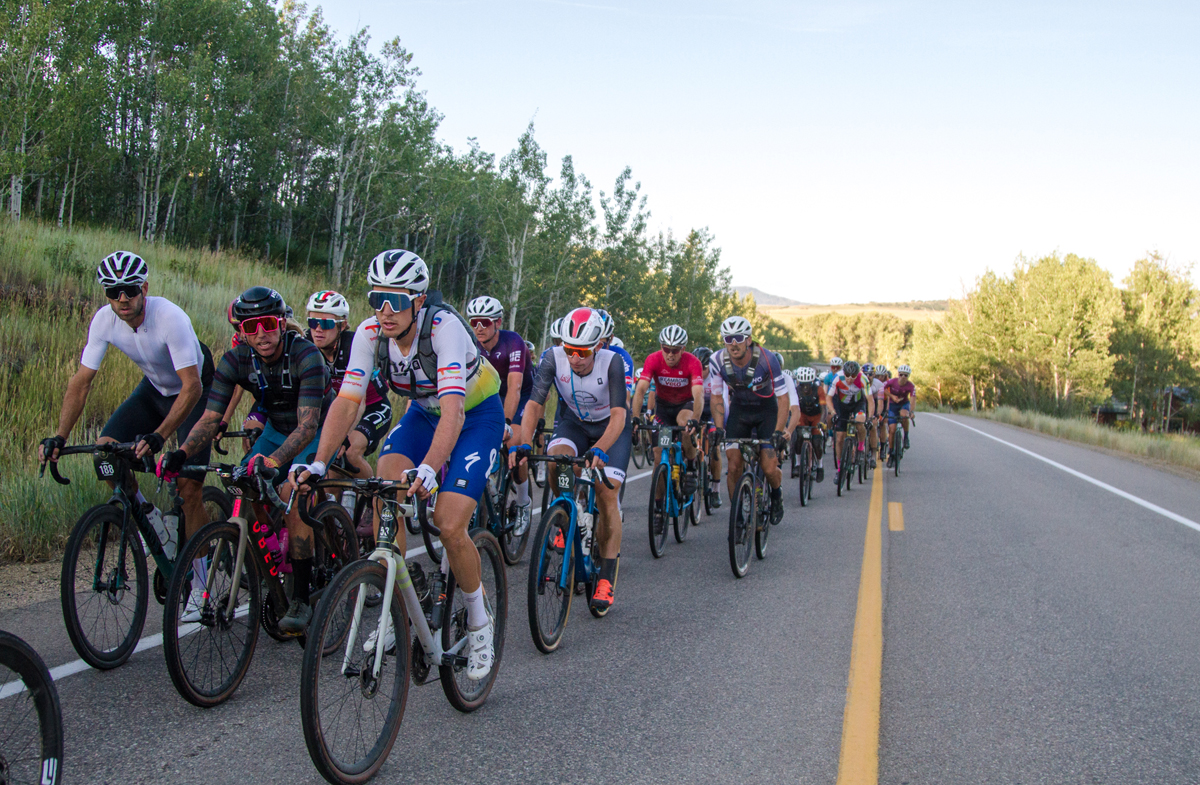
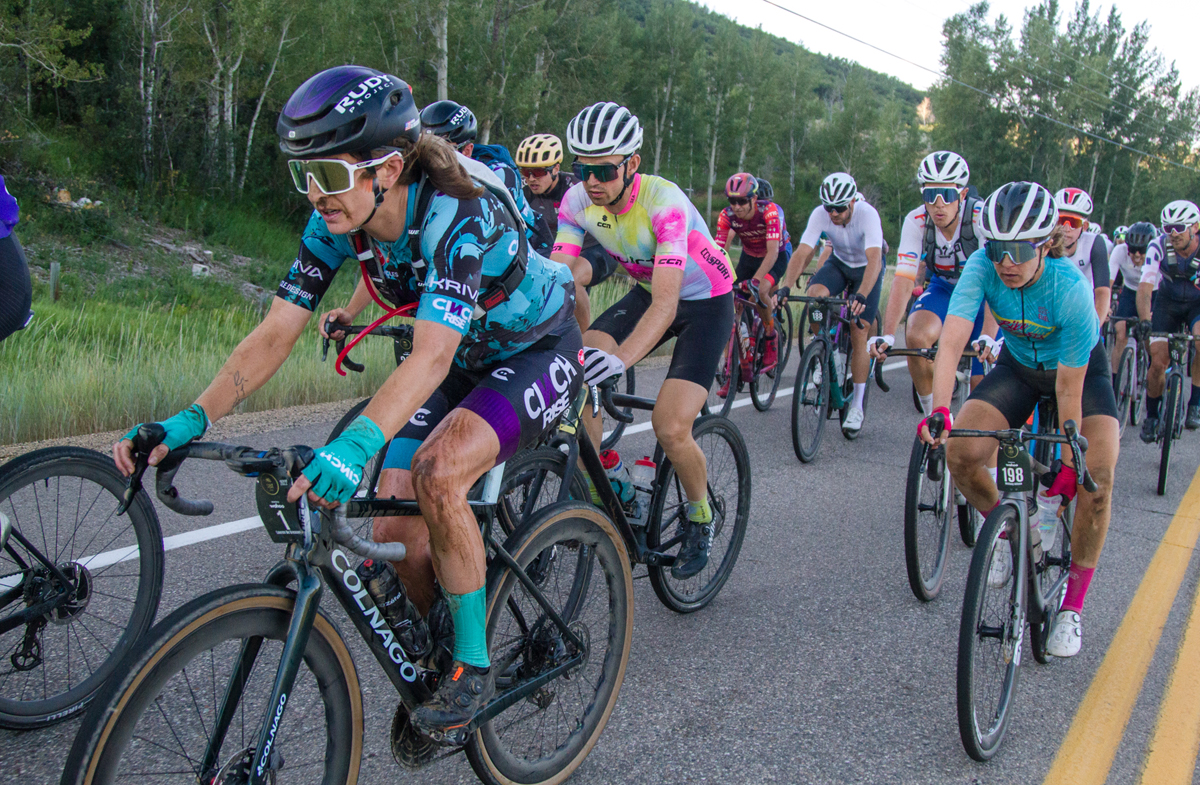
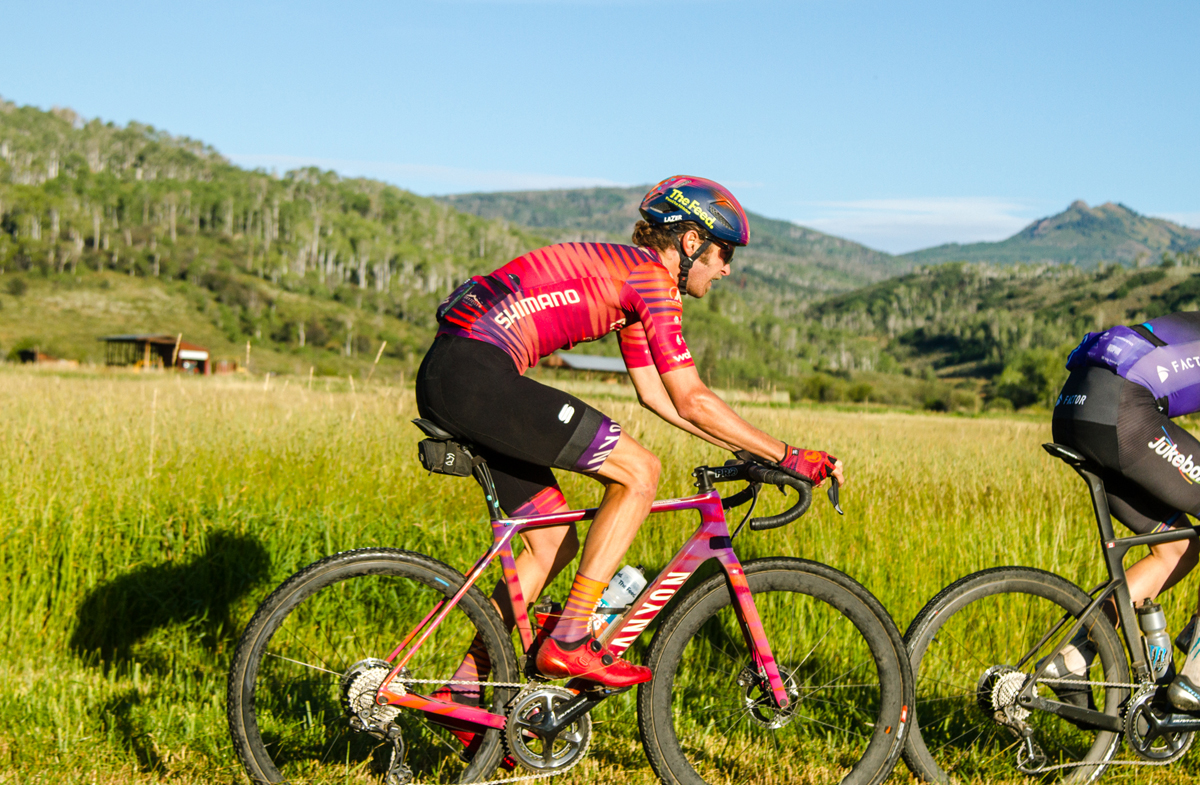
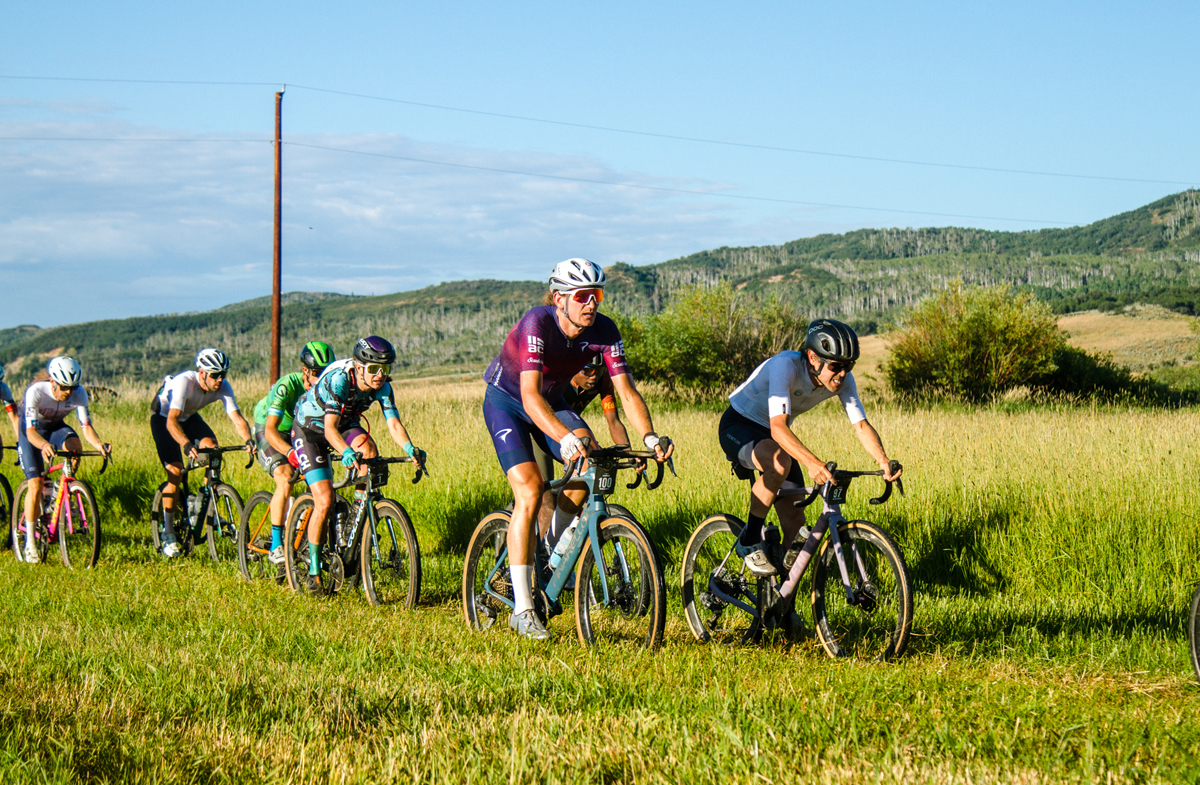
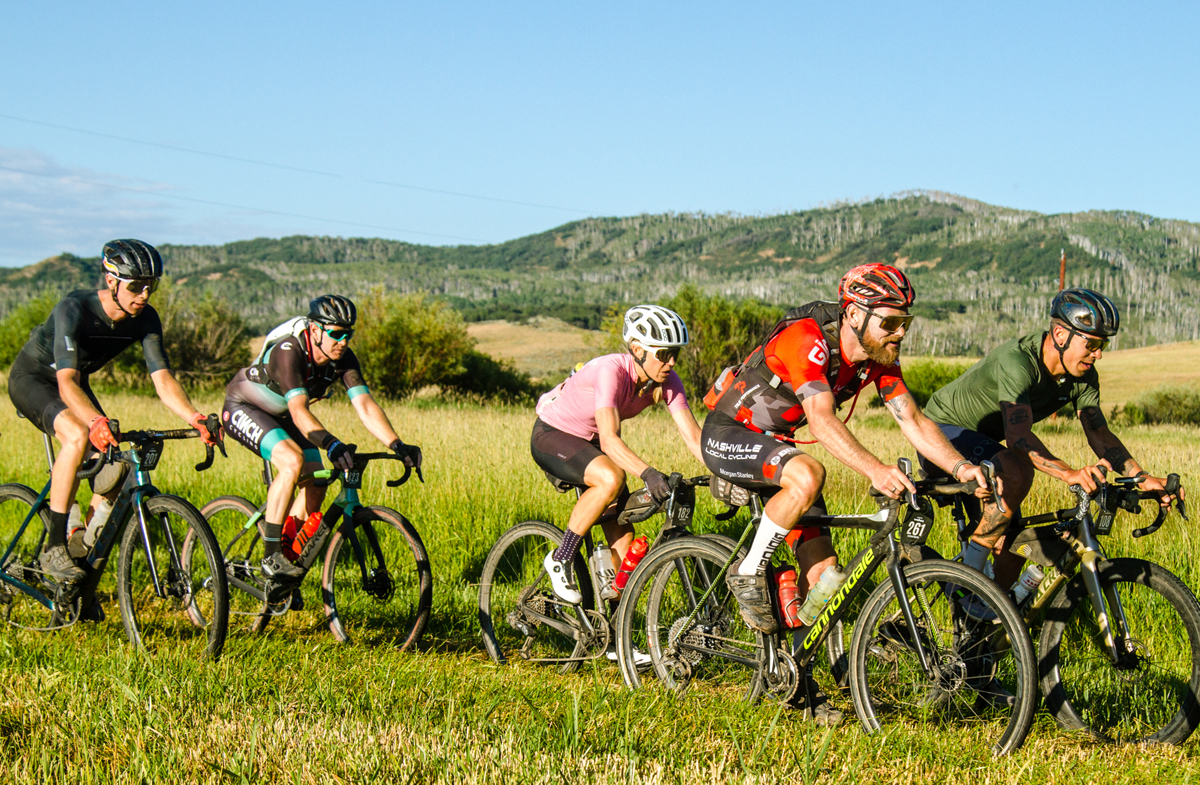
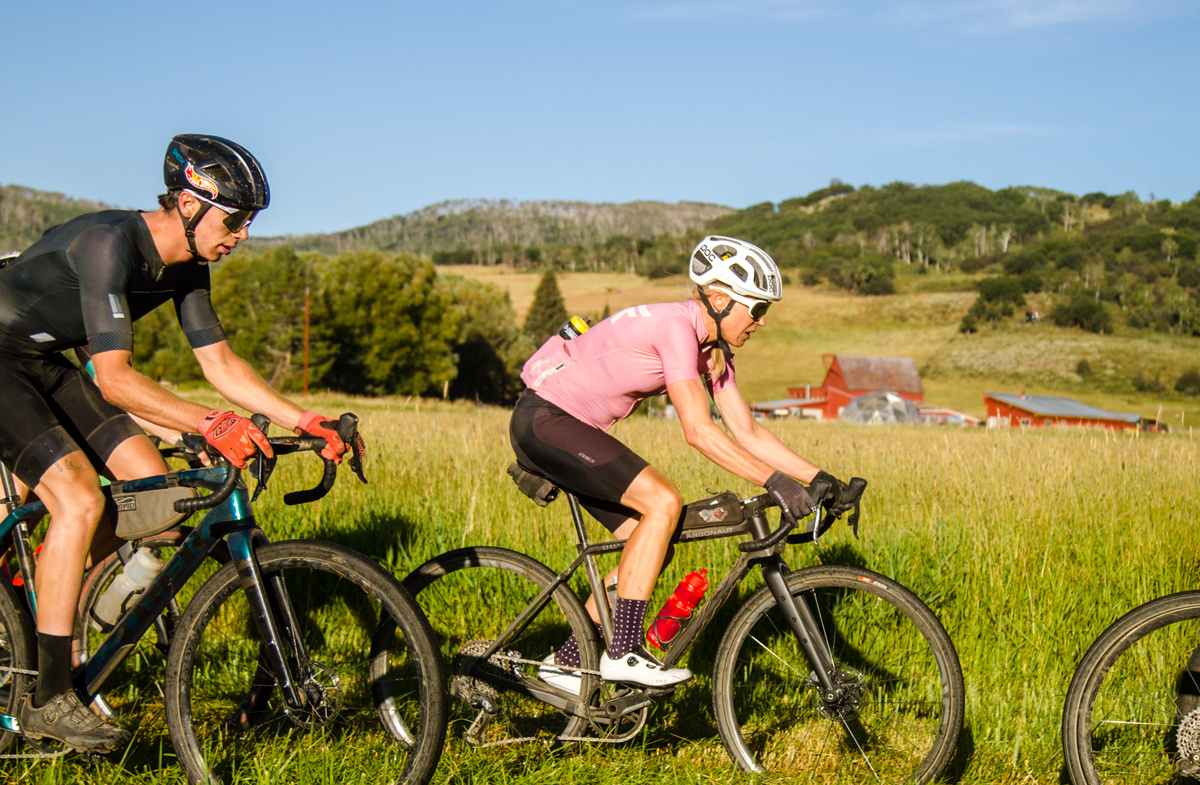
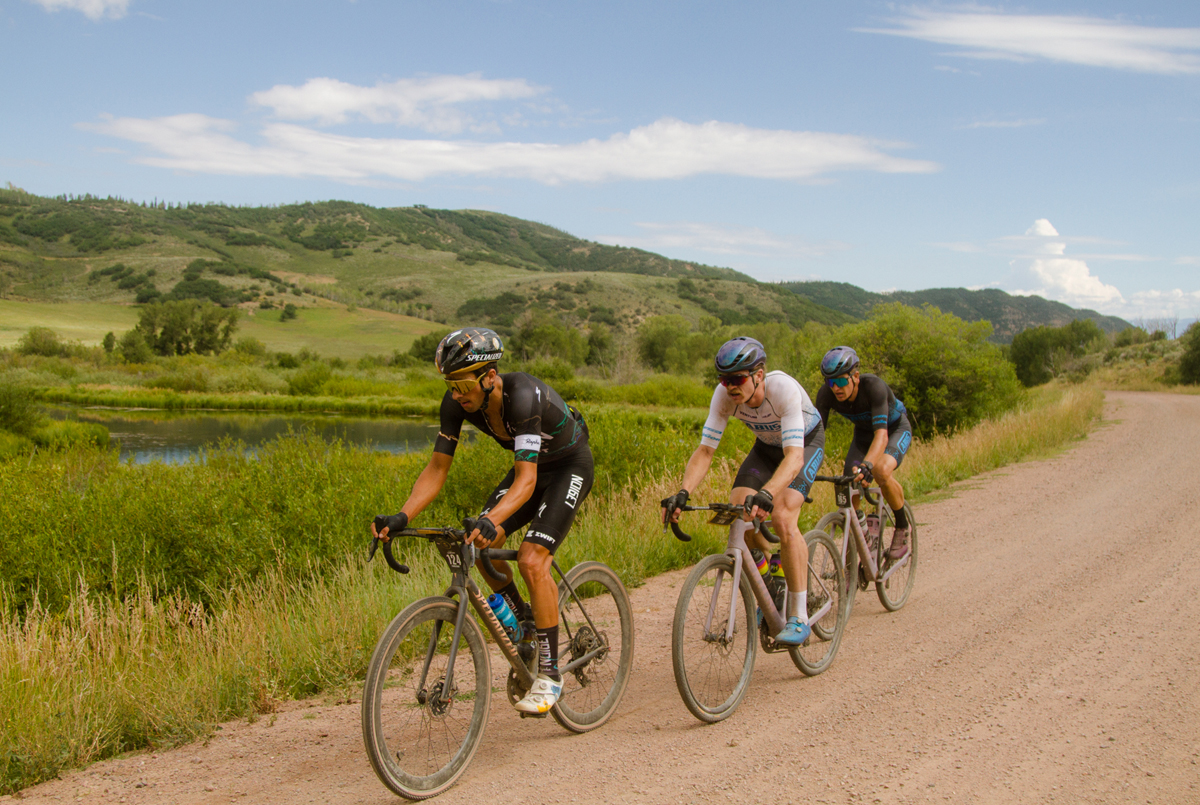
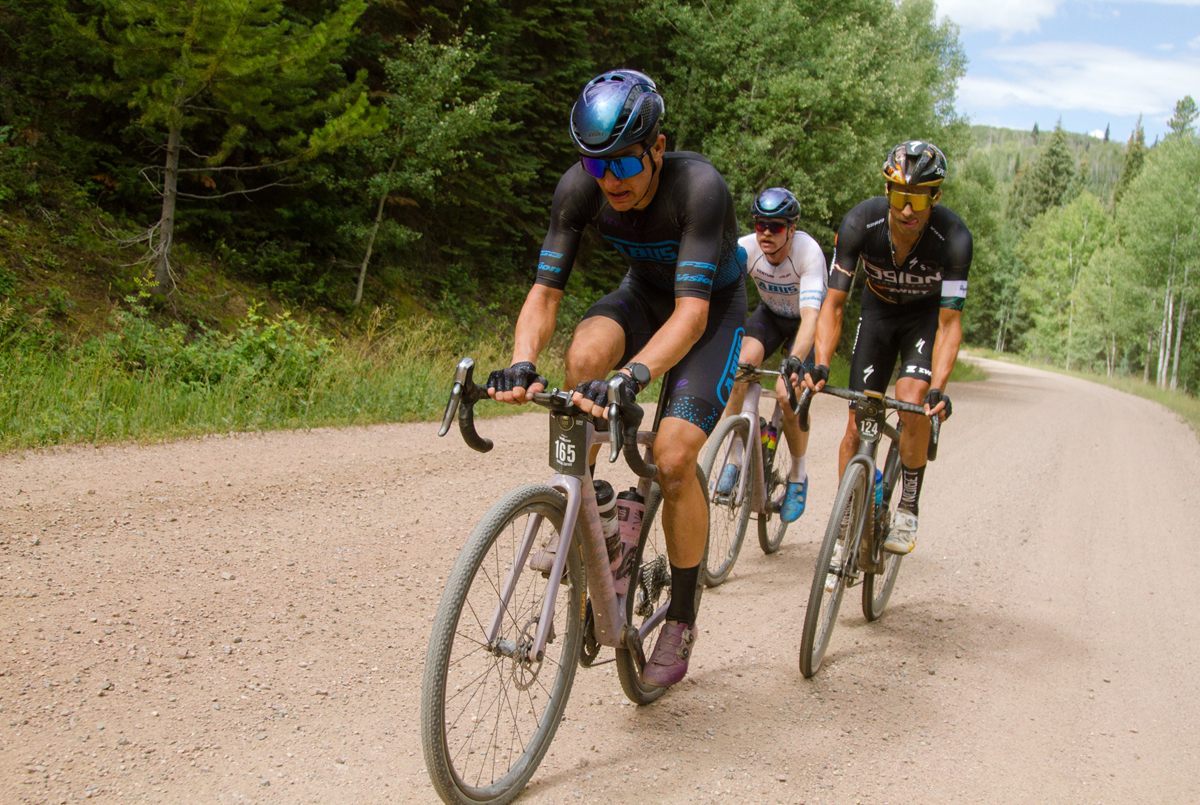
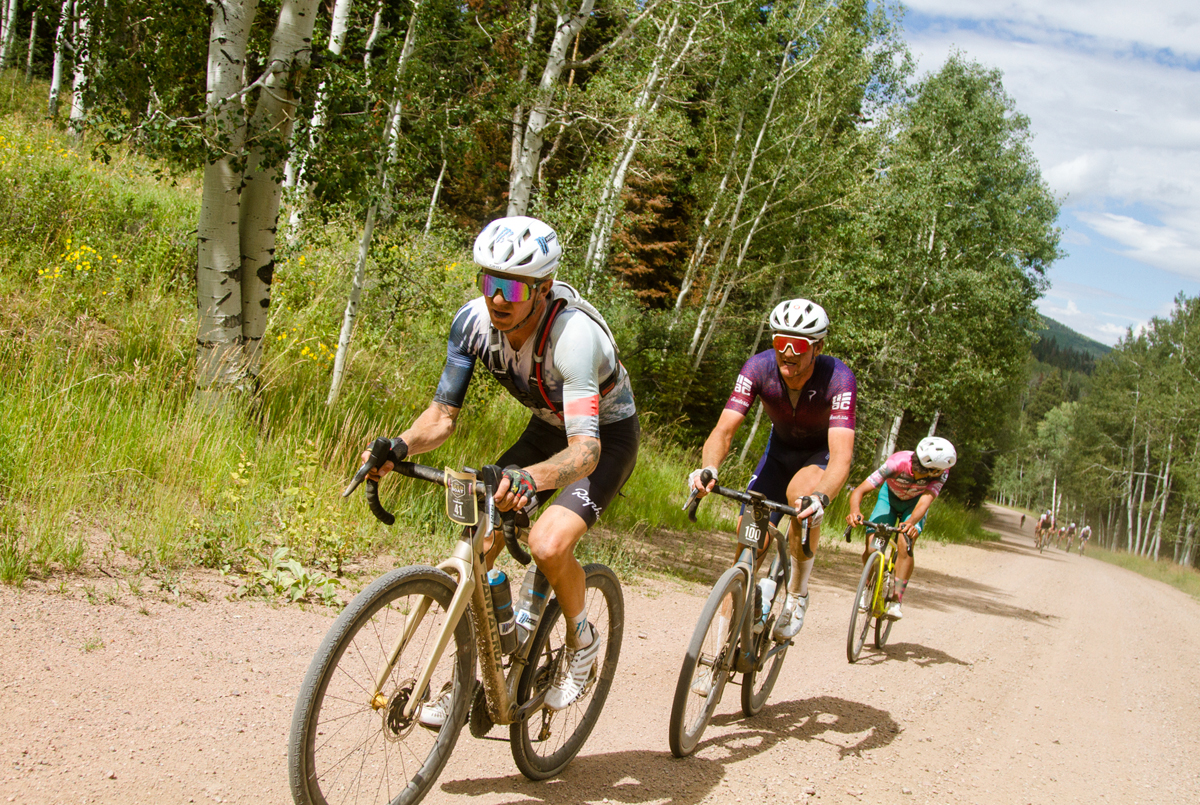
DNA Pro Cycling Team. Photo by Patrick Daly
DNA Pro Cycling, a UCI women’s continental team, has had a successful year with 4 elite national championships among 3 of its riders, the overall win at the Vuelta a Colombia, and stage wins at the major US races Joe Martin Stage Race and the Redlands Cycling Classic. The team is also currently leading the American Criterium Cup series with only two races remaining.
“We are very excited to bring Jack on,” said Fegan-Kim, “His insight, wealth of experience, and winning record will be invaluable to DNA as we continue to grow as a team.”
The 2023 team will be directed by Fegan-Kim and Seehafer, both of whom are UCI-certified team directors and have focused their careers on women’s competitive cycling. Seehafer was previously the US women’s national team road coach and program director (2013-2018), where he directed US riders from junior to elite, from development to WorldTour, Worlds, and the Olympics. From 2020 Seehafer worked as second sports director with the Boels Dolmans Cycling Team and the UCI WorldTour program, Team SD Worx.
“I’ve enjoyed watching DNA Pro Cycling grow over the last 10 years,” said Seehafer, “They have been one of the principal competitive teams in the US pro peloton and I am excited to help the program level up its performance and bring in more podiums, particularly in UCI and international racing.”
By Wayne Cottrell — The Geiger Grade to Gold Challenge is a history-laden and hilly(!) road bike ride near Reno, Nevada. The 37-mile ride features a climb up to and then through Virginia City, followed by a loop (descent and climb) on Virginia City’s south side, and then a rapid descent to the starting point. The cumulative amount of climbing is a fitness-testing 4,260 ft. The ride starts in the community of Virginia Foothills, located just east of Tahoe Junction, about 11 miles south of Reno. When travelers think of Nevada, most of them are drawn to Las Vegas. But, Reno was the “original” Vegas, until the latter’s aggressive growth overtook the former. Actually, both cities were predated by Virginia City, which was a center of activity during the decades following the discovery of gold in the California Sierras. Gold rushers bypassed the Virginia City area at first, on their way to California’s golden foothills. California’s gold rush began in 1849, and by 1851 prospectors were already looking eastward for more lodes. The story is too long for this article, but, by 1860 – following the discovery of the Comstock Lode, as well as silver amongst the gold – some 10,000 persons were flooding into Virginia City. The town was lawless at best, with shortages of water and other staples, and substandard living conditions – but plenty of booze and bullets.
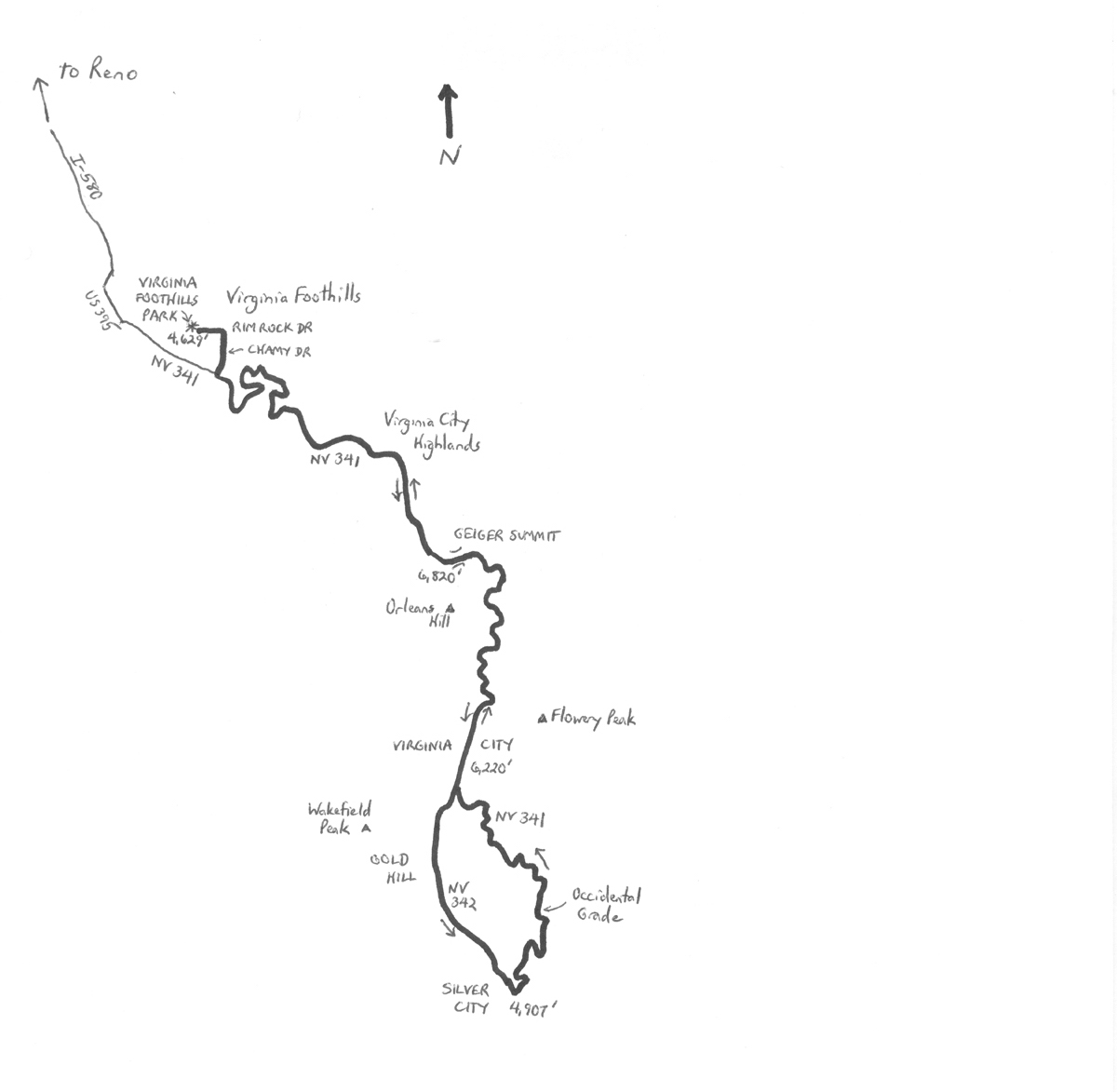
The Geiger Gold ride is a challenging 37 mile ride with 4260′ of climbing near Reno, Nevada. Map by Wayne Cottrell
By 1876, Virginia City’s population hit its peak, at 23,000 – which was half of Nevada’s population at the time (Nevada became a state in 1864; prior to that, the area was concurrently considered to be part of western Utah and eastern California). By the turn of the century, as the excitement of mining waned, folks were packing up and moving on to other adventures. Mining of the Comstock Lode continued through the mid-20th century, however, keeping the town alive. Then, thanks to a television series – “Bonanza” — the Cartwrights managed to pique plenty of folks’ interest in Virginia City’s history. Fast forward to today, and Virginia City entertains several million tourists per year. The town is chock full of museums, historical buildings, recreations, and other great attractions. As for cycling to Virginia City, please be prepared for the occasional lumbering tour bus making its way up the winding climb to the mother lode, from Reno.
As noted above, the ride starts south of Reno, in the community of Virginia Foothills. Although, as Reno grows, this community is more a part of than “south of” the city. To get there, head south from central Reno on I-580. At Tahoe Junction, exit southward onto U.S. 395 (South Virginia Street), followed by a left turn onto Nevada State Highway 341 (NV 341), also known as Comstock Highway. Turn left onto Western Skies Drive, followed by a right turn onto Reading Street, and then a right turn onto Spelling Court, which leads to the park. Begin the ride on the south side of the park (starting elevation: 4,629 ft); head east on Rim Rock Drive, followed by a right turn onto Chamy Drive. Head south on Chamy to NV 341; turn left, and start the climb up Geiger Grade! My memory may be incorrect, but this or a nearby climb may have been ridden in an edition of the long-defunct Coors Classic, some 30 years ago. Three-time Tour de France winner Greg LeMond was from Reno, perhaps cutting his teeth on this road, so you may be visiting some of cycling’s hallowed ground!
The climb up NV 341 is relentless, at an average grade of just under 5%, eventually reaching Geiger Summit (elevation 6,820 ft). From here, it is a gradual descent, and then short climb into Virginia City (elevation 6,220 feet). The route continues straight through town – the ride along Main Street may be slow, with plenty of parking maneuvers and crossing pedestrians. Ease your pace through here, and take some time to look around. Some of the tourists may even be pointing at you (!). The ride returns to town, heading the other way, so you can stop either now or then. Heading south of Virginia City on NV 341, the highway descends precipitously. In fact, watch your speed, as it is a very fast downhill. There is a rest stop on the right, about one mile south of town – time to refresh, particularly if it is hot. Keep right at the junction with NV 342 – you are now on NV 342. The next point of interest is the town of Gold Hill (elevation 5,820 ft). During its heyday, around 1870, 8,000 persons lived here. Most were sharing in the spoils of the Comstock Lode, similarly to Virginia City. Gold Hill has not been preserved as well as Virginia City, but a few historical buildings still stand, including a Bank of California, dating from 1862, and the Gold Hill Hotel, dating from 1859 (well, the façade; the rear section was rebuilt in the 1980s).
The next town is Silver City (elevation 5,060 feet), which sprouted adjacent Devil’s Gate in the late 1850s. The Gate is actually a pair of lava rock formations having a narrow passage; the highway just barely ekes through. In fact, make sure that you have lateral clearance, in case a motorist attempts to put “the squeeze” on you. Back in the day, tolls were collected at the Gate. Certain desperadoes would effectively take all of one’s possessions as a toll! Silver City, like Gold Hill, has not been fully preserved, but there is an old post office, and a cemetery. Just south of Silver City, carefully turn left onto NV 341, also known as Occidental Grade. Note that you have descended to 4,907 feet, 1,313 feet lower than Virginia City – it is now time to reclaim that elevation! NV 341 is not quite as steep as NV 342 through here, and is actually the preferred truck route. So, again, be prepared for the occasional large truck lumbering up the winding highway. Mt. Grosh will be on your right as you climb, named after a pair of brothers who were the original founders of the Comstock Lode.
At the end of the Occidental Grade, bear right to continue heading into Virginia City on NV 341. Now may be a great time to stop, before starting the fast descent back to Virginia Foothills. No lock? Then, keep riding; but, make sure to return, with your motor vehicle, to spend some time exploring. The highway descends for about 80 ft or so, before starting the final climb back up to Geiger Summit. From there, the elevation drop to Virginia Foothills Park is just under 2,200 ft.
For more rides, see Road Biking Utah (Falcon Guides), written by avid cyclist Wayne Cottrell. Road Biking Utah features descriptions of 40 road bike rides in Utah. The ride lengths range from 14 to 106 miles, and the book’s coverage is statewide: from Wendover to Vernal, and from Bear Lake to St. George to Bluff. Each ride description features information about the suggested start-finish location, length, mileposts, terrain, traffic conditions and, most importantly, sights. The text is rich in detail about each route, including history, folklore, flora, fauna and, of course, scenery.
Wayne Cottrell is a former Utah resident who conducted extensive research while living here – and even after moving – to develop the content for the book.
After a successful first edition in 2021, the Wasatch All-Road Bicycle Race returns to the Heber Valley in beautiful Wasatch County, Utah on August 27, 2022. Brainchild of Utah-native and former professional cyclist Jeffry Louder, the event is being billed as Utah’s toughest gravel race, featuring gravel’s hardest climb in the Wasatch Wall. Cycling West recently spoke with Louder about the event.
Cycling West: How did the Wasatch All-Road event come about? Tell us more about yourself and how you became involved in the event.
Jeffry Louder: My background is in professional cycling and I often thought of putting on an event that would showcase the area around my hometown of Salt Lake City. Thanks to events like the Tour of Utah it was no secret that the Wasatch range held some amazing climbs, and I wanted this race to be a one-day version of what I love most about riding in Utah — hard climbs and beautiful scenery.
When I first started forming the idea of the Wasatch All-Road, I was attracted to the idea of making it a gravel race and showcasing roads that were not as well known. I was fortunate to partner with Ventum Racing in 2019 and since they are based in Heber, Utah, we wanted to do something in their big backyard. I already had my eyes on the zone where the race now goes and the new partnership made it a no-brainer to build a route that would check all the boxes. The fact that the Heber Valley is easy to get to thanks to its central location in the Mountain West and proximity to SLC International Airport made it all the better. We initially planned for a race in August of 2020 but, of course, life had other plans. It was amazing to realize the concept in 2021 and we can’t wait to have everyone back in the Heber Valley for another year on August 27, 2022.
CW: What lessons did you learn from the first year, and how has that affected preparation for year 2?
JL: To be honest, the biggest lessons I learned were about myself and what I could and could not do. Putting on an event like this is a massive undertaking and it took a lot of me, my family, my friends, and the local community to make it happen. We pulled off a very successful event in 2021 but with the first year in the rearview mirror we knew we wanted to improve on the success but do it all in a more sustainable way. I have been fortunate to enlist more great people to help out and fine-tune the details to make this year run smoothly and make it a great day for the participants.
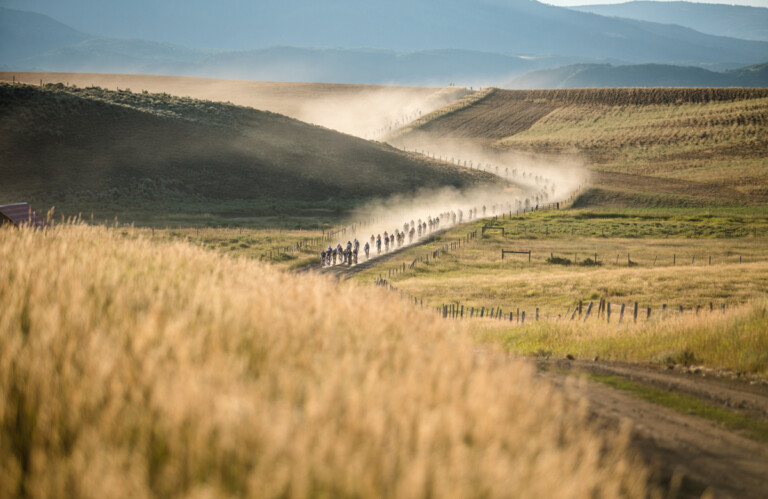
Riders during the 2021 Wasatch All-Road Bicycle Race. Photo by Venny Alub.
CW: Have there been any major changes to the course for 2022? What kind of terrain and road conditions can riders expect?
JL: We have made some course change and additions and we have a new venue for 2022. The race now starts at Soldier Hollow and with the new location we have a great home to help the event grow and better serve our participants.
The new start/finish location at Soldier Hollow has changed the formatting of the courses. We have added a new route this year called the Mid Yeti which is a 75-mile race with around 8,000 feet of climbing.
The Full Yeti, though utilizing a major portion of the route it followed last year did have to lose part of what we called the Strawberry Out-and-Back to keep the distance and elevation gain similar to last year. The Full Yeti will be 100 miles and around 11,000 feet of climbing.
Both the Full and Mid will still tackle the Wasatch Wall which is really what sets this race apart from anything else out there. The Wasatch Wall is the first climb of the day and gains around 3,800 feet in only 11 miles. Riders can expect every type of surface and terrain from paved rural roads, to buffed out gravel, to chunky and loose jeep roads during the day. The climbing can be quite intense, especially on the Wasatch Wall but the reward is access to an amazing, high alpine wilderness with stunning views.
Last year’s Mini Yeti has also been changed into a more approachable circuit within the grounds of Soldier Hollow. This route is still challenging and uses the paved and gravel roads within Soho’s network of trails but stays close to home and will be great for newer racers and those that want a shorter day. Both the Full and Mid will also finish on this circuit for a final 4-mile taste of gravel racing to cap off a big day.
A rider during the 2021 Wasatch All-Road Bicycle Race. Photo by Venny Alub.
CW: Is the event being promoted as a competitive race or a non-competitive ride (or both)? What sort of prizes can participants expect, and how deep will prizes be awarded?
JL: The Wasatch All-Road is a gravel race but this discipline, by its nature, leaves space for each individual to participate how they choose. The event will be timed and prizes awarded but I feel that gravel is an inclusive environment that not only encourages duking it out with the competition but also allows people to individually test and challenge themselves in a positive environment.
Our Pro/Open Full Yeti category has a $10,000 prize purse which will be split evenly between the male and female podium getters and we have awards for the top three in each Full and Mid category as well as for the top finishers in the Mini Yeti. I personally feel that anyone that tackles the Wasatch All-Road and pushes their limits is a champion. Celebrating with friends old and new at the finish line is a big part of gravel racing and I can’t wait to see everyone after the race and hear their W.A.R. stories. We have a festival at the end with a free meal and drink for all participants and we encourage friends and family to come out to Soldier Hollow to enjoy the day with the racers.
CW: What sort of bike is best suited for the terrain? What other gear or equipment would you recommend riders carry with them?
JL: Preparation and planning will be an important part of a successful ride. The climbs are long and steep, particularly the Wasatch Wall, which both the Full and Mid Yeti distances will tackle. Besides being physically and mentally prepared, proper bike set up will help ensure a great day. Gearing and tire selection is very important for the terrain and we have had success using a gear-ratio lower than 1:1 (for example, a 42 front ring paired with 46 rear cog) with 42mm (or larger) tires designed for loose gravel. This is mainly for some steep and loose uphill sections but there are also sections of chunky descending where bigger tires will come in handy.
Mountain bikes are allowed and are a nice way to climb the Wasatch Wall and get down some of the more technical descents. Beside these areas, the terrain is perhaps more conducive to a gravel specific rig but, with so much varying terrain, there may be no perfect bike and it is highly likely that whatever bike one chooses to ride, it won’t be the right thing at some point. Choose wisely as riders may only ride one bike, no mid-race equipment changes will be allowed.
Riders will be expected to carry their own hydration bottles/bags and to replenish them at the Aid Stations. There will be no hand ups or mechanical support on course. We ask that riders please assess their ability and needs and plan accordingly. Beginning the ride fully stocked with enough food and drink to make it to the first Aid Station and beyond will be important. If riders need any specific items (special food or drink mix), they should carry it with them and bring enough for the duration. Carrying a hydration pack and/or on bike bag would be a good choice for anyone racing the Full or Mid Yeti. Riders will also need to carry equipment to deal with mishaps (tubes, plugs, CO2, tools, etc.). SAG vehicles will be on course to assist those that need it, but riders are expected to be prepared for the challenges of the route.
CW: Will there be any sort of neutral support out on course in case of mechanicals, or are riders responsible for all of their own mid-race repairs? Are riders allowed to accept aid from other riders?
JL: Being prepared for the elements and terrain as well as carrying enough water and food will be critical – riders will need to start with their own water bottles/hydration packs and refill them at the aid stations. All riders are expected to be self-supported and to utilize only the aid stations for fuel and hydration — no outside help is allowed. Each athlete is also expected to be mechanically self-sufficient; carrying equipment to repair flats and deal with other potential bike issues is encouraged. Finally, the weather at 10,000 feet can change abruptly; being prepared for all conditions, even snow, will be important. SAG wagons will be on course to help those that have fallen behind.
CW: What can you tell us about the Heber Valley, and what make it so good for cycling.
JL: The Heber Valley is a growing area along the Wasatch Back but it still maintains its rural charm. Being surrounded by the Wasatch and Uinta Mountains make it an ideal spot for gravel riding and bike riding in general. The rural country roads are great for road riding, there are numerous amazing mountain bike trails, including at Soldier Hollow, and the seemingly limitless network of gravel roads within the Uinta National Forest and Utah State Parks make the Valley an ideal launch pad for any adventure by bike.
CW: What else will riders visiting the area, especially for the first time, be able to do to enhance their visit while off the bike?
JL: There are so many great things to do in the area besides ride a bike: The Provo River bisects the valley, and the fly-fishing access is phenomenal. Both Deer Creek and Jordanelle Reservoirs are nearby for boating and water sports. The dispersed camping within the Uinta National Forest is easily accessible and a great getaway in amazing wilderness. The towns of Midway and Heber City both have great hotels and dining options.
Soldier Hollow itself is a former Olympic Venue and offers world-class cross-country skiing in the winter and an amazing network of singletrack trails in the summer; the event has also partnered with Uinta Recreation, and they rent side by sides, ATVs, and snowmobiles to drive and explore the roads and off-road trails in any season.
With Park City and Salt Lake City both a short drive away the options for fun get to be too numerous to mention. Go Heber Valley (https://www.gohebervalley.com/) is also an excellent resource for things to do in the valley. Heber Valley really is a great destination for the day, weekend, or a longer stay and The Wasatch All-Road is honored to be based out of such an amazing area. We are excited to share it with everyone coming out for the race and we hope they have a great visit.
CW: Is there anything else that you would like to add?
JL: We can’t wait for the event next weekend and can’t wait to host the gravel community at Soldier Hollow and the Heber Valley at the Wasatch All-Road.
Event Info:
Note: Registration is still open until 11:59 PM on Wednesday, August 24, 2022. Register now!
August 27, 2022 — Wasatch All-Road Bicycle Race, Ventum Racing, Heber , UT, The Wasatch All-Road features the toughest climb in gravel and postcard views in Utah’s hidden gem, Heber Valley. The event will offer three challenging distances, local food, entertainment, and a $10,000 prize purse split evenly between the male and female open categories., Jeff Louder, [email protected], http://www.thewasatchallroad.com
SALT LAKE CITY, Utah (August 18, 2022) — From 18th to 28th August 2022, the Tour de l’Avenir will cross France from West to East, justifying its reputation as the U23 Tour de France. The victories of the Colombian Egan Bernal in 2017, and the Slovenian Tadej Pogačar in 2018, showcased their talent before stepping up to the WorldTour
This year, the event will start with a prelude team time trial in La Roche-sur-Yon (Vendée). The first three stages through the Vendée, Charentes, Vienne and Indre departments, are classified as flat, and will precede a longer team time trial on Stage 4, which will take place between Gueugnon and Saint-Vallier (Saône-et-Loire). The final 5 stages are all classified as mountain stages, interrupted only by the rest day after Stage 6.
Tanner Putt. Photo courtesy Peak State Fit
“I am looking forward to directing the U23 National Team this fall at the Tour de l’Avenir and World Championships. After racing on the team for four years and competing in 2 World Championships, I am excited to use my experience and knowledge to help the next generation of American cycling. It has always been a dream of mine to come back and support a program that has given me so much,” exclaimed Tanner when asked about the recent decision.
After his coaching stint in France, Tanner will head to Australia to direct the team at the U23 UCI Road World Championships from 9/18-25 in Wollongong — just 80km from Sydney, Australia — where more than 1,000 cyclists from 70+ nations will compete for a gold medal and the coveted rainbow jersey.
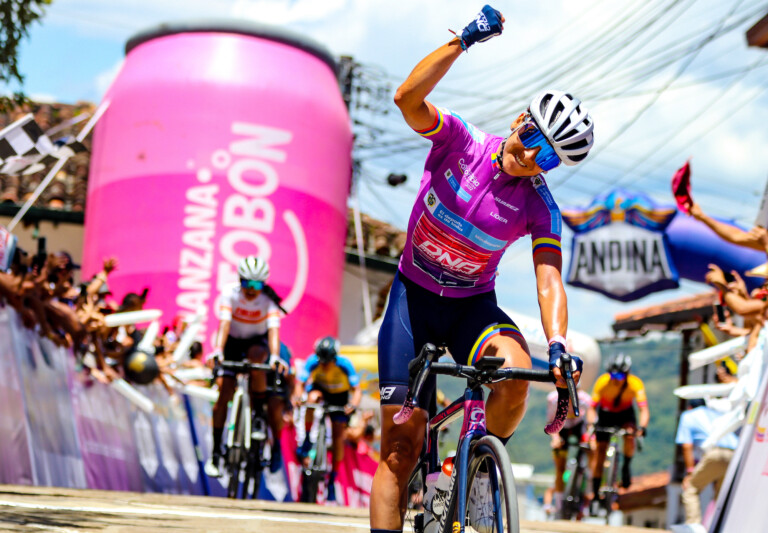
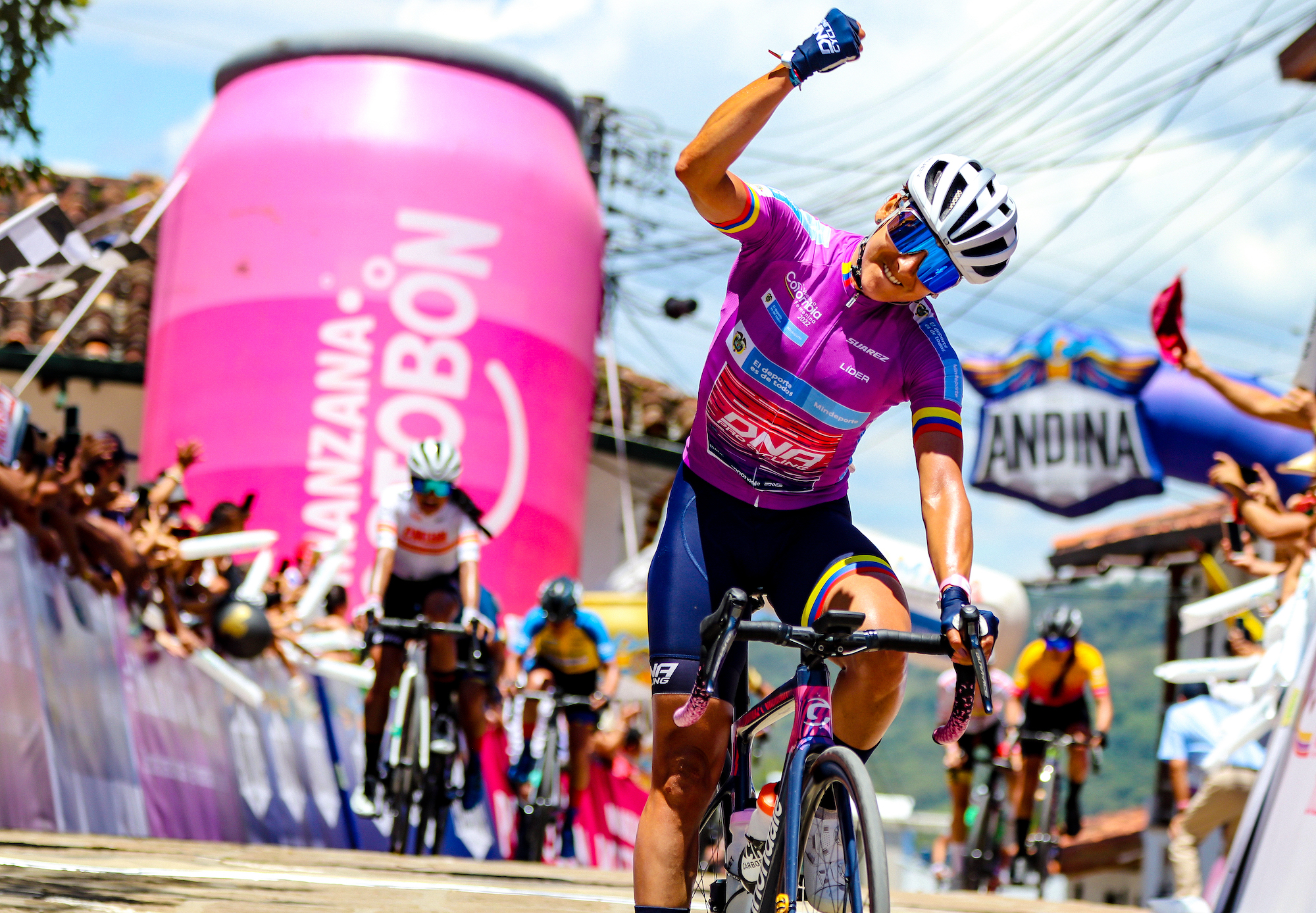
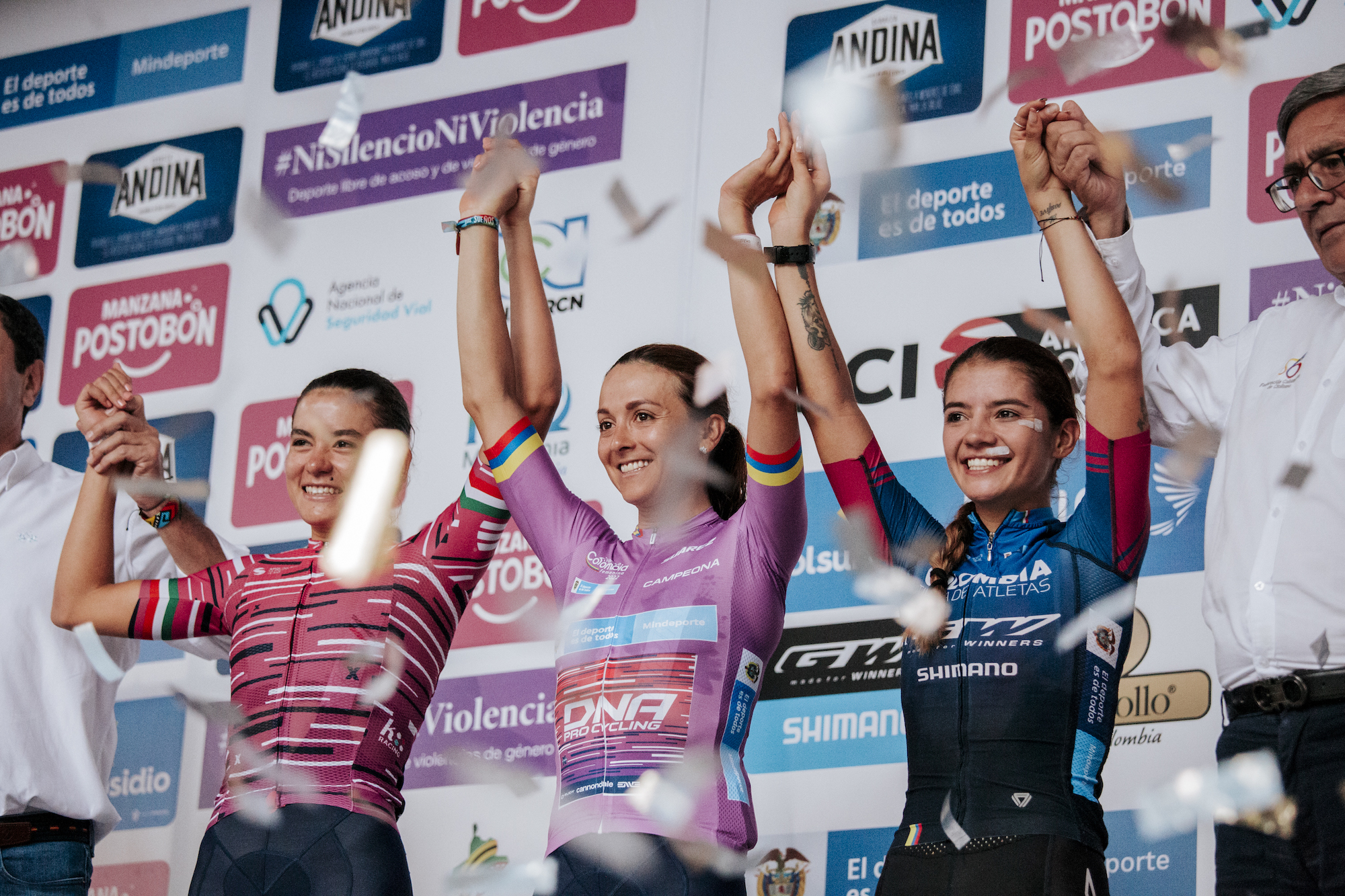
SALT LAKE CITY, Utah (August 19, 2022) — Colombian National Road Racing Champion, Diana “Caro” Peñuela, held on to the lead in the general classification to win the 7th edition of the Vuelta a Colombia Femenina for DNA Pro Cycling. Peñuela dominated the six days of racing with the help of her teammates, to win 4 out of the 6 stages, securing overall wins in the GC and points competition. Teammate and Mexican National Time Trial Champion Anet Barrera rounded the final GC podium with a third place, and the overall win in the best foreign rider competition. Lina Hernández of Colombia Tierra de Atletas finished second on GC, just over one minute down.
The DNA Pro Cycling Team at Team Presentation prior to the start of the 2022 Vuelta a Colombia Femenina. Photo by Alexander Bonilla.
“It was an incredibly emotional win in my country, representing Colombia and wearing the national jersey. It was a beautiful experience leading the GC from the first day, even if I wasn’t able to wear the national jersey from there on,” Peñuela said of her win. “The truth is, the Colombian Federation worked hard to create a beautiful race; very well-organized event that turned out well for the team.”
The Colombian won the national road championships at the start of the season before the team focused on building teamwork and strategy in stage races in the United States.
The Vuelta, part of the UCI America Tour, has quickly become the primary target for women’s racing in Central and South America since its inception and was a goal of the season for DNA Pro Cycling since signing Peñuela in 2022. 30 teams consisting of 171 total riders from 9 countries were introduced to start the race. Several Colombian teams had only just returned from Europe competing against the best to prepare for the race, ensuring strength and depth of talent among the peloton.
Diana Peñuela (DNA Pro Cycling) takes the Stage 3 win at the Vuelta a Colombia Femenina. Photo by Anderson Bonilla
The route took place in the high-altitude mountains of Boyacá, not far from where Tour de France legends Egan Bernal and Nairo Quintana call home. The profiles consisted of longer descents than climbs Peñuela says, but were challenging, nonetheless. The team arrived a week prior to acclimate to the altitude as the opening stage began at over 2500m (8,200ft). The road stages (1, 2, 3 and 5) were each over 100km in length and featured long climbs and technical descents. Stage 4 was a 21km time trial which mainly consisted of climbing and descending. The Vuelta finished with an exciting circuit race in the city of Bucaramanga.
“The Vuelta had become a big focus this season for DNA,” Peñuela added. “It is my country, and the team wanted to win it with me. It was a big responsibility for me to deliver that to them.”
Prior to their arrival in Colombia, the team signed Canadian climbing talent Emily Marcolini to bolster their roster ahead of the Vuelta. Marcolini had quickly become a rival in the mountains in North America since winning the Gila Monster final stage at the Tour of the Gila in May, and the Oak Glen stage at the Redlands Cycling Classic. The Canadian made her debut with the squad in Boyacá. She would play a pivotal role in the mountains for Peñuela before an unfortunate crash on stage 3 forced her to abandon.
“Had it not been for my team, I would not have triumphed. What Emily did in the first two stages, with such impressive form, made it a lot easier for me to arrive with the favorites at the finish,” Peñuela says. “After we lost Emily, Anet stepped up and put in a lot of work to help me defend the lead, along with Daphne (Karagianis) and Kaitlyn (Rauwerda).”
Diana Peñuela (center, DNA Pro Cycling) wins the overall GC at the 2022 Vuelta a Colombia Femenina. Anet Berrera (left, DNA Pro Cycling) finished third, while Lina Hernández (right, Colombia Tierra de Atletas) finished second. Photo by La Vuelta Es Asi.
“From the beginning I knew we had the strongest team. When asked by the press who were my main rivals. I replied, had they not been my teammates, they would be my biggest rivals. Because they were my teammates, that gave me much more confidence in facing the competition.”
Peñuela remains in Colombia to train until heading to France for a short racing block with DNA Pro Cycling, after which she will fly to Australia for the UCI World Championships.
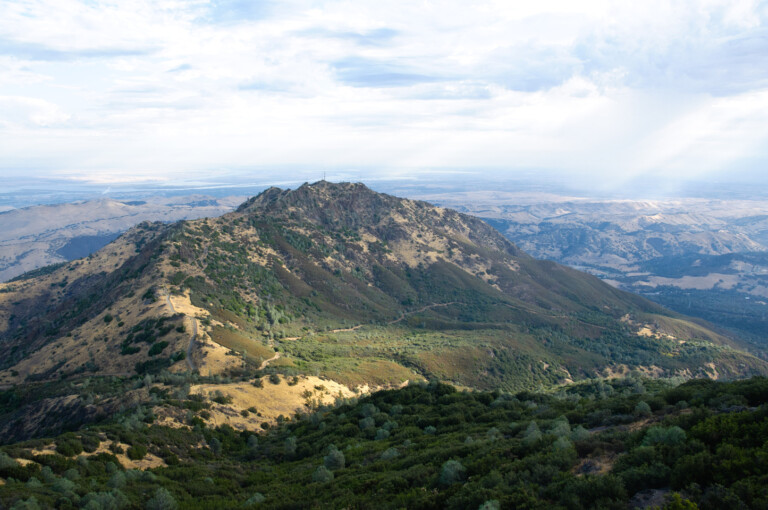
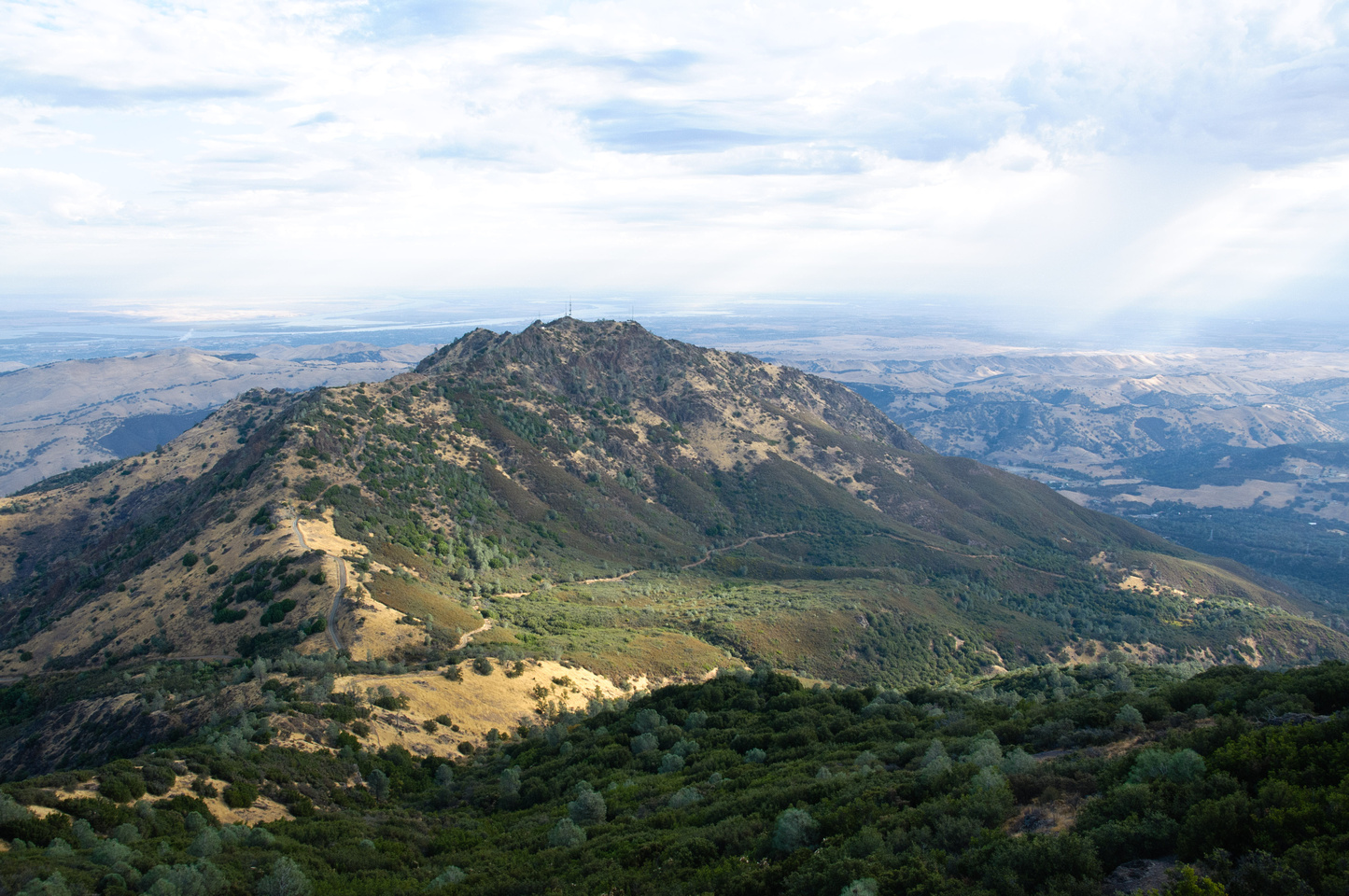
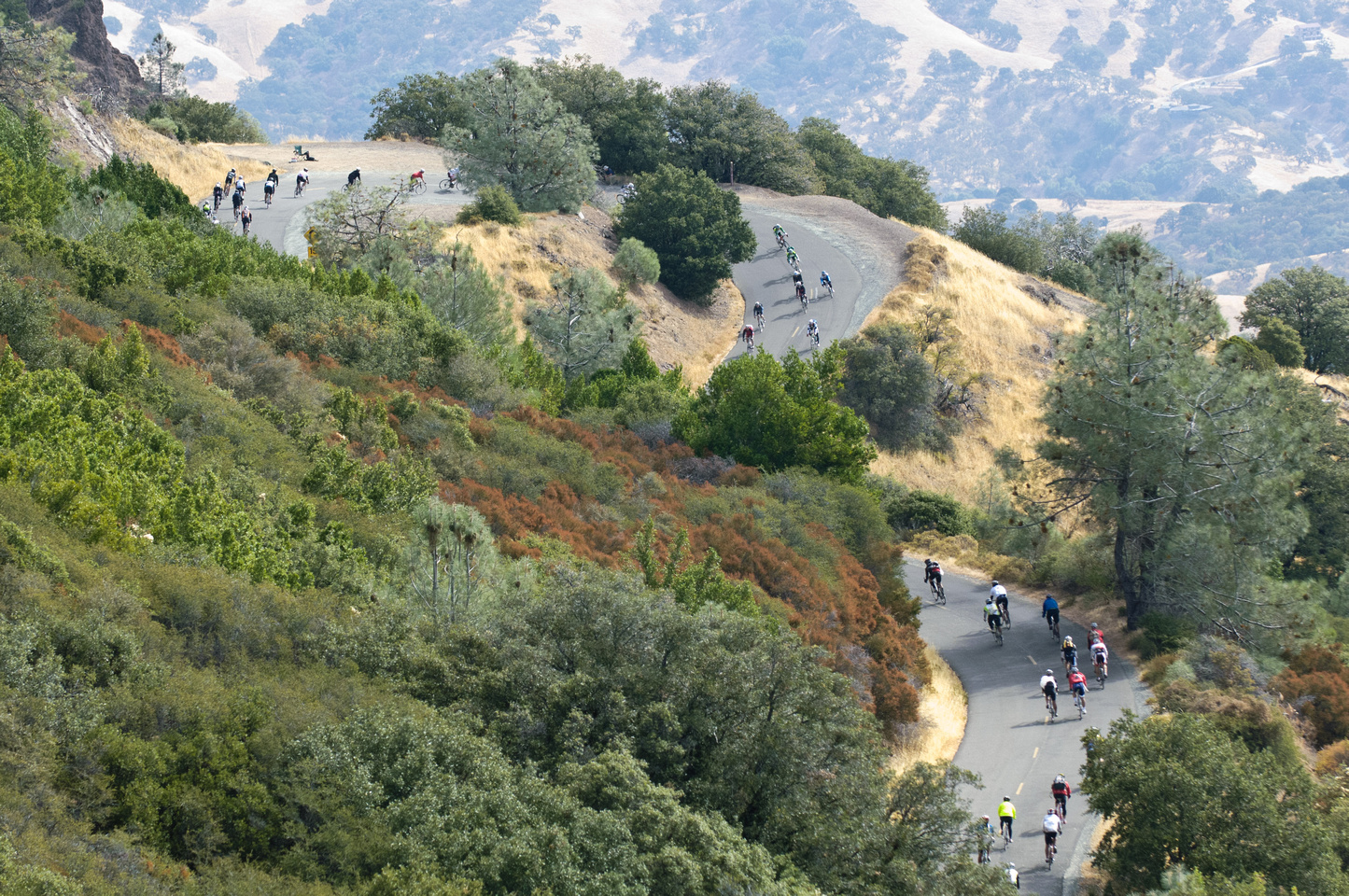
On Sunday, October 2, 2022, the Valley Spokesmen Bicycle Club will host the 39th annual Mount Diablo Challenge Memorial. The Challenge is a 11.2-mile, individually timed ride that climbs 3,249 feet to the summit of Mt. Diablo, starting up South Gate Road, in Danville, California. Mt. Diablo is one of the highest peaks in the San Francisco Bay Area, with views of the Farallon Islands and the Sierras. On the day of the event, the road will be closed for safety, and more than 800 cyclists will ride to the summit. The ride welcomes all ages, abilities, teams, and bicycle types. It is a once-a-year opportunity to enjoy riding the mountain, car-free. The event culminates with an awards ceremony, which crowns the King and Queen of the Mountain and presents many other prizes for winners in various categories. The post-ride festivities include music, food and drink, and many vendor displays. A portion of event proceeds will fund bicycle safety projects on Mt. Diablo.
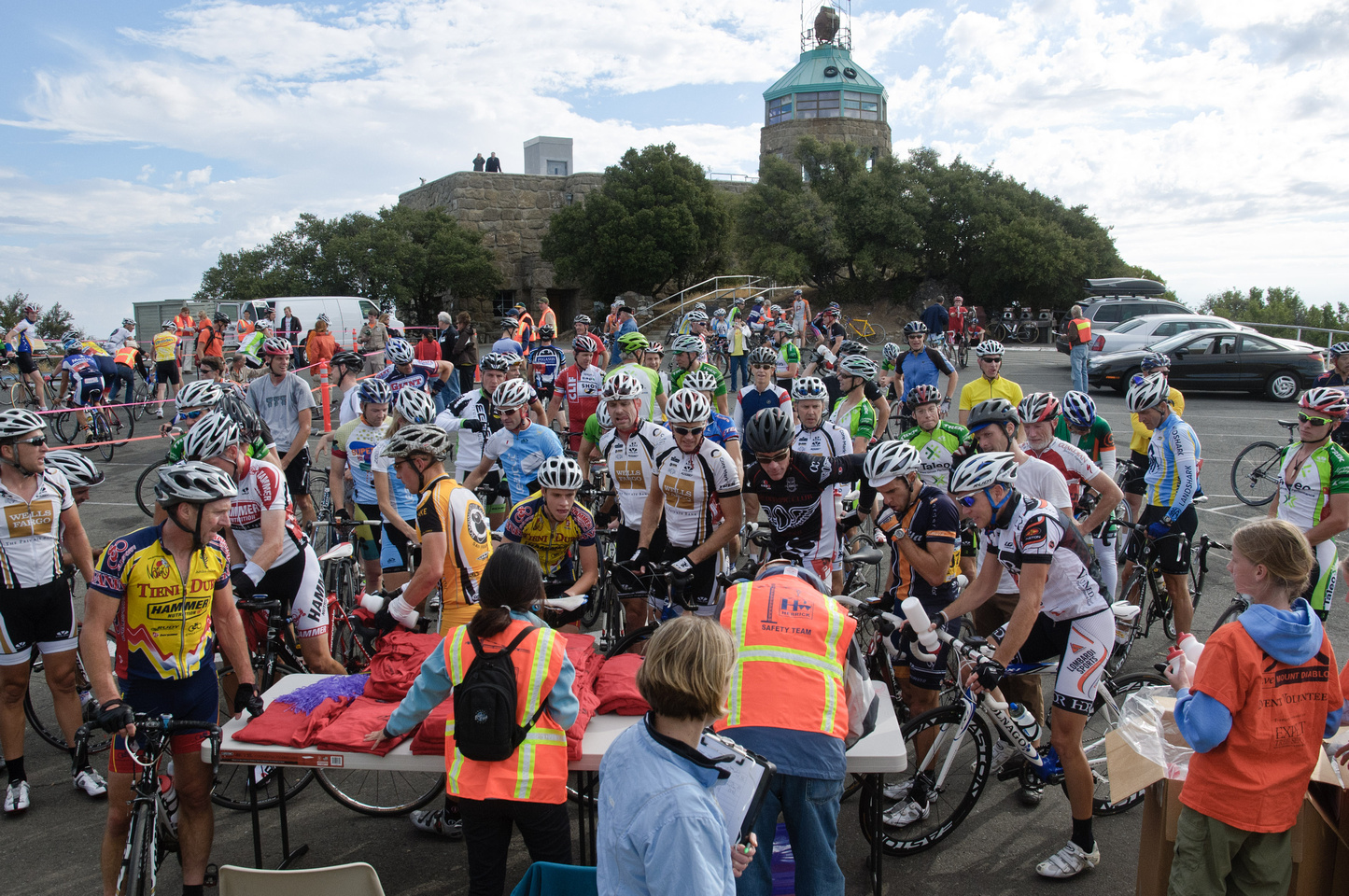
Scene from the Mt. Diablo Hill Climb in Danville, CA. Photo courtesy Valley Spokesmen Bicycle Club
This event is produced in memory of two individual cyclists. It was first created 39 years ago to remember Joan Walt, who loved riding Mt. Diablo several times a week. She succumbed to a heart ailment at age 26, and her family asked the Valley Spokesmen to create the Mt. Diablo Challenge in her honor. Last year, a beloved cyclist named Joe Shami, at age 86, was close to reaching 100,000 cumulative miles on his Trek Bike while riding Mt. Diablo weekly for 615 consecutive weeks. In April 2021, he was struck by a vehicle in a local traffic roundabout and killed. The Mount Diablo Challenge Memorial will be held in 2022 in memory of both Joan and Joe, and proceeds will continue to support bicycle safety on Mount Diablo.
Scene from the Mt. Diablo Hill Climb in Danville, CA. Photo courtesy Valley Spokesmen Bicycle Club
Event Details:
October 2 — Mt. Diablo Challenge Memorial Ride, Danville, CA, The 11.2-mile, individually timed ride climbs 3,249 feet to the summit of Mt. Diablo starting up South Gate Road. Mt. Diablo is one of the highest peaks in the San Francisco Bay Area, with views of the Farallon Islands and the Sierras. The road is closed for safety and more than 800 cyclists will ride to the summit., Mark Dedon, [email protected], mountdiablochallenge.org
Scene from the Mt. Diablo Hill Climb in Danville, CA. Photo courtesy Valley Spokesmen Bicycle Club
“I thought I was supposed to use gels during long runs. Can candy work just as well..?”
“Are electrolyte tablets the best way to replace sodium loses from sweaty workouts?”
“I get diarrhea when I use some commercial sports foods…help!”
By Nancy Clark, MS RD CSSD — If you are among the many athletes who have no idea which commercial sports foods are best to support your workouts, welcome to the club! Advertisements have led many active people—from serious competitors to anyone who breaks a sweat—to believe that pre-workout drinks, energy gels, and electrolyte replacers (among the many other commercial sports foods) are a necessary part of a sports diet. Guess what? Real foods can often work just as well.
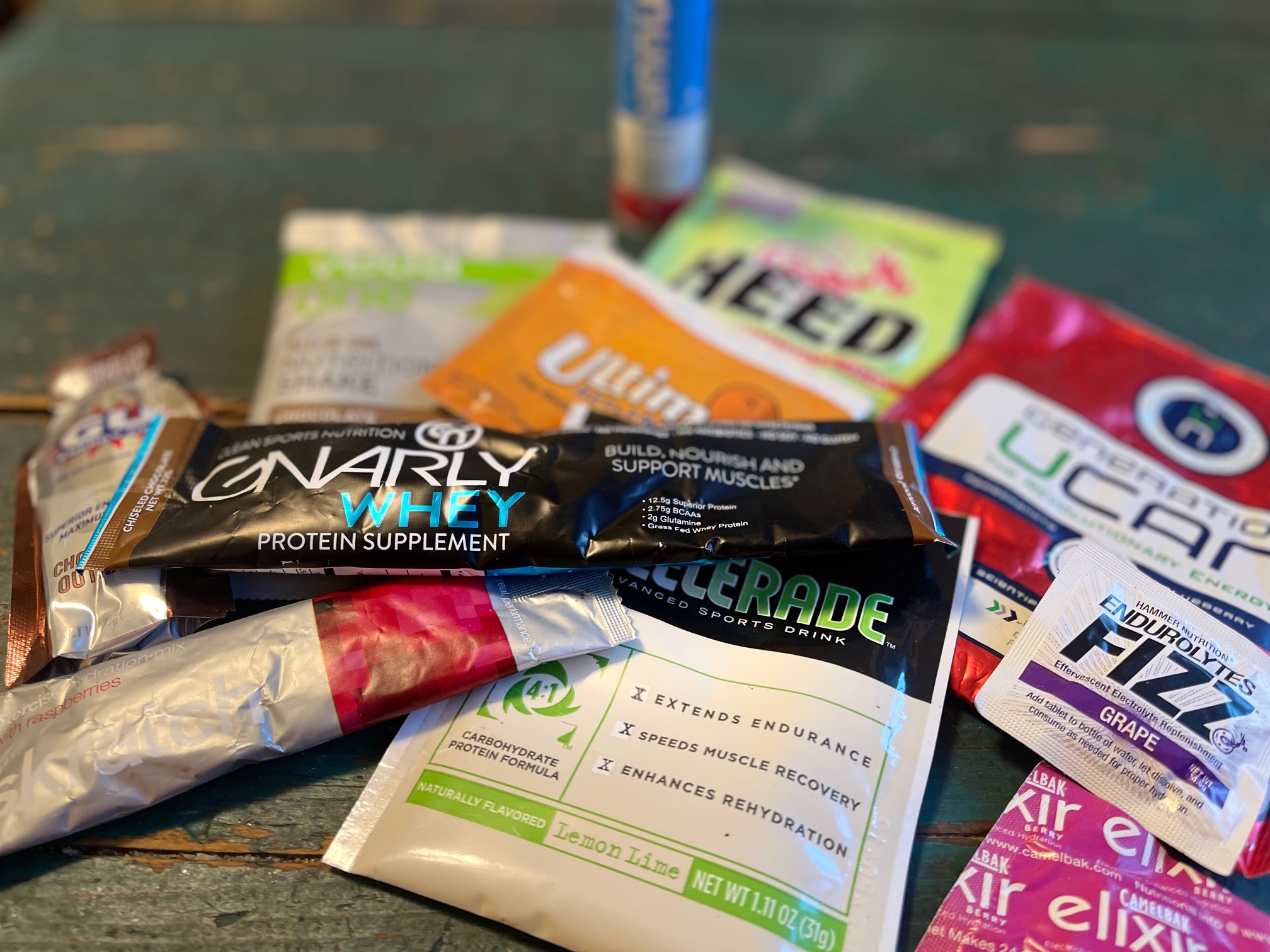
Photo by Dave Iltis
While there is a time and a place for commercial sports foods, many athletes needlessly spend lots of money on them. The purpose of this article is to help you become an informed consumer, so you know what these products are (convenient, expensive)—and what they are not (essential for all exercisers). Whatever you do, test them during training, so you can learn if they settle well in your gut. You don’t want surprises during competitions!
Pre-Workout Supplements
When you feel low on energy and are dreading your afternoon training session, pre-workout products that promise explosive energy, sharp focus, and incredible results can be very tempting to buy. While simply eating a heartier breakfast, lunch, and pre-exercise snack can help prevent an afternoon droop, many athletes fail to appreciate the power of food. Instead, they look for “magic.”
The “magic” ingredient in most pre-workout products is caffeine. You could just as easily get stimulated with coffee or NoDoz. True energy comes with eating a pre-exercise banana, granola bar, or carb-based snack.
The best pre-workout snacks digest easily and don’t talk back to you. Standard supermarket foods (e.g., toast, oatmeal, animal crackers, dried pineapple, dates, banana, even a swig of maple syrup) are likely more familiar to your gut (less likely to cause intestinal upset) than unfamiliar commercial sport fuels.
Some pre-workout products tout they are sugar free, as if sugar is evil for athletes. Sugar (carbohydrate) is a true energizer in comparison to caffeine, which is just a stimulant. Carbs + caffeine will offer a better workout (for those who tolerate caffeine, that is)!
Some pre-workout products contain creatine, vitamins, beta-alanine, and/or other stuff that looks good on the label. The dose may be inadequate to make a significant difference in your performance. Do your homework to learn what is an effective dose.
Buyer beware, pre-workout products are poorly regulated. Who knows what the products contain. Claims that sound too good to be true should raise an eyebrow. Be sure your choice says NSF Certified for Sport or Informed Sport on the label.
Gels
During hard exercise lasting 1 to 2.5 hours, you’ll perform better if you consume ~30 to 60 grams (120-240 calories) carbohydrate per hour. Take your choice of gel, sport drink, or gummi bears!
During extended exercise lasting more than 2.5 hours (ultra-marathon, long bike ride), you want to target 60 to 90 g carb/h (240-360 calories), depending on the intensity of your exercise, your body size, sport, and intestinal tolerance.
Most gels offer 100 calories (25 g carb) in the form of some type of sugar, such as maltodextrin, sucrose, fructose, or glucose. The Nutrition Facts on the gel’s label can you help determine the right amount to consume.
Many athletes love the convenience of gels because they come in a good portion-size and are easy to carry. Others dislike them due to their consistency. For some athletes, gels digest poorly because they contain a type of sugar that can trigger bloat, diarrhea, and undesired pit stops. Always experiment with new gels during training!!!
Some popular alternatives to the 100 calories of carb (sugar) in a gel include gummy bears, Twizzlers, Swedish fish, gum drops, peppermint patties, maple sugar candy, even chocolate (though it melts in hot weather). The trick with choosing “real food” is to figure out how to carry it. Pockets help.
Electrolyte tablets
Electrolytes (electrically charged particles, most often known as sodium, calcium, magnesium, and potassium), are minerals abundant in food.
For sweaty athletes, sodium (a part of salt) is the main electrolyte of concern. Salty foods enhance fluid retention and help keep you better hydrated than plain water, which goes in one end and out the other.
Many electrolyte replacers are lower in sodium than you may think. By reading food labels, you’ll discover a slice of bread can have more sodium than 8-ounces of Gatorade.
Athletes who sweat heavily might lose about 500 to 1,000 mg sodium in an hour of vigorous exercise. Some options for replacing these sodium losses include:
Commercial Sports Food Sodium (mg)
Propel Electrolyte water, 8 oz – 105
Gatorade, 8 oz 110
Gu Salted Caramel, 1 gel 125
Nuun, 8 oz 175
Salty food Sodium (mg)
String cheese, 1 stick 220
Beef Jerky, 1 oz 600
Salt sprinkled on food, 1/4 tsp 600
Broth, from 1 cube Herb-ox 1,100
Replacing sodium is most important for athletes who sweat heavily for extended periods in the heat. Yet, these athletes generally consume foods that contain sodium before, during and after exercise. For example, football players who refuel from morning practice with a high-sodium ham and cheese sandwich with mustard and dill pickles can bypass the Gatorade at lunch.
Consuming 500 mg. sodium before you exercise helps retain fluid, delay dehydration, and enhance endurance. Sprinkle salt on that pre-exercise omelet, pasta, or sweet potato before you exercise in the heat!
The bottom line
While commercial sports foods have their time and place for intense exercisers, not every athlete needs to pay the price for pre-wrapped convenience.
Alexis Skarda and Swenson Crowned LeadBoat Champions
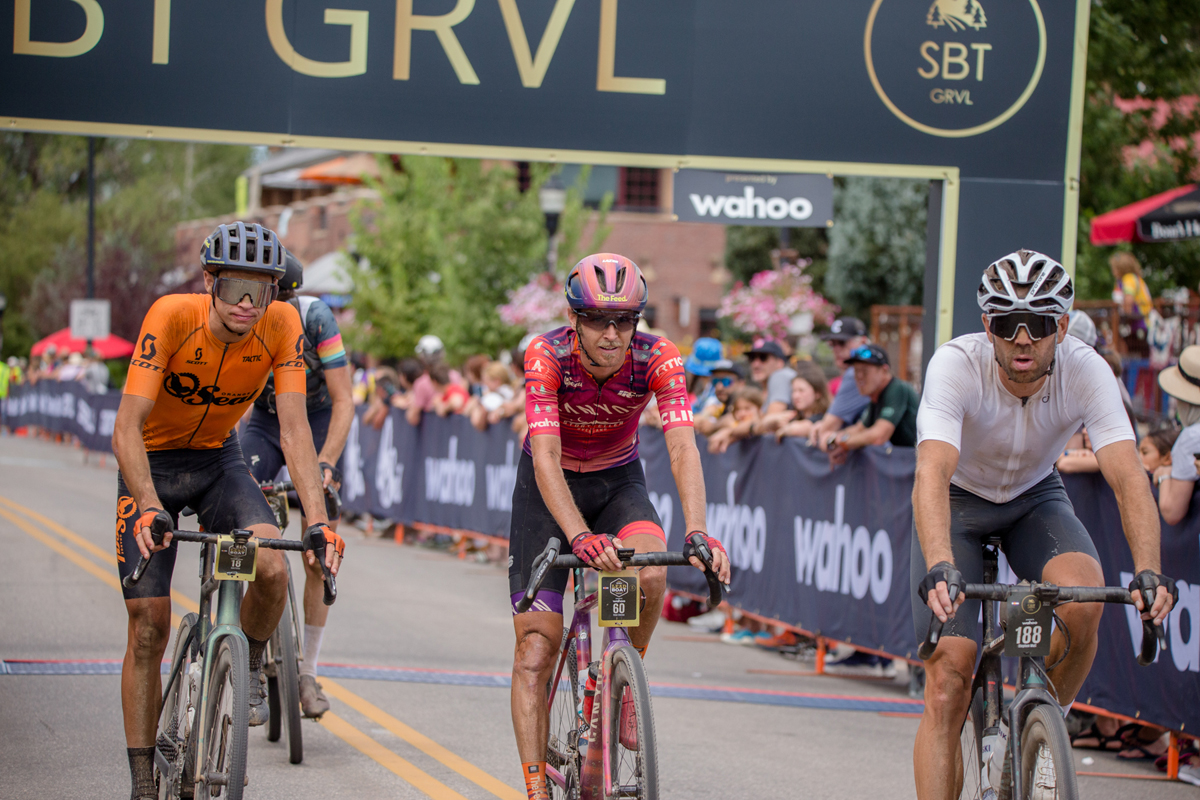
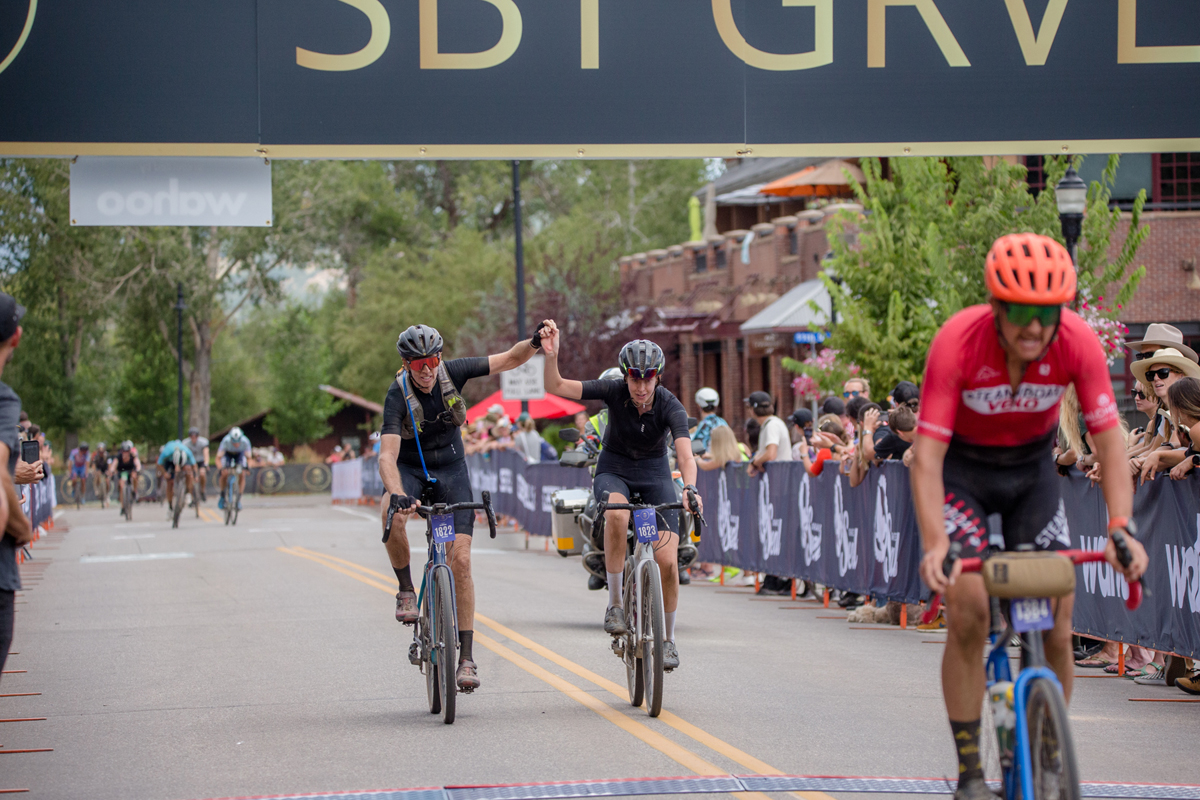
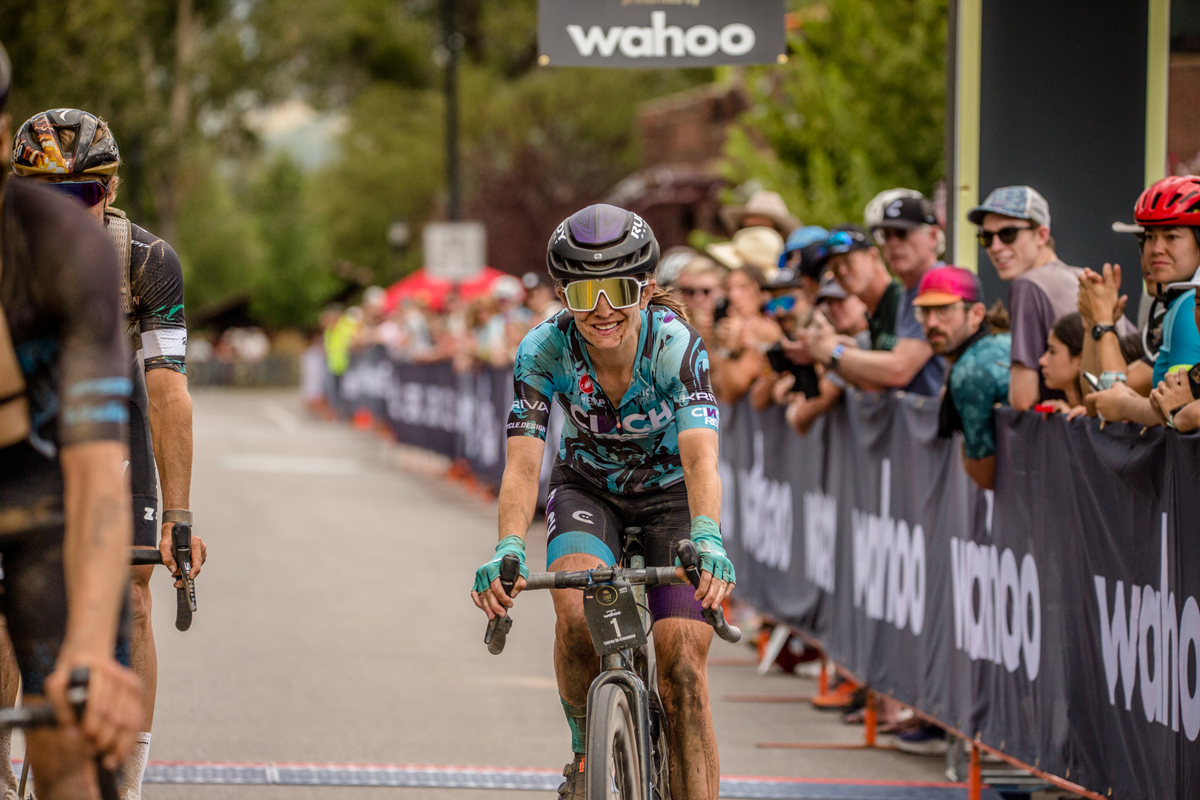
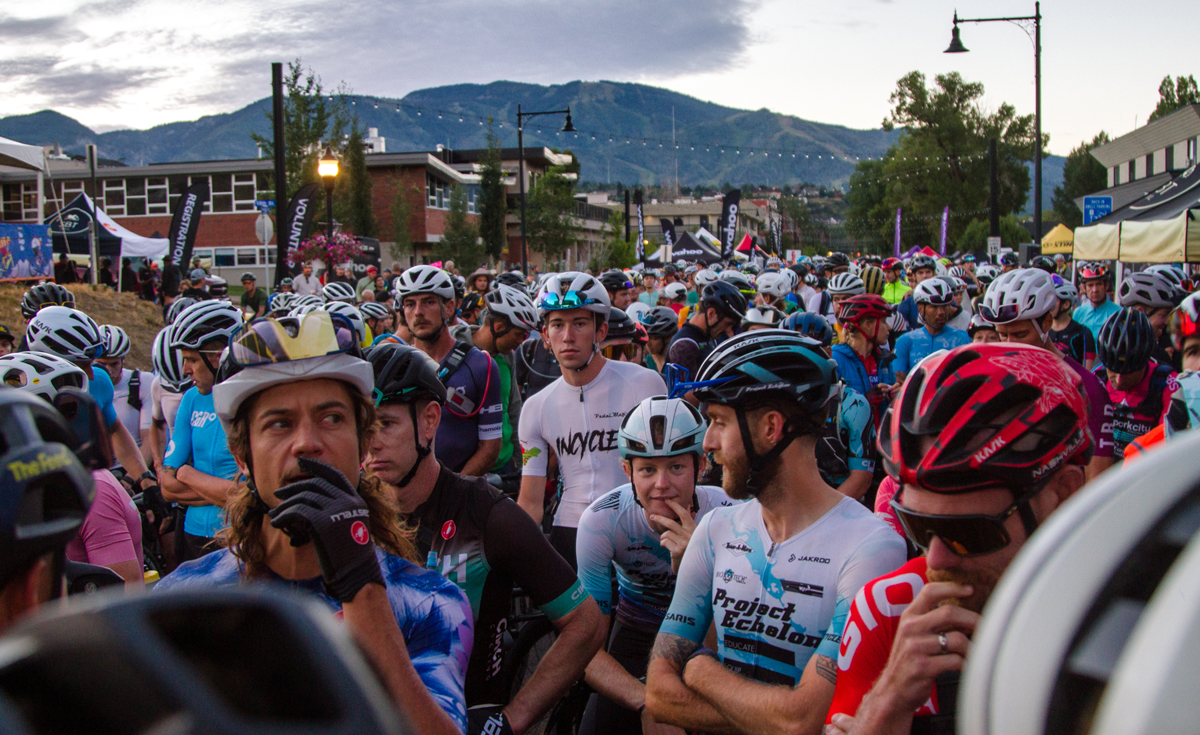
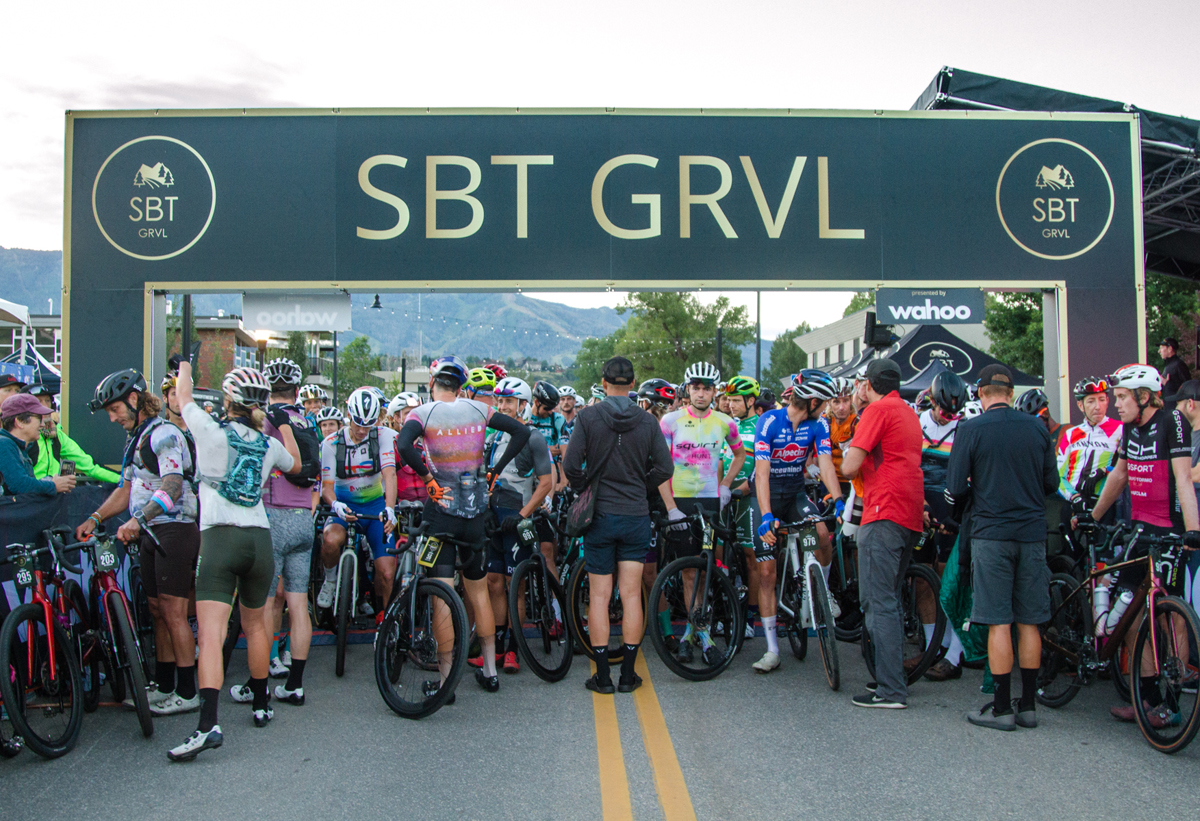
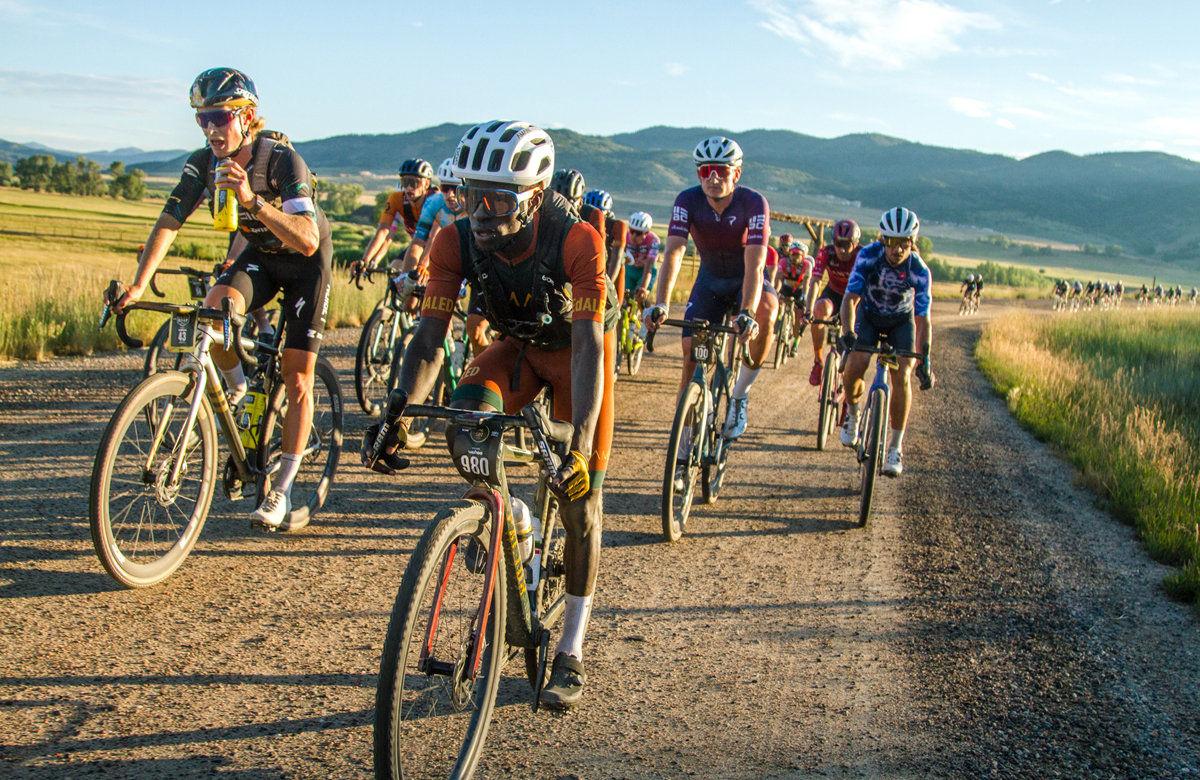
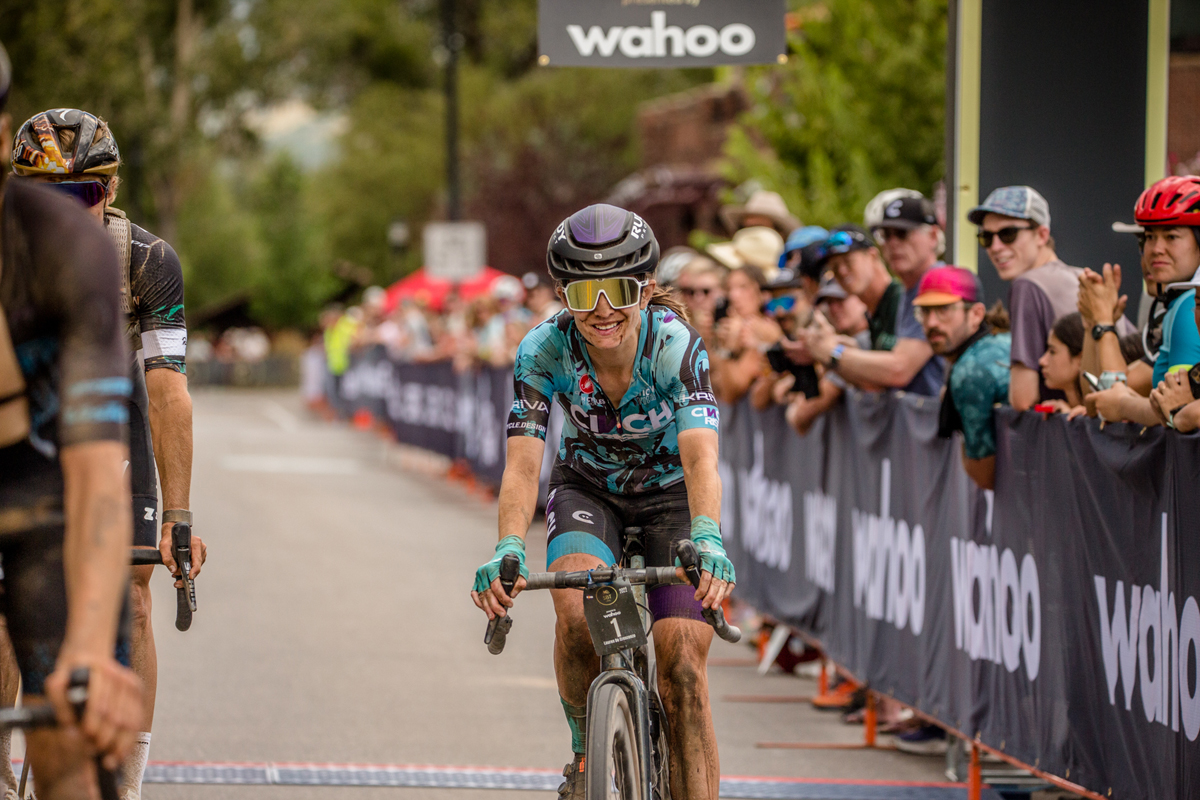
2022 SBT GRVL race. Photo by Linda Guerrette
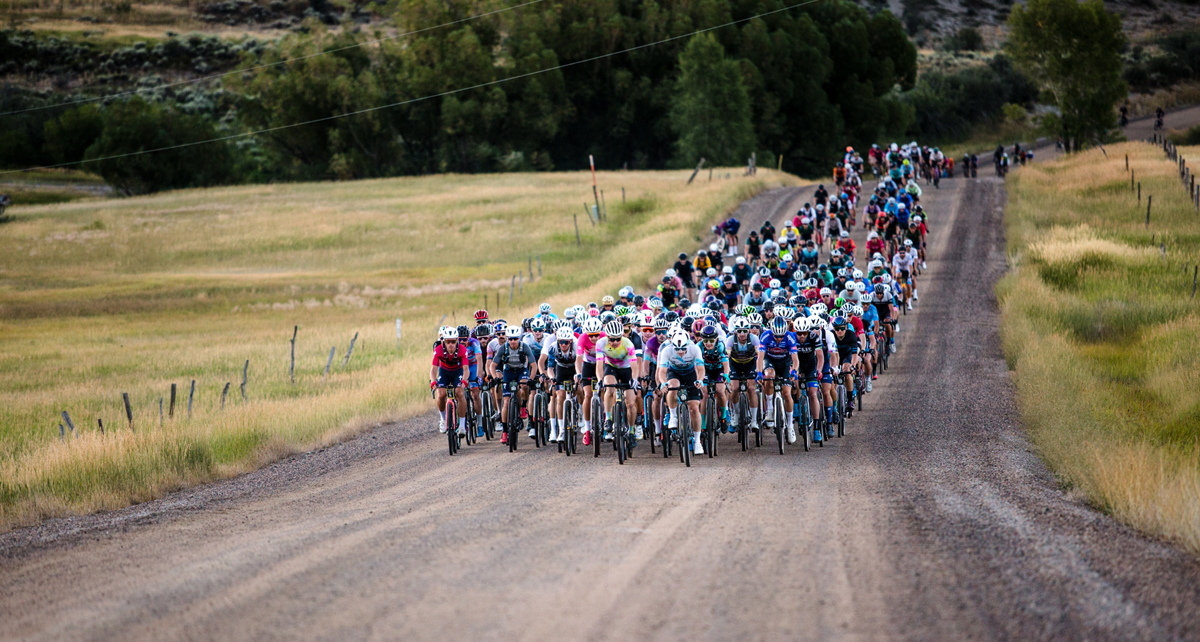
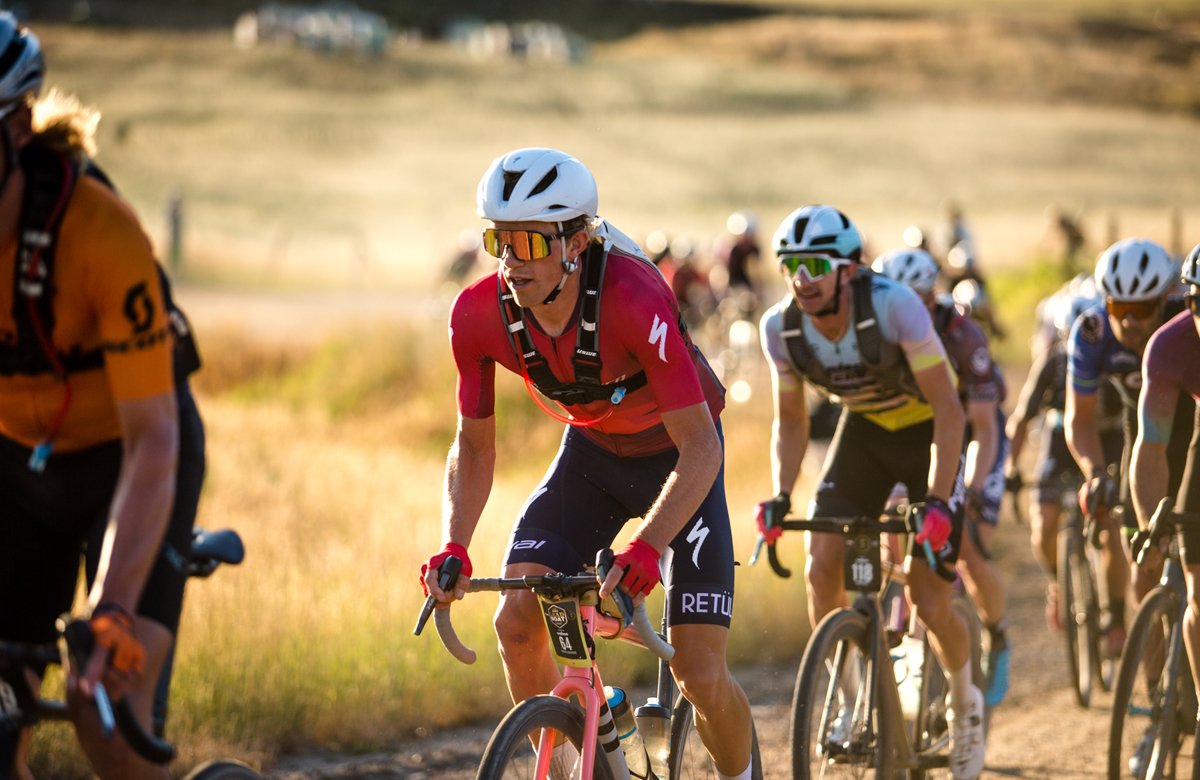
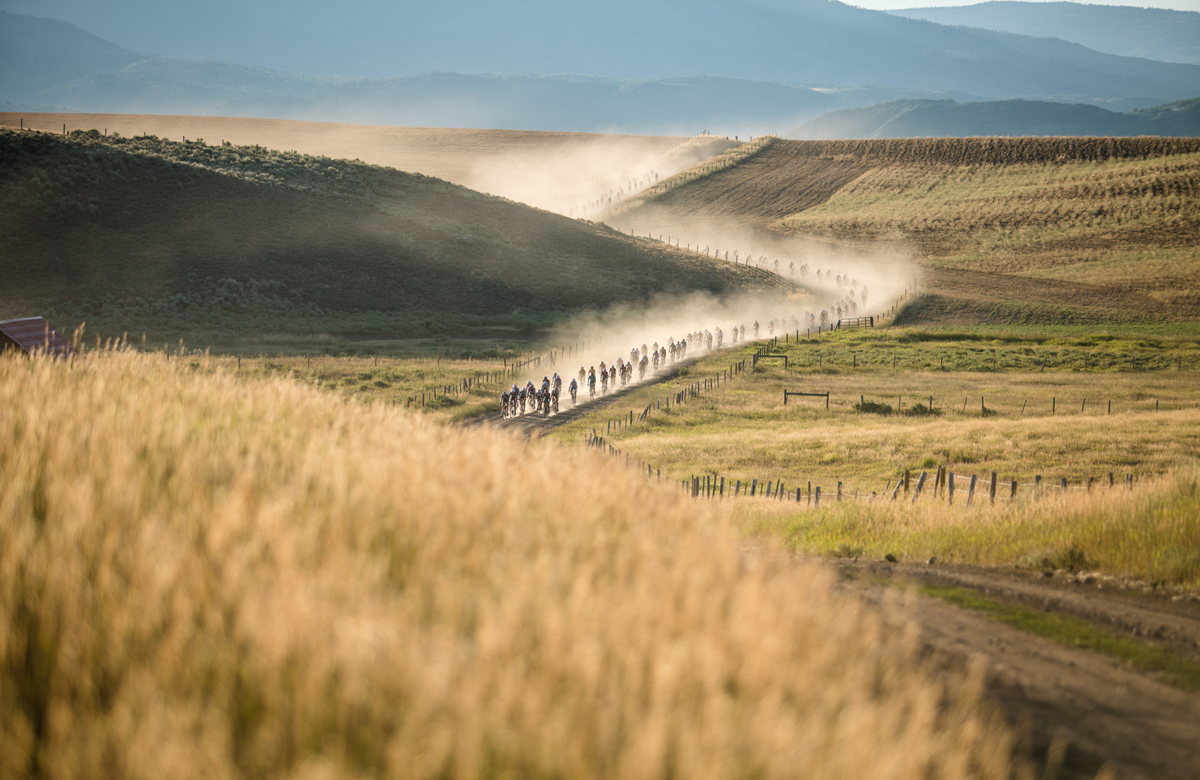
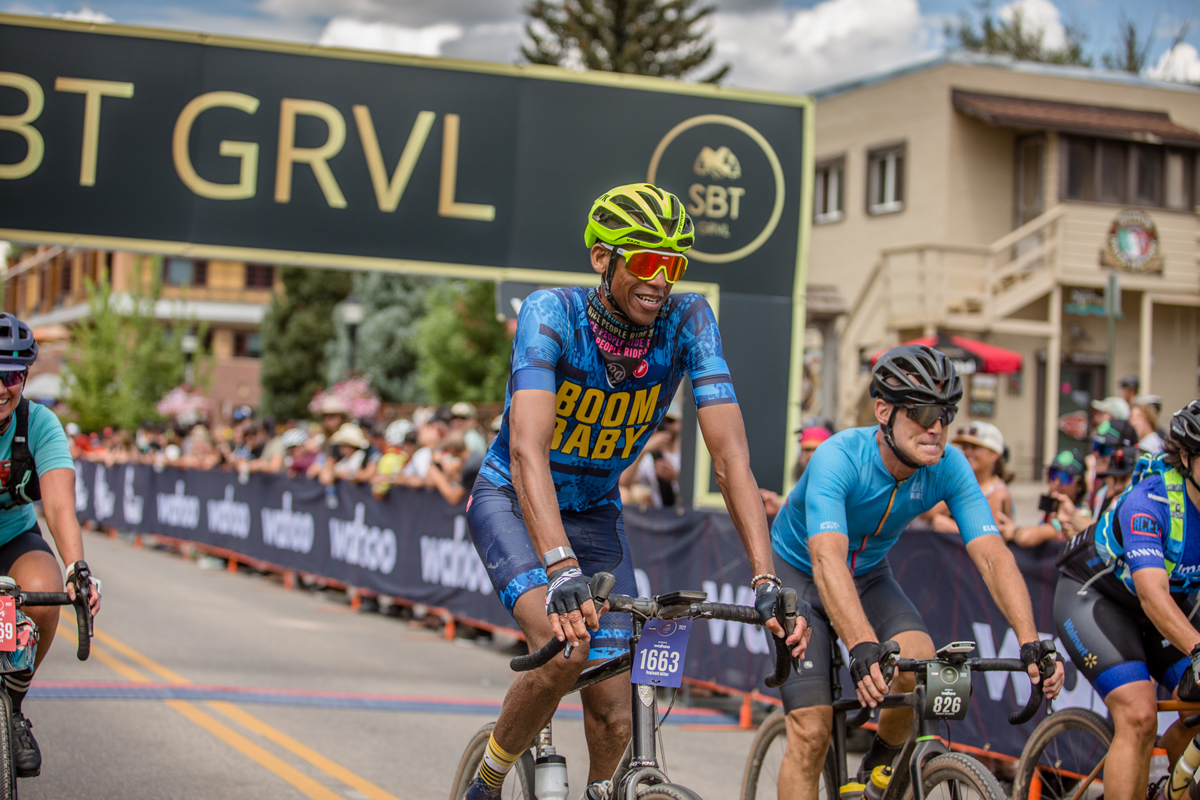
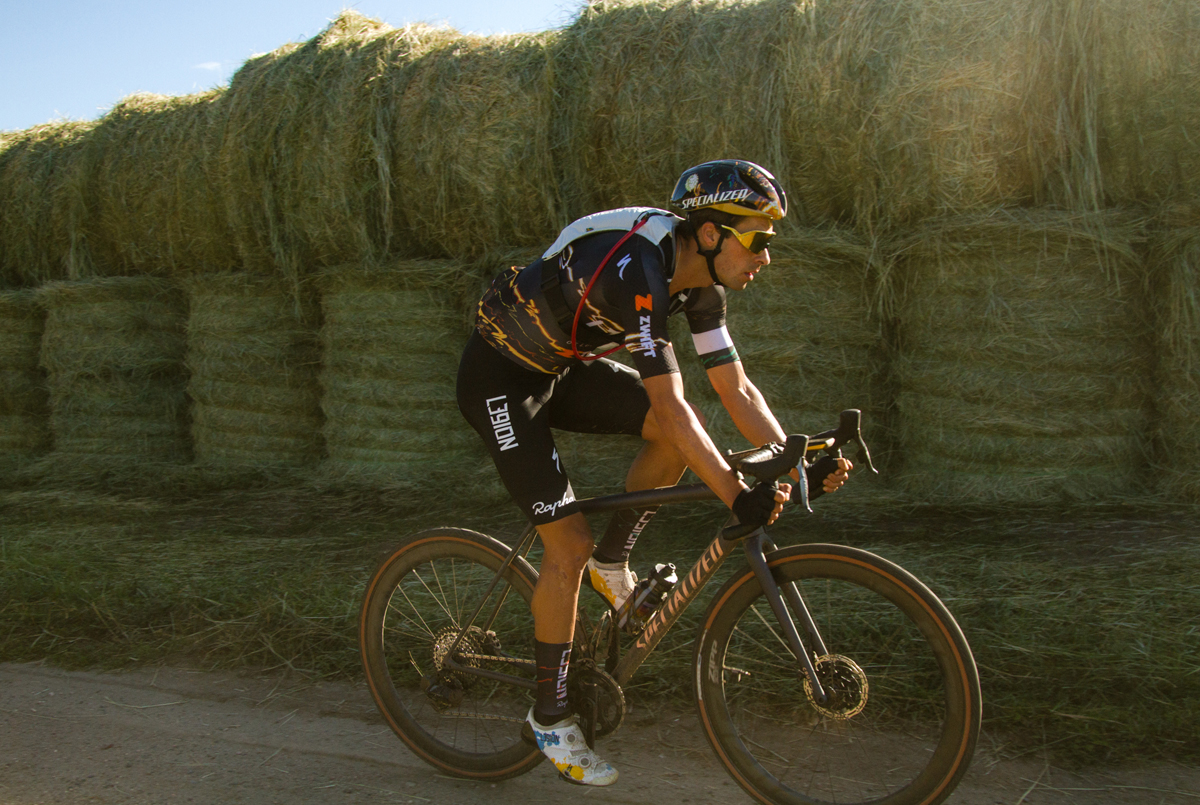
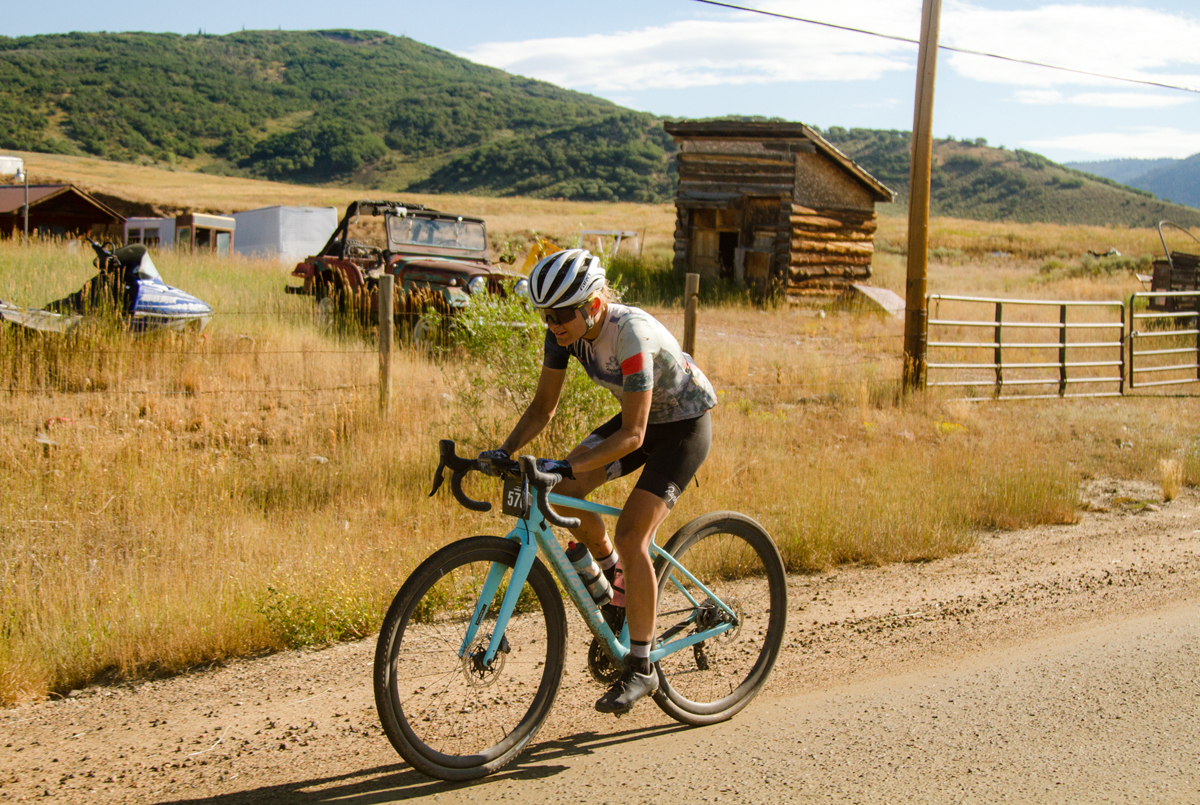
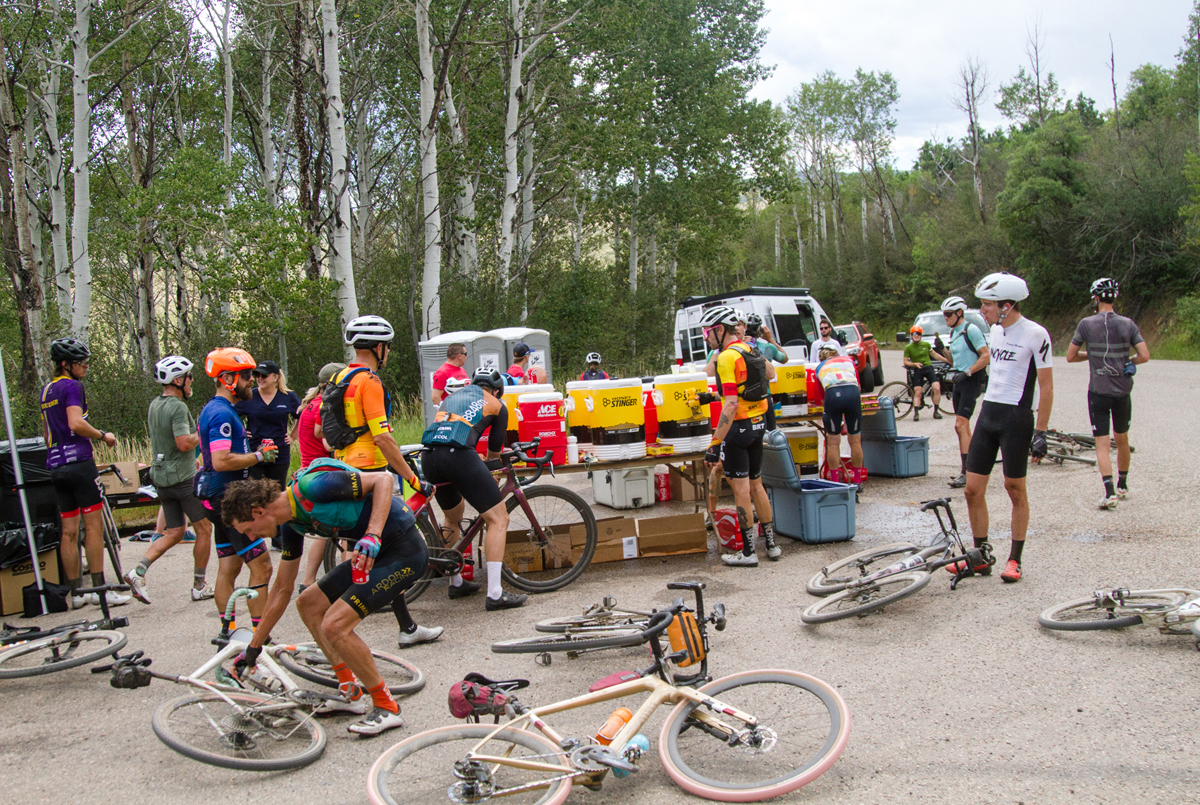
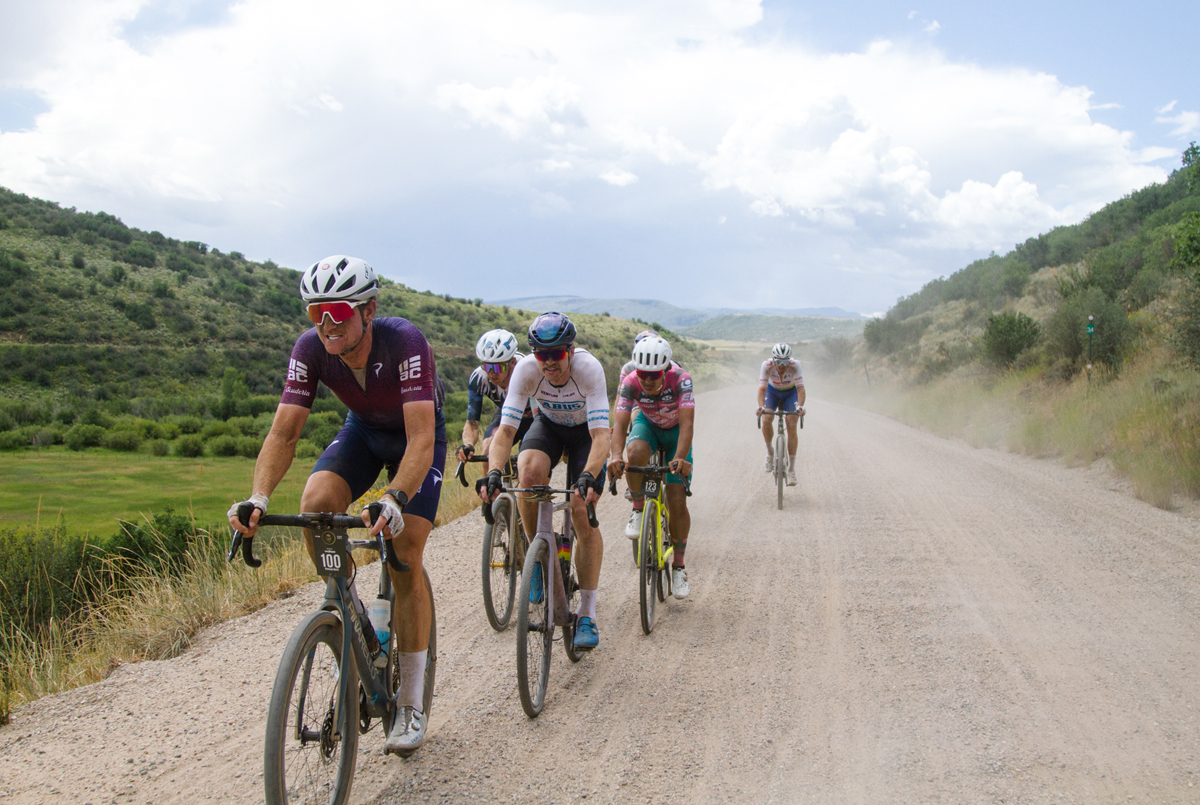
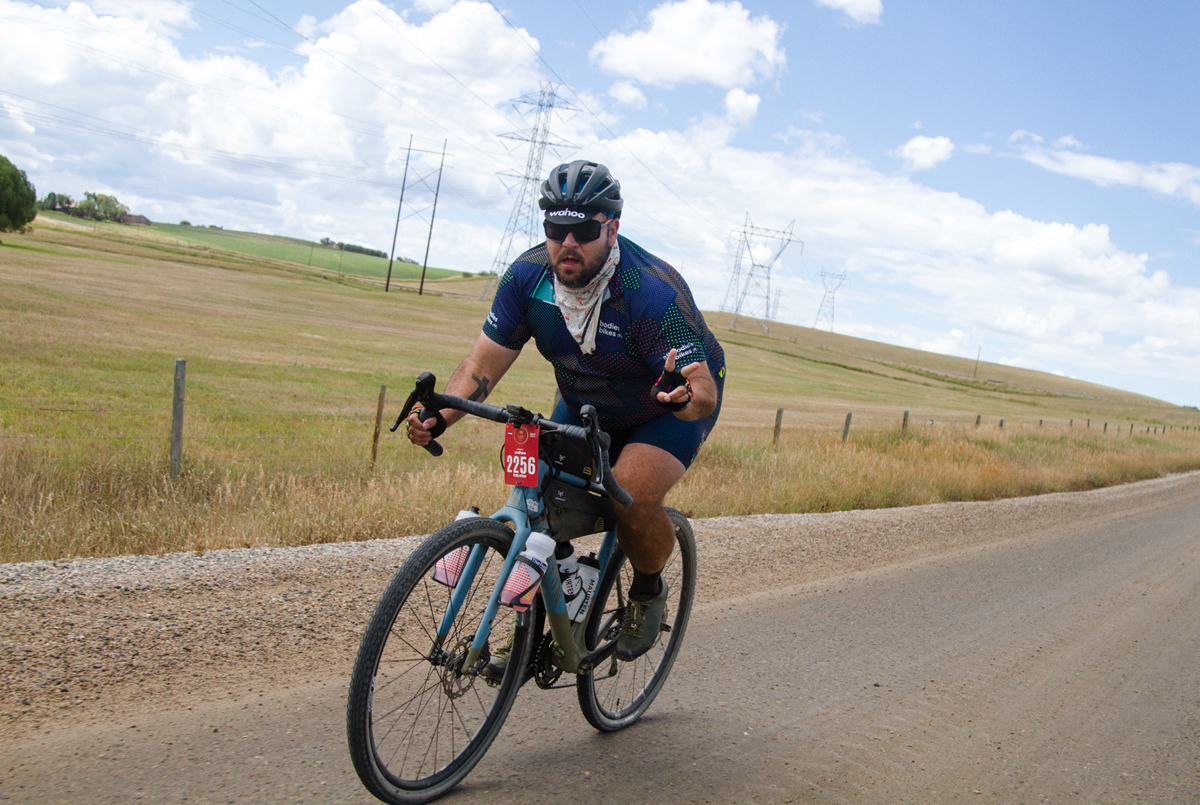
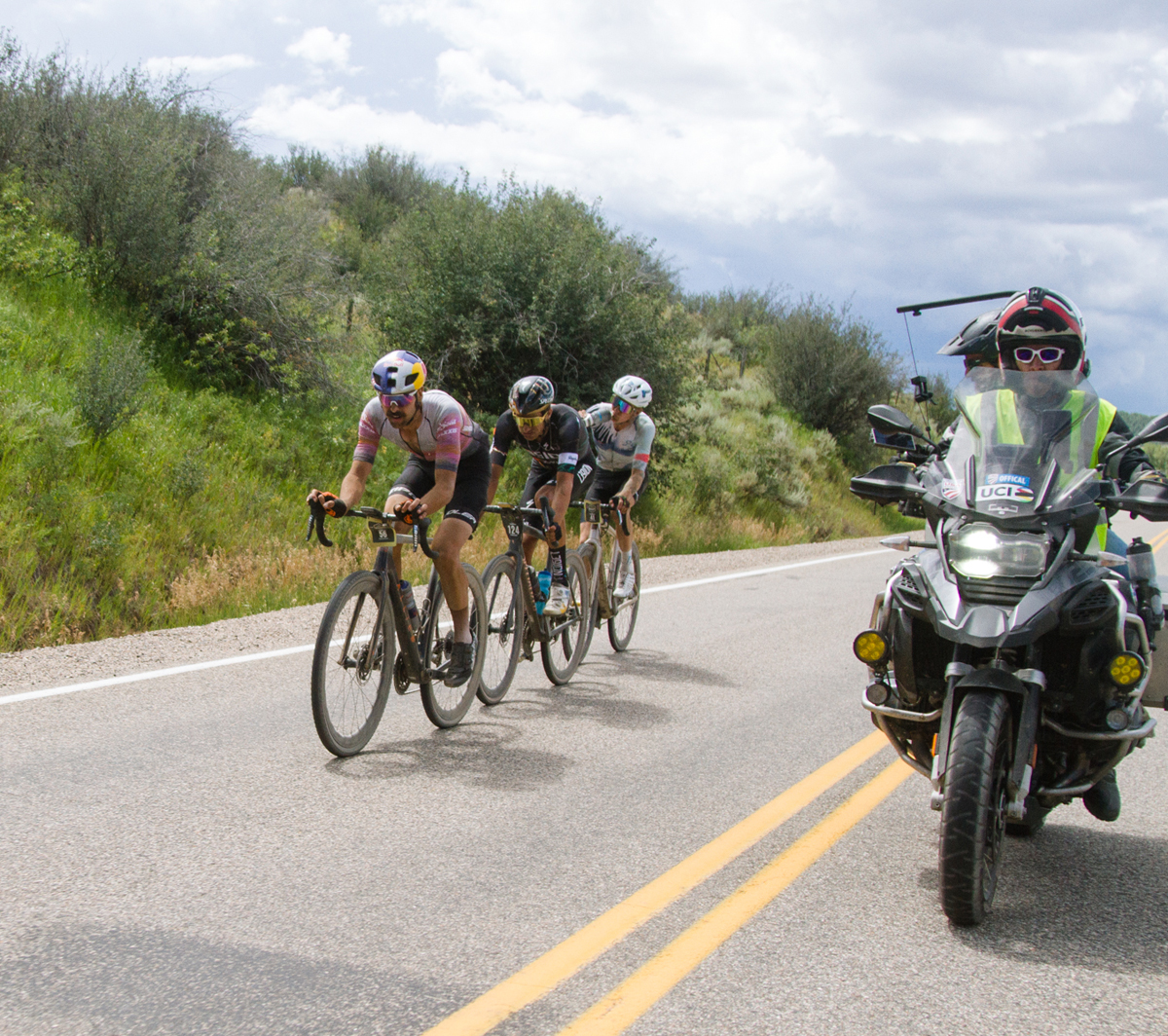
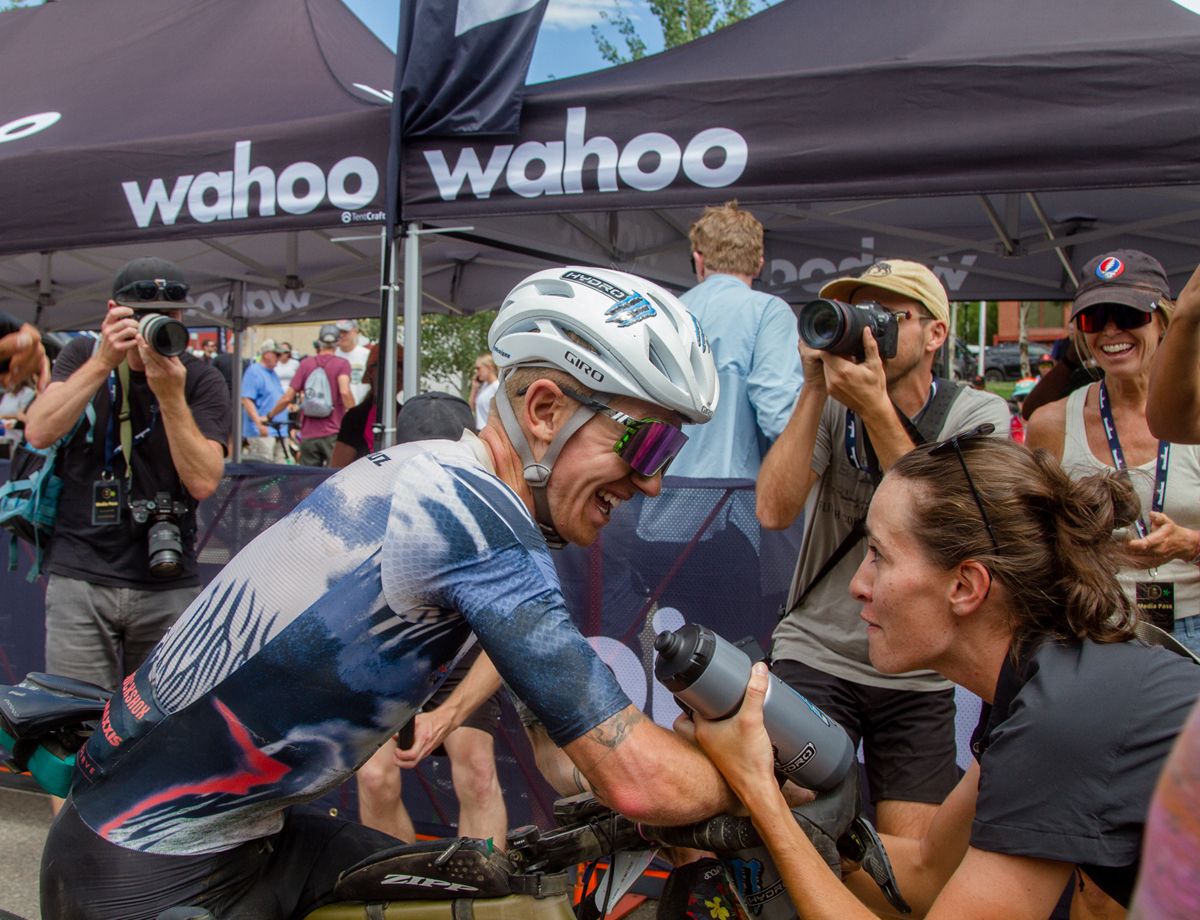
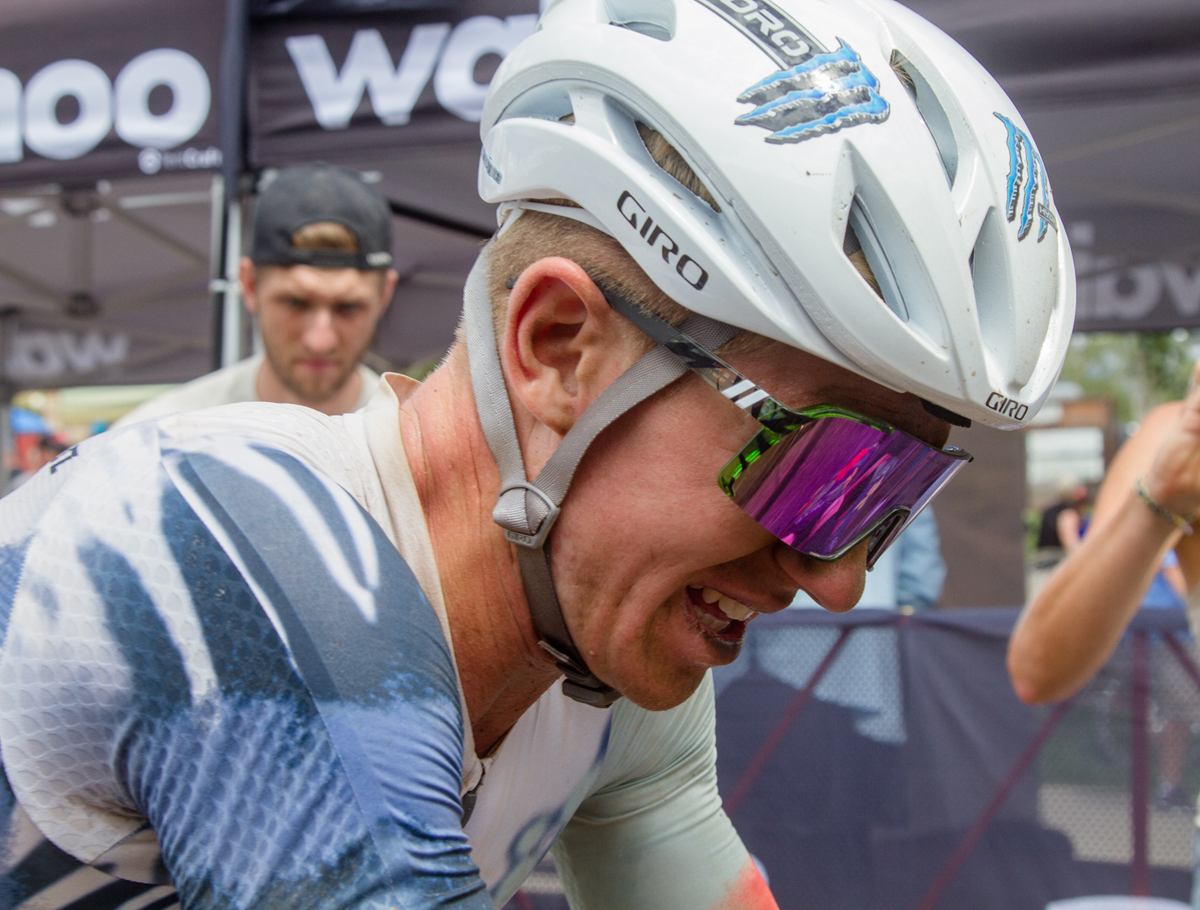
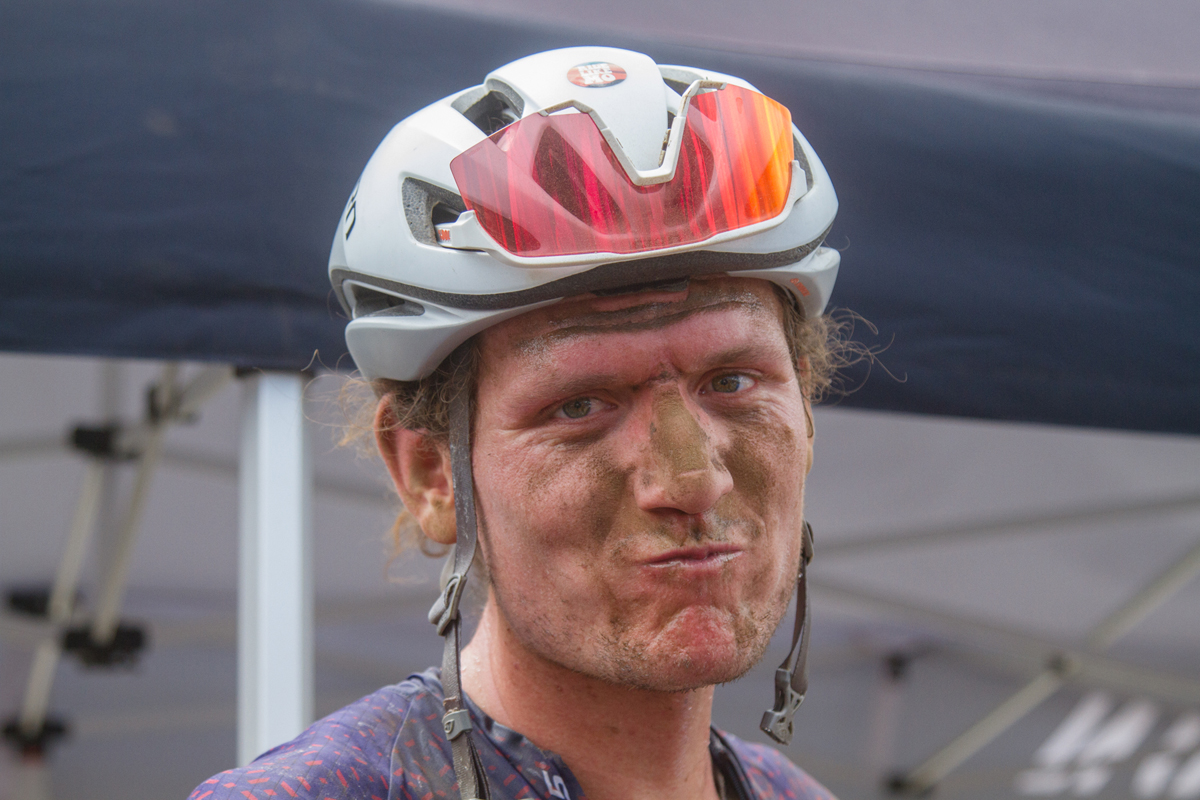
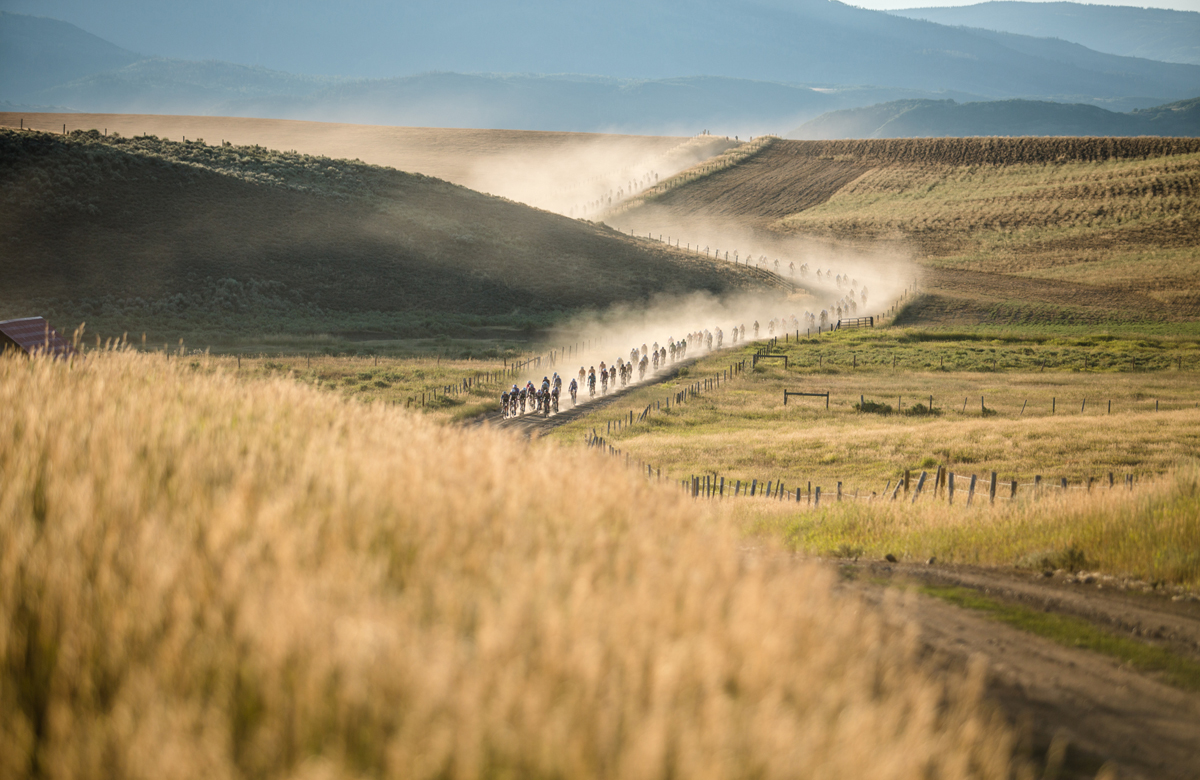
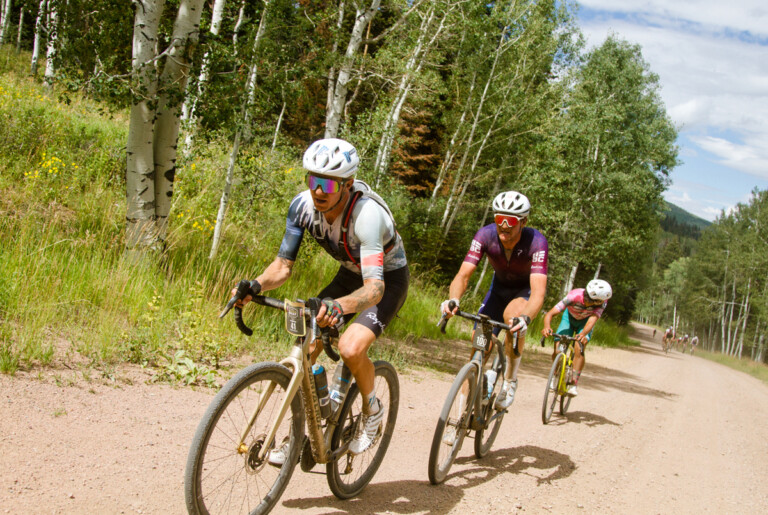
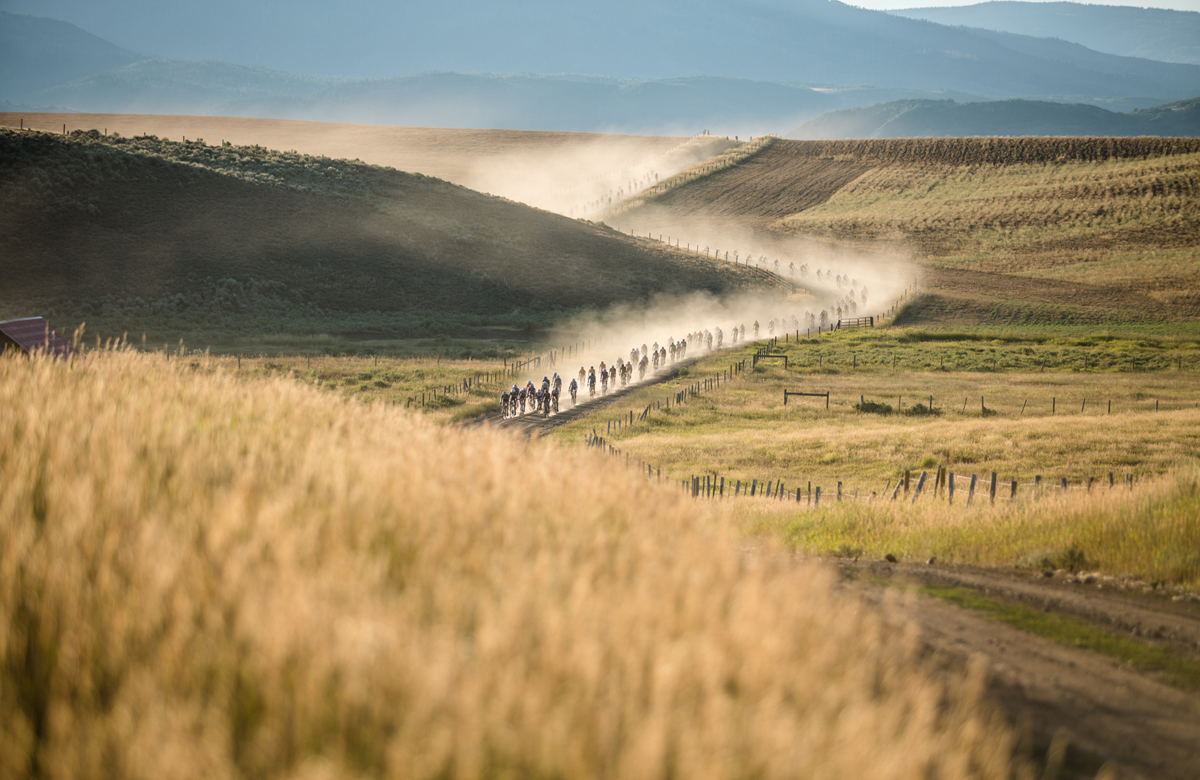
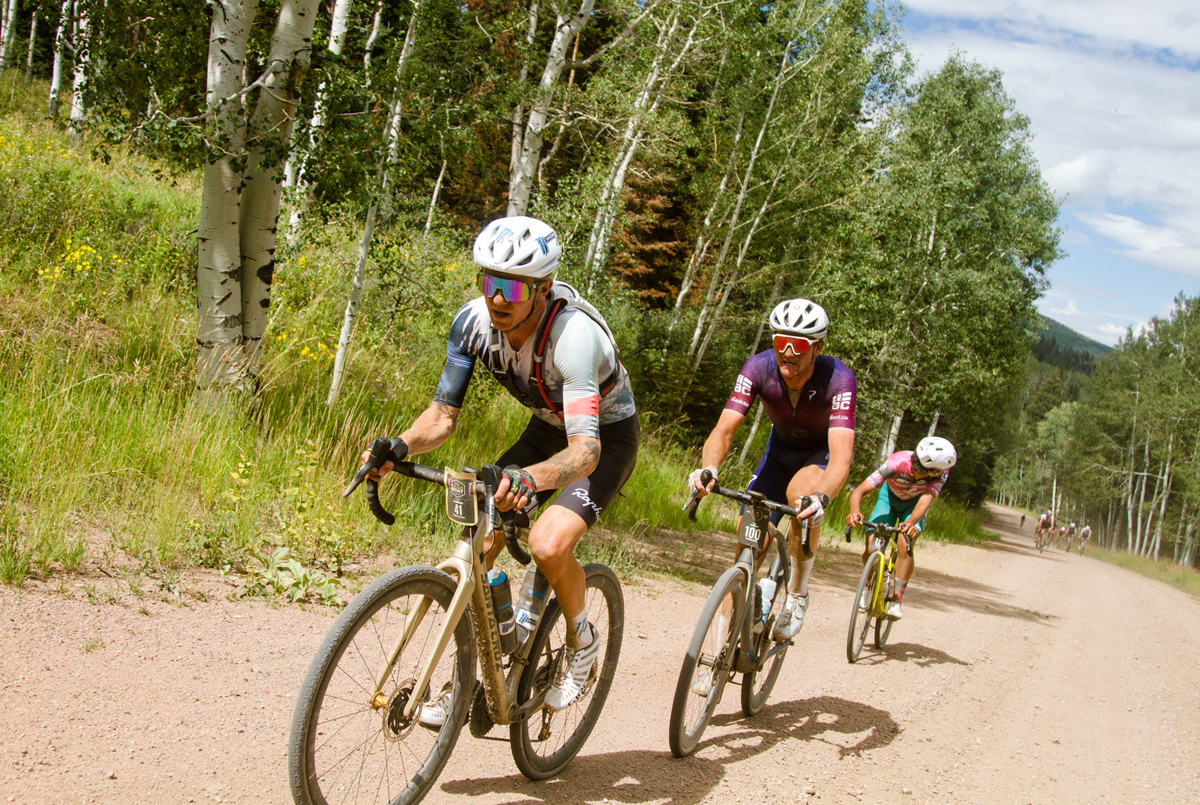
STEAMBOAT SPRINGS, Colorado (Aug.14, 2022) — 3,000+ riders, including a number of current and former U.S. professional national champions, Olympians, WorldTour riders and many of the world’s most accomplished gravel riders descended on Routt County’s pristine gravel roads to contest the 2022 edition of SBT GRVL presented by Wahoo. In its third year SBT GRVL has established itself as one the largest and most prestigious cycling events in the world, and the largest in Colorado.
Keegan Swenson on his way to winning the 2022 SBT GRVL race and the Leadboat Challenge. Photo by Linda Guerrette
For Lauren De Crescenzo, it’s back-to-back titles on Steamboat’s champagne gravel. She put a decisive move on the women’s field on the climb into Oak Creek and never looked back. Whitney Allison and Ruth Winder joined De Crescenzo on the podium. It’s a deserving result for all three women, who shaped the race along with Sarah Max.
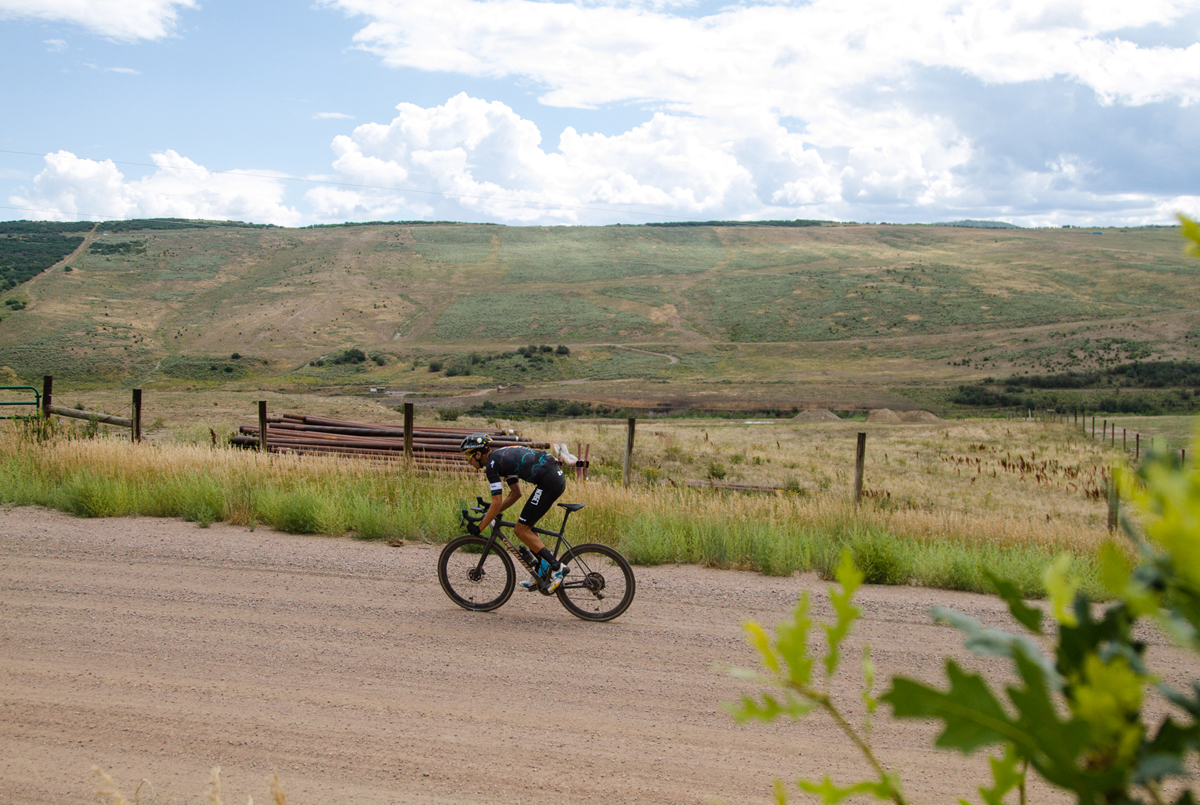
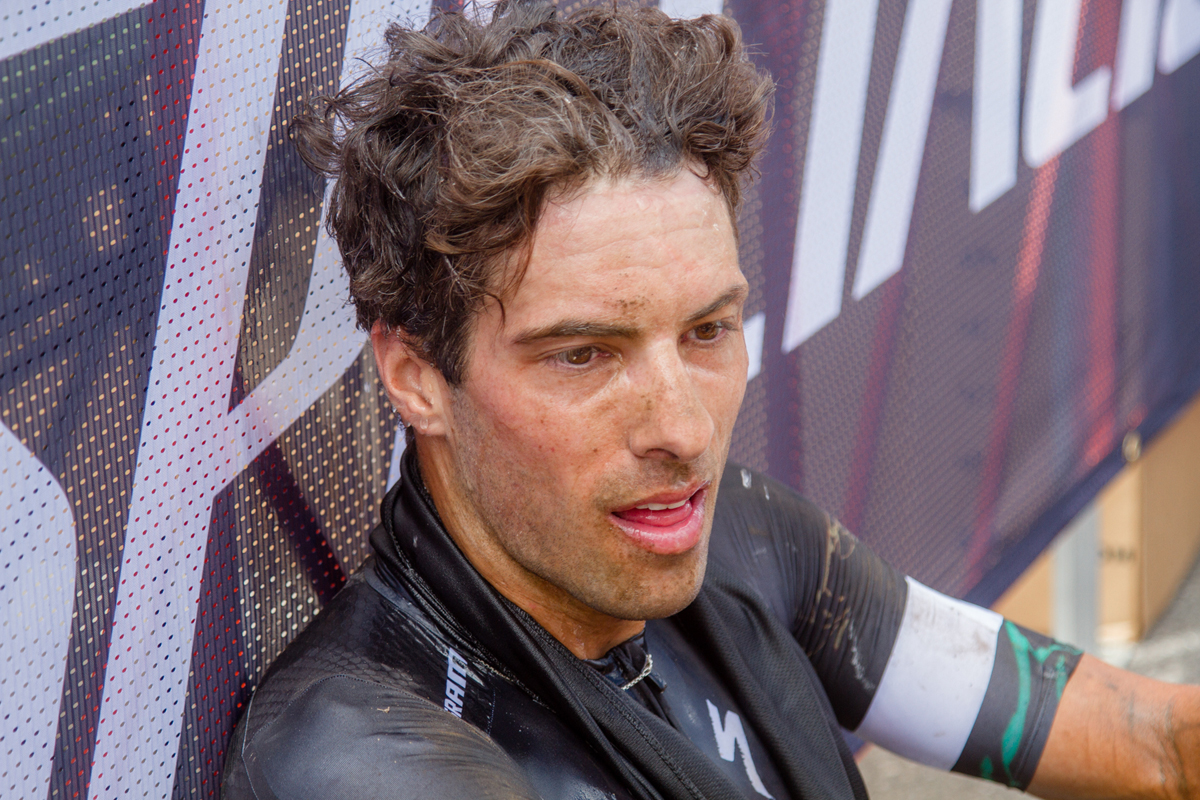
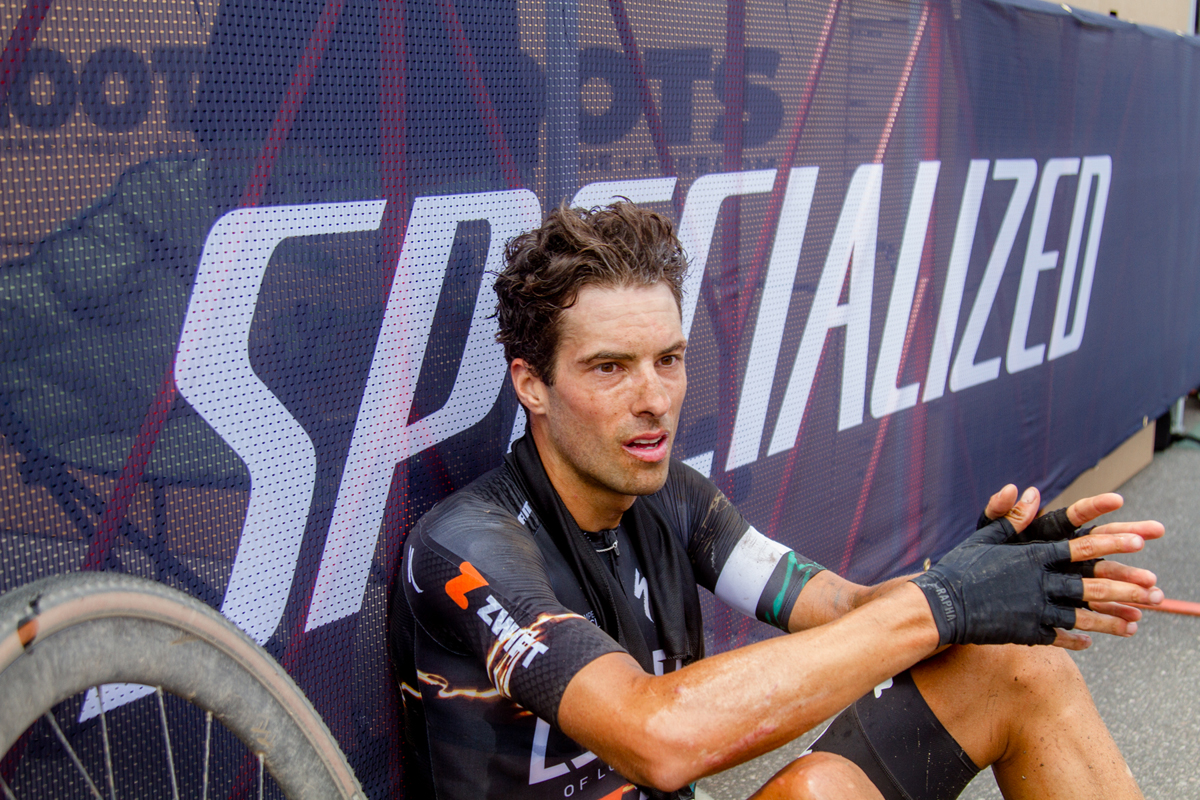
Keegan Swenson’s SBT GRVL title came a day after winning Leadville and made for a decisive LeadBoat victory. Swenson reeled in a gap of nearly eight minutes in the race’s final 50 miles. Freddy Ovett, who was off the front much of the day with John Borstelman and Nathan Spratt, hung on to close out an impressive ride with a second place finish. Payson McElveen, who worked with Swenson in the chase group to real-in the leaders, claimed the third podium spot.
Lauren De Crescenzo winning the 2022 SBT GRVL race. Photo by Linda Guerrette
“Congratulations to Swenson and De Crescenzo, on winning the third edition of SBT GRVL,” said Amy Charity, SBT GRVL co-founder and owner.“ It’s such a privilege to have a front row seat to the accomplishments of so many today, whether that’s winning or conquering the challenge that SBT presents. At its core our event is about bringing people together, and throughout the weekend you get a real appreciation for the power of the bike to create community.”
The men’s and women’s podiums evenly split a $22,000 prize purse.
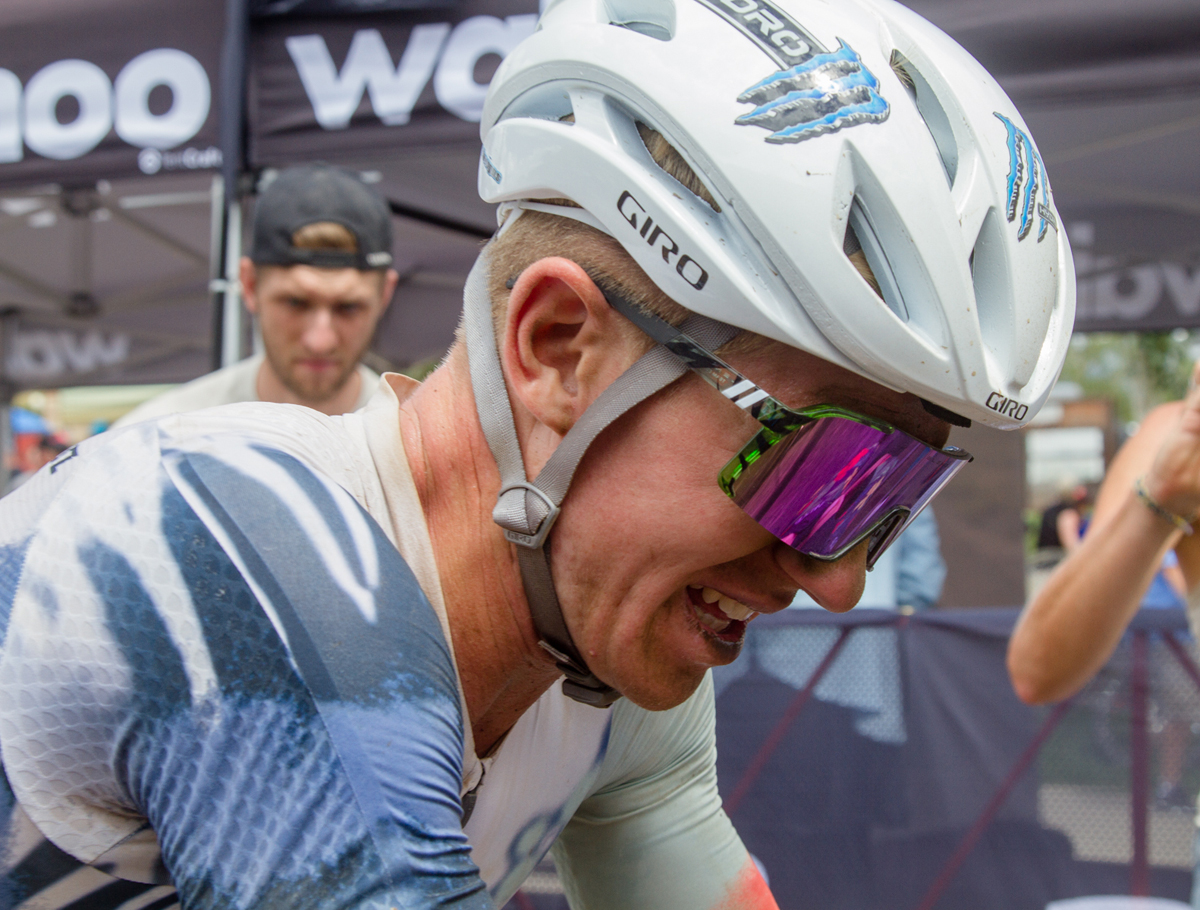
Keegan Swenson after a hard race. 2022 SBT GRVL race. Photo by Linda Guerrette
Men’s Top-5
Keegan Swenson (6:16:57 // 22.6 MPH)
Freddy Ovett (6:16:58)
Payson McElveen (6:16:59)
Brennan Wertz (6:18:12)
Alex Hoehn (6:18:12)
Women’s Top-5
Lauren De Crescenzo (6:48:26 // 20.86 MPH)
Whitney Allison (7:01:43)
Ruth Winder (7:13:28)
Sarah Max (7:13:53)
Alexis Skarda (7:27:05)
SBT GRVL at a Glance
3,000 registered riders from 50 states and 24 countries
Youngest girl: 10, boy: 7. 65 riders under 18. Oldest woman 74, man 77. 50 riders age 70+
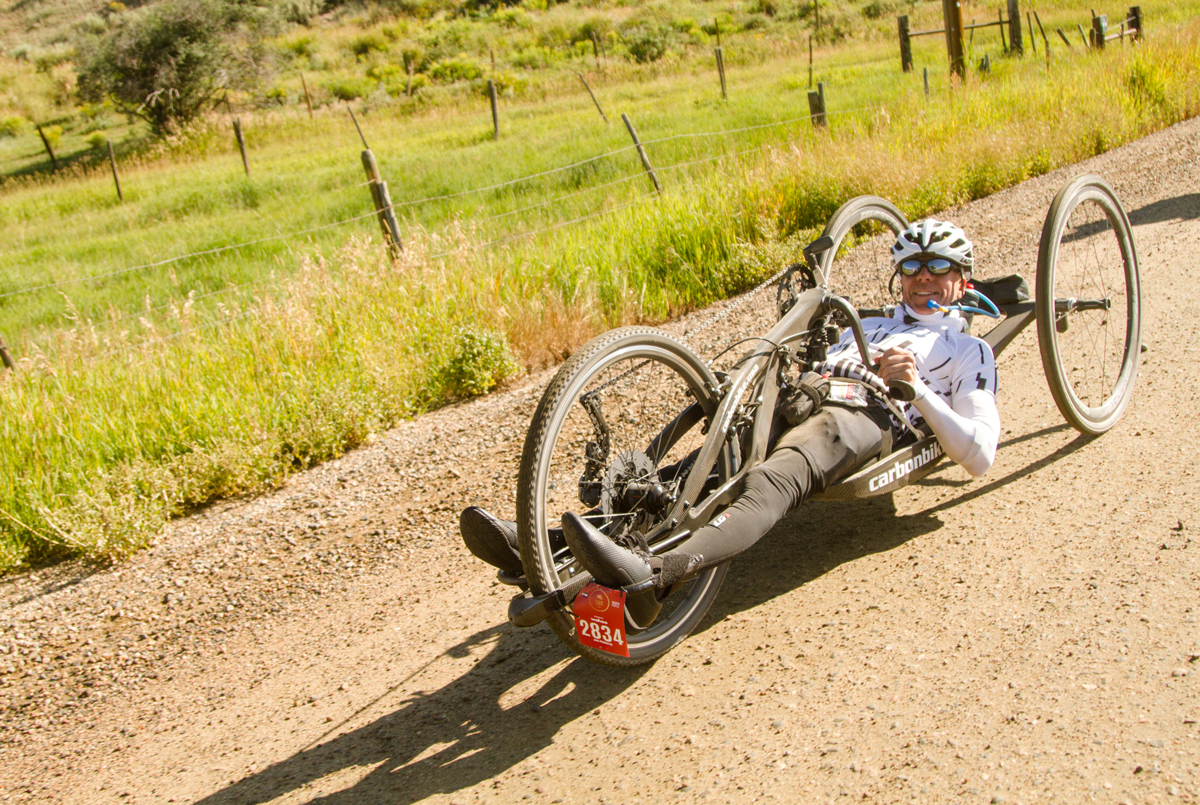
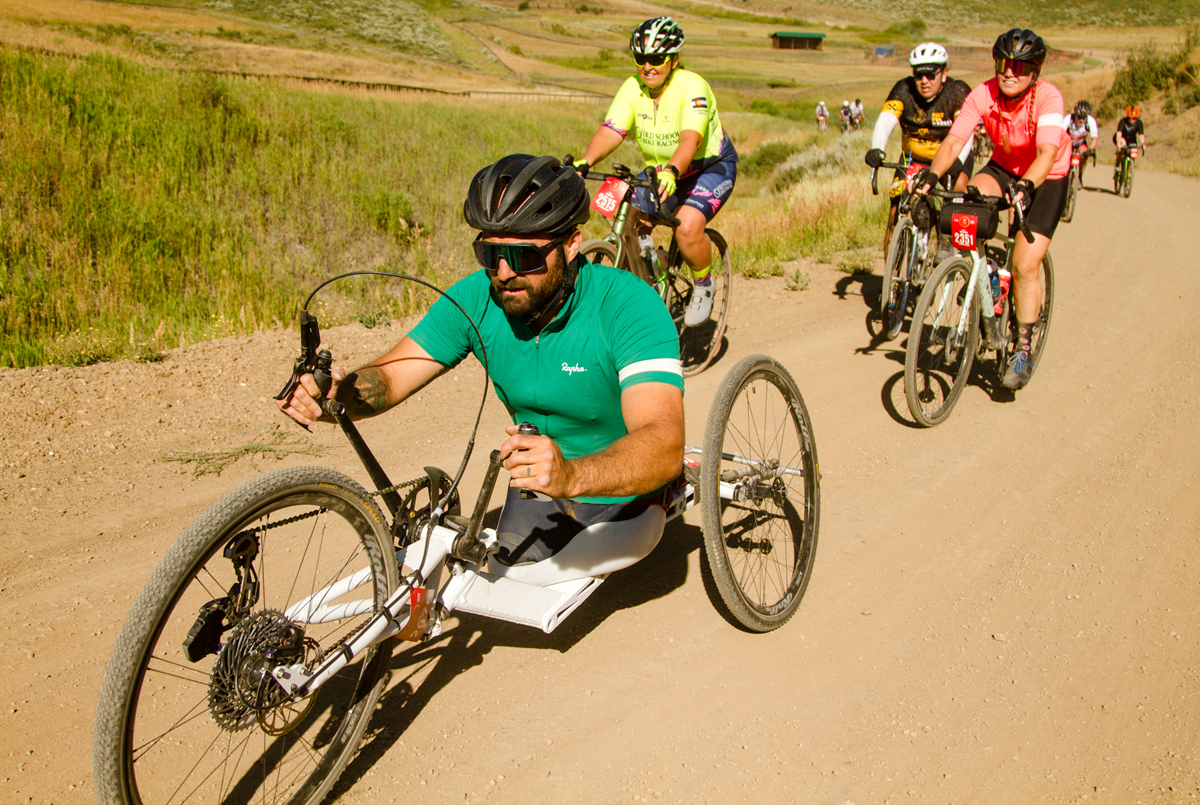
15 riders from All Bodies On Bikes, 25+ from Ride For Racial Justice, 80+ junior riders and 35+ para athletes
Four routes including 142-mile Black course with 9400 feet of climbing
Departs and finishes in downtown Steamboat Springs, CO.
One the “monuments of gravel,” it’s the largest field of any cycling race in Colorado
The LeadBoat Challenge comprises riders tackling Colorado’s two biggest bike races: The Leadville 100 on Saturday and SBT GRVL Black course Sunday. Winners were those with the lowest cumulative time in both events.
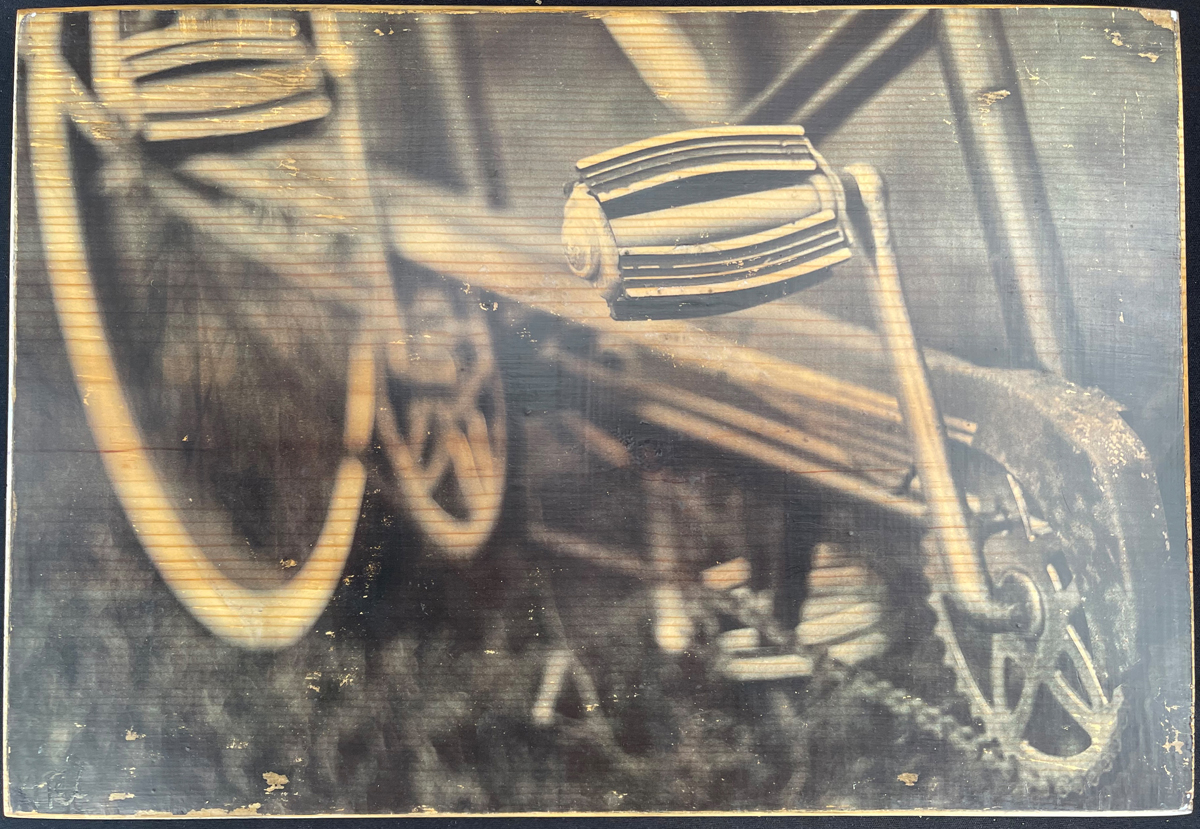
Title: Tandem Bicycle, by Jason Beck. Medium: Black on White Print on Wood
Artist Name: Jason Beck
Title: Tandem Bicycle
Medium: Black on White Print on Wood
Brief artists statement:
Wood Transfers
In fall 2013 I was missing the hands-on process of making a print in the darkroom. I didn’t really miss the actual dark room or setting up trays of chemicals though, so I found something else to try. I started transferring my photographs onto wood. Each transfer is a unique, handcrafted piece. Paper prints of my images are adhered to wood, and I cut and sand each piece. Next, the paper is carefully removed by hand leaving the ink on the surface. The images are then fine-tuned, and finished with multiple layers of varnish. The final presentation appears rustic yet modern. This medium complements the vintage bicycles, cars, and signs that I enjoy capturing. As a DJ, my work is also influenced by music. Salvaged materials are often used, and some items are repurposed into furniture. I feel that this technique gives my images depth and enhances the character of each subject.
Where can people find your art and/or purchase prints?
Find Jason’s work at the Salt Lake City Farmer’s Market
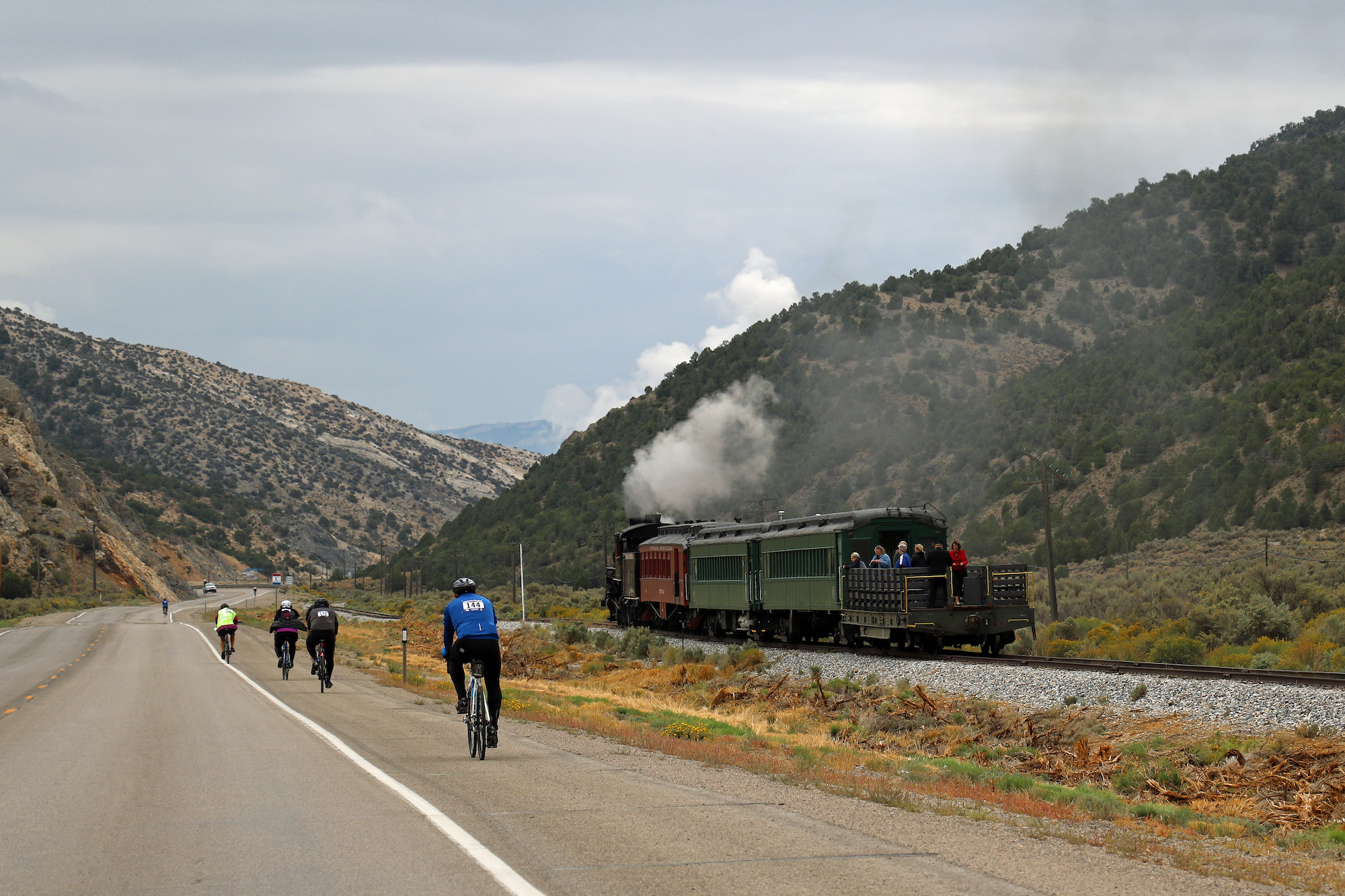
A once new event where bikes and trains raced each other is now celebrating its 6th year. Ely, Nevada is home to one of the nation’s most unique events and the nation’s largest time capsules, the Nevada Northern Railway. Here you will find coal fired steam engines that are over 100 years old still billowing their plumes of steam as they lumber down the track. Now add beautiful mountain trails and the Loneliest Highway in America, Highway 50, and you have the makings of an epic exhibition bike race that is fun for the whole family!
Photo courtesy Race the Rails
The steam locomotive and the bicycle were both invented a little over 10 years apart. Both changed the way we travel. On September 10, 2022 cyclists will get the chance to see if they have the steam to beat the train! Both road and mountain bike racers will have the opportunity to test their mettle. Road bikers will begin with a short tour of the historic mining town of Ruth before their descent toward Ely where they will find themselves side by side with the giant iron horse. The road bike course spans approximately 25 miles with an elevation gain of 820 feet.
Photo courtesy Race the Rails
Mountain bikers will ride over 11 miles on single and double track trails with an elevation gain of 1400 feet. Registration is $75.00 ($85 day of). All racers will receive a race shirt, finisher’s medal, swag bag, BBQ ticket and train ride voucher which may be used to get the racer and their bike to the start line (bike spaces are limited) or on one of the regular train excursions scheduled throughout the weekend. Those wishing to board the train will begin loading at 8:00 am at with an 8:30 departure time scheduled. Race start is at 10:00am from the Keystone Bridge.
A catered lunch will take place at the depot beginning at 12:00 p.m. and extra tickets for family and friends are available.
Some of the other area attractions include:
Great Basin National Park and Lehman Caves, located approximately 68 miles south east, offers beautiful scenic drives and hikes, cave tours and amazing night time sky presentations.
Hike, mountain bike, or just relax 13 miles outside of town at Cave Lake State Park or go fishing or kayaking at Comin’s Lake.
Visitors can enjoy over 30 pieces of public art downtown and explore the Renaissance Village, Ely Art Bank, White Pine Public Museum, or the McGill Historical Drug Store.
Register for the race at EventBrite or www.elynevada.net. More information on the area is also available on ElyNevada.net or call the Bristlecone Convention Center at 775.289.3720.
Event details:
September 10, 2022 — Race the Rails, Ely, NV, Race the train in Ely! Fun for the whole family! Race a coal fired steam engine that is over 100 years old. The event will accommodate both road and mountain bike riders of all ages., Nicole Collard, 775-289-3720, [email protected], www.elynevada.net
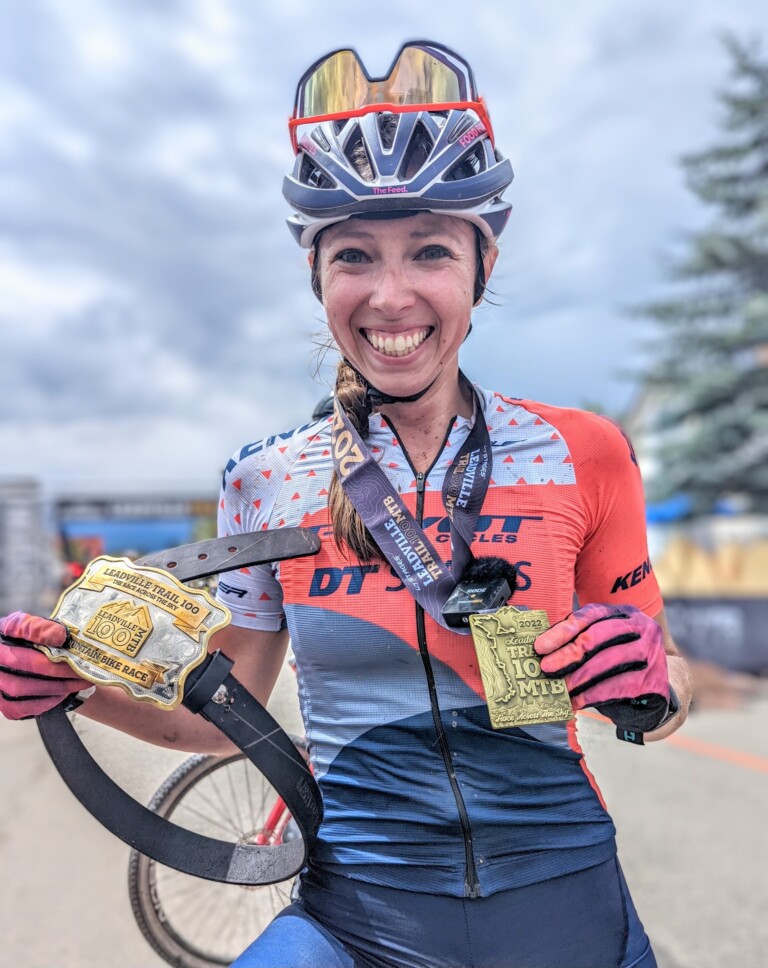
LEADVILLE, Colorado, (August 13, 2022) — The 2022 Stages Cycling Leadville Trail 100 MTB race welcomed a field of more than 1,500 riders to Leadville for the famed ‘Race Across the Sky’ through the Colorado Rockies on Saturday. Riders ranged in age from 18 to 75 years old, representing all 50 states and 18 countries, 47 of which were Leadville citizens proudly representing their hometown. Cyclists tackled over 13,000 feet of net gain, topping out at 12,424 feet on Columbine Pass.
Hannah Otto after the finish. Photo courtesy Life Time
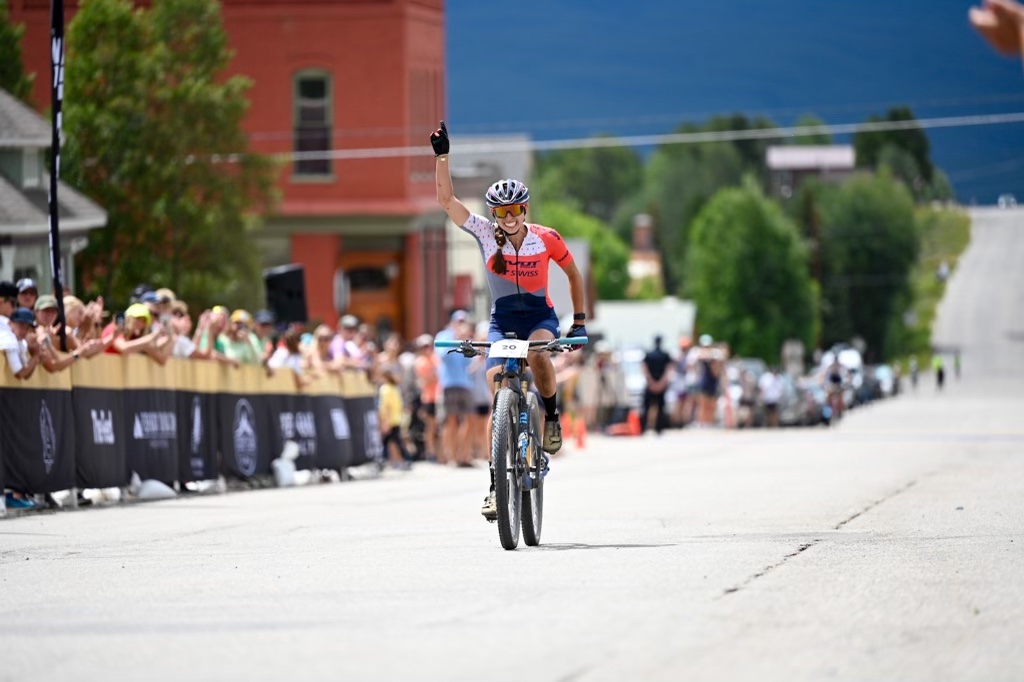
“Honestly, patience was the name of the game today. I entered with complete and total openness and without expectation,” said Otto. “I honestly didn’t think I was going to win until the last 100 yards. The last time-check I got was at mile 70 and at that point I had a 45-second lead, so from there on out I just told myself that’s what I had to play with.”
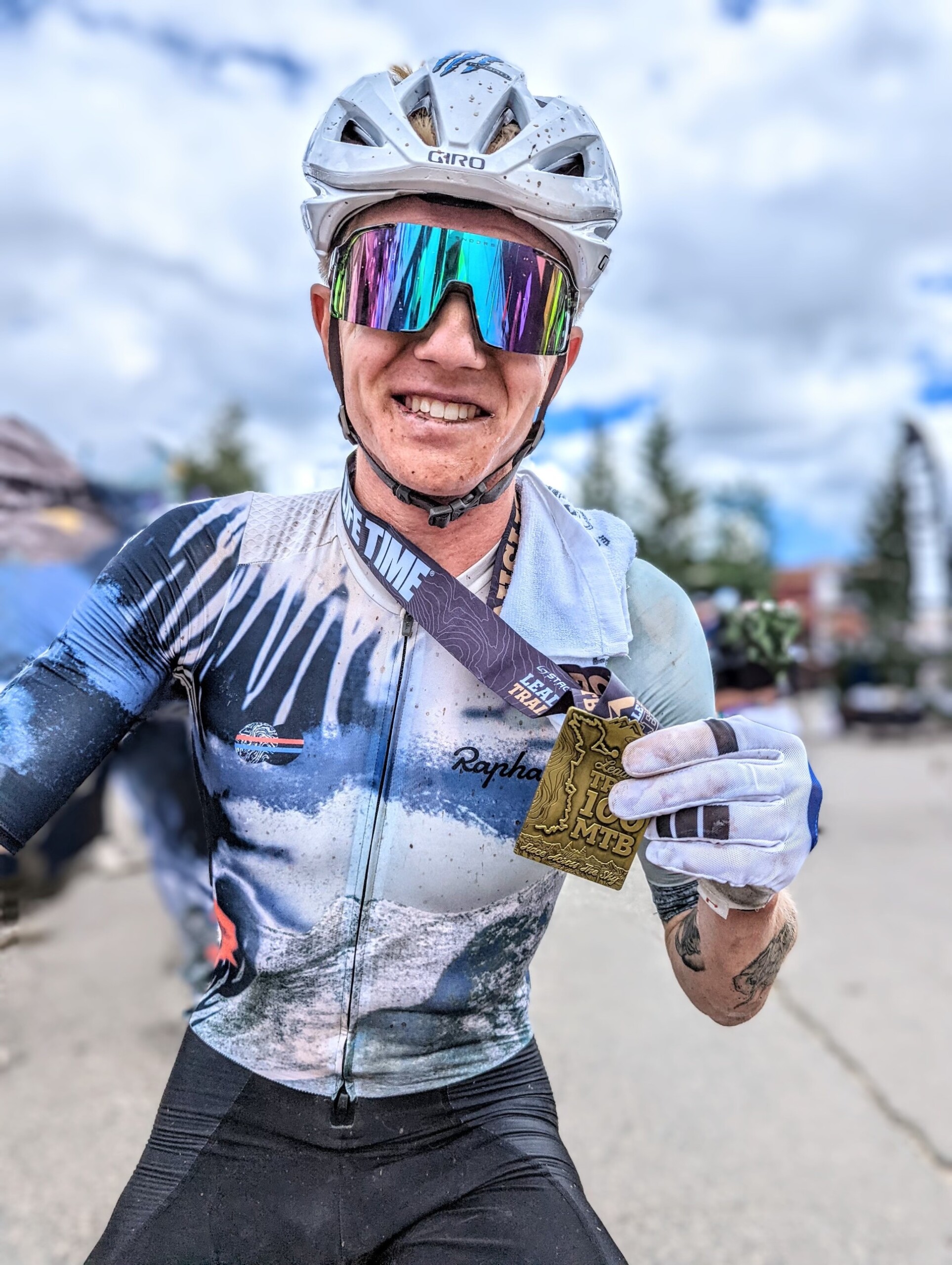
Keegan Swenson after the finish. Photo courtesy Life Time
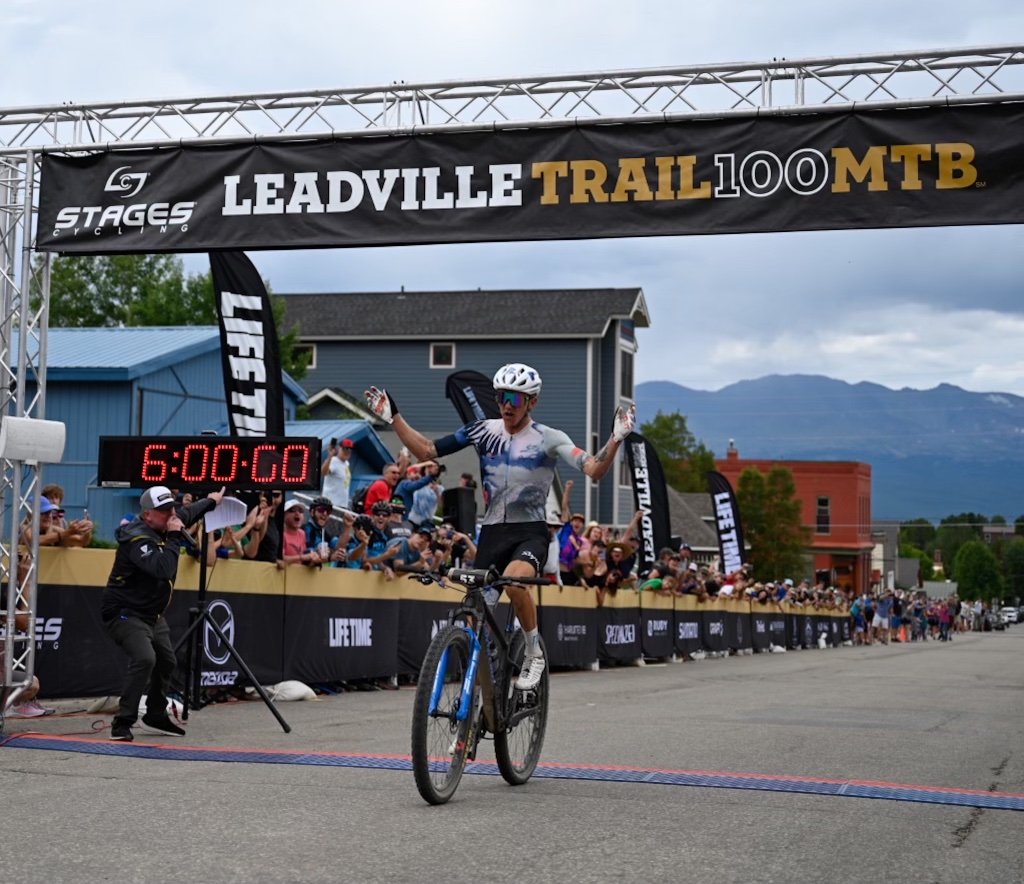
Swenson’s win secures his first place position on the Life Time Grand Prix series presented by Mazda leaderboard. When asked about the day, Swenson commented, “We had a big group rolling out from Pipeline and everyone worked quite well together. Going up Columbine it was Howard Grotts, Alexey Vermuelen and myself, and then halfway up I slowly pulled away from those guys, rode at my own pace and rode smart.”
Second place finisher in the men’s division, Gaston, known as one of the fastest ski mountaineering racers in the country said, “I don’t deserve to be up here, I’ve never done anything on my bike remotely close to a podium at Leadville in my whole life.” When asked about his day, he said, “I didn’t have much of a plan except to really stay on top of eating and drinking because I still have haunting memories of 2019 going up Powerline, so I wanted to do everything in my power not to relive that nightmare. I took every bottle I could, stayed on top of my gels. I’m over the moon.”
Hannah Otto winning the Leadville 100 MTB Race. Photo courtesy Life Time
Women’s Results:
Hannah Otto, 26, of Salt Lake City, Utah with a time of 7:24:07
Rose Grant, 39, of Columbia Falls, Mont. with a time of 7:29:37
Haley Smith, 28, of Uxbridge, Ontario with a time of 7:41:53
Keegan Swenson winning the Leadville 100 MTB Race. Photo courtesy Life Time
Men’s Results:
Keegan Swenson, 28, of Heber City, Utah with a time of 6:00:01
John Gaston, 35, of Aspen, Colo. with a time of 6:14:31
Howard Grotts, 29, of Durango, Colo. with a time of 6:15:19
Non-Binary Results:
Rach McBride, 44, of Vancouver, BC with a time of 7:57:59
Women’s Para Results:
Hannah Raymond, 36, of Longmont, Colo. with a time of 10:56:48
Megan Fisher, 39, of Missoula, Mont. with a time of 11:41:30
Men’s Para Results:
Willie Stewart, 61, of Boise, Idaho with a time of 10:52:44
Anothony Lee, 49, of Colorado, Springs, Colo. with a time of 11:41:43
Jeff Glasbrenner, 49, of Little Rock, Ark. with a time of 12:03:08
The Leadville Trail 100 MTB is the fourth event in the Life Time Grand Prix series presented by Mazda. The next two Life Time owned off-road bike events on September 17 are the 40-mile Chequamegon MTB Festival presented by Trek in northwest Wisconsin, which will be the fifth event in the Life Time Grand Prix Series presented by Mazda, as well as the Stages Cycling Barn Burner in Flagstaff, Ariz. Now in its second year, The Rad Dirt Fest will take place in Trinidad, Colo. on Oct. 8 followed by the final bike event on the off-road event calendar, and final event of the Grand Prix series, the Life Time Big Sugar Gravel presented by Mazda on Oct. 22.
By Russ Hymas and Ken Christensen — With summer now in full swing, it’s impossible to ignore the influx of cyclists on Utah’s roads – either preparing for road bike racing events that run almost every weekend during the summer months, or just trying to get in better shape. Some cyclists use the roads to commute to work or school, while others opt for elevation training in Utah’s many canyons or longer, flatter stretches of roadway to log some long-distance mileage.
As cyclists begin planning their training routes, many ask, “Which are the safest roads for me to ride?” and, “Are there any roads that are off-limits to cyclists?”
Fortunately, cyclists are permitted on most state roads throughout Utah. Prohibited roads include certain portions of Utah’s interstate highways (where cyclists can use alternative routes) as well as roads which are closed to non-motorized travel, like Bangerter Highway. However, cyclists can take I-80 up Parley’s Canyon, and are even allowed on certain segments of I-15 through the state. See https://www.utahbicyclelawyers.com/riding-restrictions-and-safety for a list of restricted roads.
Still, while cyclists may be permitted on most state roads, they may want to first consider whether safer alternate routes exist. UDOT has warned: “Only skilled cyclists who are confident of their abilities to maneuver under hazardous conditions should use interstate highways that are open to cyclists. If you are not a skilled cyclist, please consider a route that does not include interstate highways due to our higher motorized traffic speeds (Interstates are posted at 65 mph to 75 mph throughout Utah) and a high volume of large truck traffic.”
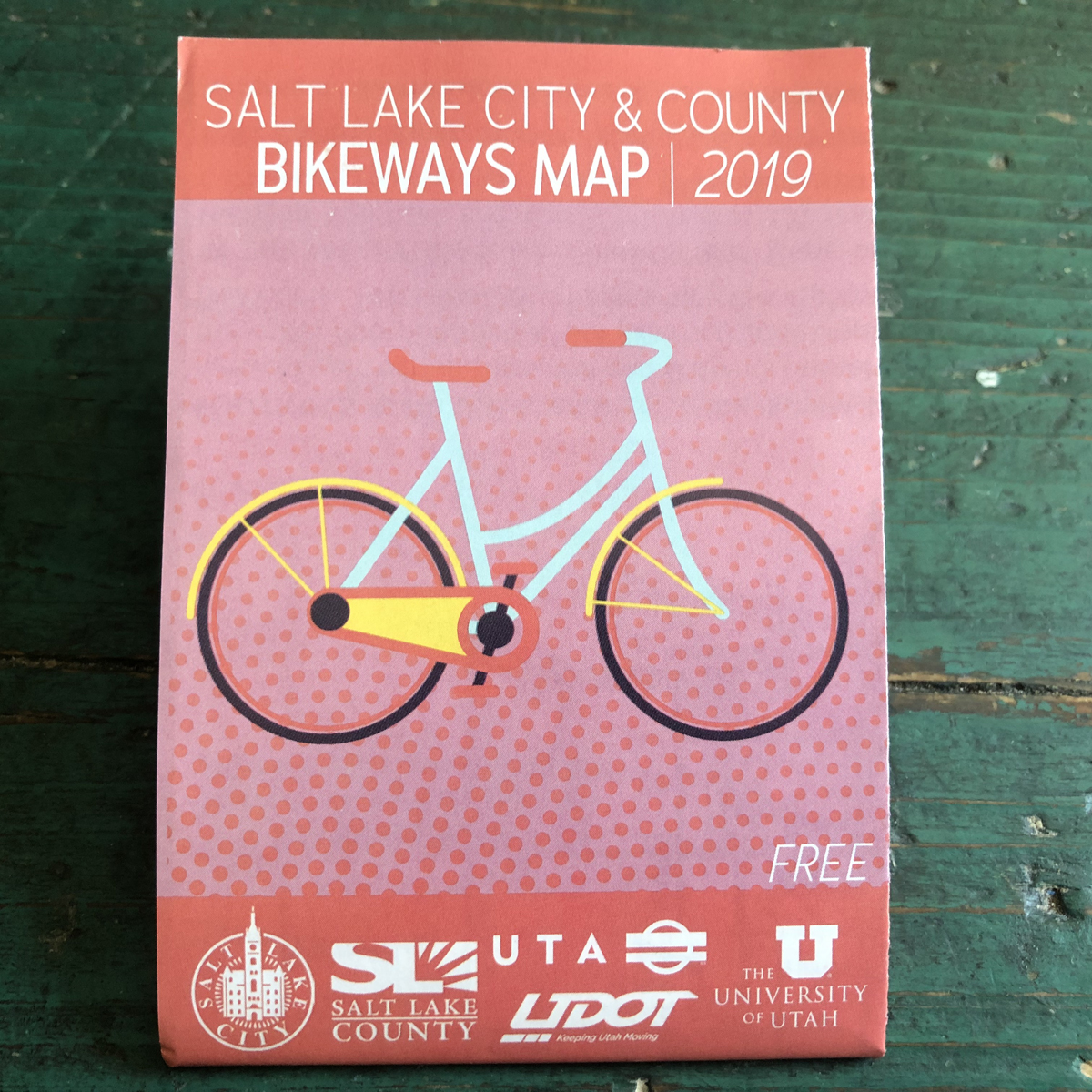
Salt Lake City’s 2019 Bike Map is available for free in bike shops and other locations in Salt Lake County. Photo by Dave Iltis
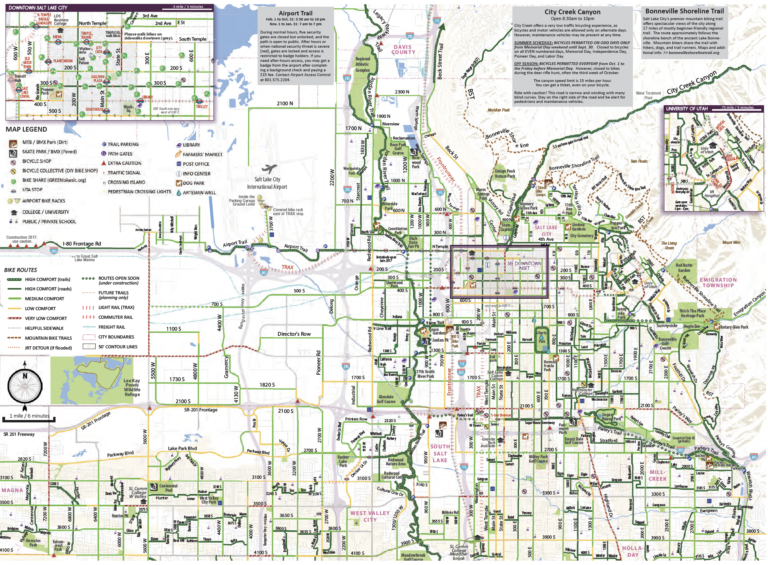
Some municipalities have gone a step further, providing cyclists with detailed maps of cycling routes available to them. For example, Salt Lake City and Salt Lake County joined forces with UTA and UDOT to create a “Bikeways Map” which helps cyclists decide on the safest routes available to them by highlighting the roads and trails throughout the county available to cyclists. The Bikeways Map even designates routes by comfort level for cyclists’ usage – from “high comfort” to “extremely low comfort.” (See https://www.slc.gov/transportation/wp-content/uploads/sites/11/2019/08/2019-Salt-Lake-City-and-Salt-Lake-County-Bikeways-Map.pdf or pick up a free map at any Salt Lake County bike shop).
We encourage all cyclists to take a few extra minutes to select their cycling routes by using the resources provided. A little extra planning and forethought can go a long way toward minimizing the risk of an accident and ensuring an enjoyable ride on one of Utah’s many scenic roadways.
Ken Christensen and Russ Hymas are avid cyclists and Utah attorneys at UtahBicycleLawyers.com. Their legal practice is devoted to helping cyclists injured in collisions with motor vehicles. They are authors of the Utah Bicycle Accident Handbook and are nationally recognized legal experts on cycling laws and safety.