The Southwest Idaho Cycling Asscociation (SWICA) announced that their annual meeting to set the 2020 regional race calendar will be held on Thursday, January 9, 2020 at Bob’s Bicycles, 6681 W Fairview Ave, in Boise, Idaho at 6:00 pm Mountain Time.
While the primary purpose of the meeting is to allow race directors to plan and set calendar dates to avoid conflicting events, those interested in volunteering to help make the Southwest Idaho racing scene a success are also invited.
By Chaz Langelier, MD/PhD Student and Rita Sharshiner, Medical Student — At certain times of the year, Utah has some of the worst air quality in the nation. In fact, three of Utah’s major metropolitan areas are ranked in the top 25 cities most polluted by short-term air particle pollution (PM2.5), including Logan (5th), Salt Lake City-Ogden-Clearfield (7th), and Provo-Orem (19th).1 Poor air quality not only compromises the aesthetics of our beautiful state, it also significantly endangers the health of Utah’s citizens. Cyclists and other outdoor athletes breathe more air on a daily basis than the average Utah citizen, and thus riders exercising outside in Utah’s metropolitan areas face a unique and increased risk of air-pollution induced health problems. There are more than 2000 scientific studies published during the last decade that clearly show that levels of air pollution routinely found along the Wasatch Front lead to thousands of strokes, cases of heart disease, respiratory ailments and premature deaths each year.
[Editor’s Note: This article was originally published on cyclingwest.com on 10-15-2007]
Air pollution is composed of a mixture of substances including fine particulate matter (particles <2.5µM in diameter or PM2.5), ozone, volatile organic compounds, nitrogen oxides, sulfur dioxide and toxic metals such as mercury. The combustion of fossil fuels, in particular coal, for electricity generation, is the single greatest source of air pollution in the United States. For extended periods throughout the past several years, the Wasatch Front and Cache Valley have experienced some of the unhealthiest air in the country and Salt Lake City is now poised to violate the EPA standards for two of the most harmful air pollutants, PM2.5 and ozone. Unhealthy ozone levels occur most frequently in Utah during the summer, while high particulate levels tend to occur during winter temperature inversion episodes.
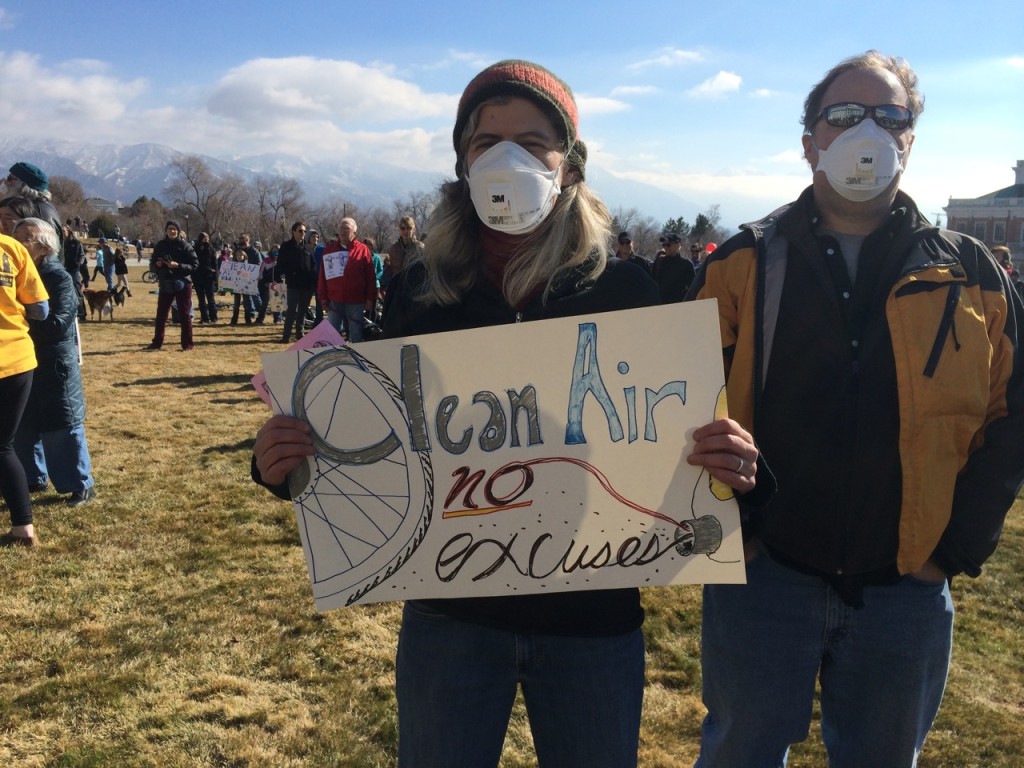
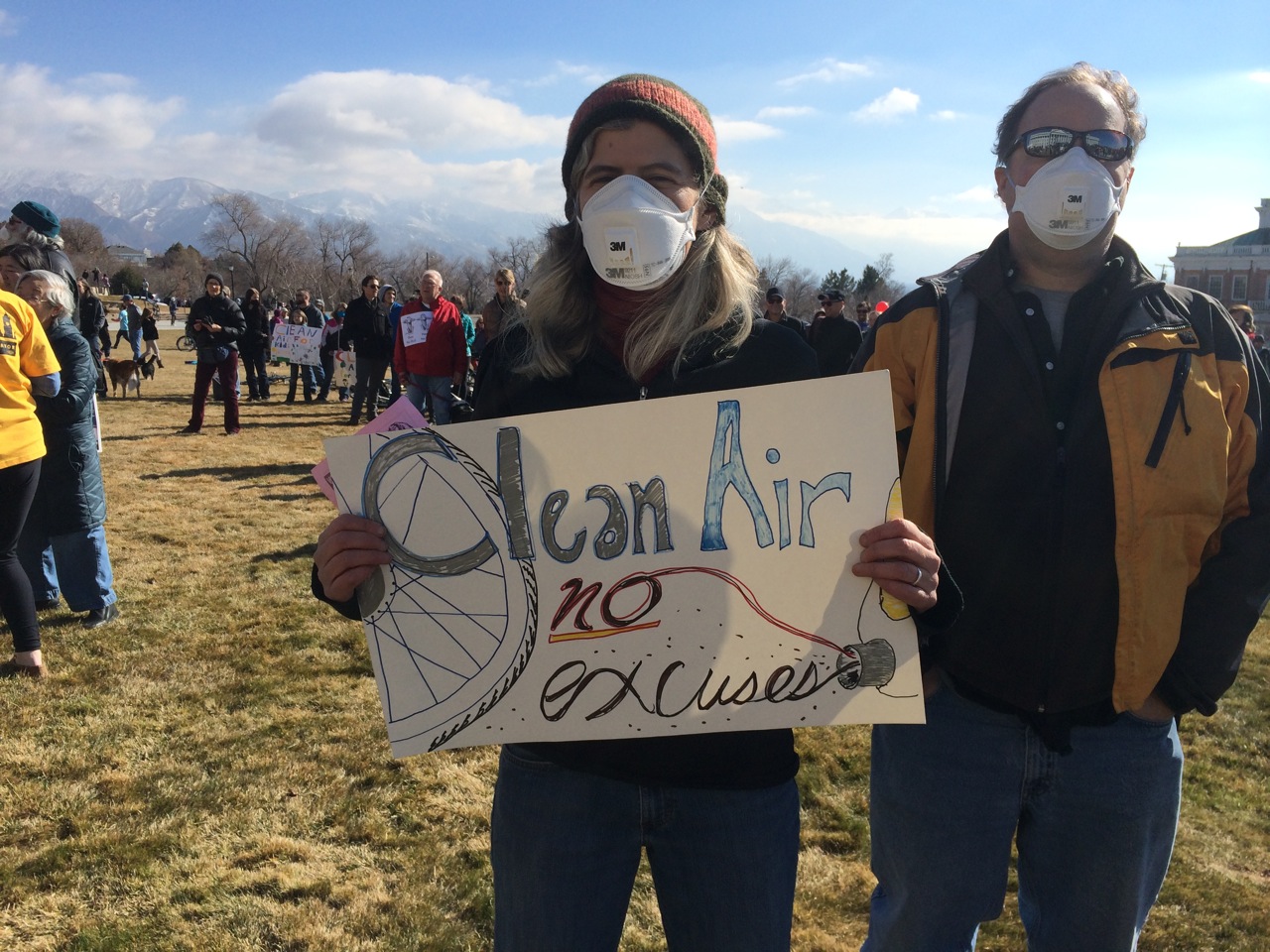
Clean Air, No Excuses. Utahns rallied for clean air on January 31, 2015. Photo by CyclingUtah.com
Key Air Pollutants
From a public health standpoint, PM2.5 is one of the most significant air pollutants in our region. Numerous studies have shown a strong association between particle air pollution and early death, and it is estimated that 200,000 Americans die prematurely each year as a result of exposure to PM2.5.2-4 Long-term exposure to particle pollution results in increased hospitalization rates for asthma attacks, 5 impaired lung function and growth in children and teenagers, 6,7 significant damage to the small airways of the lungs,8 increased risk of dying from lung cancer and an increased risk of death from cardiovascular disease.10 Particle air pollution, like smoking, adversely affects the vasculature and circulation and has been shown to accelerate atherosclerosis.11 In animal models, particulate air pollution and a high-fat diet synergistically interact to raise cholesterol and accelerate atherosclerosis. 12
Ozone is a second key air pollutant responsible for significant health problems in Utah. While ozone high in the stratosphere is essential in protecting biological organisms from the damaging effects of UV radiation, tropospheric or “ground-level” ozone is quite harmful to human health. Ground-level ozone, the major constituent of summertime smog, is formed from a chemical reaction involving nitrogen oxides, volatile organic compounds and sunlight. This reaction is catalyzed by sunlight and as temperatures increase, so does ground-level ozone. Higher temperatures promote ozone formation and due to record heat in Utah this summer, there were an unprecedented number of days during which Wasatch Front communities experienced unhealthy levels of ozone air pollution. New research has confirmed that ozone exposure increases the risk of premature death13 and well established studies have found that acute effects of exposure include shortness of breath, chest pain, wheezing, coughing, and increased susceptibility to respiratory infections. Animal toxicology studies have also shown that long-term exposure to high levels of ozone induces permanent structural changes to the lungs.14
Protecting Your Health
The combined impact of air pollution on public health in both Utah and throughout the world is exceedingly significant. Studies estimate that the nationwide death toll attributed to air pollution exceeds tens of thousands annually15 and considerable evidence now demonstrates that there exists no safe level of exposure for either PM2.5 or ozone.9, 10, 16 Because respiratory rate increases significantly during exercise, cyclists riding outside in Utah’s urban areas receive a greater dose of air pollution compared to the general population. In addition, riding on or next to a busy roadway exposes the rider to significant particulate air pollution. Fortunately, there are a number of techniques that Utah cyclists can utilize to minimize exposure. Throughout the year, on high pollution days, it may be best to cycle indoors on a stationary bicycle or exercise outside above the inversion in the mountains. In fact, it may do more harm than good to exercise outside during high pollution days, especially if an intense workout is planned. During the summer, it is safest to cycle during early morning hours before sunlight and high temperatures induce ozone formation. During winter inversions, exercising inside or in the mountains above the level of inversion is best.
Given the overwhelming evidence demonstrating the adverse health effects of air pollution, it is without question that it is in the best interest of cyclists and other athletes in Utah to be aware of daily pollution levels and air quality forecasts. Reliable current and forecasted air pollution levels throughout Utah are available from several sources, including the Utah Division of Air Quality at www.airquality.utah.gov and the US EPA at airnow.gov and can also be obtained via local radio, television and newspapers. Unfortunately, there are a number of looming threats to air quality along the Wasatch front, including a continually increasing number of vehicles on the road each year and a lack of adequate funding for public transit infrastructure. In addition, multiple refineries in North Salt Lake have submitted proposals to expand. There are also plans to build four new coal-fired power plants upwind in Nevada and two new coal power plants each year for the next several years in Utah. Fortunately, as citizens, we have the power to elicit change and avert future threats to Utah’s air quality through grass roots activism. In fact, several medical and public interest organizations who readily welcome volunteers are currently engaged in advocating for more protective State and Federal air pollution legislation including Utah Physicians for a Healthy Environment (http://www.uphe.org), Utah Mom’s for Clean Air (http://utahmomsforcleanair.org) the American Lung Association (http://www.lungusa.org), and the Utah Chapter of the Sierra Club (http://utah.sierraclub.org).
References
American Lung Association. State of the Air Report 2006. At http://www.ALA.org.
Pope CA, Burnett RT, et al. Lung cancer, cardiopulmonary mortality, and long-term exposure to fine particulate air pollution. JAMA. 2002; 287(9): 1132-41.
Dockery DW, Pope CA et al. An association between air pollution and mortality in six U.S. cities. The New England Journal of Medicine. 1993; 329(24): 1753-9.
Hoek G, Brunekreef B, et al. Association between mortality and indicators of traffic-related air pollution in the Netherlands: a cohort study. Lancet. 2002;360(9341):1203-9.
Lin S, Munsie JP, Hwang SA, Fitzerald E, Cayo MR. Childhood Asthma Hospitalization and Residential Exposure to State Route Traffic. Environ Res 2002; 88:73-81.
Gauderman WJ, Gilliland GF, Vora H, Avol E, Stram D, McConnell R, Thomas D, Lurmann F, Margolis HG, Rappaport EB, Berhane K, Peters JM. Association between Air Pollution and Lung Function Growth in Southern California Children: results from a second cohort. Am J Respir Crit Care Med 2002;166:76-84.
Gauderman WJ, Avol E, Gilliland F, Vora H, Thomas D, Berhane K, McConnell R, Kuenzli N, Lurmann F, Rappaport E, Margolis H, Bates D, Peters J. The effect of air pollution on lung development from 10 to 18 years of age. NEJM 2004;351:1057-67
Churg, A Brauer, M, Avila-Casado, MdC, Fortoul TI, Wright JL. Chronic Exposure to High Levels of Particulate Air Pollution and Small Airway Remodeling. Environ Health Perspect 2003; 111: 714-718.
Pope CA, Burnett RT, Thun MJ, Calle EE, Krewski D, Ito K, Thurston GD. Lung Cancer, Cardiopulmonary Mortality, and Long-Term Exposure to Fine Particulate Air Pollution, JAMA 2002;287:9.
Pope CA III, Burnett RT, Thurston GD, Thun MJ, Calle EE, Krewski D, Godleski JJ. Cardiovascular Mortality and Year-round Exposure to Particulate Air Pollution: epidemiological evidence of general pathophysiological pathways of disease. Circulation. 2004; 109:71-77.
Kunzli N, Jerrett M, Mack WJ, et al. Ambient air pollution and atherosclerosis in Los Angeles. Environ Health Perspect 2005;113:201-206. [ISI][Medline]
Sun Q et al. Long term air pollution exposure and acceleration of atherosclerosis and vascular inflammation in the animal model. JAMA. Dec. 21, 2005, Vol. 294: p 3003–10.
Bell ML, Dominici F, and Samet JM. A Meta-Analysis of Time-Series Studies of Ozone and Mortality with Comparison to the National Morbidity, Mortality, and Air Pollution Study. Epidemiology 2005; 16:436-445. Levy JI, Chermerynski SM, Sarnat JA. Ozone Exposure and Mortality: an empiric Bayes metaregression analysis. Epidemiology 2005; 16:458-468. Ito K, De Leon SF, Lippmann M. Associations Between Ozone and Daily Mortality: analysis and meta-analysis. Epidemiology 2005; 16:446-429.
Fanucchi MV, Plopper CG, Evans MJ, Hyde DM, Van Winkle LS, Gershwin LJ, Schelegle ES. Cyclic Exposure to Ozone Alters Distal Airway Development in Infant Rhesus Monkeys. Am J Physiol Lung Cell Mol Physiol 2006; 291:644-650.
Abt Associates. The Particulate-Related Health Benefits of Reducing Power Plant Emissions. October 2000. Available at http://www.catf.us/publications/view/4. ; U. S. Environmental Protection Agency. Fact Sheet: Clean Air Interstate Rule, March 10 2005. Available at http://www.epa.gov/air/interstateairquality/pdfs/cair_final_fact.pdf.
Pope A et al. Ischemic heart disease triggered by short – term exposure to fine particulate air pollution. Circulation. 2006 (114): 2443–2448.
Winter can be kind of rough for cyclists sometimes, at least for those who don’t have a winter sport that gets them outside. Winter can also be a good season for a little downtime, to either recover from the year’s efforts, or to take your mind off the mind-numbing chore of riding a trainer indoors.
As a fan of cycling as a sport, along with its history, I spend a good chunk of winter reading. Here are some my favorite books from past seasons, along with a selection of books that I’m planning to tackle this winter:
Fallen Angel: The Passion of Fausto Coppi, by William Fotheringham (2010, Yellow Jersey Press, ISBN #978-0224074506) — The rivalry between “Il Campionissimo” Fausto Coppi and Gino Bartali is the stuff of legends. Bartali was a deeply religious man who held his Catholic faith to heart. Coppi was of a more worldly and secular nature. The nation of Italy was divided along these lines, people were either bartalianis or coppianis. One of the reasons for this was Coppi’s scandalous personal life and affair with Giulia ‘la Dama Bianca’ Locatelli. Fotheringham does his usual excellent job telling the story of Coppi’s life and career while also exploring the scandal in an in-depth, and somewhat sympathetic light.
Put Me Back on My Bike: In Search of Tom Simpson, by William Fotheringham (2007, Yellow Jersey Press, ISBN #978-0224080187) — William Fotheringham is one of my favorite writers about the sport of cycling. His 2002 biography of Tom Simpson, the most successful British cyclist in the years before drug testing became widespread in the sport of cycling, is a fascinating read. Simpson tragically died on the Mont Ventoux during the 1967 Tour de France of a lethal combination of heat, dehydration, alcohol and amphetamines.
Tom, the true story of Tom Simpson, by Chris Sidwells (2000, Mousehold Press, ISBN #978-1874739159) — Chris Sidwell is Tom Simpson’s nephew, and his biography has more of a focus on Simpson’s family life as well as his career and presents a different point-of-view of the events leading up to Simpson’s death.
Anquetil, Alone, by Paul Fournel (2017, Pursuit, ISBN #978-1781257319) — Jacques Anquetil was the first professional cyclist to win the Tour de France 5 times, a feat officially matched since by only 3 other riders: Eddy Merckx, Bernard Hinault, and Miguel Indurain. Because of his aloof nature, Anquetil was not well-known nor well-liked by the French public, who preferred Raymond ‘the Eternal Second’ Poulidor. Paul Fournel is well-known as a poet in his native France, and that is instantly recognizable in his biography of Anquetil. Switching back and forth from the point-of-view of Fournel as a young fan of Anquetil, and imaginings of what was going on in Anquetil’s head as he prepared for certain events. Fournel’s biography is an emotionally evocative book that will give readers a better understanding of the French champion.
The Breakaway: My Story, by Nicole Cooke (2014, Simon & Schuster UK, ISBN #978-1471130359) — Few athlete memoirs are well-written, and fewer still are written by women athletes. That The Breakaway: My Story, by retired Welsh cyclist Nicole Cooke, is both means that the time it takes to read it is definitely well-spent. Nicole Cooke is a strong-willed, outspoken iconoclast. Like many top athletes, she knew what she wanted to accomplish, and was not going to let anything stop her from achieving everything she possibly could, even if she has to fight the system every step of the way. And fight she did, becoming one of the most decorated female road cyclists, not only in Great Britain, but in the world.
Both Merckx: Half Man, Half Bike, by William Fotheringham (2013, Chicago Review Press, ISBN #978-1613747261) and Merckx: The Cannibal, by Daniel Friebe (2012, Ebury Press, ISBN #978-0091943165) are highly recommended biographies of the greatest cyclist who ever lived. From his youth as the child of local grocers in the middle-class Brussels suburb of Woluwe-Saint-Pierre, through his career as a professional, these books give a lot of insight into how the man who won the Tour de Frace and Giro d’Italia five times each became “The Cannibal”.
The Rider, by Tim Krabbé (2003, Bloomsbury USA, ISBN #978-1582342900) — Quite frankly, most cycling fiction sucks; not because the stories are necessarily poorly written, but because they draw far too often from cycling history, with the plot either paralleling actual events or using stories to explain the nuances of cycling. The Rider is the rare exception to that rule. Krabbé, drawing from his own experience, dives deeply into the psyche of a racing cyclist during a one-day amateur race in the Massif Central of Southern France. It is perhaps the only piece of cycling fiction in which I’ve been able to imagine myself as the protagonist, because it so closely mirrored what goes on in my head when I’m on the bike. If you only read one book from this list, this is the one.
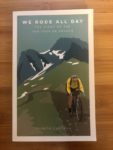
We Rode All Day, the Story of the 1919 Tour de France, by Gareth Cartman (2019, Gareth Cartman, ISBN #978-1916019706) — The 1919 Tour de France almost didn’t happen. While the Armistice was declared on November 11, 1918, the Treaty of Versailles, officially ending the war was not signed until June 28, 1919, just one day before the start of the race. Imagined and told from the perspectives of the riders and organizers of the 1919 Tour, this is not a typical historical recap of the race but attempts to take the reader into the minds of those who made the event special.
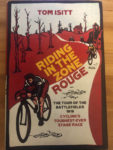
Riding in the Zone Rouge: The Tour of the Battlefields 1919, by Tom Isitt (2019, Weidenfeld & Nicolson, ISBN #978-1409171140) — Held in April 1919, less than 6 months after the Armistice was declared, the Circuit des Champs de Bataille has a reputation as the hardest stage race ever held; so hard, in fact, that it was only held the one time. A combination historical look back at the race and modern-day travelogue, Riding in the Zone Rougetraces the author’s own attempt to ride the course.
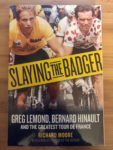
Slaying the Badger: Greg LeMond, Bernard Hinault, and the Greatest Tour de France, by Richard Moore (2012, VeloPress, ISBN #978-1934030875) — Greg LeMond was the first American to win the Tour de France, but it did not come easy. His most formidable rival and opponent was also his teammate, Bernard Hinault, whom LeMond had helped to become only the third person to win the Tour de France five times (and to date, the last Frenchman to win the Tour). Moore’s book really brings the Tour to life, crafting a story of the forging of an American sports hero.
The Badger: The Life of Bernard Hinault and the Legacy of French Cycling, by William Fotheringham (2015, Chicago Review Press, ISBN #978-1613734186) — Coming 30 years after Bernard Hinault became the last Frenchman to win the Tour de France in 1985, like his earlier works, Fotheringham brings us another fantastic biography of one of the legends of pro cycling.
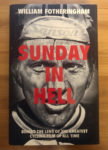
Sunday in Hell: Behind the Lens of the Greatest Cycling Film of All Time, by William Fotheringham (2018, Yellow Jersey Press, ISBN #978-0224092029) — In 1976, the award-winning Danish filmmaker Jørgen Leth set out to capture the glory and the drama of Paris-Roubaix, one of the five Monuments of cycling, and the race that seems to capture the hearts and minds of cyclists because of its sheer brutality. Leth’s film, A Sunday in Hell, has earned its place not only as the greatest cycling documentary of all time, but as one of the greatest sports documentaries ever made. Fotheringham’s book looks back at how the masterpiece was created. It introduces the reader to the men behind the film, the techniques that made it possible, the places which have changed little over the preceding 40+ years, and to the riders that made the 1976 edition one for the ages.
The First Tour de France: Sixty Cyclists and Nineteen Days of Daring on the Road to Paris, by Peter Cossins (2017, Nation Books, ISBN #978-1568589848) — For over 100 years, the Tour de France has captured the minds of cyclists throughout the month of July. It is not the oldest race on the calendar, but it is certainly the most important. Many people know that the Tour was initially started in order to sell more newspapers; specifically of Henri Desgranges’s L’Auto. What fewer people know is how the idea of a Tour de France was conceived and realized. Cossin’s book explores the history of the times, as well as the men who made the race from organizer Géo Lefèvre to race winner Maurice Garin.
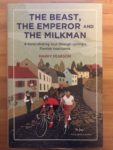
The Beast, The Emperor, and The Milkman: A bone-shaking tour through cycling’s Flemish heartlands, by Harry Pearson (2019, Bloomsbury Sport, ISBN #978-1472945044) — France may have the most important race on the international calendar, but one could argue that the sport’s heart and soul are the Flanders region of neighboring Belgium. Pearson’s book examines the people, the stories, the rivalries, and the places that make Flanders (and Flemish riders) so important to the history of the sport.
Editor’s note: some of these titles are out-of-print, but copies can be found online; others were not released in the US but are available through UK-based online retailers.
A possible highway project through the Red Cliffs National Conservation Area may mean a shift in mountain biking routes. The Bureau of Land Management and Fish and Wildlife Service are preparing an Environmental Impact Statement on the Utah Department of Transportation’s proposed Northern Corridor in Washington County. Since the road would go through area protected for the desert tortoise, the proposal involves setting other land aside for the species. The agencies plan a public scoping meeting Dec. 17 in St. George and are taking comments through Jan. 6. Details: https://www.blm.gov/press-release/public-meeting-allows-questions-and-comments-northern-corridor-project.
New locations at affordable housing, Liberty Park, Church Conference Center and more!
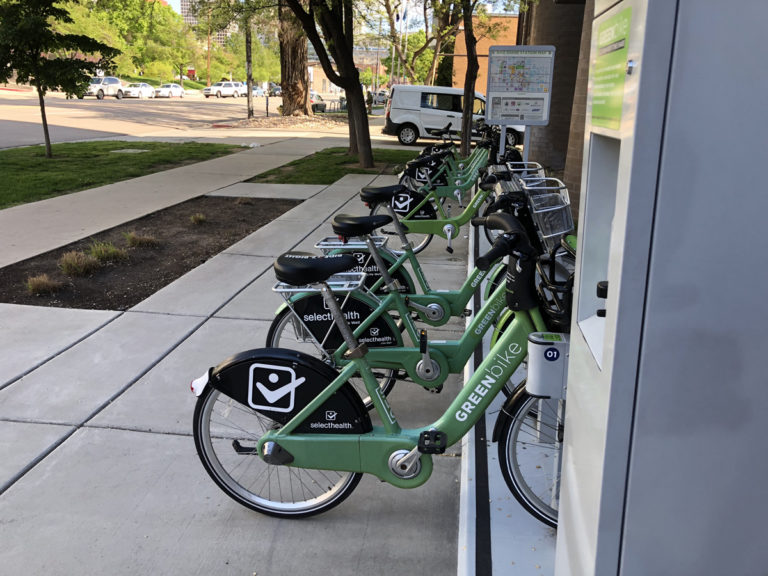
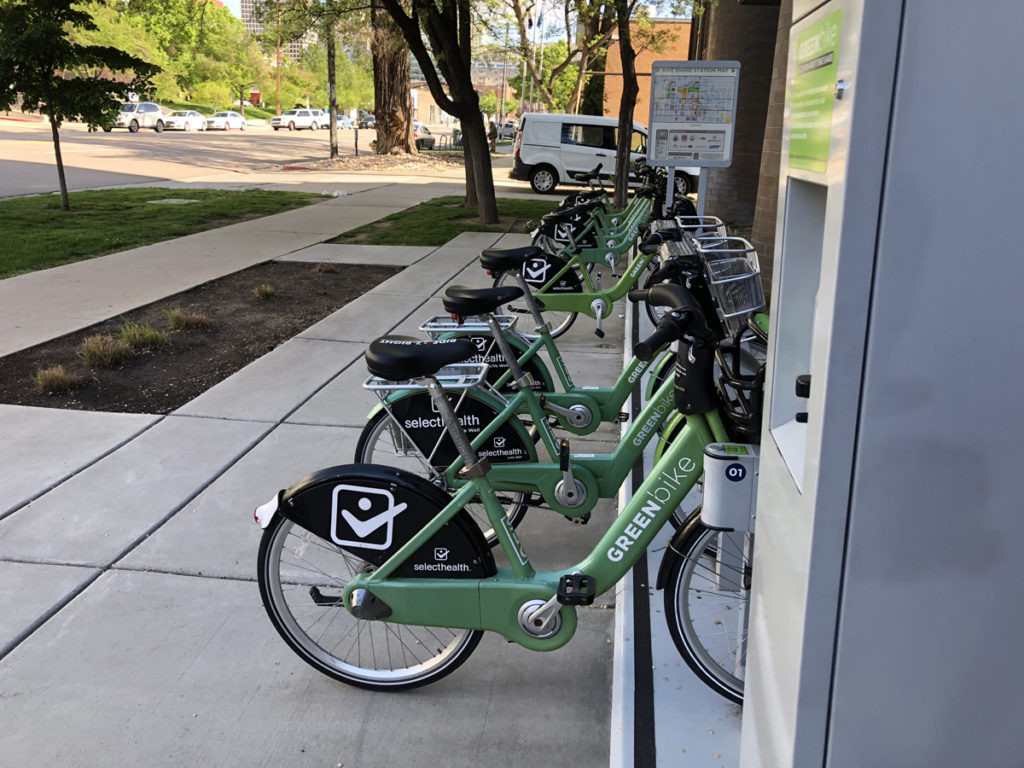
SALT LAKE CITY (Dec. 18, 2019) — As of today, GREENbike, Salt Lake City’s non-profit share, has expanded its system to more than 600 bikes at 47 stations, with 13 new locations and over 200 bikes added in 2019 alone. This year’s nearly 70% expansion also included doubling the size of multiple commuter stations including Rocky Mountain Power’s Station on 250 South Main Street and UTA’s Salt Lake Central Station at 300 South 600 West.
“As a local non-profit, our goal is to provide the community with an affordable, reliable, and active transportation option,” said GREENbike Director and Founder Ben Bolte. “These new locations will give more residents access to GREENbike and make their inner city commutes more convenient. We pride ourselves on being the most affordable commuting option, our annual pass is only 20 cents per day.”
Thanks to community partners, GREENbike’s new stations are located near two new affordable housing developments (550 South 500 West), workforce housing (300 South 700 East), Liberty Park (900 South 500 East), Salt Lake City’s Public Safety Building (450 South 300 East), and The Conference Center (Main St & North Temple).
GREENbike Bike Share has changed downtown Salt Lake City. Photo by Dave Iltis
“Salt Lake County is excited by GREENbike’s expansion because it helps residents access a transit station or bus stop and other destinations within a short distance,” said Salt Lake County Mayor Jenny Wilson. “The County is financially supporting the expansion to allow individuals to have a choice of transportation mode that helps to improve our air quality. Bike sharing is a great way to invest and support our community.”
GREENbike is grateful for its newest community partnerships as local entities such as Salt Lake County, EcoBox Fabricators, Giv Communities, Utah Heritage & Arts, and The Church of Jesus Christ of Latter-day Saints all helped GREENbike achieve its largest system expansion to date.
“We encourage employees to use all forms of public transportation, and this is another way for them to do that,” said Ruth Johnson, Headquarters Facilities communications specialist at The Church of Jesus Christ of Latter-day Saints. “Many Church employees use GREENbike, and these additional stations will help accommodate increased demand. We are pleased to help support this important initiative.”
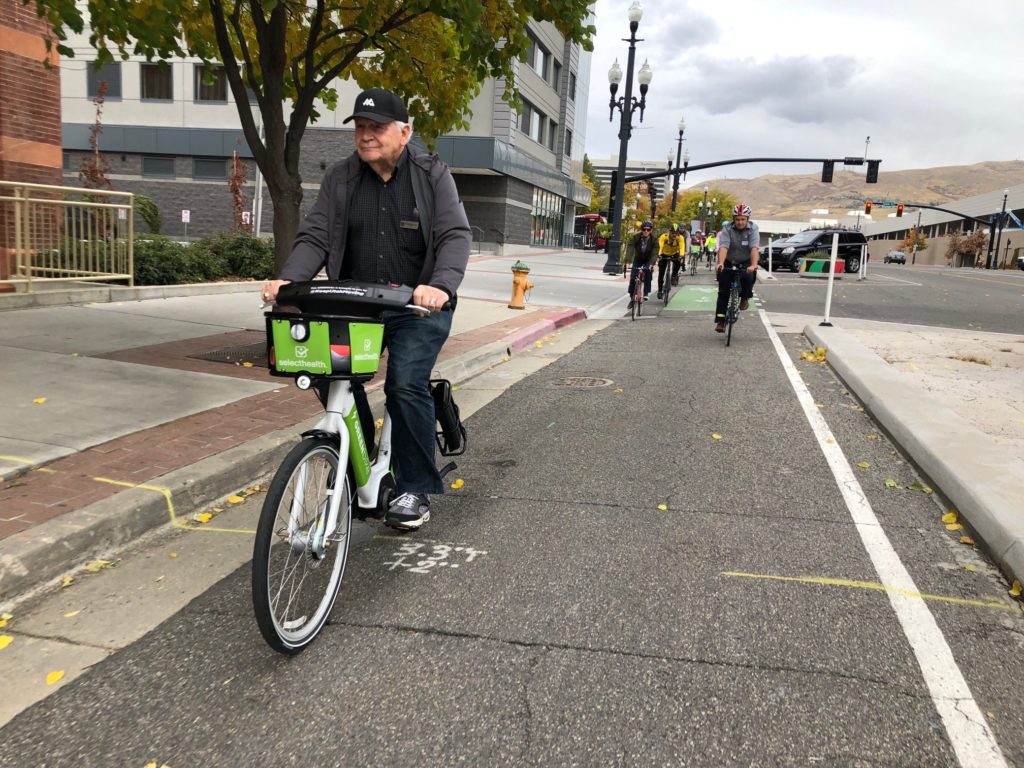
Midvale Mayor Robert Hale on a GREENbike electric bike. Photo by Dave Iltis
Over the past six years, the GREENbike program has prevented more than 4.8 million pounds of carbon dioxide from entering our air, avoided more than 5.2 million vehicle miles from impacting local roads, while burning more than 73 million calories in the process (which is 256,000 slices of pizza).
A real time map showing all GREENbike stations and available bikes per station is available on GREENbike’s home page https://greenbikeslc.org/ or the free BCycle App.
New Hardgoods Show Endorsed by National Bicycle Dealers Association
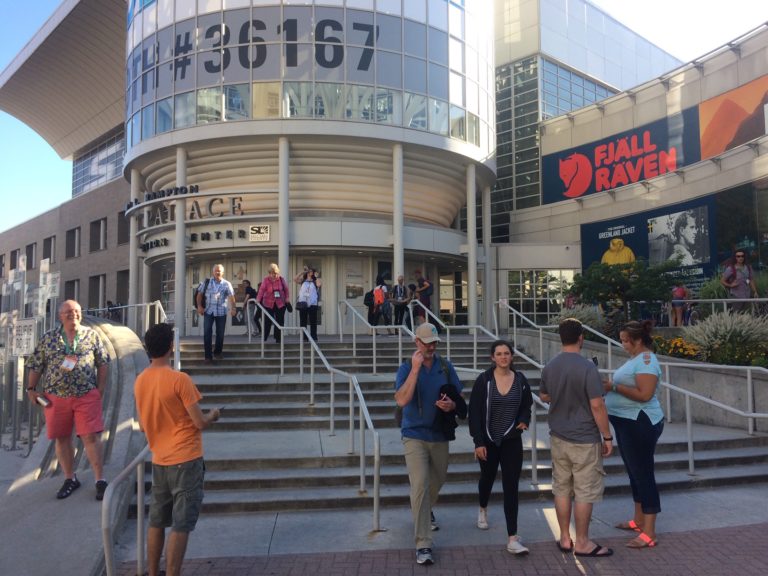
SALT LAKE CITY (December 12, 2019) — The Big Gear Show (TBGS), a new outdoor-industry trade show focused on hardgoods, and emphasizing paddling, biking, climbing and camping gear, officially announced its inaugural event, to be held in Salt Lake City’s Calvin L. Rampton Salt Palace Convention Center July 22 through 25, 2020. The show’s first three days will be reserved exclusively for specialty outdoor retailer attendees, but uniquely the final day—Saturday, July 25—will be open to the general public. Consumers can walk the show floor and preview next year’s hottest gear while meeting representatives and sponsored athletes from the most innovative gear manufacturers.
Notably, the show features biking as a core element, and is endorsed by the National Bicycle Dealers Association (NBDA) as the biking industry’s official 2020 trade show. NBDA represents over 1,100 independent bike storefronts. This will be the first time bike will share a hall with other outdoor categories in recent memory.
Convention goers at the old Outdoor Retailer show, which has since moved to Denver. The Big Show expects to bring people back to the Salt Palace. Photo by Dave Iltis
“We love networking, we love coming up with ways to work with each other, and not having the space to connect yearly has left a tremendous void,” NBDA President Brandee Lepak said. “What I’m really excited about is that it’s mostly focused on hardgoods and it’s going to be put on by retailers, for retailers. This show is going to be a healthy environment for us to do business and work with all of the other industries on putting together an education platform that will benefit all of us.”
The Big Gear Show exhibitor model offers rates designed for hardgoods manufacturers, innovators and start-ups that don’t have the margins to afford more-expensive mainstream trade shows. By saving exhibitors over 50% in exhibition fees, the pricing structure keeps money in the pockets of gear companies. Exhibitor rates for the show will range from $12 to $15 per square foot. All participants will be carefully curated to ensure relevancy for hardgoods-only retailers and manufacturers.
For retailers, The Big Gear Show offers hardgoods buyers a chance to see every piece of outdoor equipment sold in the summer under one roof. The show will also offset buyer travel expenses by awarding retailers a housing stipend based on how early they register for the show. And The Big Gear Show will stress peer-to-peer educational opportunities because retailers learn best from other retailers, not from consultants.
The show’s most unique feature will be the final-day consumer show. Consumers are a missing but crucial voice in the industry, and the consumer day will be a brand showcase, giving small and upcoming start-ups unparalleled access to thousands of consumers and industry media. Consumers will likewise enjoy connecting with grassroots gear companies they’d otherwise never see. Consumer attendance will also amplify media interest in the show, and the resulting buzz media outlets and consumer word-of-mouth will result in better return on investment for all show participants.
“We’re starting this show for hardgoods manufacturers, innovators, and industry start-ups who don’t have the profit margins to afford expensive trade shows. Our show is about the future and not the past. It’s about parity, curation, the democratization of floorspace, and the prioritization of innovation. We’ll have booth size limits for larger brands and VIP placements for start-ups. We understand the importance of being in one room – no more basements, tents, or ballrooms. We are all about heralding product innovation in all aspects of the show and challenging the entire industry to answer the fundamental question of ‘what’s next?’” said show co-founder Sutton Bacon.
About The Big Gear Show
The Big Gear Show is the outdoor industry’s first-ever national B2B2C gear show ‘for retailers, by retailers.’ The show takes place July 21-25, 2020 in Salt Lake City, Utah. The National Bicycle Dealers Association has endorsed The Big Gear Show as the official trade show of the bicycle industry. The show provides exclusive outdoor and on-site demo opportunities for paddling, biking, climbing and camping, an expansive marketplace and an unsurpassed cultural experience for exhibitors, retailers, media and industry advocates alike. For more information, visit www.thebiggearshow.com or contact [email protected].
About The National Bicycle Dealers Association
The National Bicycle Dealers Association has represented specialty bicycle dealers in the United States since 1946. The non-profit association offers numerous programs for dealers, with an emphasis on education, research, communication and advocacy. For more information on the NBDA, visit their website at www.nbda.com.
Achievement as a great bicyclist/activist just might get you a congressional gold medal. At least former road racer Greg LeMond, multi-time winner of the World Championship and Tour de France, and a bicycling advocate, is up for one. The House passed H.R.3589, the Greg LeMond Congressional Gold Medal Act, which would reward LeMond the honor “in recognition of his contributions to the nation as an athlete, activist, role model, and community leader.”
The bill was sent to the Senate in September, where it sits before the the Committee on Banking, Housing and Urban Affairs.
Sen. Krysten Sinema (D-AZ) also introduced a companion bill (S. 2570), also before the committee. Her bill picked up 23 cosponsors, including Senator Catherine Cortez Masto (NV), Jon Tester (MT) and Cory Gardner (CO).
LeMond has campaigned against performance enhancing drugs. He sure ain’t Lance Armstrong. He would become the first professional bicyclist so honored.
Rep. Mike Thompson (D-CA), original sponsor of the bill, said in a statement upon House passage ““Greg LeMond is a world-renowned cyclist and one of the greatest American athletes in history. The only American to win the Tour de France, LeMond’s career has been marked by victory after victory, selfless support for his teammates, and incredible comebacks, all while maintaining the highest standards of healthy athletics and clean competition. His career embodied some of our most cherished values – selflessness, perseverance, excellence, and sportsmanship – and LeMond has spent his life supporting children and young people, ensuring many others can experience the joy of cycling “
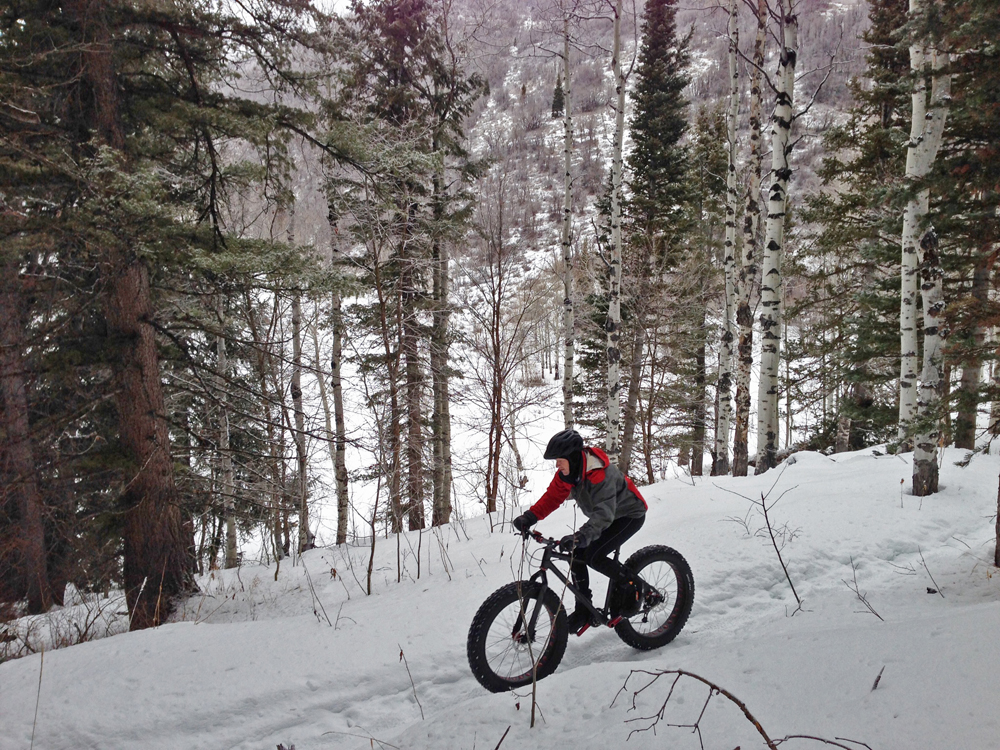
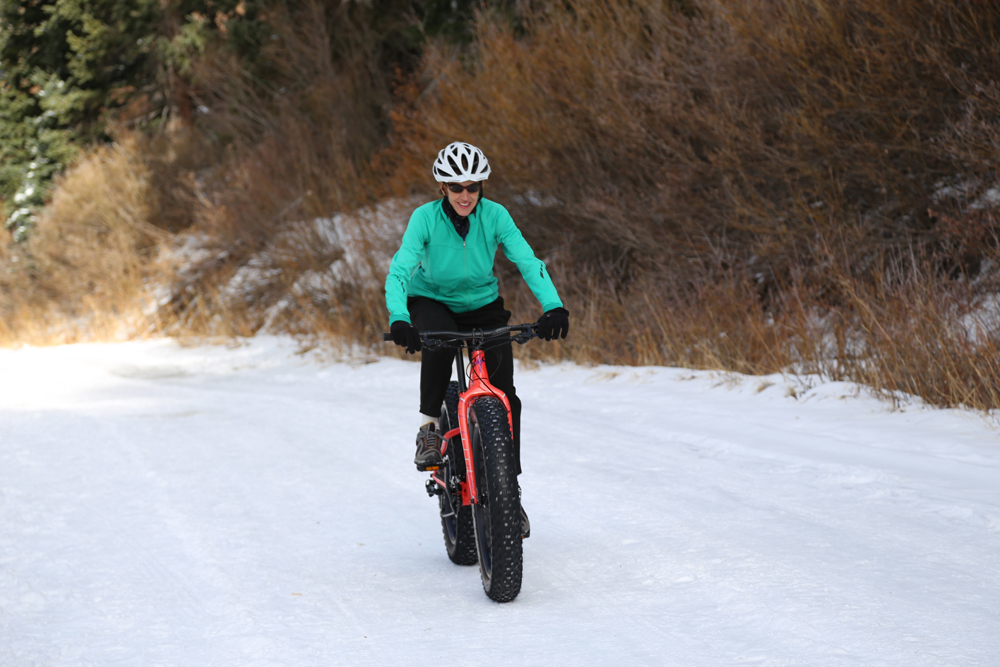
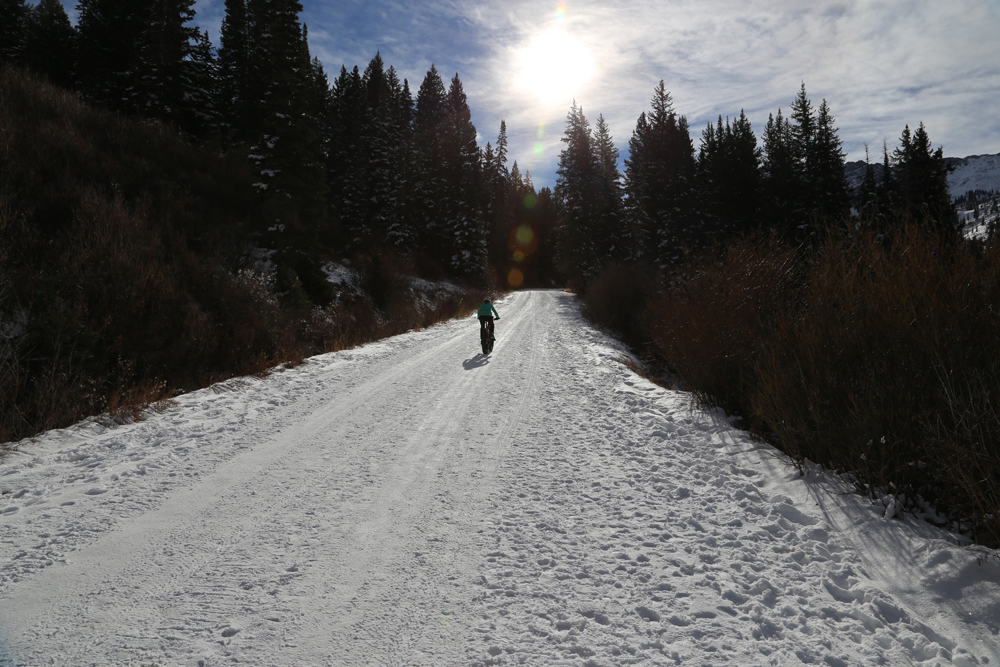
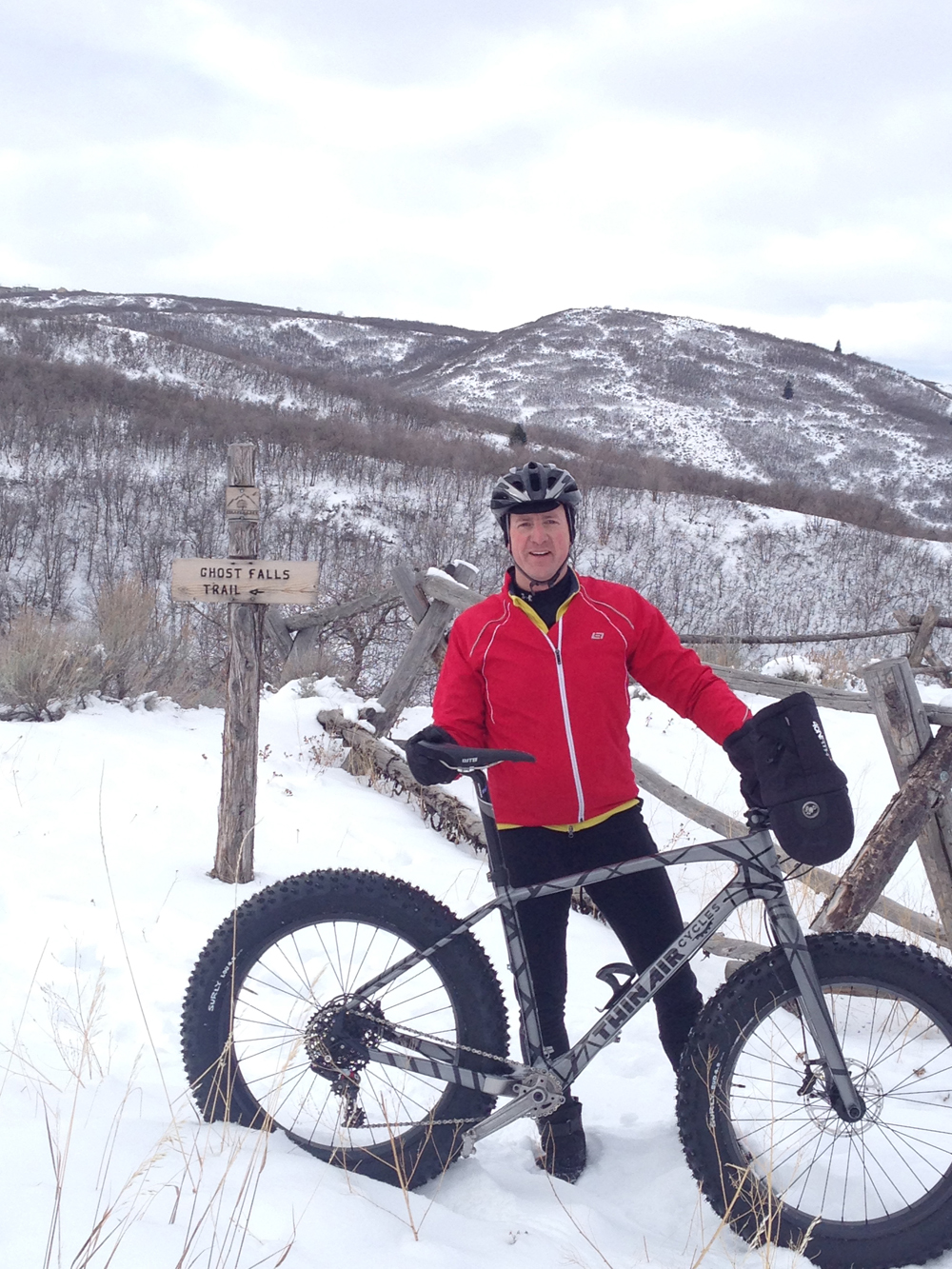
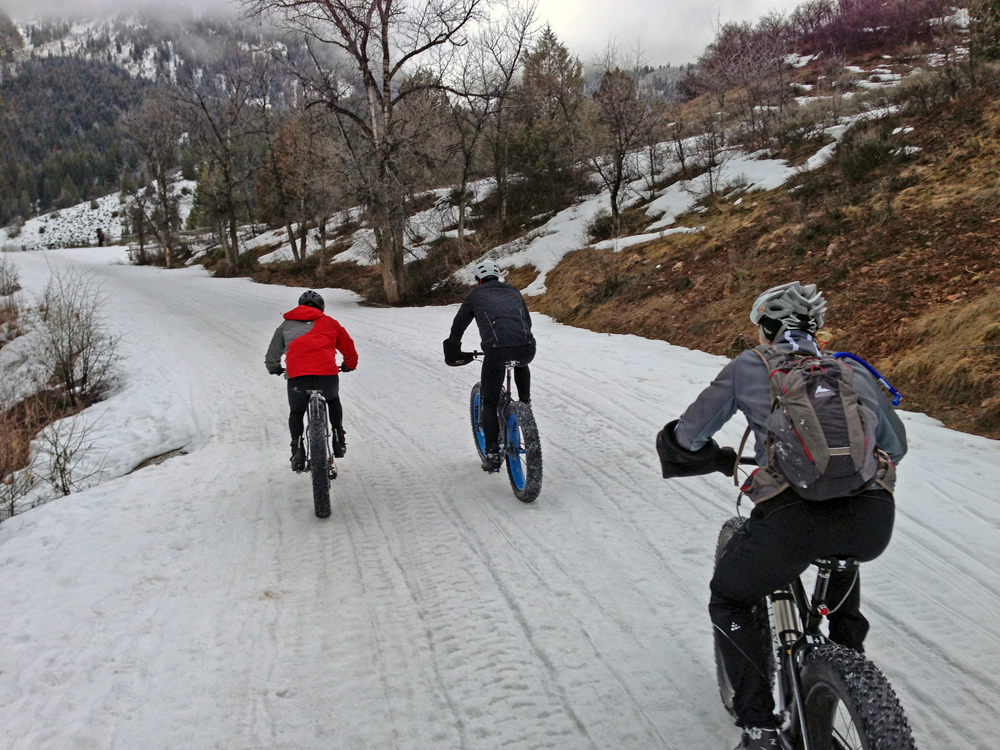
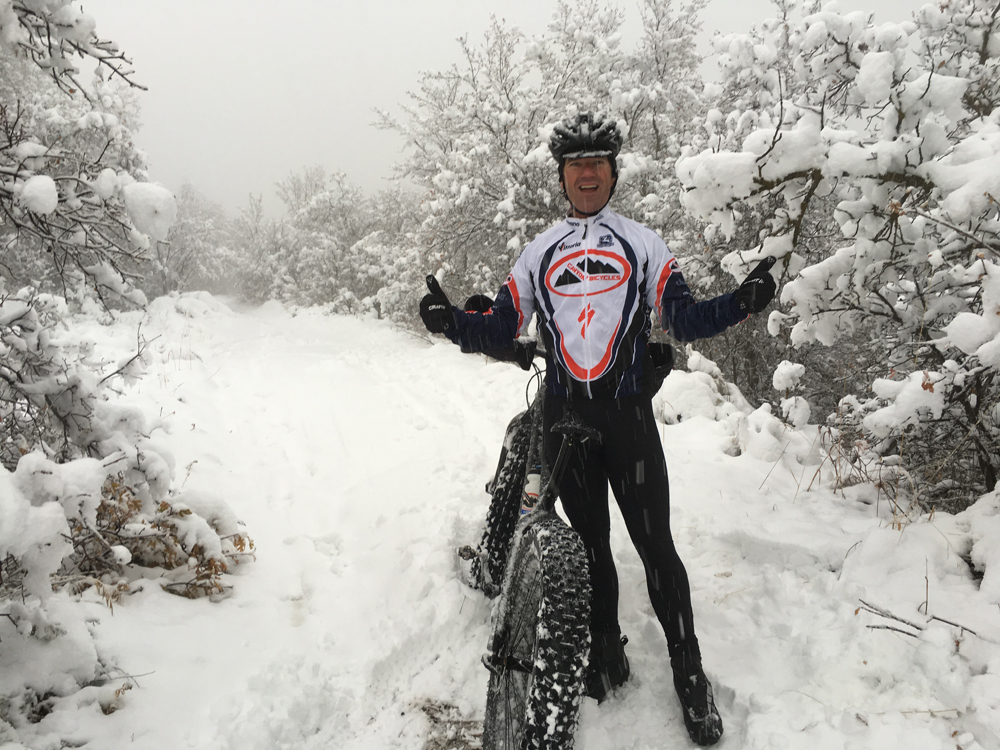
By Dave Iltis, Jackie Baker, Mark Deterline, and Mike Rossberg — Fat biking in Utah is on the rise. Add a little snow, or a lot of snow, and Utah’s great summer mountain bike trails can become winter fat bike trails. What were roads can turn in to great winter riding destinations. It is one of the faster growing categories of cycling, and many shops stock bikes and can provide great tips.
For those that haven’t seen them yet, a fat bike is a mountain bike that generally has 3.5″ wide tires or bigger. Some bikes have shocks, some don’t. The tire width allows the bike to float on snow, and get better traction than a traditional mountain bike. They are a ton of fun, and aren’t necessarily restricted to just the snow. They work well on the dirt in the summer too.
We reached out to Jackie Baker of Bingham Cyclery and Mike Rossberg of ThinAir Cycles and asked them to fill us in on some of their favorite trails. We present their recommendations below.
Fat biking and land management issues are still being worked out, so make sure to be a great ambassador for the sport when you are out riding. Yield to uphill users and mostly, just yield to all other users, just like you would do in the dirt. And, avoid trails that are set for Nordic skiing. Ruts from a fat bike can be a bane to skiers. Use wide tires that don’t leave ruts. If you are riding where there is snowmobile traffic, use front and rear blinky lights. Above all, be courteous. Make sure to have proper warm clothing and footwear. And, proper safety gear if you are going in to the backcountry. Avalanches are a fact of life in the Wasatch, and while you may not be riding on terrain where you might trigger an avalanche, you may be riding below steep slopes. Be safe and be prepared with proper equipment, and check avalanche conditions before you go. Consider taking a class from the Utah Avalanche Center. Many more tips are available from IMBA here: https://www.imba.com/resources/land-protection/fat-bikes
Fat Bike Trails from Jackie Baker of Bingham Cyclery: Find Your Favorite Fat Bike Trail
Congratulations! You bought a fat bike. Now, where are you going to ride it? Understanding ideal riding conditions and how fat bikes perform will help you gain perspective and enjoy riding on trails that you might overlook during non-winter months. And, you don’t have to travel far to enjoy your wide-wheeled ride.
There are plenty of fun places to ride your fat bike. Tara McKee on trail. Photo by Paul McKee
First, keep in mind that all conditions are not ideal conditions. You’ll enjoy riding frozen, packed trails the most—places where hikers and other riders frequent. Deep snow, thick slush, and mud are not ideal riding conditions, as instead of gripping (which is what fat bikes are really good at), the wide tires tend to float and wander. Pay attention to temperature and aspect. On a 40-degree-plus day, snowy but sun-exposed south-facing trails can turn into a struggle. Find a shaded trail on a warm day, and you’ll have a blast!
There are nearly as many amazing places in the Wasatch to ride your fat bike in the winter as there are in the summer. Here are some recommendations from Bingham Cyclery’s fat bike guru Jarrod Doherty:
Salt Lake Valley
Little Cottonwood Trail: Beginner
The Little Cottonwood trail is ideal for those new to fat biking because of its width and gradual elevation gain. This trail sees a lot of foot traffic, and is shaded for much of the day throughout the winter, lending itself to ideal and consistent riding conditions.
The trailhead gates at the mouth of Little Cottonwood Canyon are closed in the winter, so find a parking spot at the bus stop across the street. Or, park at the Bell Canyon Granite Trailhead to the east of the Wasatch Blvd and 9400 S. intersection and carefully ride the road to the trailhead.
Pipeline Trail in Millcreek Canyon: Intermediate
The elevation and aspect of Pipeline make it ideal for winter riding. Foot traffic keeps the trail tacky and rideable, so smile and greet hikers—they are making your day! Be sure to stay on the singletrack, as bikes are not allowed on the Nordic ski track above the winter gate.
This trail is ideal for intermediated to advanced riders, as there are some steeper hills and narrow sections. If you feel comfortable riding this trail in the summer, you’ll love the new perspective in the winter! Riding from Church Fork to Elbow fork and back is a solid ride, or you could start or end at Burch Hollow, in between the two.
Ogden Area
Snowbasin: All levels
Endless singletrack awaits at Snowbasin, and you can ride while friends or family members ski. Park in the Snowbasin parking lot, and ride toward the Old Snowbasin Road. It’s plowed and groomed throughout the winter, so the road itself can be a great ride. The intertwining singletrack is really the highlight, though. You can ride for hours on good snow and always get back to the road.
Berkley Hanks rides in Tibble Fork – American Fork Canyon. Photo by Mike RossbergPacked and well_traveled trails and roads are your friend. Tara McKee rides in Park City. Photo by Paul McKee
Utah County
American Fork Canyon: Advanced
Ready for an adventure ride? When the storm cycles hit and your favorite trails are covered in wind drifts and too much snow to pedal through, American Fork Canyon offers a unique backcountry experience. First, be sure to consider snow conditions take proper snow safety and avalanche precautions. Then, drive up American Fork Canyon to the Tibble Fork parking lot (left at the fork in the road) or the Pine Hollow parking lot (right at the fork in the road).
You’ll see the snowmobile trails that will offer a surface that resembles groomed snow. The adventure comes in the fact that snowmobiles don’t pack trails consistently, so snow conditions will keep you on your toes. However, it’s a great way to log some miles and, especially during stormy weekdays, enjoy some backcountry solitude.
For more trail info, bikes, and for riding techniques and advice on how to dress for winter riding, you can visit Jarrod at Bingham Cyclery’s Salt Lake store at 336 W Broadway or at binghamcyclery.com.
Fat Bike Trail Recommendations from Mike Rossberg of ThinAir Cycles
Over the many years living in Utah I’ve turned in a powder snob during the winter. I only want to ski the best snow but that has left the majority of the winter with marginal skiing conditions. Fat biking fills the void between elusive perfect powder days. Many people hang their bike up for the winter or choose to sweat it out on a trainer to keep their fitness over the winter. Fat biking can keep you outside and staying fit all winter long. After 3 winters of fat biking I’ll still go skiing right after a storm but my fat bike is always satisfying.
A couple inches of snow can turn the easiest trail into a challenge. Following a 5” wide tire track as you climb for 60 minutes gives a new meaning to focus and skill. That’s what I love about fat biking in the snow. The same old trail that you ride time and time again in the summer some how in the winter changes into a new ride everyday.
I’ve put together a list of my favorite local trails that are close to home. This only scratches the surface for fat biking. Grooming or packing the trails will be happening on many trails this year. It’s rumored that Corner Canyon and American Fork will have groomed singletrack snow bike trails. Check our website the most current grooming information at ThinAirCycles.com
Mike Rossberg at Ghost Falls in Corner Canyon. Photo by Berkley Hanks
Name of trail: Corner Canyon – Canyon Hollow
Location Draper, UT
Difficulty: Easy to Moderate
Trail description: These trails are at lower elevation starting at 5,000 and climbing to 6,000 feet. Canyon Hollow and Ann’s trail are the go to favorites and will most likely be the first trails packed down after a snow storm. These trails are the best single track snow bike trails of the 4 trails listed. 11 miles, 1,200 vertical feet. Plan 1-2 hours.
Name of trail: Millcreek Canyon
Location Millcreek, UT
Difficulty: Easy to Moderate
Trail description: The main road is closed for the winter a few miles up the canyon. Park near the gate ¼ mile past the Burch Hollow Trailhead. The trail is usually groomed by a snowcat and it 8-12 feet wide. The trail is closed to public snowmobiles, which makes for a peaceful ride. The trail/road climbs 4 miles from the gate to the top. The pipeline trail is a fun alternate on the way down. 8 miles, 1,200 vertical feet. Plan 1-2 hours.
Name of trail: American Fork – Tibble Fork – Mineral Basin
Location Alpine, UT
Difficulty: Intermediate – Experienced
Trail description: Trail begins at the Tibble Fork Reservoir. Follow the North Fork road which is open to snowmobiles. Remember snowmobiles are your friend, they pack this trail and make it possible to fat bike. Dutchman Flat is 4.4 miles from Tibble Fork. The climbing
Berkley Hanks, Kevin Williams, Rob Brunt on the Mineral Fork in American Fork Canyon. Photo by Mike Rossberg
relaxes for the next .9 miles to the left turn up Mineral Fork. Ascending up Mineral Fork depends your fitness and firmness of the trail. 13-15 miles, 1,600 vertical feet. Plan 2-4 hours.
Name of trail: American Fork – Alpine Loop
Location Alpine, UT
Difficulty: Moderate
Trail description: Trail begins at the parking lot ¾ of mile past Mutual Dell campground. The trail is well packed by snowmobiles that follow the summer road for 4 miles to summit. The fun part of this ride is exploring other side trails around Timpooneke Trailhead and Salamander Flats Trailhead. 8-10 Miles 1,250 vertical feet. Plan 1-3 hours for this ride.
I opened Thin Air Cycles in Draper with a passion for cycling especially fat biking. You will giggle like a kid when you first ride a fat bike. A fat bike can be N+1 bike. If don’t know this formula it’s easy. N= the number of bikes you currently own.
ThinAir sells and rents fat bikes. They can be found at 1223 E. Draper Parkway, Draper UT, 801-553-BIKE or http://thinaircycles.com/.
Fat Bikes
Greg Sironen enjoying the trails of Corner Canyon. Photo by Donald Leach
Fat bikes can be purchased or rented at a number of fine bike shops in Utah including Bingham Cyclery, Hangar 15 Bicycles, Salt Cycles, Saturday Cycles, Cottonwood Cyclery, and many of the other shops listed in the Bicycle Shop Directory .
RANCHO CUCAMONGA, Calif., Dec. 17, 2019 /PRNewswire/ — Inland Empire Health Plan (IEHP) partnered with Bicycles for Children on December 14, 2019 to provide bicycles that will be gifted to children in need this holiday season.
Bicycles for Children, a not-for-profit organization, works with school districts throughout the Inland Empire to donate new bicycles to impoverished elementary-aged children. In addition to donating 500 helmets, IEHP also aided in the bicycle assembly process, where team members filled tires and served as final check mechanics to ensure all bicycles were assembled correctly.
“It’s great to see the organization come together with local partners to support children in our community,” said Community Relations Director Marci Coffey. I can only imagine the look on these children’s faces when they are given their brand-new bicycles,” added Coffey.
Bicycles will be delivered before December 25 by school employees who have identified children in need within their schools. According to Bicycles for Children, bringing a new bicycle into the home of a child in need gives school employees an opportunity to connect and show students they are cared for.
“By donating bicycles to children, we’re able to positively change the lives of children that we’ve never met and get to go to bed knowing that we have made our little piece of the world a better place,” said Bicycles for Children Program Coordinator John White.
Name of Product: Teammachine SLR01 DISC bicycles and framesets
Hazard: The fork steerer tube on the bicycles and framesets can crack or break during use, posing a fall hazard.
Remedy: Replace
Consumers should immediately stop using recalled bicycles and contact their local BMC authorized dealer for a free inspection and free replacement fork.
Units: About 840 (In addition, 94 were sold in Canada)
Description:
This recall involves all model year 2018 and 2019 Teammachine SLR01 DISC bicycles and framesets. The product is a performance road bike. BMC is printed on the downtube. The bikes and framesets were sold in red, green, grey, graphite, blue and aqua green. Recalled models contain serial numbers starting with 8R17 and 8R18, followed by one letter and a four-digit code, which is printed on the underside of the bottom bracket of the bicycle. Only bicycles and framesets with a FK6 fork require a replacement fork, which will be confirmed by BMC authorized dealers during the free inspection.
Incidents/Injuries: BMC has received four reports of the fork steerer tube breaking while in use, with one consumer experiencing a shoulder injury that required hospitalization and surgery, and the other consumer reporting minor scratches and bruising.
Model Year
Model Name
2018
Teammachine SLR01 DISC Team
2018
Teammachine SLR01 DISC One
2018
Teammachine SLR01 DISC Two
2018
Teammachine SLR01 DISC Module Team Red
2018
Teammachine SLR01 DISC Module Carbon Green
2018
Teammachine SLR01 DISC Module Carbon Gray
2019
Teammachine SLR01 DISC Edition AXS (also called Ltd.)
Sold At: Authorized BMC bicycle dealers and bicycle stores nationwide from July 2017 through October 2019 for between $4,500 and $12,500.
Importer: BMC USA Corp., of Scotts Valley, Calif
Manufacturer: BMC Switzerland AG, of Switzerland
Manufactured in Taiwan and Poland
In Conjunction With: Canada
Health Canada’s press release is available at: https://www.healthycanadians.gc.ca/recall-alert-rappel-avis/index-eng.php
Footer
This recall was conducted voluntarily by the company under CPSC’s Fast Track Recall process. Fast Track recalls are initiated by firms, who commit to work with CPSC to quickly announce the recall and remedy to protect consumers.
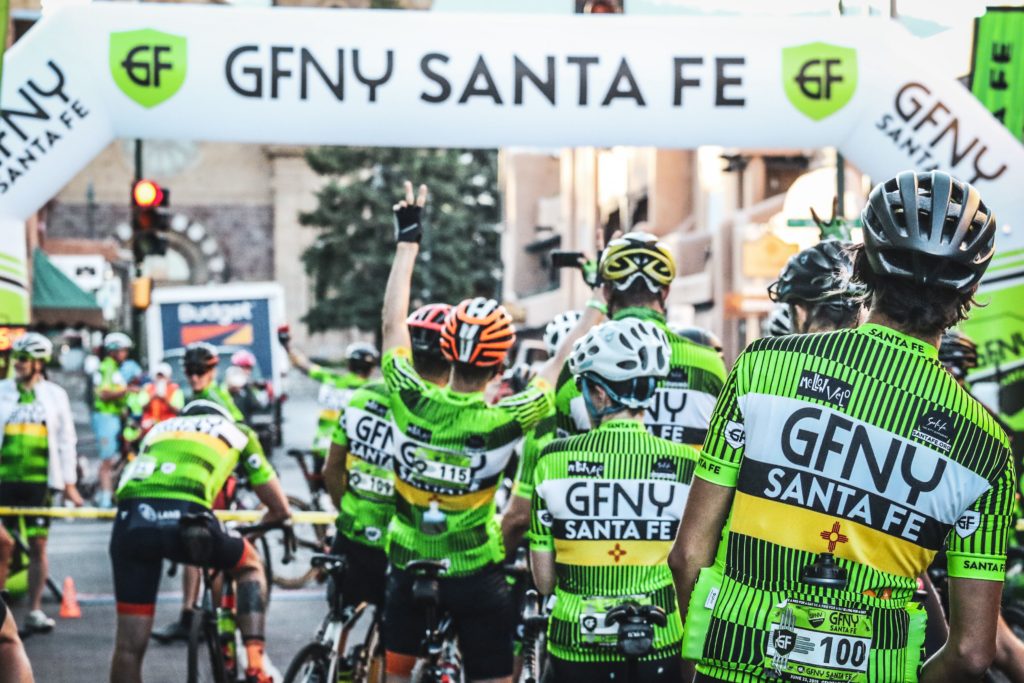
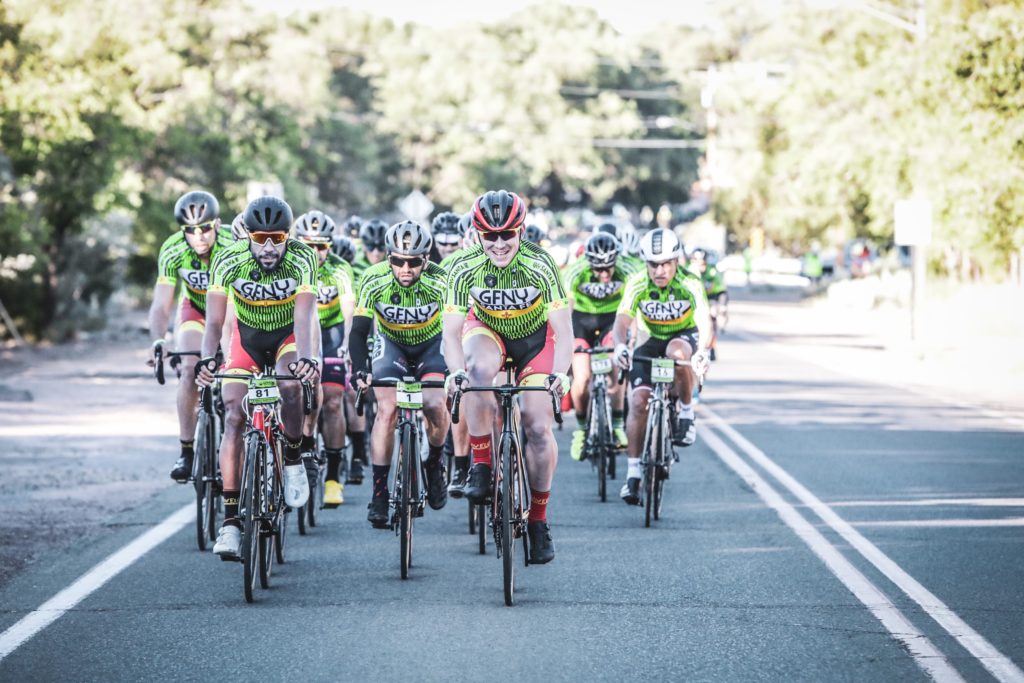
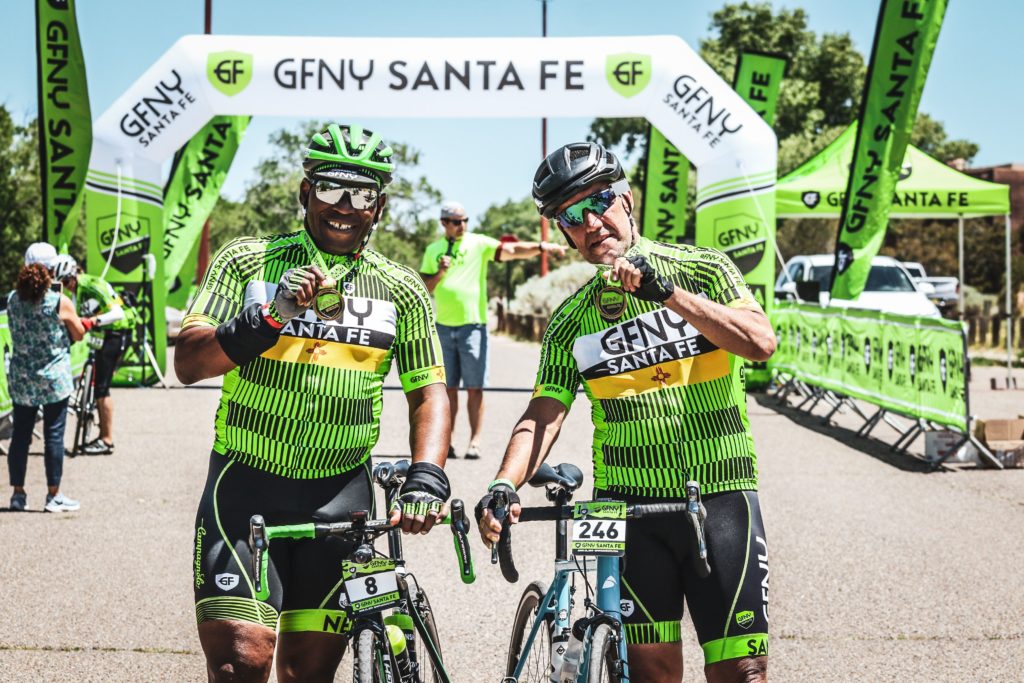
SANTA FE, NM (December 17, 2019) — In 2019, over 300 cyclists—both professional and amateurs—from across the globe came to Santa Fe, New Mexico to take part in the first-ever preliminary Gran Fondo New York (GFNY) event in the United States and the North American Championship. The event will return on June 7, 2020, allowing competitors the opportunity to qualify for a front corral start at the 2021 GFNY World Championship.
Photo courtesy GFNY Santa Fe.
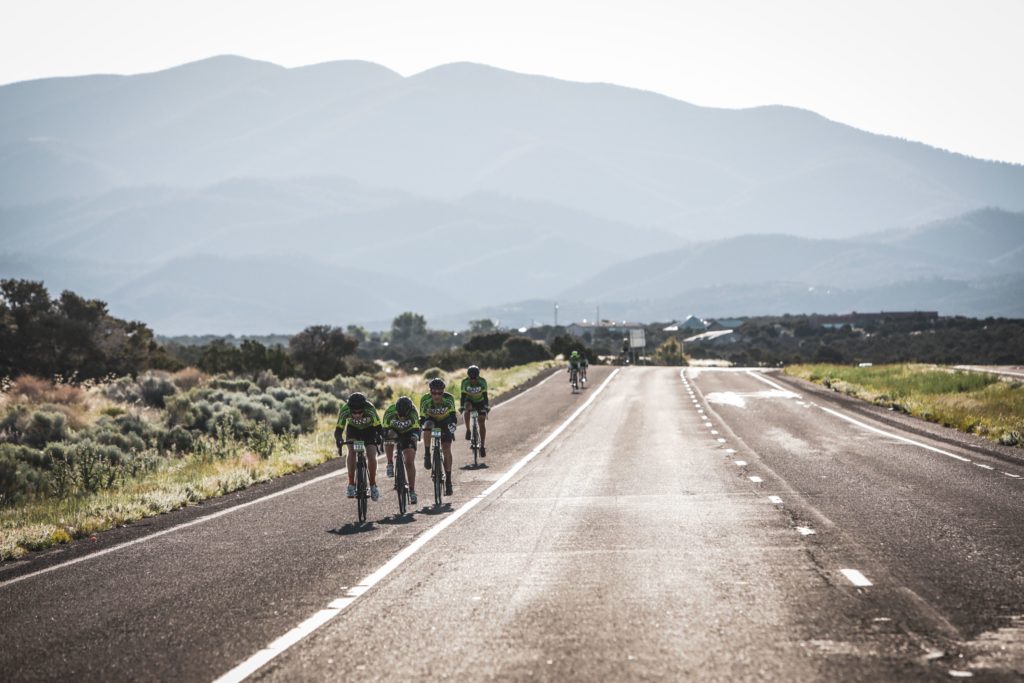
Showcasing the incredible landscapes and diverse terrain of the area, GFNY Santa Fe will test endurance and skill on its 75-mile, 7,150 foot climb Long (Gran Fondo) course and its 60-mile, 3,500 foot climb Medium (Medio) course. Both courses start in downtown Santa Fe before routing participants through the area’s scenic rolling hills, pinon-juniper woodland and the cottonwoods of Tesuque. The Long course further tests riders’ legs and mental endurance with a climb up Hyde Park Road/NM 475 to a finish line at 10,350 feet elevation at Ski Santa Fe.
Photo courtesy GFNY Santa Fe.
“We’re honored to once again be the site for a GFNY North American event,” said Randy Randall, Executive Director TOURISM SANTA FE. “This allows us the opportunity to showcase Santa Fe to worldwide competitors, and for competitors to experience the wealth of culture, art, cuisine, and, of course, incredible options for outdoor recreation and cycling. With our altitude, our scenic beauty, and our diverse trails, Santa Fe is sure to challenge competition cyclists, while offering inspiration and awe both during the event and after.”
Photo courtesy GFNY Santa Fe.
In addition to the race, the event brings three-days of vendor exhibits, group rides, guest speakers, film showings, rider socials and an award ceremony to Santa Fe. In its second year, the event is expected to bring over 500 cyclists to Santa Fe, drawing a significant percentage from Latin American countries. Additionally, TOURISM Santa Fe is providing itineraries for participants and their families based on their interests including the arts, cuisine or cultural activities.
Photo courtesy GFNY Santa Fe.
For registration and GFNY Santa Fe event details, visit www.gfnysantafe.com.
GFNY is a personal endurance challenge for road cyclists started in 2011, expanding to include an international series of events in 15 countries around Europe, Asia and Latin America. The annual series culminates with 5,000 riders tackling a 100-mile course at the GFNY World Championship in New York City.
For more information on visiting Santa Fe, go to www.santafe.org.
We all probably should increase our efforts to inspire school-age girls to ride bicycles. Author and cyclist Christina Uss has taken this concept to the extreme with her novel “The Adventures of a Girl Called Bicycle.” The narrative tells the fantastical, light-hearted tale of a 12-year-old girl who decides to ride all the way across the country, from Washington, DC to California.
Ms. Uss based the story on her own coast-to-coast bike trip that she did at an older age. The book’s intended audience consists of 8-12-year-old girls, who should be able to read it easily. (But don’t try this plot at home, kids!)
This mysterious girl is known only as Bicycle, lives in the Mostly Silent Monastery with Sister Wanda and a not very talkative monk named Sandwich, and apparently enjoys neither family nor friends. She seems not to have much desire to deal with real people, preferring to talk to her bicycle and other imaginary souls. “She slept with Clunk (the name for her bicycle) next to her bed, and occasionally she thunked down the wide staircase to breakfast on the bike.”
Asked about herself “The girl didn’t say a word” or “the girl would either smile or stare, depending on how friendly the asker’s voice sounded.” And the adults at the institution don’t talk much either.
So with bicycling meaning all to Bicycle, she sets off on a journey across the country, intending to meet a famous bicyclist in California she decides is the one person she can make friends with.
“Zbig was Bicycle’s hero. She rearranged the letters in his first name to spell E-Z BIG WIN and found the words NICE and WISE in his last name. She started dreaming about winning the Tour de France and the Giro d’Ita- lia and other famous bike races like Zbig did, riding her bike for hundreds of miles with a grin on her face, waving wildly to her own cheering fans. She thought her dream wasn’t too far-fetched.”
While she’s sensible enough to wear a helmet and bring along a set of tools, she’s bold enough to think she can travel undetected across the country for several months without funds or anything not carried in her well-stocked backpack.
“When Sister Wanda told her that she needed to pack for camp, Bicycle had instead secretly packed supplies for a long-distance bike trip.”
Her resolve is great, “Bicycle figured she had to ride almost four thousand miles to get to California. She needed to be there on July 8. That meant she’d need to average about fifty miles a day. How hard could that be? she asked herself. Zbig and those other racers ride over a hundred miles every day for weeks on end. Fifty miles should be a piece of cake”
She enjoys the generosity of folks she meets along the way and manages to get most of the energy she needs to pedal 50 miles a day, day after day, from snack food.
While everyone she meets treats her well, the realities of a bicycle tour such as the need for a toilet, shower, cash or laundromat and the dangers of such a trip never get mentioned in the fantasy and no one seems to question her. Parents may want to talk to their kids about this.
Her adventures include biking into the Kentucky Derby. She figures out a way to get up the Rocky Mountains. How does she like Utah? She writes her long-lost overseer “I don’t think the songwriter for ‘America the Beautiful’ knew what to say about this part of Utah. It hasn’t got amber waves of grain, purple mountains, or fruited plains. It’s more like a playground molded from red Play-Doh. How lucky am I to be able to bike through an alien’s playground?” as well as through 100 degree plus days. She finds Nevada both “lonely” and “lucky.”
The book emphasizes how we can be unique in our attitudes and goals; some people move and some stay put and we all are faced with alienation from each other. It sends a message to girls to both pursue their dreams and that a bicycle can become the vehicle for reaching them – even if nobody else rides along.
The Adventures of a Girl Called Bicycle, by Christina Uss. Publisher: Margaret Ferguson Books, 2018; Holiday House 2020, 320 pages. Also available as an ebook. Suggested ages: 8-12. ISBN 9780823440078
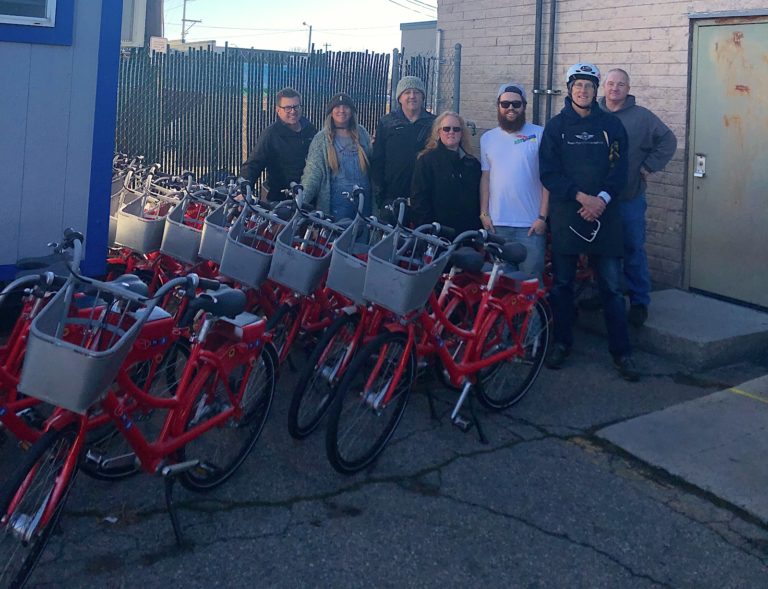
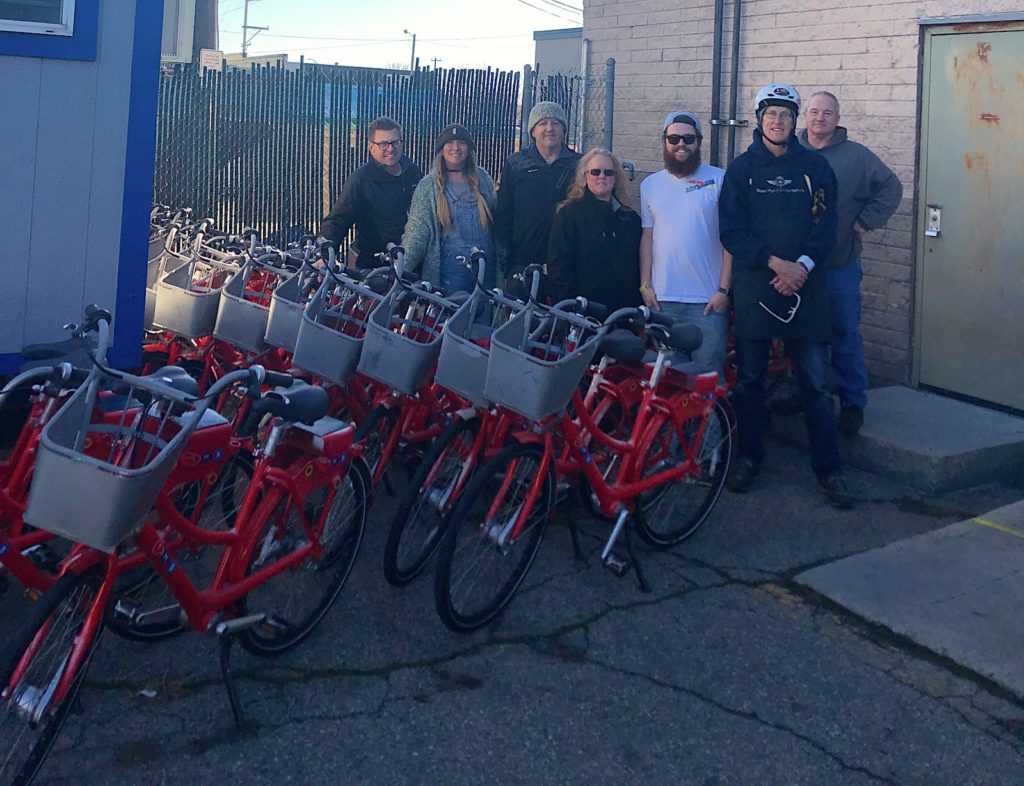
BOISE, Idaho (December 10, 2019) — Today, Boise GreenBike delivered 25 donated red bikes to the Interfaith Sanctuary to create a bike library for guests of the homeless shelter. The bikes are nearly identical to the signature green-colored bike-share bikes that have served Boise for almost five years. The only difference is that the red bikes lack the locks and controllers that make the bike share system operate.
“Many homeless people struggle with transportation,” said Jodi Stigers, Executive Director of Interfaith Sanctuary. “The goal of this program is to provide free access to reliable transportation so that our guests will be able to more easily get to job interviews, medical appointments, and the store.”
Boise GreenBike acquired about 90 of the red bikes from its sister system in Topeka, Kansas, as a donation from the manufacturer, Social Bicycles. Social Bicycles replaced these bikes with a newer model because the paint had faded badly. Boise GreenBike had hoped to repaint some of the bikes, buy new controllers and grow the system. Unfortunately, the initiative never got funded. Now that Boise GreenBike is transitioning away from Social Bicycles, program staff felt it was time to find a new use for these perfectly serviceable bicycles.
“The bikes will retain the proprietary nuts and bolts that make it difficult to remove the wheels, seats, and handlebars without special tools,” said Dave Fotsch, Director of Boise GreenBike. “We will be working with Interfaith Sanctuary to train some of their guests on how to work on the bikes in our shop.”
The new bike library at Interfaith Sanctuary also fulfills a goal of Boise GreenBike to create an equity program for low-income individuals who may not otherwise be able to use bike-share. The nonprofit Idaho Advocates for Community Transportation, which supports programs of Valley Regional Transit, including Boise GreenBike, received a grant from the Clif Bar Family Foundation to create a bike-share equity program. The grant monies will be used to purchase lights, locks, and helmets for the bike library.
Both Interfaith Sanctuary and Boise GreenBike consider this a pilot program. If it is successful, there are more bikes in the warehouse awaiting new homes.
LAKEWOOD, Wash. (December 15, 2019) — The 2019 USA Cycling Cyclocross National Championships crowned six champions on the final day of spectacular racing in Lakewood, Wash. The weeklong competitions decided 40 national champions, with nearly 1,400 athletes taking to the start line in the South Puget Sound area of Washington.
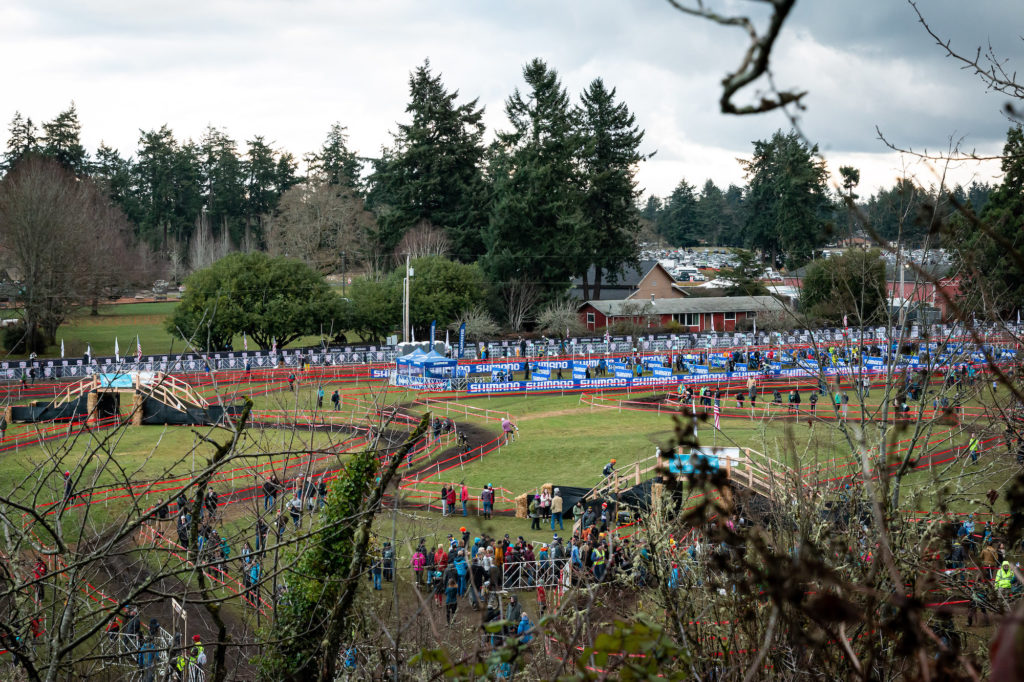
An overview shot of the National Championship course Fort Steilacoom Park, in Lakewood Washington on the final day of the US National Championships. Photo courtesy USA Cycling/Tory Hernandez
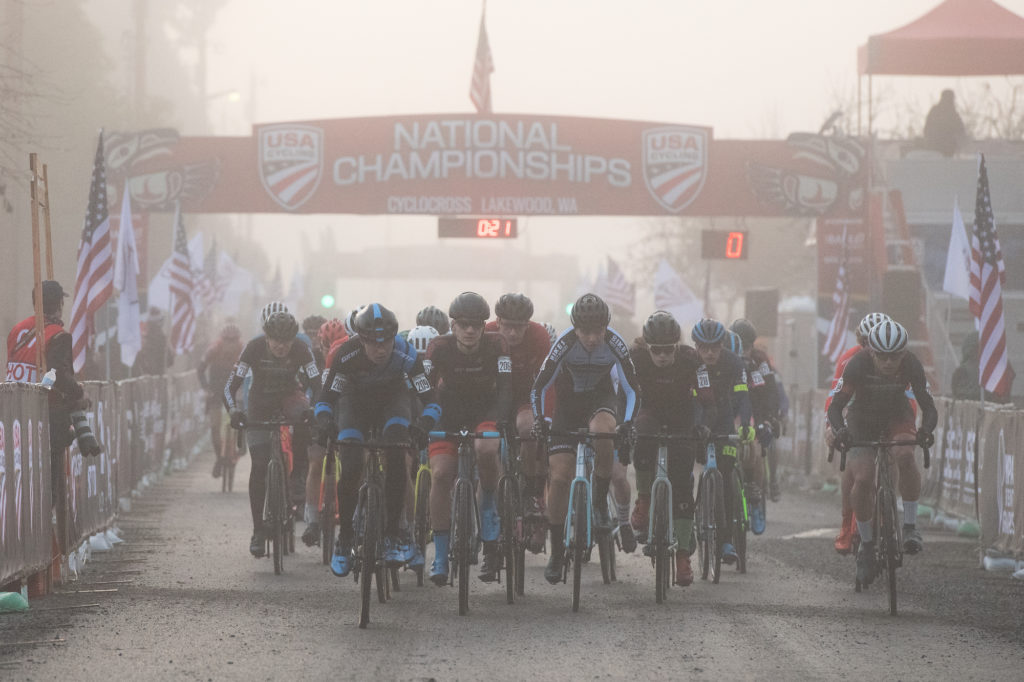
Fort Steilacoom Park was veiled in a quiet fog Sunday as sunshine tried to cast daylight on the final cold day of racing. The sun did peak through low clouds throughout the day keeping showers at bay. The challenging course at Fort Steilacoom Park delivered well-rounded champions, who were able to minimize mistakes and stay smooth on the steep uphills and technical descents.
The Junior Men 17-18 field takes the start shrouded in fog on Sunday morning at the US Cyclocross National Championships. Photo courtesy USA Cycling/Dejan Smaic
Andrew Strohmeyer (Mount Airy, Md.; CX Hairs Devo: Trek Bikes) took advantage of his technical skills to pull away from the 70-rider field and win the Junior Men 17-18 event. Strohmeyer, the reigning Junior Men’s Pan American Cyclocross Champion, crossed the line in 38:53. He was 9 seconds ahead of second-place finisher Jared Scott (Boulder, Colo.; Boulder Junior Cycling). Magnus Sheffield (Pittsford, N.Y.; Cannondale p/b Cyclocrossworld.com) was third, 33 seconds back.
“The last two laps, I knew that I was riding the descents better so I had to go first into the descents and I was able to do that,” Strohmeyer said of his attack to drop the other two riders from the lead group. “I got a gap coming out of them and I knew that was the move, so I just had to go and make it stick.”
A runner-up last year in the Junior Women 17-18 division, Madigan Munro (Boulder, Colo.; Boulder Junior Cycling) dominated this year from wire to wire for the title. Also the reigning Junior Women’s Pan American Cyclocross Champion, Munro completed the course in a winning time of 44:00. A little over three minutes later the silver was taken by Michaela Thompson (Niwot, Colo,; Boulder Junior Cycling). Lizzy Gunsalus (Dudley, Mass.; Cannondale p/b Cyclocrossworld.com), the 15-16 champion at the 2018 Cyclocross Nationals in Reno, Nev., scored the bronze.
“It was a really fun race,” said Munro, who chose to race cautiously through the Western Construction sandpit. “I think I could have ridden it most of the times, but it was more efficient to run. I wanted to focus on being smooth the whole race and not taking too many chances to I just ran it.”
Winner in the 17-18 division in 2018, Katie Clouse (Park City, Utah; Cannondale p/b Cyclocrossworld.com) crushed the Women U23 division to claim her third Stars-and-Stripes of the week. Clouse also won the Women Collegiate Varsity and the Collegiate 4×4 Team Relay on Friday.
Hannah Arensman (Brevard, N.C.; JA King Cyclocross), winner of the Women Collegiate Club title, finished second, 2:30 down. Taking third was Shannon Mallory (Bellingham, Wash.; NWCX Project).
“This course has definitely been one of my favorites,” said Clouse, who now has 30 national championship titles across multiple disciplines. “It’s an awesome course, it’s really challenging. There’s not a lot of rest, there’s a perfect amount of running and power. It’s great.”
Halfway through the U23 Men contest, Eric Brunner (Boulder, Colo.; Blue Stages Racing) attacked his competitors to claim his second Stars-and-Stripes jersey of the week. Brunner, winner of the Men Collegiate Club title, crossed the line solo in 54:45. Caleb Swartz (Madison, Wisc.; Linear Sport RT/Trek), winner of the Men Collegiate Varsity title, took silver, 44 seconds back. Scott Funston (Maple Valley, Wash.; The Hold Fast Project) took bronze, 1:17 behind Brunner.
“I’m just beyond words right now, this is definitely one of the best days of my life,” said Brunner, who finished third in 2018. “I was going all out on the last lap, but at the same time I just had to focus. I knew that I had a big gap so I decided to ride smooth and bring it into the line.”
“I got a bronze medal at home, it was amazing,” added Funston, who with his father and other local cyclists helped build the course this past summer. “(It was) a wall of noise around the whole course, the run ups, the drops. The crowd just carries you.”
Along with the crowds, the sun came out in force for the final two races of the day, the Elite Women and Elite Men events. Both races featured two young racers claiming their first Elite titles.
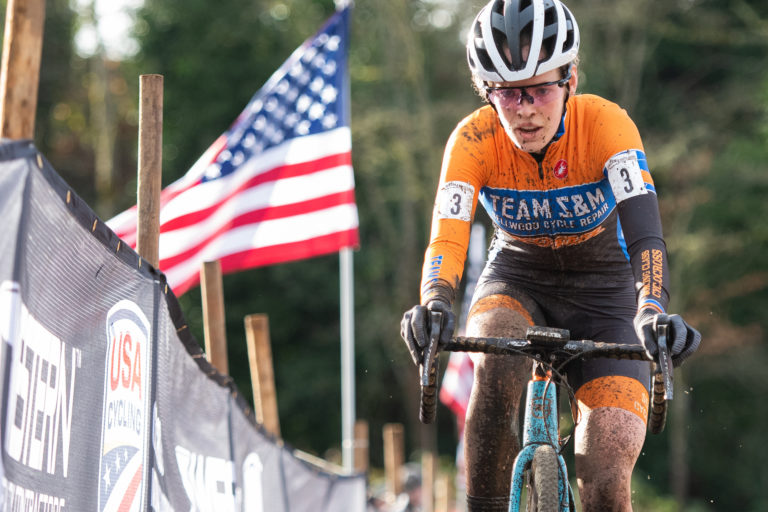
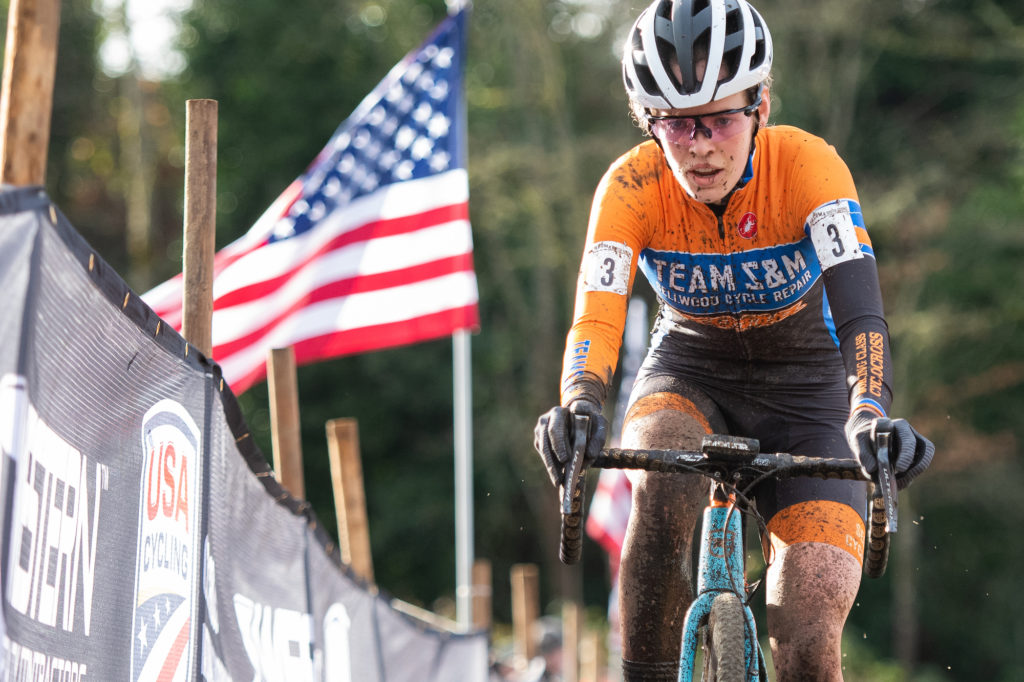
Clara Honsinger (Team S&M CX-Sellwood Cycle Repair) ended Compton’s 15-year streak, taking the Women’s National Championship in her first season racing as an Elite. Photo courtesy USA Cycling/Dejan Smaic
Racing her first season in the Elite category, Clara Honsinger (Corvallis, Ore.; Team S&M CX Sellwood Cycle Repair) took control halfway in the five-lap race to win the Elite Women title. Honsinger, last year’s U23 champion, rode solo across the line in 50:16 to capture the Stars-and-Stripes jersey.
“I don’t think I’ve even come to recognize it yet,” said Honsinger, who put her hands on her head in disbelief when she crossed the finish line. “The entire race I was like ‘I have to hold it smooth.’ Even coming down the finishing stretch, giving high fives. [I was thinking] I just need to make it to this line and savor it.”
Two laps into the race, Honsinger joined Rebecca Fahringer (Concord, N.H.; Kona Maxxis Shimano) at the front of the shattered 58-rider field to establish a small gap to 15-time Elite Women national champion Katie Compton (Colorado Springs, Colo.; KFC Racing p/b Trek/Knight). A lap later, Honsinger was solo off the front, staying focused on the task at hand and getting energy from the cheering fans.
“Falling through that tunnel and hearing my name from everyone is huge, it’s inspiring to ride on,” Honsinger said of the enthusiastic crowds.
Fahringer, fourth in 2018, continued to chase solo, but was not able to close the gap. She crossed the line 29 seconds later for second place. With fans cheering on her amazing fifteen titles, Compton took third, 1:20 behind the winner.
“It’s just a progression of cyclocross. It’s not a changing of the guards or anything, we’re all still out here racing, it’s just a little switch from what it’s been for the past few years,” Honsinger added.
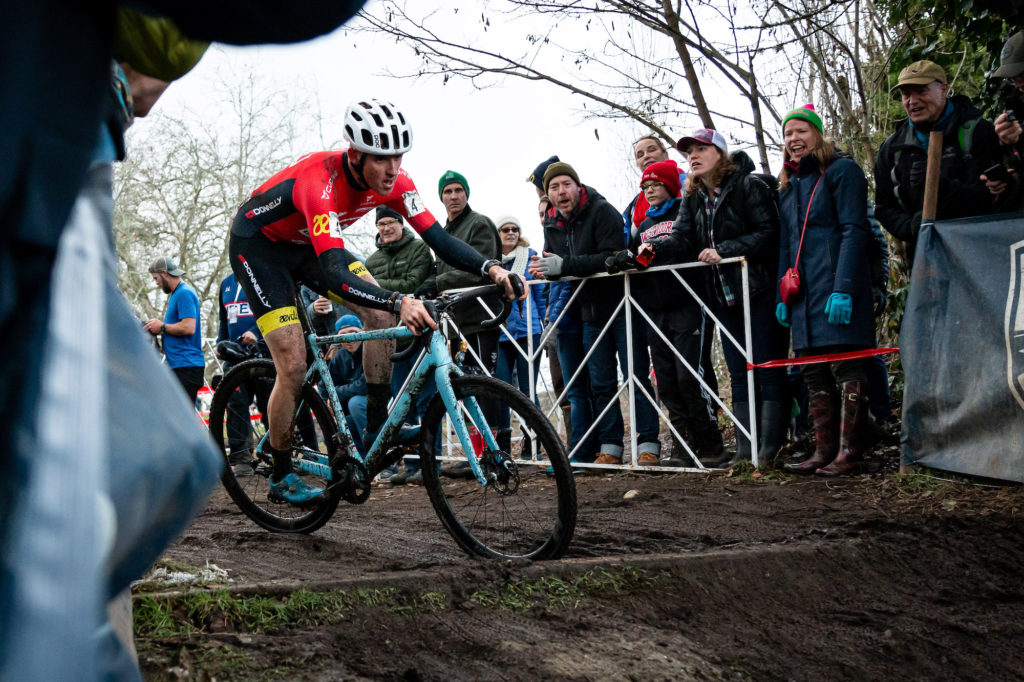
Gage Hecht (Donnelly-Aevolo) dethroned three-time champion Stephen Hyde to capture the US National Cyclocross Championship in his second year as an Elite rider. Photo courtesy USA Cycling/Tory Hernandez
After a very fast start, Gage Hecht (Parker, Colo.; Donnelly Aevolo) went immediately to the front of the 53-rider elite men’s field and put the hammer down. Hecht rode a strong, smooth race to win the national crown in a time of 1:00:32.
“This is something that I’ve dreamed about since I was 10 years old. Racing here, it’s truly amazing, it’s really exciting,” said 21-year old Hecht, who has chosen to race the Elite category for the past two years.
After one lap, Hecht and Kerry Werner (Advance, N.C.; Kona Maxxis Shimano) had pulled away from a chasing duo of defending champion Stephen Hyde (Easthampton, Mass.; Cannondale p/b Cyclocrossworld.com) and Curtis White (Delanson, N.Y.; Cannondale p/b Cyclocrossworld.com).
“That lap I was just trying to hold onto things. I blew through that tape because there were some leaves that covered the rut, that freaked me out a little bit and I shot into the spectators,” Hecht said of his crash on the second lap. “And then to see Kerry flip over his bike on the right side of me, I felt terrible, I hate seeing that happen. It messed with my head for a lap, but I finally got back into the swing of things about a lap later.”
Back in full control, Hecht re-established his lead to White and Hyde for the rest of the seven-lap race. White crossed the line 17 seconds later for second place and Hyde took third, six seconds later. After his crash, Werner fell back to the second chase group, and ultimately finished fourth.
Hecht enjoyed the amazing atmosphere out on the course, “It was deafening,” he said. “It was amazing. It’s something that is special to national championships that you don’t get in every race. It was so cool. I was loving that, there’s so much energy up there.”

 By Chaz Langelier, MD/PhD Student and Rita Sharshiner, Medical Student — At certain times of the year, Utah has some of the worst air quality in the nation. In fact, three of Utah’s major metropolitan areas are ranked in the top 25 cities most polluted by short-term air particle pollution (PM2.5), including Logan (5th), Salt Lake City-Ogden-Clearfield (7th), and Provo-Orem (19th).1 Poor air quality not only compromises the aesthetics of our beautiful state, it also significantly endangers the health of Utah’s citizens. Cyclists and other outdoor athletes breathe more air on a daily basis than the average Utah citizen, and thus riders exercising outside in Utah’s metropolitan areas face a unique and increased risk of air-pollution induced health problems. There are more than 2000 scientific studies published during the last decade that clearly show that levels of air pollution routinely found along the Wasatch Front lead to thousands of strokes, cases of heart disease, respiratory ailments and premature deaths each year.