Tuesday, March 10, 2026
Home Blog Page 222

Book Review: Roads Were Not Built For Cars: How cyclists were the first to push for good roads and became the pioneers of motoring

By Lou Melini

I first heard about Roads Were Not Built for Cars earlier this year when I was able to attend a small presentation by the author, Carlton Reid. Once Mr. Reid speaks, you will instantly recognize that he is a resident of England. He has spent a lot of time in the United States, and if I recall correctly, he lived here for a short time. His knowledge of both countries is evident in the book as you will be transported to England in many sections of the book. Mr. Reid states that 4 years of research went into the book.

Roads Were Not Built For Cars book cover

Reading Roads Were Not Built for Cars, one has to remember that it is primarily a history book. It is a history of the cycling culture that then simultaneously describes the evolution to early automobile usage. The time period is primarily from the late 1800’s to 1920 with some content discussing the history before and after. As a cyclist, you will think that the book seems to be more about the early pioneering days of the motor car than cycling history, but that is the point of the book, how motoring evolved from cycling and how cycling led the way to our automobile dominant transit system. It is not a book that you can pick up and breeze through in a weekend, as the writing style simply will not let you do that. The 10” X 8 “, 305-page book is crammed with detail. The bibliography and footnote references are not contained in the book for reasons of space saving in the book according to Mr. Reid. For that fact checking, you need to go online.

Mr. Reid examines the subjects of vehicle speed, road width and “who owns the road” generously giving each topic an entire chapter. It was interesting to read that many of the topics being discussed in 2015, were being discussed over 100 years ago; “While bicycle-only paths were the fervent desire of many cyclists this desire was not shared by all. The building of bicycle-specific routes became a divisive issue for the cyclists of the day (1890’s). There were arguments over whether or not the provision of paths diverted attention from the need to improve roads for all users.”

There were also public policy discussions over road funding. Cyclists in the 1800’s wanted federal funding for roads. However as the book pointed out; “Almost from the founding of the United States, there had been a lack of clarity over the subject of highway construction and maintenance, and whether roads should be paid for by the federal government, the states, counties, towns or individuals. Government, it was felt, must be kept small and limited, or it would become dangerous to liberty and to the people’s welfare. In the 19th century the majority of local and national legislators felt transport was the responsibility only of counties and towns.’

Mr. Reid inserts many court cases in his book. For example in a 1933 court case a judge ruled; “No member of the public has an exclusive right to use the highway. He has merely a right to use it subject to the reasonable use of others…The law….recognizes that there are competing public interests. The law relating to the user of highways is in truth the law of give and take. Those who use them must in doing so have reasonable regard to the convenience and comfort of others and must not themselves expect a degree of convenience only obtainable by disregarding that of other people. “ In 1887 the “Liberty Bill” legislation passed that, for the first time, gave cyclists explicit right to be in the parks of New York City and on the roads. In 1895 the Kansas Supreme court ruled, “Each citizen has the absolute right to choose for himself the mode of conveyance he desires whether it be by wagon or carriage, by horse, motor or electric car, or by bicycle.”

For the technical crowd, Chapter 14, will be interesting as it discusses how nearly every part of a car save the internal combustion engine, drew on cycling manufacturing for guidance and manufacturing expertise.

I like history so I found the book generally fascinating but also tedious to read the minutiae of detail found in the book. I imagine Mr. Reid was quite excited to discover a treasure trove of detailed facts during his research and wanted to share the entire content of such knowledge on the readers of his book. He needs a good editor. Rather than history, I felt like there were sections of the book that were more suitable for “small-talk” or perhaps gossip. In the second chapter that discussed the Pioneers of motoring Mr. Reid stated in a passage about Selwyn Edge, “ Some early motor-car reliability events were timed by cyclists, such as a 1,000-mile track event held on November 21st, 1900 at the Crystal Palace cycle track in London. Edge knew the timers at these motor-car events because they were the same people who had timed Edge’s record-breaking cycling events, H.J. Swindley, official timekeeper of the National Cyclists’ Union, and F.T. Bidlake, who held the same office at the Road Records Association, were the two key timers of the day.” I doubt if I will ever need to neither know about nor care about Mr. Edge’s timing friends. I will admit that I had to put the book aside many times during my reading.

I will recommend this book with some reservations. First, as I have mentioned, the book is not an easy to read book. You may want to consider David Herlihy’s book, Bicycle, The History, as a source of cycling history. Herlihy’s book is large at 480 pages. There is also Asphalt Nation, by Jane Holtz Kay that discusses the rise of the automobile in the U.S.. However if you have not read a book on cycling and motoring history around the turn of the 20th century, Roads Were not made for Cars is a good book to start with. You will come away amply educated on the history of transit for the next time someone tells you “roads were not made for bicycles”.

Roads Were Not Built For Cars: How cyclists were the first to push for good roads and became the pioneers of motoring.

By: Carlton Reid

Island Press, 2015

2000 M St., NW; Suite 650

Washington D.C. 20036
 

New Rollout App Helps Manage Group Rides

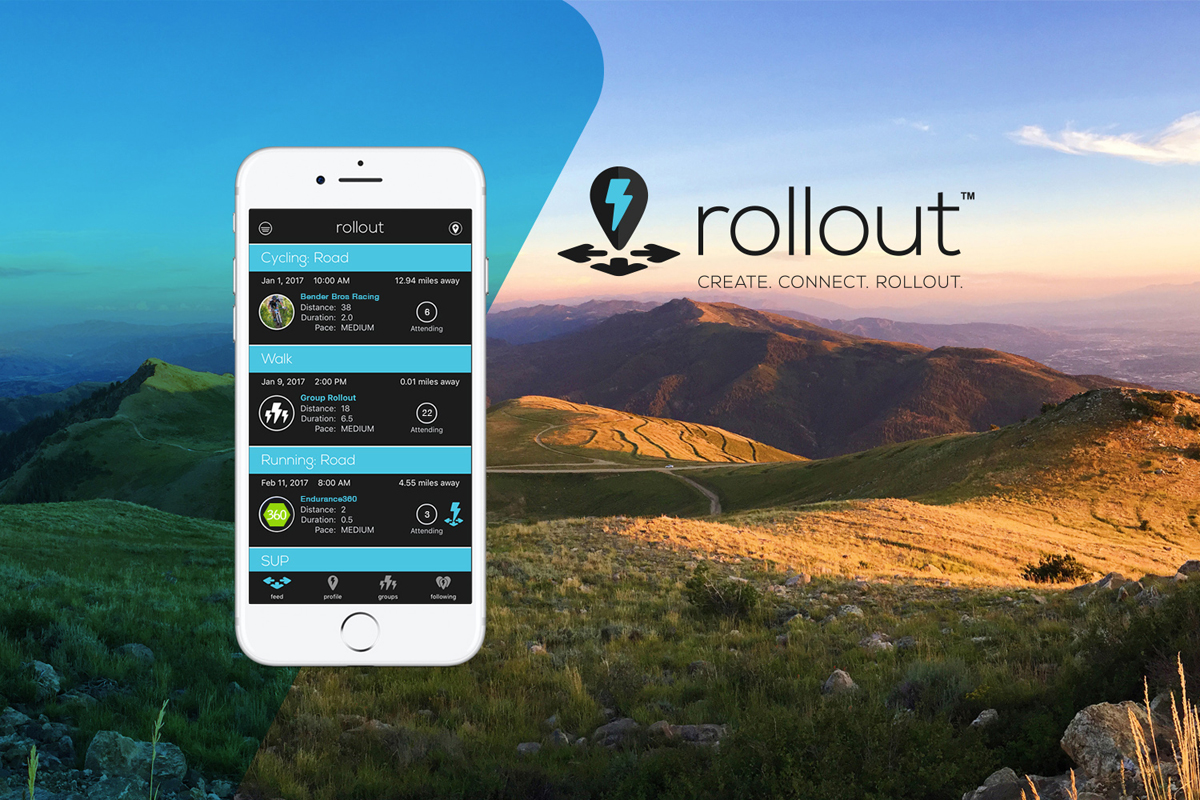
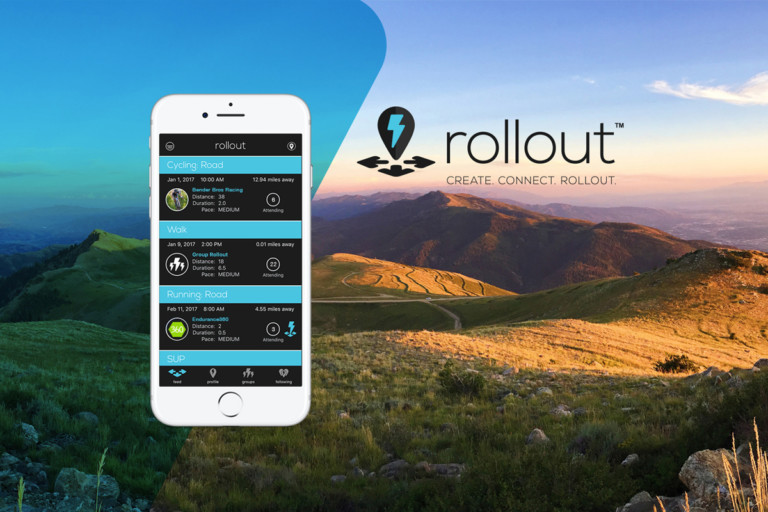
By Dave Iltis — Kevin Day, a long time Utah pro mountain biker, has released the Rollout App. “Rollout is the best way to create and manage a group workout or athletic activity meet up. Share your plans with friends, a specific group or the public, without group messages or emails,” according to Kevin.

The new Rollout App by Kevin Day helps manage group outdoor activities, including group cycling rides.

The app works for a number of sports, including cycling, mountain biking, running, hiking, surfing, skiing, and more.

The app is available on the Apple App Store.

For more information, visit kdayracing.com

Nevada’s Silver State 508 Looks Forward to 2017 Under New Race Directors

0

Chris Kostman Turns over the Reigns of The 508 to Robert and Jo Panzera

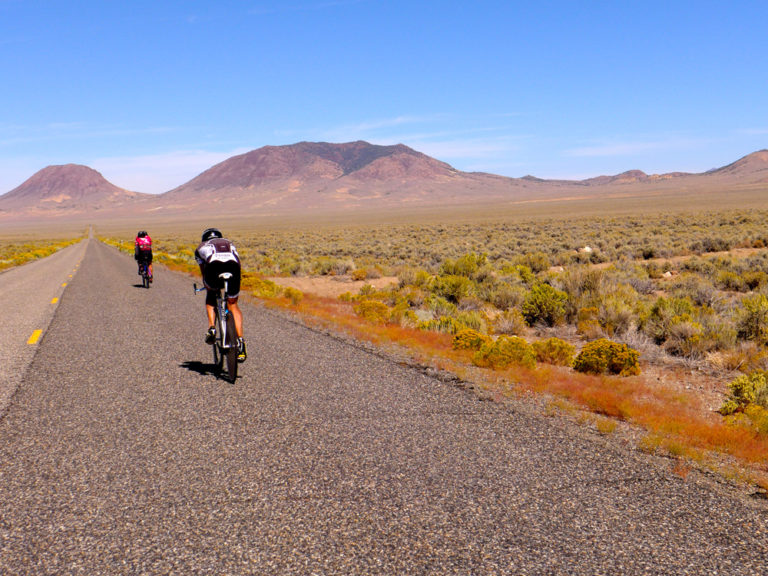
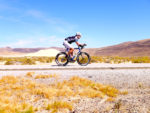
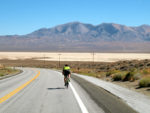
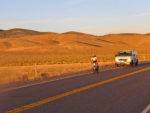
On the loneliest road in America, Highway 50 in Nevada, in the 508. Photo by Chris Kostman, The508.com

April 18, 2-17 – Press Release – Reno, Nevada – After 27 years of producing and promoting the ultracycling event commonly known as “The 508,” officially as “Silver State 508,” and formally as “Furnace Creek 508,” race director Chris Kostman has turned over the reigns to Robert and Jo Panzera of CCSD, a San Diego-based cycling event production company that operates events across the USA and in Europe.

Robert and Jo Panzera will be the new race directors of the 508. Photo by Chris Kostman, The508.com

Said Kostman, “This race has been near and dear to my heart – and the one constant in my life – since 1984, the year after it was created by my mentor and hero, John Marino, the godfather of ultracycling who also created the Race Across America. I first worked at it when I was 17, I raced it twice at age 18 and 19, worked on a support team a few times, officiated a few times, and then became the race director in 1990 with John’s encouragement. I’ll never forget the sense of pride I felt in having John work for me at that first race as I truly wanted to live up to and exceed his expectations. Twenty-one years later he honored me again by competing in the race, alongside fellow Race Across American founders Lon Haldeman, Michael Shermer, and John Howard in the 2011 edition.

“Now it’s time for me to turn the event over to the caring hands, fresh eyes, and dedicated energy of Robert and Jo, and I know they will do big things with the event and nurture it far beyond what I could even imagine. I encourage everyone who has ever been part of The 508 – as racer, crew, volunteer, or staff – to put their full weight behind The 508 this year and far into the future. This event became great because of everyone who contributed to it over the years and it will become greater still with our team effort. I plan to be there this September – maybe even as a participant! – and I look forward to seeing the race expand and flourish.”

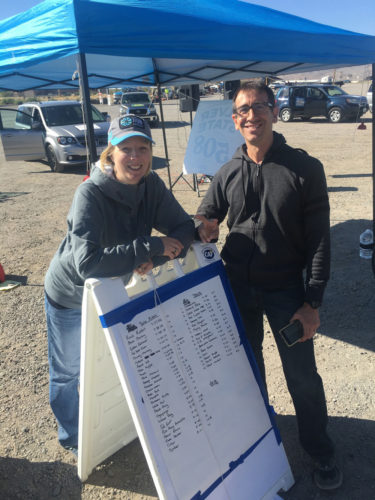
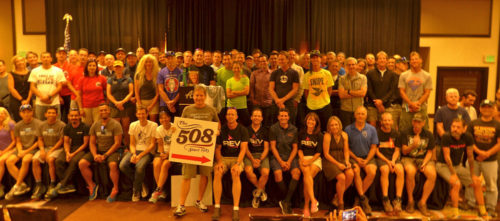
Chris Kostman is stepping down as the 508 race director. He's shown here with the group holding the sign. Photo courtesy Chris Kostman, The508.com
Chris Kostman is stepping down as the 508 race director. He’s shown here with the group holding the sign. Photo courtesy Chris Kostman, The508.com

While epic routes, a formidable challenge, a friendly camaraderie amongst the racers, and much more have defined the race from the begin, change has also been a constant: It’s had four names: John Marino Open, RAAM Open West, Furnace Creek 508, and Silver State 508. It’s had four routes: a 102-mile loop ridden seven times in the Hemet, California area; a 552-mile out-and-back route between Tucson and Flagstaff, Arizona; a 508-mile horseshoe-shaped loop across the Mojave Desert featuring Death Valley in the middle 100 miles; and, since 2014, across the northern Nevada Outback on Hwy 50, known as “the loneliest highway in America.”

Multiple improvements are planned for 2017, including the new official start / finish host hotel at the Hilton Garden Inn, which is a lovely hotel, much smaller than the previous venue, and is not a casino. It’s much like the type of hotels The 508 used in the past, on the Southern California route, which will make the whole race experience much more intimate and homey. The Hilton Garden Inn is located at what was mile 4.5 of the race route, so this will eliminate a total of nine miles of urban riding at the start and finish of the race, which will be a nice improvement.

Additionally, a finish line breakfast will be served for all riders and crew members at the conclusion of the race. The race has also shifted to a Friday-Sunday schedule so as to avoid end-of-weekend traffic on Sunday afternoon and evening. Racers and crews can now all be back home by then instead! Finally, Robert and Jo will soon be launching a much improved and updated website at www.the508.com, along with many other enhancements to the race.

No newcomers to The 508, Robert and Jo have been involved with event since 2010: Robert was crew chief for Team Yak, who set a 60+ record in 2010. Jo completed the race with the four-woman Team Pine Martens, with Robert as their crew chief, in 2011. In 2012, Robert and Jo ran the Trona time station. On the Nevada route, Jo crew chiefed for the oh-so-memorable Team Chase-adon in 2015 and then Robert and Jo worked the race in 2016: first running time station one, then officiating the route, and then managing – and vastly improving upon – the finish line operations.

Said Robert, “When we heard that Chris Kostman, Director of The 508, was looking to pass the torch of the event, we were honored and excited to have the opportunity to add to the amazing history of this iconic ultra-endurance race. We look forward to providing the same great competitive race, fun race atmosphere, and racer community for many years to come. With the introduction of the Reno start/finish location in 2014, we see a continuing opportunity to grow the event through reaching more riders by expanding the roster for both the two-person and four-person relay divisions, and encouraging those riders to take on the solo challenge in the future. We are glad to have Chris along with us as a consultant in the foreseeable future to continue The 508 in his spirit, passion, and vision. 2017 is going to be an amazing event. September can’t arrive quickly enough!”

Robert and Jo run CCSD, producing their own tough cycling events like the Dirty Devil and St. Paddy’s Palomar Punishment, the iconic Great Western Bicycle Rally over Memorial Weekend in Paso Robles, a full plate of cycling training camps in San Diego County, multi-day tours held in conjunction with the Spring Classics in Belgium, plus pub-to-pub tours in England, and more. On top of that, they also handle – with absolutely incredibly precision – all the operations for the many 2- to 7-day cycling events promoted by Challenged Athletes Foundation.

The 34th Anniversary Silver State 508 will take place on September 15-17, 2017. Founded by John Marino in 1983 and recognized as “The Toughest 48 hours in Sport,” it is the world’s premier 48-hour ultra cycling race. This 508-mile bicycle race is revered the world over for its epic mountain climbs, stark desert scenery, desolate roads, and its reputation as one of the toughest but most gratifying endurance challenges available, bar none. Solo, two-person relay, and four-person relay divisions are offered. Registration is now open at www.the508.com


The Salt Lake Bicycle Collective: Continuing the Mission for Fifteen Years!

By Lou Melini — It was in April of 2002 that 6 bicycle enthusiasts/advocates founded the Salt Lake Bicycle Collective. Founders Jason Bultman, Brian Price, Brenton Chu, Jonathan Morrison, Edward Whitney, and Jesse Ratzkin set out to share the virtues of bicycling with the community and build the bicycling environment with a creative advocacy organization. In addition they provided the gathering place, tools, education, art projects, and shop services. The Collective is about having fun while helping others.
On August 1st of 2016, Clint Watson became the new Executive Director of the Collective, inheriting the growth that has taken place since 2002. I met up with Clint in last November as a volunteer at the Collective to see first hand the good work that the Collective performs.

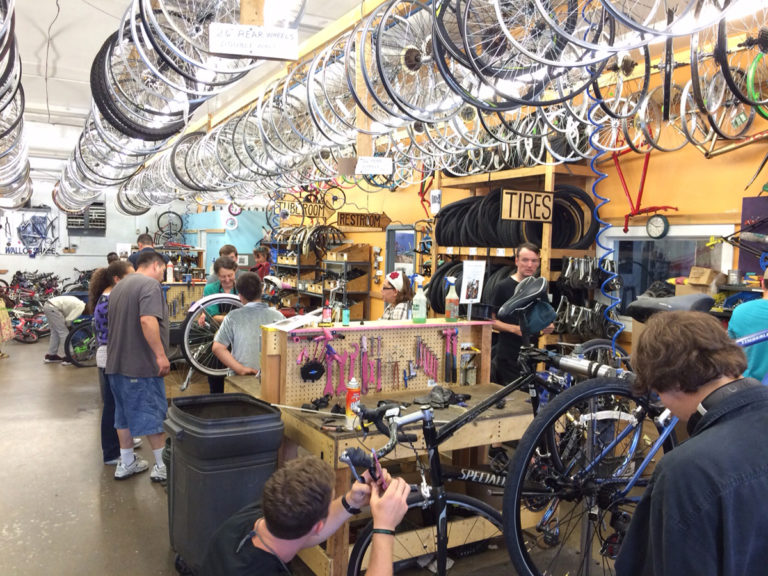
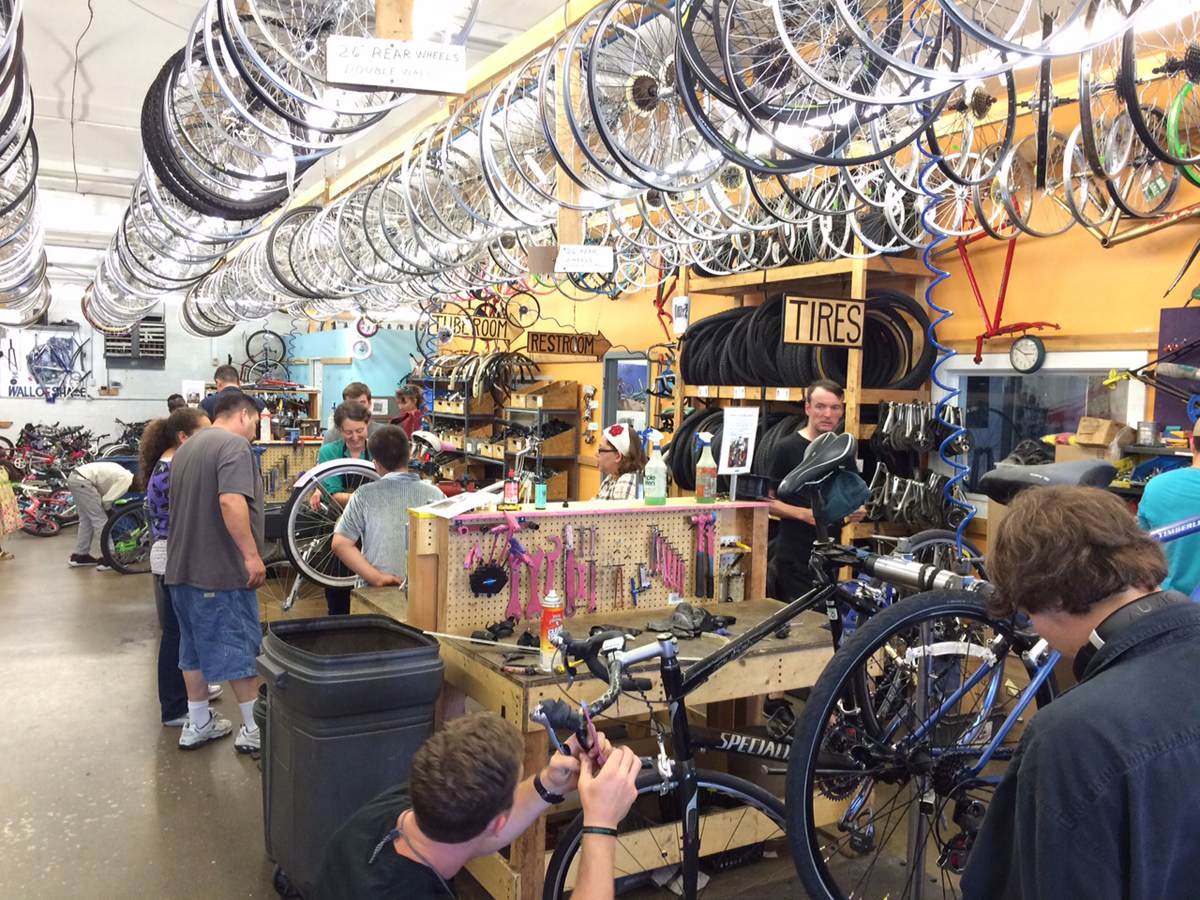
The Bicycle Collective is celebrating 15 years of putting people on bicycles in Utah. The Community Bike Shop is a place where all are welcome and all can learn to work on bicycles or help others. Photo by Dave Iltis

Cycling West: When did the Collective form? What was the basis of its formation?

Clint Watson/Bicycle Collective: The Bicycle Collective was conceived and initially organized by a group of bike enthusiasts who met through critical mass rides and other bike events. They shared three common beliefs: 1. That bicycles are more than a toy, but an effective and sustainable form of serious transportation. And 2. The cost of a new bicycle was a barrier to many people who would otherwise be inclined to ride, and 3. The Wasatch Front was littered with older bikes in garages that could be rebuilt into perfect commuters and many people would donate their old bikes to the right cause. 15 years later it appears that they were exactly right on all three counts. Over the past decade and a half the Collective has refurbished tens of thousands of bikes and given them a new life and in doing so provided reliable transportation and true mobility to an impressive number of people.

CW: Since 2002, the Collective has expanded to various locations and along with that the governance. Can you touch on that?

BC: We now have fully operational and revenue-positive (i.e. self-sustaining) locations in Salt Lake, Ogden, Provo and Westminster Campus. We’re also exploring a new location in St. George. The expansion happened very rapidly from one location to what we have now in 2015 and it has brought along with it governing challenges that we’re in the process of normalizing and making great headway. The structure of the Collective is that of any standard 501(c)3 nonprofit: we have a board of Directors who are volunteers and establish the policy and overall direction of the organization, and they hire an Executive Director (myself) whose job it is to implement the vision system-wide. A Director who oversees a staff of mechanics and program coordinators and a huge group of enthusiastic volunteers manages each location.

CW: What is the mission of the Collective? How has the Collective managed to maintain the mission over the years?

BC: The mission of the Bicycle Collective is to promote cycling as an effective and sustainable form of transportation and the cornerstone of a cleaner, healthier, and safer society. The Collective provides refurbished bikes and educational programs to the community, focusing on children and low-income communities.

At present our Board of Directors is in the process of reviewing our governing documents and creating a strategic plan to guide us through the next 5 years, and in the process we took a critical look at the mission. It turns out we the mission as written captures what we do and why so well we find that we’re naturally inclined toward working toward it and thus it’s staying in place as is.

CW: Tell me about your background, how you became involved in the Collective and how you progressed to your current position.

BC: I got involved with the Bicycle Collective at the organization’s first annual board meeting in 2003 where I was invited to join the Board. Over the years I have served as board member, keylist volunteer, LCI course instructor, and Program Developer. I also worked for a few years with the Boise Bicycle Project as Volunteer Coordinator and Program Director and as a shop mechanic. In 2015 I rejoined the Bicycle Collective as the first full time satellite location Director in Ogden and directed the renovation of the building as well as revived our programming and community shop in Ogden that had taken a 3-year hiatus. In August of last year I was hired as Executive Director, overseeing operations and general management of all Bicycle Collective locations.

I’m a Utah native, fourth generation, born in Spring City. I grew up on a sheep farm and spent a lot of time outdoors, particularly in the mountains in the Manti-LaSal range where I developed a deep love of nature. My parents still live there and I love to visit; it’s still a quiet community that isn’t experiencing much growth and that’s the way they like it. I attended Snow College and the University of Utah and have worked previously as a Special Ed instructor and a Librarian at SLC Public Library. I feel like the community bike shop field is really where my heart has lead me and I couldn’t be happier to have the opportunity to navigate this organization through a young and growing field in the nonprofit sector.

CW: What programs have survived the test of time over the years? What are some of the current programs? What keeps these programs functioning?

BC: Our core programs are:

    1. Community Bike Shop
    2. Goodwill Bike Giving Program (for adults and youth)
    3. Bike Valet
    4. Youth Programming (formerly “Earn-a-bike”)
    5. Mountain Bike Camps

All of these have been around for at least 10 years, though they have evolved somewhat and I hope to see them continue to do so. I believe strongly that we should be doing things because they work and are fulfilling a need in the community, not because of tradition or personal agenda. The key element that keeps each of them functioning is the driving need in the community—with many of these programs people don’t know they need it until we start offering it, and then it becomes indispensable. Take Bike Valet for instance: we park 800-1,000 bikes at every Twilight Concert show during the summer. That’s a burden of 500-1000 parking spaces that we’re reducing on the event. Many people might not assume that having someone watch your bike in a secure location while you enjoy downtown life is a necessity, but once they realize it exists they use it! And because it’s used so much it’s actually taken into consideration now when new events are planned; we’re helping redefine the way people think about getting around in the downtown area.

By far our most deeply rooted program is the community bike shop that we operate in Ogden, Salt Lake, Provo and Westminster. These have opened the door to thousands of people who wouldn’t be able to afford a bike or service otherwise, empowering them to learn how to maintain their own bikes and providing the tools necessary to do so. And the revenue we generate in the bike shop is what pays for all of the other cost-intensive charitable programming that we offer, so shopping with us is a win-win: you get what you need to be a bike commuter, and you’re supporting programs that offer the same to low income individuals in the process.

CW: What is the number of employees and what is the volunteer level at the Collective?

BC: We currently employ 25-30 people across the state, depending on the time of year. Employees do the bulk of the work on bikes we sell (for liability reasons among others) and they do most of the coordination work for programs and volunteers.

Volunteers, on the other hand, get to do most of the fun work. Volunteer jobs range from working on bikes for giveaway (we sent more than 3,000 refurbished bikes out the doors last year to people in need), to helping with youth programming, valet assistance and outreach, or helping as a greeter at one of our open shop shifts. Volunteers are the lifeblood of our organization as they are with most nonprofits and we could not do the work we do on the scale we do it without logging thousands of volunteer hours every year.

CW: My wife Julie is an Executive Director of a non-profit. Funding is always critical to the sustainability of an organization. How has the Collective become sustainable? How does one become a Member of the Collective?

BC: We’re very fortunate in this regard. Because we run a “thrift shop for bikes” we have a built in mechanism for converting in-kind donations into funds in a big way. Approximately 70% of our income is generated in house, with the final 30% coming from foundation grants, fundraising, and corporate giving.

And yes! You can now become a member of the Bicycle Collective! Membership starts at $50 per year and gives you access to our community shop stands and tools year-round with no hourly charge (normally $10/hour). Other benefits include discounts on parts and accessories and an invitation to be a part of the community and help us focus our direction as an organization to make sure we’re meeting the needs of the communities we serve. Anyone can join at donate.bicyclecollective.org

CW: In addition to becoming a Member, what can the community do for the Collective? What are some creative or simple help that people can do?

BC: Bikes and parts are always a huge need and I take every opportunity I can to remind people that their old bike in the garage is a valuable asset to the work we do and to the people we serve who can’t afford a car or even a bus pass sometimes. And all donations made to us are tax deductible, so please, please keep us in mind for those donations.

In addition to those, we need all kinds of things: office/computer equipment, retail and display hardware and storage equipment, or even snacks for volunteer nights! The most generous donation we’ve received in recent memory was a vehicle from UTA. But that’s a rarity and really, it’s the day-to-day donations that help us keep the doors open. Anything that would be useful at any business is probably something we could use.

More information on the Bicycle Collective and its programs can be found at: www.bicyclecollective.org

To read more about the history of the Bicycle Collective, see https://www.cyclingwest.com/advocacy/the-bicycle-collective-celebrates-10-years-of-making-rides-happen/

Paco Mancebo to Race for Utah’s Canyon Bicycles Pro Cycling in 2017

0
Paco Mancebo finished second overall in the 2010 Tour of Utah, riding for Canyon Bicycles. He returns to the team in 2017. Photo by Dave Iltis

Canyon Bicycles Pro Cycling announces the signing of Francisco Mancebo

Press release: April 13, 2017 – Salt Lake City, Utah – Canyon Bicycles Pro Cycling, along with their bicycle sponsor Scott Bicycles, is pleased to announce the addition of Francisco Mancebo to their roster.

“I’m excited to be returning to the States with Canyon Bicycles Pro Cycling” said Mancebo, having ridden with the team on and off throughout his career, “It’s a great team and I’m very happy here.”

Mancebo is one of the most decorated cyclists in US history, having won the overall NRC in 2011, 2012 and 2013 as well as numerous races on the North American circuit including the Tour of the Gila, Redlands Cycling Classic, the Joe Martin Stage Race, Cascade Classic, Tour of the Battenkill and the Tour of Utah. Mancebo won the 2009 Tour of Utah for Rock Racing, and finished second overall in 2010 riding for Canyon Bicycles.

“We’re quite pleased to have Paco back, he’s been a good friend of the team and myself” said team owner and primary sponsor, Mike Pratt, “We are hoping he will help us repeat our Tour of Utah success again this year.”

Mancebo and the team will next race at the Tour of the Gila, starting in Silver City, NM on April 19th.

Follow the Canyon Bicycles Pro Cycling team this season at: canyonprocycling.com

Bicycle Business News of the West

By Kevin Dwyer —

Retail

Salt Lake City Bicycle Company founder, Brent Hulme, is going for a long bike ride across the US, after selling the store to Trek Bicycle Corporation. Opened in 2008 as the area’s first Trek concept store, SLCBCo offers a comprehensive line of Trek products and specializes in custom fitting through its fit studio. After more than 30 years in the bicycle industry, Brent has decided to take a break, and make a coast to coast run with an old friend. He assures us, that when he is back in the fall, he will be applying himself to other bicycle ventures, likely with a shorter commute from his Utah county home. In the meantime, SLCBCo will continue operations at 247 South 500 East in SLC with the same staff and Trek offerings. Look for expanded hours, events and greater access to new Trek products soon!7 SOUT

Go-Ride.com is on the move, defying its gravity oriented roots by moving the 33rd South mothership up the hill to a new 21st South and 21st East location. The new location, across the street from the Blue Plate Diner, boasts over 5000 sq feet with high ceilings and open rafters (a bicycle collection, perhaps?). After successfully opening a Go-Ride store in Draper last year, near the Corner Canyon Trails, Owner, Scott Crabill, is excited about being located near the PRATT Trail and Hogle Zoo access to the Bonneville Shoreline Trail. Always a specialist in suspension, and now dropper post, service, Go-Ride will continue to provide custom tuning and suspension set up utilizing Shock Whiz analytics, combined with their own data driven algorithms and spreadsheet analysis. As SLC’s MTB specialty shop, look for the new location to open in early May, giving you the chance to easily demo a bike on the BST or get your bike primed for the Utah Gravity Series.

Moab is certainly in the running for cities with the most bike shops per capita, especially now that Dustin Dickey and Pat Scherer are opening Double Down Bike Shop. A veteran of Poison Spider Bicycles, Dustin is striking out on his own with a specialty shop that features 35 Canfield Brothers MTBs and shuttle services from Porcupine Shuttle. Double Down, which gets its name from a favorite Amasa Back-Ahab-Jackson’s combo of Dustin’s, will be renting Riot, Balance and EPO models from its Williams Way location, just west of the Rio Restaurant, on your way to the dirt jumps or Amasa Back. Look for the store to open by June, so that you can demo a steed or get your own some overnight service or suspension tuning.

In other Moab shuttle news, The Whole Enchilada Shuttle Company, operated by Kyle Mears, has decided to combine forces with Poison Spider Bicycles, who has been offering a limited shuttle service out to the Moab Brand trails. Both operations will be operating under Poison Spider Bicycles permit, which will enable them to offer a broad range of shuttle services, including custom routes and vehicle transport. Just north of the store, Scott Newton, owner of Poison Spider Bicycles has developed convenient auxiliary parking for shuttle riders and customers.

Manufacturing

The Rossignol Group, a leading ski and snowsports manufacturer, with US offices in Park City and Ogden, Utah has purchased Felt Bicycles. Founded in 1994 in Irvine, CA, Felt initially developed triathlon bicycles, later expanding to a diverse lineup that includes virtually every bicycle category from beach cruisers to MTBs. Like many ski areas developing MTB parks, in an era of climate change, Rossignol’s move counters the seasonality of the winter sports business, while moving into an adjacent market that utilizes similar composite construction manufacturing. Rossignol expects to launch a line of bikes in 2018.

Patents

9,561,834-Yeti Non-orthogonal Link Suspension

Peter Zawistowski appears to have had plenty of time to play with an X-link suspension and shock actuation system that he developed for Yeti Cycling, disclosed in the ‘834 patent. Utilizing 2 or more links in a crossing fashion, Zawistowski has applied this motion control, similar to how some flat screen TV support/extension arms work, to a variety of rear triangle and/or shock actuation applications. The links, each comprised of two hinged pieces, unlike a single-pivot, have the ability to control the wheel path in either an arcing or straight vertical path. With the multitude of configurations and claims, it may take some time before the precise and best applications for this technology are Yeti ready.

9,550,394-Reynolds Asymmetrical Carbon Rim

The ‘394 patent describes a new type of carbon rim developed by Paul Lew for Reynolds Cycling. Radically asymmetric, with one rim wall vertical and the other arcing, the rim design accounts for the differential spoke stresses caused by dishing a wheel to accommodate for the gear cluster. Interestingly, the patent discloses very precise wall thicknesses and ratios for drive and non-drive side construction. Because of these and the verticallity of one rim wall, the rims are most likely to be developed in a deep aero profile for time trialists and triathletes.

9,545,972-Williams Magnetic Clipless Pedal

Inventor, David Williams, has developed a new clipless pedal system that relies on an array of magnets to hold the cleat to the pedal. Observing that it is possible to twist magnets apart, the ’972 patent allows a cyclist to add and subtract magnets, also possibly with different strengths, to accommodate a wide range of user strength and experience. Marketed under the MagLock name and started with a Kickstarter, the pedals had a coming out at the recent North American Handmade Bicycle Show. There, inventor Williams showed off the unique float properties and flat pedal-style construction that makes the pedals readily street shoe compatible and comfortable.

We are looking for news leads about the bicycle business in the region. Please send tips to [email protected]

North American Handmade Bicycle Show: Bicycles for Commuting, Road Touring and More

[Editor’s Note: This article is about the 2017 NAHBS in Salt Lake City. Things are different now.]

By Lou Melini — The North American Handmade Bicycle Show (NAHBS) was held in Salt Lake City on March 10-12, 2017. There were numerous beautifully handcrafted bikes and accessories in front of my eyes. I was in a constant state of dehydration due to drooling over them. I went to the show specifically to look at bikes built specifically for commuting in style to work or around town. I also wanted to look at bikes that would take me out on the road or dirt path for a month long self-supported bike tour. Bikes fitting my interest were in the minority at the show, but there was enough of them to keep me busy for 2 of the 3 days. Touring bikes by Tout Terrain, Co-Motion and Steve Potts caught my eye. A wooden commuter bike (one of a number of bike companies working with wood or bamboo) also caught my eye. The Shimano booth had a couple of exquisite commuting bikes (without frame names) to show off their new commuter brake/drivetrain componentry.

Bicycles for Extended Touring

Tout Terrain (pronounced too-ter-ahn)

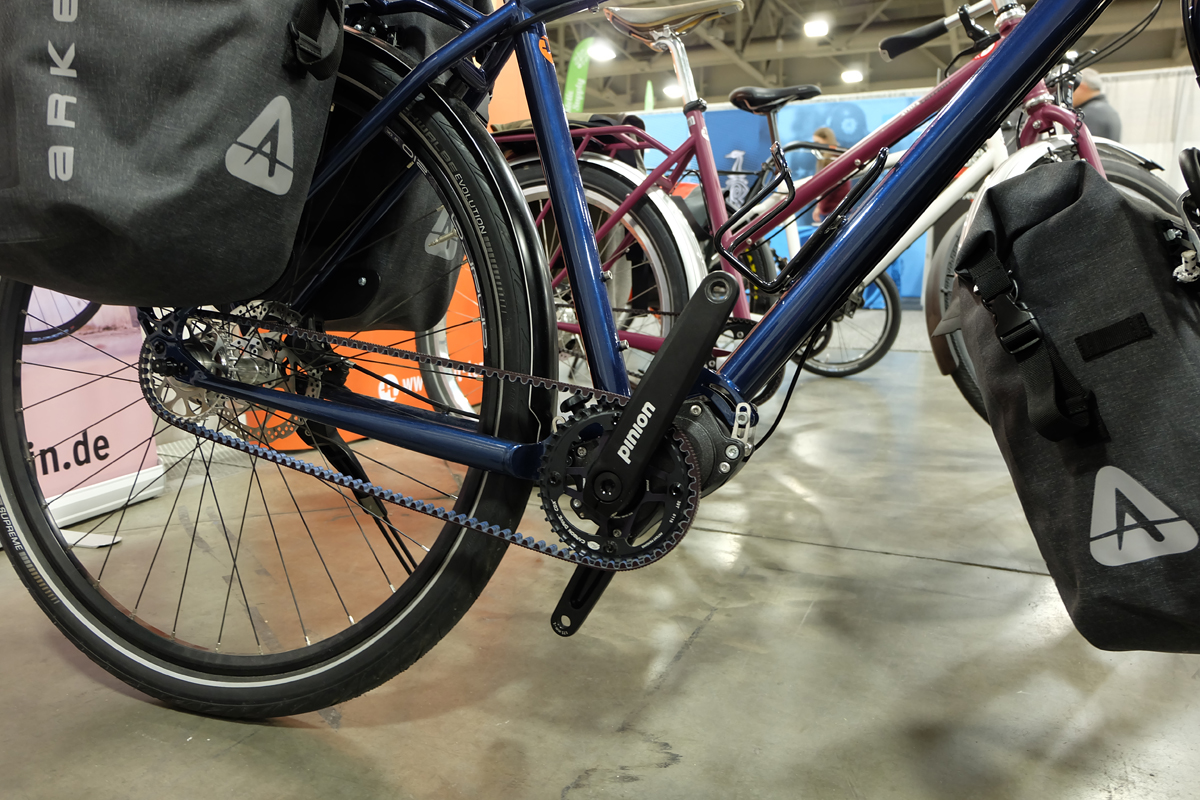
Tout Terrain brought a fleet of bikes and child carriers from Germany. In name recognition, Tout Terrain, is to German touring bikes what Ortlieb is to panniers. Their bikes have traveled around the world. A couple of Tout Terrrain bikes have been temporarily housed in my garage, owned by bike travelers that spent time as guests of Julie and I. Unique features of the Tout Terrain include a rear rack that is brazed onto the frame and a head tube stop so that in the event of the bike falling, the handlebar won’t hit the top tube. Drivetrain choices include a traditional cassette and rear derailleur, a Rolhoff rear hub or a Pinion gearbox that forms the bottom bracket plus a couple of other options. With a design that (I believe) is specific to Tout Terrain, the rear drop out can be changed to accommodate any drive train, including a single speed setup. You can also have lights powered by a dynamo front hub and The Plug USB charging port on the stem.

A Tout Terrain hand crafted bicycle with Pinion gearbox and Gates belt drive. Photo by Lou Melini

Every Tout Terrain is custom built in Freiburg, Germany. http://www.en.tout-terrain.de/bicycles/. The website currently lists 5 touring bikes for extended touring including the Silkroad and the Tanami. For ordering contact Cycle Monkey, www.Cyclemonkey.com, [email protected] or 510-868-1777 in Richmond, California (near Berkeley). For a more complete review of the Tanami look at the review in Adventure Cyclist: https://www.adventurecycling.org/adventure-cyclist/online-features/road-test-tout-terrain-tanami-xplore/.

Co-Motion

Eugene, Oregon based Co-Motion started in 1988, as I remember, as a maker of tandem bicycles. They have since expanded with bikes specific for nearly every use one can imagine on a bike. Their initial touring model, the Americano, is immensely popular. The Pangea with 26 “wheels, ridden for tens of thousands of miles by Park City’s Darren Alff of Biketouringpro.com fame (now DarrenAlff.com), followed the Americano. http://bicycletouringpro.com/new-touring-bicycle-comotion-pangea-black/ Co-Motion has recently introduced two new touring models, the small rider/women’s Ochoco with 650B wheels and the incredibly affordable Deschutes. For an off-road tour of the Great Divide trail consider the aptly named Divide bike.

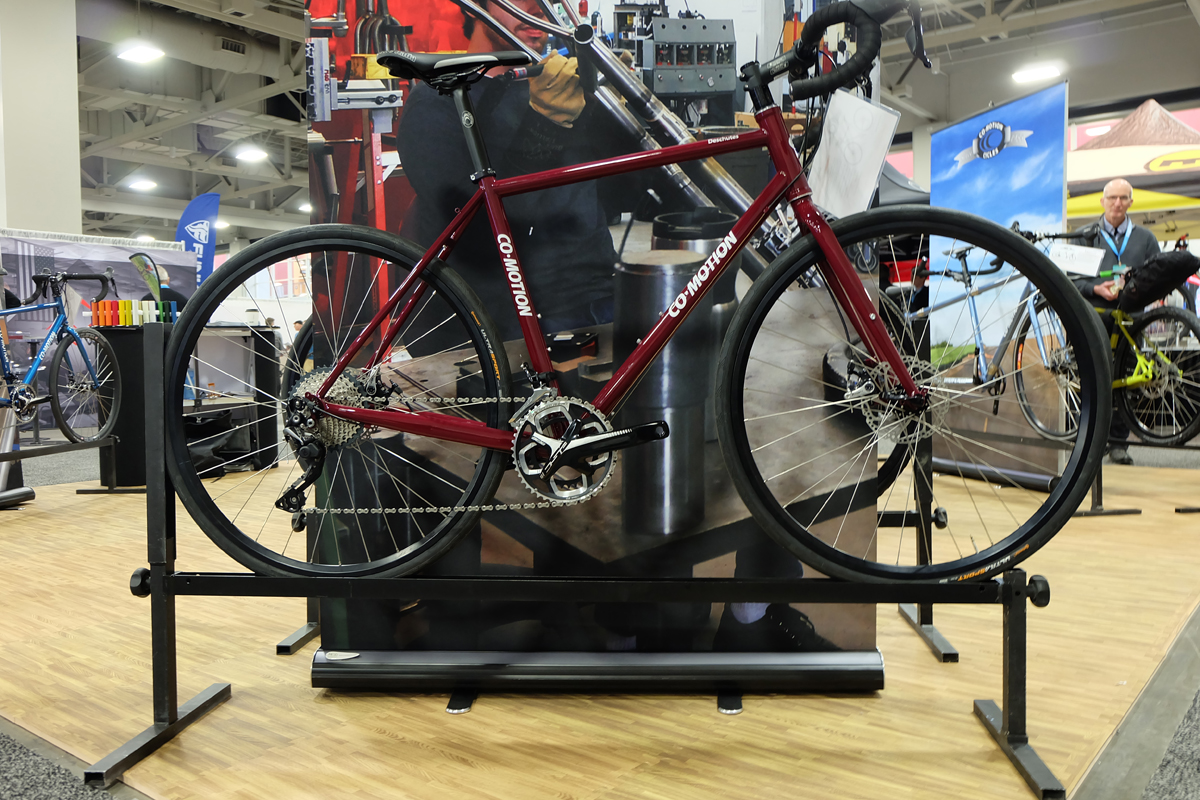
The Co-Motion handbuilt and affordable Deschutes touring bike. Photo by Lou Melini

I was a bit stunned when I looked at the Deschutes and then the price tag. How can this be? At only $2,495, this is a true touring bike, with appropriate gearing for extended tours, wheels that will withstand the rigors of a long tour, and the necessary braze-ons for racks, fenders and 3 water bottles. It has a traditional touring build with a shiny, tough paint job in everyone’s favorite color, Lusty Red. If you are thinking about a Surly Long Haul Trucker or something similar, stop for more than a moment and check out this bike. It will truly be worth your time and consideration.

With the price, one would think that Co-Motion is now making bikes overseas but the Deschutes is built in Oregon. The engineering of the frame was worked to minimize labor without affecting the Co-Motion quality and it shows in the frame. The show bike was beautiful. It comes in 5 sizes as a complete bike only. The drivetrain components are a combination of Shimano 105 (derailleurs/shifters) and FSA (crank) great choices given the price of the bike.

If you wish for a higher end component group, a custom fit, a Rolhoff hub or a choice of paint schemes, then look at the Americano that starts at $1965 for the frame. Other options for the Americano include a pinion gearbox, couplers so you can take apart your bike to fit in a suitcase, and a pathfinder package (Schmitt dynamo hub, lights, and USB port in the top cap of the stem). For smaller riders, the Ochoco has frame sizes down to 42 cm (50 cm top tube, 66.5 stand over height).

co-motion.com. Local Utah dealer Bingham Cyclery stocks Co-Motion. For dealer information in other areas go to http://co-motion.com/dealers

Bicycles for Commuting:

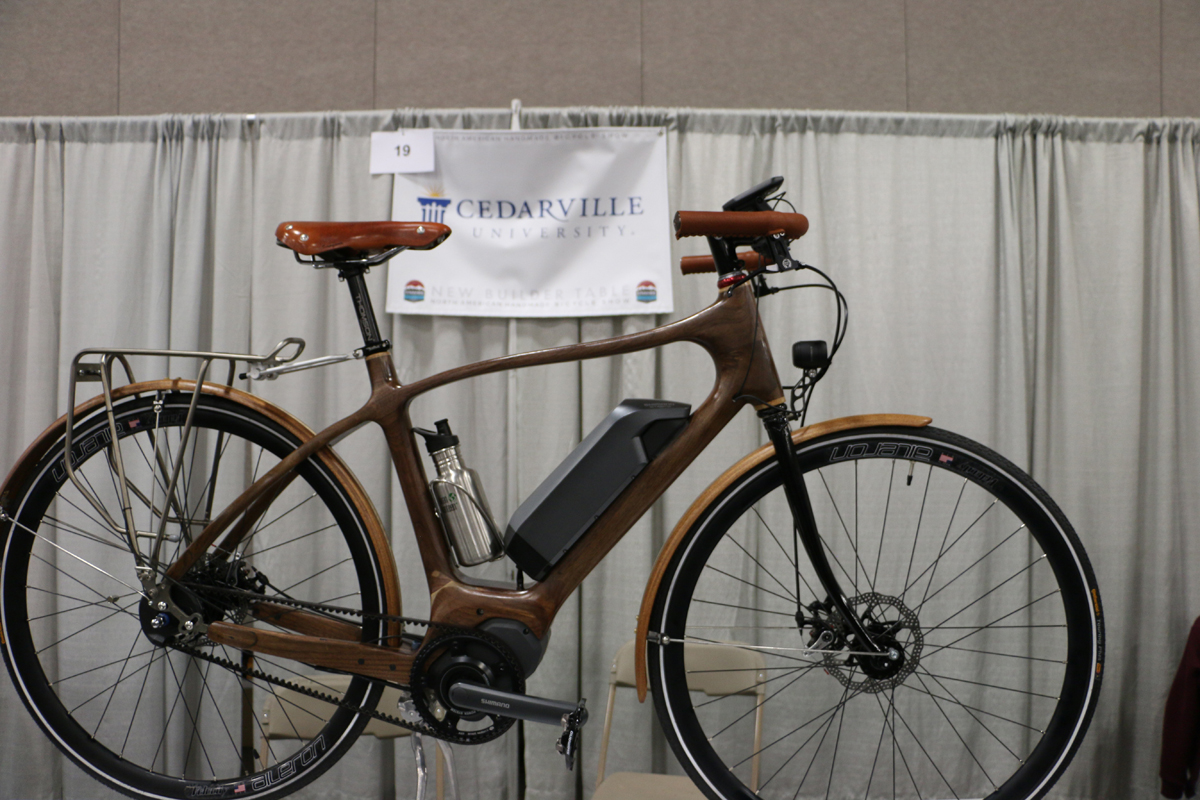
You may have noted that people bike to work on a variety of bikes, so defining what makes a bike a “commuter” primarily depends on its usage. There are many bikes that have been built with the necessary accessories for commuting, rear rack for carry stuff, dynamo hubs to provide power for lights, a Gates belt drive system to stay clean and ease maintenance and perhaps a pedal-assist battery to help you to get around quicker. But few commuters are built with the elegance of wood and that is what caught my attention at the Cedarville Wooden E-bike booth. There is even a GPS chip installed in the bike in case you lose it.

The Cedarville Wooden E-bike is a project bike from Cedarville University in Ohio. It is collaboration between the departments of Industrial Design, Engineering and Business. I spoke with Jay Kinsinger, the main person behind the project from the school of Engineering, Alejandro Camacho from the School of Business and Amy Sririntrachai, a senior student from the school of Industrial Design. She hails from Thailand, coming to Cedarville University to study Industrial Design, the current number 5 ranked school in that field of study.

The Cedarville University wooden e-bike was one of several wooden bikes at the 2017 NAHBS. Photo by Dave Iltis
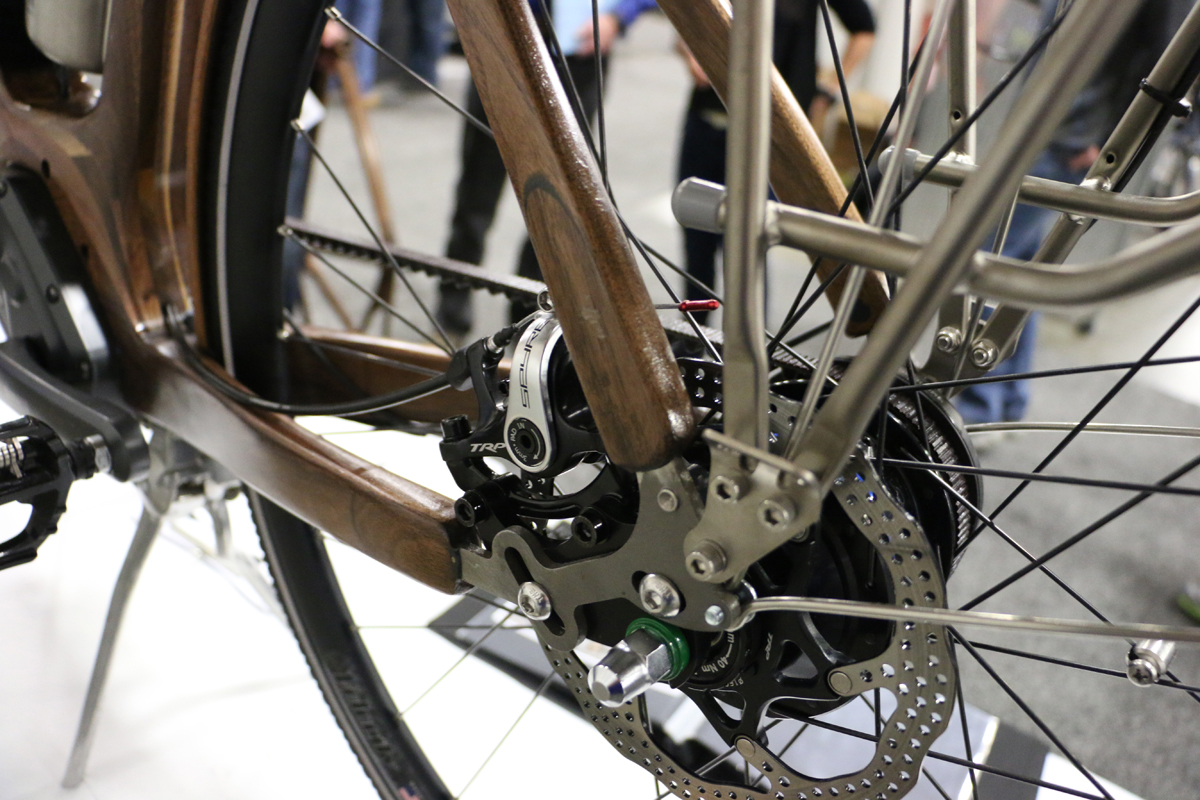
Note the rear dropouts on Cedarville University wooden e-bike at the 2017 NAHBS. Photo by Dave Iltis

There were over a half-dozen wood (and bamboo) bikes at the show, but the Cedarville bike was the only commuter model on display. Having never ridden a wooden bicycle, my first question was: “Why wood? I was told that wood is superior to carbon and metals at shock and vibration absorption. Wood also has a longer fatigue life than metals, it is a more sustainable product than metals or carbon and production processes with wood are less polluting than either metal or carbon. If you scratch the frame a little sanding and stain will bring it back to new.

The Cedarville project bike is not to be considered a one-time experimental project. The wooden bikes have over 4 years of field-testing including a cross-country trip on a wooden tandem by Mr. Kinsinger and his son. In the making of the show bike there were 8 engineering students involved in the process but Amy was the only industrial design student, a testimony to her talent. The bike was elegant and the booth was continually busy with visitors.

Eventually the Cedarville bike will be spun off into a separate company, so at this time there isn’t a website, though there are many articles when I Google “Cedarville Wooden Bikes”. For information on the bike you can contact [email protected].

NAHBS Overview

The NAHBS primarily featured bicycles but there were many booths that featured accessories and bikes for specific needs. DirtySixer bikes are made for tall or large people. At this time the bikes are marketed to professional basketball players. Don Walker’s booth (one of the founders of the NAHBS) had a trike perfect for people that might have issues with balance and coordination and are unable to ride a 2-wheeled bike. Thompson had a flared handlebar, perfect for my touring bike, but unavailable until after July. Silca made a small, lightweight tool kit that would take the place of my currently multitool.

There were also several booths from local or regional companies. Blaze bicycles (Moab), Kelson (Rexburg, Idaho) and Sixth Law Cycles (Salt Lake City) as well as Mercury wheels are companies that I hope to talk about in future columns.

This is the first, and perhaps the last time, that the NAHBS will be in Salt Lake City. I made a pitch to Don Walker congratulating him on an excellent show and encouraged him to return. Utah bicycle enthusiasts will again fill the arena if it returns.

The 2018 show will be held in Hartford, Connecticut from February 16-18. For more information, see nahbs.com.


SLCBAC News for April 2017 – Committee Members Wanted

By Ian Scharine – It is hard to believe that it is already April and spring is in effect. The past month was packed with activities for bicycle enthusiasts including the North American Handmade Bicycle Show right in our own backyard, the Utah Bike Summit and the National Bicycle Convention in Washington D.C. SLCBAC is happy to say that they had representatives at each event. Not only does each offer great opportunities with industry and grassroots individuals, but it fills an educational service in understanding more about the evolving world of bikes and challenges facing developing communities. Salt Lake County is just beginning the process of determining how it will use the funding from its Federal Tiger Grant. The committee is hard at work making sure that bicycles get their share of the funding and we can use your help and input at meetings.One of the first objectives the committee needs to address is to fill out its membership board. Recent months have seen several members retire from service to the Salt Lake County Bicycle Advisory Committee. While their contributions will be missed, this provides the openings to add new members with new energy, perspectives and expertise. The committee specifically hopes to attract residents from outlying counties (west, south) to better get an understanding of the directions and needs of communities such as South and West Jordan, West Valley, Daybreak, Kearns, Magna, Herriman, Bluffdale and Draper. If you are from one of these communities and are interested, or know someone who wants to make a difference, please check out Salt Lake County’s volunteer page at the following link:

http://www.slco.org/volunteer/forms/

Our meetings are held on the second Wednesday of each month at the County Government Center. Currently, we are without a permanent meeting room for the year and expect to resolve this by the next meeting. You can find more information by checking the county website at www.slco.org/bicycle or by requesting to join our mailing list or the MBAC mailing list. Salt Lake County needs your efforts, keep riding and let us know what you want to see for the future of bicycling in our beautiful community!


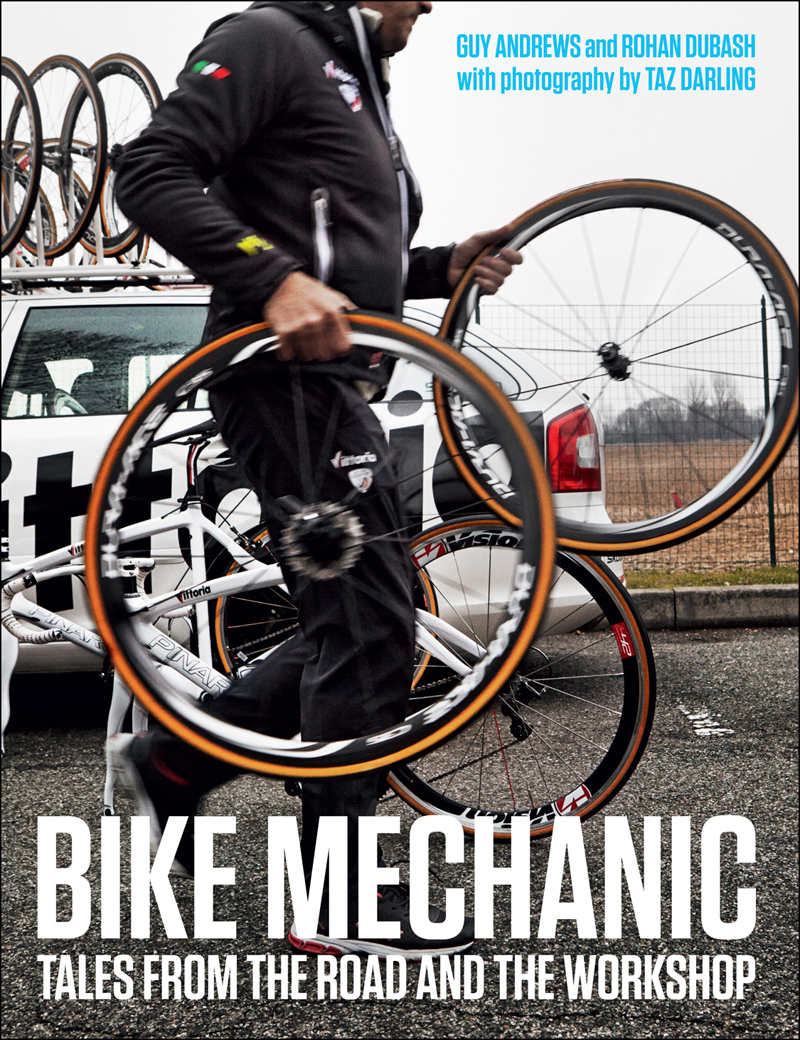
Bike Mechanic: Tales from the Road and the Workshop

When I first read the brief description of BIKE MECHANIC: TALES FROM THE ROAD AND THE WORKSHOP by Guy Andrews and Rohan Dubash, I was anticipating a quick read filled with profiles of team mechanics and humorous anecdotes of life on the road and the daily grind of cleaning and repairing bikes during events like the Tour de France.

What I was not anticipating was a beautiful 272 page coffee table book by the founder & editor, technical writer, and photo editor for Rouleur magazine, not only delving into the world of the professional race mechanic, but the tools of the trade.

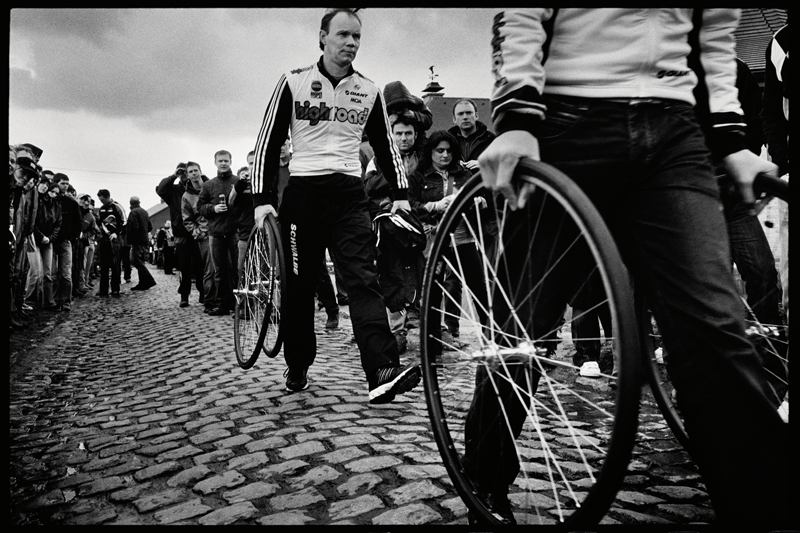
image bike mechanics pave paris roubaix
Soigneurs with spare wheels are spread all along the race. Extreme events like Paris-Roubaix can mean up to 20 extra mechanics and team helpers out on the course. Photo by Taz Darling.

BIKE MECHANIC: TALES FROM THE ROAD AND THE WORKSHOP is divided into three mains parts: On The Road, Hardware, and The Bike.

Part 1: On The Road deals with the nitty-gritty of life on the road and the impact that the professional race mechanic can have on the outcome of a race; from the early days of bike racing when there was no such thing as standardization, and mechanics had to improvise parts and repairs, such as before the 1955 Giro d’Italia when Ernesto Colnago noticed that the knee problems Fiorenzo Magni was suffering with that year were being caused by misaligned cottered cranks, and had to fashion and file new cotter pins in order to effect the repair. Magni went on to win his third Giro d’Italia that year, ahead of the great Fausto Coppi.

This section also goes into how the now ubiquitous neutral service cars and motorcycles at major races were a relatively recent innovation by Mavic, first appearing in 1972 at the Critérium du Dauphiné-Libéré when one team director’s car broke down before one day’s stage. Bruno Gormand, then the head of Mavic loaned the director his own car, and then came up with the idea of having a branded neutral service car as part of the race convoy, available to help any rider with fresh wheels after a puncture or a quick mobile repair when the rider’s team car was not available.

Thus began the history of one of most recognizable vehicles in the race caravan; the yellow Mavic car. Why yellow, you may ask? Similar to how Henri Desgrange chose a yellow jersey to represent the race leader, so that spectators would be able to easily discern the current race leader in the peloton, Gormand chose yellow because the cars would be easier to see in photos and on television.

Part 2: Hardware is the shortest of the three sections, but deals lovingly with the tools of the trade from the lowly but vital hex key, to facing & chasing tools, dropout alignment tools (seldom used in modern times with the disappearance of steel bicycle frames from the professional peloton), to torque wrenches to ensure bolts are tightened properly, tensionometers and micrometers for wheelbuilding, and my personal favorite: the Campagnolo 15mm hex spanner, colloquially known as “the peanut butter wrench” for its perfect shape to scoop and spread peanut butter from the jar during a marathon repair session.

Part 3: The Bike is the longest section of the book, comprising roughly half of the total 272 pages, serves as a basic repair manual, from frame preparation for a new build, gluing and mounting tubular tires, to cleaning and lubing the drivetrain, stunningly photographed as with the rest of the book. While there are more extensive repair manuals out there, I would wager that none are as extensively photographed, and for true bike geeks like me, it shows the tools from Part 2 in action.

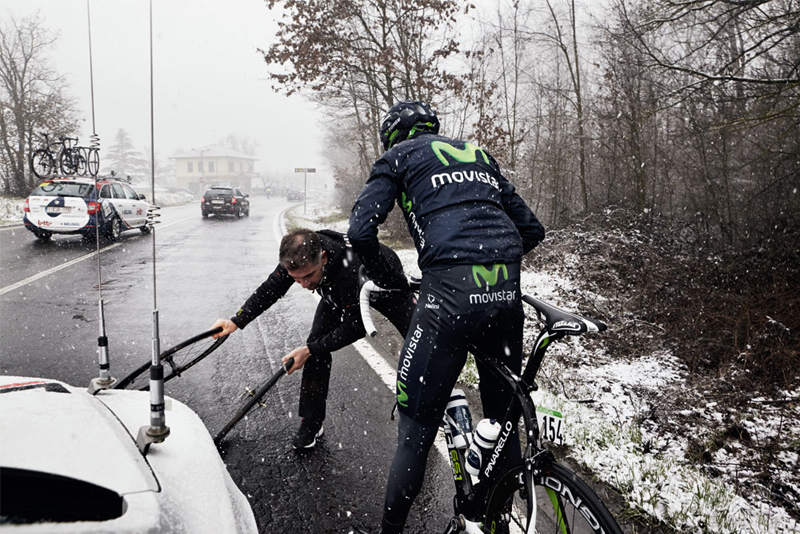
image bike mechanics at sping classics
A fast wheelchange in the snow at Milan-San Remo courtesy of Vittoria’s neutral support crew. Photo by Taz Darling

For nearly 8 years, from 1994-2001 I worked in one of the top bicycle shops in the San Francisco Bay Area: A Bicycle Odyssey, in Sausalito. I learned many things from working at the shop, such as the importance of proper bike fit and that when you treat people as clients rather than customers, they have a tendency to come back. I also learned that when it comes to building and repairing bicycles, I was a fair-to-middling mechanic at best; that mechanics are craftsmen in their own right, worthy of much respect, and often underappreciated.

I would often find myself hanging out in the shop after closing with the owner and other mechanics while they finished repairs, just geeking out on their skills and hoping to absorb as much as I could. Unfortunately, I could never quite get the skills to translate from my brain to my hands, but some people are born to be wizards of the wrench.

BIKE MECHANIC: TALES FROM THE ROAD AND THE WORKSHOP is an homage to these wizards, their tools, and their craft. Buy and read the book, absorb the photography, and then go out and buy your favorite mechanic a bottle (or six) of their favorite libation to show them how much you appreciate what they do to keep your bike on the road and in perfect working order.

Bike Mechanic: Tales from the Road and the Workshop, by Guy Andrews and Rohan Dubash. Photography by Taz Darling. 7 1/4″ x 9 3/8″, 272 pp., $24.95, ISBN 9781937715182. Paperback with flaps. Full-color interior with photographs throughout.


Bike Mechanic by Rohan Dubash and Guy Andrews


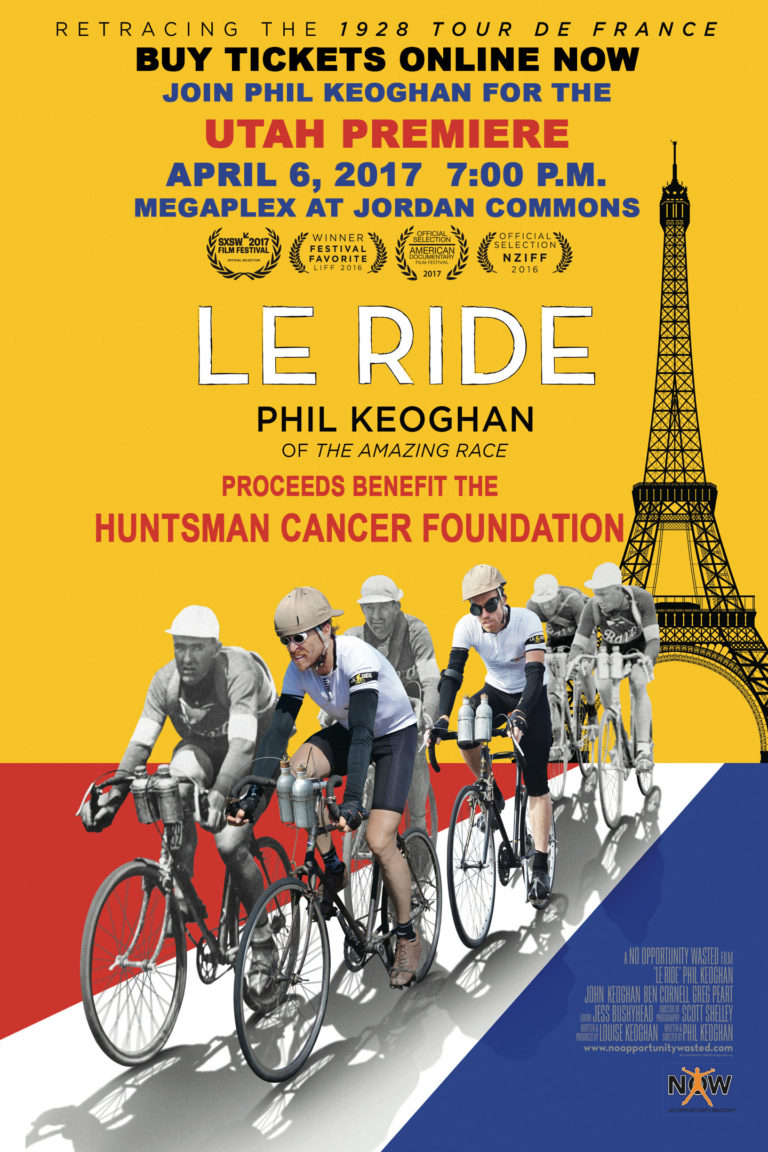
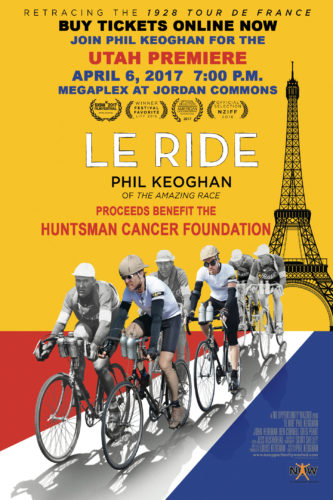
Le Ride Documentary on Retracing 1928 Tour de France to Show in Salt Lake City on April 6 – Benefits Huntsman Cancer Institute

0
Le Ride, a documentary on retracing the route of the 1928 Tour de France, will show in Salt Lake City at the Megaplex at Jordon Commons at 7 pm on April 6, 2017.

April 5, 2017 – Le Ride, a documentary on retracing the 1928 Tour de France, will show for one night only in Sandy, Utah on April 6, 2017. Utah winner of the Amazing Race, David O’Leary will be present, along with director Phil Keoghan. Proceeds from the showing will benefit the Huntsman Cancer Institute. The movie will show at 7 pm at the Megaplex at the Jordan Commons on April 6, 2017. (Tickets here)

Some stats:

Some days, 20000 vertical feet.

132329 vertical feet total.

3338 miles in 22 days.

164 riders started. 41 finished.

The race was won by Nicolas Franz of Luxembourg.

More race details here: https://en.wikipedia.org/wiki/1928_Tour_de_France


Maurice Geldhof.jpg
By Nationaal ArchiefTe voet over de col Aubisque / Climbing the Aubisque on foot, No restrictions, Link


Press Release from CBS: LE RIDE is about the first English speaking team to ride in the toughest sporting event on earth, The Tour de France. In 1928 a small under-resourced, untested team from New Zealand and Australia lined up in Paris next to Europe’s best riders. One hundred and sixty riders started and only 41 finished!

Phil Keoghan has literally brought this remarkable underdog story back to life riding an original 1928 steel bicycle with no gears, retracing the exact route and sticking to the same schedule. It was an average of 150 miles a day, completely circumnavigating France for a total of 3,338 miles in just 26 days, including the ‘Death Stage’ which took Phil almost 24 hours to complete.

“ … it’s the most brutal challenge I’ve ever faced, insane distances over the world’s toughest mountains, but this is a story I really felt I had to bring back to life,” said Phil Keoghan. “Many experts considered the Australasian team to be a complete joke. More riders failed to finish the 1928 tour than any other in history. This was a hell on wheels race of attrition that was designed to eliminate as many riders as possible, most of the roads were unpaved; the course was almost twice as long as today’s Tour de France and the bikes weighed twice as much as a modern racing bike.”

LE RIDE is the first 4K (equivalent to Super 35mm film) documentary feature shot with Sony’s F55 camera and supported with Angenieux Optimo Lens, delivering a true love letter to France, featuring stunning cinematic aerial shots in the Pyrenees and French Alps. .

LE RIDE recently screened at SXSW and was the second highest grossing film at the New Zealand Film Festival. Le Ride was the opening night film at the Louisville International Film Festival where it won the Festival Favorite Award.

After THE AMAZING RACE season 29 premieres on CBS March 30th at 10pmET/PT, Phil started his nation wide tour as the Opening Night Film at the American Documentary Film Festival and won the Best Director Award.

Regal Entertainment Group have generously agreed to give 100% of LE RIDE’S Box-Office to various charities including Variety; Multiple Sclerosis; iMentor and the Huntsman Cancer Institute.

Tickets are on sale now and benefit the Huntsman Cancer Institute:

https://www.megaplextheatres.com/jordancommo%E2%80%A6/tickets/276473

The Jordan Commons is located at 9335 State St, Sandy, UT 84070.

Cache County Trails News

By Dave Iltis — Cache County is looking into converting its canal pathways to bike and pedestrian trails. There will be an open house on April 12, 2017.

Secondly, Cache County is working on a Trails and Active Transportation Master Plan starting in May and June, 2017. Look for their table at farmer’s markets and other public events later this spring.

For more information on both, see trails.cachecounty.org


Northern Ogden Commuters have much to look forward to in 2017

By Turner Bitton — Last year when the Ogden City Council approved the city’s Bicycle Master Plan, it was met with much enthusiasm by local cyclists. Commuters and recreational cyclists alike had many things to celebrate. Tucked in the nearly $8 million budget for Phase One of the plan were projects ranging from cycling boulevards to smaller infrastructure designed to promote cycling in the city’s various neighborhoods, especially the resurgent downtown core.

Drawing on the strength of neighborhoods and existing facilities such as schools, parks, and Weber State University, Ogden devised an ambitious agenda to connect the city with a system of cycling infrastructure. In order to ensure success and establish realistic timelines, the city developed a phased infrastructure improvement timeline to coincide with the city’s other development priorities, ensuring that improvements made sense in both economic and cycling-friendly ways.

Now, a year later, Phase One of the plan is under full implementation and projects across the city are underway and being completed. Current projects underway range from Shared Lane Markings to the expansion of the Grant Avenue Bicycle Promenade. These projects will increase Ogden’s bicycle infrastructure significantly – a welcome sign for all cyclists in the city. This piece is part one of a three-piece series where I will detail the progress being made in different parts of Ogden City. This piece focuses exclusively on my neck of the woods, the Northern part of the city.

Here are a few of the highlights of what is in progress or completed to-date in Northern Ogden City proper.

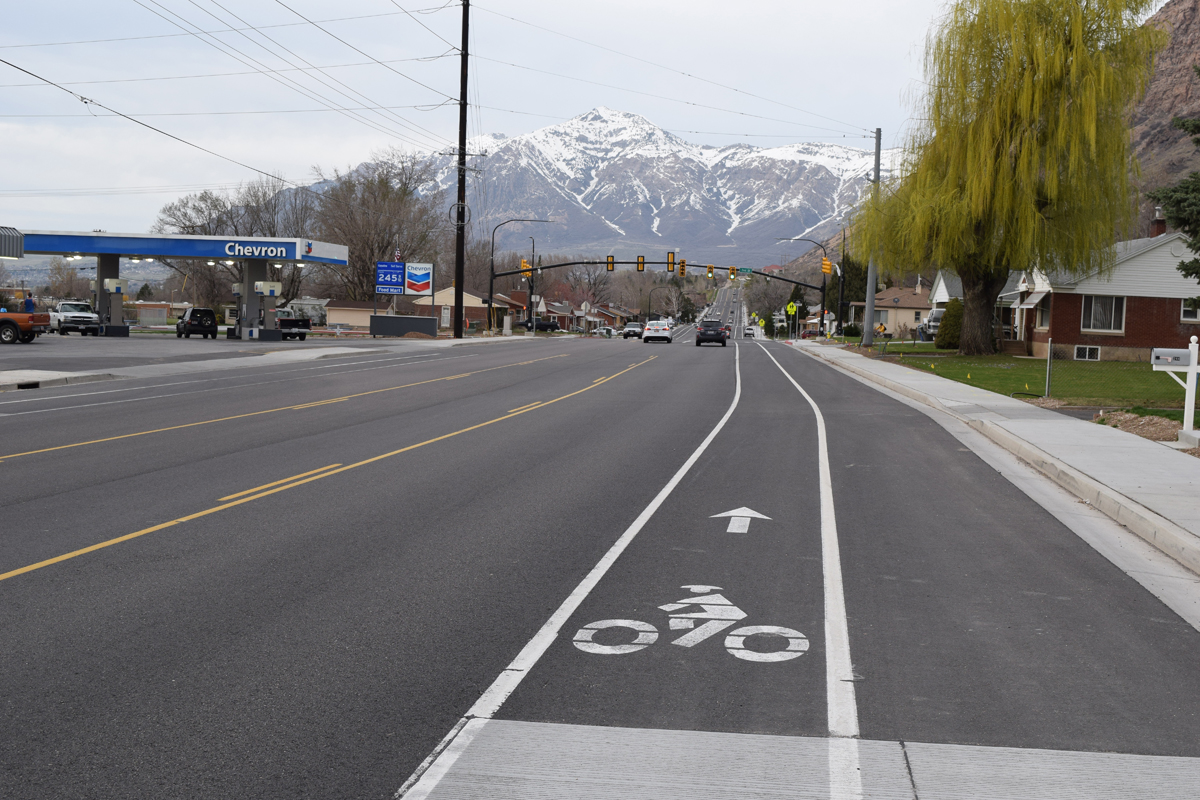
North-facing view of Harrison Boulevard with new bike lane markings and new traffic light at 2nd Street and Harrison Boulevard shown. Photo by Turner Bitton

Harrison Boulevard Shared Lane Markings

One of the most welcome projects is the creation of bike lanes on Harrison Boulevard between 12th Street and the North Ogden-Ogden City boundary. This stretch of roadway boasts one of the most residential areas in the city and is in close proximity to the 9th Street bicycle park. Harrison Boulevard is the gateway to Ogden City for many commuters living North of 12th Street and the new bike lanes, which include two-stage left turns, will be a welcome source of safety for commuter and recreational cyclists alike.

These bike lanes connect with another piece of important infrastructure being developed, the 2nd Street route, which will run from Depot Drive within the Business Depot of Ogden (BDO) and Harrison Boulevard. With plans in process to build a Frontrunner station in BDO and the large residential population of the area, this route is likely to see significantly increased cycling travel when the upgrades are finished.

2nd Street and Washington Boulevard Improvements

The busiest gateway to Ogden City is Washington Boulevard, which is also in line for a significant upgrade. The project of painting bike lanes along Washington Boulevard from 2nd Street to 12th Street will add safety and security to the countless cyclists who commute from North Ogden into Ogden.

As mentioned above, the Harrison Boulevard project links with the new 2nd Street bicycle boulevard that will soon be constructed in conjunction with the construction of a new school at the corner of Harrison and 2nd Street. The newly designed traffic light and 2nd Street corridor will create a continuous loop for cyclists traveling in the Northern part of the city. The high number of commuters who travel from East to West in the city along 2nd Street should expect a safer and easier ride come this time next year.

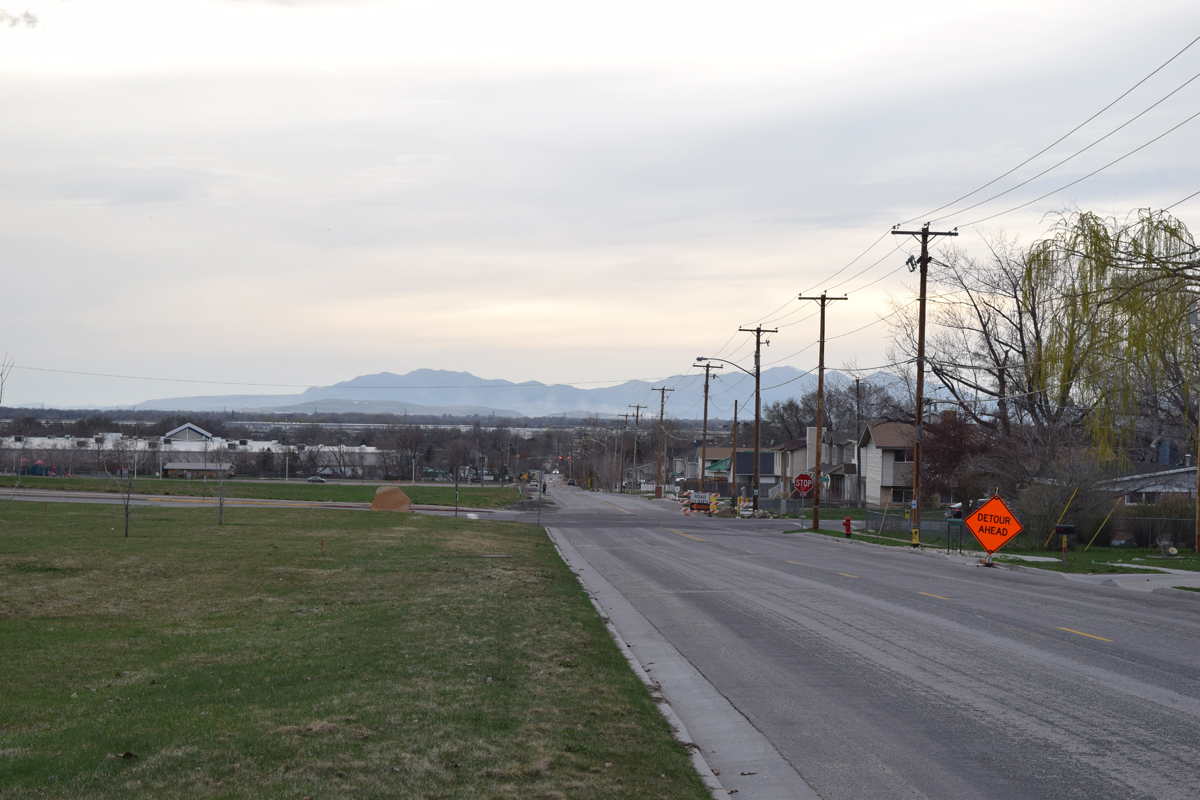
View of the intersection of North Street and Monroe Boulevard. Construction equipment can be seen in the far distance preparing North Street for reconstruction. Photo by Turner Bitton

North Street and Monroe Boulevard

Currently Monroe Boulevard ends just North of North Street and is not a through street. The end of Monroe Boulevard is the furthest North you can go without switching to either Washington or Harrison Boulevard. The city is currently exploring options to expand Monroe Boulevard into North Ogden thus creating one more thoroughfare for traffic of all types to enter the city. Phase One of the Bicycle Master Plan calls for the construction of buffered bike lanes to span the length of Monroe from the Northernmost part of the city to 20th Street in the heart of the city. This 2.3 mile stretch of road links the residential areas of the North Central part of the city with the downtown core. With buffered bike lanes running the length commuters will have serious options for a safer, smarter commute downtown.

North Street is quite a different story because it is an East-West road that marks the near Northern-most part of Ogden City proper and has long been the joke of cyclists because of the rough and thorny nature of this stretch of road. Most of the street does not have sidewalks and yet serves as a very important corridor between the Northeastern Bench of the city and the shopping centers in Northern Ogden City, the Ogden-Weber Applied Technology College, and the shopping centers in Harrisville. Cyclists and commuters will be well-served by the new sidewalks, shared lane markings, and repaved road that is currently under construction.

While Phase One is still in progress, the changes recommended by the Bicycle Master Plan are nothing short of great news for cyclists of all kind in Ogden. Those wishing to learn more about projects being constructed by Ogden City should see https://www.utah.gov/pmn/files/196203.pdf

Park City Working to Preserve Bonanza Flat – Looks to Community to Raise Funds

By Tom Diegel — If you’re a mountain biker in the Wasatch you’ve undoubtedly ridden Round Valley’s rolling singletrack, Park City’s aspen-laden alpine trails, and the iconic Wasatch Crest trail. How about having a new and convenient area that is as-yet undeveloped with trails, is twice the size of Round Valley, has all the rolling aspen potential of Park City, and not only potentially alleviates the notorious parking cluster at the Guardsman Pass trailhead but also connects to the new Wasatch Over Wasatch (WOW) trail? What/where is this amazing land located? Enter Bonanza Flat!

The Wasatch Crest Trailhead at Guardsman Pass is part of the Bonanza Flat parcel. Park City is looking to preserve the land, but needs to raise approximately $3 million more out of $35 million total. Photo by Slyfox Moonwillow

Bonanza Flat is the big area that lies below Empire Pass at the top of Park City and to the east of Guardsman Pass where it goes over into Big Cottonwood Canyon. No doubt many riders mounting up for the Crest at the Guardsman trailhead have looked down towards Midway and thought “wow, there’s a lot of great trail potential down there!” and indeed there is. Mountain Trails could have a huge canvas to put in not only a big network of great mountain bike trails but also winter fat bike and Nordic trails. But there’s a big catch: it is currently privately owned and The Community needs to step up to transform this opportunity into reality!

Bonanza Flat has long been a target for developers; not only is the gently rolling terrain fairly easy to build on, it’s adjacent to the tony areas of Park City and Deer Valley, and has great views into the Wasatch Back. It also has water rights, which is the golden egg for real estate developers in the local mountains. Talisker – the Canadian company that owns The Canyons and much of Park City Mountain Resort, which it has in turn leased to Vail Resorts – was the owner of this 1350 acre parcel at the top of Big Cottonwood, and had grand plans to develop it a la what they did to The Canyons. Fortunately for The Community, Talisker was unable to develop the land, which went into foreclosure, such that a bank ended up with the land, and now the bank wants to sell it. The agreed-upon price is $38 million, and once The City of Park City (not PCMR) found out it was available, the City immediately put up a $25M bond to the PC voters who overwhelmingly approved it. That leaves a $13M shortfall to be raised. There is a high level of confidence that other local government entities will be able to make up $10M of that deficit, which leaves $3M in question.

Utah Open Lands has a long history of purchasing vulnerable lands in Utah and is spearheading a coalition of nine local non profits to get their constituents to make up that $3M difference. In addition to Utah Open Lands, Wasatch Backcountry Alliance, Save Our Canyons, Mountain Trails Foundation, The Nature Conservancy, Summit Land Conservancy, Sierra Club, , Friends of Alta and Winter Wildlands Alliance are all rallying their members for donations. Zions Bank recently to donating $100,000 and pledged a $300,000.00 matching grant.

According to Mountain Trails Foundations’ trail master Rick Fournier, Bonanza Flat represents a huge opportunity for new trails. Not only is the rolling terrain almost perfect for a mountain bike park, but it has the opportunity to put this park in as a connection from the Crest and Park City’s trails to the WOW trail, for an unprecedented connection from the Wasatch Front to the Back on killer singletrack. It’s important to note that the existing Crest parking area at Guardsman Pass is within the Bonanza Flat parcel, and though Park City’s developers have generally been good about maintaining trailheads, it’s likely that they will be more focused on creating an “exquisite mountain experience” for wealthy homeowners than they are on improving traffic-challenged trailheads. If the Bonanza Flat area is preserved, Fournier estimates that there will be multiple nearby trailheads with connections to the Crest to disperse the parking load. And if you think that global warming may not necessarily be a hoax perpetrated by the Chinese, note that Park City’s wintertime fat biking and Nordic ski opportunities may need higher elevations to create viable snowy trails, which Mountain Trails is looking forward to generating as well.

The Wasatch has long had a history of private entities generating development plans and fighting against the public that seeks Mountainous open spaces for solace and recreation, etc. With few opportunities for large parcels to be purchased and preserved for public use, this is the best time in recent memory for mountain bikers and others to step up and purchase valuable land that will result in great new trails. The deadline for donations is March 15th, so take the opportunity now to go to Utah Open Lands website (www.savebonanzaflats.org) and create a donation to help preserve land and create new trails!

[Editor’s Note: Bonanza Flat was acquired by Park City in June 2017, after approval of a $25-million dollar bond was approved by Park City residents and nearly $13-million in corporate and individual donations to close the funding gap.]

Salt Lake City Seeks Responses to Parks and Open Space Needs Survey – Cyclists Encouraged to Respond

0
2 riders on the Bonneville Shoreline Trail. The BST is a key part of Salt Lake City's open space. Photo by Dave Iltis
2 riders on the Bonneville Shoreline Trail. The BST is a key part of Salt Lake City’s open space. Photo by Dave Iltis

March 31, 2017 – Salt Lake City has made available a Parks and Open Space Needs Assessment public survey that is the start of a process to guide parks and public lands within Salt Lake City over the next 20 years. Eventually, the Parks and Public Lands Department will produce a Master Plan that will facilitate this. The open lands in the foothills of Salt Lake City is a key area for mountain biking and has potential to have a much improved trail system. Salt Lake City is concurrently working on a trails master plan that will be adjunct to the larger open space and parks plan. Additionally, there are a number of bike parks, pump tracks, jump parks in Salt Lake City that are key parts of the park system. Bicycle Polo needs a home, and there is potential to have a facility within Salt Lake City.

Cyclists and all park and open space users are encouraged to respond to the survey. The survey is just an initial step in the process. It will be followed by more open houses and opportunities to comment once the needs of Salt Lake citizens are assessed. Once the public input portion is concluded, the needs assessment will be created and out in November of 2017.

Take the Survey, Click Here

Salt Lake City’s statement on the survey and link to take it are below:

Salt Lake City Parks and Public Lands is embarking on a new project to plan our growth for the next twenty years. From the earliest days of settlement, parks have been a key element of City planning and our quality of life. That commitment has extended to natural open spaces with a concerted effort over the last 10 years to protect undeveloped natural lands. The City’s 820 acres of parks and more than 1,200 acres of natural lands need regular improvements and maintenance so that they can be enjoyed every day by the community. We want to make sure we make improvements in a way that reflects community needs and priorities.

To get started we are asking you to take a short survey letting us know a little bit about how you use and value the Salt Lake City Parks and Open Spaces. Please Take the Survey or find out more by visiting the project website at http://www.slcplays.com/ .   get started we are asking you to take a short survey letting us know a little bit about how you use and value the Salt Lake City Parks and Open Spaces.

We will also be hosting two public workshops in April please mark your calendars and attend if you can.

Wednesday, April 26, 2017, 6:00-8:30 p.m. Sorenson Multicultural Center 855 W. California Avenue Salt Lake City, UT 84104

Thursday, April 27, 2017, 6:00-8:30 p.m. Forest Dale Golf Course Clubhouse 2375 South 900 East Salt Lake City, UT 84106


Cycling Utah’s responses to the Survey:

  • What is working well in Salt Lake City’s parks and open space today?

    There is great access to parks and open space. Salt Lake City has been blessed with an awesome greenbelt so close to the city.

  • What is not working well in Salt Lake City’s parks and open space today?

    SLC needs a trails master plan for mountain biking and hiking. SLC needs a recreational cycling plan (submitted previously: https://www.cyclingwest.com/advocacy/a-proposal-for-a-salt-lake-city-recreational-cycling-plan/ )
    Also, many of the facilities are in disrepair such as the Lindsay Gardens tennis courts, 900 E and Sugarmont (?) tennis courts. The Fairmont Park court is right next to the Boys and Girls club, and could be a great facility for that group.
    There’s no facility for the fast growing sport of bike polo. One of these tennis courts could be converted.
    Often in the foothills there are issues with some off leash dogs whose owners don’t control their pets well.
    Basketball is left up to the schools mostly. This is ok, but only if the nets are in good repair. Basketball is a great outlet for all ages, and keeping the court and net in good repair is easy, but often overlooked. Some partnership with the SLC School system is needed.

  • Which park or open space do you visit the most?

    Bonneville Shoreline Trail

  • How do you get to that park or open space?
    • Other – Bike and car
  • How often to you visit Salt Lake City parks and open spaces?
    • Weekly
  • What amenities do you most commonly use when visiting parks and open spaces? (choose up to five)
    • Benches and shady areas
    • Basketball
    • Open grassy areas
    • Hiking or biking trails
    • Natural open space
  • What are the most important functions of parks and open spaces? Please rank by sorting the list below from most important to least important.
    1. Protection of environment and ecosystems
    2. Outdoor fitness, health and staying active
    3. Opportunities to connect with nature
    4. Community and neighborhood quality of life
    5. Spending time with family and friends
    6. Cultural events, such as live music and festivals
    7. Space for organized sports, such as intramural or competitive leagues
  • Anything we didn’t mention? Additional comments:

    There needs to be a network of trails and bike routes to connect the various parks. Each park should be accessible by biking or walking.
    Liberty Park and Sugarhouse Park would benefit from having a bike share station, especially Liberty Park.
    SLC needs to resume its Bike Park Plan. This was started a few years ago, but never completed.
    Also, see the Recreational Cycling Plan https://www.cyclingwest.com/advocacy/a-proposal-for-a-salt-lake-city-recreational-cycling-plan/ as mentioned previously.
    Lastly, why hasn’t the Recreation Bond been revisited? The SLC Council was going to revisit this in 2016, but so far hasn’t. This would be of great benefit for SLC.

Give to local Bicycle Charities – Love Utah, Give Utah Day is March 30, 2017

0

FB Instagram Square_HexagonMarch 30, 2017  – Love Utah, Give Utah Day – March 30, 2017 –   sponsored by the Community Foundation of Utah is a fundraising drive that benefits Utah charities. For donations made today, Utah bicycle charities (and of course many other non-profits) qualify for challenge grants and prizes that extend the value of the donation. Both small and large donations are welcome. Donations will be accepted on other days too.

The following bike and trail related charities are participating:

Weber Pathways

Trails Utah

Bonneville Shoreline Trail Committee

Jordan River Foundation

Bikes for Tykes Utah

Karma Bike Shop

Head Into Summer – Helmets For Kids through Karma Bike Shop

Ogden Bicycle Collective

Provo Bicycle Collective

Bicycle Collective

Salt Lake City Bicycle Collective Expansion Project

Logan Blue Bikes Community Bike Share

South Summit Trails Foundation

South Main Clinic (Bicycle Helmet giveaway)

Bike Utah

Brain Injury Alliance of Utah (for $5 helmets for kids)

Utah Olympic Legacy Foundation (bike at their venues, like Soldier Hollow)

Utah Open Lands to Preserve Bonanza Flats

Other bike related groups not participating but that you can still donate to: 

Parley’s Trail (PRATT)

Corner Canyon Trails

To donate to any of these great bike related non-profits, visit: http://loveutgiveut.razoo.com