Home Blog Page 237

LoToJa’s Top Winners No Strangers to Podium’s Top Step

Sorensen celebrates second consecutive LoToJa victory and Kimball gets her wish to cross the line alone to win

[Editor’s Note: All of Ira Sorensen’s USA Cycling results dating back to 2011have been vacated after he tested positive for testosterone at the 2018 edition of LoToJa, and was suspended by USADA]

By David Bern — The top male and female winners of the 34th Annual LoToJa Classic are no strangers to the race’s victory podium.

On Sept. 10, Ira Sorensen (Canyon Bicycles) kept the Men’s Pro 1-2-3 crown that he won last year after yet another decisive sprint over five breakaway companions. His winning time was 8:55:59 — nearly two minutes faster than last year.
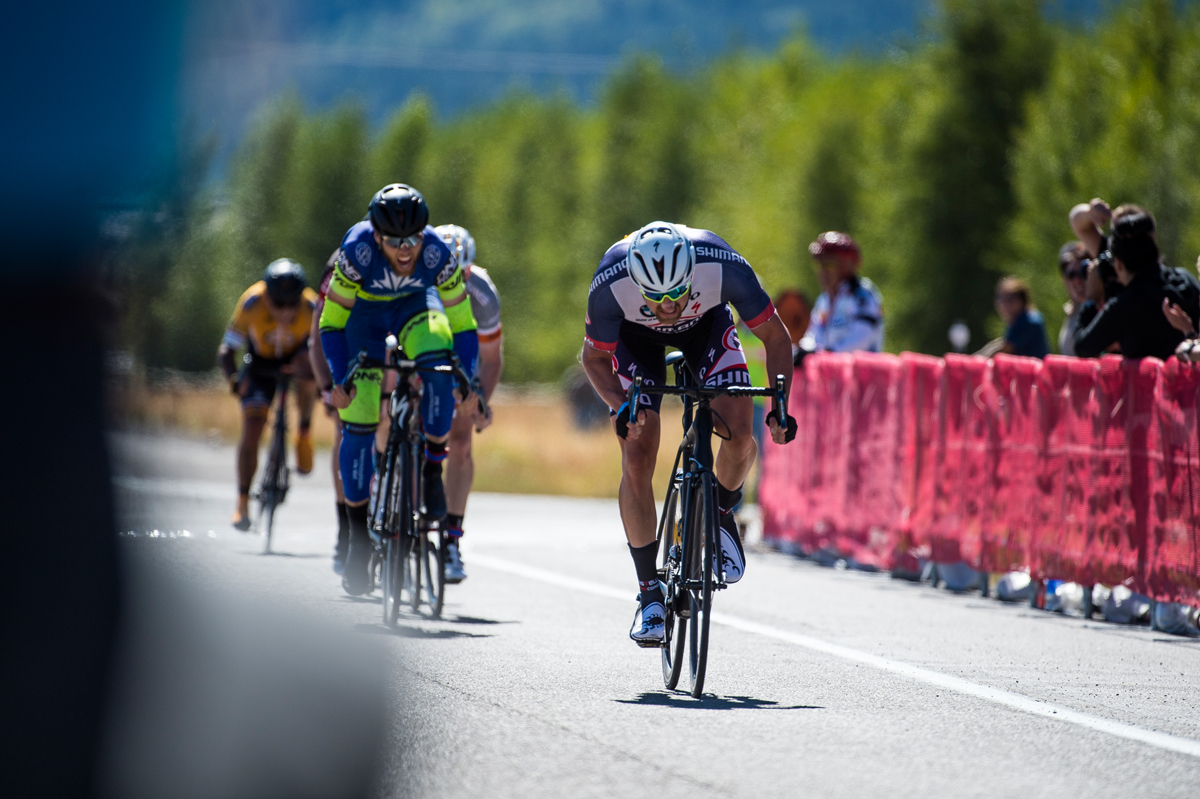
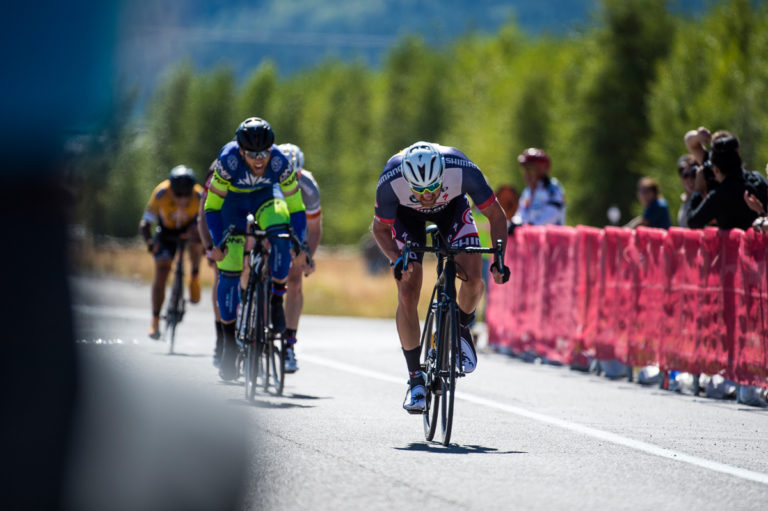
Ira Sorensen (Canyon Bicycles) takes the sprint win over Clinton Mortley. Photo by Lucid Images. For race photos, see: lucidraces.com/lotoja

“I really didn’t have any expectations going into this year’s race,” he said. “I decided it would be gravy to win again.”

Although Sorensen, 41, displayed impressive form, perhaps the race of the day belonged to Women’s Pro 1-2-3 winner Marci Kimball (TOSH), who had cancer surgery a year ago and struggled to recover in time for the 2016-racing season.
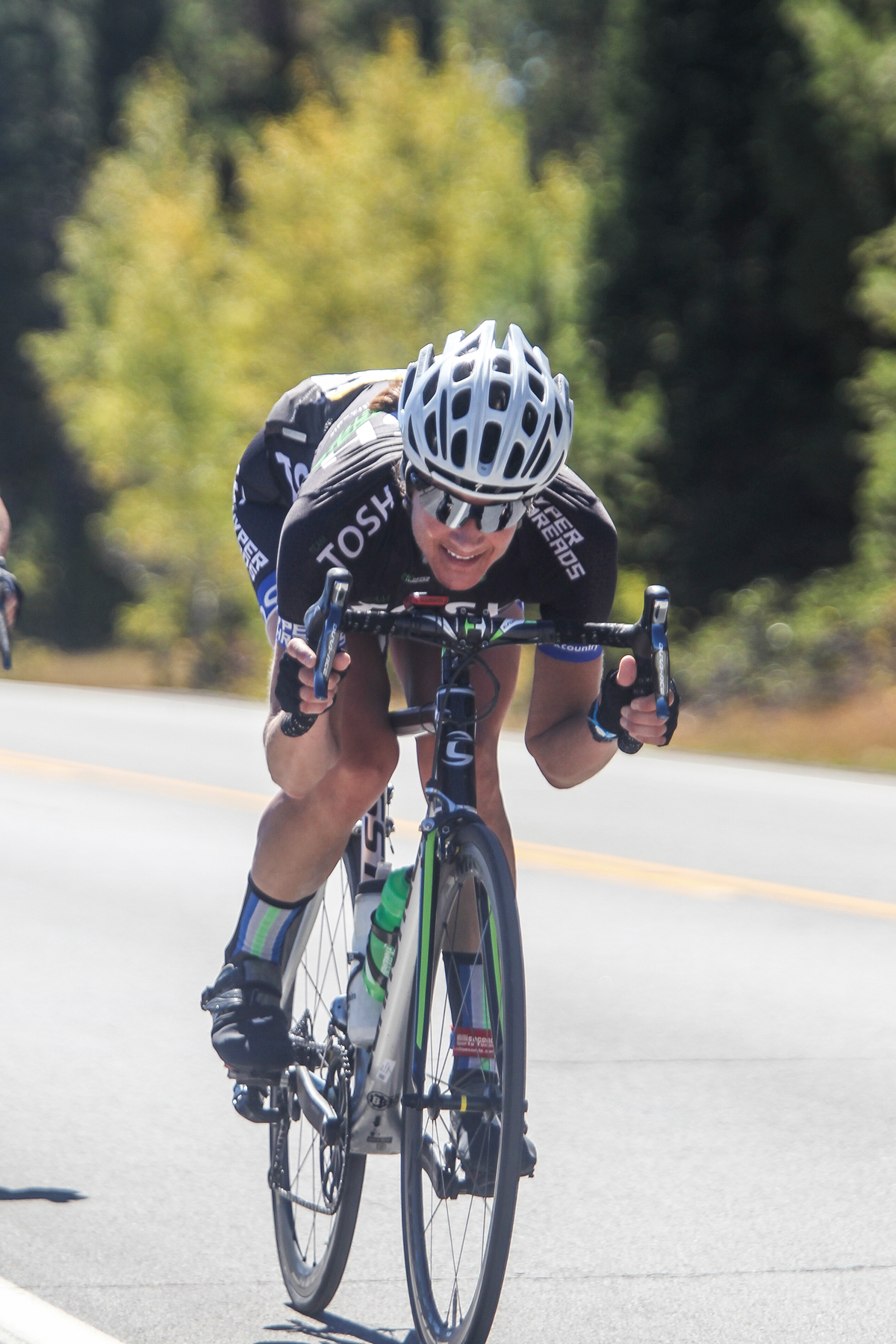
Mary Emerson (TOSH) finished second in the women’s Pro/1/2/3 field. Photo by Lucid Images. For race photos, see: lucidraces.com/lotoja

Despite her past challenges, Kimball, 38, soloed in to Jackson Hole Mountain Resort with a time of 10:08:10. Her last trip to the top step of LoToJa’s victory podium was in 2013 when she won the Women’s Cat. 4 race.

“It’s rewarding to have it pay off like that after you work so hard for it,” she said.

Sorensen had worked hard too during the year and felt prepared to race LoToJa’s 202 mile/325 kilometer parcours with nearly 10,000 feet/3,048 meters of climbing when he pulled up to the start line in front of Sunrise Cyclery in Logan. What he wasn’t prepared for was the morning low of 42 degrees. Besides his team kit, for extra warmth he only put on arm warmers, extra gloves and stuffed a plastic grocery bag inside his jersey to keep the cold air off his chest.

“I dressed to race,” he said.

But dressing lightly at LoToJa’s usually cold start can make for a frigid couple of hours in the saddle before sunrise. Sorensen immediately felt cold as the combined peloton of Men’s Pro 1-2-3s and Master Men’s 35s got underway in the dark at 6:09 a.m.

He also felt something was wrong. LoToJa’s first few kilometers through Logan are neutralized. The 31 different pelotons that leave in 3-minute intervals are supposed to stay behind their respective neutral vehicles and proceed casually. But for the nearly 50-member bunch Sorensen was in, the ride out of Logan was anything but neutral.

“There was a lot of excitement at the start because the [neutral] truck was going too fast,” he said. “Our group was going way too fast in the dark, which is not a great way to start out a 200 mile race.”

With so many cyclists, and it being too dark to see the road, Sorensen feared a big crash would occur on the way out of town as riders rode fast to stay in contact with the neutral vehicle. And a crash did occur — but in an unexpected way that miraculously didn’t involve cyclists.

While the Pro Men’s 1-2-3 and Master Men’s 35 group sped north on 1000 West, a Logan City motorcop driving alongside the cyclists reportedly did a U-turn away from the peloton. A race official on a motorcycle with a passenger didn’t see the U-turn in time and broadsided into the motorcop. The race official and passenger suffered injuries and were unable to continue. The motorcop was reportedly unhurt.

“It happened right near me,” said Sorensen. “It was crazy. It could have taken out a lot of racers.”

The mishap rattled the group, but was soon forgotten as the racers turned onto Highway 91 from 2500 North and pointed their handlebars north toward Idaho in the dark. Shortly after crossing the Utah/Idaho state line, Coul Hill (Unattached) and Dave Miller (Hoback Sports) jumped and the bunch let them go.

The duo soon had an eight-minute gap. But Sorensen and 10-15 riders, who had dropped the rest of the peloton during the 22-mile climb to Strawberry/Emigration Canyon’s 7,424 foot-high summit (57mi/92km), caught Miller alone with about a mile to the top.

The group stayed together on the descent to Ovid, and Sorensen said no one wanted to work, even though Hill was still off the front. Sorensen and the pack reached the first support crew feed zone at Montpelier (76mi/122km) and then began the nine-mile climb to 6,923 foot-high Geneva Summit (84mi/135km).

“We lost some riders at Montpelier and then on the climb to Geneva,” he said. The pace going up to the summit wasn’t severe, but that changed a few miles later after the descent to Geneva and the group past the U.S. Post Office there.

Sorensen said Darin Goff (Intermountain Livewell) attacked. With teammate and 2013 LoToJa winner Clinton Mortley (Intermountain Livewell) in the pack, and with Hill still several minutes off the front, Sorensen saw Goff’s move as possibly dangerous.

But he didn’t have to chase alone; the group put the hammer down and flew along at 30 mph over the Idaho/Wyoming state line, said Sorensen, to the base of LoToJa’s highest summit: 7,630 foot-high Salt River Pass (106mi/171km), which features a 9-percent pitch during the last two miles.

During the attacks, Mortley got gapped but made it back on before Salt River Pass. Between Geneva and Salt River, Sorensen said, “the cops were all over us this year. I was worried they were going to pull us over [during the attacks] like they did three years ago. It’s impossible to stay single-file through there.”

Except through Logan, Strawberry and Montpelier canyons, LoToJa’s parcours is not closed and all cyclists are required to ride single-file where required.

Goff was caught and Sorensen said the remaining riders mostly rode tempo during the climb up Salt River. Goff dropped back to help Mortley, but the day’s selection had been made with Hill still up the road: Roger Arnell (Team Endurance), Will Hanson (Ski City Cycling), Shaun Johnson (unattached), Goff, Mortley and Sorensen.

“We bombed down off Salt River,” said Sorensen. “I wasn’t worried about Hill. I’ve raced with him a lot … I wasn’t worried about catching him.”

Both Mortley and Goff bridged after the descent and then the six riders caught Hill after Afton (123mi/198km), who had been alone since dropping Miller in Strawberry Canyon.

Sorensen said everyone worked together through Star Valley to Alpine (156mi/251km). No one skipped a turn at the front, not even Hill, despite his long solo break.

But after Alpine, the seven riders began to “put down the punches” on Livewell riders Goff and Mortley, said Sorensen. Before the day began, Sorensen and Hanson, knowing they’d likely be racing against Livewell riders, agreed to work together. They made a similar pact in 2015.

During the attacks, Johnson got dropped and the remaining group of Mortley, Arnell, Hanson, Goff, Hill and Sorensen pushed on to Hoback (178mi/286km). Sorensen noted that Hill worked just as hard as everyone else, which impressed him.

“Everyone stayed together to South Park Loop Road,” he said. “There was no negative racing. We knew the record [of 8:45:38] was gone at that point. Everyone was showing fatigue.”

But fatigue was forgotten after the group crossed the new pedestrian bridge over the Snake River at Wilson with seven miles/11 kilometers to go. Both Mortley and Goff put in a small attack after everyone crossed the Snake River, but their move was quickly neutralized.

Sorensen said small jumps continued on Village Road to Jackson Hole Mountain Resort, but nothing succeeded. Meanwhile, he was getting worried about Goff, who was marking him.

With three kilometers to go, Hill went to the front and pushed hard. At 2 kilometers, Sorensen was behind Arnell and Hanson.

“They were handing it to me on a silver platter,” said Sorensen. “It didn’t make sense, but it was good for me.”

With 500 meters to the line, Sorensen jumped on the right side along the cones and sprinted alone. He held everyone off to the line. Mortley took second at 8:56:00 followed by Arnell (8:56:00), Hanson (8:56:01), Goff (8:56:01) and Hill (8:56:02)

“I didn’t look back and kept my head down to the finish,” Sorensen said. “I didn’t even put my hands up. I wanted to make sure. I didn’t want anyone to come around me.”

He said it felt tremendous to win a second year in a row, especially since it wasn’t expected at the start of the day. But what made it even more joyful were the 20-plus family members who cheered him throughout the day.

“That was so cool to have them there,” Sorensen said. “That kept me motivated. The other riders joked I had better win with all that support.”

He also said he’s motivated to come back next year and try for another win. If he does — and wins — that would be three consecutive Men’s Pro 1-2-3 victories to join an already impressive LoToJa palmares, which include first place as a Cat. 4 in 2011, first place as a Cat. 3-4 in 2012, sixth place in the Pro Men’s 1-2-3s in 2013, and second place in 2014.

And just to think, Sorensen began cycling in 2009 on his wife’s $100 bike to ride with friends and lose weight.

Carrying extra kilos into LoToJa wasn’t a concern for Marci Kimball when she rolled away from the 7:09 a.m. start with 76 other women. In July 2015, doctors found a tumor on her pancreas while checking for a possible hernia.

“Lucky for me, it was caught early,” Kimball said, who started racing six years ago. “It had been there a long time and was growing slowly. It wasn’t a crisis situation, so I went ahead and rode LoToJa last year and had the surgery done in November.”

Despite having cancer, she placed third in the Women’s Pro 1-2-3s. But her fitness took a hit after the tumor was removed. Due to post-surgery complications, she had to go on a no-food diet for three weeks while her pancreas healed. Although she was getting nutrients, she lost a lot of weight and strength.

Her first ride back after surgery didn’t occur until January 2016 and “it was a struggle,” she said. And like many cyclists who feel they are behind in their early-season training schedule, Kimball pushed it too hard, too soon. It wasn’t until months later, and after some coaching, she began to feel OK again.

Kimball rode well throughout the spring and summer, most notably winning the Women’s Masters 35 race at Antelope Island (and placing fourth in the Pro Women’s 1-2-3s afterward), taking second in the Tour of Park City, and being the first woman finisher in the Ultimate Challenge during the Tour of Utah.

Having done so well in those events, she felt “prepared and confident” for LoToJa, especially on the climbs — her specialty. And because sprinting is not, she was determined to see the finish line alone, or at least not from behind a bunch of sprinters.

So when the women’s peloton began the 22-mile climb to the summit of Strawberry/Emigration Canyon, Kimball went to the front and pushed the pace to whittle down the group — especially the sprinters. She dropped everyone and went over the summit alone.

On the descent to Ovid, her teammate Mary Emerson and Cat. 4 rider Summer Dunn (Porcupine Cycling) bridged and the trio worked together to Montpelier.

“We stayed longer at Montpelier than we should,” said Kimball. “The chase group pulled in.”

But more importantly, she lost sight of Summer. Kimball and Emerson began the climb to Geneva. Fearing that Summer was up the road with part of the chase group, Kimball pushed to catch her, which she did about a mile from the summit. Emerson was unable to stay with her teammate’s climbing strength, but Summer dropped her group and bridged to Kimball.

The duo descended Geneva together, crossed the Idaho/Wyoming state line and settled in for the 14-mile flat run to Salt River Pass. But a few miles before the climb, Master Women’s 45 rider Celeste Liljenquist (BloodBathandBeyond) bridged up to them.

“The three of us worked together to the base of Salt River,” said Kimball. “They knew I was going to go for it [to break the Queen of the Mountain]. So I pushed it.”

When she got to the top, her bike computer marked the climb at 15 minutes, 10 seconds. The current women’s record is 16 minutes, 19 seconds. But unfortunately, the race’s timing equipment didn’t record Kimball’s possible record-setting climb, which she didn’t know about until at LoToJa’s award ceremony the next morning.

Kimball descended Salt River Pass alone and pedaled easily across Star Valley. There was an alternating head- and cross-wind, and Summer and Liljenquist finally bridged to Kimball. The three arrived at Afton’s feed zone together, but Kimball and Summer lost Liljenquist there and left alone.

They never saw Liljenquist the rest of the day. Kimball and Summer got to work through Star Valley and on to Jackson Hole Mountain Resort to make sure they didn’t get caught.

“We shared the work and encouraged each other,” Kimball said. “We kept a steady pace and never let up. Thankfully we had a good gap.”

On the last climb before South Park Loop Road, Kimball dropped Summer, but slowed at the top to let her catch back on. Kimball said while they rode together on Village Road toward the finish, Summer said she “wouldn’t contest the sprint.”

“With 2K to go, I just swung wide and took off,” Kimball said. “I didn’t want to take any chances.”

She jubilantly crossed the finish at 10:08:10 to win the Women’s Pro 1-2-3 race. She finished nearly three seconds ahead of Summer, who finished with a time of 10:08:12 and won the Women’s Cat. 4 race. Ten minutes passed before Cat. 4 rider Julie Spears (unattached) came across for second place at 10:18:12 and Cat. 4 rider Jen Kimball (unattached) taking third at 10:18:51.

Fourth place was earned by Krista Smith (Porcupine Cycling) at 10:20:25; fifth place by Amanda Erickson (unattached) 10:25:07; and sixth place by Teresa Parker (Logan Race Club) 10:25:15.

Emerson crossed the line for second place in the Women’s Pro 1-2-3 race with a time of 10:25:00. Emerson and Kimball were the only Women’s Pro 1-2-3 riders who finished. And Liljenquist, who had bridged to Kimball and Summer before Salt River Pass, won the Women’s Masters 45 category with a finishing time of 10:18:52.

“It felt awesome to cross the line,” Kimball said. “I was excited it didn’t come down to a sprint. … I was happy for her [Summer] too. It was fun to ride with her. It’s satisfying to ride together like that and work together all day.”

Kimball added she plans to defend her title in 2017. She said LoToJa is one of her “favorite races and is well run.”

In addition to this year’s Women’s Pro 1-2-3 win, and her 2013 victory as a Cat. 4, Kimball took fourth in last year’s Women’s Pro 1-2-3 race and second in 2014.

More than 1,800 cyclists either raced or rode this year’s LoToJa, which featured 15 licensed and 16 cyclosportive pelotons. Of all those cyclists on the road, LoToJa Race Director Brent Chambers said there were only a handful of reported accidents.

“This was a very smooth year,” he said. “The weather was ideal and it wasn’t as warm as last year, which kept dehydration to a minimum. But another highlight was we only had four cyclists reportedly go down. I’ve never had that few. That’s not to say there weren’t more, but that’s the number that was reported. … We also had a higher than normal number of riders finish.”

Chambers offered kudos to all riders and support crews who participated this year, but stressed the great day everyone enjoyed on Sept. 10 wouldn’t have been possible without the event’s 500 volunteers.

“Without them, LoToJa doesn’t happen,” he said. “They’re the glue that makes it stick, that keeps it all together.”

Next year is LoToJa’s 35th anniversary, and Chambers said plans are already underway to make 2017’s event memorable.

“I’m looking forward to it. It’s going to be an exciting year,” he said. “And pray for nothing but tailwinds.”

2016 LoToJa facts and trivia

  • LoToJa is the longest one-day USA Cycling sanctioned bicycle race in the United States. The race parcours is 202 miles/325 kilometers and the cyclo sportive parcours is 205 miles/330 kilometers.
  • LoToJa features almost 9,800 vertical feet/2,987 meters of climbing, most of which occurs in the first 110 miles/177 kilometers.
  • In a typical year, LoToJa cyclists travel to Logan, Utah for the start from 40 U.S. states and six foreign countries
  • Most participants finish in 10-12 hours. On average, 80 percent finish. For 2016, 85 percent finished.
  • The fastest cyclists average over 23 mph/37kph (for finish times less than 9 hours)
  • It’s estimated up to 15,000 calories are burned by each racing cyclist during LoToJa.
  • Since 1983, more than 17,000 cyclists have pedaled over 4 million miles/6.43 million kilometers during LoToJa.
  • LoToJa’s average participant age in 2016 was 45.
  • The oldest individual finishers: Male: 74; Female: 63
  • Youngest individual finishers: Male: 13; Female: 13

LoToJa Course Records:

  • Men’s Individual: Cameron Hoffman, Clearfield, Utah — 8:45:38 (2014)
  • Women’s Individual: Melinda MacFarlane, Draper, Utah — 9:35:00 (2013)
  • Tandem: Gary Gardiner and John Lauck, Centerville, Utah — 9:05:57 (2014)
  • Oldest individual category winner:
    • Male: Larry Peterson, Centerville, Utah, age 72 (Men Master 60+; 2-time consecutive winner, 2015 and 2016)
    • Female: Celeste Liljenquist, Bountiful, Utah, age 56 (Women Master 45+, 2016 winner with a time of 10:18:52)
  • LoToJa requires over 500 course volunteers, of which 150 are HAM radio operators providing radio communications and neutral support.
  • LoToJa has raised over $1.7 million for the Huntsman Cancer Foundation (HCF).
  • In addition to helping HCF, LoToJa has raised several thousand dollars for ASD Connections, the National Ability Center, Common Ground Outdoor Adventures, Utah High School Cycling League as well as several community organizations and youth groups.
34th Annual LoToJa Classic Set for Sept. 10, 2016

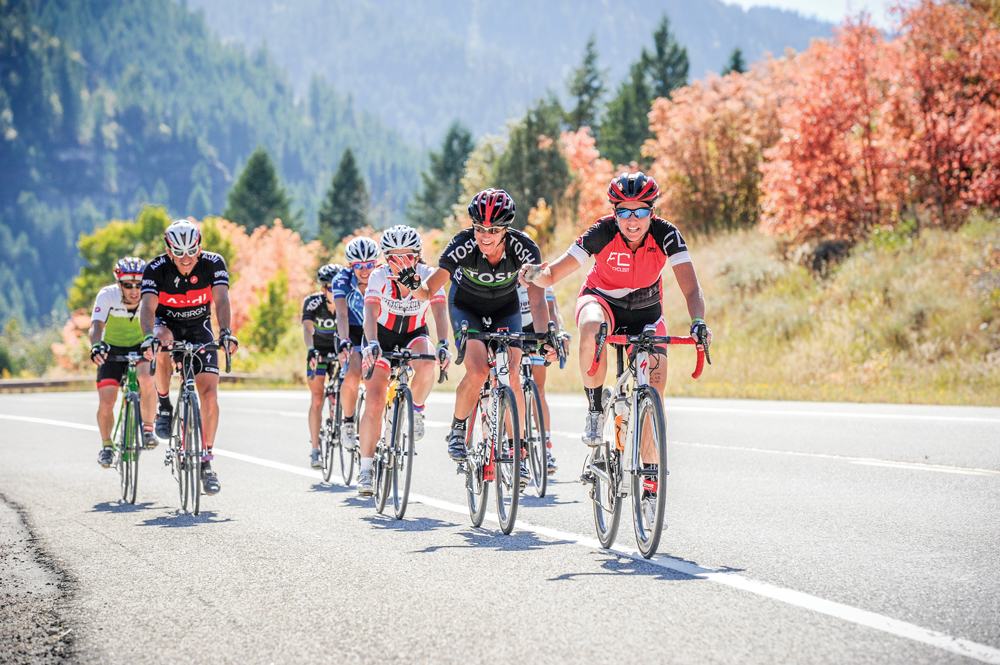
The Women's Pro/1/2/3 field. Mary Emerson (TOSH) won the women's race. Photo by Lucid Images - lucidimagesut.com
The Women’s Pro/1/2/3 field. Mary Emerson (TOSH) won the women’s race. Photo by Lucid Images – Find more at lucidimagesut.com

LoToJa is America’s longest, one-day sanctioned bicycle race from Logan, Utah to Jackson, Wyoming

Layton, Utah — On Sept. 10 almost 1,800 cyclists will race or ride 206 miles from Logan, Utah to Jackson Hole, Wyoming in the 34th annual LoToJa Classic.


The 206-mile course (332 kilometers) — ridden all in one day — features nearly 10,000 vertical feet of climbing across three mountain passes. Cyclists will start at dawn at Sunrise Cyclery in Logan and cross the finish line hours later at Jackson Hole Mountain Resort with the iconic Grand Teton in view.

But before seeing the grandeur of the Teton Range and Jackson Hole, cyclists from the U.S. and foreign countries will ride on county and state roads in northern Utah, southeastern Idaho and western Wyoming. Along the way they’ll pass through Logan and Cache Valley, Utah; Preston and Montpelier, Idaho; and the Wyoming communities of Afton, Alpine and Hoback Junction.

According to LoToJa Race Director Brent Chambers, everything is in place for another great event. “With the right conditions in terms of wind and temperature, we just may see a new set of course records this year,” he said.

Cameron Hoffman of Clearfield, Utah set the current men’s record of 8:45:38 in 2014. His average speed was over 23 mph. Melinda MacFarlane of Salt Lake City, Utah holds the current women’s record of 9:35:00. She set it in 2013 with an average speed of approximately 21 mph.

Most of the other cyclists usually cross the finish between 10 to 12 hours. Despite LoToJa’s challenge to cyclists’ fitness and courage, many return year after year. Chambers said in 2016 cyclists are coming from 38 states, some as far away as Florida and Hawaii. From outside the U.S., riders are coming from Canada and the Czech Republic — but most are from Utah and other western states.

“The 206-mile course is challenging and the scenery is breathtaking — especially the last 45 miles into Jackson and finishing under the Grand Teton,” Chambers said. “All that has attracted cyclists for 34 years. LoToJa continues to be a life-changer for many cyclists who love the feeling of accomplishment the event creates.”

LoToJa began in 1983 by two Logan cyclists who wanted to create a bicycle race that resembled the difficulty of a one-day European spring classic like Paris-Roubaix, Ronde van Vlaanderen or Liege-Bastogne-Liege.

In that first year, seven cyclists competed and crossed the finish line near downtown Jackson. The winner was Bob VanSlyke of Logan who finished the 186-mile course in 9 hours. Since then, LoToJa has become one of America’s premier amateur cycling races. It has also become a major fundraiser for the Huntsman Cancer Foundation, Autism Spectrum Disorder Connections, and other medical research foundations. To date, sponsors and participants have raised more than $1.7 million for these causes. In addition, LoToJa sponsors local fund-raising groups that assist the event.

This year’s race again serves multiple categories for USA Cycling license holders, plus a cyclosportive class, which consists of non-licensed cyclists who are either competing against riders within their age group, or are just riding for fun. A relay race, and categories for tandem riders, will also be held.

LoToJa is the longest one-day bicycle race in America that is sanctioned by USA Cycling, the sport’s governing body. The age of cyclists range from 13 to 74 (13 to 81 in the relay category), and the average rider will burn up to 15,000 calories on race day — about a dozen large cheeseburgers with fries.

This year’s race will again involve over 500 volunteers. Due to the mountainous and remote terrain, more than 150 volunteer HAM radio operators from the Bridgerland Amateur Radio Club provide communication.

Chambers stressed LoToJa wouldn’t be possible “without the cooperation and assistance it receives from businesses, civic leaders, public safety officials and community volunteers.”

He also emphasized LoToJa’s top goal is to have a safe race for all cyclists, support crews, and volunteers. Motorists traveling LoToJa’s course on Sept. 10 are asked to use caution when approaching cyclists. Groups consisting of up to dozens of riders may be encountered. Motorists are urged to pass carefully and to leave a safe distance between their vehicle, cyclists and other traffic.

To further increase safety, on race day the Idaho Transportation Department will restrict eastbound traffic on Highway 36 north of Preston between Riverdale and Ovid from 7 a.m. to 12:30 p.m. Eastbound traffic on US-89 between Montpelier and the Wyoming state line will also be restricted from 9 a.m. to 2 p.m.

“We started the temporary travel restrictions a few years ago because both highways are filled with eastbound LoToJa cyclists,” said Chambers. “The restrictions have helped tremendously. Motorists are asked to use caution while traveling on these two roadways during LoToJa, and to anticipate encountering groups of cyclists. Cautious passing is advised to ensure safety for everyone.”

Chambers defined “cautious passing” as slowing down, giving plenty of space (at least three feet) between the vehicle and cyclist(s), and patiently waiting for oncoming vehicle traffic to clear before pulling around a cyclist or group of cyclists.

Cyclists who compete in the event, plus their support crews, well wishers, event staff and volunteers, represent an entourage of approximately 4,000 people. Several of the communities through which LoToJa passes organize roadside fundraisers to capitalize on the influx of visitors. The host cities of Logan and Jackson also enjoy a welcomed economic boost from the race, specifically restaurants and hotels.

It’s estimated more than 17,000 cyclists have pedaled over 4 million miles during LoToJa since the race began in 1983. Last year’s oldest male cyclist to finish was 74 years old and the oldest female was 63.

The youngest boy and girl finishers last year were 13 years old. The average age of a LoToJa participant is 45.

LoToJa’s route and additional information about the race are available at www.lotojaclassic.com.

2016 Mike and the Bike Book For Kids is Released

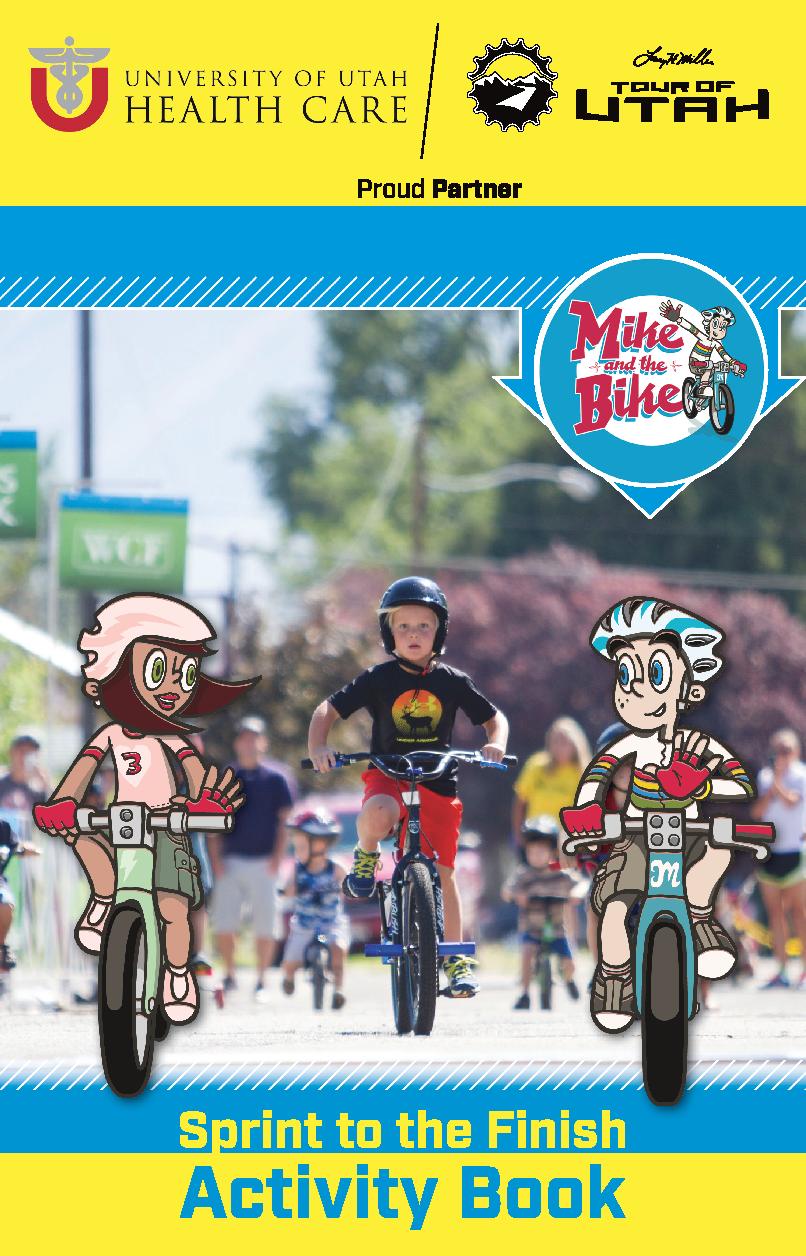
The new Mike and the Bike was released this year and is available as a PDF.

By Jackie Tyson

SALT LAKE CITY (April 27, 2016) – The new Sprint to the Finish Activity Book for elementary-aged children has been produced just in time for the final month of school across Utah and National Bike Month. This 18-page, full-color booklet was created by Larry H. Miller Tour of Utah and University of Utah Health Care. Illustrations from the popular Mike and The Bike children’s book series are used to share creative lessons on geography, nutrition and bicycle safety. Parents and teachers across the country are invited to download the Sprint to the Finish Activity Book and supporting educational documents from the Tour of Utah web site (Experience section). The booklet will be distributed this year at the Tour of Utah.

Throughout the activity book, young cyclists Mike and Lucille, from Mike and The Bike, offer children a guided tour of each stage of the professional bike race. Their story is complemented with interactive lesson plans. Three professional cyclists have contributed content this year to promote exercise and good nutrition — 2015 Tour of Utah defending champion Joe Dombrowski (Cannondale Pro Cycling Team), two-time Under-23 U.S. national champion and Utah native Tanner Putt (UnitedHealthcare Pro Cycling Team), and Top 10 finisher in the 2015 Tour of Utah and Utah native Rob Squire (Holowesko-Citadel Racing Team presented by Hincapie Sportswear).

“The Tour of Utah and our local organizing committees are happy to give back to our local communities through the Sprint to the Finish program. With the activity booklet and the kids races during race week, we want to inspire children to not just ride bicycles safely, but become more active and healthy,” said Jenn Andrs, executive director of the Tour of Utah. “The booklet is designed for elementary-aged children, but I think a lot of parents will enjoy the content as well.”

A downloadable version (PDF format) of the Sprint to the Finish Activity Book is available in English at https://www.tourofutah.com/about/mike-and-the-bike.


Now is the Time for Bicycles

0

Many of you are probably aware of the population projections for Utah over the next 35 years. Here is a quick overview of the statistics from a study by the Utah Foundation (http://www.utahfoundation.org/uploads/rr720.pdf).

Bikes in Sugarhouse, Salt Lake City. Photo by Dave Iltis

Approximately 85% of Utah’s population currently lives along the Wasatch Front. From 2010 to 2050, the populations in the four Wasatch Front counties is expected to increase significantly:

  • Weber County – up 72% (from 231,236 to 398,699)
  • Davis County – up 52% (from 306,479 to 465,664)
  • Salt Lake County – up 61% (from 1.03 million to 1.66 million)
  • Utah County – up 136%. (from 516,564 to 1.22 million)

The projected increase for many other counties across the state is even more significant

  • Washington County – up 242% (from 138,115 to 474,567)
  • Wasatch County – up 225% (from 23,530 to 76,389)
  • Tooele County – up 171% (from 58,218 to 157,821)
  • Summit County – up 143% (from 36,324 to 88,334)

The reason I bring this up is because of a healthy level of concern for what Utah will look like in 35 years. These increases in population will mean more cars, traffic congestion, more air pollution, and greater deterioration of roadways. Hopefully, this is not a certain future.

If we hope to avoid this future, a significant change is needed in our infrastructure priorities and it needs to get kick started immediately. The bike lanes, multi-use pathways, and trails have to be on the ground and ready for use.

Consider this a teaser for our next major campaign, which we will be unveiling in the coming months. This initiative will lay the foundation for what will be a change in the landscape for bicycling.

Most importantly, we need you to be involved. Our campaign will require grassroots support from people interested in seeing a more positive future for all types of bicycling. Sign up for our email list at www.bikeutah.org

Phil Sarnoff is the executive director of Bike Utah, a statewide advocacy organization.

Determining Your Ideal Body Weight for Cycling: Weight Loss vs. Power Gain

If you ride bikes regularly, especially up the unavoidable hills of our glorious state, you likely have experienced the simple physics that body weight can have on performance. The concept seems simple: the more or less you weigh, the more or less energy it will take to pedal your bike. But that doesn’t mean it’s easy to achieve, let alone to know what weight is best for your body, your gender, your riding style, etc. The purpose of this quick article is to help you determine your ideal power:weight (P:W) so you can feel strong without putting yourself at risk of being malnourished.

Is there one ideal body weight to strive for?

Rule of thumb equation for appropriate weight is to take 100 pounds for the first 5 feet of height (for women) and 106 pounds (for men). Then, add 4-6 pounds per inch of height above this base (women), and 5-7 pounds per inch (men). Now, this can be used as a baseline calculation, but there is a lot of variability. There is a fine line between what we want to be striving for and what is realistic. What I mean by this is that we must consider the fact that there is a point where losing too much weight can lead to loss of strength on the bike. Therefore, it is important to factor in your power:weight (ratio) when trying to determine your personal ideal body weight.

Everyone’s always talking about power:weight

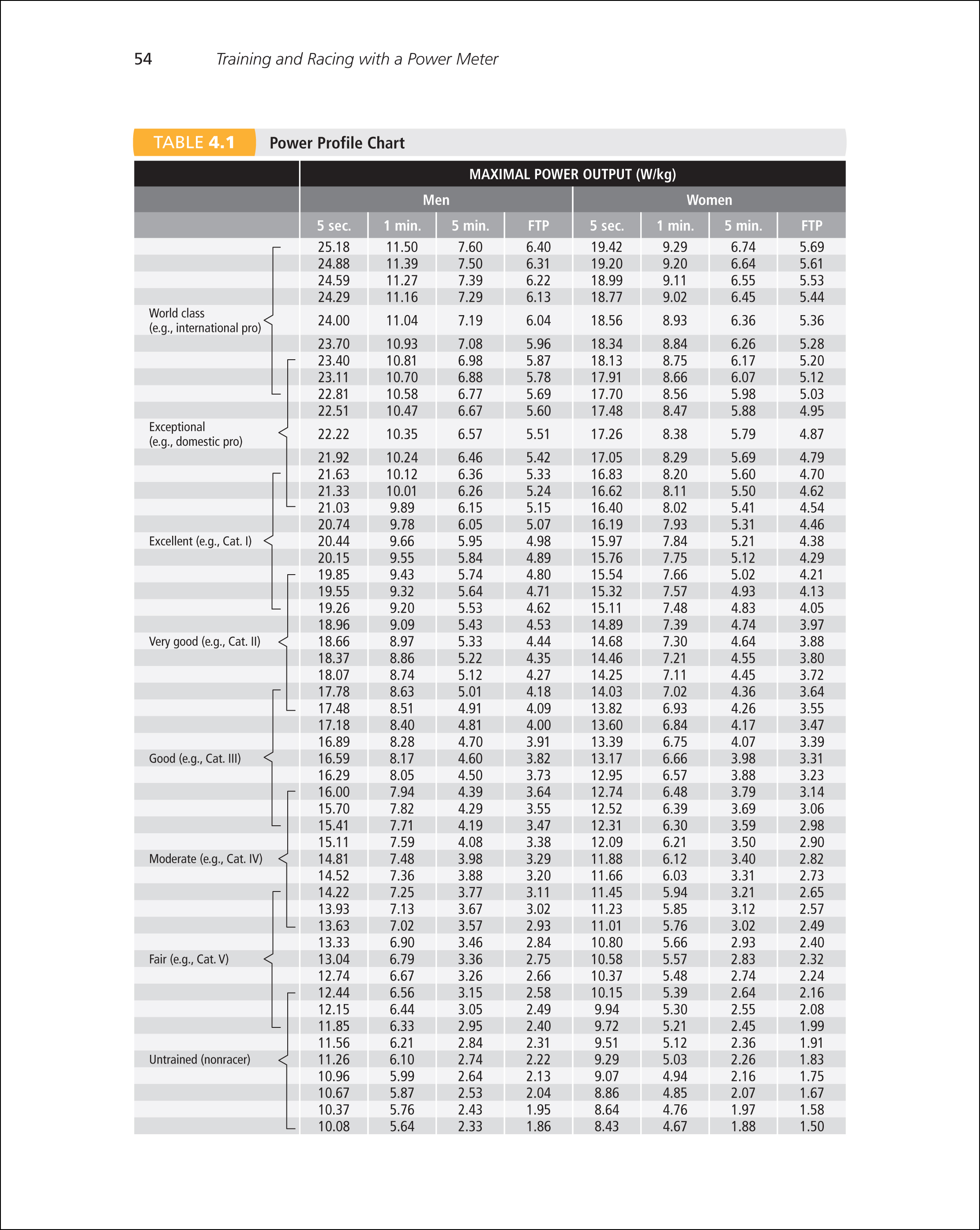
By definition, the P:W ratio is the formula used to determine your strength compared to your weight, and it’s the great equalizer when comparing riders of different sizes. It is calculated by dividing your body weight in kilograms (1 kg = 2.2 lbs) into average watts for a given range. For example, if you can produce 300 watts for your functional threshold power (FTP – the maximum average power that you can hold for one hour), and you weigh 74 kg (163 lbs), your power to weight ratio is 4.05 at your FTP range. This means you can generate 4.05 watts for every kilogram of body weight. A power to weight ratio of 4 to 4.5 is equivalent to a competitive Category 2 racer. A power to weight ratio of 5-6 would put you in the range of a Category 1 elite professional (according to Andy Coggan’s power profiling chart, displayed in this article).

Since P:W is determined by the simple formula power (watts) ÷ mass (kg), hopefully even the most non-mathematical readers can appreciate that there are three ways to increase your power-to-weight ratio:

  • Increase your power output while keeping your weight constant
  • Keep your power output constant while decreasing your weight
  • Increase your power output while also decreasing your weight.

Two important aspects of this equation are the loss of body fat while maintaining or increasing lean muscle mass and strength. However, there are limits to how much you can or should lose in body fat as well. The minimum body fat range for men is 6% and for women is 14%. Dropping below these ranges can negatively affect your health and performance. But if you are nowhere near these body fat ranges and have a goal to lose weight, then losing a few pounds in body fat can lead to a big difference in your strength on the bike.

So, which is more important, losing weight or gaining power?

For novice cyclists and/or experienced racers who are carrying around more than 10 extra pounds, losing weight and gaining power are equally important and equally achievable. This also means that heavier cyclists can make bigger improvements in their P:W ration because they have more room to attack both parts of the equation. It’s a matter of being realistic as well as honest with yourself. Find the spot where you can maintain your desired weight without losing performance. In short, there is a lot to gain as a cyclist by reducing your weight, including climbing faster, and even more to gain by simultaneously getting stronger, but achieving an ideal race weight happens with smart decisions and hard work.

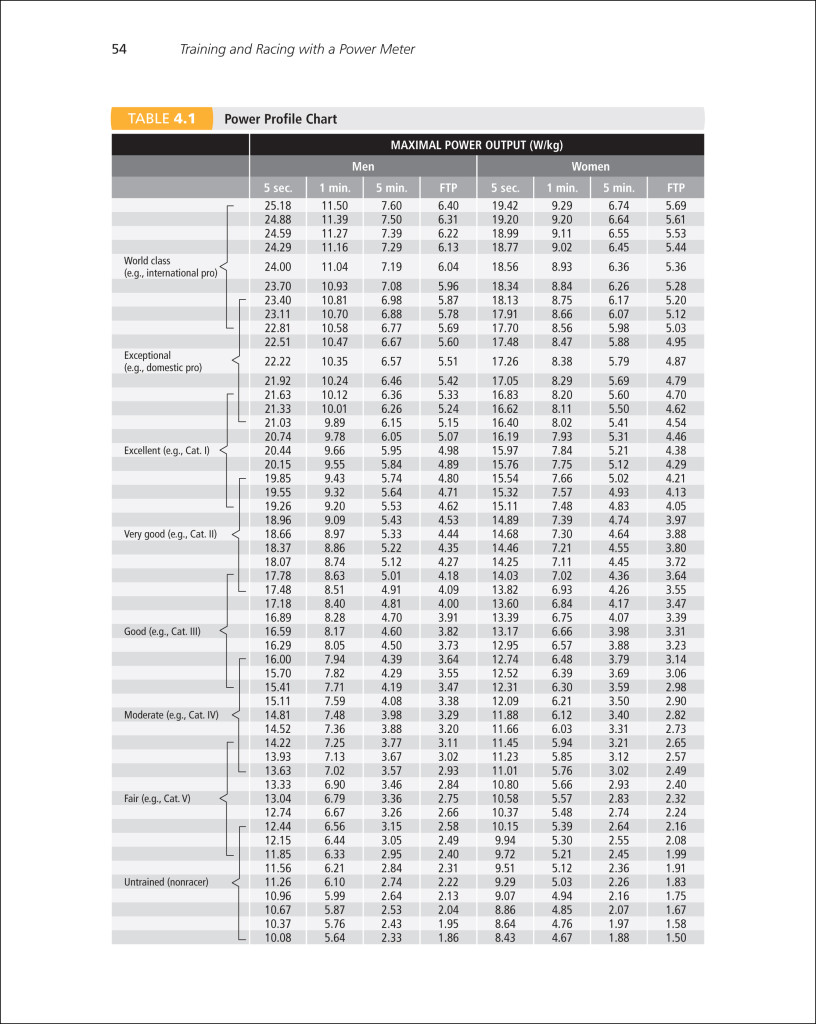
Power Profile Chart. Use this chart to determine typical power outputs (watts/kg) for different categories of cyclists. Republished with permission of VeloPress from Training and Racing with a Power Meter, 2nd Ed. by Hunter Allen and Andrew Coggan, PhD. Learn more at velopress.com/power.

[Editor’s Note: See Breanne’s guide to Achieving Your Ideal Body Weight.]

If you want to determine your FTP, ideal P:W ratio, and/or get a nutrition plan to achieve these numbers, give me a call!

Breanne Nalder, MS, RDN has a Master’s degree in nutrition with an emphasis in sports dietetics at the University of Utah. She is a Registered Dietitian, the nutrition coach at PLAN7 Endurance Coaching, and races for Visit Dallas DNA Pro Cycling team. For individual custom nutrition coaching, you can reach Breanne at 801-550-0434 or [email protected].

Bike Touring Around Capitol Reef National Park

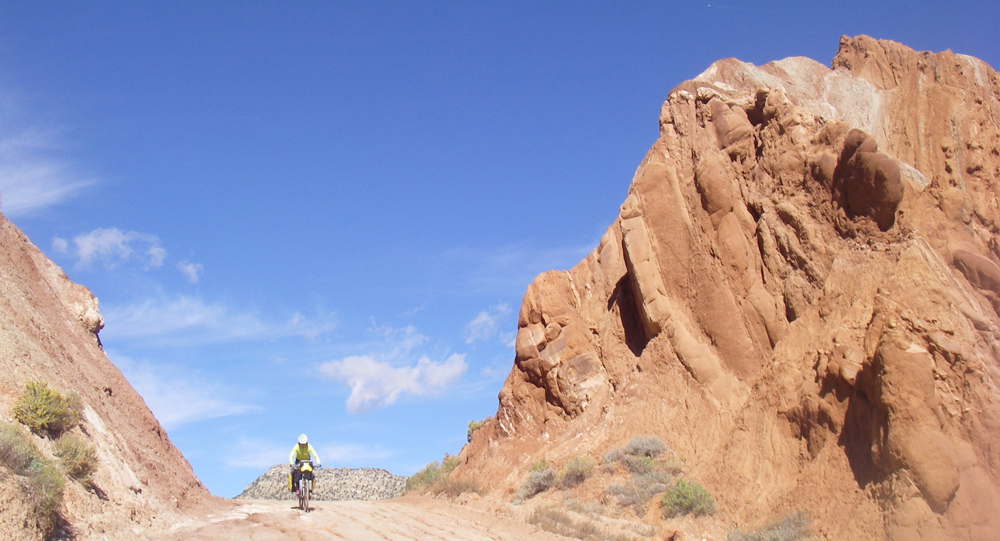
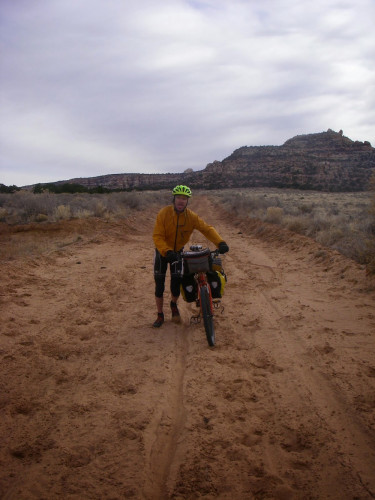
Desert slickrock, a fast road, and Boulder Mountain looming in the distance. Photo by Tom Diegel

By Tom Diegel

It was Memorial Day weekend and we wanted to do a quick southern Utah bike tour, but 3 days is not much time to do a nice loop (and loops are always nice, in any kind of ride) and many of the great stretches of desert bike touring are a little long, so we had to do a little research on what might be both appealing and viable. Sometimes those aspects are compatible, and sometimes they aren’t……

A few years ago we had the opportunity to ski 11,500 foot Mount Ellen, the highest point in the Henry Mountains, which loom impressively over Hanksville (apparently Henry wanted his formal name attached to the mountains, and his nickname attached to a hardscrabble little wayside that’s best known for its milkshakes on the way home from Lake Powell). The Henries have the distinction of being the last mapped range in the US, which is indicative of their relative remoteness, and are a high island poking out of some of the most dramatic desert environments in the world, with the Waterpocket Fold to the west and Canyonlands to the east. It also offers a fine, 3000-foot ski line if you are lucky enough to catch the combo of the dirt road not being snowed in or a recently-melted grease fest and still have enough snow to ski its dramatic east face. While on that ski tour we noticed that our access road continued on up and over a high pass, and we thought “that would make a good bike tour sometime” and didn’t give it much thought again until we were looking for a nice 3 day loop in the southland, remembered that road, and thought it would be a good conduit from one side to the other.

We started our loop – which was essentially a bulged-out loop around Capitol Reef National Park – in Torrey, and a storm in the north created a big west wind that blasted us through the park and along Highway 12 towards Hanksville, which enabled us to get some decent miles despite starting our weekend Saturday morning driving from Salt Lake. Not far from Hanksville we came across a funky little house/farmstand with a sign that said “homemade pesto!” on it; being a sucker for farmstands and good local food we pulled in, and after some amount of hollering finally found the proprietor; a classic aging hippie organic farmer who seemed a bit out of place near Hanksville. After spending way too much money with him buying jars of pesto, organic kale and arugula, etc. I couldn’t help but notice that he had some nice pastureland and adjacent outbuildings, and if you’ve ever driven through Hanksville during a windstorm you know that it also be pretty brutal sandstorm, and those buildings looked like pretty good windbreaks with no sand upwind. “Uh, it’s late in the day and we are looking to camp soon; any chance we could camp here in your pasture in the lee of one your buildings?” fully anticipating that he’d say “Sure! No problem!”, especially after we’d bought probably most of his week’s worth of sales at his little shop. To our surprise, however, he said “No, can’t do that.” Huh? As touring cyclists we’ve become so accustomed to gracious people we meet along the routes that we were a bit stunned to be turned down. But so it goes, and we wobbled a couple of miles down the road and found shelter behind a cliff for a decent-enough campsite.

There are many “gates” to ride through in the Waterpocket Fold. Photo by Tom Diegel

There aren’t too many opportunities in these parts to do 6000 foot climbs, but starting in Hanksville and ending at Bull Creek Pass is all of a 6400 climb on a gravel road. Though it was a short trip and therefore we didn’t have a ton of food, we were a little nervous about our opportunities to find water, so were toting a fair bit of weight as we ground slowly up into the Henries. It was a longggg haul, but at least it got a fair bit steeper towards the end! Finally we topped out at the pass and took in the sweeping desert views that we had seen a few years prior on our ski tour. Originally we had thought that we’d take the opportunity to hike up to the south peak of the Mount Ellen ridgeline, but after the long climb on the bike and our desire to find a decent camp we elected to bounce down the west side of the pass.

5000 feet of bumpy, rocky, and dusty descending got us down to the Notom Road, which is a north-south connector between Highway 12 at the east entrance to the Park and Bullfrog Marina on Lake Powell. Though we knew it was not paved in that section (the northernmost 10 miles of it is paved) we assumed that it was well-traveled enough and it was spring so there wouldn’t be much sand to slow us down. However, ‘twas not the case that year. Periodic bits of hard clay were interspersed by hundreds-of-yard sections of quad-crushing, snail-slow sand, and it was tempting to turn about to go north on the Notom road and make our loop considerably smaller. However, the other main goal of our loop was to ride the famous Burr Trail that climbed up onto and traversed that magical Waterpocket Fold, the thought of going forward through maybe??? less sand that we didn’t know sounded better than backtracking through the sand that we did know, and we wanted to make our tour longer rather than shorter, at least at that point. Plus there was a campground listed on the map, and we figured there’d be water there, because…hey, it’s a campground!

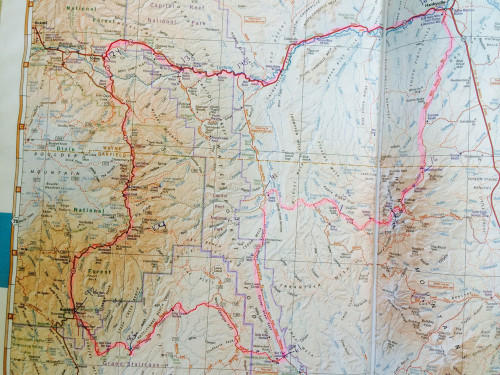
A 2.5 day tour around Capitol Reef National Park with a climb over Boulder Mountain and a stretch on the Burr Trail. Base Map courtesy of Benchmark Maps from the Utah Road & Recreation Atlas.

We rolled into the campground late in the day, pretty whupped but happy to have made it through a big effort, and since the following day was our last and we felt really far from our starting spot we hoped to get some water and keep on “rolling” (pushing?) down the road towards the Burr Trail. However, a quick lap around the loop of sites did not yield any water spigots, and we realized that “primitive campground” was code for “no water for thirsty cyclists.” We sat down for a snack to evaluate our options, and just then we heard the rumble of a truck rolling up towards us and soon enough a camper appeared that had a nice couple in it who were not only happy to share a couple of gallons of water but also a coupla cold beers, so our decision got made for us.

With fresh morning legs and longer sections of hard clay we made short work of the rest of the Notom road, then turned up the famous “Muley Twists” section of the Burr Trail that ascended up to the mesa that was the Fold. On top it turned to pavement, and we rolled onward and upward toward Boulder, where we knew the famed Burr Trail Grill was awaiting us, since we were running out of food (in anticipation of the Burr Trail Grill). Hitting Boulder in mid-afternoon we were surprised to find that the Grill hadn’t yet opened for “the season” (isn’t Memorial Day “the season?”) and all we were able to find to fuel us up for the last grind up and over Boulder Mountain were a couple of muffins. But probably just as well; the burger, beer, and piece of banana cream pie that we likely would have mowed into probably would have hurt more than it would have helped.

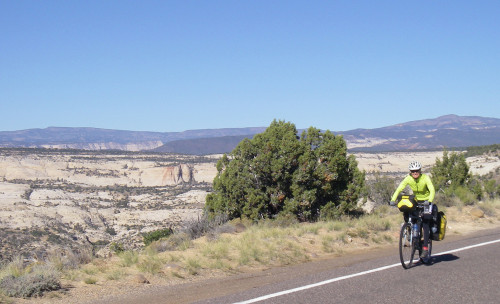
We had driven over Boulder Mountain many times and never ridden it, despite saying every time: “We gotta ride this!” As always, you never really get a true sense of a road until you ride it, and the realities of a 3000 foot climb and a “descent” that has some additional climbs in it can be a bit harsh with heavy bikes and tired legs. But we chugged along and soon enough we were on the final coast down into Torrey.

In hindsight it was a bit of an ambitious route for what was essentially a 2.5 day tour at 170 miles and over 11,000 feet of climbing, but it was clearly doable and there are ways to make it shorter or just take another day (and be strategic about water). And make sure the Burr Trail Grill is open!


Most everything is great about southern Utah bike touring…..but sand can be a challenge! It’s not too bad on the Notom road, fortunately. Photo by Tom Diegel

Ropelato and Ramirez Win Enduro Cup at Deer Valley

Park City, UT (Aug. 28, 2016) – The SCOTT Enduro Cup presented by Vittoria launched its final race of the season in a new location, Deer Valley Resort in Park City, UT. The three stage enduro race drew more than 230 athletes to the Wasatch back for a challenging season finale. The results from the day awarded the top five of each category as well as the overall series champions. Utah local and World Cup racer Mitch Ropelato returned to his home mountain, finishing first in the men’s pro/open category and Angelica Ramirez completed an impressive Enduro Cup season in first for the women’s pro/open.

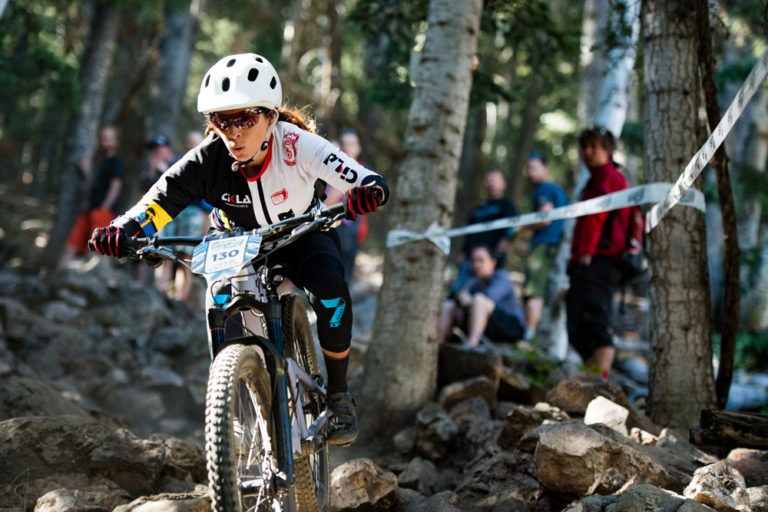
Utah’s Mitch Ropelato races Stage Three of the SCOTT Enduro Cup at Deer Valley Resort in Park City, UT on Aug. 28, 2016. Ropelato won the race. Photo by Sean Ryan

The three stages were a true testament to the balanced rider, blending highly technical, rocky descents with flowy and fast terrain. Stage one was the most difficult of the day, if not the season, dropping down Deer Valley’s legendary NCS, formerly used in the NORBA DH. A more traditional Park City flow was felt on stages two and three. Stage two ventured down Upper TG to Payroll, and three ran Upper Aspen Slalom to Fire Swamp, for a fast and loose finish. The excitement of riders could definitely be seen and heard as they rode wheelies and hollered on the final stretch out to the expo on Silver Lake beach.

Ropelato, 24 of Ogden, UT, has had a busy season returning to the World Cup DH circuit. He set aside some time from his international travels to visit his home mountain, taking first with an impressive overall time of 12:54.747.

“Walking away with a win-I am pretty excited about that,” said Ropelato after being chased around the base area and annihilated with Sierra Nevada Brewing Co. beer. “NCS is one of the gnarlier tracks-especially with it being a former NORBA track from back in the day. So to be racing that on a trail bike is pretty rowdy. I was definitely white knuckling a couple of sections.”

Chris Boice, 29 of Albuquerque, NM has been making the enduro rounds this season, finishing with an overall time of 13:04.279. Boice has run all of the SCOTT Enduro Cup stops, finishing first in Angel Fire and fourth place in Sun Valley, ID. He finished the season in first place overall, making him the men’s open/pro overall champion. Demetri Triantafillou, 20 of Salt Lake City, UT who rode the UCI MTB World Cup in Mont St. Anne, Canada earlier this month, beat Ropelato in stage one by two seconds, but lost his lead, ending stage three with an overall time of 13:06.696 finishing the day in third place.

  1. MITCH ROPELATO (12:54.747)
  2. CHRIS BOICE (13:04.279)
  3. DEMETRI TRIANTAFILLOU (13:06.696)
  4. MACKY FRANKLIN (13:14.023)
  5. MASON BOND (13:15.820)
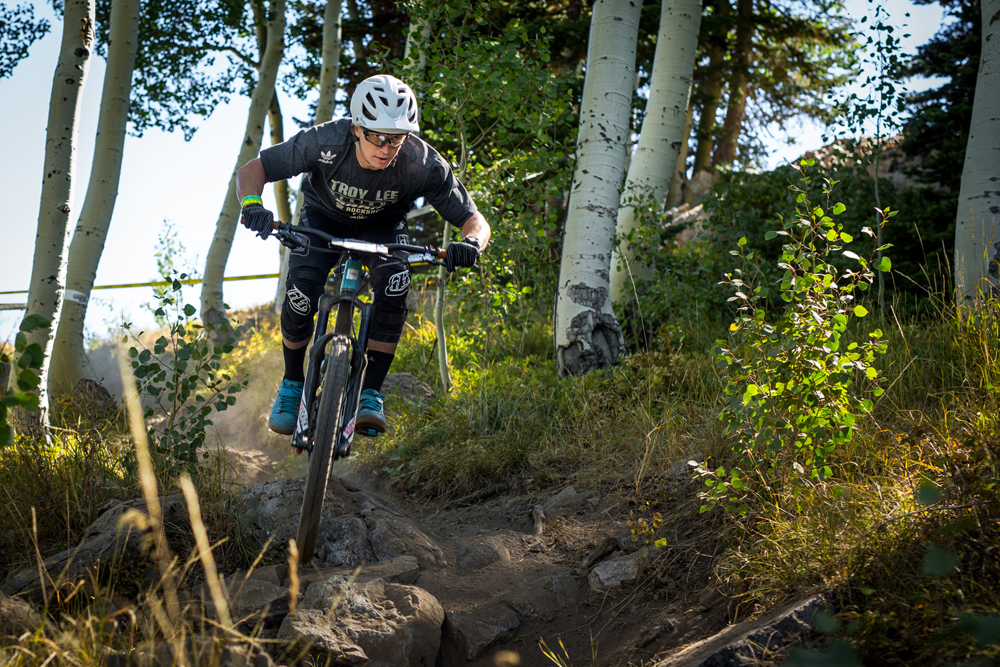
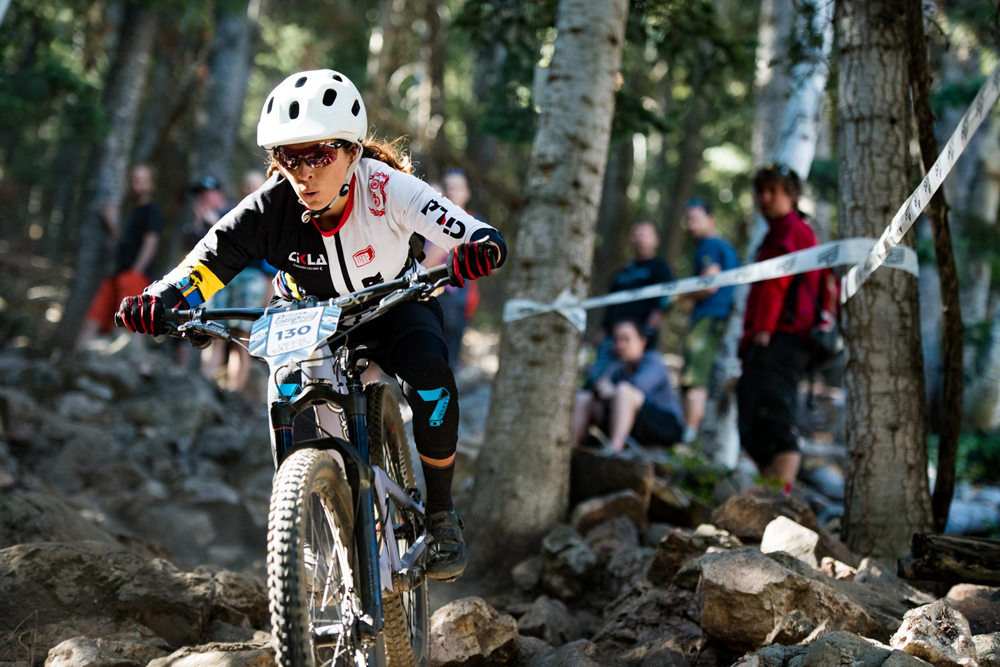
Salt Lake City’s Angelica Ramirez flies through Stage Two of the SCOTT Enduro Cup at Deer Valley Resort in Park City, UT on Aug. 28, 2016 on her way to the win. Photo by Mike Schirf

Ramirez, 30 of Salt Lake City, UT, joined the women’s pro/open category finishing in first with an impressive lead and overall time of 15:32.789. Deer Valley local and longtime Enduro Cup competitor, Ileana Anderson, 29, ended the day at 15.52.682. Anderson’s second place finish secured her as the overall champion of the 2016 series. After coming back from an injury she acquired at the Angel Fire stop, Teal Stetson-Lee, 30 of Reno, NV, finished in third place with 16:00.198.

  1. ANGELICA RAMIREZ (15:32.789)
  2. ILEANA ANDERSON (15:52.682)
  3. TEAL STETSON-LEE (16:00.198)
  4. KRISTA RUST (16:09.423)
  5. ARIELLE VERHAAREN (16:42.693)

Cowbells and wheel ‘bells’ were heard around every corner as the event drew a significant number of local and visiting spectators. “It was cool to see all the locals come out and show support,” noted Anderson. “The crowd in Barney Rubble was perfect. Helped me push through some of those awkward moments and make it to the end.”

New this year, the Vittoria Bolt awarded the fastest downhill time on stage two. Ropelato (04:04.802) and Haley Batten, 19 of Park City, UT (04:40.043) were each awarded a $100 cash prize. This signature award was featured at all 2016 race locations.

Podium finishers in the pro/open category shared prize money equally divided between men and women. The podium athletes in the expert, amateur and junior categories received gear from SCOTT Sports and Vittoria. All riders were entered into a raffle, with proceeds going to the Mountain Trails Foundation. Raffle prizes were provided by SCOTT Sports, Vittoria and ROTOR, Pearl Izumi and G-Form.

The Deer Valley stop of the SCOTT Enduro Cup presented by Vittoria was the final race of the 2016 season.The series would like to thank all of its competitors and sponsors who support this incredible community.

For results, see the results page in this issue. For more information on the Enduro Cup, visit endurocupmtb.com

$20 Million TIGER Grant Coming to the Wasatch Front for Bikes

By Charles Pekow — Expect better bicycle connections to mass transit in the years to come, thanks in part to a federal grant.

The Utah Transit Authority (UTA) won a $20 million grant from the U.S. Department of Transportation (USDOT) To help with UTA’s connectivity plans. UTA will use the money for a variety of purposes, including building bike lanes and connections to bike paths, bicycle warning signs, bike parking, adding bike share stations, painting bike lanes and adding protection for them.

The total cost of the First/Last Mile Connections: Improving Community Access to Regional Opportunities project is budgeted at $75,722,739. UTA won the funds competitively from the eight-year-old Transportation Investment Generating Economic Recovery (TIGER) grant program. TIGER grants must leverage non-federal investment. USDOT received 585 eligible applications for this year’s round of funding but gave only 40 grants. UTA asked for $28 million and got four percent of the total TIGER money.

In a letter of support for the project application to USDOT Secretary Anthony Foxx, Laura Hanson, executive director of the Jordan River Commission, wrote that with the project “Wasatch Front

residents will be able to combine transit with segments of the 45-mile long paved bicycle path that parallels the river to fill gaps in the first and last miles of a commute and reduce the length of trips overall.”

A strategy study commissioned last year for the project by UTA noted that few transit agencies specifically create first mile/last mile efforts, preferring to integrate the matter into overall transit policies.

UTA Active Transportation Planner Jennifer McGrath wrote in an email that the project will include “everything from striping on existing shoulders and new bike repair stands to separated trail connections and bike/ped bridges over rails.” But she said it’s too soon to say where any of the improvements will go.

The Colorado Department of Transportation also received a $15 million dollar TIGER grant to fit into its $237 million project to improve North Interstate 25 between the cities of Loveland and bicycle Mecca Fort Collins. The effort includes construction of bicycle/pedestrian underpasses beneath the highway.


Bike Utah Seeking Elementary and Middle Schools to Participate in Their Youth Bicycle Education and Safety Training Program

By Phil Sarnoff — The Youth Bicycle Education and Safety Training (BEST) Program will be the first statewide effort to educate Utah’s youth about the safe operation of bicycles. This program will be a starting point to getting children and their families more physically active. Bicycles have the ability to improve personal health, air quality, and the livability of communities. Getting physical activity each day even helps to improve academic performance.

The Youth BEST Program is a 5-hour, on-bike program that teaches students how to safely and confidently get around by bicycle. The program is administered at schools and is targeted students in the 5th to 7th grade range. The course takes place for one-hour over the course of five consecutive days.

During the Youth BEST Program, students will learn:

  • The benefits of riding a bicycle
  • Rules of the road
  • Helmet fitting
  • Bicycle safety checks
  • Navigating intersections
  • Right of way
  • Avoiding hazards

There is no cost for any school or student to participate. Bike Utah will provide a trained instructor, bicycles, helmets, and all other necessary equipment for the duration of the program. Most of the support provided by the school is logistical:

  • Time during the school day (1 hour for five consecutive days)
  • Space in a recess area or parking lot to hold the program
  • Connections to local volunteers (e.g. through a PTA)
  • Minor assistance with pre- and post-program evaluation

The Youth BEST Program is launching this fall. Scheduling of participating schools is going on right now. If you know of schools or teachers who might be interested in having the Youth BEST Program at their school, send an email to [email protected]


Parley’s Trail (PRATT) to Close from August 15-20 and August 29-September 2, 2016 at Foothill Drive

0
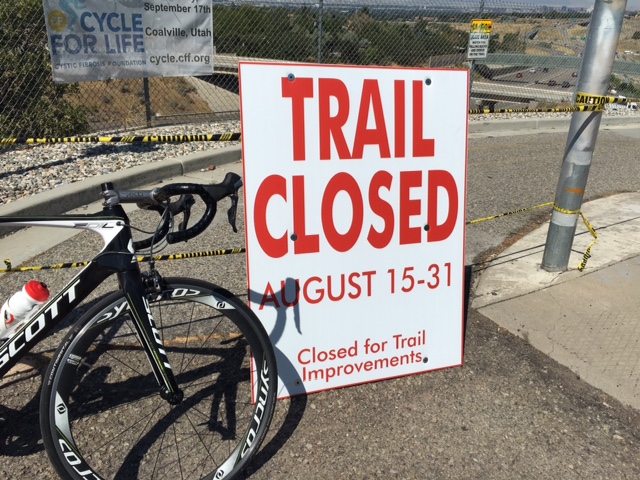
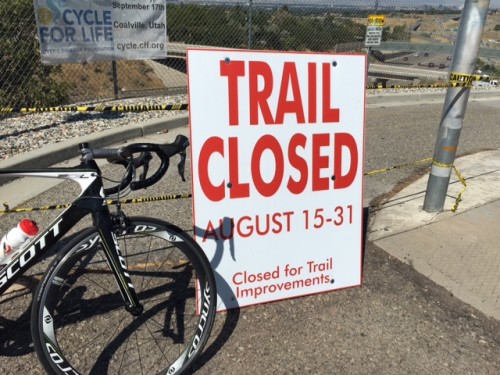
The PRATT trail crossing of I-80 will be closed during August 15-20, and August 29-September 2, 2016. Photo by Steve Smock
The PRATT trail crossing of I-80 will be closed during August 15-20, and August 29-September 2, 2016. The dates on the sign aren’t quite correct. Photo by Steve Smock

August 17, 2016 – The PRATT Trail will be closed for construction from August 15-20, 2016 and from August 29 to September 2 in Salt Lake City. This will prevent riders from crossing I-80 on the trail. 2000 East is a potential option to travel north to south across I-80.

The notice from Salt Lake County states,

Trail Closure Notice

Parley’s Trail will be closed from Foothill Drive to Parley’s Trailhead at the Mouth of the Canyon

Closure Dates: 8/15/16 to 8/20/16 and 8/29/16 to 9/2/16

There will be concrete work being done during the week of 8/15 and asphalt work being done during the week of 8/29. There will be equipment blocking the trail and signage noting the closure.

For questions contact: Dustin Wiberg at 385‐468‐1817

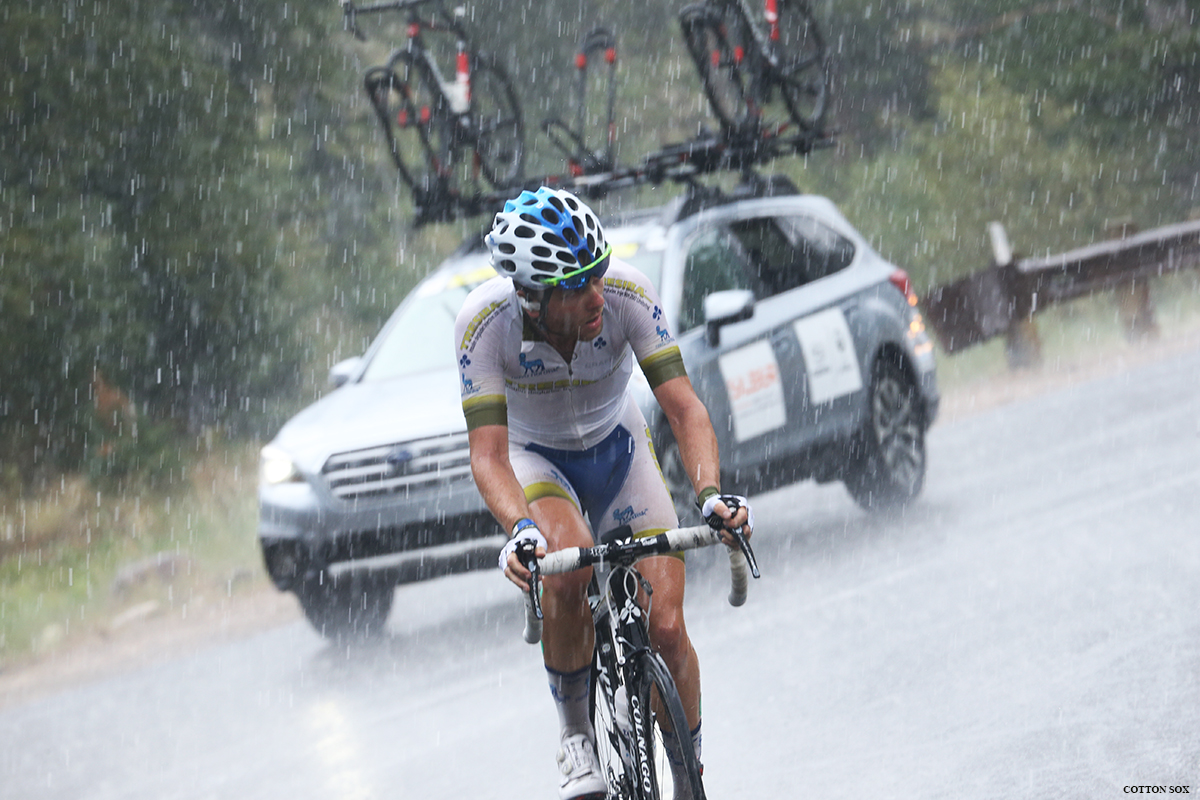
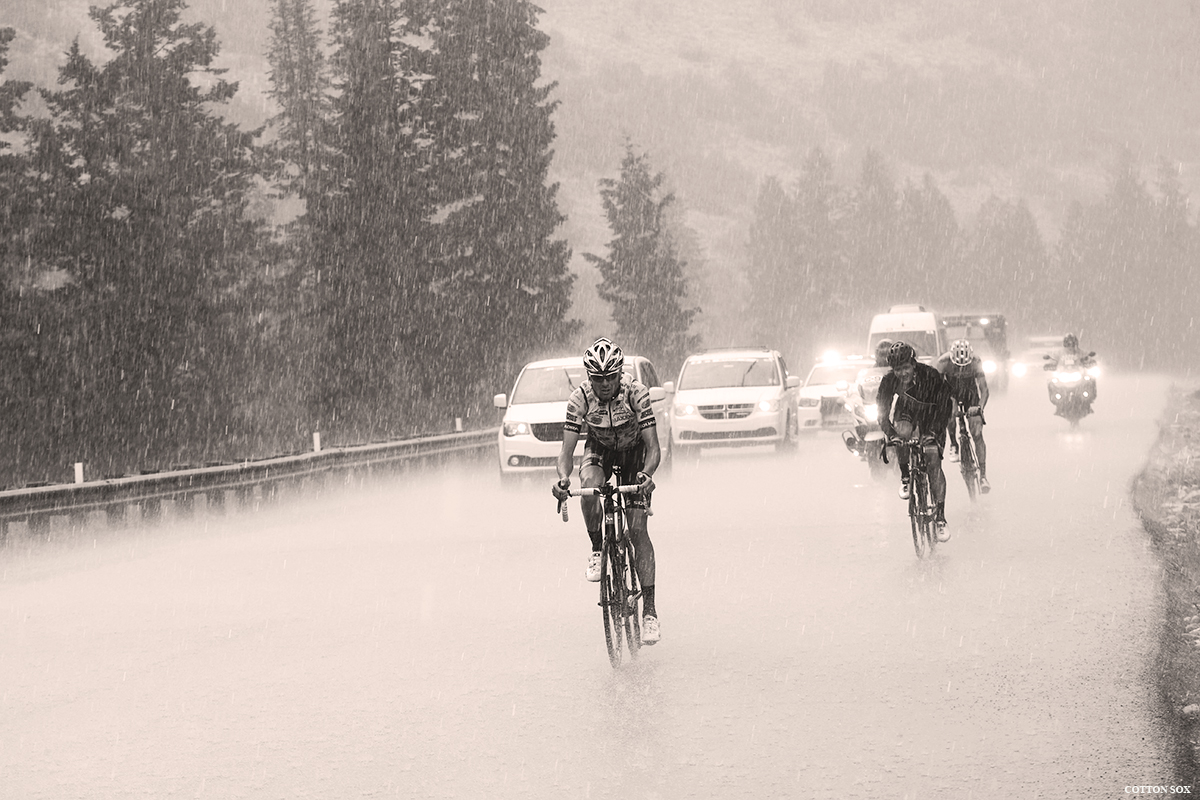
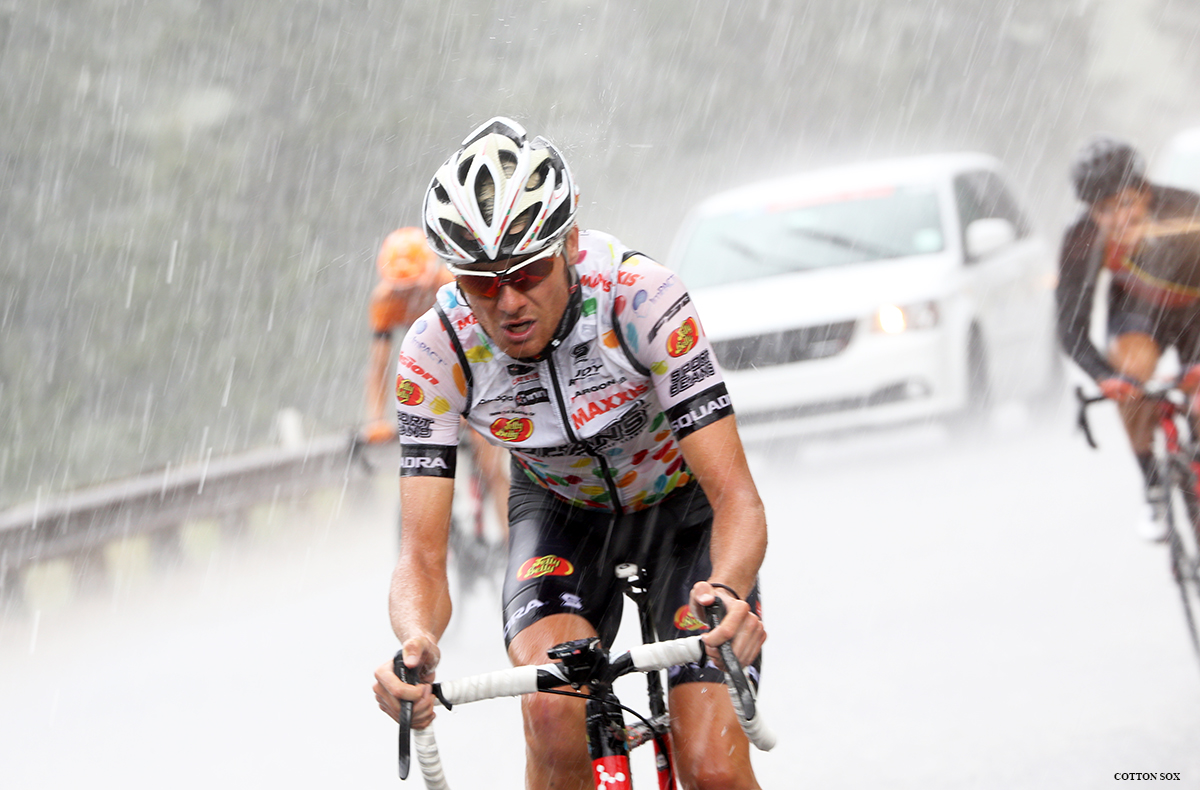
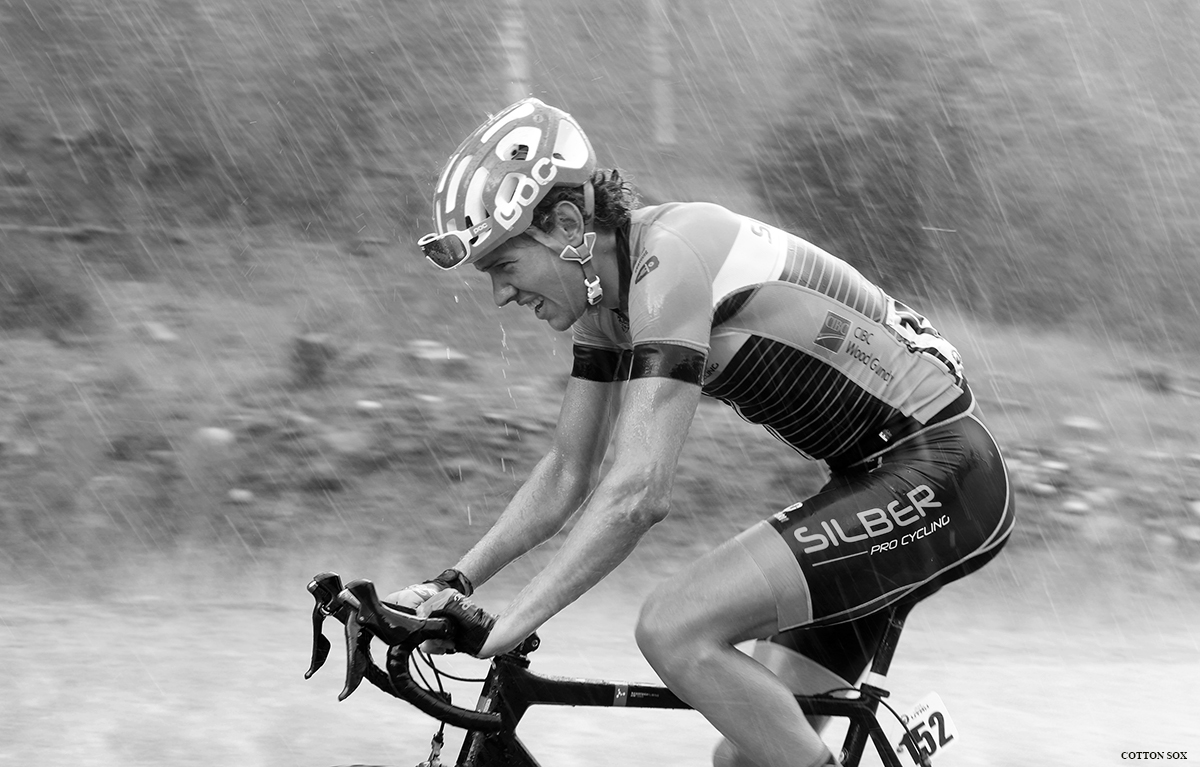
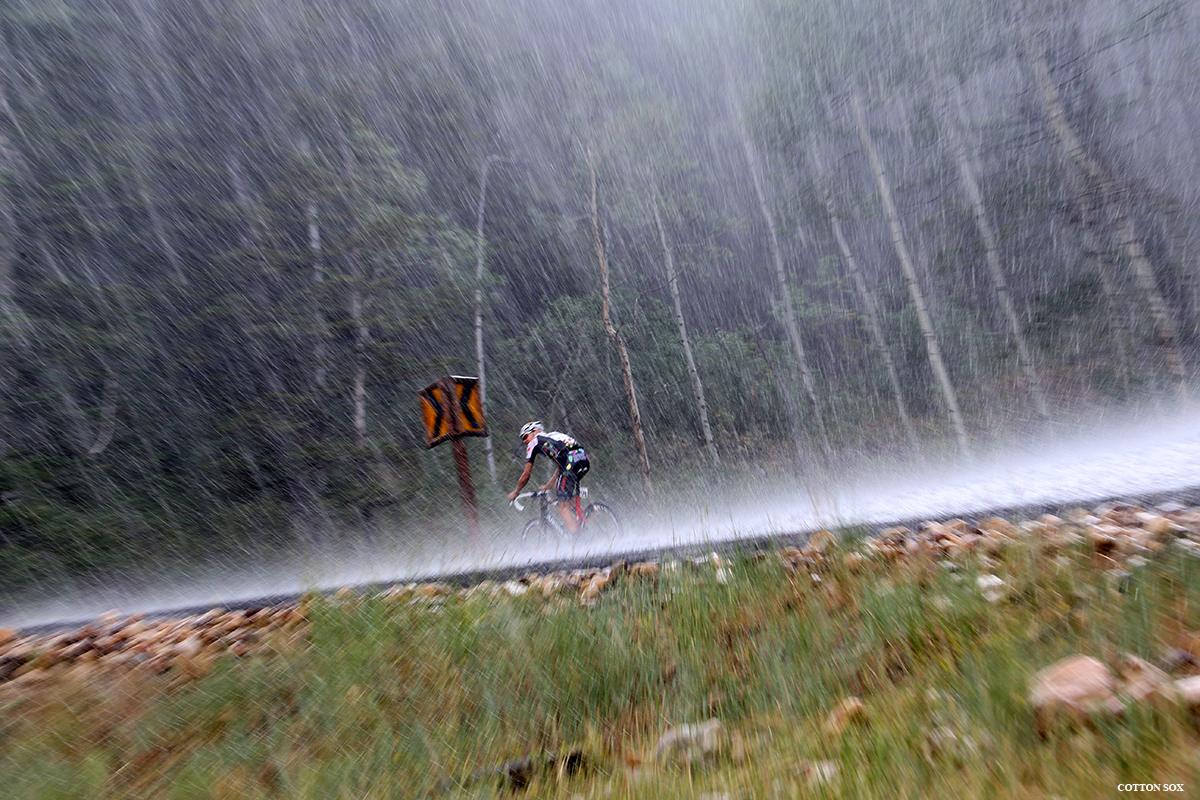
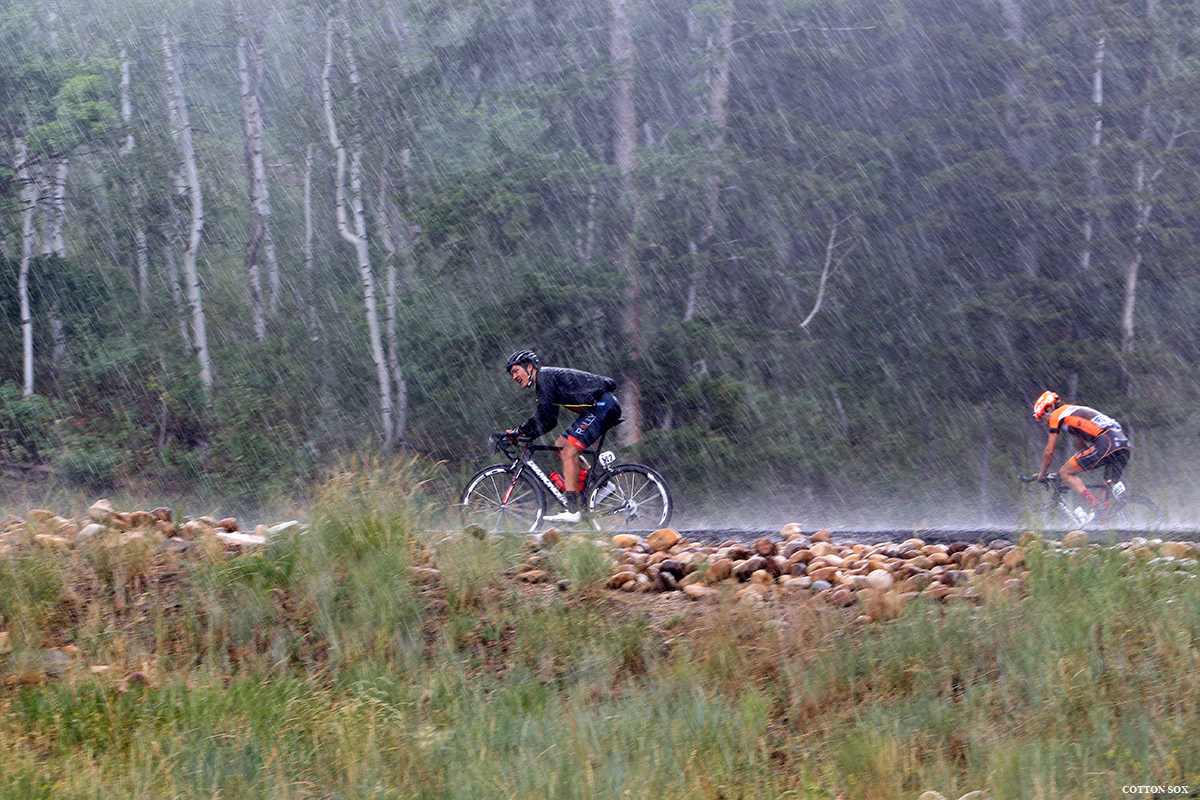
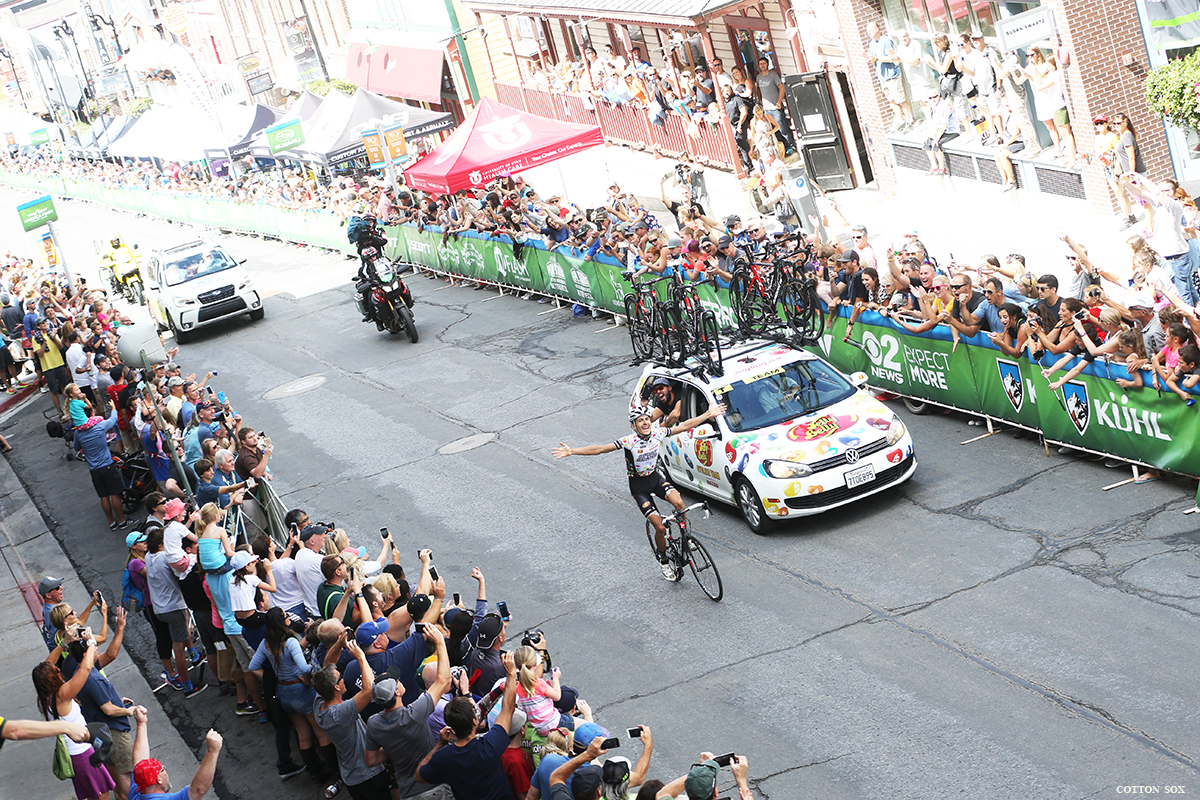
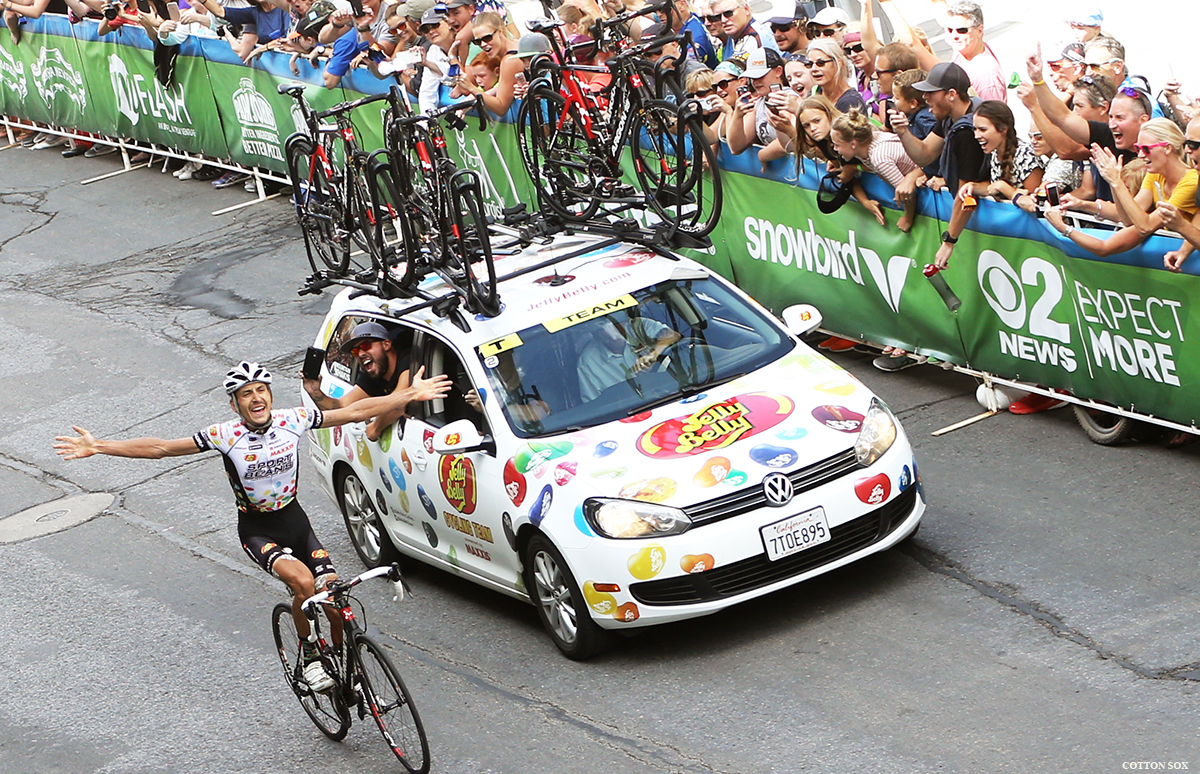
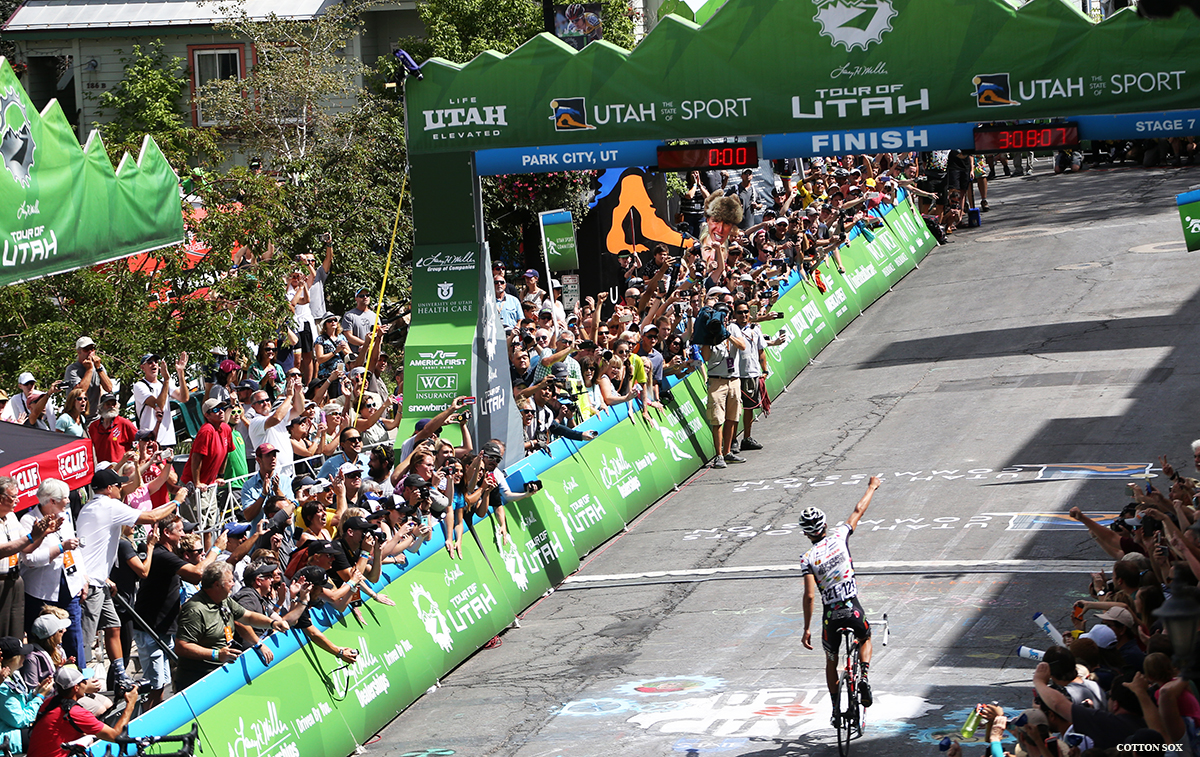
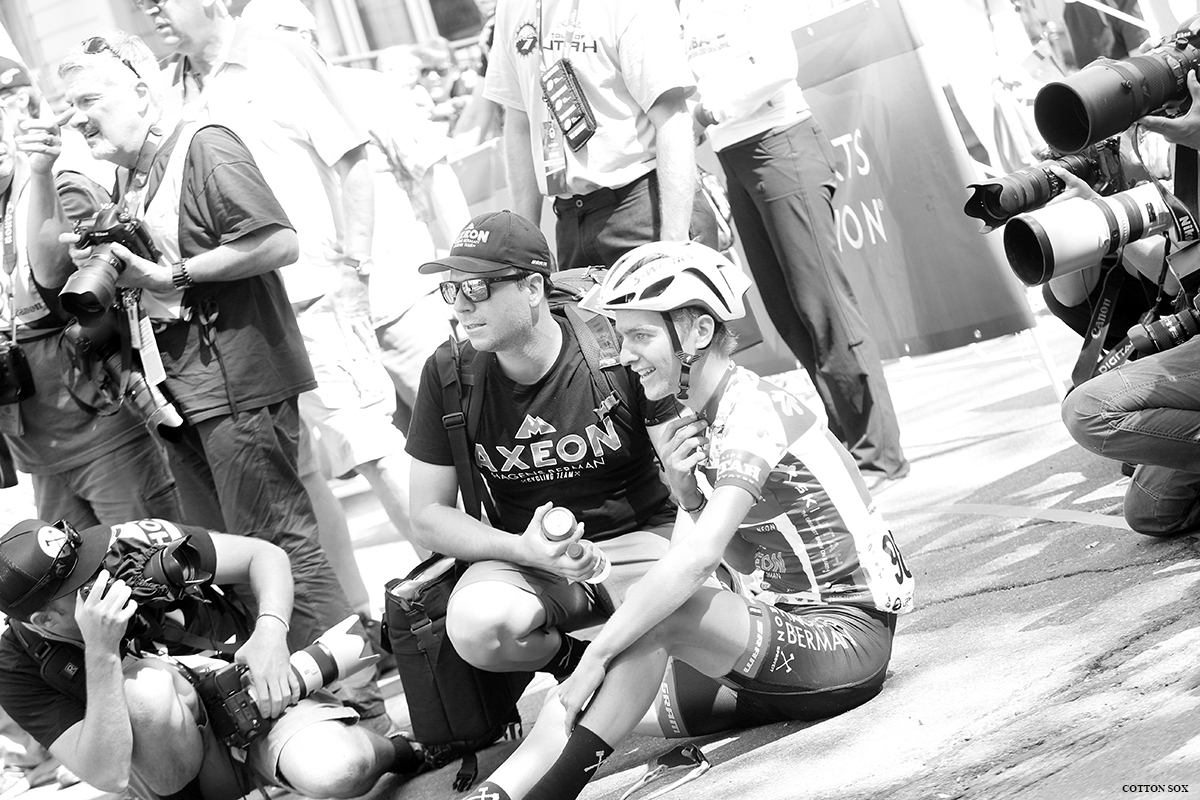
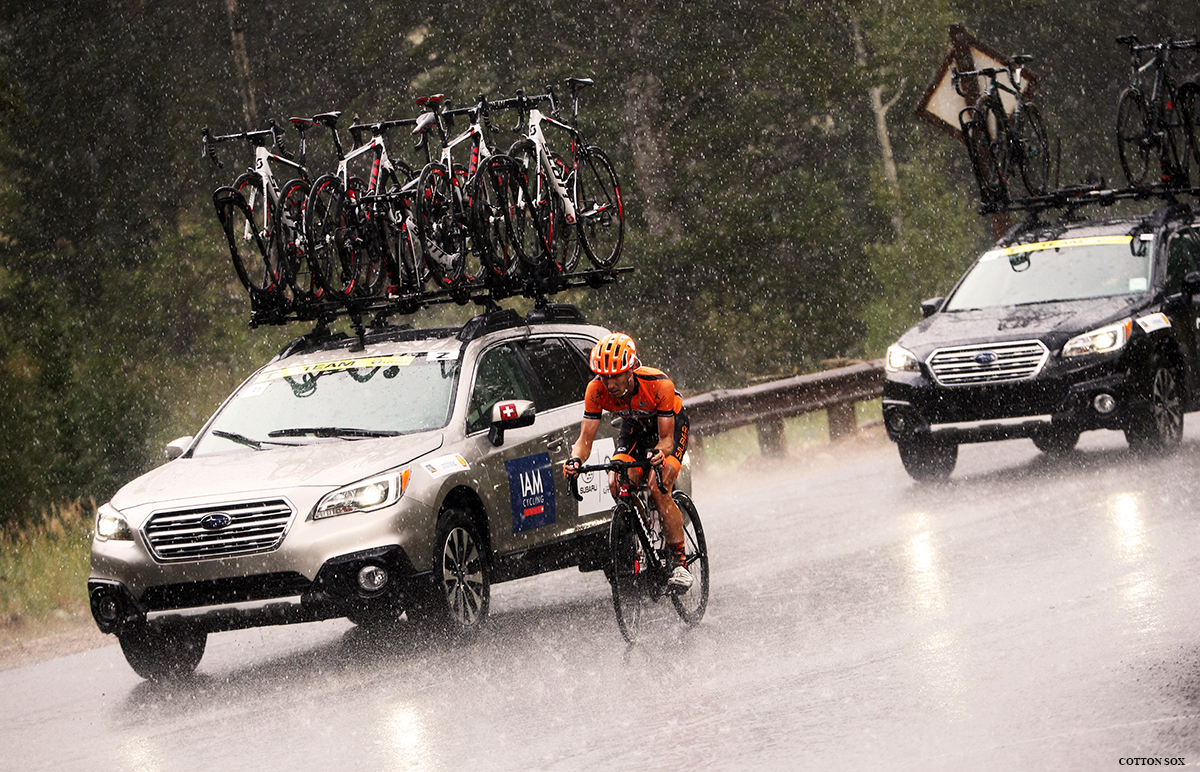
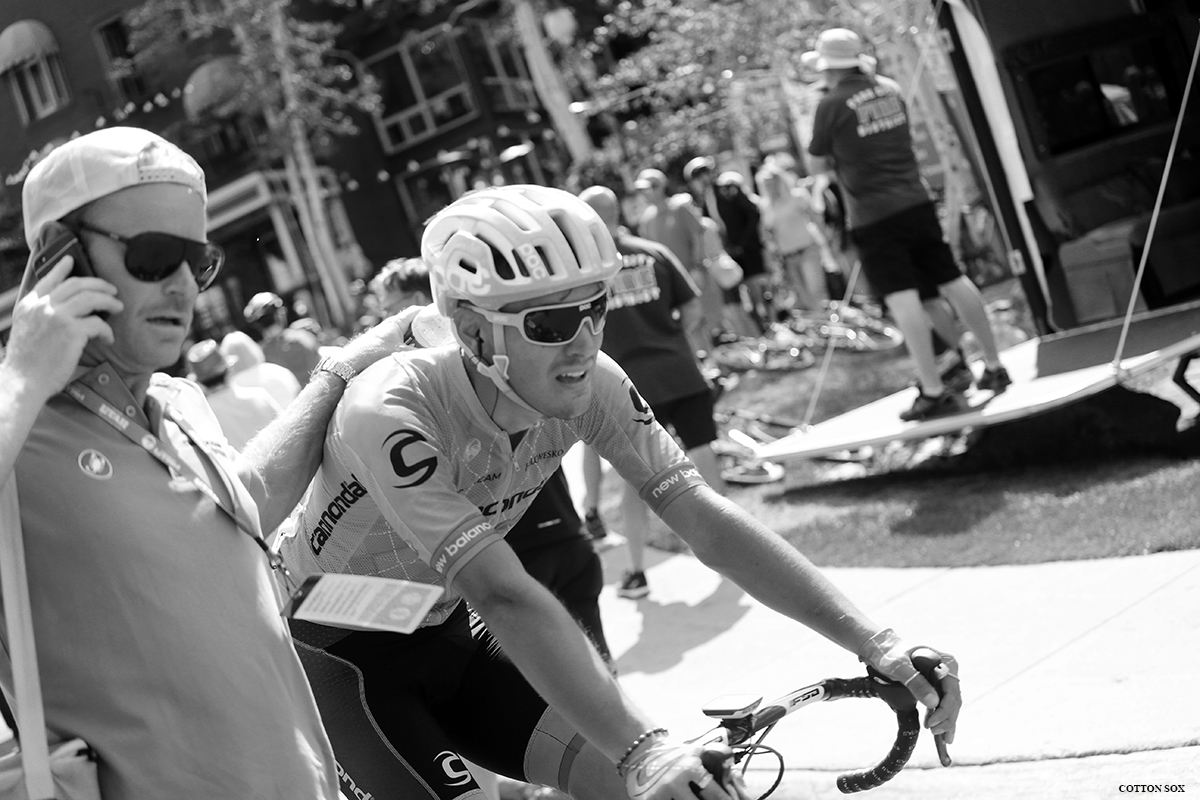
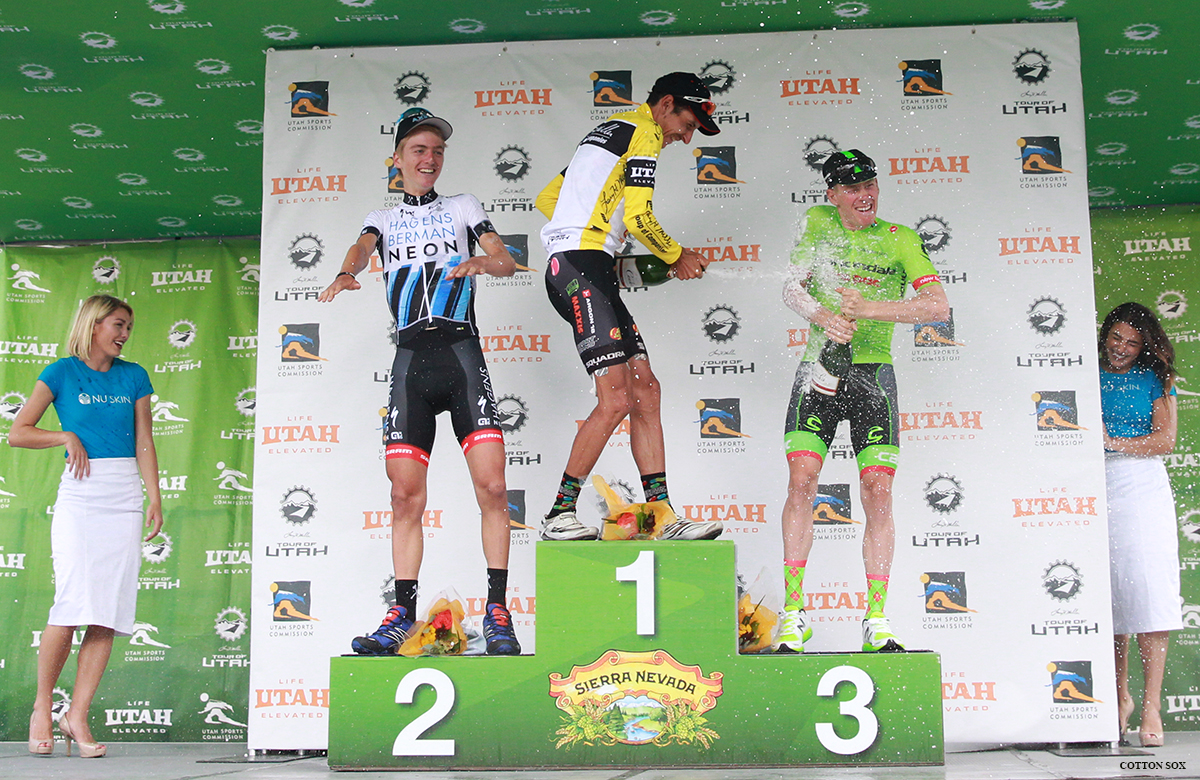
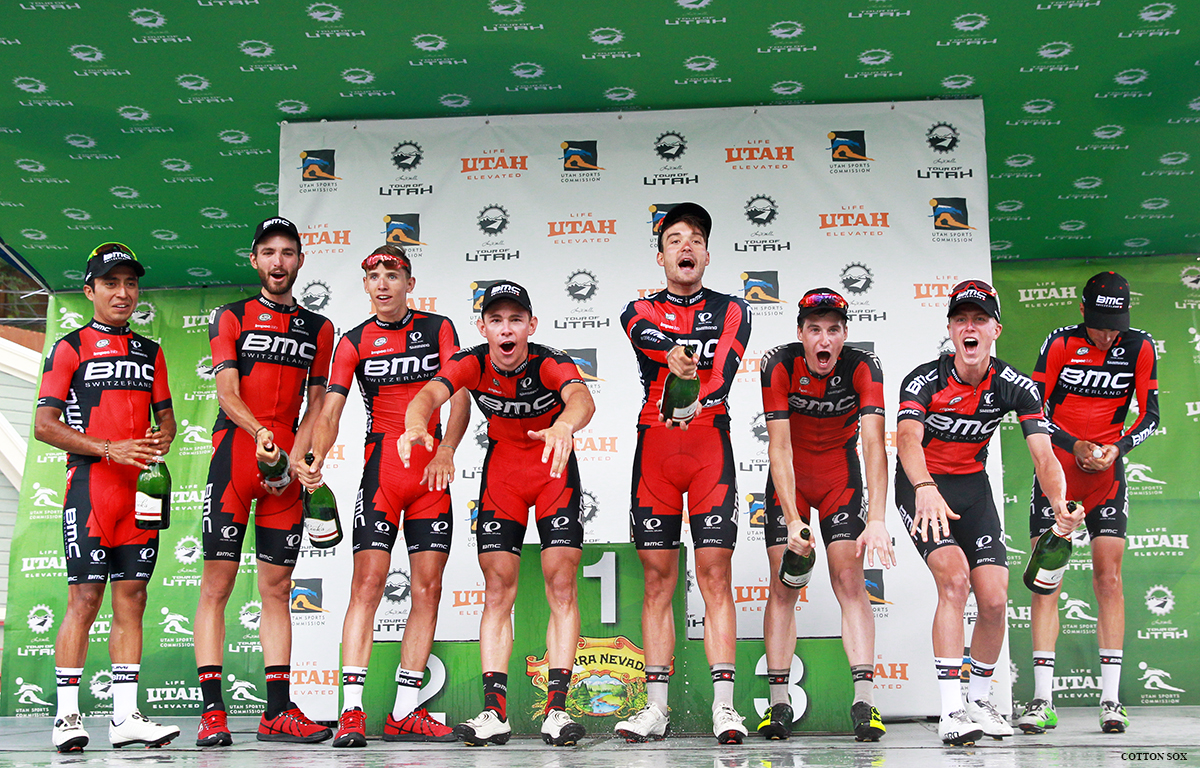
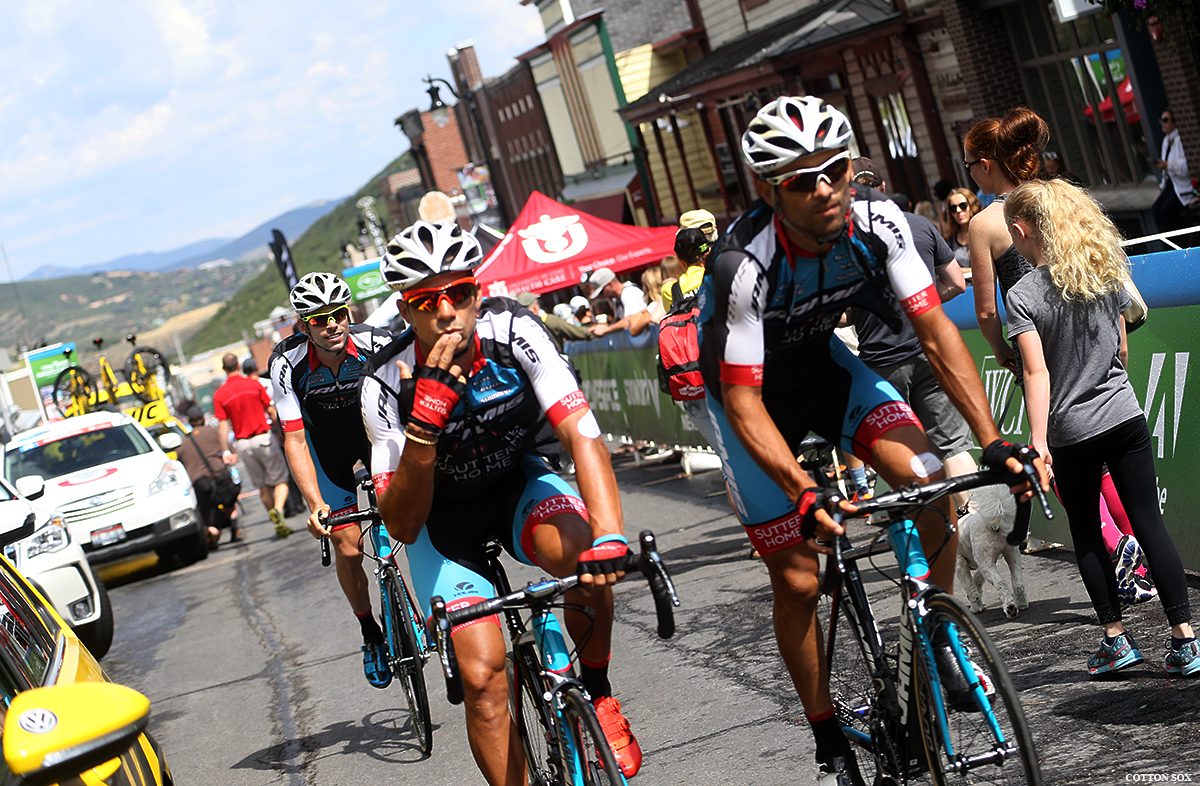
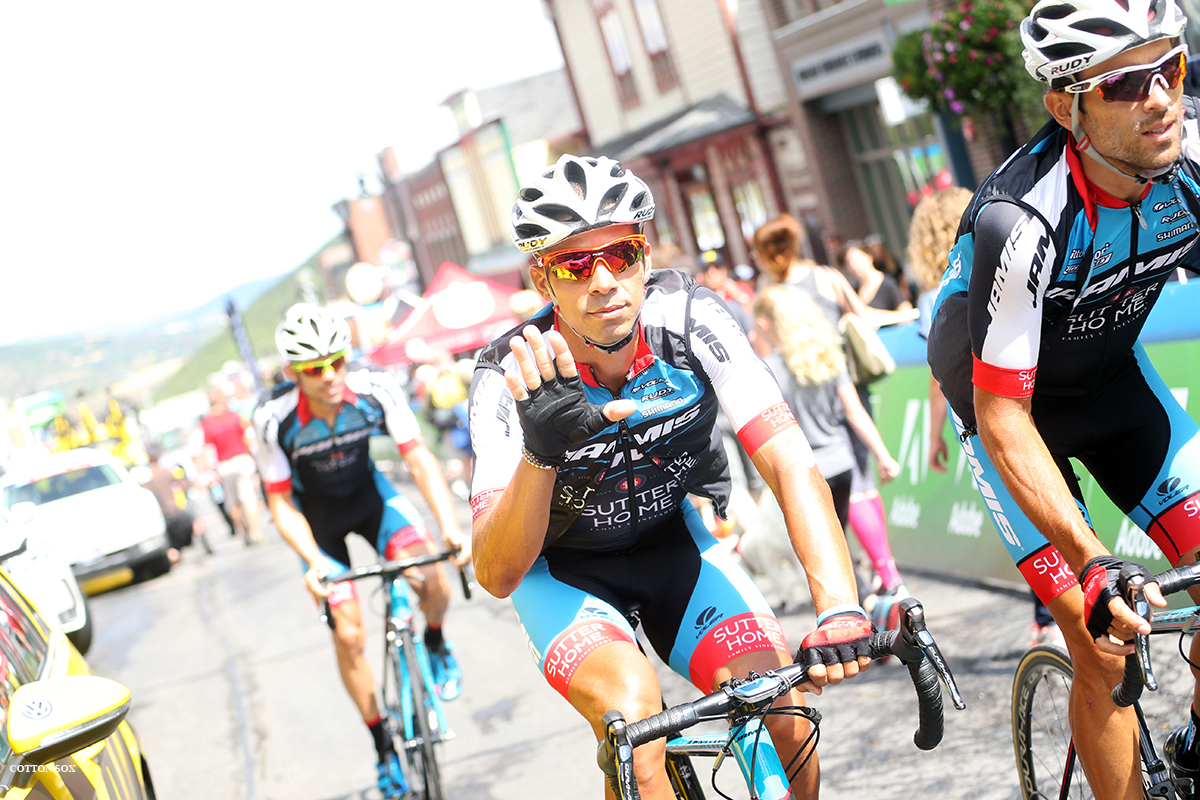
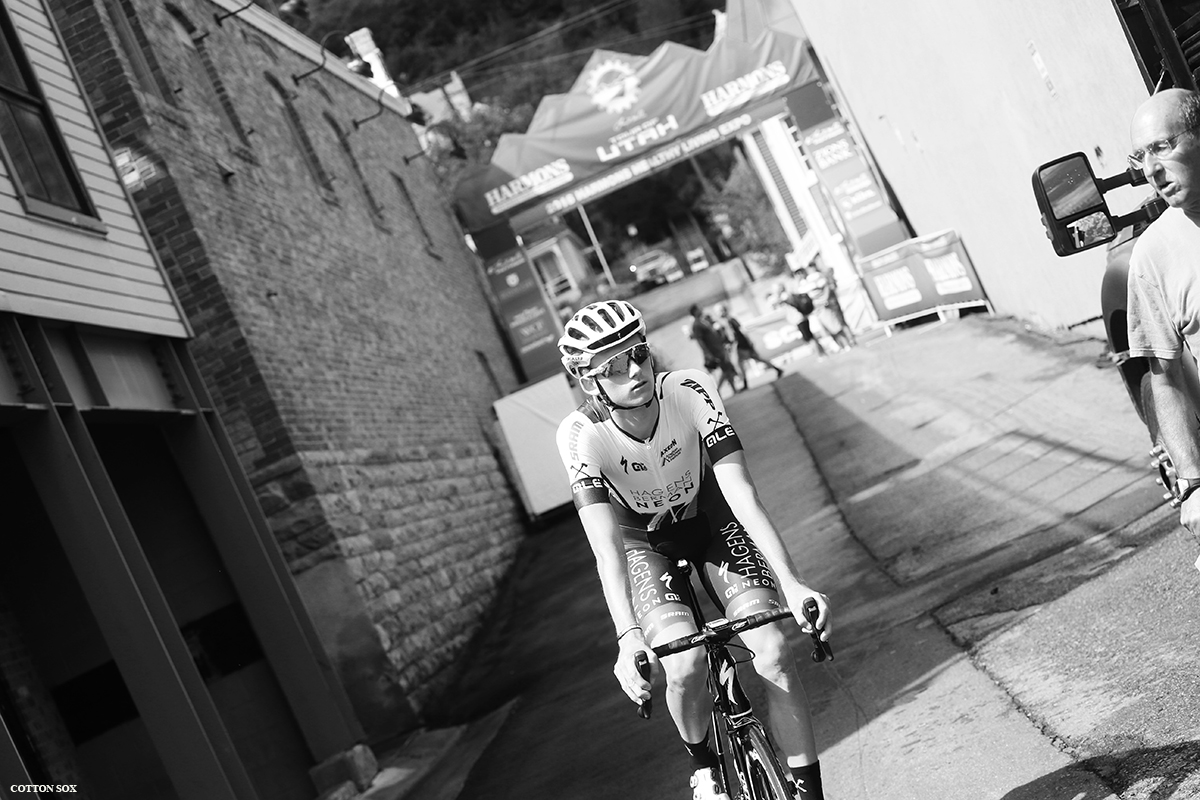
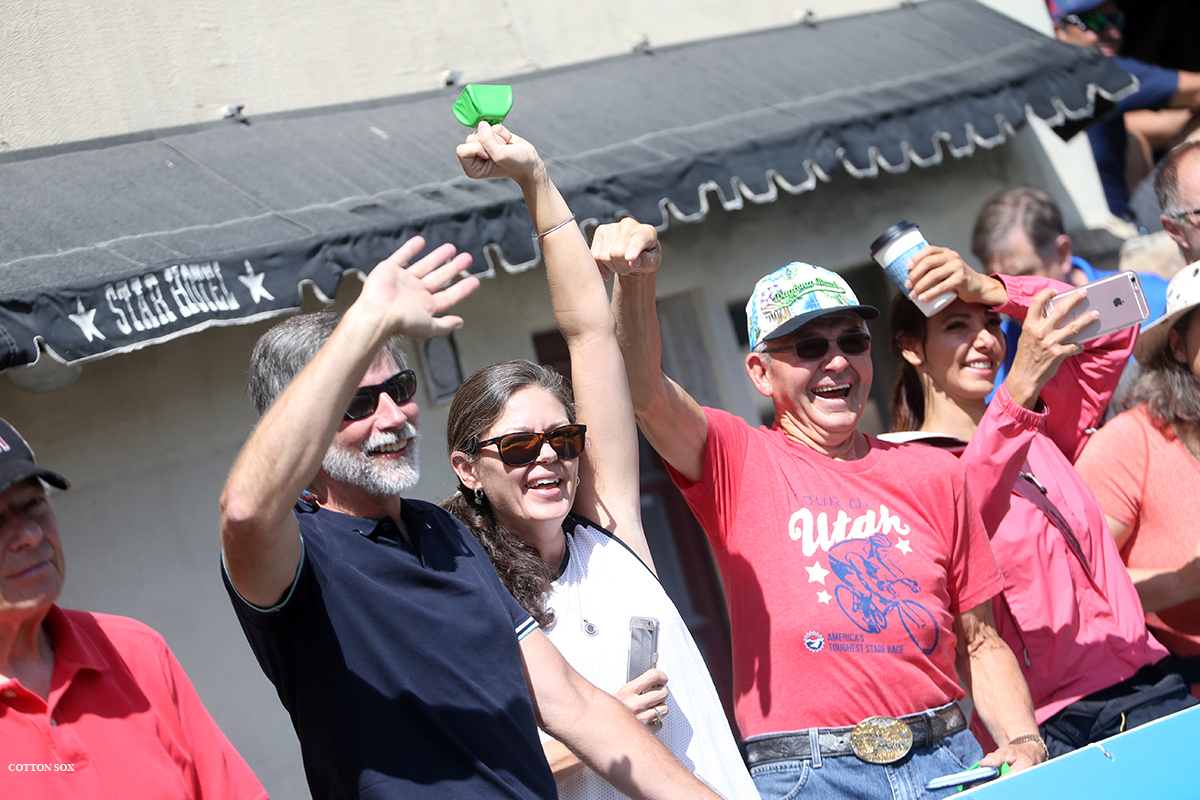
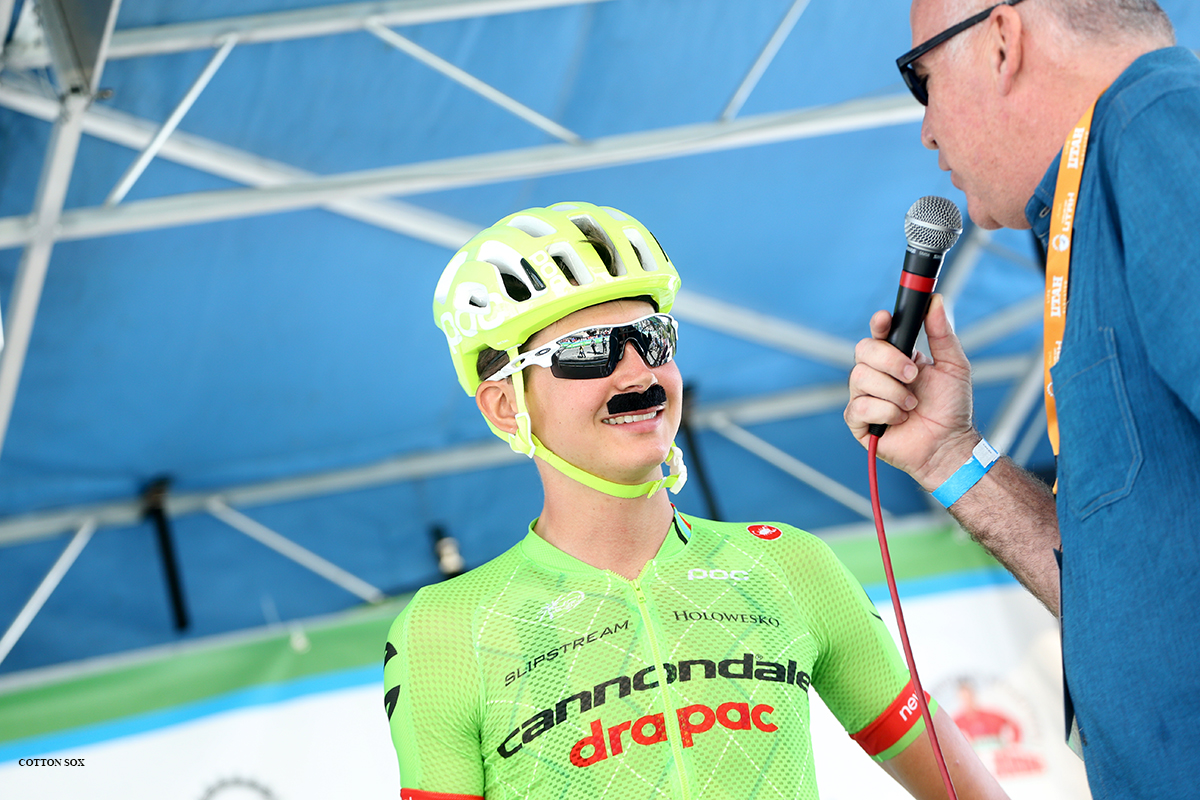
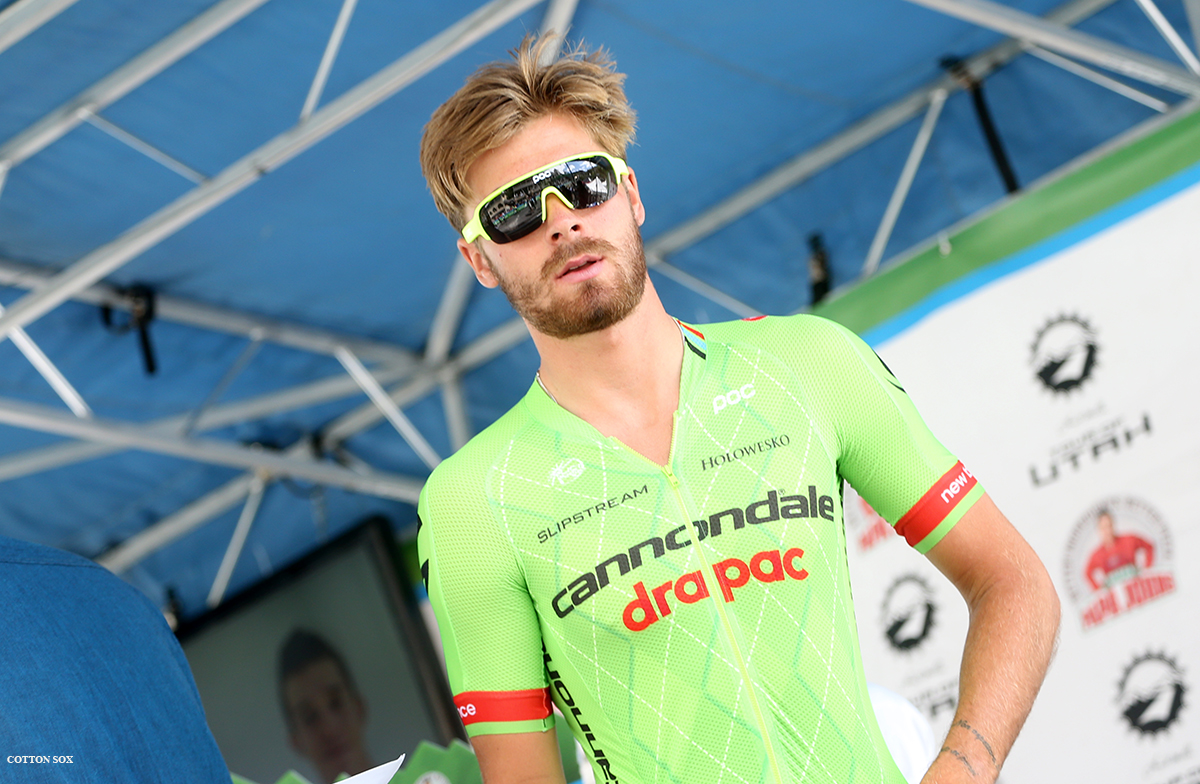
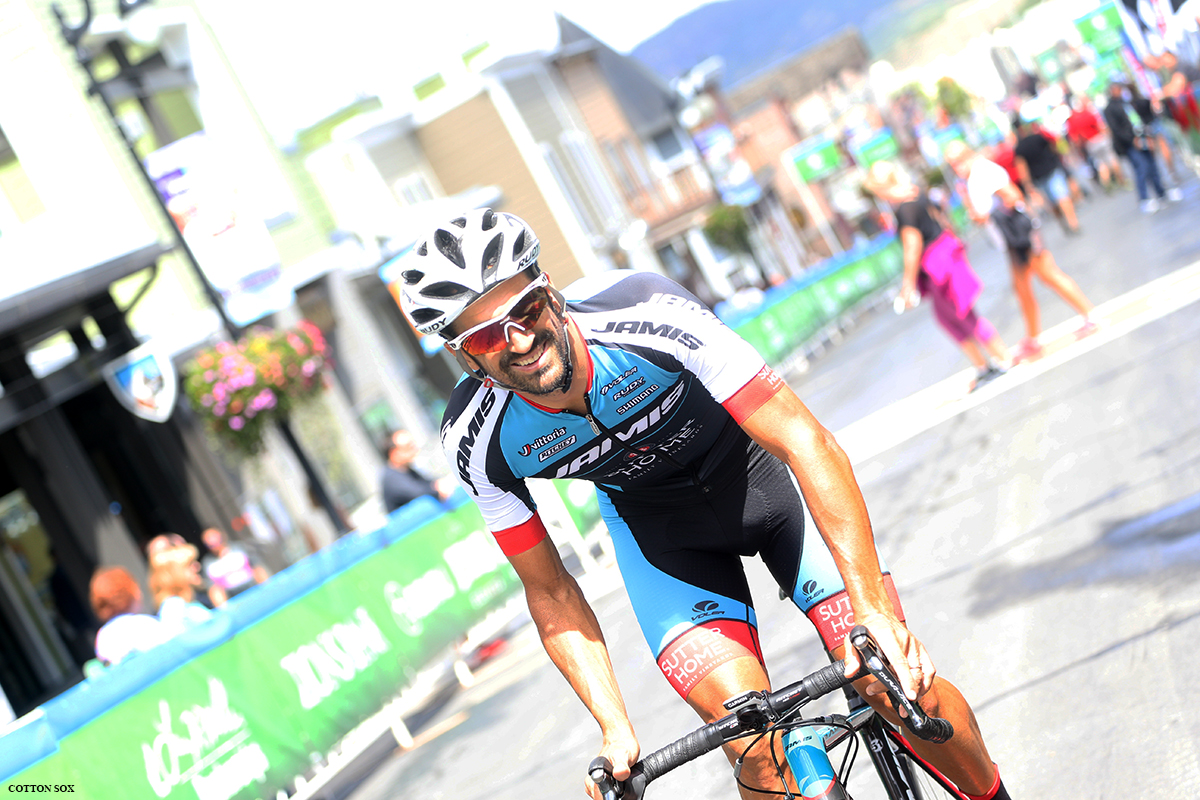
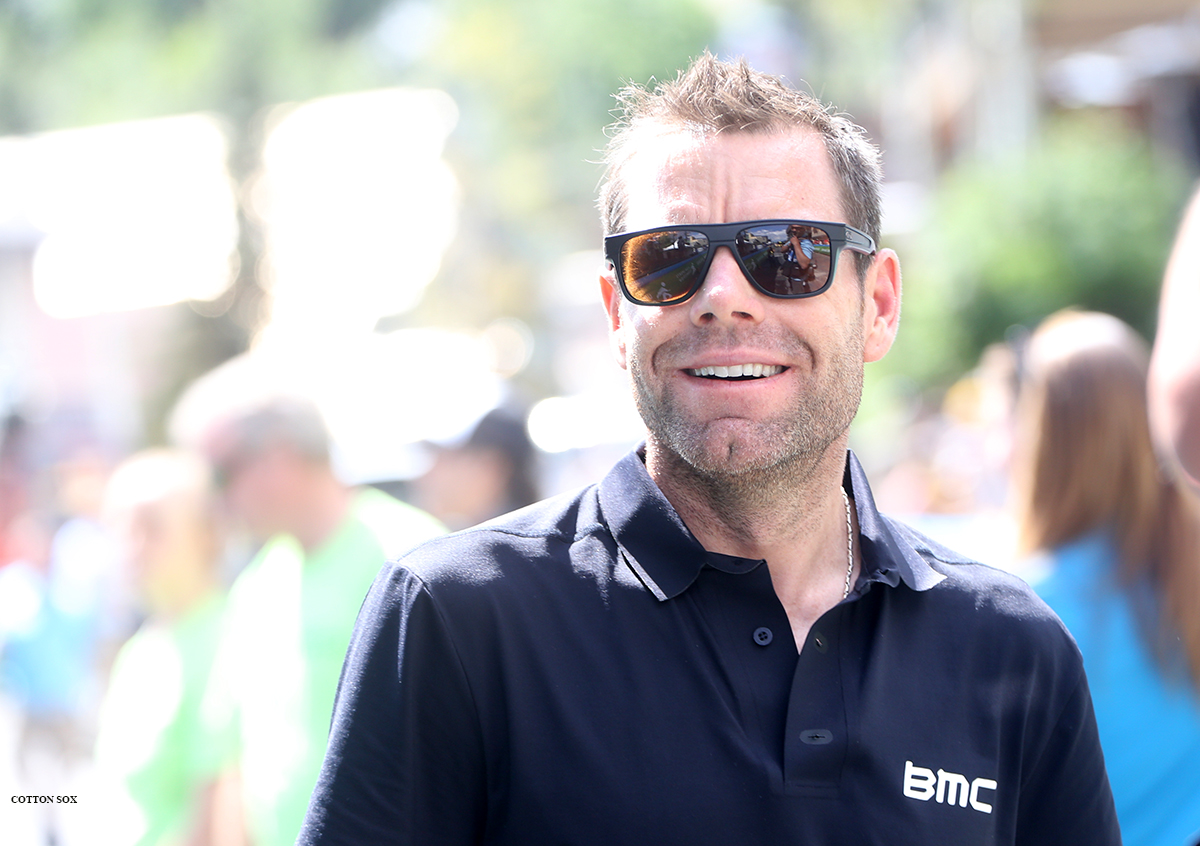
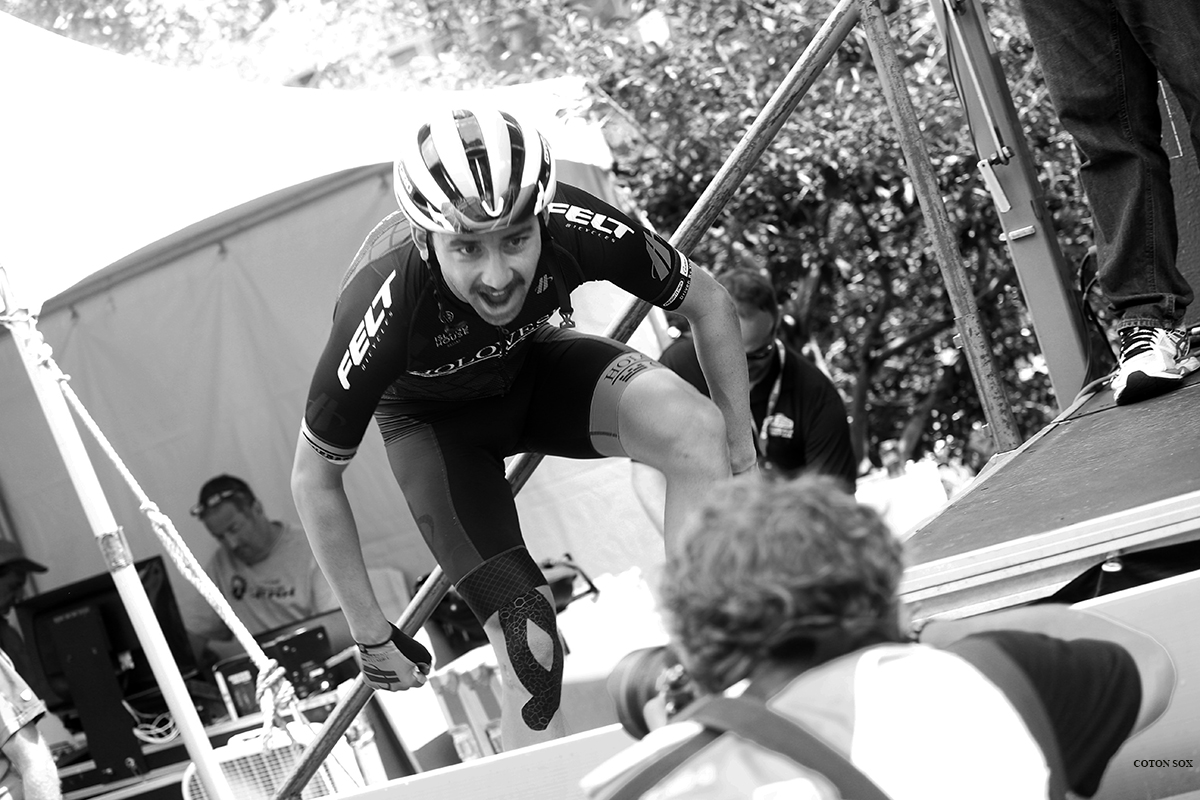
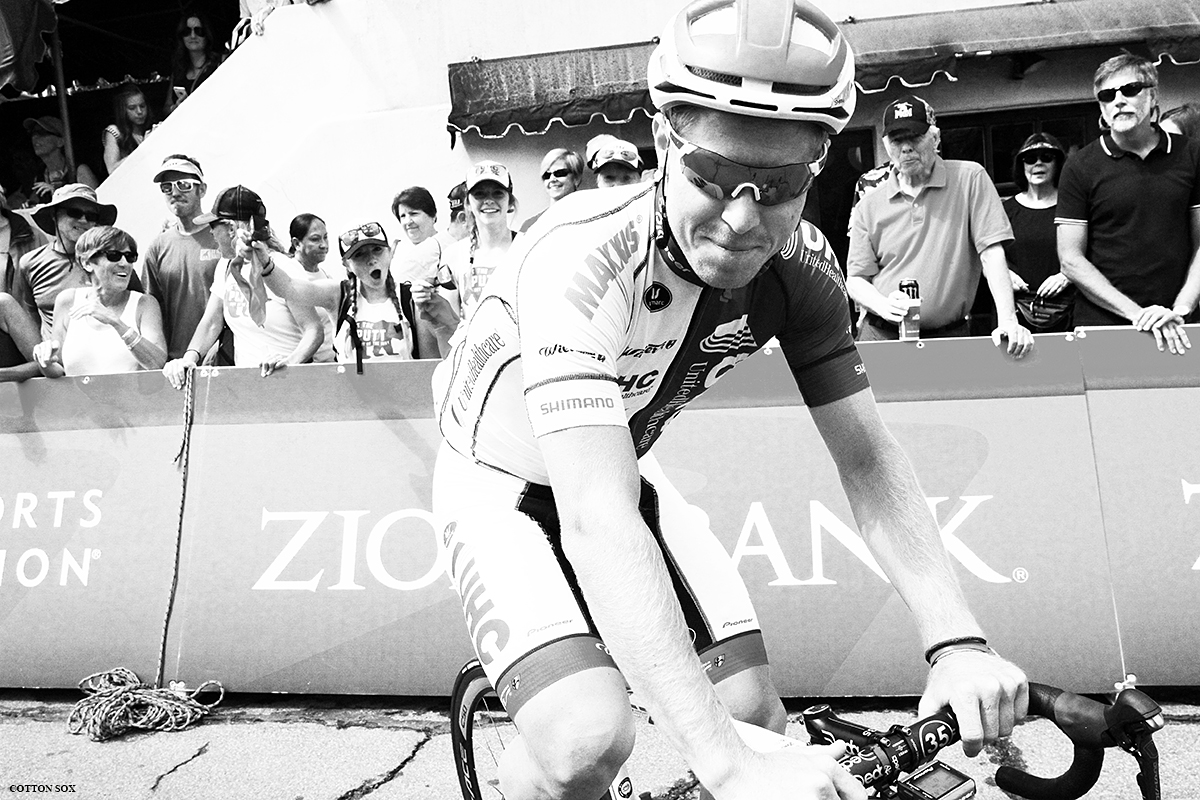
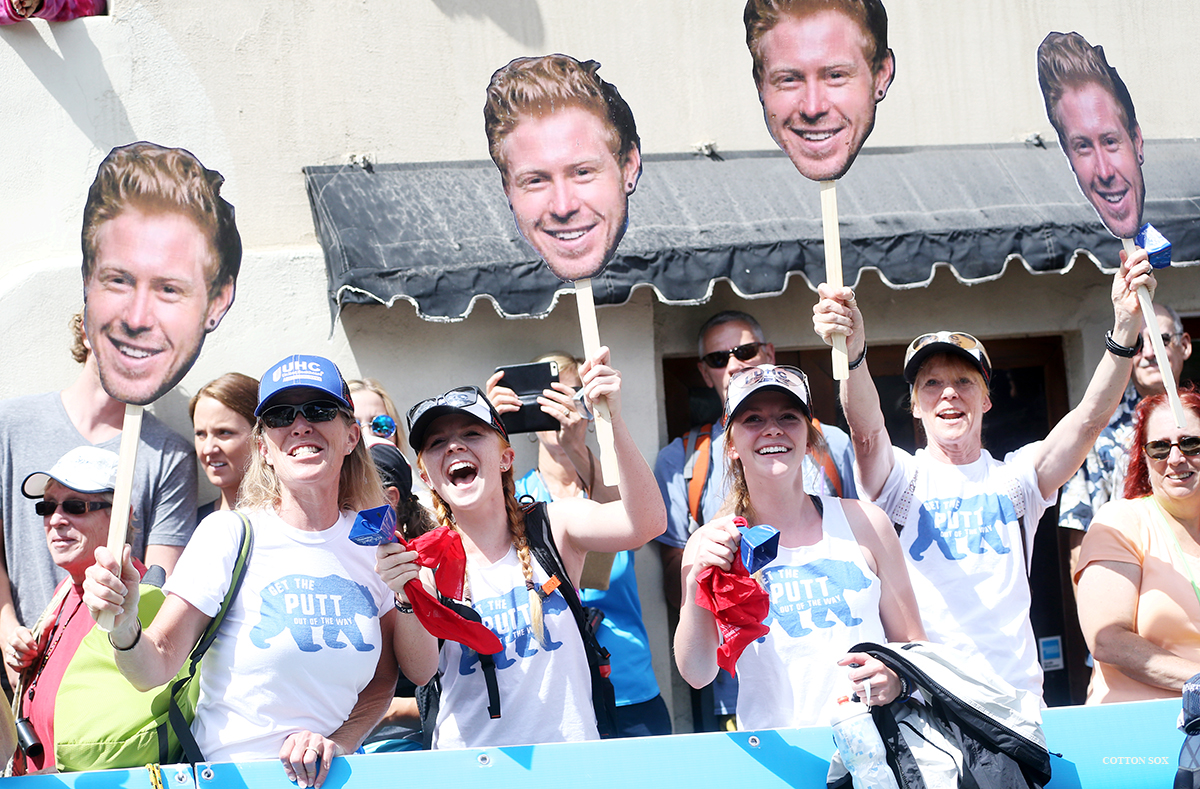
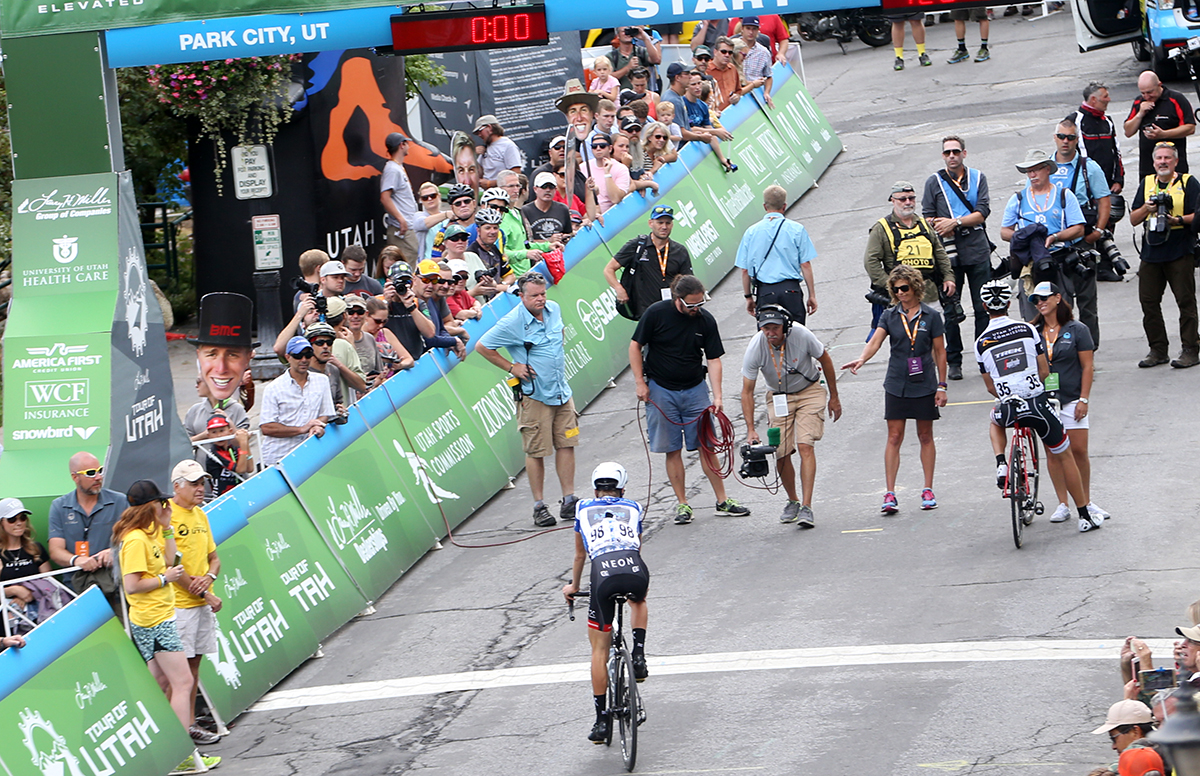
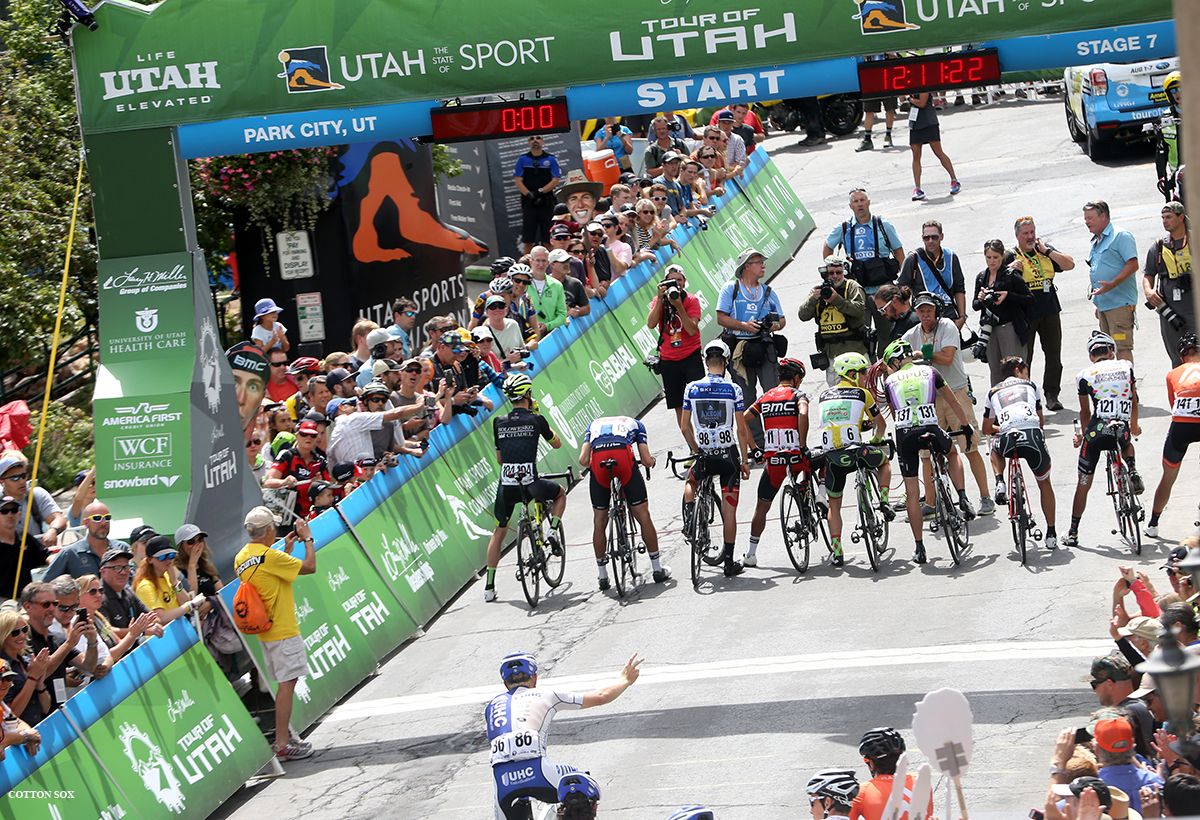
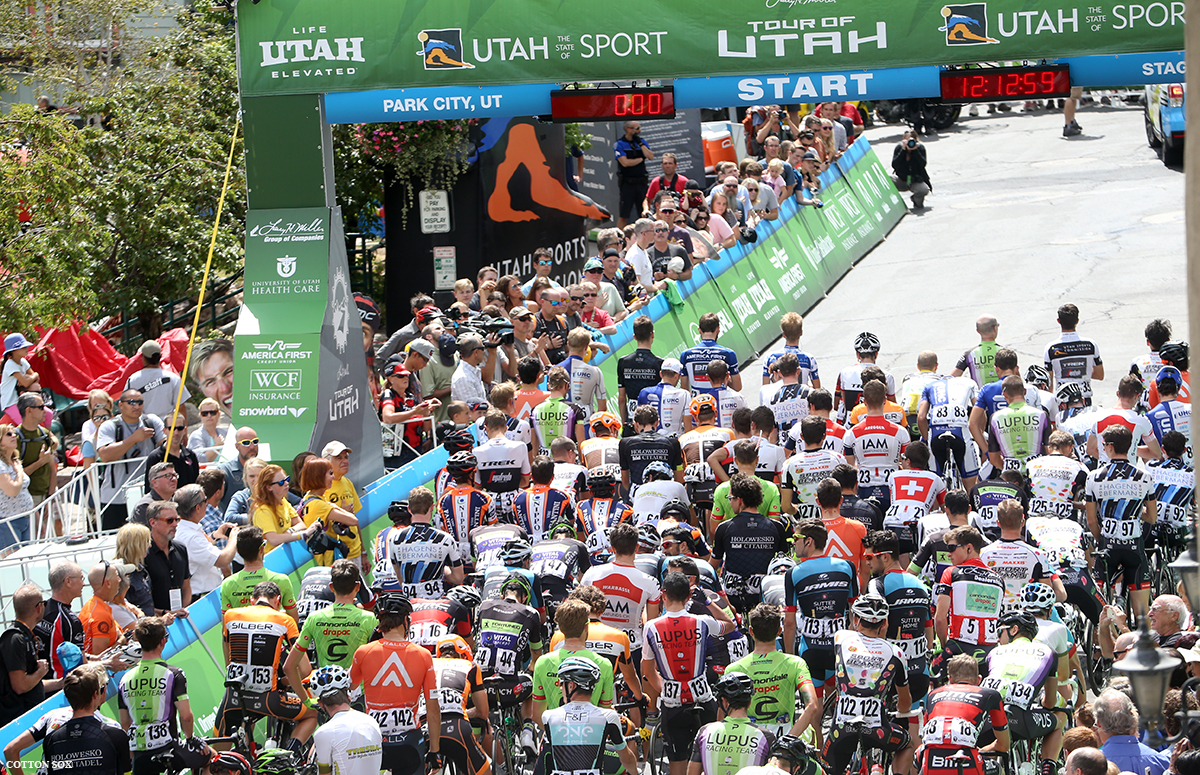
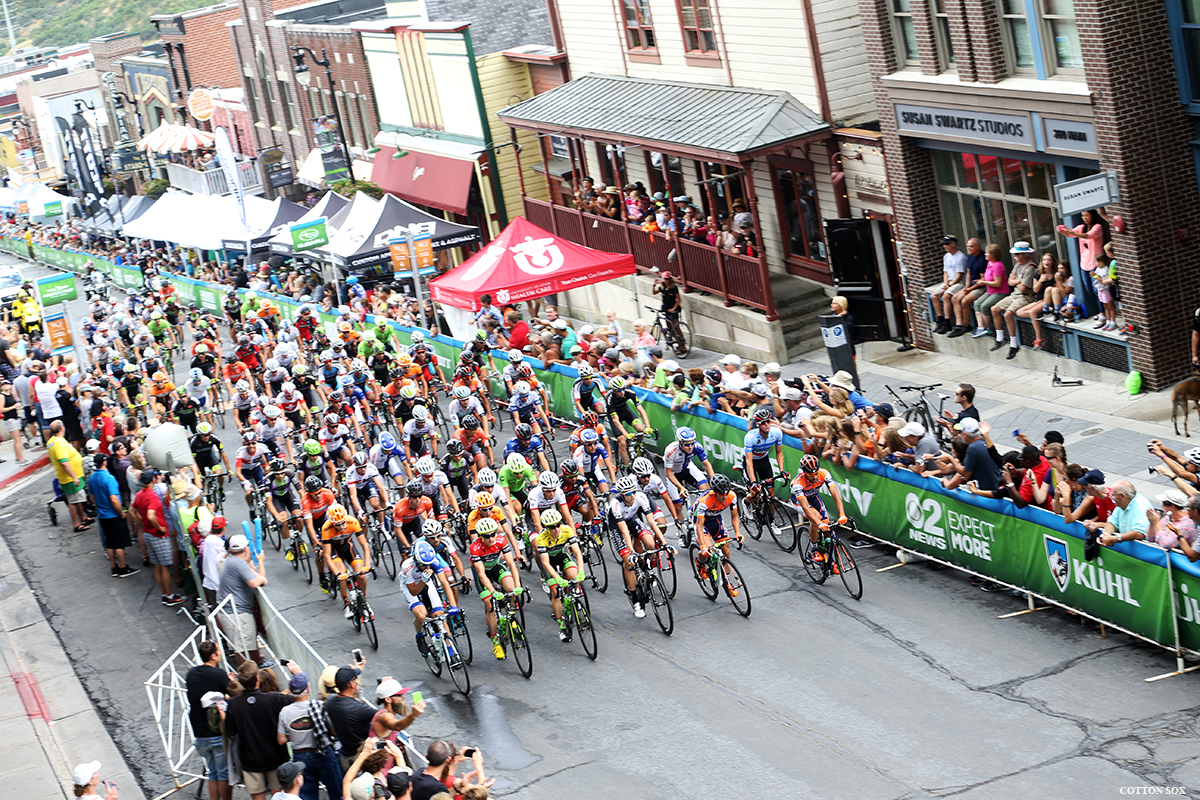
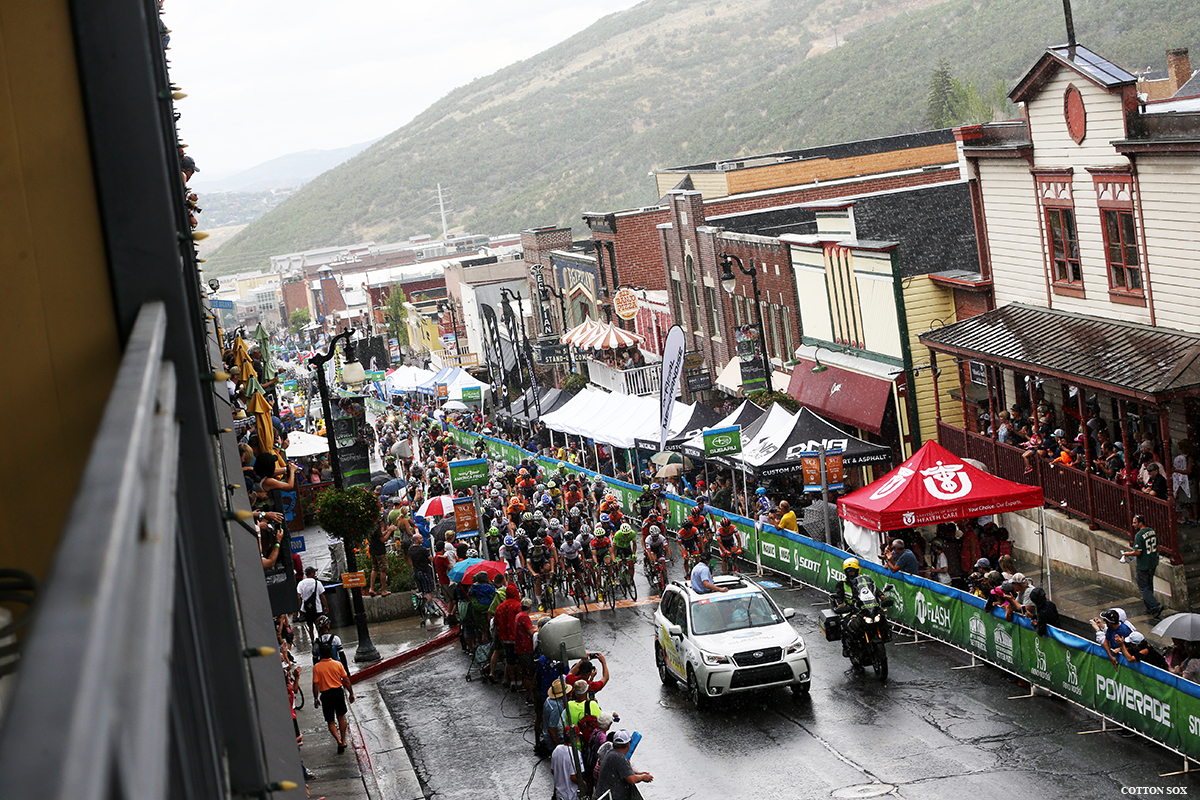
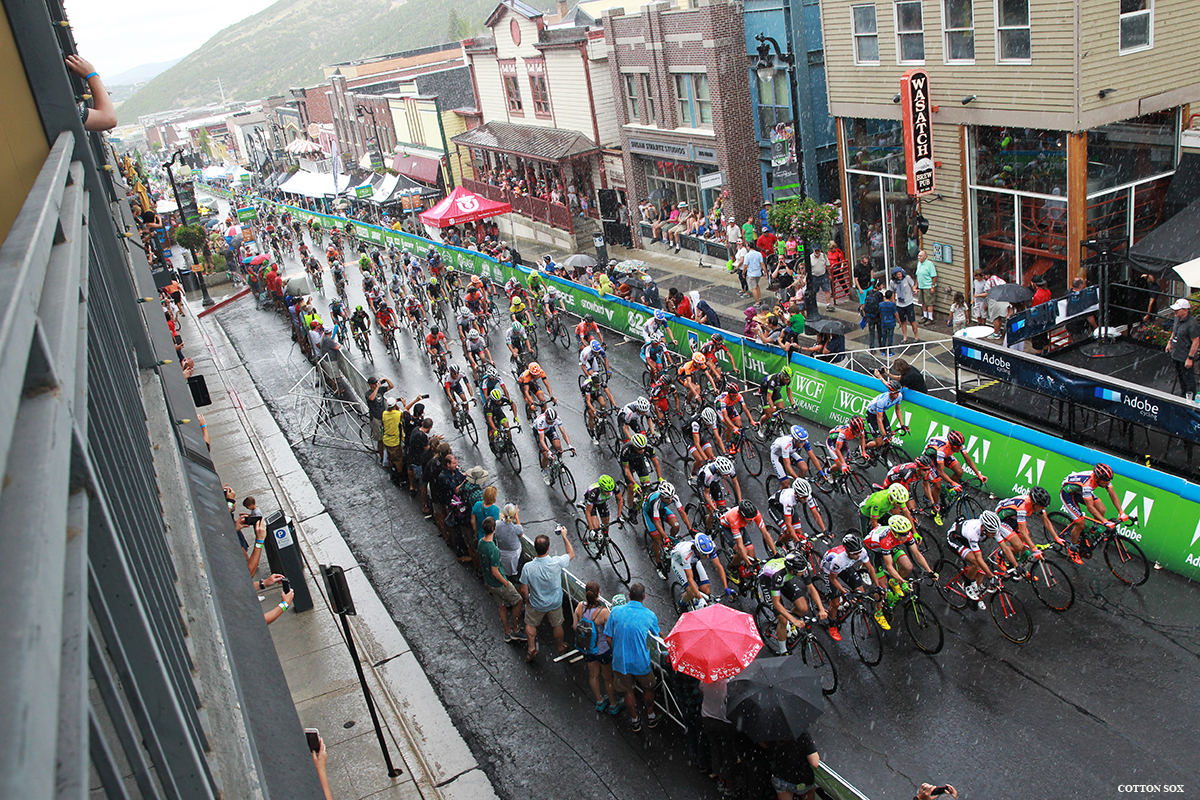
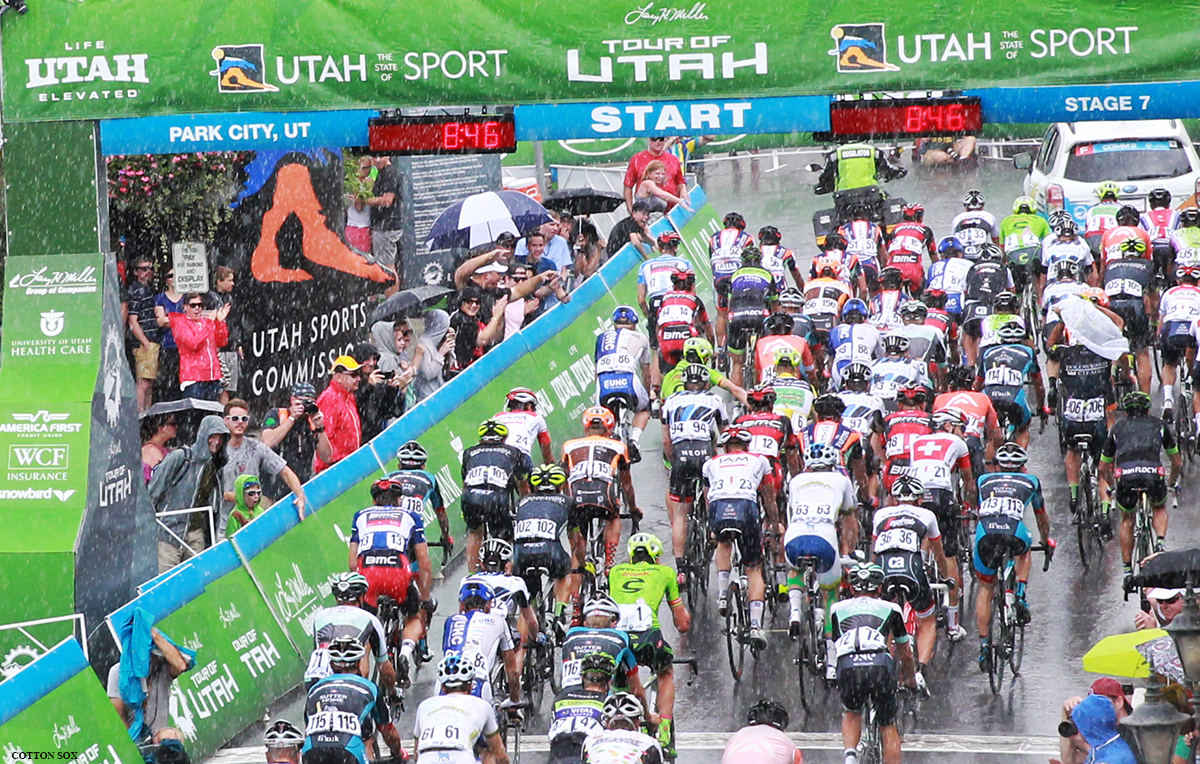
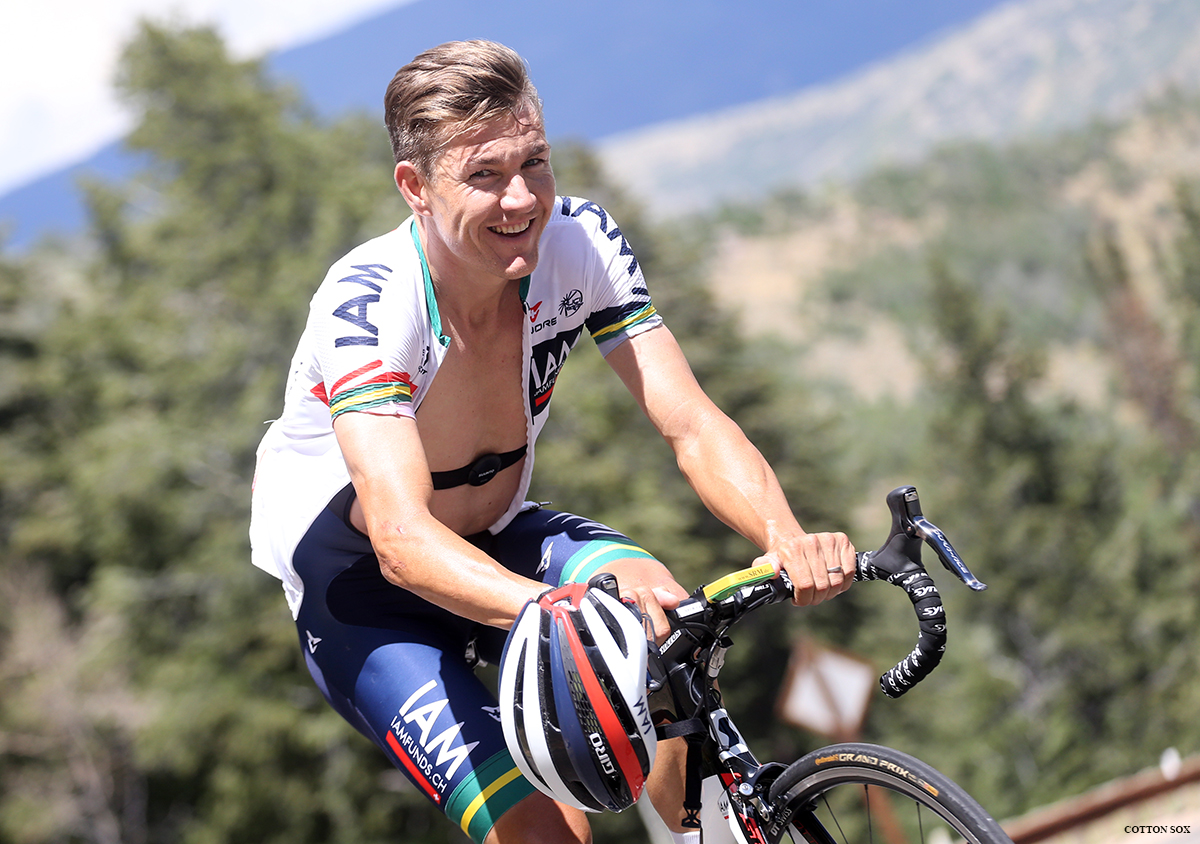
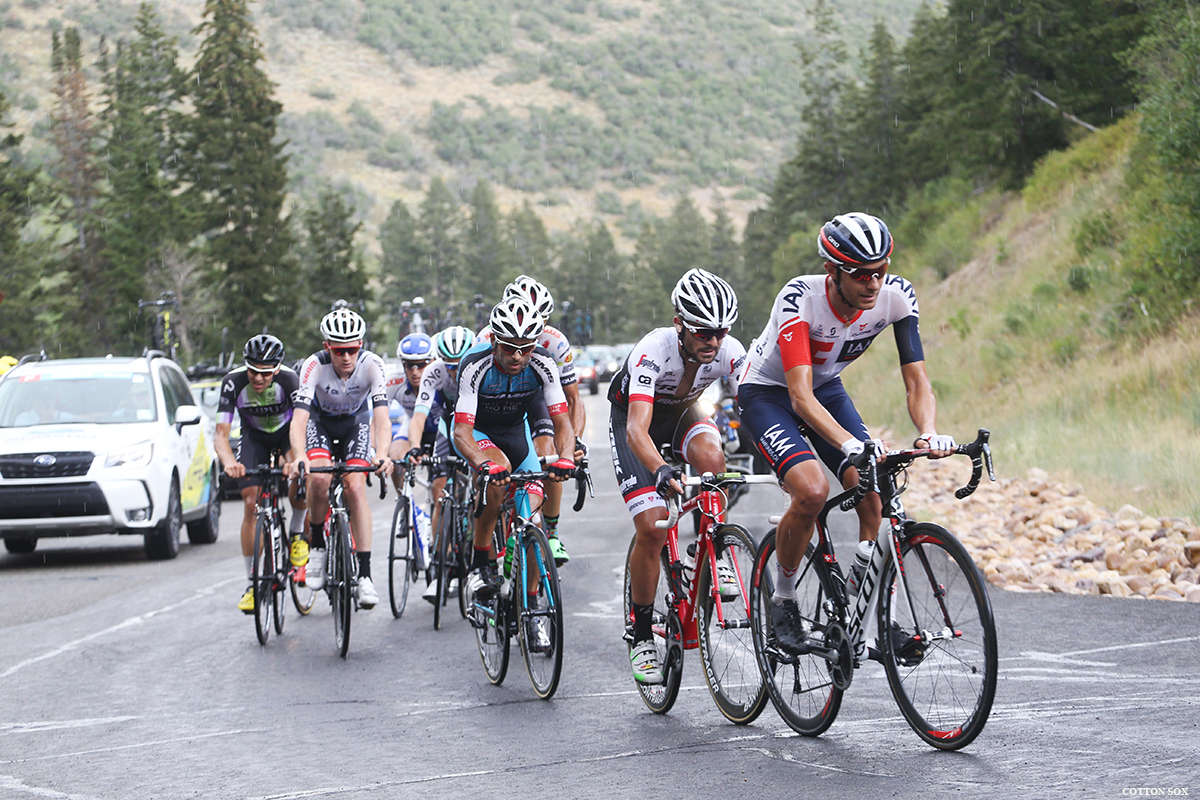
2016 Tour of Utah Stage 7 Photo Gallery by Cottonsox

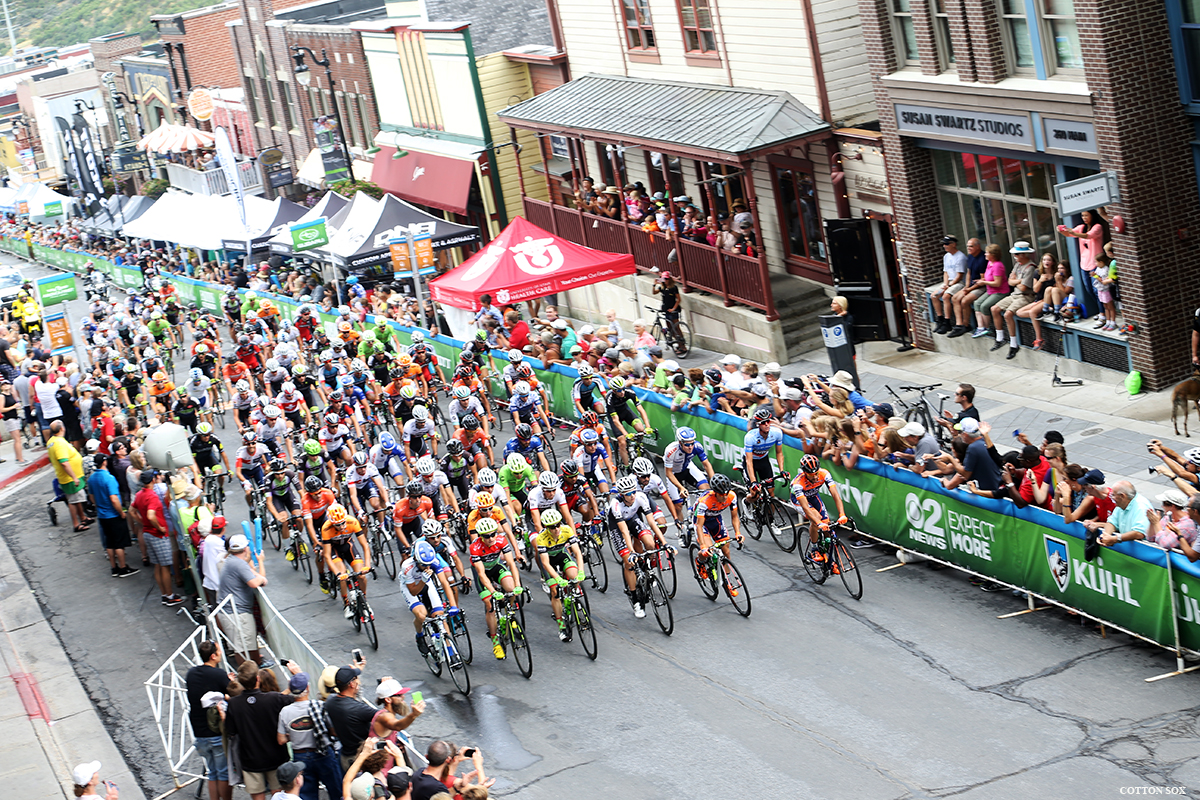
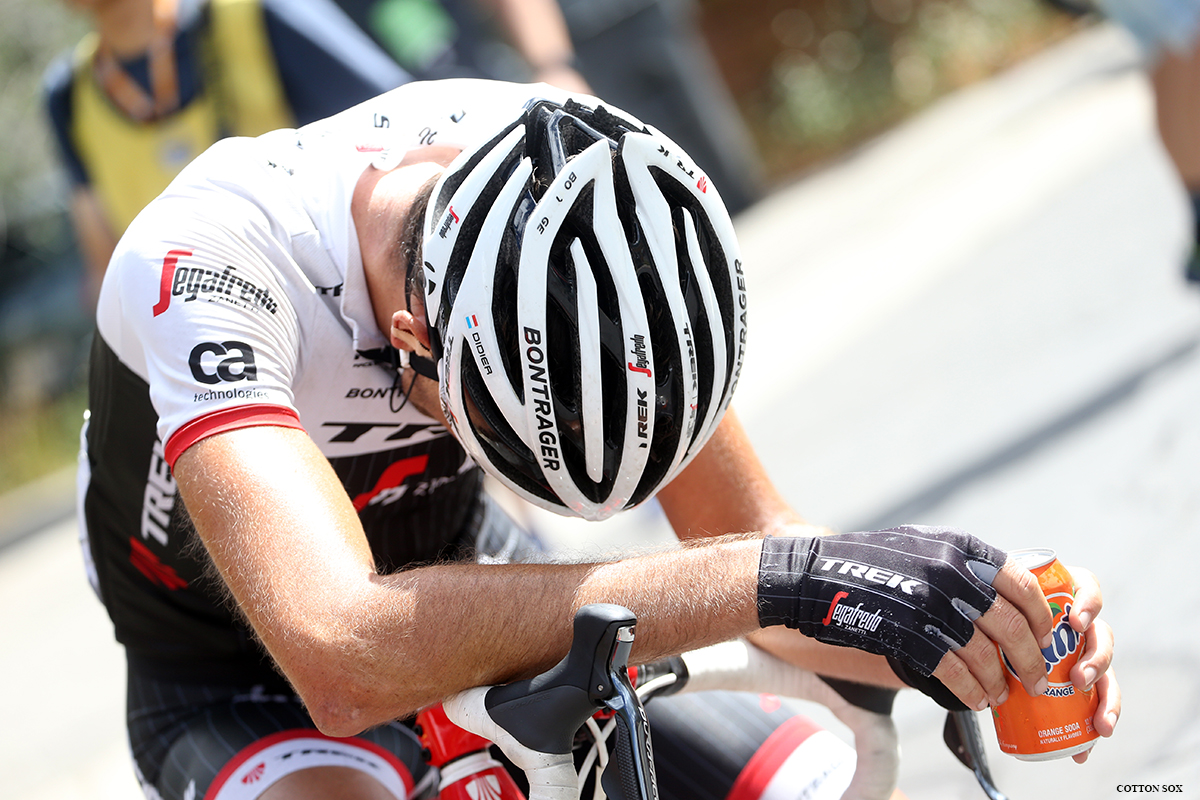
Cycling Utah presents a photo essay of stage 7 of the 2016 Tour of Utah by Cathy Fegan-Kim, cottonsoxphotography.com

August 16, 2016 – Stage 7 started and finished in Park City, Utah. It was the final stage of the 2016 Tour of Utah. There are 48 photos in the gallery.

We present the gallery for your enjoyment.

Click on the first image to start the lightbox.

(Comments and compliments in the comments box below)

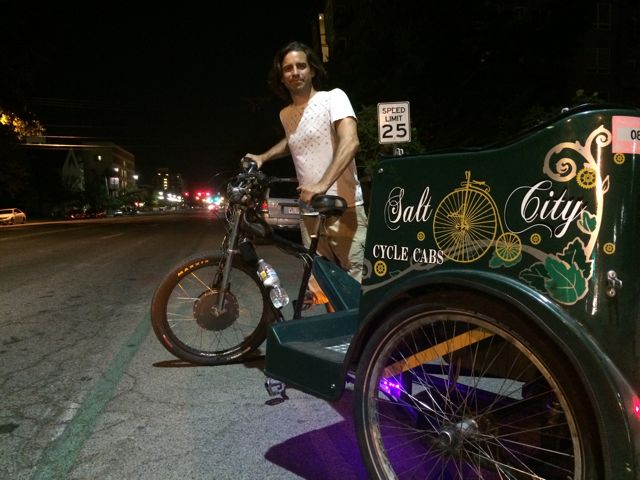
Salt Lake City Council to Consider Pedicab Regulation as Ordinance Progresses

0

By Dave Iltis

Pedicab Ordinance Would Require a Motor Vehicle Driver’s License

August 15, 2016 – The Salt Lake City Council will be considering an ordinance to regulate pedicabs within its borders at the Council Work Session on August 16, 2016. The ordinance is a response to the growth of the industry, according to Dan Bergenthal of the Salt Lake City Transportation Division.

Cycling Utah last reported on the ordinance in June of 2015 (see: https://www.cyclingwest.com/advocacy/salt-lake-city-prepares-to-regulate-pedicabs/ ). There were a number of problems with the ordinance, including the possible ban of pedicabs on many downtown streets. Cycling Utah communicated these issues to Salt Lake City. It has taken until now to be reconsidered  by the Council.

The proposed ordinance has been updated since then, and the ban on pedicabs on arterials is gone. Additionally, most violations of the ordinance are now to be treated as infractions, rather than misdemeanors. Lastly, it is now okay for a pedicab operator to leave their pedicab if it is parked appropriately and not blocking the sidewalk or traffic.

Some remaining clauses may be construed as detrimental to pedicab operators and bicycling. Pedicab operators must have a Utah Driver’s License even though pedicabs are human powered vehicles (some with electric assist). Additionally, Pedicab Licenses (a new license from Salt Lake City) must be renewed each year, according to the draft ordinance. This is not the same as the code for operators of other ground transportation which are on a two year cycle.

The proposed ordinance will be discussed in the Salt Lake City Council work session on August 16, 2016. A public hearing has not been scheduled yet.

The version of the ordinance the Cycling Utah has and is most likely the current version is SALT LAKE ORDINANCE AUG 2015.

Analysis

The ordinance is much improved from the last version circulated.

However, there are still a couple of negative aspects to the ordinance that need to be changed.

The requirement that pedicab operators have a Utah Driver’s License is sadly ironic. While it is crucial that operators have full knowledge of the laws governing vehicle operation, it is sadly ironic that operators of a three-wheeled bicycle would have to drive a car in order to drive a pedicab. This section could be remedied by requiring that pedicab operators pass the written portion of the Utah exam and not require the driving portion.

Secondly, singling out Pedicab operators to have to renew their licenses each year, rather than every two will result in more paperwork and costs for both the operator and Salt Lake City. This should be changed to match other ground transportation licenses.

Lastly, the insurance requirements need to be revisited.

The draft ordinance lists them below:

5.63.090: INSURANCE; REQUIRED
A pedicab business shall provide, concurrent with the execution of this Agreement, a comprehensive general liability insurance policy covering its operation of said pedicab for public transportation with minimum limits of $1,000,000 per occurrence with a $2,000,000 general aggregate. A current certificate of insurance, approved by the City Attorney, must be kept on file with the City Recorder verifying such continuing coverage The insurance policy shall name the City as an additional insured and shall contain a special endorsement to the effect that the City will be notified at least thirty (30) days prior to cancellation or reduction in the limits. The City requires continuous coverage. Cancellation of insurance constitutes grounds for the suspension or revocation of the business license to which the insurance corresponds.

It doesn’t make sense to include the limits in the code unless this is something that gets revisited each year by the Council. If this doesn’t happen, then with inflation, or changes to insurance law, this provision in the code may become obsolete.

It would be much better to match the Salt Lake City Ground Transportation ordinance language:

5.71.140: INSURANCE REQUIRED:

  1. Every ground transportation vehicle shall be covered by automobile liability insurance, when the vehicle is available for or being used for the transportation of persons using Salt Lake City streets for commercial purposes, at the minimum levels of coverage set forth by the Federal Motor Carrier Safety Administration, 49 CFR 387.33, or by the Utah Department of Transportation, or by the United States Department of Transportation, whichever levels are higher.  Proof of insurance shall be required when a vehicle is initially inspected by the department, and may be verified upon the City’s receipt of a complaint, negative comment form, or at the time of an on-street, unscheduled ground transportation vehicle inspection.

This then ties it to a state standard, rather than a temporary one that the City needs to revisit annually. The Utah State standard is currently $1,000,000 per occurrence, and so for now, the City ordinance matches that of the state.

To comment to the council, send email to: Council Comments <[email protected]>


Heubach, Germany on My Way to Worlds

By Haley Batten with Mark Deterline —

Germany once again provided us with perfect training grounds, barefoot walking paths, and beautiful forests and towns to wander. I spent the week training with my sights set on the Bike the Rock race in Heubach that weekend. This race always brought lots of mud, strong competition, and it was an all around great event. Although it is not a World Cup or UCI Junior Series Race, I am always impressed with the big names and number of athletes who show up to battle it out on a challenging course.

Haley Batten won two national titles in the 15-16 Cross Country and 15-18
Super-D. Photo by Patrick Batten.

The type of terrain and difficulty of courses is one thing that makes competing in Europe so different and so challenging. The courses are built to demand skills and make athletes suffer, and then the continuous rain adds another element. This is what makes these races so insanely fun as well, since the athletes are engaged and excited lap after lap. It is no easy walk in the park, but instead every pedal stroke, hill climb, rock, root, and drop demands 100% of your focus. Not only are you out there battling against some of the top riders in the world, but you are also up against yourself mentally and physically.

There are so many important elements to training and competing at your best, but when traveling sometimes it’s hard to make sure everything lines up just right. I think that is another exciting part about racing, and all of the challenges that it brings.

Eating right is an important aspect for me. When in a different place, the restaurants and stores have very unique food, different from what I am used to at home. While racing I want to make sure I am fueled right and can stay healthy, and with a little looking it’s easy to feel right at home. I am not on a strict diet, but I do believe that eating healthy, whole foods, less sugar, and everything in moderation makes me feel the most healthy and happy.

For the most part, I have been able to make good meals with almost any grocery store, even abroad, but Heubach provided us with a nice surprise. There was a health food grocery store and a delicious restaurant, with the perfect pre-race meals close by.

Now, although I put a lot of importance in what I am filling my body with, I also think that going with the flow is important, as well. There is no need to stress when the plan has to change. I’ve found that traveling, food, and racing are all a balance of being strict about certain aspects of your path, while being able to take a detour every once and while, when necessary. With a positive attitude and hard work, anything can be accomplished, no matter how you climb the mountain.

So as I began my final preparations for race day, I was feeling well fueled and ready to go.

Race day came in a blink of an eye, and with a little extra rain. Sunday afternoon I was standing on the starting line waiting for the exciting battle ahead, and the competition standing beside me was strong. The elite women took off ahead of us and the clock began to count down one minute. And the whistle blew. The mass surged forward, and I found myself battling neck and neck in the lead. As the pavement began to turn to the left, I saw the rain glittering on its surface. I hit the ground and all of the riders swarmed past me. I found myself struggling to my feet and onto my bike as they rode away. The fight had begun.

By the end of the first lap I had found my way to third place. For the next two laps I battled back and forth with the second place rider on the steep climbs and slick descents. I gave it my all and finished with a spot on the podium. It was an exciting battle in the mud and I was happy with this result as my last race before World Championships.
Haley Batten of Park City competes internationally as a member of both the Luna Chix Pro Team and the US National squad, and is an accomplished XC ski racer.

4 Peaks Gran Fondo to be held in Pocatello, Idaho on August 20, 2016

The 4 Peaks Gran Fondo features 4 great climbs in Pocatello, Idaho. It will be held on August 20, 2016. Photo by Nick Call

By Dave Iltis — June 30, 2016 – The 4 Peaks Gran Fondo is in its second year. The ride will be held in Pocatello, Idaho on August 20, 2016. The ride gets its name from the 4 summits it traverses over the 80 mile long course. The shorter courses cover some of the climbs too.

We asked organizer David George of 4 Peaks Gran Fondo about the ride.

Cycling West: Tell us about the courses. What are the different course options? What are the highlights of each?
4 Peaks Gran Fondo: The course covers the 4 main peaks in and around Pocatello, Idaho. It is a beautiful course with rollers, great climbs, and nice scenery. As far as options go, we have added teams (2-4 people) and also what we call a valley ride for those who want to participate, but are newer to cycling. The valley ride takes you from base to base without any of the peaks. The highlights of each are that you can challenge yourself. You can ride it all yourself, or enjoy it with friends. It is hard to choose a favorite peak: Crystal is a good warm up, Scout is beautiful, there is a sense of accomplishment with Pebble, and you may see wild turkeys and some deer on Buckskin.
Cycling West: Part of the ride is timed. Can you tell us how that works?

4PGF: The ascents are the timed portion. The KOM and QOM are strictly for the uphill portions. We want people to be careful and safe on the downhills, which by the way are fantastic!

Cycling West: Tell us more about the climbs. How hard are they? What gearing might riders need?

4PGF: The climbs vary. Crystal, Scout, and Buckskin are nice climbs with their own challenges (Category 3-4), but you will just find that gear that works for you and crank away. Pebble, well she’s special. I think Pebble would be a Category 1 climb. I have a love/hate relationship with her. She will test you, but the sense of accomplishment when you hit the top is awesome. As far as gearing goes, you won’t need anything special for the climbs, just some determination. I climb them on my mid-compact (52-36) 11-28 cassette and some of my friends do it with their 53-39 and 11-28 cassette. You should be fine with what you have.

Cycling West: The event is a fundraiser. Can you tell us more about the beneficiary?

4PGF: Last year Idaho followed suit with Utah and started their own Idaho High School Cycling League. It was a great success and we want to help it grow. We have already given over $2000 towards growing the sport and hope to increase our sponsorship every year, whether it is to the league itself or help kids get bikes who otherwise couldn’t afford it.

Cycling West: Is there anything else that you would like to add?

4PGF: Many don’t know this, but the Pocatello area is really second to none as far as quality of cycling (road and mountain). We have beautiful scenery, great climbs, and typically, very little traffic. For us that get to enjoy it every day, we feel lucky, but now it is time to share. If you come and ride, you will not be disappointed.

Event Details: August 20 — Four Peaks Gran Fondo, Pocatello, ID, One Day: 82 miles, Four Peaks: 7800ft total elevation gain. Climb the 4 peaks of the Portneuf Valley; Crystal, Scout Mountain, Pebble Creek, Buckskin. The hill climb portions are timed with timing chips. Downhill portions are not timed. Cumulative climb times will be combined to determine rank., Katie Loveday, 208-232-8996, [email protected], 4PGF.com


The 4 Peaks Gran Fondo features 4 great climbs in Pocatello, Idaho. It will be held on August 20, 2016. Photo by Nick Call

Event Preview: Ride for the Kids Raises Funds for Make-A-Wish on August 20, 2016

0
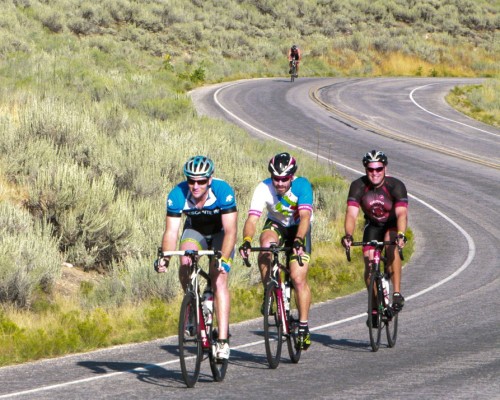
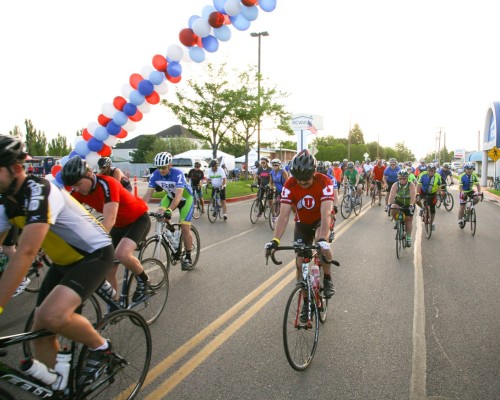
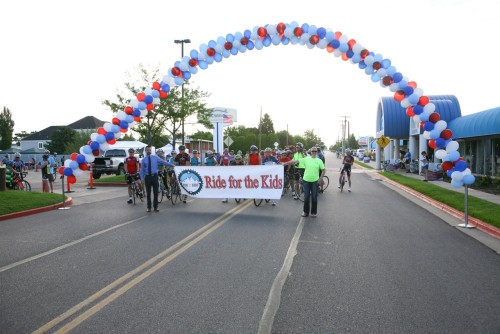
The Ride for the Kids raises money for the Make-A-Wish Foundation. Photo by Jeff Hodges

By Dave Iltis

July 25, 2016 – The 3rd Annual Ride for the Kids Century will be held in Syracuse, Utah on August 20, 2016. The ride raises funds for the Make-A-Wish Foundation. We asked organizer Brent Jones of RC Willey a few questions about the event.

Cycling West: The Ride for the Kids is in its 3rd year. Tell us about the idea for the ride, and the Make-A-Wish charity that it raises funds for.

The Ride for the Kids is a charity bike ride that benefits kids with life-threatening diseases. Partnering with the Make-A-Wish Foundation has been a great experience. Our goal this year is to raise $15,000 which will grant 3 wishes. Make-A-Wish is an amazing foundation and provides hope for these young kids.

The Ride for the Kids raises money for the Make-A-Wish Foundation. Photo by Jeff Hodges

Cycling West: Tell us about the courses. Are there ride options for every level of rider?

We have put together 3 different rides.

1. 25 mile ride. Begins at RC Willey in Syracuse and travels to the marina on Antelope Island and back. This is a flat course for the beginner.

2. 50 mile ride. Begins at RC Willey and travels to the Fielding Garr Ranch on Antelope Island and back. Some hills. This ride is more for a novice rider with some experience. There is great scenery along this route.

3. 100 mile “Century” ride. Begins at RC Willey and completes all the above on the 50 mile ride, and then when leaving the island, heads north on a country ride through Hooper, West Haven, Plain City, Pleasant View, and hitting the turn-around point at Weber High School. This ride is for skilled riders who have trained for this distance.

4. At any time any rider will be able to turn-around and return to the store if unable to go further. Again, the purpose of the event is to raise money, not complete the scheduled distance of the ride.

Cycling West: What are the rest stops and post ride support like?

1. We have 10 aid stations along the routes. Each will have coolers filled with water and Gatorade. Fruit and gel packets will also be provided. They will have first aid kits. At the start of the ride, Chick-Fil-A will provide breakfast for all riders. Pepsi is providing all drinks throughout the ride and at all stops. Texas Roadhouse will provide lunch upon returning to the RC Willey parking lot. This is all included in the $35 per person registration fee. We will have 2 medical teams from Tanner Clinic, driving the course to provide medical attention as needed. We also have EMT’s station at the marina and at Weber High School. They will be on-call for any issue that arises.

Cycling West: RC Willey is the title sponsor. Tell us more about their involvement with the ride.

1. RC Willey Syracuse store has partnered up with the Make-A-Wish Foundation for several years. Brent Jones is the General Manager and has arranged for sponsors to donate advertising, food, and medical supplies, so that all proceeds will go directly to the Foundation. We have received numerous donations from furniture, mattress, electronics, and appliance vendors that we will be raffling off at the end of the ride. 1 ticket will be provided in the swag bag that every participant will receive. Additional tickets can be purchased for $2 each, or $20 for a 6 ft. long strip. (approx. 30 tickets). Monies raised from the sales of raffle tickets will be included in the monies given to the foundation.

Our “Wish Kid” for 2016 is a 14yr old young man from Syracuse by the name of Gavin Toronto. Gavin has been diagnosed with a very rare disease call Severe Aplastic Anemia. (SAA) This is where the bone marrow ceases to make red blood cells, white blood cells, and blood platelets. Gavin has recently received a bone marrow transplant. We are all hopeful that this will produce the needed blood cells and blood platelets to make Gavin healthy again.

Cycling West: Is there anything else that you would like to add?

To meet our goal of $15,000 we are in need of 300+ riders to join us. Please come join us for a lot of fun, food and prizes. Every participant will be given a swag bag full of gift cards, promotional items, coupons including a $25 RC Willey gift card.

We promise that this ride will be the best value of any ride you will go on.

Ride Details:

August 20 — Ride for the Kids, Syracuse, UT, Partnered with Make-A-Wish Foundation, ride out to Antelope Island. Ride options from 25-50-100 miles, depending on the skill level of the rider. Ride begins at the Syracuse RC Willey, 1693 W 2700 S at 8:00am. Breakfast and lunch will be provided, as well as tons of prizes for our raffle. Devin Kingsbury, 801-663-3267, [email protected], Brent Jones, 801-774-2801, 801-645-0247, [email protected], rcwilley.com/dp/2016-Ride-for-the-Kids.jsp

The Ride for the Kids raises money for the Make-A-Wish Foundation. Photo by Jeff Hodges
The Ride for the Kids travels around Antelope Island. Photo by Jeff Hodges
The Ride for the Kids raises money for the Make-A-Wish Foundation. Photo by Jeff Hodges