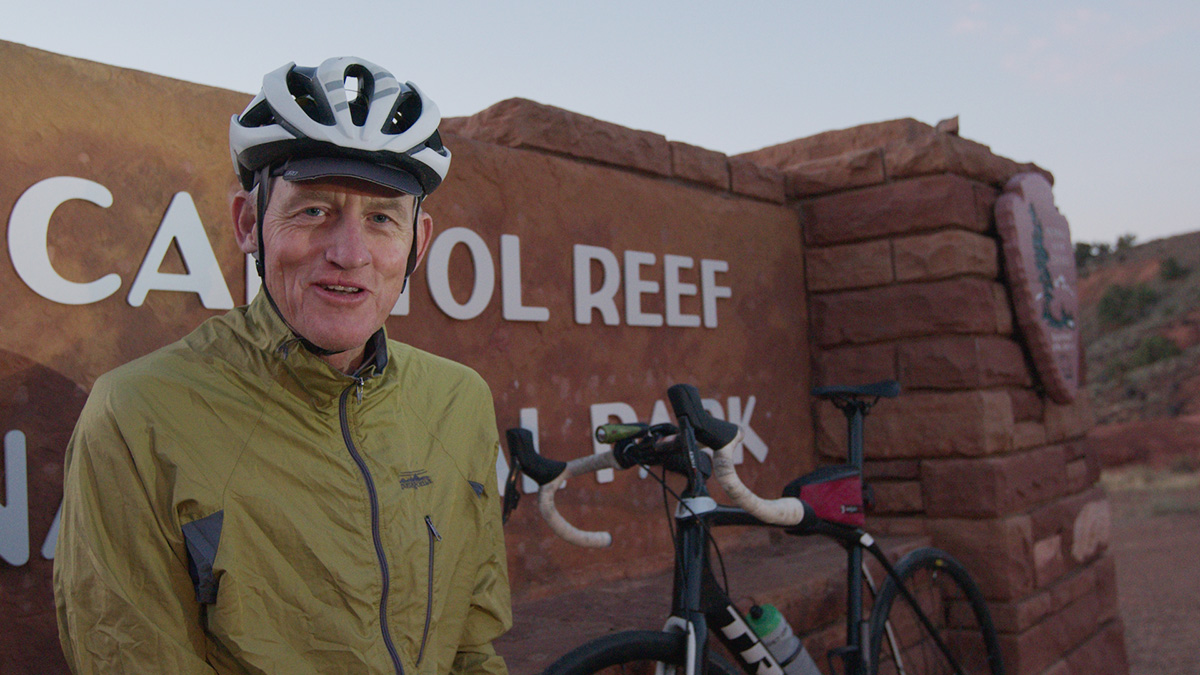
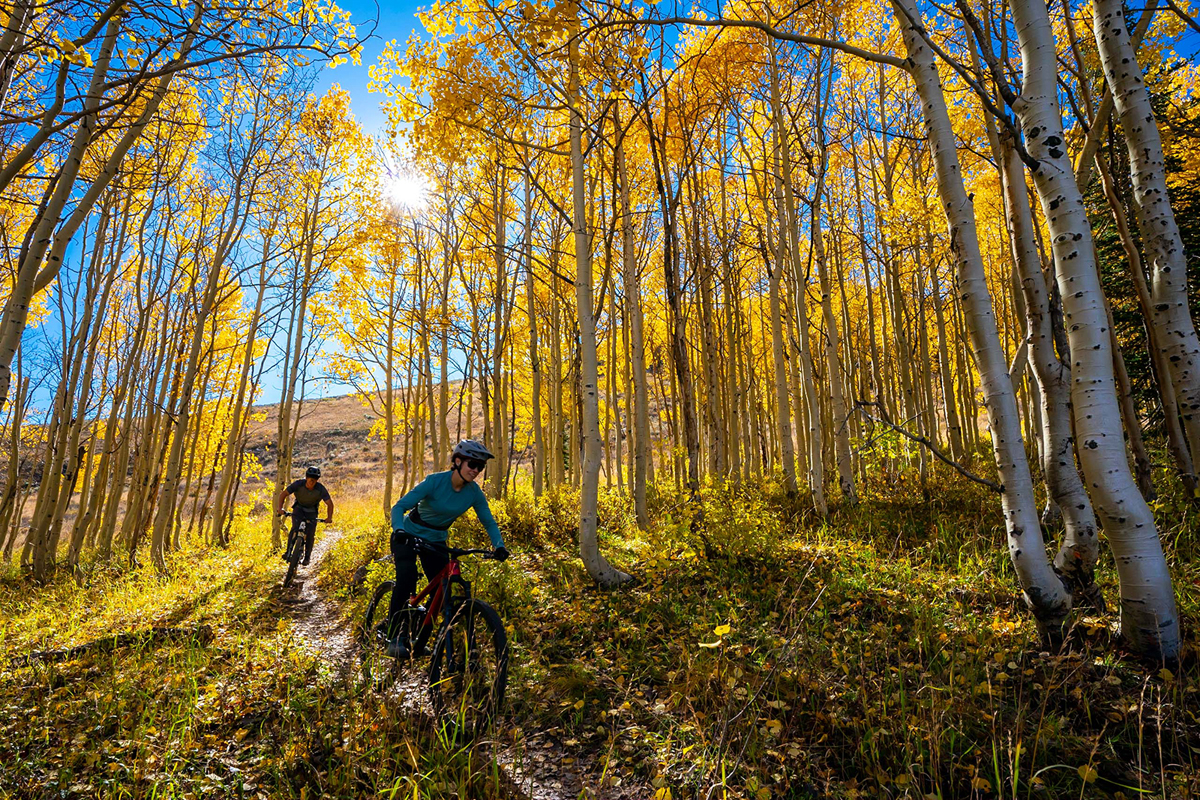
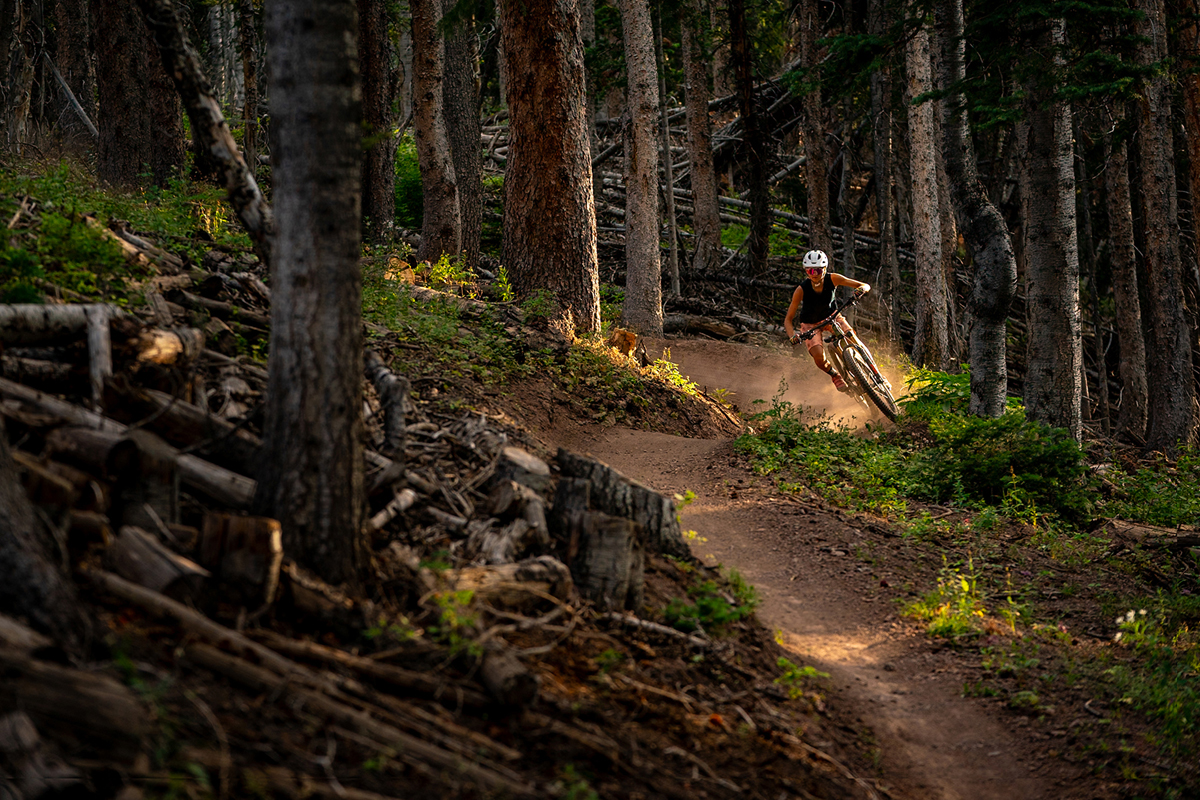
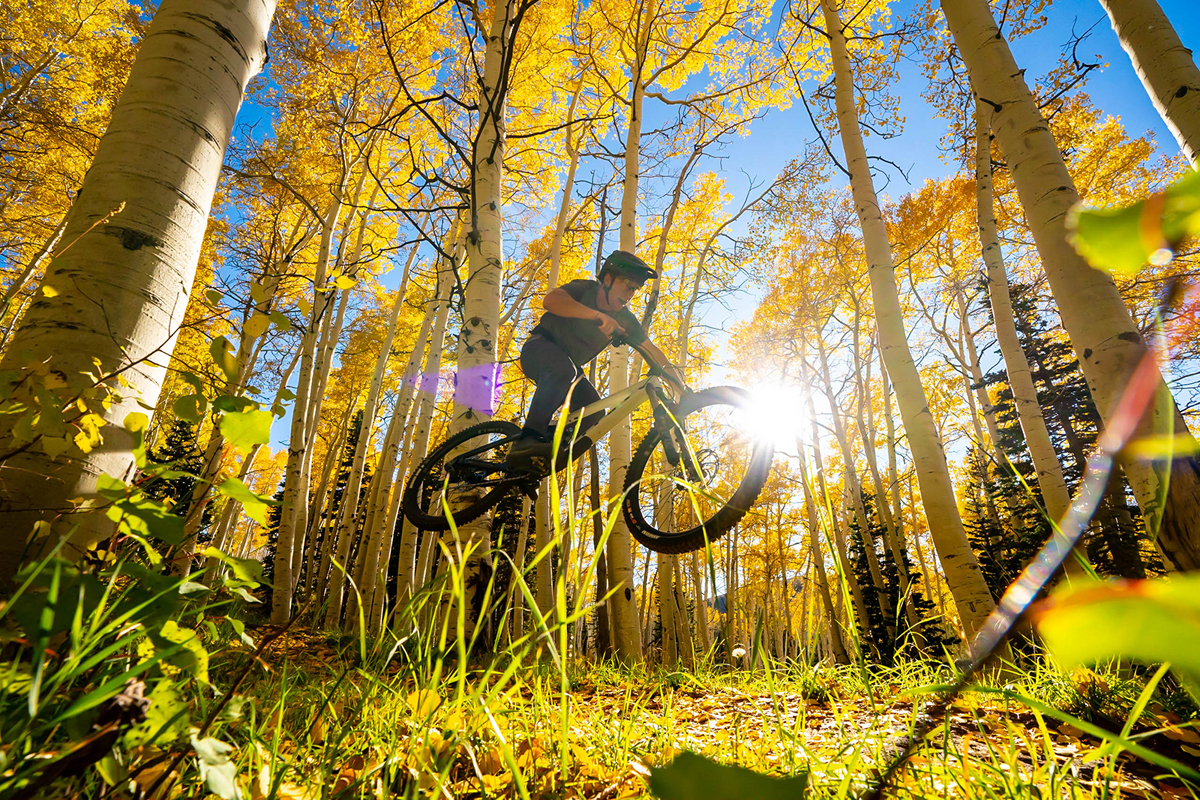
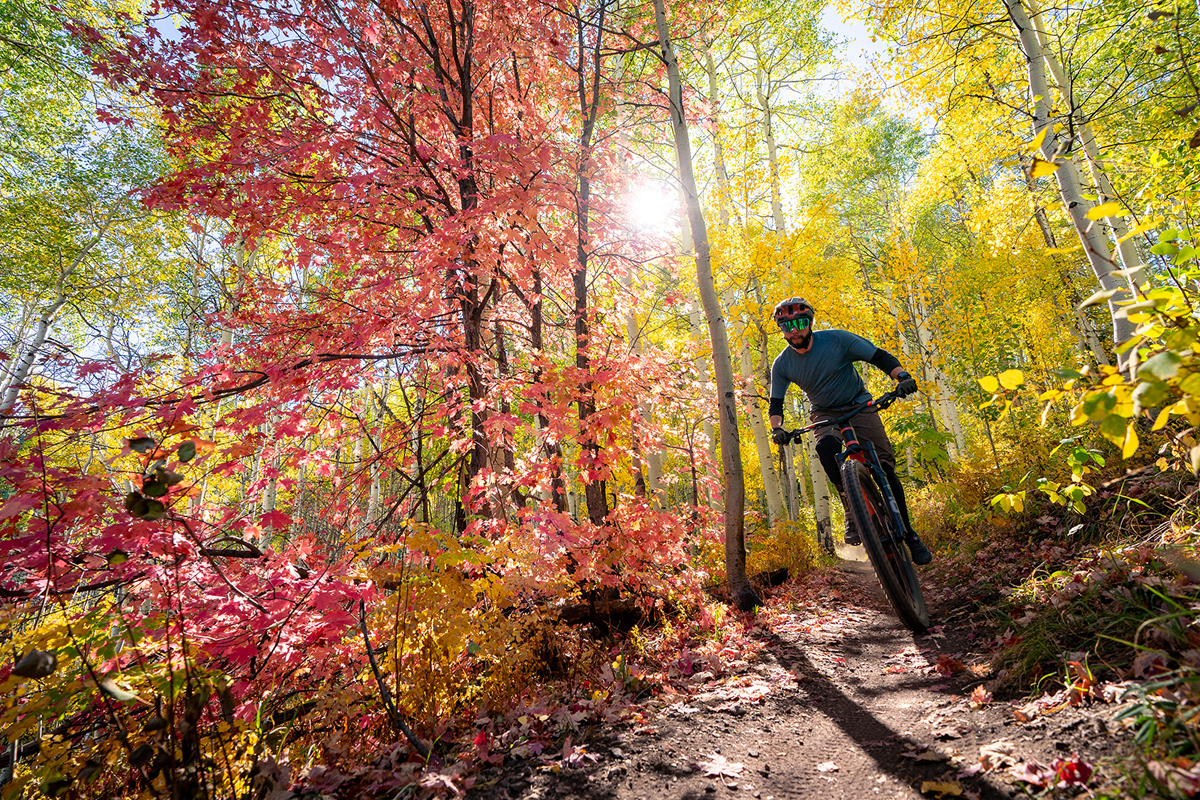
Longtime Utah climate advocate Bill Barron is cycling 700+ miles through Utah’s Mighty Five National Parks to bring people together around a shared goal: protecting the places we love while building the political will for effective climate solutions. Along the route, he’ll host conversations on Citizens’ Climate Lobby’s policy commitments to reduce emissions, remove climate pollution, and protect people—highlighting carbon pricing as a proven, scalable solution and comprehensive permitting reform as a timely opportunity to accelerate progress. Grounded in the power of relationships and citizen engagement, this tour connects everyday voices to real pathways for bipartisan action in Congress.
This ride is also a fundraiser to support the work of Citizens’ Climate Lobby. Donate
The ride is underway! Here is the schedule of events. You can also follow along on youtube and Instagram @billbarronutah and find Bill at billbarronutah.org
Schedule of rides:
Thursday May 7th:
6:00-7:00 Evening Talk at the St George Library; 88 W 100 S, Forsyth Community Room B about the economics of clean energy: Bill Barron, Rod Perry, Bryan Dial, Dave DeMille
Friday May 8th:
8:00-9:30 AM—Talking Climate over Coffee, West Village Cafe; 695 S 100 W, St George
3:00 PM—Zion Cycles; 868 Zion Park Blvd, Springdale, meet for Gran Fondo (group ride) up Zion Canyon
7:30-8:30 PM—Zion Canyon Brew Pub; 95 Zion Park Blvd, Springdale
Saturday May 9th:
8:00-10:00 AM—Deep Creek Coffee Co.; 932 Zion Park Blvd., Springdale
4:00 PM—Speak at the Amazing Earthfest during Potluck and Social Dinner Party, Jacob Hamblin Park Small Pavilion, Kanab
Sunday May 10th:
8:00-9:00 AM—Meet Bill Barron at Willow Canyon Outdoor Gear & Books; 263 S 100 E, Kanab
7:00 PM—Gem Theater; 105 N Main St, Panguitch
Monday May 11th:
8:00-9:00 AM—Gem Theater Lobby-Chatting Climate over coffee; 105 N Main St, Panguitch
11:30 AM—Bryce Canyon Gran Fondo; meet at the Bryce Canyon Visitor Center parking lot
Tuesday May 12th:
8:00-9:00 AM—Chatting Climate over Coffee; Escalante Interagency Visitor Center Picnic Area, 755 W Main St, Escalante
12:00-1:00 PM—Little Bone Food Truck; 20 N Hwy 12, Boulder
5:30 PM—Torrey Town Pavillion, Potluck Hosted by Rural Voices of Utah; 75 E 100 N, Torrey
Wednesday May 13th:
8:30-9:30 AM—Shooke Coffee Roasters; 135 E Main St., Torrey
11:00 AM—Capitol Reef Gran Fondo; meet at the Capitol Reef Visitor Center parking lot
6:00 PM—Talk at Goblin Valley State Park Amphitheater; 18630 Goblin Valley Rd
Thursday, May 14th:
6:30 PM—John Wesley Powell Museum; 1765 E Main St., Green River
Friday, May 15th:
3:00 PM Island in the Sky, Grandview Point; from the desk of Bill BarronPress Conference
Saturday, May 16th:
9:30 AM—Arches Gran Fondo; meet at the Arches Visitor Center parking lot
6:00 PM—Grand Center/Senior Center; 182 N 500 W, Moab
Sunday, May 17th:
5:30 AM—meet at the Horsethief Campground, 82 E Dogwood Ave for the White Rim Gran Fondo, Canyonlands
By Peter Abraham — This week I attended my fifth Bicycle Leadership Conference, an annual gathering of the bike industry organized by People for Bikes. I’m currently in my third career, and I’ve attended events like this in every phase of my professional life. When I produced tv commercials, I attended the AICP Award Show in New York every year. After that I worked in the running event business, and I would go to Running USA and The Running Event.
BLC took place at the Marriott Resort in Dana Point, California. It’s an hour and a half from my house, so it’s easy for me to throw my bike in the car and drive down. BLC has alternated between Dana Point and Tucson, another nice location with great cycling. The event is essentially 2 and a half days of dinners, presentations, talking to new & old friends and early morning bike rides.
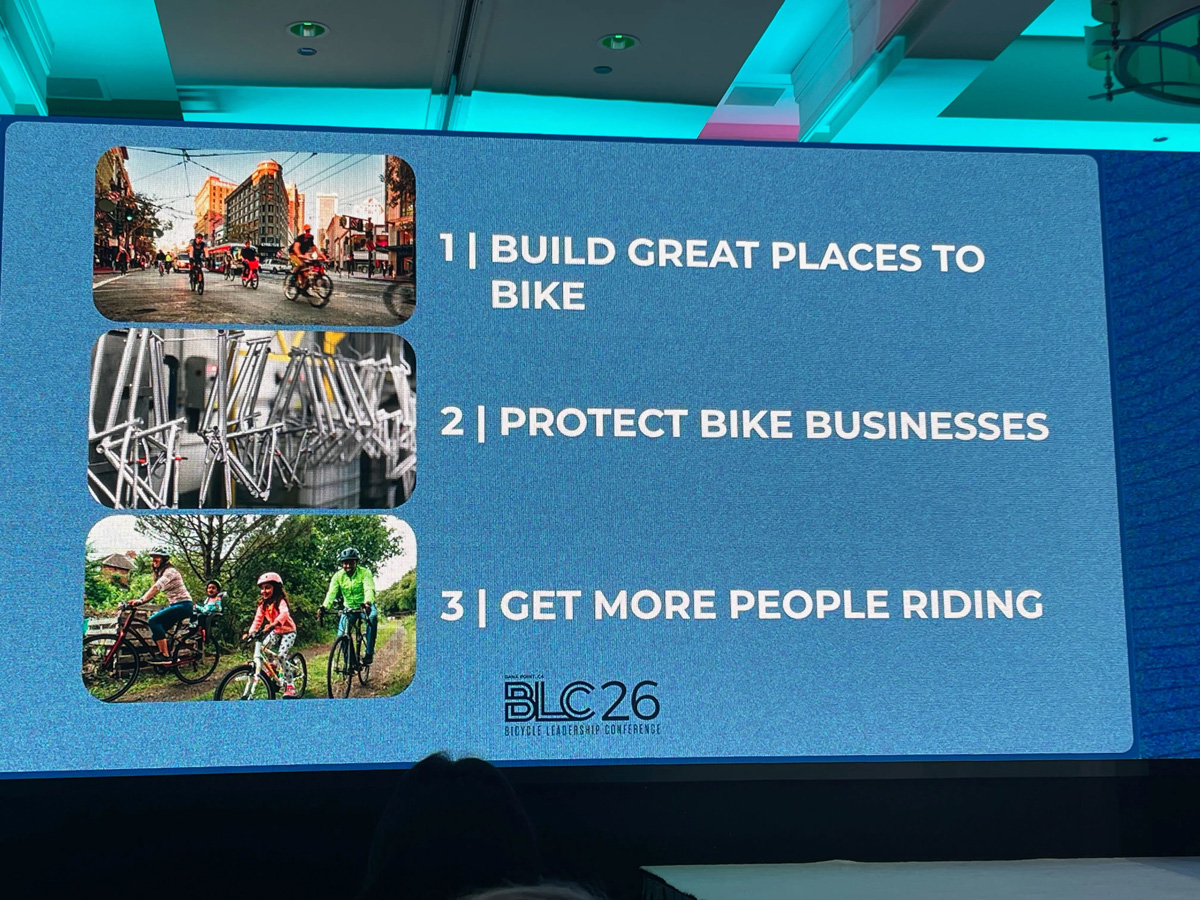
People for Bikes priorities for 2026. Photo by Peter Abraham
I find these kinds of events to be fun, informative and exhausting. But always worthwhile. Here’s what happened at BLC this year.
At dinner the first night awards were presented to both The White Line and Ride for your Life, inspiring organizations devoted to bicycle safety that started after people (Magnus White and Sarah Debbink Langenkamp) were tragically killed on their bikes by drivers of motor vehicles. The need for safe places to ride was a theme that came up over and over during the week.
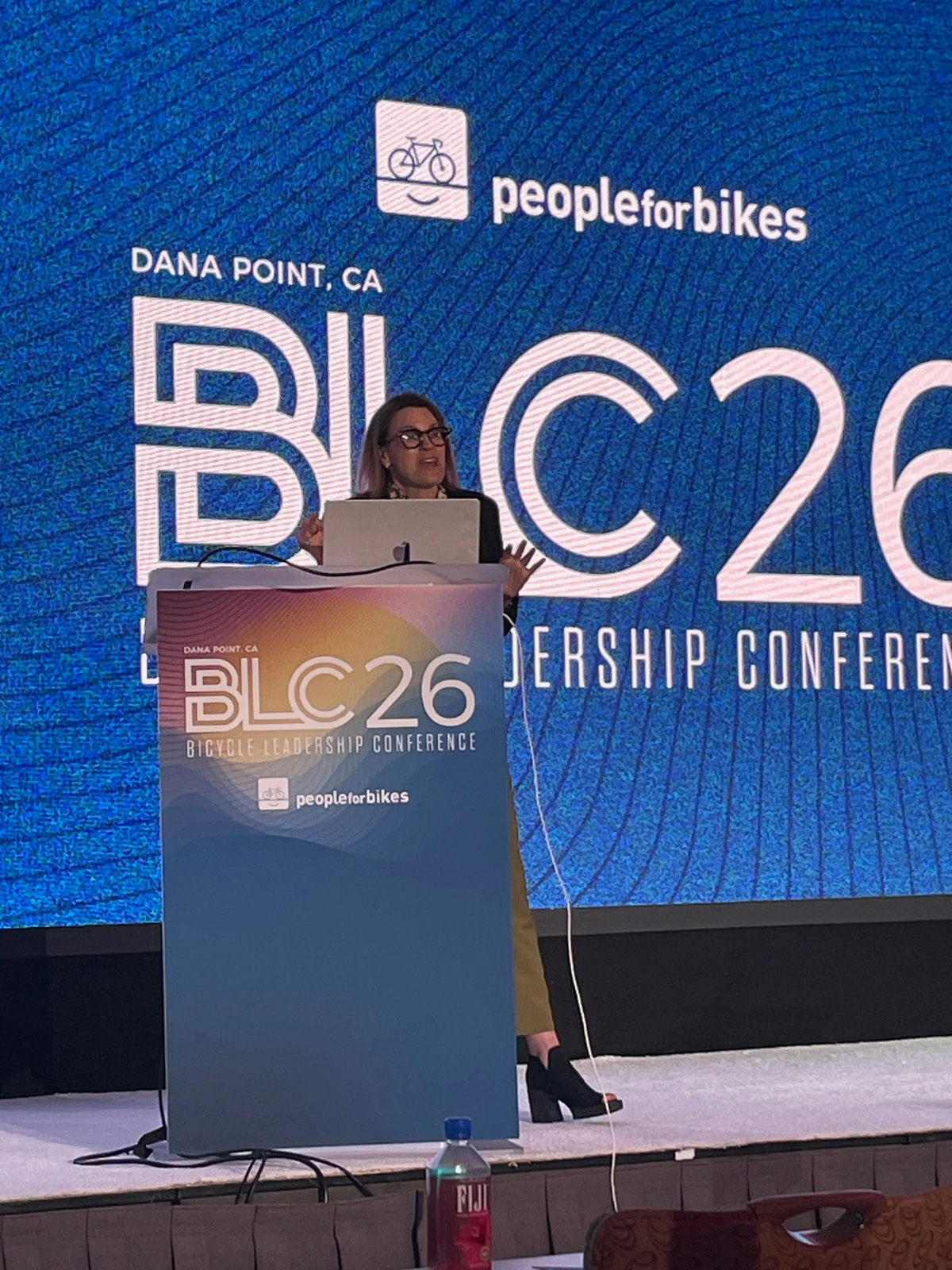
People for Bikes CEO Jenn Dice laid out the organization’s priorities for 2026. Tangible and actionable. Photo by Peter Abraham
People for Bikes CEO Jenn Dice and her team do a great job putting on this event, and I thought this was the best one ever: great speakers, tight production and lots of opportunities to meet and talk to people. The bike industry is gradually coming out of (but still in) arguably its most challenging period ever: the COVID boom/bust in demand followed by massive trade tariffs and now the spike in energy costs. It’s an incredibly complicated time to be in any business, not only bikes. But in both presentations and informal conversations this week, I felt more focus and intention than I’d seen over the last few years from attendees. It would be easy, almost expected, to be pessimistic about the industry at this point in time. But I didn’t feel much of that.
One of the features of BLC is a few speakers who are not necessarily from the bike industry but have great ideas or insight that is relevant for all of us in the room. This year featured Chip Conley and Jon McNeill in those roles, and everyone I spoke with agreed that their presentations were exceptional. Chip talked about the way that successful companies are built and how businesses can identify “what business they’re in.” Which is a bigger and broader than, for example, “we make bicycles.” As an example, he referred to his time at Airbnb, where the leadership team identified that they’re actually in the business of BELONG ANYWHERE rather than “renting rooms.” And that has guided their business ever since. In the open Q&A at the end of his talk, I asked how he took that mission into implementation as it related to staff, product and marketing. He then gave details about Airbnb events for hosts they created that reflected this purpose, and how the mission can mean different things to different employees of the business. Chip’s presentation was a super informative and useful.
Jon McNeill is a longtime cycling enthusiast and business leader. He was the Tesla President, running sales and marketing, from 2015–2018, and he currently serves on the Board of Directors of both General Motors and lululemon. He shared so much wisdom from his time at Tesla about how they massively speeded up process, simplified manufacturing and sidestepped traditional practices. As an example, he talked about cutting down the available versions of the Model S from 380,000 choices to two choices. All of the ideas and strategies he presented felt directly relevant for the bicycle industry. I approached him after he walked off stage to ask a question. Jon immediately said, “Peter, I met you but you don’t remember. It was in Bentonville after you got your concussion. Tim Johnson and I went over to check on you the next day.” Wow! He was right, I had zero memory of his visit, but I really appreciate that he had done that.
The two most important themes that were talked about among attendees and on panels were 1) eBikes and 2) infrastructure. These two subjects dominated the conference.
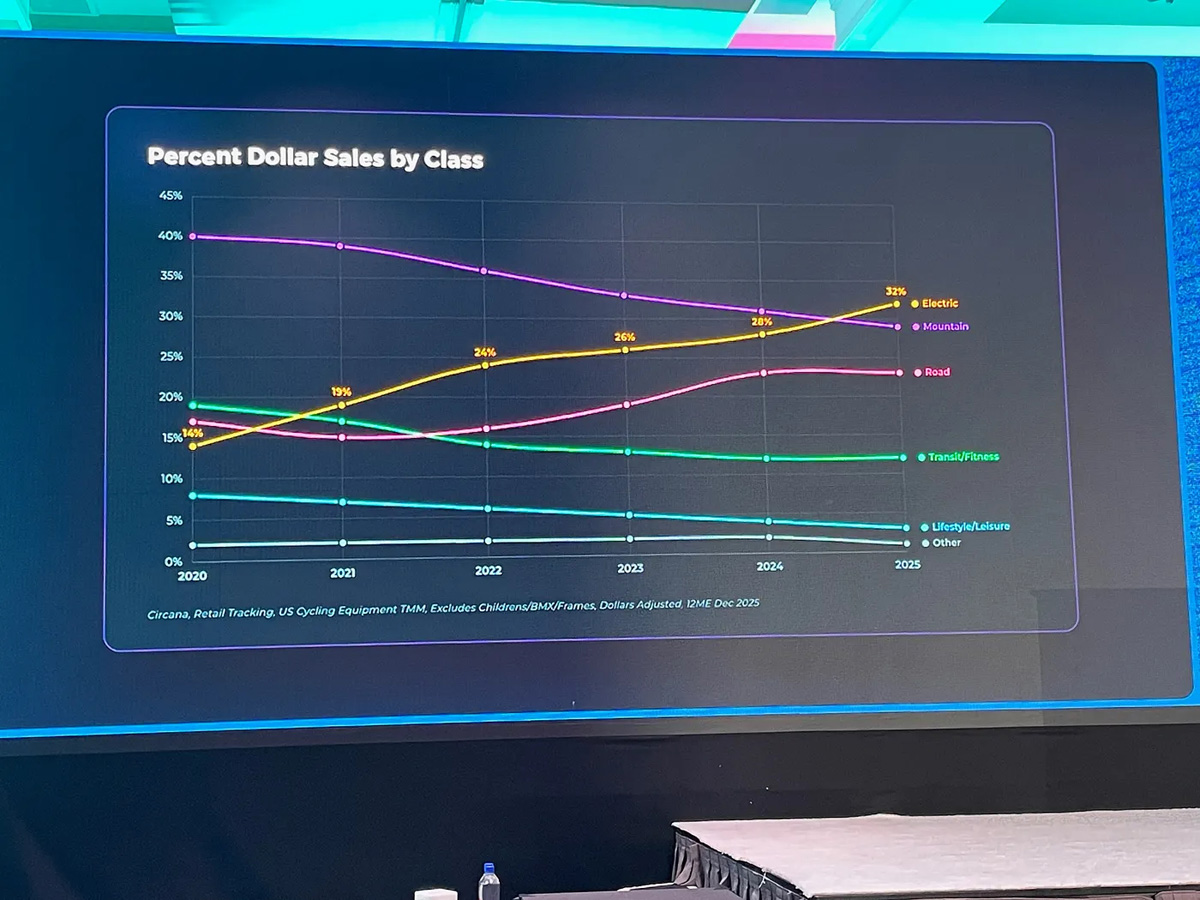
This chart detailing 5 years of bike sales says a lot about the rise of e-bikes. Photo by Peter Abraham
eBikes have exploded in popularity over the last few years. They are the biggest growth area of the bike industry. I asked one of the biggest bike retailers in the country if he could share any insights with me. What were the top three things he’s seeing right now that I might not be aware of? And basically his response was, “Numbers 1, 2 and 3 are related to eBikes.” Many of us spent a lot of time this week discussing the many angles to eBikes. How separate are those eBike riders from the traditional cycling customer? What about the emerging category of eMotos, which are actually motorcycles with an electric engine…should those be regulated differently? And how about the big bicycle brands — Specialized, Trek, Canyon, etc. — who are making electric commuter bikes…does that customer care about the bike racing tradition of these brands? Will that customer pay double for a bike from these brands that is almost exactly the same as a comparable eBike from Lectric or Aventon?
My friend Juliet Scott-Croxford of Brompton interviewed the Lectric eBike founders on stage, and it felt so refreshing. They approached bikes as young newcomers to the space thinking about transportation as a vehicle for having fun. One thing that is clear is that eBikes — the biggest growth area in the industry — are being dominated by outsiders like Lectric, Aventon and (until their recent demise) RadPower. Setting eMountain Bikes aside, the traditional bike brands have struggled in the mass eBike market. While these newer direct to consumer brands have quickly built big businesses with low cost product that solves customer problems (getting around on an eBike without spending too much).
As I mentioned, safe streets and infrastructure were another frequently discussed theme throughout the week. This is a foundational component of the bike industry: without safe places to ride, we can’t expect people to buy bicycles. I am part of a People for Bikes task force trying to get more bike infrastructure built in the period before and after the LA28 Olympics. And I was asked to share some of the early work we’re doing. So I spent five minutes taking everyone through our point of view on infrastructure in LA.
Here’s the text of my talk:
I’m part of a People for Bikes task force, Ride LA Together, getting more people on bikes around the LA28 Olympics. Bike infrastructure is one of the tangible benefits from an Olympic Games that lasts. That is durable.
I want to tell you about a number.
25. That’s the current People for Bikes city rating for LA. Out of 100. It’s a terrible rating, below bike hot spots like Orlando, Atlanta and Phoenix. No disrespect to those places, but we can do better.
Like me, you may have been inspired by the bike infrastructure Great Britain got built around the 2012 Games. Or what Paris did before and after 2024. Those positive changes–dozens of projects and hundreds of miles of bike lanes–are DURABLE. Almost permanent.
And in both places, biking continues to increase after the games. We’ve been in touch with people in the UK and France who worked on both of those initiatives, and one of the French team told me: “Peter, don’t underestimate the potential for the Olympics to change behavior at scale.”
The leverage we have right now to increase biking in a metropolitan area of 13 million people is 10x what it would have been 5–10 years ago. That’s because of the Olympics.
In fact, just an hour ago someone here at the conference told me about a potential BMX track near here that is getting closer to completion because the Olympics (and the BMX event) are coming to LA.
On top of that, the LA28 team feels that bikes are the great unlock for transportation at the Games. Many of the venues are going to be fenced off for security reasons. You’re not going to be able to drive your car down to, say, the Coliseum and park there. You’ll have to park 4 miles away and take an uber. But bikes and pedestrians can get through the fence.
We want to help deliver a lasting bike legacy in Los Angeles.
Of course, there are challenges here, like recovering from last year’s fires and a fragmented governance landscape. But we can make a difference if we all get involved.
Ride LA Together will align advocacy, industry partnerships and storytelling to create safer places to ride.
We’ll help unlock $600 million in infrastructure projects that are already at the 1 yard line. Great organizations like Festival Trail, Move LA, Ride LA, CicLAvia and Streets are for All are already doing amazing work on lots of infrastructure. And that goes along with billions in light rail and subways that are going in.
But we can help accelerate all of this.
We’ll help align all of the stakeholders, and there are many.
We’ll help arrange measurement of biking in LA. If we don’t do that, we can’t claim success later.
We’ll help put pilot programs in place.
And we’ll help bring in brands from both inside and outside of the bike industry.
But we need your help to do all of this. There is so much expertise and leadership in this room.
So we’re asking you to scan this QR code and sign up on our list. That sounds like an anti-climax, but the asks are going to come quickly.
For example, the Metro Board is about to take its final vote on the $430 million LA River Bikeway–that’s a 9-mile bike lane right through downtown LA–and as soon as it goes on the agenda, we’ll ask everyone on the list to write letters to the Board.
We need your help with four things:
Advocacy (like this)
Fundraising
Marketing these projects & initiatives
Building community
You’ll get to be part of the process that is creating the same change that happened in London and Paris. I guarantee you won’t regret that.
Overall it was a great week. I’m already looking forward to next year.
By Charles Pekow — Not all federal support for bicycling has disappeared under the Trump administration. The U.S. Department of Transportation recently announced nearly $1 billion in Safe Streets and Roads for All (SS4A) grants, funding 521 projects nationwide — including several in Mountain West states that aim to improve bicycle safety in high-crash corridors.
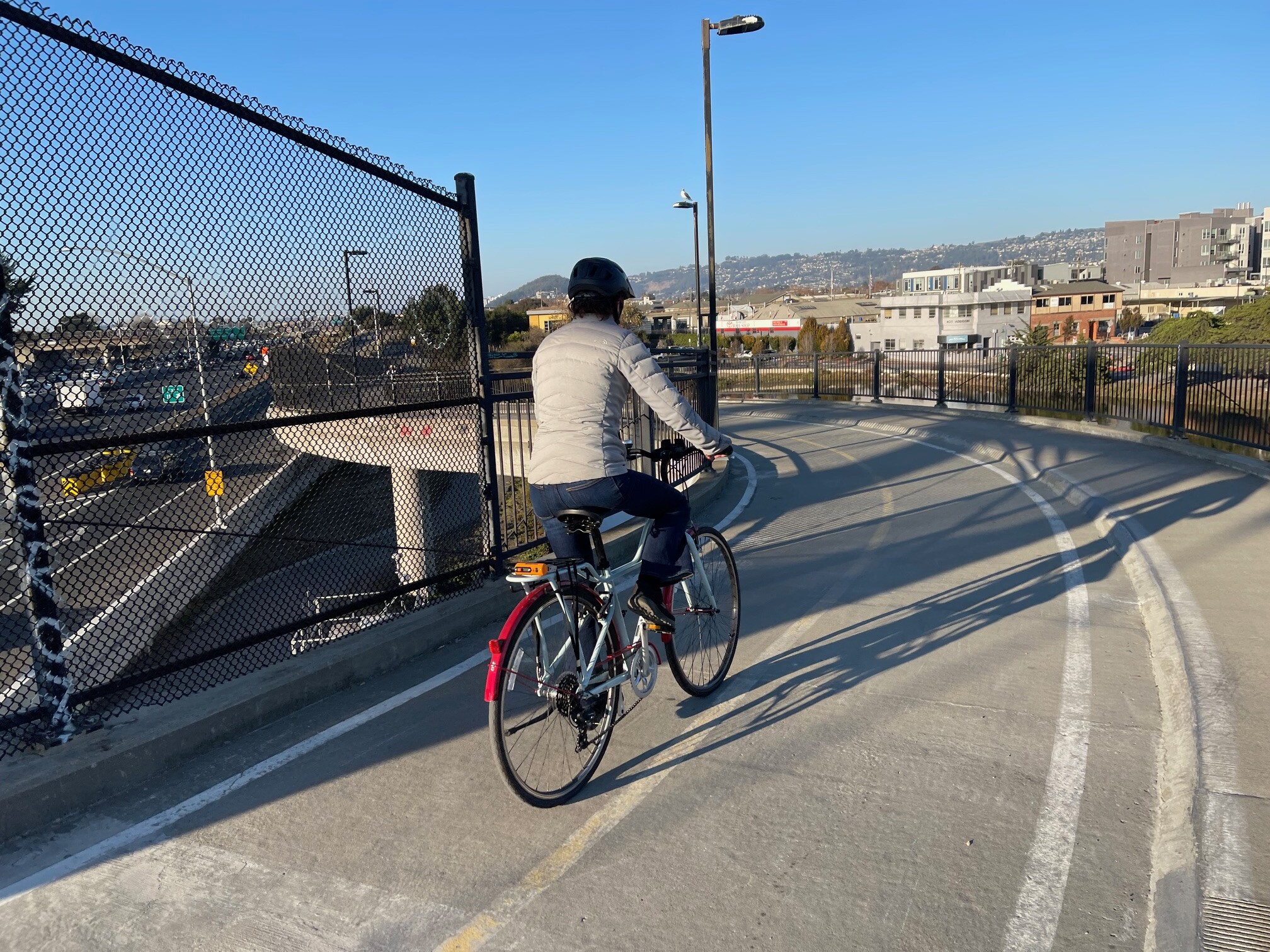
A cyclist rides on the I-80 bicycle bridge in Berkeley, California. California’s 2025 budget prioritized freeways over safe streets. Photo by Dave Iltis
Among the recipients:
Gallatin County, Montana received a Connecting Communities: Gallatin County Rural-Urban Multimodal Safety Initiative grant to build a 1.75-mile shared-use path along Huffine Lane. A bicyclist died on the corridor in 2022, where the speed limit reaches 55 mph and traffic averages 27,000 vehicles per day. Planners estimate a separated path will cut bicyclist and pedestrian injury risk by 65–89 percent. The grant will cover about $13.9 million of the project’s roughly $17.3 million cost.
The Tahoe Transportation District secured funding for its South Demonstration Phase 1A Multimodal Path and Sidewalk Project. The district will construct a one-mile trail and sidewalk from Stateline Avenue/Lake Parkway to Laura Drive along U.S. 50, closing a gap between existing bike paths. Crews will also install curb ramps, lighting, and other safety features. Officials project the improvements will reduce crashes by 25–40 percent. Federal dollars will supply about $2.9 million of the $5.5 million budget.
The Ramah Navajo Chapter in New Mexico won $200,000 to develop a $250,000 Safe Routes to School (SRS) plan. The effort will assess and recommend bicycle, pedestrian, and bus routes to schools across 250 miles.
Moorcroft, Wyoming received $336,000 for an SS4A Planning and Demonstration Grant to create a $420,000 Action Plan. The plan will evaluate school crossings and recommend countermeasures to improve bicyclist safety as part of a Safe Routes to School strategy.
Arizona State University earned funding for its Cooling the Commute: Heat SRS plan. The $100,000 grant will cover four-fifths of the cost of incorporating heat-risk analysis into Safe Routes to School planning in Casa Grande. The project will identify heat hot spots and deploy sensors to gather real-time data.
Montana State University received $5 million for its $6.25 million Advancing Safer Roads and Streets in Rural Areas initiative. The multi-state project will include Safe Routes to School planning in Gallatin and Madison counties in Montana and in LaBelle, Florida, which faces similar rural safety challenges.
The North Central New Mexico Economic Development District secured $471,813 for a $589,767 Comprehensive Safety Action Plan that includes Safe Routes to School components.
Nibley City, Utah will use a $278,976 grant for its Nibley Pedestrian Crossing and Intersection Tactical Safety Improvements and Evaluation project. The $348,720 effort will deploy low-cost treatments at 14 locations, including bicycle counts, surveys, pedestrian beacons, and raised crosswalks.
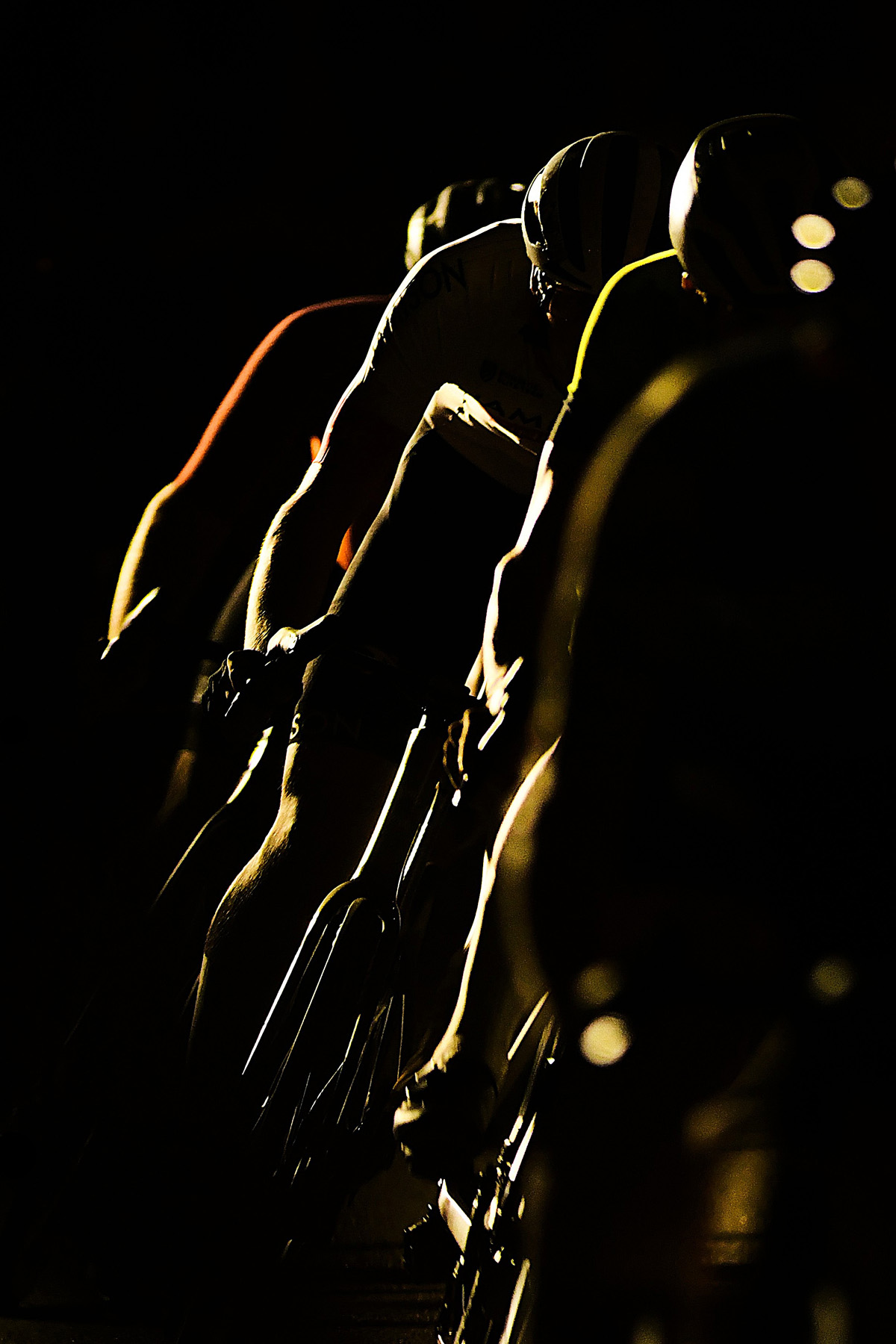
Ryan Muncy was awarded the Fan Favorite at the Mark Gunter Photo Awards this year. The shot is from the last edition of the Littleton Twilight Criterium held on August 2, 2025. The event is canceled until a new promoter steps up.
A grassroots initiative backed by local support gives emerging women racers a team, a kit, and a seat at the starting line of the Baker City Cycling Classic.
BAKER CITY, Oregon (May 11, 2026) — For a woman stepping into road stage racing for the first time — or showing up to a race weekend without a team around her — the logistics alone can be daunting enough to keep her home. No kit, no carpool, no one to talk through the course with the night before, and no familiar faces at the start line.
Team BELLA exists to change that.
Returning for 2026, the Baker City Cycling Classic’s women’s team program is one of the more quietly powerful things happening in Pacific Northwest cycling — a community-built initiative that removes the practical barriers standing between a rider and her first (or second, or fifth) stage race experience. Presented by BELLA Mainstreet Market and longtime Classic supporter Beverly Calder, the program offers eight spots on a first-come, first-served basis to women who are new to road or stage racing, attending the event without a team, or simply looking for a welcoming environment in which to race.
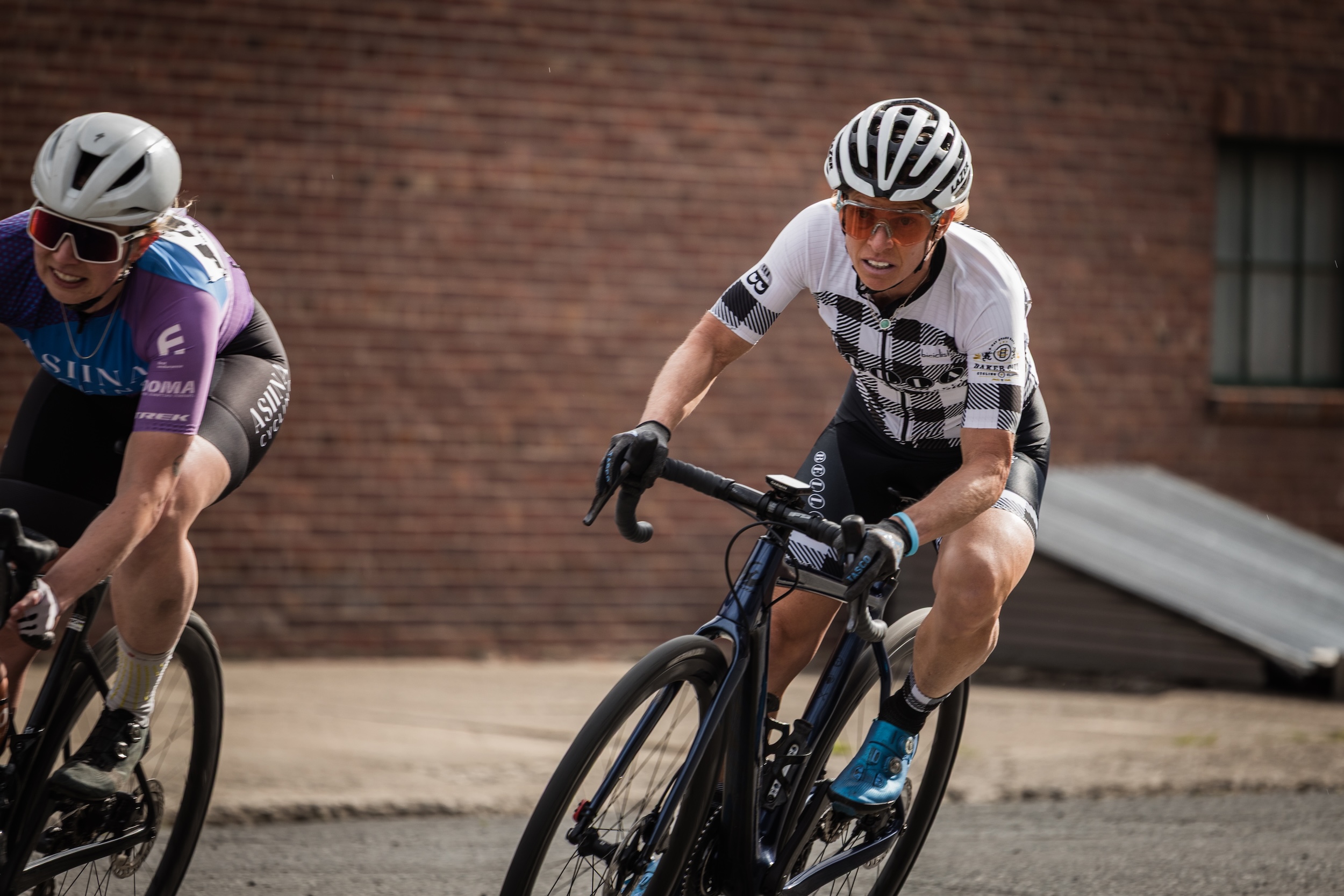
A Team BELLA rider during Stage 3 of the 2025 Baker City Cycling Classic. Photo by Sean Benesh.
What they get in return is substantial: free race entry, a custom kit designed by Italy’s Biciclista and produced with support from Stefano Spedini, coordinated lodging through Betty’s Books in downtown Baker City, and perhaps most importantly, a group of like-minded women to race alongside during one of the region’s most celebrated stage races.
“Our goal is simple,” said race director Brian Cimmiyotti. “We want to help remove barriers and create an environment where more women feel welcomed into road racing and stage racing. Team BELLA is about community, mentorship, and making the experience approachable for riders who may be stepping into this world for the first time.”
That philosophy fits Baker City’s character. The Classic — held annually over three days of road races, time trials, and downtown criterium racing in Eastern Oregon — has built its reputation not just on challenging courses and stunning high-desert scenery, but on the kind of genuine hospitality that keeps riders coming back year after year. Team BELLA is an extension of that culture, applied directly to the structural problem of women’s participation: that even riders who want to race often don’t have the infrastructure around them to make it happen.
The 2026 kits are already in production in Italy. The race runs June 26–28.
Women interested in joining Team BELLA for the 2026 Baker Cycling Cycling Classic can reach out to Brian Cimmiyotti at [email protected], or find more information at bakercitycyclingclassic.com/bellateam. Eight spots. First come, first served.
By Lou Melini — In September of 2025, Julie and I did a “hiker/biker” bike tour of Yellowstone National Park, a trip I had been planning for about a decade. Our tour was a shortened version of what I had originally envisioned, but it worked well with our time limitations.
Yellowstone NP was created in 1872, the first national park in the United States and in the world. It is 3,472 square miles, with 96% in Wyoming and the rest in Idaho and Montana. Only Death Valley NP is larger in the continental U.S., and three national parks in Alaska are larger. Because I have traveled through Yellowstone on at least eight occasions, backpacked into the backcountry on four occasions, and done numerous car camping trips, I can say that Yellowstone is my favorite national park.
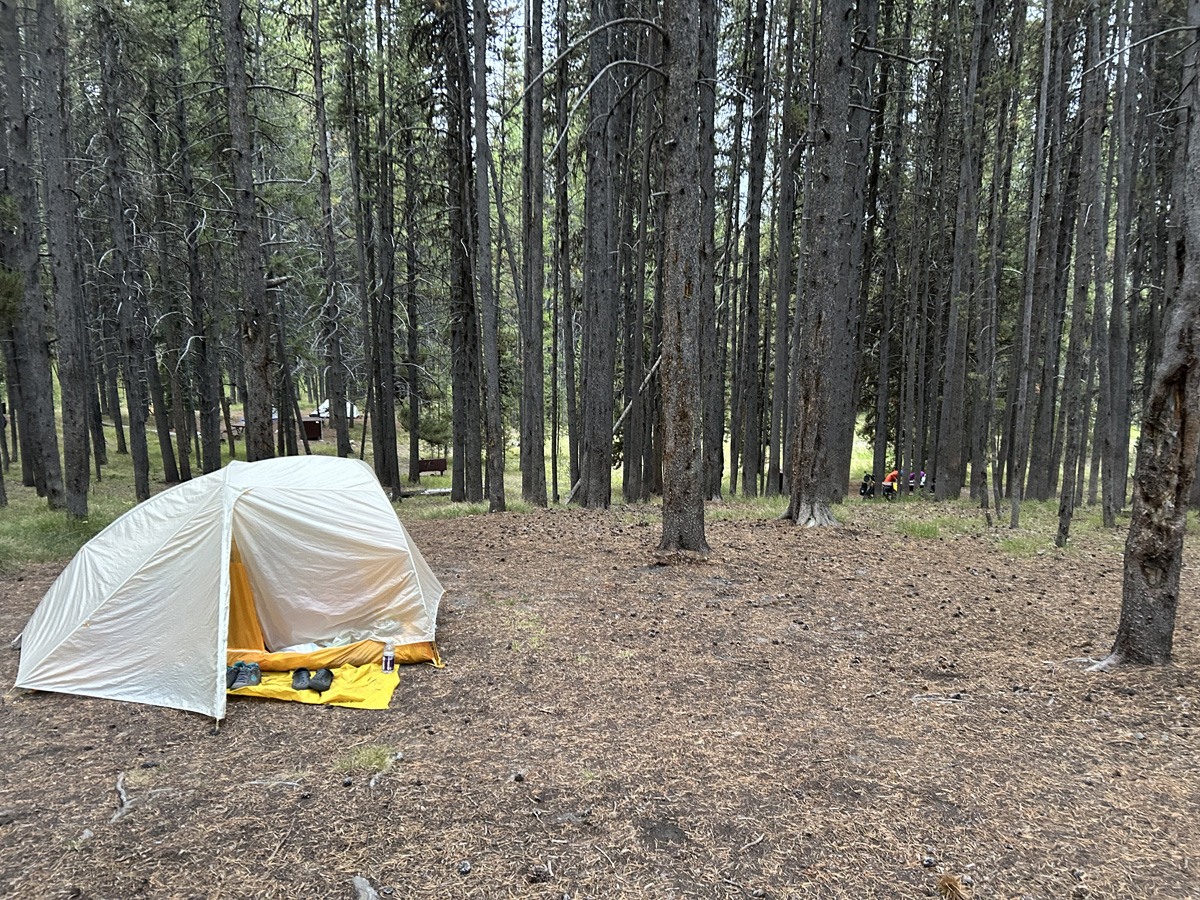
Traveling by bicycle in Yellowstone has become immensely easier with the creation of hiker/biker campsites, which are found in every campground except Fishing Bridge and Slough Creek. If you roll in with your bike loaded with camping gear, you will have a place to stay. Hiker/biker campsites give traveling cyclists a true sense of “welcome to Yellowstone,” compared to my experience in 1975. My friend Jeff and I visited Yellowstone as the first national park either of us had ever visited. Our excitement was palpable until reality set in. Each day, we spent upwards of an hour trying to convince someone to allow us to share their campsite, a result of arriving late in the morning or early afternoon despite pedaling as fast as we could.
HIker/Biker Campsite in Yellowstone. Photo by Lou Melini
Hiker/biker campsites are usually small plots of land set aside for people entering the park on foot or by bike. In Grant Village, the sites are within group campsites that have not been reserved. Water and restrooms are a short distance from the tenting area. Some campgrounds also offer showers and laundry facilities within a reasonable distance. Picnic tables and bear storage bins are generously available in hiker/biker sites. The hiker/biker campsite in Madison is located behind the campground check-in building. As an added bonus, I have been able to get morning coffee at the employee office door there for the past 20 years when I need it.
The cost of a hiker/biker site is $10, or $5 with my senior pass. This compares to about $20–$50 for a regular campsite, depending on amenities. Regular campsite fees include showers, but hiker/biker sites do not, although employees have occasionally treated me to a shower. In 2025, showers cost $5.50. Do the math if you are traveling with three or more cyclists. For example, in Grant Village, three cyclists would be $1.50 ahead using a regular campsite instead of a hiker/biker site, with even more savings if you have a senior pass. However, campgrounds are generally booked up, and hiker/biker sites are worth the peace of mind of knowing you have a place to stay.
Julie and I had five days to complete our Yellowstone tour before going to our timeshare in Island Park. We left our car with friends in West Yellowstone, which borders the park. You can also leave a car at the West Yellowstone visitor center (check with the visitor center for details). In addition, you can take a Salt Lake Express bus to West Yellowstone and return via the bus at the end of your trip. I have used Salt Lake Express for a couple of my bike trips. Be sure to call ahead to let them know you are transporting a bike.
We arrived at our friends’ house early in the afternoon from our home in Millcreek, Utah (outside of Salt Lake City). We then rode 15 miles on a flat road with a shoulder bordering the Madison River to our first night’s destination, Madison Campground. This short ride is a favorite for Julie and me, as there is a chance of elk and bison sightings, but mostly because of the scenic ambiance of fly fishers in the Madison River. Be prepared with food, as Madison Campground does not have food amenities aside from a small snack shop. There are also no showers at Madison.
We awoke to temperatures in the mid-30s—a cold mid-30s—for this early September trip. Welcome to Yellowstone in September. It took us some time to get out of camp. Our destination was Canyon Campground, only 26 miles away, so we had plenty of time. Madison sits at 6,800 feet of elevation, while Canyon is at 7,900 feet, so we knew we had some climbing ahead over those 26 miles.
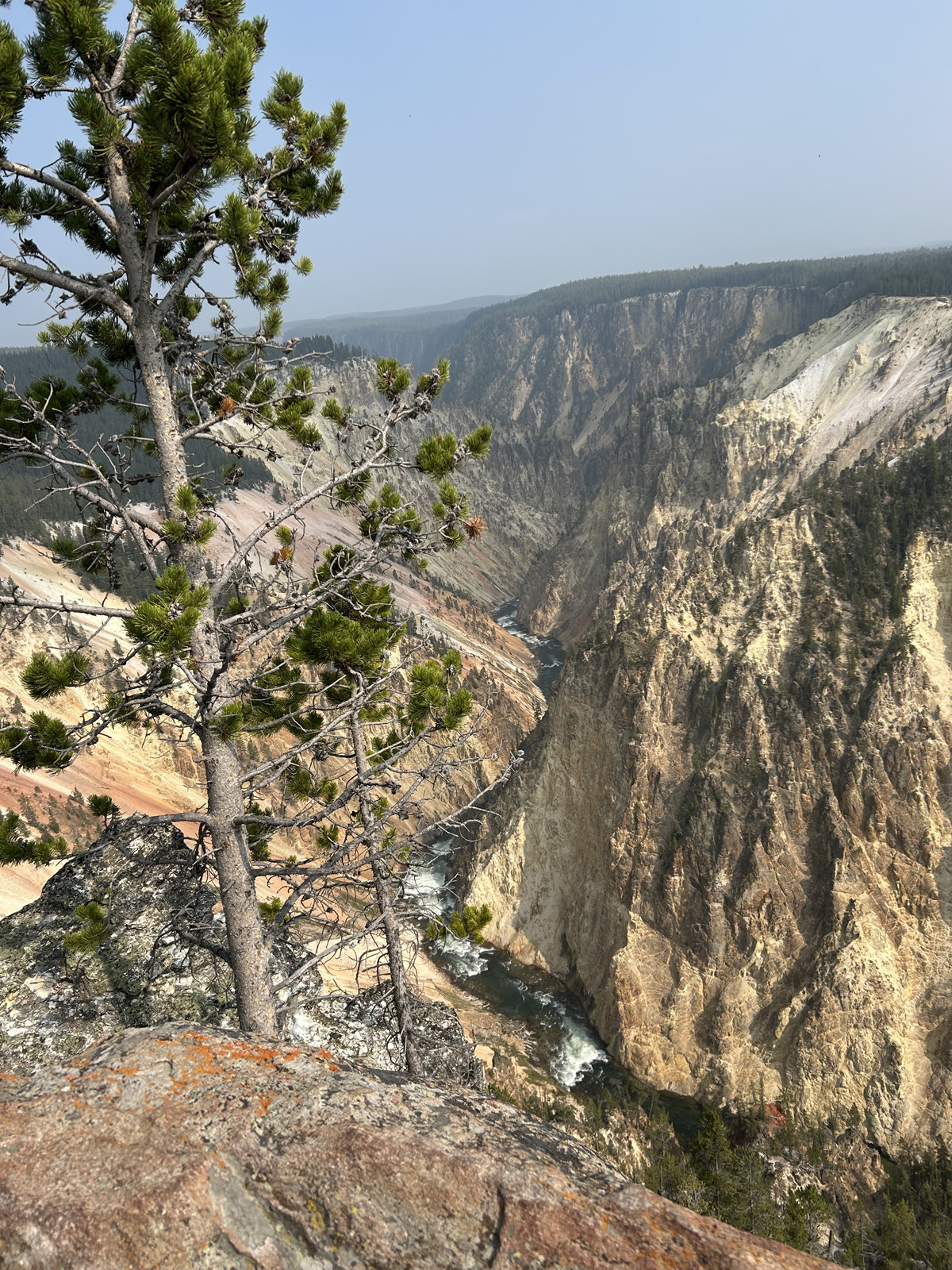
The Grand Canyon of the Yellowstone. Photo by Lou Melini
The ride to Canyon Campground was pleasant. The road is forested on both sides and has a shoulder. We detoured onto Virginia Cascade Road, a one-way road that parallels the main road. This route takes you along the Gibbon River and a small cascade (waterfall). Julie and I arrived at Canyon with plenty of time to hike along the Grand Canyon of the Yellowstone, perhaps the most beautiful feature of Yellowstone NP. Canyon has a small village that includes a grocery store, restaurants, gift shops, a post office, and a visitor center. Showers and a laundromat are also available.
We shared the hiker/biker site with five other cyclists, including a couple from Switzerland who were 3.5 years into their planned five-year global journey. I have rarely camped with more than two other cyclists in Yellowstone during my stays in the park. I happened to have a fistful of shower passes (a longer story), so I treated the group to showers.
Julie and I were traveling the “Grand Loop” of Yellowstone: Madison, Canyon, Grant Village, and back to Madison. Two of the cyclists at Canyon were from Billings, Montana. They were riding the upper loop of Yellowstone, which includes Mammoth, Tower Fall, and Canyon Campgrounds. Mammoth is the headquarters of Yellowstone and features several geological attractions, as well as a perennial herd of elk that reside near the campground. Once, at Mammoth Campground, an elk parked itself in front of my bear box shortly after I had emptied it of my food. I have had elk wander into campgrounds where I was staying on three or four occasions, including this trip.
The morning we left Canyon was again cold, but our new Swiss friends were in shorts. Julie and I bundled up for the 37-mile ride to Grant Village. The ride to Fishing Bridge does not have a shoulder, and the road is in disrepair in places. We started early and had little traffic as we rode along the Yellowstone River. At Fishing Bridge, a shoulder appears for the final 21 miles of the ride. We also rode through light rain for about an hour on this stretch to Grant Village.
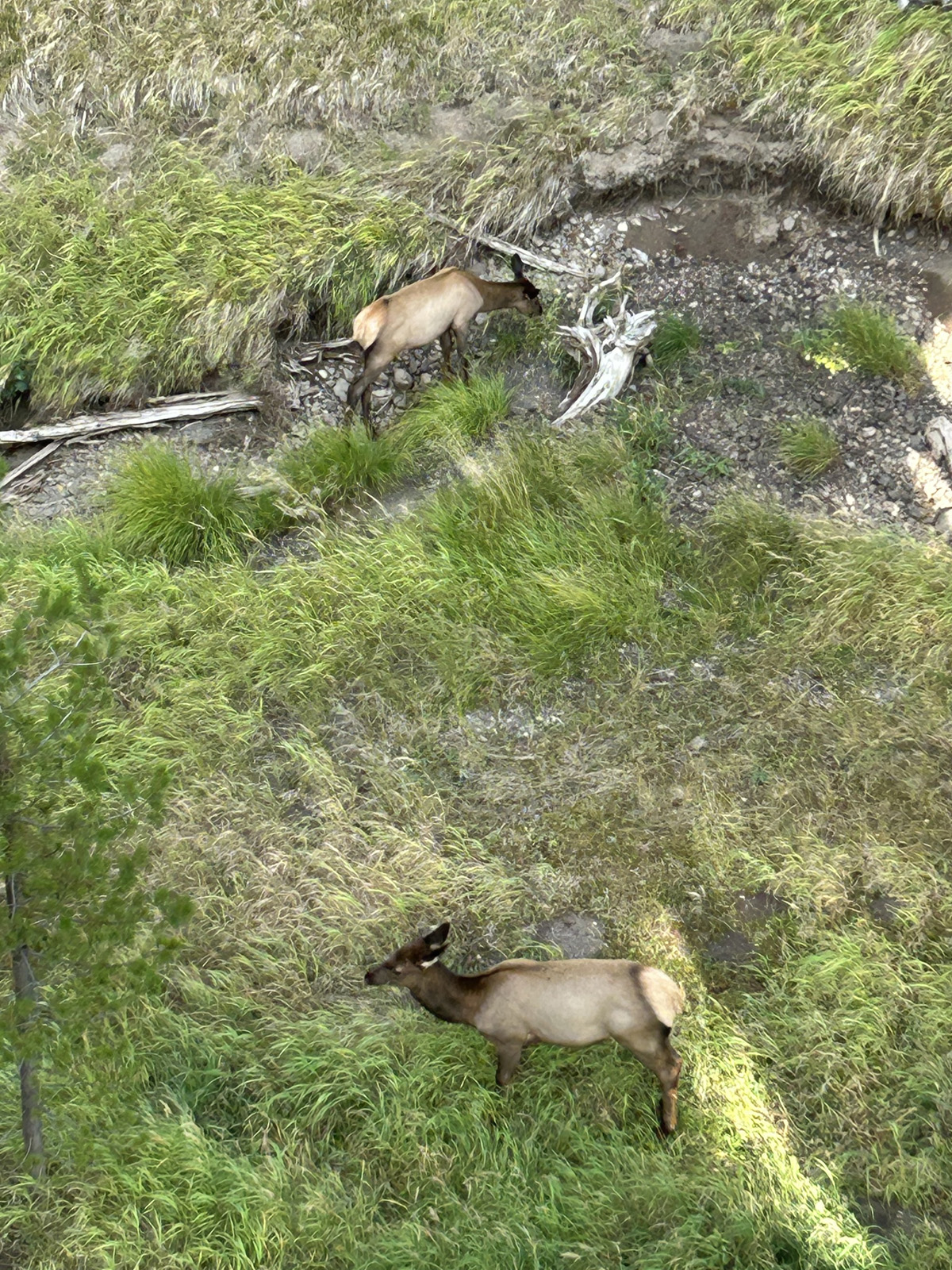
Elk at Grant Village. Yellowstone Bike Tour. Photo by Julie Melini
Grant Village is a small village, so we were able to acquire food to cook for dinner. From Fishing Bridge to a couple of miles before Grant, we rode along Yellowstone Lake. While setting up our tent, an elk walked along the boundary of the campground. Julie and I also saw several elk from a bridge over a ravine while walking to the grocery store.
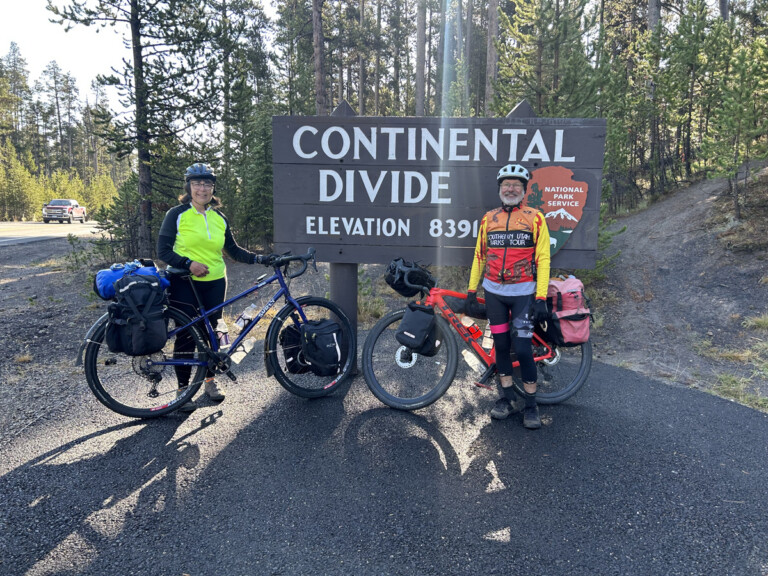
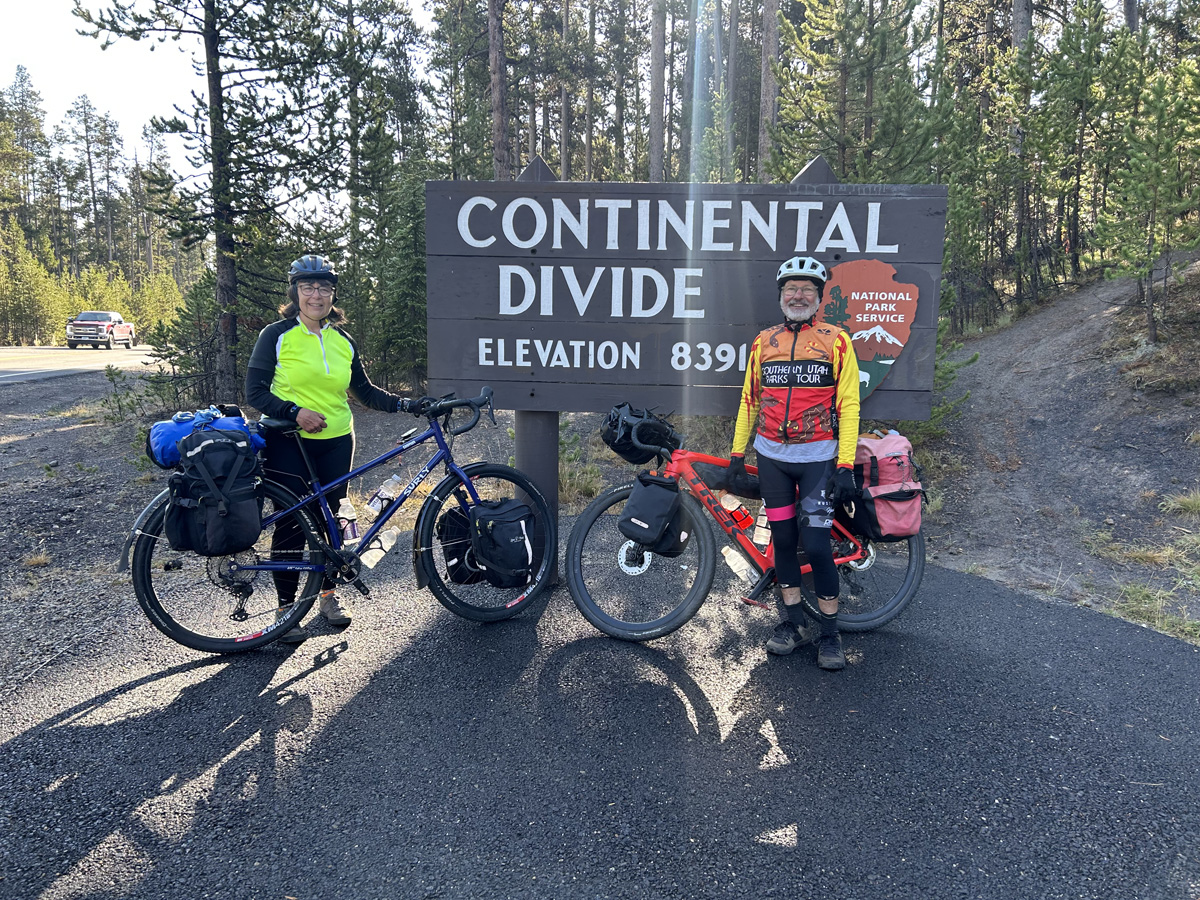
We left Grant Village on day four of our trip, a morning that was warmer than the previous ones. Despite the cold mornings, we were able to ride later in the day in shorts and a thin long-sleeve top. By afternoon, we were in short sleeves. Madison Campground was 40 miles away, and we had three climbs, two of which crossed the Continental Divide above 8,300 feet and nearly to 8,400 feet.
Julie and Lou at the Continental Divide. Yellowstone Bike Tour. Photo by Julie Melini
We began climbing about two miles out of camp as we headed to Old Faithful for lunch, to pick up dinner supplies, and, of course, to watch Old Faithful erupt. There is a good shoulder on the road from Grant Village except for about a quarter mile before and after Old Faithful. From Old Faithful to Madison Campground, traffic increased significantly. Despite “no parking” signs, we were forced onto the road numerous times. Julie and I tried to take bike paths to get off the road, but the first was inexplicably closed and the second was closed due to a “carcass on the trail.” In both cases, we had to backtrack a couple of miles. This section can be busy starting in late morning due to the Lower, Midway, and Upper Geyser Basins, including the Grand Prismatic Spring at Midway.
On our return to Madison, the same person checked us in at the hiker/biker site as on our first night. He is officially a resident of South Dakota, as the state allows people who live and travel in an RV to claim residency. He remembered Julie and me, so check-in was quick. We knew our neighbors from Millcreek had arrived at Madison Campground in their trailer, so we had dinner with them and played cribbage afterward. It was a nice evening. The next morning, day five, we rode the final 15 miles back to our car.
Nuts and Bolts:
Entrance fees: The entrance fee to Yellowstone by bicycle is $20, or free with a senior or annual pass (check current pricing; disabilities are free). Passes are good for seven days. If you are riding with a group, be aware that entrance station employees may not always know the regulations. For example, my senior pass allows the holder and three others to enter. I have had no issues getting Julie in on my pass, but she now has her own lifetime senior pass ($80). On one occasion, however, I brought a friend, and the attendant initially assumed he needed to pay until I clarified the rule. There is also a “car rule”: a $35 vehicle fee covers up to four occupants. In theory, a group of four cyclists should pay $35 under this rule—but good luck explaining that.
Traveling by bike in Yellowstone: Riding in Yellowstone presents unique challenges, but I consider it safe with appropriate precautions, as in any city. Speed limits range from 25 mph in tourist areas to 45 mph elsewhere, and rangers enforce them. Wildlife—especially bison—poses the greatest risk. Plan how you will handle encounters, as traffic can become erratic with sudden stops. On one occasion, I rode down the center line between stopped cars to avoid bison on both sides. Often, I ask a driver to use their car as a shield. Once, before the park officially opened, my family and I climbed onto a boulder while a herd of bison walked down the road.
Some cyclists worry about being hit by RV mirrors. That may have been true in 1975, but I no longer consider it a major concern. At one point, Adventure Cycling Association even rerouted the TransAmerica route to avoid Yellowstone, sending riders south on Route 20 and over Teton Pass to Jackson. That route includes high-speed traffic, though it now has shoulders along much of its length.
You can extend the route Julie and I rode by including the upper loop of Yellowstone. Be aware that the road from Norris to Mammoth lacks a shoulder. You can also extend south into Grand Teton National Park, where hiker/biker sites are available at Colter Bay and Jenny Lake. The road from Grant Village to the south entrance of Yellowstone also lacks a shoulder, but traffic is lighter early in the morning. Beyond the entrance, the road includes shoulders and eventually a bike path in Grand Teton NP.
Leave early from camp, stay aware of your surroundings, anticipate sudden movements from cars, and enjoy the ride.
Food and lodging: You do not need to carry large amounts of food unless you have specific dietary needs. Larger campgrounds and tourist areas—such as Canyon, Grant Village, and Old Faithful—offer food. Grocery options are limited, and restaurants are priced accordingly.
Bike shops: Bike shops are available in Jackson, Wyoming, as well as Freeheel and Wheel in West Yellowstone.
Lou Melini is a lifelong bicycle commuter, tourer, and the former Commuter Column editor for Cycling West.
Three days, three sprints, and an unexpected Maglia Rosa
The 109th Giro d’Italia opened not on Italian roads but on the wide Bulgarian coast, and the first three stages played out like a sprinters’ tutorial — two wins for Paul Magnier, one for a young Kazakh who had no business winning a Grand Tour stage this soon, and a maglia rosa situation that nobody quite predicted.
Stage 1 — Nessebar–Burgas, 147 km
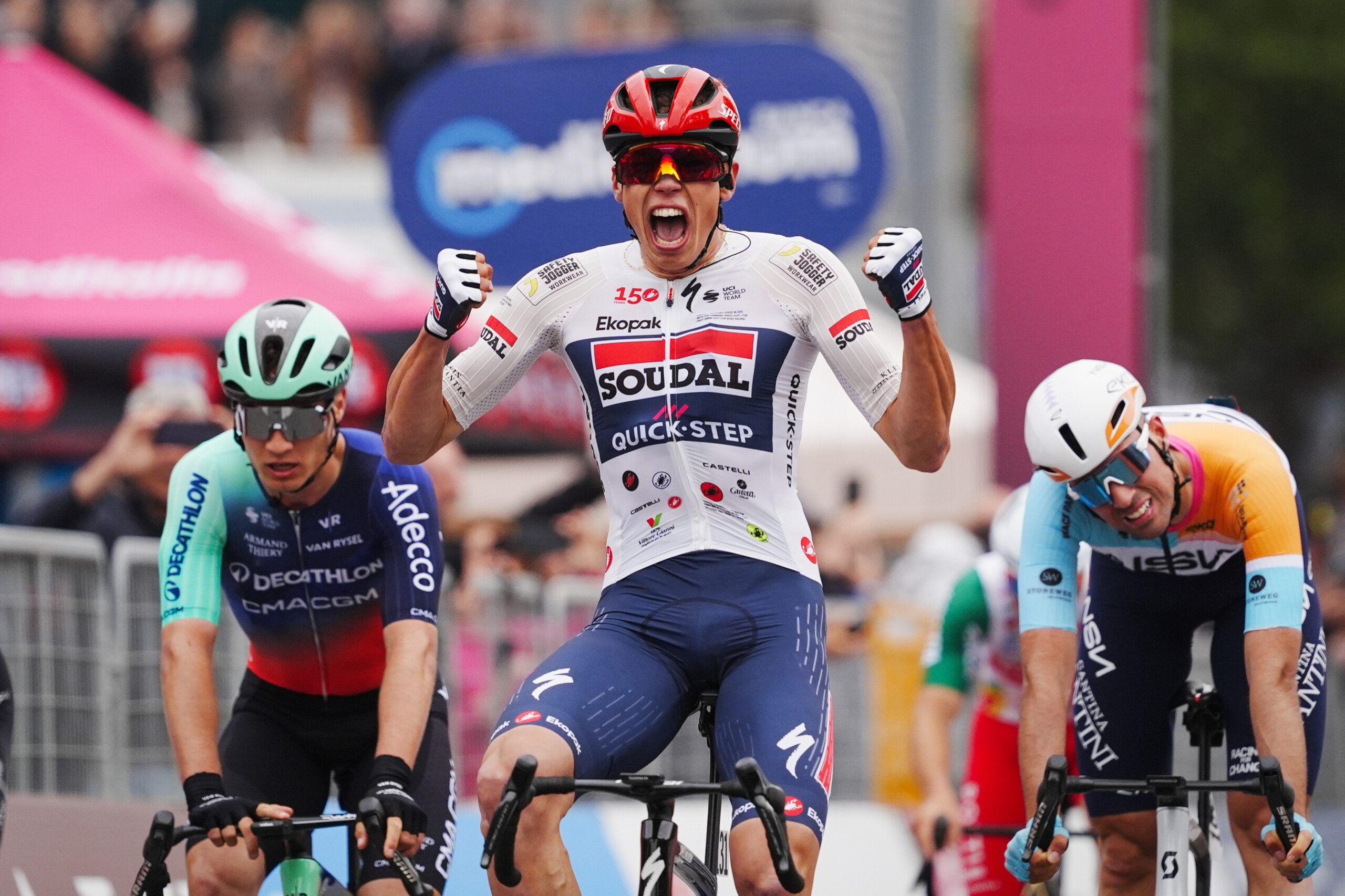
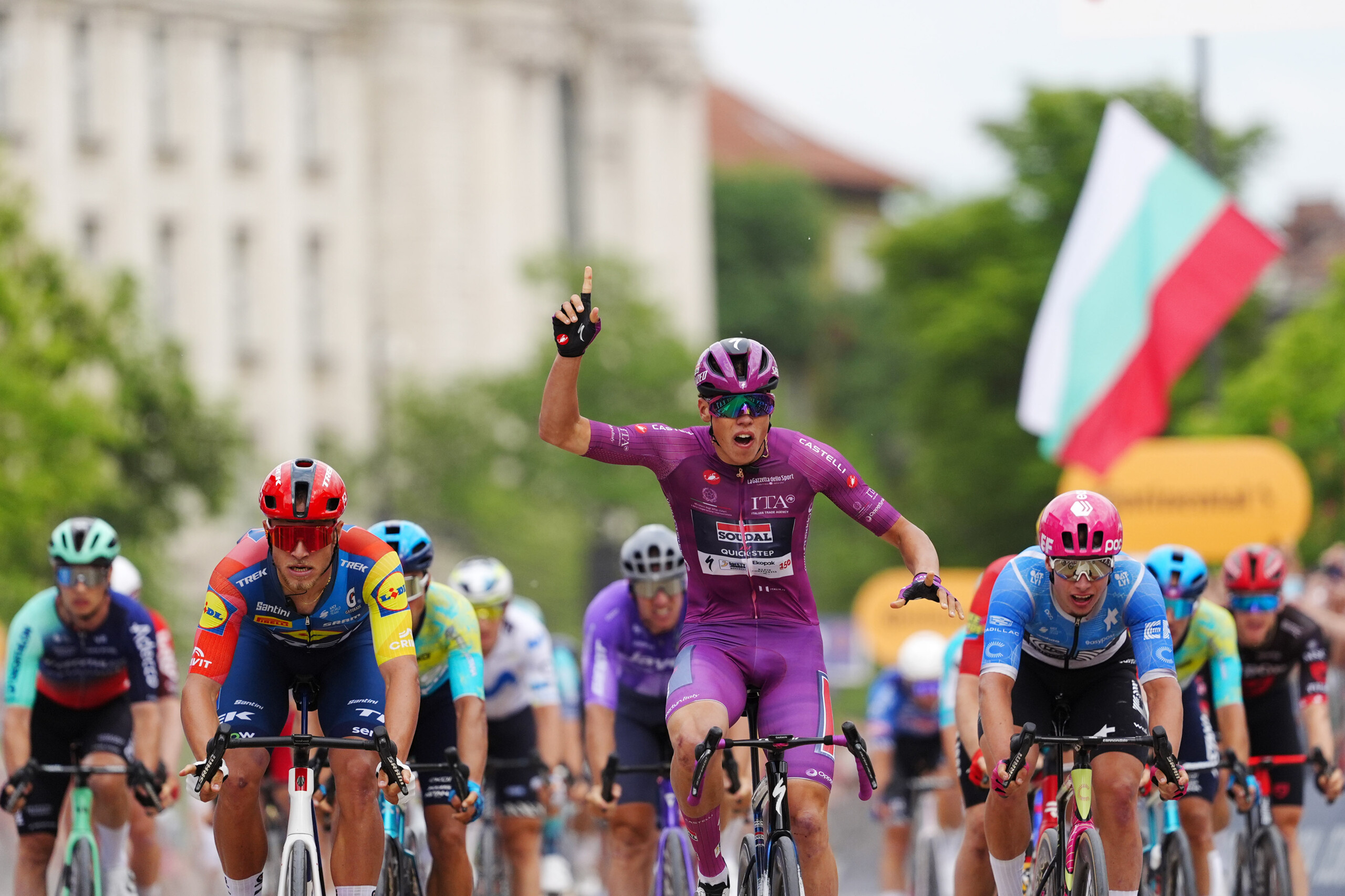
Soudal Quick-Step controlled the finale on the Black Sea coast, and when the roads narrowed before the sprint, the crash that swept through the bunch left Magnier clear. Jasper Stuyven delivered him to the final straight, and the young Frenchman came around a field that included Jonathan Milan to take the win — and with it the pink jersey, the ciclamino, and the white in a single afternoon’s work.
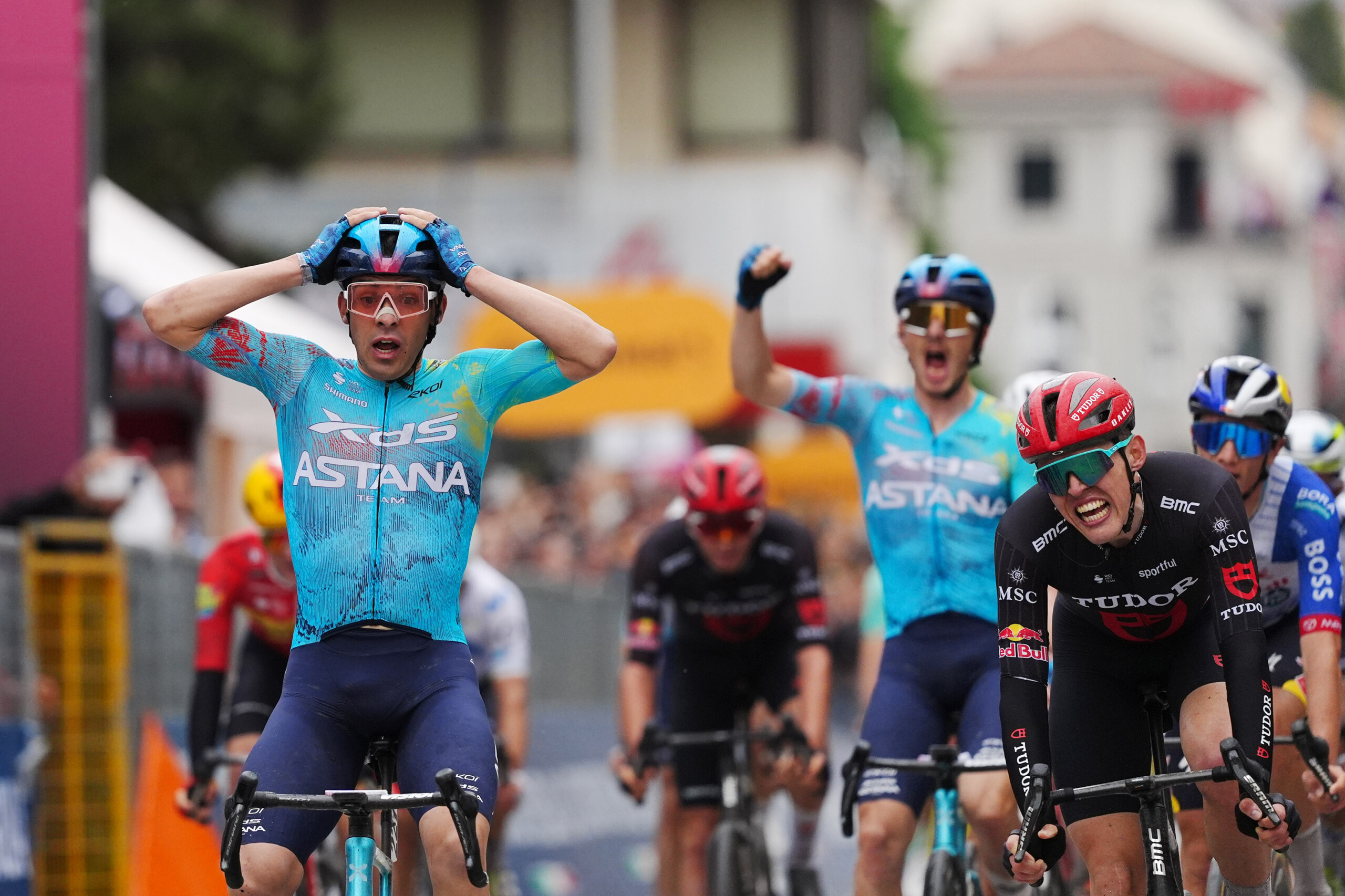
France’s Paul Magnier of Soudal Quick-Step winner on the finish line during Stage 1 of the Giro d’Italia, from Nessebar to Burgas, Bulgaria, Friday, May 8, 2026. (Photo by Massimo Paolone/LaPresse)
“It’s a big emotion. I was already happy to start the Giro with a nice shape and a special jersey from Castelli. Now I can change it for the Maglia Rosa. Six years ago during Covid I was watching Arnaud Démare winning with the Ciclamino jersey. He sent me a message to do the same. I’m glad I did. — Paul Magnier”
Stage Result
Pos
Rider
Time / Gap
1
Paul Magnier (Soudal Quick-Step)
3h21’08” — 43.851 km/h
2
Tobias Lund Andresen (Decathlon CMA CGM Team)
s.t.
3
Ethan Vernon (NSN Cycling Team)
s.t.
General Classification
Pos
Rider
Time / Gap
1
Paul Magnier (Soudal Quick-Step)
3:20:58
2
Tobias Lund Andresen (Decathlon CMA CGM Team)
s.t.
3
Manuele Tarozzi (Bardiani CSF 7 Saber)
+0’04”
Jersey Classifications
Jersey
Classification
Leader
Maglia Rosa
General Classification
Paul Magnier (Soudal Quick-Step)
Maglia Ciclamino
Points Classification
Paul Magnier (Soudal Quick-Step)
Maglia Azzurra
Mountains Classification
Diego Pablo Sevilla (Polti VisitMalta)
Maglia Bianca
Best Young Rider
Paul Magnier (Soudal Quick-Step)
Stage 2 — Burgas–Veliko Tarnovo, 221 km
The longest stage of the Bulgarian opening block looked like another sprint on paper. Guillermo Thomas Silva tore that paper up. XDS Astana’s Christian Scaroni stayed active all day at the front, setting the tempo over the hard final kilometres, and when it came time to sprint Silva read the finish perfectly — launching at precisely the right moment to beat Florian Stork (Tudor Pro Cycling) and Giulio Ciccone (Lidl-Trek). The pink jersey passed from Magnier to the Kazakh’s shoulders.
“I’m delighted. This is only the second stage of my first Giro d’Italia and I’m the winner. I’m speechless. I knew I came with good shape but I also knew it’s very hard to win a stage of a Grand Tour. Having won in the first few days will give us a lot of serenity. — Guillermo Thomas Silva”
Stage Result
Pos
Rider
Time / Gap
1
Guillermo Thomas Silva (XDS Astana Team)
5h39’25” — 39.067 km/h
2
Florian Stork (Tudor Pro Cycling Team)
s.t.
3
Giulio Ciccone (Lidl-Trek)
s.t.
General Classification
Pos
Rider
Time / Gap
1
Guillermo Thomas Silva (XDS Astana Team)
9:00:23
2
Florian Stork (Tudor Pro Cycling Team)
+0’04”
3
Egan Bernal (Netcompany Ineos)
+0’04”
Jersey Classifications
Jersey
Classification
Leader
Maglia Rosa
General Classification
Guillermo Thomas Silva (XDS Astana Team)
Maglia Ciclamino
Points Classification
Paul Magnier (Soudal Quick-Step)
Maglia Azzurra
Mountains Classification
Diego Pablo Sevilla (Polti VisitMalta)
Maglia Bianca
Best Young Rider
Guillermo Thomas Silva (XDS Astana Team)
Stage 3 — Plovdiv–Sofia, 175 km
Soudal Quick-Step controlled the stage from the gun, put Magnier in position with a kilometre to go, and watched him do the rest. He beat Jonathan Milan and Dylan Groenewegen (Unibet Rose Rockets) in a sprint that confirmed what Stage 1 had only suggested: Magnier belongs among the world’s best finishers. Silva stayed safe, held his four-second cushion over Stork and Bernal, and carried pink to Italy.
“I dreamt of winning two stages out of three in Bulgaria. It became a goal. The team did an amazing job — we had a plan to be in the best position with 1 km to go and that’s exactly what we did. Beating Jonathan Milan and Dylan Groenewegen means I can feel I’m among the world’s best sprinters. — Paul Magnier”
Stage Result
Pos
Rider
Time / Gap
1
Paul Magnier (Soudal Quick-Step)
4h09’42” — 42.050 km/h
2
Jonathan Milan (Lidl-Trek)
s.t.
3
Dylan Groenewegen (Unibet Rose Rockets)
s.t.
General Classification
Pos
Rider
Time / Gap
1
Guillermo Thomas Silva (XDS Astana Team)
13:10:05
2
Florian Stork (Tudor Pro Cycling Team)
+0’04”
3
Egan Bernal (Netcompany Ineos)
+0’04”
Jersey Classifications
Jersey
Classification
Leader
Maglia Rosa
General Classification
Guillermo Thomas Silva (XDS Astana Team)
Maglia Ciclamino
Points Classification
Paul Magnier (Soudal Quick-Step)
Maglia Azzurra
Mountains Classification
Diego Pablo Sevilla (Polti VisitMalta)
Maglia Bianca
Best Young Rider
Guillermo Thomas Silva (XDS Astana Team)
Diego Pablo Sevilla leads the mountains classification unchallenged and looks unlikely to be troubled by sprinters for it. The Giro proper — climbs, time trials, the whole Italian argument — begins now.
By Charles Pekow — Men die in cycling crashes at far higher rates than women—a pattern that holds across most of the United States. A five-year study by the Bicycle Accident Lawyers Group, an Arizona-based firm that represents injured cyclists, found the national male fatality rate is 74 percent higher. But in 13 states, the trend flips—sometimes dramatically.
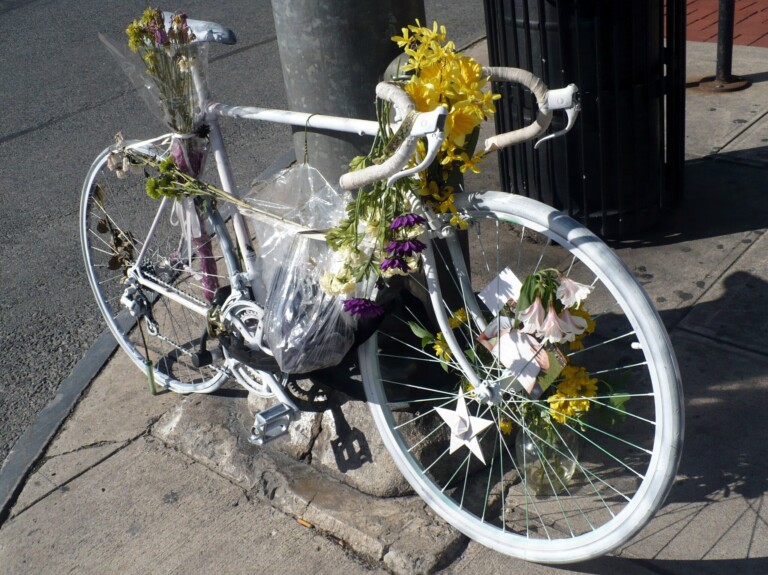
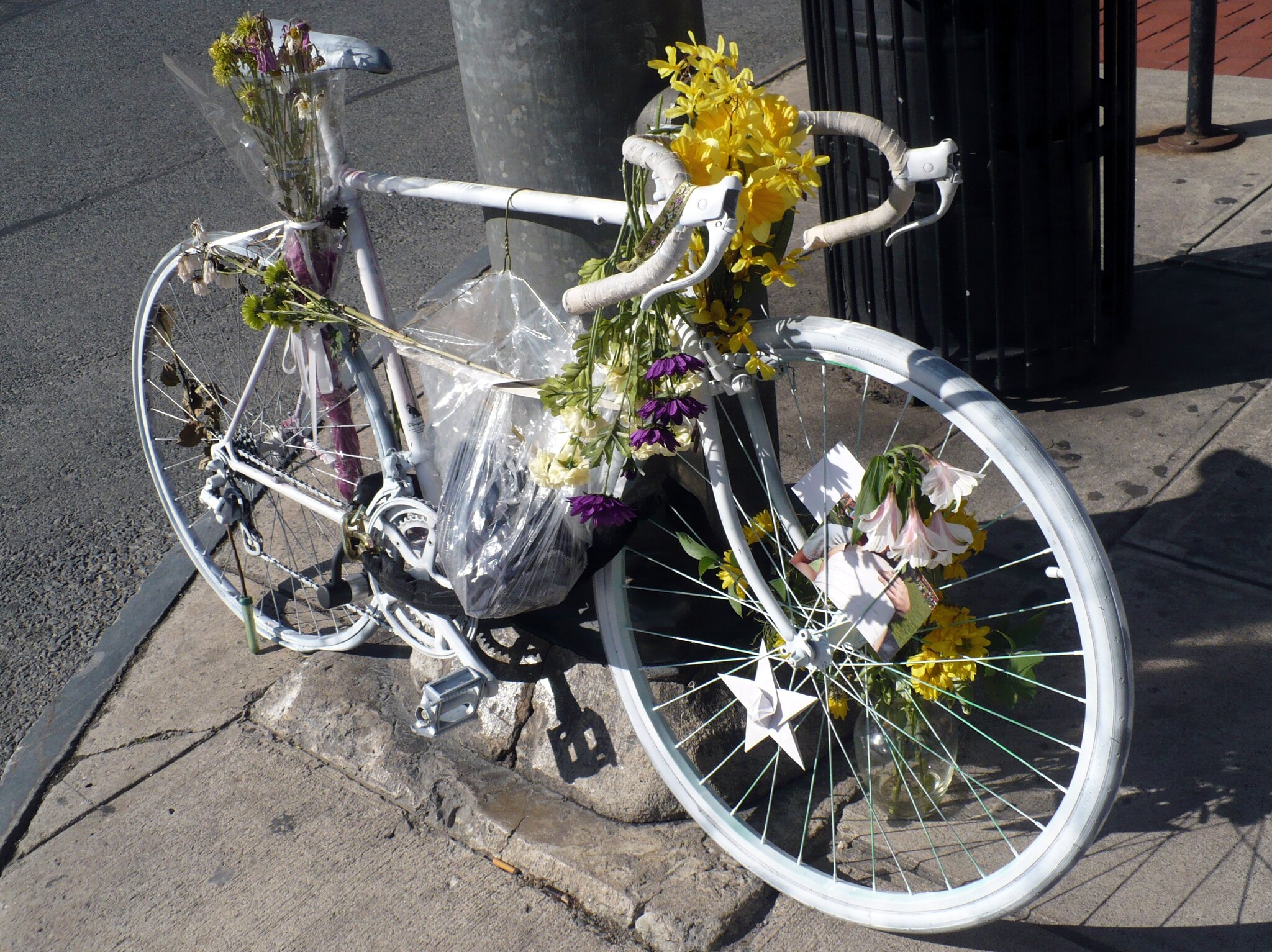
Even a slight reduction in cyclist deaths is welcome. One less death means one less ghost bike. Photo by Philip Chapman-Bell, CC BY-NC-SA 2.0 ATTRIBUTION-NONCOMMERCIAL-SHAREALIKE 2.0 GENERIC
In Idaho, women were 60 percent more likely to die in cycling crashes. Montana showed a gap of about 47 percent, and Utah 18 percent. The contrast with neighboring states is striking: in Colorado and Nevada, men were 170 percent and 160 percent more likely to be killed, respectively. In smaller states, however, limited data may make firm conclusions difficult.
States with higher female fatality rates span both rural and urban areas. Only Florida and California reported more female cycling deaths than Arizona, which ranked second nationally in per-capita deaths among women. Arizona also ranked third for male cyclist fatalities.
The firm urges planners to account for gender differences when designing safety programs and education efforts. The data come from the National Highway Traffic Safety Administration’s Fatality Analysis Reporting System.
Picture this: you roll out at 7 a.m. at 7,000 feet. Cool mountain air fills your lungs as you pedal onto a winding ribbon of singletrack. Your tires hum over smooth, velvety dirt. Alpenglow lights the ridgeline. You focus on the climb, the rhythm of your breathing, the quiet whir of your drivetrain.
Mountain biking in Park City is great throughout spring, summer, and fall. Photo by Ross Downard, courtesy Visit Park City
All around you stretches more than 400 miles of trail. You reach it by bike path or by hopping on a free bus from almost anywhere in town. You feel the simple joy of riding—fast, free, and fully present.
Mountain biking in Park City is great throughout spring, summer, and fall. Photo by Ross Downard, courtesy Visit Park City
Park City delivers more than trails. It builds community. Riders here don’t just visit; they belong. Cross-country grinders, marathon racers, downhill senders, enduro specialists—everyone finds terrain that fits. The network weaves through open space, links neighborhoods, and connects lift-served bike parks with backcountry epics.
Mountain biking in Park City is great throughout spring, summer, and fall. Photo by Ross Downard, courtesy Visit Park City
Every summer, the town hosts the Park City Point2Point, a 75-mile sufferfest that runs on 90 percent singletrack. Riders never repeat a trail. Legends like Tinker Juarez, Keegan Swenson, and Alex Grant have lined up to test themselves here. The race showcases what Park City does best: build, maintain, and celebrate world-class singletrack.
Mountain biking in Park City is great throughout spring, summer, and fall. Photo by Ross Downard, courtesy Visit Park City
As the first Gold-Level Ride Center designated by the International Mountain Bicycling Association, Park City backs up the hype. The town pairs exceptional riding with hotels, vacation rentals, restaurants, bike shops, and easy transportation. You come for the trails. You stay because everything works.
Take the Shuttle
Plenty of Park City’s best rides start high. The IMBA-certified Epic, the Mid Mountain Trail, holds steady around 8,000 feet and stretches 26 miles across Deer Valley Resort and Park City Mountain. The Wasatch Crest Trail, Charlie’s 9K, and Corvair climb closer to 9,000 feet before they reward you with flowing descents and wide-open views.
Mountain biking in Park City is great throughout spring, summer, and fall. Photo by Ross Downard, courtesy Visit Park City
You can pedal to these trails from town on singletrack. Or you can skip the grind and catch a free ride on the Park City transit system. Every bus carries bike racks. The 9/Purple route now runs to Empire Pass on Fridays, Saturdays, and Sundays, with service every 20 minutes from the Old Town Transit Center.
Mountain biking in Park City is great throughout spring, summer, and fall. Photo by Ross Downard, courtesy Visit Park City
From Empire Pass, you drop into high-alpine meadows and dense forest. You link up Flagstaff Loop, Corvair, and Charlie’s 9K for some of the most scenic riding in the Wasatch. You leave your car parked all weekend—and you won’t miss it.
Lift Access and Bike Parks—Plenty of Them
Park City builds progression into its bike parks. At Trailside Bike Park, you pedal up to session jumps, ladders, drops, pump tracks, and flow lines. Woodward Park City serves up machine-built flow and technical trails that challenge every skill level.
Mountain biking in Park City is great throughout spring, summer, and fall. Photo by Ross Downard, courtesy Visit Park City
At Park City Mountain, you spin up the Crescent Lift from Mountain Village or load your bike onto the Red Pine Gondola from Canyons Village. Deer Valley Resort runs a lift-served bike park built by Gravity Logic, with trails that range from friendly flow to technical, rock-armored downhill lines. Both resorts connect directly into the broader trail network, so you can mix park laps with backcountry mileage in one ride.
A Trailhead Near You
With hundreds of miles of trail comes a long list of trailheads. They dot town and the surrounding hills, reflecting a community that protects open space and prioritizes recreation.
Apps like Trailforks and resources such as Park City Trails (parkcitytrails.org) help you navigate, but a few hubs stand out:
Park City Mountain Village Parking Lot: Crescent Lift accesses Jenni’s, Armstrong, Seldom Seen, Silver Queen, and more.
Deer Valley Snow Park Lot: Silver Lake Express climbs to Silver Lake Village. Homestake Express drops you into Ripple, Regulator, and Undertow. You can also access Mid Mountain from here.
Canyons Village Cabriolet Lot: The Red Pine Gondola opens the door to Holly’s, Rosebud’s Heaven, and Collin’s.
Quinn’s Junction / Round Valley: More than 40 miles of trail, including adaptive-friendly and beginner routes like The Big Easy, PorcUclimb, and Downdog, built in partnership with the National Ability Center.
You don’t need a treasure map. You just need a bike.
Guided Mountain Biking
The network runs deep, and connections multiply quickly. A local guide helps you unlock the best loops for your ability and goals. You ride farther, climb smarter, and spend less time staring at your phone.
From tucked-away gems just off Main Street to the icons that have anchored town for decades, Park City serves up everything from old-school comfort food to inventive, health-forward fare. Whether you roll in dusty from a long ride or clean up for a more formal night out, you’ll find a table waiting.
What truly sets Park City apart? You can spin from singletrack to barstool in minutes—every one of these spots sits just a stone’s throw from a trailhead.
Rest Up for the Next Day
Park City offers everything from luxury hotels to condos, private homes, and familiar national chains. Most lodging sits within riding distance of trails or along the free transit line. You wake up, roll out, and repeat.
A Few Things to Know
The riding scene in Park City keeps expanding. Each summer seems to unveil a new stretch of singletrack, a freshly cut directional descent, or a smart connector that links established favorites into longer, more creative loops. The network continues to evolve, giving beginners, weekend warriors, and seasoned riders more ways to explore the hills above town.
Park City’s trails are multi-use, and mountain bikers share dirt with equestrians, hikers, and runners. A little awareness goes a long way toward keeping the experience positive for everyone.
Trail Etiquette
Respect the Right of Way. Most trails in Park City are multi-use, meaning equestrians, mountain bikers, hikers, and runners all share the same singletrack. Nearly every trailhead posts a “yield triangle” that spells out who has the right of way. If you’re unsure, here’s a quick primer:
Both hikers and mountain bikers always yield to horses.
Mountain bikers always yield to hikers.
Downhill hikers and riders always yield to uphill hikers and riders.
When in doubt, slow down, communicate clearly, and be prepared to stop. A friendly greeting and a little patience go a long way toward keeping the trail experience positive for everyone.
The only exception to these rules comes on designated directional mountain bike trails. In those cases, clear signage will indicate whether a trail is uphill-only or downhill-only for bikes. Always follow posted directions and ride accordingly.
E-Bikes
Park City Municipal Code restricts e-bikes on most singletrack. Riders 65 and older, and those with a mobility disability and a doctor’s note, may ride singletrack. Select areas, such as the Sparky Trails near Clark Ranch and the SkyRidge Trails near Jordanelle Reservoir, allow eMTBs. Wasatch County trails and most South Summit Trails Foundation trails also permit them. Check local regulations before you roll.
Protect the Trails
Stay on designated routes. Avoid riding when trails are muddy and leave no trace. Pack everything out. Respect wildlife—moose, deer, elk, and snakes live here too. Give them space.
Park City doesn’t just build trails. It builds riders. You show up for a weekend and leave planning your return.
Ride a lot. Explore widely. And when you crest that next climb at 8,000 feet, look around. You’ll understand why this small town loves mountain biking so much.
PORTLAND, Oregon (May 5, 2026) — A documentary centered on BorderLands Gravel has been selected for the Nogales International Film Festival, bringing the story of one of the Southwest’s most distinctive gravel cycling events to the big screen.
Titled Get Your Gravel On: Gravel Racing in the Borderlands, the film will screen May 16 at 12:30 p.m. at Oasis Cinema 9 in Nogales as part of the festival’s Arizona programming block during the May 13–17 event.
A still from the documentary Get Your Gravel On: Gravel Racing in the Borderlands. Image courtesy of Sean Benesh.
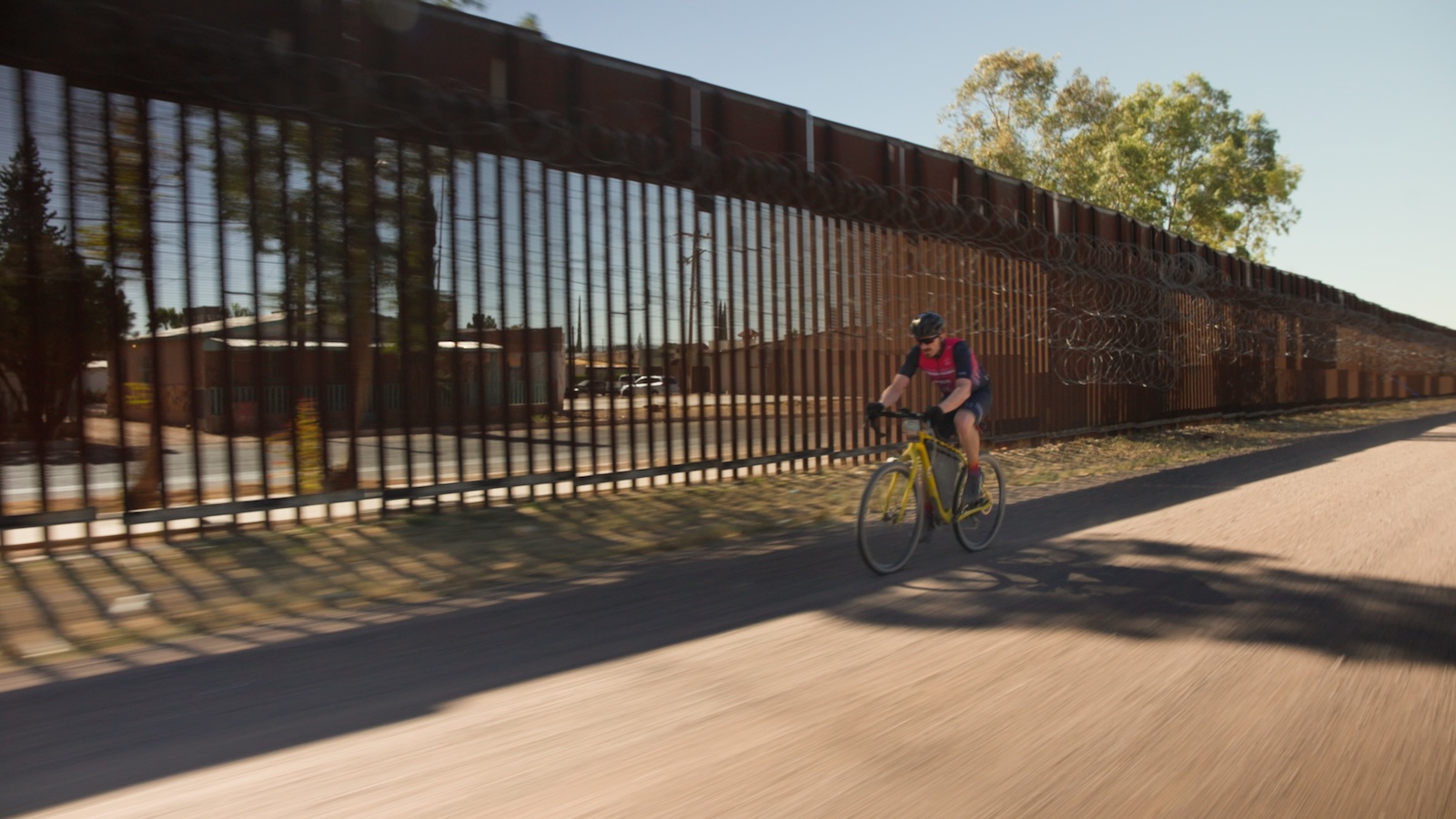
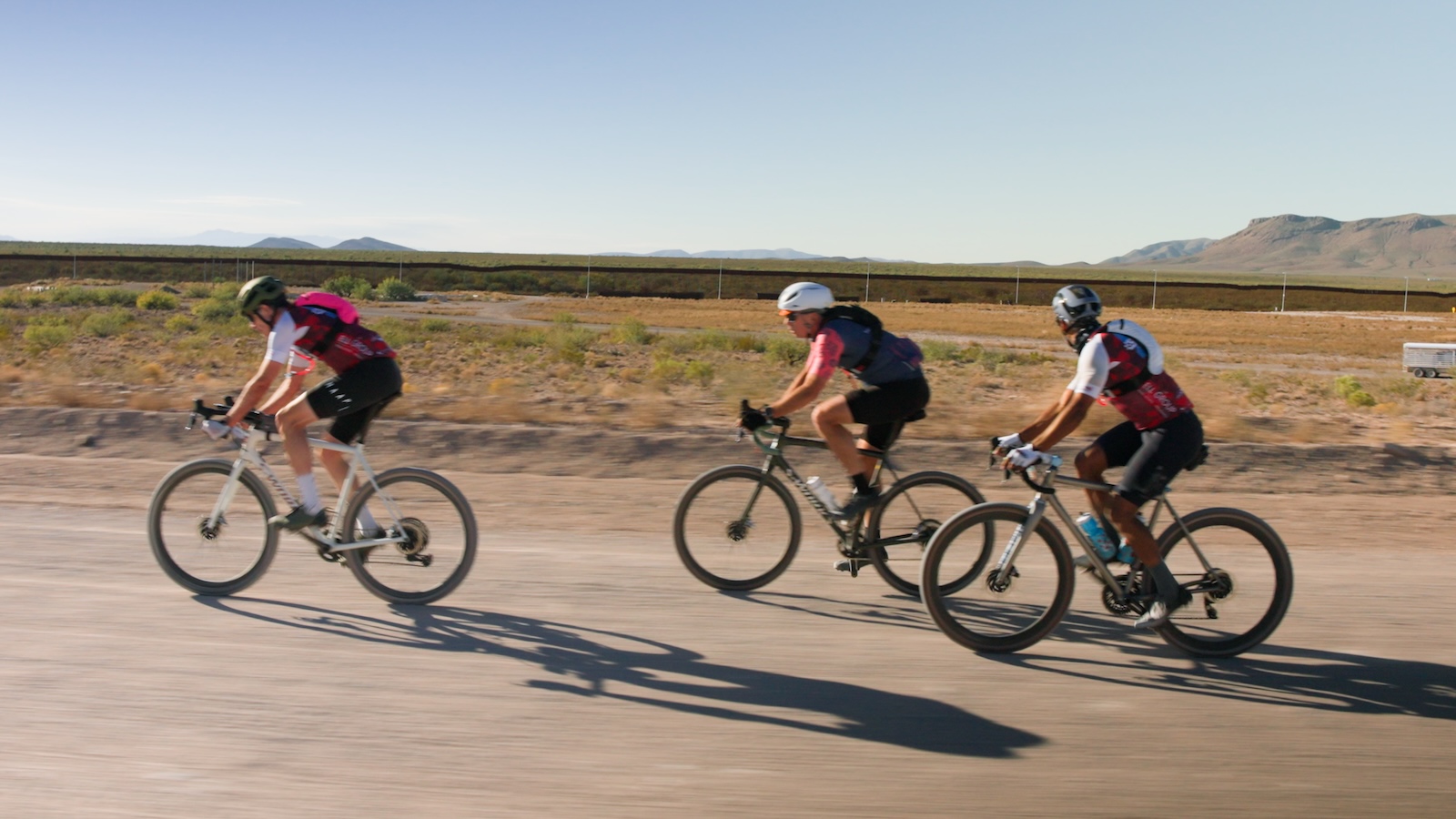
The documentary explores the deeper identity of BorderLands Gravel beyond race results, focusing on the rugged desert terrain, cultural landscape, and complex history of the U.S.–Mexico border region. Riders travel routes including the historic Geronimo Trail, pedal alongside the border wall, and move through landscapes shaped by centuries of migration, trade, and shared history.
“This film represents what BorderLands Gravel has always been about,” said race organizer Mike Miller. “It’s not just about the ride. It’s about the place, the people, and the experience of being out there.”
A still from the documentary Get Your Gravel On: Gravel Racing in the Borderlands. Image courtesy of Sean Benesh.
The film’s selection marks a significant step for the event, reflecting its growing visibility beyond the gravel racing world as cycling events increasingly embrace storytelling, regional identity, and cultural connection alongside competition.
Known for its binational approach to storytelling, the Nogales International Film Festival hosts events on both sides of the border and features its signature Film on the Fence program, which projects films directly onto the border wall as a symbol of shared narratives and cross-border connection.
A still from the documentary Get Your Gravel On: Gravel Racing in the Borderlands. Image courtesy of Sean Benesh.
That emphasis on place and perspective aligns naturally with BorderLands Gravel, which has built a reputation for immersing riders in the realities and beauty of the borderlands region while showcasing southeastern Arizona as a destination for cycling and outdoor tourism.
What began as an effort to create a world-class gravel event in Douglas has evolved into something broader — part race, part cultural experience, and part storytelling platform — illustrating the growing role narrative-driven events now play within modern cycling culture.
A still from the documentary Get Your Gravel On: Gravel Racing in the Borderlands. Image courtesy of Sean Benesh.
By Sarah Kaufmann — Every spring, when the weather breaks and roads and trails dry out, riders who spent the winter on their indoor trainers head outside for fresh air and sun on their skin. This is why most of us ride — the feeling of freedom and self-made propulsion that our bikes give us. After months spinning the trainer hamster wheel, we want open rides without structure or power targets. Rides turn social and exploratory, and route or group selection creates the balance between intensity and recovery. But when you forsake all structured training during the transition outside, you sacrifice months of progressive work building fitness. Riders who made real, measurable progress through the winter often plateau — or worse, lose fitness — within weeks or months of heading outdoors. Outdoor riding isn’t the problem. You lose the pieces that were driving improvement — the progressive, structured plan. Most riders keep working hard outside. But effort without intentionality differs from effort with a plan.
When transitioning from indoor to outdoor riding in spring, it’s important to maintain a progressive, structured plan. Photo by Andrew Robinson
Mistake #1: Dropping Structure Completely
This is the primary mistake I see riders make. You follow a progressive plan for months indoors — threshold intervals, VO2 intervals, well-timed recovery, endurance rides — and then you head outside and scrap the plan. Every ride becomes open-ended. You may carry rough intensity targets, but the progression and structure run more on vibes than on intention.
The freedom you get from riding outside delivers an important reset after months indoors, and that reset has real value. But random hard efforts don’t reliably produce fitness adaptations. Adaptations come from progressive, repeatable stress applied consistently over time, paired with well-timed rest. When that structure fades, the gains slow down or stop — even when you ride more and the rides feel harder.
You don’t need to replicate your entire indoor plan outside, and you don’t need to hit intensity targets with the same precision. But keep one or two key sessions per week that carry a specific purpose — a target intensity, an interval structure, or a defined goal. Keep a couple of dedicated recovery rides where you spin for 60 minutes or less at 50% of FTP. Let the rest of your rides run free. Those anchor sessions will keep your fitness trending upward.
Mistake #2: Replacing Specific Work with Group Ride Intensity
Group rides rank among the most fun parts of cycling — social, motivating, using the pack to go fast. But when group rides become your only source of intensity, they can grind you down. Most group rides deliver plenty of intensity to substitute for a hard session. The problem is that the intensity runs uncontrolled. You match surges, bridge gaps, and push hard when others do on a climb. You often dig deeper than you would alone, because other riders pull more out of you. That can serve you well — when you use it sparingly and at the right moment. But if you always come home wrecked from the group ride, that fatigue will start eroding your other quality sessions.
Structured intervals — whether they target VO2 max, threshold, or muscular endurance — are repeatable and measurable. You also often do more work in these sessions because you haven’t burned other big matches; you manage your output for maximum efficiency. Fun intensity and effective intensity don’t always mean the same thing, though both have their place.
You don’t have to skip every group ride. But fit them intentionally into your training schedule. If Thursday night is the group ride, make that your hard day — and plan everything else around it. Don’t let it replace every structured session you built your winter around.
Mistake #3: Losing Focus Without a Metrics Display
One of the underappreciated benefits of indoor training is how much ambient feedback the workout weaves into the experience. Cadence targets appear on the screen. Power reads smooth and consistent. Intervals start and stop on a timer. Outside workouts demand more planning and mental energy to execute. You navigate terrain changes, wind, and stops and starts. The temptation is to simply ride hard.
Executing outdoor workouts effectively requires a few simple habit changes. Plan the workout before you leave by choosing terrain that supports the effort — a steady climb for threshold work, a rolling section for tempo. Use the lap button to mark intervals on your bike computer. Adjust your expectations around smooth power output. Intentionality doesn’t require rigidity.
Mistake #4: Losing Recovery Structure
Most indoor training plans build in planned recovery — a lighter training week every three to four weeks. Those weeks often disappear outside. The sunshine feels too good to waste. A group ride lands on your planned easy day, and suddenly the easy week isn’t easy anymore.
This is where fatigue quietly accumulates. Motivation runs high and riders often don’t notice the drift. Sometimes you mistake fatigue for lost fitness and actually double down, training harder. Weeks of unbroken intensity and volume produce a performance decline — heavy legs, shifts in mood, appetite, and sleep. Efforts feel harder than they should. By the time you recognize the pattern, you’re already in a hole.
Recovery forms a critical pillar of every training plan. When you transition your indoor plan outside, protect the integrity of your recovery weeks.
Putting It All Together
None of this means you should dread the transition or mechanically transplant your indoor plan to the road. A structured winter plan exists to build a platform so you can ride your best outside. But riders who make the most consistent progress carry that structure into their outdoor riding — a couple of focused sessions each week, intentional pacing, and respect for recovery.
You don’t have to abandon structure. Let it evolve with the season.
By Steven Sheffield — The Giro d’Italia is the most Italian thing in sport — and that is saying something. Founded in 1909 by La Gazzetta dello Sport, a sports newspaper that was struggling to survive and gambled its future on staging a race around the entire country, the Corsa Rosa has grown across more than a century into one of the most celebrated and dramatic events in cycling. Inspired by the success of the Tour de France, which had launched six years earlier in 1903, the Giro quickly developed an identity entirely its own — one shaped by the landscapes of Italy, the passions of its tifosi, and a gift for producing racing that defies rational explanation. Today it stands as the second of cycling’s three Grand Tours in terms of age, and for many devotees of the sport, first in terms of drama and beauty.
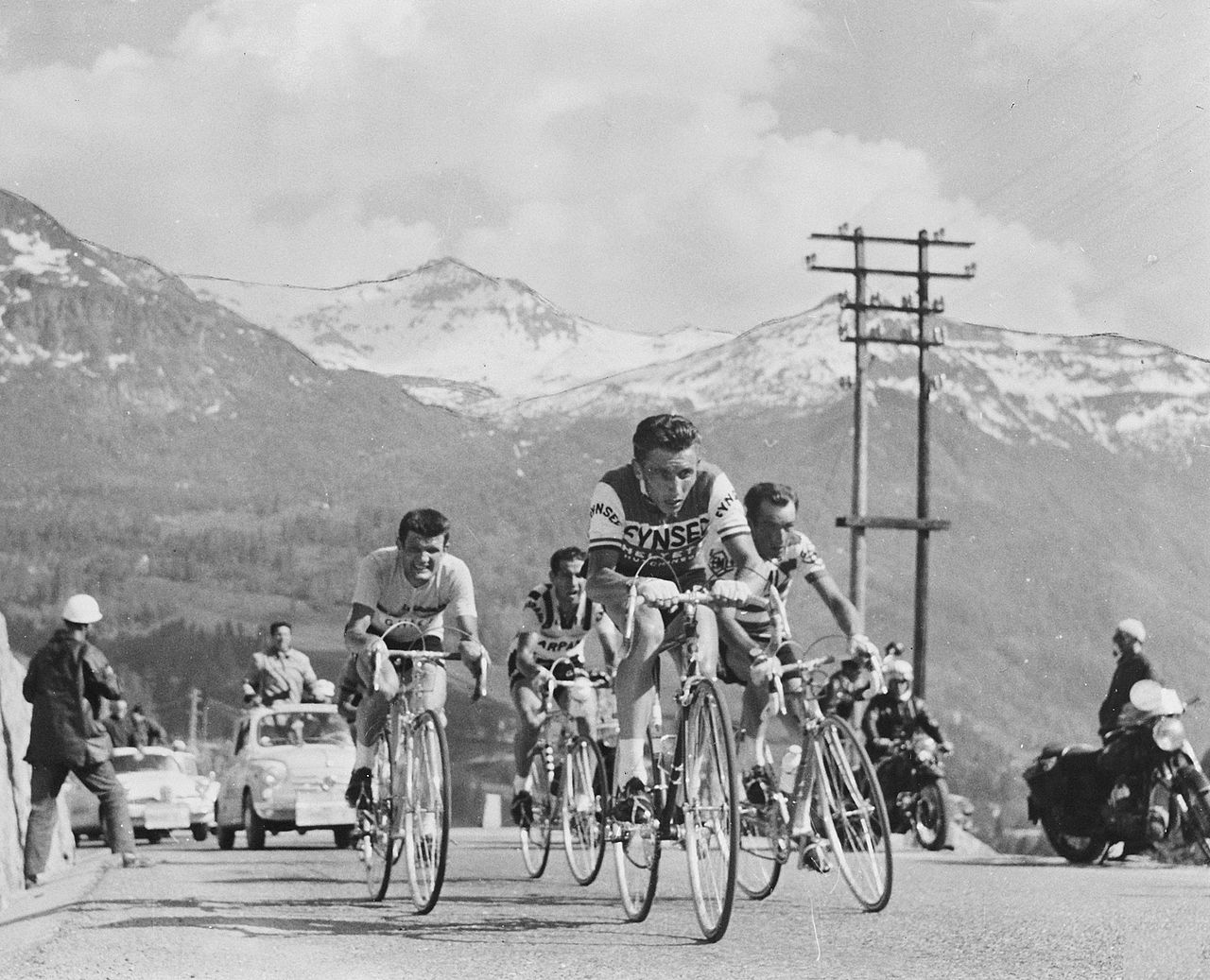
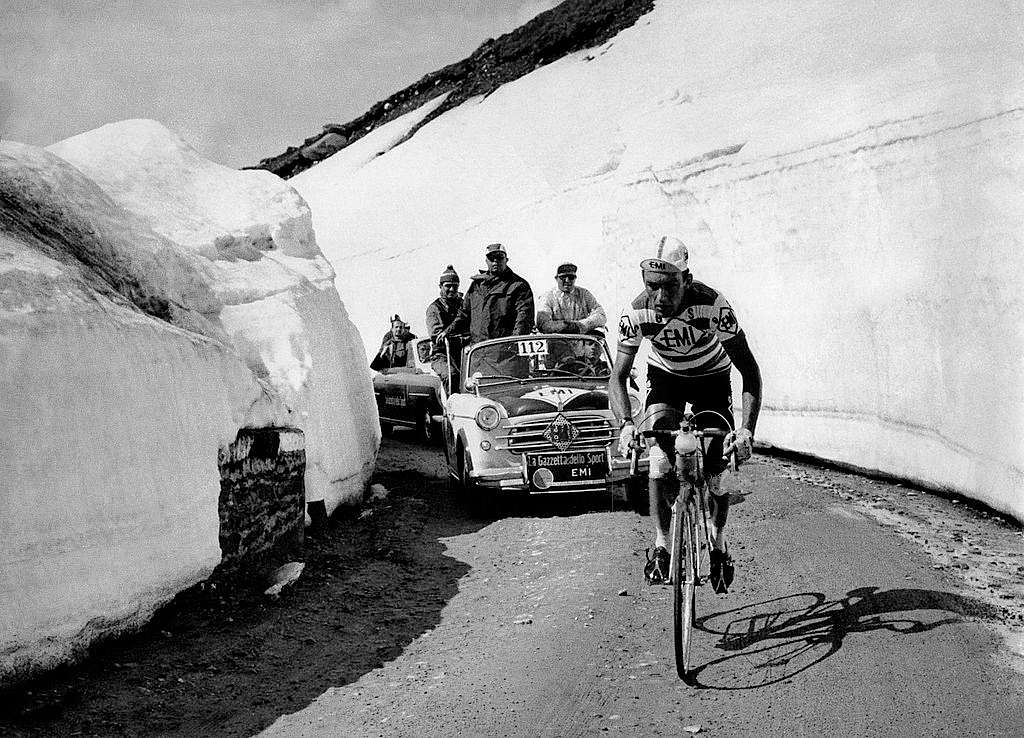
43rd Giro d’Italia (1960), Jacques Anquetil, Charly Gaul, Jos Hovenaers, and Gaston Nencini. Image in the public domain.
The race takes its character from Italy itself — chaotic, emotional, unpredictable, and capable of sudden and extreme shifts in fortune. Its mountain stages in the Dolomites and the Alps have provided the backdrop for some of cycling’s most legendary performances, and its long history is populated by figures whose names still carry the full weight of the sport’s mythology. The Giro has a particular genius for producing races that cannot be explained by form guides or pre-race logic — moments of courage, betrayal, and improbable triumph that linger in the memory long after the peloton has left Italy.
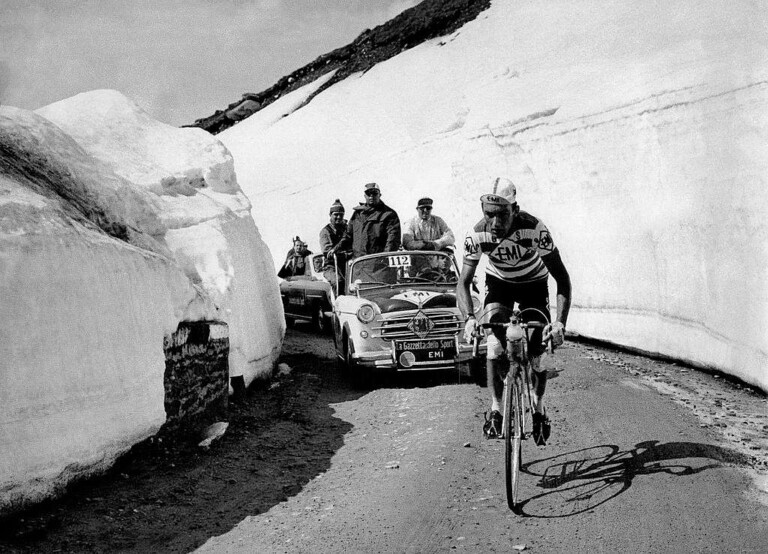
The professional cyclist Charly Gaul, native from Luxembourg, engages a climb in a hairpin turn during the Giro d’Italia, followed by the flagship vehicle; the sportsman recovered the Pink jersey and won the 42nd edition of the Giro with a breakaway on the Mount Piccolo San Bernardo. Italy, 1959. Image in the public domain.
The 109th edition of the Giro d’Italia begins on 8 May 2026 with a Grande Partenza in Bulgaria — the first time in the race’s history that it has started there — before transferring to Italy for three weeks of racing through the peninsula’s most spectacular terrain, finishing in Rome. The questions that follow draw on the full sweep of the Giro’s history, from its earliest editions to the 2026 race itself.
Q1. Three riders stand alone atop the all-time Giro d’Italia winners list, each having won the race five times — a total no one has since matched or surpassed. Who are the three riders tied for the most Giro d’Italia victories, and what do all three have in common beyond the number of wins?
Q2. Today the pink leader’s jersey is inseparable from the identity of the Giro. Yet the race’s first two decades were run without any distinctive jersey for the overall leader. Who was the first rider to wear the maglia rosa, and why was pink chosen as the jersey’s color?
Q3. Each edition of the Giro d’Italia designates a stage as the Tappa Bartali in honor of Gino Bartali. His legacy extends well beyond his racing palmarès, however. During World War II, he undertook a series of long solo rides through German-occupied Tuscany under the cover of training, the true nature of which was not widely known until after his death in 2000. What was Bartali actually doing on those wartime rides, and what recognition did he receive posthumously?
Q4. During the 1949 Tour de France, Fausto Coppi crashed early in the race, lost more than eighteen minutes on a single stage, and came within a conversation of abandoning. His teammate was Gino Bartali — the defending Tour champion and his great rival. What historic achievement did Coppi accomplish at the 1949 Tour, and what does the episode reveal about the relationship between the two men?
Q5. For more than forty years after the race began, every Giro winner was Italian. The race had been contested since 1909 before a foreign champion finally claimed the maglia rosa. Who was the first non-Italian rider to win the Giro d’Italia, and in what year did he do so?
Q6. The 1956 Giro d’Italia produced one of the most remarkable displays of physical courage in the history of the race. Fiorenzo Magni, the Tuscan champion known as “The Lion of Flanders” for his three Tour of Flanders victories, suffered a severe injury during the race yet refused to abandon. With a broken collarbone and unable to grip the handlebar with his damaged arm, Magni improvised a solution — he bit down on an inner tube looped around his bars and used it as a brace to hold his position on the bike. Despite this extraordinary effort, Magni did not win the 1956 Giro. Who did, and where did Magni finish?
Q7. Franco Balmamion won the Giro d’Italia in back-to-back years, 1962 and 1963, making him the last Italian rider to win consecutive editions of the race. He was not a flashy champion — no barnstorming mountain attacks, no dominant time trial performances. Contemporary journalists noted that he had a habit of winning the Giro without many people noticing. He started the race eleven times across his career. What is it about Balmamion’s Giro record that makes it genuinely unique in the race’s history — and which other rider shares a version of it, albeit with an asterisk attached?
Q8. Eddy Merckx’s record at the Giro d’Italia stands apart from every other rider in the race’s history. His five victories span an extraordinary period of dominance, but his achievement in combining the Giro with Tour de France victories in the same season is equally remarkable. How many times did Eddy Merckx win both the Giro d’Italia and the Tour de France in the same calendar year, and in which years did he accomplish this?
Q9. Felice Gimondi remains one of the most complete champions in Giro d’Italia history, a figure whose legacy is sometimes underappreciated because his career overlapped almost entirely with that of Eddy Merckx. How many times did Gimondi win the Giro d’Italia, in which years, and what single accomplishment in the broader palmarès of professional cycling placed him in the rarest company of all-time Grand Tour champions?
Q10. The 1987 Giro d’Italia remains one of the most controversial editions in the race’s history. A rider who had previously worn the maglia rosa found himself ordered to ride in support of a teammate who had overtaken him in the general classification. He chose not to. Which rider defied his Carrera team orders on a mountain stage of the 1987 Giro to attack the rider who had taken the pink jersey from him?
Q11. One of the most legendary days in Giro history occurred during the 1988 crossing of the Passo di Gavia, when riders faced a full alpine blizzard with temperatures well below freezing and snow so deep that the road itself disappeared. Which rider emerged from that stage with the race lead, what team did he ride for, and what was the historical significance of his eventual overall victory?
Q12. The 1989 Giro d’Italia concluded in Florence with an individual time trial of 53.8 kilometers. Laurent Fignon entered that final stage already wearing the maglia rosa, holding a lead of 1 minute and 31 seconds over second-placed Flavio Giupponi. He would defend it successfully and win the Giro overall. But the most revealing subplot of that Florence time trial involved a rider who placed second in the stage — more than a minute faster than Giupponi — while appearing to have little bearing on the race’s outcome. Who was this rider, and why does his performance in Florence matter enormously when you consider what happened eight weeks later?
Q13. Unlike most trophies in professional sport, the Giro’s prize takes the form of a striking spiral design — a shape that has no conventional base, no cup, no plaque. What is the trophy awarded to the winner of the Giro d’Italia called, and what does its name mean in English?
By Charles Pekow — Steel bicycle frames may weigh more and feel less refined than aluminum or titanium alloys, but new research suggests they resist deformation far better under load.
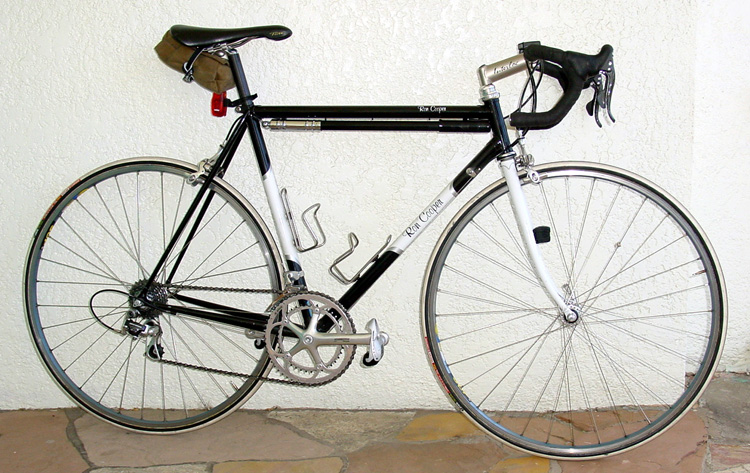
Steven Sheffield’s 1997 Ron Cooper road bike, equipped with Campagnolo Record 10 components. Photo by Steven Sheffield.
Researchers at Khulna University of Engineering and Technology analyzed frame performance and found that “steel tubes exhibit approximately 65% less deformation compared to aluminum tubes and 51% less deformation compared to titanium tubes.”
The study, Numerical Analysis of Bicycle Frame Using FEM, used finite element modeling to compare how different materials respond to stress. Across all three frame types, the seat stay, seat tube and top tube experienced the highest levels of deformation. By contrast, the lower-positioned chain stay performed better in each material configuration.
The findings suggest that while aluminum and titanium frames often win on weight savings, steel may offer greater structural stiffness and resistance to flex under comparable loads.
By Brian Berlin — Advocates for protected bike lanes may think the anti-woke mob is coming for them. In California, citizen uprisings have forced municipalities to undo existing bike lane projects.
A petition in Glendale, California forced a City Council vote on whether to terminate the North Brand Boulevard bike lanes project. In December 2024, the Council obliged and voted four-to-one to remove the lanes and restore the half-mile section to its previous configuration.
However, the hysteria about a culture war on bike lanes may be overblown.
Councilman Dan Brotman, who cast the dissenting vote, denies the project reversal has been the “death knell” of future mobility projects in Glendale.
“It certainly has taught us some lessons about how we how we roll things out”, he told me. “…but it hasn’t stopped any project we’re working on”.
Brotman cited the La Crescenta Avenue Rehabilitation Project, 1.7 miles of bike facilities including protected and buffered bike lanes. The project is under construction and expected to be completed by March 2026.
“While it (La Crescenta) did get us to do more work to explain the night and day differences with North Brand”, Brotman explained, “it has not been dialed back in any way.”
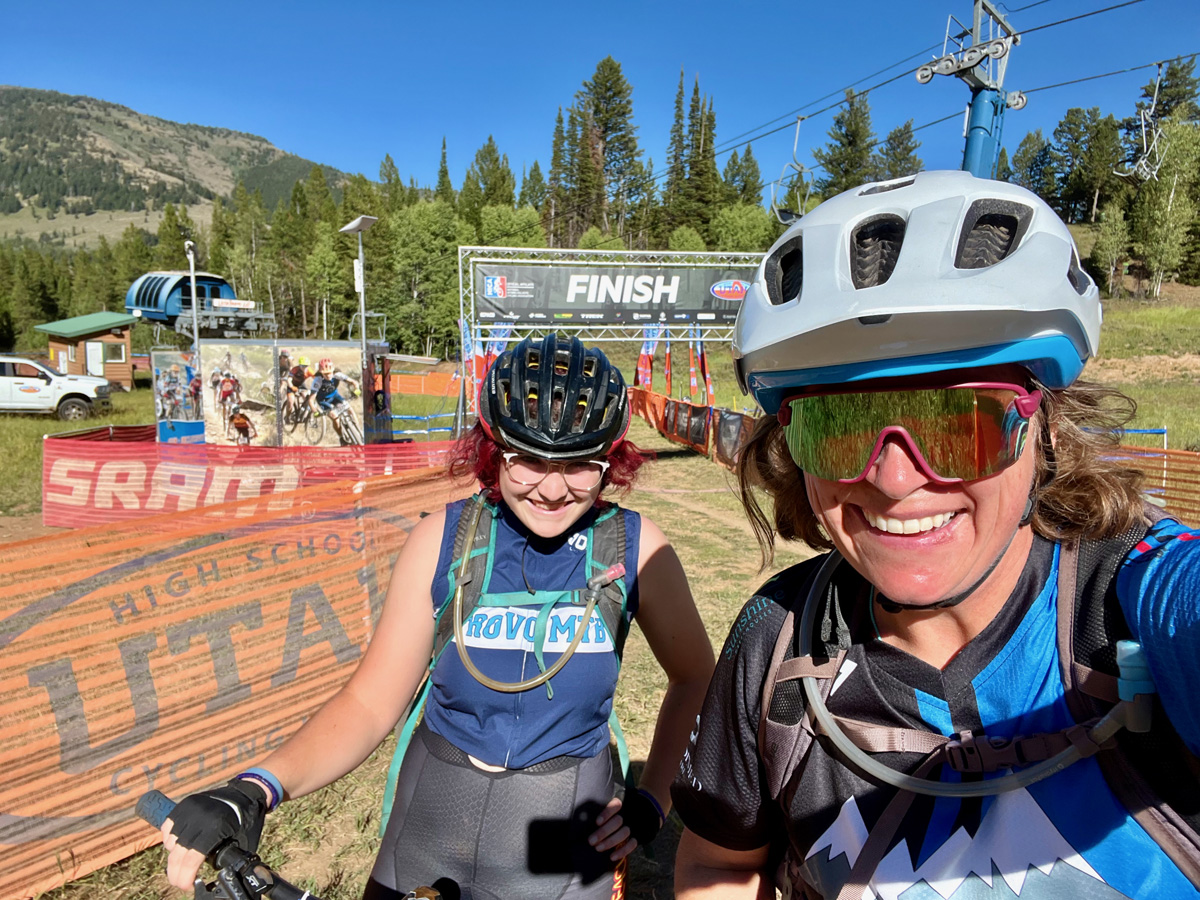
By Jamie Morningstar — As my eldest daughter entered high school, she expressed vague interest in a flyer for a mountain bike team she saw at school. Always one to capitalize on any interest my kids have that gets them outside, we dialed into the info meeting and learned about the big, giant world of NICA.
National Interscholastic Cycling Association (NICA) is an international organization to connect middle and high school students with a love of mountain biking. NICA isn’t a traditional sports team by most definitions. NICA doesn’t exist to build the world’s fastest mountain bikers. Instead, their mission is to “build strong minds, bodies, character, and communities through cycling.” Riding bikes is the how, not the what.
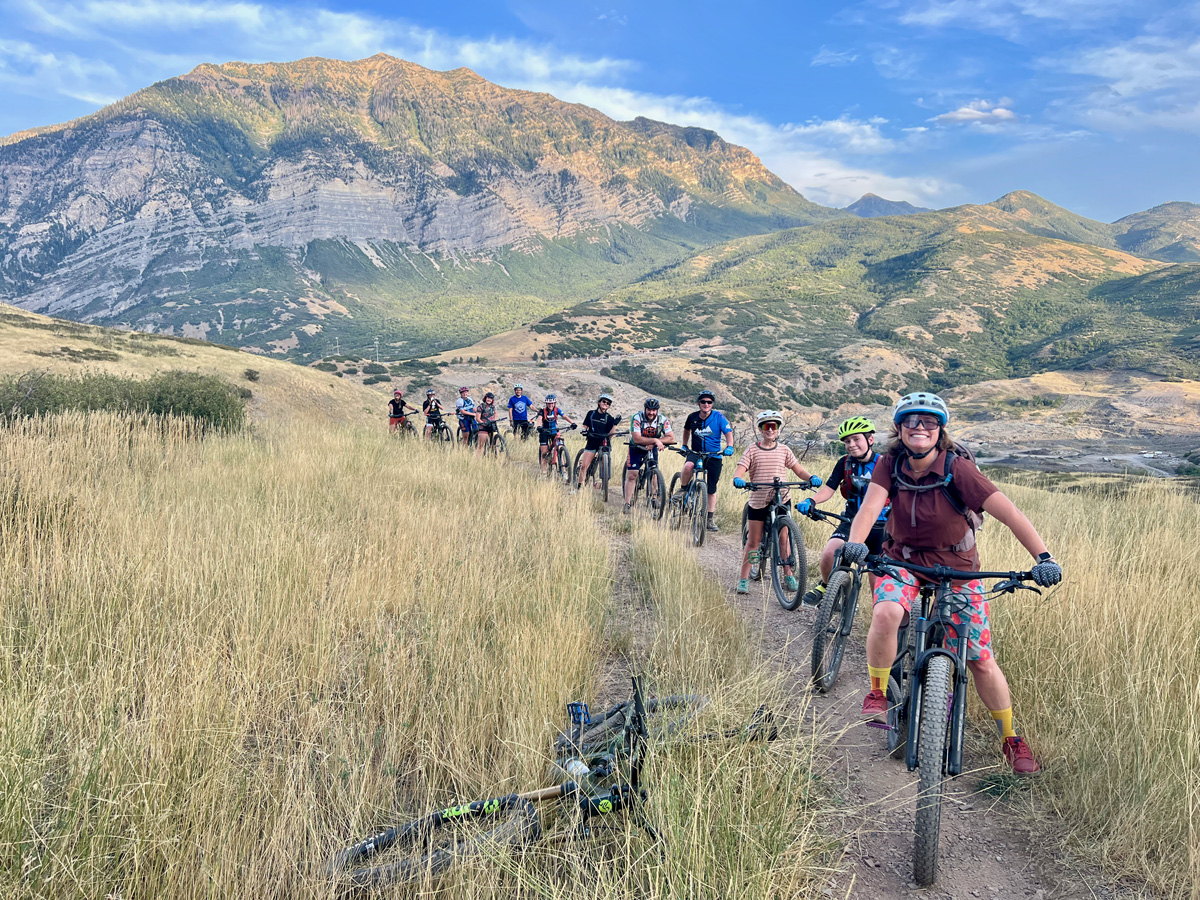
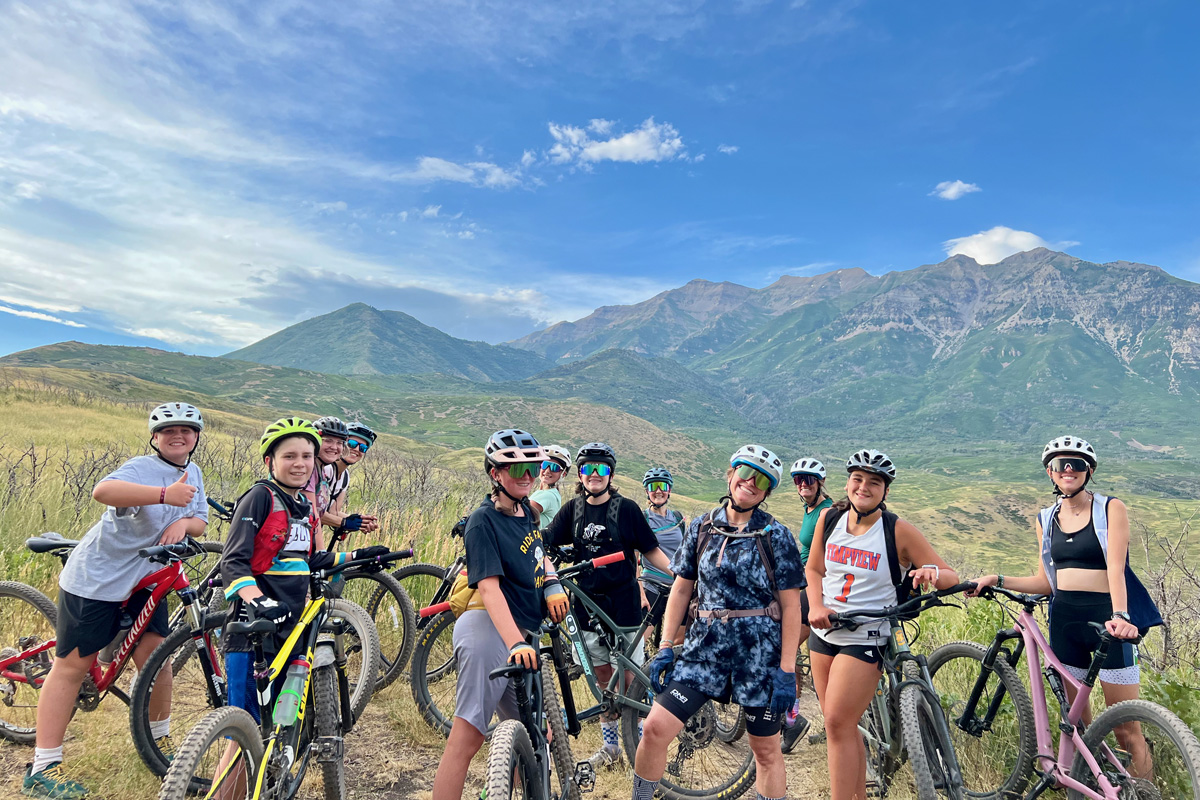
Jamie, her ride group, and fellow coaches take a break mid-practice and enjoy the view. Photo courtesy Jamie Morningstar
At the end of my first team info meeting, there was an invitation for parents to coach. The nature of mountain biking means that each team needs a ton of adults to help (each practice requires at least a 1:6 ratio of coaches to students). I turned to my daughter and said, “I’ll ride if you will.” And I immediately regretted the whole thing.
Although I was an avid road rider and commuter, in the previous decade, I had been mountain biking exactly once. It ended with me in a walking brace for many weeks. I decided then and there that mountain biking was not my sport.
However, enough time had apparently passed since the not-being-able-to-walk-because-of-mountain-biking experience that I was ready to try again, especially if it meant riding with my kid. I’ve now been coaching for five years, and here’s what I’ve learned:
Jamie and and her daughter Sasha pre-ride a racecourse at Beaver Mountain, Utah the day before a race. Photo by Jamie Morningstar
Can they actually use me?
Yes! Most teams need coaches at every level, and usually, teams will work with you and your schedule to identify the practices you can make.
But seriously, I don’t know if I can do it.
That’s awesome. Do it anyway. Here’s the deal – yes, NICA needs more hard-charging super-fit folks who can pace the fastest groups. But there are a lot more kids on the team who don’t need the fastest rider; they just need adults willing to invest in them and cheer them on. We’re all learning together. If mountain biking scares you a little (or a lot), that doesn’t mean you can’t coach, it just means you’re sane. Representation matters – bring your true self and show those kids that everybody can enjoy the outdoors.
Jamie, her ride group, and fellow coaches take a break mid-practice and enjoy the view. Photo courtesy Jamie Morningstar
Is it hard?
Well, that depends on your definition of hard. NICA makes the path to coaching very achievable. All that’s required is a background check, a bike, and a few online safety courses to begin coaching (higher levels of coaching are also available and require additional training). To be a “Level 1” coach and ride along with the team requires two or three hours of self-paced online training provided by NICA that you complete before the season begins.
If the question is, “Is coaching demanding?” then the answer is definitely yes. Mountain biking is an endurance sport. It will kick your butt in all the best ways. You’ll probably have moments when you would be sitting on the ground crying because you’re really not sure you can make it up that hill, and the only thing stopping you is that there’s a kid sitting on the ground crying, and you want to be an encouraging example. It’s a tough sport, no matter your level of skill or fitness.
Can I ride an e-bike?
NICA welcomes coaches on e-bikes, although you would need to check with your team and local trail rules just to be sure. E-bikes are a wonderful way to get more coaches out there feeling confident in leading the pack. I often ride my e-bike if I know I’m going to be leading my ride group or I’m feeling a little tired that day.
How much will you have to learn?
If you’re relatively new to mountain biking, the learning curve is steep. But remember, the kids are experiencing the same challenges you are! My first season coaching was also my first season on a mountain bike. I fell a lot. I wouldn’t wear skirts to work that first summer because my legs were so banged up. My brain and body were constantly getting challenged and stretched right alongside the students I rode with. I didn’t know the trails, I didn’t know how to ride properly, and I didn’t know the lingo. And it was great.
Do you have to be a parent to coach?
Nope! NICA welcomes any adult as a coach. You just need to want to get on a bike and help kids grow. Most coaches are parents of students on the team, but sometimes grandparents, older siblings, neighbors, etc., join to help. Everybody is welcome.
But what does a coach do?
All of the clichés apply here- it takes a village to raise a mountain bike team, and many hands make for light work. Some coaches agree to be ride leaders, which can require the coach to plan the practice’s route and the skills the students will focus on (it’s good to coach for a year to two or be very familiar with your local routes before offering to ride lead, and a higher coaching certification is required). Most coaches ride along with the group or “sweep” (ride at the end of the line). This requires basic coaching certification, and a knowledge of bike repairs is helpful for helping kids with mechanicals. Other than that, you’re just riding along and helping the students feel encouraged and on the right trail.
There are many other volunteer roles that can be filled by coaches or other volunteers, such as providing food, carpooling to practices and races, posting to social media, doing back-end bookkeeping, hauling trailers, and putting up pop up shelters. As a coach, you don’t have to run the show or be in charge, you just are one more set of hands making the team function.
What kind of commitment are we talking about here?
Every team is a little different, but most practice two or three times per week. Some practice in the early morning, especially in the summer heat, and some in the evenings. Teams are usually broken up by ability into ride groups, and each ride group needs several ride leaders and coaches. Most teams understand that coaches cannot commit to making every practice, and there’s sufficient coach overlap to fill in for each other for vacations and other missed practices. The commitment could be as little as two hours per week if you commit to one practice, or as much as six to eight hours per week during peak practice season plus races if you choose to volunteer for races.
The western states run on a fall season, while in the southeast mountain biking is generally a spring sport. The beginning of the season is usually pretty light, with just one practice per week as the students learn the base skills. The latter part of the season leading up to races tends to heat up, with more practices and more intensity to prep for the races. Typically, there are 4–5 races over the course of the two- to three-month-long season.
On my team, practices start ramping up in June, peak during race season in August and September and then pull back as kids complete their final races, ending with state championships in October for the students who qualify and then the end-of-season parties.
What would my race responsibilities be as a coach?
Races are mostly staffed by volunteers, and it’s totally up to you if and how you want to participate. Race volunteering is never required, although it’s always helpful. There are lots of volunteer roles on race day that can be staffed by anybody – helping students line up at the start, giving kids water bottles as they race, and helping with traffic and pedestrian control. There are also on-the-bike volunteer roles helping students with mechanical and medical (and sometimes emotional) needs on-course. These are reserved for higher-level coaches with basic mechanical and first aid skills. Some races can be several hours away from a team’s home base, so it’s always fun to camp out with the team (or get a hotel if that’s more your speed) and make an adventure of it.
Is it worth it?
As a result of coaching, my leadership skills have grown, my cycling skills have exploded, I’ve encouraged and invested in kids who are developing lifelong healthy habits and outlooks, and I’ve formed friendships with fellow coaches that last well beyond bike season. Coaching with NICA is a great investment. Plus, you’ll probably get a team hoodie out of the deal.
Ok, I’m interested – what are my next steps?
Awesome! You can find your local team in one of a few ways. You’ll probably have good luck just searching for “-name of my local high school- mountain bike team.” Or check out https://nationalmtb.org to learn more about NICA and find a league in your area. Reach out and give it a try!