Home Blog Page 71

Rep. Jonathan L. Jackson Introduces The Marshall “Major” Taylor Congressional Gold Medal Act

Major Taylor Was America’s First Black Sports Star

WASHINGTON, D.C. (December 7, 2023) — Today, U.S. Representatives Jonathan L. Jackson (D-IL-01) and Jim Baird (R-IN-04) led 32 of their colleagues in introducing the bipartisan Marshall “Major” Taylor Congressional Gold Medal Act. This legislation would posthumously award a Congressional Gold Medal to Marshall Walter “Major” Taylor — America’s first Black sports star, but someone many have never heard of — in recognition of his significance to the nation as a trailblazing athlete. 

Taylor managed to become the first African American world champion in any sport and earned the title of “world’s fastest man” despite the extraordinary challenges of the Jim Crow era. He endured attempts by white promoters in both the North and South to exclude him from races. White riders, too, subjected Taylor to curses, insults, and even physical harm during competitions. Despite these adversities, Taylor’s exceptional talent and tenacity turned him into a sensation, drawing tens of thousands at races across the United States, Europe, and Australia.
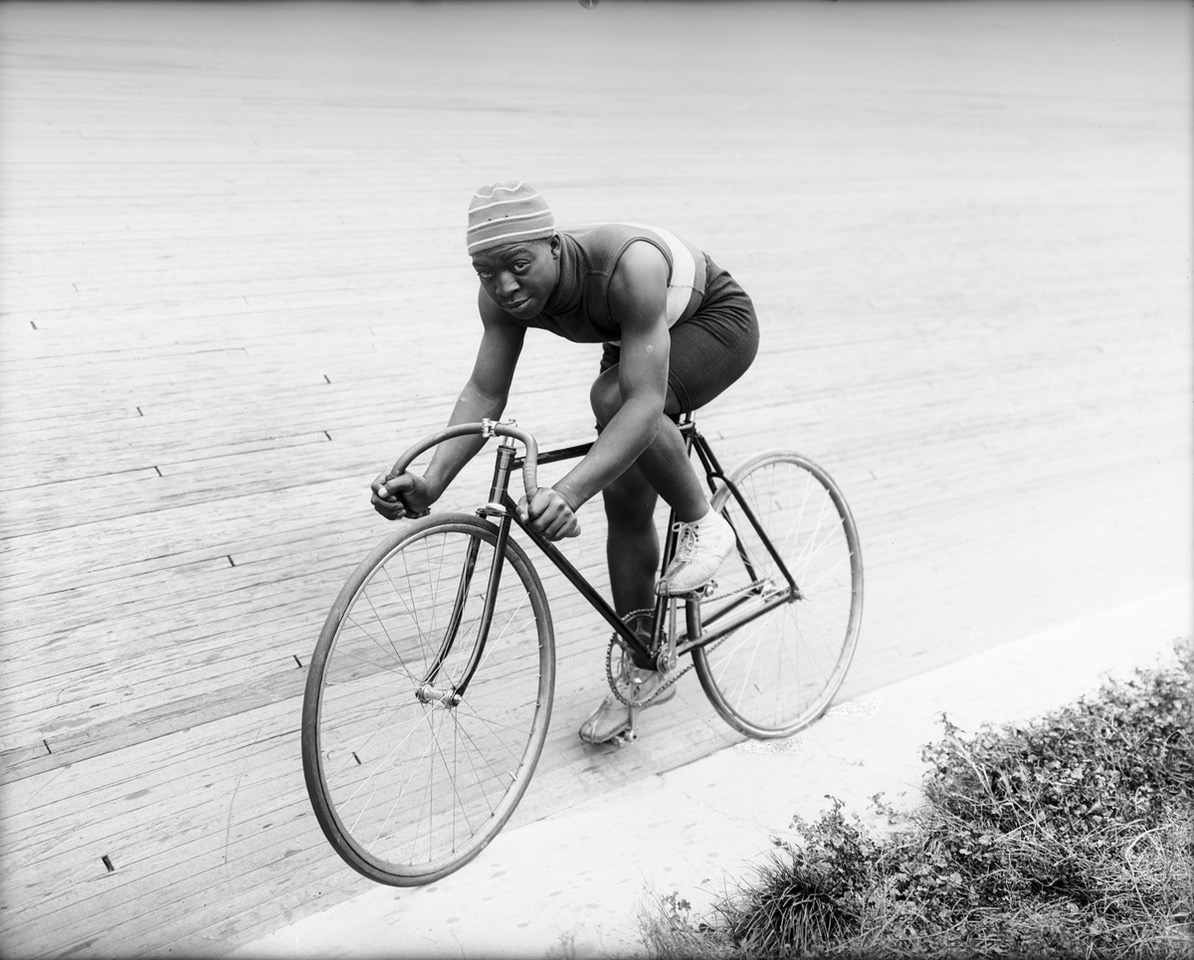
Major Taylor racing at the Salt Palace in Salt Lake City, Utah.

“It is without question that Marshall ‘Major’ Taylor was a man before his time, a stellar athlete, a leader in the field of cycling, and a trailblazer,” said Rep. Jackson. “I believe it is fitting that Congress award the ‘world’s fastest man’ one of our nation’s most prestigious honors.”

“Even when compared to today’s athletes, Marshall ‘Major’ Taylor is among the greatest cyclists of all time,” said Rep. Baird. “His accomplishments are especially impressive considering the challenges he faced on his climb to cycling greatness. Marshall Taylor is one of the greatest athletes in Indiana history, and I can think of no one better suited to receive the Congressional Gold Medal.”

“Marshall W. ‘Major’ Taylor challenged both the odds and the adversity of his time with dignity and determination, and he went on to ultimately triumph,” said Karen Brown Donovan, the great-granddaughter of Major Taylor. “The awarding of a posthumous Congressional Gold Medal would be a significant achievement towards honoring his life and legacy.”

Supporting Individuals and Groups

Co-lead: Jim Baird (R-IN-04)

Original Cosponsors (32 total): Danny Davis (D-IL-07), Robin Kelly (D-IL-02), André Carson (D-IN-07), Henry “Hank” Johnson (D-GA-04), Barbara Lee (D-CA-12), Eleanor Holmes-Norton (D-DC), Janice Schakowsky (D-IL-09), Mike Quigley (D-IL-05), Earl Blumenauer (D-WA-03), James McGovern (D-MA-02), David Scott (D-GA-13), Gwen Moore (D-WI-04), Sheila Jackson-Lee (D-TX-18), Mike Thompson (D-CA-04), Jasmine Crockett (D-TX-30), Raul Grijalva (D-AZ-07), Alma Adams (D-NC-12), Al Green (D-TX-09), Rashida Tlaib (D-MI-12), Raja Krishnamoorthi (D-IL-08), Sheila Cherfilus-McCormick (D-FL-20), Chuy Garcia (D-IL-04), David Trone (D-MD-06), Ann Kuster (D-NH-02), John Duarte (R-CA-13), Frederica Wilson (D-FL-24), Tony Gonzales (R-TX-23), Debbie Dingell (D-MI-06), Ted Lieu (D-CA-36), Maxwell Frost (D-FL-10), Joe Wilson (R-SC-02).

Supporting Organizations: Bronzeville Trail Task Force, Inc., Major Taylor Association, Washington Area Bicyclist Association, League of American Bicyclists, ADD Impact Network & Bike to the Beach, and Black Girls Do Bike, Inc. 

“For Taylor to be awarded the Congressional Gold Medal by the U. S. Congress, would finally recognize and acknowledge the astounding achievement by an African American professional cyclist during the Jim Crow Era of the early 20th century,” said John Adams, Founder and Executive Director, the Bronzeville Trail Task Force, Inc., a Chicago non-profit that launched its Major Taylor Initiative in January 2023 to advocate for Taylor to receive civic recognition that was long overdue. “Taylor became world champion and was known as the world’s fastest man. We are honored to lead this effort and thankful that so many have joined us in seeking this recognition and elevating him to his rightful place in the U.S. sports and civil rights history.”

“As a barrier-breaking athlete, an advocate for racial equality and fairness, an exemplar of good sportsmanship, and a paragon of human dignity, Major Taylor earned global fame in his lifetime but didn’t always get the national recognition he deserved,” said Lynne Tolman, President, Major Taylor Association, Inc. “A posthumous Congressional Gold Medal will cement his place in U.S. history.”

“The League is thrilled to support this effort by Rep. Jackson to recognize one of the greatest cyclists in history, Marshall ‘Major’ Taylor, for his accomplishments, his impact, and his legacy with a Congressional Gold Medal,” said Bill Nesper, Executive Director of the League of American Bicyclists. “Major Taylor was ‘the fastest man in America’, a global superstar who set world records and brought home world championships. As a Black athlete at the turn of the 20th century, he faced racism throughout his life and career from spectators, competitors, race organizers, and the bicycling community, including the League. The League agrees with Rep. Jackson that Major Taylor deserved better back then, and he deserves this recognition now. We’re proud to be part of ensuring the nation celebrates Major Taylor for the path he blazed for future generations.” 

“We talk a lot about diversity today,” said Elizabeth Kiker, Executive Director of the Washington Area Bicyclist Association. “Marshall ‘Major’ Taylor brought diversity to the cycling world by himself many, many years before it was safe or expected to do so. It is long past time for him to receive this honor — and we are grateful to Rep. Jackson for bringing it forward.

“Major Taylor is one of the greatest athletes to have ever lived, but his greatness as a pioneering athlete has never been fully recognized,” said Hector J. Garcia, Jr., Executive Director of the ADD Impact Network & Bike to the Beach. “At a time of deep divisions and partisanship, I applaud this bipartisan group of Members of Congress for working to rectify this oversight and look forward to the day when the Marshall “Major” Taylor Congressional Gold Medal Act passes into law.”

“I wholeheartedly endorse the ‘Marshall ‘Major’ Taylor Congressional Gold Medal Act,” said Monica Garrison, Founder and Executive Director Black Girls Do Bike, Inc. “‘Major’ Taylor was not just a remarkable athlete but a true trailblazer and advocate who shattered racial barriers in the world of cycling. This bill rightly recognizes his historic significance and contributions to our nation. I commend Rep. Jackson for his efforts in championing this cause and urge all to support the bill, ensuring that Major Taylor’s legacy continues to inspire generations to come.”

About Major Taylor

Taylor, the son of a veteran who fought in the Civil War, was born in 1878. Despite racial tension, Taylor was educated and viewed as an adopted son by an affluent white family from Indianapolis, Indiana, who also employed his father, Gilbert Taylor. Due to his relationship with the family, Taylor received gifts, including his first bicycle. Upon receiving the bicycle, Taylor displayed natural talent. 

Taylor received the nickname “Major” as a child while performing bicycle tricks outside of his workplace at Hay & Willits Manufacturing, Indiana Bicycle Co., in Indianapolis. His employer was so impressed with his abilities that the company enrolled him in his first race, which he won at the age of eleven. Taylor moved to Worcester, Massachusetts, with his employer, mentor, and racing manager, Louis D. “Birdie” Munger, in 1895, because Munger was forced out of his Indianapolis-based firm due to his mentorship of Taylor.

In 1896, at the age of eighteen, Taylor received a professional racing license from the League of American Wheelmen, despite the league’s 1894 “white only” rule for amateur membership. This membership led to his eventual professional debut.  

Later that year, Taylor gained notoriety in his first professional contest by competing in the “Six Day Race” at Madison Square Garden in New York City. This race was considered a test of endurance, where cyclists would test both their mental and physical ability in front of a packed house at the Garden. At the conclusion of day six, Taylor finished eighth out of twenty-six and cycled roughly 1,732 miles.

In 1899, Taylor would win the world one-mile sprint championship in Montréal, becoming the first Black American and the second Black athlete to win a world title. Taylor would go on to set seven cycling records and become the first Black world champion, which led to his being considered the first international superstar. Taylor would even revolutionize the sport by creating an innovative adjustable handlebar stem, which to date is called the “Major Taylor Stem.”

While experiencing racial prejudice throughout his career, Taylor became one of the first Black athletes to secure corporate sponsorships. He represented bicycle brands such as Iver Johnson, Sager, Stearns, and Orient, eventually becoming one of the wealthiest Black men in America. Due to his devout commitment to his faith, Taylor refused to race on Sundays, which led to him turning down a significant number of lucrative offers to race in Europe. However, once he achieved international superstardom, Taylor was able to negotiate “no Sundays” provisions in his European racing contracts. 

Taylor retired from racing in 1910 and started many business ventures. In 1928, he published his autobiography “The Fastest Bicycle Rider in the World” with the intent of impacting justice, equal rights, and the ‘square deal’ for African Americans in sports. 
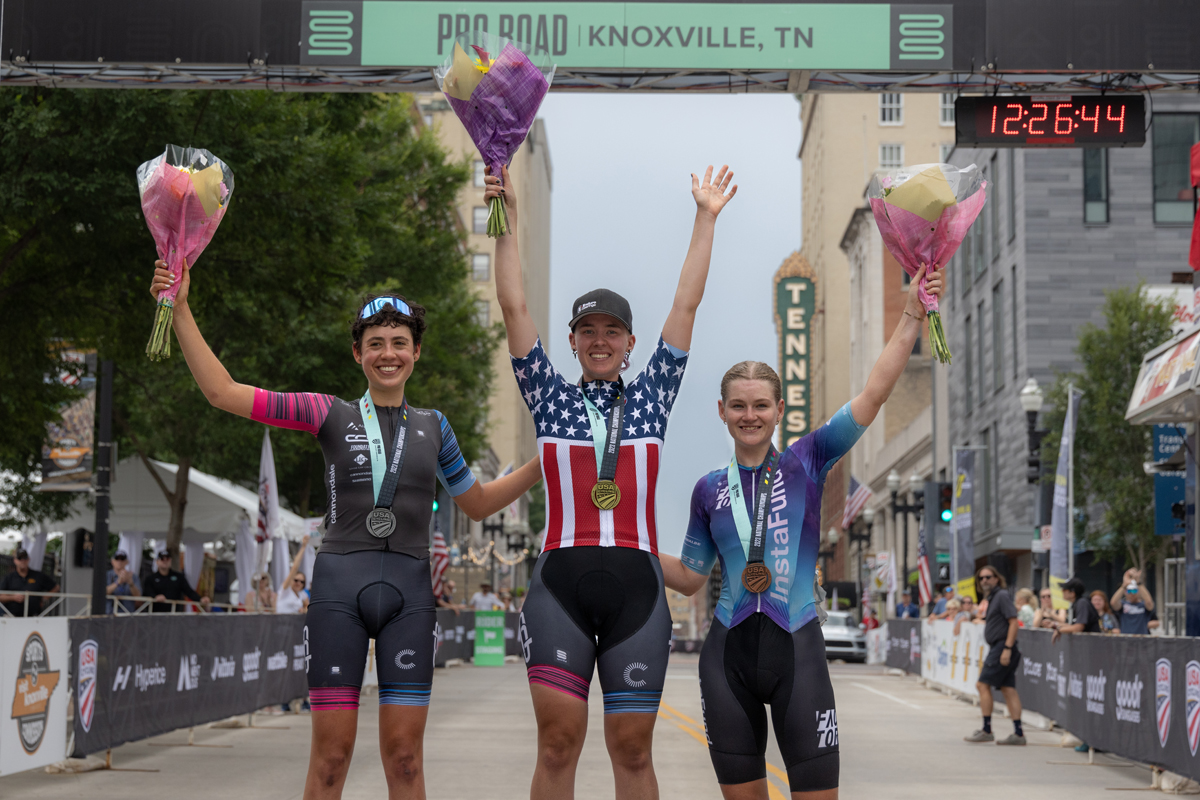
Utah’s Natalie Quinn joins EF Education-Cannondale Pro Cycling

U23 national champion to combine racing with finishing her degree

Natalie Quinn (Harrisville, Utah.; CCB p/b LLG) won the 2023 U-23 National Championship on Knoxville, TN on June 25, 2023. She joins EF Education-Cannondale for 2024. Photo by SnowyMountain Photography SnowyMountain Photography; on Instagram @snowymountainphotography

Natalie Quinn is still taking it all in.

It’s been a big year for the 21-year-old. This summer she became the American U23 national road race champion and now she is set to join EF Education-Cannondale.

“When I first heard from Esra, it almost seemed too good to be true,” Natalie says. “Then I talked with Tim, my director from my current team, CCB, and then my personal coach and it began to sink in that this was real and I started getting really excited. This roster has some pretty amazing people that I’ve watched race and it’s super exciting that I will be working with them this year.”

Winning the U23 national road race was a big moment in Natalie’s career. Going into the combined elite and U23 race, she surprised herself in more ways than one.

“My plan was to hang onto the front group as long as I could and I was happily surprised to find that was a totally achievable goal,” she says. “By the time I fell off the front group, I was the last U23 rider to hang on. When I crossed the finish line, I wasn’t super happy with my result because I hadn’t realized I had won. I was kind of beating myself up because I didn’t make it to the line with the front group but then my team director told me I won and it was kind of like, ‘Oh…I won the race!’”

Natalie has been an athlete for most of her life, starting with downhill ski racing at age eight after her parents taught Natalie and her sister to ski. By the time she turned 16, she was on the cusp of turning pro but ultimately decided she didn’t love the sport enough to dedicate her life to it.

Looking for a new sport, Natalie tried out for her high school softball team but didn’t make the cut. When she found out her school had a mountain biking team she could join, Natalie decided to give it a try. That led to her becoming a scholarship athlete in Colorado on Fort Lewis College’s varsity cycling program.

“It’s one of the few varsity programs in the country. We race all the disciplines and so I raced cyclocross, mountain biking, road, and a little bit of track with them – basically, whatever national championships they’d take me to. There are not many women on my team and so I was asked to be part of the road team my freshman year and I found I really enjoyed the racing,” Natalie says.

The 2023 season was Natalie’s first where she focused on the road. She joined the domestic team CCB which led to her first opportunity to race in Europe, an experience she relished. In turn, those results in Belgium landed her a spot with USA Cycling racing the Tour de l’Avenir Femmes and Tour Feminin Ardèche.

Still new to road cycling, Natalie is savoring the process of discovering her strengths.

“I’m figuring it out a little bit. I love cobbles and punchy climbs. I consider myself a really solid descender and technical handler. But what I’ve found out about myself is that I’m pretty aggressive and I’m not afraid to take risks. I’m not afraid to chase down attacks or to go on the attack myself. I’m not afraid to get into a breakaway and then go as far as I can with it,” Natalie says.

Team general manager Esra Tromp explains how Natalie is the perfect fit with what the team was looking for.

“In the team, we had a spot for a rider who was young, new to the sport, and would benefit from gaining experience racing in Europe,” Esra says. “It’s important that we are creating an opportunity for the sport to grow by seeking out new riders. We are also an American team so I was searching and Natalie popped up. She is the current U23 national champion which is interesting, but especially when we spoke to each other and she talked about how she sees her future and development both as a rider and as a person, that’s when I knew she would be a good combination with the team. She comes from CCB which is a super development team in the US but the racing there is limited. She wants to develop but she wants to take it slowly which I think is really important. She’s from alpine skiing so this is really cool because she’s not scared at all which is helpful in an intense sport like cycling. And she’s going to inspire a lot of girls and women in the US to jump on the bike.”

In addition to racing and training, Natalie is in the midst of earning her bachelor’s degree in environmental conservation and management.

“It’s a pretty broad degree but I’ve found myself focusing more on food accessibility and sustainable agriculture because a lot of the biggest problems related to climate change are agricultural related. If and when I decide to focus professionally on something other than cycling, I’d really like to work either in a legal capacity to help create protections and policies related to creating a more sustainable agricultural system or just going straight to the source and having some interaction with a farm, whether it’s working with one or starting one,” Natalie says.

Until then, Natalie is thrilled to have signed her first professional racing contract. She never imagined her path to turning pro would include a national champion’s jersey and signing with one of her favorite organizations.

“I’ve followed EF Pro Cycling for a long time and I’ve really enjoyed being a fan,” Natalie says. “I also love Cannondale bikes and being on an American team as an American is really awesome. I think it’s really great that the women’s and men’s teams are among the few American teams still going so it’s exciting to get to be part of this.”

Three New MTB Trails Completed in the Wood River Valley, Idaho

0

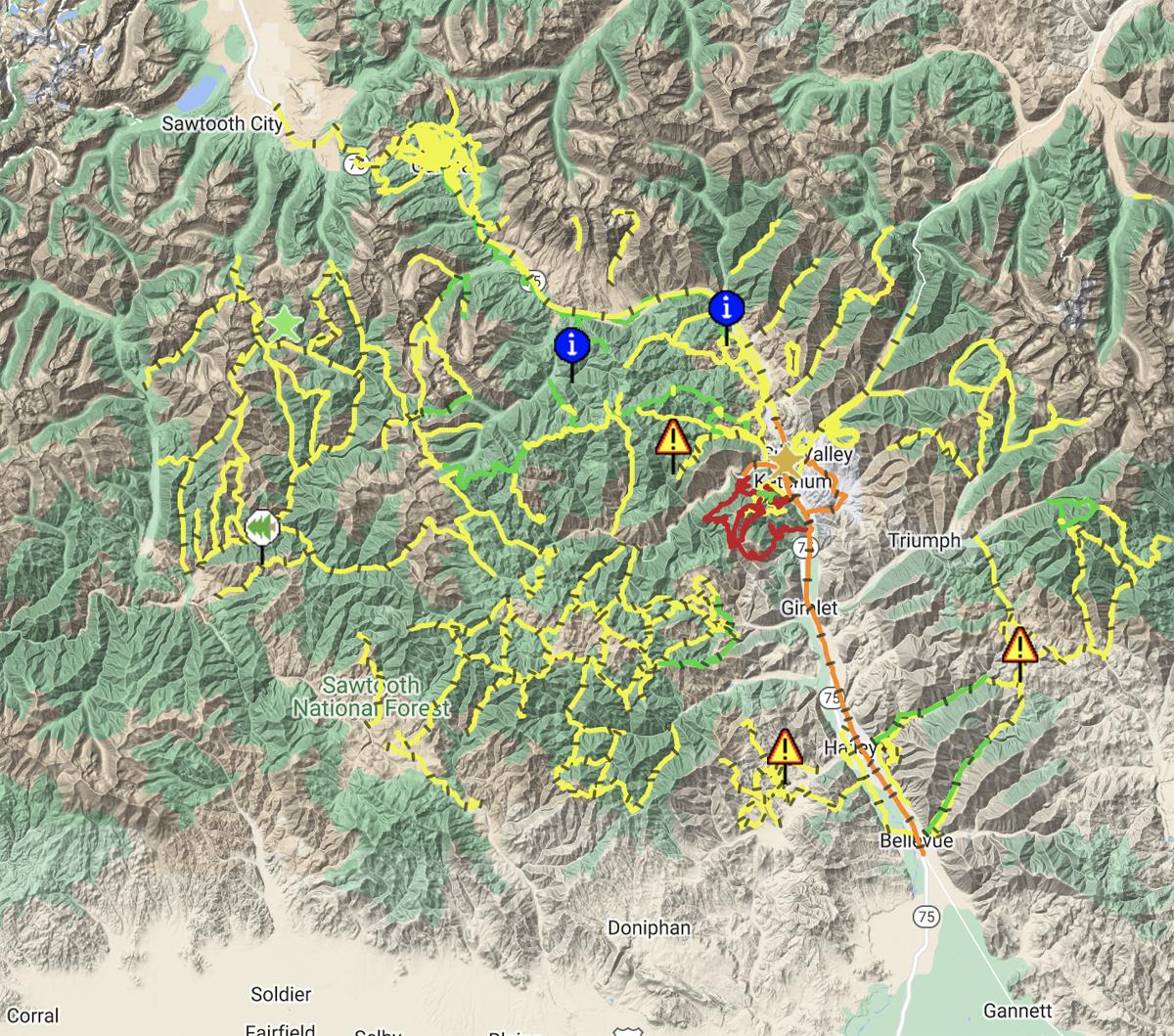
SHOSHONE, Idaho (November 9, 2023) — The Bureau of Land Management (BLM) Shoshone Field Office, in partnership with the International Mountain Biking Association and the Blaine County Recreation District, recently completed construction of three new trails in the Wood River Valley.  The Silver Lining trail is three-and-one-half-miles long and is located immediately east of Hailey. The two-mile Belle and one-half-mile Vue 2.0 trails are just east of Bellevue. These trails are open to Class 1 e-bikes, mountain bikes, equestrians and hikers. 

Trails of the Wood River Valley. Map from https://summertrailink.bcrd.org

While meeting the need for additional trails as outlined in the both the Hailey and Bellevue City Comprehensive Plans, as well as the Blaine County Comprehensive Plan, the trails also make BLM-managed public lands more accessible to these communities.

“These trails offer people a great way to be close to nature while exercising,” said BLM Shoshone Outdoor Recreation Planner John Kurtz. “They also offer spectacular views of the Wood River Valley. Many people who live in the neighboring communities will be able to access these trails without even having to drive to a trailhead.”   

The trails are new and therefore susceptible to damage, particularly during wet conditions. Recreationists are encouraged to use the trails when the trail tread is dry or frozen.

“While all users need to be aware of their impact on newly constructed trails, equestrians should take extra care. Large animals can leave hoof tracks several inches deep in a fresh, unconsolidated trail,” said Wood River Trail Coalition Executive Director Sara Gress. “We kindly ask the equestrian community to be extra aware of the trail surface and please wait until the surface has hardened enough to support a horse or mule.”  

This new trail construction fulfills tenets of the BLM’s Recreation Strategy, Connecting with Communities. Funds for construction were generated from the Federal Lands Recreation Enhancement Act recreation permit fees, Idaho Department of Parks and Recreation Grant and the Wood River Trails Coalition. 

For more information, please contact the BLM Shoshone Field Office at 208-732-7200. Additional trail information may be found at the Blaine County Recreation District SummerTrailLink, https://summertrailink.bcrd.org/


The Athlete’s Kitchen—Making Weight: Helpful or Harmful?

By Nancy Clark MS RD CSSD — Many athletes fantasize about losing weight (“Wouldn’t it be nice to lose a few pounds…”). But some athletes have to lose weight in order to meet a specific division for their sport. Athletes such as boxers might have to make weight for a day only once or twice a year, but others such as wrestlers are wisest to keep their weight low for a season. And then there are figure skaters, dancers, and gymnasts who live in long-term “food jail” to maintain a sleek physique for months on end because they get judged on aesthetics. This article will not focus on the problems with long-term under-eating, but rather offer help for athletes who have to/want to lose weight for the short-term.

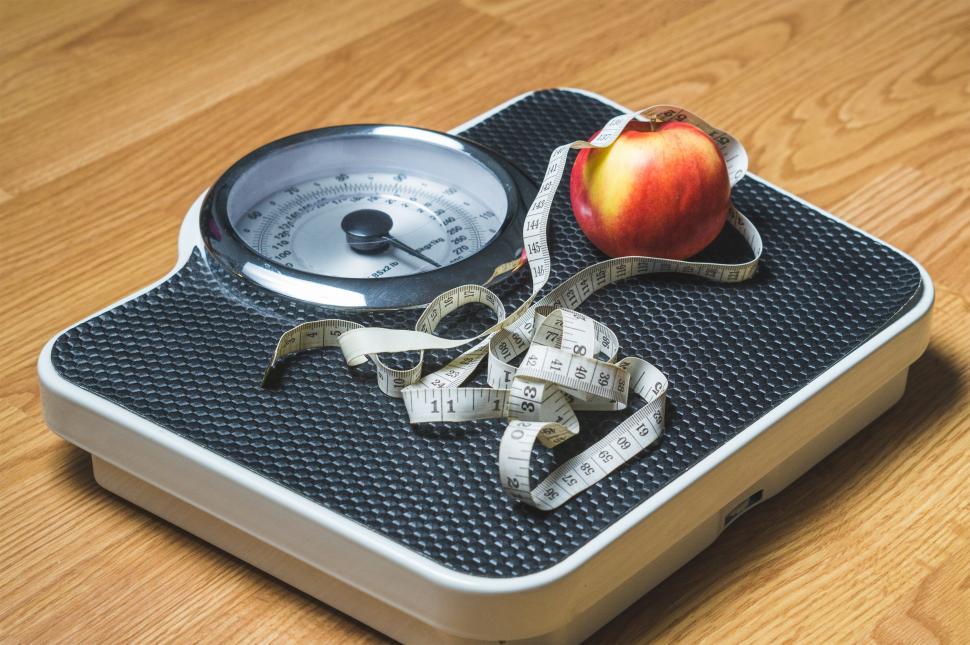
Image by Tero Vesalainen, Public Domain (CC0 1.0 Deed)

Weight classes exist to supposedly even the playing field so, for example, a wrestler or a rower competes against someone who is about the same physical size. A problem with weight-class sports is too many athletes target a minimal weight that is unlikely their best performance weight and focus on a number on a scale instead of ability to compete well. They often resort to last-minute restrictive dieting and dehydrating to make weight. Inadequate recovery between weigh-ins and the event can contribute to early bonking, poor performance, and disappointments. One champion collegiate wrestler shared his winning advice, “I ate well, competed at my natural weight, and clobbered my starving opponents. Easy!” The same goes for athletes in running sports, who believe lighter equates to faster. Not always the case. There’s a lot to be said for running well-fueled at your natural weight.

So what are weight-class athletes supposed to do?

Obviously, they are not supposed to wait until the last few days before an event to lose weight by abstaining from food and water, over-exercising, and abusing their bodies. The better path is to start chipping away at weight loss weeks in advance. If you have to lose 10 pounds, give yourself at least 5 to 10 weeks to do so, if not more.

Ideally, athletes should first have their body fat accurately measured to determine if they even have fat to lose. Females should not drop below 12% body fat, males no less than 5%. Some athletes will need to lose muscle to be able to reach their weight goal.

What’s the best way to lose weight? Push yourself away from the dinner table before you eat your fill! Plain and simple, you have to eat less than your body requires. Easier said than done. Hence, these tips might be helpful.

  • Knock off only 300-500 calories/day from your typical daily intake. Do NOT chop your food intake in half or eat as little as possible! As an athlete, you need fuel to train.
  • Fuel by day; diet by night. Plan to lose weight when you are sleeping—not when you are trying to train hard.
  • Surround your workout with food, so that you fuel-up and refuel.
  • Do NOT cut out all carbohydrates. Athletes need grains, veggies, and fruits to optimize their muscle glycogen stores. A very low-carb diet results in depleted glycogen, “dead legs,” and inability to train hard.
  • Enjoy carb-protein combinations: carbs to fuel muscles; protein to build and repair muscles. Protein is also satiating and can help curb hunger.
  • When it’s crunch-time, to lose the last few pounds, some athletes target about 1.5 g carb, 1 g protein, and 0.5 g fat per pound of body weight (3 g carb, 2 g pro, 1 g fat/kg). This means a 150-lb (68 kg) athlete would target about 200 g carb, 135 g pro, and 70 g fat (~1,950-2,000 calories/day).
  • Athletes who have to lose muscle mass to hit their weight target should cut back on their protein intake.
  • Divide the calories into 4 food buckets and eat a meal at least every 4 hours. (The clock starts ticking when you get up in the morning). An athlete who trains from 6:30 to 7:30 a.m. could divide breakfast into 100-200 calories pre-workout at 6:00ish, then 400 calories post-workout at 8:00; eat early lunch (500 cal.) at 11:00ish; later lunch (400-500 cal.) at 3:00ish, and dinner at 6:00-7:00ish (500 cal.). The rest of the night, chew gum, drink herbal tea, go to bed early? (If you are ravenous, please eat a bit more.)
  • If you don’t have fat to lose, plan in last-minute water-weight loss of 2% to 3% body weight. For a 150-lb athlete, that’s 3 to 4.5 pounds. Ways to reduce water-weight include depleting muscle glycogen with a low-carb diet (3 grams of water are stored with one gram of muscle glycogen), restricting fiber (to reduce gut contents), sweating, and restricting fluids.

Rapid refueling pre-event

After weighing in, some weight-class athletes have only 1 to 2 hours to refuel and rehydrate before they compete; others have 12+ hours if they weigh-in the night before. To rapidly refuel, they should consume carbs they know they can tolerate well—and be sensible so they don’t vomit during the event. Enjoy (well-tolerated) salty foods like soup, pretzels, and crackers.

  • A large bolus of fluid gets absorbed faster than smaller amounts, so dehydrated athletes want to drink 20 to 30 ounces of fluid followed by repeated sips. Salty broth and lowfat chocolate milk retain water in the body better than sports drinks and plain water. Co-ingestion of some protein can help with glycogen restoration (Turkey sandwich? Chocolate milk?)

Post-event weight regain

While the standard advice for weight-class athletes to just lose the weight and keep it off makes sense intellectually, it is the opposite of what the body wants to do physiologically. After having been underfed, hungry athletes experience a very strong drive to eat, if not over-eat, and regain all the lost weight. This happens with most dieters, athletic or not.

The urge to devour food after having made weight is physiological, and not simply due to lack of will-power. Here’s the analogy: If you hold your breath for too long, you will uncontrollably gasp for air. If you rigorously restrict calories for too long, you will uncontrollably grab for food and easily binge-eat. No wonder eating disorders blossom in weight-focused sports!

The bottom line

Any way you look at it, losing weight when you really are not over-fat in the first place is not much fun. Yes, it creates a bond with other athletes doing the same thing—misery loves company—and is embedded into the culture of weight-focused sports. Ideally, it’s time to change that culture to focus more on health (both short and long term) and injury reduction. How about establishing height classes instead of weight classes? Or at least offer better access to sports dietitians to help with the weight-reduction process?

To find your local RD CSSD (Registered Dietitian who is a board Certified Specialist in Sports Dietetics), please use the referral networks at www.EatRight.org and www.HealthProfs.com

References:

  1. Langan-Evans C. at al. 2021. Nutritional considerations for female athletes in weight category sports. European Journal of Sports Science
  2. Burke, L, et al. 2021. ACSM Consensus Statement on Weight Loss in Weight-Category Sports. Current Sports Medicine Reports


Lifeline, Shoreline Film Advocates Completing Utah’s Bonneville Shoreline Trail

Short Film Celebrates One-Year Anniversary of Trail Bill Becoming Law 

SALT LAKE CITY, Utah (December 7, 2023) — The International Mountain Bicycling Association and Trust for Public Land just released Lifeline, Shoreline. The short film celebrates progress behind Bonneville Shoreline Trail development and the Bonneville Shoreline Trail Advancement Act becoming law in 2022, while focusing on the opportunities now ahead to connect and complete the full 280-mile multi-use trail that reaches 75% of Utah residents. 

The film can be viewed below:

“This film reminds us of the vital importance trails hold for every community: health and wellness for body, mind and spirit, connecting with nature, and connecting with each other,” said David Wiens, Executive Director of the International Mountain Bicycling Association (IMBA). “This law to bring both long-distance trail opportunities and more trails close to home is the culmination of years of hard work and collaboration by our Government Affairs team alongside federal representatives and local leaders. Thank you to the many, many advocates who have worked to further the vision of Utah’s Bonneville Shoreline Trail.”  

Currently, nearly 100 miles of the 280-mile Bonneville Shoreline Trail are complete. However, small sections of the trail were not accessible. Fulfilling the vision of a continuous multi-use trail required minor adjustments to Wilderness boundaries that abut population-dense areas, because mountain biking is not permitted in Congressionally designated Wilderness. Full trail connectivity also requires pursuing land access and strategic land acquisition projects with willing private landowners.

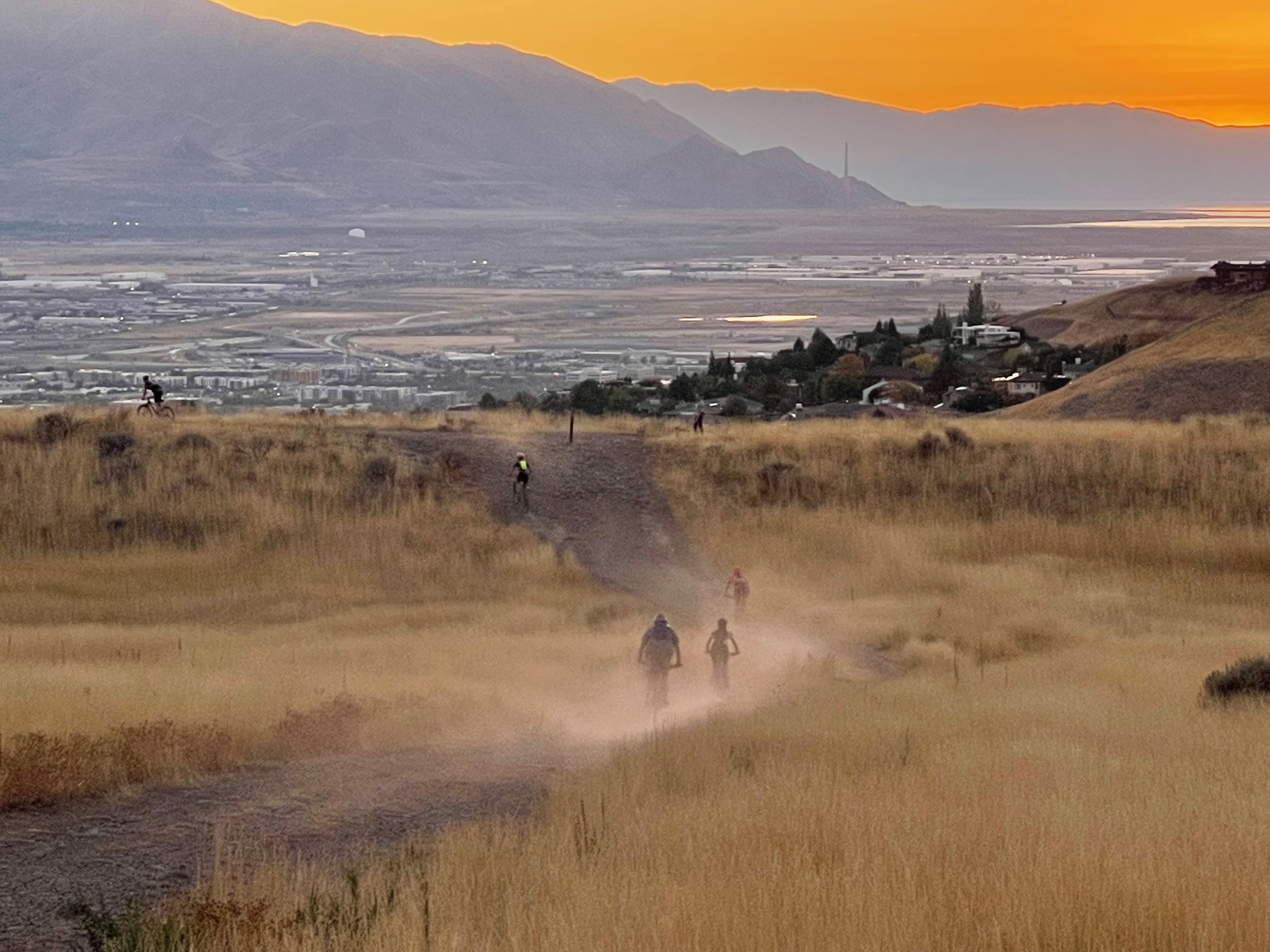
Riders descend the Bonneville Shoreline Trail in Morris Meadows, Salt Lake City. Photo by Dave Iltis

Trust for Public Land has worked with local Utah communities and trails organizations  since 2000 to acquire key parcels of land to fill in gaps in the proposed Bonneville Shoreline Trail corridor. To date, Trust for Public Land has acquired and transferred 25 parcels of land along the trail corridor into public ownership, representing 2,000 acres of new public land.

IMBA’s Government Affairs team led the effort to pursue and prepare legislation that improves connectivity for the Bonneville Shoreline Trail, working closely with Representative John Curtis (R-UT), Senator Mitt Romney (R-UT), the Bonneville Shoreline Trail Committee, Trails Utah, Trust for Public Land, and many local government officials to advocate for the bill. The Bonneville Shoreline Trail Advancement Act was introduced in July 2020 and passed into law in December 2022. 

To allow multi-use access to key sections of the trail, the legislation included a 1-for-1 swap of 326 acres of Wilderness across 20 locations in the trail corridor with 326 acres of new, contiguous Wilderness in nearby Mill Creek Canyon. IMBA worked to pass similar legislation in 2014, which restored and protected mountain bike trail connectivity while supporting New Mexico’s Columbine-Hondo Wilderness. When proposed Wilderness could impact mountain biking, IMBA advocates for boundary adjustments, trail corridors and alternative land designations that protect wildlife and wild places while preserving bicycle access. 

“The bill’s passage is tremendous for outdoor recreation advocates. It continues a precedent for communities to use the legislative process for land and trail access,” said Todd Keller, IMBA Director of Government Affairs. “These accomplishments are a fantastic example of elected officials, government staff, business leaders, local citizens, and non-profit organizations working together to achieve a shared goal.”

With the Bonneville Shoreline Trail Advancement Act now law, communities across the Salt Lake Valley can focus on connecting the full Bonneville Shoreline Trail. Lifeline, Shoreline highlights the importance of community trails and what completing the Bonneville Shoreline Trail will mean for Utahns. The film features Utah Senator Mitt Romney and Utah Representative John Curtis, alongside local leaders from Trails Utah, the Bonneville Shoreline Trail Committee, the Northwestern Band of the Shoshone Nation, City of Draper Trails and Open Space, and the Utah High School Cycling League. IMBA thanks Salt Lake City’s Camp4 Collective Creative Studio for producing the film — a partnership that began with a chance encounter on a trail.  

IMBA has been involved in the Bonneville Shoreline Trail for more than two decades, working with local stakeholders in the planning and development of the trail. Trust for Public Land focuses on working with private landowners and local, state and federal agencies to strategically acquire priority lands to fill in gaps in the proposed trail corridor. The Bonneville Shoreline Trail Committee is a group of representatives from communities actively implementing and managing segments of the trail. Trails Utah is dedicated to trail advocacy, planning, funding and building in needed areas throughout Utah.

“Trust for Public Land believes great trails make for great communities,” said Jim Petterson, Trust for Public Land Mountain West Region Vice President. “And, we know great trails don’t just happen. Creating trails takes persistence, perseverance and a lot of hard work. The Bonneville Shoreline Trail represents a bold vision for connecting people to the outdoors, and we are committed to continuing work with our local partners to acquire the lands needed to complete the trail.”

Find more information and maps on the Bonneville Shoreline Trail Advancement Act at imba.com/bst. For more history on the Bonneville Shoreline Trail, enjoy a three-part series highlighting the vision and trail champions advocating for the trail, decades of trail planning that brought neighboring communities together, and the relationship building behind the bill’s introduction and eventual passage. 

“The Bonneville Shoreline Trail provides great outdoor recreational opportunities for Utahns. I’m proud our legislation has made it across the finish line so the trail can finally be completed. Generation after generation will be able to enjoy the beauty of Utah’s surrounding landscape, while being more connected with the land and more connected with one another,” said Senator Mitt Romney (R-UT). 

With the rapid growth in and around Salt Lake City, it is more important than ever to support new recreation opportunities such as the Bonneville Shoreline Trail,” said Representative John Curtis (R-UT). “As someone who loves walking and biking this trail, I am excited to bring more awareness and greater access to Utahns.”

“Trails Utah is incredibly grateful for the many partners who came together around the Bonneville Shoreline Trail, to help secure its future and celebrate its vital role in our lives and the life of our communities. Trail-based recreation is essential to our way of life in Utah. It is one of our most meaningful and profound ways of connecting to nature and receiving the amazing variety of benefits found outdoors. The legislation that enshrines the Bonneville Shoreline Trail is just a start, we now must do the important work at the local level of finding ways to connect the trail and connect us, thoughtfully and sustainably, to our treasured landscapes and open spaces,” said Sarah Bennett, Executive Director of Trails Utah. “Enormous thanks to our friends at IMBA and Camp 4 Collective for so beautifully capturing the life and beauty of the Bonneville Shoreline Trail!”

“On the trail is a moment of thinking back on your journey in your life … Because everything out here goes back into nature … That’s that spirit of hope. That’s what brings life to the trail. And that’s why so many people want to be on the trail,” said Rios Pacheco, Tribal Elder, Northwestern Band of the Shoshone Nation.  

“It takes a lot of teamwork to get things done in this world, and that applies to getting trails built, getting legislation passed, and getting a film made,” said John Knoblock, Chair of the Bonneville Shoreline Trail Committee. “I’d like to thank the various cities and counties along the Bonneville Shoreline Trail corridor, the Utah Division of Outdoor Recreation,  the U.S. Forest Service, Trust for Public Land, Trails Utah, the Bonneville Shoreline Trail Committee, and the other local trail organizations that have helped get sections of the Bonneville Shoreline Trail built. Aaron Clark with IMBA has been a great partner supporting the Bonneville Shoreline Trail by working with Senator Romney and Representative Curtis to get the Bonneville Shoreline Trail Advancement Act passed through Congress. To top it off, thanks to IMBA for putting this film together to document the achievement!” 

Find the film and more information at imba.com/bst.

ENVE’s Melee Road Bike Joins Pro Peloton with Team TotalEnergies Partnership

0

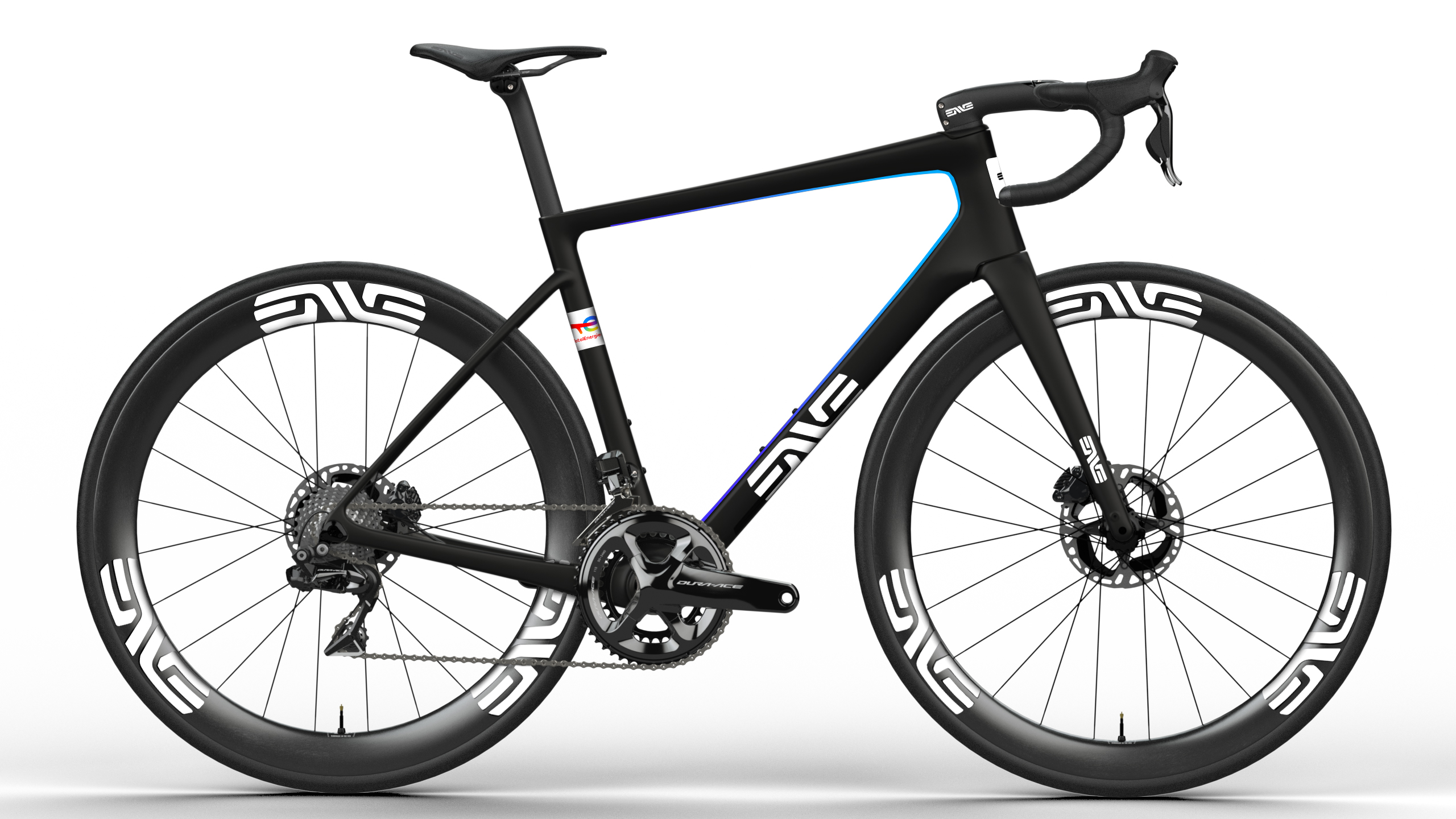
OGDEN, Utah (December 4, 2023) – ENVE announced an expansion of its presence in professional cycling with the addition of Team TotalEnergies, which will have the team riding ENVE’s flagship road race bike, the Melee, equipped with full cockpit and premium U.S.-made SES wheels.

The partnership allows ENVE to join the pro peloton with bicycles and be a part of the world’s biggest events on a team with a storied history. ENVE’s Melee road bike was introduced this past season and will be the team’s go-to race bike for the 2024 season and beyond. Riders will have their choice of American-made one-piece or two-piece SES Aero Road Bar and SES AR Bar. For wheels, the range of U.S.-made SES models that include the 2.3, 3.4, 4.5, and 6.7 will be available to ensure riders have the perfect wheel for the course and conditions.

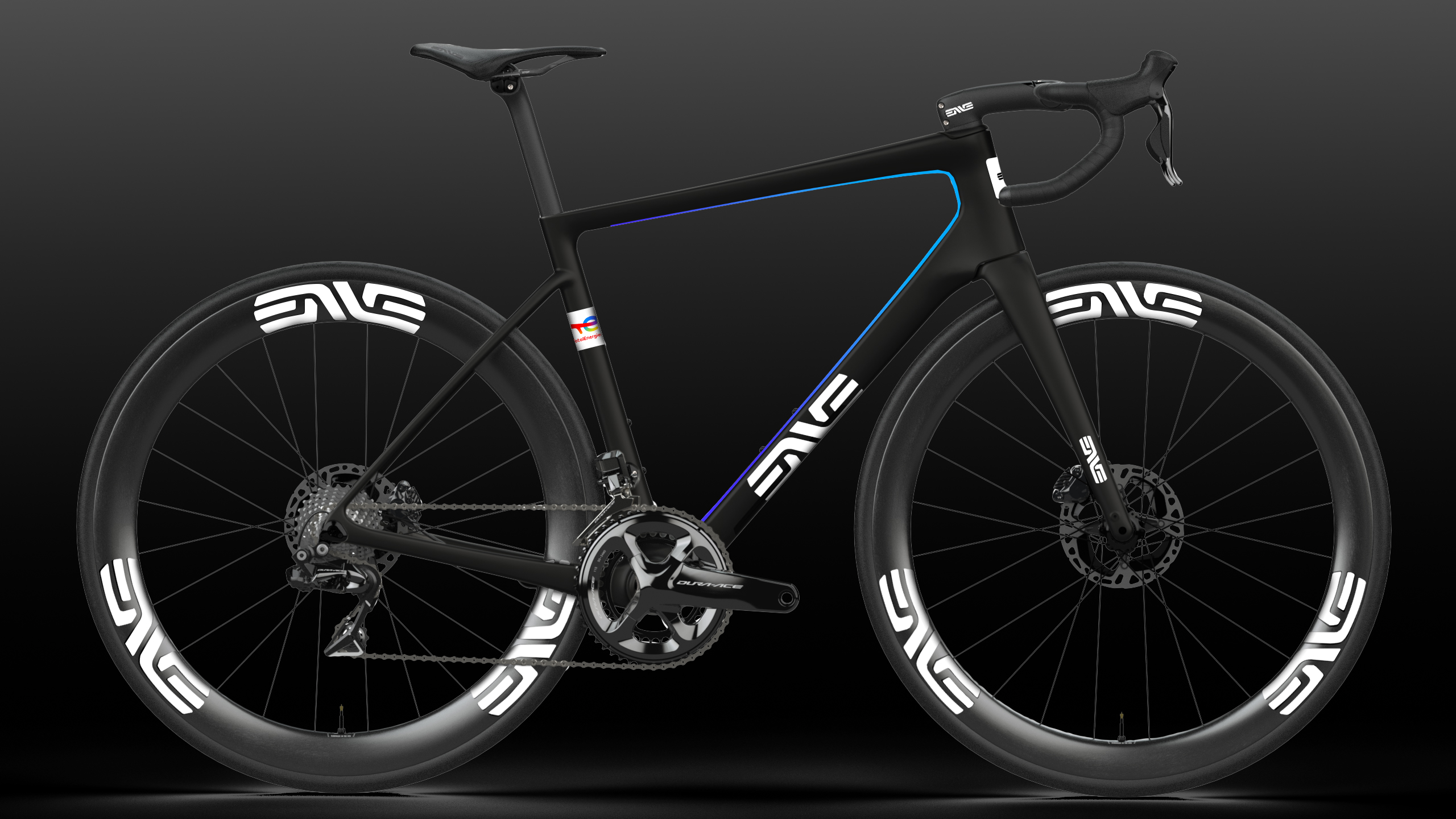
Render of the 2024 Team TotalEnergies ENVE Melee road bike, with Shimano Dura-Ace. Photo courtesy ENVE Composites

Team TotalEnergies Manager Jean-René Bernaudeau said, “We already knew their wheels, defined as the best in the world, and it made us very curious. October was full in discussions with their engineers at the Team headquarters. Our technicians and riders were impressed by the responsiveness of ENVE. The tests conducted by our riders were more than positive and everyone, unanimously, recognized the very high technology of the bikes.

Render of the 2024 Team TotalEnergies ENVE Melee road bike, with Shimano Dura-Ace. Photo courtesy ENVE Composites

“I am delighted to associate our team with this innovative brand. We have many things to learn from our structures and have the same motivation to get great results through an important R&D work. Between our two companies, this collaboration will contribute to future victories. It is a beautiful and ambitious collaboration which is starting. ENVE lives in modernity and innovation like us. I’m sure that we will write a beautiful story. Our performance division and their Research and Development sector will work together over the next two seasons. I cannot wait to start the season.”

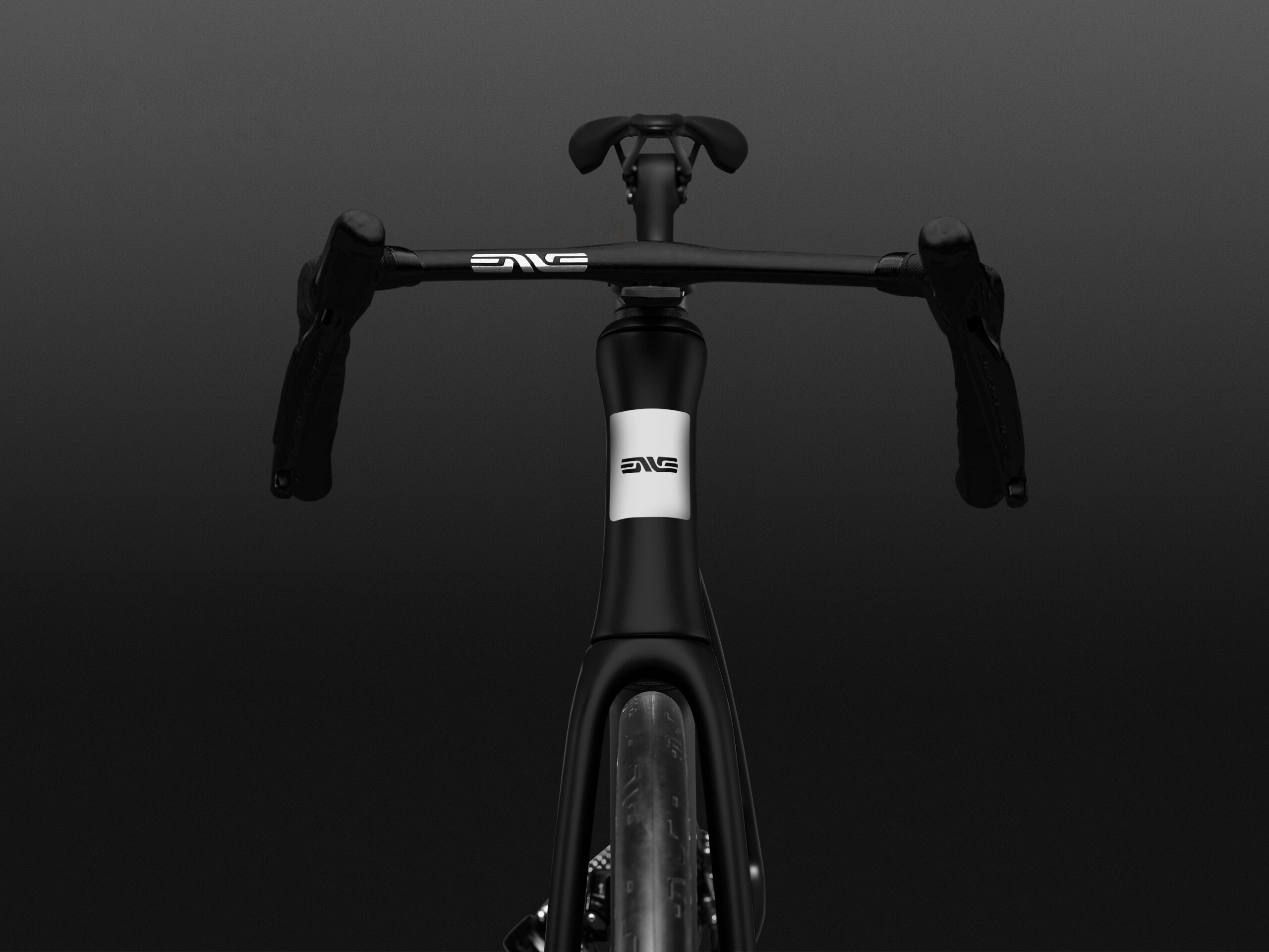
Render of the 2024 Team TotalEnergies ENVE SES Aero Road Bar. Photo courtesy ENVE Composites

ENVE will continue their partnership with UAE Team Emirates and supply the SES line of wheels and SES Aero One-Piece Bars. Additionally, Ivan Basso and Alberto Contador’s project, Team Polti Kometa, will remain on ENVE wheels and components throughout the 2024 season.

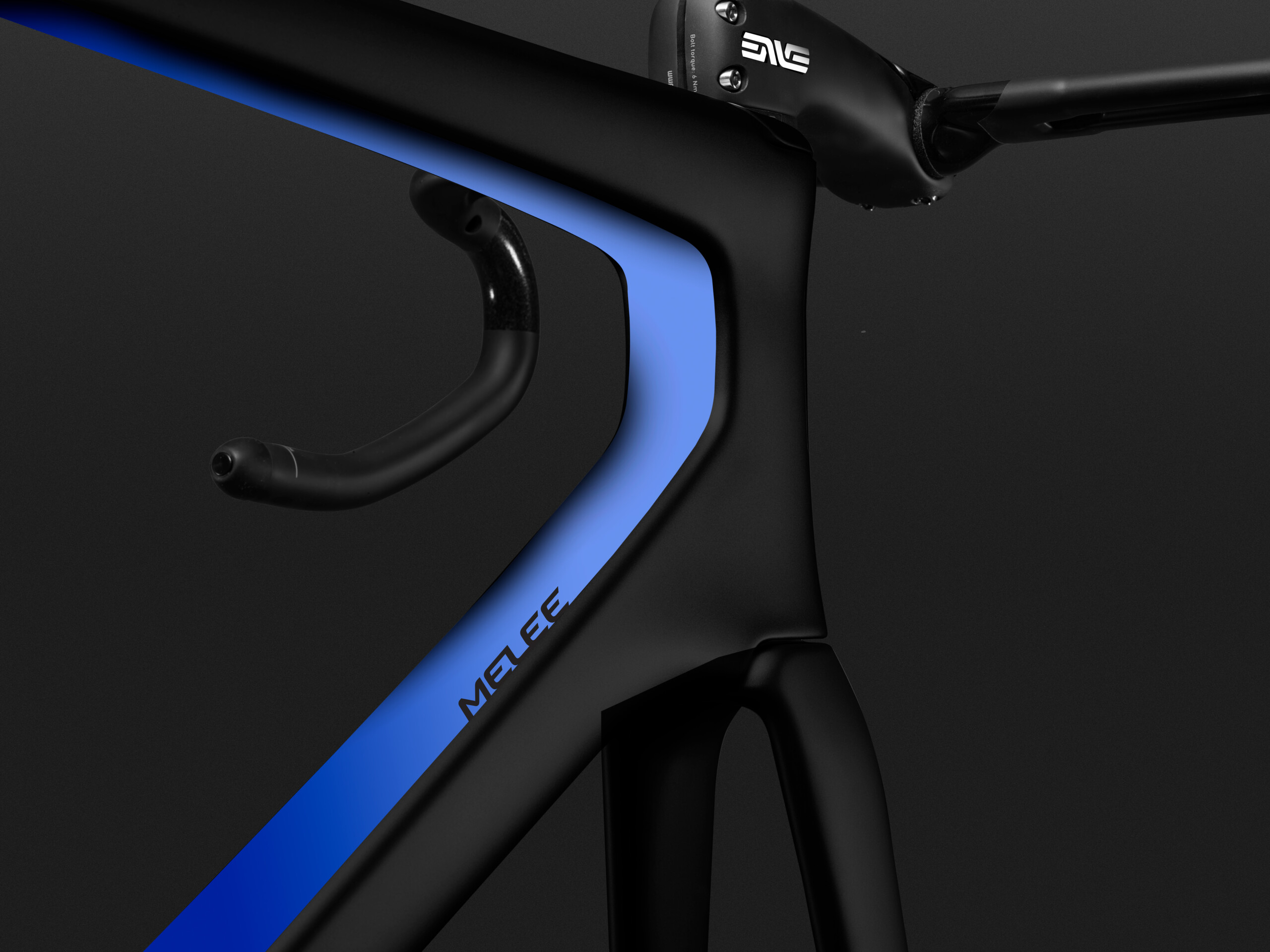
The Team TotalEnergies ENVE Melee features a blue panel inside the front triangle that’s sure to stand out in the pro peloton. Photo courtesy ENVE Composites

General Manager of ENVE Mike Stimola said, “Having the opportunity to partner with TotalEnergies, a team with so much history in the sport, is an honor for us. We’ve earned a reputation as the leader in wheel and component technology, and to now add ENVE bicycles to the professional peloton with TotalEnergies is an important step as a performance brand. We are always proud to see our products used at the highest level of the sport, in the biggest races, and this collaboration will allow us to introduce ENVE the bicycles brand to a far-reaching audience.”

MTB Alert: Support the EXPLORE Act: A Recreation Policy Package Great for Mountain Biking

House’s EXPLORE Act mirrors Senate’s AORA as bipartisan recreation package

Outdoor Alliance and its partners have been working for years to develop and pass a package of recreation policy to improve outdoor recreation on public lands and waters.

The Senate and House have now introduced complementary packages of outdoor recreation policy: America’s Outdoor Recreation Act (AORA) in the Senate and the Expanding Public Lands Outdoor Recreation Experiences (EXPLORE) Act in the House. Both packages include the BOLT Act, as well as several more great bills for mountain biking and outdoor recreation. 
 
This first-of-its-kind bipartisan recreation package takes important steps to expand and improve outdoor recreation access, management, and opportunities while outdoor recreation participation, appreciation and economic impact continues to grow

Photo by Evan Green, courtesy IMBA.

Highlights for mountain bikers include IMBA’s Biking on Long Distance Trails Act (BOLT) to identify and create more long-distance bike trails; portions of the Recreation not Red Tape Act that IMBA helped draft in 2017 including expanding seasonal recreation opportunities, promoting partnerships with Tribal and State governments, and outlining volunteer programs that will improve relationships with local trail maintenance groups. The EXPLORE Act also includes great opportunities to expand access to the outdoors through Extending the Every Kid Outdoors Act and including the Simplifying Outdoor Access for Recreation Act (SOAR), and has many more great elements rock climbers, guides, skiers, and all outdoor enthusiasts thanks to efforts by many Outdoor Alliance partner organizations

“The EXPLORE Act offers a tremendous opportunity to expand access for mountain biking, for trails, and for recreation in communities across the country. We are grateful to Representative Westerman and Representative Grijalva for their bipartisan leadership to introduce this first-of-its-kind package of recreation policy. IMBA and our partners will be working to pass the EXPLORE Act, which includes the Biking on Long-Distance Trails Act, and will continue engaging mountain bike advocates to join us.” – Todd Keller, IMBA Director of Government Affairs

The EXPLORE Act will have its first House committee hearing November 30, 2023 with members of the administration and outdoor community testifying. Read IMBA’s written testimony.

To support the EXPLORE Act, send your comments to your representatives here

Feds Approve Greater Access to Rocky Flats and Rocky Mountain Greenway

0

By Charles Pekow — The Rocky Flats National Wildlife Refuge Trails and Rocky Mountain Greenway Connections Project in Jefferson County, Colorado got final federal approval. Anyone who doesn’t like it can sue by January 8.

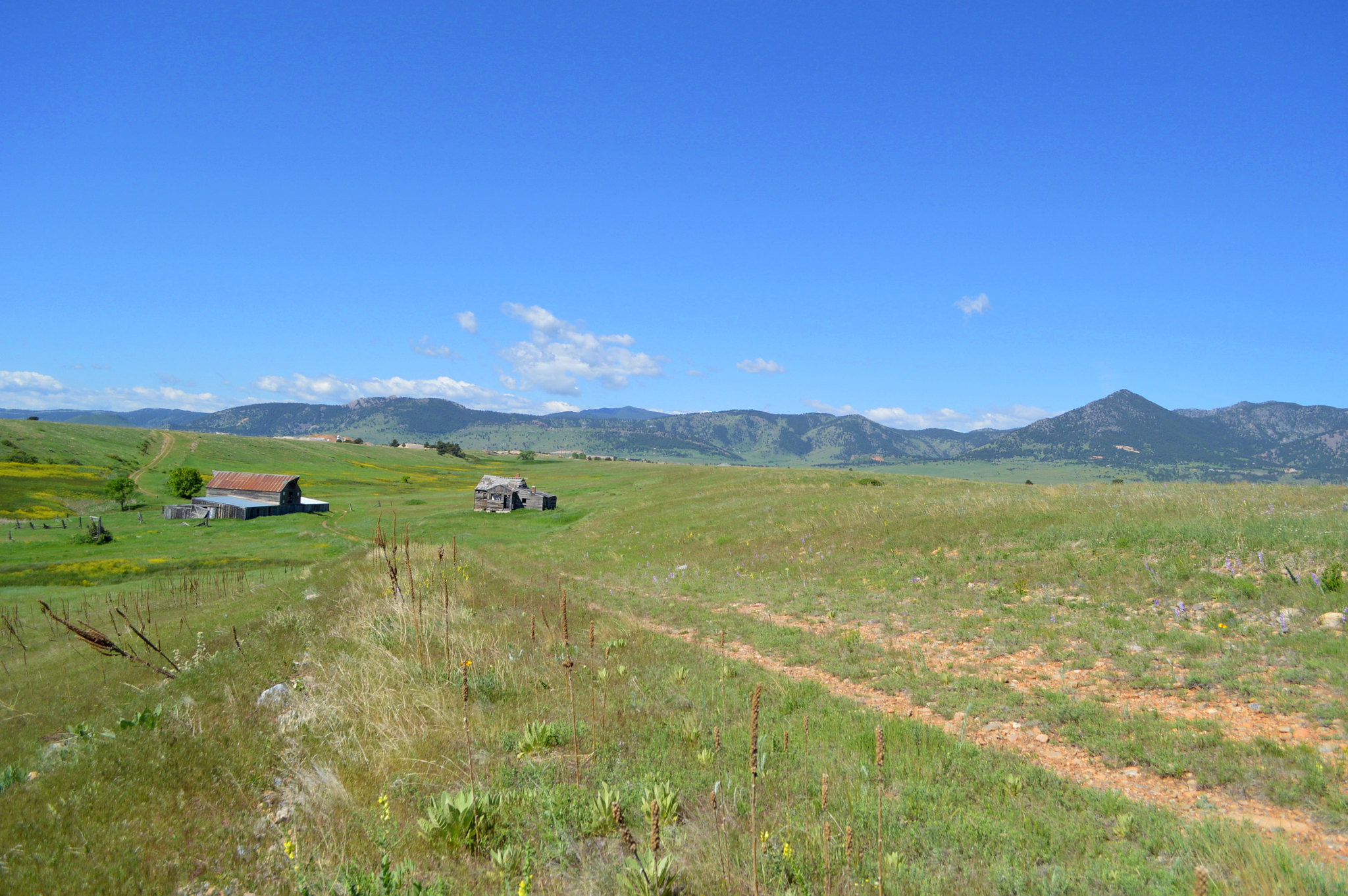
Old Homestead on Rocky Flats National Wildlife Refuge Photo: Ryan Moehring / USFWS CC BY 2.0 DEED
Attribution 2.0 Generic

The Federal Highway Administration (FHWA) approved the project, which includes building trails with two bridges in the refuge and two road crossings with connecting trails outside it. The “Fish and Wildlife Service will construct the on-refuge trails, which will be part of the regional Rocky Mountain Greenway trail system. FHWA will construct the trail bridges on the refuge and the two road crossings and trails off the refuge. The two road crossings consist of an underpass (concrete box culvert) at State Highway 128 and a pedestrian bridge across Indiana Street with about .6 mile total of connecting trails” to avoid conflicts with autos, according to FHWA’s notice (https://www.govinfo.gov/content/pkg/FR-2023-08-10/html/2023-17151.htm).

The agencies hope to finish construction by winter 2025 as part of a plan to extend the Greenway through the refuge. The long-term goal is to extend the partially-completed Greenway east to connect the refuge to Denver by bike trail, and then to build trails north to connect the refuge north to Boulder and Rocky Mountain National Park (https://www.jeffco.us/3639/Rocky-Mountain-Greenway).


Exploring the Unexpected Perks of Off-Season Weight Gain for Cyclists and Triathletes

By Heather Casey — In cycling and triathlon, the off-season is traditionally viewed as a period for athletes to rest and rejuvenate. However, embracing a small increase in weight, especially in muscle, can be surprisingly beneficial. This guide delves deeper into how this approach, though counterintuitive, can significantly enhance recovery and boost overall athletic performance.

Photo courtesy Heather Casey

The Strength and Power Edge: Embracing Muscle Gain

Elevating Performance:

During the off-season, cyclists and triathletes can leverage muscle gain to enhance strength and power significantly. This is not just about adding bulk but building functional muscle that translates directly into improved endurance and speed during races. Such gains can be particularly noticeable in disciplines requiring bursts of power or sustained strength.

Shield Against Injuries:

By increasing muscle mass, athletes provide greater stability to their joints, significantly reducing the risk of common injuries. This is crucial, as injuries can be setbacks in an athlete’s career. Stronger muscles also ensure better alignment and posture, critical during long, grueling races where fatigue can lead to poor form.

The Psychological Upside: Easing Off Rigid Routines

Mental Unwinding:

A slight increase in weight during the off-season can offer a mental break from the often rigorous and demanding diet and training regimens. This mental break is essential for preventing burnout, ensuring athletes return to the new season with renewed vigor and a fresh perspective.

Healing the Body:

The off-season is an ideal time for the body to heal from the continuous strain of intense training and competitions. Gaining a bit of weight, particularly muscle, provides the body with extra recovery resources. This healing process is not just physical; it also includes mental and emotional recuperation.

Navigating Diet and Training with Flexibility

Dietary Freedom:

The off-season allows athletes to enjoy more freedom in their diet. This offers a psychological break and an opportunity to explore different nutritional strategies that might be beneficial during the competitive season. A varied diet can also replenish depleted stores of essential vitamins and minerals.

Prioritizing Strength Training:

With the reduced pressure of upcoming races, athletes can focus more on strength training, often relegated to a secondary role during the season. This shift in focus allows for a more holistic approach to fitness, addressing areas often neglected during race-focused training.

Laying the Groundwork for the Season Ahead

Smooth Transitioning:

Muscle gain in the off-season is a strategic step for smoothly transitioning into pre-season training. This added muscle strength can be fine-tuned and integrated into race-specific skills as the competitive season approaches.

Adapting to Muscle Mass:

The body’s adaptation to additional muscle during the off-season can be a significant advantage. As athletes return to a race-focused training regimen, this extra muscle can enhance endurance and power, offering a competitive edge.

Concluding Insights

Incorporating a modest weight gain, particularly in the form of muscle, during the off-season can be a strategic move for cyclists and triathletes. This approach not only aids in comprehensive recovery and injury prevention but also sets the stage for enhanced performance in the upcoming season. Maintaining a balance is essential; the focus should be on controlled muscle gain, complemented by a nutritious and varied diet, alongside targeted strength training.


E-Bikes Cut Demand for Oil Far More than Electric Cars

The world’s 280 million electric bikes and mopeds are cutting demand for oil far more than electric cars

By Muhammad Rizwan Azhar, Edith Cowan University and Waqas Uzair, Edith Cowan University We hop in the car to get groceries or drop kids at school. But while the car is convenient, these short trips add up in terms of emissions, pollution and petrol cost.

Close to half (44%) of all Australian commuter trips are by car – and under 10km. Of Perth’s 4.2 million daily car trips, 2.8 million are for distances of less than 2km.

This is common in wealthier countries. In the United States, a staggering 60% of all car trips cover less than 10km.

So what’s the best solution? You might think switching to an electric vehicle is the natural step. In fact, for short trips, an electric bike or moped might be better for you – and for the planet. That’s because these forms of transport – collectively known as electric micromobility – are cheaper to buy and run.

But it’s more than that – they are actually displacing four times as much demand for oil as all the world’s electric cars at present, due to their staggering uptake in China and other nations where mopeds are a common form of transport.

How can that be?

On the world’s roads last year, there were over 20 million electric vehicles and 1.3 million commercial EVs such as buses, delivery vans and trucks.

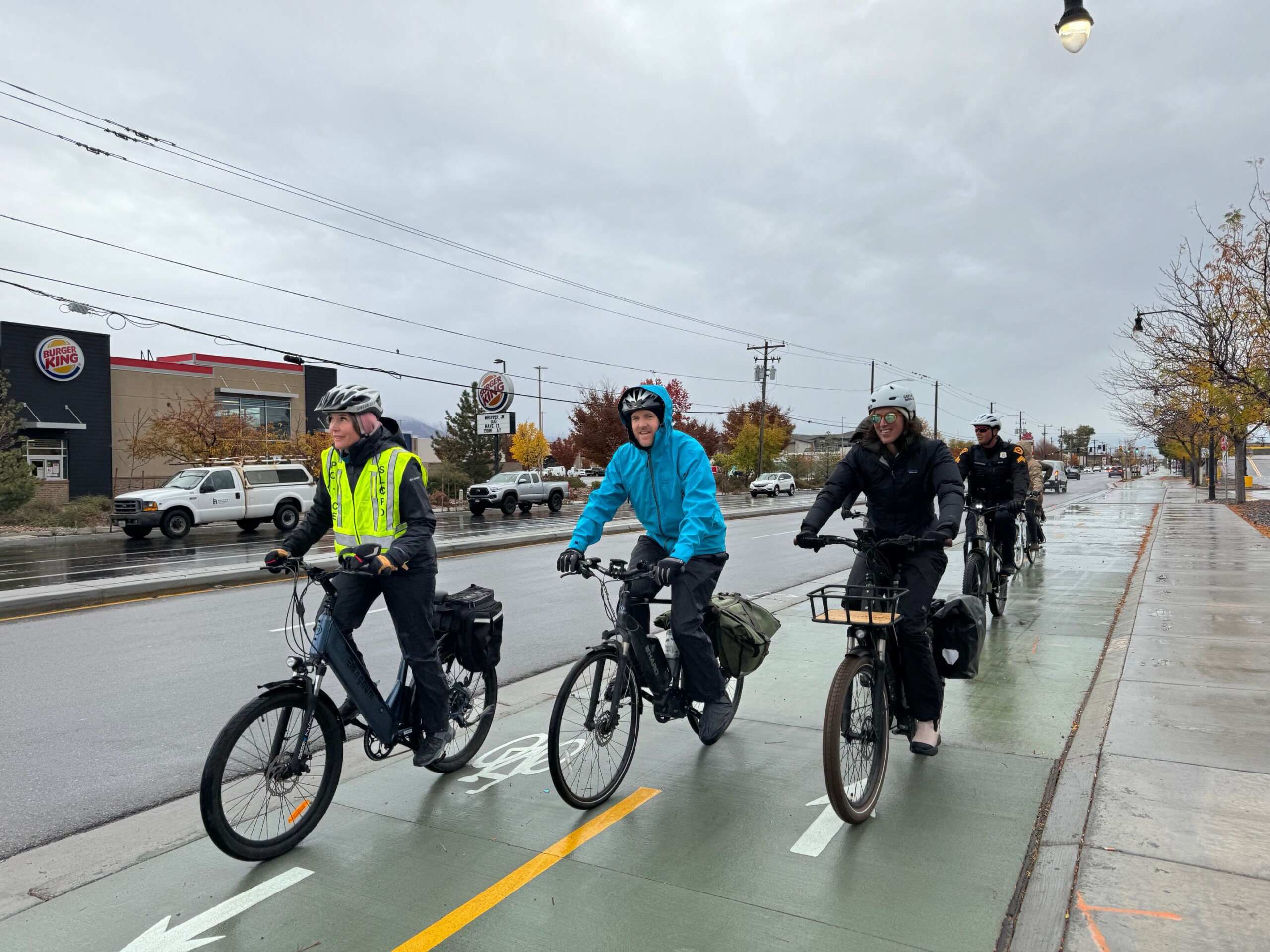
Salt Lake City Mayor Erin Mendenhall (left) rides with Jon Larsen and another rider on the Fall 2023 Bike to Work Day. Photo by Dave Iltis

But these numbers of four or more wheel vehicles are wholly eclipsed by two- and three-wheelers. There were over 280 million electric mopeds, scooters, motorcycles and three-wheelers on the road last year. Their sheer popularity is already cutting demand for oil by a million barrels of oil a day – about 1% of the world’s total oil demand, according to estimates by Bloomberg New Energy Finance.

What about electric vehicles, you ask? After all, EVs have been heralded as a silver bullet for car emissions and air pollution in cities, as their tailpipe emissions are zero. If charged with renewable power, they get even greener.

But to see them as an inarguable good is an error. They are cleaner cars, but they are still cars, taking up space on the roads and requiring a lot of electricity to power them. Their batteries make them heavier than a traditional car, and draw heavily on the extraction of rare earth elements. While EVs are overall much greener than internal combustion engine cars, battery manufacture can undermine some of the gains.

On the plus side, petrol cars cost about A$0.14 per kilometre in fuel, or about $1,820 in fuel annually for the average car doing 12,000km. Maintenance averages at $910 a year, bringing the total to $2,730 for a petrol car.

By contrast, charging an EV would cost around $480 for that distance. Maintenance of $240 takes annual running costs to $720. So EVs are much cheaper to run. But they are expensive to buy.

What advantages do electric mopeds and bikes have?

The electric transport revolution is a great chance to rethink how we move through our cities – and whether we even need a car at all.

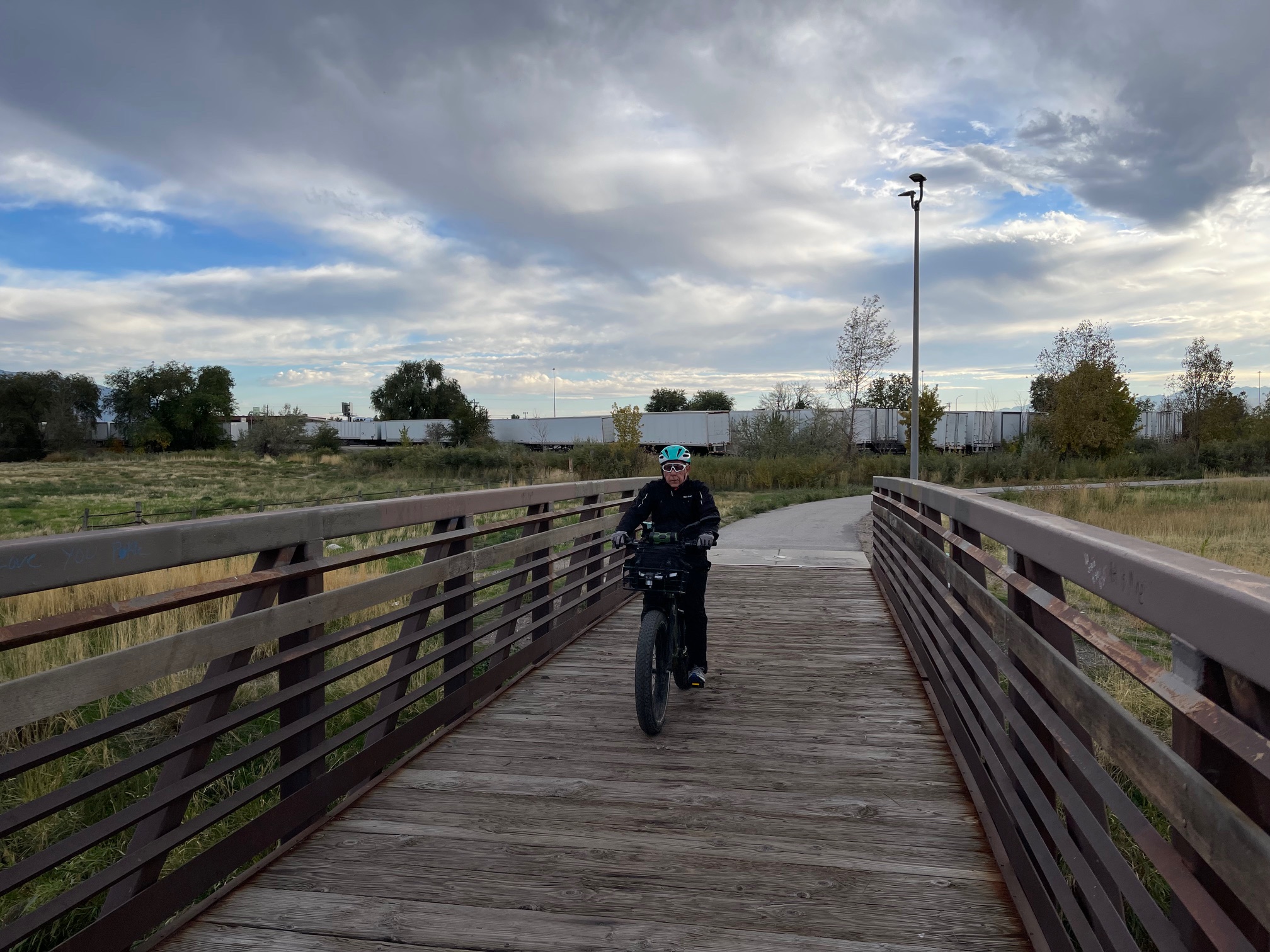
An ebike rider on the Jordan River Parkway Trail. Photo by Dave Iltis

Cars, after all, often have only one occupant. You’re expending a lot of energy to transport yourself.

By contrast, electric mopeds and bikes use a lot less energy to transport one or two people. They’re also a lot cheaper to buy and run than electric cars.

If you commute on an e-bike 20km a day, five days a week, your charging cost would be about $20 – annually.

In Australia, electric bikes are very rapidly going from a hobbyist pursuit to a serious mode of urban transport. Over 100,000 e-bikes were sold here last year.

Of course, you’re unlikely to use electric mopeds or bikes to drive from Sydney to Melbourne. Their real value is in short-hop trips – the school run, the milk and bread run or even the commute – where they take roughly the same time or shorter than a car.

Smaller electric options like scooters and skateboards also offer a way to overcome the last kilometre problem which plagues public transport systems. This, in short, is the inconvenient distance between your home and the station or bus stop. Being able to cover this distance fast can be a game-changer for public transport.

If taken up, electric micromobility can cut urban emissions. A study of e-scooter riders in the United Kingdom found these trips produced up to 45% less carbon dioxide than alternatives.

US researchers estimate that if e-bike trips expanded to 11% of all vehicle trips, transport emissions would fall by about 7%.

As petrol prices increase and battery prices fall, the cheaper running costs of electric vehicles and even cheaper running costs of electric mopeds, bikes and scooters will keep eating away at the demand for oil.

Global oil demand is now projected to peak in 2028 at 105.7 million barrels per day – and then begin to fall, according to the International Energy Agency.

Electric vehicles will play a role in cutting oil demand. But it may well be that electric micromobility cuts demand faster, given how fast these cheaper, more plentiful options are being taken up.

What does this mean for me?

If you’re looking to go electric, it’s worth taking a close look at your transport needs. If you live in an outer suburb or regional towns, you may find the longer range and larger capacity of an electric car is better suited.

But for many people, it’s likely you’ll have a range of options. You might have one electric vehicle for longer trips, or group trips, as well as an e-bike for the school run or groceries. The Conversation

Muhammad Rizwan Azhar, Lecturer, Edith Cowan University and Waqas Uzair, Research associate, Edith Cowan University

This article is republished from The Conversation under a Creative Commons license. Read the original article.

BLM to Study Allowing eBikes to Rio Grande del Norte and Grand Staircase-Escalante National Monuments

By Charles Pekow

The Bureau of Land Management (BLM) announced a Notice of Intent to Amend the Taos Resource Management Plan for the Rio Grande del Norte National Monument Management Plan and prepare an Associated Environmental Assessment.

Will e-bikes be allowed in the Grand Staircase National Monument?  Photo by Leisha

BLM noted that needs have changed since the monument’s designation in 2013 and demand for recreational activities, including bike trails, have increased and overloaded the current trail capacity. Recreational demand surged during the COVID pandemic and trailhead parking needs to be increased. BLM says its plan will also have to deal with ebikes.

See the BLM announcement at https://www.govinfo.gov/content/pkg/FR-2023-08-11/html/2023-17224.htm.

The Bureau of Land Management (BLM) also proposed a Draft Resource Management Plan and Environmental Impact Statement for the Grand Staircase-Escalante National Monument in Utah.

The current plan dates back only three years but BLM sees the need to deal with ebikes.

BLM is accepting public comments until November 9. It also planned several public Zoom and in-person meetings to receive input. See https://eplanning.blm.gov/eplanning-ui/project/2020343/510


2023 Dirt de Utah Gravel Race: Report, Results, & Photos (Updated)

1

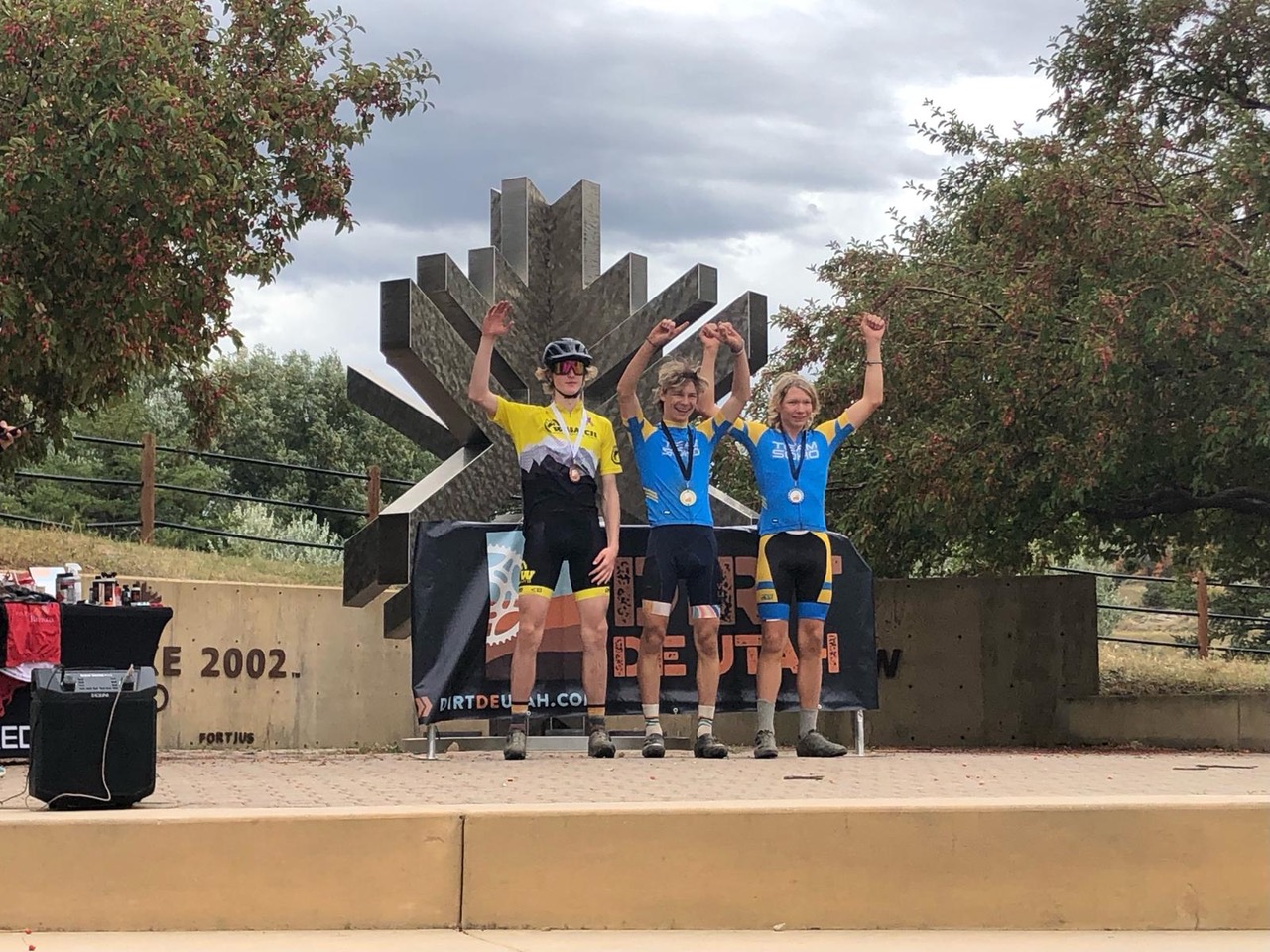
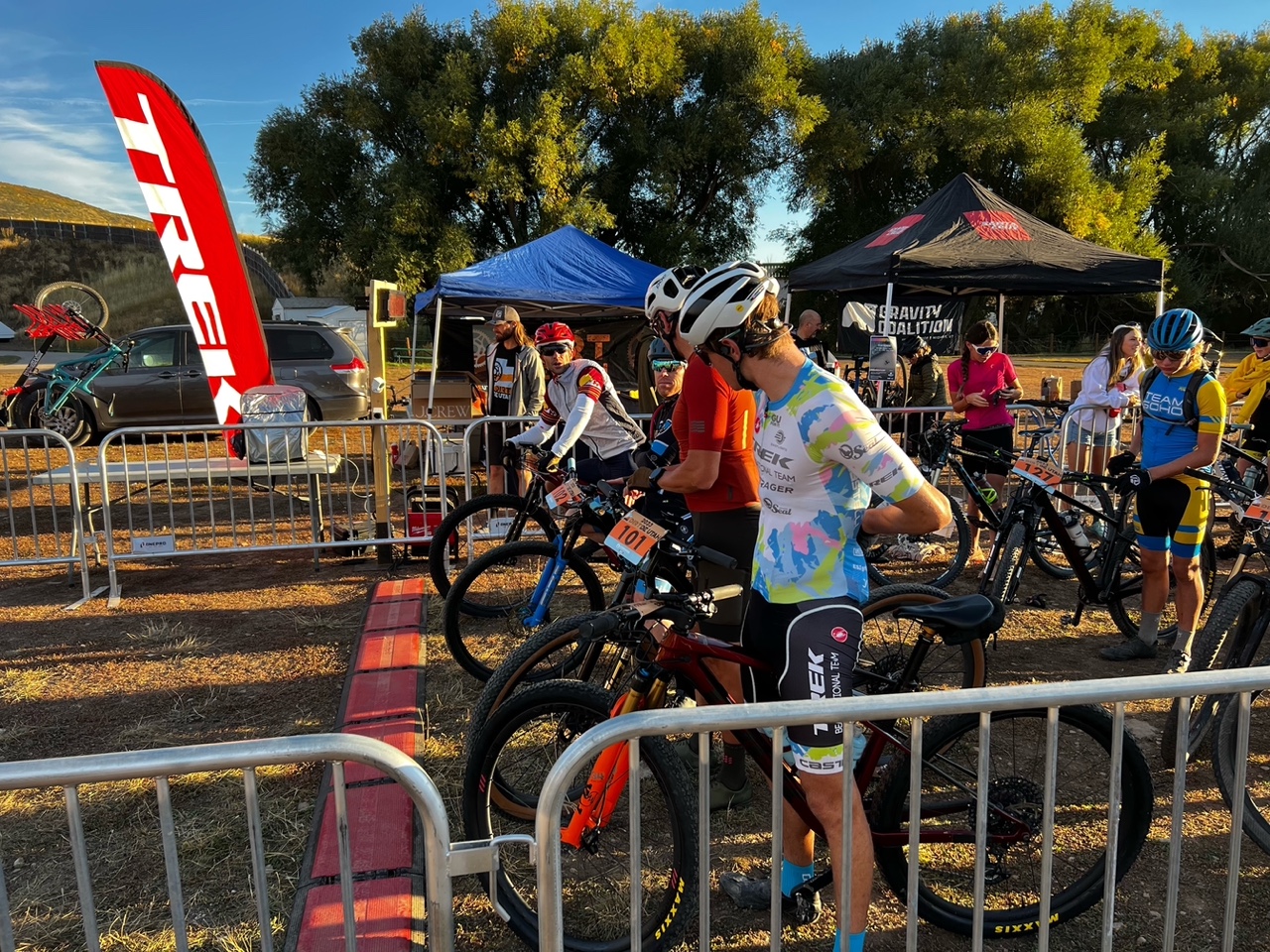
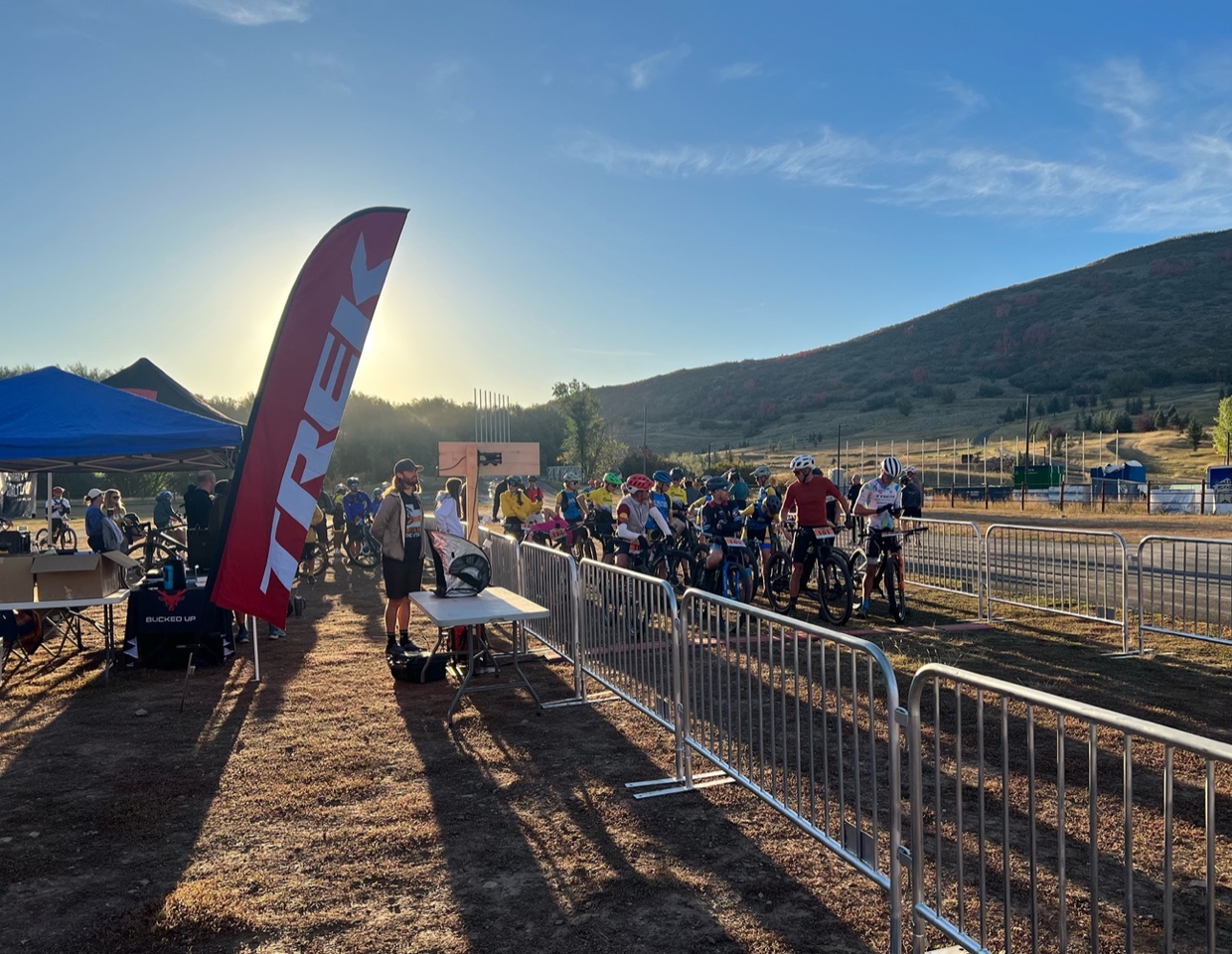
SOLDIER HOLLOW, Utah — On September 30, 2023, the Dirt de Utah unfolded with 25- and 50-mile gravel courses winding through the scenic Soldier Hollow Olympic venue and its surrounding landscape.

Courtesy of Dirt de Utah

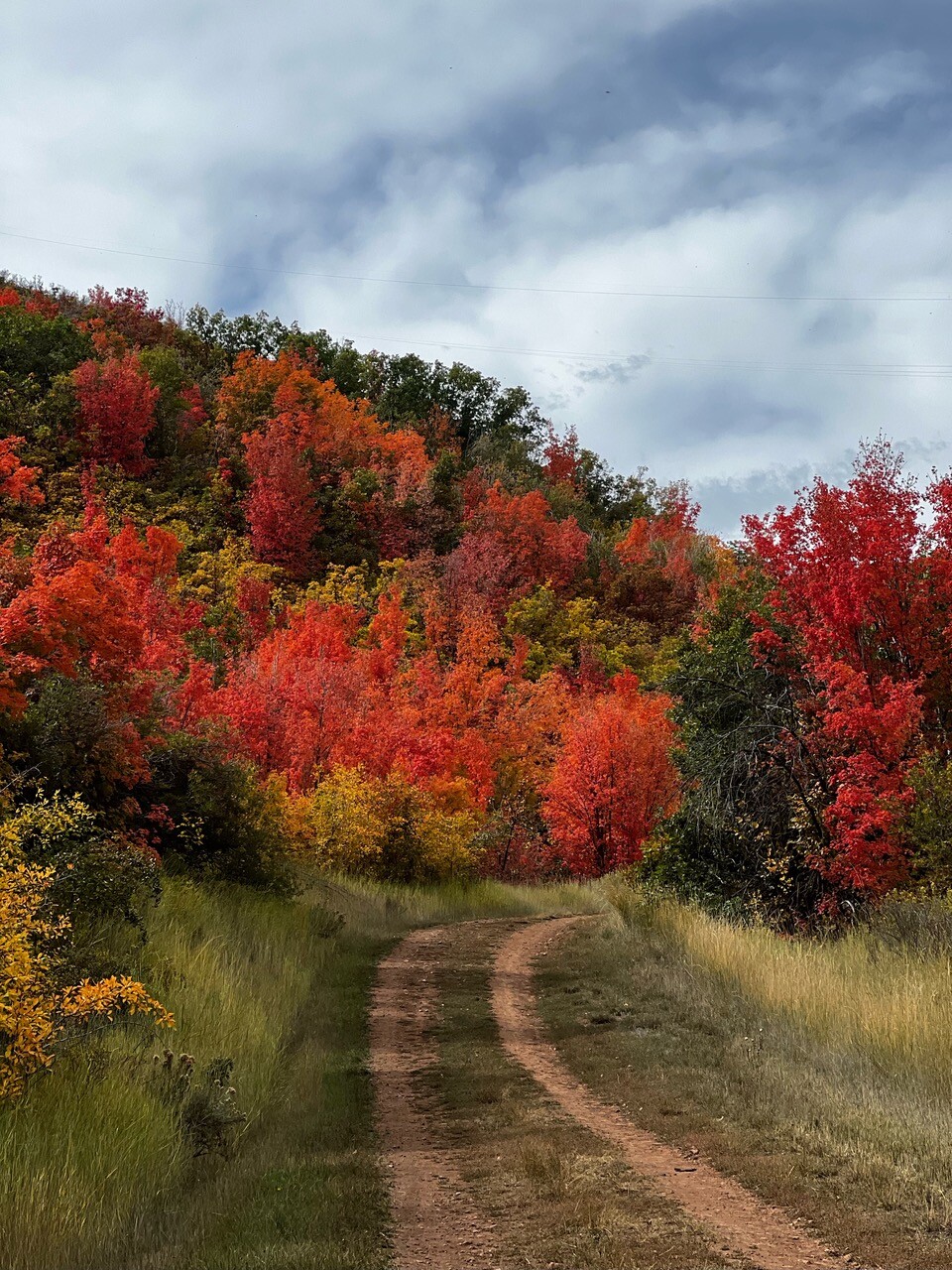
The race kicked off as participants journeyed through the historic 2002 Winter Olympics site. They then continued along the Deer Creek Rail Trail, made a U-turn, and conquered the slopes of Decker Canyon’s seldom-open private property. At the summit, racers paused to appreciate the vibrant fall colors in the valley before descending through Soldier Hollow to cross the finish line. The 50-mile racers charged into a second lap, intensifying the competition.

The Open Men’s 50-mile Full Dirty race witnessed a fierce duel between Chris Holley and Nathan Dutton. After crossing the finish line together on the first lap, Dutton secured a decisive lead in the second, claiming victory in the category.

Trek, Forge+Bond, Bucked Up, Gravity Coalition, Uinta Recreation, and Soldier Hollow generously contributed to the podium and raffle prizes.

Race sponsor Forge+Bond went the extra mile, donating two wheelsets to the event. The fastest times for the 25-mile Half Dirty and 50-mile Full Dirty distances in each of the Open Men and Open Women categories earned a set of carbon wheels. Suzanne Jensen, KC Holley, Nathan Dutton, and Lincoln Goodwin proudly walked away with these high-performance wheels.

Stay tuned for the announcement of the 2024 Dirt De Utah date, with registration set to begin shortly thereafter.

Dirt de Utah 2023 Results:

Place Plate Name Lap 1 Lap 2 Finish  Avg. Speed (mph) 
Open Women Full Dirty
1 111 Suzanne Jensen 02:05:04 02:13:03 04:18:07 11.2
Under-18 Male Full Dirty
1 6 Isaiah Ward 01:48:00 01:48:54 03:36:54 13.3
2 127 Asa Pulley 01:48:00 01:49:27 03:37:28 13.3
3 126 Parker Caldwell 01:54:16 02:06:38 04:00:54 12.0
Under-18 Female Full Dirty
1 124 Sydney Averett 02:33:34 03:56:34 06:30:09 7.4
2 122 Eliza Averett 02:54:06 03:54:31 06:48:37 7.1
Open Men Full Dirty
1 105 Nathan Dutton 01:42:18 01:38:00 03:20:19 14.4
2 102 Chris Holley 01:42:20 01:39:46 03:22:06 14.3
3 101 Stewart Goodwin 01:47:46 01:55:09 03:42:55 13.0
Men 40+ Full Dirty
1 141 Andrew Averett 02:17:54 04:12:10 06:30:04 7.4
Open Women Half Dirty
1 11 Kc Holley 01:57:35   01:57:35 12.3
2 12 Rachel Miller 02:04:54   02:04:54 11.6
3 13 Kary Moore 02:21:08   02:21:08 10.2
Under-18 Male Half Dirty
1 24 Lincoln Goodwin 01:43:35   01:43:35 14.0
2 29 Jacob Miller 01:51:36   01:51:36 13.0
3 23 Foraker Fisher 01:52:59   01:52:59 12.8
Under-18 Female Half Dirty
1 26 Ashten Hoover 02:28:21   02:28:21 9.7
2 22 Avery Charles 02:43:01   02:43:01 8.9
3 123 Nora Averett 03:05:53   03:05:53 7.8
Open Men Half Dirty
1 3 William Bermant 02:18:33   02:18:33 10.4
2 2 Bryan Beresford 02:20:05   02:20:05 10.3
3 103 Tim Knutson 02:23:08   02:23:08 10.1
Men 40+ Half Dirty
1 42 Luke Bodensteiner 01:56:49   01:56:49 12.4
2 52 Mark Froelich 02:14:32   02:14:32 10.7
3 50 Ramsey Moore 02:18:55   02:18:55 10.4


Dirt de Utah 2023 Photos:

Courtesy of Dirt de Utah

The Hring: A New Off-Road Racing Adventure Unveiled in Iceland

In an exhilarating fusion of raw road grit and the convenience of the capital city, the creators of the renowned Rift gravel race present ‘The Hring,’ a groundbreaking off-road event set against the stunning backdrop of Iceland during the summer solstice.

The Concept: Racing under the Midnight Sun

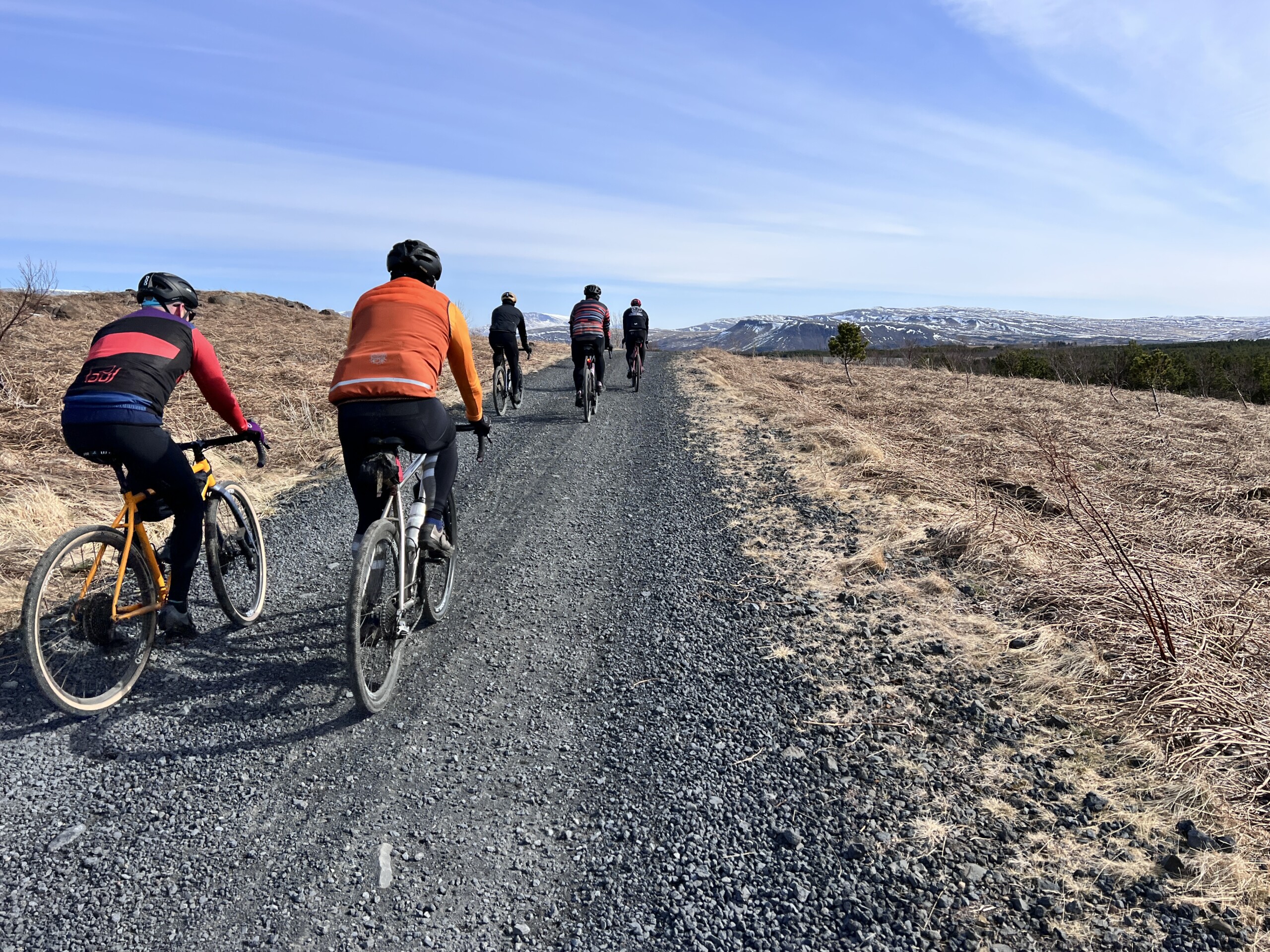
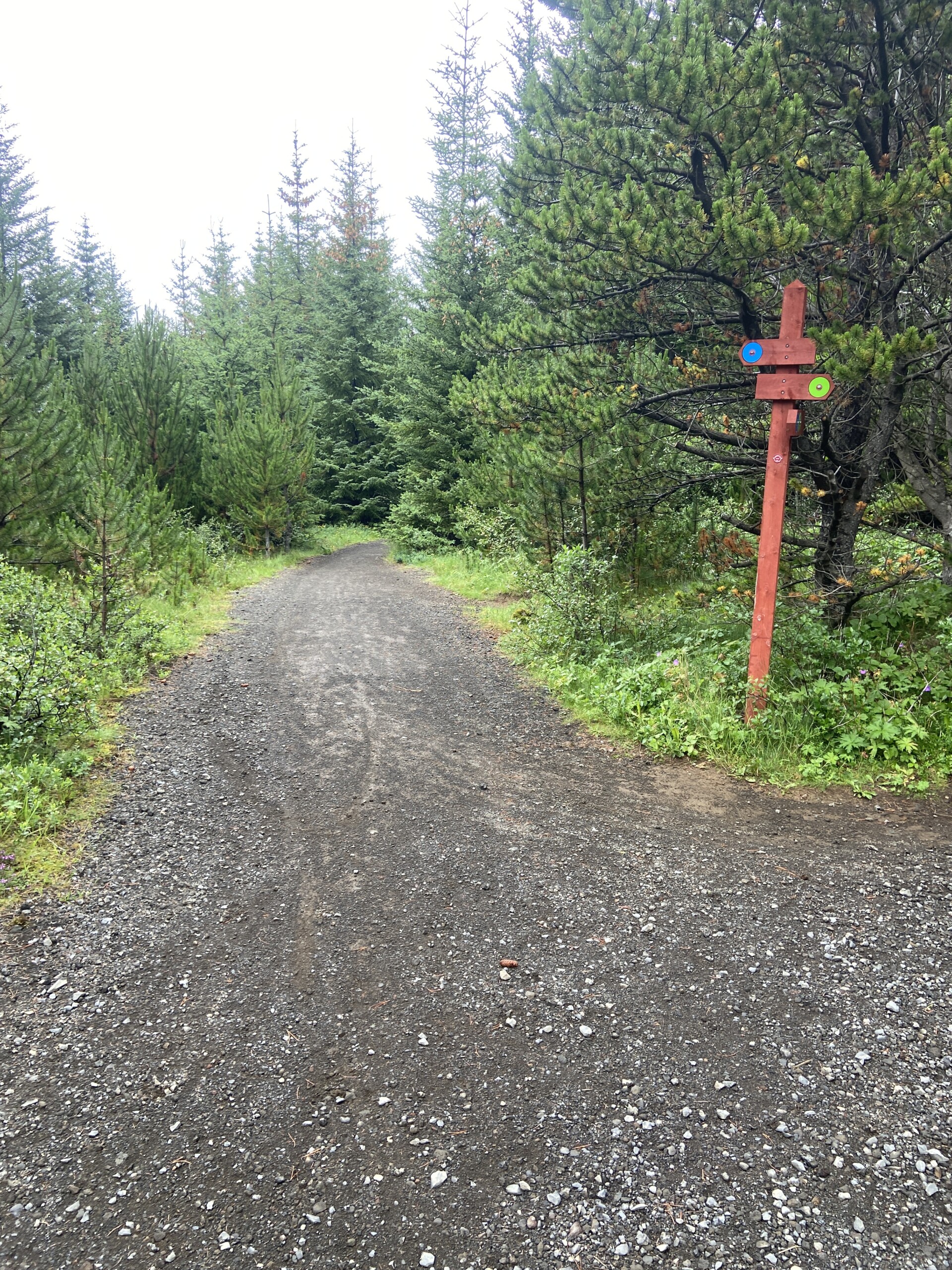
Inspired by the idea of holding a 24-hour-style race on the day with 24 hours of daylight, the organizers leverage their 15 years of experience in similar races to bring a fresh and innovative concept to life. The event unfolds in the picturesque locations of Hólmsheiði and Heiðmörk, renowned for their single-track loop trails and expansive gravel roads. The event takes its name, ‘Hring,’ from the most popular loop trail in the area, HRINGLEIÐER.

Photo courtesy GRO Promotions/The Hring

However, in a deviation from the traditional race against the clock, the organizers introduce four distinct categories: the Sufferfest, the Gritfest, the Gravel Trek, and the Pebble Trek. Each category boasts its own unique distance and start time. With base camps strategically located at the Airplane Hangers and the Old Hall on Lake Ellidavatn, the race employs segment timing, ensuring neutral zones for rest and refueling. The Old Hall will also serve as the epicenter for treats and the post-race celebration.

What to Expect: An Unpredictable Adventure

Iceland’s unpredictable weather and dramatic landscapes add an extra layer of challenge to the race. The course features a dynamic mix of double-track, road, bike path, and single-track, with off-road sections demanding riders to navigate rugged and technical terrain. Summer weather in Iceland can range from sunny and calm 62-degree days to cooler temperatures of 55-degrees accompanied by rain and heavy winds.

Photo courtesy GRO Promotions/The Hring

Designed initially as a gravel bike event, the organizers welcome participants on mountain bikes, recommending a minimum tire size of 42mm to tackle the diverse terrain.

Traveling to Iceland: The Logistics

For those eager to embark on this thrilling adventure, several airlines, including Iceland Air and Air Canada, offer direct flights from the US to Iceland. Both airlines permit participants to bring their bikes as luggage, a highly recommended option considering the scarcity of bike rentals in the country.

Upon arrival, navigating ground transportation proves to be hassle-free, with two bus companies shuttling between Keflavik Airport and the capital city of Reykjavik. Numerous lodging options are available. The race start is conveniently located just 10 kilometers from the city center, easily accessible via bike paths.

As ‘The Hring’ gears up to mark its inaugural year, participants can anticipate not only a challenging race through Iceland’s breathtaking landscapes but also a unique and unforgettable experience in the land of fire and ice.

For more information: https://gropromotions.com/the-hring/

Rockfall blocks White Rim Road in Canyonlands National Park

MOAB, Utah (November 28, 2023) — Geology happens very slowly… or all at once.

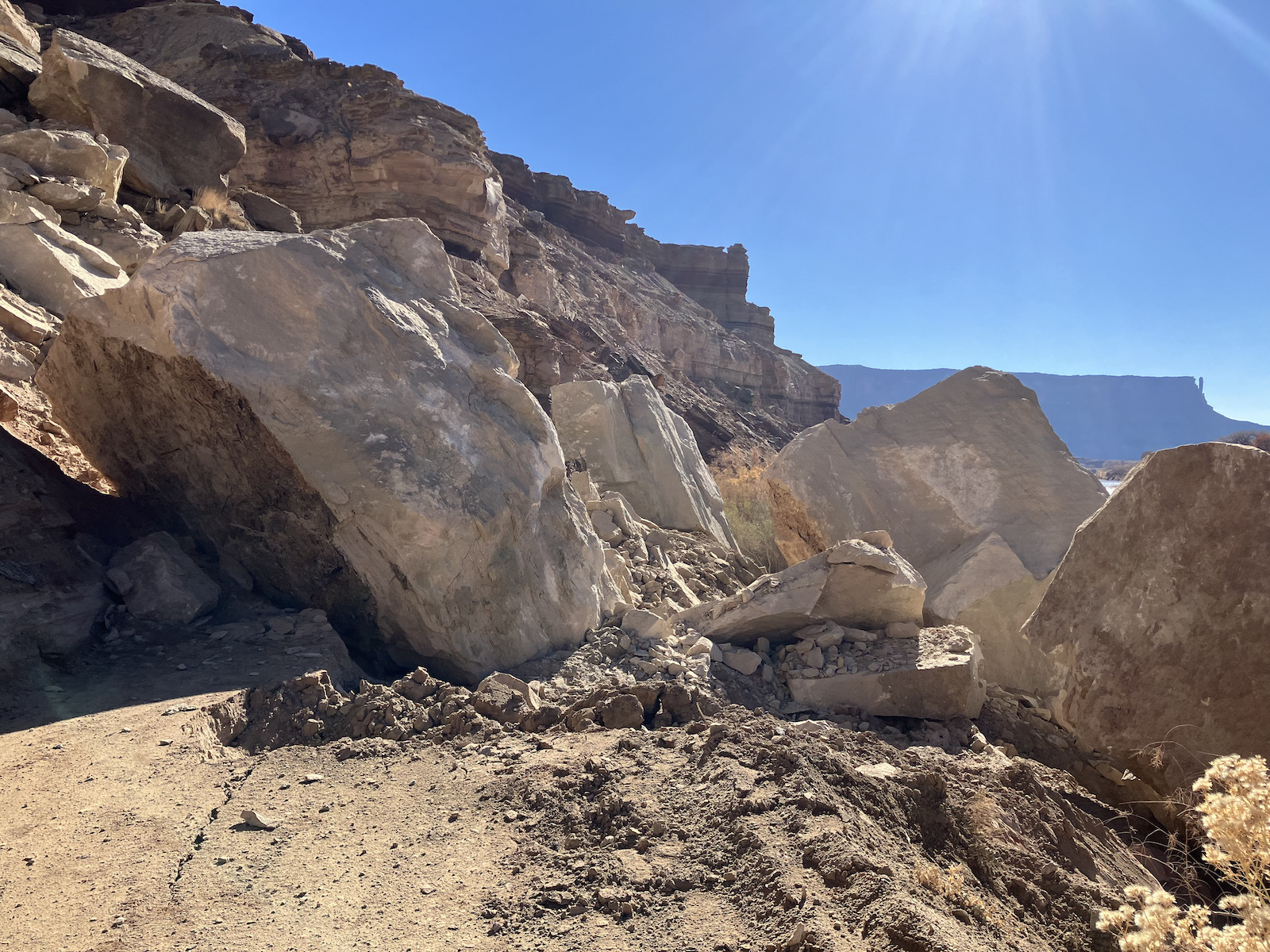
Last weekend, precipitation and daily freeze/thaw temperatures triggered a sizable rockfall in Canyonlands National Park. The rockfall damaged a section of the White Rim Road in the Island in the Sky district, north of the Labyrinth campsites. Several large boulders are entirely blocking the roadway.

Rockfall blocking White Rim Road in Canyonlands National Park. Photo by NPS/Frank Klein.

The White Rim Road is temporarily closed to all traffic between the park boundary at Mineral Bottom and the Labyrinth campsites. This closure applies to all visitors including vehicle or motorcycle drivers, bicyclists, and hikers. The closure will remain in effect until park staff can remove the boulders, repair the damaged roadway, and assess the stability of the cliffs above. Signage will be posted at turn-around points to the north and south.

Traditionally, winter precipitation and freezing temperatures can also cause temporary winter closures of the Shafer Trail, Flint Trail, or other four-wheel-drive roads in the park. Travelers are advised to always check the Road Conditions page of the park website for updates when planning a trip.


The Athlete’s Kitchen: Fretting About Food and Physique

By Nancy Clark MS RD CSSD — Many athletes feel pressure to have a perfect body, perfect diet, and ideally, perfect performances. The stress-inducing trait of perfectionism often pushes athletes to not only become stronger and faster, but also leaner and food-phobic. We have seen perfection play out with football phenom Tom Brady. While he is a poster child for the benefits of eating ”perfectly,” he also has great mental strength that keeps him focused on his goals without getting side-tracked by comparisons.

Most of us are a bit more insecure than Tom and end up comparing ourselves to others. Take note: To compare is to despair! Please stop comparing your physique and your food choices to those of your teammates, friends, and family! Here are strategies to help you fret less and instead gain confidence with your food choices and your physique.

Body Image. The subjective concept of one’s physical appearance based on self-observation and the reactions of others. Photo by Charlotte Astrid. CC BY 2.0 DEED Attribution 2.0 Generic

Body Comparisons

She’s leaner than I am … He’s got bigger muscles than I do … She’s prettier than I am …. He’s got a better 6-pack ab than I do. How often do you find yourself comparing your body to that of your teammates, friends, and social media influencers? If the answer is too often, just STOP IT! Your body is yours; it is good enough the way it is. You want to stop criticizing your body for being too fat, too slow, too short, too freckled—and instead be grateful for all the good things it does for you, like run marathons, row in regattas, win soccer games, and/or compete in triathlons. Those “thunder thighs” contribute to your ability to be a strong, powerful, and successful athlete. Thank them!

Few athletes have the “perfect body”; even the leanest athletes complain about undesired bumps and bulges. Athletes who whine about feeling fat are more likely feeling imperfect, inadequate, anxious, and/or out of control.

Recommendations: To achieve body acceptance, practice living on a fantasy island where you and your body are good enough—if not excellent—the way you are. If you wander off your island and start comparing yourself to others, you’ll undoubtedly end up despairing. Stay on your island!

When you look in the mirror, greet yourself with a welcoming smile and grateful words. With time, you will start to internalize that your body is indeed good enough the way it is. While you may never attain the perfect physique, you can still be grateful for all your body does for you.

Portion Comparisons

Do you eat like a bird compared to your teammates? Or maybe you feel self-conscious because you need to eat twice as much as your peers just to maintain your desired weight? At team meals/social gatherings, many athletes monitor the quantity of food others are eating. Salads and small portions tend to get praised more than lumberjack servings. (I wish I had your discipline vs. You sure do eat a lot….) For athletes recovering from restrictive, dysfunctional eating, eating a sandwich, fruit, yogurt & pretzels for lunch seems embarrassing—way too much food—when it’s really what is needed to properly fuel up for an after-school practice or after-work trip to the gym.

When I educate my clients how many calories they “deserve” to eat, most are flabbergasted to learn athletic females commonly require 2,400+ calories to maintain weight; athletic males may require 2,800+ calories. That’s 600-700 calories four times a day: breakfast, early lunch, second lunch/afternoon snack, and dinner.
Recommendation: Please don’t start counting calories; your body is your best calorie counter. Rather, listen to your innate hunger and fullness cues. Eat when hungry; stop when content. Pay attention to why you stop eating: Do you think you should? Is the food all gone? Or are you actually feeling content and comfortably fed?

Food Comparisons

I eat only healthy foods.I avoid sugar like the plague … I won’t touch the pies at Thanksgiving. In the world of “clean eating”, athletes feel pressure to choose the “right” foods. That translates into no sugar, salt, red meat, white flour, packaged foods, fat, and no fun foods. The E in Eating stands for Enjoyment; you want to be able to enjoy (in appropriate portions) the foods you truly want to eat!

Believe it or not, it’s OK to balance fun foods into an overall good diet. The goal is 85-90% nutrient-rich whole grains, fruits, veggies, lean proteins and 10-15% fun food. You need not eat the perfect diet to have an excellent diet.

You want to eat a foundation of about 1,500 calories from a variety of nutrient-dense foods to consume the vitamins, minerals, and protein required for an effective sports diet. Because your body needs at least 2,400-2,800 calories a day, you have space in your diet for both health-promoting food and fun food. While you want to enjoy more of the best foods and less of the rest, you can balance fun foods into your sports diet. That is, an apple is a healthy food; a diet of all apples is a very unhealthy, unbalanced diet.

Recommendation: If you find yourself being judgmental about food, the problem is unlikely the food, but rather your relationship with the food—and fears it will make you get fat or ruin your health. Eating out of the same pot as your pals is a very healthy thing to do! A few fun meals will not ruin your health forever.

Nutrition Supplement Comparisons

I often counsel athletes who wonder if they can nourish their bodies with real food instead of taking supplements. As one athlete sheepishly asked, “I don’t take any vitamin pills. Should I? My teammates take a handful of them.” Let me reassure you that opting out of supplements is okay (and can save you bundles of money). If you eat wisely 85-90% of the time, you are likely getting the vitamins and minerals and protein you need, with a few possible exceptions (iron, vitamin D).

Recommendation: If you question the adequacy of your diet, consult with a registered dietitian (RD) who is board-certified as a specialist in sports dietetics (CSSD). Make an appointment today to learn how to choose food based on facts, not fears, and can fret less and enjoy better quality of life.