Home Blog Page 99

Getting Lost on Fitzgerald’s Joyride 2022

By Dave Fotsch — I should’ve known better. It was day three of the Fitzgerald’s Joyride bike-packing race in southeast Idaho. I had just completed the second massive climb of the day and was starting down the other side when I encountered another rider. Brian Rinck stopped, and we chatted for a while, as you do when you finally see another rider. Then I said, “so you must be going clockwise.” He looked at me quizzically and said, “No, I’m going counterclockwise.” Though most go counterclockwise, the course allows riders to go in either direction.

“What? I’m going counterclockwise!”

“No, dude, if you continue down this trail, you’ll wind up back at the market.”

The market he was referring to was Bailey’s Market, a vital resupply point at the bottom of the biggest climb of the entire route, some 3,000 feet. I’d already done that climb and suddenly realized I’d done it twice.

“I’m so confused,” I said with genuine concern.

I had been having trouble with my navigation the entire trip. While I had loaded the route into my Garmin Etrex 30, I couldn’t get the display to work right. I tried to follow the line, but it wasn’t giving me mileage or other vital information. Plus, the route crisscrosses itself in the middle, and I had already spent extra time and mileage going the wrong way many times.

It was getting late. I followed Brian up the track back to the summit and down the other side. He dropped me because I descended like an old lady. I’m cautious descending after the sun goes down. Five broken collar bones and numerous other injuries over the years will do that to you.

Fortunately, I came upon a couple of other riders, Peter Yerger, and Al Meder, who had been behind me. With all my navigational errors, they could’ve passed me anywhere. One of them was having trouble with the electronic derailleur on his bike. Having resolved the problem, they led me into Soda Springs. I was exhausted. There was no way I was going to try and find a camp spot and sleep in the cold. Only one of the two motels in town had a room. It didn’t matter that it was $87. I was staying there. At the Maverik station, I bought two 32-ounce Budweisers and went to my room. After a shower, I sat on the bed and drank the beers contemplating whether I could go on. I was so tired I couldn’t figure out the TV remote. Then I passed out.

I had screwed up badly. After completing the big climb out of Bailey’s Market and going down the other side, I stopped for food at a trail intersection. The Garmin indicated I needed to go up a hill when I got back on my bike. Intuitively, I thought I should be dropping into Soda Springs. I had no cell service to check my intuition, but Garmin knows best, right? I didn’t realize that I was climbing the hill I had just come down.

I had come into the race about as unprepared as I had ever been. The original plan had been to do the Smoke ‘n Fire 400 that starts and ends in Boise. True to its name, the race was altered by the all-too-common summer wildfires. The fires and smoke closed the route north of Ketchum, forcing organizers to change the course, making it an out-and-back along the northern part of the route from Boise to Redfish Lake. The air quality was grim even on the altered path. The last time I’d done Smoke ‘n Fire was five years ago when wildfire had forced organizers to make it an out and back along the southern part of the route. I didn’t want to do that again. The attraction this year was the opportunity to make the entire loop.

Fitzgerald’s Joyride, which started three days after Smoke ‘n Fire, was in a part of the state essentially free from wildfire smoke. I had friends doing the race, so I changed my plans at the last minute and caught a ride to Idaho Falls with Louie Konkol. Louie shared some of his route beta. That’s all the research I did, outside of downloading the course into my Garmin.

With my Garmin failing to give me mileage without switching between screens, I wasn’t entirely sure where I was at any given time, even as I tracked my progress on my Apple Watch. I didn’t know where the big climbs were or how long they would be. I only knew where I could resupply and get water. If I could cover at least a hundred miles a day I’d still have a ride home.

At an informal racer gathering the night before the race started, I told Boisean Clint Boltz that he was my backup ride home. Louie, who had done the race the year before, was determined to finish in three days. I couldn’t do that. Louie would be on his way home while I was still churning out the miles.
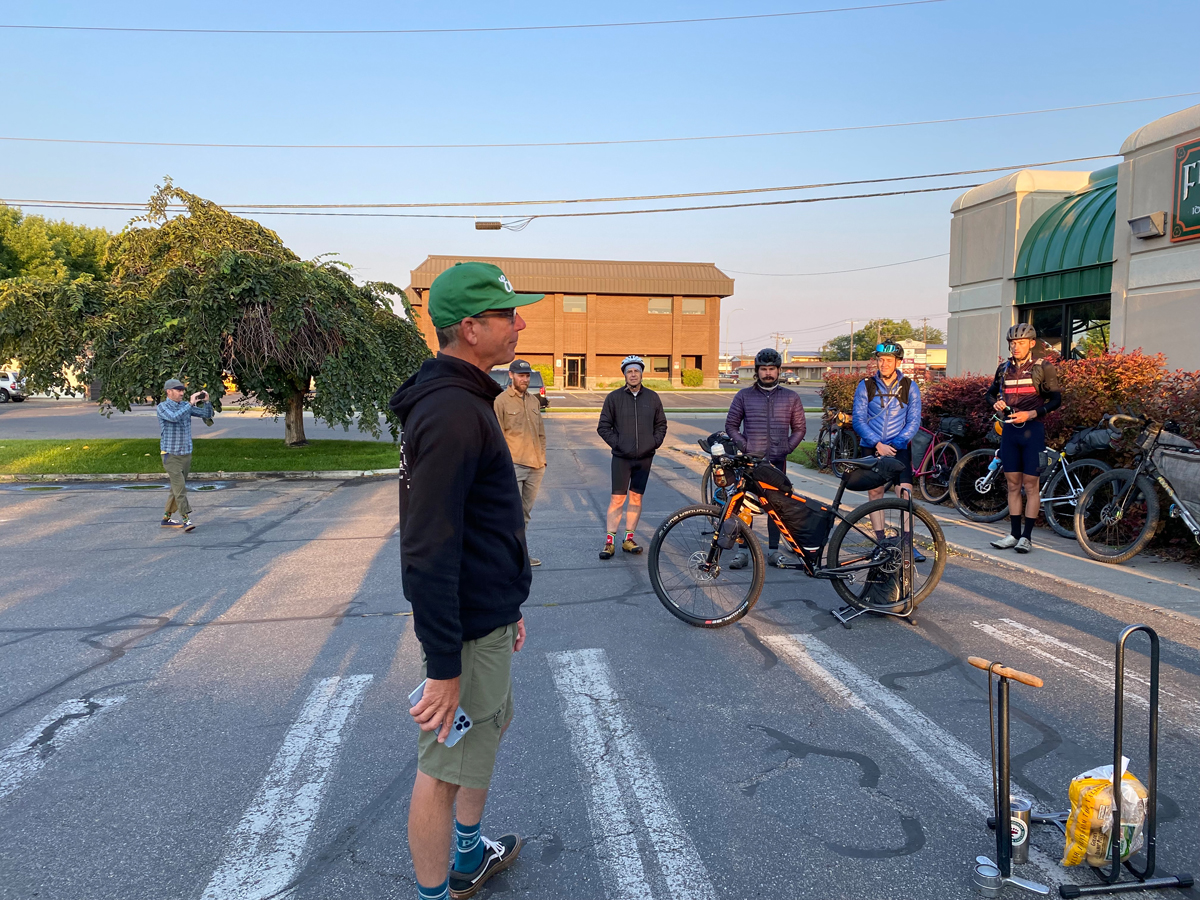
Kevin Emery addressing the racers. Note the bag of potatoes leaning against the bike stand. Photo by Dave Fotsch

The racers gathered in the chilly morning air in the parking lot of Fitzgerald’s bike shop in Idaho Falls. The Fitzgerald crew was kind enough to have some snacks and, most importantly, coffee waiting for us. Race organizer, Kevin Emery, called everyone around for a brief talk before the start at eight o’clock. As with most of these races, there are no entry fees or prizes, though Kevin offered the winner a bag of Idaho potatoes. Self-support means finding your own food and water, though Kevin said he might pop up from time to time with a little ‘trail magic.’ Otherwise, you’re on your own in bike-packing races.

Without much fanfare, we rolled out on pavement heading south into farmlands and the nearby mountains. We shed layers as the day warmed up.
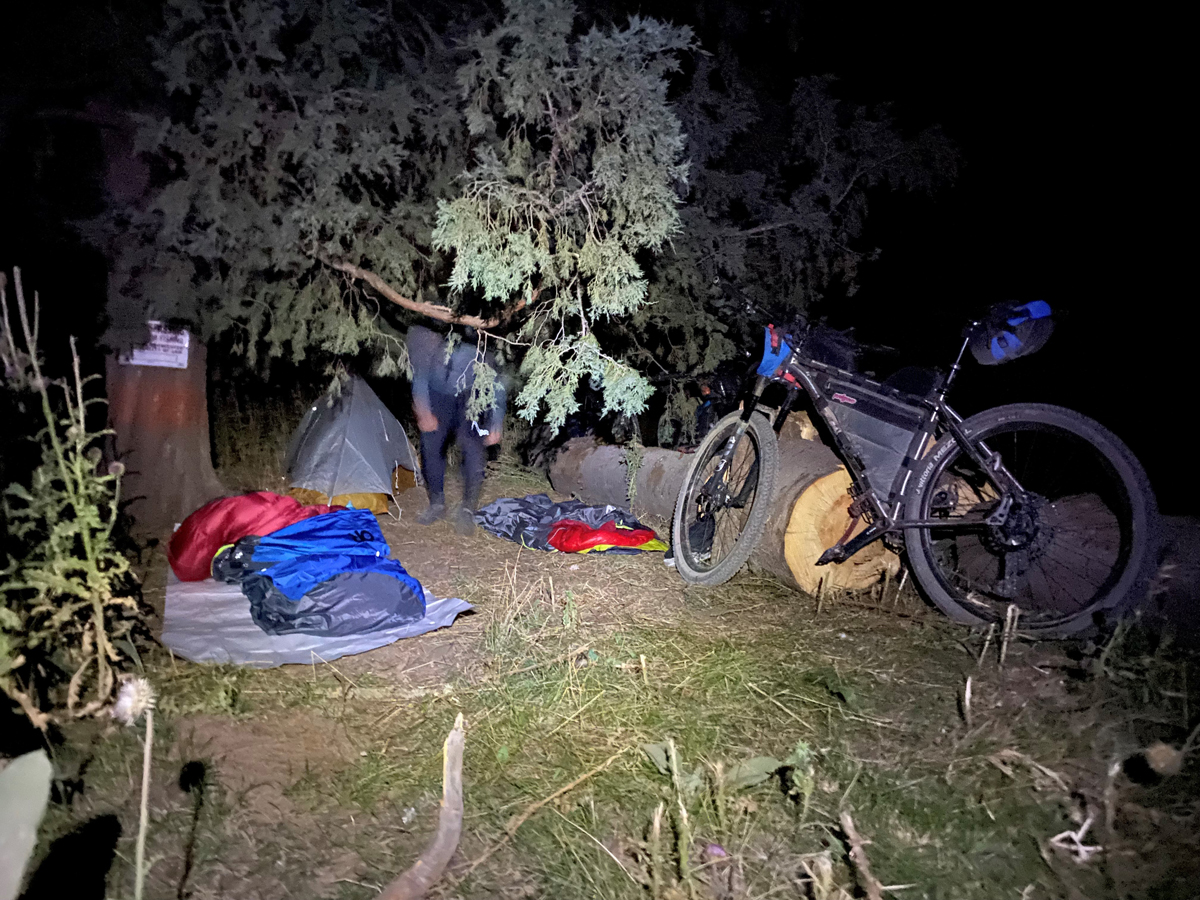
Camp one. The tired can’t be too choosy. Photo by Dave Fotsch

In races like this, you tend to find ‘your people,’ the ones who ride at your speed. After passing some and being passed by others, I was mostly on pace with Clint Boltz and Cody Heiner, both from Boise. I appreciate Clint correcting me as I got off course multiple times, a theme that resonated throughout the race. We decided to ride a few more miles together in the dark at a late-night dinner stop in Lava Hot Springs before collapsing exhausted into our sleeping bags. Our impromptu camp was a cow patty-splattered wide spot on the side of the road where someone had mowed down the tall thistle plants. We had covered 111 miles.

Cody was the first up the following day. The noise of him packing was my cue to get up and go, no matter how tired I was. It was about 6:00 a.m. Slowly we climbed the four miles to a summit that would’ve been a much better camp spot if only we had the energy to get there the night before. From there, it was a fun descent into the Gentile Valley, the nearly full moon and Jupiter still visible on the horizon.

I diverted off Cleveland Road unintentionally into the tiny town of Thatcher. I got a sighting of another rider going the other way. I think it was Jackson Long who ultimately won the race. I waved, but he didn’t. I sat on the Thatcher schoolhouse steps and had a snack. This town is one of the cross-over points on the route, where clockwise and counterclockwise paths converge. I had to backtrack less than a mile to get back on course.

One of the promises of this ride was the possibility of hot springs soaks at Lava Hot Springs and Maple Grove Hot Springs. Lava was out of the question because I got there so late. Maple Grove was hosting a special event and wasn’t open to the public. At this point, I had been leap-frogging with Brian Charette, who though faster than me, was on a more leisurely pace, stopping frequently to, uh, enjoy mother nature, shall we say? Regretfully, Brian and I filled our water bottles, gnawed on energy bars, and moved on. We had the big city of Preston to visit!
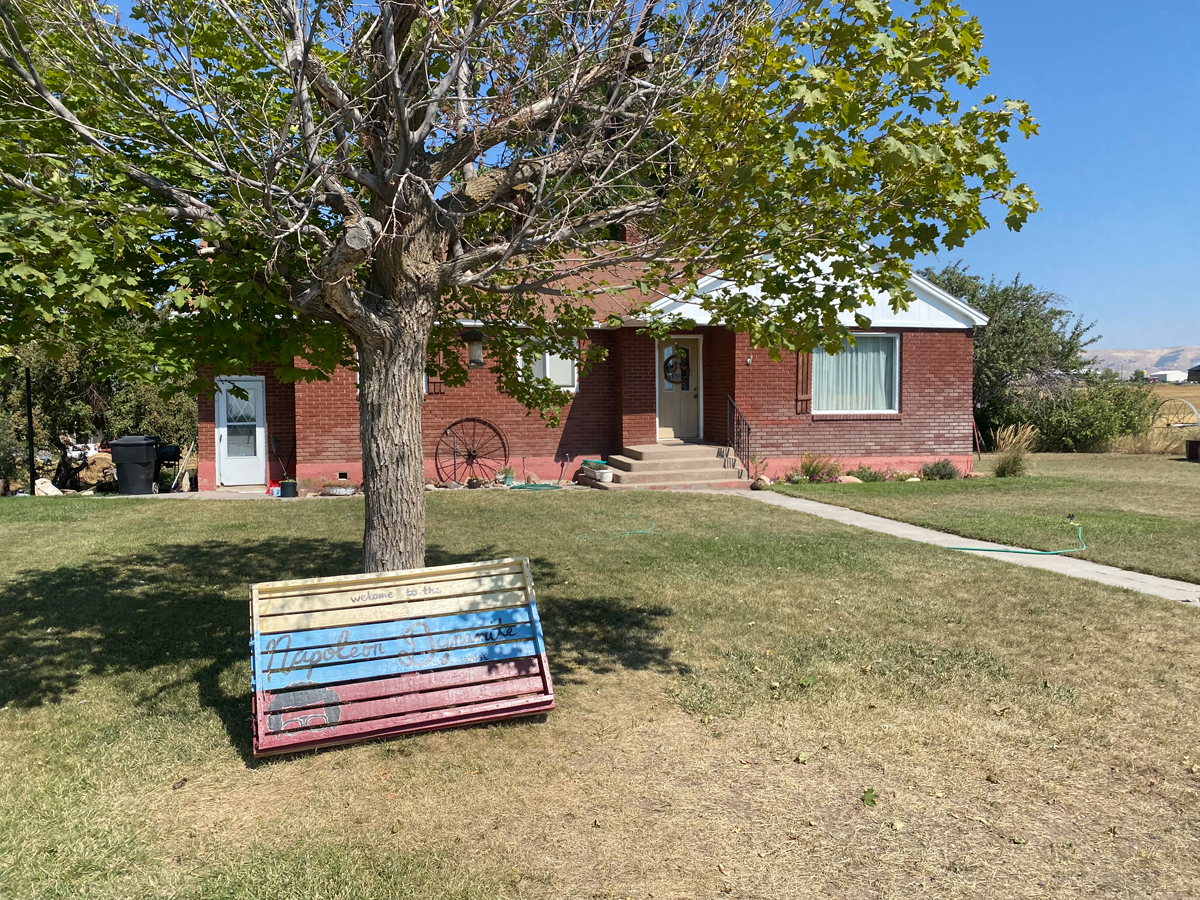
The Napoleon Dynamite house Preston, Idaho. Photo by Bryan Charette

Preston, Idaho, is famous for being the setting of the cult favorite movie Napoleon Dynamite, and that is all. The route intentionally passed the iconic house featured in the movie, though I missed it because I was too concerned about missing turns on the way into town. I was focusing on my Garmin and not the scenery. I caught up with Clint and Cody again, though we were at different fast-food restaurants.
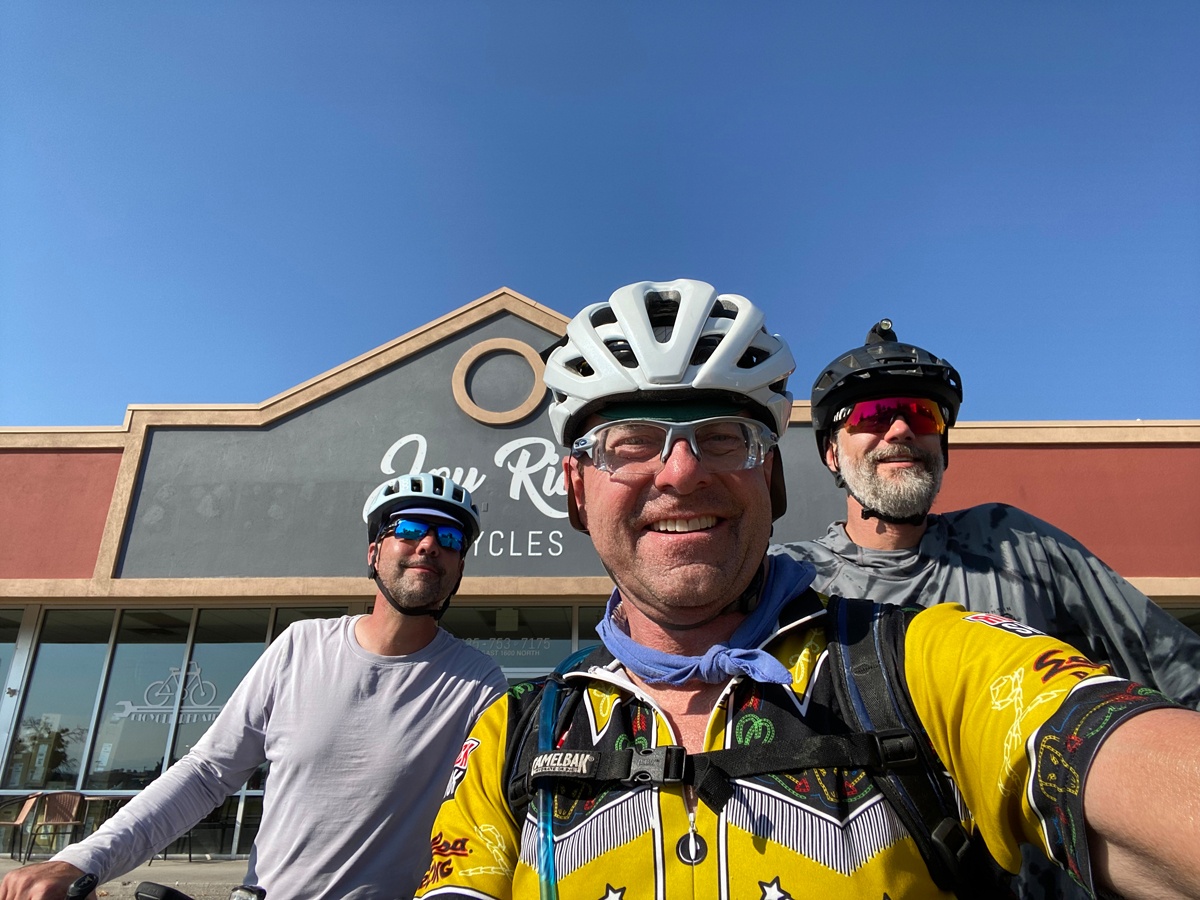
The author, Clint Brotz (l), and Cody Heiner (r) at the turnaround at Joyride Cycles in Logan, Utah. Photo by Dave Fotsch

The southern part of the route is flat and largely paved. It makes for fast travel, even if it isn’t as interesting. All around us was farmland. It’s a wide-open valley ringed by distant mountains. By 4:30 Sunday afternoon, we were at the turnaround point in Logan, Utah, taking selfies in front of Joyride Cycles. Nearby was a Mexican restaurant. I have a philosophy about eating on these kinds of adventures. When you have the opportunity for a sit-down meal, take it. You can only eat so many Clif Bars before you’re sick of them.

La Tormenta translates to The Storm, but to us, the restaurant’s name was The Torment. It offers genuine Mexican cuisine prepared by Mexicans, who hardly spoke English. While well-meaning, the cute teenage girls taking orders behind the counter couldn’t understand what we wanted. We were each asking for a meal to eat in, and bean and cheese burritos to-go. When the first bean and cheese burrito came out on a plate, Cody, who had done his mission in Ecuador, stepped in with his limited Spanish to try and explain. Eventually, we all got what we had ordered, and after a bit of a wait, our burritos to-go.

We made good time on the paved roads as the sun dropped in the sky. I got lost in Smithfield. I didn’t hear Clint yelling at me, and then I couldn’t figure out where he and Cody had gone. I wasted precious time going back and forth over the same roads until I found my way back onto the route. Damn you, Garmin! This getting lost thing was getting old. If only that had been the end of it.

It was nearly 8:00 p.m. when we rolled into Richmond. Needing a boost, we drank cups of strong gas station coffee. There had been foolish talk of trying to push onto Soda Springs, still some 90 miles away. I don’t mind riding in the dark, especially now that I have good lights, but my lights would long outlast my legs. We had already covered about a hundred miles at that point, so we lowered our expectations and targeted the Albert Moser campground only about 20 miles off in the Caribou-Targhee National Forest. We pulled into the campground late. It was nice to have a decent place to pitch a tent and a pit toilet! I had covered about 130 miles, more than my riding companions because of my wayward ways.

We awoke early again on Monday. Cody and Clint were packed and ready to go before me. I wanted to use the pit toilet before I left the campground. “I’ll see you down the road,” I said as I grabbed my toilet paper and A&D ointment and headed to the loo. That was a fateful mistake.
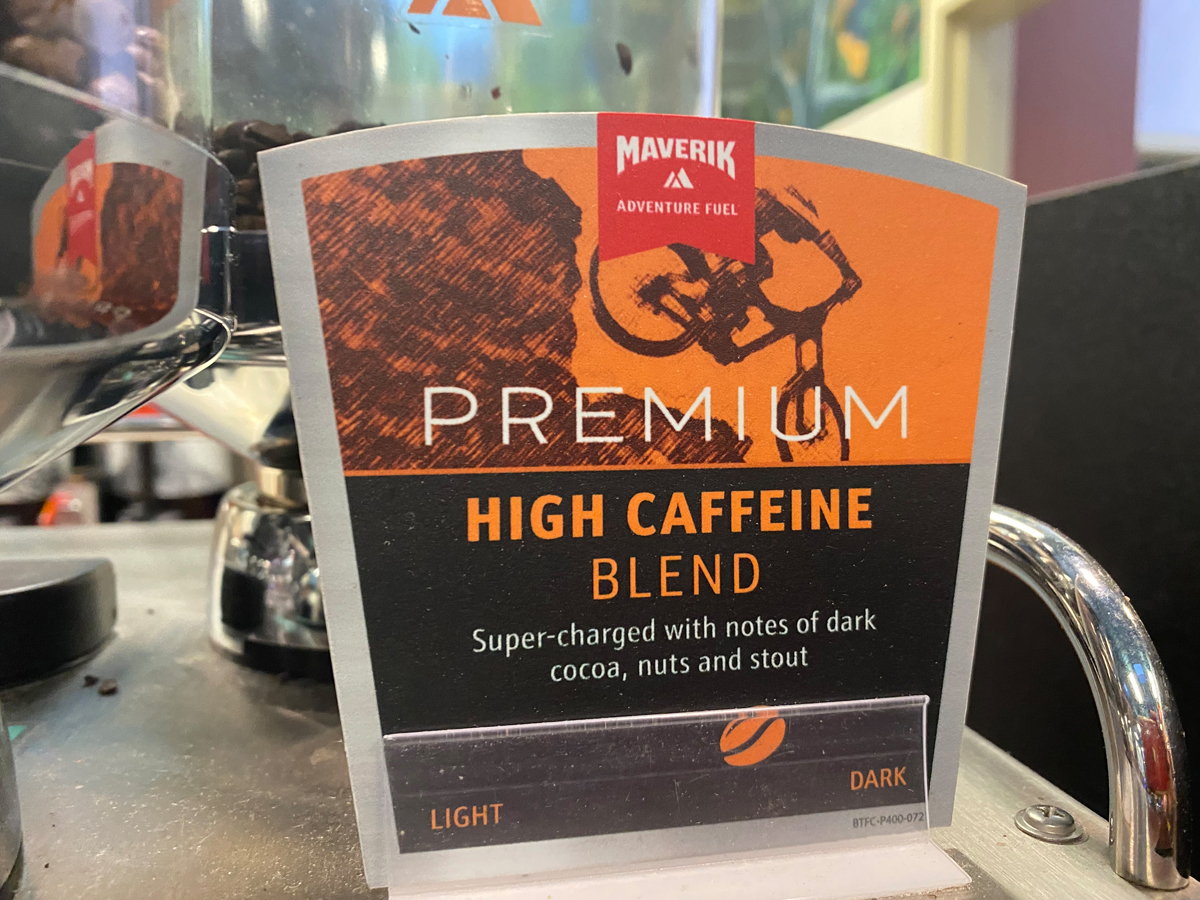
Don’t mess around with ordinary coffee, not after 10 hours in the saddle. Photo by Dave Fotsch

It’s not unusual to be tired and not thinking clearly after pounding out hundreds of miles in a couple of days. Well, I sure could’ve used a cup of gas station coffee that morning. From the campground, I turned left when I should’ve turned right. I thought things were going well as I cruised downhill. The road changed from gravel to pavement. Then I saw two things that made me slam on the brakes. A dead raccoon and a flashing sign for a nearby cabin. “%$&*!” I screamed to myself. “I went the wrong way!”

Last night, I’d seen that sign and the dead raccoon as we climbed to the campground. The same road looks so different in the daylight.
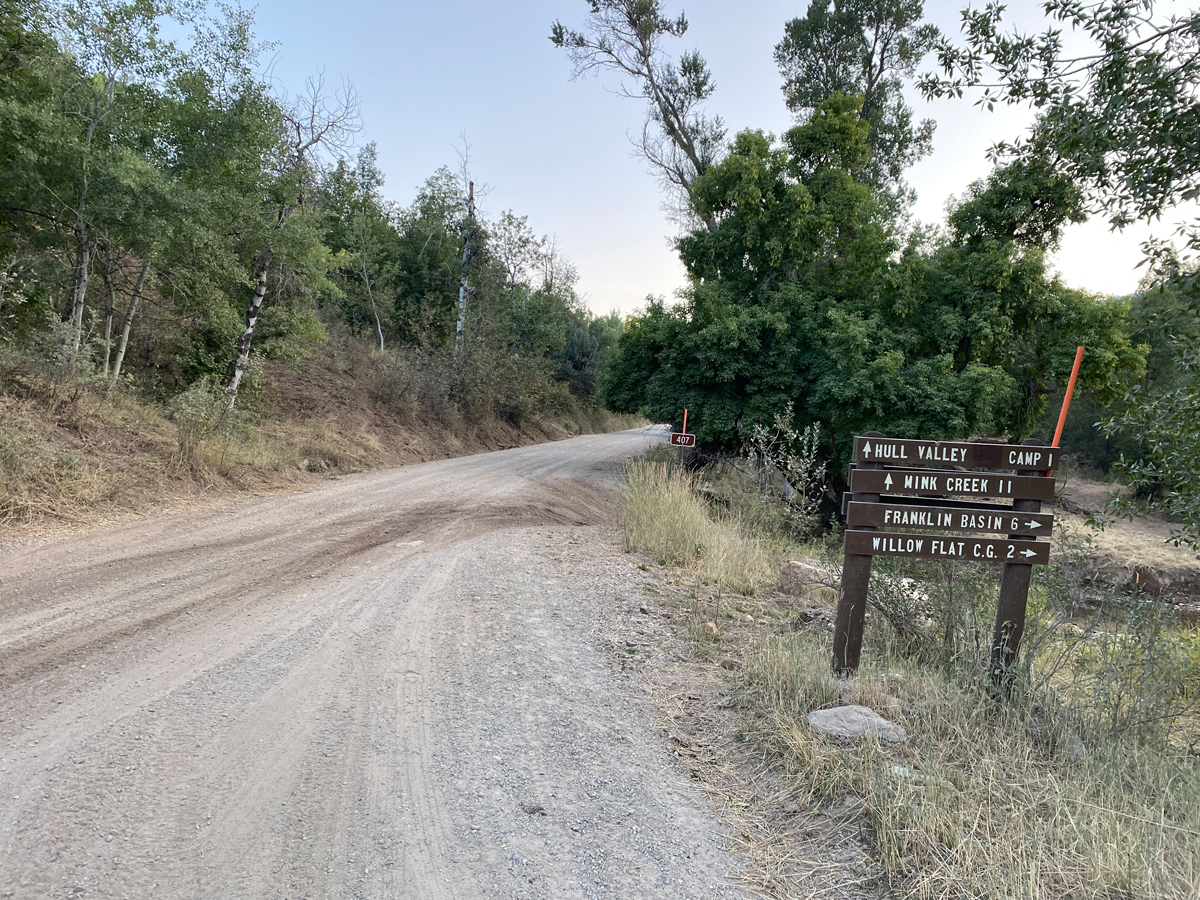
The road back up to the campsite. Photo by Dave Fotsch

There was only one thing to do – turn around. I’d only gone down the road about a mile and a half, but I had to reclaim the distance and elevation I’d lost before I could even start to catch up with my companions. I was hoping to join them on our second pass by Maple Grove Hot Springs, but sadly never saw them again.

I followed the Birch Creek drainage into Mink Creek and picked up Highway 36 for a few miles before the turn-off to Maple Grove Hot Springs. As I was dropping into the Bear Creek drainage, I encountered a father and son from Utah. They were only doing part of the route, having started in Logan. The father, who was closer to my age, told me they had stayed in one of the cabins at Maple Grove.

“I don’t know when they clean the rooms,” he said. “But the door is open, and there are wristbands for the hot springs.”
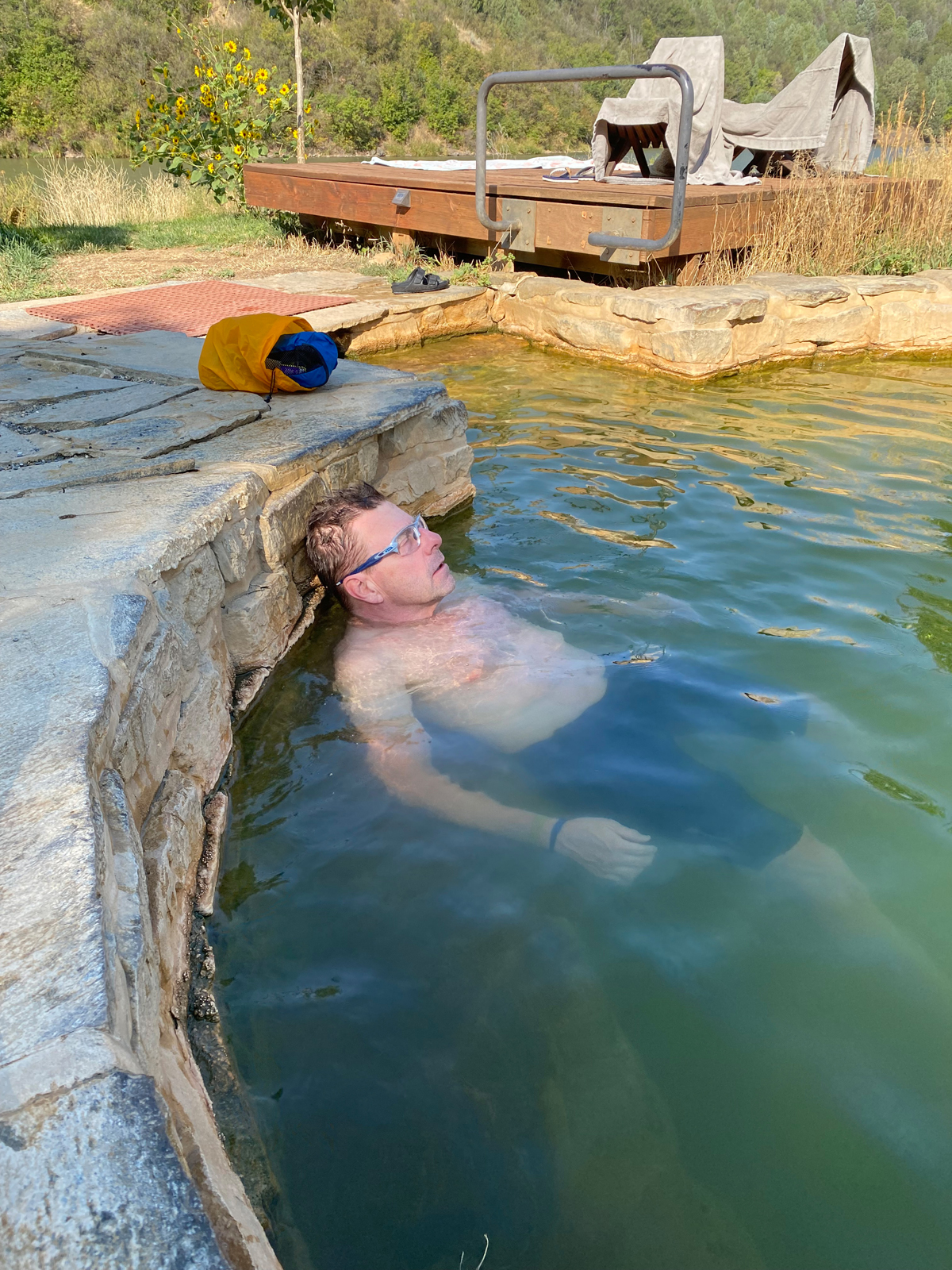
The author soaks away the pain at Maple Grove Hot Springs. Photo courtesy Dave Fotsch

That’s all I needed to hear. I was planning on soaking anyway. I was filthy from two days of dust and sunscreen. I eagerly covered the few miles to the hot springs. Just as he said, the cabin was open. I leaned my bike against the picnic table outside and got ready to soak. Clint and Cody were nowhere around. They later told me the place was closed when they got there. First, I went into the changing room and showered the grime off my body before getting into the big pool behind the main building.

A young woman was soaking nearby. I asked her if this was as hot as the pools get. She said there’s an even hotter pool close to the river. I gathered up my dirty clothes and headed that way. There I found two lovely middle-aged women, Linda, and Sondra. We engaged in some pleasant conversation, playing a guessing game, trying to figure out where we were from. I let the hot water purge my aching body of all the abuse it had suffered over the past few days while Sondra performed provocative stretches on the side of the pool.

Sufficiently soaked, I bid farewell to my newfound friends and returned to the cabin where I changed into a clean kit for the first time since Saturday, ate, and packed up to leave. The proprietor came around the corner just as I was zipping closed the last bag.

“I thought you guys already left.” I guess all cyclists look alike. “Oh yeah, it’s a long story,” I lied. “But I’m out of here now. Thanks for your hospitality.” I smiled knowingly to myself and hit the road.
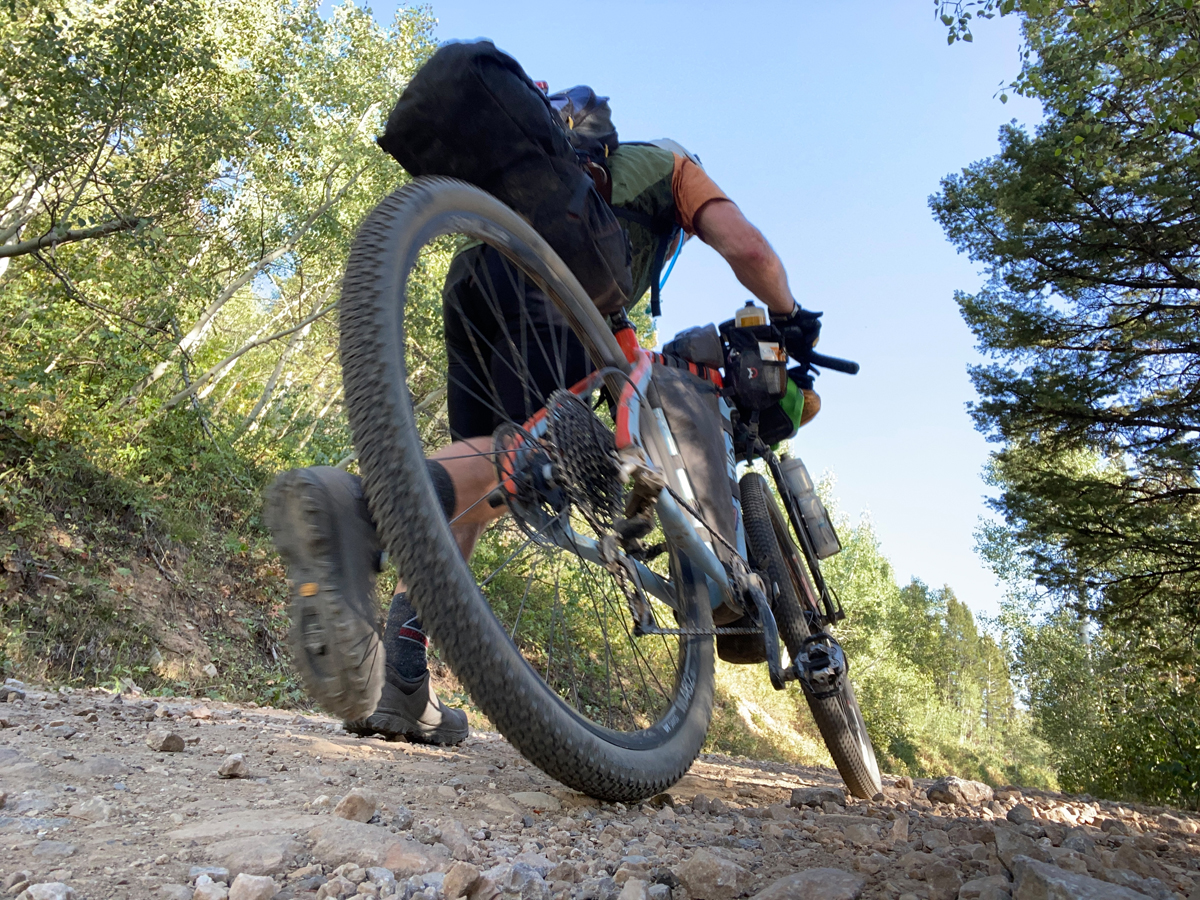
Dave pushing his bike… Photo courtesy Dave Fotsch

I passed through Thatcher again, this time going the right way, and pedaled to Bailey’s Market, where I feasted on Chili Cheese Fritos and Pepsi from the soda fountain. I topped off my water bottles and started what everyone said was the biggest climb of the route. It was as hot as it had been the entire weekend. It should be no surprise that there were a few wrong turns before the summit and lots of hike-a-bike sections. From the top, I dropped down to the other side. And then the stupidity happened.

I awoke at six Tuesday morning with a hangover. I was still out of sorts from being such an idiot the day before. There were roughly a hundred miles between me and the finish in Idaho Falls. The forecast called for overcast skies with a chance of rain. I texted my wife and told her I wasn’t sure I could go on. She offered to come and pick me up if I couldn’t go on. My friend Louie, who had finished the day before and spent the night in Idaho Falls, texted and offered to pick me up on his way home. I had options.

My ass hurt from the worsening saddle sores. Eventually, I resolved to give it a go. I made some really bad motel room coffee and started packing up. There was a lovely little café in town that opened at seven. I knew I’d feel better with a good meal in my belly.

Peter and Al were already there when I walked in. I ordered one of my favorite biking breakfasts, biscuits, and gravy with eggs over easy and lots of coffee. The three of us chatted about our adventures, past and present. I told the story of my stupidity the day before. They nodded, wondering what kind of joker was sitting across from them. They had ordered grilled cheese sandwiches to eat later. Brilliant, I thought, but I didn’t order one myself.

Peter, Al, and I rode out of town on a recreational trail that led to gravel roads on the relatively flat area south of the massive Blackfoot reservoir. We passed between a pair of cinder cones called China Cap and China Hat. From there, the route turned into the Caribou Mountains and more climbs.

For the first time in four days on the trail, my Garmin was giving me the information I needed all on one screen. I don’t know what I did to get it to display that way, but I sure wasn’t going to change anything. Peter and Al steadily pulled away from me until they stopped to eat their grilled cheese sandwiches. I was on a mission and told them I would keep going. I put earbuds in and cranked up the tunes. Head down; I pressed onward.

It was windy and cool, but the rain mostly held off until late in the day. With sporadic cell service, I got a message from Clint, who told me he wouldn’t be able to wait for me because he needed to get home. He had to work the following day at six in the morning. This news gave me something to think about as the miles added up. I had the rest of the week off, so I could probably take the Salt Lake Express shuttle back to Boise.

There are no resupply points on this final stretch. I still had plenty of nutrition onboard, so I wasn’t worried about that, but water became an issue late in the day. According to Louie’s beta, there were a couple of places where I could get water. I never saw the spring water pipe on Brockman Road (mile 366), but I stopped at Willow Creek, about 15 miles from the finish, and filtered enough water to fill two bottles. And then the rain started, light at first and heavier as I approached the finish.

The hills were unrelenting, and I cursed Kevin Emery. Wind turbines on surrounding hills spun in the increasing winds. I got to the top of the final climb and was relieved to see pavement leading into Idaho Falls. With less than ten miles to go, I tucked into my drops and flew toward Idaho Falls in light rain.
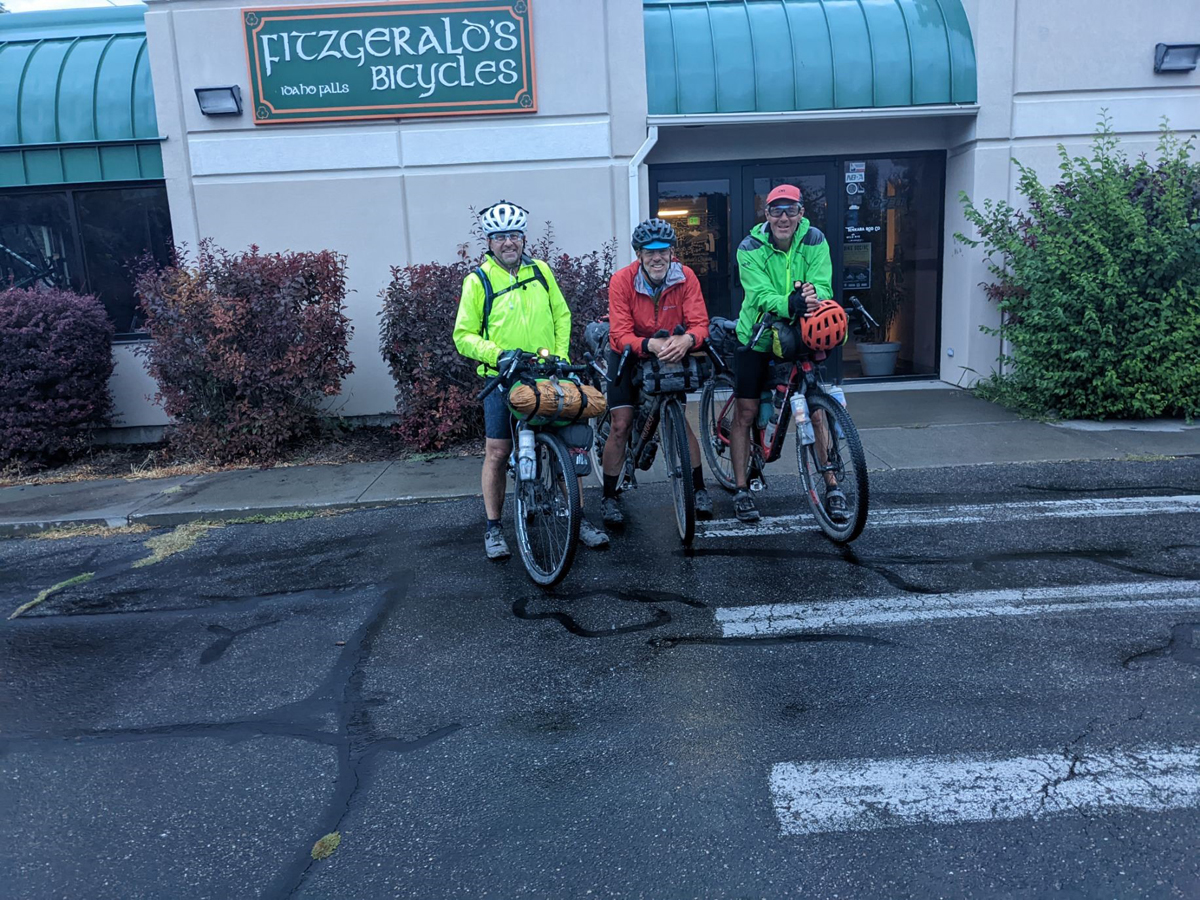
The finish of Fitzgerald’s Joyride 2022. Photo by Peter Yerger

Once the road flattened out, I pedaled furiously to get to the finish. At a stop light, I turned around only to see Peter and Al. I had probably given them time to catch up with me at the water stop. Jokingly, I asked them, “Hey, are you guys following me?” We rode together to Fitzgerald’s, where I was surprised to find Clint. He had been texting Louie and decided to wait for me, which was a huge relief.

As with most of these events, the end was anticlimactic. We took some congratulatory photos and then bid each other farewell. Clint helped me load my bike onto the car, and we hit the road.

I’d done it. With minimal training and no clue about what the route would throw at me, I had completed Fitzgerald’s Joyride. I didn’t die. I was tired and sore but felt a sense of accomplishment.

Every ride provides me with lessons, and this was no different. There’s a saying Louie is fond of sharing with me. You pack your fears. I had many fears because my bike was heavy, tipping the scales at 50+ pounds. On top of that, I wore a Camelback with two liters of water. I carried too much nutrition because I came home with some of it. My gear isn’t the lightest available. I took an extra kit when the faster riders get by with what they’re wearing. There is room for improvement.

And honestly, now that I’ve done the Fitz-Joy, I realize it would be possible to do this ride without any camping gear if you don’t mind riding only about a hundred miles a day. You could easily stay in a motel room in Lava Hot Springs, Logan, UT, and Soda Springs. It is possible to do the race on a ‘credit card tour.’ Just add food and water along the way.

I was the oldest registered participant in the event at age 64, which took a toll on my body. For days after the ride, I suffered numbness in my hands and feet. I had open wounds on my butt from the saddle rubbing me raw, despite regular applications of A&D ointment. Weeks later, the skin on my hands peeled despite having worn gloves.

These races are hard, but that is why we do them. If you don’t do hard things, you’ll never know what you can do. I love seeing new landscapes, even through tired eyes. I love the idea of being self-supported and the challenge of finding food and water. Though I might complain about it at the time, I love climbing hills and the sense of accomplishment at reaching the top. And who doesn’t love the free ride down the other side?

Completing an endurance event puts you in an exclusive group even if you don’t win. It’s tangible, real, and hurts, but it gets better, especially once you’ve completed a race. Most folks have more sense than to push themselves to extremes. And when people ask me why I do these races, the only answer I can come up with is not unlike the answer mountain climbers give when presented with the same question. We do it because it’s there. I can think of very few experiences in life that provide you with the challenges of an endurance race.

Will I do another race? Probably, I don’t know. I’ll have to see what comes along. I’m not getting any younger, so there is a finite window for challenging myself this way. I might also refocus on the bike touring that first got me into this crazy sport, taking a slower pace and spending more time smelling the roses. The one thing I know is that I will continue exploring by bicycle. It is the most rewarding thing I do.
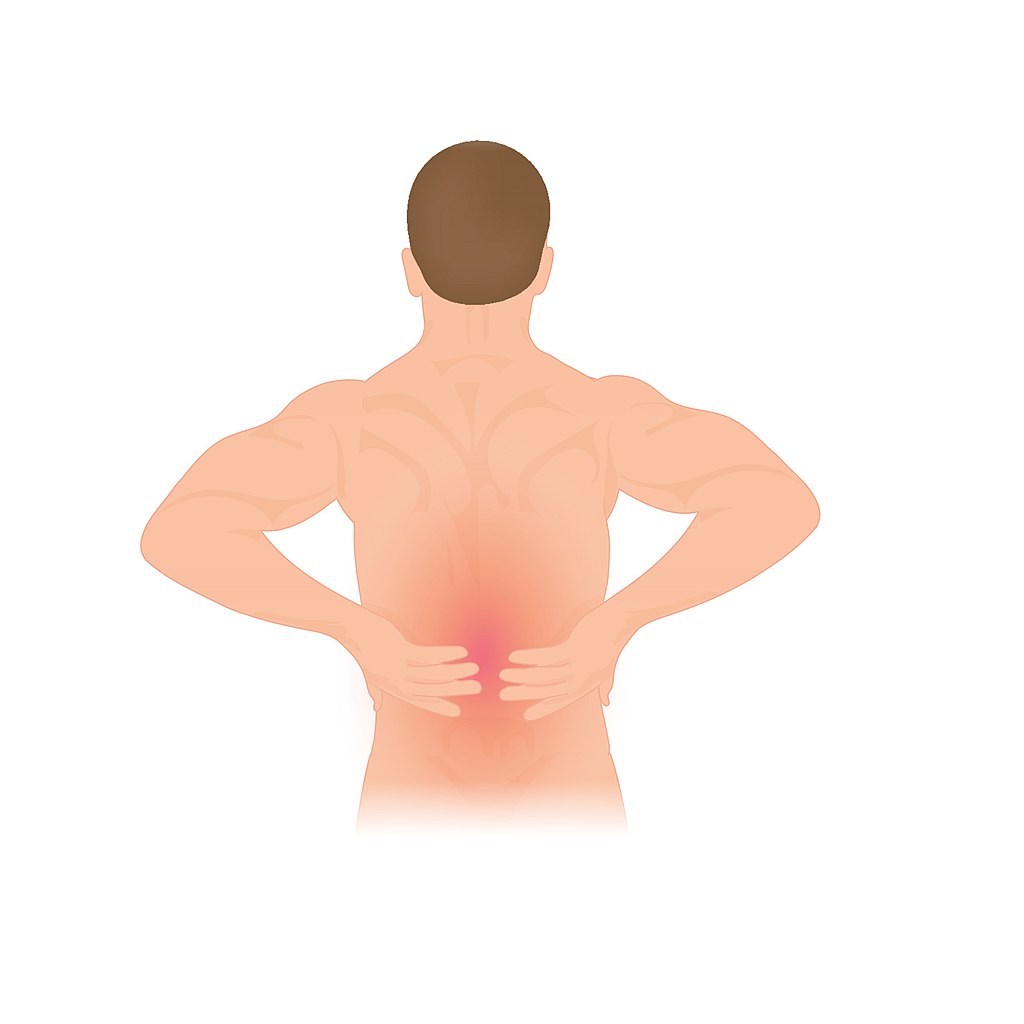
 

Cycling and Lower Back Pain

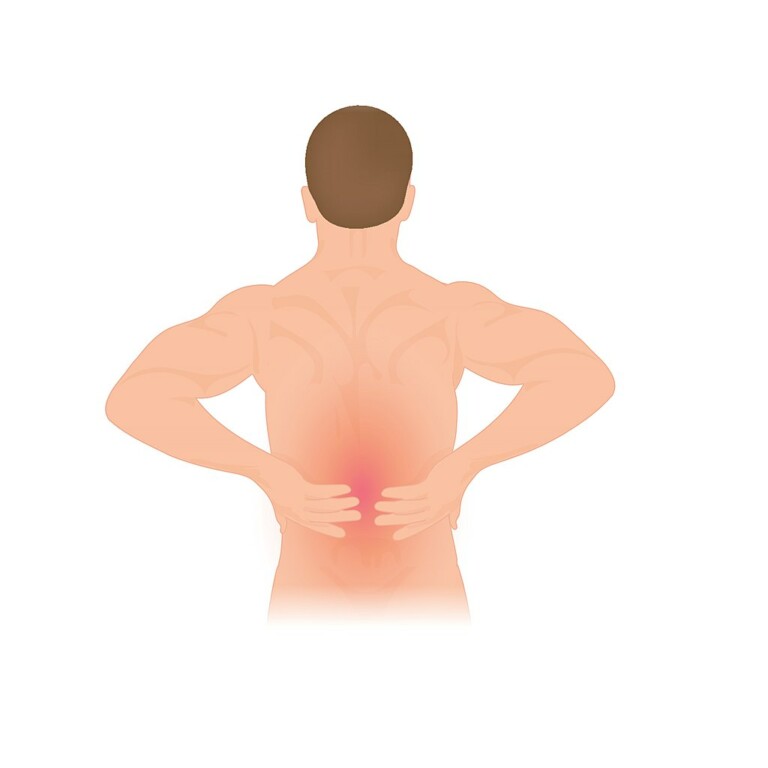
By Tim Bochnowski — Second only to knee pain, lower back pain (LBP) is frequently cited as an issue cyclists encounter. There are many causes ranging from weak core muscles and disk issues to restricted sacro-iliac joints and poor bike fit. Cycling recreationalists and racers alike are susceptible and the exact cause of the back pain is often tricky to diagnose. The lower back contains an intricate system of muscles, joints and nerves. Understanding the complexities of this vital cycling body region could help prevent the injuries that are common to cyclist.

An illustration showing typical lower back pain. A common musculoskeletal ailment. Credit: InjuryMap – Free Human Anatomy Images and Pictures. This file is licensed under the Creative Commons Attribution 4.0 International

Aside from bike fit, there is a whole host of physiological issues that can cause lower back pain. Core strength and lack of flexibility is often identified as a culprit. Hamstring tightness, commonly seen in cycling, could pull the pelvis into a posterior tilt increasing the strains in the lower back muscles and ligaments. Also, the core provides a stable platform to absorb the forces created when pedaling. Simply put, the abdomen and back muscles provide important support of the spinal column while on the bike. A weak core may lead to unnecessary rotation and movement of the hips and spine. Stretching and maintaining or improving range of motion is a very important part of pain free cycling.

Other potential muscles that can be related to lower back pain include the piriformis, psoas and gluteal muscles. As part of the sacroiliac complex, these muscles, in addition to the hip flexors, are often overlooked. All four need to be kept long and loose. For example, the psoas is a hip flexor that attaches at the spine and if tight can cause stresses on the lower spine. There are many excellent websites that show how to correctly stretch these muscle groups. As always, if issues arise, seeking medical advice from your personal physician or medical professional is recommended.

Finally, age-related wear and tear, degenerative disks, scoliosis, muscle fatigue, spasms and overtraining can contribute to pain. As previously stated lower back pain encompasses a multitude of body systems. Fortunately there are trained professionals in medicine and bike fitting to help.

Holding a bent-forward (flexion) position for long periods of time while on the bicycle can cause the lower back muscles to become less effective at maintaining spinal stability and posture. Leg length discrepancies (LLD) are common with cyclist and can also cause issues with spinal alignment on the bike. Poor bike fit can make existing issues worse. Correcting mechanical adjustments of the bicycle can usually be administered by competent bicycle fitters, coaches and medical professionals.

Saddle and handlebar height, fore/aft saddle position and a variety of other adjustments are all in play when trying to remedy LBP. How you sit on your bike is very important. Having your spine in a neutral position (flat) by slightly rotating your hips forward could help you stop the prolonged flexion of your spine. A comfortable saddle horizontally positioned can also aid in comfort. In addition to a comfortable bike fit, stretching, deep tissue massage, physical therapy and a variety of other options should be considered for lower back pain.

Finally, riding style can have an effect on lower back pain. Pushing too big of a gear for long periods stresses your body and can activate LBP. Be conscience of your effort, gearing and posture while on your bike. Don’t over-train. LBP can sometimes be brought on by overall fatigue.

In the end, the importance of having a good bicycle position is recognized by cyclists. Comfort breeds performance. Keep working at improving your position on your bike and enjoy the ride.

Tim Bochnowski is a bicycle fitter and owner of Mountain Velo LLC, a cycling performance center located in Park City, UT. Tim started fitting bicycles in 1985 and has been trained by BIKEFIT, Slowtwitch, Retul and several other fitting techniques and tools. www.mountainvelo.com

Salsa Recalls Carbon Handlebars and Bicycles Due to Injury Hazard

0

RECALL NOTICE

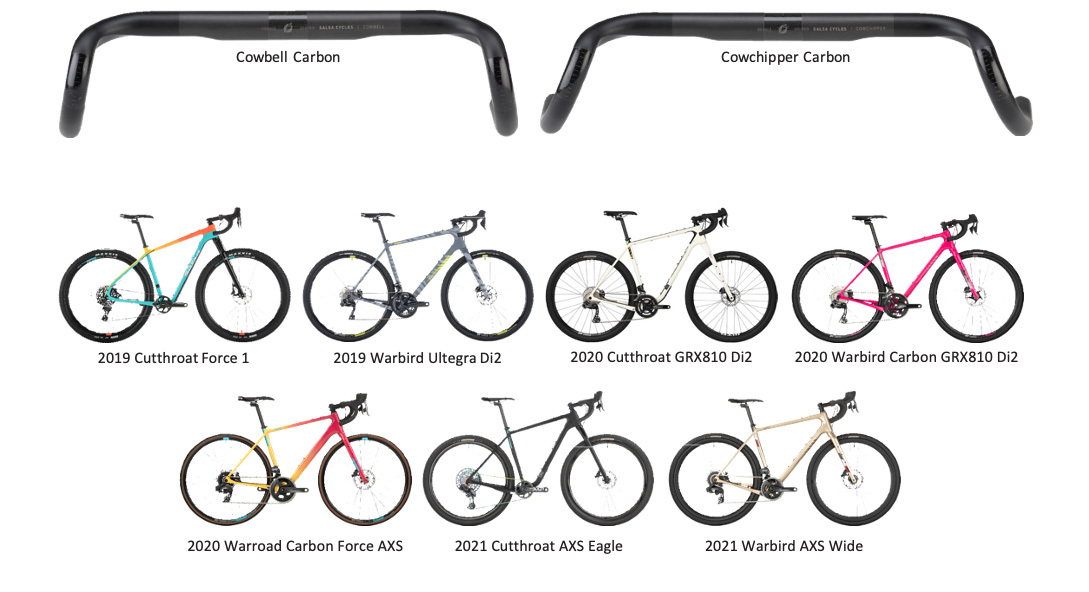
Salsa Cowbell Carbon and Cowchipper Carbon Handlebars
Salsa Cutthroat, Warbird, and Warroad Bicycles

Name of Product: Bicycle handlebars and bicycles

Hazard: The recalled handlebars can crack where the brake/shift levers are installed and cause a crash, posing an injury hazard.

Remedy: Replace

Recall Date: January 05, 2023

Units: About 8,740 (In addition, about 350 were sold in Canada)

Consumer Contact

QBP at 800-346-3340 from 9 a.m. to 6 p.m. CT, Monday through Friday or email [email protected], or online at https://www.salsacycles.com/support/recalls/cowbell-cowchipper-carbon-handlebar-recall and https://whiskyparts.co/no9-12f-24f-carbon-drop-handlebar-recall#/ for more information.

Recall Details

Description: This recall involves Salsa Cowchipper, Salsa Cowbell, Whisky No.9 12F, and Whisky No.9 24F carbon handlebars. The model name is printed on the handlebar. The recalled handlebars were also sold with the Salsa Cutthroat, Warbird, and Warroad bikes. The bicycle model name is printed on the bicycle frame. The bicycles are sold in a variety of colors and sizes.

Remedy: Consumers should immediately stop using the recalled handlebars and bicycles, and bring the recalled handlebars and bicycles to a local bicycle retailer for free installation of a replacement carbon handlebar or an alternative aluminum handlebar.

Incidents/Injuries: QBP has received 37 reports of the handlebars cracking or fracturing while in use. No injuries have been reported.

Sold At: Specialty bicycle stores nationwide from January 2018 through August 2022 for the handlebars and from August 2018 through June 2022 for complete bicycles with the handlebars. The handlebars sold for about $240, and the complete bicycles sold for between $4,700 and $7,000.

Importer(s): Quality Bicycle Products GBC., of Bloomington, Minnesota

Note: Individual Commissioners may have statements related to this topic. Please visit www.cpsc.gov/commissioners to search for statements related to this or other topics.

Manufactured In: Taiwan

Recall number: 23-086

Helmet Laws Can Reduce Death

By Charles Pekow — Helmet laws can reduce death and injury in youth, says a report published by the American Academy of Pediatrics (AAP). Bicycling causes more head injuries in children than any other sport, but most riders don’t wear helmets consistently despite their proven ability to reduce trauma, AAP’s research found.

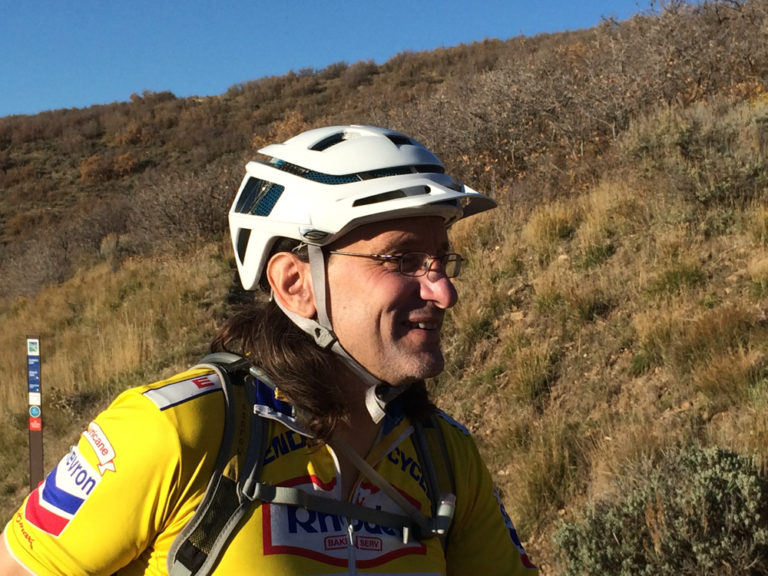
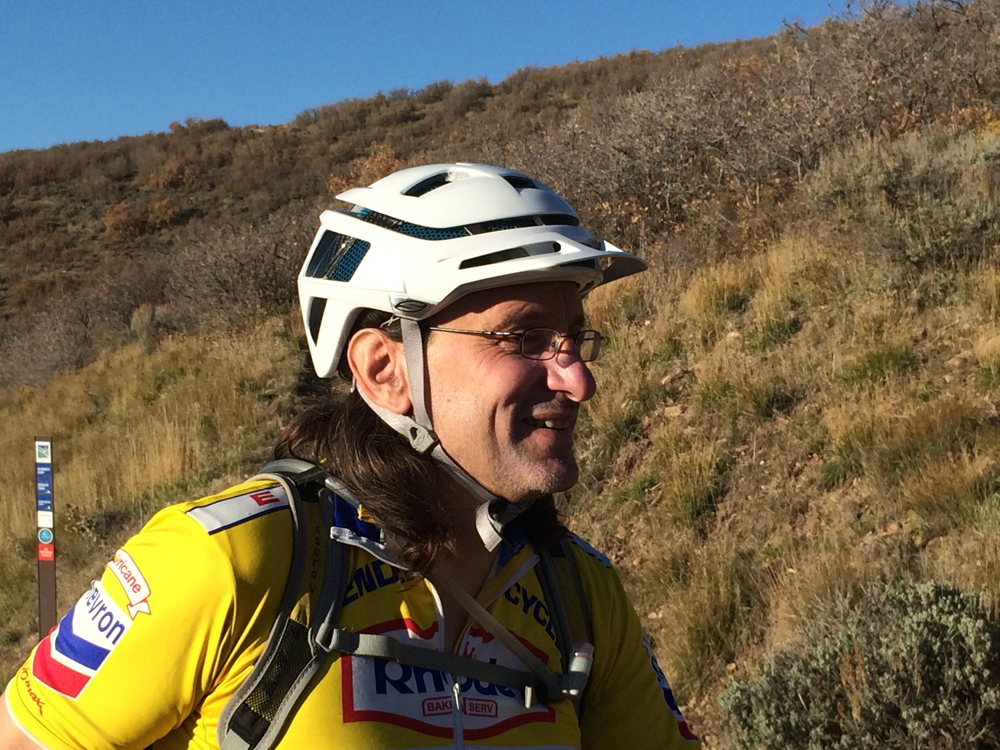
The Smith Optics Forefront Helmet is a great choice for mountain biking. Photo by Lisa Hazel.                                                  

Helmet Use in Preventing Head Injuries in Bicycling, Snow Sports, and Other Recreational Activities and Sports says “a multipronged approach is needed to advance helmet use,” including legislation, enforcement of laws, and guidance from the medical community and schools. Safe Routes to School programs can include helmet promotion.

The study notes that 21 states and the District of Columbia employ mandatory helmet laws of for youth, though requirements vary by age. When the laws are properly enforced, they increase helmet use, but no Mountain West states require such use.

AAP based its conclusions on a review of existing research and found that programs offered by medical offices and schools also increase helmet use and safety.

See https://publications.aap.org/pediatrics/article/150/3/e2022058878/188764/Helmet-Use-in-Preventing-Head-Injuries-in


This Machine Fights Climate Change: The Bicycle Art of Nicole Kelner


Artist Name: Nicole Kelner, Title: This Machine Fights Climate Change, Medium: Watercolor

Nicole Kelner works at the intersection of art, climate, and technology. She uses watercolors to communicate complex, systematic challenges in climate and present them in a beautiful and accessible way. Her goal is to use art to inspire climate action.

She is currently an Artist-in-Resident at My Climate Journey.

Nicole was previously the co-founder and COO at The Coding Space, an after school program to teach kids how to code. She helped lead the company to acquisition in 2019. Most recently, she was Head of Operations at Dashboard.Earth. Prior to that she was Chief of Staff at Climate Finance Solutions.

Prints are available at www.nicolekelner.com

Social: @nicolekelner on Twitter


Lizard Skins Celebrates 30 Years in Business

0

 AMERICAN FORK, Utah (January 4th, 2023) — From humble beginnings in a Utah garage in 1993, Lizard Skins has become one of the cycling industry leaders in bicycle grips and handlebar tape, and now offers products for six major sports. This January, the Utah brand looks forward to celebrating its 30th Anniversary.

Over the 30 years, Lizard Skins has developed deep roots in the cycling industry, and cycling is still a major focus. In 2012 Lizard Skins branched out from cycling into other mainstream sports like baseball, lacrosse, hockey, and have entered the gaming world with grips for Xbox, PlayStation, and Nintendo Switch controllers. More recently, Lizard Skins has even launched a grip tape with a strategic pattern to enhance grip for pickleball.Their hockey grip tape is currently licensed as an official product of the National Hockey League, and their bat grip is officially licensed as an on-field product for Major League Baseball.

“I started the company in 1993 with one simple product, and I look at where we are now and I’m amazed,” said Brian Fruit, Lizard Skins Founder. “If you would have asked me back then if I had expected to still be going 30 years later, I would have been uncertain at best. But we’re still going strong, and I can tell you that I am still as passionate about the company now as I was when I started it.”

Lizard Skins’ products have always focused on simple yet innovative solutions for common issues. This has served them well with pro athletes who have played a huge part in the brand’s history. Their products have been used by some of the biggest teams and athletes at the highest levels. On the cycling side, this includes legendary trials rider Danny Macaskill, UCI MTB World Champion Myriam Nicole, Tour de France team Movistar, and many more. In baseball and hockey, players like Hall of Famer David Ortiz of the Boston Red Sox and Stanley Cup Champion Gabriel Landeskog of the Colorado Avalanche have endorsed Lizard Skins products.

“It is amazing to see that our technology in our DSP handlebar tape and expertise in grips has allowed us to get into these other sports,” said Brad Barker, Lizard Skins General Manager. “Our tape was really a game changer when we introduced it, and we never thought we would be working with legendary baseball players like Mike Trout and Mookie Betts.”

Lizard Skins still produces some products in their American Fork facility using responsible manufacturing protocols. Lizard Skins is also a three-time winner of the Mountain West Capital’s top 100 fastest-growing Utah companies. The company has also long supported local projects, from trail building and maintenance to high school cycling teams. More recently, they’ve worked nationally with new industry partners and teams to help promote sport.

In 2017 Lizard Skins purchased the well-known Colorado brand Oury. The acquisition of Oury opened up new customers in the Powersports world as well as kept a very highly regarded brand from disappearing. Then, in 2021, Compass Diversified backed Marucci Sports purchased Lizard Skins and continues to work with them closely at their Utah office to build on the broad reach of products that Lizard Skins offers.

Prioritize Your Gut for Prime Health

By Heather Casey — Did you know that diverse bacteria in the gut are responsible for 70% of the body’s immune function? “A whopping 70%, says David Heber, MD, Ph.D., professor emeritus of medicine at UCLA Health. He further adds that nutrition is “a key modulator of immune function.”

When this microbiome achieves balance with good bacteria, it can boost your immunity and support your emotional well-being. Your diet contributes to your mood and keeps your gut microbes happy or sad. You choose! To help you treat your gut better, here are five ways you can improve your gut health and immunity.

Sauerkraut, Kimchi, and supplements are great ways to get probiotics. Photo by Dave Iltis

1. Have a field day with plant-based foods

Fruits and vegetables are beautiful on your plate but also crucial as diverse sources of fiber! Many fruits and vegetables are rich in microbiota-accessible carbohydrates (MACs), and they set the stage for diverse microbial populations in the gut. Our bodies’ superheroes are dietary fiber, gut microbes, and the gut mucosal barrier. They all work together to defeat the bad guys (pathogens) in your gut. You’ll keep these superheroes strong with a diet of varying fiber sources! If your diet lacks fiber, significant amounts of beneficial bacteria are lost, and their health benefits also get sacrificed.

2. Increase Probiotics

Probiotics are microorganisms in the gut that provide health benefits for your body. Regarding immunity, some probiotics increase lymphocytes (white blood cells) that protect against infection and inflammation. Other probiotics speed up healing from ailments while minimizing inflammation-associated tissue damage in the body. You can find probiotics in kimchi, kombucha, and other dietary supplements. These foods and supplements are an excellent way to check in with your bio-individuality! Not everyone can tolerate probiotic-rich foods (hello, bloating!), and they’re also not advisable if you experience immunosuppression or have histamine intolerance.

If you can incorporate probiotics into your routine, slowly add them to your diet. Discuss probiotic supplementation with your healthcare provider first (especially if you have gastrointestinal issues).

How to introduce more probiotics into your meals:
    • Substitute yogurt or kefir with “live active cultures” in your cereal, oatmeal, or smoothies instead of milk.
    • Fermented vegetables such as sauerkraut or kimchi are a flavorful condiment and a fun side dish.
    • Choose naturally fermented pickles instead of vinegar pickles when making tuna salad, sandwiches, and burgers.

3. Pile on Prebiotics

Once you’ve added probiotics to your diet, you’ll need plenty of prebiotics to help your gut flourish. Prebiotics are different from probiotics as they are the non-digestible food ingredients that “feed” the probiotics.

Let’s liken the microbiome to a garden; the flowers are the probiotics, while the fertilizer, water, and sunlight that help the flowers blossom are the prebiotics. By assisting probiotics to “grow,” prebiotics ultimately determine the gut’s bacterial composition. Prebiotics also generate short-chain fatty acids (SCFAs) that regulate the immune system by positively affecting the surrounding immune cells. Just like probiotics, not everyone can tolerate prebiotics well. Some people (including those with IBS) are sensitive to them, so starting with small portions of prebiotic-rich foods can be crucial to estimating your prebiotics’ tolerance.

How to incorporate prebiotics into your diet:

    • Cashews, pistachios, apricots, dates, figs, and watermelons are just a few of my favorite nuts and fruits with prebiotic-rich fibers.
    • Swap out one meat-based meal weekly for a plant-based meal made with garlic, onions, and legumes. They are all great sources of prebiotics.
    • Love tea? Sip on a teacup of chicory root or fennel tea to have that sweet kick of prebiotics!

4. Lessen your stress levels

Stress can contribute to several gastrointestinal issues, but did you know that stress directly impacts the gut microbes in your body, too? Stress may lead to inflammation by reducing the amount of SCFAs. If you recall, SCFAs are crucial for your immunity! Chronic stress can also affect the durability of your intestinal barrier, leading to leaky gut syndrome, a condition that increases inflammation in your body.

5. Get Dirty!

It doesn’t hurt to get dirty, and here’s why: one teaspoon of soil contains one billion beneficial microbes! Overly sanitized environments significantly decrease gut microbe diversity, which is why you should get dirty!

    • Seek adventure hiking, trail running, and even skiing is perfect for getting dirty.
    • Shift one or two of your hobbies to the outdoors.
    • Dig deeper! Even if you don’t have a green thumb, potting a few plants is a great way to expose yourself to soil microbes!

Trust your gut

When your heart (or, in this case, your gut) tells you something isn’t right about your body, it can come through as an emotion, such as fear, or a physical symptom, such as gastrointestinal distress. Listen more often to what your gut tells you; perhaps you’ll begin to make choices more aligned with health, wellness, and overall immunity.

Heather Casey and her husband Pat own Peak State Fit Performance Center located in Salt Lake City, UT where they specialize in bike fitting, coaching, and nutrition services. Heather is a 5 X Ironman finisher including Ironman World Championships in Hawaii. Heather’s professional experience includes NSCA, Certified Strength and Conditioning Specialist, Precision Nutrition Master level sports nutritionist, 500-hour Yoga Instructor, PNOE Metabolic Health Specialist.

Carbon Fiber Repair by Jordan Weininger of East Bench Composites

When I worked at A Bicycle Odyssey, in Sausalito, California back in the mid-to-late-1990s, building bikes out of carbon fiber was still a relatively new phenomenon; most of the bikes we sold were custom-built steel, aluminium, or titanium. Some of us were wary of carbon fiber because it was perceived as being brittle and unrepairable. Over time, of course, engineers and builders at bicycle manufacturers become more experienced with the material, which has now effectively replaced all of the metals previously used on high-end bicycles.

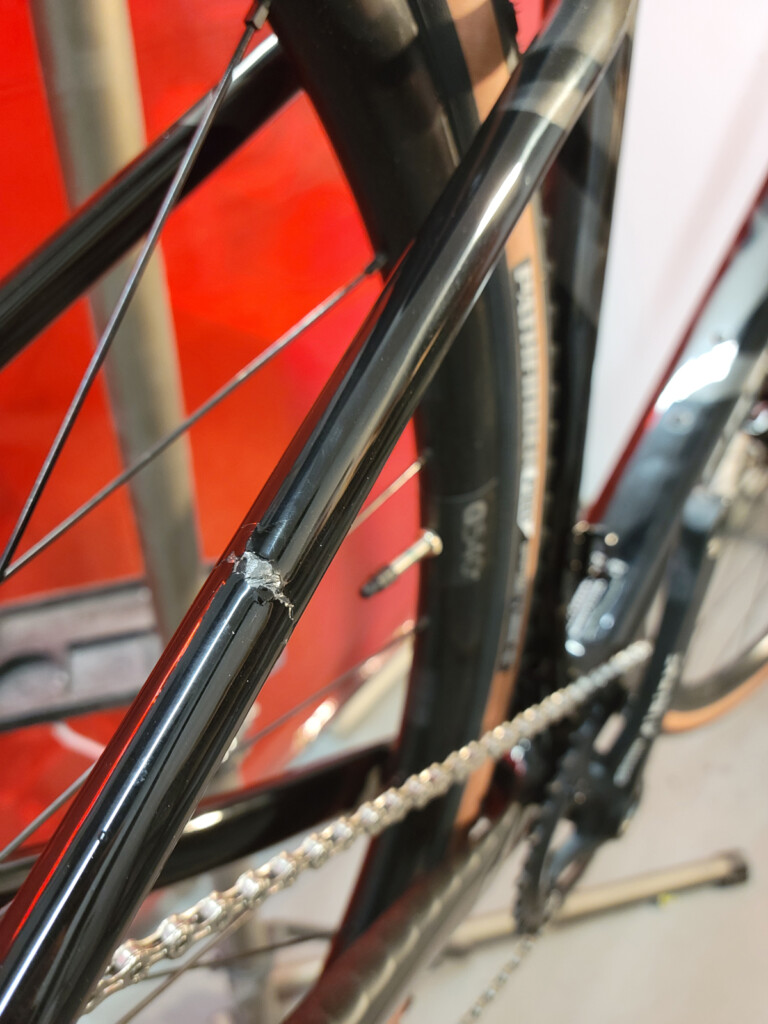
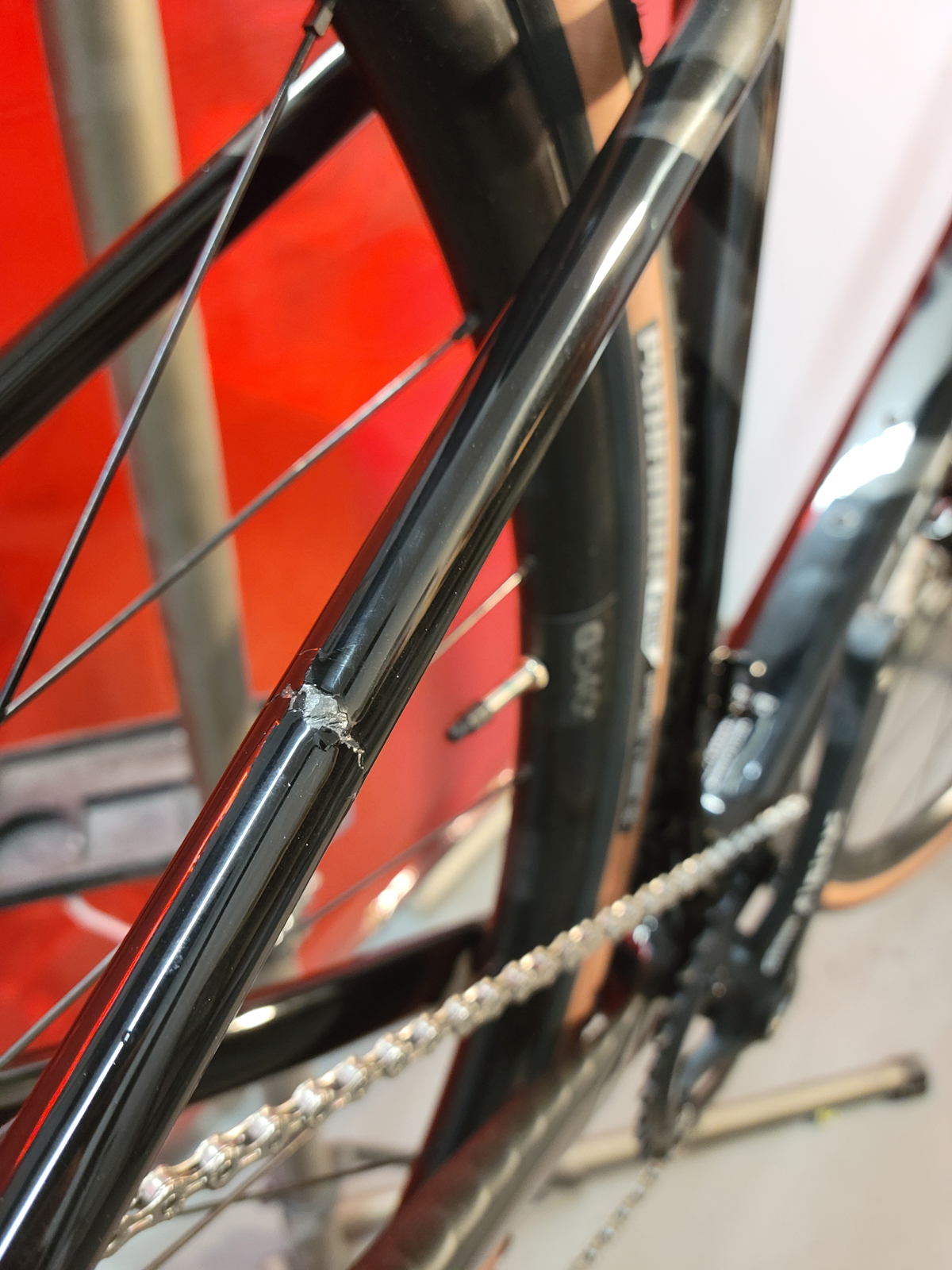
Even so, the fact remained that when carbon fiber fails, it tends to fail catastrophically. As such, even small dings must be investigated to make sure there are no cracks or other underlying damage which could cause a total frame failure. Until recently, damaged frames were generally written off as a total loss that needed to be replaced. However, in the past few years more companies are opening with their primary business being the repair of carbon fiber bicycle frames. One such company is East Bench Composites, based in Ogden, Utah, which was founded in late 2020 by Jordan Weininger. Cycling West recently sat down with Jordan to learn more about his business.

SLS: Jordan, tell us a little bit about yourself; your background and education, and how you came to the sport of cycling.

JW: My first real introduction to the cycling world was in college at Clemson University, when my roommates and I bombed through the woods of upstate South Carolina on Gary Fisher hardtails, with zero knowledge of the sport or cycling culture. We were just having fun (in those few moments we were not going OTB). Eventually, we joined the university’s club cycling team, and I also got a job at Clemson University’s outdoor program managing their bike shop, and leading outdoor trips for other students. Soon I was the kid reading more pinkbike tech articles than anything related to school, but still interested in it from a mechanical engineering perspective.

Professionally, my first introduction to the cycling industry was a job with SR-56; the product development arm for Crankbrothers, Fizik, and Selle Royal, which at the time was based in Ogden, Utah.

SLS: How did you start to work with carbon fiber and other composite materials?

JW: At SR-56, I was a Junior engineer on the Crankbrothers Synthesis carbon wheel line, and I was learning, but just too slowly. Eventually I moved on to a position in the Advanced Composites Office on Hill Air Force Base. With the resources of the aerospace/defense industry, I was able to learn the skills required to inspect damage, design structural repairs, and carry out composite repairs for structural components on various airframes.

SLS: What made you decide to apply your engineering skills and knowledge to bicycles, rather than continuing to work with the Air Force on planes?

JW: Mainly it was for environmental reasons. Once I learned how taxing carbon development is on the environment, I just couldn’t stay a part of that system. All the red tape involved in aerospace tested my patience, and my values of conservation and efficiency just didn’t align with the Air Force. I always planned to take what I learned back to the outdoor industry eventually, in one form or another.

Meanwhile, I noticed other major cycling communities have a local carbon repair shop: California has Calfee, Portland has Ruckus, and Denver has Broken Carbon. Utah has a HUGE cycling community that I am proud to be a part of. But before EBC, there was no professional local carbon repair company. Which is crazy to me!

I realized that based on my background, I was in a unique position to offer the service I wanted to see in our community. With the help of my friend Clay Ahlf, a long time Enve employee, we got to work starting what has become EBC.

SLS: How is what East Bench Composites does different from other carbon fiber repair companies, such as Ruckus Composites or Calfee?

JW: First of all, I have a ton of respect for Calfee and Ruckus; Their repairs look great, and they have been doing this for a while.

While there are many ways to fix a bike, most other carbon repair companies will use the same layup or a wrap for the similar repairs; (i.e., all mountain bike seat stays get the same layup). This neglects considerations for geometry, and can create large stress concentrations at or near the repair area. For example, a 1” diameter downtube and a 3” diameter downtube require quite different layups to achieve the same stiffness.

By contrast, our repairs use the Scarf repair method taught in the aerospace industry. This method removes the minimal amount of original material necessary, and orients the fibers of each layer to match the original design. This is the best way to replicate the strength and stiffness that the bike manufacturer intended. At East Bench Composites, each bike has a specific layup because the bike was designed to fulfill a specific purpose.

Additionally, we only use prepreg carbon fiber with a toughened epoxy resin system. This means the carbon and epoxy are perfectly mixed from the factory at the correct ratio. Some companies use wet layups for their repairs, and while this requires less specialized equipment and is a cheaper option, it is more wasteful when it comes to processing materials, and the resulting material is often much weaker than a prepreg composite since it is very difficult to get a perfect carbon/resin ratio every time.
SLS: Can you walk us through your process of doing a repair?

JW: The main steps involved in a repair are:

  1. Ultrasound inspection to determine the extent of the damage (unless the member is clearly broken all the way through). Sometimes damage is just superficial and no carbon repair is necessary.

    After identifying the location of the damage, the frame is undergoes an ultrasound inspection to determine the extent of the damage.
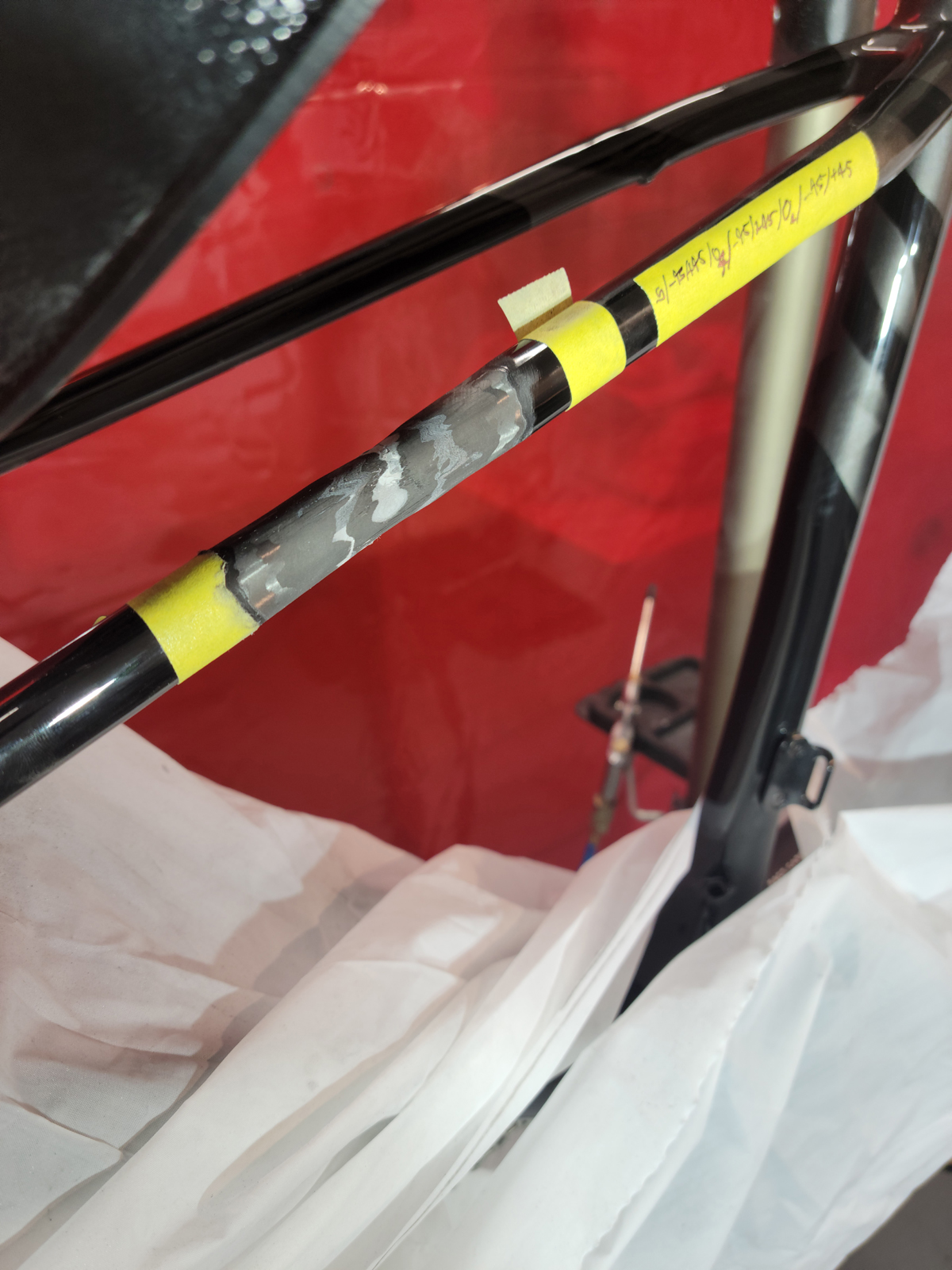
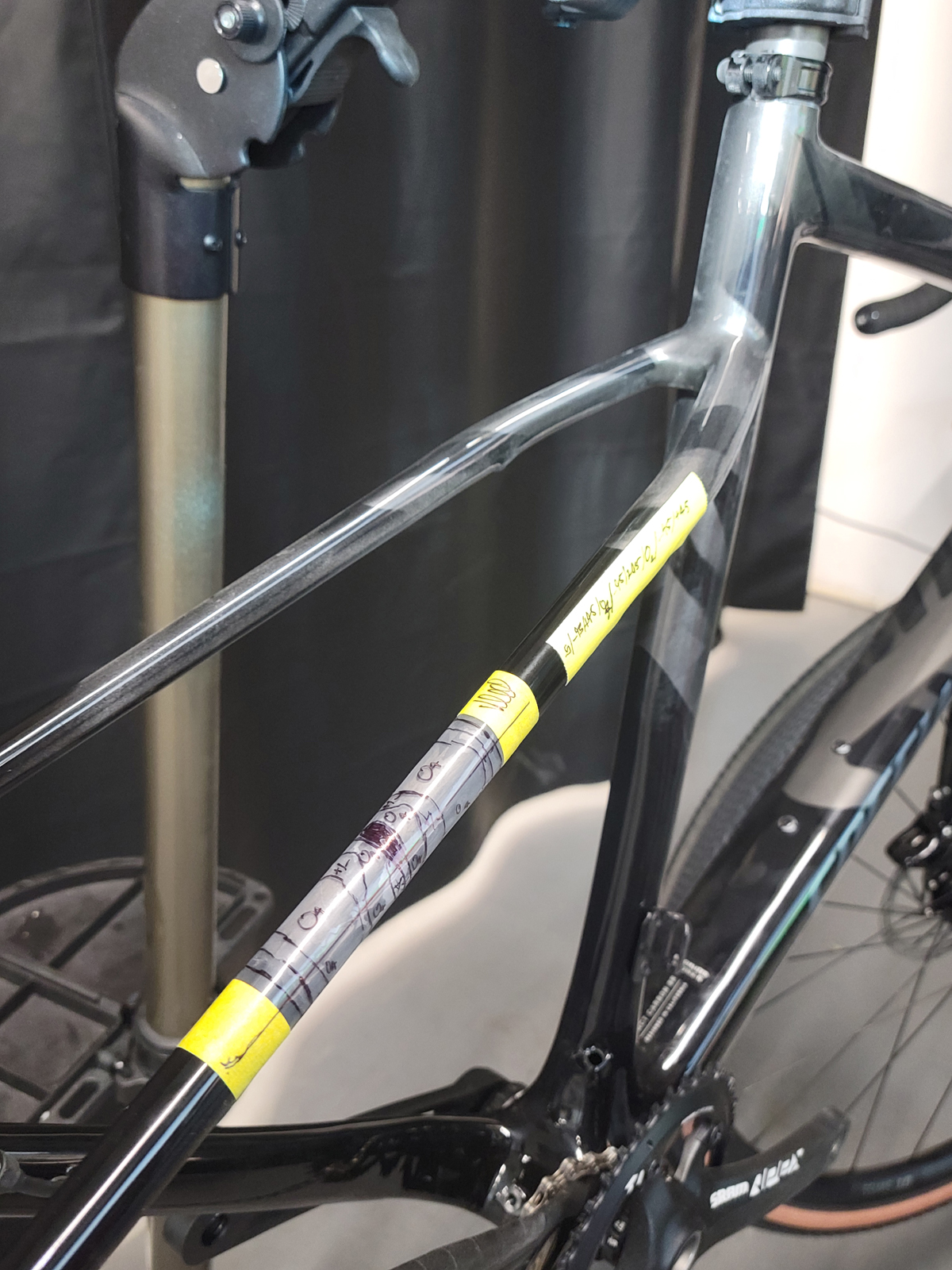
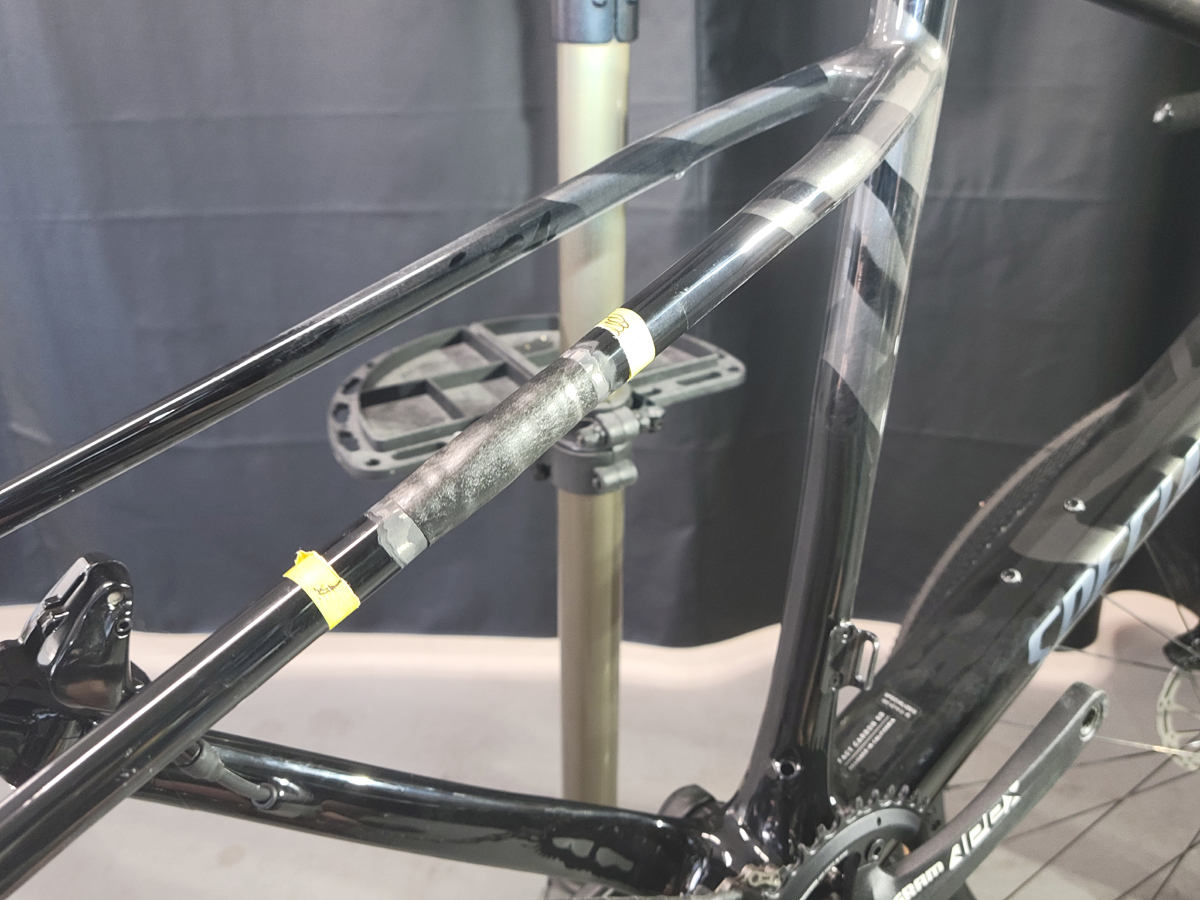
  2. Sanding away the damaged plies: Carefully sand away the damaged plies of carbon and read the layup. This means determining exactly how many plies, their order, and fiber orientation with a magnifying glass. It takes practice, but when we are doing 4 bikes a week, it becomes second nature.

    Sanding away the damaged carbon fiber plies.
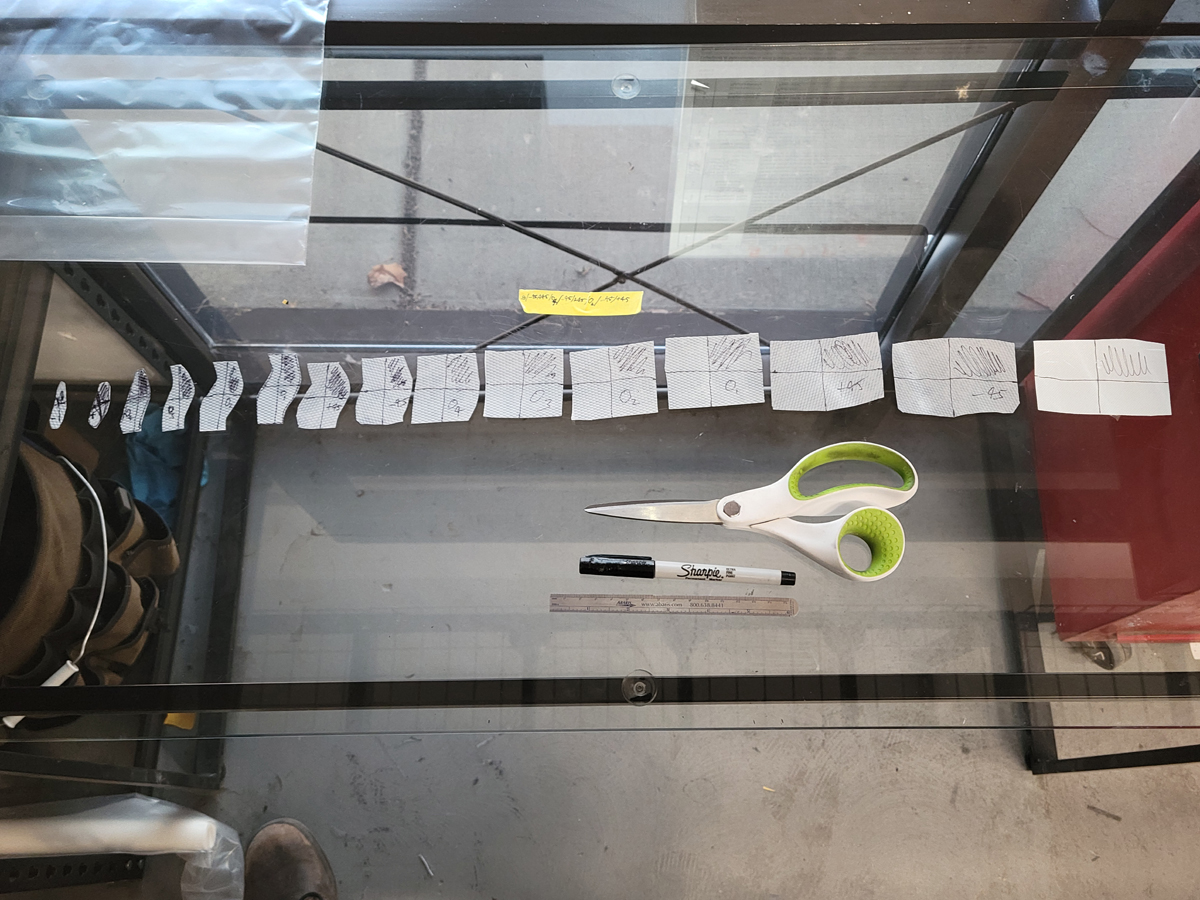
  3. Ply tracing and cutting: Once the layup is determined, the outline of each ply is traced and cut it out in the proper orientation. Prepreg carbon fiber with a toughened epoxy resin system is used, with the resin already mixed perfectly; no wet layups.
    Each ply is inspected to determine layup order and fiber orientation.

    The outline of each ply is then carefully traced and cut from pre-preg carbon fiber sheets.
  4. Layup: Each 0.005” thick carbon ply is placed onto the bike in the correct order and orientation. 0.1” of contact is needed for each ply to the matching ply on the bike to ensure proper load transfer from the bike to the patch.

    Each new ply is placed on the bike in the correct order and orientation.
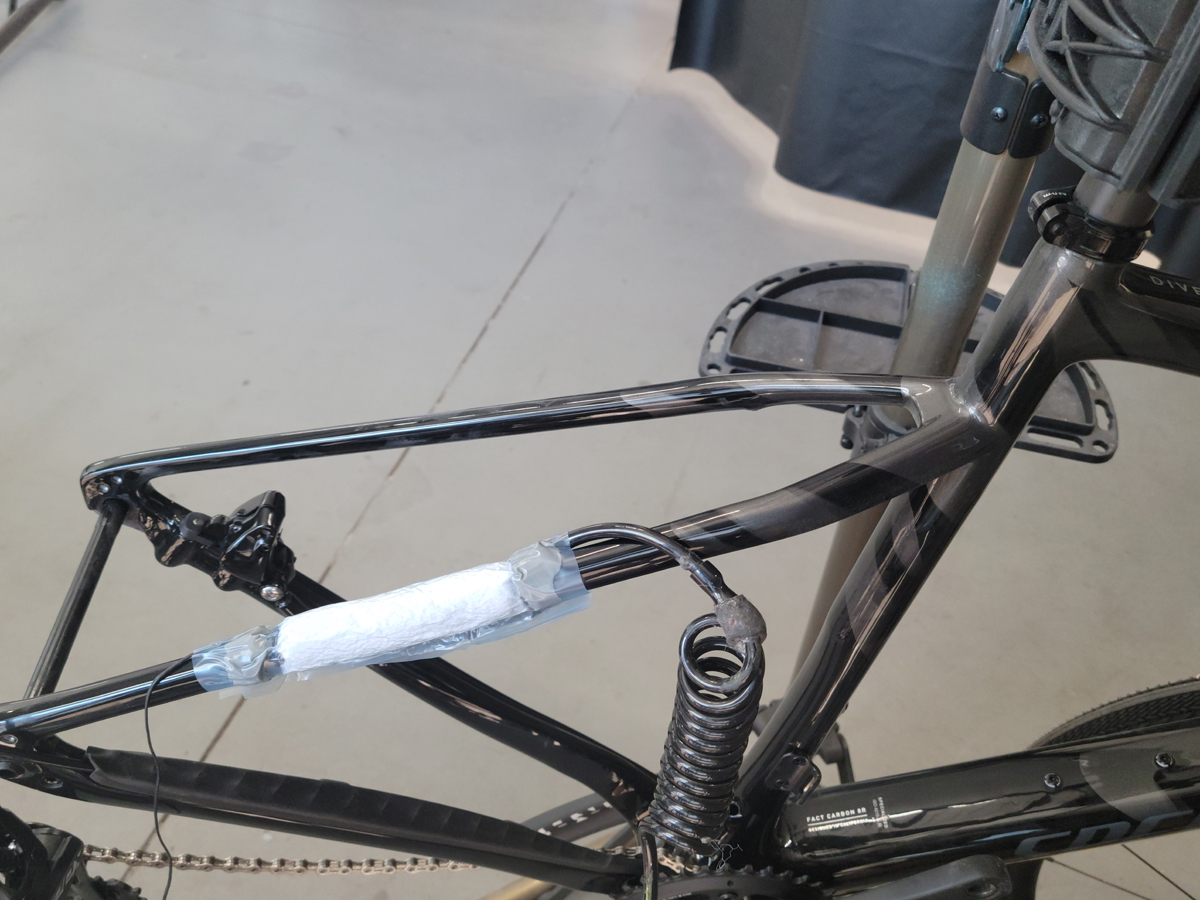
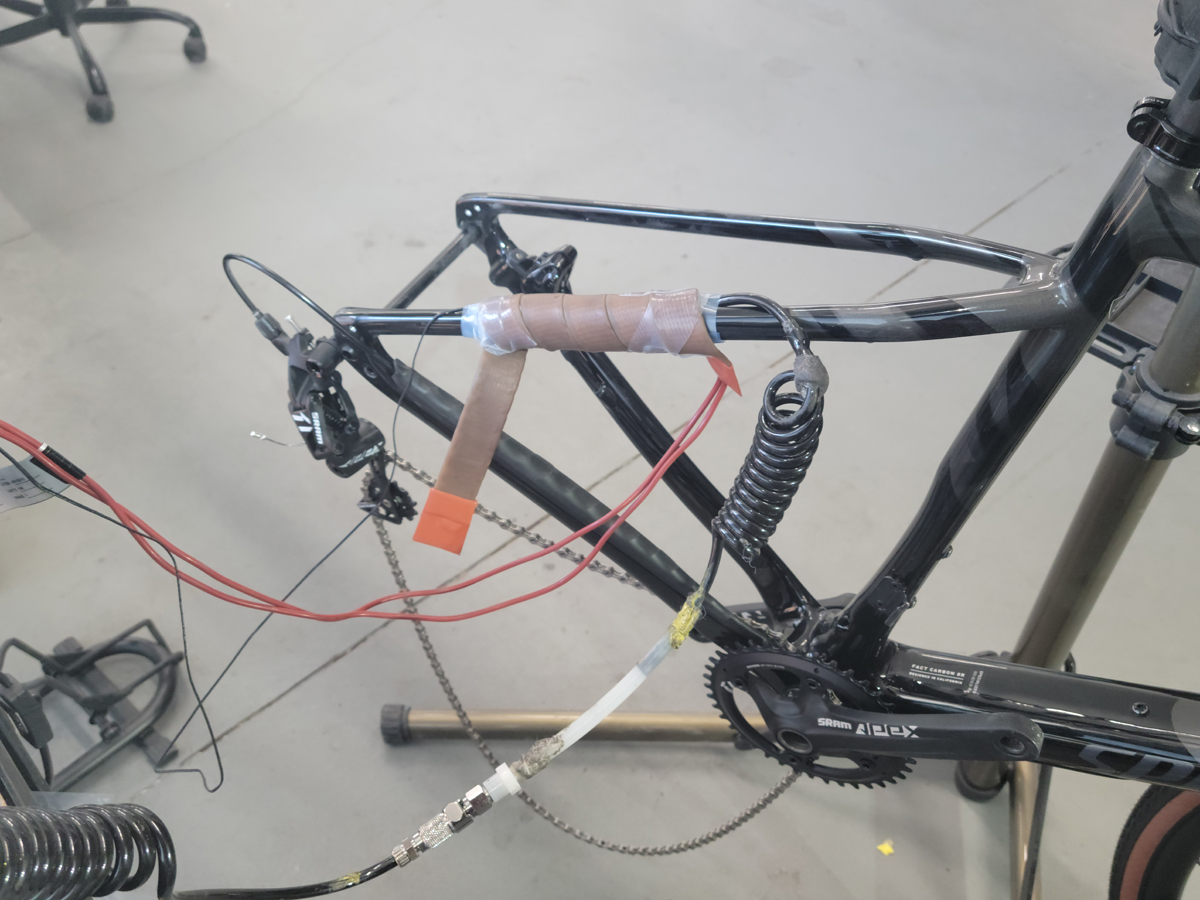
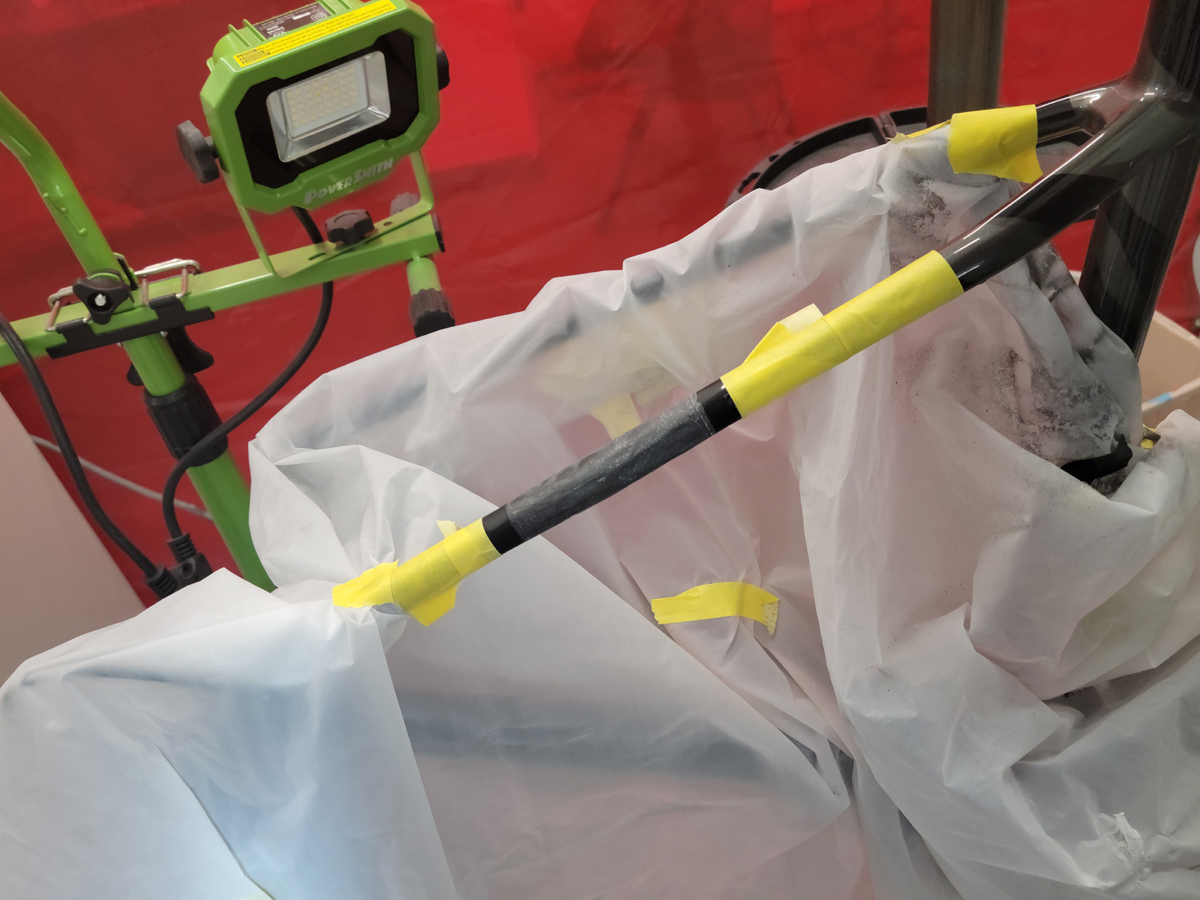
  5. Curing: The full patch gets a proprietary combination of release agents, heat conductors, and high CTE uncured rubber added for processing, and is then vacuum bagged for compaction. Then, the repair area is heated at a specific rate to a specific temperature for curing; no need to fully disassemble the bike.
    After activation of the pre-preg resin, the patch is vacuum bagged for compaction …

    … and the repair area is then heated to cure the carbon fiber patch.
  6. Cure removal and finishing: If there is any doubt in the repair, the Ultrasound is brought out once more to inspect the cured repair. The repair is then sanded smooth, and finished with an automotive grade clear coat for ultimate protection. Customers can also pay for a single-color paint match.
    The patch is then sanded smooth and finished with an automotive grade clear-coat for protection.
    A single-color paint match is also an option.

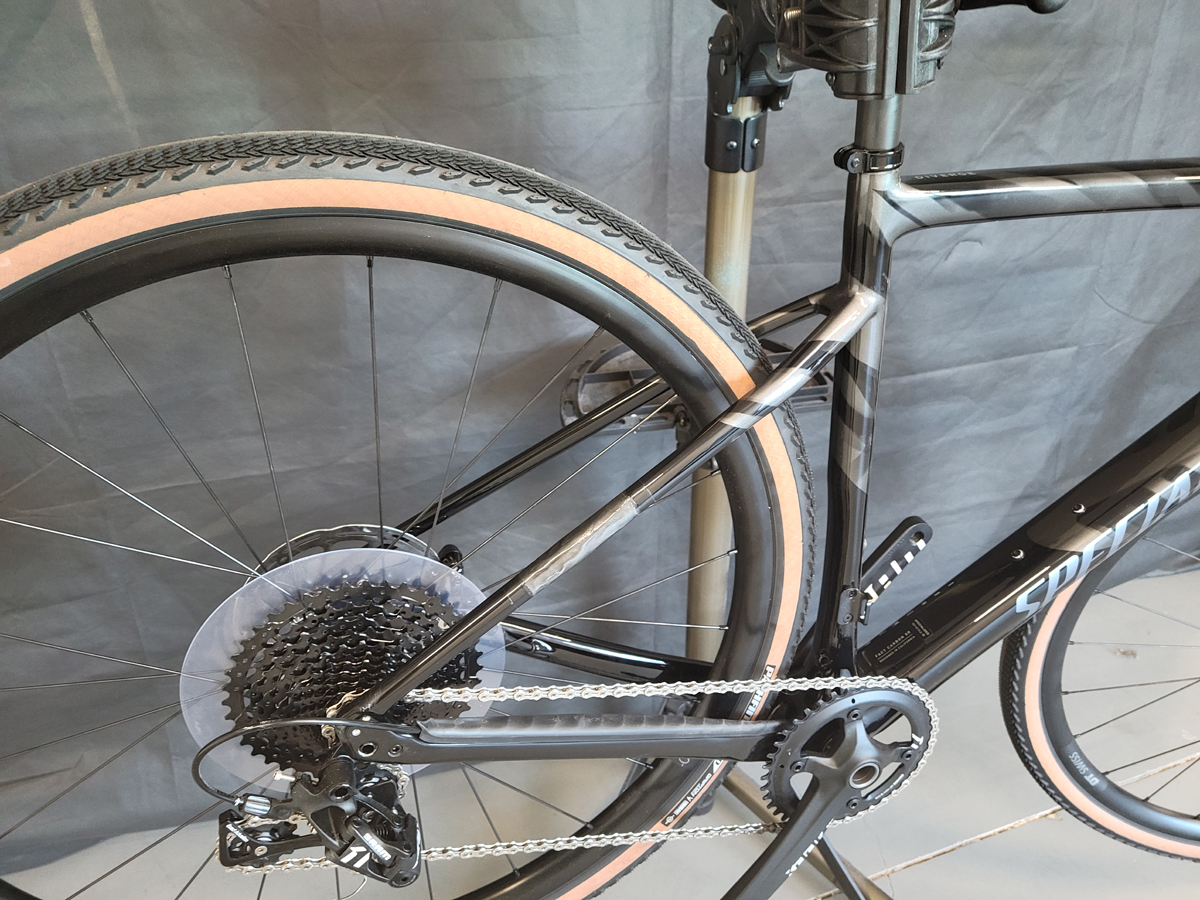
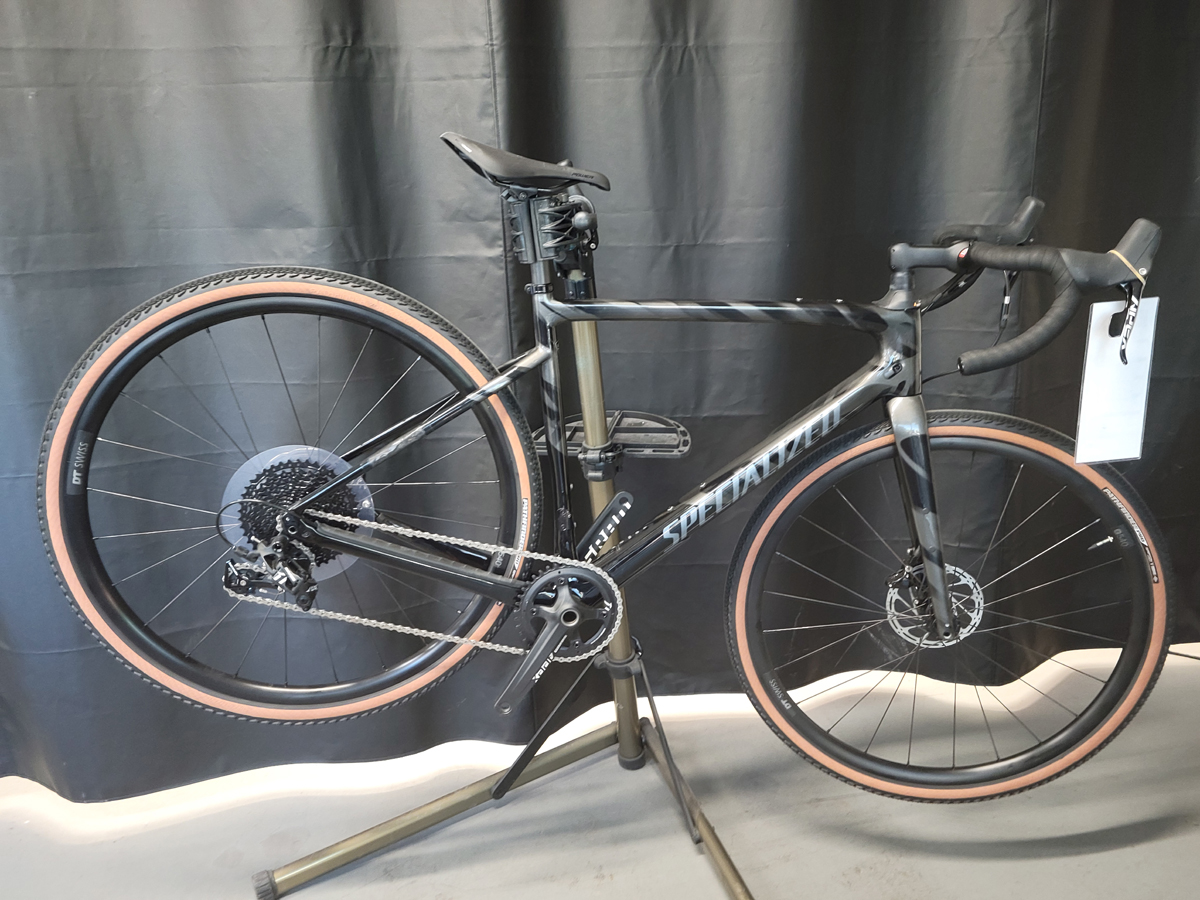
    The repaired bicycle is now ready to ride.

SLS: I know that building an environmentally sustainable business is part of EBC’s core beliefs, but also that working with carbon fiber is not greenest industry one can be in. How does EBC help minimize their impact on the environment with regards to waste from the repair process and/or unrepairable frames? Is there a way to recycle carbon fiber, or to dispose of it in an environmentally sound manner?

JW: I started East Bench Composites to reduce waste in the cycling industry. The current carbon fiber industry is not environmentally sustainable at all. While carbon fiber can be downcycled into lower grade materials, such as milled fiber tire levers and 3D printing filaments, it just isn’t the same as recycling. It is extremely rough on the environment to produce carbon fiber bikes (or anything else) and they cannot be recycled, period. So, when a bike gets warrantied, it goes to the dump. With the rate the sport is growing, it is entirely unsustainable for people or manufacturers to simply throw away cracked carbon frames.

We want to give people another option. Instead of throwing out damaged frames, we are taking products that are effectively waste and repairing them correctly, therefore drastically minimizing the resources it takes to get riders back on a bike. We have dialed in our process to use minimal processing materials; for an entire repair the waste created is only about the volume of a baseball. When done right, carbon repair is a perfectly safe, sustainable option.

SLS: I understand that in addition to doing repairs on bikes belonging to individual cyclists, EBC is also acquiring broken frames, repairing them, and then reselling the frames. Can you tell us about that program? Are there any particular manufacturers that you’re working with?

JW: We are stoked to formally announce our partnership with Trips for Kids. Trips For Kids national non-profit organization works to make bicycles more accessible to kids in communities across the country. Funding this mission relies on sponsors, volunteers, and donations, including those from the bicycle shipping company BikeFlights.

Here is how it works: Occasionally, bikes – especially those that have been inadequately packed – get damaged in shipping. After a damage claim is approved and paid, damaged bikes are often donated to Trips for Kids. If these bikes are newer and have repairable carbon damage, East Bench Composites will purchase the bikes from Trips for Kids and repair them for resale. This means that a non-profit gets the income they need to help get more kids on bikes, and the frames stay out of the landfill and get a second lease on life. It’s a win-win, and we are immensely proud of this relationship.

SLS: Are these frames repainted and sold without the original manufacturer’s branding (or with EBC branding), or are they sold as a used & repaired brand-name/model?

JW: Yes, these bikes are being sold as a repaired, used frame with the company’s branding. We aren’t trying to hide the fact that this is a repaired carbon bike, because carbon is rad. We are proud of the fact that this bike was repaired correctly and can be safely ridden indefinitely.

SLS: Does EBC repair other items, such as carbon wheels, forks, or cockpit components (handlebars/stems/seatposts), or do you strictly work with frames?

JW: We have done minor repairs on forks, and wheels can often be repaired depending on where the damage is located. To repair wheels, they need to be disassembled, and the damage cannot be over a spoke hole. Unfortunately, cockpit items are usually not worth the cost of repair. The exception to this is proprietary seatposts and bars for Triathlon bikes and other aero road bikes, which we have done plenty of repairs on.

SLS: What sort of warranty do you offer on your various repair services?

JW: All of our bikes come with a 5 year fully transferable warranty on the repair area, including 1 inch in any direction. We record the serial number of every bike we repair, and the warranty applies to anyone who owns that bike. In 2 years and in the roughly 250 repairs completed, we have never had a single warranty claim.

SLS: What do you see for the future of EBC? Are there any plans to invest in tooling to build your own frames and/or components from design up?

JW: Creating new carbon fiber bikes is not something we are interested in due to the environmental cost. Our mission is rooted in reducing waste, and until carbon fiber can be properly recycled, creating more of it is a non-starter for us.

In the immediate future, we are focusing on improving our finishing and paint methods. We are extremely comfortable with the strength of our repairs and the efficiency of our process, but our paint matching is currently a “five-foot match”; meaning you can’t notice the repair outside of five feet. But we hope to improve this to the point where our repairs are not noticeable at all.

The long-term goal is to repair as many bikes as possible, so we can reduce as much waste as possible. In order to do this on an industrial scale, we have to attract OEs to start repairing warrantied frames instead of replacing them. But first, we have to get our repairs to the point where the repair looks factory fresh, which truly is an art form.


East Bench Composites is located at 2374 Harrison Blvd., in Ogden, Utah. They can be contacted through their website at https://www.eastbenchcomposites.com or by phone at 385-240-5265.


Cycling West and Cycling Utah’s Winter 2022-2023 Issue is Now Available!

Cycling West and Cycling Utah Magazine’s Winter 2022-2023 Issue is now available as a free download (15 MB download). Pick up a copy at your favorite Utah, Idaho, Wyoming, Nevada, Montana, Colorado, Arizona, New Mexico, and Northern California bike shop or other location.

Download the Magazine Now!

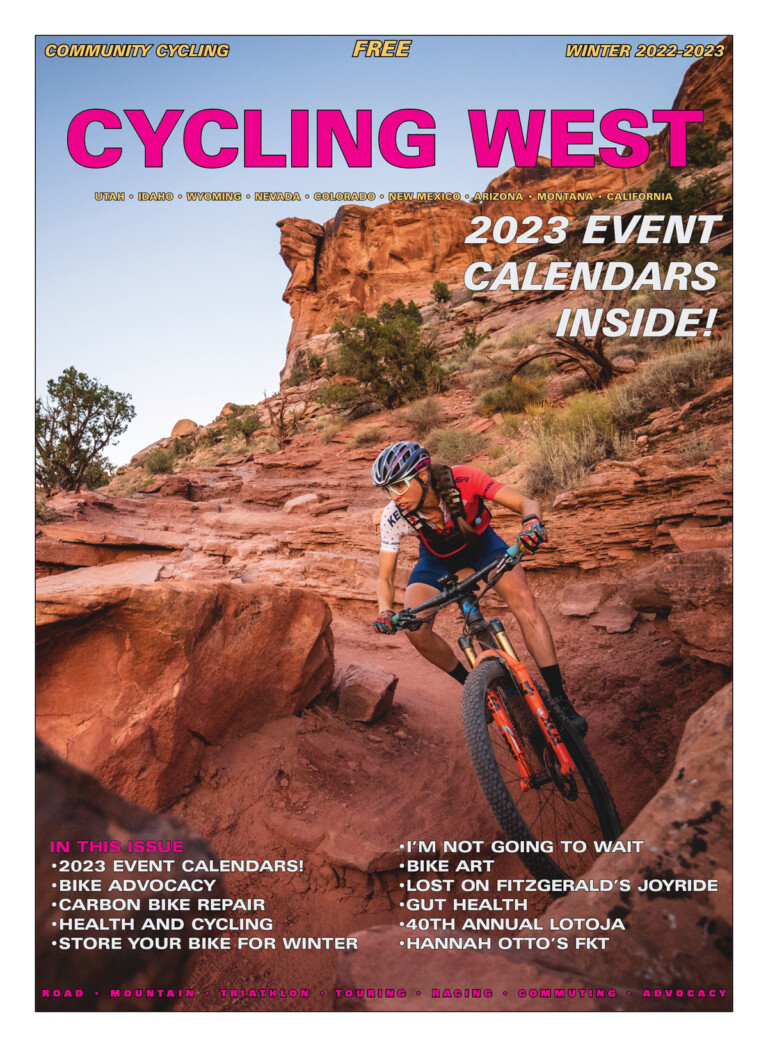
Cycling West Winter 2022-2023 Cover Photo: Hannah ntto weaves through sandstone on the classic Porcupine Rim trail section of The Whole Enchilada in Moab, Utah on her way to setting the Fastest Known Time (FKT) for the loop. Photo by Re Wikstrom / CompetitiveCyclist.com

Contents

  • Going Home: A Bicycle Tour Through Scotland — page 3
  • Jordan Weininger of East Bench Composites Talks Carbon Bike Repair — page 4
  • Step by Step Carbon Frame Repair — page 4
  • A Cancelled Bikepacking Trip: When Health Issues Keep You from Riding Your Bike — page 8
  • Tips for Storing Your Bike for Winter — page 9
  • Clean Your Brakes and Shocks — page 9
  • Hannah Otto Sets Fastest Known Time on Moab’s Whole Enchilada Loop — page 10
  • Prioritize Your Gut for Prime Health — page 10
  • Borstelmann and Pannecoucke Win 40th Annual LoToJa Classic — page 11
  • Getting Lost on Fitzgerald’s Joyride 2022 — page 12
  • I’m Not Going To Wait Anymore — page 14
  • Cyclocross and “That Thing in Your Head” — page 15
  • Cargo Bikes Can Do More Than Most People Think — page 21
  • Does Active Transportation Actually Make Cycling Safer? — page 22
  • Separated Bike Lanes are Safer — page 22
  • Salt Lake County’s MidValley Connector Gains Federal Approval — page 22
  • Bikeshare Declined During the Pandemic, But Has Recovered — page 22
  • Bikeshare Improves Fitness — page 22
  • Boulder Voters Raise Sales Tax to Build and Maintain Bike Infrastructure — page 22
  • Face Masks Block More than COVID-19 — page 22
  • Bike Infrastructure Increases Physical Activity — page 22
  • E-Bikes Need More Safety Precautions — page 22
  • This Machine Flights Climate Change: The Bicycle Art of Nicole Kelner — page 23

Fremont Indian Country Cruise

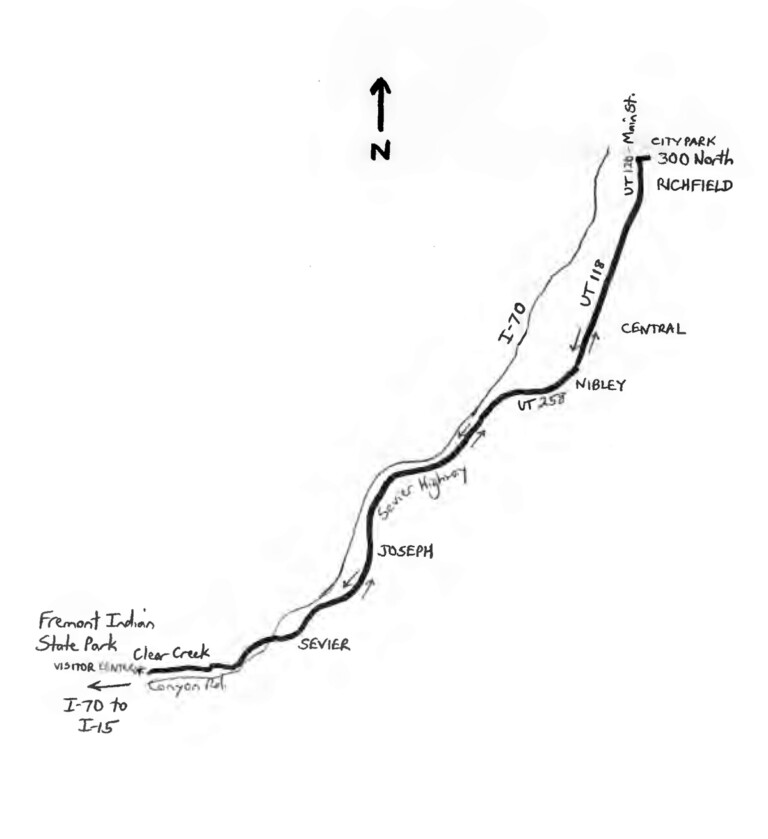
By Wayne Cottrell — The Fremont Indian Country Cruise is a 45.4-mile out-and-back ride over flat, false-flat, and rolling terrain between the city of Richfield, Utah, and Fremont Indian State Park. The park is located southwest of Richfield, in Utah’s “Panoramaland” country, in south central Utah, west of the Sevier River. Start and finish the ride at Richfield City Park, located adjacent 300 North and Main Street. Richfield had a population of 7,610 in 2016, up slightly from its 2010 population. Despite its comparatively small size, Richfield is the largest city for about 100 miles in any direction. Hence, it is the commercial, shopping and entertainment center for an expansive, mostly rural population. The city’s influence region includes Sevier County, and portions of Millard, Piute, and Sanpete Counties. Turn left and head south on Main Street, which is Utah Route 120 (UT 120). You may encounter a small amount of city hustle and bustle, here in the center of Richfield. Some of the buildings that you see, along the way, are on the National Register of Historic Places (NRHP), including the Sevier County Courthouse (between 300 North and 200 North).

The Fremont Indian Country Cruise is a 45.4-mile out-and-back ride over flat, false-flat, and rolling terrain between the city of Richfield, Utah, and Fremont Indian State Park. Map by Wayne Cottrell

A description of this ride appears in the author’s Road Biking Utah, which was published in 2010. What has changed since then? Well, the towns, roads and scenery are the same. The populations of Richfield and the surrounding communities have grown only marginally. The economy is still heavily agrarian, with some industry. Also, the region holds a rich tradition in ancient Native-American cultures, particularly that of the Fremonts, who inhabited the area between about 2500 B.C. and 1500, with its most culturally-distinguishing period occurring between 400 and 1300. In fact, the ride’s route takes you from Richfield, through several neighboring communities, and into Fremont Indian State Park, before turning around for the return ride. There are no major climbs, as the elevation ranges from 5,354 feet in Richfield to 5,709 feet along Clear Creek in Fremont Indian State Park.

At the southern edge of Richfield, keep straight onto UT 118 (mile 3.5). You are bound to see plenty of grazing horses and cattle in the pastoral setting. Continue straight onto UT 258 at mile 6.4. The highway curves to the right, passing along the northern edge of Nibley, a small community that is not to be confused with the larger Nibley in Cache County. As UT 258 heads west, enter the town of Elsinore, which had a population of 845 in 2012. Elsinore is famous for the efforts of then-10-year-old Jason Hardman who, in 1980, petitioned the town’s mayor to set up a library. Space was allocated in the town’s public school, and Hardman became the youngest librarian in the U.S. Within two years, the library had 10,000 books, mostly from donations. UT 258 continues to head west toward the I-70 freeway. At mile 8.3, turn left onto Sevier Highway, which heads southwest-ward, parallel to I-70, to your right, and the Sevier River, to your left. As for the freeway, I-70’s 232-mile stretch through Utah is considered to be one of the most scenic Interstates in the U.S. Richfield is the largest settlement along I-70 in Utah. A large cache of Fremont artifacts were discovered during the freeway’s construction, including the largest known Fremont village. In fact, Fremont Indian State Park, where you are heading, was developed as a consequence of the I-70 excavations. The park opened in 1987.

Sevier Highway enters the town of Joseph at mile 13.7. The population was 346 in 2016, up nearly 30% since 2000. The town was named for Joseph Ford, a local miner, as opposed to the biblical Joseph, or Mormon prophet Joseph Smith. There is a gradual climb at mile 14.8, as you leave Joseph, followed by rolling terrain. Enter Sevier at mile 16.4; this small settlement had a fluctuating population of about 80. The Sevier Ward Church, which is on the NRHP, is along the highway. Cross U.S. Highway 89 at mile 17.8, followed by an I-70 overpass. You are now on Clear Creek Canyon Road, entering an area that is rich in archeological finds. Enter Fremont Indian State Park at mile 19.5. There are numerous trailheads and information displays along the road. Steep cliffs surround you, with I-70 to your left. The cliffs and nearby coves and caves are abundant in Fremont pictographs and petroglyphs. Although you could spend an extensive amount of time exploring the park, the turnaround is the Visitor Center, at mile 22.6. But, before heading back, dismount and check out the exhibits in the Center. The return ride reverses the outbound route.

Starting point coordinates: 38.772544oN 112.084258oW

For more rides, see Road Biking Utah (Falcon Guides), written by avid cyclist Wayne Cottrell. Road Biking Utah features descriptions of 40 road bike rides in Utah. The ride lengths range from 14 to 106 miles, and the book’s coverage is statewide: from Wendover to Vernal, and from Bear Lake to St. George to Bluff. Each ride description features information about the suggested start-finish location, length, mileposts, terrain, traffic conditions and, most importantly, sights. The text is rich in detail about each route, including history, folklore, flora, fauna and, of course, scenery.

Wayne Cottrell is a former Utah resident who conducted extensive research while living here – and even after moving – to develop the content for the book.

Southern Utah’s JEM Trail Sees Changes to MTB Access

VIRGIN, Utah (January 4, 2023) — In June 2020, The Nature Conservancy joined forces with the Virgin River Land Preservation Association, the U.S. Fish and Wildlife Service and others to purchase the 419-acre the newly created Sheep Bridge Nature Preserve. Now that this property is preserved, it will be managed as one of the “best of the best” portions of the Virgin River ecosystem. In addition to protecting the critical fish and wildlife habitat, The Nature Conservancy’s purchase of the Sheep Bridge Nature Preserve will ensure the property supports public access, including designated hiking and biking trails, to promote visitation and responsible recreation.

David Ward on the JEM Trail in St. George, Utah. Photo by Karma Ward

The Nature Conservancy, new owner of the Sheep Bridge Nature Preserve, has an important announcement for mountain bikers who wish to park and access the JEM Trail: access and day use parking for all portions of the JEM Trail is only permitted from designated BLM trailheads.  The BLM has established three trailheads that access the JEM and other Hurricane Cliffs trails. The closest is the “Sheep Bridge Trailhead,” located 2 miles south of the preserve, halfway between SR 9 and SR 59. (GPS coordinates: 37.179596054414134, -113.2385920345773). This trailhead has ample parking, restrooms, and trail maps. Riders can also access the system at the Hurricane Cliff Trail head located at SR 59 and Sheep bridge Rd, or at the Upper JEM Trailhead.

Karma on the JEM Trail. Photo by David Ward

The JEM Trail has been in existence since the mid-90s.  It was created without landowner approvals. Many riders have assumed that the entire system was located on public lands.  However, the Lower JEM access and a good portion of the Lower JEM Trail are located on private property. The Nature Conservancy is pleased to be able to leave access open to the portion of the JEM Trail that crosses through its Sheep Bridge Nature Preserve. However, the JEM Trail is now designated as a directional trail. Riders will travel downhill on the current trail, and return via the newly constructed Carne Asada trail. This new trail is also directional for mountain biking and provides a loop to return riders back to the BLM network.

This access point change is part of The Nature Conservancy’s creation of a new walking trail system at the Sheep Bridge Nature preserve that is designed to help everyone enjoy the area’s natural wonders while also minimizing impacts to sensitive and biologically rich plant and animal habitat along the river corridor.

“We’re looking at spring 2023 for a finalization of our new visitor trails and signage at the Sheep Bridge Nature Preserve,” says Elaine York, The Nature Conservancy’s West Desert Regional Director. “We’re thrilled to be working with many local partners and neighbors to ensure this special place remains vibrant and healthy for both nature and people.”

For nearly a decade, The Nature Conservancy has been focused on the Virgin River, working with partners to restore streamside habitat and explore agricultural efficiency projects that will benefit farmers and ranchers while keeping water instream for fish and birds.

For questions or maps regarding the JEM trail, visit: https://www.blm.gov/visit/jem-trail.

Belgian Waffle Ride Announces 2023 Schedule

0

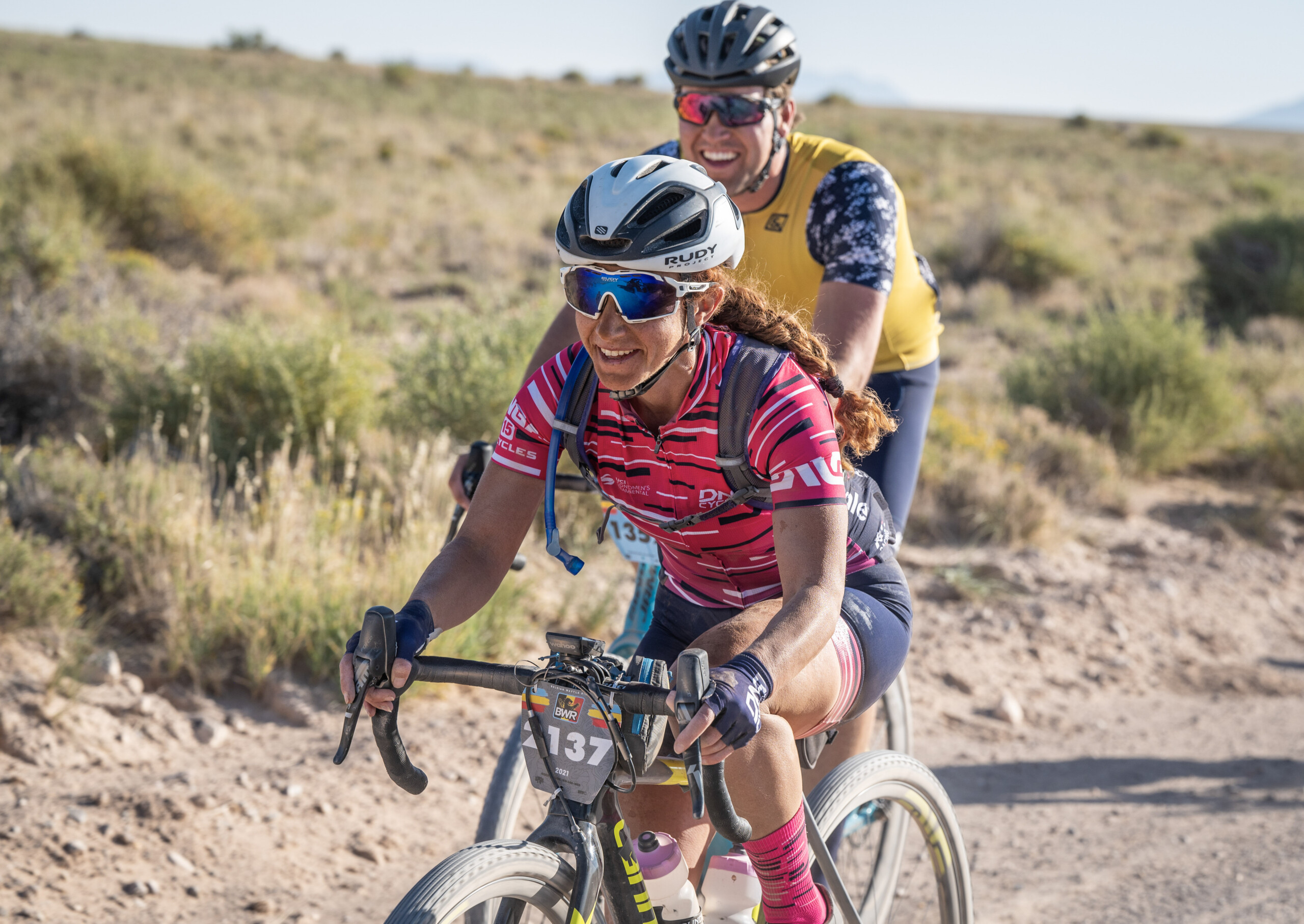
SAN DIEGO, California (January 5, 2023) — Monuments of Cycling (MoC), a premier cycling events producer best known for its iconic Monument of Gravel, the Belgian Waffle Ride (BWR), has announced its expanding BWR calendar for the second-half of 2023, adding three more events to the fall calendar, extending to seven the total number of events for the Quadrupel Crown of Gravel Series. The Quadrupel Crown, comprised of all the BWRs, is the largest gravel series in the world with events in Arizona, California, British Columbia, N. Carolina, and these three newly added events in Utah, Kansas, and Mexico. The Quadrupel Crown will be contested in a points-based omnium format across all seven of the 2023 BWRs. Riders competing for the Quadrupel honors and prize purse will be scored based on the total points of their top four (Quad) races. All Quad contenders must compete in BWR CA, which is being contested in San Marcos, CA, April 14-16, 2023. Registration for these new events will open on Tuesday, January 10, 2023, at 8:00 a.m. PST.

Scenes from the 2021 Belgian Waffle Ride in Cedar City, Utah. Photo courtesy BWR.

This year, with inflation affecting everyone’s wallets, the Monuments of Cycling is announcing that it will NOT increase entry fees for any of the BWRs to reward loyal and new competitors alike with pre-pandemic registration pricing. This is despite the rising costs of putting on world class events. The individual BWRs will each have their own pricing and registration cap with these lower prices locked in for first registrants. Once those caps are reached, the pricing will go up.

Scenes from the 2021 Belgian Waffle Ride in Cedar City, Utah. Photo courtesy BWR.

Created as an extremely challenging race in the spirit of the great European one-day Spring Classics, the BWRs have now become known as the most unique cycling events in the world for their incredibly dynamic, multi-surface ‘unroad’ parcourses replete with single track, sand, rocks, gravel, water crossings, cyclocross features and even some asphalt.

Scenes from the 2021 Belgian Waffle Ride in Cedar City, Utah. Photo courtesy BWR.

Below are the dates of the seven BWRs for 2023, all of which will feature in the omnium for the Quadrupel Crown of Gravel Series:

  • Inaugural BWR AZ in Scottsdale, AZ on March 11 – 12, 2023
  • 12th Annual BWR CA in San Diego on April 14 – April 16, 2023
  • Inaugural BWR BC on Vancouver Island, BC on May 26 – 28, 2023
  • 3rd Annual BWR NC in Asheville on June 9 – 10, 2023
  • 4th Annual BWR UT in Cedar City on August 25 – 26, 2023
  • 3rd Annual BWR KS in Lawrence on October 13 – 15, 2023
  • Inaugural BWR México in Queretaro, MX on November 25 – 26, 2023

Each venue will showcase a challenging ‘unroad’ multi-surface course that takes advantage of the unique topography these beautiful locations have on offer, from the old growth forest of the Hell of the Great White North in BC to the multiple cyclocross features of the Hell of the North (KS) and the cobble stoned streets of the Infierno Del Sur in Queretaro, Mexico. Each route is uniquely designed to include a multitude of technically challenging sectors. Waffle courses range in length from 110- to 144-miles, with Wafer courses between roughly 68- and 84-miles. Some venues will have Wanna Rides, which are typically around 40-miles. Elevation gain will range from 6,500 feet to 14,000 feet for the various Waffle courses.

Monuments of Cycling is investing in new ways to ensure rider safety with new courses, as well as support in the form of nutrition and hydration from custom created products from Infinit. Each location will offer diverse routes that will be well-marked and involve abundant traffic control personnel on course. Additionally, each location will be hosted by a legion of bike-minded volunteers who come together to showcase the hospitality of their hometowns. Without these hometown heroes these iconic races could not be offered.

For event registration and more information, please visit www.BWR.Bike.

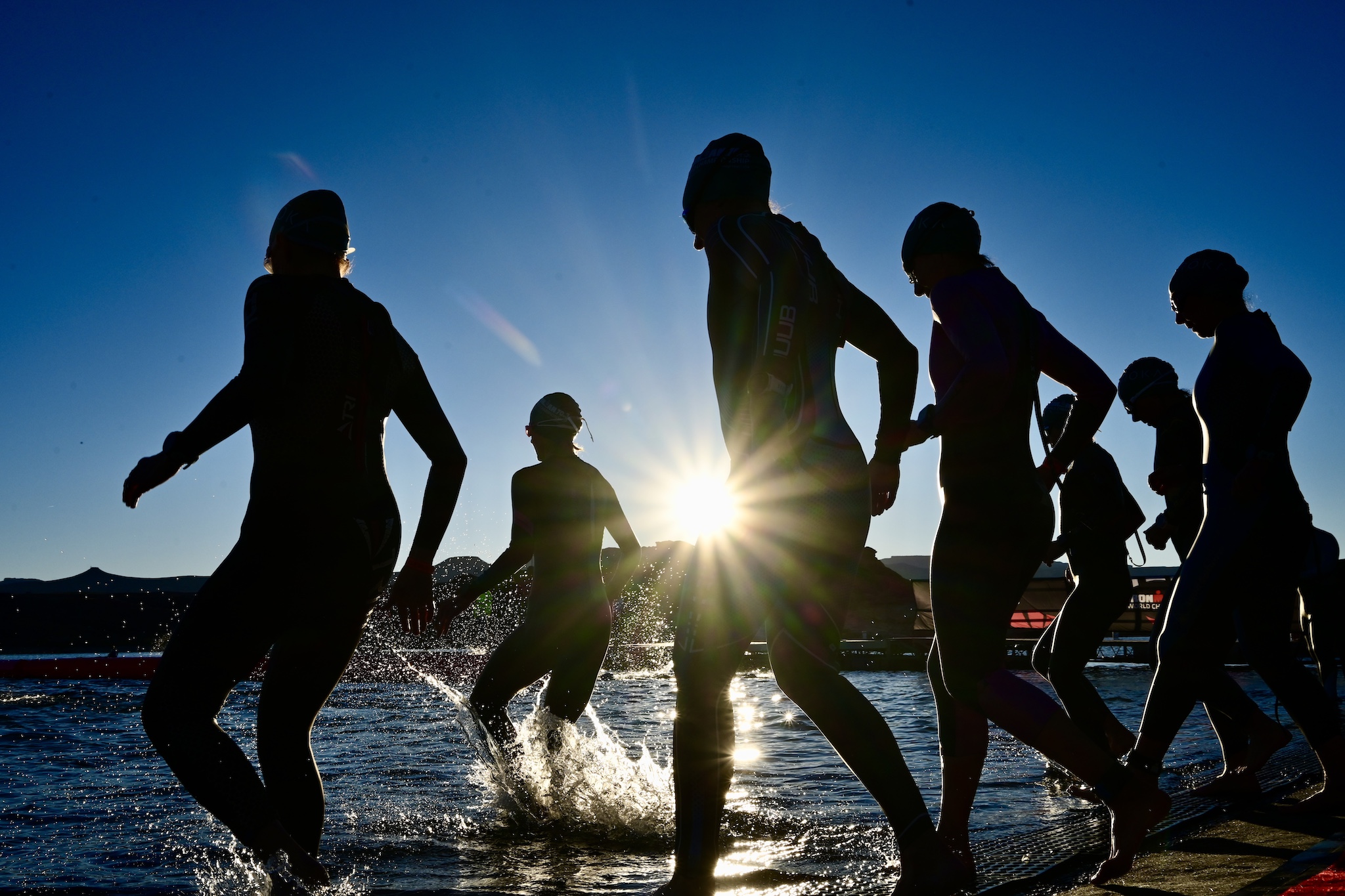
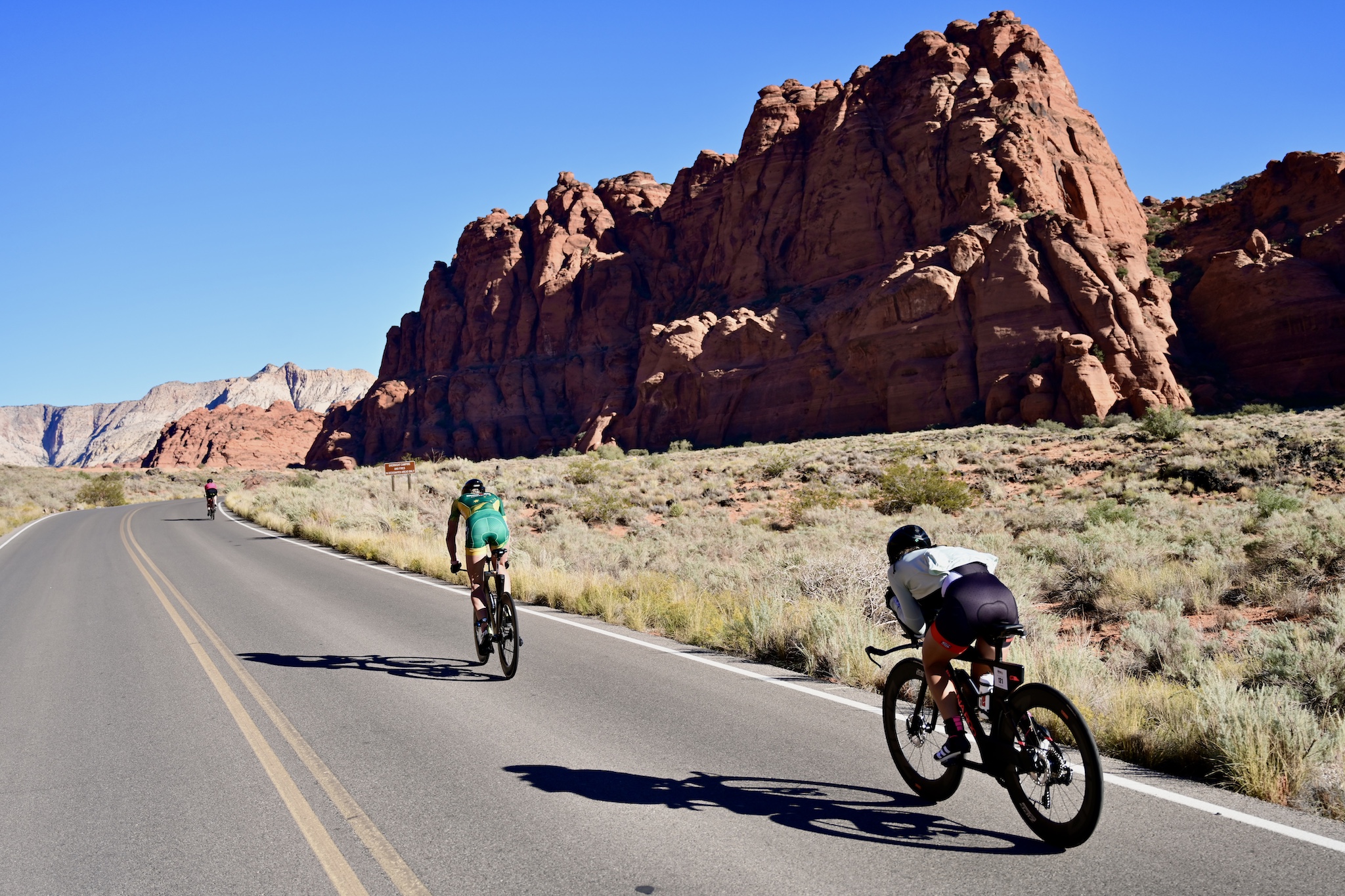
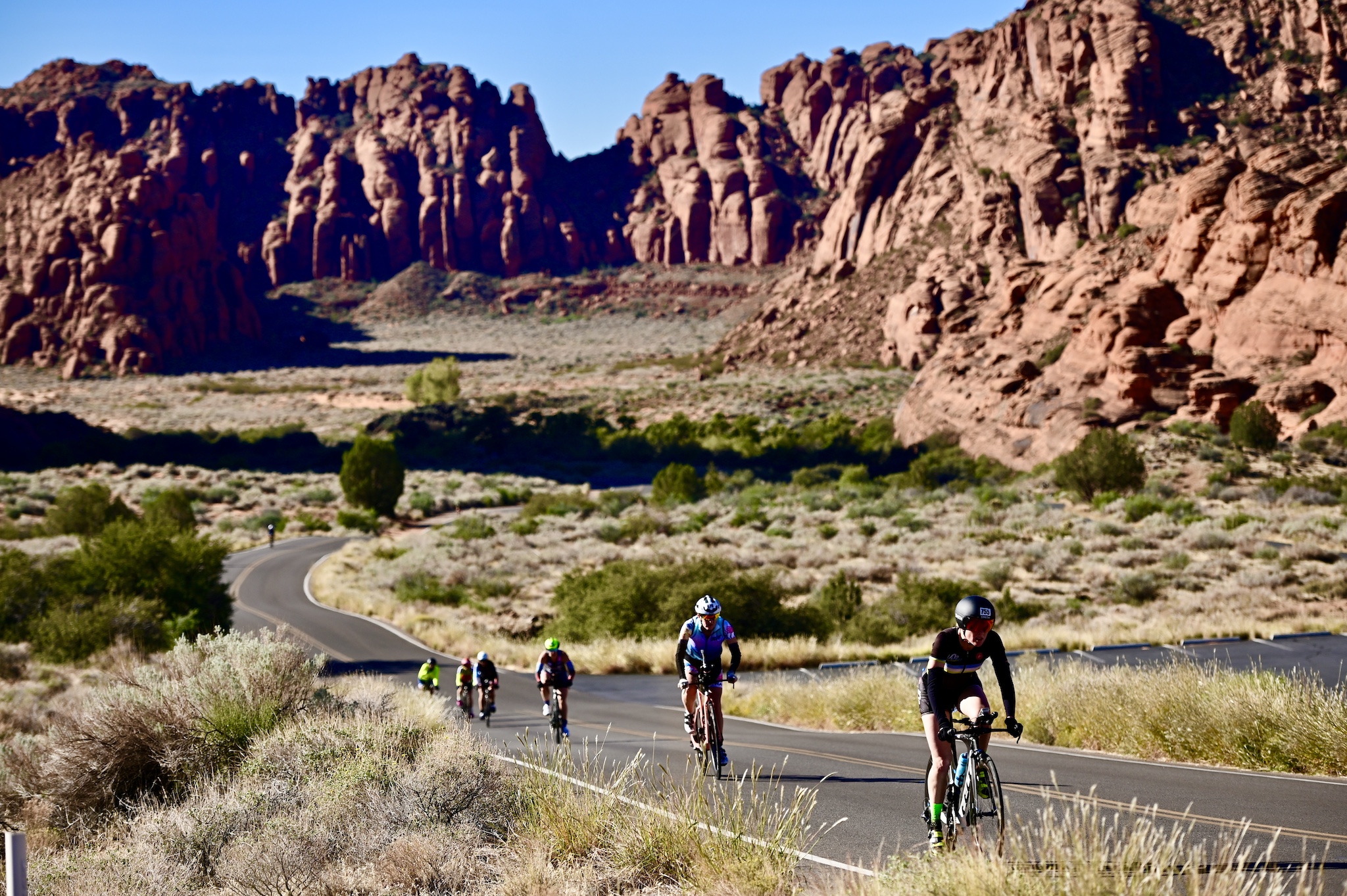
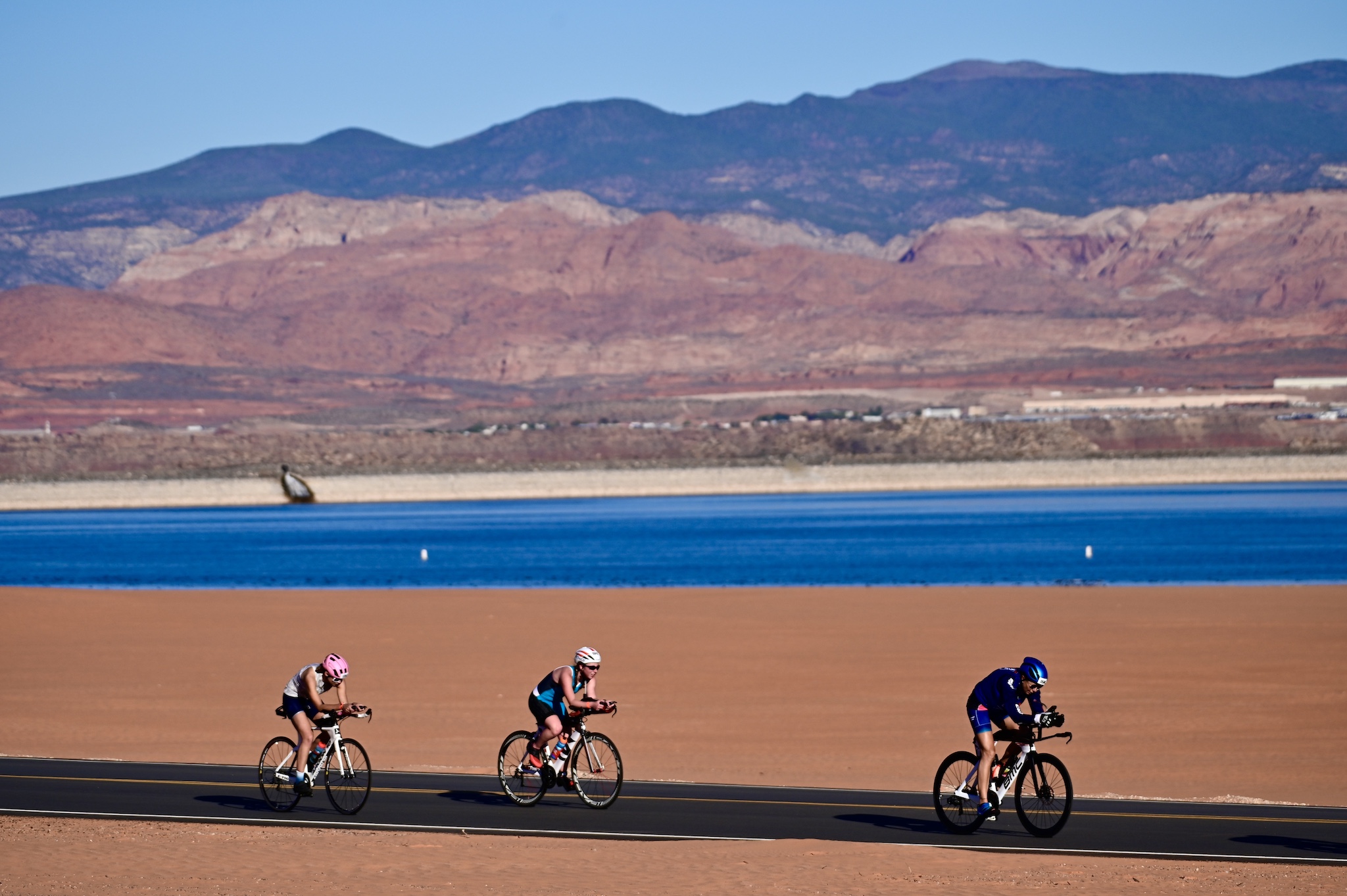
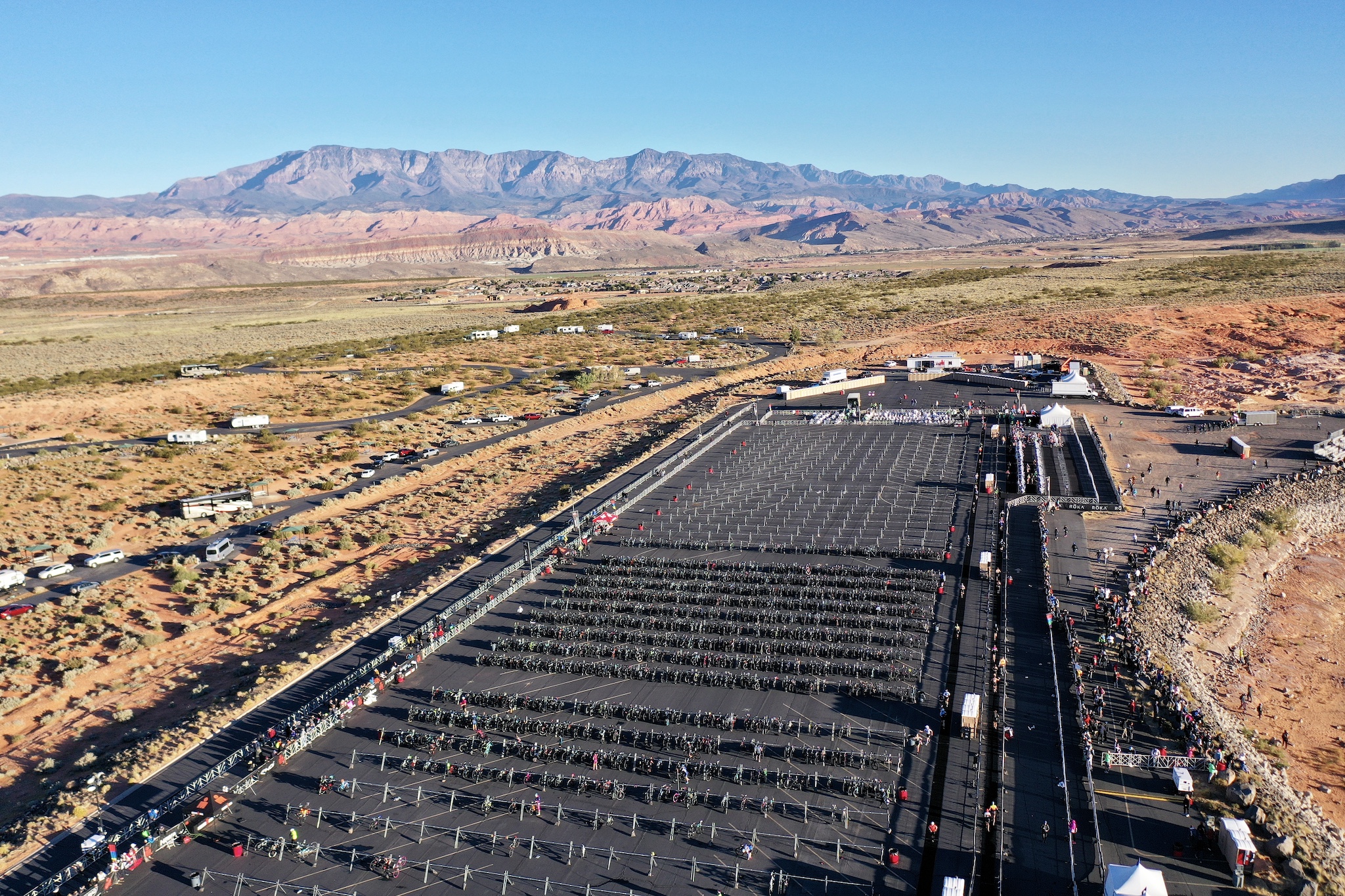
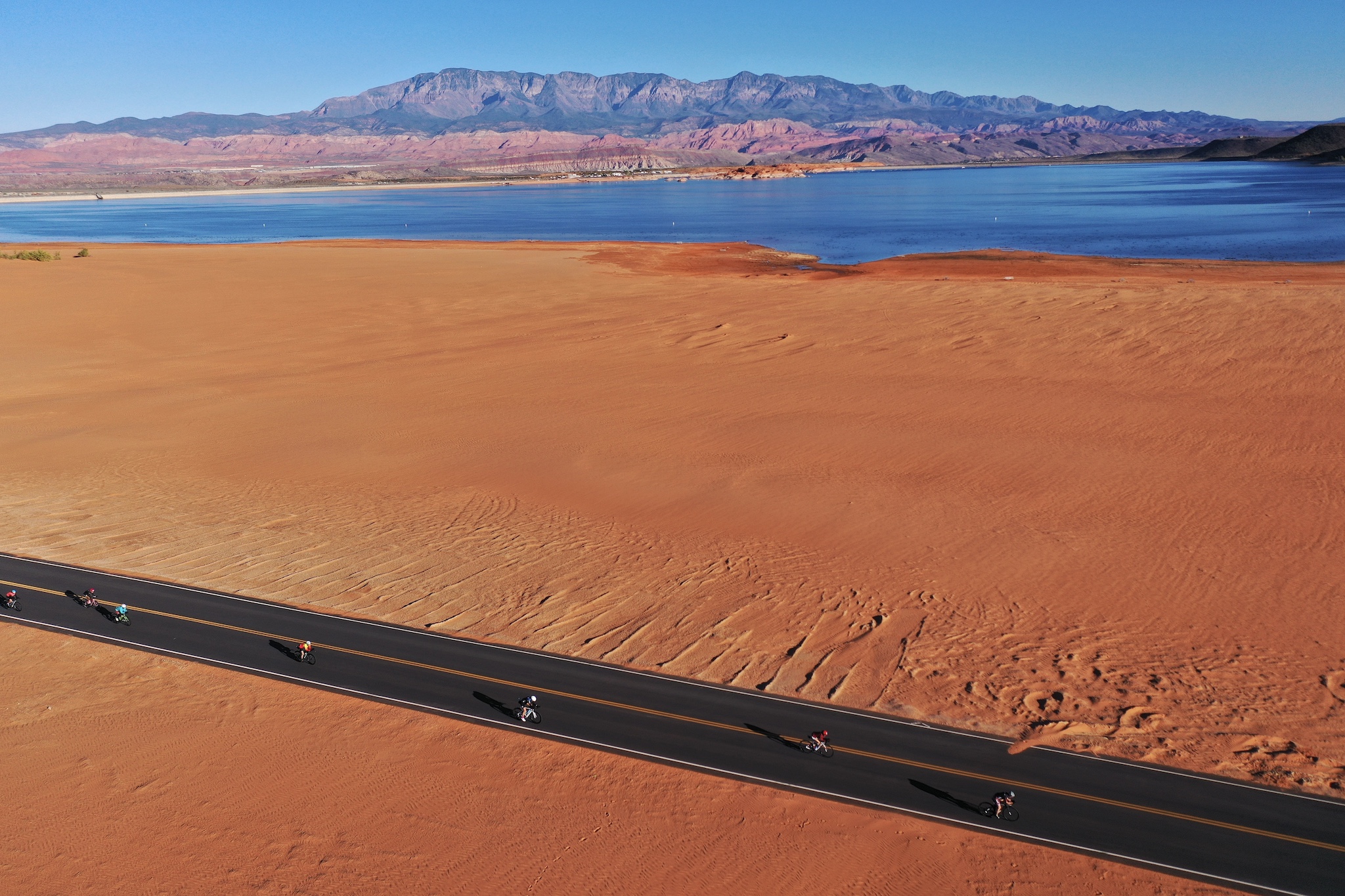
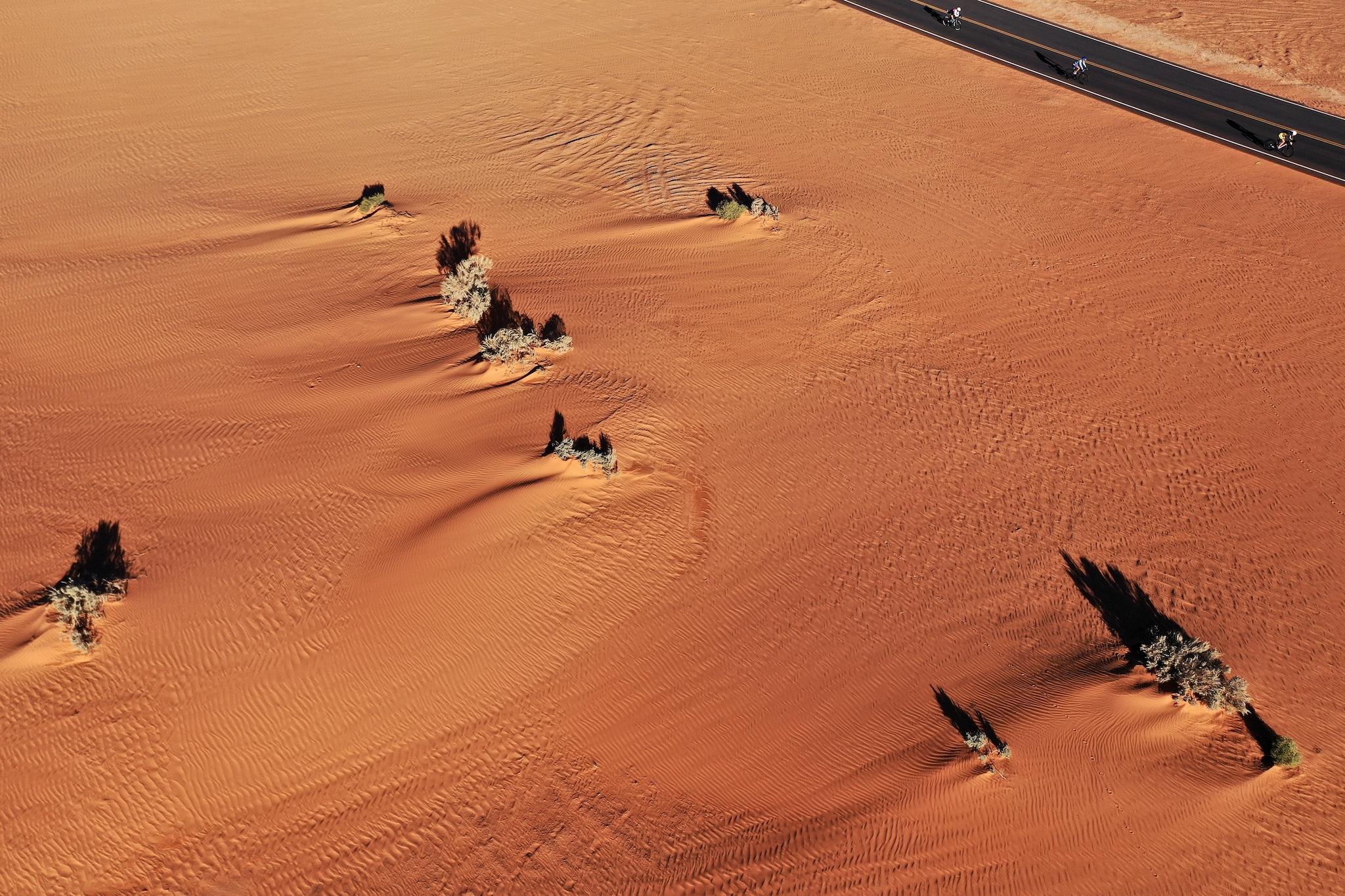
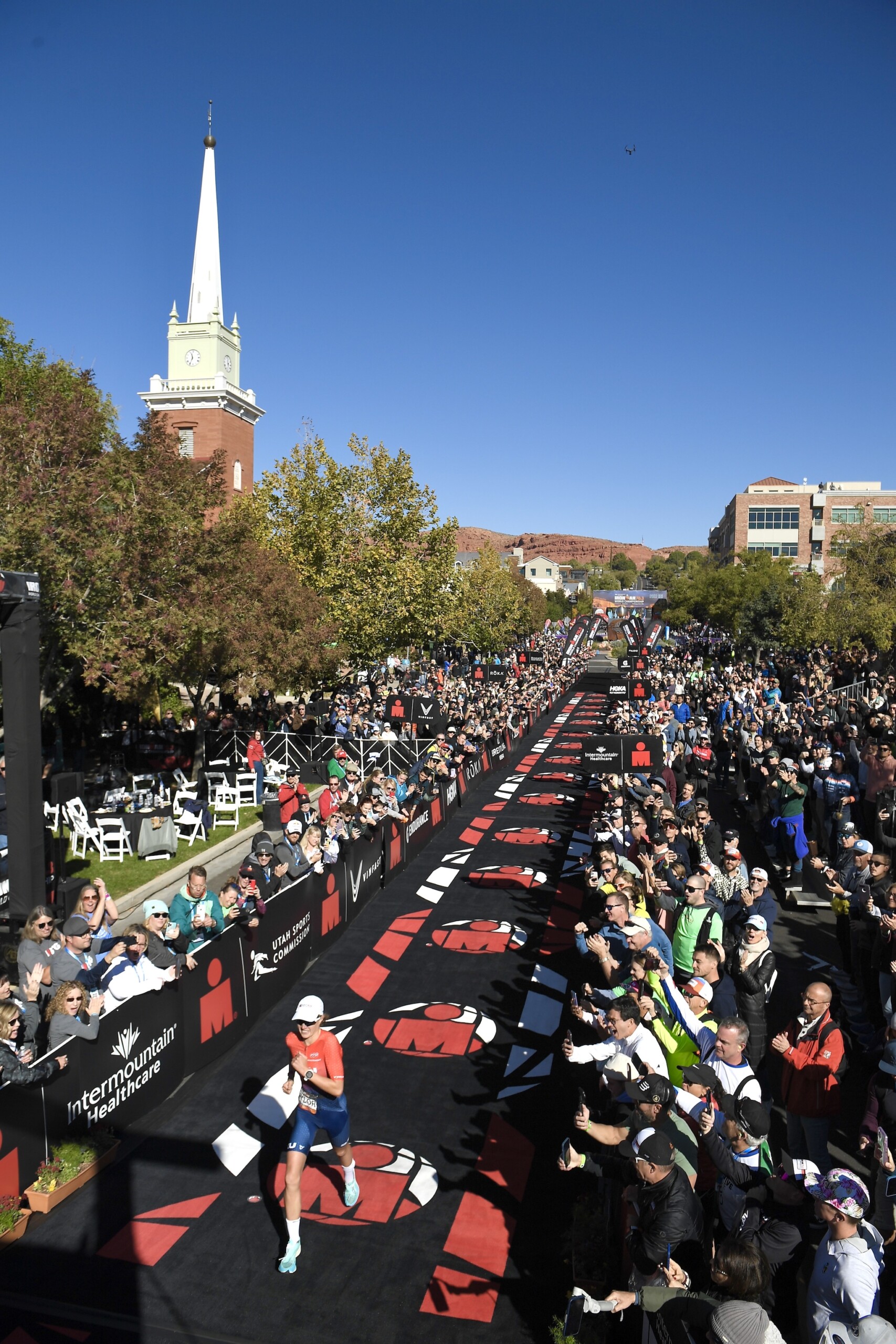
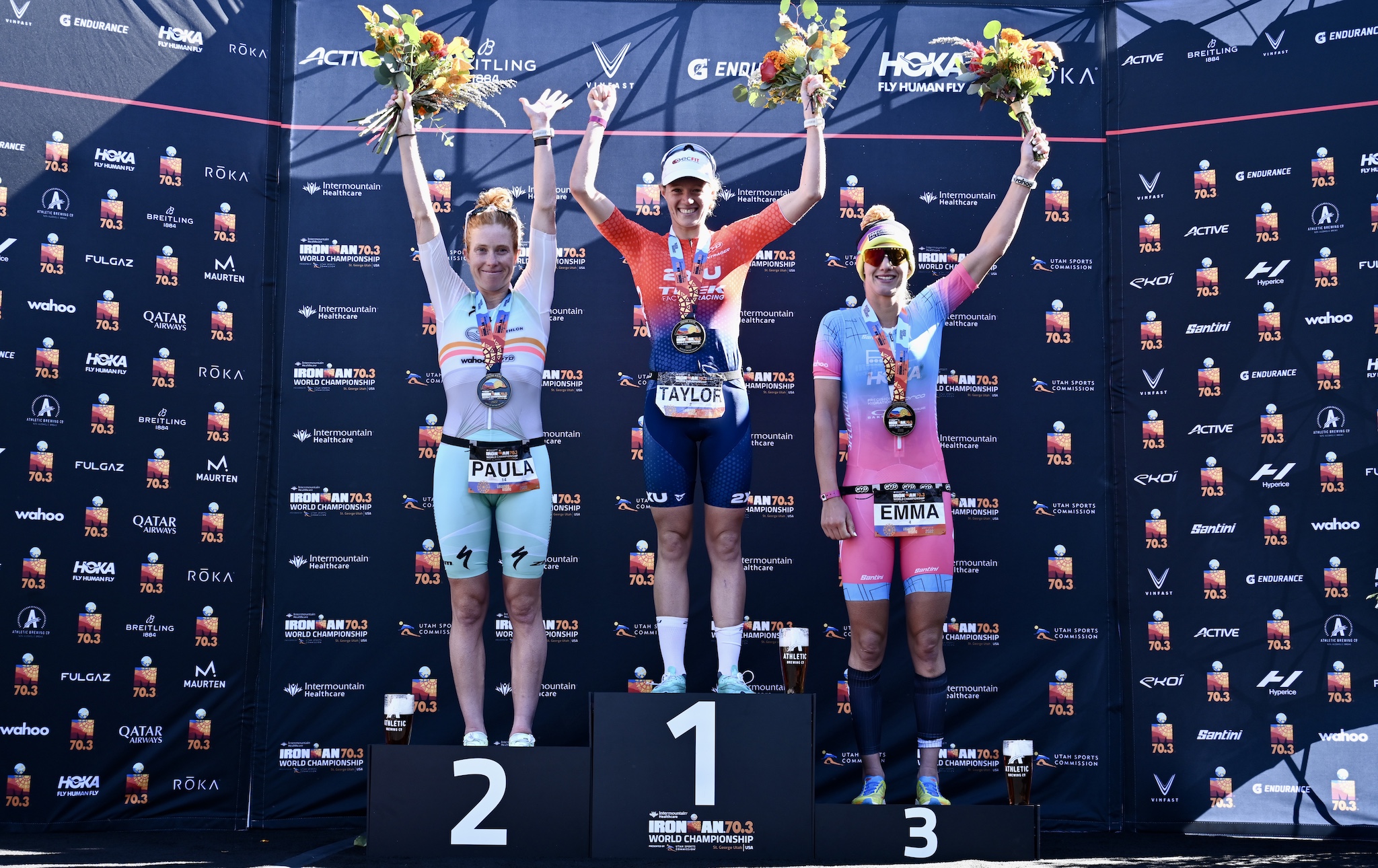
2022 IRONMAN 70.3 World Championships Gallery – Day 2 (Men)

0

Photo by Donald Miralle/IRONMAN
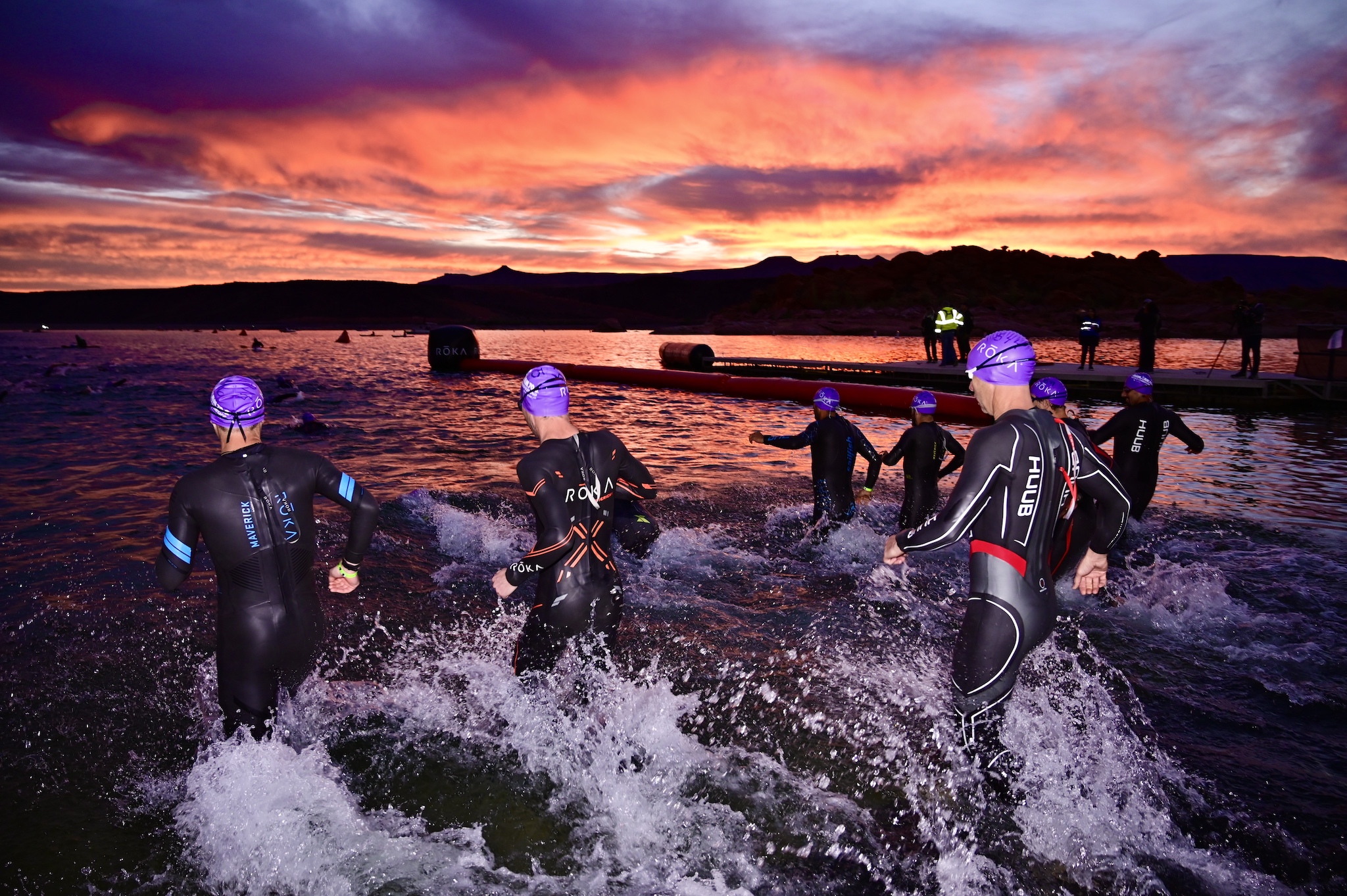
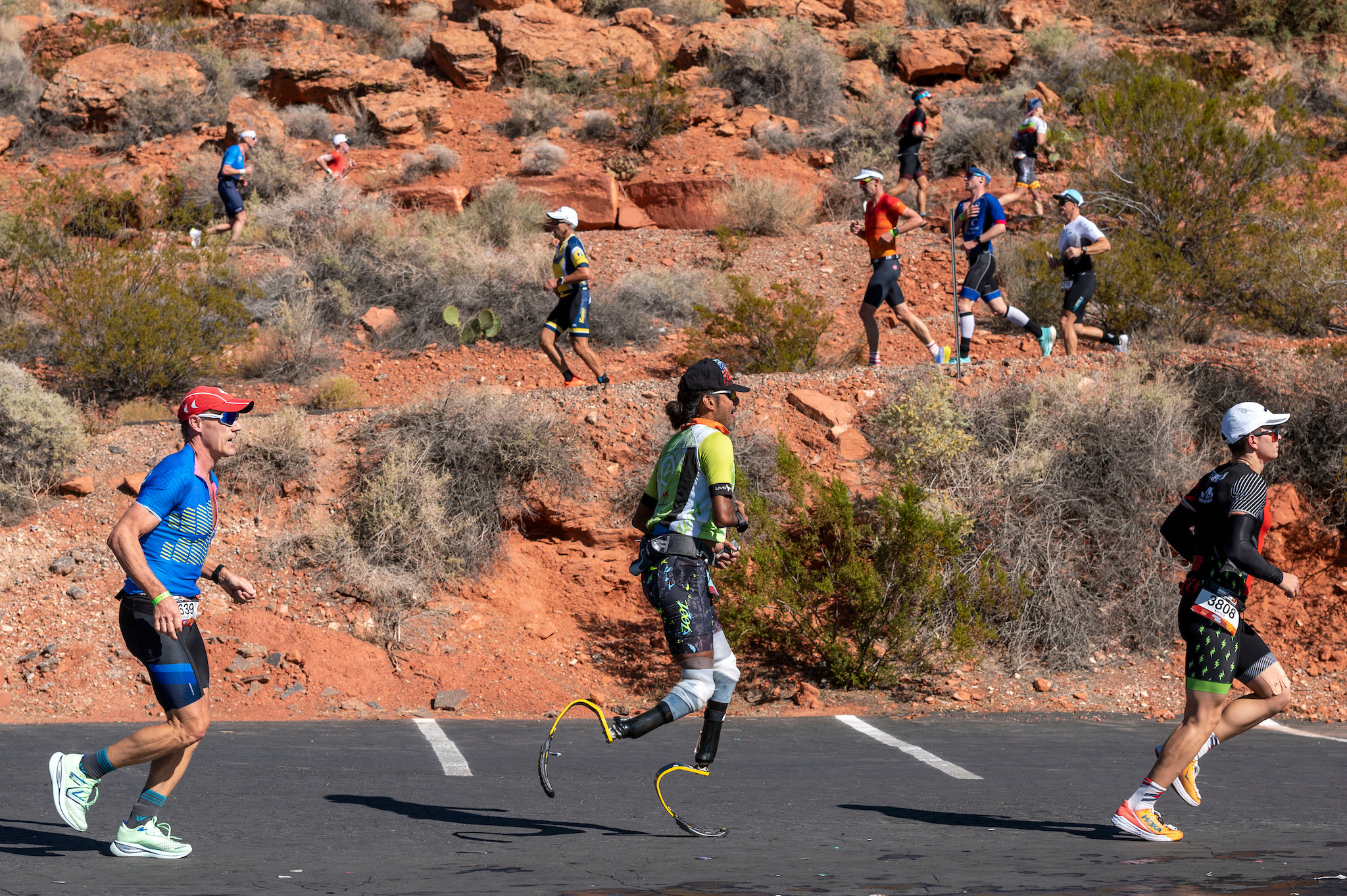
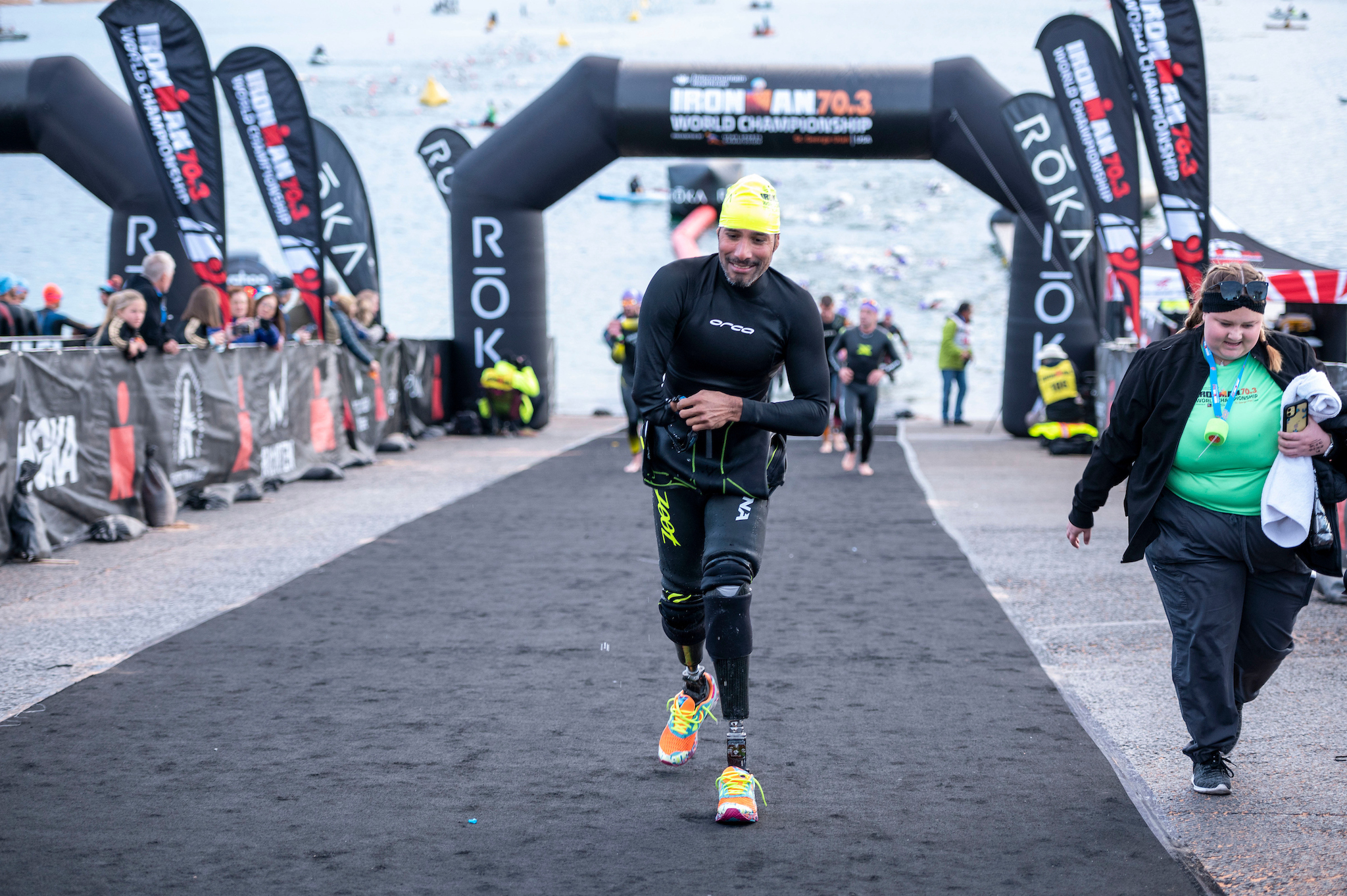
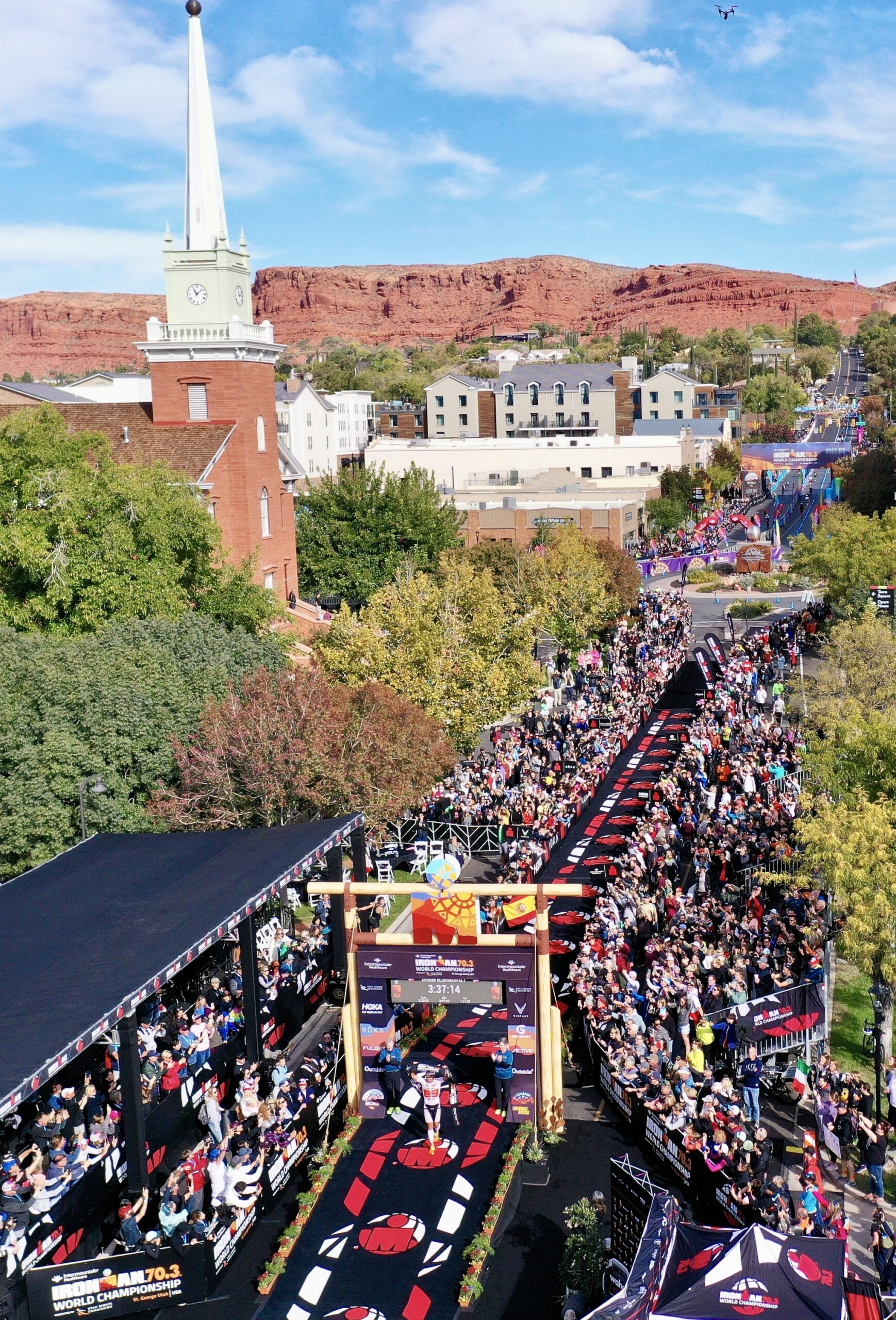
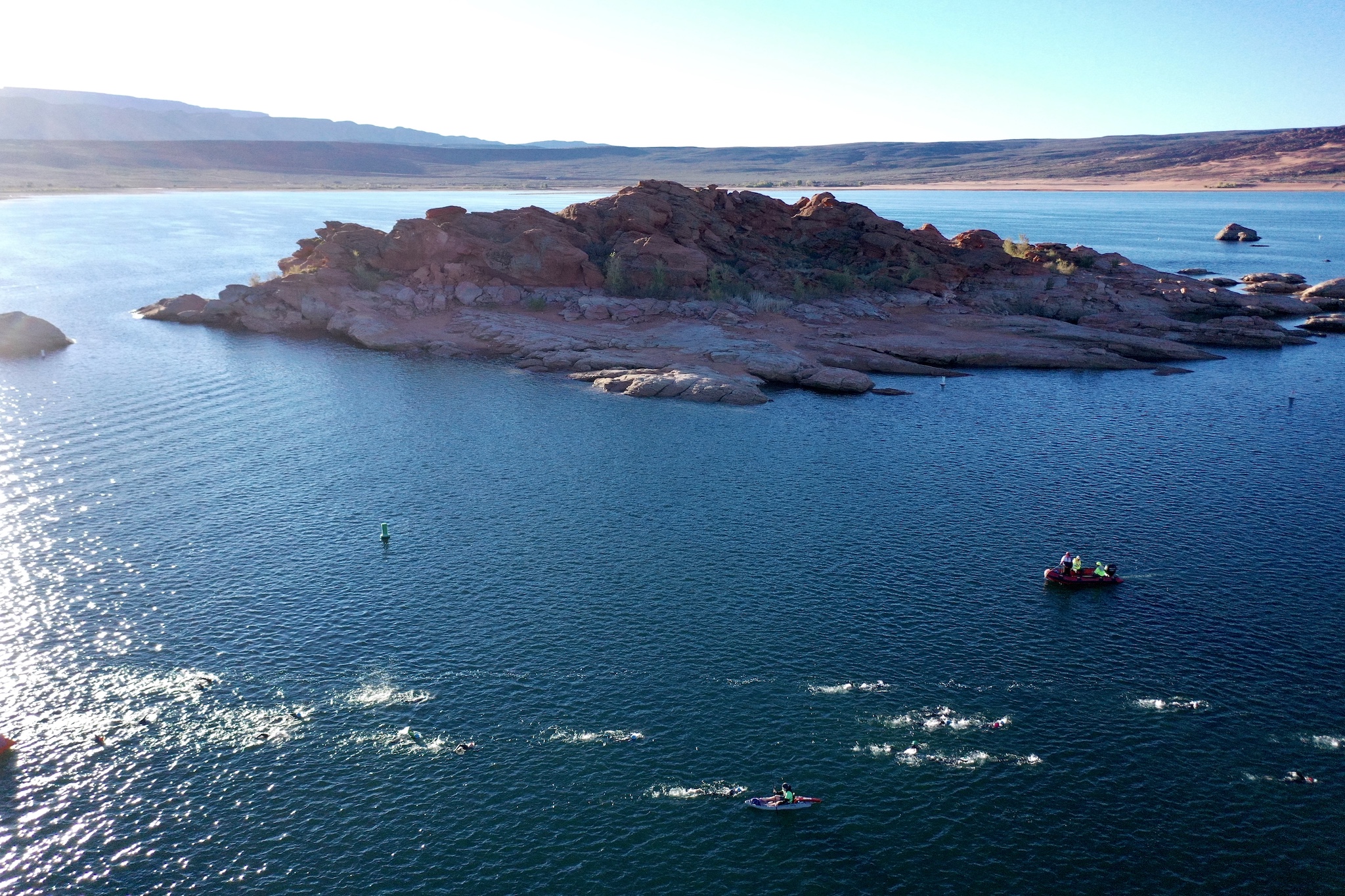
ST. GEORGE, UTAH – OCTOBER 29: General views of the 2022 Intermountain Healthcare IRONMAN 70.3 World Championship Men’s Race presented by Utah Sports Commission on on October 29, 2022 in St. George, Utah. (Photo by Donald Miralle)
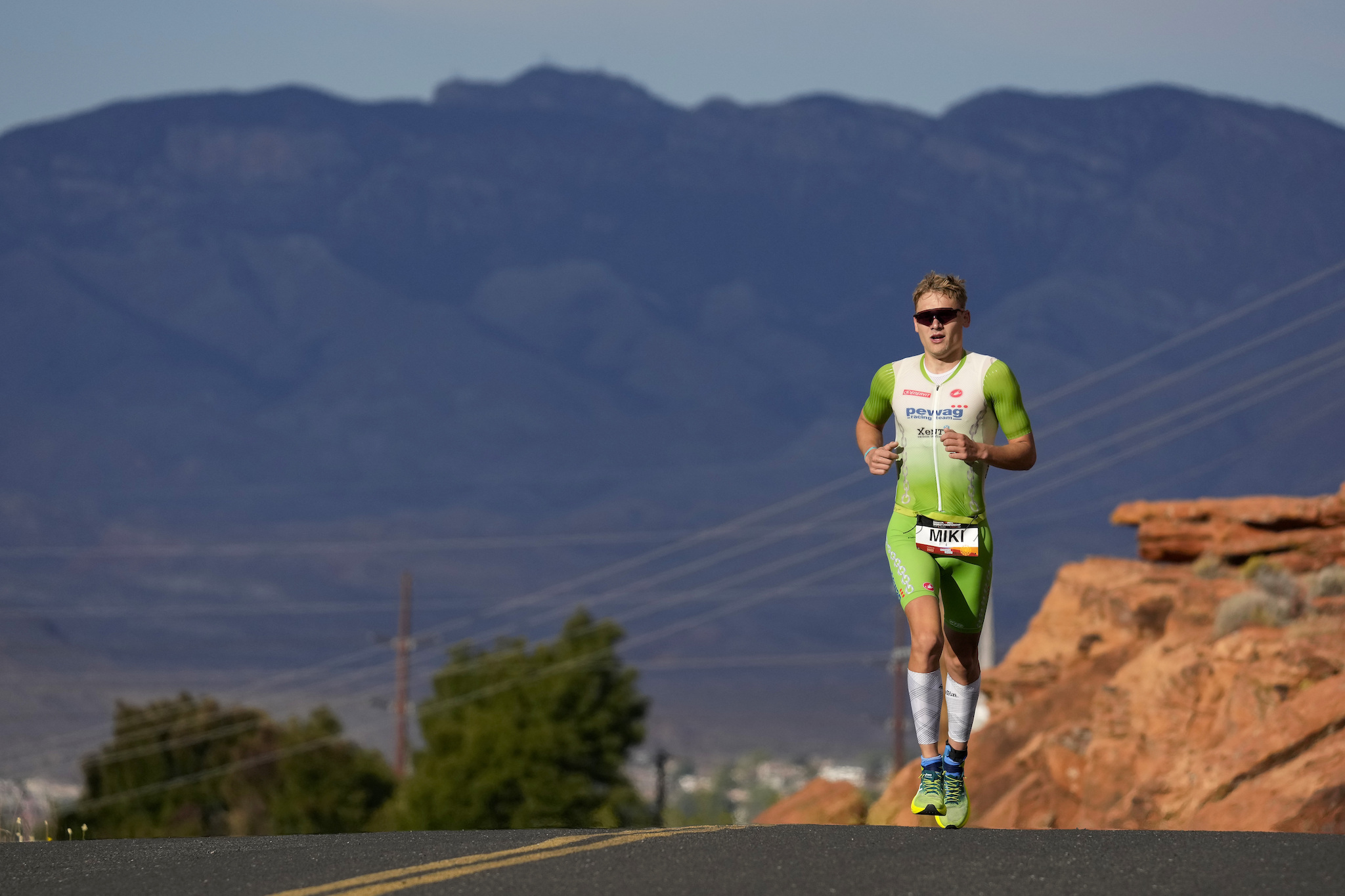
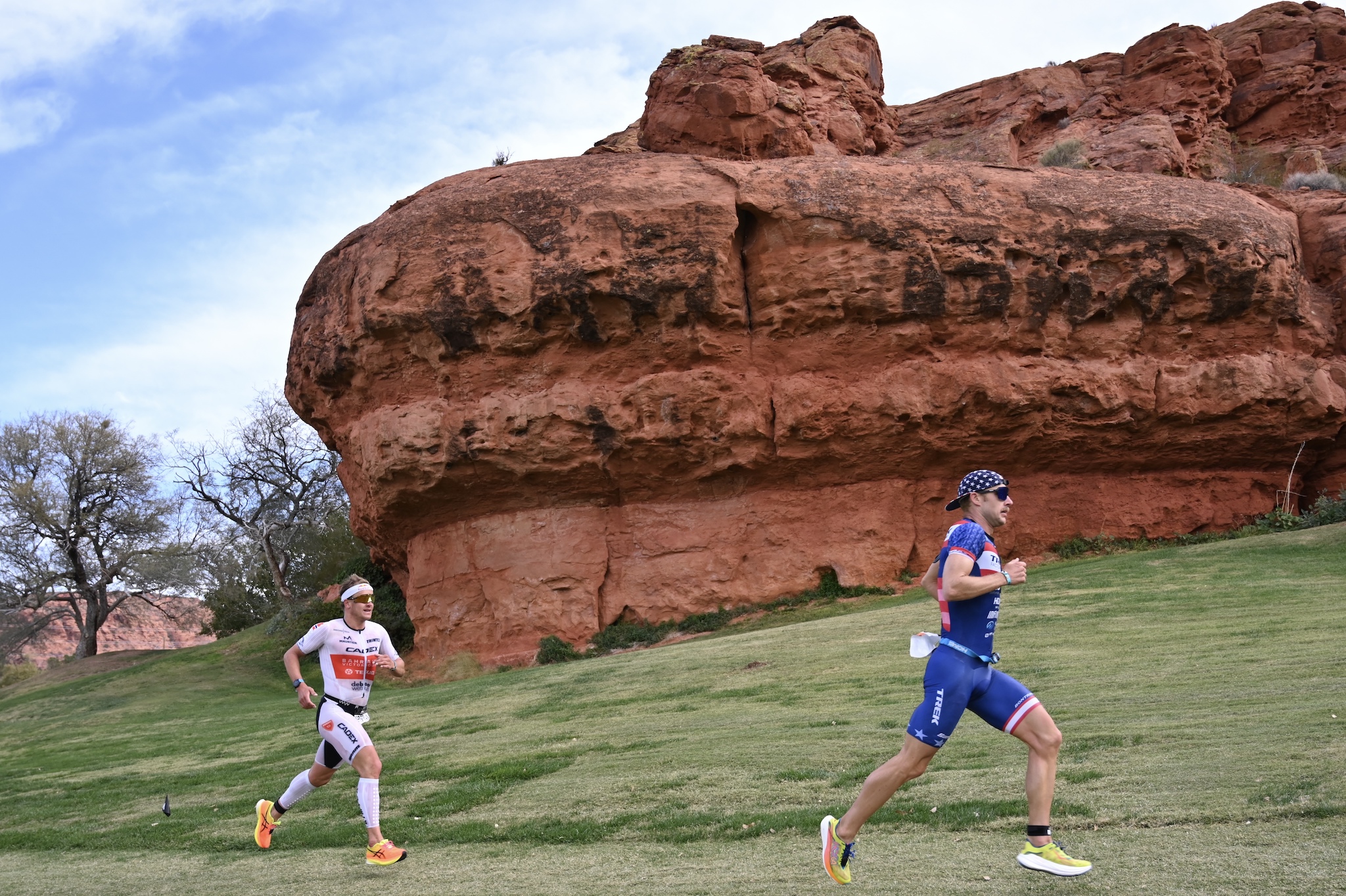
ST GEORGE, UTAH – OCTOBER 29: Miki Taagholt of Denmark competes in the Men’s Pro running leg during the IRONMAN 70.3 World Championship on October 29, 2022 in St George, Utah. (Photo by Patrick McDermott/Getty Images for IRONMAN)
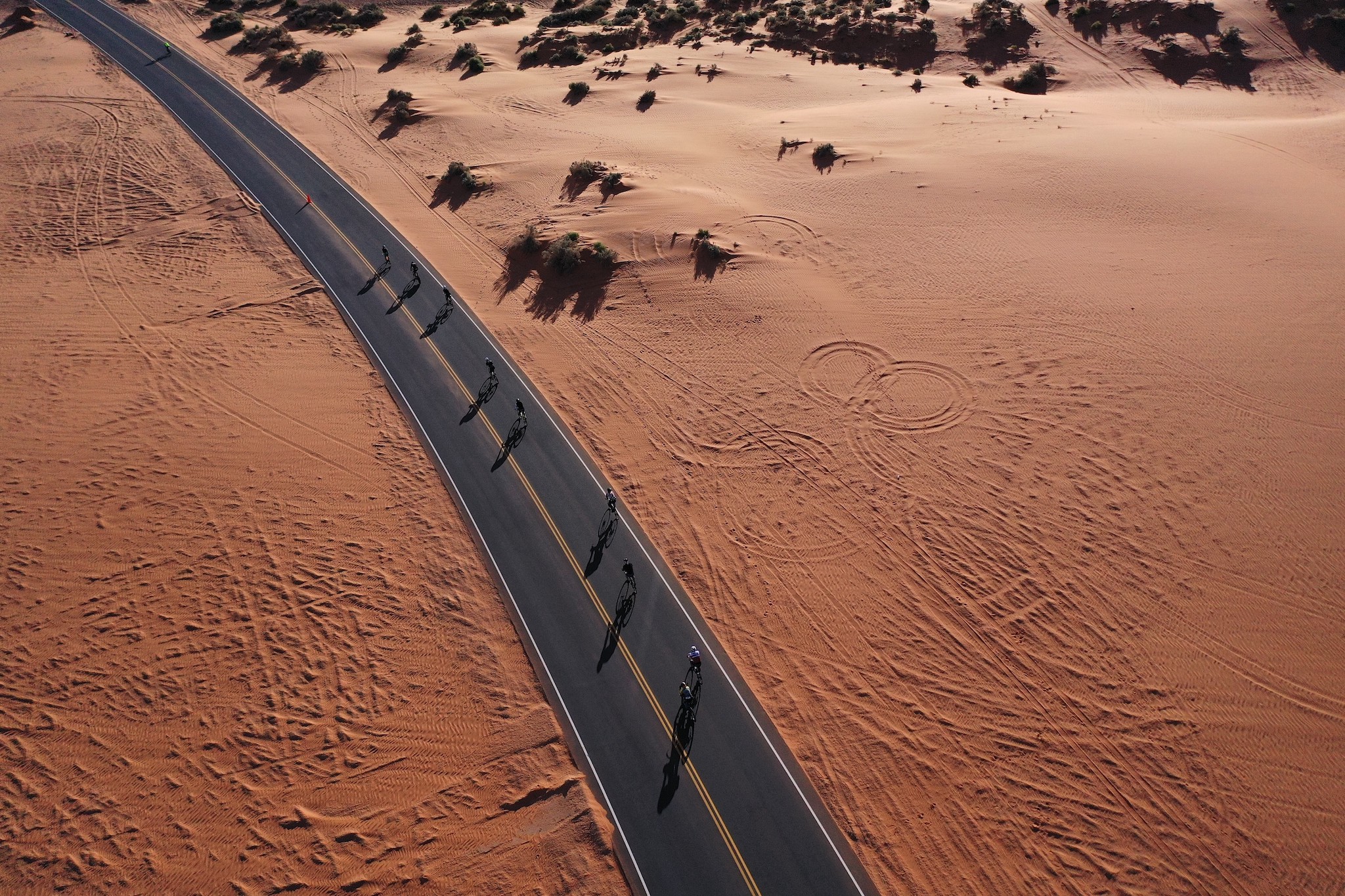
ST. GEORGE, UTAH – OCTOBER 29: General views of the 2022 Intermountain Healthcare IRONMAN 70.3 World Championship Men’s Race presented by Utah Sports Commission on on October 29, 2022 in St. George, Utah. (Photo by Donald Miralle)
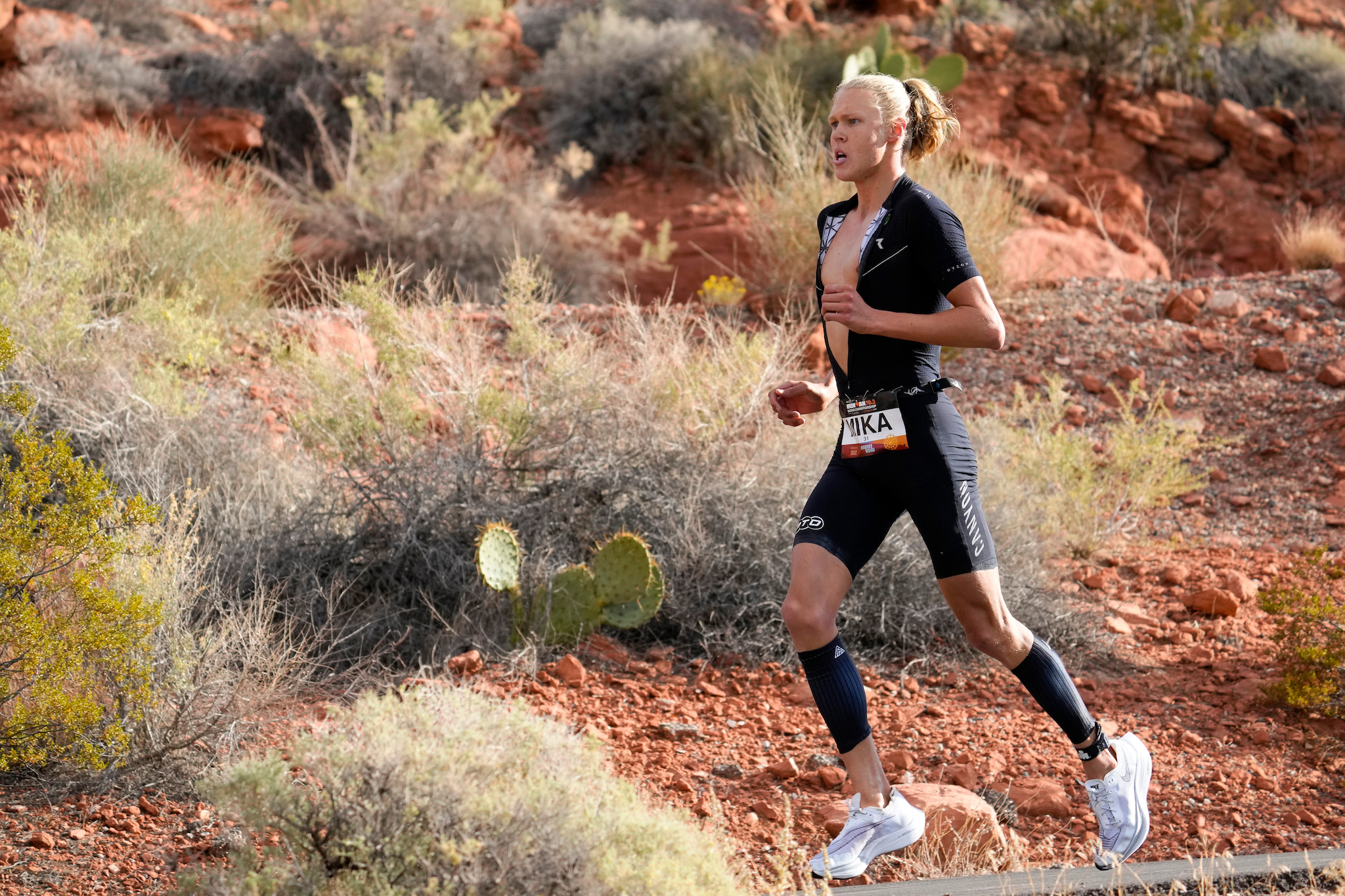
ST GEORGE, UTAH – OCTOBER 29: Mika Noodt of Germany competes in the Men’s Pro running leg during the IRONMAN 70.3 World Championship on October 29, 2022 in St George, Utah. (Photo by Patrick McDermott/Getty Images for IRONMAN)
Photo by Donald Miralle/IRONMAN
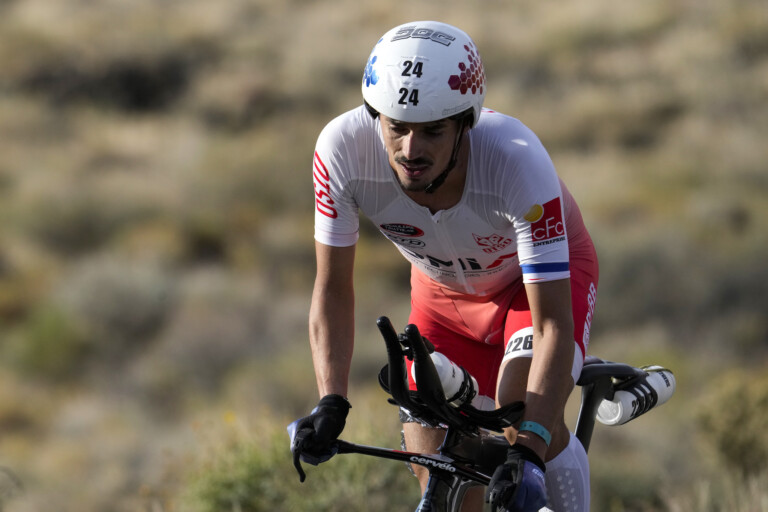
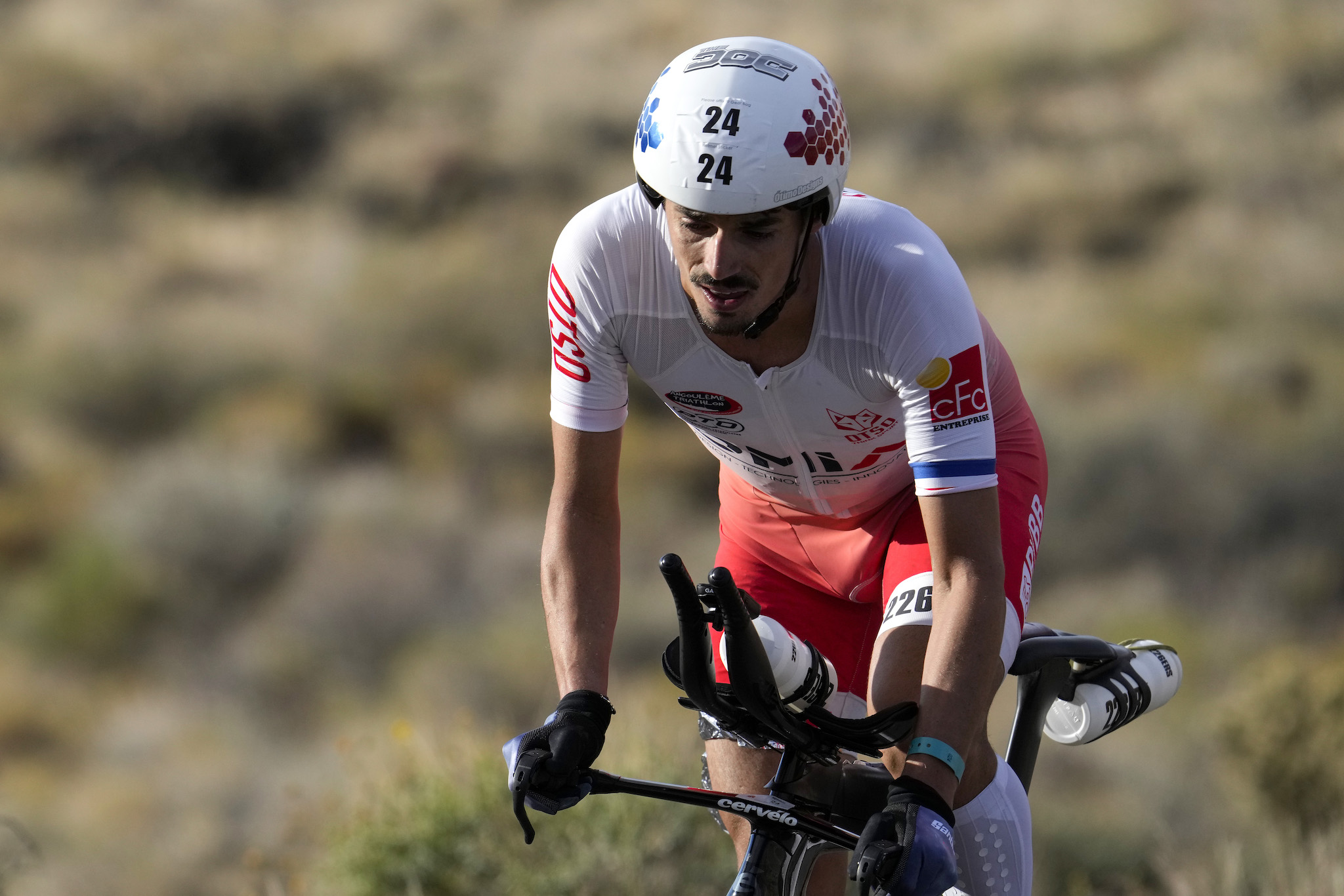
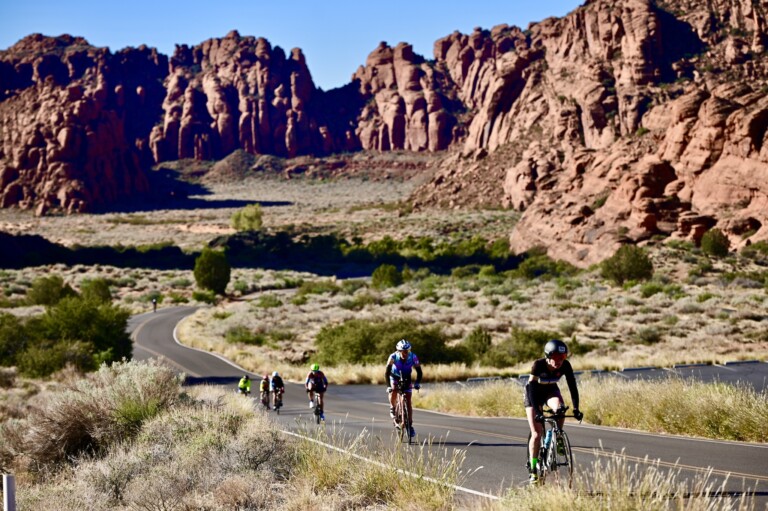
ST GEORGE, UTAH – OCTOBER 29: Clement Mignon of France competes in the Men’s Pro bike leg during the IRONMAN 70.3 World Championship on October 29, 2022 in St George, Utah. (Photo by Patrick McDermott/Getty Images for IRONMAN)
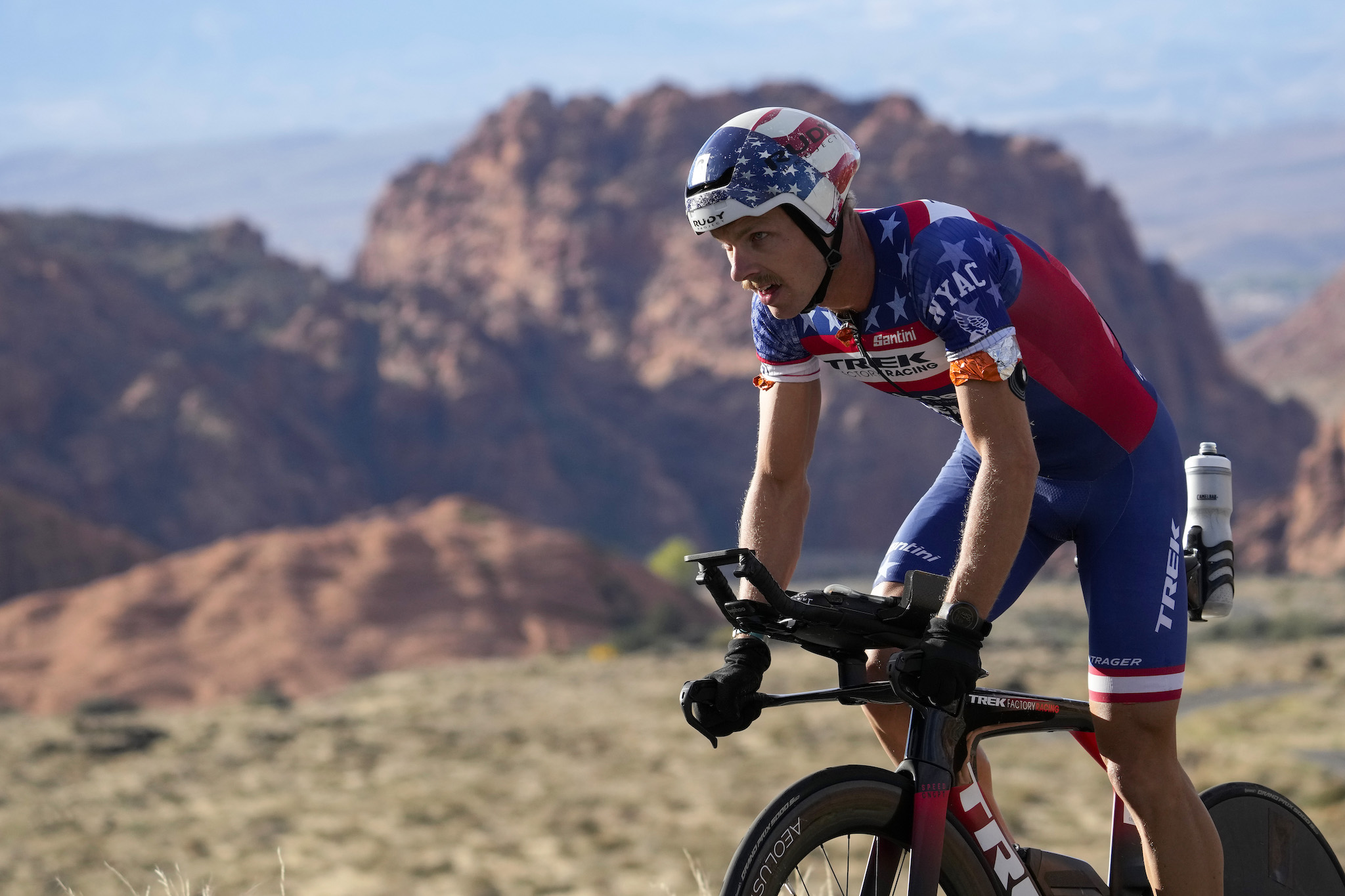
ST GEORGE, UTAH – OCTOBER 29: Ben Kanute of the United States competes in the Men’s Pro bike leg during the IRONMAN 70.3 World Championship on October 29, 2022 in St George, Utah. (Photo by Patrick McDermott/Getty Images for IRONMAN)
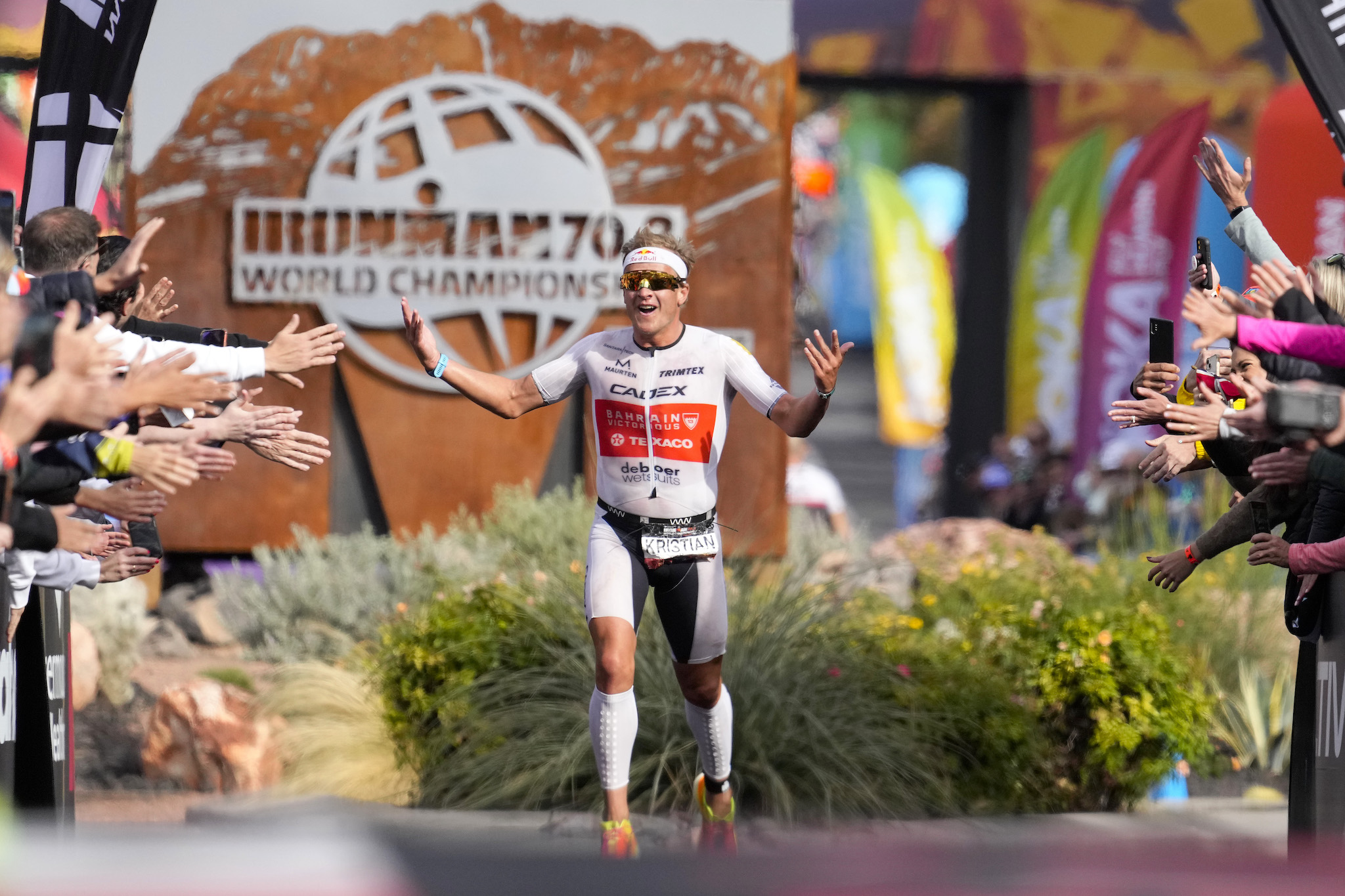
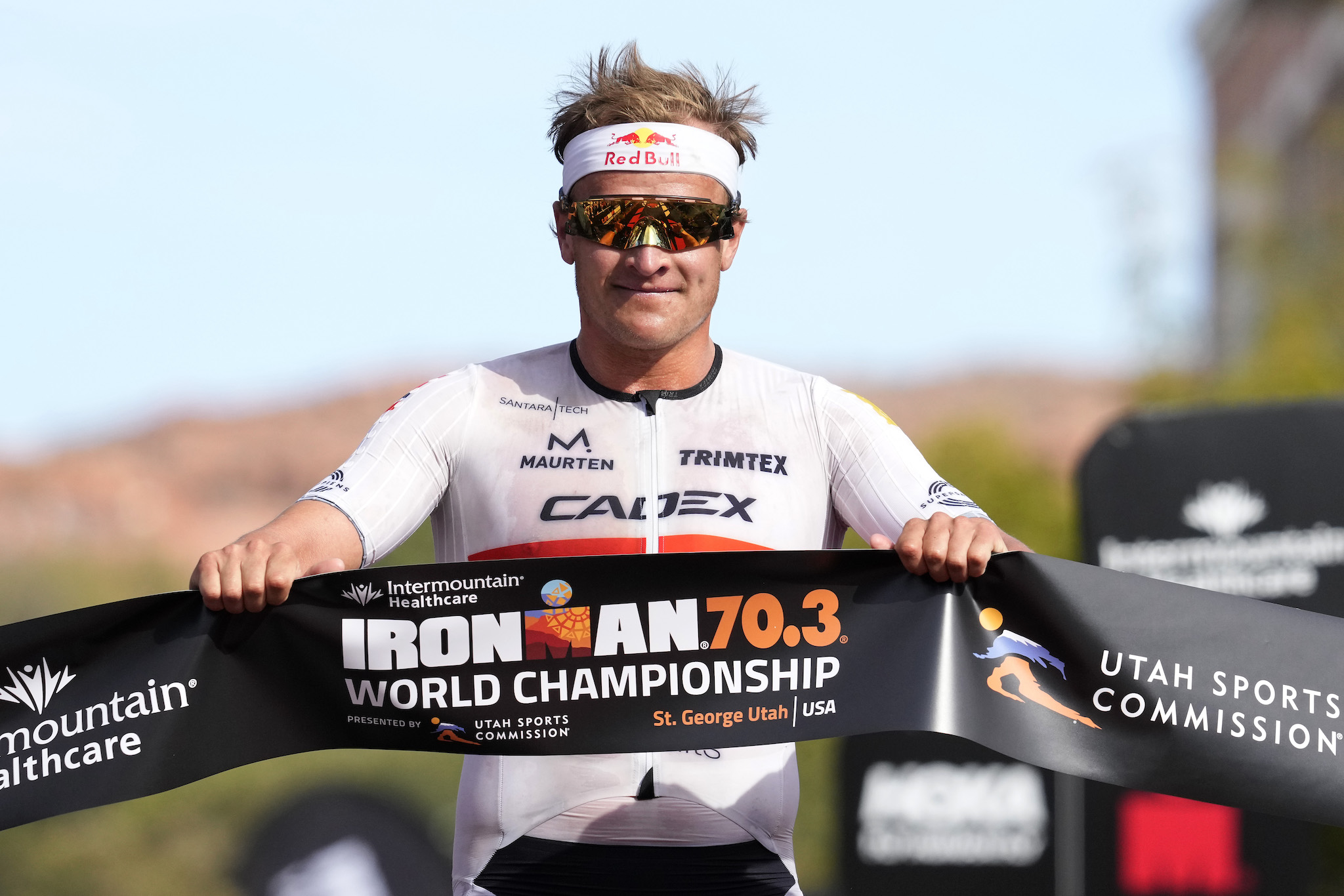
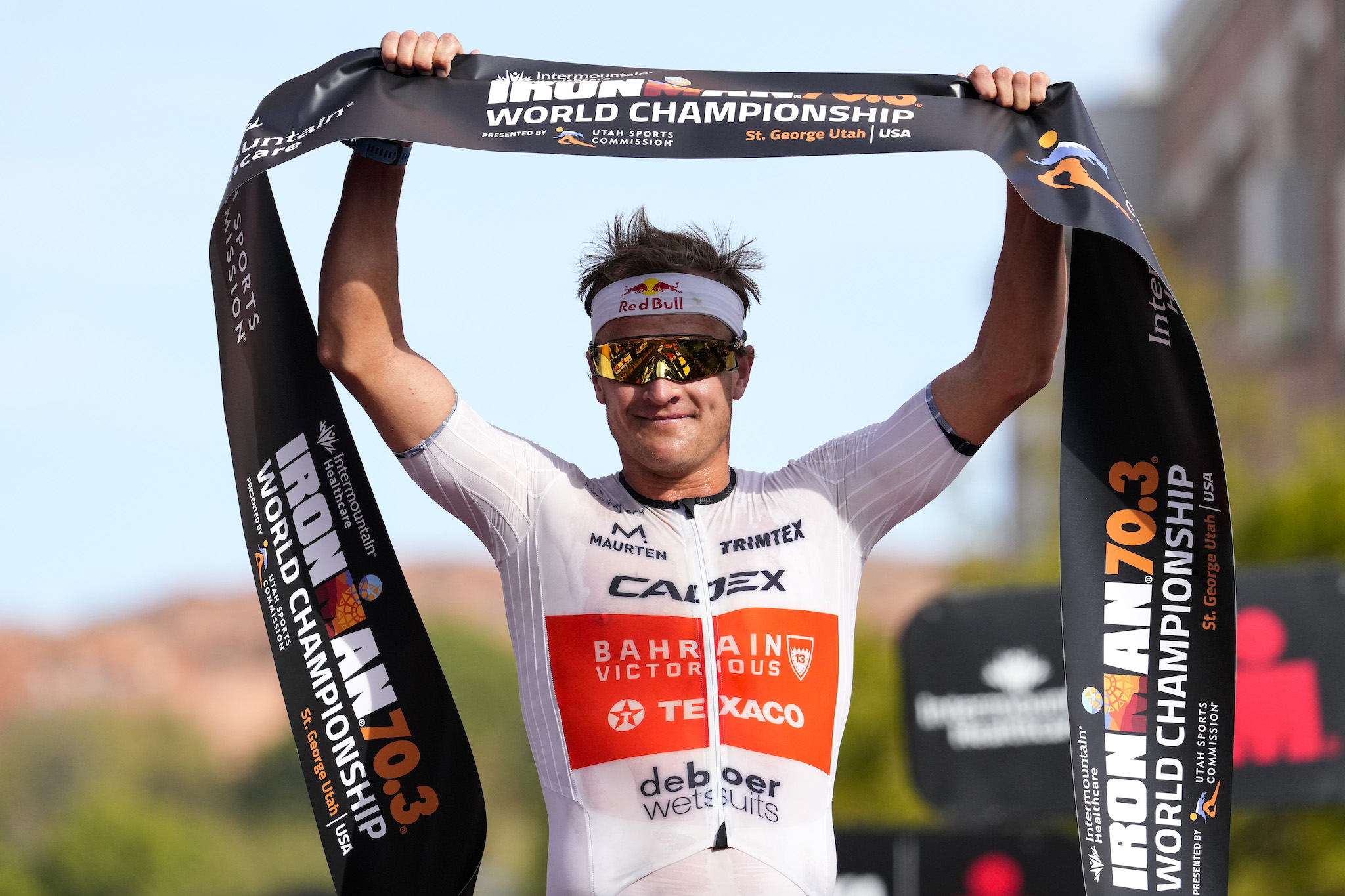
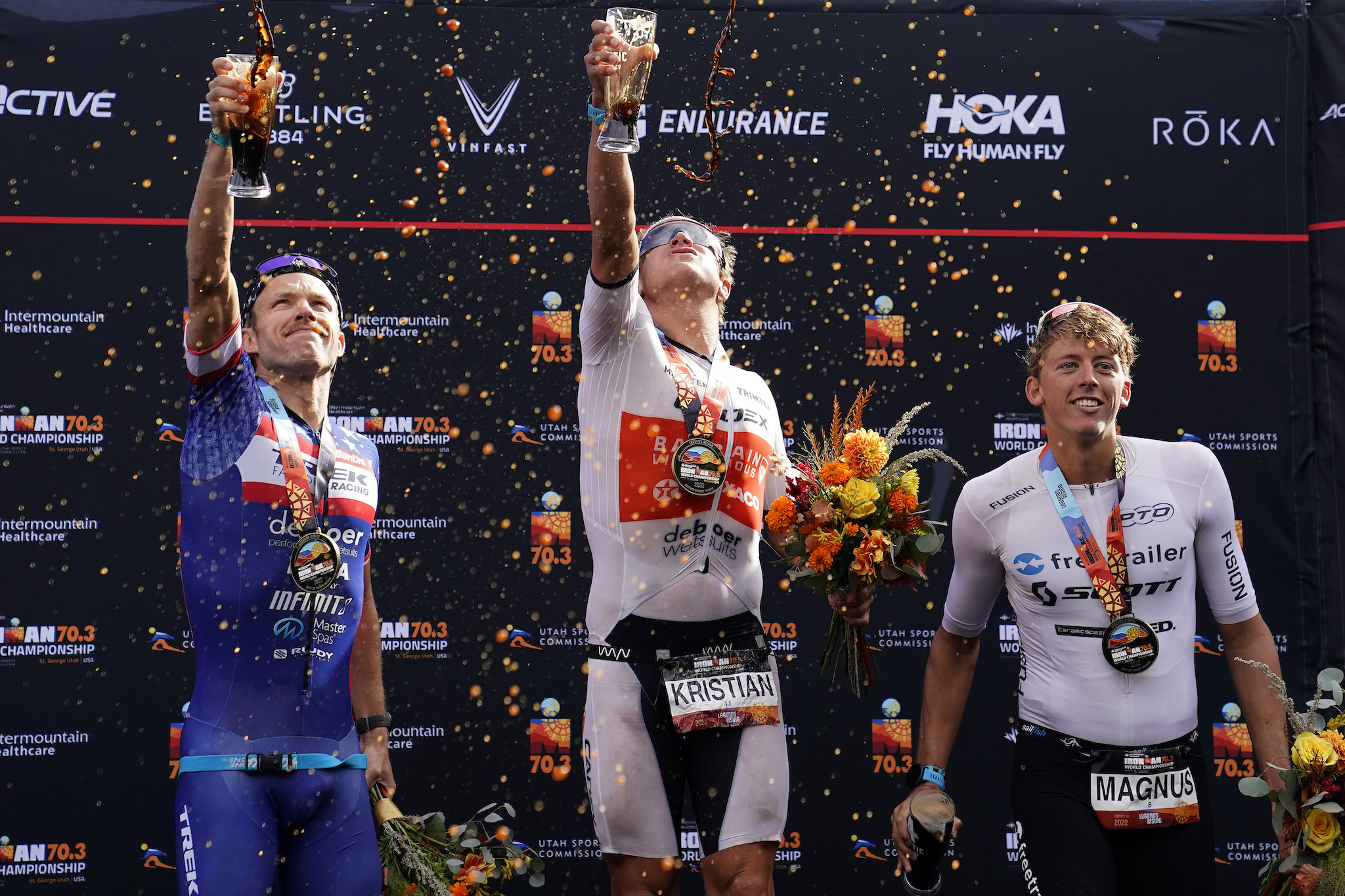
ST GEORGE, UTAH – OCTOBER 29: Kristian Blummenfelt of Norway reacts as he finishes in first place during the IRONMAN 70.3 World Championship on October 29, 2022 in St George, Utah. (Photo by Patrick McDermott/Getty Images for IRONMAN)
ST GEORGE, UTAH – OCTOBER 29: Kristian Blummenfelt of Norway reacts after taking first place during the IRONMAN 70.3 World Championship on October 29, 2022 in St George, Utah. (Photo by Patrick McDermott/Getty Images for IRONMAN)
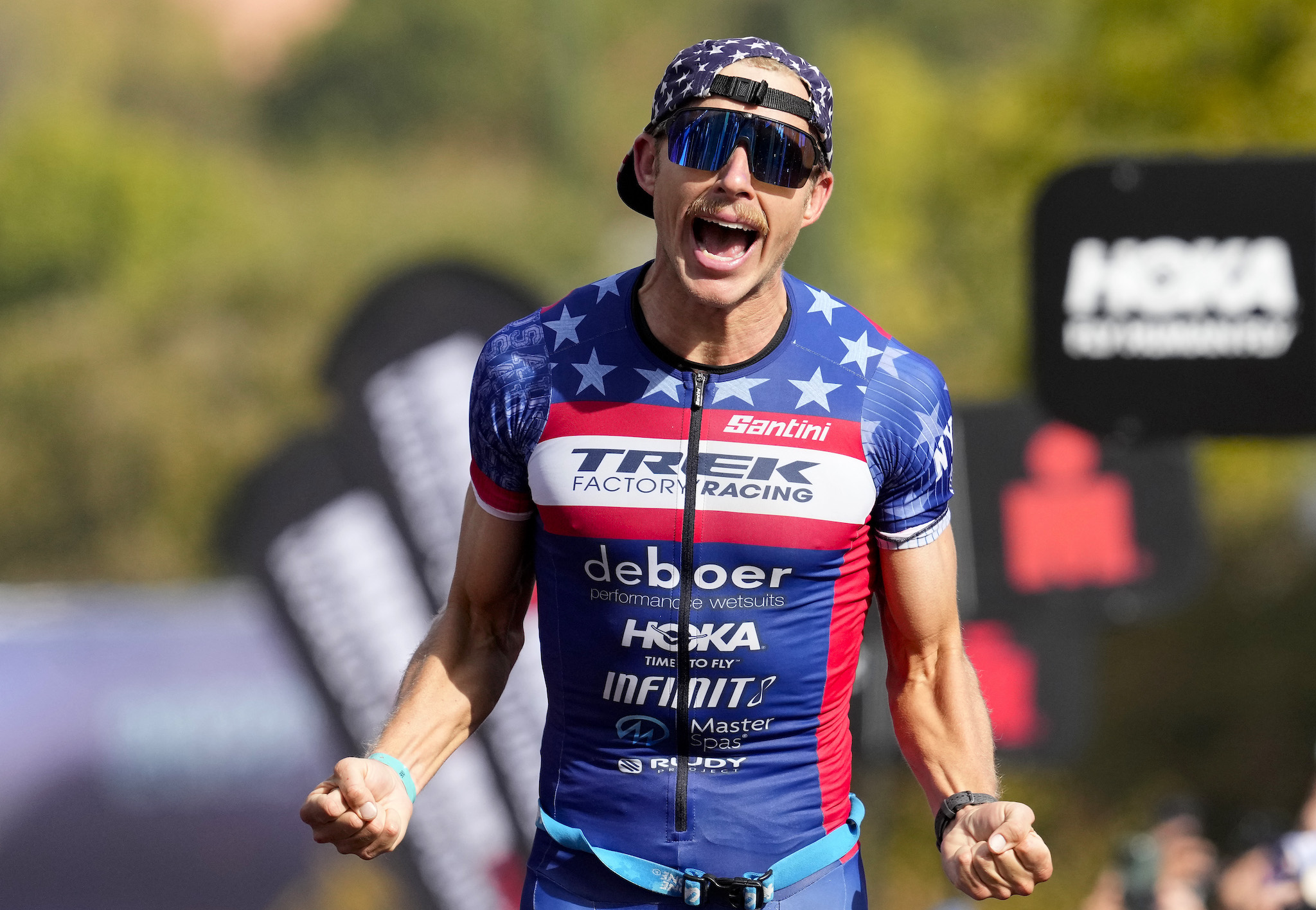
ST GEORGE, UTAH – OCTOBER 29: Ben Kanute of the United States reacts after taking second place during the IRONMAN 70.3 World Championship on October 29, 2022 in St George, Utah. (Photo by Patrick McDermott/Getty Images for IRONMAN)
ST GEORGE, UTAH – OCTOBER 29: Ben Kanute of the United States in second place, Kristian Blummenfelt of Norway in first place, and Magnus Ditlev of Denmark in third place celebrate on the podium after completing the IRONMAN 70.3 World Championship on October 29, 2022 in St George, Utah. (Photo by Patrick McDermott/Getty Images for IRONMAN)

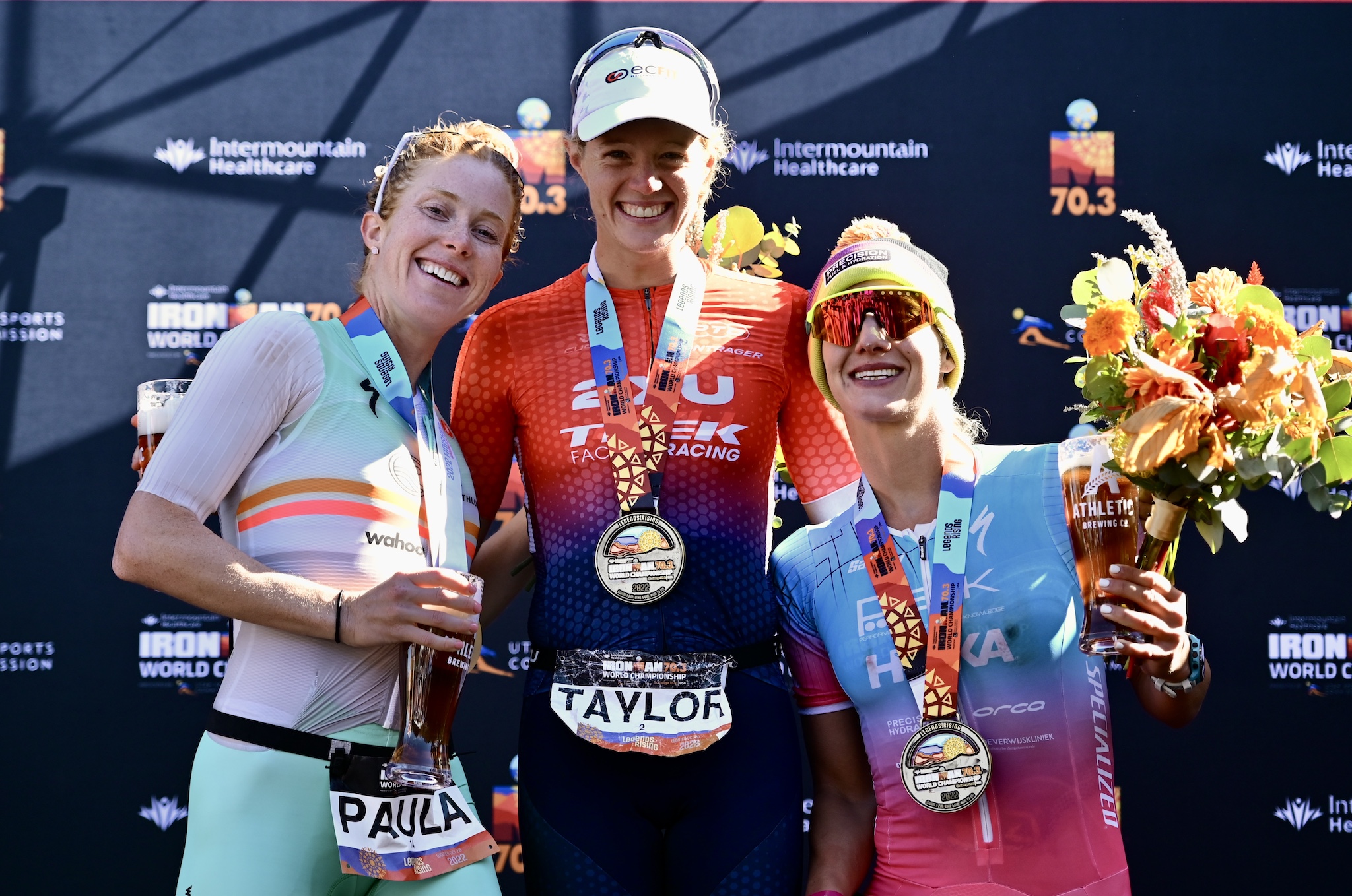
2022 IRONMAN 70.3 World Championships Gallery – Day 1 (Women)

0
Photo by Donald Miralle/IRONMAN

Bonneville Shoreline Trail Act Passes Congress – MT Olympus Section to Open to MTBs

BOULDER, Colorado (December 23, 2022) — The Bonneville Shoreline Trail Advancement Act (BSTAA) has passed through Congress and is expected to be signed into law by President Biden on December 23, 2022. The BSTAA furthers the long-distance dream for the famed Bonneville Shoreline Trail while bringing more trails close to home in Utah’s growing Salt Lake Valley. The law adjusts land management boundaries to increase trail connectivity along the Bonneville Shoreline Trail, which passes through dozens of communities and will eventually stretch 280 miles from the Idaho border to Nephi, Utah. 

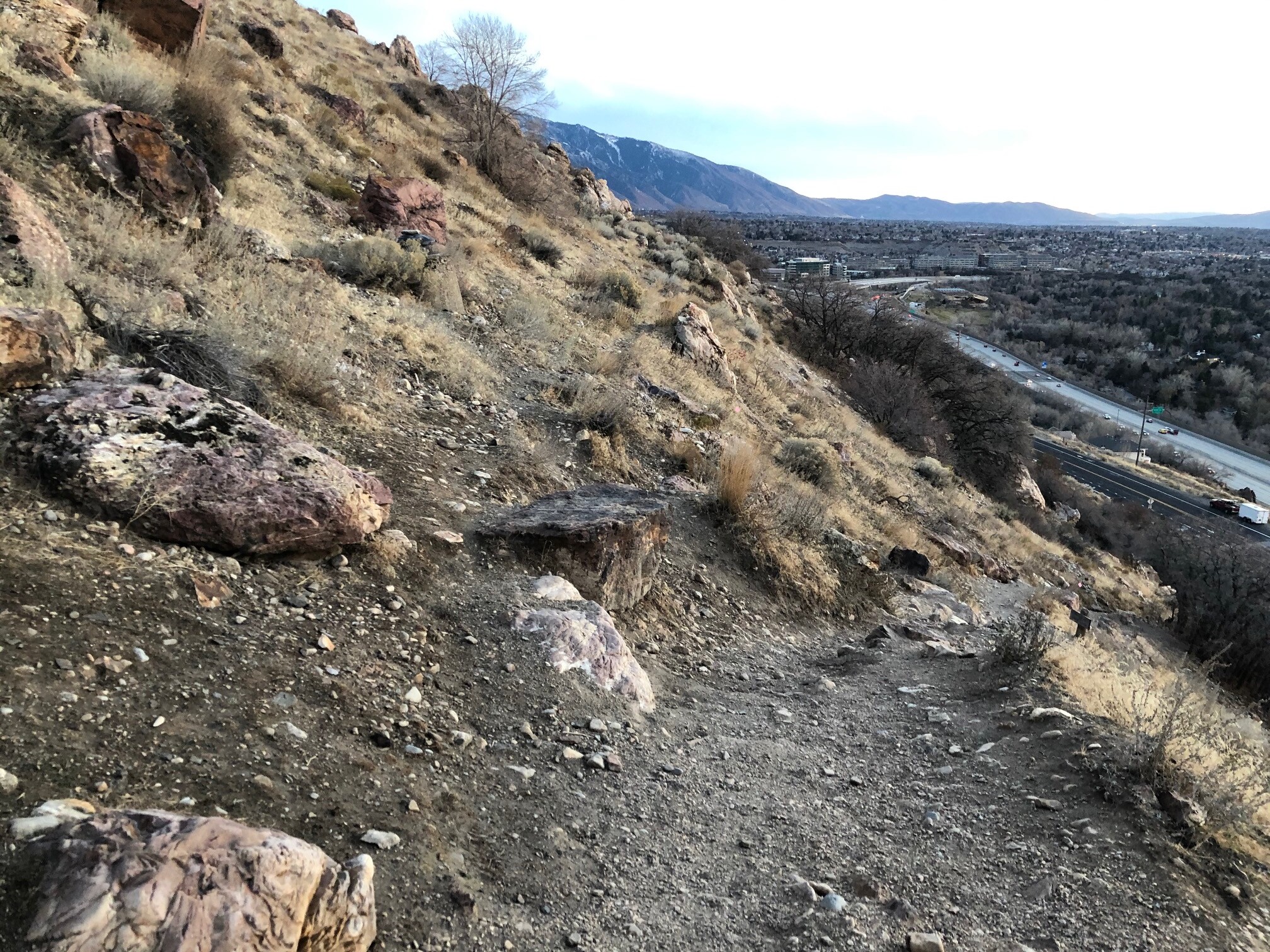
Views of Salt Lake City from the Mt. Olympus section of the Bonneville Shoreline Trail. Photo by Dave Iltis

“This is a monumental and historic day for trails and mountain biking! The BSTAA has been led by mountain bikers and its passage is the culmination of years of hard work, relationship building, and collaboration. We’re stoked. This will help complete the long-awaited Bonneville Shoreline Trail and bring both long-distance opportunities and more trails close to home to residents of the Salt Lake Valley,” said David Wiens, Executive Director of the International Mountain Bicycling Association (IMBA). 

IMBA worked closely with Representative John Curtis (R-UT), Senator Mitt Romney (R-UT), the Bonneville Shoreline Trail Committee, and Trails Utah to introduce the BSTAA in July 2020 and again in March 2021. IMBA has been involved in the Bonneville Shoreline Trail for more than two decades, working with local stakeholders in the planning and development of the trail.

Bill History & Maps

“The Bonneville Shoreline Trail provides great outdoor recreational opportunities for Utahns, but several wilderness-designated areas along the trail are hampering full use of the trail,” said Senator Mitt Romney. “I’m proud that our legislation has made it across the finish line so that the trail can finally be completed, and that generation after generation will be able to enjoy the beauty of Utah’s surrounding landscape.”

Salt Lake City needs more trails in the foothills. A rider on the well used Bonneville Shoreline Trail. Photo by Dave Iltis

“With the rapid growth in and around Salt Lake City, it is more important than ever to support new recreation opportunities such as the Bonneville Shoreline Trail,” said Representative John Curtis. “As someone who loves walking and biking this trail, I am excited to bring greater access to more Utahns and proud to see this expansion pass into law.”

The bill’s passage is tremendous for outdoor recreation advocates. It sets an encouraging precedent for communities eager for trails that need to pursue legislation to gain land access. 

“The Bonneville Shoreline Trail will now reach its full potential as a jewel of Utah’s outdoor recreation infrastructure for all to enjoy for generations to come. This accomplishment is a fantastic example of elected officials, government staff, business leaders, local citizens, and non-profit organizations working together to achieve a shared goal,” said Todd Keller, IMBA Director of Government Affairs. “Special thank you goes to Representative Curtis and Senator Romney for their continued leadership. We look forward to continued collaboration with the U.S. Forest Service as it implements these changes.”

The Bonneville Shoreline Trail is a key part of the underdeveloped Salt Lake City Trails System. Photo by Photo John.

“The Bonneville Shoreline Trail Committee is excited to hear that the International Mountain Bike Association finally got the Bonneville Shoreline Trail Advancement Act adopted by the U.S. Congress. The BSTAA will speed trail construction by allowing the Bonneville Shoreline Trail to be built with mechanized equipment and will also allow for shared trail use with mountain bike access. This is a great example by IMBA to show that strategic wilderness adjustments for mountain bike access can be made on a case-by-case basis rather than allowing bikes in all Wilderness areas. The BSTAA will also be a step forward toward full implementation of the Mountain Accord In Utah’s central Wasatch. Thanks also of course to Senator Romney and Representative Curtis!” said John Knoblock with the Bonneville Shoreline Trail Committee.

“Trails Utah is elated with the news that the Bonneville Shoreline Trail Advancement Act has now passed both the House and Senate to become law, and applauds Congressman Curtis and Senator Romney for their contributions to moving it forward. This pioneering legislation celebrates and protects one of the most important regional trails in the state and helps create a standard for management that will best serve a variety of outdoor recreators as well as the integrity of the landscape and natural environment for generations to come. Trails are essential to our healthy, active way of life in Utah, and it is outstanding to see access to this incredibly valuable asset to our communities enshrined with this legislation,” said Sarah Bennett, Executive Director of Trails Utah.

To date, more than a hundred miles of the Bonneville Shoreline Trail has been built. IMBA will continue working with its partners in the Salt Lake Valley on the implementation of the BSTAA.

Small segments of overlapping Wilderness designations prohibit biking on parts of the planned Bonneville Shoreline Trail, preventing the full vision for a shared-use trail that connects six counties and more than one million residents in the Salt Lake Valley. The BSTAA releases 326 acres of Wilderness divided over more than 20 locations, to accommodate trail connections and sustainable trail development near population centers. The bill designates 326 acres of contiguous new Wilderness in Mill Creek Canyon to ensure land area for wilderness remains the same. 
 
Find more information and maps on the Bonneville Shoreline Trail Advancement Act at imba.com/bst-advancement-act. For more history on the Bonneville Shoreline Trail, enjoy a three-part series highlighting the vision and trail champions advocating for the trail, decades of trail planning that brought neighboring communities together, and the relationship building behind the bill’s introduction and eventual passage.