


Professional Cyclist Ayesha McGowan Presents Second Annual Thee Abundance Summit

ATLANTA, Ga., (March 1, 2022) — Ayesha McGowan, the first African-American female professional road racer, launches her second annual Thee Abundance Summit, a virtual celebration and convening of Black and Brown folks in the outdoors. The event is for, by, and about Black and Brown folks, though everyone is welcome and invited to attend. Supported by Zwift, Liv, and SRAM, the event is free and will be streamed on YouTube on Friday, April 1 and Saturday, April 2.

“There is no such thing as too much Black and Brown joy,” said McGowan. “That’s why I’m beyond proud to present another year of celebrating my community and using the joy we bring to fuel opportunities for us and by us for years to come.”
Co-hosted by Zahra Alabanza of Red, Bike, and Green ATL and Shequaya Bailey of The Black Foxes, Thee Abundance Summit will include:
- A Keynote from Jay-Marie Hill of the Black Transcendence
- Workshops ranging from Birding to Movement to Emotional Intelligence featuring LaToyaShauntay Snell, William Loyd, Jalen Bazile, Raquan Wilson,
Guerdley Cajus, and more - Panels on insights from Black Business owners and previous Abundance Mini Grant Recipients
- A Zwift Race announced by Ayesha McGowan and Shequaya Bailey
- Tea Time with Ayesha McGowan featuring special guests
- A Live DJ Dance Party with DJ Black Daria
There will be an opportunity for voluntary donations to the mini grant and micro grant programs McGowan is developing to help provide a pathway to inspiration, experience, and upgrade points for Black and Brown women who are amateur or beginner road racers. In 2021, the mini grant program received over 160 applications and was able to support eight adults and one junior with entries, housing, transportation, a food stipend, and a few additional resources for The Tour of America’s Dairyland.
In 2022, the program is growing to three additional races and a cat 3/4 composite team. Last year’s participants have all gone on to chase bigger goals in bike racing, and create or maintain bike related programming within their own communities.
All panels and workshops will be accessible to the hearing impaired. For more information, visit www.aquickbrownfox.com.
In advance of the virtual event, McGowan is hosting Thee Abundance Zwift Training Series: A training series to help folks prepare for the mini grant program or whatever goals they have planned for the 2022 bike season, beginning March 21. This includes six rides over the course of two weeks and ends in a 90 minute road race. Carmichael Training Systems will provide coaching support and Team Abundance riders are co-leading the series.
Riding a Fixed-gear Bicycle for Training
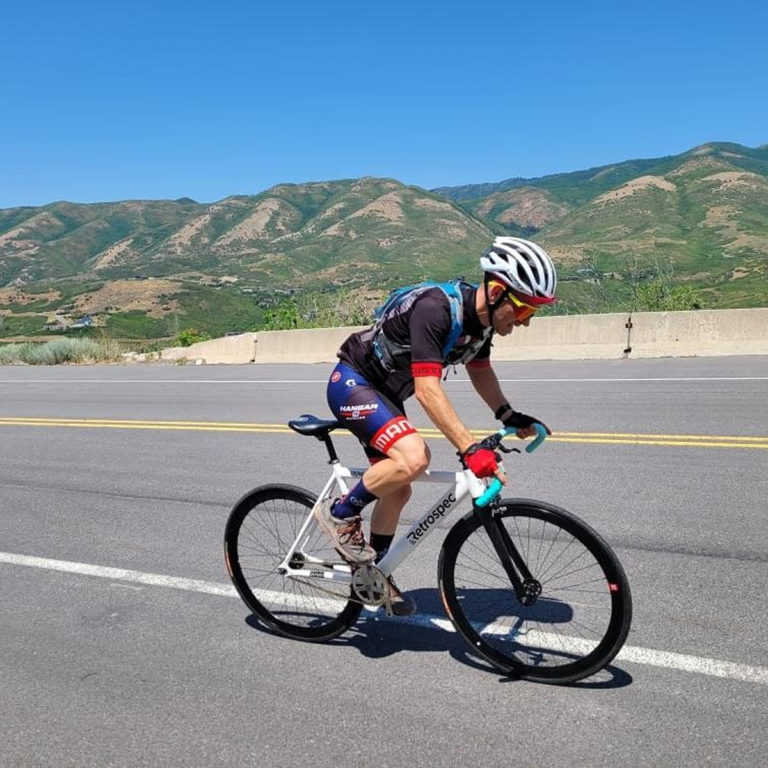
By Anthony J. Nocella II, Ph.D. — A year ago I bought a track bicycle, also known as a “fixed-gear” or “fixed-wheel”. A fixed-gear is a single speed bicycle, often with no brakes, which has a cog threaded directly to the rear hub. Because of the direct connection, you cannot coast when riding fixed. When the crank moves backward or forward the back wheel moves backward and forward too.
People that ride fixed-gears on the road get them for a variety of reasons. Fixed-gears are easy to maintain since they don’t have shifters and derailleurs; they are easy to lock up and relatively affordable. Fixed-gears are also a favorite of many urban hipsters (who call them “fixies”), inspired by the bike messenger/courier culture or the movie Quicksilver (a 1986 film starring Kevin Bacon, Jami Gertz, and Laurence Fishburne).
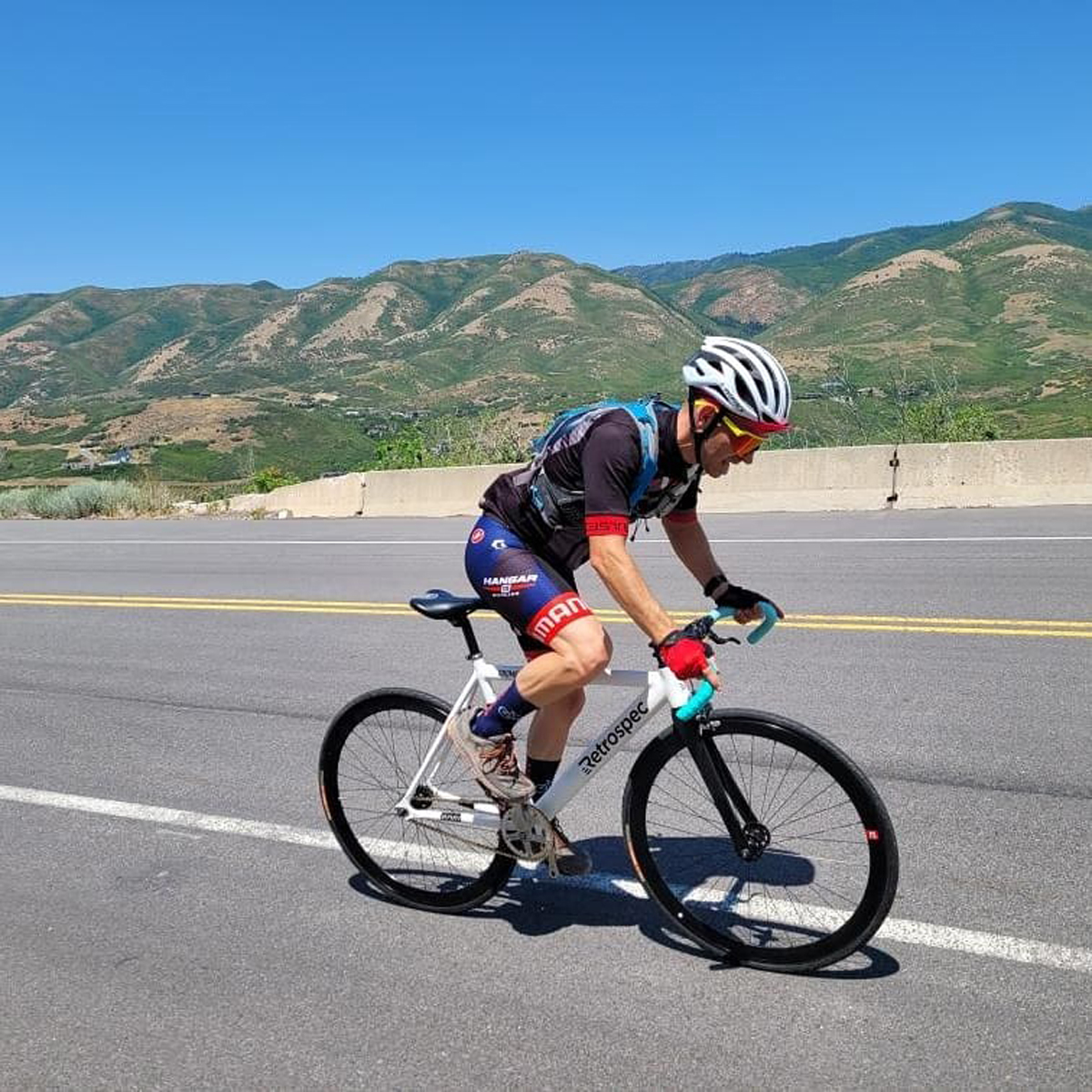
Every summer, I’d see a few people including my friend, the late Louis Holian, ride their fixed-gears up and down some of the canyons here in the Wasatch Mountains. I decided I wanted to do the same.
Mike Hanseen, the manager of Hangar 15 Bicycles in Millcreek, Utah, was another influence. It was Mike who told me that fixed-gears can be an excellent training tool for bike riders. Soon, I was building my balance, smoothing out my pedal stroke, and just becoming a stronger and efficient cyclist. I wish I did this when I was competing, instead of always riding rollers.
I decided to interview Mike Hanseen why fixed-gears can be important in training for a competitive cyclist.
Anthony: Mike, tell me how you got into riding fixed-gear bicycles.
Mike: I got into fixed-gears for my training as a cyclist. I found out of ignorance that I got stronger quicker when I rode my fixed-gear more. I also was a bike courier in downtown Salt Lake City, but honestly didn’t ride my fixed-gear as a courier much due to safety.
Anthony: Does riding the canyons or long road rides on a fixed-gear help in training for cycling?
Mike: Fixed-gears are beneficial training tool for any cycling discipline. This is because the muscle groups work overtime: they are constantly working to control the speed of the bike, both in acceleration and deceleration. You can’t just stop pedaling to slow down or stop. On a fixed-gear, the rider controls the speed of the bike with their legs. The pedals are always in motion because they are “fixed” to the drivetrain. There is a slight (controlling speed) to an extreme (stopping) reverse pedaling motion with the legs while the pedals are still moving forward.
When descending a canyon on a regular bike, the rider can simply coast and use their brakes to control their speed. On a fixed-gear, a rider must use their legs to control speed. Not only are they using their legs to control speed, but they are using them opposite of how one would normally pedal. When trying to slow down, on the pedal downstroke, the rider uses their hamstrings and, on the upstroke, they use their quadriceps.
This change in flexion and extension can prove highly beneficial to developing a more well-rounded and efficient pedal stroke. Not only that, but when you climb a canyon, you have to climb it twice as the descent is often more work than the ascent. Fixed-gear riders often experience extremely high- and low-cadence ranges compared to riding a geared bike. This forces the rider to adapt to these ranges giving them a smoother and more powerful pedal stroke.
Anthony: If someone is interested in buying a fixed-gear bicycle, what are a few things they should look for or want in a fixed-gear for road and training?
Mike: Buying a fixed-gear bicycle is fairly simple. They are significantly less money than a geared bike.
Expecting the “fixie” purist to scoff at me, I would generally recommend getting a fixed-gear that has a front brake. This is a safety measure and nothing more. If you need to stop suddenly it’s possible to lock the rear wheel up with your legs but this may not slow you down enough to avoid the texting driver pulling left in front of you. The front brake just might be enough additional stopping power to avoid an ambulance ride.
Get the right size too. I see so many “fixie” riders on bikes that are way too big. It’s a current trend amongst that crowd to not show much seatpost. This can lead to a rider being on too big of a bike, which leads to negative handling at speeds, and which can actually be a detriment to training.
Anthony J. Nocella II, Ph.D. is a full-time professor at Salt Lake Community College, author of numerous books, trail runner, triathlete, competitive cyclist, and in his free time works at Hangar 15 Bicycles Millcreek.
Aid to Ukraine – #RideForUkraine with ROUVY

VIMPERK, Czech Republic (25 February 2022) — The Czech company ROUVY is actively participating in efforts to provide humanitarian aid to people in Ukraine. ROUVY has launched “Ride for Ukraine”, an initiative that can be joined by all users of the ROUVY indoor bike training application. ROUVY will send EUR 1 to UNICEF for every cyclist who completes a short virtual ride near Kyiv.
Both individuals and businesses are endeavoring to alleviate the impact of the acts of war on the Ukrainian population. According to charity organizations, direct financial assistance is the most effective form of aid. Bearing that in mind, the ROUVY team from the South Bohemian town of Vimperk has joined the fundraising effort.
“Our users come from various parts of the world. For every person who takes part in this charity appeal and completes an easy virtual trip around Ukraine’s capital Kiev, we will send EUR 1 to the UNICEF account. We estimate that no less than EUR 25,000 in humanitarian aid will be sent to people in Ukraine. We have tested this form of helping people in need during the COVID-19 pandemic, and ROUVY users showed their willingness to help through sport. The present appeal is distributed to our entire community, which includes approximately 900,000 cyclists around the world. We consider it important to let ROUVY users know our stance regarding the war in Ukraine,” explains ROUVY CEO Petr Samek.
ROUVY’s team includes several employees from various countries, including Ukraine. “The war began with a missile attack that included bombing an airport near my home town, Zhytomyr. Ukraine is now reporting dozens of civilian and military casualties. The attack is a heavy blow to the Ukrainian economy and infrastructure, both of which it will take years to restore, not to mention that it is now impossible to predict how long the conflict will last. My relatives and friends are in Ukraine and they’re fighting for independence. Because of that, I’m grateful to everyone in the Czech Republic for their support,” recounts Yuriy Ryashko, member of the ROUVY marketing team.
Outerbike Announces 2022 Dates
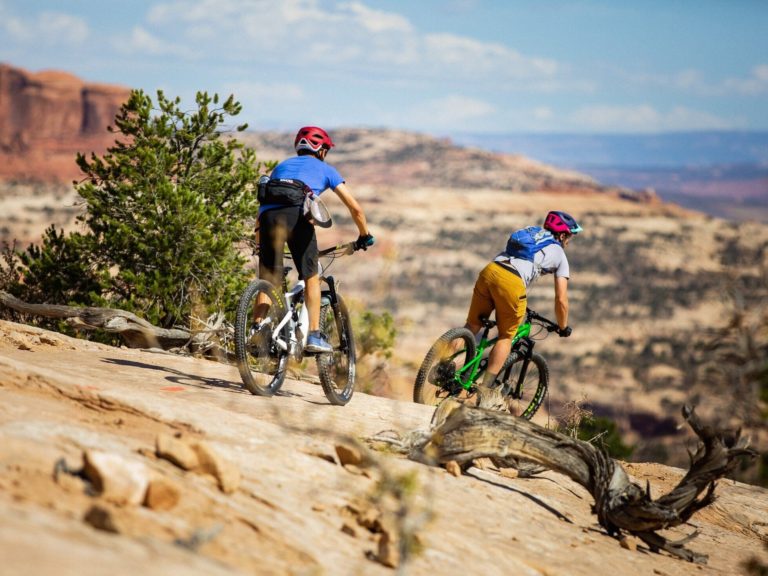
MOAB, Utah (March 3, 2022) — Today, Western Spirit Cycling announced final Outerbike dates for the 2022 season and an expanded expo component planned for this year’s events.
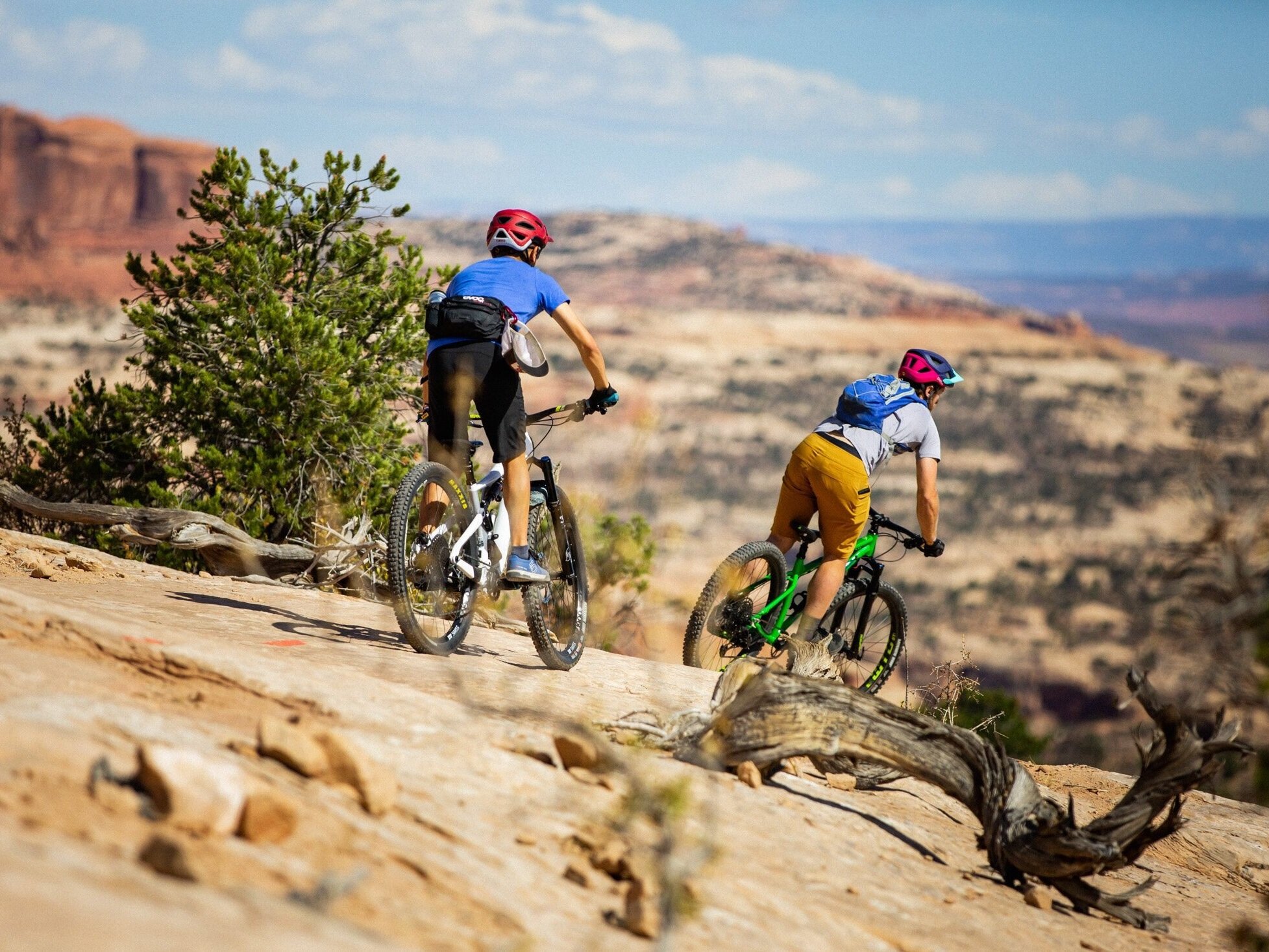
In line with current projections related to bike availability, Outerbike events in Killington VT, Duluth MN, and Crested Butte, CO will not run in 2022. Western Spirit’s Mark Sevenoff said, “We absolutely love riding in Killington, Duluth, and Crested Butte and can’t wait to share these great places with Outerbike riders. We have heard from cyclists in these regions and they are already looking forward to these events in 2023.”
For this year, Outerbike Moab (Sept 30-Oct 2) and Outerbike Bentonville (Oct 21-23) will take place as demo fleets fill in and availability improves. The number of full demo tickets will be calibrated to the fleets available. Many prospective shoppers are anxiously awaiting the opening of ticket sales on April 15, 2022.
In addition, new for 2022 will be an expanded array of bike accessories and outdoor products. With less Full Demo packages available more attendees then ever will choose the BYOB (Bring Your Own Bike) pass and we want to give them plenty to #seetrybuy at our events. Brendon Cameron, Western Spirit’s General Manager said, “Outerbikers are looking for more info on every imaginable outdoor product, from tires and helmets to tents and camp chairs. An expanded Outerbike expo will give the creators of these products a great opportunity to connect with, and sell to, core outdoor consumers.”
The Big Climb of Utah’s Castle Valley/Gateway
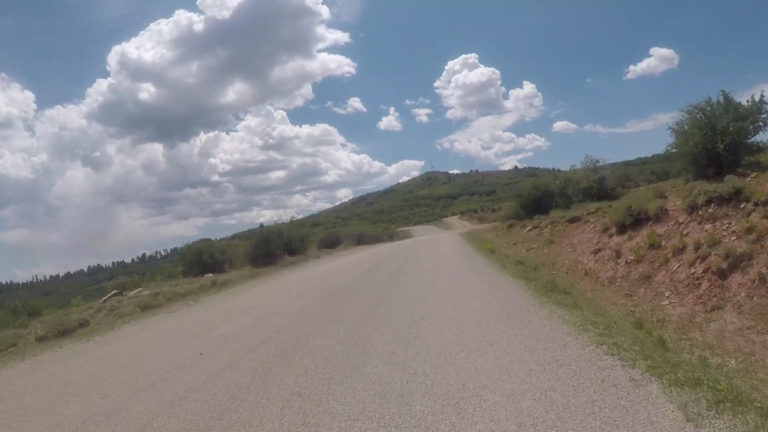
By John Summerson — Many are aware of the abundant cycling opportunities in Utah. From the grandeur of the canyons and red rock formations in the south to the impressive alpine country in the north, the state offers almost everything to the road (and mountain) cyclist. All of this convoluted topography creates challenges in reaching the upper elevations of certain areas on a bike and as one might expect, Utah also contains a substantial number and variety of cycling climbs within its borders. In fact, for those looking for a particular challenge, there are some of the most difficult paved ascents in the United States in the area. One of these is the climb of Castle Valley/Gateway in the southern half of the state. At 15.9 miles in length and gaining almost 4,500 feet in elevation along the way, it is a big hill.
The route is located within the canyon labyrinth and fantastic scenery near Moab. To get to its start, begin at the junction of Routes 191 and 128 in town, right by the Colorado River. Follow narrow 128 north along the river for 15.5 spectacular miles to La Sal Loop Road on the right. The climb begins at the junction by heading east on La Sal Loop Road.
See map https://www.bikemap.net/en/r/8242561/#10.56/38.6069/-109.4542
You initially ride east away from the river to begin, easy at first but fairly quickly getting a bit steeper.
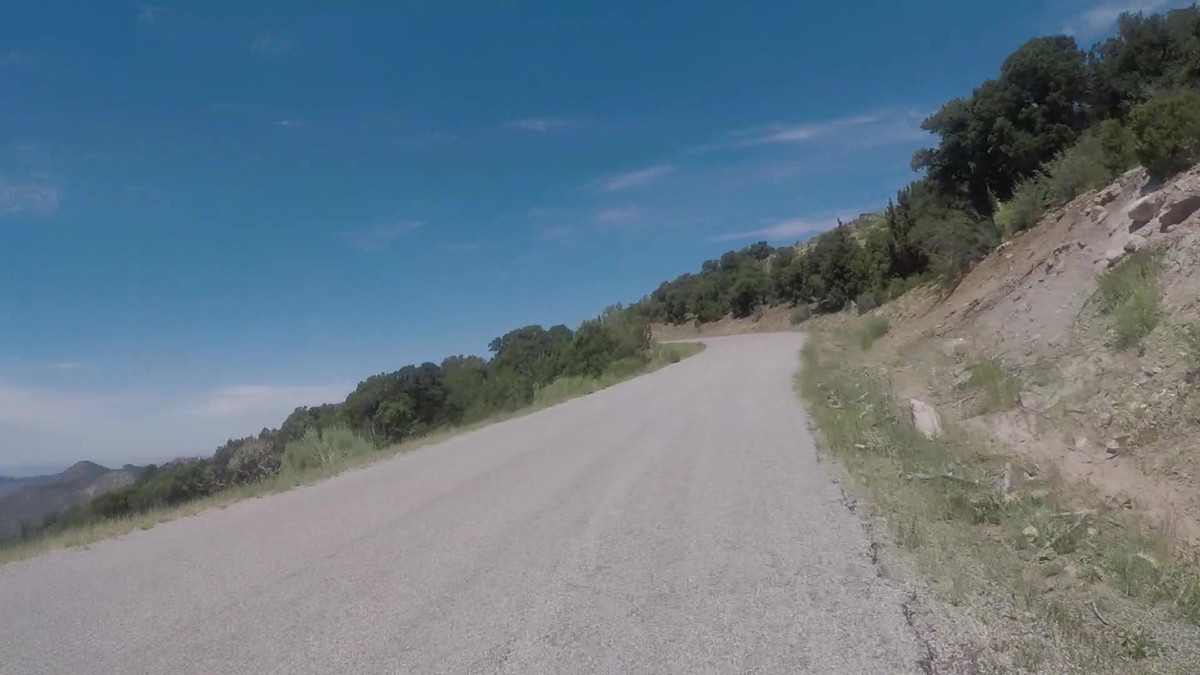
Soon the slope eases and the pavement bears to the right as you ride closely between walls of deep brown sandstone. You then descend a short distance down to the junction with the road to the small and quiet community of Castle Valley (few services) which you can see to the right. Keep straight towards the mountains and the road goes back uphill over a slight grade, easy pedaling. You are riding through a broad valley here, with large ramparts of stone to each side, guiding you east towards the La Sal Mountains in the distance.
This is a long section of climbing over a very straight roadway but as it is over easy grade, you can get into a nice pedaling rhythm and enjoy the scenery, crossing several cattleguards in the process. You will certainly notice iconic Castleton Tower, a finger of brown and orange stone, on your left. Look closely and you can see the trail to the base of the tower and perhaps even a climber or two on its sheer walls.
After about seven miles the grade increases but not significantly as the scrub brush and stunted trees which have appeared due to elevation gain pull closer, the road beginning to twist a bit up the slanted terrain. The increased grade can be a good warm up for things to come; the towering mountains ahead of you another reminder perhaps. After 10.6 miles you reach a junction with La Sal Loop Road continuing to your right. That route also continues to climb but its description is for another day. To this point you have gained almost 2,500 feet, a worthy accomplishment in itself. If you are new to climbing this may be a good turnaround point. If looking for the summit, keep straight on an unnamed road to pass by a short, pointy hill to your right, the route almost flat. Soon the grade picks up, slowly at first but quickly it is quite solid. The road turns to the left and flattens briefly as you cross another cattleguard. Beyond however, you can see the roadway becoming steeper as it bears to the right. Your pleasant climb is over for the day as the grade is now double digit, the beginning of the most difficult stretch on the mountain. Soon the road is right on the edge of the ridge with nice views to the north, a classic stretch of road bike climbing.
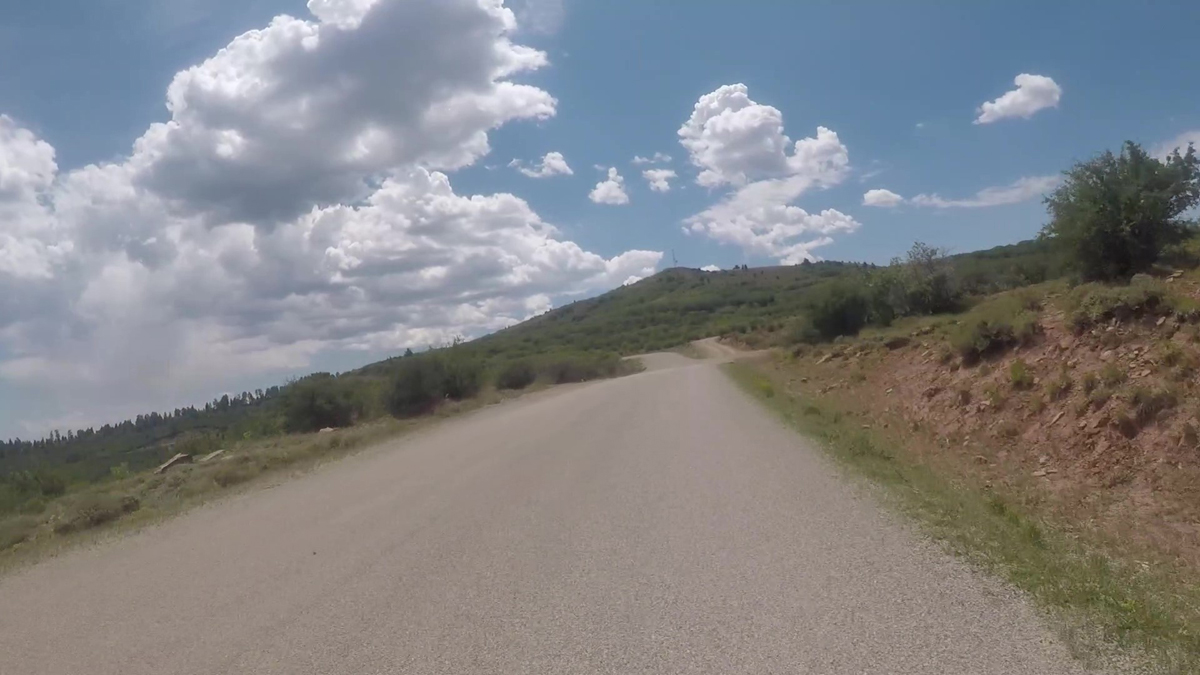
After just over a mile of challenging pedaling, the grade eases but not by much. Another double-digit ramp is then encountered along the ridgeline before the road eases again and turns back to the east.
Eventually some large pine trees emerge as you gain altitude, a pleasant sight in the mostly dry surroundings. However, there are not enough of them to throw significant shade so expect to be in the sun almost all the way up on this climb.
As you get closer to the top the grade eases further and you cross one more cattle guard. You have gained over 4,000 feet of elevation to this point but at least the grade is moderate and mostly steady on this upper section. As you pass a small parking area on the left the route slowly turns to the right and the paved climb soon comes to an end as the road turns to gravel at well over 8,000 feet of elevation. This is one of the ten most difficult road bike climbs in Utah. Now it’s time to enjoy the fun and fast in places descent to return to climb start at Highway 128.
For a video of the climb route, see – https://www.youtube.com/watch?v=Z82rvcj0-_I


El Doce 12-Hour Mountain Bike Race is Back at Powder Mountain for a 5th Year
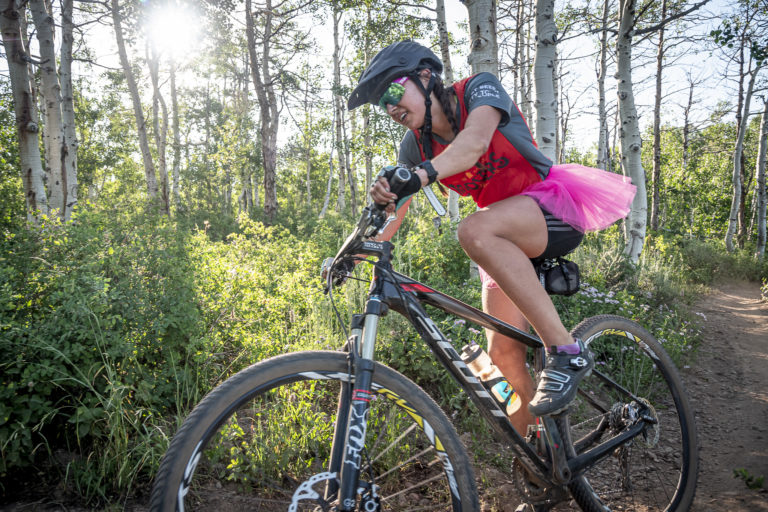
New 15.2-mile course is announced with solo rider and team registration now open
OGDEN, Utah (February 25, 2022) — The GOAL Foundation, producers of El Doce at Pow Mow, announces a new course and day camp area with the opening of 2022 registration. The 5th annual 12-hour endurance mountain biking event will be held at Powder Mountain on July 16, 2022.
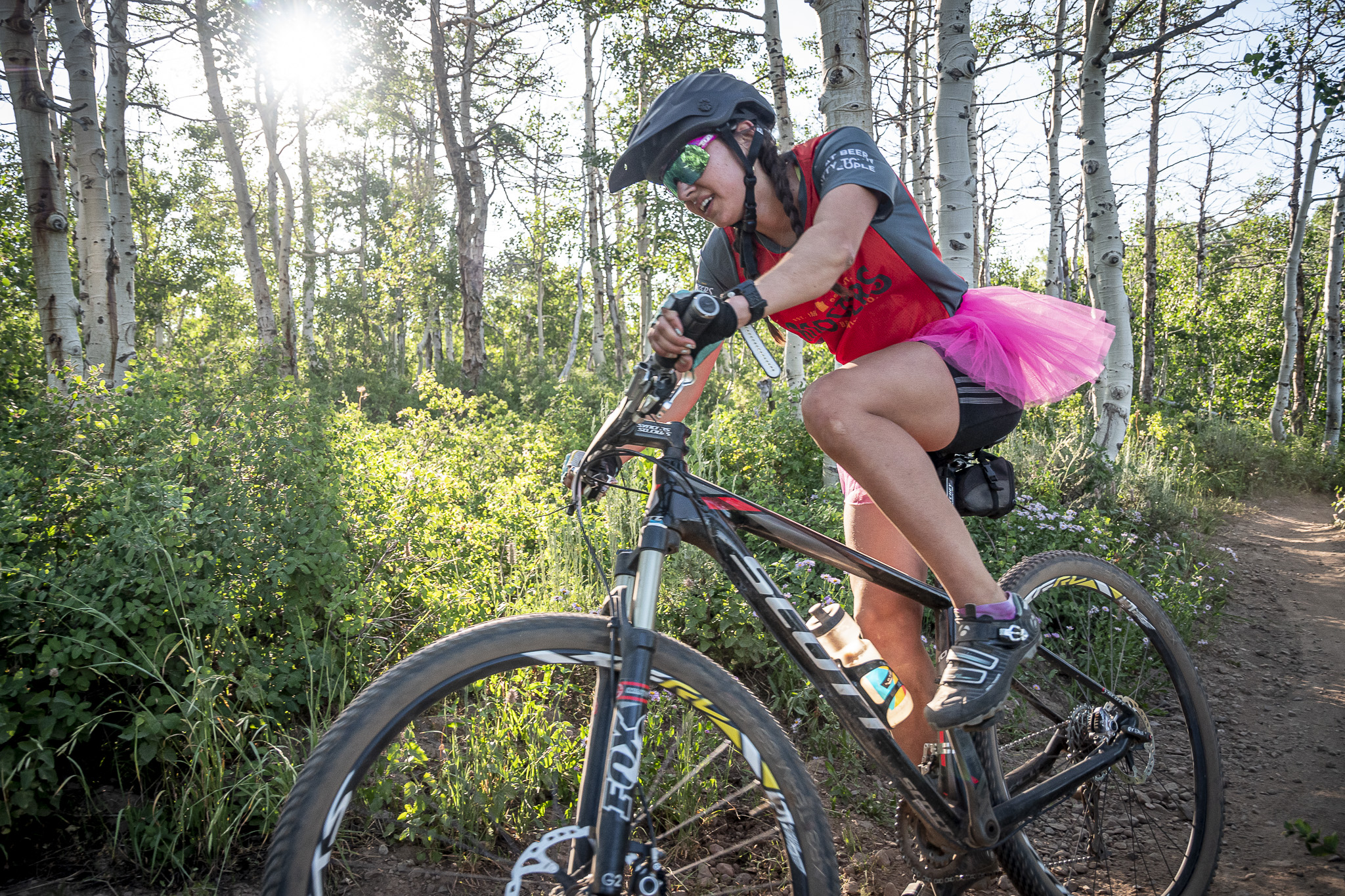
The new course consists of 15.2 miles of IMBA-designed trails with roughly 1,900 feet of ascent. Solo riders and teams compete in their division by completing the most course laps within six or twelve hours.
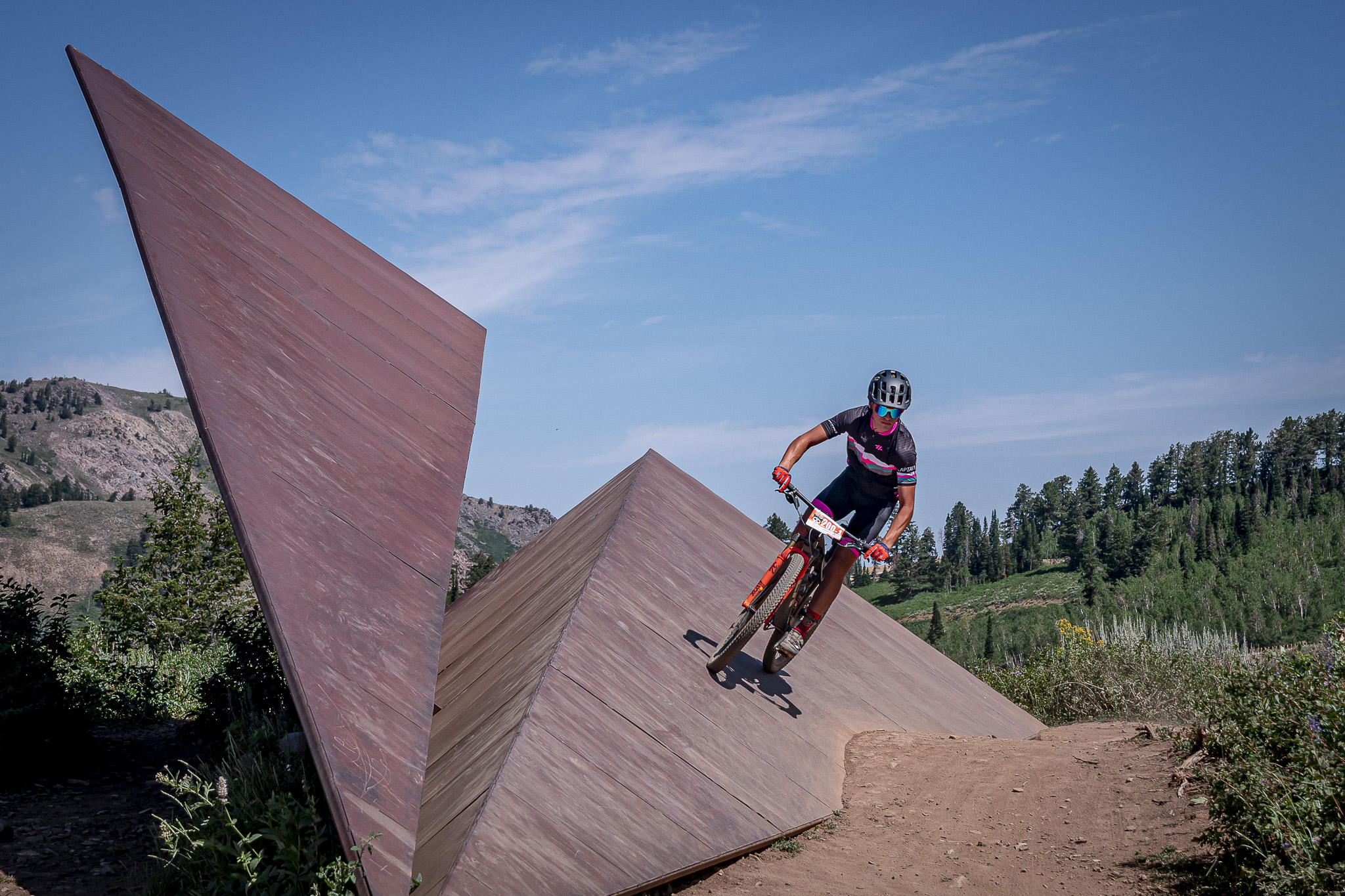
“Powder Mountain will be working this summer to expand lift served mountain biking, which will impact the Doctor’s Dozen section of our prior course as well as the current day camp and parking lot area. Mitch Shaum at Powder Mountain has been greatly supportive of our event and wonderful to work with during our course redesign. We are very grateful to work with Powder Mountain and appreciate their support and commitment to the success of the event. We are thrilled with the new 15.2-mile course and base area that will allow us to expand and improve the participant experience for our athletes,” says Eric Bauman, executive director for the GOAL Foundation.
The new day camp area will be held at the Timberline parking lot, allowing for expansion of race day support activities, vendor area, and the iconic Roosters Chill Zone, a space where riders can come relax out of the heat and enjoy a frosty beverage provided by the event’s title sponsor, Roosters Brewing Co.
To participate or learn more about the new course and event, visit: https://eldoceutah.com/
Famed Tour of the Gila Road Cycling Event Returns April 27–May 1
Event Adds Live Streaming for 2022
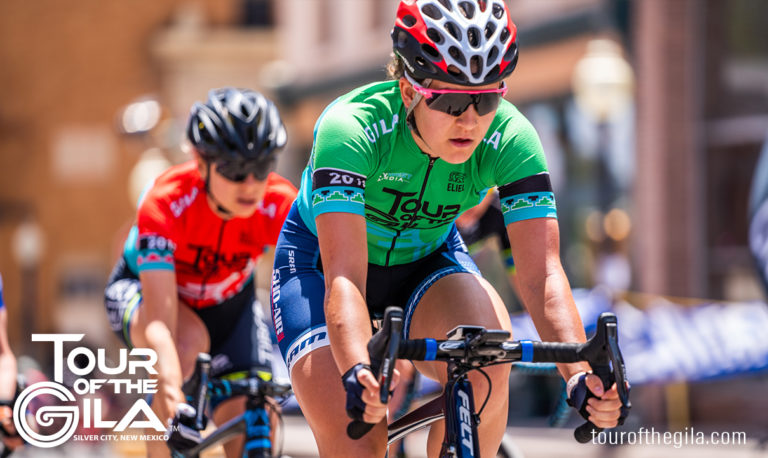
SILVER CITY, New Mexico (February 24, 2022) — Silver City’s iconic Tour of the Gila road cycling event will take place April 27–May 1, 2022. The USA Cycling sanctioned five-stage event is one of the top cycling events in the world and allows participants a highly competitive atmosphere, while taking in the sights of Silver City and surrounding areas.
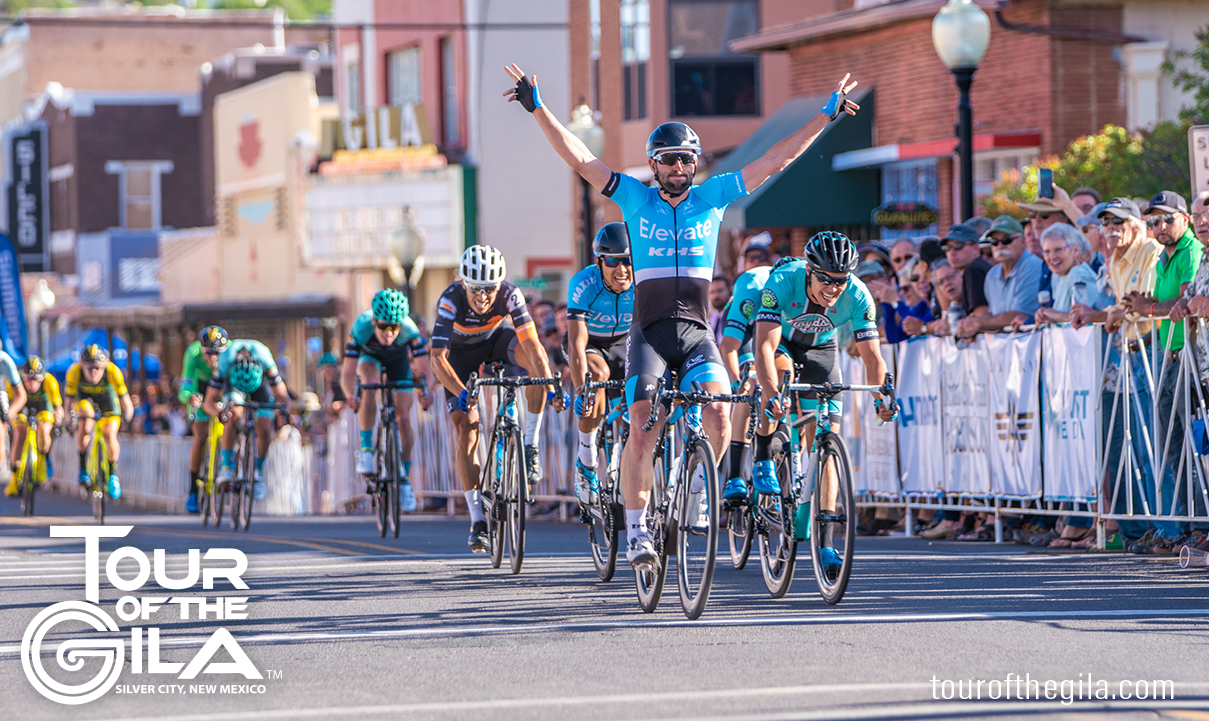
Featuring over 10,000 feet of climbing and difficult descents over the course of five days, the famed Tour of the Gila is one of the most challenging road races in the United States, attracting a mix of professional and amateur cyclists from across the globe. The Tour of the Gila features two professional races—the UCI Men’s race and the UCI Women’s race—as well as seven categories for amateurs.
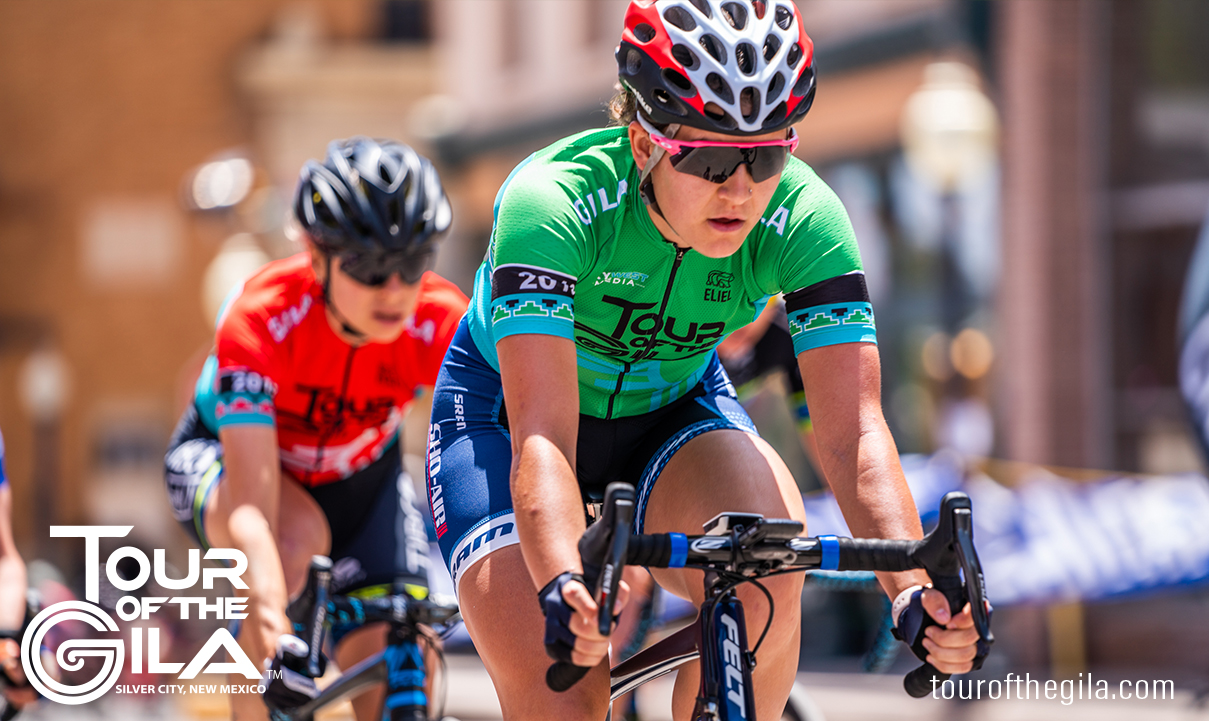
New this year, Visit Silver City has partnered with Listen Live to offer a live audio and video broadcast of the UCI Women’s and UCI Men’s Criterium races on Saturday, April 30. Coverage will run from 2–7pm at www.tourofthegila.com and will feature interviews, race updates, and live announcing.
“Whether you’re a cyclist or a fan, we invite everyone to experience both the Tour of the Gila and Silver City’s hospitality,” said Alex Brown, Town of Silver City Manager. “While you’re in town, plan a few extra days to explore the unique, artistic culture of Silver City. From murals and galleries, to boutique shops, restaurants and beautiful outdoor trails, Silver City offers a great place to rejuvenate and unwind.”
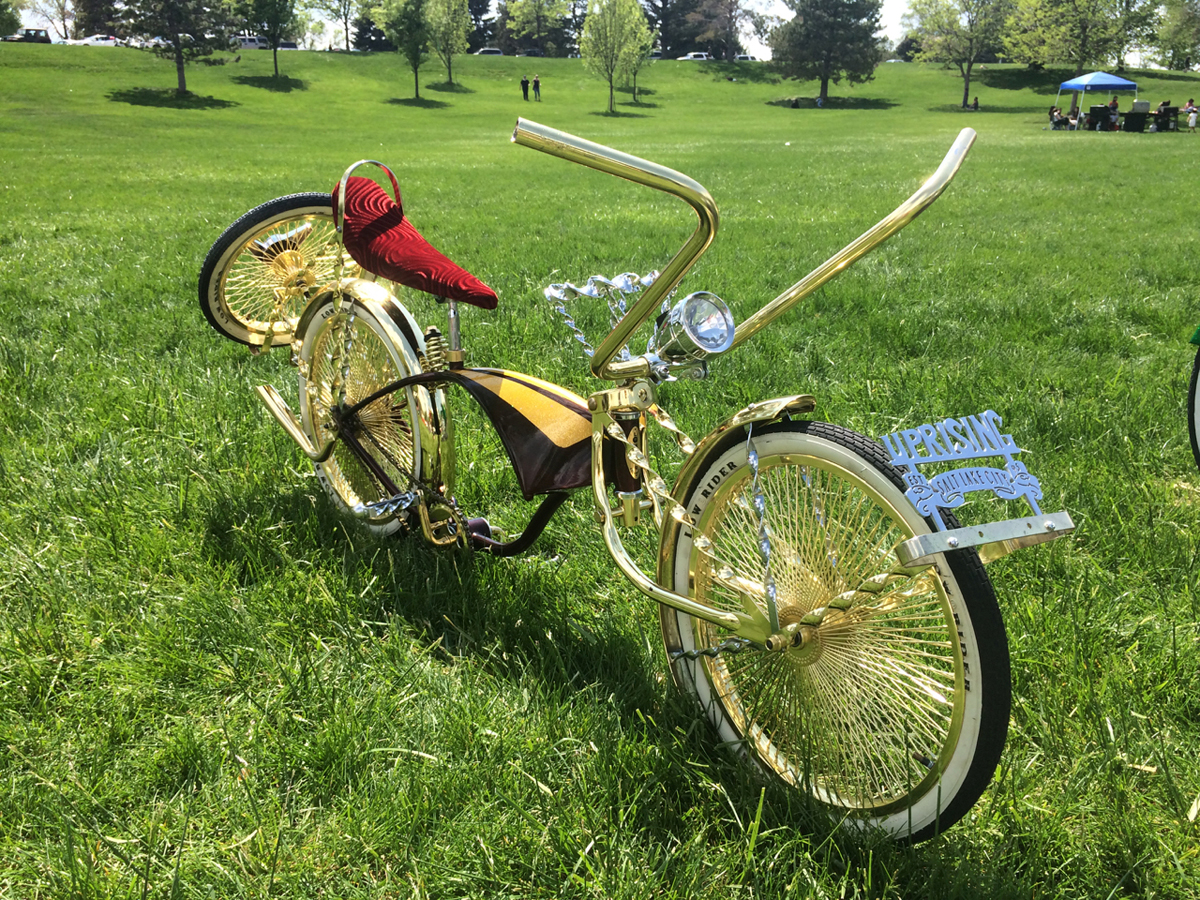
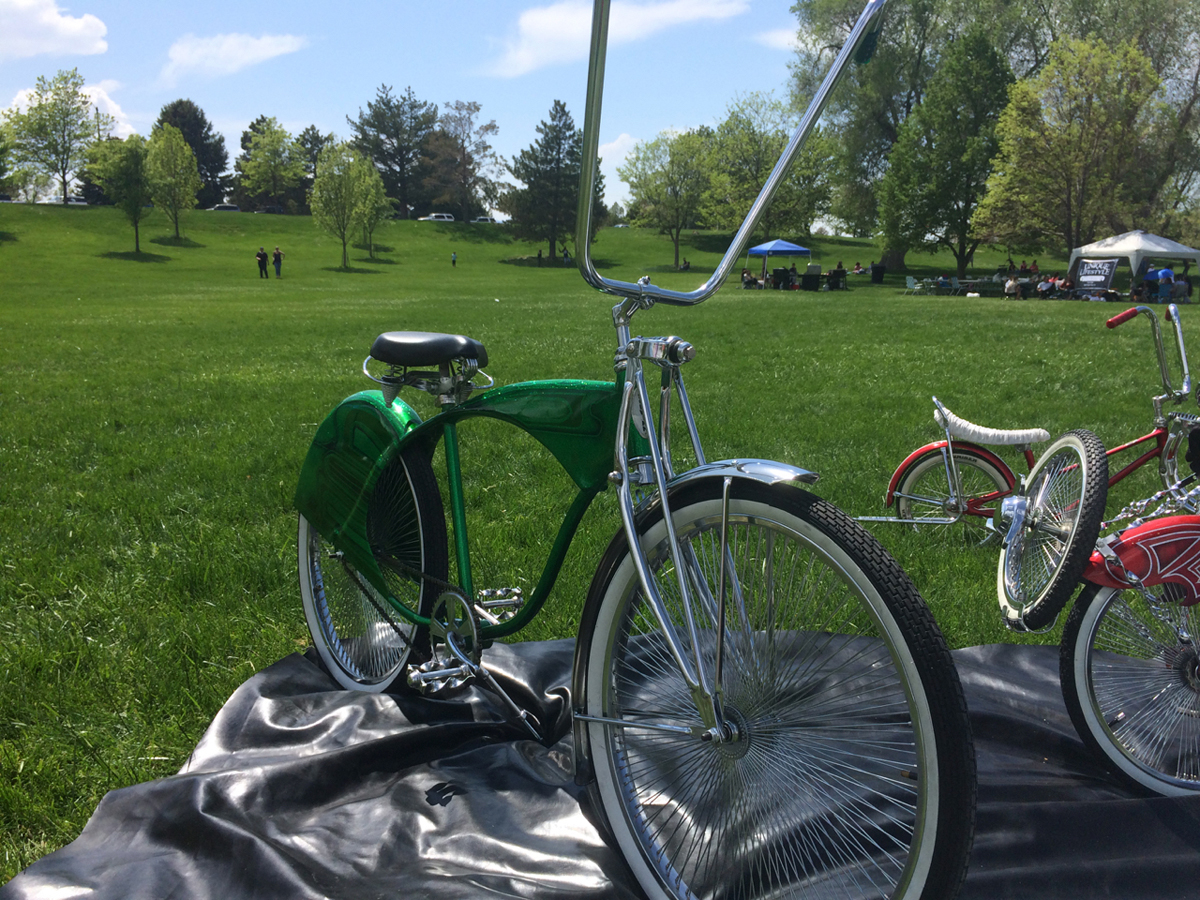
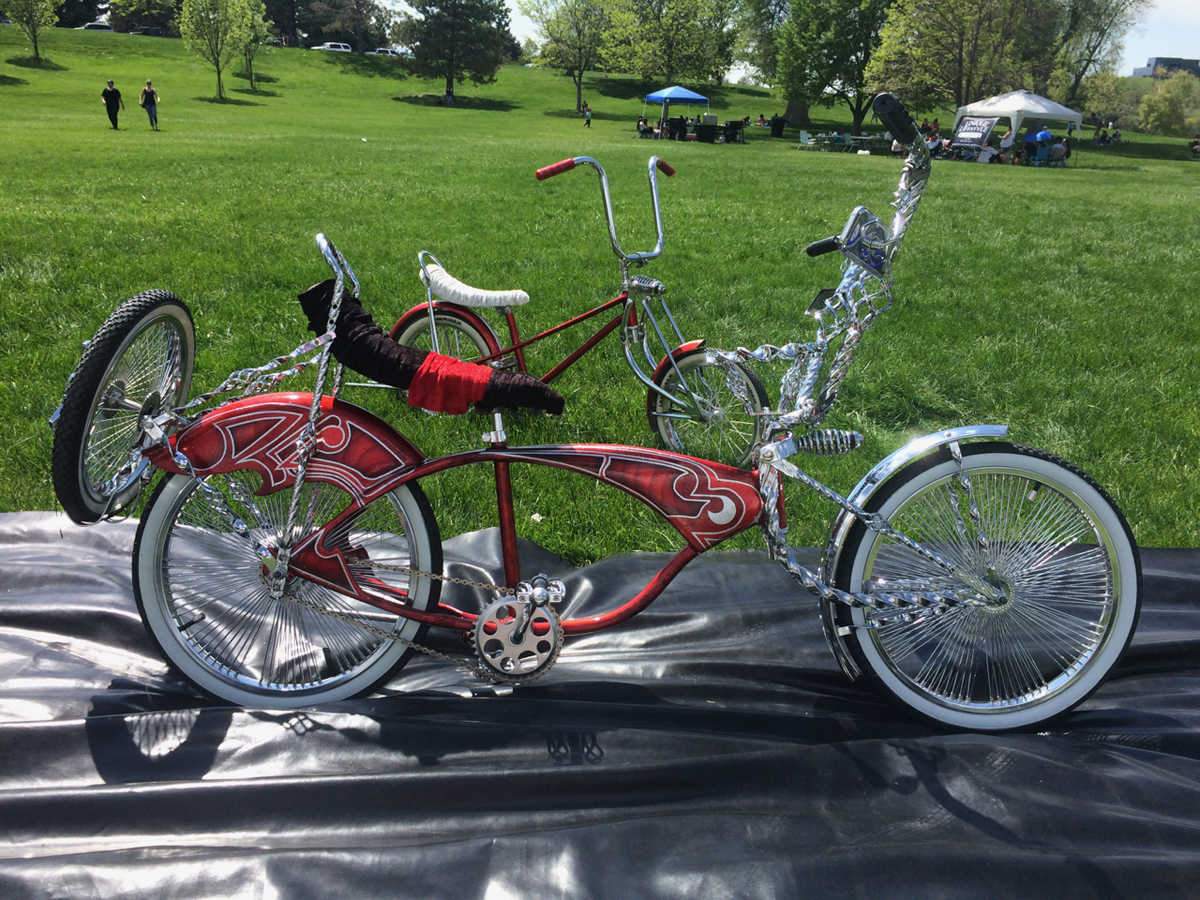
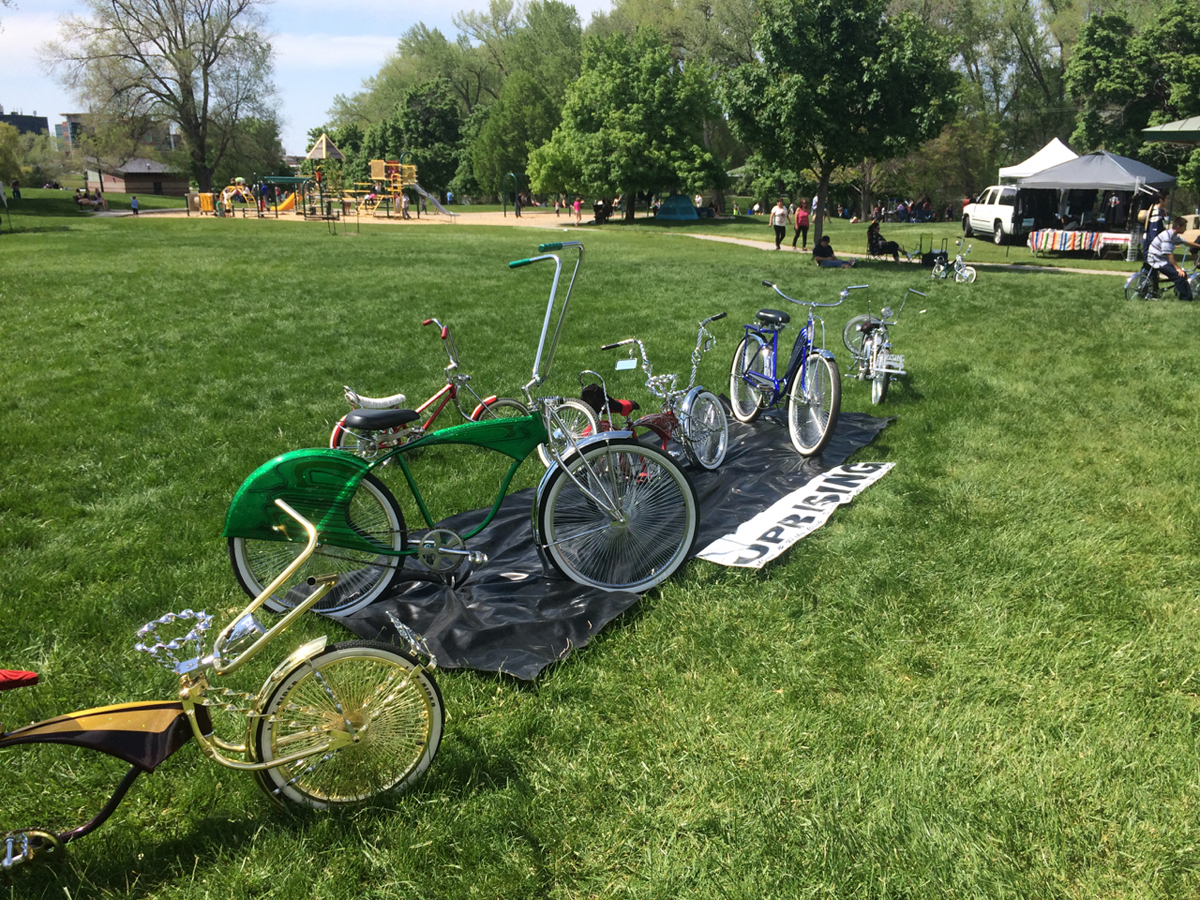
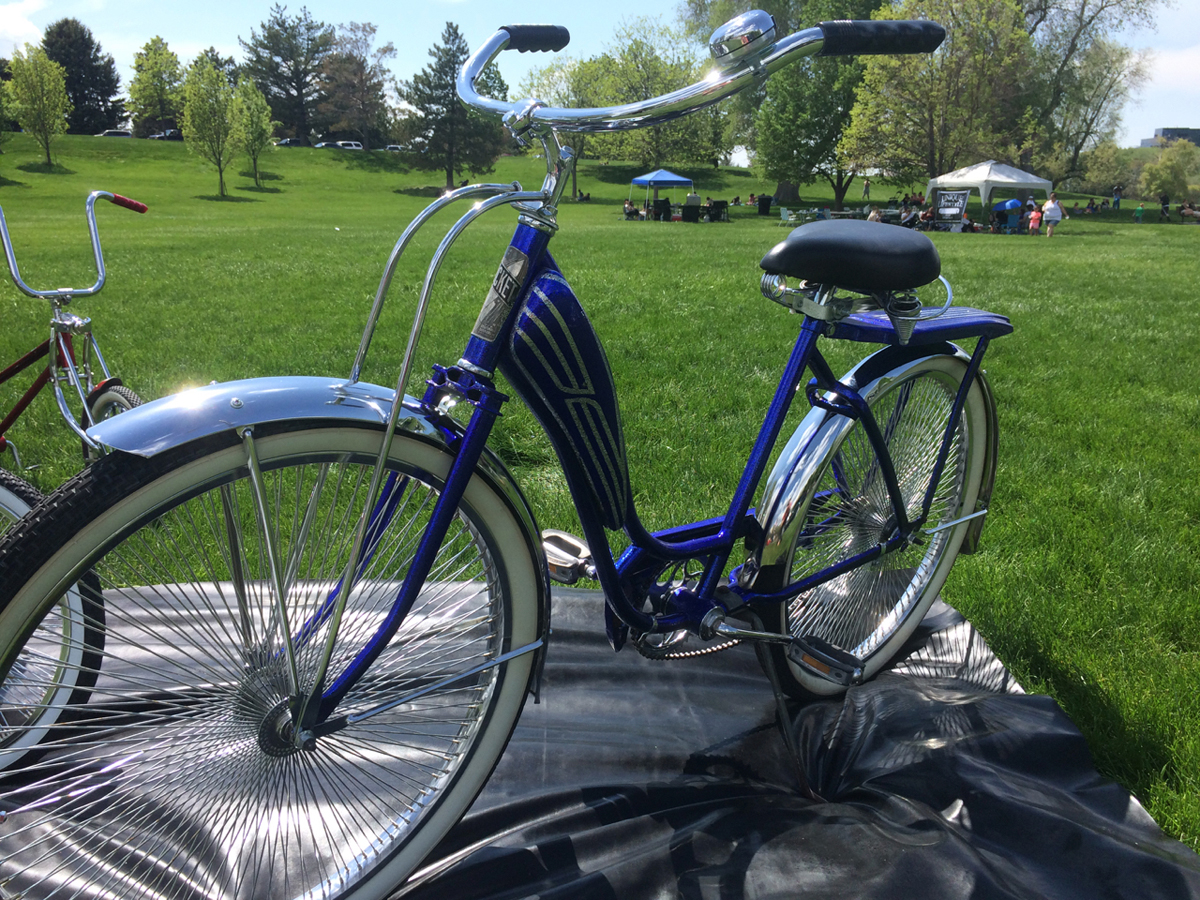
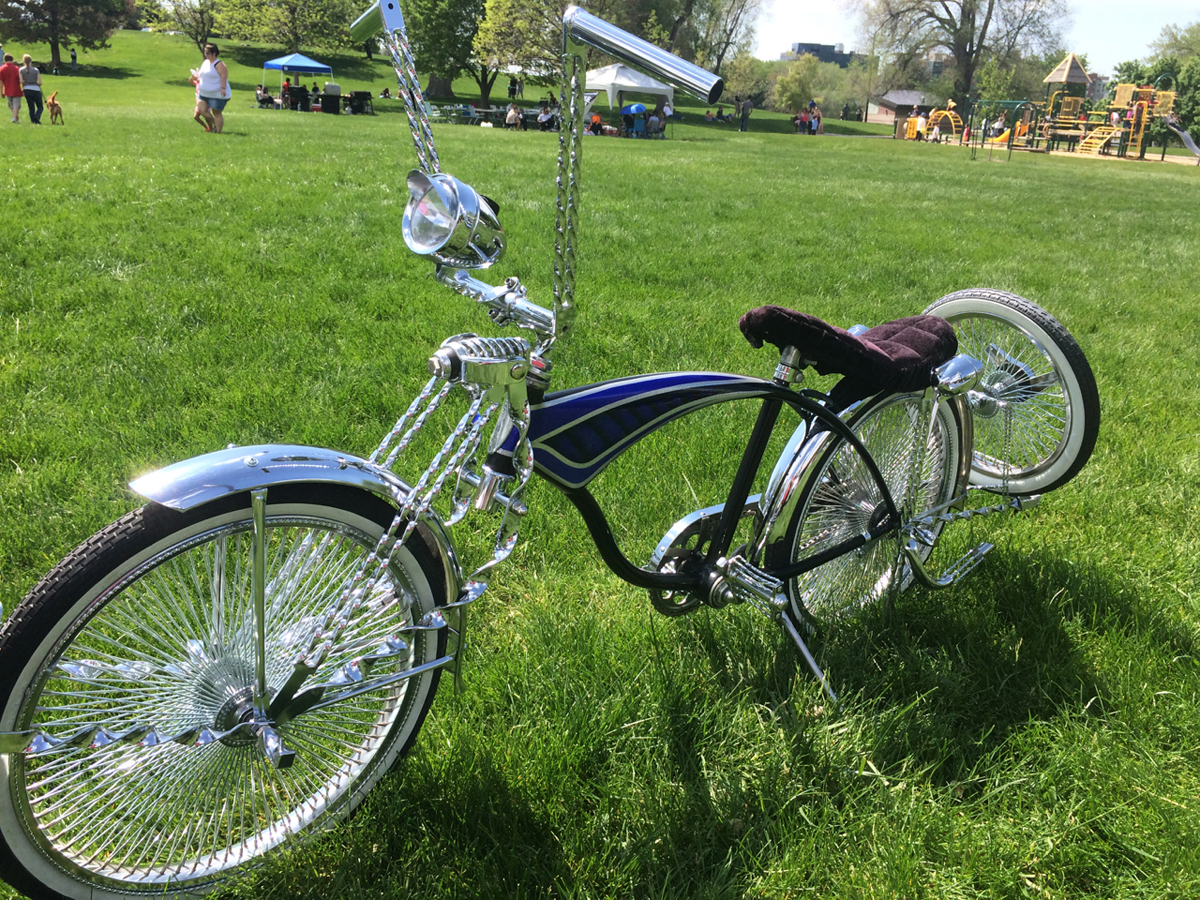
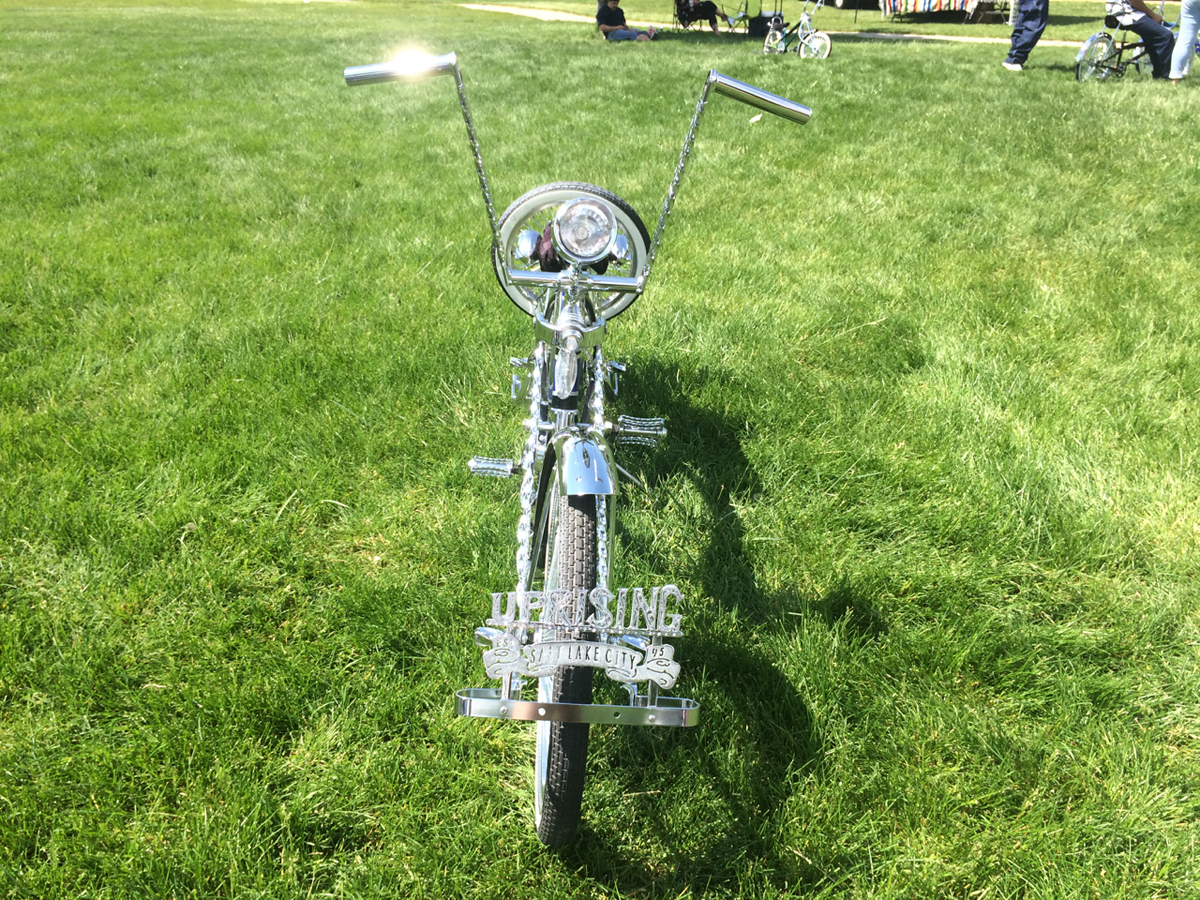
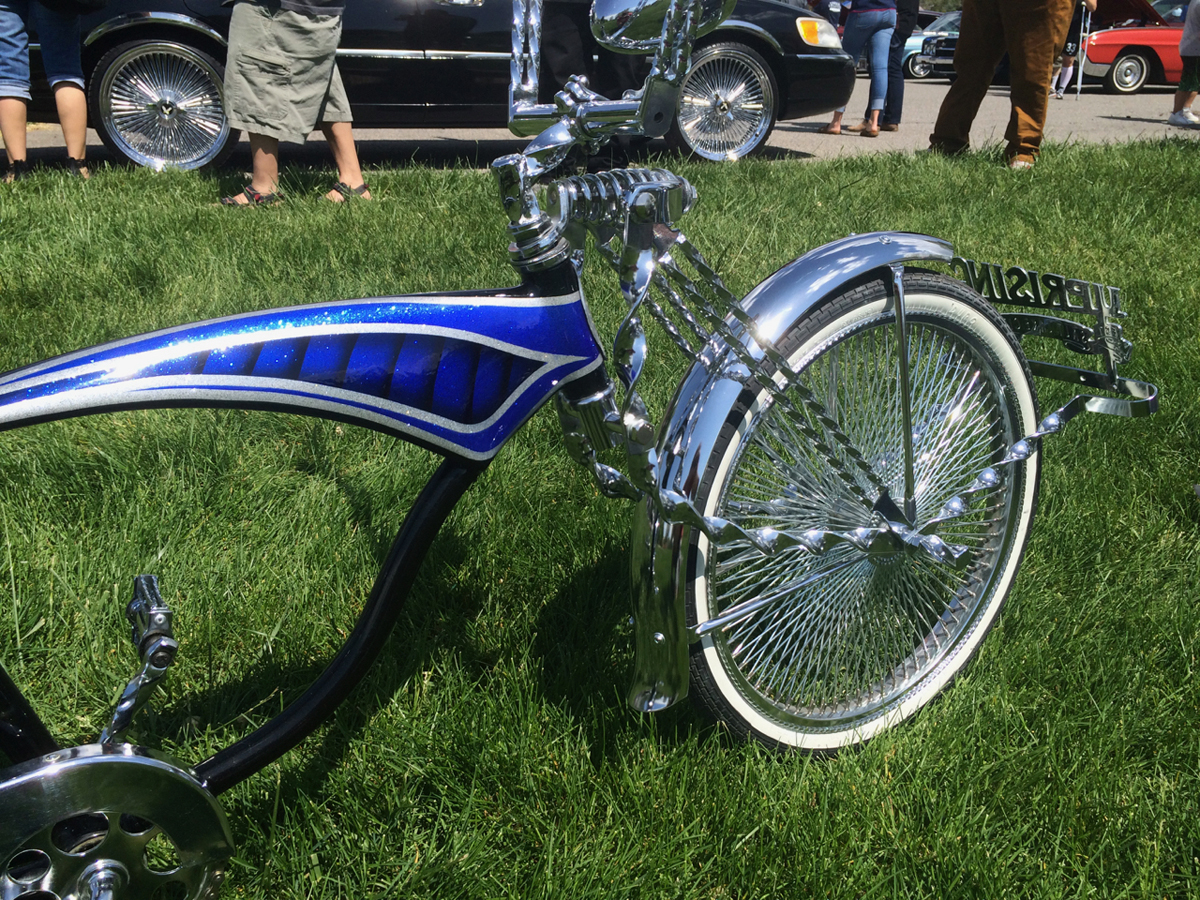
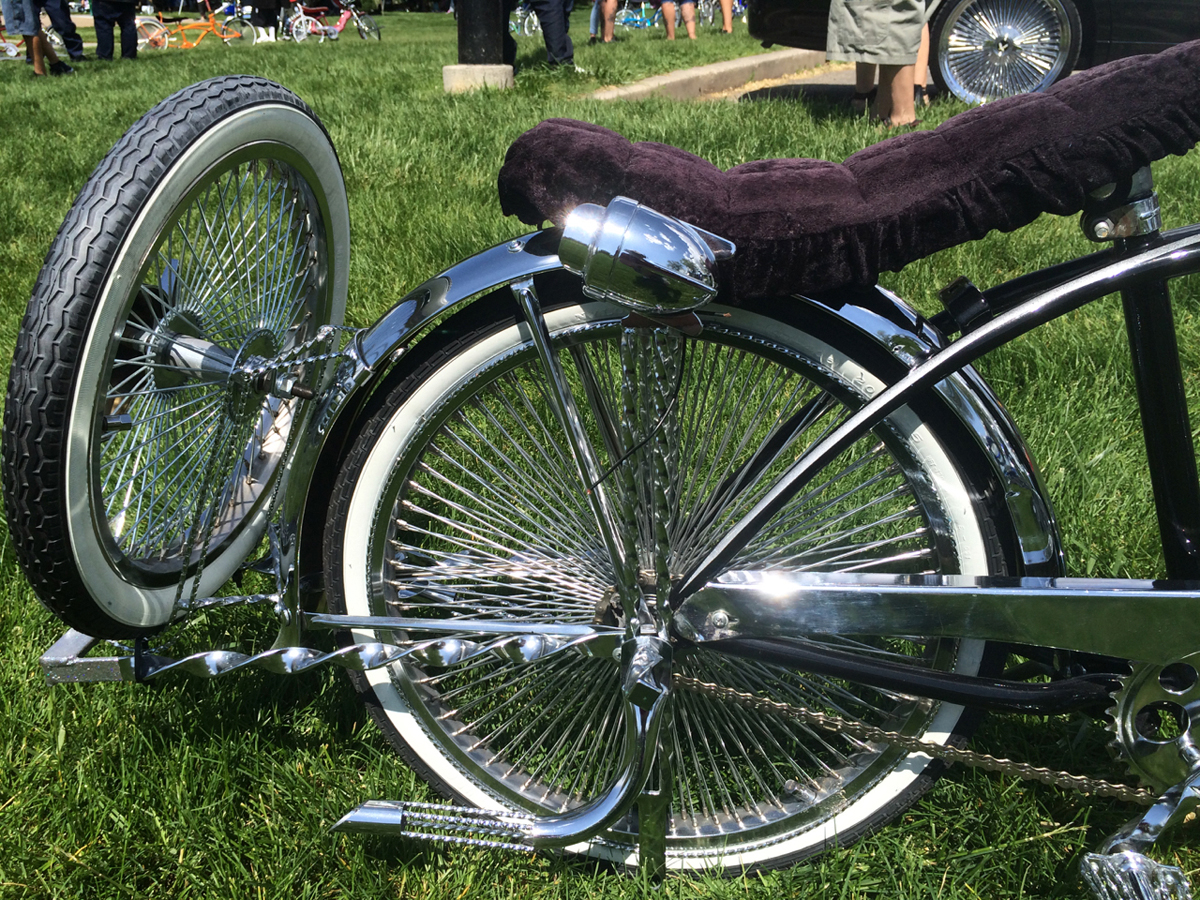
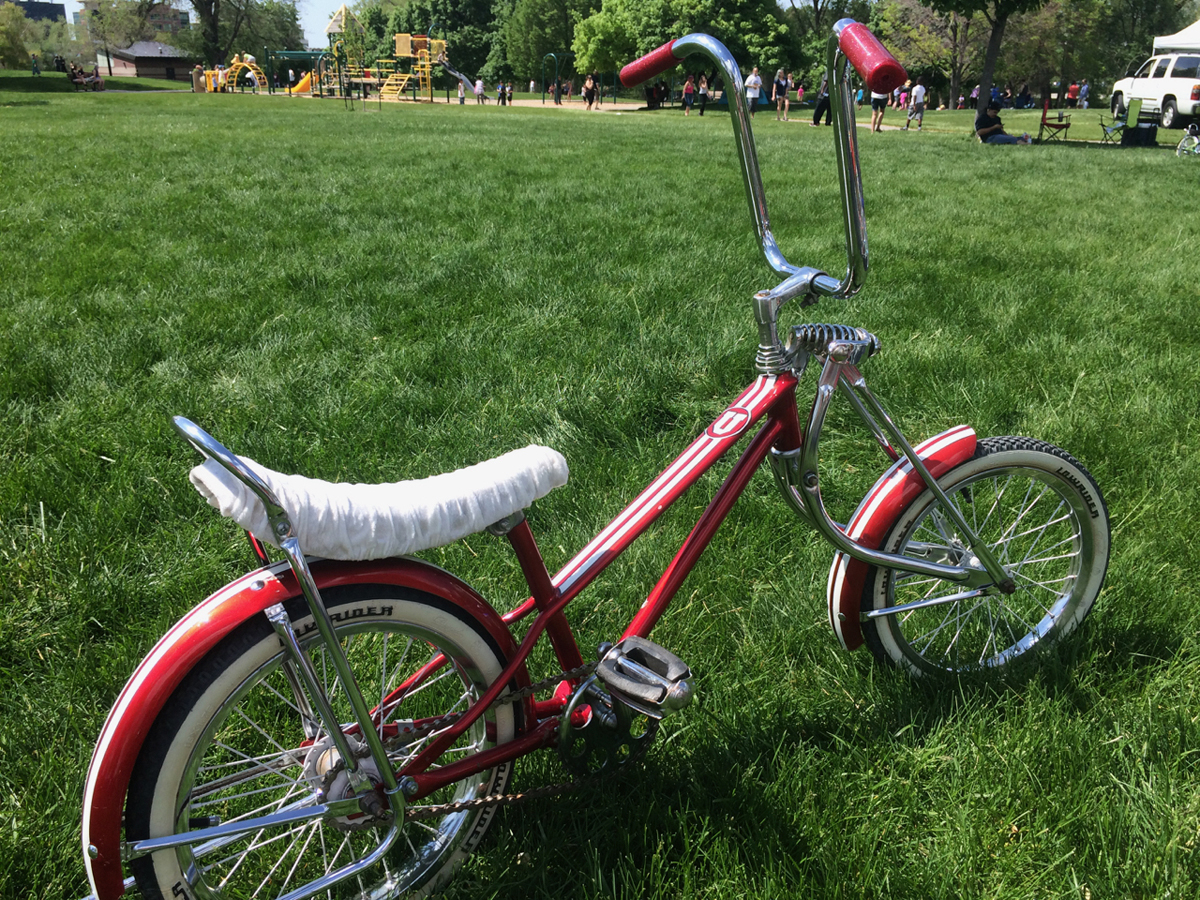
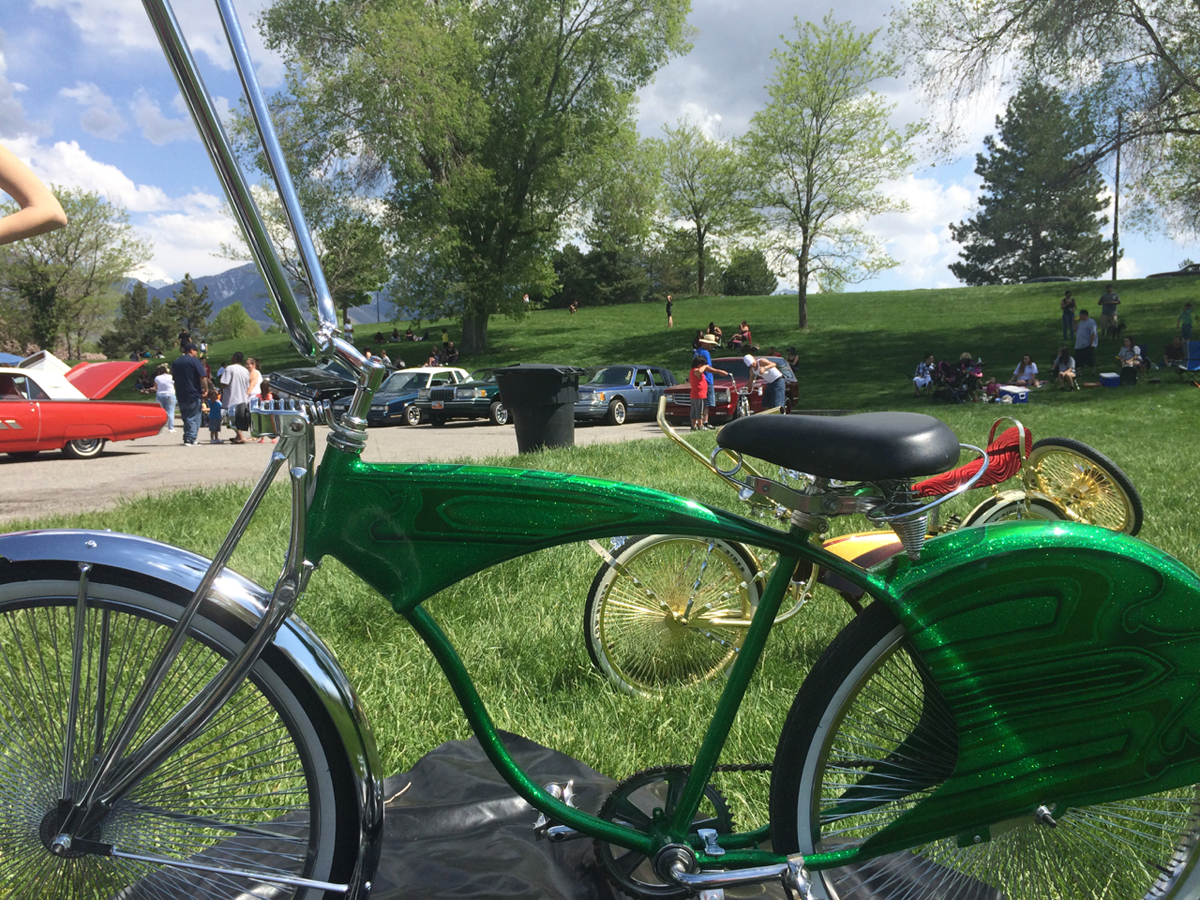
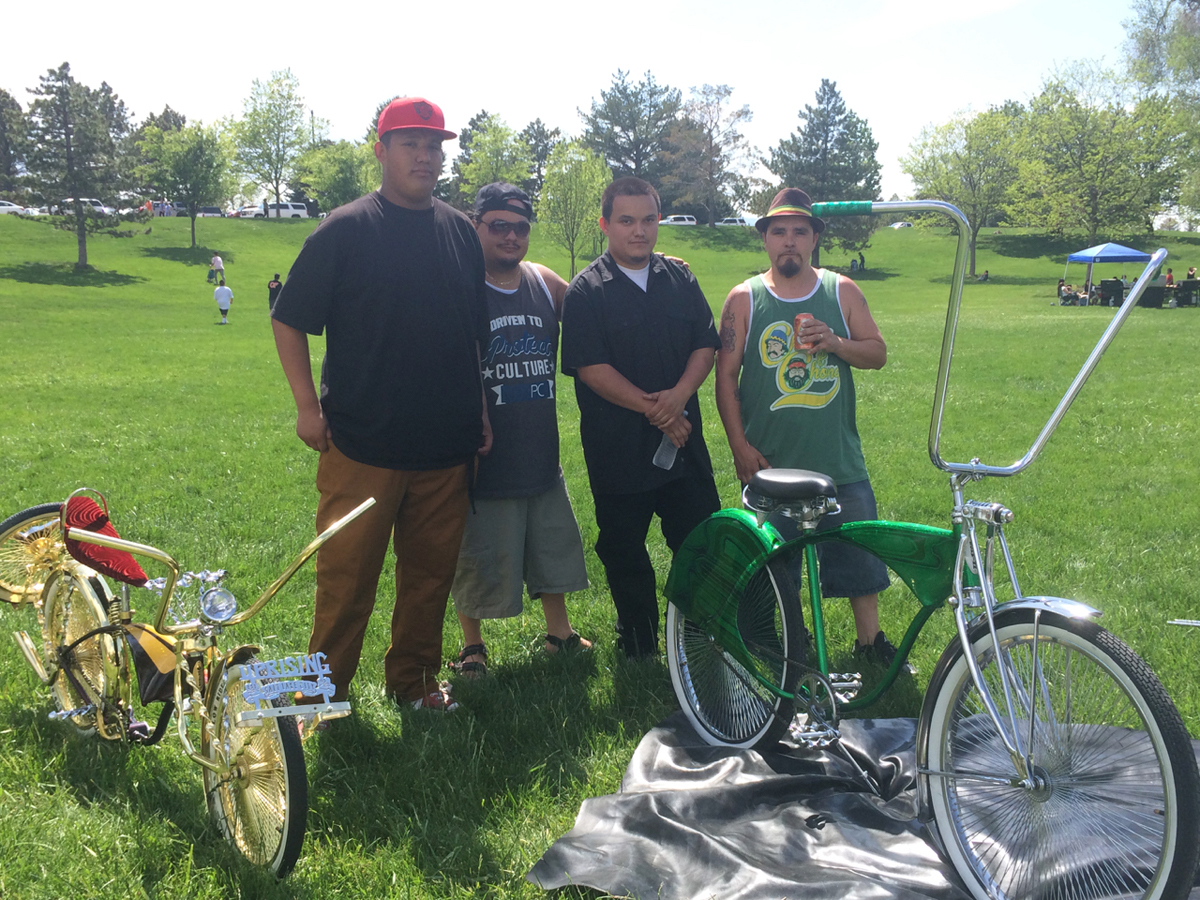
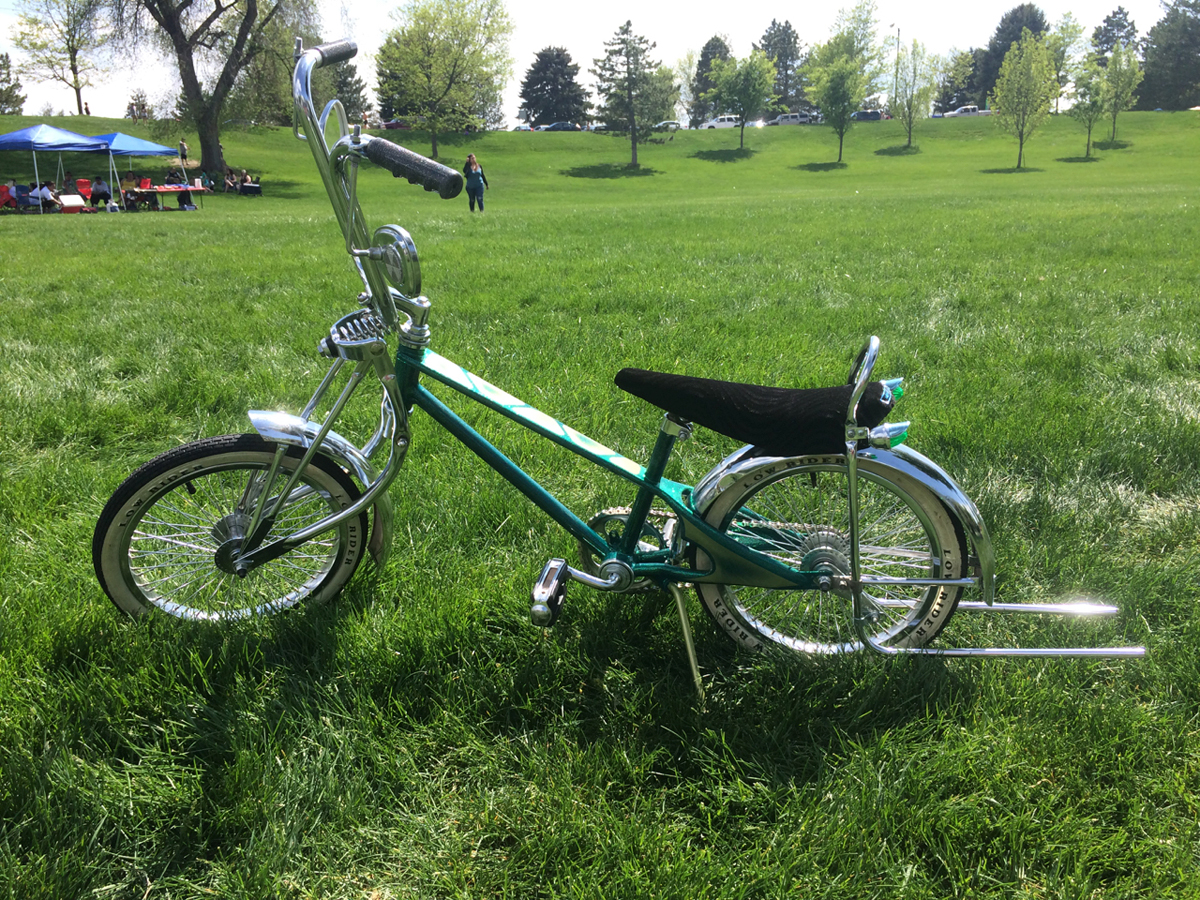
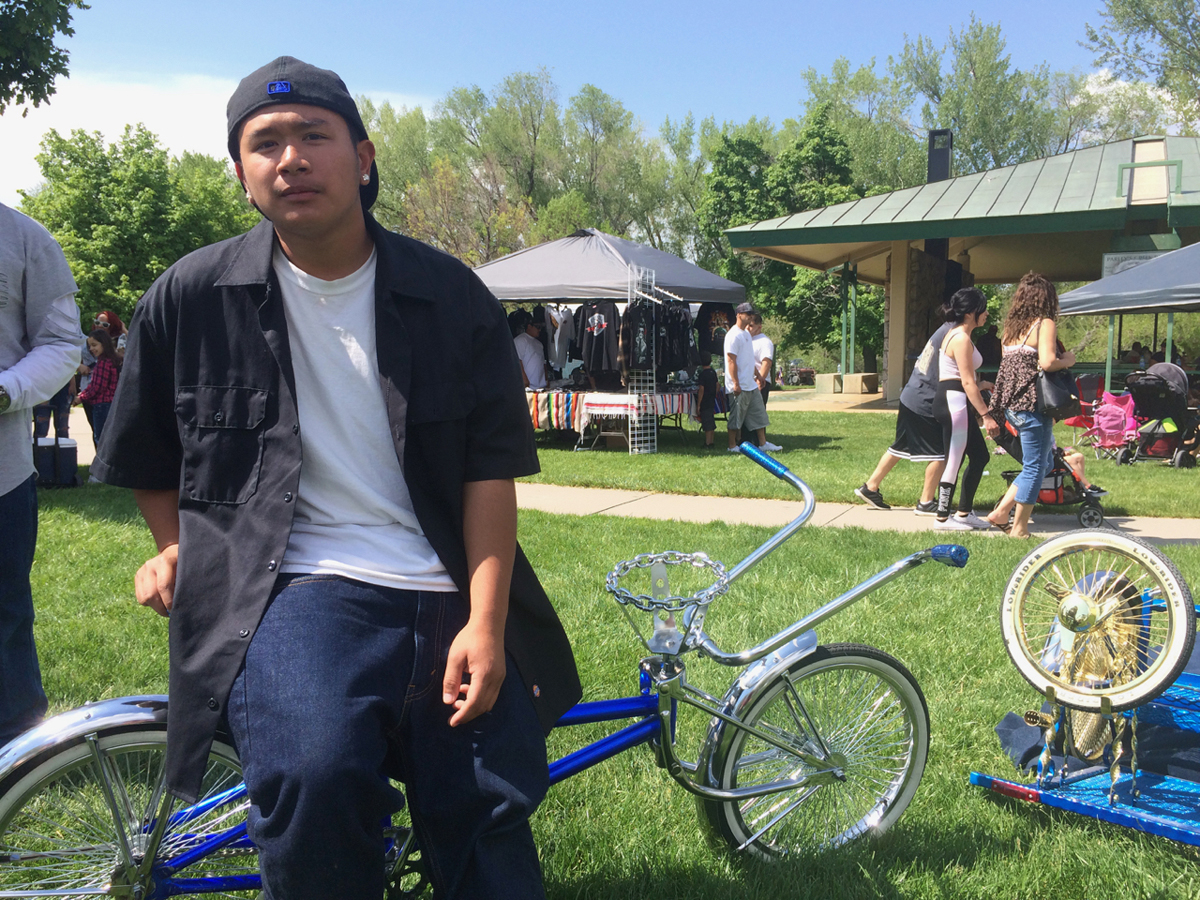
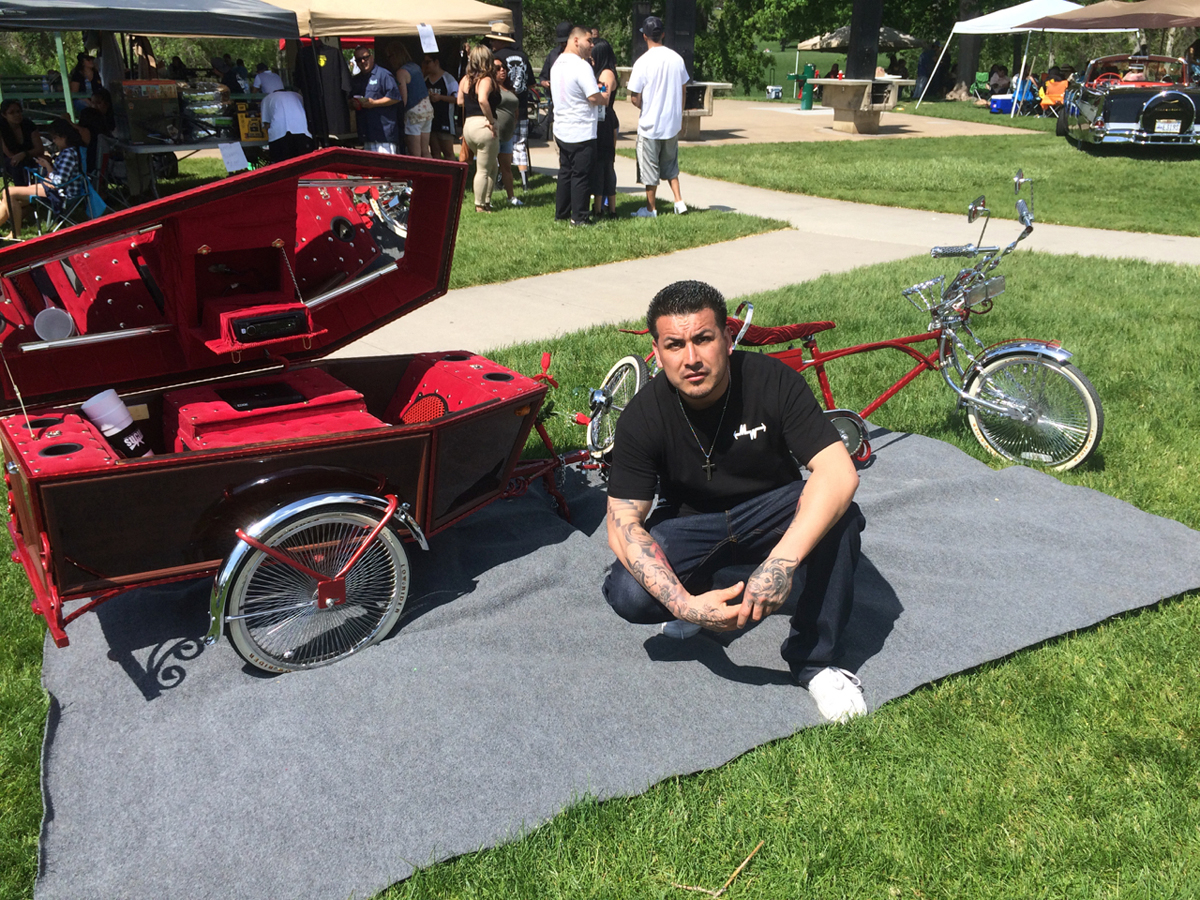
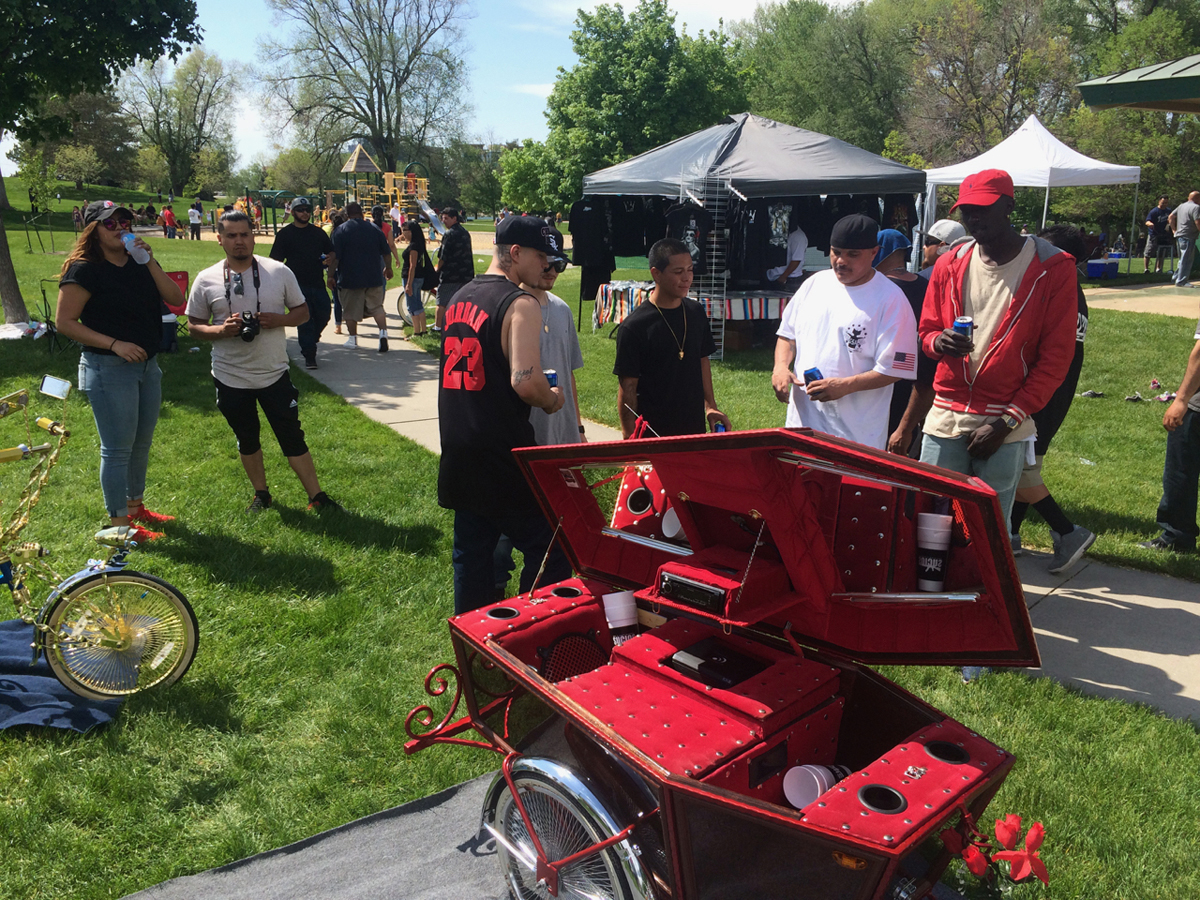
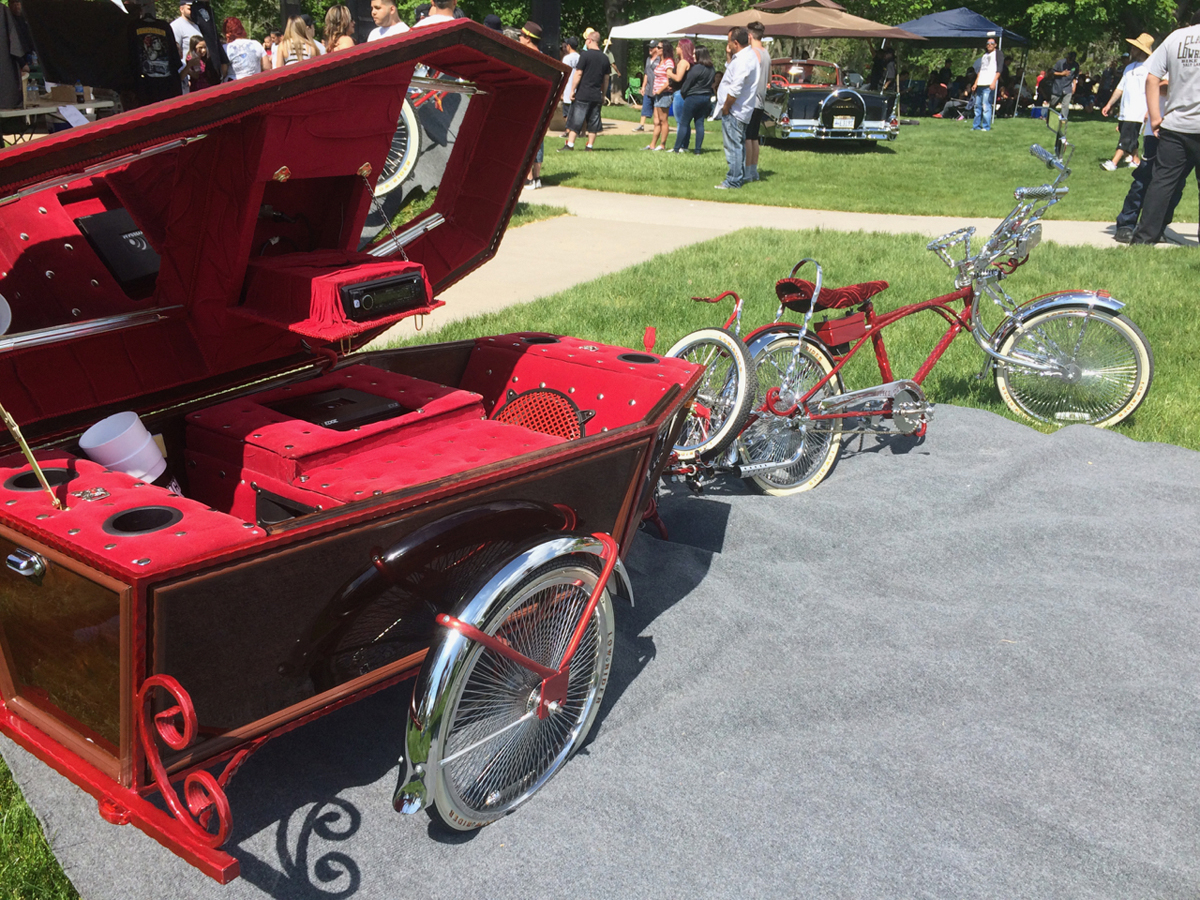
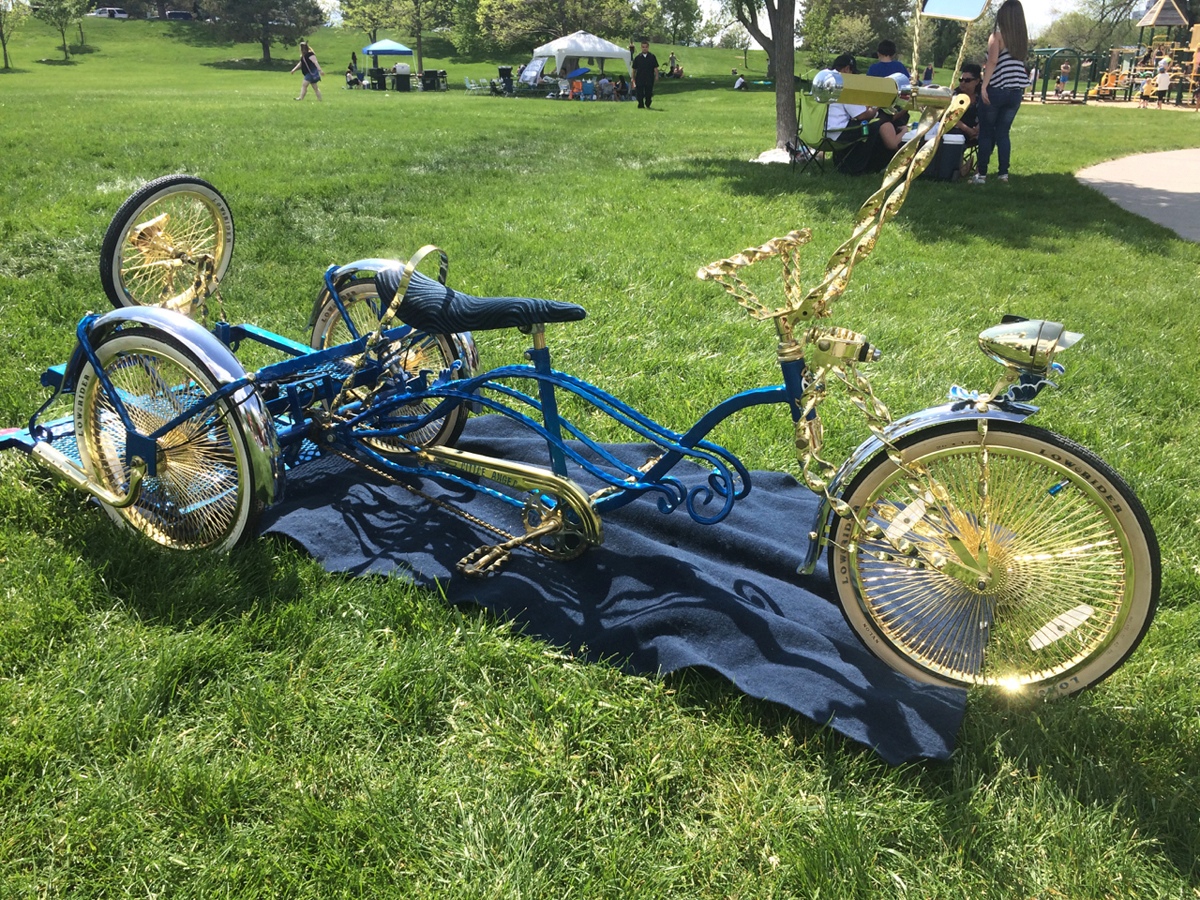
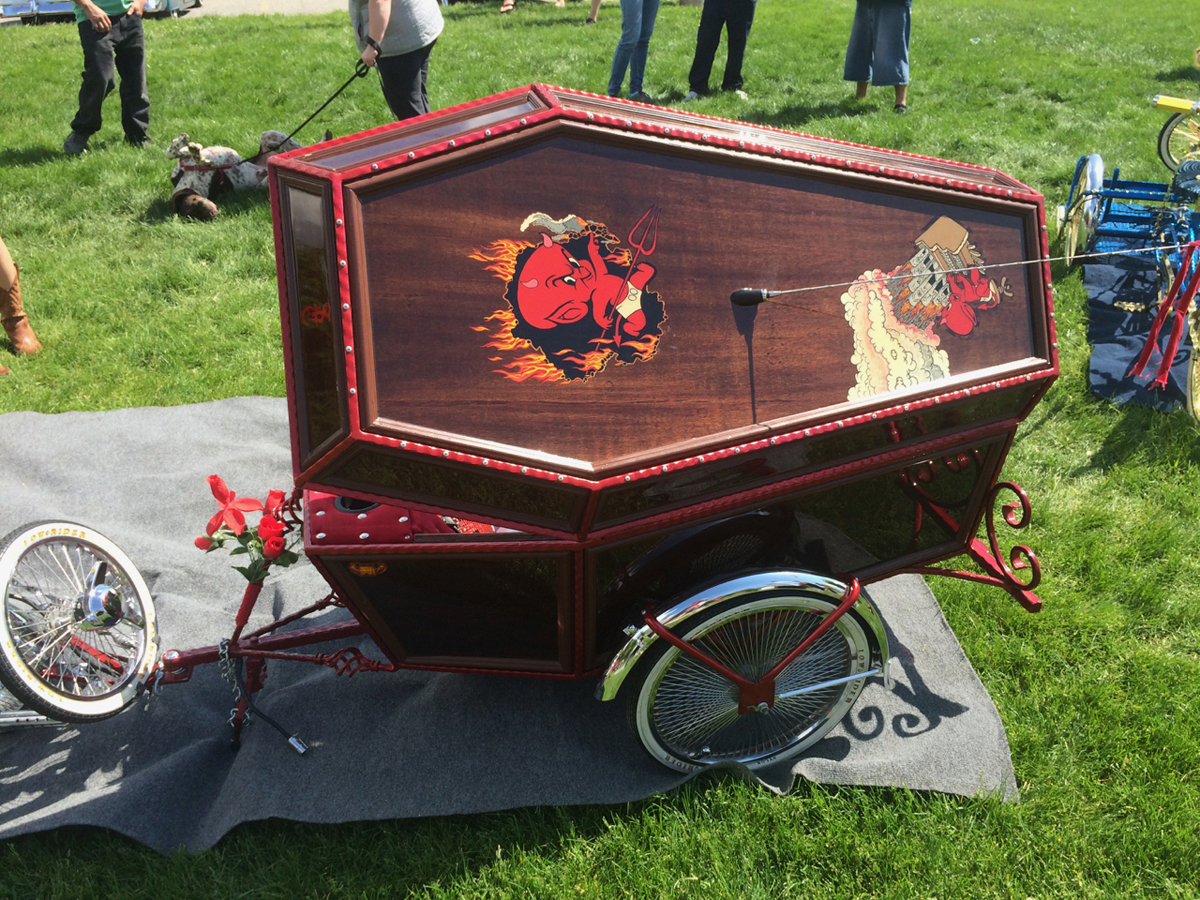
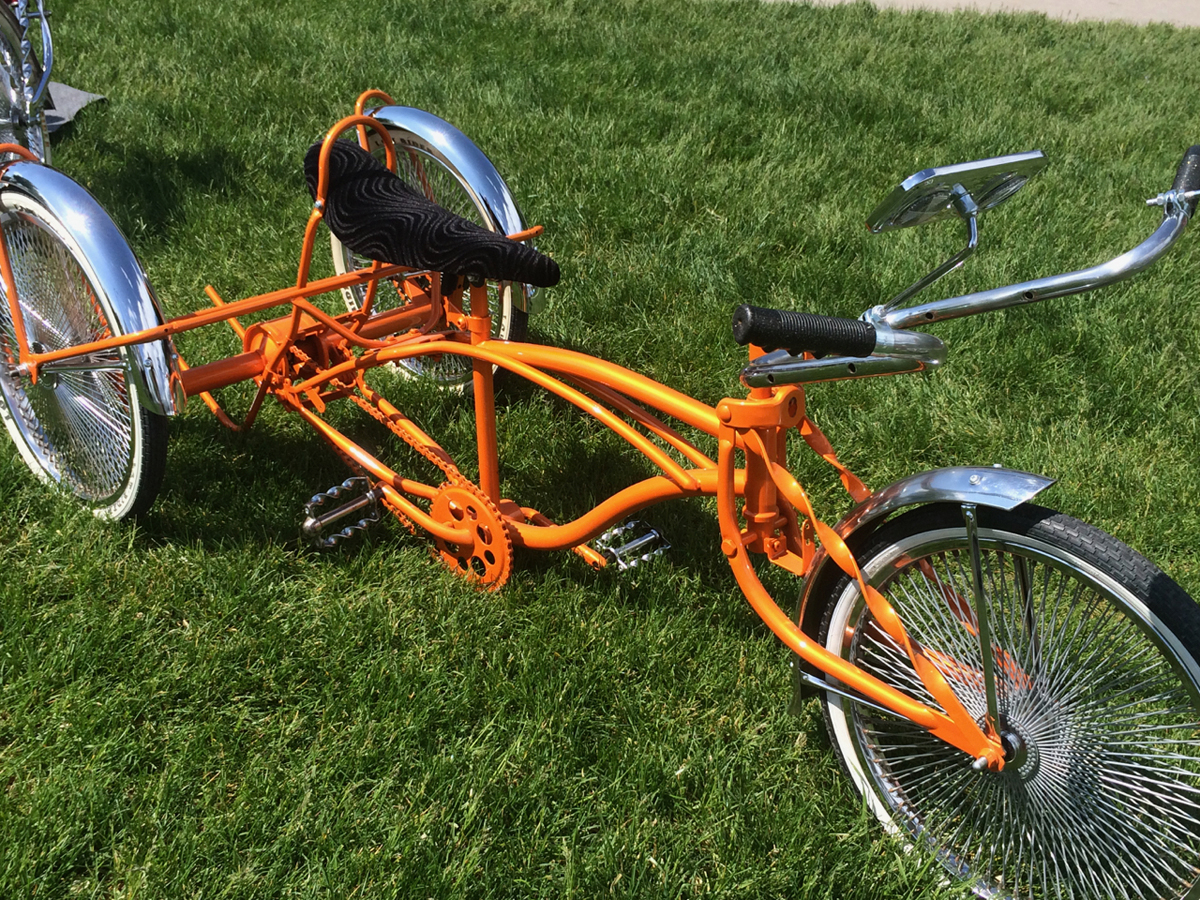
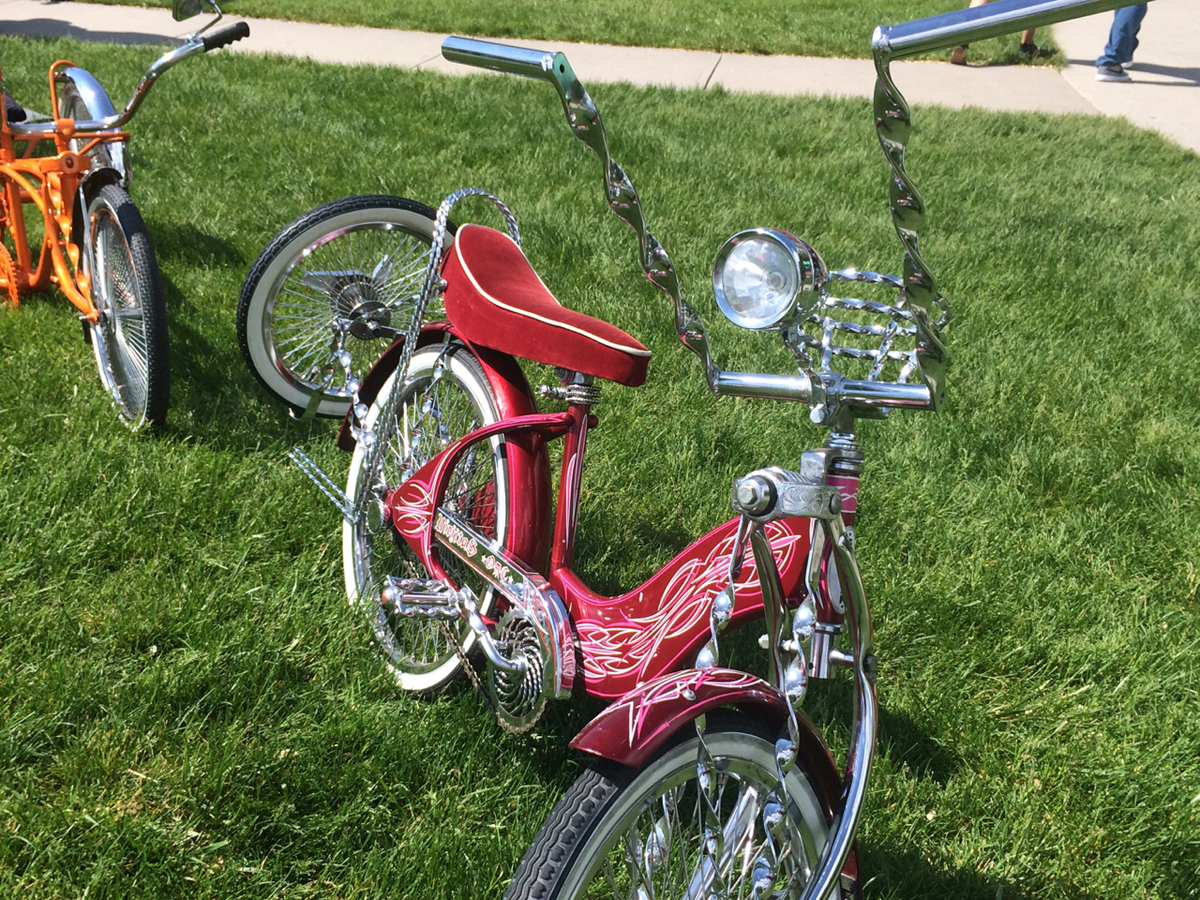
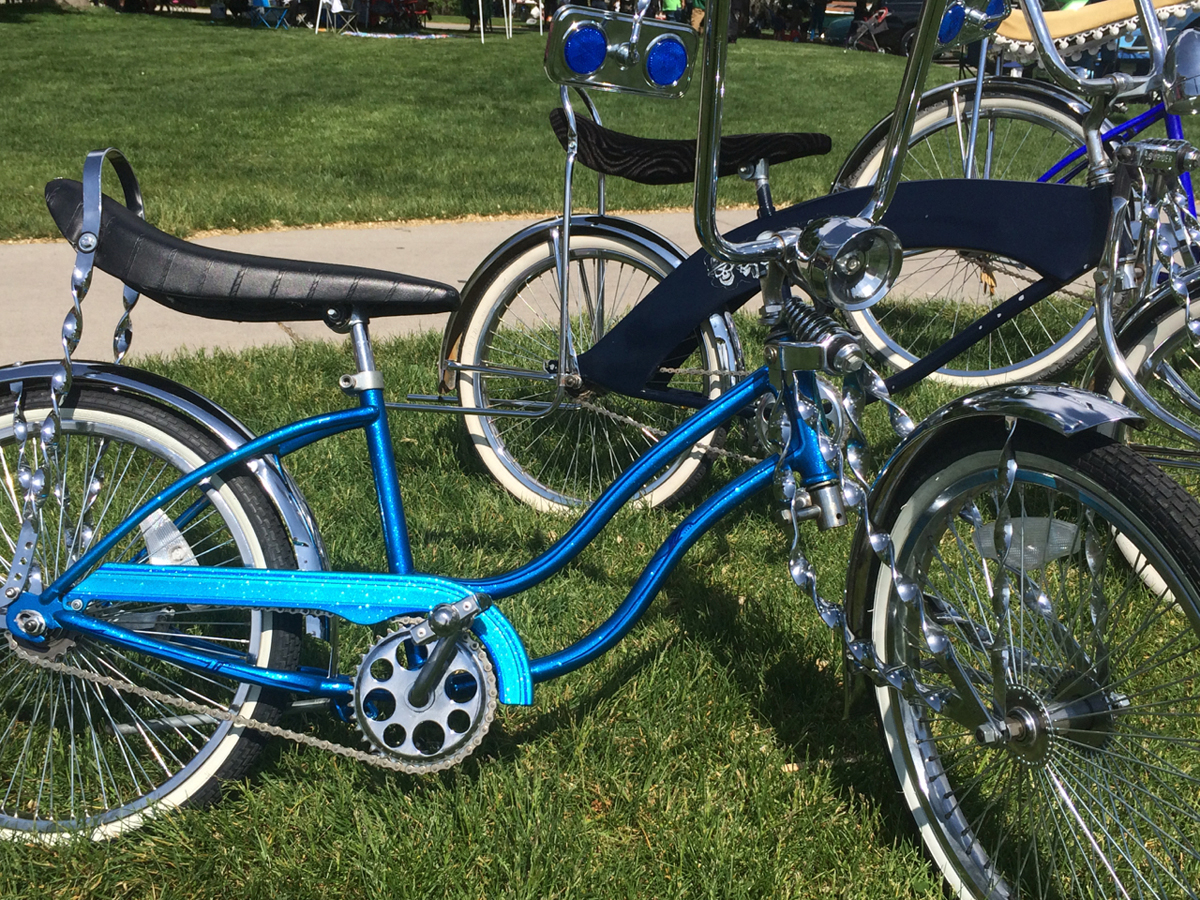
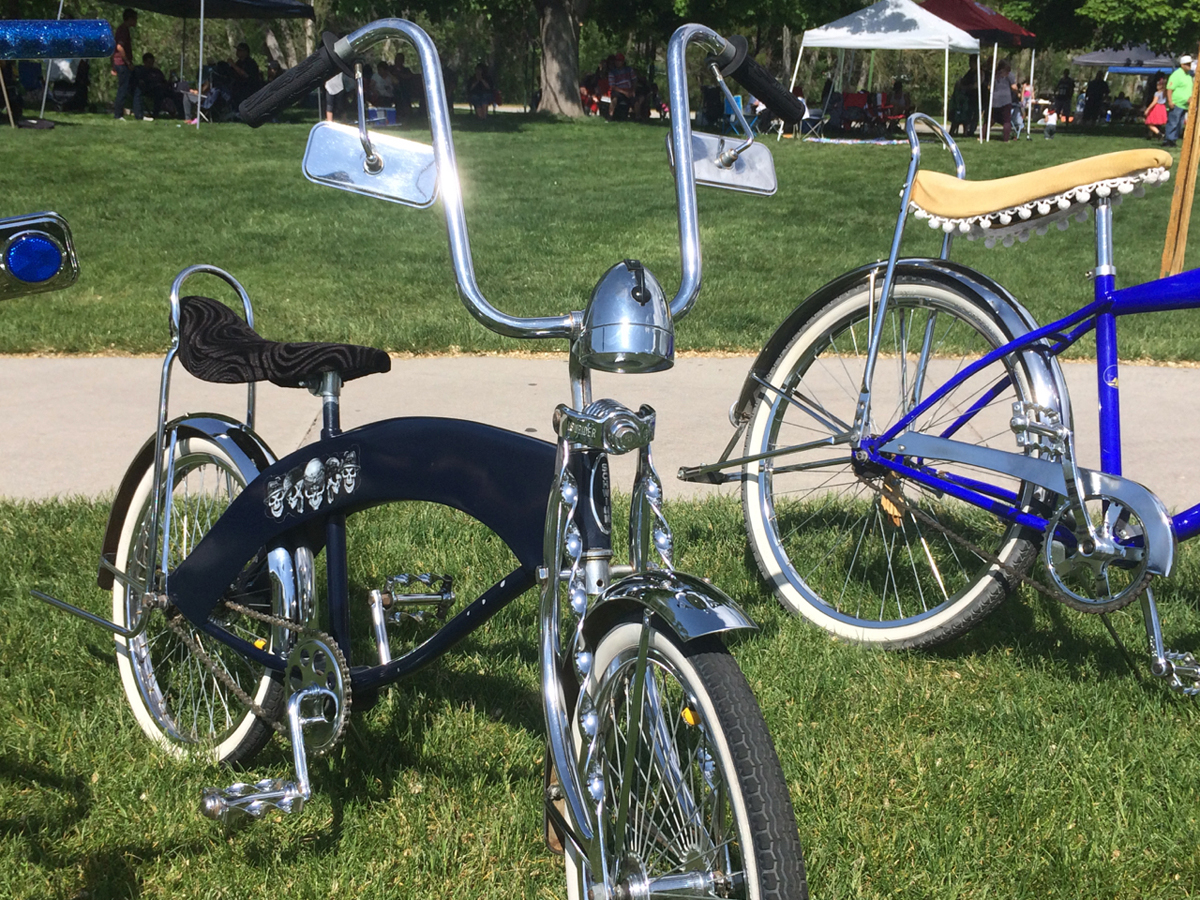
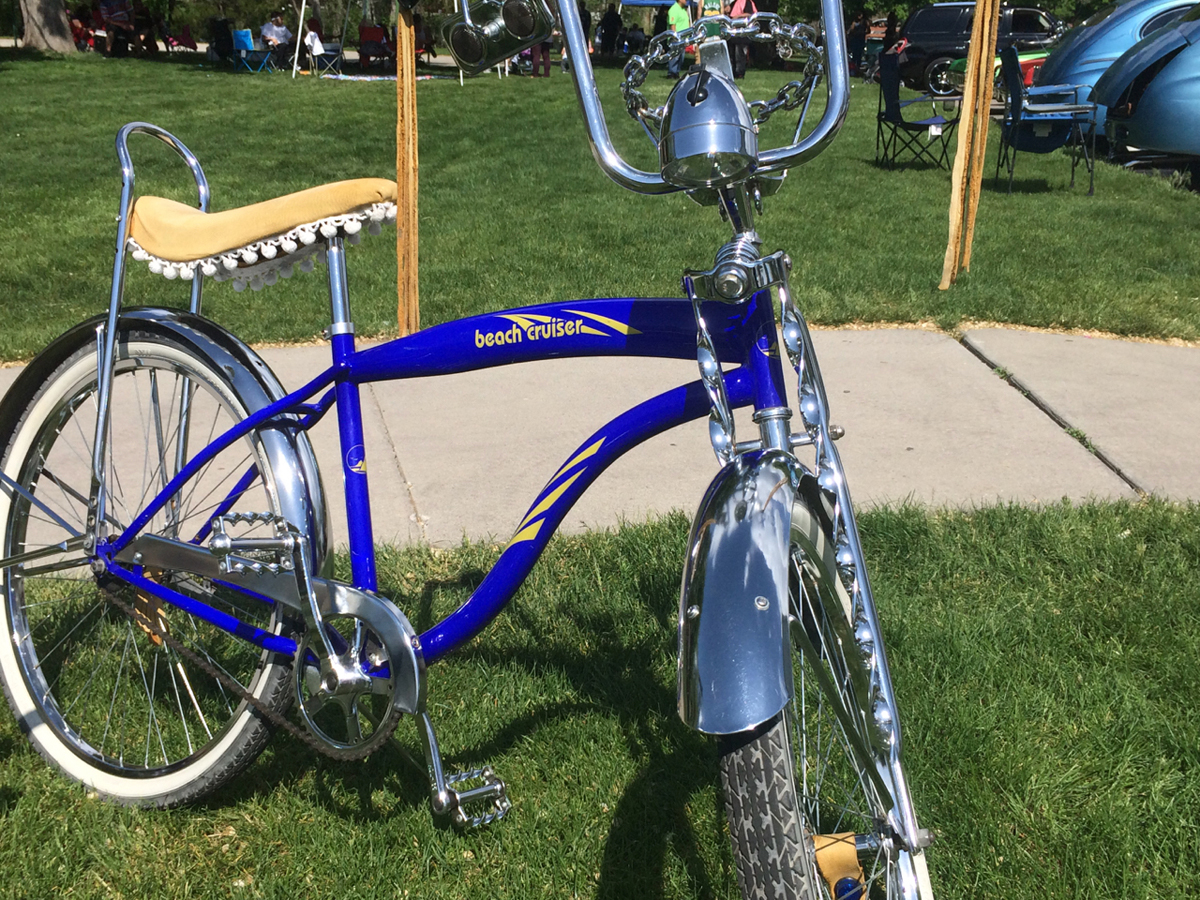
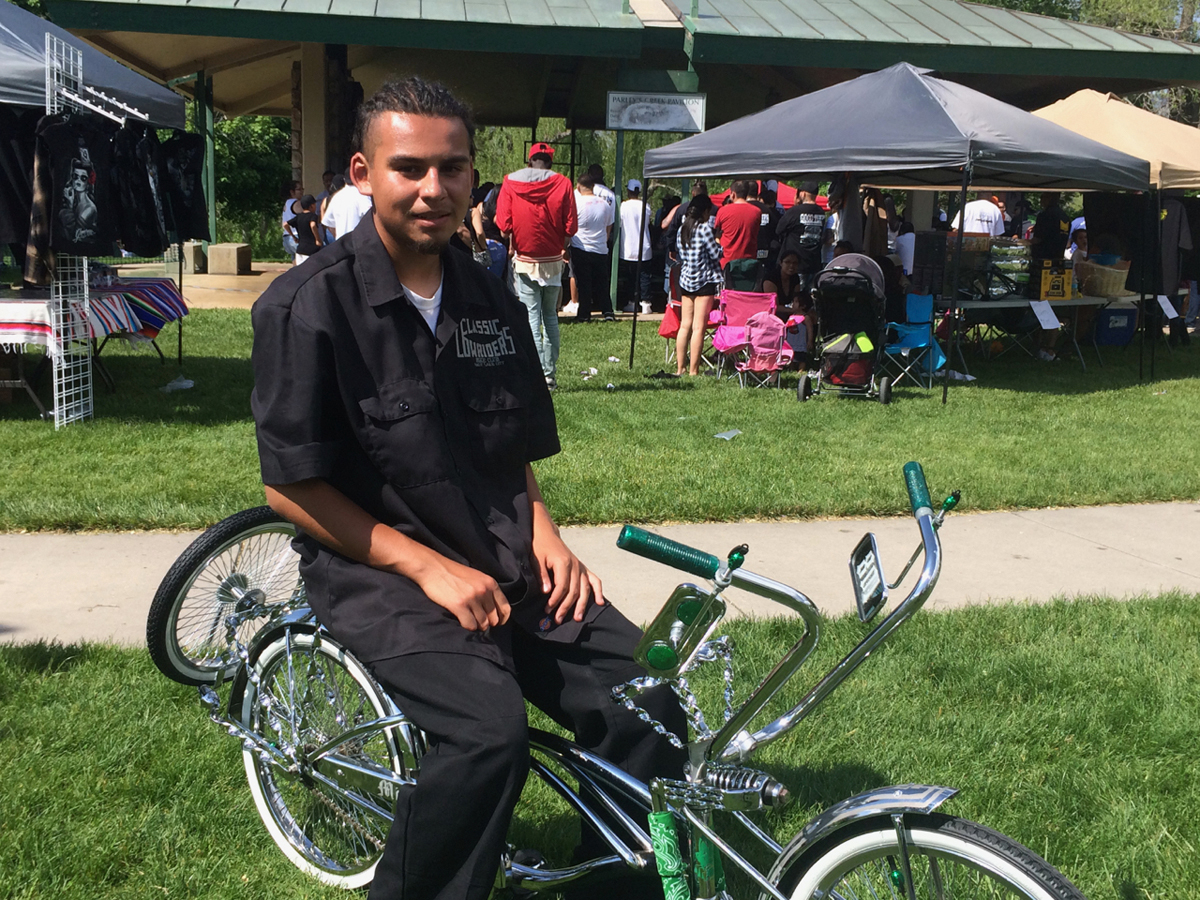
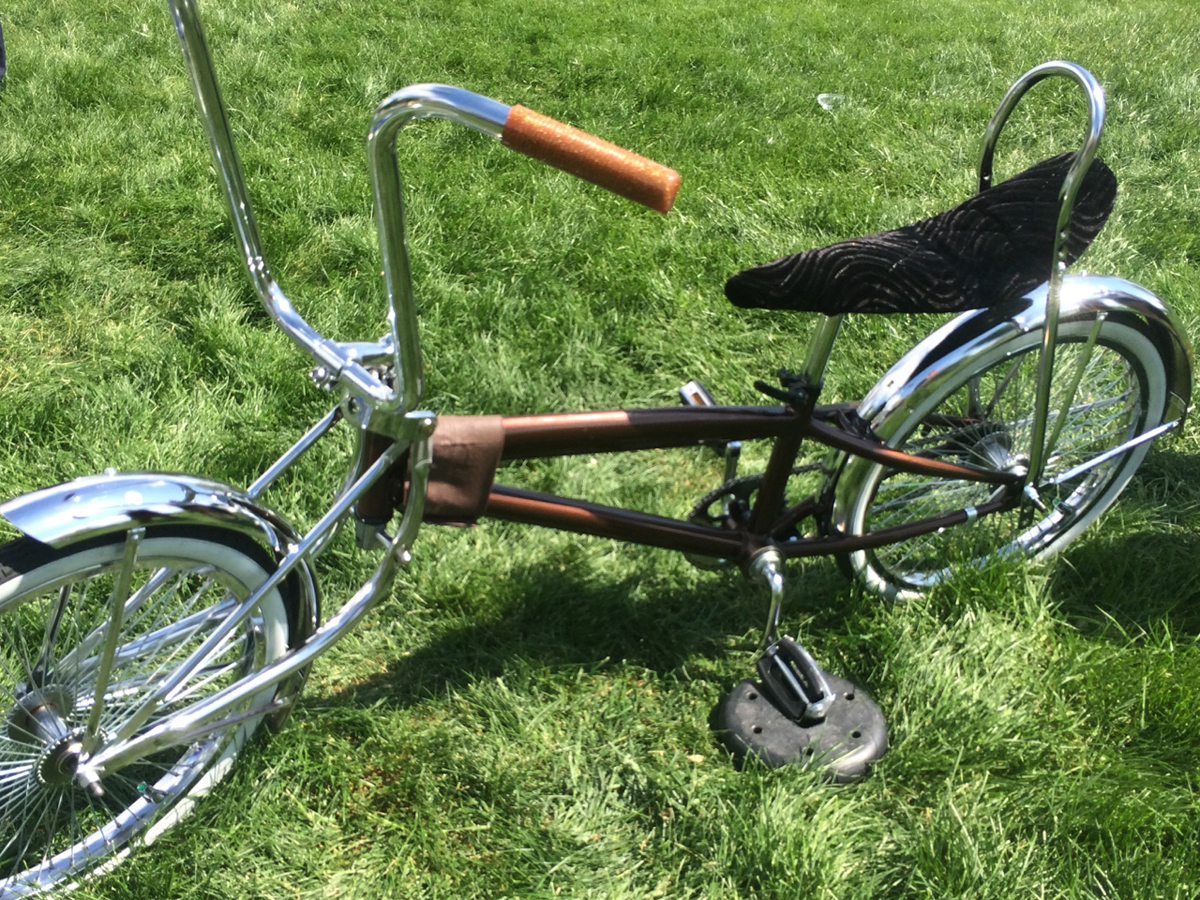
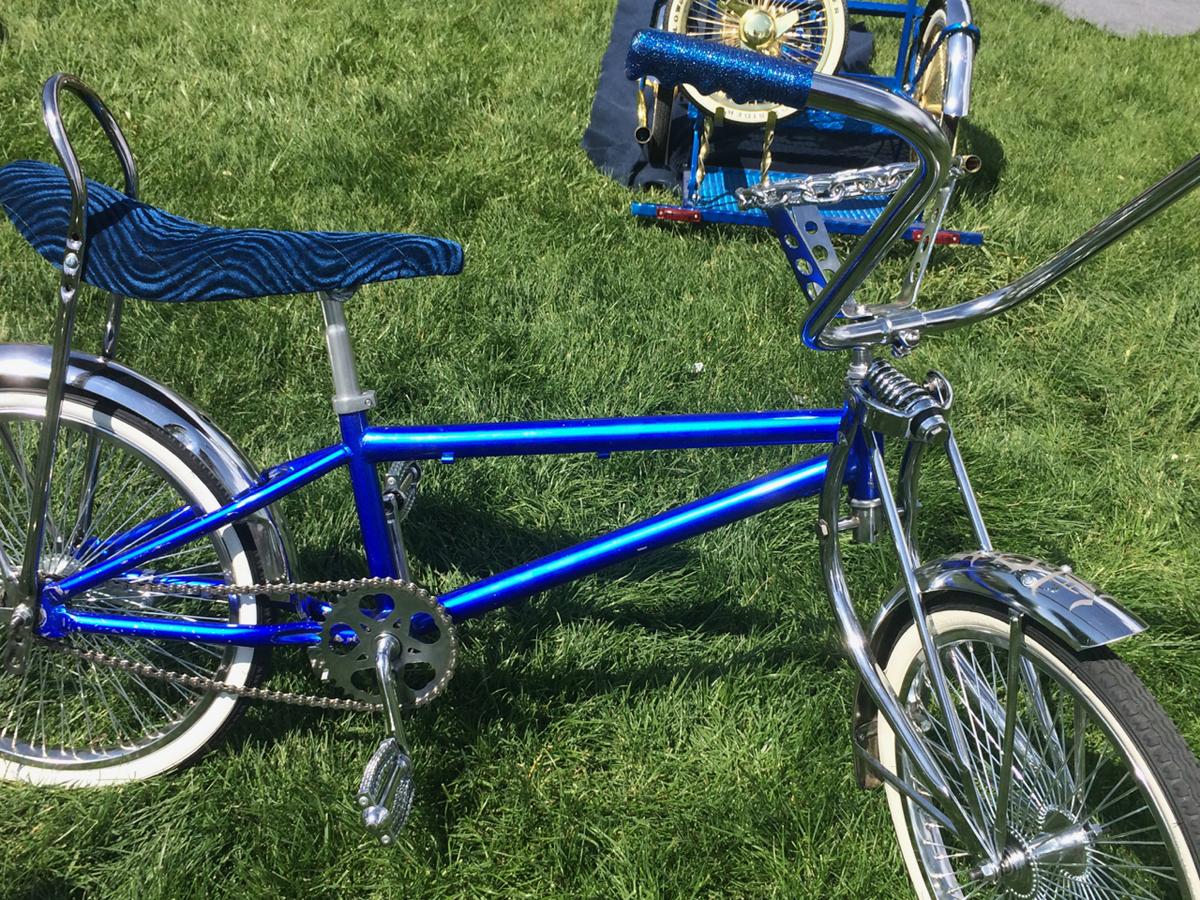
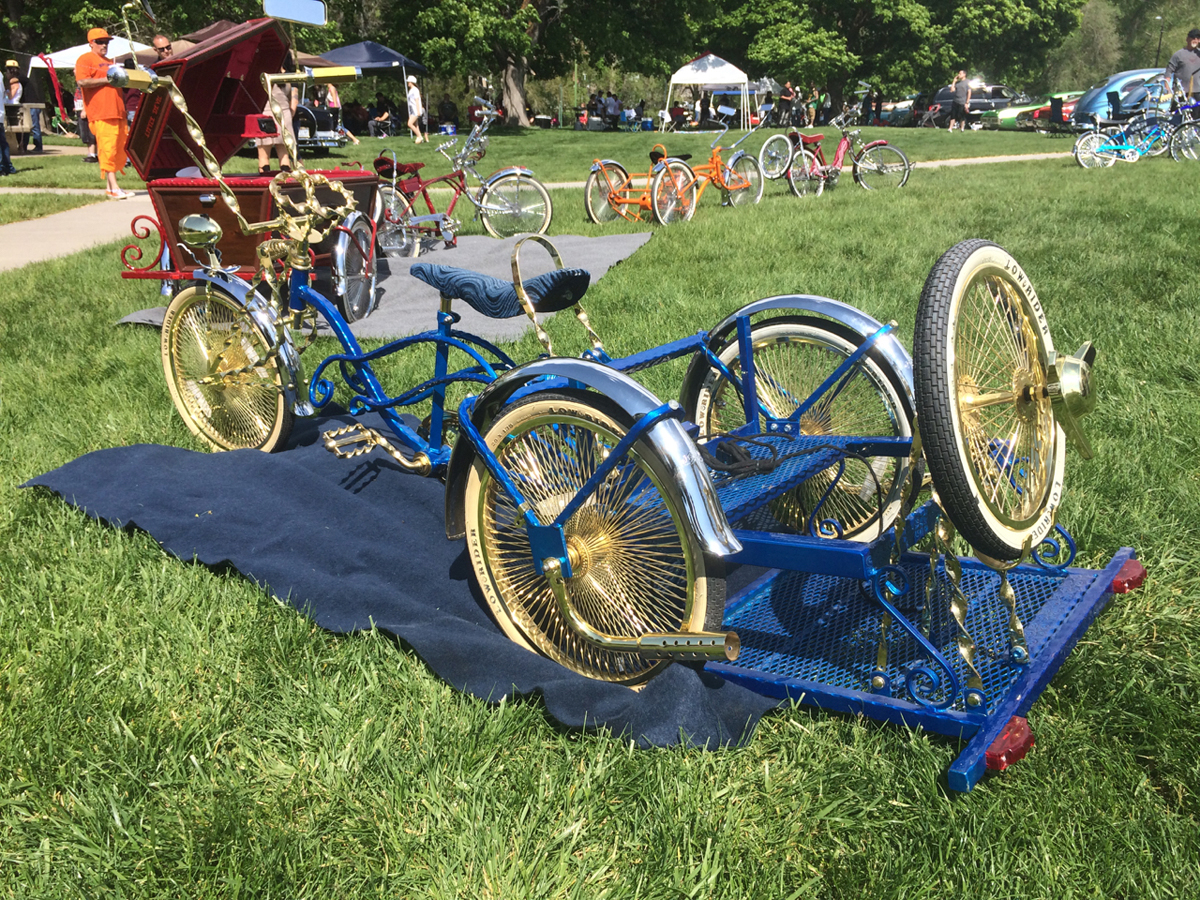
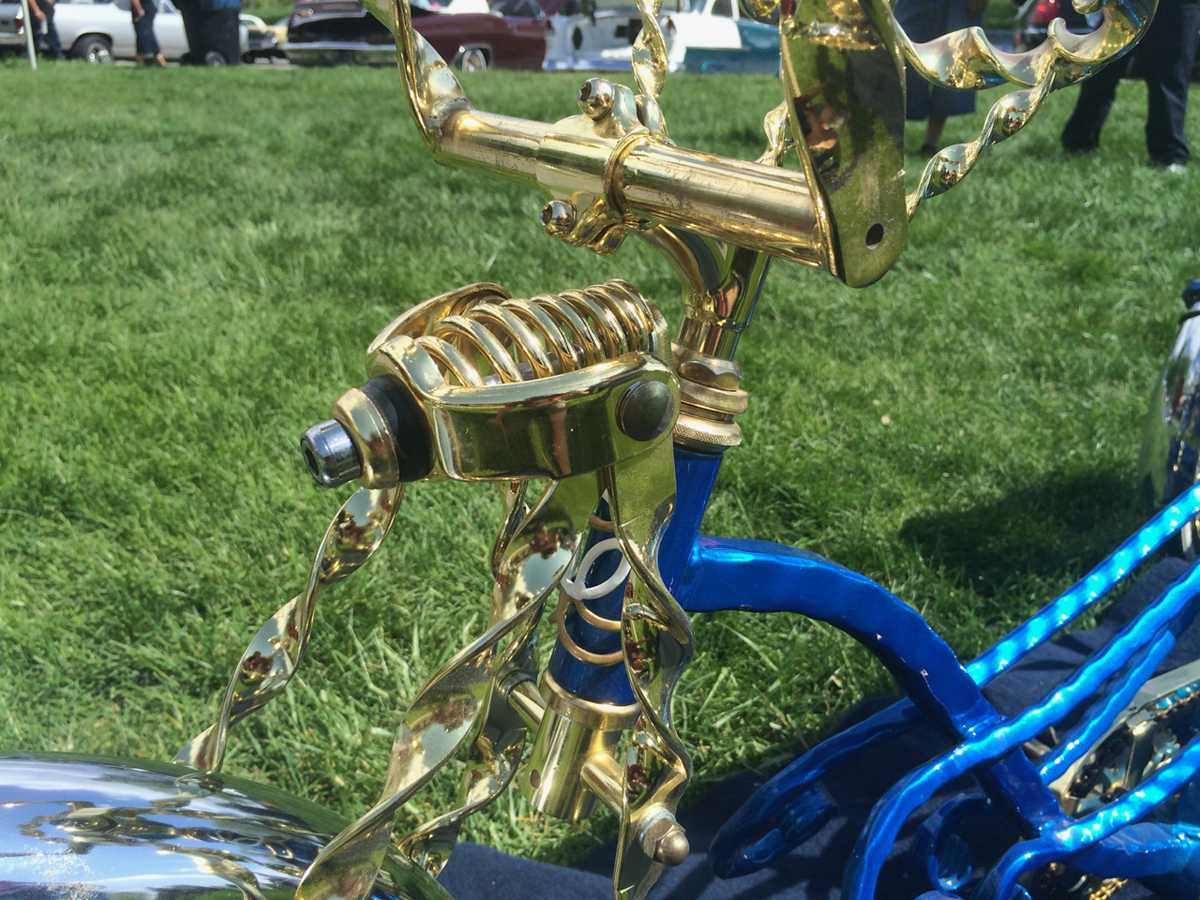
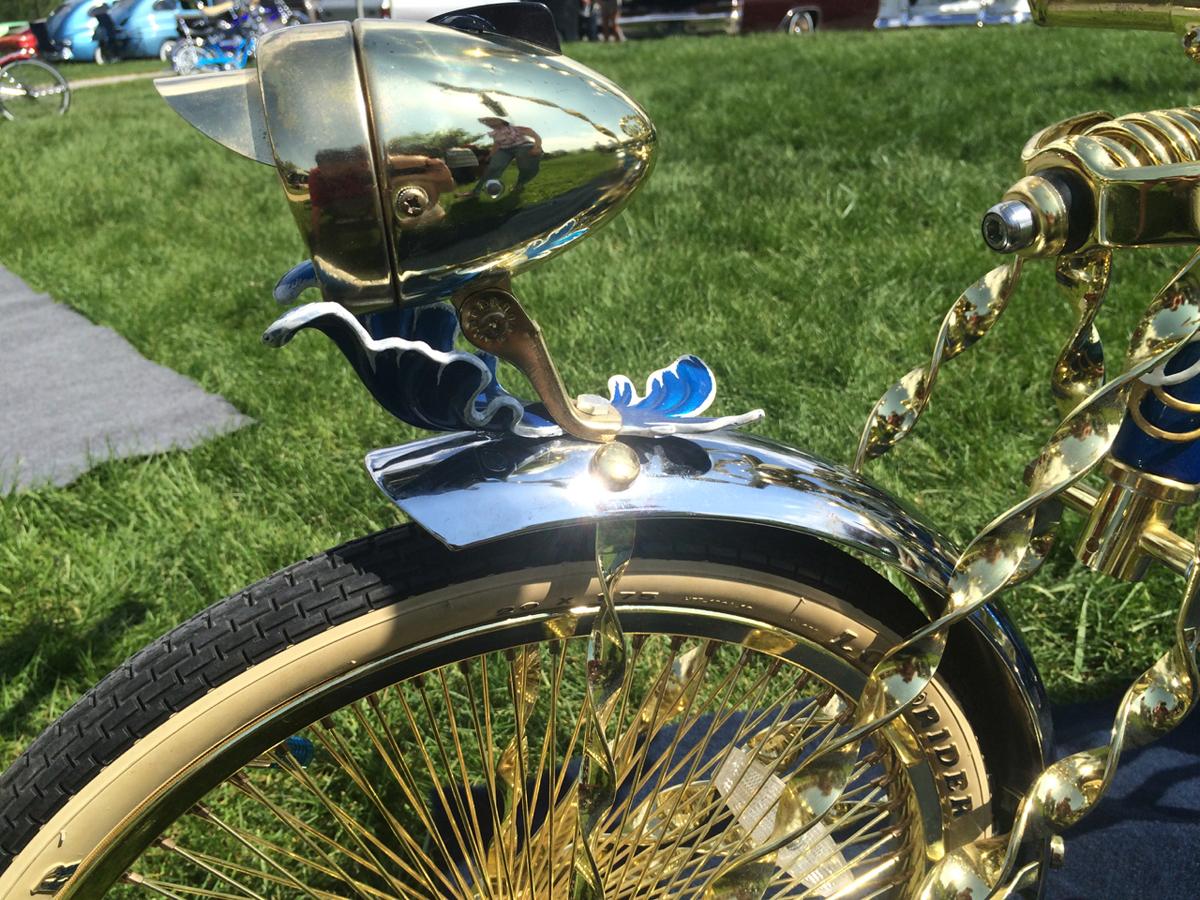
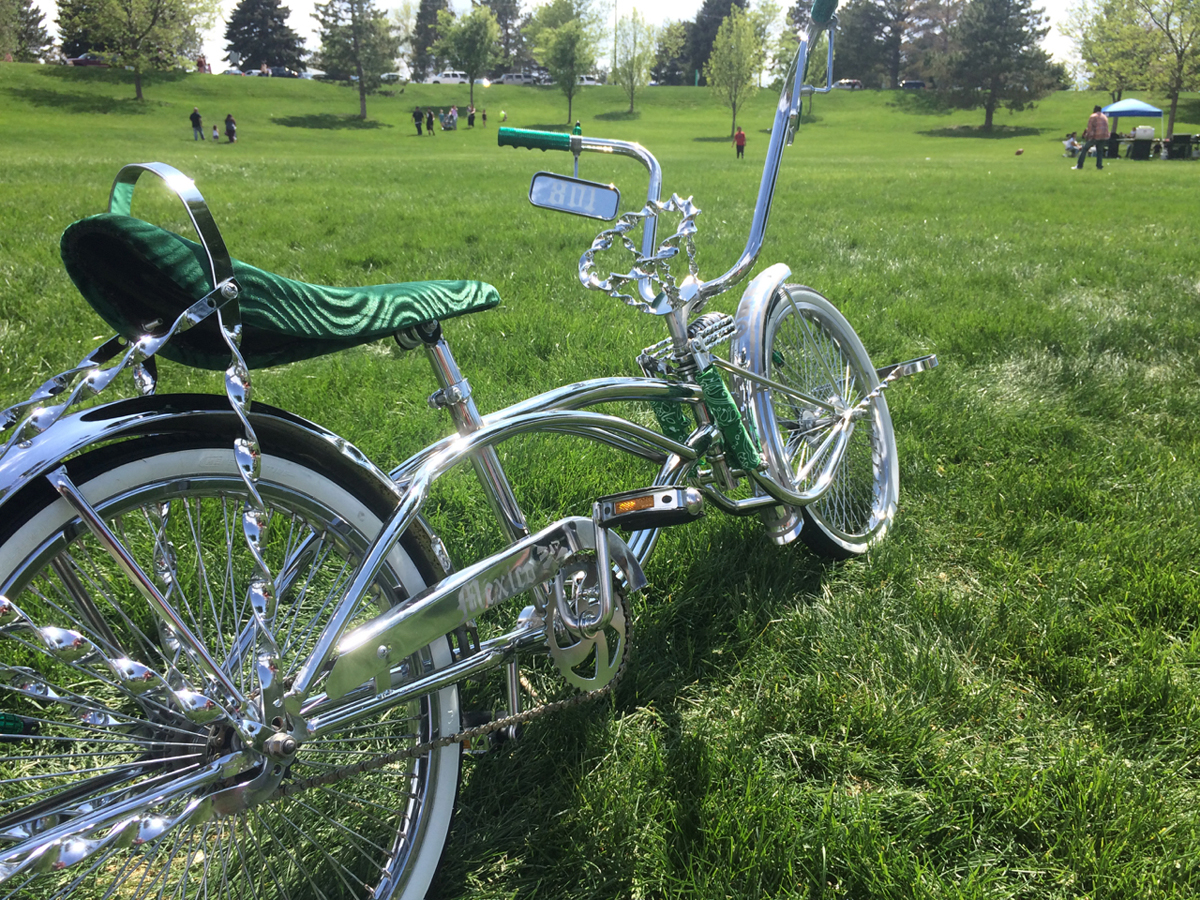
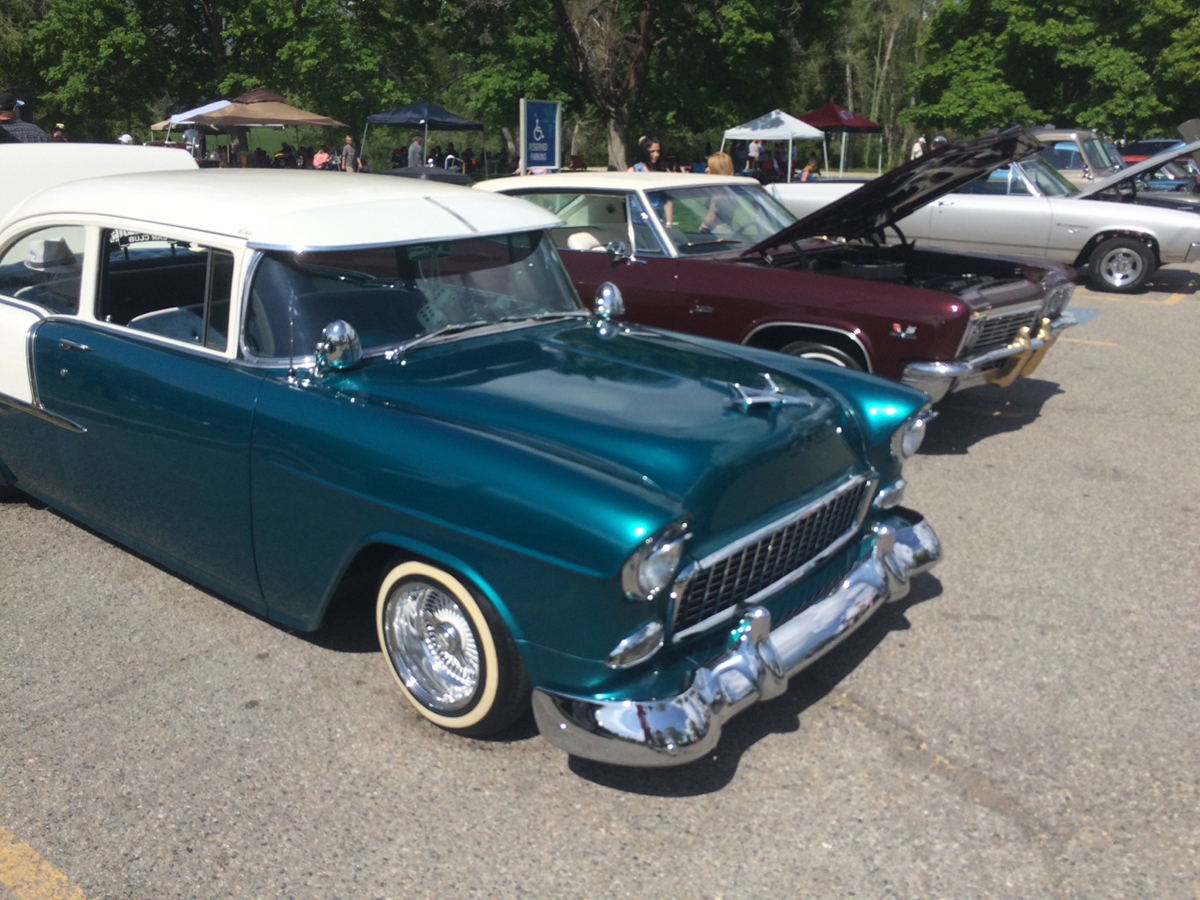
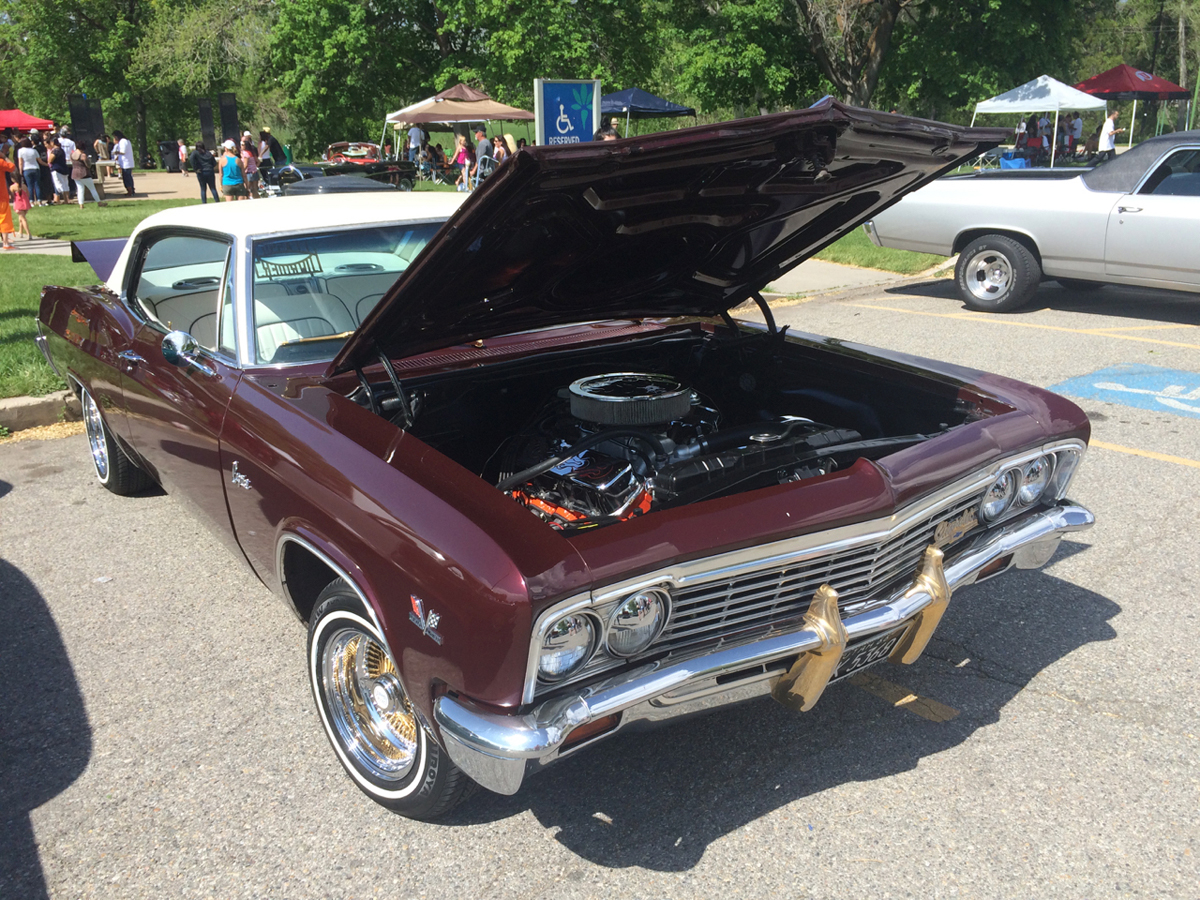
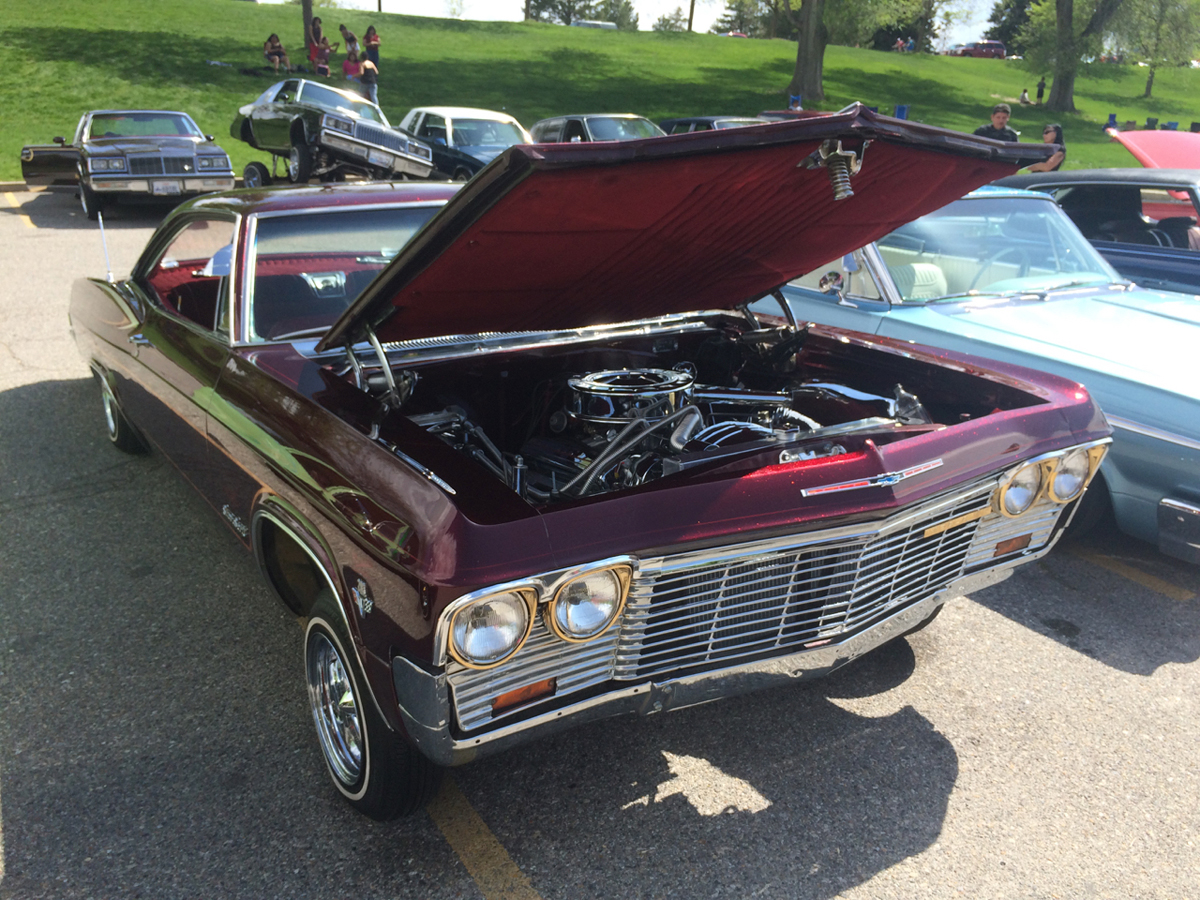
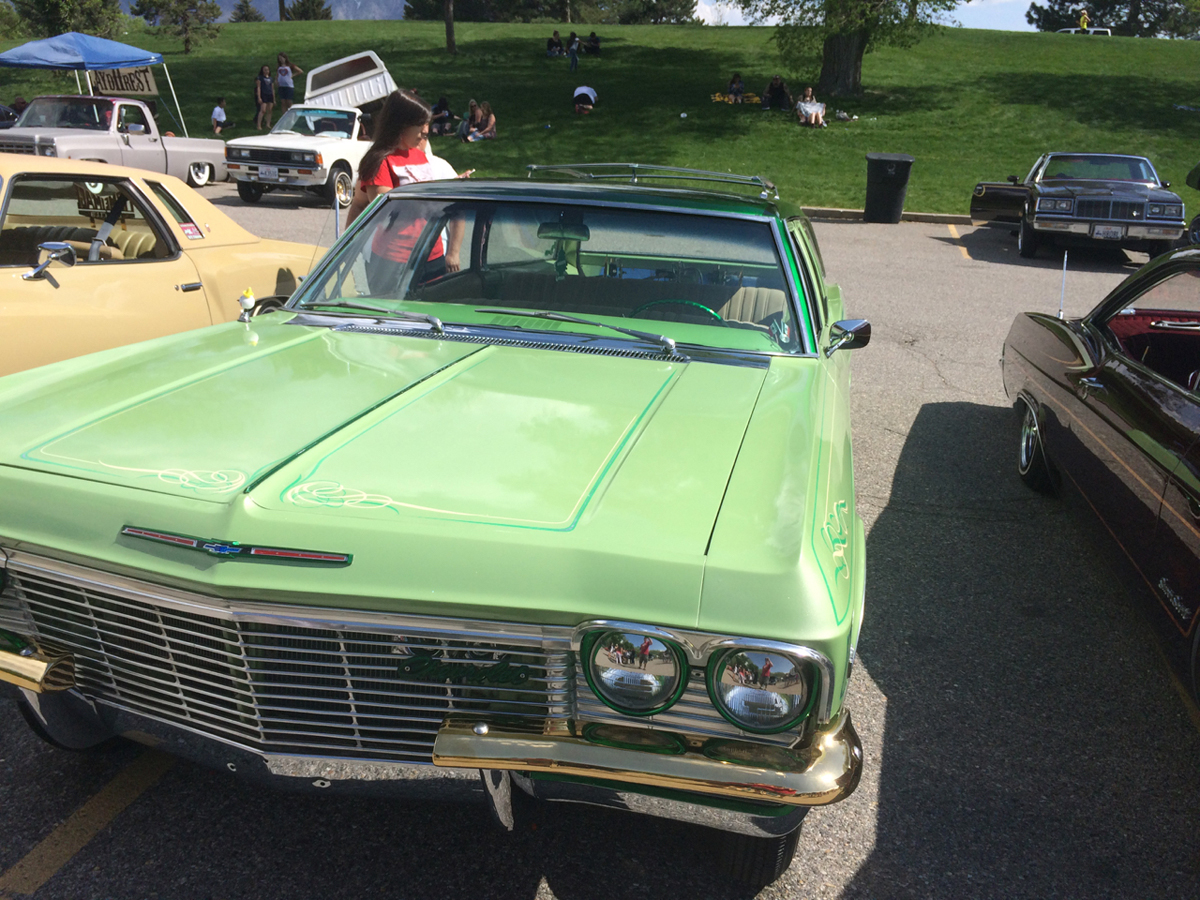
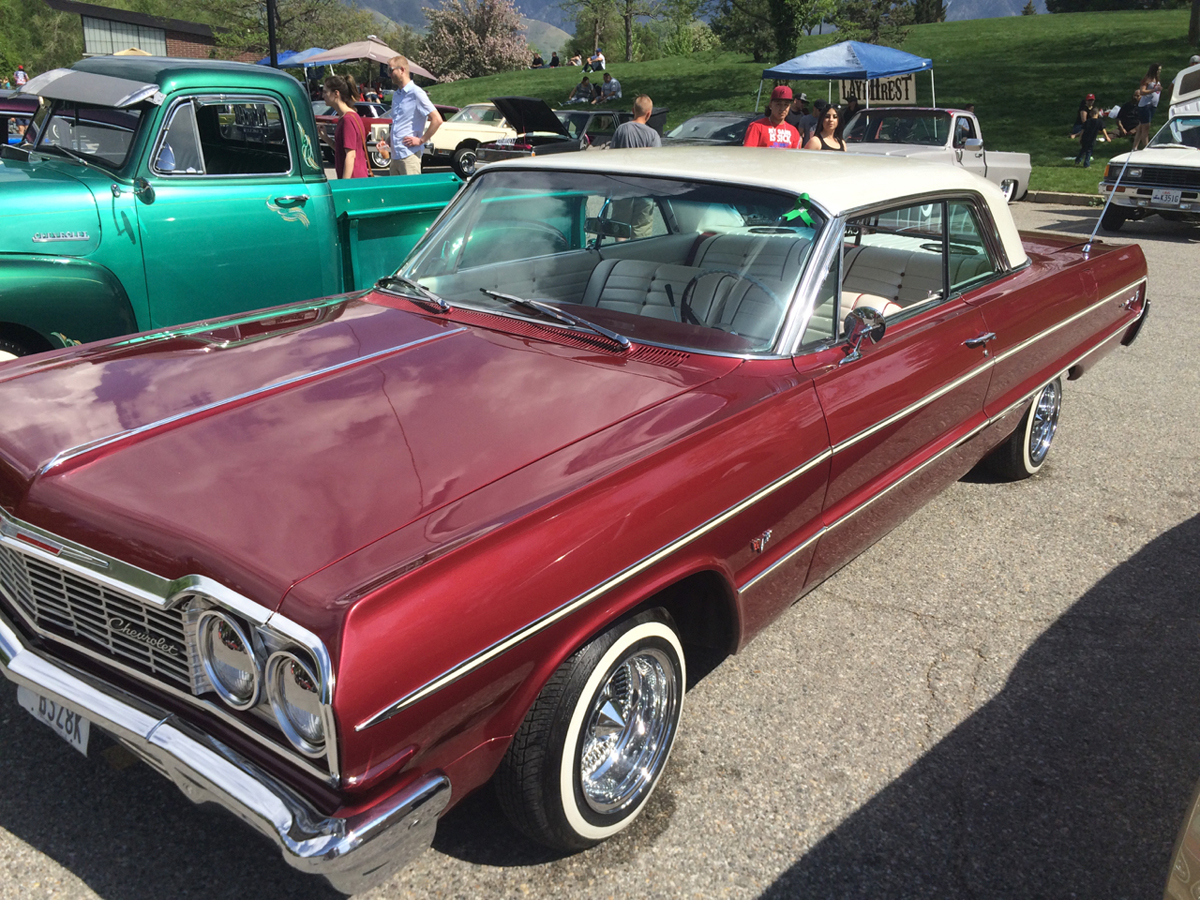
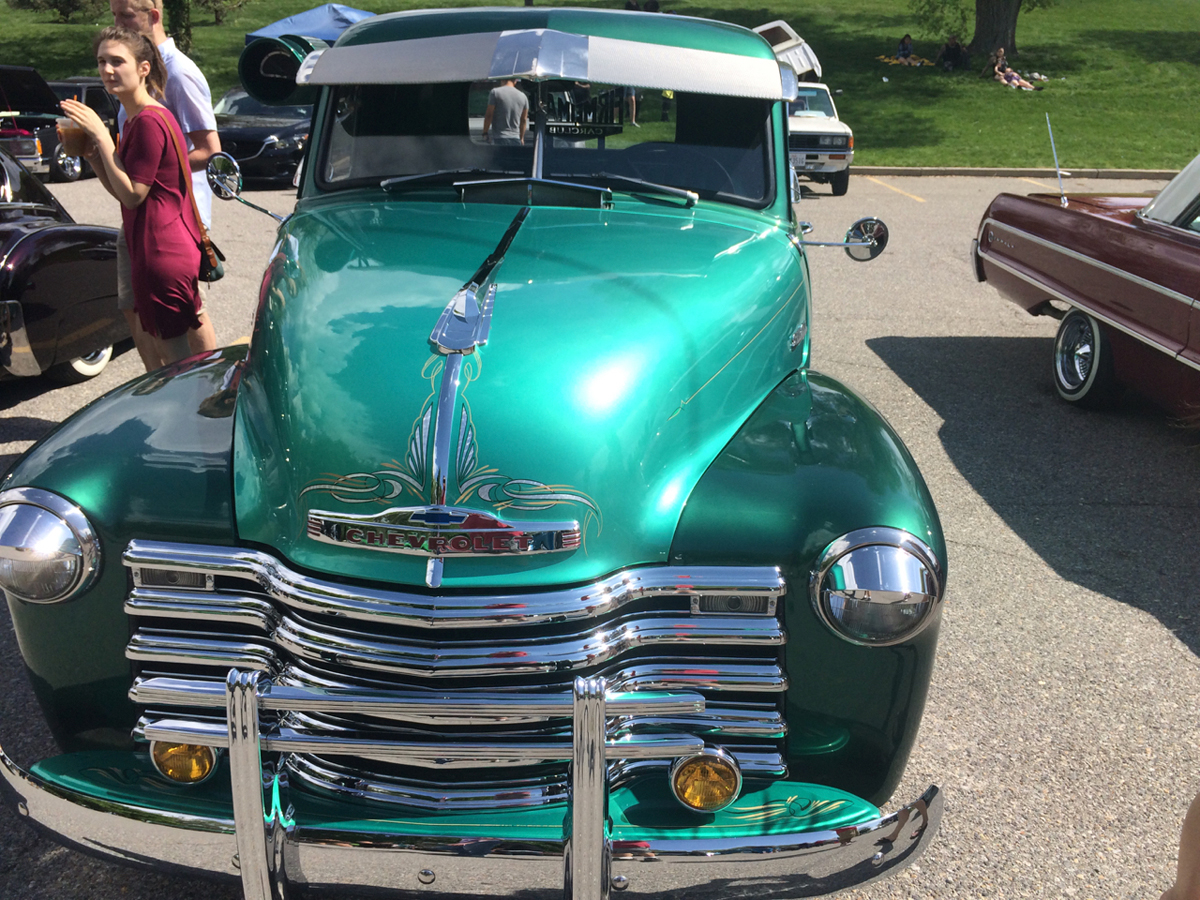
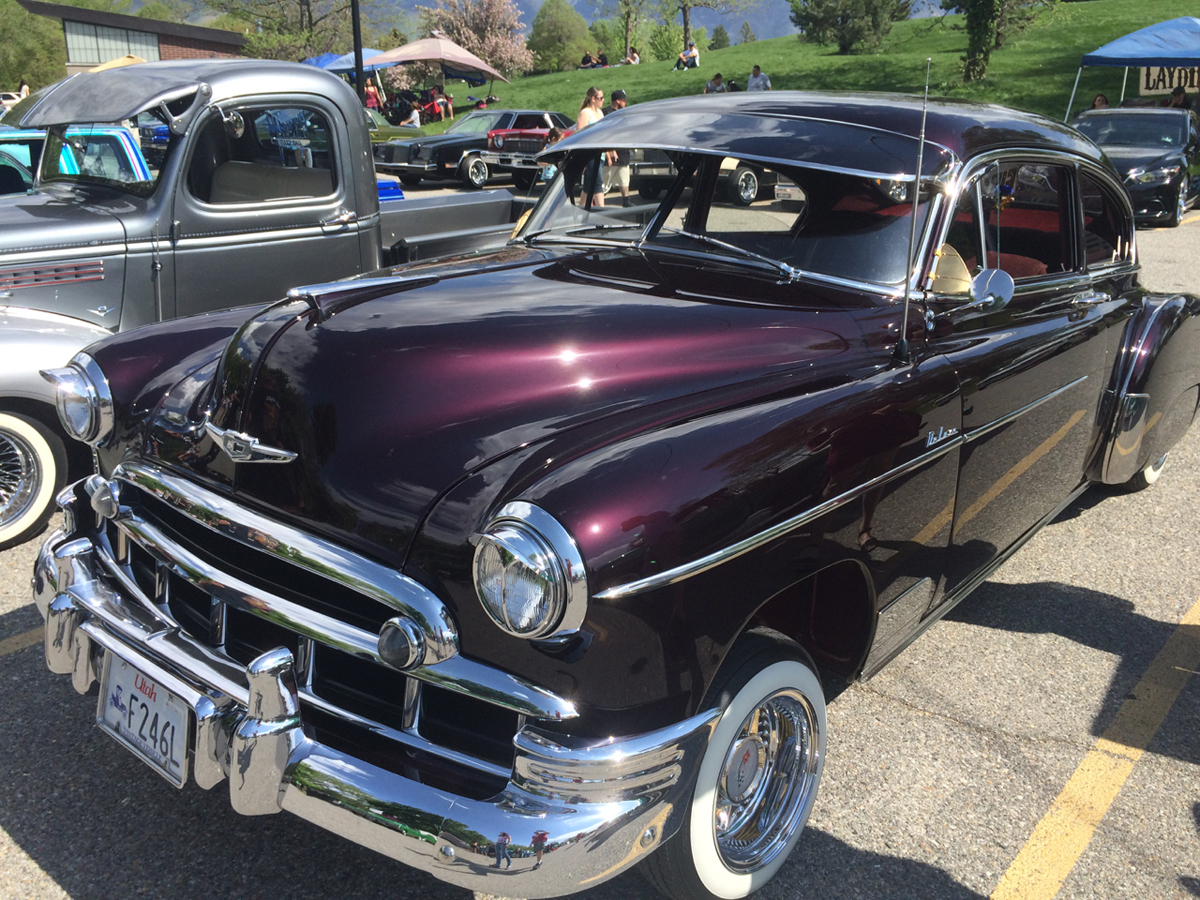
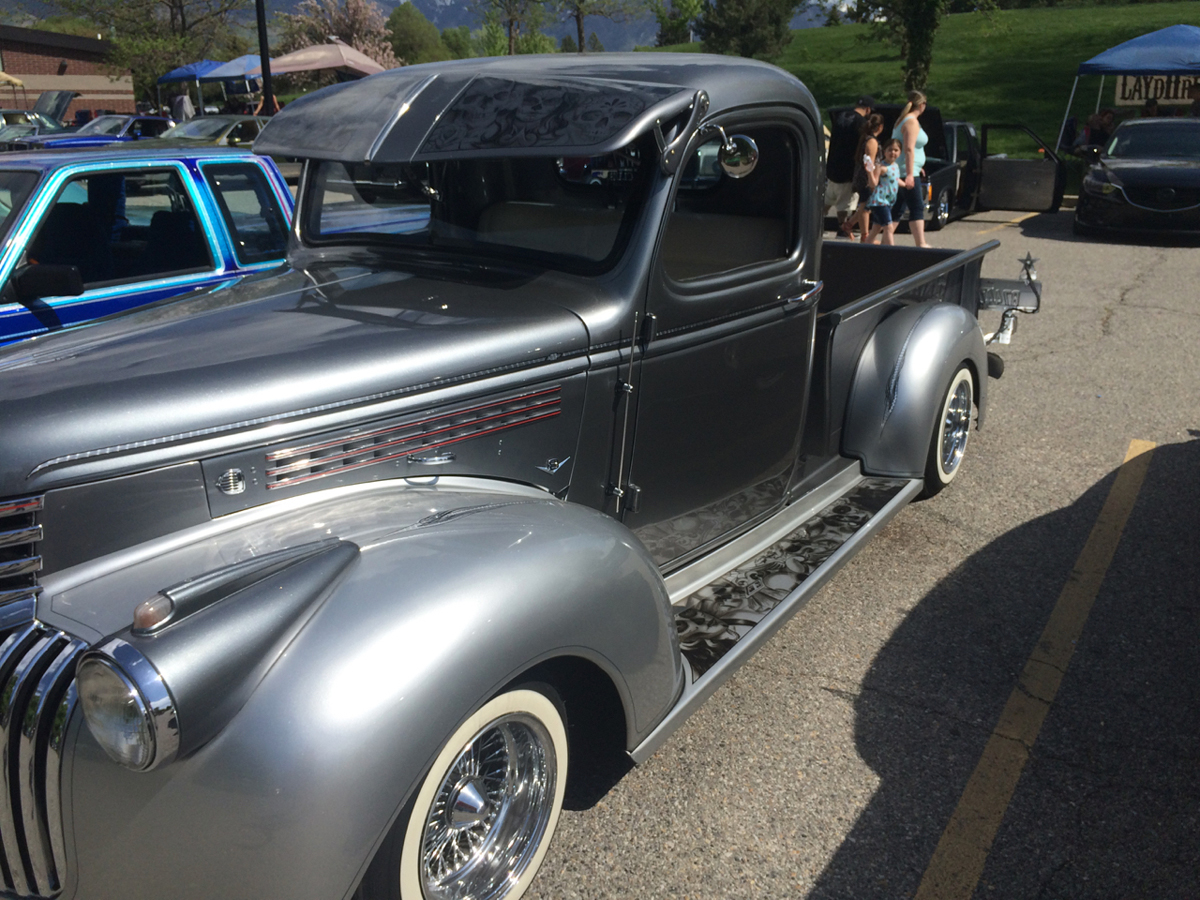
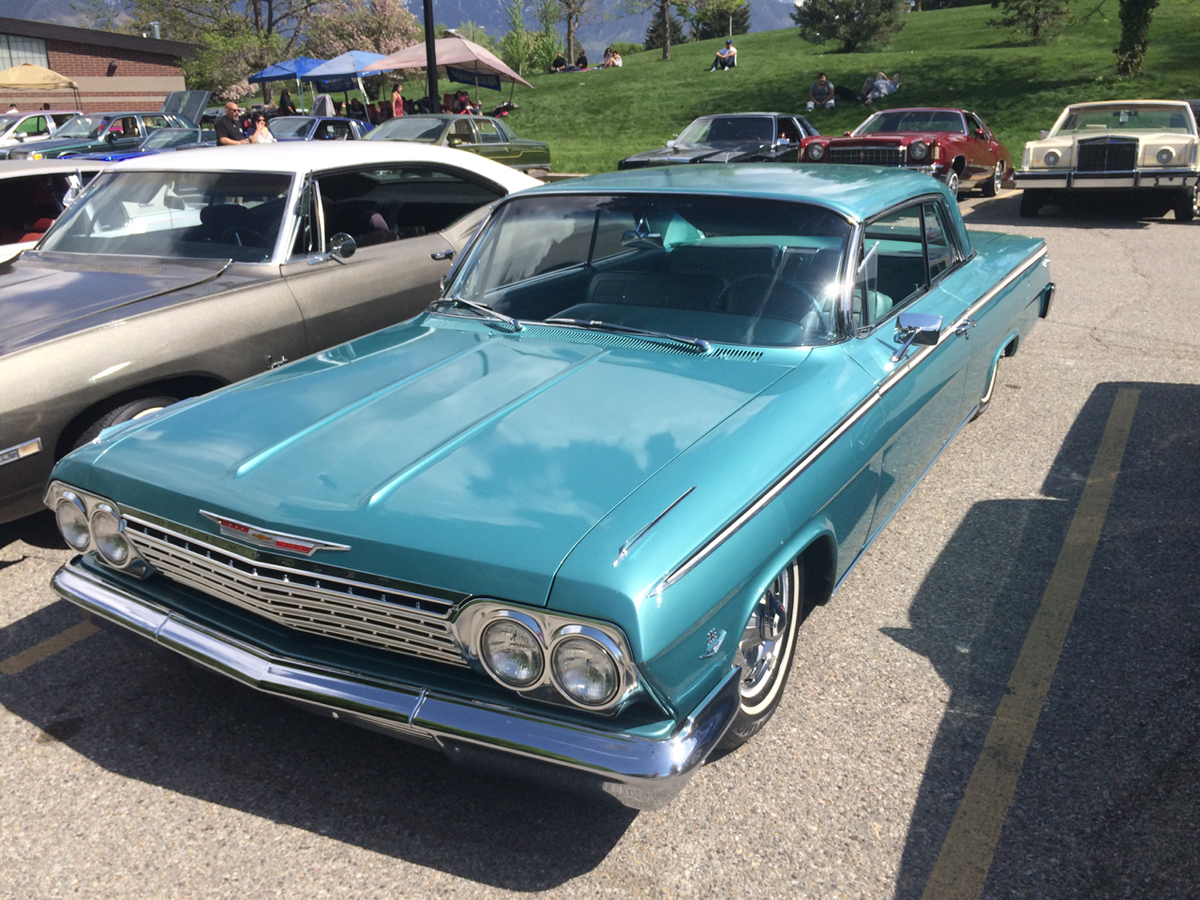
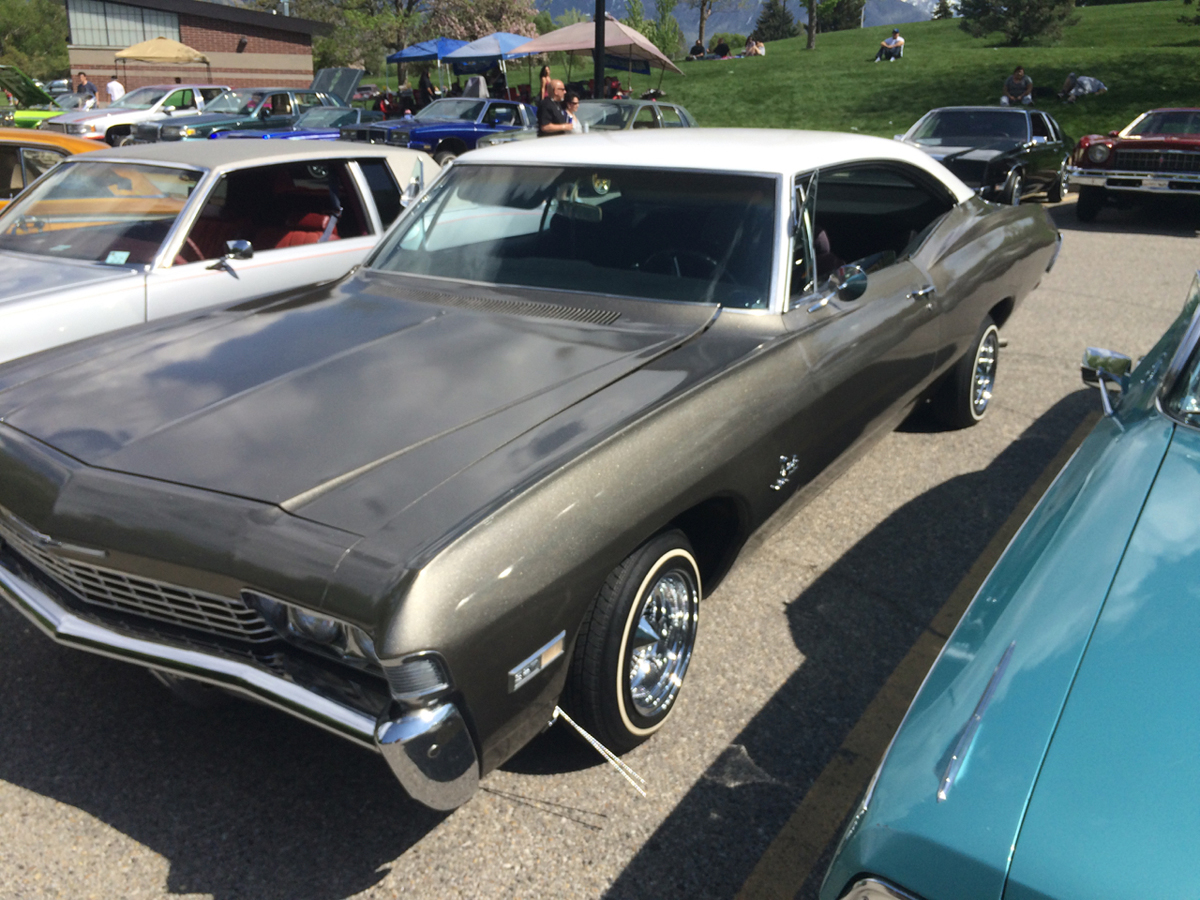
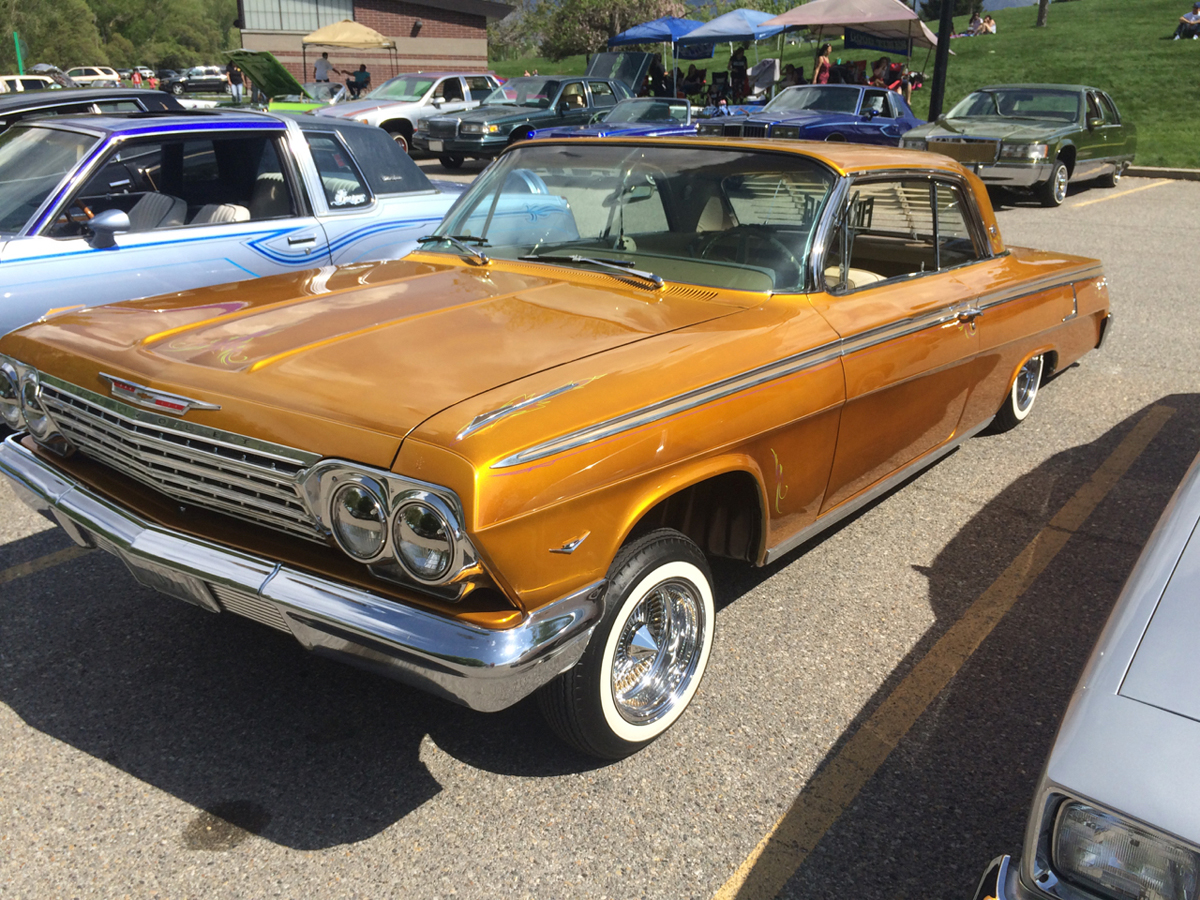
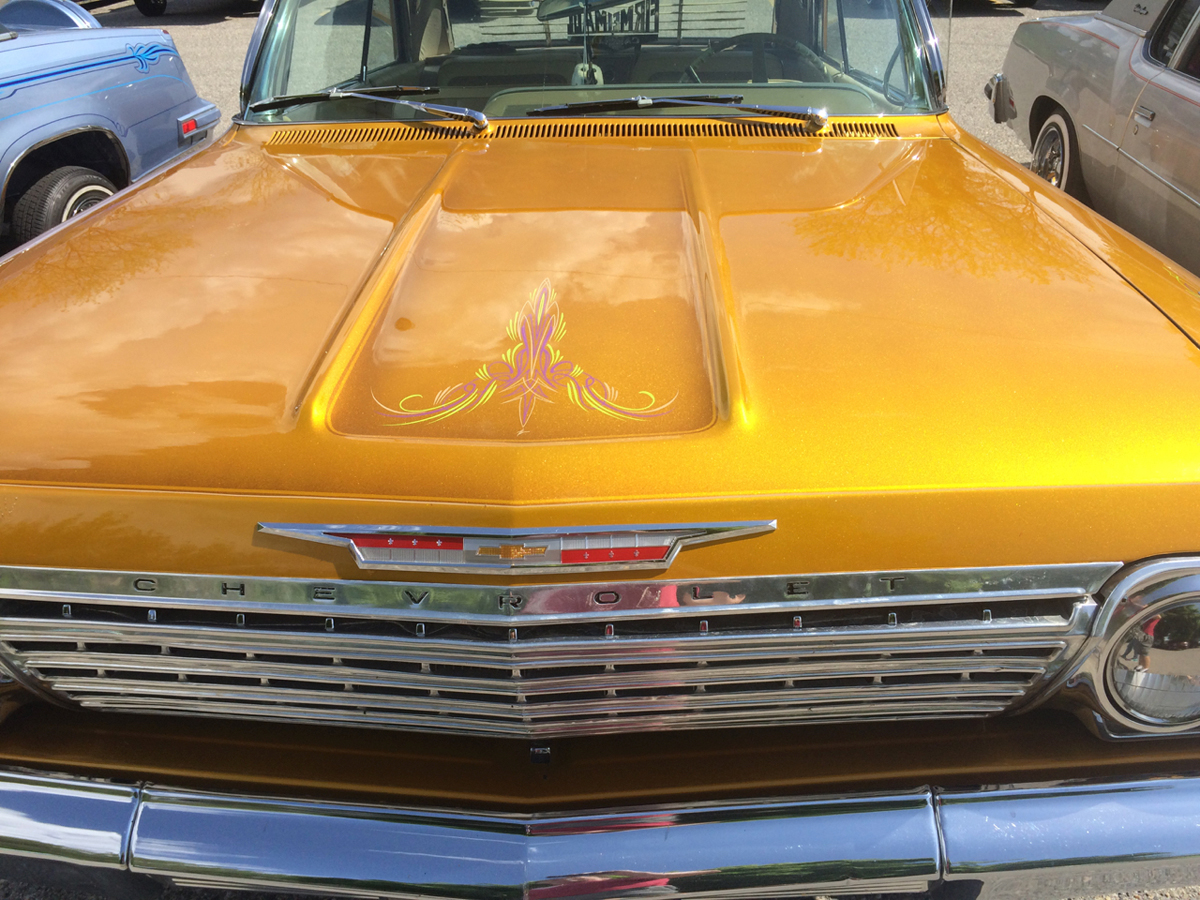
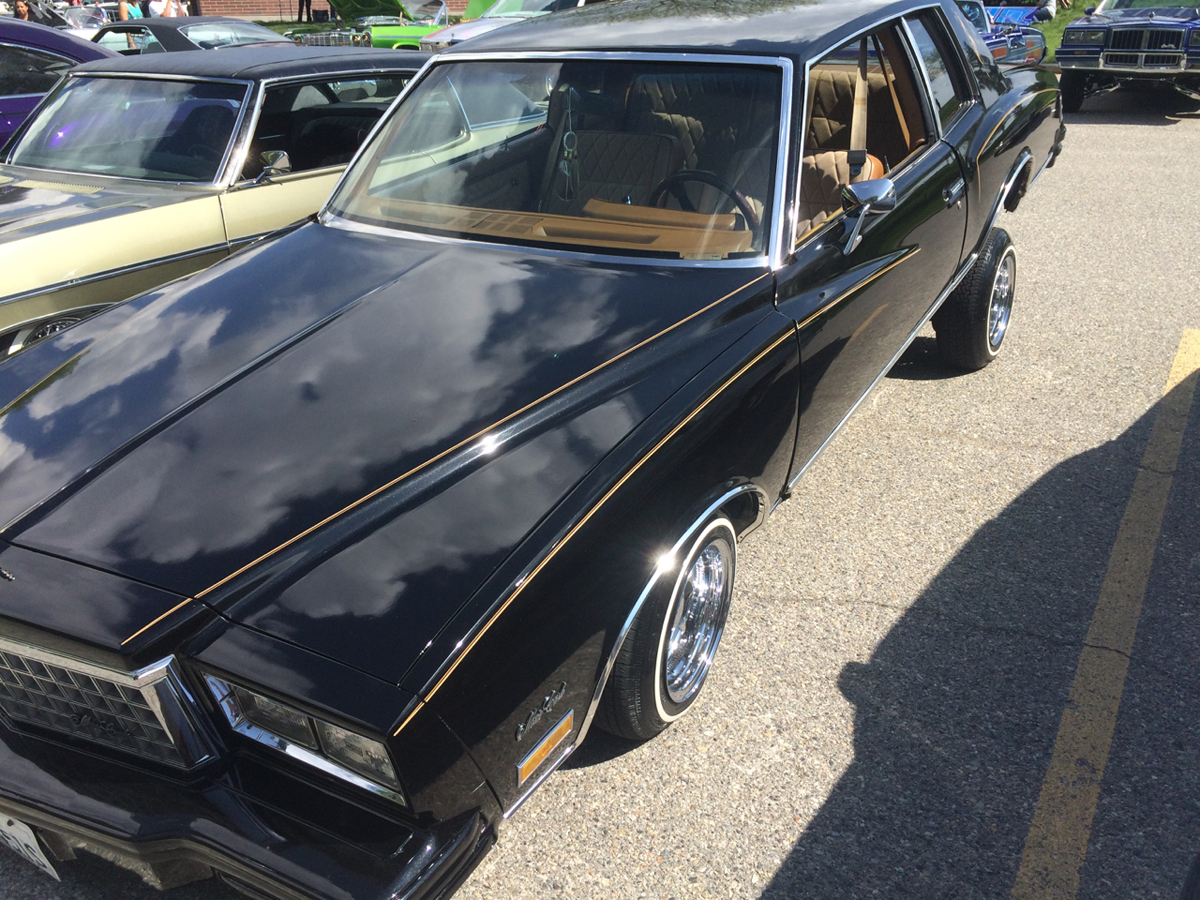
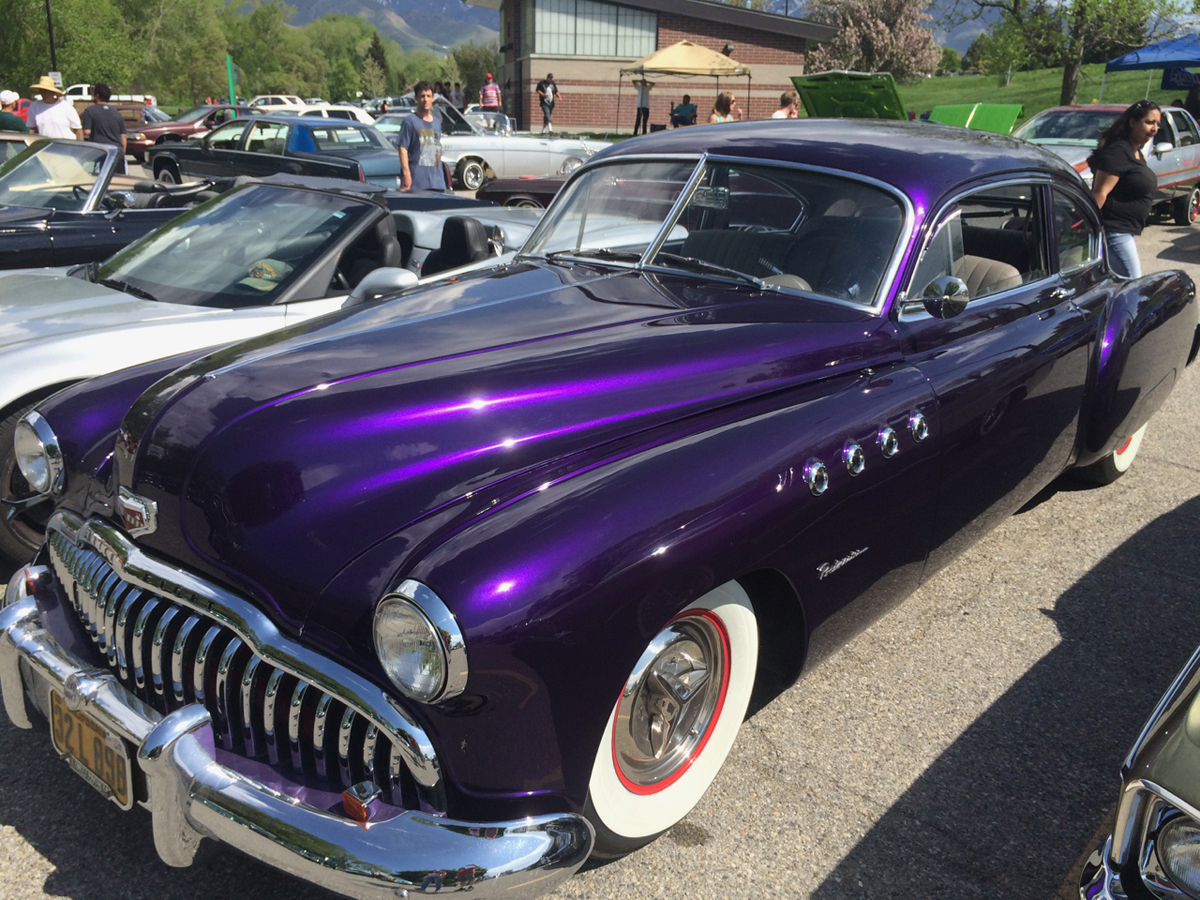
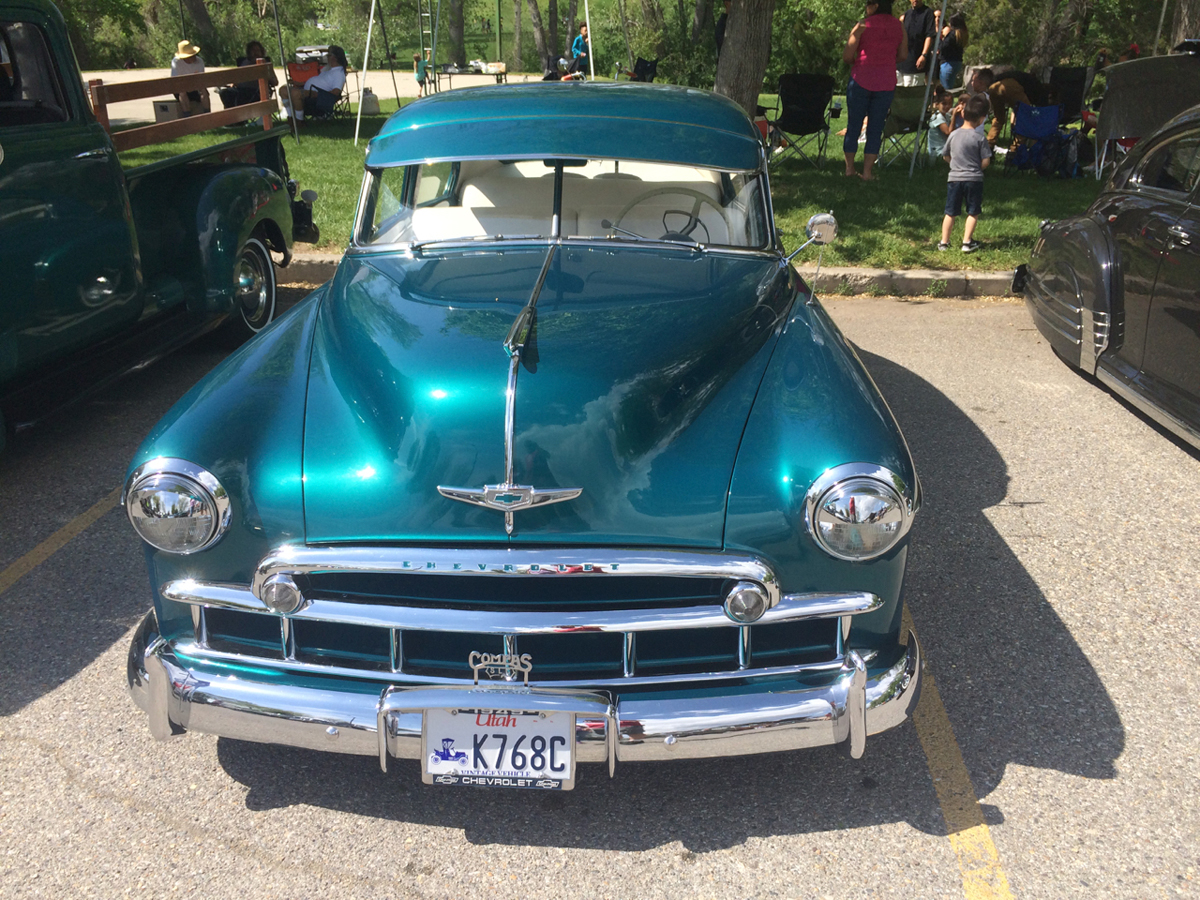
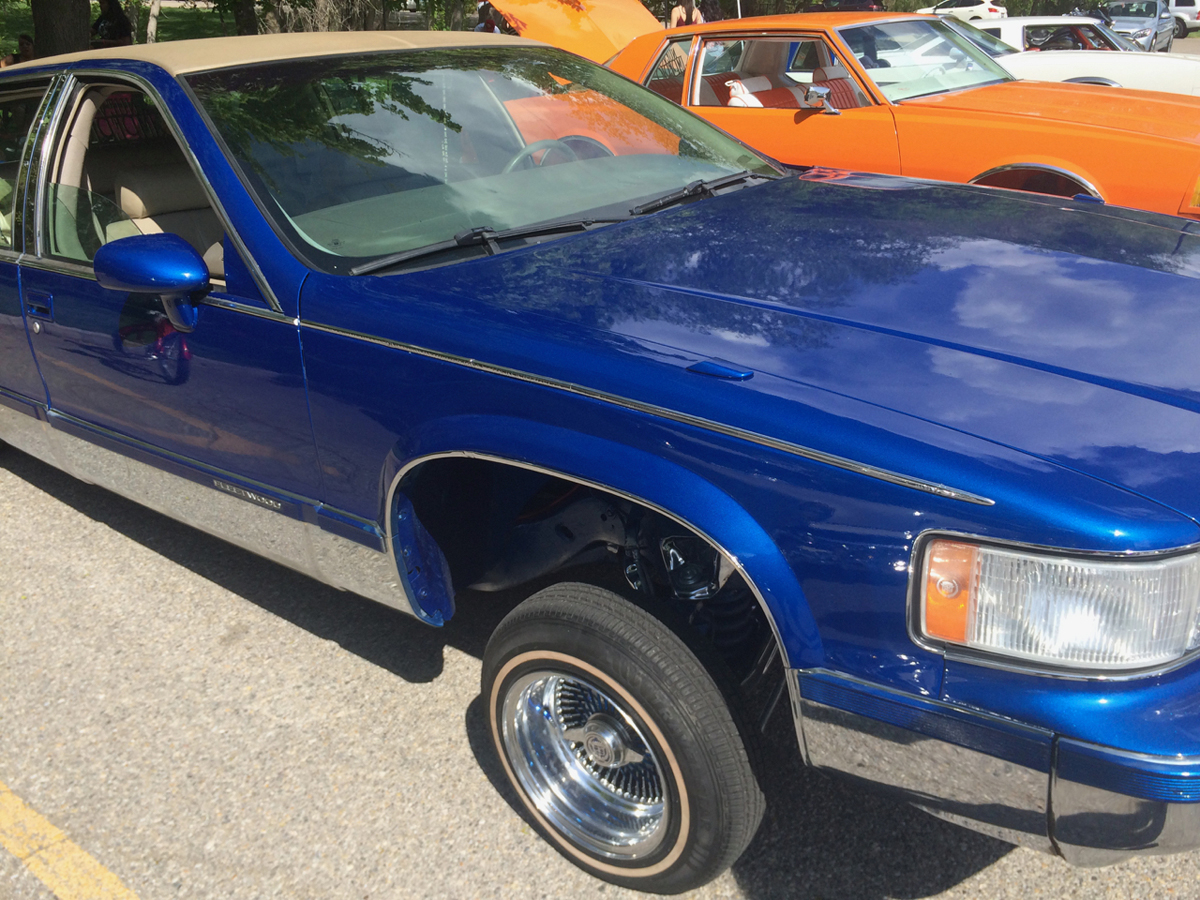
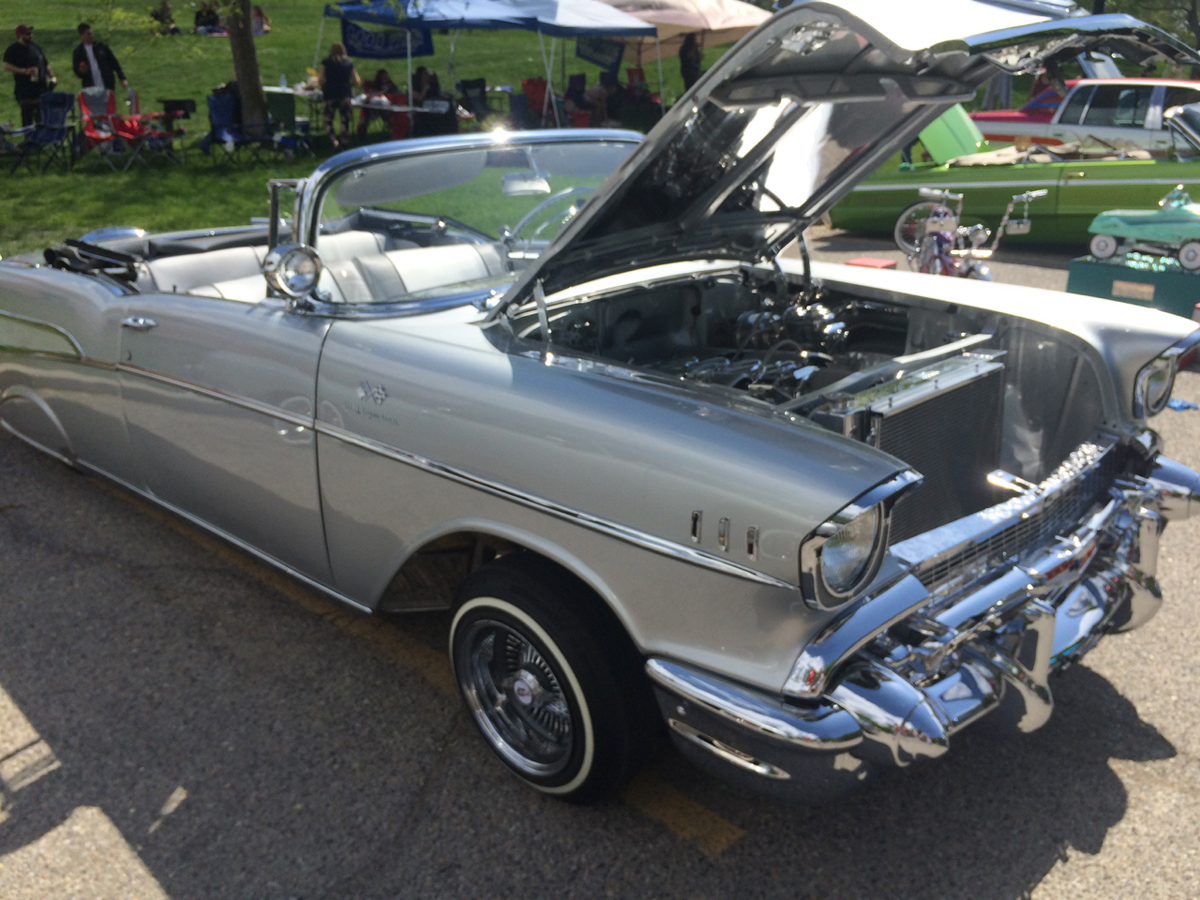
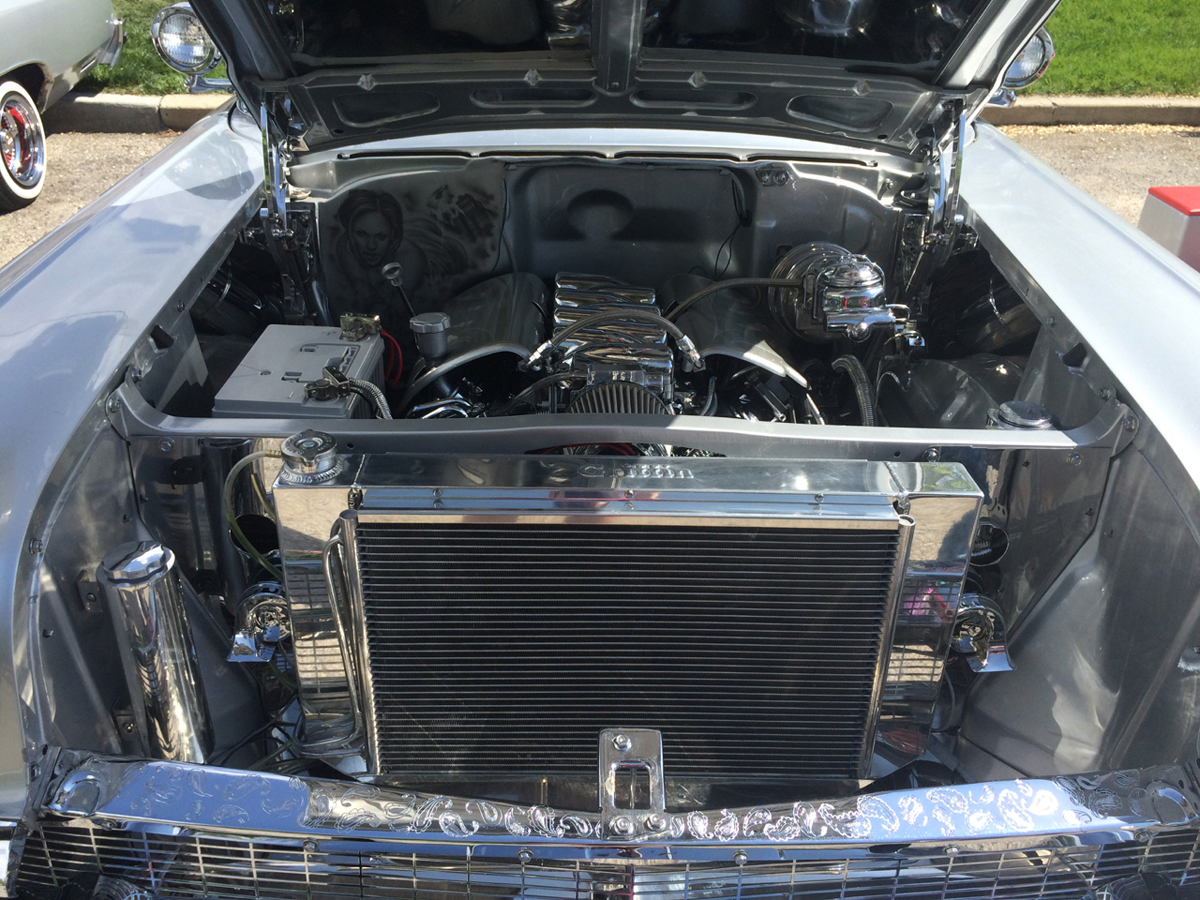
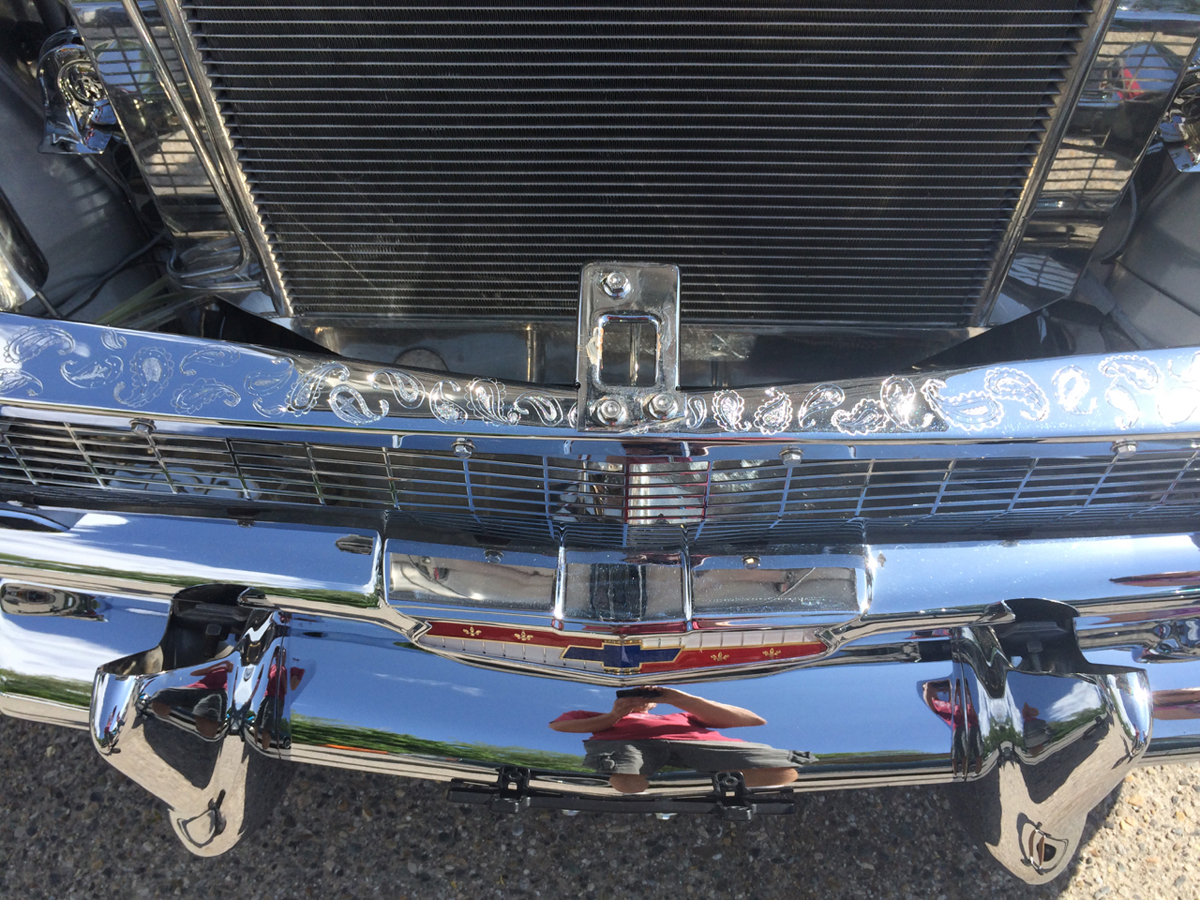
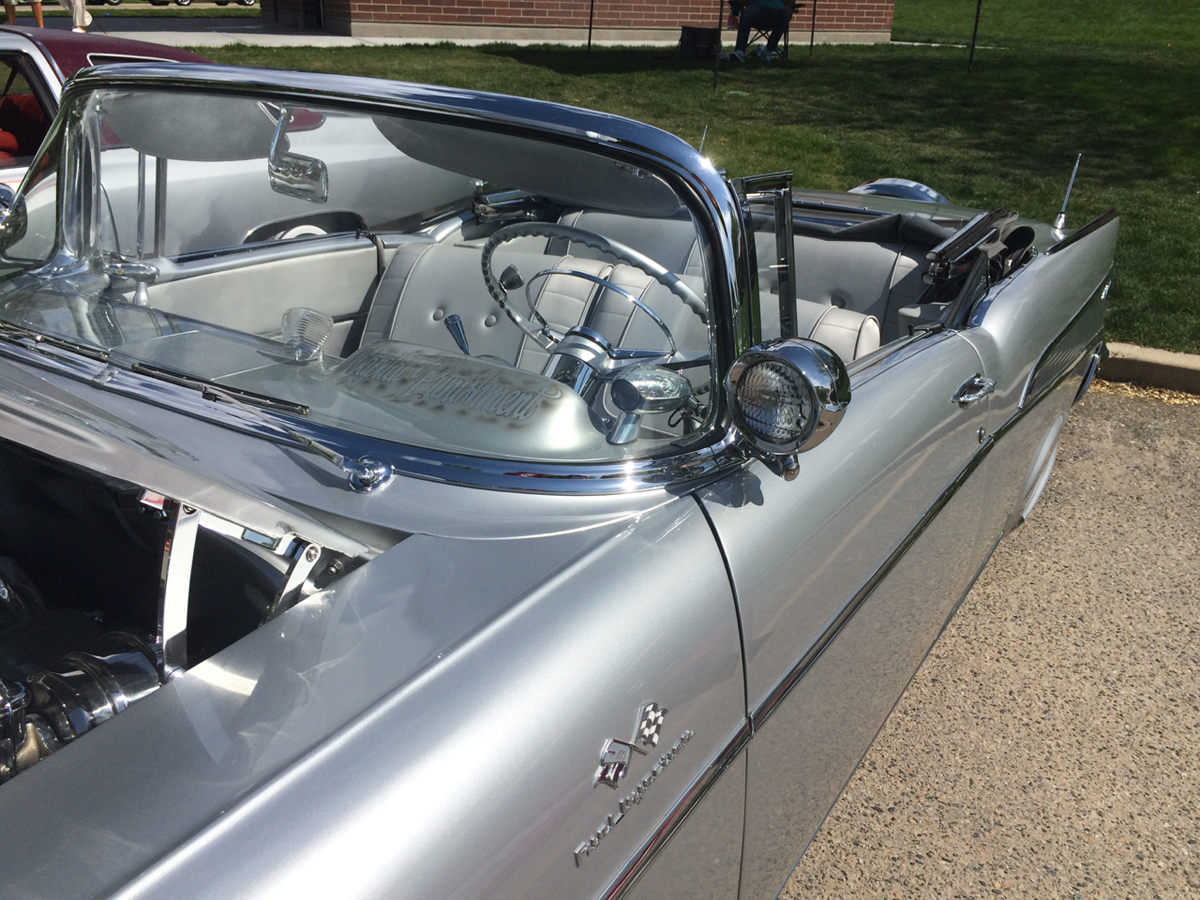
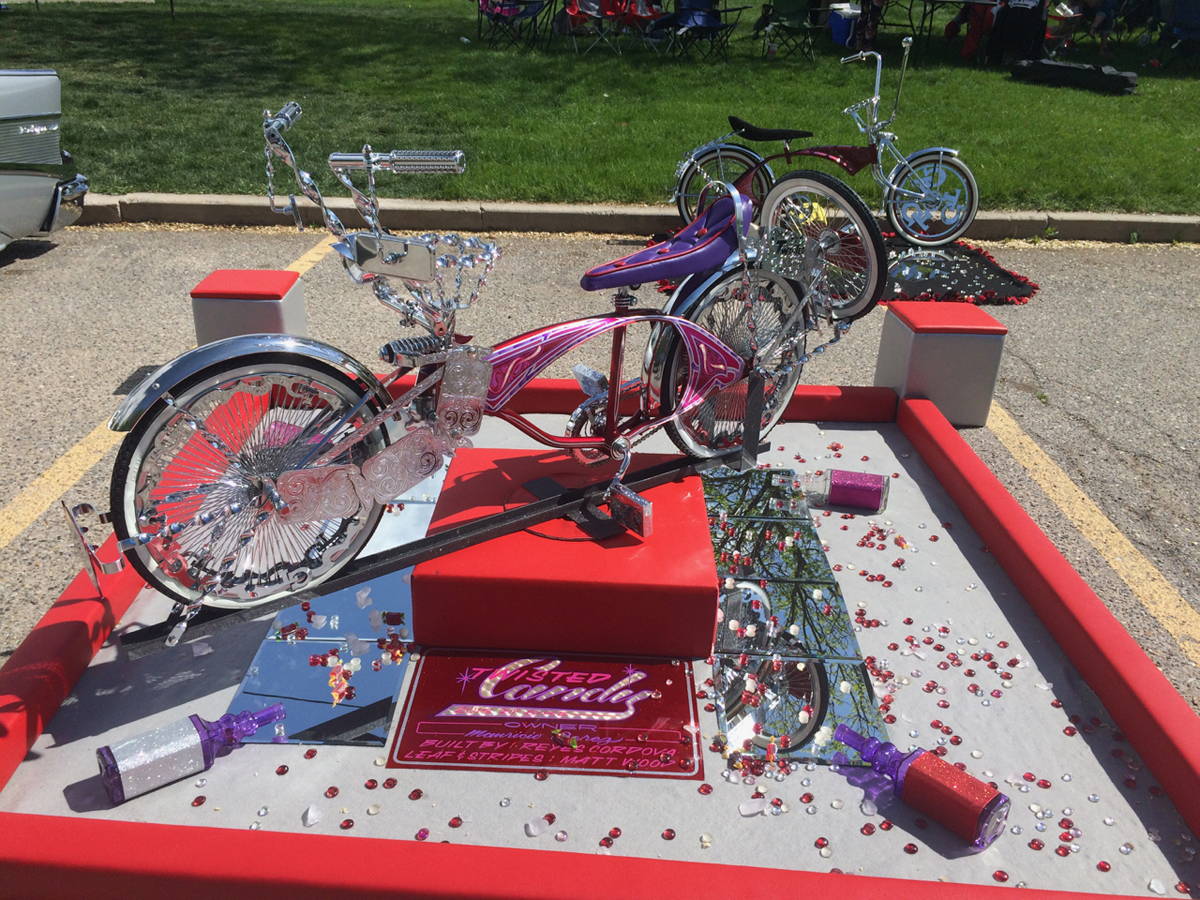
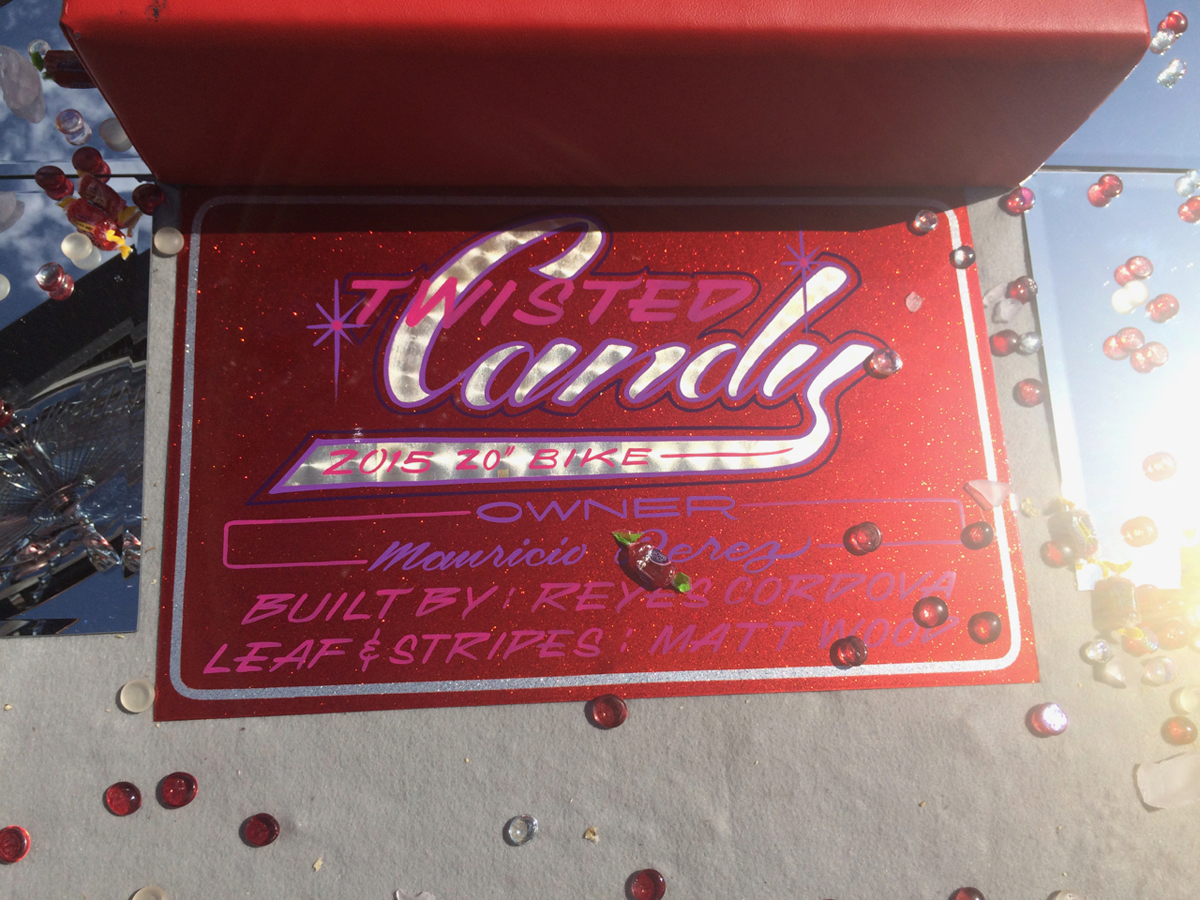
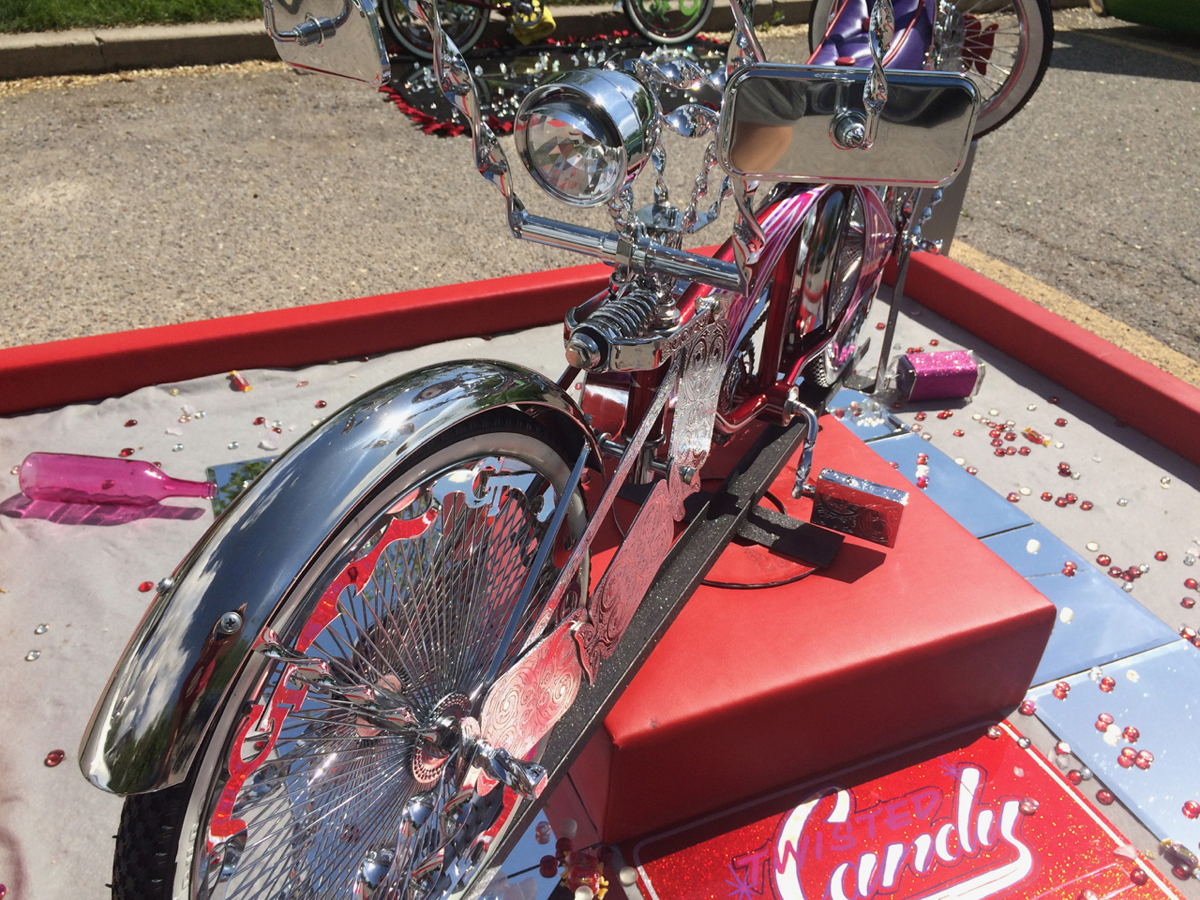
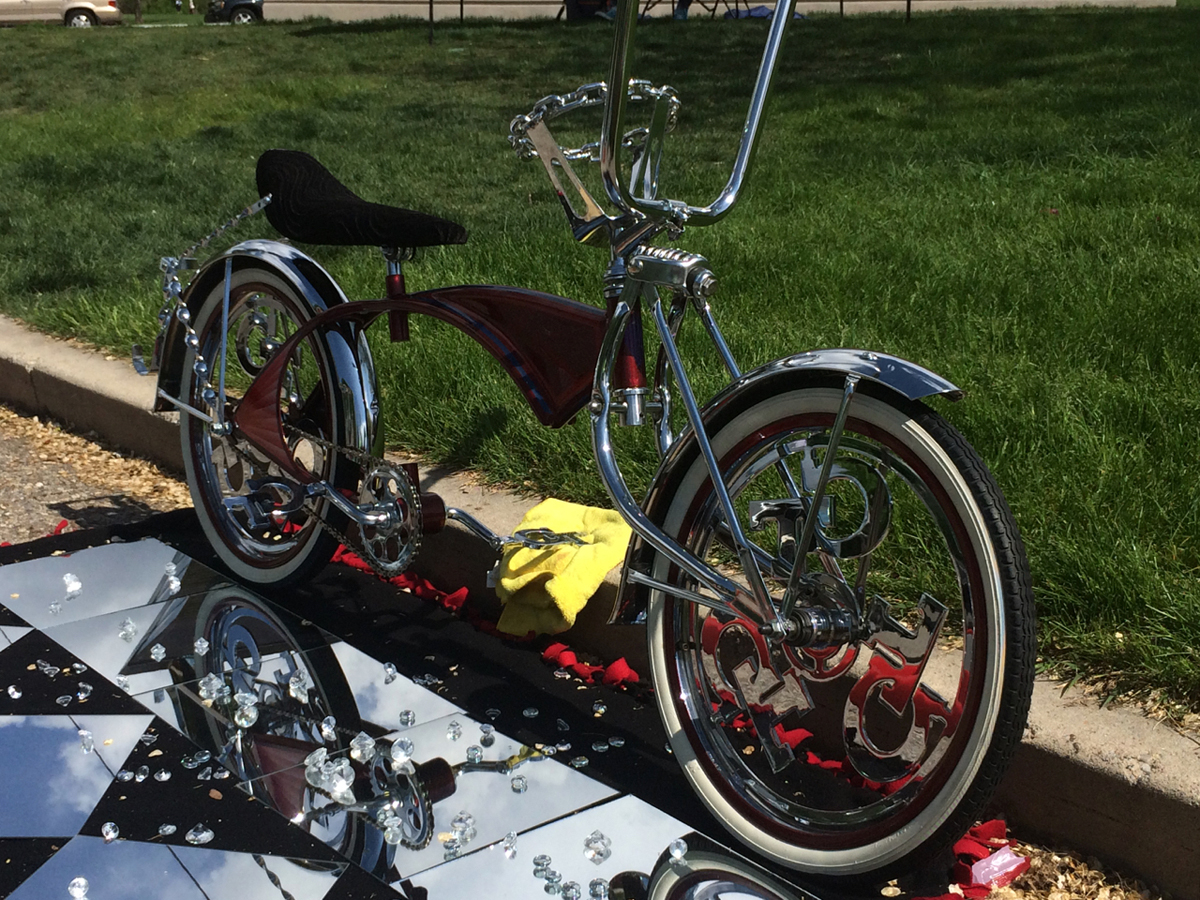
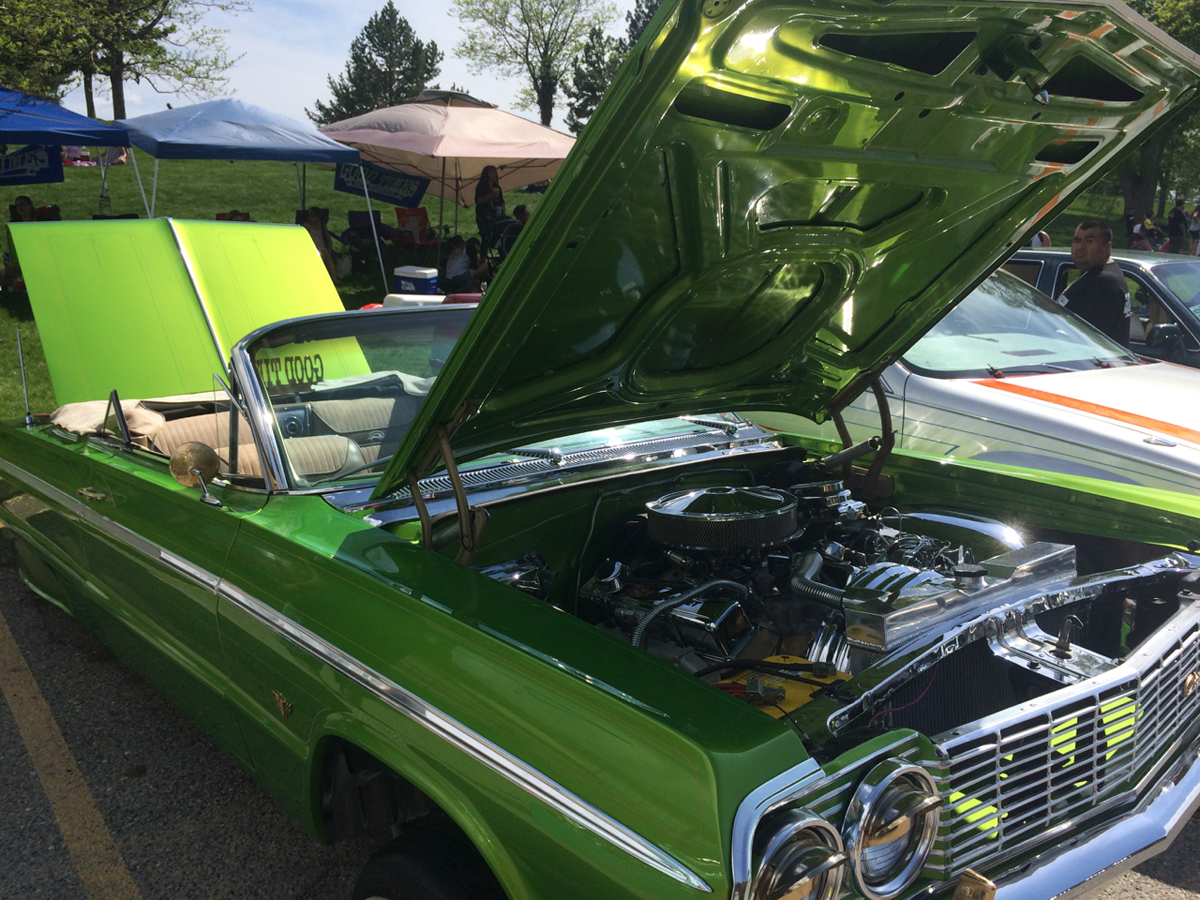
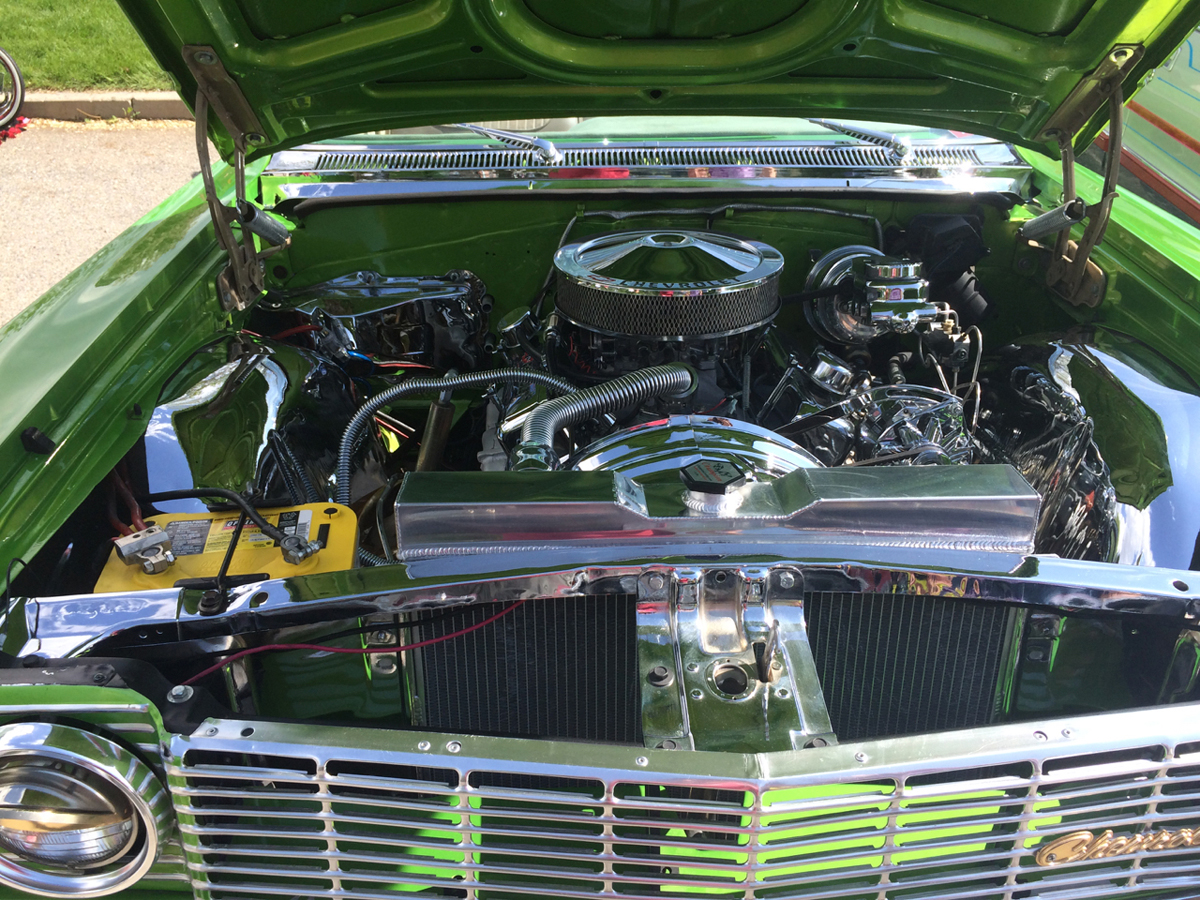
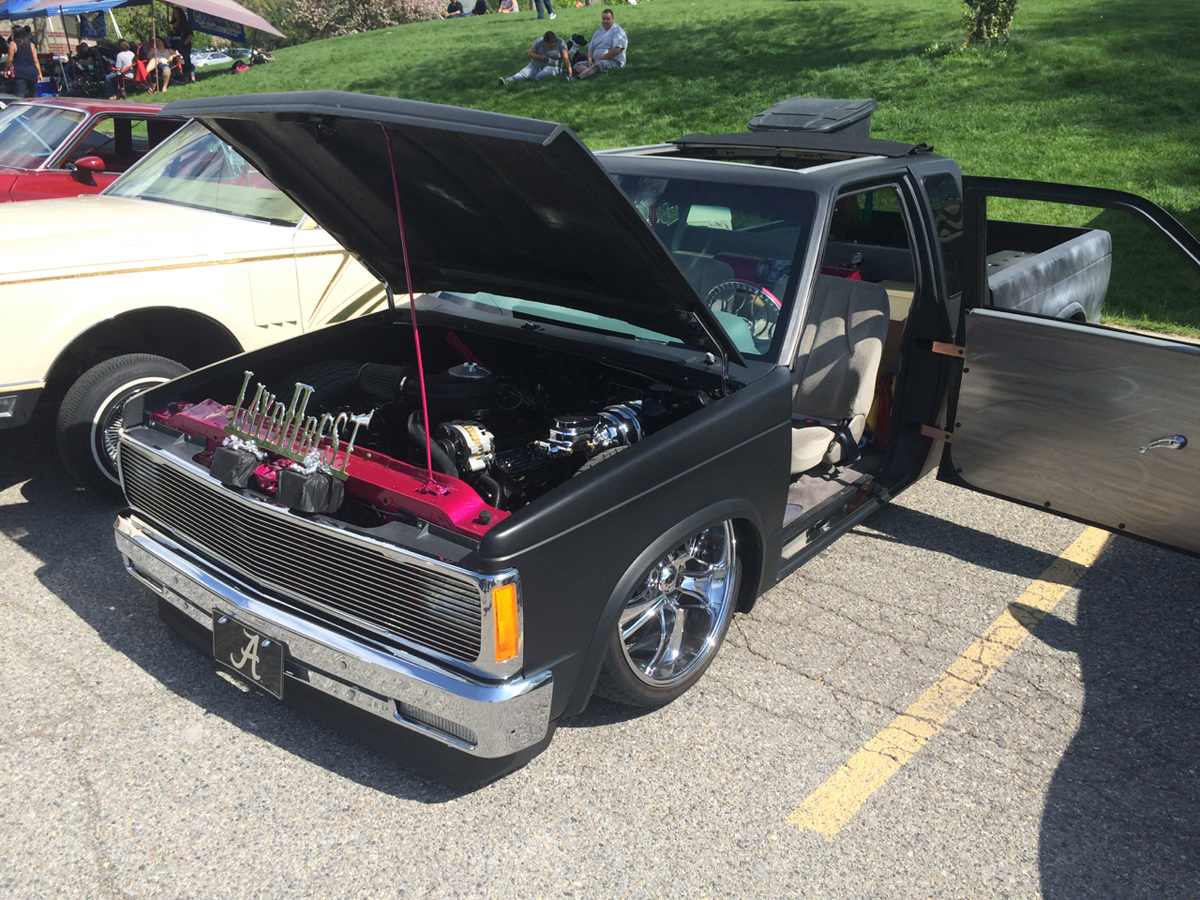
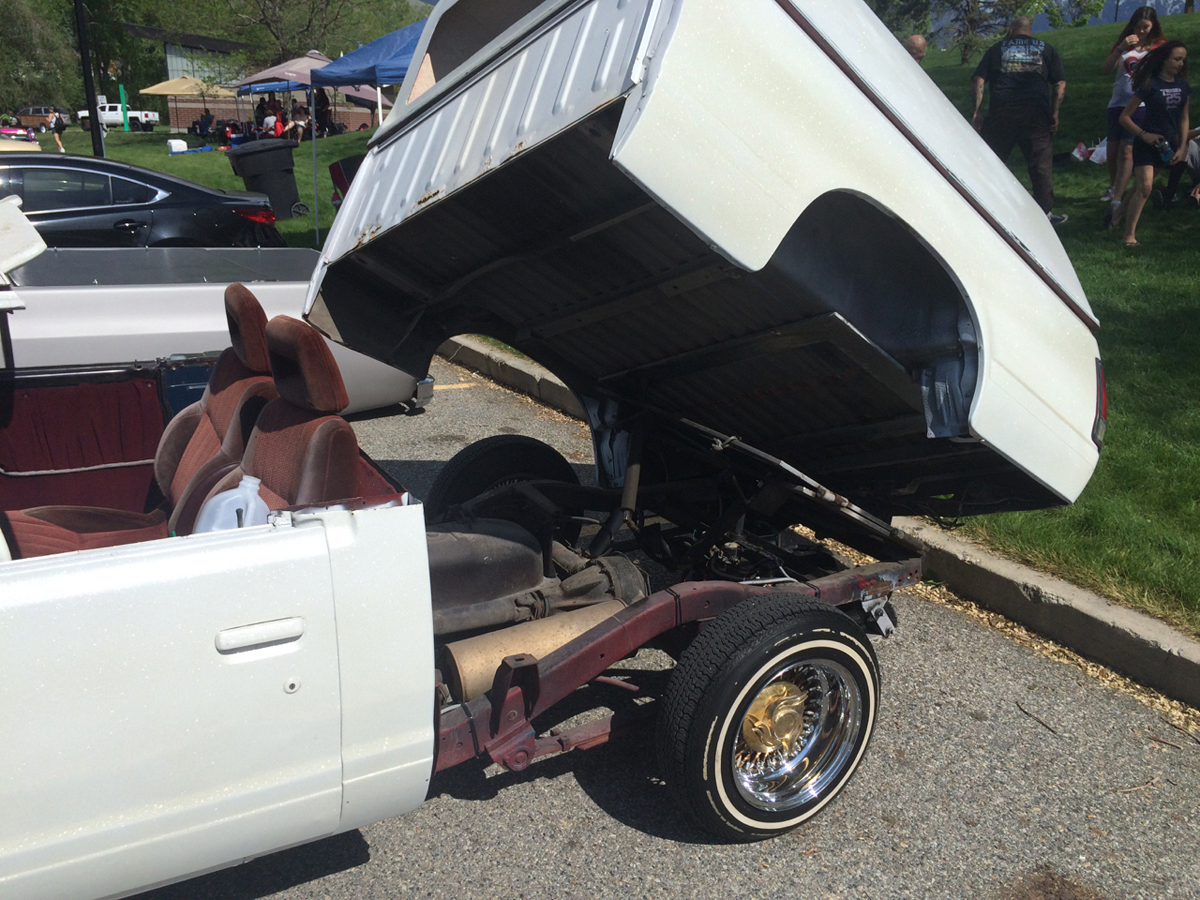
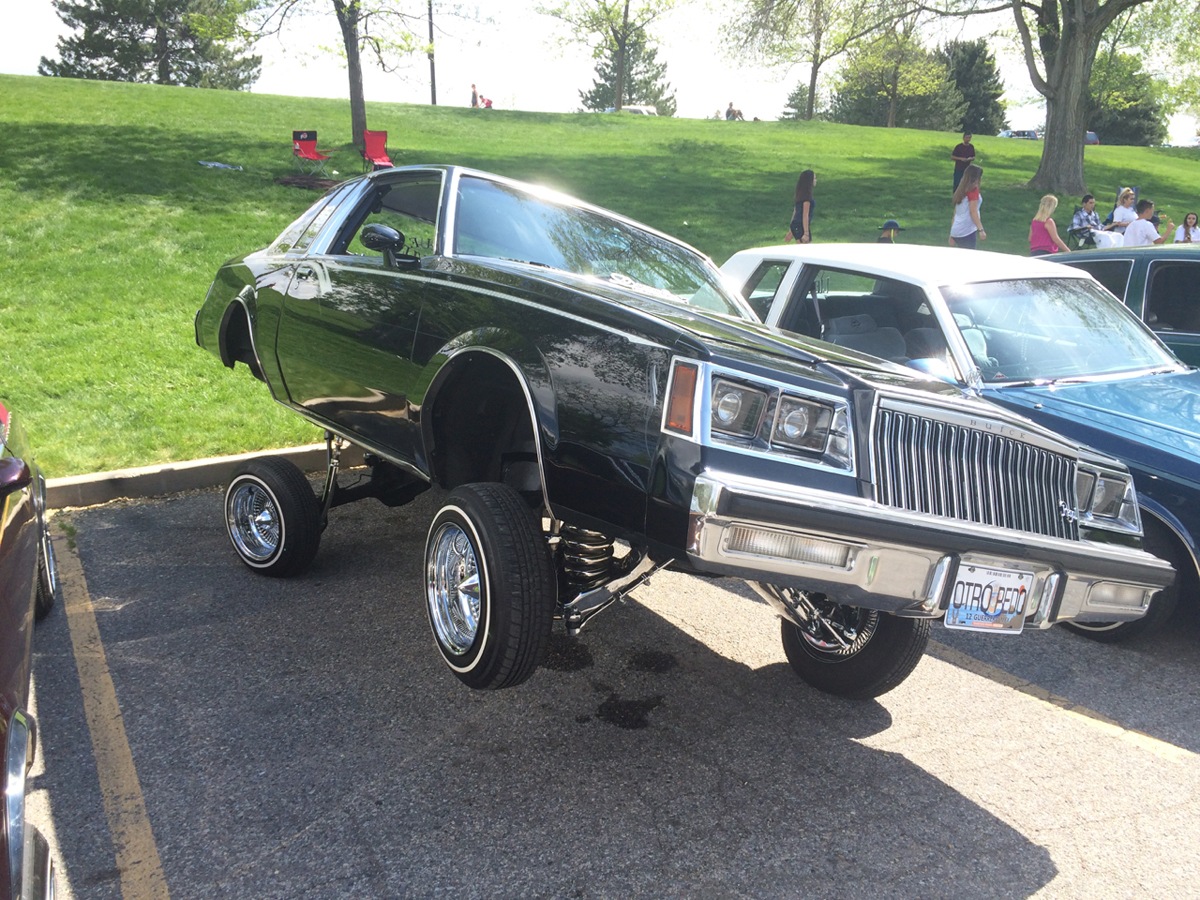
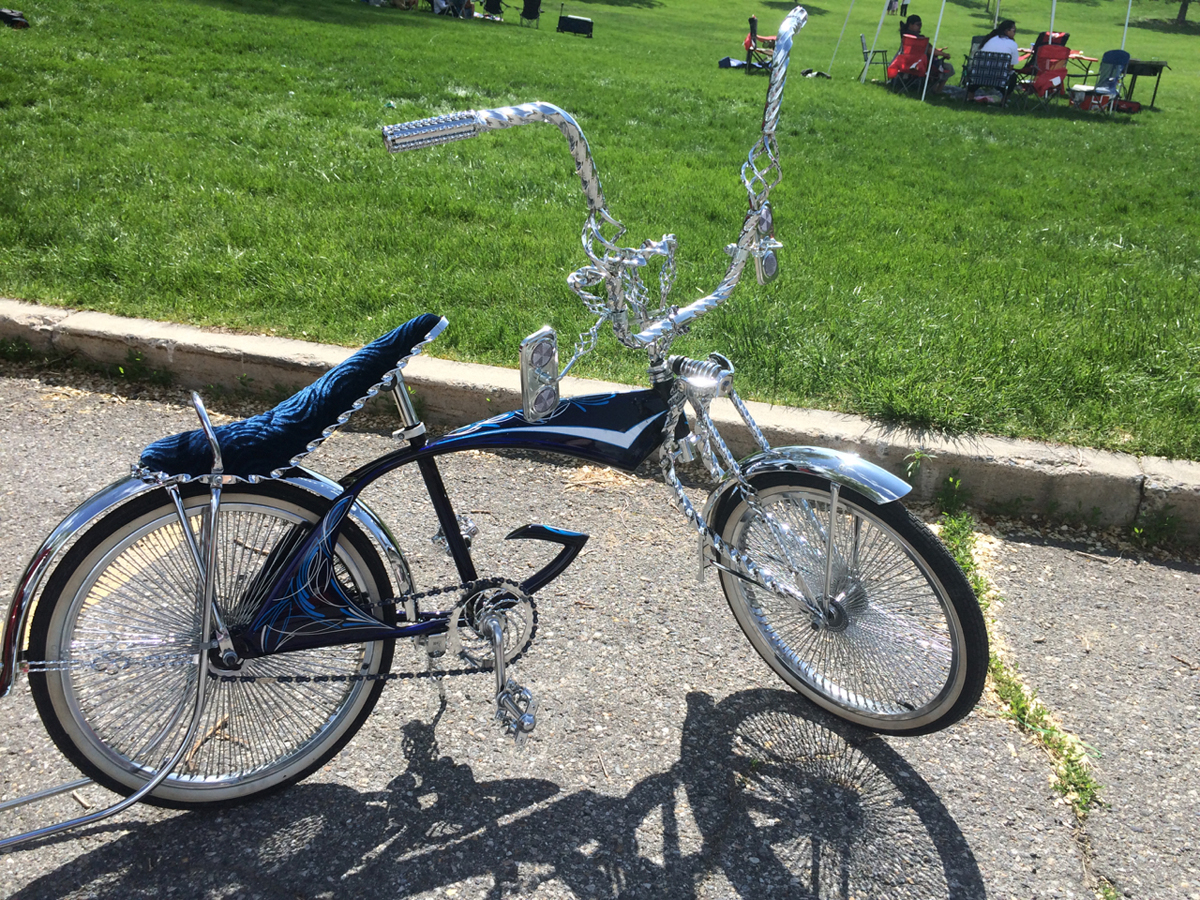
Sugarhouse Park Lowrider Bicycle and Car Show Photo Gallery 2017
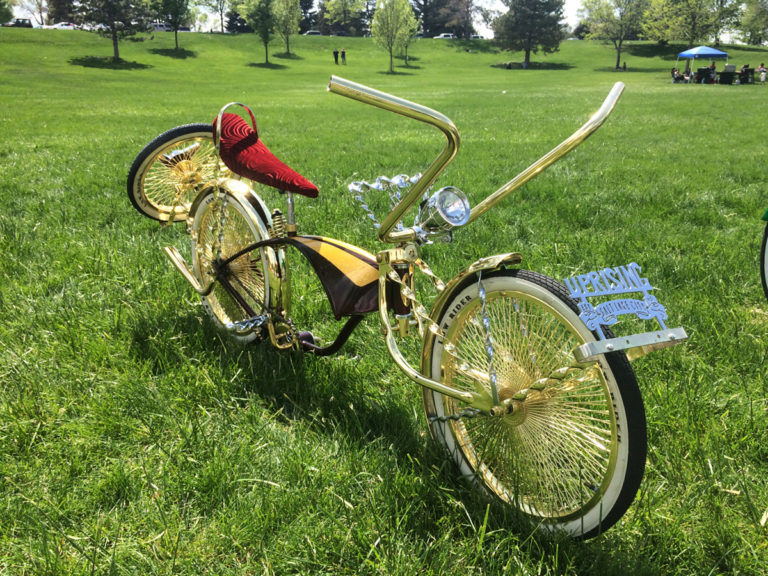
Cycling Utah was on hand for the Sugarhouse Park Lowrider Bicycle and Car Show in Salt Lake City, Utah on May 7, 2017 and captured this gallery of 85 photos.
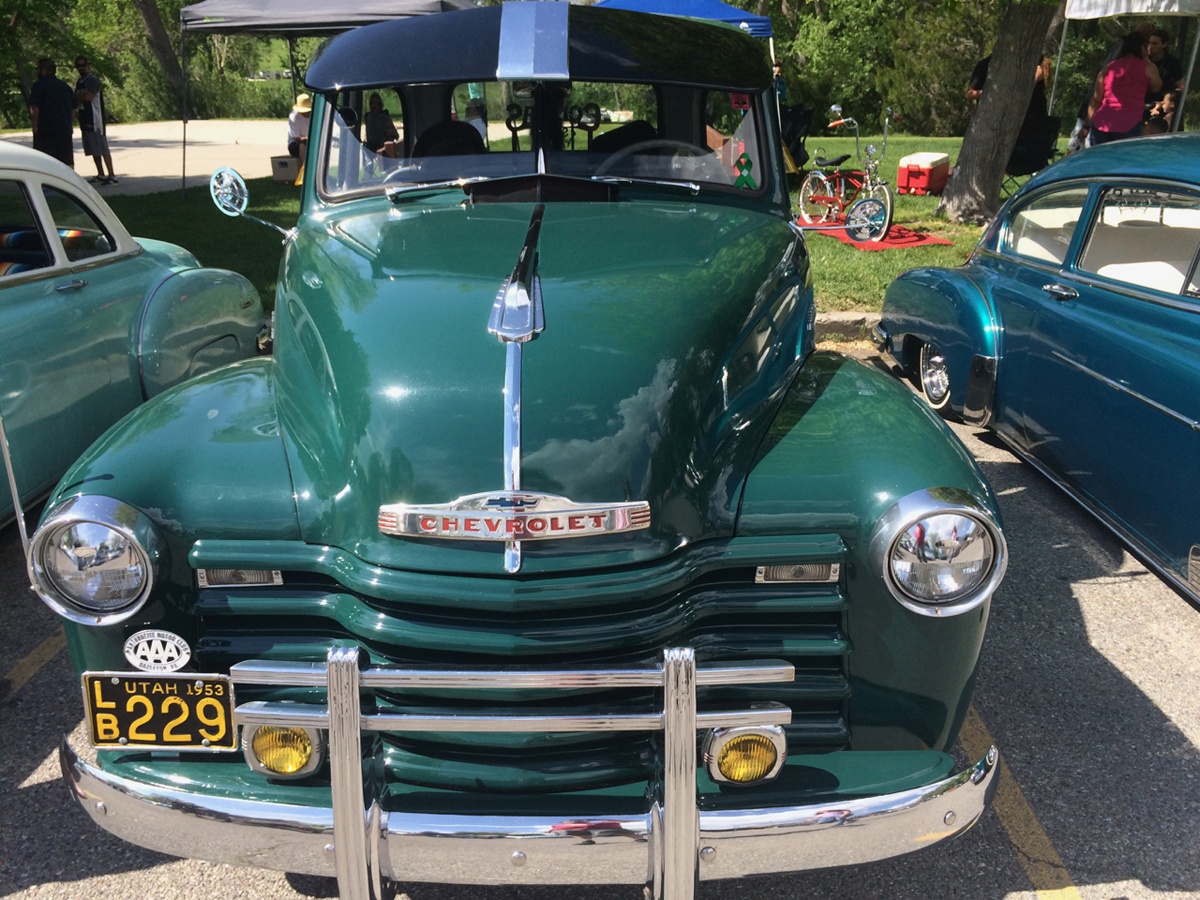
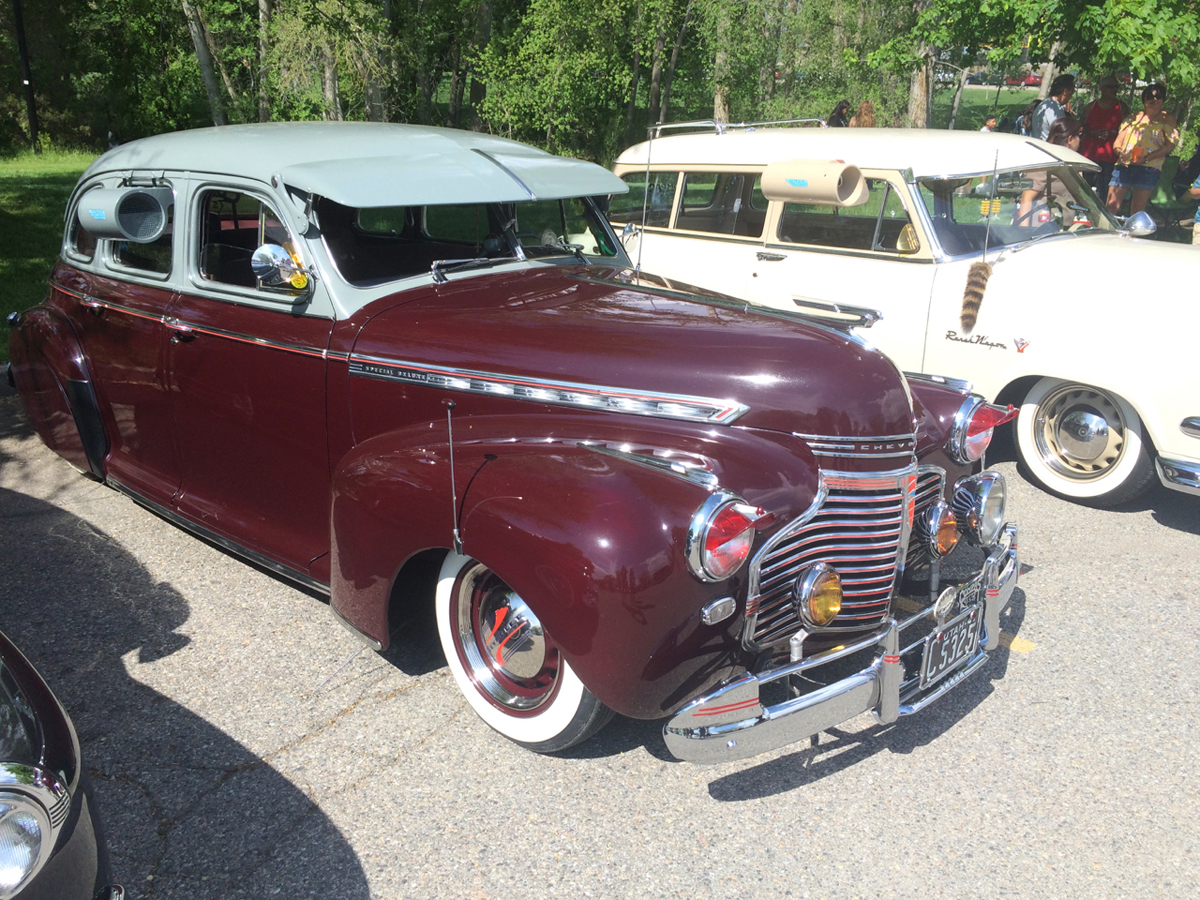
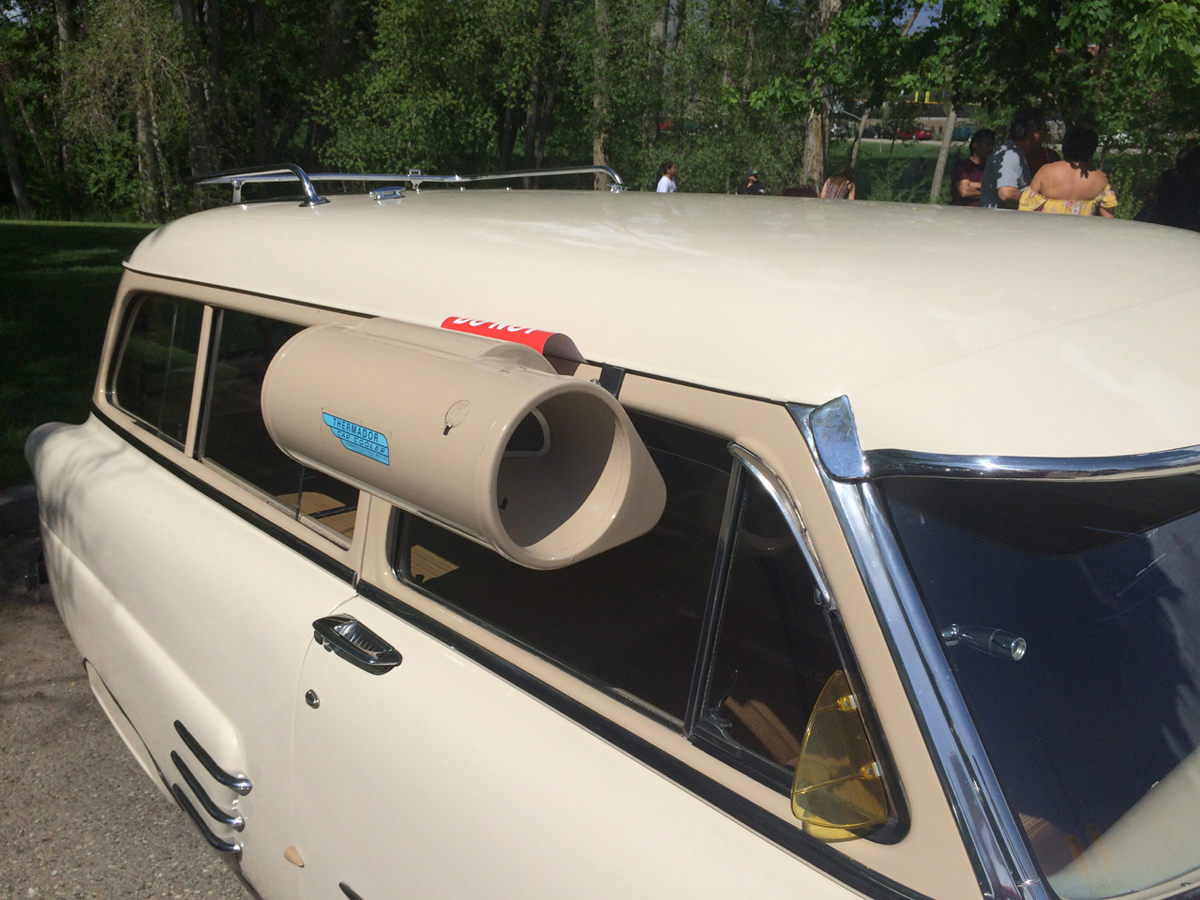
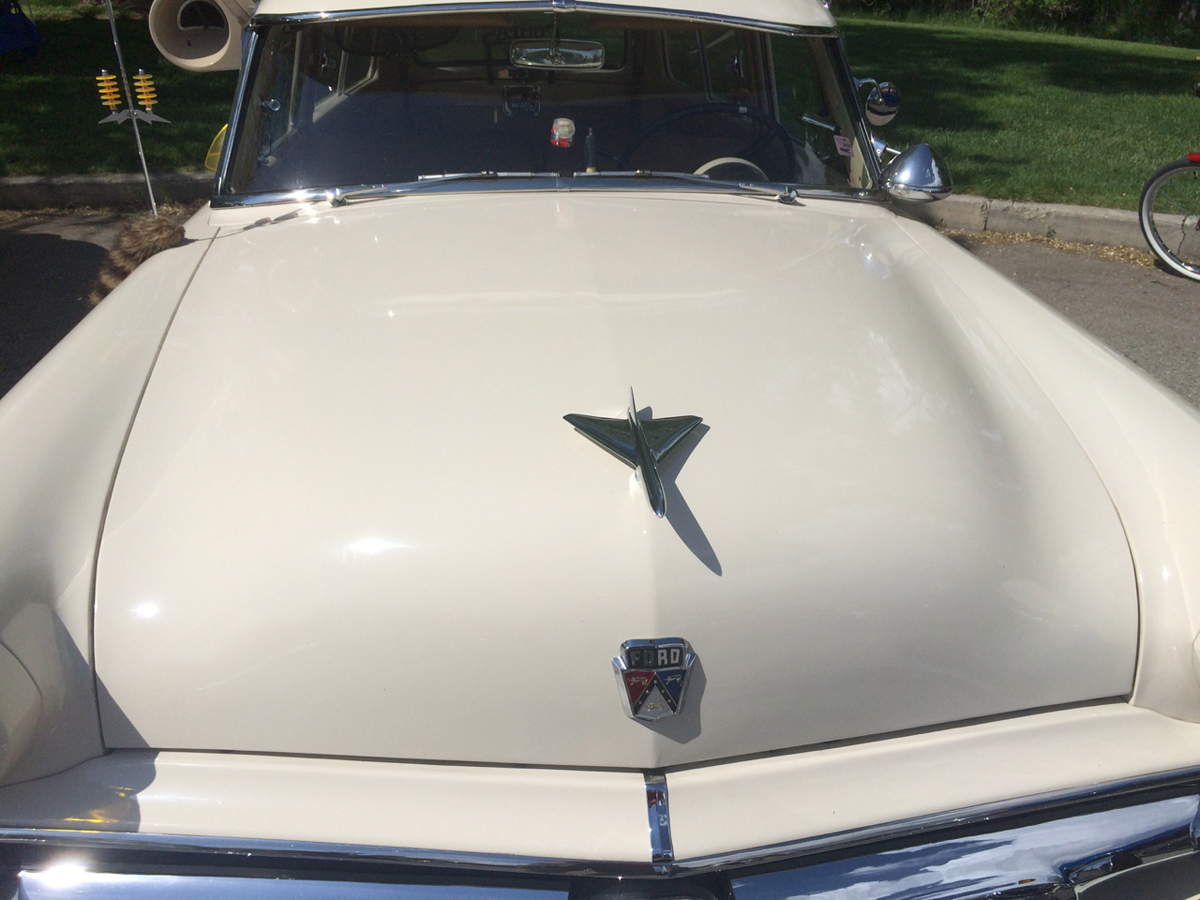
Mixed terrain bike racing kicks off the season in Steamboat Springs
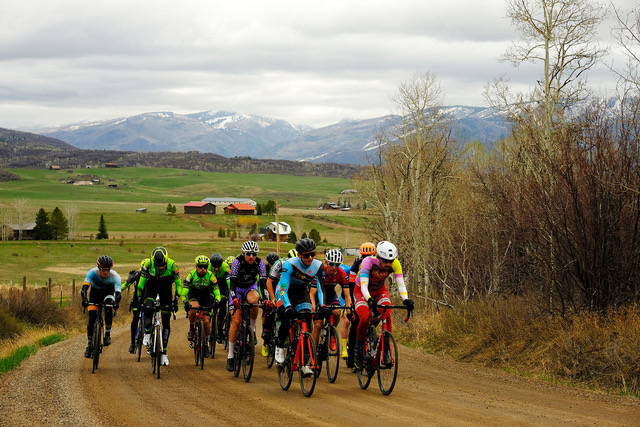
STEAMBOAT SPRINGS, Colorado (February 24, 2022) — Bike racers of all ability levels are invited to enjoy a challenging ride on the quiet roads of Routt county and kick off the Steamboat Springs bike racing calendar on Sunday May 15th.
The second annual Steamboat Roubaix (pronounced roo-bay) pays homage to the legendary Paris-Roubaix, a classic tough conditions road race in northern France that starts near Paris and ends in the town of Roubaix, near the Belgian border. A Roubaix-style race tests all of the skills that make a good bike racer — speed, bike handling, power, tactics, teamwork, equipment, and grit.
The Steamboat Roubaix course features multiple dirt ‘sectors’ with surface conditions that range from smooth to rough. Riders will need to monitor updates on the course conditions ahead of race day and then make the call on what equipment they will run.
Riders can choose to race a 36, 53, or 70 mile course distance in USA Cycling age, gender, and ability-based categories. There is also an option to ride for fun, either solo or as a 3-person team in the 36 and 70 mile timed “Gran Fondo” category where the focus is on having fun.
The 2021 inaugural Roubaix saw cool temps and a hint of precipitation. While there is a slight chance of wet spring weather, May is a beautiful time of year in Steamboat Springs and Steamboat Velo is excited to serve up the opportunity to race in spring weather on iconic local dirt roads.
Registration is now open at $65 for all competitive groups, $45 for short course Gran Fondo riders, and free entry for the junior age 15 – 18 categories. Steamboat Velo will donate a portion of proceeds from the event to local nonprofits and Bicycle Colorado. Sign up to volunteer and view the full event details at bikesteamboat.com/roubaix/
Perseverance Pays off for Commuter and Mechanic Mollie Bourdos
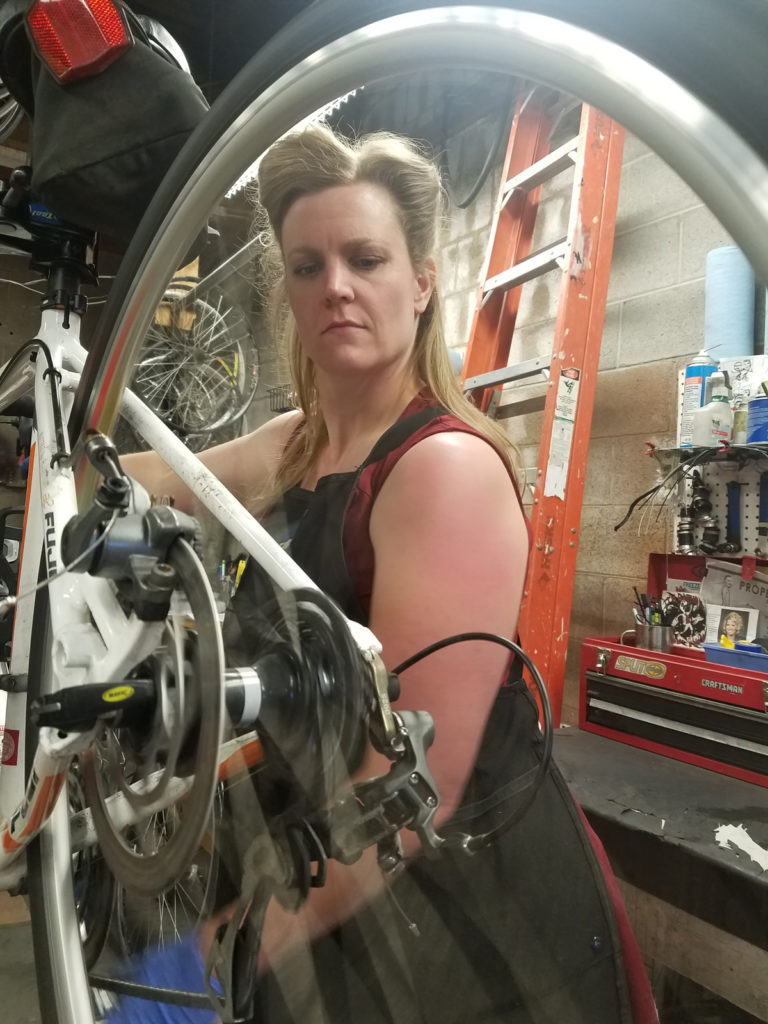
By Lou Melini — I met Mollie shortly after I became a volunteer at the Salt Lake Bicycle Collective. Mollie has helped me out on several occasions when a mechanical problem was in need of professional advice. Always with a smile on her face, Mollie is an essential part of the team at the Collective.
[Editor’s note: this profile was originally written and published in 2017.]
Cycling West: Mollie, tell me a little about yourself
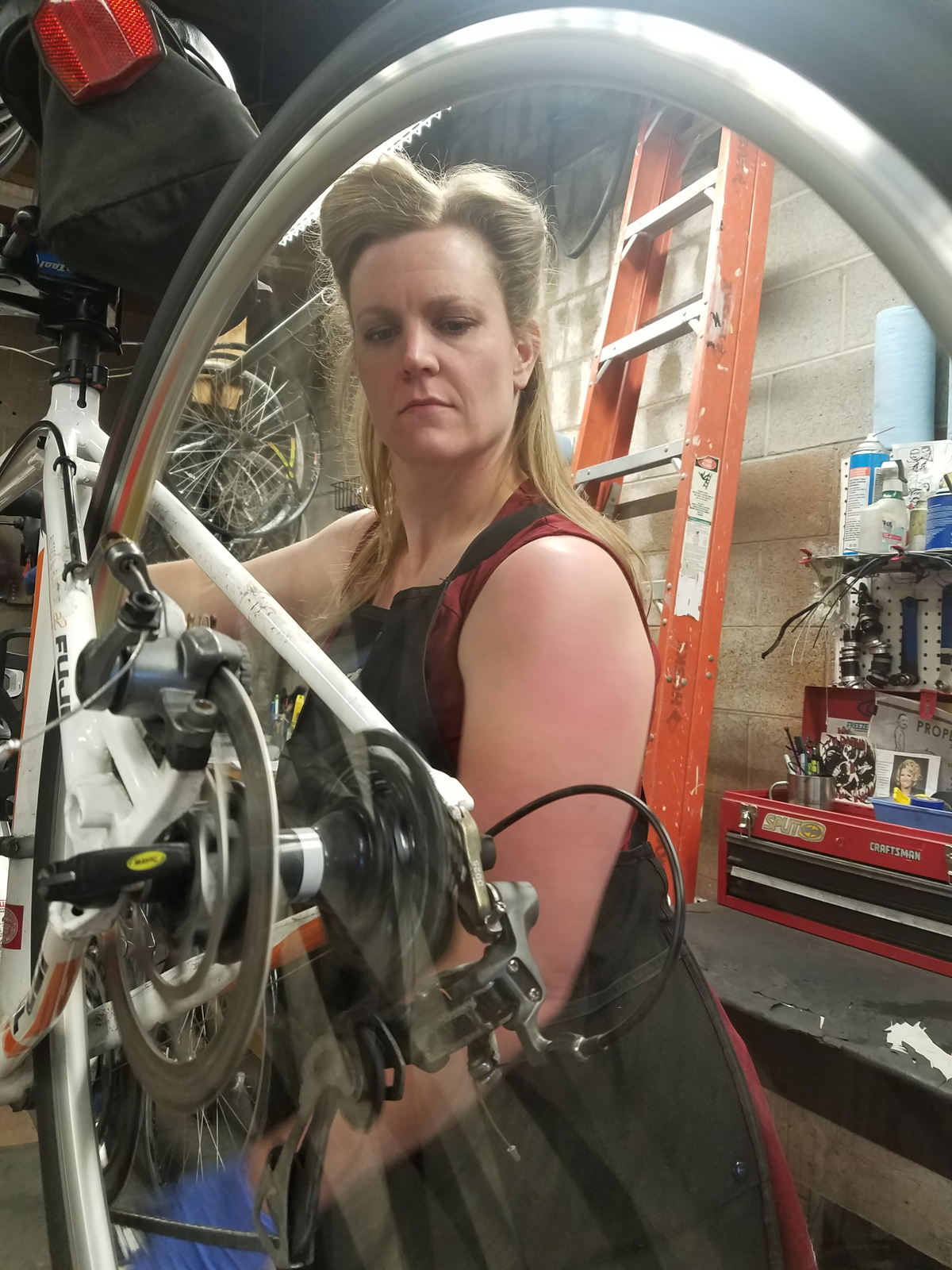
Mollie Bourdos: I am currently one of two female mechanics at the Bicycle Collective, but I didn’t start out that way. I was always drawn to people, Psychology in particular, so I completed a Bachelor of Science degree in Psychology, a Bachelor of Science degree in Sociology and a certificate in Criminology from the University of Utah. I quickly went to work with troubled youth, and accepted the high-stress environment that I had chosen. It didn’t take me long to realize that I couldn’t handle the pressure of my career long term. Needless to say, I “burned out” as they say in my field of work. I was wandering, and looking for a new career path. I wasn’t sure what to do, but I ended up at the Collective. My life has been forever changed for the positive, and I haven’t looked back since.
C.U.: I assume that you did quite a bit of cycling to spur your interest to be a bike mechanic?
M.B.: I started biking as a way to relieve stress, get exercise, and spend time with my father. My father and I used to bike together when I was younger. He had recently decided to get back into cycling so I decided to join him on his 7.5-mile ride one morning. One week of riding with him that became three times a week, and I was hooked on cycling again. Soon I had convinced him to up our ride to every day, and then eventually to ten miles every day. I even got him to commit to a fifty-two mile ride around Bear Lake (something we used to do every year when I was younger). I even convinced my husband to join me riding. Pretty soon I was riding ten miles a day with my father, and then five miles a day with my husband. It didn’t take me long to realize it was more convenient for me to ride fifteen miles once a day instead of splitting up my rides. The three of us completed the fifty-two mile Bear Lake ride about the time that my father turned seventy-three.
C.W.: Those rides with dad took you from your previous career to the Collective.
M.B.: I was trying to decide what I wanted to do with the rest of my life. I was sitting in a hotel room while on vacation with my husband, and it hit me. I wanted to be a bicycle mechanic. I have always been very handy. I grew up with a father who taught me to do what I could for myself. We do woodworking together, I work on my own motor vehicles, and I do minor home improvement jobs. It seemed like a natural progression that I would learn how to wrench on bicycles. So the hunt started. I visited my local bike shops in Sandy and Draper. I was laughed at, ignored, and turned away. At one of the last shops I tried, a female employee asked me if I had heard about the Bicycle Collective. She gave me the website, and told me about their apprenticeship program. I applied, and was accepted, within the next week.
C.W.: I have been offered to consider the Apprenticeship program but I decided to wait. Tell me about it.
M.B.: I was an apprentice for about six months. However, I should note that I did my apprenticeship full time. I devoted forty hours a week to learning how to be a bicycle mechanic. It is not realistic to think most people can do it in the short of a time period. The apprenticeship was self -guided, so everyone’s pace was different. There are many different levels, and I was fortunate enough to be able to shadow the head mechanic for the conclusion of my apprenticeship. After six months, I was offered a permanent position as a junior mechanic at the Collective. It has been a year and a half since I began my apprenticeship and now my employment. I am now a senior mechanic, and one of only two female mechanics on staff.
C.W.: Did the Collective inspire you to take your riding further by commuting to work?
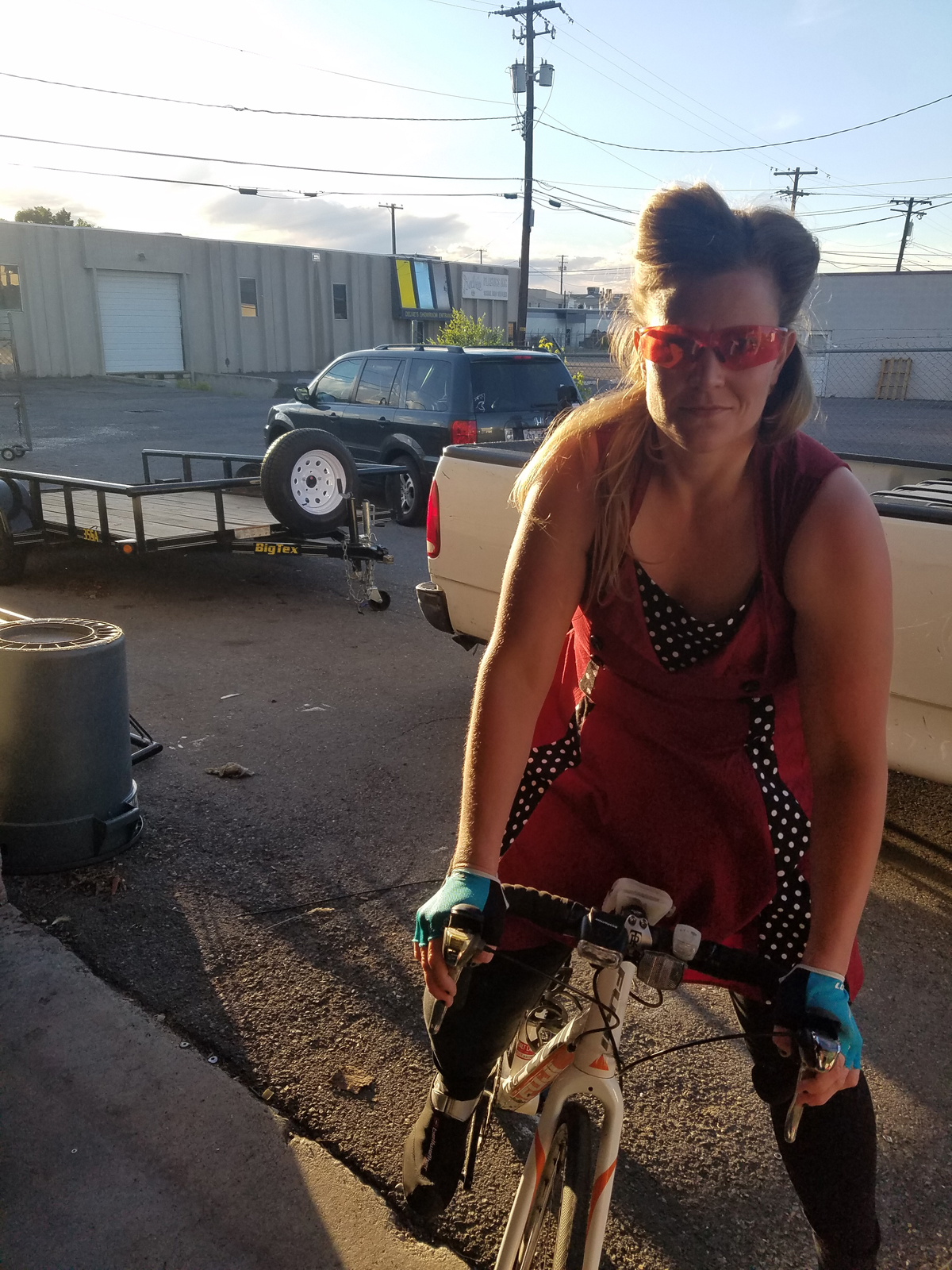
M.B.: I realized that everyone that worked at the Collective commuted to work, so I set out to do the same. However, most of those employees lived considerably closer to the Collective than I did. I decided to drive to a location about halfway to the Collective, and cycle from there and back. This was still a fifteen-mile circuit. I did this for about six months, and then I decided that I was ready to try the entire thirty- mile ride. I commute from Sandy to South Salt Lake. To prepare, I packed a multi-tool, a patch kit, a bike pump, and extra tube, and lots of water. I also checked the schedule for the local Trax line, in case I was unable to make the full thirty miles. I got my road bike ready, and gave it a shot. I needed the right tires, and the right riding wear. The first ride home was tough. I didn’t want to do it after a full day of work, but I thought I’d try it anyway. I was so proud of myself after I made it, that I tried it again the next day. I haven’t looked back since. That doesn’t mean I don’t have days that I don’t ride, or that I’m not tired. It just means that I do my best to ride every day.
As time went on, I realized that I needed to prepare for different conditions. I now have seven bikes that I have built up over the last year and a half, but that does not mean that everyone needs that many bikes to commute. All you really need is one good commuter, and you can get around on a bicycle all year long. I have bikes with and without fenders, racks, studded tires, thin slicks, panniers, disc brakes and rim brakes all on a variety of steal and aluminum frames so I can have many different options.
C.W.: What are some general tips you would give to someone considering commuting to work by bicycle?
M.B.: As I mentioned before, all you need is one good commuter bike, and you’re set. Look for something comfortable and fairly upright. You definitely want fenders and a rack. Most importantly, don’t forget a good lock. We at the Collective recommend a U-lock. These seem to be the best locks on the market, and yet they still aren’t full proof. I use a U- lock and a cable lock when locking my bike up. As a wonderful, and smart woman once told me: the more locks you have, the harder your bike looks to steal. I want my bike to look like it’s not worth the effort to steal, and I recommend the same to all commuters.
I also recommend riding with a friend, if that is an option. If you don’t have someone to ride with, ask others who ride to give you pointers on what routes to safely take. People are your best resource. If you don’t know anyone who rides, you can come to the Collective, and ask a commuting employee for some tips. You can also Google bike commuting forums, and look up local commuting routes. Look for routes with bicycle lanes and low traffic. If you want to commute, you can make it work.
C.W.: A friend of mine stated she has received statements suggesting bikes break down frequently and need lots of repairs. These remarks intimidate her. How would you reply?
M.B.:. There is no need to be intimidated if you would like to try commuting to work. The Bicycle Collective offers basic maintenance classes every Monday night for a suggested $5 fee. You can learn all about fixing flats, chains, adjusting brakes, and adjusting shifting.
If you ride more than ten miles a day you should lubricate your chain every day. This will extend the life of your chain and your entire chain drive. I prefer using tri-flow lubricant. It is a bike safe, plastic safe lubricant. We keep it on hand at the Collective, or you can purchase your own to carry with you. I can’t say how long a chain will last on a commuter. So many things come into play when figuring out chain wear. How long the commute, how many gears the bike has, and whether the cyclist shifts under load will affect how the chain wears. I am a masher. This means that I wear out my gear fast. I tend to shift under load, and I ride the majority of my circuit in the highest gear. I tend to need to replace my chain about every three months on my 8-speed cassette. This may sound like a lot, but when doing the math this adds up to 1800 miles every three months. If you are considering commuting for the first time, you are probably not going to need to change your chain that often. I recommend cleaning and measuring your chain every three months. If you tend to ride in inclement weather, then I recommend that you clean and check your chain more often. Moisture can affect your chain by causing rust. Rusty chains tend to cause shifting problems, and can fail in the long run. You can visit your local Collective to use their products to make sure your chain is in tip top shape.
I have traditionally used an external bearing bottom bracket. This type of bearing needs replacing every season. I try to clean my bicycle every time I’ve been in severe weather. If I know that I’ll be in inclement weather for many days, I’ll wait until the end of the week to wash my bike off.
If you notice any sticking or delay in braking or shifting, then it’s probably time to service your cables. If your cable housing shows any cracks or breaks, then it’s time to replace it. Water is not a friend to metal cable. You are probably going to get rusted cables if you get water that cannot escape. Also, look for splayed cable. Your cables are made up of many small pieces wound together. If your cables start to unwind, they can cause a problem in your system. This is why cable ends are important.
Again, the Bicycle Collective offers classes every Monday night on basic bicycle parts and maintenance. These classes are very valuable to the new commuter. They also allow networking with others that either commute or that want to commute.
C.W.: Wednesday’s are women’s night at the Collective. Can you describe the program that the Collective offers?
M.B.: Women’s night, or WFT, at the Bicycle Collective has traditionally been on Wednesday nights. This is a fantastic time for our women, trans, and femme patrons to come and work in a safe shop space. The bicycle industry has traditionally been very dominated by men. This has prevented many women from enjoying the cycling world. Our goal is to provide a safe space for women to learn, and share the wonderful world of cycling. This night can be especially empowering. Not only do you gain some knowledge of working on bicycles, but also you become more confident in your skills to fix your own bike.
I was always intimidated when I entered other cycling shops. I was quickly dismissed, and often treated as if I couldn’t understand the intricacies of bicycles. Women can come to the collective on WFT night, and experience a space that is open and inviting to them. No one will take tools out of their hands, and they will be empowered to learn by doing themselves. Working on bicycles is a great way to improve one’s problem solving skills. Working on a used bicycle can open up a can of worms that you could have never anticipated. By coming up with solutions, self-esteem is boosted. What a great reminder to our patrons that they are strong, capable, and valuable members of the cycling community. Our staff will help guide and support them, by explaining different techniques, and then telling them that they can do it. Many women have expressed that WFT has made a large impact in their life. It’s amazing how much your confidence can improve when someone tells you that you can do it, and you see other women doing it. I worked very hard to break into a traditionally male dominated field, and I feel it’s important to remind other women that they can do anything they put their mind to with hard work and determination. WFT night provides an environment full of women that want to support each other. What better place to get involved with cycling.
C.W.: Thank you Mollie for your time to do this article but mostly thank you for being a role model for the cyclists of Salt Lake County and beyond.
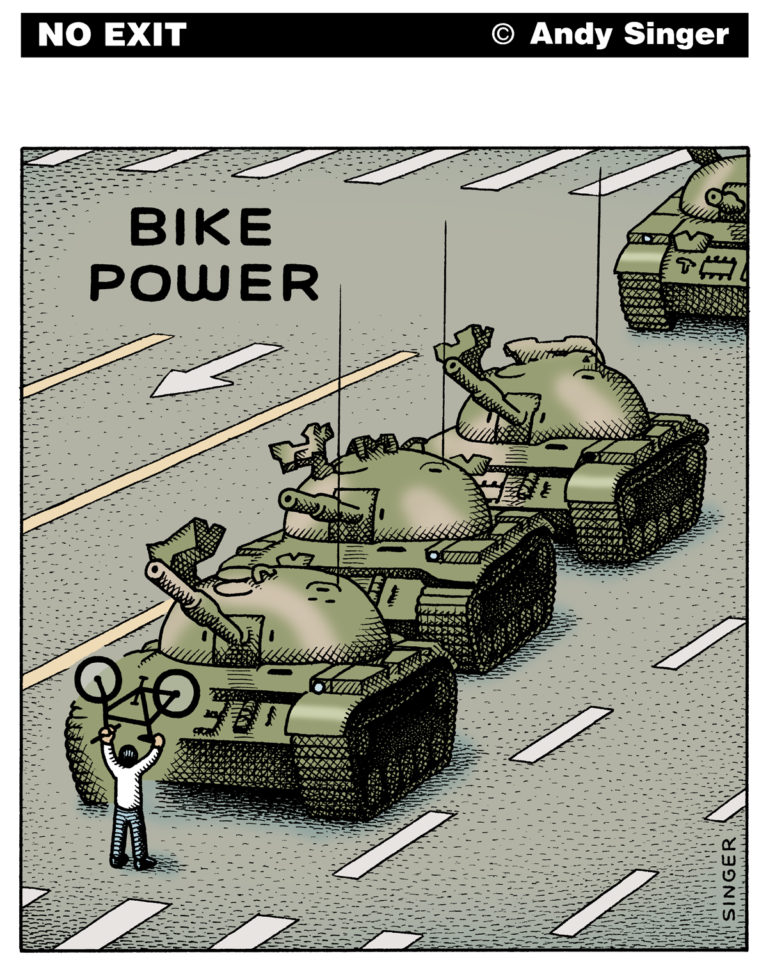
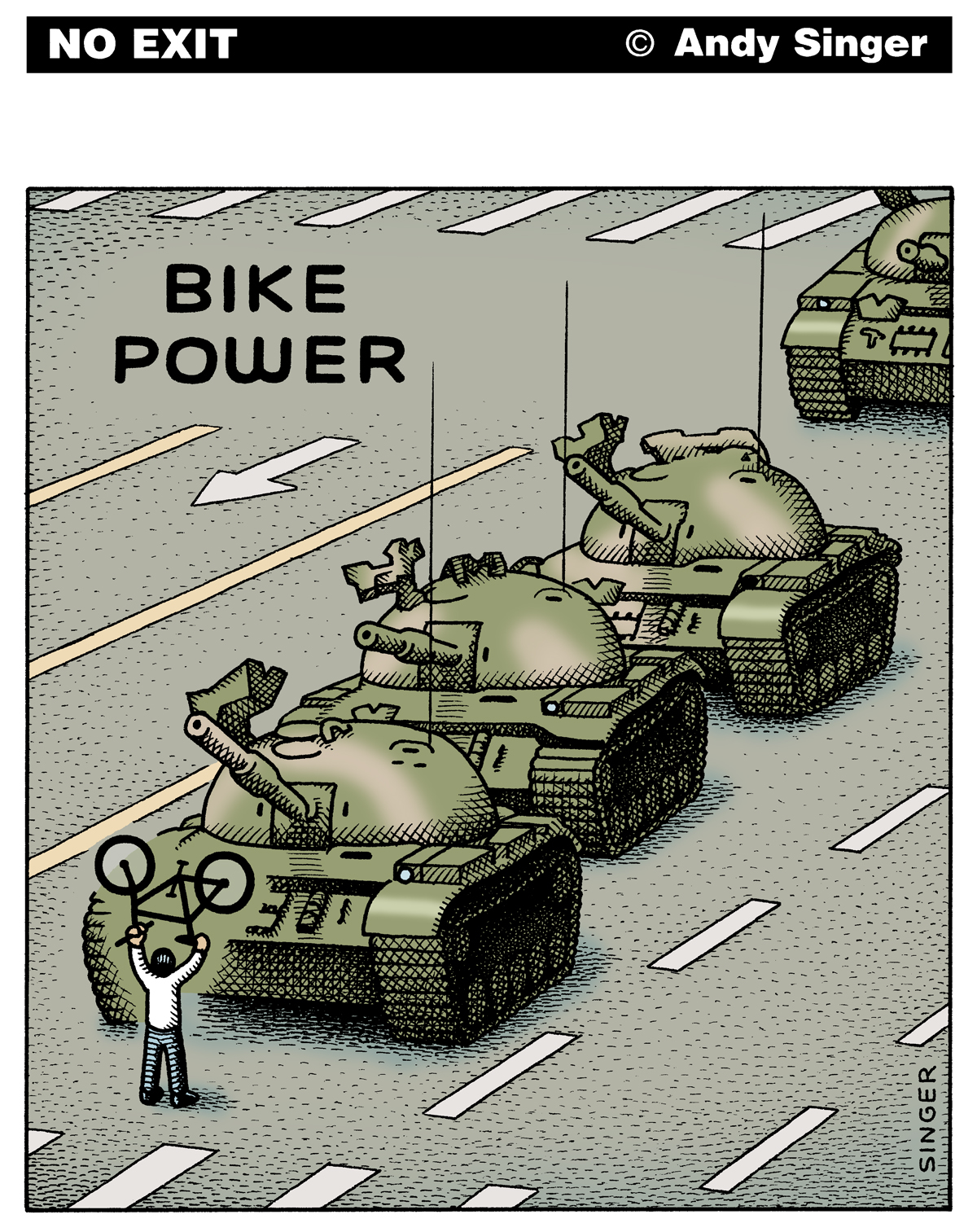
No Exit Bike Cartoon: Bike Power
Cycling Idaho’s Hiawatha Trail
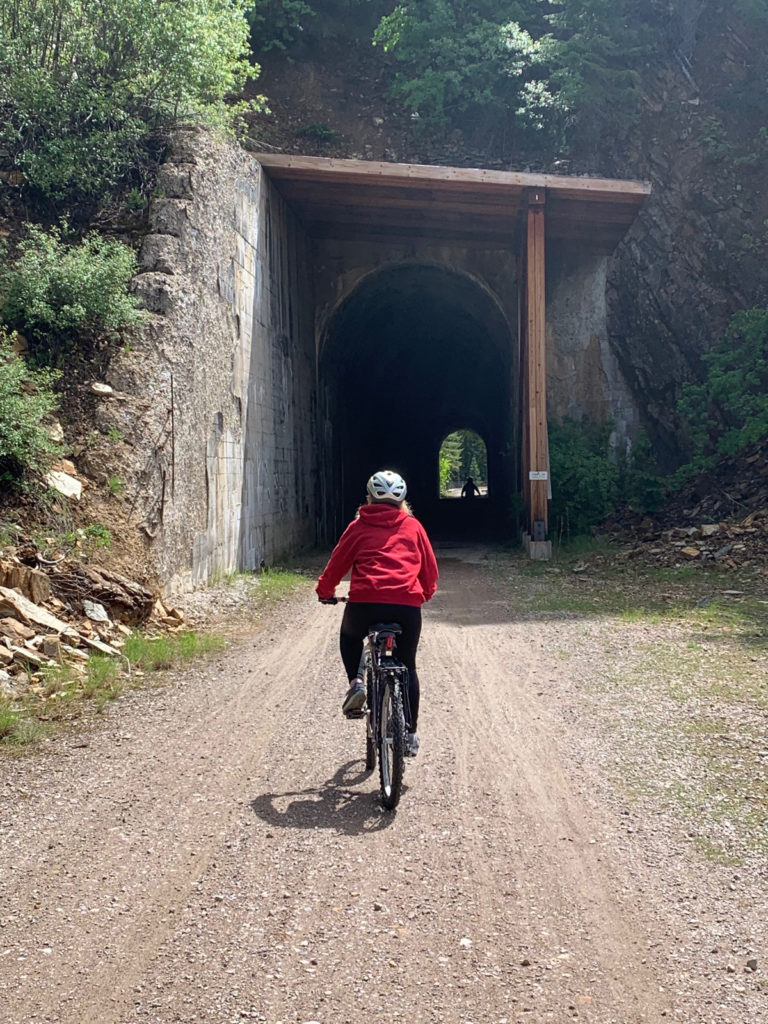
By Chris Blinzinger — Several years ago, while at a conference in Maryland, I had one of those chance encounters with a fellow cyclist that resulted in a bike trip my wife and I recently completed. Paul and I met at the Pub on the first evening of the conference. We seemed to find each other and talk about bikes and other things for the next few days. He had taken his family on the Hiawatha Rail Trail (https://www.ridethehiawatha.com/) in Northern Idaho and recommended that my wife and I should check it out.
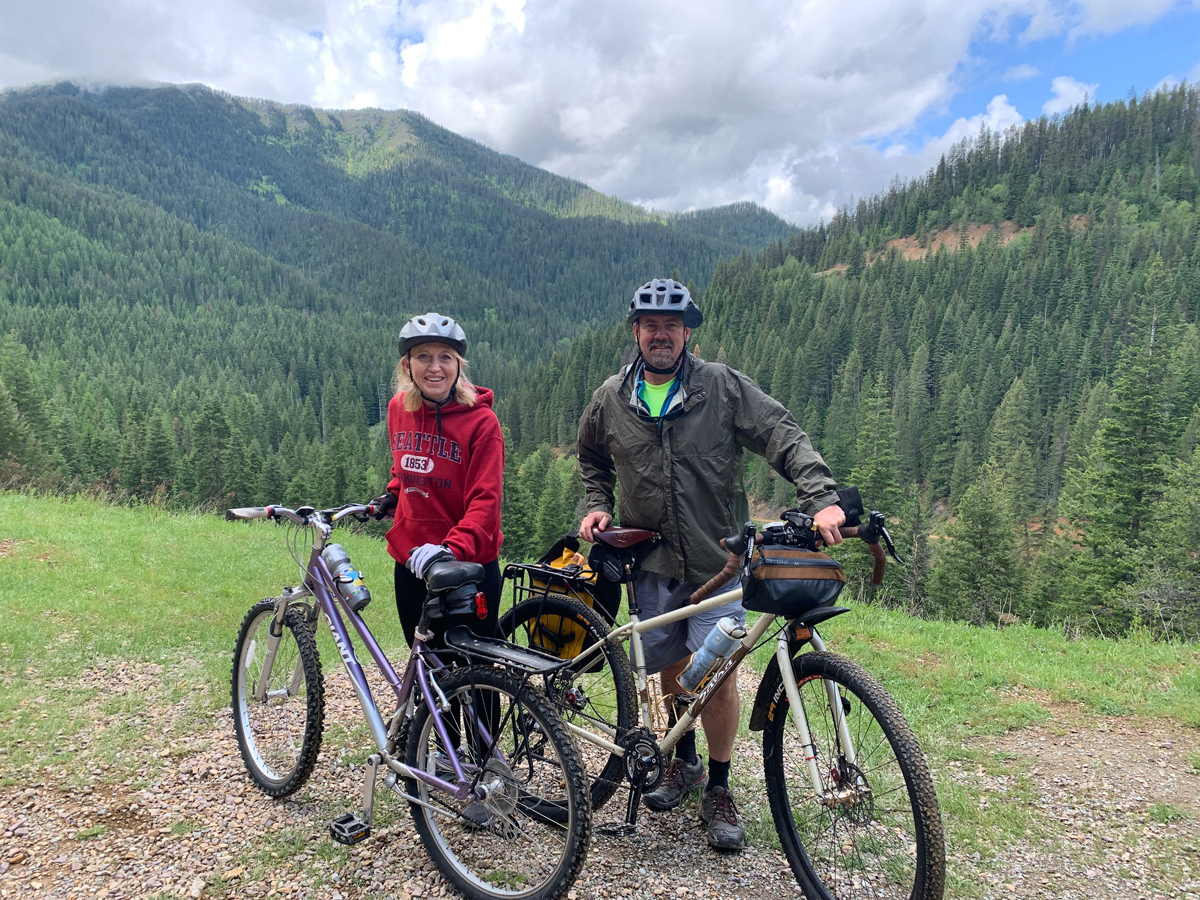
We had previously spent two weeks in the Pacific Northwest on Adventure Cycling’s Pacific Coast Route. It was her first serious bike tour and we both learned a lot about touring together. It was different than touring with my friend, John, with whom I had toured around the west and Rocky Mountains. While different, it was a trip that I cherish just for the time we had to spend together. Two solid weeks of just the two of us — it was so much fun! Life and kids have occupied time and attention, so we had not done any touring together since.
The Hiawatha Trail is not a tour. It is a 16-mile one-way, 32-mile round trip ride. But this was a weekend away with my wife, in a beautiful part of the Bitterroot Mountain Range, that provided miles of riding through tunnels, over trestles, magnificent views, and quaint little mining towns. The ride begins five miles east of the Idaho border in Montana and ends in Idaho. We left town after work on Thursday and stayed in an Airbnb in Idaho Falls which broke up the drive on the way up from our home in Utah. The drive from Utah can be done completely on Interstates 15 and 90, but there are alternate routes on smaller by-ways that offer the same beautiful views.
We stayed in a quaint little town, Wallace, ID, where the entire village is on the National Historic Registry for its mining history. Wallace has museums, mine tours and a zip line available in town. It’s also in perfect proximity to the Hiawatha Trail and the 73-mile paved Trail of the Coeur D’Alene’s which runs right through Wallace between Mullah and Plummer Idaho. Wallace is 45-minutes east of Coeur d’Alene, Idaho.
We headed out for the Hiawatha Trailhead at 8:30 after a delightful breakfast from our Airbnb host. It was about a 30-minute drive back to the East. We had to stop at milepost 0, at the Lookout Pass Recreation Area (another site with rich history) to pick up our passes. We purchased our tickets and made reservations online about one month prior to our trip. The required passes must be picked up the day of the ride. We would normally bring a lunch but this time we opted for the “Package Deal” which includes lunch along with the pass. If you need them, Lookout Pass Recreation Area does rent bikes, helmets, and lights, which all riders are required to have.
We continued on to Mile post 5 on Montana’s Interstate 90. We exited and followed the signs for 2 miles to the parking area for Hiawatha Trail Adventurers. We attached our sticky passes to the brake cable and rode up to the check-in area. They verified our helmets, lights, and passes and we pedaled forward. The trail is hard packed dirt, but we had been advised that some of the tunnels were muddy, so we had bikes with wider tires. However, there were all kinds of bikes on the trail that day.
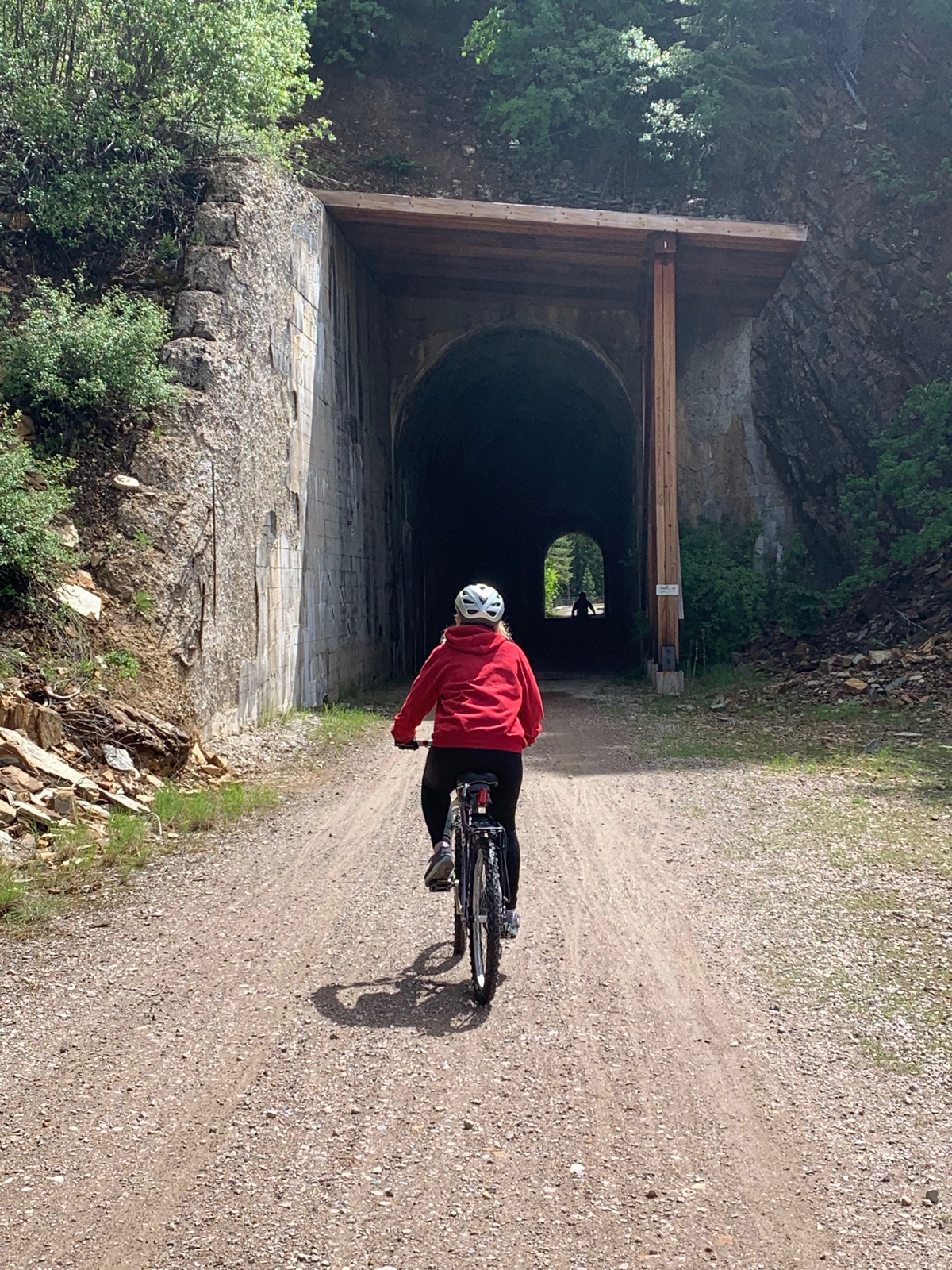
Within the first 50 yards we enter the first tunnel. This tunnel was the wettest and muddiest. It was 1.6 miles long and pitch black shortly after entering. This particular tunnel drips 1750 gallons of water per hour creating a wet dirt. Some cyclists who rode through fast earned the muddy stripe up their back, but my wife and I just pedaled normal and stayed clean. It was wet though. I wore a rain jacket and stayed dry. My wife was in her hoodie, and the water did not soak through. It was chilly in the tunnel, at about 45 degrees, with an outside temperature of about 65 degrees. We were mostly alone in that first tunnel, so we sang and hollered for the echo and felt like little kids, but it was entertaining.
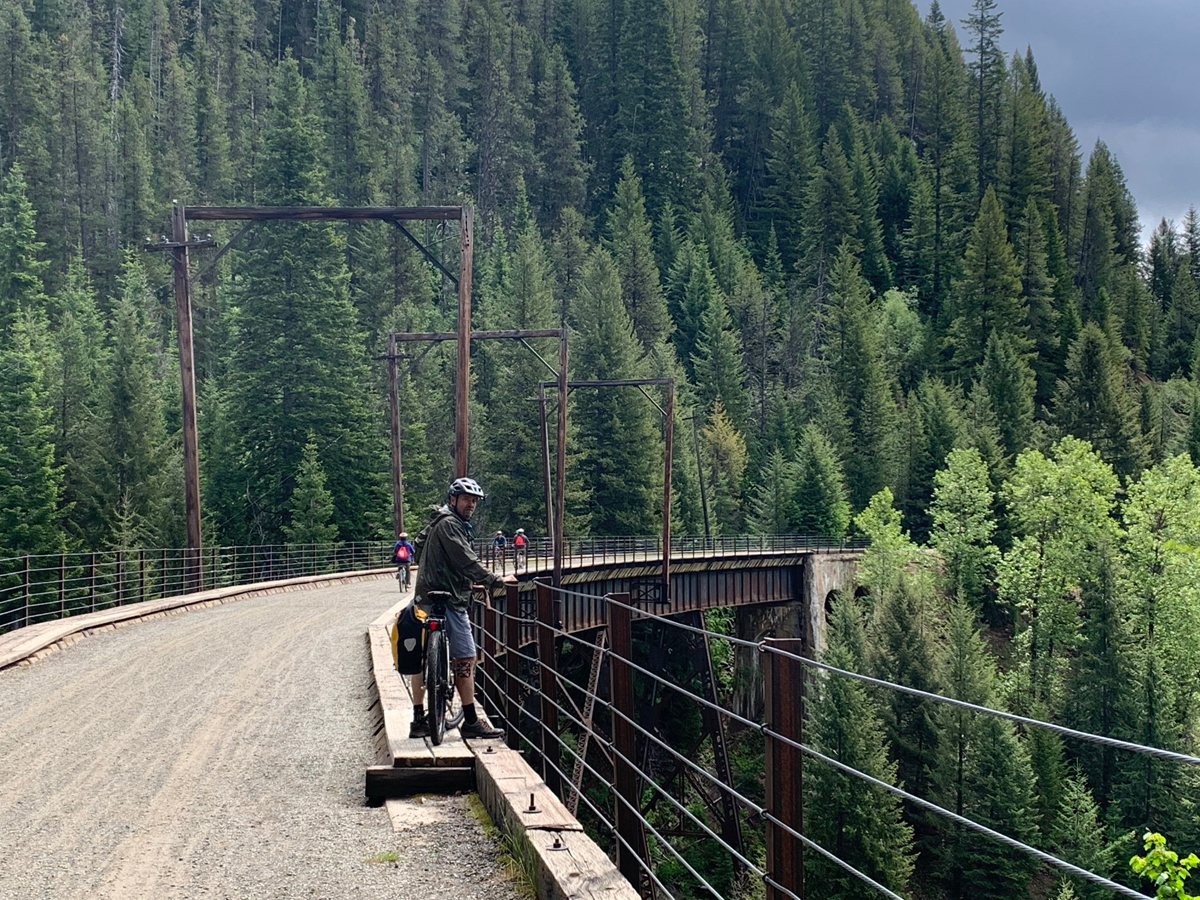
For the next 15 miles of the hard packed trail, we had spectacular views and there were many interpretive signs, tunnels, and trestles. The highest trestle is 230’ above the canyon floor below.
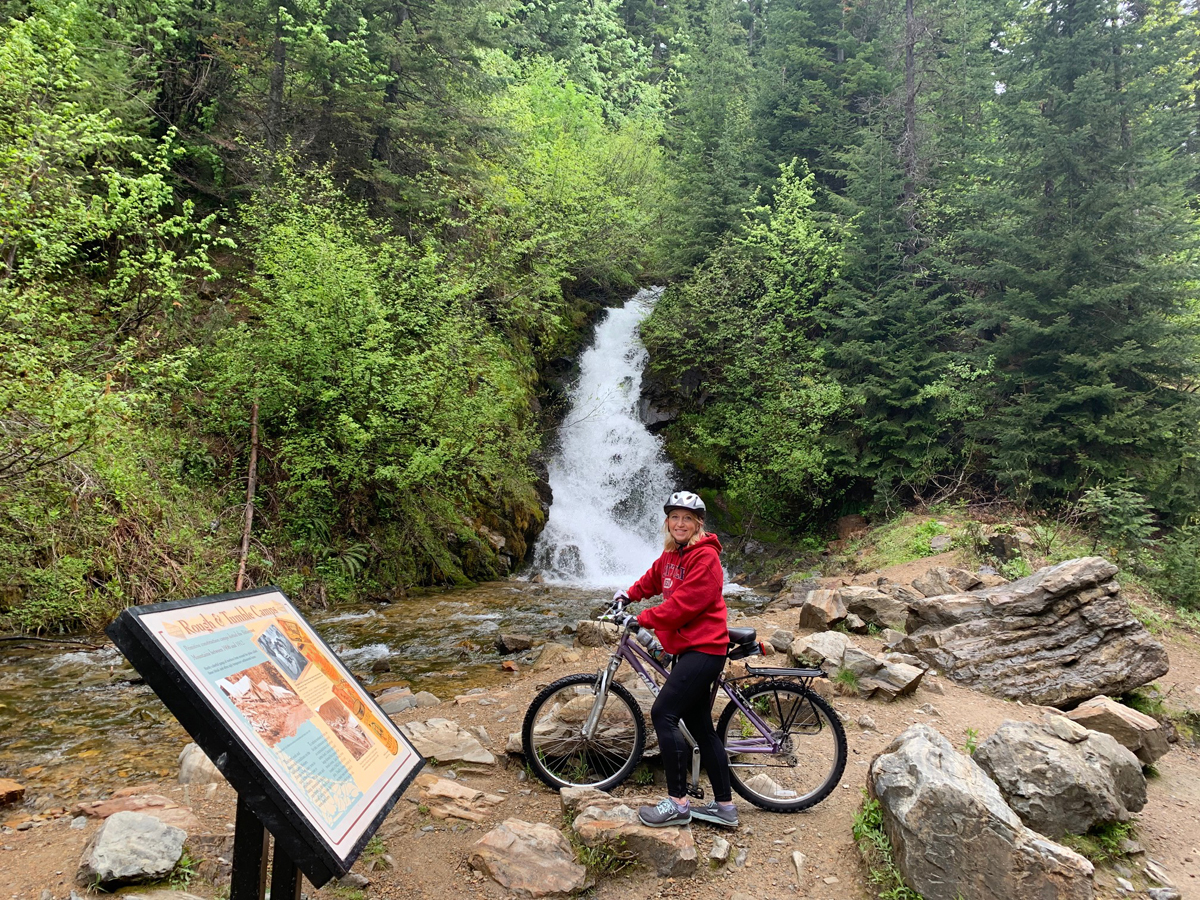
It is difficult to find the words to describe the ride. I find that the times I am out enjoying the beauty of this Planet, there are no words to describe the appreciation and enjoyment I feel for Mother Earth. My wife and I rode along, stopped to read the signs, and let our senses do the work. The history of the Hiawatha is strong and will remain with the opportunity to ride it into the future. We arrived at the end (Pearson) and opted to take the shuttle back up to the top, so we had time to drive into Coeur d’Alene for the rest of the day.
We rode for about 2 1/2 hours, taking the time to read as much as we could and shooting plenty of photos. This was a leisurely ride with a tremendous payoff along the way. It was a great weekend.
Notes:
- The trail is 16 miles long from the East Portal at Montana milepost 5. 170,000 people ride the trail annually.
- You can take the shuttle back or ride back. The Hiawatha is a 3% grade going down which turns into a 3% grade riding back up.
- The shuttle drops you off at the west side of the first tunnel, so you’ll get the wet muddy ride twice whether you ride back or use the shuttle.
- The East Portal is 30 minutes east of Wallace and 75 minutes east of Coeur d’Alene.
- The trail pass is $14 per person. Shuttle, lunch, bike, helmet, and light rental are all extra.
- E-Bikes are allowed
- Coeur d’Alene is a beautiful town with a huge lake. Lots of outdoor activities and Spokane is just a quick drive further west.
Inaugural Rio Grande Gravel Comes to West Texas on May 7
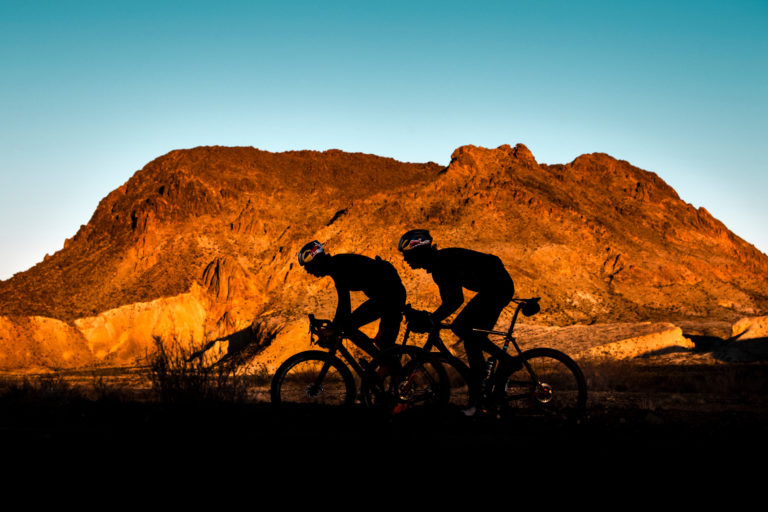
The gravel course in the foothills of the Chinati Mountains will push the physical limits of amateur and professional cyclists alike
MARFA, Texas (February 14, 2022) — Gravel riding is lighting the sport of cycling on fire. Countless cycling enthusiasts are ditching the pavement and hitting the dirt, as gravel cycling is becoming one of the fastest growing sports in the U.S. On May 7, Red Bull is inviting those enthusiasts to participate in its first-ever gravel cycling competition, Red Bull Rio Grande Gravel, set to take place at Cibolo Creek Ranch near Marfa, TX.
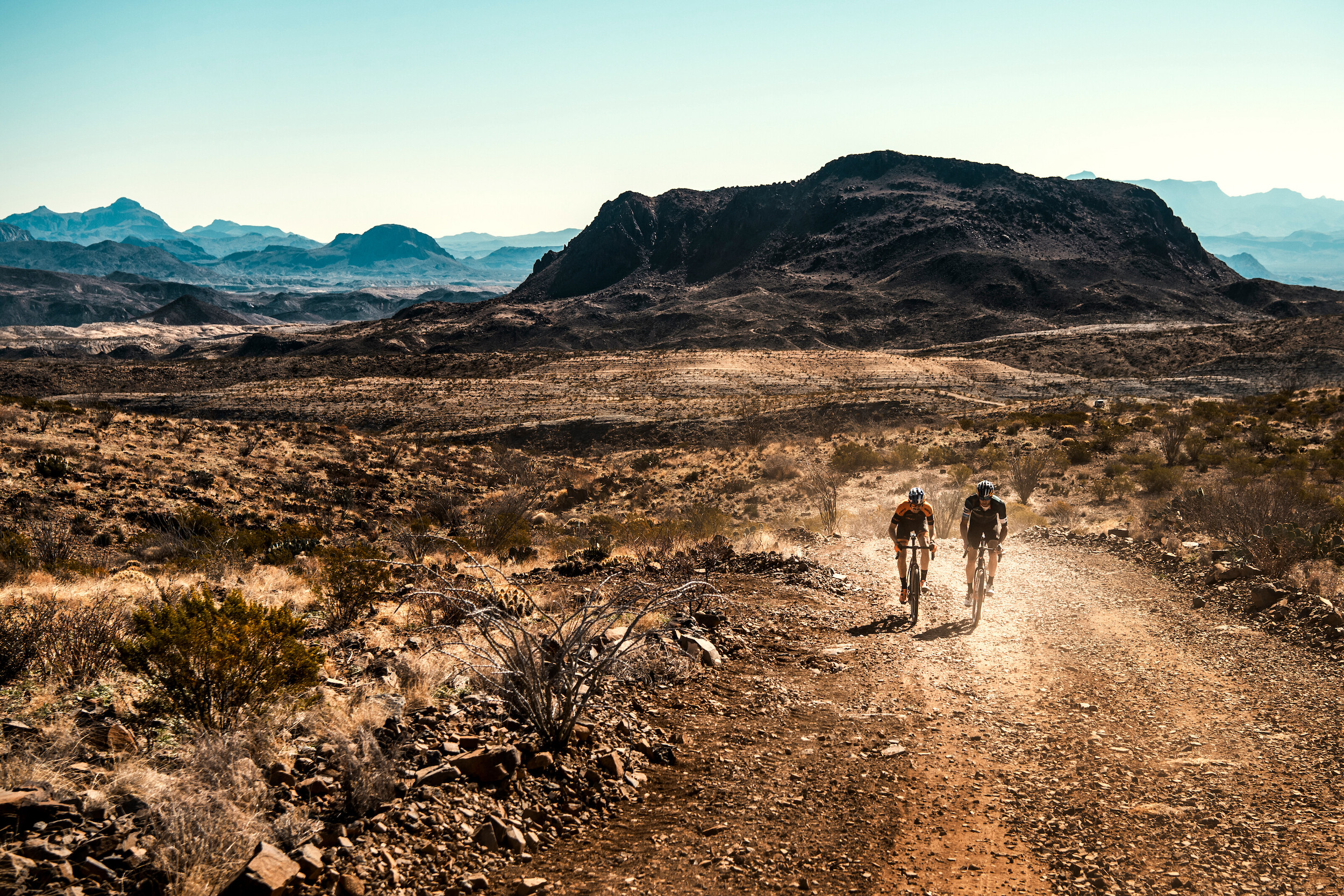
Cyclists from Texas and beyond are invited to compete on the 75-mile gravel course that stretches across vast west-Texas landscape and rocky terrain – testing the physical and mental toughness of all participants. Starting at a base elevation of 4,500 feet, the course features a series of 25-mile-long loops, allowing both novice and experienced cyclists the opportunity to choose from a 25, 50, or 75-mile course on which to race. Those who complete the 75-mile course are eligible to receive $10,000 in cash prizes, which will be split equally among all podium finishers. As the race concludes, the sun will set over the hillside, revealing the infamous Texas starry skies. During this time, attendees are invited to join post-race festivities including live music, local food and drinks and much more.
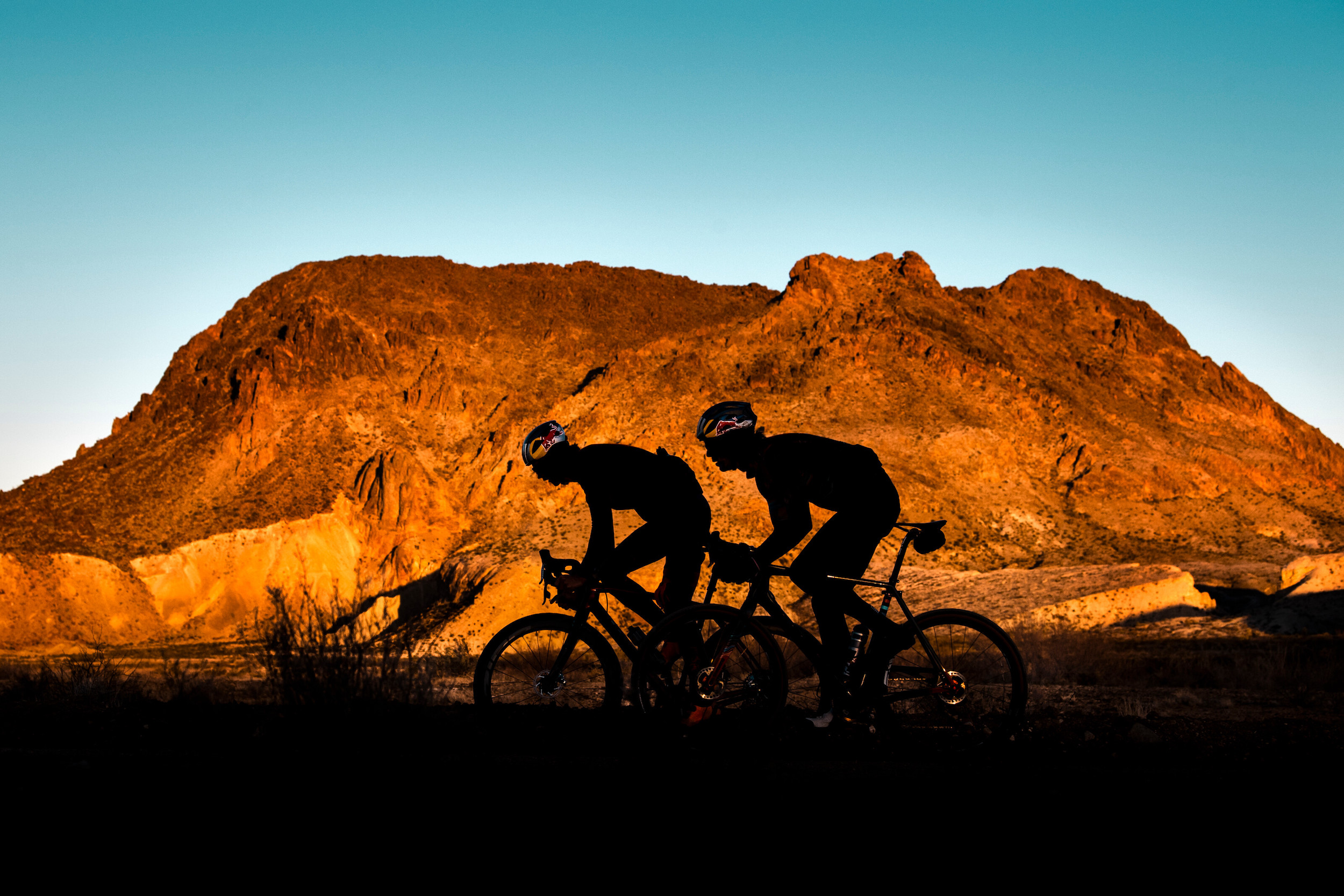
Red Bull athlete and 2019 Unbound Gravel Champion, Colin Strickland, will be among the
participants and has already begun his preparation for the debut event. “I am focusing on steady, long endurance pace rides that cater to the rugged, unrelenting, west Texas terrain,” said Strickland. No stranger to riding in Marfa and the surrounding areas, he added “I just love the peacefulness of the landscape and the emptiness of the sky that makes you feel small – riding out there has its own unique feel.”
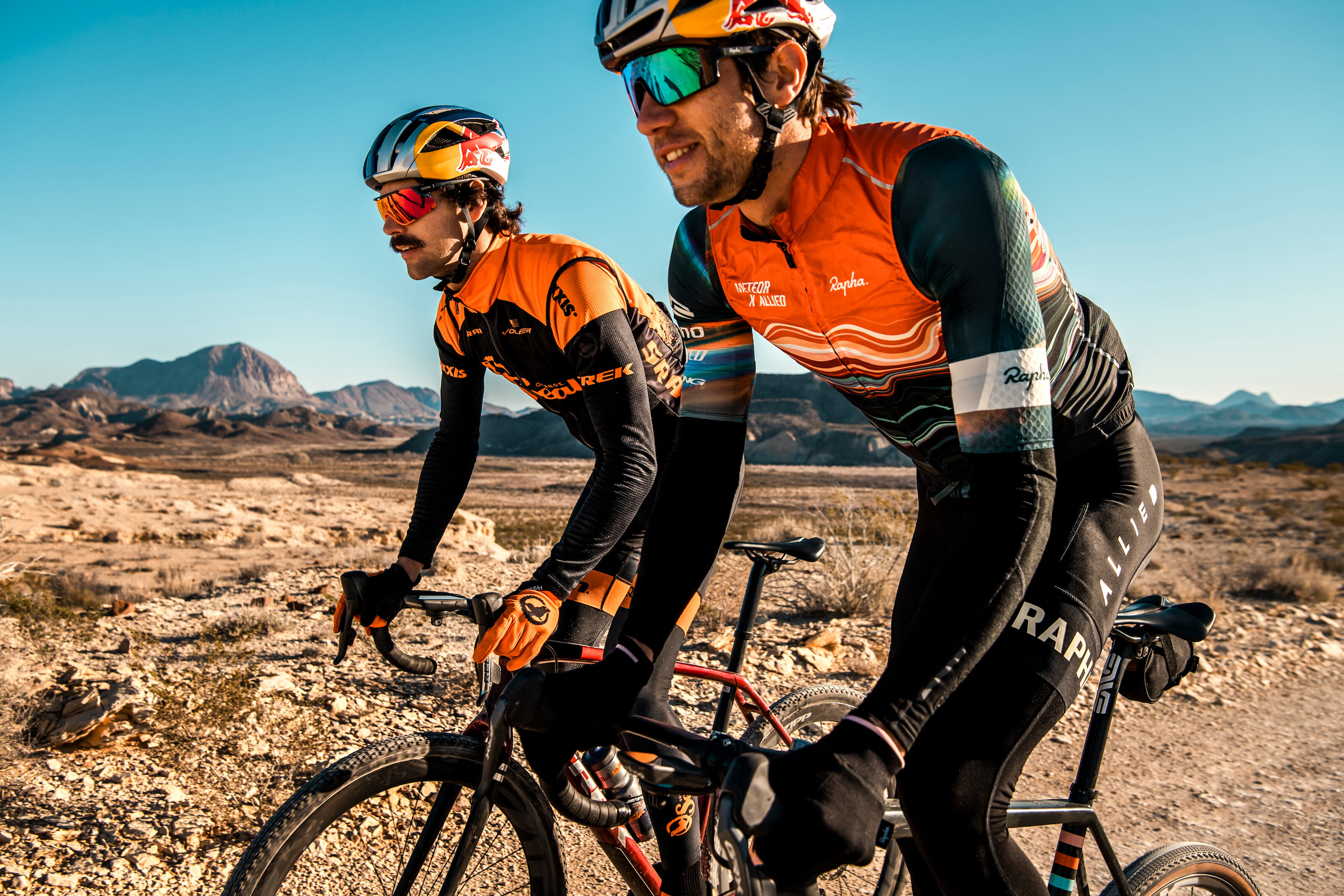
Registered riders will experience a weekend of camping and racing that celebrates the gravel cycling community. Participant check-in will take place on Friday, May 6 with the race to follow on Saturday, May 7. Registration for the race will be capped at 500 riders. Camping passes will be available onsite for registered contestants.
Cibolo Creek Ranch is located 30 miles south of Marfa, Texas in the Chihuahuan Desert. The Ranch spans over 30,000 acres and features rolling hills, the Chinati Mountains, and diverse west Texas wildlife.
For more information see: https://www.redbull.com/us-en/events/rio-grande-gravel-2022/