Name of Product: Sirrus, Sirrus X and Sirrus Sport Bicycles with alloy cranks
Hazard: The crank arm can disengage and cause the bicycle’s rider to lose control, posing fall and injury hazards.
Remedy: Repair
Recall Date: March 16, 2022
Units: About 19,000 (36,000 were previously recalled on September 23, 2020)
Description: This expanded recall involves Specialized Sirrus X 3.0 and 4.0 bicycles model year 2021 and 2022. The prior recall involved 2019 and 2020 model year Sirrus, Sirrus X and Sirrus Sport bicycles. “Sirrus” or “Sirrus X” is printed on the top tube of the bicycle and the model name (e.g. “3.0”) is written on the seatstay of the bicycle. The bicycles were sold in various colors. Models included in the expanded recall are:
Model
Model Year
Sirrus Sport (incl. EQ and Step-Through versions)
2019
Sirrus X Comp Carbon
2019
Sirrus X 3.0
2020-2022
Sirrus X 4.0
2020-2022
Sirrus 3.0
2020
Sirrus 4.0
2020
Sirrus 5.0
2020
Remedy: Consumers should stop using the recalled bicycles immediately and contact their nearest authorized Specialized retailer for a free repair. Specialized Bicycle Components is contacting all known purchasers directly.
Incidents/Injuries: Specialized Bicycle Components has received 30 reports involving the crank arm disengaging on model year 2021 or 2022 Sirrus X 3.0 and 4.0 bicycles. No injuries have been reported.
Sold At: Authorized Specialized retailers nationwide and online from July 2020 through March 2022 for between $850 and $1,700.
Importer(s): Specialized Bicycle Components Inc., of Morgan Hill, Calif.
Manufactured In: Taiwan
Recall number: 22-100
By Charles Pekow — The new federal surface transportation law allows classes and infrastructure improvements for high schools under Safe Routes to School for the first time. But it doesn’t take federal aid to get high schoolers involved or write curriculum to turn them into advocates for better cycling. The Fresno State Transportation Challenge has proved that.
The Mineta Transportation Institute developed a secondary school civics education program and had to implement it remotely because of the pandemic with students from two California high schools. One high school class focused on ways to get more students to bike to school. The other focused on creating a more general local transportation plan.
In the first case, students met weekly and designed a survey to ask colleagues about biking to school. After the course ended, the students planned a bike to school day. At the second school, students studied the future of transportation and designed a transportation system that would work in a business area, including electric scooters and “bike drive-throughs” for fast food restaurants. The school planned to continue transportation education during summer school.
In both cases, students developed critical thinking skills and learned about transportation-related careers, something they generally had not been exposed to, according to the project’s self-evaluation. The classes involved guest speakers.
The ten-event series announces an official name, The American Criterium Cup. Along with the title, the series reveals its logo, leaders’ jersey, and more.
COLORADO SPRINGS, Colo. – The newest cycling series in the U.S. officially has a name, the American Criterium Cup. The core group of cycling stakeholders, including criterium race directors, cycling teams, and USA Cycling, which announced the full ten-event calendar in January, is proud to announce the official series name. “The series, and all the race directors associated with it, are excited to announce the name for the series, American Criterium Cup,” said Mike Weiss, race director of the Bommarito Audi Gateway Cup. “For 2022, the series will focus on the theme of Unity, with events, teams, and USA Cycling having a common goal of elevating the stature of criterium racing in the United States.”
With the theme of Unity, the vision statement for the year is “Togetherness and partnership towards a similar goal.”
Leader’s Jersey. Photo courtesy The American Criterium Cup.
In just under a month, the series kicks off with the Sunny King Criterium in Anniston, Ala. on April 9th. The next event, MVP Health Care Rochester Twilight Festival, is coming May 21st in Rochester, N.Y. Both events have registration open. The Sunny King Criterium registration can be found here, and the MVP Health Care Rochester Twilight Festival registration can be found here. A full schedule of events can be found below. In addition, each event in the series will be live-streamed. Details on the streaming of each event are being finalized and will be announced soon.
By Joe Kurmaskie — Like many good mysteries, this one began with a photograph. Lightning In A Saddle: the long, untamed life of Evelyn Hamilton, came out in book form in 2019 and has been optioned by a Hollywood production team from a screenplay I completed last summer.
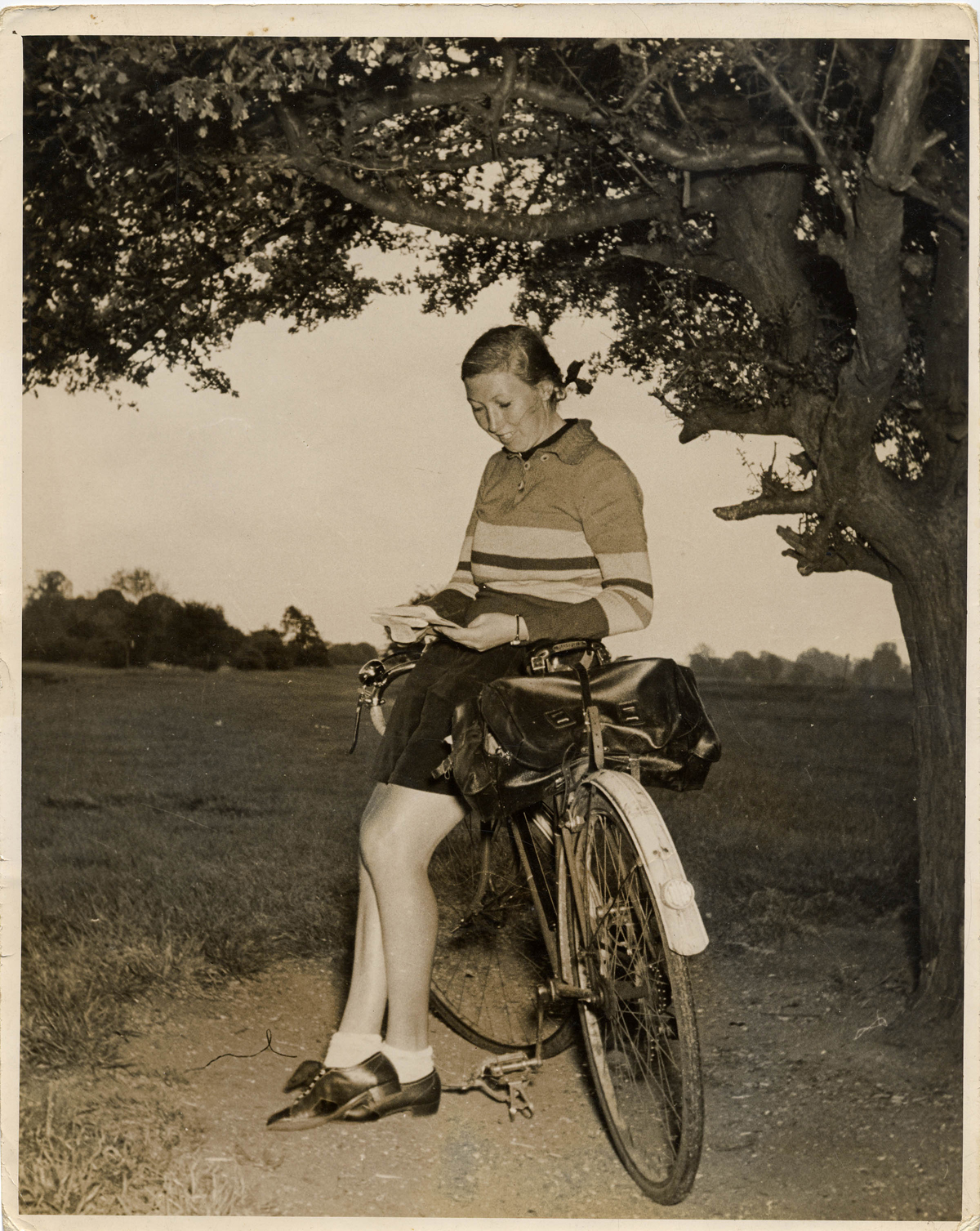
The photo that started it all caught my eye while doing research for another project. Clicking down to find what I needed landed me on a PhD student’s thesis project page; turn of the century suffragettes. In the corner, waiting patiently, was an image of a woman leaning against a bicycle.
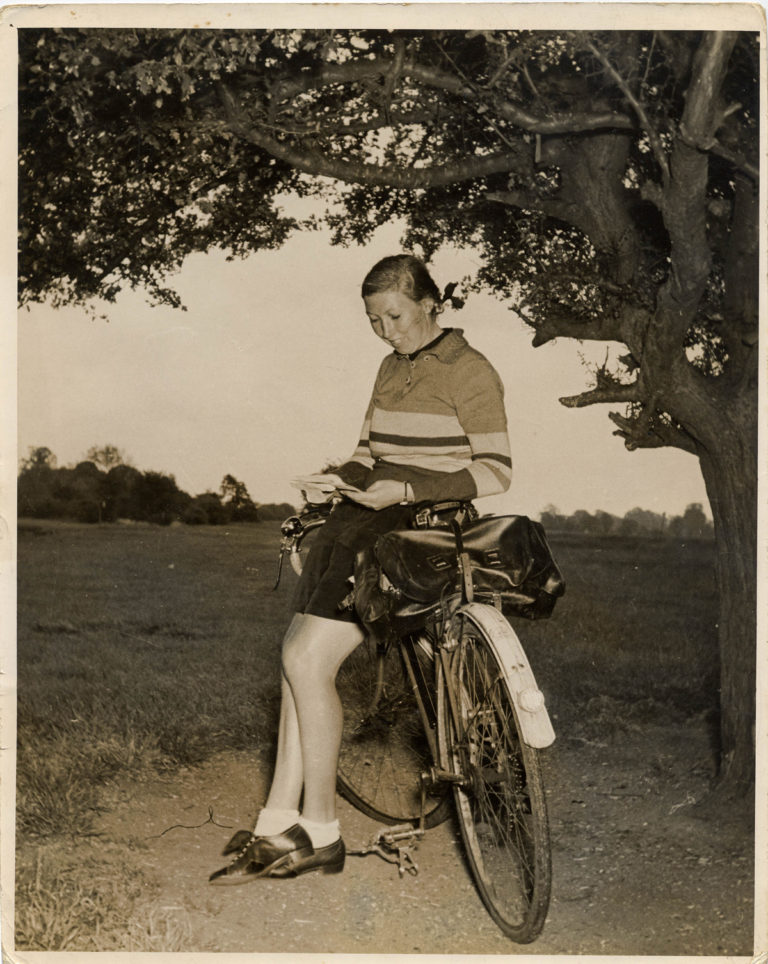
Evelyn Hamilton plots a course during record setting 1,000 miles/84 hrs in the saddle. Photo courtesy Joe Kurmaskie
Something wasn’t right. Instead of a long dress and parasol, this cyclist, circa 1920, was wearing a sponsored wool jersey, bike shorts and a look that said, you might think you can handle some of this, but I do real damage on a bicycle in any setting and in the lives of those around me. She looked like a contemporary, a time traveler trapped in buttoned down pre war Britain.
I lingered over the image, finally grabbing it into a file, before moving on. I made a promise to myself I would learn the rest of her story when time and energy allowed.
Little did I know that I was only a few curves away from my own life nearly unwinding for good. Time was running out for me, and energy in short supply.
Before I could tackle the long, untamed and utterly astounding, true story of Evelyn Hamilton; British female cycling phenom who lived, loved and rode on her own terms, fought sexism, actual Nazis and her own ambitions to become a beacon of humanity, I would have to discover what was killing me before it finished me off.
The only problem, I didn’t know I was dying, I thought this was how everyone felt knocking on the door of middle age.
The medical world calls it Hereditary Hemochromatosis/Iron Overload. It’s known in some circles as the Irish Curse, but this deadly genetic mutation which causes one’s body to retain iron in organs and tissues is a worldwide curse, on par with type 2 diabetes in terms of its reach. And it’s really a Viking victory of sorts.
The world’s most common deadly treatable genetic disorder, hereditary hemochromatosis, is also the least detected, diagnosed and treated in time to prevent chronic illnesses and premature dead. Not through lack of knowledge, but willful negligence on the part of a profit driven medical system.
But my big mouth and regular check ups kept me in the race. That and exercise, drinking tea with my meals (tea blocks the absorption of 70 percent of iron), not drinking alcohol, eating badly, or smoking … but even while playing all the right health cards, this disorder would have beat me in the end.
Once we knew what was causing my headaches, fatigue — a ferritin level of 2600 (normal being 50) and a liver so packed with iron I was a year or two away from needing to shop for a new one or for a cemetery plot — we could treat it.
Each week for a year, they removed a pint of blood from me to force the stored iron in my tissues to be pulled out for use oxygenating the new blood my body was being forced to make. This slow and steady leeching process detoxifies my organs and brings everything back to normal levels.
Now, 36 months later, I only get blood draws every 90 days.
Caught in time, one gets to be symptom free and live a full life. Caught later, the blood letting still helps lessen symptoms and prevents further deterioration of organs. Left untreated it leads to liver failure, cirrhosis, heart attack, heart failure, diabetes, arthritis and eight cancers — including pancreatic, stomach, gall bladder and liver cancer.
Bloodletting to save me … so Game Of Thrones of them.
Of course I love a good fight almost as much as I love a good story and the tale of hereditary hemochromatosis turns out to be an epic tale!
Iron in the body is the food that bacteria feeds on to get strong and overwhelm its defense systems. That’s why we have chelators around all the openings in our body – binding with much of the iron so bacteria can’t feed and grow. It’s a balancing act. But my mutation locks down iron on a permanent basis allowing it to store over time, stiffen organs and, Goodnight Detroit.
But why would evolution choose something that will time bomb in 40 years? Because it would save them in the here and now so they could procreate. Here’s where it gets awesome. If you have the mutation it stores iron but it’s stingy about storing it in one special place – inside the police force type white blood cells.
This cell surrounds infection, preventing it from spreading. In people with normal versions of this cell, the bacteria and infection can smuggle in as a trojan horse, growing strong on the police cell’s iron, and breaking free to cause chaos as the cells give it a ride around the body. But my police cells carry no iron.
Neither did the Vikings cells — where it started.
They got about forty infection and illness free years — time enough to mate, etc. and all the cultural ideals of battling and bloodletting in their daily lives — kept the disorder in check, for many, well beyond 40.
When the black death/plague came to Europe, the Viking’s founder colonies had spread the gene and protected a portion of the population … which spread it further and allowed much of Europe to survive many other illnesses before antibiotics etc.
So my Viking blood has been very good to me, I was the guy who never got sick or only mildly and got over it before others … until now.
Thor’s hammer had grown heavy and deadly inside me, poisoning me with each bite of food, and it had be pulled out, one pint at a time.
Hereditary Hemochromatosis and Athletes
1 in 9 are affected worldwide either as carriers or two gene holders. Having the mutations increases one’s risk of storing excess iron in tissues and organs. Iron overload is the trigger for a dozen cancers, chronic and deadly illnesses including heart attacks, liver disease, liver and heart failure, arthritis, diabetes. It has one of the lowest diagnosis rates in the world with less than 8 percent discovering they have it in time to treat properly, or at all.
But are athletes at greater risk of iron overload than the general population? A number of studies have concluded yes, they are. But why?
Iron Supplements: Although numerous science based studies have determined it generally does not improve performance, iron is often used by elite athletes. This trend has been on the rise for decades, promoted by the vitamin industry. Publicity about it’s use has influenced mid-range athletes and the larger population of citizen athletes training for charity runs, spartan races, marathons, teams of all sports and cycling clubs.The physiologic changes induced by exercise can mimic iron deficiency and decrease hemoglobin and ferritin concentrations over the short term. Determination of serum transferrin concentrations identify true iron deficiency, but too many athletes simply take iron pills or multivitamins with large doses of iron without being tested for real deficiency, overload or genetic mutations… because they heard it was good for them and might give them an edge.Since HH has one of the lowest diagnosis rates in the world, with less that 8 percent discovering they have it in time to treat, or at all, a large segment of athletes are playing Russian roulette every time they take iron pills.In contrast, increased iron stores in the body are a frequent finding in elite athletes who have used long-term iron supplementation. For example, elite runners have increased intestinal blood loss, but can be compensated by enhanced absorption of dietary iron i.e eating a healthy diet of food. Taking iron pills and supplements only increases the risk of iron overload (especially in athletes with undiagnosed hereditary hemochromatosis) without improving performance.
More than a casual relationship between elite athletes and a higher prevalence of hereditary hemochromatosis than general population has been established.No less than four independent scientific studies in Britain, France, Spain and Australia have reached similar conclusions – athletes test for HH at higher rates than general population, not due to supplements, but at the genetic level. The Madrid study findings indicate a high prevalence of HFE (High Iron Fe gene) gene mutations in highly trained professional athletes populations (49.2%) compared with sedentary controls (33.5%). In a study of French athletes across several sports the primary conclusions were that while 27% of the French population is heterozygous (carriers) for mutations in this gene, 80% of the French athletes who won international competitions in rowing, Nordic skiing, running and judo displayed mutations in one or more allele of HFE, thus demonstrating the existence of a favorable phenotype linked to this heterozygosity. Additional conclusions from these studies included:A. The frequency of HFE mutations in elite athletes is up to twice as high as in controls. (across all the studies.
B. In the international podium group from the French study, 80% of athletes had mutations in the HFE gene.
C. The HFE mutations are favorable to high level performance in athletes.
D. Heterozygous HFE mutations could be associated with a favorable phenotype.
Athletes get tested more frequently and thoroughly for their physical condition than do the general population.A strong argument, backed by data from three medical system surveys, indicates one reason more athletes know they have HH than do in the general population – and get treatment – is because they schedule more physicals, or are mandated to take them by sponsoring organizations, request more tests be run and are viewed by health professionals as stronger candidates for specific panels and tests outside of routine blood work. Because they present less factors such as drinking, smoking, poor diet, lack of activity, doctors look beyond presenting symptoms for a source.
The Take Away:
While more studies need to be done regarding the correlation between elite performance and prevalence of gene mutations, athletes of all stripes should NOT take iron supplements and vitamins with iron in them
Highlights the need for widespread, routine iron panel testing for all populations to catch this disorder and its damaging effects early and often. Sign our petition to make those tests routine again.
As I got treatment and recovered my strength and stamina I returned to that image of a female cyclist looking like a time traveler from 2005 tapped in 1920.
Research was slow going. I used this one image to search for others, finally employing a face recognition app. That’s when I turned up a name. Evelyn Hamilton. No wikipedia page. A further search of Hamilton and cyclist hit pay dirt. Evelyn started out as Evelene Alice Bayliss. And over the course of her life had variations to her name. She was Evelene, Evelyn, Gladys, Alice, and several last names Helsen, Bayliss, Hamilton. As research continued I began unearthing articles and newsreels and connections which would take me on a literary global treasure hunt… revealing the biggest, most consequential story of my writing career. I would have the good fortune to bring a war heroine, cycling champion and equality pioneer back to life and across the finish line of history. From one picture to a life now featured at www.evelynhamiton.org to a nomination for induction into the British Cycling Hall of Fame in 2020.
More of Evelyn Hamilton’s exploits – Rides across three zipcodes at 12 years old. Told that society has rules and boundaries because it’s a dangerous world out there. Her response, “And I plan to pedal every mile of it.”
By Tom Jow — Finally, it’s March! If you live in the Mountain West and are not a winter sports person you know what I mean. We are all ready for our annual spring trip to Moab, St. George, Fruita, the Four Corners and beyond. However, is your bike ready? If you are like me, you rode until the last day of bike season and haven’t touched it since. After you make plans for that first trip, do at least the six things listed below:
Lubricate the chain.
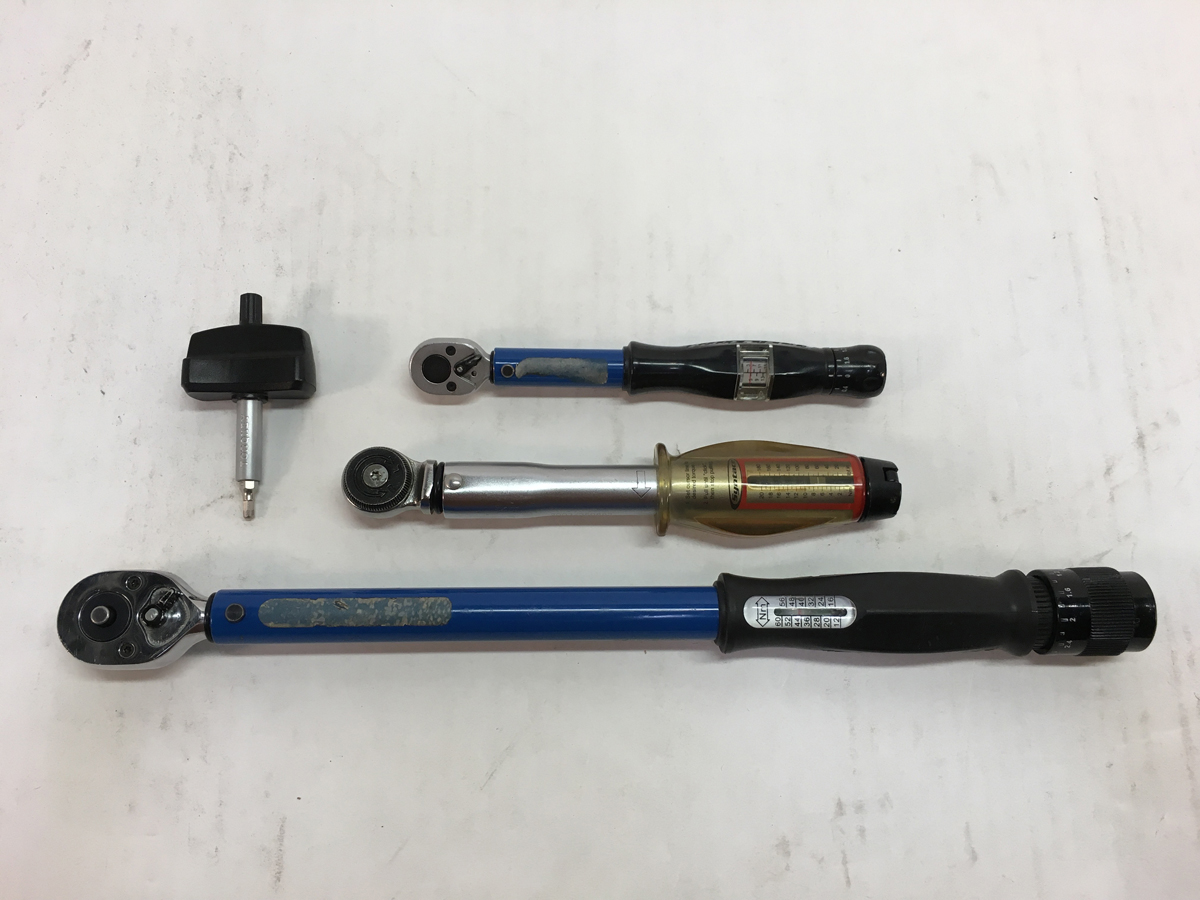
Check every bolt on the bike that you can reach. If you have a torque wrench, great. If not, just make sure no bolts are about to fall out.
The author’s torque wrench collection. Each has a specific use. Photo by Tom Jow
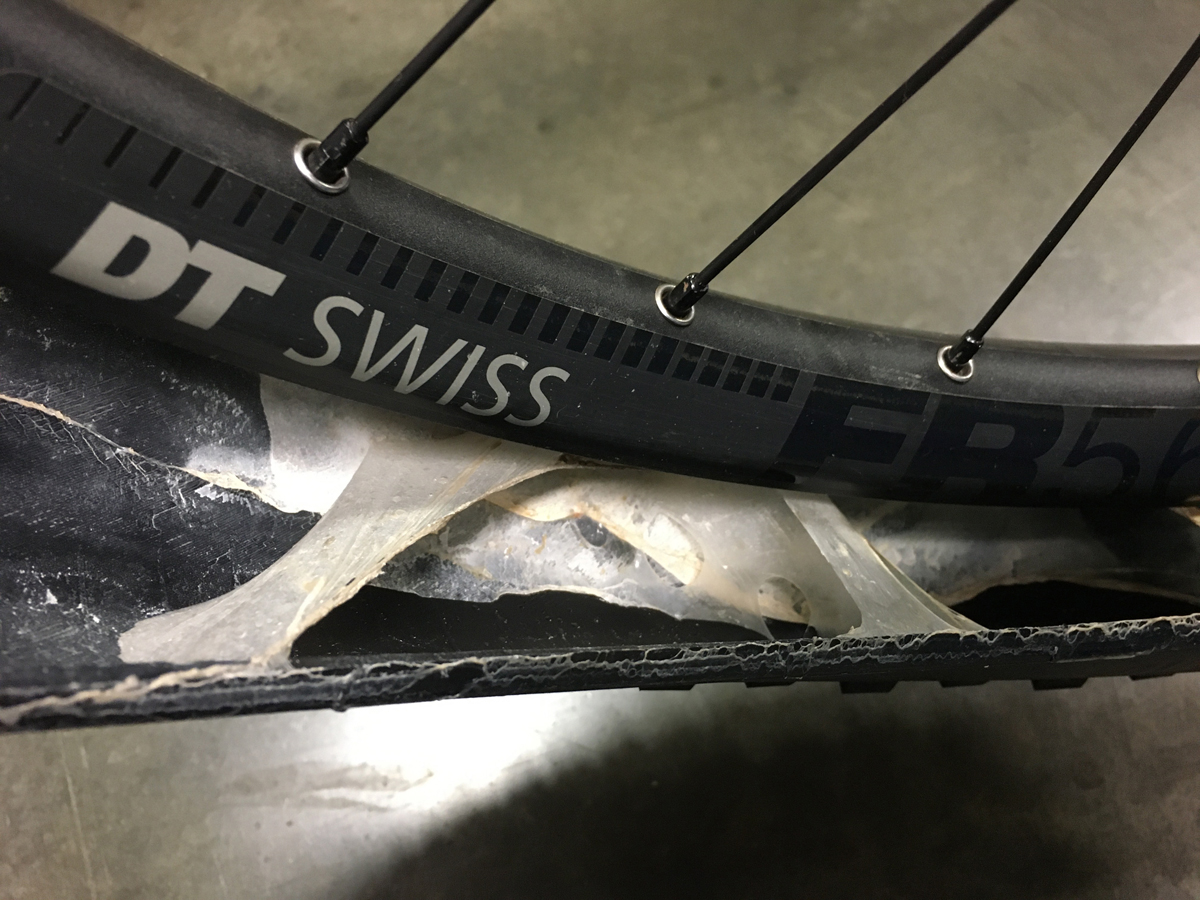
Inspect the tires for cuts, debris, and other damage like knobs tearing off. If using a tubeless system, replace the sealant in tubeless tires. The liquid evaporates and will leave you with little puncture resistance (especially if you are going where there is cactus). Sealant can be installed through the valve stem (remove the valve core first!) or dismount about a quarter of the tire.
A tubeless road tire with dry sealant residue. Photo by Tom Jow
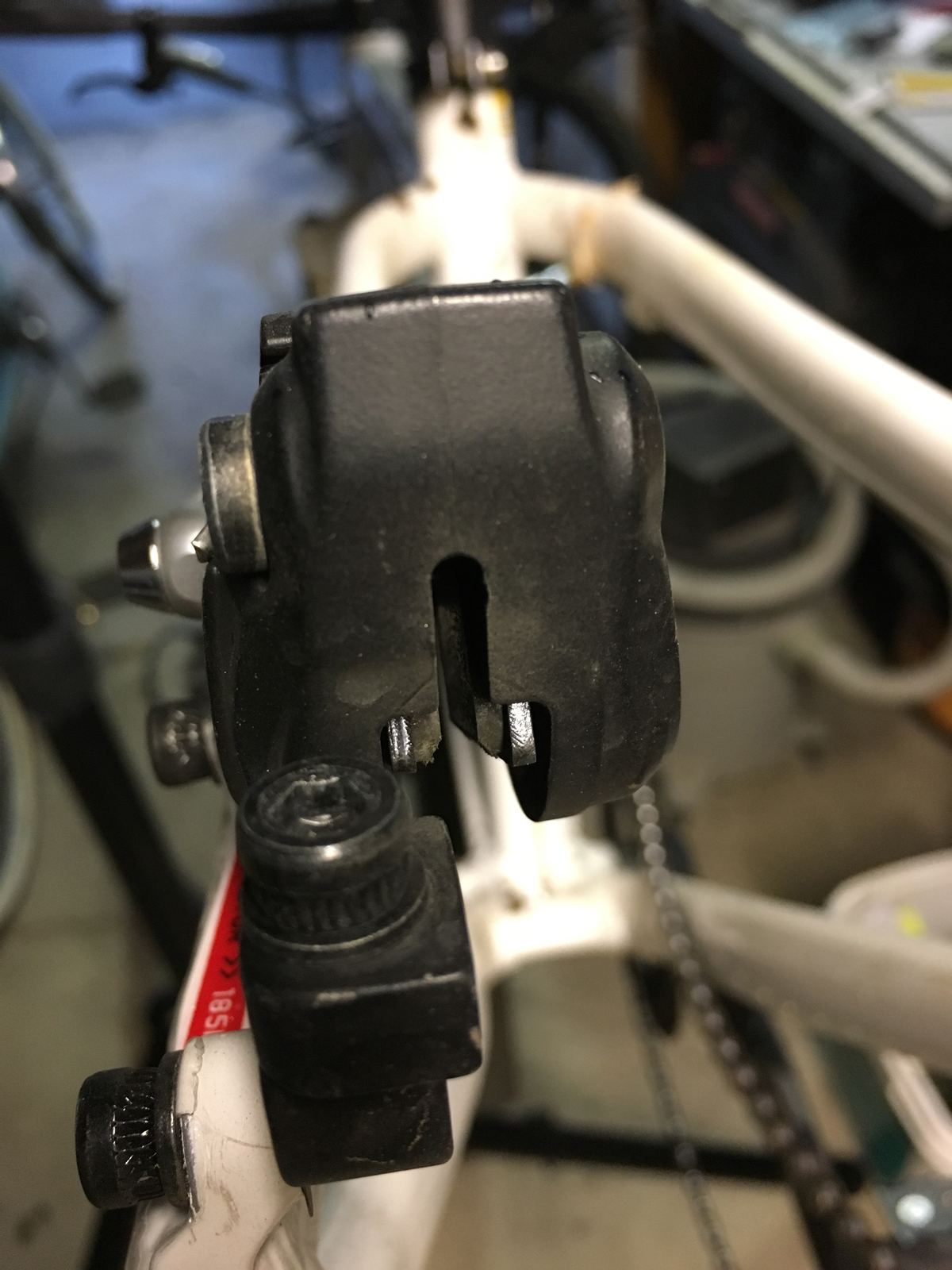
Inspect the brake pads for wear. This is especially important on hydraulic disc brakes because the pads are self-adjusting. The only way to know if the pads are dangerously thin is to inspect them visually. With a bright light, look down into the caliper to inspect the thickness of the brake pads. If the pad material is one millimeter thick or less, it is time for a new set.
Take your wheel out to get a better view of your brake pads. Photo by Tom Jow
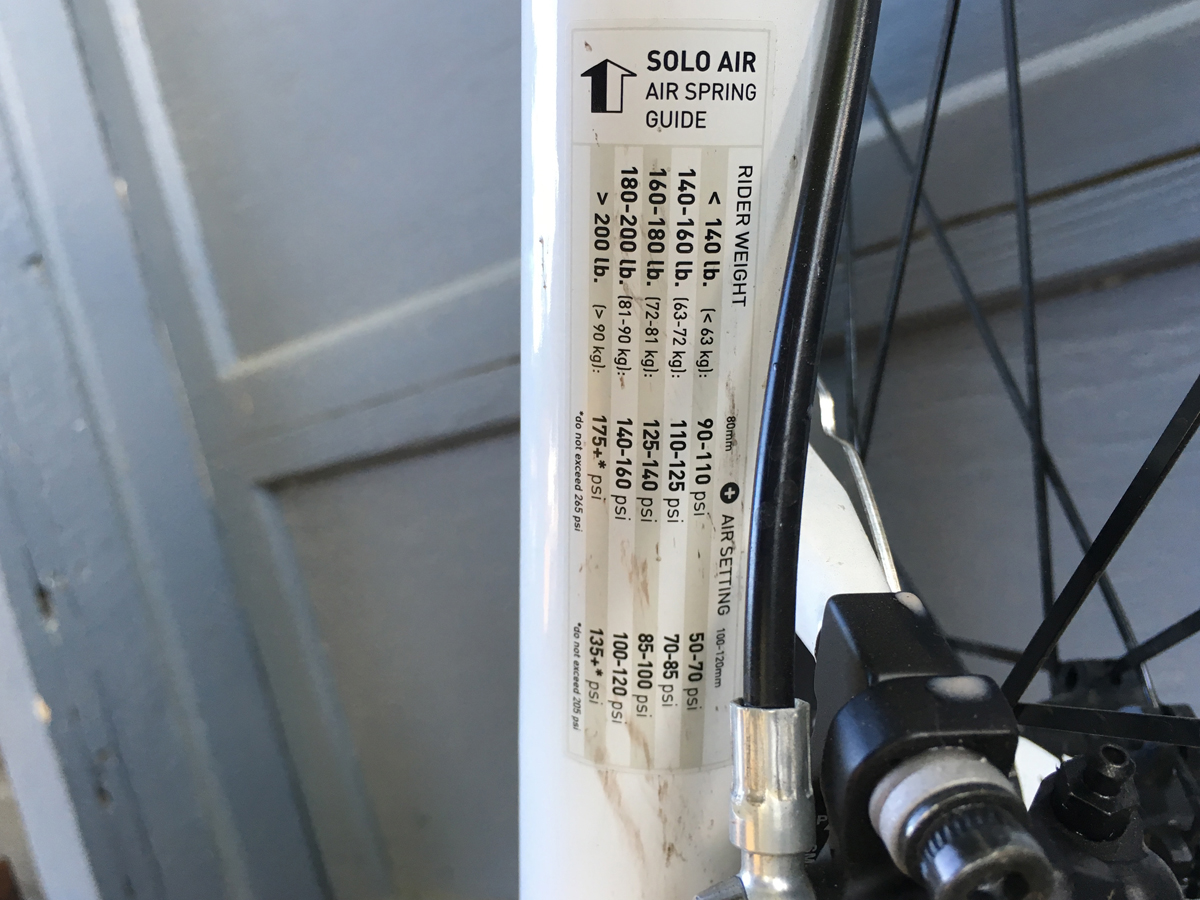
If your bike has suspension, verify that the air pressure is correct. Don’t know what correct is? Didn’t record the settings? If not, chances are the bicycle manufacturer has guidelines on their website. And if not there, then visit the manufacturer website for the fork and/or shock.
Check the pressure chart or shock manual or website. Photo by Tom Jow
Fortunately, bicycles are fairly simple machines. In most cases they continue to function with little to no maintenance. By performing these five simple tasks, you can guarantee that your bike will operate smoothly and safely for your first trip of the year.
Oh, and item number 6: Make an appointment at the bike shop before you leave.
COLORADO SPRINGS, Colorado (March 16, 2022) — On Wednesday, USA Cycling announced the schedule for streaming of the 2022 USA Cycling National Championships on their media partner’s, FloBikes, platform. Like in 2021, the USA Cycling Pro Road National Championships in Knoxville, Tenn., will kick off the 2022 live stream calendar. Other key USA Cycling National Championships that will be live-streamed include the 2022 USA Cycling Mountain Bike National Championships, Collegiate Track National Championships, Madison Track National Championships, and Cyclocross National Championships.
FloBikes subscriptions are billed at $150.00 per year.
“We’re thrilled to partner with FloBikes to be able to provide live streaming at five of our national championships in 2022. Being able to share the excitement of our national championships to virtual spectators and a platform for athletes and their sponsors is an added value to our national championships,” said Tara McCarthy, USA Cycling’s Director of National Events. “The production for events like Cyclocross National Championships and Mountain Bike National Championships were pushed to the next level in 2021. FloBikes’ additional coverage at Cyclocross and their coverage of Downhill at Mountain Bike has expanded access to our keystone events, allowing for fans and families to catch all the action.”
FloBikes members can find all USA Cycling content at the USA Cycling FloBikes hub. Content in the hub includes replays of all the live streams from 2021, including the streams from the Pro Road Race, Cross Country events, and Cyclocross. In addition to the live stream replays, FloBikes provides content and commentary on Team USA’s performances at events across the globe. You can watch FloBike’s Jessica Alexander’s interviews with Clara Honsinger or Kerry Werner or watch Ashton Lambie’s rainbow stripe earning performance at the 2021 UCI Track World Championships in the Individual Pursuit.
The current calendar for USA Cycling’s live-streamed events:
Date
Event
Location
June 24 & 26, 2022
Pro Road National Championships
Knoxville, TN
July 18-26, 2022*
Mountain Bike National Championships
Winter Park, CO
September 8-11, 2022
Collegiate Track National Championships
Indianapolis, IN
November 10-13, 2022
Madison Track National Championships
Detroit, MI
December 6-11, 2022*
Cyclocross National Championships
Hartford, CT
*Streaming schedule for these events has not been finalized yet.
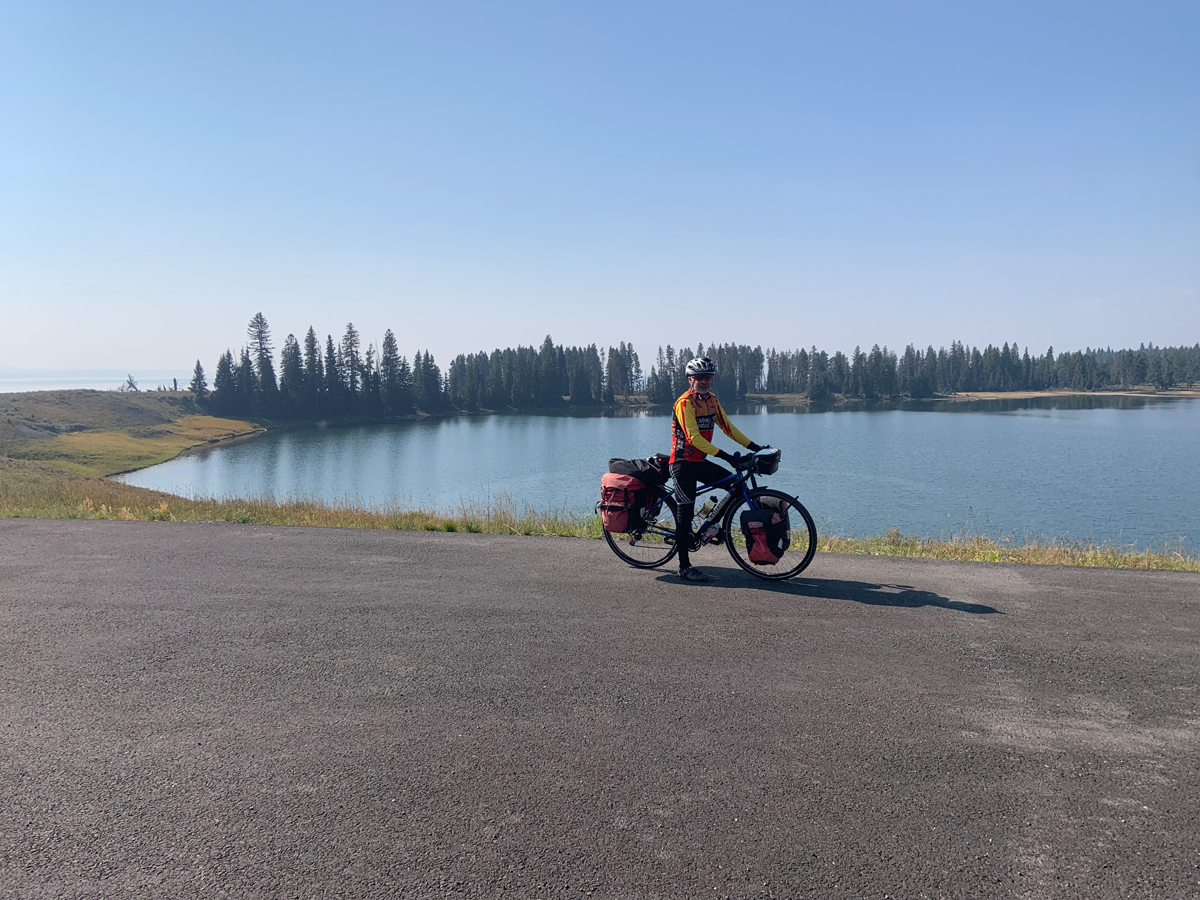
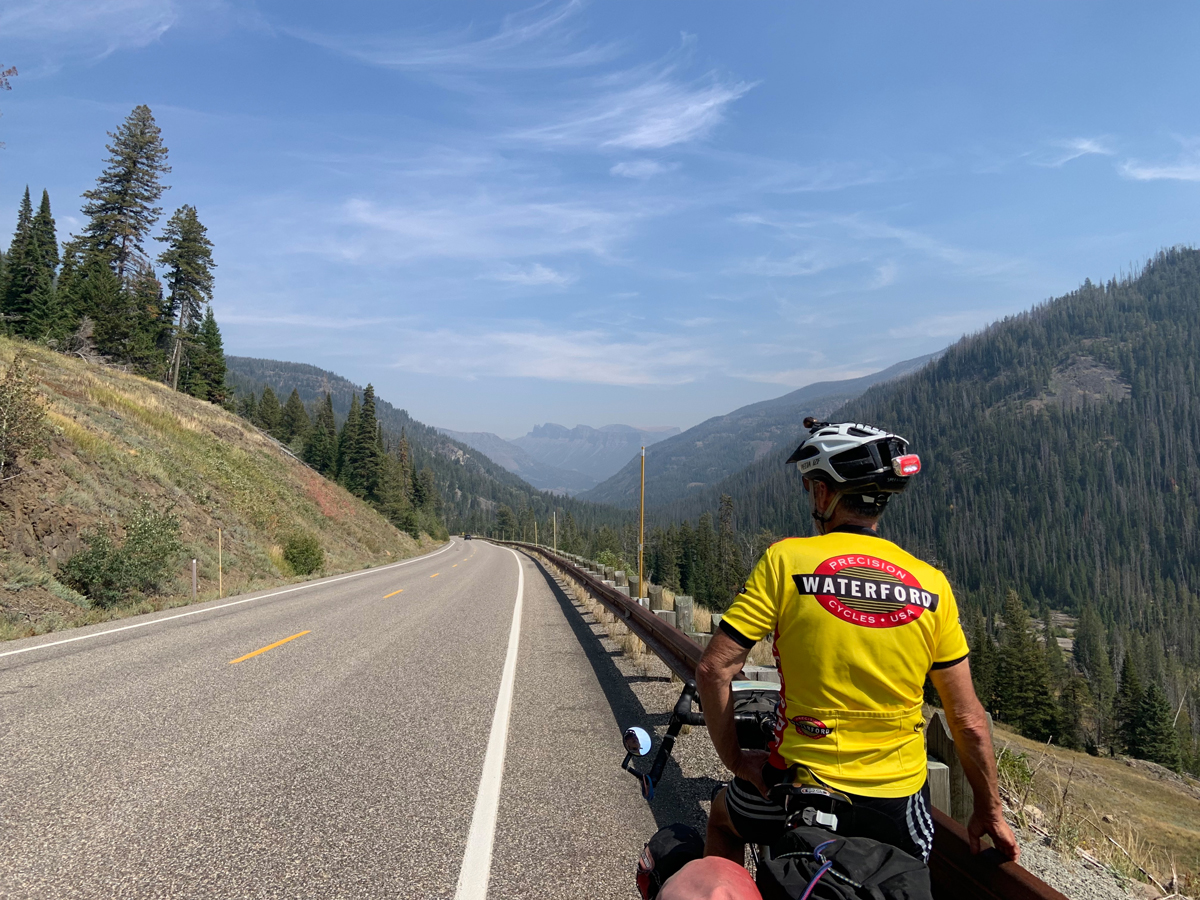
By Lou Melini — Parks, Peaks and Prairies is a new route mapped by the bicycle travel organization, Adventure Cycling Association. The full route runs from West Yellowstone to Minneapolis and is covered on 3 maps. My wife Julie and I used Map 1 for the West Yellowstone to Greybull, Wyoming part of our tour starting on Labor Day in September of 2021. Our intended route would take us through the prairies east and south of Cody, Wyoming, through Yellowstone National Park and across the peaks of Chief Joseph Scenic Highway and the Beartooth Highway between Cody and Cooke City, Montana.
This tour was the first tour Julie and I have done since our ride across the U.S. in 2018. I was anxious to not only get out on a bike tour with Julie, but on how to plan the logistics to satisfy our current interests and expectations.
I spent weeks planning and revising the intended route, changing it six times, the last being on day 2 of our trip when I shortened our ride by one day. I lost sleep, once poring over a map at 2 AM. I consulted with two WarmShowers.org hosts that lived along the route and one district ranger for advice on my intended route.
Lou Melini on Lou and Julie’s Wyoming Tour. A smoky view of Yellowstone Lake. Photo by Julie Melini
Weather, wind, elevation changes and forest service (FS) campground availability were significant considerations for a September tour in the high country of Wyoming. In addition, I wanted to include the “tourist” attractions; the Buffalo Bill Center of the West in Cody, a world-class museum, and the Hot Springs State Park in Thermopolis. The scenic highways, Chief Joseph and Beartooth have long been on my bucket list. Yellowstone National Park is always an attraction. Julie’s physical conditioning and my anxiety pushed me to plan shorter days than our earlier tours, so the final route we took was a “figure 8” with Cody in the middle
The Basics:
We drove our car to the cabin of a neighbor, about 8 miles west of West Yellowstone, forgoing the thought of taking the bus. Julie and I rode off shortly before 1 PM with the intent of riding 50 miles and 2000 feet of climbing to Canyon campground in Yellowstone National Park. With the aid of a tailwind, we arrived in the hiker/biker site around 6 pm. No shower was available, as showers were turned off in the campgrounds in Yellowstone National Park due to COVID-19. Day 2 was our longest day, 60 miles in 5 hours of riding. We climbed nearly 2000 feet followed by a 2500-foot descent. From canyon campground, only hard-sided campers are allowed in any campground until 16 miles east of the east entrance of Yellowstone National Park at rex hale fs campground. At this time of the year, I had been assured that we did not need weekday reservations for Forest Service campgrounds. Rex Hale FS campground had a friendly host, potable water, and 2 bears close enough to be identified as black bears but far enough to not be threatening to us. We had noticed a lot of bear scat along the road east of Yellowstone. We kept our bear spray close, and our food was in odor-proof bags in a bear box.
The Prairies:
Day 3 was primarily a descent into Cody, the only obstacle being a 3500-foot tunnel without a shoulder. Lights are highly advised. The truck behind us kept his distance and acted like he was our rear escort. The 2 other tunnels are short, perhaps 60 feet at most. Shortly after arrival in Cody we spent 2 hours at the Buffalo Bill Museum, receiving a free return pass after mentioning our return trip to Cody in another 5 days. We then spent the night with a wonderful WarmShowers.org couple, Mike and Paula, outside the city limits of Cody. Days 4-6 were relatively flat rides. We stayed at an immaculately clean KOA in Greybull. Greybull, as legend has it, was named after an albino buffalo, sacred to the Native Americans that lived there. As we moved on to Worland, we stayed at another excellent WarmShowers.org host, Stephen and Susan, north of town. After Worland we rode 40 miles to Thermopolis to an in-town campground next to the main road. Our camp was one mile from Hot Springs State Park where we went swimming in the warm pools. That night we enjoyed a cantaloupe for desert that we carried fresh from the garden of our Worland host. The melon traveled well!
Lou Melini approaching Sylvan pass. Photo by Julie Melini
I can’t say enough about our WarmShowers.org hosts. Mike and Paula had ridden across the U.S. on the Northern Tier route in 2016. Stephen rode to his 50th high school reunion in Washington D.C. in 2019, the same year I had my 50th reunion. It is really nice to be with people that understand bike touring and why Julie and I are traveling as we do. As an example, Mike gave me some glue to patch my tubes. When I was patching a tube at his house, I opened a new tube only to find that it had dried out. I barely had enough to patch the tube.
There was a long climb out of Thermopolis at the city limits. We traveled the 50 miles to Meeteetse, where we camped at a respectable RV park on day 7 and additionally had a motel, cabins, and tent sites along the Greybull River. Soon after leaving Meeteeste we encountered antelope in pairs and one herd of about 20 animals. As I sped along looking at the herd, 2 antelope bounded across the road in front of me from the opposite direction giving me a bit of a scare. Further north, Julie and I stopped to see a herd of wild horses grazing.
Though less green compared to Star Valley, Wyoming (Afton, Alpine among other towns) that I have ridden through several times, the plains in this part of Wyoming are also flat, bordered by the Owl Creek Mountain range to the west and the Bighorn mountains to the east. Agriculture, specifically cattle, cattle feed, barley, and sugar beets being the major crops, is a large contributor to the economy along with mining and tourism.
Our return to Cody on day 8 brought us to the Ponderosa campground, about a half-mile from the museum and Wal-Mart where we resupplied. The museum was again a highlight of our return to Cody. If you travel through Cody, the Buffalo Bill Museum should be on your agenda. The museum is a collection of 5 distinct museums comprised of the Whitney Museum of western art (think Charles Russell, Frederic Remington and Thomas Moran among others), The Draper Natural History museum that comprises 5 floors of exhibits with each floor representing a different elevation from prairie to mountain peaks, a museum of Native American history, a gun museum with exhibits going back hundreds of years and of course a museum for William “Buffalo Bill” Cody, one of the founders of Cody, Wyoming. Julie and I spent a total of 4 hours in our two visits, though a minimum of 6 hours is probably a better estimate to really take in the museum. We had previously been to this museum 30 years ago with our boys and before the Draper Natural History was added.
The Peaks:
My anxiety again caused me to lose sleep. The next 2 days would involve 78 miles and lots of climbing on the Chief Joseph scenic highway and the Beartooth highway. Given that trucks use the roads, I assumed the grades would be reasonable. I was able to choose to do these mountainous roads, as there is a FS campground (Dead Indian Campground) halfway between Cody and Cooke City, a perfect location that enabled us to comfortably ride to Cooke City in 2 days.
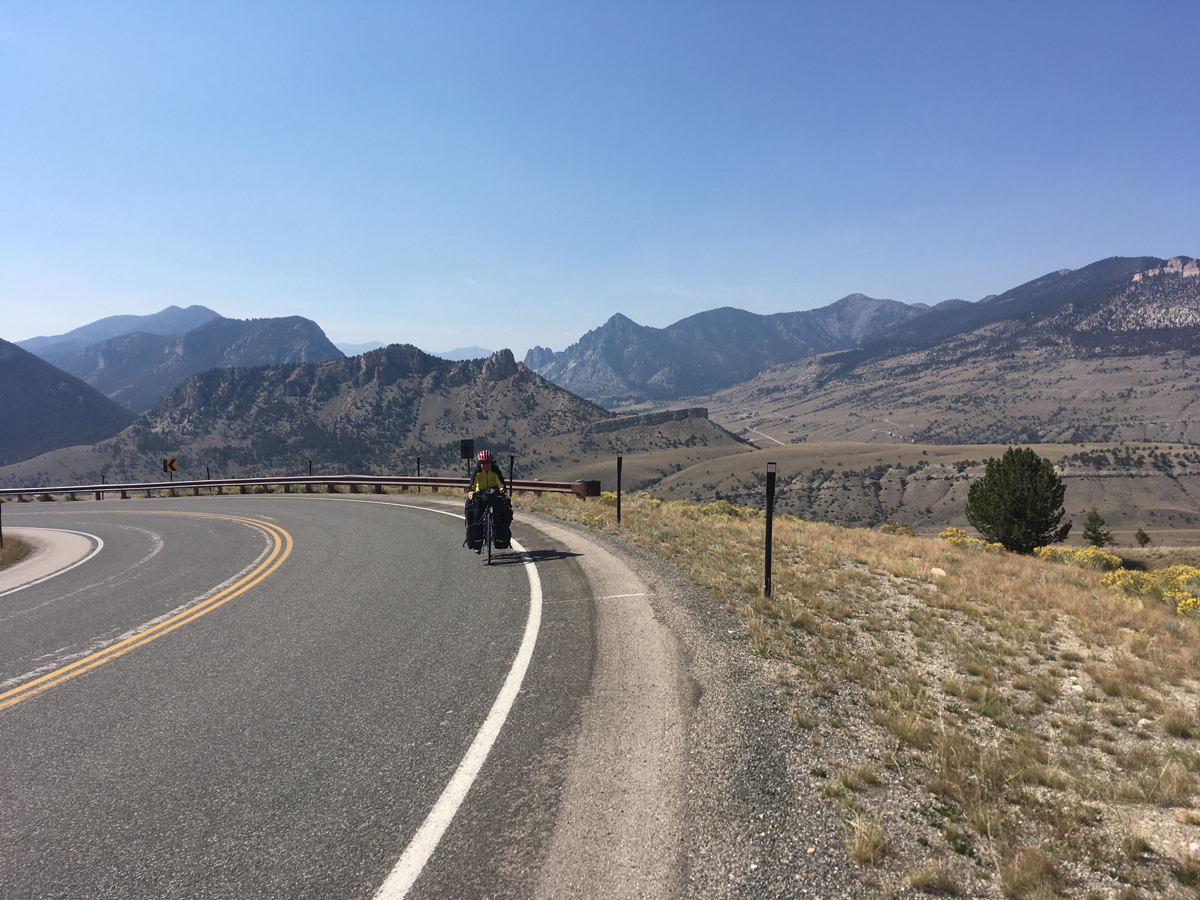
Coming off of Chief Joseph pass (staged picture with Julie on wrong side of road). Photo by Lou Melini
Chief Joseph Scenic Highway lived up to its name. Simply a gorgeous ride rivaling other nationally recognized scenic highways that we have ridden in Utah, Washington, Idaho, and Montana. The highway goes through Shoshone National Forest, following some of the route of Chief Joseph as he led the Nez Perce out of Yellowstone and into Montana in 1877 in his unsuccessful attempt to flee the U.S. calvary.
Fortunately, the smoky skies that limited our views during the first few days of our trip had cleared. We were now able to see mountain peaks far in the distance, multicolored rocks lining the hillsides, and the vegetation that displayed the multiple colors in the cooler September weather.
We arrived at the campground just as the camp host was packing up to leave after a season of hosting. The host told us that we could camp for free. Bear boxes were present, and a ranger came through assuring us that we would be safe from bears. There was one other camper in an RV in the campground that night. On the next day we left Chief Joseph and turned onto the Beartooth Highway. This road was also very scenic, but we had a stiff headwind all day. The Chief Joseph highway has a 9.5-mile steady climb, perhaps a 5% grade topping out at 8,048 feet. The Beartooth had 6 climbs if I recall correctly, but shorter in length. The grades were perhaps 5-7% making for a tough day with the wind despite being “only” a 40-mile day. With the help of a very courteous hotel owner in Cooke City, we obtained the last available room in a cabin in Silver Gate (adjacent to Cooke City).
The Parks:
We left Silver Gate early and entered Yellowstone National Park on day 11 through the northeast entrance. We had a downhill ride most of the morning to Tower-Roosevelt Junction. Riding through the Lamar Valley was another highlight of the trip. The valley has been described as the “American Serengeti”. Hundreds of people lined the road and hillside with spotting scopes and binoculars to watch wolves and bears. Julie and I just saw dots in the distance. We did get to see a few bison herds, with one herd having a rough count of more than 50 bison. After lunch at Tower Junction, we were off to Mammoth. We had several climbs and descents, the last climb taking us to Yellowstone National Park headquarters in Mammoth. We did a tourist walk before heading off to the campground. The elk herd that habitat the area was quite the attraction, especially the one bull elk that walked through the parking lot.
We woke early at the Mammoth campground hoping to beat the traffic out of Mammoth. I grabbed our food from the bear box and heated water though that was going slowly as my fuel canister was near empty and the temperature was around 30. Through the night we heard an elk bugling near camp. As we finished breakfast and cleaned up, the elk, with a 5-foot rack of antlers wandered through a neighboring camp stirring up the dog. Then the elk wandered through our camp close enough that Julie and I prepared to get under the picnic table. The elk decided to lay down behind our bear box. Saying goodbye to the elk, we packed up and left camp.
Upon leaving camp we went uphill for 5 of the first 7 miles. In addition, traffic was heavy with cars. I chose the post-Labor Day weeks in order to avoid crowds but it seemed like a lot of other people had the same idea. Due to traffic, we pulled off the road every couple of miles, especially when we saw a dump truck as it was usually followed by at least 20 cars. About 10 miles or so north of the Norris area a shoulder appeared on the road. Traffic had lightened by this time, and we rode on taking in the scenery. After another short climb we had a small descent into Madison campground. We set up in the hiker/biker campsite and went off to find our neighbors from home. They happened to be camping at Madison so the 4 of us took an hour stroll taking in the beauty along the Madison River.
On our final morning we packed up for the short 23-mile ride while I finished my complimentary mug of coffee from the employee coffee pot in the adjacent camp registration office. We were glad for the short day, as the tailwind we had on day one became a head wind as we exited the park for the final 9 miles to our car. Not only did gusts of wind knock us about, but we also had a rumble strip on the already narrow shoulder and fast truck traffic leaving West Yellowstone making us both nervous.
Overall, the route that we took on this particular trip will be a highlight among the many tours that we have ridden. Julie and I had a wonderful ride. The shorter riding days allowed for a relaxing trip and time to enjoy some of the people and sights along the way.
Nuts and Bolts:
The Salt Lake Express bus drops you of at the Visitor Center in West Yellowstone at 4:50 PM with pick-up for the return trip at 9 AM. You are able to park your car at the Visitor Center for up to 2 weeks. Check with the visitor center for details.
The roads we took had adequate shoulders with the exceptions being Yellowstone National Park roads between Canyon and Fishing Bridge, the Northeast entrance to Mammoth and from Mammoth to about 10 miles north of Norris junction. The roads were actually not bad given the speed limits in the park and courteous drivers.
The weather was great. We had 70-80 degree days in the flat plains (50 for the lows), with 60 plus temperatures in the high country and 30 for the lows. We had strong head and side winds on the day to Cooke City and the day we returned to our car. Winds in NW Wyoming come from the west/northwest. Fortunately, the shortening of our trip by one day turned out to be a good move. Call it good planning; divine guidance or just plain lucky because the temperatures dropped, and Yellowstone had a snowstorm day after we left.
Bring cash as 2 of the campgrounds had “cash price” and a credit card price. We saved a few bucks with the cash price. The campground in Cody (Ponderosa) did not take credit cards and did not have a “cash” discount. Finding a campsite at this time of the year was easy outside of Yellowstone NP. Yellowstone campgrounds were “full”, but the hiker/biker sites were empty for our stays.
We spent about $150 on lodging at 9 campgrounds, 2 nights were spent with WarmShowers.org hosts and $210 for the cabin in Silver Gate, typical of lodges outside of Yellowstone National Park. Full grocery stores are available in Cody, Greybull, Worland, and Thermopolis. Meeteetse has limited groceries at the gas station, Mammoth has limited supplies but there is a café, and in Cooke City we were able to obtain food for a decent dinner and lunch supplies from a hotel grocery shelf. Canyon Village also has a store, but we had enough supplies at that time.
Our 13-day tour was 575 miles, averaging slightly less than 45 miles and 4 hours of riding each day, including the last day when we rode 23 miles to our car. Otherwise, our days ranged from 33 to 60 miles. On day 3 we did nearly 14 mph going into Cody (our high) contrasted with our low of 8.1 mph going to Cooke City.
Cody has a bicycle shop and an outfitter for camp supplies such as fuel. Worland also has a bicycle shop.
Trip Milestones:
This trip has put me within 150 miles (est.) of 25,000 lifetime touring miles, approximately 60% with Julie. We have now entered or exited every entrance station in Yellowstone National Park.
Lou Melini is a lifelong bicycle commuter, tourer, and the former Commuter Column editor for Cycling West.
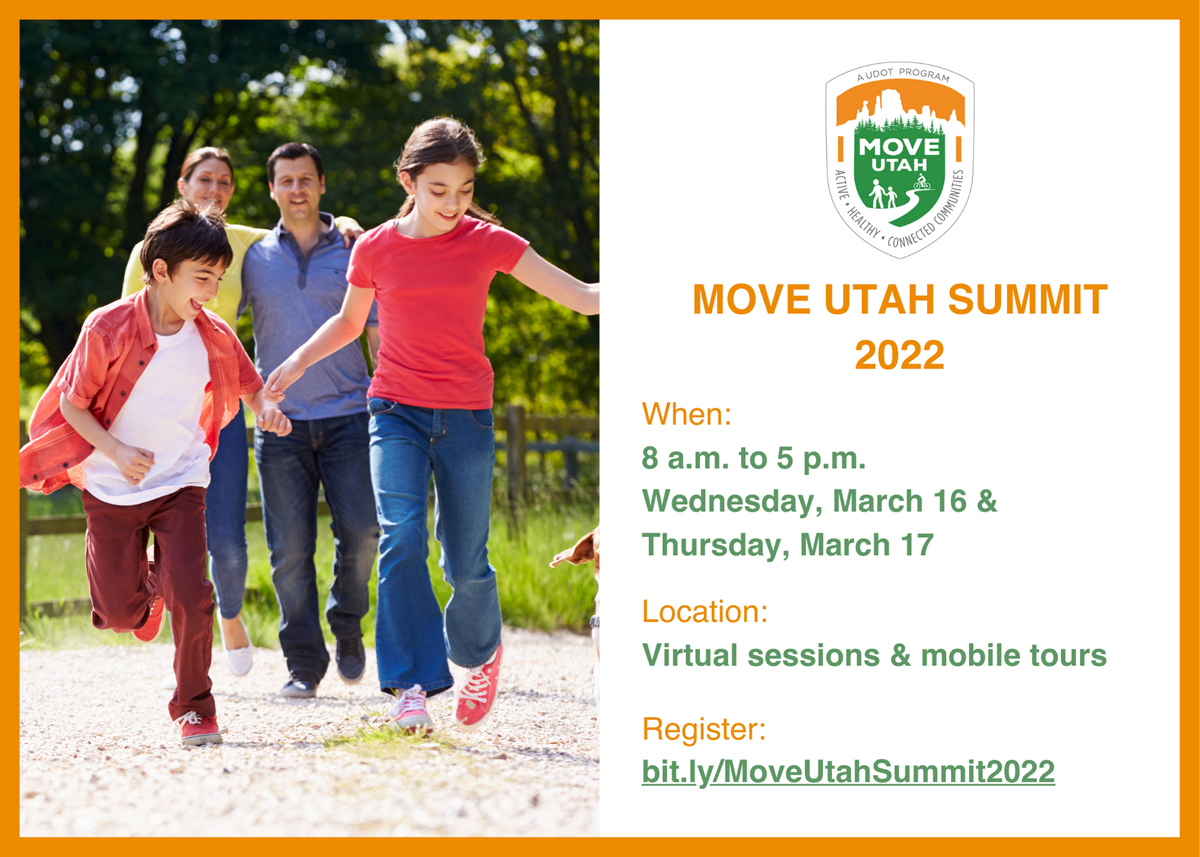
Summit to focus on health, transportation and land use
The Move Utah Summit is the only event of its kind in Utah. How our communities grow directly affects our health and well-being. Each year, hundreds of subject-matter experts, including planners, engineers, and community leaders from across the state come together to discuss best practices for improving decision-making related to health, transportation and land use.
The 2022 Move Utah Summit builds on previous successful summits to provide expert panelists, virtual breakout sessions, a compelling keynote speaker and in-person mobile tours. This year’s event will center around Utah’s Transportation Vision. The Vision articulates a Quality-of-Life Framework intended to guide policy decisions and state investments in transportation. The Summit offers sessions specifically tailored to the topics aligned with the following four pillars of the Quality of Life Framework:
Good Health
Strong Economy
Connected Communities
Better Mobility
The Move Utah Summit 2022 keynote and breakout sessions will be held virtually from 8 a.m. to 12 p.m. on Wednesday, March 16, 2022 and Thursday, March 17, 2022. In-person mobile tours will be held on March 16 and March 17 from 1:30 p.m. to 4:30 p.m.
KEYNOTE SPEAKERS
Monique Lopez
Monique G. López is a social justice planner and founder of Pueblo Planning, an anti-racist values-driven participatory planning and design firm that intentionally engages and includes communities that are often left out of the planning process and those most vulnerable to the impacts of planning decisions. This includes Black, Indigenous, People of Color (BIPOC), LGBTQ, unhoused, and other communities that experience marginalization. Monique utilizes storytelling and participatory art-making to engage communities in the planning process in order to dismantle unjust systems and co-develop equitable communities.
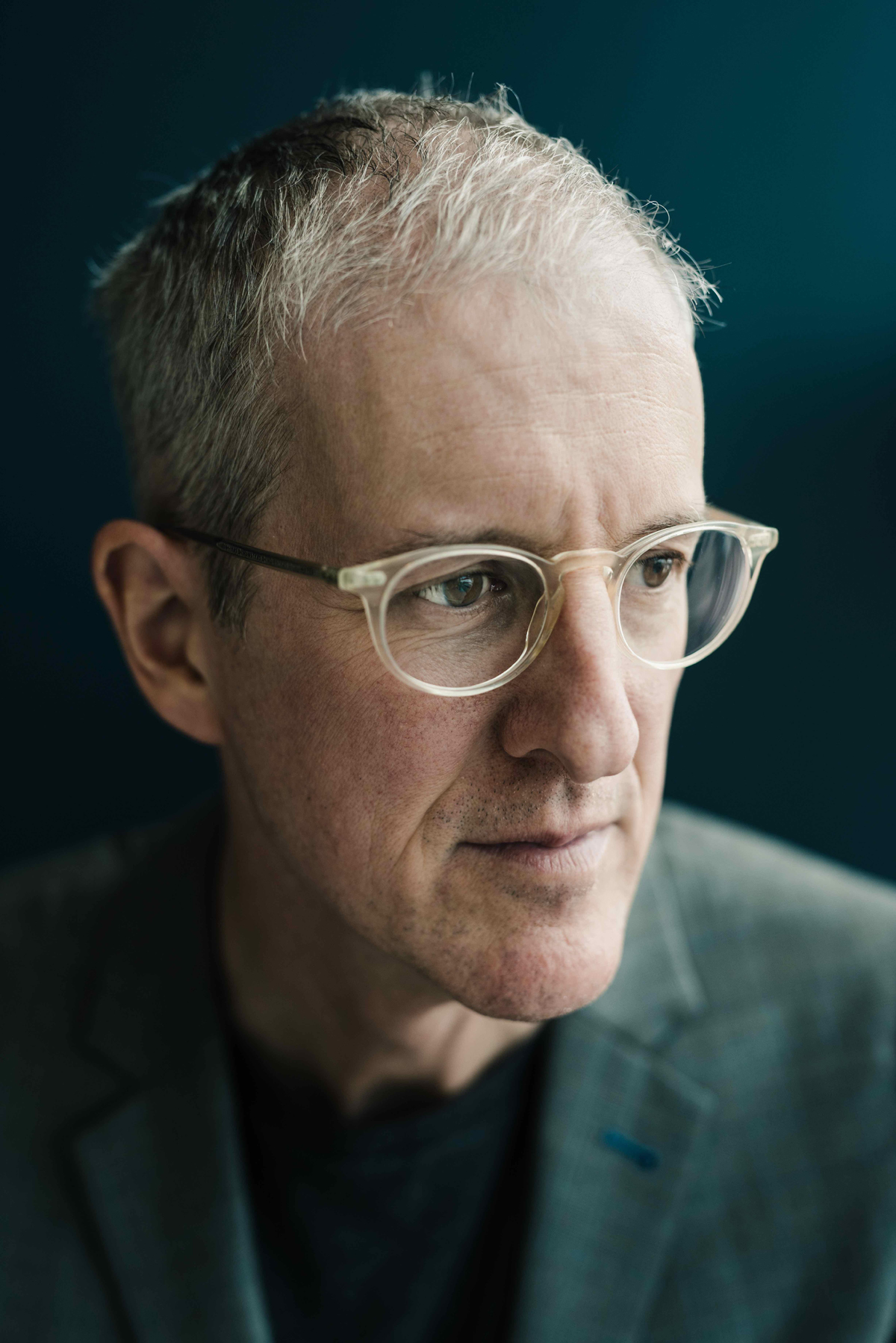
Jeff Speck
Jeff Speck
Jeff Speck is a city planner and author who advocates internationally for more walkable cities. As the director of design at the U.S. National Endowment for the Arts from 2003 through 2007, he presided over the Mayors’ Institute on City Design and created the Governors’ Institute on Community Design. Mr. Speck spent 10 years as director of town planning at DPZ & Co., the principal firm behind the New Urbanism movement. Mr. Speck is the co-author of Suburban Nation, which the Wall Street Journal calls “the urbanist’s bible.” His more recent book Walkable City was the bestselling city-planning title of the past decade.
MOBILE TOURS
This year’s mobile tours include engaging walking and biking opportunities that highlight the disparities some Utah communities face and how public transportation can be used to get around the valley.
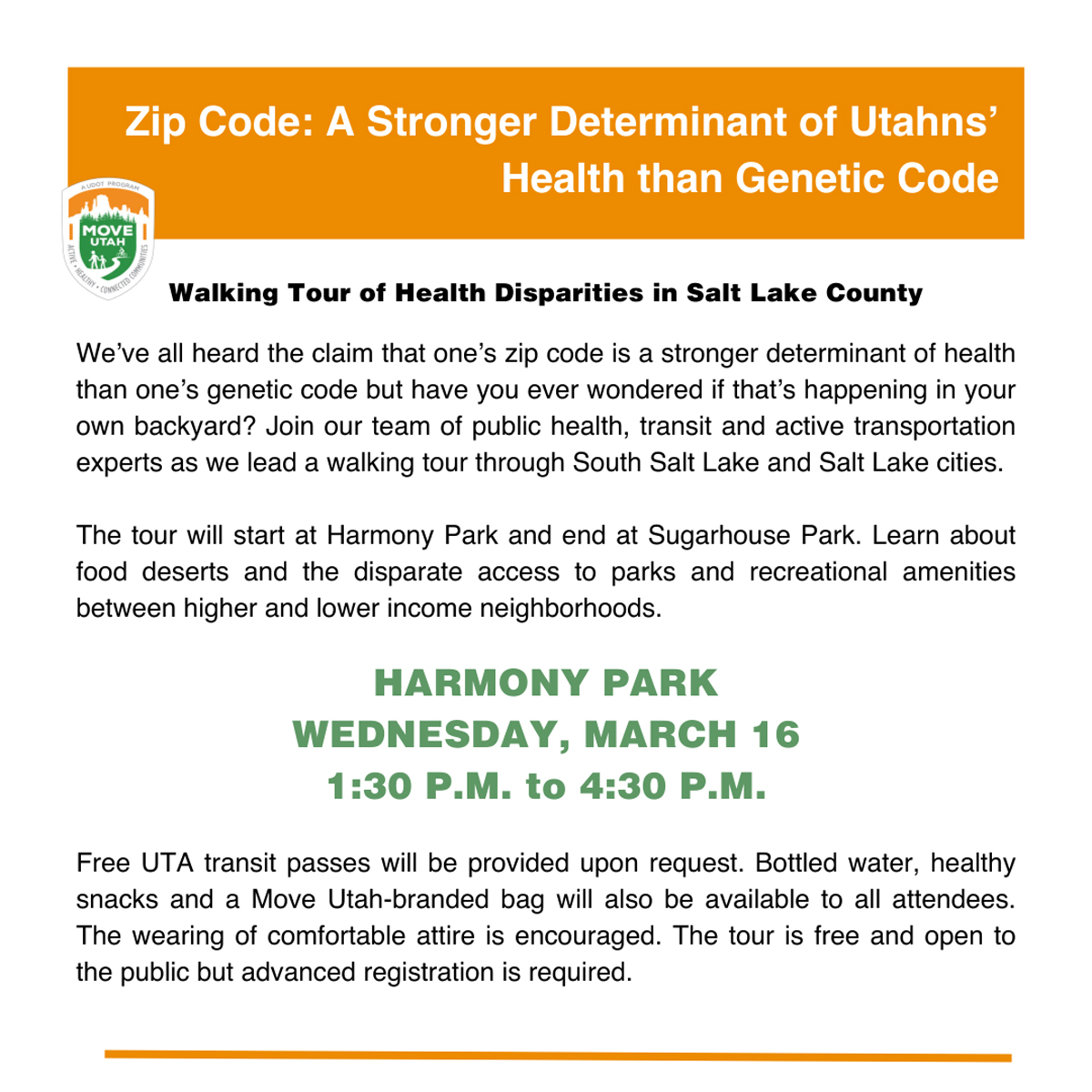
Zip Code: A Stronger Determinant of Utahns’ Health than Genetic Code
We’ve all heard the claim that one’s zip code is a stronger determinant of health than one’s genetic code but have you ever wondered if that’s happening in your own backyard? Join our team of public health, transit and active transportation experts as we lead a walking tour through South Salt Lake and Salt Lake cities.
The tour will start at Harmony Park and end at Sugarhouse Park. Learn about food deserts and the disparate access to parks and recreational amenities between higher and lower income neighborhoods.
Free UTA transit passes will be provided upon request. Bottled water, healthy snacks and a Move Utah-branded bag will also be available to all attendees. The wearing of comfortable attire is encouraged. The tour is free and open to the public but advanced registration is required.
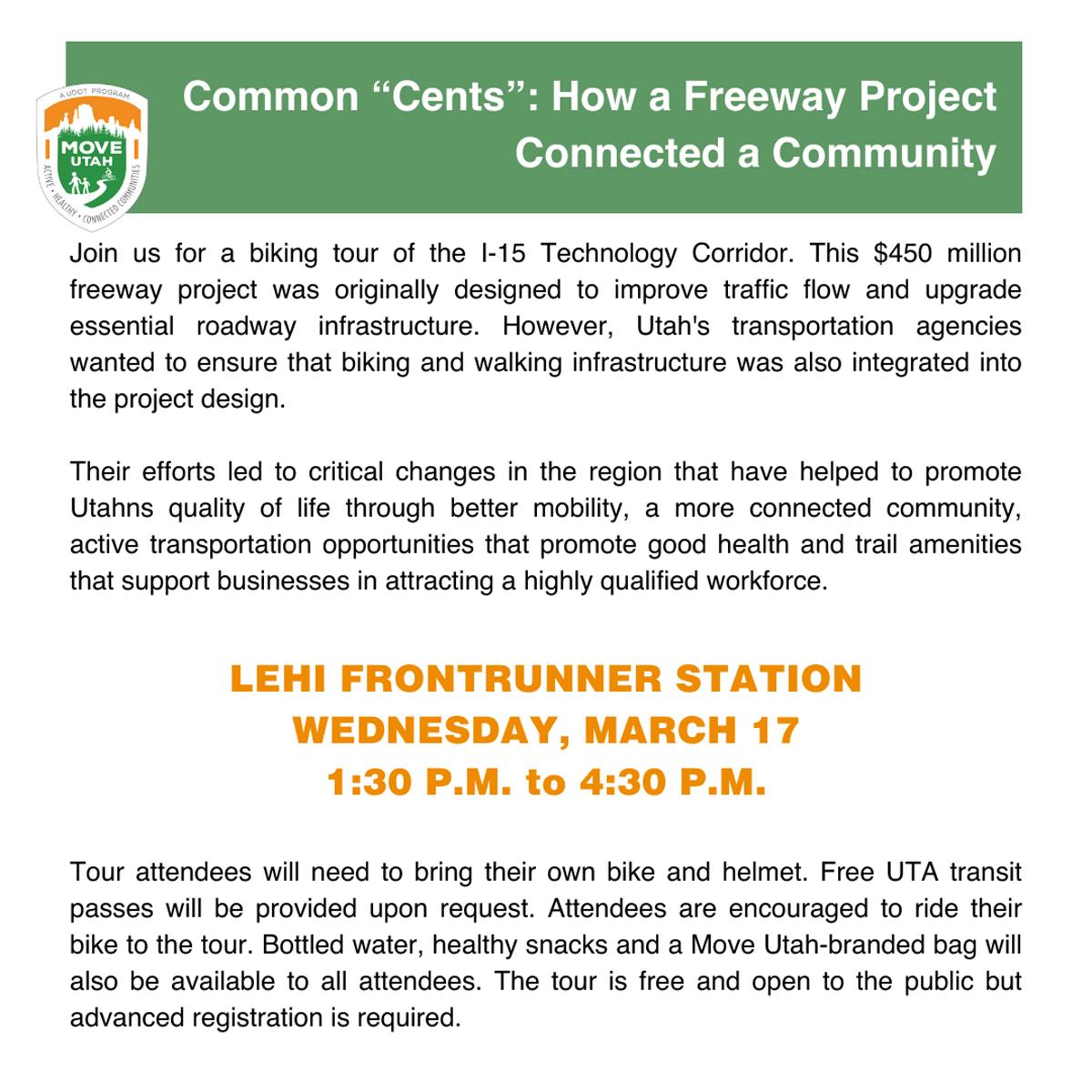
Common “Cents”: How a Freeway Project Connected a Community
Join us for a biking tour of the I-15 Technology Corridor. This $450 million freeway project was originally designed to improve traffic flow and upgrade essential roadway infrastructure. However, Utah’s transportation agencies wanted to ensure that biking and walking infrastructure was also integrated into the project design.
Their efforts led to critical changes in the region that have helped to promote Utahns quality of life through better mobility, a more connected community, active transportation opportunities that promote good health and trail amenities that support businesses in attracting a highly qualified workforce.
Tour attendees will need to bring their own bike and helmet. Free UTA transit passes will be provided upon request. Attendees are encouraged to ride their bike to the tour. Bottled water, healthy snacks and a Move Utah-branded bag will also be available to all attendees. The tour is free and open to the public but advanced registration is required.
After 12 seasons at Snowbasin Resort in Ogden, Utah, the XTERRA USA Championships will now take place at Beaver Creek, in Avon, Colorado from July 15-17, 2022
The 21st annual XTERRA USA Championship off-road triathlon will be held in conjunction with a new family-friendly and community focused weekend of events in Avon, Colorado. It’s the first-time XTERRA has hosted its national championship in the Colorado Rockies, following 12 seasons at Snowbasin Resort in Utah (2009-2021) and eight years in Incline Village, Nevada (2001-2008).
There will be $25,000 in prize money awarded equally to the top 10 elite men and women, plus XTERRA USA Championship crowns to age group division winners along with 51 qualifying spots into the 2022 XTERRA World Championship to be held in Trentino, Italy on October 1.
Photo courtesy XTERRA
In addition to the main event, XTERRA will host sprint and relay races along with a variety of other endurance events for the whole family including kid’s races, yard games, vendor booths, food trucks, beer gardens, and live music at the marvelous open air Nottingham Park Pavilion in the heart of Avon.
“We’re thrilled to bring the XTERRA USA Championship to Colorado, it’s long been a mecca for XTERRA athletes and outdoor recreation,” said Steve Andrus, XTERRA’s new U.S. Tour Manager.
The move is part of a global initiative for XTERRA to rotate it’s championship venues every couple years, or even yearly, to provide new experiences and challenges for the XTERRA family.
“We are reinventing ourselves in a lot of ways, one is by rotating championship venues, and even more important is our renewed focus on delivering exceptional event experiences for both the participants and the local community,” said Andrus. “To that end, we’ve reached out to our partners in Avon and Beaver Creek to source local musicians, restaurants, sustainability partners, and charitable organizations in order to truly make this a neighborhood celebration.”
For visitors and locals alike, the location is spectacular, as Colorado’s high country during the summertime is something to behold with its big blue skies, white aspens, majestic mountain ranges and cool, fresh air.
Then there is the Beaver Creek course itself, aka “The Beast,” familiar to XTERRA enthusiasts as the former home of the mountain championship. It boasts the highest elevation of any major on the XTERRA World Tour starting with a one-mile swim in Nottingham Lake located at 7,400-feet elevation; followed by a 15-mile mountain bike that climbs 3,500-feet into the thin air of the Rockies topping out at 9,400ft; and finishes with a grueling six-mile trail run through the aspens.
The XTERRA USA Championship is one of 11 events on this year’s XTERRA America Tour, each awarding qualifying spots to XTERRA Worlds for both amateurs and professionals.
Date
Race
Location
QS
26-Feb
XTERRAIceman
Lake Pleasant, AZ, USA
26
23-Apr
XTERRA ATX
Austin, TX, USA
26
11-Jun
XTERRA Cameron Park
Waco, TX, USA
26
18-Jun
XTERRALory
Bellvue, CO, USA
26
9-Jul
XTERRAMagnolia Hill
Navasota, TX, USA
26
10-Jul
XTERRA EX2
Flinstone, MD, USA
26
16-Jul
XTERRA USA Championship
Avon, CO, USA
51
23-Jul
XTERRADINONorthern Indiana
South Bend, IN, USA
26
6-Aug
XTERRA Portland
Hagg Lake, OR, USA
26
21-Aug
XTERRALake Tahoe
Incline Village, NV, USA
26
25-Sep
XTERRALaguna Beach
Laguna Beach, CA, USA
26
QS = Qualifying Spots into the XTERRA World Championship, one for every age group winner (Plus, an extra slot will also be awarded per every 10 participants in an age group).
Of note, XTERRA Utah is not on the schedule in 2022, however, there are plans to return.
“Utah is my home, it’s an amazing place for endurance sports and XTERRA specifically, and the local support we’ve received through the years from the Utah Sports Commission, Mayor Caldwell, the GOAL Foundation, Snowbasin, and the volunteers has been incredible,” said Andrus, who was the event coordinator at Snowbasin for 20 years. “We really can’t thank all our friends in Utah for what they’ve done for XTERRA, for being wonderful hosts, and even better people, and we’ll work on getting back there soon.”
By Charles Pekow — The nation is still waiting to get its hands on the new opportunities for bicycling in the Infrastructure Investment and Jobs Act (IIJA) Congress passed last November. The Federal Highway Administration (FHWA) is still interpreting the law and putting out guidance. And Congress still hasn’t appropriated any funds for the billions of dollars allowed as the federal government was still operating under a continuing resolution in mid-February at last year’s funding levels. And state and local bicycle advocates are looking for guidance as to how to take advantage of the new money and rules that can help expand cycling and make it safer.
“We are definitely getting questions about it,” says Ken McLeod, policy director at the League of American Bicyclists. While awaiting money and federal guidance, “now is a good time to look at local transportation improvement plans. Look for bad projects; look for good projects,” he says. If you’re in an urban area, check out the Metropolitan Planning Organization’s goals. You’ll find more funding in IIJA for what’s already planned and awaiting money.
And it helps to collaborate with other interests, as much of the expanded help for bicycling fits into broader goals, such as Vision Zero and Complete Streets. “Think in terms of holistic complete streets, with biking, walking, transit,” advises Noa Banayan, director of federal affairs for People for Bikes, who was instrumental in pushing the legislation. “The cities that are going to do best probably already have these coalitions in place.” Note that electric charging stations can also support ebikes, she says.
One of the advantages of the new bill is it requires states with high levels of bike/ped traffic crashes in a given year to spend at least 15 percent of their Highway Safety Improvement Program money on projects to help such “vulnerable road users.” While FHWA hasn’t determined which states it will apply to, if history is a guide, some Mountain West states will fit the bill. Find FHWA’s latest guidance here: https://safety.fhwa.dot.gov/hsip/rulemaking/docs/Section148_SpecialRule_Guidance.pdf.
And since IIJA expands uses of Safe Routes to School (SRS) funding for infrastructure to get students to ride to school and high school education, it would help to coordinate with schools on infrastructure, as increased levels of funding are supposed to become available for Transportation Alternatives and other programs, McLeod notes. The SRS Partnership has issued guidance on SRS and the new law: https://www.saferoutespartnership.org/blog/new-year-new-infrastructure-law-–tips-kick-2022
The Rails-to-Trails Conservancy (of which I am a member) provides plenty of info on getting IIJA funding for trails at https://www.railstotrails.org/policy/trailstransform/#funding. At the site, you can also find info on getting a Rebuilding American Infrastructure with Sustainability and Equity (RAISE) grant. $1.5 billion is available with an April 14 deadline. Projects are designed to improve infrastructure and have included bike trails.
By Nancy Clark, MS, RD — While some athletes have cast iron stomachs and few concerns about what and when they eat before they exercise, others live in fear of pre-exercise fuel contributing to undesired pit stops during their workouts. Be it stomach rumbling, a need to urinate or defecate, reflux, nausea, heartburn, or side stitch, how to prevent intestinal distress is a topic of interest to athletes with finnicky guts. Here are tips to help you fuel well before/during exercise while reducing the risk of gastro-intestinal (GI) distress. For more in-depth information, you might want to read The Athlete’s Gut by Patrick Wilson or listen to this podcast: https://www.scienceofultra.com/podcasts/16
Stay calm. Being anxious about intestinal issues can exacerbate the problem. Think positive. Trust that your gut is adaptable and trainable. Record what, when, and how much you eat, as well as the duration and intensity of your exercise. Use that data to help you figure out what foods and fluids settle best. Building body trust can reduce anxiety—and that can reduce GI issues. That said, precompetition nerves can affect any athlete, regardless of GI hardiness!
Athletes in running sports are more likely to suffer GI issues than, say bicyclists or skiers. With running comes intestinal jostling; the longer the intestines are jostled, the higher the risk of upset. Ultra-runners know this too well…
If you experience gut issues every day—even when you are not exercising, you want to talk with a GI doctor. Celiac disease, Crohn’s, ulcerative colitis, and blood in your stool need to get checked out now! They are serious issues and differ from exercise-induced GI problems.
The higher the intensity of exercise, the higher the risk of intestinal distress. Add heat and anxiety to intense exercise, and many athletes experience transit trouble. During hard workouts, blood flow diverts away from the gut to transport oxygen and glucose to the working muscles and carry away carbon dioxide and waste products.
Low intensity training that can be sustained for more than half an hour is less problematic. The GI tract gets adequate blood flow, can function relatively normally and is able to digest, absorb, and metabolize pre-exercise fuel. Athletes tend to have fewer GI issues on easy training days, given better blood flow to the intestines, lower body temperature and less anxiety.
Carbohydrate is the easiest-to-digest fuel before and during exercise. Carbohydrate gets broken down into simple sugars in the stomach, then absorbed into the bloodstream from the small intestine. Specific transporters carry each sugar molecule (such as glucose or fructose) across the intestinal wall. Hence, consuming a variety of carb-based fuels helps minimize a “backlog” if all the transporters for, let’s say, fructose get called into action.
With training, the body creates more transporters to alleviate any backlog. That’s one reason why you want to practice event-day fueling during training sessions. Your body gets the chance to activate specific transporters. The foods and fluids you consume before and during training should be the ones you’ll use for the event. Some popular carb-based pre-and during-exercise snacks include fruits (banana, applesauce), vegetables (boiled potato, roasted carrots), and grains (sticky rice balls, pretzels, pita)—as well as commercial sports foods (sport drinks, gels, chomps).
Athletes who experience gas and bloat want to familiarize themselves with FODMAPs —Fermentable (i.e., gas-producing) Oligo-, Di-, Mono-saccharides And Polyols. These are sugars and fibers that some people have trouble digesting. Commonly eaten sport foods high in FODMAPs include milk (apart from lactose-free milk), bread, pasta, onions, garlic, beans, lentils, hummus, apples, and honey.
By choosing a low FODMAP diet for a few days before an important event, an athlete might be able to reduce, if not avoid, digestive issues. (Of course, first, experiment during training to be sure the low FODMAP foods settle well!) Low FODMAP foods include bananas, grapes, cantaloupe, potato, rice quinoa, cheddar and Parmesan cheeses, and maple syrup. For more information on FODMAPS, refer to www.KateScarlata.com.
Fatty foods (butter, cheese, nuts) tend to slowly leave the stomach and are metabolized slower than carb-rich foods. If you will be exercising for only one to two hours, think twice before reaching for a handful of nuts or a chunk of cheese for a quick fix before you exercise. A banana or slice of toast will digest quicker and be more available for fuel.
Eating fatty foods on a regular basis can speed-up gastric emptying a bit but you won’t burn much pre-exercise dietary fat during your workout unless you are an ultra-athlete who will be exercising for more than three hours. In that case, a bagel with nut butter or cheese will offer long-lasting fuel.
Some athletes chronically under-eat during training. This includes dieters trying to lose weight, and athletes with anorexia. Under-eating can impair GI function; the gut slows down with inadequate fuel. Delayed gastric emptying means food stays longer in the stomach and can feel “heavy” during exercise (as well as is less available for fuel). Slowed intestinal motility easily leads to constipation, a common problem among under-eating athletes.
Highly active athletes, such as Tour de France cyclists and ultra-runners, need to consume a large volume of food to support performance. If they are eating “healthy” foods before and during endurance exercise, they can easily consume a lot of fiber —and that can easily contribute to rapid transit. Endurance athletes needing a high calorie diet often benefit from eating some so-called less-healthy foods (such as white bread, white rice, cookies, candy) for low-fiber muscle-fuel.
Given each athlete is has a unique GI tract, be sure to experiment during training to learn what works best. Eat wisely—and enjoy miles of smiles.
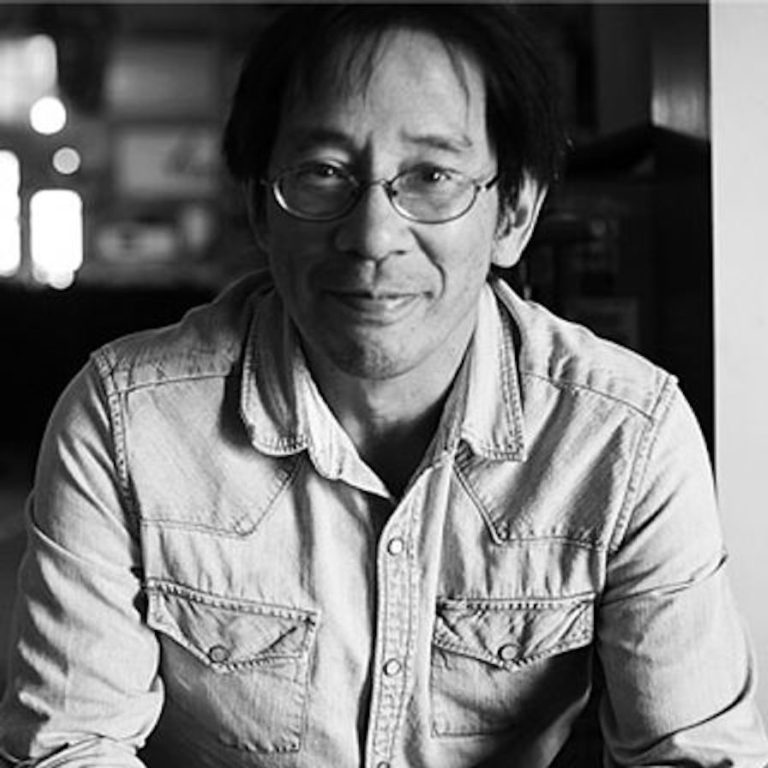
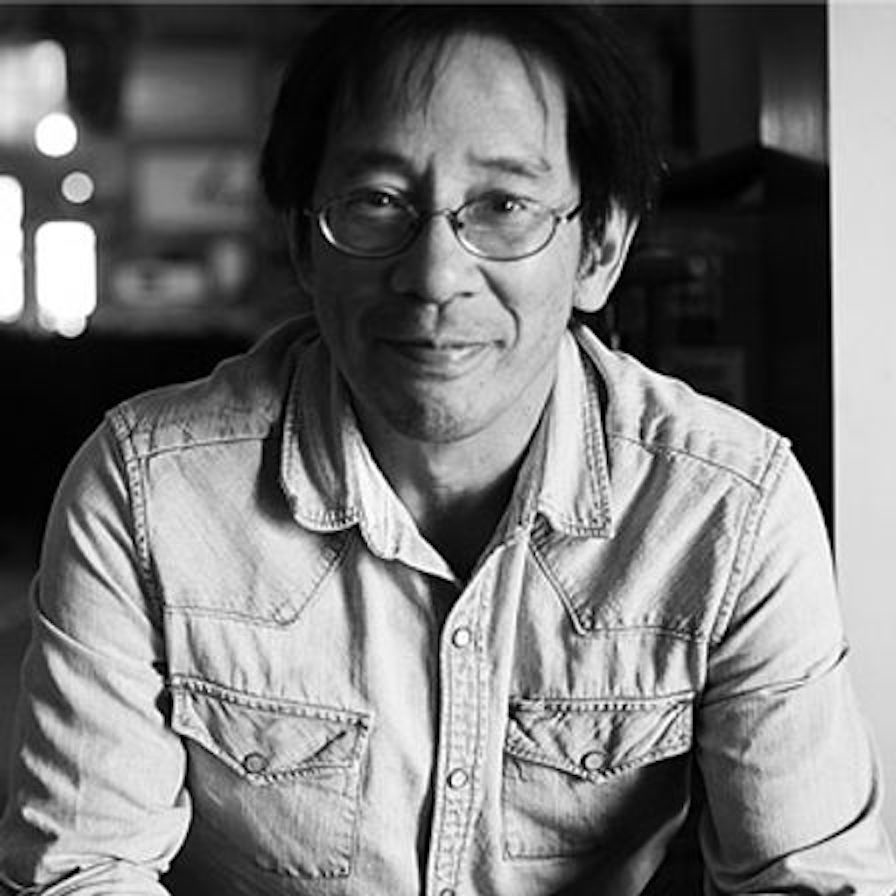
By Steven L. Sheffield — Towards the end of October, I found out that my old friend, mentor, and boss Tony Tom (of A Bicycle Odyssey, in Sausalito, California) passed away the previous week. His death was a suicide.
I worked for Tony from 1994-2001, until I moved to Utah. When I started at the shop, I really didn’t know that much about bicycles, other than what I knew of the sport. When it came to equipment, I was a complete and utter newbie. Tony taught me almost everything I know about bicycles—how to build and tune a bike, how to build wheels, and so forth. I was, at the time, a decent mechanic; not great, but not bad.
Anthony “Tony” Tom. Photo courtesy A Bicycle Odyssey.
Most importantly, I learned from him about how to treat customers; everyone who walked in the door got the same respect, whether they were just looking, or were about to drop several thousand dollars on a new bike. At this, I excelled.
Our goal was not to just sell bikes, but to sell the shop; our inventory and especially our service. It wasn’t about selling a bike and depositing a check, it was about creating repeat customers/clients. Our approach worked well.
When it came to the bikes themselves, Tony taught me that it all started with a proper fitting, and while I never fully developed the fit skills he had, he instilled a sense of pride in making sure that clients didn’t just get a bike, but that they got the right bike for their individual needs.
Years later, I tried to bring this attitude with me when I worked for Competitive Cyclist.
One might think that it would be difficult to sell bikes over the phone when you have as strong a belief about proper bike fit as I do. Honestly, it is … so you work with what you’ve got.
For me, it was asking questions of the customers, lots of questions, but more importantly, listening to the answers. I got callers to email me pictures of their current set-ups, to send me measurements of their current bikes, asking what they liked and didn’t like about their current rides, and so on.
And while I wasn’t the most prolific salesperson on the team, I did fairly good … and I often had the lowest return rate on the bikes that I sold; another source of considerable pride for me, because it meant I was doing something right.
This attitude also served me well in a when working in investment services (and really, any customer-facing service role). Success was not defined simply by closing a deal and making a sale, but by making sure that the customer’s needs are taken care of, preferably from the get-go. This is what brings people back to a business, what changes them from a “customer” to a client.
I’ve missed Tony a lot over the past 20 years since I moved to Utah, but I will always have fond memories of my time at the Odyssey. I’d like to think that Tony would have been proud of the way that I took what he gave me and put it to good use. I wish I had been better about staying connected with him, that I had known about the pain he was in, that I had been a better friend after leaving California. I don’t know that I would have been able to stop him from choosing the path that he did, at least not from my perch some 750 miles away. I am sorry that I was not able to spend more time talking with and learning from him, and maybe, just maybe I would have been able to help him in return.
Really good friendships are hard to come by, and this was one that I let slip away. That is something that I will regret for the rest of my life.
Requiescat in pace, my friend. I hope you find in your next life what you were missing in this one.
If you’re in crisis, there are options available to help you cope. You can call the National Suicide Prevention Lifeline at any time to speak to someone and get support. For confidential support available 24/7 for everyone in the U.S., call 1-800-273-8255 or visit https://www.nimh.nih.gov/health/topics/suicide-prevention. #shareNIMH
Additional resources from the National Suicide Prevention Lifeline:
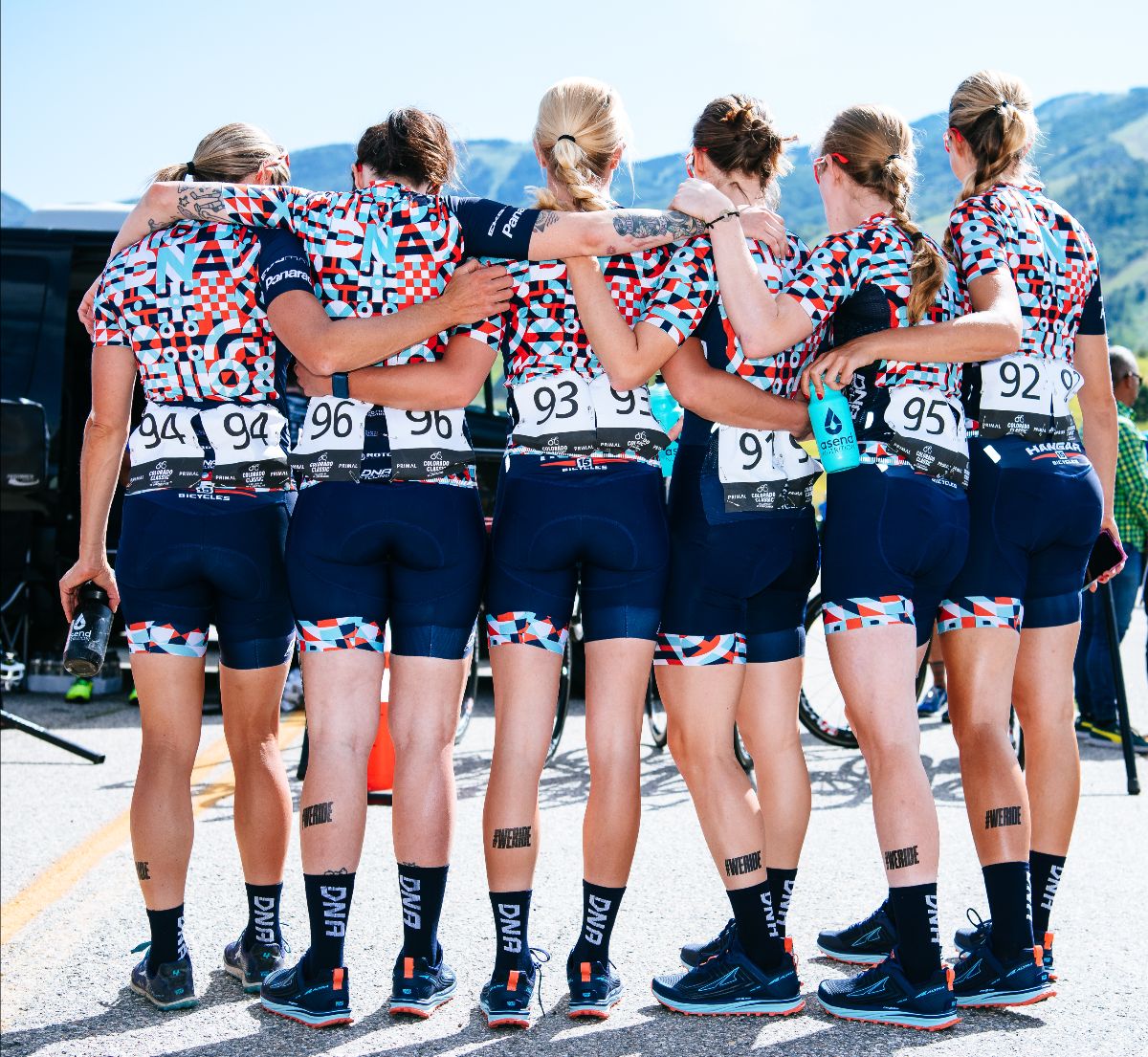
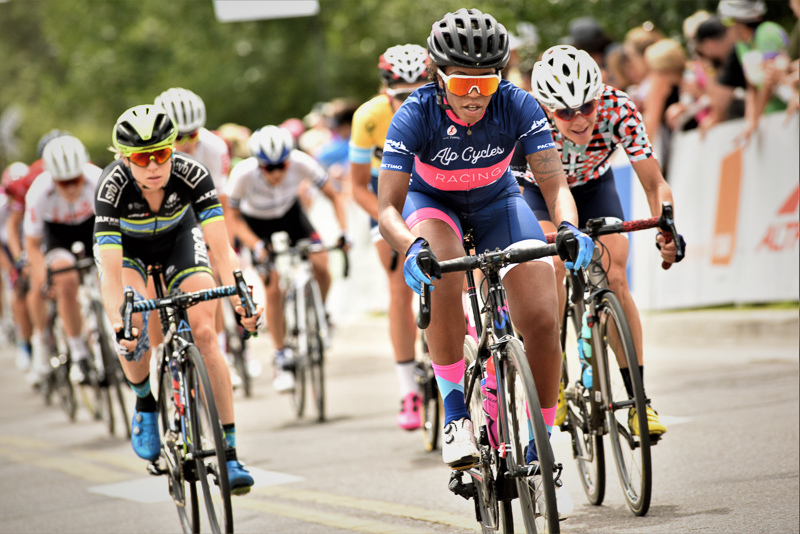
DENVER, Colorado (March 8, 2022) — The Colorado Classic, America’s premier women’s only racing event, announces a public partnership request in a final effort to relaunch the event. In an open letter to supporters, the founder behind the event, Ken Gart, explains the current position of the Colorado Classic and what is necessary to relaunch the race.
Photo courtesy Colorado Classic
Dear Colorado Classic Supporters,
We need your help and the time is now.
As we celebrate International Women’s Day and Month, we would like to address the status of the 2022 Colorado Classic. We are at an unfortunate crossroads. Given the lack of financial support and sponsorship interest, we are faced with the difficult decision on whether or not to continue operating the event.
To relaunch the Colorado Classic, we need a minimum investment of $3 million. We realize this is a big ask, but after seeking funding over the past 12 months we have come up short and are now making this request public, as a final effort to leave no stone unturned. If we are unable to attain the necessary investment, the Colorado Classic and its mission to champion inclusivity and gender equity for women’s cycling will be gone.
Photo courtesy Colorado Classic
In 2019, the Colorado Classic became the gold standard for women’s racing in the United States. After recognizing the drastic gender disparity within professional cycling, we set out on a mission to become a new best practice for women’s only racing. In a year’s time, the Colorado Classic became more than a cycling race, proving our dedication to elevating the sport for women. We created an international platform where women are treated equally to men with prize money, broadcast coverage and all other aspects of the race.
Due to the COVID pandemic, the Colorado Classic was forced to bring the competition to a halt in 2020, providing an opportunity to actively assess the event structure. Taking the best practices learned in Colorado, we developed a new business plan. Our vision is to build a long-term sustainable all-women’s race series throughout the United States that would culminate with the marquee event in Colorado.
In 2019, the VF Corporation stepped up to support our industry-leading event; making a statement to their customers, employees and stakeholders with their commitment to gender equity from the bicycle to the boardroom. We thank them for their unwavering support and applaud them for investing in a cause that empowers female athletes.
Right now, we have a “blue sky” moment, and with the right partner, we can create something that makes a real and lasting impact on women’s cycling. The Colorado Classic is a game-changer, and without this event, the opportunities for female cyclists, both current and upcoming, are significantly reduced. As a Colorado native, this event and its mission are near and dear to my heart. Together we can make a difference and together we can create opportunities that catapult women’s cycling to the next level.
Our ask is simple: we need a long-term, multi-year commitment to re-launch the Colorado Classic. We need a partner with an aligned vision to change the world of cycling and continue moving the needle for equity. The time is now.
Sincerely,
Ken Gart, Founder and Chairman of the Colorado Classic
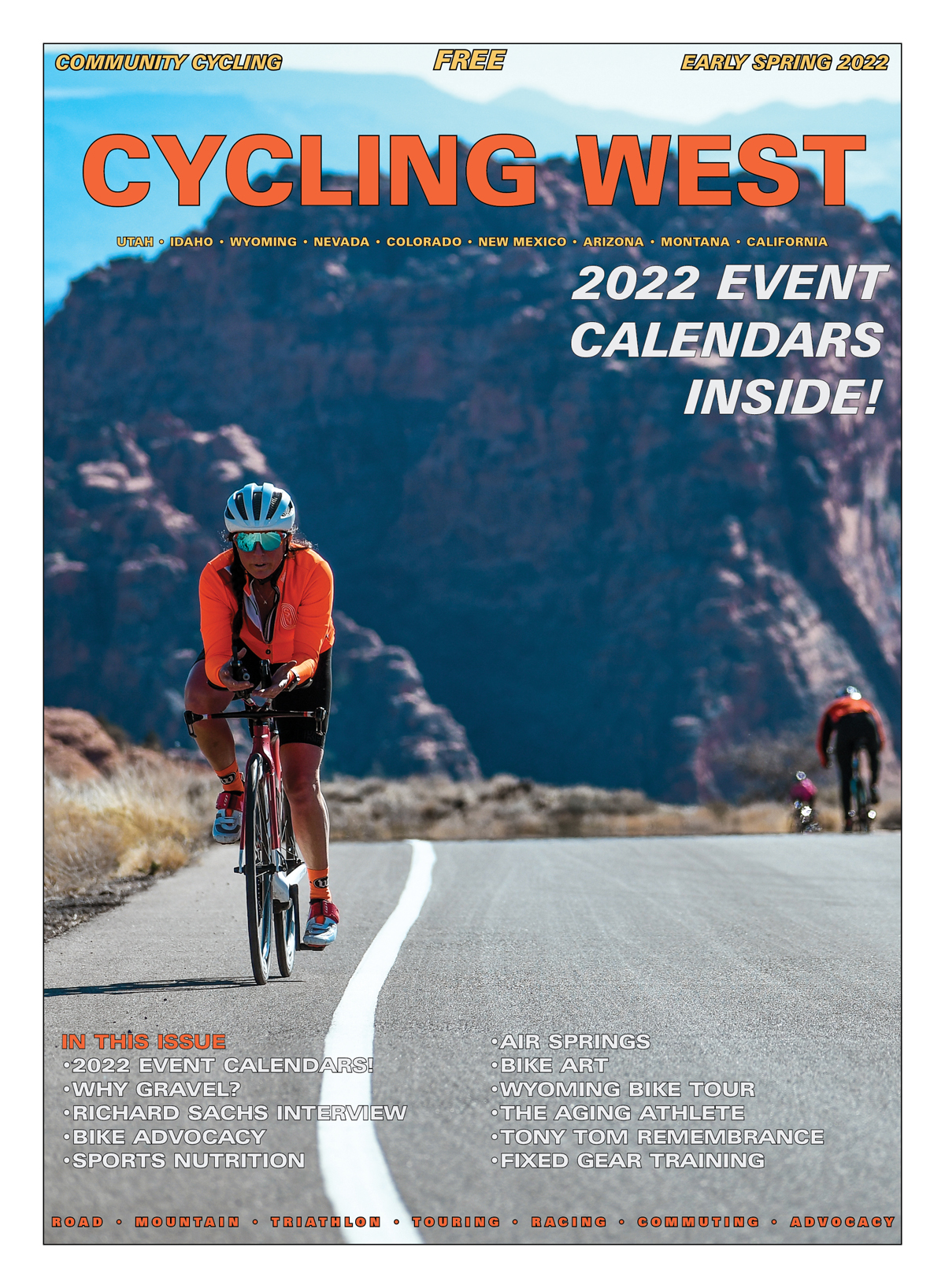
Cycling West and Cycling Utah Magazine’s Early Spring 2022 Issue is now available as a free download (19 MB download). Pick up a copy at your favorite Utah, Idaho, Wyoming, Nevada, Montana, Colorado, Arizona, New Mexico, and Northern California bike shop or other location.
Cycling West Early Spring 2022 Cover Photo: Triathlete and coach Anna Nemeckay (@itrainwithanna) in Snow Canyon in Southern Utah during a recent Balanced Art Multisport training camp. Photo by Paul Clawson, @shuttertri
Contents
Why Gravel?Reflections on an Emergent Discipline — page 3
It Will Soon Be Easier to Cycle Yellowstone — page 4
Five Things To Do Before the First Spring Ride — page 6
Fresno High School Students Involved in Transportation Planning — page 6
Bicycle Infrastructure Projects Still Awaiting Congressional Funding — page 7
An Interview with Framebuilder Richard Sachs — page 8
The Aging Athlete — page 9
Rider Down: Tony Tom — page 10
Riding a Fixed-gear Bicycle for Training — page 10
Study: Who is Seriously Injured in Bike Crashes? — page 10
Nutrition: Book Review on “The Cycling Chef” — page 11
Parks, Peaks and Prairies: A Tour of Northwest Wyoming — page 12
Bronze Gods of Cycling: The Bicycle Art of Cary Wolfson — page 14

 Hazard: The crank arm can disengage and cause the bicycle’s rider to lose control, posing fall and injury hazards.
Remedy: Repair
Recall Date: March 16, 2022
Units: About 19,000 (36,000 were previously recalled on September 23, 2020)
Hazard: The crank arm can disengage and cause the bicycle’s rider to lose control, posing fall and injury hazards.
Remedy: Repair
Recall Date: March 16, 2022
Units: About 19,000 (36,000 were previously recalled on September 23, 2020)