Home Blog Page 39

Advocacy Alert: Anti-Safety Utah Bill Would Kill New Bike Lanes, Traffic Calming, and Harm Children in Salt Lake City in 2025

Bill Targets Salt Lake City Vision Zero Program that Seeks to Eliminate Traffic Fatalities

A new Utah bill would threaten new bike lanes in Salt Lake City and make Salt Lake City’s streets less safe. Senate Bill 195, an omnibus Transportation related bill put forth by Sen. Wayne Harper had last second language inserted just prior to being voted on by the full Senate. The new language would effectively eliminate new bike lanes in Salt Lake City by banning narrowing of lanes or reduction of lanes (road diet) for at least 9 months from May 7, 2025 to March 6, 2026 during the heart of the 2025 construction season.

UPDATE: Rep. Angela Romero (D) has introduced SB0195 Sub 4 which would eliminate the anti-street-safety language. Ask your representative and senator to support this substitute bill, especially in the House Transportation Committee. See below for how to help.
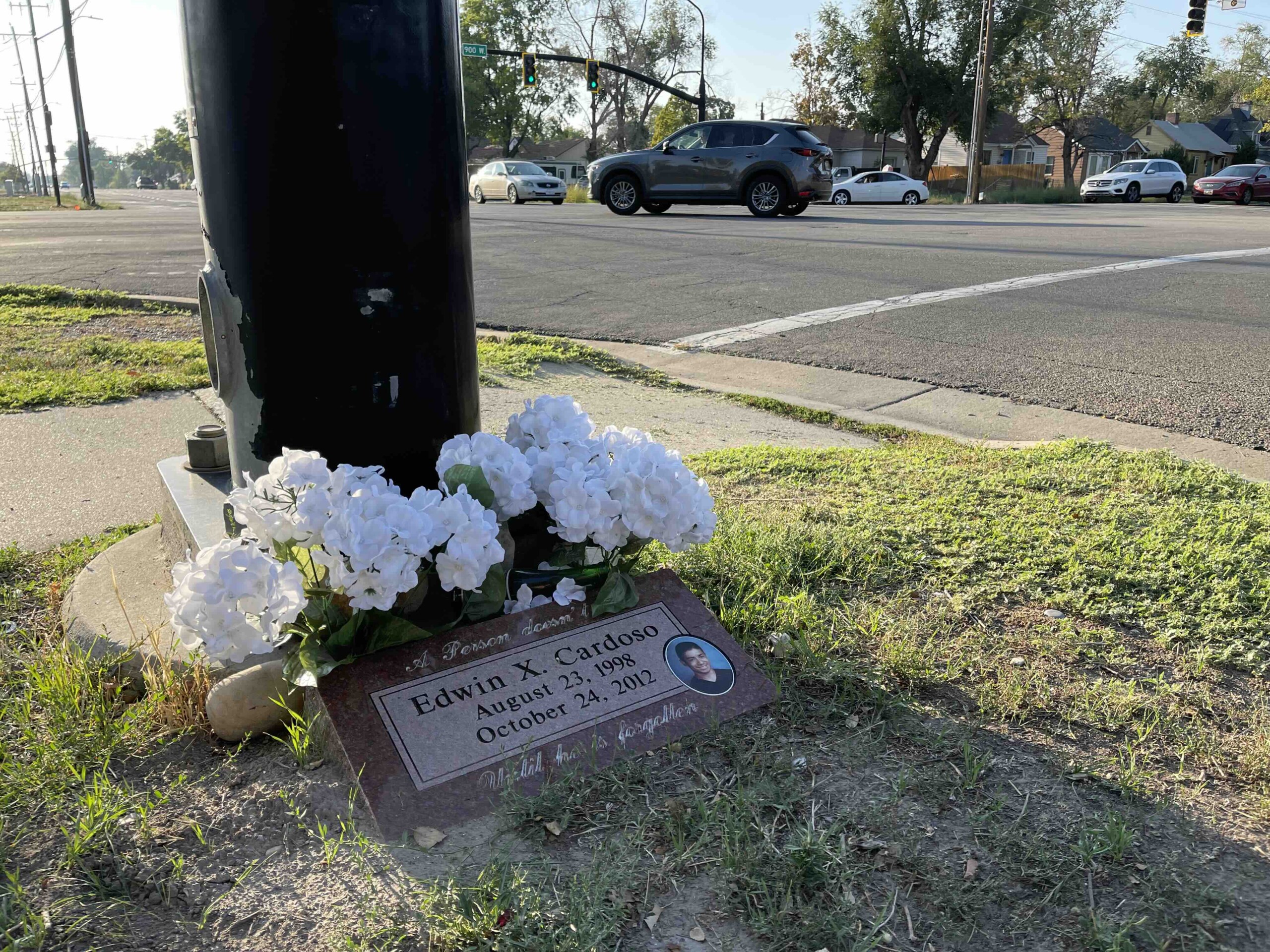
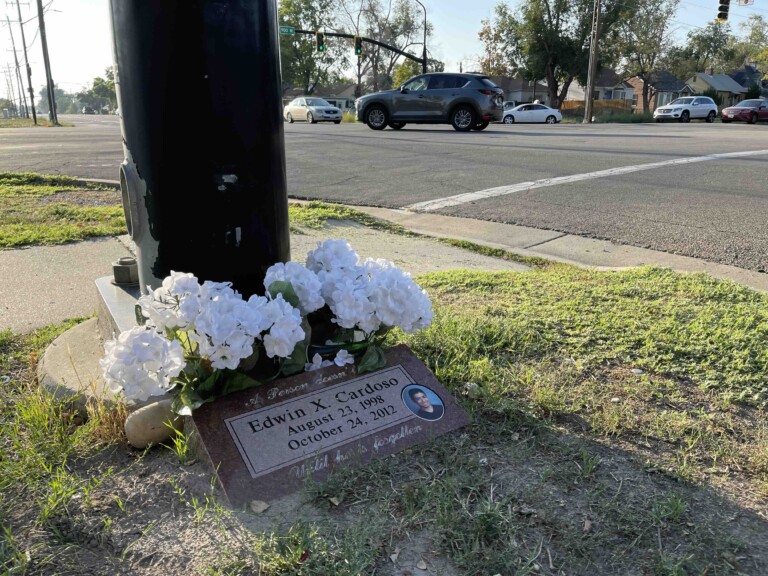
Edwin Cardoso was killed on 600 North in 2012. SB0195 would prevent many of the safety measures Salt Lake City intends to put in place in 2025 for at least 9 months. Photo by Dave Iltis

The bill is full of lots of items such as increasing transportation connectivity, wrong way driving, and litter mitigation. But, like a trojan horse, full of ‘improvements’, the bill has surprise language on line 2867 that would put a moratorium on any traffic calming in Salt Lake City and “any strategy that has the potential to decrease the number of vehicles that can travel on a highway per hour” including reducing the number of lanes, narrowing of lanes, adding traffic control measures (read no new stop lights or signs), decreasing speed limits, adding speed bumps, or “any other strategy that when implemented may increase congestion for motor vehicles or discourage motor vehicles from driving on a particular highway.”

Map of Salt Lake City Traffic Violence since 2021. Red pins are deaths, yellow flags are serious injuries. Map courtesy SweetStreets.org

So, not only will the bill effectively ban new bike lanes for at least 9 months, but it will also ban just about any road work or street changes that have any potential to slow cars. Car speed and convenience are primary whereas the safety of everyone else takes a back seat.

The bill targets Salt Lake City directly as a city of the first class and subjects no other city in Utah to this state government overreach. It would ban any new ‘highway reduction’ strategies or existing strategies from May 7, 2025 to March 6, 2026. It would also force the Utah Department of Transportation to study any Salt Lake City traffic strategy that exists or will be implemented from July 1, 2015 to July 1, 2035 – a 20 year review intended to hamstring road safety. While the bill doesn’t speak to what would be done with the results of the studies, it could potentially force removal of traffic calming and would certainly delay efforts. And that will surely result in more injuries and deaths in Utah’s capital city.
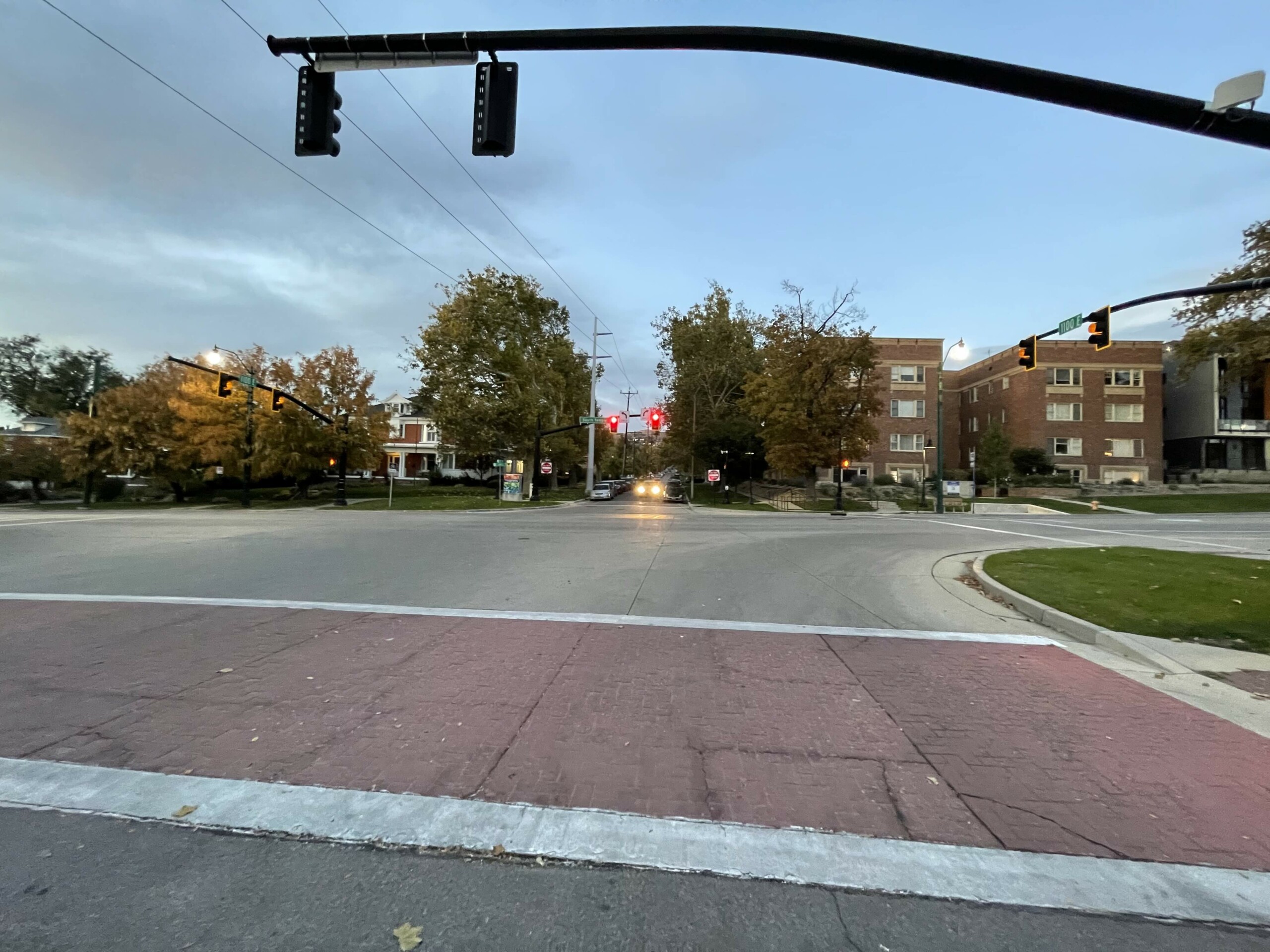
A child was hit at S. Temple and R Street near here in 2014. These traffic lights were installed at 1100 East and South Temple as a safety measure afterwards. They would be prevented by SB0195 for at least 9 months. Photo by Dave Iltis

The sick irony of this is that UDOT Director Carlos Braceras and Mayor Mendenhall held a press conference on May 5, 2022, following 9 pedestrian deaths in early 2022 to combat traffic violence in Salt Lake City, “Our roads and cars are safer than ever,” UDOT Executive Director Carlos Braceras said during the conference, “but you wouldn’t know it based on the fatalities we are seeing. We have a problem. People are driving impaired, aggressive and distracted, and these poor decisions are costing people their lives.”

The two announced a Safe Streets Task Force and a new partnership between Salt Lake City and UDOT’s Zero Fatalities program. The Task Force later morphed into the Vision Zero Task Force in 2023 after Mayor Mendenhall pledged that Salt Lake City would become a Vision Zero City following the death of a child on 1300 South. Vision Zero is a philosophy for street safety that aims for zero traffic deaths and serious injuries. Salt Lake City has committed to this goal by 2035. Ironically, this is the same year through which that the anti-safety bill aims to force Salt Lake City and UDOT to justify any ‘highway reduction’ strategy.

SB 0195 would effectively terminate Vision Zero for at least 9 months, and possibly much longer depending on the outcomes of the study and any inherent bias. It goes against UDOT priorities and those of Director Braceras, Mayor Mendenhall, and against common sense.
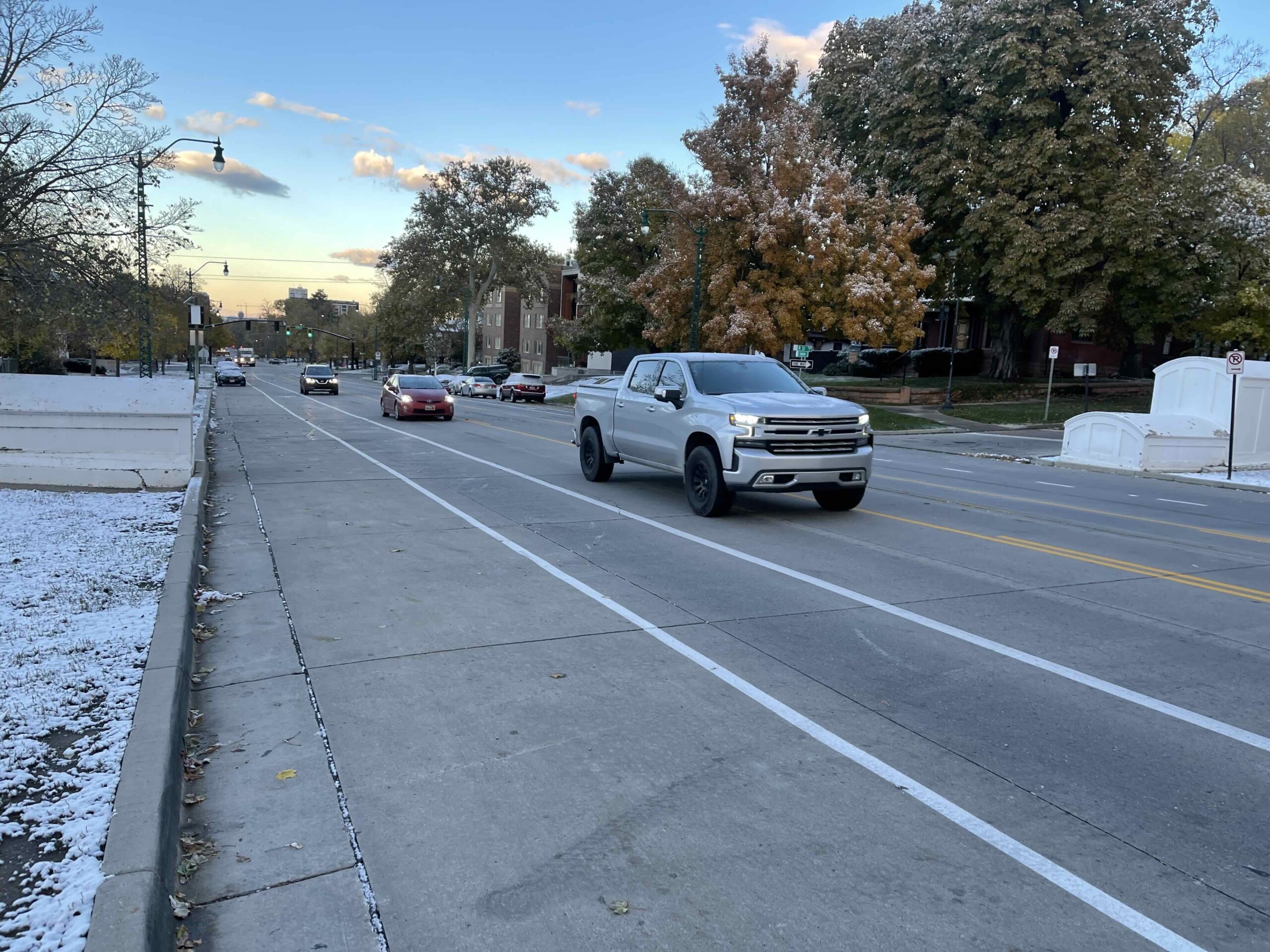
Bike lanes like these on South Temple would be banned for at least 9 months because they were installed as part of a road safety project that included a road diet and lane width narrowing. Bike lanes, road diets, and lane narrowing all contribute to a safer street. Photo by Dave Iltis

The bill also threatens many road projects and plans that are already funded with grants or planned as part of the 2025 construction season. In 2024, Salt Lake City received a $2.9 million grant to create safer conditions on Redwood Road in partnership with UDOT. This would include pedestrian signals, sidewalks, and more all of which could be deemed ‘highway reduction strategies’. The ill formed bill would jeopardize this grant.

Additionally, 600 North’s reconstruction in Salt Lake City, slated to get protected bike lanes, would be hampered or stopped by the bill because of changes to slow traffic that would include lane changes. The project webpage (https://www.600northslc.org ) states, “Priorities included trees, landscaping, upgraded bike infrastructure, traffic calming, and better lighting, with speeding and safety identified as top concerns.” Almost all of these would be banned or delayed by the anti-road-safety bill. If projects like this cannot be built to plan, this both increases costs and threatens their implementation.
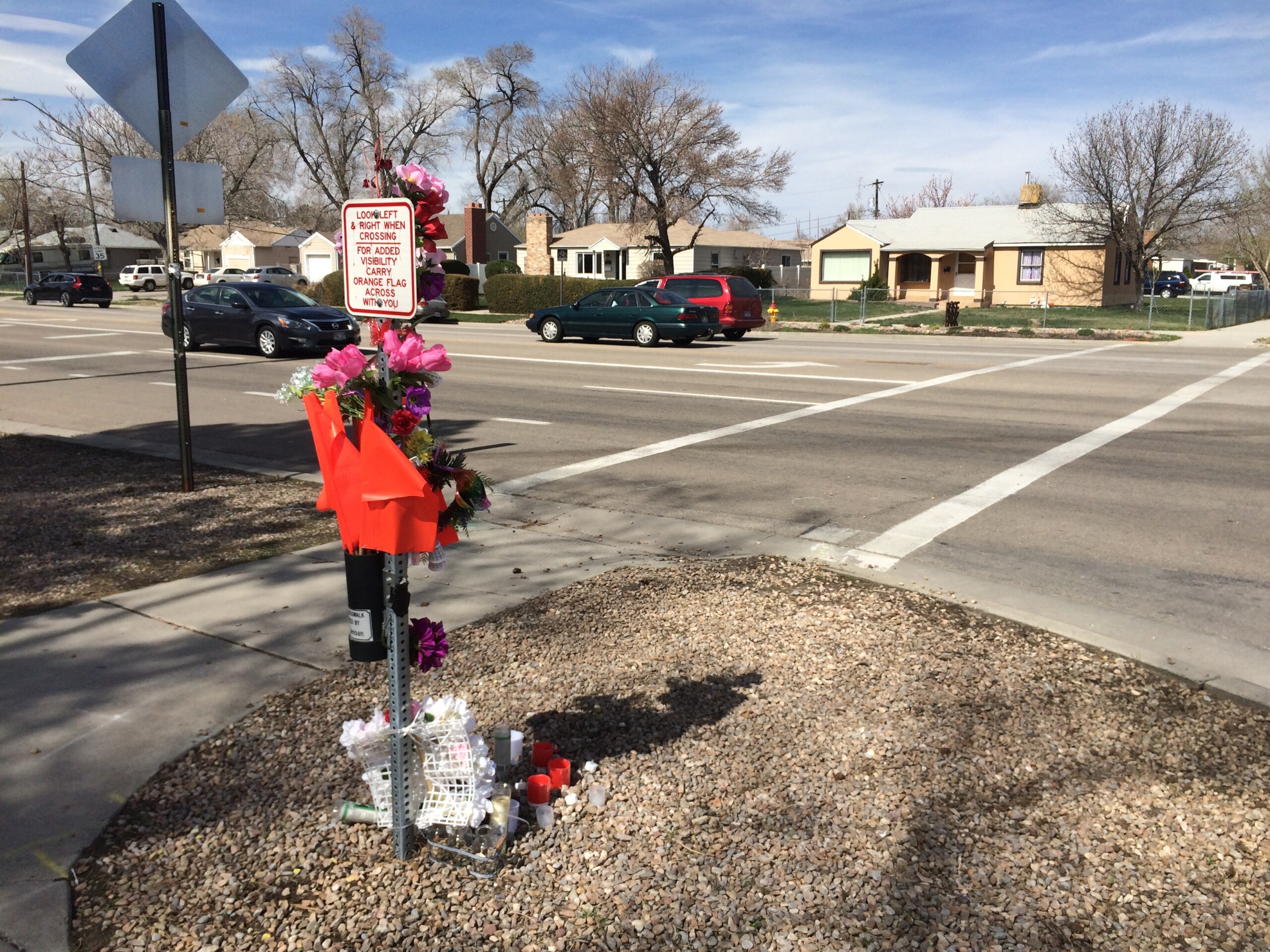
A pedestrian was killed on 600 North and 800 West in 2017. SB0195 would prevent many of the safety measures Salt Lake City intends to put in place in 2025. Photo by Dave Iltis

The bill’s sponsor, Sen. Wayne Harper apparently has little regard for the safety of anyone including pedestrians, drivers, cyclists, and children. He added the language after the bill was heard in committee and just prior to the Senate floor vote. The bill passed the Senate 19-6 in a party line vote – 19 Republicans to 6 Democrats. It’s unclear why road safety is a partisan issue and why various supposed pro-bike Republicans would vote for such an anti-road-safety bill.

Traffic Violence, Children, and Vulnerable Road Users

According to a 2016 study The Major Causes of Death in Children and Adolescents in the United States (Cunningham, Walter, and Carter), 20% of all childhood deaths were attributed to motor vehicle crashes. And, according to UDOT, 281 people lost their lives in Utah due to crashes in 2024; one third of whom were pedestrians, cyclists, and motorcyclists. SB0195 would reverse programs designed to make our streets safer.
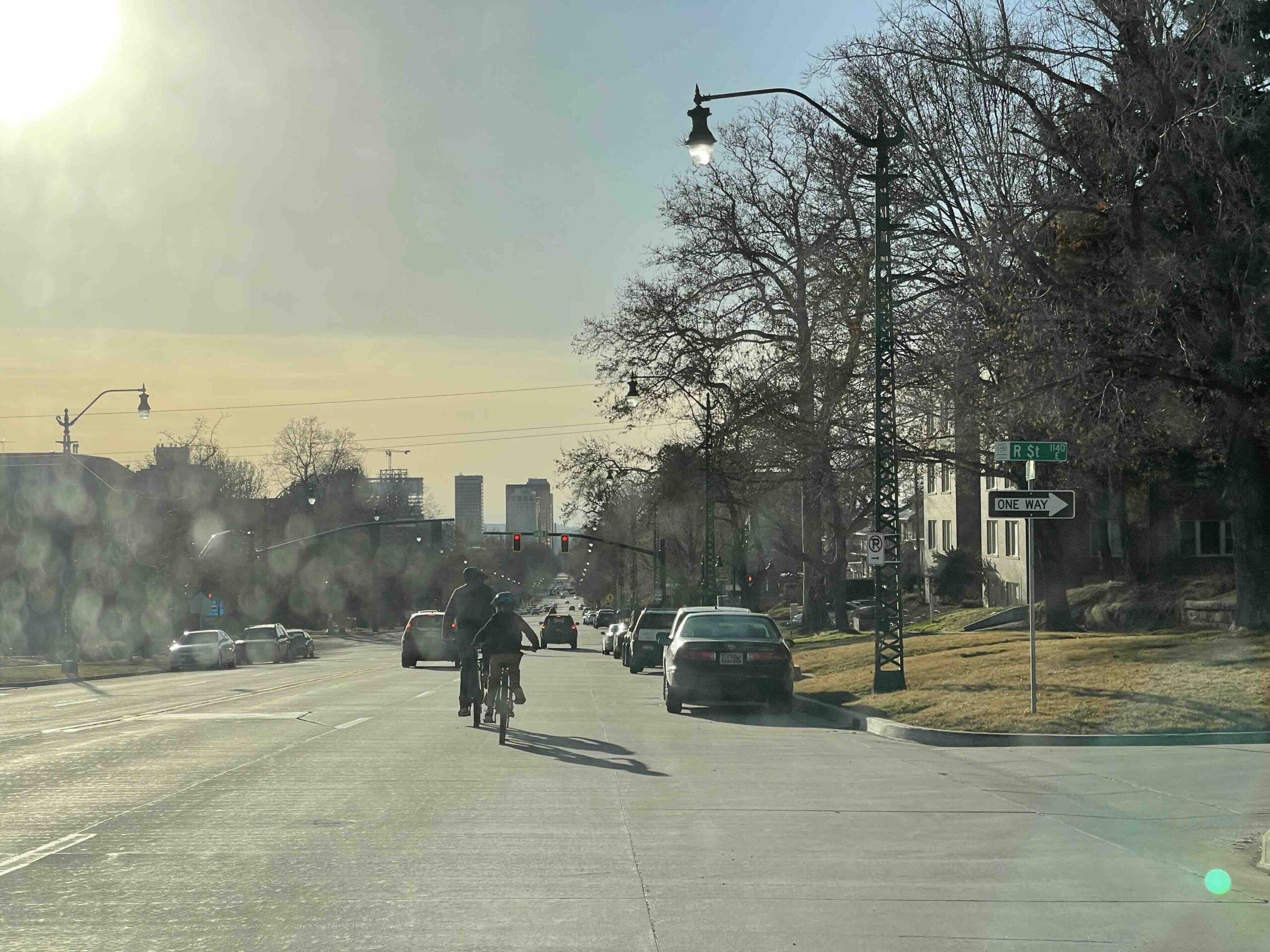
A father and child ride on South Temple before the road diet and bike lanes. Photo by Dave Iltis

Vehicle speed and pedestrian survival rates are inversely correlated. According to the European Transport Safety Council, “For pedestrians, 5 per cent of those struck by a vehicle travelling at 20 miles/h (32 km/h) die, whereas at 30 miles/h (48 km/h) 45 per cent die, and at 40 miles/h (64 km/h), 85 per cent die.” This study, Reducing traffic injuries from excess and inappropriate speed was conducted in 1995, prior to the rise of more dangerous SUV’s and pickup trucks. Speed kills pedestrians, motorists, and cyclists.

Senate Bill 195, that aims to eliminate anything that would slow cars, will make the roads less safe, resulting in more deaths and injuries of motorists, cyclists, pedestrians, and children.

What You Can Do:

  1. Be respectful and demand that the House of Representatives remove all language in SB0195 that refers to highway reduction strategies and the targeting of Salt Lake City. This is line 2867 to line 2906. Tell your story as to why traffic calming, bike lanes, and no traffic fatalities are important to you.
    Ask them to support SB0195 Substitute 4. This bill by Rep. Angela Romero removes the anti-safety language.
  2. To do so:
    1. Email, call, and/or text your state legislative representatives, especially those in the House of Representatives. Find their information here: https://le.utah.gov/Documents/find.htm
    2. Email, call, and text everyone on the House Transportation Committee, especially the bill’s House Sponsor Kay Christofferson ([email protected], 801-592-5709,https://house.utleg.gov/rep/CHRISKJ/ ) and the bill’s Senate sponsor Wayne Harper (https://senate.utah.gov/sen/HARPEWA/ , [email protected]). Find other committee members here: https://le.utah.gov/committee/committee.jsp?year=2025&com=HSTTRA
    3. House Transportation Committee Members:
      1. Rep. Kay J. Christofferson (R), Chair
        [email protected], 801-592-5709
      2. Rep. Ariel Defay (R), Vice Chair
        [email protected], 801-793-8944
      3. Rep. Kristen Chevrier (R)
        [email protected], 801-520-6773
      4. Rep. Rosalba Dominguez (D)
        [email protected], 801-419-3283
      5. Rep. Ken Ivory (R)
        [email protected], 801-694-8380
      6. Rep. Ashlee Matthews (D)
        [email protected], 385-264-2024
      7. Rep. Clinton D. Okerlund (R)
        [email protected], 801-214-4948
      8. Rep. Michael J. Petersen (R)
        [email protected], 435-770-6925
      9. Rep. Calvin Roberts (R)
        [email protected], 801-538-1029
      10. Rep. Angela Romero (D)
        [email protected], 801-722-4972
      11. Rep. Jake Sawyer (R)
        [email protected], 385-641-5928
      12. Rep. Norman K Thurston (R)
        [email protected], 801-477-5348


    4. Call Governor Cox’s comment line: 801-538-1000 and ask him to put pressure on the sponsors to remove the offensive language in SB0195.

The Anti-Safety Language of SB0195, Substitute Version 3 (Note: the only city that meets the criteria in 4a is Salt Lake City):

2867  (4)(a) As used in this Subsection (4):

2868    (i) “City” means a city of the first class located in a county of the first class and has

2869    an international airport within the boundary of the city.

2870    (ii) “Highway reduction strategy” means any strategy that has the potential to

2871    decrease the number of vehicles that can travel on a highway per hour, including:

2872      (A) reducing the number of lanes;

2873      (B) narrowing existing lanes;

2874      (C) adding traffic control measures;

2875      (D) decreasing speed limits;

2876      (E) utilizing speed bumps; or

2877      (F) any other strategy that when implemented may increase congestion for motor

2878      vehicles or discourage motor vehicles from driving on a particular highway.

2879    (iii) “Mobility and environmental impact analysis” means a study that assesses the

2880    impacts of implementing a highway reduction strategy, including assessing the

2881    impacts of the highway reduction strategy on state highways, local highways,

2882    mobility, traffic flow, pedestrian and nonmotorized vehicle flow, the economy,

2883    public health, quality of life, air quality, maintenance, and operations.

2884    (iv) “Moratorium period” means the period between May 7, 2025, and March 6, 2026.

2885  (b) A city may not create a highway reduction strategy or execute an existing highway 

2886  reduction strategy, including the reduction or narrowing of traffic lanes, during a

2887  moratorium period.

2888  (c) The department shall conduct a mobility and environmental impact analysis to

2889  determine the impacts of highway reduction strategies that a city has implemented on

2890  or after July 1, 2015, or has plans to implement on or before July 1, 2035.

2891  (d) As part of the mobility and environmental impact analysis, the department shall: 

2892    (i) assess the cumulative impact of all the highway reduction strategies that a city has

2893    implemented or has plans to implement between July 1, 2015, and July 1, 2035;

2894    and

2895    (ii) consult with relevant stakeholders, including business owners, commuters, and 

2896    residents impacted by the highway reduction strategy.

2897  (e) A city subject to a mobility and environmental impact analysis under this Subsection

2898  (4) shall provide to the department any information the department determines

2899  necessary for conducting the mobility and environmental impact analysis, including 

2900  any plans that city has adopted or discussed with regards to a highway reduction 

2901  strategy.

2902  (f)(i) The department shall provide the mobility and environmental impact analysis to

2903     the Transportation Interim Committee on or before October 15, 2025.

2904    (ii) Any city subject to a mobility and environmental impact analysis described in this

2905    Subsection (4) shall provide a response to the mobility and environmental impact

2906    analysis to the Transportation Interim Committee on or before November 1, 2025.


Complete Streets Plans Should Require Road Maintenance

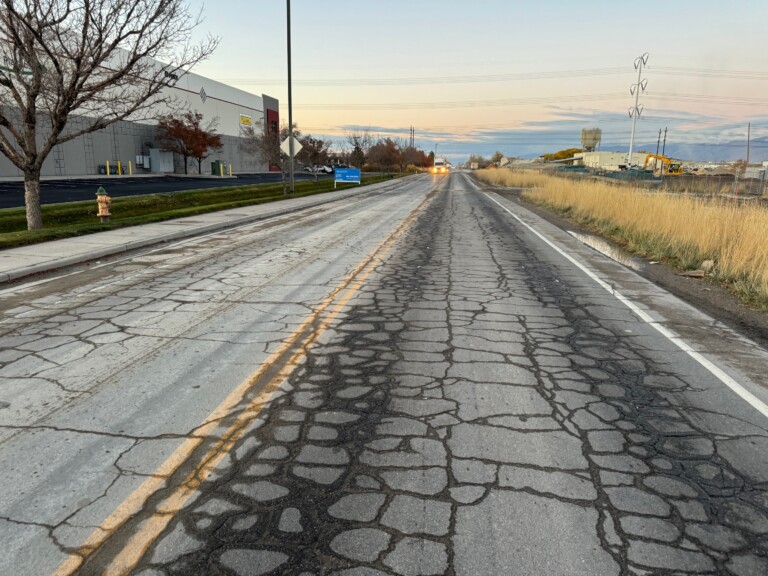
By Charles Pekow — Complete Streets plans should not only focus on building bicycle infrastructure but also emphasize the importance of ongoing maintenance. Signs need periodic replacement, and cracks in pavement require consistent repair, according to a study by Toole Design Group commissioned by the Federal Highway Administration (FHWA).

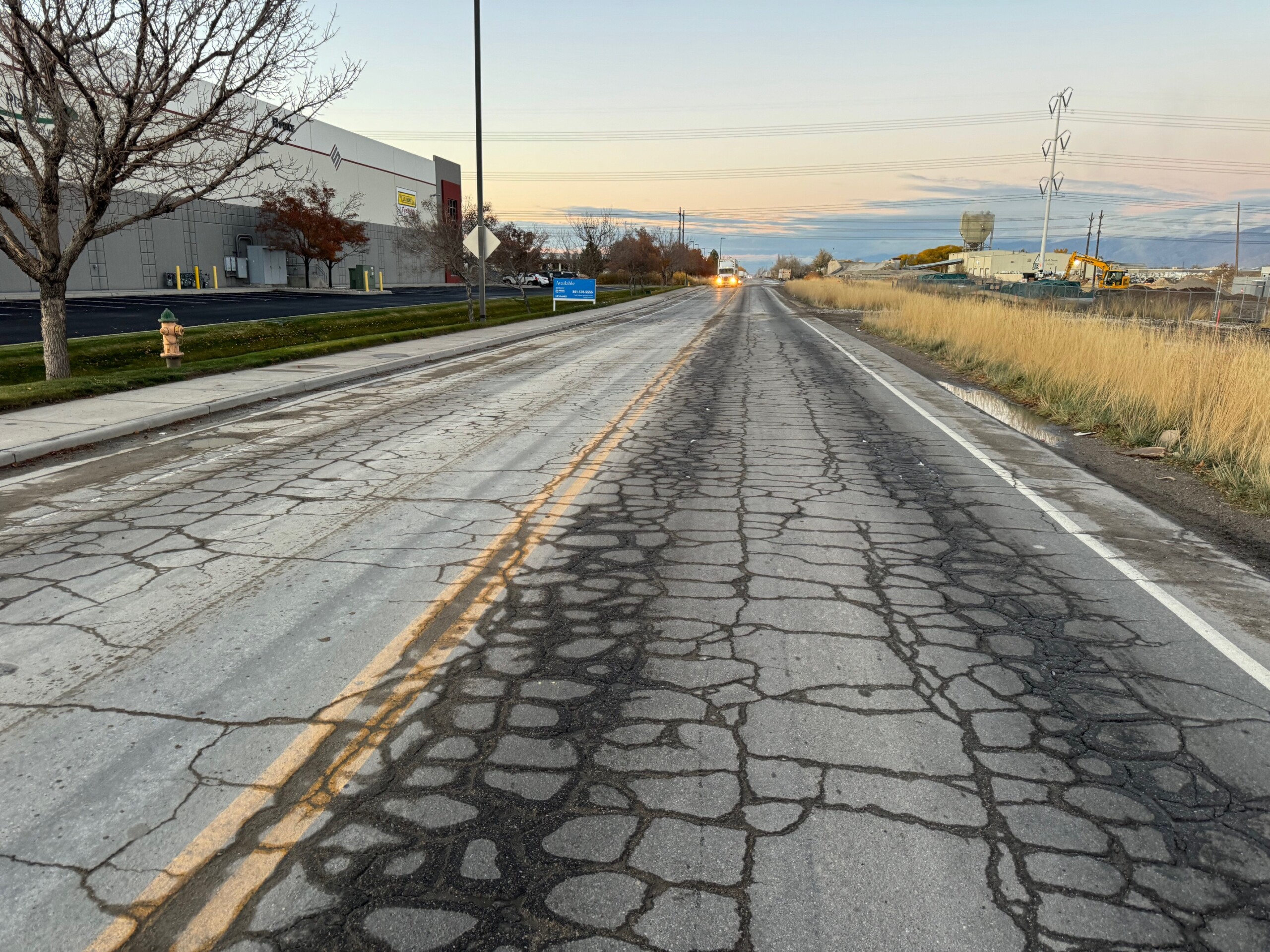
Gladiola Street, in Salt Lake City, Utah, is one of the major thoroughfares through the warehouse district. Photo by Dave Iltis

The report warns, “Poorly maintained bicycle lanes may also discourage people from choosing to bicycle or create conflicts between pedestrians and bicyclists if the latter are encouraged to use the sidewalk.” Bike lanes integrated into roadways are typically maintained alongside the streets. However, separate bike paths are more likely to be neglected due to limited municipal resources. Maintenance challenges also grow as bike infrastructure becomes more complex, incorporating features like turn lanes and specialized signals.

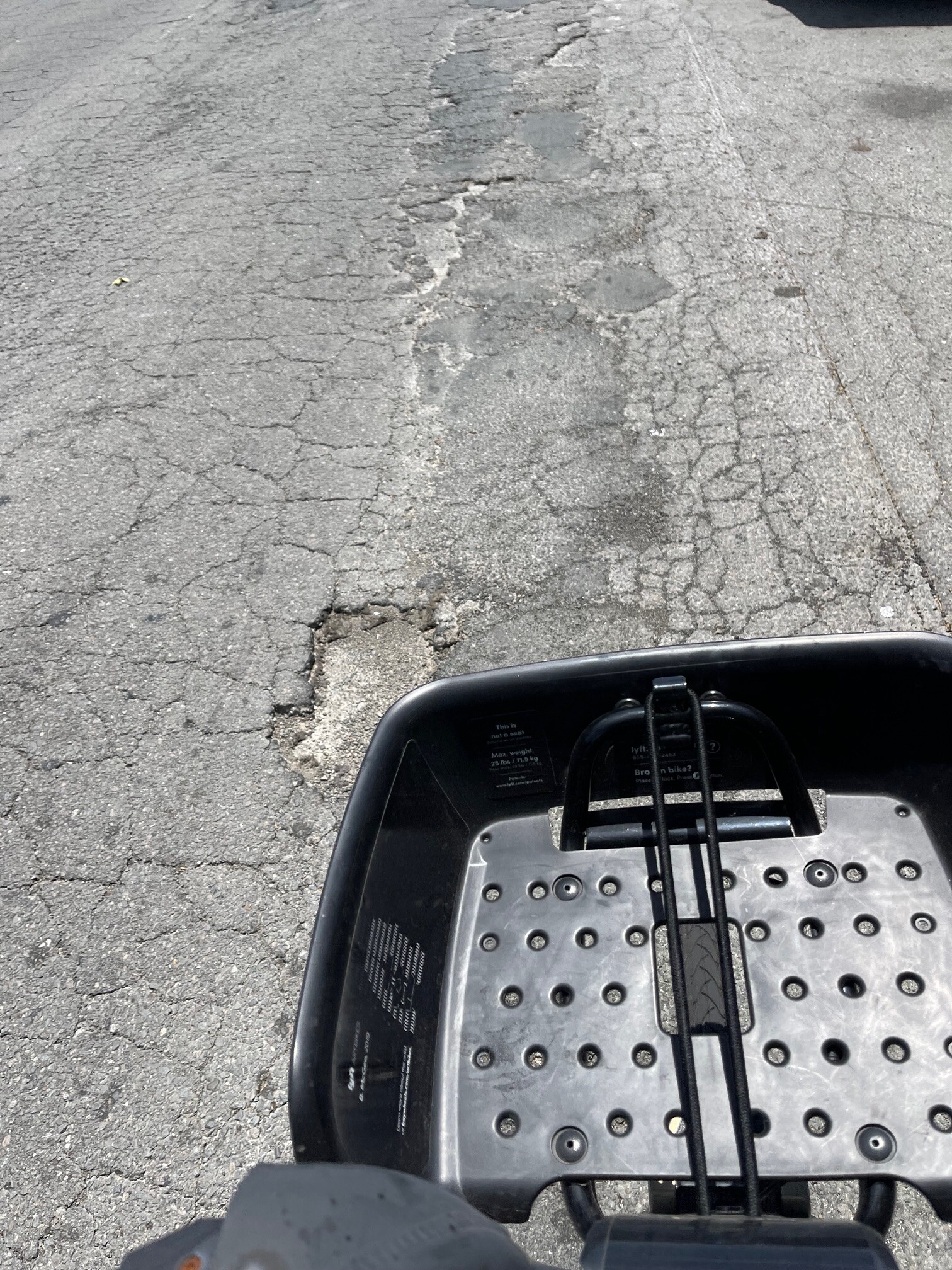
Even “bike-friendly” cities like Berkeley, California neglect their roads, even on designated bike routes like Telegraph Avenue. Photo by Dave Iltis.

For detailed recommendations, see the Guide for Maintaining Active Transportation Infrastructure for Enhanced Safety at https://highways.dot.gov/sites/fhwa.dot.gov/files/2024-10/Guide_for_Maintaining_Active_Transportation_FHWA-SA-23-005_0.pdf


Video: Brage Vestavik’s New Film “Planet Alaska” Draws Inspiration From Big Mountain Skiers & Snowboarders

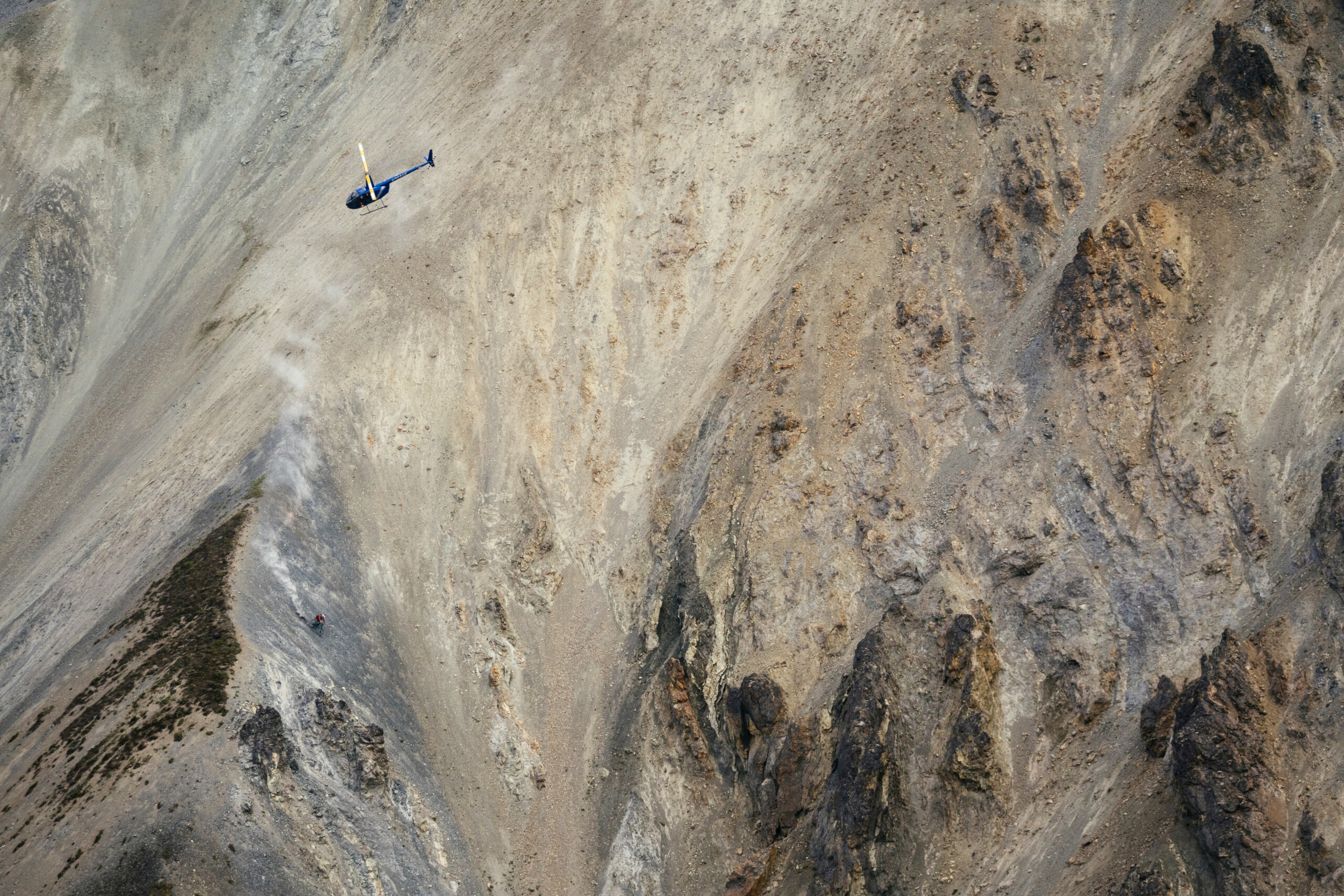
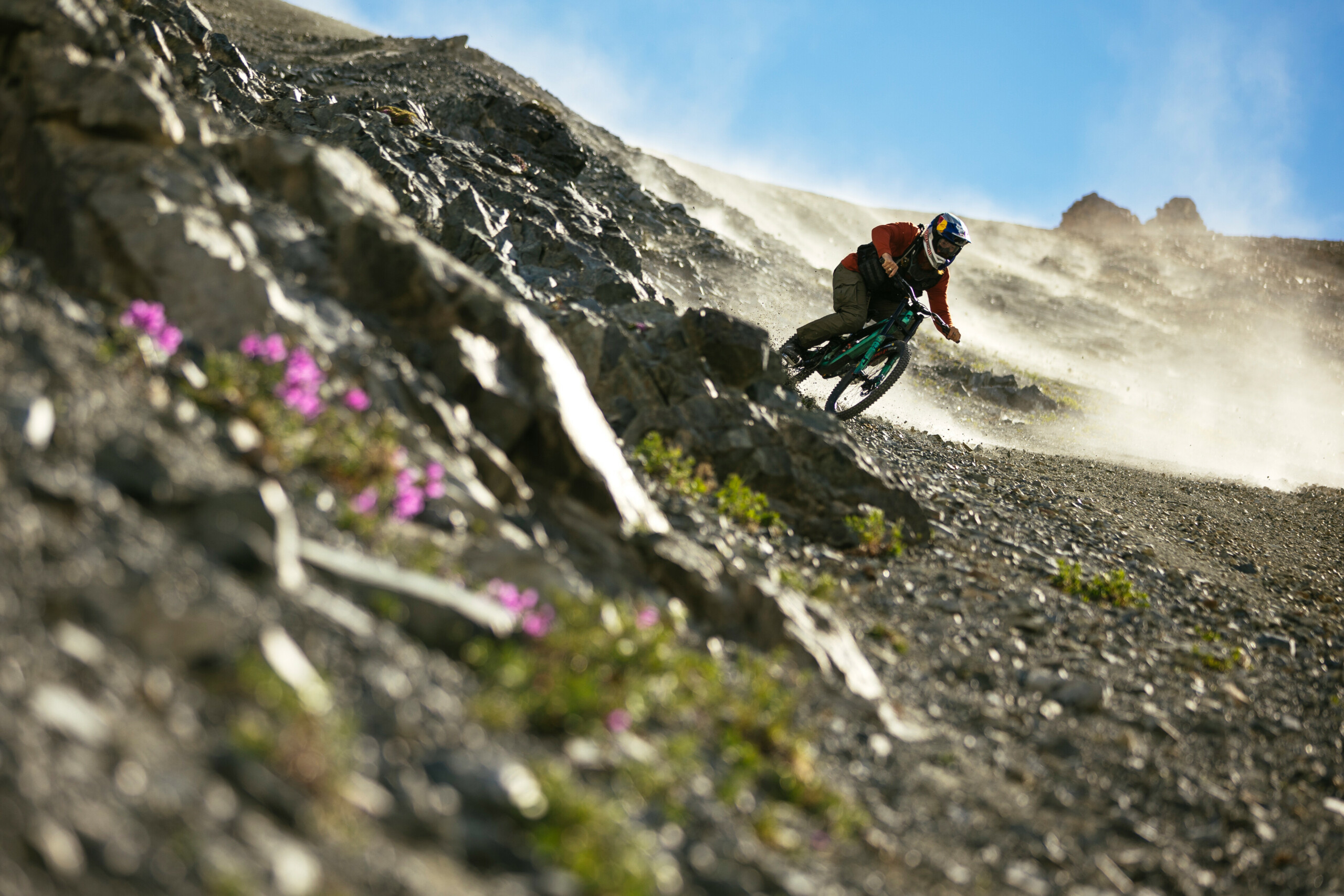
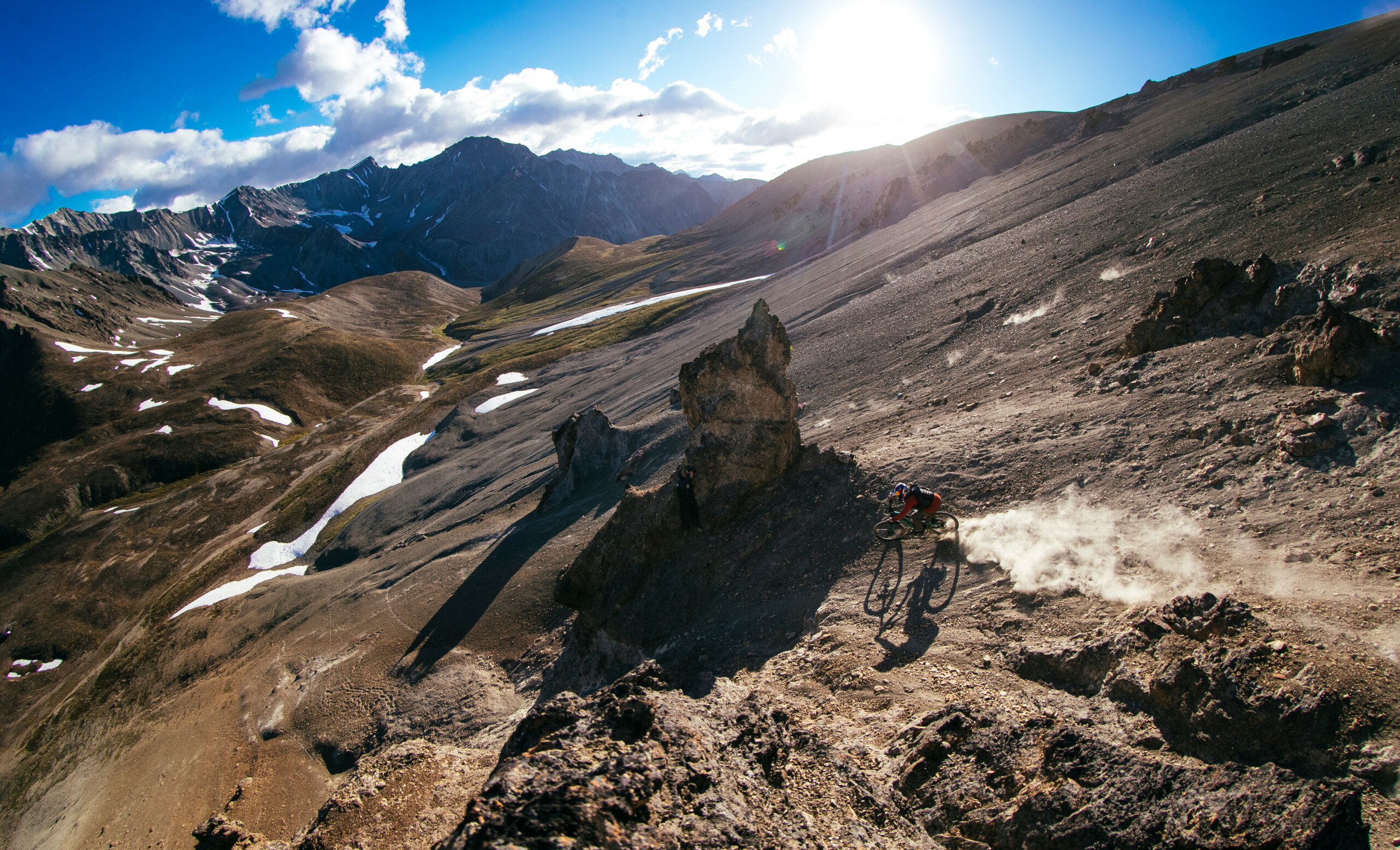
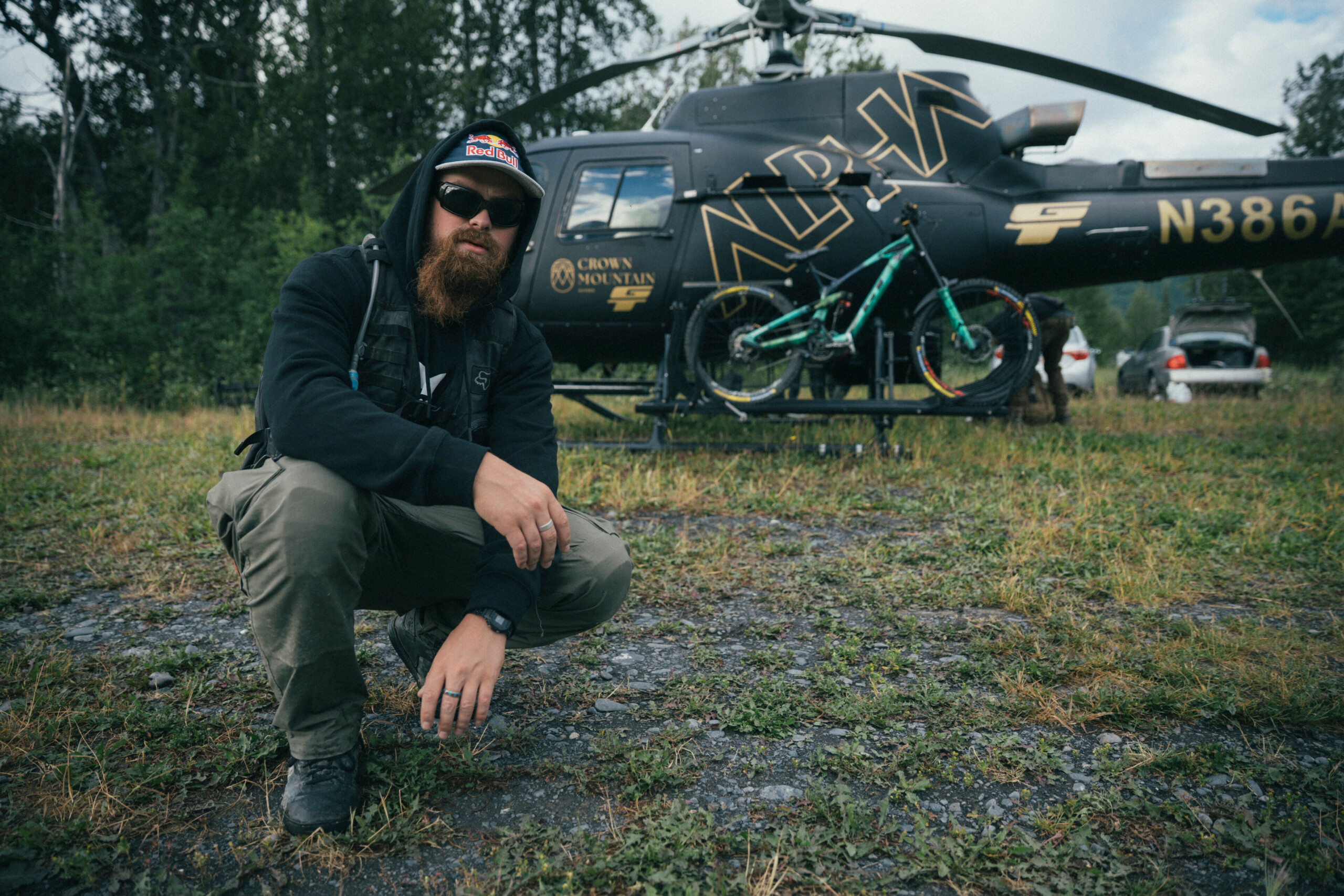
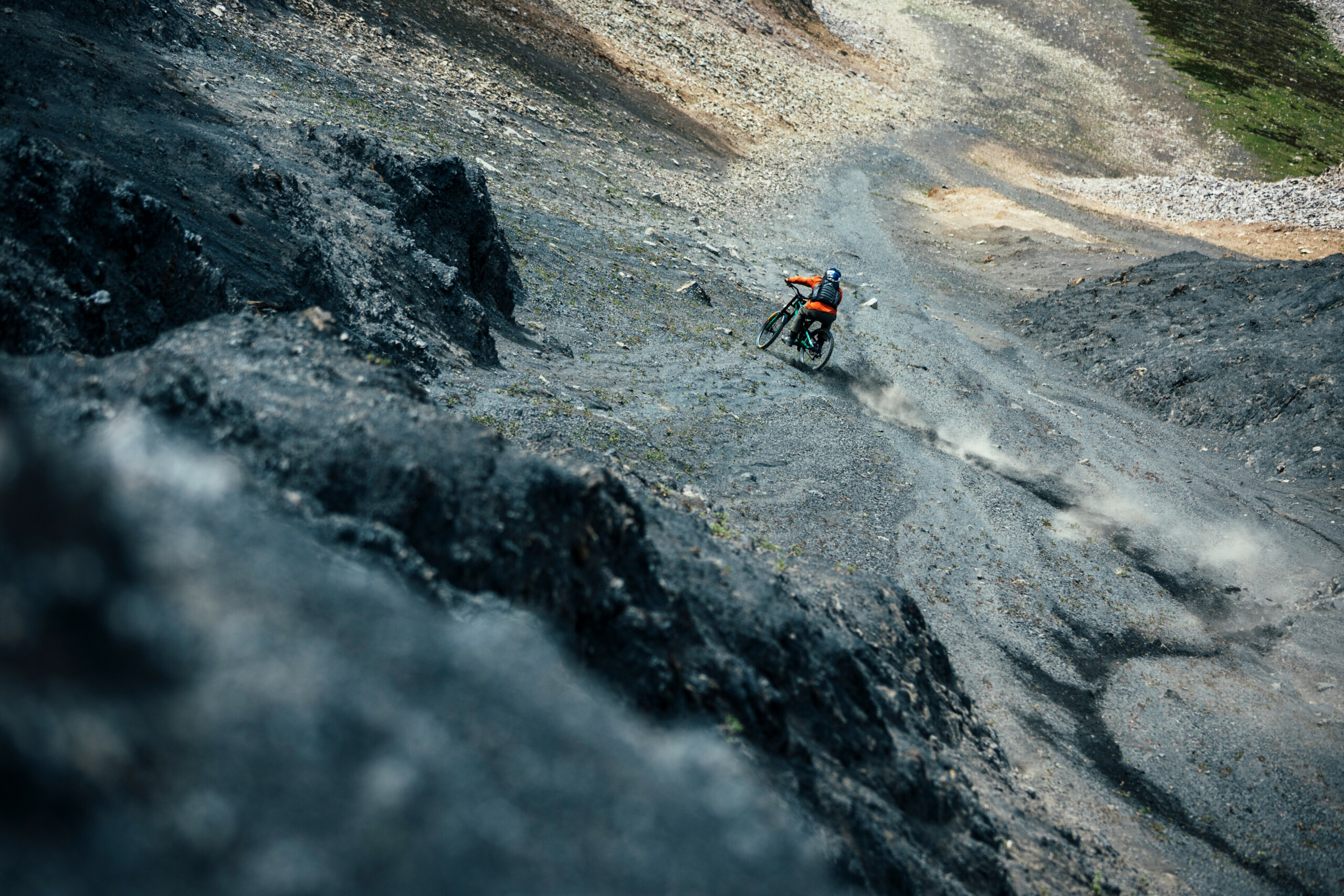
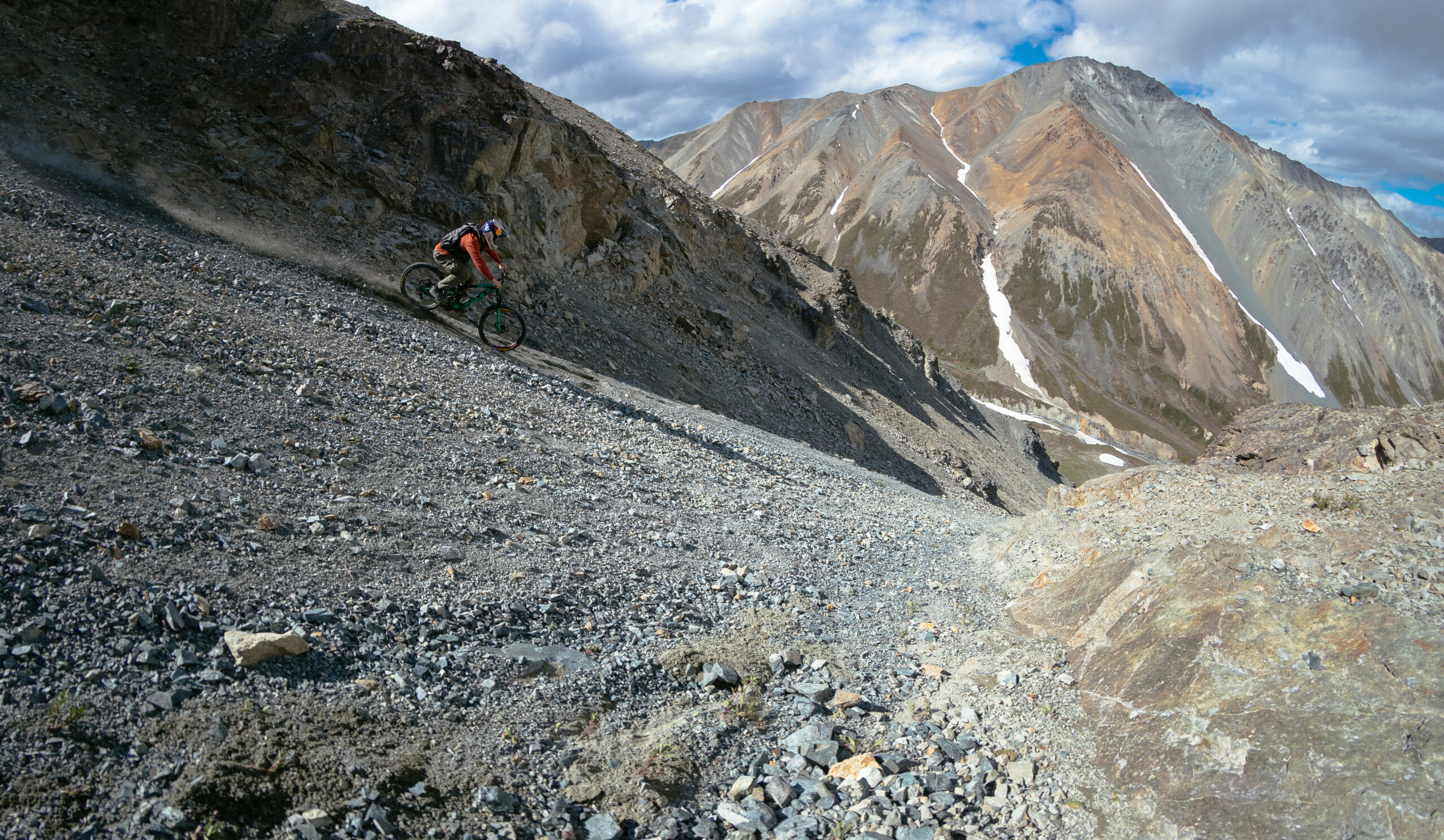
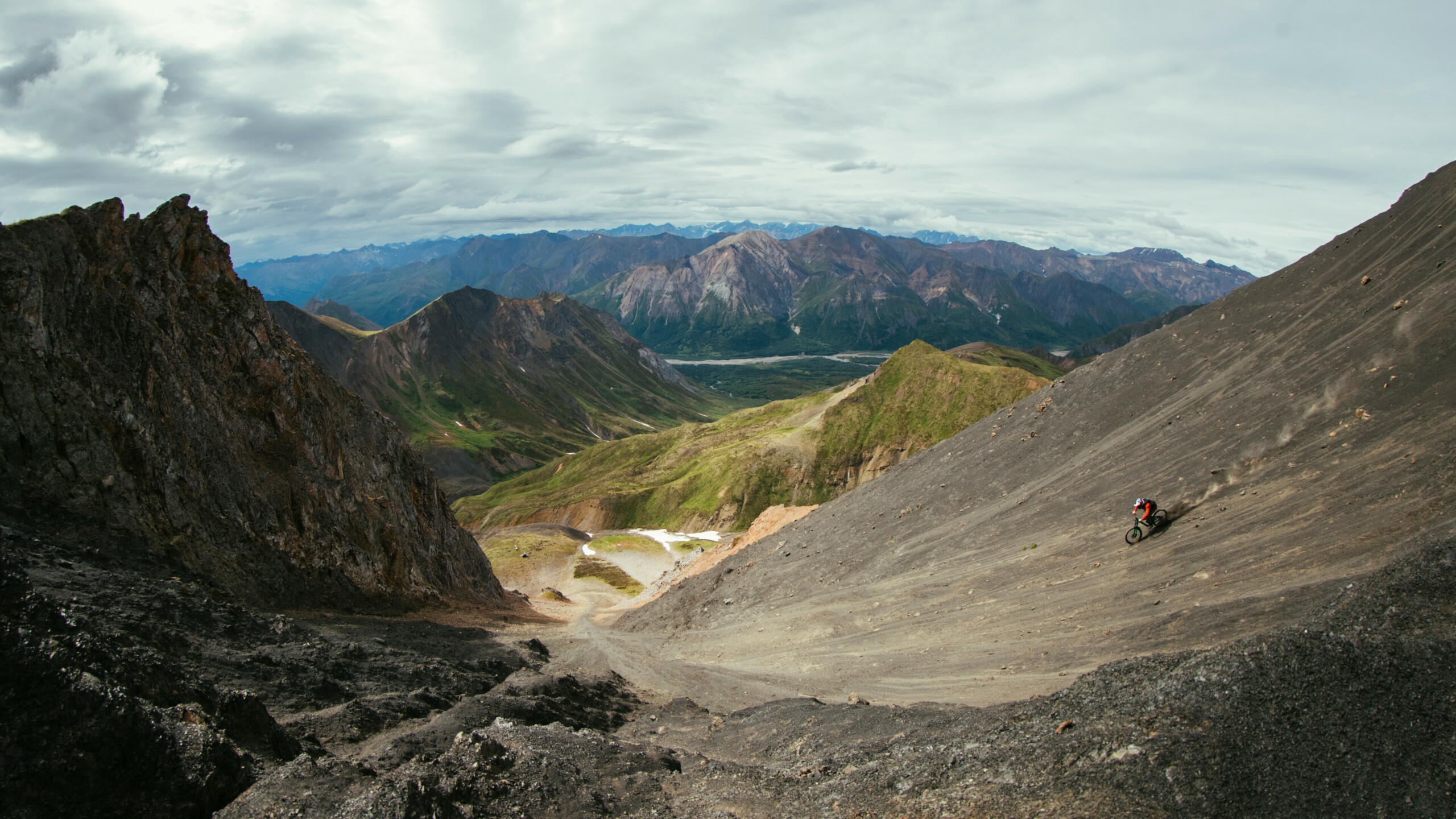
OSLO, Norway (February 20, 2025) — Red Bull and award-winning mountain biker Brage Vestavik unveil “Planet Alaska,” a film that takes mountain biking into the unknown, inspired by the fluidity of big mountain skiing and snowboarding. This Blur Media production, launching globally in Oslo and now available on Red Bull Bike’s YouTube channel, showcases Brage’s most ambitious adventure to date.

“Planet Alaska” is a journey through the Alaskan mountains, focusing on exploration, pushing boundaries, and discovering new lines. For Brage Vestavik, it’s about freedom, embracing the unknown, and pioneering the sport.

“The whole factor of the unknown really plays a part in what I love about riding. It’s just that little part of not knowing and having to figure it out as you’re riding, and the whole part of your mind getting shut off and your body just acting – it’s like you’re shutting off the rest of the world, and you’re just kind of dancing. Even though you don’t know what to do, you still know exactly what to do, and it’s a crazy feeling,” Brage explains.

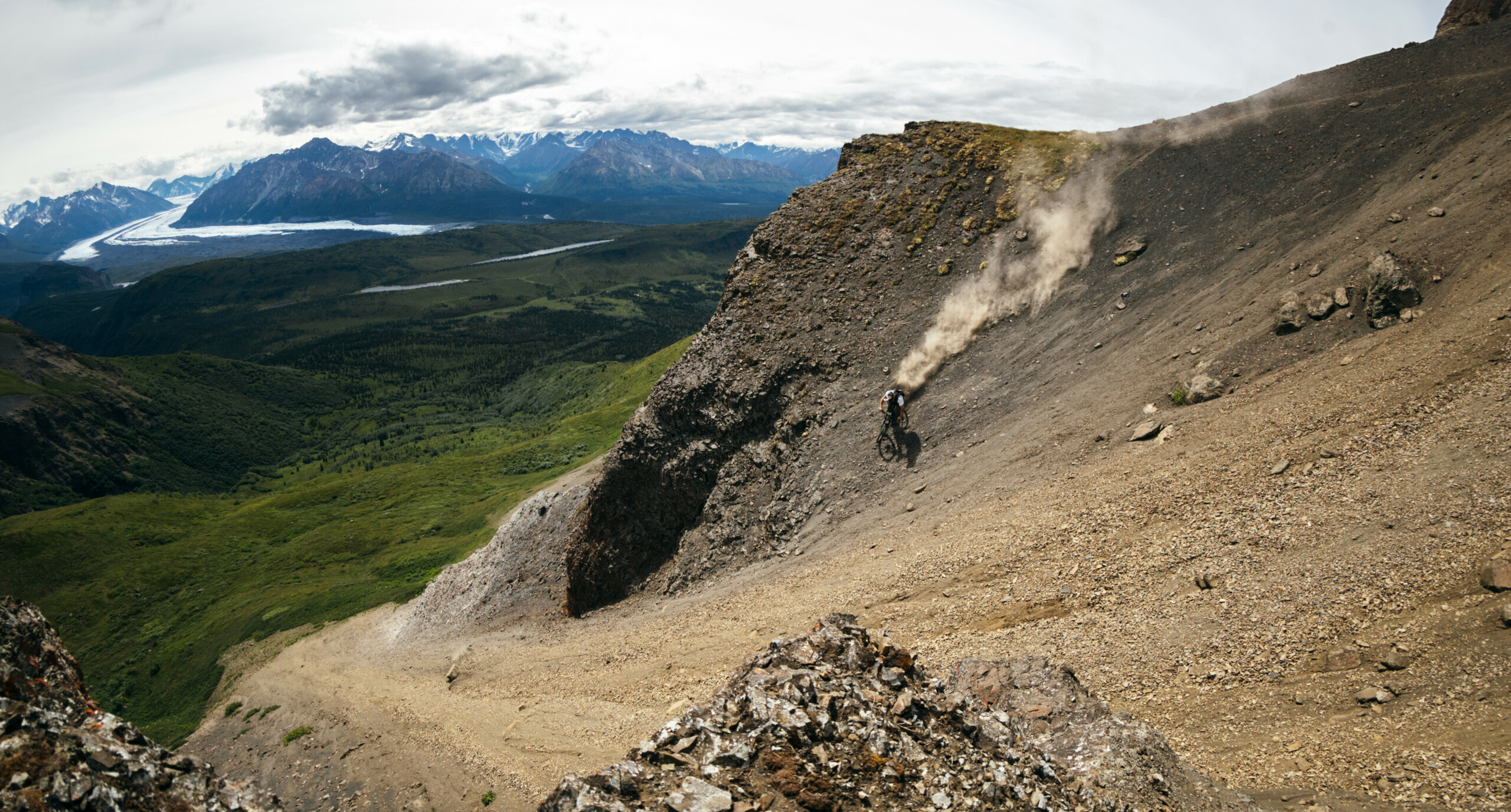
The movie unfolds in the Alaskan wilderness, where Brage draws inspiration from years of watching the world’s top skiers and snowboarders navigate steep mountains. Unlike the snowdrifts that cushion skiers, Brage faces the raw rocky terrain, making his feats even more daring.

“Back in the day, I used to ski the whole winter, so I always loved skiing. And my dad also had a lot of old big mountain snowboard and ski movies, so I grew up watching those DVDs. Alaska has always been part of those movies, so I’ve always known about Alaska. It’s like the pinnacle of big mountain. And after starting to do more freeride stuff, Alaska has been in the back of my mind, but it’s not until the last year I’ve been like, ‘whoa, I can actually get out there,’ and even now – months after being there – it feels kind of unreal thinking about that I’ve been there. Riding,” Brage shares.

“Planet Alaska” highlights Brage Vestavik’s dedication to his craft. It celebrates pushing the limits and redefining what is possible in mountain biking.

“I feel that riding in the big mountains for mountain bikers is still such a new thing. We have so much to learn, especially from how the snowboarders and skiers read the terrain. And that’s something that really inspires me, to find a way of moving down the mountain in a flowy and smooth way, almost like water,” Brage reflects.

This project took shape over time, involving preparations, surgery to address old injuries, focused training at Red Bull’s Athlete Performance Center in Austria, and learning on secluded mountainsides in Northern Norway. These efforts culminate in Brage confidently tackling and conquering the steep lines of Alaska.

“Pushing and innovating the sport has never really been an inspiration or something I want to do. What I’m into is just riding what I think is fun, and what drives me. I don’t even like calling it a sport. When I’m riding, I just like to disappear into that world, and I don’t even think about riding. It’s just more of an expression, in a way,” Brage explains.

Join Brage Vestavik on this adventure and witness the redefining of freeride mountain biking, inspired by the movements of skiers and snowboarders in one of the most stunning landscapes on earth.

For more information and to watch the full-length film “Planet Alaska,” visit Red Bull Bike’s YouTube channel.

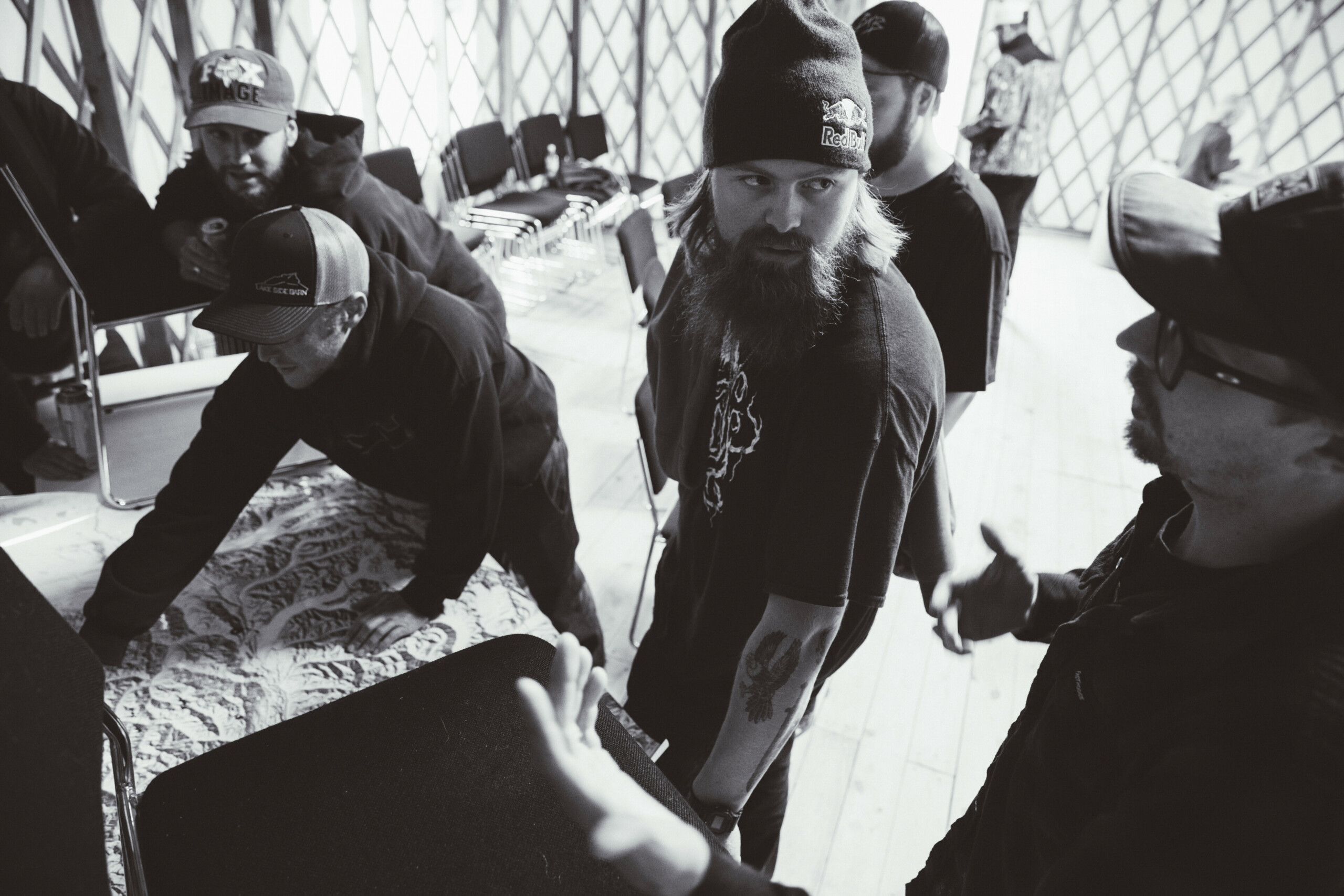
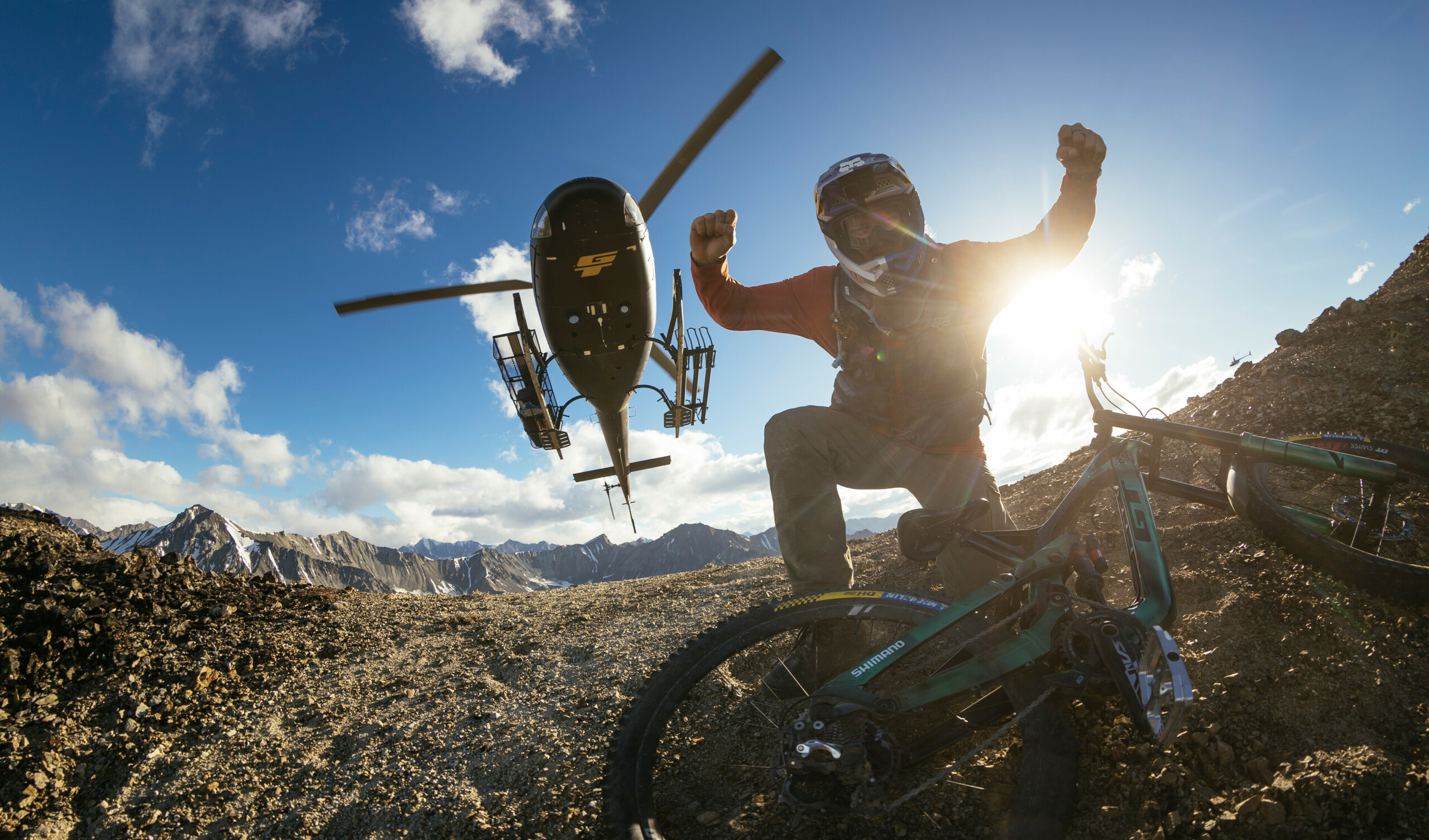
Brage Vestavik planning the Heli Drop at base camp in Palmer, Alaska, USA on July 9, 2024 // Ale Di Lullo / Red Bull Content Pool // SI202502150085 // Usage for editorial use only //
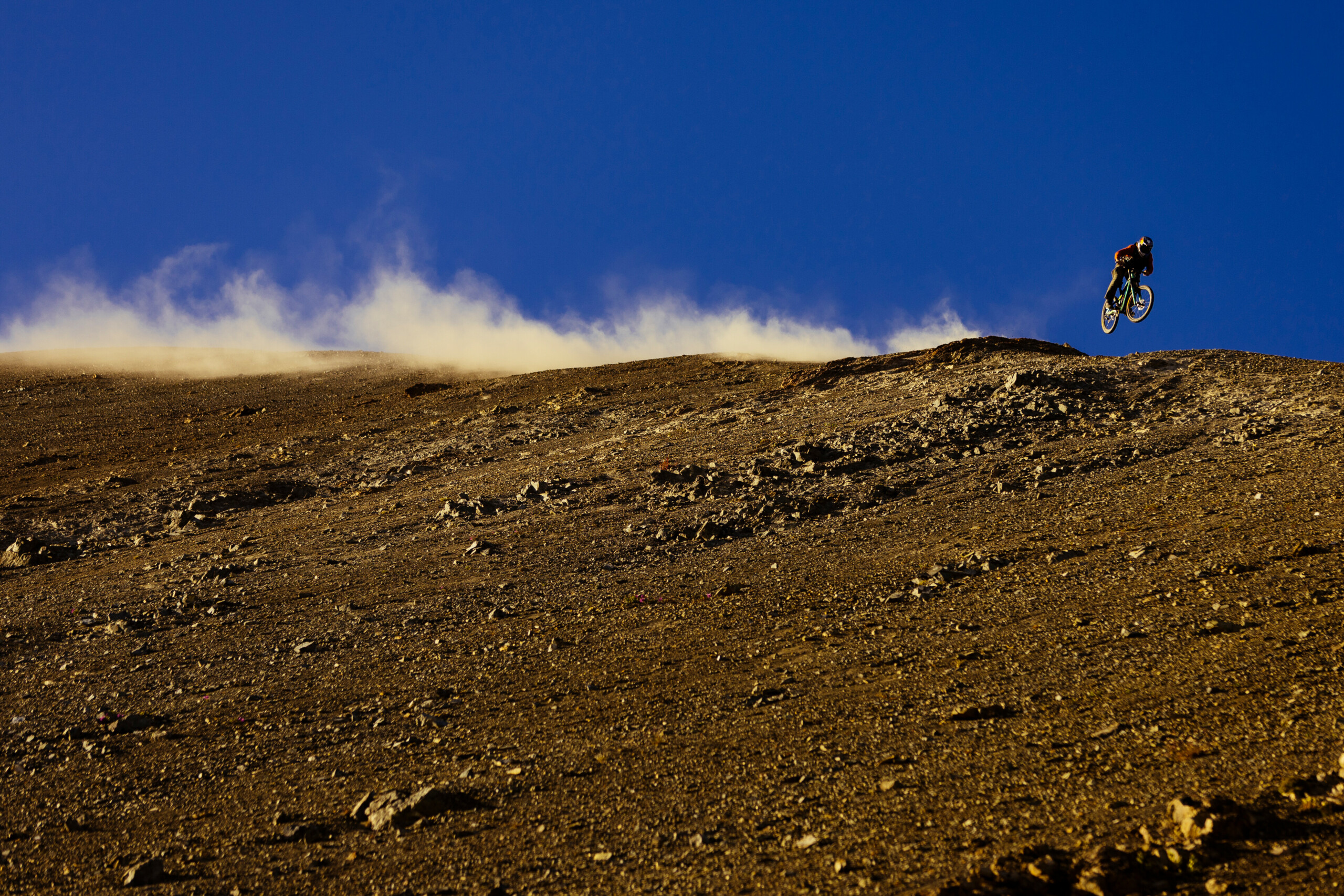
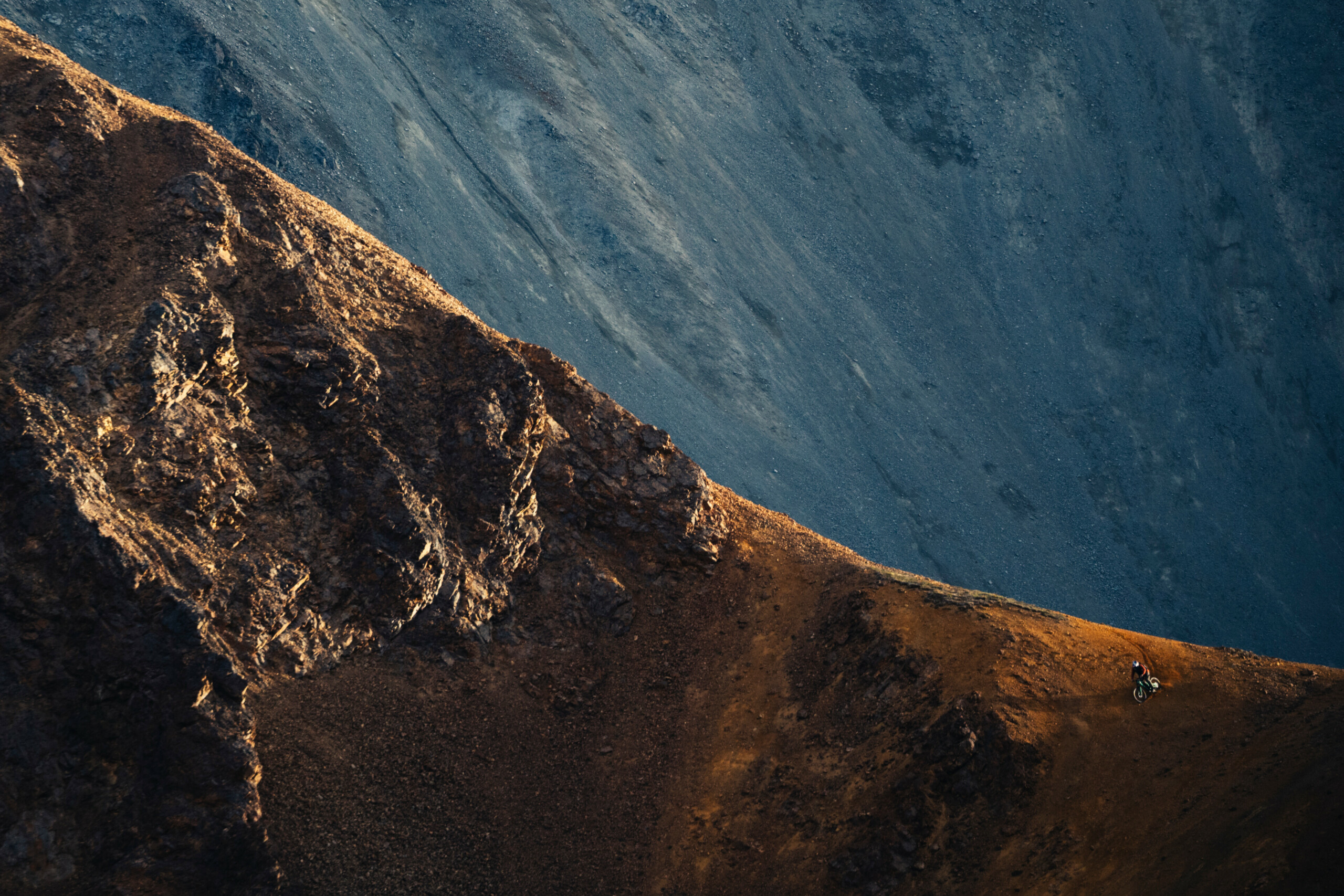
Brage Vestavik Jumping his Mountain bike down a steep mountain at sunset in Sutton , Alaska, USA on July 16, 2024 // Ale Di Lullo / Red Bull Content Pool // SI202502150101 // Usage for editorial use only //
Brage Vestavik and his mountain bike being dropped by the Helicopter in Sutton , Alaska, USA on July 16, 2024 // Ale Di Lullo / Red Bull Content Pool // SI202502150100 // Usage for editorial use only //
Brage Vestavik and his mountain bike being dropped by the Helicopter in Sutton , Alaska, USA on July 16, 2024 // Ale Di Lullo / Red Bull Content Pool // SI202502150099 // Usage for editorial use only //
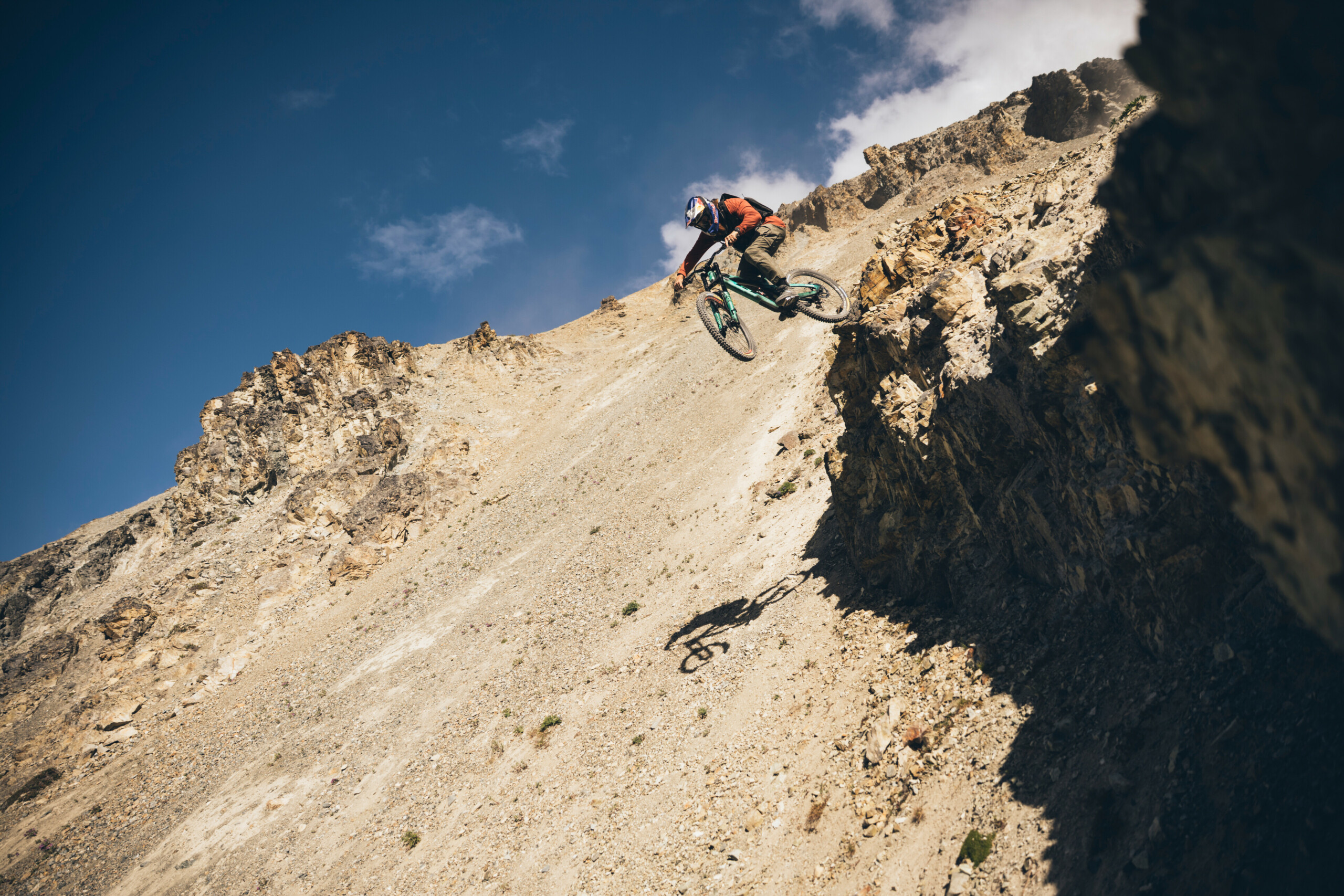
Brage Vestavik jumping off a cliff on his Mountain bike down a steep mountain in Sutton , Alaska, USA on July 16, 2024 // Ale Di Lullo / Red Bull Content Pool // SI202502150098 // Usage for editorial use only //
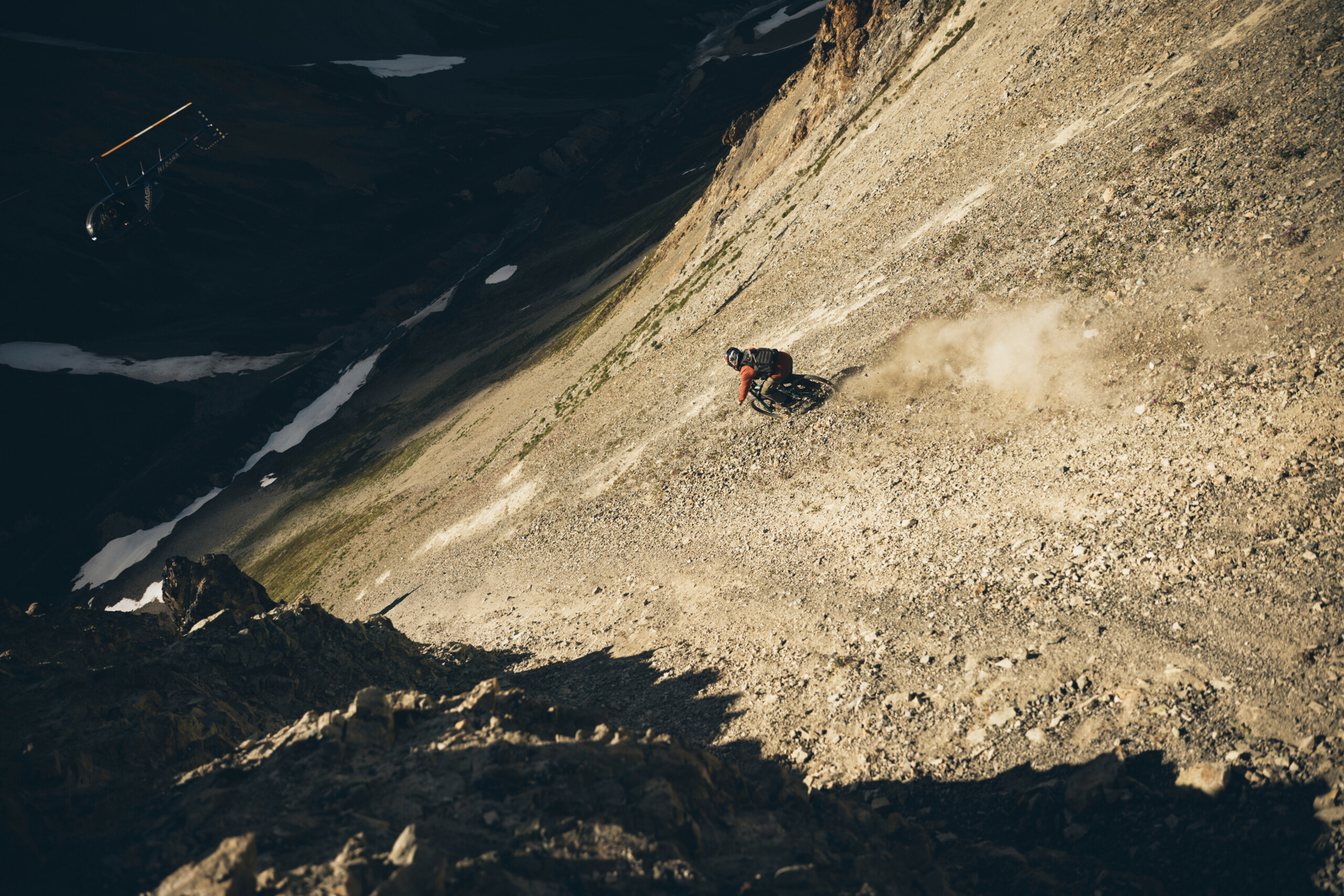
Brage Vestavik Riding his Mountain bike down a steep mountain at sunset in Sutton , Alaska, USA on July 13, 2024 // Ale Di Lullo / Red Bull Content Pool // SI202502150097 // Usage for editorial use only //
Brage Vestavik riding his Mountain bike down a steep mountain at sunset in Sutton, Alaska, USA on July 16, 2024 // Ale Di Lullo / Red Bull Content Pool // SI202502150096 // Usage for editorial use only //
Brage Vestavik Riding his Mountain bike down a steep mountain at sunset in Sutton , Alaska, USA on July 15, 2024 // Ale Di Lullo / Red Bull Content Pool // SI202502150095 // Usage for editorial use only //
Brage Vestavik Riding his Mountain bike down a steep mountain at sunset in Sutton , Alaska, USA on July 16, 2024 // Ale Di Lullo / Red Bull Content Pool // SI202502150094 // Usage for editorial use only //
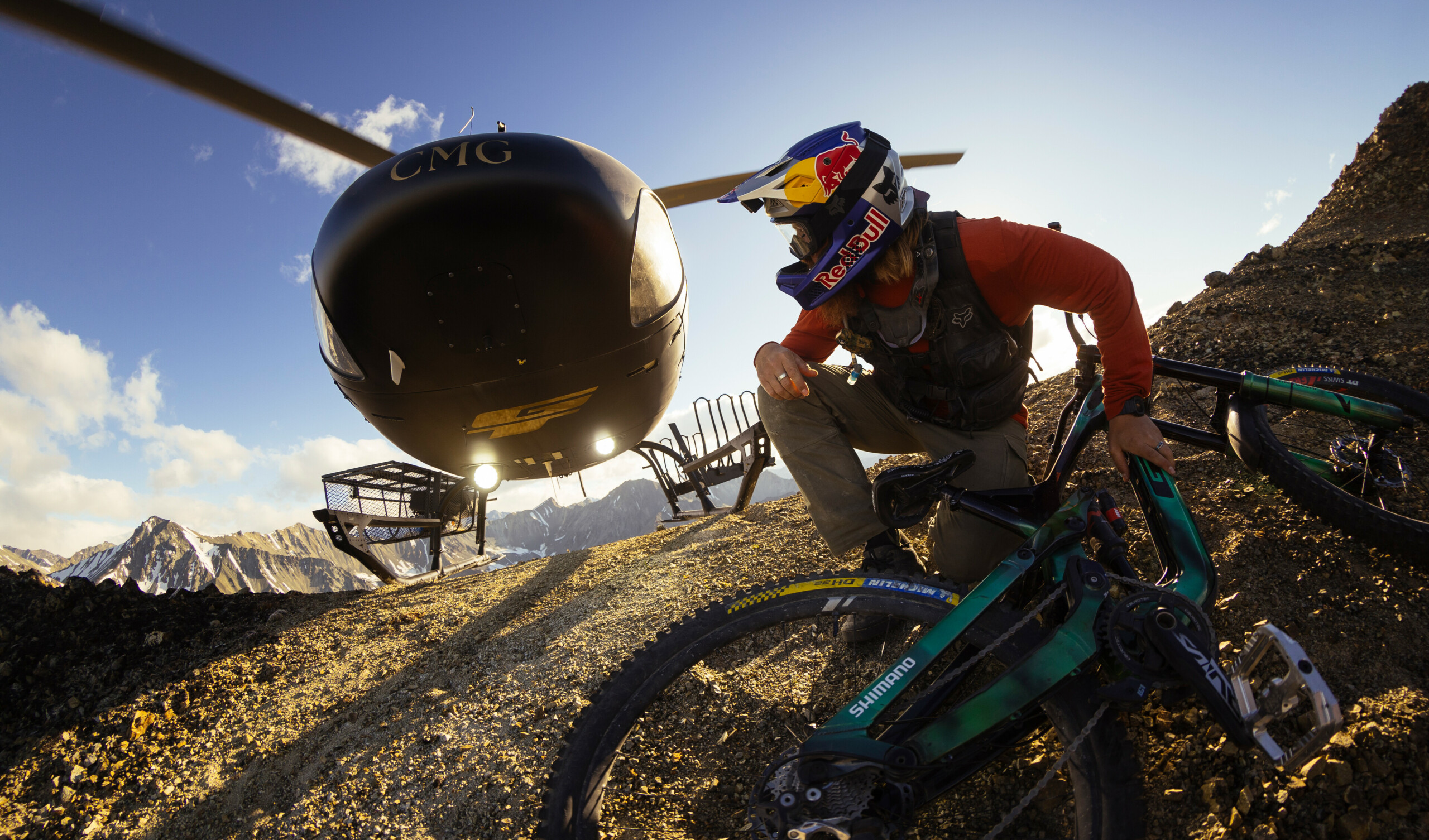
Brage Vestavik portrait in front of the helicopter and his mountain bike in Palmer, Alaska, USA on July 15, 2024 // Ale Di Lullo / Red Bull Content Pool // SI202502150093 // Usage for editorial use only //
Brage Vestavik Riding his Mountain bike down a steep mountain in Sutton , Alaska, USA on July 14, 2024 // Ale Di Lullo / Red Bull Content Pool // SI202502150092 // Usage for editorial use only //
Brage Vestavik Riding his Mountain bike down a steep mountain at sunset in Sutton , Alaska, USA on July 15, 2024 // Ale Di Lullo / Red Bull Content Pool // SI202502150091 // Usage for editorial use only //
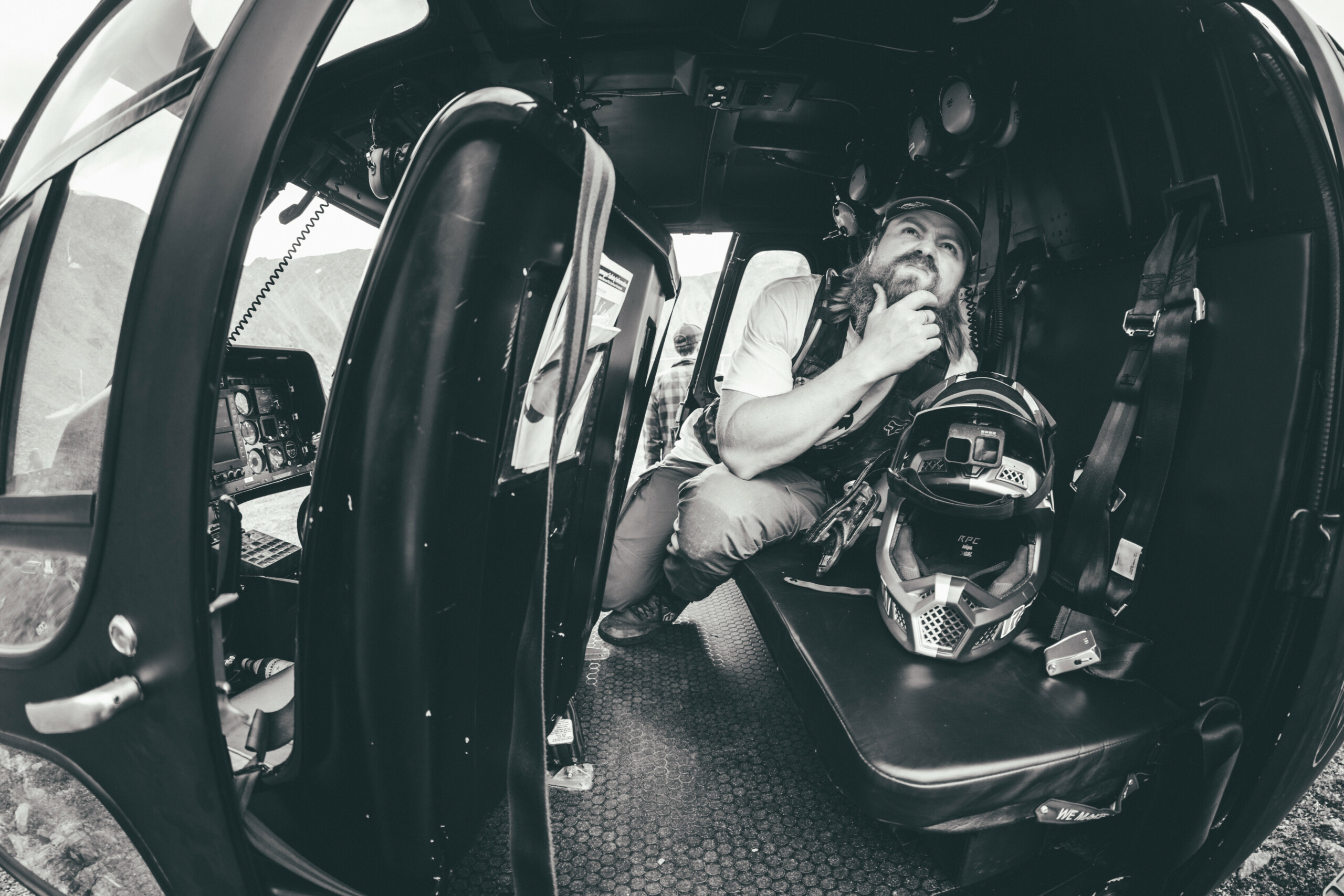
Brage Vestavik checking lines where to ride his mountain bike from the Helicopter in Sutton , Alaska, USA on July 14,, 2024 // Ale Di Lullo / Red Bull Content Pool // SI202502150090 // Usage for editorial use only //
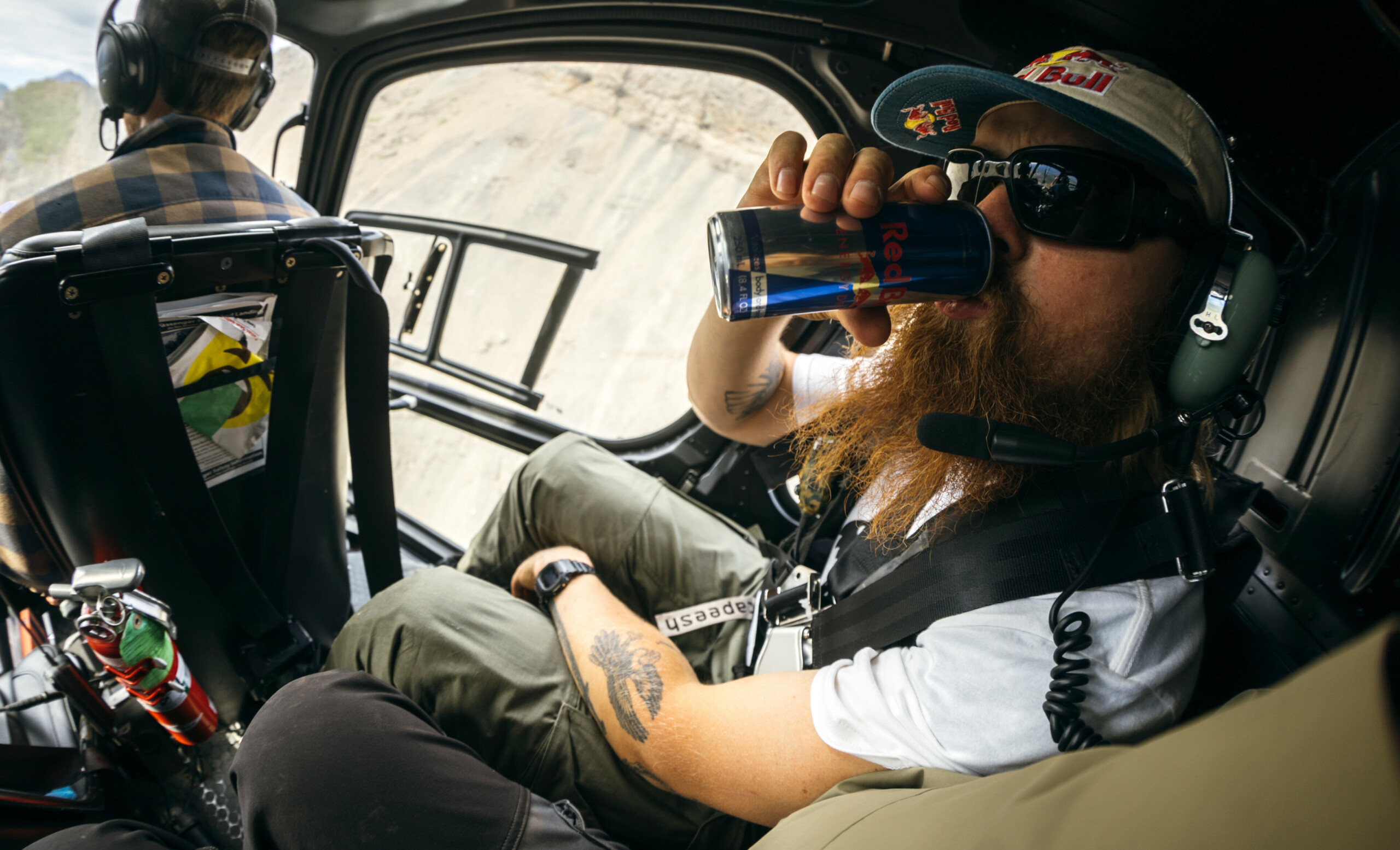
Brage Vestavik Drinking a Red Bull during an Heli Drop in Sutton , Alaska, USA on July 14, 2024 // Ale Di Lullo / Red Bull Content Pool // SI202502150089 // Usage for editorial use only //
Brage Vestavik Riding his Mountain bike down a steep mountain in Sutton , Alaska, USA on July 14, 2024 // Ale Di Lullo / Red Bull Content Pool // SI202502150088 // Usage for editorial use only //
Brage Vestavik Riding his Mountain bike down a steep mountain at sunset in Sutton , Alaska, USA on July 13, 2024 // Ale Di Lullo / Red Bull Content Pool // SI202502150087 // Usage for editorial use only //
Brage Vestavik Riding his Mountain bike down a steep mountain in front of a Glacier in Sutton , Alaska, USA on July 13, 2024 // Ale Di Lullo / Red Bull Content Pool // SI202502150086 // Usage for editorial use only //

Gran Fondo National Series to Launch Gran Fondo Utah  

0

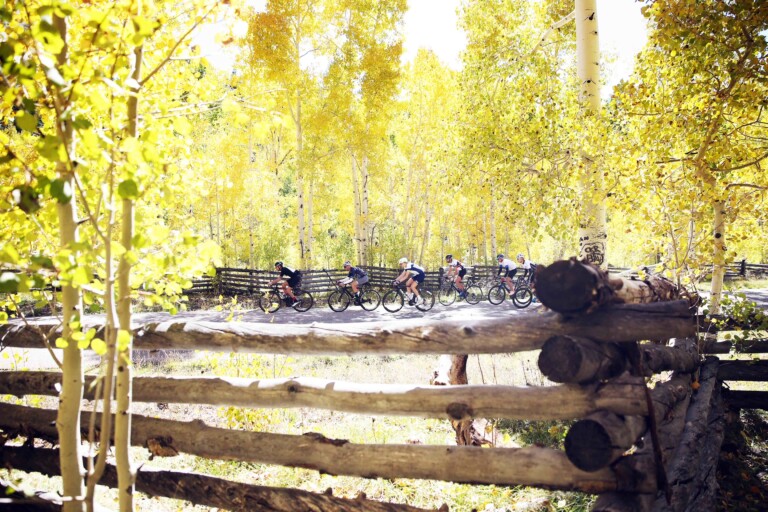
GETTYSBURG, Pennsylvania (February 19, 2025) – The Gran Fondo National Series announced today the launch of an exciting new Series event: the Gran Fondo Utah. This highly anticipated ride will take place in Payson, Utah, on June 7, 2025, promising cyclists of all levels an unforgettable journey through the stunning landscapes of Utah’s Wasatch Front with three course lengths of 95, 62, and 35 miles

Gran Fondo Utah will feature multiple route options to accommodate riders of varying abilities, ranging from scenic, family-friendly distances to challenging courses for seasoned cyclists. The Gran course will tackle the iconic Nebo Loop climb, a challenging ascent that featured in past editions of the Tour of Utah in 2010, 2013, 2016, and 2018. Participants can all expect fully supported rest stops, timed segments, and the opportunity to compete for prizes or simply enjoy the ride at their own pace

Photos courtesy of Gran Fondo National Series

“Gran Fondo Utah will be a great addition to the Gran Fondo National Series line up of events and will offer cyclists in the Rocky Mountain region more opportunity to earn National Series Points and to qualify for the 2025 USA Cycling Gran Fondo National Championships, which is in turn a UCI Gran Fondo World Championships qualifying event,” said Gran Fondo National Series Founder, Reuben Kline

The Gran Fondo National Series is partnering with Cycling Quests with a goal to help expand the reach of the Series to more western states. “The Gran Fondo National Series is committed to expanding its reach and bringing the best of cycling to more communities across the country,” said Kline. “We are proud to partner with Cycling Quests to launch Gran Fondo Utah and provide an exceptional experience for cyclists in one of the most beautiful regions in the nation.”  

Photos courtesy of Gran Fondo National Series

With launching of Gran Fondo Utah, participants from western states now have increased opportunities to be competitive for the overall points in the series with partner events, Cache Gran Fondo in Cache, Utah, the Bogus Basin Hill Climb in Boise, Idaho and the 719 Ride in Colorado Springs, Colorado giving ample opportunity for riders to earn points

In addition to the ride, the event will coincide with the Founder’s Day festival in Payson, with local food, music, and family-friendly activities for riders and spectators alike. Gran Fondo Utah is poised to become a must-attend event for cycling enthusiasts and outdoor adventurers

“We are excited to be selected as a host destination for the Gran Fondo National Series. Our community’s enthusiasm for outdoor recreation and volunteerism will create a memorable experience for everyone involved, while offering scenery and a challenging ride for participants,” said Abby Owens, Explore Utah Valley

Registration for Gran Fondo Utah is already open at https://www.bikereg.com/gran-fondo-utah.

For more information, including route details, event updates, and registration, visit https://www.granfondonationalseries.com/gran-fondo-utah

June 7 — Gran Fondo Utah, Gran Fondo National Series, Payson, UT, The exciting GFNS expands west to showcase its fun format with 95, 63, 35 mile course options, the Gran Course climbs the iconic Mt. Nebo Loop, Robert Evans, 208-780-9568, [email protected], granfondonationalseries.com/gran-fondo-utah


Mountain Bikes Threaten Chipmunk Habitat in New Mexico

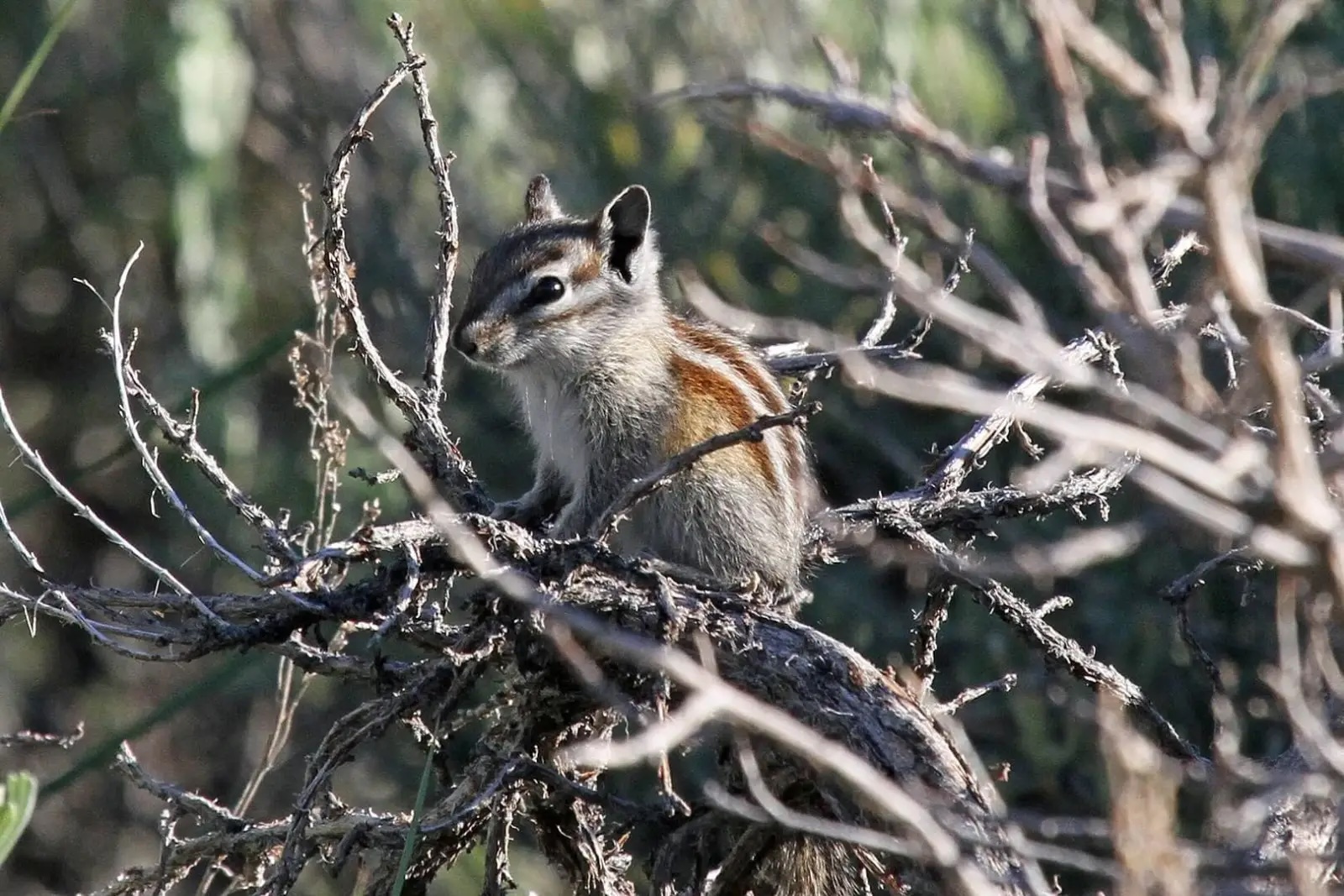
By Charles Pekow — Keep an eye out for chipmunks if you’re cycling in New Mexico. The Fish and Wildlife Service (FWS) has designated approximately 4,386 acres in New Mexico as a protected habitat for the endangered Peñasco Least Chipmunk (Tamias minimus). This area includes parts of the Lincoln National Forest and the Mescalero Apache Tribe Reservation.

Least Chipmunk (Tamias minimus). Photo by Greg Schechter, CC BY-SA 3.0, ATTRIBUTION-SHAREALIKE 3.0 UNPORTED

While the FWS hasn’t yet decided if or how it will restrict mountain biking and other activities to safeguard the chipmunk, the new designation may lead to some limitations. These could affect mountain biking in specific areas, particularly at the Ski Apache Resort on Lookout Mountain, which offers mountain biking among other recreational pursuits.

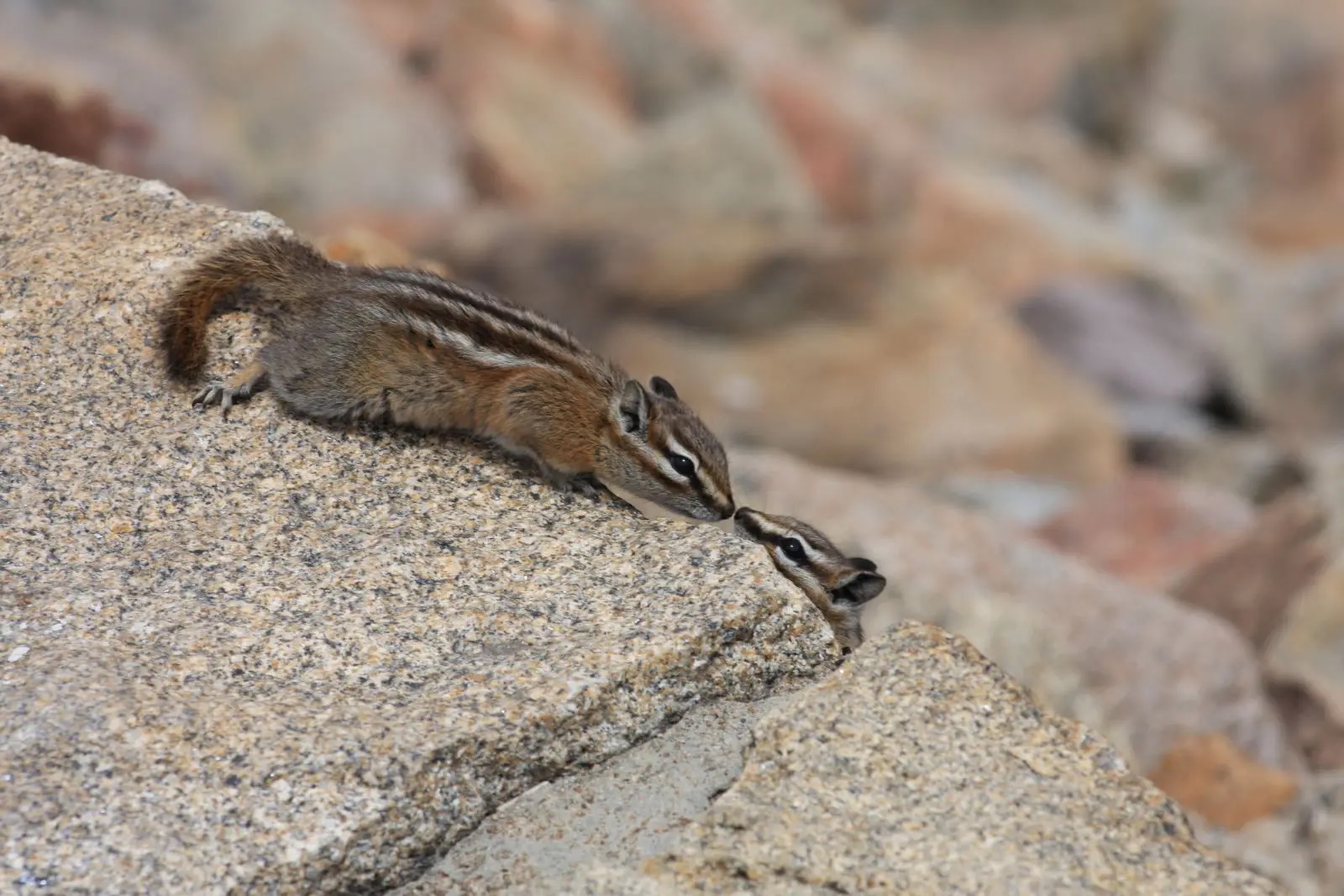
A pair of Least Chipmunks. Photo by Willam Andrus, CC BY 2.0, ATTRIBUTION 2.0 GENERIC

Organized mountain bike races are likely to face restrictions or bans. For more details, visit the official document at https://www.govinfo.gov/content/pkg/FR-2024-12-10/html/2024-28338.htm


The Bicycle Art of Steve Smock

0


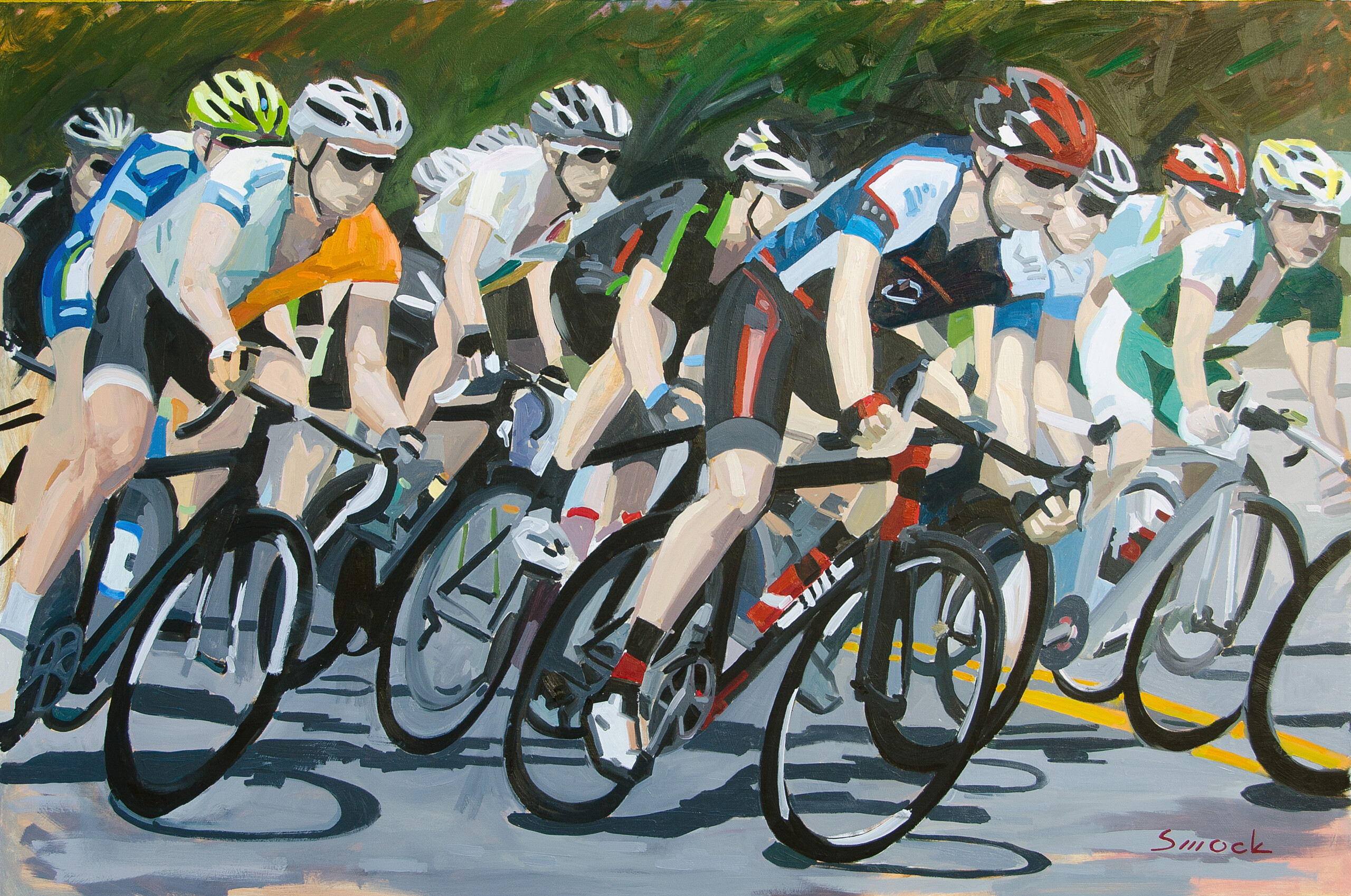
Tour of Utah. Oil on canvas. 4’x6′.

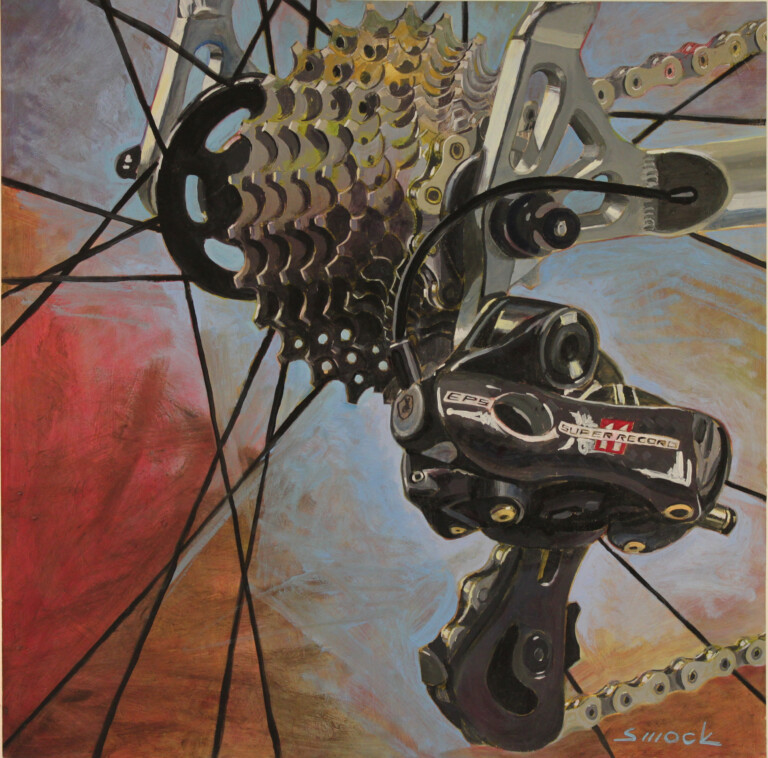
Top: Tour of Utah. Oil on canvas. 4’x6′.
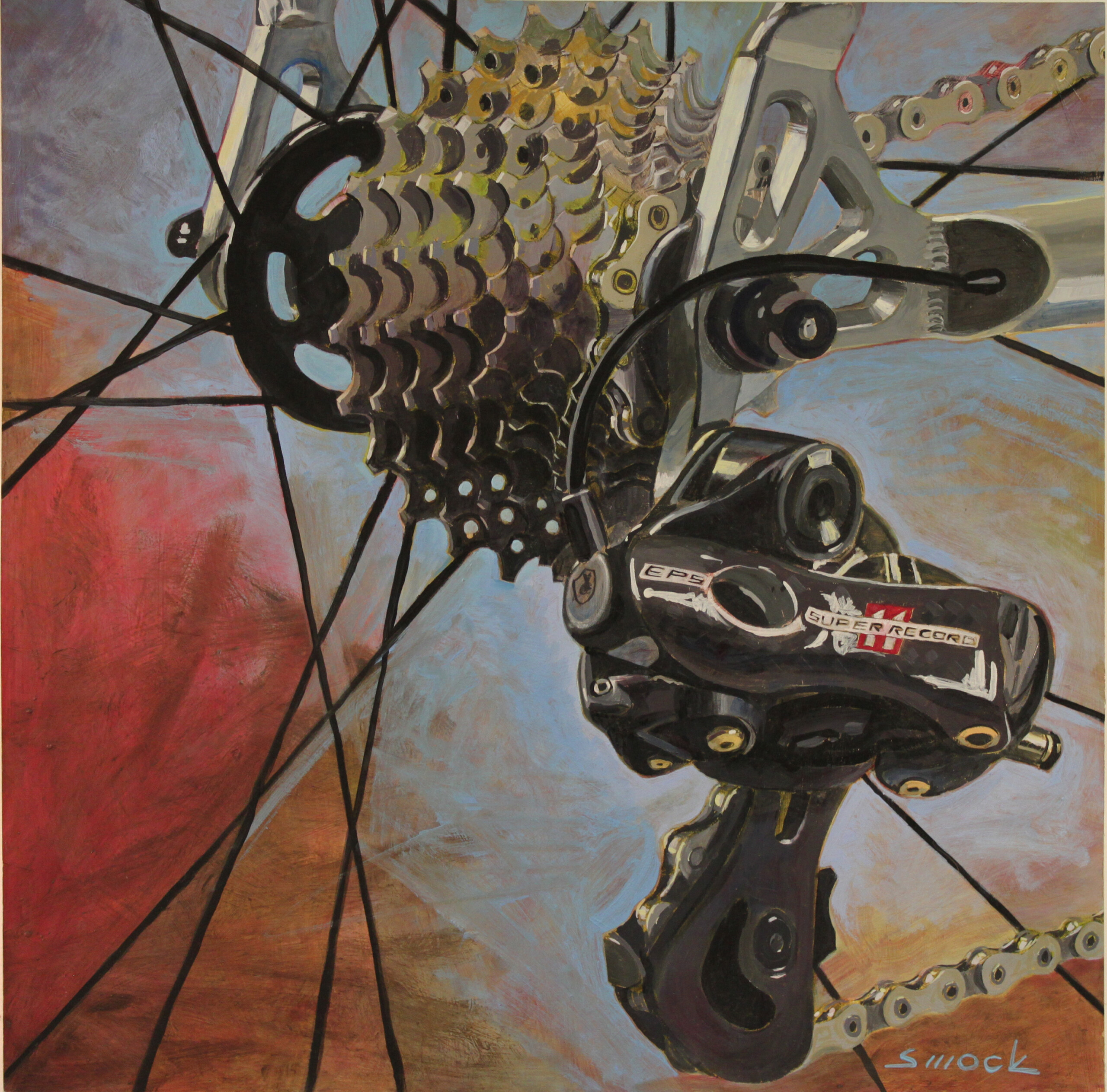
Below: Super Record. Oil on board. 24″x24″.

Super Record. Oil on board. 24″x24″.

For more information on Steve Smock’s art, visit smockart.com

Prints and original art from Steve may be found at Contender Bicycles, Flynn Cyclery, and Millcreek Cycles.

BLM May Limit Mountain Biking in Bears Ears National Monument

By Charles Pekow — If you want to bike in the Bears Ears National Monument, you’ll probably have to stick to designated trails and wherever off-road vehicles are allowed. The Bureau of Land Management (BLM) and US Forest Service (USFS) issued a Proposed Resource Management Plan and Final Environmental Impact Statement (RMP/FEI) for the approximately 1.36 million acres in Utah. BLM says it will designate routes under its preferred alternative, including ones for electric bikes.

“The implementation level travel management plans will assess existing motorized/mechanized trails and routes, as well as future needs and opportunities, ” the agencies explained.

BLM and USFS pledged to “develop implementation-level travel management plans that will be guided by the landscape-scale management direction provided in the RMP/EIS. The implementation-level travel management plan will assess existing motorized/mechanized trails and routes, as well as future needs and opportunities.”

In the Utah desert, cryptobiotic soils are an extremely fragile part of the ecosystem. The EIS states, “Recreation can cause localized impacts to soil resources and indirect impacts across the landscape. Hiking, biking, camping, and OHV use cause soil compaction, vegetation trampling, habitat fragmentation, increased spread of invasive and non-native plant species, and increased soil erosion (Switalski 2018). As hiking and camping become more popular, trail and campsite widening can occur, magnifying erosion and increasing an area’s depth of soil disturbance. In Bears Ears National Monument, mechanized non-motorized use (e.g., biking) would be limited to routes designated as OHV limited, which could limit impacts to sensitive soils from that use.”

Details at https://eplanning.blm.gov/eplanning-ui/project/2020347/570


Bike Index Releases the 2025 Annual Bike Theft Report

0

The comprehensive report highlights alarming trends in bike theft and provides essential insights for prevention

SAN FRANCISCO, California (January 28, 2025) — Bike Index, the leading nonprofit organization dedicated to combatting bike theft, released its highly anticipated 2025 Annual Bike Theft Report. The comprehensive report offers a critical analysis  and latest statistics in bike theft trends across the U.S., using data from Bike Index’s bike registry of over 1.3 million registered bikes, academic research in collaboration with institutions such as UC Santa Barbara and UC Davis, and the latest available federal crime data.

Even good locks can’t always protect a bike from thieves. Photo by Dave Iltis

The report underscores an urgent need for enhanced bike security measures, revealing an alarming 15% increase in stolen bikes reported within the Bike Index registry in 2024. Nationally, the report estimates that 2.4 million bikes are stolen annually, with 59% of thefts occurring in residential areas. This surge in thefts highlights the vulnerabilities faced by bike owners, especially in their own homes, and emphasizes the need for more preventative strategies.

Key Findings from the 2025 Bike Theft Report:

  • 59% of bike thefts occur in residential areas—homes remain prime targets for thieves where bikes are commonly left unlocked in garages, patios, and other vulnerable locations.
  • $1.4 billion—The estimated annual value of stolen bikes, underscoring the magnitude of the issue and the size of the black and gray market of fenced bicycles.
  • 47% of victims lose their ability to commute to work due to bike theft, illustration the direct impact on livelihoods.

The troubling increase in bike thefts over the last year underscores the critical need for stronger bike security and registration efforts. Bike Index also outlines in the report the efficacy of bike registration and its impact on the prevalence of bike theft and stolen bike recoveries.

How to Download and Share the 2025 Annual Bike Theft Report

The full 2025 Bike Theft Report is available for free and can be downloaded from Dropbox or Google Drive. Bike Index encourages individuals and organizations to share the report to raise awareness and drive community action, helping communities advocate for better security infrastructure, promote bike registration, and reduce bike theft.


BLM Seeks Input on e-Bike Use on Trails in Iron and Beaver Counties

CEDAR CITY, Utah (February 14, 2025) – The Bureau of Land Management is seeking public scoping comments for the proposed use of Class 1 e-bikes on designated mountain bike trails across six trail systems on public lands in Iron and Beaver Counties. The areas under consideration include the Beaver Bench, Evil Water, Iron Hills, Three Peaks Mountain Bike, Thunderbird Canyons, and the proposed Enoch Bench trail systems.

Moose riding a platform at Three Peaks Mountain Bike Park. Photo by Joey Dye

If approved, the analysis would also authorize Class 1 e-bike use on any future trails added to these systems. A separate analysis and opportunity for public comment would be conducted to determine e-bike use for any other trail systems.

The BLM recognizes the growing popularity of e-bikes and seeks to provide diverse recreation opportunities while maintaining safe and sustainable trail use. Class 1 e-bikes are pedal-assist only, with no throttle, and have a maximum assisted speed of 20 mph, distinguishing them from Class 2 and Class 3 e-bikes which include throttles or higher speed limits.

This scoping period is an opportunity for the public to provide input on what issues, impacts, and alternatives the BLM should consider during its analysis. A public comment period will be held later to gather feedback on the draft analysis.

One of the many rock features at Three Peaks Mountain Bike Park that will keep you on your toes. Photo by Joey Dye.

Additional information, including maps and a detailed list of the trails being considered, is available at the BLM National NEPA Register where scoping comments may be submitted through the “Participate Now” option. The public scoping period will close March 17, 2025.
For more information, please contact Outdoor Recreation Planner Mike Innes at [email protected].

Winter Nutrition Essentials: The “Off Season”

By Breanne Nalder Harward, MS RDN — The cycling season is long as well as demanding of the body. We utilize a multitude of macro- and micro-nutrients to turn the pedals the thousands of revolutions per ride that the fuel we put into the tank is essential for everyday success and long-term health. It’s worth noting that taking a break, from a training perspective, is healthy and recommended. The human body needs rest as much as it needs the hours in the saddle, strength training, stretching, and of course proper nutrition. The allusion here is that taking time off at the end of the season is normal, if not necessary, but fueling the body for performance and overall health never needs an “off-season.” In fact, winter training can be an opportunity to establish eating patterns to train the body to utilize nutrients so when the time comes for next season’s events/races, those patters are lifestyle.

Dave Nalder-Harward bundled up riding the Bear Claw Poppy Trails in Southern Utah. Photo by Breanne Nalder-Harward

Fueling in Winter Conditions

Heading out into the elements of the winter months can bring many challenging conditions. Aside from cold temperatures, one can encounter anything from wet roads, muddy trails, wind, rain, snow, and don’t forget the dreaded inversion that accumulates in the periods between storms. These changes can affect our nutrition intake drastically, making eating and drinking regularly a challenge. Not only is it hard to remember to drink in the cold when our sweat cues aren’t the same, but the layers of clothing we wear or gloves on our fingers can limit access to our pockets to grab that gel or bar. Also, the body doesn’t sweat the same as it does in the heat of summer. It takes a significant amount of energy to keep the body warm as well (think of the water loss from every exhale as we see the steam from the wet heat of our breath), so our perception of effort can be skewed. Based on all these varying factors, let’s re-visit the basic fueling needs in endurance cycling.

Carbs are Life

The focus of caloric intake for endurance exercise is to base carbohydrate (CHO) consumption on the intensity and duration of the ride. Most of us know how many calories we burn during any given effort from our equipment. Whether it’s direct kJ output from a power meter, an equated number from a heart rate monitor, data from the smart trainer or online app, pay attention to what you burn on average per hour so you can estimate what your energy needs will be before you set out to ride. For example, an average burn of 800 calories per hour would need ~200g CHO/hr (note that there are 4 calories for every gram of carbohydrate). Sport nutrition research is finding more and more challenge to the “rule of thumb” intake of 30-60 g/CHO as the “high carb” drink mixes now are being made with 60-90g per serving and recommendations are getting as high as 120g CHO/hr for the highest level of professional racing. The important thing to note here is your individual burn rate and developing a strategy to consume the carbohydrates needed to fuel your individual effort in the food and liquid intake before, during and after each ride.

Fueling Indoor Workouts

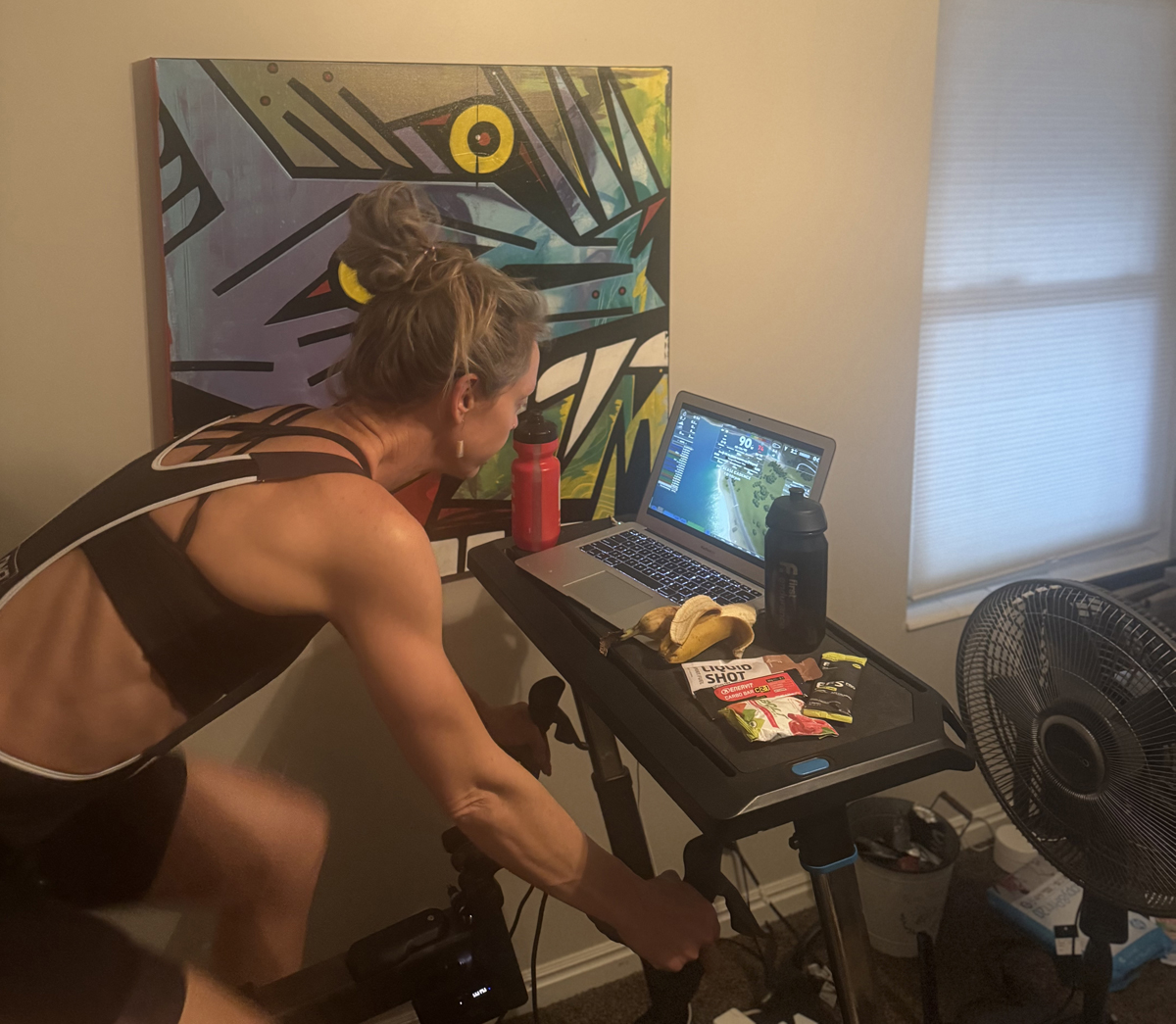
For many, riding indoors is the efficient way to train during the winter months. With that comes a few things to take into consideration when it comes to fueling. First, sweat rate is usually higher as being in a stationary place without wind factor produces an overabundance of heat. Luckily, being in a controlled environment also means there is access to food, liquid and a fan throughout the workout. I recommend up to 2 bottles of drink mix per hour on indoor rides to keep up on caloric burn and all hydration lost via sweat plus any extra food needed to meet the carbohydrate needs of the workout as discussed above.

Cyclists need nutrition for winter indoor training. Breanne recommends up to 2 bottles of drink mix per hour on indoor rides to keep up on caloric burn and all hydration lost via sweat plus any extra food needed to meet the carbohydrate needs of the workout. Photo by Dave Nalder-Harward

Winter training is also an opportune time to dial in fueling choices, practice intaking various foods or sport products. Training the body to efficiently utilize those carbohydrates, water, and electrolytes creates a well-oiled machine. I hear all too often that off-season training makes people think that they don’t need as much fuel or drink mix because “it’s not a race” or that they’re trying to “cut weight”. But those practices do not lend themselves to improving power, speed or performance. Rather, restricting calories/carbohydrates/electrolytes around workouts leads to ingesting them when the body isn’t trying to utilize them. We’ve all been in the situation where we didn’t eat or drink enough during a ride so end up eating an entire bag of chips later in the day because our bodies are so deprived of carbs and salt! The body would much prefer having that energy when the legs and lungs are trying to get through intervals than when sitting on the couch. Give the muscles a chance to push the watts, try different carbohydrate foods and drink mixes, and truly find what works best for your body.

Fuel for Cross Training

As many cyclists emphasize strength training in the winter months, the proper nutrition intake should be a definite consideration to accomplish the goal of increasing power output on the bike. When it comes to energy from muscles, most people immediately think of protein. Sure, muscle fibers are made from amino acids (the building blocks of proteins) but they actually utilize carbohydrates to fire. That’s right, carbs again! So, whether cross training is going to the weight room, skiing, running, hiking or any other weight bearing activity, you still want to have carbohydrates to fuel the work. Protein is absolutely crucial for muscle rebuilding after tearing down those fibers in the workout. Be sure to follow up with 20-30g of protein in your post-workout refuel within 30 minutes for optimal recovery benefits. I don’t want to leave the other macronutrient out of the equation: fat is our slow burn energy as well as our natural anti-inflammatory food. Therefore, a balance of the “good” fats such as avocado, nuts, seeds, fish, and olive oil are always important to incorporate throughout our daily diet.

Supplements, Always

Amidst all this talk about macros, let’s not forget about our precious micronutrients! Endurance athlete bodies use more vitamins and minerals than the average person because they are doing the work. Therefore, it’s crucial to at least stay on top a daily multi-vitamin to make sure you get the basic essential nutrients. Of course, the goal is to eat all your nutrients, however it can help to use supplements to fill in the gaps of what you might not get from food alone. Some recommendations include vitamin D, calcium, magnesium, and a green powder (to scoop into that protein shake that you already use for recovery!). During the winter months AKA sick season, it can’t hurt to get some extra Vitamin C, Zinc, and Elderberry. Note that sport products are considered supplements, so should be considered along with your daily vitamin routine. Stay up on the electrolyte mix, gels, or my personal favorites: beet root powder pre workout and tart cherry juice post workout. For individual supplement recommendations for your specific needs, contact a Registered Dietitian Nutritionist.

Consistency is Key!

If nothing else, the take-away from this article is that cyclists should aim to fuel their bodies for performance year-round. Therefore, what is consumed on or off the bike, including sport supplements and vitamins, is training the body to utilize the fuel and make them the most efficient machines possible.


L’Étape Las Vegas by Tour de France Returns in 2025

0

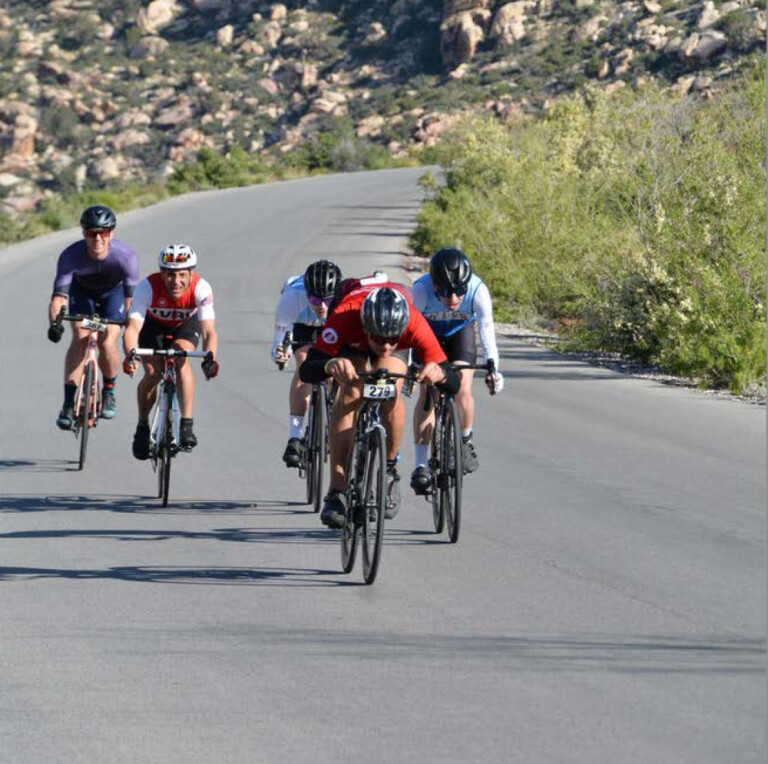
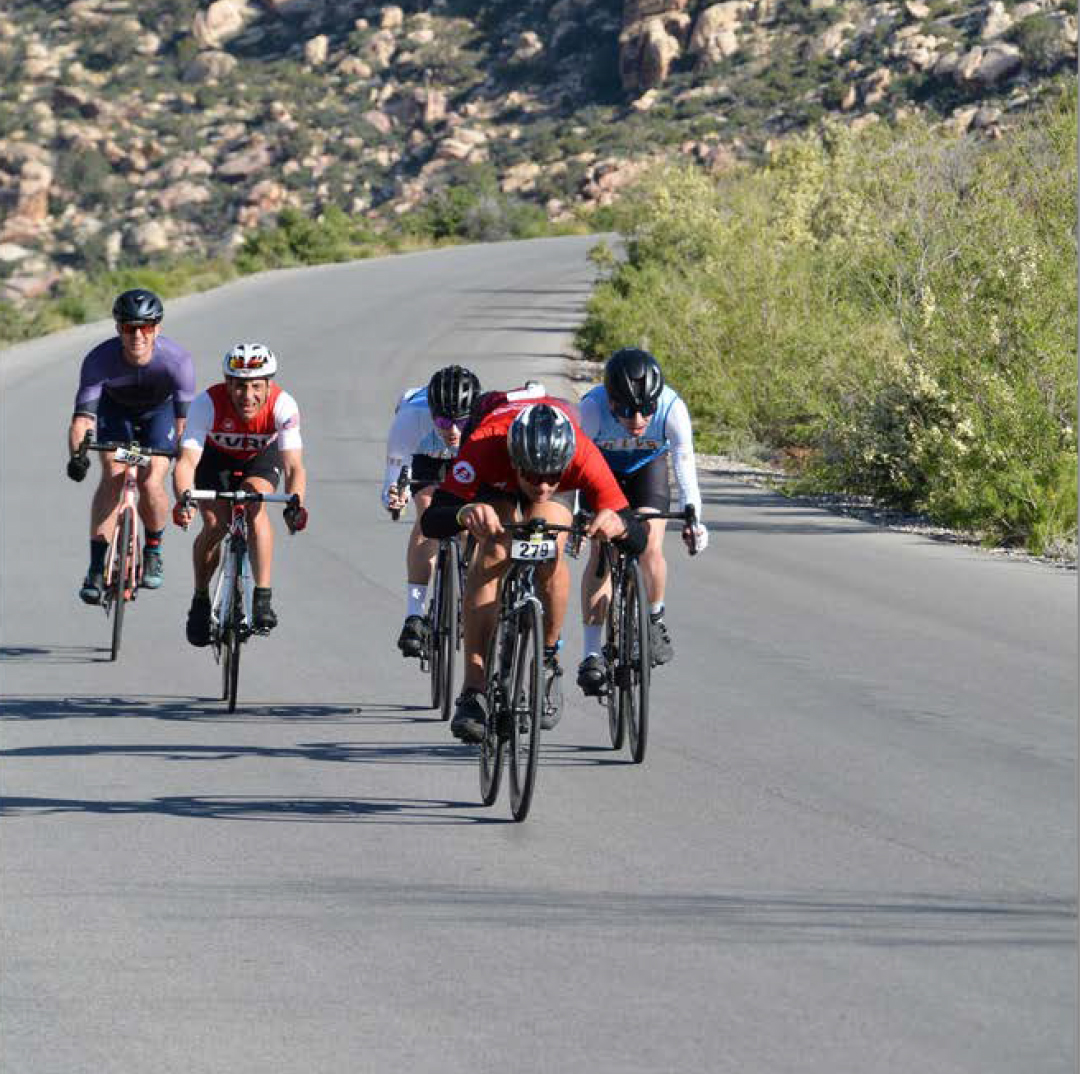
Closed courses on Scenic Loop Drive through Red Rock Canyon National Conservation Area will be featured in 75, 45 and 25-mile routes for amateur cyclists.

LAS VEGAS, Nevada (February 5, 2025) – L’Étape Las Vegas by Tour de France will return to the Sports and Entertainment Capital of the World on Sunday, May 4, 2025. This closed course event will start and finish near the Las Vegas Ballpark, with three of the distances highlighted by a section of racing on the 13-mile Scenic Loop Drive through the Red Rock Canyon National Conservation Area. 
Under new management since last year, with support from both the Las Vegas Convention and Visitors Authority and Las Vegas Events, the 2024 event was cancelled due to high winds. However, L’Étape Las Vegas is set to return and once again is part of an international cycling series known as L’Étape by Tour de France. The event provides amateur cyclists the opportunity to truly live the Tour de France experience where they will race like professional cyclists.

Photo courtesy L’Étape Las Vegas

There will be four course options in 2025 for novice level riders to advanced cycling enthusiasts. The L’Étape Las Vegas 75-mile event is the ultimate cycling challenge, with the route based on a similar format to a genuine Tour de France stage. For those who wish to immerse themselves in the atmosphere and experience of L’Étape Las Vegas by Tour de France without the added pressure of the tougher climbs and distance, the 45-mile and the 25-mile rides provide the perfect option for all ability levels. For the first time, L’Étape Las Vegas by Tour de France will offer a 14-mile Family Ride.

Whether you wear the yellow, green, polka-dot or white jersey of the Tour de France, this will be an unforgettable experience for cyclists and cycling enthusiasts.

Photo courtesy L’Étape Las Vegas

“Las Vegas and Red Rock Canyon provide a unique backdrop for this cycling event,” said Las Vegas Events President Tim Keener. “All ability levels of cyclists will be able to test their skills on our closed courses, with the start and finish line right in the heart of Downtown Summerlin at Las Vegas Ballpark. We’ve made several important enhancements this year, including the addition of the Family Ride, that all of our participants will be able to enjoy.”

One of the additional enhancements made in 2025 is the new start & finish location from the Las Vegas Ballpark in Summerlin, adjacent to the expanded Vendor Village. The course will then head west into the famous Red Rock Canyon National Conservation Area and include some smaller climbs and inclines on a fully closed cycling course.

The charity partners for 2025 are Friends of Red Rock Canyon and Nevada Childhood Cancer Foundation.

For more information including the race routes and other FAQs, visit the official site here.

May 4, 2025L’Etape Las Vegas, Las Vegas, NV, Gives amateur cyclists the legendary Tour de France experience in the legendary city of Las Vegas! Cyclists, from seasoned veterans to beginners, can compete for an authentic Yellow Jersey; 75-miles, elevation +6,464 ft, 45-miles, elevation +3,035 ft, 25-miles, elevation + 2,260 ft, and a family ride, Las Vegas Events , 702-260-8605, [email protected], lasvegas.letapebytourdefrance.com


Quick Shot Bike Cartoon: Going Pro

Quick Shot Bicycle Cartoon, by Chad Nichols: Going Professional

The Inaugural Apacheria Borderlands Gravel Bike Race Was a Huge Success

0

By Ken Cohen — When was the last time you took a road trip that included Douglas, Arizona? Never you say? Douglas is a small town in southeastern Arizona with a population of 16,000. It is a border town; it shares a common boundary with its sister city, Agua Prieta, which is on the Mexican side of the border just beyond that thing we call “The Wall”. You cannot get to Douglas by commercial airline, or train, or bus. It is literally hundreds of miles from any major population center.

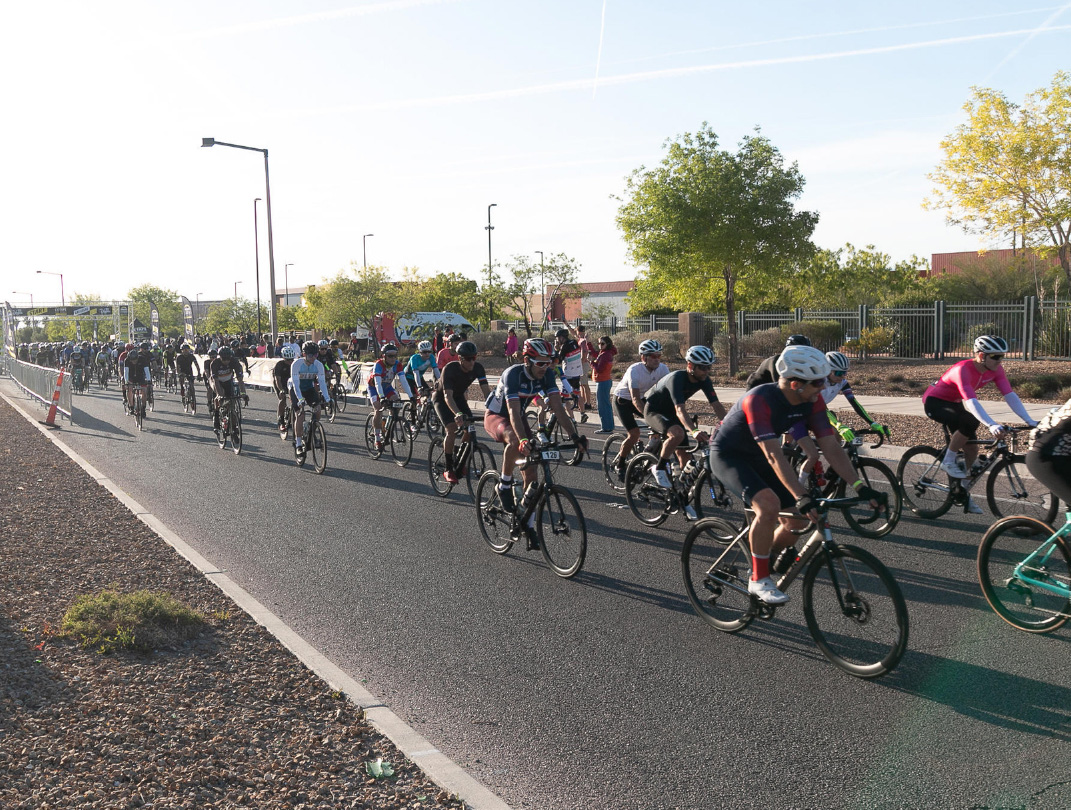
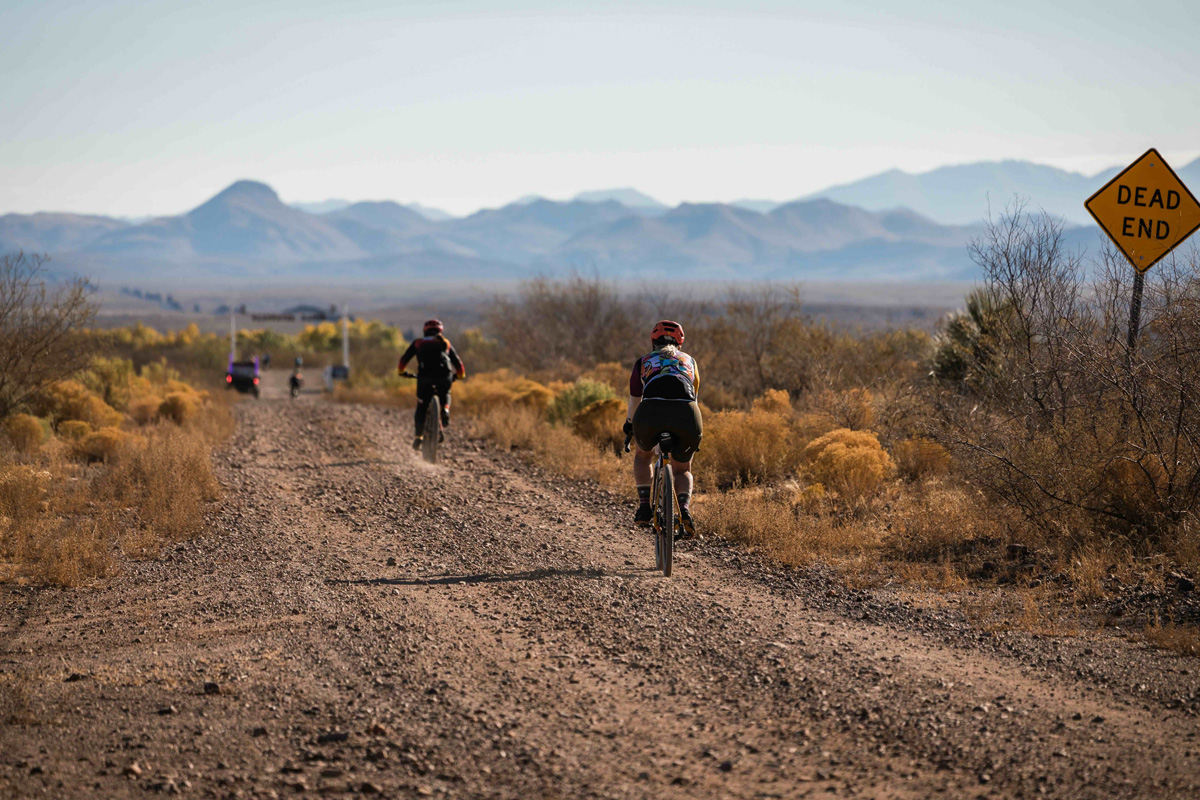
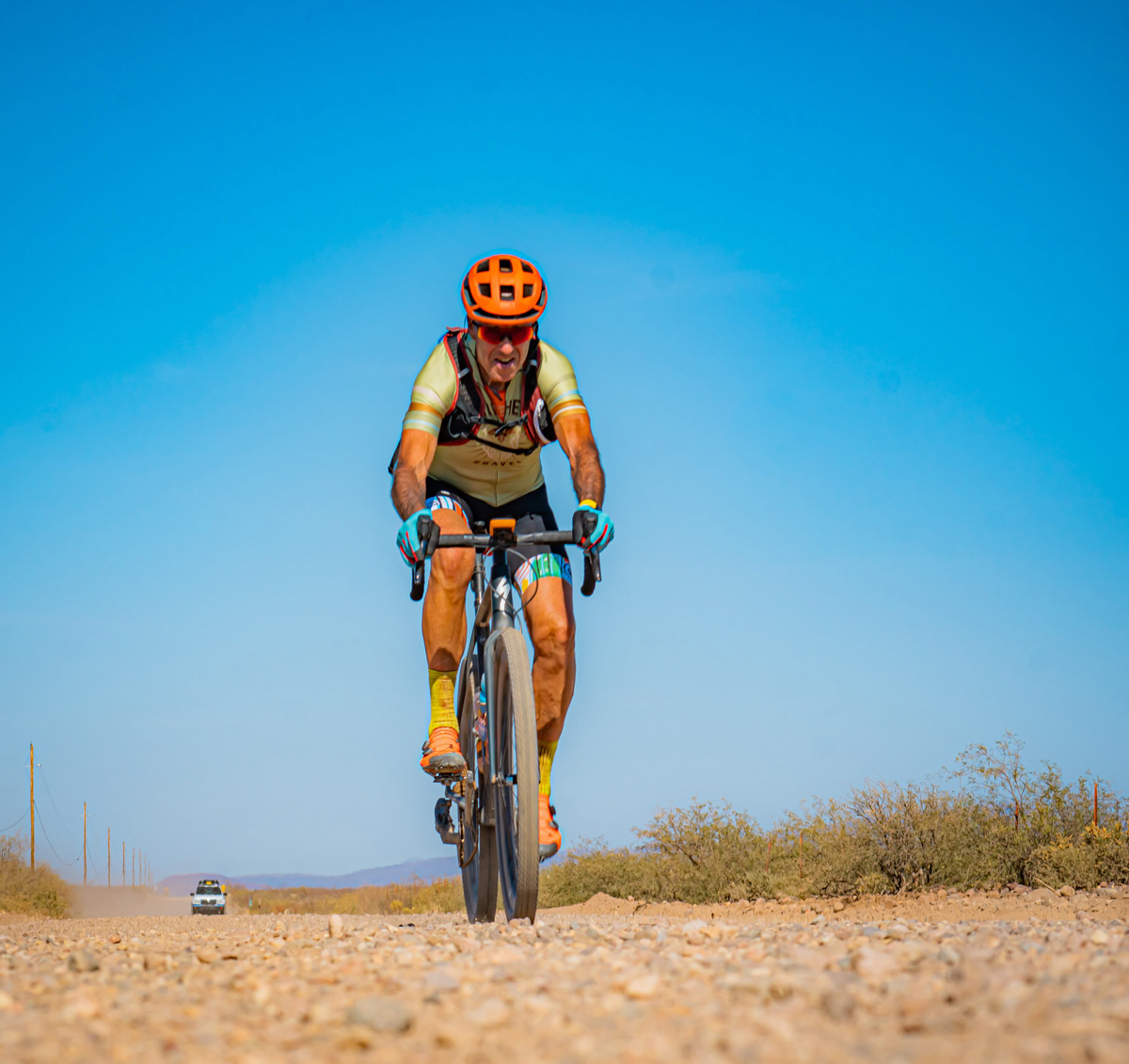
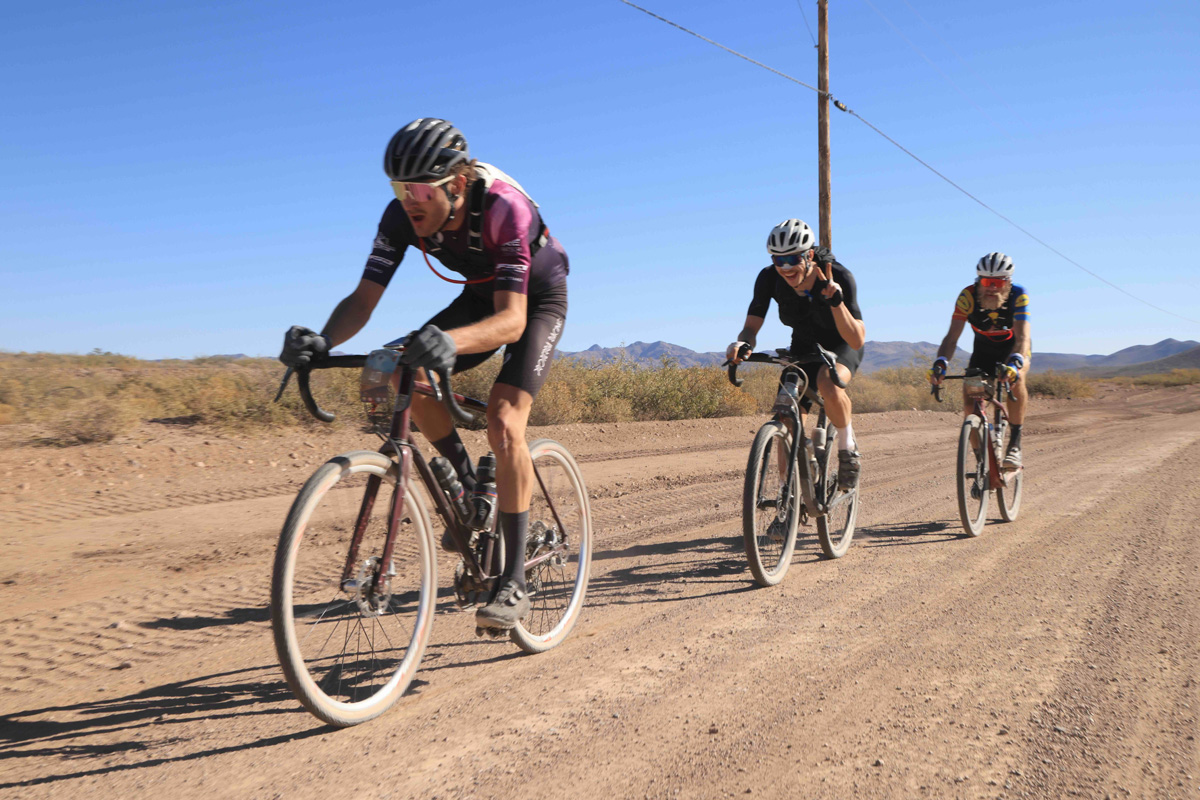
Action from the 2024 Apacheria Borderlands Gravel. Photo by Sean Benesh

So, who in their right mind would think it a good idea to spend a year of their life, and many thousands of their very own dollars, to promote the first ever gravel bike race beginning and ending in Douglas, Arizona? Mike Miller, that’s who.

Mike Miller (not from the race). Photo by Dave Nevins

Miller is a 69-year-old human cyclone. He is tall and lean, built like a guy who rides his bicycle a lot, mostly for long distances and frequently up and down steep terrain. Raised in Fargo, North Dakota Mike discovered cycling at the age of 13. It soon proved to be his ticket to explore the world, beginning with the vast farmlands of the Red River Valley in North Dakota and Minnesota.

Mike moved to Denver in the mid-1970s to attend college. At the time Colorado was becoming a mecca for professional bicycle racing. After graduating from Denver University in 1978 with a degree in hotel and restaurant management, Mike spent the next 40 years in the food service industry and corporate restaurant management. During this time Mike’s love affair with cycling continued through his participation in major cycling events like the Red Zinger Classic/Coors International, showcasing world-class men’s and women’s cycling, becoming the fourth biggest race on the world cycling calendar, and the single biggest women’s stage race ever held.

In 1996 Mike combined his experience in the food service industry with his passion for cycling: he opened the HandleBar & Grill restaurant in Denver, a bicycle themed restaurant and shrine to all things bicycle, which he owned and operated until 2007. This period coincided with the cycling craze spawned during the Lance Armstrong era when Mike rubbed shoulders with many of the big names in the cycling world and became inspired to organize his own local mountain biking races and community events. After he sold the HandleBar & Grill, Mike opened a pizza shop in Denver, Basil Docs, which he operated until 2021 when he relocated to Tucson.

In Tucson, Mike discovered gravel bike racing when he competed in the Belgian Waffle Ride in Cave Creek, Arizona in 2023, and he became hooked. You may not be familiar with the concept of a “gravel bike”. It’s the latest cycling craze to reach our shores. A gravel bike is sort of a cross between a mountain bike and a road bike. It is slightly longer, lower, and more flexible than a road bike; it has a more upright body position; and tires that are wider with more knobby tread patterns rather than the slick tread of a road bike. A gravel bike is built for off-road, more technical riding while a road bike is built for paved terrain.

Gravel bikes have become one of the fastest growing sectors in the cycling industry. After participating in the Belgian Waffle Ride, Miller began thinking that the world could use another gravel bike event some place in sunny southern Arizona. After researching the issue Miller became convinced that Douglas Arizona was the perfect spot.

So, in November 2023 Miller began plotting, scheming and obsessing about an event that would, one year later on November 16, 2024 become the Inaugural Apacheria Gravel Bike Race, enticing 147 adventurous souls to ride either 38, 68, or 89 miles, take your pick, up and down a canyon road aptly named the Geronimo Trail.

Douglas, Arizona is a two-hour drive from Tucson and three plus hours from Phoenix. Friday, November 15, 2024, dawned as a beautiful sunny November day in Southern Arizona, ideal conditions for setting up the event. The temperature in Douglas was 70 degrees, and in the dry desert climate it was as comfortable wearing a T-shirt as it was a sweatshirt.

Race Report:

Virtually the entire bike race is on the Geronimo Trail. The first four miles of the course is on pavement; the remainder is on a gravel Cochise County road of varying conditions. At mile 14 the race course enters the John Slaughter Ranch, which was part of a 73,000 acre land grant purchased by Ignacio Perez for 90 pesos in 1855. That seems like a modest price to pay for 73,000 acres until you factor in that the property was snatched from his grasp by Apache Indians before he could even lay his head down to rest for a night. The Slaughter Ranch is a beautifully preserved oasis in the midst of a desert landscape, teeming with wildlife and ponds attracting numerous types of birds.

Action from the 2024 Apacheria Borderlands Gravel. Photo by Shadowpoint Media

The race then enters the San Bernadino Wildlife Refuge, a 2,369-acre site along the border with Mexico. It was established in 1982 to protect what remained of the unique wetlands of the San Bernardino range, historically considered the largest and most extensive in the region. This large marsh serves as a migratory corridor for wildlife between the mountain ranges of Mexico to the Rocky Mountains of Arizona and New Mexico.

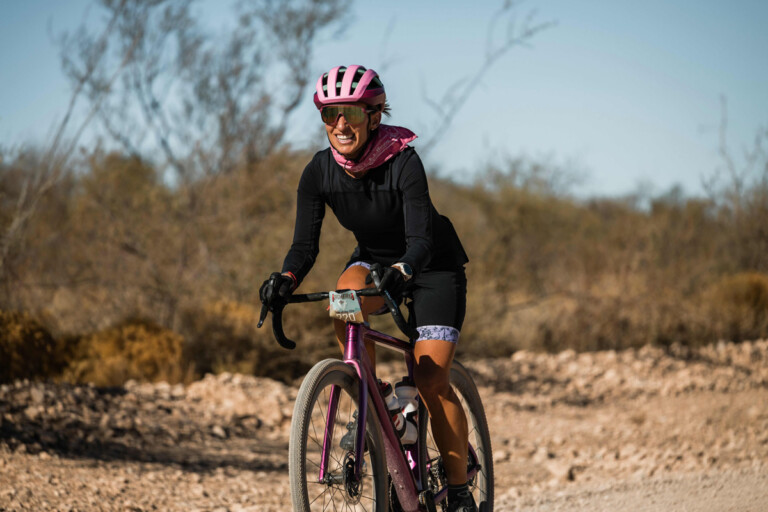
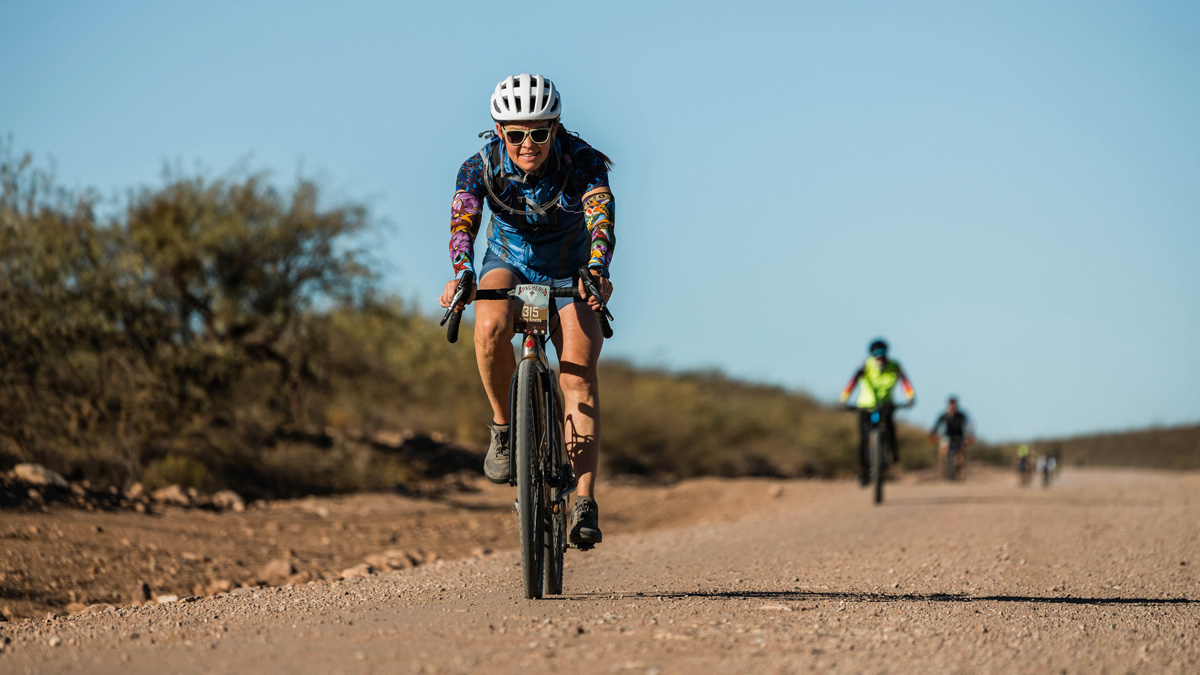
Mary Knotts riding in the 2024 Apacheria Borderlands Gravel. Photo by Sean Benesh

From the Refuge the race continues to the entrance to the Coronado National Forest before making a U-turn to begin the slog back to town. The race ends with a trip through town, past the border crossing, along The Great Wall for a mile or so, and then returning on Airport Road to the finish line at the Douglas Municipal Airport.

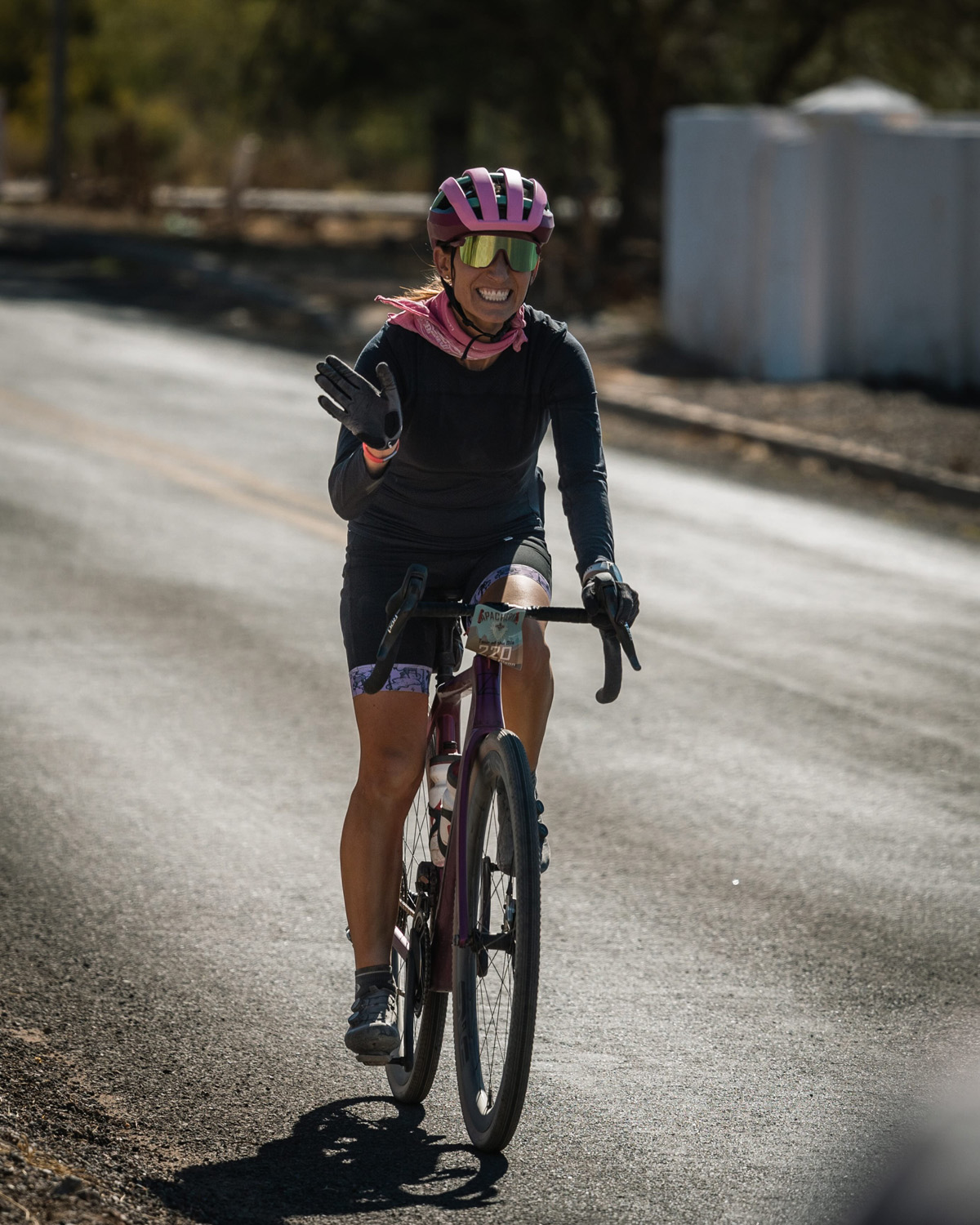
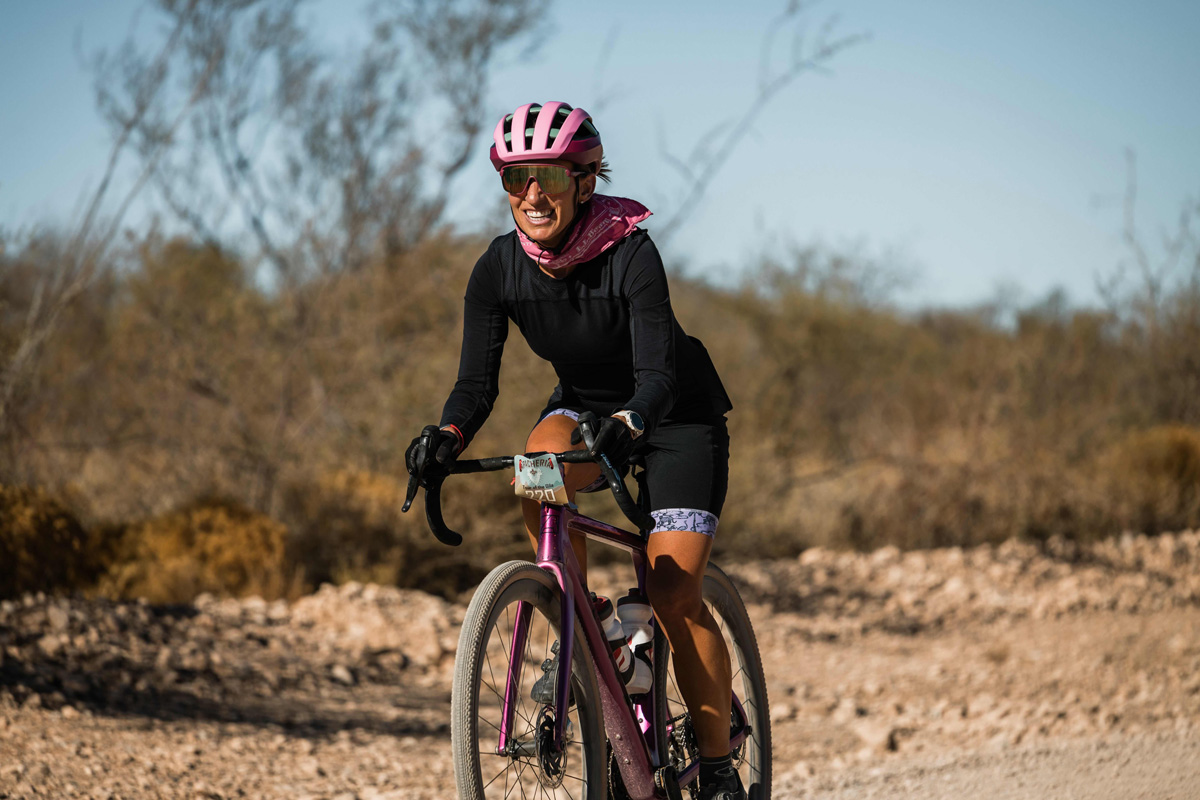
Jennifer Olson riding in the 2024 Apacheria Borderlands Gravel. Photo by Sean Benesh

The winner of the Men’s Long Course was Kennett Peterson, a professional tri-athlete from Tucson, who bested second place finisher, Scott Simmons of Durango, by one second in a nail biter of a finish. Peterson’s time was 4:41.52. A video of the Apacheria will be ready to view on the race website by late January 2025.
On the woman’s side, Helen Williams, also of Tucson, won the Women’s Long Course in a time of 6:25.20, followed by Emily Reynolds who finished in 6:59.41.

In the Medium course (68 miles) the top men’s finisher was Bill Karras with a time of 3:38.2, and the top women’s finisher was Lauren Hall in 3:58.10.

In the Short course (38 miles) Collin Sowers was the top male rider finishing in 2:16.34, and Tricia Senft was the fastest female rider at 2:47.51.

Jennifer Olson riding in the 2024 Apacheria Borderlands Gravel. Photo by Sean Benesh

Tinker Juarez made a guest appearance at the race. Juarez, is a California native and a wunderkind on two wheels. From an early age Tinker dominated BMX bike races in Southern California in the 1970s and 80s, and competed in the Olympics. He then went on to achieve similar results in the world of mountain bike racing in the early 2000s. He is a legend in the world of BMX and Mountain Biking, dominating world events during a 30+ year career.

More on Douglas, Arizona:

Douglas is a 125-year-old rural Arizona town that was once a thriving mecca. Located in the southeastern part of the state, bordering both New Mexico and Mexico, and in the heart of the area’s open grassy lands, Douglas was the perfect place for roundups of the region’s largest cattle ranchers. The town has very wide streets so that while steering your horse drawn carriage you can easily make a U-ie without impeding traffic. Douglas has numerous large buildings downtown which accommodated a thriving economy of ranchers, farmers, businessmen, miners and merchants.

Douglas was first inhabited by Apache Indians and Spanish explorers as early as the 1600s. But development of the town began in earnest in the early 1900s when the Dodge Phelps Corporation, an international mining company, built a smelter plant in Douglas to process the copper ore it mined in nearby Bisbee, 17 miles west of Douglas.

In the early 1900s Douglas held such promise that its business leaders joined forces in 1907 to build the Gadsden Hotel, a stately five story, 160 room hotel, featuring a magnificent lobby with solid white Italian marble floors. A grand staircase leads to the mezzanine, which is crowned with a 42-foot stained glass window mural overlooking the lobby lit by stained glass skylights.

The Gadsden Hotel dominated the downtown area of this newly emerging frontier border town, but the hotel would have been equally at home in New York or Paris. The Gadsden was the heart and soul of the Douglas business community, with deals small and large consummated in its lobby for decades. The Douglas economy took a blow when the smelter shuttered in 1987, but the community has been on a successful decades long journey back ever since.

The hotel served as an overnight home to numerous celebrities, writers, Hollywood film stars, ranchers and businessmen. The Gadsden Hotel likes to boast that in 1916 Pancho Villa, the Mexican revolutionary, rode his horse through the hotel lobby and up the marble stairway to the mezzanine in protest after his troops were defeated in a nearby battle. Pancho’s horse took out a chunk of marble on the staircase, which is still visible today.

The Gadsden Hotel was the perfect backdrop for the Inaugural Apacheria Gravel Bike Race. It served as the welcoming center for the 147 entrants, their spouses, children and support teams. For 48 hours it was Command Central for Mike Miller and his well-seasoned race crew and volunteers, and was home to the racers right up through the awards ceremony.

In case you are curious the best room in the hotel is the Governor’s Suite, a 600 square foot giant of a hotel room with windows on two sides overlooking the hotel lobby. The room was very clean, had a comfortable king size bed, two televisions (!), two couches and a desk, but was somewhat dated and in need of a spruce up.

If you arrive in Douglas with time to spare before the race, consider visiting the Art Car World Museum, which ranks very high on Tripadvisor’s Top Ten List of Things-to-Do in Douglas. It’s a short walk a few blocks from the hotel. You need to book a visit in advance as staffing is limited. The museum is such a great find, especially if you are lucky enough to get a private tour led by Hunter Mann. Hunter is on the Board of Directors of the museum, and when he is not shooting a film in some exotic location around the world, he volunteers his time as a laborer, tour guide, fund raiser, and the most wildly enthusiastic promoter of car art and the Art Car World Museum.

How to describe an art car? When we think of a work of art, we often have in mind a painting drawn on a canvas. With an art car the car itself is the canvas. The artist begins with a functioning vehicle, be it a car, truck, van or bus; think VW beetle, GMC van, Chevy pickup or anything in between. The car artist then spends years transforming the vehicle into a (drivable) work of art. It may be a vehicle with your deceased wife’s jewelry affixed to every square inch (no kidding); or covered in 1,400 blue horses, one for every time its creator, a recovering alcoholic, wanted a drink; or covered in scrap metal; or disguised as a jungle landscape with various animals wandering across the hood, trunk and roof. Or it could be a van with 2000 cameras affixed to the vehicle, including a functioning camera on each corner which clandestinely captures the jaw-dropping expressions of people observing the vehicle up close for the first time.

The Art Car World Museum is a work in progress. It is housed in a 100-year-old, two-story, 15,000 square foot warehouse which has been under renovation for the past five years. It currently houses 23 remarkable works of car art. Once construction of the museum is complete there will be more than 40 such cars at which to marvel. This museum is guaranteed to put a smile on your face and keep it there for however long you choose to spend gawking at these marvelous works of art.

And then, of course, there is the bike race itself, consisting of three courses: the short (38 miles), the medium (68 miles), and the long (89 miles). Promptly at 8:00 A.M. on the morning of November 16, 2024 the race started at the entrance to the Douglas Municipal Airport, which has its own remarkable story you are not going to believe: This tiny airport, which has not had any commercial airline flight in who knows how many years, was dedicated, on June 5, 1933 by Eleanor Roosevelt herself, as “the first international airport in the United States” (true story). After dedicating the airport guess where Mrs. Roosevelt went on to spend the night? At the Governor’s Suite in the Gadsden Hotel, of course.

So, Get Your Gravel On (GYGO) and Giddy Up to Douglas and the border lands of Southeast Arizona this Fall, November 15, 2025. Details: www.BorderLandsGravel.com.
Race Information:

November 15 — Borderlands Gravel, Douglas, AZ, Three courses – 38 / 68 and 100 miles. Working with the Border Communities to create an international ‘neutral’ Parade Lap for the long course rides only – transitioning through the Port Of Entry for about 1 KM. Truly an International Gravel Event – Collaboration between Douglas, AZ and Agua Prieta, MX.New and improved start / finish area – In front of The Gadsden Hotel, Mike Miller, 720-231-0521, [email protected], http://BorderLandsGravel.com

Bisbee is a former rough and tumble mining town which has transformed itself into a charming tourist area filled with art galleries, trinket shops, restaurants, and hotels, and worthy of an overnight stay if you happen to be in the neighborhood. Bisbee is a good alternative if the Douglas hotels are booked.

Place Bib Name Gender/Age Team Time  
LONG Course        
Male 19-29          
1st 40 Knowles, Nate m / 23 Pro Terra Racing 5:14:38
2nd 39 Richards, Matthew m / 25   5:17:28 +02:50.00
3rd 37 Maner, Sam m / 25   6:14:53 +60:15.00
Male 30-39          
1st 22 Northrup, Jacob m / 35 DIRT 5:58:34
2nd 12 Brus, Chris m / 38   6:07:03 +08:29.00
3rd 35 Martin, James m / 35 Cafe Justo 6:43:56 +45:22.00
Male 40-49          
1st 24 Perez, Johnny m / 49 Natural Grocers Cycling Team 4:50:57
2nd 34 Weining, Michael m / 48 Michael P Weining, LLC/Big Rock Realty Group 7:19:52 +148:55.00
Male 50-59          
1st 29 Sekulic, Aleksandar m / 57 [email protected] 5:32:33
Male 60+          
1st 262 Tucker, Mike m / 60 Orange Swim Buoys Tri Club 5:11:22
2nd 25 Perry, John m / 63 GravelBikeNation.com zapbikemedia.com Sanitas Cycles IRC tires 5:16:26 +05:04.00
MEDIUM Course        
Female 30-39        
1st 220 Olson, Jennifer f / 37 Tour of the Gila 4:54:47
2nd 221 Perr, Adelaide f / 38   5:32:21 +37:34.00
3rd 234 Wheaton, Emily f / 30   6:13:18 +78:31.00
4th 246 Amiot, Sara f / 36   6:13:19 +78:32.00
Female 40-49        
1st 244 Noble, Anna f / 44   6:14:20
Female 50-59        
1st 11 Bartz, Jody f / 52 Sonoran Endurance Sports Academy 6:14:21
Female 60+          
1st 240 Keeble, Holly f / 59   4:51:18
2nd 225 Schwartz, Karen f / 60   6:01:14 +69:56.00
Male 19-29          
1st 33 Vetter, Dan m / 29   5:46:03
Male 30-39          
1st 248 Van Renterghem, Kyle m / 38 Stone House 4:11:56
2nd 232 Villarreal, César m / 31 horconesgravel 4:25:55 +13:59.00
3rd 238 Smith, David m / 37   4:38:56 +27:00.00
Male 40-49          
1st 201 Armendariz, Javier m / 48 Horconesgravel 4:23:17
2nd 200 Armendariz, Esteban m / 47 horconesgravel 4:39:56 +16:39.00
3rd 204 Buckley, Stephen m / 39   4:54:47 +31:30.00
4th 233 Voss, Kent m / 49   6:12:55 +109:38.00
Male 50-59          
1st 226 Snider, Blake m / 54   3:51:58
2nd 208 Fraser, Gord m / 55   3:58:10 +06:12.00
3rd 230 SUGICH, DEMETRIO m / 53 Horcones gravel team 4:17:02 +25:04.00
4th 229 Sugich, Sergio m / 53 Horcones gravel team 4:23:17 +31:19.00
5th 222 Ramos, Carlos m / 49 Horcones 4:23:17 +31:19.00
6th 215 Horowitz, Gregg m / 53 Tucson Masters Cycling 4:25:07 +33:09.00
7th 259 Newham, Scott m / 54 Tucson Masters Cycling Team 4:25:41 +33:43.00
8th 257 Bugnacki, Todd m / 59 Hollander Benelux Cycling 4:30:34 +38:36.00
9th 258 Cecchetto, Gino m / 59   5:01:35 +69:37.00
10th 253 Janjic, Tadija m / 54   5:11:25 +79:27.00
11th 249 Keys, Luis m / 52 Natural Grocers Cycling Team 5:42:55 +110:57.00
12th 250 Valencia, Victor m / 56   5:50:03 +118:05.00
13th 243 Miller, Ray m / 53   5:51:38 +119:40.00
14th 219 Massey, Brandon m / 52   6:23:32 +151:34.00
Male 60+          
1st 349 Juarez, David m / 63 Skipper 3:49:09
2nd 260 Thompson, Joel m / 65 Tucson Masters Cycling 3:52:00 +02:51.00
3rd 239 Keeble, Les m / 62   4:06:24 +17:15.00
4th 242 Hunt, Christopher m / 63   5:01:37 +72:28.00
5th 216 LaRose, Bruce m / 77   5:01:37 +72:28.00
6th 261 Wetmore, Steve m / 71   5:10:12 +81:03.00
7th 205 Daniels, Thomas m / 64   5:31:13 +102:04.00
8th 206 DeHaan, William m / 62   5:39:30 +110:21.00
9th 209 Fulton, Timothy m / 64   6:02:14 +133:05.00
10th 228 Sorensen, Ole m / 61   6:05:02 +135:53.00
11th 245 Justice, John m / 72   6:09:07 +139:58.00
12th 214 Hicks, Michael m / 73 McDowell Mountain Cycles 6:23:33 +154:24.00
SHORT Course        
Female 19-29        
1st 310 Iancu, Patricia f / 28   3:27:49
2nd 337 Menager, Ornella f / 20   3:41:20 +13:31.00
Female 30-39        
1st 320 Muniz, Yadeny f / 37 CAFE JUSTO Y MAS 3:17:51
2nd 339 Ross, Kathryn f / 32   3:31:41 +13:50.00
3rd 342 Lamair-Orosco, Genevieve f / 31   3:31:42 +13:51.00
Female 40-49        
1st 361 Juarez Navarro, Gabriela f / 45 Depredadores Team Mexico 2:54:53
2nd 308 HILARIO, MARGARITA f / 44 CAFE JUSTO Y MAS 3:03:27 +08:34.00
3rd 336 Stratton, Sarah f / 41   3:31:22 +36:29.00
4th 331 Sanchez Cifuentes, Carmina f / 41 Cafe Justo 3:32:01 +37:08.00
5th 319 Maldanado Escobar, Febe f / 41 Cafe Justo 3:32:03 +37:10.00
6th 315 Knotts, Mary f / 47   3:54:20 +59:27.00
7th 330 Rypkowski, Margarita f / 48   3:54:21 +59:28.00
Female 50-59        
1st 335 Berger, Jane M. f / 57   2:58:15
2nd 301 BRISEÑO CUEVAS, MARIA EVA f / 53 CAFE JUSTO Y MAS 3:36:01 +37:46.00
3rd 348 Ramirez, Carolina f / 57 APSON MTB Team Mexico 3:53:51 +55:36.00
Female 60+          
1st 317 Koehler, Carol f / 64   3:07:25
2nd 325 Potvin, Nathalie f / 63   3:30:55 +23:30.00
3rd 321 Murray, Jill f / 68   3:42:11 +34:46.00
Male 18 and <        
1st 340 Jefferies, Soren m / 18   2:40:33
2nd 346 Quinonez Gaytan, Luis Fernando m / 13 Cananea MTB Team Mexico 3:10:52 +30:19.00
3rd 350 Gastelum Sanchez, Carlos m / 17 Guerreros MTB Team Mexico 3:13:55 +33:22.00
4th 329 Rypkowski, Erik m / 11   3:52:19 +71:46.00
5th 341 Jefferies, Jace m / 14   4:55:25 +134:52.00
Male 19-29          
1st 324 Pintor, Daniel m / 28   3:37:28
Male 30-39          
1st 314 Kidder, Thomas m / 30   3:11:27
Male 40-49          
1st 352 Hernandez Duarte, Ivan m / 46 Revoltijos MTB Team Mexico 2:52:08
2nd 322 Norvell, Michael m / 49   2:53:11 +01:03.00
3rd 305 Gomm, Shane m / 45   2:53:13 +01:05.00
4th 312 Johnson, Robert m / 48   3:02:02 +09:54.00
5th 359 BOURJAC PERALTA, MARCO m / 49 Horcones 3:03:27 +11:19.00
6th 343 Loving, Kevin m / 44   3:08:31 +16:23.00
7th 351 Abril Cota, Carlos m / 47 APSON MTB Team Mexico 3:20:05 +27:57.00
8th 358 ZEPEDA MALDONADO, LUIS m / 49 Horcones Gravel 3:20:13 +28:05.00
9th 328 Rypkowski, Bryan m / 49   3:54:10 +62:02.00
10th 313 Jones, Rebel m / 43   4:03:08 +71:00.00
11th 345 Armenta, Carlos m / 47 Depredadores Team Mexico 4:36:21 +104:13.00
Male 50-59          
1st 338 Knotts, Jonathan m / 50   2:49:10
2nd 306 Gurgos, Rick m / 51   3:12:32 +23:22.00
3rd 311 Jensen, Gary m / 54   3:18:14 +29:04.00
4th 309 HULINGS, RAY m / 54   3:27:51 +38:41.00
5th 300 Alvarez, Xavier m / 55   3:40:25 +51:15.00
Male 60+          
1st 353 Paz Bustamante, Martin m / 61 Cananea MTB Team Mexico 2:43:49
2nd 355 Lewis, Donald m / 66 Cyclefit Solutions 2:43:50 +00:01.00
3rd 357 Altemus, Thomas m / 66 Cyclefit Solutions 2:54:44 +10:55.00
4th 360 Fleckenstein, Robert m / 62   3:02:28 +18:39.00
5th 323 Perry, William m / 65   3:31:16 +47:27.00
6th 334 Woolmington, Robert m / 72   3:44:22 +60:33.00

19th Annual Day of the Tread Returns to Albuquerque on October 25, 2025

0

This year’s event adds a 75-mile gravel grinder.

February 10, 2025 – Registration is open for the 19th Annual Day of the Tread, presented by Sandia Resort & Casino, and benefitting non-profit organizations that serve New Mexico’s children. The event is scheduled for October 25 and 26, 2025. New in 2025 will be the edition of a 75-mile route at the Bosque Boneshaker Gravel Grinder.
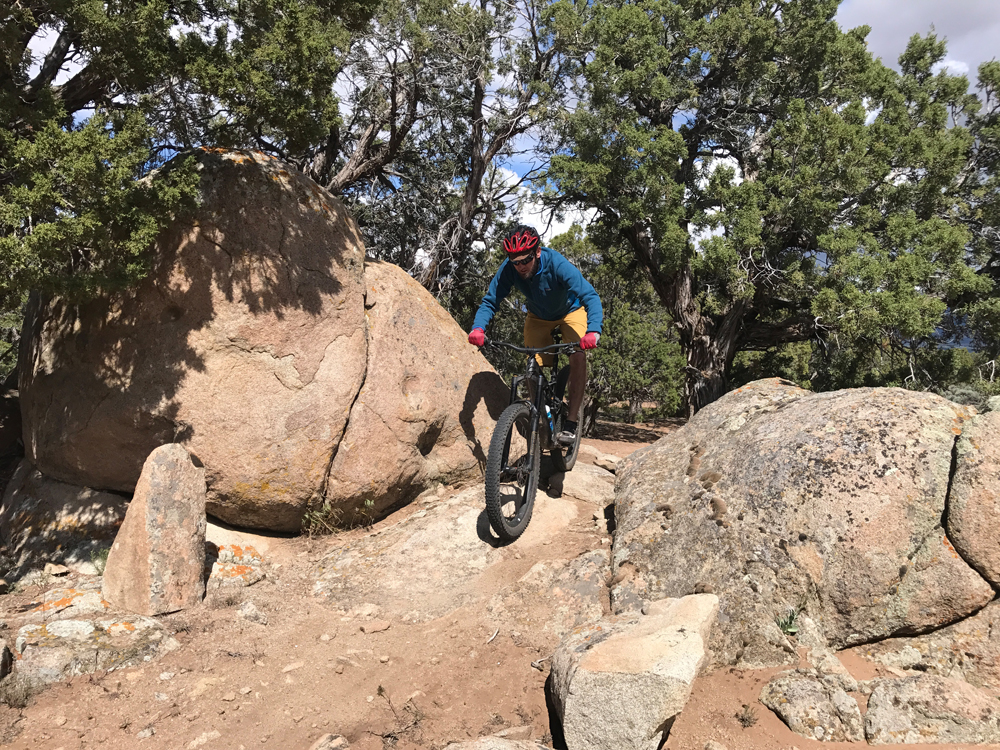
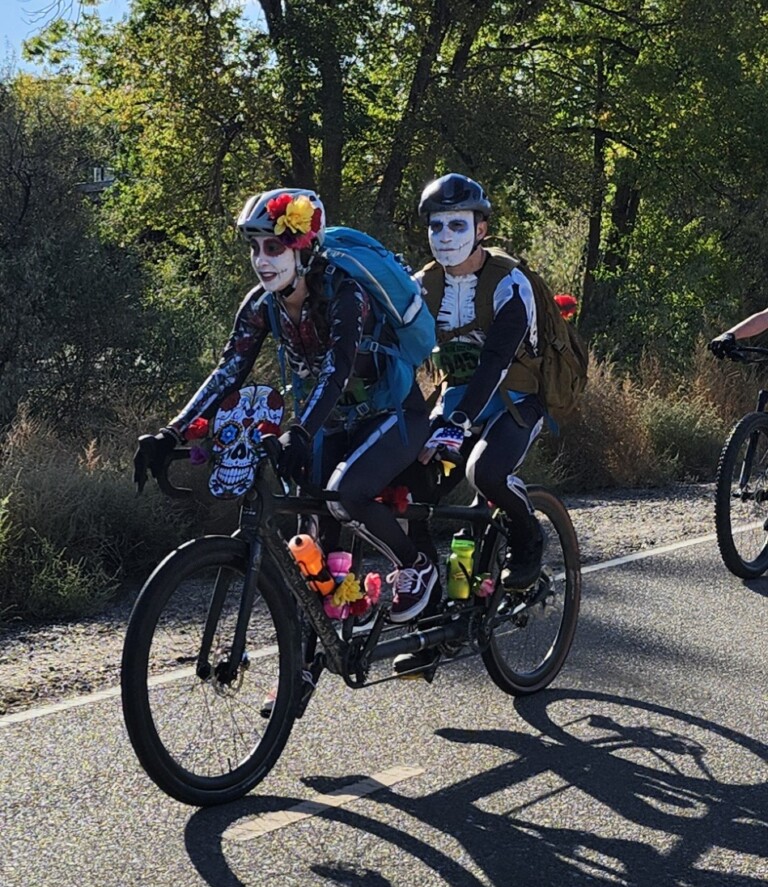
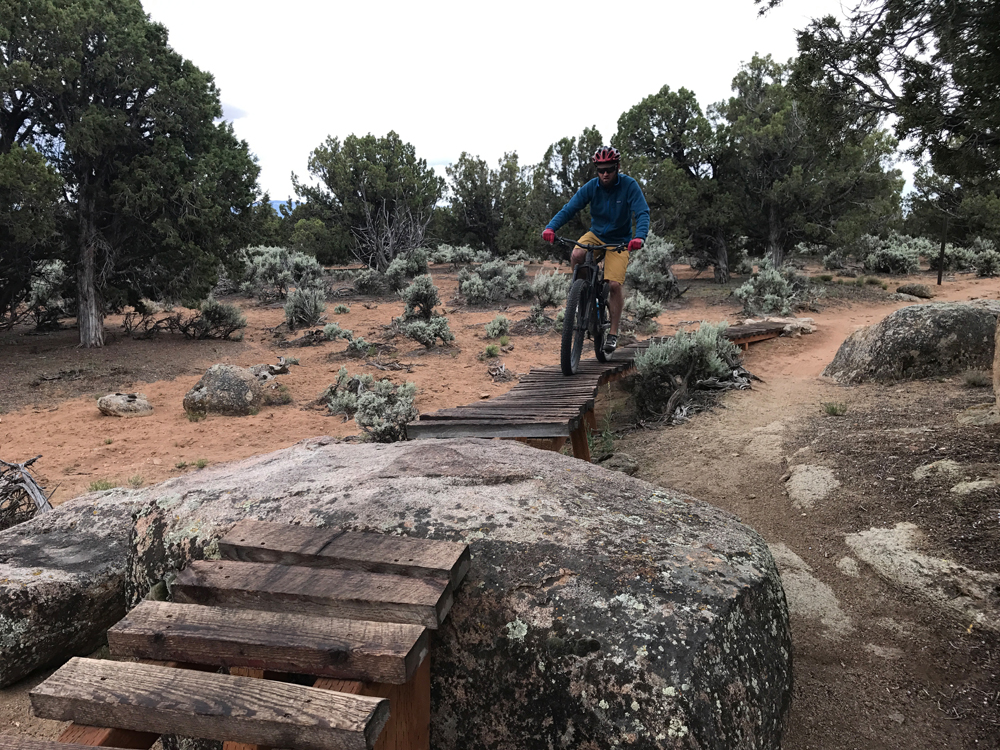
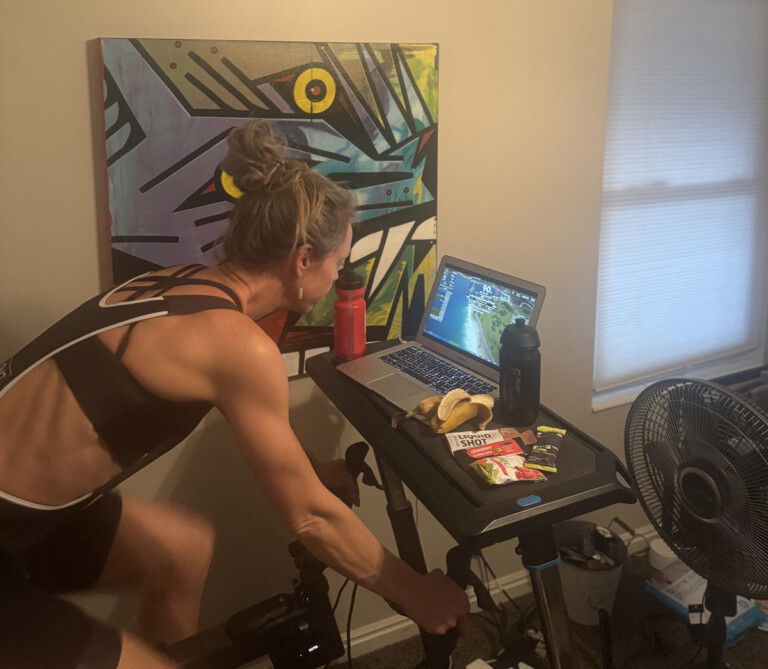
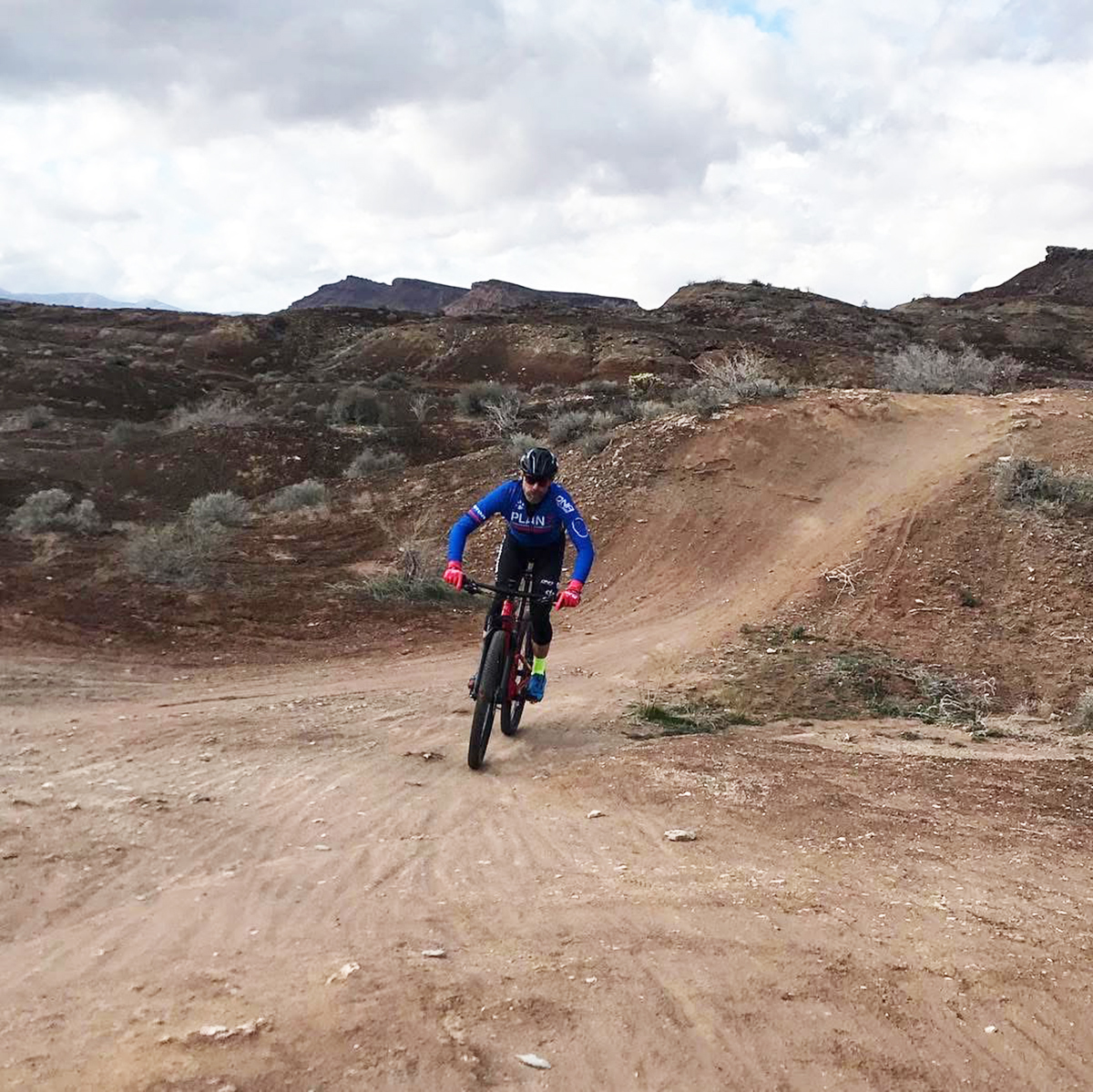
Scenes from the 2024 Day of the Tread. Photo courtesy of Day of the Tread.

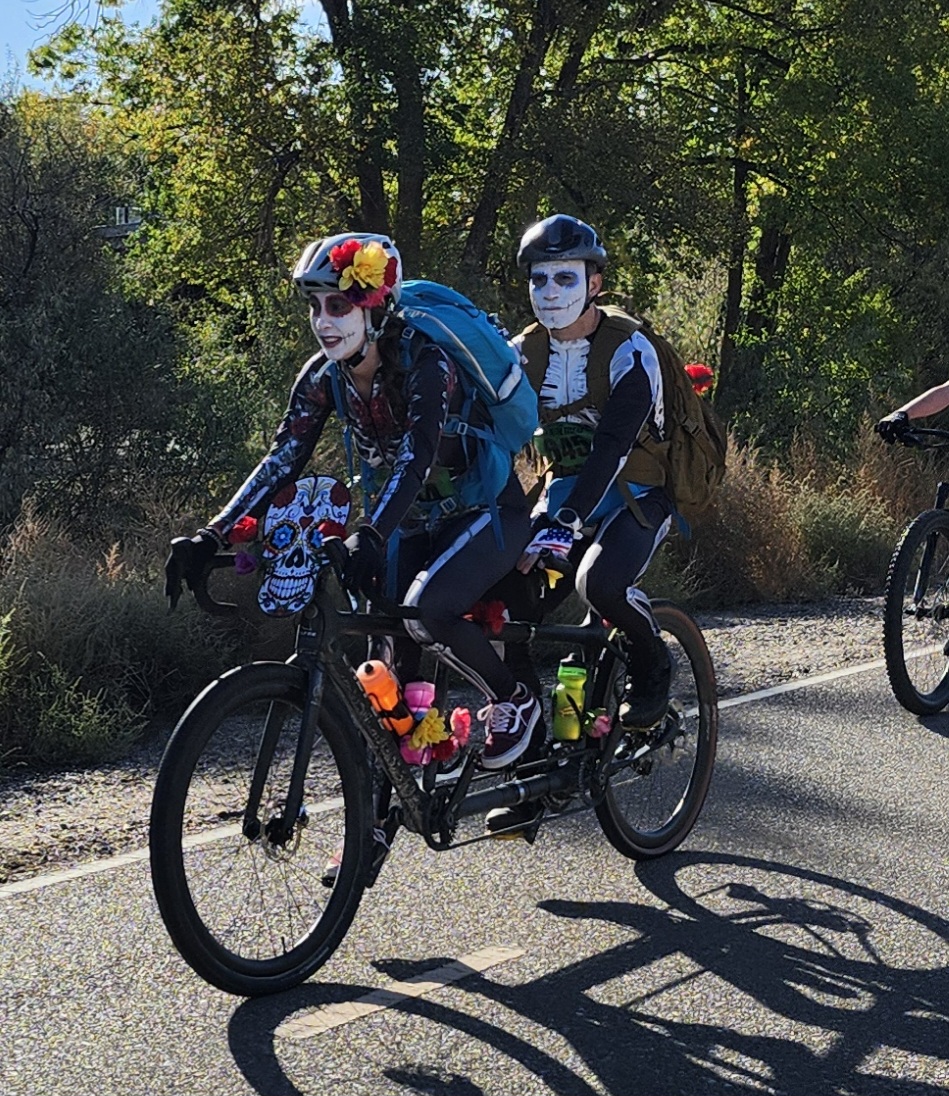
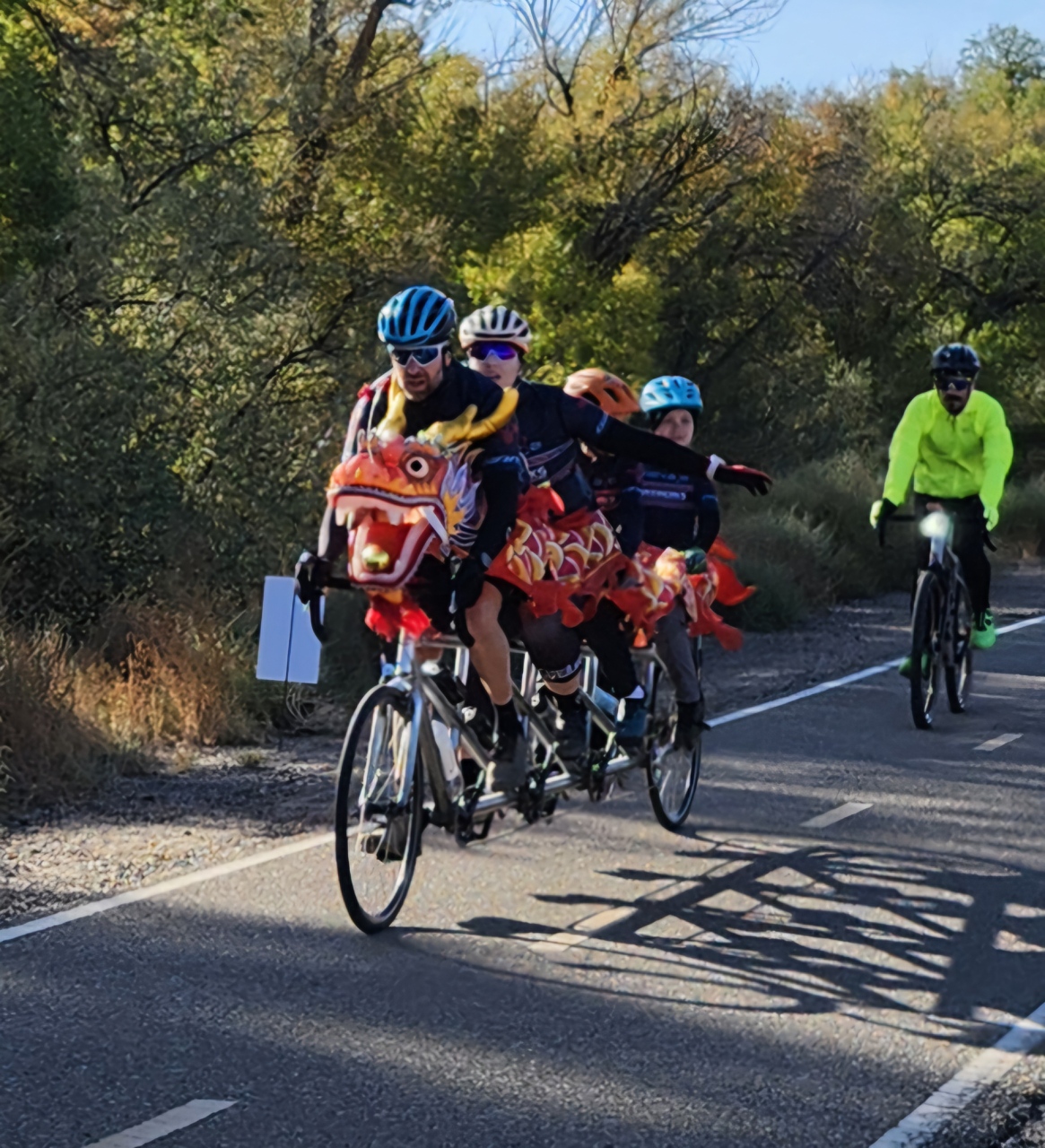
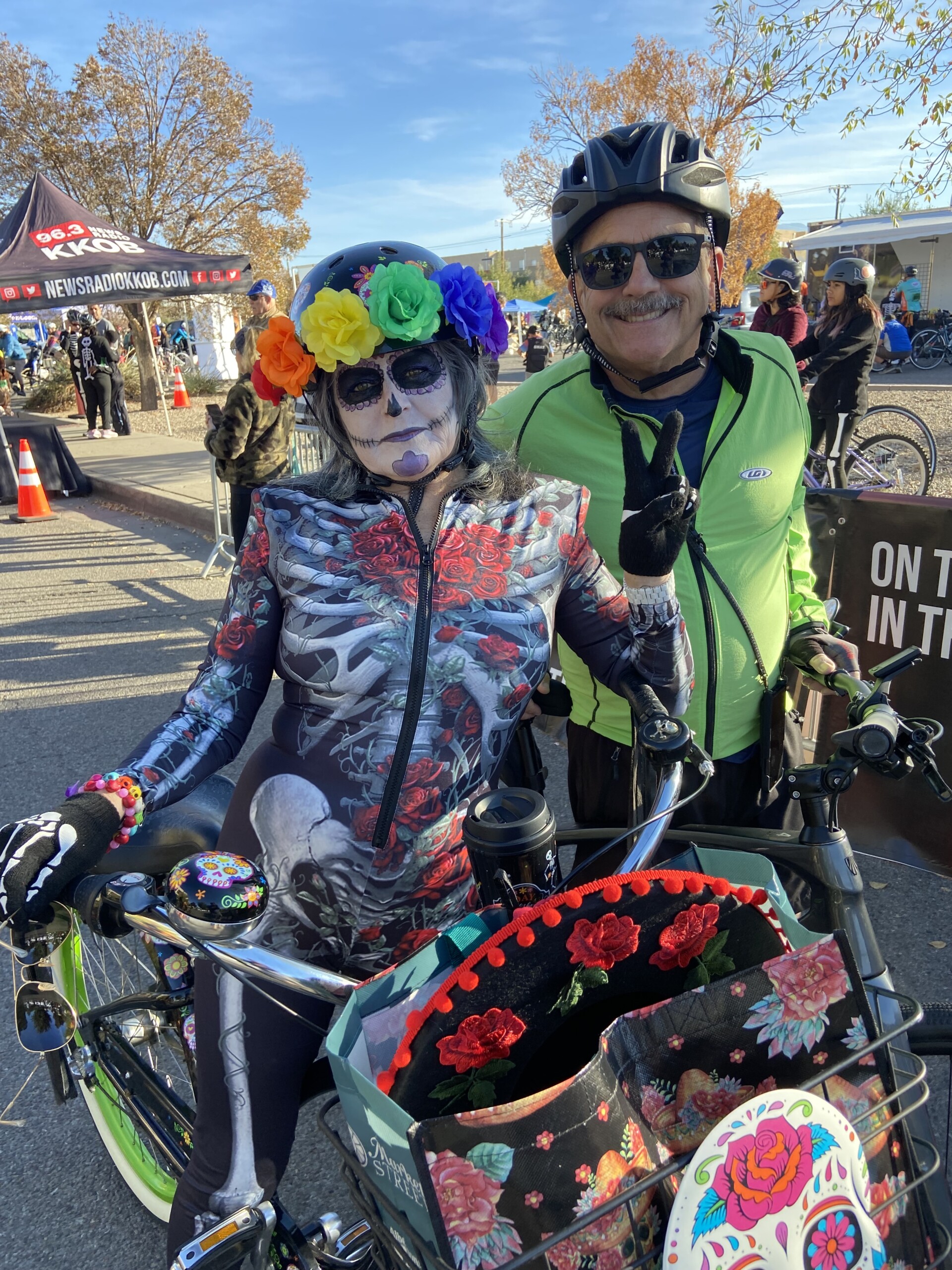
In the last 18 years, more than 30,000 people have participated in the annual fundraising event. Since its inception, the event has raised nearly $900,000 for area non-profit organizations. Day of the Tread is known for its fun Day of the Dead-inspired costumes that are seen on the roads and trails surrounding Albuquerque every year. This year’s event brings back the favorites including:

  • The Bone Shaker Gravel Grinder, sponsored by Leaders of Enchantment, will be held on Saturday, October 25th. In addition to the 75-mile route, there are 17-, 31-, and 50-mile options.
  • The road cycling events will be held on Sunday, October 26, 2025. There are 7-, 18-, 25-, 47-, 55-, and 100-mile routes. Tandem categories are available for the 25-, 47-, 55-, and 100-mile routes.
  • The 12-mile Rail Runner Family Ride includes a ride on Albuquerque’s train, the Rail Runner. Families ride 12 miles to the train station and then take the train back.
  • A 4k Walk around Historic Old Town.
  • Live entertainment throughout the event.
  • The start and finish area will be in the Sawmill District of Albuquerque, anchored by the Sawmill Market Artisanal Food & Beverage Hall, just north of Historic Old Town.
Scenes from the 2024 Day of the Tread. Photo courtesy of Day of the Tread.

One of the highlights and favorite recharge zones is at El Pinto, located in Albuquerque’s scenic north Valley. El Pinto has supported the event every year since its inception and serves up their famous sopapillas with honey and has a live Marimba band to greet all participants.

Scenes from the 2024 Day of the Tread. Photo courtesy of Day of the Tread.

Last year, people from 22 states and two foreign countries participated in the event. A video link that shows the event can be seen at dayofthetread.com.

“Fall is a magical time of the year in New Mexico,” said Mark Gundlach, Day of the Tread Founder. “Crisp mornings, vibrant sunshine, the smell of green chile roasting and leaf peeping are some of the highlights participants can expect. Additionally, seeing so many people out in costume makes it a truly unique cycling experience, whether on the road or the trails. We hope you’ll check it out and join us.”

For more information, sponsorship opportunities and to register, go to DayoftheTread.com

Cyclist Death Rates Down in 2024

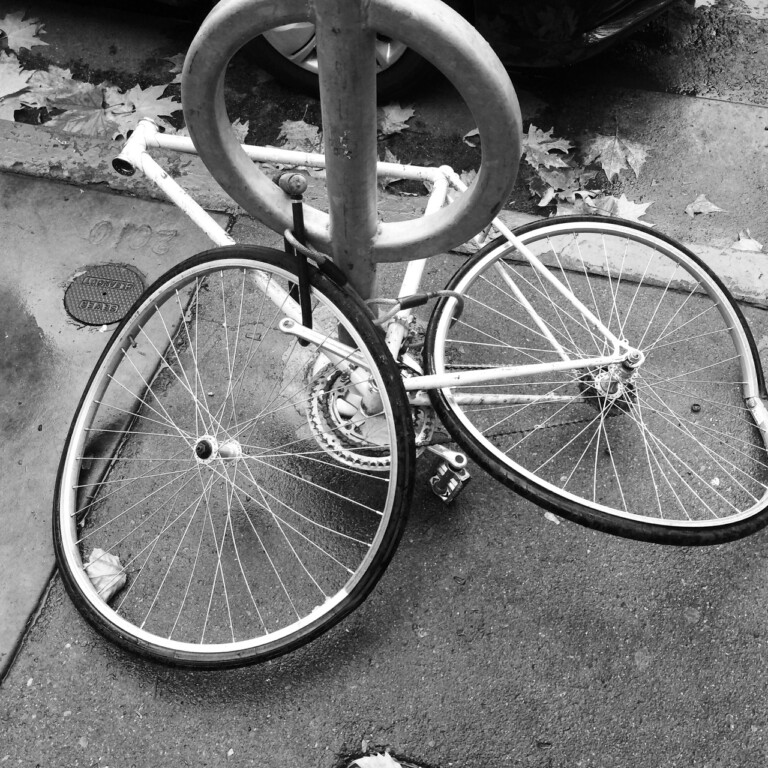
By Charles Pekow — Pedalcyclist fatalities appear to have declined by 1% in the first half of 2024 compared to the same period in 2023, according to preliminary estimates from the National Highway Traffic Safety Administration (NHTSA). Fatalities decreased from 467 to 462, including incidents involving e-bikes, traditional bicycles, tricycles, and similar vehicles.

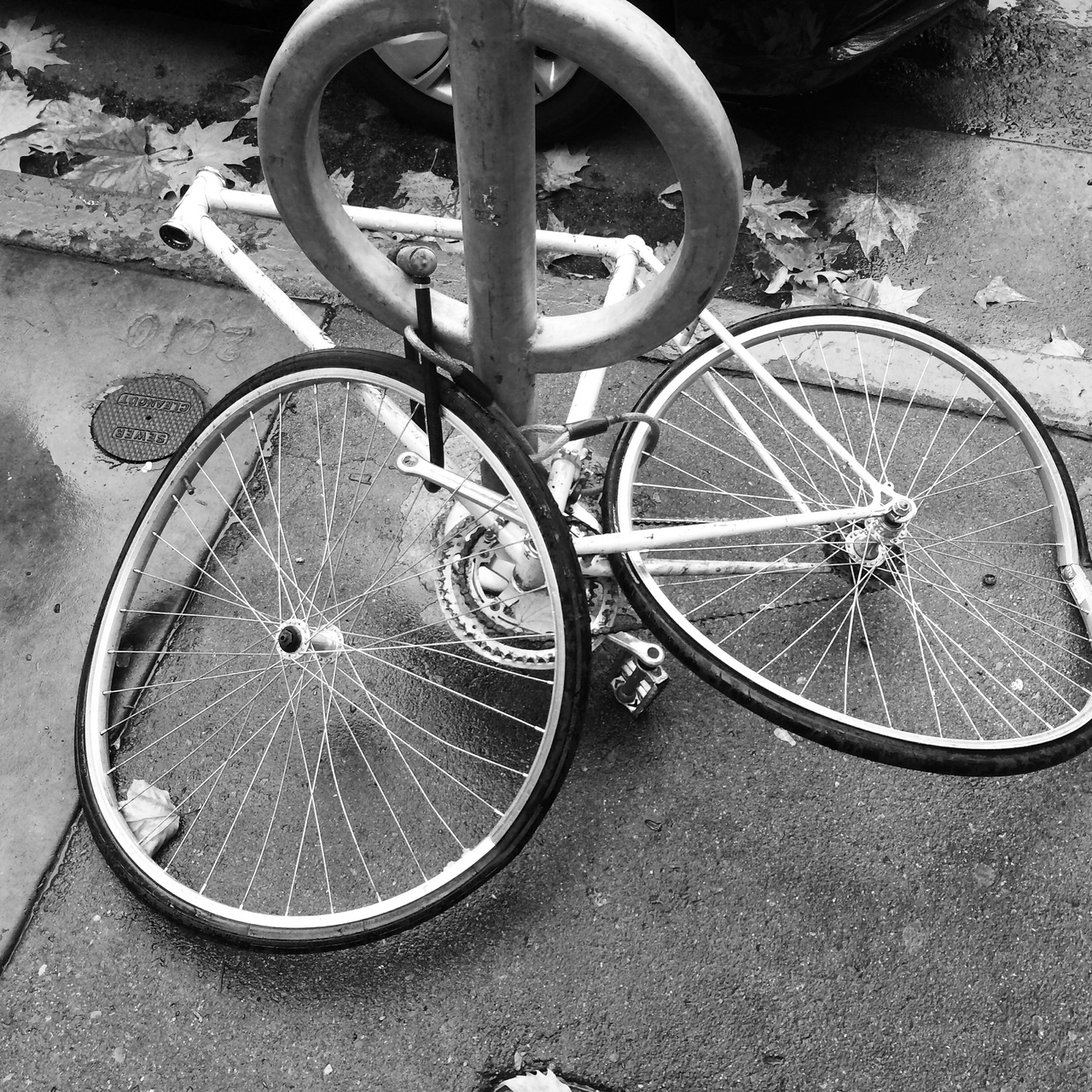
Even a slight reduction in cyclist deaths is welcome. One less death means one less ghost bike. Photo by Philip Chapman-Bell, CC BY-NC-SA 2.0 ATTRIBUTION-NONCOMMERCIAL-SHAREALIKE 2.0 GENERIC

While a reduction of five fatalities may seem statistically small, roadway deaths have decreased slightly across all categories, indicating a gradual improvement in overall roadway safety.

For more information, download the report Early Estimates of Motor Vehicle Traffic Fatalities and Fatality Rate by Sub-Categories Through June 2024 from https://crashstats.nhtsa.dot.gov/#!/