By Tom Jow — One of the things I like most about having the bike experience I do is helping friends with their questions. Recently a couple friends have asked about what new bike they should purchase. During the interview process, I discovered that each of them like the uphills as much as the downhill. They are ok with moderately rocky terrain but drops and jumps were something avoided. Smooth, fast flow trails got a thumbs up!
Normally I would recommend a 120- or 130-mm “trail” bike. A good mid-travel bike that climbs well and will be more than capable on the downhills. Now, however, I’m not so sure.
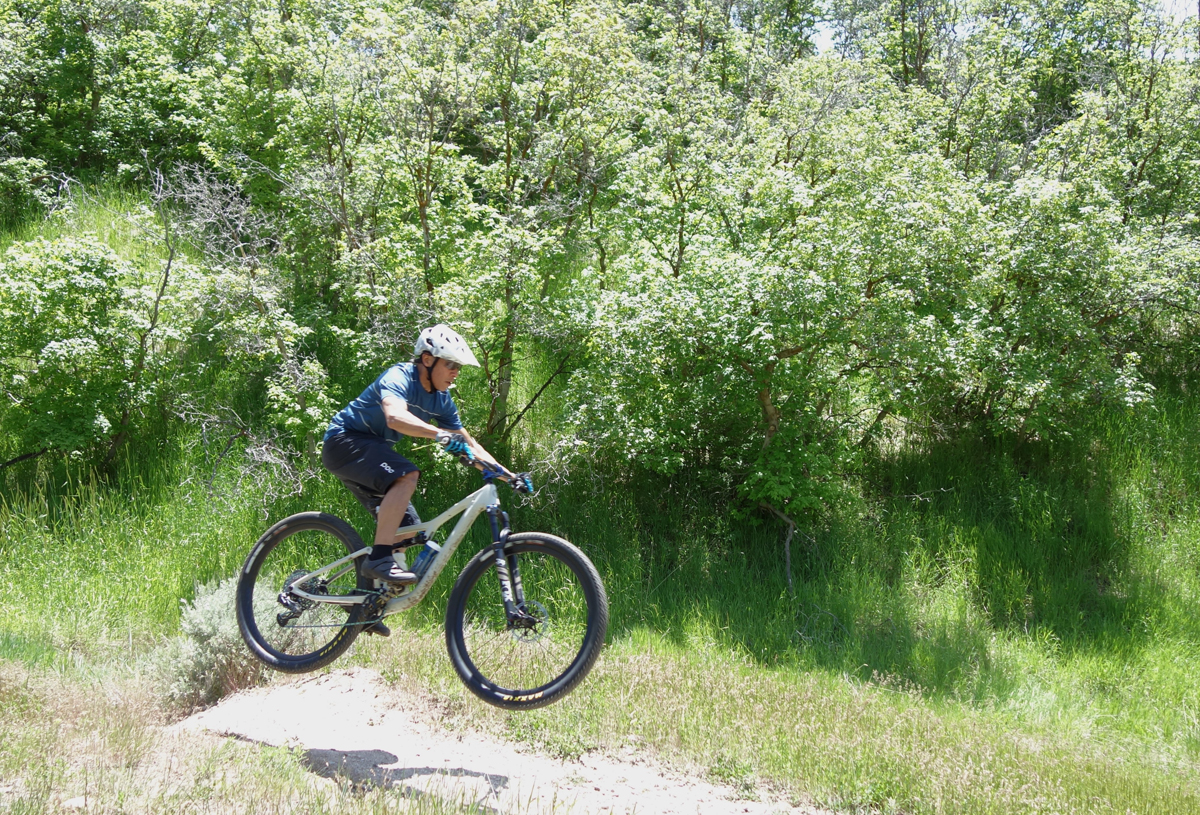
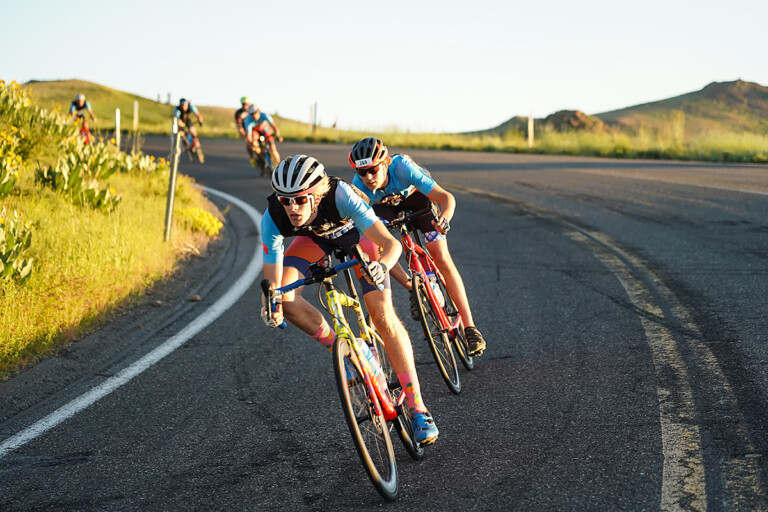
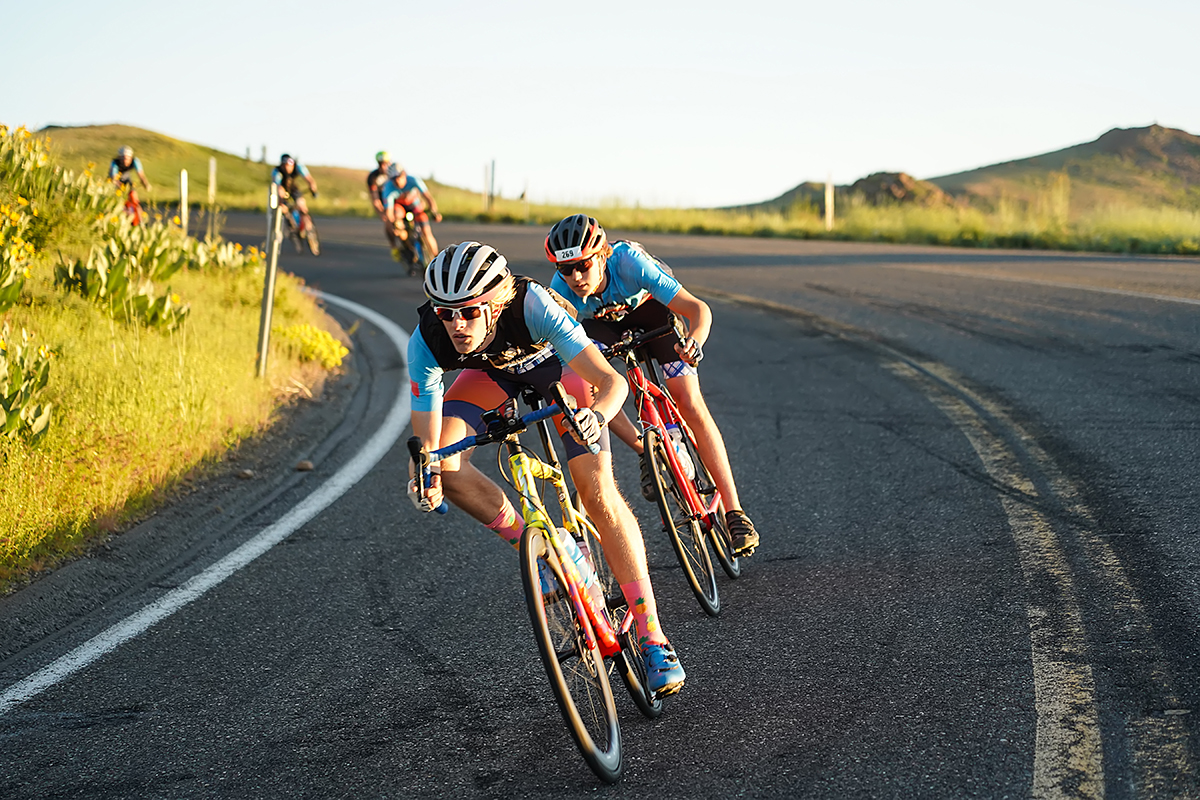
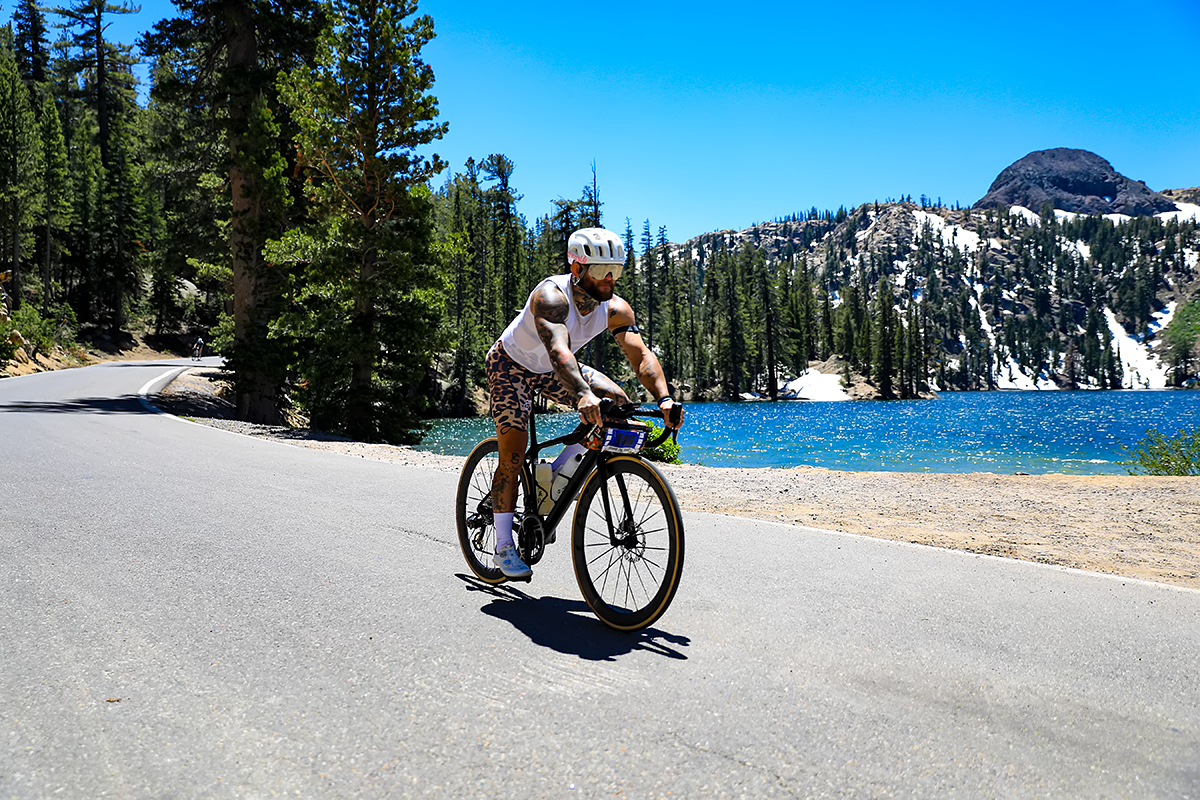
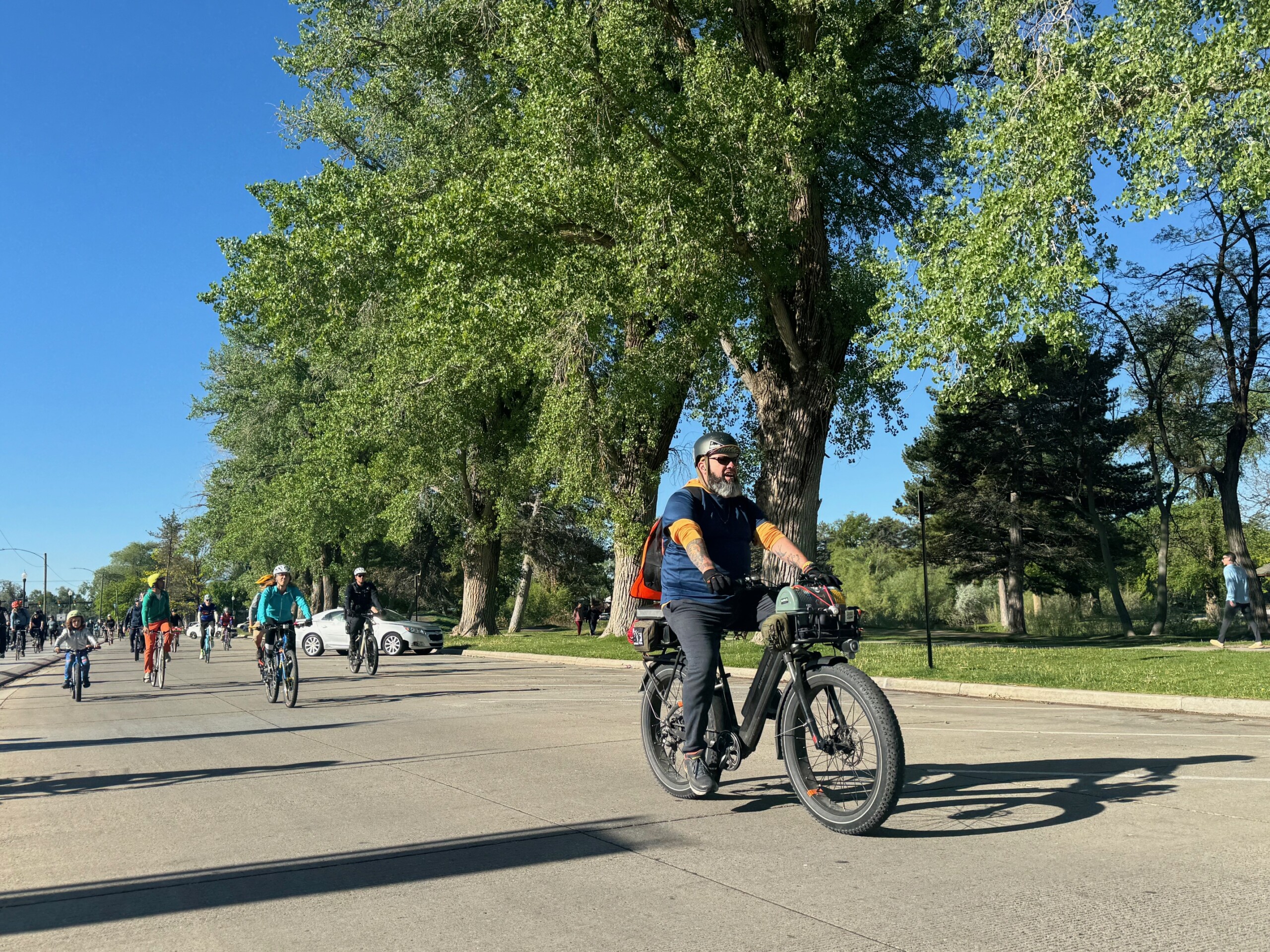
Tom Jow proves the new cross country bikes are capable. Photo courtesy Tom Jow
A few years ago, I read a comparison test of what they called “downcountry” bikes. Strange, I thought, because many of the bikes were clearly elite level cross-country race bikes. While the race bikes were equipped with just 100 mm travel front and rear, some of the other test bikes had up to 120 mm travel front and rear. At first, I wondered why it wasn’t titled as a test for “race” bikes. It took me a minute to figure out that a downcountry bike is one that rides up like a cross-country bike but has a little more “down” built into it.
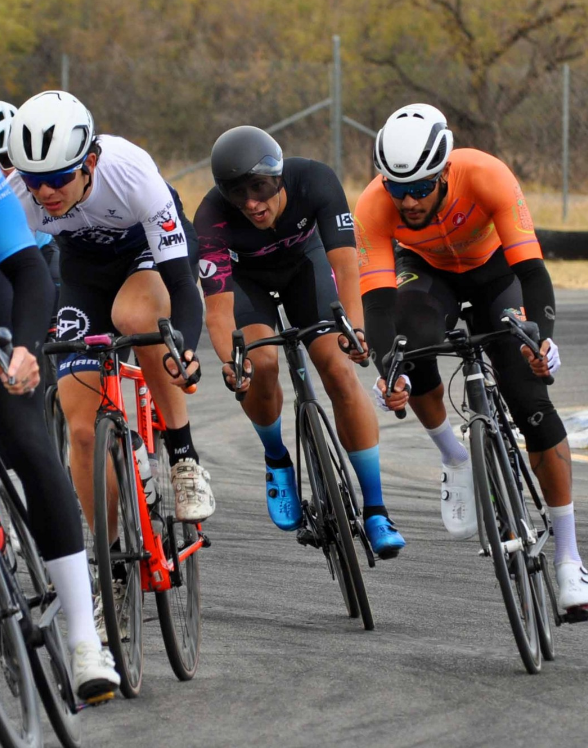
If you have watched a XC World Cup race lately you will have seen that all the race bikes need to have a little more down built into them. The World Cup courses are now defined by not only steep climbs, but also technical descents and jumps. Steep narrow, rock gardens, drops and gap jumps are the norm. The modern cross-country race bike can now do it all. What makes these bikes worthy of a racer and non-racer as well?
The bikes are lightweight. One top of the line race bike I read about weighs twenty-four pounds. The base model of the same bike weighs in at twenty-seven and a half pounds. That is four pounds lighter than my 140 mm “trail” bike and two pounds lighter than the same company’s 120 mm “trail” bike. What makes the bike so much lighter? A noticeably lightweight carbon fiber frame. The fork, with its shorter travel, is up to a half pound less. The wheels, designed as much for up as down are also a half pound lighter. Other parts such as the handlebar, stem, etc. will also be lighter. While this is not a bike to jump off small cliffs, they are capable of something more than a sidewalk curb.
The bikes are also designed for pedaling. The seat tube angle tends to be less steep for a more powerful position over the pedals in a greater variety of terrain. Angles in the 74-to-75 degree range rather than the steeper 76-to-77 degrees on longer travel bikes. In addition, the suspension is more efficient (read: stiffer?). Due to the nature of shorter travel, the suspension does need to be stiffer to support the rider. Also, the fork and shock will have a lever to lockout the shock to reduce or eliminate any energy absorbing motion. Lockout aside, the frames and suspension systems are designed to (and do) pedal well in the open (downhill) mode.
What really makes the modern cross-country bike better than before is the incorporation of downhill design elements of longer travel bikes. These elements are head tube angle, reach and stem length. A “slack” head tube angle is one reason downhill bikes excel in steep terrain. While on flat or uphill the slack head tube angle feels unstable, on steep downhills it begins to feel just right. Cross-country head tube angles, historically between 68 and 70 degrees, felt just right on everything from steep uphills to slight downhills. As the downhill steepness increased, so did a feeling of instability. By using a slacker head tube angle such as 67, or even 66 degrees, the downhill capability of the cross-country bike is greatly increased. The bikes also have a longer reach. Measured from the bottom bracket to the head tube, a longer reach moves the front wheel further out in front of the rider. To complement these changes in frame design, the stem length for ideal handling is now four to six centimeters. Combined, these factors do a couple of things. First, the bike is more stable at higher speeds, in steep descents and in the air. Second, the combination of a shorter stem and longer reach reduces the feeling of being “over” the front wheel on steep descents. Together these factors add up to increased rider confidence and control.
When deciding on what bike to recommend (or purchase) it is important to match it to the intended use of the rider. For my friends, it would seem like a 120 mm trail bike would be the perfect match. Personally, I felt like they are a little heavy for the way my friends ride. Previously however, lighter weight cross-country bikes seemed to be too specialized a tool with their long, low stems and racy handling. The current crop of cross-country bikes are much different. With a slightly more upright position, a calmer handling demeanor, and increased downhill capability the bikes are now well suited for a much wider range of riders. As for my friends, they followed my recommendation for cross-country bikes. Both responded with beaming praise. So positive they were, that I had to get one of my own.
TOUR DE FRANCE 2024 | STAGE 2 | CESENATICO > BOLOGNE`
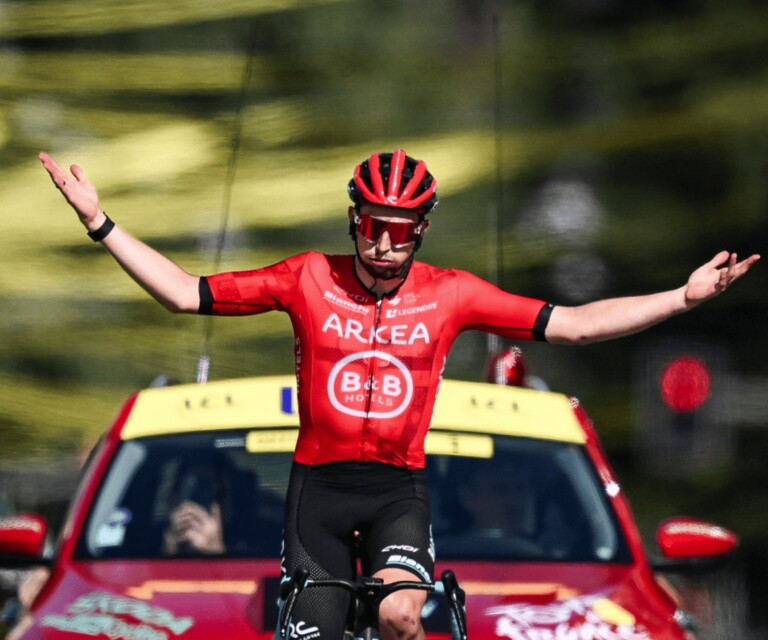
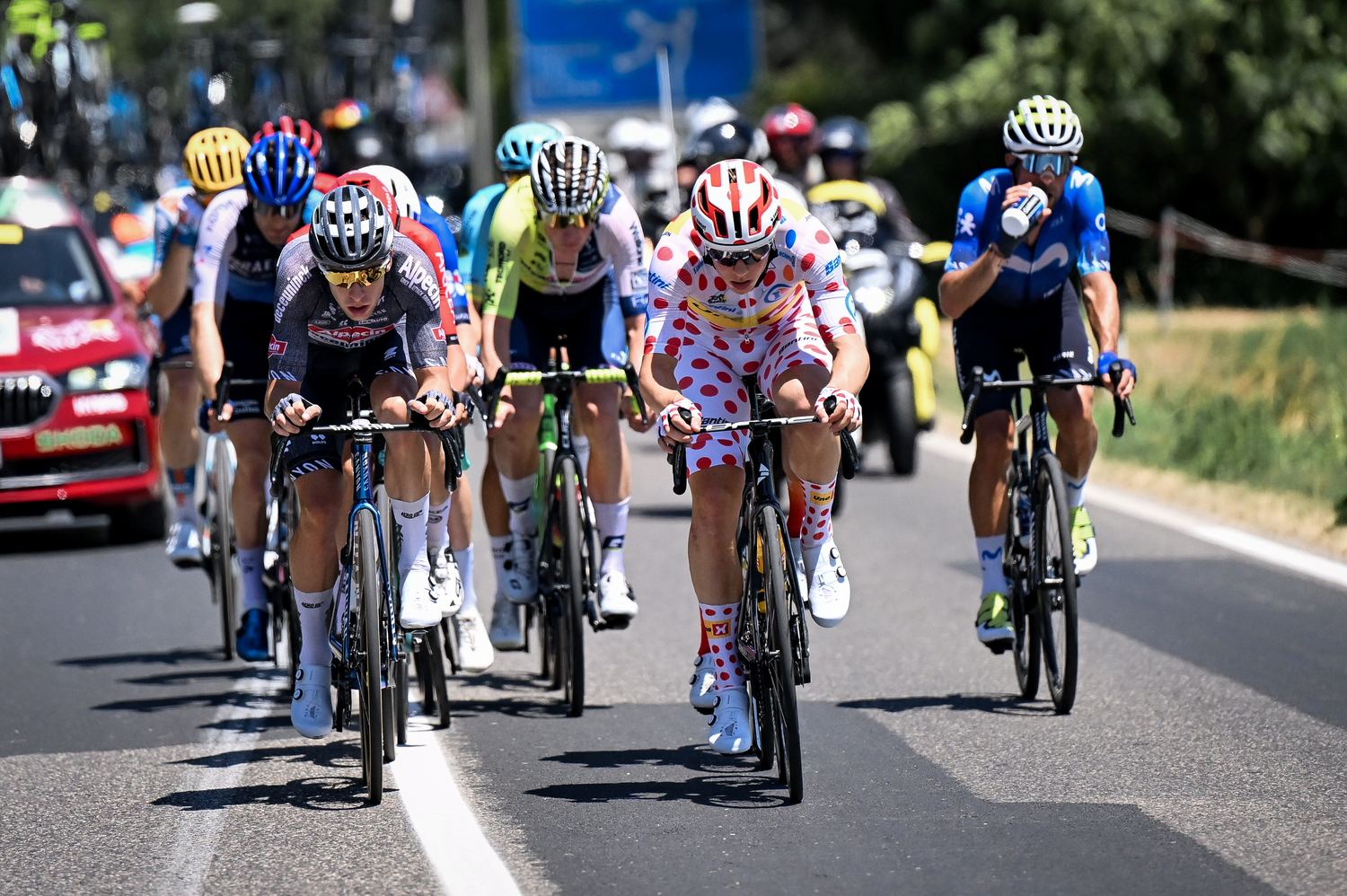
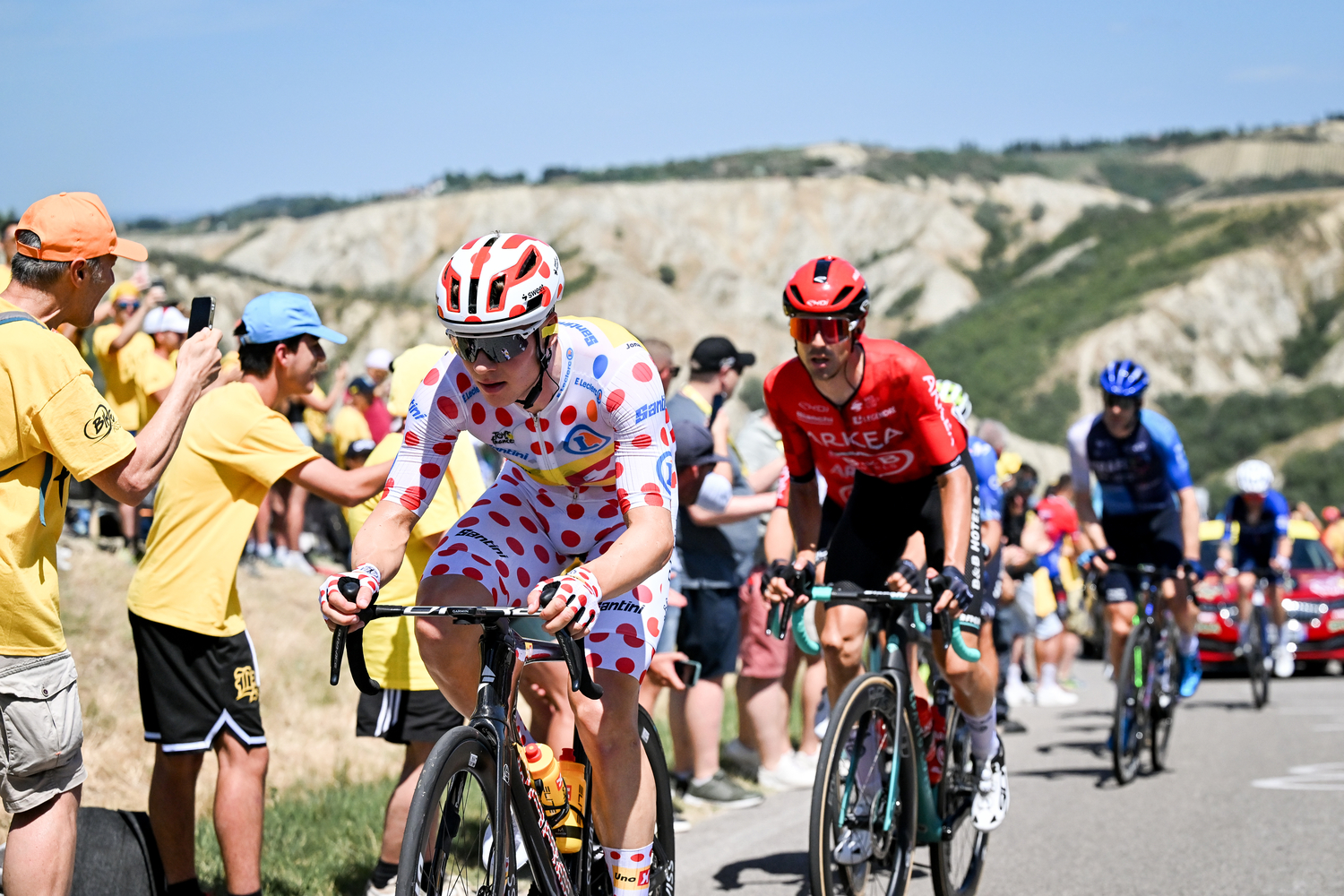
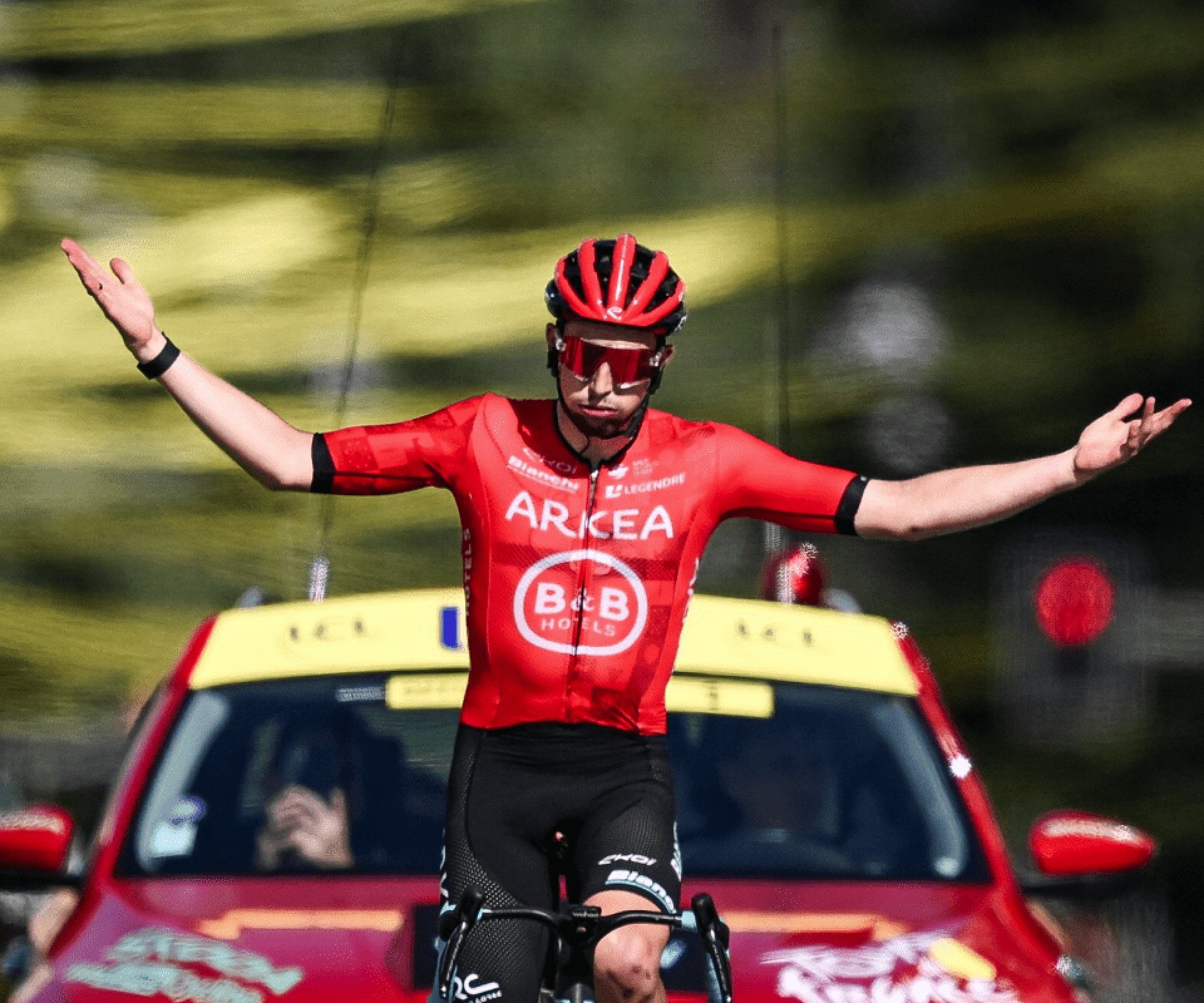
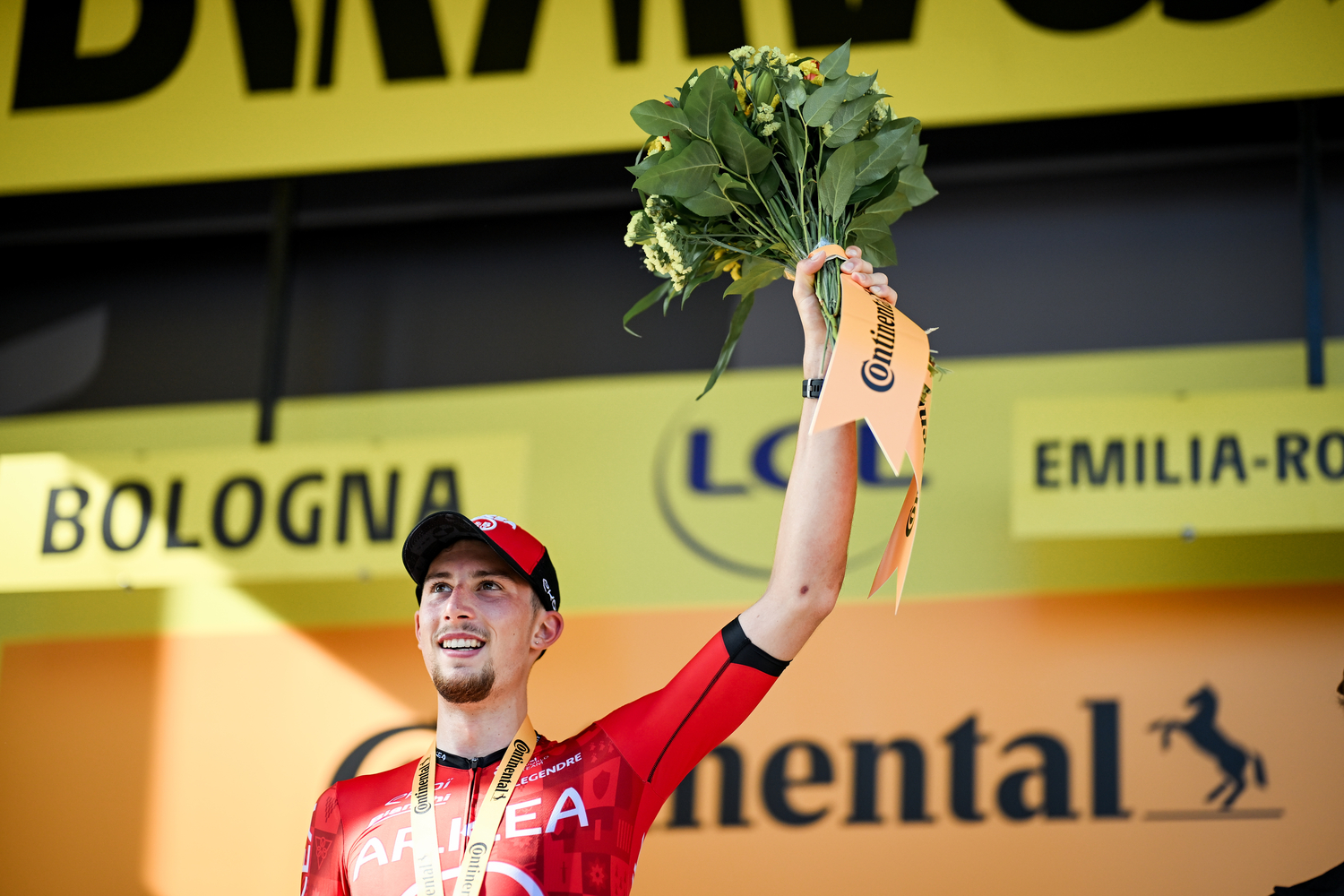
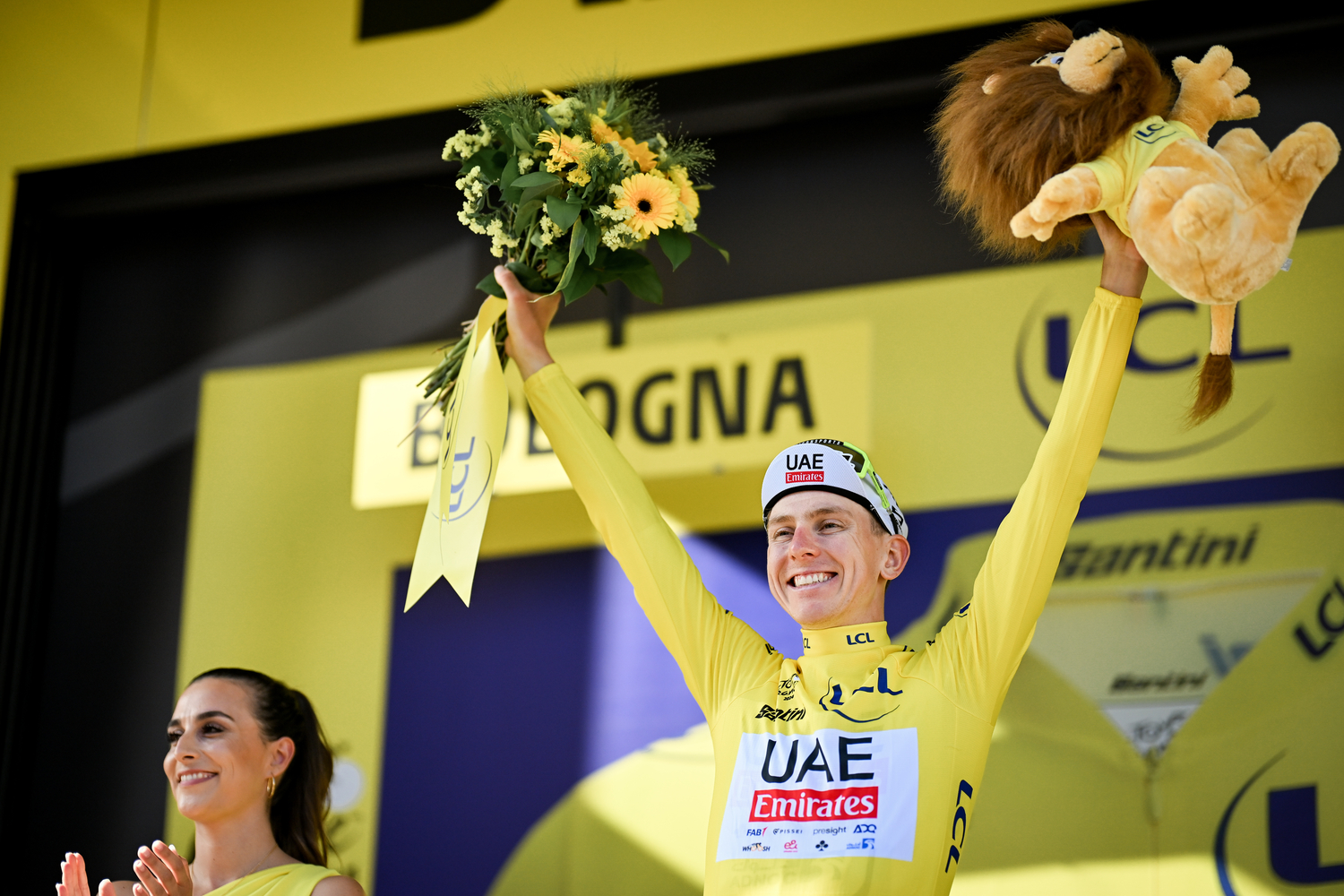
BOLOGNA, Italy (June 30, 2024) — The second stage of the 2024 Tour de France was won by Kevin Vauquelin on Sunday in the centre of Bologna, after the young Frenchman attacked on the second San Luca climb and made it to the finish line alone. Vauquelin therefore made it two wins for French riders in the first two stages, handing Arkea – B&B Hotels their first ever Tour de France victory in their 11th participation, with Jonas Abrahamsen (Uno-X) finishing second as he retained the polka dot jersey and Quentin Pacher (Groupama-FDJ) third on the stage. In the general classification Tadej Pogačar (UAE Team Emirates) took over at the top with his own San Luca attack, taking the Yellow Jersey from Romain Bardet (Team dsm-firmenich PostNL).
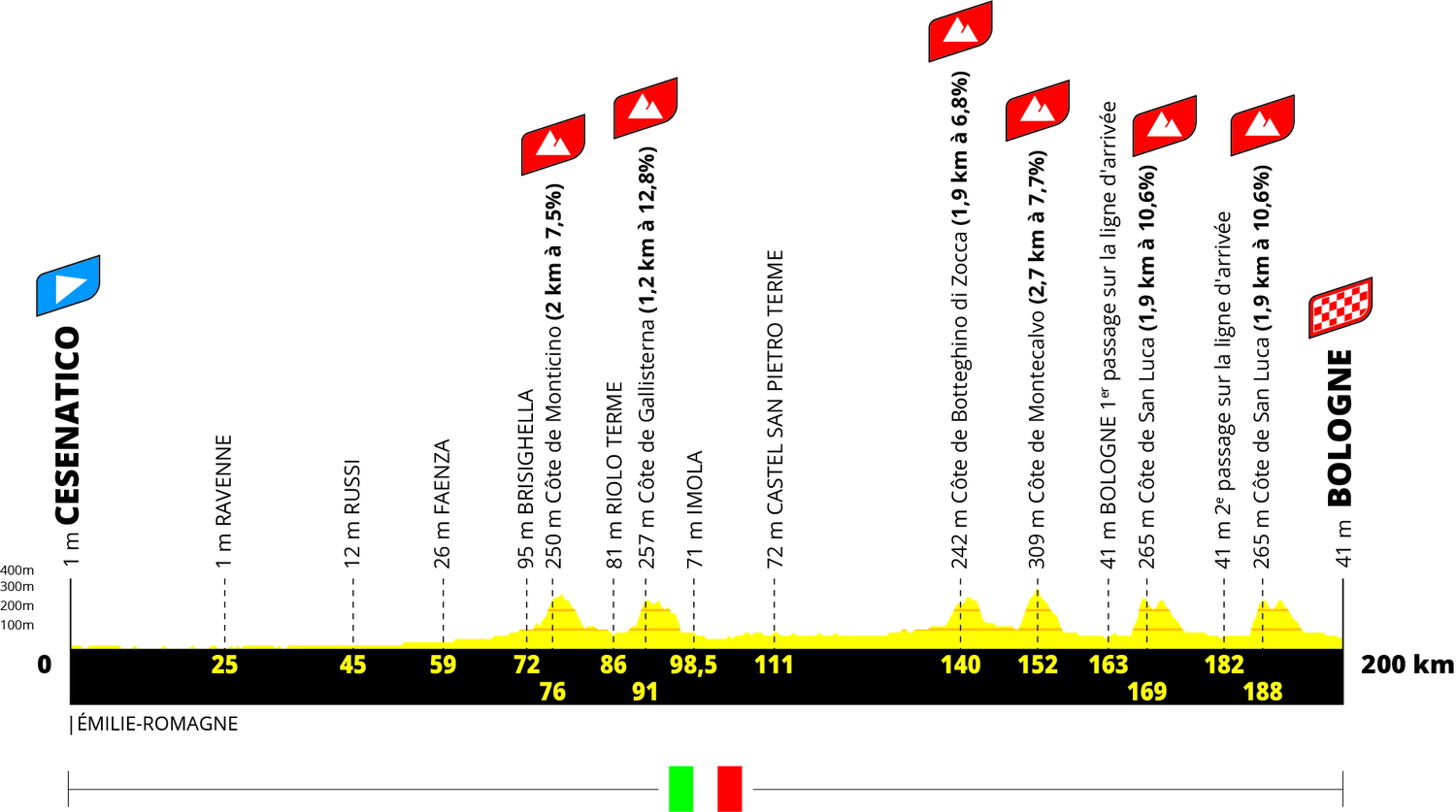
Profil de l’étape 2 du Tour de France 2024 – Cesenatico > Bologne
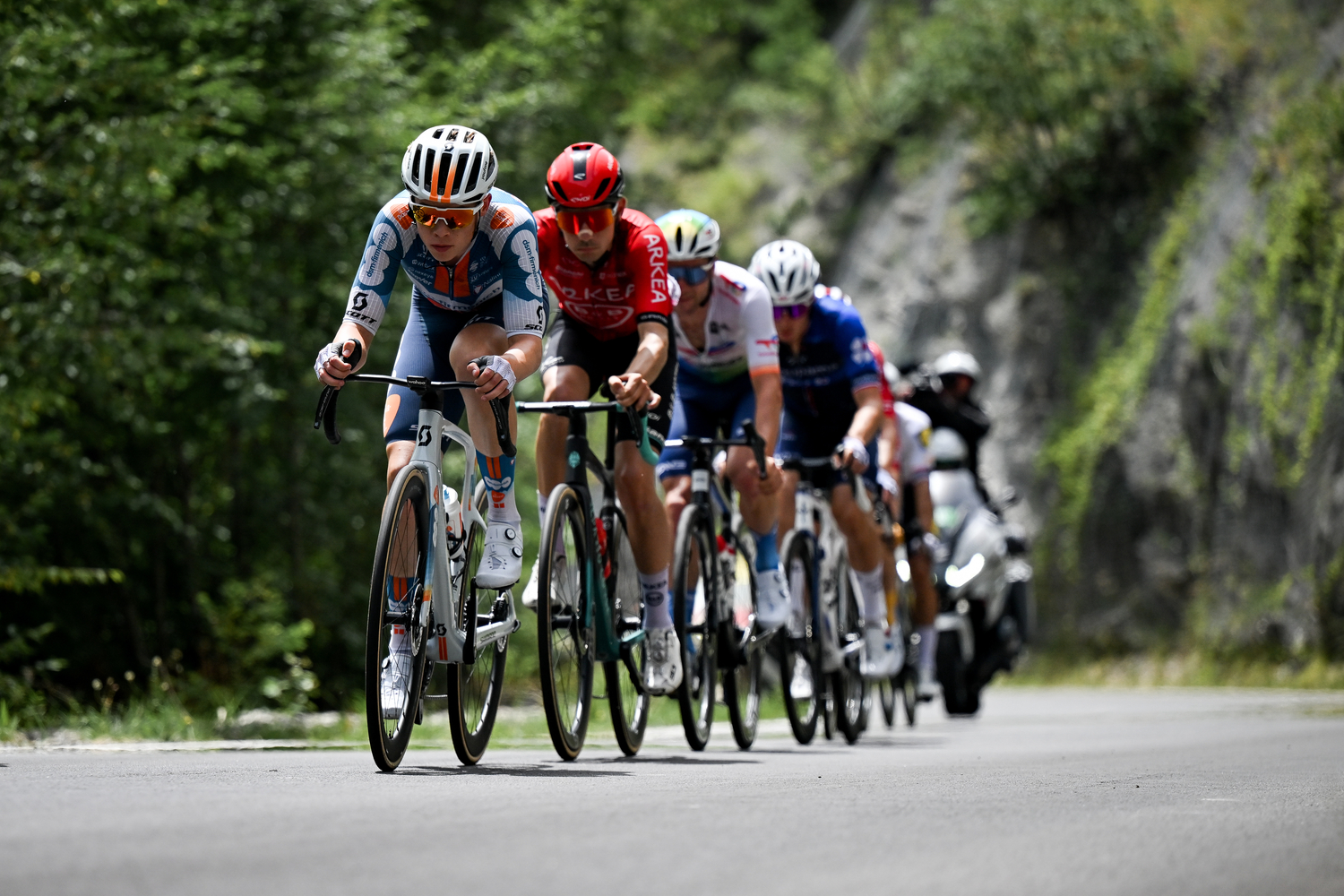
A breakaway is formed
The 175 riders who crossed the finish line in Rimini on Stage 1 were present at the start of this second stage in Cesenatico. The parcours of the day inspired the attackers, who presented themselves in numbers at the start of the stage to attempt a breakaway. Despite a fast pace in the bunch, a significant group managed to break away at km 8, featuring Quentin Pacher (Groupama-FDJ), Axel Laurance (Alpecin-Deceuninck), Hugo Houle (Israel-Premier-Tech), Nelson Oliveira (Movistar), Jonas Abrahamsen (Uno-X), Harold Tejada (Astana), Cristian Rodriguez (Arkea-B&B), Kevin Vauquelin (Arkea-B&B), Mike Teunissen (Intermarché-Wanty), Bram Welten (dsm Firmenich) and Jordan Jegat (TotralEnergies). Brent Van Moer (Lotto-Dstny) gave chase with Michael Matthews (Jayco-AlUla) for several kilometres but they were finally unable to join the front group. None of the riders in the break represented a direct threat to the Yellow Jersey of Romain Bardet, whose dsm Firmenich teammates therefore let the gap increase, first to 5′ at km 23, then to 8’20” at km 66.
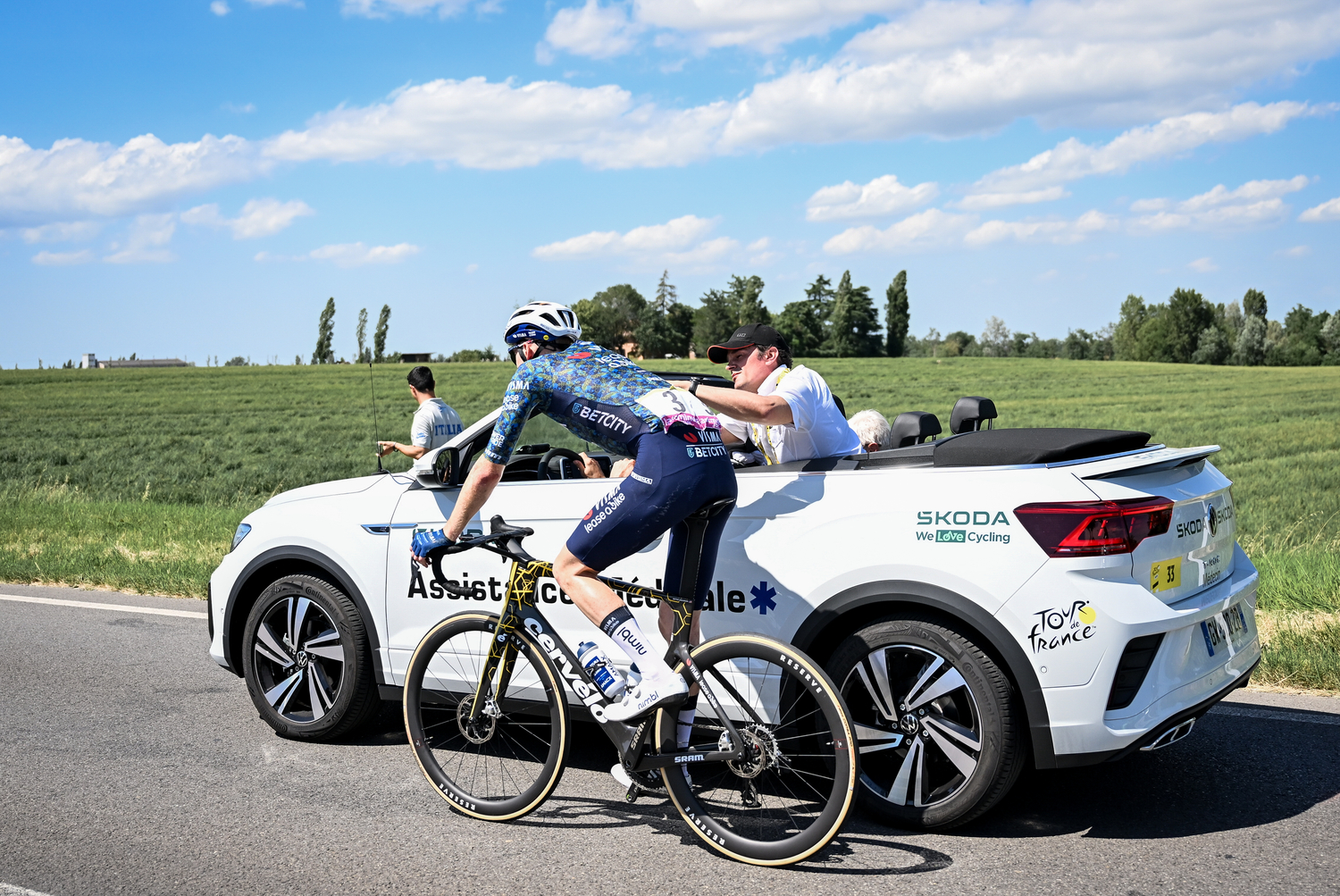
Abrahamsen was the first to summit the Côte de Monticino (Cat 3, km 74) – where Welten fell back from the breakaway and was caught by the main group – and the Côte de Gallisterna (Cat 3, km 88.8). At the top of the Gallisterna climb the lead of the breakaway had been reduced to 5’35” due to the energy of a nervous peloton. Norwegian rider Abrahamsen led the way through Dozza (IS, km 108.1), where Laurens de Plus (Ineos Grenadiers), Matteo Jorgenson and Wout van Aert (Visma-Lease a Bike) suffered a crash at high speed. The three quickly resumed their ride, with abrasions and bruises. The peloton eased the pace after the intermediate sprint, allowing the breakaway to increase its lead to 9’15” by km 129.
Determined to retain the polka dot jersey, Abrahamsen was first on the Côte de Botteghino di Zocca (Cat 4, km 139) and the Côte de Montecalvo (3rd, km 151.2). It was on the Montecalvo ascent that the peloton quickened its pace, with the Red Bull-Bora-Hansgrohe team of Primoz Roglic and the Lotto-dstny colleagues of Maxim Van Gils producing a strong acceleration that reduced the peloton and decreased the gap to the breakaway to 4’15” on the first crossing of the Bologna finish line (km 162.5). On the first ascent of the Côte de San Luca (Cat 3, km 168.3) there were several attacks without final consequences in front and a sustained pace from Visma-Lease a Bike behind. Abrahamsen took first place on the first ascent of San Luca again, 3’25” ahead of the main group.
The first climb to the San Luca sanctuary shook up the lead group, which regrouped momentarily but exploded under the effect of Neilson Oliveira’s attack, 21 km from the finish. The Portuguese rider was only followed by Kevin Vauquelin and Jonas Abrahamsen. The trio advanced for the second time towards the climb of San Luca, where the Arkea-B&B rider managed to go solo. Vauquelin built up a lead of 40 seconds which he had managed to maintain in the final kilometres and he won uncontested at the finish line, 36” in front of Abrahamsen.
Evenepoel and Carapaz stay in contact
On the second San Luca climb the battle was also played out in the peloton, where Romain Bardet lost contact mid climb and saw his Yellow Jersey slip away. 600 meters from the summit, Tadej Pogačar launched an attack only followed by Jonas Vingegaard. The protagonists of the last four editions went clear of the rest of the group of favourites, with the exception of Remco Evenepoel and Richard Carapaz who regained contact in the last kilometre of the race. At the finish line, “Pogi” was back in yellow.
Remco Evenepoel (Soudal-Quick Step): “I Was Too Far Back at The Bottom Of The Climb”
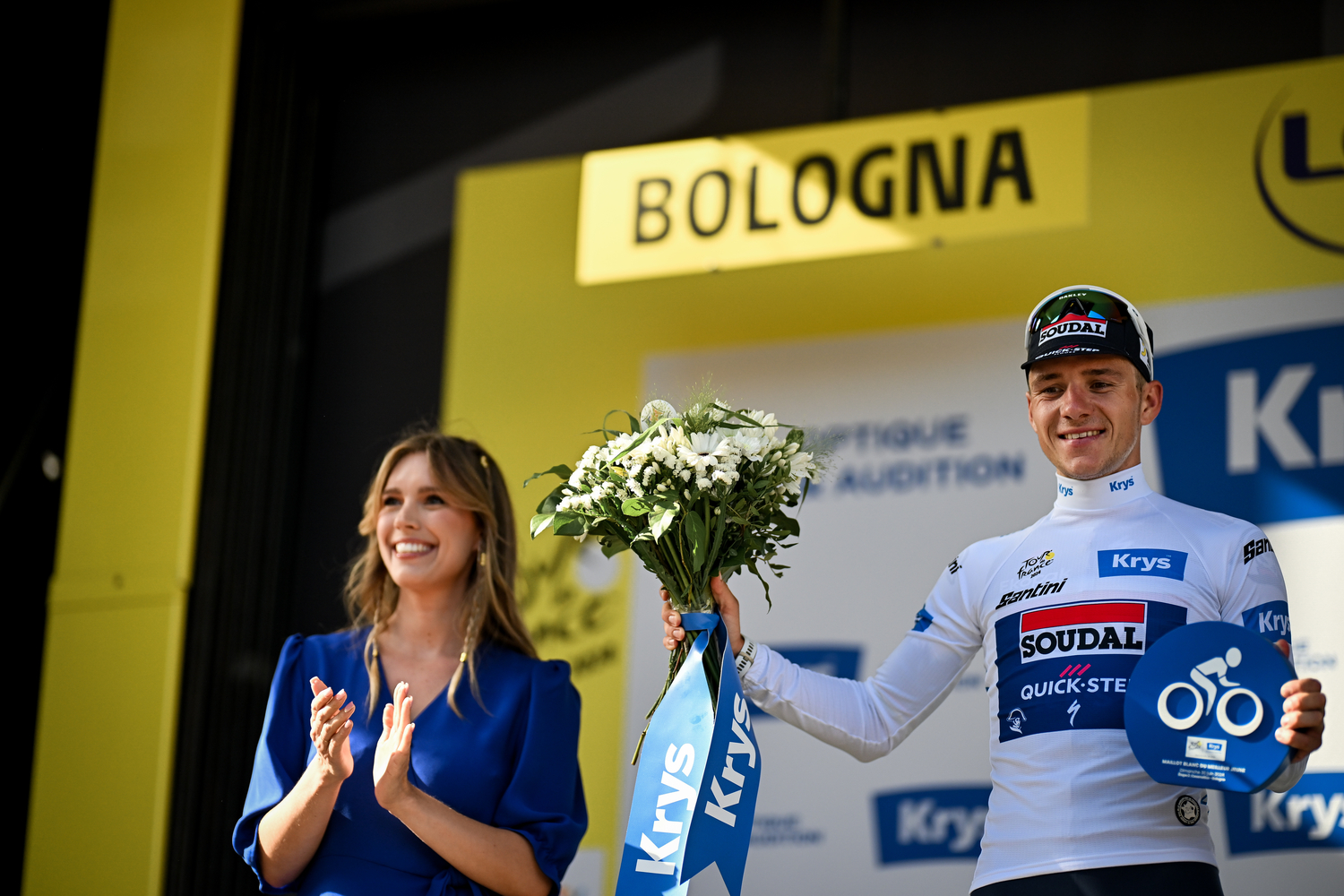
“I think these first two days have gone pretty well both for me and for my team. We have proven that the shape is there. I need some more power in my legs if I want to follow accelerations like Tadej’s, but that will come as we pack more racing days in. Actually, the legs were there – I was just too far back at the bottom of the climb and had to close a gap between two groups midway, so I burned some matches there that were missing later. Yet I am very happy that I could later come back to Tadej’s and Jonas’ wheels. It was a very hard chase, but I kept pushing because I could see that I was coming closer and closer. It is very good for my confidence that I bridged back with them. On the other hand, we all knew that this was a very specific stage, and that Tadej is the best in these type of efforts. It has been a good GC day, and now I feel a bit like Tadej as I’m wearing the same white jersey that he has been sporting for ages! It is an honour to lead this classification.”
Jonas Abrahamsen (Uno-X): “I Was Not Strong Enough Today to Win”
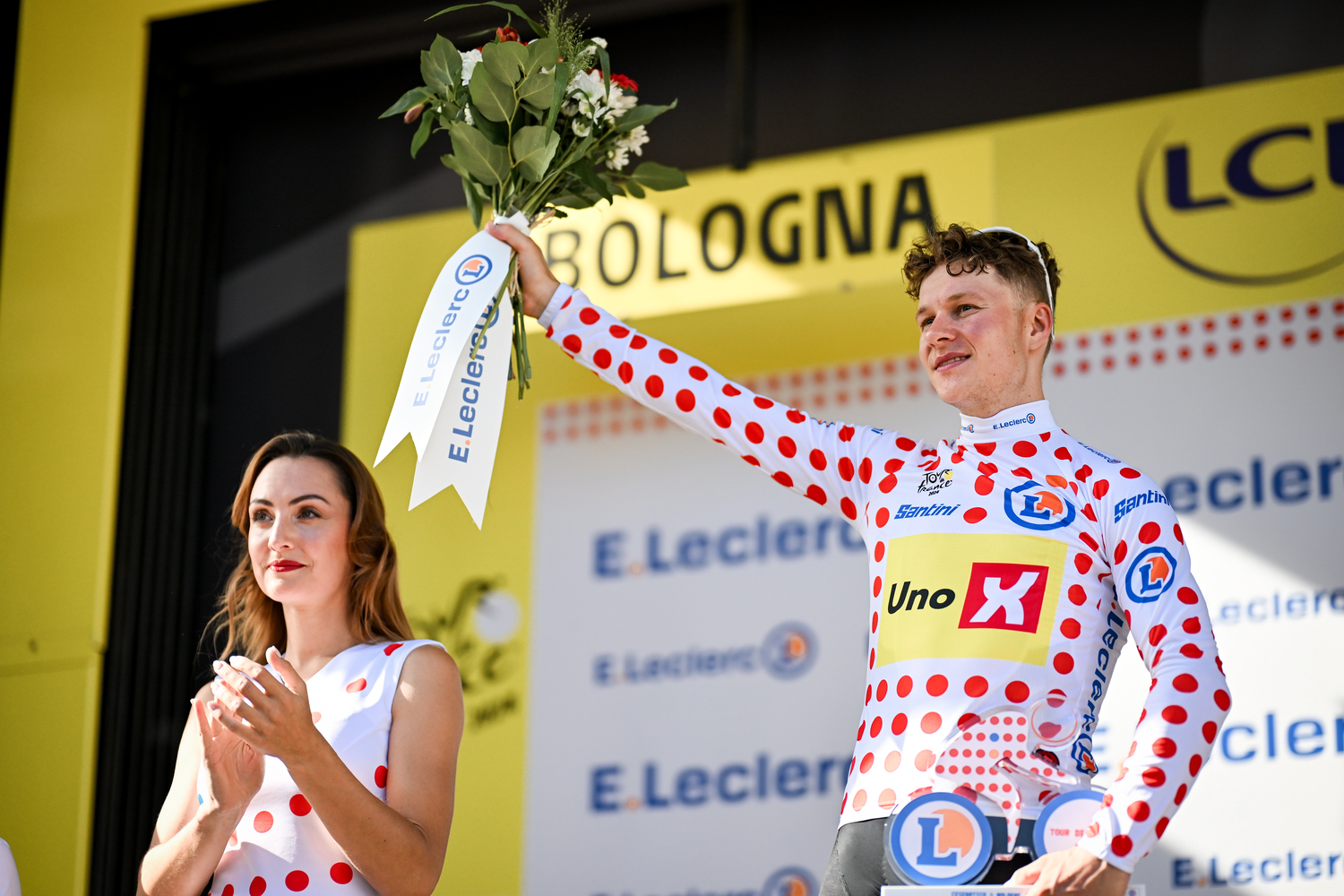
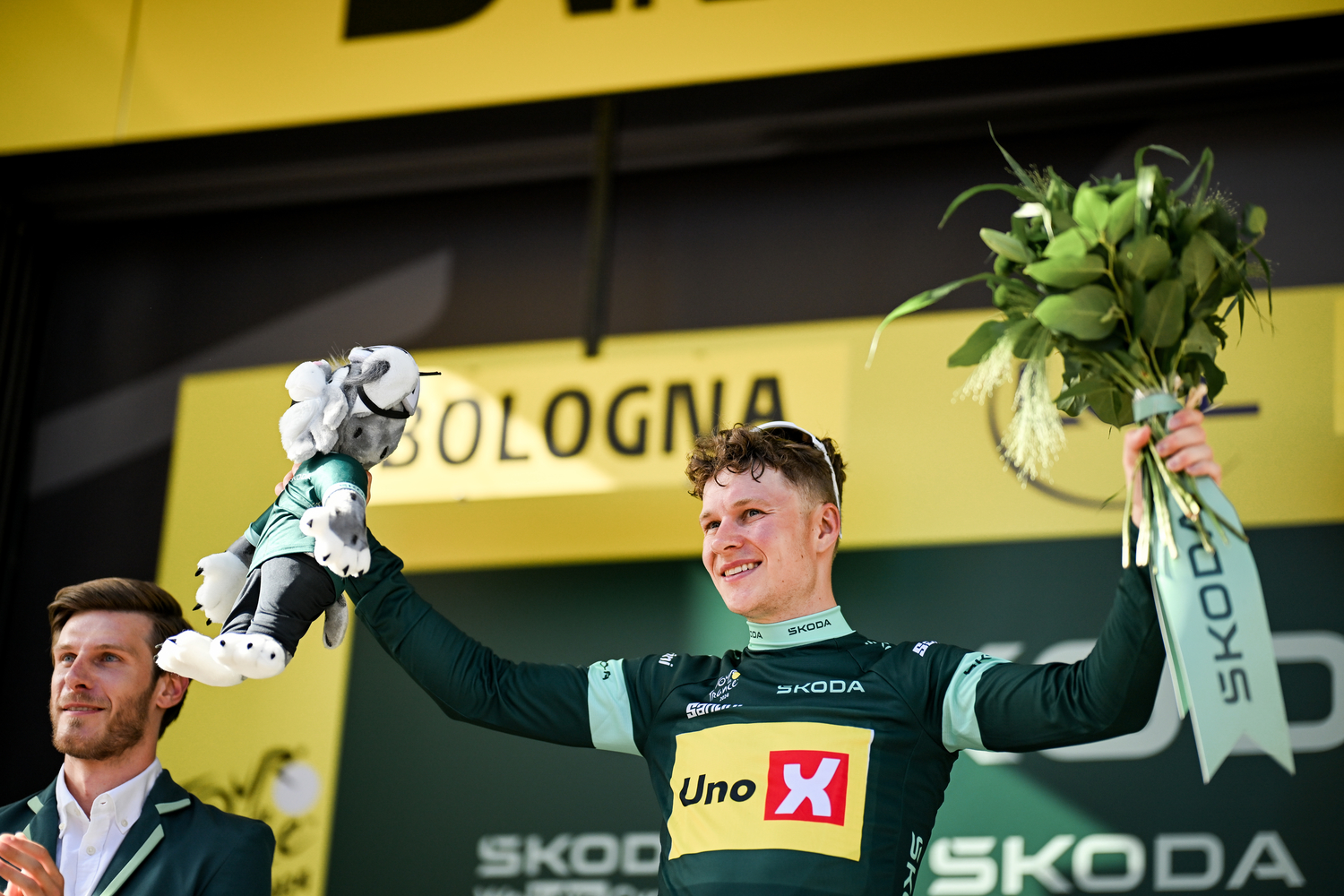
“It was a good day. I got more points for the Mountain jersey and also I’ve got this green jersey. I’ve also got second place on the stage so I’m really happy about that. I was not strong enough today to win so I’m very happy to get second place today. We will see how it all goes now after two very hard days. Maybe I did not have such good legs today after yesterday, so maybe now it will be a bit of an easier day tomorrow.”
Kevin Vauquelin (Arkea-B&B Hotels): “My Riding Quality Was There”
“This is crazy. I had two weeks of disappointment, in Switzerland and the French championships. I have to thank Cristian Rodriguez. He put in quite a few pulls to animate the breakaway, and then controlled everything for me. Very strong. A big thank you. I felt on the climb before, after increasing the tempo that I could even accelerate more myself, even if it was still too far away, so I decided to wait. Afterwards I followed the move of Oliveira and Abrahamsen, knowing that on the climb I was better than them and I was. I was able to get away and it was perfect. I was asking about the gaps all the time. I started to appreciate the victory very late. I knew they could ride very hard behind, so I was wary. Fortunately my riding quality was there and I was able to finish the job. It was very cool.”
Tadej Pogačar (UAE Team Emirates): “I’m Not Surprised by Jonas’ Level”
“A good day? Well, so-so. Today, when the break went, we knew they had a good chance of making it to the finish. In the final circuit I felt super good and the pace was super high already the first time up San Luca because of how the Visma team pulled. Then, the second time, we decided to try so I could test myself a bit. Jonas Vingegaard was really quickly on my wheel. I’m not surprised by his level. We cooperated well together, but Remco and Richard did it too and came back to our wheel at the very end. The whole circuit in Bologna was super crowded, and the climb was insane! Really unbelievable. It’s the cycling we should all love. Am I going to keep the yellow jersey for long? Well, I prefer to take it day by day and stick to the original plan…”
TOUR DE FRANCE 2024 | STAGE 2 | CESENATICO > BOLOGNE | DAILY STATS
1-2: VAUQUELIN MAKES HISTORY WITH BARDET
Frenchmen are on a historic roll! On the day after Romain Bardet’s flight to the Maillot Jaune, Kévin Vauquelin powered to the solo victory in Bologne for a second French victory in a row. The last time France won two consecutive stages dates back to 2019, with Julian Alaphilippe (Pau, stage 13) and Thibaut Pinot (Tourmalet, stage 14). Considering the opening stages of the Tour de France… Bardet and Vauquelin follow the tracks of André Darrigade and Jacques Anquetil in 1961! In 1968, Charly Grossest won the prologue and stage 1.
718: POGACAR IS BACK ON TOP
Tadej Pogačar with the Maillot Jaune is not an unusual sight… But it’s a first since he lost it to Jonas Vingegaard on 13 July 2022, 718 days ago! On that day, the Dane rose to power on the slopes up Col du Granon. Since then, Vingegaard has won two Tours (like Pogačar) and amassed 27 yellow jerseys. Pogačar is now up to 22.
23: VAUQUELIN REVIVES PINOT’S MEMORY
At 23 years, 2 months and 4 days old, Kévin Vauquelin is the youngest French stage winner in the Tour since Thibaut Pinot won in Porrentruy 12 years ago (2012) at 22 years 1 month and 9 days. Pinot went on to become one of France’s most beloved sportsmen… Let’s see how far Vauquelin can climb.
5’05: SAN LUCA – VINGEGAARD IN FLYING FORM
The second ascent up San Luca showed Jonas Vingegaard came to the Tour de France with strong legs, as he was the only one able to follow Tadej Pogačar’s attack. As he started the climb further behind, he even set the best time on the ascent, much faster than the Strava KOM set by Simon Yates and Michael Woods in the Giro dell’Emilia 2023.
23: A HISTORIC HAUL FOR ABRAHAMSEN
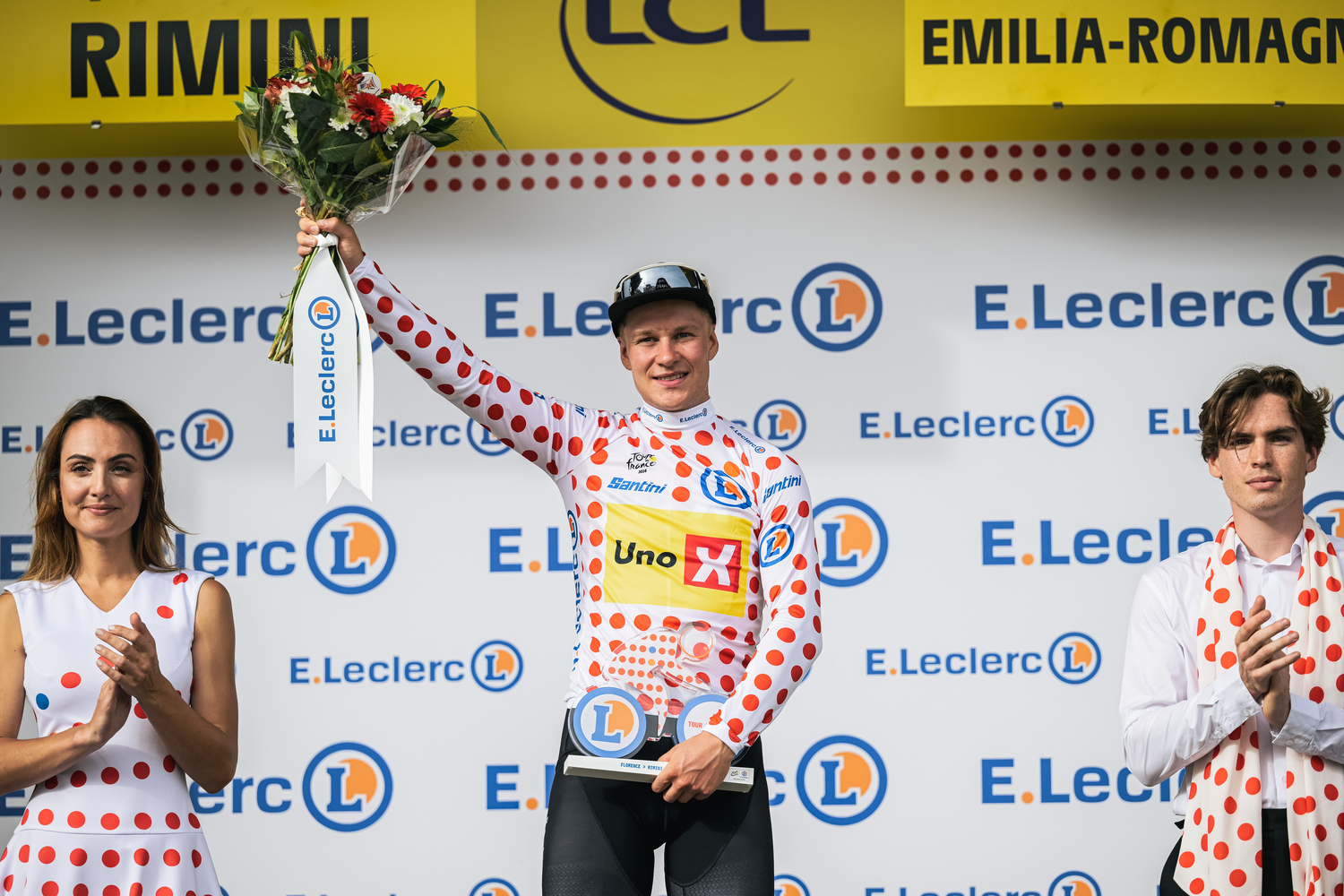
Racing at the front for two days in a row, Jonas Abrahamsen (Norway’s first leader of the KOM standings) has tightened his grip on the polka-dot jersey with a tally of 23 points.
No rider had amassed so many points in the first two stages of the Tour de France since the current scale was introduced in 2017. In 2020, with a difficult start around Nice, Benoît Cosnefroy had 18 points.
In 2002, Stéphane Bergès had 26 points after stage 2… But at the time, a cat-3 climb gave 10 points to the first rider at the summit (vs 2 points nowadays).
5,450: RELENTLESS CLIMBING
After 2 days of racing, the riders have already overcome 5,450 metres of elevation. As a means of comparison, Mont Blanc is 4,809 metres high. The peloton has surpassed that level of elevation at km 151 of stage 2.
Considering the 13 categorised ascents so far, Tadej Pogačar is climbing at 21.8km/h on average so far.
14: POGACAR, FROM THE MAGLIA ROSA TO THE MAILLOT JAUNE
Chasing the first Giro – Tour double in the overall standings since 1998, Tadej Pogačar has now led both Grand Tours this year. He is the first rider to wear both the Maglia Rosa and the Maillot Jaune the same year since Cadel Evans did it in 2010. The Australian wore each jersey for only one day and won neither the Giro (5th) nor the Tour (26th).
So far in 2024, Pogačar has 20 Maglia Rosa and 1 Maillot Jaune. Both in the Giro and in the Tour, he took the lead on day 2. And he kept it all the way to the finish in Italy…
110-120: THE KEY SECTION FOR THE BREAK
As the peloton sped up over the first summits of the day, a tight battle was shaping between a strong breakaway and a fierce bunch. But just ahead of the intermediate sprint in Dozza (km 108.1), riders including Wout van Aert crashed at a speed of 56 km/h.
The bunch went on to cover the range from km 110 to km 120 at an average of 40.4 km/h while the attackers pushed at 47.1km/h on the same section to bring their gap up to 9 minutes with less than 80 kilometres to go. The bunch then gave up on the chase.
191: ARKÉA-B&B HOTELS FIND THEIR OPENING
Ten years after their first participation in the Tour de France (as Bretagne-Séché Environnement), on their 191st stage, Arkéa-B&B Hotels claimed their first stage win! Their first top-3 result came in 2016, when Daniel McLay came 3rd in Montauban (stage 6). In 2021, Nacer Bouhanni was 2nd in Fougères (stage 4).
1992: THE NORMAN DROUGHT IS OVER
Hailing from the department of Calvados, just like Thierry Gouvenou (the race director of the Tour de France), Kévin Vauquelin is the first stage winner from Normandy since Thierry Marie (also from Calvados) won stage 18 of the Tour 1992 in Tours.
Newly released, high-quality bike racks from 1UP support a great cause!
LONGMONT, Colorado (June 27, 2024) — Can’d Aid, the national nonprofit that rallies volunteers to become catalysts for change in their own communities, is partnering with Wisconsin-based 1UP USA to rack up the good vibes this summer. Between June 27 – August 15, a portion of proceeds from every product sold will benefit Can’d Aid’s Treads + Trails program. The two companies share a mission of getting kids outside, on two wheels and living healthy, active lives.
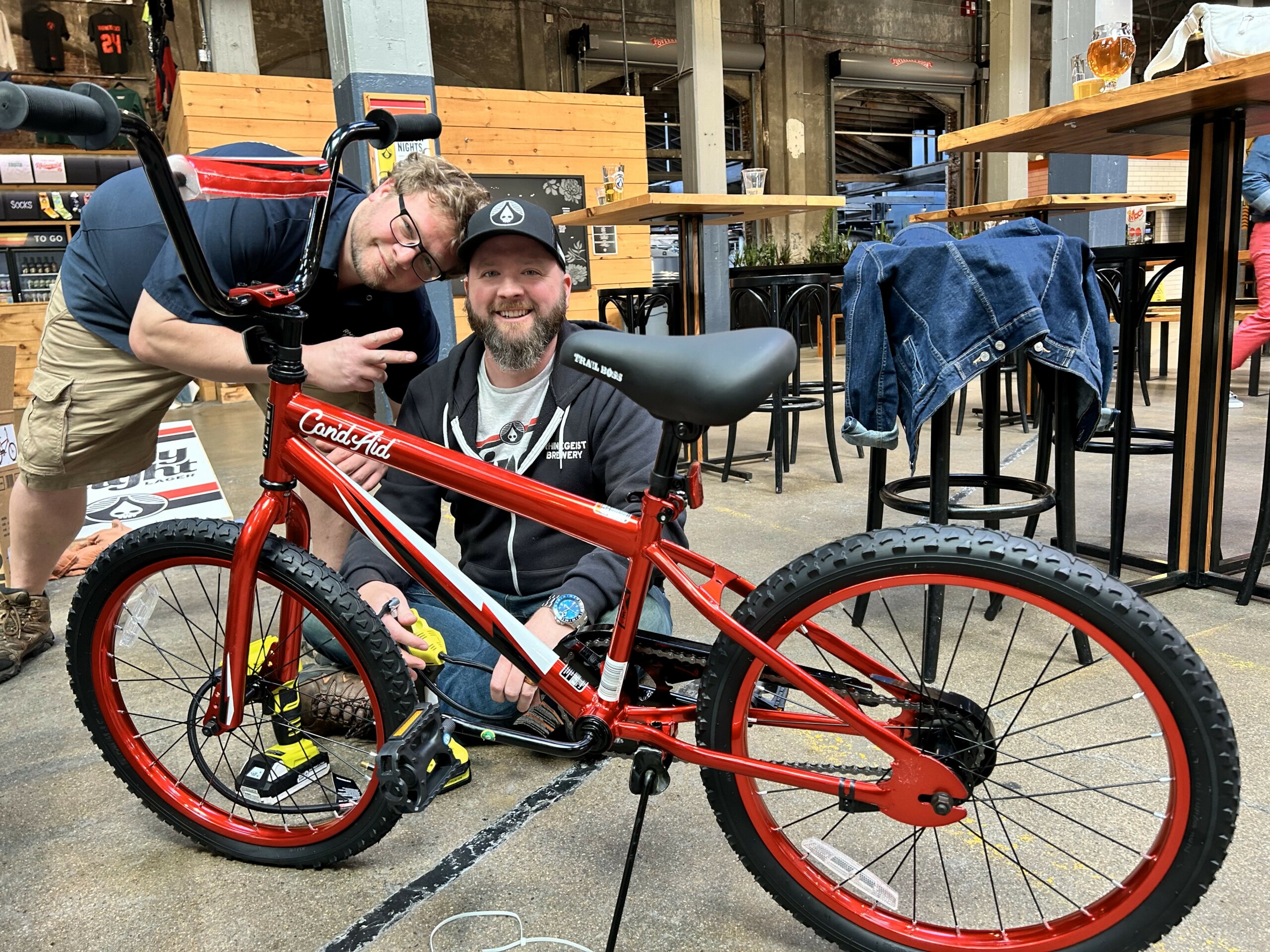
Volunteers assembling one of Can’d AId’s cherry-red bicycles. Photo courtesy 1UP.
Through the Treads + Trails program, Can’d Aid has facilitated the donation of over 11,000 bikes. Local volunteers in each community are empowered to participate in bike building events, where they are tasked with assembling Can’d Aid’s signature cherry red bikes. Completed bikes are then donated to children in high-need schools—often the very first bikes some kids will ever receive.
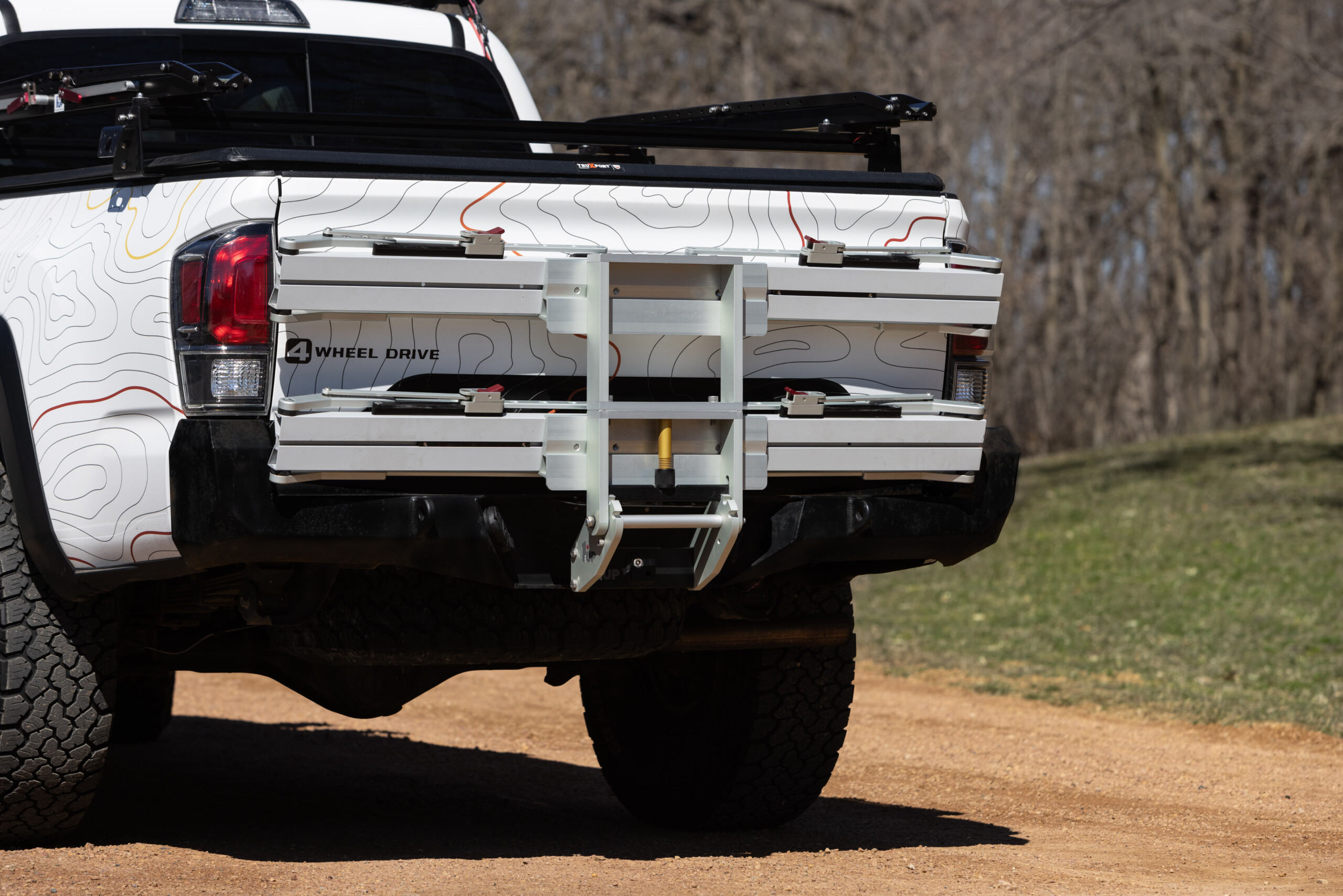
Photo courtesy 1UP.
1UP USA combines superior materials and craftsmanship with one goal in mind: to make transporting your bike and gear easy. From the simple, affordable Quik Rack, to the super durable, all new Super Duty Rack and the fully accessorized Equip’D Rack, there’s a rack for whatever you ride. Looking to hit the road with a new bike rack this summer? Make your purchase from 1UP USA between June 27 – August 15, and a portion of the proceeds will support a great cause.
“By providing bikes to kids, we get them off screens, outdoors and having fun in a healthy way,” said Can’d Aid Founder and Executive Director Diana Hicks. “So, if you’re considering getting a new bike rack for your summer adventures, now is the perfect time to make that purchase. Travel with security and ease, while making a life-changing difference for kids.”
Support children around the country with the purchase of any 1UP product and stay tuned for other ways to participate. Learn more about Can’d Aid and how to get involved at candaid.org.
By Charles Pekow — If you get in a bike crash – or even witness one or lose a loved one via one – would it change your riding behavior? The Institute of Transportation Studies at the University of California said the question hasn’t been studied much, so it interviewed eight experts from different fields (medicine, advocacy, etc.) and got different perspectives.
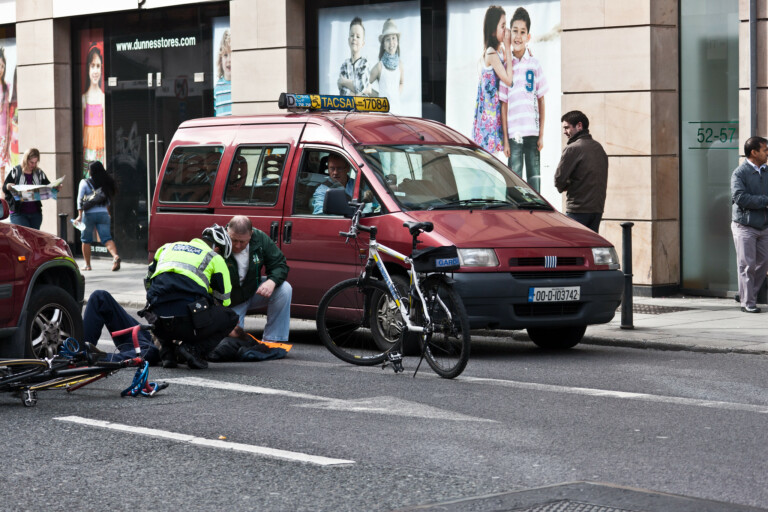
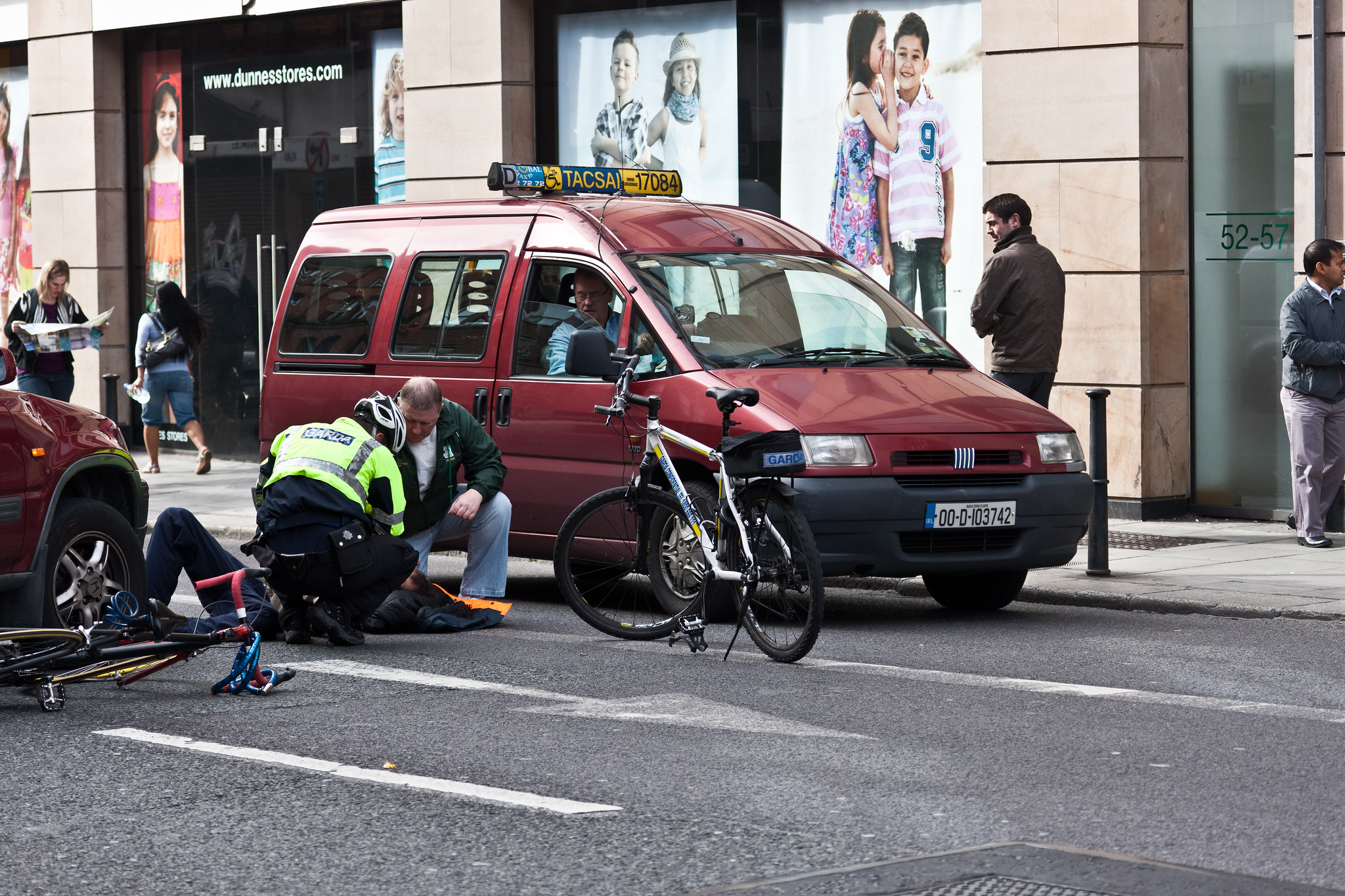
A bike rider being treated after a collision with a car. Photo by William Murphy, CC BY-SA 2.0 ATTRIBUTION-SHAREALIKE 2.0 GENERIC CC BY-SA 2.0 Deed
A collision or those caregiving for collision victims could led to changing modes of transportation, taking a new route, or riding on the sidewalk instead of the street. But the results indicated that few people gave up cycling permanently though some did for a while. The main reason for giving up cycling completely seemed to be the need to recover from injuries rather than newfound fear. Near misses didn’t seem to scare bikers from continuing.
The project declined to interview victims or witnesses because the researchers felt that the state of the art of questioning them about such incidents isn’t reliable enough.
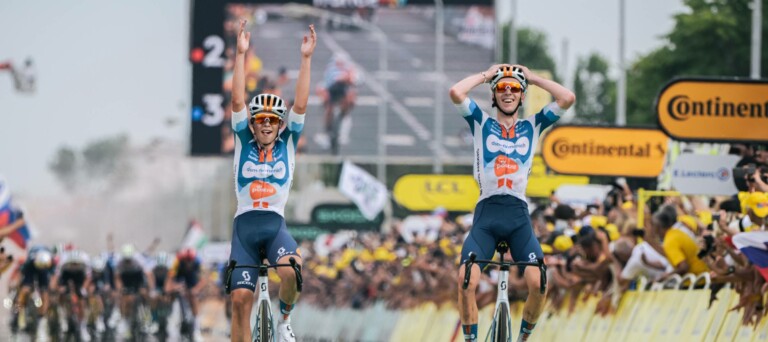
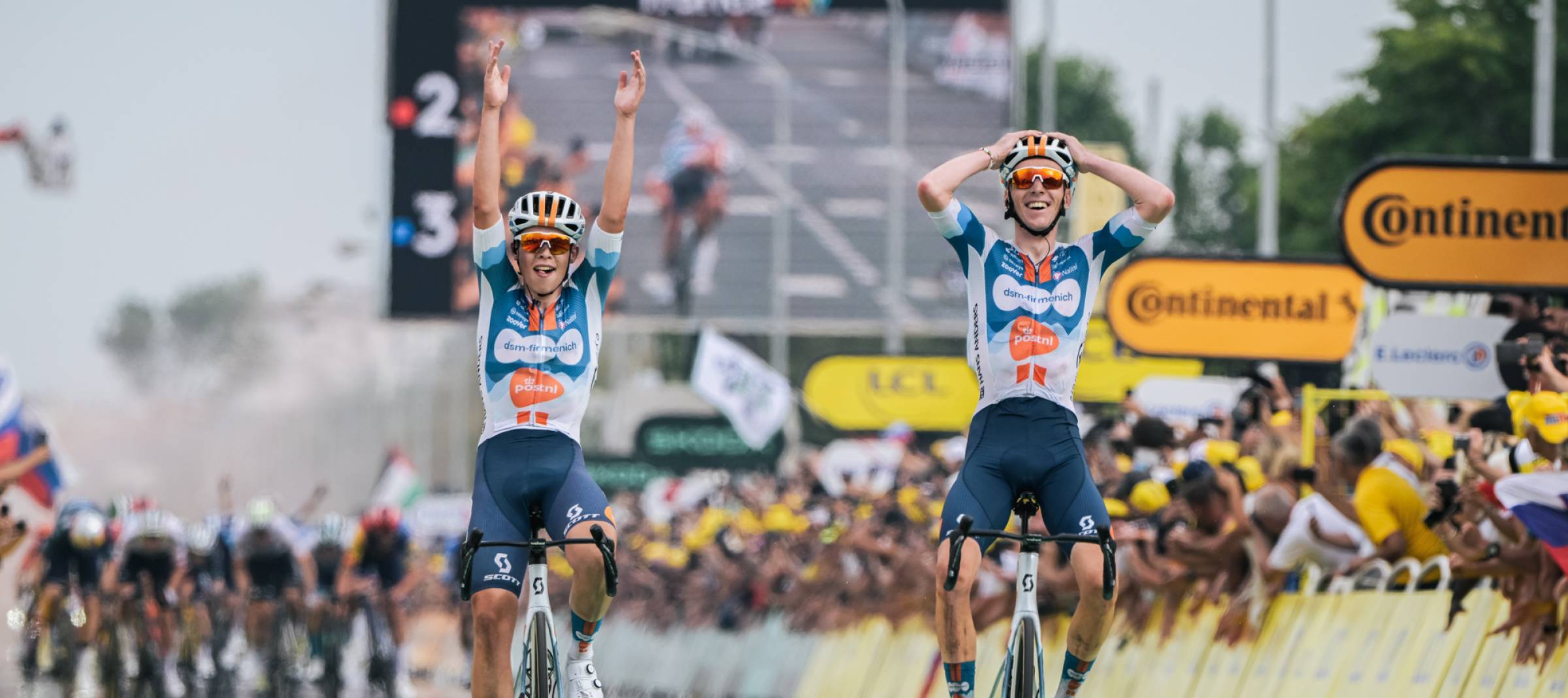
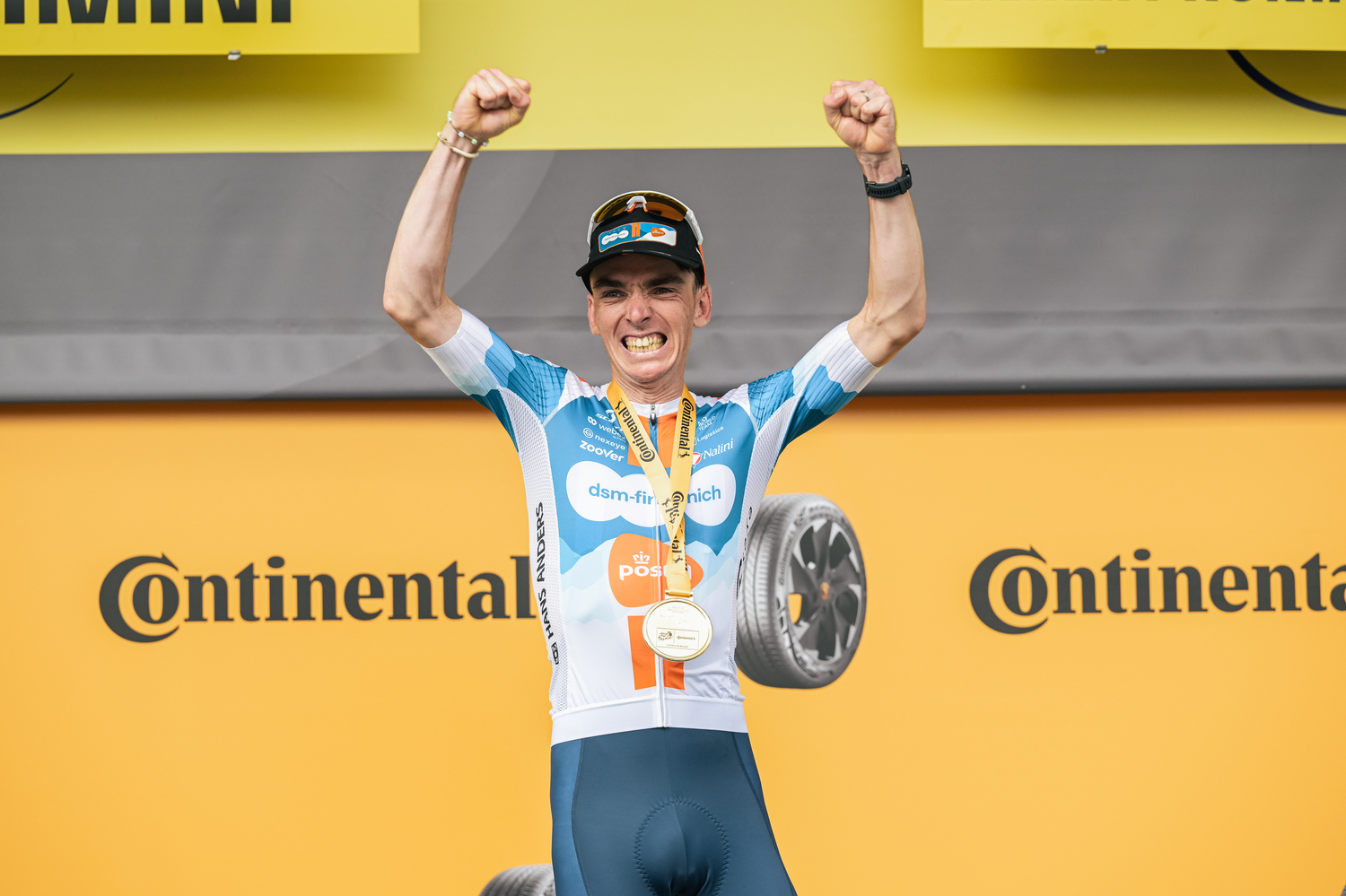
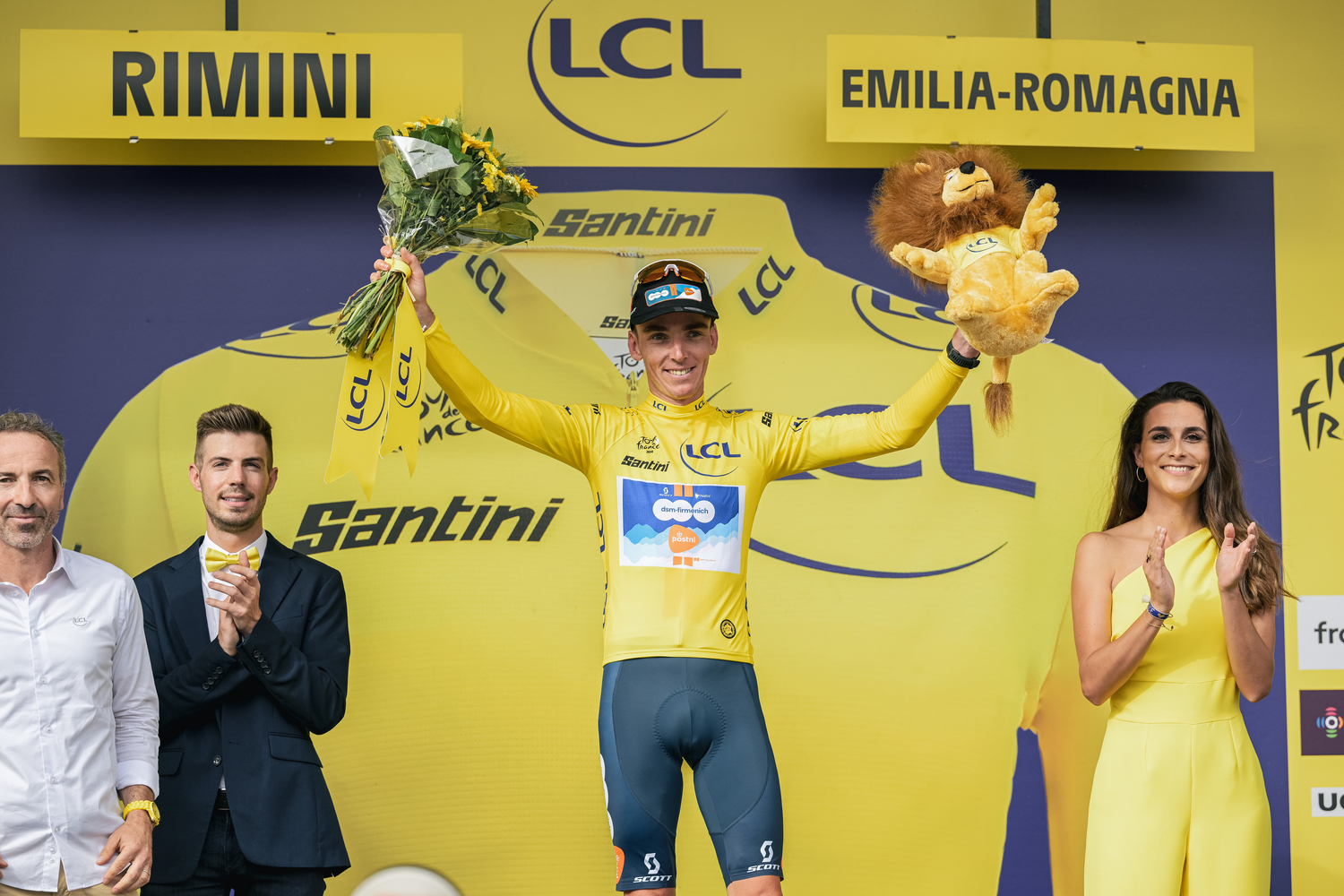
RIMINI, Italy (June 29, 2024) — On a historic day in Italy it was Romain Bardet who grabbed the Stage 1 victory on the Rimini seafront, securing the Yellow Jersey with a fine performance for Team dsm-firmenich PostNL. The Frenchman was followed across the finish line by his teammate Frank Van den Broek who had collaborated brilliantly with him to set up the win, whilst Wout van Aert (Visma-Lease a Bike) was third, leading the peloton to the finish 5” behind the front two. It is Bardet’s fourth stage victory in the Grande Boucle and the first Yellow Jersey of a sporting career that will end, as he has announced, after the Giro d’Italia 2025. Bardet and dsm-firmenich will enjoy being leaders of the Tour in the second stage this Sunday, which will consist of 199.2 km between Cesenatico and Bologna.
The 176 riders on the start list were all present for the first ever Italian Grand Départ with the peloton pedalling along the beautiful streets of Florence, stopping briefly at the Palazzo Vecchio and crossing the iconic Ponte Vecchio on the neutralised route through the Tuscan capital. Once the racing began on this 111th edition of the Tour de France there were numerous early attackers, with the riders sensing that the characteristics of the opening stage could give any breakaway that formed a realistic chance of success on the 206 kms to Rimini.
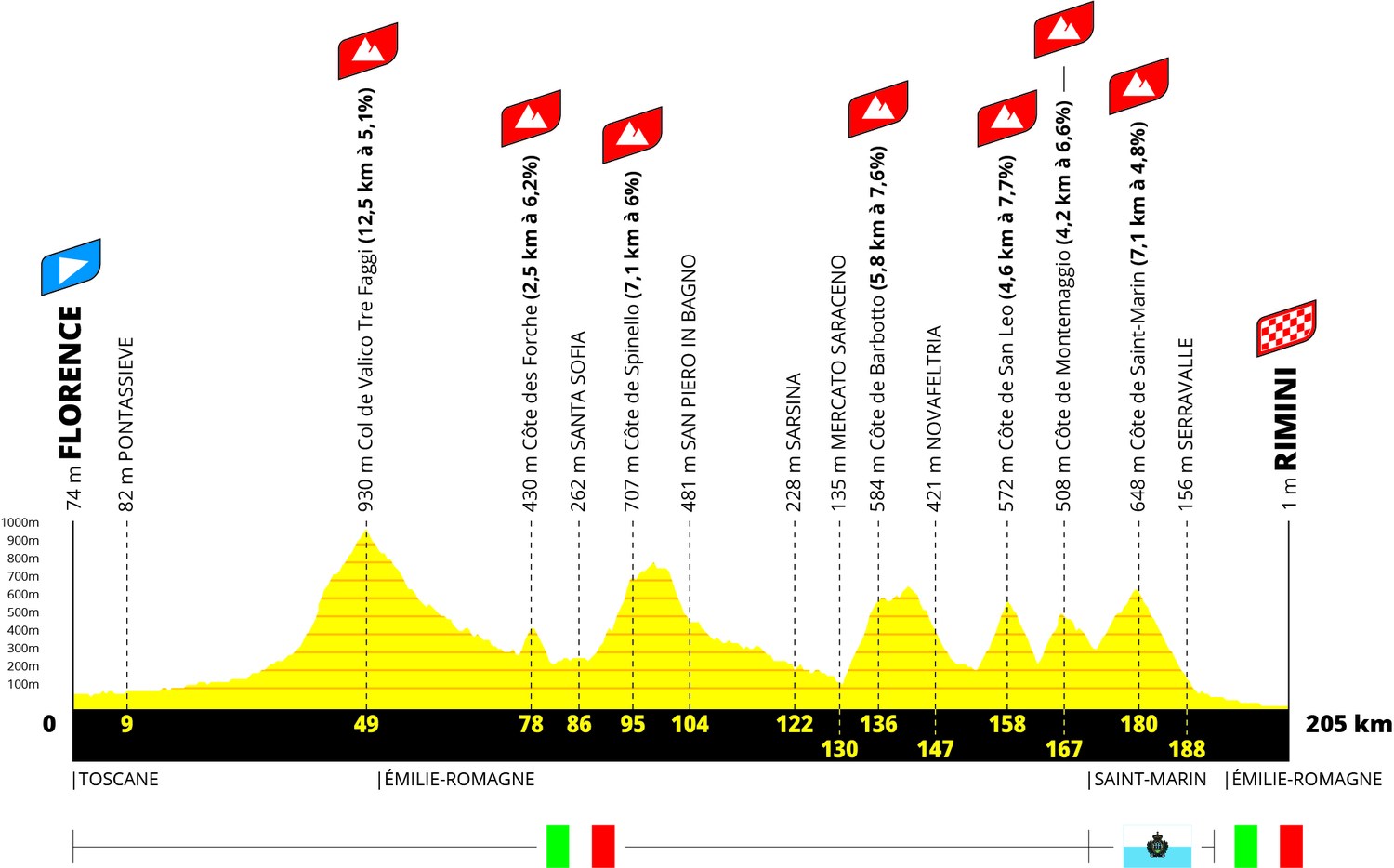
Profil de l’étape 1 du Tour de France 2024 – Florence > Rimini
A breakaway forms
Eventually Matej Mohoric (Bahrain Victorious), Valentin Madouas (Groupama-FDJ), Ion Izagirre (Cofidis), Clément Champoussin (Arkéa-B&B Hotels), Frank Van den Broek (Team dsm-firmenich PostNL), Sandy Dujardin and Matteo Vercher (TotalEnergies) managed to establish a breakaway km 17. Initially absent from the breakaway, Uno-X tried again and again to mount a counterattack until Jonas Abrahamsen managed to make the move across with Ryan Gibbons (Lidl-Trek). That duo joined the head of the race at km 41, in the middle of the ascent of the Col de Valico Tre Faggi (Cat 2, km 49.7). On that climb Vercher would drop and the breakaway would achieve its maximum lead (6’00”, km 46) before EF Education-EasyPost took the reins of the peloton. Izagirre was first at the top of the first climb, with the eight escapees by then having a 5’10” lead over the main group, from which sprinters such as Mark Cavendish (Astana Qazaqstan), Fabio Jakobsen (Team dsm-firmenich PostNL) and Fernando Gaviria (Movistar Team) had lost contact.
Abrahamsen was the first man to reach the summit of the Côte des Forche (Cat 3, km 77.8), at the top of which the breakaway’s lead had been reduced to 3’40” due to the momentum of EF Education-EasyPost. Dujardin won the Santa Sofia intermediate sprint (IS, km 86.6) before losing ground on the Côte de Carnaio (Cat 3, km 98.3) just as Champoussin would also do. Izagirre led the front group, reduced to six riders as they topped the climb, with the breakaway by then increasing their advantage to 4’15” over the peloton. The main group now without EF at the front, was gradually losing riders due to the heat, pace and difficulty of the stage.
Romain Bardet, on the attack
UAE Team Emirates took control of the bunch on the Côte de Barbotto (Cat 2, km 135.6), and their work had an impact. On the one hand, they reduced the gap to 2’45” with respect to the breakaway, who crossed the summit led by Abrahamsen (who would thus become leader of the Mountain classification) and lost Izagirre on the climb. On the other hand, favourites for the stage victory such as Mads Pedersen (Lidl-Trek) and Mathieu Van der Poel (Alpecin-Deceuninck) were struggling, as well as riders targeting the general classification such as Santiago Buitrago (Bahrain Victorious) and David Gaudu (Groupama-FDJ). Both Pedersen and Buitrago managed to return to the group of favourites, now reduced to fifty riders, before the Côte de San Leo (Cat 2, km 157.3), on the slopes of which Visma-Lease a Bike took the reins and Romain Bardet (Team dsm-firmenich PostNL) attacked. Supported by his teammate Van den Broek, who temporarily dropped out of the breakaway to help him, Bardet topped the climb 15” behind Madouas and Abrahamsen, who had dropped Mohoric and Gibbons. The dsm-firmenich duo would be left alone in the lead at the top of the Côte de Montemaggio (Cat 3, km 167.1), where they had 1’45” over the peloton and 55” over Ben Healy (EF Education-EasyPost), who had counterattacked.
An incredible finale
The accelerations of Ineos Grenadiers, Lidl-Trek and EF Education-EasyPost (who had reeled Healy back to help) on the Côte de San Marino (Cat 3, km 179.7) barely reduced the advantage of the dsm-firmenich duo to 1’35” at the top of the seventh and last categorised climb of the day. The chase was on, with Van den Broek and Bardet grinding hard over the mainly flat final 25 km. At 5 km from the finish in Rimini the leading duo maintained a 30” advantage, despite the efforts of the teams behind them. Together they managed to win the fight to keep the chasing group at bay and achieve a remarkable victory.
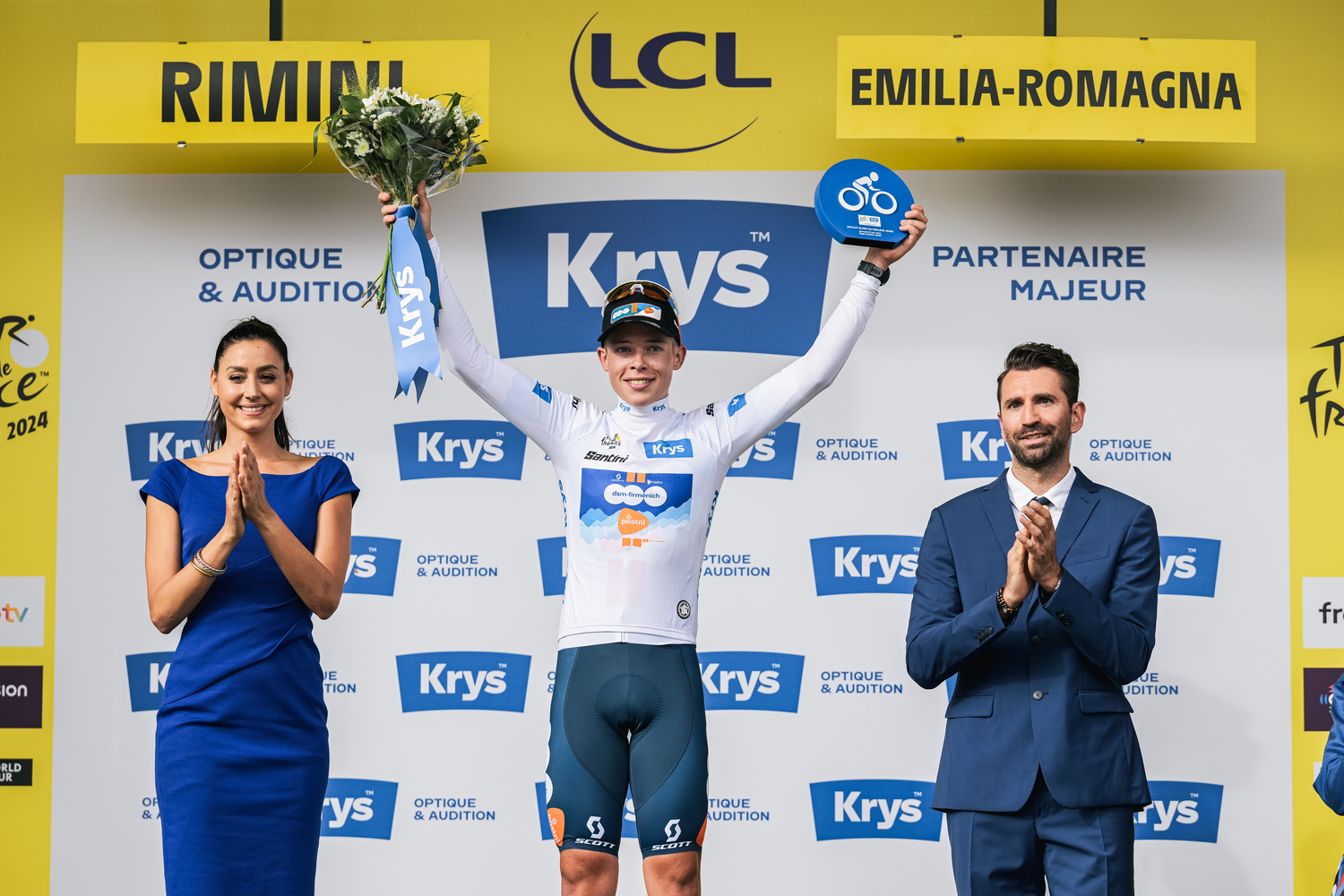
Pogačar’ Celebrates Krys White Jersey Record!
While Frank Van Den Broek has the white jersey on his shoulders tonight after the first stage, the Tour de France and Krys, partner of the white jersey for 11 years, celebrated Tadej Pogačar’s record at the team presentation on Thursday. To mark the occasion, Krys presented a collector’s jersey to the Slovenian champion and his 75 podium finishes in white, including 72 in a row! Take a look back at Pogačar’s most beautiful images in white.
Jonas Abrahamsen (Uno-X): “I Feel Stronger Every Year”
“The plan this morning was to go in the breakaway, preferably with Odd Christian Eiking. After many attempts, he couldn’t be there and I attempted to make up for it. It was very hard to bridge back to the front, and it made me very tired. Luckily I started to feel better shortly after and it later went pretty well for me. It’s crazy. Two years ago I was a 58 or 60 kg climber, and now I am around 80kg and I climb better now than when I was lighter. It’s a transformation I undertook two years ago, when I first joined Uno-X, with help and guidance from the team staff, and I’m very happy with the result as I feel stronger every year. I’ve gained some power, and that has been key today to sprint for the KOM points. It’s a hard stage tomorrow, but maybe I can go in the breakaway to get some points and hold on to this polka dot jersey so we can have it for a few more days. I’m very happy I can wear a Tour de France jersey.”
Frank Van den Broek (Team DSM-Firmenich PostNL): “It’s So Crazy We Made It!”
“In the neutral I was just flabbergasted, but then when the race started it felt just like any other race. I found myself in the breakaway and then you’re only thinking about what’s best and how to go further. It’s only after the finish that you realise what you’ve done. At first I was already feeling my legs and I said to Romain I’ll pace you up this climb. Even with my pace I was a bit surprised. Then he helped me get over the last climb and then the race to the finish was really hard, it really burned. It’s so crazy we made it! I must admit when I lost the first few KOM sprints I was a bit annoyed with myself, but I thought I could keep going and go for the most aggressive prize. We weren’t going in the breakaway for that reason, but I was surprised when Romain made the jump and then we had a totally different plan and it all worked out.”
Romain Bardet: “I Rode as If It Wasn’t the Tour de France”
“In cycling there are still unexpected moments, it’s sublime. I came to this Tour de France with a different state of mind. I went on instinct when I attacked. I saw a lot of riders suffering and I knew I could count on Frank who was in front. I had the intuition that it was time to take the jump. At worst I would lose 20 minutes if it didn’t work, but I’m no longer here to fight for GC. Over the last kilometres it was crazy, there was a headwind, we were going 48 miles an hour… I would never have allowed myself to dream of such a scenario. But I knew Frank is an excellent rider, no other combination could have worked as well. And he deserves this victory as much as I do. The Yellow Jersey was one of my career dreams to wear it for at least one day. I had missed it a bit, but finally it has happened as I took things differently. I can finally show the real me. I rode as if it wasn’t the Tour de France.”
TOUR DE FRANCE 2024 | STAGE 1 | FLORENCE > RIMINI | DAILY STATS
1932 : A HISTORIC 1-2
The last time two riders from the same team went 1st and 2nd in a Tour de France stage dates back to 2022, when Wout van Aert won the time-trial in Rocamadour ahead of Jonas Vingegaard. Excluding ITTs, Mark Cavendish sprinted to victory ahead of Michael Morkov in Carcassonne, in 2021. But if we consider two riders from the same team distancing the rest of the field in the opening stage… Team dsm-firmenich PostNL emulate Jean Aerts and Joseph Demuysere, at the helm of the Belgian team in 1932!
196 : BARDET, FINALLY IN YELLOW!
Participating in the Tour de France for the 11th and last time, Romain Bardet was yet to find an opening for the Maillot Jaune. The Frenchman has started 196 stages in the Tour… And he’s finished 20 of them in the GC top-3. Finally, at 33 years and 232 days, he takes yellow.
3 : BARDET, LIKE ALAPHILIPPE
A Frenchman in yellow after the first stage – Romain Bardet replicates Julian Alaphilippe’s feat from three years ago, when he powered to victory in Landerneau. Alaphilippe lost the jersey to Mathieu van der Poel on day 2. How far will Bardet go?
800 : BARDET’S DROUGHT IS OVER
Today should have marked Romain Bardet’s 800th day without a victory… But the Frenchman found an Italian opening, in the same country where he had claimed his last win to date, the overall standings of the Tour of the Alps 2022. This is his 4th stage win in the Tour, 6 years, 11 months and 16 days after the last one, in Peyragudes (stage 12 of the Tour 2017).
79.8 : A SPEEDY RUN TO VICTORY
With a gap of 1’40’’ atop the final climb of the day (Côte de San Marino, 26.3km to go), Romain Bardet and Frank van den Broek still had a long way to resist the chasers. According to the NTT Data trackers, they hit a maximum speed of 79.8 km/h on the downhill and maintained an average of 53.0 km/h in the final 30 kilometres! Barely enough to maintain a gap of 5’’ on the line…
1 : A NEW LEADER FOR THE YOUTH
Participating in his first Tour de France at 23 years old, Frank van den Broek already leaves a mark as the leader of the best young rider standings. The last rider not named Tadej Pogačar who stepped on the podium to receive the Maillot Blanc Krys was Egan Bernal, on 12 September 2020. Since then, the Slovenian star had accumulated 72 white jerseys in a row (for a total collection of 75 jerseys). But he’s now too old to be part of the best young rider competition… A new era begins!
10 : SEE YOU IN A DECADE?
Romain Bardet’s first podium position in the overall standings dates back to 2014 (after stage 13). As for the last time Team DSM-Firmenich PostNL claimed the Maillot Jaune, it was thanks to Marcel Kittel, in 2014 as well. At the time, the team was named Giant-Shimano. And they already succeeded in stage 1, in Harrogate.
3 : ABRAHAMSEN, NORWAY’S PRIDE
With 13 points, Jonas Abrahamsen is the first Norwegian rider to lead the KOM standings in the history of the Tour. According to the NTT Data trackers, he averaged 23.0 km/h across the 7 categorised climbs of the day. He already went first at Col de Morga last year in stage 1 of the Tour 2023. Abrahamsen is the third Norwegian to lead a standing in the Tour de France after Thor Hushovd and Alexander Kristoff,
99.5 : AN UNFORTUNATE FIRST
Participating in the Tour for the first time in his career, Michele Gazzoli (Astana Qazaqstan) was forced to step off his bike just before the 100-km mark. An early straggler alongside his leader Mark Cavendish, the young Italian (25 years old) is the first debutant to withdraw from the race on the first day of action since Hervé Duclos-Lassalle in 2008. The Frenchman rode a similar distance before crashing out of the race with a broken wrist.
2020-2024 : RIMINI, A FRENCH PROVINCE?
The last two winners in Rimini are French, as Romain Bardet succeeds Arnaud Démare, who sprinted to victory on the seaside during the Giro 2020. 60 years earlier, Louison Bobet won stage 5 of Roma-Napoli-Roma in Rimini.
Markleeville’s Iconic Death Ride – Tour of the California Alps is slated for July 13th
MARKLEEVILLE, California (June 28, 2024) — The 43rd riding of the Death Ride – Tour of the California Alps in Markleeville, California is coming up soon this July. The 103-mile road cycling tour includes more than 14,000 feet of climbing on Sierra Nevada roads, traversing both sides of Monitor Pass, Ebbett’s Pass, and Pacific Grade. Nearly 90% of the course is closed to vehicles, and the ride is fully supported with aid stations, a lunch stop, SAG vehicles and medical support. The traditional vendor-filled cycling expo, held at Turtle Rock Park, includes the usual suspects: bike shop merchants, some from the Tahoe and Douglas Co. area. In a unique twist, there will also be local artists and Native American foodstuffs. Perennial supporter Sierra Nevada Brewing will provide the suds to wash down all that good food.
Scenes from California’s Death Ride. Courtesy Death Ride
Five-time Death Rider Steven Pollock says: “This is my favorite ride of the year by far! Very challenging, sometimes compounded by searing heat; there’s a real sense of accomplishment when you finish all six climbs. We all love that the roads are closed to cars so we can descend quickly without that worry.”
Scenes from California’s Death Ride. Courtesy Death Ride
“Turtle Rock Park is the site for all the action, registration, start/finish line and EXPO. This year, the Expo is planning a party like environment to celebrate the finished rider with live band and local food for riders and the public. The Expo will also feature bike vendors, demonstrations, raffles and massage booth. Sierra Nevada Brewing Co., Platinum Sponsor, will be returning for the fourth decade providing the proper Sierra suds for after the ride, funds and charitable donations will go to Alpine County non- profits,” says Alpine County Chamber of Commerce Executive Director, Meghan Wolff.
Cyclists have from sunrise to sunset to complete the entire course.
Event info:
July 13, 2024 — Death Ride – Tour of the California Alps, Markleeville, CA, Challenge yourself to the premier cycling event in California. With 103 miles, over 14,000′ of climbing, and up to six (6) HC climbs through the stunning Sierra Nevada mountains, this ride is sure to challenge and inspire you!, Melissa Edwards, 530-694-2475, [email protected], deathride.com
By Dave Campbell — It’s July, so it has to be the Tour de France!!!
[Editor’s note: actually, it’s still June!]
The Tour looks a little different this year! In addition to starting a week earlier than normal, and starting in Florence, Italy for the first time, the race finishes in a different location and with a time trial! Since 1975, the Tour has finished on the Champs Elysees in Paris but due to the Paris Olympics, this year’s race will finish on the Cote d’Azur in Nice, like the Paris-Nice stage race. For the first time since 1989, the race also finishes with a time trial. The 33.7 km test goes over two climbs: La Turbie and the Col d’Eze with a technical descent down to the waterfront. Defending champion Jonas Vingegaard will be back to defend his title after a horrible spring crash, as will Giro champion Tadej Pogačar and Time Trial World Champion Remco Evenepoel!
The Women’s Tour, perhaps with a nod to the most dominant nation in Women’s cycling, begins August 12th in Rotterdam, Holland! After three full days in the Netherlands, Stage four goes from Valkenburg into Liege, Belgium before Stage five leaves Bastogne, Belgium to finally cross into France. The race heads for a dramatic finish August 18th on Stage 8 atop Alpe d’Huez, “cycling’s cathedral” high in the French Alps. All the best women in the World are expected to compete with defending champion Demi Vollering the big favorite!
Q1. Slovenian Tadej Pogačar , fresh off a dominant win in the Giro d’Italia is aiming to win his third Tour de France title this July. Of course, those two previous two wins came in 2020/21 with Dane Jonas Vingegaard winning the two most recent editions. Who was the last multiple Men’s Tour winner to come back from a runner-up position and reclaim their throne?
Q2. This is to be the third edition of the Tour de France Femmes, after eight years of a one-day event called “La Course by Le Tour de France”. Although other French women’s stage races were held (Tour Cycliste Féminin and Grande Boucle Féminine Internationale). Prior to these events was the first true Women’s Tour de France (organized by ASO) and called simply the Women’s Tour de France. Considering only the two TRUE Women’s Tours de France, who was the last American woman to win a stage?
Q3. Who is the last American man to win a stage of the Tour de France?
Q4. In the most recent incarnation of the Women’s Tour, which rider has logged the most days in the yellow jersey?
Q5. Who has logged the most days in the yellow jersey in the Men’s Tour de France without ever winning the race? Hint: Not only has this rider never won the race, but he has never finished on the final podium or won the points, young rider, or mountains competition!!!
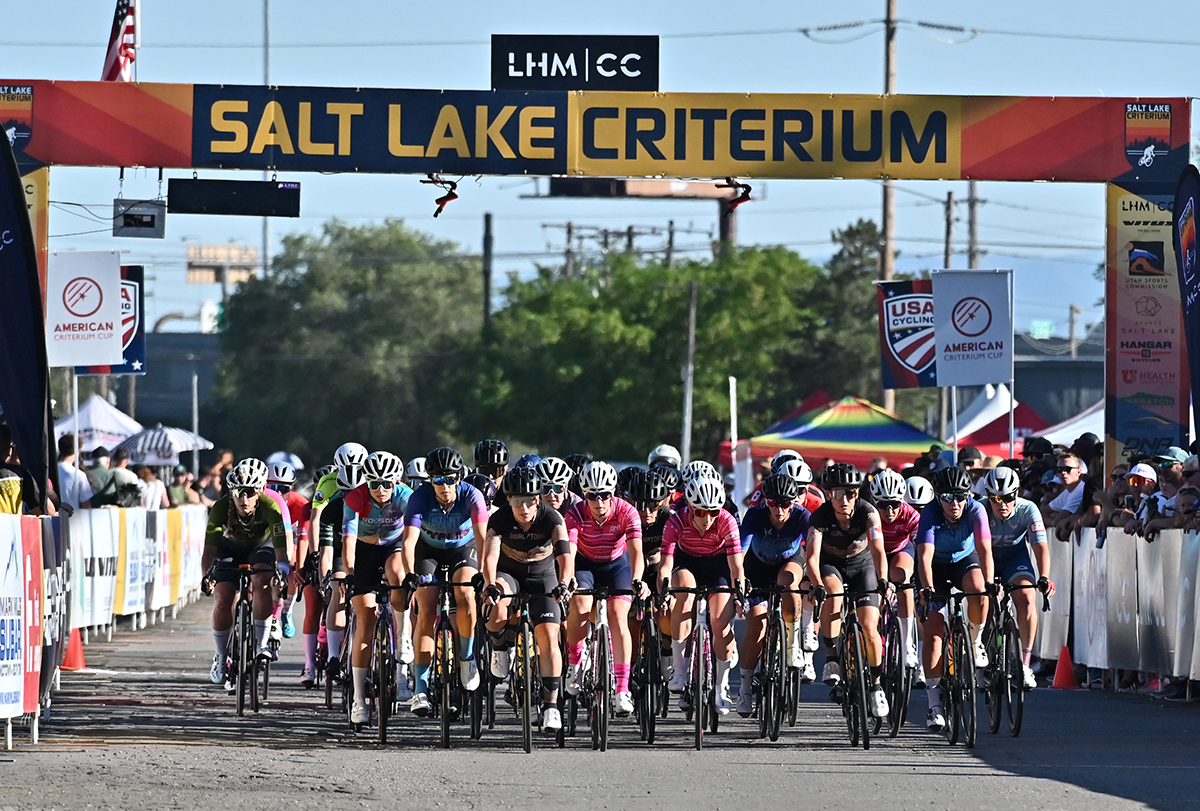
SALT LAKE CITY, Utah (June 28, 2024) — The Salt Lake Criterium, the #1 cycling race in Utah, is back for its 5th year, bringing an exhilarating two-day event on July 6 and 7, 2024. This year’s race is part of the prestigious American Crit Cup, the fourth of eight stops on the 2024 National Criterium Series Calendar. Join us for two days of fun, fast, adrenaline-filled racing with Utah’s finest views and the nation’s best athletes. Watch as professional cyclists compete for crucial series points and a shareof the over $22,000 prize purse.
Action at the 2023 Salt Lake Criterium. Photo by Brian Hodes/Veloimages
Day 1 in Provo kicks off at 200 W Center St in Downtown Provo. The day starts with enthusiastic amateur races on a fast, 3/4 mile flat, 6-corner, counter-clockwise course, leading up to the highly anticipated professional competitions in the evening. Picture a lively festival atmosphere with local food trucks, families and friends gathering to cheer on thecyclists, and the streets buzzing with excitement.
Day 2 moves the excitement to America First Field, where the racecourse features long straightaways and sweeping bends, including 59 ft. of climbing per lap. Spectators can expect a day filled with diverse racing categories, from juniors to masters, all building up to the climactic pro men and women’s races. As you watch the races unfold, enjoy a variety of concessions, including food and beer. For those looking for a premium experience, the special ticketed VIP area offers an exceptional viewing spot provided by Real Salt Lake.
What is Crit Racing?
Criterium racing is a unique and exhilarating form of cycling, emphasizing high-speed races in a vibrant urban setting. Known for being the most spectator-friendly type of bike racing in America, criteriums combine top-tier athletic competition with the energy of street festivals and community gatherings. These events not only showcase the highest levels of cycling but also highlight the charm and vibrancy of local downtown areas.
Eric Gardiner, the director and founder of the race, shared his enthusiasm: “We’re thrilled to bring top-level criterium racing back to Utah. With our new courses, we aim to challenge teams’ abilities and create diverse racing experiences each day. Expect even more excitement with significantly more primes this year.”
Event Info:
July 6-7 — Salt Lake Criterium, American Criterium Cup, Provo, UT, Professional and amateur categories, expo and more! Benefits the Utah Food Bank. Saturday: Downtown Provo; Sunday America First Field Sandy, Utah, Eric Gardiner, 801-660-9173, [email protected], saltlakecriterium.com
Seliga brings a wealth of industry experience, leadership skills, and business acumen as the SCOTT Sports brand looks to focus on growth and customer service
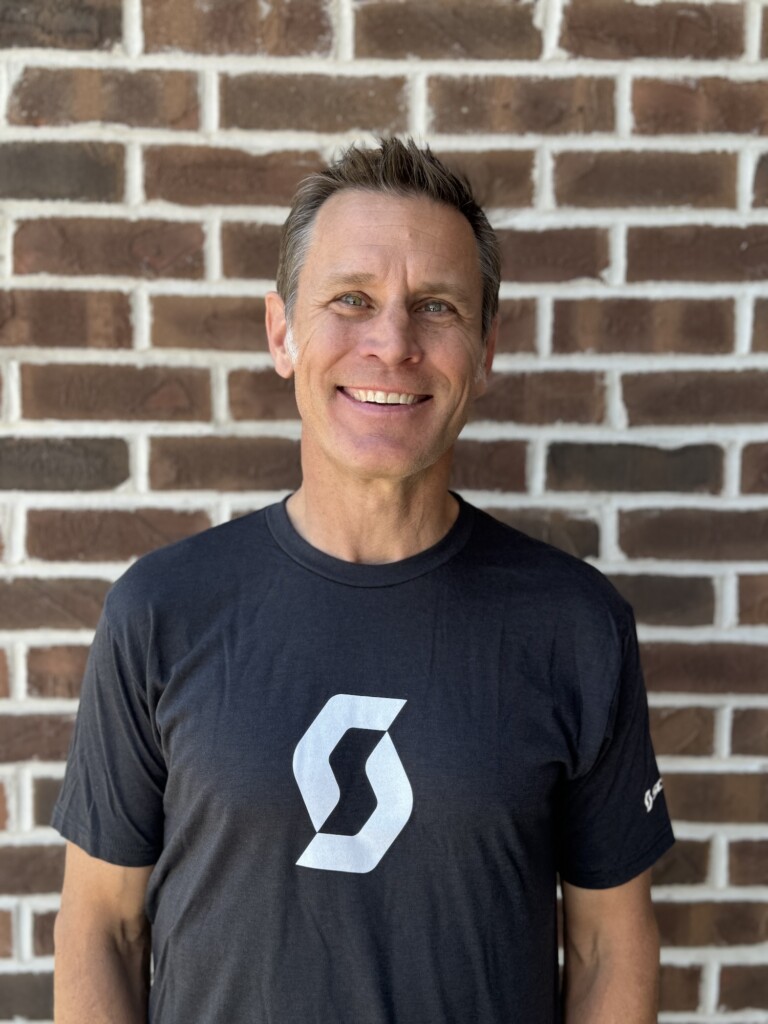
SALT LAKE CITY, Utah (June 28, 2024) — SCOTT Sports, manufacturer and distributor of high-quality Bike and Outdoor equipment and apparel, has appointed industry veteran Hap Seliga as President of SCOTT USA, the United States subsidiary of SCOTT Corporation. Alongside teams based in Salt Lake City and Ogden, Utah, Seliga will work to drive growth in the US market and solidify SCOTT’s position as an industry leader in outdoor verticals.
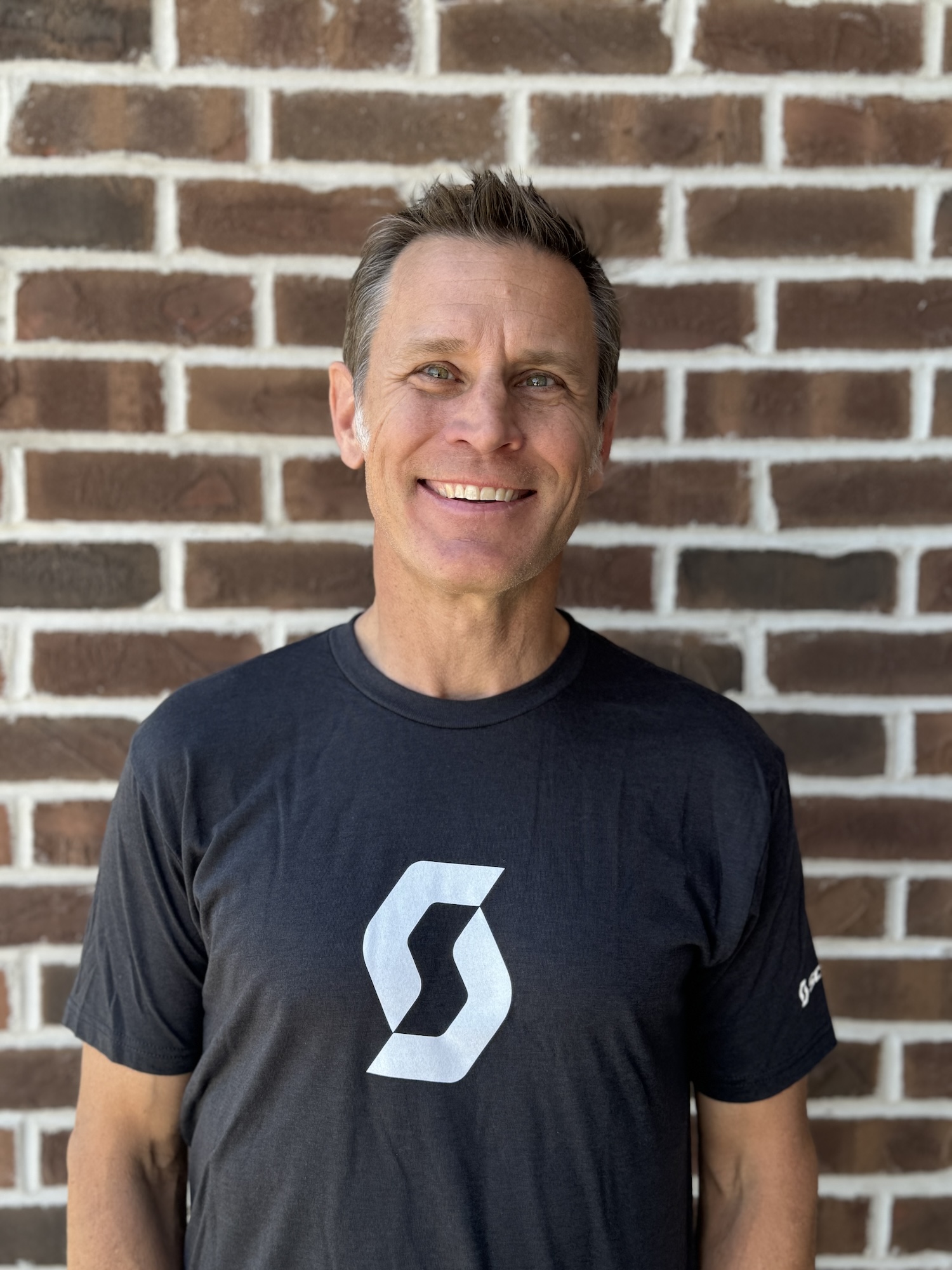
Hap Seliga was appointed President of SCOTT USA. Photo courtesy SCOTT Sports
Seliga has a strong entrepreneurial background in the bike and outdoor industry having co-founded both the legendary US retailer Competitive Cyclist and, later, the highly innovative suspension company, Trust Performance. Upon Competitive Cyclist’s acquisition by Backcountry in 2011, Seliga worked in various senior leadership roles at Backcountry, then later with Specialized Bicycle Components. Most recently, he was the CEO of the bike division of Signa Sports United North America.
Upon being appointed to the role, Seliga raved: “What an incredible opportunity! SCOTT has a deep heritage in North America with tons of blue sky ahead. Through the turbulent times experienced across the industries, SCOTT’s owner, Youngone, has unequivocally demonstrated their belief in SCOTT with their investment of over 250 million USD over the last year. With the guidance and support of legendary advisors & SCOTT USA Board Directors, Steve Meineke and Dave Stevens, we will work to keep building SCOTT as the best possible partner to our customers and retailers alike. SCOTT is an iconic brand, and incredibly well positioned inBike and Outdoor. We will continue to strengthen that position as a market leader across each of our disciplines.”
Pascal Ducrot, Vice-President, SCOTT Sports SA added, “The United States is an important strategic market for SCOTT. It’s where we began 66 years ago, and where the SCOTT brand continues to be a leader today. Bringing his rich industry experience and incredible energy, I look forward to Hap’s ambitions and plans for growth in our most important strategic growth market.”
Live Coverage of All 21 Stages of Tour de France June 29-July 21 Across Peacock, and NBC; Final Round Coverage Concludes Sunday, July 21, at 8 a.m. ET Exclusively on Peacock
STAMFORD, Connecticut (June 27, 2024) — NBC Sports will present three weeks of wall-to-wall live and encore coverage of the 111th Tour de France across Peacock and NBC from June 29-July 21.
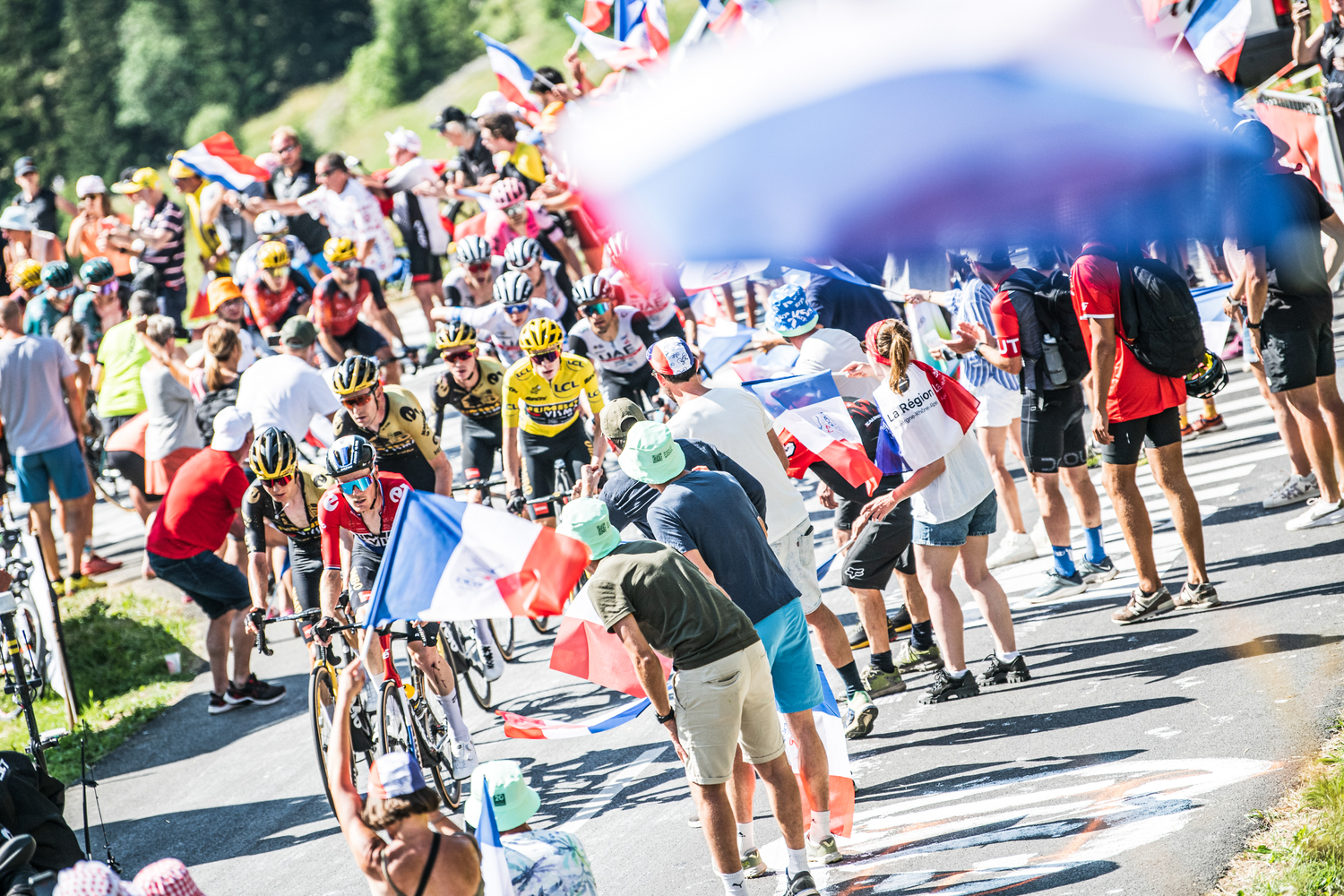
16/07/2023 – Tour de France 2023 – Etape 15 – Les Gets Les Portes du Soleil / Saint-Gervais Mont-Blanc (179 km) – Dylan VAN BAARLE (Jumbo) mène le peloton maillot jaune. Photo by A.S.O./Charly Lopez
This year’s Tour de France marks the first Grand Départ in Italy (and the 26th that’s taken place abroad). Due to this summer’s Olympic and Paralympic Games in Paris, it will mark the first time the race will not finish in the French capital, with the final stage occurring in Nice.
Daily live coverage of the Tour de France, featuring all 21 stages, begins this Saturday, June 29, at 5:30 a.m. ET on Peacock with Stage 1 beginning in Florence. The 2024 Tour de France will conclude with the final stage on Sunday, July 21 at 8 a.m. ET on Peacock.
NBC will present live coverage of Stage 8 (Saturday, July 6) and Stage 14 (Saturday, July 13) at 8 a.m. ET, as well as encore coverage of the penultimate Stage 20 (Saturday, July 20) at 4 p.m. ET.
Coverage throughout each day of the 21-stage event begins with the Tour de France Pre-Race Show on Peacock, followed by live race coverage.
This Thursday, June 27, Peacock presents live coverage of the Tour de France Teams Presentation at 12:30 p.m. ET.
Peacock will stream live start-to-finish coverage of every stage of the 2024 Tour de France, as well as full-stage replays, highlights, stage recaps, rider interviews, and more.
To sign-up and watch every minute of live action from the 2024 Tour de France, click here.
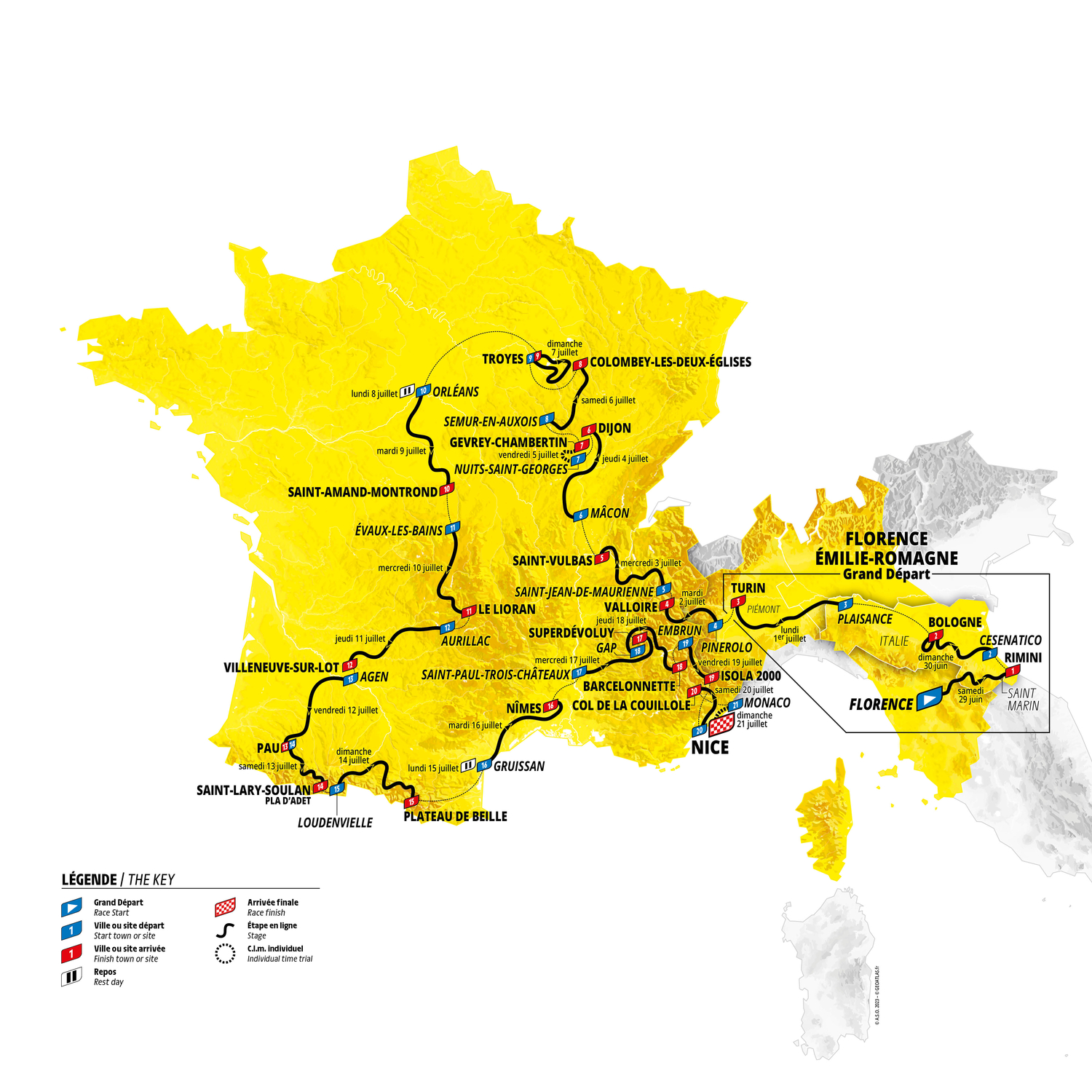
Carte du parcours du Tour de France 2024
2024 TOUR DE FRANCE
The 2024 Tour de France will cover a total distance of approximately 2,170 miles, beginning in Florence, Italy, and finishing 23 days later in Nice, France.
Expected yellow jersey frontrunners in this year’s field include defending two-time champion Jonas Vingegaard (Team Visma | Lease a Bike) of Denmark, and two-time champion and 2022 and 2023 runner-up Tadej Pogačar (UAE Team Emirates) of Slovenia, who won this year’s Giro d’Italia. Contenders are also expected to include Remco Evenepoel (Soudal Quick-Step) and Vingegaard’s former teammate Primož Roglič (Red Bull BORA – hansgrohe).
Green jersey contenders expected to compete include Jasper Philipsen (Alpecin-Deceuninck), who won four stages and the green jersey in last year’s race and Mads Pedersen (Lidl-Trek). Great Britain’s Mark Cavendish (Astana Qazaqstan Team) looks to break a tie with Belgian legend Eddy Merckx (34) for the most stage wins in race history.
Americans expected to participate in this year’s Tour de France include 2024 Paris-Nice winner Matteo Jorgenson (Team Visma | Lease a Bike), Neilson Powless (EF Education-EasyPost), who finished fourth in mountains classification last year, and Sean Quinn, the 2024 U.S. National Road Race Champion.
COMMENTATORS
NBC Sports’ cycling play-by-play caller Phil Liggett, universally known as the ‘voice of cycling,’ will cover his 52nd Tour de France alongside analyst Bob Roll. Liggett and Roll will be on-site at each stage, along with reporters Steve Porino and former professional cyclist Christian Vande Velde.
Paul Burmeister will host daily pre-race and post-race studio coverage alongside Brent Bookwalter and Tejay van Garderen, who is making his NBC Sports debut as a Tour de France analyst.
PRODUCTION HIGHLIGHTS
NBC Sports will integrate several features into its coverage of this year’s Tour de France:
‘Team Radio’ Audio: NBC Sports will present select ‘Team Radio’ audio during the broadcast, playing clips of the communication between team directors and riders throughout the race
NBC Sports will utilize a cutting edge “Virtual” graphics Telestrator, which debuted throughout the 2019 Tour de France and produces augmented reality cyclist graphics for the commentators to move and analyze
The enhanced augmented reality features will include 3-D animated maps that track where the riders are in real time on the route and profile the stage terrain
Vande Velde will have a camera focused on him as he reports to offer real-time updates on race situations, while traveling aboard a motorcycle on the course
Real-time data of course gradients and the riders’ speeds
NBC Sports’ coverage will include real-time speeds of both the leaders and the peloton, and additional maps that show more detailed versions of the finishes and each mountain climb.
Coverage will also utilize several production enhancements and updated graphic elements, including a pointer feature to easily identify and focus on one rider in the peloton, and exclusive profiles on teams and riders.
THEMOVE ON PEACOCK
THEMOVE, the No. 1 downloadable cycling podcast in the world on Apple, available on Peacock throughout the 111th Tour de France, offers an incisive perspective on the Tour de France and cycling, with course previews and race analysis from Lance Armstrong and George Hincapie.
Peacock will offer on-demand access to episodes of THEMOVE following Stages 1, 4, 11, 14, 15, 19, 20, and 21, as well as a preview show ahead of the start of the Tour de France.
NBC SPORTS SOCIAL MEDIA
Fans can keep up with the Tour de France through NBC Sports’ social media platforms throughout the race, including exclusive behind-the-scenes photos, interviews, video clips, up-to-date news reports and stories from around the cycling world through the NBC Sports Cycling Facebook page and @NBCSCycling on Twitter. In addition, fans can visit NBCSports.com/cycling for a live stream schedule, stage maps, results, routes and more.
NBC SPORTS 2024 TOUR DE FRANCE SCHEDULE (subject to change, all times ET)
***All live coverage on NBC is also available on the NBC Sports app:
Yasmin, a cycling fan from Denmark, created this overview and watch guide to the 2024 Tour de France, complete with a watch score. Follow her on Twitter (X) – @CyclingYazz
A brief overview and watch score for each stage of the 2024 Tour de France. Art by Yasmin
Fans can watch the 2024 Tour de France on Peacock streaming with one stage also on NBC.
LAKEWOOD, Colorado (June 26, 2024) — Natural Grocers Cycling will be hosting the 2024 Colorado State Criterium Championships for Masters and Juniors on June 29, at the Douglas County EVOC Track. It is also part of the Rocky Mountain Road Cup series.
Natural Grocers Cycling (with the support of their title sponsor, Natural Grocers by Vitamin Cottage) is hosting the 2024 Colorado State Criterium Championships for Masters and Juniors on June 29, in Littleton, CO. Photo courtesy Natural Grocers
THE EVENT A criterium, or “crit”, is a unique type of bicycle race that involves multiple laps around a closed circuit on public roads that are usually closed to traffic. Crits are known for their intensity, high speeds, and unpredictable finishes. Races can last from 30 minutes to over an hour, depending on the skill level of the riders and the length of the course. Beginner crits are typically 15 miles long and last about 30 minutes, while professional races can be 60 miles long and last over an hour.
Regarding the upcoming event, Chris McGee, Event Support Program Manager for Bicycle Colorado stated, “Bicycle Colorado, which has supported bicycle advocacy, education and events for more than 30 years, is proud to designate the Natural Grocers’ Criterium as the State Championships for Masters and Junior riders in 2024. Natural Grocers is one of the longest sponsors of competitive cycling in Colorado and we are incredibly appreciative of their commitment over the last decades.”
“The inaugural Natural Grocers’ criterium will be held on the Douglas County EVOC track making it a fast non-technical criterium. The course is 1.3 miles in length with 45 feet of elevation change per lap on an excellent road surface. The first race kicks off at 8 AM, Saturday morning. Cycling enthusiasts of all types are invited to come to watch, cheer, race or volunteer,” said Natural Grocers Cycling’s Colorado Captain, Rich Klusman. “Good things happen when you race your bike.” Registration is open through Wednesday, June 26 at 10 PM/MT.
E-bikes have captured widespread attention across the U.S., and for good reason. They are the most energy-efficient way to move from place to place, providing exercise in the process, and offer enough assistance while pedaling uphill or into headwinds to make them usable for many types of riders.
Greenhouse gas emissions from e-bikes are much lower than those from either gasoline-powered or electric cars. Some cities and states are encouraging the use of e-bikes by providing purchase incentives, often drawing on public funds dedicated to curbing climate change.
Replacing car trips with e-bike trips can provide substantial climate benefits by reducing greenhouse gas emissions. Photo by Dave Iltis
Currently, over 100 cities and states have or plan to launch e-bike incentive programs, most funded by energy or environment initiatives. However, there has been little research on the effectiveness of these types of programs, how to design them or how to define goals.
We study transportation from many angles, including innovation, sustainability and economics. Our new study, published in the journal Transportation Research Part D, investigates the effectiveness of several types of e-bike purchase incentives and the investment required to induce additional e-bike purchases.
We found that incentives do spur extra e-bike purchases, but at a relatively high cost compared with narrowly defined climate benefits. We find that a public agency using a point-of-purchase discount would have to distribute about US$4,000 in incentives to generate one additional e-bike purchase. This is because over 80% of people who buy an e-bike would likely have bought one even without the discount. For perspective, it takes about $30,000 worth of incentives to induce an electric car purchase.
Clean technology incentives tend to be focused on a specific outcome – usually, reducing greenhouse gas emissions. This works well for most energy-related upgrades, such as replacing old air conditioners, improving home insulation and generating electricity from wind and solar power. Consumers want the services that these devices deliver – cool air, comfortable conditions indoors and electricity that’s available and affordable. The new devices simply deliver those familiar goods more sustainably.
E-bike incentives are different. They invite people to adopt a new technology that can fundamentally change recipients’ travel patterns. In fact, while replacing car trips with e-bike trips can provide substantial climate benefits, those benefits may be smaller than other benefits that are less widely measured. Focusing narrowly on reducing greenhouse gas emissions by replacing car trips means providing incentives to people who drive the most, or who drive the biggest gas guzzlers.
But what about carless households, transit riders or bicyclists? For them, e-bikes can make it much easier to travel in most North American cities. That increased mobility could provide greater access to jobs, shopping or other important services, such as health care.
Is investing in e-bike incentives worth it?
Transportation is the largest source of U.S. greenhouse gas emissions. Electrifying as much of it as possible is an important strategy for slowing climate change. However, e-bike incentives – and, indeed, electric car incentives – are pretty expensive ways to reduce emissions.
The importance of e-bike incentives is that e-bikes are good at replacing car trips and make daily trips easier for people who rely on other options. These advantages provide two main classes of benefits from increasing ownership of e-bikes.
The first set of benefits comes from substituting car-based trips with e-bike trips. Transportation researchers think about a swap like this in terms of vehicle miles traveled.
In North America, about 60% of e-Bike trips replace car trips. Photo by Dave Iltis
If I used to drive to work but now ride an e-bike, many benefits will be proportional to the number of miles that I now cover by bike rather than by car. They include reduced traffic congestion, lower fuel and parking costs, increased physical activity and improved health, cleaner air and reduced greenhouse gas emissions. In North America, about 60% of e-bike trips replace car trips.
A second class of benefits comes from improvements in mobility. These effects are more complex to measure. For many people in U.S. cities who don’t own cars, the basic options for getting around are walking, public transit, ride-hailing services like Uber and Lyft, or riding a conventional bicycle. In almost all cases, e-bikes would get them to their destinations faster.
Carless households tend to have lower income and lack mobility options. E-bike incentives can make travel more affordable and give people better access to jobs, health care, child care, shopping and other destinations. Such benefits likely far exceed any nominal greenhouse gas accounting from these transportation users.
E-bike purchase incentives are an investment in the broad benefits that e-bikes can provide. We believe they should be measured against the collective goals of the agency providing the incentives, whether its mission is transportation, equitable mobility, public health, economic development or environmental protection.
Putting more people on two wheels
Once there’s agreement that e-bikes are worth supporting for many reasons, the challenge is how to induce more e-bike use and realize those benefits.
Point-of-purchase discounts or vouchers are the most popular strategy, because they mimic other clean energy incentives, such as those for high-efficiency appliances or electric cars. Our study found that they are also the most efficient way to influence consumer behavior compared with other purchase incentives, such as rebates.
Other strategies could be more effective but need further research. For example, e-bike lending libraries let people test-ride e-bikes without ownership. And employers can provide e-bikes to employees to help encourage more sustainable and affordable ways to get to work.
Partnering with community organizations or local mobility-oriented programs could be an effective way to get e-bikes into the hands of people who need them and couldn’t afford them otherwise. And giving e-bike owners more reason to use them, such as payments for biking to work, could increase e-bike use and subsequent benefits.
E-bike purchase incentives may be an expensive climate solution, but they also offer other important benefits. Carefully designed incentive programs could help many urban and suburban residents access a faster, healthier and cleaner way to get where they need to go.
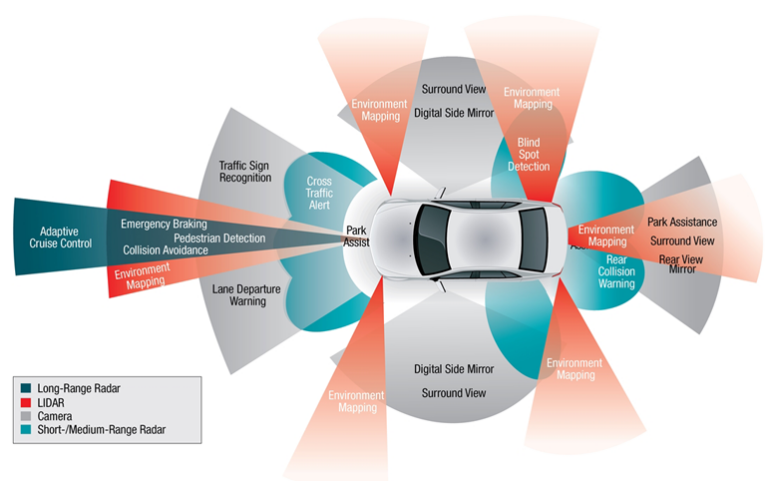
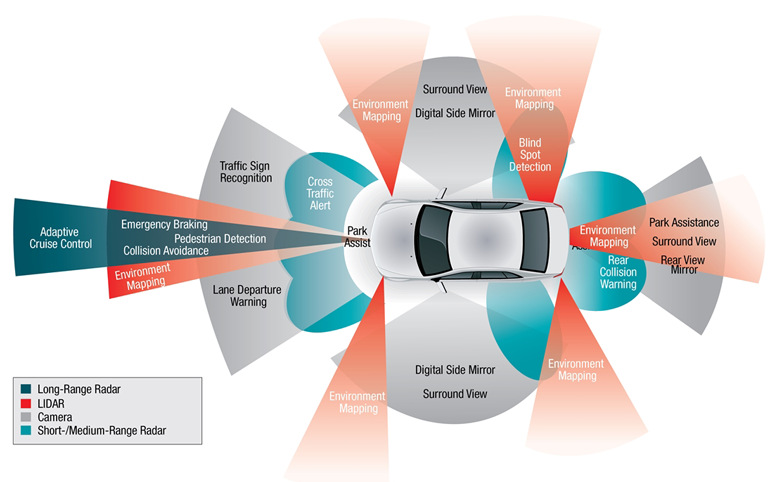
By Charles Pekow — Brakes should automatically slam when a “light vehicle” is nearing a crash on new cars in a few years. The National Highway Traffic Safety Administration (NHTSA) issued final rules requiring sensors for them (https://www.govinfo.gov/content/pkg/FR-2024-05-09/html/2024-09054.htm).
The rules take effect for vehicles built starting in September 2029, with a year’s grace period for some, such as small manufacturers.
The devices should save a lot of bicyclists from getting hit. But cycling advocates and even some auto makers aren’t completely happy. The problem they cited in the public comment period is that the crash testing used to promulgate the rule focused on collisions with other autos and pedestrians but not bicycles.
NHTSA responded that it is conducting more research into how well sensors will detect bicycles in day and night conditions. But it stated, “the state of knowledge is not at the point where NHTSA can proceed with including bicycle and motorcycle surrogates in the new standard at this time.” Designs simply aren’t good enough yet on detecting size, reflectivity and color of mannequins for child and adult bikers, NHTSA concluded.
SACRAMENTO, California (June 24, 2024) — The California legislature and governor worked restore the $600 million cut from the Active Transportation Program in the governor’s May Revised Budget. The final budget, announced last weekend, restores $100 million in the 2024-2025 fiscal year, with another $100 million promised for 2025-2026. The remaining $400 million could be restored by future appropriations, leaving the door open for future growth of the program.
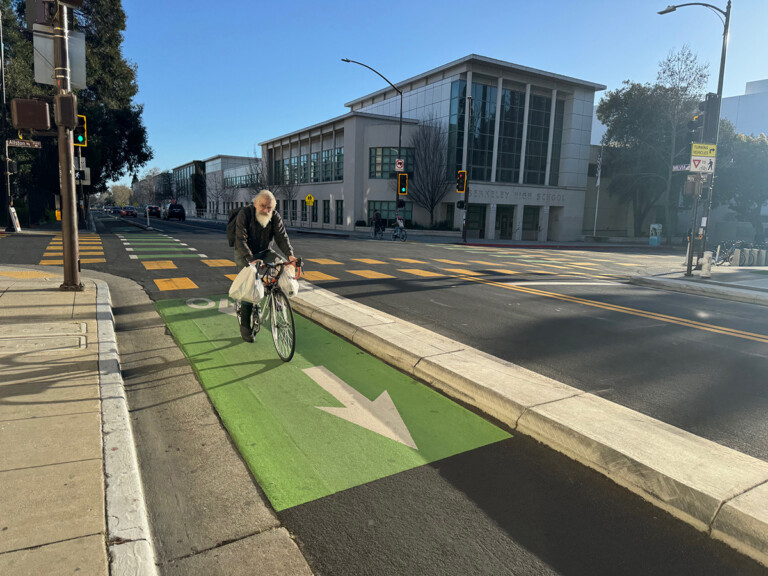
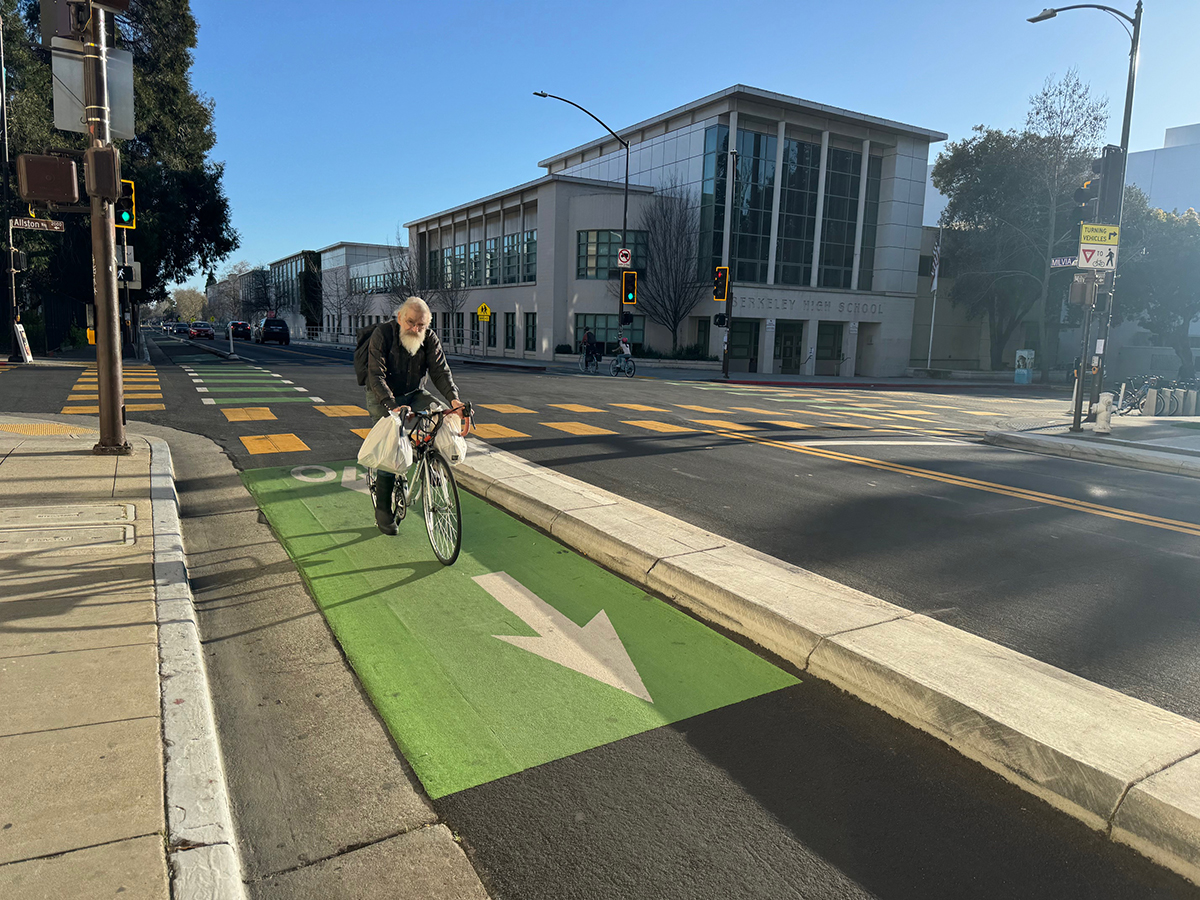
A rider on Milvia Street in Berkeley, California. Photo by Dave Iltis
CalBike, a statewide advocacy organization, led the coalition that pushed elected leaders to deliver on their promises and restore full funding to the only dedicated state funding source for projects that make our streets safer for people riding bikes, walking, and taking transit, especially in disadvantaged communities where safe street infrastructure is most lacking.
“We are running out of time to change our transportation systems to protect the lives of Californians and our climate,” said CalBike Policy Director Jared Sanchez. “Californians want safe streets. I hope this budget deal signals willingness to commit to funding infrastructure that supports carbon-free transportation options and reduce the horrendous toll of traffic violence on our streets.”
The $100 million restored in the current budget comes from the General Fund rather than our state transportation funds. As California transportation dollars continue to surge with federal funds from the Bipartisan Infrastructure Law, state leaders have made bold claims about how much highway funding already supports active transportation on Caltrans projects. CalBike will hold them accountable to those claims by pushing for passage of Senator Scott Wiener’s Complete Streets Bill, SB 960. The Complete Streets Bill is a critical step toward mandating implementation of biking, walking, and transit facilities on state highways.
“Given the difficult budget year, we appreciate the final budget agreement protecting $200 million for the Active Transportation Program,” said CalBike consultant Jeane Ward-Waller. “However, we have more work to do to continue to grow the most equitable and sustainable transportation program in future years. We look forward to working with the legislature and the governor to prioritize more active transportation funding in the future.”