Home Blog Page 69

‘Major Taylor: Champion of the Race’ Tells the Story of ‘The Fastest Man in the World’

New documentary ‘Major Taylor: Champion of the Race’ premieres Monday, February 26 at 8 p.m. EST (5 p.m. PST) on WTIU, and streaming through the WTIU website and through the PBS app.

BLOOMINGTON, Indiana (February 5, 2024) — A new documentary from WTIU Public Television explores the life and legacy of speed cycling champion, civil rights activist, and Hoosier hero Marshall Walter “Major” Taylor. Major Taylor: Champion of the Race premieres Monday, February 26 at 8 p.m. on WTIU.

Born in Indianapolis in 1878, Taylor was the world’s first Black sports superstar by the turn of the 20th century. Called “the fastest man in the world” by reporters, Taylor’s talent in cycling—the most popular and lucrative sport of the era—was celebrated by leading publications across the globe and by notable figures such as Booker T. Washington and Theodore Roosevelt.

On the track, Taylor captured more than 20 world records during his career. Off the track, he was an early civil rights pioneer who fought for greater social opportunities for African Americans in the heart of Jim Crow America.

Major Taylor: Champion of the Race is narrated by acclaimed mezzo-soprano opera singer Marietta Simpson, with Grammy-winning jazz musician Branford Marsalis reading passages from Major Taylor’s autobiography. Original music is composed and performed by Emmy-winning musical director Tyron Cooper.

https://youtu.be/nzDn3Ifmd0k

The documentary also includes interviews with ESPN’s Kevin Blackistone; Michael Kranish, a Washington Post writer and Taylor biographer; Richard Lapchick, president of the Institute of Sport and Social Justice; Illinois Congressman Jonathan Jackson (son of civil rights leader Rev. Jesse Jackson); three-time Olympic medalist Edwin Moses; ATP tennis star James Blake; Naismith Basketball Hall of Fame member Ann Meyers Drysdale; Bicycle Hall of Fame member and historian John Howard; plus many other insights from historians, archivists, social rights advocates, and Taylor family members.

Watch a trailer and learn more about Major Taylor: Champion of the Race at wtiu.org/majortaylor. The program will be available to stream on the WTIU website and through the PBS app at the same time as the broadcast premiere.


Beauty in Age

By Erik Ramirez — The beauty of a mass-produced mountain bike has little to do with the nature of the construction, or the build. Most of our mountain bike frames and hardware are built elsewhere on the planet. Much is produced by machines. Frames still require quite a bit of human involvement.

Beautiful lines are rarely created anymore. If you’re lucky enough to get a hand-built frame, then you can witness the hard-to-attain perfect welds of a steel or titanium rig. Carbon doesn’t fit much into this discussion.

Is time passing too quickly for us? Are the exquisite beauties of hand-made machines fading into the ether?

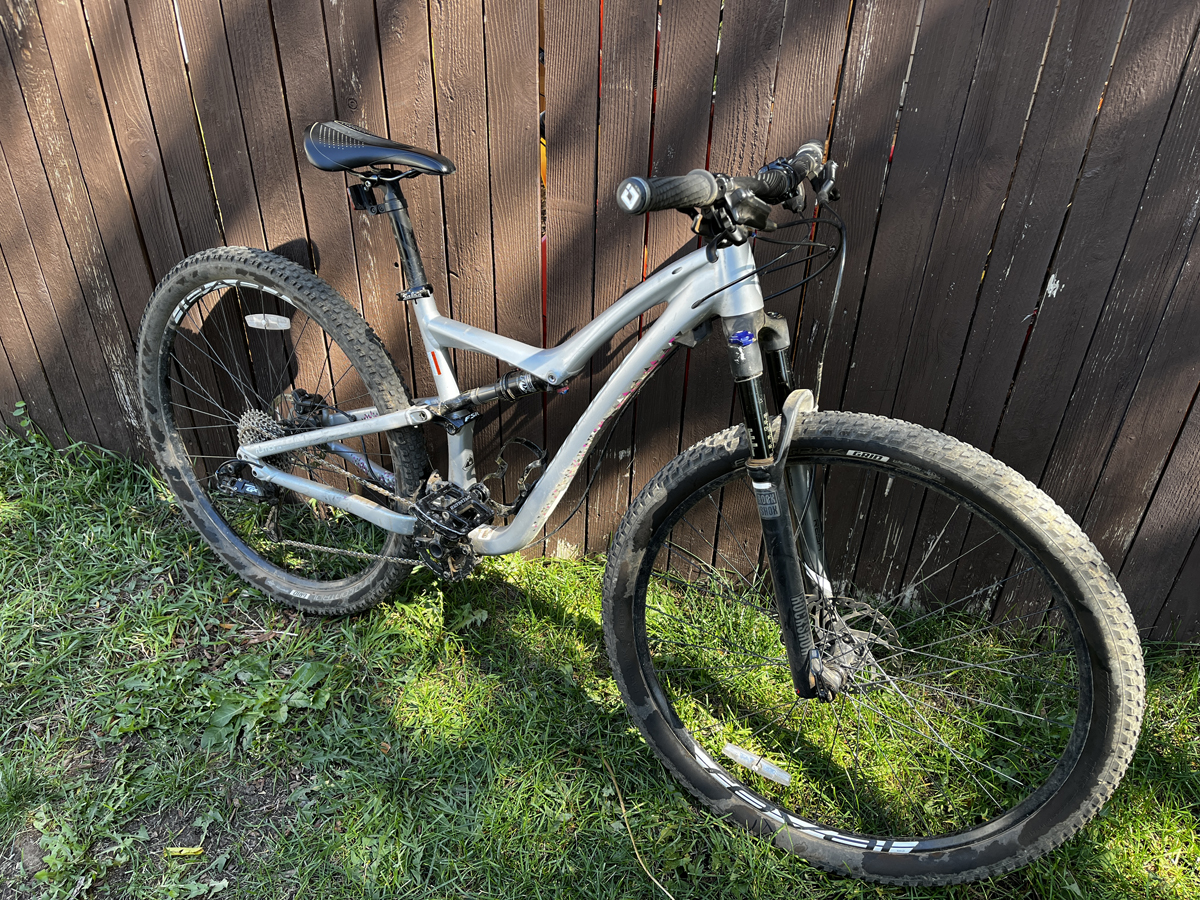
Recently, I was working on a bike that has been ridden consistently every season since it was purchased, having serviced it each of those seasons. I have watched the fresh paint fade, seen scratches appear, heard creaks as they’ve come and gone, and rebuilt every component.

The grey paint on this frame was once a rich, deep grey. Now faded from a decade of summer rides in the high mountain sunlight, it serves as a reminder that some things really had more color years ago. Photo by Eric Ramirez

This most recent service I had the wheels, fork, and shock off the frame. With the frame hanging by the saddle, I was able to inspect the rarely seen under-side of the machine. Specialized ran the brake hose along the bottom-side of the downtube, and despite having initial concerns about rocks crushing or cutting the line, this never happened. In addition, a short, but small, groove from the hose has been worn into place from the years of microscopic movements.

The owner has always been friendly, and willing to keep the bike running at 100% condition, but she makes her visits short. My relationship with this bike is older, more intimate. I’ve taken it apart and read the story from a perspective that only mechanics ever see or appreciate.

It’s unique. I have known the quirks and intricacies of this bike longer than I have owned any of my own rigs, whether road or mountain. The emotion is fondness, tenderness, strangely like that of an old friend who can only come around occasionally.

When I look at the grease coming from the lower bearing of the headtube, I pull the fork and clean it up. The bearings are nothing special. They are the low-grade factory bearings that came with the bike. We all know that only the top-tier equipment from any brand is exclusively served up with aftermarket quality headset bearings. But the bearings on this bike have been pulled every year with the fork service, cleaned, greased, reinstalled, and sent away ready for the next season of riding.

The chain seems loose. It flops up and down and side to side when I bounce the bike, despite the stiff spring of the SRAM rear derailleur. Sure enough, it measures long and it’s time for a new one for this season.

When I compress the fork, it collapses. The left dust-wiper pops up a little more from its seat in the lower. This telltale failure is primarily from blown air-spring seals. The fork needs a full overhaul. Some shops offer an “overhaul,” but often they’re only servicing the lowers, which does not include air-spring service, but if luck prevails you get a damper bleed, whatever that means.

The grey paint on this frame was once a rich, deep grey. Now faded from a decade of summer rides in the high mountain sunlight, it serves as a reminder that some things really had more color years ago. Like the wrinkles of the aged, this bike has traded glossy, deep color with rich miles and experience; its rider claiming memories that cannot be replicated nor replaced.

Recalling all those rides, the frame weeps small rings of light grease from the pivot hardware. With the rear shock removed, the pivots move freely, unencumbered by binding resulting from worn and pitted bearings. I can keep those bearings satisfied for another season by removing the seals and inserting the tiniest bit of waterproof grease.

The rear shock goes back on with blue Loctite and some elbow grease. With the frame hardware reassembled, polished and new seals installed, the bike starts to resemble the original machine again. The wheel spin lightly and smooth, but the brakes need to be serviced in a bad way.

Mineral oil has a lot of additives. It breaks down readily with heat and pressure, and this bike has that kind of system. As I purge the old, blackening mineral oil from the reservoirs, lines, and calipers, each brake hungrily consumes 40cc’s of new, translucent pink fluid. At first test they already feel better: smoother, lighter actuation, and firmer.

No matter how many times I do this, the brakes will eventually fail. Although we have kept them operating well through regular maintenance, eventually that will not be enough. They will have completed their journey.

The modern mountain bike is relatively new in the grand scheme of cycling. This frame may last several more decades. And as long as the frame maintains integrity and I continue to see it from service milestone to service milestone, it could out last us all. Replacement parts are relatively easy to find. Frame parts, not so much. However, this bike’s retirement seems imminent. That I must lament.

The machines we create and maintain to experience this strange mélange of exercise and pleasure tell many stories. Mechanics know the language that goes unheard and unread. Like the friend you’ve made at the coffee house, someone you only see there. You talk, discuss the world, get to know one another but that is all. This is the only place you ever meet. Then one day, your friend just stops coming. And you never see them again.

For a professional mechanic, this is how it feels when a bike is retired, but there are always more bikes to service, and more memories to make.

Eric has over 20 years experience working on bikes, starting in Park City. He has recently opened his own business with the aim to teach people about bikes and how to work on them, while still offering some mobile repairs. www.insightbike.com

Biennial Boulder Roubaix is an American Spring Classic

The Boulder Roubaix Road Race is one of the most popular road races in the West. Recognized as one of the All Time Best Spring Classic Races in North America”

BOULDER, Colorado (January 31, 2024) — Call it a Road Race, a Gravel Race or a Mixed-Surface Race.  Whatever you want to call it, it’s one of a kind. And it’s one of the original Paris-Roubaix tribute races anywhere.  It’s the highlight of the Colorado bicycle racing season and its back in 2024. It’s called the Boulder Roubaix.

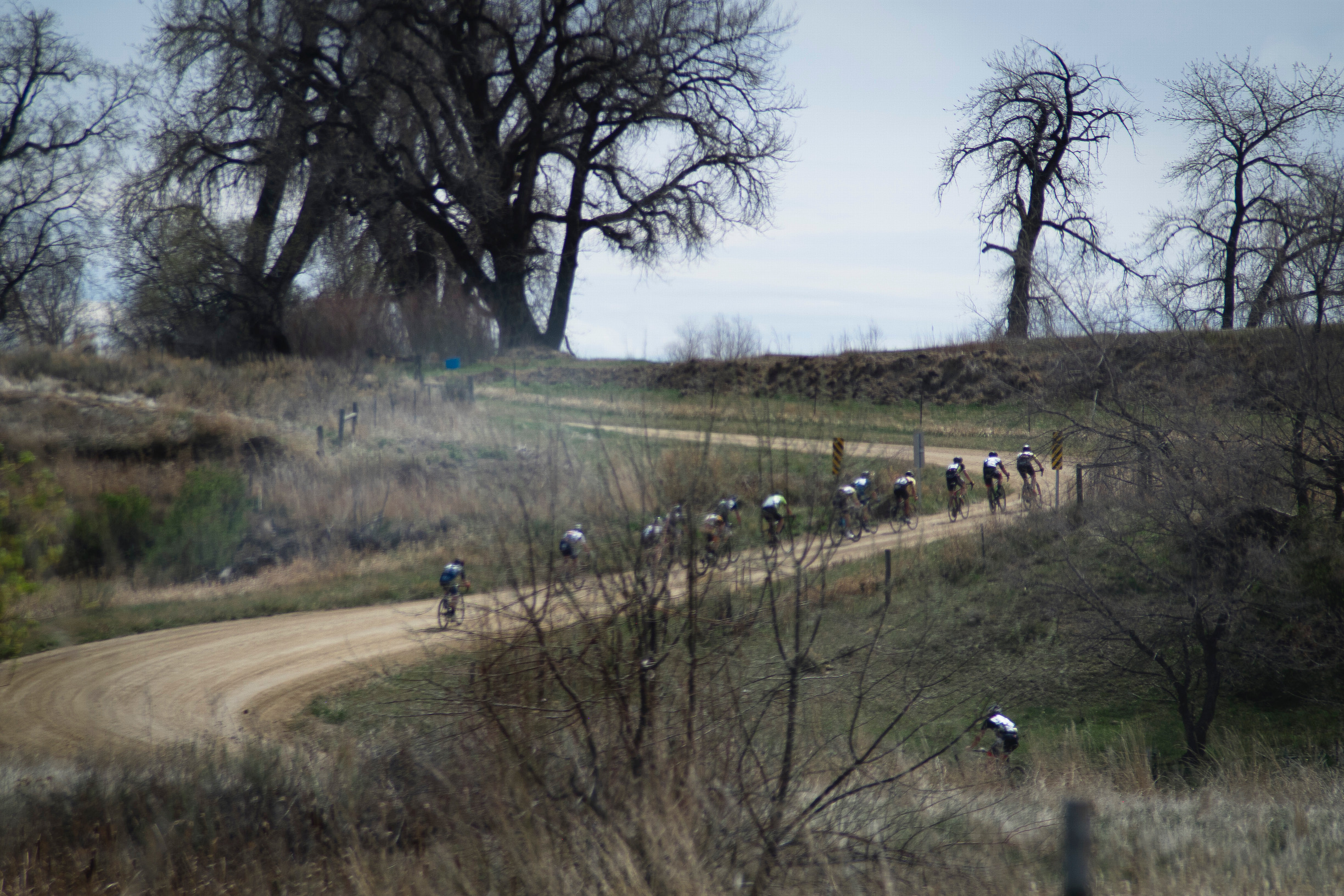
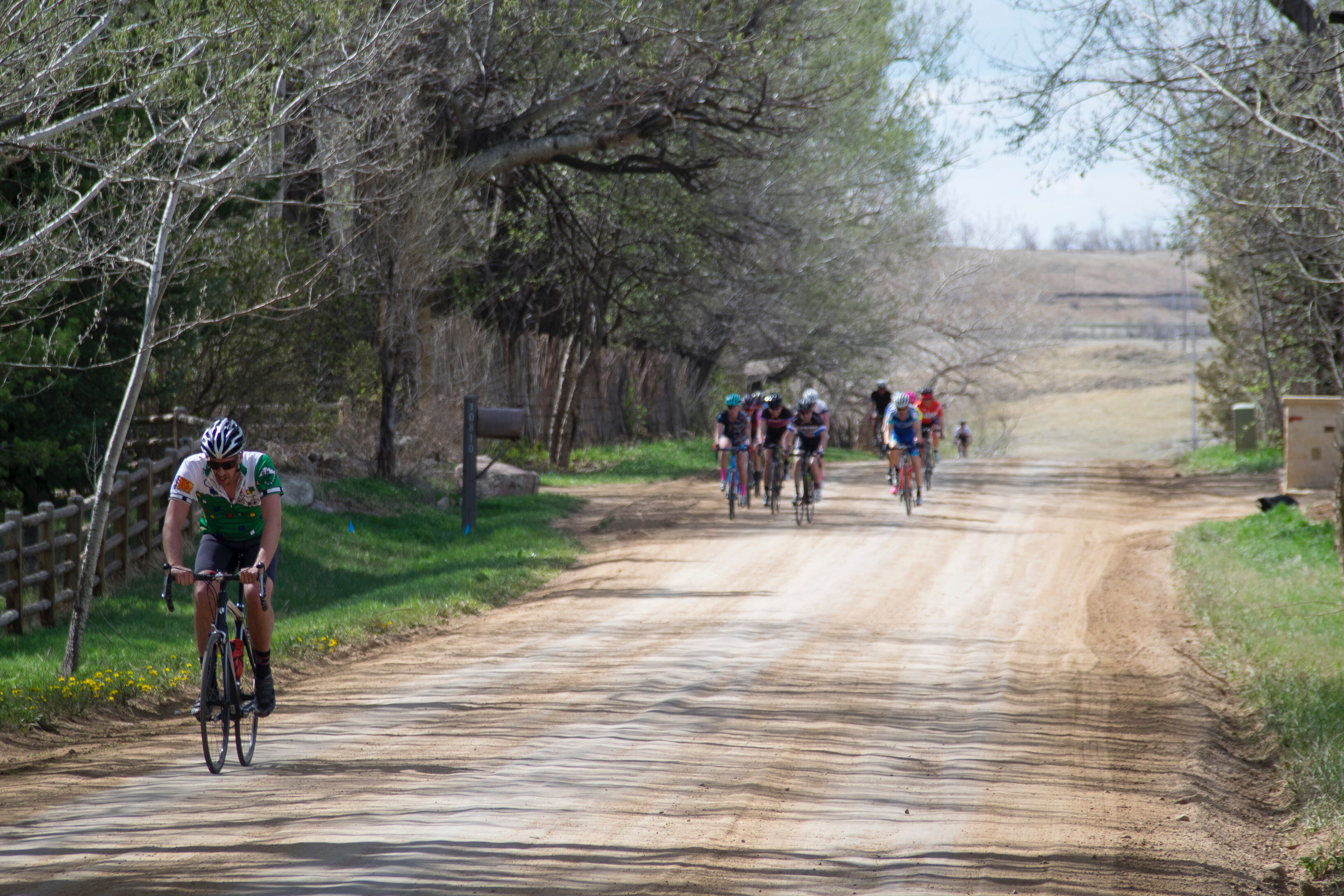
A group of riders attacks on one of the gravel sections during the 2017 Boulder Roubaix. Photo courtesy DBC Events

Over one thousand athletes from 15 states and multiple nations will converge Saturday, April 6 for the Boulder Roubaix Road Race powered by Wholesome, Colorados oldest and most popular one-day bike race. The Boulder Roubaix features hilly gravel roads and fast smooth pavement on a 18.7-mile circuit just north of the cycling mecca Boulder Colorado.  And all with postcard views of the Colorado Foothills of the Rocky Mountains.

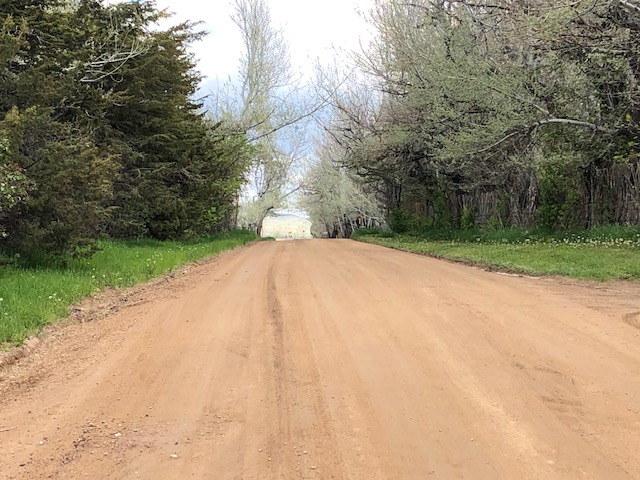
Tree Tunnel in Spring. Photo courtesy DBC Events.

The Boulder Roubaix is a local tribute to the famed European classic Paris Roubaix, which is held the day following and was first held in 1896. The first Boulder Roubaix took place in 1992 and has since become one of the most well-attended amateur road races in the United States.

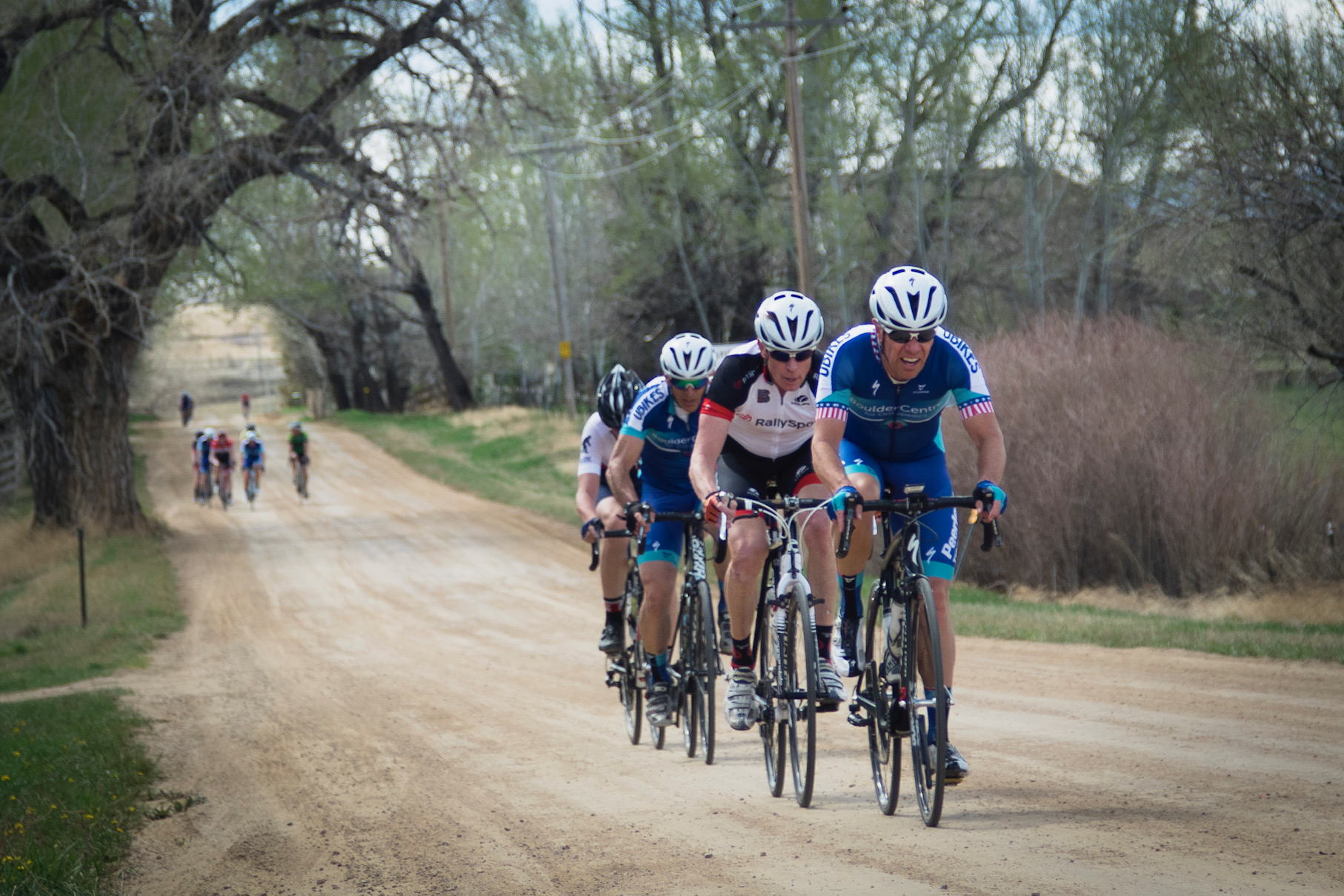
Some years the course makes the selection. Boulder Roubaix 2021. Photo courtesy DBC Events

The Gran Fondo Guide recently recognized the Boulder Roubaix as one of the All Time Best Spring Classic Races in North America.”  Why, because it’s loved by competitors of all varieties from the uber-competitive road racers to weekend warriors, and everybody in between. And while the Boulder Roubaix doesn’t claim to be a gravel race, you’d be surprised by the number of gravel specialists who are targeting the April 6 race as part of their season  prep.

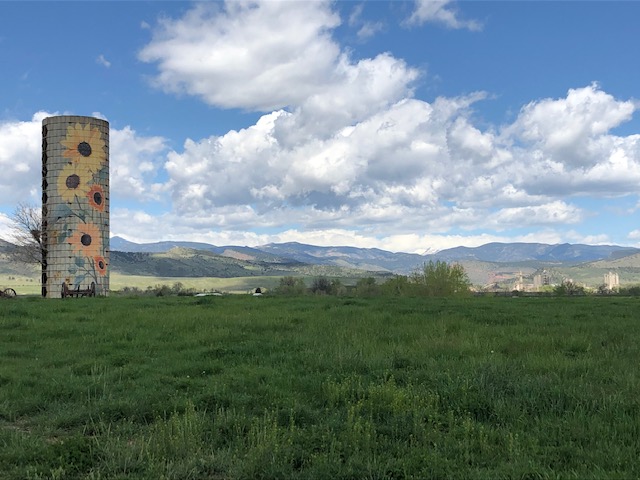
The famed Tower of Flowers. Photo courtesy DBC Events

Boulder Roubaix is held every other year and offers race categories ranging from future champions 9- & 10-year-old juniors to Pro & Elite level racers as well as national and international teams.

The Côte de Crane Hollow. Boulder Roubaix 2021. Photo courtesy DBC Events

Race founder and director Chris Grealish stated, Veteran pros and amateurs alike love Boulder Roubaix. Up-and-coming racers know that a win can get them noticed by pro teams. And with the crazy growth in Gravel Racing in the USA Im hearing from many top-level gravel pros who plan to use Boulder Roubaix as a tune-up for their season.”

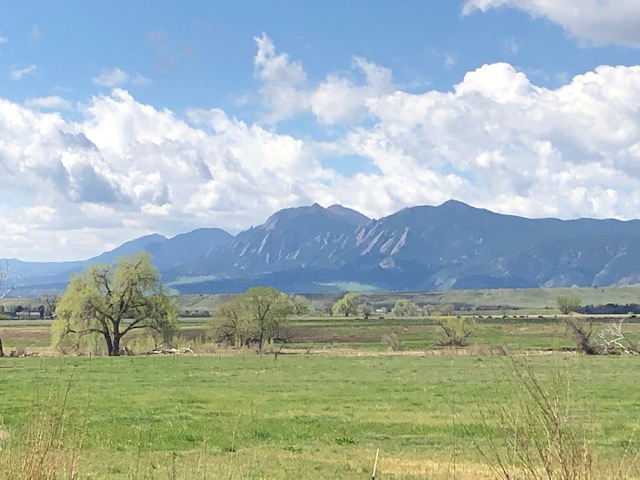
The Flatiron Mountains as seen from the north. Photo courtesy DBC Events.

The 2024 course is a challenging 18.7-mile circuit with 60% dirt roads and the remainder paved roads. The pro men will complete five laps of almost 96 miles and the pro women will do three laps of about 56 miles. Beginners and first timers races start at 8:00 am with other categories throughout the day. For the full schedule see boulderroubaix.com.

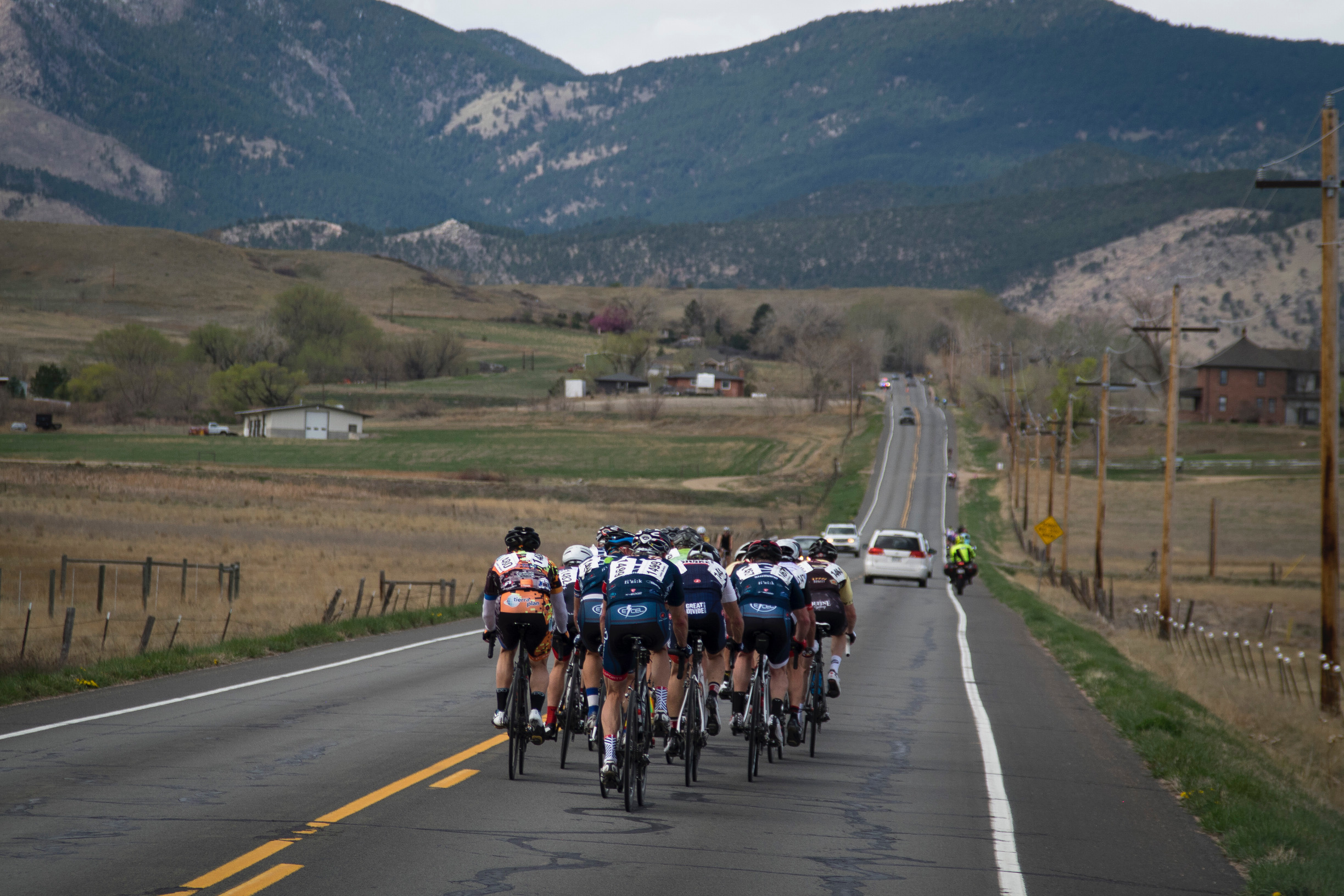
Nelson Road descent. 2021 Boulder Roubaix. Photo courtesy DBC Events

For those who want to make a full weekend of their Boulder Roubaix experience, the University of Colorado cycling team will be hosting a criterium on Sunday in Boulder.  A perfect way to shake out those tired legs.  Complete details about the CU Criterium will be on their webpage https://www.colorado.edu/sportsclub/cycling/


Anyone Can Bike — The Bicycle Art of Savannah Cottam

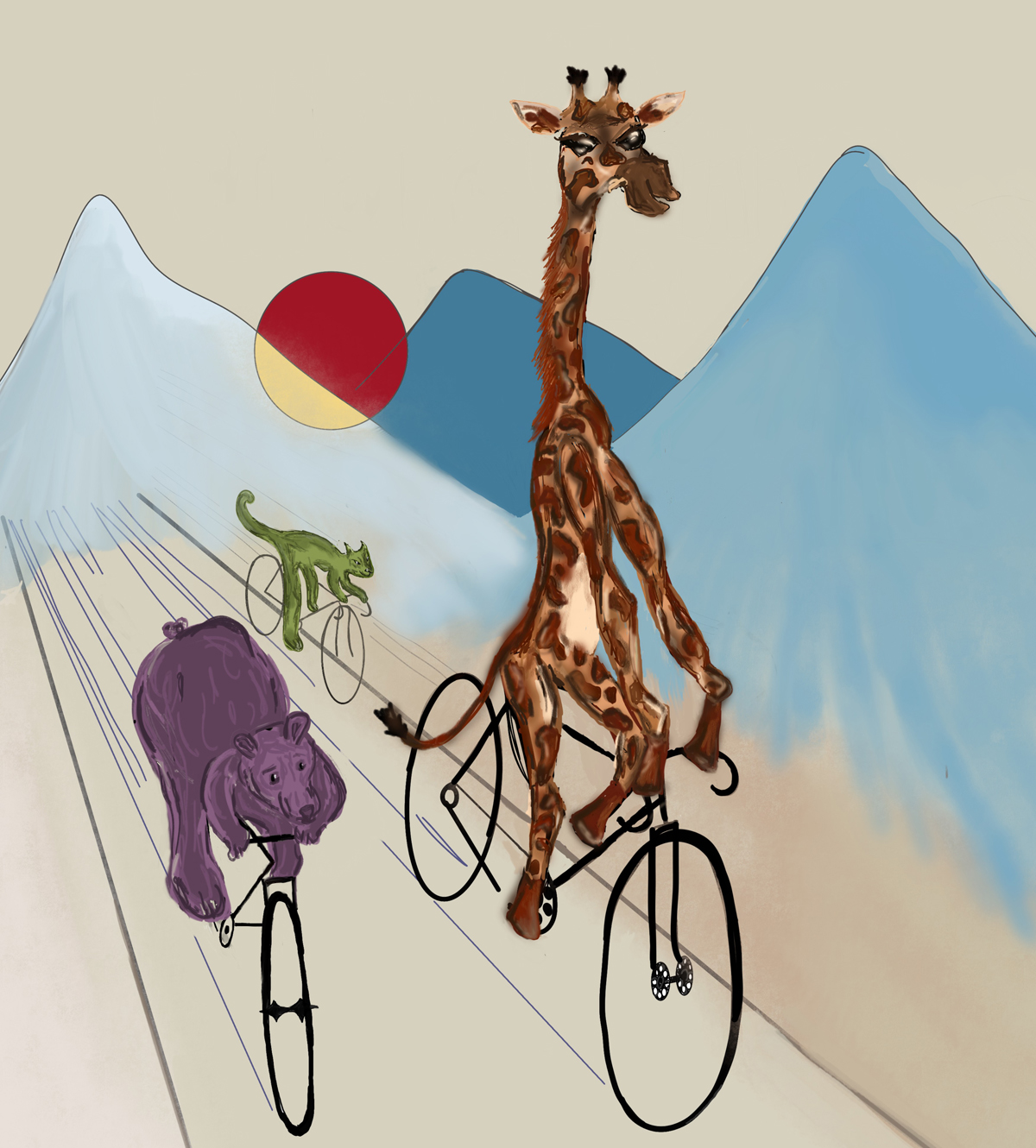
Title of piece: Anyone Can Bike

About the piece: Cycling in the US has a type of stigma or “brand”. People that don’t fit this culture may feel uncomfortable getting on a bike. I want everyone to feel like they belong on a bike no matter what race, age, gender, or background.

“Anyone Can Bike”, by Savannah Cottam. Digital Art.

Medium: Digital art

Name of artist: Savannah Cottam

About the artist: I’m a student studying film, art, and journalism at the University of Utah. I am very passionate about the environment and people’s wellbeing. My goal is to do something that can make a difference in people’s lives and help promote positive change.

Artist’s statement: My art is meant to transform the way people view cycling.

Where can people find your art: People can find and buy my art on Instagram: @savthecreator


The Colnago C68 Gravel is a Bike Unlike Any Other.

The C68 Gravel stands as the pinnacle of gravel biking, a masterpiece merging Colnago’s technological prowess with timeless Italian craftsmanship.

CAMBIAGO, Italy (February 1, 2024) – Unveiled in Cambiago, Italy, on February 1, 2024, the new C68 Gravel epitomizes the seamless blend of modern engineering and enduring Italian artistry. Whether traversing the White Roads of Tuscany or tackling rugged gravel paths, this bike is a steadfast companion, transcending mere functionality to embody a powerful work of art. It continues the legacy of excellence, beauty, and performance set forth by Colnago’s esteemed C-Series bicycles.

That’s why the C68 Colnago is a gravel bike unlike any other.

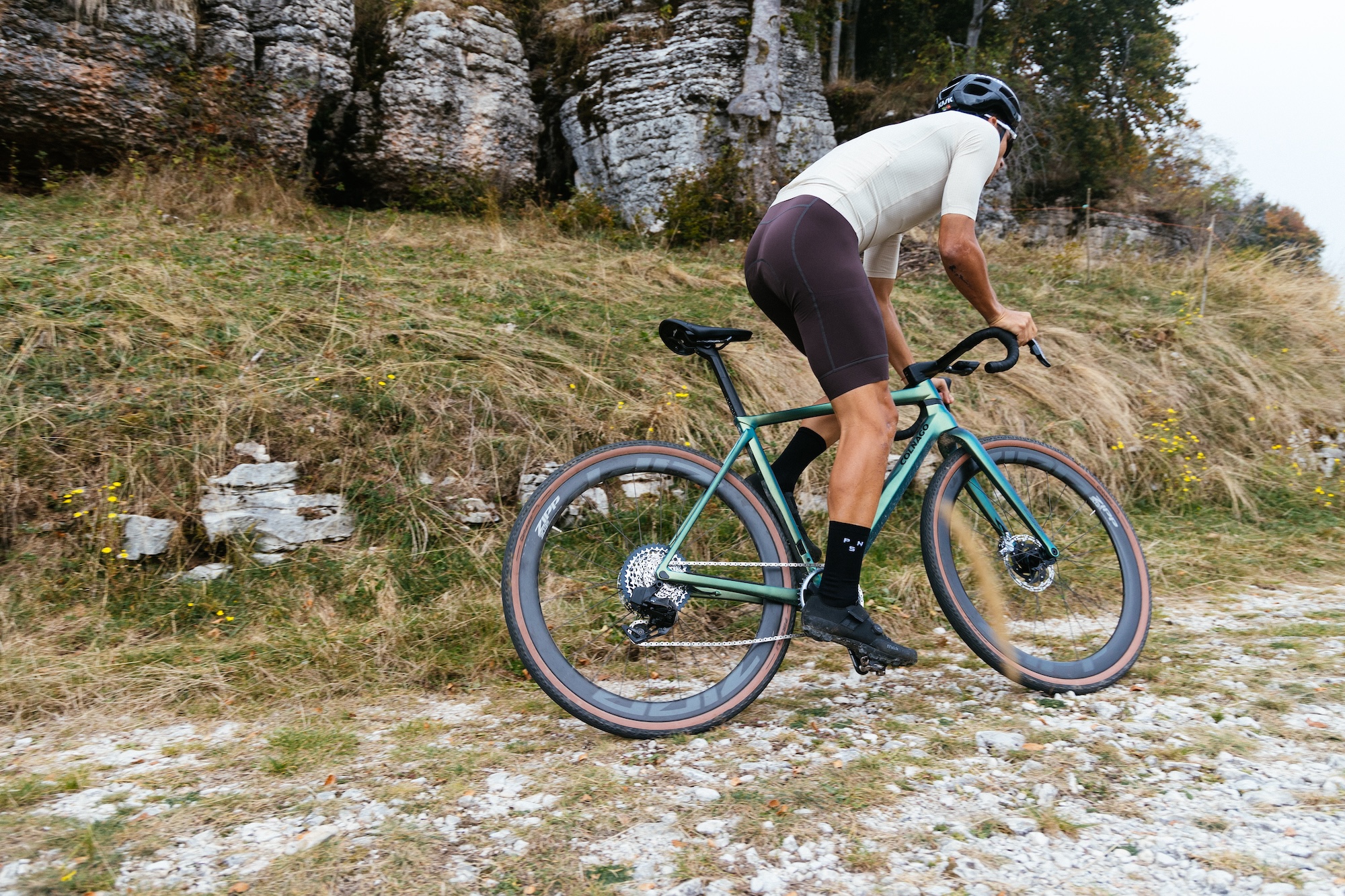
Colnago C68 Gravel. Photo courtesy Colnago.

A modular frame for a gravel bike unlike any other

Crafted entirely in Italy by skilled artisans, the C68 Gravel isn’t just a bike; it’s a testament to Italian craftsmanship, meticulously designed for cyclists seeking the ultimate riding experience. It caters to those who crave the thrill of speed on challenging terrain while demanding a bike with soul and heritage. The knowledge gained from years of experience in frame construction is brought into the gravel segment.

Gravel, according to Colnago C Series – exalting Italian taste and riding enjoyment

The C68 Gravel represents a harmonious blend of modern engineering and timeless craftsmanship. The result is a frame that comes with the aesthetics of a contemporary monocoque while delivering the advantages of a lugged construction. The result of this technique of construction is a greater flexibility, setting it apart from all others in the realm of high-end bicycles, which lead to an overall more comfortable riding experience.

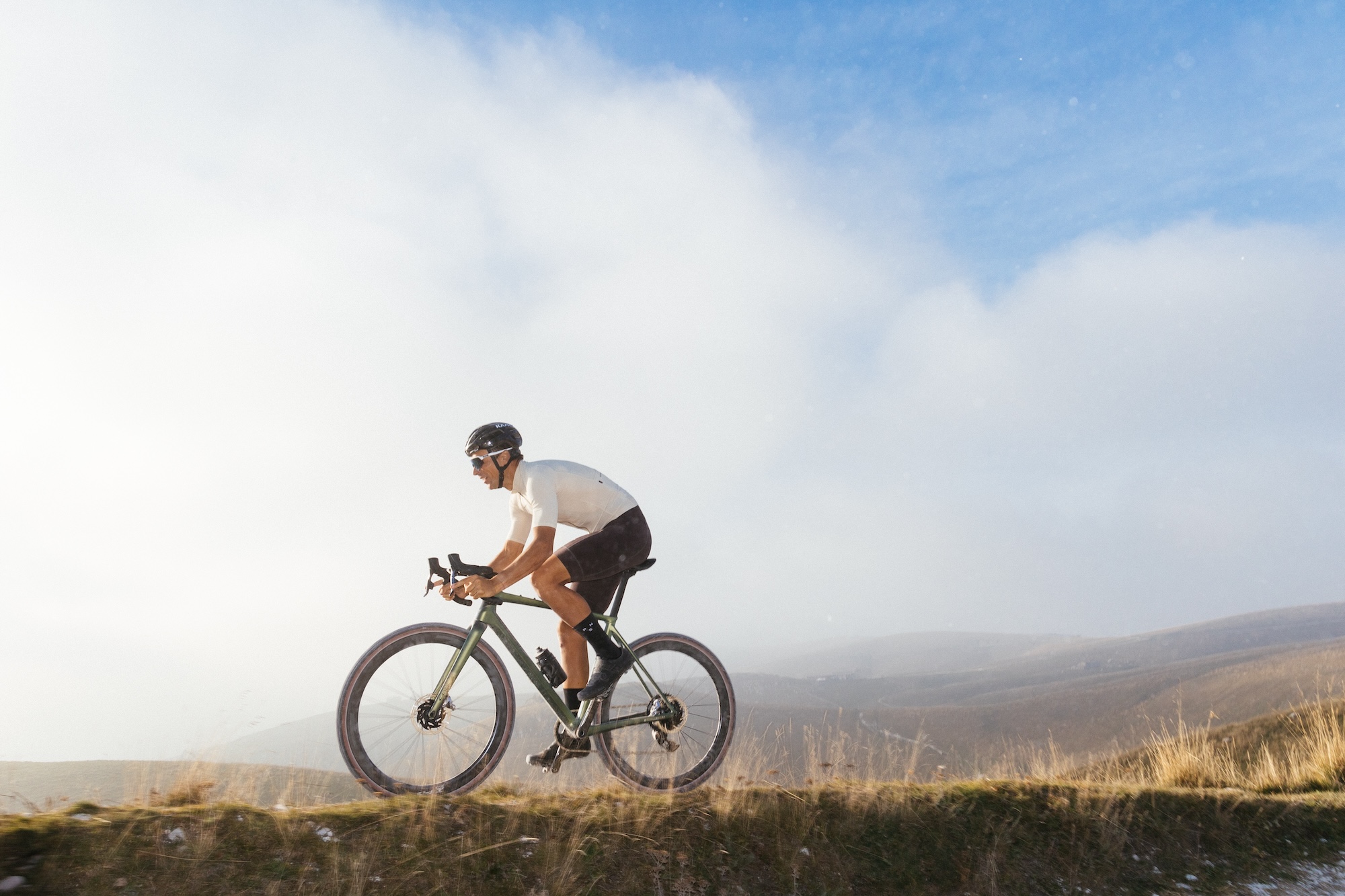
Colnago C68 Gravel. Photo courtesy Colnago.

The C68 Gravel is part of the C-Series, a range dedicated to handmade Italian tradition and exclusive design. It joins other models like the C68 Road, C68 Titanium, and C68 Allroad, each crafted with the same philosophy of achieving the perfect balance between compliance and performance.

The C-Series range is made of:

  • C68 ROAD – This model is oriented to pure road performance.
  • C68 TITANIUM – The best possible riding experience thanks to a top-notch custom-sized carbon frame.
  • C68 ALLROAD – This model widens the horizons of road cycling to dirt roads, with a tire clearance up to 35mm.
  • C68 GRAVEL – A bike intended for real off-road drop bar cycling.

C means Carbon, Colnago, Cambiago, Class. 68 represents how far Colnago has come since the year in which we were founded, 1954.

Colnago C68 Gravel. Photo courtesy Colnago

C-Series models are dedicated to the handmade multi-part Italian tradition processes and to those who love road bikes with a unique and exclusive design.

Gravel-specific geometries

Featuring gravel-specific geometries, the C68 Gravel boasts a shorter reach and higher stack compared to its road counterpart, ensuring optimal handling on any terrain. With extensive tire clearance up to 42mm, it offers versatility for various riding conditions, from dirt roads to off-road trails. Thanks to this flexibility, your journey, whether on a dirt road or an off-road trail, will have no boundaries.

The bike’s frame construction combines modern monocoque aesthetics with the advantages of lugged construction, resulting in greater flexibility and a more comfortable riding experience. It features the CC.01 Wide cockpit, specially designed for gravel riding, and a revised seat post clamp for enhanced performance.

Compatibility

The C68 Gravel prioritizes compatibility and clean aesthetics, compatible with most drivetrain brands and configurations as long as they feature DISC and internal cable routing. It can accommodate electronic and mechanical groupsets with one chainring (1x).

Rigorously and Proudly Made in Italy

Proudly made in Italy, like the rest of the C-Series, the C68 Gravel embodies the essence of Italian Cycling Excellence, combining tradition and innovation in every detail. From the meticulous precision of carbon fibre tube cutting to the final assembly, our commitment to perfection is proudly realised in Italy, a nation renowned for its rich cycling heritage, unwavering passion and fine manufacturing.

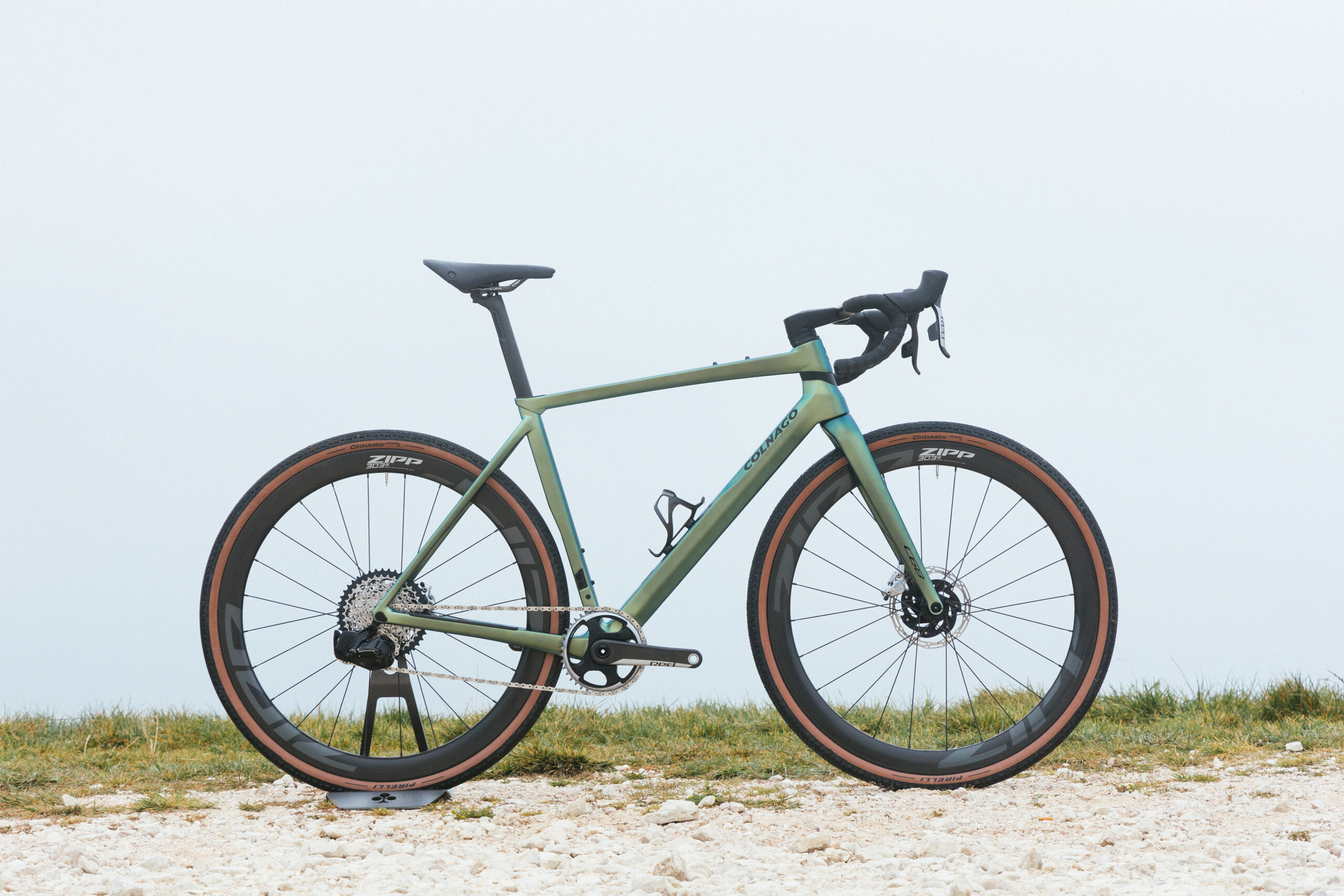
Available in stunning green and high-gloss black color schemes, it offers various groupset and wheelset options to suit different preferences and riding styles.

Commercial Info

Suggested price in Europe (SRAM Red XPLR, ZIPP 303S wheels, Colnago CC.01 Wide integrated handlebar, Selle Italia Regal Short Open Fit CRB (Carbon) saddle, Pirelli Cinturato Gravel TLR 40mm): €12,010/ $13,199.95 in USD

CONFIGURATION  USD (MSRP)   EURO (RRP)   GBP (RRP) 
C68 Gravel – Frameset  $  7,100.00  €  5,935.00  £  5,269.00
C68 Gravel – SRAM Red XPLR, ZIPP 303S Wheels  $ 13,199.95  € 12,010.00  £ 11,099.99
C68 Gravel – SRAM Force XPLR, Fulcrum Rapid Red 500  $  9,599.95  €  8,690.00  £  8,099.95
C68 Gravel – Shimano GRX 822 1X, Fulcrum Rapid Red 900  $  7,995.95  €  7,250.00  £  6,899.95


Colors and set-ups available

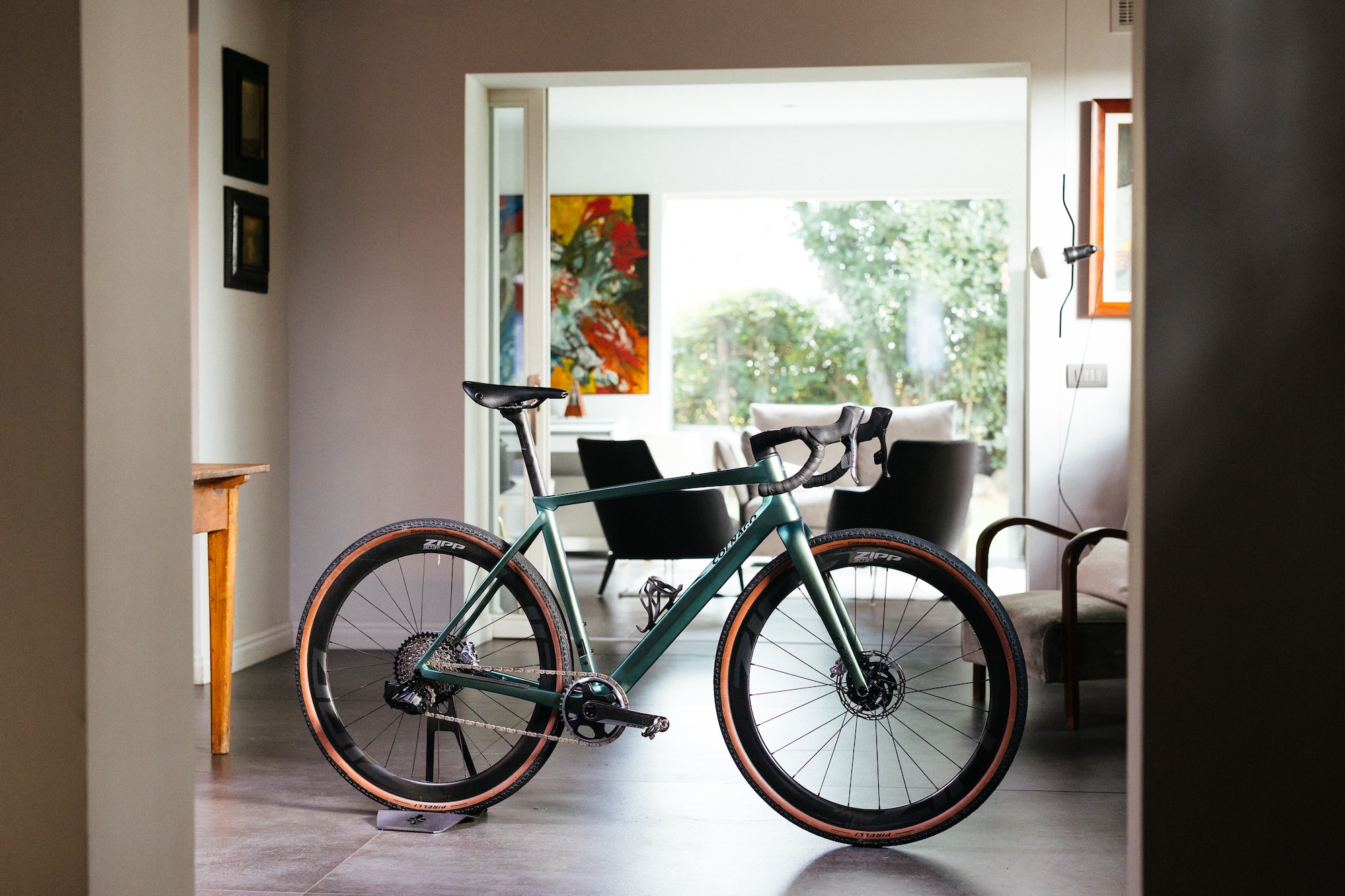
The bike will be available in two colour schemes; a beautiful green and a high-gloss black.

Colnago C-68 Gravel in a beautiful shade of green (HGGR). Photo courtesy Colnago.

The C68 Gravel will be available equipped with the following groupset options:

  • SRAM Red XPLR
  • SRAM Force XPLR
  • Shimano GRX 822 1x

The C68 Gravel will be available equipped with the following wheelset options:

  • ZIPP 303S
  • Fulcrum Rapid Red 500
  • Fulcrum Rapid Red 900


Pacific Cycle Recalls E-Bikes Due to Fire Hazard

0

Name of Product: Ascend Cabrillo and Minaret Electric Bikes

Hazard: The wiring harness that manages the charging of the lithium-ion battery was not properly assembled, creating a risk of overheating and fire while charging.

Remedy: Refund

Recall Date: January 25, 2024

Units: About 1,700

Consumer Contact

Pacific Cycle toll-free at 877-564-2261 from 7 a.m. to 6 p.m. CT Monday through Friday, email at [email protected] or online at www.pacific-cycle.com/safety-notices-recalls or www.pacific-cycle.com and go to the bottom of the page and click on “Safety Notices & Recalls” for more information.

Recall Details

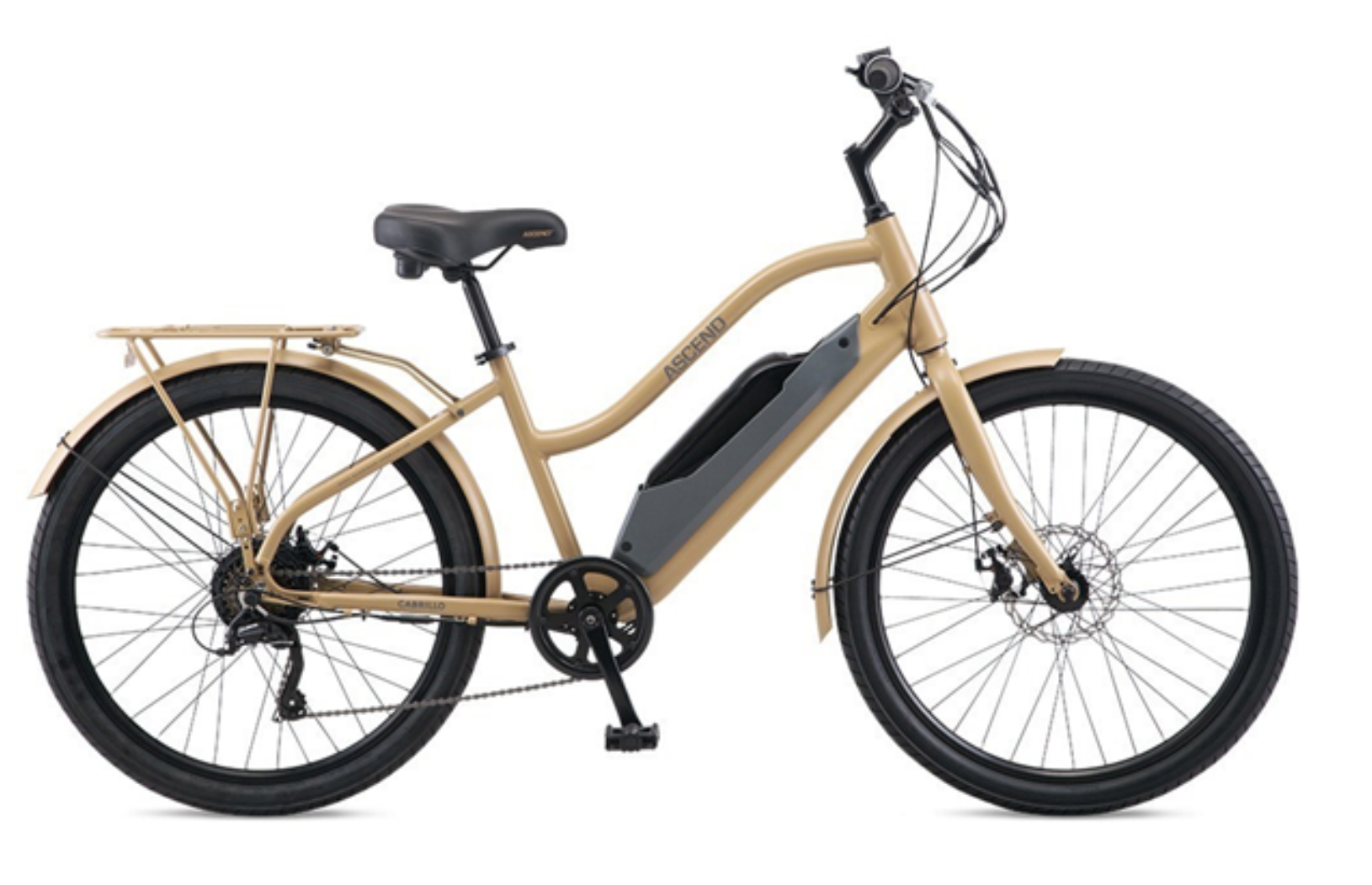
Description: This recall involves Ascend Cabrillo and Minaret Electric Bikes. The Ascend Cabrillo model numbers are R7583BPS and R7585BPS and the Ascend Minaret model number is R7586BPS. The model number and “Pacific Cycle” are printed on the service label located on the seat tube above the bottom bracket. The Ascend Cabrillo was sold in a sand or gray color and has a rear storage rack. The Minaret was sold in black with red and gray accents or a step-through frame style. The word “Ascend” is located on the downtube and the word “Cabrillo” or “Minaret” on the chain stay. The electric bikes have an electric assist motor.

Remedy: Consumers should immediately stop using and unplug the recalled electric bikes. Consumers should enter their serial number on www.pacific-cycle.com/safety-notices-recalls before returning the bike(s) to confirm their electric bike is part of the recall. Return the recalled bikes to Bass Pro Shops or Cabela’s to receive a full refund.

Incidents/Injuries: The firm has received three reports of the battery catching on fire, resulting in one injury of second-degree burns.

Sold At: Bass Pro Shops and Cabela’s stores nationwide and online at basspro.com and cabelas.com from January 2023 through November 2023 for between $1,400 and $1,500.

Importer(s): Pacific Cycle Inc., of Madison, Wisconsin

Distributor(s): Bass Pro LLC, of Springfield, Missouri

Manufactured In: China

Recall number: 24-092

Bike and EV Charging Infrastructure are Urgently Needed for a Green Transition in Canada

By Deborah de Lange, Toronto Metropolitan UniversityThe green transition is happening too slowly. We are in a climate emergency and it is clear that we need to reduce greenhouse gas emissions by transitioning to more sustainable transportation.

However, without sufficient infrastructure to enable electric vehicles (EVs) or cycling for commuting, these options will remain too inconvenient or unsafe for most. Canada’s climate obligations will not be met without these infrastructure changes.

In 2023, we experienced the hottest July on record. We cannot burn more carbon, no matter the remaining carbon budget. Climate disasters around the world today are dictating timelines now. Meanwhile, gas cars are needlessly on city streets, adding to traffic congestion and pollution while urban sprawl means gas car driving habits expand.


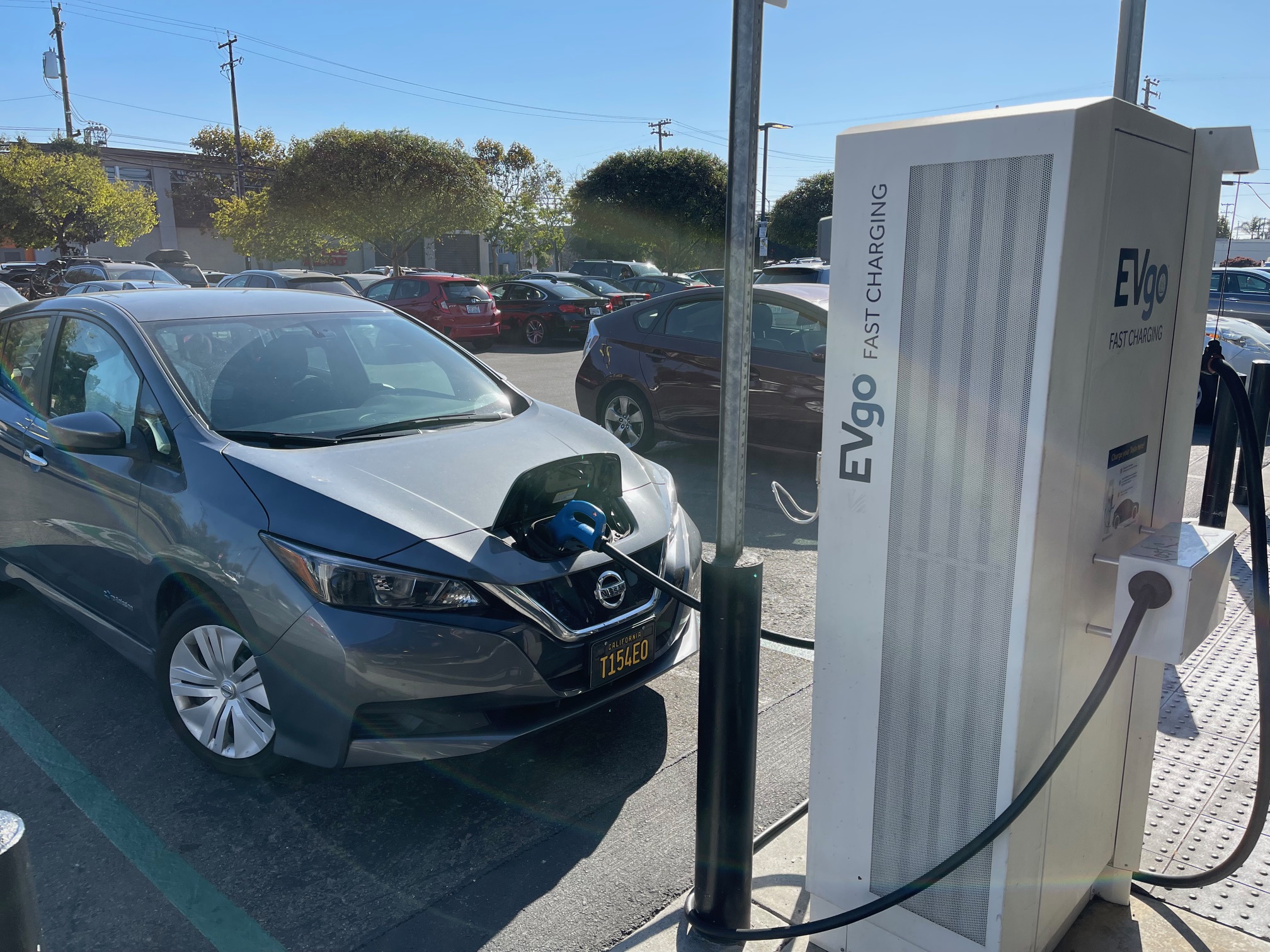
Charging stations, like this one in California, are desperately needed in Canada to encourage the transition to electric vehicles. Photo by Dave Iltis

Canada requires urgent investment in transport infrastructure and incentives to reverse this trend.

Policy breakdowns

Here in Toronto, a recent mayoral election provided a platform for two candidates who made election promises to close down cycling lanes. Meanwhile, a lack of high-quality cycling infrastructure in the city incentivizes travel by car to the detriment of the city’s happiness and carbon budget.

This stands in stark contrast to a city like Copenhagen, Denmark where 62 per cent of people commute by cycling. A city which, by some metrics, may also be the happiest in the world.

Closer to home, cycling infrastructure remains poor and bike theft rose by 429 per cent in Canada this summer. However, the solutions to this problem, such as bicycle lockers, are not widely enough installed and where they do exist, they are only for regular users and require a reservation and monthly payments.

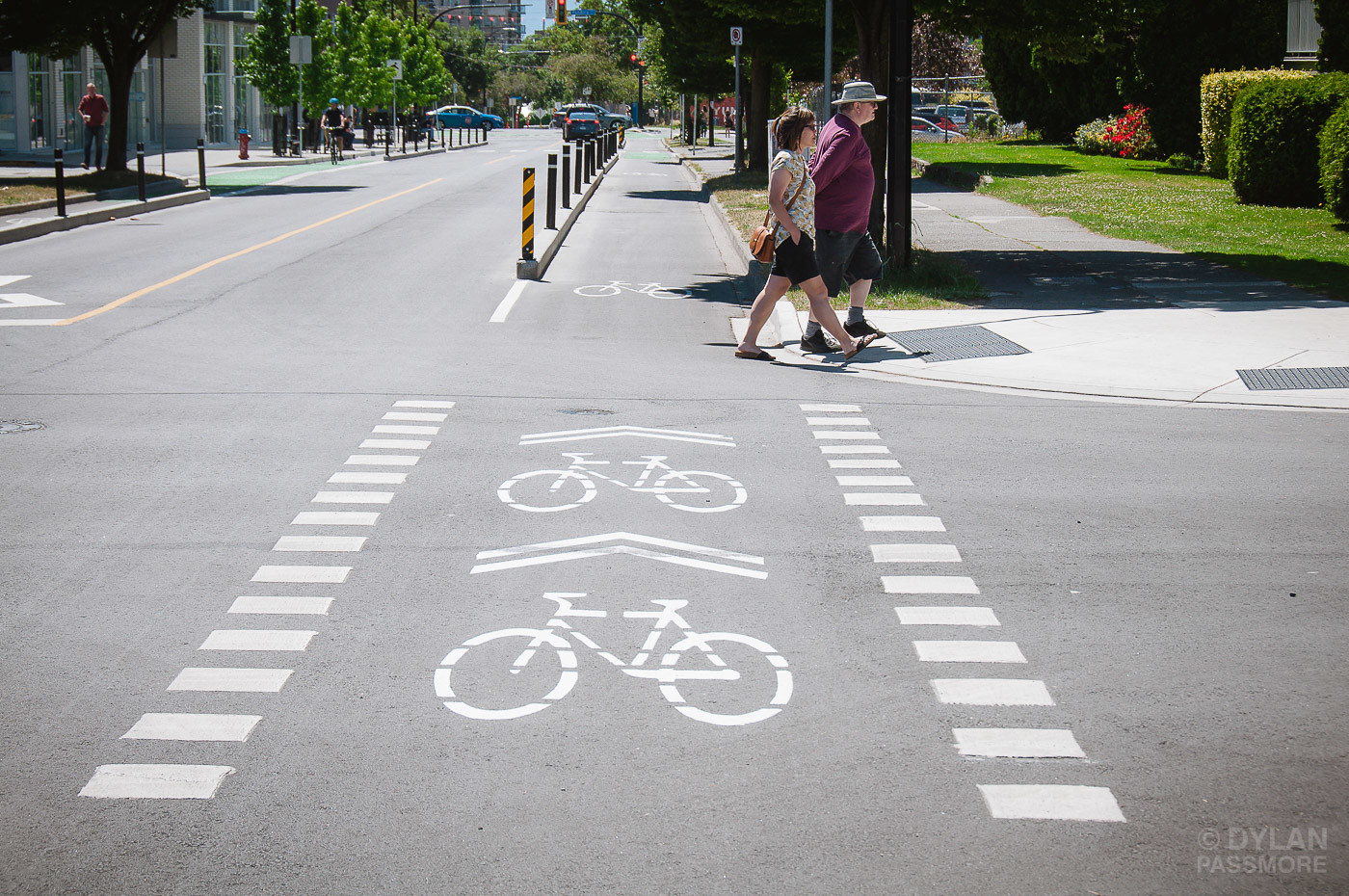
A protected bike lane in Victoria, British Columbia. Victoria ranks as the most bicycle-friendly city in Canada, but similar infrastructure is needed in other cities, especially Toronto and environs. Photo by Dylan Passmore. CC BY-NC 2.0 DEED
Attribution-NonCommercial 2.0 Generic

Solutions such as an on-demand bicycle storage system being piloted in Vancouver and the Vancouver City Centre Bike Valet show promise for nation-wide implementation but will require effort to implement at scale.

Nowhere to charge

Likewise, a recent survey says that Canadians are not switching to cleaner EVs partly because of a lack of charging infrastructure. In a climate emergency, bike and electric vehicle infrastructure should have been installed long ago.

Toronto’s mandate is to reach net zero by 2040, but its efforts pale in comparison to the actions of other cities in Canada and around the world.

A variety of incentives and legislation are accelerating an EV transition including fee exemptions, grants and mandated targets. Brazil is proposing that all gas stations offer EV charging.

Ireland’s zero emissions office is aiming for 100 per cent of new car sales to be EVs by 2030. France supports EV purchases with funding and bonuses for low income individuals. Ecuador’s public transport will be 100 per cent electric by 2025 and Sweden’s government fleet will be electrified by 2035. Colombia and South Africa are setting EV charging infrastructure minimums.

There are notable Canadian EV initiatives in Québec and British Columbia. Québec has ambitious electrification plans including expanding EV charging, funding further vehicle electrification across the province. B.C. is improving upon the Canadian national mandate by installing more EV charging stations and planning a changeover to clean vehicles.

In contrast, Ontario and Toronto are without any unique innovations in electric vehicle infrastructure or policy.

An electric future

EVs are already addressing local air pollution around the world and reducing health issues such as asthma. Higher EV sales are also associated with higher human development indexes (HDI). An HDI is a national measure of wealth, and a good reflection of standard of living, including health and education. Countries with higher EV sales also tend to lead worldwide in the development of environmental inventions. Healthier inventions make a better life.

Perhaps in Sweden, France, The Netherlands, Germany, Japan, Norway and certain Canadian provinces such as Québec and B.C., the connection is clearer between switching to cleaner technologies and increasing levels of personal health and happiness. Improving education is a catalyst for change.

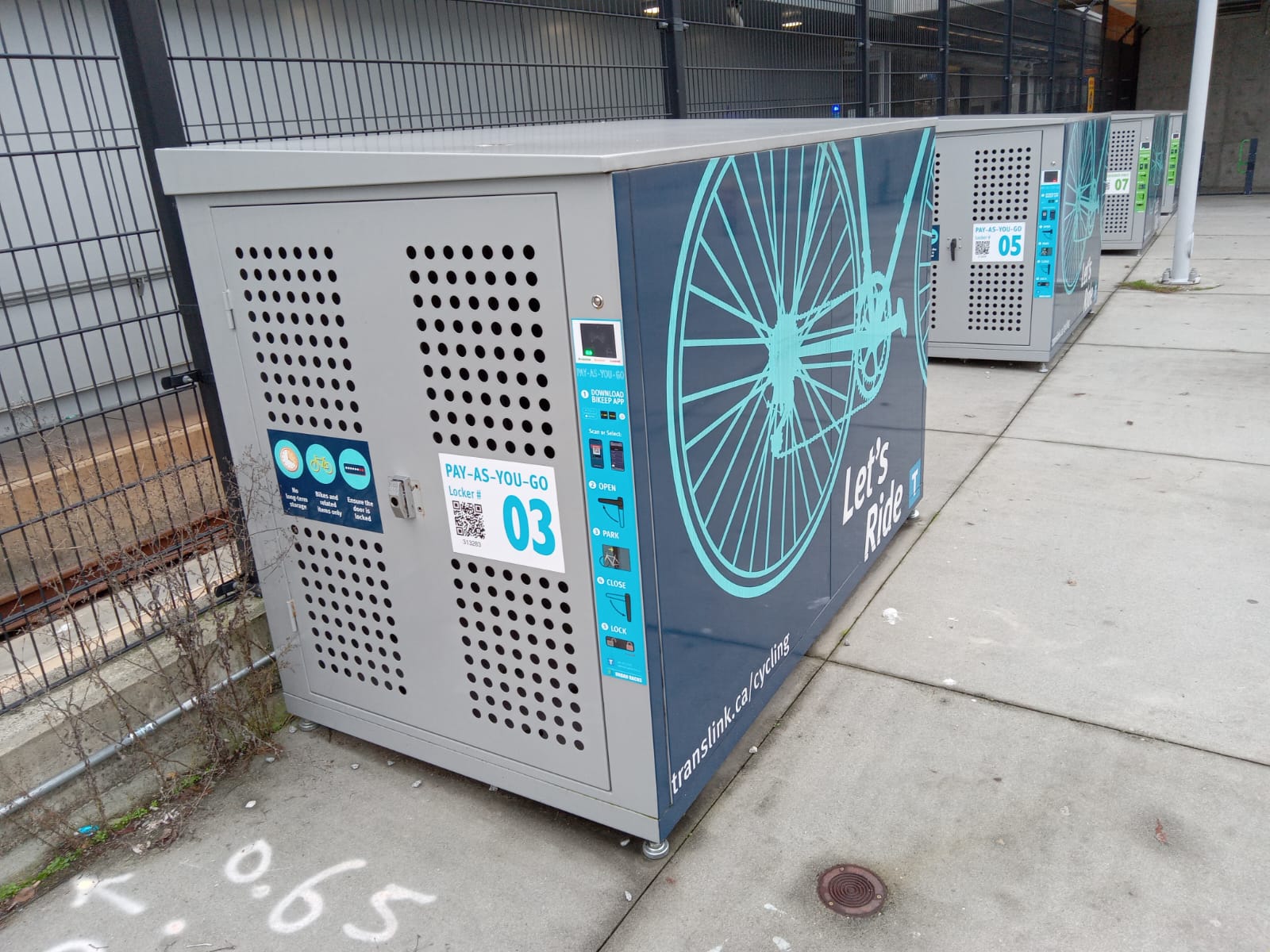
Installing bike infrastructure, like these pay-as-you-go (with blue strips) and subscriber-only (with green strips) bike lockers at the Port Moody, B.C. SkyTrain station has helped the Vancouver metro area start transitioning towards greener modes of transportation. East Coast cities like Toronto are far behind their Western Canada counterparts. Photo by Deborah De Lange

If Canada is to meet its climate commitments, it has to drastically reduce greenhouse gas emissions from transportation. Infrastructure investments, such as for EVs and cycling, improve our quality of life and the economy at the same time. Building infrastructure is a classic approach to boosting an economy. It is also a green economic opportunity if the right choices are made.

Canada can start by applying well-known policy solutions and rapidly installing infrastructure nationwide. Studies have validated this recommendation and additional phased-in electrical grid capacity is neither controversial nor impractical. Emissions reductions with EVs as compared to gas cars, no matter the energy fuel source, ultimately validate EVs green utility over gas powered cars.

Around the world, such as in China where they have energy mix variations across regions including coal, EVs make sense. Emissions reductions for Ontario have been calculated at around 80 per cent when EVs are driven.

The International Energy Agency offers a comprehensive policy database of worldwide examples for places like Toronto that are lagging on clean transportation transition policy and change. Beyond benchmarking, Canada could strive for leadership on the world stage by investing in university research and applying ambitious initiatives across the country.

Canada has an opportunity that should not be missed to stimulate its economy by investing in sustainable transportation infrastructure to accelerate the green transition.The Conversation

Deborah de Lange, Associate Professor, Global Management Studies, Toronto Metropolitan University

This article is republished from The Conversation under a Creative Commons license. Read the original article.

Indie Film “We Are All In This Together” Traces One Man’s Bicycle Journey from SF to NYC

AWARD-WINNING INDEPENDENT FILM “WE ARE ALL IN THIS TOGETHER” BY DANIEL TROIA PREMIERED JANUARY 12 ON AMAZON PRIME, APPLE TV, AND GOOGLE PLAY

With incredible scenery and soundtrack by Portugal. The Man, Troia’s film traces his bicycle journey from SF to NYC with no food or money to learn more about the human connection

MONTEREY, California — On January 12 independent filmmaker and adventure cyclist Daniel Troia released his award-winning independent film We Are All In This Together on Amazon Prime, Apple TV, and Google Play. Troia rode his bicycle from San Francisco to New York City with no money or food to find out how divided we really are as a people — and then made a documentary film about the experience. Part adventure cycling film, part social impact project, We Are All In This Together has won award after award on the film festival circuit and premiered on streaming platforms on January 12. Beloved indie rock band Portugal. The Man provided the soundtrack to the film.

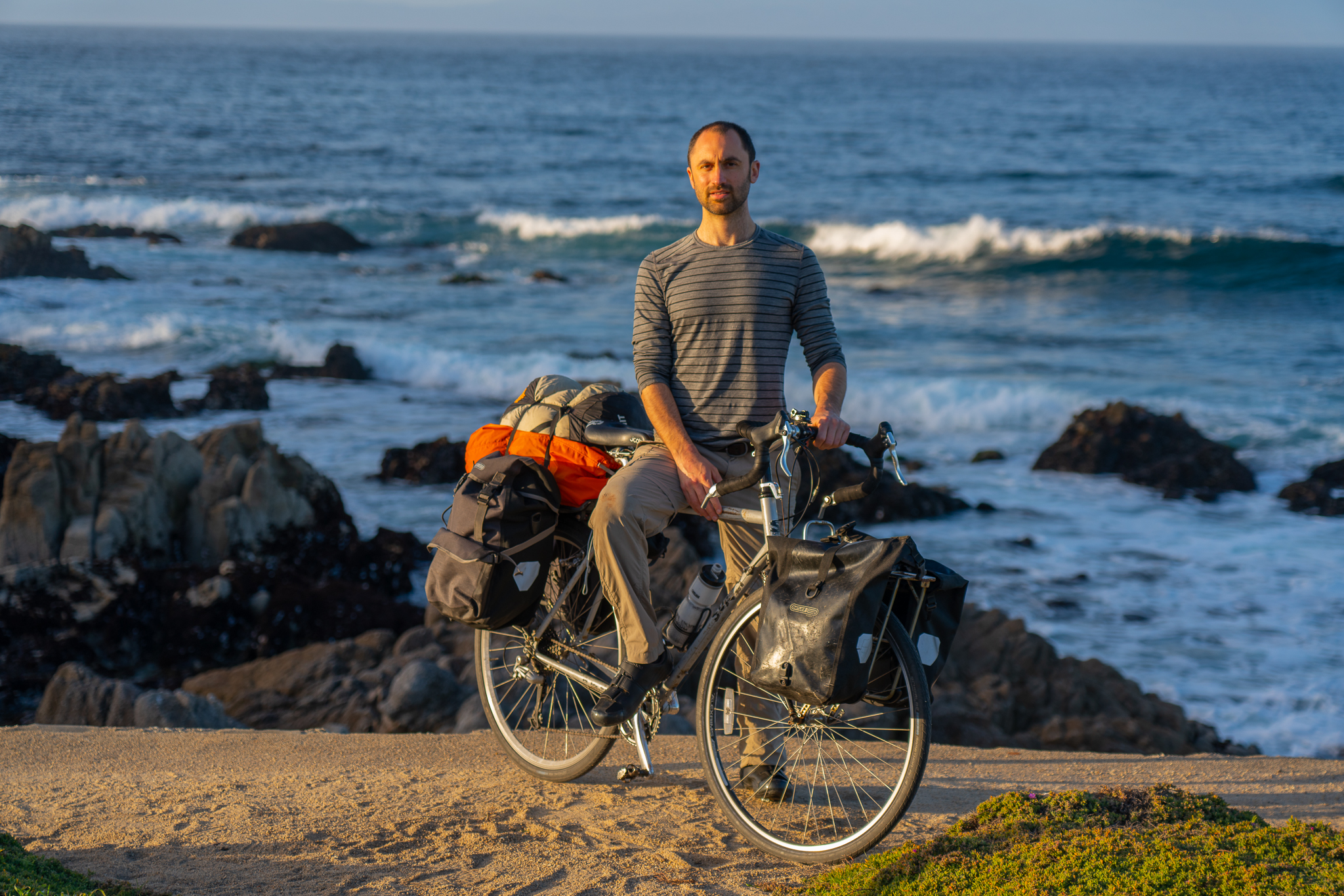
Daniel Troia beginning his solo transamerica ride. Photo courtesy Daniel Troia

Equipped with hidden camera glasses and a cardboard sign that says, “Ran out of food. Anything helps.”, Troia listens to stories from the people who offer him help, and learns that those who have faced the most adversity in their lives often have the most to give. Across 19 states and over 7 months, Troia outruns a tornado in Kansas, runs out of water in the desert, nearly avoids hypothermia in Montana, and crosses the Sierras, Rockies and Appalachian Mountain ranges. A journey taken entirely alone and filmed with his hidden camera, Gopro, and a drone, Troia’s cross-country solo ride ultimately forces a new perspective on this country, one that convinces him that there is much more that brings us together than separates us.

Click through to watch the trailer on YouTube.

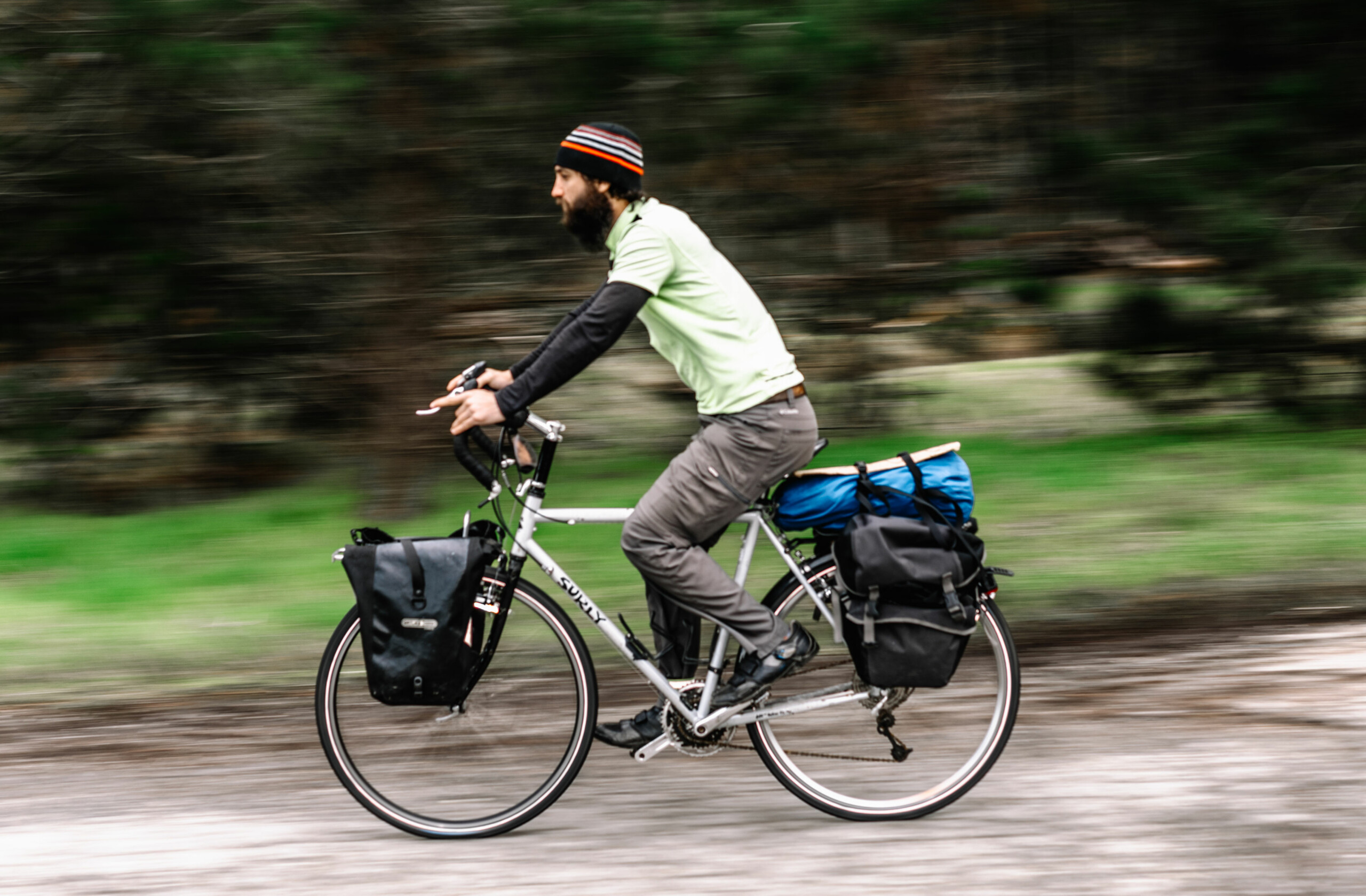
Daniel Troia during his solo transamerica ride. Photo courtesy Daniel Troia

This deeply captivating story — with spectacular footage — of a man’s desire to understand the human connection takes him on many twists and turns through glorious and grueling landscapes, in an ultimately uplifting journey of kindness. We Are All In This Together touches on our relationships with strangers, the shame of living on the streets and our judgments of the unhoused, the perpetual cycle that keeps folks unhoused, food insecurity and food waste, and the influence of fate and serendipity.

“The division in our world has been so intense, and issues around homelessness and food insecurity are so complex,” Troia says, “but the people I met showed me that the one thing we can control is how we treat each other. Every single day, we have the opportunity to show up for someone who needs help. On an individual level, this is where change really begins.”

We Are All In This Together will be screened at venues across the country, beginning with a benefit screening in Salinas, California for Dorothy’s Place, a shelter serving the poor, unhoused, and marginalized in Salinas’ Chinatown area. Screenings and benefits in Los Angeles, San Francisco, Chicago and New York City to follow. Schedule to be announced soon.

Tour of the Gila 2024 Amateur Registration Open Now

With new options for USA Cycling categories, the New Mexico stage race aims to increase participation.

SILVER CITY, New Mexico – One of North America’s top stage races, Tour of the Gila opened registration to amateur competitors on Monday, January 1, 2024. Once again on the calendar for the last week of April, the iconic bicycling event will feature the usual five stages for the UCI categories and a reduced number of stages for the USA Cycling categories.

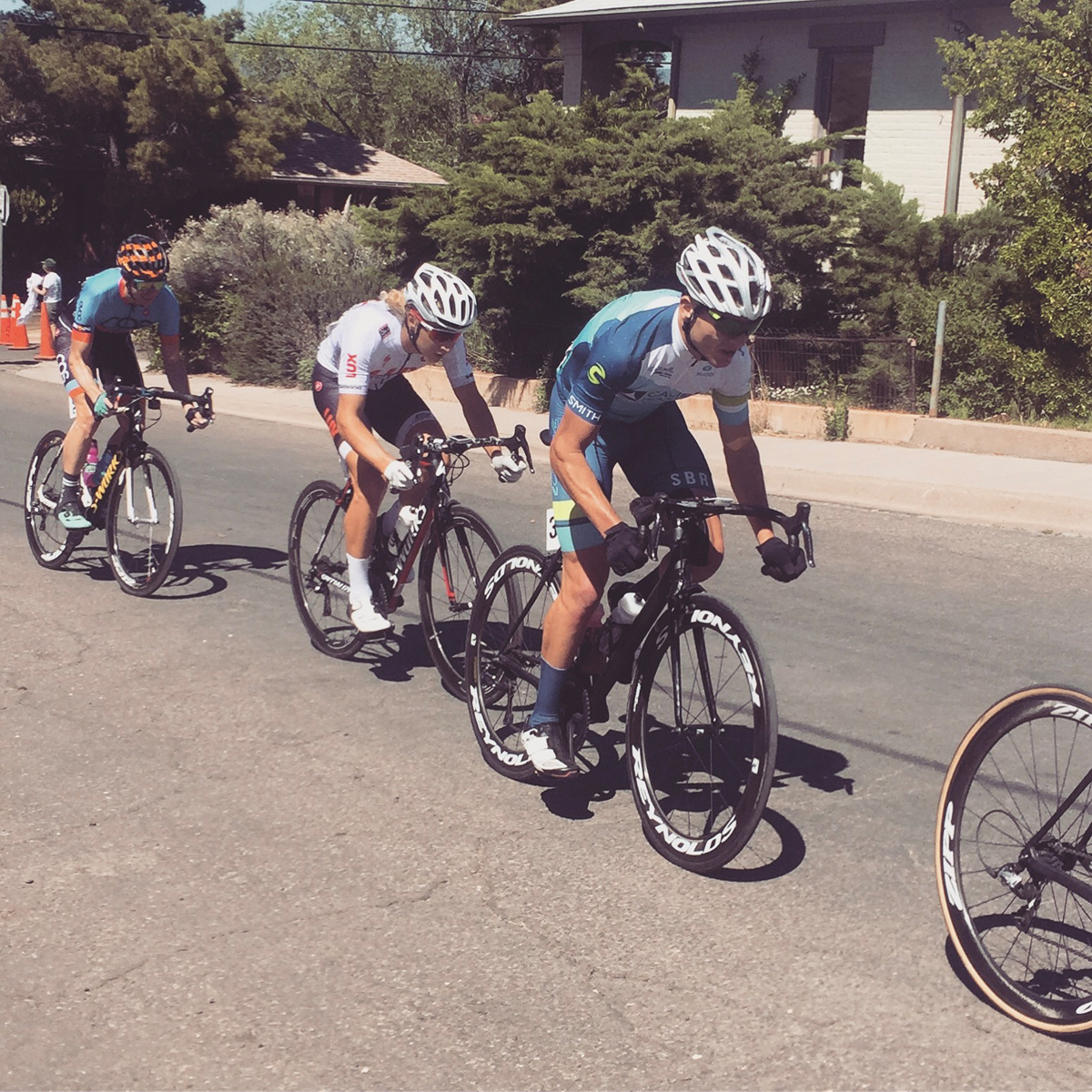
Trevor Jackson following an attack during the Stage 4 Cat 1-2 Crit (2017 Tour of the Gila). Photo by Abraham Torres

Scheduling conflicts are the leading barrier to participation in bike races, according to a USA Cycling study. A survey conducted by Tour of the Gila organizers also provided insight that guided the change for non-professional riders. “Tour of the Gila is still the place where amateurs can compete on the same roads on the same days as the pros,” Board President Michelle Geels said. “And now even more people will be able to add our race to their 2024 calendar.”

Men and Women 2, 3 racers will experience four days of racing, starting with the Inner Loop Road Race on Thursday, April 25. The less experienced Men and Women 4 and 5 racers will ride three stages: the Tyrone Time Trial, Downtown Criterium, and Gila Monster Road Race. The master men will also race for three days. In partnership with other southwest stage races, Tour of the Gila is adding a junior men field for teens 15-18. Some of the combined categories will race together as one field but be scored separately. Details about each amateur category are available at tourofthegila.com/race/race-information.

Racers may sign up for the 37th Tour of the Gila online at bikereg.com/tour-of-the-gila starting on the first of the year. The entry fees range from $120 to $240.

Teams confirmed for the UCI race include Team California, which runs one of the country’s top men’s U23 programs, and DNA Pro Cycling, a women’s UCI continental team. “With 2024 being an Olympic year we are expecting our best and most international women’s and men’s fields ever,” Race Director Michael Engleman said.

Visitors and local residents who have supported Tour of the Gila for three dozen years with their offerings of time and talent may check tourofthegila.com for information about volunteering and watching the race this spring.

EPA Working to Enhance Safety in Bicycle Manufacturing

By Charles Pekow — The Environmental Protection Agency (EPA) is actively working to enhance bicycle safety not only for riders but also in the manufacturing of bicycle and parts. The EPA has proposed restrictions on work exposure to toxins in assembly plants, specifically targeting decabromodiphenyl ether (decaBDE) and phenol, isopropylated phosphate (3:1) (PIP (3:1)), under the Toxic Substances Control Act. The deadline for comments on these proposed regulations is January 8, and more information can be found at https://www.govinfo.gov/content/pkg/FR-2023-11-24/html/2023-25714.htm

Workers dealing with these substances, commonly used as flame retardants and anti-wear additives in lubricants, would be required to wear protective gear. According to the EPA’s draft economic analysis, the proposal could impact up to 378 manufacturers of new and replacement bicycle and motorcycle parts in the USA, with 366 of them classified as small businesses by the Small Business Administration. The EPA noted that workers exposed to the chemicals typically wear gloves but do not use respirators.

Additionally, the EPA is taking proactive measures “proposing to address the unreasonable risk of injury to human health presented by trichloroethylene (TCE),” a solvent and lubricant. The EPA aims to ban the substance in the manufacturing and importation of bicycles and parts within a year, with temporary exceptions in workplaces under strict controls.

“The EPA would also like to emphasize that alternatives are available for the vast majority of TCE uses. While some manufacturers may be required to reformulate their products to eliminate TCE if they haven’t already, EPA emphasizes that TCE is highly toxic and that transitioning away from this chemical will help protect human health and the environment,” EPA Environmental Protection Specialist Simon Regenold wrote in an email.

The full proposal can be accessed at https://www.govinfo.gov/content/pkg/FR-2023-10-31/html/2023-23010.htm


House Lawmakers Vote Unanimously to Advance the EXPLORE Act; includes BOLT Act

First-of-its-kind bipartisan package of outdoor recreation policy passes out of key committee in the House, including Biking on Long Distance Trails Act (BOLT Act); Outdoor Alliance continues to work closely with lawmakers to refine these bills

WASHINGTON, D.C. (January 19, 2024) — This week, lawmakers in the House Natural Resources Committee voted unanimously to advance the Expanding Public Lands Outdoor Recreation Experiences (EXPLORE) Act, a bipartisan package of outdoor recreation policy that could serve as a companion to America’s Outdoor Recreation Act (AORA). The EXPLORE Act, like AORA, includes many key bills that Outdoor Alliance and its partners have helped develop and refine alongside lawmakers. Now, there are complementary packages of outdoor recreation policies in Congress: the America’s Outdoor Recreation Act (AORA) in the Senate and the Expanding Public Lands Outdoor Recreation Experiences (EXPLORE) Act in the House.

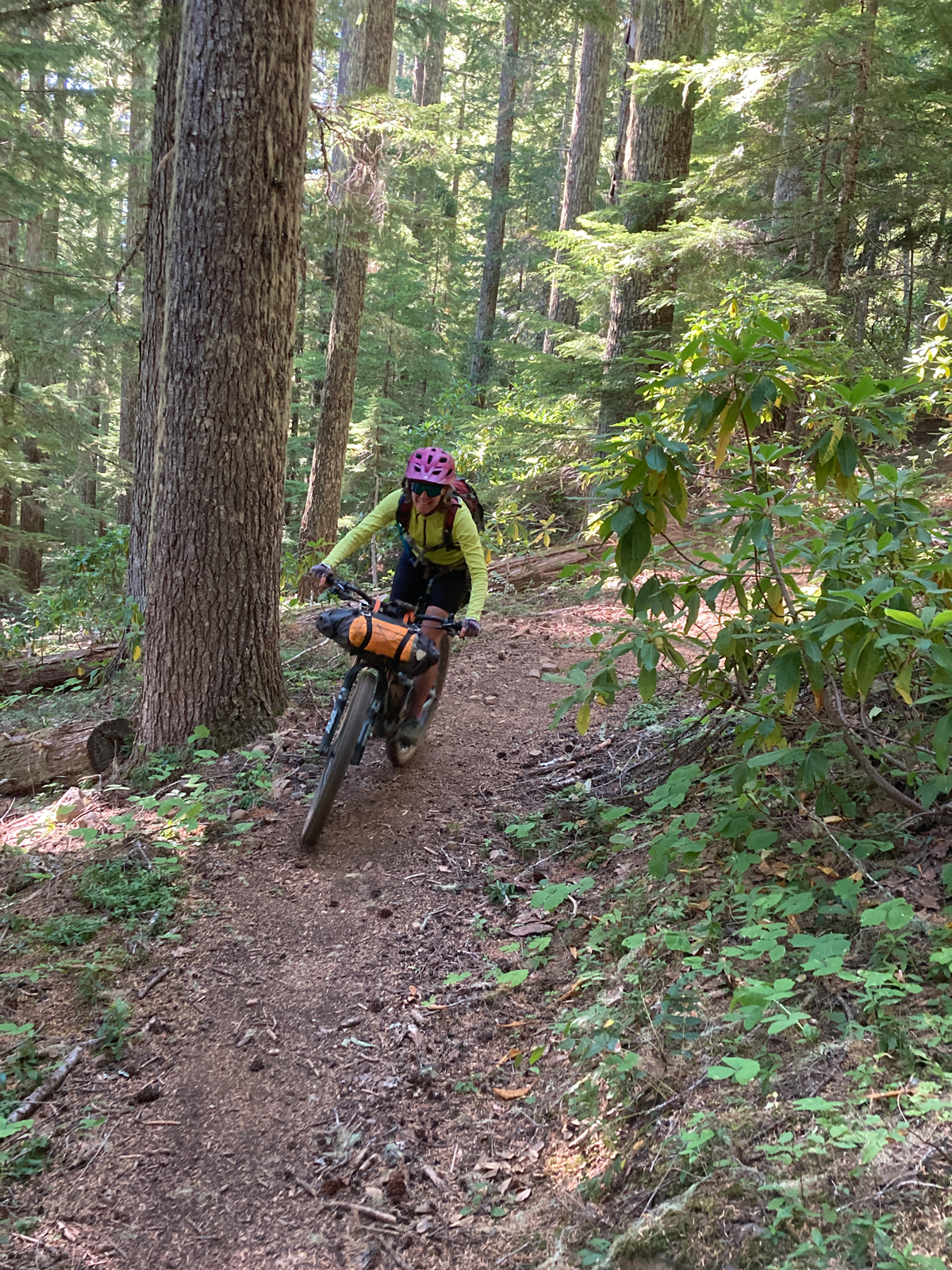
The BOLT Act could help identify and protect more routes like the Oregon Timber Trail. Photo by Tom Diegel

“Outdoor recreation is growing, and Outdoor Alliance is thrilled to the House Natural Resources committee vote to advance the EXPLORE Act, a first-of-its-kind package of outdoor recreation policy that would improve and protect outdoor recreation experiences on public lands and waters,” said Louis Geltman, VP of Policy and Government Relations, Outdoor Alliance. “Millions of Americans get outside each year, and the EXPLORE Act will improve management for climbing and mountain biking, enhance how agencies manage outdoor recreation and invest in parks where they are needed most with the Outdoor Recreation Legacy Partnership.”

Some of the bills highlighted in the EXPLORE Act include:

  • The Biking on Long Distance Trails Act (BOLT Act) would identify and create more long-distance bike trails
  • The Protecting America’s Rock Climbing Act (PARC Act) would safeguard Wilderness climbing
  • The Simplifying Outdoor Access for Recreation Act (SOAR Act) would modernize recreational permitting for guides and outfitters
  • Codifying the Outdoor Recreation Legacy Partnership, which funds parks and green spaces in neighborhoods that need it most

The EXPLORE Act would also help land managers inventory and protect outdoor recreation on public lands.

There is no denying that outdoor recreation is growing in popularity. According to recently released economic and participation data, there has been a rapid growth in outdoor recreation, and therefore, a need for public land improvements in terms of how recreation is managed and protected to address the increased demand. The EXPLORE Act helps provide a solution for managing this new level of use.

The voice of the outdoor recreation community will matter tremendously in moving this package along. Outdoor Alliance has established a quick-action form to help people send personalized letters to their lawmakers.

To learn more, please visit www.outdooralliance.org.


Book Review – The Slow Road to Tehran: A Revelatory Bike Ride through Europe and the Middle East

By Lou Melini — This is my first book review for Cycling West in some time. The cycling themed books that I have looked at (briefly) in the past few years have been stale with sameness. Travelogues or, worse yet, an account of one’s suffering and self-made adventure appear to be the current fashionable writing. As a result, I have had little interest in writing reviews of books that would have a review of rejection. Dave Iltis, editor and publisher of Cycling West asked if I would be interested in Rebecca Lowe’s book The Slow Road to Tehran. After a quick scan of a couple of reviews, my curiosity was aroused so I accepted the task. A week later the book arrived from the distributor.

I will start my review by succinctly stating that Ms. Lowe’s book is a worthwhile read. It will be hard to out-review many of the excellent reviews already given to The Slow Road to Tehran. The British cycling publication, Road.CC, gave an excellent review and Momentum Mag (Canadian cycling publication, not to be confused with the Multiple Sclerosis publication, Momentum magazine), published a behind the scenes interview that was enlightening. Even the Financial Times did a nice review of the book.

Ms. Lowe is an accomplished writer. She is British with a BA degree in English Literature from Cambridge. She went to Stanford on scholarship earning a MA in Journalism. Prior to her writing The Slow Road to Tehran, she worked as a journalist for the International Bar Association as the chief reporter specializing in human rights. She also was a freelance journalist specializing in Human Rights and the Middle East. Her background heavily influences her book.

In 2014, Ms. Lowe was in Beirut, Lebanon “interviewing politicians, activists and aid workers to report on the worst refugee crisis the region has ever known”. Despite dire warnings of trouble, she decides to ride a bicycle up the coast to Tripoli to “speak to the people living and surviving on the front line”. Thus, the seed is planted, a London to Middle East bike journey.

Several of the reviews I look at started by stating; “In 2015, as the Syrian War raged and the refugee crisis reached it’s peak, Rebecca Lowe set off on her bicycle across the Middle East”. It makes me wonder if the reviewers read the book, or simply read reviews. The statement is true, though the Syrian War is only a very small focus of the book with descriptions of refugee camps in Lebanon and Syria and relatives going into the camps to provide aid. From London, Ms. Lowe cycled across Europe (UK, France, Switzerland, Italy, Slovenia, Croatia, Bosnia, Montenegro, Albania, Serbia, Kosovo, Bulgaria) to Turkey. She continued on to Lebanon, Jordan, Egypt, Sudan, Oman (and UAE) and into Iran completing 11,000 Km (~6800 miles) and one year away from home.

To say this her journey was remarkable would be a gross understatement. Oppressive heat, a few roads that left her pushing her bike, lack of water and the inopportune flat tire (all flats are inopportune) would push a lesser person to quit. On the other hand, 97% of her trip gave her joy and fulfilled the purpose of why she left London on a bicycle.

As I mentioned earlier, Ms. Rowe has a BA from Cambridge in English Literature. I consider myself well-read but I put a dictionary next to me reading the book. (Revelatory in the subtitle means ”revealing, something hitherto unknown”.) There were references from classical literature that left me feeling like a high school drop-out. She described herself before leaving London as “more Sancho Panza than Don Quixote, and arguably more Rocinante (Don Quixote’s horse) than either.”

On one page she described her host as having “puckish charm” (playful in mischievous way) and a couple of pages later a person she met had oleaginous charm (exaggeratedly and distastefully complimentary). There are several British terms, podgy being one, though easily translated to pudgy. I learned much from reading the book, though at times I just wanted to read. Culture, religion, politics and history are prominent features as Ms. Lowe travels through each region. Who knew that Terra Nullius is “land that is legally deemed to be unoccupied or uninhabited as happened in a section of land between Egypt and Sudan due to Britain creating two distinct borders perhaps a century ago. In Tehran there is a main road that has had numerous names depending on the ruling regime. Ms. Lowe summarizes the name changes by writing:

“Through this metamorphic identity, the road becomes not just schismatic but prismatic, wrenched not just between to polar extremes but scrabbled over by tsarists, leftists and Islamists; chadoris, intelligentsia and nouveau riche; Basijis, Yarsanis and trendies.”

Ms. Lowe was a cyclist before her journey, but she had never traveled on a bike except for one multi-day trip in which her gear was carried in a truck in 2009 and her Lebanon ride. Her bike, donated by Kona and henceforth named Maud, arrived approximately 24 hours before her planned departure. Not counting “water and gin”, but with a “ukulele” her bike weighed 10 stone. (A stone weight is 6.35 Kg or 14 pounds). There are no gear ratios, components or other bike gear mentioned in the book.

Ms. Lowe’s self-deprecating and generally humorous writing in the book is a welcome style. For example, on the ferry to Sudan:

“Please watch out,” he says. “There are many dangers.”

“What dangers?” I ask.

“Well, there are scorpions,” he says finally. “And the insects are quite big.” For a police state renowned for violent conflict, ruthless repression and homegrown terrorism, these concerns seem manageable.

“Thank you,” I reply.

As a solo cyclist, and a female one these were more nuisances than serious dangers. She needed to wear proper attire in the Arab and Muslim countries. She had to register at police stations who sometimes followed her when she traveled. She had multiple inappropriate solicitations for sex and had her breast grabbed once (?) and her butt several times. She used Couchsurfing.com and acquaintances from her journalism career for a portion of her housing. In a few cases her hosts were taken in by the police and interrogated. She had to hide her past as a journalist.

I hope this review is published before the holiday season that is quickly approaching. Buy it for a spouse, significant other, friend or yourself. It is a good read that will entertain and educate you, wrapped in a year-long bike ride. The book will never cause you to neglect it for very long. Ms. Lowe brings to life the lives of many individuals in many countries, perhaps one of the most interesting aspects of the book.

“Aisha, my host for the night, meets us mid-debate. Clad in a black niqab and abaya, she doesn’t engage with the conversation. Back at her flat, Aisha transforms. Removing her cloak and veil to reveal a casual t-shirt, jeans and an open, inquiring face, she chats animatedly. She studied engineering before switching to medicine.”

In the words of Rebecca Lowe, “If you are hoping for rousing tales of sporting prowess or pushing the limits of physical endurance — stop reading. If you’re after an informed analysis of the difference between cantilever and caliper brakes, or the pros and cons of an internal gear hub, this isn’t the book for you”. However, if you want a well-written book by an adventurous journalist on a bicycle that delves into the heart and soul of Europe and the Middle East this will make a great book to read.

  • The Slow Road to Tehran: A Revelatory Bike Ride through Europe and the Middle East
    Author: Rebecca Lowe
    September Publishing; 2022
    ISBN 13: 978-1914613029

Lou Melini is a lifelong bicycle commuter, tourer, and the former Commuter Column editor for Cycling West.


Professional Triathletes Organisation (PTO) Tour to Debut in Las Vegas, Nevada, in October 2024

0

LONDON, United Kingdom (January 23, 2024) — The Professional Triathletes Organisation (PTO) has announced the 2024 PTO Tour will be going to Lake Las Vegas in Henderson, Nevada, with the creation of the inaugural PTO Lake Las Vegas Open on 19-20 October, 2024.

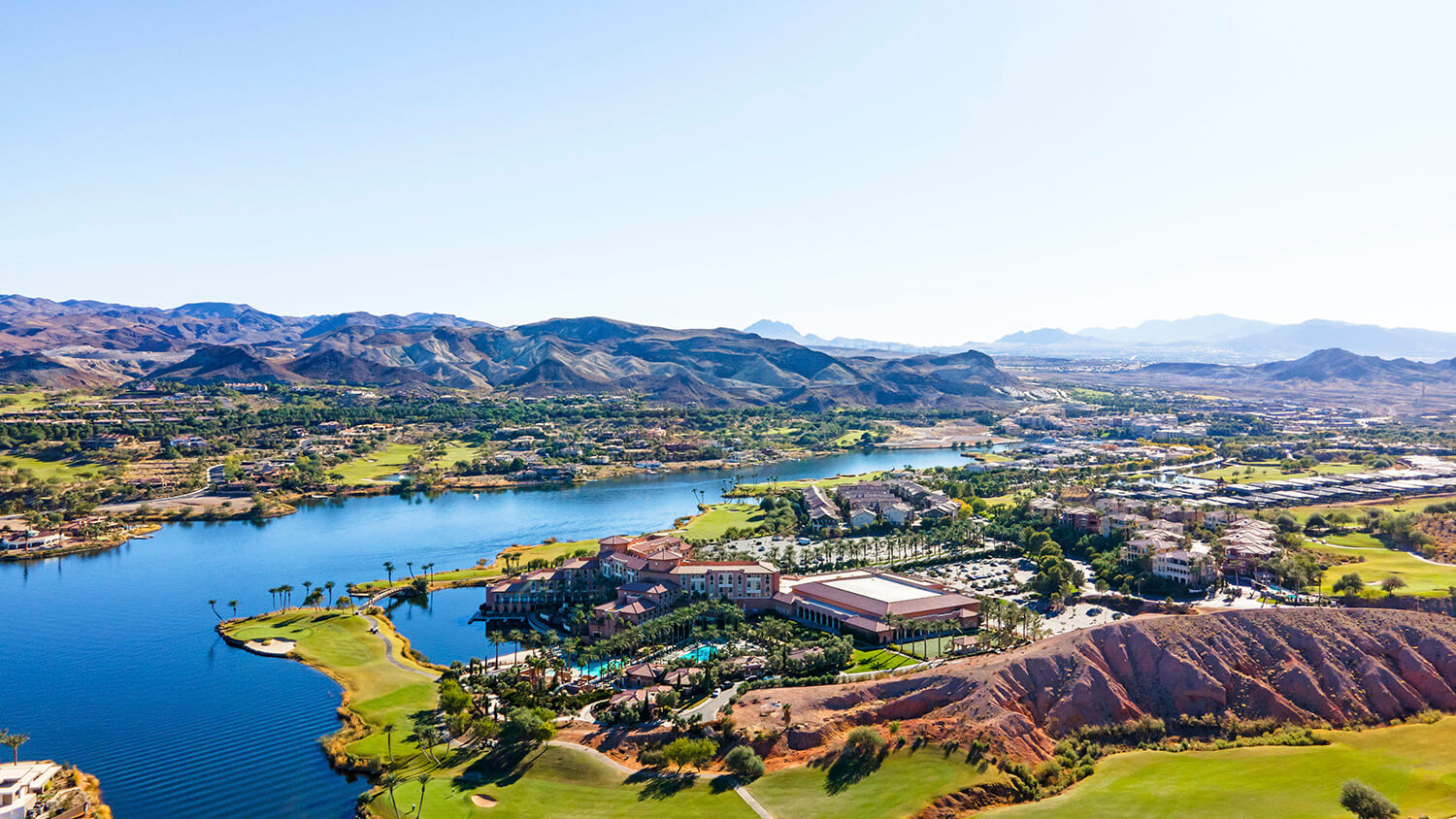
Lake Las Vegas, in Henderson, Nevada. Photo courtesy Professional Triathletes Organisation

Taking place around the picturesque Lake Las Vegas on the grounds of Reflection Bay Golf Club and The Westin Lake Las Vegas Resort and Spa, this will be the PTO Tour’s exciting debut in ‘the entertainment capital of the world’.

An action packed weekend will include the PTO’s new 100km (2km swim; 80km bike; 18km run) race distance featuring the world’s top 20 female and male professionals and an equivalent 100km [62 miles] triathlon for amateur participants around the same course.

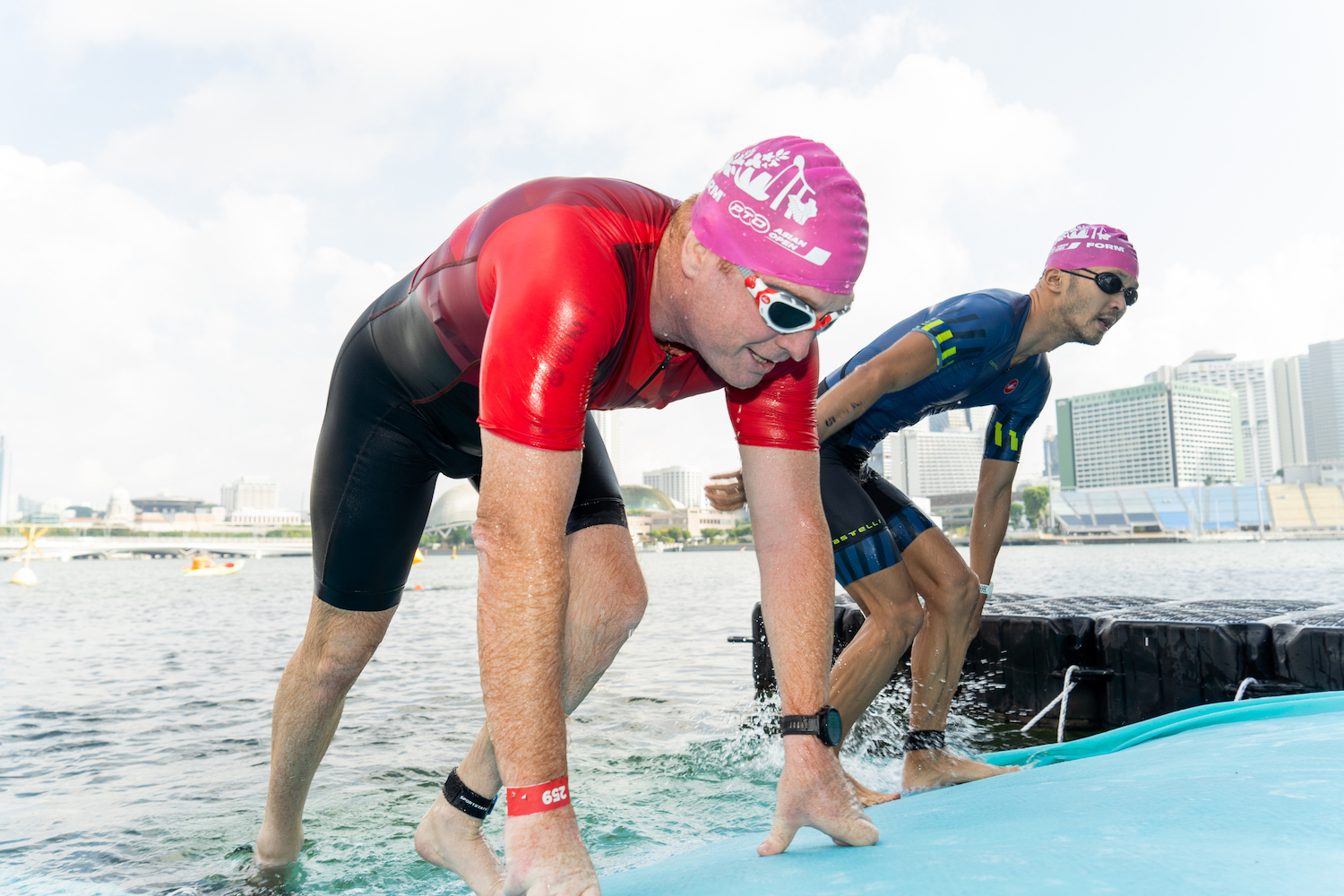
Swim. PTO Age Group 100K, Singapore, August 2023. Photo courtesy Professional Triathletes Organisation

Welcoming the news, PTO CEO Sam Renouf said:

“It is very exciting to be announcing that the PTO Tour will be making its Lake Las Vegas debut later this year around the stunning surroundings of Henderson, Nevada. This is just the kind of iconic location the PTO Tour aspires to visit, so it’s a positive endorsement of our strategy and the journey that we’re on, although we’ve got a long way to go.”

“A huge thank you must go to Mayor Romero of Henderson for sharing our vision for bringing world class triathlon to the city and helping to navigate all the different and often complex approvals. Thanks also to Cody Winterton of Raintree, who will be working with the PTO to put on the event, and Greg Gooding, the General Manager of The Westin Lake Las Vegas Resort and Spa, who’ll be hosting us in their impressive resort and grounds. We can’t wait to get started on the next stage of preparations.”

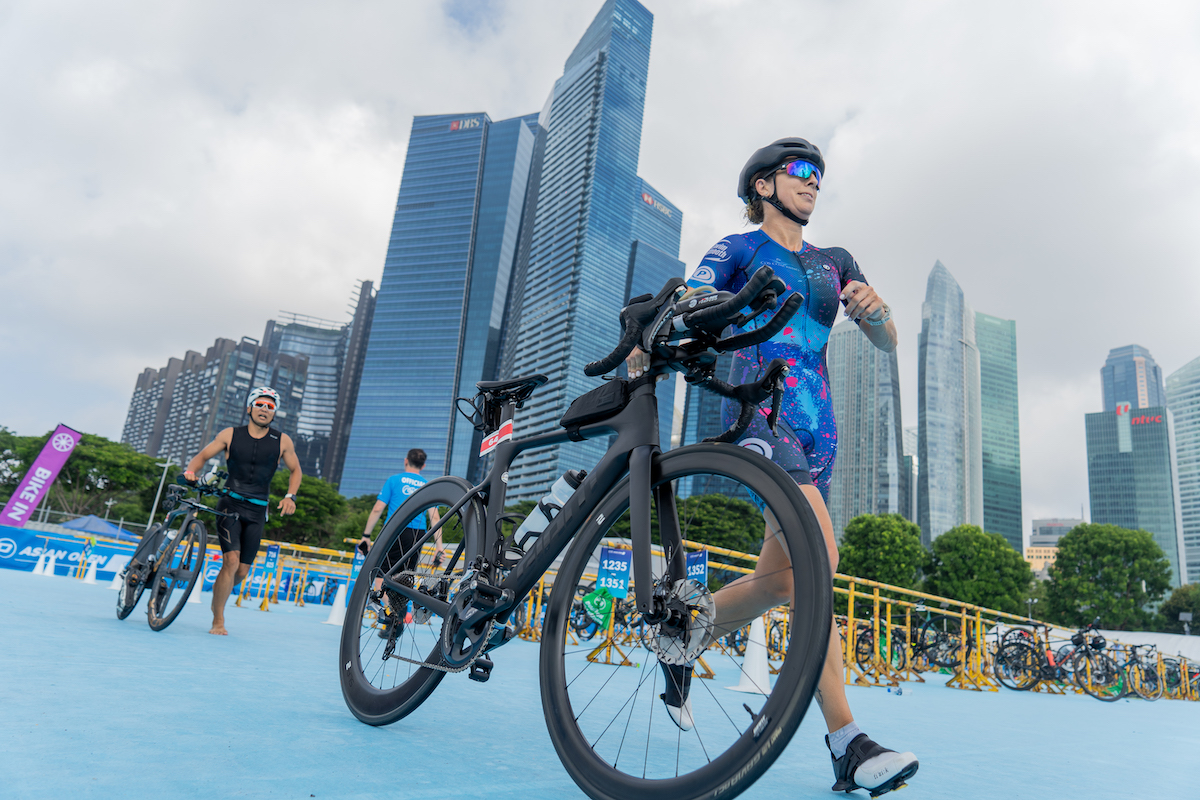
Bike. PTO Age Group 100K, Singapore, August 2023. Photo courtesy Professional Triathletes Organisation

Speaking on behalf of Henderson, Mayor Michelle Romero responded by saying: 

“Henderson has become a premier sports destination, and we are thrilled to welcome the Professional Triathletes Organization and top-ranked triathletes from around the world to our city. Reflection Bay Golf Club and The Westin Lake Las Vegas Resort and Spa will provide a beautiful backdrop as the host location for this international event, one of only eight in the world this year. We welcome these professional and amateur athletes and their families to discover all the wonderful amenities that Lake Las Vegas and all of Henderson have to offer.”

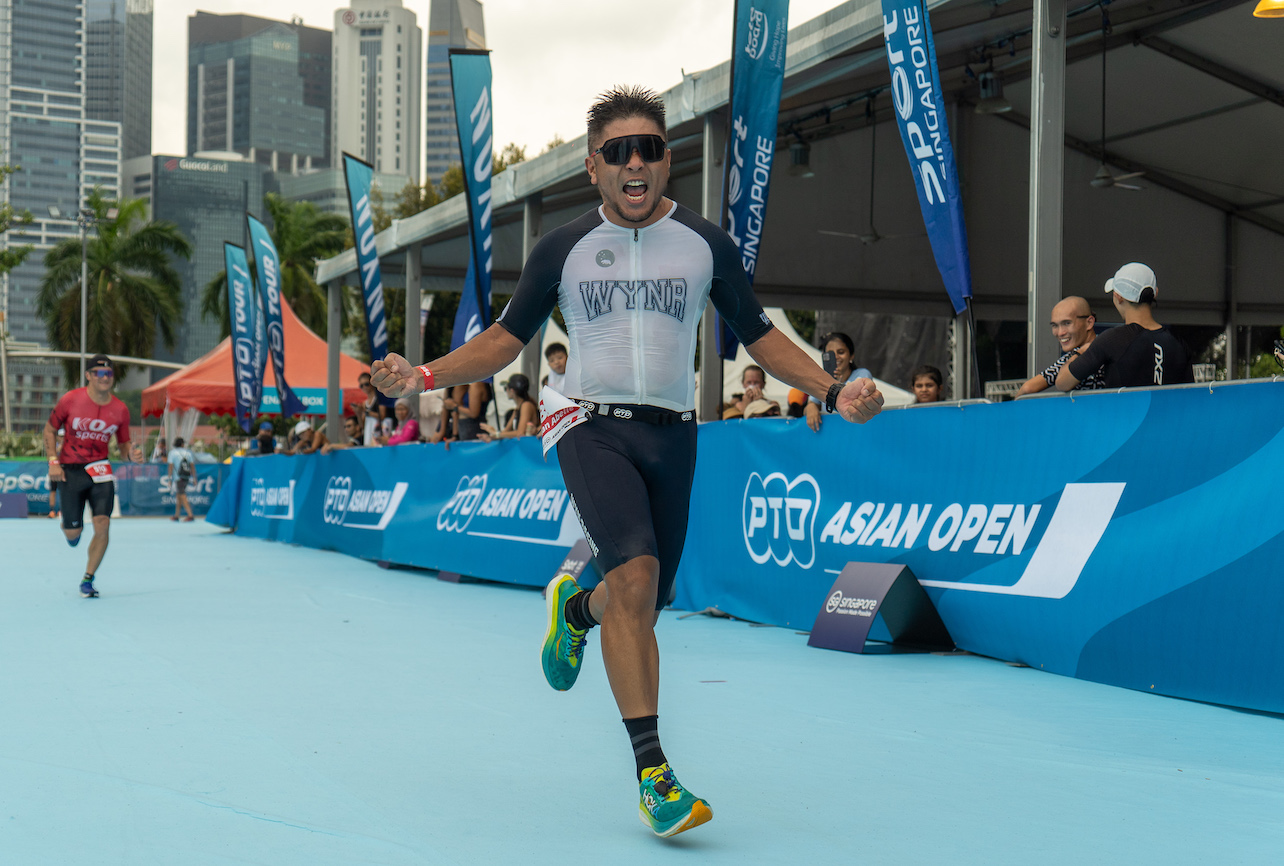
Run. PTO Age Group 100K, Singapore, August 2023. Photo courtesy Professional Triathletes Organisation

Commenting on behalf of Raintree Investment Corporation, the developer of Lake Las Vegas and the investment group who will be working with the PTO to deliver the weekend of racing and events, its Division President Cody Winterton said:

“Lake Las Vegas is known for its outdoor fitness opportunities, so hosting the world’s most prolific triathletes for this event was a natural partnership. From swimming the lake and running the golf course trails, to biking throughout the community and surrounding Henderson locations, we are honored to be a part of this marquee event.”

Athlete Approval

Leading US triathletes were quick to share their enthusiasm. 2022 Ironman World Champion and current PTO World #11 Chelsea Sodaro said: “The Lake Las Vegas event is a huge addition to the 2024 PTO Tour schedule. Racing in the USA is always extra special for me so this will be a weekend that I am circling on my calendar.”

American favorite and PTO World #9 Sam Long  added: “I’ve already said that I’m looking forward to a lot of things in 2024, including the PTO Tour and getting married. So to have this kind of a race only a stone’s throw from where I’m based and train in Tucson will be awesome. I plan on preparing to win because that will make my post race bachelor party that much more epic! Yo Yo Yo!”

Amateurs and everyday athletes interested in taking part in the 100km triathlon can head to the PTO Website to register their interest from today. With places expected to be very popular when they go on sale in February, registering ahead of time is advised. All amateurs who sign up to the race will also have the exclusive opportunity to stay with the pros in the Westin Lake Las Vegas Resort and Spa and book in for 2 nights at one of Nevada’s finest resorts. These places are open to participants of all abilities, giving regular triathlon and fitness enthusiasts the unique opportunity to challenge themselves on the same course as the world’s best professionals, and then the opportunity to watch the pros race in a festival atmosphere once they have finished.


Why Winter is a Great Time for a Bike Fit

0

By Pat Casey — In case you hadn’t noticed, winter is upon us. For those of us in higher elevations, normal training roads are probably becoming questionable and wet. The days are getting shorter, and many of us are transitioning to indoor riding until that long-awaited desert training camp. Maybe you’re adding some strength work to prepare for ski season or to lay the foundation for long winter base miles. As you migrate inside, the nature of your riding will change from the dynamic, terrain-driven variability that the road presents, and riding becomes a bit more static and stationary. It’s not uncommon for riders begin to notice new sensations when they transition to being indoors.

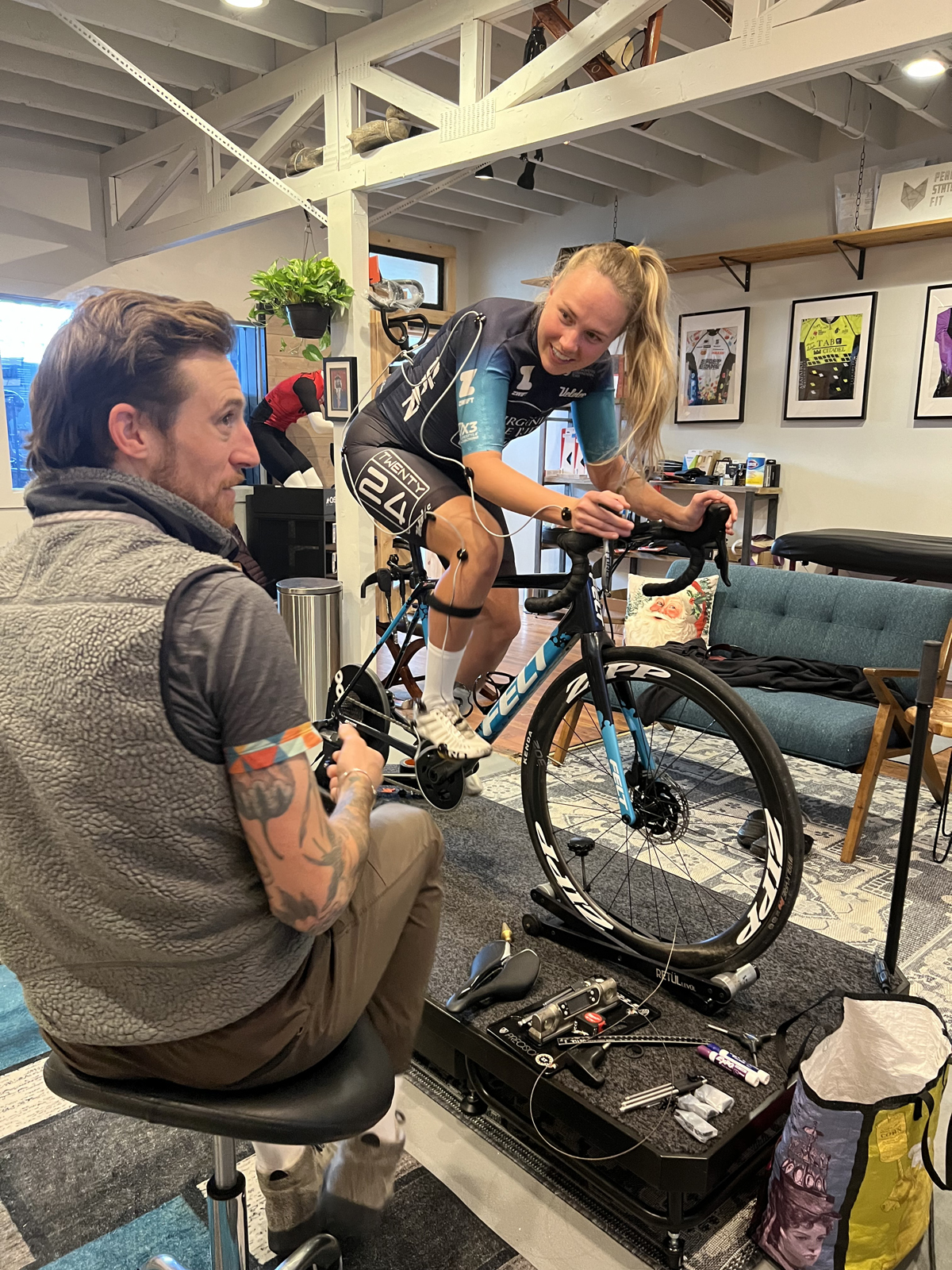
Pat Casey performing a bike fit for Melisa Rollins. Photo by Heather Casey

As you’re making changes to your training, and you’re allowing space to adapt to new stimuli, you might consider getting your bike fitted, or re-fitted this winter. Let’s discuss why getting your bike fitted this winter is a smart move and how it’s all about you – your body, your style, and even those annoying previous injuries that might affect your movement and patterns more than you realize.

  1. What does it mean to be ‘optimized’?
    1. There is not a template or a formula for a great bike fit. Each bike fit session should consider an athlete’s goals, history, and most importantly, the quality of their movement, and current limitations.
    2. Optimized for what? Comfort? Aerodynamics? Endurance? Are you racing IRONMAN, or local Sprint and Olympic distance races? Are you racing hill climbs, or criteriums? Do you want to race gravel, or just explore on gravel roads with your friends? These are questions that we hope to answer as you and your fitter embark on the road towards a more appropriate position for you, your body, and your goals.
  2. Gearing Up for the 2024 Season
    1. Improve your capacity by helping you produce more watts without placing more demand on your metabolic or musculoskeletal system.
    2. Improve your technique through improved biomechanical accuracy. This allows you to home in on the purpose of each session, especially as you target different cadence ranges in your training throughout the winter.
  3. Why Winter? Why Not!
    1. Time spent on indoor training can feel more arduous than it needs to be if you’re not comfortable. Getting your fit dialed in over the winter will make training feel much more attainable.
    2. Adjust and Adapt: Most fitters encourage a follow up as part of your bike fit service. After a month or two of riding a new position, you might want some tweaks to the position. They expect to see you again and especially appreciate adherence to the movements suggested to address your limitations identified in the first session.
  4. Long-Term Riding Comfort
    1. Along with your dynamic measurements like knee extension, reach, and knee tracking, the major contact points take precedent in the fitting process as well. This means saddle selection, insoles, and possible shims to accommodate anatomical characteristics, and handlebar interfaces like how your hoods are positioned, how the tape is layered around your shifter, and where your hands like to land while riding.
    2. Posture, balance, and stability are three overarching themes to fit, and not only will you leave with a renewed sense of what this means for you, but adhering to a consistent routine of exercises and movement will help you adapt to any changes in position, as well as manage issues you might be experiencing.
  5. Fitting Tools and Applied Technology – No “Eyeballing”
    1. There are several reasons why fitters leverage technology in a fitting process. Mainly, this is meant to help objectify measurements, and collect pre-fit data to help guide the process. Measurable data points in knee tracking, hip stability, and pelvic rotation are not visible, even to the most trained eyes. So, utilizing data to analyze details is crucial to a great bike fit.
    2. Bike fitting should be driven by objective measurements, an honest movement screening, and subjective feedback to help drive the process forward. Rather than a “one size fits all” philosophy which might try to force you into a riding position that might look good in a vacuum but is not conducive to your goals or for long term growth as a cyclist or triathlete.

Ready to get dialed in? Winter doesn’t have to be a downtime for your cycling. Consider getting a fit if you’re looking for some marginal gains this off season, and especially if you’re looking to manage aches and pains while riding and hoping to enjoy riding even more when Spring rolls around!


El Doce 12-Hour MTB Race Cancelled For 2024

OGDEN, Utah (January 19, 2024) – As the new year unfolds, the GOAL Foundation is gearing up for an year filled with diverse events, engaging programming, and a host of activities. However, after careful consideration and thorough evaluation, the foundation has made the decision to exclude the El Doce 12-Hour Mountain Bike Race from its calendar for the year 2024.
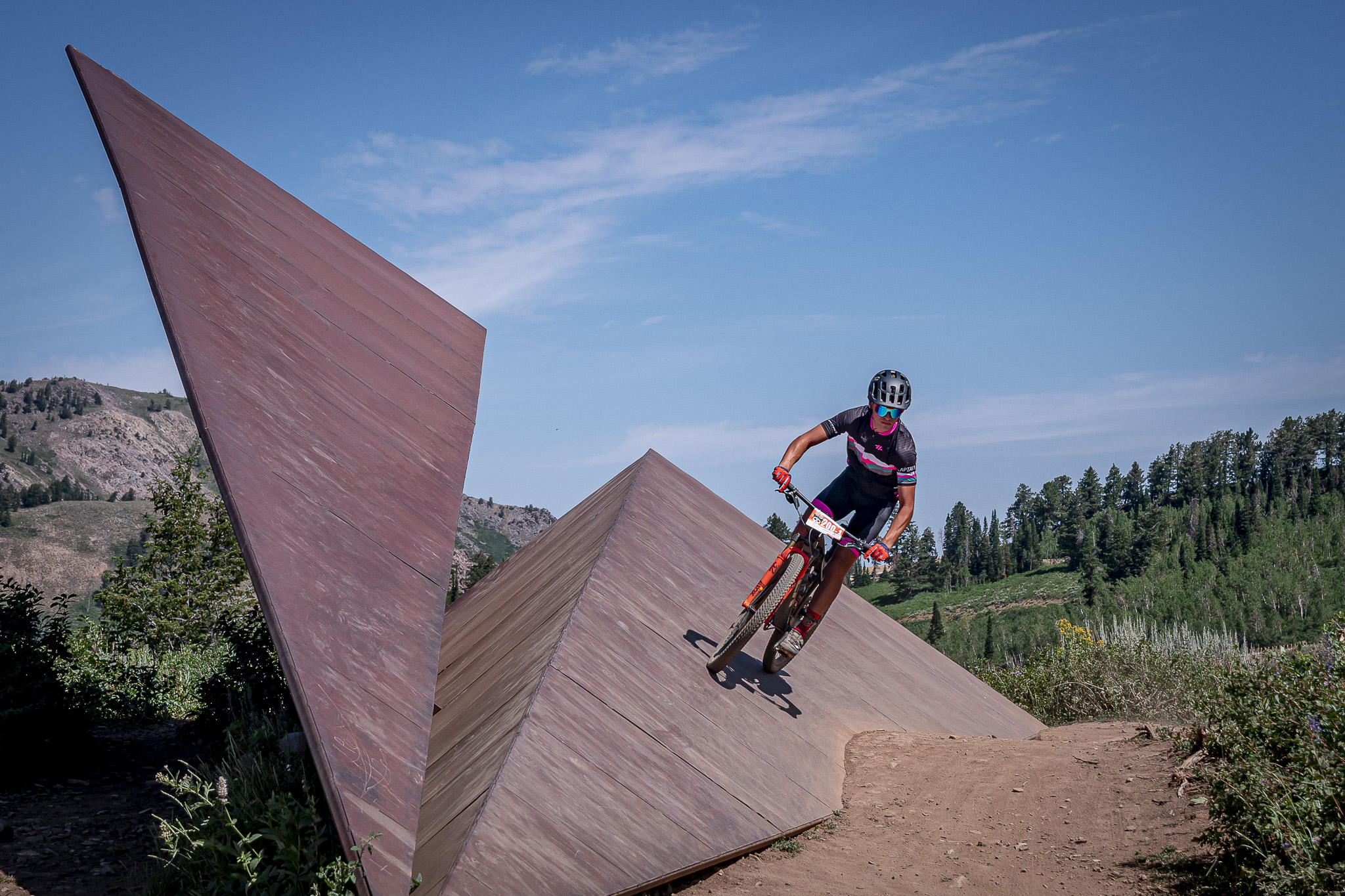
Photo courtesy El Doce

This strategic move is grounded in GOAL’s internal assessment of sustainability, economic considerations, and a commitment to serve the Greater Ogden Community throughout the year. The decision-making process was guided by a deep sense of responsibility, and we are grateful for the ongoing support and dedication from Powder Mountain Resort, which has generously hosted the event in the past under highly favorable terms and conditions.

A warm thank you goes out to the incredible participants and supporters who have played a pivotal role in the tremendous success of El Doce over the last six years. Our “Ambassadors” have also been instrumental in bringing energy and excitement to the race year after year.

Photo courtesy El Doce

In addition, we want to thank the numerous sponsors and community partners who have been integral to the life of this event, including Roosters Brewing Company, our title sponsor. Other sponsors include The Bike Shoppe, Intermountain Health, Young Subaru, Integrated Tax, Admiral Beverage Company, Daily Rise Coffee, Osprey, Hyperthreads, Gripit Sports, Maceys, Fleet Feet Utah, Visit Ogden, Ogden City, and Weber County. Their support goes beyond mere acknowledgment – it is a testament to the collaborative spirit that has fueled the race’s success.

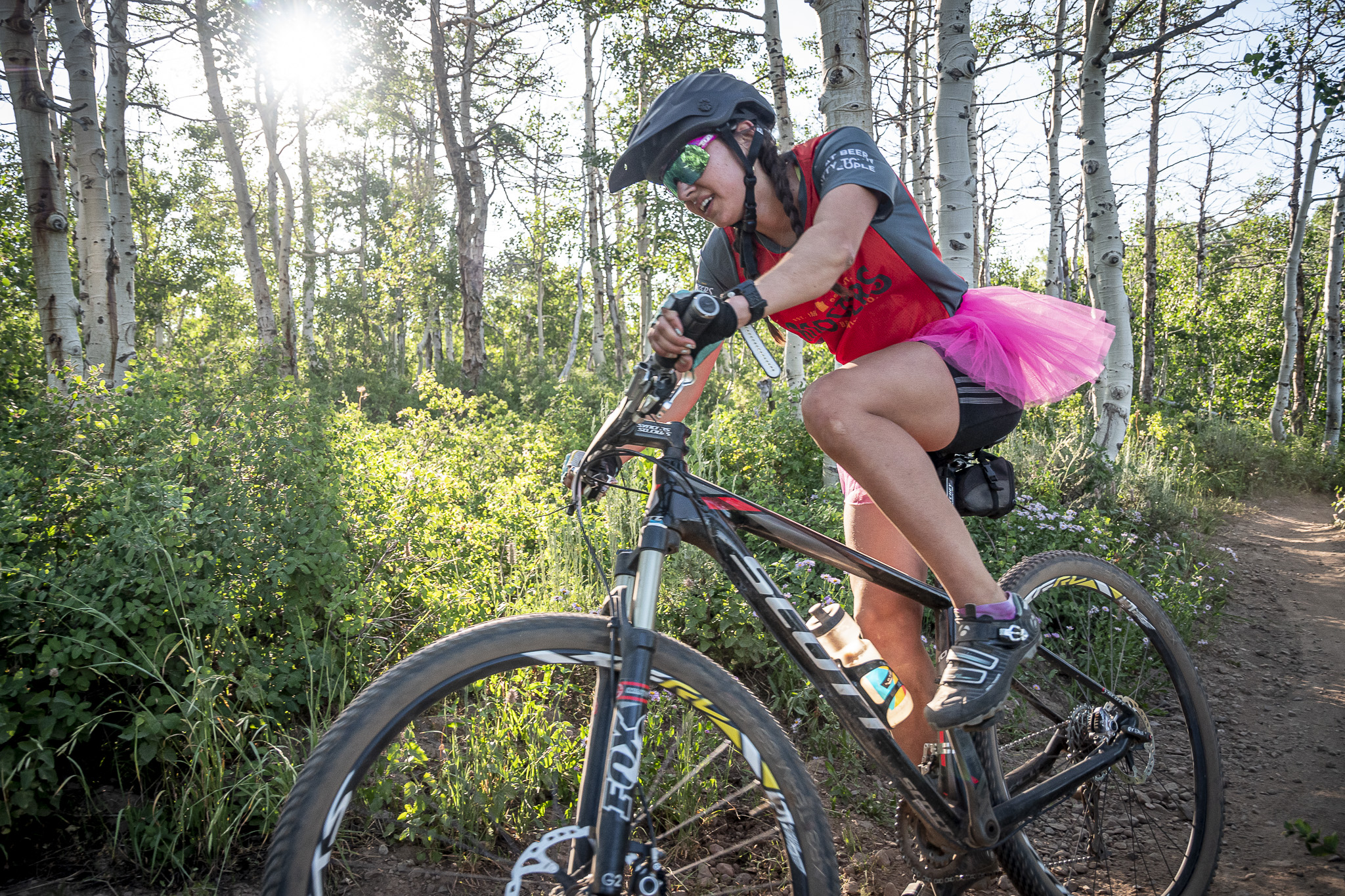
As we bid farewell to this chapter, we thank you for the incredible journey. The past six years has been marked by unforgettable moments and unwavering community support.