By Charles Pekow — Ever get the feeling motorists think you shouldn’t enjoy the rights to the road? In Australia, they may even think you’re less than human. The more you look like a cyclist, the lower form of creature they may consider you. If you wear a helmet, they can’t see your head, which may make some drivers wonder what species you come from.
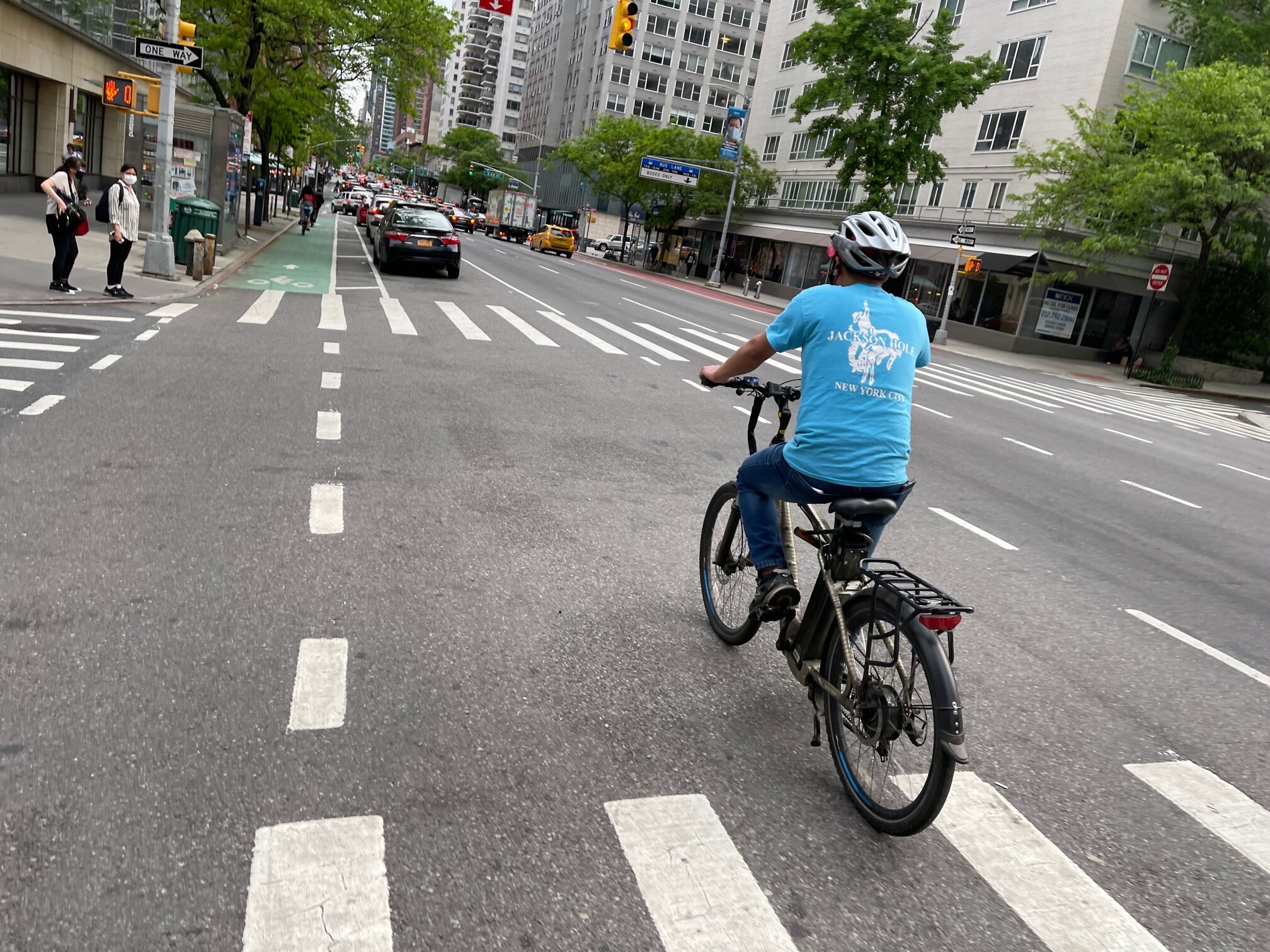
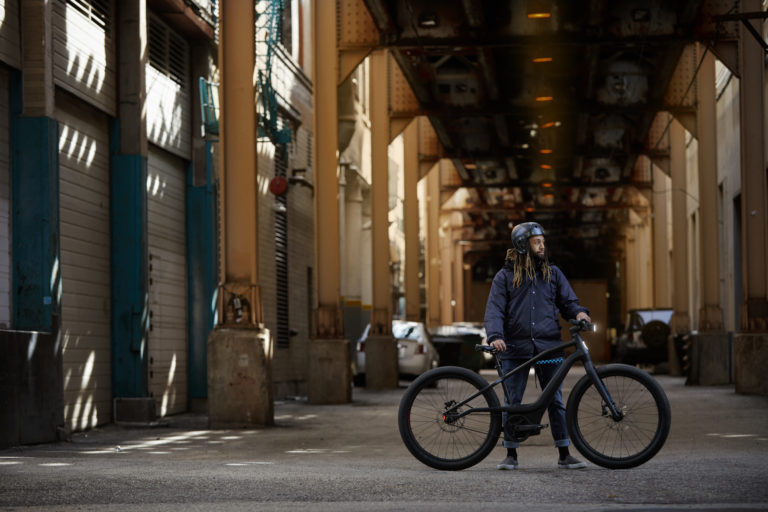
A New York City cyclist. A new study shows that drivers see helmeted cyclists as subhuman. Photo by Dave Iltis
“We found images of cyclists wearing helmets or safety vests to have a higher probability of being selected as less human compared to images of cyclists wearing no safety equipment,” says “The Effect of Safety Attire on Perceptions of Cyclist Dehumanization” (https://www.sciencedirect.com/science/article/pii/S1369847823001018), a survey of 563 people in Australia.
Helmets were more likely to create a perception of subhumanity than safety vests, as the latter don’t obscure eyes or hair – but wearing a vest still made cyclists seem less hominoid.
The authors acknowledge that the respondents may not reflect the entire population of Australia – those answering the survey were generally male, well-educated, and wealthy. The nation’s cycling infrastructure isn’t as broad as that in the United States, which may affect responses. Respondents were also asked to look at pictures, not relay what they saw on real roads.
Most telling, they were asked to choose which of a pair of pictures looked less human, so they had to pick one as less human.
The authors conclude “we caution against using these results, at this stage, to support a position that measures such as mandatory bicycle helmet laws reduce ridership due to dehumanization”
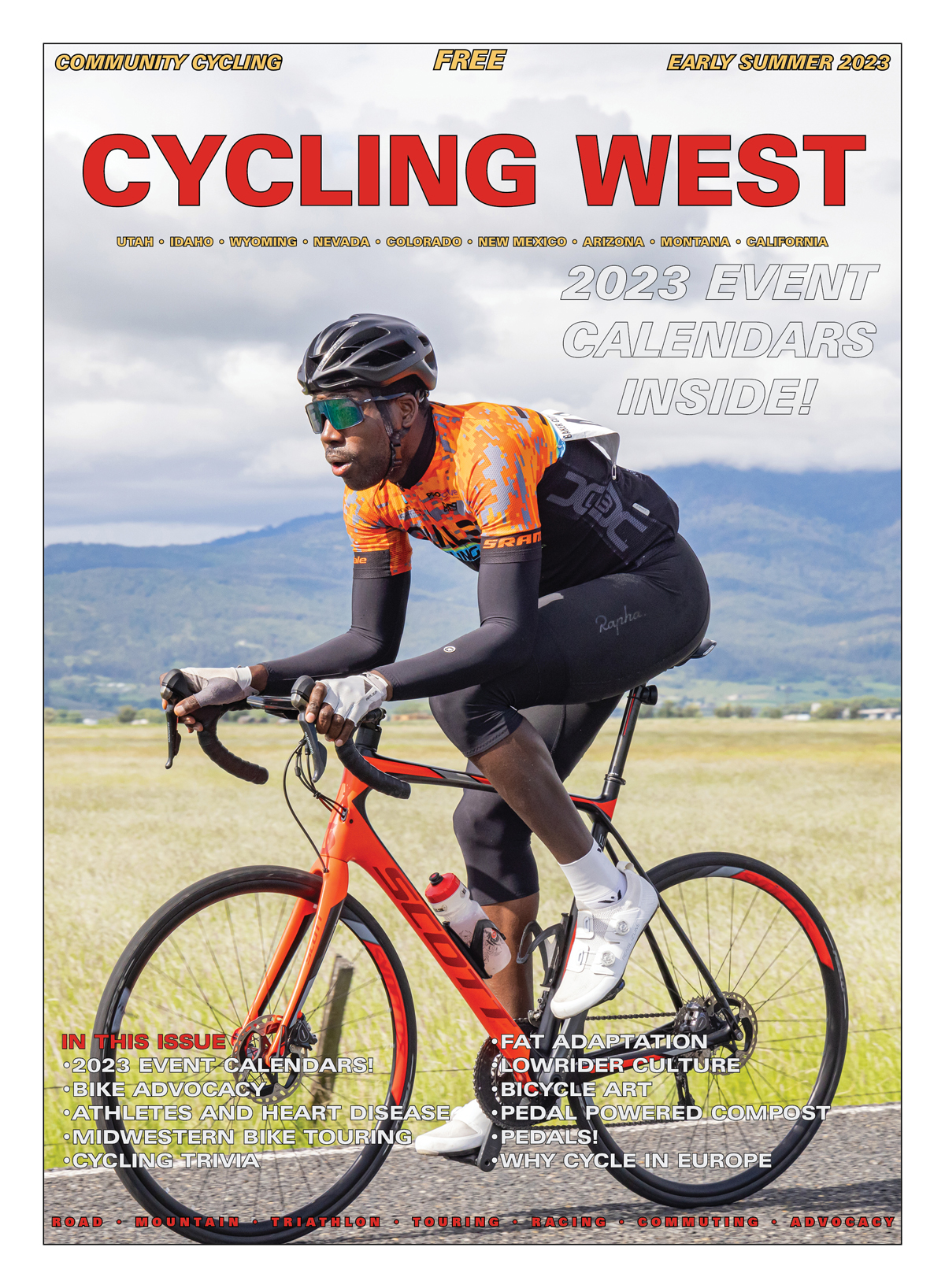
Cycling West and Cycling Utah Magazine’s Early Summer 2023 Issue is now available as a free download (7 MB download). Pick up a copy at your favorite Utah, Idaho, Wyoming, Nevada, Montana, Colorado, Arizona, New Mexico, and Northern California bike shop or other location.
Cycling West Early Summer 2023 Cover Photo: Karl-Henry Dossous of the Dialed Cycling Team in the 2022 Baker City Cycling Classic time trial. Photo by Ddup Photos – David and Denise Ward, courtesy Baker City Cycling Classic
Contents
Why You Should Ride Your Bike in Europe — page 3
The Evolution of a Cyclist — page 4
The Athlete’s Kitchen: Yes, Even Athletes Get Heart Disease — page 5
Fat Adaptation Strategies For Endurance Athletes — page 6
By Nancy Clark MS RD CSSD — As you may recall from nursery songs, Mares eat oats and Does eat oats—and so do many athletes. (The song is actually Mairzy Doats.) Questions arise about oatmeal:
Is oatmeal beneficial for athletes? Are steel-cut oats better than quick-cooking oats? Does oatmeal really “stick to your ribs”? And for some, “Why would any athlete even want to eat oatmeal?? It’s so gluey … yuck! Let’s take a look at what you might want to know about this popular sports food.
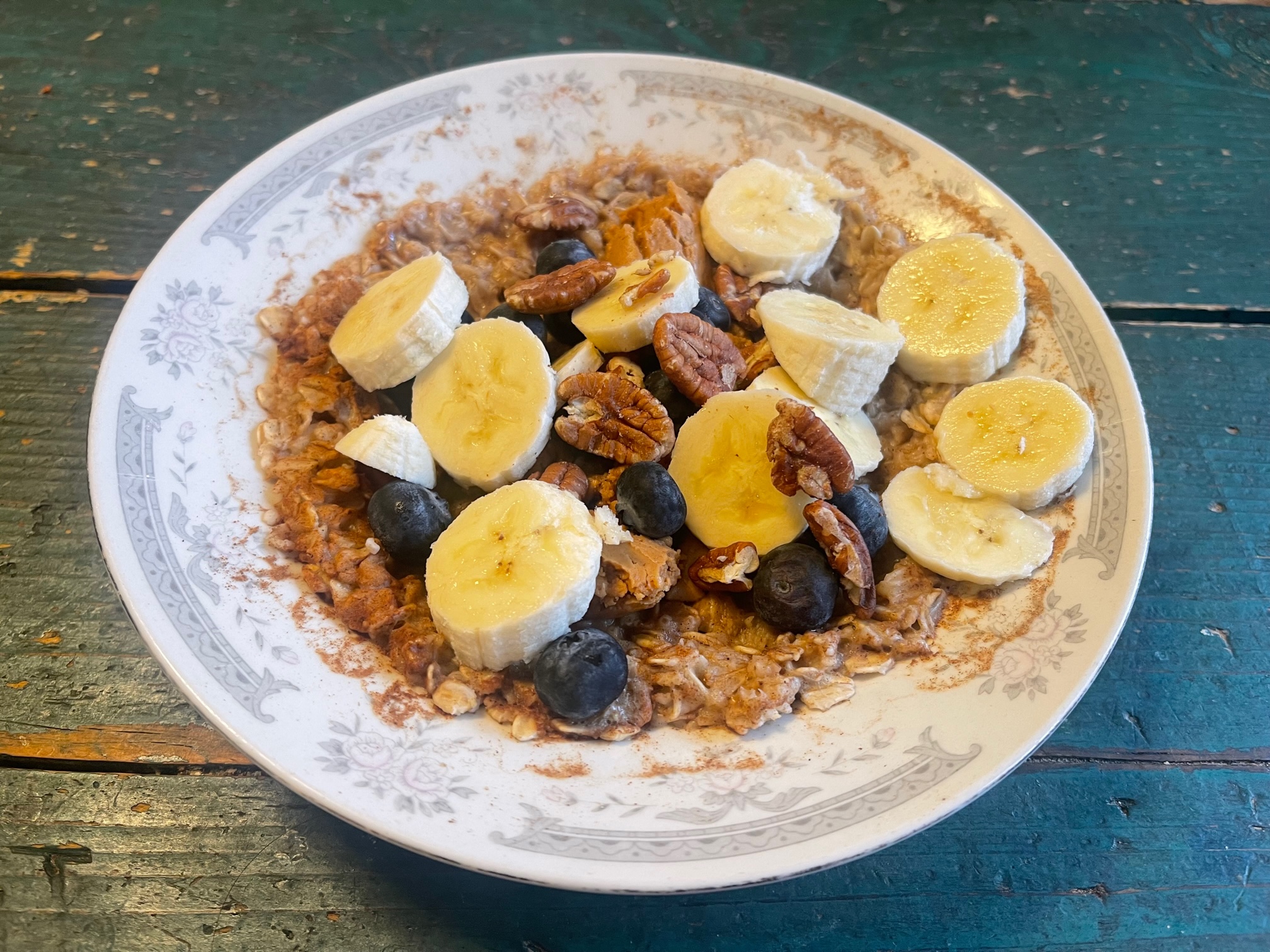
Oatmeal is a great way to include oats in your diet. Photo by Dave Iltis
Oatmeal (aka porridge in parts of the world) refers to de-husked oats (groats) that have cut into small bits (steel-cut) or steamed (to soften the groats), then flattened with rollers (rolled oats). Regardless of the way the groat is processed, all types of oatmeal are 100% whole grain and offer similar amounts of protein, fiber, vitamins, and minerals. What differs is the cooking time, shape (rolled or steel-cut), texture (chewy or smooth), and whether or not they are all natural or fortified with B-vitamins and iron.
Which type is best? The answer depends on your taste preference and available cooking time.
Steel-cut oats take 20 to 30 minutes to cook. They have a chewier texture than rolled oats. Some athletes use a crockpot to cook them overnight. Despite popular belief, steel-cut oats are nutritionally similar (notsuperior) to rolled oats.
Old-fashioned oats (rolled oats) cook in 5 to 10 minutes and have a firm texture. They can be eaten uncooked with milk, like any dry cereal, or in the form of muesli or overnight oats.
Quick-cooking oats are ready in a minute on the stovetop. Because they are rolled thinner than old-fashioned oats, they cook quicker and have a smoother texture.
Instant oats cook quickly in the microwave. They are pre-cooked, rolled thin, dried, and then rehydrated to be eaten. They can be fortified (or not) with B-vitamins & iron. Some flavors are sugar-laden and perhaps best saved for dessert?
Benefits from eating oatmeal
Oatmeal is one of the most affordable whole grains, perfect for hungry athletes on a budget. At least half your daily grains should be whole grains. Oats for breakfast give you a good start to reaching that whole grain goal for the day.
Oats are a “safe” choice for a pre-event meal. They are low in certain fibers (referred to as FODMAPS) that send some athletes to the porta-toilets.
Oats contain a type of soluble fiber (beta glucan) that makes cooked oats gluey—but can be beneficial for endurance athletes. Beta glucan slows the absorption of carbs over 2 to 3 hours, helping you feel satiated for a long time. Hence, oatmeal sticks to your ribs; it’s a good pre-exercise choice for sustained energy.
Beta-glucan helps reduce the risk of heart disease if you eat oats in the context of a heart-healthy diet. To achieve this benefit, the daily target is 1 cup dry rolled oats or ½ cup dry steel-cut oats most days of the week.
Oats have about 5 grams protein per ½ cup dry serving. A good protein target for breakfast is at least 20 grams, so cook the oats in 1 cup milk (dairy milk, 8 g protein, or soy milk, 7g protein) and stir in 2 tablespoons of peanut butter or ¼ cup of nuts (8 g pro), and you’ll have a super sports breakfast!
Fortified oats offer extra iron, a mineral important for athletes who do not eat red meat. A packet of plain Quaker Instant Oatmeal offers 40% of the DV for iron; regular oats offer only 6%. Read the Nutrition Facts label for information on iron in the oats you buy.
Oats have some fiber, but only about 4 grams per serving (1/2 cup dry rolled oats, 1/4 c dry steel-cut oats). Given the daily fiber target is 25 to 38 grams (achieved by only 10% of women and 3% of men), oats make a small contribution—but more fiber than if you were to have just eggs for breakfast.
Oats contain an antioxidant called avenanthramide (AVA). AVA can reduce the oxidative stress created by vigorous exercise. New research hints pre-exercise oatmeal might have a protective effect that could potentially reduce inflammation and muscle damage. Stay tuned.
While naturally gluten-free, oats are often processed in a factory that also processes (gluten-containing) wheat. If you have celiac disease, you want to make sure you buy gluten-free oats (Bob’s Red Mill Oats, Quaker Gluten-Free Oats).
How to boost your oat intake
Oats are versatile. You can cook them in water—or preferably in milk, to add protein, calcium, and creaminess. The suggested ratio is 1 cup (8 oz) of liquid for each half-cup rolled oats or ¼ cup steel-cut oats.
For a savory option, cook oats in broth, season with soy sauce, or top with sriracha. Or add some cheese and spinach when cooking, then top the oatmeal with a poached egg.
As an athlete, you lose sodium in your sweat, so don’t be afraid to make oatmeal tasty by sprinkling on some salt. A quarter teaspoon salt per ½ cup dry oats really helps change the bowl of glue into a yummier breakfast.
Add sweetener, if desired, to make the oatmeal taste even better—honey, maple syrup, raisins, chopped dates. These extra carbs offer fuel for your muscles. According to the US Dietary Guidelines, 10% of daily calories can come from added sugar. That’s perhaps 200 calories (50 grams) of added sugar for an athlete—guilt‑free!
Don’t have time to cook oats in the morning? Make overnight oats the night before! There’s no wrong way to make overnight oats. In a 16-ounce glass jar (such as a peanut butter jar), combine ½ cup old fashioned oats, ½ cup milk, ¼ cup Greek yogurt, fruit-of-your choice (banana, berries), and optional add-ins, such as chia seeds and maple syrup. Refrigerate at least 2 hours for the oats to soften, if not overnight.
Add rolled oats to a recovery shake or fruit smooothie for a thicker texture, as well as for more carbs to refuel your muscles.
Bake with oat flour (blenderized oats). The Peanut Butter Chocolate Chip Muffin recipe (see below) from my Sports Nutrition Guidebook is a good pre-exercise energy booster and fun way to boost your oat intake. Enjoy!
This healthy-ish muffin is made with oat flour (rolled oats pulverized in a blender or food processor until they look like flour). The recipe can pass for either a muffin or a cupcake. It’s yummy for fueling up before and/or refueling after your workout.
2 eggs
3/4 cup (180 ml) milk
2 tablespoons canola oil
1/2 cup brown sugar
1/2 cup peanut butter, preferably all-natural
1 teaspoon vanilla extract
1 1/2 cup oat flour
1 tablespoon baking powder
3/4 cup (dark) chocolate chips
Directions:
Preheat oven to 350 degrees F. (180° C).
Prepare 12 -muffin tin with a light coating of oil or use paper baking cups.
Mix together in a medium bowl, the eggs, milk, oil, brown sugar, peanut butter, vanilla extract, oat flour and baking powder. Stir well.
Fold in 1/2 cup of the chocolate chips into batter.
Add batter evenly into the 12-muffin tin.
Distribute the extra 1/4 cup chocolate chips evenly to the top of each muffin.
Bake for 12-15 minutes or until a cake tester comes out clean.
Yield: 12 muffins, Total calories: 3,000; 250 calories per muffin; 27 g carb; 7 g protein; 13 g fat
Recipe courtesy of Kate Scarlata RD, author of The Low FODMAP Cookbook. www.KateScarlata.com
By Tom Diegel — With the exploding popularity of backcountry bikepacking there are zillions of routes to choose from these days. However, there are only a few in the West that stretch for many-hundreds of miles, and most of those are on gravel roads. There are, however, two that sport a majority of miles on challenging singletrack: the Colorado Trail and the Arizona Trail. The Colorado Trail is high and therefore has a fairly narrow weather window of summertime; but the Arizona trail conveniently hugs the shoulder seasons that make it convenient for the coveted shoulder season adventurers, and only the Arizona Trail has its own Trail Angels!
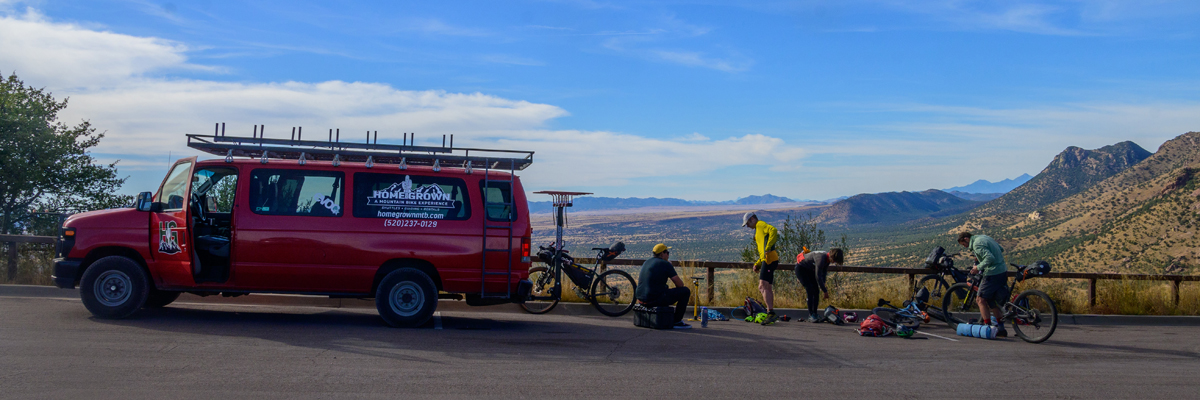
A typical start to the Arizona Trail is at Montezuma Pass, which is only a few miles north of the Mexico border. “Homegrown” is a great shuttle service. Bikepacking on the Arizona Trail. Photo by Benj Wadsworth, benjwadsworth.com
The AZT – as it’s known – stretches over 800 miles from the Mexico border to the Utah border and has become an early/late season staple for through-hikers as an alternative to the much-longer Appalachian and Pacific Crest trails and the higher elevation John Muir and Colorado trails. Unlike the first three that don’t allow bikes on any sections, the AZT not only allows bikes on the non-Wilderness sections but it’s also quite rideable, albeit over lots of rugged desert singletrack and which distinguishes it from the Great Divide, which is mostly gravel roads.
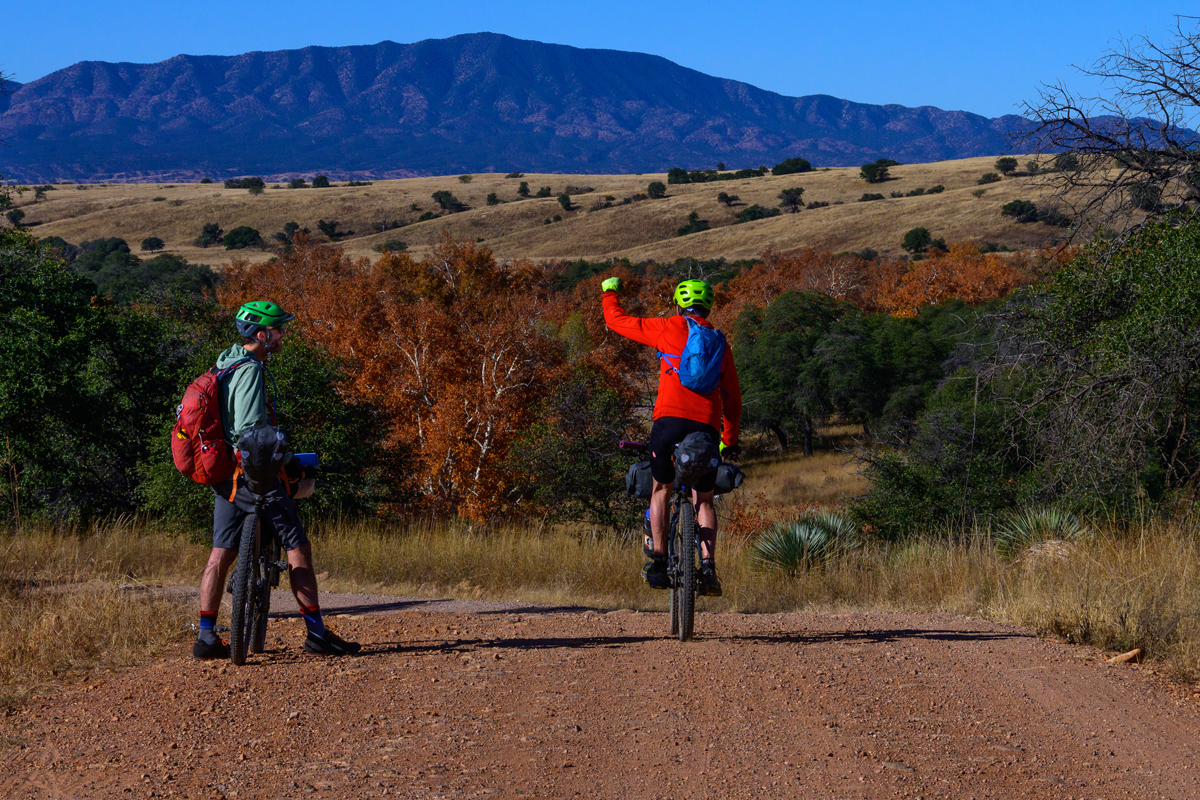
Tom Diegel geeking out by celebrating the start of the AZT while Dave wonders what he’s doing. Bikepacking on the Arizona Trail. Photo by Benj Wadsworth, benjwadsworth.com
Our early November trip was initiated by our great adventurer/photographer friend Benj Wadsworth, and he knew that an invite to my wife Ashley and I wouldn’t be turned down, especially when he and Ashley’s old pal Dave Cook was keen to join. A solid foursome meant that we could be pretty efficient at gettin’ er done.
That said, “gettin’ er done” for us meant only the southern “half” (slightly less). A November start meant that the high plateaus of northern Arizona would be too cold already with some early snow, and we were keen for both a fairly leisurely trip and the opportunity to ride through desert that was quite different from the southern Utah desert we were accustomed to. So our trip was to begin at the southern border and go north to the Picketpost Trailhead near Superior, AZ, about an hour east of Phoenix in the Superstition Mountains. Our planned route roughly followed the unofficial route of the unofficial 300-mile AZT Race
Not racing enables camp enjoyment.! Ashley, Tom, and Dave bikepacking on the Arizona Trail. Photo by Benj Wadsworth, benjwadsworth.com
While the 300-mile AZT Race is done as fast as 60 hours, we planned a fun week without the races’s excruciating saddle sores and fatigue-induced hallucinations, which meant that we were shooting for a challenging but very reasonable 40+ miles/day of mostly singletrack. Though we weren’t racing, we connected with the AZT Race director John Schilling, who is as enthusiastic about anyone doing adventure rides in his home state as he is about his racers. John provided us with a ton of excellent information, including a key note that Arizona had a prolific and much-appreciated monsoon season last summer that had the side-effect of encouraging the growth of “Cat’s Claw”.
Cat’s Claw (Dolichandra unguis-cati for the botanically inclined) is a gnarly little bush that we – fortunately – don’t have in Utah, because it loves to grab and tear at skin and clothes. There was a challenging section of trail near the southern start that was rumored to be unusually rife with this pernicious bush, so we did the first 30-odd miles on adjacent gravel roads as a gear/bike/people shakedown. This detour gave us the opportunity to hang out in the infamous desert zone of illegal immigration, and we saw plenty of both official and unofficial folks scanning the desert for signs of furtive movement of people negotiating very unforgiving terrain to get into the US.
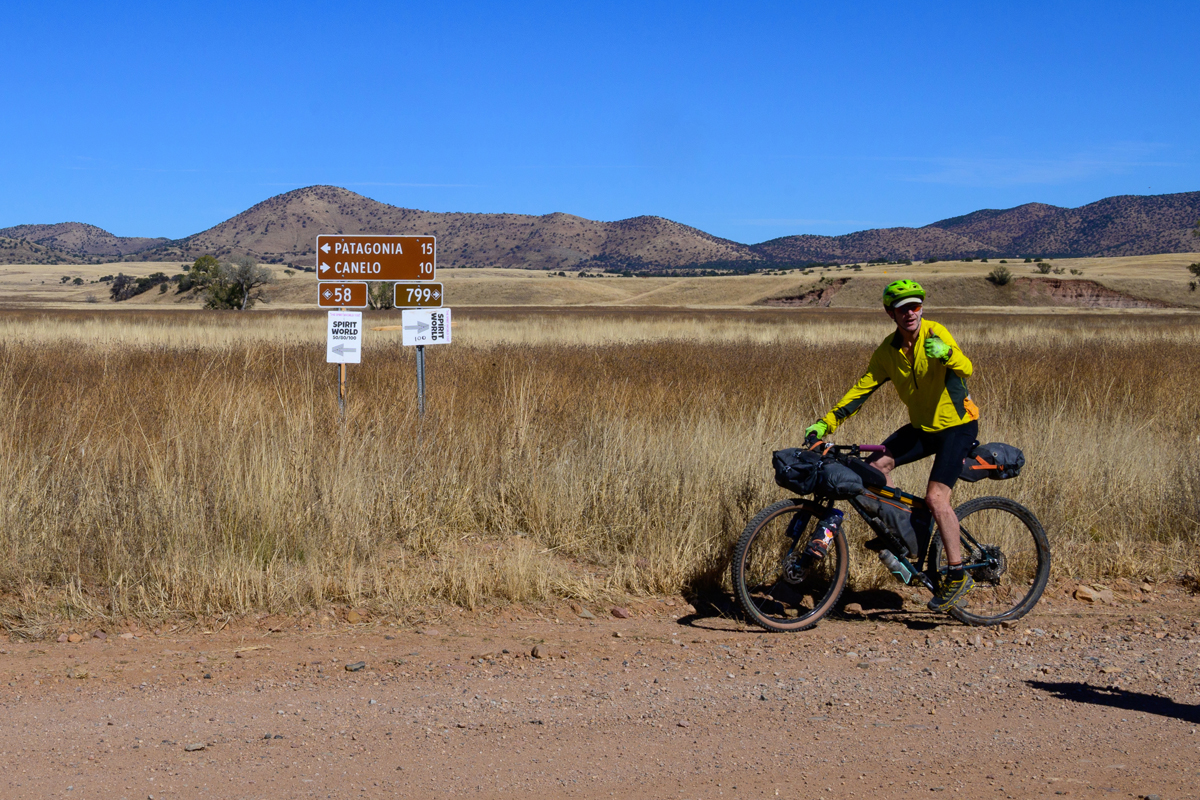
We had no idea that Patagonia was in the northern hemisphere and so close! Bikepacking on the Arizona Trail. Photo by Benj Wadsworth, benjwadsworth.com
A short day of riding got us to the unlikely Parker Lake (the arroyo going into the lake was bone dry, as was the arroyo exiting the lake), and another short day got us to the quaint little town of Patagonia. We became aware that “quaint” is a pretty new adjective for Patagonia. It seems that in the past it’s been more “dusty” and “bleak”. Recently, there’s been an influx of tourism – turbocharged by a young couple who apparently made their fortune as bike touring guides and ambitiously turned an abandoned old west store into the Patagonia Lumber Company (patagonialumberco.com), a food, wine, coffee, beer, and entertainment hub of the town. They even got the attention of a guy who had owned bike shops in Missoula and Helena but decided that Patagonia was his next stop, and he had opened his shop in a shack out back just six weeks prior. The day prior to our arrival was the Spirit World 100; a gravel race that is wildly popular and was a definite infusion of money and enthusiasm to the town.
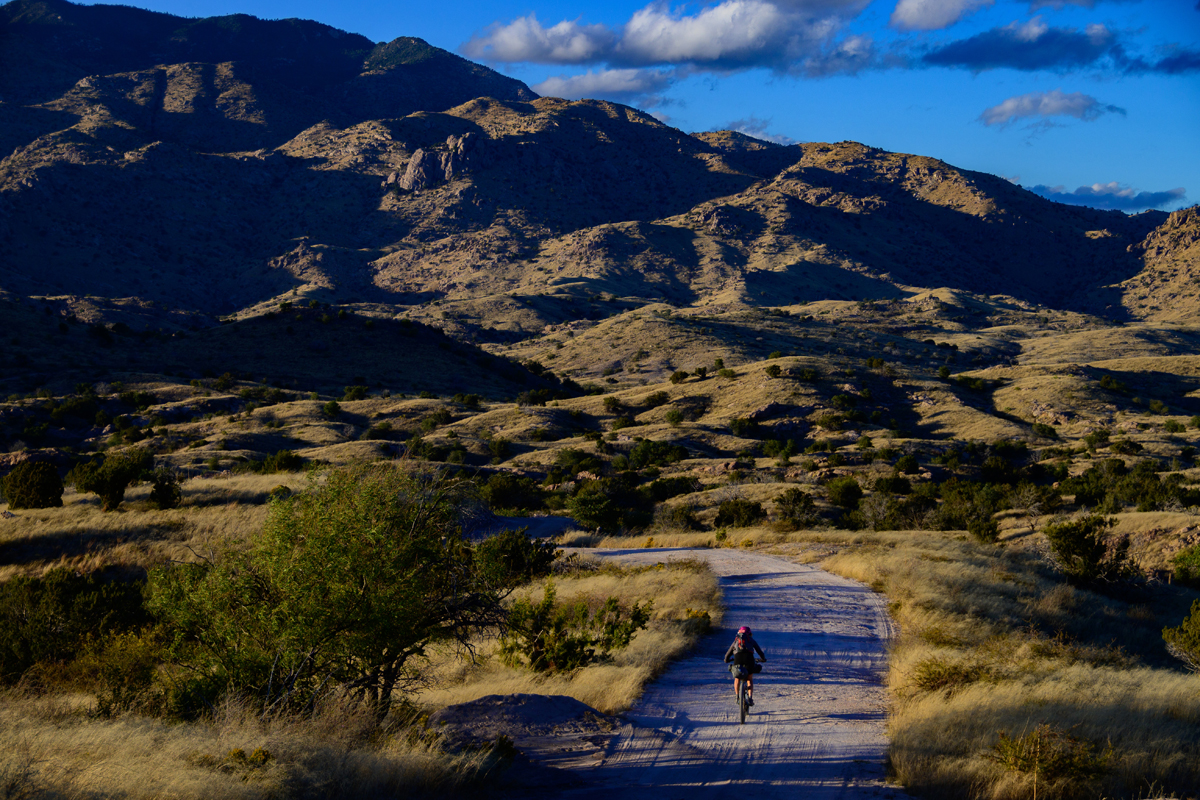
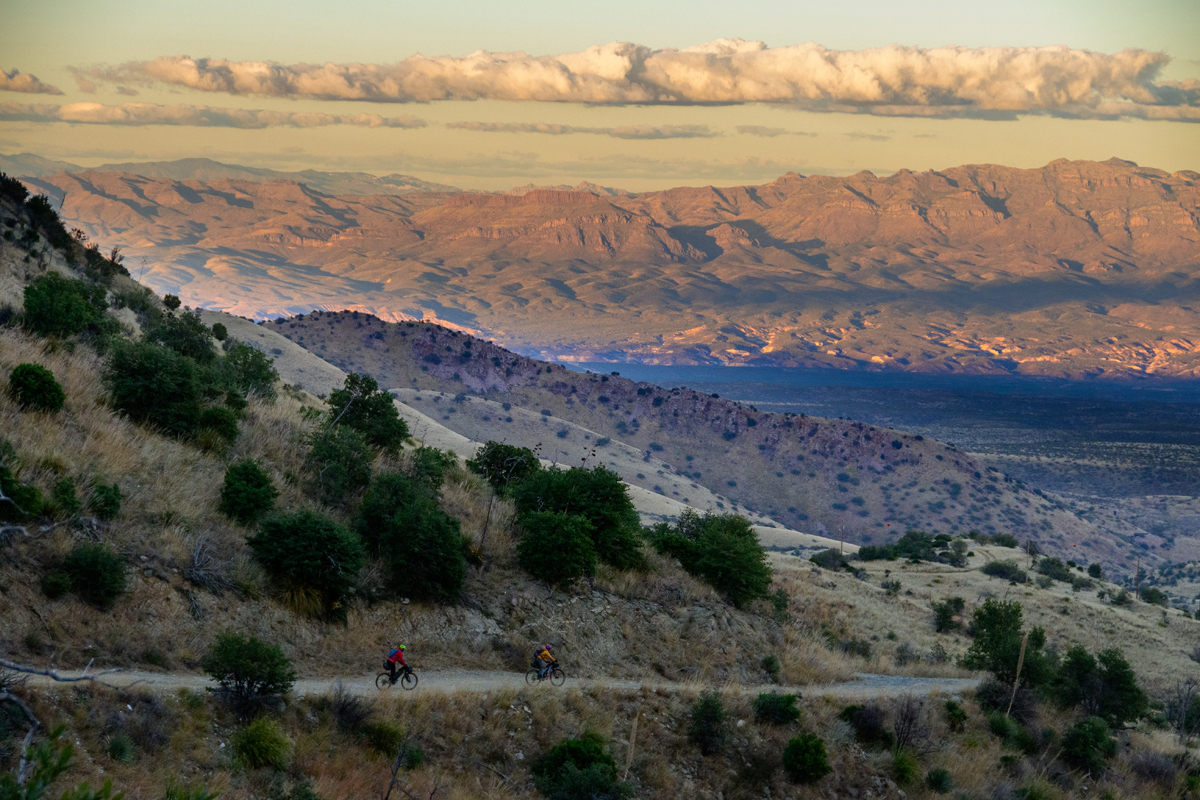
While much of the Arizoa Trail is singletrack, there’s a good amount of pretty zippy gravel roads with sublime views as well. Photo by Benj Wadsworth, benjwadsworth.com
Leaving Patagonia we finally hit the Arizona Trail proper a few miles outside of town. We were pleased to find that indeed the trail was not only rideable, but was great. It was fairly challenging and had a few short hike-a-bikes up steep climbs, but for the most part we rode on through. And while there were certainly some Cat’s Claw and other spiky vegetation (yucca, agave, cholla, prickly pear, and the goofy-looking, anthropomorphic saguaro cactuses), we didn’t get too shredded as long as we weren’t staring at the menacing vegetation alongside the trail, and instead focused on where we wanted to be. Benj did provide a good example of what happens when your mind and/or vision wanders when he went slightly off trail and pretty much quilled himself in the ass! (no picture, fortunately!).
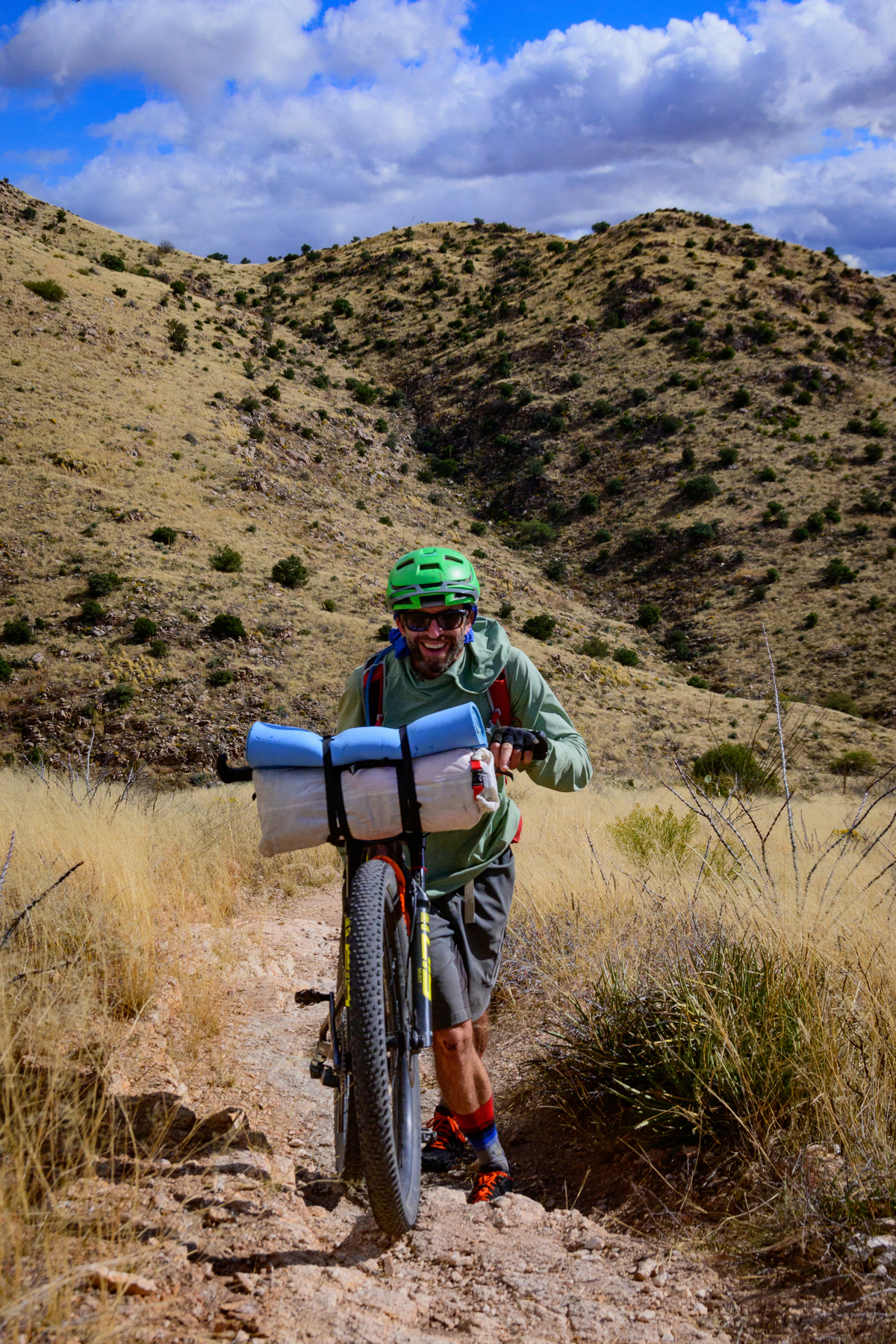
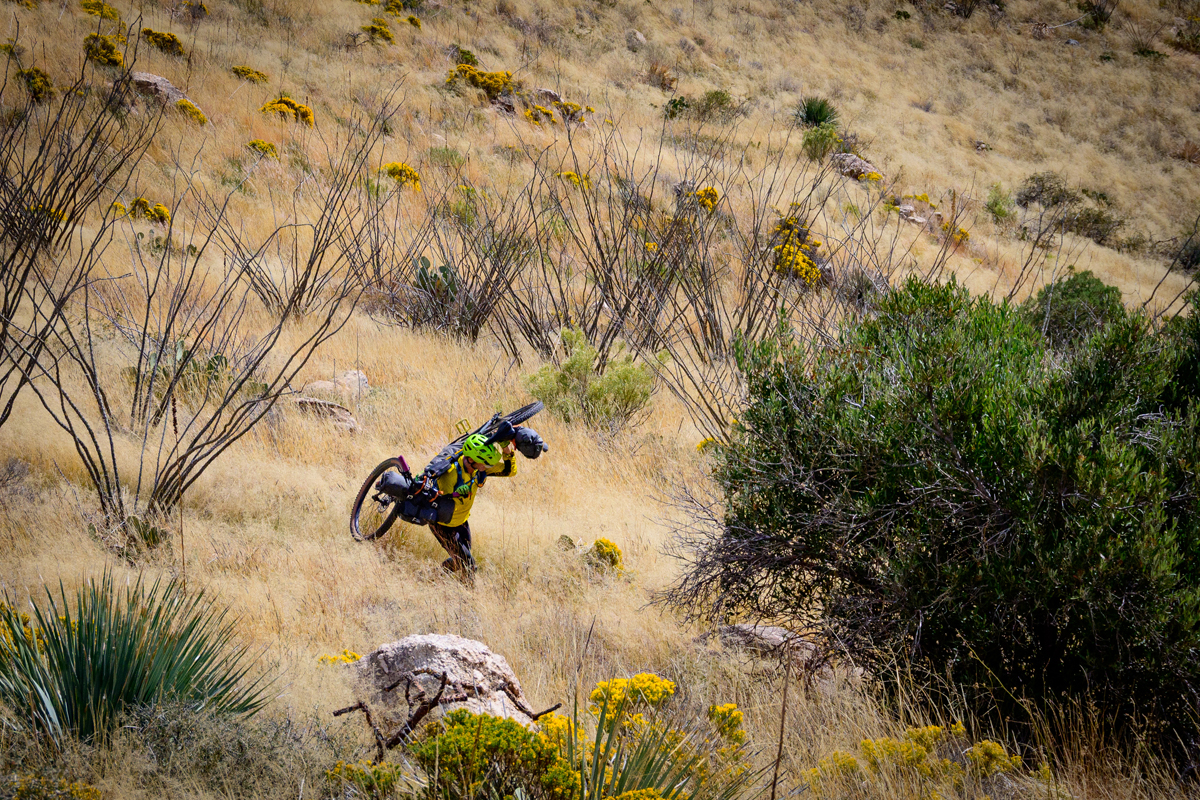
There isn’t too much hike-a-bike on the southern Arizona Trail, which is why Dave Cook is still grinning. Photo by Benj Wadsworth, benjwadsworth.comThere’s enough hike-a-bike to incentivize you to keep your gear weight down in case of a carry while bikepacking on the Arizona Trail. Photo by Benj Wadsworth, benjwadsworth.com
There is a bit of periodic civilization on the route. In addition to Patagonia there is Kentucky Camp, an old mine that is now a backcountry museum with seasonal (winter; which is “the season” in southern Arizona) volunteers. For about ten days each spring and fall Phoenix residents Jim and Marilyn set up “Magic Camp” at a spot they can drive to where they have tent sites for through-hikers and cyclists and serve up burgers at night and pancakes in the morning. Jim and Marilyn are great examples of the enthusiasm that Arizonans have about their AZT. They are examples of the well-known and well-loved “trail angels” who will come out from nearby towns to pick you up and bring you into town to re-provision and the businesses along the way provide goodies and bennies to trail users. It very much feels like a community of Arizona Trail lovers.
The long gravel road descent from Mt Lemmon is pretty zippy, which is nice when you need to burn off altitude to get to warmer climes. Bikepacking on the Arizona Trail. Photo by Benj Wadsworth, benjwadsworth.com
While the hikers and bikers generally share much of the route, a significant point where the AZT bike and hiking trails diverge is Mount Lemmon. Lemmon is a 9000 foot peak outside of Tucson that is a cool respite for overheated Tucsonians in the summer and actually has a viable ski resort as well. There is an iconic MTB trail on it called – appropriately enough – Lemmon Drop, and though it’s not designated as such it’s very much a downhill trail. The northbound AZT route goes 18 miles up the Mt. Lemmon highway, which is not busy and is arguably one of the best and nicest paved climbs in the country that takes hours to climb as it is. Climbing for that length of time invariably leads to elevation gain, and in the shoulder seasons it’s important to understand that the pleasant warmth of the near-sea level southern Arizona gives way to frigid temps on Lemmon. When we got to the idyllic little village of Summerhaven, we headed straight for the pizza, coffee/tea, and huge cookie place there to warm up. After, we dropped 4000’ down the rough north-side doubletrack called the “Control Road” (which was the original road up Lemmon) to avoid camping in the frigid temps up high (we had met some through hikers who had “camped” in pretty much a pig-pile in the tiny and always-open post office some days prior).
A nice aspect of not racing a bikepacking route is that you can do fun diversions. We found a beautiful slickrock canyon that offered beautiful waterfalls and swimmable pools to clean off the accumulated trail dirt, and later we sort of veered off the route and into a working ranch deep in a desert valley, and when we saw the ranch manager he not only told us to ignore the many ominous no trespassing signs (“those aren’t for cyclists!”) but also offered us use of his tap and a nearby campsite. Again, AZT trail angels are great!
Ashley Patterson bikepacking on the Arizona Trail. There’s sweet singletrack in there somewhere! Photo by Benj Wadsworth, benjwadsworth.com
We rode many, many miles of amazing singletrack. Most of it is pretty slow and challenging trail, and much of it is remote; we kept wondering about the countless hours of work that was put in to link together literally hundreds of miles of trail in barren, desiccated, and hardscrabble terrain miles from any trailhead, and it’s nearly all at rideable grades despite pretty severe terrain. And about the time that you feel like wow, there’s no water and no place to resupply, you pop out into little towns like Oracle, which has a lovely little cafe with a nice little store and scrumptious baked goods.
On the way to Superior and the end of the AZT 300 we also hooked into part of the Queen’s Ransom route, another John Schilling special that is a 227 mile route in the same ‘hood. The Queen’s Ransom has a bit more double track and gravel road, but can be combined with the AZT as an additional route that adds more riding closer to Phoenix, thus adding more adventure to your trip without adding much more shuttle distance. We actually used it as a nice conduit out to the sprawling Phoenix valley to get an Uber back to Tucson to retrieve our car.
Even in southern Arizona the sun can be pretty welcome in the shoulder seasons while bikepacking on the Arizona Trail. Photo by Benj Wadsworth, benjwadsworth.com
Our tour ended less than halfway “up” the Arizona Trail, but it’s clear to us that if the northern bit of the AZT is anything like the southern, we’ll head back again soon to continue heading north to — and through? — the Grand Canyon (true AZT-ers carry their bikes across the Canyon! Not sure if we’ll do that…). It’s an incredible ride through an unusual desert landscape, with the added bonus of being looked after by actual angels!
If you go:
Homegrown Shuttles runs people and bikes from Tucson to anywhere on the AZT. (homegrownmtb.com)
Bikes – the AZT is not Cutthroat friendly! It’s a real mountain bike ride. Full suspension or at least big squishy tires with real treads, reinforced sidewalls (for the sharp rocks) and tubeless goo (for the thorns) and likely standard mtb handlebars are all pretty important.
Go light! It’s challenging riding and there’s not much water in the Sonoran Desert so you might be carrying more than you normally would, so use all your lightweight gear tricks.
The 2023 True Grit Epic was held in Santa Clara, Utah on March 18, 2023. This year’s race was the 13th Annual edition of one of the more demanding early season mountain bike races in the country.
Danny Van Wagoner on the Zen Trail during the True Grit. Photo by Dave Amodt, Crawling Spider Photography
Organizer Cimarron Chacon of Gro Races put together a recap video that tells the Big Story of the day. She had this to say about it, “We get it. We’re still having flashbacks and smiling at wistful memories of this year’s True Grit Epic dancing in our heads too. To help scratch the itch check out this fantastic video of the Epic we put together.
The landscapes, the sky, the smiles, the grimaces, and all the riders like you… it’s all truly EPIC. Thank you for joining us and making the 2023 True Grit Epic MTB a race that keeps us all coming back year after year.”
By Breanne Nalder Harward — Reflecting on the numerous articles I have written over the years as a dietitian, I’d found myself drawing a blank on the next topic. Then, as the world seems to work, I had an appointment with a client that was asking all the right questions at a nutrition consultation. This person was already very healthy yet looking for ways to fine-tune their nutrition to improve performance. This is not an uncommon situation in my profession, however at this time I left the appointment pondering how nutrition is so influenced by intuition. What I mean is that we all know to eat our fruits and vegetables, but when it comes to sport performance, specifically cycling, there is so much more to what we choose to fuel our bodies. It’s my job to help individuals put the food puzzle together using science and research, but right now I want to talk about the concept of intuitive eating.
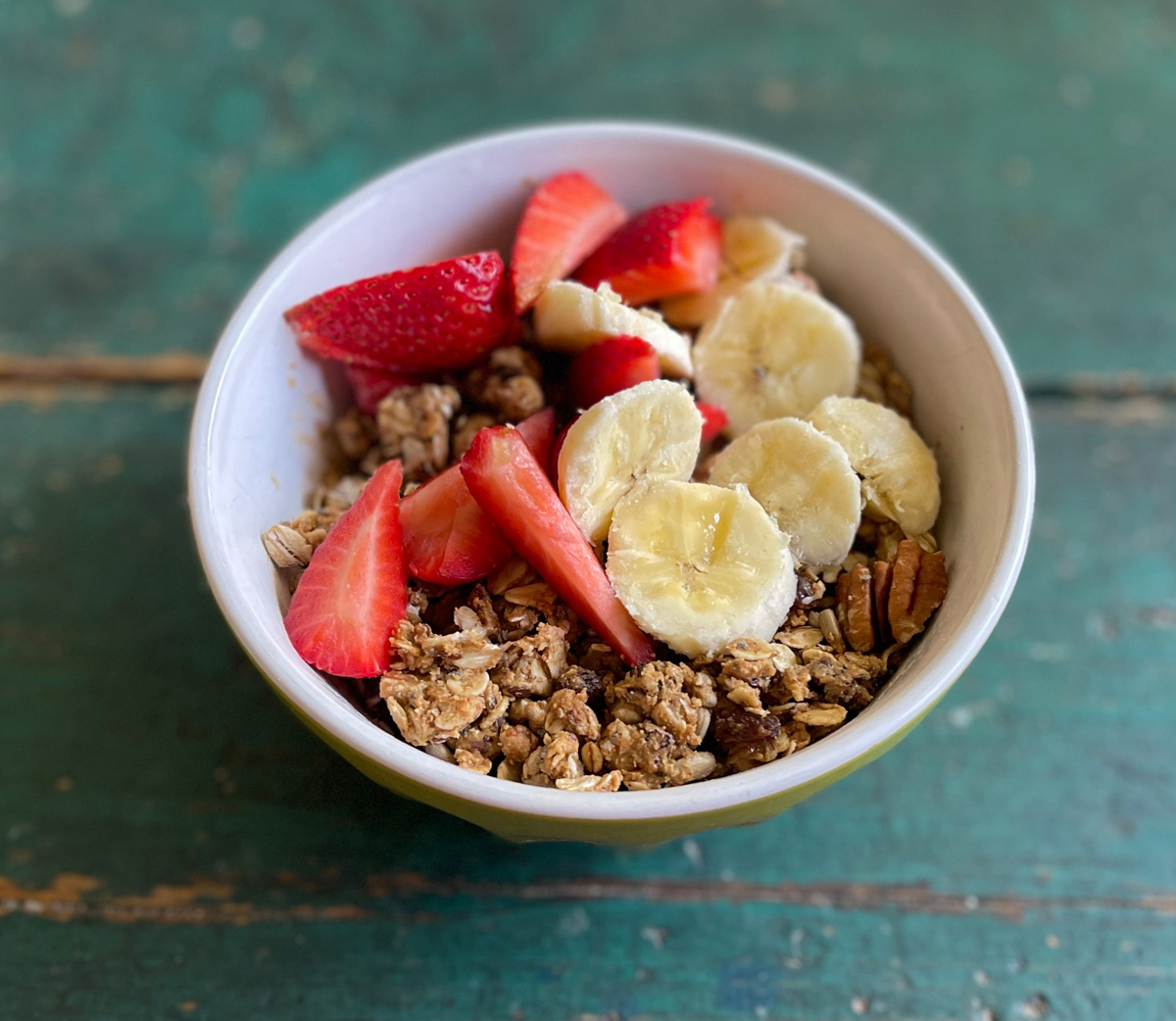
Breezy’s Granola for Anybody. Food styling and photo by Dave Iltis
The dictionary defines intuition as “the power or faculty of attaining to direct knowledge or cognition without evident rational thought and inference.” How does this apply to nutrition? The first word that comes to mind is cravings. Our body tell us what it needs by sending messages to our brain to say, “I’m hungry” or “give me chocolate” and whether we are conscious of it or not, there is reason behind those cravings. For example, after a ride we may crave chips and guacamole and a soda or an adult beverage. That makes sense when you think about what you deplete during endurance exercise: calories from carbs and fat, water, and electrolytes. It’s no wonder salty food dipped in fat with a carb-rich drink all taste amazing! Answering cravings is also where we should be to be mindful. Just because our body or brain says it wants candy doesn’t mean it’s the best choice to answer the sweet craving. This is where intuition kicks in and a natural source of sugar is the right choice. So, grab a peach or a banana instead!
Another example of listening to your body manifests in food intolerances. When we get stomach upset, GI distress or simply don’t like the taste of something it’s natural to not want that food. The trick is identifying the cause. What I mean by that is being able to decipher the reason for a negative reaction to something. For example, I get asked a lot about sport foods and how certain products cause “gut rot” or cramping or fill in the blank. The intuitive answer is if something doesn’t make you feel great, don’t eat it. But it’s not that simple. You must ask yourself, what all did I consume (or not) that could lead to this problem? Maybe it’s that you didn’t drink enough electrolyte mix so your dehydrated, or perhaps too much dairy in your breakfast didn’t sit well as your body tried to digest the inflammatory food while pedaling. There are so many scenarios possible with various solutions that it can seem daunting. So, let’s bring it back to listening to your body while also applying knowledge of nutrition in the to feel good and perform.
I talk a lot about eating I moderation and fueling your body for what you’re doing. I want to reiterate that we want balance in each day in order to make sure we get all our essential nutrients and the best way to do that is eat in color. Incorporate a fruit or veggie into every meal or snack to get those recommended servings. Also, we want to be sure to time our nutrients around exercise. You don’t need me to tell you that a colorful fibrous salad isn’t the best choice pre-ride, right?! Use your intuition to know that easily digestible carbohydrates are best before a workout and save the higher fat, protein, and fiber foods for recovery time (or as I like to say your “off the bike” food). When you’re thirsty, drink water. And when you’re riding, drink electrolyte mix: it just makes sense when you use that power of rational thought.
Listening to your body is not always as easy as it seems. I’ll be the first to acknowledge that. It takes practice, discipline, trial, and error. The take-away from this article that I hope for you is that you step back and assess your food choices and how they affect your everyday mood, energy levels, and of course sport performance. And if you can’t figure it out, contact me! In the meantime, I wanted to provide a recipe that can help you practice intuitive eating.
Breezy’s Granola for Anybody
No bake, nut free, dairy free, gluten free
Ingredients
1/2 cup sunflower butter (or any nut butter if preferred)
2 tablespoons honey
1/2 teaspoon vanilla extract
1/8 teaspoon salt
1 cup oats
1/4 cup Rice Krispies cereal
3/4 cup mix-ins of choice (I like pumpkin seeds and raisins. You could also add chocolate chips).
Instructions
In a microwave-safe bowl combine the peanut butter and honey. Heat then stir until smooth.
Add in all the other ingredients except for the mix-ins. Mix until combined. It’s thick and messy at first, but just keep stirring until a good consistency is formed. You may need to lightly knead the mixture with your hands.
Add in any mix-ins of choice, stir through more and then use your hands again to form granola crumbles.
A food like granola is easy to mindlessly eat. It has healthy ingredients, yet too much of anything can lead to the issues discussed above. Make a batch but divide it up into appropriate serving sizes. Maybe even put each serving into a separate container to practice portion control. Also think of ways you could make it more balanced like having a smaller serving and adding color with mixed berries and pour on some unsweetened nut milk. Follow that intuition and enjoy with pride that you’re making the best choices for your body.
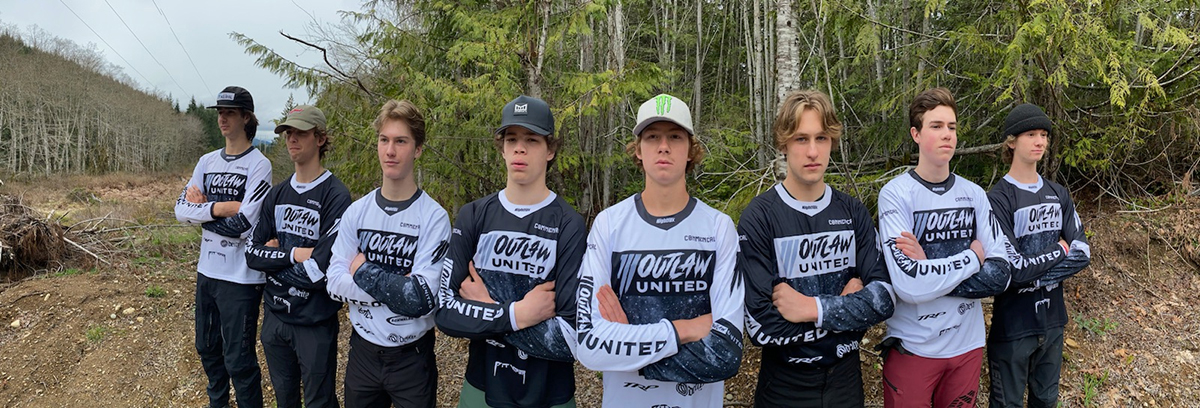
June 7, 2023 (PROVO, UTAH) — The Outlaw Bike Team (Outlaw Tribe) is proud to announce the creation of Outlaw United for the 2023 World Cup downhill mountain bike race, season and beyond. Our 17+ UCI sanctioned World Cup downhill team will feature 10 Elite riders of racing age 17 and over. All reside in either the United States (Utah, California and Washington) or Canada.
The Outlaw Junior MTB Downhill Team. Photo courtesy Utah Outlaws
Local Utah Outlaw Tribe graduates, Dillon Flinders and Drake Parker will take the stage representing Utah / USA Jr. Men this summer begin UCI World Cup Round 1 in Lenzerheide, Switzerland June 10-11, 2023.
The Junior Men/Women and the Elite Finals will be on GCN + , Eurosport and Discovery + ( paid subscriptions ) Friday, June 9 Junior Women 13:10 CEST , Junior Men 13:55 CEST, or live on YouTube by subscribing to the UCI Mountain Bike World Series here https://www.youtube.com/live/kUGH_0OVCrY
The Outlaw Bike Team is now recognized on the world stage. For more information or to join the team please visit:
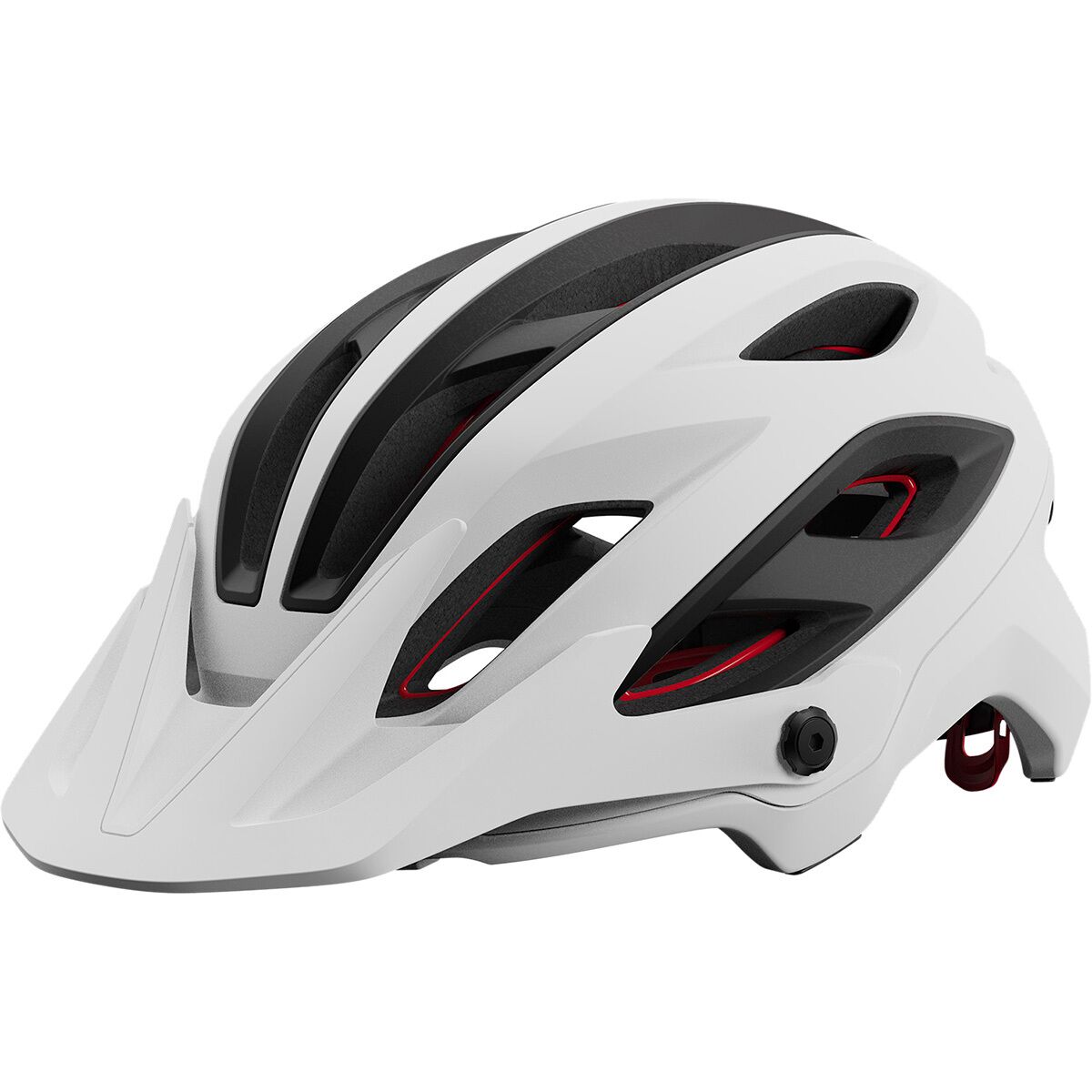
Hazard: The recalled helmets do not comply with the U.S. CPSC federal safety standard for bicycle helmets. The helmets can fail to protect in the event of a crash, posing a risk of head injury.
Remedy: Refund or Replace
Recall Date: June 08, 2023
Units: About 15,000 (In addition, about 1,465 were sold in Canada)
Description: This recall only involves Giro Merit helmets manufactured prior to January 2023. The recalled Giro Merit helmet can be identified by the model’s name “Merit” on the rear/side of the helmet. It can also be identified by the inner helmet sticker which has the model’s name “Merit” written on it and also GH230.
Remedy: Consumers should immediately stop using the recalled Giro Merit helmets and contact Giro for a free replacement helmet or a full refund.
Incidents/Injuries: None reported
Sold At: Epicenter Cycling, Freewheel Bike West Bank, Velotech and other stores nationwide, online at Giro.com, Backcountry.com and other websites from September 2021 through January 2023 for about $220.
Importer(s): Bell Sports Inc., of Scotts Valley, California
By Charles Pekow — An ongoing issue with ebikes is how to make them as ecological as possible. A few new studies shed some light on how to do that in different ways.
One report says that solar-powered ebikes can become practical and economical eventually but only in climates with plenty of sunshine. The Middle East and Mid-Asia, yes, but not in most of the United States.
The “Solar Bicycle Project,” as published in the Journal of Student Research (https://www.researchgate.net/publication/369295170_Solar_Bicycle_Project), created such a bike, which takes about 5.5 hours to charge by sun (or about three hours by plug-in), which will allow it to run about 25 miles at a top speed of about 25 mph. The solar panel is rather large and limits the ability to carry much on the bike. If the sun doesn’t shine or the battery wears out, riders can always pedal!
The researchers built a motor and attached it to a bike they bought and placed the battery in a box at the back. This prototype can be built for about $467.
Meanwhile, a German report says you can recycle or refurbish ebike motors when they wear out. The highly technical paper discusses how to take the engine apart. It looked at five makes sold in Germany. The report acknowledges that the success researchers had may not work on untested motors, but the same tools worked on all the ones tried; only the screws differed.
The paper didn’t consider the economics, such as the cost of labor in taking motors apart and rebuilding them. The manufacturers hadn’t provided information about doing these things.
By Charles Pekow — Now that e-bikes are becoming increasingly common on federal lands, we need to study their effects. The Federal Highway Administration recently released the first nationwide effort to do so.
It found that electric mountain bikes didn’t significantly affect natural surfaces more than conventional mountain bikes. The report notes that the conclusion reflects only one study and that more research is needed.
We also need to learn more about how e-bikes might disturb wildlife and cultural and historic resources, the study says.
On the plus side, the study says e-bikes “may serve as an effective alternative to motor vehicles and reduce tailpipe emissions; installing charging stations in public lands could power e-bikes using renewable energy sources.”
By Mike Pribesh — Iceland has long been called the land of fire and ice, and appropriately so. But that moniker leaves out a lot. Iceland can also be called the land of wind and rain and waterfalls and sheep. All of those only very slightly begin to describe what this tiny country in the North Atlantic is about. Travel here, by whichever mode you choose, is equal parts challenging and rewarding, with a definite nod to the latter. Biking here can be brutal, and it can be joyous, but at either extreme it is amazing.
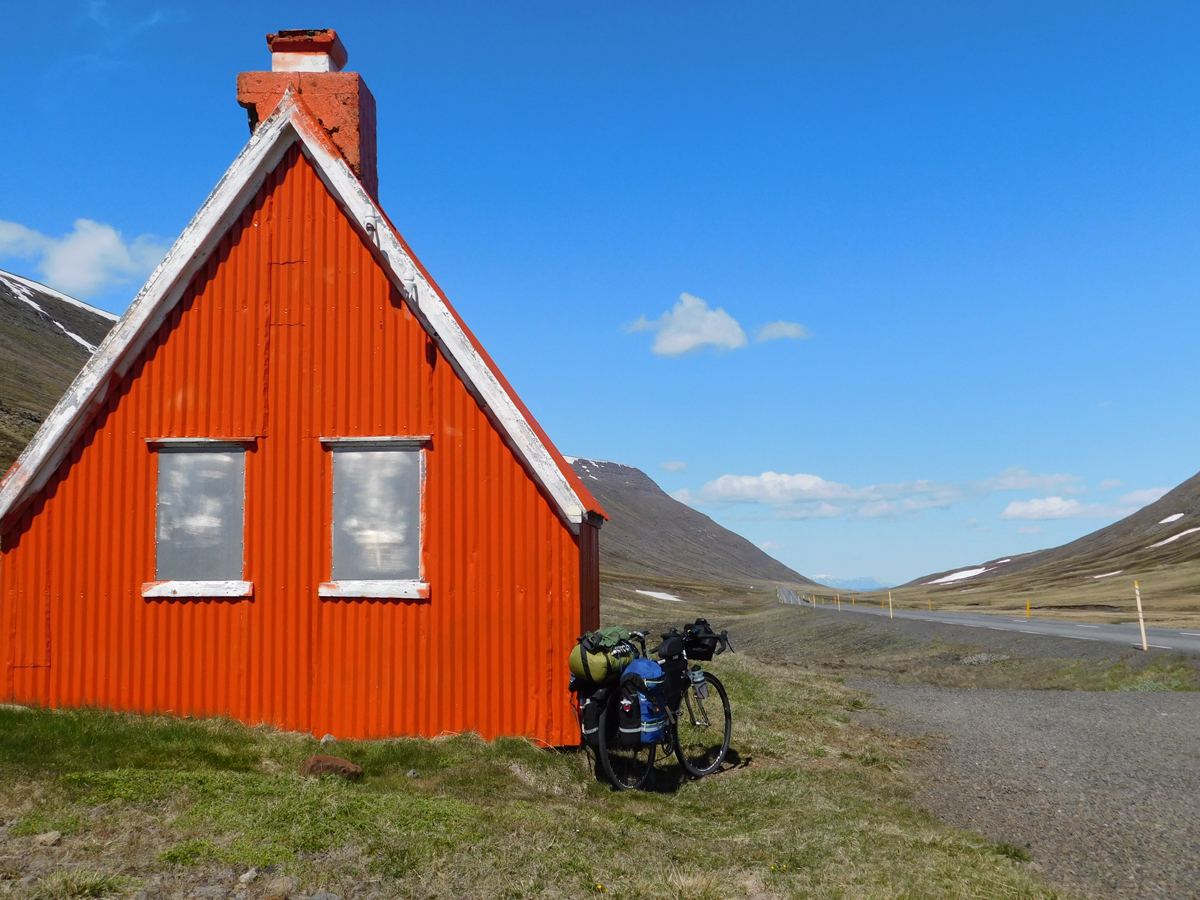
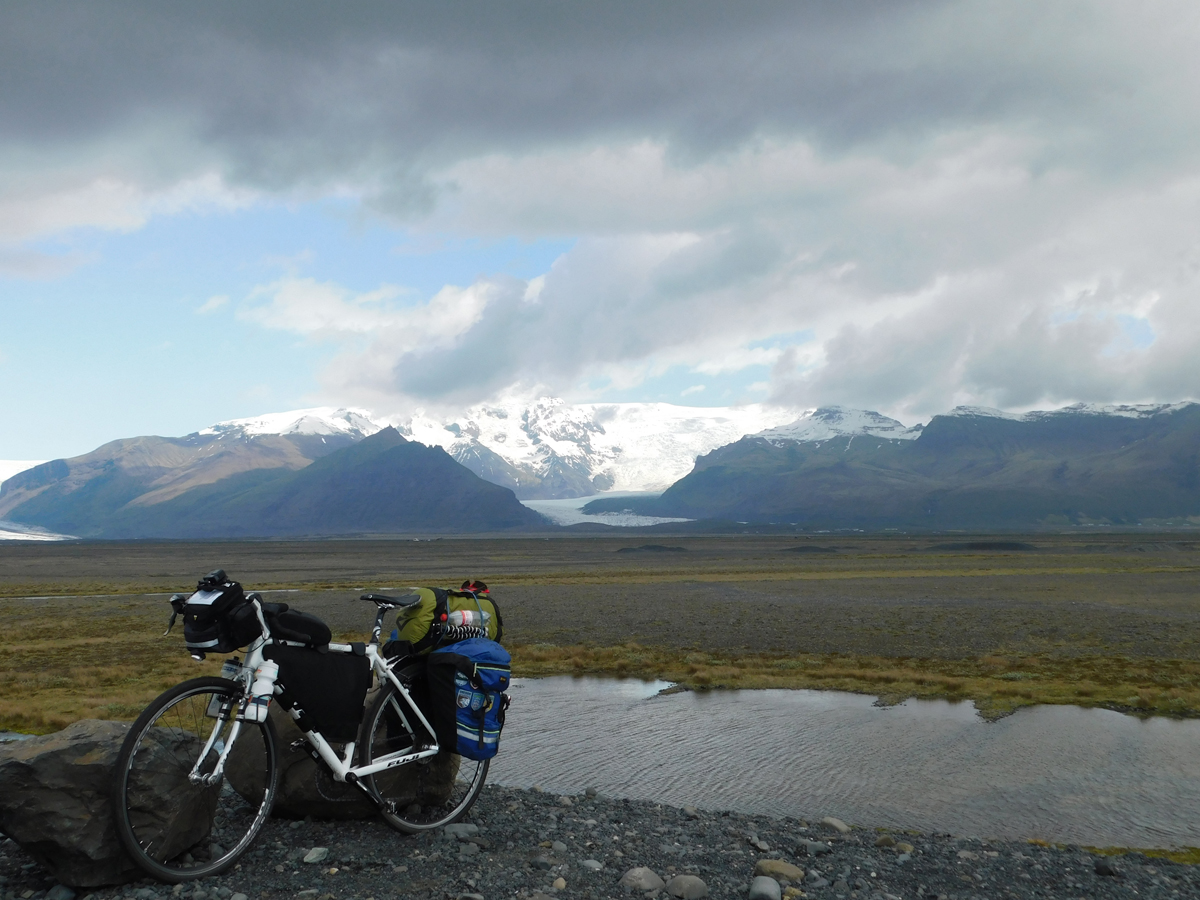
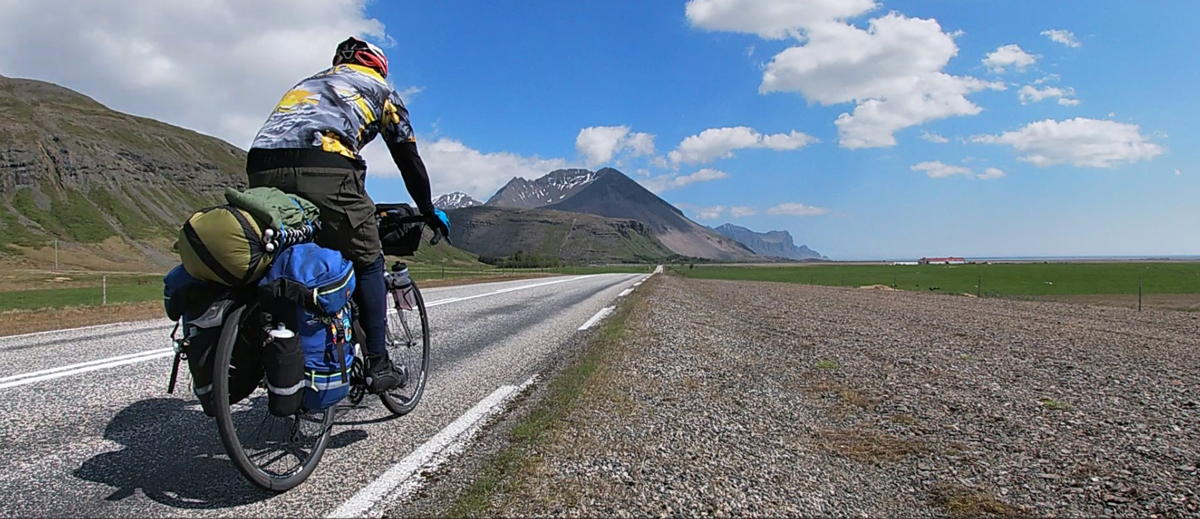
Bicycling around the Ring Road has long been very high on my bucket list, and when Iceland opened to tourism after Covid I jumped at the chance. I headed there with my trusty Fuji Cross bike and a lot of warm and waterproof clothes with a well thought out plan of how to tackle the eight hundred plus miles of what is essentially the only road to circle the country. I say essentially. It is the only road to actually go around the whole of Iceland, with offshoots along the way either to the empty center or to the coast on the rare occasions the road moves inland. Many of those offshoots inland rapidly turn to dirt, and then rougher dirt, and then crushed lava dirt and rocks, and then… well, you get the gist. The vast majority of Icelandic civilization is concentrated on or very near the coast, so it is wise not to venture too far into the hinterlands unless you are very self-sufficient.
An incredible view of Skaftafell Glacier. Iceland Bike Touring. Photo by Mike Pribesh
After probably too much research on weather and wind patterns, I chose to tackle the trip counter- clockwise. Not that this provided an advantage though. Icelandic winds are equal opportunity and blow wherever and whenever they choose, forecasts or patterns be damned. From my exhaustive research, I determined the probability of favorable winds on any given day was about fifty percent, which meant the probability of unfavorable winds was about, well, fifty percent. I chose my direction based on there is more to see on the southern coast than the northern stretch, and I wanted to be fresher for side jaunts and sightseeing.
Keflavik Airport is an outstanding starting point, and it even has a dedicated bike assembly spot in a converted Conex trailer with a windowed front and several repair stands and tool setups. This is the only airport I have ever seen this, and it definitely beats tucking into an out of the way corner of a terminal to assemble your bike and belongings after a long flight. Leaving is simple and safe, unlike so many airports around the world that clearly didn’t think of bicycles even as an afterthought, and not even once did I think I was about to die.
Long trans-Atlantic flights do nothing positive for your body, and a dip in a hot spring would do wonders for recovery. As luck and geography would have it, the famous Blue Lagoon is only about fifteen miles from Keflavik, and I made a beeline there as fast as my tired legs would take me, reservation already in hand. My reservation, made months before, wasn’t really necessary after all, as there were maybe two dozen people in the lagoon, which is huge. If you want to avoid crowds, I highly recommend travelling immediately at the end of a pandemic. The Blue Lagoon is normally very crowded, and rightfully so. It’s incredible. The warm, opaque, milky blue water surrounded by ancient lava flows, silica mud mask, and a swim up bar make for a very enjoyable and relaxing experience. It’s a highly unmotivating experience because I didn’t want to leave, but I forced myself after a couple of hours because I still had forty-ish miles to ride to my planned destination for the night.
My route along the southern coast took me through stunning scenery, so much so that I had a hard time keeping an eye on the roadway. To the right were usually pastures and beyond those the ocean, and to the left were amazingly green hills with waterfalls galore. In the pastures, and on the side of the road, and in the road, and in the hills, were sheep. So many sheep. And they are very loud sheep, bleating as I passed them by and at night as I camped. They came to be rather soothing in the evenings while I was in my tent.
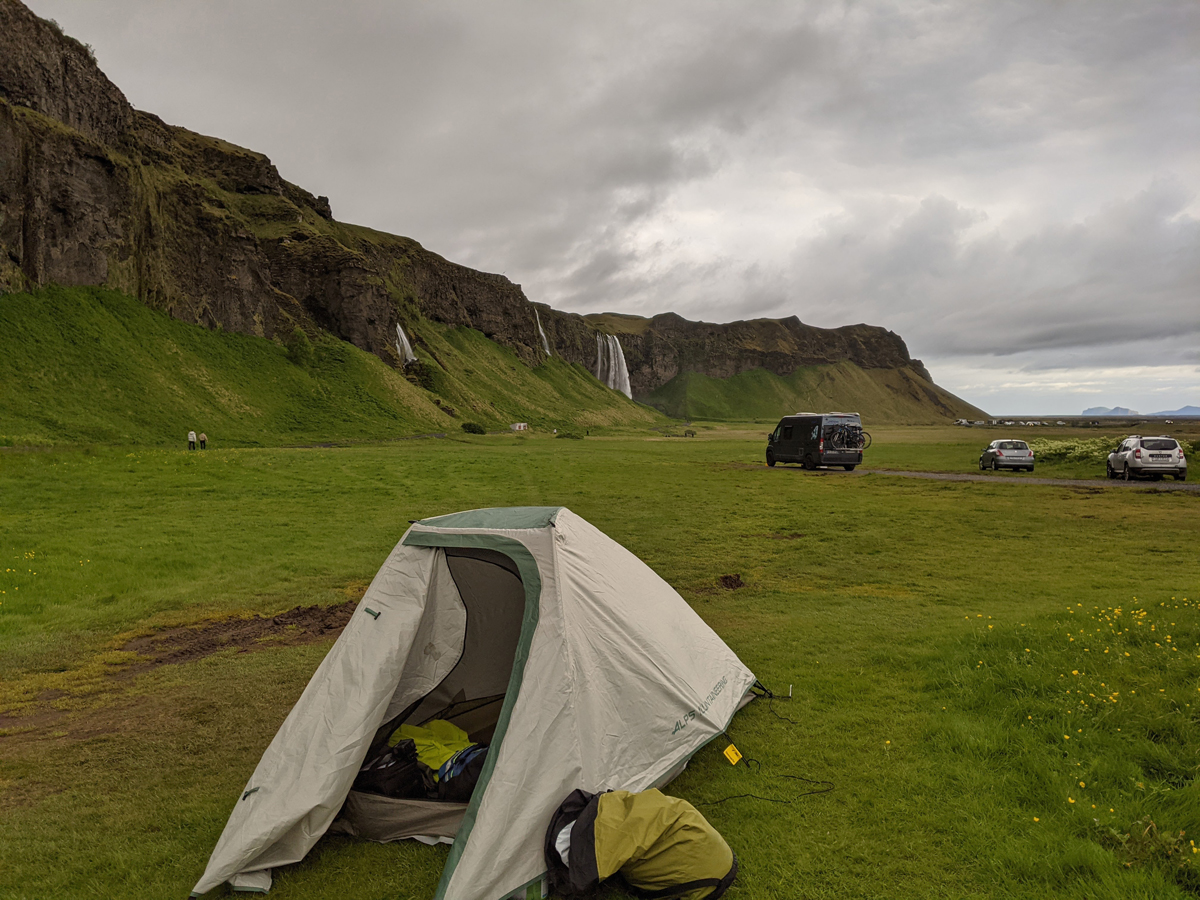
A great camping spot near Seljalandsfoss Waterfall. Iceland Bike Touring. Photo by Mike Pribesh
Iceland is known for its waterfalls with some of the most famous of them right along my route. And they are epic. I’ve always had an affinity for waterfalls and tend to plan hikes and rides just to see them, so I was happy as a freshwater clam as I rode past them. There are numerous unnamed (as far as I know) cascades tumbling from the cliffsides to provide a short-term waterfall fix between the major ones. My second night camping was at the base of Gljufrabui and a couple of hundred yards from Seljalandsfoss. Yes, the big ones are all named, and good luck pronouncing them. Seljalandsfoss even has a hollow in the rock so you can walk behind the waterfall. Bring rain gear.
A beautiful view on the southern coast of Iceland. Photo by Mike Pribesh
As I mentioned, I wanted to ride the southern coast while I was fresh so I could make side trips off the main road, and my plan worked well. A five-mile detour down a very steep hill to Reynisfjara Beach was well worth it even though it meant riding back up that same very steep hill. The black sand beach with striking rock formations is not to be missed, just watch out for the sneaker waves that might try to sweep you out to sea. The mile or so off shoot to the Selfoss waterfall was also a must do, and the restaurant near the parking area had a frosty cold beer for me too. Sometimes I get a little lazy on these trips and don’t want to do the extra miles off my main route, but I am happy I did. Every single side jaunt I took was worth it.
At the beginning I said Iceland could also be known as the land of wind and rain, and I say this from experience. In the first week of the ride, I had tailwinds, headwinds, crosswinds, and even no winds. I also had torrential rain, gentle rain, drizzle, clouds, and even brilliant sunshine. The no wind and brilliant sunshine were rare, but their occasional appearances were most welcome. Traveling in a country this far north and in the middle of a very cold ocean creates some challenges, but it wasn’t as tough as some of the horror stories I’d heard.
Continuing eastward, I passed through vast barren flats of glacial runoff between Kirkjubaejarklaustur and Svinafell and to the glacial lagoon of Jokulsarlon and Diamond Beach, where the broken bits of glacier ice wash up on the black lava sands and glitter like jewels on sunny days. The fjords of the southeast and beautiful coastal fishing villages like Djupivigor and Faskrudsfjordur were both stunningly beautiful and frustratingly challenging. (Town names included mainly for the entertainment of you trying to pronounce them correctly. You will fail.) One particular stretch involved riding up and down four fjords in one day with a thirty mile per hour headwind on the inland sides with a roller coaster of fifteen percent grades, all with a backdrop of tall snow-capped mountains on one side and blue ocean on the other. At one point I stood at an intersection of the Ring Road and side dirt road I had been told about, contemplating the option of shortening this section of the ride by a full day. Two hard days of following the coast up and down numerous more fjords, or one brutal day over a mountain pass on a dirt road in the rain and with a seemingly hurricane force headwind. I elected the former and it made the right choice, because that’s the day I saw my first wild reindeer.
Approaching Egilstaddir. Iceland Bike Touring. Photo by Mike Pribesh
I had some decisions to make upon reaching Egilstdattir, which was the far eastern point of my route. The weather forecast was looking bleak for the next few days, and I would be riding into some heavy winds across some of the most barren areas of the entire country. I decided to fast forward a little and hopped a bus to Lake Myvatn and saved myself two or three days of soul sucking headwinds. It was a wise choice. Camping at Myvatn, I had to pitch my tent close to two others in the shelter of an outbuilding to avoid being blown away by the seventy plus mile per hour gusts. On the plus side, Myvatn means mosquito, and those little buggers didn’t stand a chance in those winds.
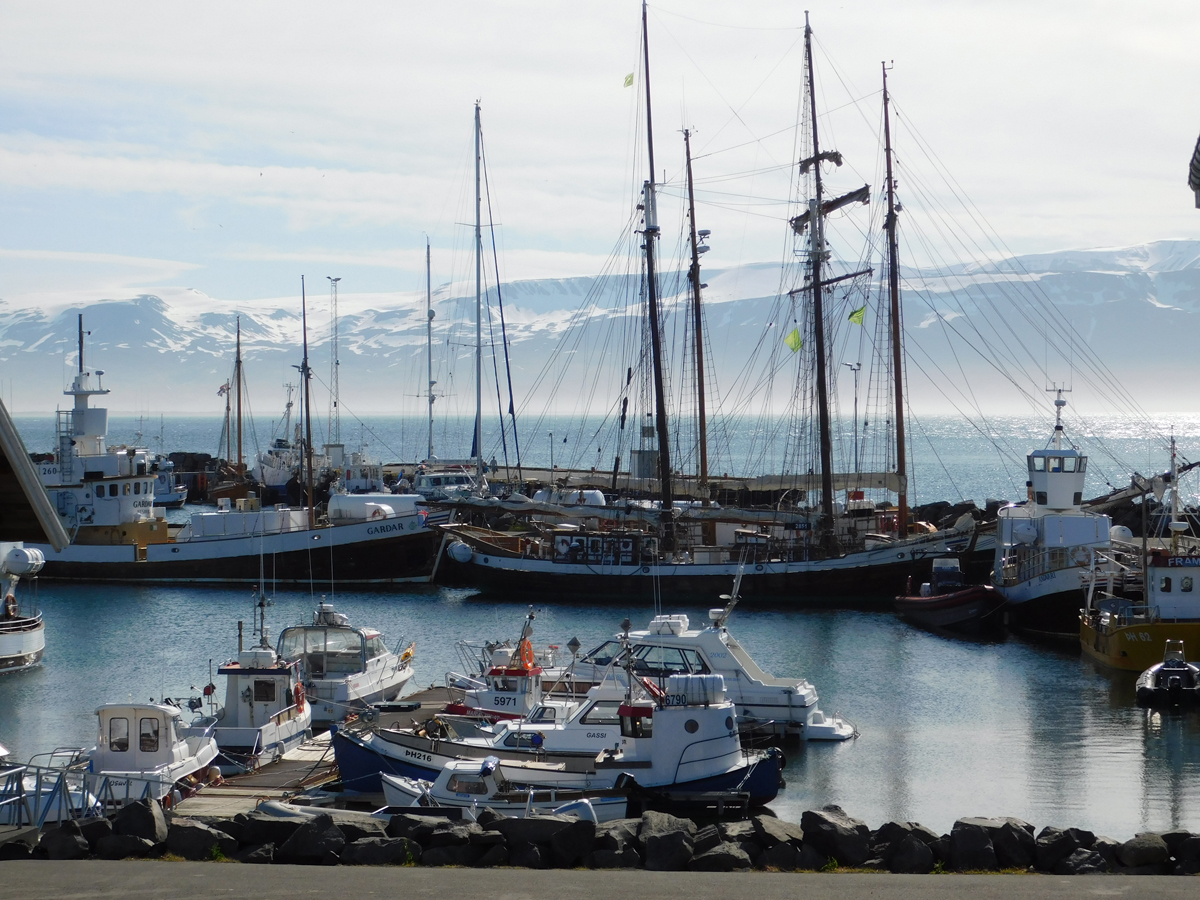
Husavik Harbor. Iceland Bike Touring. Photo by Mike Pribesh
I felt a little down on myself for taking the bus as I pride myself of trying to ride every inch of whatever trip I’m on, and I did some serious reflection lying in my tent that night, partly wishing I had ridden instead of bused, partly rationalizing that it was the wiser choice, and partly wishing I was at home in my cozy bed. The rationalization won out, and to make up for my self-perceived cheating, I rode north to the town of Husavik, which turned out to be the highlight of the entire trip.
Picture in your mind the iconic fishing village, with boats at the docks in the harbor and quaint houses and buildings on the shore. Now add to that snow covered mountains on the other side of the water with the evening sun glistening on both. Add to that a community fair on the waterfront with live music and beer and probably the best fish and chips I’ve ever had. And top that off with the best weather of the entire trip. Bliss. Any down thoughts I had been having floated away and all was right with the world.
I found the people of Iceland to be very friendly once you broke the ice. Mostly they would not start a conversation, but were happy to talk once I asked questions, and were very helpful and kind. A perfect example of this was the couple I met at the entrance to the Vadlaheidargong tunnel. There are two tunnels in Iceland in which bicycles are prohibited. This was one of them. I was faced with yet another dilemma, find a way through to Akureyri, my destination for the night, or ride an additional twenty miles over a three-thousand-foot pass on a dirt road. As I pondered my situation, a car towing a trailer with two mountain bikes turned toward the tunnel and I flagged them down. Long story short, they gave a stinky stranger and his bike a ride through the tunnel and saved me several hours of climbing and cursing.
Mechanical issues with the bike (three broken rear spokes) changed the trip from there. Bike shops are very few and far between, and being the idiot that I sometimes am I didn’t have any spare spokes, so I was back on a bus to Reykjavik. Once there, I scrambled to find a bike shop before they all closed for the evening. Reykjavik has an amazing path system with one for bikes paralleling one for runners and walkers. It was a very enjoyable ride until a bunch of jerk runners started yelling at me and giving me dirty looks. What happened to the friendly helpful Icelanders? Then I realized that I had wandered on to the runner’s path, and I was the jerk. Oops. I quickly scooted off into a neighborhood and proceeded to get very lost. I wandered to and fro for a while, trying to keep mainly in the same direction I had been heading, wondering how I was going to figure this one out. My maps didn’t work on my phone, and I naturally didn’t have a paper map (again, idiot), so I was going by sheer instinct, and lo and behold, I popped out right at the shop I had been seeking, the Bike Cave. Genius or sheer luck? Probably the latter.
The Bike Cave turned out to be so much more than a shop. It was also a café, and the owner is a Warmshowers host, so I got fed, bike fixed, and a warm bed for the night, plus a ton of advice, over several adult beverages with the owner’s husband, about where to go next. That advice led me to make yet another change to my plans.
There is a tremendous amount to see in what is called the Golden Circle, an area to the east of Reykjavik. Geysers (including the original geyser, where the word actually came from), massive waterfalls, more hot springs, a thermal river, and believe it or not, tomato and banana farms. I knew I would only have time to see a very few of these if I continued by bike, and since it will probably be a bit before I get an opportunity to return to Iceland, I decided to make the most of my remaining time and rented what might be the world’s smallest car – a Toyota Ayko. I shoehorned the bike and all my bags into what Toyota ambitiously calls a back seat and carried on.
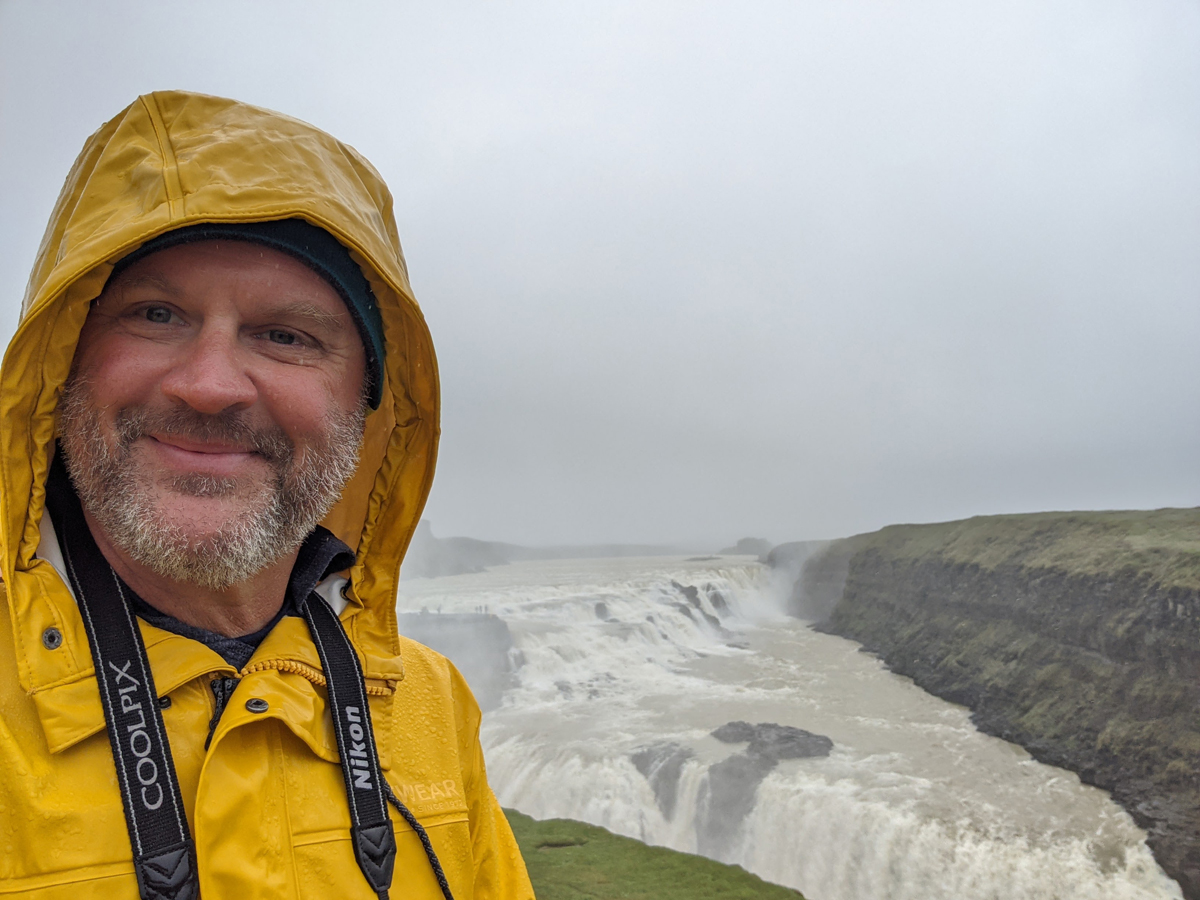
Mike Pribesh at the Gulfoss Waterfall. Iceland Bike Touring. Photo by Mike Pribesh
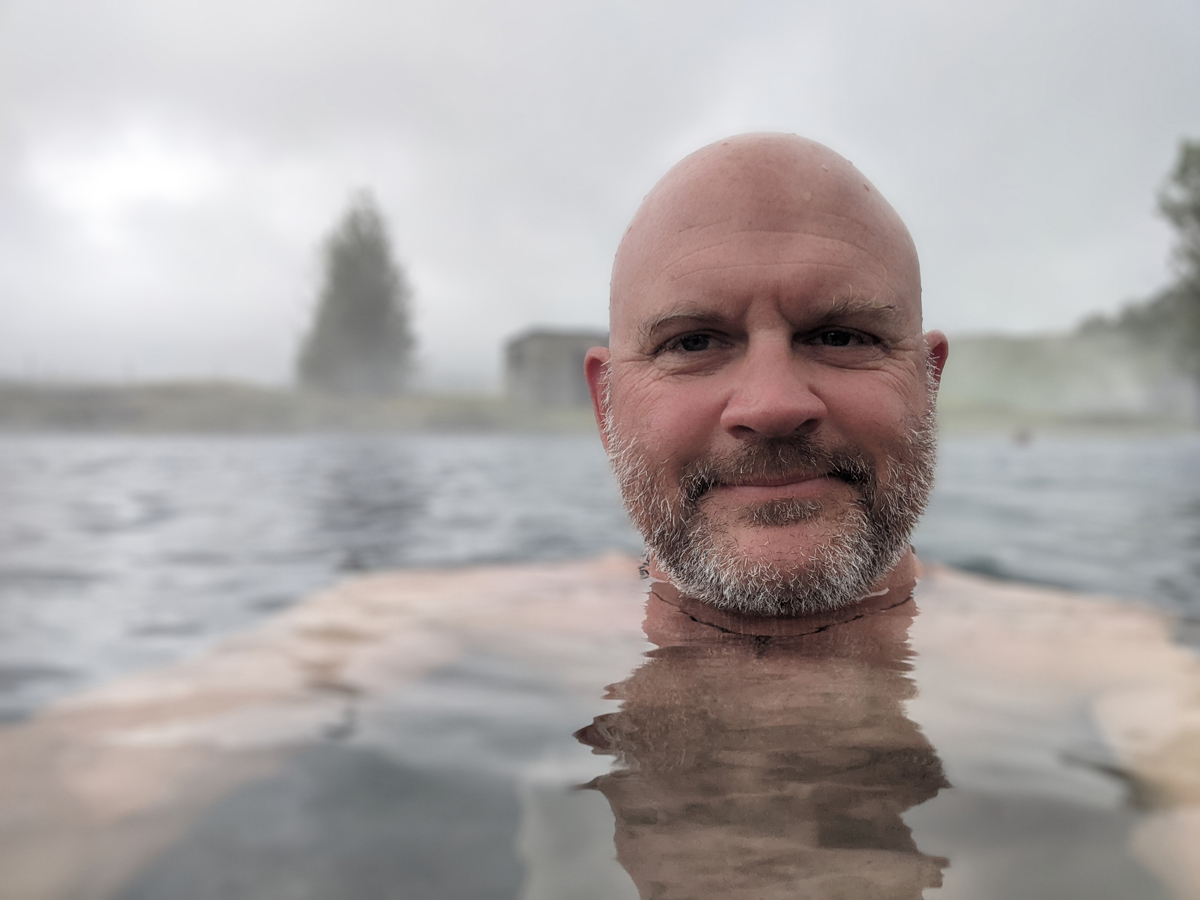
The Golden Circle is a continuation of the amazing scenery I had passed on my entire ride. Gulfoss waterfall is enormous and spectacular. The hike to the thermal river is strenuous, but once at the top a small stream of hot water runs through the hillside with small pools to soak in. While there I saw a fellow bike tourer from Italy who I first met on one of the fjords on the complete other end of the country. One of my favorite stops of the whole trip was the Secret Lagoon, a smaller, lower key version of the Blue Lagoon. I even straddled the junction of the North American and European tectonic plates at Thingvellir National Park, so I was essentially standing on two continents at once. I even hiked to the actively erupting volcano, although it was not very actively erupting on that day. I guess even volcanos need a day off from time to time.
Mike Pribesh in his happy place at a secret lagoon. Iceland Bike Touring. Photo by Mike Pribesh
Returning to the airport and realizing my trip was complete was bittersweet. I was ready to go home, but also didn’t want to. I spent a fair amount of time on the flight home thinking about the trip as a whole and thinking about how to do it again. There’s still the Westfjords area in the Northwest, the whole interior of the country which is lightly crisscrossed with barely rideable roads, trails, and rivers. And puffins. If nothing else, I’ll return to see the puffins that eluded me this time.
Ride Details:
Start and end location: Keflavik Airport- Southeast of Reykjavik
Total ride miles: 608
Total ride days: 12
If you go:
Navigation is easy. The Ring Road is the only main road. If you stay on it, you can’t get lost, and it will eventually bring you back to where you started. It is a big ring after all.
Prepare for the weather. It is windy. It is rainy. It is windy and rainy. Invest in quality rain gear and warm but breathable cycling clothes. I found I was almost always one layer away from just right. The raincoat I brought was sub-par so in Vik I bought a new one that was overkill but completely waterproof for an ungodly amount of money. Which brings me to the next point-
Iceland is expensive. Food and drink in a restaurant ran about $30 for just me no matter where I was. Restocking supplies for on the road was cheaper, but not by a lot.
Wild camping is technically illegal, but there are tons of reasonably priced campgrounds. In fact, camping in small, converted minivans seems to be the national pastime. I never had trouble finding a campground, and they are all basically big fields so you can pitch a tent pretty much anywhere.
Cash is a waste of time. I used coins for a shower once, and that was the extent of my cash use. Even at campgrounds the attendant would come around with a card reader. Don’t be shocked when she tells you it’s 15,000 Krona. That’s about twelve bucks.
Don’t worry about a language barrier. Everyone speaks English. It is taught in schools starting at age five. Some of the older people I met were less versed, but many of the younger ones speak English with virtually no discernable accent. If you try to speak Icelandic to a native based on words you are reading, you will sound like an idiot. Don’t ask me how I know this.
If you go to Iceland in the summer, it does not get dark. Ever. If you are camping, bring a sleep mask. It’s seriously bright even at two a.m. And if you hope to see the Northern Lights, go in the winter. You will not see them in the summer.
I’ve made a two-part video of this adventure. You can view them at:
Part 1: https://www.youtube.com/watch?v=uSQjCdpTFnE&t=34s
Part 2: https://www.youtube.com/watch?v=VgtP71ANwOo&t=1248s
Beetroot is gaining popularity as a performance-enhancer for athletes and those wanting to gain a competitive advantage in running and cycling.
Some people juice beetroot, some eat it, others mix up a drink from the powdered form. But will it make a noticeable difference on how quickly we run a race or cycle up a hill?
Small benefits for some
A large systematic review in 2020 included 80 clinical trials, in which the included studies had participants randomly assigned to consume beetroot juice or not. It found consuming beetroot juice provided performance benefits for athletes.
In sports where every second or centimetre counts, this can be a significant improvement. In a 16.1 kilometre cycling time trial the gains linked to beetroot consumption were equivalent to 48 seconds.
But when the authors analysed subgroups within these studies they found beetroot juice wasn’t effective for women or elite athletes – though this could be because there were too few study participants in these groups to draw conclusions.
Another large systematic review in 2021 of 73 studies that looked at endurance athletes (who run, swim or cycle long distances) found similar results. Supplementation with beetroot (and other vegetables rich in nitrate) improved their time to exhaustion by an average of 25.3 seconds and the distance travelled by 163 metres.
This improvement was seen in recreational athletes, but not in elite athletes or sedentary people. This analysis didn’t look specifically at women.
What is it about beetroot?
Beetroots are rich in nitrate and anthocyanins. Both provide health benefits but it’s primarily the nitrates that give the performance benefits.
Once ingested, the nitrate is converted in the mouth by the local bacteria into nitrite. In the acidic conditions of the stomach, the nitrite is then converted to nitric oxide, which is absorbed into the bloodstream.
Nitric oxide dilates blood vessels, which delivers oxygen more quickly to the muscles, so energy can be burned to fuel the exercising muscles.
The result is that less energy is used for performance, which means it takes longer to tire.
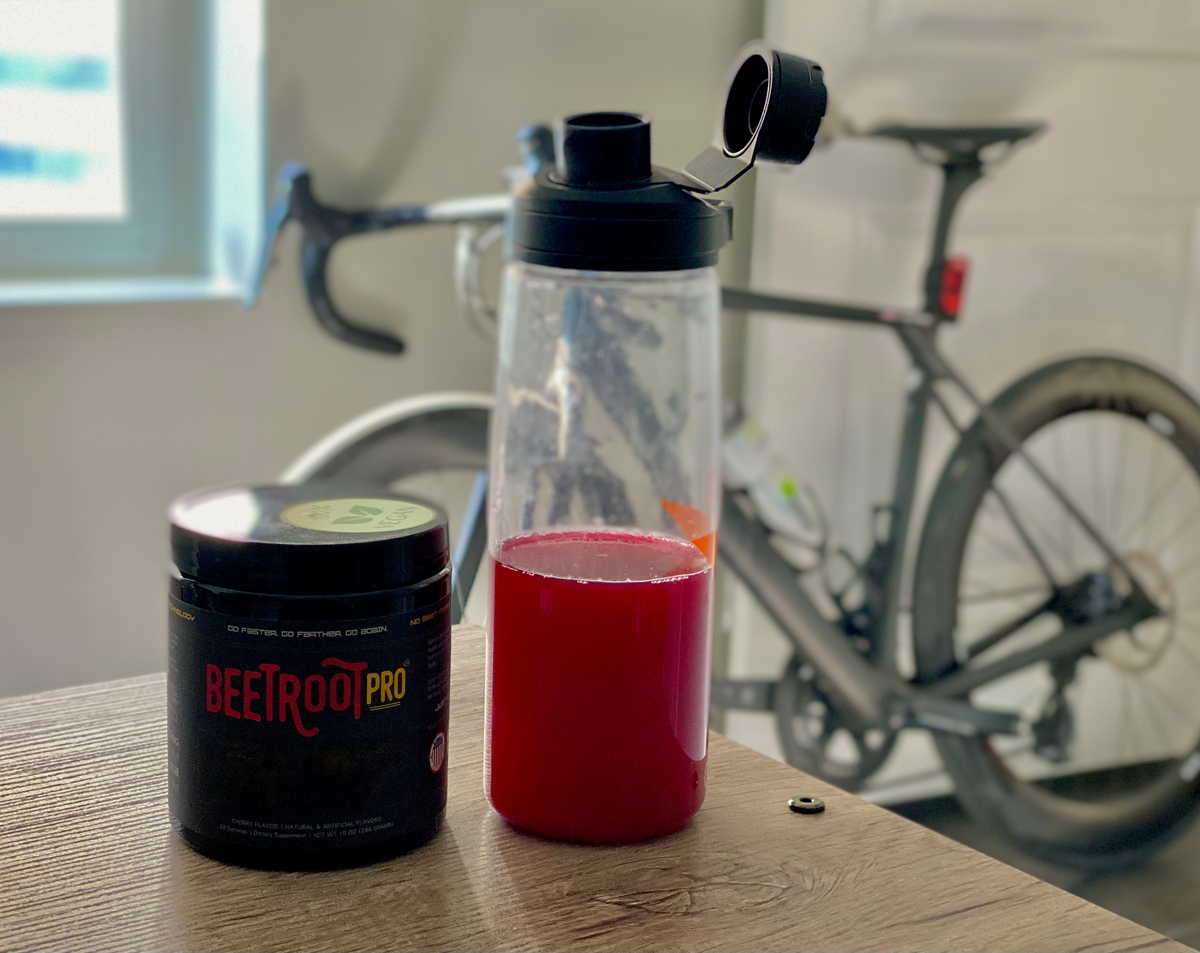
Beetroot Pro is one of many beet root based sports drinks. Photo by Cameron Hoffman, Beetroot Pro.
How can I use beetroot juice?
The Australian Institute of Sport (AIS) has assessed beetroot and classified it as a Group A supplement. This means there is strong scientific evidence for use in specific situations in sport.
The AIS advises beetroot supplementation can be beneficial for exercise, training and competitive events that lasts 4–30 minutes and in team sports with intermittent exercise.
For performance benefits, the AIS advises the beetroot product (be it juice, powder or food) should have between 350–600mg of inorganic nitrate in it. Check the label. There are several concentrated juices available on the market.
To give the nitrates time to be converted to nitric oxide and absorbed into your bloodstream, you need to consume the product 2–3 hours before training or competition. You may get added benefits drinking beetroot juice for several days leading up to training or competition.
However, don’t use antibacterial products like mouthwashes, chewing gums or lollies. These will kill the bacteria in your mouth needed to convert the nitrate to nitrite.
Are there any downsides?
Your urine will turn red, and this will make it difficult to determine if you are dehydrated. Your poo may also turn red.
Some people may experience an upset stomach when consuming beetroot juice. So try drinking it while training to determine if you have any problems. You don’t want to find this out on competition day.
What about nitrate from the rest of your diet?
While it’s difficult to consume enough nitrate to boost your athletic performance directly from vegetables before an event, consuming five serves of vegetables a day will help keep the nitric oxide levels elevated in your blood.
Vegetables higher in nitrate include celery, rocket, spinach, endive, leek, parsley, kohlrabi, Chinese cabbage and celeriac. There isn’t clear evidence about the effect of cooking and storage on nitrate levels, so it’s probably best to eat them in the way you enjoy the most.
However, it’s best to avoid cured meats with added nitrate. The additive is used to stop the growth of bacteria and adds flavour and colour, but the resulting sodium nitrite can increase the risk of cancer.
While beetroot may give you a small performance boost, don’t forget to tailor the rest of your training as well. Ensure you have enough carbohydrates and protein, and that you drink enough water. You may need to consult an exercise scientist and an accredited practising sports dietitian to get the best outcome.
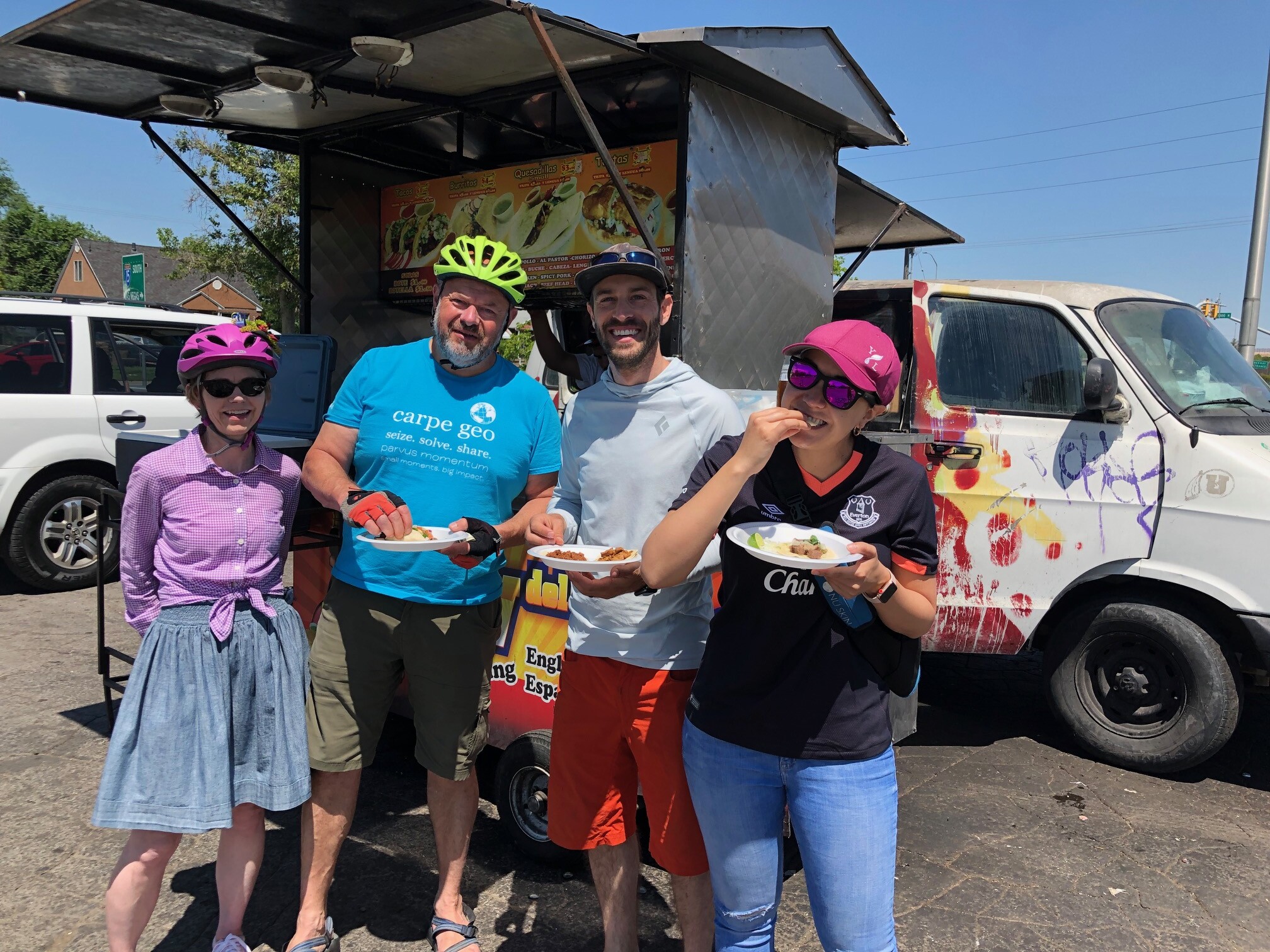
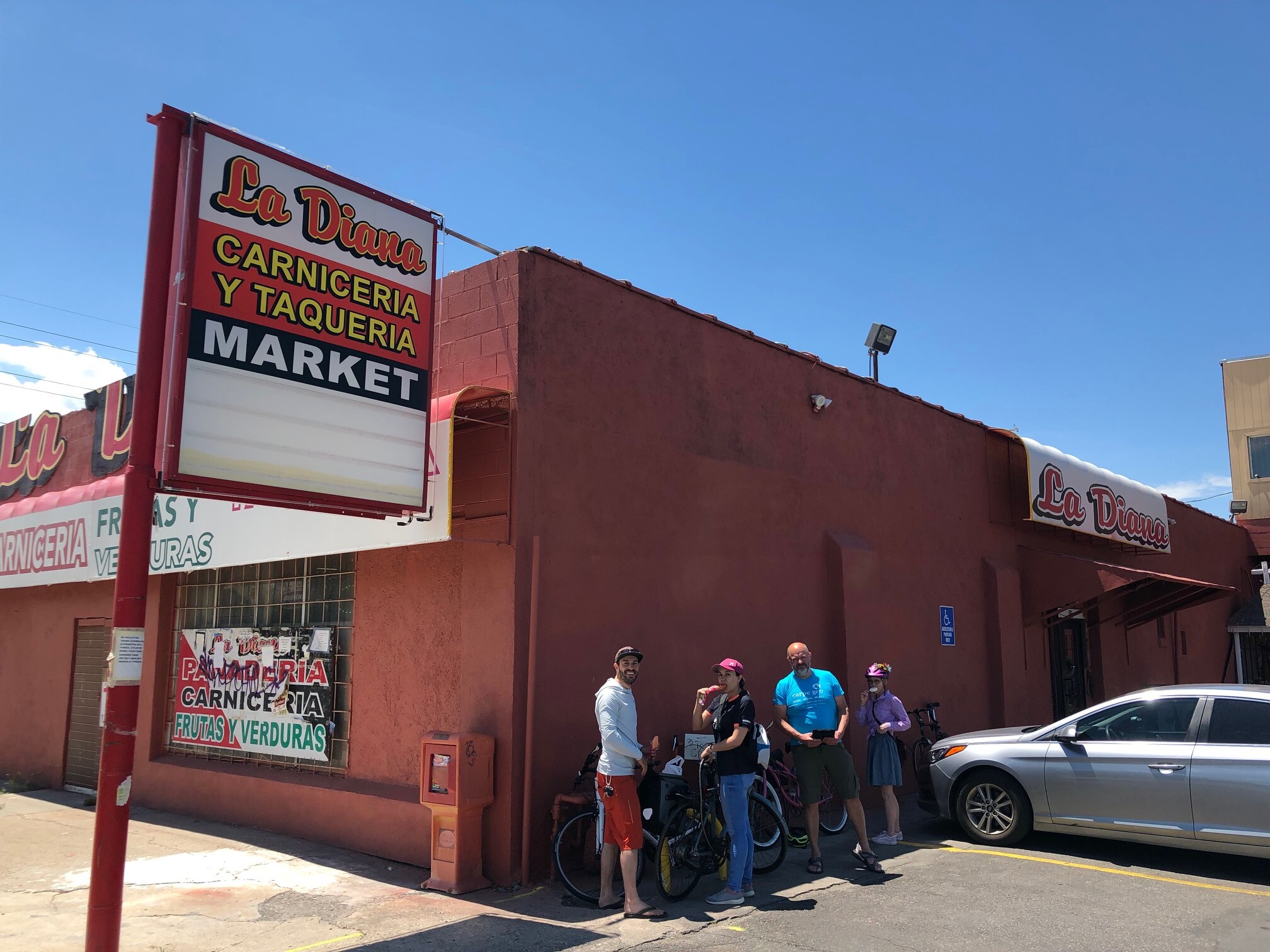
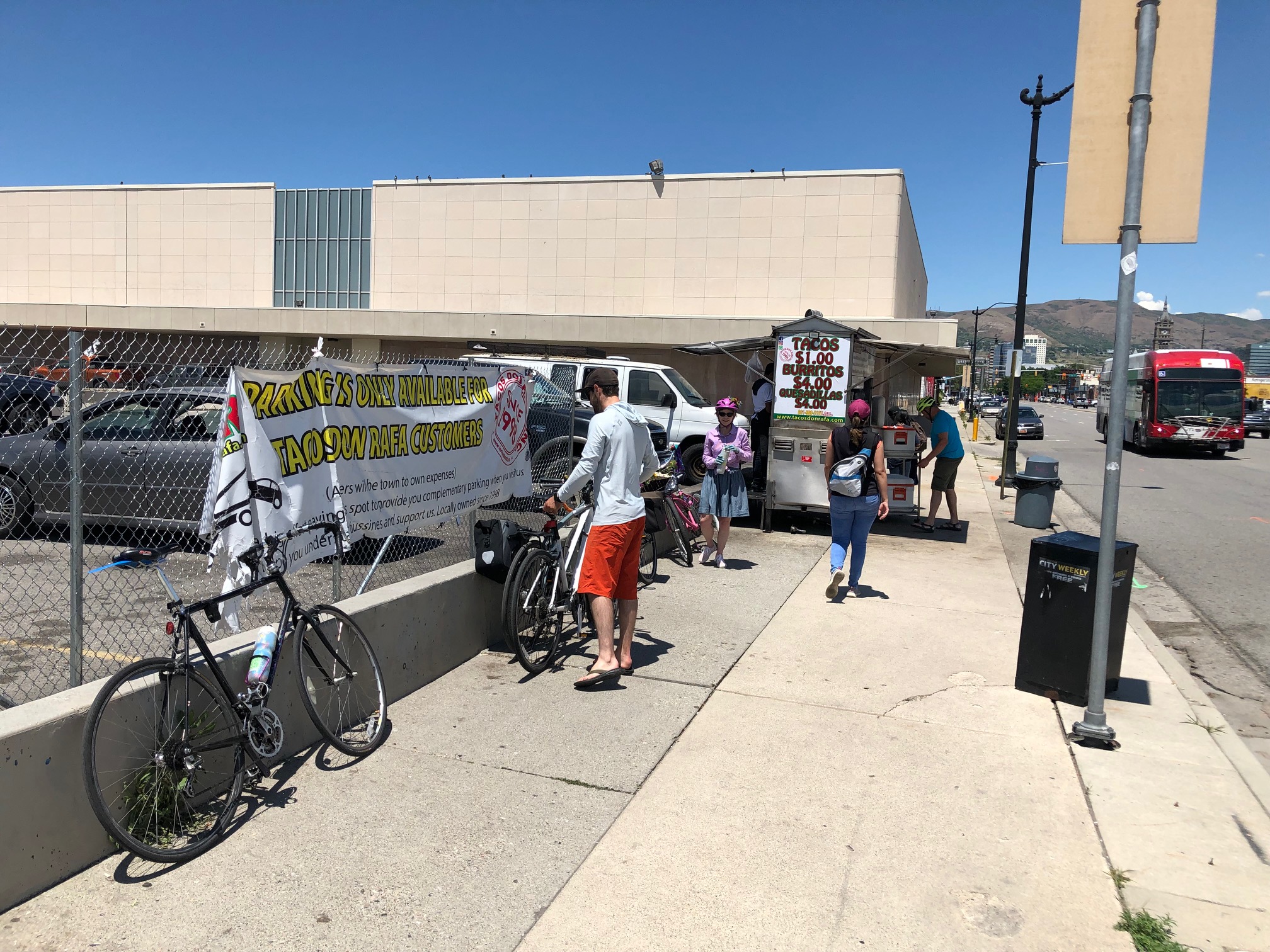
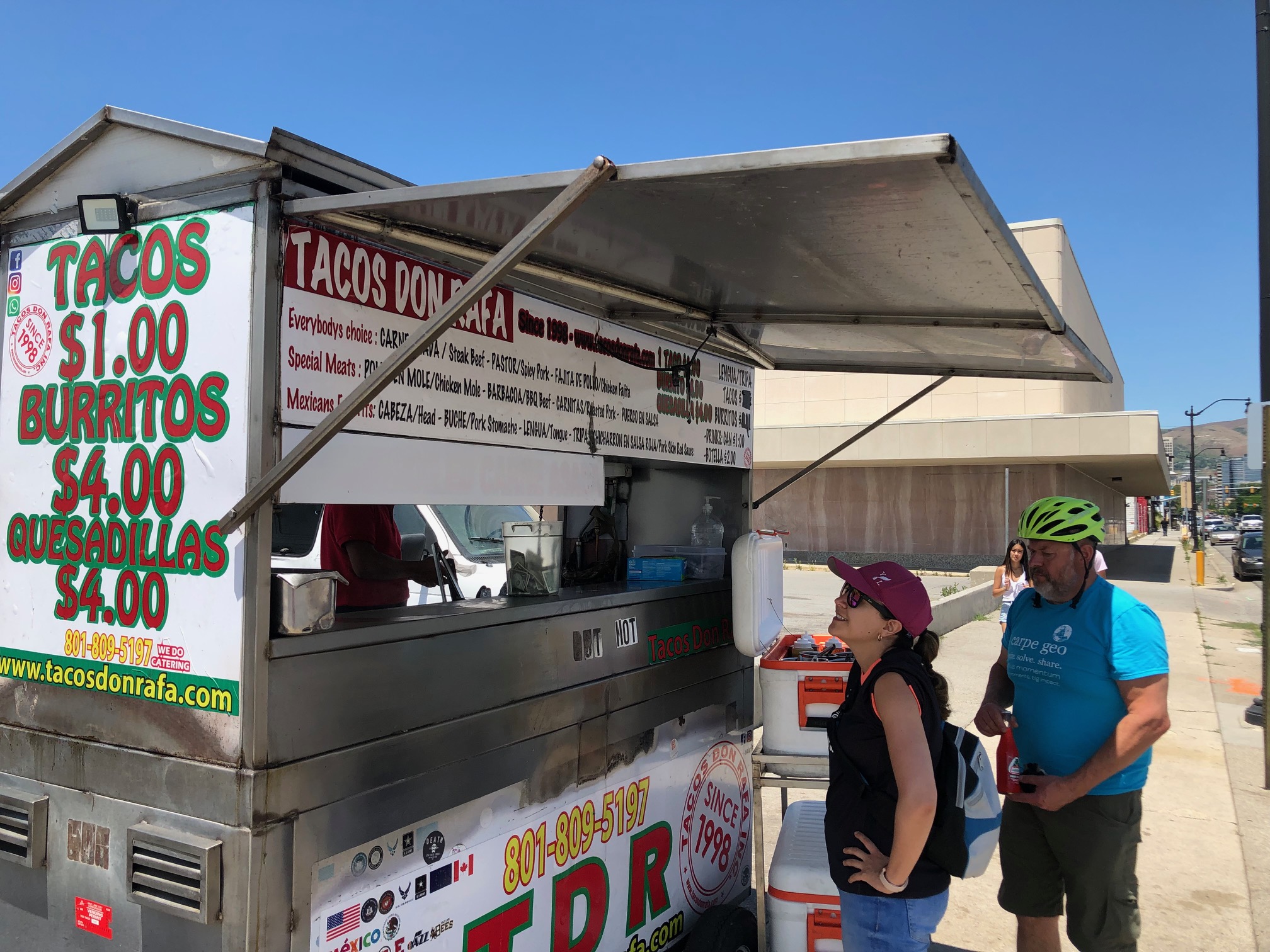
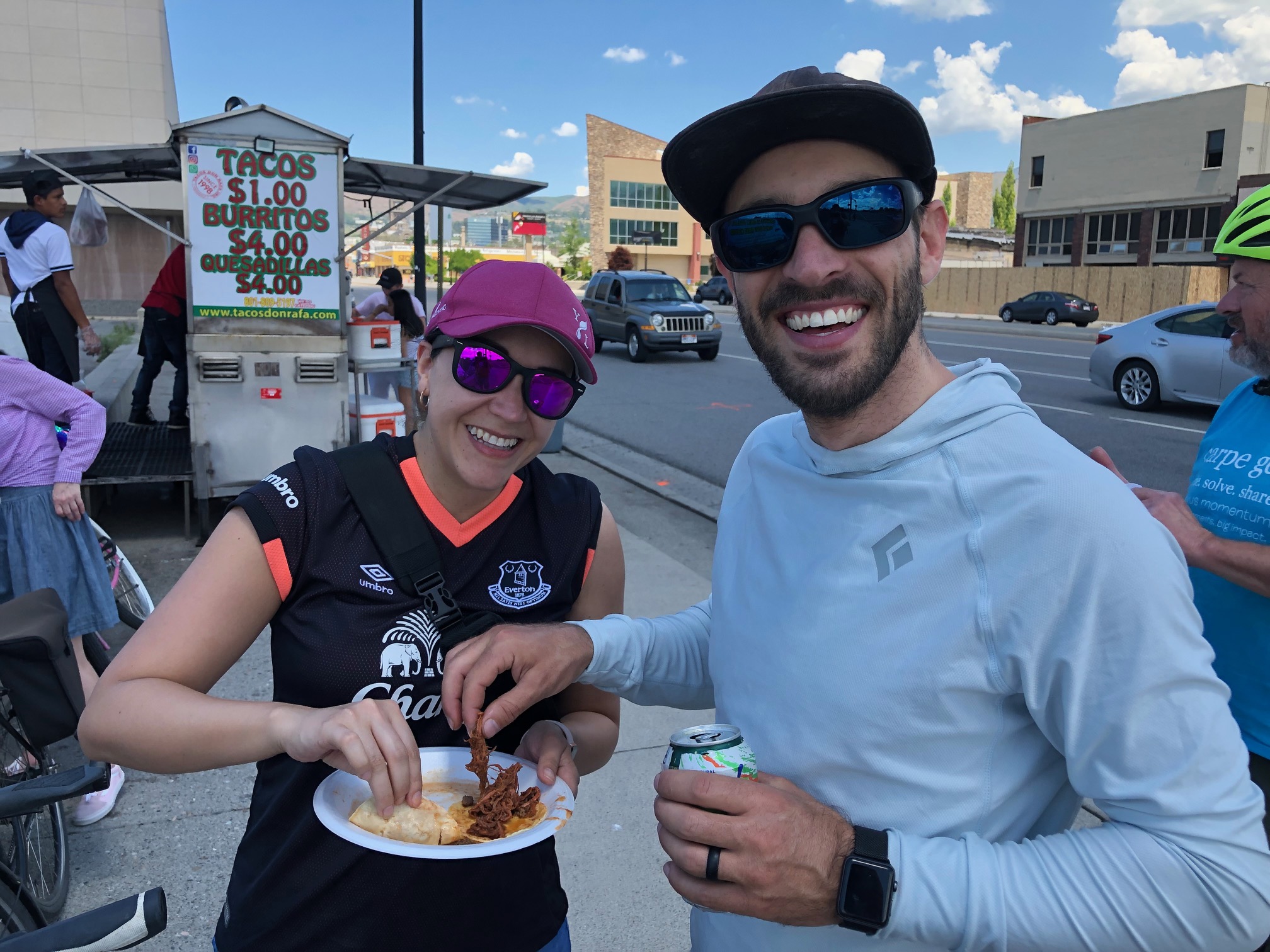
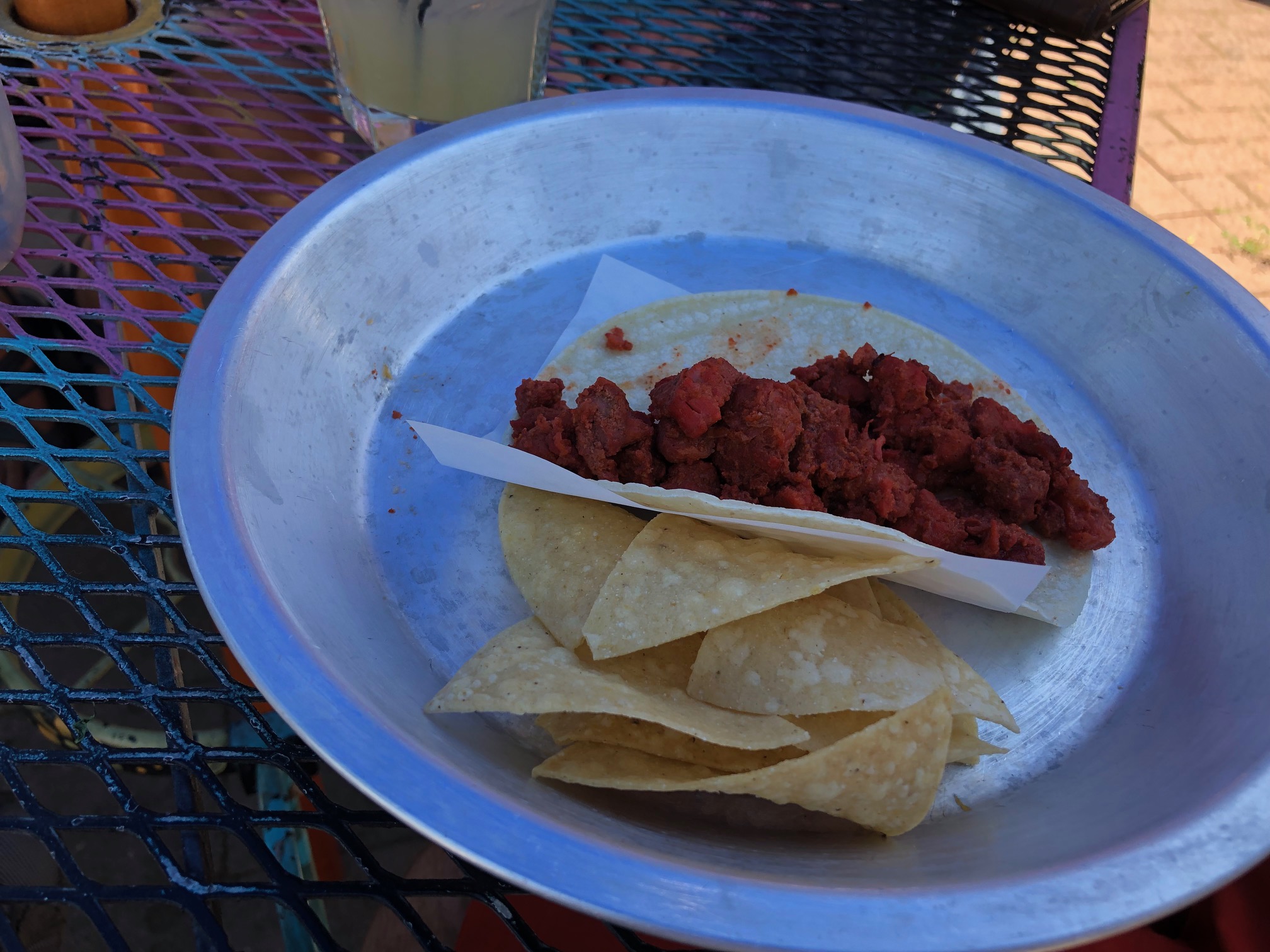
¿Te gustan los tacos? If so, TacoConf is the ride for you. The ride around Salt Lake City, Utah samples several fine taco establishments from taco carts to restaurants during the midday. This year’s ride starts at 10:45 am from UTA’s Central Station on 300 S and 600 W by the GreenBike station. In an email, the organizers say, “We will have a great time. It is a very short ride to the first location! Bring a fist full of dollars and your bike lock.”
The ride typically stops at 4-6 taco spots. It’s slow-paced, anyone is welcome, and everyone can keep up.
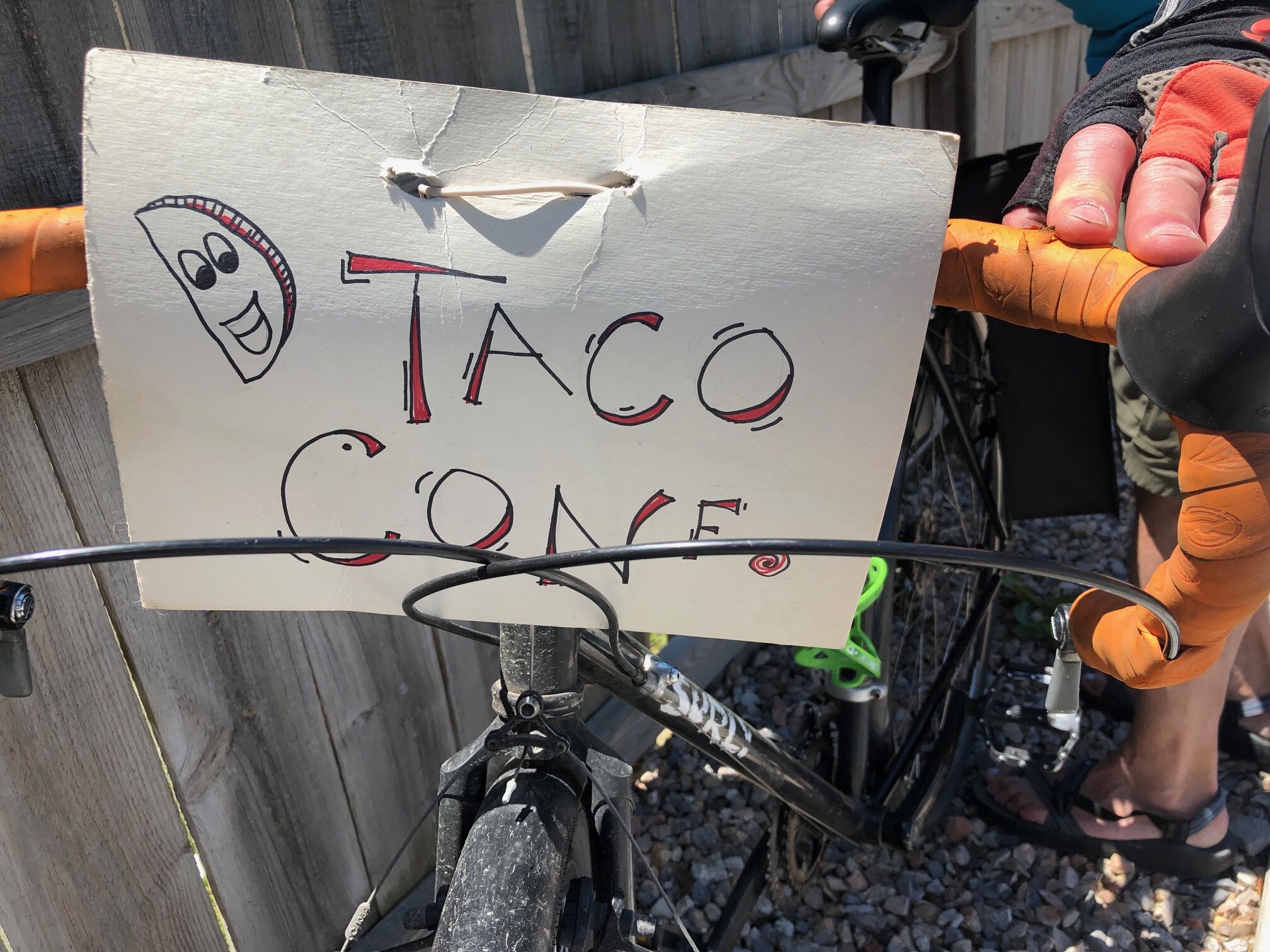
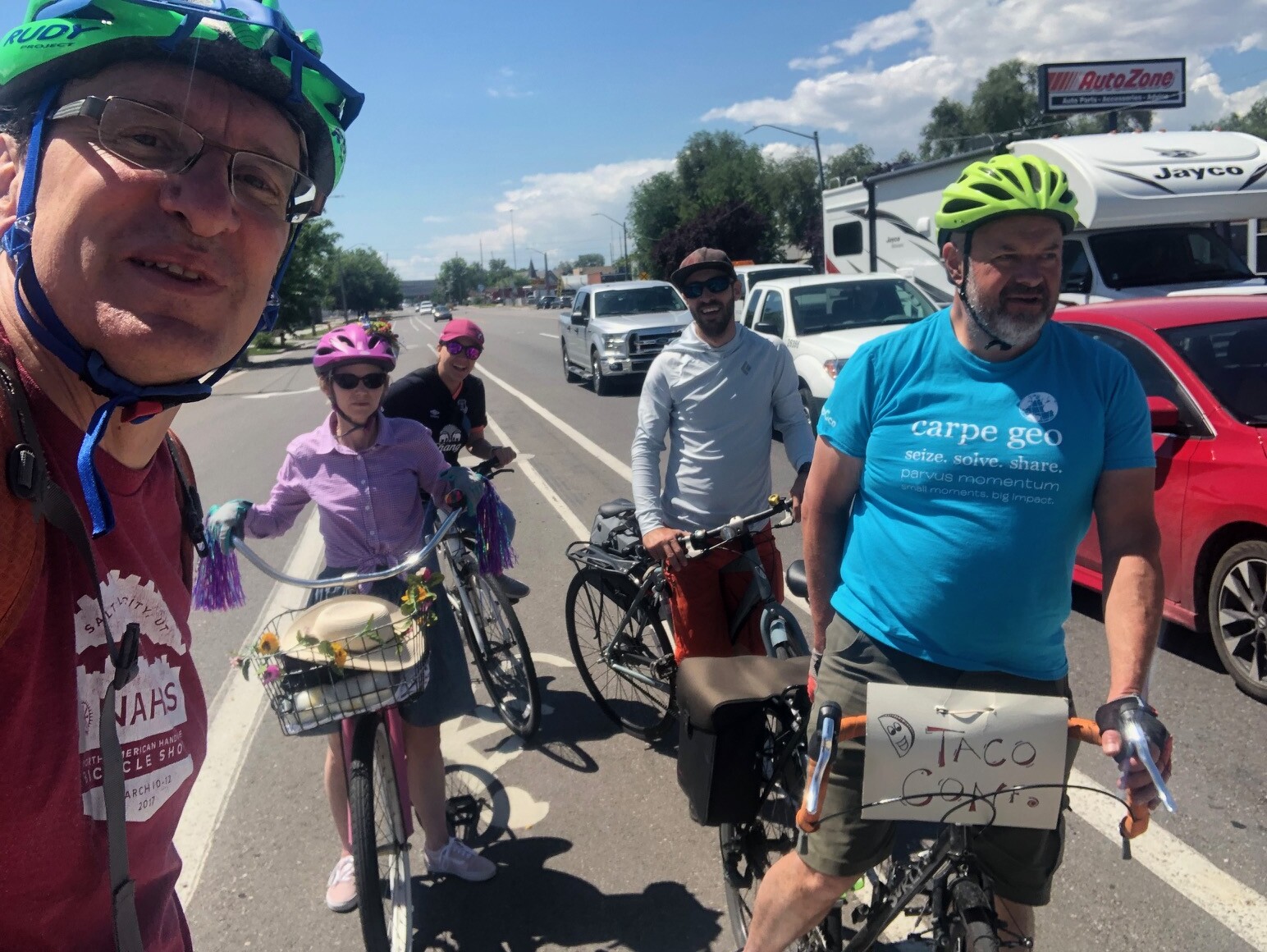
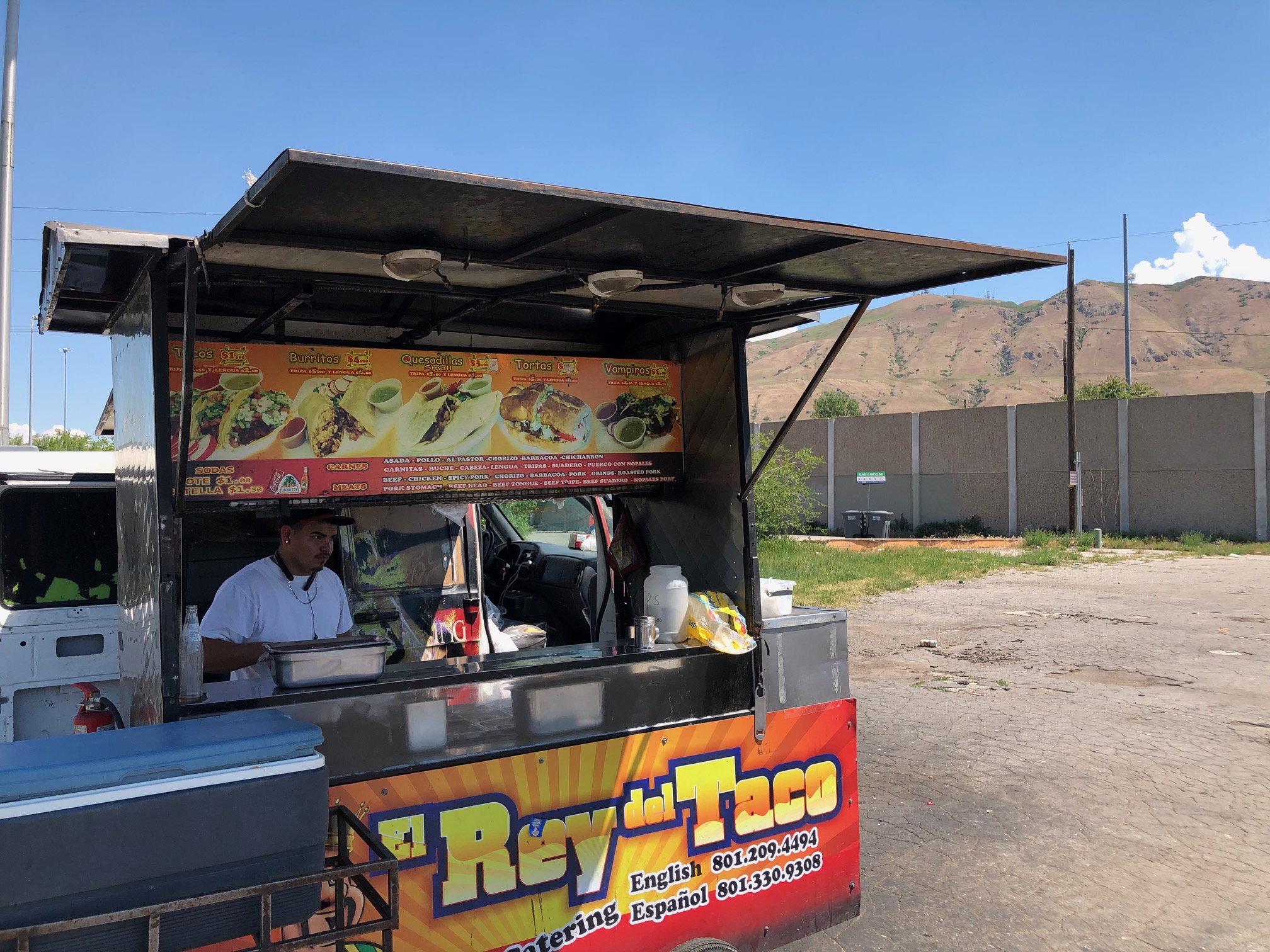
TacoConf is a great way to enjoy tacos on a fun ride around Salt Lake City. Photo by Dave IltisTacoConf stopped at El Rey del Taco. Photo by Dave IltisTacoConf is a great way to enjoy tacos on a fun ride around Salt Lake City. Photo by Dave IltisTacoConf is a great way to enjoy tacos on a fun ride around Salt Lake City. Photo by Dave IltisTacoConf stopped at La Diana. La Diana has good tacos and great homemade tortillas. Photo by Dave IltisThe ride wouldn’t be complete without a stop at Don Rafa’s. Photo by Dave IltisTwo of the riders decide what to get. Photo by Dave IltisEnjoying cycling and Don Rafa Tacos. Photo by Dave IltisTacoConf is tacos and bikes. Photo by Dave Iltis
By Dave Campbell — Both of these June events are exciting week-long mountainous stage races on their own but also extremely important preparation events for riders targeting cycling’s biggest prize: The Tour de France! The Dauphiné Libéré newspaper founded the Critérium du Dauphiné Libéré in 1947 to boost sales. In 2010 the name was shortened to the Critérium du Dauphiné. French riders have traditionally dominated the race with 30 editions falling to home riders.
The Tour de Suisse began in 1933 and at times has been considered to be the fourth most difficult stage race in the world. Its list of winners includes many of the all-time greats (Bartali, Kubler, Koblet, Saronni, de Vlaeminck, Merckx, Kelly, Hampsten, Ullrich), so it is not just a preparatory event but one of significant prestige.
French rider Charly Mottet, during the 1988 Critérium du Dauphiné Libéré. He would go on to win the overall the following season (1989). Photo by schueyjr (@flickr), CC BY-SA 2.0 <https://creativecommons.org/licenses/by-sa/2.0>, via Wikimedia Commons
Q1. The Dauphiné has had a remarkable number of American winners…FIVE if you count the two later removed for doping infractions. Can you name them all?
Q2. The Dauphiné has served as a preparation for Tour de France contenders for many years. Many riders, in fact, have won the Dauphiné (including Eddy Merckx and Bernard Hinault!) and then went on to win the Tour later that same season. Who was the last rider to do this June/July double?
Q3. Recently, the Dauphiné and Tour de Suisse have overlapped with Tour riders choosing one or the other. This has not always been the case and in the past riders would ride both in their final preparations. When was the last time a rider triumphed in both?
Q4. Not surprisingly, Switzerland has won the most Tour de Suisse titles at 23, but it has been a few years since a Swiss rider triumphed! Who was the last Swiss winner?
Q5. Who was the last rider to win in Switzerland and then carry that form into victory at the Tour de France?