Cycling West and Cycling Utah Magazine’s Late Spring 2023 Issue is now available as a free download (11 MB download). Pick up a copy at your favorite Utah, Idaho, Wyoming, Nevada, Montana, Colorado, Arizona, New Mexico, and Northern California bike shop or other location.
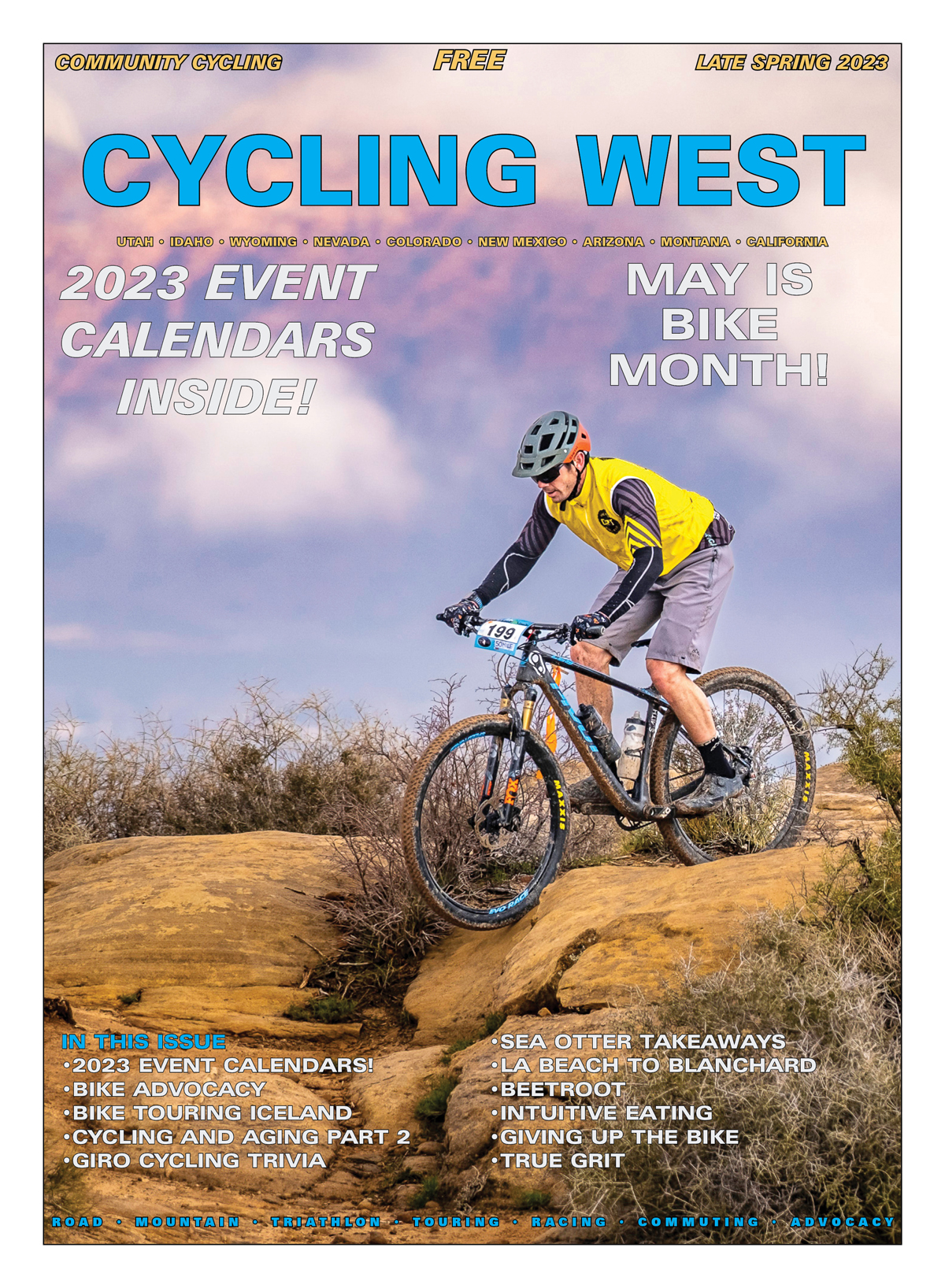
Cycling West Late Spring 2023 Cover Photo: Johnathan Clampa on the Zen Trail during the 2023 True Grit race. Photo by Dave Amodt, Crawling Spider Photography
Contents
What I Learned at the Sea Otter Classic — page 3
Intuitive Eating On and Off the Bike — page 6
Giro d’Italia Bicycle Trivia — page 7
The Psychology of Aging and Cycling: Part 2 — page 8
Can Beetroot Really Improve Athletic Performance? — page 9
Giving Up the Bike — page 10
Making eBikes More Ecologically Sound — page 10
Cyclist Deaths On the Rise — page 10
Los Angeles: Beach to Beverly to Blanchard — page 11
Bike Touring Iceland’s Ring Road — page 12
True Grit Epic 2023 — page 14
Bus Corridors Ignore Cyclist Safety — page 15
BLM Considers Limits on Mountain Biking in Canyons of the Ancients National Monuments — page 15
Surprisingly, People Prefer Their Own Bikes to Shared Ones — page 15
Forest Service Considers New Trails, Limits on Mountain Biking in Ashley National Forest — page 15
Title of Piece: Bike Future. Artist name: Monica Godfrey-Garrison (@mogofree_art). Medium: Digital Art
Description: Colorful, contrast-heavy image of a black woman cyclist looking off into the distance surrounded by wispy leaves in earth tones.
Title of Piece: Bike Future. Artist name: Monica Godfrey-Garrison (@mogofree_art). Medium: Digital Art Description: Colorful, contrast-heavy image of a black woman cyclist looking off into the distance surrounded by wispy leaves in earth tones.
Artist Statement: This image illustrates looking toward the diverse and equitable future of cycling.
Veteran event directors create new entity to grow Colorado’s leading portfolio of road, gravel, and mountain bike events
Boulder, Colorado (February 13, 2023) – The Ride Collective, a new company created by two veteran employees for the purpose of operating Copper Triangle, Crooked Gravel, Enchanted Circle, and five other popular sportives has acquired the events in a partnership with Outside Inc. Outside will continue as a sponsor and promotional supporter.
Photo courtesy The Ride Collective
The Ride Collective is the brainchild of Scott Olmsted and Chandler Smith, longtime event directors with 40 years of combined experience managing events across the Rocky Mountain West. For the last four years, the pair has been running the Outside Events Cycling Series, welcoming new cyclists to legendary rides like Tour of the Moon while launching new courses like Wild Horse Gravel. Olmsted and Smith will now own and manage the series under The Ride Collective, supported by a multiyear marketing partnership with Outside designed to increase exposure and participation.
Photo courtesy The Ride Collective
“The only thing I love more than riding my bike is watching a new cyclist cross the finish line at an event like Copper Triangle,” said Robin Thurston, CEO of Outside. “Learning to ride really can change a person’s life, and that’s why we acquired these events four years ago after financial challenges had put their future at risk. It’s also why we’re delighted that Scotty and Chandler will be shepherding them into the future. These events are an important part of Colorado history and outdoor culture, and there’s no team more suited to champion them than these guys.”
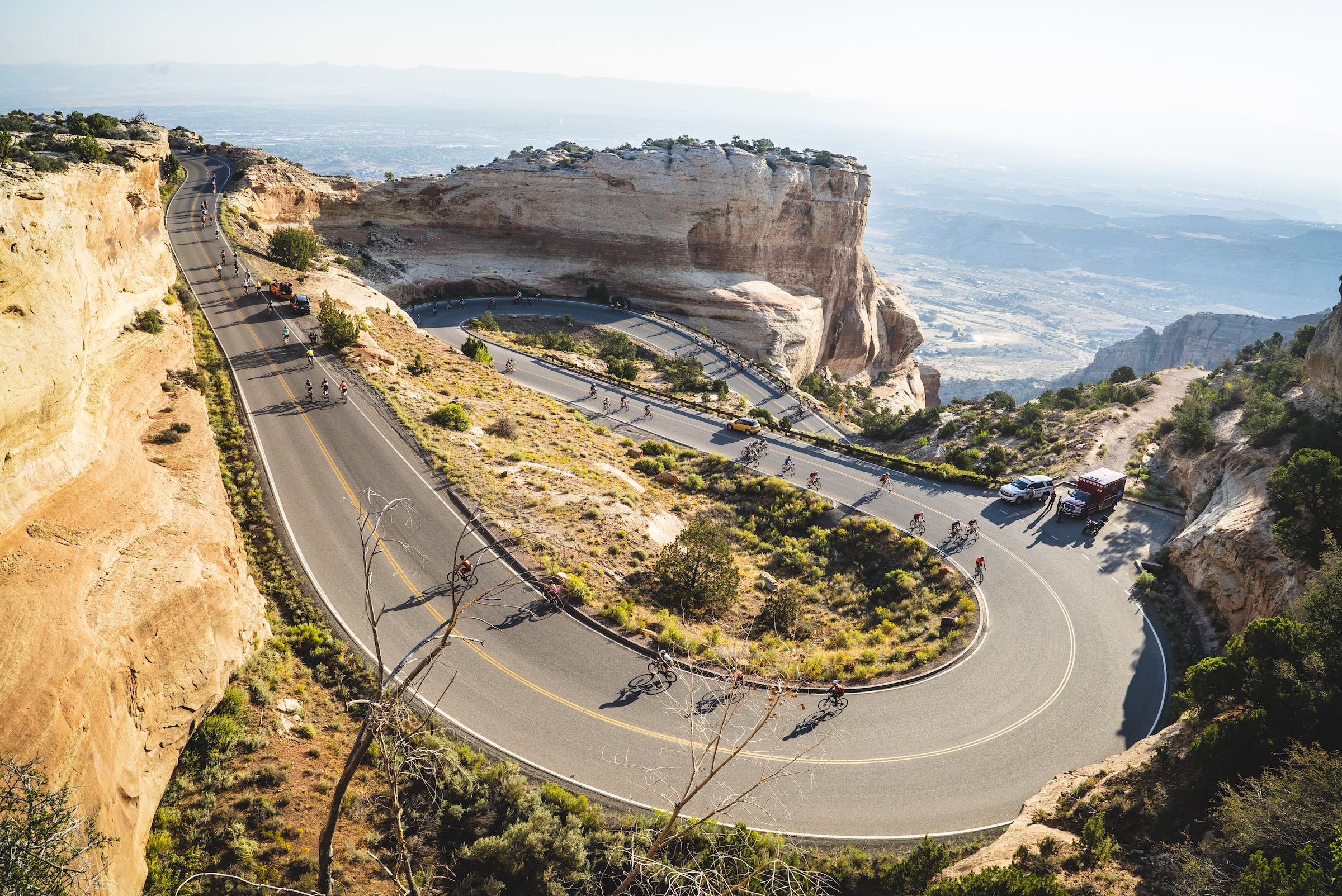
Copper Triangle Bike Race 2022, 8/6/22. Photo courtesy The Ride Collective
“With cycling participation at an all-time high and pandemic restrictions lifted, the future of enthusiasts riding events is really bright,” said Olmsted. “With a focus on community, courses, and exceptional support, we’re committed to curating meaningful and fun experiences both on and off the bike,” shared Smith. “We’re grateful to Outside for the opportunity to take these rides forward and the marketing support they’ll provide in our ongoing partnership.” In addition to orchestrating the eight events, The Ride Collective is also committed to growing the next generation of cyclists through a Youth Development Program where kids 16 years or younger may participate for free in their road rides and gravel races.
Registration is now open for the 2023 rides and races at theridecollective.com. The full calendar of events includes:
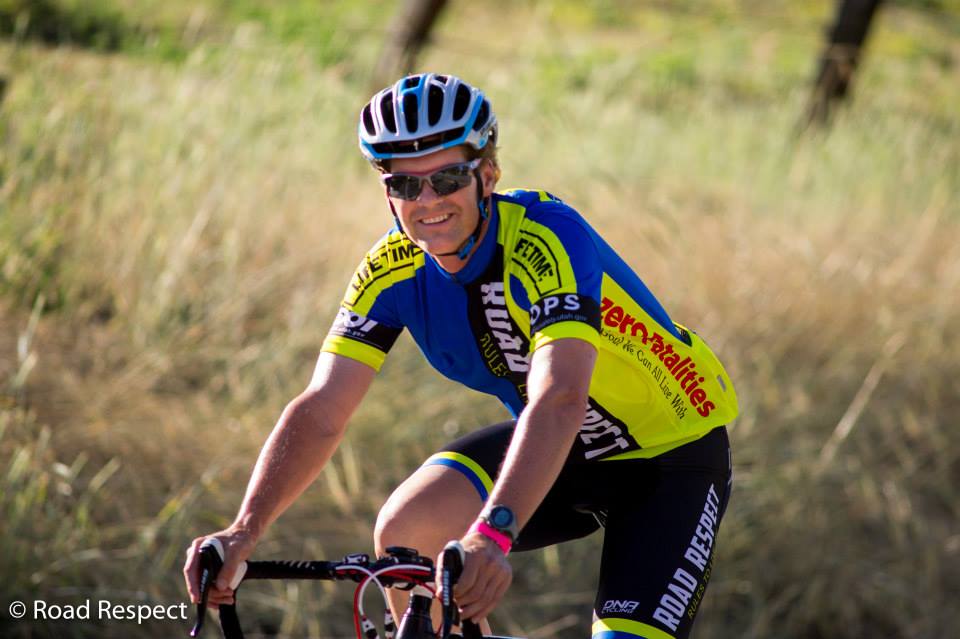
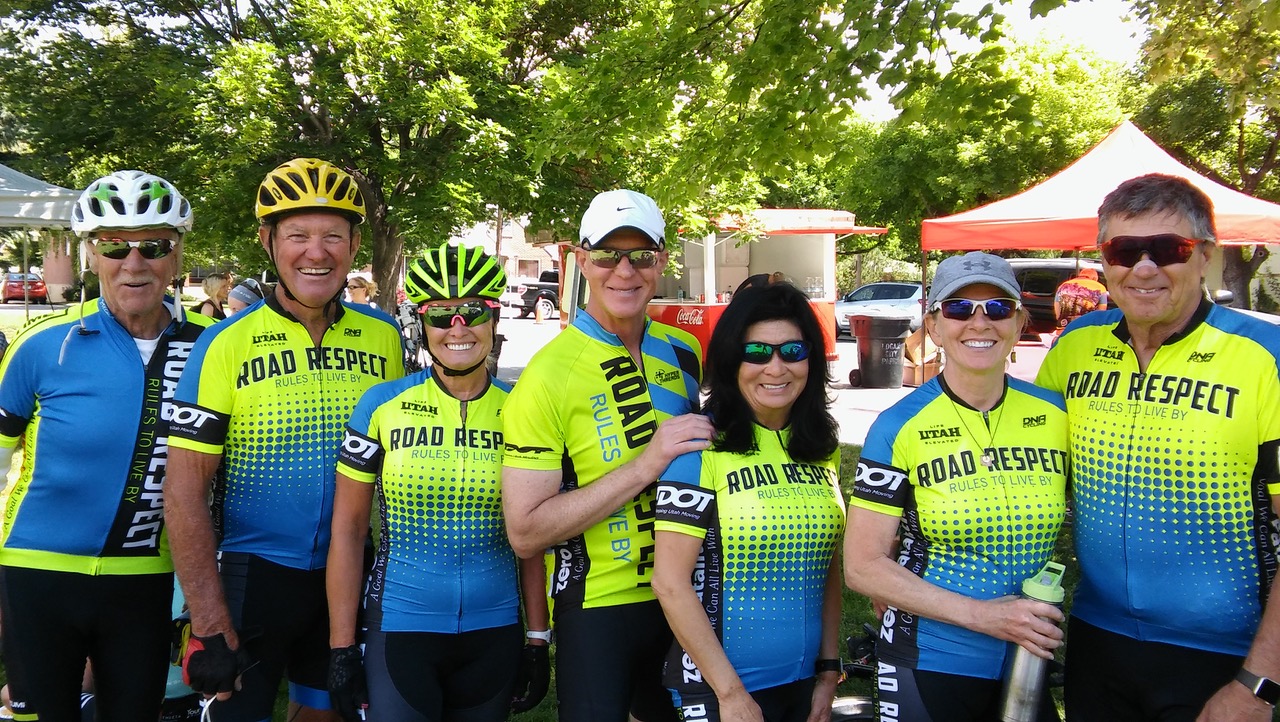
LOGAN, Utah (May 15, 2023) — A group of road cyclists are making their way through Northern Utah on Saturday, June 17 is part of a multi-faceted educational program, “Road Respect” to help raise awareness about car and bicycle safety.
Photo courtesy Road Respect
Road Respect includes an opportunity for local cyclists to participate in a 65-mile supported ride with a core cycling group in the “RotaryRAW – Road Respect Bike Tour”, followed by a “Road Respect Bike Rodeo” featuring fun activities for children and their parents aimed at informing drivers and cyclists about safety on the road. The goal of the Road Respect program is to increase awareness about the rules of the road pertaining to bicycling and to build respect among all road users.
The RotaryRAW – Road Respect Bike Tour will begin at 7:00am on Saturday, June 17, 2023. Local cyclists are invited to meet at The Sportsman in Downtown Logan (129 North Main Street) at 7:00am for 65-mile bike tour with a Road Respect core cycling group. The ride will conclude at The Sportsman with a Road Respect Bike Rodeo following from 10:00am to 12:00pm. Lunch will be served to RotaryRAW – Road Respect Bike Tour participants between 11:00am and 1:00pm. The bike rodeo is free of charge, and the entire community is invited to attend.
Photo courtesy Road Respect
The Road Respect program is a part of the Zero Fatalities program and was developed by the Utah Department of Transportation (UDOT) and the Utah Department of Public Safety (DPS) in response to concerns from both bicyclists and drivers about safety and the behaviors of each group on the road. It includes a multi-media campaign and features the Road Respect Bike Tour with 30 cyclists from UDOT, DPS other state agencies and bicycle advocacy groups biking through the state. By demonstrating proper cycling behaviors on the road, the Road Respect Tour cyclists serve as positive examples for other cyclists and drivers with the aim of increasing respect among both groups.
To learn more about the Road Respect program, or to find out how you can join in the 65-mile ride or bike rodeo, contact Gary Saxton or visit http://www.logandowntown.org/.
Annual fundraising event brings community together to support Huntsman Cancer Institute
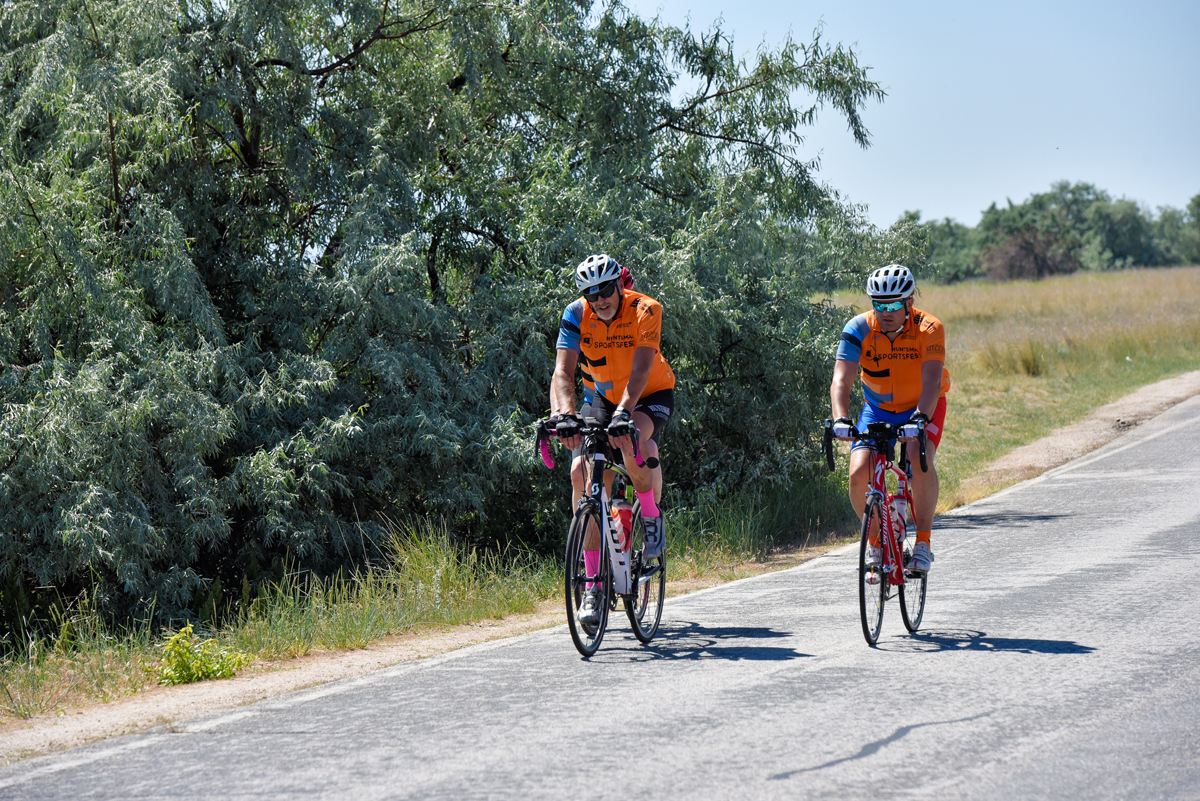
SALT LAKE CITY, Utah (April 20, 2023) — Huntsman Cancer Foundation invites the community to break a sweat and support the fight against cancer at the 13th annual Huntsman SportsFest. This year’s event is set for Saturday, June 10, with a celebration taking place at the University of Utah’s Fort Douglas Field.
Registration is now open. SportsFest has a fundraising goal of $500,000 to accelerate Huntsman Cancer Institute’s lifesaving work. Participants can choose from walking/running and cycling courses of various distances. Cyclists are particularly encouraged to register early so they can attend the Huntsman Heroes cycling training held on Saturdays through June 3.
From left, Huntsman Heroes coach Kelly Hicks and Matt Elizondo ride 140 miles in Huntsman SportsFest on June 12, 2021. Photo courtesy Huntsman Cancer Foundation
More than just a chance to get out and move, SportsFest is a day to make a difference. One hundred percent of all fundraising directly benefits the institute’s mission to advance cancer research, treatment, and prevention. Participants can register as individuals, families, or teams and designate fundraising to a specific type of cancer that has affected them or a loved one.
“It’s always so inspiring to see how many in our community turn out to support Huntsman SportsFest each year,” said foundation Director of Events Jen Murano. “SportsFest is a wonderful way to get some exercise and know you’re doing something to create a cancer-free future.”
With hundreds of participants, Huntsman SportsFest is made possible by volunteers who give their time and effort each year. Volunteer registration is also now open.
“You don’t need to break a sweat to make a difference,” said Murano. “Volunteering is a great way to get involved and lend a hand.”
“During a long bike ride, I snack on chocolate to boost my energy.”
“After a hard workout, chocolate milk is my go-to recovery food!”
“How bad—or good—is chocolate for me?”
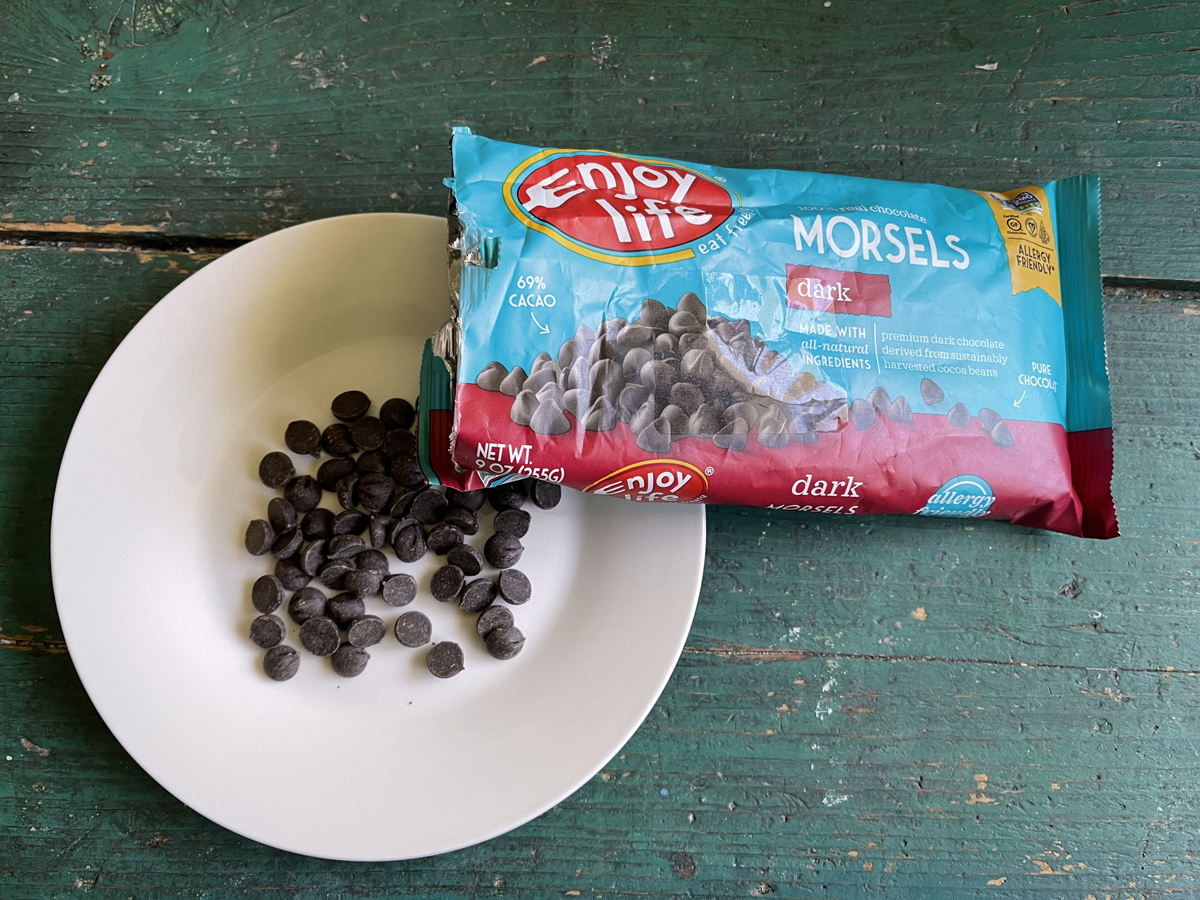
By Nancy Clark, MS RD CSSD — Most athletes love chocolate in any form: candy bars, chocolate chip cookies, squares of dark chocolate. Over 60% of all US candy sales are chocolate-based. But how good—or bad—is chocolate for our health? Is it as health-promoting as we want it to be? What about all the sugar and caffeine that comes with the chocolate? Is dark chocolate a far better choice than milk chocolate? Below are answers regarding chocolate and your sports diet.
“Is chocolate a health food, dieter’s weight loss aid, and effective recovery food for tired, hungry athletes?” Photo by Dave Iltis
Is dark chocolate really a “health food”?
Chocolate is made from the fruit of cacao trees. Like all fruit, the cacao bean is a rich source of health-protective phytochemicals (flavonoids) that are antioxidants and fight inflammation. Roasted beans are used to create cocoa. Two tablespoons of natural cocoa powder (the amount in one cup of homemade hot cocoa) offer the antioxidant power of 3/4 cup blueberries. Impressive!
The darker the chocolate, the better in terms of health-protective flavonoid content. Unfortunately, dark chocolate has a bitter taste, and many athletes prefer milk chocolate; it’s sweeter. That said, epidemiological surveys of large groups of people indicate those who regularly enjoy chocolate of any kind consume more flavonoids than non-chocolate eaters. This reduces their risk of heart disease. For example, in the Netherlands, elderly men who routinely ate chocolate-containing products had a 50% reduced risk of dying from heart disease (1).
Shouldn’t we stay away from sugary foods, like chocolate?
The US Dietary Guidelines recommend a limit of 10% of calories from refined sugar per day. For most athletes, that’s about 200 to 300 calories of carbohydrate (sugar) to fuel muscles. The better question is: What nutrients accompany the sugar? For example, “sugary” chocolate milk comes with high quality protein, calcium, vitamin D, riboflavin, and other life-sustaining nutrients. When used as a recovery fluid, it is far healthier than a sports drink, which is just sugar, water, and a dash of salt.
What about sugar spikes…?
Chocolate has a high fat content. Fat slows the rate sugar enters the blood stream and thus reduces the risk of sugar spikes. The Glycemic Index ranks from 0 to 100 the blood glucose response after consumption of 200 calories (50 grams) of carbohydrate (sugar, starch). Gatorade ranks high on the Glycemic Index (78), M&Ms rank lower (33), and dark chocolate ranks even lower (23). Given most of us—well, some of us—don’t eat 200 calories of sugar from just one food at one time, a preferable ranking is the Glycemic Load, based on a standard serving of the food. For example, the Glycemic Load of a standard serving (8-ounces) of Gatorade is 12, chocolate milk is 3.5, and an ounce of M&Ms is 3.
What about chocolate milk for post-exercise recovery?
Chocolate milk can be an enjoyable and nourishing treat that boosts intake of nutrients important for athletes. It has a low glycemic effect and is unlikely to contribute to sugar spikes Drinking chocolate milk after a hard workout effectively refuels and repairs your muscles, boosts your blood sugar, and replaces electrolytes lost in sweat. It’s a nutritionally preferable choice to a carb-only, sugar-based sports drink (2). And it is yummy chocolate—with purpose and meaning, and no guilt!!!
How much caffeine is in chocolate?
The amount of caffeine in chocolate depends on how much cocoa powder is in it. Milk chocolate is only 10 to 20% cocoa, regular dark chocolate is 50-69% cocoa, and strong dark chocolate has more than 70% cocoa. The higher the percentage of cocoa, the higher the caffeine. That said, the 20 milligrams of caffeine in an ounce of dark chocolate pales in comparison to the 200 mg. in a mug of coffee. Chocolate’s energy boost comes from sugar, more so than caffeine.
Is chocolate fattening?
Like any food that is eaten in excess, chocolate can be fattening. That said, data from 13,626 adults (>20 years old, nondiabetic) suggests chocolate consumption was not associated with obesity.
Is there a best time of the day to eat chocolate?
If you are destined to eat a treat, such as chocolate cake, enjoy it earlier in the day, as opposed to indulging at 8:00 p.m. when you are tired and lack the mental energy needed to stop yourself from over-indulging. You are going to eat the chocolate eventually, so why not enjoy it sooner than later?
Believe it or not, eating chocolate cake with breakfast might actually help dieters reach their weight loss goal. Research (3) with 193 adults on a reducing diet suggests those who had cake with breakfast had fewer cravings for carbohydrates and sweets later in the day. By front-loading their calories, they were less hungry and less likely to stray from their diet plan. They ate either a 300-calorie protein-based breakfast or a 600-calorie breakfast that included protein plus chocolate cake (or another dessert).
In the first 16 weeks, both groups lost an average of 33 pounds per person. But in the second half of the study, the no-cake group had poor compliance and regained an average of 22 pounds per person while the cake-eaters continued to lose another 15 pounds each. By 32-weeks, the cake eaters had lost about 40 pounds more than their peers. Does chocolate make for a more sustainable diet?
The Bottom Line
By no means is chocolate the key to a healthy sports diet, nor is eating lots of dark chocolate preferable to snacking on apples and bananas. It’s no secret: chocolate contains primarily nutrient-poor calories from sugar and fat. A Hershey’s Bar (43 g) has 220 calories—of which about 40% are from 21 grams of added sugar and about 55% of calories from fat. Hence, you want to enjoy chocolate in moderation, so it does not crowd-out other nutrient-dense foods. But even if you are a weight-conscious, health-conscious athlete, you can balance chocolate into your overall wholesome sports diet—and add a taste of pleasure to your day.
References:
Buijsse B, Feskens EJ, Kok FJ, Kromhout D. Cocoa intake, blood pressure, and cardiovascular mortality: the Zutphen Elderly Study. Arch Intern Med. 27;166(4):411-7, 2006.
Lunn WR, Pasiakos SM, Colletto MR, Karfonta KE, Carbone JW, Anderson JM, Rodriguez NR. Chocolate milk & endurance exercise recovery: protein balance, glycogen and performance. Med Sci Sports Exerc. 44(4):682-91,2012.
Jakubowicz D, O Froy, J Wainstein, M Boaz. Meal timing and composition influence ghrelin levels, appetite scores and weight loss maintenance in overweight and obese adults.
ORINDA, California (May 5, 2023) — The National Interscholastic Cycling Association is excited to announce six recipients of the annual Sparkle On Scholarship. In partnership with professional cyclist Kate Courtney, SCOTT, Syncros, SRAM, and Rockshox, the Sparkle On Scholarship recognizes graduating NICA student-athletes who have demonstrated academic and athletic excellence while giving back to the cycling community.
Sara Ellem, Neruda Diaz, Carter Lantz, Hannah Puttcamp, Chloe Sims, and Hayley Yoslov will each receive $6,500, a SCOTT Spark Comp Bike, and mentoring with Kate Courtney during their first year of college.
Photo courtesy Kate Courtney
The cohort of Sparkle On Scholars is distinguished by their unique contributions to the sport of mountain biking, the cycling community as a whole, and the joy and determination they show in pursuit of their goals.
“I am honored and excited to announce the 2023 Class of Sparkle On Scholars,” said Courtney. “With nearly 200 applications from NICA student-athletes across the country, it was a very challenging selection process but one that left me optimistic about the future of our sport.”
Courtney is a professional mountain bike racer for the Scott-SRAM MTB Racing Team. Kate is the 2023 Pan American Elite XCO and XCC Continental Champion, 2019 Elite XCO World Cup Overall Champion, and the 2018 Elite XCO World Champion.
“Collectively, this year’s scholarship recipients truly embody the core values of NICA; inclusivity, strong minds, bodies, and character,” added Courtney. “In the cycling world, they are leaders in their communities – accomplished racers, trail builders, trail access advocates, GRiT mentors, team captains, youth coaches and more. Off the bike, they are intelligent and articulate students with diverse interests, but a shared desire to continue contributing to the cycling community as they transition to college.”
NICA is proud to work with such a passionate partner to grow the next generation of cyclists.
Julian Wagner, Global Bike Marketing Lead at SCOTT Sports, added, “At SCOTT, not only do we aim to help the riders of today, but also the riders of tomorrow. Through the Sparkle On Scholarship, we’re thrilled to contribute to these students’ future success both on and off the bike. We look forward to seeing where the ride takes them!”
When student-athletes have a strong support system, it is amazing what more they can accomplish,” said NICA President Amanda Carey. “ NICA is incredibly grateful for Kate’s mentorship and support of these outstanding student-athletes and the pursuit of their future goals.
By Charles Pekow — Advocates have long argued that bicycling contributes to the economy. But it seems it’s also the case that when cycling goes wrong, it causes a big economic dent. The National Highway Traffic Safety Administration (NHTSA) undertook a study on the economic and social impact of traffic crashes during 2019. It calculated that cycling crashes caused approximately $5.6 billion in economic losses and about $32.2 billion in costs overall. The harm accounted for 1.7 percent of economic costs and 2.4 percent of all societal harm.
A cyclist just after being hit by a car driver. Photo by Dave Iltis
Totals include medical care, loss of work and household productivity, insurance administration, legal costs, and diminished quality-of-life. When bicycles and autos are involved, the damage includes costs of drivers swerving to miss a cyclist and getting hurt or causing property damage. “Bicyclist crashes resulted in 865 fatalities, 78,700 nonfatal injuries, and 8,400 (property damage only) damaged vehicles in 2019,” the paper says.
In many cases, the cyclists themselves were at fault, says The Economic and Societal Impact of Motor Vehicle Crashes, 2019 (Revised), (https://crashstats.nhtsa.dot.gov/Api/Public/ViewPublication/813403). The figures include all pedalcycles, including tricycles and unicycles, which counted for a very small share.
The report states that between 1982 and 2016, when cyclists and pedestrians were involved in crashes between eight and 10 percent of them were found with alcohol in their system. In about six percent of all traffic fatalities, the cyclist or pedestrian had been drinking, and most of the time they were legally inebriated.
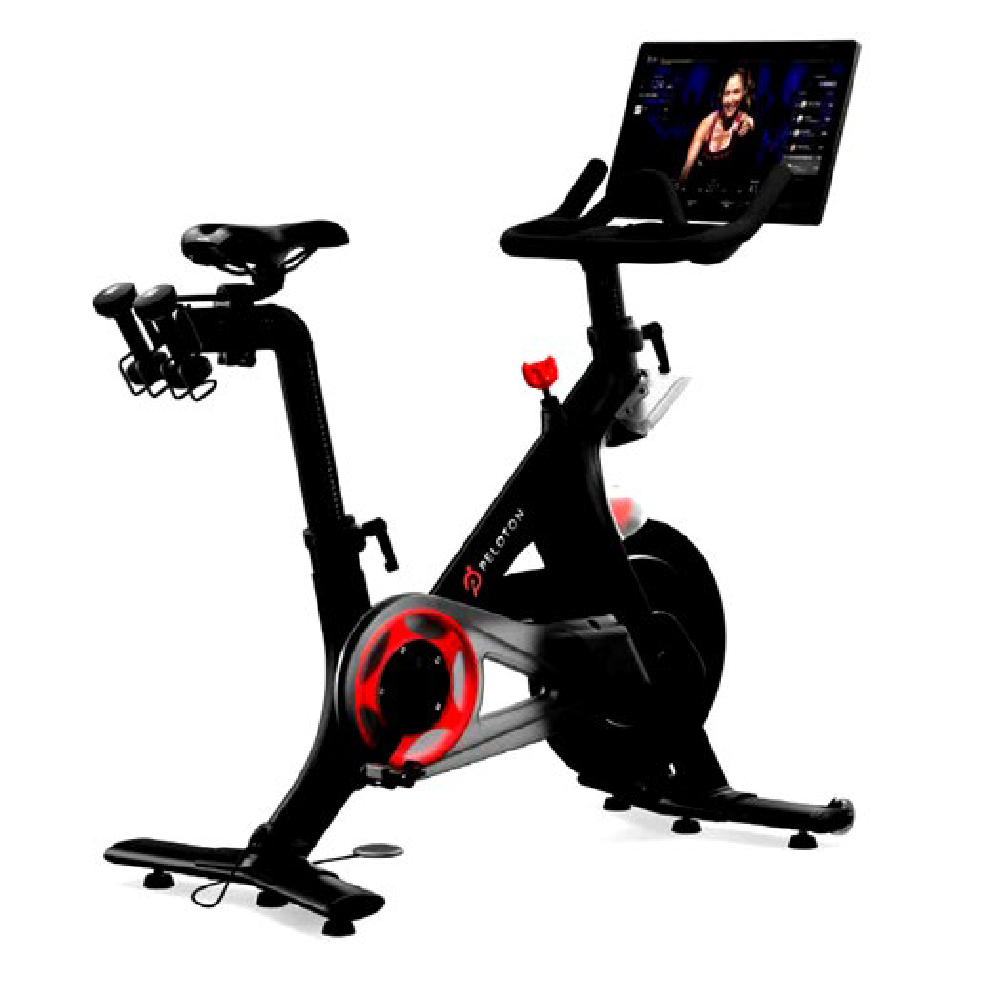
Description: This recall involves Peloton Bikes with model number PL01. The Peloton Bike measures 4 ft. long x 2 ft. wide, and has an adjustable seat, handlebar, and screen, which tilts up and down to accommodate different heights. The Peloton name and the model number are displayed on the inside front fork, near the flywheel.
Remedy: Consumers should immediately stop using the recalled exercise bikes and contact Peloton for a free repair. Peloton is offering consumers a free seat post that can be self-installed.
Incidents/Injuries: Peloton has received 35 reports of the seat post breaking and detaching from the bike during use, including 13 reports of injuries including a fractured wrist, lacerations and bruises due to falling from the bike.
Sold At: Peloton and Dick’s Sporting Goods stores nationwide and online at Onepeloton.com, Amazon.com and Dicksportinggoods.com from January 2018 through May 2023 for about $1,400. Distributor(s): Peloton Interactive Inc., of New York
By Eric Yelsa, Ph.D. — I recall being a junior USCF racer in the 1980’s and the variety of ages that would enter UCSF races. One individual, who stood out more from among the others was Barry Wolfe. Barry was an undeniable character who did not meet the typical Southern California cyclist description. He was bulky having spent much of his life as a weightlifter. He wore a “dew rag”, long before the years of Marco Pantani. But most notable was his age. In 1980-1981, the prime years in which I was racing juniors, Barry Wolf topped the age scales at an ancient 49 years of age. Although Barry had a reputation of burning out competitive cyclists with his daily workout routine, to those of us in the junior field, which on occasion he would join, he was seen as a fragile oddball with whom we should have sympathy, because he had somehow allowed himself to get old. Barry Wolf was 49 years old at that time. I am now 58 years old as I draft this article, a good 9 years older than Barry when we considered him the ancient relic. Who’s the oddball now?
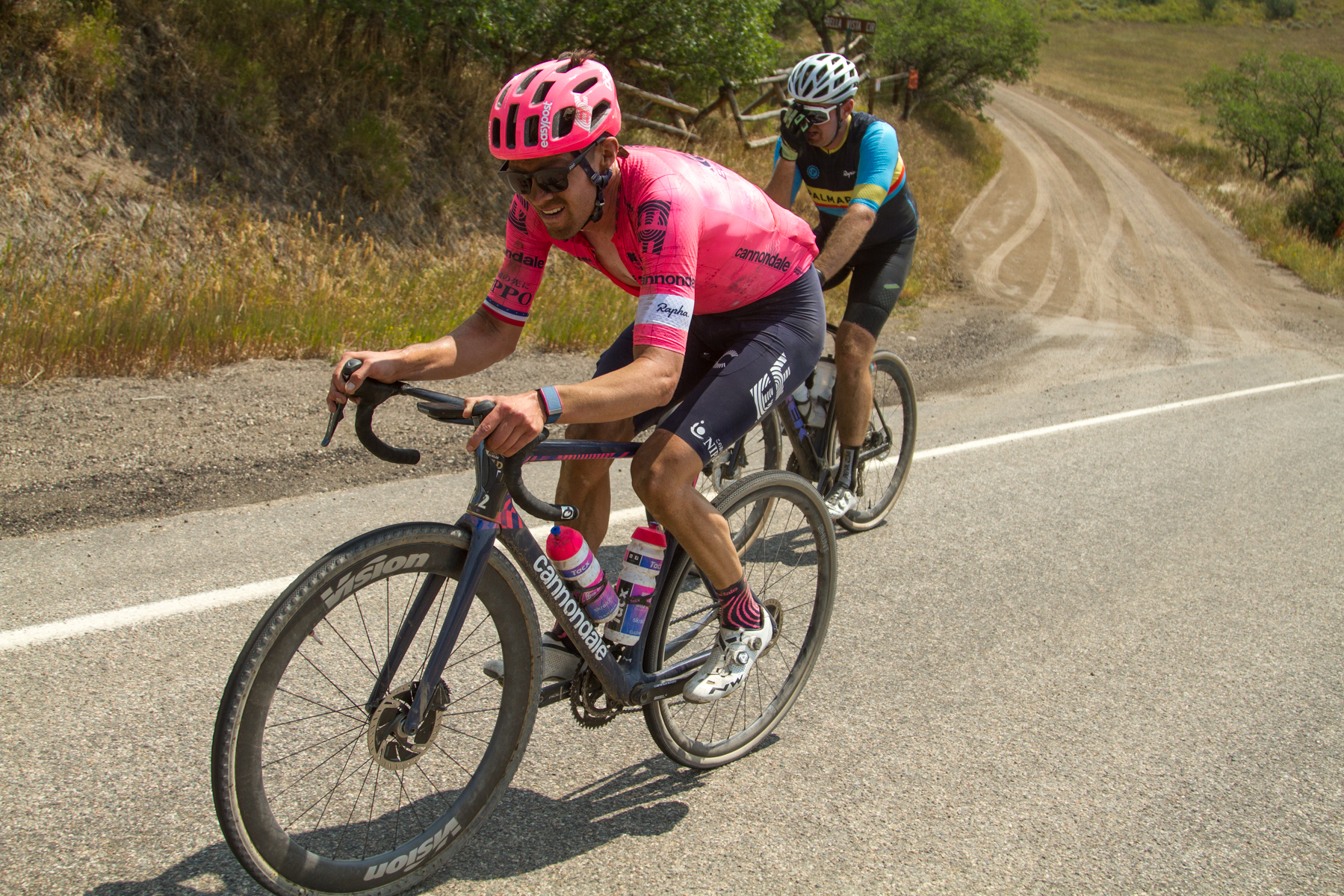
Alex Howes (EF Education First-Nippo) holds on to win the 2021 SBT GRVL. Photo by Linda Guerrette
Since the late 1970’s there has been a growing interest on the impact of exercise, cardiovascular exercise in particular, and the process of aging. For some early on in this interest, exercise was seen as a fountain of youth that if done “correctly” prevented the hands of mother nature and father time from robbing one of their youth. As time progressed the research on the impact of cardiovascular exercise has been clear, consistent exercise when completed in moderation offers exceptional health benefits; slows the acceleration of telomere shrinkage thereby slowing the aging process, assists to maintain endurance, healthy mood, and cognitive performance. But as all of us have most likely witnessed, exercise does not actually stop the aging process.
But what happens when an individual is no longer able to exercise? What psychological process does one experience in response to that loss, and how does one adjust effectively to a new life in which exercise is no longer an option? This article will attempt to address those, and other questions related not only to the relationship of aging and sport participation, but to propose a model of how one adjusts to world in which sport participation will likely decline.
What is it that motivates an individual to participate in a sport? Sports frequently represents a challenge in which an individual seeks to complete a task while being placed in a compromised situation. Basketball requires one to place a ball in a small opening 10 feet out of reach. Hockey is the attempt to place a small disc in a net using only a stick while your opposition gets in your way. Water polo requires one to throw a ball into a net while treading water. Cycling requires one to go from point A to point B while balanced on two wheels. In the natural world are any of the above skills necessary in helping in the ability to navigate day to day life responsibilities? Probably not, yet our attraction to participating in those activities might suggest otherwise. When we explore what factors attract one towards sport performance, we can divide those factors into two categories: intrinsic variables and extrinsic variables.
Intrinsic variables relate to personality traits of the individual that initially attract one to a particular sport. Although there are many personality traits that may influence one’s decision to participate in sports, the personality factor that appears to be most identified as providing contribution is that of neuroticism. Neuroticism has classically been viewed as a tendency for one to experience a high degree of anxiety, depression, self-doubt, and other negative feelings in response to conflict. Commonly, individuals rating higher on measures of neuroticism, have also been found to display a higher degree of cortical excitation, and it is theorized that physical exertion or the involvement in sport competition assists in the calming and cognitive organizing of that cortical excitation. Individuals with higher rates of neurotic drive may initially be attracted to perform in sports due to the subsequent calming effects that activity may have on both mood and cognition.
Extrinsic variables relate to those factors outside one’s personality that either support engagement in an activity or create conflict to reduce interest in that activity. Of those extrinsic variables, the one most commonly identified as having impact on behavior is that of social affiliation or an identified peer group. Having an identified peer group is commonly associated with increases in one’s sense of belongingness which is then also associated with common themes such as perceived safety, confidence, and competency. Why does social affiliation have such an impact on behavior? It is believed that we have likely drawn to peer groups throughout evolution as they have represented protection from dangers such as natural predators and environmental conditions.
In summary of both intrinsic and extrinsic variables and their impact on athletic participation, and in regard to the above, whereas the intrinsic variable of neuroticism might be considered the initial prompt to engage in a sport, the extrinsic variable of social affiliation would be considered the factor that continues to provide positive reinforcement of participation in that sport over time. Or, stated differently, one participates in a sport because of the positive effects on mood, but continues to participate in that sport over time because it gives one a sense of social identity and perceived safety.
If neurotic drive and a desire for social identity have such a high degree of influence on sport participation, then how is aging affected by those factors? This is initially a difficult question to address as there have been very few comprehensive studies exploring adaptation to sport participation over the life span. What research has been available has in general been limited to exploring the impact of injury and recovery from injury in sport participation, as well as adjustment to forced retirement from sport participation.
In the research article The Experience of Loss in Athletes, from the Journal of Sports Medicine (1986) (1), the author S.J. Astle proposed that Elisabeth Kublar-Ross’s five stages of death and dying (2) represented a model of understanding an athlete might experience in response to forced retirement from sport participation due to an injury. To those unfamiliar with Elisabeth Kubler-Ross, she was a Swiss born individual who worked with individuals in the end stages of life.
In her work she noted familiar psychological patterns in those individuals effected in their final days of life. From her observations she noted that individuals passed through 5 distinct stages of grief which included denial, anger, bargaining, depression, and acceptance.
The first of these stages, denial, tended to be associated with the shock or disbelief one might display in response to being informed of their imminent death. Think “You must have the wrong person. I’m as healthy as a horse” or similar instances in which one might reject negative information provided them. For the athlete, this might be represented as the athlete who refuses to acknowledge the extent of an injury and continues to play despite decreasing performance results.
Anger, the second stage of grief, may be illustrated by the athlete becoming angry at teammates, envy of competitors, while they themselves experience physical limitations in their sport, either from injury or age-related decline.
The bargaining stage, third of Kubler-Ross’s stages, is illustrated by the athlete who in spite of decreased performance and physical ability, begins to increase the length and intensity of workouts in the hopes that performance may be restored to premorbid levels.
The fourth stage, depression, generally marks the point at which the athlete realizes the reality of the situation: the inevitable departure from sport. This period is frequently marked by a loss of interest in the sport, as the athlete’s mood may reflect a general melancholy.
Acceptance, the fifth and final stage, marks the point at which the athlete is no longer affected adversely by conversations, reminders, or contact with the sport in which they were once engaged. This period is marked not by a happy acceptance of the loss, but rather by a void of emotion towards the sport; there is neither sadness nor joy, only resolve.
In further application of Kubler-Ross’s model, in 1982 and 1986, two researchers, Ogilvie and Howe, applied this model to athletic retirement, and concluded that the stages of death and dying appeared to be universal reactions among all athletes facing similar situations. Further, they asserted, that the more closely an athlete identified with their particular sport, the more traumatic and hence difficult, the retirement process would be. Within these complex circumstances an individual may develop frank psychopathology such as major depression and/or generalized anxiety. As applied to process of declining athletic performance, the athlete may begin to display acting out towards club or team members or may avoid events in which public visibility is likely for events with less known notoriety. When applied to aging, Kubler-Ross’s model continues to appear appropriate for understanding the psychological process by which one adjusts to declines in sport performance and participation.
To add further support of Kubler-Ross’s model, in 1995 I completed a study addressing the process of retirement from competitive sport. To create a model of understanding, I also compared the process of retirement from sport competition to that of experiencing a death of a loved one using Elizabeth Kubler-Ross’s stages of death and dying. Three groups were formulated; professional baseball players who were prevented from playing professional ball due to the national baseball strike (retired athletes), athletes from other sports still actively competing (competing athletes), and individuals who had experienced the death of a loved one (bereaved). As a further explored factor, motivational drive was also measured using neuroticism as a measured feature for both athletes and the bereaved. To clarify, neuroticism in competition terms, was associated with a highly competitive drive and did not indicate the common and negative associations that people often attributed to it. a
Individuals in both the athletic groups and bereavement group were provided multidimensional measures of grief and measures of personality including neuroticism. It was found that both bereaved individuals and retired athletes rated higher on neuroticism than actively competing athletes, while both bereaved individuals and retired athletes rated higher on measures of grief, while retired athletes with higher rates of neuroticism also rated higher on measures of grief in comparison to retired athletes with lower rates of neuroticism.
In other words, anybody who experienced a loss (retired athletes or bereaved) endorsed a higher rate of neuroticism compared to those who had not experienced a loss. If one experienced a loss, they would then display psychological signs of that loss in a manner unique from others who had not experienced a loss. In situations of loss, the more an athlete emotionally identified with a sport the greater the difficulty coping when they were no longer able to participate in that sport.
What does this all appear to suggest? Results from my 1995 dissertation were by-and-large in support of the use of Kubler-Ross’s model as a means of understanding retirement from sport.
Retiring athletes ranked higher on measures of grief than their actively competing peers, and those retired athletes with higher rates of neurotic traits when compared with their peers tended to also display greater difficulty when no longer able to participate in their sport. Taking these findings into consideration with theories regarding the impact of social affiliation, we can begin to understand a clearer picture that the process of aging is not in and of itself a prompt for distress, but merely represents an event that threatens participation in sport and becomes a potential trigger for emotional distress. As we age the possible risk of injury increases and potential for physical decline increases. Recovery from injury slows, muscles reduce in elasticity, ability to carry load decreases, and there is a reduction in the efficiency of fast twitch muscle fibers.
In cycling, for example, as strength decreases, a cyclist’s power decreases and thus their speed and climbing ability decrease. As fast twitch muscle fibers decrease, sprinting ability decreases, which for racers means that they will finish farther back in a sprint. Endurance too decreases with age so older cyclists cannot ride or race as far.
As we invest our identity with our chosen sport, we initially become part of a larger community, which from review of the literature, offers us a sense of safety from potential yet unspecific dangers. Once injured or experiencing declines in physical ability, that social belongingness becomes threatened triggering many of the responses we might see in an individual who is in the process of grief: denial, anger, bargaining, depression, and acceptance.
It is not the process of aging itself that prompts distress, but the implications of aging on our ability to function between autonomy and social affiliation that becomes a dominant concern. This kind of response would be expected in any situation in which an individual displays a high level of personal identity into a role and then is eventually faced with a potential removal from that role thereby threatening separation of the individual from the social benefits that role provides.
We see examples of this even within our local community. Local cycling is organized through clubs, teams, and events. Each of these allows us to see familiar faces, some of whom we see as competition, some who we see as support, and some we see as both. On the road we learn from our peers through watching, sharing stories, and listening to the words of more advanced riders. Off the road we may seek the advice of an expert or go to a club event about a specific aspect of cycling. We are busy linking our life to that of others and in the process we all benefit. But as we age access to those events, clubs, or teams becomes less reliable, and at time may fail all together. We stop seeing the familiar faces, we stop watching the wheels of our peers, we stop hearing the stories, and we may no longer able to hear the words of advanced riders on rides. We may not be able to attend a club event or may even avoid the event due to embarrassment. We become potentially alienated, and nobody wants that.
As applied to cycling, cycling is a sport that embraces both individual physical prowess and pack mentality; and that pack mentality is in part the product our affiliation with our teams, clubs, and riding groups. We have to build our strength individually, but when on the road we can funnel that individual strength into social cooperation with other cyclists, thereby increasing speed and protecting us from environmental factors such as wind. But when have difficulty keeping up; when we go from being the last rider in the paceline, to off the back; then the wind becomes much harder. There is nobody to pace with. It’s like riding on your indoor trainer all year round; isolating. And age becomes one of the factors that nears us to events like the one above. We build a social network that understands the unique challenges our sport requires, whether as a road cyclist or mountain biker. Separation from those benefits, with age and its concomitant physical decline being a potential trigger of separation, becomes the predominant existential threat. Our body and psyche respond accordingly.
So, as you can see initial attraction to participation in sports such as cycling tends to include certain personality traits, and continued sport participation tends to include social benefits. But what does one do when they are no longer able to participate in their sport due to injury, illness, age, or other possible threats? Are we merely around for the ride, victims to mother nature and father time? Does the process of reduced time in the saddle have to become an existential threat to our sense of identity or safety? Absolutely not. There are many strategies for coping with these inevitable changes and these strategies will be presented with the second part of this series next month.
References:
Astle SJ. The experience of loss in athletes. The Journal of Sports Medicine and Physical Fitness. 1986 Sep;26(3):279-284. PMID: 3795923.
Kübler-Ross, Elisabeth (1969). On Death and Dying. Scribner.
Yelsa, Eric Allen. Grief as an emotional reaction of athletes retired from competitive sport. California School of Professional Psychology-Los Angeles, 1995.
Eric Yelsa, Ph.D. is clinical health psychologist in both private practice and within the University of Utah Health Sciences Center. He served as an assistant professor through University of Utah Hospital Pain Management Center Department of Anesthesiology where he worked with a number of elite and professional athletes recovering from sport related trauma. He has been a competitive cyclist since 1981. He is a USAC level 3 certified coach and certified power-training coach, has presented at the USA Cycling, and is an active member of the American Psychological Association Division 47 Exercise and Sport Psychology. He can be reached for consultation at [email protected]
By Beth Pacheco — Celebrate your love of bikes, family and friends with Bike Utah and Fisher Brewing at the Fisher Mansion in Salt Lake City, Utah on May 19 & 20, 2018.
We love bikes so much that we’re celebrating for the whole weekend! From at least Noon until 6 pm both days, we’ll play bike games and lead rides along the beautiful Jordan River Trail, which is conveniently located adjacent to the Mansion. The event will showcase the great work Bike Utah does in their mission to make Utah the best place to ride a bike. The SLC Bicycle Collective will provide Bike Valet services so bring your trusty steed.
You will also be able to access the main level of the Fisher Mansion, located at 1206 West 200 South. This historical site, built in 1893 for Albert Fisher, founder of the original Fisher Brewery, was bought by the city in 2006. It is nestled in the middle of an industrial park on the west side. Its surroundings are a clear reminder that the building was there long before the adjacent interstate or Questar parking lot.
Relax with family and friends at this all ages event with live music, food trucks and of course, Fisher Beer that will be available for purchase, along with other beverages. This is the one Bike Month Event you won’t want to miss. Join us for this inaugural celebration.
The new retail location, which soft launched in November 2022, celebrates with community partners
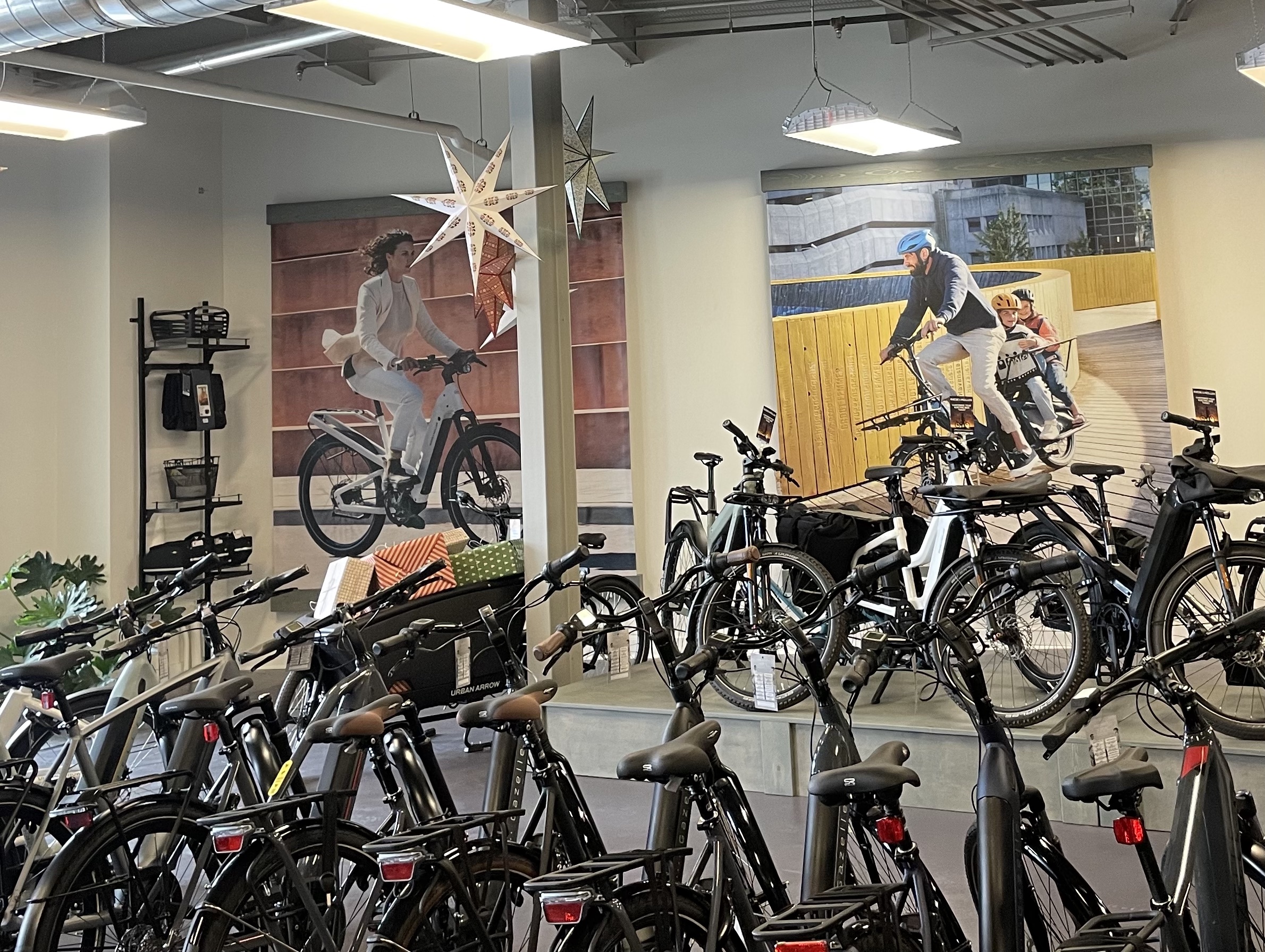
PARK CITY, Utah (May 11, 2023) — Since the moment Bingham Cyclery opened its 5th location, and first-ever in Summit County, snow has covered the local roads, trails, and bike paths. Now that the 2023 cycling season is underway, the retailer, which focuses on electric bicycle sales, is ready to celebrate the new store location at 3156 Quarry Rd. #3-N, Park City.
Photo courtesy Bingham Cyclery
Multiple community partners, bike brands, and local non-profits will be on-site starting at 10am on Saturday, with free, family-friendly activities and educational opportunities.
“Of course, we love selling e-bikes and servicing all types of bikes,” says Bingham Cyclery owner Angela Wright, “but what makes Bingham Cyclery unique as a retailer is that we love being a resource for and contributor to our local community.”
Photo courtesy Bingham Cyclery
Grand opening attendees can start the day at 10:00am with donuts provided by the newly-formed Wheelie Spoked cycling club, and kombucha provided by neighboring business Tadasana.Yoga.
The Park City Chamber and Visitors Bureau will host a ribbon cutting ceremony at 11:00am. Additional attending community partners include Bike MS, WomenMTB, and Bike Utah’s MidWeek Mountain Bike Series.
Photo courtesy Bingham Cyclery
Basin Recreation rangers will be available to guide riders toward safe pedaling options, and South Summit Trails Foundation and Wasatch Trails Foundation will provide information about trails conditions and new projects.
Saturday’s event also marks the start of Bingham Cyclery’s clothing drive to benefit students participating in the Utah High School Mountain Bike League. Grand Opening attendees are encouraged to bring new or clean, gently used clothing to donate.
Many of the brands found in the Bingham Cyclery store will be on hand to provide product demonstrations and allow attendees to test ride bikes. Muc-Off will host bike cleaning and tubeless tire clinics, Stromer will lead a group e-bike ride, and Riese Müller, Gazelle, Urban Arrow, Giant, and Liv will have bikes available to try. Attendees are encouraged to bring their own helmets, and an ID and credit card are required for test rides.
There will be prizes and giveaways from many of Bingham Cyclery’s partners, including the National Bicycle Dealer’s Association and Hawley-Lambert Cycling, which awarded this event their Buy Where You Ride Retailer Event Fund, to aid in advertising and promotion.
Bingham Cyclery Park City is open daily 10am-6pm. The store sells electric bicycles and accessories and services bikes of all styles, makes, and models, both analog and electric.
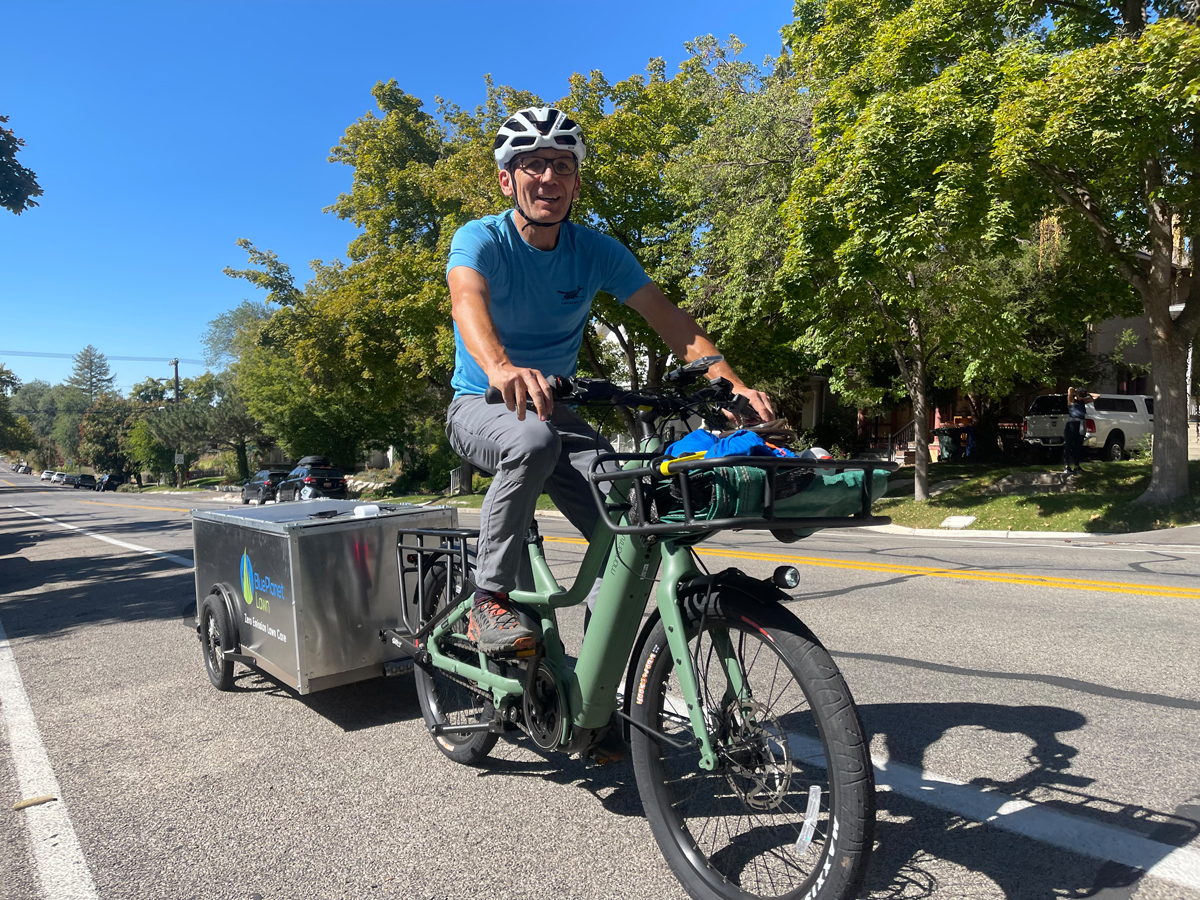
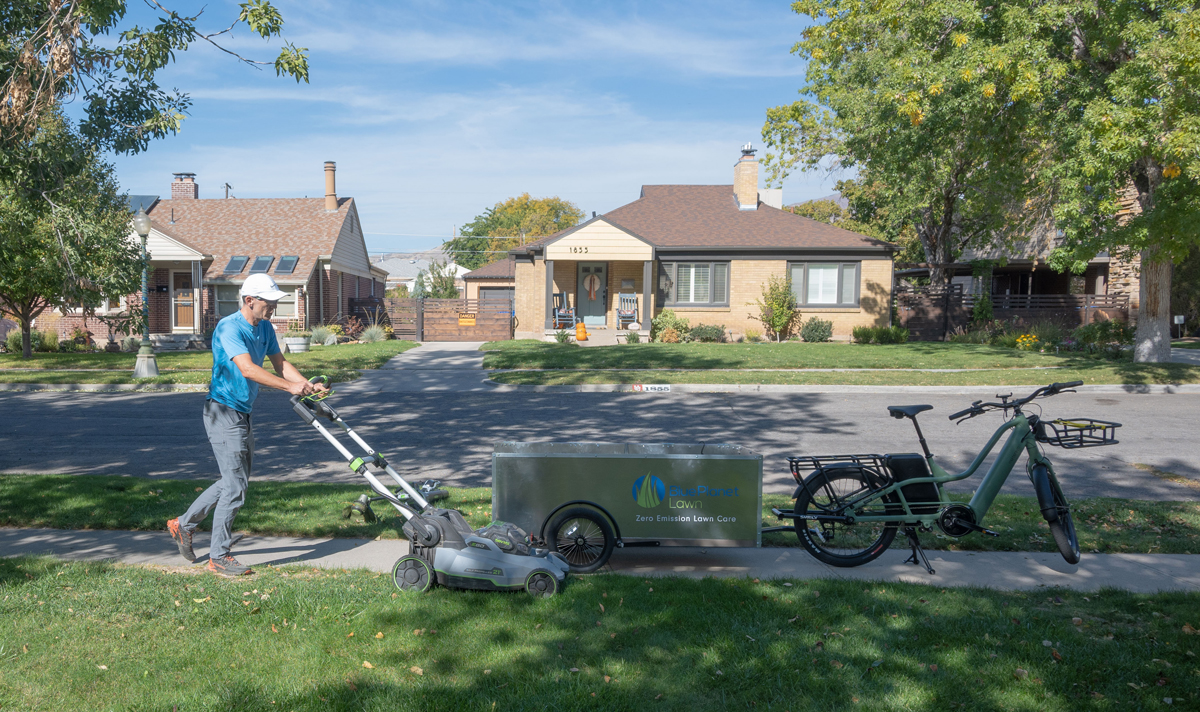
By Barry Makarewicz — Christoph Heinrich, a local and national level cyclist, is passionate about good health, our environment and cycling and has been able to combine these passions into a zero-emission lawn care service that uses only solar and renewable energy to care for residential and commercial lawns and yards in Salt Lake and southern Davis counties. His new company is called Blue Planet Lawn and relies entirely on electric equipment and transportation. No carbon emissions allowed! It was quite a sight when he came to cut my grass and pulled up on an E-bike pulling his trailer full of equipment.
Christoph Heinrich on his way to a yard care job via ebike. Photo by Dave Iltis
Christoph is originally from Zug, Switzerland and moved to the US in 2011 to expand his software company and settle his family in Salt Lake City. Once here in Utah he developed his passion for bike racing of every style imaginable and has become a serious force in gravel, mountain, road and especially cyclocross racing. He won the US National Championship in Cyclocross in 2018 in Reno, Nevada. Christoph still routinely crushes the field in all kinds of cycling events and is a member of the KUHL Cycling Team.
Christoph’s idea for a zero-emission lawn care business formed in 2020 when he became aware of the shocking amounts of pollution created by gas powered lawn mowing equipment. “I started Blue Planet Lawn with the goal to significantly reduce air pollution in the Salt Lake Valley. Traditional lawn care is a big contributor to the air pollution and being an entrepreneur, I decided that I can make the most impact by founding a company which is using right equipment to reduce air pollution,” said Christoph. For instance, lawn care maintenance causes 5% of air pollution in the US and even more in areas like the Salt Lake valley. Using a gas-powered trimmer or leaf blower for one hour is equivalent to driving a car 1,000 miles.
Blue Planet Lawn Care runs on battery powered tools that are solar charged. Photo by Dave Iltis
Gas powered lawn care machines; especially two-stroke engines are responsible for an outsized amount of air pollution, ground-level ozone, and smog. This contributes to and exacerbates existing health problems, discourages people from exercising, and keeps kids inside for recess. Noise pollution created by these machines is another big problem that is a normal and accepted part of daily life. Christoph concluded that there must be a better way to do this.
“Our impact is mostly in criteria pollutants which cause the bad air in the Salt Lake Valley, such as hydrocarbons, carbon monoxide, nitrogen dioxide, particulate matter which in combination with sunlight create ground-level ozone. This is where we make the biggest difference. CO2-savings are not significant.
“To illustrate how much we reduce air pollution, I like the following comparison: 1 hour of running a two-stroke powered tool, such as leaf blower or trimmer, emits the same amount of pollution like driving a car for about 1,000 miles! So, for every crew we have working, we save at least 30,000-40,000 miles of driving. And that is right here, in our neighborhood!”
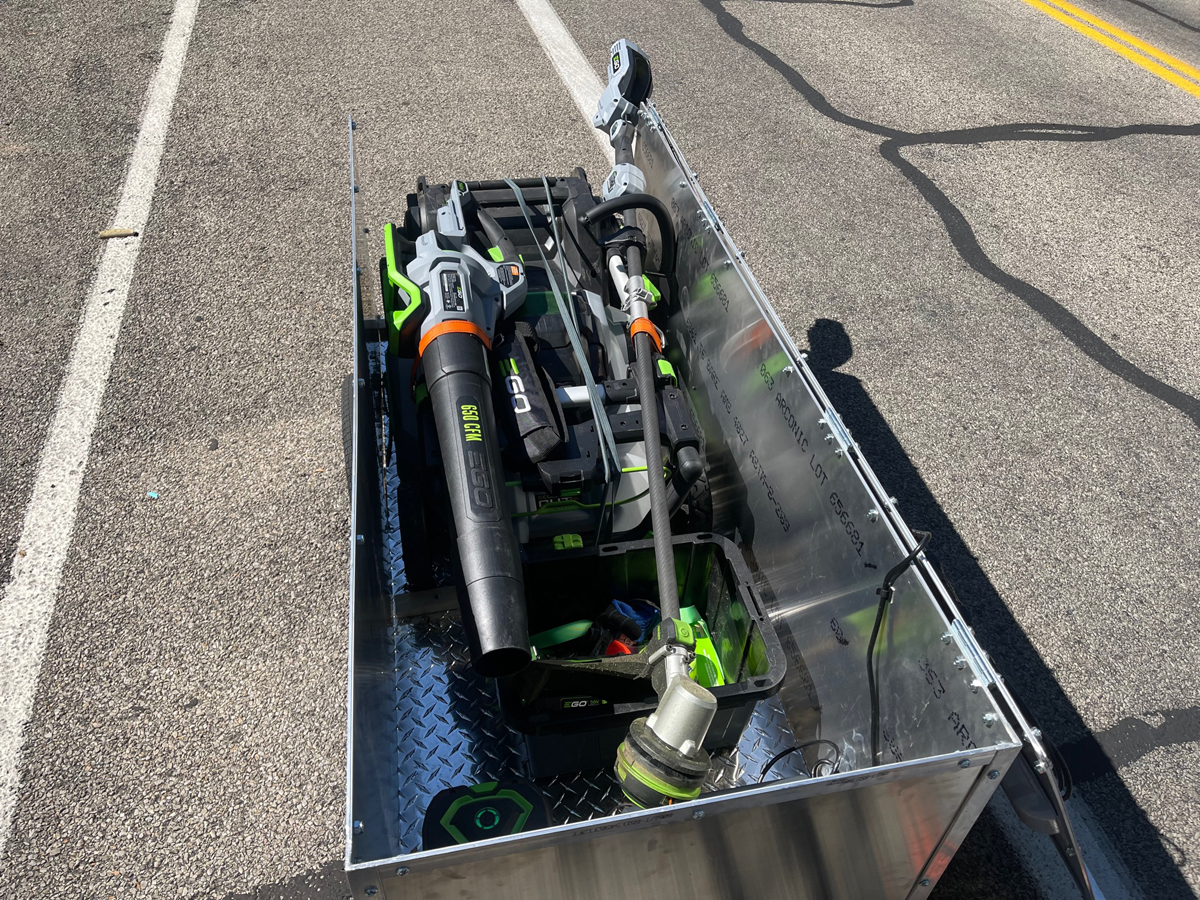
Noisy and polluting gas-powered lawn machines are ubiquitous in our urban environment and after seeing and hearing them as a daily reminder of their damaging effect on our air quality, Christoph launched Blue Planet Lawn, the first of its kind zero emission lawn care service, in the summer of 2022. Every aspect of this service is solar or rechargeable battery powered. When practical for jobs in the Salt Lake valley, he uses an E-bike to pull a small trailer with a built in 100-watt solar panel and lithium battery to carry the battery powered mower, trimmer, and blower.
Christoph is committed to renewable energy for environmental and health reasons and believes that in the near future gas powered lawn care machines will mostly be replaced by battery-powered equipment. The recently installed solar panels on his Salt Lake City home recharge the batteries for all Blue Planet Lawnthe lawn equipment. He added, “I am a fan of solar power, which makes a lot of sense especially here in sunny Utah. We have a 13kWh solar system on our house which generates enough energy to power the house and two electric cars.” His new electric car pulls a larger solar trailer for bigger and more distant jobs.
The business is doing well, and gives Christoph a workout, “On inclines over 10%, I need to pedal very hard to get the trailer up the hill. With only seven gears available, it is a good low-cadence power workout!”
He typically rides 15-20 miles a day, seeing 4-6 clients. Over the week, it’s about 10-15 on the e-bike, and the rest with the electric vehicle and larger 350W solar trailer.
Christoph Heinrich’s Blue Planet Lawncare is zero emissions. Photo by Barry Makarewicz
Customers can choose how they want the grass clippings dealt with. 80% of the lawn clipping are finely chopped and mulched into the lawn by the twin blade battery powered mower. This grass mulching adds to the organic material of the lawn and helps reduce the need for water by the grass. The rest are collected and sent to a green waste recycling facility. Leaf mulching or hand raking is another service provided by Blue Planet Lawn in the fall months. Pricing for these services is similar or slightly lower than other companies due to no fuel costs and less equipment maintenance.
The next time you go past a lawn care crew using noisy, high polluting machines, think of Christoph Heinrich and his quiet, zero emission lawn care service: Blue Planet Lawn. He is ready to expand in 2023, “We are planning to grow the company organically here in the Salt Lake Valley where many people share my concerns about air quality. This summer, we’re also evaluating a micro-franchise model and are looking for youth interested in owning their own business. We’ll equip them with all the gear (including the e-bike) for them to be able to get started.”
A guy riding an E-bike could take care of your yard, pulling a solar powered trailer with zero emissions and very little noise.
Christoph would like to encourage people to make the switch to zero emissions lawn care. He is ready to expand Blue Planet Lawn in 2023. For more information and to request a quote, visit at blueplanetlawn.com.
Details:
Brand and Model of Bike:
Momentum PakYak E+ with a 250W Motor and 500Wh battery, Range 35 – 60 miles
Info on the trailer:
Surly Bill Trailer, long bed with 300lbs capacity
Design and how it was built: Custom built aluminum box with solar panel and power station
Carrying Capacity: 300 lbs. max
Solar panel/charging capability: 100W Solar Panel and 540Wh power station and battery charger. Each tool has its own battery ranging from 220Wh to 560Wh.
By Shannon Boffeli — Visiting the famed Inca fortress city of Machu Picchu in southern Peru is a bucket-list dream for most adventurers but few imagine the experience as part of 5-day mountain bike stage race. The Machu Picchu Epic makes this dream a reality. Following five days of racing throughout Peru’s Sacred Valley region racers finish their Peru journey with a day-long tour of the ancient Incan citadel of Machu Picchu.
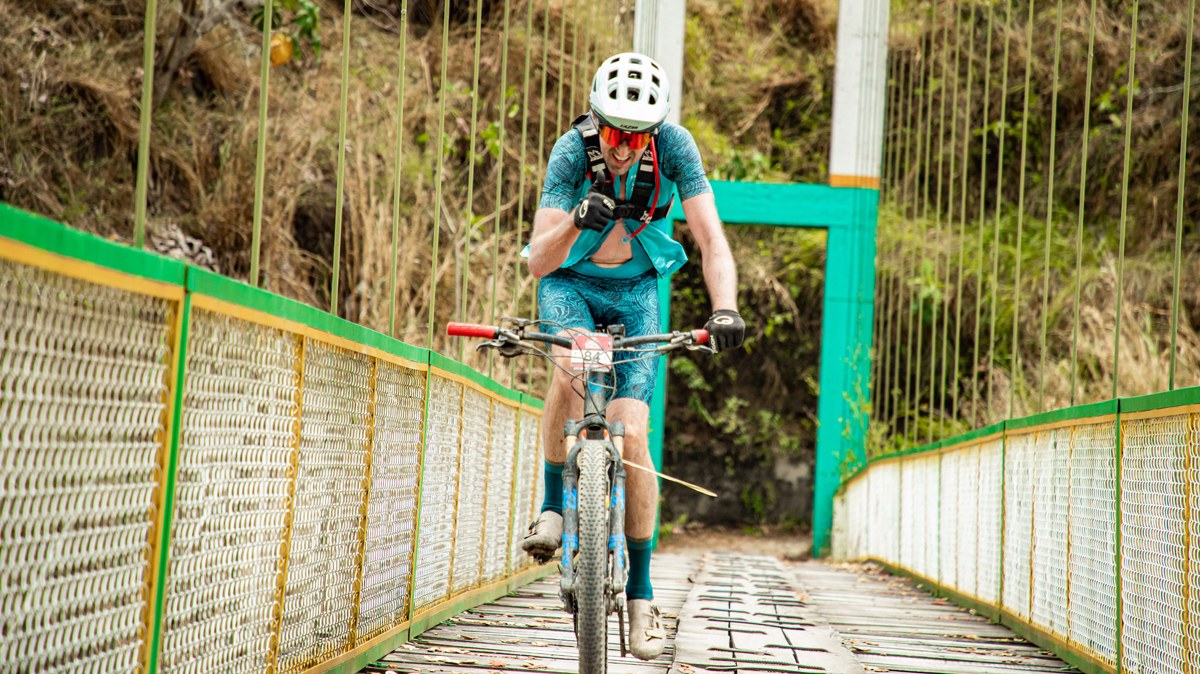
Shannon Boffeli crosses one of many suspension bridges on the Urubamba river on stage 5. Photo by Michael Estanga, Machu Picchu EpicThe start of stage 3 of the 2022 Machu Picchu Epic. Photo by Shannon Boffeli
Race director Alexandra Whilar started the Machu Picchu Epic in 2021 with the goal of combining competition on breath-taking racecourses with a first-class tourist experience showcasing handpicked overnight locations allowing riders to experience Peru on a more raw and intimate basis.
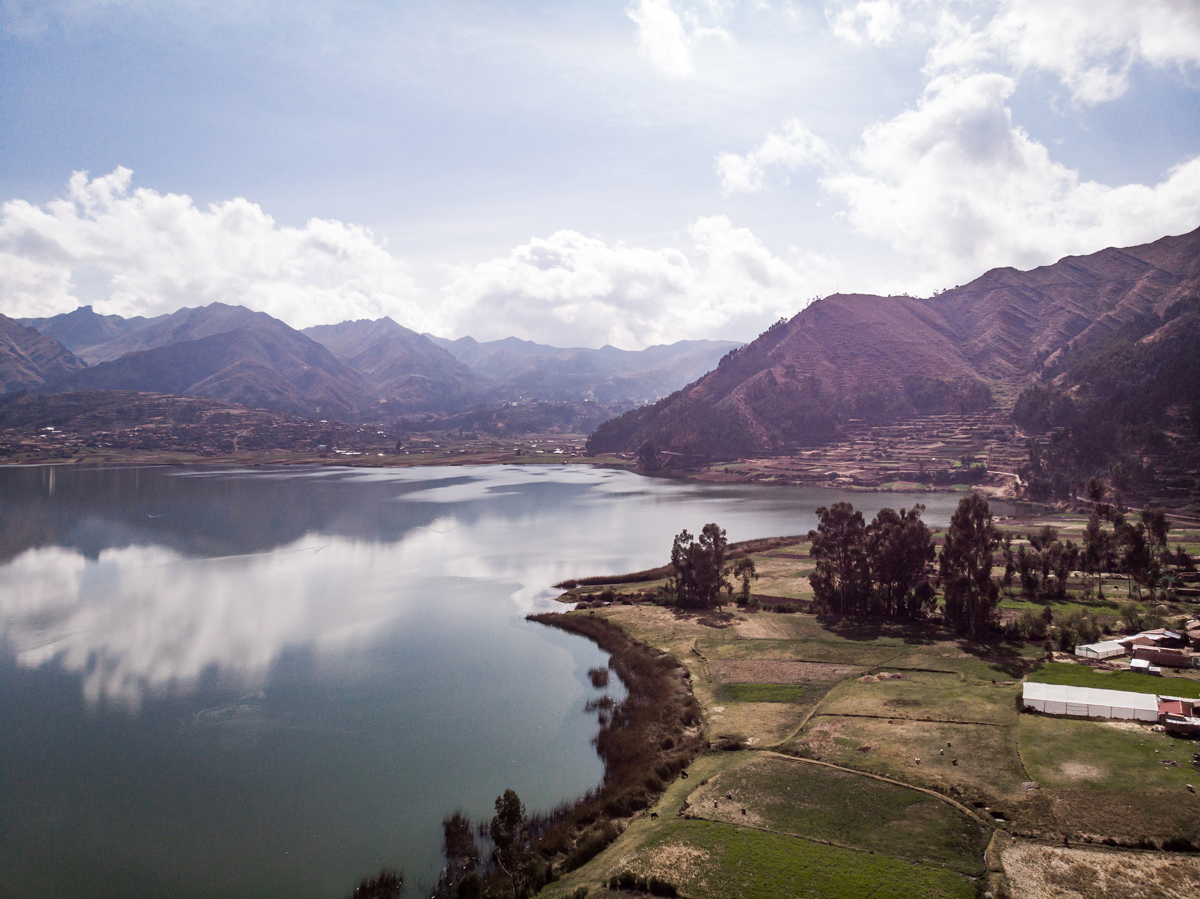
The brave riders of the Machu Picchu Epic will be challenged by 5 days of racing starting in the historic Inca capital of Cusco. Tucked high in the Andes mountains, Cusco boasts an elevation of 11,152 vertical feet, just over 1,000 feet higher than the oxygen-deprived city of Leadville, Colorado.
It’s from this dizzying height that riders will strike out for 169 miles of racing over five days with a total of 20,072 feet of climbing thrown in.
In its first year, top riders finished each stage in around 2-3 hours leaving most competitors ample time to experience the uniquely historic finish cities and world-renowned Peruvian cuisine.
While following the Route of the Gods, riders will experience the wonders of Peru’s ancient culture starting with the first overnight in Pisac, center of the Sacred Valley, Pisac features majestic Incan ruins including some of its famed Incan interlocking stone walls.
Other overnights include the fortress of Saqsaywaman, site of one the most famous battles between the Inca and Francisco Pizarro’s conquistadors in 1536. The ancient city of Ollantaytambo, with its winding, cobblestone streets and babbling irrigation canals, Ollantaytambo has been continuously inhabited since the 13th Century.
Riders will then dip into the Amazon jungle at Abra Malaga before finishing at the back door of Machu Picchu in Santa Teresa where the Cocalmayo hot springs await to heal the bodies of the riders strong enough to reach the finish line.
Day six of the Machu Picchu Epic includes a guided tour of the legendary citadel of Machu Picchu, considered one of the new seven wonders of the world.
Part bike race and part curated tour of one of the most unique and historic locations on the planet the Machu Picchu Epic provides an endless abundance of experiences guaranteed to give racers a once-in-a-lifetime experience.
Racers can compete as individuals or as a team in completing the 169-mile journey through the Peruvian Andes. Accommodation packages available through the race include lodging, transportation, and breakfast/lunch each day. Riders are encouraged to visit one of the many local restaurants for dinner each night to further their experience of local Peruvian culture and cuisine. Packages are available with or without the unofficial sixth stage tour of Machu Picchu but it’s highly recommended as a pinnacle to the Machu Picchu Epic experience.
The Machu Picchu Epic runs from September 14-18, 2023, with a guided tour of Machu Picchu to follow.