Annual fundraising event brings community together to support Huntsman Cancer Institute
SALT LAKE CITY, Utah (April 20, 2023) — Huntsman Cancer Foundation invites the community to break a sweat and support the fight against cancer at the 13th annual Huntsman SportsFest. This year’s event is set for Saturday, June 10, with a celebration taking place at the University of Utah’s Fort Douglas Field.
Registration is now open. SportsFest has a fundraising goal of $500,000 to accelerate Huntsman Cancer Institute’s lifesaving work. Participants can choose from walking/running and cycling courses of various distances. Cyclists are particularly encouraged to register early so they can attend the Huntsman Heroes cycling training held on Saturdays through June 3.
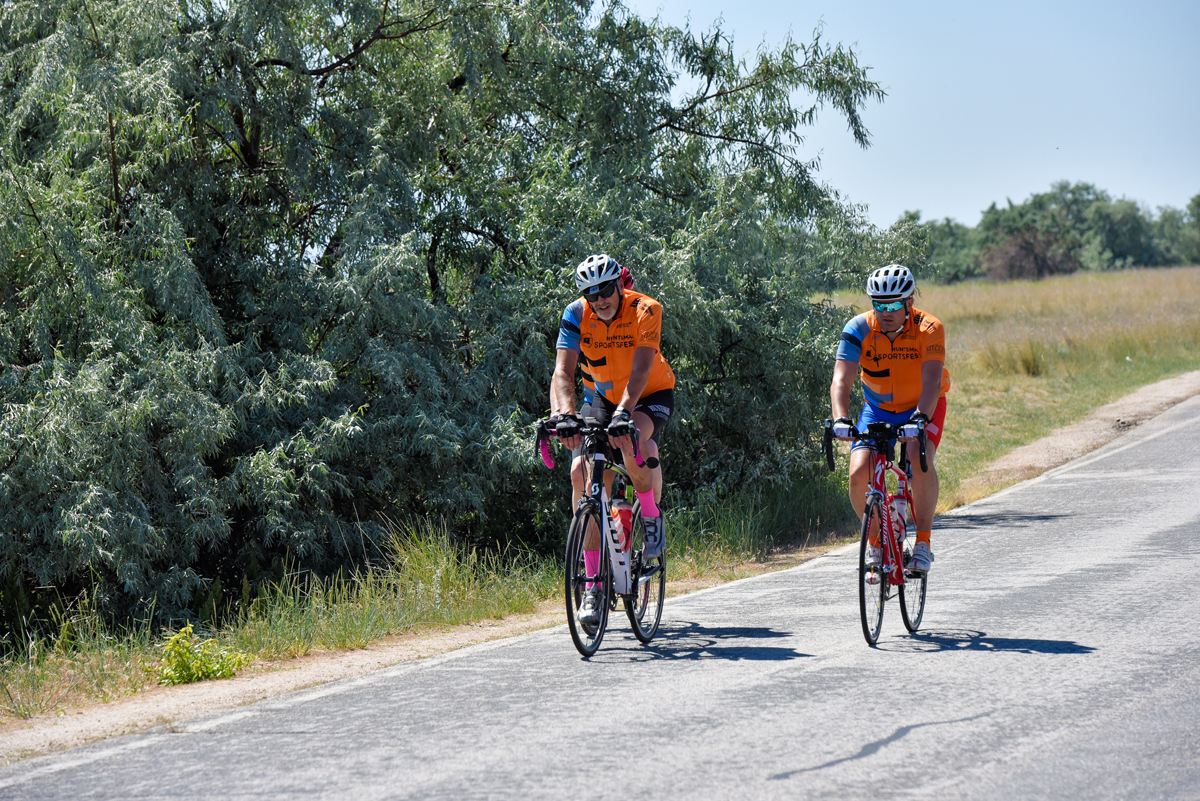
From left, Huntsman Heroes coach Kelly Hicks and Matt Elizondo ride 140 miles in Huntsman SportsFest on June 12, 2021. Photo courtesy Huntsman Cancer Foundation
More than just a chance to get out and move, SportsFest is a day to make a difference. One hundred percent of all fundraising directly benefits the institute’s mission to advance cancer research, treatment, and prevention. Participants can register as individuals, families, or teams and designate fundraising to a specific type of cancer that has affected them or a loved one.
“It’s always so inspiring to see how many in our community turn out to support Huntsman SportsFest each year,” said foundation Director of Events Jen Murano. “SportsFest is a wonderful way to get some exercise and know you’re doing something to create a cancer-free future.”
With hundreds of participants, Huntsman SportsFest is made possible by volunteers who give their time and effort each year. Volunteer registration is also now open.
“You don’t need to break a sweat to make a difference,” said Murano. “Volunteering is a great way to get involved and lend a hand.”
“During a long bike ride, I snack on chocolate to boost my energy.”
“After a hard workout, chocolate milk is my go-to recovery food!”
“How bad—or good—is chocolate for me?”
By Nancy Clark, MS RD CSSD — Most athletes love chocolate in any form: candy bars, chocolate chip cookies, squares of dark chocolate. Over 60% of all US candy sales are chocolate-based. But how good—or bad—is chocolate for our health? Is it as health-promoting as we want it to be? What about all the sugar and caffeine that comes with the chocolate? Is dark chocolate a far better choice than milk chocolate? Below are answers regarding chocolate and your sports diet.
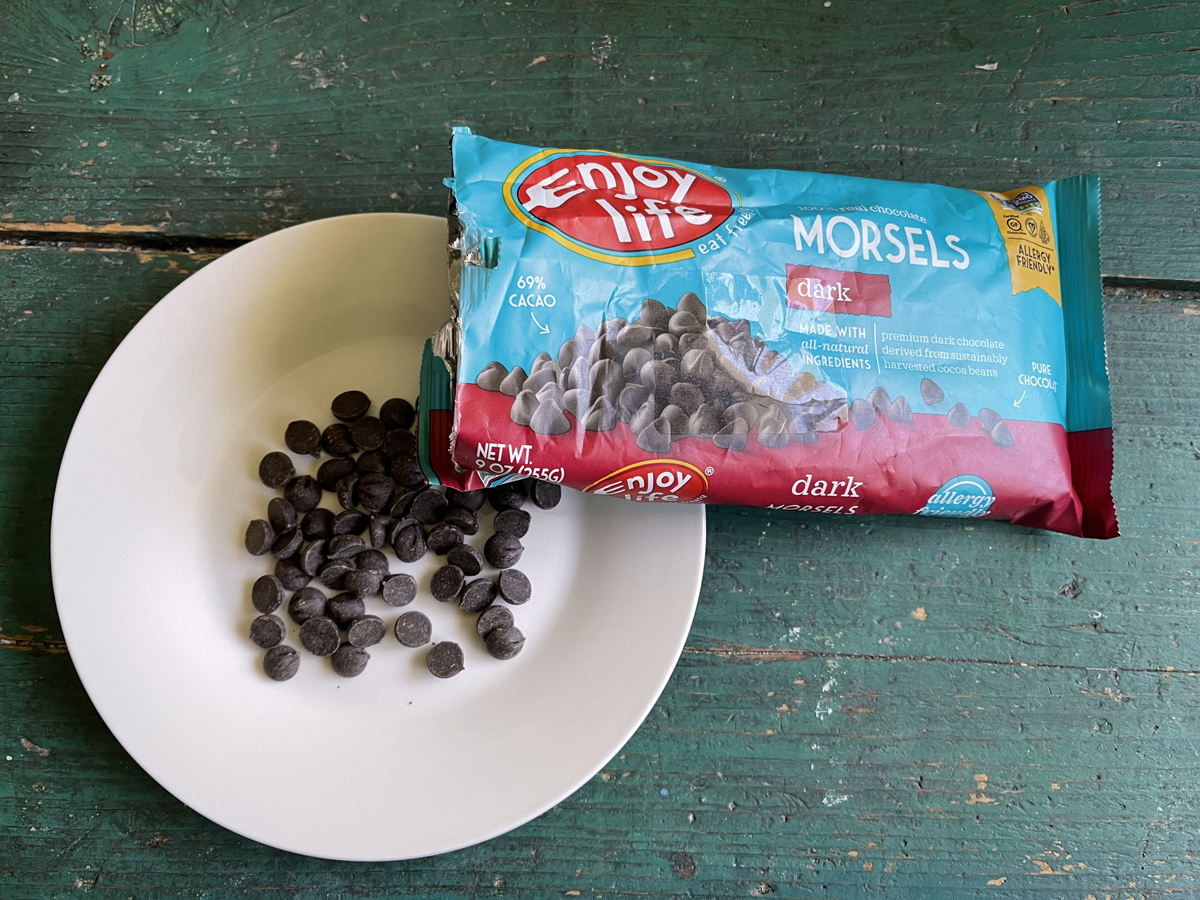
“Is chocolate a health food, dieter’s weight loss aid, and effective recovery food for tired, hungry athletes?” Photo by Dave Iltis
Is dark chocolate really a “health food”?
Chocolate is made from the fruit of cacao trees. Like all fruit, the cacao bean is a rich source of health-protective phytochemicals (flavonoids) that are antioxidants and fight inflammation. Roasted beans are used to create cocoa. Two tablespoons of natural cocoa powder (the amount in one cup of homemade hot cocoa) offer the antioxidant power of 3/4 cup blueberries. Impressive!
The darker the chocolate, the better in terms of health-protective flavonoid content. Unfortunately, dark chocolate has a bitter taste, and many athletes prefer milk chocolate; it’s sweeter. That said, epidemiological surveys of large groups of people indicate those who regularly enjoy chocolate of any kind consume more flavonoids than non-chocolate eaters. This reduces their risk of heart disease. For example, in the Netherlands, elderly men who routinely ate chocolate-containing products had a 50% reduced risk of dying from heart disease (1).
Shouldn’t we stay away from sugary foods, like chocolate?
The US Dietary Guidelines recommend a limit of 10% of calories from refined sugar per day. For most athletes, that’s about 200 to 300 calories of carbohydrate (sugar) to fuel muscles. The better question is: What nutrients accompany the sugar? For example, “sugary” chocolate milk comes with high quality protein, calcium, vitamin D, riboflavin, and other life-sustaining nutrients. When used as a recovery fluid, it is far healthier than a sports drink, which is just sugar, water, and a dash of salt.
What about sugar spikes…?
Chocolate has a high fat content. Fat slows the rate sugar enters the blood stream and thus reduces the risk of sugar spikes. The Glycemic Index ranks from 0 to 100 the blood glucose response after consumption of 200 calories (50 grams) of carbohydrate (sugar, starch). Gatorade ranks high on the Glycemic Index (78), M&Ms rank lower (33), and dark chocolate ranks even lower (23). Given most of us—well, some of us—don’t eat 200 calories of sugar from just one food at one time, a preferable ranking is the Glycemic Load, based on a standard serving of the food. For example, the Glycemic Load of a standard serving (8-ounces) of Gatorade is 12, chocolate milk is 3.5, and an ounce of M&Ms is 3.
What about chocolate milk for post-exercise recovery?
Chocolate milk can be an enjoyable and nourishing treat that boosts intake of nutrients important for athletes. It has a low glycemic effect and is unlikely to contribute to sugar spikes Drinking chocolate milk after a hard workout effectively refuels and repairs your muscles, boosts your blood sugar, and replaces electrolytes lost in sweat. It’s a nutritionally preferable choice to a carb-only, sugar-based sports drink (2). And it is yummy chocolate—with purpose and meaning, and no guilt!!!
How much caffeine is in chocolate?
The amount of caffeine in chocolate depends on how much cocoa powder is in it. Milk chocolate is only 10 to 20% cocoa, regular dark chocolate is 50-69% cocoa, and strong dark chocolate has more than 70% cocoa. The higher the percentage of cocoa, the higher the caffeine. That said, the 20 milligrams of caffeine in an ounce of dark chocolate pales in comparison to the 200 mg. in a mug of coffee. Chocolate’s energy boost comes from sugar, more so than caffeine.
Is chocolate fattening?
Like any food that is eaten in excess, chocolate can be fattening. That said, data from 13,626 adults (>20 years old, nondiabetic) suggests chocolate consumption was not associated with obesity.
Is there a best time of the day to eat chocolate?
If you are destined to eat a treat, such as chocolate cake, enjoy it earlier in the day, as opposed to indulging at 8:00 p.m. when you are tired and lack the mental energy needed to stop yourself from over-indulging. You are going to eat the chocolate eventually, so why not enjoy it sooner than later?
Believe it or not, eating chocolate cake with breakfast might actually help dieters reach their weight loss goal. Research (3) with 193 adults on a reducing diet suggests those who had cake with breakfast had fewer cravings for carbohydrates and sweets later in the day. By front-loading their calories, they were less hungry and less likely to stray from their diet plan. They ate either a 300-calorie protein-based breakfast or a 600-calorie breakfast that included protein plus chocolate cake (or another dessert).
In the first 16 weeks, both groups lost an average of 33 pounds per person. But in the second half of the study, the no-cake group had poor compliance and regained an average of 22 pounds per person while the cake-eaters continued to lose another 15 pounds each. By 32-weeks, the cake eaters had lost about 40 pounds more than their peers. Does chocolate make for a more sustainable diet?
The Bottom Line
By no means is chocolate the key to a healthy sports diet, nor is eating lots of dark chocolate preferable to snacking on apples and bananas. It’s no secret: chocolate contains primarily nutrient-poor calories from sugar and fat. A Hershey’s Bar (43 g) has 220 calories—of which about 40% are from 21 grams of added sugar and about 55% of calories from fat. Hence, you want to enjoy chocolate in moderation, so it does not crowd-out other nutrient-dense foods. But even if you are a weight-conscious, health-conscious athlete, you can balance chocolate into your overall wholesome sports diet—and add a taste of pleasure to your day.
References:
Buijsse B, Feskens EJ, Kok FJ, Kromhout D. Cocoa intake, blood pressure, and cardiovascular mortality: the Zutphen Elderly Study. Arch Intern Med. 27;166(4):411-7, 2006.
Lunn WR, Pasiakos SM, Colletto MR, Karfonta KE, Carbone JW, Anderson JM, Rodriguez NR. Chocolate milk & endurance exercise recovery: protein balance, glycogen and performance. Med Sci Sports Exerc. 44(4):682-91,2012.
Jakubowicz D, O Froy, J Wainstein, M Boaz. Meal timing and composition influence ghrelin levels, appetite scores and weight loss maintenance in overweight and obese adults.
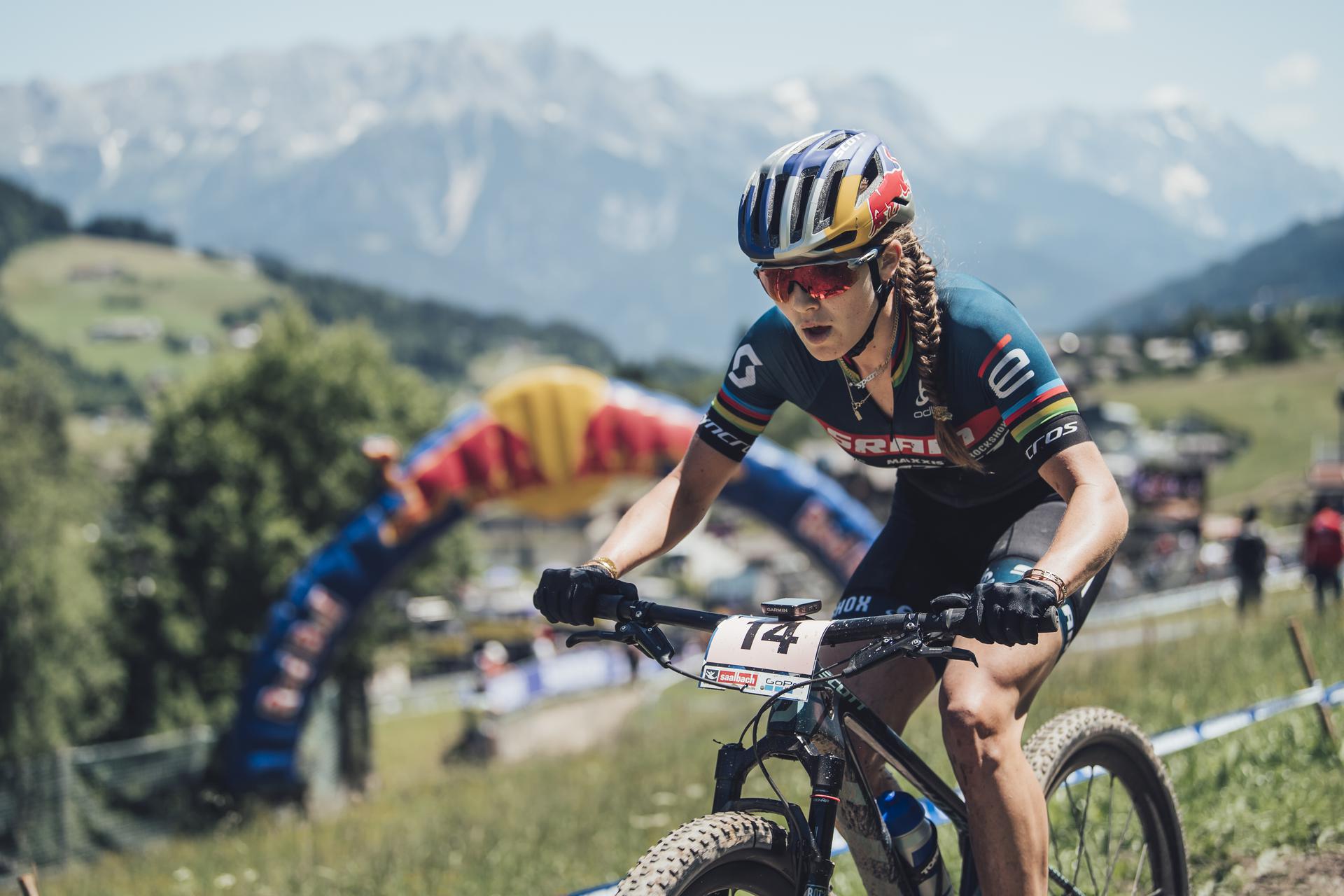
ORINDA, California (May 5, 2023) — The National Interscholastic Cycling Association is excited to announce six recipients of the annual Sparkle On Scholarship. In partnership with professional cyclist Kate Courtney, SCOTT, Syncros, SRAM, and Rockshox, the Sparkle On Scholarship recognizes graduating NICA student-athletes who have demonstrated academic and athletic excellence while giving back to the cycling community.
Sara Ellem, Neruda Diaz, Carter Lantz, Hannah Puttcamp, Chloe Sims, and Hayley Yoslov will each receive $6,500, a SCOTT Spark Comp Bike, and mentoring with Kate Courtney during their first year of college.
Photo courtesy Kate Courtney
The cohort of Sparkle On Scholars is distinguished by their unique contributions to the sport of mountain biking, the cycling community as a whole, and the joy and determination they show in pursuit of their goals.
“I am honored and excited to announce the 2023 Class of Sparkle On Scholars,” said Courtney. “With nearly 200 applications from NICA student-athletes across the country, it was a very challenging selection process but one that left me optimistic about the future of our sport.”
Courtney is a professional mountain bike racer for the Scott-SRAM MTB Racing Team. Kate is the 2023 Pan American Elite XCO and XCC Continental Champion, 2019 Elite XCO World Cup Overall Champion, and the 2018 Elite XCO World Champion.
“Collectively, this year’s scholarship recipients truly embody the core values of NICA; inclusivity, strong minds, bodies, and character,” added Courtney. “In the cycling world, they are leaders in their communities – accomplished racers, trail builders, trail access advocates, GRiT mentors, team captains, youth coaches and more. Off the bike, they are intelligent and articulate students with diverse interests, but a shared desire to continue contributing to the cycling community as they transition to college.”
NICA is proud to work with such a passionate partner to grow the next generation of cyclists.
Julian Wagner, Global Bike Marketing Lead at SCOTT Sports, added, “At SCOTT, not only do we aim to help the riders of today, but also the riders of tomorrow. Through the Sparkle On Scholarship, we’re thrilled to contribute to these students’ future success both on and off the bike. We look forward to seeing where the ride takes them!”
When student-athletes have a strong support system, it is amazing what more they can accomplish,” said NICA President Amanda Carey. “ NICA is incredibly grateful for Kate’s mentorship and support of these outstanding student-athletes and the pursuit of their future goals.
By Charles Pekow — Advocates have long argued that bicycling contributes to the economy. But it seems it’s also the case that when cycling goes wrong, it causes a big economic dent. The National Highway Traffic Safety Administration (NHTSA) undertook a study on the economic and social impact of traffic crashes during 2019. It calculated that cycling crashes caused approximately $5.6 billion in economic losses and about $32.2 billion in costs overall. The harm accounted for 1.7 percent of economic costs and 2.4 percent of all societal harm.
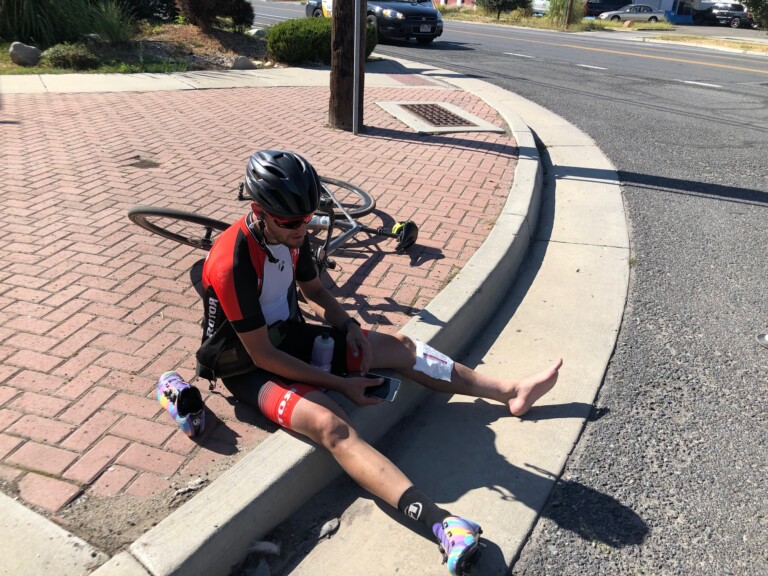
A cyclist just after being hit by a car driver. Photo by Dave Iltis
Totals include medical care, loss of work and household productivity, insurance administration, legal costs, and diminished quality-of-life. When bicycles and autos are involved, the damage includes costs of drivers swerving to miss a cyclist and getting hurt or causing property damage. “Bicyclist crashes resulted in 865 fatalities, 78,700 nonfatal injuries, and 8,400 (property damage only) damaged vehicles in 2019,” the paper says.
In many cases, the cyclists themselves were at fault, says The Economic and Societal Impact of Motor Vehicle Crashes, 2019 (Revised), (https://crashstats.nhtsa.dot.gov/Api/Public/ViewPublication/813403). The figures include all pedalcycles, including tricycles and unicycles, which counted for a very small share.
The report states that between 1982 and 2016, when cyclists and pedestrians were involved in crashes between eight and 10 percent of them were found with alcohol in their system. In about six percent of all traffic fatalities, the cyclist or pedestrian had been drinking, and most of the time they were legally inebriated.
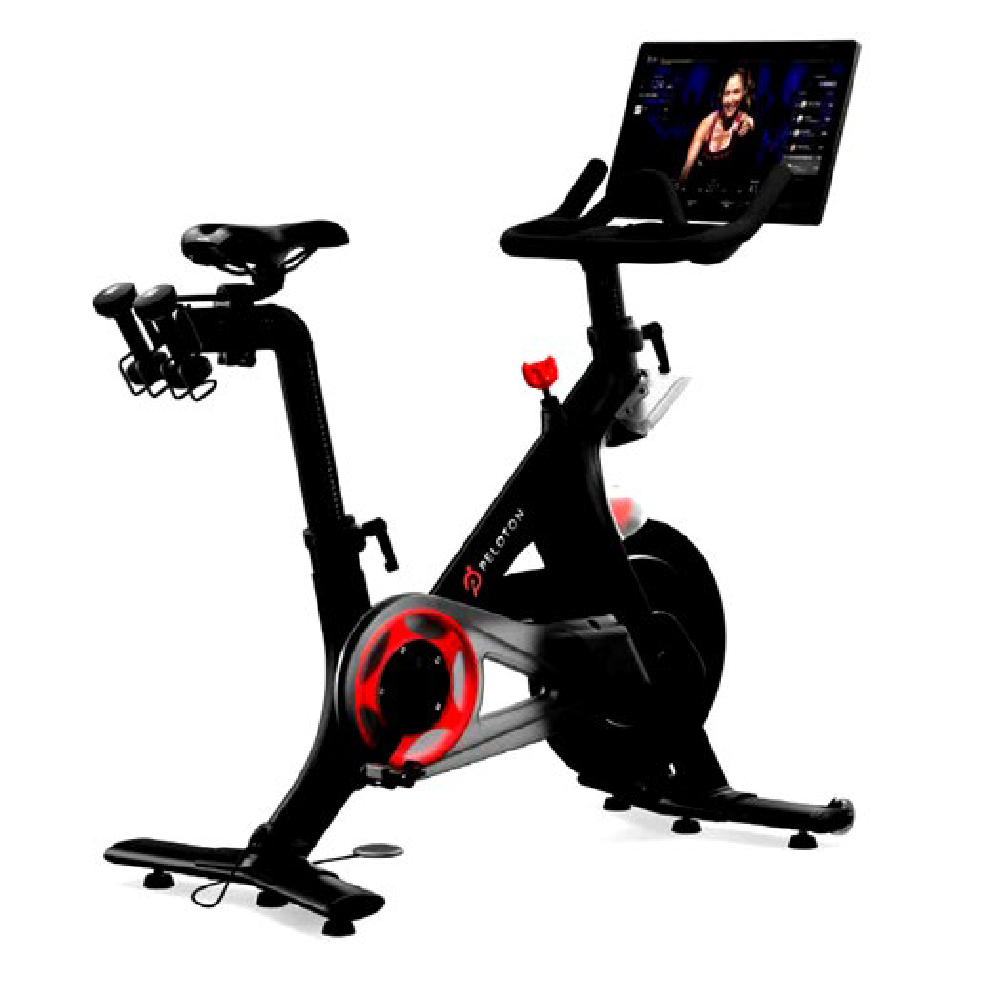
Description: This recall involves Peloton Bikes with model number PL01. The Peloton Bike measures 4 ft. long x 2 ft. wide, and has an adjustable seat, handlebar, and screen, which tilts up and down to accommodate different heights. The Peloton name and the model number are displayed on the inside front fork, near the flywheel.
Remedy: Consumers should immediately stop using the recalled exercise bikes and contact Peloton for a free repair. Peloton is offering consumers a free seat post that can be self-installed.
Incidents/Injuries: Peloton has received 35 reports of the seat post breaking and detaching from the bike during use, including 13 reports of injuries including a fractured wrist, lacerations and bruises due to falling from the bike.
Sold At: Peloton and Dick’s Sporting Goods stores nationwide and online at Onepeloton.com, Amazon.com and Dicksportinggoods.com from January 2018 through May 2023 for about $1,400. Distributor(s): Peloton Interactive Inc., of New York
By Eric Yelsa, Ph.D. — I recall being a junior USCF racer in the 1980’s and the variety of ages that would enter UCSF races. One individual, who stood out more from among the others was Barry Wolfe. Barry was an undeniable character who did not meet the typical Southern California cyclist description. He was bulky having spent much of his life as a weightlifter. He wore a “dew rag”, long before the years of Marco Pantani. But most notable was his age. In 1980-1981, the prime years in which I was racing juniors, Barry Wolf topped the age scales at an ancient 49 years of age. Although Barry had a reputation of burning out competitive cyclists with his daily workout routine, to those of us in the junior field, which on occasion he would join, he was seen as a fragile oddball with whom we should have sympathy, because he had somehow allowed himself to get old. Barry Wolf was 49 years old at that time. I am now 58 years old as I draft this article, a good 9 years older than Barry when we considered him the ancient relic. Who’s the oddball now?
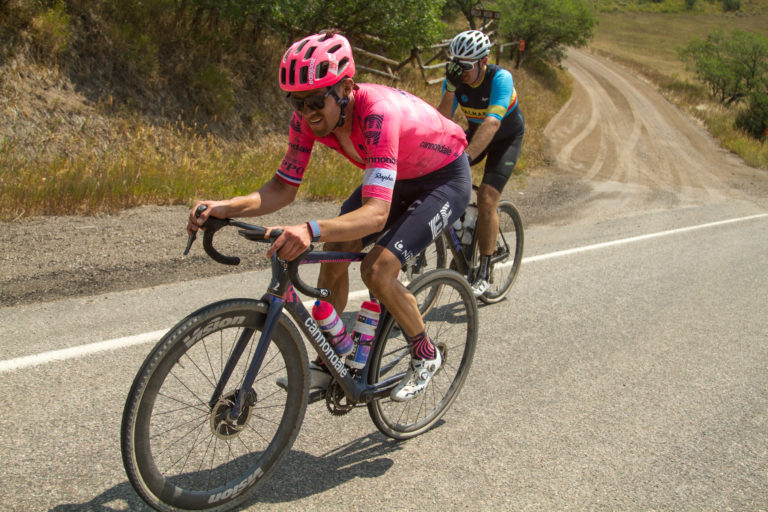
Alex Howes (EF Education First-Nippo) holds on to win the 2021 SBT GRVL. Photo by Linda Guerrette
Since the late 1970’s there has been a growing interest on the impact of exercise, cardiovascular exercise in particular, and the process of aging. For some early on in this interest, exercise was seen as a fountain of youth that if done “correctly” prevented the hands of mother nature and father time from robbing one of their youth. As time progressed the research on the impact of cardiovascular exercise has been clear, consistent exercise when completed in moderation offers exceptional health benefits; slows the acceleration of telomere shrinkage thereby slowing the aging process, assists to maintain endurance, healthy mood, and cognitive performance. But as all of us have most likely witnessed, exercise does not actually stop the aging process.
But what happens when an individual is no longer able to exercise? What psychological process does one experience in response to that loss, and how does one adjust effectively to a new life in which exercise is no longer an option? This article will attempt to address those, and other questions related not only to the relationship of aging and sport participation, but to propose a model of how one adjusts to world in which sport participation will likely decline.
What is it that motivates an individual to participate in a sport? Sports frequently represents a challenge in which an individual seeks to complete a task while being placed in a compromised situation. Basketball requires one to place a ball in a small opening 10 feet out of reach. Hockey is the attempt to place a small disc in a net using only a stick while your opposition gets in your way. Water polo requires one to throw a ball into a net while treading water. Cycling requires one to go from point A to point B while balanced on two wheels. In the natural world are any of the above skills necessary in helping in the ability to navigate day to day life responsibilities? Probably not, yet our attraction to participating in those activities might suggest otherwise. When we explore what factors attract one towards sport performance, we can divide those factors into two categories: intrinsic variables and extrinsic variables.
Intrinsic variables relate to personality traits of the individual that initially attract one to a particular sport. Although there are many personality traits that may influence one’s decision to participate in sports, the personality factor that appears to be most identified as providing contribution is that of neuroticism. Neuroticism has classically been viewed as a tendency for one to experience a high degree of anxiety, depression, self-doubt, and other negative feelings in response to conflict. Commonly, individuals rating higher on measures of neuroticism, have also been found to display a higher degree of cortical excitation, and it is theorized that physical exertion or the involvement in sport competition assists in the calming and cognitive organizing of that cortical excitation. Individuals with higher rates of neurotic drive may initially be attracted to perform in sports due to the subsequent calming effects that activity may have on both mood and cognition.
Extrinsic variables relate to those factors outside one’s personality that either support engagement in an activity or create conflict to reduce interest in that activity. Of those extrinsic variables, the one most commonly identified as having impact on behavior is that of social affiliation or an identified peer group. Having an identified peer group is commonly associated with increases in one’s sense of belongingness which is then also associated with common themes such as perceived safety, confidence, and competency. Why does social affiliation have such an impact on behavior? It is believed that we have likely drawn to peer groups throughout evolution as they have represented protection from dangers such as natural predators and environmental conditions.
In summary of both intrinsic and extrinsic variables and their impact on athletic participation, and in regard to the above, whereas the intrinsic variable of neuroticism might be considered the initial prompt to engage in a sport, the extrinsic variable of social affiliation would be considered the factor that continues to provide positive reinforcement of participation in that sport over time. Or, stated differently, one participates in a sport because of the positive effects on mood, but continues to participate in that sport over time because it gives one a sense of social identity and perceived safety.
If neurotic drive and a desire for social identity have such a high degree of influence on sport participation, then how is aging affected by those factors? This is initially a difficult question to address as there have been very few comprehensive studies exploring adaptation to sport participation over the life span. What research has been available has in general been limited to exploring the impact of injury and recovery from injury in sport participation, as well as adjustment to forced retirement from sport participation.
In the research article The Experience of Loss in Athletes, from the Journal of Sports Medicine (1986) (1), the author S.J. Astle proposed that Elisabeth Kublar-Ross’s five stages of death and dying (2) represented a model of understanding an athlete might experience in response to forced retirement from sport participation due to an injury. To those unfamiliar with Elisabeth Kubler-Ross, she was a Swiss born individual who worked with individuals in the end stages of life.
In her work she noted familiar psychological patterns in those individuals effected in their final days of life. From her observations she noted that individuals passed through 5 distinct stages of grief which included denial, anger, bargaining, depression, and acceptance.
The first of these stages, denial, tended to be associated with the shock or disbelief one might display in response to being informed of their imminent death. Think “You must have the wrong person. I’m as healthy as a horse” or similar instances in which one might reject negative information provided them. For the athlete, this might be represented as the athlete who refuses to acknowledge the extent of an injury and continues to play despite decreasing performance results.
Anger, the second stage of grief, may be illustrated by the athlete becoming angry at teammates, envy of competitors, while they themselves experience physical limitations in their sport, either from injury or age-related decline.
The bargaining stage, third of Kubler-Ross’s stages, is illustrated by the athlete who in spite of decreased performance and physical ability, begins to increase the length and intensity of workouts in the hopes that performance may be restored to premorbid levels.
The fourth stage, depression, generally marks the point at which the athlete realizes the reality of the situation: the inevitable departure from sport. This period is frequently marked by a loss of interest in the sport, as the athlete’s mood may reflect a general melancholy.
Acceptance, the fifth and final stage, marks the point at which the athlete is no longer affected adversely by conversations, reminders, or contact with the sport in which they were once engaged. This period is marked not by a happy acceptance of the loss, but rather by a void of emotion towards the sport; there is neither sadness nor joy, only resolve.
In further application of Kubler-Ross’s model, in 1982 and 1986, two researchers, Ogilvie and Howe, applied this model to athletic retirement, and concluded that the stages of death and dying appeared to be universal reactions among all athletes facing similar situations. Further, they asserted, that the more closely an athlete identified with their particular sport, the more traumatic and hence difficult, the retirement process would be. Within these complex circumstances an individual may develop frank psychopathology such as major depression and/or generalized anxiety. As applied to process of declining athletic performance, the athlete may begin to display acting out towards club or team members or may avoid events in which public visibility is likely for events with less known notoriety. When applied to aging, Kubler-Ross’s model continues to appear appropriate for understanding the psychological process by which one adjusts to declines in sport performance and participation.
To add further support of Kubler-Ross’s model, in 1995 I completed a study addressing the process of retirement from competitive sport. To create a model of understanding, I also compared the process of retirement from sport competition to that of experiencing a death of a loved one using Elizabeth Kubler-Ross’s stages of death and dying. Three groups were formulated; professional baseball players who were prevented from playing professional ball due to the national baseball strike (retired athletes), athletes from other sports still actively competing (competing athletes), and individuals who had experienced the death of a loved one (bereaved). As a further explored factor, motivational drive was also measured using neuroticism as a measured feature for both athletes and the bereaved. To clarify, neuroticism in competition terms, was associated with a highly competitive drive and did not indicate the common and negative associations that people often attributed to it. a
Individuals in both the athletic groups and bereavement group were provided multidimensional measures of grief and measures of personality including neuroticism. It was found that both bereaved individuals and retired athletes rated higher on neuroticism than actively competing athletes, while both bereaved individuals and retired athletes rated higher on measures of grief, while retired athletes with higher rates of neuroticism also rated higher on measures of grief in comparison to retired athletes with lower rates of neuroticism.
In other words, anybody who experienced a loss (retired athletes or bereaved) endorsed a higher rate of neuroticism compared to those who had not experienced a loss. If one experienced a loss, they would then display psychological signs of that loss in a manner unique from others who had not experienced a loss. In situations of loss, the more an athlete emotionally identified with a sport the greater the difficulty coping when they were no longer able to participate in that sport.
What does this all appear to suggest? Results from my 1995 dissertation were by-and-large in support of the use of Kubler-Ross’s model as a means of understanding retirement from sport.
Retiring athletes ranked higher on measures of grief than their actively competing peers, and those retired athletes with higher rates of neurotic traits when compared with their peers tended to also display greater difficulty when no longer able to participate in their sport. Taking these findings into consideration with theories regarding the impact of social affiliation, we can begin to understand a clearer picture that the process of aging is not in and of itself a prompt for distress, but merely represents an event that threatens participation in sport and becomes a potential trigger for emotional distress. As we age the possible risk of injury increases and potential for physical decline increases. Recovery from injury slows, muscles reduce in elasticity, ability to carry load decreases, and there is a reduction in the efficiency of fast twitch muscle fibers.
In cycling, for example, as strength decreases, a cyclist’s power decreases and thus their speed and climbing ability decrease. As fast twitch muscle fibers decrease, sprinting ability decreases, which for racers means that they will finish farther back in a sprint. Endurance too decreases with age so older cyclists cannot ride or race as far.
As we invest our identity with our chosen sport, we initially become part of a larger community, which from review of the literature, offers us a sense of safety from potential yet unspecific dangers. Once injured or experiencing declines in physical ability, that social belongingness becomes threatened triggering many of the responses we might see in an individual who is in the process of grief: denial, anger, bargaining, depression, and acceptance.
It is not the process of aging itself that prompts distress, but the implications of aging on our ability to function between autonomy and social affiliation that becomes a dominant concern. This kind of response would be expected in any situation in which an individual displays a high level of personal identity into a role and then is eventually faced with a potential removal from that role thereby threatening separation of the individual from the social benefits that role provides.
We see examples of this even within our local community. Local cycling is organized through clubs, teams, and events. Each of these allows us to see familiar faces, some of whom we see as competition, some who we see as support, and some we see as both. On the road we learn from our peers through watching, sharing stories, and listening to the words of more advanced riders. Off the road we may seek the advice of an expert or go to a club event about a specific aspect of cycling. We are busy linking our life to that of others and in the process we all benefit. But as we age access to those events, clubs, or teams becomes less reliable, and at time may fail all together. We stop seeing the familiar faces, we stop watching the wheels of our peers, we stop hearing the stories, and we may no longer able to hear the words of advanced riders on rides. We may not be able to attend a club event or may even avoid the event due to embarrassment. We become potentially alienated, and nobody wants that.
As applied to cycling, cycling is a sport that embraces both individual physical prowess and pack mentality; and that pack mentality is in part the product our affiliation with our teams, clubs, and riding groups. We have to build our strength individually, but when on the road we can funnel that individual strength into social cooperation with other cyclists, thereby increasing speed and protecting us from environmental factors such as wind. But when have difficulty keeping up; when we go from being the last rider in the paceline, to off the back; then the wind becomes much harder. There is nobody to pace with. It’s like riding on your indoor trainer all year round; isolating. And age becomes one of the factors that nears us to events like the one above. We build a social network that understands the unique challenges our sport requires, whether as a road cyclist or mountain biker. Separation from those benefits, with age and its concomitant physical decline being a potential trigger of separation, becomes the predominant existential threat. Our body and psyche respond accordingly.
So, as you can see initial attraction to participation in sports such as cycling tends to include certain personality traits, and continued sport participation tends to include social benefits. But what does one do when they are no longer able to participate in their sport due to injury, illness, age, or other possible threats? Are we merely around for the ride, victims to mother nature and father time? Does the process of reduced time in the saddle have to become an existential threat to our sense of identity or safety? Absolutely not. There are many strategies for coping with these inevitable changes and these strategies will be presented with the second part of this series next month.
References:
Astle SJ. The experience of loss in athletes. The Journal of Sports Medicine and Physical Fitness. 1986 Sep;26(3):279-284. PMID: 3795923.
Kübler-Ross, Elisabeth (1969). On Death and Dying. Scribner.
Yelsa, Eric Allen. Grief as an emotional reaction of athletes retired from competitive sport. California School of Professional Psychology-Los Angeles, 1995.
Eric Yelsa, Ph.D. is clinical health psychologist in both private practice and within the University of Utah Health Sciences Center. He served as an assistant professor through University of Utah Hospital Pain Management Center Department of Anesthesiology where he worked with a number of elite and professional athletes recovering from sport related trauma. He has been a competitive cyclist since 1981. He is a USAC level 3 certified coach and certified power-training coach, has presented at the USA Cycling, and is an active member of the American Psychological Association Division 47 Exercise and Sport Psychology. He can be reached for consultation at [email protected]
By Beth Pacheco — Celebrate your love of bikes, family and friends with Bike Utah and Fisher Brewing at the Fisher Mansion in Salt Lake City, Utah on May 19 & 20, 2018.
We love bikes so much that we’re celebrating for the whole weekend! From at least Noon until 6 pm both days, we’ll play bike games and lead rides along the beautiful Jordan River Trail, which is conveniently located adjacent to the Mansion. The event will showcase the great work Bike Utah does in their mission to make Utah the best place to ride a bike. The SLC Bicycle Collective will provide Bike Valet services so bring your trusty steed.
You will also be able to access the main level of the Fisher Mansion, located at 1206 West 200 South. This historical site, built in 1893 for Albert Fisher, founder of the original Fisher Brewery, was bought by the city in 2006. It is nestled in the middle of an industrial park on the west side. Its surroundings are a clear reminder that the building was there long before the adjacent interstate or Questar parking lot.
Relax with family and friends at this all ages event with live music, food trucks and of course, Fisher Beer that will be available for purchase, along with other beverages. This is the one Bike Month Event you won’t want to miss. Join us for this inaugural celebration.
The new retail location, which soft launched in November 2022, celebrates with community partners
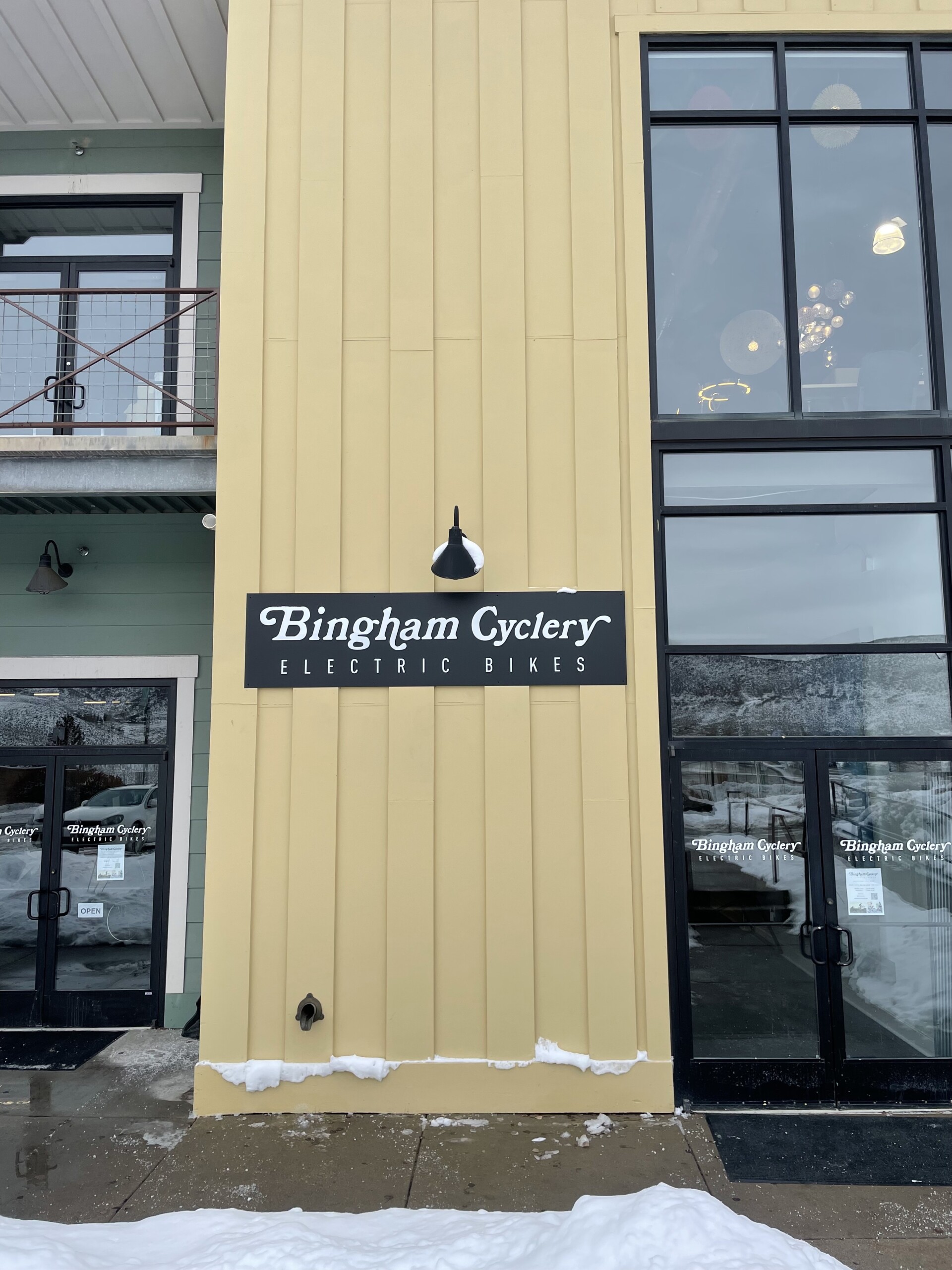
PARK CITY, Utah (May 11, 2023) — Since the moment Bingham Cyclery opened its 5th location, and first-ever in Summit County, snow has covered the local roads, trails, and bike paths. Now that the 2023 cycling season is underway, the retailer, which focuses on electric bicycle sales, is ready to celebrate the new store location at 3156 Quarry Rd. #3-N, Park City.
Photo courtesy Bingham Cyclery
Multiple community partners, bike brands, and local non-profits will be on-site starting at 10am on Saturday, with free, family-friendly activities and educational opportunities.
“Of course, we love selling e-bikes and servicing all types of bikes,” says Bingham Cyclery owner Angela Wright, “but what makes Bingham Cyclery unique as a retailer is that we love being a resource for and contributor to our local community.”
Photo courtesy Bingham Cyclery
Grand opening attendees can start the day at 10:00am with donuts provided by the newly-formed Wheelie Spoked cycling club, and kombucha provided by neighboring business Tadasana.Yoga.
The Park City Chamber and Visitors Bureau will host a ribbon cutting ceremony at 11:00am. Additional attending community partners include Bike MS, WomenMTB, and Bike Utah’s MidWeek Mountain Bike Series.
Photo courtesy Bingham Cyclery
Basin Recreation rangers will be available to guide riders toward safe pedaling options, and South Summit Trails Foundation and Wasatch Trails Foundation will provide information about trails conditions and new projects.
Saturday’s event also marks the start of Bingham Cyclery’s clothing drive to benefit students participating in the Utah High School Mountain Bike League. Grand Opening attendees are encouraged to bring new or clean, gently used clothing to donate.
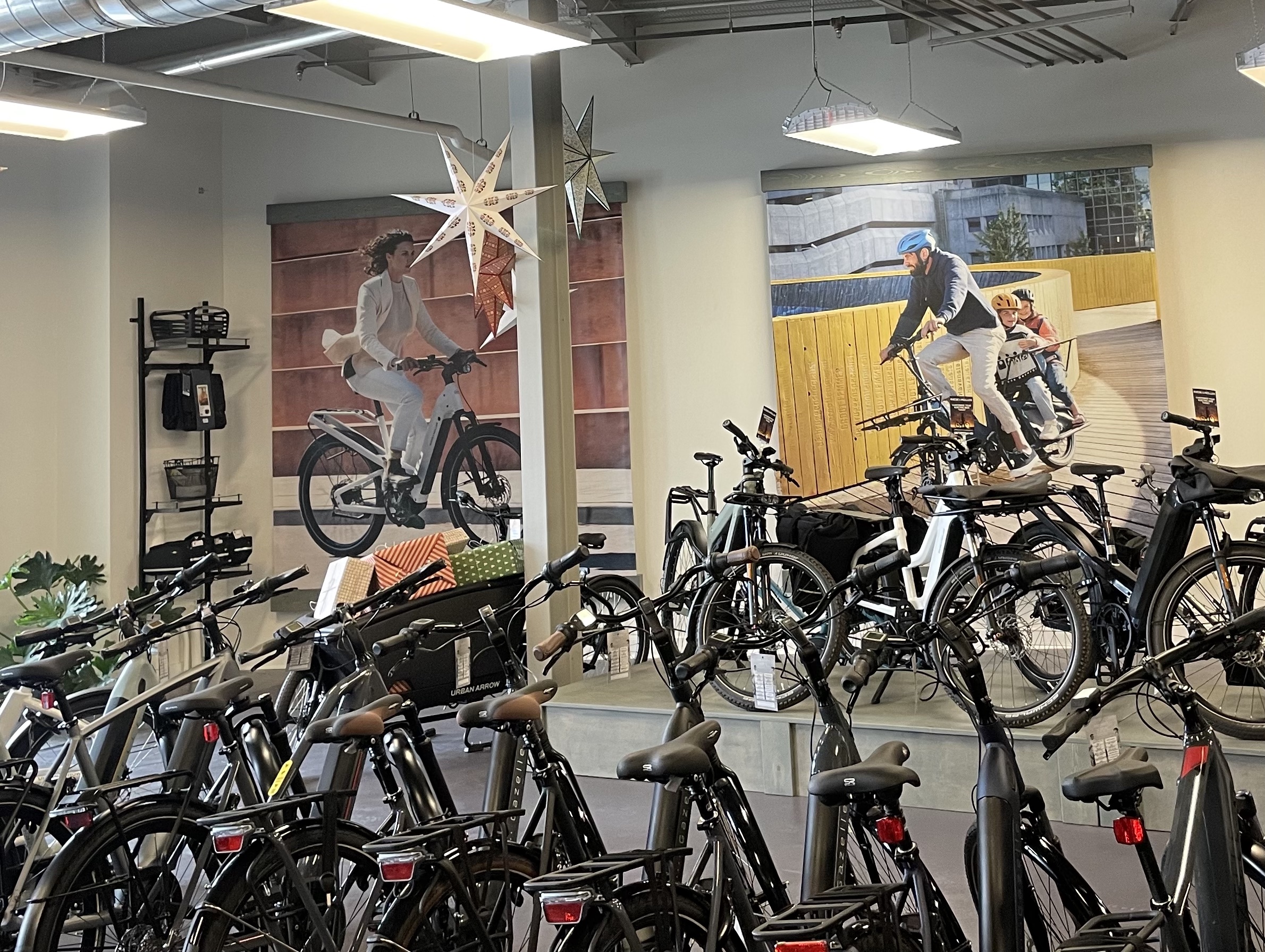
Many of the brands found in the Bingham Cyclery store will be on hand to provide product demonstrations and allow attendees to test ride bikes. Muc-Off will host bike cleaning and tubeless tire clinics, Stromer will lead a group e-bike ride, and Riese Müller, Gazelle, Urban Arrow, Giant, and Liv will have bikes available to try. Attendees are encouraged to bring their own helmets, and an ID and credit card are required for test rides.
There will be prizes and giveaways from many of Bingham Cyclery’s partners, including the National Bicycle Dealer’s Association and Hawley-Lambert Cycling, which awarded this event their Buy Where You Ride Retailer Event Fund, to aid in advertising and promotion.
Bingham Cyclery Park City is open daily 10am-6pm. The store sells electric bicycles and accessories and services bikes of all styles, makes, and models, both analog and electric.
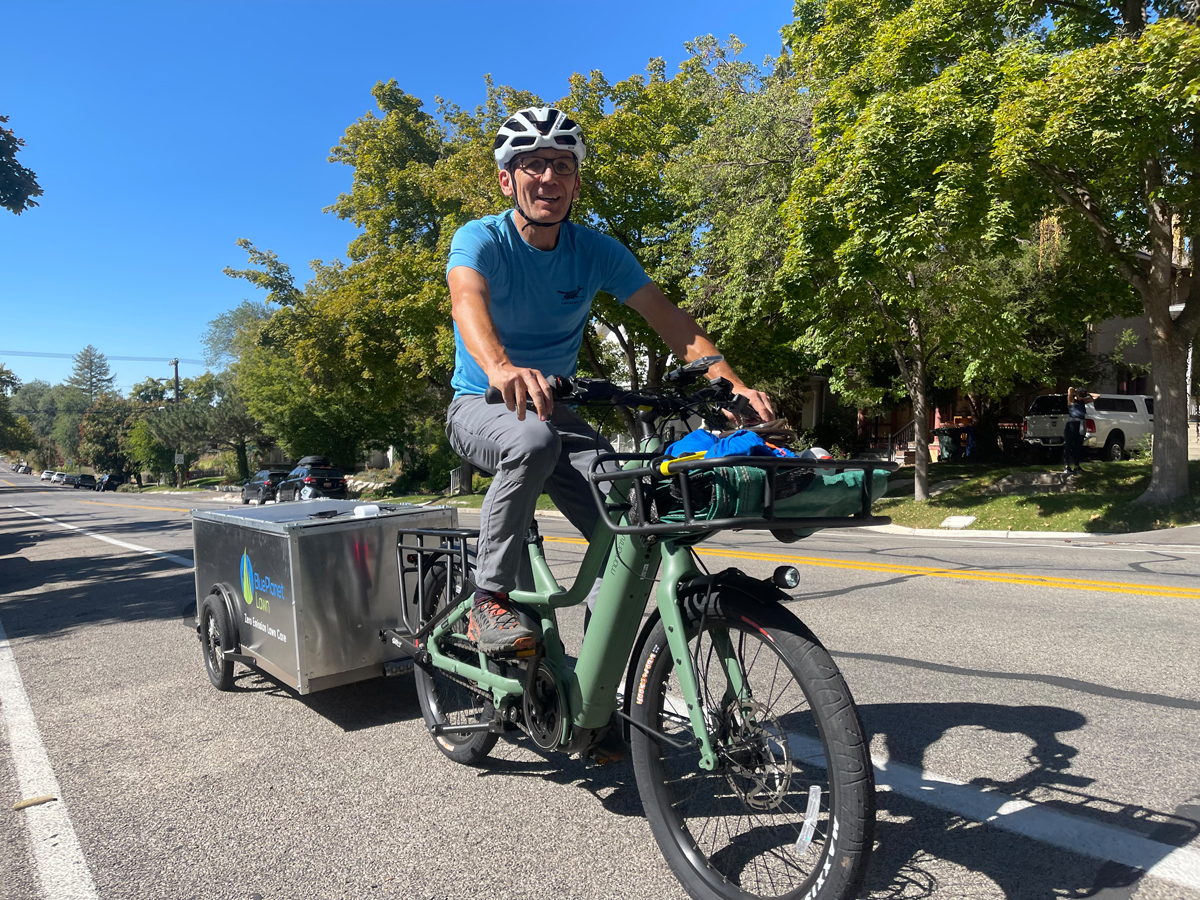
By Barry Makarewicz — Christoph Heinrich, a local and national level cyclist, is passionate about good health, our environment and cycling and has been able to combine these passions into a zero-emission lawn care service that uses only solar and renewable energy to care for residential and commercial lawns and yards in Salt Lake and southern Davis counties. His new company is called Blue Planet Lawn and relies entirely on electric equipment and transportation. No carbon emissions allowed! It was quite a sight when he came to cut my grass and pulled up on an E-bike pulling his trailer full of equipment.
Christoph Heinrich on his way to a yard care job via ebike. Photo by Dave Iltis
Christoph is originally from Zug, Switzerland and moved to the US in 2011 to expand his software company and settle his family in Salt Lake City. Once here in Utah he developed his passion for bike racing of every style imaginable and has become a serious force in gravel, mountain, road and especially cyclocross racing. He won the US National Championship in Cyclocross in 2018 in Reno, Nevada. Christoph still routinely crushes the field in all kinds of cycling events and is a member of the KUHL Cycling Team.
Christoph’s idea for a zero-emission lawn care business formed in 2020 when he became aware of the shocking amounts of pollution created by gas powered lawn mowing equipment. “I started Blue Planet Lawn with the goal to significantly reduce air pollution in the Salt Lake Valley. Traditional lawn care is a big contributor to the air pollution and being an entrepreneur, I decided that I can make the most impact by founding a company which is using right equipment to reduce air pollution,” said Christoph. For instance, lawn care maintenance causes 5% of air pollution in the US and even more in areas like the Salt Lake valley. Using a gas-powered trimmer or leaf blower for one hour is equivalent to driving a car 1,000 miles.
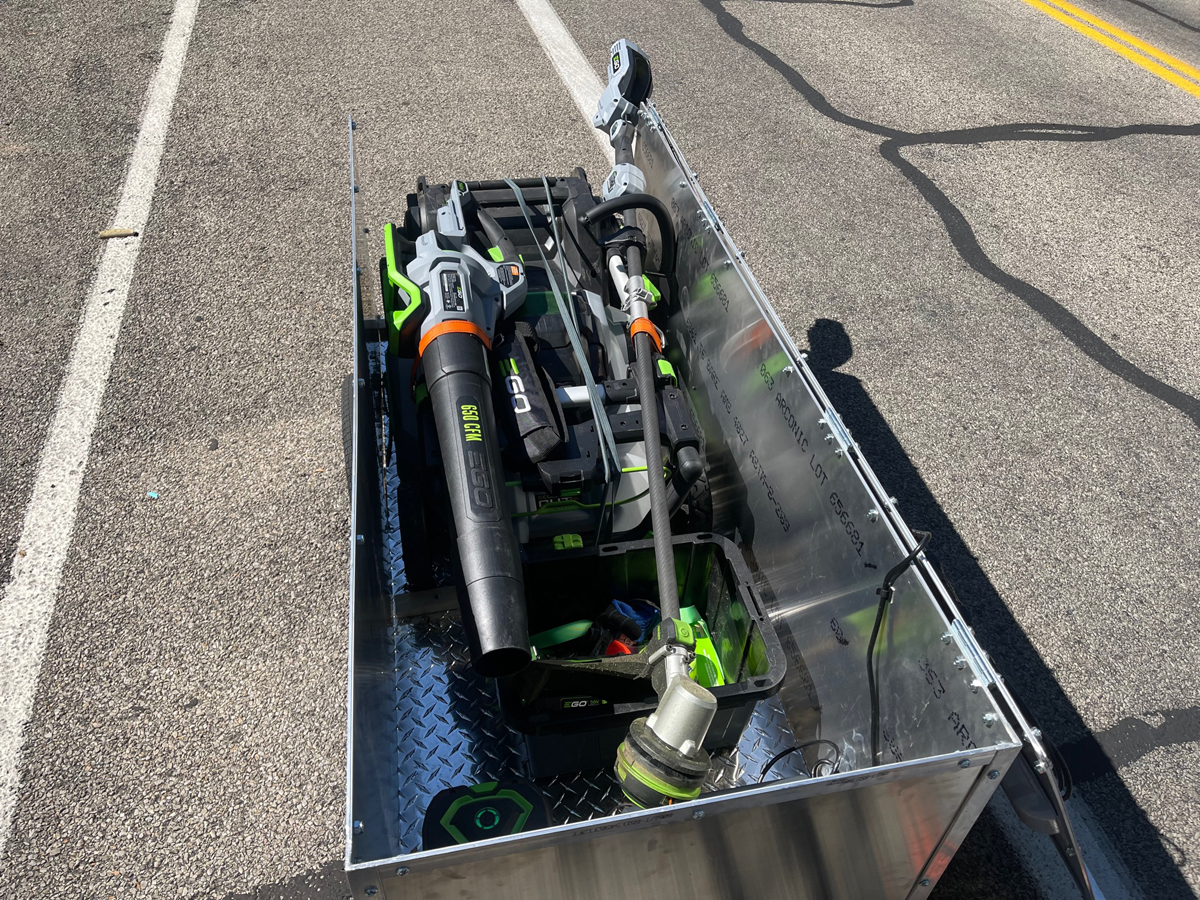
Blue Planet Lawn Care runs on battery powered tools that are solar charged. Photo by Dave Iltis
Gas powered lawn care machines; especially two-stroke engines are responsible for an outsized amount of air pollution, ground-level ozone, and smog. This contributes to and exacerbates existing health problems, discourages people from exercising, and keeps kids inside for recess. Noise pollution created by these machines is another big problem that is a normal and accepted part of daily life. Christoph concluded that there must be a better way to do this.
“Our impact is mostly in criteria pollutants which cause the bad air in the Salt Lake Valley, such as hydrocarbons, carbon monoxide, nitrogen dioxide, particulate matter which in combination with sunlight create ground-level ozone. This is where we make the biggest difference. CO2-savings are not significant.
“To illustrate how much we reduce air pollution, I like the following comparison: 1 hour of running a two-stroke powered tool, such as leaf blower or trimmer, emits the same amount of pollution like driving a car for about 1,000 miles! So, for every crew we have working, we save at least 30,000-40,000 miles of driving. And that is right here, in our neighborhood!”
Noisy and polluting gas-powered lawn machines are ubiquitous in our urban environment and after seeing and hearing them as a daily reminder of their damaging effect on our air quality, Christoph launched Blue Planet Lawn, the first of its kind zero emission lawn care service, in the summer of 2022. Every aspect of this service is solar or rechargeable battery powered. When practical for jobs in the Salt Lake valley, he uses an E-bike to pull a small trailer with a built in 100-watt solar panel and lithium battery to carry the battery powered mower, trimmer, and blower.
Christoph is committed to renewable energy for environmental and health reasons and believes that in the near future gas powered lawn care machines will mostly be replaced by battery-powered equipment. The recently installed solar panels on his Salt Lake City home recharge the batteries for all Blue Planet Lawnthe lawn equipment. He added, “I am a fan of solar power, which makes a lot of sense especially here in sunny Utah. We have a 13kWh solar system on our house which generates enough energy to power the house and two electric cars.” His new electric car pulls a larger solar trailer for bigger and more distant jobs.
The business is doing well, and gives Christoph a workout, “On inclines over 10%, I need to pedal very hard to get the trailer up the hill. With only seven gears available, it is a good low-cadence power workout!”
He typically rides 15-20 miles a day, seeing 4-6 clients. Over the week, it’s about 10-15 on the e-bike, and the rest with the electric vehicle and larger 350W solar trailer.
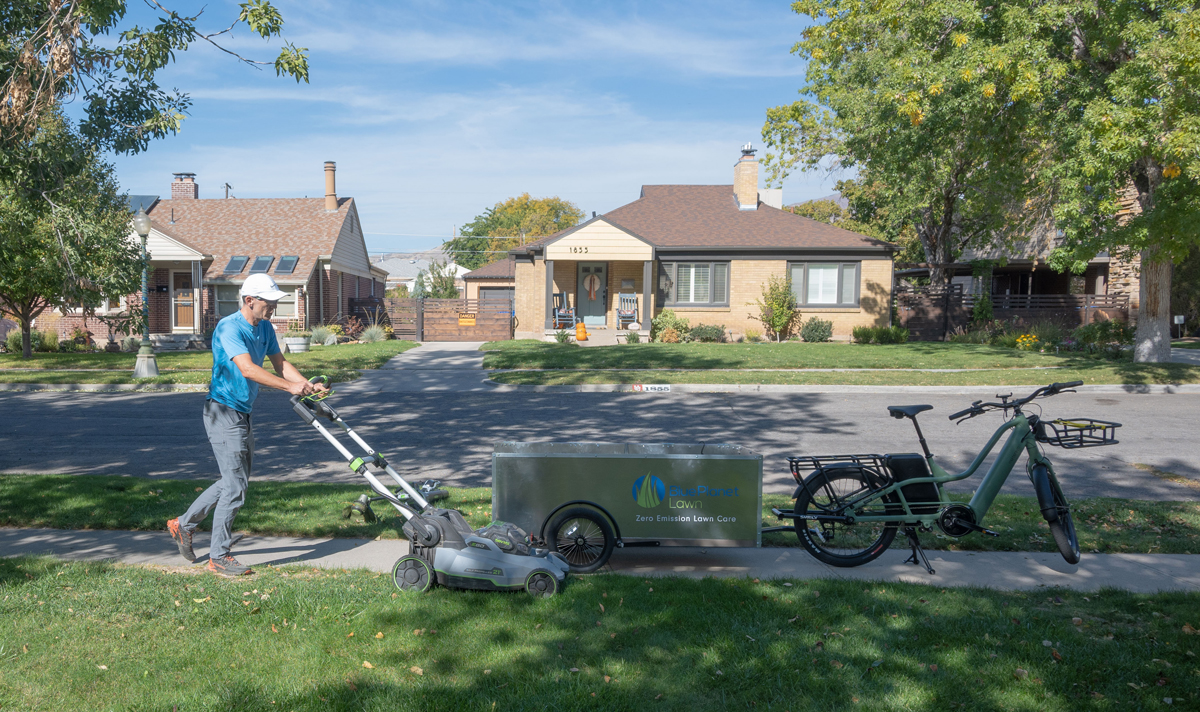
Christoph Heinrich’s Blue Planet Lawncare is zero emissions. Photo by Barry Makarewicz
Customers can choose how they want the grass clippings dealt with. 80% of the lawn clipping are finely chopped and mulched into the lawn by the twin blade battery powered mower. This grass mulching adds to the organic material of the lawn and helps reduce the need for water by the grass. The rest are collected and sent to a green waste recycling facility. Leaf mulching or hand raking is another service provided by Blue Planet Lawn in the fall months. Pricing for these services is similar or slightly lower than other companies due to no fuel costs and less equipment maintenance.
The next time you go past a lawn care crew using noisy, high polluting machines, think of Christoph Heinrich and his quiet, zero emission lawn care service: Blue Planet Lawn. He is ready to expand in 2023, “We are planning to grow the company organically here in the Salt Lake Valley where many people share my concerns about air quality. This summer, we’re also evaluating a micro-franchise model and are looking for youth interested in owning their own business. We’ll equip them with all the gear (including the e-bike) for them to be able to get started.”
A guy riding an E-bike could take care of your yard, pulling a solar powered trailer with zero emissions and very little noise.
Christoph would like to encourage people to make the switch to zero emissions lawn care. He is ready to expand Blue Planet Lawn in 2023. For more information and to request a quote, visit at blueplanetlawn.com.
Details:
Brand and Model of Bike:
Momentum PakYak E+ with a 250W Motor and 500Wh battery, Range 35 – 60 miles
Info on the trailer:
Surly Bill Trailer, long bed with 300lbs capacity
Design and how it was built: Custom built aluminum box with solar panel and power station
Carrying Capacity: 300 lbs. max
Solar panel/charging capability: 100W Solar Panel and 540Wh power station and battery charger. Each tool has its own battery ranging from 220Wh to 560Wh.
By Shannon Boffeli — Visiting the famed Inca fortress city of Machu Picchu in southern Peru is a bucket-list dream for most adventurers but few imagine the experience as part of 5-day mountain bike stage race. The Machu Picchu Epic makes this dream a reality. Following five days of racing throughout Peru’s Sacred Valley region racers finish their Peru journey with a day-long tour of the ancient Incan citadel of Machu Picchu.
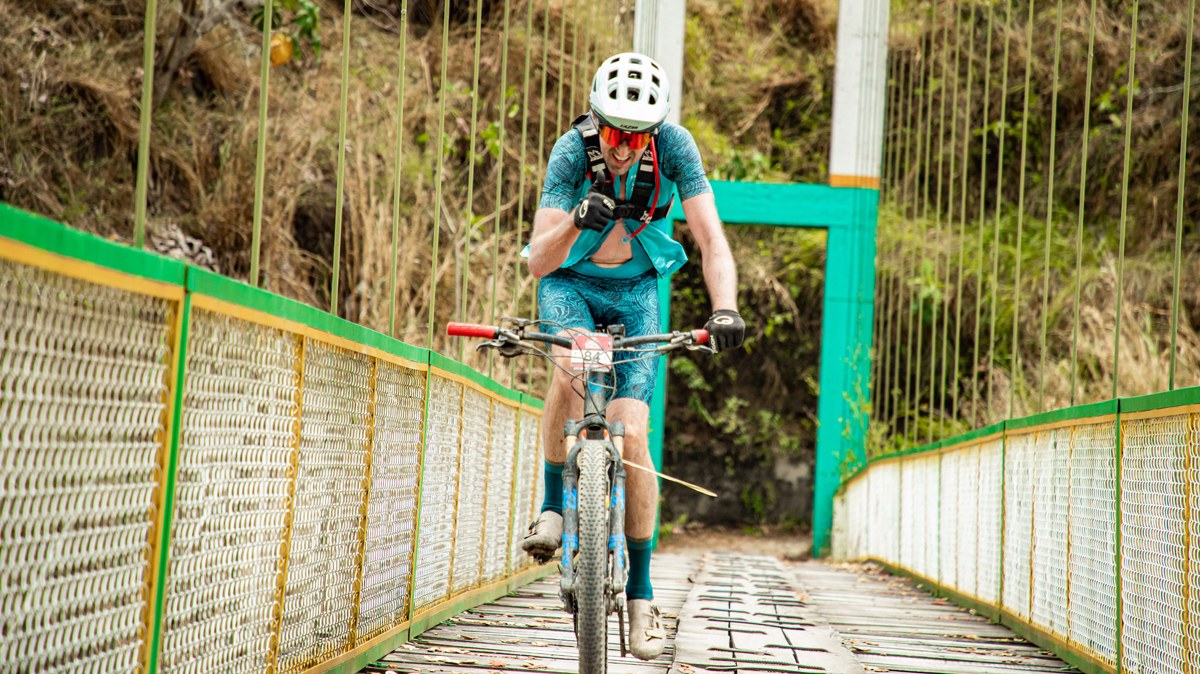
Shannon Boffeli crosses one of many suspension bridges on the Urubamba river on stage 5. Photo by Michael Estanga, Machu Picchu EpicThe start of stage 3 of the 2022 Machu Picchu Epic. Photo by Shannon Boffeli
Race director Alexandra Whilar started the Machu Picchu Epic in 2021 with the goal of combining competition on breath-taking racecourses with a first-class tourist experience showcasing handpicked overnight locations allowing riders to experience Peru on a more raw and intimate basis.
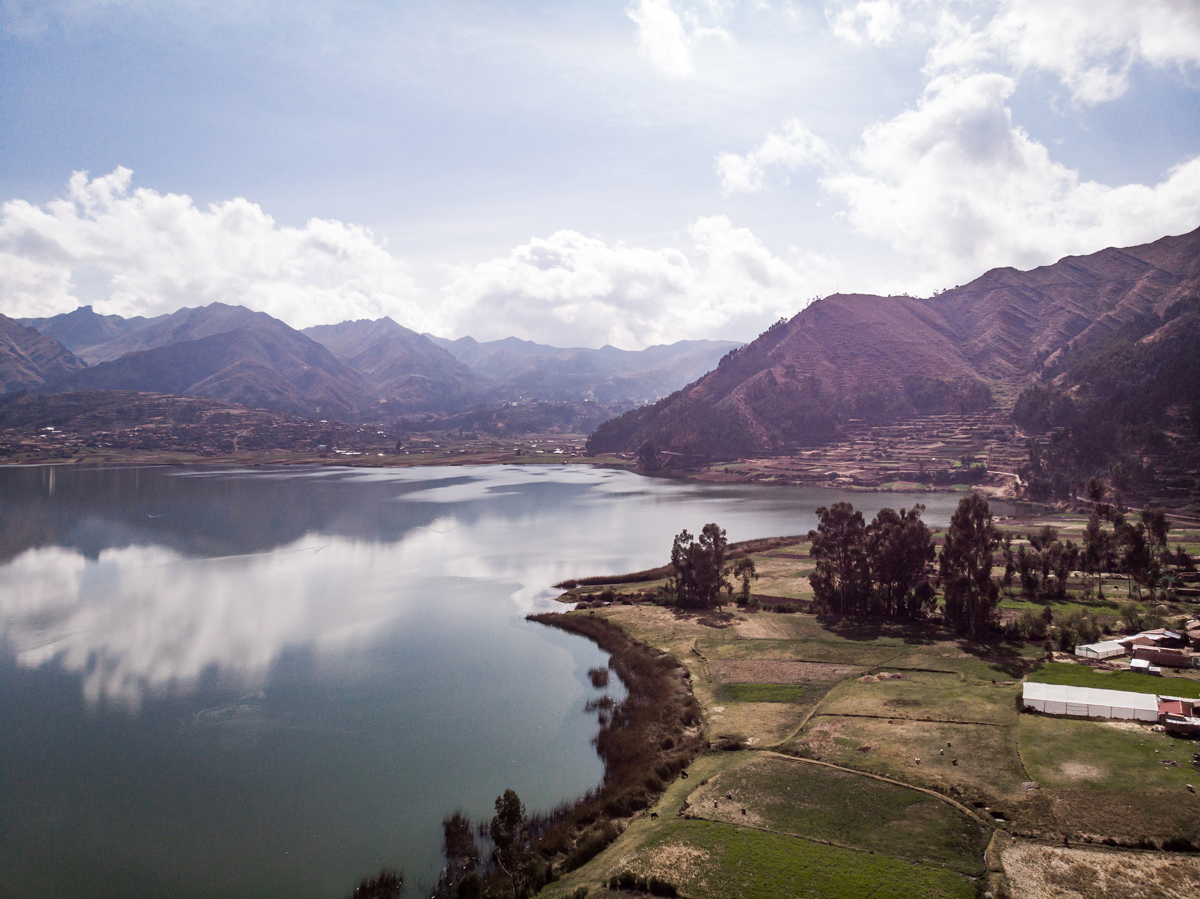
The brave riders of the Machu Picchu Epic will be challenged by 5 days of racing starting in the historic Inca capital of Cusco. Tucked high in the Andes mountains, Cusco boasts an elevation of 11,152 vertical feet, just over 1,000 feet higher than the oxygen-deprived city of Leadville, Colorado.
It’s from this dizzying height that riders will strike out for 169 miles of racing over five days with a total of 20,072 feet of climbing thrown in.
In its first year, top riders finished each stage in around 2-3 hours leaving most competitors ample time to experience the uniquely historic finish cities and world-renowned Peruvian cuisine.
While following the Route of the Gods, riders will experience the wonders of Peru’s ancient culture starting with the first overnight in Pisac, center of the Sacred Valley, Pisac features majestic Incan ruins including some of its famed Incan interlocking stone walls.
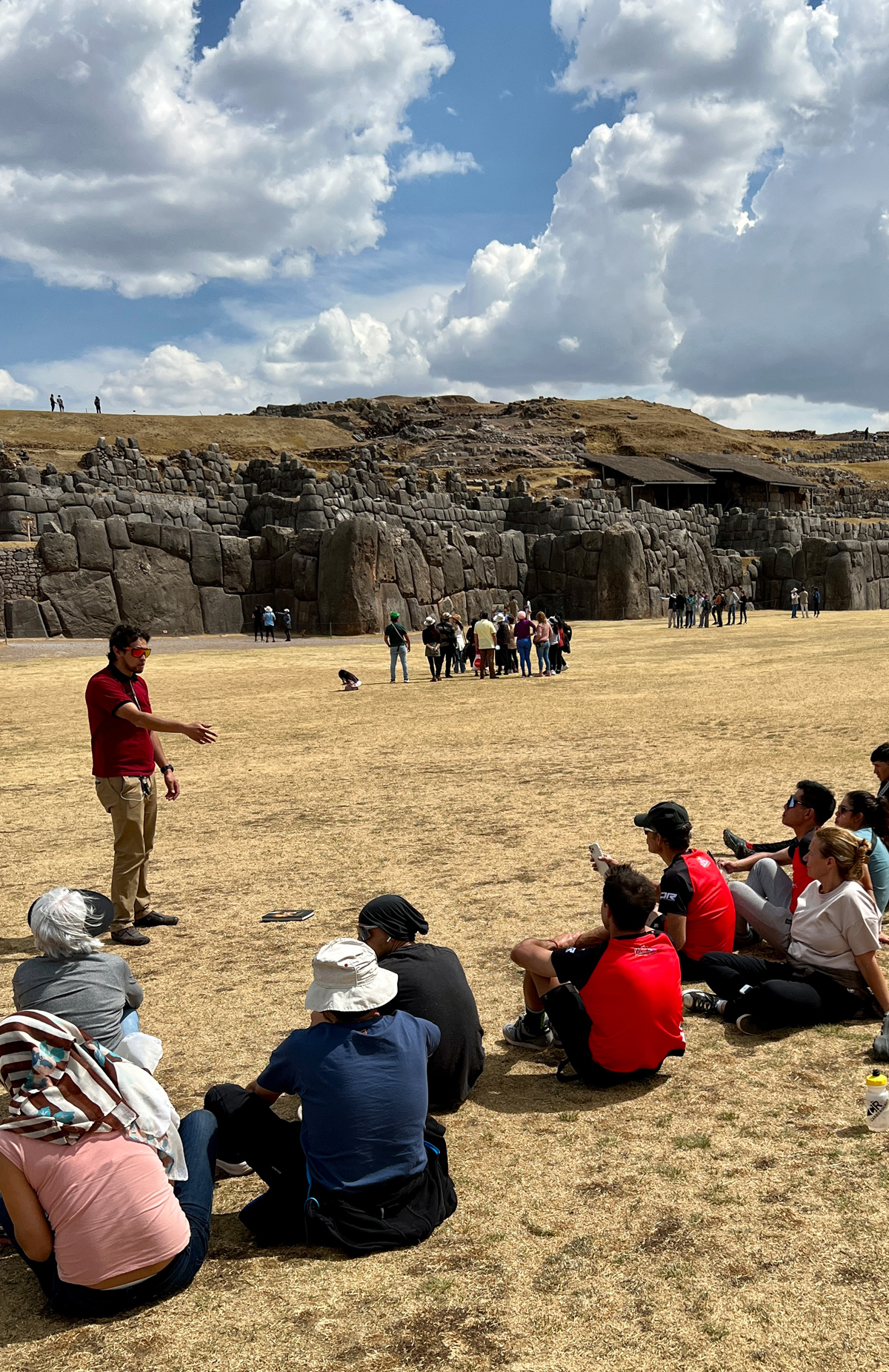
Other overnights include the fortress of Saqsaywaman, site of one the most famous battles between the Inca and Francisco Pizarro’s conquistadors in 1536. The ancient city of Ollantaytambo, with its winding, cobblestone streets and babbling irrigation canals, Ollantaytambo has been continuously inhabited since the 13th Century.
Riders will then dip into the Amazon jungle at Abra Malaga before finishing at the back door of Machu Picchu in Santa Teresa where the Cocalmayo hot springs await to heal the bodies of the riders strong enough to reach the finish line.
Day six of the Machu Picchu Epic includes a guided tour of the legendary citadel of Machu Picchu, considered one of the new seven wonders of the world.
Part bike race and part curated tour of one of the most unique and historic locations on the planet the Machu Picchu Epic provides an endless abundance of experiences guaranteed to give racers a once-in-a-lifetime experience.
Racers can compete as individuals or as a team in completing the 169-mile journey through the Peruvian Andes. Accommodation packages available through the race include lodging, transportation, and breakfast/lunch each day. Riders are encouraged to visit one of the many local restaurants for dinner each night to further their experience of local Peruvian culture and cuisine. Packages are available with or without the unofficial sixth stage tour of Machu Picchu but it’s highly recommended as a pinnacle to the Machu Picchu Epic experience.
The Machu Picchu Epic runs from September 14-18, 2023, with a guided tour of Machu Picchu to follow.
By Shannon Boffeli — I always tell people the best part of doing a stage race is spending a week not thinking about anything except riding your bike. It’s a truly freeing experience but such singular focus can sometimes lead to that FOMO feeling that you traveled halfway around the world and missed out on all the cultural experiences on hand.
This is where the Machu Picchu Epic positively shines. Having competed in mountain stage races across the globe, I can say without a doubt that Machu Picchu Epic is one-of-a-kind. In a completely unique format for stage racing, riders are challenged with 3-4 hours of racing each day followed by lunch and a tour of the local historic sites including: the ruins of Pisac with its endless terraces, the Jenga-stacked Inca walls of Saqsaywaman, the fortress at Ollantaytambo, and finally the world-renowned Inca citadel of Machu Picchu.
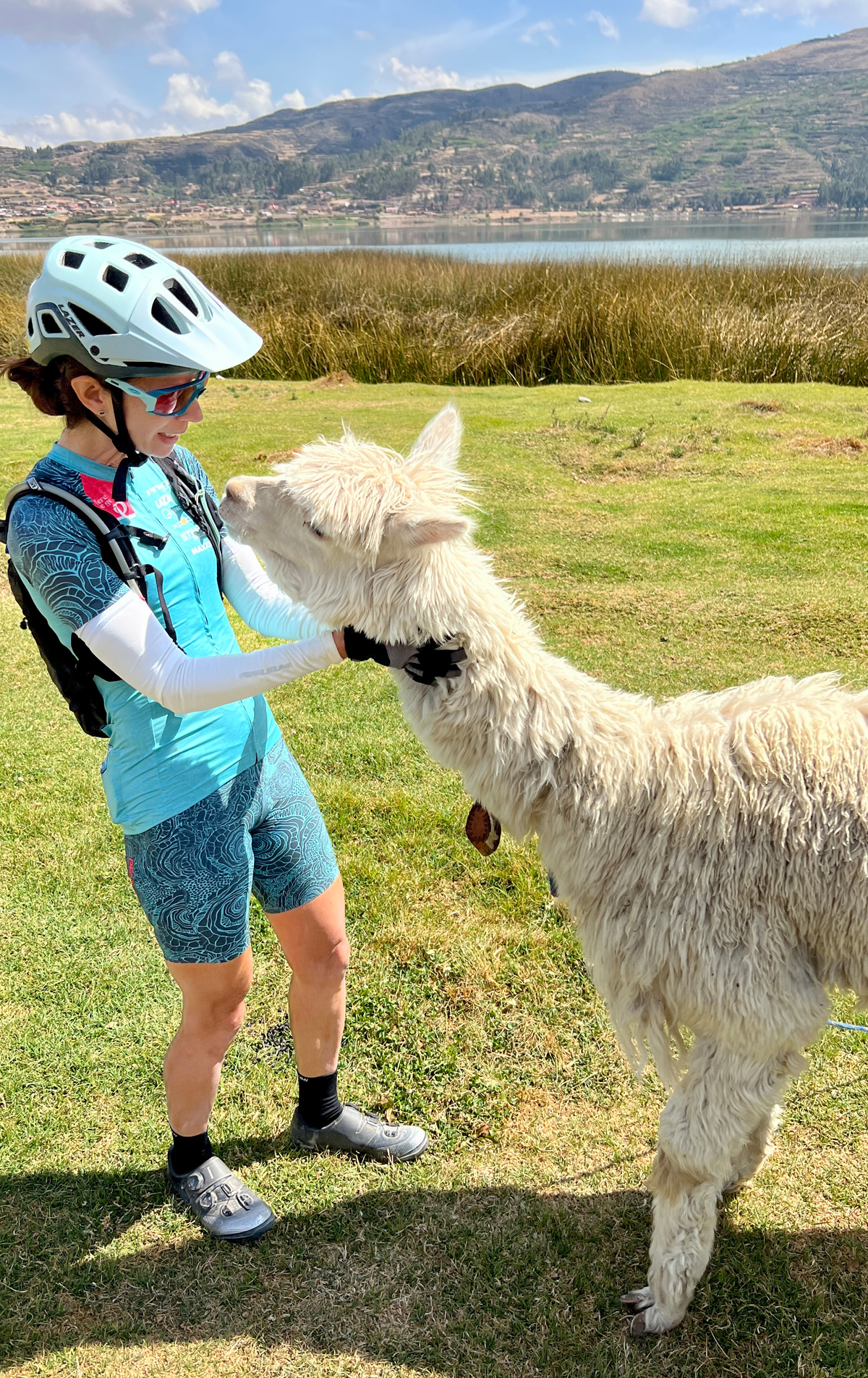
Jen Hanks making new friends before stage 3 of the Machu Picchu Epic. Photo by Shannon Boffeli
Race director Alessandra Whilar and event organizer Daniel Roura go to great lengths to ensure that riders experience all the excitement of bike racing, and the endless cultural experiences Peru has to offer including a trip to one of the seven wonders of the modern world: Machu Picchu. Their love and excitement of their country is infectious.
Anyone taking on the Machu Picchu Epic needs to pack a healthy desire for adventure and their climbing legs as each stage packs in ample climbing, all done at elevation. The race starts in the metropolitan center of Cusco at a lung-bursting 11,152 feet above sea level and most stages go up from there. The Epic is the ultimate challenge and an experience of a lifetime all wrapped into one.
And for a final bonus, after finishing the race riders are treated to a guided tour of the world-famous Inca citadel of Machu Picchu, a once-in-a-lifetime experience that truly cannot be duplicated.
Our Experience
My wife, Jen Hanks, and I took on the challenge of the Machu Picchu Epic together. Unlike many of the other stage races we have done this second-year event did not feature a duo category option, so we competed as individuals in Peru.
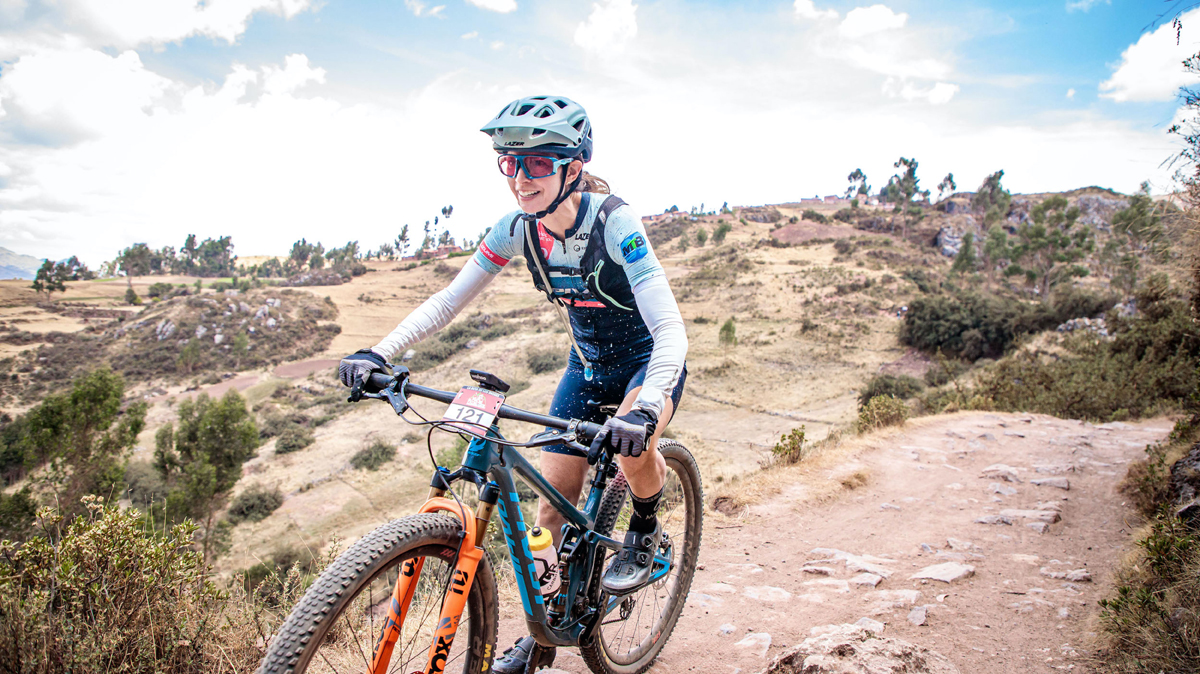
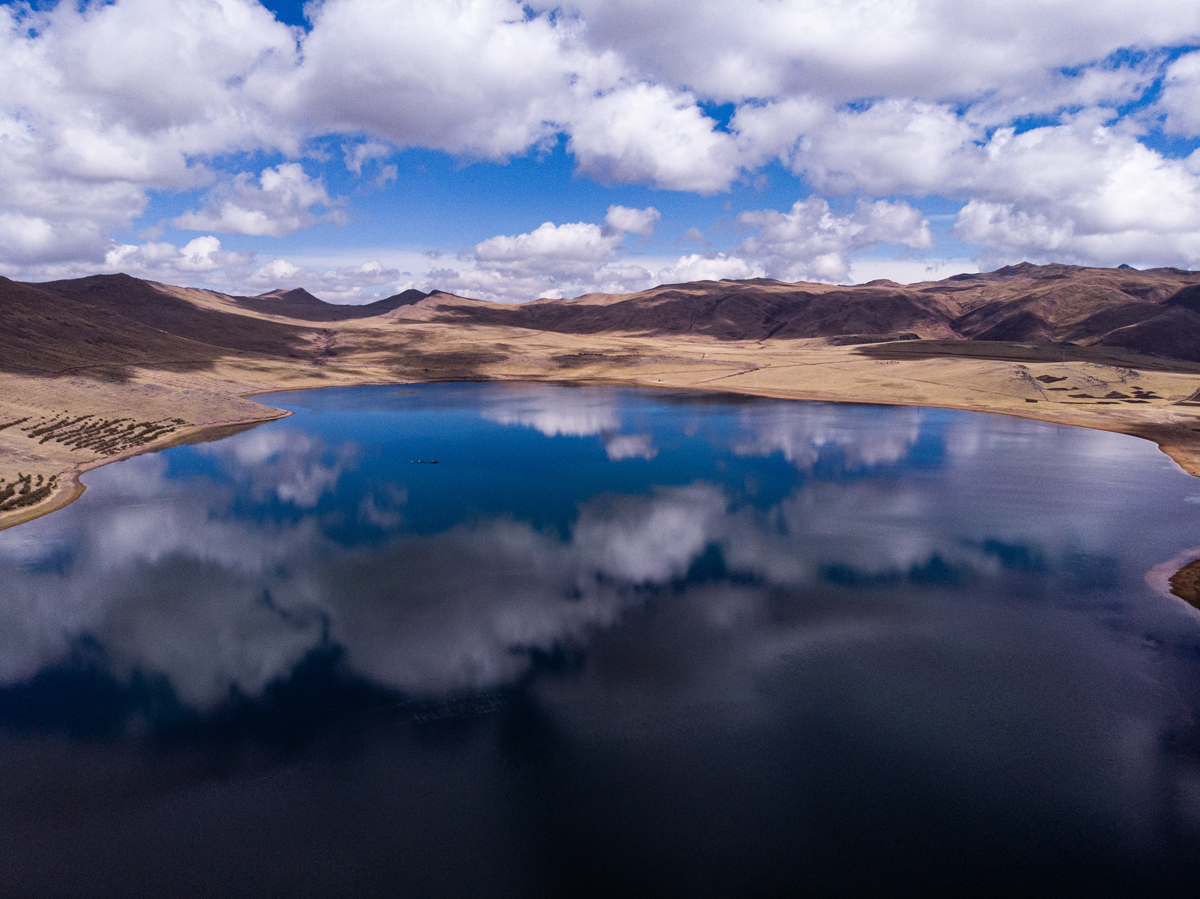
Stage 1 started with a two-part climb leading to the high-Andean lake of Quirqucha, well above tree line at almost 13,600 feet. For perspective, the Leadville 100 tops out at a mere 12,500 feet. The climbing was tough, and the local riders seemed unfazed by the elevation. Luckily, there was just enough singletrack descending to give us a chance to close some of the gaps.
After traversing along the lake, we attacked the days descent bombing down endless miles of trail and two-track while dodging alpaca, sheep, pigs, cows, dogs, and chickens while blasting through thatched-roofed villages that rarely see visitors let alone an army of Lycra-clad mountain bikers. We hit speeds well over 30 miles per hour on the steep mountain two-track before reaching the finish line in the Peru’s Sacred Valley.
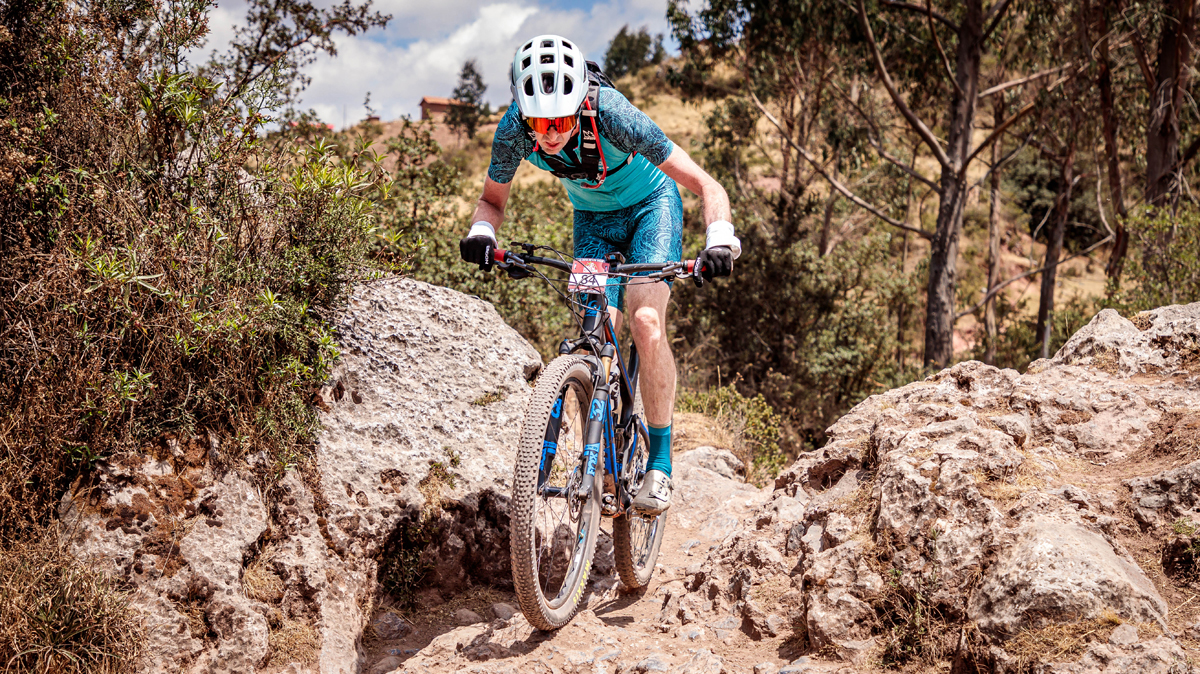
Stage 2 featured the highest percentage of singletrack in the race. Starting and finishing in the park of Saqsaywaman, an ancient Inca temple celebrating the god of lightning, the stage was appropriately quick and electric with relatively short climbs and fast descents on rutted, rock-strewn singletrack that presented a thrilling challenge for even the most experienced riders.
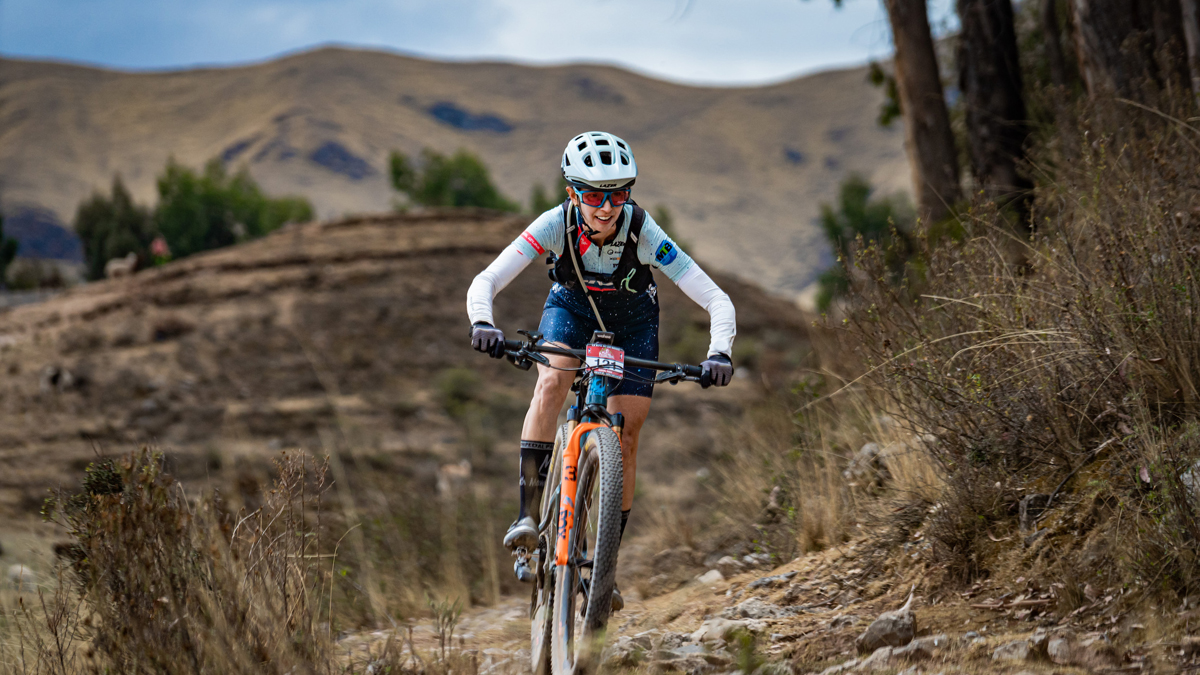
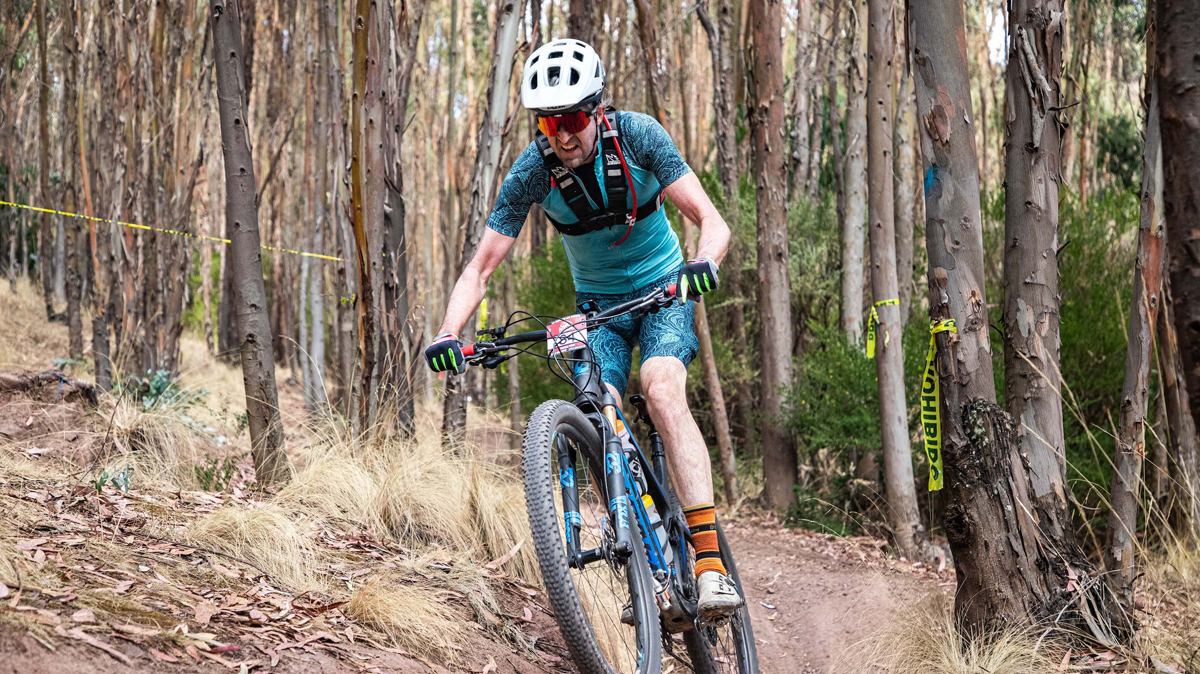
Day two was the shortest stage of the race at just under 18 miles, which, of course, meant we all rode that much faster. The singletrack was rugged and challenging. “Trail” in Peru means ancient paths that villagers use to travel on foot or move sheep and alpaca. Not the manicured, mountain bike specific trail most U.S. riders are accustomed to. I enjoyed these less developed trails and the challenge of navigating through the rocks and crisscrossing trails to find the fastest line.
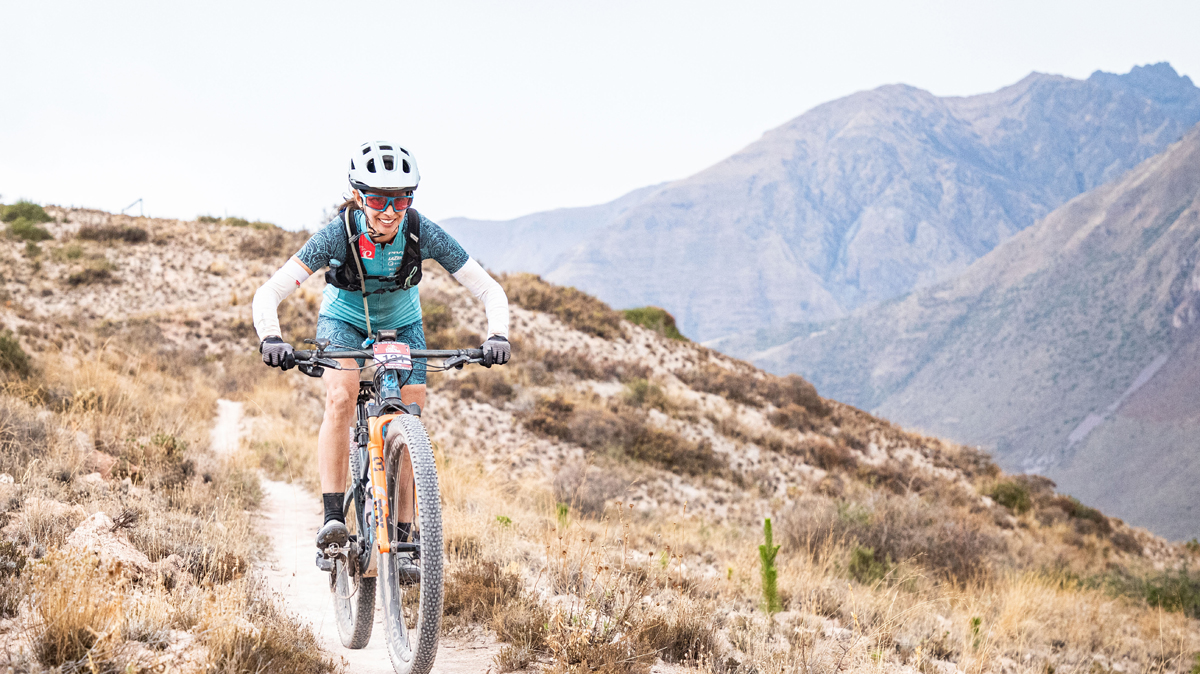
Jen Hanks descends into the Sacred Valley on stage 3. Photo by Michael Estanga, Machu Picchu Epic
Stage 3 begins the travel portion of the Machu Picchu Epic as riders take a shuttle out of Cusco to the shores of Laguna Puray. Riders make a quick loop around the lake before heading off on a cross country tour through rolling hills with stunning views of snowcapped peaks and screaming descents past the legendary sites of Moray and the 1,000-year-old salineras, before finishing in the picturesque village of Ollantaytambo. I would say stage 3 had the most exciting descents of the entire race; fast and open with well-established trails.
Shannon Boffeli weaves his way through the rocky singletrack on stage 2. Photo by Michael Estanga, Machu Picchu Epic
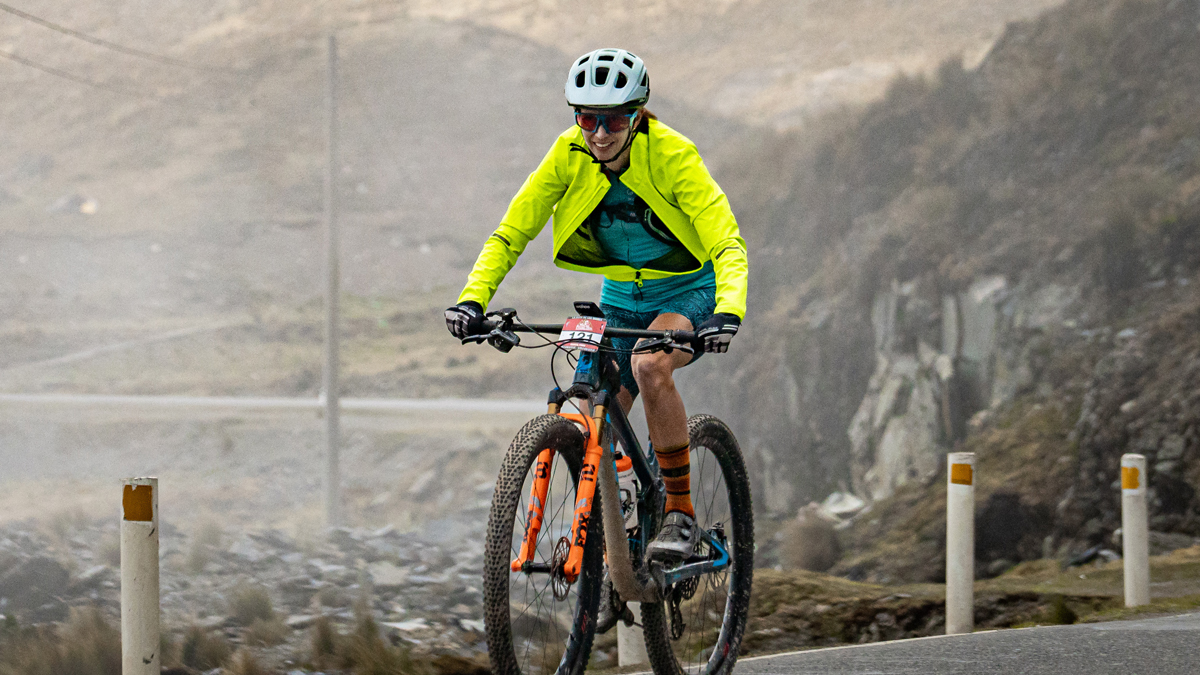
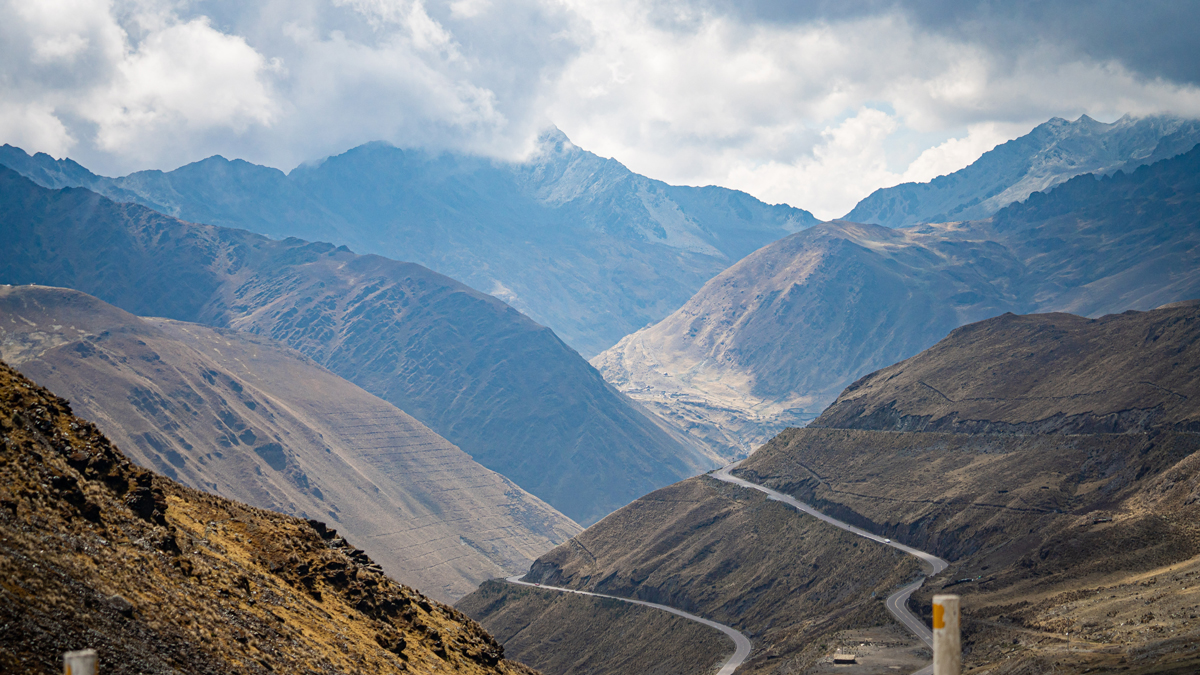
Stage 4 was the queen stage of the Machu Picchu Epic as riders tested themselves with 26 miles of climbing from the Sacred Valley to the top of Abra Malaga pass at over 14,300 feet. This was the ultimate test of physical and mental toughness riding higher and higher above the trees, past wind-whipped high-plains, and into the clouds before reaching the finish and retreating into the warming hut perched atop the pass for hot chocolate and cake. Many tears were shed at the finish line after long hours of grinding straight uphill with only Andean condors and high-mountain alpacas to keep us company. Stage 4 was more a personal accomplishment than a race. Riding a bike above 14,000 feet is not something most people will ever have an opportunity to do.
Stage 5 began in the urban center of Quillabamba located at the oxygen-rich elevation of just 3,400 feet. The day started on fast gravel roads following the Urubamba river before climbing the jungle mountain slopes of the Urubamba valley. This 30-mile stage packed in steep climbs on mountain roads and another fast two-track descent to the finish.
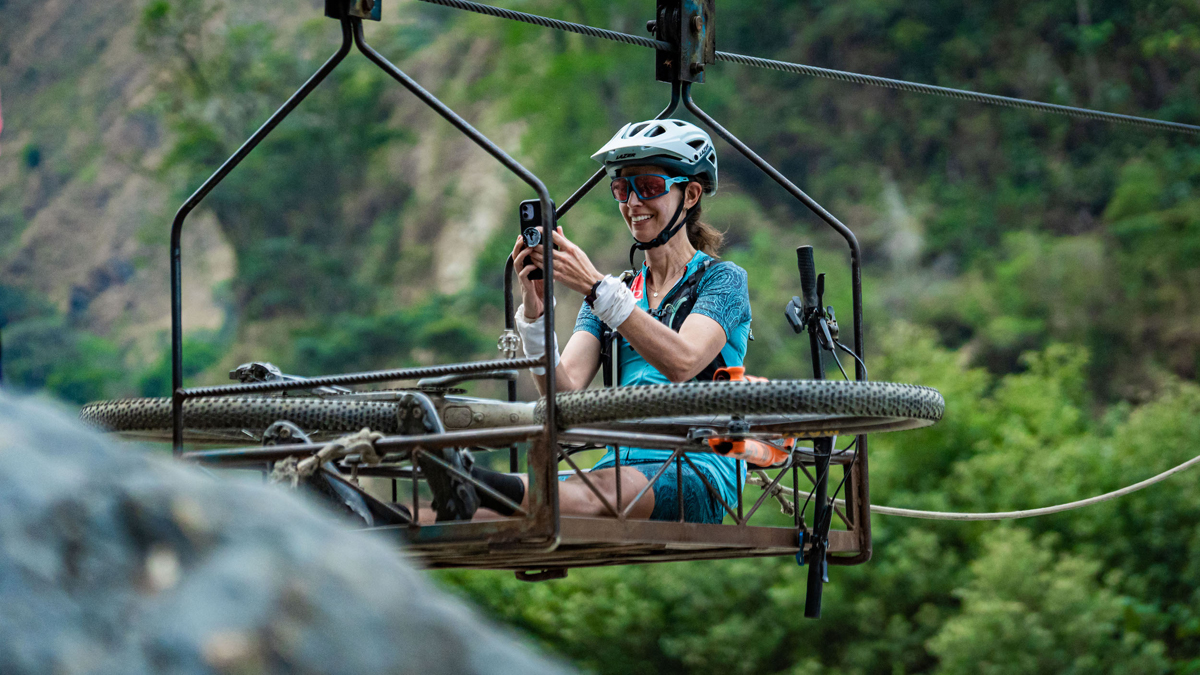
After the finish, each rider took their turn making the final river crossing by elevated cable cart to the hot springs of Cocalmayo for the finish line festivities.
After a final overnight we hopped a train for a quick ride to nearby Aguas Calientes and enjoyed our final tour of the incomparable Inca city of Machu Picchu.
The Machu Picchu Epic was an unmatched adventure that pushed us to our limits while still experiencing all the magic the Peruvian Andes have to offer. With an affordable entry, which included full lodging and tours, the Machu Picchu Epic is an inviting challenge for any adventure hungry mountain bike enthusiast.
Visit the Machu Picchu Epic website (https://moxie.pe/mpe/xcm/) to learn more about the race and how you can become a Machu Picchu Epic participant.
Race Notes:
Proceeds from the race help support the Todos X el Morro (TXM) mountain bike advocacy group. TXM builds and maintains a vast mountain bike trail network in the historic battle site national park of el Morro Solar, just south of Lima. TXM’s fifteen full time staff members and 600 volunteers have cleaned tons of trash from the park while building and maintaining the trail networks and providing security to create a safe and inviting riding experience. You can learn more about their incredible organization at todosxelmorro.pe
Peru is quietly becoming known as a foodie destination. With a year-round growing season, Peruvian restaurants have access to amazing fresh produce and locally sourced ingredients. We enjoyed outstanding dining options each night. A welcome treat after hard days in the saddle.
Shannon Boffeli is the managing editor for mtbracenews.com
Jen Hanks makes the final river crossing in cable cart. Photo by Michael Estanga, Machu Picchu EpicJen Hanks descends into the Sacred Valley on stage 3. Photo by Michael Estanga, Machu Picchu EpicJen Hanks descends to the finish on stage 2. Photo by Michael Estanga, Machu Picchu EpicJen Hanks during stage 4 of the 2022 Machu Picchu Epic. Photo by Michael Estanga, Machu Picchu EpicRiders pass by the high mountain Quirqucha Lake at over 13,000 feet. Photo courtesy Machu Picchu EpicRiders rest their legs while taking a guided tour of the Inca walls at Saqsaywaman following stage 2. Photo by Shannon BoffeliRiders climb the winding road 26 miles to Abra Malaga pass over 14,000 feet high. Photo by Michael Estanga, Machu Picchu EpicShannon Boffeli on stage 1. Photo by Michael Estanga, Machu Picchu Epic
ALBUQUERQUE, New Mexico (May 8, 2023) — The 2023 USA Cycling Collegiate Road National Championships saw student-athletes representing 36 states and 57 schools descend upon Albuquerque May 5-7, 2023. The group contested for titles in 14 events across three venues around the city in those three days.
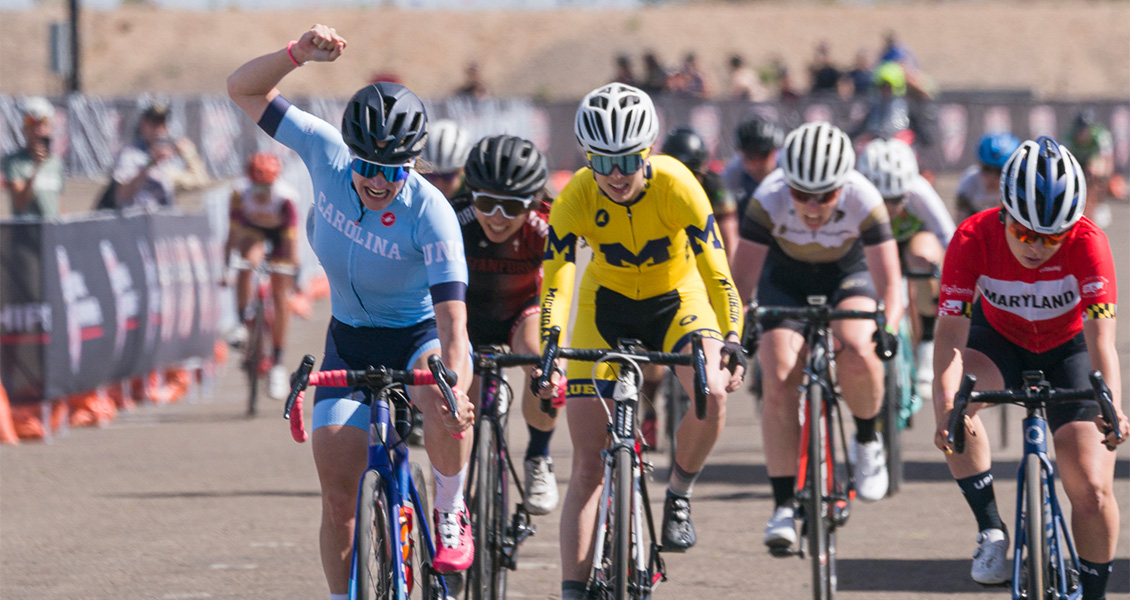
Kathryn Aman (UNC) wins the Collegiate Club Criterium Title at the USA Cycling Collegiate National Championships. Photo by Craig Huffman/Craig Huffman Photography
Team Time Trial
On Friday, teams of three or four riders would toe the start line to compete in the team time trial. The teams would compete on a technical 18.7-mile course with multiple turns and climbs, battling a substantial amount of wind while on the course. The Club Women were the first group to take on the challenging race. The University of Virginia set the time standard for the group, stopping the clock at 44:20.4. The US Air Force Academy and Stanford University were close behind. For the Varsity Women, Fort Lewis College was the team to beat with a time of 41:15.0. Colorado Mesa University and Milligan University placed second and third, respectively.
Defending champions in the Club Men, the University of Colorado – Boulder took home the title for a fourth time. The team for Boulder beat out their northern neighbors, Colorado State University, by just nine seconds. The Milligan University men’s squad took the top step of the podium in the Varsity Men, with their time of 35:31.8, the fastest time of the day. Marian University and Colorado Mesa University took the second and third steps of the podium, respectively.
Individual Time Trial
The day concluded with solo riders taking on a 14-mile time trial course. The winds had intensified since the morning’s team events, making for a challenging ride. Cecily Decker (Bozeman, Mont.; Montana State University) earned the stars-and-stripes for the Women, with her time of 32:31.3. Kathryn Aman (Hanover, N.H; University of North Carolina – Chapel Hill) earned the silver, and Isabella Rich (Scottsdale, Ariz.; Colorado Mesa University) rounded out the top-three for the women.
Jonas Walton (Martinez, Ga.; Belmont Abbey College) earned the gold in the men’s division, stopping the clock at 27:54.0. William Seitz (Birmingham, Ala.; Milligan University) was on the second step of the men’s podium, and Dusan Kalaba (Witchita Falls, Texas; Midwestern State University) earned bronze.
Road Race
Road Races were Saturday’s event, and the racers would contest a course in the east mountains of Albuquerque. All groups contested two laps of the 32.2-mile course, which featured a climb with a 13% grade, known to the locals as Heartbreak Hill. In each lap, participants would face almost 2,000 ft of elevation gain. The remainder of the course featured undulating hills, false flats, and tricky descent from Heartbreak Hill.
The first race on Saturday was the Club Women, where Decker would add another jersey to her collection, winning the event in under three hours. Aman would again place second to Decker, missing the win but just a few bike lengths. Aria Mundy (Boulder, Colo.; University of Colorado – Boulder) earned third. In the Varsity Women’s race, Megan Jastrab (Apple Valley, Calif.; Milligan University) successfully defended her title, pulling away from the group with 24 kilometers remaining and battling the headwind to finish. The pack tried to reel Jastrab back in and nearly accomplished their goal but ran out of road. Anna Christian (Boulder, Colo.; Savannah College of Art & Design – Atlanta) and Jette Aelken (GER; Savannah College of Art & Design – Savannah) burst out of the field in the final climb to the line and earned silver and bronze, respectively.
In the afternoon, the men had their chance to tackle the course. First was the Club Men, where Owen Cole (Chapel Hill, N.C.; University of North Carolina – Chapel Hill) and Tayne Andrade (Albuquerque, N.M.; Colorado State University) pulled away from the peloton in the second lap as part of a group of five. The two attacked on the final climb to the finish. Ultimately, Cole made it to the finish first, with Andrade close behind. Gavin Blair (Greenbelt, Md.; University of Maryland – College Park) rounded out the top three. Kellen Caldwell (Milford, Mich.; Fort Lewis College) soloed his way to victory in the Varsity Men with a move late in the race. Ian Anderson (San Antonio, Texas; Colorado Mesa University) placed second, and Patton Sims (Sterlington, La.; Belmont Abbey College) placed third.
Criterium
Sunday’s event, the criterium, was all about the athletes’ speed and cornering ability on the event’s final day. The 1.1-mile six-corner course was at the Balloon Fiesta Park on the northwest side of Albuquerque. Women raced for 70 minutes, with the Club division starting at 9 a.m. and the Varsity division at 10:30 a.m. For the men, champions were decided after 80 minutes of racing, with the Club division taking place at 12:15 p.m., followed by the Varsity division. Each race had four points sprints throughout their duration.
Aman showed her all-around talent and won the close field sprint for the Club Women’s event, earning her first stars-and-stripes jersey of the event. Katherine Sarkisov (North Potomac, Md.; University of Maryland – College Park) and Sarah Duclos (Howell, Mich.; University of Michigan – Ann Arbor) were centimeters away from Aman and took second and third. Jastrab extended her dominance in the Varsity Women’s event, picking up top points in each of the four points sprints throughout the event. She then battled with Ava Hachmann (Durango, Colo.; Fort Lewis College) in the final laps to the line, coming out on top. Hachmann finished with the silver. Olivia Cummins (Fort Collins, Colo.; Colorado Mesa University) earned third, winning the field sprint.
The Club Men’s event was not to miss, as the teams from Colorado showed how teamwork works. For each of the four sprints, riders from Colorado State University and the University of Colorado – Boulder would work to control the pack and set up their designated rider to take the top spot, with each sprint a battle to the line. Ultimately, Colorado State University rider Nicholas Carter (Minneapolis) took the top spot. Nikos Castro (Tucson, Ariz.; University of Arizona) earned second, and after taking three of four sprints, Andrade took third. In the final event of the championships, the Varsity Men showcased a battle royale. Bronze medalist in the Individual Time Trial, Kalaba, earned the top spot by pulling away from the field in the last half lap. Walton was in pursuit but couldn’t catch Kalaba and earned the silver. Lance Abshire (Baton Rouge, La.; Colorado Mesa University) earned third.
Individual Omnium
The Individual Omnium at Collegiate Road Nationals is calculated using a point system where the better the placing, the more points you receive, and four points sprints during the criterium. Athletes must do both the road race and the criterium to be included in the omnium standings.
Club Women
Kathryn Aman (Hanover, N.H; University of North Carolina – Chapel Hill) – 176 points
Sarah Duclos (Howell, Mich.; University of Michigan – Ann Arbor) – 137 points
Katherine Sarkisov (North Potomac, Md.; University of Maryland – College Park) – 134 points
Varsity Women
Megan Jastrab (Apple Valley, Calif.; Milligan University) – 188 points
Anna Christian (Boulder, Colo.; Savannah College of Art & Design – Atlanta) – 135 points
Club Men
Tayne Andrade (Albuquerque, N.M.; Colorado State University) – 164 points
Gavin Blair (Greenbelt, Md.; University of Maryland – College Park) – 100 points
Cole Tamburri (Boulder, Colo.; University of Colorado – Boulder) – 100 points
Varsity Men
Dusan Kalaba (Witchita Falls, Texas; Midwestern State University) – 149 points
Ian Anderson (San Antonio, Texas; Colorado Mesa University) – 141 points
Jonas Walton (Martinez, Ga.; Belmont Abbey College) – 110 points
Team Omnium
The team omnium is possibly the most sought-after award of the championship, with teams strategically placing riders to ensure the max points are accrued in each event.
By Dean Lang — The Katy trail is a 237 mile bike/ped trail in Missouri. On the east side, the trail starts in a place called Machens, MO which is located a few miles from the Illinois border, about 20 miles northwest of St. Louis. The west end of the trail finishes in a parking lot near the town of Clinton, MO that is about 75 miles northeast of Kansas City. The Katy passes through, or near, about 30 delightful small communities and a few larger ones, mostly following the Missouri River. Our group started near my cousin’s home at Black Walnut, just a few miles from Machens.
For years I had heard about the Katy Trail from friends in the cycling community and extended family. Even though I have no memories of living there, I was born in St. Charles, Missouri, pretty close to where the east side of the Katy starts and where the majority of my family still reside. I decided it was time to ride the Katy, so my wife Janet and I were joined by our good friends Eve & Don Hales on our travel trailer supported adventure.
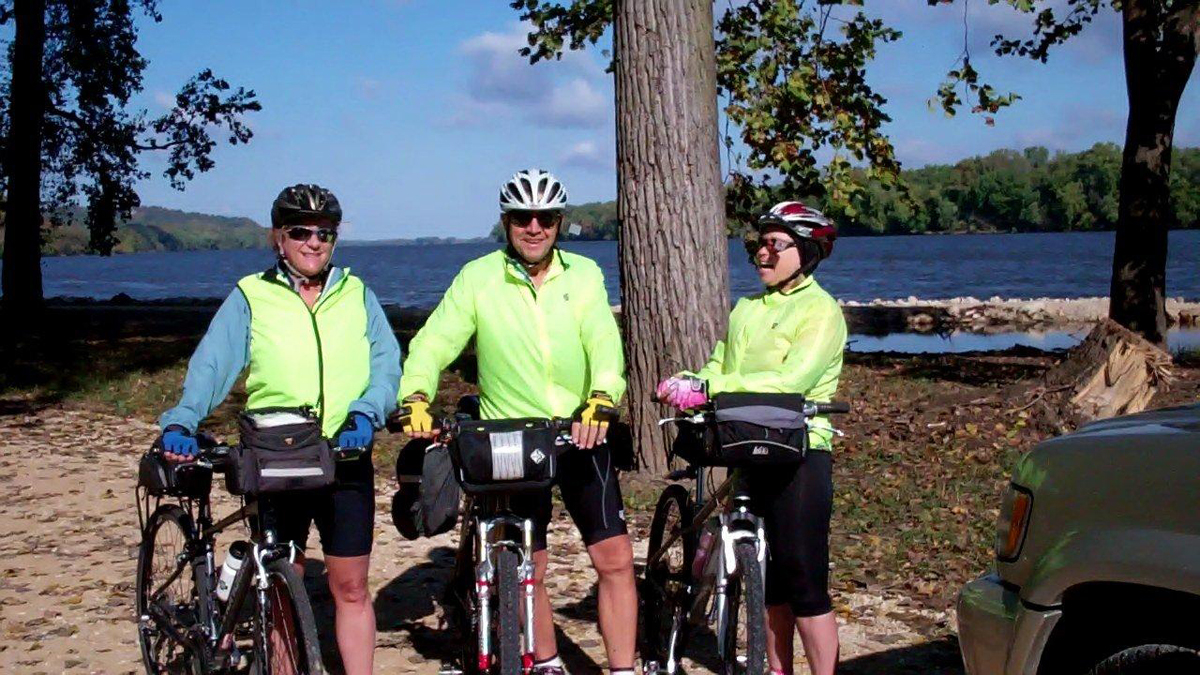
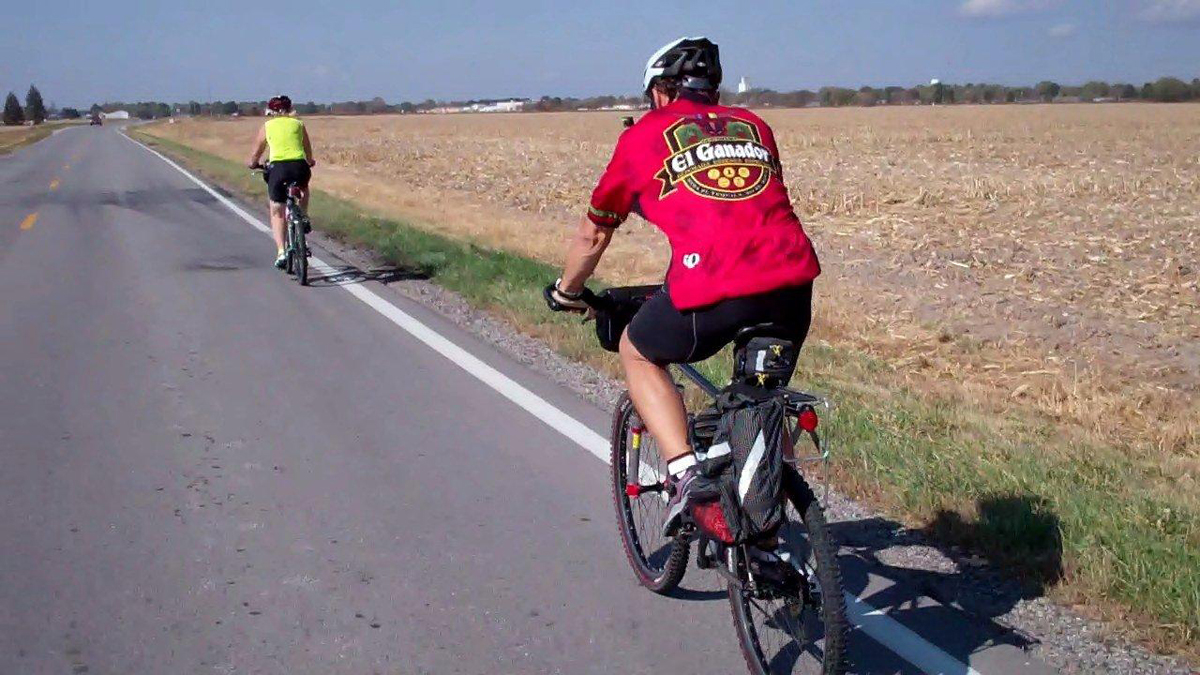
Heading out for another day, along the Mississippi just south of Louisiana, MO. Janet Lang, Don and Eve Hales.
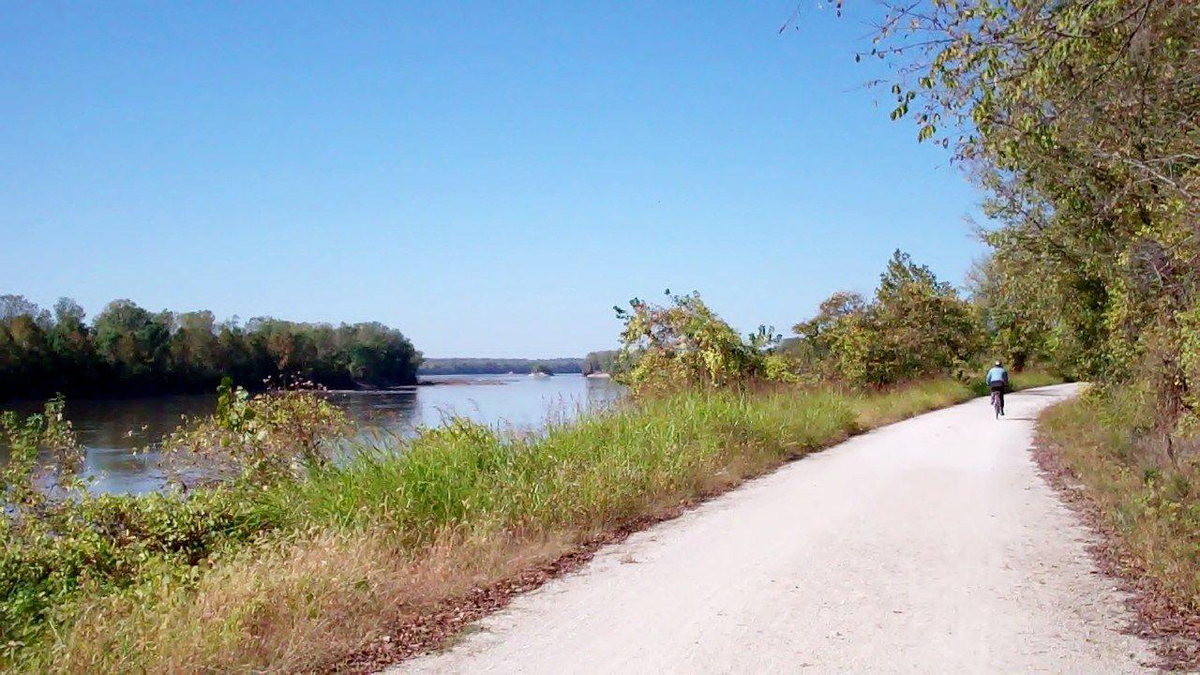
Before cycling the Katy, we decided to combine other cycling and personal interests, including visiting our Alma mater, Western Illinois University. We camped in nearby Nauvoo, Ill. at a state park, and enjoyed cycling along the banks of the Mississippi. After Nauvoo, Eve and Don attended Eve’s high school class reunion activities in Springfield, Ill., and Janet and I cycled the back roads as we camped at yet another Illinois State Park. We also wanted to visit Hannibal, Missouri and then cycle down the Great Mississippi River trail. So it was a very well blended bike trip. We also cycled many of Missouri’s back roads on our way to the Katy trailhead. Quite memorable was a ride along the Great Mississippi River road from Louisiana, Missouri to the trailhead at Black Walnut. Now it was time to finally grind our tires in the gravel of the Katy.
Katy Trail History:
The official name for the Katy Trail is the MKT trail. “MKT” is derived from the rail system that served Missouri, Kansas, and Texas. However, the stock market symbol was simply KT, hence the KATY moniker which remains to this day. The MKT was established in 1870 and was the first railroad to enter Texas from the north, and interestingly, the town of Katy, TX, near the end of the line, takes its name from this old railroad system.
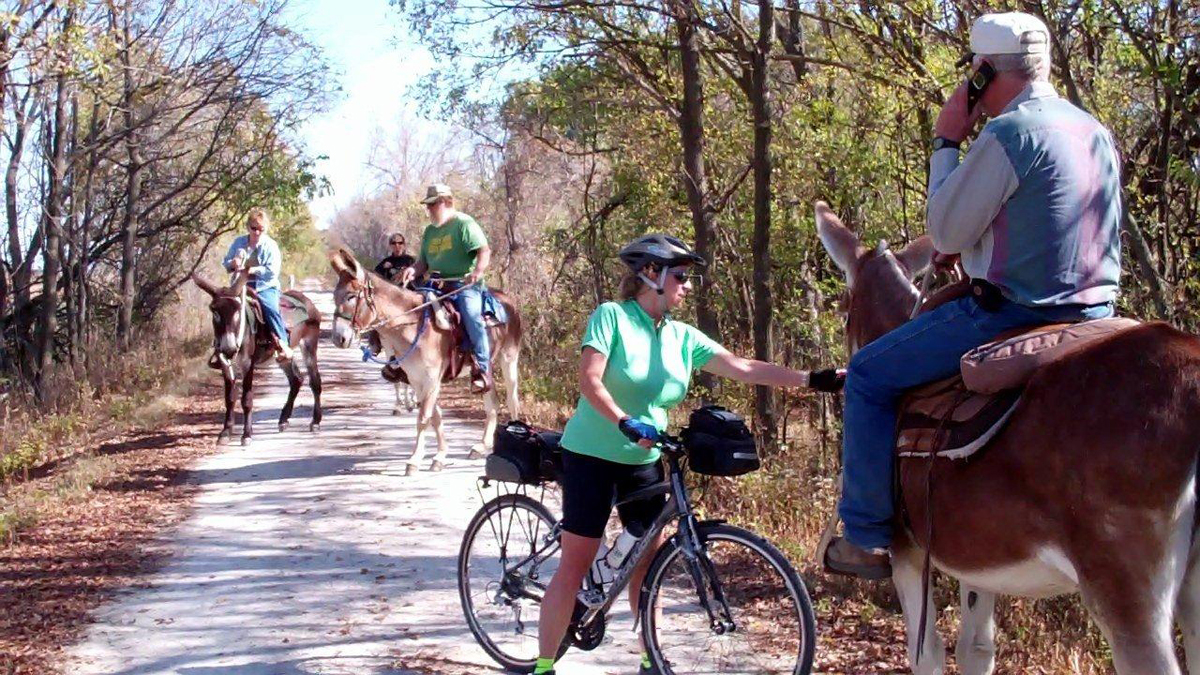
Janet petting a mule on the Katy Trail near Clinton, MO.
Like so many railroads, the MKT came upon hard times and was merged into any number of other railroads, ultimately ending up owned by the Union Pacific. Of possible interest to Utahans; in 1984 some of MKT’s last functioning engines were used locomotives that were purchased from our very own Kennecott Copper Corporation. Certain legs of the old MKT are still in use, but the complete Missouri portion has been converted into the Katy Trail State Park, primarily a rails-to-trails hiking and cycling path.
Researching the historical weather conditions, I decided that the month of October would probably be the best time of the year for the experience. The temperatures are quite favorable then, and the fall colors generally peak in October. Additionally, October is one of the dryer months. If you’ve ever spent time in the Midwest, you know all about rain (and mosquitoes)! If you have a choice, usually the wind comes out of the west, so a west to east crossing might be a bit easier. For us, the wind presented no problems.
Timing is everything:
I haven’t explained that Don and I were sharing trailer pulling duties, and because it was my time to drive, I really got lucky that first day out. Janet, Eve, and Don headed out on the trail from Black Walnut to a slightly overcast sky while I saw to some chores with the RV and made a food run, etc. As I finally headed for Augusta, our first planned overnight stop, the sky opened up and I just knew my three compadres were getting soaked. When I finally arrived in Augusta, I found 3 very wet and cold individuals with muddy “skunk tails” up their backs. They cleaned up, dinner was prepared, and everyone crashed. Tomorrow would be my turn to ride. Fortunately, none of us rode in the rain again on the trip.
On the Katy Trail at Rocheport, MO.
Lodging and food:
Most days Don or I would drive our RV ahead about half the distance to our planned stop for the night. We would wait for the 2 or 3 others, then have lunch, switch drivers and bicycle on from there. Sometimes we would double back. In general, there was very little that each of us did not experience riding the trail, and most days we covered about 50-60 miles. There seemed to be limited lodging, most of the towns were too small to support lodging facilities, and those that did seemed to usually book well in advance. Having our RV was, for us, a great way to experience the trail. Having a tent would also work out fine, but don’t expect to find lodging at the last minute. Even though it was a gray area, we “camped” in the trailhead parking lots most nights, and were usually the only ones there. Being this late in the year, there was no problem with that. We asked locals if it was a problem, and without exception they said, “no problem.” They seemed happy to have us.
On a paved road near Monroe City, Missouri.
One place where we utilized commercial lodging was in Hermann, MO. Don and Eve secured a room and Janet and I stayed in a Hermann City RV park. It was pretty rainy and cool the two days we were there, so it worked out well. I can highly recommend spending some time in this historical little “German” town. It offered good food, a beautiful winery, and local entertainment including a great historical museum. It looked just like so many of the German towns I have visited, and a lot less expensive.
To be clear, if you plan on jumping on the Katy Trail and wish to secure a hotel, motel or B&B on the fly, without reservations, you may have a problem. If you use a tent or RV then you should be okay. While we didn’t see many dedicated RV – camping facilities, there were sufficient spots to park or tent overnight. I like to go and do things as the spirit moves me. Forcing me to be at a certain place at a certain time (so I will have lodging) isn’t my idea of maximizing the experience.
On the Katy Trail along Missouri River.
While securing lodging can be difficult on the Katy, finding great food is no problem at all. We found plentiful friendly bars and restaurants along the trail, even where no towns existed. In terms of locating food, there should be no need to pack more than a few snacks. The larger towns and many of the smaller ones also had grocery stores, pastry shops or convenience stores.
The Trail:
Frankly, I was blown away by the quality of the trail. Yes, it is not hard pavement, but is very well maintained, packed crushed limestone. The shoulders and adjoining vegetation are also well maintained. The frequent trail heads are full of local information, trail maps, and are very clean. The abundant farms and hamlets along the way are quite picturesque. Most of the trail heads are spaced at about 10 mile intervals, some with water, some without.
A frequent question about the trail is “what width tires should one use, and will a road bike be okay for the trial?” Janet and I rode “32’s” and I thought that was about perfect. 28’s or even 25’s would probably work, but narrower than that might be a problem, or at least take some enjoyment from the experience. After all, you want to see the scenery, not have to be searching for every little rut in the trail to keep yourself upright. Don and Eve rode mountain bikes, and of course, had no problems at all. I rode my Long Haul Trucker (touring bike), and Janet rode her hybrid. If you can outfit your road bike with larger than 25’s, I would do that. There are no hills to speak of.
The Katy Experience:
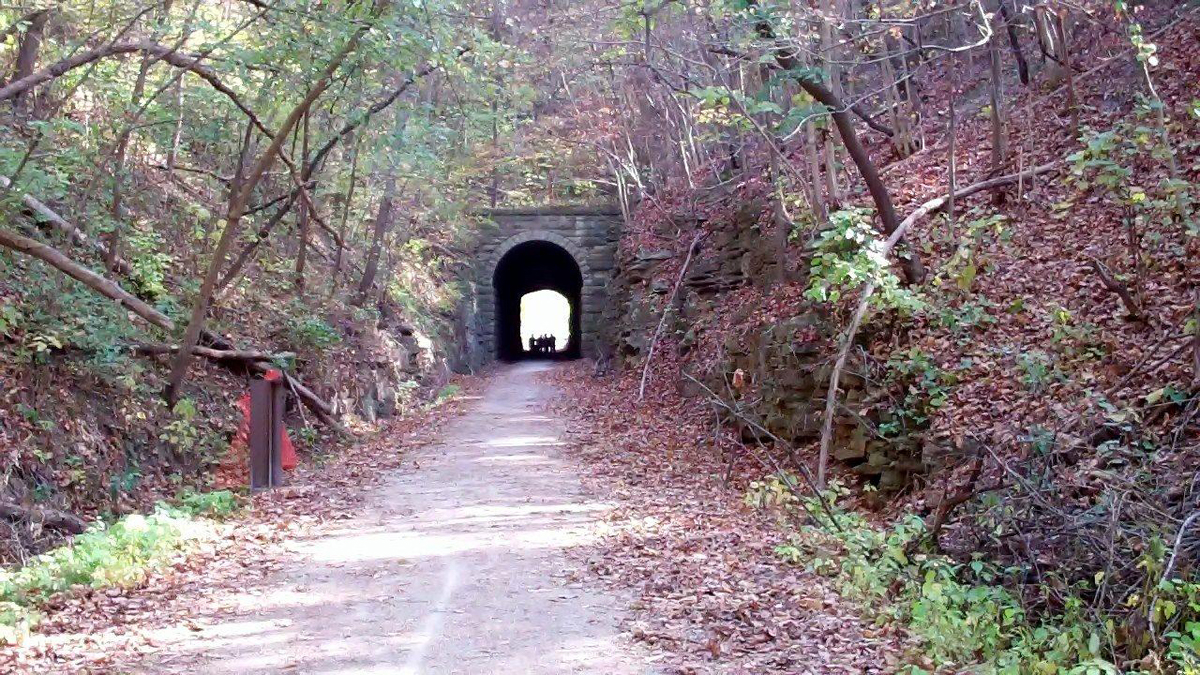
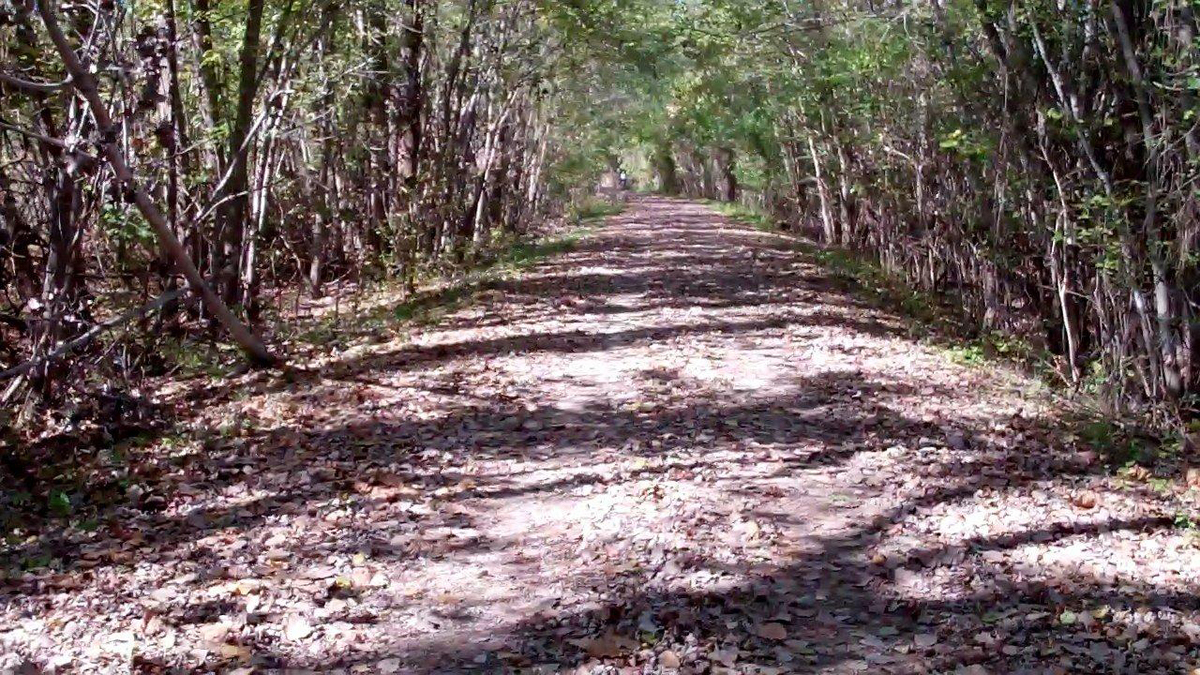
A huge majority of the trail is tree lined. In some cases the trees form a “tunnel.” The sun is often hidden behind the trees, and they help keep the wind at bay, providing an aura of silence and serenity. Several miles of the trail follow the Missouri River and there are numerous historical markers providing details of the Lewis and Clark Expedition, or some Daniel Boone history, etc. There are many small rivers and streams where the old railroad bridges have been converted for trail use. In some of the more appropriate locations, benches have been provided. If you are into bird watching, you should also enjoy the Katy Trail experience. I’m not an avid bird watcher, but I surely did enjoy the songs and spectacular visions of hawks and eagles in flight.
A typical section of the trail.
In general the trail was uncrowded. We often would ride all day and only see a handful of other riders. On weekends and near larger cities there were generally more people on the trail; families with children, walking or cycling, day hikers and weekend riders, but usually, only a few miles out it was unusual to see many other people. On occasion we saw day hikers, but no back packers. Near the town of Tebbets we ran across a group of perhaps 100, mostly young people, walking, carrying banners and playing bag pipes, participating in a religious pilgrimage. Some days later we also encountered a group of mule riders. We stopped to visit and chat and enjoyed scratching behind the ears of their large pets. I suspect in previous months we may have met some touring cyclists, participating in the Adventure Cycling Louis and Clark trail which ends in Seaside, OR. It was apparently too late in the season for that, at least any headed in our direction.
As you advance along the trail you can understand why Missouri is considered the gateway to the west. Nearing the Kansas border, the geography and the trail change dramatically. The trees disappear and the land flattens out. There is no doubt that you have arrived onto the turf of the great planes. For us, it was a fitting place to end our adventure and head on back to our homes in the mountains. It was a wonderful experience, I’d suggest you give it a try. Next tour, the Natchez Trace.
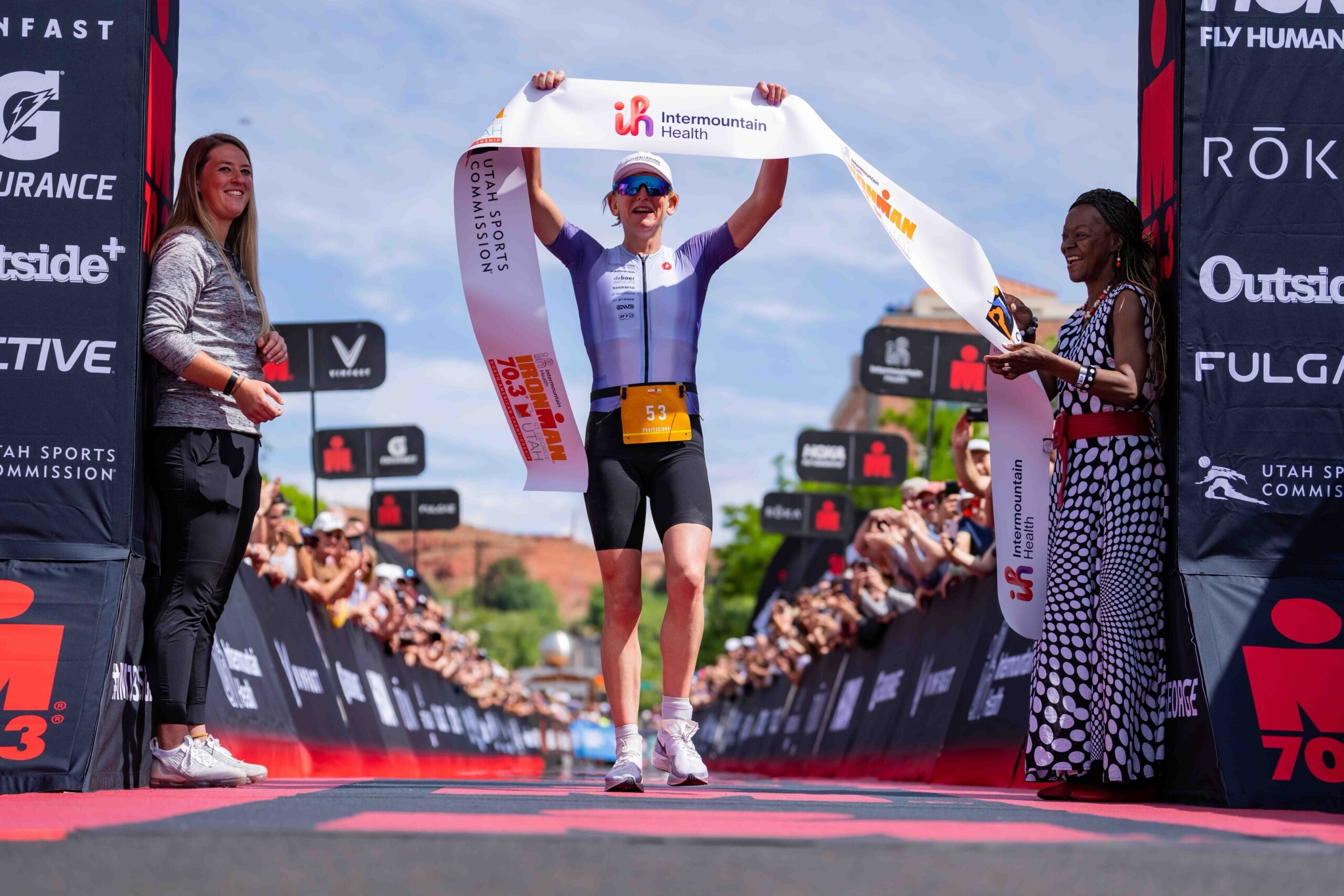
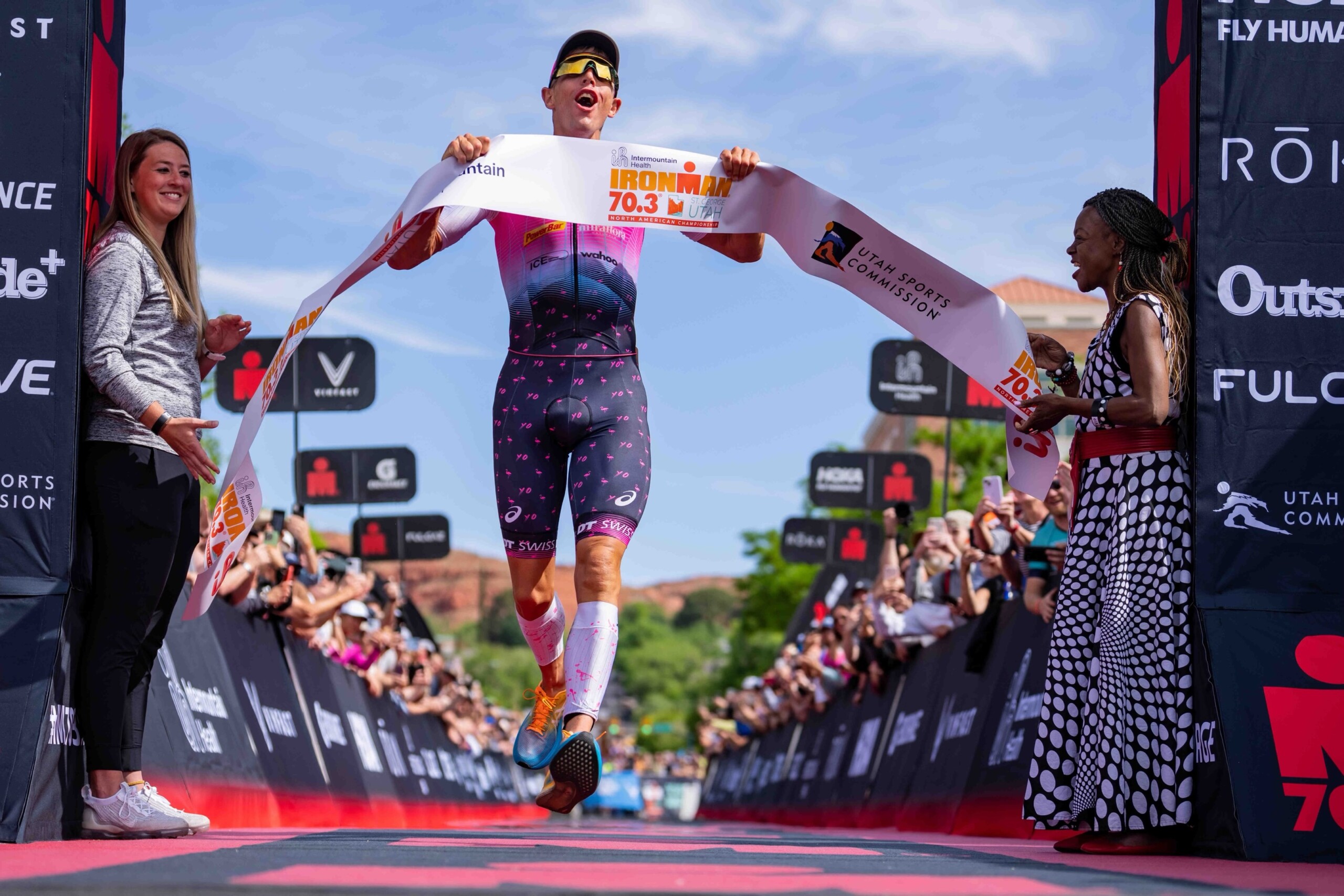
ST. GEORGE, Utah (May 6, 2023) — Southwestern Utah and the Greater Zion region welcomed the return of Intermountain Health IRONMAN 70.3 North American Championship St. George triathlon on Saturday, May 6. With some of triathlon’s best talent on hand, the event saw Sam Long (USA) capture the overall victory with a time of 3:43:05, while in the women’s race, Jeanni Metzler (ZAF) provided a dominate performance on the run to secure the win with a finishing with a time of 4:16:42. In depth race coverage was shown live on Outside TV, and was the second in a series of 12 IRONMAN 70.3 triathlon events from across globe to broadcast exclusively on the platform. To watch a replay of the race, visit watch.outsideonline.com/live-events/ironman-70-3.
Finishing in second place in the men’s race was Trevor Foley (USA) who finished with a time of 3:45:27, while Jackson Laundry (CAN) claimed the third spot on the podium with a time of 3:46:11. In the professional women’s race, Skye Moench (USA) took second behind Metzler with a time of 4:17:42, while Danielle Lewis (USA) secured third place with a time of 4:18:24.
Sam Long (USA) wins the 2023 IRONMAN 70.3 North American Championship. Photo by Jacob Kupferman/Getty Images for IRONMAN
Top five professional men’s results:
PLACE
NAME
COUNTRY
SWIM
BIKE
RUN
FINISH
1
Sam Long
USA
0:25:27
2:02:33
1:12:42
3:43:05
2
Trevor Foley
USA
0:27:55
2:02:27
1:12:06
3:45:27
3
Jackson Laundry
CAN
0:25:23
2:05:16
1:12:53
3:46:11
4
Lionel Sanders
CAN
0:26:04
2:04:58
1:13:35
3:48:20
5
Tomas Rodriguez Hernandez
MEX
0:24:26
2:09:29
1:11:30
3:48:23
Jeanni Metzler wins the 2023 IRONMAN 70.3 North American Championship. Photo by Jacob Kupferman/Getty Images for IRONMAN
Top five professional women’s results:
PLACE
NAME
COUNTRY
SWIM
BIKE
RUN
FINISH
1
Jeanni Metzler
ZAF
0:25:56
2:24:01
1:23:35
4:16:42
2
Skye Moench
USA
0:28:04
2:21:34
1:24:26
4:17:42
3
Danielle Lewis
USA
0:30:58
2:22:11
1:21:44
4:18:24
4
Anna Bergsten
SWE
0:30:02
2:21:45
1:25:53
4:21:48
5
Jackie Hering
USA
0:27:55
2:29:42
1:22:26
4:23:35
The 2023 IRONMAN 70.3 North American Championship St. George saw more than 1,600 athletes start the race, which included competitors from 36 countries, regions, and territories, and 46 states. The competition began with a 1.2-mile swim in Sand Hollow Reservoir in Hurricane, Utah before venturing out for a 56-mile bike into rolling hills and the signature Snow Canyon State Park climb followed by a quick descent into downtown St. George. Finally, a 13.1-run to close out the competition. Runners witnessed spectacular views of Red Cliff Desert Reserve in addition running through basalt lava fields and dancing deserts as triathletes soaked in two of Utah’s most iconic state parks. The finish line in downtown in the historic Town Square of St. George welcomed athletes. The event offered 75 age group qualifying slots, and 50 extra slots for Women to the 2023 IRONMAN 70.3 World Championship taking place on August 26 and 27 in Lahti, Finland.
The Intermountain Health IRONMAN 70.3 North American Championship St. George will return to stunning Southwestern Utah on May 4, 2024. General registration for the 2024 IRONMAN 70.3 North American Championship St. George will open on July 6, 2023. For more information, athletes can visit www.ironman.com/im703-st-george-register.
To access coverage from the 2023 IRONMAN 70.3 North American Championship St. George triathlon and other exclusive content, visit Outsidetv.com.
For more information on the 2023 IRONMAN 70.3 North American Championship St. George triathlon visit www.ironman.com/im703-st-george.