By Charles Pekow — Children are less likely to wear a helmet properly while biking than adolescents or grown-ups, observers in Montreal found. A research team watched 2,000 cyclists across the city in the summer of 2021 to see if an increase in biking during the pandemic affected the rate of helmet use. It discovered that helmet use had increased over a similar study done a decade earlier, despite the addition of bikeshare programs, which generally don’t provide helmets.
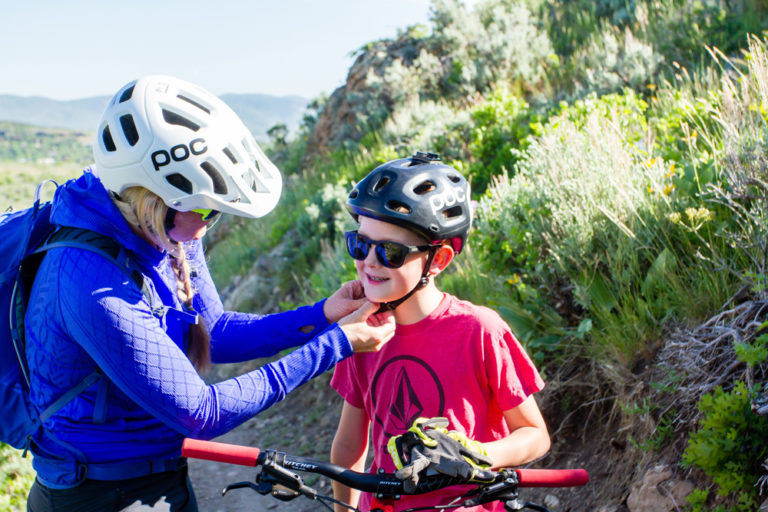
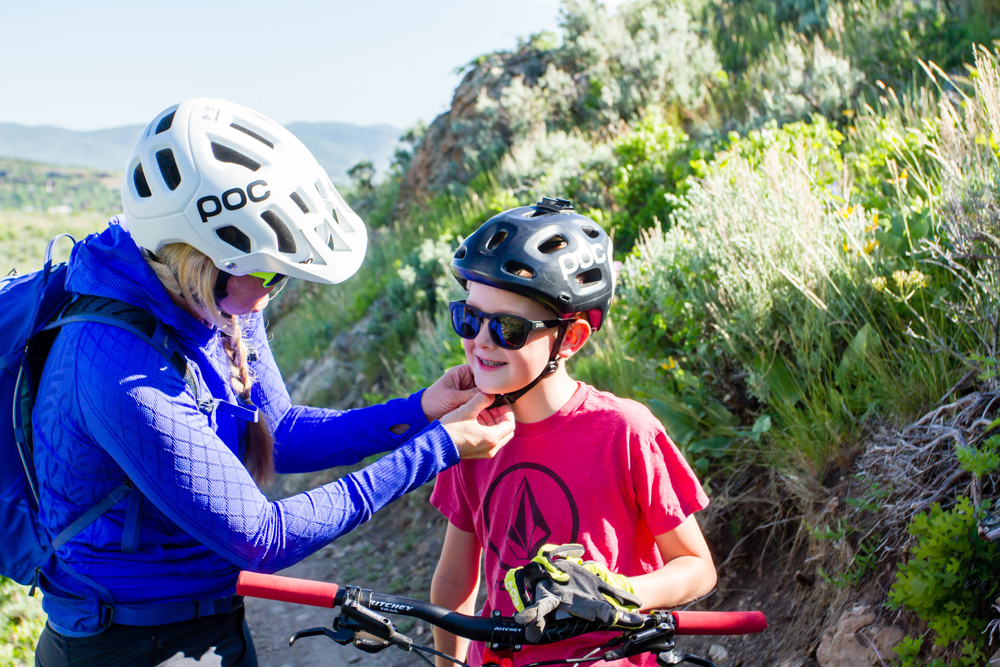
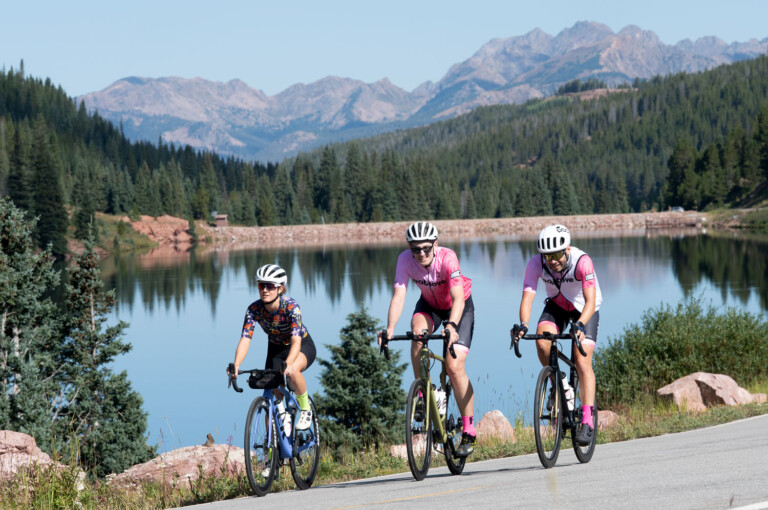
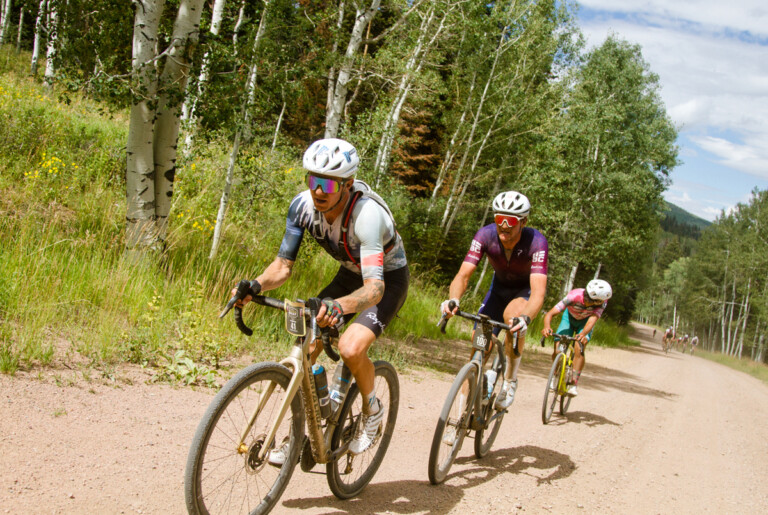
A well adjusted helmet is key for safety. Photo by DIscover Utah/Monique Beeley
But men and minorities were less likely than others to wear a properly-fitted helmet.
The study suggests considering mandatory helmet legislation, subsidies for helmets, and targeted education to children and their caregivers.
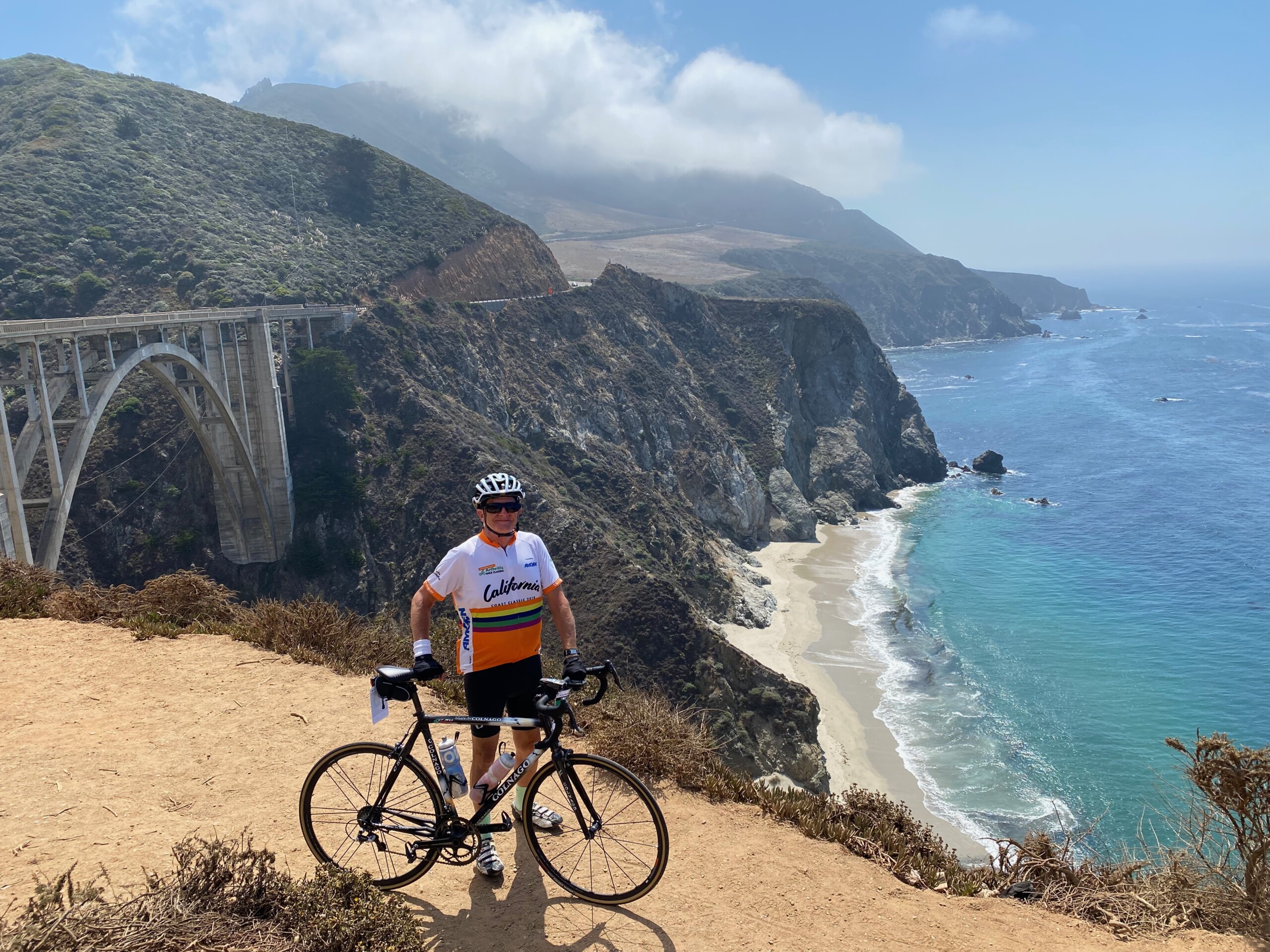
LOS ANGELES, California (March 7, 2023) — The California Coast Classic, known to cyclists for decades as “The Ride of a Lifetime” because of its epic route down the California Coast and its fully supported bike tour format, will once again be presented by Amgen in 2023. The 23rd edition of the tour, scheduled for September 30 to October 7, 2023, will span eight days of riding 525 miles down the California Coast and is expected to raise more than $1M for Arthritis Foundation’s programs, research, and member support. Fewer than 100 spots remain, and the event is expected to sell out this year with more people across the country enjoying cycling than ever before.
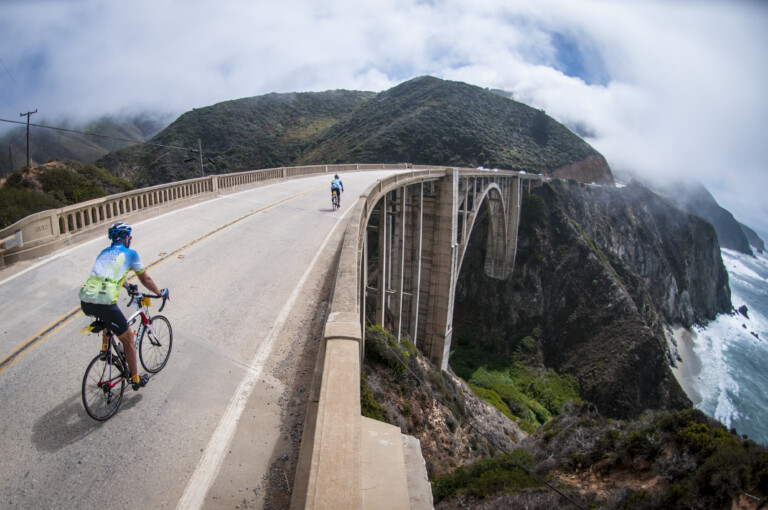
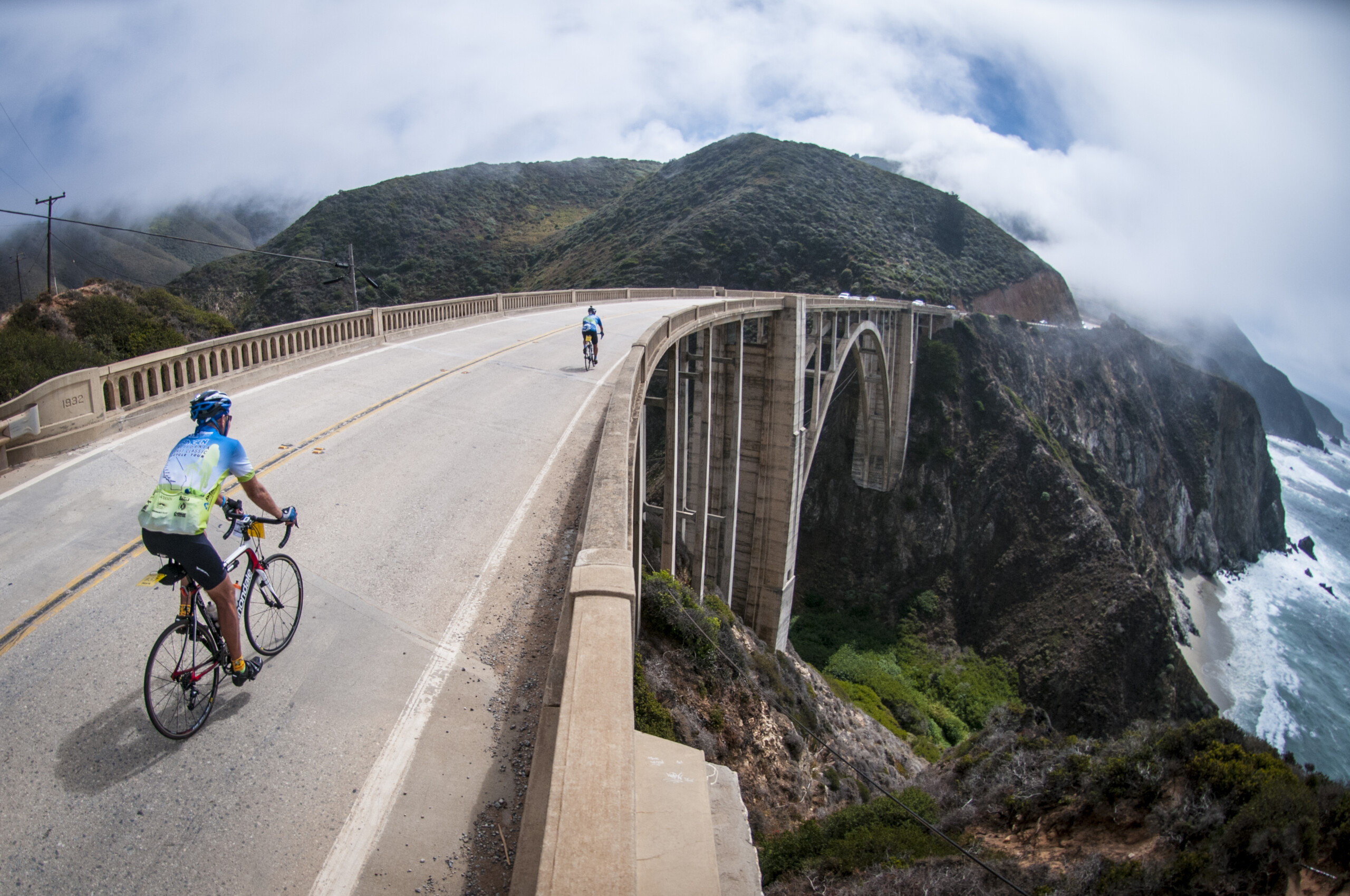
Photo courtesy California Coast Classic
“The California Coast Classic is the Arthritis Foundation’s flagship fundraiser, bringing in more than $1M each year. For 22 years, Amgen’s support as both a presenting sponsor and company team participant has benefitted the 60 million adults and 300,000 children that we serve,” said Shannon Marang Cox, Ride Director and Associate Executive Director of the Arthritis Foundation. “The support we’ve received from Amgen is invaluable. It has provided critical assistance, created opportunities, and had positive impacts that will last for generations.”
The California Coast Classic is a boutique, bucket-list bicycle tour that showcases the scenery of one of the world’s most fabled coastlines as it travels the iconic California Highway 1. Last year, riders came from 25 U.S. states, Canada, and Great Britain and total fundraising topped $1.26 million.
Photo courtesy California Coast Classic
Each rider and team raises critical funds, which allow the Arthritis Foundation to increase quality of life with support and advocacy, improve access to health care, provide kids’ summer camps, arthritis conferences, and more – as well as fund research for better treatments and a cure for arthritis. Approximately 40% of CCC riders either have arthritis or are riding for a loved one with the autoimmune disease that affects one in four Americans.
Throughout CCC’s long history, presenting sponsor Amgen, one of the world’s preeminent biotechnology companies, has provided financial support for the ride and encouraged its employees to participate in it. In 2022 alone, Team Amgen brought 25 riders from seven states.
Unique to the CCC, supporters who cannot attend the in-person bike tour have the opportunity to participate in an Arthritis Challenge Experience (ACE), choosing their own adventure and participating from home while still connecting with the vibrant CCC community.
More information about the bike tour, including its detailed itinerary, is available at the California Coast Classic website and in this short video. The self-paced pedaling adventure is open to cyclists of all levels and welcoming of e-bike riders. It is Gran Fondo Guide’s “Best Charity Bike Tour” and has been named one of “The 30 Best Road Biking Trips” by Outside Magazine.
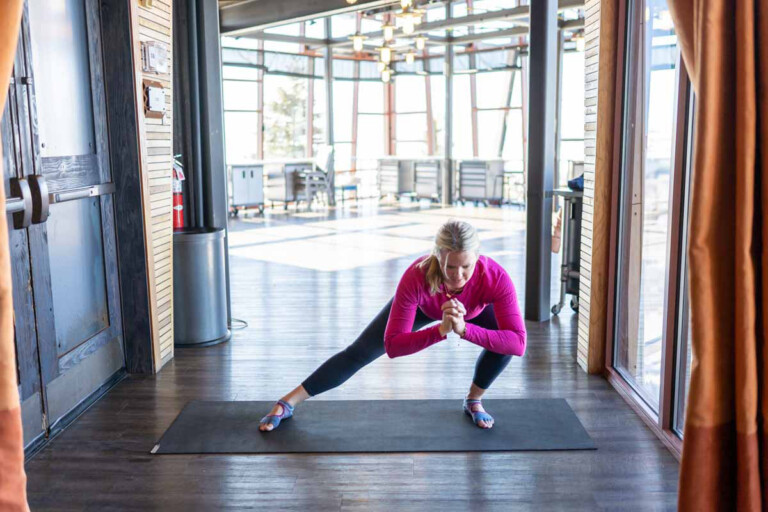
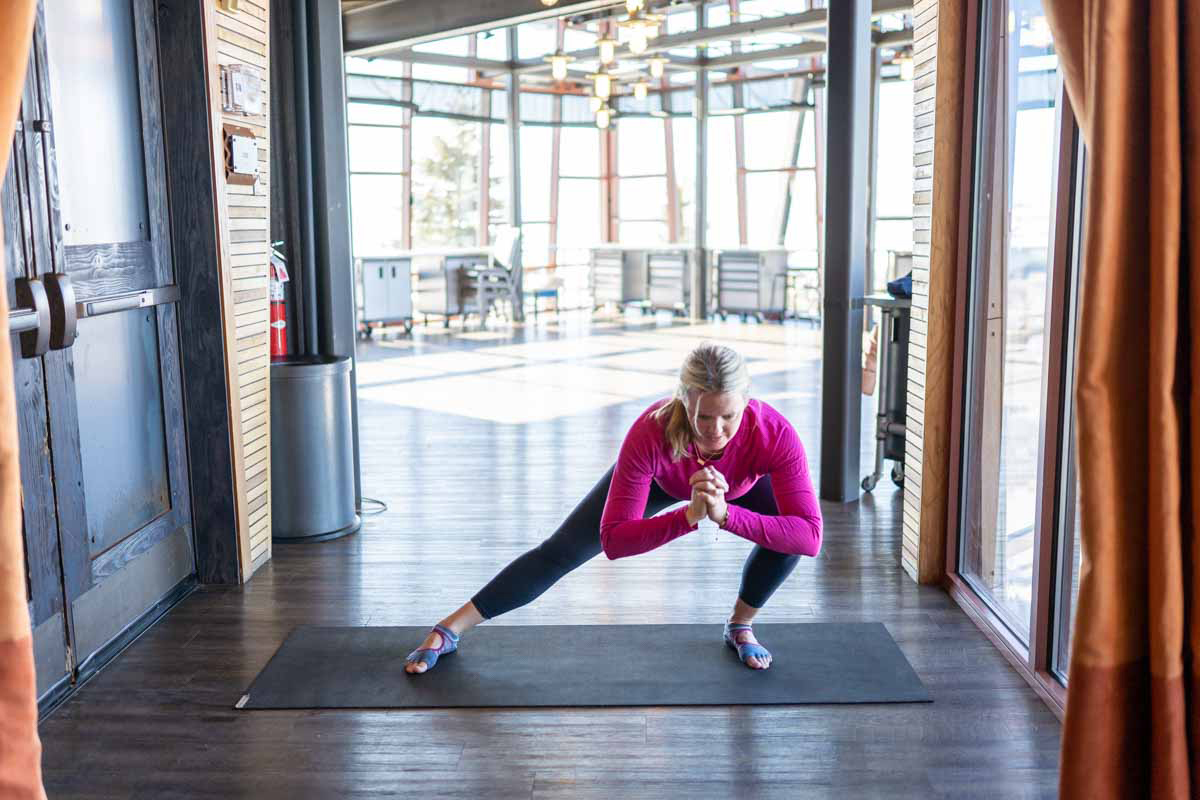
By Erica Tingey — If you live in a colder climate, we hope you’re finding ways to enjoy winter! Even if you love snow sports, now is a good time to start preparing your muscles, bones, and joints for spring mountain biking. Let’s face it – as we age, our bodies may not be quite as forgiving as they once were. You can improve your chances of an injury-free riding season by keeping it strong and active during the off-season. With all exercises, be sure to warm up, start small, and increase slowly. Below, we’ve listed five types of exercises you can work on – video examples are available on YouTube and other streaming platforms. If in doubt, check with your primary-care clinician before starting any exercise program! Even 20 minutes a day will help you get off to a better spring start!
Cardiovascular training: Mountain biking requires good cardiovascular fitness, so incorporating cardio training into your off-season routine is essential. Remember to focus on Zone 2 cardio-somewhere between 80 and 90% of your cardiovascular exercise should be low to moderate intensity. Some great winter cardio options include walking, jogging, riding a stationary bike or elliptical, or cross-country skiing.
Plyometrics are great preparation for the cycling season. Photo courtesy Erica Tingey
Strength training: Strengthening your core, lower body, and upper body will help you on the trail. Incorporating exercises such as squats, lunges, deadlifts, push-ups, pull-ups, dead bugs, and rows into your routine will build strength, improve balance, and help prevent injuries.
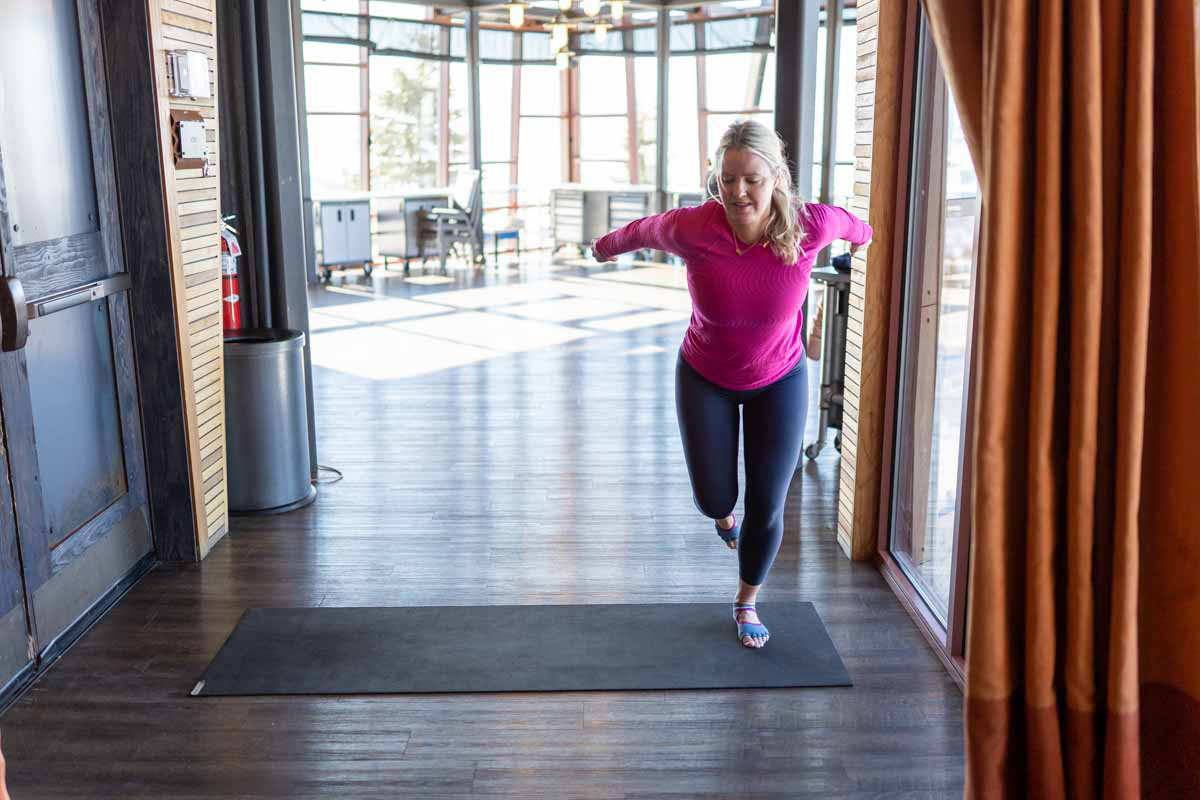
Erica in the middle of a plyometric jump. Photo courtesy Erica Tingey
Plyometric training: Plyometrics involve explosive movements, such as jump squats, box jumps, and star jumps. These kinds of exercises can help improve your agility and power, which are important for navigating technical terrain. Be especially careful to start small if you’re not used to plyometric training.
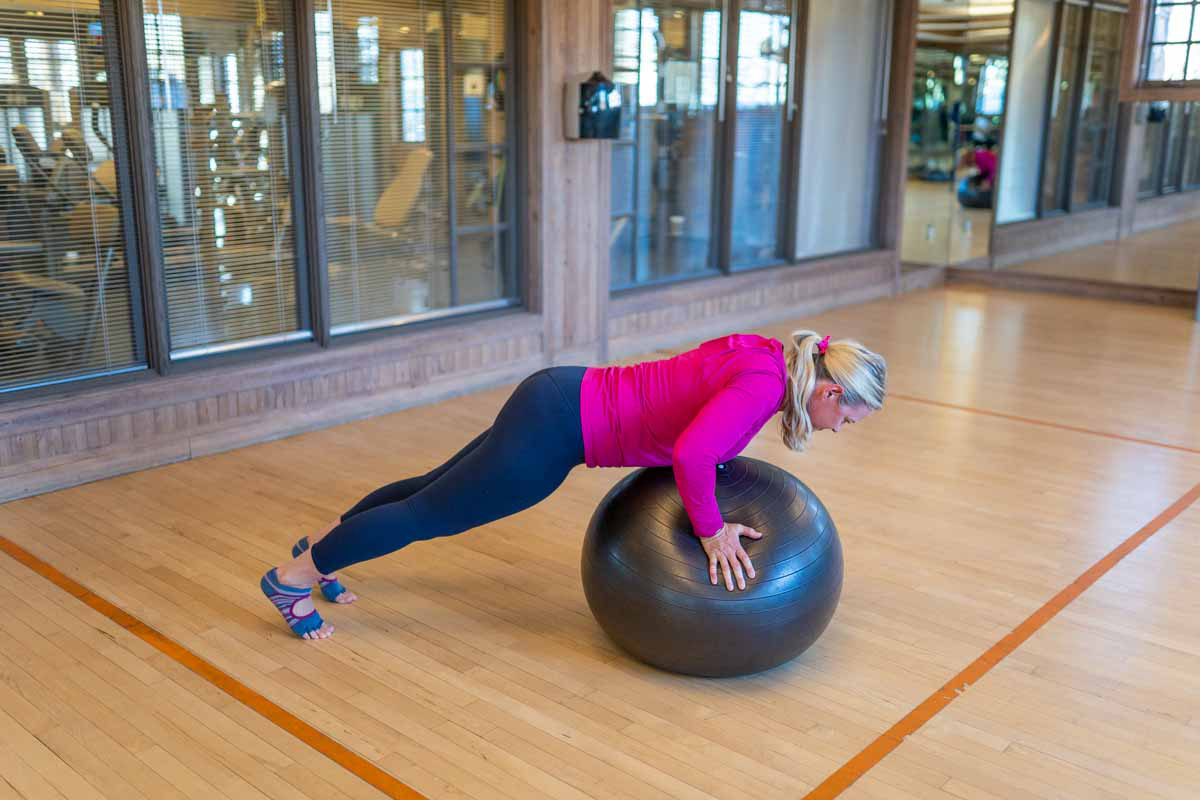
Erica Tingey prepares for the season using a workout ball. Photo courtesy Erica Tingey
Balance and stability training: Practicing single-leg squats, yoga, and Pilates can help improve your balance and core stability. This will lead to increased control on technical sections!
Mobility training: Mobility exercises can increase your flexibility, which is important for preventing injuries. Add some hip stretches, hamstring stretches, shoulder stretches, yoga, and foam rolling to increase your mobility, flexibility, and posture.
Taking some time to get your body ready for mountain biking will pay huge dividends when it comes to endurance, power, agility, control, stability, and motility. These exercises will not only improve your chances of an injury-free season, but they can significantly increase how much you enjoy riding.
WASHINGTON, D.C. (March. 21, 2023) — The Electric Bicycle Incentive Kickstart for the Environment (E-BIKE) Act, led by Representative Jimmy Panetta (D-CA) and Senator Brian Schatz (D-HI), which prioritizes electric bicycles as a zero-carbon mode of transportation by making them more affordable and accessible for all Americans, has been reintroduced in Congress
“Many people are looking to get out of their cars and get on to e-bikes not just for recreation, but also for transportation purposes,” said Rep. Panetta. “Although we’re seeing more people on them in our communities, more needs to be done to ensure that everybody across our country has access to an e-bike. With its fully refundable tax incentives for those in the lower economic levels, the E-BIKE Act is a commonsense way to encourage the ownership of e-bikes. By incentivizing Americans to own and use e-bikes, we are allowing them the chance to help improve the quality of life in our communities and tackle the climate crisis in our country.”
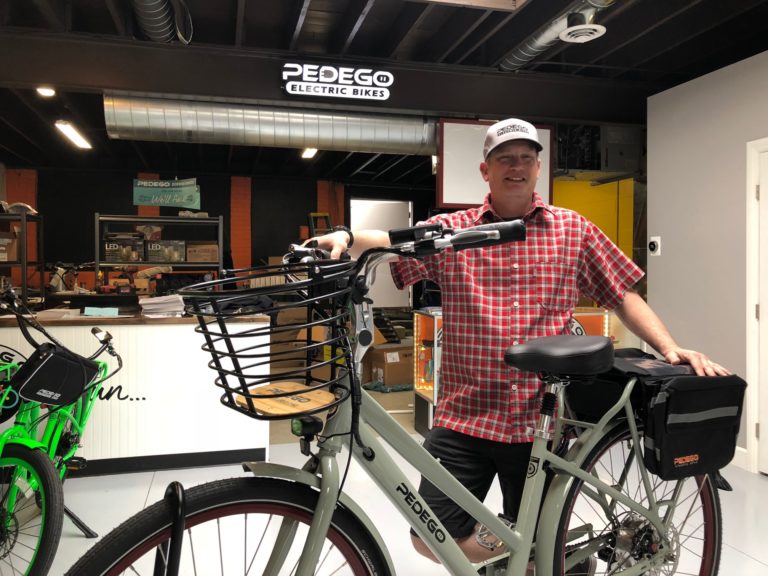
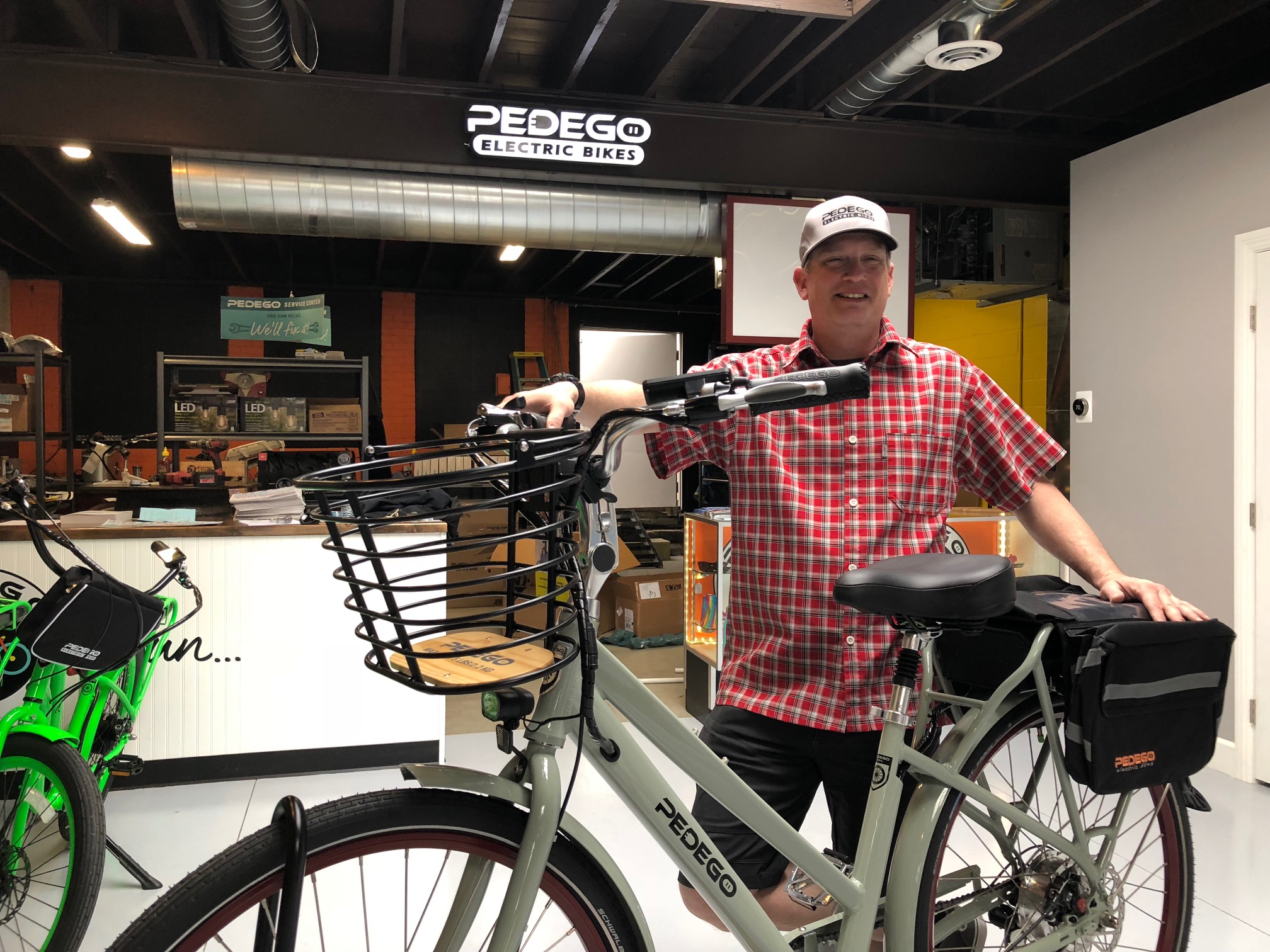
E-Bikes cause smiles at Pedego in Salt Lake City. Photo by Dave Iltis
“Transitioning to a clean energy economy includes changing the way we get around. That means transit, rail, and electric buses, cars, and bikes. Our bill will make it more affordable for working people to buy an e-bike and helpget cars off the road,” said Senator Schatz, chairman of the Senate Appropriations Subcommittee on Transportation, Housing and Urban Development.
First introduced in 2021, the version reintroduced this Congress looks largely similar. If signed into law, the E-BIKE Act will offer individual consumers a refundable 30% tax credit for purchasing an electric bicycle — up to a $1,500 credit for new bicycles less than $8,000. The credit would be allowed once per individual every three years or twice for a joint-return couple buying two electric bicycles. New to this version is this addition of income caps that parallel existing electric vehicle tax credit caps: an annual salary of $150,000 for single filers, $225,000 for heads of households, and $300,000 for those filing jointly.
“Incentivizing electric bicycles makes them a competitive transportation option for more Americans and supports a national effort to lower carbon emissions,” said PeopleForBikes President and CEO Jenn Dice. “The E-BIKE Actrightfully positions electric bicycles as a critical part of a larger solution to climate change and equitable mobility. We’re grateful to our climate leaders in Congress leading the charge on e-bikes.”
The bill also mandates a report from the IRS after three years to understand the distribution of the credit by income tax bracket and adjust for equitable distribution in the future.
An electric bicycle tax credit was included in the House-approved Build Back Better Act in 2021, but unfortunatelythe provision did not make the cut in negotiations as the package evolved into the Inflation Reduction Act (IRA), now law. The IRA is the largest climate policy package in American history, but to quickly and effectively take action on reducing emissions, Congress must consider the E-BIKE Act as an essential and complementary policy.
When forward-thinking climate leaders in Congress first introduced the E-BIKE Act in 2021, it was one of few proposed electric bicycles incentives in the U.S. Since its federal inception, cities and states across the nation have moved where Congress stalled, proposing, approving, and implementing a wide array of creative andeffective e-bike programs inspired by the E-BIKE Act.
Electric bicycles keep people moving with efficiency and ease, no matter their age or physical abilities, while alsodisplacing trips by car. Studies show that across the United States, we can expect an 11% decrease in carbon emissions with a 15% increase in electric bicycle mode share. In Denver, a successful and popular e-bike voucher program led to 71% of recipients using their cars less after purchasing an e-bike, with 90% riding weekly.An all-in approach to reducing carbon emissions must recognize the power of electric bicycles to take cars off the road while keeping people moving, active, and connected to their communities.
Electric bicycles help democratize our streets and make active transportation an option for more Americans. PeopleForBikes applauds the reintroduction of federal legislation tocreate an electric bicycle tax credit, helping more people easily access the many benefits of electric bicycles, and is dedicated to building a strong coalition of support alongside Representatives Panetta and Blumenauer and Senators Schatz and Markey to pass the E-BIKE Act in the 118th Congress.
If you have any questions about the E-BIKE Act, please reach out to PeopleForBikes Director of Federal Affairs Noa Banayan at [email protected].
Pablove Across America, the annual cycling fundraiser for the Pablove Foundation, will pedal from Palm Springs to San Diego, California from September 26-30 2023. This event consists of 50 cycling enthusiasts from across the country riding over 350 miles over 5 days to raise
$750,000 for children and teens living with cancer. Open to cyclists of varying levels, this pro-supported ride includes all meals, hotel accommodations, daily bike maintenance and massages. Riders are asked to fundraise to take part in the charity ride, which falls during September in honor of Childhood Cancer Awareness Month.
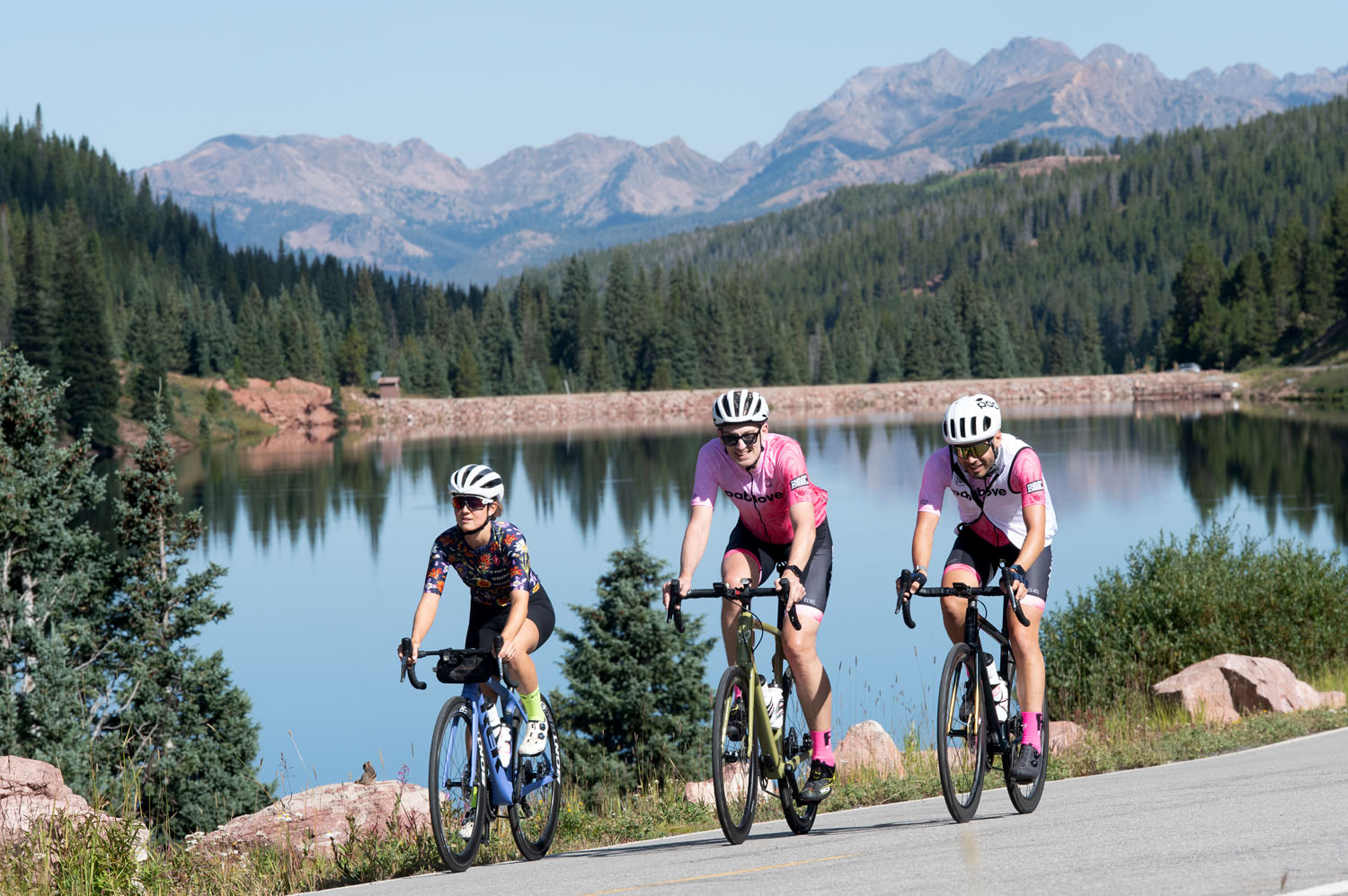
Pablove Across America riders ride through Estes Park on last year’s 5 day Pablove Across America ride in late summer. Photo by Casey Gibson
Funds raised support the programs and services provided by The Pablove Foundation, a national pediatric cancer non-profit organization that fights childhood cancer with love. Pablove Shutterbugs, their healing arts program, teaches kids with cancer the art of photography, and their Powered by Pablove research grants fund daring pediatric cancer researchers searching for safer treatments and cures.
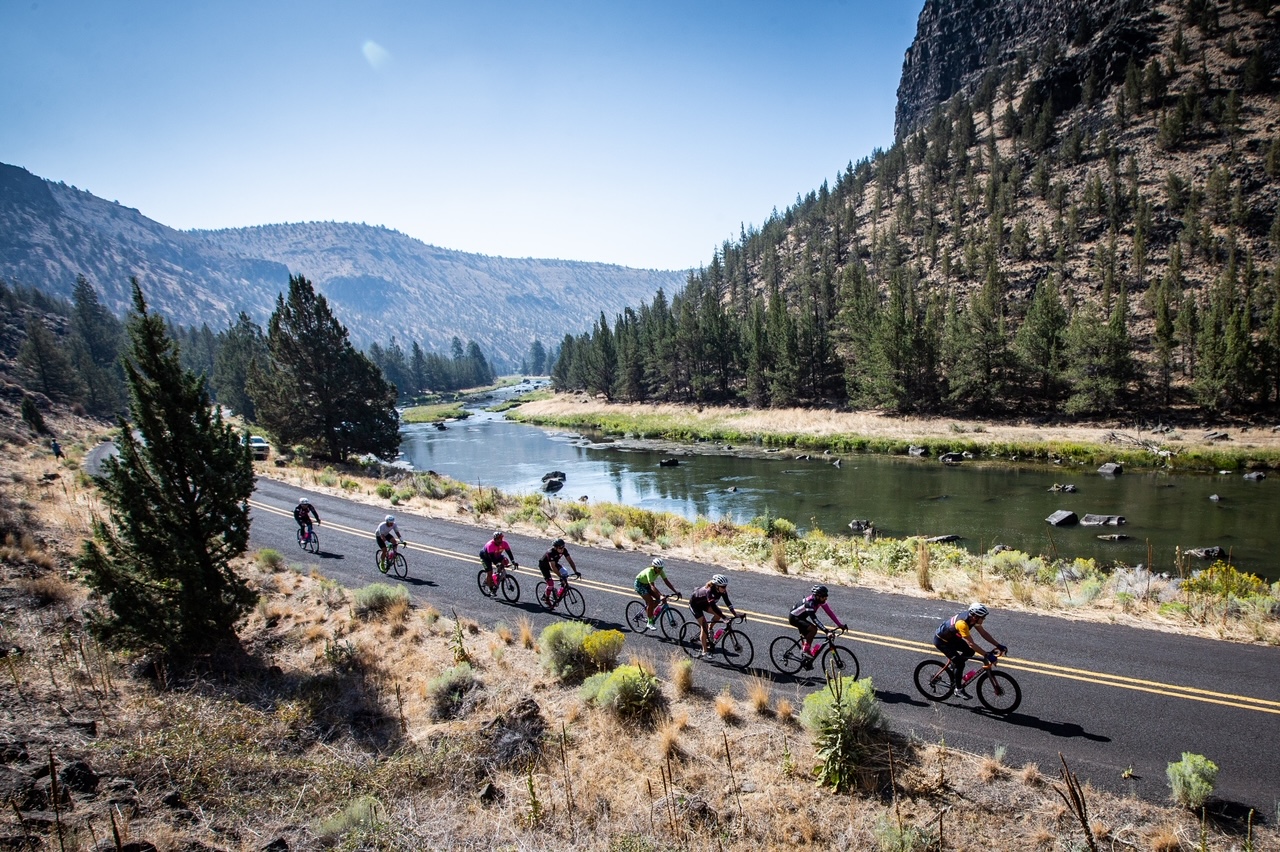
BEND, OR – AUGUST 31: Pablove Across America ride day 2 on AUGUST 31, 2021 in Bend, Oregon. (Photo by Jonathan Devich/epicimages.us)
“The Pablove Foundation is thrilled to ride through SoCal for our annual cycling fundraiser. We invite cyclists of all skill levels to join us on this pro-supported ride that caters to you! We have something for everyone with our stunning daily routes. Treat yourself and join us for an unforgettable adventure that gives back!” says Tina Schwartz, Pablove Foundation Board Chair and Pablove Across America cyclist.
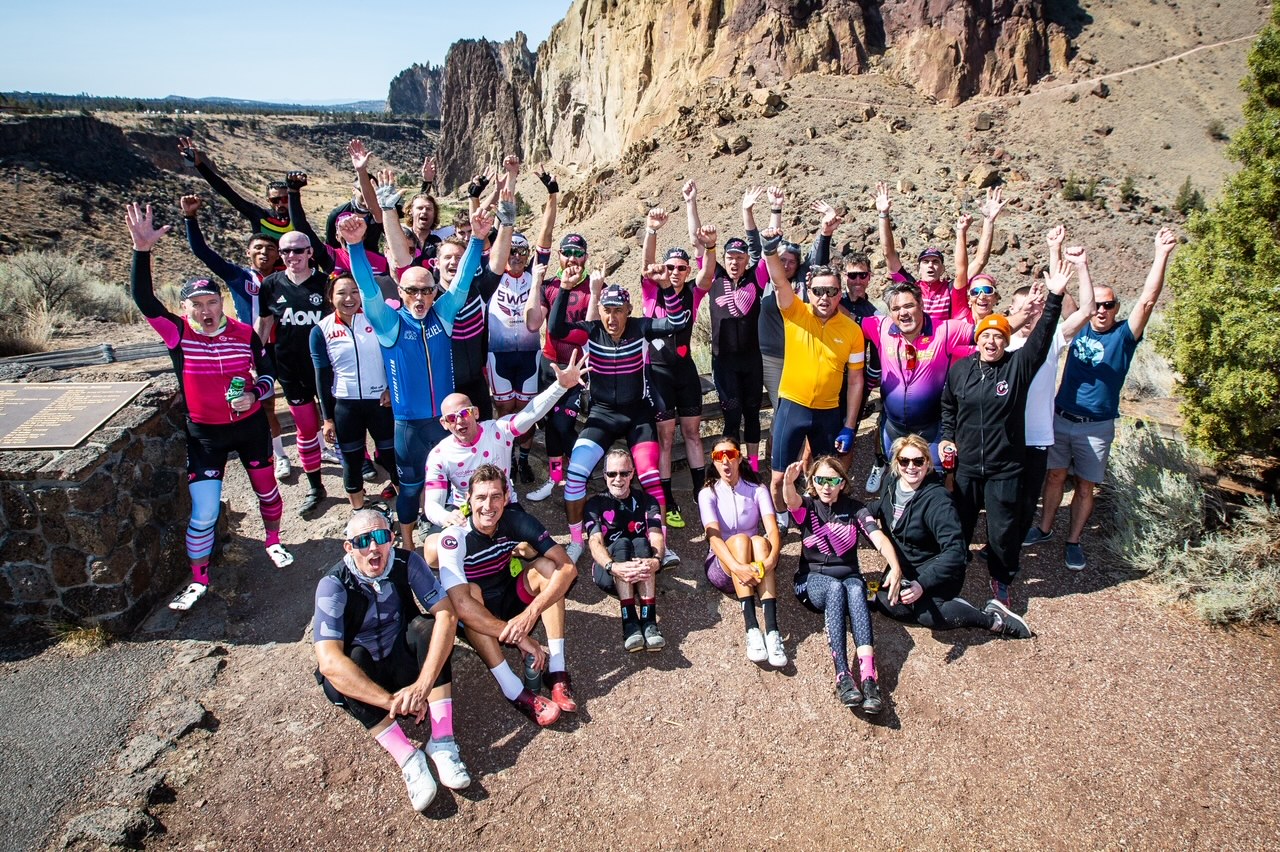
BEND, OR – SEPTEMBER 2: Pablove Across America ride day 4 on September 2, 2021 in Bend, Oregon. (Photo by Jonathan Devich/epicimages.us)
In addition to Pablove Across America, cyclists can take part in the new Pablove Gran Fondo on Saturday, September 30, 2023 in San Diego. Several route options will be available with a family-friendly finish area that will include food trucks and live music.
For more information or to register for Pablove Across America visit pablove.org/paa.
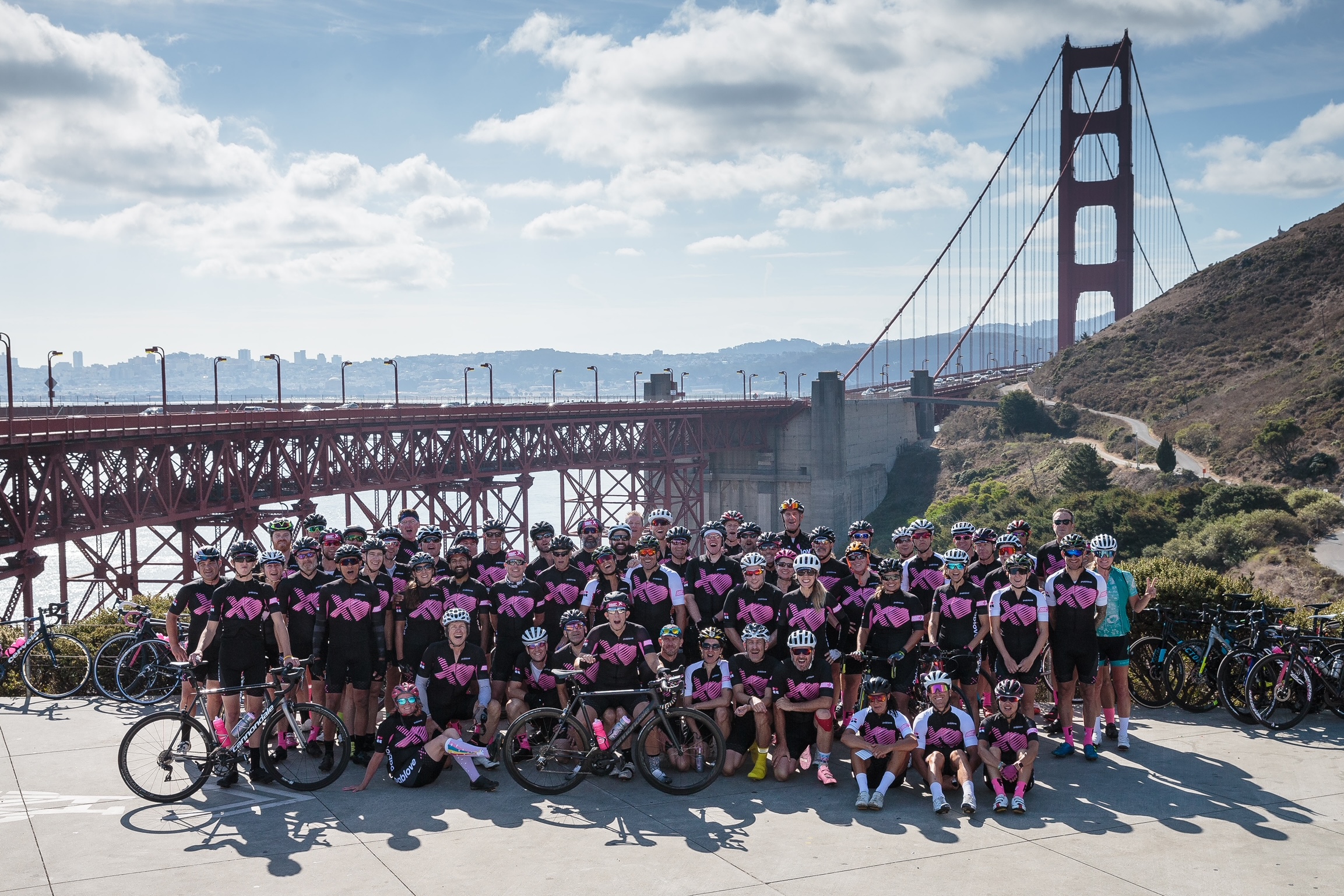
REDWOOD CITY, CA – September 30: 2018 Pablove Ride on September 30, 2018 in Redwood City, California. (Photo by Jonathan Devich/epicimages.us)
By John Roberson with help from Roz — My sweetheart and I recently spent 10 days in October touring by bicycle in Eastern Kansas. We rode on repurposed railway grades, dusty back roads and the paved streets of small towns and cities. We encountered interesting people and other animals along the way. We set up cozy camps in pretty places and stayed in cushy hotels, and we ate very, very well. The following is a brief description of that wonderful trip.
Roz is a Kansas girl, born and raised, and for years we have made trips back to her hometown of Lawrence in order to visit with her mother and to connect with old friends. Kansas is a lovely place. It’s always been good to return, and this would be our first trip back since her mother’s passing a few years ago. We planned to park the truck in some convenient spot, wander around by bike for ten days or so, then return to the truck for the ride back home. Along the way we’d ride a few established Kansas rail-trails and spend a few days exploring Lawrence and its surrounding countryside.
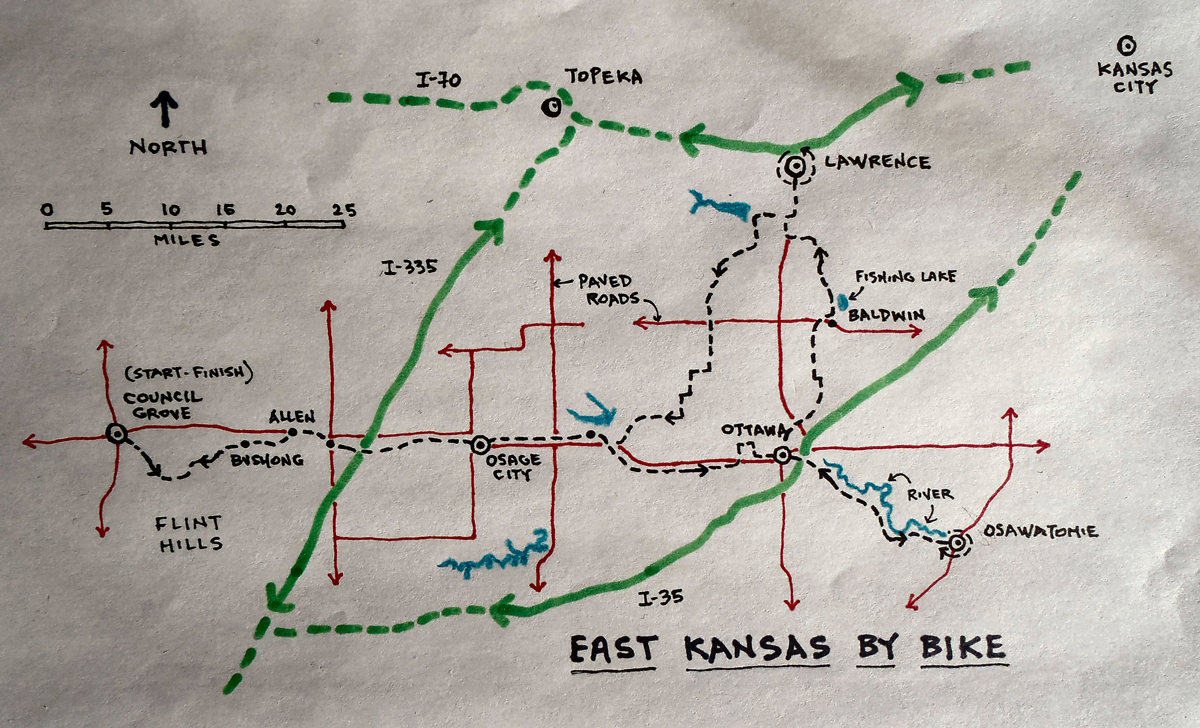
It’s normally a two-day drive for us, from our home in Salt Lake to Lawrence, but our destination this trip was the small city of Council Grove, about sixty miles southwest of Lawrence. Once a major stop for travelers on the historic Santa Fe Trail, Council Grove is also the current western terminus of the Flint Hills Nature Trail, which was our first objective.
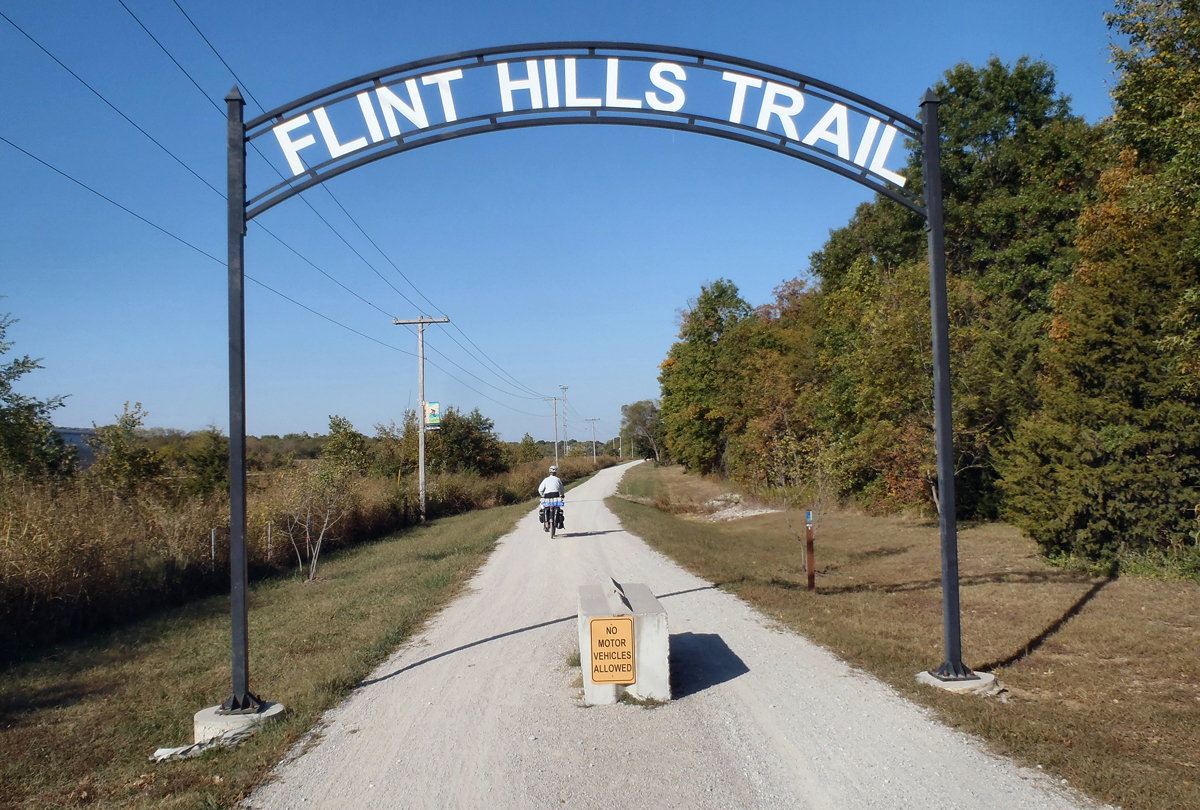
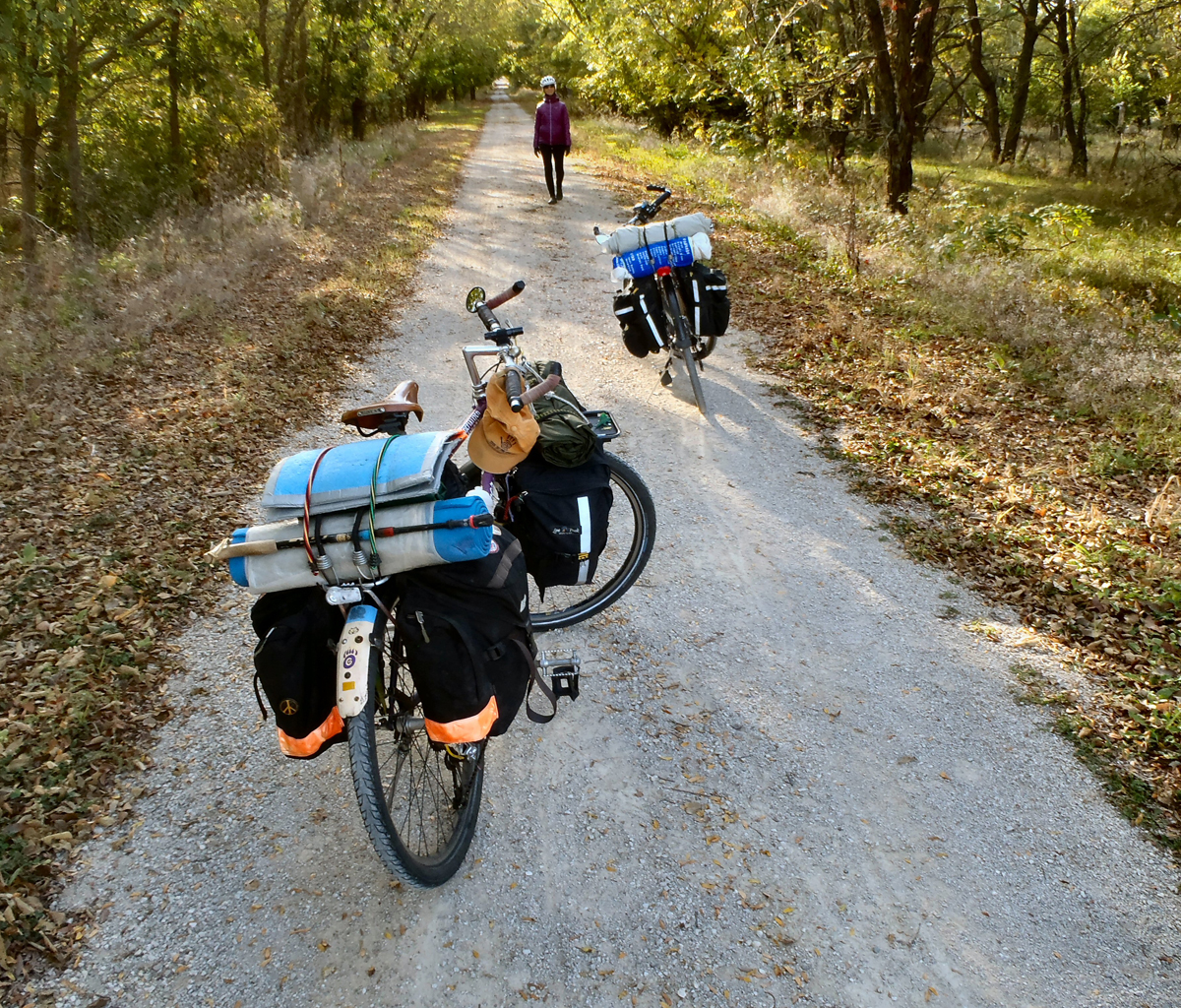
Roz rides the The eastern end of the Flint Hills Trail. Photo by John Roberson
The Flint Hills Nature Trail started out in 1880 as the Council Grove, Osage City and Ottawa railroad. It later became the Missouri Pacific (MoPac) and continued to service the communities along its route until its abandonment in the 1980s. The Rails to Trails Conservancy (a national non-profit dedicated to transforming abandoned rail corridors into non-motorized trails) acquired the rights of way to the rail corridor, then passed those rights onto the local Kanza Rail Trails Conservancy, which over the years has developed more than 60 miles of the route, mostly through volunteer efforts. The route is now a state park maintained by the Kansas Department of Wildlife and Parks.
Cycling on the Flint Hills trail. Photo by John Roberson
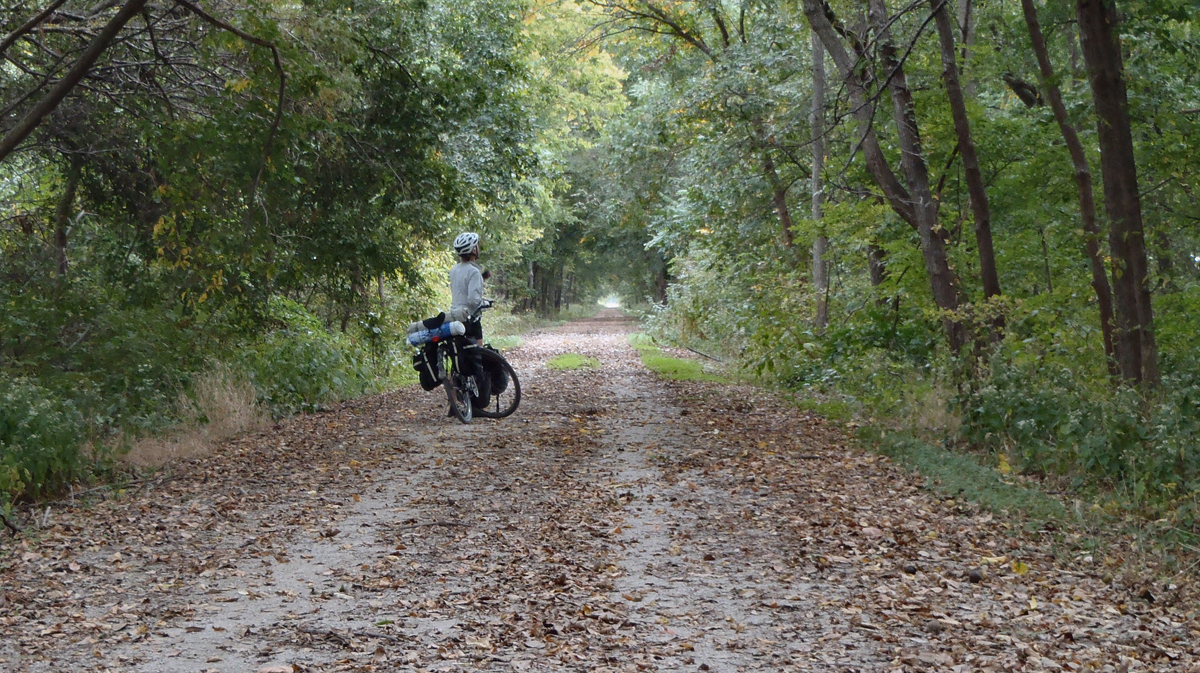
We pulled into Council Grove at the end of the day and set up our camp at the trailhead east of town. On the following morning, which dawned clear, cool, and calm, we loaded up the bikes and began our journey east along the trail. We rolled through shady “tunnels” of green, where trees arched over the trail from either side, past open fields and rolling hills covered by some of the last expanses of the Tallgrass Prairie ecosystem that once covered the whole of the American heartland.
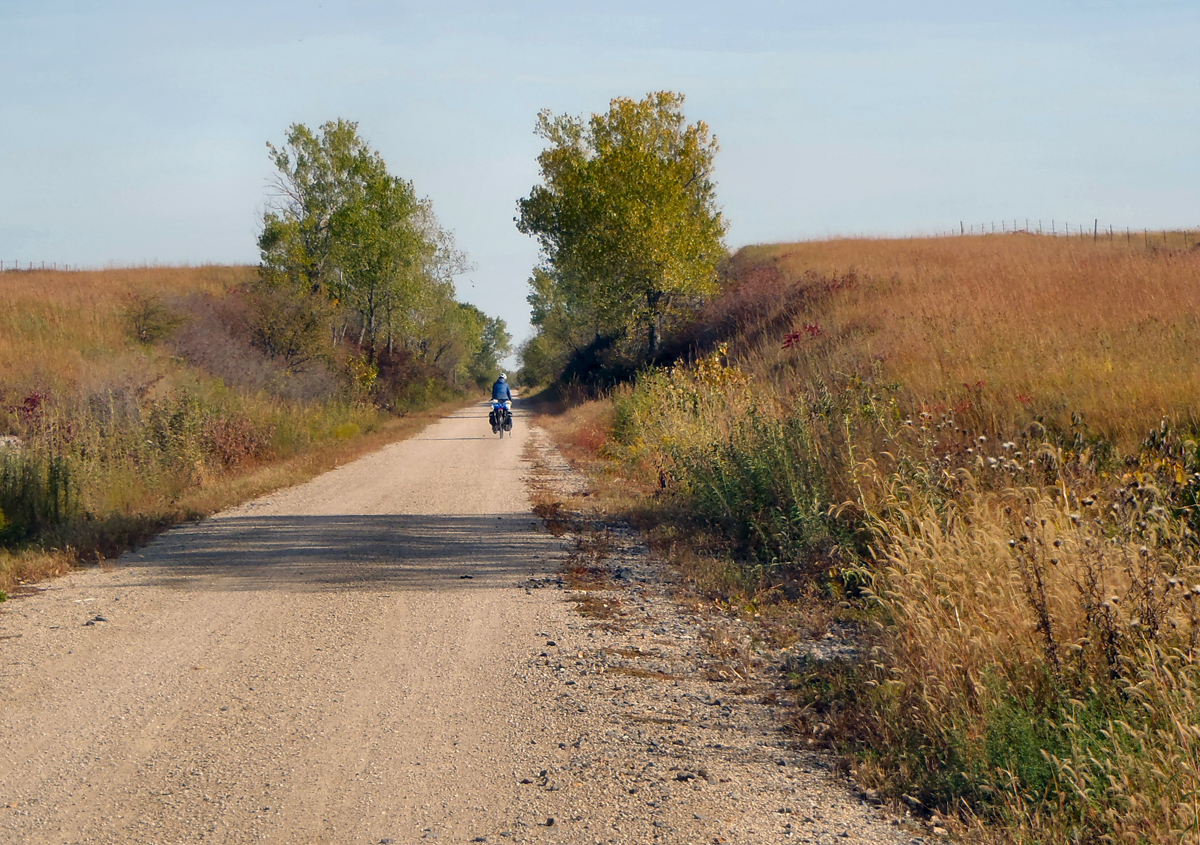
Cut and fill on the old rail grade. Photo by John Roberson
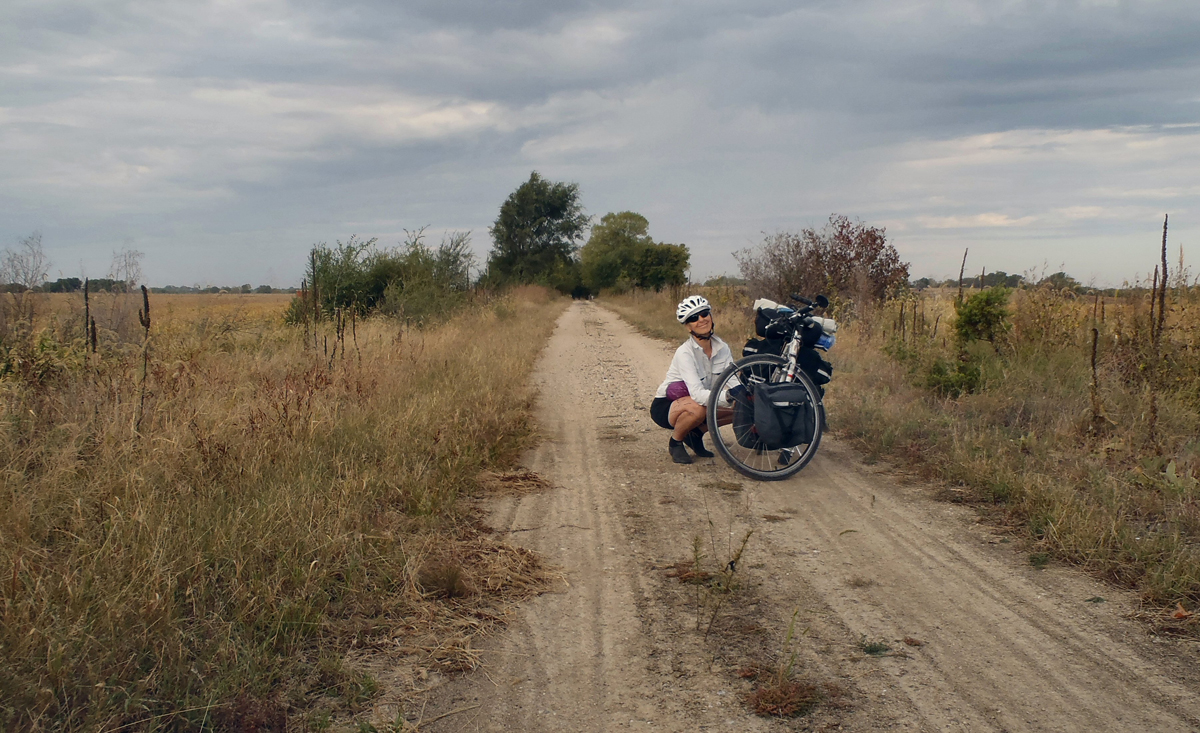
The trail itself was a pleasure to ride. The crushed stone surface was smooth and manageable (despite sometimes having to dodge walnuts, hedge apples and the occasional snake or turtle!) and the old rail grade’s cut-and-fill structure really smoothed out the ups and downs of the rolling hills. It was clear from the start that considerable effort went into the original trail work. Access to the trail was well-controlled with barriers and regular signage, and we passed a couple of semi-developed, public resting spots along the way, each consisting of a pit toilet and a small, covered picnic pavilion (but no tables and no water). We often had the feeling that we were riding in the “off” season. The pit toilets were all locked up and we saw surprisingly few people during the four days we spent on the trail.
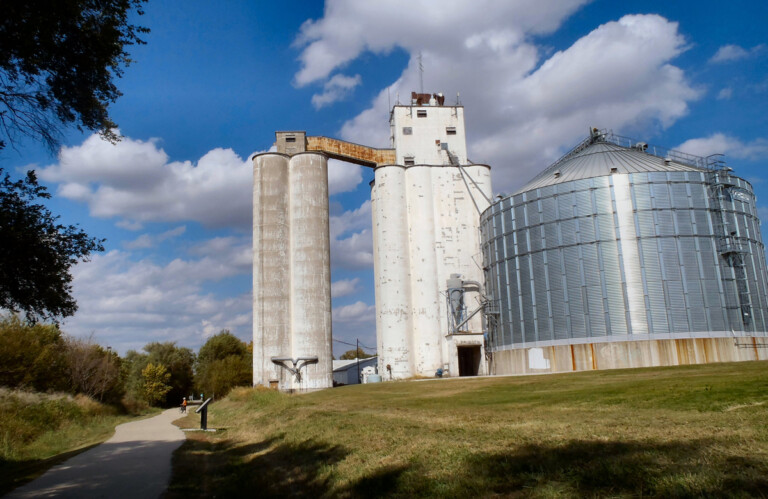
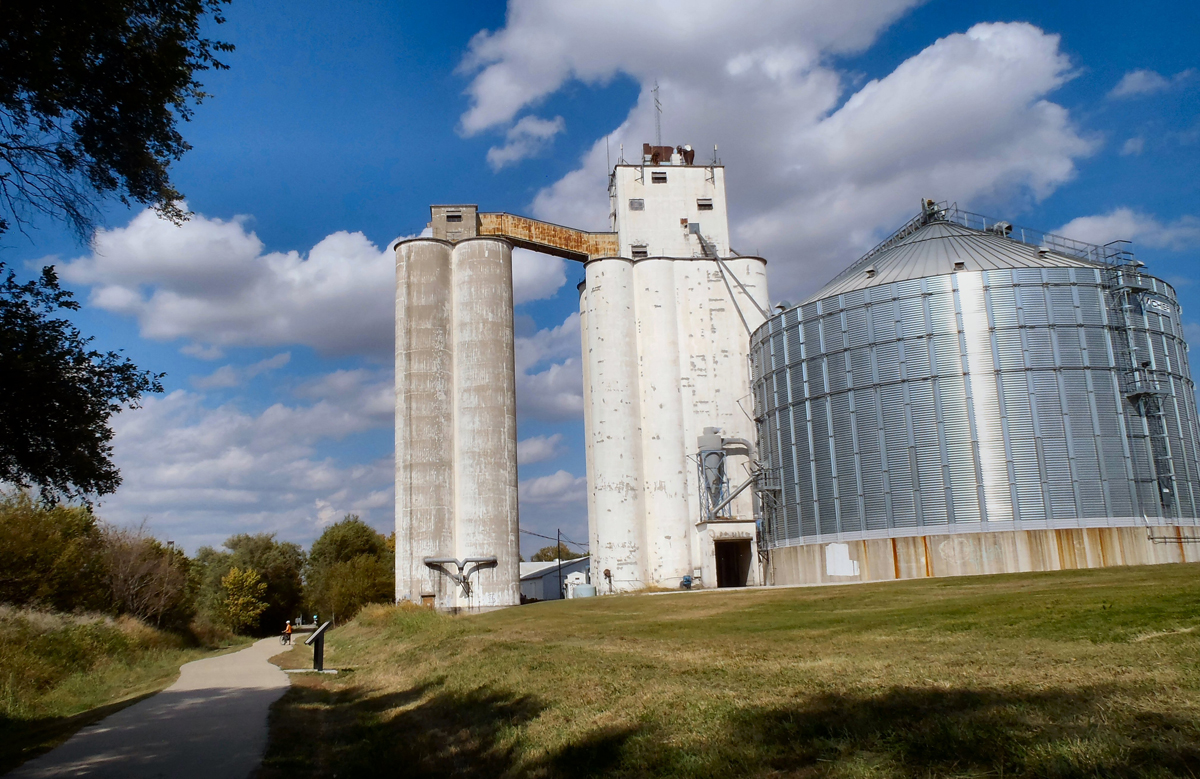
During that first day of riding, we passed through the very small towns of Bushong, Allen, Admire and Miller. Though we found no commercial services in any of the towns, each was lovely in its own way, well-kept, quiet, and marked with a Great Plains staple: a community water tank towering over it all.
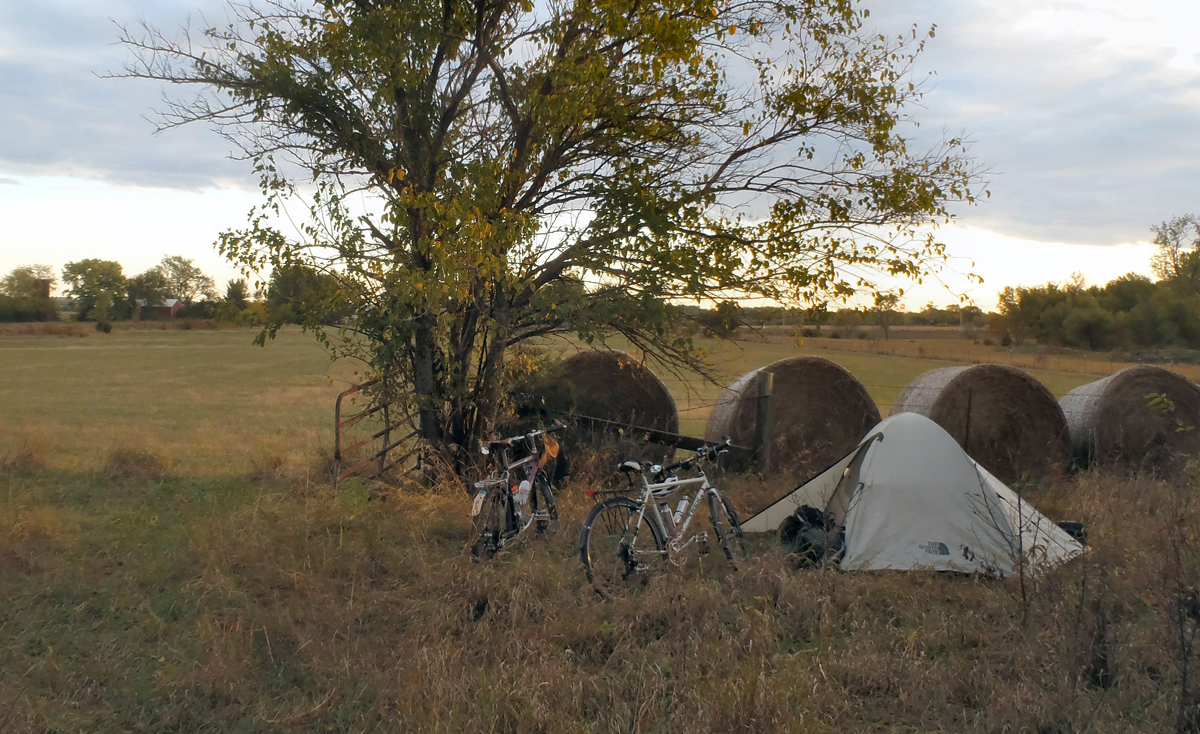
By late afternoon we had covered 40 miles or so and were starting to think about a camp for the night. We stopped for cold drinks and snacks in Osage City, a fair-sized town just off the trail, after a short, undeveloped section forced us to leave the trail. We passed through town, joined the trail again less than a mile from where we’d left it, then rode on for a few more trail miles before setting up camp on the edge of a fallow field. We fixed our evening meal, shared thoughts and impressions, then settled in for a well-earned night’s sleep, comforted by the familiar sounds of hooting owls, yipping coyotes, and tiny critters moving around in the underbrush.
Our camp near Osage City, Kansas. Photo by John Roberson
Our second day of riding took us through the towns of Vassar and Miller (again, no apparent services), onto a short, well-marked, off-trail detour through the countryside to the north, then on to the college town of Ottawa, the largest community on the trail. We replenished our supplies and had a delicious sit-down meal at a local cafe across from the county courthouse. We were back on the trail by mid-afternoon heading south and east towards the town of Osawatomie and the eastern end of the Flint Hills Nature Trail. This 20-mile stretch of the trail was especially nice. Its shady “tunnels” of green kept us cool as it ran adjacent to the mellow Marais des Cygnes River.
We approached the town of Osawatomie as the day was winding down. We asked a couple of cyclists we met where we might camp for the night and, as they gave us their ideas, we were joined by an enthusiastic crowd of cyclists out for their weekly evening cruise. They were all eager to share their enthusiasm for the trail and suggested we head for John Brown Park, a mile or so from the end of the trail. What a great group they were!
The town of Osawatomie (from the tribal names Osage and Potawatomie) was founded in the early 1850s by abolitionists from the east. Like their fellow “free staters” from Lawrence, the citizens of Osawatomie were fervently anti-slavery. And like the citizens of Lawrence, they were persecuted for their views by the pro-slavery “border ruffians” from nearby Missouri and suffered from violent attacks. John Brown Park memorializes a battle the took place in 1856 during which a small group of abolitionists, led by the infamous John Brown, were defeated in a battle that cost many local lives and resulted in the destruction of the town. We camped in the park that night and, despite the grim historical circumstances, slept quite well.
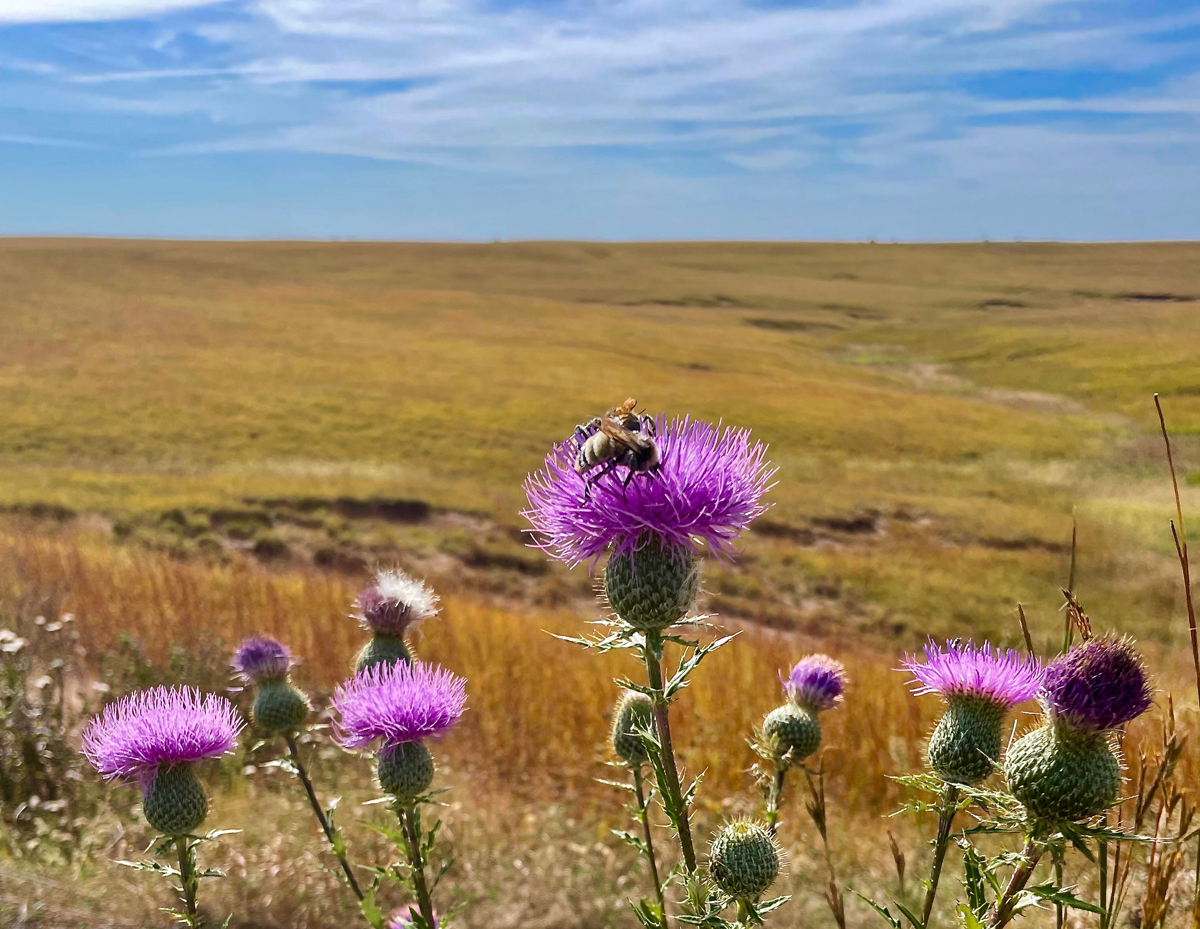
Flint Hills thistle and a bee. Photo by John Roberson
We were up early the next morning and back on the road on what looked to be another beautiful Kansas morning. Having completed our first objective by riding the length of the Flint Hills Nature Trail we were now thinking of Lawrence, about 40 winding miles from Osawatomie and the scene of the second phase of our adventure, we decided to avoid the more direct highways to Lawrence and instead backtrack along the trail to Ottawa. We would return to Ottawa by the same trail, but at a different time of day and from a different perspective. On the way out of town we ran into another set of local trail-riders, Jeff and Sarah, who were out for a morning ride. Sarah explained to us why she had a garden rake attached to her handlebars (to brush away spider webs), and Jeff spoke of his on-going efforts to refurbish and donate dozens of old bikes to his community. Nice folks!
The leisurely ride back up river to Ottawa made for a very nice morning and, after another delicious meal in town, we swapped the peaceful, cushy comforts of the trail for the potential hazards of Kansas public roads.
There are roads everywhere in the eastern part of Kansas, and most are either straight runs laid out in a north-south, east-west grid or winding, modern versions of historic ridge-top or river trails. The paved roads are smooth and well-maintained but often lack meaningful shoulders. The many dirt roads, while inherently slower and often dusty and hillier than the paved roads, were much quieter and so allowed us to appreciate our surroundings and ride at a much less stressful pace.
After winding through the neighborhoods north of Ottawa we found ourselves on dirt roads out in the open countryside. The roads were quiet, and we had grand views all around, but we were into hilly terrain and now had a persistent north wind to deal with. And to add the mix, I had to backtrack a couple of miles to retrieve a forgotten map packet. Nevertheless, we thought it was a pretty nice afternoon to be riding.
Roz looks out at Kansas “tunnels” of green. Photo by John Roberson
Our objective for the night was a Kansas state fishing lake north of the small city of Baldwin. We arrived around sunset, found a lovely site near the lake and set up our camp as the light faded from the day. We stretched our weary bones, had our evening meal, and talked about all the ways we might spend our upcoming time in Lawrence.
We spent the next morning winding our way north on backroads towards Lawrence. Although Roz knew the area well, and together we had explored much of the countryside around the city during previous visits, we were struck by how much things had changed in recent years. Old two-lane bypass roads were now four-lane highways and the ever-expanding suburbs seemed ready to fill every available field and meadow. It was all a bit disorienting. At one point, as we stopped to check our maps, a passing highway patrol officer asked if we needed help! After a very pleasant exchange of ideas, we persevered and soon found ourselves on the familiar South Lawrence Trafficway, a hard-surfaced bike path that runs more than eleven miles along the south and west edges of town.
Roz makes a wardrobe adjustment. Photo by John Roberson
We had the first of many sit-down meals in Lawrence at a Japanese restaurant on the south edge of town, then carried on into the city’s central business district. We checked into the historic Eldridge Hotel in downtown Lawrence for the first of five nights of relative luxury, then set about rediscovering the town we both (Roz especially!) liked and knew well.
Lawrence is a college town of about 100,000 people, home to the University of Kansas and Haskell Indian Nations University, as well as all the cool amenities associated with a socially progressive, college town. It was founded in the 1850s by determined anti-slavery immigrants from Massachusetts and was the scene of many violent confrontations between pro- and anti-slavery factions before and during the Civil War. In 1863, many men and boys were killed and Lawrence itself nearly destroyed during a raid by Quantrill and his Confederate raiders.
We spent the next five days riding (and walking) all around town, exploring familiar museums and attractions and eating in lots of different restaurants. Roz visited with old friends, and I found cozy spots to while away the sunny afternoons. We sampled the excellent beer from the Free State Brewery, enjoyed a delightful vegetable korma at the India Palace, and took in the dusty dioramas at the KU field museum on campus. We traveled nearly everywhere by bike, taking advantage of both designated bike paths and peaceful, brick-surfaced neighborhood lanes. One day we rode out on the levees that keep the Kansas River floodwaters from inundating the town during flood times, and on another day discovered the short, but sweet, Burroughs Creek Trail east of town.
The Burroughs Trail in Lawrence, Kansas. Photo by John Roberson
Throughout the trip, so far, the weather had been good. The temperatures were a little on the warm side, considering the time of year, but the skies had been blue and the beastly Midwestern winds that had bedeviled us during past tours were kinder to us this time around. We faced no wet weather while riding, but we were treated to an awe-inspiring thunderstorm on the night before we planned to head out of town. The wind howled, torrents of rain fell, and the thunder and lightning put on a steady show for over an hour while we hunkered down in our cozy room at the Eldridge.
We checked out the following morning, said goodbye to Lawrence, and began our trip back to Council Grove. The storm had cleared the air, dampened the earth, brightened everyone’s spirits, and made for perfect riding conditions as we headed south, out of town. We spent the day riding quiet, paved, and graded country roads, passing Lone Star and Pomona reservoirs along the way. Late in the day we were forced onto a stretch of busy highway south of Pomona Reservoir but were back on the Flint Hills Trail again an hour or so before sunset. It was a relief to be back on the trail where the only sounds were the crunch of tires on the crushed limestone trail base and the calls of birds in the brush and woods beside the trail. We made our camp east of Osage City and enjoyed another restful night’s sleep.
The following morning found us well-rested but facing what would turn out to be a somewhat trying day. Despite the quiet comforts of a familiar trail and the certainty of another beautiful October day, we faced a stiff headwind all day long. It was easier for us to manage when riding through the “tunnels” of green where the foliage lessened the force of the wind, but when we rose up into the open Flint Hills to the west we had no choice but to gear down and plow through. Of course, every bicycle tourist has to face windy conditions now and again, and we took comfort in realizing that, in terms of Kansas breezes, it had been a piece of cake for us thus far. As experienced tourists we knew that whether facing ups and downs, headwinds or tailwinds, rough roads or smooth, it all balanced out in the end.
A Kansas bike tour. Map by John Roberson
The winds eventually mellowed, and the late afternoon sun was settling into the west as we arrived back at our starting point in Council Grove, a bit surprised that we had made such steady progress. We had anticipated spending another night on the trail, but instead found ourselves loaded up and ready to head home around sunset. We had a meal at Hays House in Council Grove (reported to be the oldest, continuously-operated restaurant west of the Mississippi) then started out of town.
On the way out of Council Grove, the flashing red and blue lights of a city police cruiser caused us to stop. Not knowing what to expect we were greeted by a friendly officer who assured us that we weren’t in trouble and that he only wanted to ask us about our trip! We had left a note on our vehicle’s dashboard describing our general itinerary, which the officer had seen. It turned out that he was a newcomer to the area and curious about the trail and its possibilities, which we were happy to describe. It was a nice encounter, and it seemed fitting somehow, given all we had experienced, that there we were, a couple of out-of-towners just off the trail and already extolling the virtues of a local resource that we had come to feel we could call our own.
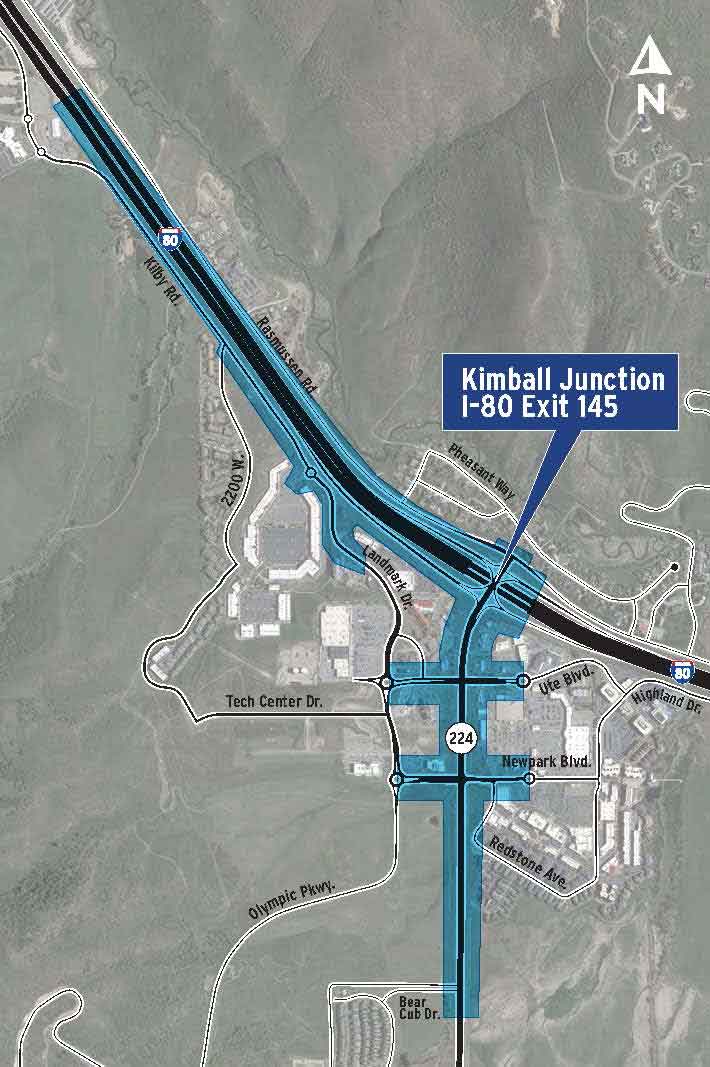
By Charles Pekow — Revisions to Kimball Junction in Summit County, Utah may include a new bike bridge and other improvements. The Federal Highway Administration and Utah Department of Transportation are considering improvements to the area, which includes the I-80 and SR-224 interchange and SR-224 through the two at-grade intersections to the south of I-80 (Ute Boulevard and Olympic Parkway).
KImball Junction Study Area. Image from Utah Dept. of Transportation
Officials still have to decide exactly what form the revisions will take, if any, but the options include reducing traffic along bike lanes. Currently, multi-use trails parallel 224 and the Summit Bike Share system serves the area. The trails lead to more than 500 miles of paved and mountain bike trails.
Alternatives under consideration involve adding a bridge over 224 or adding a pedestrian tunnel at Ute.
By Charles Pekow — Development of safety policy has long been plagued by the lack of adequate information about crashes. No databases are complete, as police, hospital and insurance reports are most likely to include only incidents that get reported, which disproportionately involve those involving autos and serious casualties. They also under-include incidents on trails and parks and near misses. Researchers have long been trying to get better data. The latest attempt to find more inclusive data comes in a study in Vancouver, British Columbia published by the Canadian Geographer.
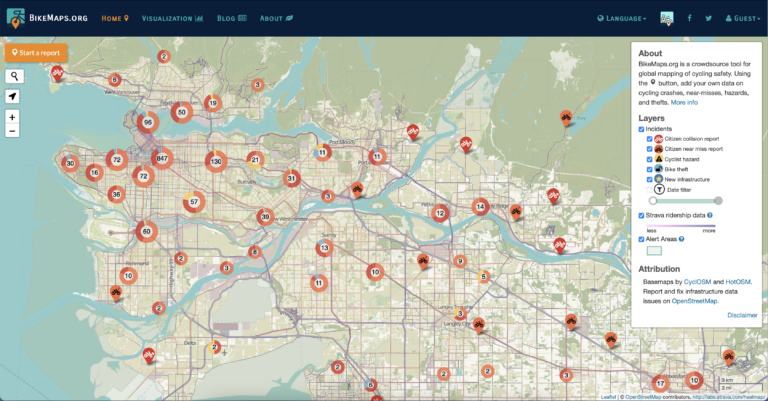
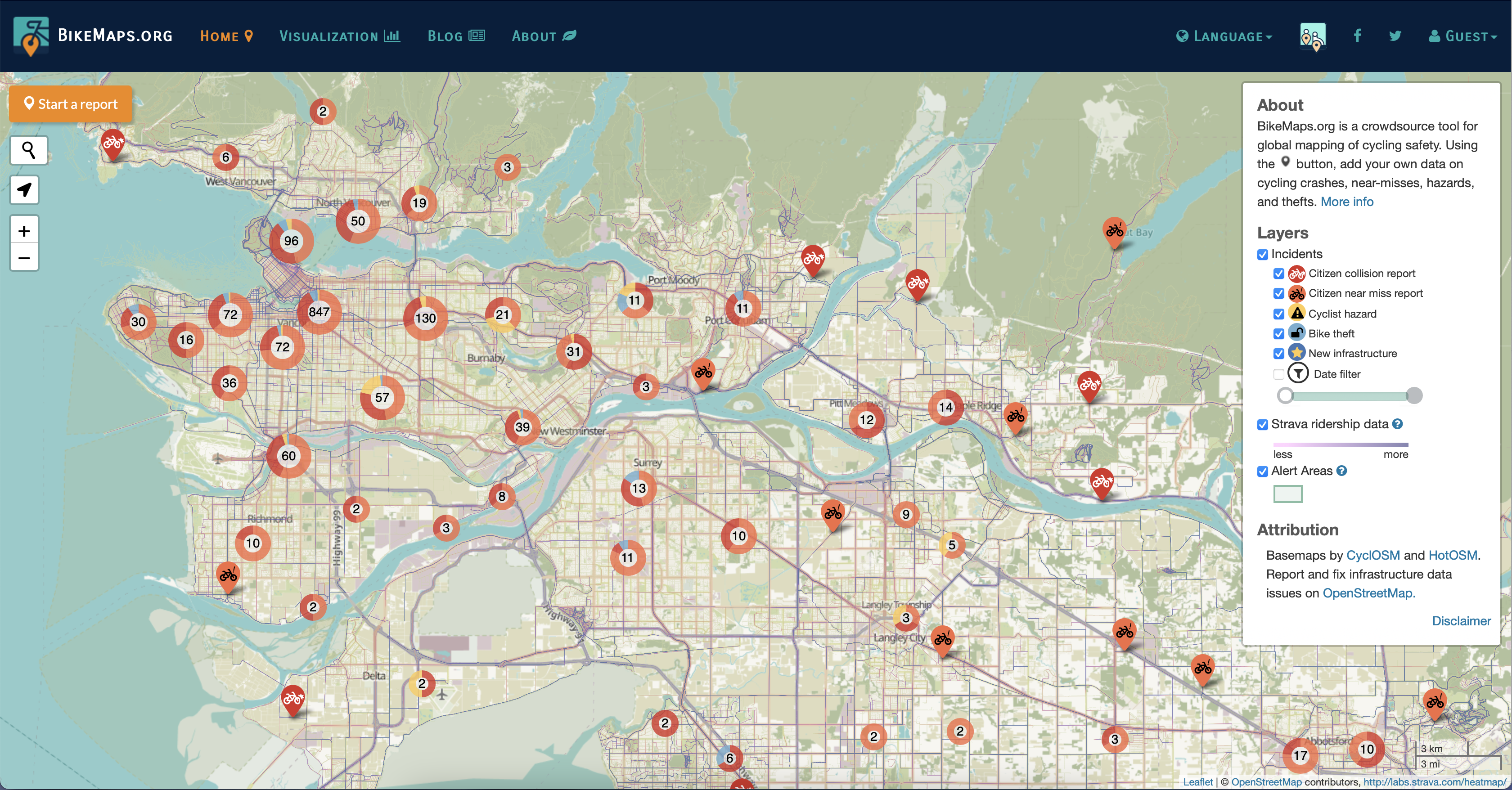
Screenshot of BikeMaps.org, Vancouver, BC (03/18/2023)
The researchers relied on BikeMaps.org, a tool for self-reporting incidents, crashes, and thefts. “These new data sources can supplement the gaps of traditional datasets, for example by providing more granular incident details and increasing the amount of data available for safety research,” says the study, Spatial Variation in Bicycling Risk Based on Crowdsourced Safety data (https://onlinelibrary.wiley.com/doi/10.1111/cag.12756).
While self-reported data are incomplete, just like the other sources, they did turn up some patterns: the old and the young were more likely to get hurt than those aged 30-49. And riders were more likely to get hurt if they fell off a bike than if they collided. Riders were more likely to suffer injury riding downhill or on streets with parked cars.
The project acknowledged that it did not compare its data with other findings, and they could reflect the biases of those self-reporting using BikeMaps.org.
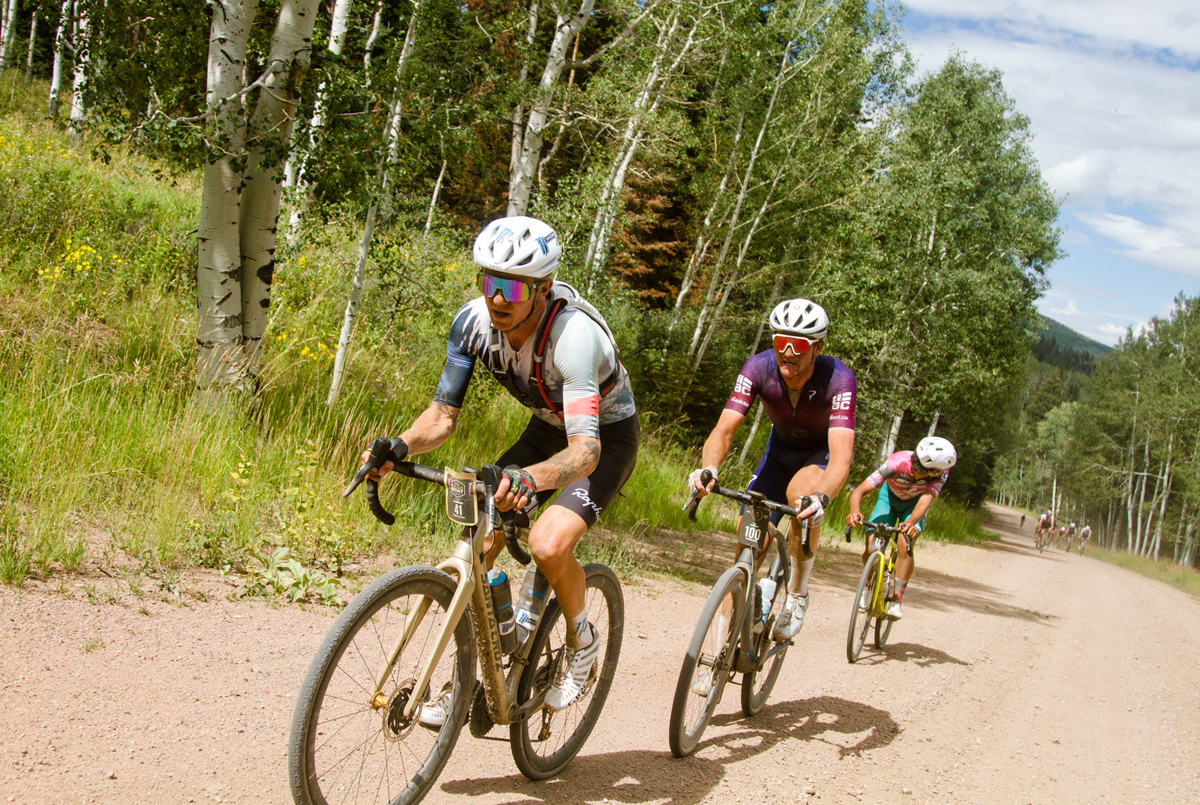
COLORADO SPRINGS, Colorado (March 16, 2023) — The first-ever 2023 USA Cycling Gravel National Championships will take place in Gering, Nebraska on September 9. The event will have a $60,000 prize purse and serve as an automatic qualifier for the UCI Gravel World Championships.
“Over the last five years, the explosive growth of gravel has energized American cycling. Our involvement in the past 18 months has mainly focused on the support of gravel event organizers through sanctioning events such as the Grasshopper Adventure Series, the Rule of Three, and Rasputitsa. We’re now proud to join the list of ever-growing gravel events in the United States.” —Brendan Quirk, USA Cycling CEO
USA Cycling is offering a $60,000 prize purse for the Elite races, with an equal pay out for Men and Women. This marks the largest single-day cash prize in the history of American gravel.
“While this event is a benefit to our members and a long-awaited addition to the national championship calendar, we’re not using a cent of membership dues to fund the prize purse, nor are we diverting funds from grassroots racing programs. 100% of the prizes will be funded by entry fees and sponsorship,” said Quirk.
Keegan Swenson on his way to winning the 2022 SBT GRVL race and the Leadboat Challenge. Photo by Linda Guerrette
The best names in off-road racing will be gathering in Nebraska, including 2022 LifeTime Grand Prix Champion Keegan Swenson.
“I am really looking forward to the USA Cycling Gravel National Championships. I think gravel has quickly become some of the most competitive racing in the U.S., and I cannot wait to give it my all in Gering, Neb. in the fight for the first gravel stars and stripes jersey.” —Keegan Swenson, Professional Cyclist
With the new addition of the UCI Gravel World Championships, the Gravel National Championship will classify as a qualifier for the 2023 event held in Venetia, Italy October 7-8. The top three in the Elite Men’s and Women’s events will automatically qualify for the World Championships and will be supported by USA Cycling. The finalized World Championship Elite selection criteria will be published in coming weeks. Additionally, age group race winners will automatically qualify for their respective categories for the 2023 UCI Gravel World Championships.
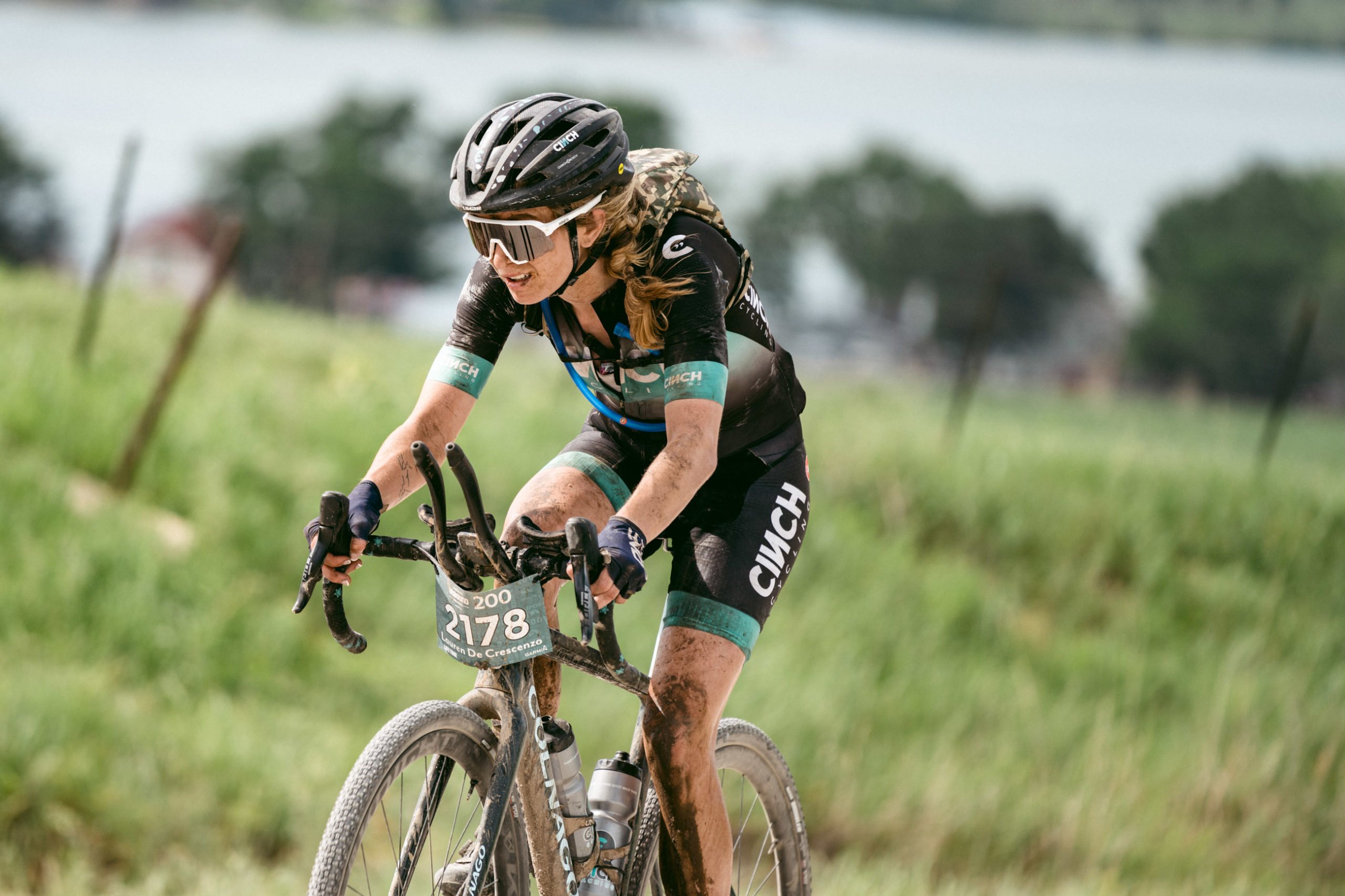
Last year, Lauren De Crescenzo finished top 20 at the inaugural Gravel World Championship, and is now looking forward to competing for the National title.
“There’s not much we can take credit for as Americans in the history of cycling. But gravel cycling has its roots deeply embedded here, and because of that, I see the USA Cycling Gravel National Championship as the natural progression in the development of our sport. The course has equal distance and prize money and represents what a true American gravel race should be. I would love to see an American win a World Championship, solidifying our place on the world stage, and in the process, grow our sport. A proper qualifier with USA Cycling backing is a huge step in making that happen.” —Lauren De Crescenzo, Professional Cyclist
Gravel racers from around the country will be treated to countless miles of dirt roads in Nebraska’s Landmark Country, passing famous rock formations such as Scotts Bluff National Monument and Chimney Rock that once served as landmarks for Native Americans and settlers traveling west on the Oregon Trail. Racers will experience the area’s beauty as they compete on courses with over 90% gravel and they will continue to add to local history by racing in the inaugural Gravel National Championship.
On behalf of the Scotts Bluff Area Visitors Bureau and Scotts Bluff County, we welcome USA Cycling to Gering. This once in a lifetime opportunity to host an inaugural Gravel National Championship event is a dream come true for our vibrant Western Nebraska community. We look forward to building a memorable race that will create strong relations with athletes and stakeholders in our sports market. We are eager to team up with USA Cycling in 2023-2024. —Brenda Leisy, Director of the Scotts Bluff Area Visitors Bureau
In addition to the support from Scotts Bluff County and Visitors Bureau, Aaron Raines, organizer of the Robidoux Rendezvous, will be assisting in yet again creating another incredible gravel race in Landmark Country.
“The Gering Visitors Bureau and the City of Gering enthusiastically welcome the 2023 Gravel National Championships to Gering and Western Nebraska in partnership with USA Cycling. Gravel riders and guests will experience a welcoming city with an energetic vibe and a rich-historic cycling culture. Natural scenic beauty and historic landmarks backdrop the challenging gravel courses that come together in a community dedicated to hospitality and service to ensure the USA Cycling inaugural event is an adventure and a memorable success,” said Karla Niedan-Streeks from the Gering Visitors Bureau.
To learn more about eligibility and race details, visit http://gravelnats.usacycling.org/.
Riders must be USA Cycling members with a domestic racing license to register. Registration will open on Friday, July 14th at 10 am MT.
[Editor’s Note: 59’31” is a word and visual art piece by Steven Sheffield. It’s a puzzle too. Can you solve it? Send your solution to [email protected]. We’ll reveal the answer next month.]
Enjoyment of food should be one of life’s pleasures. Unfortunately, I counsel too many athletes who scrutinize food and talk about eating nutrients (protein, carbs, and fat). They put a lot of energy into counting macros, calories and grams of sugar. Some find meals and snacks to be sources of anxiety, not enjoyment.
Breakfast with oats and peanut butter is a great way to start the day. Photo and food by Dave Iltis
Way too many athletes and fitness exercisers consider breakfast and lunch to be somewhat optional. The goal of this article is to share food for thought about these two important meals of the day—and help you fuel your body adequately, enjoyably, and effectively for your sports-active lifestyle.
Breakfast thoughts
Weight-conscious athletes: please don’t even try to restrict calories at breakfast (or lunch). You need energy during the active part of your day to refuel from your morning workout or fuel up for your afternoon session. Your best bet is to fuel well by day, eat a lighter dinner, and lose weight at night when you are sleeping! As one dieter reported,“I lost weight easily when I ate dinner for break- fast and breakfast for dinner.” Give that a try?
Remember when orange juice was a standard part of breakfast? Today, many athletes have stopped drinking orange juice because “it has too much sugar.” That might be true for unfit people with bodies that metabolize sugar far differently than the bodies of athletes. But for athletes, OJ is OK—a quick, easy, and thirst-quenching form of fruit. The natural sugars in orange juice offer helpful fuel before or after a morning workout— while simultaneously providing a day’s supply of Vitamin C, plus potassium, folate, and other health-promoting nutrients.
Ironically, the same athletes who shun orange juice often fail to take the time to eat a whole orange (or other fruit) instead. All 100%-juices are an easy way to boost intake of this important food group. Any form of fruit—juice, canned, dried, frozen—is better than no fruit!
I have clients who take pride in cooking their steel cutoats, believing they are far more nutrient-dense than good ol’ fashioned rolled oats. Both rolled and steel cut oats have similar nutritional value. The difference is steel cut oats are cut, instead of softened and then rolled, and take far more time to cook.
Please don’t try to “stay away from” peanut butter, believing it to be “fattening.” Rather, enjoy peanut butter on toast and bagels, or blended into smoothies, or swirled into oatmeal. PB’s fat is health-protective, anti-inflammatory, and satiating. It’s slow to digest, which helps keep you feeling fed until lunch.
Whole grain breakfast cereals that are enriched or fortified (as noted on the label) can be good sources of iron, needed to reduce your risk of developing iron-deficiency anemia. Athletes’ diets can easily be low in iron if they do not eat red meat or cook in a cast iron skillet. Hence, iron-fortified cereals topped with fruit (for vitamin C, to help absorb the iron), milk (dairy or soy, for calcium and protein), and almonds (for a bit more protein) offers an effective sports breakfast—as well as sports-snack.
Almond milk on cereal or in your coffee is a nutritionally poor swap for dairy milk. Almond milk offers only 2 grams of low-quality protein, as compared to 8 grams of high-quality dairy protein. The protein in dairy milk is 80% casein and 20% whey—the stuff you get in protein powder! If you prefer a plant-based milk, soy and pea milks are the best options for protein. Environmentalists, please note: Cars, not cows, will “ruin the planet.”
Lunch thoughts:
If you feel hungry an hour or two after lunch, you did not eat enough lunch. How much lunch is enough? By listening to your body’s signals, you can intuitively eat the right amount. The key is to pay attention to why you stop eating at lunchtime. Do you stop eating because 1) The food is gone? 2) You think you should? 3) You feel content and nicely satiated?
The correct answer is 3) You feel content. An adequate lunch will leave you feeling fed for three to four hours. You’ll no longer crave afternoon sweets within an hour or two post-lunch. A hearty lunch helps curb 3:00 pm snack attacks and helps you arrive home at the end of the day with energy to cook a decent meal. You are going to eat the calories eventually, so why hold off until you can no longer white-knuckle the hunger?
Despite popular belief, sandwich bread is NOT fattening; excess calories of any kind are fattening. You can even enjoy a bagel for breakfast and a sandwich for lunch without “getting fat”! Carb-rich bread will fuel your muscles far better than a carb-lite lunchtime salad.
If you are among the many athletes who eat a salad for lunch—and then complain you are craving sweets and eating cookies an hour or two later, think again. While salads are a helpful way to boost your intake of veggies, you might be better off satiating your appetite with PB & J or turkey/cheese/pesto sandwich made on Dave’s Killer Bread or other hearty bread. For veggies, simply, munch on cherry tomatoes, baby carrots, pepper strips; far easier than making a salad!
If you insist on eating a salad for lunch, make sure it is an “athlete’s meal” that offers a hefty dose of starchy veggies (sweet potato, beets, corn) and grains (farro, quinoa, pasta, a whole grain roll on the side). A bowlful of greens (50 calories) smothered with 350 calories of dressing will leave you with poorly fueled (i.e., tired) muscles.
To put the need for carbohydrate into perspective, a 150-pound athlete who trains hard for 1.5 to 2 hours a day should target at least 3 grams carb per pound of body weight per day = 450 g carb = 1,800 calories from carbs/day = 500-600 calories carbs/ meal. A big spinach salad comes nowhere near that!
Even if you want to build muscle, don’t over-eat protein to the extent it displaces carbohydrate. Poorly fueled muscles won’t be able to lift weights as well as when carb-loaded. Think again before filling up on a high protein, low carb green salad + big chicken breast + dressing for lunch. A sports diet should contain three times more calories from carbs than protein.
Bottom line:
Please enjoy satisfying breakfasts and lunches that keep you feeling fed for three to four hours. You will feel happier, more energetic, have better workouts, be less ravenous at the end of the day—and less likely to overeat the “wrong” food at night. Experiment?
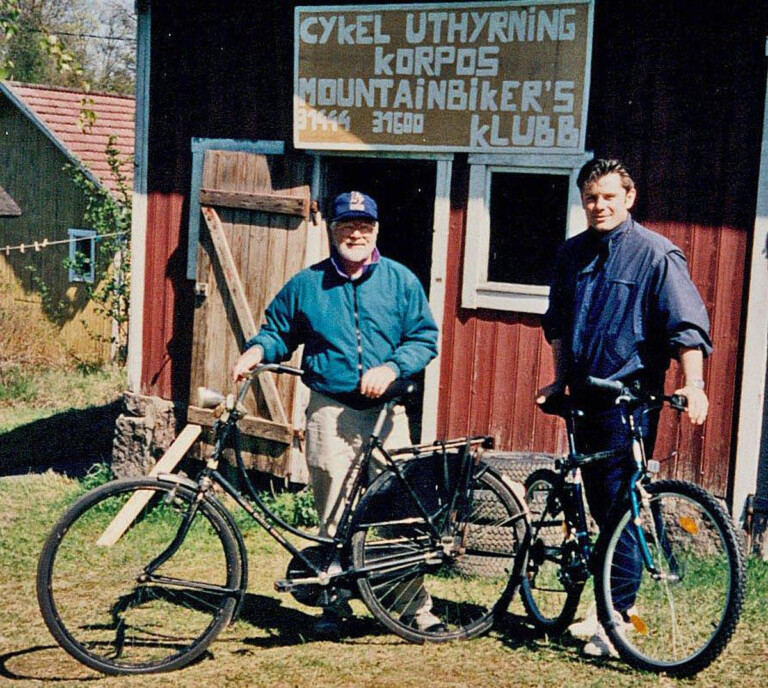
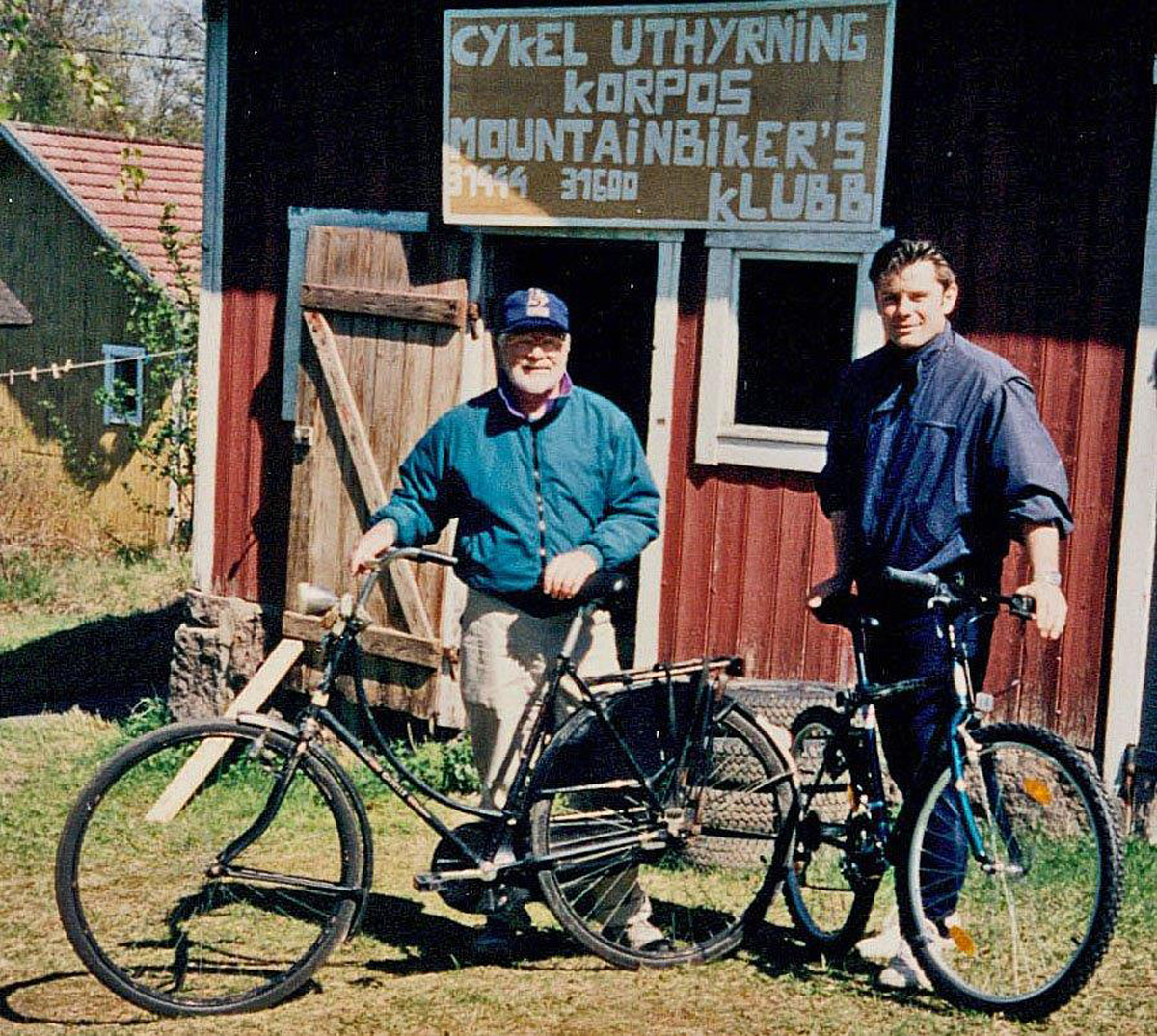
By Jay Hudson — It’s easy to rent a bicycle, but it is likely you won’t find an antique. You can find, rent and ride one at “CYKEL UTHYRING” outside the city of Turku, Finland, not far from the capitol city Helsinki. Riding in Finland is not that difficult in most of the country and the backcountry roads are not carpeted with advertising and American fast food joints. They don’t demand a polished bicycling handling technique. In 1994 my wife and I had visited the family of an exchange student who had taken her High School senior year to study English and customs here in America.
Jay Hudson (left) rode an antique bicycle in Finland. “I wanted to see if I could feel what a Finnish rider felt when she went shopping for bread or wheat or milk when WWII was hot and she had to keep an eye open for incoming bombs, saboteurs, spies, threats to simply daily living.” Photo courtesy Jay Hudson
I have found that the best way to see a country is to get on a bus and go to the end of the line. It’s cheap and if you sit near the driver, he will act as a tour guide. The other best way to see a country is to rent a bicycle. You can stop where you want, spend as much time as you want, experience the tastes, smells, costumes and practice saying “thank you” in the native language. All this avoids following a hired tour guide, keeping up with his “I’m over here” flag on a pole and missing most of what she says.
I could have rented a modern bike, but I wanted to see if I could feel what a Finnish rider felt when she went shopping for bread or wheat or milk when WWII was hot and she had to keep an eye open for incoming bombs, saboteurs, spies, threats to simply daily living.
I wondered who owned my rental bike in 1944, could she get safely from her home to the fields to find a missed potato for her hungry family. Was the bike used by a patriot in a ride-by killing of a known enemy sympathizer? When gasoline was severely rationed and people had to walk or depend on my rental bike for common daily details, did they cherish the bike not for its recreational value but for survival?
I looked for evidence of survival on my rentalbike. Were there repairs because parts were unavailable? Was the paint color unvaried during the war? Were there graveyards of abandoned bikes or was every broken bike saved because the owner of my rental valued every part for a future event unimagined. Perhaps the original owner laid on a blanket beside a slowly moving stream enjoying company during a lull in the fighting.
I didn’t care if the bike creaked, if it was scratched, handled roughly or seemed unworthy. I only hoped I would not be the cause of its true retirement. Its life was not over! May the next renter feel its history, its untold stories and it’s truly named “antique”.
Cycling West and Cycling Utah Magazine’s Early Spring 2023 Issue is now available as a free download (15 MB download). Pick up a copy at your favorite Utah, Idaho, Wyoming, Nevada, Montana, Colorado, Arizona, New Mexico, and Northern California bike shop or other location.
The Gravity Mountain Bike National Championships will head to Ride Rock Creek in 2023 and 2024
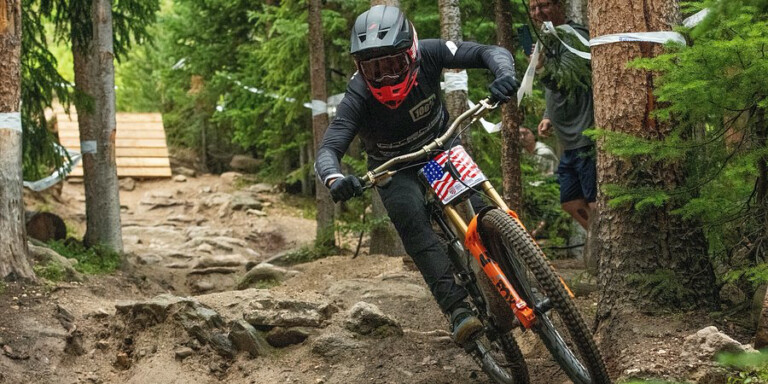
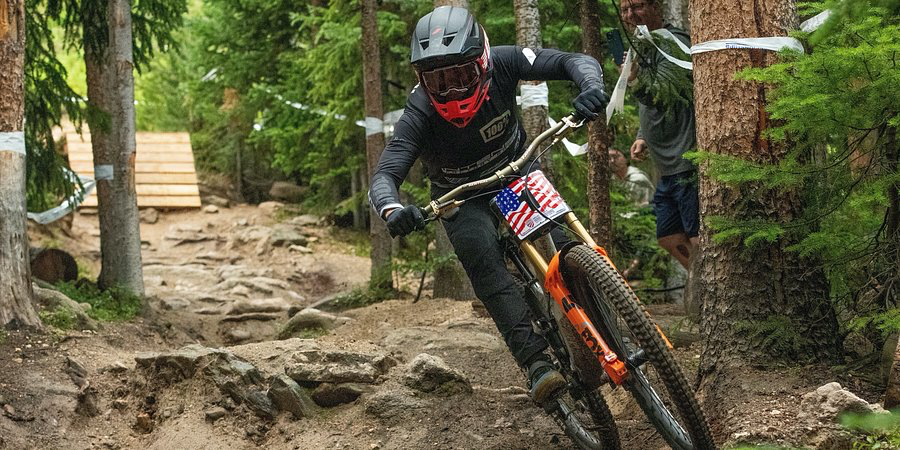
USA Cycling Announces 2023 Gravity Mountain Bike National Championships and National Downhill Series. Photo courtesy USA Cycling
COLORADO SPRINGS, Colorado (March 14, 2023) — USA Cycling is excited to announce that the 2023 Gravity Mountain Bike National Championship will take place July 12-16 at Ride Rock Creek in Zirconia, N.C. At this event, the stars-and-stripes will be up for grabs in Downhill, Dual Slalom, and Enduro racing for professional and age-group categories. The event will remain at Ride Rock Creek for 2024.
USA Cycling is proud to bring the National Championship to the new premier downhill mountain biking venue Ride Rock Creek Mountain Bike Park in the southeast. Founded by National Team athlete and professional downhill mountain bike racer, Neko Mulally, the park was built in 2022 on a 300-acre plot on the edge of the infamous DuPont State Forest.
“We’re excited to bring another mountain bike national championship back to the east coast. We are eager to see the development and growing community at Ride Rock Creek and know this will be a great new addition to our National Championship venues with newly built dual slalom course and enduro stages”
—Tara McCarthy, Director of National Events at USA Cycling
“Creating a venue to host large scale cycling events was our vision from the start at Rock Creek. I can’t think of a better way to put that into action than working with USA Cycling to produce the 2023 and 2024 Gravity Mountain Bike National Championships. Building racetracks is our passion, and we’re proud to have the nation’s best competing on our trails.”
—Neko Mulally, Ride Rock Creek
USA Cycling is still working to finalize a location for Collegiate Mountain Bike Nationals on October 12-15, 2023, as well as the final details for Gravel Nationals. More information will be shared soon.
In addition to the National Championship, the National Downhill Series will kick off on March 25 with three stops. Races will take place at Windrock Bike Park, Mountain Creek, and Killington.
Event
Dates
Location
Tennessee National
March 25-26
Oak Ridge, Tenn.
Mountain Creek Spring National
May 25-28
Vernon, N.J.
Fox US Open of Mountain Biking
September 21-24
Killington, Vt.
For more information on the National Downhill Series (NDHS), click here.