Home Blog Page 94

Inaugural USA Cycling Gravel National Championship Heads to Nebraska on September 9, 2023, with Largest Gravel Prize Purse in American History

0

COLORADO SPRINGS, Colorado (March 16, 2023) — The first-ever 2023 USA Cycling Gravel National Championships will take place in Gering, Nebraska on September 9. The event will have a $60,000 prize purse and serve as an automatic qualifier for the UCI Gravel World Championships.

“Over the last five years, the explosive growth of gravel has energized American cycling. Our involvement in the past 18 months has mainly focused on the support of gravel event organizers through sanctioning events such as the Grasshopper Adventure Series, the Rule of Three, and Rasputitsa. We’re now proud to join the list of ever-growing gravel events in the United States.” —Brendan Quirk, USA Cycling CEO

USA Cycling is offering a $60,000 prize purse for the Elite races, with an equal pay out for Men and Women. This marks the largest single-day cash prize in the history of American gravel.

“While this event is a benefit to our members and a long-awaited addition to the national championship calendar, we’re not using a cent of membership dues to fund the prize purse, nor are we diverting funds from grassroots racing programs. 100% of the prizes will be funded by entry fees and sponsorship,” said Quirk.
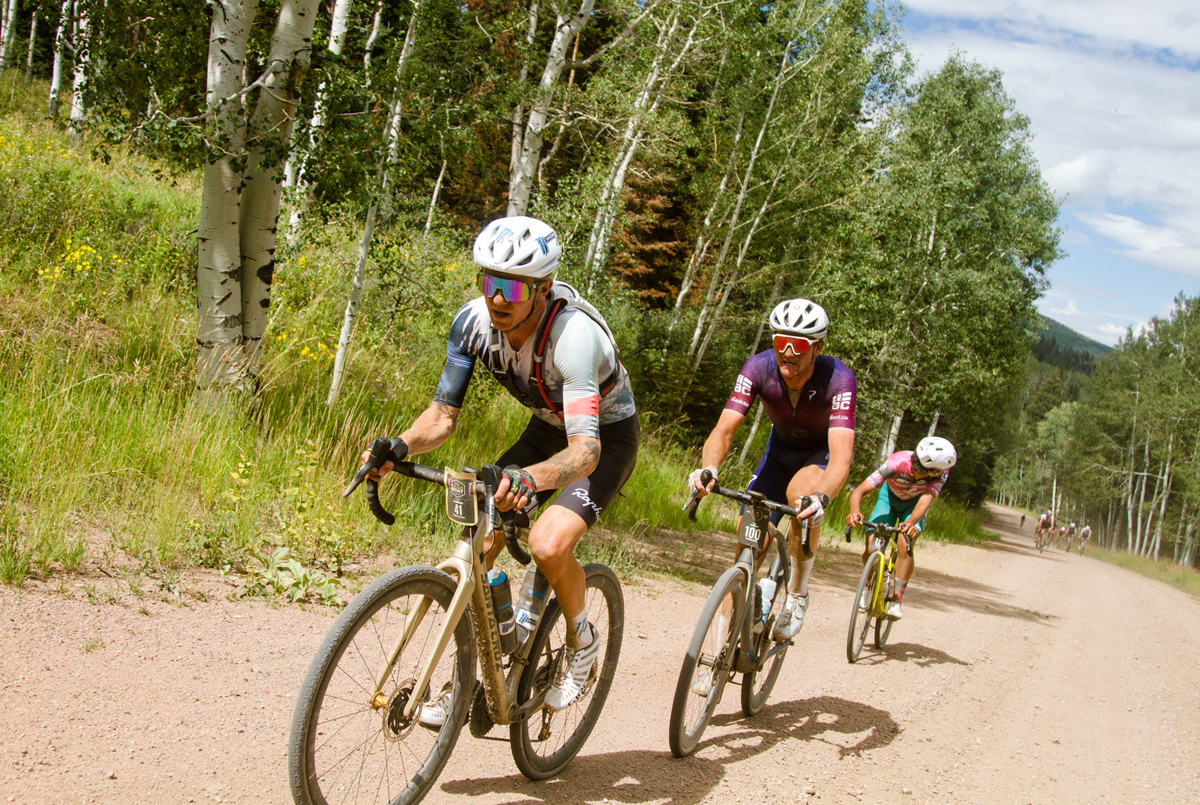
Keegan Swenson on his way to winning the 2022 SBT GRVL race and the Leadboat Challenge. Photo by Linda Guerrette

The best names in off-road racing will be gathering in Nebraska, including 2022 LifeTime Grand Prix Champion Keegan Swenson.

“I am really looking forward to the USA Cycling Gravel National Championships. I think gravel has quickly become some of the most competitive racing in the U.S., and I cannot wait to give it my all in Gering, Neb. in the fight for the first gravel stars and stripes jersey.” —Keegan Swenson, Professional Cyclist

With the new addition of the UCI Gravel World Championships, the Gravel National Championship will classify as a qualifier for the 2023 event held in Venetia, Italy October 7-8. The top three in the Elite Men’s and Women’s events will automatically qualify for the World Championships and will be supported by USA Cycling. The finalized World Championship Elite selection criteria will be published in coming weeks. Additionally, age group race winners will automatically qualify for their respective categories for the 2023 UCI Gravel World Championships.
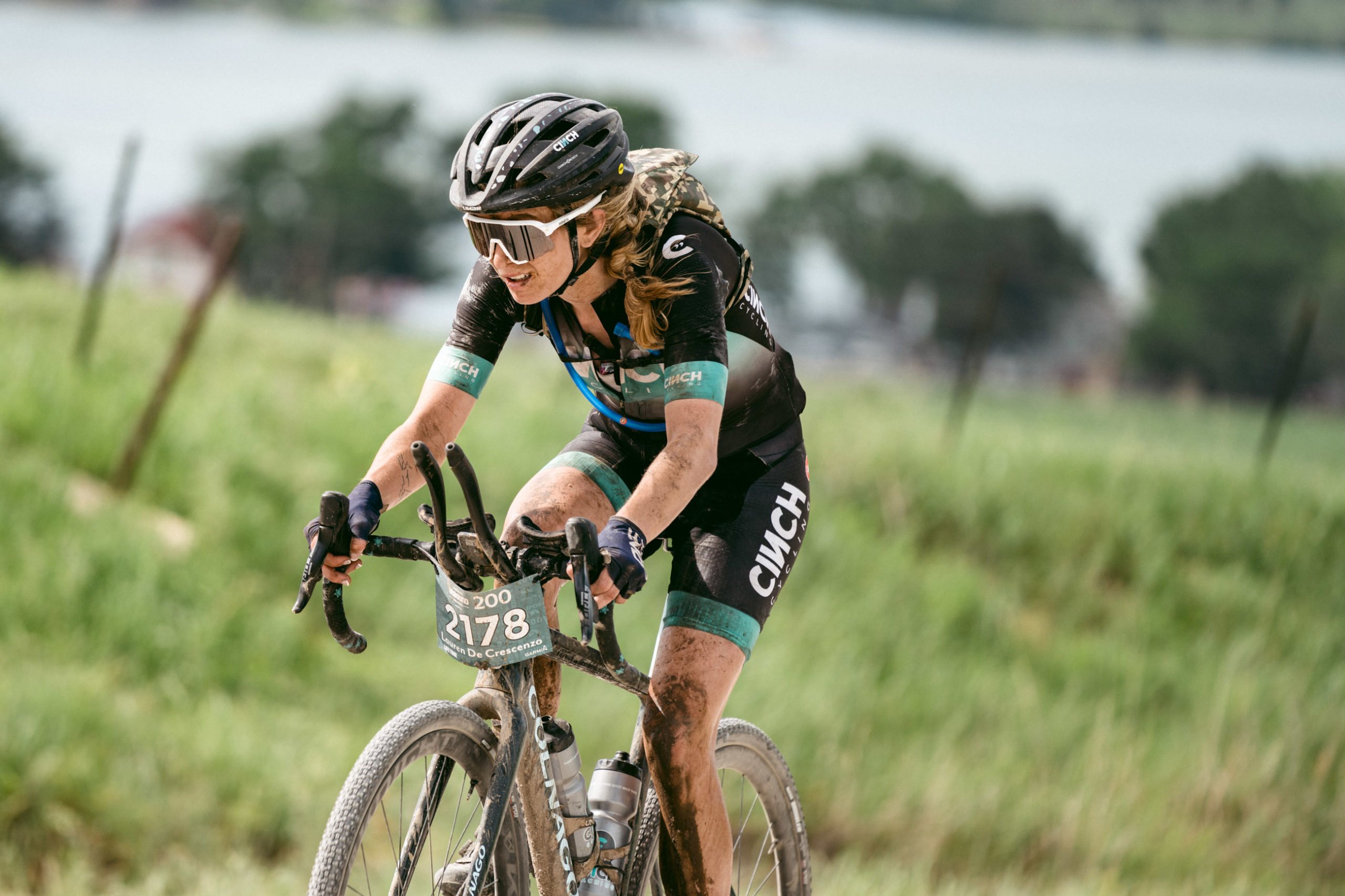
Women's UNBOUND 200 Winner, Lauren de Crescenzo. Photo courtesy ENVE Composites/Ian Matteson
2021 Women’s UNBOUND 200 Winner, Lauren de Crescenzo. Photo courtesy ENVE Composites/Ian Matteson

Last year, Lauren De Crescenzo finished top 20 at the inaugural Gravel World Championship, and is now looking forward to competing for the National title.

“There’s not much we can take credit for as Americans in the history of cycling. But gravel cycling has its roots deeply embedded here, and because of that, I see the USA Cycling Gravel National Championship as the natural progression in the development of our sport. The course has equal distance and prize money and represents what a true American gravel race should be. I would love to see an American win a World Championship, solidifying our place on the world stage, and in the process, grow our sport. A proper qualifier with USA Cycling backing is a huge step in making that happen.” —Lauren De Crescenzo, Professional Cyclist

Gravel racers from around the country will be treated to countless miles of dirt roads in Nebraska’s Landmark Country, passing famous rock formations such as Scotts Bluff National Monument and Chimney Rock that once served as landmarks for Native Americans and settlers traveling west on the Oregon Trail. Racers will experience the area’s beauty as they compete on courses with over 90% gravel and they will continue to add to local history by racing in the inaugural Gravel National Championship.

On behalf of the Scotts Bluff Area Visitors Bureau and Scotts Bluff County, we welcome USA Cycling to Gering. This once in a lifetime opportunity to host an inaugural Gravel National Championship event is a dream come true for our vibrant Western Nebraska community. We look forward to building a memorable race that will create strong relations with athletes and stakeholders in our sports market. We are eager to team up with USA Cycling in 2023-2024. —Brenda Leisy, Director of the Scotts Bluff Area Visitors Bureau

In addition to the support from Scotts Bluff County and Visitors Bureau, Aaron Raines, organizer of the Robidoux Rendezvous, will be assisting in yet again creating another incredible gravel race in Landmark Country.

“The Gering Visitors Bureau and the City of Gering enthusiastically welcome the 2023 Gravel National Championships to Gering and Western Nebraska in partnership with USA Cycling. Gravel riders and guests will experience a welcoming city with an energetic vibe and a rich-historic cycling culture. Natural scenic beauty and historic landmarks backdrop the challenging gravel courses that come together in a community dedicated to hospitality and service to ensure the USA Cycling inaugural event is an adventure and a memorable success,” said Karla Niedan-Streeks from the Gering Visitors Bureau.

To learn more about eligibility and race details, visit http://gravelnats.usacycling.org/.
Riders must be USA Cycling members with a domestic racing license to register. Registration will open on Friday, July 14th at 10 am MT.
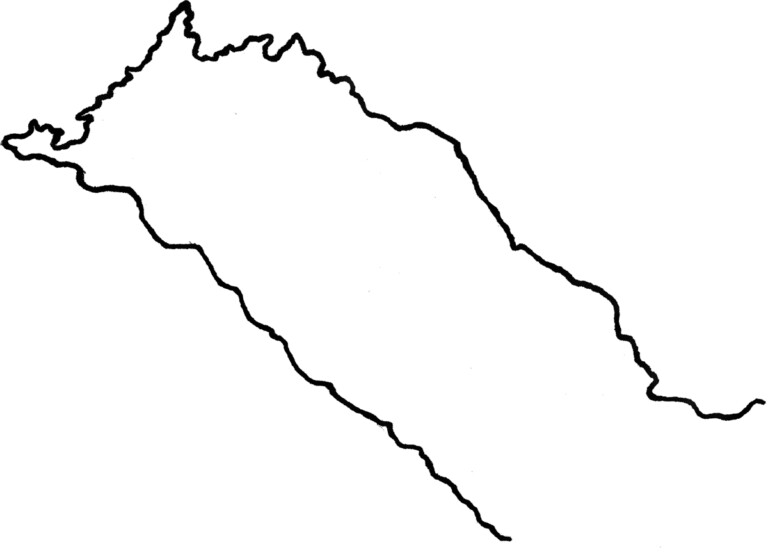
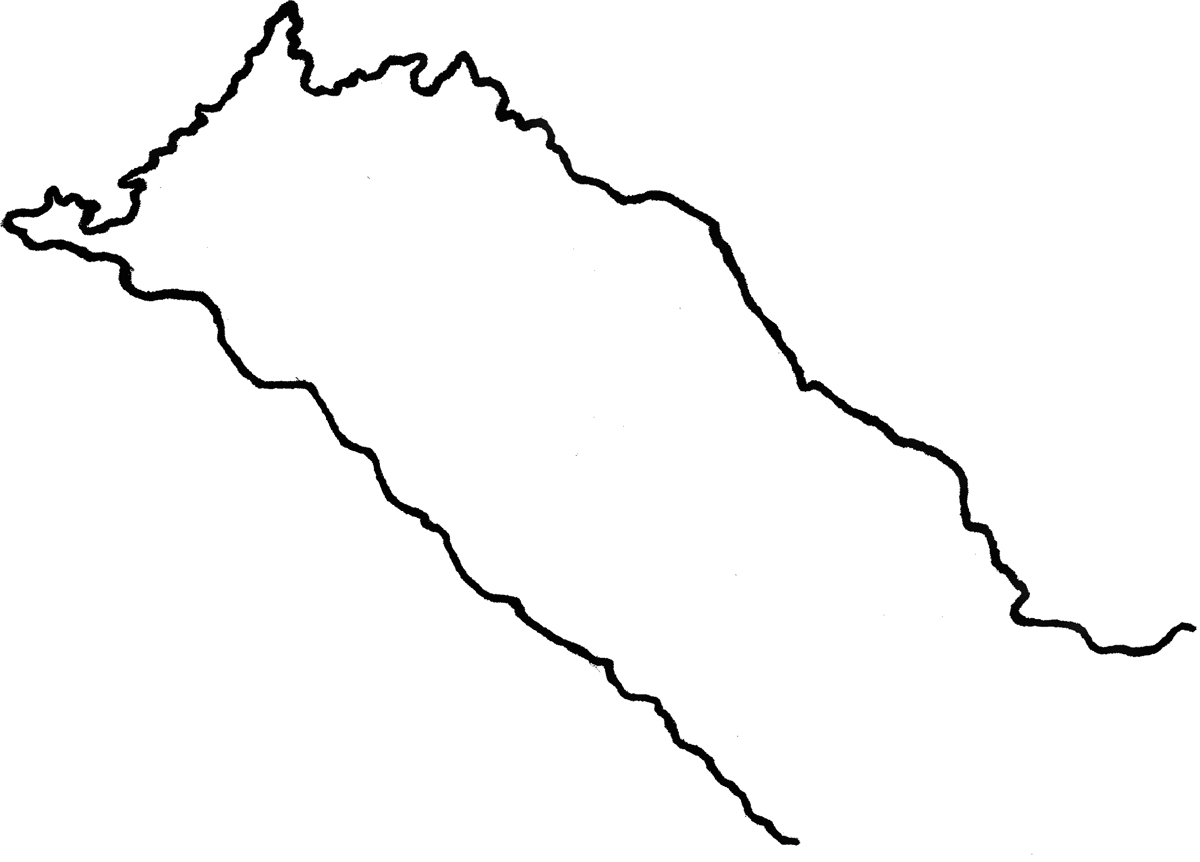
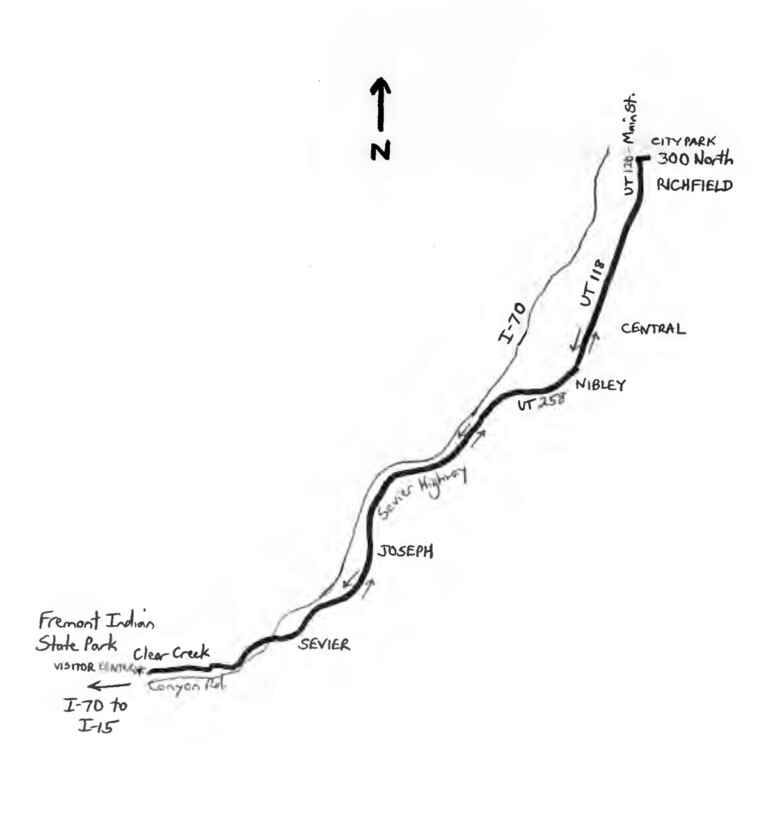
59’31”

59’31”
(Inspired in part by John Cage’s 4’33”)


1996.09.15

37.898798, -122.641095

37.934663, -122.697375

37.939370, -122.658401

37.910515, -122.612684

12.6 2031’

21/22

129/151

59’31”


[Editor’s Note: 59’31” is a word and visual art piece by Steven Sheffield. It’s a puzzle too. Can you solve it? Send your solution to [email protected]. We’ll reveal the answer next month.]


The Athlete’s Kitchen: Breakfast and Lunch: Food for Thought

Enjoyment of food should be one of life’s pleasures. Unfortunately, I counsel too many athletes who scrutinize food and talk about eating nutrients (protein, carbs, and fat). They put a lot of energy into counting macros, calories and grams of sugar. Some find meals and snacks to be sources of anxiety, not enjoyment.

Breakfast with oats and peanut butter is a great way to start the day. Photo and food by Dave Iltis

Way too many athletes and fitness exercisers consider breakfast and lunch to be somewhat optional. The goal of this article is to share food for thought about these two important meals of the day—and help you fuel your body adequately, enjoyably, and effectively for your sports-active lifestyle.

Breakfast thoughts

  • Weight-conscious athletes: please don’t even try to restrict calories at breakfast (or lunch). You need energy during the active part of your day to refuel from your morning workout or fuel up for your afternoon session. Your best bet is to fuel well by day, eat a lighter dinner, and lose weight at night when you are sleeping! As one dieter reported,“I lost weight easily when I ate dinner for break- fast and breakfast for dinner.” Give that a try?
  • Remember when orange juice was a standard part of breakfast? Today, many athletes have stopped drinking orange juice because “it has too much sugar.” That might be true for unfit people with bodies that metabolize sugar far differently than the bodies of athletes. But for athletes, OJ is OK—a quick, easy, and thirst-quenching form of fruit. The natural sugars in orange juice offer helpful fuel before or after a morning workout— while simultaneously providing a day’s supply of Vitamin C, plus potassium, folate, and other health-promoting nutrients.

Ironically, the same athletes who shun orange juice often fail to take the time to eat a whole orange (or other fruit) instead. All 100%-juices are an easy way to boost intake of this important food group. Any form of fruit—juice, canned, dried, frozen—is better than no fruit!

  • I have clients who take pride in cooking their steel cut oats, believing they are far more nutrient-dense than good ol’ fashioned rolled oats. Both rolled and steel cut oats have similar nutritional value. The difference is steel cut oats are cut, instead of softened and then rolled, and take far more time to cook.
  • Please don’t try to “stay away from” peanut butter, believing it to be “fattening.” Rather, enjoy peanut butter on toast and bagels, or blended into smoothies, or swirled into oatmeal. PB’s fat is health-protective, anti-inflammatory, and satiating. It’s slow to digest, which helps keep you feeling fed until lunch.
  • Whole grain breakfast cereals that are enriched or fortified (as noted on the label) can be good sources of iron, needed to reduce your risk of developing iron-deficiency anemia. Athletes’ diets can easily be low in iron if they do not eat red meat or cook in a cast iron skillet. Hence, iron-fortified cereals topped with fruit (for vitamin C, to help absorb the iron), milk (dairy or soy, for calcium and protein), and almonds (for a bit more protein) offers an effective sports breakfast—as well as sports-snack.
  • Almond milk on cereal or in your coffee is a nutritionally poor swap for dairy milk. Almond milk offers only 2 grams of low-quality protein, as compared to 8 grams of high-quality dairy protein. The protein in dairy milk is 80% casein and 20% whey—the stuff you get in protein powder! If you prefer a plant-based milk, soy and pea milks are the best options for protein. Environmentalists, please note: Cars, not cows, will “ruin the planet.”

Lunch thoughts: 

  • If you feel hungry an hour or two after lunch, you did not eat enough lunch. How much lunch is enough? By listening to your body’s signals, you can intuitively eat the right amount. The key is to pay attention to why you stop eating at lunchtime. Do you stop eating because 1) The food is gone? 2) You think you should? 3) You feel content and nicely satiated?

The correct answer is 3) You feel content. An adequate lunch will leave you feeling fed for three to four hours. You’ll no longer crave afternoon sweets within an hour or two post-lunch. A hearty lunch helps curb 3:00 pm snack attacks and helps you arrive home at the end of the day with energy to cook a decent meal. You are going to eat the calories eventually, so why hold off until you can no longer white-knuckle the hunger?

  • Despite popular belief, sandwich bread is NOT fattening; excess calories of any kind are fattening. You can even enjoy a bagel for breakfast and a sandwich for lunch without “getting fat”! Carb-rich bread will fuel your muscles far better than a carb-lite lunchtime salad.
  • If you are among the many athletes who eat a salad for lunch—and then complain you are craving sweets and eating cookies an hour or two later, think again. While salads are a helpful way to boost your intake of veggies, you might be better off satiating your appetite with PB & J or turkey/cheese/pesto sandwich made on Dave’s Killer Bread or other hearty bread. For veggies, simply, munch on cherry tomatoes, baby carrots, pepper strips; far easier than making a salad!
  • If you insist on eating a salad for lunch, make sure it is an “athlete’s meal” that offers a hefty dose of starchy veggies (sweet potato, beets, corn) and grains (farro, quinoa, pasta, a whole grain roll on the side). A bowlful of greens (50 calories) smothered with 350 calories of dressing will leave you with poorly fueled (i.e., tired) muscles.

To put the need for carbohydrate into perspective, a 150-pound athlete who trains hard for 1.5 to 2 hours a day should target at least 3 grams carb per pound of body weight per day = 450 g carb = 1,800 calories from carbs/day = 500-600 calories carbs/ meal. A big spinach salad comes nowhere near that!

  • Even if you want to build muscle, don’t over-eat protein to the extent it displaces carbohydrate. Poorly fueled muscles won’t be able to lift weights as well as when carb-loaded. Think again before filling up on a high protein, low carb green salad + big chicken breast + dressing for lunch. A sports diet should contain three times more calories from carbs than protein.

Bottom line:

Please enjoy satisfying breakfasts and lunches that keep you feeling fed for three to four hours. You will feel happier, more energetic, have better workouts, be less ravenous at the end of the day—and less likely to overeat the “wrong” food at night. Experiment?

Riding an Antique Bike

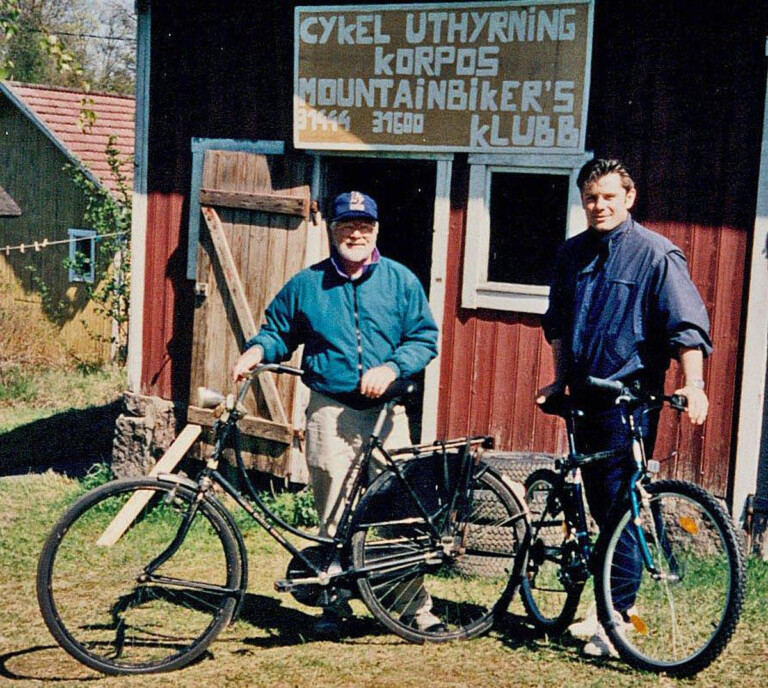
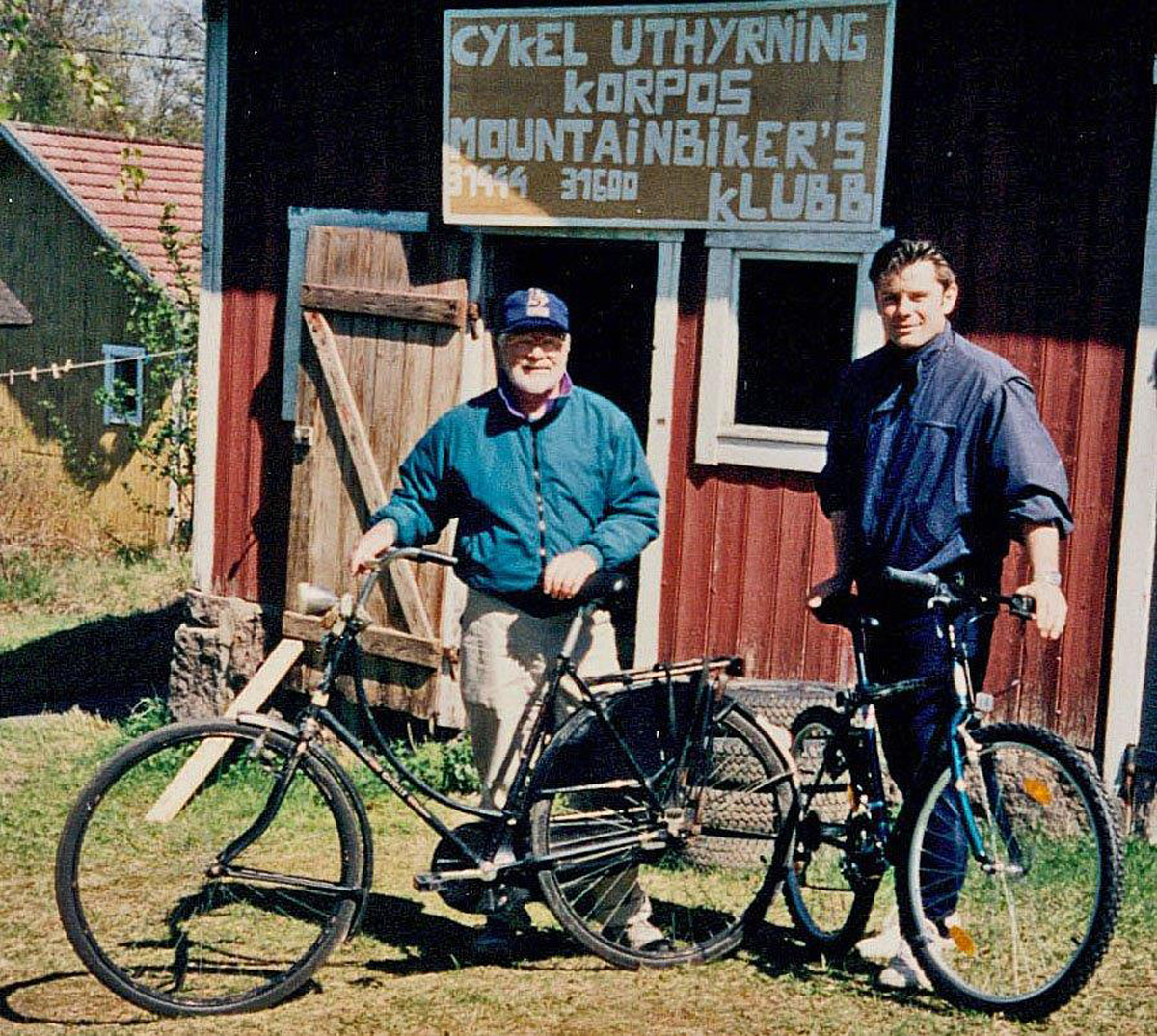
By Jay Hudson — It’s easy to rent a bicycle, but it is likely you won’t find an antique. You can find, rent and ride one at “CYKEL UTHYRING” outside the city of Turku, Finland, not far from the capitol city Helsinki. Riding in Finland is not that difficult in most of the country and the backcountry roads are not carpeted with advertising and American fast food joints. They don’t demand a polished bicycling handling technique. In 1994 my wife and I had visited the family of an exchange student who had taken her High School senior year to study English and customs here in America.

Jay Hudson (left) rode an antique bicycle in Finland. “I wanted to see if I could feel what a Finnish rider felt when she went shopping for bread or wheat or milk when WWII was hot and she had to keep an eye open for incoming bombs, saboteurs, spies, threats to simply daily living.” Photo courtesy Jay Hudson

I have found that the best way to see a country is to get on a bus and go to the end of the line. It’s cheap and if you sit near the driver, he will act as a tour guide. The other best way to see a country is to rent a bicycle. You can stop where you want, spend as much time as you want, experience the tastes, smells, costumes and practice saying “thank you” in the native language. All this avoids following a hired tour guide, keeping up with his “I’m over here” flag on a pole and missing most of what she says.

I could have rented a modern bike, but I wanted to see if I could feel what a Finnish rider felt when she went shopping for bread or wheat or milk when WWII was hot and she had to keep an eye open for incoming bombs, saboteurs, spies, threats to simply daily living.

I wondered who owned my rental bike in 1944, could she get safely from her home to the fields to find a missed potato for her hungry family. Was the bike used by a patriot in a ride-by killing of a known enemy sympathizer? When gasoline was severely rationed and people had to walk or depend on my rental bike for common daily details, did they cherish the bike not for its recreational value but for survival?

I looked for evidence of survival on my rentalbike. Were there repairs because parts were unavailable? Was the paint color unvaried during the war? Were there graveyards of abandoned bikes or was every broken bike saved because the owner of my rental valued every part for a future event unimagined. Perhaps the original owner laid on a blanket beside a slowly moving stream enjoying company during a lull in the fighting.

I didn’t care if the bike creaked, if it was scratched, handled roughly or seemed unworthy. I only hoped I would not be the cause of its true retirement. Its life was not over! May the next renter feel its history, its untold stories and it’s truly named “antique”.


Cycling West and Cycling Utah’s Early Spring 2023 Issue is Now Available!

Cycling West and Cycling Utah Magazine’s Early Spring 2023 Issue is now available as a free download (15 MB download). Pick up a copy at your favorite Utah, Idaho, Wyoming, Nevada, Montana, Colorado, Arizona, New Mexico, and Northern California bike shop or other location.

Download the Magazine Now!

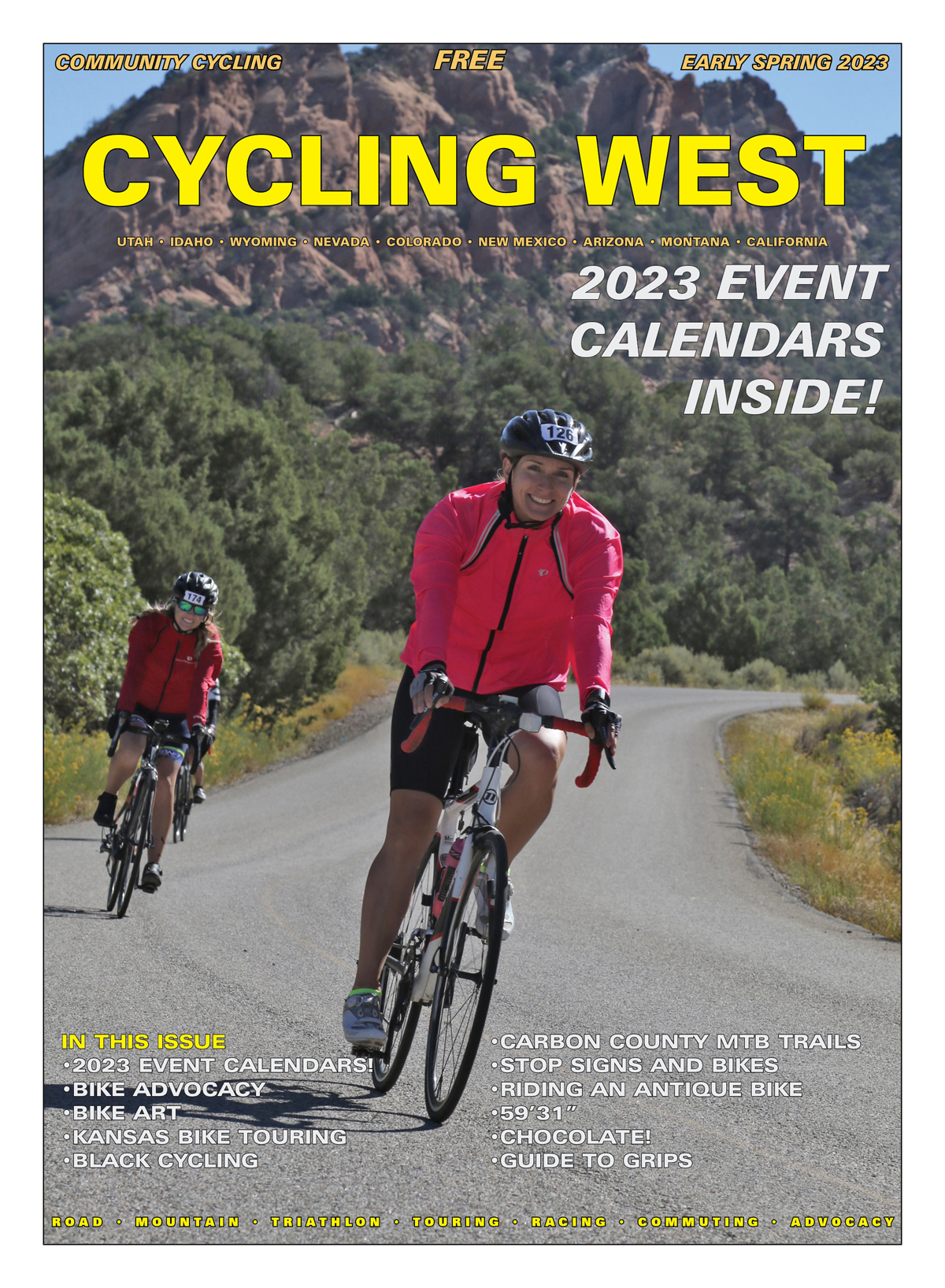
Cycling West Early Spring 2023 Cover Photo: Riders on the La Sal Loop road during the fall Moab Century Tour.
Photo courtesy Skinny Tire Events

Contents

  • Why Black Cycling is the Next Big Thing in Bikes — page 3
  • The History of Carbon County Mountain Bike Trails — page 4
  • Five Ways to Get Ready to Ride this Spring — page 7
  • Riding in Sweden — page 8
  • Do I Have to Stop at a Stop Sign or Not? — page 9
  • There is More to Grips Than Color — page 9
  • Riding an Antique Bike — page 10
  • The Athlete’s Kitchen: Chocolate and Athletes — page 10
  • Got Traction?! How to Ride Slippery Trails. — page 11
  • BikeMaps.org Helps Researchers Track Bicycle Crashes — page 11
  • Is It Possible to Make High-Speed Roads Safe for Bikes? — page 11
  • Wandering Eastern Kansas by Bike — page 12
  • Government Plans for Expanded E-Bike Use — page 14
  • 59’31” – Word Art and a Puzzle — page 14
  • Which States Show the Most Interest in E-Bikes? — page 14
  • Study: E-Bikes’ Place on Public Lands — page 14
  • Cargo Bikes More Economical than Motor Vehicles for Last Mile Deliveries in Urban Areas — page 14
  • 59’31” — page 15
  • Study Reveals Most People Don’t Wear Helmets Properly, Leads to Call for Mandatory Helmet Legislation, Education — page 22
  • Federal Highway Administration Announces $800M in Safe Streets Grants — page 22
  • Utah DOT Considering Improvements to Bicycle Infrastructure in Summit County — page 22
  • The World — Bicycle Art from Kate Wilhite — page 23

2023 Gravity MTB Nationals and Downhill Series Dates Announced

The Gravity Mountain Bike National Championships will head to Ride Rock Creek in 2023 and 2024


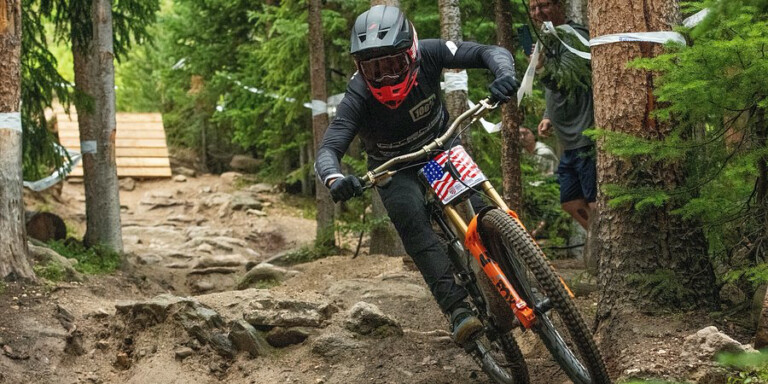
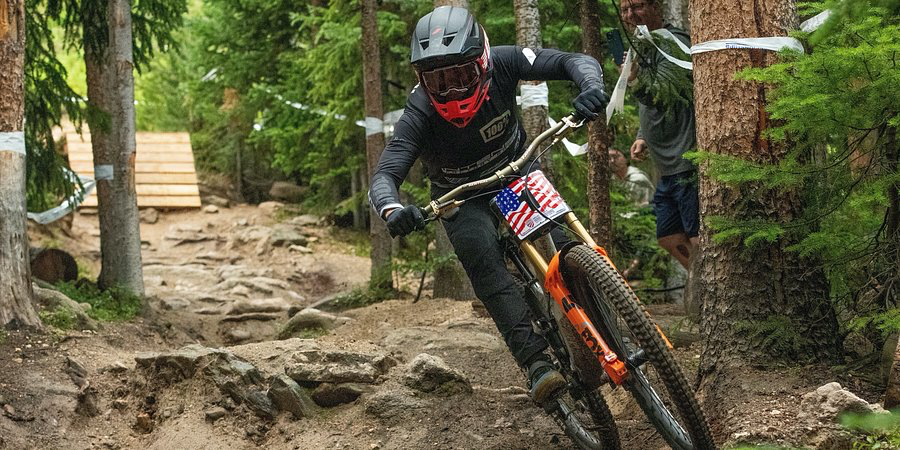
USA Cycling Announces 2023 Gravity Mountain Bike National Championships and National Downhill Series. Photo courtesy USA Cycling

COLORADO SPRINGS, Colorado (March 14, 2023) — USA Cycling is excited to announce that the 2023 Gravity Mountain Bike National Championship will take place July 12-16 at Ride Rock Creek in Zirconia, N.C. At this event, the stars-and-stripes will be up for grabs in Downhill, Dual Slalom, and Enduro racing for professional and age-group categories. The event will remain at Ride Rock Creek for 2024.
USA Cycling is proud to bring the National Championship to the new premier downhill mountain biking venue Ride Rock Creek Mountain Bike Park in the southeast. Founded by National Team athlete and professional downhill mountain bike racer, Neko Mulally, the park was built in 2022 on a 300-acre plot on the edge of the infamous DuPont State Forest.

“We’re excited to bring another mountain bike national championship back to the east coast. We are eager to see the development and growing community at Ride Rock Creek and know this will be a great new addition to our National Championship venues with newly built dual slalom course and enduro stages”
—Tara McCarthy, Director of National Events at USA Cycling

“Creating a venue to host large scale cycling events was our vision from the start at Rock Creek. I can’t think of a better way to put that into action than working with USA Cycling to produce the 2023 and 2024 Gravity Mountain Bike National Championships. Building racetracks is our passion, and we’re proud to have the nation’s best competing on our trails.” 
—Neko Mulally, Ride Rock Creek

USA Cycling is still working to finalize a location for Collegiate Mountain Bike Nationals on October 12-15, 2023, as well as the final details for Gravel Nationals. More information will be shared soon.
In addition to the National Championship, the National Downhill Series will kick off on March 25 with three stops. Races will take place at Windrock Bike Park, Mountain Creek, and Killington.

Event Dates Location
Tennessee National March 25-26 Oak Ridge, Tenn.
Mountain Creek Spring National May 25-28 Vernon, N.J.
Fox US Open of Mountain Biking September 21-24 Killington, Vt.

Grumeti Fund Kilimanjaro 2 Natron Accomplishes Good in Tanzania

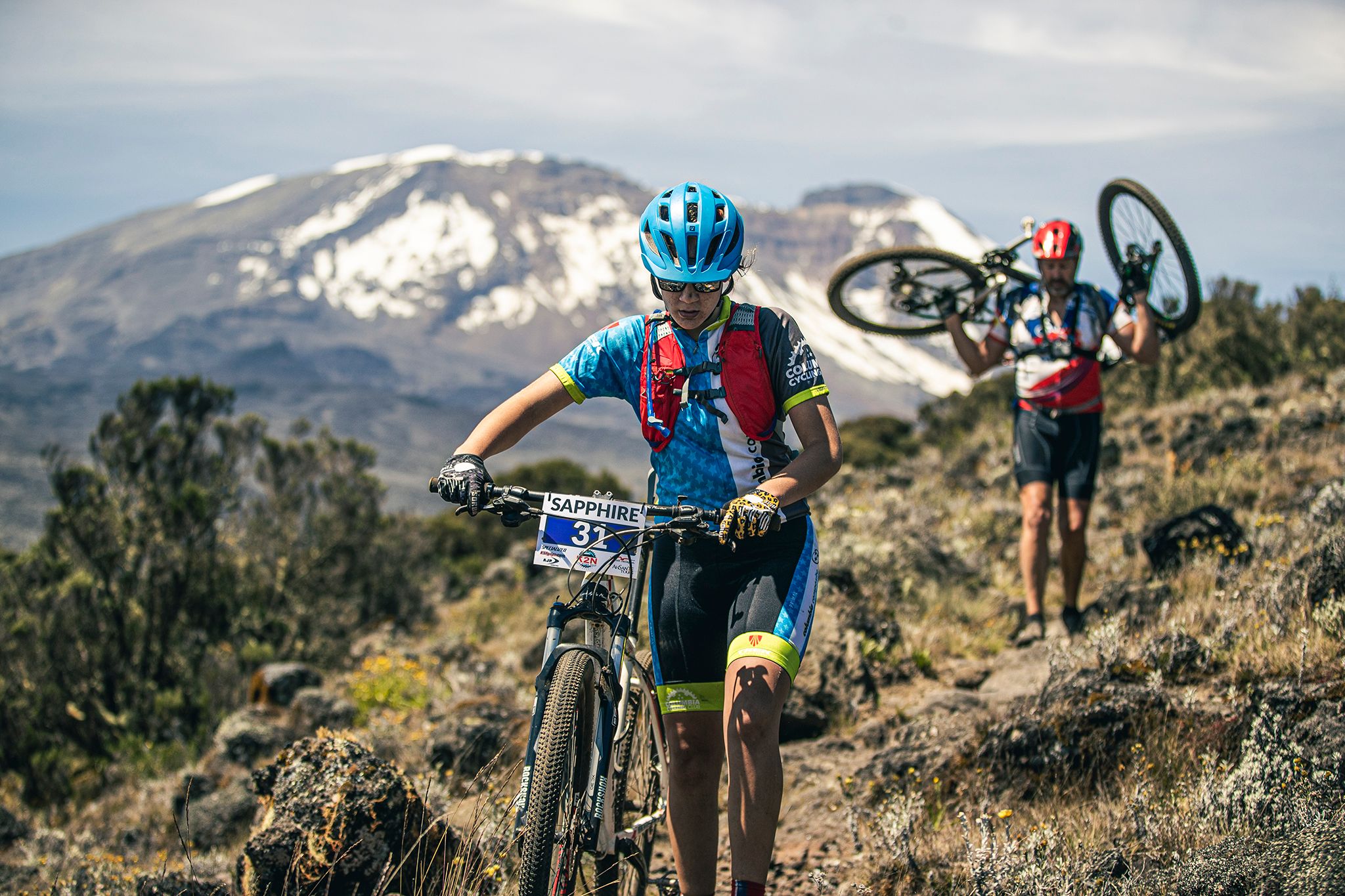
TANZANIA (February 16, 2023) — Red Knot Racing announces its sixth annual Grumeti Fund Kilimanjaro 2 Natron (K2N) mountain bike stage race for 27th May to 3rd June 2023 near Arusha, Tanzania. The all-inclusive eight day event highlights Africa’s tallest mountain and makes the rugged backcountry of northern Tanzania accessible to the public.

The host organization partners with Red Knot Development to support local Tanzanian communities in development and climate-conscious agriculture with 50% of the profits from the event.

Photo courtesy Red Knot Racing

K2N’s first stage climbs to an elevation of nearly 4000 meters up Mount Kilimanjaro. On the second day, riders set out through the Enduimet Wildlife Management Area, alongside giraffes, elephants and a variety of other African wildlife. Ketumbeine Kali is the setting for the third stage, a mostly downhill track, followed by the final – and most technical – stage of the race across the savannah to Lake Natron, home to hordes of flamingos.

Title sponsor Grumeti Fund is a non-profit organization working together with the government of Tanzania to conserve the Serengeti ecosystem while improving life in local communities. Specialized Bicycles serves as the presenting sponsor for the race.

Specialized’s own Bobby Behan reminisces of his 2022 experience, “Grumeti Fund K2N is a uniquely African experience from the heart of our beautiful continent. The event is raw, a step away from the hustle and bustle of modern life, an opportunity to step back, reflect and unwind… Be prepared to camp, meet new people who share the same passions and at the finale’s conclusion have the most breath-taking, unforgettable sunset experience. K2N is one of those life experiences one tends not to forget.”

Photo courtesy Red Knot Racing

K2N is a unique opportunity for adventurous mountain bikers to experience the beauty of the African mountains and savannahs, confronting a challenging course while also partnering with community-based charitable development. The track leads riders through remarkable nature on paths cut by animals over mountains, hills and valleys. It is a once-in-a-lifetime opportunity to cycle in one of the most unique places on earth while experiencing true Tanzanian hospitality.

Fanie Kok, director of Specialized Bicycles’ Soil Searching program, regular purveyor of stoke, and two-time K2N finisher describes the event as “Wild, pure, and all the things that remind us of who we are and our place and purpose on planet earth.”

Registration for Grumeti Fund K2N closes on 31st March 2023.

Bike Infrastructure Increases Physical Activity

By Charles Pekow — “Physical activity increases if safe infrastructure for cyclists is provided,” concludes a study published in the Journal of Transport and Health. It also stated that “(p)romoting active travel and public transport increases physical activity.”

Which Transport Policies Increase Physical Activity of the Whole of Society? A Systematic Review performed a meta-analysis of existing studies on the impact of transportation policies on physical activity. It found that policies work best at increasing bicycling when done in a comprehensive way, such as combining infrastructure improvements with education.

Adding bike paths sure helped, but research was not able to say how much striping bike lanes did. Providing secure parking seemed to encourage riding but the evidence doesn’t quantify it. Adding bike racks seemed less encouraging.

Find the report here: https://www.sciencedirect.com/science/article/pii/S2214140522001608


Gold Lida Ride Visits Ghost Towns in West Southwest Nevada

By Wayne Cottrell — Gold Lida is a 48.4-mile, challenging out-and-back ride between Gold Point and Lida Summit in west southwest Nevada. The title’s reference to a fictional Star Wars character is not unintentional, as the net elevation gain is an epic 3,290 feet, starting and finishing in mile-high Gold Point. To add to the challenge, both Gold Point and Lida (the ride passes this settlement on the way to Lida Summit) are listed as ghost towns. Both have resident populations, but neither supports many if any services, as their heydays are long past. Gold Point has a history of hit-and-miss. The area was first settled in 1880 under the name Lime Point, but prospecting was slow. Miners abandoned the area, but returned in 1900 when gold and silver discoveries established the nearby towns of Goldfield and Tonopah. Silver was then discovered in the adjacent hills, and Lime Point was renamed Hornsilver. By 1903, this camp was abandoned, because of the high costs of mining operations. More silver was discovered in 1905, though, and the miners returned, finally establishing a more permanent settlement. Soon, Hornsilver’s population reached 1,000. After a couple of decades of boom and bust, gold was discovered in 1927. The town’s name was changed to Gold Point, and it thrived until World War II, when the U.S. government ordered all gold mines to shut down as nonessential to the war effort. After the war, mining resumed, and continued until the 1960s, when a major explosion effectively ceased all major operations. Gold Point’s current, regular population is only seven, but there are seasonal fluctuations.

Gold Point is located in a remote corner of west southwest Nevada. To get there from Las Vegas, head northwest on US 95, toward Tonopah. Turn left on NV 266 (160 miles from Las Vegas) and head west. After seven miles, turn left on NV 774, and head southwest to Gold Point. The settlement is located at the end of the highway. From Salt Lake City, head west on I-80. Once in West Wendover, exit I-80 and head southwest on US 93A, which merges with US 93 after 60 miles. Transfer to US 6 (southwest) in Ely. Once in Tonopah (275 miles from Wendover), head south on US 95. Once at NV 266, 37 miles south of Tonopah, turn right and head west, following the above directions to Gold Point. The town is 175 miles from Las Vegas, and 435 miles from Salt Lake City. The weather in Gold Point is moderate; average temperatures exceed 80 degrees only during June, July and August. Average highs are in the 40s during December, January and February.

Be prepared for this ride by recognizing that the altitude changes along the route will present some temperature variations. Also, note that the settlement of Lida, near the turnaround, does not offer any services. Thus, be self-sufficient. With all of the history recounted above in mind, start the ride at the beginning of pavement, at 3rd & Gold Streets. This is the beginning of NV 774. Head northeast, out of town. The highway gradually descends from Gold Point’s elevation of 5,392 feet. By the time NV 774 ends, at its junction with NV 266 (mile 7.45), the elevation is 4,771 feet, having lost over 600 feet. Make a sharp left here, and head west. While NV 774 carries just 20 vehicles per day, NV 266 carries about 15 times this – yet, 300 vehicles per day is very light. There is a narrow, striped shoulder. NV 266 gradually climbs, with Mt. Jackson Ridge to the right, and Lida Valley to the left. The highway’s gradient increases to about 3% as the Palmetto Mountains appear on the right. At mile 18.7, a dirt road on the right (elevation 5,995 feet) leads to Lida This “ghost” town, like Gold Point, has a similarly exciting mining history. NV 266 bypasses the town, as the gradient increases to 5%. The next 5.5 miles feature steady climbing at this gradient, with mighty Palmetto Mountain looming to the right, and the even mightier Magruder Mountain (elevation 9,044 feet) looming to the left. NV 266 finally crests at mile 24.2 – a sign signifies that you are at Lida Summit (elevation 7,437 feet).

Turn around at the summit and begin the return ride. The next 16.8 miles are downhill, with the gradient gradually decreasing as you get farther from the summit and Lida. Turn right at NV 774 to begin the final stretch to Gold Point. The highway climbs gradually for the final 7.4 miles, to the end of pavement in Gold Point.

Starting & ending point coordinates: 37.354486oN 117.365006oW

For more rides, see Road Biking Utah (Falcon Guides), written by avid cyclist Wayne Cottrell. Road Biking Utah features descriptions of 40 road bike rides in Utah. The ride lengths range from 14 to 106 miles, and the book’s coverage is statewide: from Wendover to Vernal, and from Bear Lake to St. George to Bluff. Each ride description features information about the suggested start-finish location, length, mileposts, terrain, traffic conditions and, most importantly, sights. The text is rich in detail about each route, including history, folklore, flora, fauna and, of course, scenery.

Wayne Cottrell is a former Utah resident who conducted extensive research while living here – and even after moving – to develop the content for the book.

Video: Danny MacAskill’s Wheelie Project Celebrates the World’s Favorite Bike Trick

0

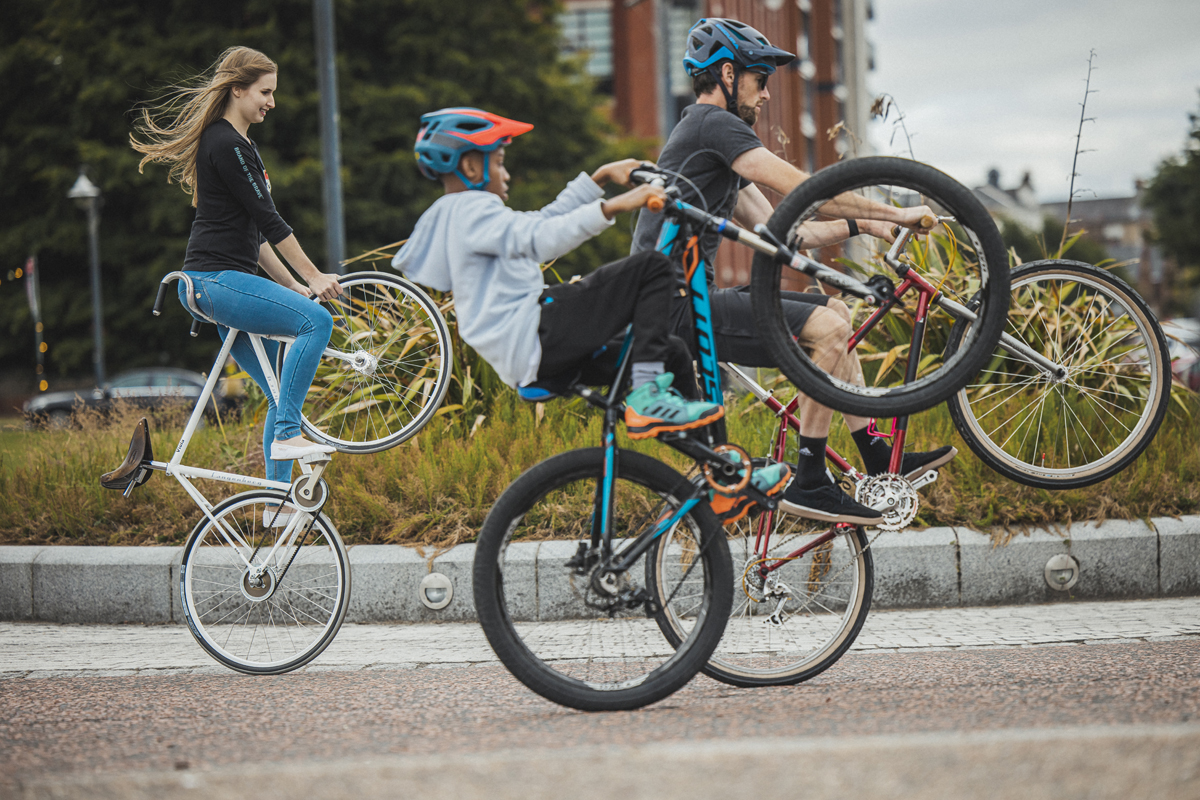
GLASGOW, Scotland (February 21, 2023) — You’ve probably seen Do a Wheelie in May 2022. A Danny MacAskill and Adidas Five Ten collaboration that celebrates cycling in its purest form. Now learn about all the stars of the film. When Danny MacAskill launched his search for people to feature in a film about wheelies, the response was emphatic. Riders from all over the world applied to feature alongside Danny in this Cut Media film, in association with Adidas Five Ten.

The Wheelie Project. Credit: Dave Mackison / Adidas Five Ten

‘Danny MacAskill’s Wheelie Project’ is a Cut Media film celebrating the wheelie, told from Danny’s perspective:


What it is that makes the wheelie so special, how he pulled off some of the spectacular tricks, and the fun he had featuring these co-stars in his project. You’ll meet some familiar faces as well as some of cycling’s newest stars.

Guaranteed to give you some feel-good energy, we hope you’re inspired to go out on your own wheelie adventure!

The whole project quickly turned into a true passion project for the whole Cut Media crew around Stu Thomson (Founder Cut Media): “What was special about Do a Wheelie in the first place was the people we brought into it, alongside Danny. With this documentary, we get the chance to explore the stories of a diverse range of riders, all sharing their love of an iconic trick: the wheelie.”

“It was super cool to see how these people from different backgrounds all gelled and had such a good time making the film, with Danny at the heart of it all.”

CalBike Announces 2023 Campaign: INVEST/DIVEST

0

SACRAMENTO, CA (March 2, 2023) — Despite California’s reputation as an environmental leader, our transportation sector remains the main source of toxic emissions, climate pollution, and fatalities on our streets. To address this reality, the California Bicycle Coalition today launched its 2023 campaign Invest/Divest: Invest in Our Transportation Future/Divest from Regressive Road-Building.

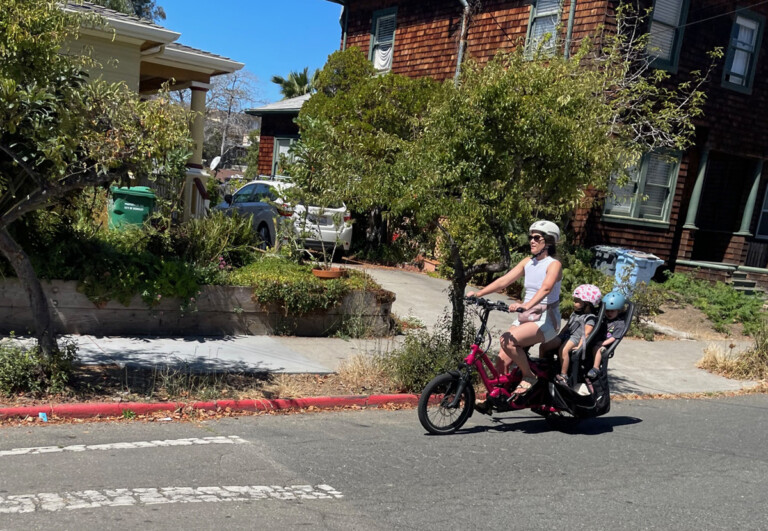
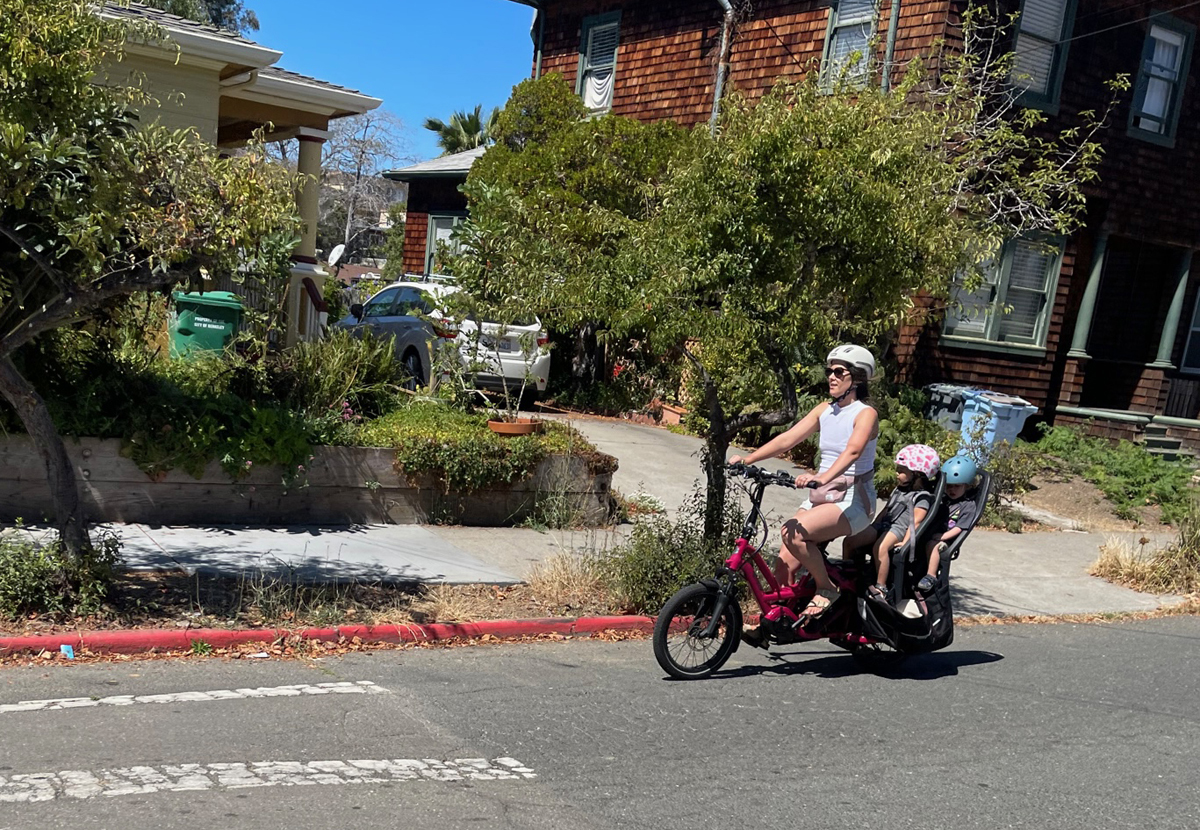
Cargo bikes carry kids and take cars off of Berkeley’s streets. Photo by Dave Iltis

Invest/Divest is an ambitious campaign to shift California’s transportation spending from traffic-inducing, climate-killing, over-policed, and community-destroying motor vehicle road expansions, to Complete Streets and other projects that make it easier and safer for more people to get around by biking, walking, or using public transportation.

CalBike’s agenda for 2023 continues momentum from last year, lifting up multi-year campaigns like the Bicycle Safety Stop and Complete Streets

“California prides itself on being a climate leader. But our state doesn’t deserve that title as long as it keeps spending billions on transportation projects that increase greenhouse gases while underfunding or completely ignoring much cheaper projects that could bring about the green transportation revolution we desperately need,” said Jared Sanchez, senior policy advocate for CalBike. “The Invest/Divest campaign is the logical path forward to create a green, sustainable transportation future for our state.”

The Invest/Divest campaign aims to build communities where all Californians have equitable access to safe streets, improving health and increasing joy along the way.

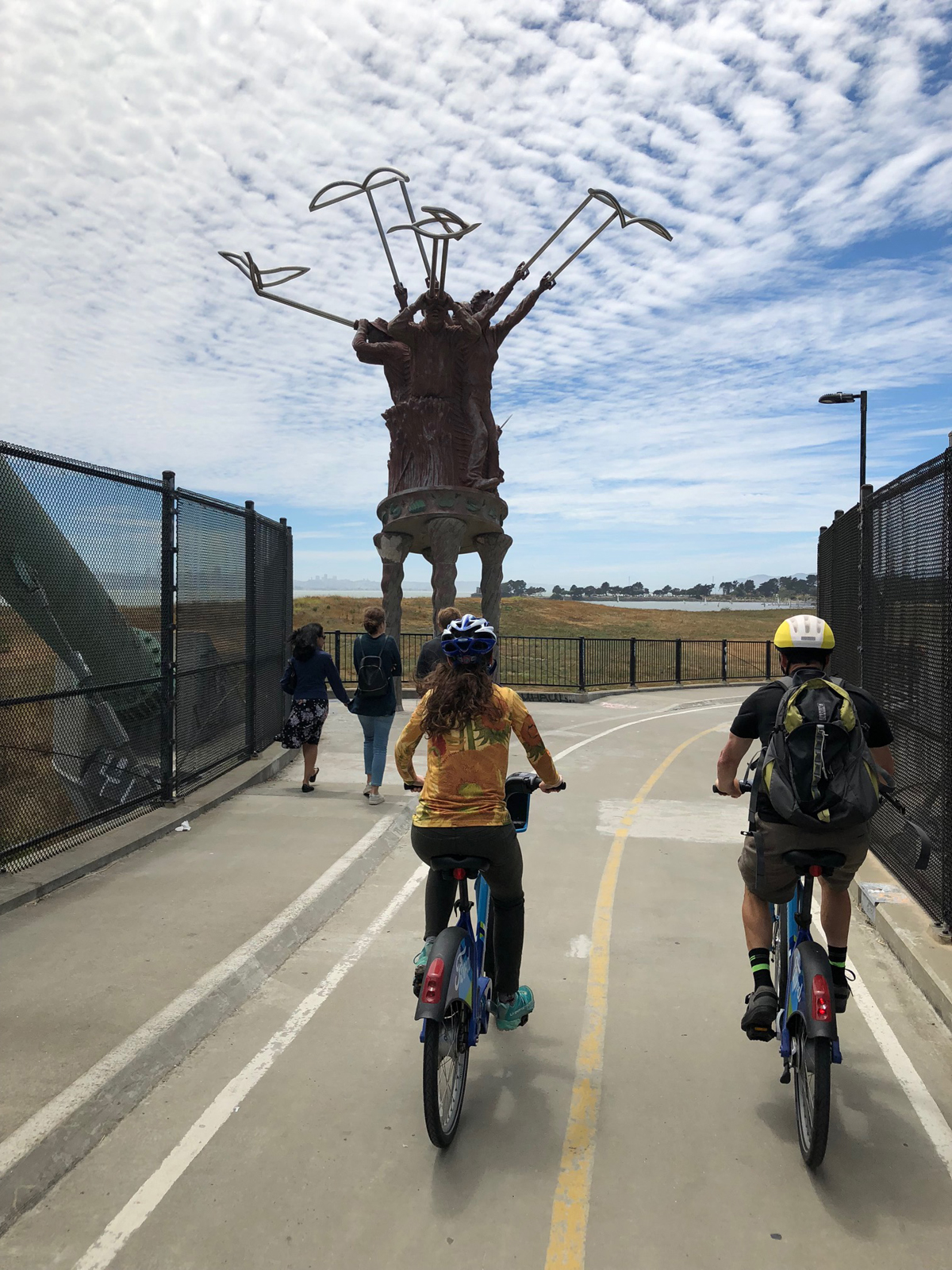
2 cyclists ride over I-80 on the Berkeley Bike Bridge. Photo by Dave Iltis

Priorities of the INVEST/DIVEST Campaign

Invest in Complete Streets: Prioritize new safe, accessible, and equitable infrastructure that makes biking, walking, and micromobility convenient and appealing. Invest in safe roadways for all transportation modes, bringing us closer to Vision Zero and our ambitious climate goals.

Invest in Just Streets: We’re expanding the definition of a Complete Street to mean one where people of all identities and bodies are safe from police harassment. To accomplish this, we must decriminalize biking and walking, including bikes treating stop signs as yields—often used in biased, pretextual policing—to make our complete streets safe for all identities and bodies. Remove discriminatory barriers based on class, race, gender, age, ability, and other identities and invest in communities where the safety of all residents is paramount.

Invest in Complete Communities: No more bike lanes to nowhere. Invest in connected bikeways and pedestrian paths that provide safe, integrated access to essential destinations, making active transportation a viable option for more Californians.

Invest in Thriving Communities. Invest in long-term neighborhood safety, security, and wealth that connects sustainable transportation options with affordable housing that is integrated with healthy destinations. We must empower the communities most impacted by harmful transportation investments to choose their own goals, strategies, and projects to reduce greenhouse gas emissions, local toxic air, and lethal streets.

Divest from Freeway Expansion: Don’t build one more mile of dead-end infrastructure that increases traffic, damages communities, increases fossil fuel dependence, and creates new maintenance bills that California can’t afford to pay. Divest from failed traffic mitigation policies that lead to gridlock, and invest those funds in infrastructure to move California into the future.

Divest from Climate Collapse: Transportation is the biggest contributor to GHG emissions, so we must divest from projects that increase VMT and invest those funds in low- or no-carbon transportation alternatives.

Divest from Environmental Racism: Low-income communities of color are harmed the most by toxic air, freight distribution, displacement, and gentrification pressures. It’s time to divest from projects that bring environmental degradation and invest those funds in historically marginalized communities.

Divest from Enforcement and Criminalization: Californians need safety from the violence of cars, freight trucks, and other forms of publicly-subsidized harm that especially burden and criminalize Black and brown bodies/communities. Divest from racist, militarized traffic enforcement and invest in community resources to support and protect vulnerable residents.

Divest from Policing as a Street Safety Solution: Law enforcement is often positioned as the prevailing authority on street safety, ignoring other forms of community protection. We cannot trust the police to enforce traffic laws equitably without the removal of white supremacy from law enforcement. Therefore, we must remove police enforcement from Vision Zero and other safe streets strategies.

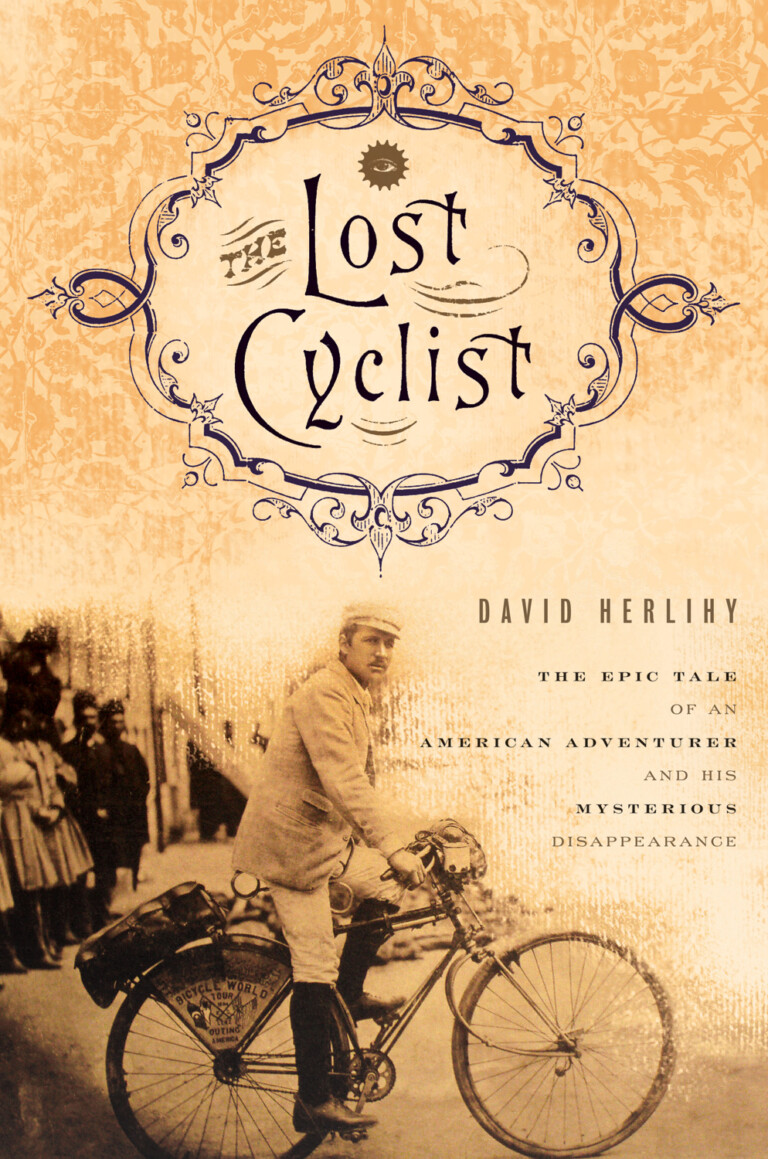
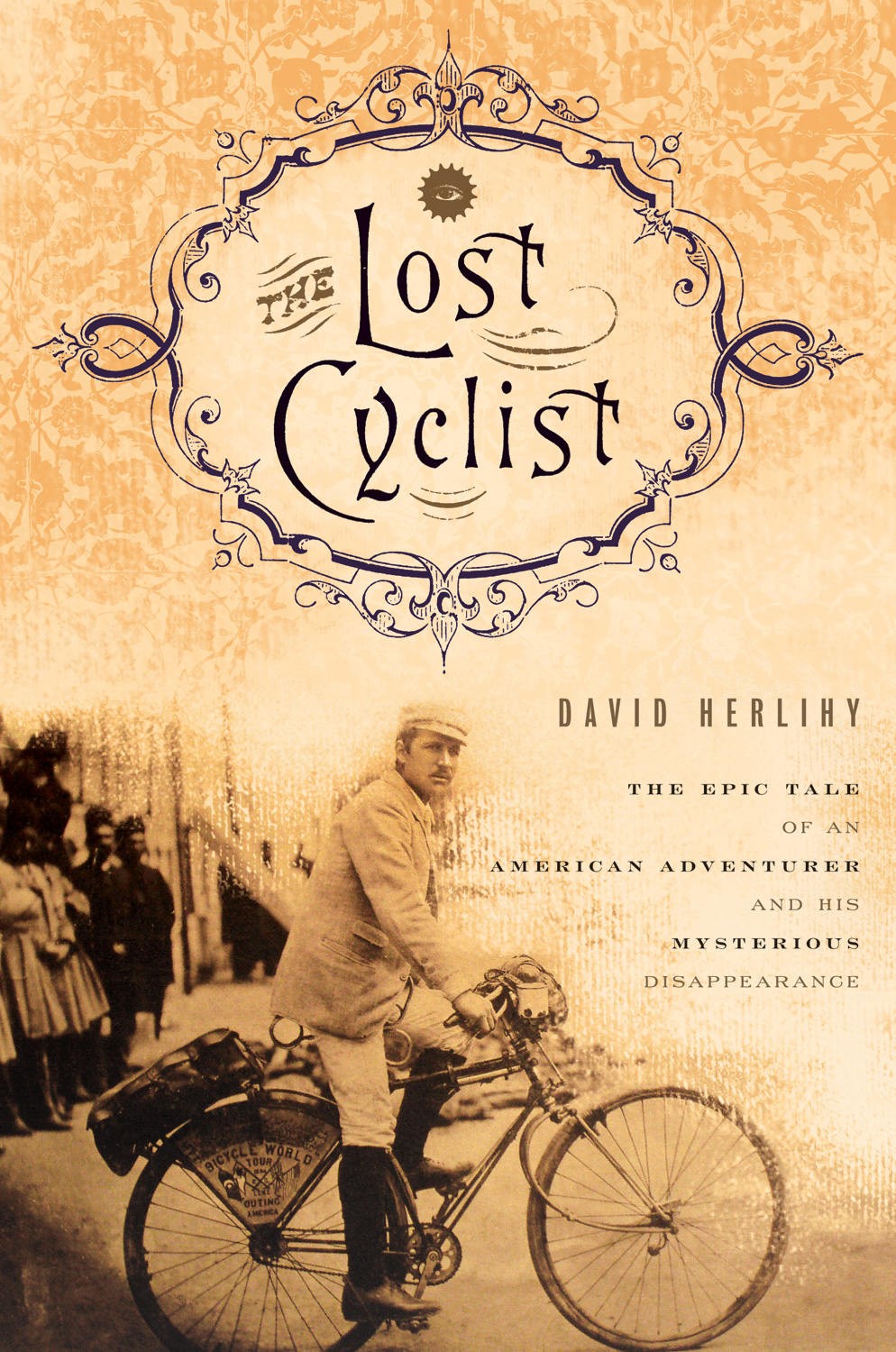
Interview: David V. Herlihy – Author of The Lost Cyclist

0

By Eli Powell — David Herlihy is the author of Bicycle: the History and more recently, The Lost Cyclist.He is a well-regarded historian of cycling, and his writing has appeared in numerous bicycle related publications.

EP: Both of your books, Bicycle: the History, and The Lost Cyclist demonstrate such a well-researched and comprehensive knowledge of the story of the bicycle and of cycling. How and when did you first get interested in this subject?

DH: I started to look into bicycle history back in the mid-1980s when I was contributing to Bicycle Guide. My first project, undertaken at the suggestion of the editor Chris Koch, was to investigate the European origins of the derailleur. I consulted with a French bicycle historian, Jacques Seray, who, when he found out that I was from Boston, told be about Pierre Lallement, the original bicycle patentee (1866) who is buried in my city. I was intrigued; I had never heard of Lallement, and I couldn’t understand why someone of such evident importance could be so forgotten. Jacques explained that Lallement’s role was disputed in France. I began to plunge into the origins of the bicycle and have been immersed in bicycle history every since. I attended the first international cycle history conference in Glasgow in 1989 and have been a regular participant ever since, even hosting the 4th conference in Boston. I plan to attend the 22nd conference in Paris this May, the focus being on velocipedes.

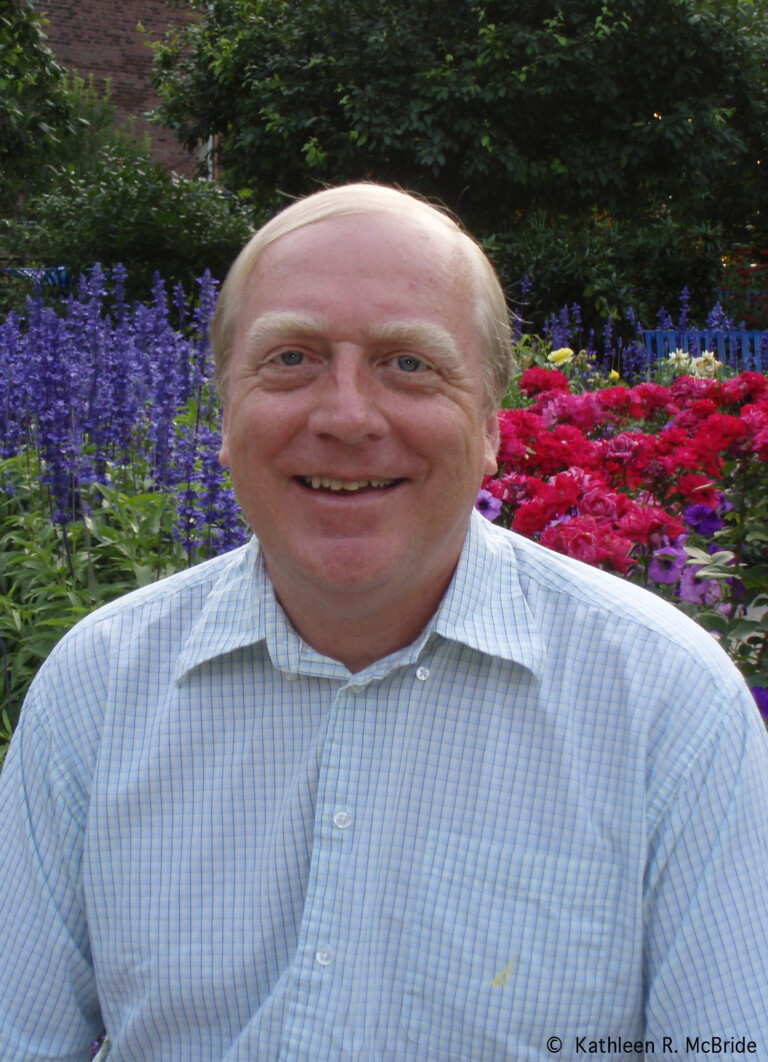
David Herlihy
EP: There are a lot of cyclists who would love to have a job writing and talking about bikes. What made you decide to become a writer about the subject and how did you turn that decision into a reality?

DH: Well, it hasn’t been easy I have to say. It’s hard to make a living at this, and I can’t claim that I’ve fully succeeded either. But I was definitely taken by the subject, which I found both fascinating and significant. It was also clear to me that the field was under-researched and the history clouded by myths, especially in the early period. I knew I had strong research skills (including fluency in Italian and French, which comes in handy in this line of inquiry). So I continued to amass research on bicycle history, even after Bicycle Guide folded in the early 1990s. I occasionally wrote bike-history related articles for magazines such as Delta Sky and American Heritage Invention and Technology. Still, it was slow going and not remunerative.  I realized somewhere along the line that if I really wanted some return on all my efforts I needed to write a book or two. I approached Lara Heimert, an editor at Yale, around 2000. I had a few ideas but she suggested that I write a general history of the bicycle to establish myself. So that’s what I did, and I think it was good advice.

EP: I don’t want to give too much away about the story and outcome of “the Lost Cyclist”, but how did you come across the story of these remarkable nineteenth century global bicycle adventurers?

DH: Frank Lenz was one of those names that I kept coming across when reading late 19th century cycling literature. He was well known to the American cycling community in the late 1880s, thanks to his long-distance tours on his high-wheeler with his pal Charles Petticord. Lenz became a national celebrity in the spring of 1892, when he left his home in Pittsburgh to circle the globe on a new-fangled “safety” bicycle with inflatable tires (the modern prototype). He became an international figure when he disappeared in Turkey two years into his epic journey. William Sachtleben, the cyclist who went to Turkey to find Lenz, was also a prominent figure during the bicycle boom, having completed his own round-the-world bicycle journey with a college chum, Thomas G. Allen, Jr., in 1893.

I already had an idea back to write about Frank Lenz when I approached the Yale editor, but I put that idea on the back burner and didn’t get back to it until after Bicycle: the History was published in 2004.

EP: How were you able to piece together their stories and lay hands on so much supporting material?

DH: When I finally began the project in earnest, I knew I wanted to integrate Lenz’s story with that of Sachtleben. Both were evidently interesting, and somewhat contrasting, characters. And I knew that there was some material out there to draw upon, in particular Lenz’s travel accounts in Outing magazine and Sachtleben’s book Across Asia on a Bicycle. Still, I was not initially sure that I could find enough supplementary material to carry a book. There was only one way to find out. I began to sniff around in libraries and archives, using all the latest internet tools. Fortunately, it soon became apparent that I would have ample material to work with. In particular, I came across two privately held collections of Lenz’s photographs, taken before and during his world trip. I also discovered a collection of Sachtleben papers which included a diary. I collected quite a few newspaper articles generated by both men after they passed through a given town or city on their wheels. Some of these contained helpful information. Still, it took a great deal of time to follow and exploit all the leads I was developing. (I spent several weeks at the National Archives II, just to collect all the information on the Lenz case in the State Department files). Altogether, I spent four years gathering information about both men. The last two of those years I was under contract with my publisher Houghton Mifflin, so I was simultaneously writing the book. No doubt I could have completed the project after that first year, which was in fact the anticipated due date, but I was still digging up new and interesting material. So I kept at it. I honestly feel the book would not have been as good as it is if I had not devoted that second year to it.

EP: What about this story made it so appealing to you to write a book about?

DH: The interesting personalities, the critical time in bicycle history (transition from the fleet but precarious high-wheeler to the safety bicycle), and the fascinating historical backdrop (Sachtleben’s search in a turbulent Turkey teetering on collapse). The fact that the story was so fresh (both men had been almost entirely forgotten, and very little had been written about them since the 1890s) and at the same time ripe for research.

EP: You have been instrumental in commemorating the pioneers of bicycling. Most notably, you worked very hard to get a plaque installed in New Haven, Connecticut to memorialize Pierre Lallement, the inventor of the modern bicycle. Could you tell us a little about him and that project?

DH: Well, as I mentioned, I was immediately intrigued by Lallement when I first came across his story. The idea that a poor, teenaged mechanic could spark a true worldwide revolution by his own ingenuity and grit—and still die in poverty and obscurity—fascinated and appalled me. I wanted to find out more about his story. I also felt that he had been unfairly maligned and written out of history, so I did what I could to rectify the situation. In 1991, on the centennial of his death in Boston, I helped to organize a tribute. A few years later, I succeeded in getting the city to name a bicycle path after Lallement, the one that passes through the Southwest Corridor Park, right in front of Lallement’s last residence in Roxbury. In 1998, I also got the city of New Haven to install a plaque at the green, to commemorate Lallement’s cycling demonstration there. One of the first significant items I came across in my research was a blurb in a New Haven paper from April 1866 describing Lallement’s gyrations atop his strange two-wheeled contraption powered by foot cranks. It remains the earliest known description of a bicycle in action. The original plaque was damaged and removed a few years back, but a replacement marker was installed just this summer. I’m also pleased to learn that the town of Ansonia, where Lallement lived, will be naming its new greenway after Lallement sometime this year. And there are plans afoot to stage a bicycle ride this June in conjunction with New Haven’s annual Festival of Arts and Idea, which will retrace Lallement’s 12-mile from Ansonia to New Haven. So, it’s gratifying to see that Lallement is finally beginning to get his due.

EP: Which other pioneers of cycling do you believe deserve modern recognition?

DH: On a technical level, there are plenty of unsung heroes. Eugene Meyer, for example, is thought to have built the first practical wire suspension wheels–a huge leap forward in bicycle design. There are also plenty of promoters who have been largely forgotten. Thomas Stevens, the first bicycle “globe girdler,” come to mind. Even some once-famous racers are fairly obscure today. Major Taylor was all but forgotten before Andrew Ritchie wrote a biography a few years back, and even today Taylor arguably doesn’t get the attention he deserves not only for this athletic prowess but also for his constant fight against racism.

EP: What is your next project?

DH: I’m really not certain. I expect to do another bicycle-related book but I haven’t quite figured out the theme. I’m thinking, perhaps, about exploring the pre-World War I cycling era in France, but I’m not committed to that just yet. Check back in a few months and maybe I can be more definitive!


Review: The Lost Cyclist by David Herlihy

By Eli Powell — I imagine that many of the readers of Cycling West have suffered the throes of the same disease that I have battled for years. The malady that goes by the name of cycling madness. The disorder manifests itself with the poor patient becoming entirely fixated with all things bicycle. They ride them whenever possible, talk about them endlessly over après ride beers. And when not riding, talking bikes or shopping for bike gear: they read. Anything on paper that tangentially mentions a bicycle can occupy the attention of such a sad case for untold hours.

I myself have dined upon such stuff. I’ve devoured cycling magazines, chewed up the latest dispatches about racing and the racers who race and supped on blogs about tragic college graduates who have found themselves while bike touring through Europe. I have even nibbled on the dry crust of technical literature. I can report honestly that derailleur spec sheets are perhaps one of the most boring reads this side of a dishwasher repair manual. Over time, for me anyway, the fever passed. In the clear light of day, I realized that I just liked to ride a bike. The written word was poor at replicating the experience that two wheels and the open road could provide. I realized that in order to read books about cycling I needed something with substance. I desired what I like in all books I pick up—good writing.

That’s why I’m glad for books like the Lost Cyclist by David Herlihy. This book falls into the shortlist of literature about cyclists and the history of the bicycle that are well thought out, have compelling subject matter and are also well-written. It’s the sort of book that even those souls who are not regular cyclists will open and be transported on two wheeled journeys through distant lands. The accessibility of this volume is largely why I give it such high marks. It is at its core a thundering adventure story from an amazing time in the history of cycling.

The story follows several adventures from the late 1800s who undertook round the world cycling expeditions. This was a time when the predecessor of our modern bicycle had just come on the scene. It was not apparent at the time whether these “safety bicycles” with their two wheels of equal size and pneumatic tires were more than just a fad. The serious cyclists of the day looked down from their high wheelers with a certain amount of disdain toward these overly safe contraptions that any unskilled lout could ride. These tweed clad wheelmen would later watch as the safety bicycle became the preeminent pattern during the bicycle boom of 1890s.

It was just at this point in time when two American cyclists, William Satchelben and Thomas Allen began their trip around the world on safety bikes travelling through Europe first. Later, a young man named Frank Lenz of Pittsburgh began a solo journey in the opposite direction, riding first across the U.S. and then through Asia. These cyclists all dreamt of writing about their journeys for periodicals of the day and making a subsequent living on the speaking circuit. Cycling was new and popular enough in that day and age that a living could be made by taking a daring trip and then speaking about it to groups of other wheelmen. Both expeditions also had the most modern in photographic gear in order to capture the wider and unusual world through which they were riding. Many of these photos are reproduced in the book. These were daring rides largely because modern paved roads were nonexistent at the time. The descriptions of riding condition are amazing. For example, Frank Lenz often rode on train tracks and had to elude oncoming trains at his own peril.

During the course of the book, Frank Lenz disappears and in a storyline that is equal parts Kipling adventure, political thriller and travelogue, David Herlihy takes us along to discover what happened to him. In a compelling twist, the man who is sent to find Lenz is none other than one of the cyclists from the competing round the world expedition, William Satchelben. The story made a solid and enjoyable read.

Herlihy, who previously authored the book Bicycle: the History, brings his impressive knowledge of the development of the bike and of cycling to bear in this latest book. It’s easy to get caught up in his descriptions of a time when the bicycle was king and when town cycling clubs held lavish banquets for wheeling adventurers. The storyline of the Lost Cyclist is aided by the impressive amount of supporting materials and photos that the author has uncovered. He has clearly done his homework. Overall, the book is well worth the time. Read it and hang on for a bracing ride.


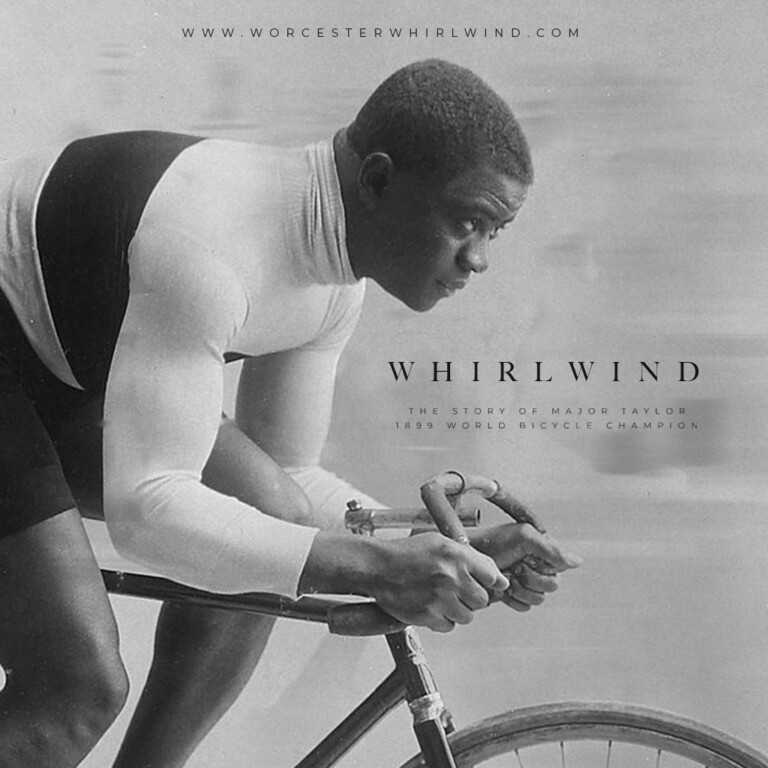
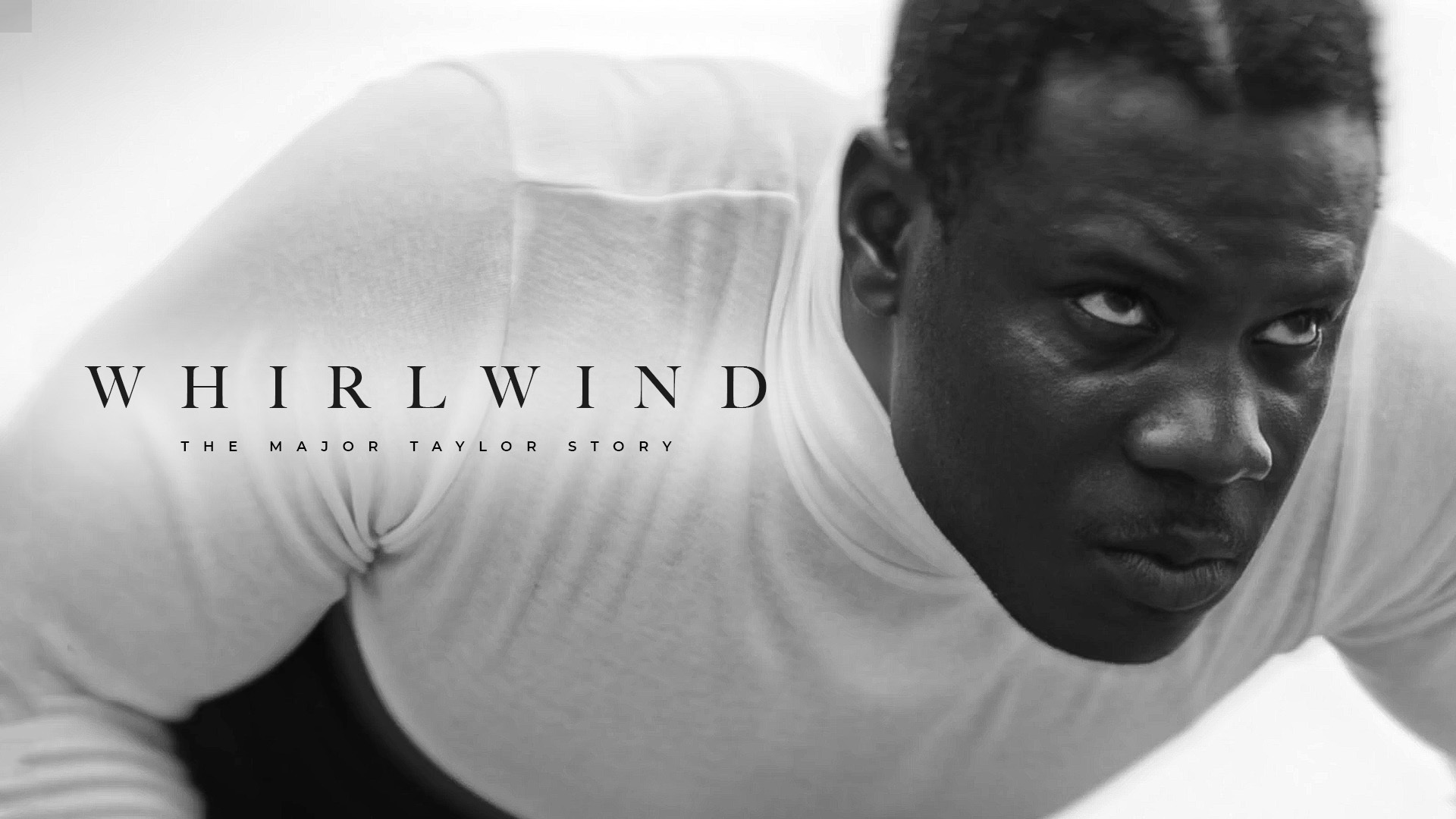
“Whirlwind” Film Documentary on World Bicycle Champion Major Taylor releases Concept Trailer

WORCESTER, Massachusetts — “Whirlwind”, a film documentary in the making about the life and career of Marshall Major Taylor, is set to release its concept trailer on November 26; which happens to be Taylor’s birthday.

This historical, groundbreaking documentary aims to explore in depth the life and times of the first African American world bicycle champion Major Taylor.

Image courtesy Whirlwind

More than a hundred years ago, when bicycle races drew crowds that filled Madison Square Garden, the biggest draw of all was Major Taylor. As a superstar athlete in the most popular sport of his era, 1899 world bicycling champion Major Taylor saw his racing victories well chronicled in mainstream newspapers as well as cycling publications.

Throughout his career, Major Taylor had embodied the role carved out for him by promoters, the press, and the fans, who fed off each other’s desires for drama and dollars. “The Black Cyclone” was allowed on the starting line because of his exceptional talent, but he was constantly reminded, on and off the bike—as a Black American–of his place in the racial order. He could compete against white riders as long as he didn’t act “uppity”.

WATCH THE TRAILER

White race promoters and competitors made it clear that his elite position was not to be used as a platform to overtly demand that equality be extended to other members of his race. Taylor had to contend with a balancing act familiar to Black athletes in America before and since. The backlash against football player Colin Kaepernick taking a knee during the national anthem, as well as controversies related to NBA and WNBA player support of Black Lives Matter, attest to ongoing disputes about Black athletes who take a stand against racial injustice.

In a post-Civil War era governed by Jim Crow laws in the South and overt racism nationwide, Major Taylor managed to be the first Black champion of the world in cycling and one of the first black world champions in any sport… His fame grew not only in America but in Europe and Australia as newspapers around the world reported his triumphs. The Boston Globe labeled him “The World Beater” in a headline in August 1899.

The team plan to produce a feature documentary for national and international broadcast on the life and times of Major Taylor. The film will be a compelling combination of rare archival material, reenactments, and interviews with scholars, writers, bicycle historians and prominent athletes.

The film will be directed by independent documentary filmmaker Cyrille Vincent, and PhD. Janette Thomas Greenwood of Clark University’s History Department will serve as chief historical advisor. A panel of other humanities scholars from universities, associations and research centers around the country will serve as advisors as well.

“There is a significance in keeping Major Taylor’s story and legacy alive as American History. We need to do something and show something to people. If they see, they might understand easier.” said Cyrille Vincent, director and executive producer of the documentary. “It’s very exciting when you come in with the perspective of Major Taylor in mind. He was always optimistic and strategic about everything.”

In addition to watching the concept trailer, audiences can sign up to be ambassadors or donate to the project at https://www.worcesterwhirlwind.com/pay-it-foward-whirlwind-film-documentary.