Home Blog Page 114

Adding Bike Lanes Can Reduce Car Speeds

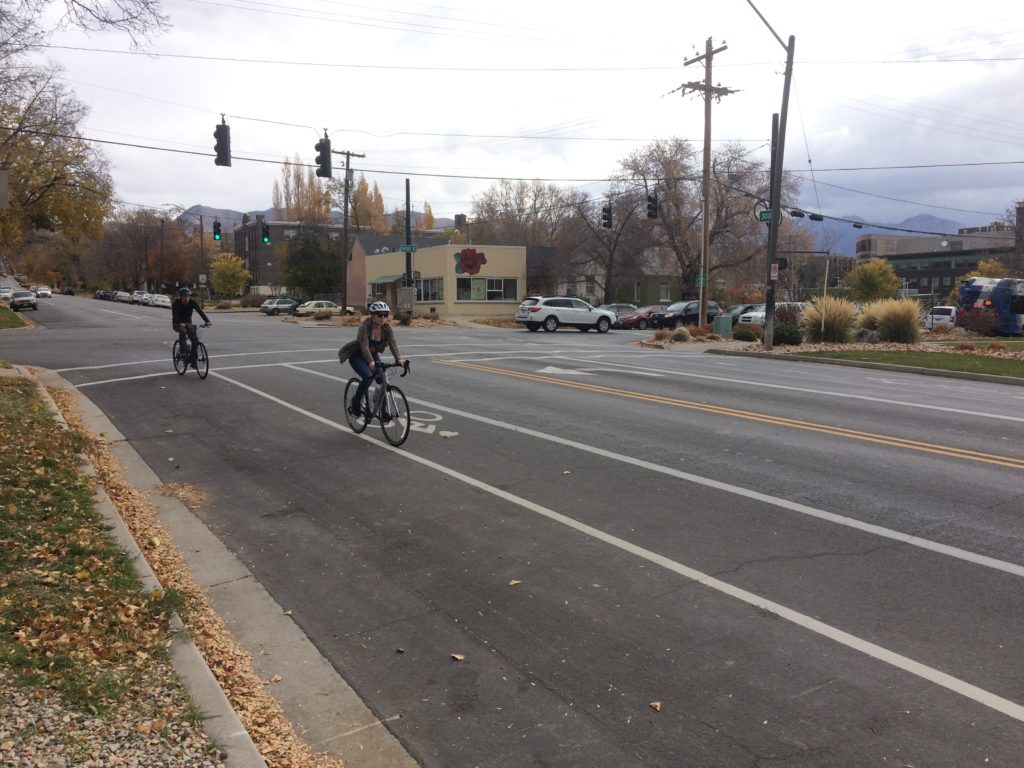
By Charles Pekow — Adding a bike lane not only can increase cycling, it can also lower auto speeds. That’s what the Waterloo Region of Canada outside Toronto found when it compared before and after data provided by Streetlight Data, a traffic monitoring firm. Streetlight collects information on traffic via monitoring movements of trackable devices such as GPS and cellphones. During the COVID pandemic, biking became popular, so Waterloo placed barrels to create temporary bike lanes in town.

Bike lanes are good for public health. Photo by Dave Iltis

Both a study based on the data and a traditional camera count found that bike riding along one road studied for a test increased about 40 percent after the bike lane was installed, while auto speed fell 12-13 percent.

In another recent report, the City of Pittsburgh was able to overlay Streetlight data on auto, bike and pedestrian traffic with its own data on where crashes occur. It found, surprisingly, that the most heavily trafficked areas weren’t the ones where the most bike accidents were found. Rather, the danger zones were places with a specific problem, such as a blind curve, lack of stop sign or no sidewalk.

See streetlightdata.com


Keegan Swenson & Haley Smith Conquer the 2022 Crusher in the Tushar (Brief Recap & Results)

BEAVER, Utah, (July 9, 2022) – The Crusher in the Tushar presented by The Creamery, welcomed a field of approximately 800 riders representing 37 states and eight countries to Utah’s Tushar Mountains outside of Beaver, Utah on Saturday, July 9. 

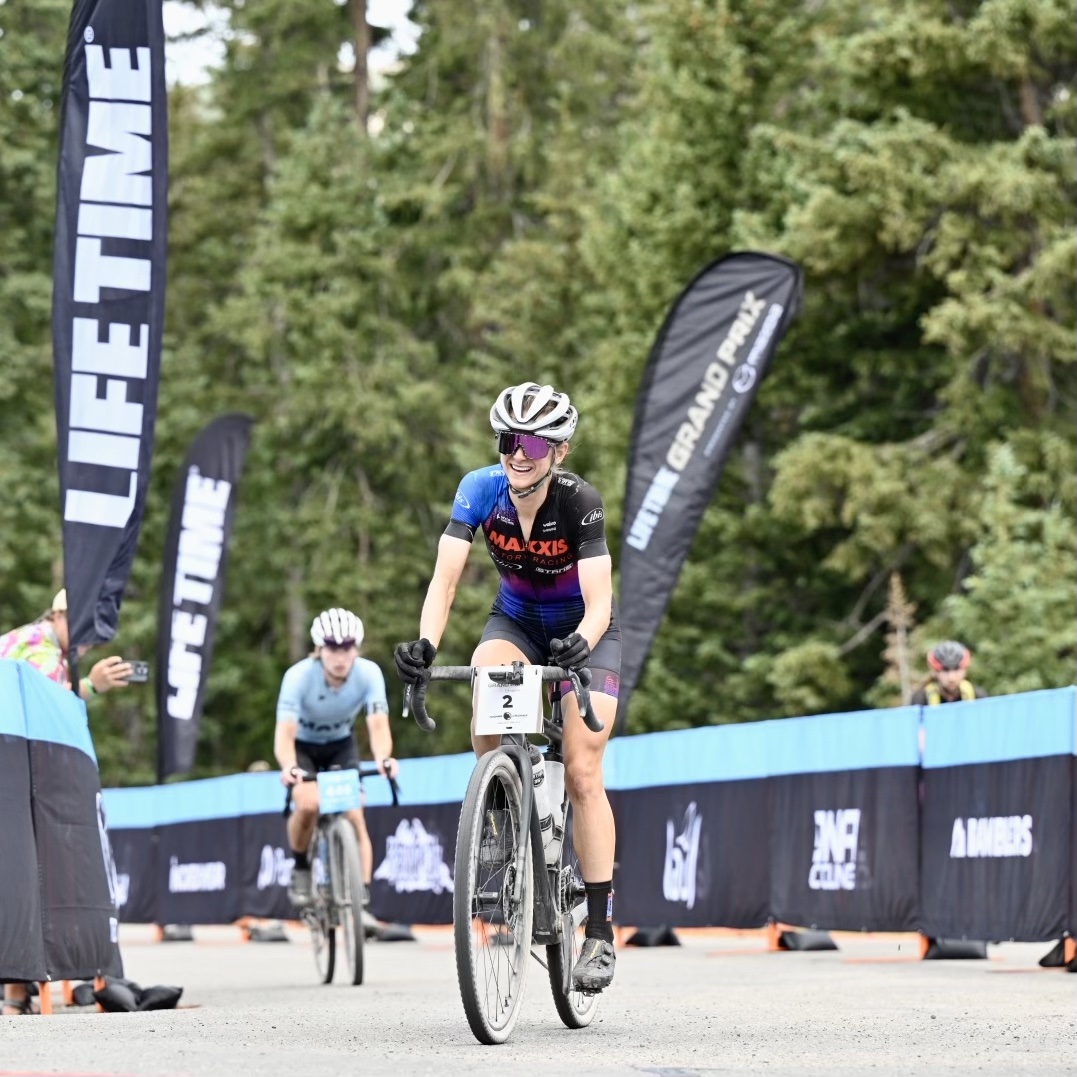
Women’s Pro winner Haley Smith. Photo courtesy Life Time

In the pro women’s race, Haley Smith and Sophia Gomez Villafane took an early lead, but there were multiple changes of the lead with Ruth Winder and Sarah Sturm also featuring in the lead group. Smith was the first woman to reach the top of the Col d’Crush QOM point. Smith went on to take victory eight minutes ahead of second place finisher Emma Grant.

“I didn’t know what I was going to be capable of, but I felt confident I could give it a good run,” said Haley Smith, the women’s first place finisher of Crusher. After being asked about how she felt at the finish line she continued, “It’s a hard day to plan for nutrition, I didn’t want a hydration pack because of the heat so I only had two bottles and had to ration my water and at the end I think I was at my max effort with nothing else in the tank.”

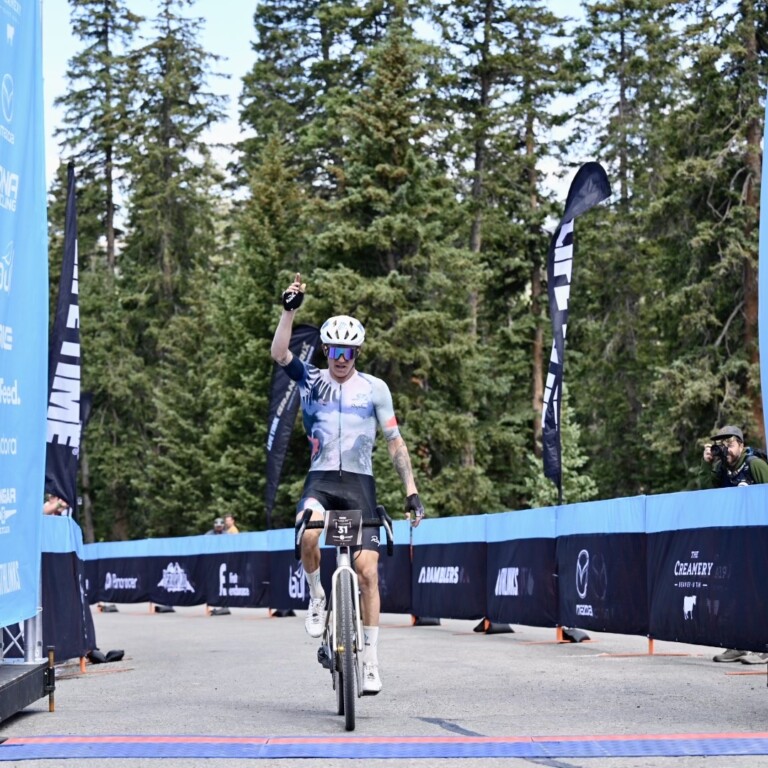
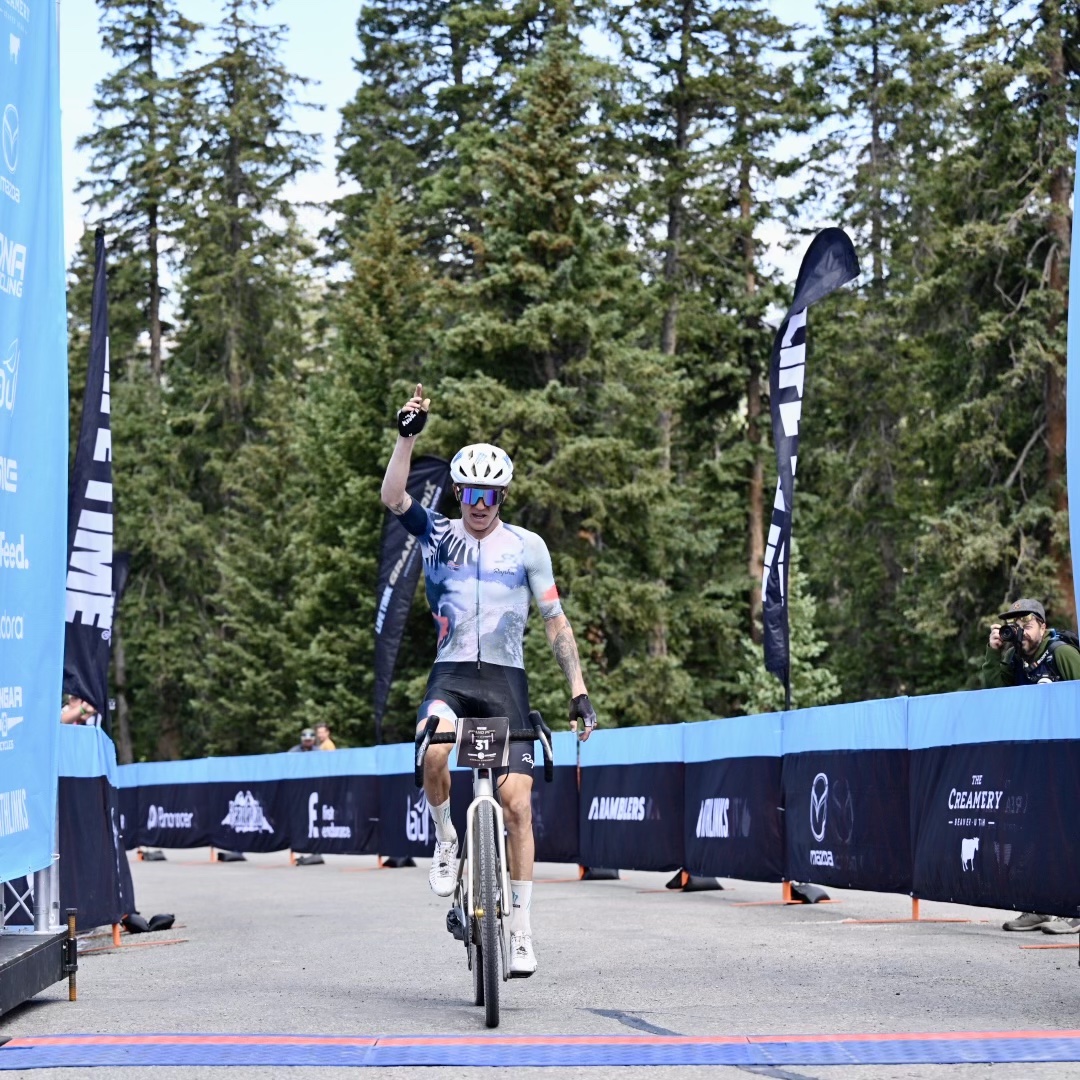
Men’s Pro winner Keegan Swenson. Photo courtesy Life Time

In the pro men’s race, Keegan Swenson and Howard Grotts escaped off the front early on, chased by Cole Paton. Swenson was solo by the time the course reached Circleville, and he also reached the KOM point at the top of Col d’Crush in the lead. Swenson crossed the finish line first with a massive winning margin of more than 11 minutes, setting a new course record. The action didn’t stop there as Cole Paton, Griffin Easter and Peter Steina were in a sprint to the end for second through fourth place.

When asked about riding solo during a majority of the race, Keegan Swenson says, “It was nice, I don’t mind racing alone, you get to ride at your own pace.” The men’s leader in the Life Time Grand Prix series presented by Mazda continues, “this one felt good, in my home state and I think the course suits me well. As I’m getting excited for Leadville, this is definitely a good training race and pretty comparable to the climbing.”

Women’s division:

  1. Haley Smith, of Uxbridge, Canada with a time of 4:56:23
  2. Emma Grant, 30, of Boulder, Colo. with a time of 5:05:02
  3. Sarah Sturm, 32, of Durango, Colo. with a time of 5:05:42

Men’s division:

  1. Keegan Swenson, 28, of Heber City, Utah with a time of 4:02:24
  2. Cole Paton, 24, of Durango, Colo. with a time of 4:13:53
  3. Griffin Easter, 30, of Park City, Utah with a time of 4:13:59

Non-binary’s division:

  1. Rach McBride, 44, of Vancouver, Canada with a time of 5:20:40

Full race results can be found here

Even Bicycle-Friendly Communities Continue to Fail to Build Bicycle Infrastructure

By Charles Pekow — Building bicycle infrastructure really does help people get around in cities. It’s just that American municipalities haven’t gotten the message. So says an evaluation of an infrastructure-building effort in five cities, including Denver, between 2018 and 2021. The Urban Institute’s report on the Final Mile Program concludes “cities in the United States have thus far failed to systematically expand their cycling networks in a fashion that is safe for users and encourages a mode shift out of cars and into this more equitable and environmentally friendly transport mode.”

A cyclist braves State Street. Multimodal, personal transportation, should be safe for all users on State Street in Salt Lake City, Photo by Dave Iltis

The Final Mile provided private grant money for publicity, engineering support and advocacy – not building infrastructure. In all the cities, leaders had shown support for bicycling previously.

The institute concluded that municipalities – rather than larger or more distant governments – need to take the lead as they control most streets. They need to set long-term goals and then set priorities. It is also necessary to keep pushing city officials to get things done but that also causes stress among the staff.

The 86-page evaluation offers plenty of tips for bicycle advocates, city officials and funders. It acknowledges that advocates by and large haven’t produced adequate ways to minimize the influence of NIMBYs and other opponents of bike lanes, who will always exercise their First Amendment rights to show up and speak at public meetings.

Find the RESEARCH REPORT: Making the Case for Improved Bicycling Infrastructure: An Analysis of the Final Mile Bicycle Infrastructure Program at https://www.urban.org/sites/default/files/publication/105402/making-the-case-for-improved-bicycling-infrastructure.pdf

Rad Power Opens New Salt Lake City Retail Store

July 8-9, 2022 is the Grand Opening of Rad Power Store

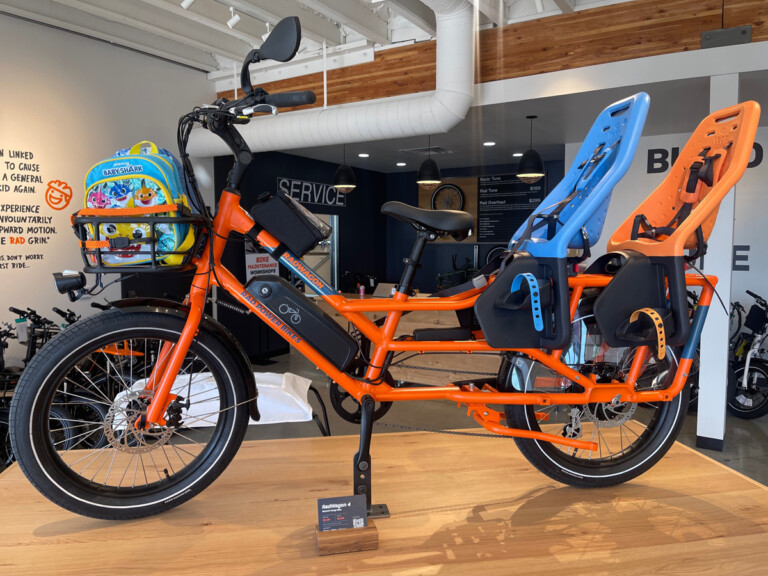
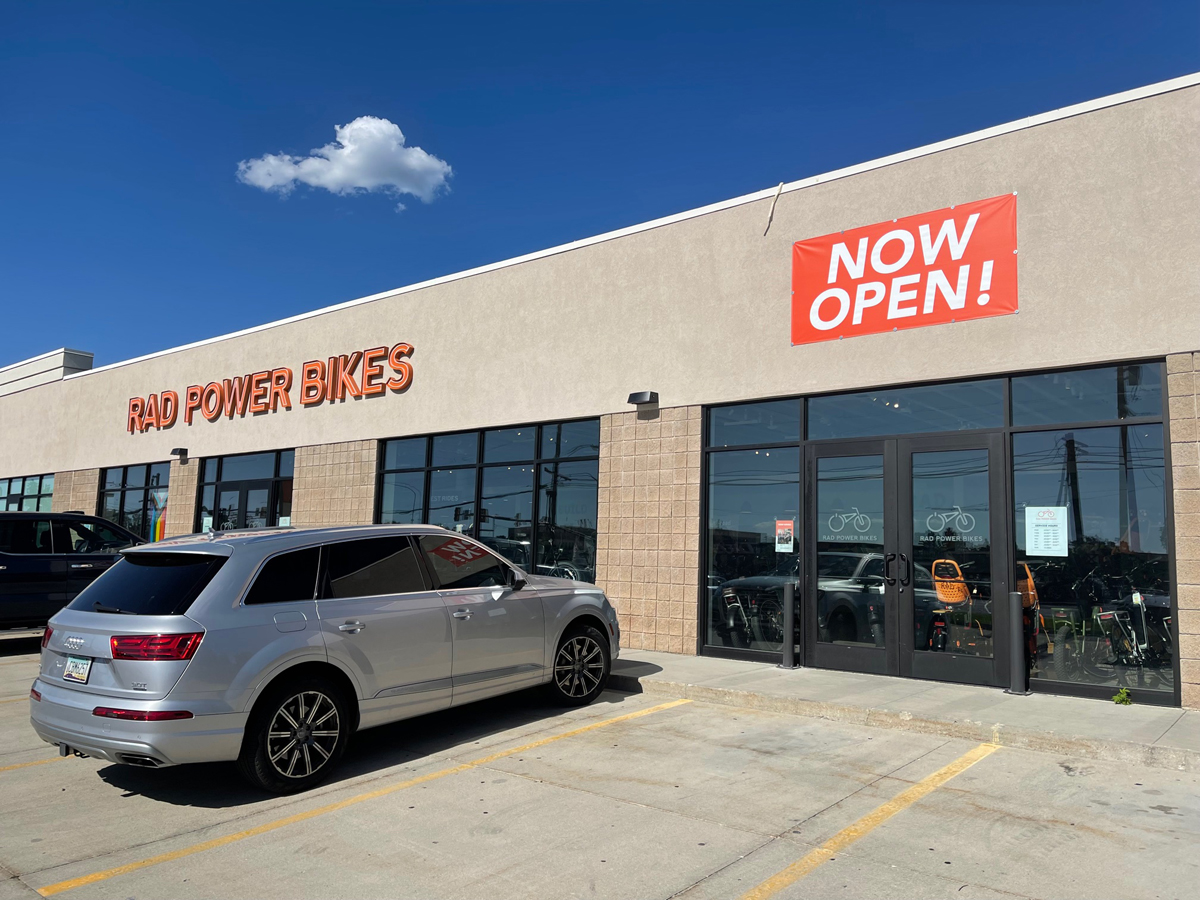
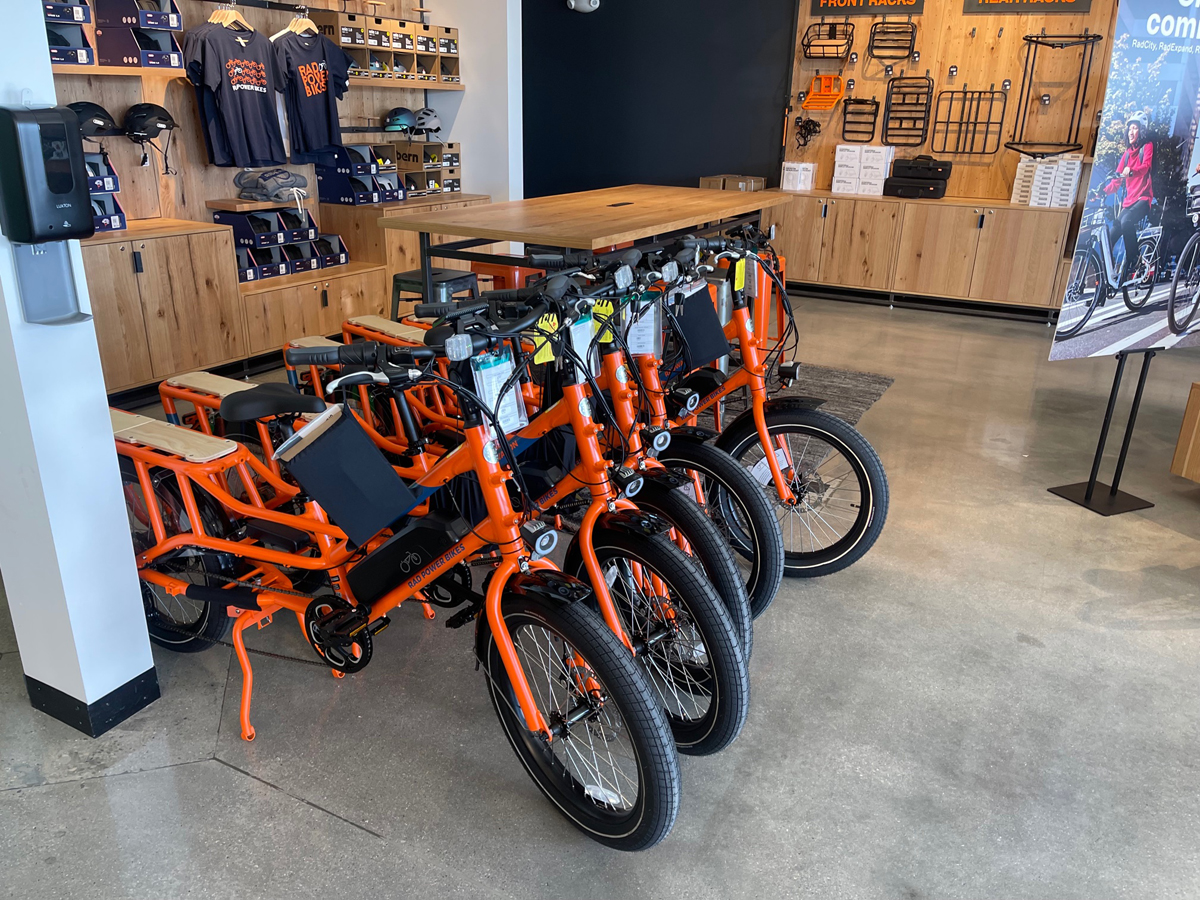
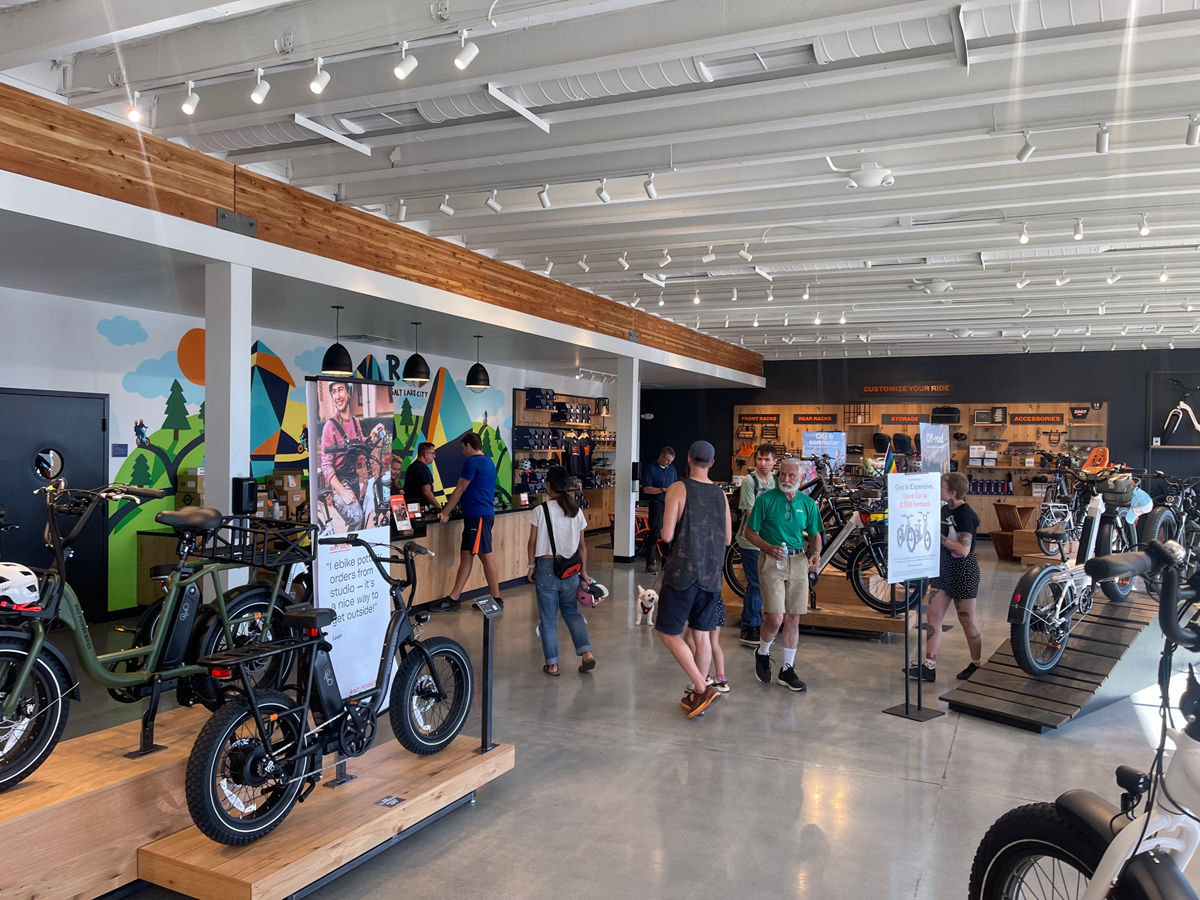
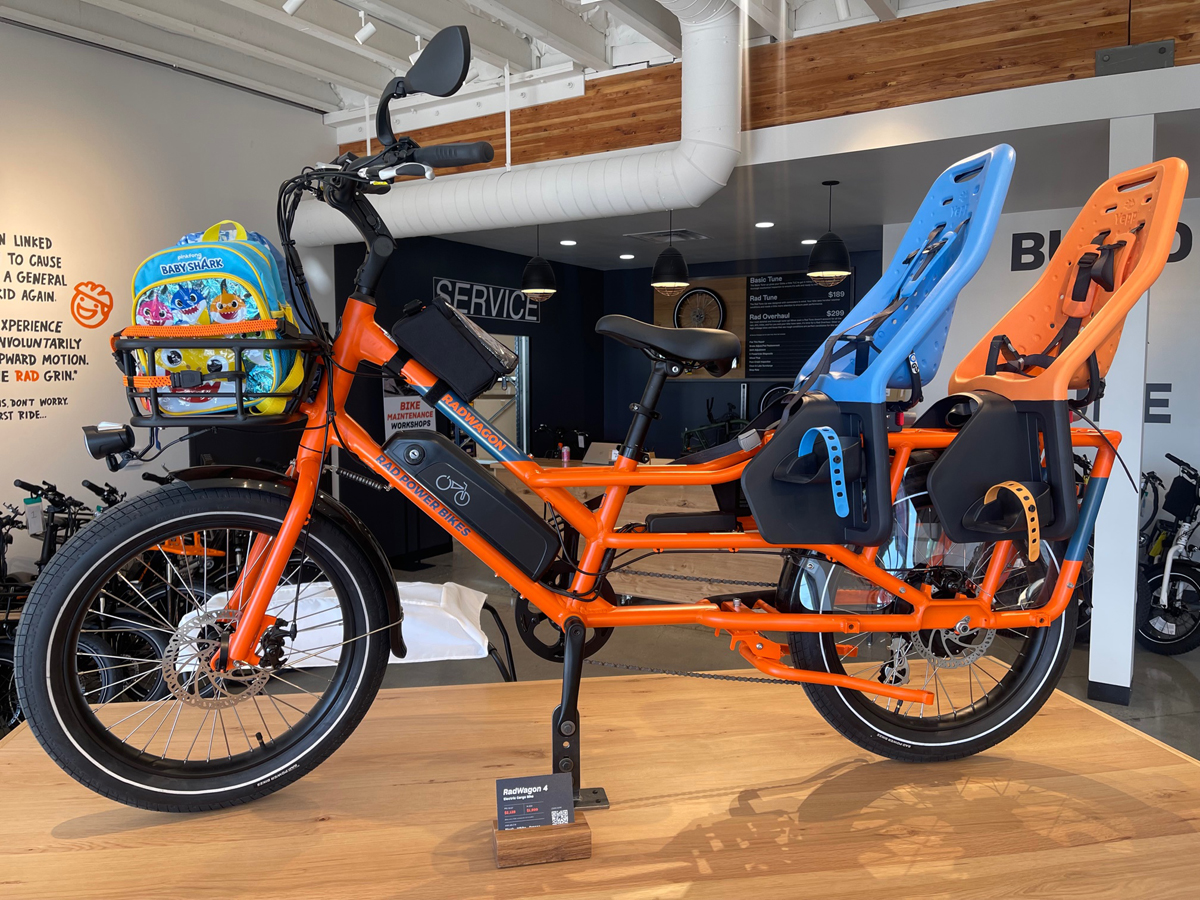
SALT LAKE CITY, Utah (July 8, 2022) — Continuing its retail expansion in the U.S., Rad Power Bikes, the largest ebike brand in North America, will open its fourth U.S. and sixth worldwide retail store and service center in Salt Lake City, UT. The store provides consumers with the opportunity to see the entire line of Rad Power Bikes’ offerings including ebikes, accessories and merch, go on test rides, get fitted for a bike and learn about best practices and bike safety. Plus, it is equipped with plenty of inventory so customers can bring their ebike home that day. The service center offers convenient access for tune ups, repairs and general maintenance services for Rad riders.

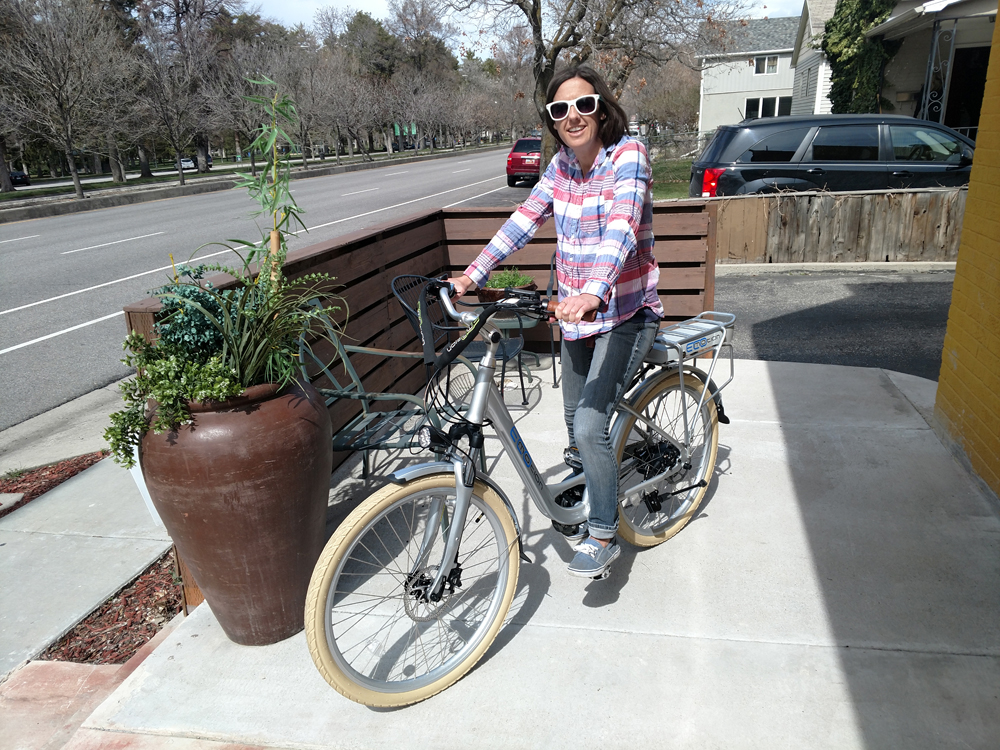
Rad Power’s new retail store is open in Salt Lake City. Photo by Dave Iltis

At the grand opening event on July 8-9, there will be onsite activities including food trucks, music, and family friendly activities, as well as limited-time offers on some of Rad’s most popular ebikes. The US ebike community is experiencing steady momentum, with ebike demand outpacing that of EVs with nearly 800K ebikes sold in 2021 and upwards of 130 million electric bicycles expected to be sold worldwide between 2020 and 2023.

Rad Power Bikes is excited to expand its presence in the community. In recent years Salt Lake City has made significant efforts to provide greater access to alternative modes of transportation, including adding hundreds of miles of new bike trails. Those efforts combined with a strong community that is active and enjoys the outdoors makes Salt Lake City an ideal option for Rad Power Bikes’ sixth showroom. 

When:             Friday, July 8 – Saturday, July 9, 2021 

Time:              9:00am – 6:00pm 

Where:            2107 S 700 E, Salt Lake City, UT 84116

Rad Power’s new retail store is open in Salt Lake City. Photo by Dave Iltis

At The Event: 

Discounts and Raffles: 

  • Raffle for free RadRunner Plus
  • Raffle for free Rad Tune Ups (5) 
  • 20% off of accessories
  • Free gift for first 50 guests 


Customer Support: 

  • Accessory install purchased at showroom
  • Bike specialists to help fit bikes
  • Selection of built bikes ready for purchase
  • Test Rides and Bike School 


Specific Activities: 

  • Various community activities, including: 
    • Balloon twisters
    • Face painting (Friday only)
    • Gnarly’s food truck, serving Dole Whips and other snacks (Friday only)
    • DJ 
Rad Power’s new retail store is open in Salt Lake City. Photo by Dave Iltis

30 Minutes to Peak State: Upper Body Conditioning for Cycling

By Pat Casey — Despite cyclists’ immense focus on their lower body strength, stability, mobility, and endurance, they commonly neglect their upper bodies. However, postural alignment issues from complacent adaptations are the source for many common aches and pains while training and racing, and even in everyday life. This can be due to a perception that cyclist’s don’t “use” their upper bodies for pedaling, and therefore don’t need to strengthen areas that don’t directly push the pedals. Riders also express a reluctance to perform strengthening of the back, chest and arms out of fear of bulking up – gaining hypertrophy in muscles that will add weight to their lean physique. Cyclists are riddled with fear that they might do something to hurt their power to weight ratio. In other words, upper body strength for cyclists is a taboo.

Since the bike is not the most anatomically “accurate” position for the human body, it can exacerbate pre-existing issues in our posture. The impact of our jobs and lifestyle on our bodies do not fix themselves on the bike. Often, they get worse and they feed the cycle in other areas of everyday life. Modern technologies and work demands that plop us in front of a computer, phone, or other device for 40+ hours a week perpetuate forward head carry, which is a pervasive issue for neck pain and shoulder/chest tension. Not to mention the detrimental effects that being seated 40+ hours per week can have on the glutes and hamstrings, and on the compressed nature of the spine, hips and abdomen. Riders don’t usually address these areas until there’s an issue that’s affecting their riding experience. Regardless of an existence of issue, the complacencies in our posture and habitual movement patterns have an effect on our physiology and might be hindering basic neurological and biological functions.

Strength in the lats, shoulders, arms, and back body can dramatically improve our stability on the bike. Gaining strength can also improve recruitment from large core stabilizers which can also improve our power output. And finally, making improvements in upper body strength and stability can also improve our ability to decompress the spine, ribs, and shoulders to breathe more fully and efficiently. Below are a few helpful upper body strength and mobility techniques you can begin working on to improve your posture, reduce pain, and add to your performance on the bike! We will start at the top of the axial skeleton: the head and neck. We will then work our way down to provide a few ideas for you to add into your training routine and hopefully help you address some of the nagging issues you might be dealing with on or off the bike.

Exercises to try out – if you have experienced a traumatic injury in the spine, or are currently in chronic pain, consult with a medical professional before trying any of these movements.

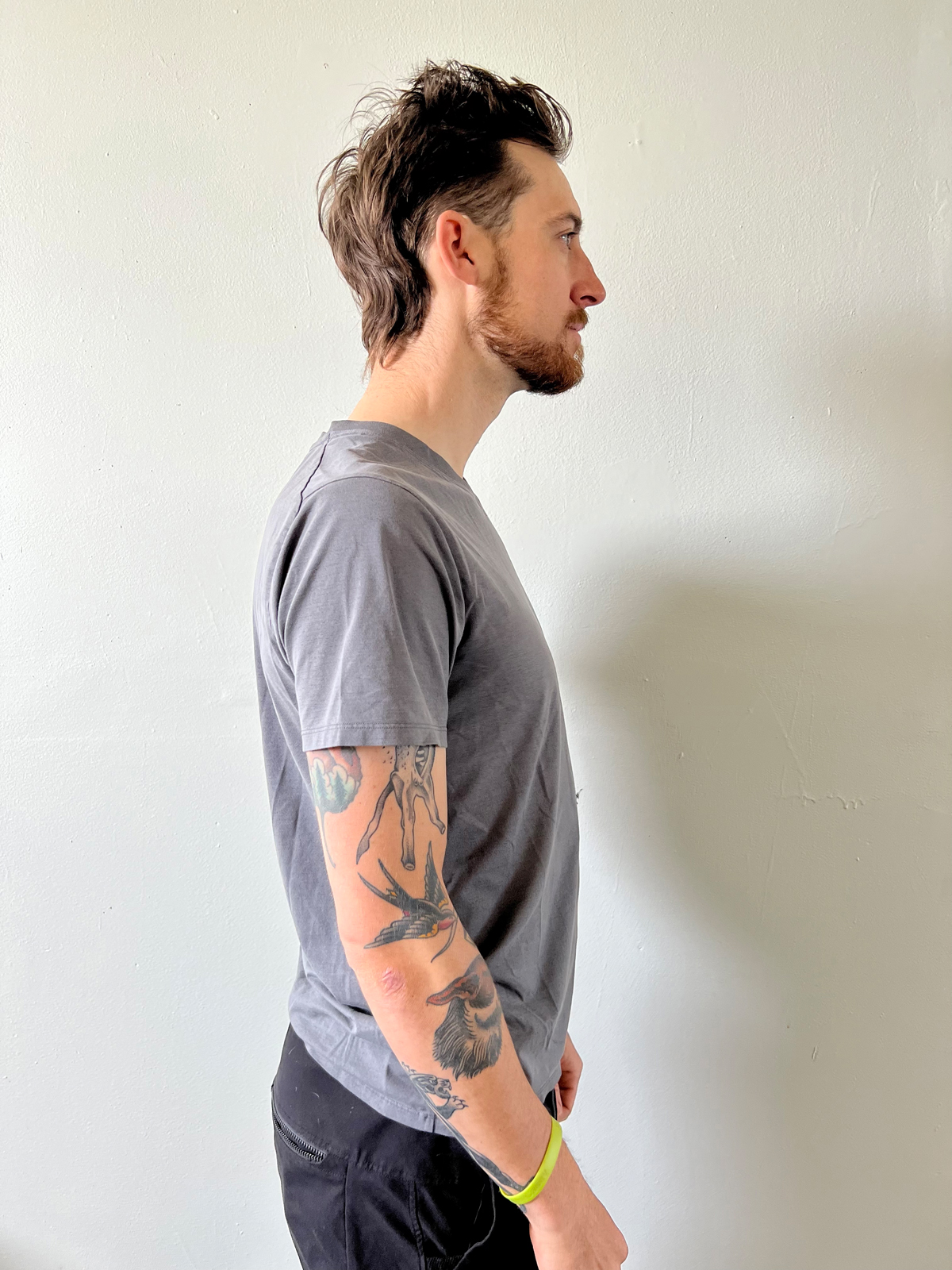
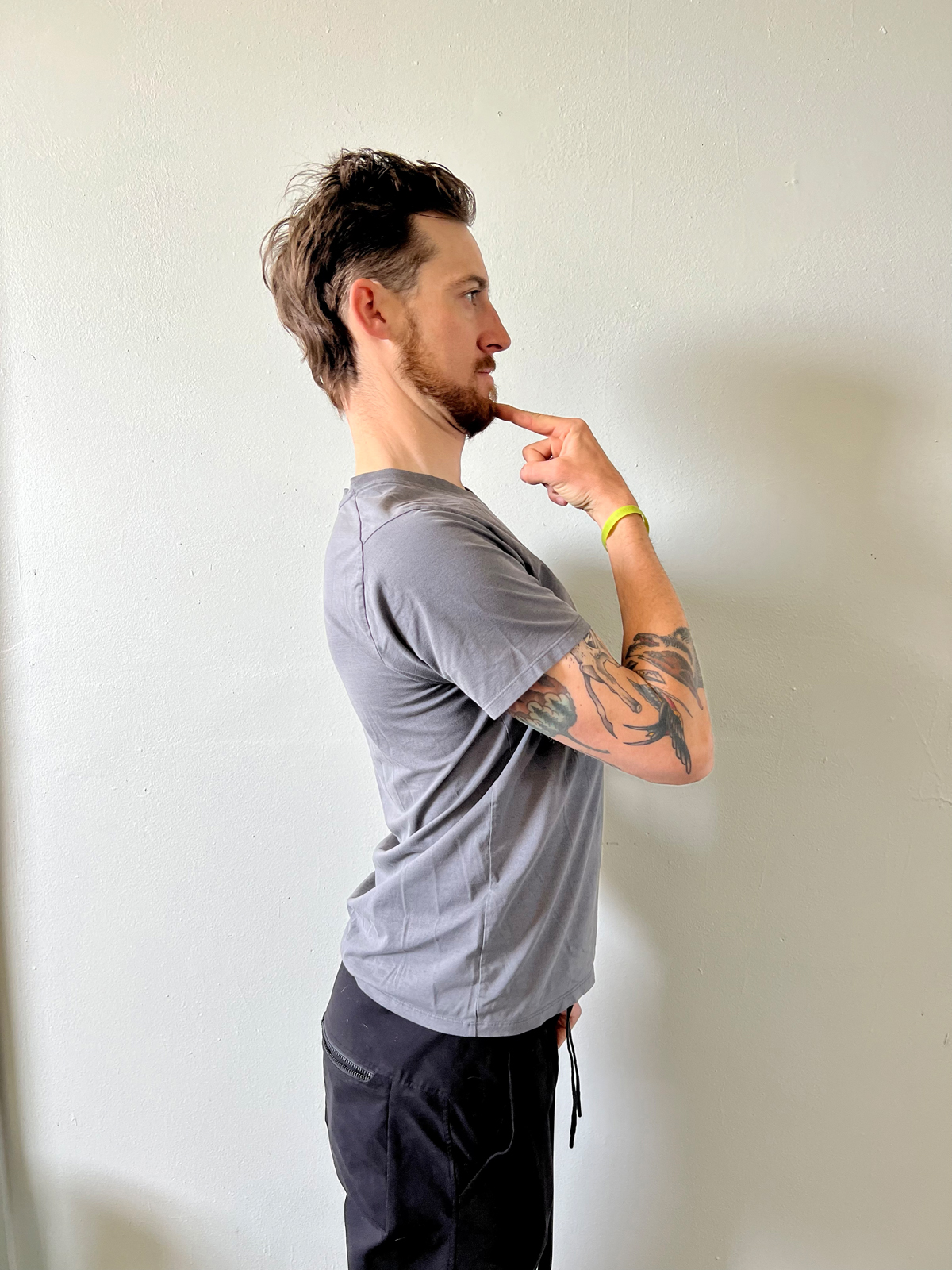
Head Position and Strengthening the Neck:

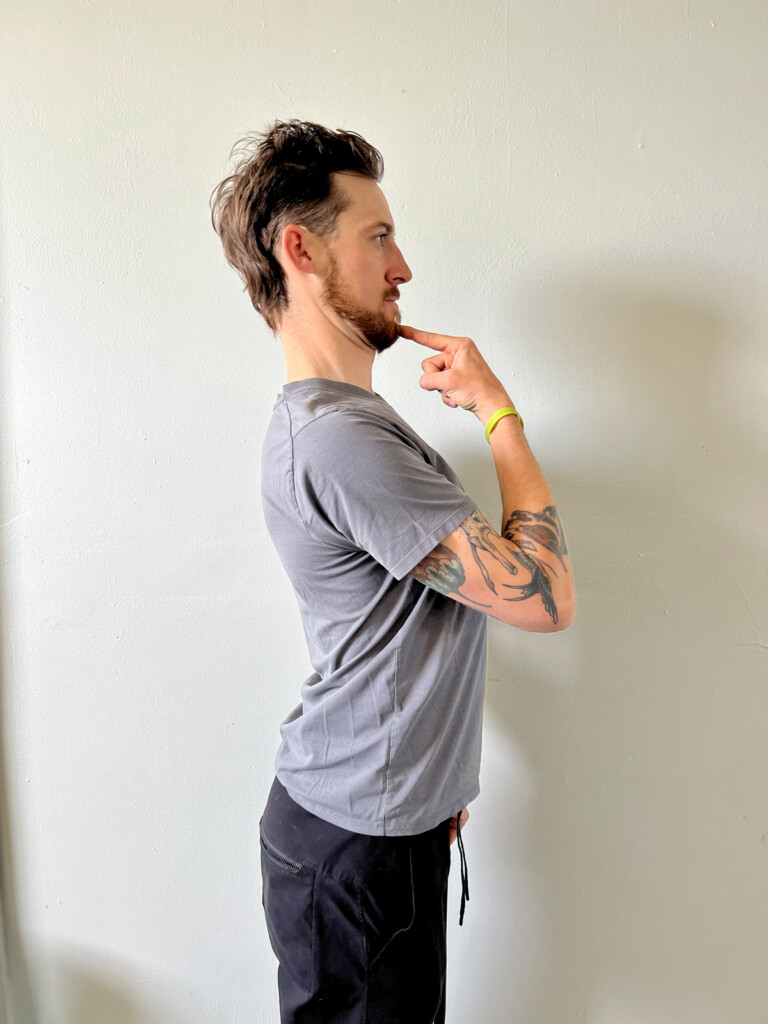
Stand up straight with your feet hip width apart. Get as tall as you can. Now, Pull your chin IN making a double chin. At the same time, lengthen through the back neck. Hold this position for 15 seconds. Relax and repeat.

Head Position and Strengthening the Neck. Photo courtesy Peak State Fit

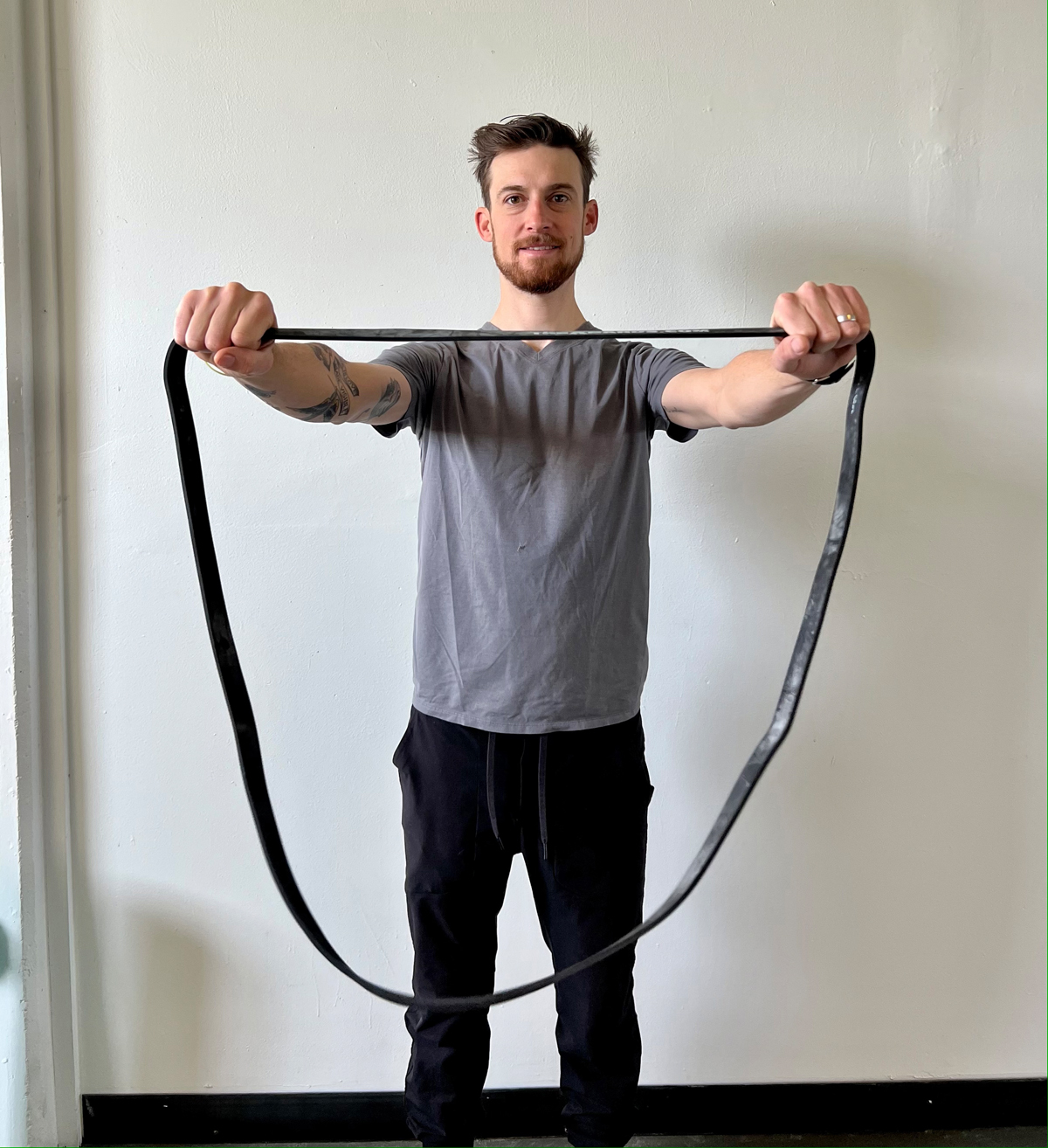
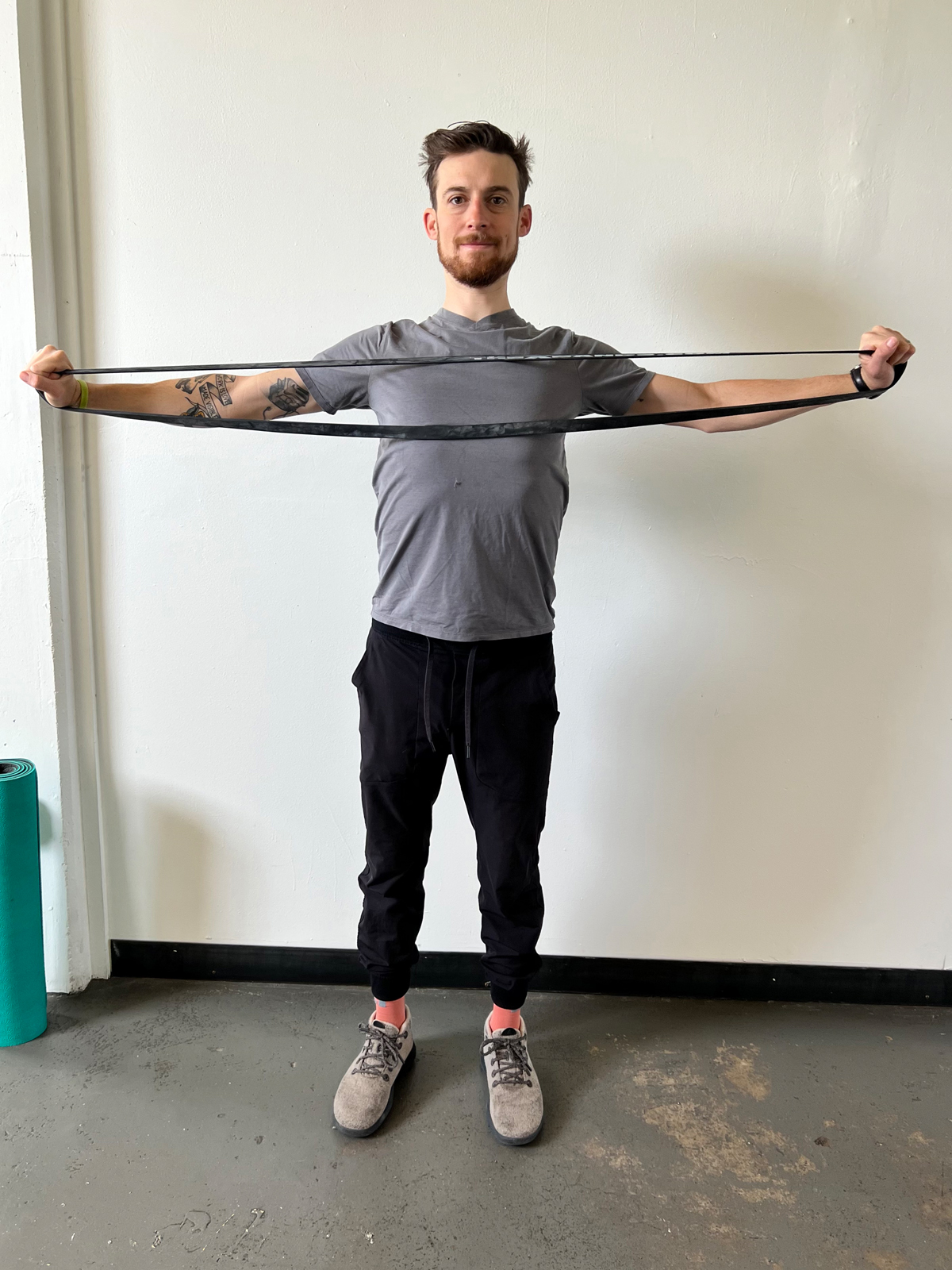
Scapular Retractions:

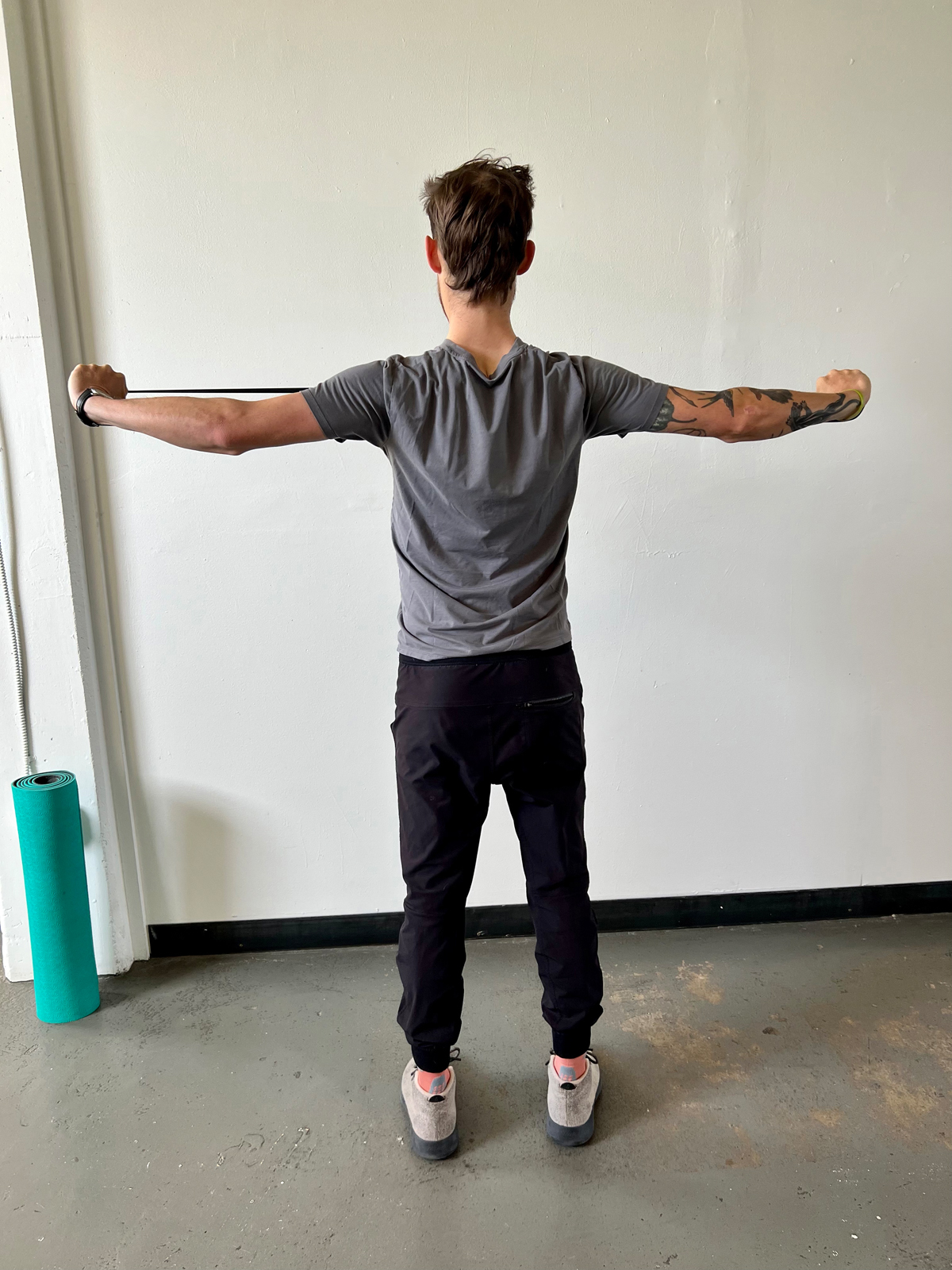
Position your hands shoulder width apart on a resistance band. With your hands outstretched in front of you, clasp the band and pull it laterally away from the body. You will squeeze the mid back, right between the shoulder blades. Each rep, complete a count of 2 at the end range of the movement. Then slowly bring the band back to center.

Scapular Retractions. Photo courtesy Peak State Fit

Decompression of the Thoracic Spine:

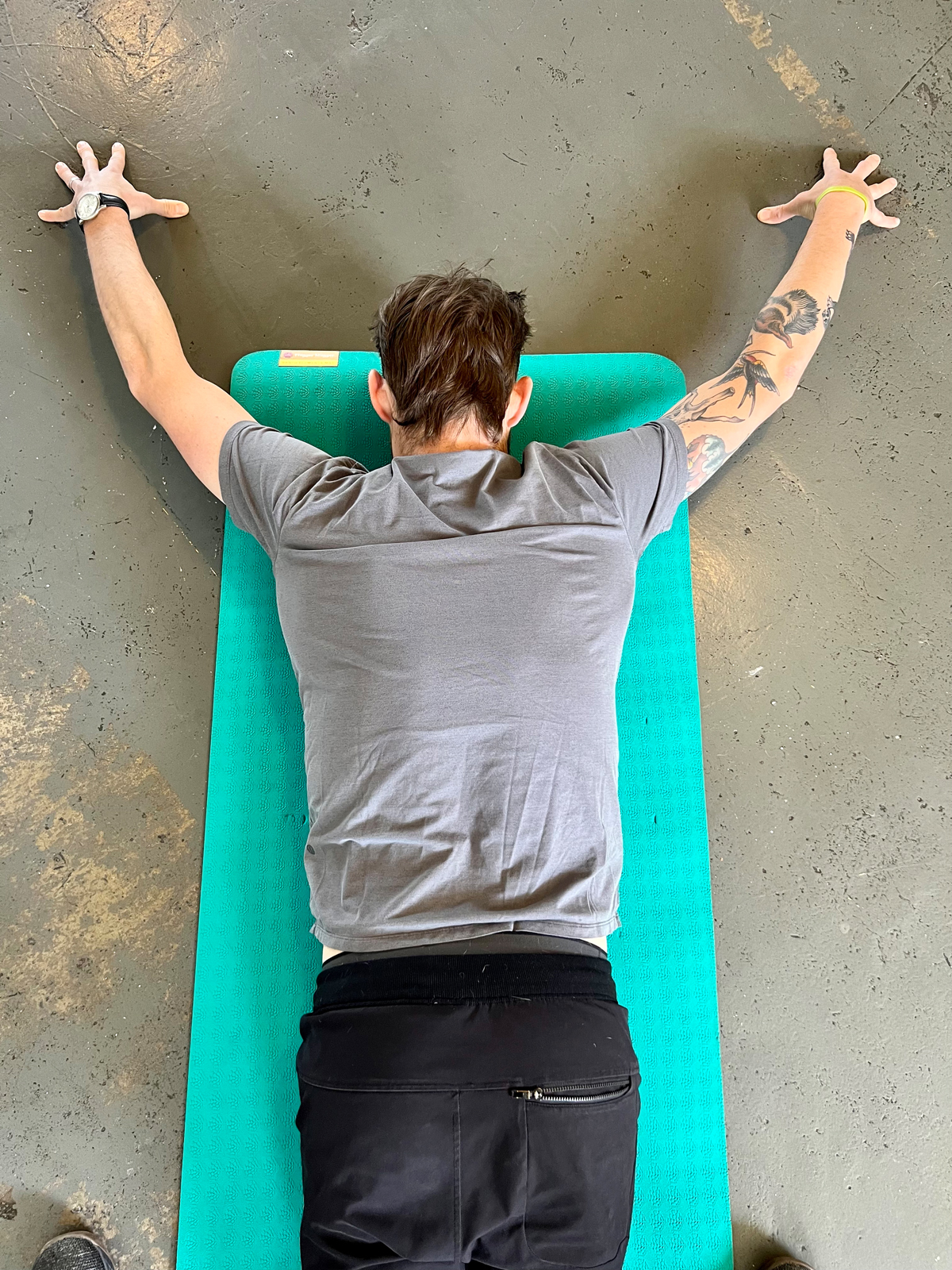
Lying on your belly, extend your arms in a Y position overhead. Place your fingertips in a half sphere into the floor. Pull your chin back, create length through your back neck. Then on an exhale, press into your hands, elevating the elbows and pull from the fingertips as if you’re trying to drag your body forward on the ground. You will feel your lats engage. Now repeat long, full breaths, each time deepening the pull of the hands overhead and try to breathe into the upper back between your shoulder blades.

Decompression of the Thoracic Spine. Photo courtesy Peak State Fit

Rowing:

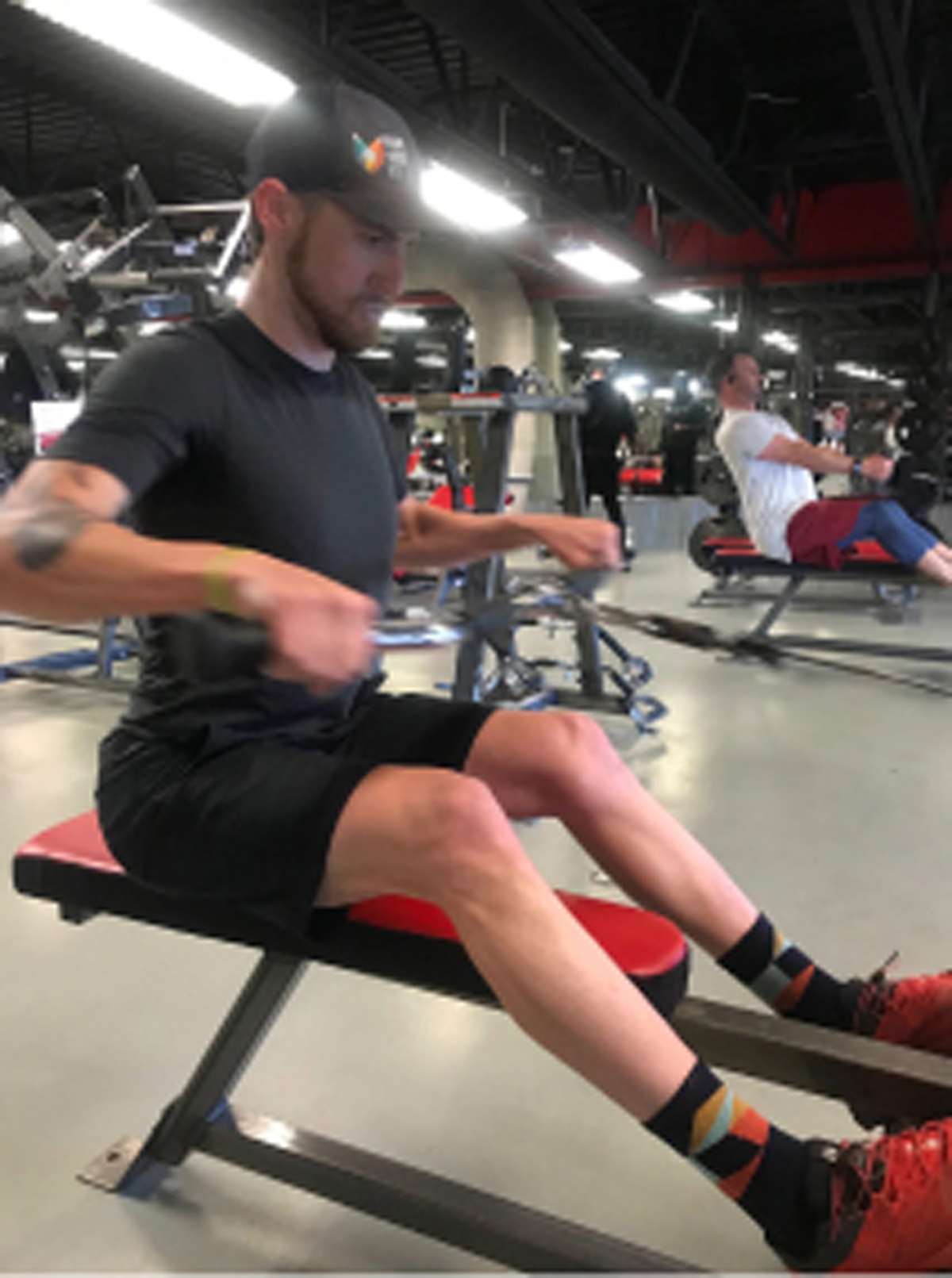
Rows can be performed in a variety of ways. Maintain good spinal alignment and pull with your lats and upper back. Start out light to promote good form, or use resistance cords/bands to begin. Consider trying different hand positions more specific to your cycling discipline.

Rowing. Photo courtesy Peak State Fit

Push Up with T-Stabilization:

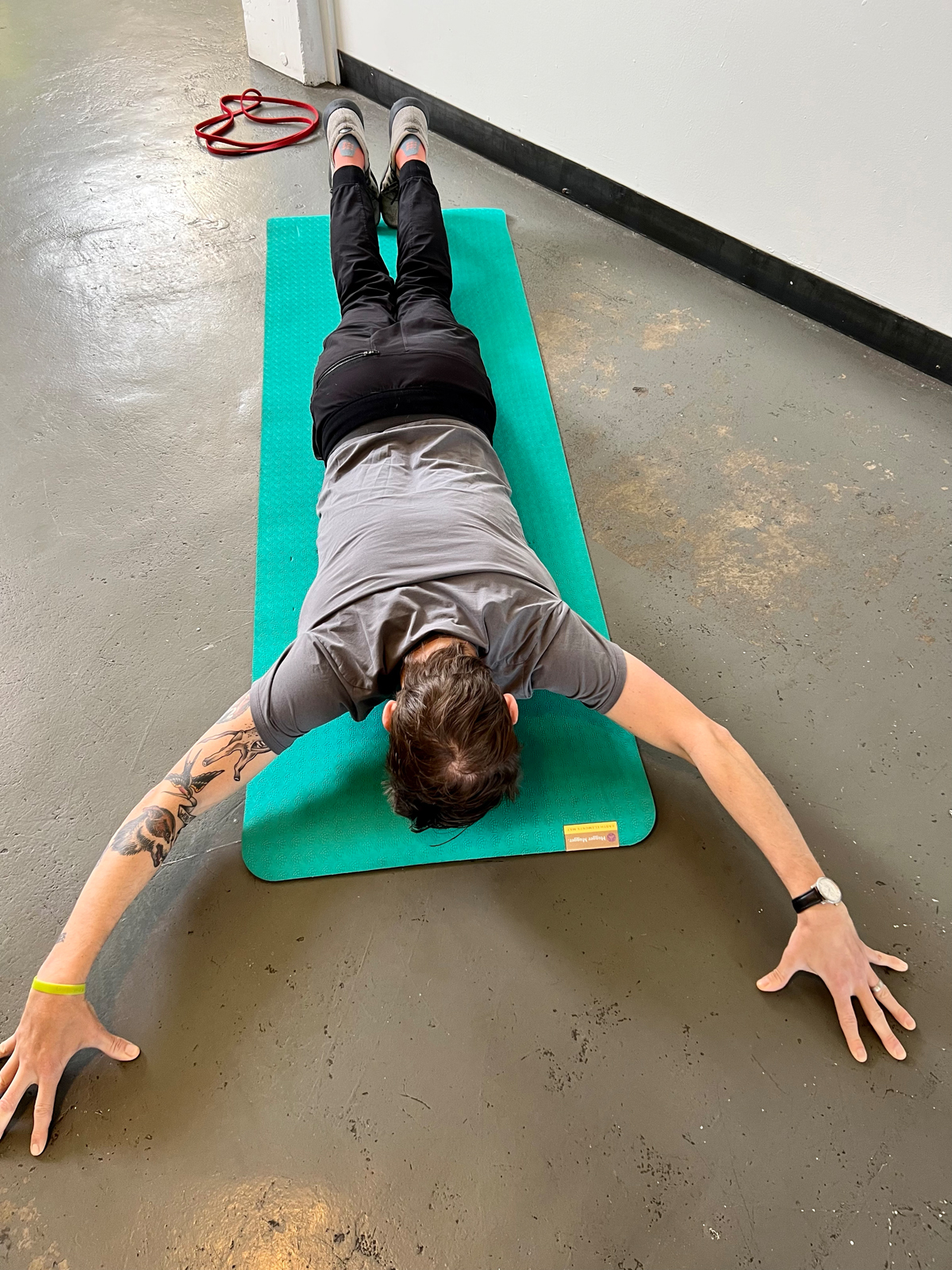
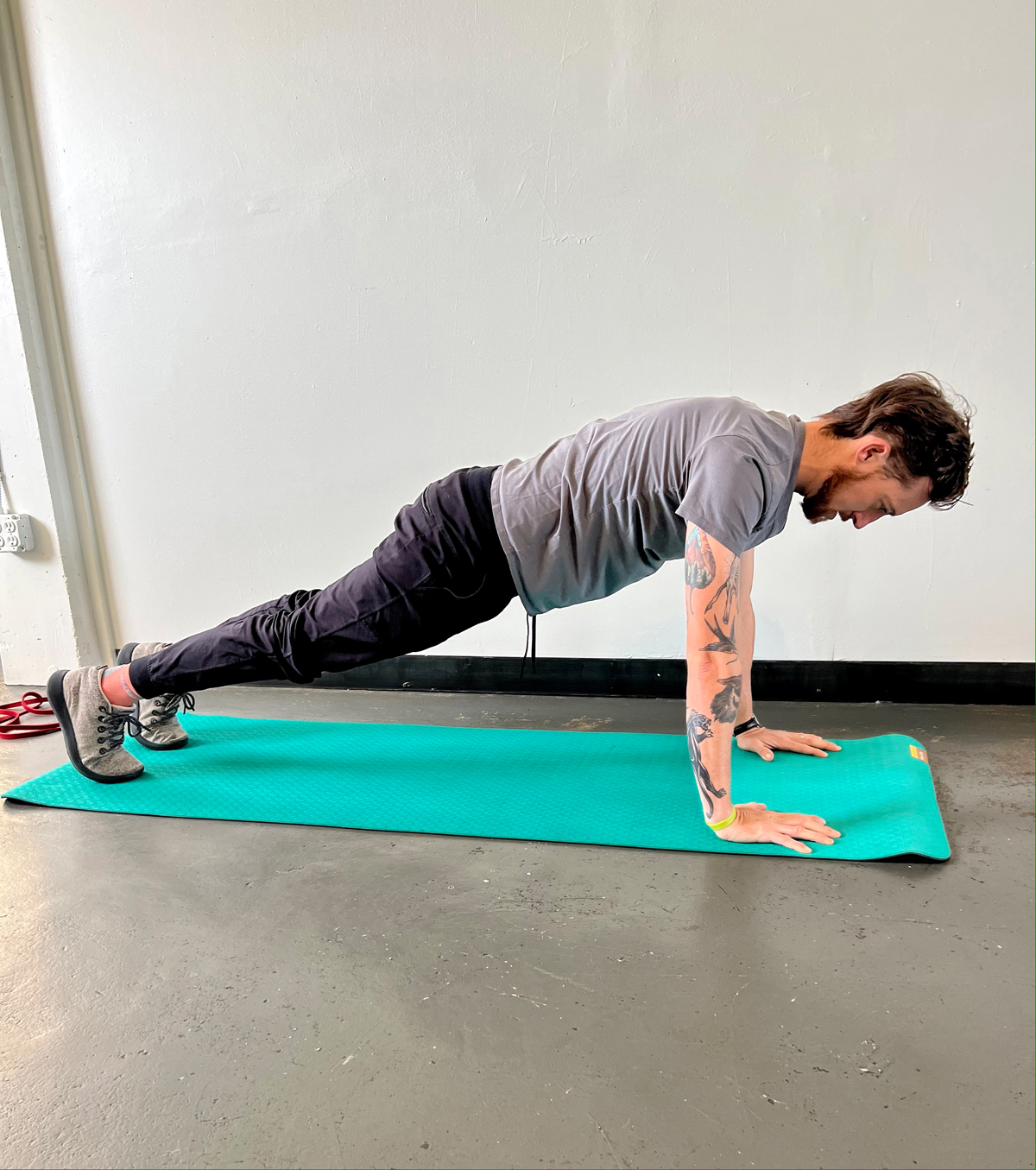
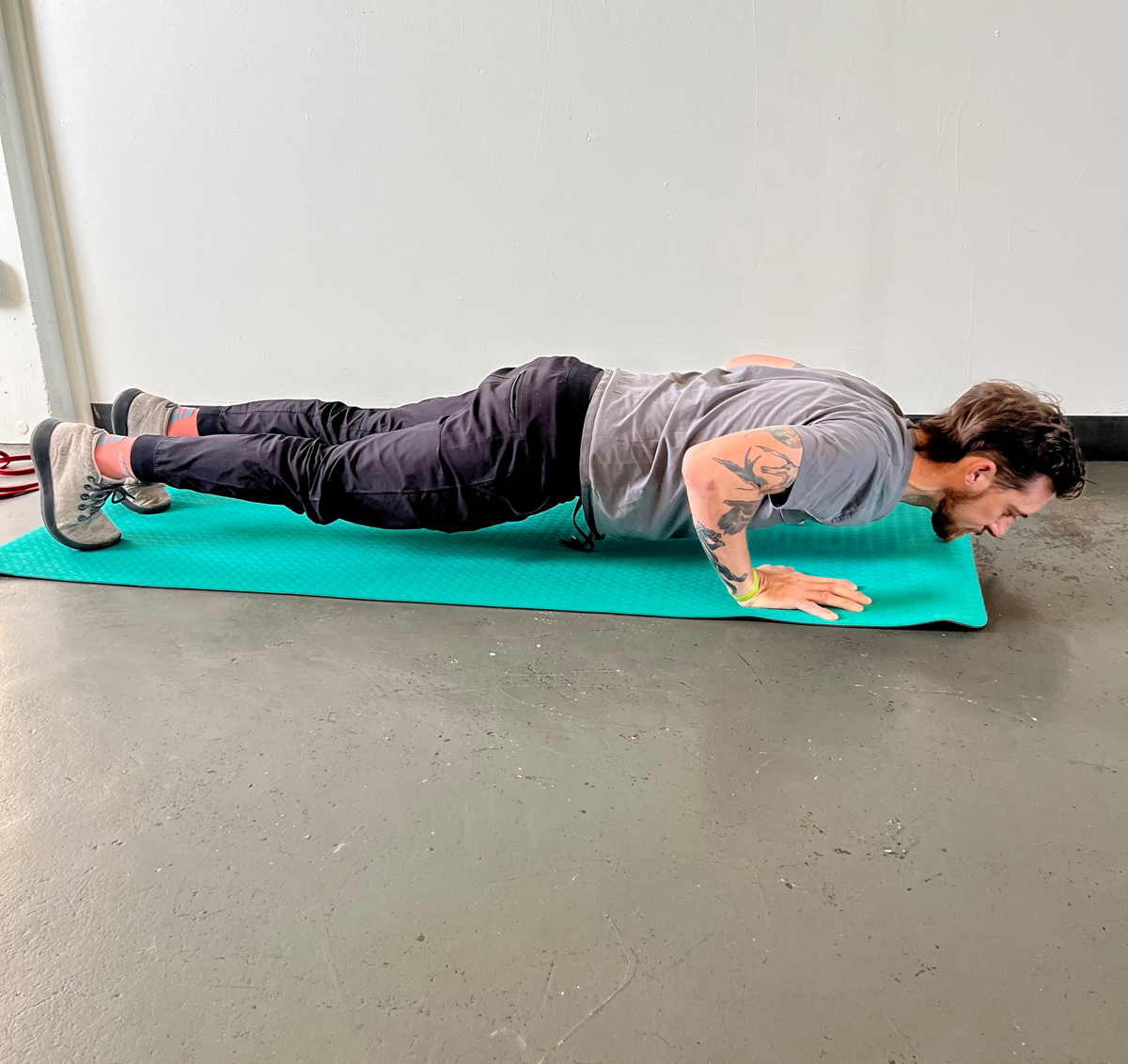
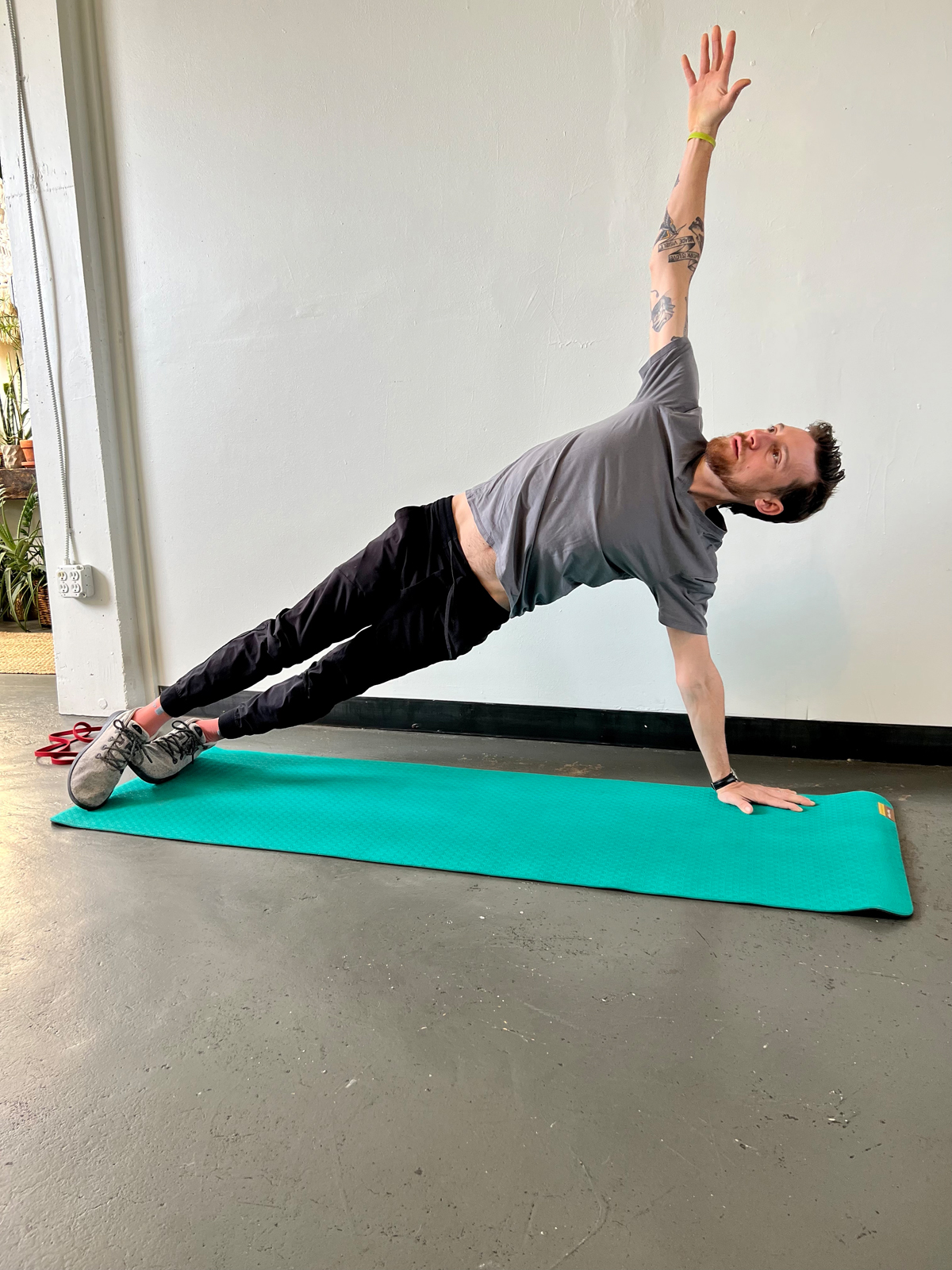
Perform a fairly standard push up: Position your hands about shoulder width apart, create pressure throughout your fingers. Lower down, engage, and press yourself back up with good spinal alignment. At the top of the movement, allow the feet to stack and open one arm towards the sky. Stabilize on this arm and control the movement going back down to a pushup position. Alternate for 10-20 repetitions or until you fatigue or cannot perform with good form.

Push Up with T-Stabilization. Photo courtesy Peak State Fit

Once You Lose Weight, Can You Keep It Off?

“I lost 10 pounds and vowed to keep them off, but no such luck. I’m so discouraged.”

“I reached my goal weight, then BOOM, I regained it once I stopped dieting.

“This is my 3rd time losing 40 pounds…”

By Nancy Clark, MS RD CSSD — If any of those stories sound familiar, you are not alone. Research suggests dieters tend to regain lost weight within five years, if not sooner. This includes many fitness exercisers and athletes who struggle to stay at a goal weight.

Education can help men overcome eating disorders. Photo by Dave Iltis

If you are fearful of regaining your hard-lost weight, this article will help you understand why maintaining lost weight takes effort. Paul MacLean PhD, Professor of Medicine & Pathology at the University of Colorado School of Medicine, has carefully studied weight regain. He notes three reasons why dieters regain weight: biology, behavior, and environment:

  1. Biology: The body has a strong biological drive to regain lost weight, as noted with increased appetite and a slowed metabolic rate. As backlash from dieting, the body learns to store fuel very efficiently as fat.
  2. Behavior: After three to nine months, dieters tend to be less strict with their low-calorie diets; they often report they have hit a weight plateau. Despite self-reported claims they are diligently dieting (yet only maintaining weight), these dieters can become discouraged and less adherent. (Note: Diligently dieting anecdotes are hard to verify.)
  3. Environment: We live in an obesogenic environment with easy access to ultra-processed foods, a sedentary lifestyle, and chemicals that contribute to weight gain including those found in upholstered furniture, pesticides, cosmetics, and who knows where else. Weight is far more complex than self-induced over-eating and under-exercising!

When adding on exercise, some people lose weight and some gain weight. Exercise alone does not guarantee fat loss. Exercisers who lose weight tend to keep the weight off if they stick with their exercise program. High levels of exercise are linked with greater success. That’s good news for athletes who train regularly! That said, a fine line exists between compulsive exercisers (who exercise to burn off calories) and athletes (who train to improve their performance). Fear of weight gain can impact both groups.

Questions arise:

  1. Is weight maintenance more about being compliant to a restrictive eating plan than to exercise?
  2. Do those who comply with a strict diet escape weight-regain?
  3. Are exercisers more likely to stay on their diet?
  4. Does exercise create metabolic adaptations that favor maintaining lost weight?

Research with rodents

Finding answers to these questions is hard to do in humans because of biology, behaviors, and environment. So MacLean turned to studying formerly obese rodents who had lost weight by being put “on a diet”and then were allowed to eat as desired for 8 weeks. Some weight-reduced rodents stayed sedentary while others got exercised.

  • Fancy cages accurately measured the rodents’ energy intake and energy expenditure. MacLean was able to see how many calories the rodents burned and if they prefer-entially burned carbohydrate, protein, or fat for fuel.
  • The exercised reduced-obese rodents ate less than the sedentary rodents and they regained less weight. Exercise seemed to curb their drive to overeat, meaning they felt less biological pressure to go off the diet. With exercise, their appetites more closely matched their energy needs.
  • Exercise promoted the burning of dietary fat for fuel. Hence, the exercised rodents converted less dietary fat into body fat. They used carbohydrate to replenish depleted glycogen stores. Note: Carbohydrate inefficiently converts into body fat. That is, converting carb (and also protein) into body fat uses ~25% of ingested calories to pay for that energy deposition. To convert dietary fat into body fat requires only ~2% of ingested calories. Given the calorie-burn of exercise plus the metabolic cost of converting carbs into body fat, the exercised rodents regained less weight.
  • The sedentary rodents ate heartily and were content to be inactive. Their bodies efficiently converted dietary fat into body fat; they used carb & protein to support their limited energy needs. They easily regained weight.

The Depressing News

When followed over time, the longer the rodents were weight-reduced, the stronger their appetites and drive to eat got. When allowed to eat as desired, they quickly regained the weight. “At least people, as compared to rodents, can be taught to change their eating behaviors to help counter those biological pressures” noted MacLean. For example, people who have lost weight can stop buying fried foods, store snacks out of sight, limit restaurant eating, etc..

More depressing news. Most of MacLean’s data is from reduced-obese male rodents. Exercised males showed less weight regain than did exercised females. The female rodents seemed to know they needed extra energy to exercise, so they ate more and regained weight. MacLean states we need more research to understand the clear differences in the biological drive to regain weight.

A glimmer of hope

The best way to maintain weight is to not gain it in the first place. Yes, easier said than done (as stated upfront), but at least athletic people who maintain a consistent exercise program can curb weight regain. We can also change our behaviors to minimize weight regain by prioritizing sleep, curbing mindless eating, and choosing minimally processed foods.

Ideally, the sports culture will change so that athletes can focus less on weight and more on performance. It’s time to acknowledge that athletes, like dogs, come in many sizes and shapes. Some athletes are like St. Bernards, others are like Greyhounds. A starved St. Bernard does not become a Greyhound, but rather a miserable St. Bernard.

By fueling your genetic body type and focusing on how well you can perform, you can enjoy being stronger, more powerful—and likely can still meet your sports goals. When being leaner comes with a life-long sentence to Food & Exercise Jail, you might want to think again?


Salt Lake Criterium Returns July 16-17, 2022

SALT LAKE CITY, Utah (July 6, 2022) — As the Tour de France courses its way through the countryside of Europe, the always-exciting and spectator-friendly Salt Lake Criterium is celebrating its third year, bringing its own unique brand of professional bike racing back to Utah’s capitol city for a two-day event July 16-17, 2022.

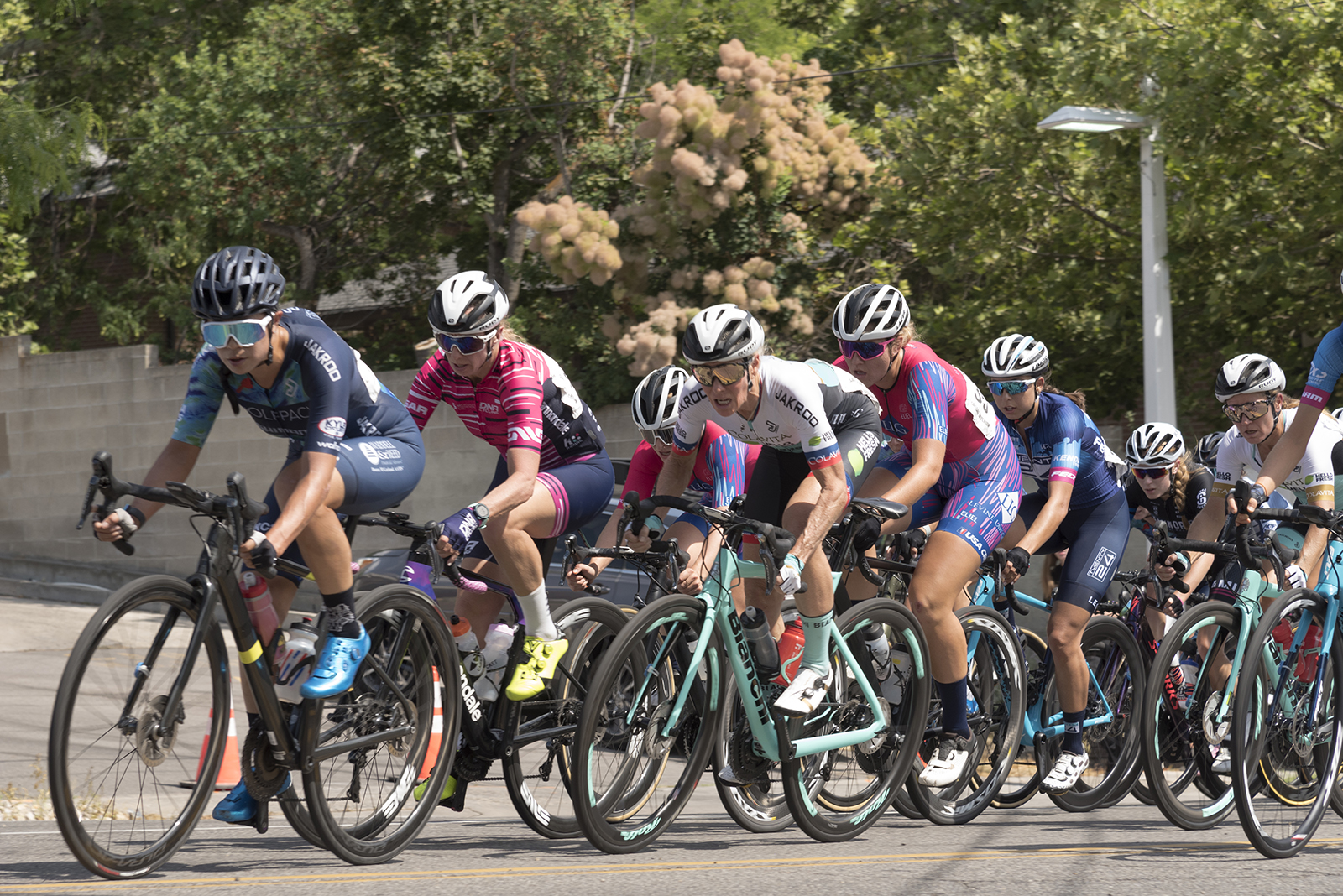
The Pro women charging hard up 2300 East at the Holladay Criterium, July 18, 2021 (Day 2 of the Salt Lake Criterium weekend). Photo by Steven L. Sheffield.

What makes the Salt Lake Criterium events—and criterium, or “crit,” racing, in general—so exciting is that each race features a multiple-lap format highlighted by fast and furious action from start to finish, usually lasting approximately an hour. Primes (pronounced “preems”) are additional cash and/or prizes awarded on specific laps during each race, adding to the action and excitement as participants race to claim these mid-race prizes.

The action on Saturday, July 16, kicks-off in the Granary District near downtown and INDUSTRY SLC, with a fast, four-corner, counter clockwise rectangle circuit just under a mile in length. The racing starts with amateur categories before the pros take the stage in the evening, which is the sixth of 10 stops on the new 2022 National Criterium Series Calendar, The American Crit Cup, where national and international men and women professional teams and cyclists battle it out for the chance to gain critical series’ points and more than $22,000 in cash. For those wanting a bird’s-eye view of the non-stop action, Your Favorite Bartender Co. and INDUSTRY SLC is providing a VIP experience.

Sugarhouse Park is the host venue on Sunday, July 17, and features a longer, 1.4-mile rolling course. Sugarhouse Park is a longtime favorite of local racers, who will be looking to use their home field advantage after a hard day of racing on Saturday. Sunday’s race is also featuring additional junior and master categories throughout the day before the pro men and women take the stage to cap off what is sure to be a thrilling weekend of racing.

“We’re excited to bring top level criterium racing back to Salt Lake City,” said Eric Gardiner, director and founder of the Salt Lake Criterium. “These two new courses will again create different types of racing each day and test teams’ ability to control a race. We’ll also spice it up a bit more with a lot more primes than in previous years.”

Following Utah’s professional Salt Lake City Criterium, the American Crit Cup series heads to Chicago, Illinois, and a few other stops before the grand finale in St. Louis, Missouri, in September, where the season’s $100,000 prize purse will be awarded.


The Four Basic Rules of Group Road Riding

By Jamie Morningstar — It’s riding season! The events are ramping up, the cycling groups (organized and disorganized) are planning their weekend rides, and everybody’s stoked to get out on the road.

If you’re relatively new to road riding, you may be feeling nervous about riding with a group or signing up for a big event. You want to be polite, you want to be able to hang, you don’t want to break some taboo that you didn’t even know existed. So, whether you’ve signed up for an event or you’re meeting up with friends of a friend for a Saturday morning ride, here’s the 101 of group riding.

Rule #1: Signal.

There are really only four hand signals you need to know: Left, right, stop, and pointing at obstacles. Signals are essential in group rides because it turns out other riders are terrible at reading your mind, you’re not so great at reading their minds, and you’re riding close enough together that you have limited time to figure out what other people are doing and respond. So, make it easy on everybody and signal.

Remembering signals is easy:

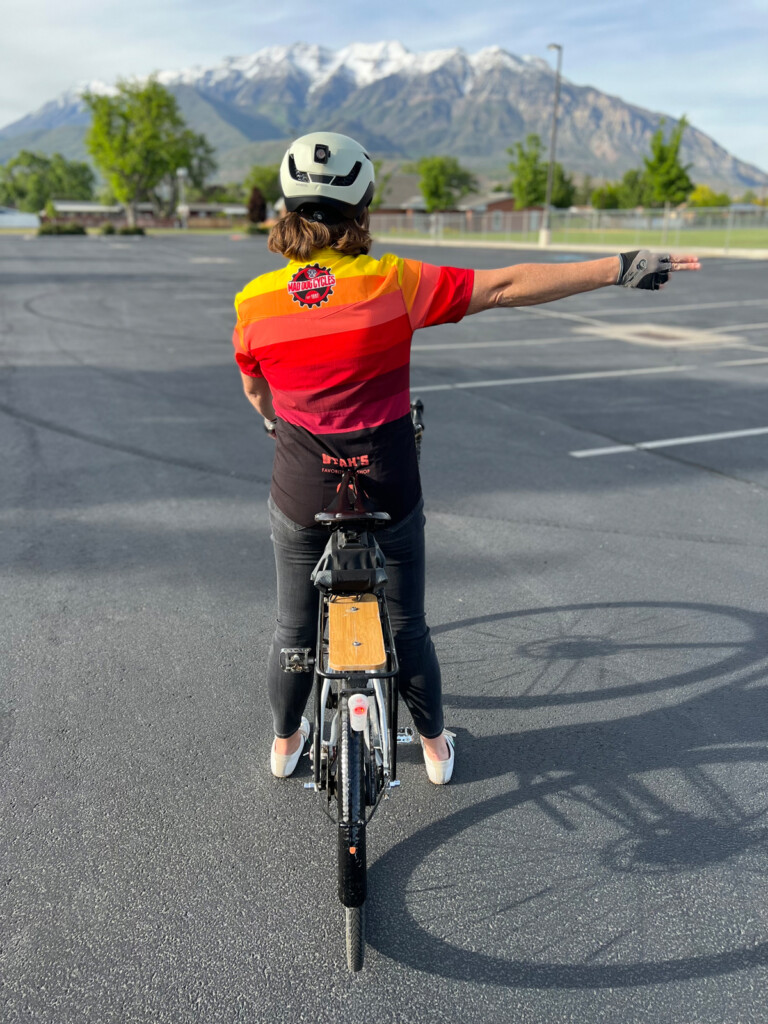
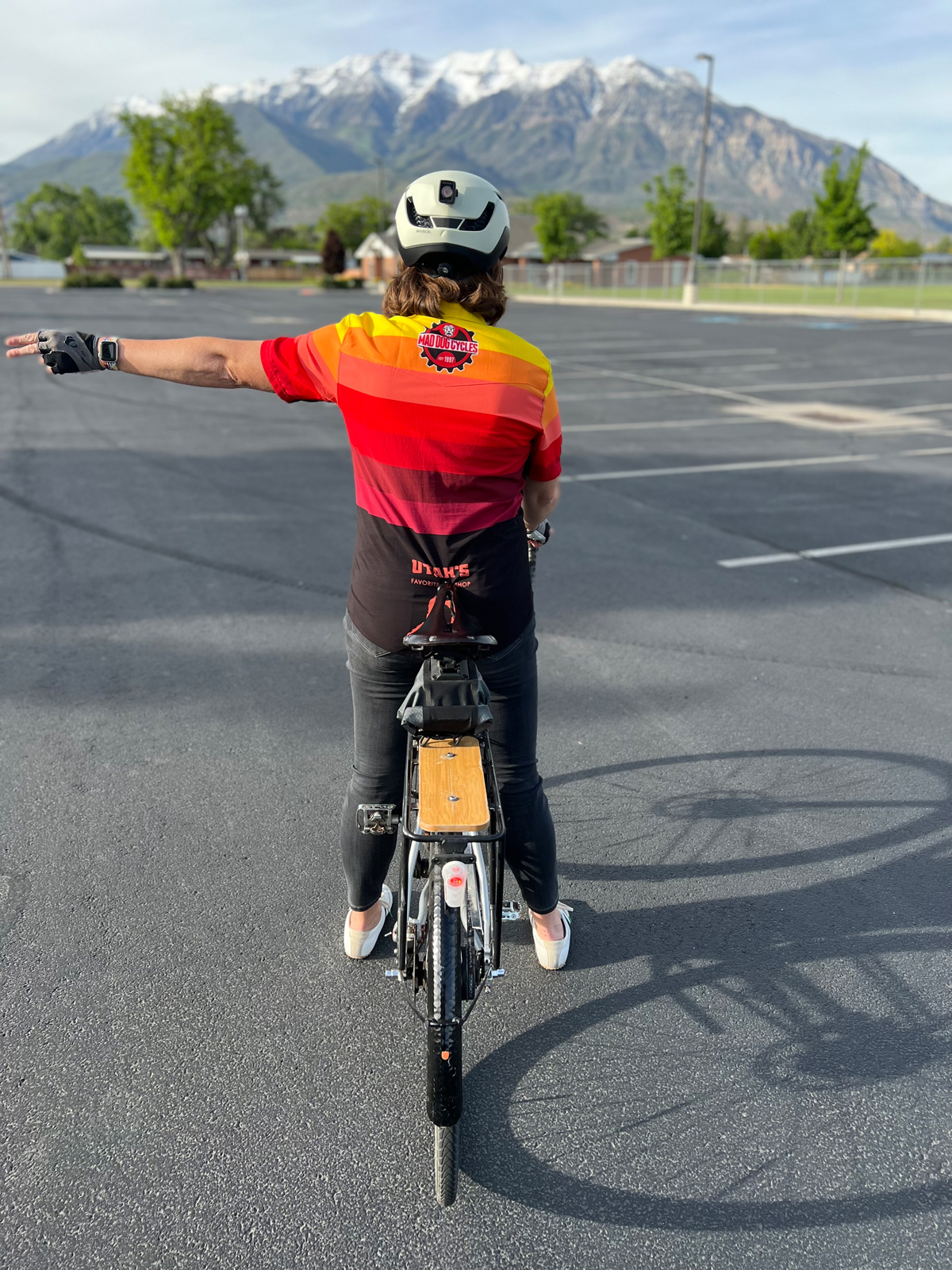
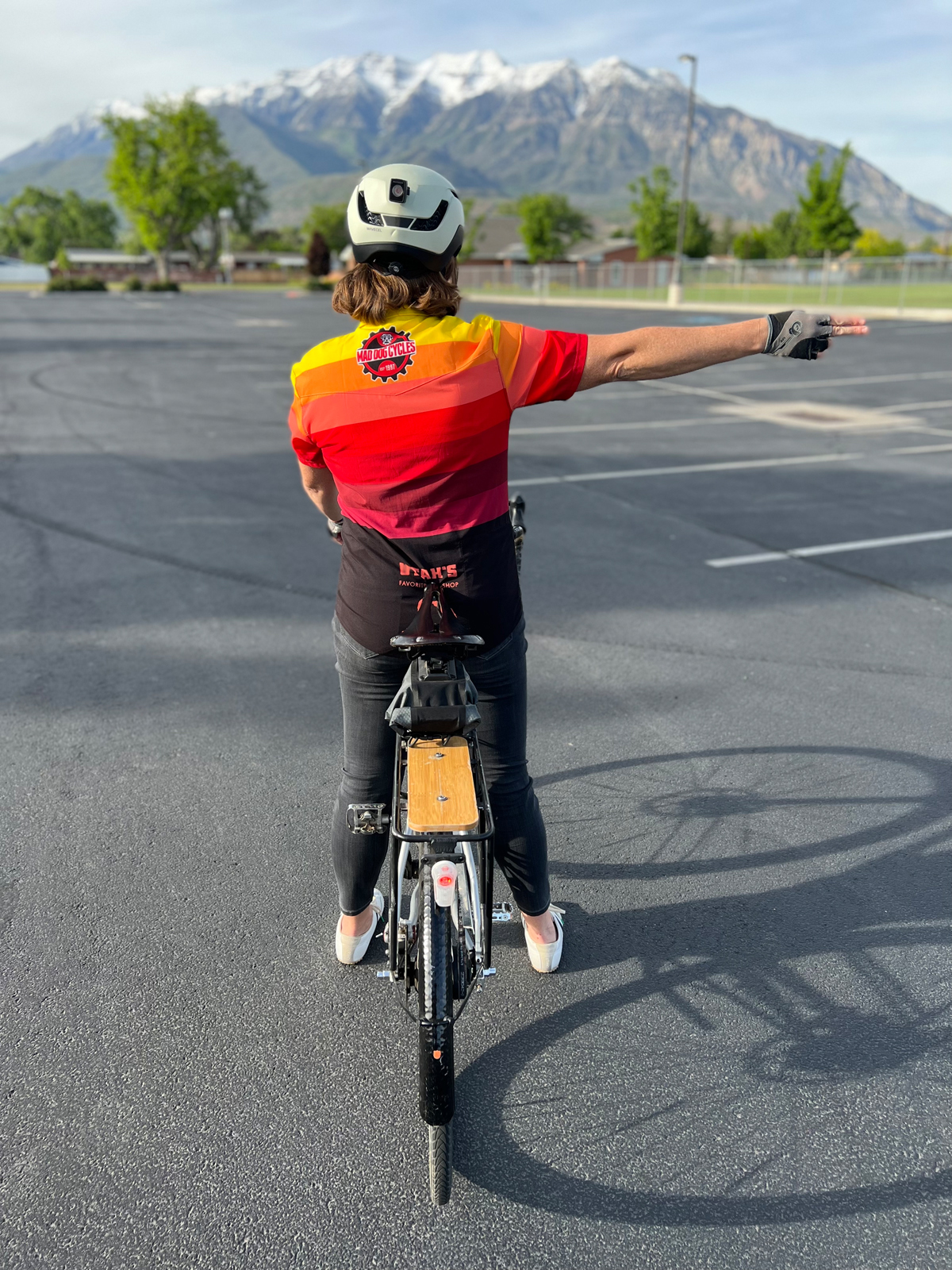
  • Right or Left Turn: Point the direction you’re turning. If you must, you can also signal right by putting your left arm up at a 90-degree angle, but, honestly, it’s easier to just remember to point the way you’re turning.
    Left turn signal. Photo by Jamie Morningstar

    Right turn signal. Photo by Jamie Morningstar
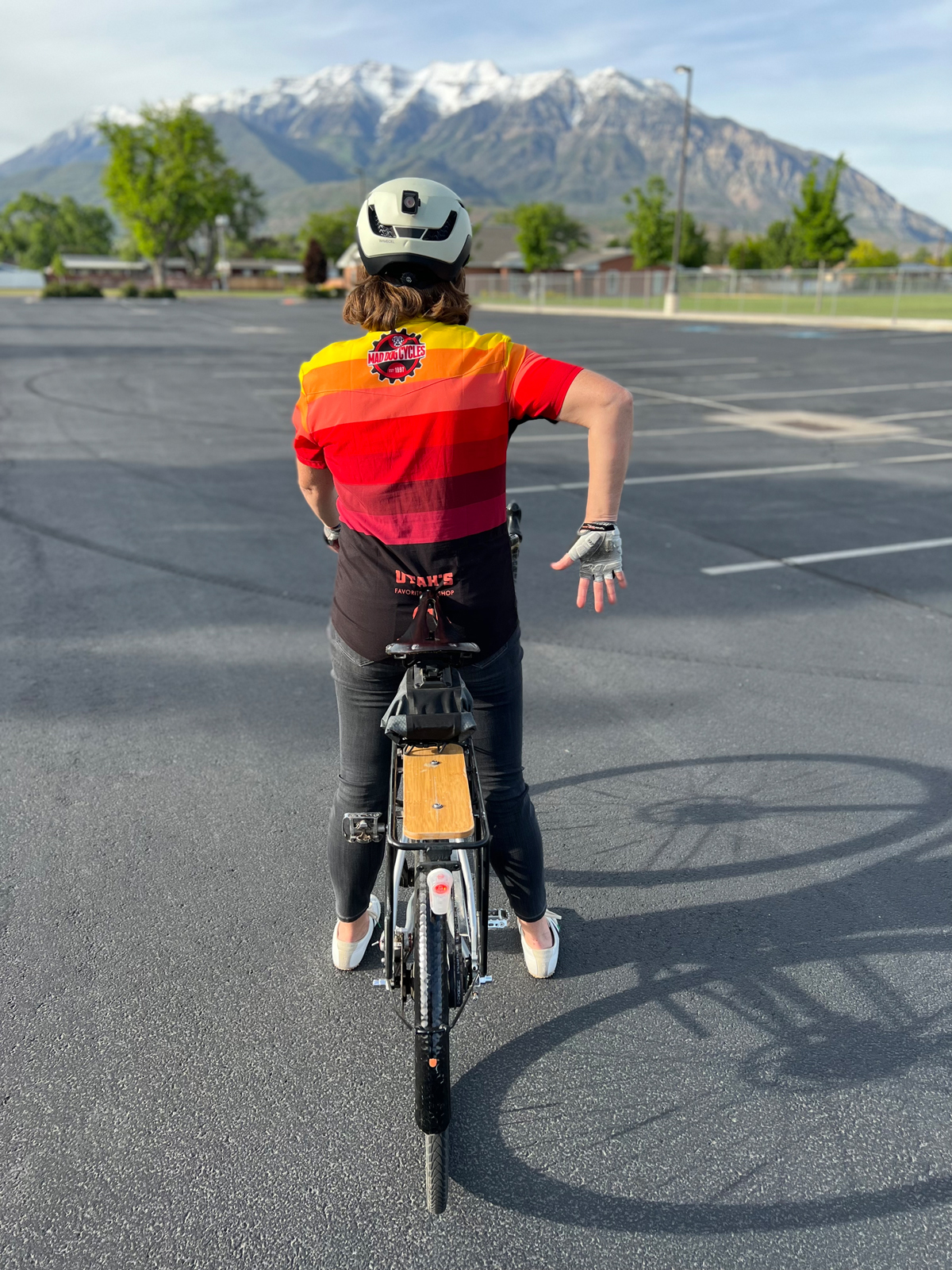
  • Stop: Point down with your palm facing backwards. You can think of this like you’re pushing the rider/driver/whatever behind you back.

    Stop or slowing signal. Photo by Jamie Morningstar
  • Pointing at obstacles: Just point at the weirdly divoted manhole cover, the pothole, the gravel, or whatever else might trip up a rider behind you. This is important because when riding with a group the riders behind you have a lot to pay attention to and may not be able to see around you to see the obstacle that’s coming. So do them a favor and point it out.

There are a million other signals you can pick up along the way and look super spiffy (gravel, tuck in, come pass me and pull for a while, railroad tracks, etc), but if you remember these four you’ll do just fine.

Rule #2: Talk.

This is basically an extension of Rule #1. Verbally communicate everything! You’re riding in close proximity to somewhere between 2 and 2,000 people and you owe it to their safety and your own to communicate what’s going on. This is especially true for the people right behind you – they can’t see around you to know what’s going on and they’re depending on your signals and verbal cues to stay safe. And if it comes down to the question – should you use a hand signal or should you verbally call out what’s going on? The answer is, why not both?

What should you call out? Basically everything. “Stopping” “Slowing” “Weird intersection ahead” “Right turn” “On your left” “Clear right” “Car back” “Car Up” – just say it.

Let’s talk about communicating while passing. For the love of God, communicate when you’re passing. I’ve had numerous close calls when I had no idea somebody was passing me on my left and didn’t ring a bell, call out, or otherwise indicate their presence. That’s just dumb. Be a good neighbor and call out “on your left” as you, safely, pass a slower rider on their left. If you’re at the front of a draft line, call out your pass and let folks know there’s a group behind you. Even if you’re in the middle of a passing draft line, call out your pass. If you’re at the end of the draft line, let folks know you’re the caboose.

Occasionally you’ll get somebody at an event who gets real touchy about you calling out that you’re passing. I think it’s something between them being mad that they’re going slower (which is silly – ride your own ride and love it!) and because they think you’re showing off. Their frustration does not give you the liberty or duty to endanger both of you – call out your pass every time. And, even better, call out your pass and couple it with a friendly, “good morning!” and a healthy dose of Rule #4.

Rule #3: Draft. With care.

You can save 15-40% of your effort on a ride by drafting, so drafting is awesome. You can also get yourself into a world of hurt as an experienced drafter or by riding behind somebody inexperienced.

Drafting is a great group-riding skill. If you want to learn to draft, watch a few of the ten million YouTube videos on effective and safe drafting and ask an experienced buddy to practice with you.

If you want to draft during an event or group ride (assuming an obvious peloton doesn’t already exist), always ask somebody if it’s ok if you hop on with their group or on their wheel. You want them to know you’re there and be ok with your presence – for their safety and for your own.

Remember that in drafting, it’s the follower who is the most likely to get hurt. “Touching wheels” (when the wheel of a drafter touches the wheel in front of them) is far more likely to go down than the bike in front. This is because it’s much easier to recover from your back tire stopping (a skid) than your front tire stopping (usually resulting in an endo or end-over-end crash) or leaning into the front rider’s rear wheel which can cause the follower’s bike to lose steering and slide out. So if somebody is drafting off of you, be a courteous rider and avoid braking, coasting, or other speed changes as much as possible and use ample doses of Rule #1 and Rule #2. And if you are drafting behind someone, never overlap your front wheel with their rear wheel.

Rule #4: Connect.

Cycling is this magical mix of independent effort and connected camaraderie. So enjoy it! When you see somebody with a smashing matching shoe-and-helmet combo, let them know you appreciate their style. Wish other riders on the trail a pleasant morning. If you pass somebody, give them a little cheer or let them know they’re looking strong. Always compliment a cute or clever jersey design. Brighten somebody’s day out there on the road and support your fellow cyclists.

There are a million other cycling rules, guidelines, niceties, and norms. You’ll pick them up over time. In my experience, if you remember these four, you’ll be a welcome addition to any group. Happy riding!

Cycling is ten times more important than electric cars for reaching net-zero cities

0

By Christian Brand, University of Oxford

Globally, only one in 50 new cars were fully electric in 2020, and one in 14 in the UK. Sounds impressive, but even if all new cars were electric now, it would still take 15-20 years to replace the world’s fossil fuel car fleet.

The emission savings from replacing all those internal combustion engines with zero-carbon alternatives will not feed in fast enough to make the necessary difference in the time we can spare: the next five years. Tackling the climate and air pollution crises requires curbing all motorised transport, particularly private cars, as quickly as possible. Focusing solely on electric vehicles is slowing down the race to zero emissions.

This is partly because electric cars aren’t truly zero-carbon – mining the raw materials for their batteries, manufacturing them and generating the electricity they run on produces emissions.

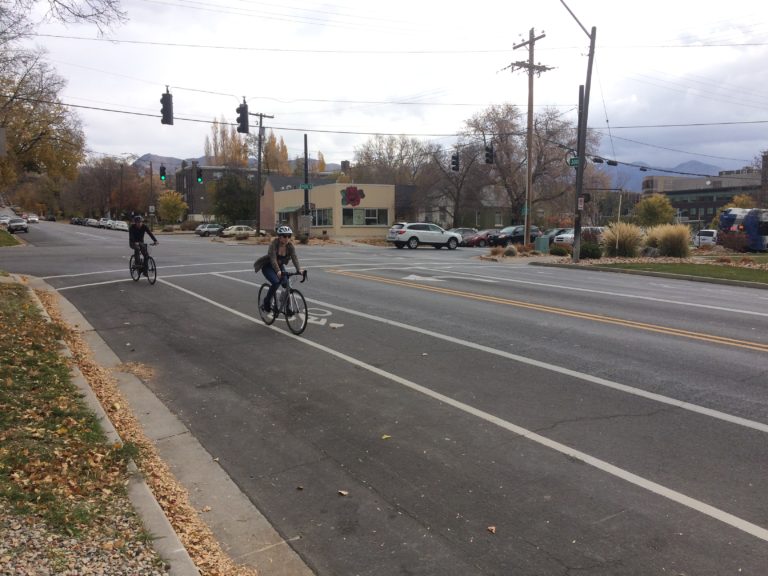
Transport is one of the most challenging sectors to decarbonise due to its heavy fossil fuel use and reliance on carbon-intensive infrastructure – such as roads, airports and the vehicles themselves – and the way it embeds car-dependent lifestyles. One way to reduce transport emissions relatively quickly, and potentially globally, is to swap cars for cycling, e-biking and walking – active travel, as it’s called.

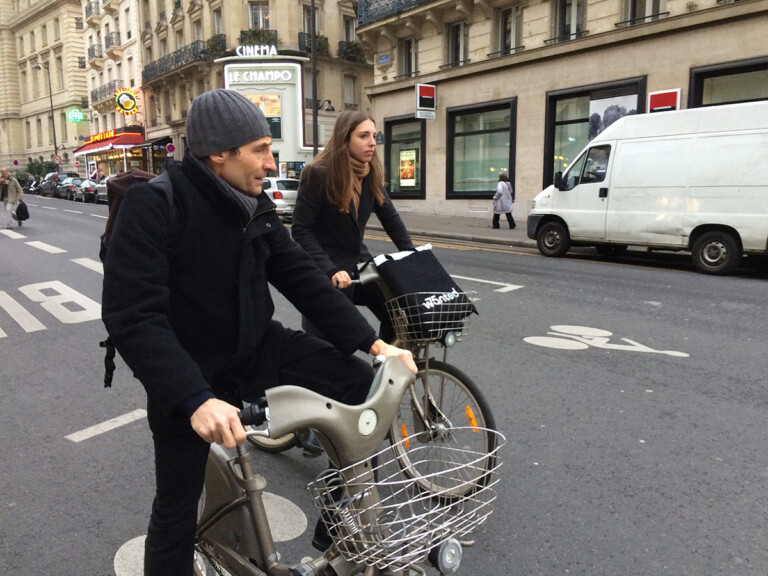
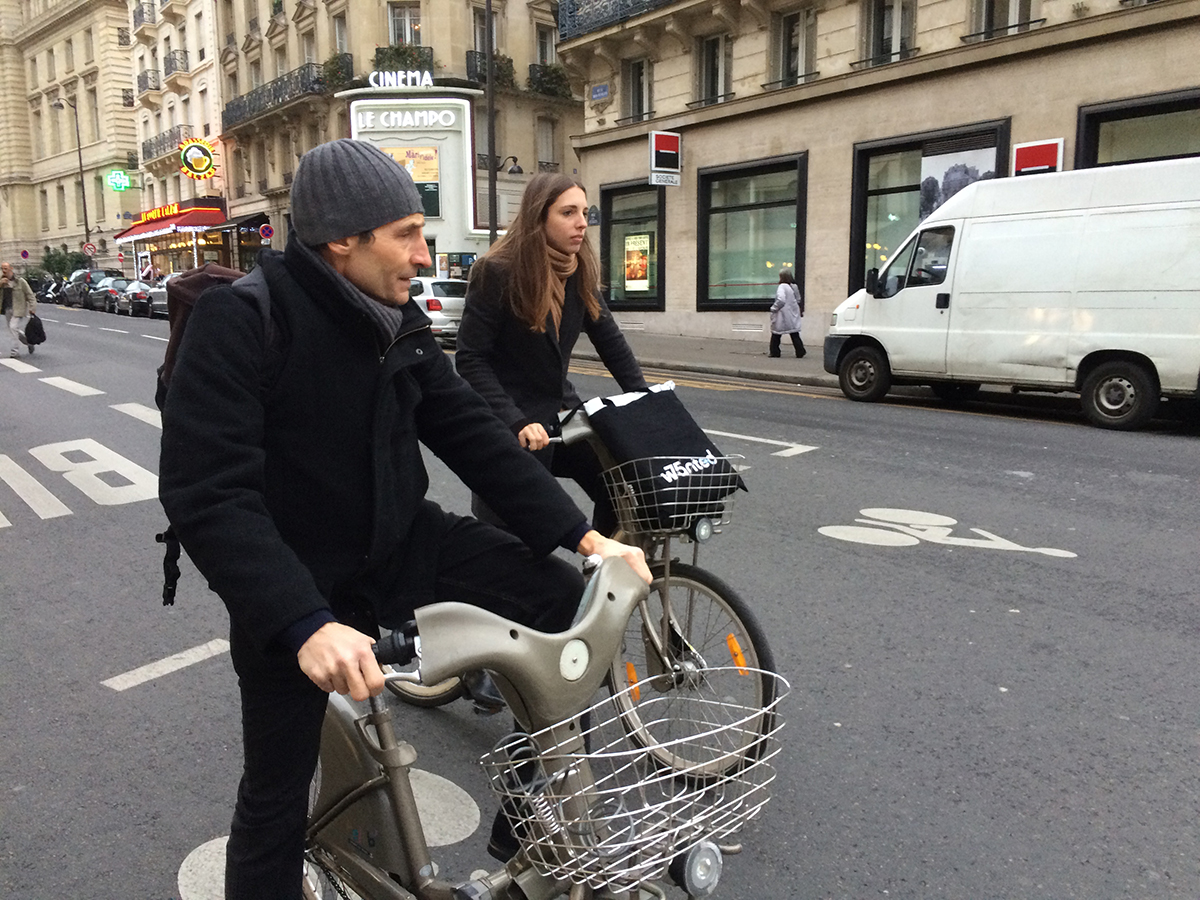
2 cyclists in Paris. Photo by Dave Iltis

Active travel is cheaper, healthier, better for the environment, and no slower on congested urban streets. So how much carbon can it save on a daily basis? And what is its role in reducing emissions from transport overall?

In new research, colleagues and I reveal that people who walk or cycle have lower carbon footprints from daily travel, including in cities where lots of people are already doing this. Despite the fact that some walking and cycling happens on top of motorised journeys instead of replacing them, more people switching to active travel would equate to lower carbon emissions from transport on a daily and trip-by-trip basis.

What a difference a trip makes

We observed around 4,000 people living in London, Antwerp, Barcelona, Vienna, Orebro, Rome and Zurich. Over a two-year period, our participants completed 10,000 travel diary entries which served as records of all the trips they made each day, whether going to work by train, taking the kids to school by car or riding the bus into town. For each trip, we calculated the carbon footprint.

Strikingly, people who cycled on a daily basis had 84% lower carbon emissions from all their daily travel than those who didn’t.

We also found that the average person who shifted from car to bike for just one day a week cut their carbon footprint by 3.2kg of CO₂ – equivalent to the emissions from driving a car for 10km, eating a serving of lamb or chocolate, or sending 800 emails.

When we compared the life cycle of each travel mode, taking into account the carbon generated by making the vehicle, fuelling it and disposing of it, we found that emissions from cycling can be more than 30 times lower for each trip than driving a fossil fuel car, and about ten times lower than driving an electric one.

Driving an electric vehicle is only as green as the energy supply. Photo by Dave Iltis

We also estimate that urban residents who switched from driving to cycling for just one trip per day reduced their carbon footprint by about half a tonne of CO₂ over the course of a year, and save the equivalent emissions of a one-way flight from London to New York. If just one in five urban residents permanently changed their travel behaviour in this way over the next few years, we estimate it would cut emissions from all car travel in Europe by about 8%.

Nearly half of the fall in daily carbon emissions during global lockdowns in 2020 came from reductions in transport emissions. The pandemic forced countries around the world to adapt to reduce the spread of the virus. In the UK, walking and cycling have been the big winners, with a 20% rise in people walking regularly, and cycling levels increasing by 9% on weekdays and 58% on weekends compared to pre-pandemic levels. This is despite cycle commuters being very likely to work from home.

Active travel has offered an alternative to cars that keeps social distancing intact. It has helped people to stay safe during the pandemic and it could help reduce emissions as confinement is eased, particularly as the high prices of some electric vehicles are likely to put many potential buyers off for now.

So the race is on. Active travel can contribute to tackling the climate emergency earlier than electric vehicles while also providing affordable, reliable, clean, healthy and congestion-busting transportation.The Conversation

Christian Brand, Associate Professor in Transport, Energy & Environment, Transport Studies Unit, University of Oxford

This article is republished from The Conversation under a Creative Commons license. Read the original article.

Tubeless Tire Puncture? Repair it with Bacon

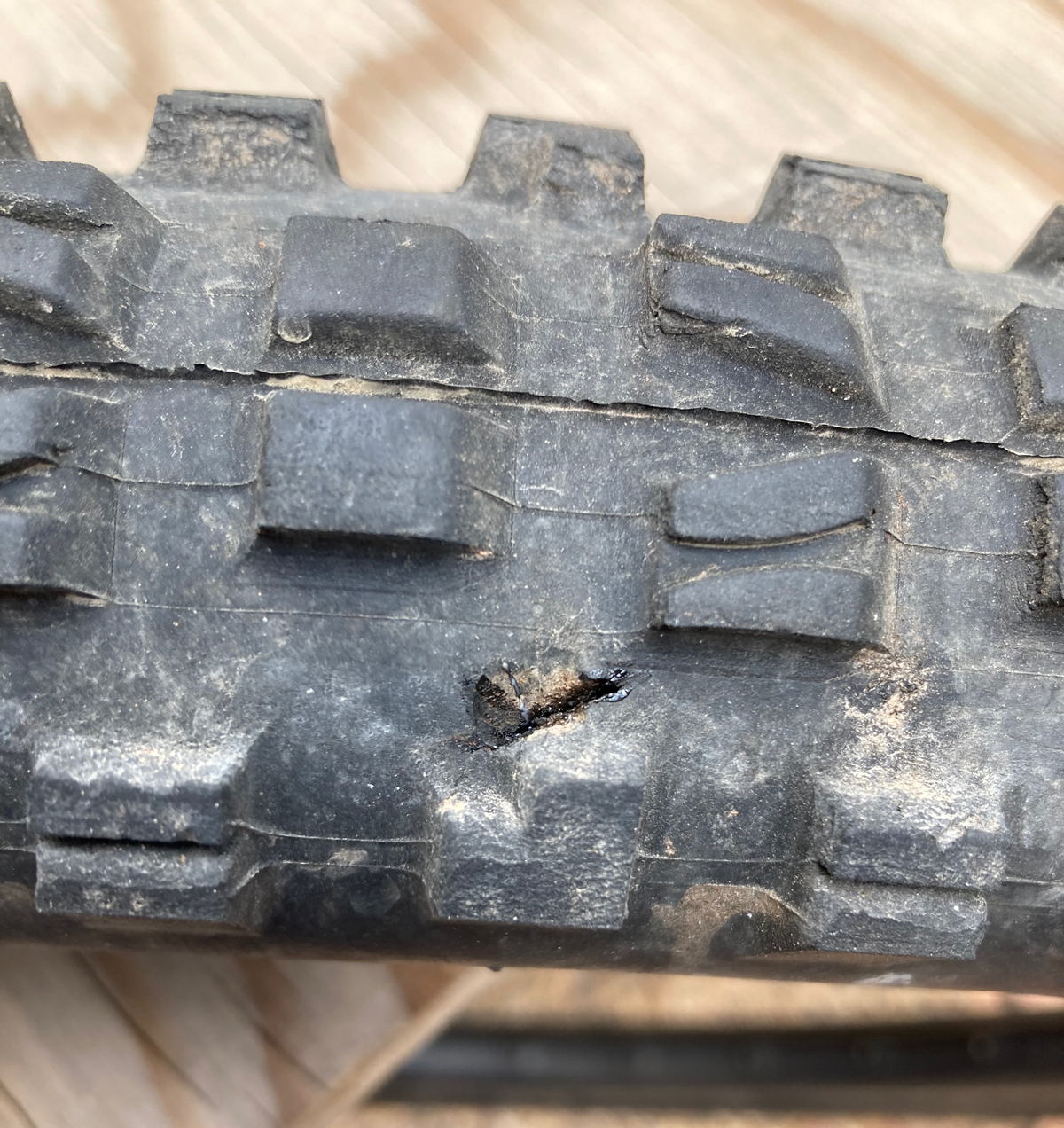
By Tom Jow — The current state of tubeless tires and wheels for mountain bike is so good that most riders rarely experience a flat anymore. That is, however, contingent on having the tires properly inflated, the proper amount of sealant in the tires, and avoiding sharp rocks that will cut the tread or sidewall. While tubeless tire sealant does a pretty good job of sealing small thorn and glass punctures, larger holes and ragged cuts do not seal well with sealant alone.

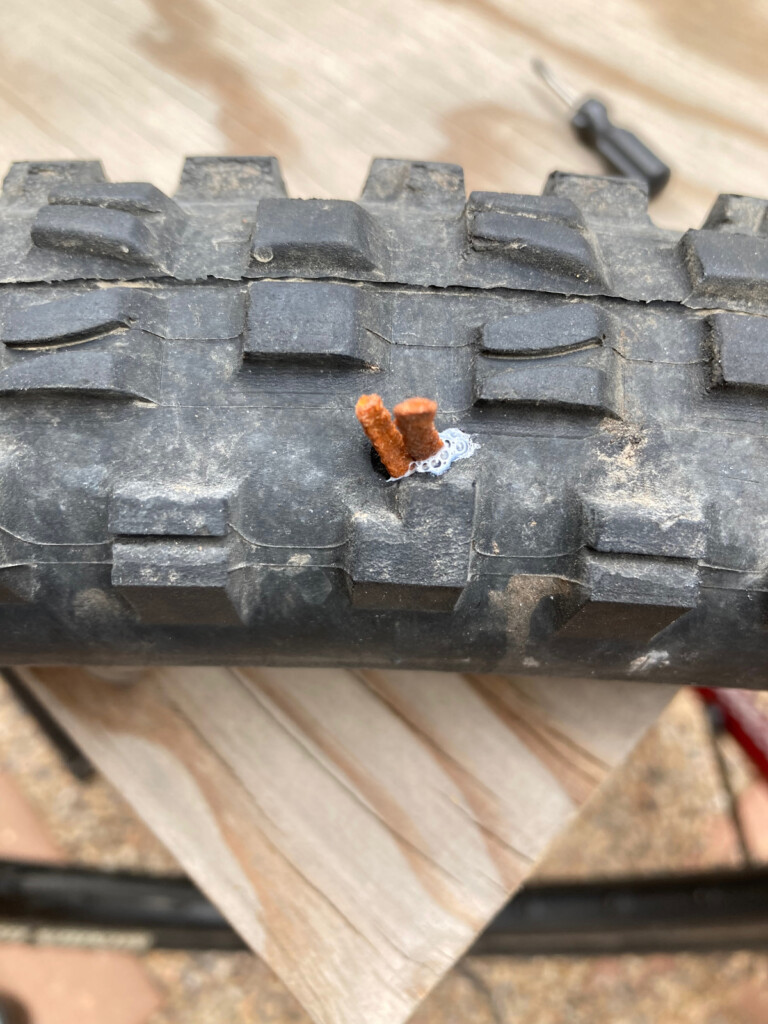
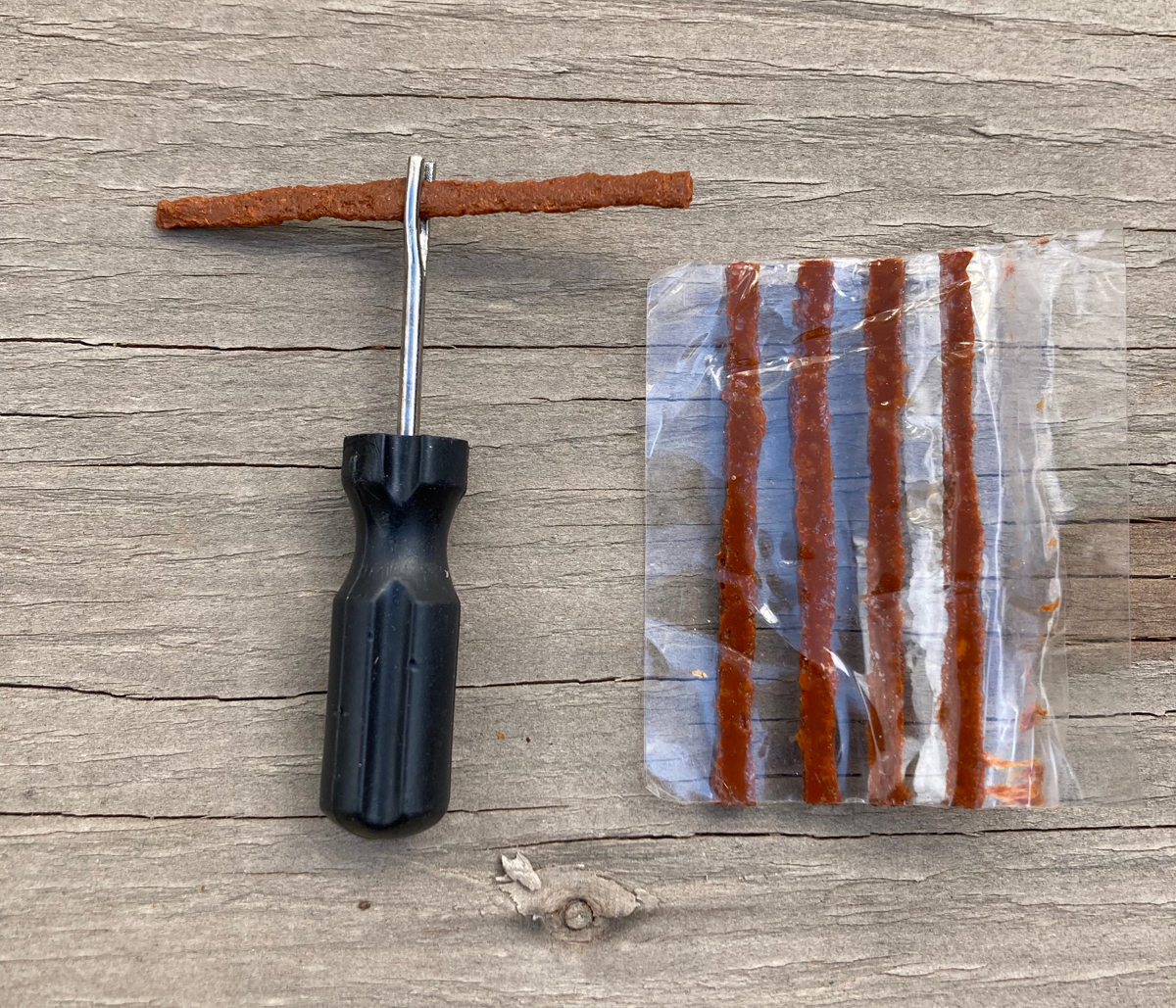
What does bacon have to do with it? Tubeless tire plugs, affectionately known as bacon, are small brown strips of rubber can be inserted into the puncture to reduce the hole size and encourage clotting of the tire sealant. It is a method that has been highly effective for repairing automotive tires for quite some time.

A perfect candidate for a tire plug. Photo by Tom Jow

The tools required are inexpensive and the process is easy. A tubeless repair kit consists of an insertion tool and plugs. Depending on the brand, a starter kit will cost approximately $10 – $30. A refill pack of 10 plugs will run from $10 – $20.

Tubeless tire repair kit with plug ready for insertion. Photo by Tom Jow

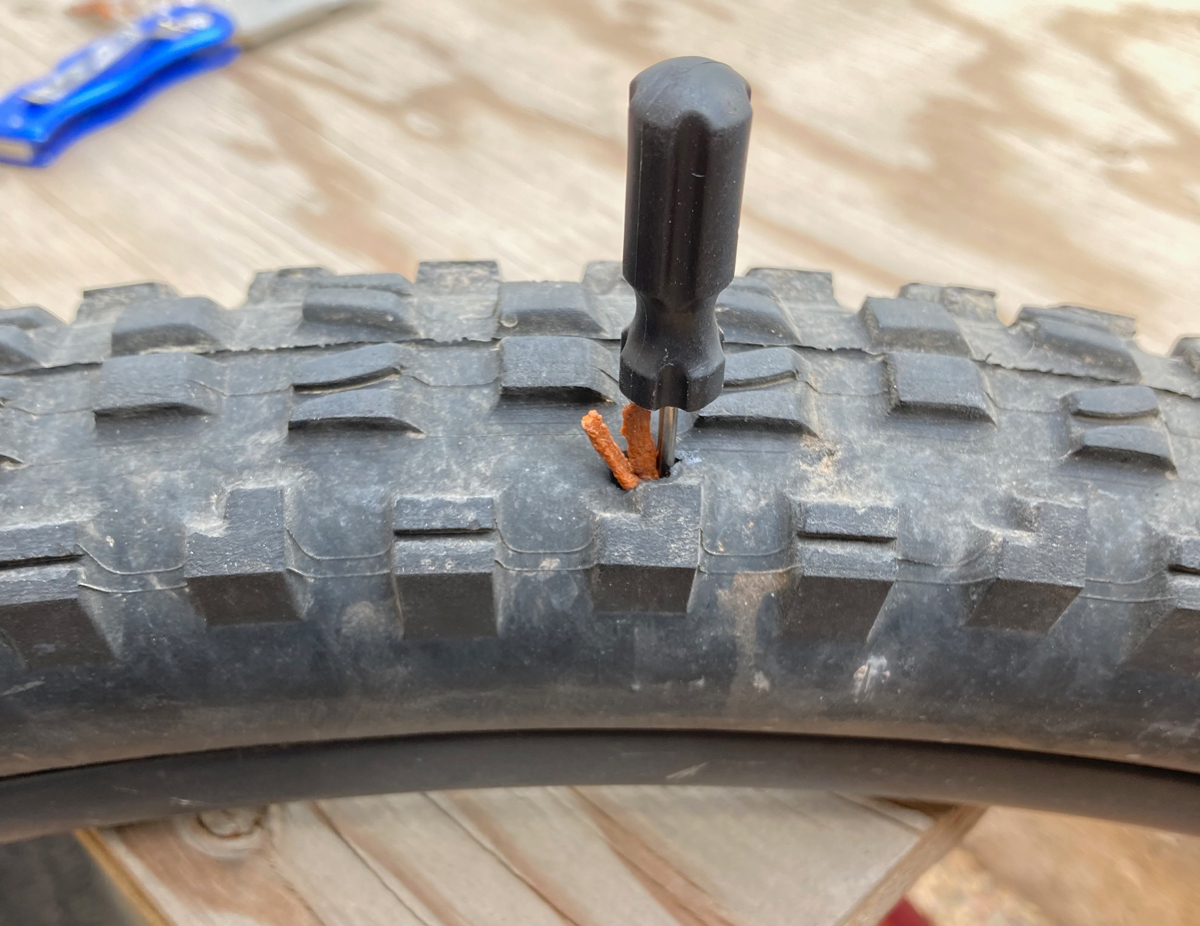
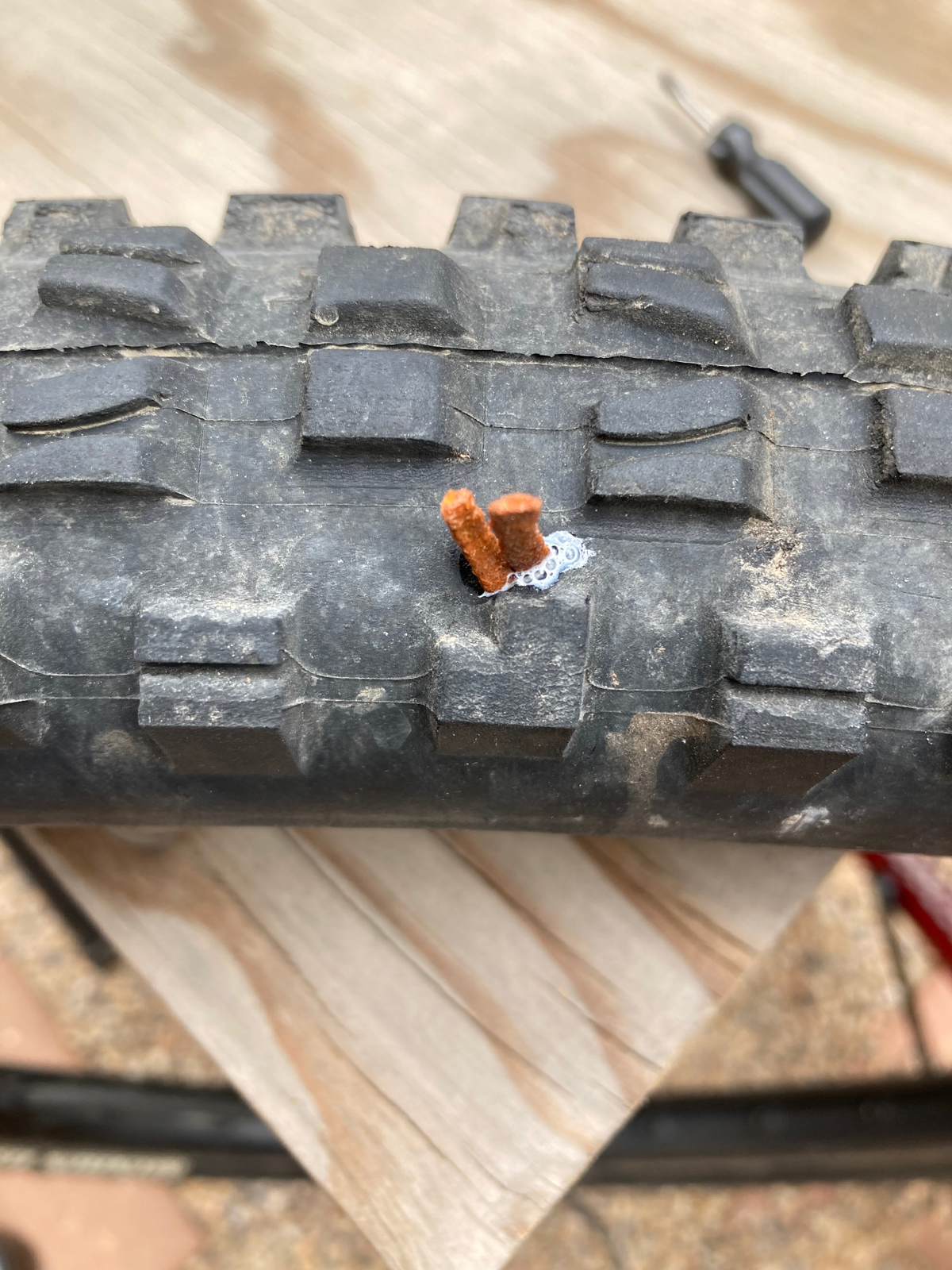
To repair the tire, install a plug onto the insertion tool. Insert the plug into the puncture, leaving slightly more than the tire tread height exposed. Remove the tool. Inflate the tire. Flip the wheel over so the plug is at the bottom. Shake back and forth to encourage sealant to seal around the plug.

Insert plug into puncture, then remove tool. Photo by Tom Jow

Trail repairs, including tire punctures, often follow Murphy’s law. They will occur when you are cold, tired, and hungry. If possible, practice in the comfort of your own home. Then you can have some edible bacon ready when the job is done.

Flip wheel over to allow sealant to flow into the plug seal. Photo by Tom Jow

Got a bike question? Email Tom at [email protected]

Ebikes Can Reduce Carbon Emissions by 98%

By Charles Pekow — Every car trip replaced by an ebike trip can reduce the “carbon footprint” fouling the atmosphere and causing climate change. With the growing popularity of ebikes and “55% of all trips being under five miles in the U.S, the opportunity for disruption is huge,” by replacing the car with the bike. So says a report from a group that has a dog in the fight, Bike Advisor, a website dedicated to getting people out on bicycles.

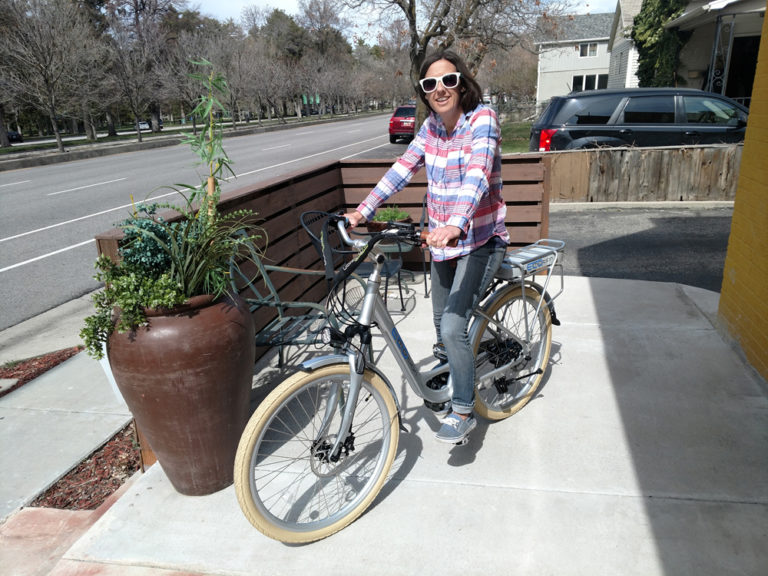
Alya Hopkins is an owner of Salt Lake eBikes. Photo courtesy Salt Lake eBikes

And those cars making trips of less than five miles “emit 551,940 metric tons of CO2 daily,” Bike Advisor says. Car trips (not counting buses and trucks) accounted for 40.5 percent of all transportation emissions in 2020, it says.

And many people who wouldn’t take some or all trips by traditional bicycles may be willing to do so by ebike, as they don’t get so tired or work up a sweat. Ebikes can do the most good in urban areas where trips tend to be shorter.

“At 5 miles, an e-bike is responsible for 15.55g of CO2 while a car emits a whopping 2020g! This means that by cutting a five mile trip out of your schedule each weekday, the modal shift would see a 540K (tons) daily reduction in CO2 emissions- the equivalent amount of CO2 released by 240 return flights from London to New York,” the report states, a 98% reduction in US carbon emissions for this length trip.
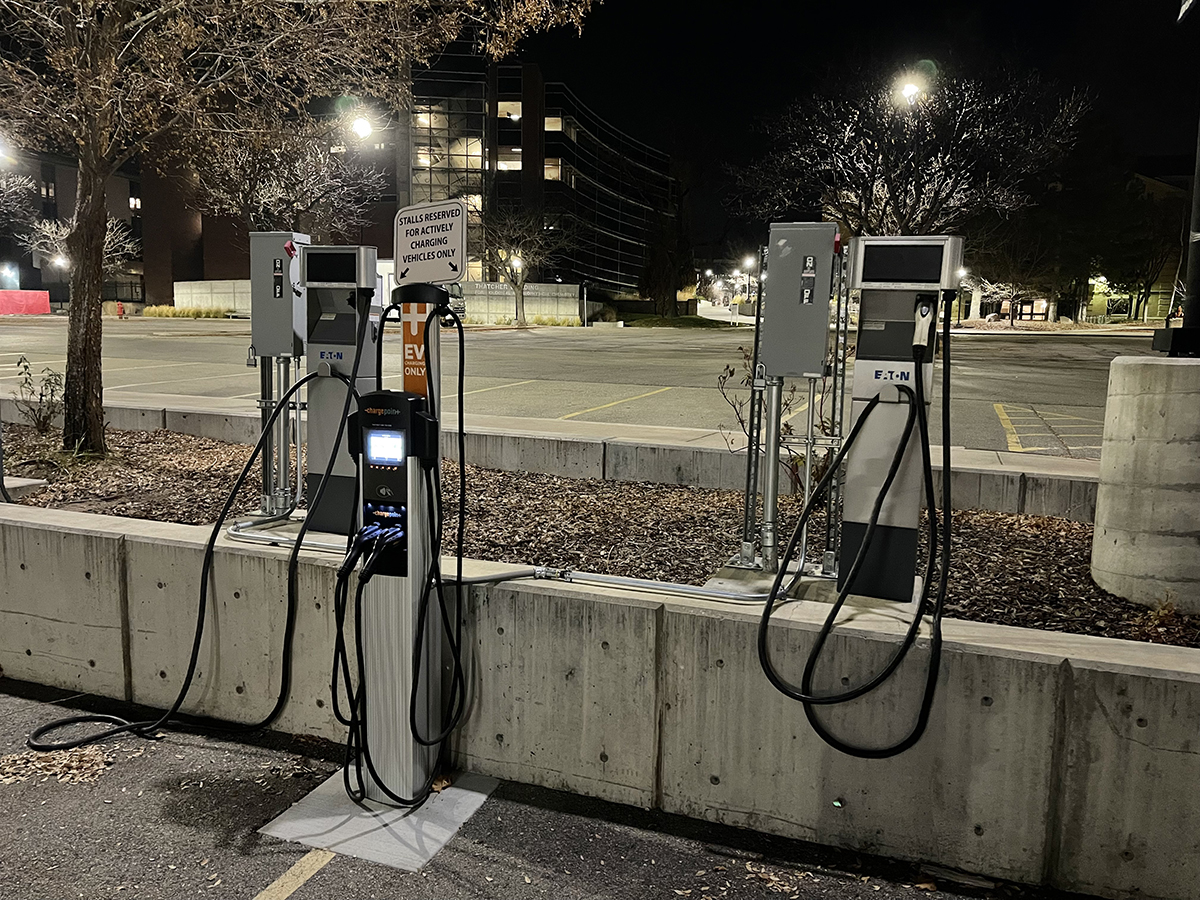
Bike Advisor doesn’t suggest ways to get people out of cars and onto ebikes, though, and it doesn’t factor in weather, or the fact that a car can carry more people or more cargo than an ebike.

You can see the report, including state-by-state potential, Can E-Bikes Replace Short Car Trips?, at https://thebikeadviser.com/how-much-co2-can-ebikes-save/ .


Wider Ebike Lanes Increase Traffic Capacity

By Charles Pekow — A study from China suggests that traffic flows more smoothly when bike lanes are widened to accommodate ebikes.

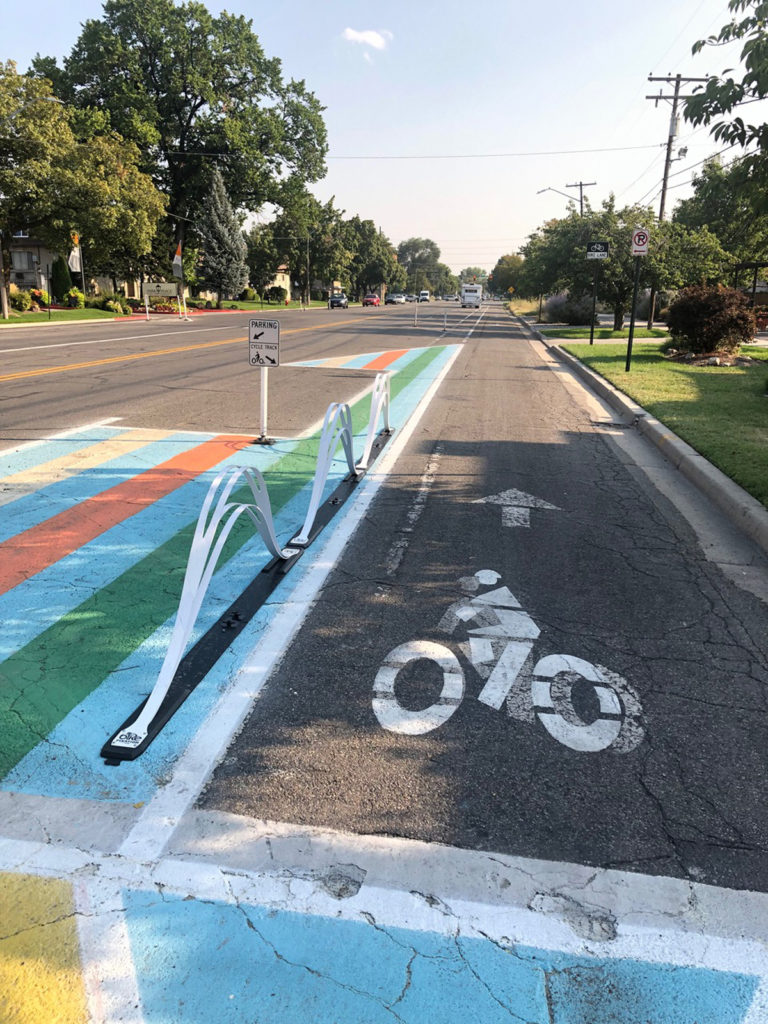
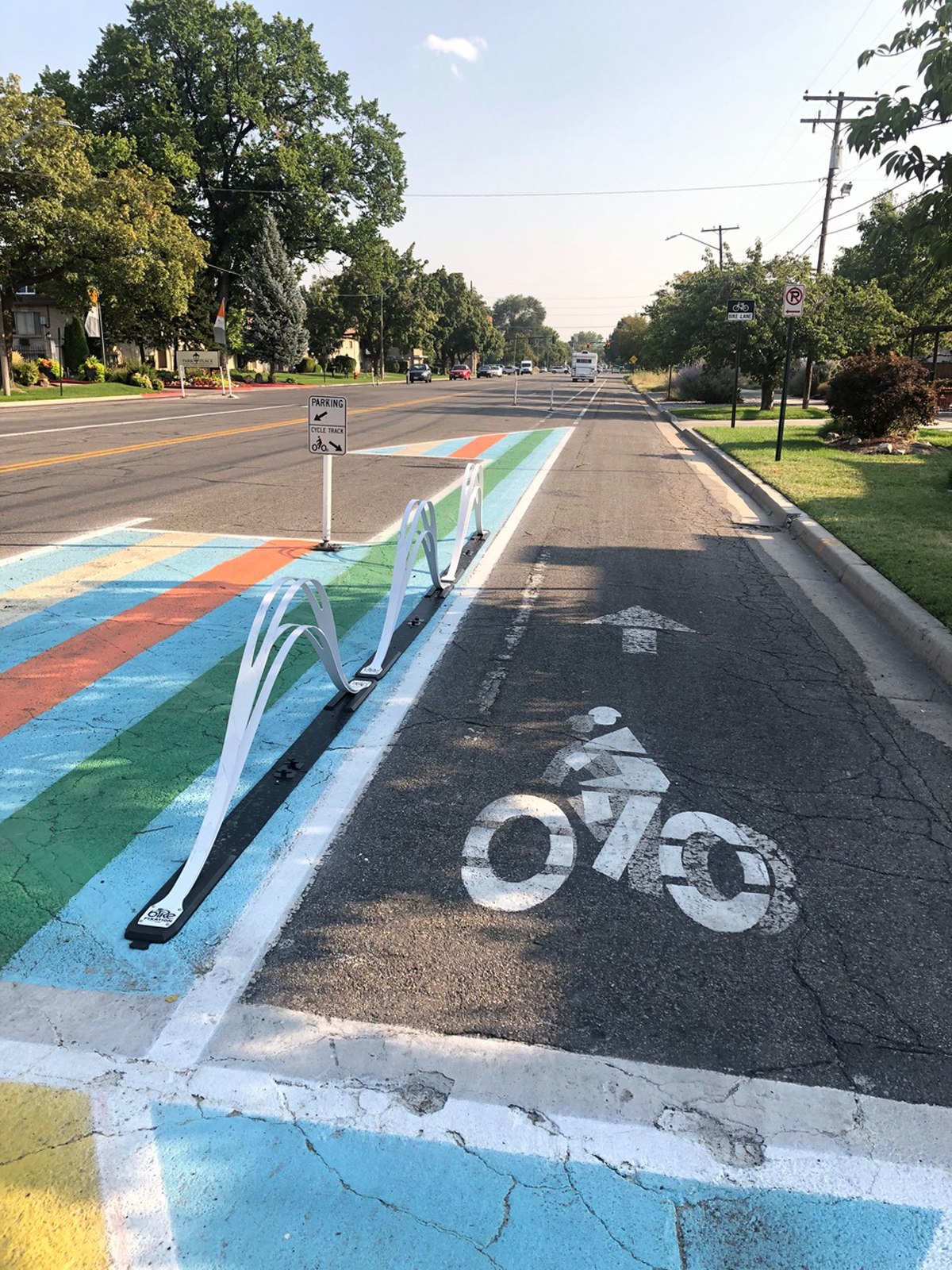
Wave delineated bike lanes at the intersection of 700 South and 300 East in Salt Lake City. Photo by Turner Bitton

“We investigated current safety situations and the unique cycling characteristics of electrified bicycles in China, and found that simply widening the non-motor lanes would increase the corresponding traffic capacity exponentially, as well as decrease potential traffic conflicts and promotes safely cycling behaviors,” reports “The Need for Wider Non-Motor Lanes: A Study on the Bicycle Electrification Process in China,” from researchers at Zhejiang University, published in the Journal of Transport and Health.

In China, ebikes seem to have caught on more than they have in the United States. In some cities where local governments promote ebikes, they can comprise up to 95 percent of bike traffic on some bike lanes at times, the study reports.

See https://www.researchgate.net/publication/360063808_The_need_for_wider_non-motor_lanes_A_study_on_the_bicycle_electrification_process_in_China .


WizWheelz Recalls GreenSpeed Magnum Recumbent Trikes with Quick Release Axles Due to Crash and Injury Hazards

0

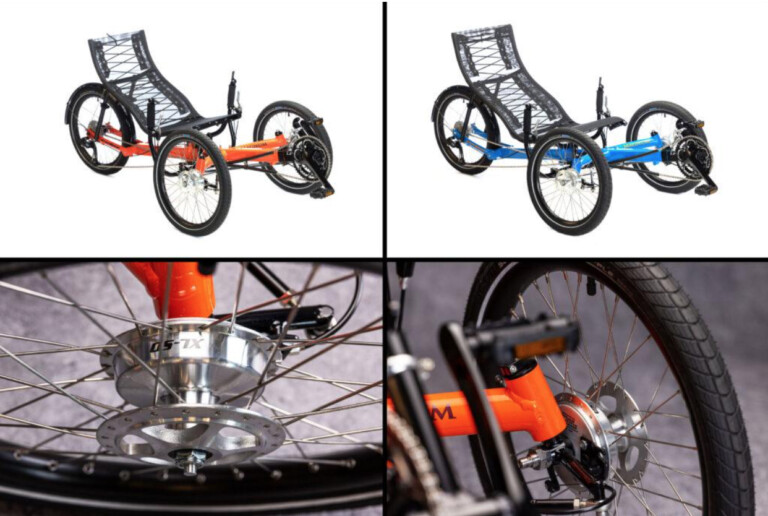
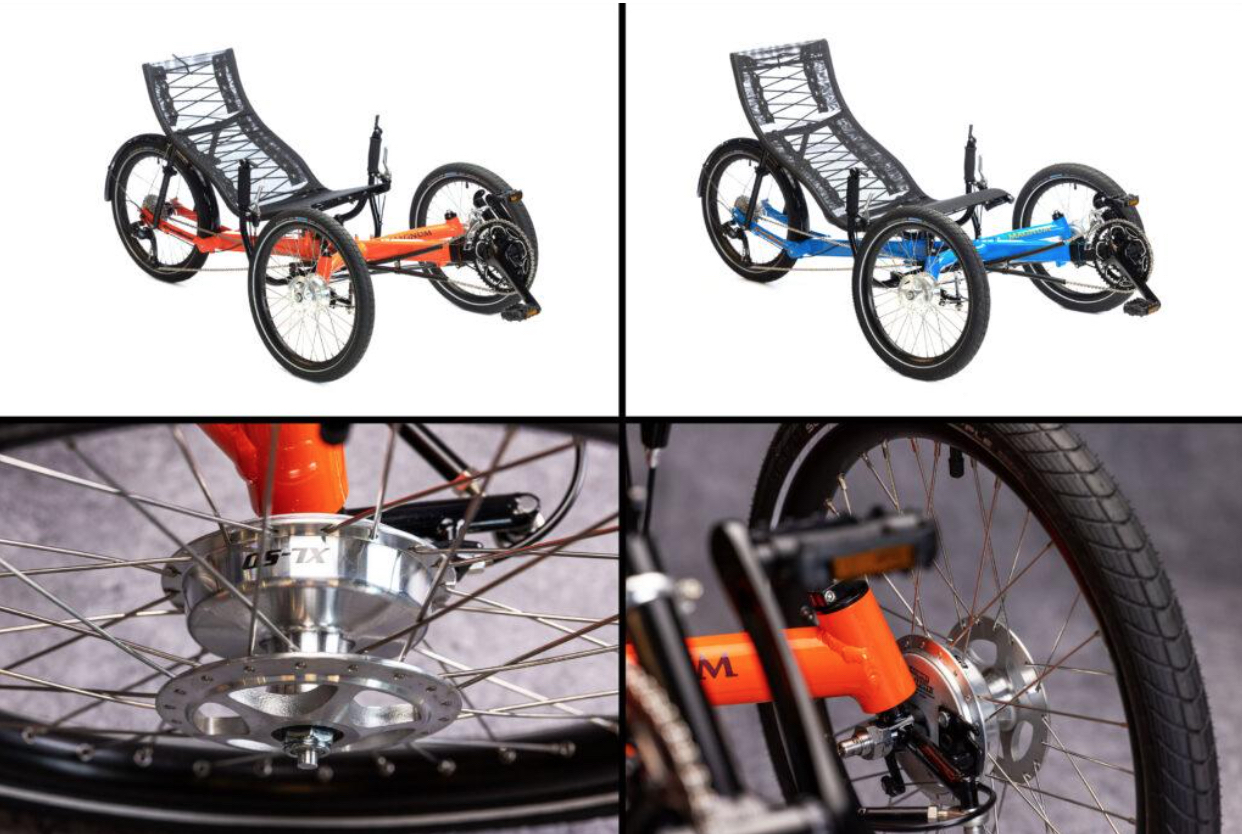
Name of Product: GreenSpeed Magnum and Magnum XL recumbent trikes with quick release front axles and replacement Quick Release Axles

Hazard: The recalled recumbent trikes front axles were improperly assembled during manufacturing. The axles can come loose during use, causing the rider to lose control, posing crash and injury hazards.

Remedy: Replace, Repair

Recall Date: May 05, 2022

Units: About 340

Consumer Contact

WizWheelz at 800-945-9910 from 8 a.m. to 5 p.m. ET Monday through Friday, email [email protected] or online at https://greenspeed-trikes.com/2022/03/31/greenspeed-magnum-magnum-xl-axle-recall-immediate-action-required or https://greenspeed-trikes.com/ and click on “Attention: Click Here for Important Magnum & Magnum XL Recall Notice” for more recall information.

Recall Details

Description: This recall involves GreenSpeed Magnum and Magnum XL model recumbent trikes with Sturmey-Archer drum brake quick release front axles. Magnum or Magnum XL are printed on the trikes. Sturmey-Archer is printed on the hub/wheel where the axle is attached. Serial numbers P21276160 through P21460262 are included in this recall. The recalled trikes are orange, blue or charcoal in color with a black seat and three wheels. The serial numbers are printed on the left dropout, which is a slot in the rear of the bike where the rear wheel attaches.  Consumers can check their serial numbers at https://greenspeed-trikes.com/wp-content/uploads/2022/04/GreenSpeed-Magnum-Magnum-XL-Axle-Recall-Serial-Numbers-UPDATED.pdf

Remedy: Consumers should immediately stop using the recalled trikes and return them to the place of purchase for a free repair. The axles will be sent to GreenSpeed/WizWheelz for repair or replacement. The firm is contacting all known purchasers about the recall.

Incidents/Injuries: None reported

Sold At: Bicycle stores nationwide from September 2021 through March 2022 for between $3,200 and $3,500 and replacement axles between May 2021 through March 2022 for about $25.

Manufacturer(s): WizWheelz Inc., of Grand Rapids, Michigan

Manufactured In: Taiwan

Recall number: 22-131

DNA Pro Cycling Celebrates Three National Champions

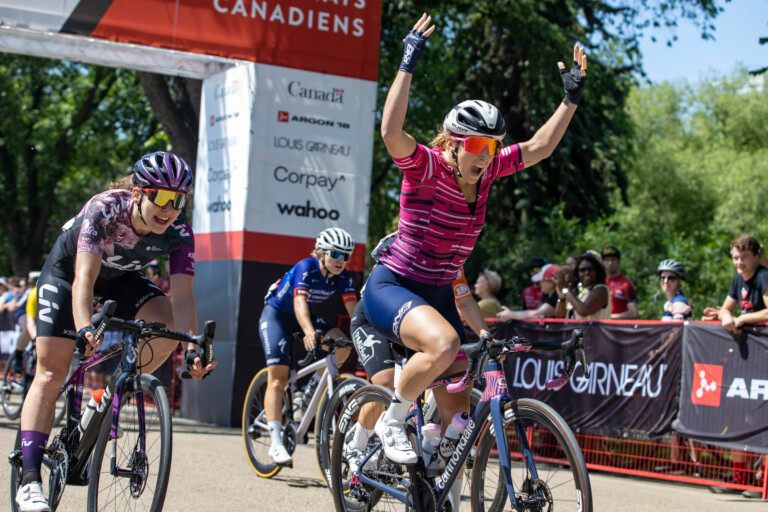
SALT LAKE CITY, Utah (July 1, 2022) DNA Pro Cycling capped off a successful week of national championship competitions around the globe with Maggie Coles-Lyster and Anet Barrera celebrating wins. They are joining the current Colombian National Road Champion, Diana Peñuela, who earned her stripes in Pereira earlier this year.

Anet Barrera enroute to winning the 2022 Mexican Elite Individual Time Trial National Championship. (Photo: Stephanie Langarica)

Barrera began the celebrations last Thursday by winning the Mexican elite individual time trial championship in Jalisco. She followed that up on Sunday with a silver medal in the elite road race.  Her Canadian teammate, Coles-Lyster, kept the momentum high, winning both the crit and road national championships held in Edmonton, Alberta. The sprinting specialist beat WorldTour rider Alison Jackson (Liv Racing Xstra) in the road race and criterium, exemplifying her depth and talent in earning the national jerseys. 

Maggie Coles-Lyster sprints for the win in the 2022 Canadian Elite National Road Race Championship. (Photo: Curtis Comeau)

“We started this season knowing that we have a strong international roster, and circled the national championship races as a goal in the 5 countries that our team represents,” said Catherine Fegan-Kim, team co-owner and director. “We couldn’t be happier with the results and are proud of how hard all of our riders trained and competed in their respective races.”

The team has been a driving force in elite racing since the beginning of the season. Peñuela was a close second on Oak Glen in their first stage race of the year, the Redlands Bicycle Classic in April. Erica Clevenger would follow up with a victory in the final stage on the Sunset Loop. At the Tour of the Gila, one of the hardest races in North America, Barrera climbed into the Best Young Rider points lead. Coles-Lyster had led the points classification but suffered a crash in the crit and was forced to abandon the race. She would return at the Joe Martin Stage Race, winning the final stage in a photo finish with L39ion of LA’s Skylar Schneider.

Coles-Lyster is currently leading the American Criterium Cup (ACC). She took over the lead at Tulsa Tough by a third-place finish on day 1 before extending her lead with a win at the Harlem Skyscraper Cycling Classic. Next on the ACC calendar is the Boise Twilight Criterium and the Salt Lake Criterium. Stage racing will resume in August and September with UCI races in Colombia and France.