


L’Étape Las Vegas Debuts May 2023

L’Étape Las Vegas by Tour de France is set to bring a unique cycling experience to Las Vegas and Red Rock Canyon next year
L’Étape Las Vegas by Tour de France, an amateur mass participation cycling event by Tour de France, is coming to Las Vegas on May 13th and 14th, 2023. The new event was announced on Thursday at the Las Vegas Ballpark—the starting location of the race—by L’Étape by Tour de France, Las Vegas Convention and Visitors Authority (LVCVA), Southern Nevada Bicycle Coalition, Clark County, and Las Vegas Ballpark representatives. The Las Vegas Ballpark hosted a Tour de France night to celebrate the announcement of the event.
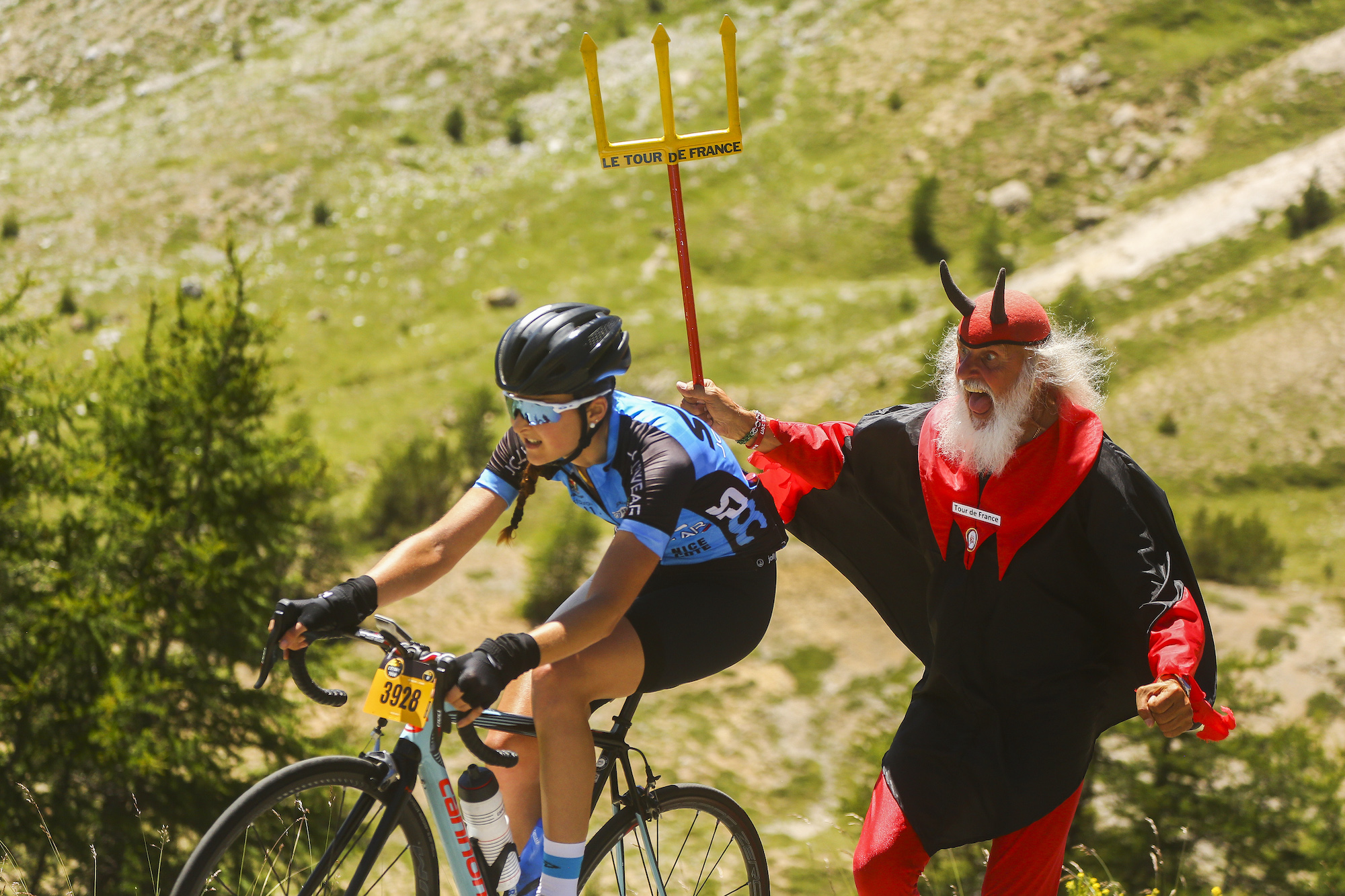
L’Étape Las Vegas offers a distance for all cycling abilities. Riders can choose between the 75-mile, 50-mile or 25-mile competitive distances. Riders will compete for authentic Tour de France jerseys including the Yellow Jersey, for the overall male and female winners, the Green Jersey, for the sprint-section winners, and the Polka-Dot Jersey, for the King/Queen of the Mountain (KOM/QOM) section winners.
All routes will depart from the Las Vegas Ballpark and head west into Red Rock Canyon, with elevation of over 6,000 ft for riders opting for the 75-mile distance. Courses have been designed by Tour de France experts and course maps are available online at lasvegas.letapebytourdefrance.com. There will also be a Family Ride (10-miles) and Kids Race.
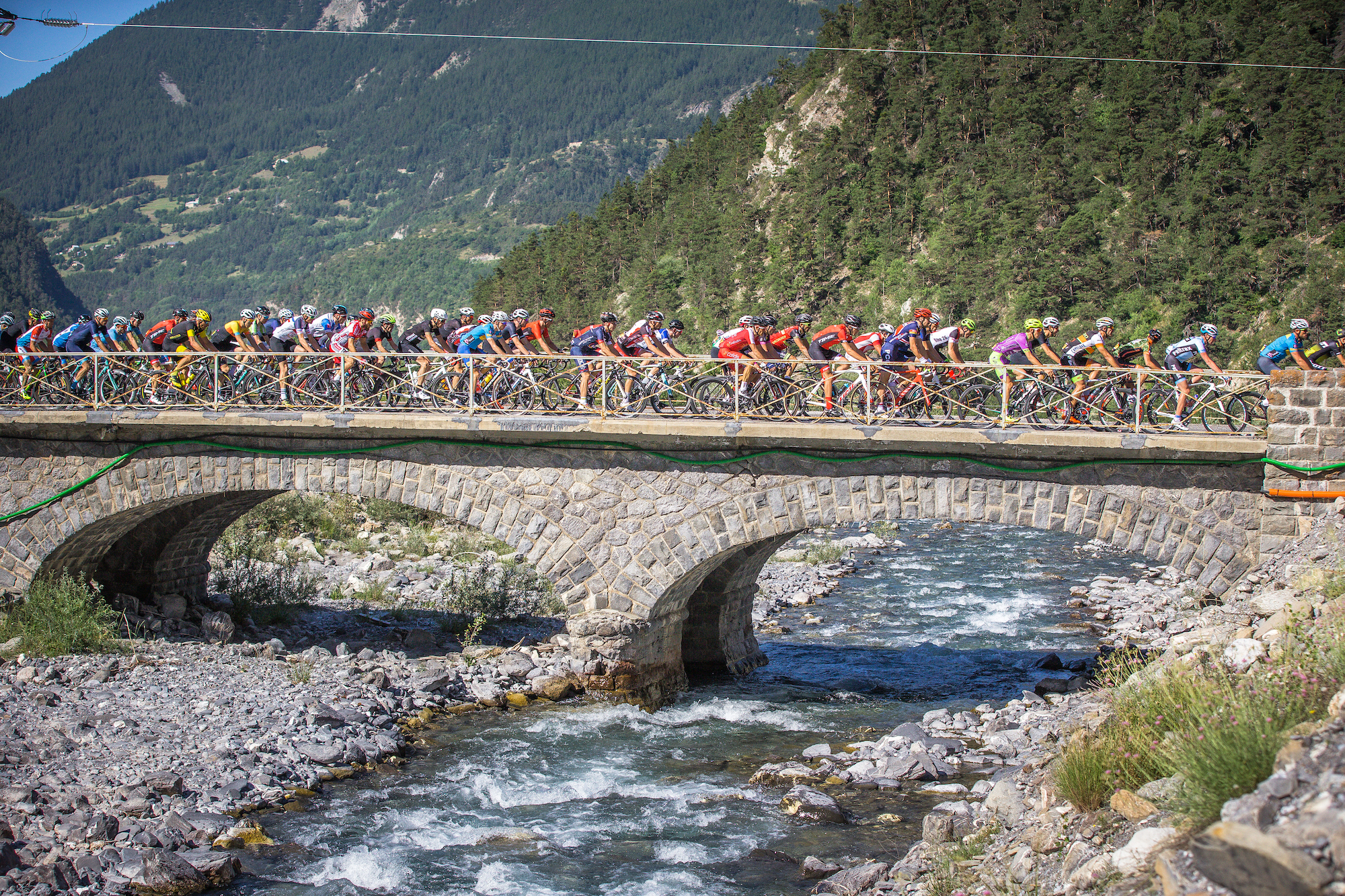
The weekend-long event will include a fan fest at the Las Vegas Ballpark, patterned after the iconic Tour de France Village Départ. A Tour de France champion will also attend the event, ride the course with participants and share their Tour de France experiences ate ticketed Champions Dinner. (The Champion attending will be announced later this year).
L’Étape Las Vegas is working with LVCVA, Las Vegas Ballpark, Southern Nevada Bicycle Coalition, and local counties and municipalities to bring this event to Las Vegas.
Registration for L’Étape Las Vegas by Tour de France is open at lasvegas.letapebytourdefrance.com.
“We are thrilled to bring L’Étape by Tour de France to Las Vegas. When trying to find a home for L’Étape by Tour de France in the United States, we couldn’t think of a better fit than Las Vegas. This city is about new experiences and adventures undertake Las Vegas is exactly that—bringing a unique, challenging, Tour-de-France quality event to the beautiful Las Vegas and Red Rock Canyon roads. We’re bringing the legendary Tour de France name to one of the most legendary cities in the world.” —Michael Brown, L’Étape Las Vegas Race Director
“The first Tour de France was in 1903 and it grew to slowly but surely become the largest cycling event in the world, with an audience of 2 billion. And, here we are announcing the first-ever L’Étape Las Vegas. It’s a wonderful evolution to watch and we couldn’t be happier to expand the L’Étape by Tour de France series to Las Vegas.” —Umberto Paolo Mancini, A.S.O. and Tour de France representative
“We’re thrilled to welcome amateur cyclists from around the world to experience L’Étape Las Vegas by Tour de France in2023. L’Étape by Tour de France has been a great partner in bringing this race to Las Vegas, and we’re confident both participants and spectators will be amazed by the natural beauty of Southern Nevada’s great outdoors. We look forward to sharing the many incredible experiences – from sports and entertainment to dining, spas and more – that make Las Vegas the Greatest Arena on Earth.” —Steve Hill, CEO and President of the Las Vegas Convention and Visitors Authority
“Las Vegas Ballpark at Downtown Summerlin is not only a top-notch ballpark, it’s also a great venue for special events of all kinds, including L’Étape Las Vegas by Tour de France. We look forward to welcoming cyclists from around the world, including our own local cycling community, for this unique event associated with the legendary Tour de France.”—Don Logan, Las Vegas Aviators President & CEO
“L’Étape by Tour de France in Las Vegas will give cycling greater visibility with the general driving public. It’s a perfect opportunity for cycling curious people to participate in a new sport, while drawing attention to drivers to be cautious and aware when cyclists are present.” —Keely Brooks, Southern Nevada Bicycle Coalition
New Study Illustrates Economic Potential of the Great American Rail-Trail
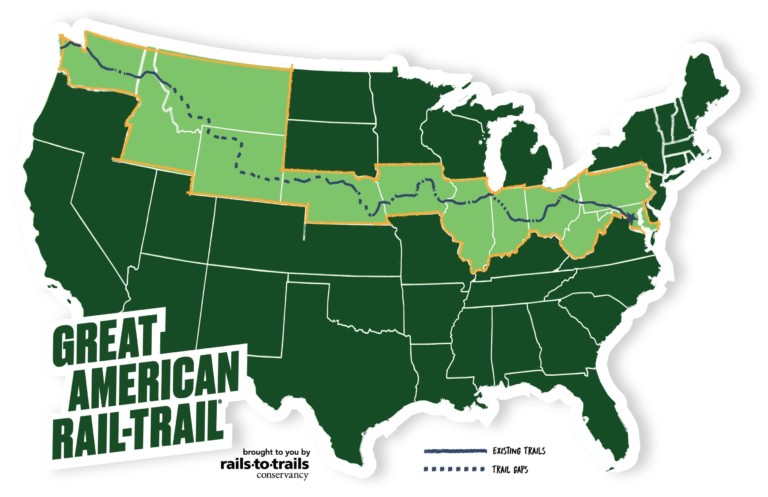
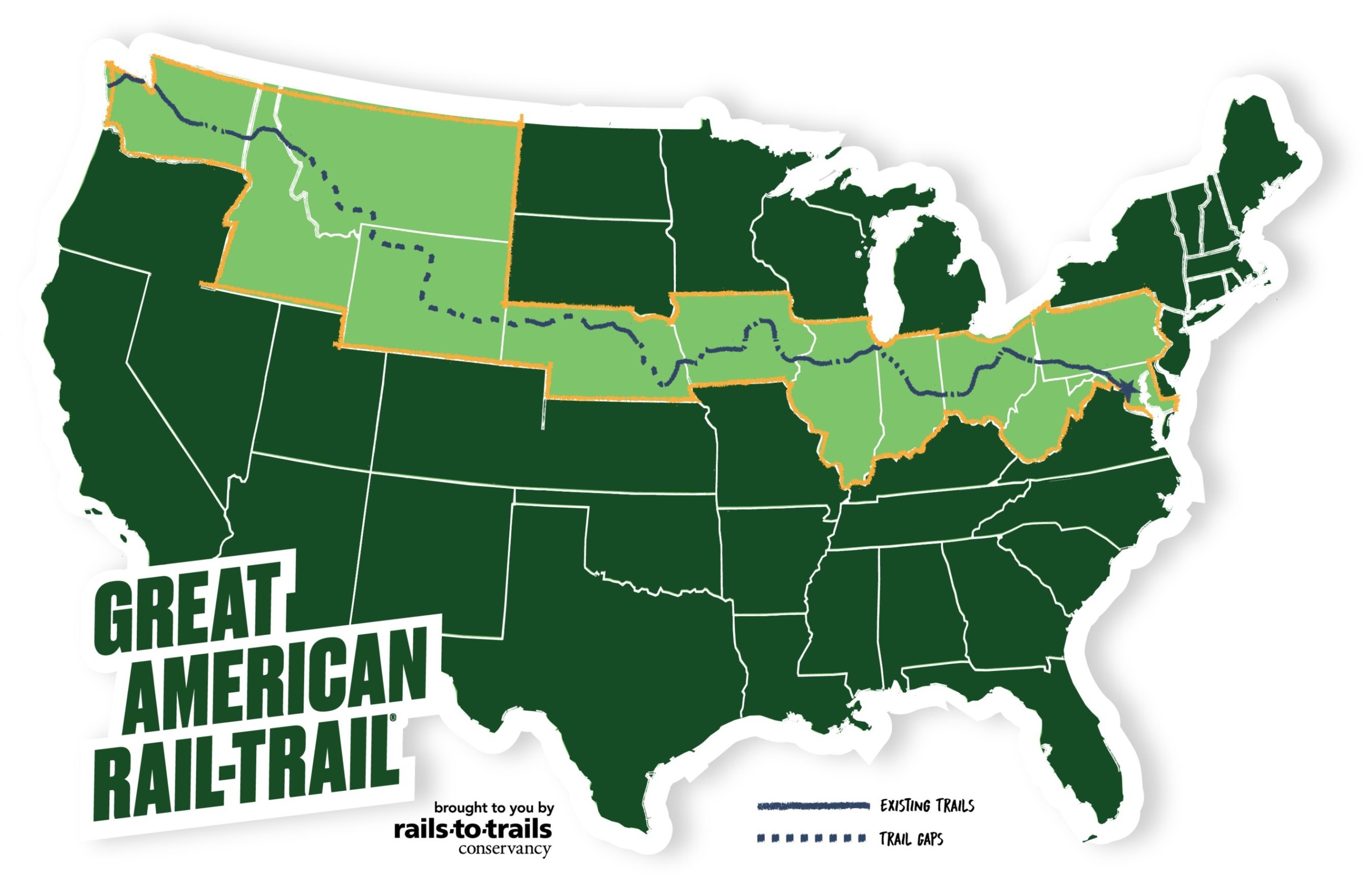
As it’s completed, the nation’s first cross-country multiuse trail will unlock more than $229 million in spending each year in the communities it serves
WASHINGTON, D.C. (May 17, 2022) — The Great American Rail-Trail, which is the nation’s first cross-country multiuse trail, will have a significant economic impact for the communities it serves, according to a new analysis released today by Headwaters Economics, in partnership with Rails-to-Trails Conservancy (RTC), the organization spearheading the trail’s development. The study estimates that each year the trail could generate more than $229.4 million in visitor spending, $104 million in labor income and $22.8 million in new tax revenue.
“The Great American Rail-Trail represents significant opportunity for the entire nation,” said Liz Thorstensen, RTC’s vice president of trail development. “Alongside the health and quality of life benefits it delivers to the 50 million people living nearby, it has the potential to generate a major economic boost for the states and communities it serves—especially in rural communities seeking to expand and diversify their local economies, while attracting and retaining residents and entrepreneurs in an increasingly competitive environment. It also presents an opportunity to leverage federal funds for trails, walking and biking to jumpstart local economic development.”
The analysis looked at the trail’s potential to bring visitors, businesses, spending, jobs, income and tax revenue to the communities along its 3,700-mile route and found the trail will contribute $161 million to the GDP each year. However, the study authors caution that this potential can only be fully realized with the investment and support of the communities that host the trail.
“The numbers make clear that the Great American is a win for long-term economic growth in communities all along the route,” said Kevin Belanger, RTC’s project manager for the Great American Rail-Trail. “It’s fair to say that these estimates are conservative. As the trail is completed, the experience of trails across the country and RTC’s own research shows that trail use will grow by as much as 80%. More trail users could translate to more local revenue if communities are planning for the trail and investing in amenities and tourism-ready businesses.”
The Great American Rail-Trail is expected to support around 25,000 jobs over the next 10 years, spread across diverse sectors including hospitality, retail, professional services and health care. The trail will also directly support $60.9 million in labor income each year in communities as trail users spend money at businesses. According to the analysis, this will translate into an additional $23.3 million in indirect labor income for the supporting businesses in the supply chain, and $19.8 million in induced labor income as employees at these businesses spend money throughout their communities annually.
“This comprehensive data analysis shows the Great American is making important economic contributions to rural and urban communities across the nation, but behind the numbers we also see better livelihoods, connected communities and priceless outdoor experiences,” said Megan Lawson, an economist at Headwaters Economics and author of the report. “This interconnected trail system can play a vital role in communities’ economic diversification, and a better quality of life.”
The economic impact was calculated using trail counter data to estimate the number of visitors using the Great American Rail-Trail and the amount these visitors spend during their trips. Total visitor spending in each state was inputted into IMPLAN—an economic modeling program—to estimate the economic impact of the Great American, measured in terms of jobs, income, value-added and tax revenue. View the complete methodology at rtc.li/GRTImpact.
RTC estimates that the Great American Rail-Trail will cost approximately $1 billion to complete—an investment that will be recouped within five years by direct visitor spending along the route. Since the trail was announced in 2019, more than $54 million has been invested in projects that fill critical gaps along the route. The project could be accelerated with full funding of the Active Transportation Infrastructure Investment Program, which will make new direct federal grants available to connect trails and other active transportation infrastructure. This new program was created by the bipartisan federal infrastructure law and awaits funding through Congressional appropriations.
When complete, the Great American will serve 50 million people living within 50 miles of the trail, as well as millions of additional visitors from around the country and the world. Explore the economic impact of the Great American Rail-Trail at rtc.li/GRTImpact. Connect with the Great American at greatamericanrailtrail.org, and on social media using @greatamericanrailtrail and #GRTAmerican.
Simmons, Payer Win Iron Horse Bicycle Classic Road Race
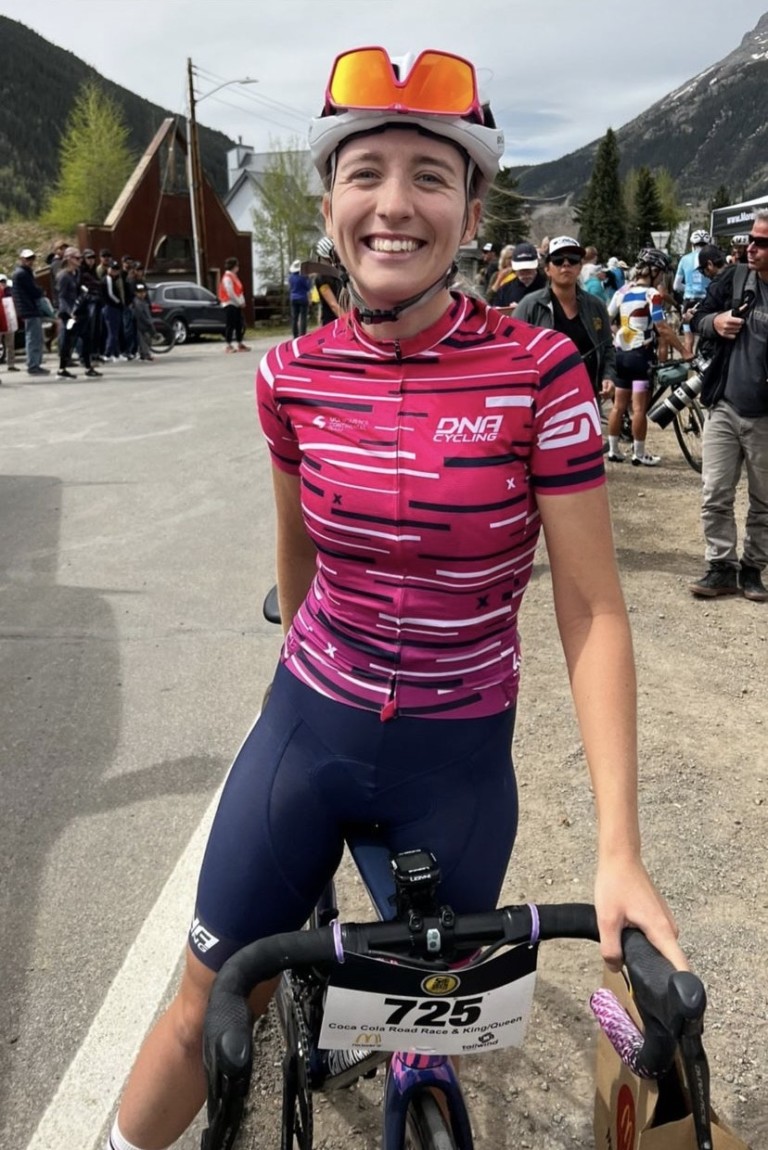
DURANGO, Colorado (May 28, 2022) — Quinn Simmons and Kira Payer won the Iron Horse Bicycle Classic Coca Cola Road Race this morning in Silverton. The event is a 47-mile bike race over two 10,000’ passes from Durango to Silverton, Colorado
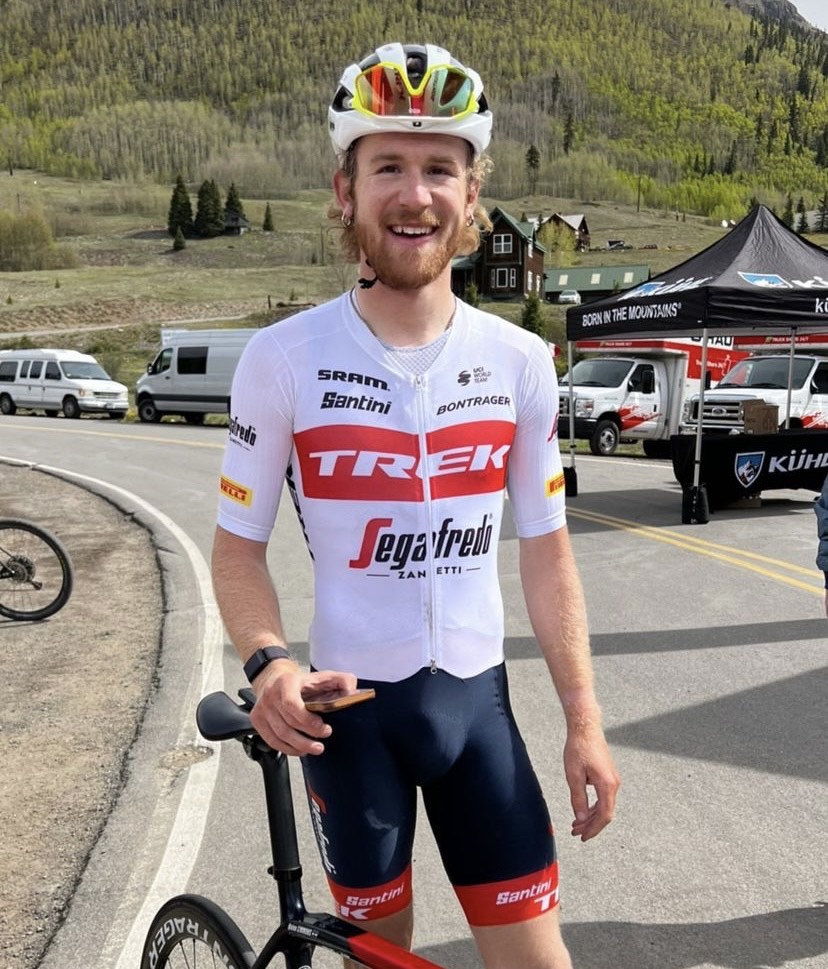
In the men’s race, Trek-Segafredo’s Simmons, a Durango native, outsprinted Team California’s Caleb Classen to set the Iron Horse course record with a time of 2:11:29. Last year’s winner Riley Amos (Trek Factory Racing) took third place, about a minute behind.
“It’s always been something I look forward to in the schedule and for whatever reason it hasn’t worked so to be home and race with the whole family, it’s a really fun weekend” Simmons said after the finish. “To be able to race at home is special.”
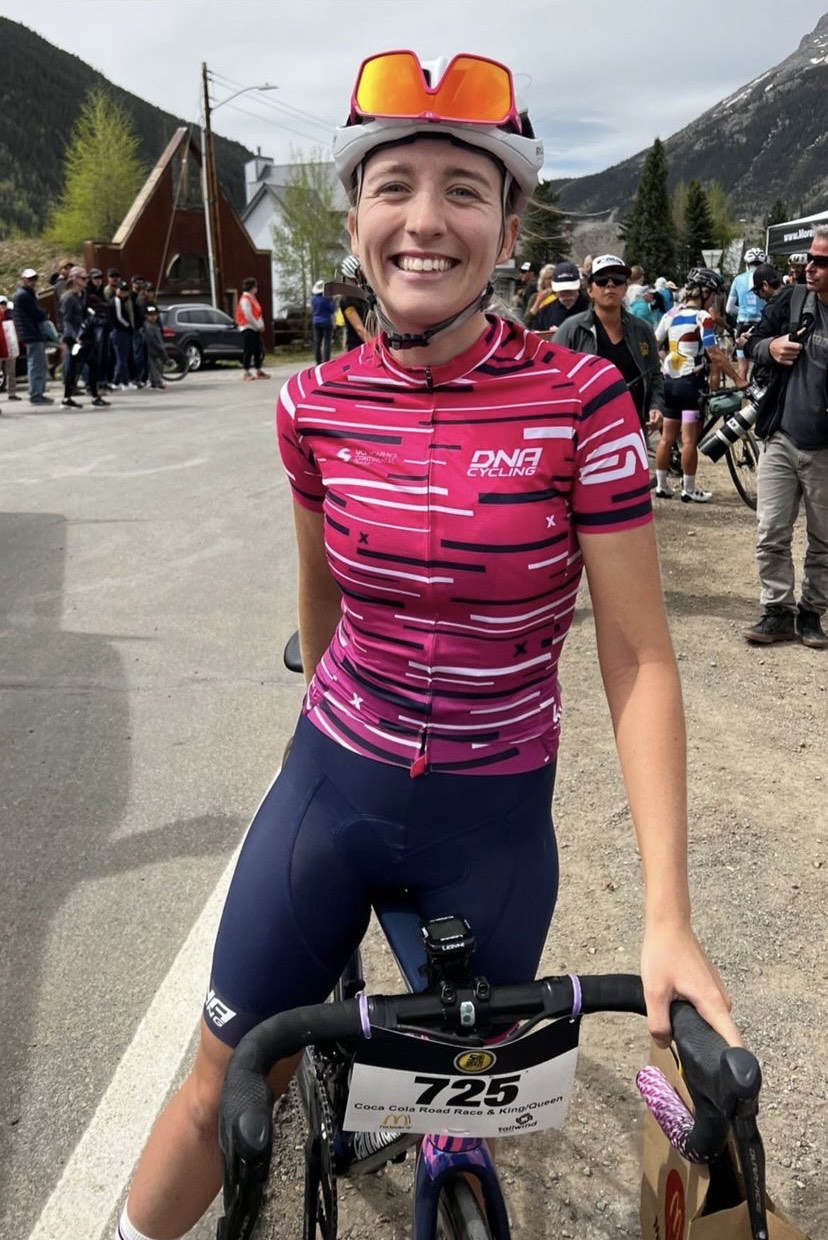
In the women’s race, Kira Payer (DNA Pro Cycling) beat out 2019 Iron Horse champion Sarah Sturm (Specialized) by 16 seconds with a time of 2:43:34. Human Powered Health’s Katie Clouse placed third.
“We kept it pretty steady up the climbs and people just started popping,” Payer said. “Sarah put in a little dig and got rid of Katie, and it was just Sarah and I on the descent. I got a little gap at the end and just rode it in.”
Brief Results:
| Men Pro/Open | ||||||||
|
Place
|
Name
|
Age
|
Club
|
From
|
Points
|
MPH
|
Time
|
Gap
|
| 1 | Quinn Simmons | 21 | Trek Segafredo | Durango, CO | 25 | 21.4 | 2:11:29.0 | |
| 2 | Caleb Classen | 20 | Team California | Oak Park, CA | 24 | 21.4 | 2:11:29.2 | +00:00 |
| 3 | Riley Amos | 20 | Trek Factory Racing | Durango, CO | 23 | 21.3 | 2:12:10.0 | +00:40 |
| 4 | Fortunato Ferrara | 43 | Zia Velo Cycling | Santa Fe, NM | 22 | 21.2 | 2:12:44.4 | +01:15 |
| 5 | Robbie Day | 19 | Bear National Team | Evergreen, CO | 21 | 21.0 | 2:13:43.3 | +02:14 |
| 6 | Colby Simmons | 18 | Jumbo Visma | Durango, CO | 20 | 20.9 | 2:14:31.8 | +03:02 |
| 7 | Howard Grotts | 29 | Specialized | Durango, CO | 19 | 20.9 | 2:14:33.6 | +03:04 |
| 8 | Cobe Freeburn | 20 | Bear National Team | Durango, CO | 18 | 20.9 | 2:14:45.1 | +03:16 |
| 9 | Ned Overend | 66 | Durango, CO | 17 | 20.6 | 2:16:19.4 | +04:50 | |
| 10 | Nicholas Jenkins | 23 | Rouleur Devo p/b DNA Cycling | Colo. Springs, CO | 16 | 20.5 | 2:17:05.9 | +05:36 |
| Women Pro / Open | ||||||||
|
Place
|
Name
|
Age
|
Club
|
From
|
Points
|
MPH
|
Time
|
Gap
|
| 1 | Kira Payer | 23 | DNA Pro Cycling Team | Durango, CO | 25 | 17.2 | 2:43:34.5 | |
| 2 | Sarah Sturm | 32 | Specialized | Durango, CO | 24 | 17.2 | 2:43:50.6 | +00:16 |
| 3 | Katie Clouse | 20 | Human Powered Health | Grand Junction, CO | 23 | 17.0 | 2:45:16.2 | +01:41 |
| 4 | Bailey Cioppa | 18 | Bear National Team | Durango, CO | 22 | 16.8 | 2:46:58.3 | +03:23 |
| 5 | Lauren Aggeler | 18 | Team Segment 28 | Durango, CO | 21 | 16.8 | 2:47:01.1 | +03:26 |
| 6 | Mindy Caruso | 49 | NERO Veloce | Albuquerque, NM | 20 | 16.7 | 2:48:48.3 | +05:13 |
| 7 | Ashley Frye | 21 | COS Racing | Colo. Springs, CO | 19 | 16.5 | 2:50:38.0 | +07:03 |
| 8 | Erin Osborne | 31 | Flagstaff Bicycle Revolution | Prescott, AZ | 18 | 16.5 | 2:50:43.1 | +07:08 |
| 9 | Ruth Holcomb | 19 | Bear National Team | Durango, CO | 17 | 16.4 | 2:51:11.2 | +07:36 |
| 10 | Madelyn Roberson | 19 | Team Segment 28 | Gardendale, AL | 16 | 16.1 | 2:54:29.2 | +10:54 |
Full results available at https://my.raceresult.com/203806/
Small Towns Lack e-Bike Infrastructure
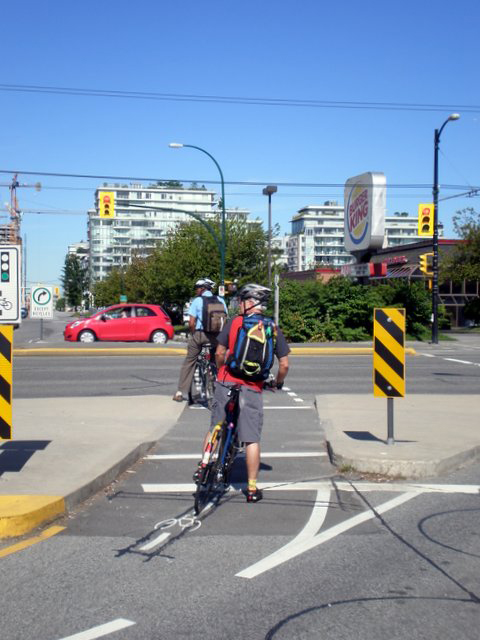
By Charles Pekow — The potential of bicycles – particularly ebikes – to fill worldwide gaps in rural transportation systems remains woefully undeveloped. So says a recent report covering 80 countries on the lack of sufficient rural transportation infrastructure, coming from the International Transport Forum. Some European nations are making strides to expand small town cycling.
“Common obstacles to bicycle use in rural areas are the lack of safe cycling routes, longer distances and uphill stretches,” the forum states. But good infrastructure, which has been developed in parts of the United States, can help overcome these problems. The study also faults bicycle researchers for focusing in urban areas to the neglect of exurbs. “Many national cycling plans do not include objectives and targets for rural cycling. However, there is a need and desire in many rural areas and small towns to make active travel safer,” it says. It noted that Ireland recently took steps to remedy this inequality: last year it started a well-funded rural active transport program. And the German Transport Ministry is currently preparing a “toolbox” to plan bicycle facilities in small towns.
The forum recommends that bike rentals be on a long-term (monthly or annual) basis rather than the short-term ones favored in this country, and they should include service.
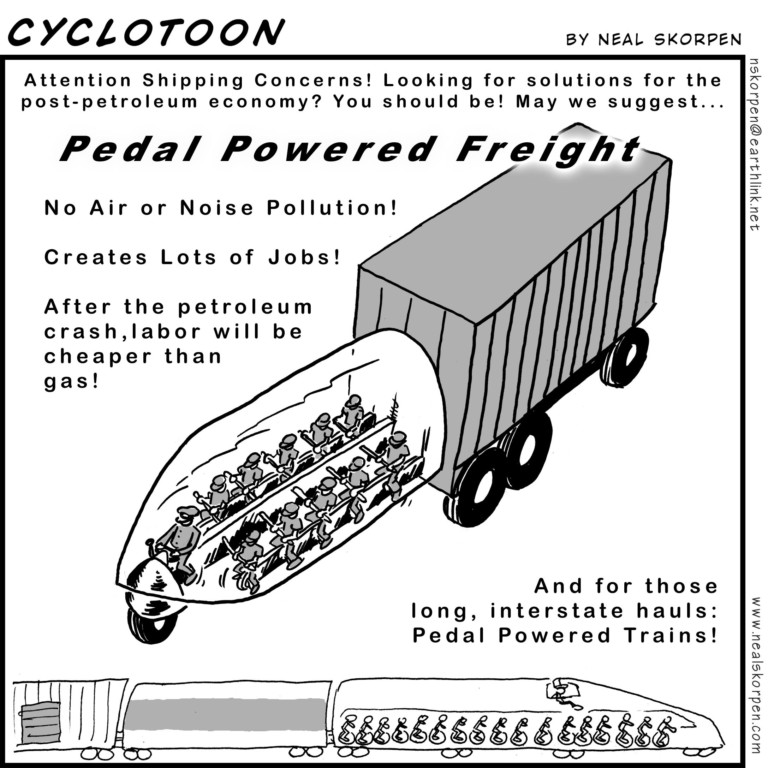
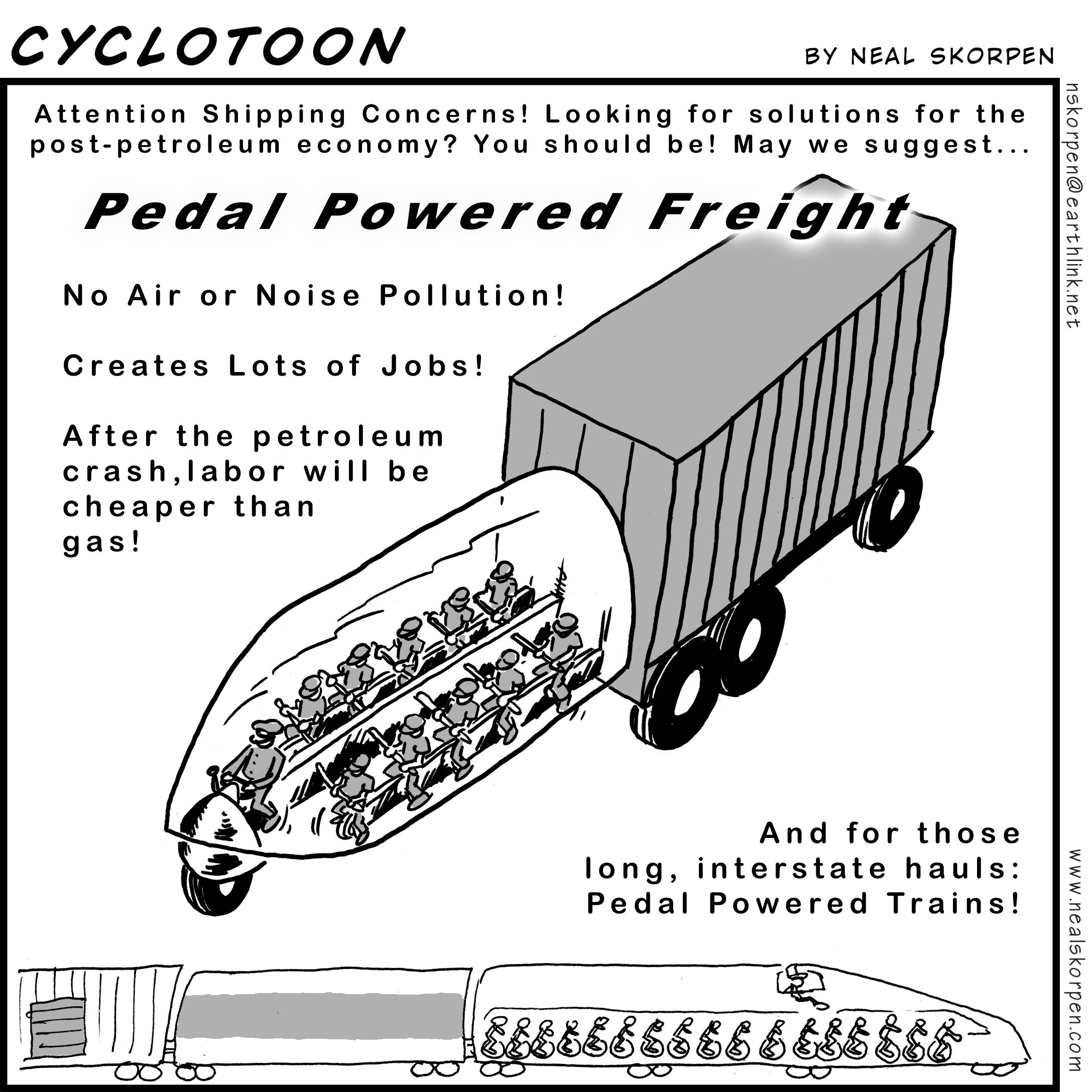
Another idea used in French and Dutch villages that hasn’t caught on in America: the self-driving vehicle known variously as a pédibus, vélobus or cyclobus with 10 seats that all students pedal to get to school.
Adding bicycle storage and rental programs at and leading to public transit also worked in rural Germany. Just developing a “mobility map” increased bike trips five percent in one German town.
Find the report, Innovations for Rural Transportation Mobility, at https://www.itf-oecd.org/sites/default/files/docs/innovation-rural-mobility.pdf.
Due June 3: NHTSA Seeks Comments on National Survey of Pedestrian and Bicyclist Attitudes, Knowledge, and Behavior
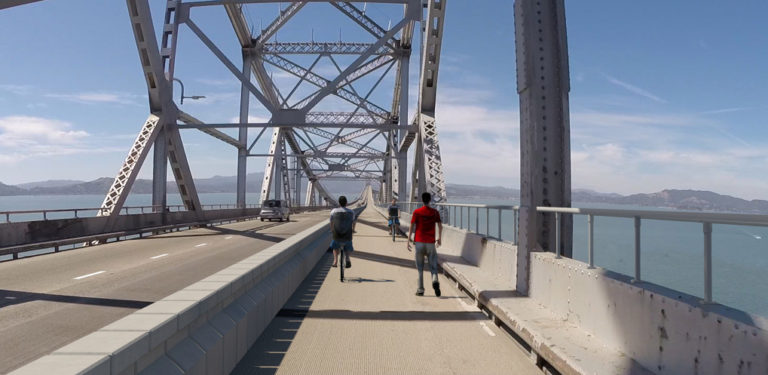
By Charles Pekow — The National Highway Traffic Safety Administration (NHTSA) invites public comments about its National Survey of Pedestrian and Bicyclist Attitudes, Knowledge, and Behaviors. NHTSA wants to survey 7,500 adults about “the extent to which Americans engage in walking and bicycling activity, their attitudes toward and experience with various facilities, road conditions, and technologies, and their opinions on pedestrian and bicycling safety topics.”
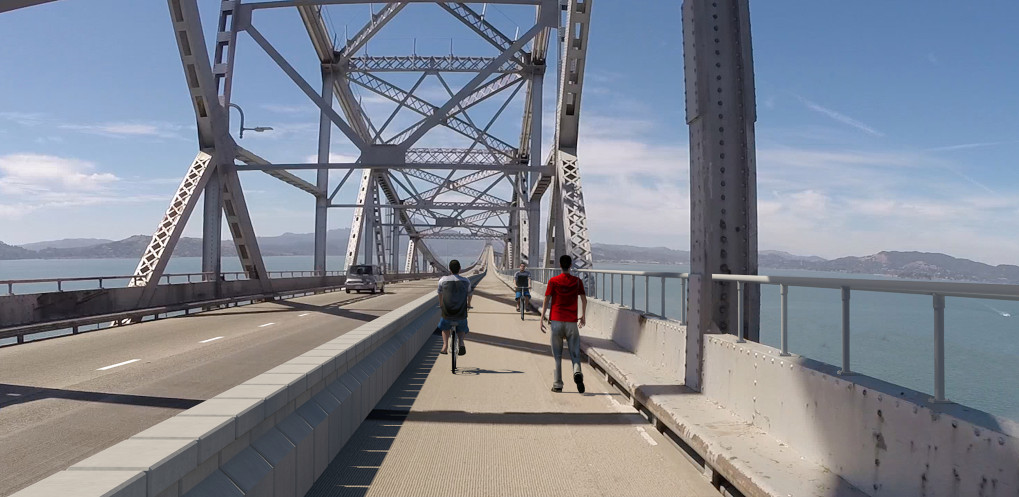
The survey would be mailed to households in English and Spanish with the option of completing it online or by mail. NHTSA has conducted such a survey every decade, starting in 2002. it plans to use the results to help design safety programs.
Comments are due June 3. See https://www.govinfo.gov/content/pkg/FR-2022-04-04/pdf/2022-06989.pdf for instructions on how to participate.
The Tour de Big Bear Returns August 6, 2022
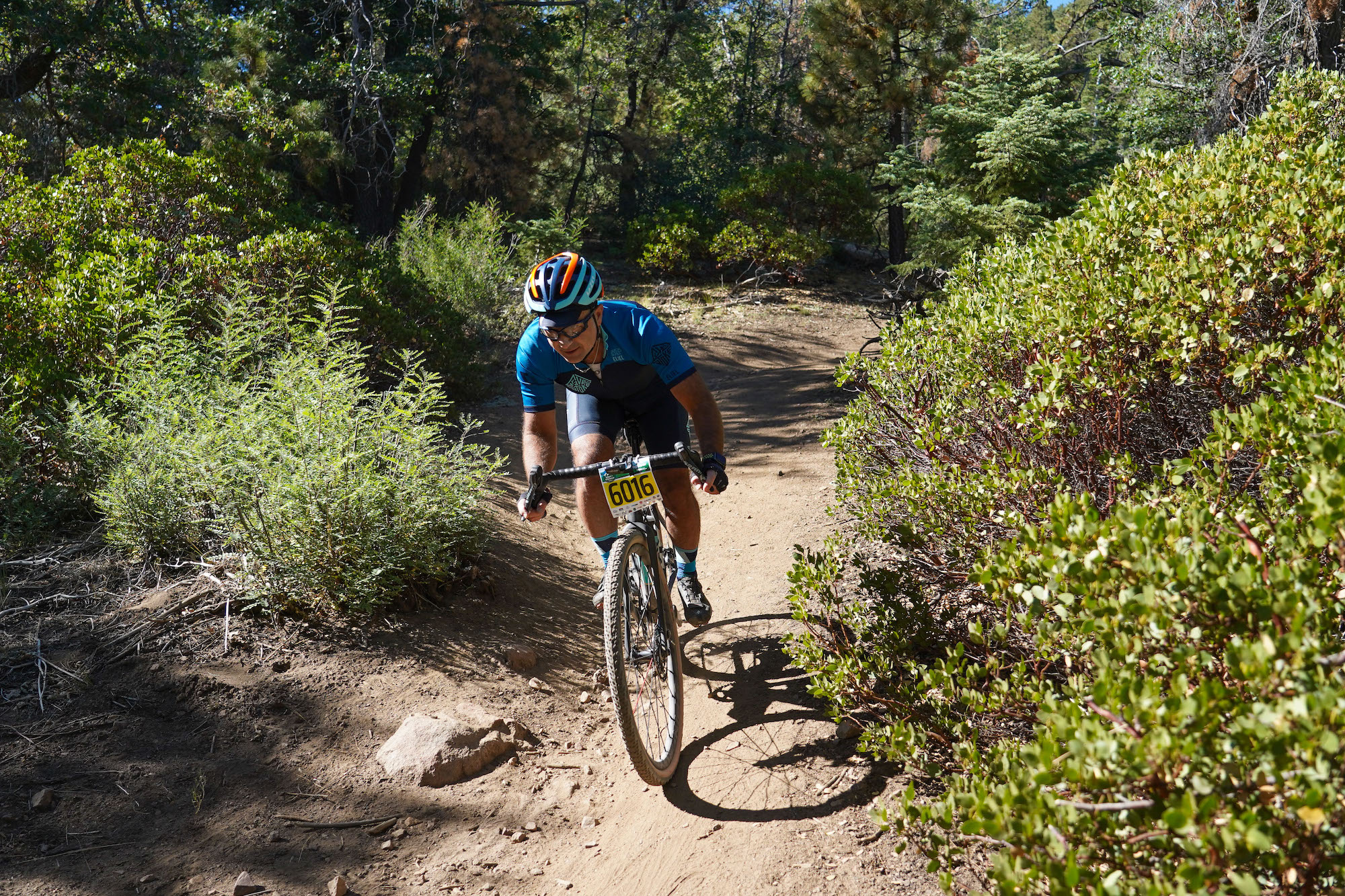
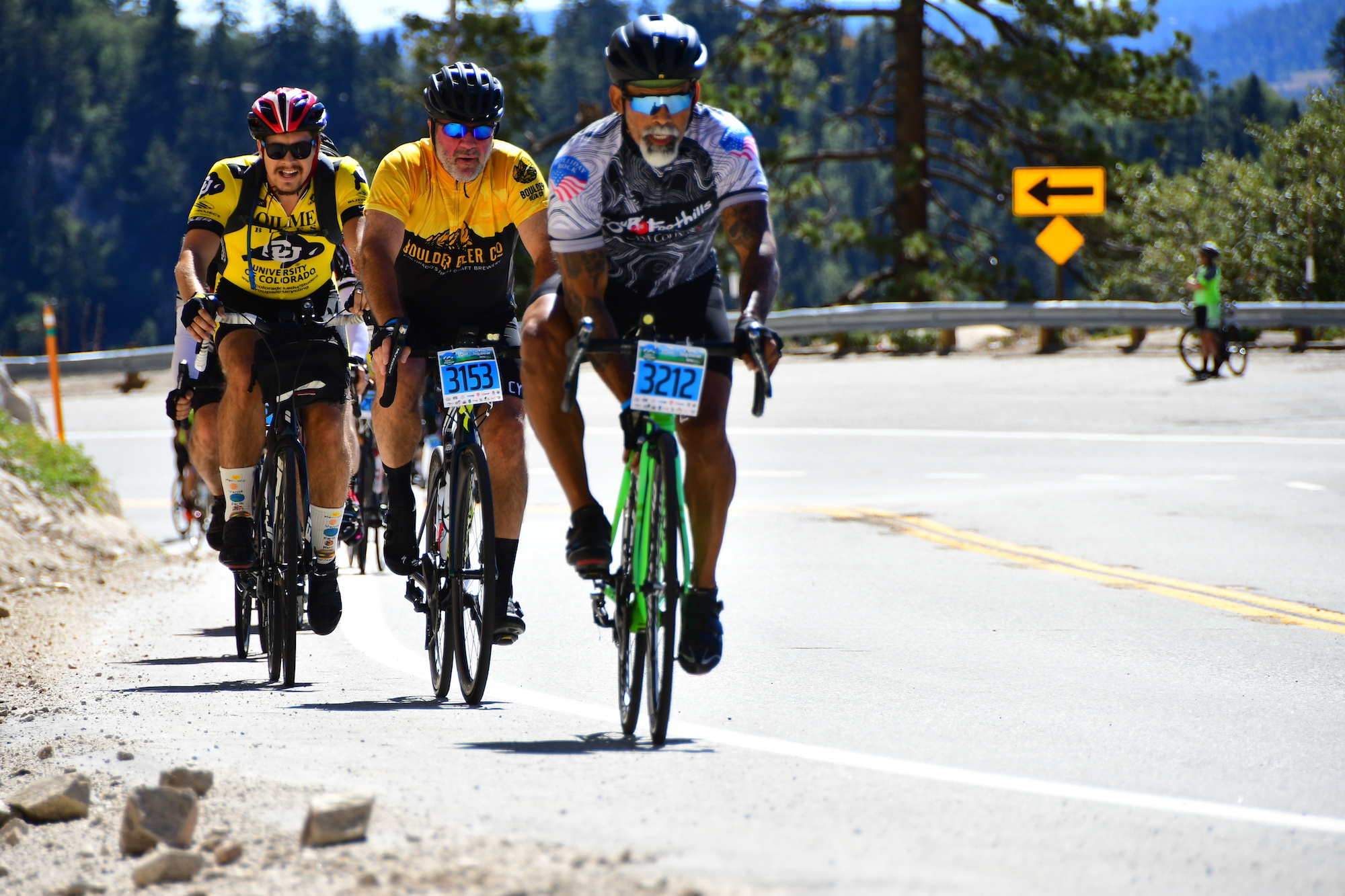
Registration is open for the 2022 Tour de Big Bear. Riders can escape the summer heat in beautiful Big Bear Lake, California for the annual Tour de Big Bear, which features alpine roadways and trails, over high mountain passes like Onyx Summit (elevation of 8,443 feet), and around Big Bear and Baldwin Lakes. With five courses to choose from, plus the gravel ride, there’s a route that’s sure to please most everyone. The organizers have added a new 25 Mile Dirty Cub Gravel Ride in addition to the 50 Mile Dirty Bear Gravel ride.
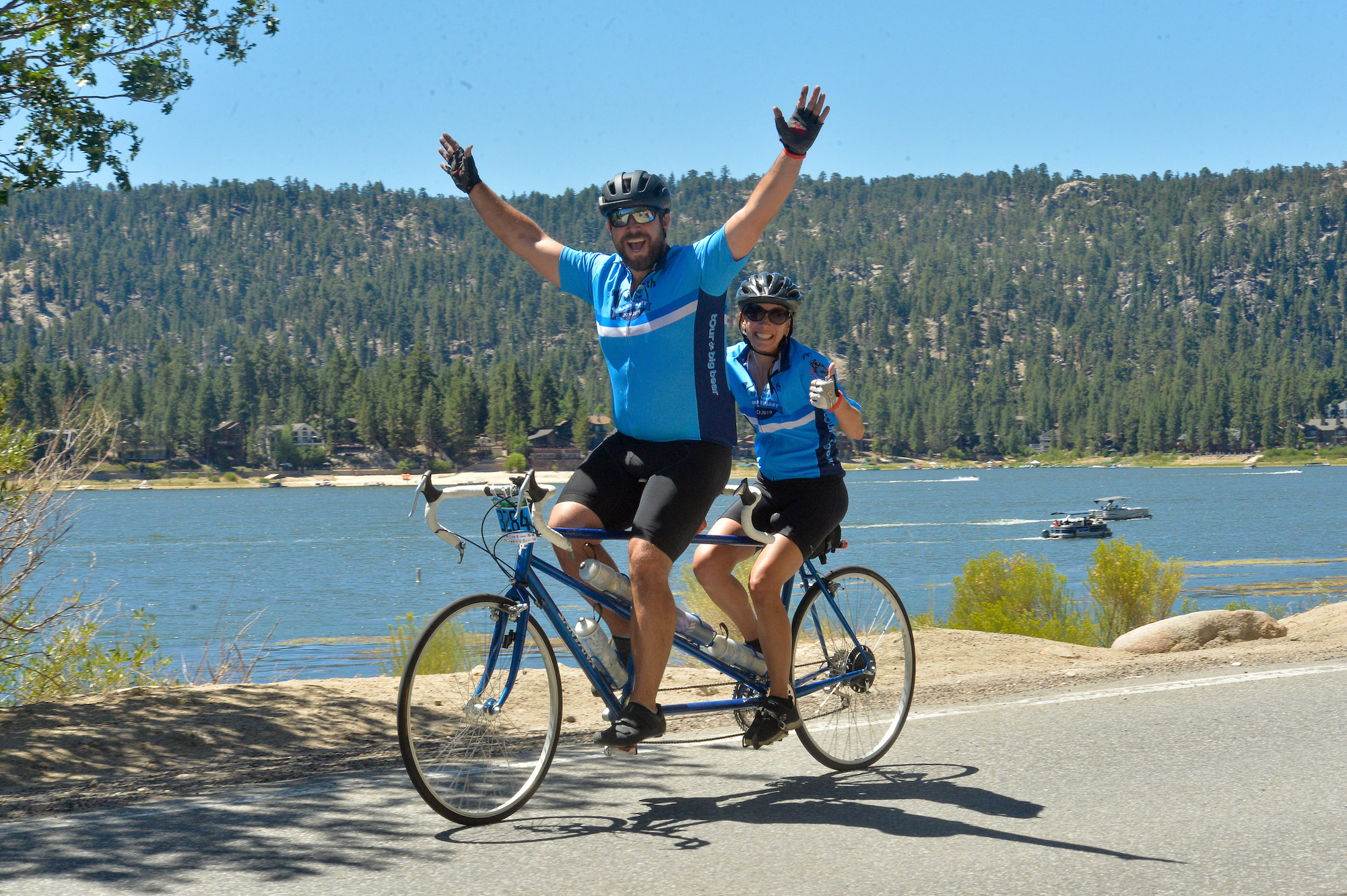
Tour de Big Bear Route Options
- Tour de Big Bear Family Fun Ride
- Tour de Big Bear – 25 miles
- Big Bear Valley Tour – 50 miles
- The Grand Tour – 70 miles
- The Climb – 100 miles
- The Dirty Cub Gravel Ride – 25 miles of mixed surface
- The Dirty Bear Gravel Ride – 50 miles of mixed surface
Tour de Big Bear Aid Stations
The Tour de Big Bear is also known for its aid stations, featuring ribs, avocado toast, bacon, just to name a few of the treats riders can enjoy along the way, plus the usual hydration and nutrition items to fuel your ride.
The Big Bear Cycling Association (BBCA) will also host a two-day cycling expo that includes 40+ cycling vendors, a complimentary bike valet for registered riders, entry into the Beer Garden, participation in BBCA’s raffle, and entertainment during Saturday’s festivities.
Other Weekend Events
- Thursday Night Glow Ride – August 4th
Start your weekend by joining us for the fourth annual Glow Ride. Dress up your bikes and show off your lights as we parade through the Big Bear Village. It’s family-friendly and a great way to kick off the Tour de Big Bear weekend. Prizes for best use of lights and best of all – it’s FREE! - Friday Poker Rides – August 5th
Get acclimated with a fun and friendly ride around Big Bear Lake. The ride starts at 4 pm from Bear Mountain Resort on Friday afternoon. There are several stops set up around the lake and if you’re lucky, you might just have a winning poker hand. And it’s also FREE! - Sunday Recovery Ride – August 7th
Rounding out the weekend are our organized free recovery rides on Sunday. Spin out your legs after the Tour de Big Bear with a relaxed ride around one or both lakes. Starting from the Copper Q in the Village. Go early and enjoy some delicious treats and a cup of coffee, before heading back home.
Video — Watch “The Art of Grind”
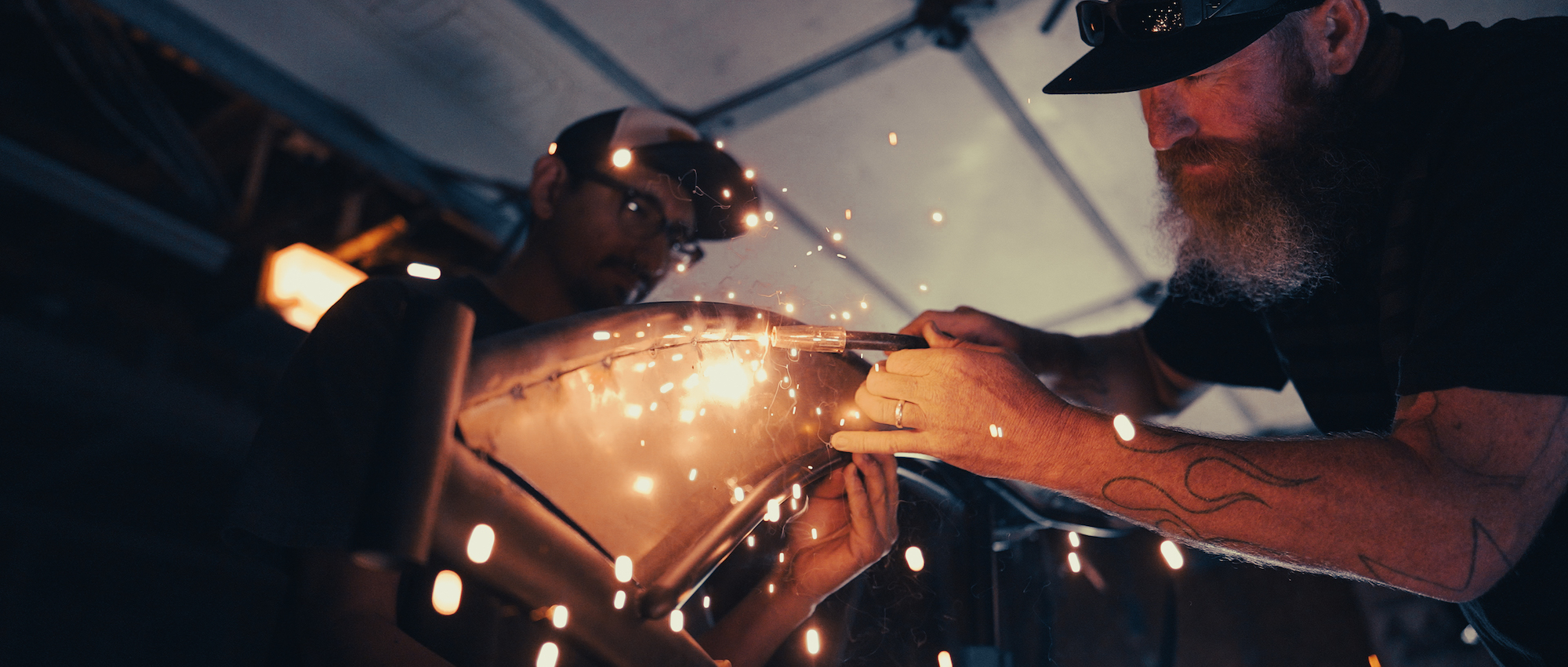
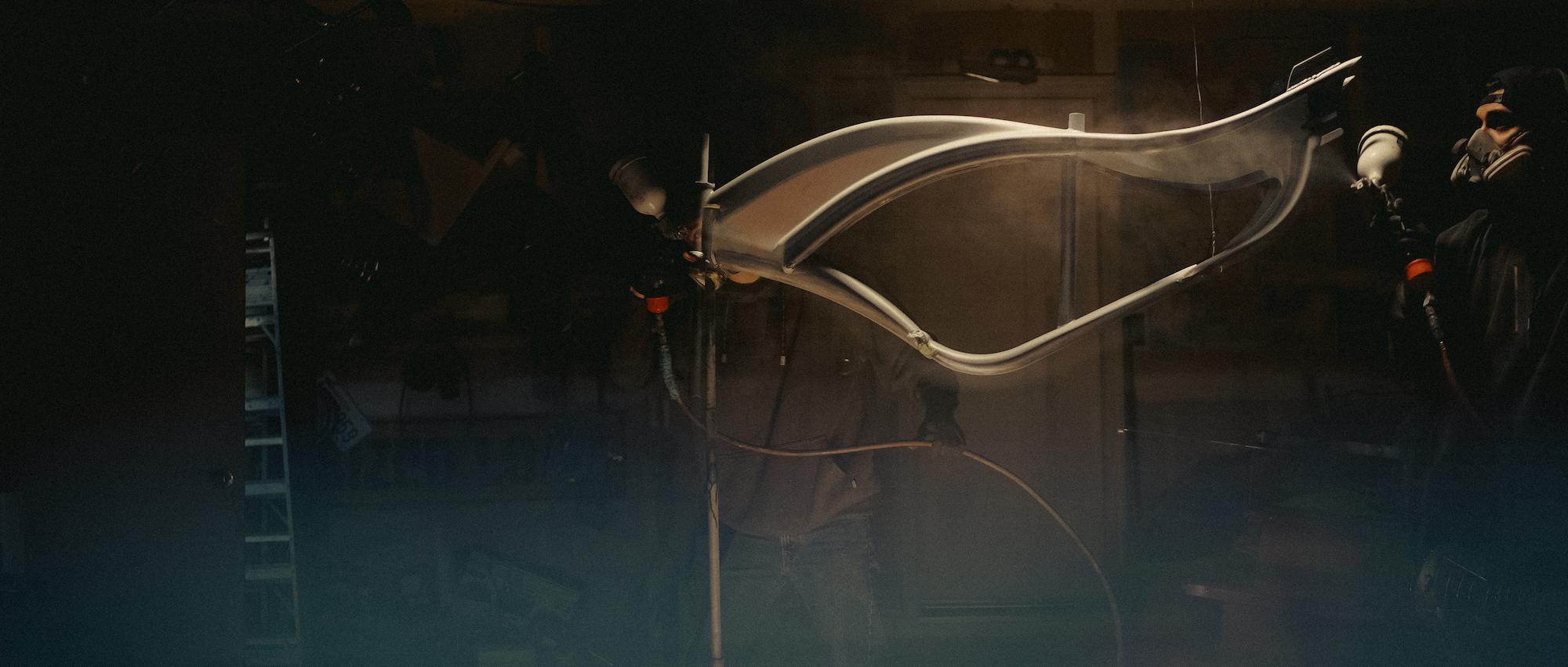
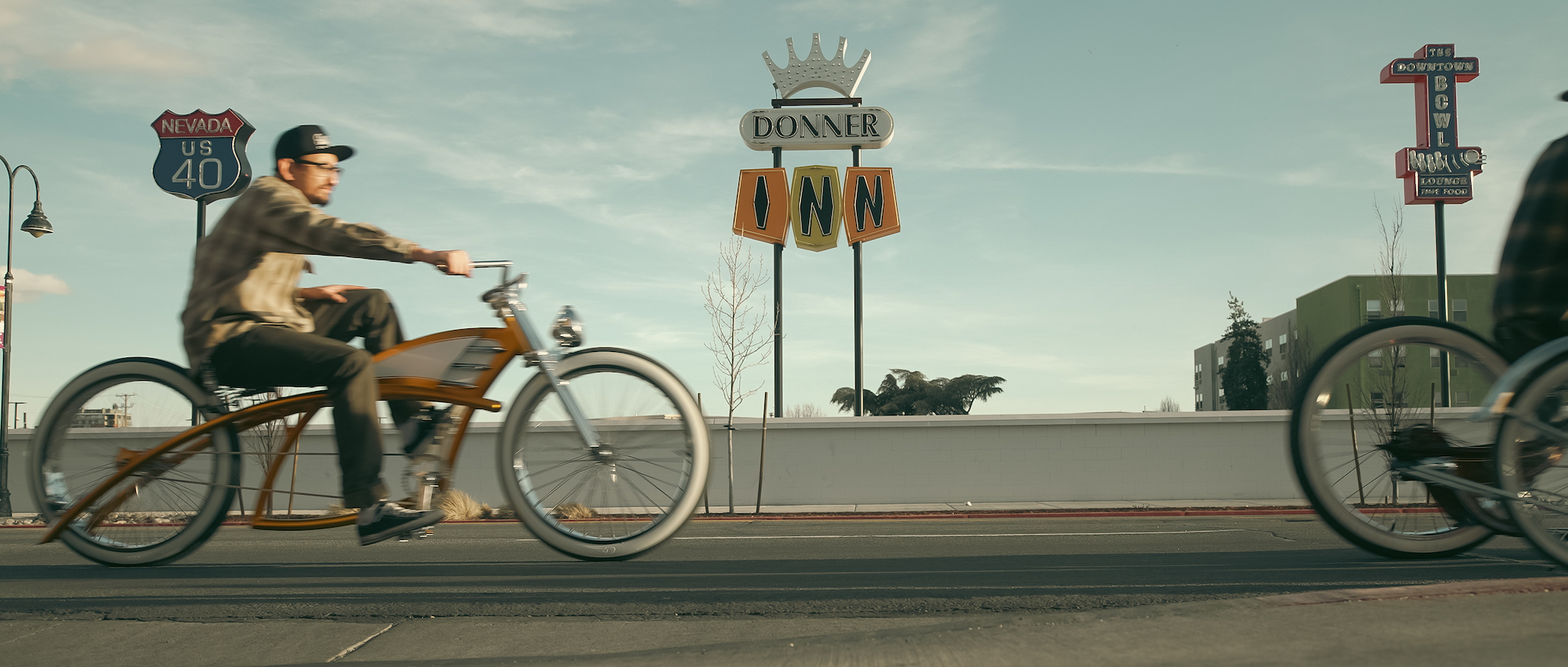
Since the 1800s bicycles have been a powerful liberating tool, starting with the first faltering pedal strokes of a child daring to venture a little further from home. Yet, somewhere in our cultural trajectory, as we are fed content to divide and categorize us as better or worse than our neighbors, many of us have forgotten the power of this simple machine to build community.
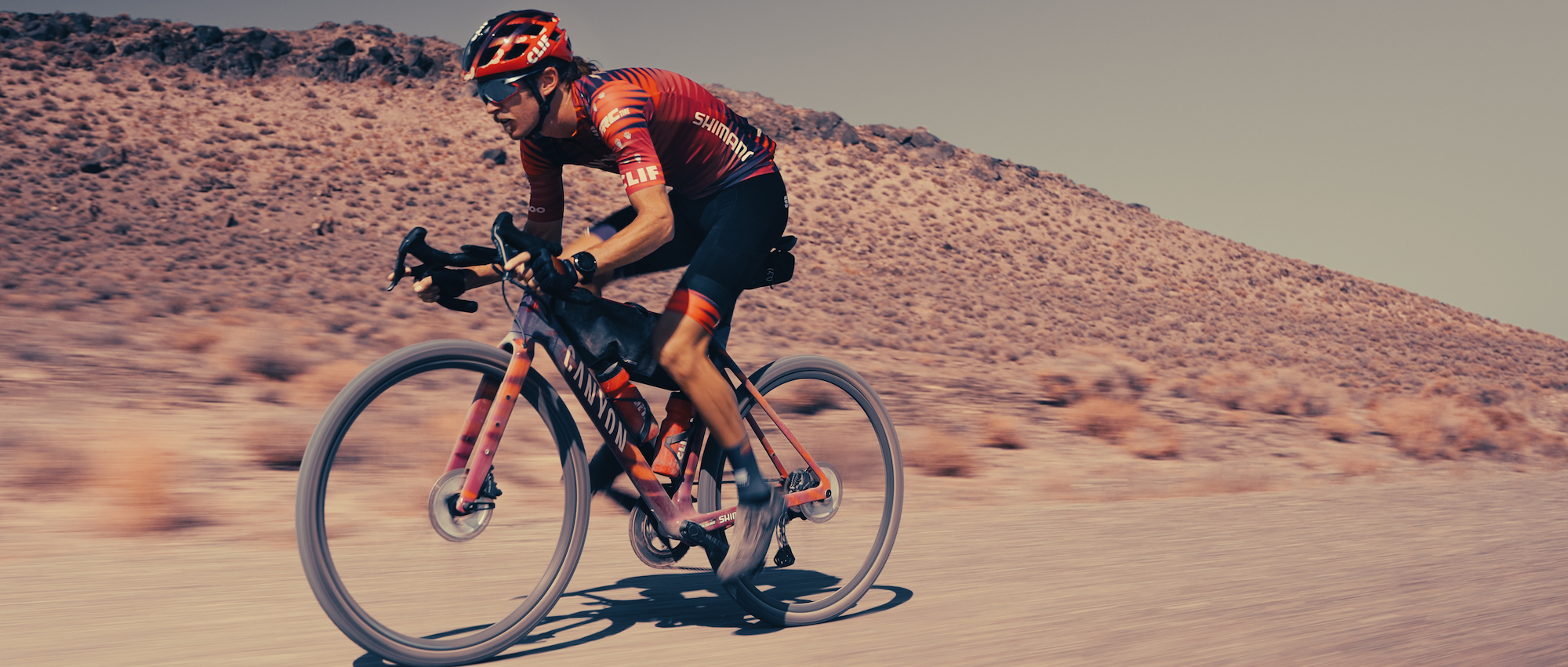
This new film by Shimano celebrates the “Run what you brung” adage, and reminds us that, however we choose to engage with the ever-changing world of cycling, there is more that brings us together than sets us apart.
Watch:
How I Learned to Jump
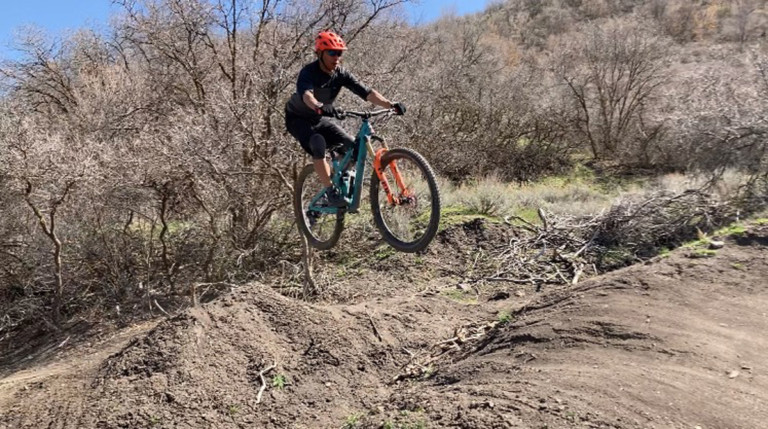
By Tom Jow — “I’m too old to jump” is a phrase I often hear these days. This is because many of the friends I ride with are, like me, getting older. It is a scientific fact that as we age, we become a little more fearful, a little less willing to take risks. This psychological effect of aging was becoming clear in my own riding. Several years ago, I noticed I was riding around more jumps and walking more technical features than I wanted to. Some features I had ridden before. Some, I knew in the back of my mind that I could, but was afraid to. I decided it was time to bring my riding level back up. In the process, I learned how to push back against fear.
What causes fear? In the case of jumping on bikes, it is the physical injury caused by crashing. Deep down, however, our fear is the unknown outcome of the event. Will I nail it, or will I crash? How are we going to skew the odds of landing upright in our favor? The best way to do that is with knowledge and practice.
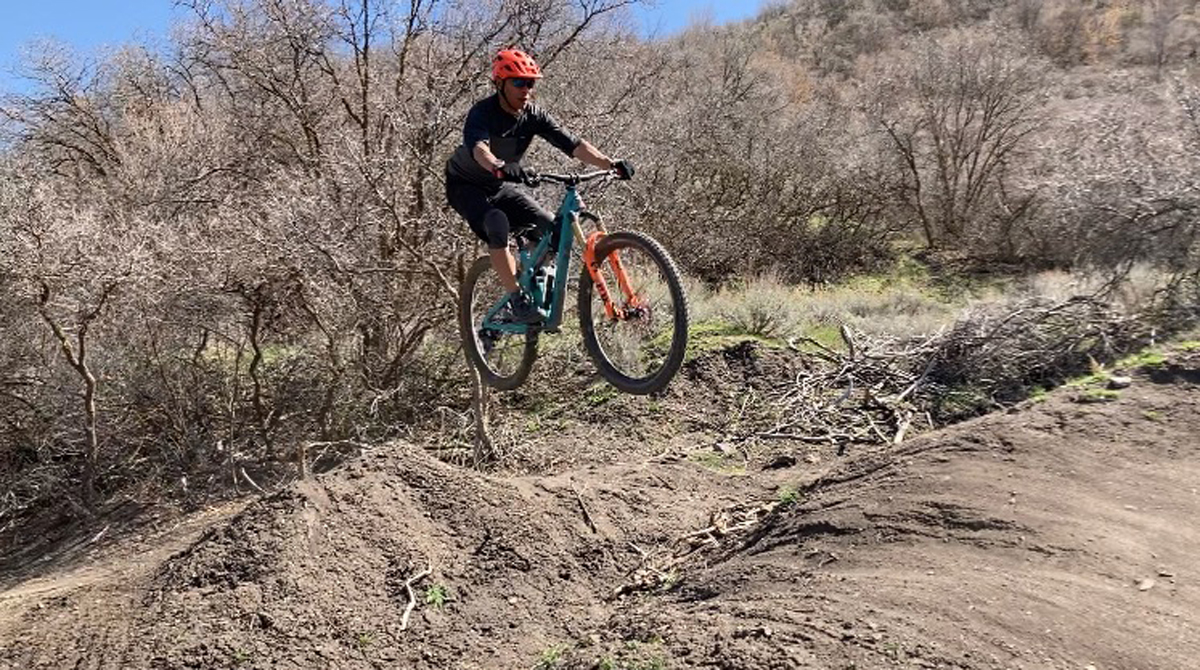
One way to learn riding and jumping techniques is to attend in person classes. In person clinics and classes provide a controlled environment, instruction, and practice under expert supervision. Being a do-it-yourselfer and a cheapskate, I chose online instruction. In other words, I watched a lot of videos. I watched videos of, and about jumping. Some were good. Some were less than good. They were all entertaining. However, I had to build my own practice.
The first goal of practice is to to turn essential, fundamental movements into autonomous actions. In order to do this, we need our safety gear and a safe controlled environment with features of a level we can complete confidently. Practice riding these features with good technique until we can nail it about every time. If we get tired, can’t concentrate, and start failing good technique then stop. Remember the saying “practice how you play”? We do not want to practice bad habits.
Our end goal for practice is progression. This is the scary part. Moving up to the next level requires riding the unknown. Remember all that practice to create autonomous action? We just have to apply that skill to a jump that may be a little higher, or a little farther. To reduce the anxiety of attempting new, larger features I set ground rules for myself. For example, I would not attempt big scary things when riding alone. In addition, the weather and trail conditions had to be favorable. Finally, I had to listen to my body. Did I feel like I was riding well that day? Do I feel good about going for this today? My internal feelings had the most effect over when I would progress. Until recently, the average number of times I looked at a jump before attempting it was ten. This could have been discouraging, but I was determined; I knew I would get there.
What often tipped the scale though was my riding partners. One rides at about my level. When we did our line inspection, he would often pick out the worst part of the line or landing. In order to get past that, we occasionally had to challenge each other. “I’ll do it if you do it”. My other partner rides above my level. He usually pointed out the best part of the line. He would say, “take off here, land there, easy peasy”. The best reasons for having friends along are, a) to watch someone hit it first, and b) having someone to follow so we can get the speed correct.
Mountain biking is a challenging sport on many levels. Riders of all ages and levels will have to meet and rise above the challenges if they wish to continue enjoying the sport. Due to the natural loss of strength and risk taking by older riders, it is even more important for us to be diligent about improving our skills. Through the use of learning, practice, progression, and friends we can all learn to jump and ride other features successfully. Clearing that first gap jump, no matter what size is a huge rush and sense of accomplishment. Then it’s all high fives from there.
Got a bike question? Email Tom at [email protected]
Navajo Nation Working to Expand Bicycling through New Trails, Kids’ Programs, and Racing
By Charles Pekow — Like everywhere else, the pandemic wreaked havoc upon bicycling in the Navajo Nation. But the Navajos also did their best to turn the crisis of health and social activity into an opportunity to get citizens out on bicycles.
The Navajo Indian Reservation encompasses more than 27,000 square miles in Arizona, New Mexico, and Utah, making it the largest American Indian land in the United States. Despite the COVID lockdown, the Navajo Nation has kept up its long-standing efforts to get its members out on bicycle. When the lockdown hit back in 2020, NavajoYES, a youth-serving non-profit, increased its efforts to get kids on bikes.
The nation had been promoting bicycling well before. NavajoYES had been promoting bicycle donations, races, and other events since the early 1990s. In 2015, community groups founded the Navajo Trails Task Force, which was ready to help out when COVID hit. It published a guide to biking on the lands (http://navajoyes.org/trails-initiative/). When social rides became unsafe, it came in handy.
And now the reservation is working on creating the first rail-to-trail conversion on Native American lands with the help of the Rails-to-Trails Conservancy (RTC). A rail line built to transport coal from the Black Mesa coal mine to the Navajo Generating Station was decommissioned in 2019. NavajoYES jumped on the chance to turn it into a multi-use trail, which could run 60-80 miles and pass-through multiple villages. The local economy depends heavily on recreation and tourism and a recreational trail could bolster such business.
The project presents a new challenge for RTC (of which I am a member). It is the first (and perhaps prototypical) effort to convert an abandoned rail line into a recreational trial entirely on Native American land. Often when converting a trail, proponents must deal with multiple property owners and governments. “A key piece we learned is that in a project like this, there has to be unanimity of support by landowners. If a landowner along the corridor says, “This doesn’t work for me; I’m not supportive of it,” then it’s a no go,” says Eric Oberg, RTC’s Midwest regional director. In this case, it deals mainly with the tribal apparatus as both property owner and government. On the one hand, this simplifies the process. On the other hand, RTC has to learn the specific needs, procedures, and structures of tribal communities.
“It’s still in early stages, but it’s a super exciting project for them,” Oberg says. The proposal is moving ahead slowly. “I haven’t talked to anybody in three or four months,” he says. “Politics is different on a reservation. We’re learning. We’re providing technical expertise” and reaching out to the public and seeing what federal funding may be available. “This project will be a case study and precedent on how other reservations and tribal governments can and why they should do multi-use trail development.”
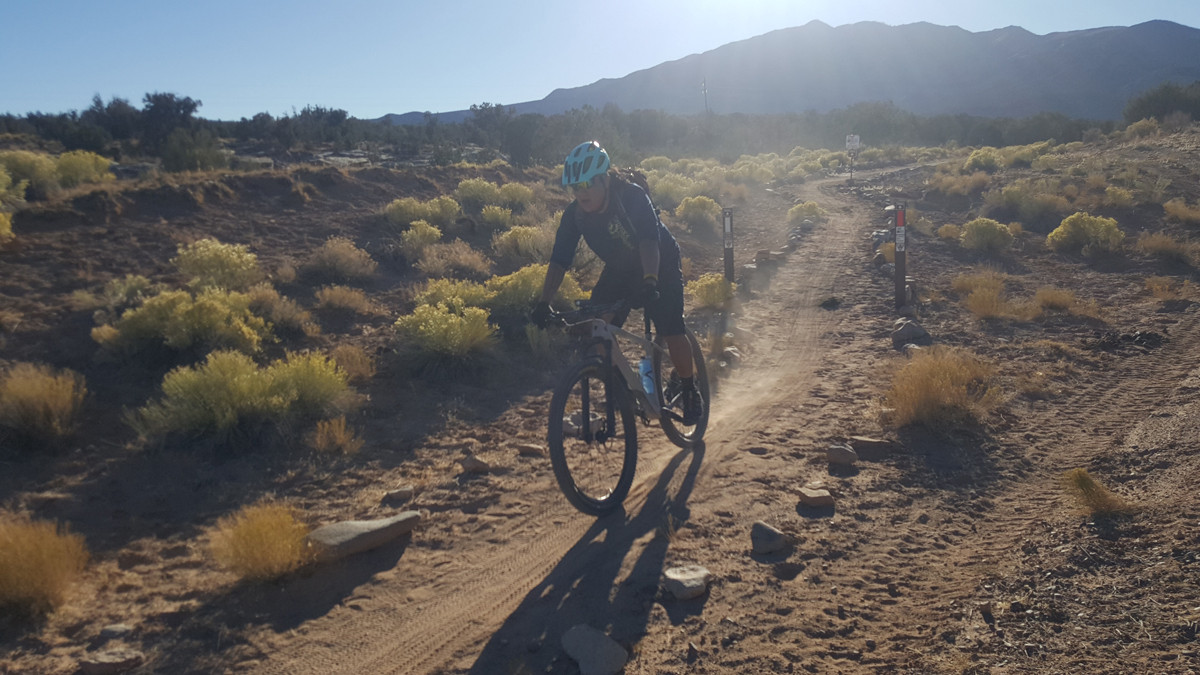
Currently, the Navajo Nation counts 34 trails of various types and lengths in various stages of planning, development, and use, ranging from community trails to long-distance routes, park trails and school-based ones, some designed for mountain bikes.
While the parties haven’t worked out details, the state of Arizona has offered some funds from the American Rescue Plan Act (pandemic relief) to build trails on the reservation over the next two years.
Beyond its trail projects, NavajoYES operates its Diné Bike Project, which fixes donated bicycles and gives them to school children, a project set back by the pandemic, says Program Coordinator Aaron Beauford. (Navajos call themselves the Diné, which translates as “the people” or “children of the holy people.”)
“The challenge we’ve been through since COVID was trying to get back into local schools,” Beauford says. “We used to visit a lot of schools (and sponsor bike rides). We can’t do that nowadays.” The project employs two mechanics to fix bikes and tries to work with others. Donations include all sorts of bikes for all ages: “little kids” bikes, mountain bikes, road bikes. We’ve got something for just about everyone,” Beauford says. In April, Beauford said the project included about 300 bikes in its inventory and has given away about 60 so far this year.
Also, in March, Eve’s Fund, a Navajo youth-serving non-profit, donated 100 helmets for the project. Each child who gets a helmet makes a pledge to wear it whenever riding.
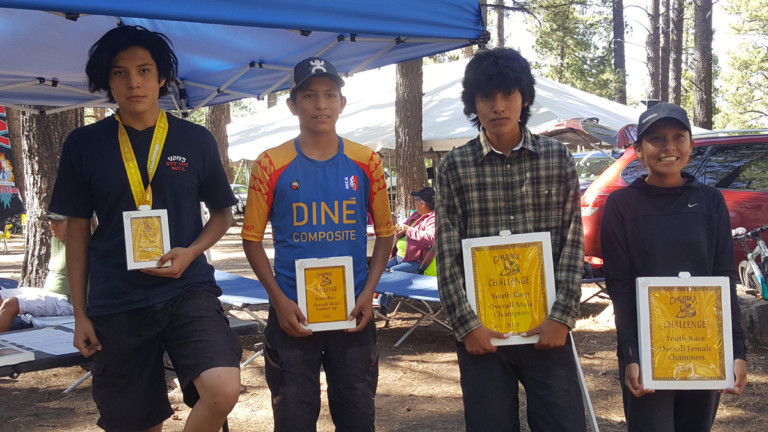
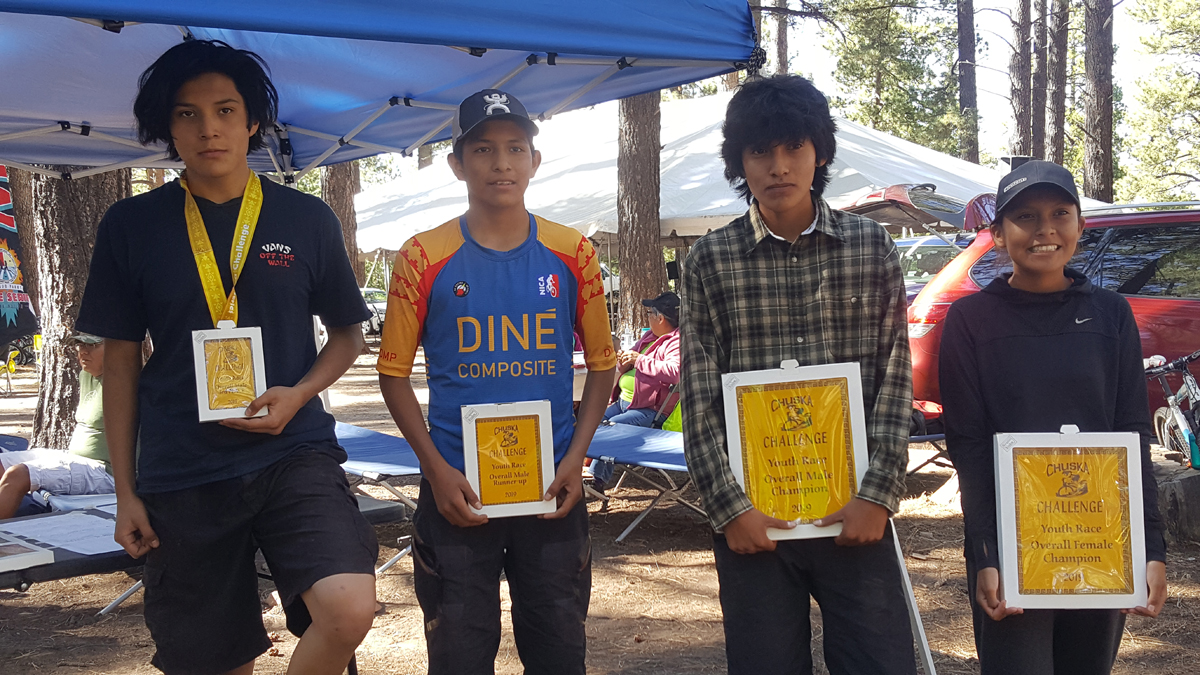
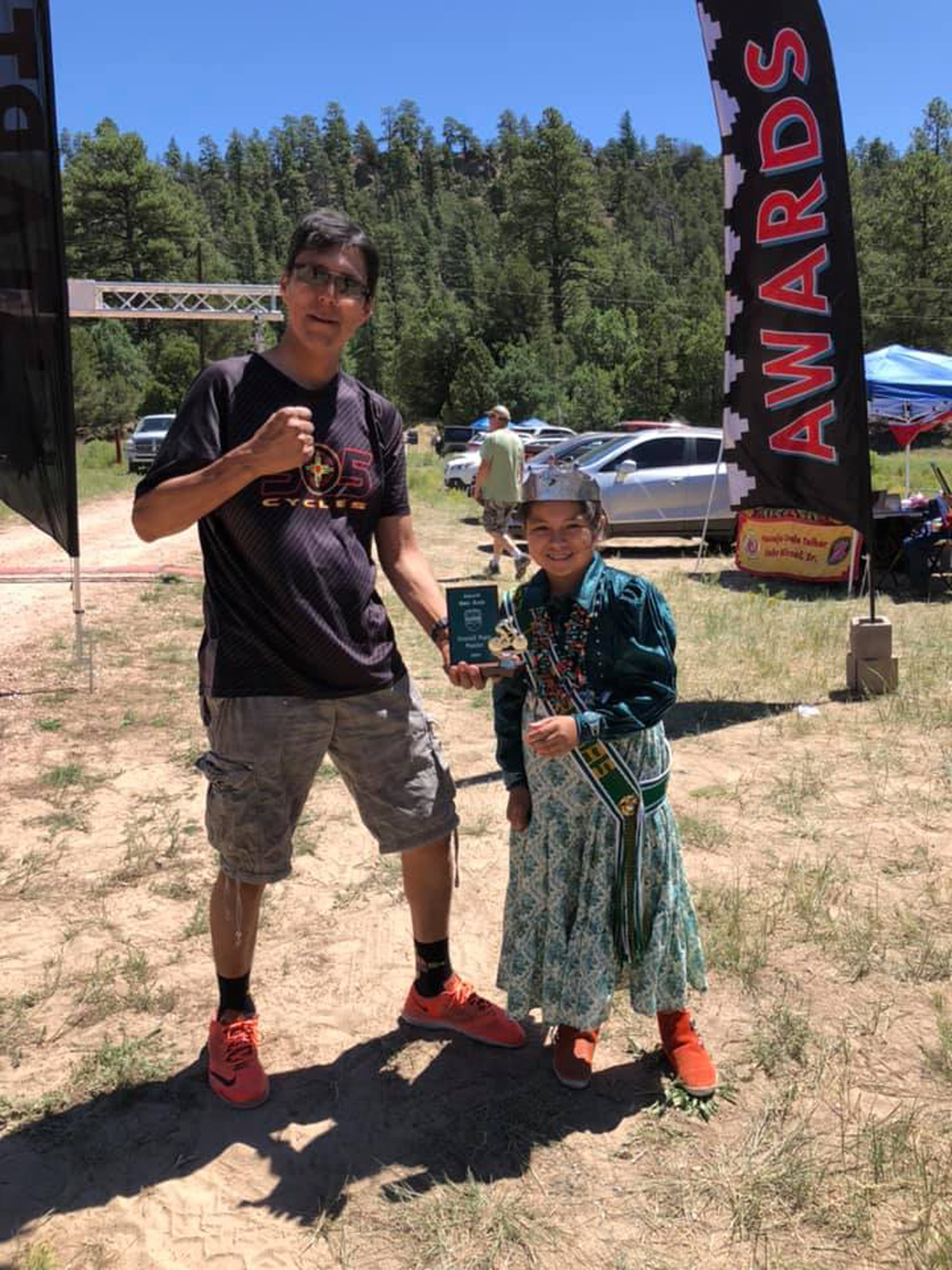
When conditions permit, NavajoYES also sponsors events such as bike races (http://navajoyes.org/dine-bike-project/). NavajoYES plans to sponsor several events this year at dates to be determined, including the Tour de Rez Cup Series and the Chuska Challenge Mountain Bike Race, which has been going on 28 years and usually takes place in September.
The Indian Health Service (IHS) is trying to pick up the ball and expand biking at schools in villages in the Arizona section of the Diné lands. “Many of the bikes were expensive and hard to keep up,” explains Genevieve Notah, associate director of the Office of Program Planning and Evaluation of the Navajo Area Indian Health Service. IHS efforts hit a series of setbacks. “Because of COVID, not much really happened,” Notah explains. A lack of staff delayed recent efforts. Last winter, IHS decided time was ripe to get youth into social biking again. It solicited bids for a contractor to work with 20 schools on youth bike rides and repair clinics as part of the school health program. But the effort faced another setback when the contacting official left to take another job. So IHS withdrew the request which it wants to reissue at an unspecified date, Notah says.
For more information on NavajoYES, visit: navajoyes.org
Women Fear Interactions with Motorists More than Lack of Cycling Infrastructure

By Charles Pekow — One factor that keeps women from cycling is they fear how they’ll be treated should something go wrong. Researchers conducted surveys in 10 communities in the Toronto area about safety perceptions. Investigators from the University of Toronto and Ryerson University chose five locales with bike lanes and five without.
The study reported that “cyclists who identify as women are more concerned about safety overall compared to those who identify as men.” But it wasn’t because females were more afraid of colliding with a vehicle or getting hurt. Women were more scared of getting bullied, verbally abused, or otherwise unpleasantly treated by a motorist. Surprisingly, the presence or absence of bike lanes didn’t affect the survey results.
The study concludes that more research is needed into gender differences in transportation behavior.
Find Gendered Perceptions of Cycling Safety and On-Street Bicycle Infrastructure: Bridging the Gap at https://www.sciencedirect.com/science/article/abs/pii/S1361920922000670
IRONMAN World Championship Expected to Create $35M Total Economic Impact
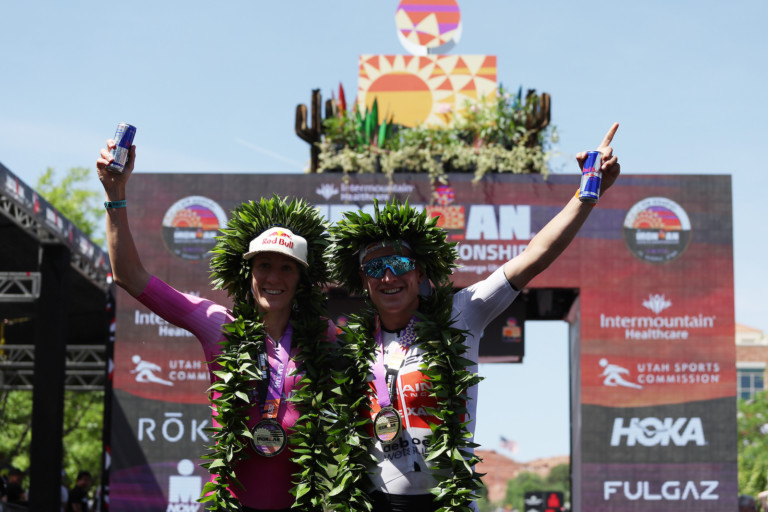
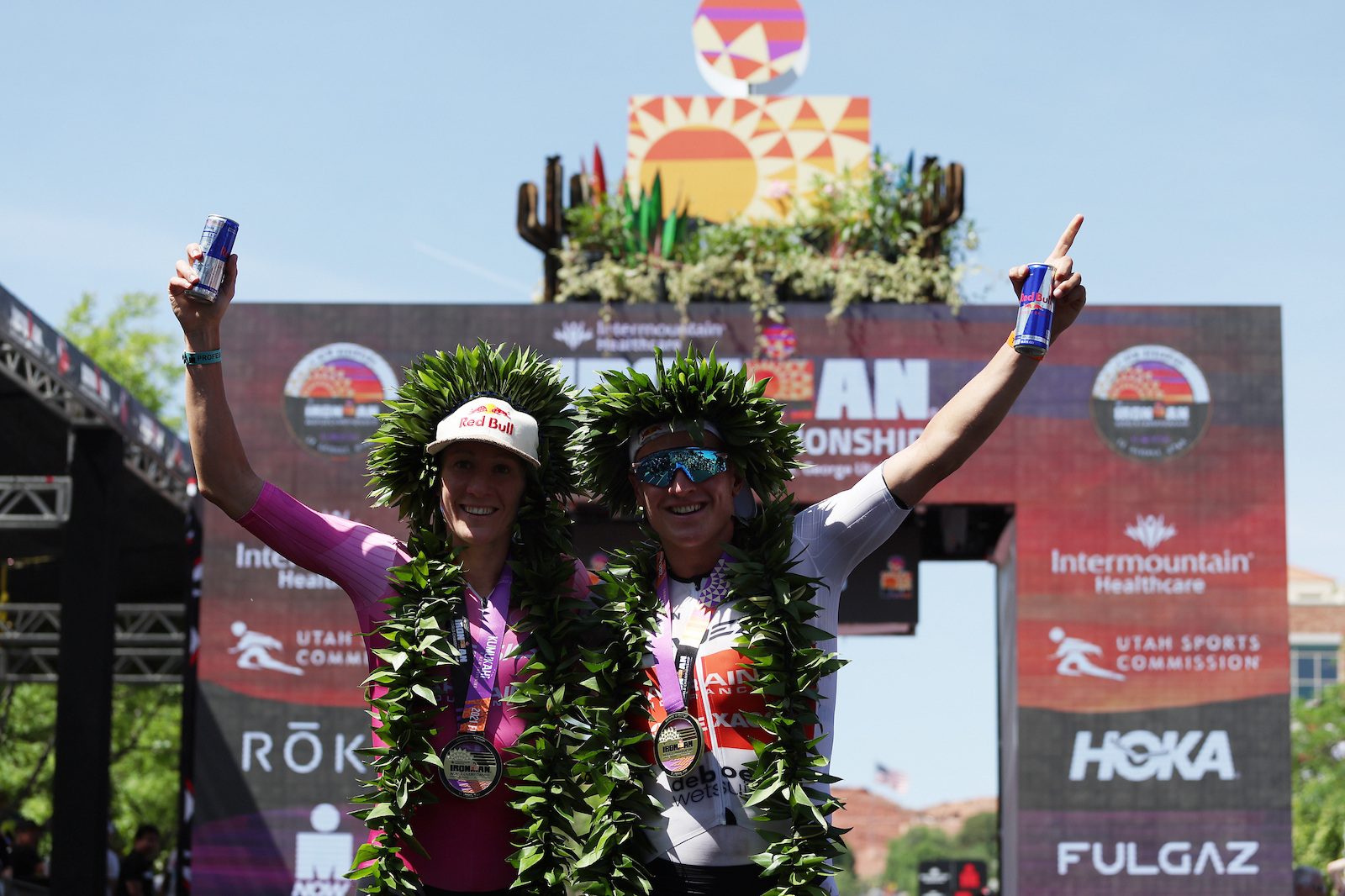
More than 15,000 athletes, family, friends, volunteers, partners, and staff are expected in Greater Zion for the first full-distance IRONMAN World Championship event in over two years, and the very first outside of the state of Hawai`i
ST. GEORGE, Utah / TAMPA, Fla. (May 5, 2022) — Following the postponed IRONMAN World Championship events due to the COVID-19 pandemic, the 2021 Intermountain Healthcare IRONMAN® World Championship presented by Utah Sports Commission will take place on Saturday, May 7, 2022 in St. George, Utah, United States. This marks a historic transition for The IRONMAN Group, as St. George will become the first location to host the IRONMAN World Championship event outside of the state of Hawai`i since its origins in 1978. As the most iconic single-day endurance event in the world, athletes from around the globe will have the opportunity to enjoy a week full of festivities and celebratory events before racing among the world’s best and vying for a World Championship title at a one-of-a-kind course in the Land of Endurance and State of Sport.
Athletes, their family, and friends, will also be able to enjoy all that the local community and Greater Zion region has to offer during their stay. Greater Zion’s breathtaking scenery and views of the surrounding red rock canyons have made the region an ideal destination for athletes for years. With a million-year geologic history and a desert location at the edge of the Pine Valley Mountains and Zion National Park, St. George is the poster child of the American Southwest. With more than 65 miles of urban trails and easy-to-navigate size, St. George is as welcoming and warm as it is striking and seductive. St. George has that unique blend of small-town feel with big-city energy and amenities – nestled in the heart of all the adventure and scenery you can possibly imagine.
“We are thrilled to have athletes, families, friends, fans, volunteers, partners, and staff members joining us to celebrate the return of our IRONMAN World Championship within St. George’s striking landscape,” said Andrew Messick, President and Chief Executive Officer of The IRONMAN Group. “It is an honor to partner with the Utah Sports Commission to help showcase why Utah is the State of Sport and Greater Zion is the Land of Endurance. We are grateful to their teams for their collaboration and long-term partnership to bring back world championship racing for our athletes all over the world after a two-year hiatus. We have full confidence that athletes and their families will enjoy the stunning geological scenery and local community support, along with the national parks and local businesses, and anticipate that many will return well after race week is over.”
Taking in all the sights and the sounds, those in town for the event are projected to generate a total economic impact of more than $35M for the host city and Greater Zion region. Historically, IRONMAN World Championship events are attended by more than 15,000 participating athletes, their family, supporters, and fans of the sport, who book their stays for a minimum of six nights. During those stays, athletes have demonstrated to seek premium accommodations and a range of activities to occupy themselves and their families prior to the event and after race day, increasing the overall economic impact within the region.
“It is an honor to host such a prestigious event in a place that personifies the greatest attributes in human effort and success. This is a land of inspiration and endurance,” said Kevin Lewis, Director of Tourism for The Greater Zion Convention & Tourism Office. “Our communities resonate with optimism, and enthusiasm, our heritage is filled with determination and strength, and we’re thrilled to share those qualities with the world. Events like the IRONMAN World Championship strengthen our economic foundation and ensure the long-term viability of our communities. At a time when there are so many negative influences in the world we are thrilled to move forward with optimism and purpose.”
Since 2010, St. George has hosted 12 IRONMAN and IRONMAN 70.3 events and over 30,000 athletes from around the world throughout its beautiful and scenic Southwestern regions, including Hurricane, Washington City, Santa Clara, and Ivins. The areas captivating red rock canyons, inclusive of Snow Canyon State Park, Sand Hollow State Park, and Zion National Park, create an ideal backdrop for IRONMAN athletes and visitors alike who enjoy striking views and adventurous destination. Heading downtown, fans and athletes will enjoy coffee shops, restaurants, and other boutique local shopping opportunities that deliver support for athletes, their family, and friends.
“We are extremely excited to welcome the world to Utah to host the iconic IRONMAN World Championship,” said Jeff Robbins, President and CEO of the Utah Sports Commission. “The event will generate tremendous economic impact and provide significant media exposure showcasing Utah to a global audience.”
Since 2002, the Utah Sports Commission has partnered on or provided funding to over 900 sporting events throughout the state with a calendar filled throughout the year for amateur, professional, and Olympic-related events. Utah has attracted some of the world’s largest and most prestigious events, particularly in endurance and action sports, inclusive of Tony Hawk’s Vert Alert, Red Bull Rampage, Monster Energy Supercross, as well as past IRONMAN Group events. Additionally, the Utah Sports Commission has also partnered on and hosted numerous Olympic World Championships, World Cups and hundreds of Olympic related events over the last 20-plus years. To date these efforts have generated approximately $2.8 billion of economic impact to the state and the current projection is to hit $3 billion with the 2021 Intermountain Healthcare IRONMN World Championship presented by Utah Sports Commission, 2022 Intermountain Healthcare IRONMAN 70.3 World Championship presented by Utah Sports Commission, the 2023 Rock ‘n’ Roll Running Series Salt Lake City event and 2023 NBA All-Star Game. Along with the economic impact hundreds of millions in media value have been driven to the state, helping to brand Utah as The State of Sport.
At the 2021 Intermountain Healthcare IRONMAN World Championship presented by Utah Sports Commission, both the female and male professional triathlons will have live race-day coverage globally via IRONMAN Now available on Facebook Watch as well as on NBC’s streaming service, Peacock. The live coverage will offer millions of fans around the world digital access to the event activities, with the ability to follow along and support their favorite athletes in action, while witnessing the breathtaking views of Southwestern Utah, USA via computers and mobile devices.
For more information about the 2021 Intermountain Healthcare IRONMAN World Championship presented by Utah Sports Commission event, please visit www.ironman.com/im-word-championship-2021.
Women Still Underrepresented in the Bike Industry

By Charles Pekow — Women are still “substantially underrepresented” in owning bicycle and related parts manufacturers, according to the Small Business Administration (SBA). In March, SBA released the results of a study it commissions every five years on women’s ownership of many industries. SBA uses a formula to rank industries as “substantially underrepresented” if less than one-third of the participants in some of its programs are women-owned and operated.
Since the bicycle industry falls into this category, women-owned businesses are eligible for set-aside and sole-source contracts in certain instances. See https://www.govinfo.gov/content/pkg/FR-2022-03-18/pdf/2022-05788.pdf.
“At People for Bikes (PFB), we’re very much focused on expanding opportunities for women” from training them to honoring and celebrating those who succeed in it, says Noa Banayan, PFB director of federal affairs. She recalled that the last Bicycle Leadership Conference featured a celebration for the more than 50 women attending.
“It showed the progress that had been made, but there is a long-standing culture of masculinity in the bike industry that can be really intimidating,” Banayan notes. The bike advocacy business, however, has been more welcoming to women, Banayan points out. The president of PFB, which represents the industry, is a woman, long-time biking advocate Jenn Dice. “There has to be the same type of access to jobs in the bike industry,” Banayan states.
Transportation Alternatives to Receive Increased Federal Funding
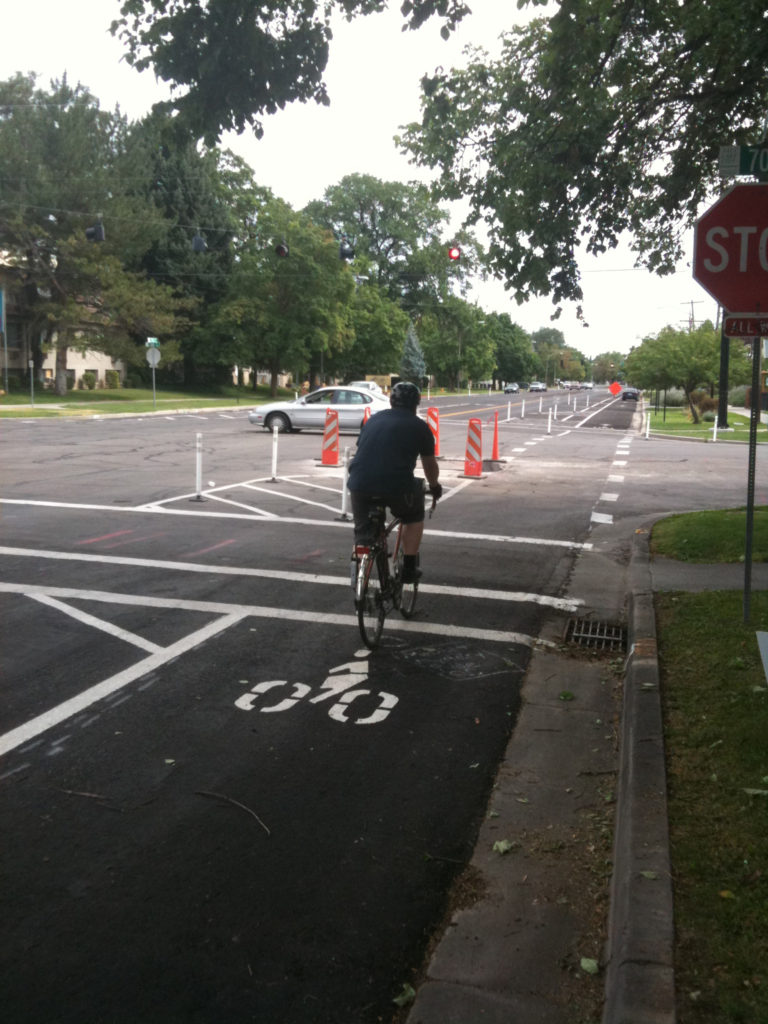
By Charles Pekow — More than twice as much money for Transportation Alternatives (TA) will become available under the new surface transportation law. But the law is changing too in ways that make it more likely that bicycle programs will get a fairer share. The Federal Highway Administration (FHWA) issued some guidance for states to implement the law.
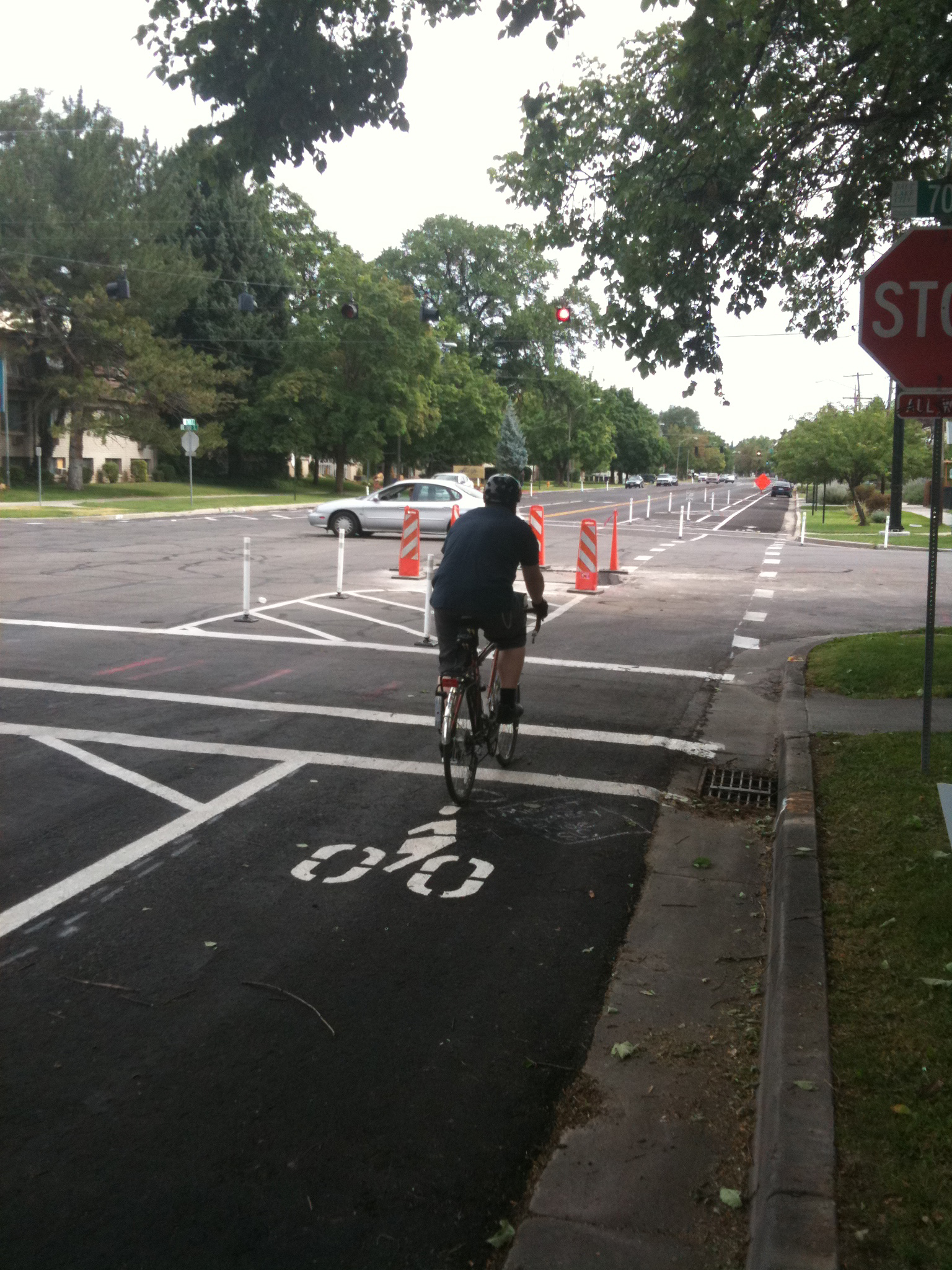
The new law gradually increases TA funding from $850 million in Fiscal Year 2021 to about $1.38 billion in FY 2022, up to nearly $1.5 billion by FY 2025, which states can use for a variety of projects such as building bicycle facilities, Safe Routes to School (SRS), and safety assessments.
The new law also requires states to get federal permission before they transfer money from TA to other highway programs. FHWA’s guidance gives states permission to use the funds to administer the program and provide technical assistance to localities in applying for and using the money. States may also use the funds to pay a statewide SRS coordinator. States may not, however, use TA money to pay a state bicycle or pedestrian coordinator, though they may fund such positions with other Surface Transportation Block Grant or Congestion Mitigation & Air Quality (CMAQ) money.
States may use CMAQ grants for bike and scooter sharing programs and for non-construction bike safety activities.
See https://www.fhwa.dot.gov/environment/transportation_alternatives/guidance/ta_guidance_2022.pdf