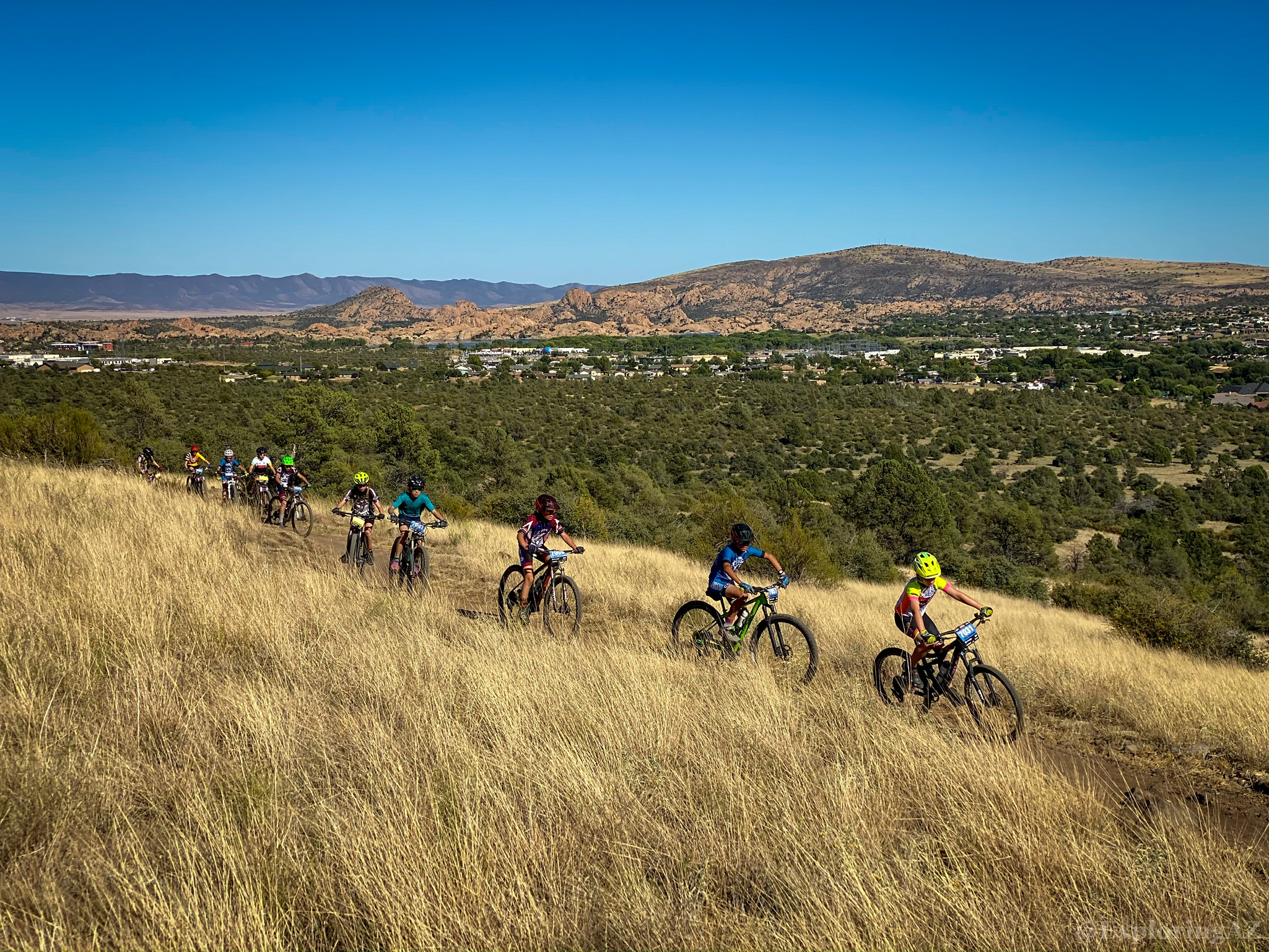
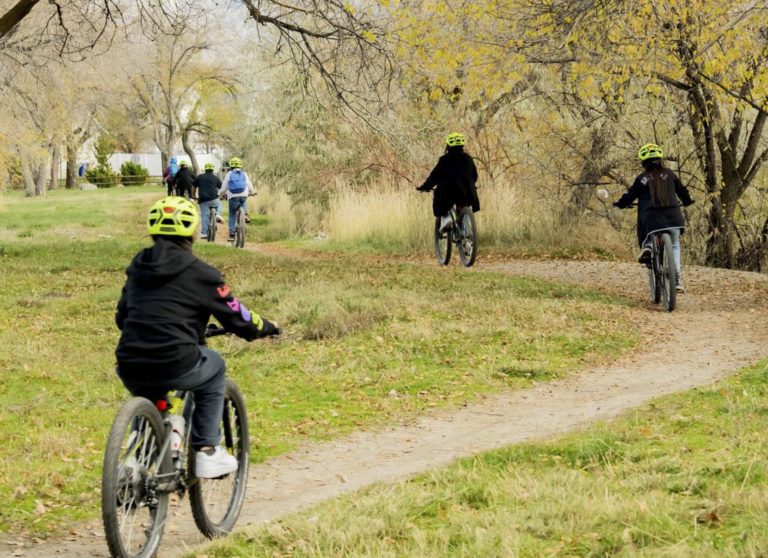
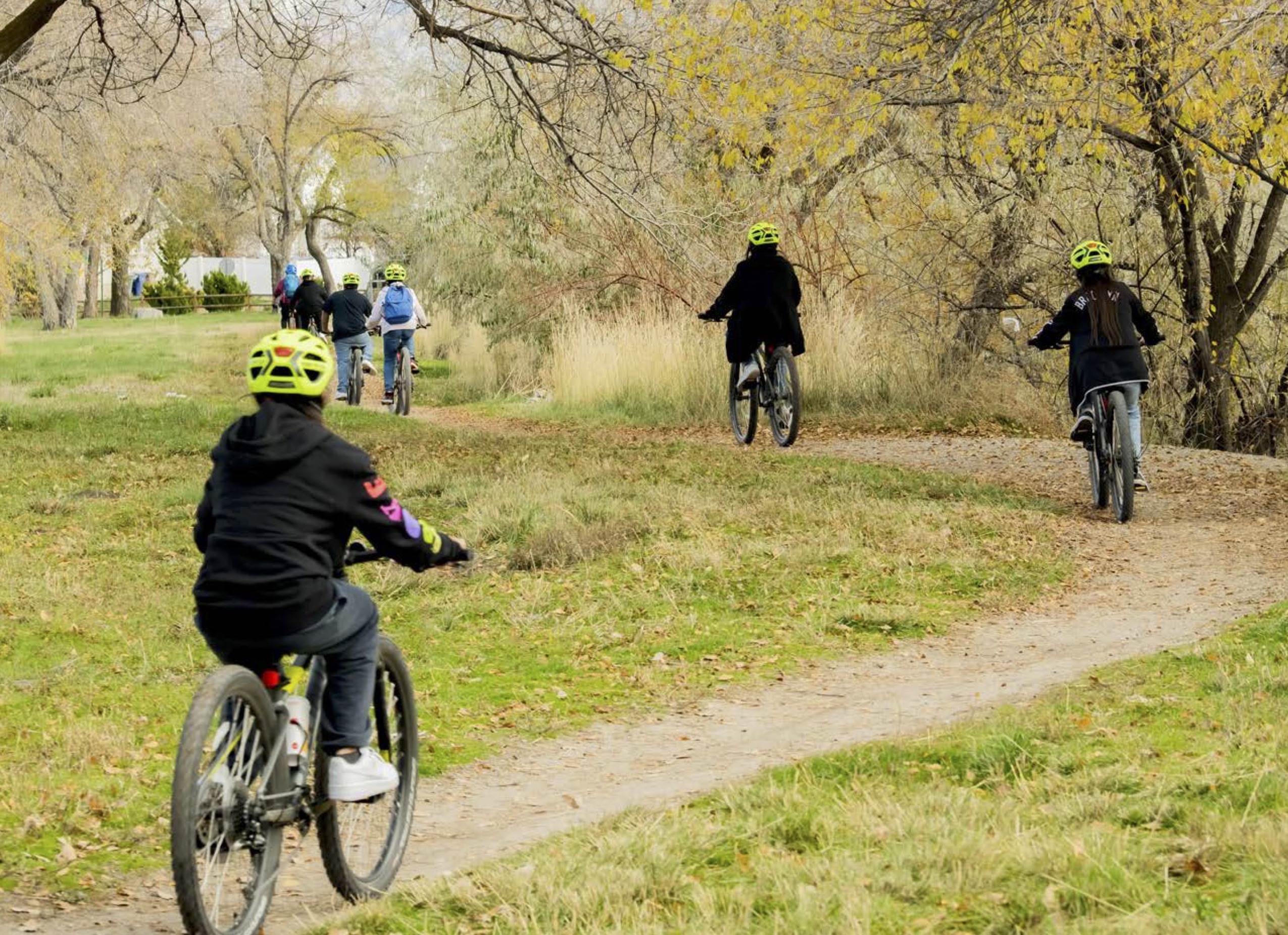
Frisco, CO, and Sedona, AZ (March 30, 2022) — Verde Valley Wheel Fun (FUN), a nonprofit mountain biking club for kids, and Project Bike Tech, the first high school bicycle education program of its kind, collaborated to introduce PBT’s Bike Tech in School bicycle mechanics program to Sedona, Arizona’s, Verde Valley High School. So when Project Bike Tech ran into problems sourcing bikes for four new programs funded by the Catena Foundation, a private grant-making charitable organization, they knew who to turn to.
“We were all set to start our program in four Catena-Foundation-funded high schools except for one big problem,” said Project Bike Tech Executive Director Mercedes Ross. “We couldn’t find any bikes. Our classrooms were set up, tools, equipment, students ready to enroll, everything in place. But no bicycles—we searched the entire U.S., but with the global supply chain issues, there’s a dearth of the kind of bikes we need. That’s where FUN saved the day—they somehow sourced enough bikes for us, saved our programs, and they’re now up and running, providing kids with technical education and marketable skills.”
Project Bike Tech uses bicycles and bicycle mechanics as a conduit to teach core academics, enhance lives, create career opportunities and inspire new generations to be passionate about bikes. The only program of its kind in the country, Bike Tech in School is an accredited high school elective that teaches key academic concepts, provides a stepping-stone to a multitude of professional careers and fosters a lifelong engagement with the outdoor recreation industry.
“Our partnership with Project Bike Tech on the Verde Valley High School program was great,” said FUN co-founder Kevin Adams. “Part of the core mission of both organizations is using biking and bicycles, and, in PBT’s case, bike mechanics, to positively affect as many children as possible—so when we heard about the supply problems Project Bike Tech was having with the new high school programs, there wasn’t any hesitation: if we could help, we were going to do it.”
By John Higgins — Many of you will be familiar with the following formula for bike ownership: number of bikes to own = N+1, where N = the number of bikes you currently own. Let’s say your current N is great than 1, so you own 2 or more bikes. This may be some combination of road, mountain, gravel, touring or TT/Tri. You may be wondering if your fit position is similar from bike to bike. To what extent are they set up the same way, and where are the differences?
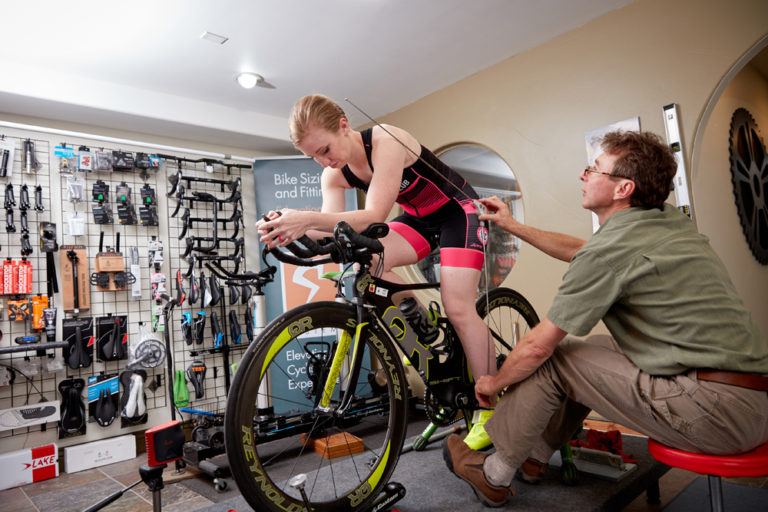
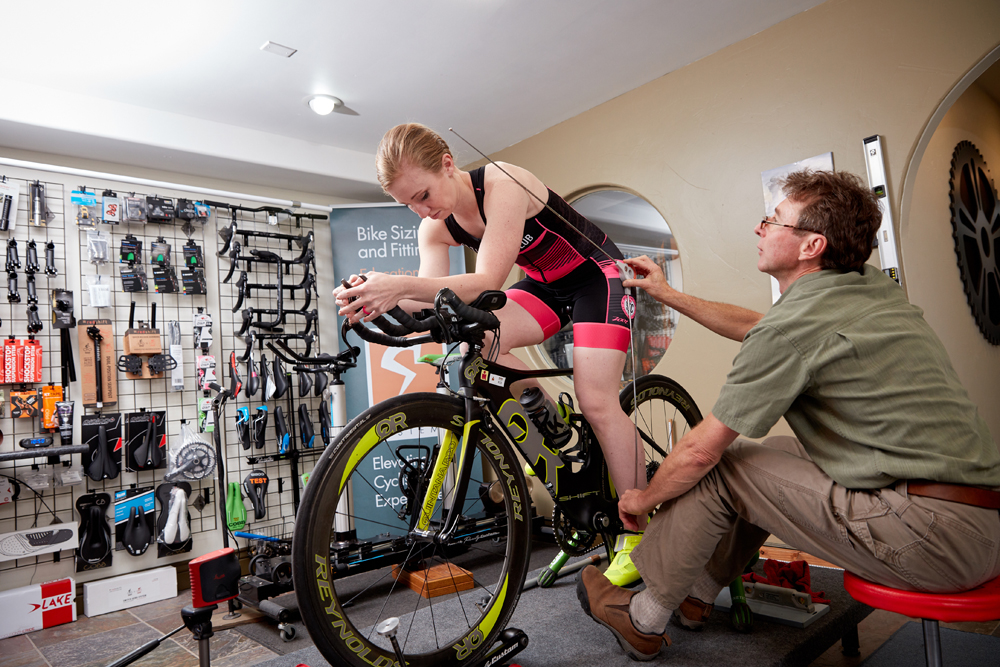
John Higgins takes measurements during a bike fit at the Bike Fitr studio. Photo by Derek Israelsen Photography
From a bike fitting perspective, your body rotates in space around the center of the bottom bracket, and connects to the bike at an “appropriate” position in space at the pedals, saddle, and bars or aero pads and extensions. What an appropriate position is depends on the style of riding being performed which ties in with the style of bike you are riding.
The one thing that stays constant from bike to bike is your seat height from the bottom bracket to top of the saddle. There will be some variation due to crank arm length and pedal system, but once you have a functionally good saddle height, that can transfer from bike to bike.
What changes is your body rotation in relation to the bottom bracket. This is controlled by your saddle setback, which is how far the nose of the saddle is to the rear of a vertical line through the bottom bracket. This assumes a “standard saddle” and is really a proxy for where your hips are in space. Setback can be described as ranging from slack to steep, in common with the seat tube angle. At the slack end of the range we have downhill mountain bikes, and then we transition through mountain bike styles (all mountain, trail, XC) to gravel and cyclocross, then road racing and finally to triathlon at the steepest end of the setback continuum. Time Trial should be at the steepest end of the range, but is restrained by UCI rules on bike set up.
So your mountain bike will have more saddle setback than your road bike, and your road bike will have more saddle setback than your TT or tri bike. If you have two road bikes, a bike used for crits will ideally have a smaller setback than a road bike used for stage races or gran fondos.
Saddle setback has a flow on effect to the handlebar reach and drop. A slacker set back will result in bars higher and closer to you than a steeper setback. Think of your position on a road bike compared to a mountain bike. On the mountain bike the handlebars will be higher and closer to you than on your road bike, resulting in a more upright torso angle and open hip angle. Go the other way to a tri position and the bars are further forward and lower than your road bike.
So if your N is greater than 1, and they are different types of bikes, or the same bikes used for different types of riding, the only constant is saddle height. Saddle setback and bars rotate either clockwise or counterclockwise around the BB according to the type of bike and riding style, which makes duplicating your bike fit position from one bike to another not as simple as you hoped it would be, but now you know why.
John Higgins wants to elevate your cycling experience. He operates BikeFitr – an independent bike fitting studio, and Fit Kit Systems – supplying equipment and education to bike retailers and fitters. Contact: [email protected]
By Eric Ramirez — If you’re wondering what an air-spring is, or how it works, you’re probably not alone. Chances are that if you’re mountain biking you already have an intimate relationship with an air-spring. Most of our bikes come with a suspension fork and full-suspension bikes also come with a rear shock. Despite the brand of bike, it’s hard not to overlook the limited number of suspension manufacturers, such as Fox, RockShox, and DVO.
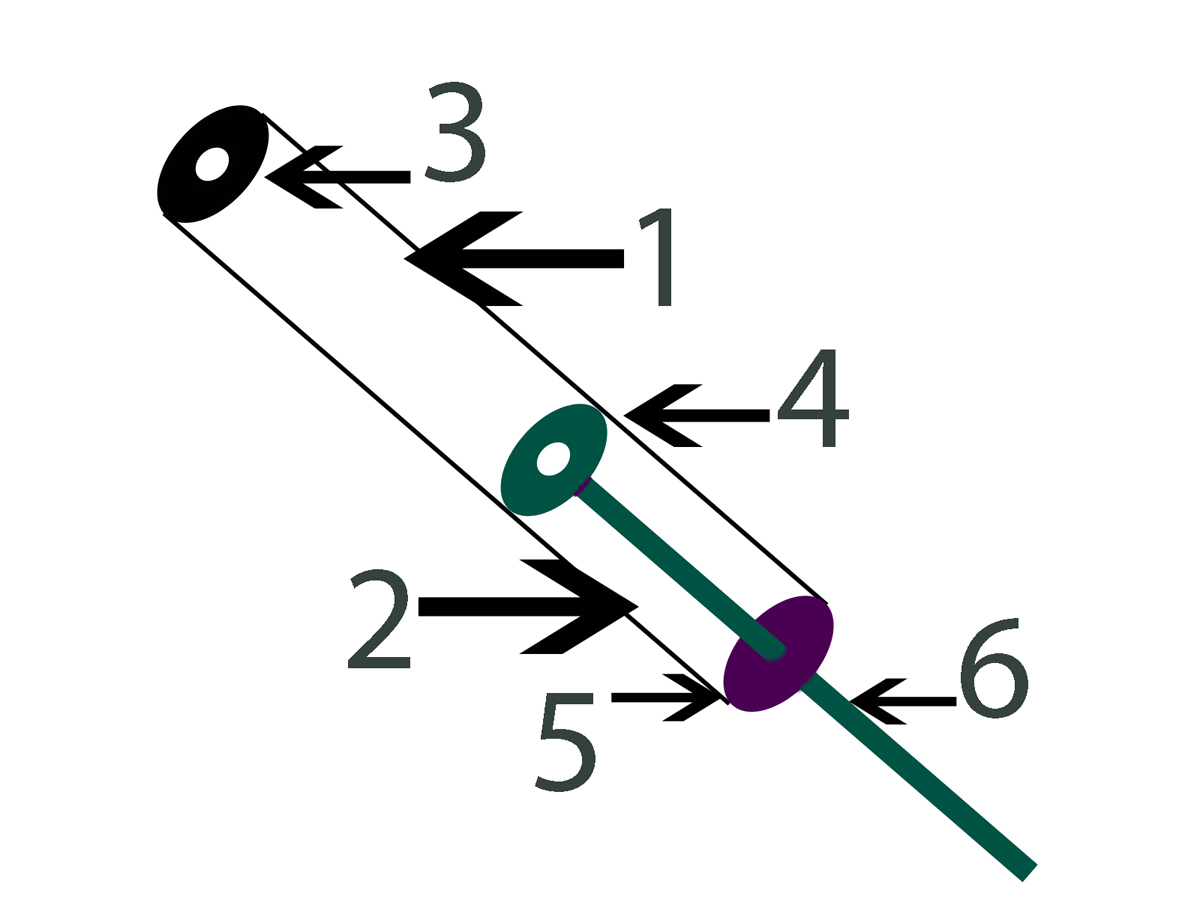
(Simplified Stanchion Tube Air Spring) The walls of this chamber represent the stanchion tube. 1. Main air chamber, 2. Negative air chamber, 3. Upper seal, or top cap and air valve, 4. Piston seal head (plunger) which also separates the main air chamber from the Negative air chamber, 5. Lower Seal (non-moving, sealing negative chamber, 6. Air shaft/piston. Photo by Eric Ramirez
How We Know the Air-Spring
The bumpy nature of mountain biking is felt chiefly in your pedals and handlebars. As you ride your new trail bike across any stretch of dirt and rocks, notice the harshness is smoothed out and sometimes makes the worst looking feature simply disappear. This behavior can be considered the over-simplified version of what suspension does.
While the wheels feel every nuance of the trail, your front and rear suspension units soften the blow by separating you from each large and small impact with a minute cushion of air. That cushion is the spring. Hence, the “air-spring,” for the purposes of this article.
The general feel of suspension might not lend enough clues to tell you if you’re using an air-spring. If you have an air-valve on either your rear shock or your fork, that’s an air-spring.
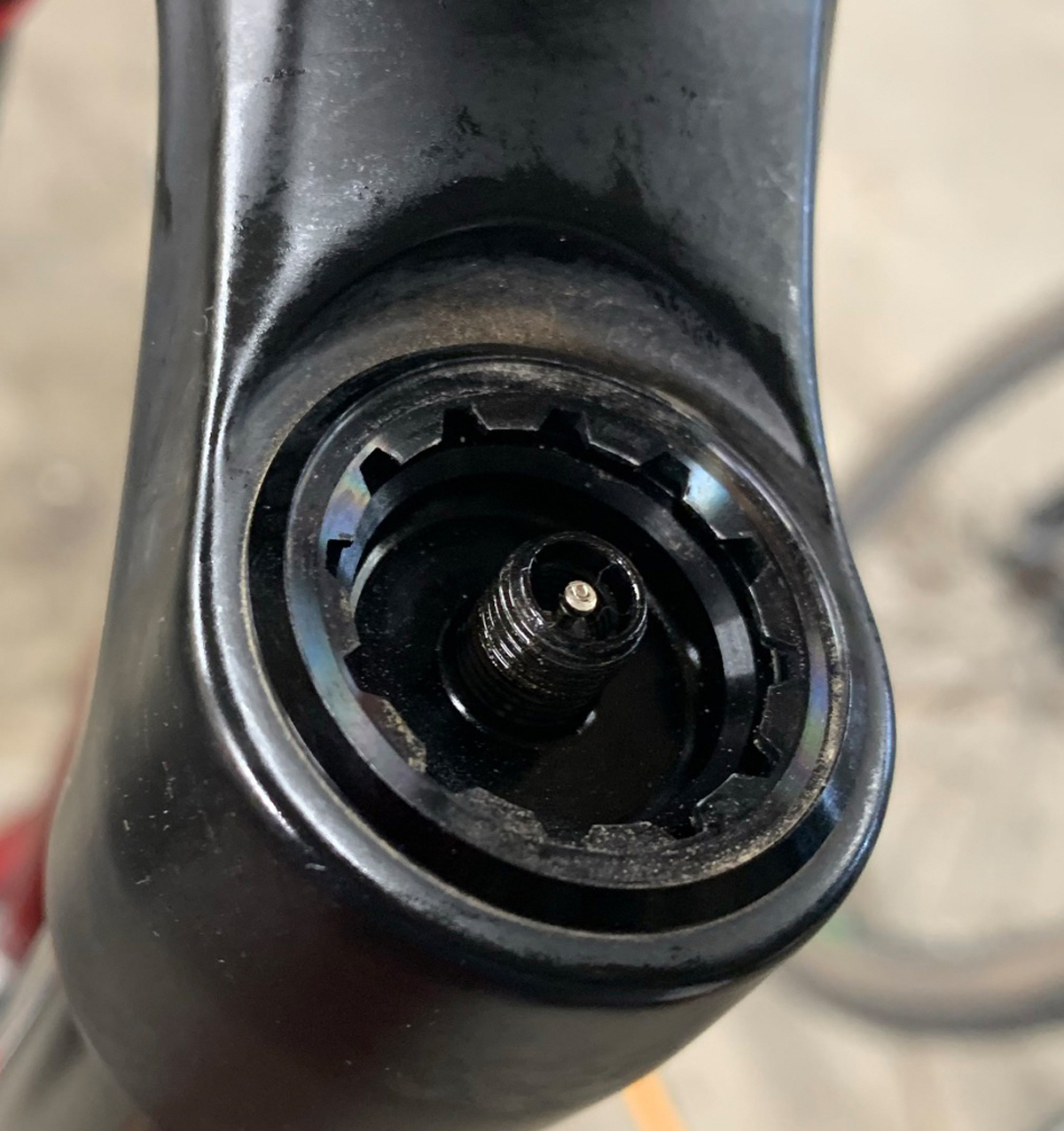
Air spring upper seal, Top Cap/Air Valve. Photo by Eric Ramirez
How Does it Work?
When we think of a spring, our minds often picture a wound-up wire that bounces, called a “coil.” Air-springs are different in many ways. First, a coil spring is capable of existing by itself. An air-spring without a dynamic container would simply be ambient air, and not a spring at all. In most suspension forks the air-spring container is the stanchion tube. There is typically one dynamic part of this container, which resembles a plunger.
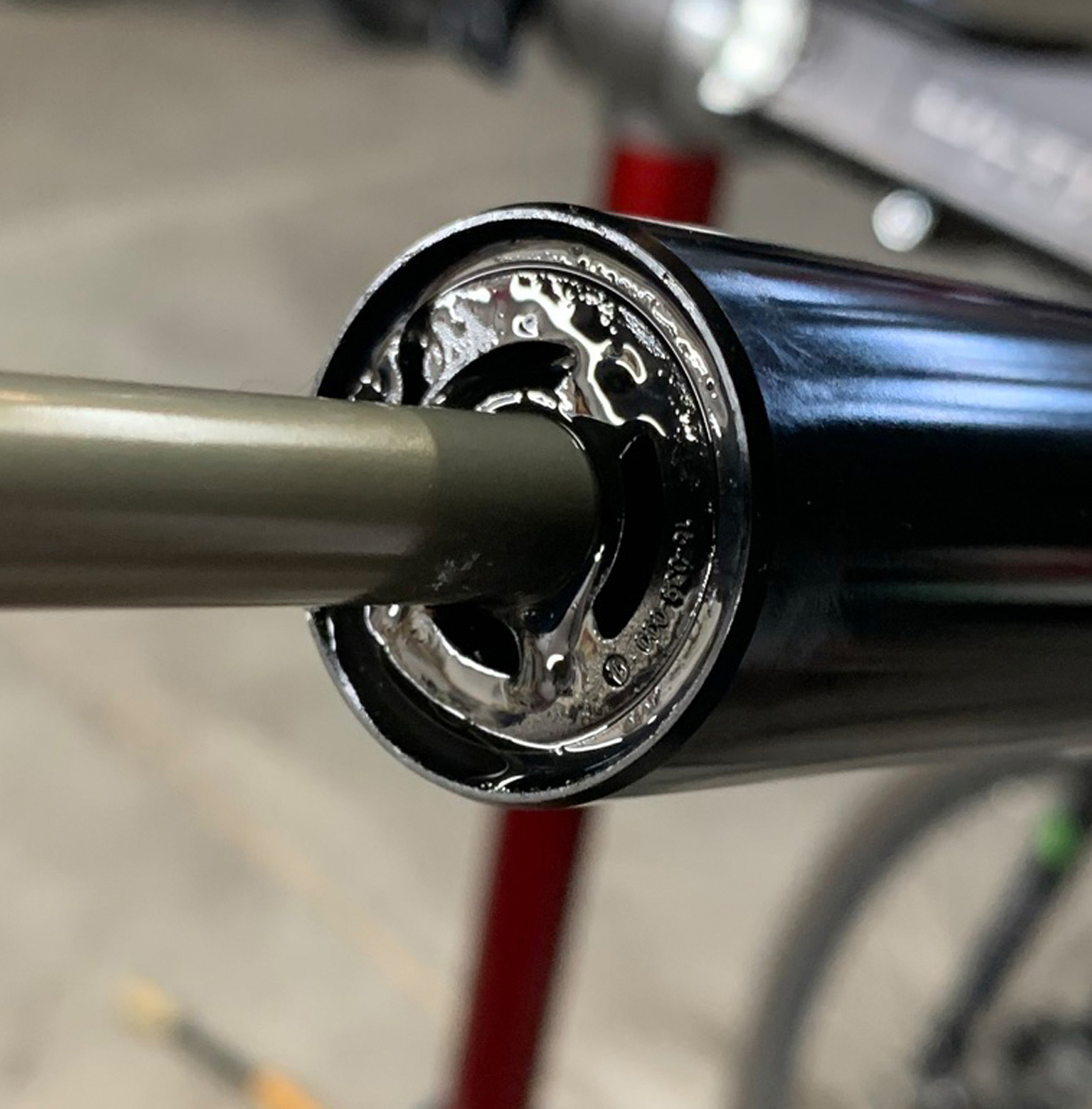
Air piston/shaft fastened into lower portion of stanchion tube. Photo by Eric Ramirez
This plunger cannot extend beyond a certain boundary of the container, but it can move into this chamber, able to compress the air inside. While not under load this compressed air resembles a barbeque propane tank, just wildly more expensive. The air continually pushes back against the pressure inside the chamber requiring a certain amount of external force to compress. By pushing the “plunger,” or “air-spring assembly,” into the chamber of air, it becomes an air-spring.
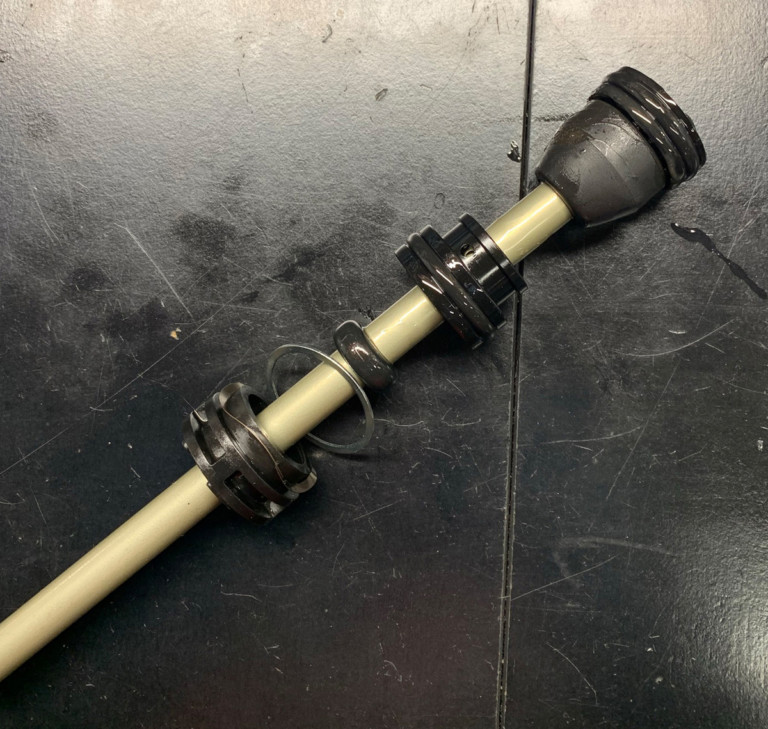
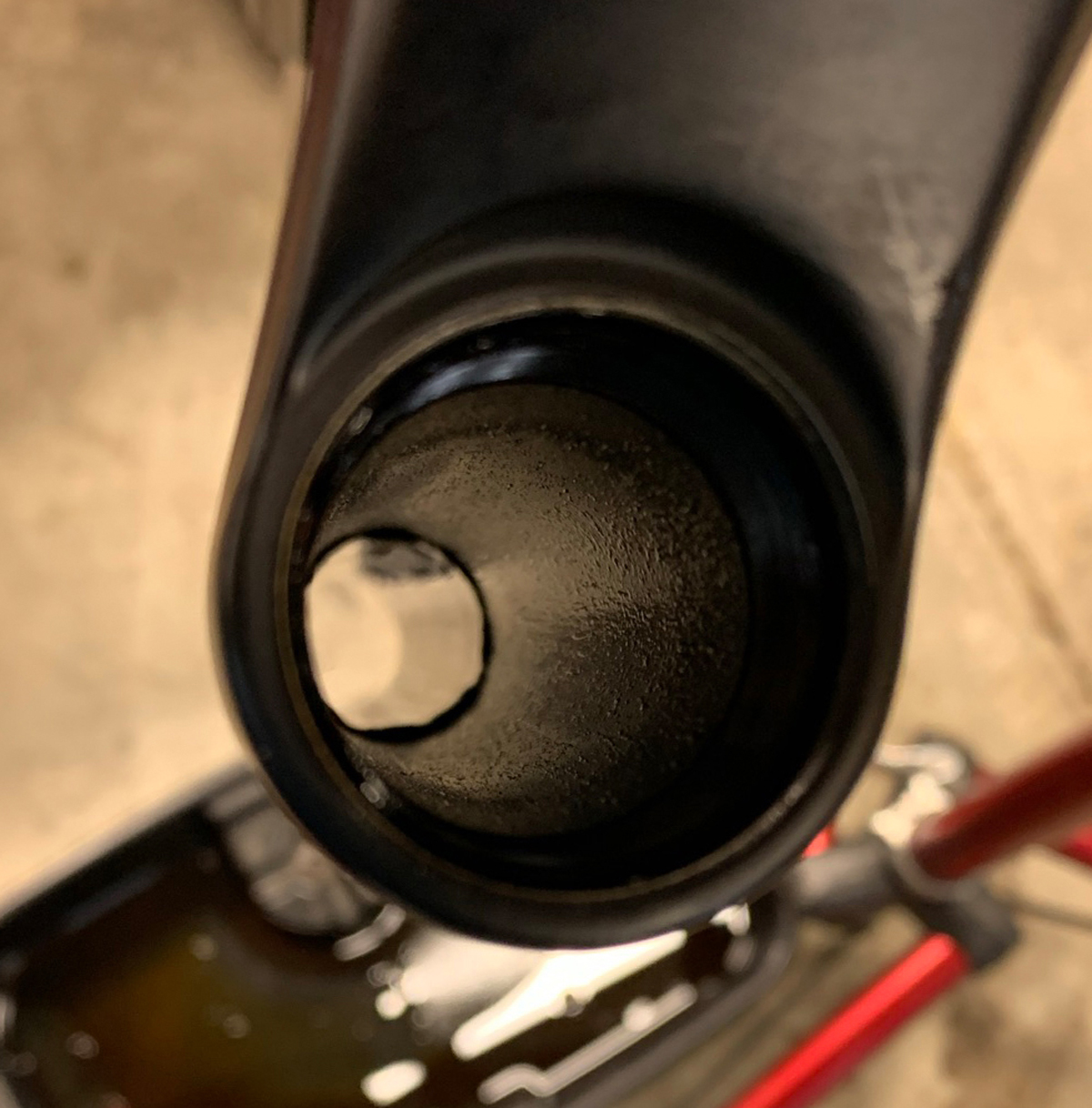
Air side stanchion tube with top cap and spring assembly removed, residue grease can be seen. Many manufacturers use the left stanchion tube as the air spring. Photo by Eric Ramirez
Break-Away
This act of initiating is called a compression cycle, also “travel,” and is referred to as “break-away.” Break-away force refers to the amount of energy it takes to get the travel started. If an air-spring chamber contains 68 psi of air, then it will require a certain amount of external pressure from rider weight or impacts to start moving: for example, a 120-pound rider sits on the bike. But the air-spring requires a bounce to get moving. This can have a harsh feel on the trail.
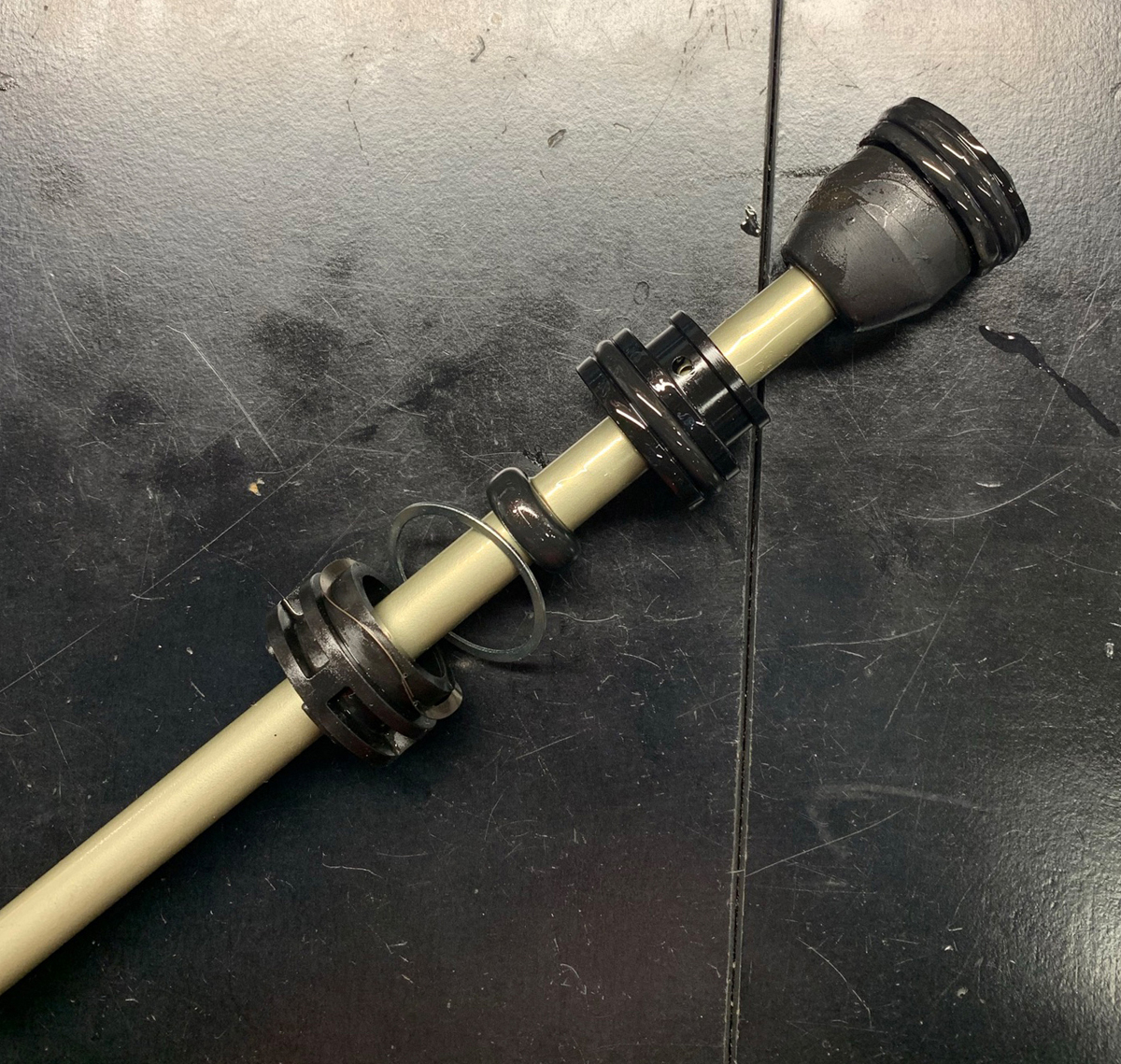
Air spring assembly, including fastening unit, lower seal, and main seal; considered one unit by most manufacturers. Photo by Eric Ramirez
Newer suspension designs, like the Fox Evol (extra-volume) or RockShox Debonair (same thing), include an enlarged air chamber on the other side of the plunger head. This is called negative air. Manufacturers have engineered this chamber to absorb a given ratio of air from the main air-chamber.
Looking back to our 68-psi chamber, suppose the negative chamber has about 38 psi in it rather than 0 psi. Initiating a compression cycle is much easier because there is a 38 psi already pushing against the main air-spring. This improves the air-spring feel and suspension ride quality.
Ramp
As the compression cycle continues, the air-pressure increases exponentially. Whatever air is inside the chamber stays there, in a shrinking space. This compression of space and increase of pressure is exponential, which is why you hear bike people talking about “ramp.”
Imagine the pressure doubling inside the chamber every time the length is compressed by half. A rider might require 68 psi in their fork to support their riding weight and we can assume this is a 160mm travel trail fork. The rider hits a medium bump and uses half the travel. Half a chamber length reduction is a two-fold increase in pressure to 136 psi. At half travel there is 80mm left to full compression. If the length of the chamber is reduced by half again to 40mm remaining (where 120mm is used), the pressure of the air has again doubled to 272 psi.
Length of Air Chamber (mm)
Pressure (psi)
20
544
40
272
80
136
160
68
If you graph this information, a rudimentary chart would show the travel to internal air pressure ratio on a line that would be shaped like a ramp.
Inflation, Deflation, and Maintenance
In reading this, you might think about how much is involved in containing all this dynamic air pressure. Well, simply stated, there are tons of little seals in various types installed across the suspension units.
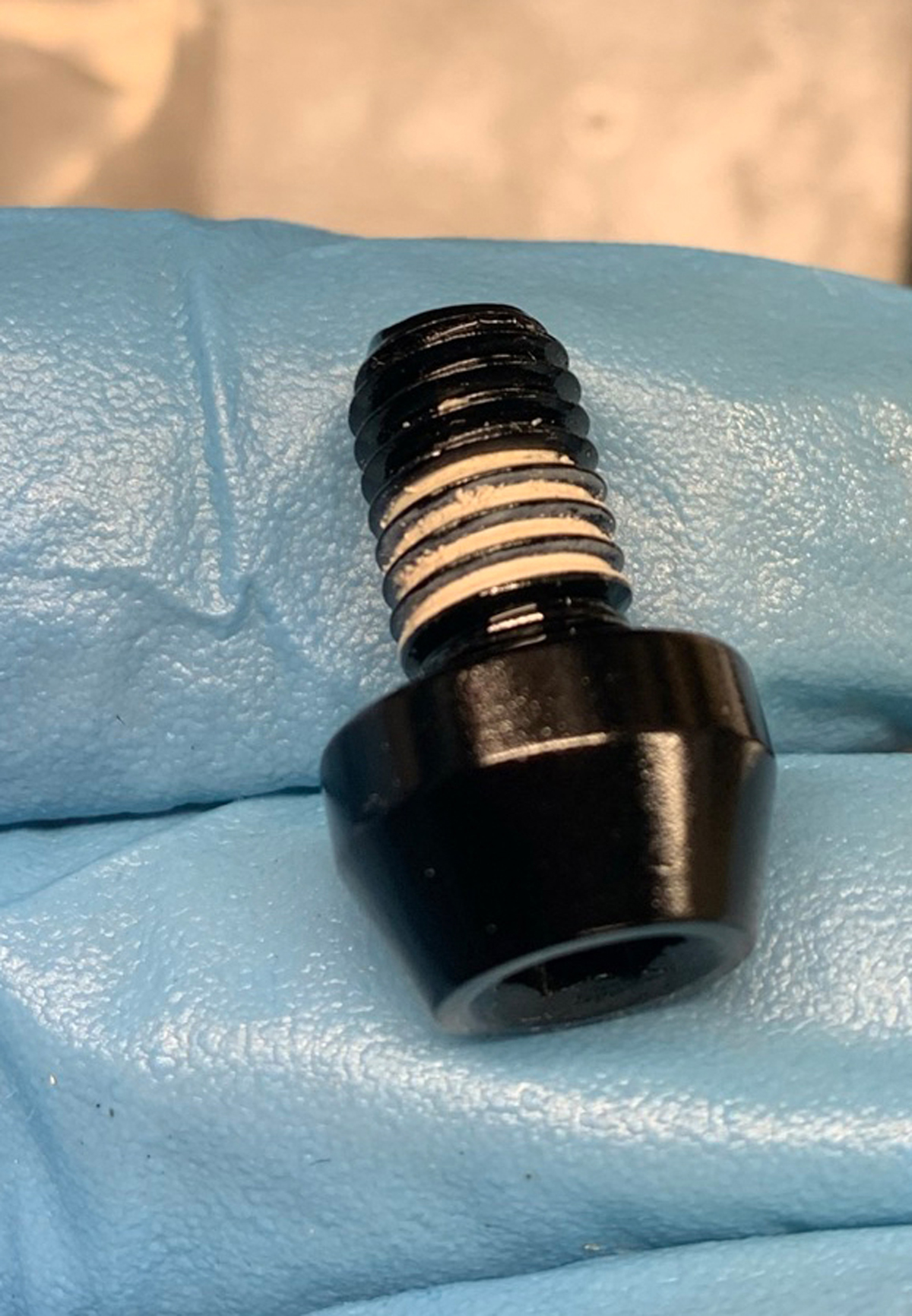
External air shaft bolt. Photo by Eric Ramirez
The air-spring itself has several seals that wear over time due to the constant pressure and cycling inside the air chambers. These will need to be replaced periodically. High-grade lubrication oils are used to keep the shock smooth and reduce friction. These must also be flushed and replaced periodically. When servicing suspension components, the technician should be checking the status of the air seals. Many technicians will insist on replacing the seals preventatively.
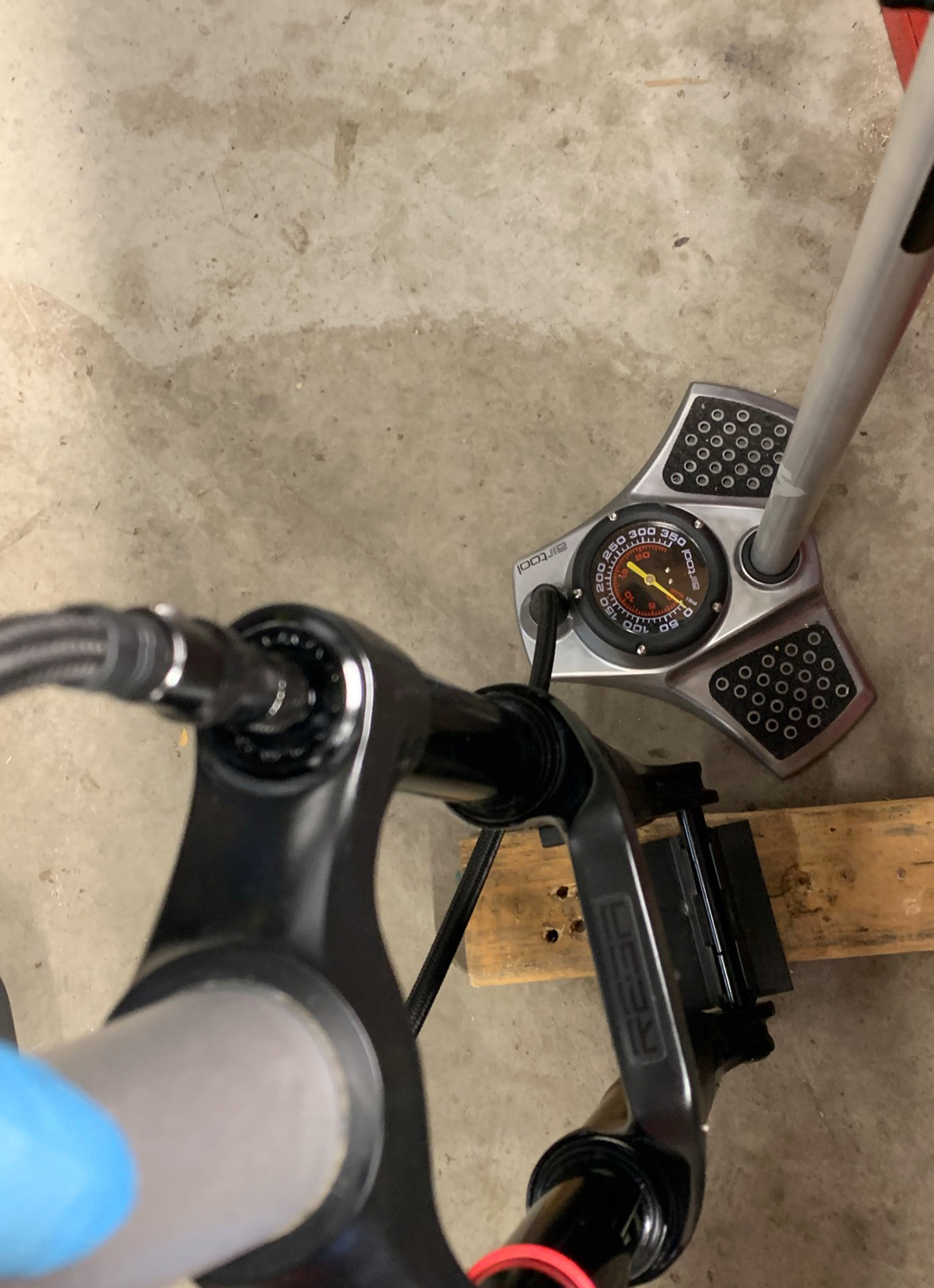
Take your time inflating, use a 2×4 against the thru-axle to support the fork as you compress it between inflation pumps. Photo by Eric Ramirez
To avoid any erratic air-spring behavior, it is important to cycle your shock while inflating it, about every 20 psi or so. This allows the main air chamber to balance with the negative air spring. Never rapidly deflate the fork or shock, as this prevents the air in the negative chamber from evacuating; always deflate very slowly. Also, avoid deflating air-springs while loaded; air-springs should be fully extended when inflating or deflating.
Race seasons begin in 2023 for Arizona and Delaware
BERKELEY, California [March 24, 2022] — The National Interscholastic Cycling Association (NICA) today announced that it has accepted bids from Arizona and Delaware to become the newest leagues to join NICA, which develops interscholastic mountain biking programs for student-athletes and coaches across the United States.
“Interest in NICA and our full range of programming and initiatives continue to remain high year over year,” said NICA President Amanda Carey. “This is why we continually evaluate new league applications and look for grassroots demand. We are looking forward to welcoming and supporting the leagues in Arizona and Delaware as part of our commitment to maintaining thriving NICA youth mountain bike leagues everywhere that reflect our core values of fun, inclusivity, equity, respect, and community.”
Photo courtesy NICA
Arizona
The Arizona Interscholastic Cycling League (AICL) will begin hosting events and races in spring 2023.
“We are stoked to partner with NICA and rebrand AICL in Arizona with our existing NICA/AICL mountain bike families. As your fellow mountain bike parents, coaches, team directors, we have a strong working knowledge of what the next steps need to be to advance our community to the next level,” said AICL League Director, Jen Harrelson. “Our main objective is to propagate our mountain bike family, by providing a warm welcome to all who want to participate. When you show up at our events, you’ll get a fist bump, high five, a hug, or even a secret handshake if you want to create one. Our league will embrace camaraderie, inclusivity, personalized coach/team support, and an overall vibe of good times!”
NICA’s Pit Zone registration system will open in Arizona in September 2022 for AICL coaches and in October 2022 for student-athletes. AICL’s preseason will begin in October 2022, the regular season starts in December 2022 and racing will begin in the spring of 2023.
Wes Biesen, AICL’s Chair of Fundraising and Development said: “The growth we have seen in our student-athletes in the sport of mountain biking has been nothing short of astounding. They learn to push themselves to limits they never realized were possible, all while having the support of coaches and their fellow student-athletes. We have witnessed kids making lifelong friends, growing mentally and physically, overcoming fears, and massive accomplishments, which all directly translate into life outside of mountain biking. We look forward to our continued partnership with NICA as we share NICA’s values to make the sport more accessible to more kids and coaches.”
Delaware
The racing and events season will begin in fall 2023 as part of the Delaware Interscholastic Mountain Biking League.
“Mountain biking is above all else about community building,” said Delaware League Director and Founder Maria Dziembowska. “Bringing youth mountain biking to Delaware is a pathway to engage young people in building stronger bodies, minds, and characters, ingredients needed for individuals and for our communities to thrive. I am thrilled to serve as NICA’s first League Director in Delaware and I am motivated by the opportunity to make mountain biking accessible to all.”
NICA’s Pit Zone registration system will open in Delaware in March 2023 for coaches and in April 2023 for student-athletes. Pre-season activities will begin in April 2023, the regular season starts in July 2023, and races will begin in the fall of 2023.
“We are just ordinary people with an extraordinary vision,” said Delaware Events Director and Founder Scotty Roberts. “NICA shares our beliefs, values, and passion for educating and engaging youth in creative ways within the cycling community. We couldn’t be more excited to partner with them and help get more kids on bikes in Delaware.”
Chris Grundner, Advisory Board member, added: “As a parent, I am incredibly happy to see how much my son has grown, as a cyclist, but more importantly as a young man through his participation in NICA. He had the opportunity to challenge himself both physically and mentally and he has grown immensely as a result. The best part is he did it all while making new friends and having a ton of fun. Suffice to say, NICA has made a lifelong supporter out of me, and I look forward to seeing the Delaware League launch next year!”
With the addition of the Arizona and Delaware leagues, NICA has grown to 31 leagues and counting and increased the regional opportunities for youth cycling. NICA supports its leagues through racing, outdoor adventure, and teen trail corps programming along with coach licensing among other efforts.
In addition, the organization offers an initiative called GRiT, which is designed to get more girls into cycling, along with a dedicated Diversity, Equity & Inclusion initiative to bring more underrepresented communities into NICA. NICA’s core values of fun, inclusivity, equity, respect, and community are visible throughout its national organization and leagues.
By Don Scheese — As I trundle up the 10-15% unpaved gradients on a National Forest road on a balmy winter solstice day in 2021, shedding layers of clothing in the eerily warm 50-degree temperatures, I reflect between deep gasps of air at the 7000’ elevation on how I’d evolved from a die-hard roadie to devoted gravel grinder the last ten years.
It seems so obvious: why not ride your drop-bar road bike on unpaved surfaces? Why stick only to paved roads? Road-bike riders I’ve talked with who have converted to gravel grinding, like Ryan and Greg, organizers of monthly gravel rides in New Mexico called the “Dusty Roadrunner” series, say this is the way they eventually became gravel grinders: riding their skinny-tired road bikes on gravel roads, just to see if it could be done (with tubeless tires’ capacity for lower tire pressure, and the shift to wider tires, certainly making the transition easier).
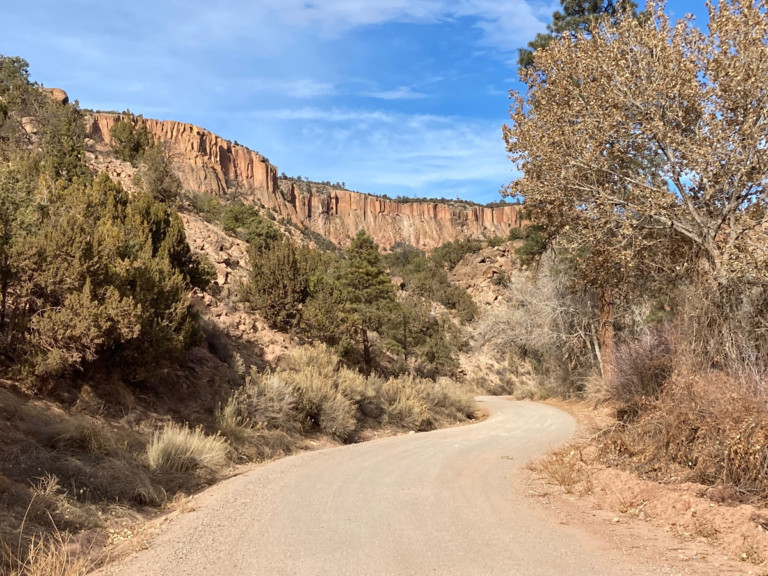
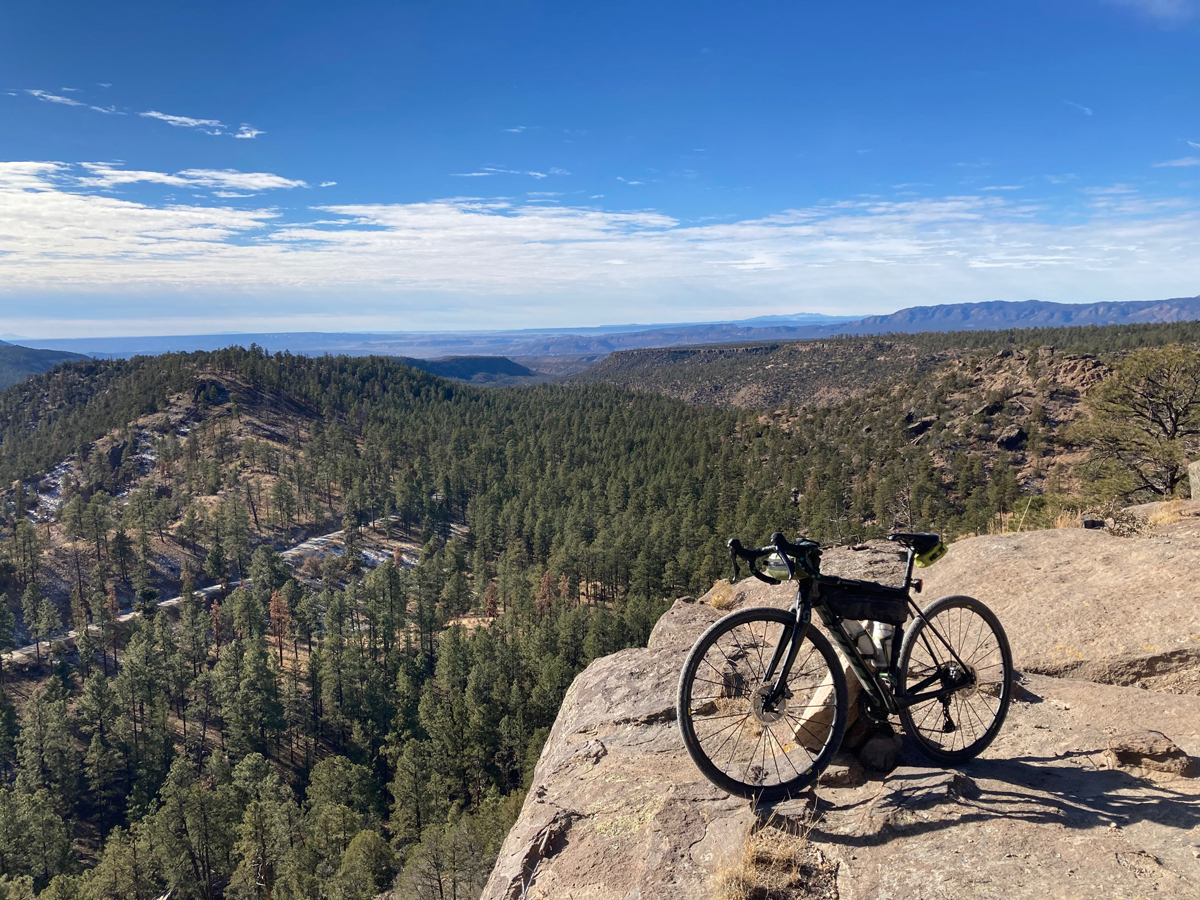
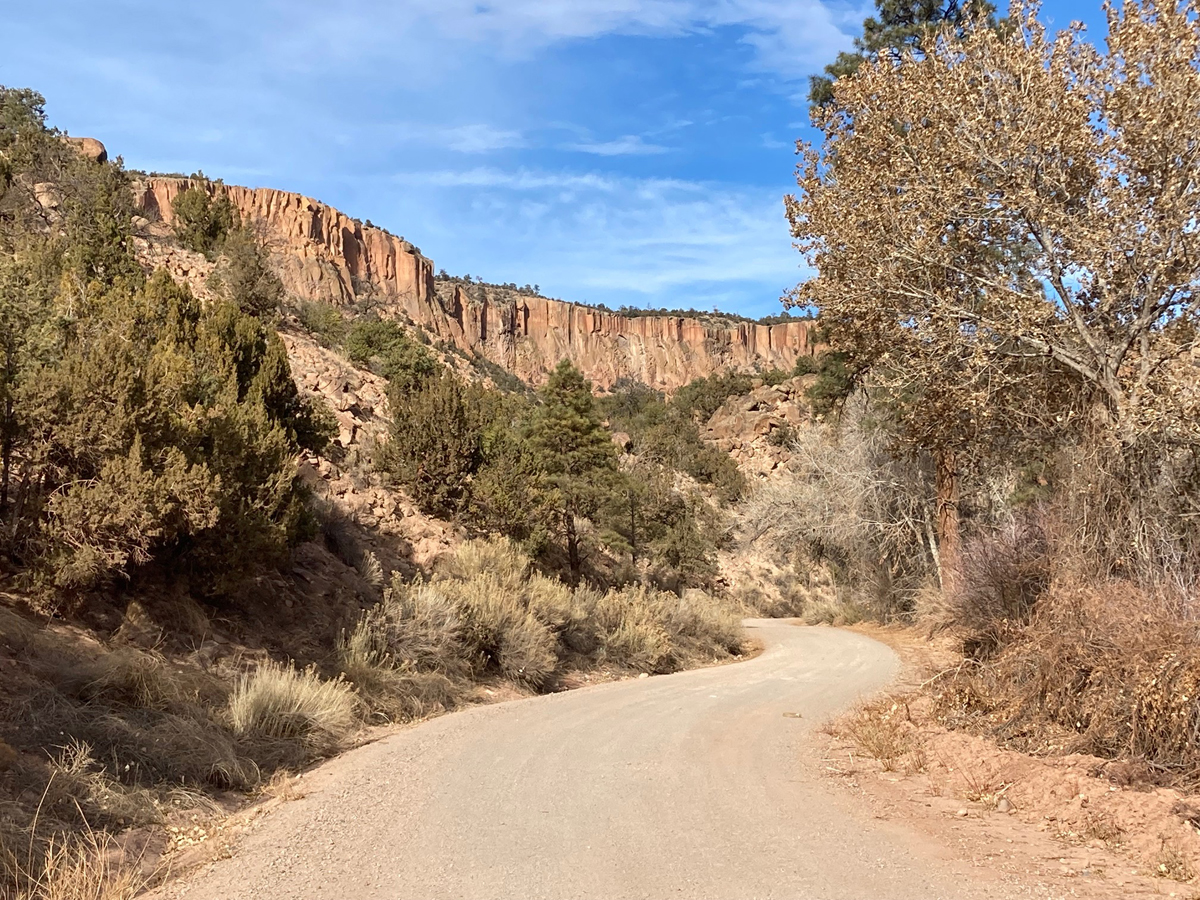
Gravel riding takes you to beautiful places. Photo by Don Scheese
From there some riders evolved onto cyclo-cross bikes; my introductory bike for gravel riding was a Specialized Crux back in 2013, not to ride cyclo-cross courses but to take it onto local farm roads, rail-to-trail paths, and forest singletrack carved out by mountain bikers.
As cycling historians like to point out, bike riding began on unpaved roads; in the early decades of the Tour de France none of the roads were paved. In fact, in the early 1900s it was (ironically) the League of American Bicyclists who lobbied local and state governments to macadam the potholed roads for smoother riding.
Nowadays, at pro level races like the Giro d’Italia, the Tour, and Paris-Tours, organizers have reintroduced gravel sectors, not always at the pleasure of the racers. However, some pro riders like Ted King, Peter Stetina, Ian Boswell, and Alison Tetrick have caught the gravel bug and entered (and won) gravel races like Unbound Gravel, Crusher in the Tushars, and various versions of the Belgian Waffle Ride series.
Currently, there are more than 700 official (fee-required) gravel events held annually, with many more impromptu get-togethers occurring. A series of “Gravel Adventure Guides” is being published (with the financial aid of state tourism offices) for gravel-friendly vicinities like Trinidad, Colorado; Patagonia, AZ; and Bend, Oregon. Gravel grinding has become so popular a new verb has been introduced in the English language: to gravel (as a SRAM ad proclaims).
Why gravel? I can come up with a number of reasons for the growing popularity of this cycling discipline. Granted, not all of them are exclusive to the genre, but no one can deny there are unique reasons why riders are flocking to unpaved surfaces on drop-bar bikes.
Endorphins
I park at the entrance to a closed Forest Service campground to begin my ride, trying to decide what and how much clothing to wear and bring. It’s cold in the shadows of the canyon, with temperatures in the 30s, but from past experience I know I’ll soon warm up on the first few miles of brutally steep gradients. As always, the first thousand or so pedal strokes are painful as I slowly grind away. But soon I’m in a rhythm, if a very slow one, and I can feel the immediate benefit of physical exercise as the chemistry of endorphins kicks in. I’m experiencing one of the oldest pleasures known to our species: the atavistic athletic human instinct to always push oneself farther, higher, faster. I keep my pace and effort at a reasonable level, knowing I’ve got a lot more climbing to do in the next twenty-some miles.
Exploration/Adventure
As I round the successive twists of switchbacks spiraling out of the canyon, I experience another age-old sensation: wondering what’s around the next bend. This feeling hearkens back to our ancient hunter-gatherer ancestors, who had to survive based on the ever-present need to push on into unfamiliar territory to fulfill their basic subsistence needs.
For modern-day cyclists of course, we meet our caloric needs by reaching down to our water bottles or into our back pockets to sip some electrolytes or pull out another bar or gel. But our Neolithic predecessors had no such luxuries, instead having to depend on their resourcefulness to find and consume plants and animals—which meant being always on the move to find new food sources.
Gradually the road straightens out and the gradient mercifully decreases, allowing me to pay more attention to my surroundings. I pause at a natural overlook on the edge of some cliffs to take in the pleasing prospects to the west. Farther on I note some rutted tracks branching mysteriously off the main road, recalling Frost’s famous lines “two roads diverged in a wood, / and I, I took the one less travelled by.”
On an earlier excursion I did just that, venturing on a whim onto this very same spur road eventually leading up to a fire lookout, a four-mile torturous but ultimately rewarding ascent to over 10,000’ where I was rewarded with panoramic views. Yet farther along this Forest Service road lies an Ancestral Puebloan site dating back to the 1400s, one of the highest prehistoric agricultural locations in the entire Southwest, the only visible remains are the neatly lined foundation rocks and scattered potsherds marking the long-ago presence of former inhabitants.
I like to think these are some of the reasons we take to gravel grinding: the appeal to our sense of exploration and adventure, the very reason as kids we took to riding a bike in the first place, venturing out of the familiar confines of our neighborhoods to seek wider horizons.
Solitude on a gravel road. Photo by Don Scheese
Solitude
There is another kind of exploration favorable to gravel grinding, for every solitary ride is a meditation, an exercise in self-exploration. Alone, we wander in psychological as well as physical space, exploring our past while physically immersed in the present, and perhaps pondering our future as well. As I top out on the first climb of the day near a conical, fire-scarred peak, I’m able to achieve a state of flow, which the psychologist Mihaly Csikszentmihalyi claims is so essential to the human experience.
“The best moments usually occur,” he writes, “when a person’s body or mind is stretched to its limits in a voluntary effort to accomplish something difficult or worthwhile.” Csikszentmihalyi goes on to say that in a state of flow “people become so involved in what they are doing that the activity becomes spontaneous, almost automatic; they stop being aware of themselves as separate from the actions they are performing.”
Thus whatever activity one is engaged in, whether it be dance, painting, gardening, woodworking, or cycling, the person involved becomes an extension, an integral part of whatever it is in which they are participating, thus achieving self-transcendence. Who has not on a gravel ride taken a moment to stop and take in the delicious quiet and solitude? And thereby lost themselves in their surroundings?
Gravel grinding, because it takes place on back roads with less traffic, is an optimal form of physical activity for achieving a state of flow, and of attaining solitude. Dropping down into a shadowy, snow-packed canyon where the sun seldom shines in winter, I pass by a meadow punctuated by a lone abandoned cabin—a perfect metaphor for the euphoric state of alone-ness I feel on this December day.
And let’s not forget another benefit of gravel riding in these pandemic times: it is a terrific way to “social distance.”
Beauty and Sensory Stimulation
Whether riding through the desert, prairie, forest subalpine environment, or pastoral landscape, one Goes in Beauty. We may not be always aware of the aesthetics of our surroundings, but beauty is constantly present, and when engaged in some physical activity that we enjoy in the outdoors, Nature has the power to speak to us, to move us to step outside of our self-absorbed selves and stimulate our senses. Much has been written about the modern affliction known as “nature deficit disorder”—how little physical contact we experience on a daily basis with the outdoors.
Kristina, a fit amateur racer with many trophies and podium finishes to her name, cites this very factor as an important reason she takes to gravel grinding. As a gravel cyclist, I myself have had the privilege of riding in a variety of environments and have come to appreciate the unique beauty of every bioregion—whether it be the hardwood forests of Minnesota, the tallgrass prairie of Kansas, the desert canyons and grasslands of Arizona, or the coniferous forests and subalpine realms of New Mexico and Colorado.
Given that humans privilege sight over our other senses, it is no surprise that we love to take in vistas; for me, the views down the canyon from the cliffs, or of the columnar formations climbing back up the canyon to finish my loop, are among the most rewarding of visual pleasures. But other forms of sensory pleasure are realized too: the trickle of the creek as I wend my way back to the car, what Wallace Stegner called the intoxicating sound of mountain water (especially in the arid Southwest); or the alluring scent of a ponderosa pine grove as I ascend from the juniper-pinyon pine zone to the higher-elevation forest; or of something as simple and elemental as the feel and crunch of gravel under one’s tires.
We are sensuous creatures, after all, and returning to Nature rekindles these primal instincts.
Challenge, Physical and Mental
Unlike riding on smooth paved roads, gravel grinding is more unpredictable—surfaces can vary from hard-packed, well-maintained farm roads, to loose chunky gravel filled with ruts and potholes, to (when wet) drivetrain-clogging gumbo singletrack. Finding the right line, negotiating ruts, rocks, washboard, and sand, knowing when to speed and when to slow down, requires a different, more intricate skill set than when riding on smooth pavement — like the primitive jeep track I have to negotiate on the latter part of my loop while descending a mesa through the “Road Closed” section, where the lane narrows and its edges crumble into steep drop-offs; or riding through patches of snow-packed road in the perpetually shady canyon, causing me to wish for studded tires; or the occasional sandy sections when crossing arroyos makes me long for a fat bike with 4-inch wide tires.
When gravel grinding it is a truism that, whatever bike one rides, there are always times when you wish for another kind of tire or bike. But, come the end of a ride there arises the satisfaction of completing a challenge, still in one piece, or with only minor cuts and bruises.
Improved Technology
Minnesota-based Salsa was among the first bicycle manufacturers to come out with a gravel-specific drop-bar bike, the Warbird, in 2012. Since that time many more companies have jumped on the bandwagon of developing gravel-specific bikes as events such as Dirty Kanza (now known as Unbound Gravel) started to catch on. Gravel bikes differ from traditional road bikes in key ways: their geometry is slacker, more comfortable; the frames are beefier to dampen vibrations; they accommodate wider tires for better traction and smoother riding; they have lower gearing allowing for easier spinning up short punchy climbs; and gravel bikes usually run disc brakes, not rim brakes, for better stopping power.
As gravel bikes became more common so did “gravel-specific” clothing: “gravel shoes,” “gravel bibs,” even “gravel helmets” have appeared on the market. Then “gravel bags” emerged to allow for hauling food, extra clothing, maps, sleeping bags, etc. on longer, overnight backcountry routes, leading to the sub-discipline known as “bikepacking” (what used to called bike touring).
Of course, much of this recent technology is consumeristic hype, encouraging us to buy more stuff so the bicycle industry can enjoy ever-greater profits—how different really is a gravel-specific helmet from one you wear on a road bike? But there is no question that the industry has responded to the growing demand with equipment that is better suited for riding off-pavement.
Safety
Without question, with increasingly distracted drivers on paved roads, there is the appeal of greater safety when gravel grinding. My friend Herb, new to gravel grinding, is attracted to it for this very aspect. In addition to the quieter experience, there is the added benefit of experiencing less anxiety over the possibility of encountering a several ton vehicle barreling down past you on a backcountry gravel lane. The few vehicles you are likely to meet are going slower and are more likely to be friendlier and more accommodating—at least that’s been my experience in ten years of gravel grinding.
And on this particular day, as I wend my way back up to the car through the narrow canyon, completing the loop, I have the supreme pleasure of not having encountered a single vehicle in 3-4 hours, 23 miles, and 2800’ of climbing overall.
Other Appeals: Competition, Community, Economics
Let’s face it: we are competitors by instinct, everyone has some degree of the competitor in them—the modern-day legacy of the Darwinian struggle for existence. One cannot deny there is in most (if not all of us) the instinct to race, to push oneself to extremes, to be faster than others. The beauty of gravel grinding, it seems to me, is that in this discipline of cycling there is the choice of whether to race or to ride, to make the experience either a competitive or a social one.
Many gravel riders I’ve talked with mention this more relaxed vibe of the discipline as something that really appeals to them. Kristina says she especially likes this aspect of gravel grinding; sometimes she chooses to race, other times to ride with friends and enjoy some conversation and sharing of the experience. I have taken part in 50-some organized gravel events and have always been struck by how some riders are truly racing to beat one another’s best time within one’s age and gender categories, while others (like me) are there to simply finish and have a fun time, often with a friend or group of friends.
A great example of this latter tendency in the Albuquerque area is Ryan and Greg’s Dusty Roadrunner series in which there are no fees, no aid stations, no porto-potties, no SAG vehicles, and no course markings (only GPX files); just sign up, show up, and ride….with as many as 50-70 riders regularly participating in one of their monthly weekend courses, some to race, others to simply ride.
In organized mass events like the Almanzo 100, Rebecca’s Private Idaho, or the Mid-South, what also happens is the revitalizing and further bolstering of the economies of small towns across America like Spring Valley, Minnesota; Ketchum, Idaho; and Stillwater, Oklahoma. Hundreds of motel rooms are booked, restaurants are filled to beyond capacity, and stores (especially bike shops) enjoy above-normal profits for a long weekend. Whoever would have thought that a small college town like Emporia, Kansas, would become the mecca of gravel grinding?
Conclusion
With more and more gravel-specific technology, clothing, and events appearing, it’s easier than ever to go gravel grinding. Just remember: It’s not about the bike, it’s about the experience.
What are you waiting for? Go gravel!
P.S. Look for the documentary from Pearl Izumi “Gravel: A Love Letter.”
Don Scheese is an avid cyclist and retired professor of American Studies who once taught, among other things, courses on Lance Armstrong and Sport in American Culture.
Four Days Of Activities From Thursday Through Sunday Race Day, including Panels, Shakeout rides, and Partnership with Chef Biju Thomas
Steamboat Springs, Colorado (March 25, 2022) — SBT GRVL p/b Wahoo Fitness has announced an expanded 2022 Expo spanning two days, with more space for additional vendors, more shakeout rides, pro and parity panels and a new partnership with Outside Chef Biju Thomas for Sunday’s post-race party.
“After all of the positive feedback from last year’s Expo and activities we wanted to find additional ways to enhance the entire event experience for 2022,” said SBT GRVL Race Director Micah Rice. “We know SBT GRVL riders tend to come early for the event, so we’re excited to have more to offer across the board for this year.”
Expanded Expo
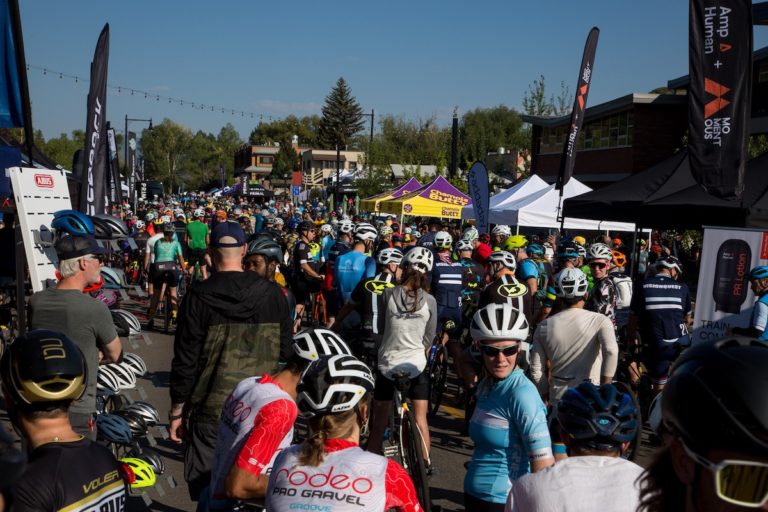
The SBT GRVL Expo grows to two days, taking place Friday, August 12th from 3-7pm and continuing on Saturday from 9am to 3pm. It will take over Yampa Street, stretching from 9th to 12th streets, with 130 total booths in 10×10 or 20×20 configurations. Visitors can expect to find booths with event sponsors as well as many additional bike companies, gear providers and other cycling-related craftsmen/women.
Beyond booths, the Expo will play host to a variety of fun and interactive activities. One of the 2021 event’s most impactful moments returns on Friday at 3pm with the Ride For Racial Justice panel, and the opportunity to meet this year’s 26 athletes along with co-founders Marcus Robinson and Neal Henderson. Packet pickup will be available from 4:30-7pm.
On Saturday packet pickup begins at 9am. The day will be packed with a kid’s Strider race, yoga, a band, pro athlete signings at sponsor booths, parity and pro panels and conclude with the athlete meeting at 2pm. Later in the afternoon Ride For Racial Justice will host a happy hour and raffle off prizes including a bike.
More Shakeout Rides
Applying the N+1 bike ownership rule to rides (more is better), the first shakeout will be on Thursday, August 11th at 9am.
Friday will offer up four shakeout options:
9am: SBT VRTL IRL, with 2021 women’s champion Lauren de Crescenzo
9am: MOOTs Ride
11am: SRAM Women’s Ride
3:45pm: Ride For Racial Justice social ride
Saturday, August 13th will again play host to the now famous Chamois Butt’r Group Ride hosted by Marley Blonsky, rolling out at 8:30am.
The weekend culminates with the SBT GRVL event itself on Sunday, August 14.
New Partnership with Outside Chef Biju Thomas
SBT GRVL is excited to partner with Outside and Chef Biju Thomas, Co-Author of The Feed Zone Cookbooks, who will oversee the culinary experience at Sunday’s post-race party. Biju will be working with local vendors to bring together some great food to highlight the region and create an elevated and unique post-race meal for everyone
“This started for me a year ago with a late-night text from Alex Howes asking how I can come on and make this even more special for everyone riding and racing,” said Biju Thomas. “Of course, I jumped at the opportunity to help with one of the best gravel events on the calendar, that just happens to be in my own backyard. I love everything about the race, and absolutely adore Steamboat. I am thrilled beyond words to share food and stories and our love for all things Outside.
AIGLE, Switzerland (March 25, 2022) — The UCI and Golazo are proud to present a new series of worldwide mass participation gravel events – UCI Gravel World Series – with races on four continents where riders can qualify for the new UCI Gravel World Championships which will take place in the European autumn. The date and venue of these first UCI Gravel World Championships will be communicated shortly.
Photo courtesy Union Cycliste Internationale
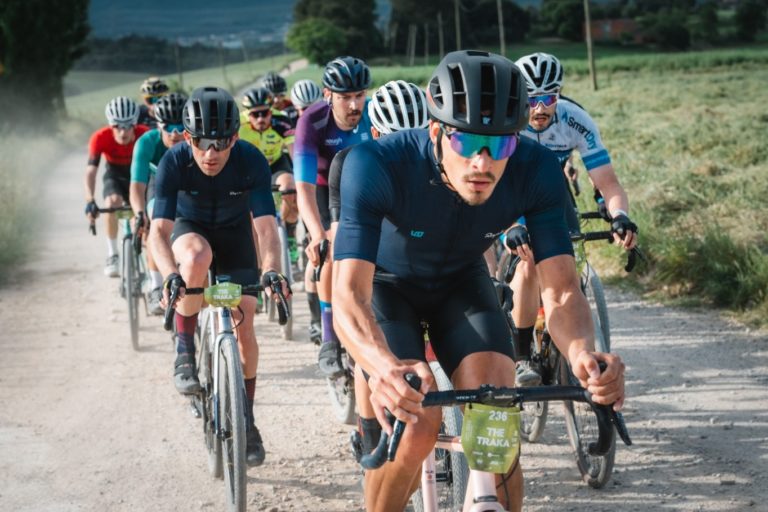
Born in the US Midwest some 15 years ago, gravel has grown in popularity and is now booming worldwide. Popular with riders seeking new challenges, it combines elements of road and mountain bike, and takes place mainly on unsealed roads (gravel, forest tracks, farm roads, cobbles, etc).
The concept of the new gravel series is based on that of the existing and very successful UCI Gran Fondo World Series where riders can earn their spot for the annual UCI World Championships. At each round of the new UCI Gravel World Series, the top 25% of men and women from each age group will qualify for the UCI Gravel World Championships which will crown the new UCI World Champions in each age group.
Photo courtesy Union Cycliste Internationale
The only difference with the concept for Gran Fondo is that professional riders may also take part in events of the series and qualify for the discipline’s UCI World Championships.
The new Series will kick off on 3 April with an 85km event in the Philippines. The series will have a total of 12 events: after the Philippines, the series will continue with two races in the United States, two in Australia and one event in each France, Poland, Holland, Sweden, Belgium, Italy and Spain.
The UCI has chosen to not make the regulations too strict in the first years, allowing participants to compete on any type of bike without electrical assistance (gravel, cyclo-cross, mountain bike, road…). This will be evaluated in the upcoming years.
UCI President David Lappartient declared: “I am thrilled that we now have an exciting and rich calendar of gravel events for riders with an adventurous spirit who enjoy cycling on unsealed roads and paths. The best among them will earn the right to compete in the inaugural UCI Gravel World Championships, the details of which will be released soon. The UCI Gran Fondo World Series is incredibly popular, and I am convinced that this concept will be equally successful for the gravel format.”
The Trek UCI Gravel World Series will be managed by Belgian Sports & Health company Golazo which has coordinated the UCI Gran Fondo World Series since 2011.
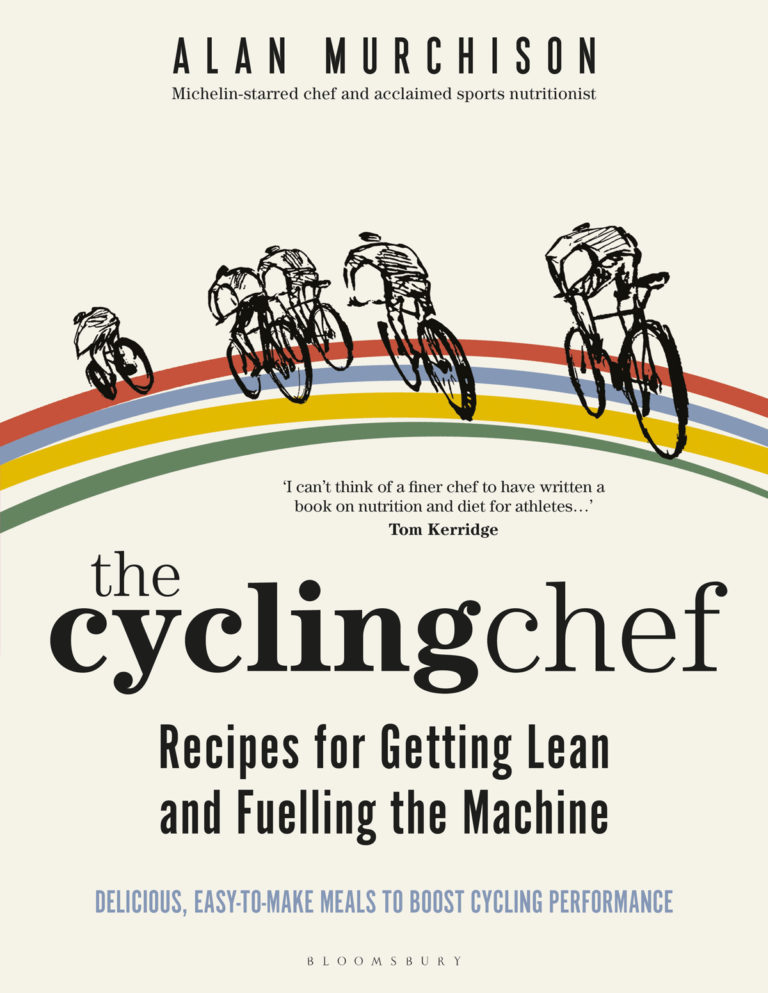
By Breanne Nalder-Harward, MS, RDN — I was definitely interested to see what was inside when the book The Cycling Chef: Recipes for Getting Lean and Fueling the Machine arrived at my doorstep. The cover definitely gives away the focus on cycling with an enticing title. The author, Alan Murchison, is a Michelin-starred chef as well as an activer cyclist. The overall focus of the book is providing recipes, although he gives solid explanation behind his food and how he relates meal planning to cycling performance.
Murchison does a fine job in validating the categories of his recipes. He divides them into off-season, pre-season, pre-race, light, medium and hard training days. As I always preach in my articles, he explains that we need to fuel our bodies for what we do on the given day: the more kilojoules (kJs) we burn the more we get to eat. The section on prepping for race meals is great providing guidance on healthy pre-load ideas with real food.
I can’t help my skepticism of the “off-season” section simply because I typically don’t recommend allowing for weight gain in the off-season and then cutting in the preseason. Rather, it’s better for our overall health to always fuel our bodies for what we are doing and having the appropriate amount of carbohydrates for fueling workouts and keeping food clean and lean outside of exercise. Actively cutting carbs to lose weight when we need them to train is counterintuitive for our bodies. However, we do want our meals outside of fueling exercise to be clean and full of nutrient dense foods as well as enjoyable. The recipes in this book do provide many options for real food meals.
Overall, this is a great cookbook for active endurance athletes. The recipes look delicious! The book does not really address special diets and gives very few options for vegetarian, plant-based or gluten-free style eating. You could change the recipes on your own; it would just take finesse, time, and knowledge of substitutions when cooking. I’ll absolutely be boosting my meal planning with quite a few of these recipes. We all can use more ideas on yummy and healthy food, especially when we get into monotonous routines. We should enjoy our fuel as much as we do the work!
By Kelly McPherson — Unless the unthinkable happens, we will all have the privilege of getting old someday. According to Lara Briden, author of Hormone Repair Manual, research shows that civilizations which respect and give productive roles to its aged, thrive more than those that just value youth. I don’t know about our civilization but cycling definitely tends to prioritize youth. The sport gives its priority, coverage and biggest prizes to the categories filled with young, fit bodies that take amazing punishment and recover quickly. This is a sport that considers 35+ a Masters athlete. Some of us haven’t even gotten into the sport by that age and we are already considered too old? Wow! Alas, this is not the article for addressing the seeming unfairness and politics of older athletes in a youth dominated sport, but an article to help those of us who have reached this phase continue forward with a little more joy and grace.
Kelly McPherson at the start of the Salt Air Time Trial. Photo by Kelly McPherson
We do not really have a choice as to whether or not we age, and to some degree how we age. How we age depends a lot on our genetics and what kind of care we took with our bodies for the first 50 or so years of our life. Some of our bodies will age very well with nothing more than a slight decline in our athletic abilities. Some of us will have aging hit us like the cement berm in the middle of a crit course causing us to crash and burn and wonder what happened and to hope that we might be able to get back onto our bike and roll to the finish line.
We do, however, have a choice as to how we respond to our aging. The way I look at it, we have basically three choices. All three options require some level of acceptance. All three options are very personal, and I would highly recommend working with your doctor to figure out what is right for you. Disclaimer: I am not a doctor and am not giving medical advice. The only claim to credibility that I have is that I am old and have been trying to figure this out and thought I would share my research.
Accept it and let it happen. There is something to be said for enjoying the golden years how you please. Many have said, that once you get over the fear of it, aging is quite liberating. Oftentimes as we get older, we have more free time and more expendable income which equals more opportunities to choose what we want to do. For some of us, this may mean the freedom to ride when we want, how we want and where we want without the pressure of a formal training plan. We can ride just for the joy and health of it. If we enjoy having the latest and greatest in bike equipment, we might have the money to get it. If we would rather ride a cruiser with a basket, more power to us! If we simply don’t want to ride at all and want to start playing pickleball instead, that is our choice.
This also may mean not worrying so much about our nutrition and maintaining a racing/riding weight. Eat the freaking cookie! Enjoy the late-night potato chips and savor every minute of it while laughing, either internally or aloud at your younger counterparts who are counting every gram of carbs and saying “no” to what you can say “yes” to.This option has some definite appeal. Of course, it also comes with the slowing down and an expanding waistline with all of the health consequences that comes with that. Still, the happiness and joy of it might make it worth it.
Accept it, but slow it down with lifestyle changes. There is a lot we can do to help our bodies age better. I will divide them up into several categories.
Maintain Muscle Mass – As we age, we start to lose muscle mass. Maintaining muscle is critical to weight management as well as mobility and function as we age. Most cyclists will do some weight training during the winter. As we age, it becomes important for these workouts to be year-round. Every body is a little bit different. Seek out the help of a good certified personal trainer or coach to help you put a plan together that is right for you.
Nutrition – You may have noticed that your body just doesn’t process nutrition the same way as it did when you were 20. You are going to have to pay attention to what you eat now and eliminate as many junk calories as you can. You aren’t burning as many as you used to, and you can’t afford to be spending your calories on foods that don’t pack the nutritional punch you need to fuel your body to its peak. Stay away from sugar, refined carbs, and fried foods. Most of these, wasted opportunities for nutrition, offer nothing but junk calories and can often damage your digestive track and energy systems. Many older athletes, especially women, may benefit from moving to a vegetarian or a plant-based diet.
Recovery – One of the things you may have noticed is that your recovery needs may have changed. Where you used to be able to ride hard day after day, week after week, that kind of riding now tends to burn you out and leave you feeling drained at a starting line rather than fresh. Recovery now becomes at least as important as your workout. This may mean decreasing volume so you can keep your intensity higher. It may mean adding in more rest days. I have really dialed back my workouts this year and it is interesting to me that my race performance has actually improved. It has been really fun to roll starting lines feeling rested and happy. Doing more does not always equal improved performance. It could be beneficial to work with a coach for a while to help dial in your recovery needs.
Don’t forget to sleep! This can be tricky as we age as our quality of sleep often decreases. Pay attention to your sleep hygiene and prioritize getting to bed early enough to get what you need. If you are concerned that you may not be getting the quality you need despite adequate time in bed, you might consider a wearable such as a Whoop or an Oura Ring. I have used mine to dial things in and find some of the unhealthy habits that were preventing the success that I wanted.
Meditation and Yoga – Cyclists really need to become religious about this regardless of age, but as we get older, it becomes even more important. So many of the aches and pains that we get can be alleviated, reduced, or prevented by regular meditation and yoga practice. Find yourself a yoga instructor you love, a YouTube channel, subscription, etc. Whatever! Just do it!!!
Supplements and Herbs – Please note: The FDA does not regulate supplements and herbs and so neither claims nor safety can be guaranteed. Again, I am not a doctor, but when I was doing my research, a couple of common supplements and herbs were commonly referenced, so I thought I would mention them below:
Fish Oil –supposed to help with inflammation as well as heart health.
Cinnamon – reputed to help with blood sugar control.
D3 – supposed to be good for mood as well as immune system health.
St John’s Wart – women commonly use this to help with perimenopausal hot flashes.
Chamomile – supposed to help with being able to sleep.
Branched Chain Amino Acids (BCAAs) – supposed to help with performance and recovery.
Accept it, but fight like hell! We live in a day of modern medicine and technology. There are many things that one can do to fight aging, medically. Not all medical options are right for everyone, and you must be aware that some of the options may make it necessary to obtain a Therapeutic Use Exemption (TUE) in order to race or may end your racing altogether. You will have to weigh that against the possible health benefits before you decide.
Step one is to find a good medical professional – Not all doctors are created equal in this area. I have gone to multiple doctors over the last few years complaining of various age-related ailments. I remember pouring my heart out to my ob/gyn while vulnerably sitting unclothed on an exam table only to be told that I was getting old, it was normal and to get used to it. I was devastated! Who designed a system where you feel like crap for 40-50 years of your life? If you are told this, you don’t have to accept it. Find a different doctor. Get recommendations and keep trying until you find someone you like and addresses your needs.
Write down and prioritize your concerns – Give your doctor a complete list of everything that is going on. They may be able to see a pattern that you hadn’t noticed and look at some medical conditions, other than aging, that you hadn’t considered. It is unlikely that any medical professional is going to be able to make you feel like you are 20 again. Choose a couple of your most concerning issues and have them address those first. Oftentimes, if they address those, the others get better as well.
Communicate – make sure your doctor knows what your goals are. If you want to keep racing, make sure they know that. There are some treatments that are good for the average joe, but not for an athlete.
Be persistent – Keep in communication with your doctor. If you feel like something isn’t right, keep pushing until you find an answer. Also, make sure you are persistent in doing what your doctor recommends and prescribes. It won’t do you any good if you are not doing it!
Also please note: There is a tendency to write off all the weird ailments that people suffer through as they age as normal signs of aging or of menopause. While this may be true, I would strongly recommend that you work with a good physician to track your health, your aging plan and make sure that whatever option you choose, you are as healthy as possible for as long as possible.
Some helpful resources that I found along the way during my research:
By Phil Sarnoff — In 2009, the Utah State Legislature passed a bill that created a Share the Road license plate. The goal of this plate, aside from more widely spreading a message of safety among motorists and bicyclists, was to provide funding to a group whose mission included the promotion and education of safe bicycle operations, safe motor vehicle operation around bicycles, and healthy lifestyles.
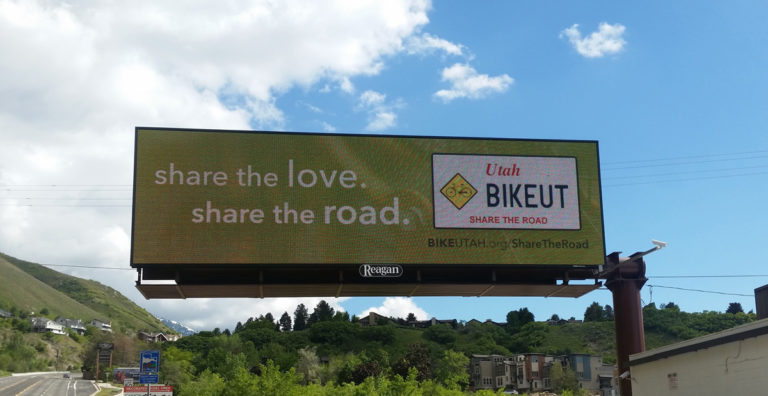
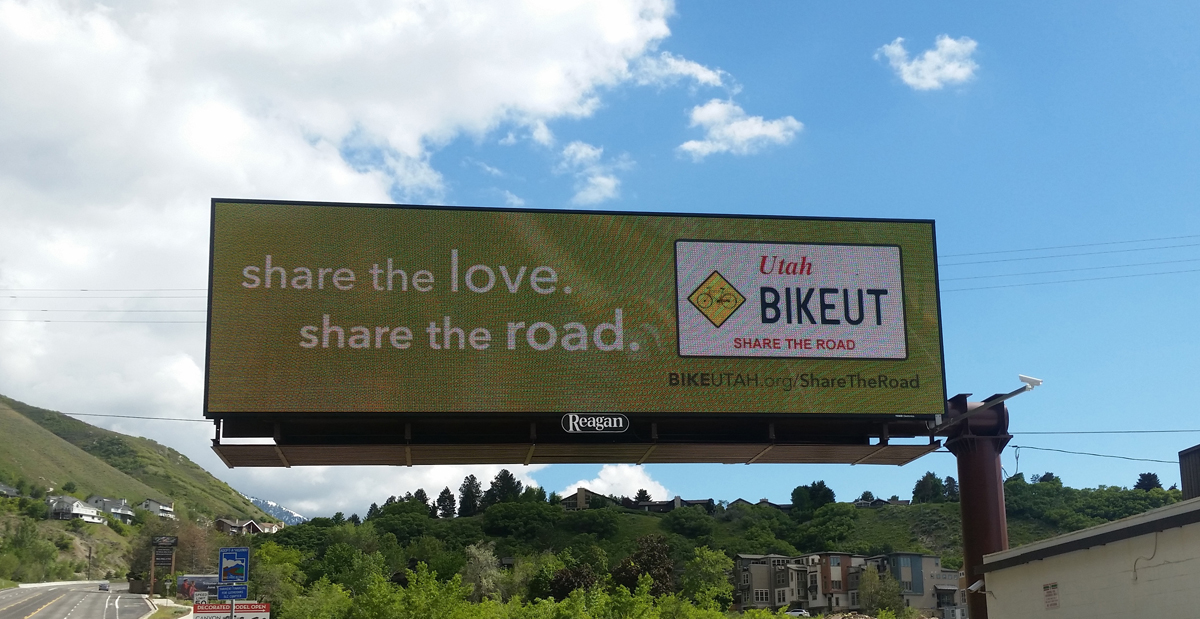
A Share the Road license plate billboard at the mount of Big Cottonwood Canyon. Photo courtesy of Bike Utah
Bike Utah has been the recipient of these funds since the program’s inception. We have used these funds to do some outstanding things. These include:
passing numerous pieces of legislation to promote bicycling and bike safety;
growing the Utah Bike Summit to an annual event with more than 250 attendees;
partnering on the creation of the Road Respect Program;
launching our Youth Bicycle Education Program;
creating a series of Mobile Active Transportation Tours, and the list goes on and on.
The funding from the Share the Road plates provides a consistent funding stream so we can continue to plan bigger initiatives and be ready when opportunities to advance bicycling and bike safety are presented.
Bike Utah made a big push to get more plates on cars all across Utah, with some billboard space all throughout Utah donated by Reagan Outdoor Advertising. There are banners along popular bicycle routes and we have pushed it on our social media outlets.
If you don’t already have your plate, now is a great time to get one (or two). Your $25 annual contribution gets some great things done for bicycling all across Utah and it’s tax deductible. You don’t have to wait until your registration is due in order to get your Share the Road plates.
By Lukas Brinkerhoff — Can you drive to a place and still be awe inspired by it? The short, obvious, over simplified answer is yes. And as if that lead up wasn’t enough of a foreshadow, the long answer is no, no you cannot.
In an effort for full disclosure, I hate cars. It’s not that I am unable to see their utilitarian purpose, it’s more that we, as a society, are so hopelessly addicted to their convenience that we bow down and worship them at every opportunity. Need to go the store right around the corner? Let’s drive. Work is less than 5 miles away… “But I can’t show up sweaty and in biking clothes and looking like a poor person.” It’s ever too easy to make excuses when your addiction gets to this level. So, yea, I hate cars, but I think there is more to this than that.
Have you ever bought something that you really, like really, really wanted only to have it sour and be stuck with buyer’s remorse within a couple of hours? Of course, you have. It’s a typical response to the convenience of being able to purchase just about anything you could want. While being able to buy things, just cause you want them or because you slaved away and saved your money (It’s really the same regardless), doesn’t mean you will be happy with that purchase. Much in the same that driving to a national park will provide you with a sense of awe, but you will be left empty wondering why it wasn’t quite worth it.
Just riding makes wherever you are going better. Photo by Lukas Brinkerhoff
On the flipside, anyone who has taken the time to make something they needed themselves understands that part of the end product is the process of making, of doing. Taking an idea, some materials and turning it into something you need or something that speaks to who you are can be an extremely painful process, but in the end, it always feels like it was worth it.
Getting places isn’t any different. Take out the struggle of the journey and all you have is that you are there. You snap a couple photos with your iPad out the window, comment on how beautiful the surroundings are and move on. There’s a pretty good chance that you didn’t even leave your four-wheeled, pollution spewing coffin because, you know, it’s too hot. You got the selfie with the sign, did some artsy photo of the special surroundings that you drove to and boom, your experience is complete. Except that if you are anything like me, you will have buyer’s remorse and feel like you missed out on a piece of the equation, like you could have felt more, maybe seen something different had you got out of the car or maybe delved deeper into the landscape. And is that what we all want anyway? A deeper experience.
It’s not always about the gnar, sometimes it’s the small things you find along the way. Photo by Lukas Brinkerhoff
Now allow me to tell you about the last time I rode to my favorite restaurant. My commuter bike is my comf, it was parked in its usual location in my backyard leaned up against the wall. I had little thought as to what to wear, or how I was going to get there. It’s 3.5 blocks away. Not much of a journey by anyone’s calculations, but I grabbed my bike, walked out the front gate and began pedaling like I have so many times. The breeze was pleasant on my face, I nodded hello to the family that lives on the corner who are always outside enjoying the evening. We rolled up to what I assume is reserved parking because it’s always open for me, locked up my bike and walked the last few feet into Benja’s Thai. It was not an epic feat by any measure, but it felt like an adventure. It was satisfying to ride past all the parked cars, see the couple coming out and the look of wonder on their faces as we pulled up. I can’t help but believe that the wife was jealous, wanting that for them, riding bikes just to ride or taking a walk. I smiled to myself as I watched them load up and drive away. It was probably just my imagination, but I swear I could see a look of regret, as if they had missed some opportunity but they weren’t sure what it was.
Was my food any different than theirs? No, probably not. I can’t say that I enjoyed it more, because I have no idea how much they savored what they ate. I can only go off my own experiences and those have taught me that driving to the restaurant takes something away. Instead of being a micro-adventure, it’s just another outing in the car. Just another convenience that I bought with hours of toil and that didn’t fill my soul, but only my belly.
In a car, it’s just a bumpy, dirt road. On a bike, it’s an adventure. Photo by Lukas Brinkerhoff
Taking an adventure, one that requires you to transport yourself in the way we have evolved, under your own power, hurts. There is effort required. You will sweat, your legs will burn and you will most likely want to stop at some point. You can’t skip that part. It isn’t the goal, but is what makes the end worth it. If we always jump to the finish, the race won’t ever be ran and the finish is pointless, empty, just one more instance of feeling buyer’s remorse.
Can you be awe inspired by the sight of a beautiful landscape when getting there was easy? Sure. I never said you couldn’t. However, the end destination should never be your goal, experiencing the entirety of the journey and the reward of arriving, that is worth the pain and will inspire a much deeper respect and awe for where you are.
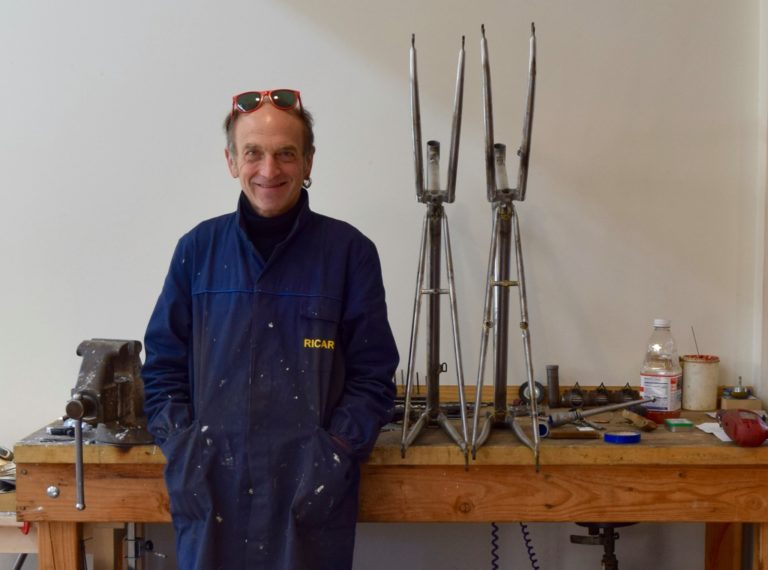
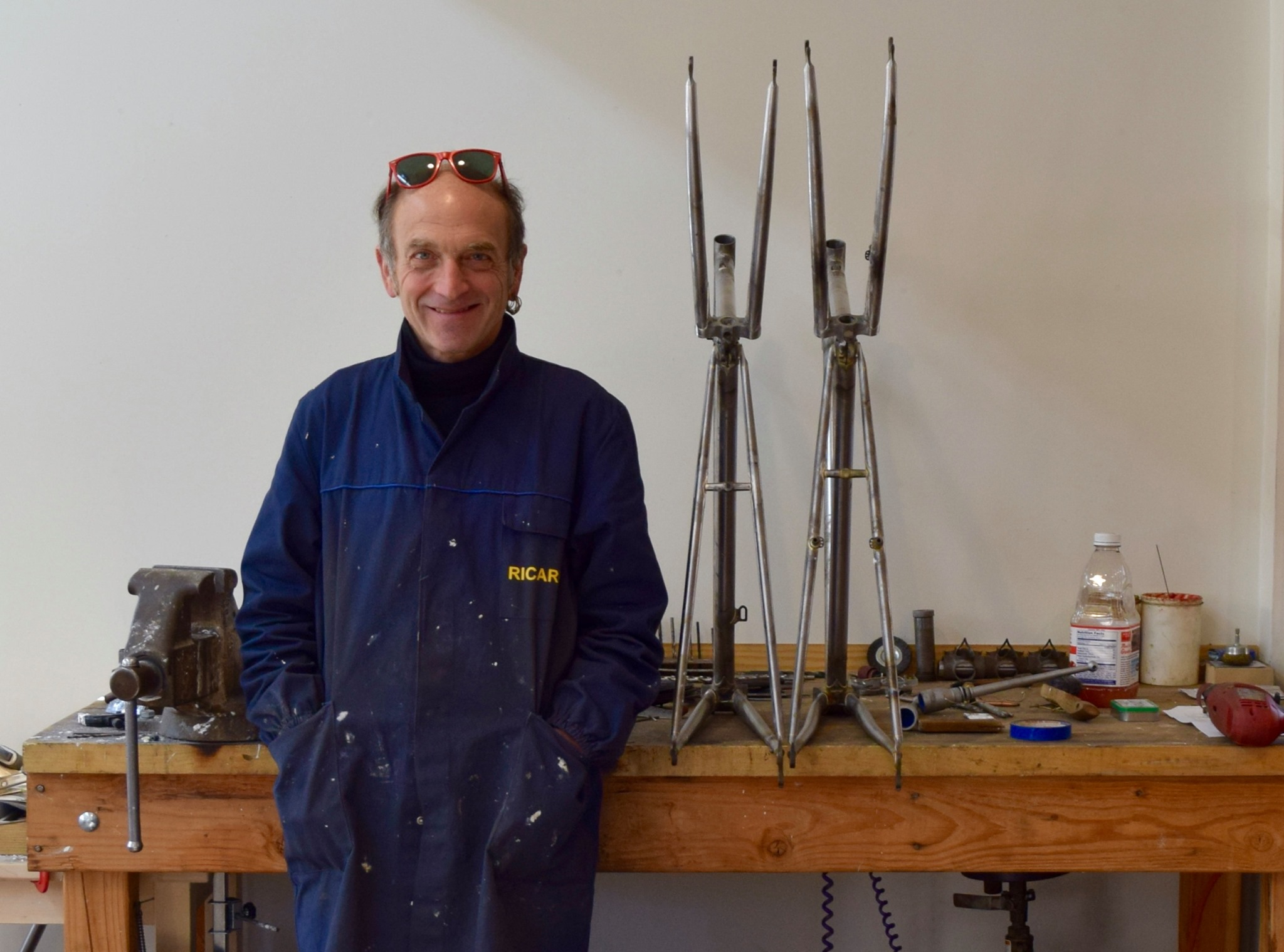
By Steven L. Sheffield — Richard Sachs is one of the preeminent bicycle framebuilders in the United States, and yet building bicycles was never really an aspiration of his. After being wait-listed for admission to Goddard College, Sachs saw an advertisement in the Village Voice for a position working in a bike shop in Vermont and hopped on a bus north from his home in New Jersey. On arrival, Sachs was told that the position had already been filled. Disappointed, Sachs returned home, and wrote letters to a number of British bicycle framebuilders to see if they would take him on. He received one reply, from Witcomb Cycles inviting him to come to London. The rest is history.
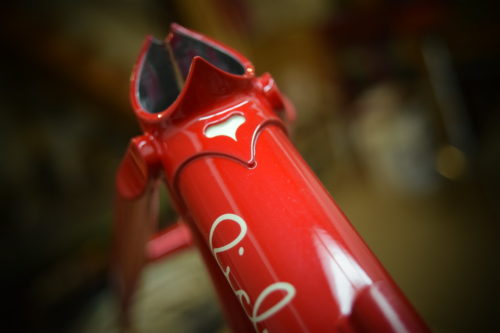
Richard Sachs standing in front of his workbench. Photo courtesy Richard Sachs Cycles.
SLS: You’ve told the story of how you became a framebuilder many times and to many publications in the past, so I’d like to focus on other aspects of your life and your inspirations to do the work you do. Let’s start at the beginning. Tell us about your life in Bayonne, and how you discovered bicycles.
RS: I had some bicycles as a child. A Huffy Convertible. A Schwinn Jaguar Mark IV. But that’s it. I never discovered bicycles in any sense until my mom bought me an Atalanta Gran Prix. Truth is, I didn’t want it (until I did.) I put up a small stink after passing my test for a driver’s license. The car I asked for — I didn’t get it.
Even then I knew it was an unrealistic and unreasonable ask. Bobbe (my mother) agreed to buying the bicycle instead. It’s important to note that the only reason a bicycle was in the conversation is that a pal of mine rode a bicycle all the time. Jim Farmer was a high school friend and a supremely cool cat. I thought if I had a bicycle some of that cool could rub off on me. Jim’s bicycle was a one-speed basic unit with a foot brake on the back wheel and a wire mesh basket on the handlebars. Me? I ended up with one of these newfangled 10 speeds. It was all serendipity.
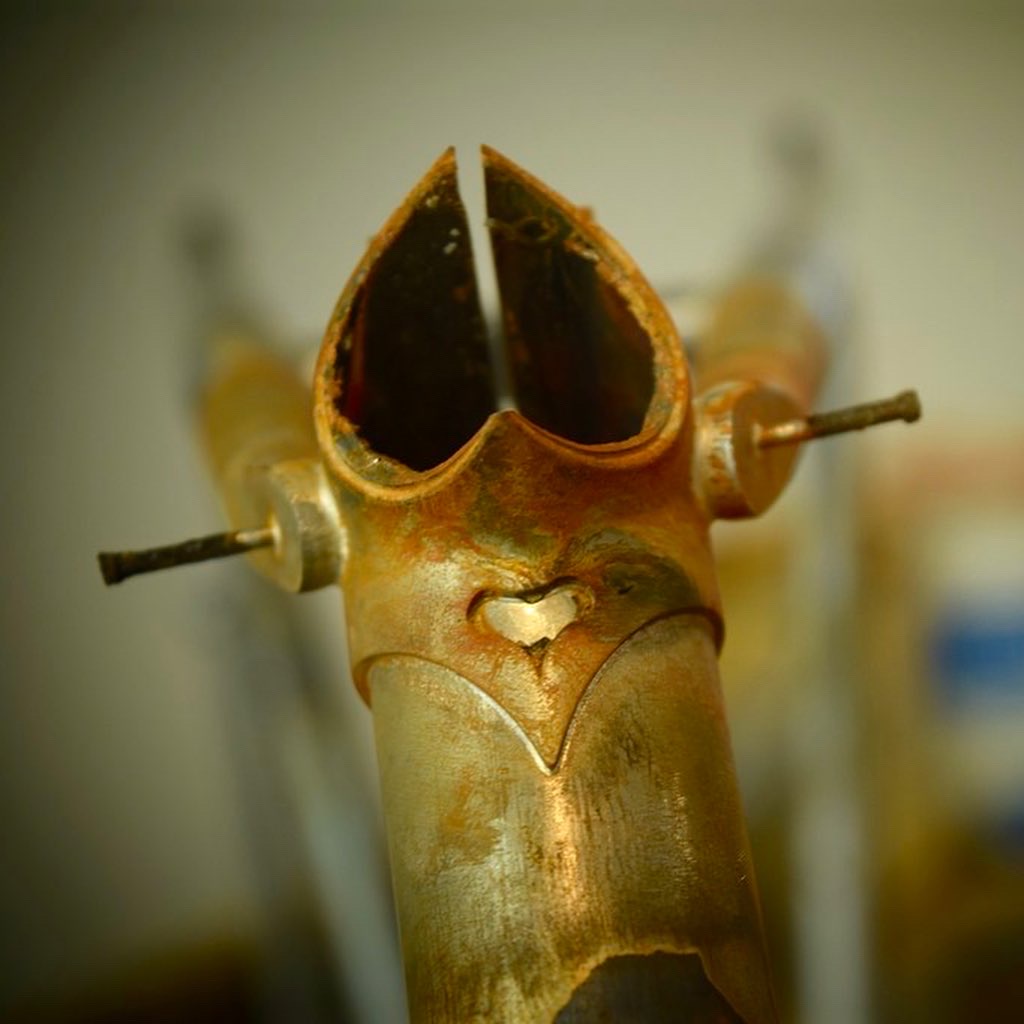
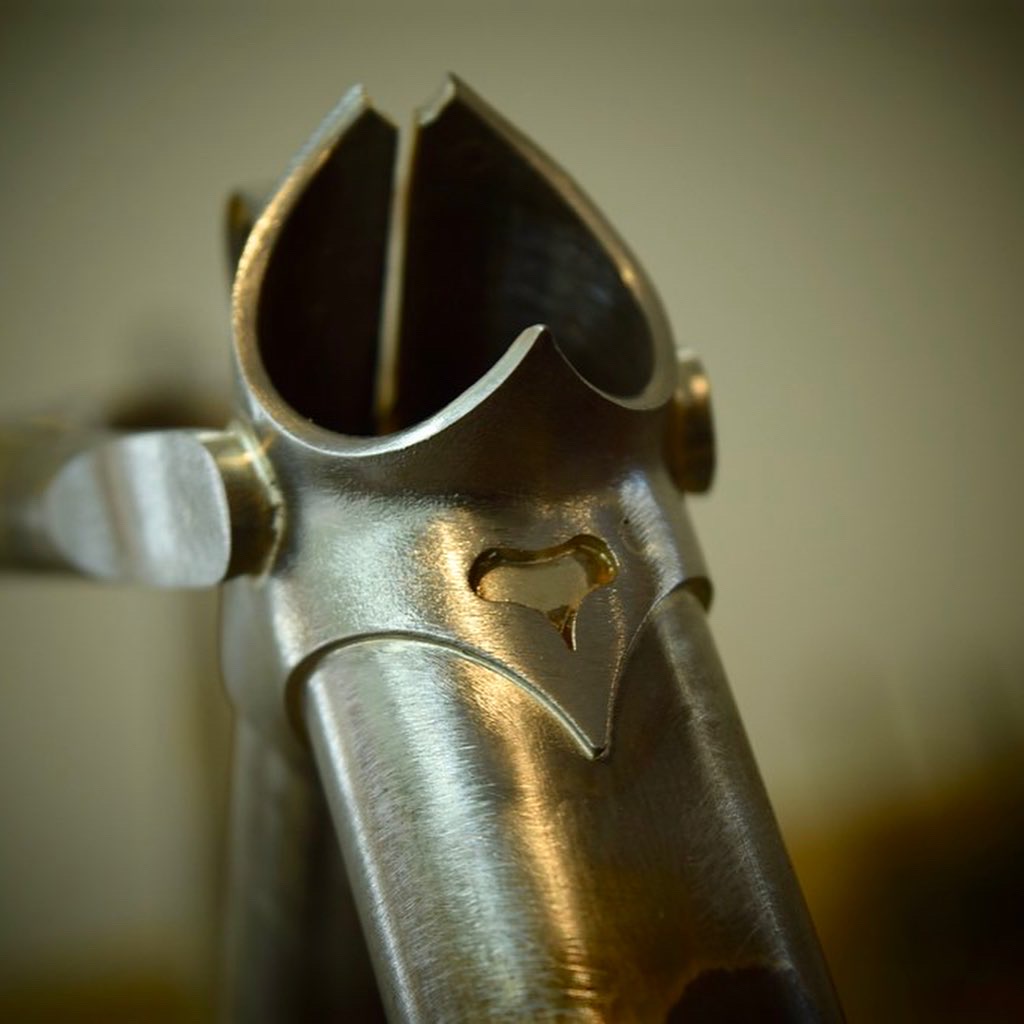
Richard’s meticulous nature is shown in this sequence of seat cluster images. First he pins the joint with cut nails to prevent twisting, and then brazes the joint. Photo courtesy Richard Sachs Cycles.Then he files and polishes the joint to clean any excess flux and silver braze to keep edges sharp. Photo courtesy Richard Sachs Cycles.The seat cluster after painting. Note that the lug edges are still sharp. Photo courtesy Richard Sachs Cycles.
SLS: When did you discover bike racing? Was it while you were still a youngster in New Jersey, or did it come after you were established as a framebuilder, and started sponsoring the Connecticut Yankee Bicycle Club?
RS: I discovered the sport in the pages of magazines I took in the late ‘60s and early ‘70s. Several from Europe. One from Australia. One from Great Britain. Images on the pages were compelling and the narratives drew me in. I got my fist A.B.L.A. license in 1972.
SLS: You often talk about The Peddie School, which you attended from 1967 to 1971. How did you wind up going to boarding school rather than your local public high school in Bayonne, and what influence has it had on your life since graduating?
RS: After 8 years in a Yeshiva, I pleaded for a more normal school experience. Bobbe let me go to Bayonne High School where I spent two years failing in and out of the classroom. I got in trouble with faculty. With family. And even with the law. The only way out was for me to be sent away.
At The Peddie School I repeated my sophomore year. Students live on campus full time. I’d say the real takeaway was learning to be self-reliant and independent at an age when most kids are still at home and having more conventional experiences with family, friends, and in their own neighborhood.
SLS: From where do you draw your inspiration to keep doing what you do?
RS: From even before Day One, all of my inspirations have come from outside my trade. Luthiers. Watchmakers. Tailors. Ceramicists. It’s a long list. The thread running through them is practice, respect for a craft’s history, and mastery.
SLS: What do you think you would be doing today if bicycle framebuilding hadn’t chosen you as one of its practitioners?
RS: I don’t dwell on it. The place I landed by accident is the only real estate I ever occupied. So, I don’t look around and ask what-if.
SLS: I believe you have said in the past that your favorite subject in school was writing, and that was what you planned to study at university before being sidetracked by bicycles. Do you still write, and have you ever consider publishing a memoir where you can really go deep into your inspirations?
RS: I still write. In the aughts I added a page to my site called Arrange Disorder. I’m sure there are well over 700,000 words there by now, and these are twisted inside individual texts (essays) of several hundred words each.
SLS: You typically have not been shy with regards to your opinion on the bicycle industry as a whole. Do you consider what you do to be a niche within the industry, or completely outside of the “industry”?
RS: By the time 1990 rolled around and I was nearly 18 years at the bench, it was clear that what I do and what the industry does — these are completely different with no, or maybe to be fair — very little, overlap.
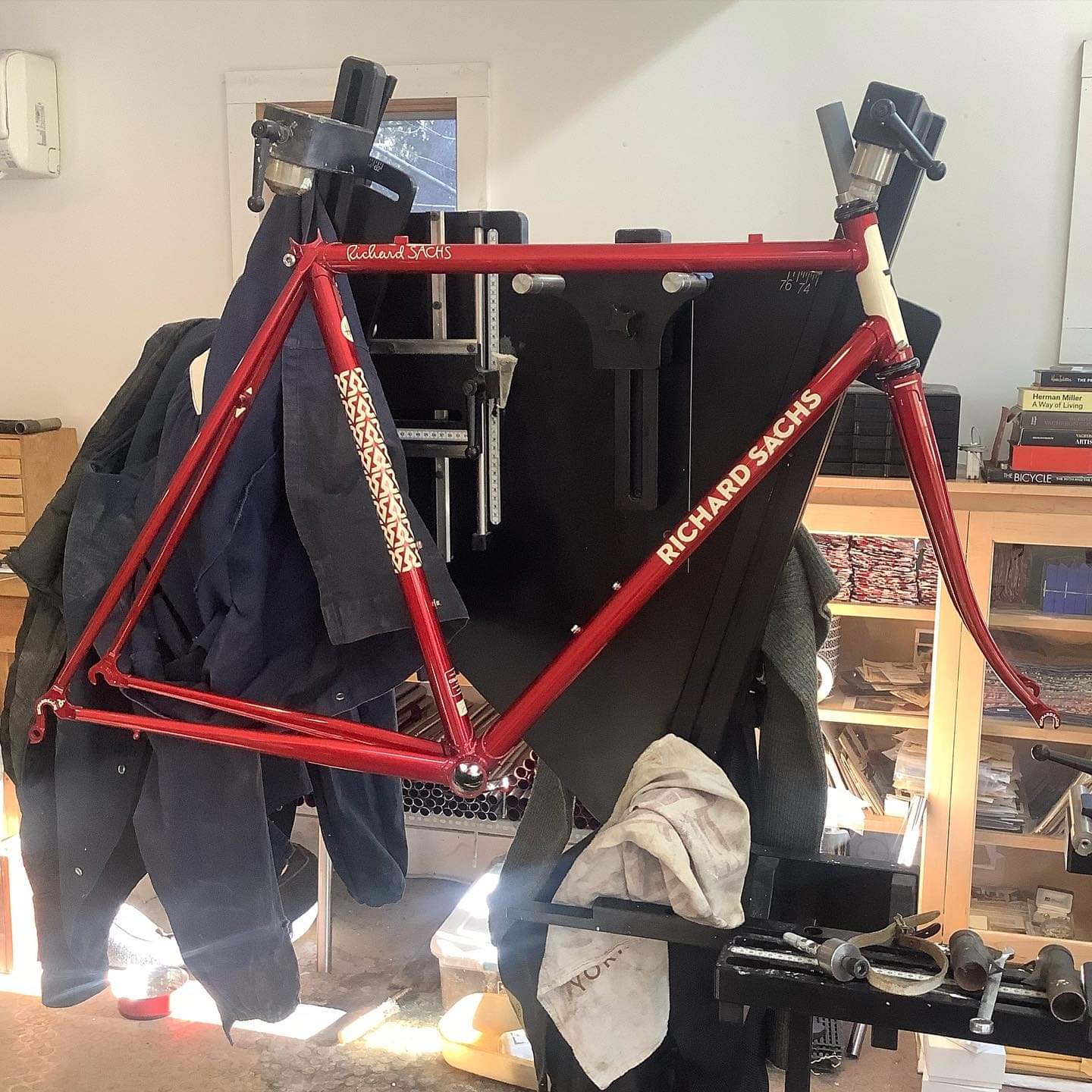
A completed frame being shown in Richard’s jig, ready for final prep and then building into a complete bike. Photo courtesy Richard Sachs Cycles.
SLS: As the industry moves further away from the craft, are you hopeful for the future? Are there enough up-and-coming framebuilders who “get it”; who will help keep the craft alive 10, 20, or 50 years in the future? If so, who do you think will be the builders to take the craft forward?
RS: Re the first question, no. Same for the second.
For the third, only a few names come to mind. Simone D’Urbino. Nao Tomii. Chris Bishop. Brian Chapman. These cats make superb looking frames, though I only know what they look like and not how they’re fabricated. But lasting another generation in this post-Y2K era with so many excellent bicycles coming from the industrial sector (the single biggest change between then and now) it’s tough to imagine the independent maker community not shrinking.
SLS: So, you think the craft will eventually be lost to the world completely? I don’t know how true this is, but word on the street is that many people in the millennial and Gen Z/post-millennial generations don’t know how to tell time on a traditional clock face; but watchmaking still seems to be a surviving craft in Switzerland, Germany, and Japan. Could bicycle framebuilding follow in the footsteps of master horologists, like Philippe DuFour?
RS: The trade as I know it – the one I entered – has changed. That happened in the ‘80s and ‘90s. Framebuilding was (then) the top of the industry food chain. Men toiled independently or in small groups to make the highest quality vehicles possible, and these were always superior to what industry served up. Back then it was unthinkable that a factory-made bicycle could be worthy of being selected to race with. The best was always handmade. And I am talking here about design and fabrication, not the craft-y ornamental crap that so many focus on these days. Making a beautiful bicycle that doesn’t or won’t perform well, or across several platforms, makes little sense. But people dive in, pass right over the rudimentary lessons, ignore history, and try to wow others with decorations. That’s Y2K framebuilding in a soundbite.
SLS: Several years ago, you and Dario Pegoretti embarked on a project with Columbus to make tubing specifically designed for use with lugs, but with modern steel alloys. Prior to that, you designed several different lug sets for use on your frames, and for sale to other framebuilders. How did these projects come to be?
RS: I had a JRA in Matera (Italy) in 2003. When I got to my hotel, I called Dario. Together we lamented the state of things. None of our material suppliers were staying in the moment or innovating. We decided to do it ourselves. Separately, the lug sets and other investment cast parts I design and sell to fellow tradesmen was a thing I already started by that time.
SLS: Of these lug and tubing sets, is there a particular combination you find yourself gravitating towards most often, and if so, why?
RS: I only use the Richie-Issimo parts on my own frames but sell all the others to framebuilders on all continents. I only use PegoRichie tubing, and it comes to me in five configurations. I select tubes based on the order I’m filling.
SLS: When you and I first “met” a bit over 20 years ago, you were a bit hesitant about taking your brand online. These days, maintaining and promoting the Richard Sachs brand seems to be more front-and-center. Do you ever worry that the brand will overtake the work itself, or is it a necessary evil which allows you to continue practicing the craft?
RS: There is no brand. It’s just me alone making 5-6 bicycles a month, roughly half the numbers I was doing in my first 20+ years. And of course, the water bottles, the socks, tote bags, and whatever other cool things I add to the menu.
SLS: If I recall correctly, Bob Dylan is on near constant rotation in your workshop. Is there a particular album that gets more play than others, and what would you consider to be his masterwork, the pinnacle of his career as a musician?
RS: I like Dylan. And I identify with the path he’s walked. Desolation Row. The Ballad of Frankie Lee and Judas Priest. Queen Jane Approximately. Of course, the recent stuff too. I’ll toss a special shoutout to The Funkel Brothers (Simon and Art) whose Kathy’s Song is among my all-time favorites.
SLS: From aperitif through digestif, what would constitute the perfect meal, ATYO? Please feel free to name brands, location, and dining companion(s).
RS: An evening on the LES with Anthony Mangieri at his Una Pizza Napoletana dot period. If Anthony wasn’t up for it, I’d drag him to Asbury Park for a long dinner at Jimmy’s Italian Restaurant.
SLS: Whiskey, whisky, or wine? And what kind?
RS: I go back and forth between Hudson Whiskey Baby Bourbon and Laphroaig Scotch (the 10-year-old bottles.)
SLS: Logan Flat-strap or Larson Beefroll Weejuns? Chinos cuffed or hemmed?
RS: Bass Laytons in black only. Chinos are unhemmed and rolled up. It’s one of my sartorial affectations.
SLS: You’ve been a framebuilder for nearly 50 years now. What keeps you going at this point in your career? Do you ever anticipate hanging up the torch for good, or do you plan to keep pursuing perfection through imperfection until it’s time to leave this mortal coil, like other builders, such as England’s Ron Cooper?
MORGAN HILL, California (March 17, 2022) — Outride, a nonprofit organization dedicated to improving the lives of youth through cycling, is pleased to announce the release of its long-awaited report, Riding for Fun, Friends, and Fitness: Advancing Youth Health and Well-being through Outride’s Riding for Focus Program. Drawing from youth surveys at more than 20 middle schools across the U.S., the report serves as a first-of-its-kind investigation into the positive socioemotional and physical benefits of cycling for young people.
“Our Riding for Focus program is currently operating in more than 225 middle schools across the country. We allintuitively know that bikes bring joy, but we wanted to demonstrate that there are rigorous, replicable, positive effects of getting youth on bikes — and that Outride has a program and grants that can be implemented in any school that wants to bring these outcomes to their students,” said Skye DeLano, executive director of Outride. “We’re thrilled to have partnered with PeopleForBikes to get the word out about this programming, and by doing so increase awareness and access to Riding for Focus.”
Riding for Fun, Friends, and Fitness. Photo courtesy Outride.
Riding for Focus (R4F) is a middle-school-based PE program that promotes cycling as an outlet for students to improve cognitive, physical and socio-emotional well-being. Schools can acquire R4F via two pathways: by purchasing the program, or, for Title I schools serving under-resourced communities, by applying for a program grant. Currently, more than 95% of schools are granted the program for free. As part of the grant, Riding for Focus schools are provided with everything they need to get their 6th-8th grade students riding, including Specialized bikes, helmets, curriculum and intensive teacher training.
Outride was founded in 2014 on the belief that cycling and well-being are connected. Outride partners with academic institutions and schools to better understand how bicycles impact social, emotional and cognitive health and collaborates with community partners, coaches, teams and cyclists to cultivate inclusive cycling communities. Inaddition, Outride’s programs are supported by industry leaders Specialized Bicycle Components and PeopleForBikes who share a commitment to getting more kids on bikes and ensuring safe places to ride in every community.
“Outride’s research helps demonstrate what we know and what we feel — riding a bike positively changes lives. Their research continues to show the holistic health benefits of bicycling, especially for youth,” said Nick Aguilera, PeopleForBikes’ youth and community partnerships manager. “We are inspired by Outride’s national leadershipproviding youth cycling education, increasing youth bicycle access, continuing their research and empowering youth and their communities through bikes.” PeopleForBikes entered into a partnership with Outride in July 2020 because they strongly believed in supporting Outride’s mission of improving the lives of youth and cultivating inclusive communities through bicycling on a national scale.
“Riding for Fun, Friends, and Fitness” outlines several key findings that underscore the powerful impact that bikes can have on the lives of children and adolescents:
Bicycling offers a bright spot at a time when youth mental and physical health continues to worsen: At baseline, youth who report riding more regularly also report higher levels of mental well-being.
Students reported higher levels of well-being after participating in Riding for Focus than before participating, with females seeing a 9% boost in well-being scores.
Students were more likely to report spending fewer hours in front of screens after participating in Ridingfor Focus compared to before This difference was most dramatic for female students: 81% of females spent more than 2 hours of screen time a day before Riding for Focus — that figure dropped to 73% after the program.
The research findings were determined through pre- and post-surveys conducted in schools that implemented the Riding for Focus program. The results clearly showed that students who engaged with bikes over the course of a year — amid the COVID-19 pandemic — displayed better social, emotional and cognitive health than those who did not.
“The youth emotional health crisis is only becoming worse as the pandemic continues, so having ways to combat it is increasingly important,” said DeLano. “We already knew intuitively that riding bikes makes you feel better, but now we have the data to support it.