Home Blog Page 129

Bike Infrastructure and Networks Increase Safety and Accessibility

“Benchmarking Bike Networks” showcases how five communities increased ridership and safety through building bike lanes in connected networks

“Benchmarking Bike Networks”, a new report released today by the League of American Bicyclists (League), shows the importance of safe bicycle infrastructure and connected bicycle networks in increasing the safety and accessibility of bicycling as a transportation and recreational option. The report’s findings demonstrate why communities around the United States should prioritize building the safest bicycle facilities for appropriate road contexts to connect more people and neighborhoods to more places.
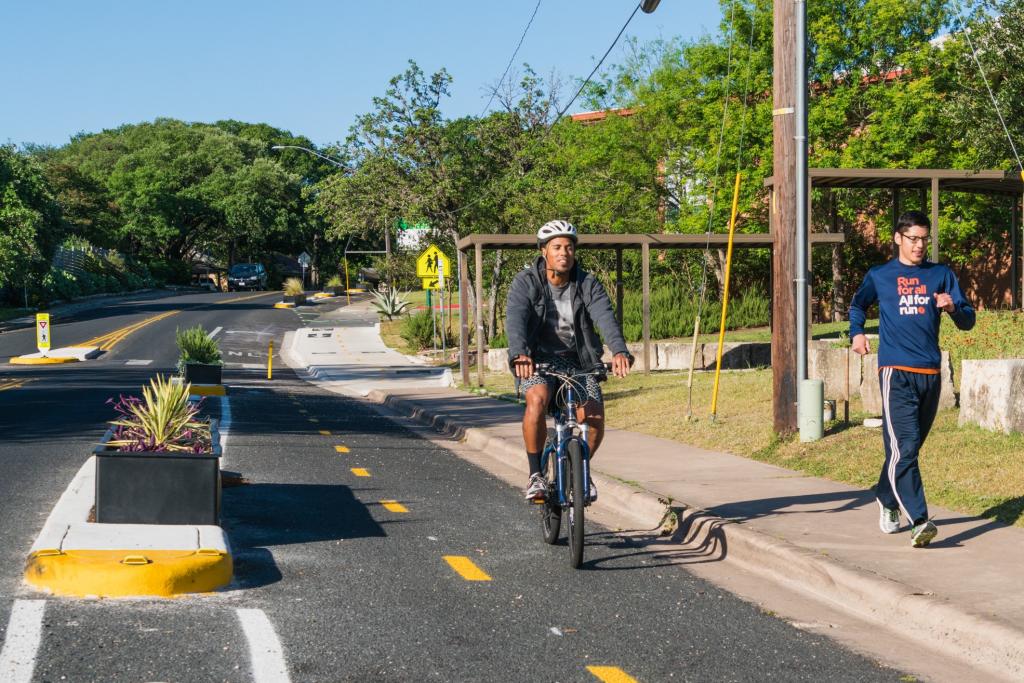
Photo courtesy League of American Bicyclists

The League hopes this report will serve as a tool for communities, planners, state and local bike advocacy organizations, cycling clubs, and individuals who bike to be advocates for bike infrastructure and networks that will contribute to building a Bicycle Friendly America for Everyone. With a record-high amount of federal funding directed towards projects to improve bicycling and walking in the most recent infrastructure bill, now is the time for communities to build towards a future where active transportation by bike is a safe and easy choice to make.

Download the report here »

Currently, the United States is 40 years behind peer countries in Europe when it comes to developing bike networks with bike facilities for people of all ages and abilities. “Benchmarking Bike Networks” emphasizes using a Safe System Approach, which focuses on anticipating human error and minimizing impact, when building connected networks. Analyzing several bicycle infrastructure design guides, the report also provides definitions and examples of better bicycling facilities and a summary of best practices for different street contexts based on two commonly used and available measures: traffic speed and traffic volume.

“With ‘Benchmarking Bike Networks’ we want to give advocates for better biking another tool to ensure streets in their community are designed in the safest way possible,” said Bill Nesper, executive director of the League of American Bicyclists. “We know the most Bicycle Friendly Communities are ones that have embraced building networks of low-speed streets and context-appropriate bike facilities that create safe, comfortable connections for people. Plus, research and the experience of cyclists continue to reinforce that properly implemented bicycle networks with safe bicycling infrastructure is incredibly effective in increasing bicycling levels and decreasing bicyclist deaths.”

Featured in the report are case studies from Oakland, CA; Austin, TX; and Missoula, MT, all Gold-level Bicycle Friendly Communities as designated by the League, as well as Boston, MA; and Chicago, IL, Silver-level Bicycle Friendly Communities. These five cities have seen bicycle mode share grow in the last decade through expanded bike networks and improved bike facilities. Consistent themes throughout the case studies include planning, leadership, and creating and maintaining an up-to-date inventory of city bicycle facilities, as well as tracking their development.

“Benchmarking Bike Networks” also provides insight into the roadblocks that have inhibited the development of connected bicycle networks in the U.S. Bicycle networks often take years of planning and even more time and funding to implement, and the report addresses developing norms and standards for bicycle networks that would make it easier for communities to know where to start. While the National Association of City Transportation Officials (NACTO) and the Federal Highway Administration (FHWA) have published influential guidance on bicycle facility selection, not every state or local jurisdiction has followed these guides.

“Unfortunately, we are incredibly far from having comparable state-by-state data and standards that will allow us to truly comprehend bike networks but by analyzing how existing networks were developed, we can help others adopt an approach that’s best for their streets and create safer places to bike throughout communities,” said Ken McLeod, policy director of the League and lead author of the report. “We see that every approach to building better bike networks starts with the safest and most protected bicycling facilities, like separated bike lanes, and we hope that current and aspiring Bicycle Friendly Communities everywhere will embrace building more.”

Updates to the Bicycle Friendly Community application, which is currently offline through May 2022, will include revised questions around on- and off-street bike infrastructure to reflect current national guidance and best practices and to allow for a more in-depth consideration of the quality and distribution of bike facilities and of a community’s overall bicycling network.
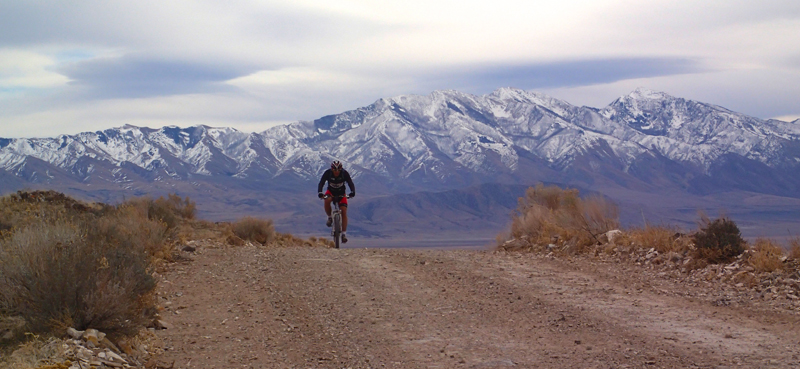
 

The Wild Horse Dirt Fondo Set for April 30, 2022 in Delle, Utah

SALT LAKE CITY, Utah (January 29, 2022) — The Wild Horse Dirt Fondo is the longest-running gravel race in Utah’s West Desert, introducing many riders from the Wasatch Front and beyond to the joys of desert dirt roads. This year’s event will take place on April 30, 2022 in Delle, Utah.

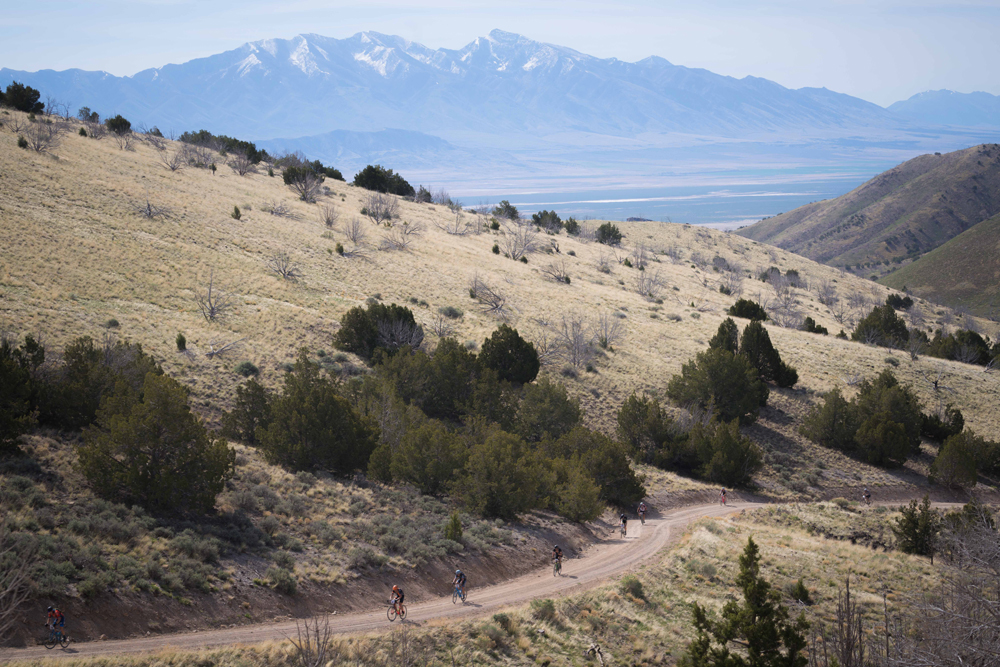
Some of the great scenery at the Wild Horse Dirt Fondo. Dave Gontrum begins the climb of the Hastings Cutoff Pass from the east side of the Cedar Mountain Wilderness. The climb gains about 950 feet over 3.3 miles, topping out at 5,775 feet. The Stansbury Mountains are in the background, about 15 miles to the east.
Photo Chris Magerl

Starting in the spring of 2022, Salty & Stupid Cycling will take over hosting the Wild Horse gravel race from Quick Release Racing, adding it to their popular Salty Lizard 100 and Stupid Pony events and creating a new West Desert gravel race series. Longtime organizer of the Wild Horse Chris Magerl said of the move, “I am excited to pass on The Wild Horse to Bobby Kennedy and the Salty and Stupid Cycling crew. Bobby [Kennedy] loves getting lost on the endless west desert roadways as much as I do, and like me, is captivated by being on a bike in that vast, beautiful landscape,” adding, “The low-key vibe of The Wild Horse lives on.”

Bobby Kennedy, co-owner of Salty & Stupid Cycling, expressed joy at the addition of The Wild Horse to the company roster of rides. “We can’t wait to be involved in one of the best rides in Utah! We’ve been fans of the route for as long as the cabins out there have been abandoned.” With the addition of the Wild Horse to the Salty Lizard 100 and the Stupid Pony, riders will have the choice to enter any of the rides singly or as part of the brand new Wild Pony-Lizard gravel series. Finishers of the Wild Pony-Lizard will be entered into a raffle separate from and more lucrative than the riders’ raffles for each individual race and which will feature products from local Utah-based cycling companies.

The Wild Horse Dirt Fondo boasts beautiful scenery and a great course. Photo courtesy Wild Horse Dirt Fondo

The Wild Horse features two courses – the full loop and the Little Wild Horse – which wind around and through the Cedar Mountains Wilderness Study Area in Tooele County. Riders roll around the foothills and over low juniper-lined passes, including Hastings Pass where the wagon trails of the Donner Party are still visible. The courses are fast, rolling, and feature a smorgasbord of surfaces, most of them pretty rugged

Originally billed as a mountain bike ride, The Wild Horse is now one of the most beloved gravel rides in Utah. Magerl and Quick Release Racing created a classic ride that anticipated the gravel explosion. For years, riders from across the Wasatch Front flocked to Delle, UT for an early-season round of recreational suffering. Although the ride had been cancelled due to the COVID-19 pandemic and weather concerns for the past two years, gravel cyclists from Salt Lake City and beyond continued to make the trek to the courses that Magerl laid out.

Kennedy vowed to keep the relaxed atmosphere of The Wild Horse intact, “We want to keep the experience familiar in all the good ways, like raffling off prizes instead of winning big pots, but also we want to grow the ride so that people from all over the West can come out and experience the brain-liquefying beauty of the West Desert.”

The Wild Horse will take place on April 30, 2022 at Delle, UT. Registration opens on February 1, 2022 at 6pm MST. Check http://www.ridewildhorse.com for details.

Indoor Trainer Advice for Cyclists

By John Higgins — The first snowflakes of winter are hitting the valley floor as I write this — meaning more of you will likely be riding your bike on a trainer inside over the next few months. Or you might have upgraded to an indoor exercise bike from Stages or Wahoo to save your outdoor steed for, well, outside!

There are some obvious differences between riding inside and riding outside. One difference that many people notice is that for some inexplicable reason, they are less comfortable. This can be perplexing if you feel great on your bike outside, but less so inside. Maybe your hands are going numb, or the saddle is speaking up loudly. What’s up with that? There are some interesting physics going on. You’ll also warm up and get hot real fast. Hence the need for a cool room and a well-directed fan.

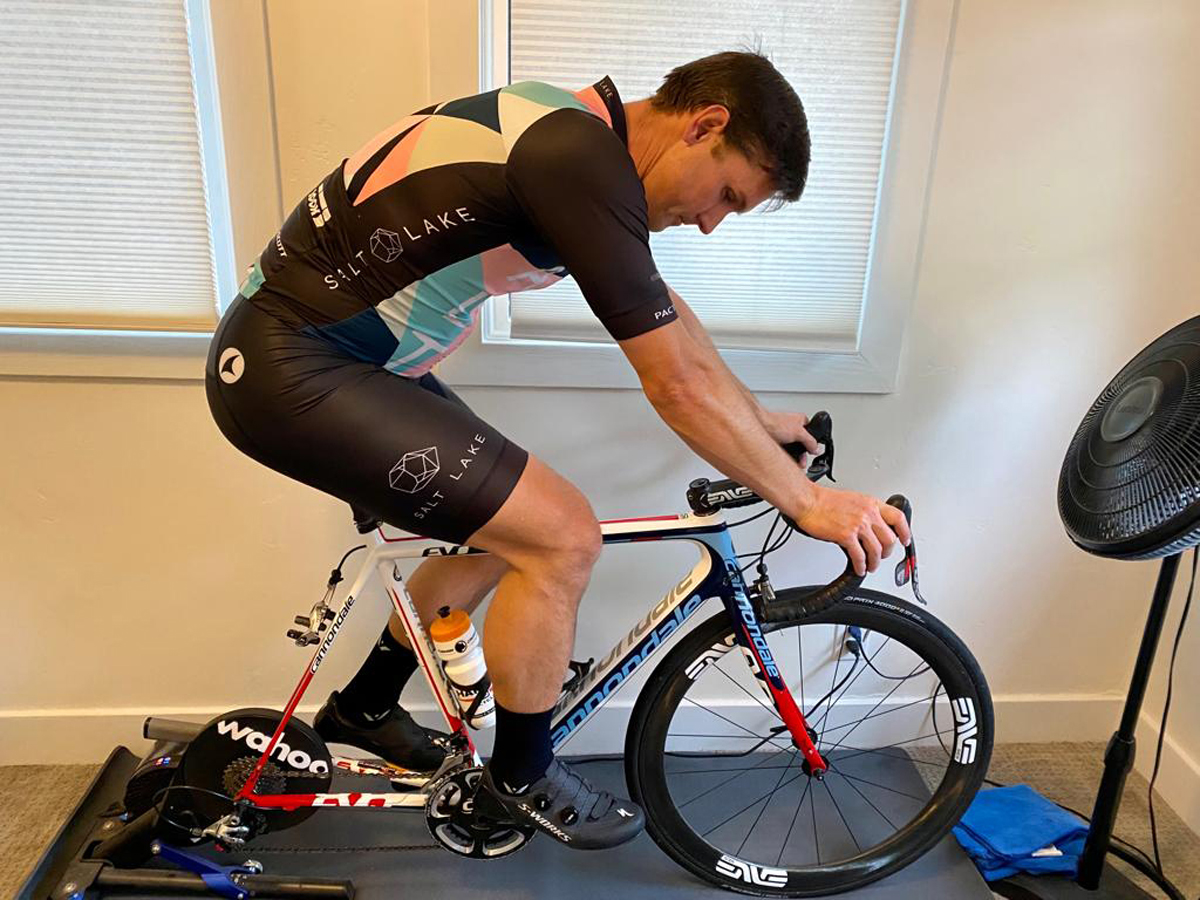
Eric Gardiner of the Visit Salt Lake Team stays fit in winter on the indoor trainer. Photo by Anne Gardiner

Let’s start with the heat. Although you think all those calories you are expending are going directly to the pedals, cyclists only have an energy efficiency of 20-25%. Less than a quarter of your effort is reaching the pedals, and the rest of it is lost as heat. Without the evaporative cooling effect of moving at speed through air outside, you will quickly ramp up the humidity of your training environment and your body will try to lose heat through increased and obvious sweating. To mitigate this, do as much as you can to keep the room cool; open a window; have one or two fans going; have hydration at hand, and consume it; and have a hand towel to mop yourself off. Also dress lightly. Consider liner shorts instead of regular bibs or shorts, as they offer a more open weave and better ventilation. You are trying to reduce “swamp crotch”. No need for a cycling jersey. The less the better up top, depending on the privacy of your training environment and need for support and modesty, or propensity to livestream your workout.

The disappointingly little energy that does reach the pedals is used to turn the cranks, which move the chain, which rotate the wheels, which – in the outside world (or on rollers), dissipate that energy into forward momentum. In the inside world on the trainer, that energy is not dissipated, but circles back to bite you in the butt. Ouch! It’s not lost to the road through momentum and the movement and sway of the bike underneath you. On a stationary trainer or exercise bike that is held and supported rigidly and upright there is no forward momentum, nor much side-to-side movement. Also, because the need for balance is much reduced and you don’t need to steer, corner, or brake, your core is likely to be less engaged and active. This combination of factors tends to concentrate and magnify any mis-fit in the bike – body relationship. Because of the way energy is dissipated while riding outside, minor issues can be masked by the more dynamic nature of riding on roads and trails. It’s not that these issues don’t exist, but they are being dulled or absorbed. But inside on a trainer they can be highlighted and brought to the fore.

An increasing recognition of this issue has led to the creation of DIY and commercial “rocker plates” and other trainer accessories. These contraptions go under your trainer and provide for more “realistic cycling movements”. The bike will move back and forward and side to side in response to your efforts. It’s doing this all the time when you are riding outside, but because it is “normal” you don’t really notice it. What you notice is when this is not happening, which is most of the time inside. There are also some trainers that allow this movement to take place, like the Kinetic Rock n Roll, which I use in my fit studio.

If feet, saddle pressure, back, shoulder, neck, or hand issues are bothering you when riding inside, but not when you are outside, you might want to consider having your bike fit revaluated and refined, and / or look into the rocker plate revolution. Indoor cycling, training, and racing may involve a bike-like object and turning the pedals, but it is a different sport with different physics at work. Understanding the differences can help you optimize your experience and crush your rivals on Zwift, enjoy the scenic rides on Rouvy, or knock out your TrainerRoad workouts with increased satisfaction. Ride on!

John Higgins is a professional bike fitter and purveyor of unique and boutique bicycles and fit-related components and accessories in Salt Lake City. More info on bikefitr.com

USA Triathlon Launches New Gravel Tri Series

The innovative new eight-race series offers endurance sports enthusiasts a new way to experience swim, bike, run multisport racing at gravel events in each region of the United States. 

COLORADO SPRINGS, Colo. (January 25, 2022) — Building off the rapidly growing trend of gravel-related races springing up around the country, USA Triathlon today announced the eight local multisport gravel events that make up the inaugural 2022 USA Triathlon Gravel Triathlon Series. 

Paired with the first USA Triathlon Gravel National Championships to be held June 3 in Fayetteville, Arkansas, the innovative 2022 USA Triathlon Gravel Triathlon Series offers endurance sports enthusiasts a new way to experience swim, bike, run multisport racing at gravel events in each region of the United States. 

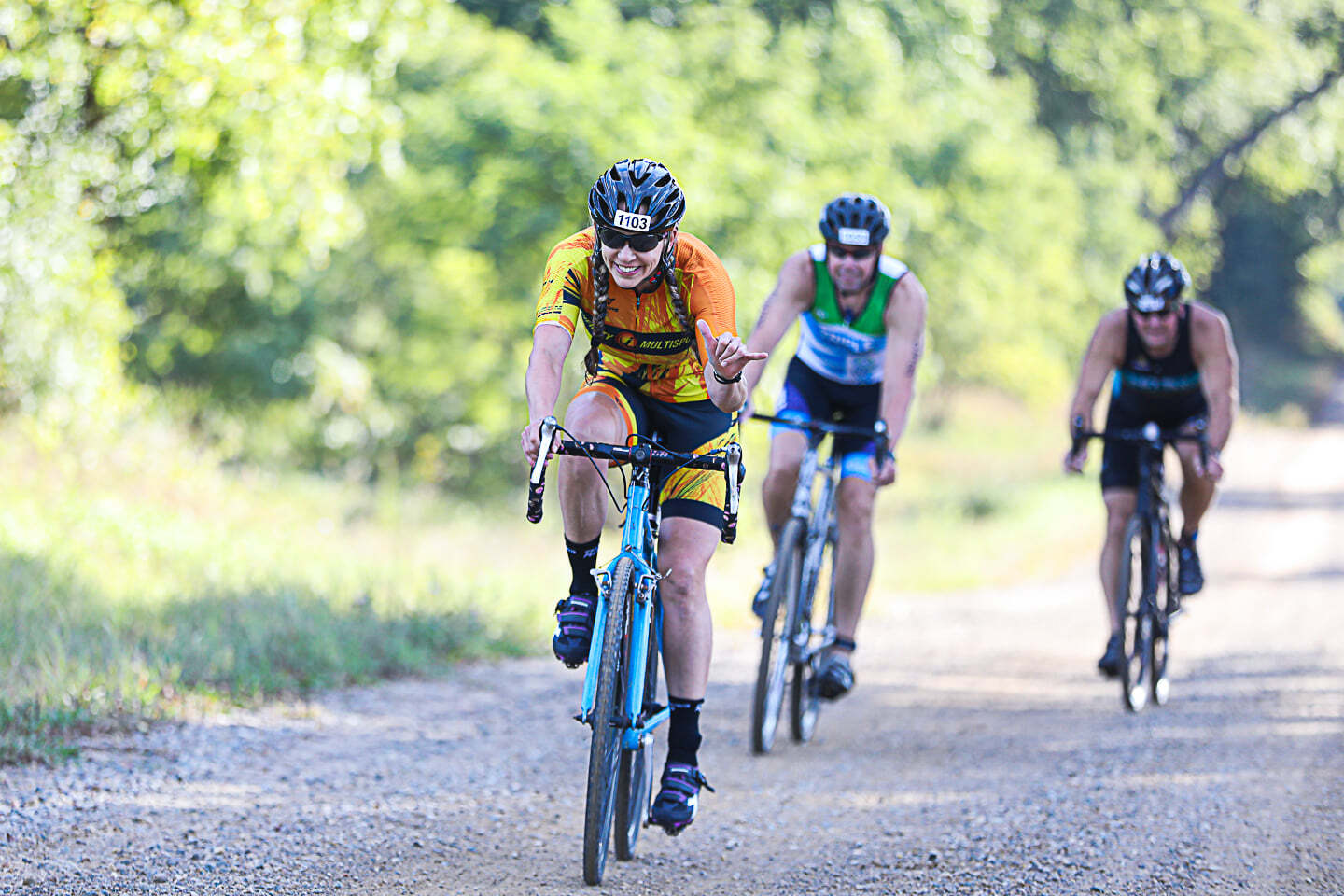
Photo courtesy USA Triathlon

“Gravel cycling is growing incredibly fast and the multisport community is positioned to take advantage of this trend by providing athletes with new and unique race formats and disciplines like gravel triathlon,” said Rocky Harris, USA Triathlon CEO. “USA Triathlon is proud to partner with local race directors across the country to create this exciting new series. As the National Governing Body for triathlon and multisport in the United States, we fully support gravel triathlon and other gravel multisport disciplines, and we look forward to being a part of its continued growth.” 

The USA Triathlon Gravel Triathlon Series spans the multisport season from May through October and features events across the U.S., with races in New Jersey, Michigan, Texas, Colorado, Idaho and California. Race series participants will receive special USA Triathlon Gravel Triathlon Series stickers and awards, as well as recognition on usatriathlon.org and USA Triathlon’s social channels. Qualification is not required to participate in the USA Triathlon Gravel Triathlon Series or the inaugural USA Triathlon Gravel National Championships. 

In the leadup to and throughout the USA Triathlon Gravel Triathlon Series, USA Triathlon will share beginner-friendly resources to show how athletes can get started in gravel riding, spotlights on gravel equipment, race reports from athletes and spotlights on local race directors, coaches and clubs who have incorporated gravel into their events, coaching services and club activities, respectively. 

Gravel riding is an increasingly popular form of cycling that combines elements of road- and mountain-biking, and consisting mostly of riding over unpaved, non-technical roads. Unlike traditional triathlons where participants race their bikes on paved roads or highways, and unlike off-road triathlons where racers ride mountain bikes on technical, single-track mountain bike trails, gravel triathlons take place on unpaved, dirt roads such as Forest Service roads or canal paths that are non-technical. With fewer vehicles on these dirt and rural roads, gravel riding can offer a safer alternative to road cycling. Because of the varied terrain, riders can use a bike designed specifically for gravel riding, but mountain bikes and road bikes are often used for gravel riding, too. 

As gravel triathlon and gravel duathlon (run-bike-run) are new disciplines under the multisport umbrella, USA Triathlon has created a new set of rules specifically for gravel events. To view the Gravel Multisport Rules and Recommendations, click here. These rules and recommendations were established through a working group of race directors and other community stakeholders and was led by Mark Turner, USA Triathlon Commissioner of Officials. 

The eight-race Gravel Triathlon Series kicks off on May 15 at the Jersey Gravel Triathlon in Hewitt, New Jersey. Organized by Ready Set Go Adventures, the Jersey Gravel Triathlon takes place at Wawayanda State Park and features a sprint-distance gravel triathlon (500m swim, 8-mile gravel bike, 3-mile trail run) and Olympic-distance gravel triathlon (1,000-meter swim, 25-mile gravel bike, 5-mile trail run) as well as other multisport disciplines involving gravel, including aquabike (swim-gravel bike), duathlon (trail run-gravel bike-trail run), paddle triathlon (stand-up paddleboarding, gravel bike, trail run) and a kids triathlon. 

The next series race is The Theoi June 18 in Donnelly, Idaho, held at the Tamarack Resort, which sits on Lake Cascade. Organized by Pristine Marketing and Events, the new event on Father’s Day weekend features a 1,000m swim, 40k gravel bike and a 10k trail run gravel triathlon. Other ancillary races during the weekend include a “vertical” gravel climb trial up Tamarack Resort’s main ski mountain and a 75-mile gravel bike race. 

Launched in 2018, the Ugly Dog Gravel Tri July 23 in Chelsea, Michigan, is the third event in the series — one of two in Michigan — and features a bike and run course with 90% gravel. Located at Waterloo State Recreation Area and organized by Tris4Health, the event features a sprint-distance gravel triathlon (750m swim, 14-mile gravel bike, 5k trail run) and an Olympic-distance gravel triathlon (1,500m swim, 29-mile gravel bike, 10k trail run), as well as gravel duathlon, aquabike and relay race options. 

Set at Stagecoach Reservoir near Steamboat Springs, Colorado, the Stagecoach Gravel Triathlon makes its race debut July 31 and is the fourth race in the series. The gravel triathlon organized by Without Limits Productions features a course with a half-mile swim, 16-mile gravel bike and 4-mile trail run, as well as a gravel aquabike race and the option to stand-up paddleboard instead of swim in the gravel triathlon. 

The first of two California events, the Gravel X Triathlon Sept. 10 in Folsom, California, is the fifth event of the series. Organized by TBF Racing, the gravel event is located at Negro Bar State Park and features a sprint-distance gravel triathlon (500m swim, 18k gravel bike, 5k trail run) and an Olympic-distance gravel triathlon (1000m swim, 36k gravel bike, 10k trail run) with a course featuring nearly 85% gravel. 

Sept. 25 features two series events, The Dirty Mitten in Middleville, Michigan, and XTERRA Laguna Beach in Laguna Beach, California. 

Organized by Tris4Health, The Dirty Mitten takes place at the YMCA’s Camp Manitou-Lin and features sprint- (750m swim, 14-mile gravel bike, 3.1-mile trail run), Olympic-distance (1500m swim, 29-mile gravel bike and 6.2-mile trail run) and half-distance (2250m swim, 54-mile gravel bike, 13.1-mile trail run) gravel triathlons as well as relays, aquabikes and duathlons at each distance. 

The scenic XTERRA Laguna Beach in Laguna Beach, California, is organized by Generic Events and features a short course (500m swim, 16k off-road bike and 5k trail run) and long course (1500m swim, 25k off-road bike, 10k trail run) at Crystal Cove State Park overlooking the Pacific Ocean. 

The final race in the series is the Brick House Triathlon Oct. 23 in Navasota, Texas. The fourth year for the event, the Brick House Triathlon features a 400m swim, 10-mile gravel bike and 3k trail run course at Magnolia Hill Ranch. The event, organized by Trifit-XT, also features an adventure race with a trail run, bike and kayak/stand-up paddleboard. 

In addition to the USA Triathlon Gravel Triathlon Series, the inaugural USA Triathlon Gravel National Championships will be held June 3 in Fayetteville, Arkansas. Gravel and mountain-biking haven, Fayetteville, will also host the Off-Road National Championships on June 4. Both events will be held in conjunction with the Ozark Valley Triathlon. In addition, the event will also host the first Off-Road Duathlon National Championships. Both the Off-Road Triathlon and Off-Road Duathlon National Championships will qualify age group athletes for the Cross Triathlon and Cross Duathlon World Championships, hosted by World Triathlon.


Help! I’ve Been Doored!

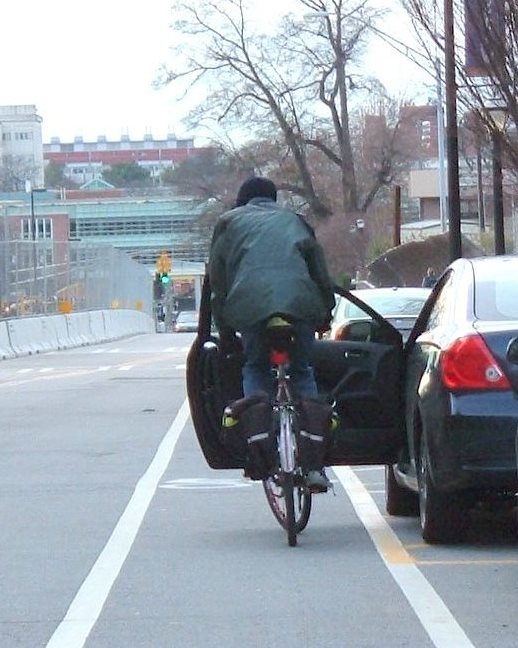
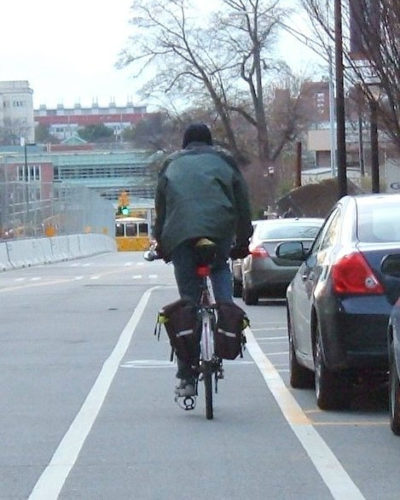
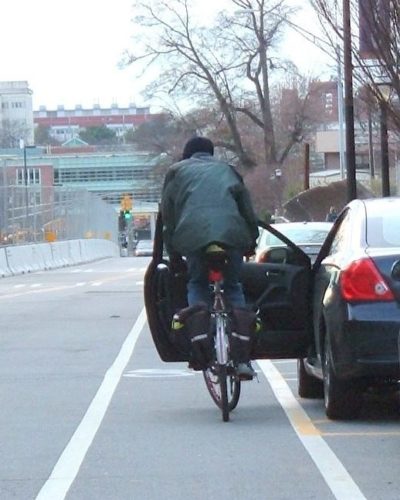
By Ken Christensen and Russ Hymas — Is “dooring” something you worry about often as a cyclist? For those unfamiliar with the term, think about the last time you rode along a crowded downtown street, or passed a long line of parked cars near a trailhead on Wasatch Boulevard. Did your blood pressure rise, fearing that a door might fling open just as you pass by? “Dooring” is the term used when a cyclist crashes into a suddenly opened car door along the shoulder of the road. No matter how safely you ride your bike, it is difficult, if not impossible, to predict the actions of other people, especially drivers and passengers in parked cars. Dooring collisions are most common in urban communities but can happen anywhere and anytime, especially since Utah does not prohibit parking a car in a bicycle lane.

Cyclist riding safely in the bike lane … Photo of Scott Ehardt taken by VinnyR and released by him into the public domain., Public Domain, https://commons.wikimedia.org/w/index.php?curid=556495

An observation study in New York City counted 77 dooring infractions in only 3 days. Despite this dangerous behavior by drivers, insurance companies and their attorneys routinely try and argue that the cyclist bears fault for dooring collisions or that the cyclist must prove that the driver or passenger failed to act in a careful manner before opening the door. This is contrary to Utah law! Utah (along with 39 other states) specifically assigns responsibility on the person opening the car door, rather than the cyclist passing their vehicle.

Utah Code Section 41-6a-1704 states that “a person may not open the door of a motor vehicle on a side available to moving traffic unless it can be done safely and without interfering with the movement of other traffic” (this would include cyclists). The statute also makes it illegal to leave a door open for extended periods of time. This law provides a clear duty for people to look for traffic – whether bikes, cars, or pedestrians – before opening their doors. Without this law, the burden would be placed on the cyclist to show that they could not avoid the driver’s opened door in order to recover for injuries and bike damage.

Other states should have similar laws on their books. Non-Utah residents should check their own state’s traffic codes for specifics in that state.

… until the driver of a recently parked car throws open his door without checking the bike lane to see if it’s safe first. Photo of Scott Ehardt taken by VinnyR and released by him into the public domain., Public Domain, https://commons.wikimedia.org/w/index.php?curid=556499

A 2020 Florida survey found that 59% of drivers never check behind them before opening their doors. Most car doors are 5 feet in width and Utah has an abundance of trucks and SUV with even wider doors. Typical bike lanes next to parked cars are narrower than 5 feet and insufficient for cyclist safety. So, what should a cyclist do when riding next to parked cars? Utah Code Section 41-6a-1105 says that if a cyclist is traveling slower than the flow of traffic, a cyclist must ride as close to the right-hand edge of the roadway as practicable. But the law also has a specific exception to this rule when avoiding unsafe conditions along the right side of the road such as parked cars or debris. When you’re riding along parked cars, it is legal to move further into the roadway, even ride in the travel lane, as long as you do so carefully.

“Taking the lane” can be a controversial topic among cyclists and motorists. Many drivers begrudgingly acknowledge a cyclist’s right to take the lane when the cyclist is moving with the speed of traffic. Those same drivers, however, cannot appreciate the danger of car doors opening and can become hostile and aggressive when a cyclist takes the lane in order to avoid hazards on the right side of the road. When necessary, give proper notice, take the lane, and then return to the right-hand edge of the roadway as quickly as possible. As cyclists, we can legally take the lane, but that doesn’t mean we can keep it.

If you’re involved in a dooring collision, turn on your cell phone camera and video as much as you can immediately afterwards. Many drivers accept fault and apologize immediately afterwards. Don’t let the driver or their insurance company blame you for the accident. Utah law is clear – drivers must check their blind spots and make sure they can open the door safely.

No Exit Cartoon – The Evolution of Bicycle Design

The Evolution of Bicycle Design. Cartoon by Andy Singer

Interview with USA Olympian and USA National Champion Jill Kintner

By Elke Bengtson and Anthony J. Nocella II, Ph.D. — Anthony: As a twenty-five-time USA Champion, Bronze BMX Olympian, and Mountain Bike World Champion, how did you get into cycling and were there many women role-models in the sport at that time?

Jill: Thank you! I got into biking like most kids, just ripping around the neighborhood on my bike, hanging out, going places, and trying to jump off curbs and little ditches. The movie Rad was an inspiration, and I had a little paper route on my bike when I was ten years old. We also had a BMX track a few miles away, so it was pretty natural to follow my brother down there for a bit of fun. 

There weren’t many females in the sport at that time; I actually didn’t even have girls to play with in my neighborhood, but I got along fine with the boys and just liked adventuring outside. I played many sports like soccer and tennis and had girlfriends at school and teammates for soccer, so it didn’t really matter. I liked having both team and individual sports to give me variety.

There were a few older ladies in biking to look up to, but mostly I was just trying to keep up and learn from anybody who was better than me, male or female. My dad used to point out certain attributes to watch and then I would try to copy, so I didn’t focus too much on being a girl, just on being a better rider. Then we got to travel as a family and there were a lot more girls to ride with and against on the national circuit.

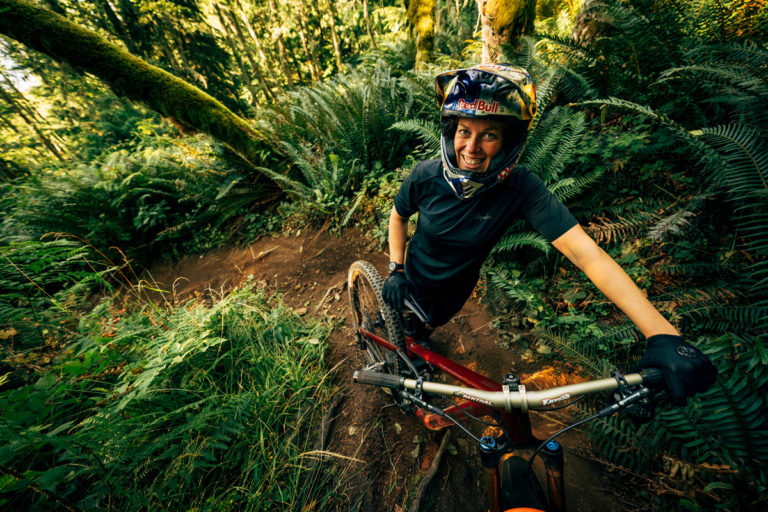
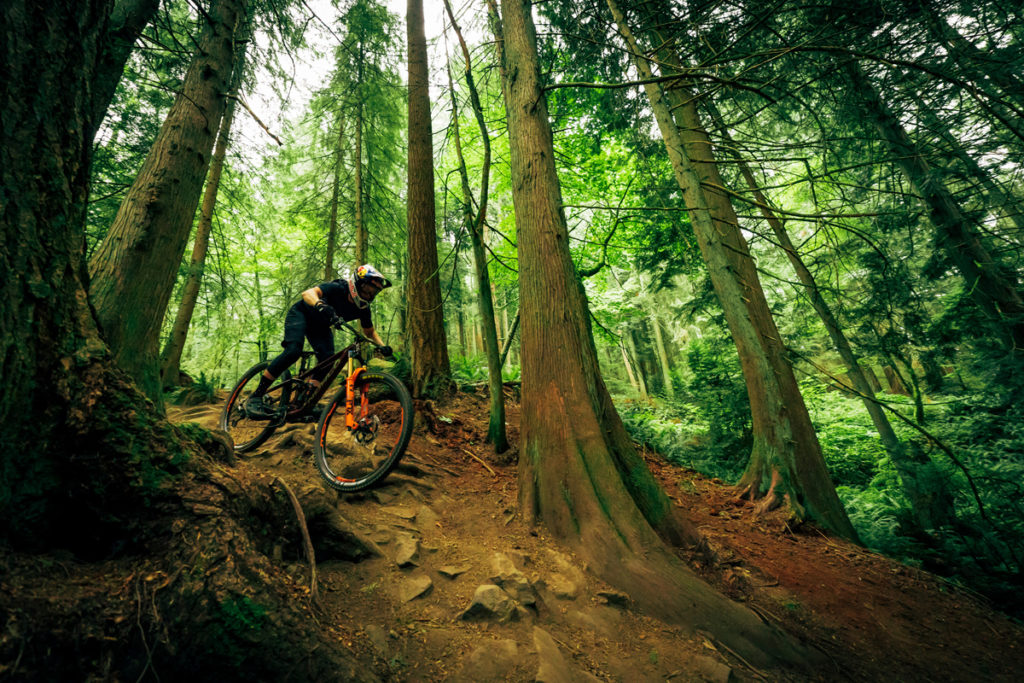
Jill Kintner rides during filming of an episode of The Sound of Speed, in Bellingham, WA, USA on 25 August, 2020. Photo by Bryn Atkinson, Red Bull Content Pool

Anthony: In your opinion, how can we get more focus on women in the cycling culture and racing?

Jill: I think the sport, as a whole, has become more accessible. We are seeing more and more ladies getting into it. With all the disciplines of cycling, there is something for everyone whether they want to compete, or ride for well-being, or just have fun in nature with friends. Mountain biking has a great community of people, all pretty accepting and encouraging, so it’s coming, but its takes time to bridge the gender gap. Equality for prize money in competition has been a good start, but I think finding sponsorship to be a full time professional is still difficult and takes a lot of work. The level of riding will come up and be more competitive as this area fills in.

Elke: How can we breakdown the inequity and sexism within cycling toward women; from who gets hired at the bike shop to who gets sponsorships for racing? 

Jill: I don’t know. Maybe just with women stepping into these roles so they are more commonly understood and accepted. I love seeing women as mechanics, engineers, and roles like that. For racers, it’s still tough to know what to ask for. The boys get paid a lot more and it’s not very transparent. I don’t know how to change this other than to ask.

Anthony: Do you see a connection between social justice and cycling and if so, what is that connection?

Jill: It just seems like there have been more opportunities created recently because of the awareness brought to this topic. Diversity can help solve problems, and bring in new points of view, so having an eclectic mix of people enjoying the sport will hopefully open doors for future generations where anybody can get into the biking industry. I think there should be programs to earn equipment, rather than just giving it away, so that it has value and is cared for.

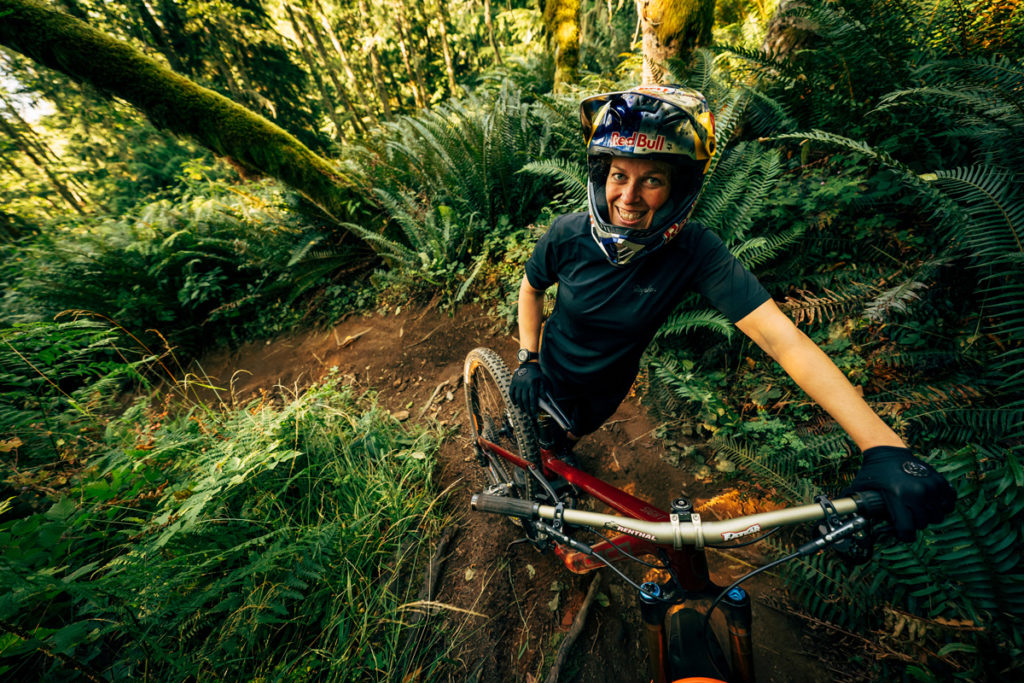
Jill Kintner during filming of an episode of The Sound of Speed, in Bellingham, WA, USA on 25 August, 2020. Photo by Bryn Atkinson, Red Bull Content Pool

Elke: How can we support more young girls into cycling to make the sport more inclusive, and prevent patronizing behavior such as male-splaining in bike shops, racing or the male-gaze, objectifying women on Instagram?

Jill: All tricky questions here! I think the more you know about a subject the less patronizing it becomes. I have been in the sport a long-time and have taken the time to learn all the technical skills, knowledge, and equipment that is maybe a bit overwhelming to newbies. 

For the younger girls, at least in Bellingham, Washington, where I live, we have ride groups and weekly skill building where they all ride together from six years old onward. Mentorship and community are the best way to give kids confidence with their riding amongst peers. Just starting a ride group works wonders. Obviously, some will thrive and keep going with biking because they love it, but starting young or finding good support to learn from is a great start. For adults, the same group learning applies – the ladies’ all-ride clinics, dirt series, individual coaching are great investments, or just riding with other ladies helps break out of your comfort zone.

As far as social media, who knows. I think it’s up to individual people to decide how they want to portray themselves on Instagram. I personally try to be professional and share stuff that can – first, help others and/or second, is kind of interesting or insightful.

Elke Bengtson is a seasoned cyclist and trail runner, who dabbles for fun in triathlons and other adventure sports such as kayaking and climbing and is the Senior Marketing Manager at Sundance Catalog.


2021 El Tour de Tucson – New Course, Desert Scenes, and Charity

By Dave Iltis — We had the opportunity to ride the fabulous El Tour this year for the first time. The ride was held for the 38th time on November 20, 2021. This year’s ride had 6715 cyclists, making it one of the largest rides in the U.S. The courses this year changed from previous years, but since we hadn’t ridden those, we didn’t have a comparison. This year’s event featured the flagship 102 mile loop, a 57 mile loop featuring many of the roads of the longer loop, and a 28 mile point to point ride. There were also 10, 5, and 1 mile kids rides.

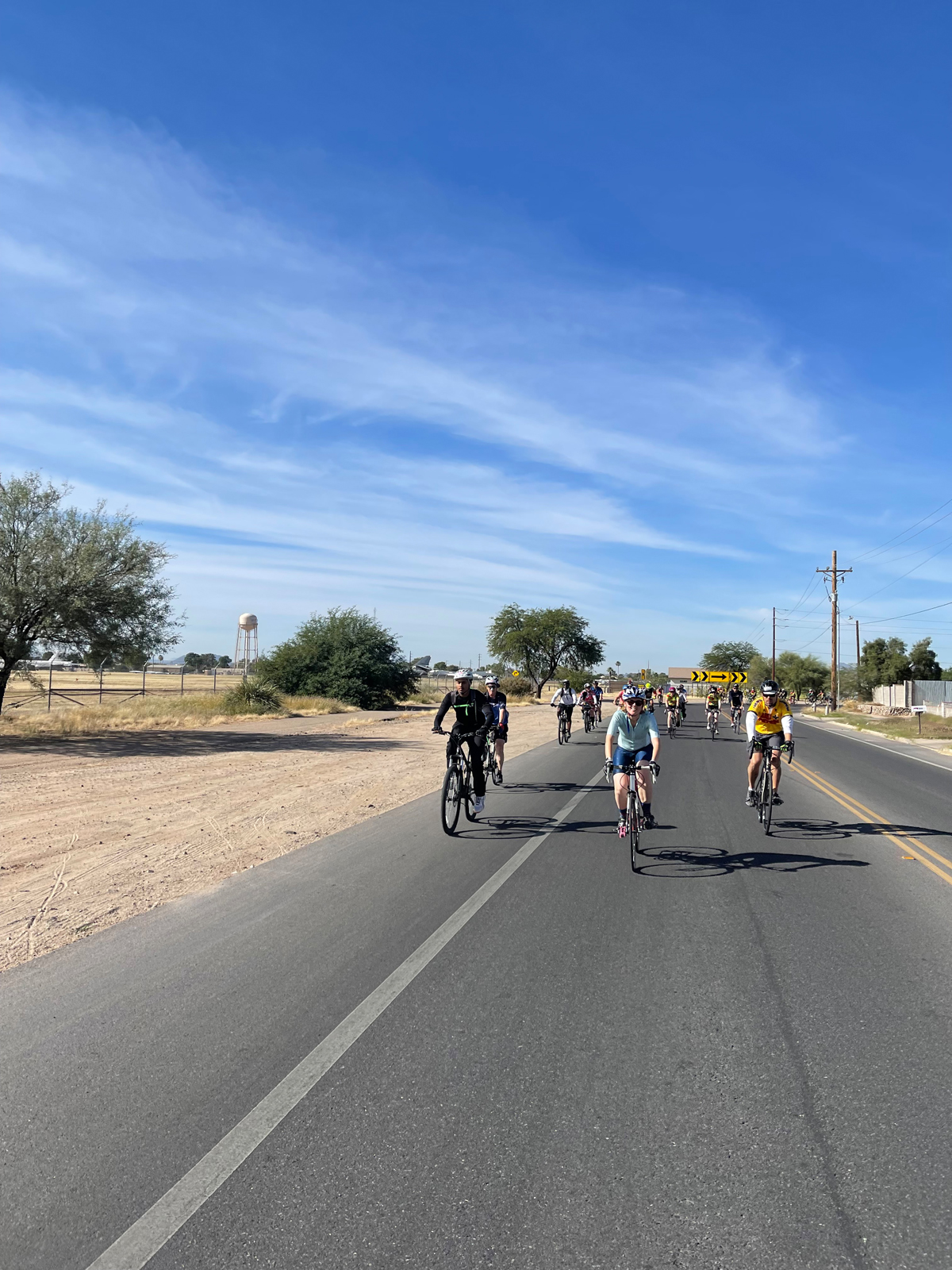
Lisa leading up a group of riders in El Tour de Tucson 2021. Photo by Dave Iltis

Lisa and I rode the 57 mile loop, with an additional 5 miles from our friend’s house to the start and back. The course was pretty with Sonoran desert scenery throughout and Cholla, Saguaro, and Ocotillo dotting the landscape. The weather that day was perfect – sunny skies and a high of about 80, with just a little wind. Along the route, the mountains were visible in the west, and provided relief to the rolling terrain.

The route traveled into Southern Pima County for the first time in the ride’s history. We were impressed by mostly car free courses, with few interactions with traffic, and well marshalled intersections. Rest stops dotted the course, and one was never too far from water or snacks. The rest stops did have a few logistical bumps with one temporarily running out of water. Additionally, it would have been nice to have a few more choices for food other than bananas and oranges, which were present at most of the stops. The final stop however was a highlight with fresh baked brownies and Girl Scout Cookies. The only electrolyte drink we had was a scoop of Gatorade from one of the support cyclists; this too would have been good to have at the various stops. It wasn’t too hot, so this wasn’t a huge issue. The festival the night before and also after the ride was great, with awards to finishers, bike company booths, and good food, including a booth with fresh ceviche!

The ride had great support throughout. I had the misfortune of having 2 flats on course, the most I’ve had on a ride in years. Fortunately, the El Tour de Tucson Bike Patrol were ubiquitous, and I only had to wait a few minutes for help. I had a spare tube, pump, and patch kit, but they provided me with a second tube after the second flat and had a floor pump to make it easier to refill deflated tires. This helped us to finish just inside the cutoff time for finishing medals. The course was well marked, and cue cards and info was plentiful.

The ride also has a timed race element, with top cyclists competing for podium honors. My racing days are long past, so we just rode the event. The fastest riders finished the race in under 4 hours. Marlies Mejias Garcia won the women ‘s 102 miler in 3:59:22 and Jose Gerardo Ulloa Arevalo topped the men’s field in 3:57:44; both riders averaging over 25 mph over the ride. Full results are posted on eltourdetucson.org.

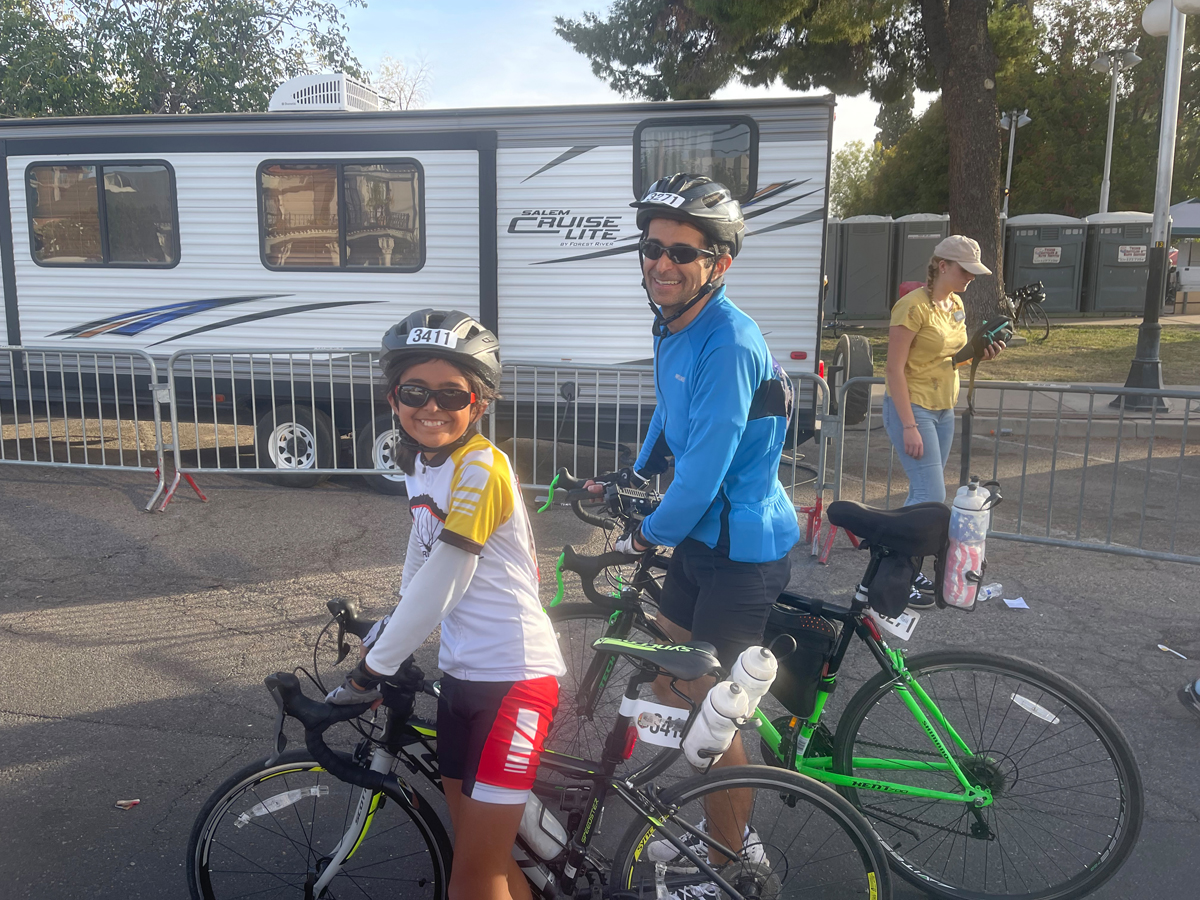
Ariana and her father at the finish of the 102 mile course in El Tour de Tucson 2021. Photo by Dave Iltis

One of the feel-good stories of the event was 11 year old Ariana, the youngest cyclist to finish the 102 mile ride, which she completed with her father in 8:56. “My parents stood by me through my journey,” Ariana said on the El Tour de Tucson website. “They taught me to focus on the target. They said if I put my heart and mind to it, I could achieve my dreams. Thank you, El Tour de Tucson, for giving me the opportunity to achieve my dream. This is for every girl and every woman out there: ‘You Can Do It. Never Give Up.’”

The ride raises money for charity. Over the lifetime of the ride, the event has raised over $101 million for charities such as Banner Children’s Hospital, KXCL radio, Women Warriors, and a host more. At press time, totals for the 2021 ride were not yet available.

All in all, it was a great event, and one that should be on your to do list.

The 2022 ride will be held on November 19, 2022. Registration will open in the spring at eltourdetucson.org


Federal Bill Introduced to Develop 10 New 80 Mile Long Bike Trails

By Charles Pekow — Picture some long-distance bike trails on federal land. The Biking on Long-Distance Trails Act (S. 3264) pending before the Senate Energy and Natural Resources Committee would require the Agriculture and Interior departments to try to develop at least 10 bike trails of 80 miles or more.

Abajo Foothills Trails. Image courtesy UORG

Four senators – two from each party – sponsored the bill, including John Barrasso (R-WY). What bodes in its favor is that chief congressional obstructionist Joe Manchin, who chairs the committee, immediately signed on.

The U.S. Forest Service, however, declined to endorse the bill. At a hearing, Deputy Chief Chris French stated “we do not believe legislation is necessary. Consistent with its multiple-use mission, the Forest Service considers mountain biking in the context of all possible types of trail uses on National Forest System trails, including hiking and horseback riding.”

The Bureau of Land Management suggested that the language clarify which agency is responsible for which trails and that it might help if part of the trails included non-federal land.

See the bill at https://www.congress.gov/bill/117th-congress/senate-bill/3264/committees?r=1&s=3.


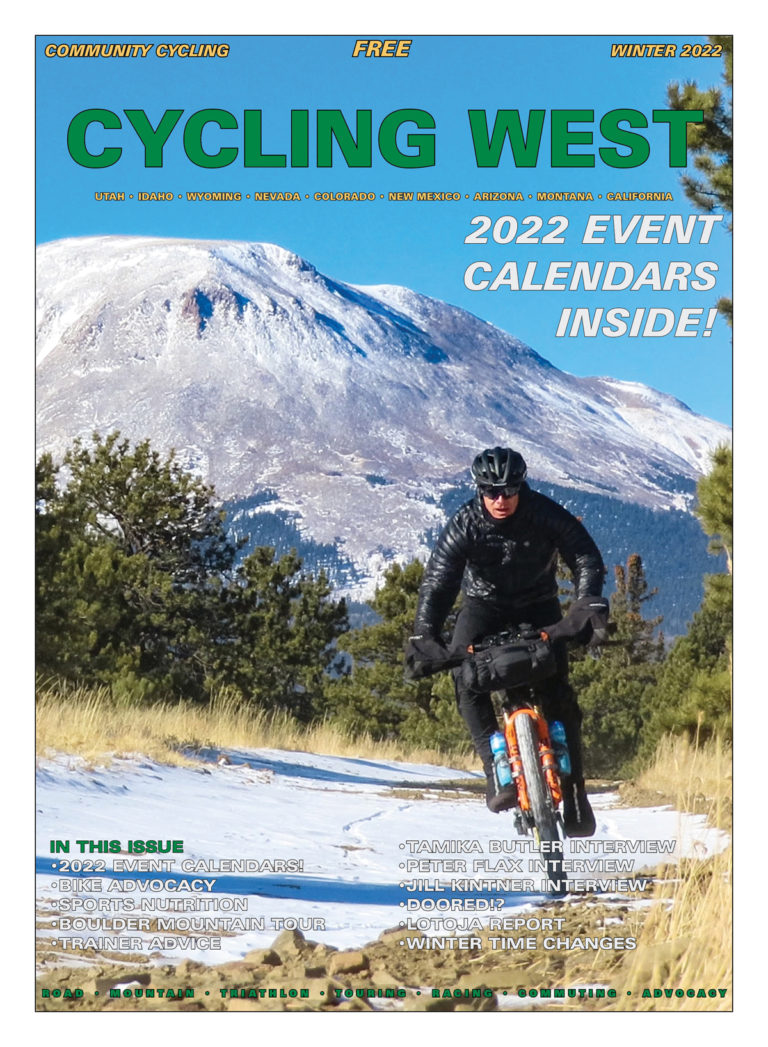
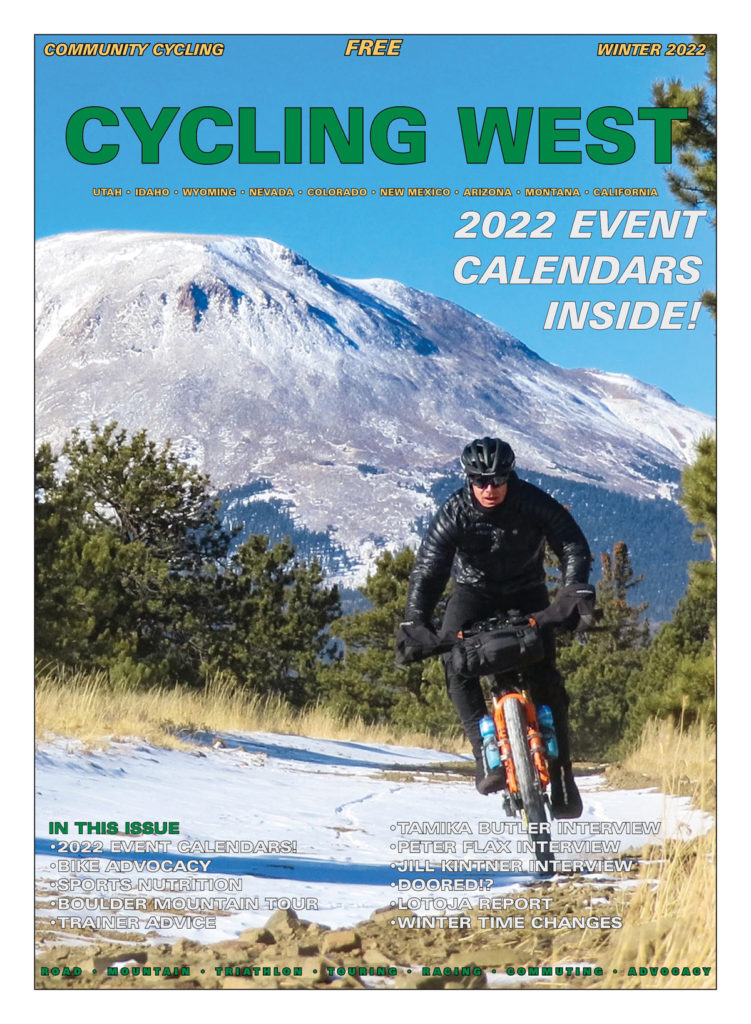
Cycling West and Cycling Utah’s Winter 2021-2022 Issue is Now Available!

Cycling West and Cycling Utah Magazine’s Winter 2021-2022 Issue is now available as a free download (10 MB download). Pick up a copy at your favorite Utah, Idaho, Wyoming, Nevada, Montana, Colorado, Arizona, New Mexico and Northern California bike shop or other location.

Download the Magazine Now!

Cycling West Winter 2021-2022 Cover Photo: Rider: Jeff Kerkove
Location: Buena Vista, CO
Mountain names: East Buffalo Peak and West Buffalo Peak
Photo by Jeff Kerkove, Team Topeak-Ergon p/b Canyon

Contents

  • Idiotic-α: A Hastily Planned Loop Around Boulder Mountain, Utah — page 3
  • Adjusting to Time Change for Winter Training — page 6
  • Indoor Trainer Advice for Cyclists — page 7
  • Vernal’s McCoy Flats Trail System to Get Updated MTB Plan — page 7
  • Federal Bill Introduced to Develop 10 New 80 Mile Long Bike Trails — page 7
  • I-15 in Springville, Utah to Get Bike Safe Interchange — page 7
  • Study: EBike Subsidies Encourage People to Buy Ebikes — page 7
  • New Guide on Bicycle Safe Intersection Design Released — page 7
  • Interview with USA Olympian and USA National Champion Jill Kintner — page 8
  • Help! I’ve Been Doored! — page 9
  • LAB Releases Report on BIPOC Cycling Participation — page 9
  • Book Review: From A to B, A Cartoon Guide to Getting Around by Bike — page 10
  • 2021 El Tour de Tucson – New Course, Desert Scenes, and Charity — page 11
  • Interview: Tamika Butler on Bicycles and Racial Justice — page 12
  • Interview: Peter Flax on Bicycle Culture — page 13
  • Spratt, Pannecoucke take top honors in 39th annual LoToJa Classic — page 14
  • 2021 Federal Transportation Bill Has Twice the Support for Cycling — page 21
  • Nutrition: Decrease Inflammation and Enhance Immunity — page 22

Winter Training Tips for Cyclists

0

By Pat Casey — The cold, dark, shortened days of winter are upon us. There’s no arguing that everyone, particularly endurance athletes, benefits from adjustments in their schedules and routines to get the most out of the hours in the day. Life doesn’t slow down, and the feeling of not having enough hours in the day can become overwhelming as our days literally feel like they’re cut in half when we turn our clocks back and our days get even shorter. Adjusting to our new environment requires awareness of many variables, some of which we are seemingly unaware of until they impact us in a negative way. Here are a few tips to help you adjust your circadian clock and your training to have your best winter season yet!

Sleep Cycles, Supplementation and Adjusting to Time Change

There are many cyclists and triathletes out there who thrive on early mornings, and already squeeze every drop of time out of the day. To those of you reading who are already crushing the mornings, I applaud you for taking advantage of additional hours in the day! If you are like me, it takes a significant adjustment to force a change in my daily routine. Recently, I returned home to Salt Lake City after two weeks in Spain where I was fortunate to have a coaching gig with USA Triathlon which brought me over there. I suppose I can also thank this experience for my newfound early morning schedule… After returning, my schedule has been something like this: I wake up at 5 or 6 AM, train, work, and go about my day, but I am exhausted by 8 PM and am in bed by 8:30 or 9. 

Winter training means adjusting your circadian clock. Photo by Peak State Fit

You might be asking… “But Pat, without a trip to/from Europe to force a change, how am I supposed to trick my body into adjusting to a totally new sleep cycle?” Our bodies and brains are incredibly adaptable, and our circadian clock is trainable just like any other neurochemical change we are trying to make. We are so used to them happening naturally, so adjusting this biological clock takes discipline. However, after 3-4 days you will begin waking up earlier naturally without putting a damper on the rest of your day. 

Your Circadian Clock is Trainable

Just like we use Melatonin when we are trying to get to sleep on a long flight, or trying to readjust to a new time zone, we can also use Melatonin to adjust our body clocks to a new routine like getting to sleep earlier than we’re used to. When our bodies prepare for sleep, we naturally produce melatonin as we enter into our sleep cycle. The timing at which this happens can be manipulated through supplementation, but our other routines must also follow this trend to an earlier bedtime. Within an hour of your new ‘goal’ bedtime, stop scrolling Instagram and reading Twitter and put your phone down. When you awaken, begin your day with exercise, instead of scrolling on your phone! The adrenaline release will help combat the fatigue mechanisms and help force the physiological adaptation to shift your adrenal response or “sleep-wake cycle” to an earlier hour in the day. You can even use an artificial light source to down-regulate melatonin and help to synchronize your new sleep-light cycle. Caffeine also helps! All of this will feel like strain initially, but no change comes easily! Our brains are intensely tied to the signals that we send from our habits, so become aware of your habits, take some control by applying these tips, and change your biological clock to get a little more out of each day! 

Training your Weaknesses

Cyclists and triathletes alike are notorious for jumping from their “off-season” right back into an aerobic Base Building phase of training. The strain that our bodies are under during a long season of racing and training becomes familiar, and we normalize being in a heightened state of physiological stress. Athletes often perceive that they have lost a huge amount of aerobic fitness after returning from a break, experiencing a reduced tolerance to hard aerobic efforts, a higher perceived exertion at a familiar pace or power output, and generally feeling “deconditioned”. In reality, we don’t lose as many mitochondria as we might think. Even though we aren’t able to ride as hard as we could in August, a slight deconditioning and recovery phase of our annual training is a healthy part of the cycle. 

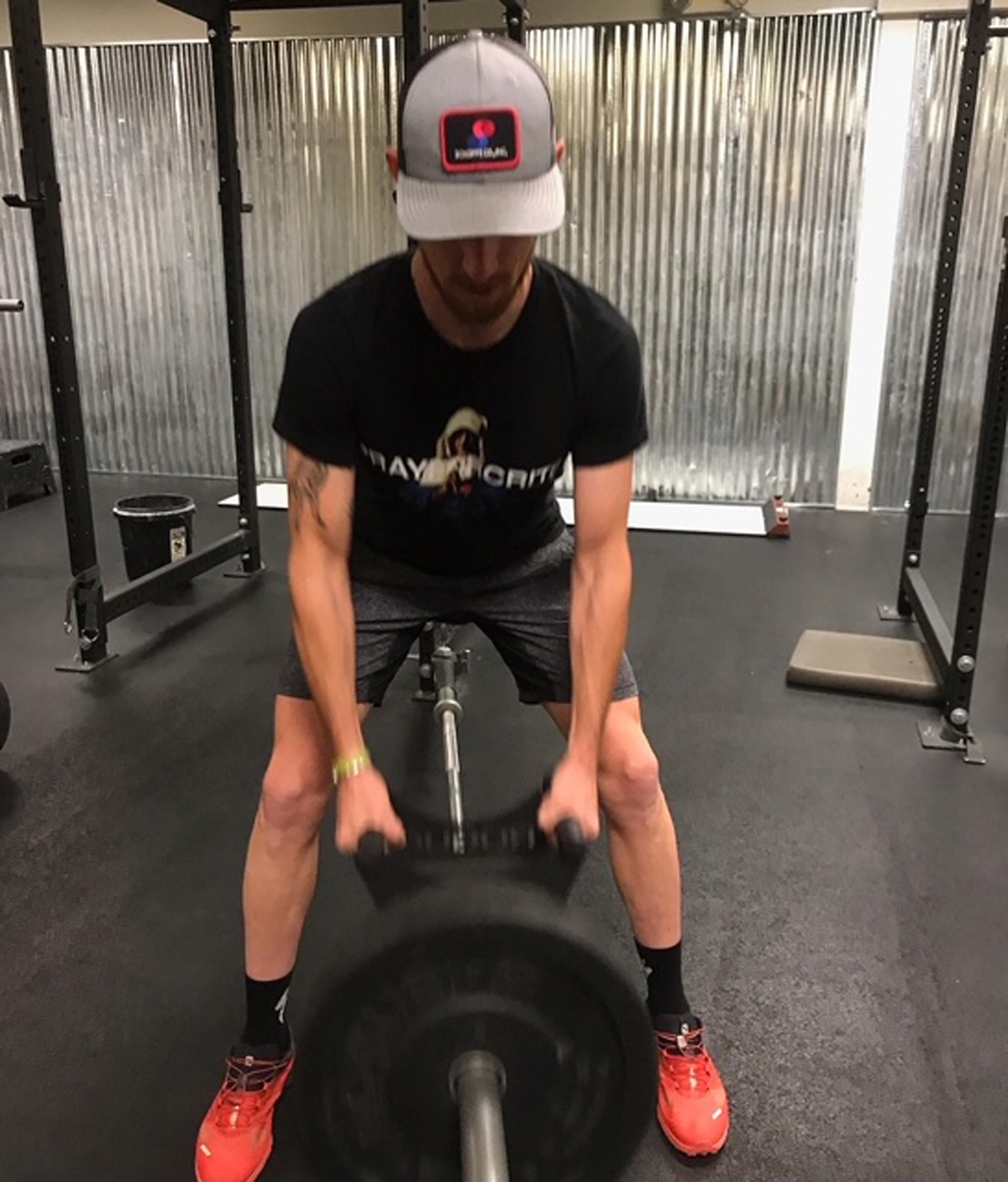
Lifting in the winter results in faster spring riding. Photo by Heather Casey

Instead of working yourself into a catabolic mess and going right back to a structured set of intervals each week, let your body absorb some new stresses to improve areas that will correspond to your training later! If you are a long-hour endurance athlete, chances are you have plenty of aerobic capacity. This is not to suggest in any way that you stop cycling or performing some form of aerobic conditioning in the winter months. We need to maintain the functionality of our mitochondria in skeletal muscle and our aerobic fitness. But we can all agree that introducing a new stimulus is essential for growth in all areas of life, and (not to sound like a broken record but…) endurance athletes need to be adding strength training to their training program. 

Planning Matters and Coaching Helps

If you choose to hire a personal trainer/strength and conditioning coach, or just want to explore spending time in the gym, it’s important to reduce the overall time you’re spending performing aerobic work and allow your body to absorb the adaptations to lifting weights and gaining strength. Every athlete has different needs. If your goal is to gain strength, power, and to become a more resilient athlete, consider taking a more individualized approach to your winter training. It’s easy to follow the masses and do what your teammates are doing. There is a reason the best riders and triathletes in the world take a step back and shift their focus on building strength and tensegrity – it pays dividends, particularly when we progressively load our bodies with various physiological and physical stresses throughout a season. 

Strength and endurance are oil and water, meaning the body cannot effectively adapt to both at the same time with quality. Not sure where to start? Reach out to a coach to schedule a consultation and help get you on track this winter.


Boulder Roubaix Returns in 2022 for 30th Anniversary Event

0

The legendary Boulder Roubaix is back in 2022 as one of the most hallowed road races in the West!

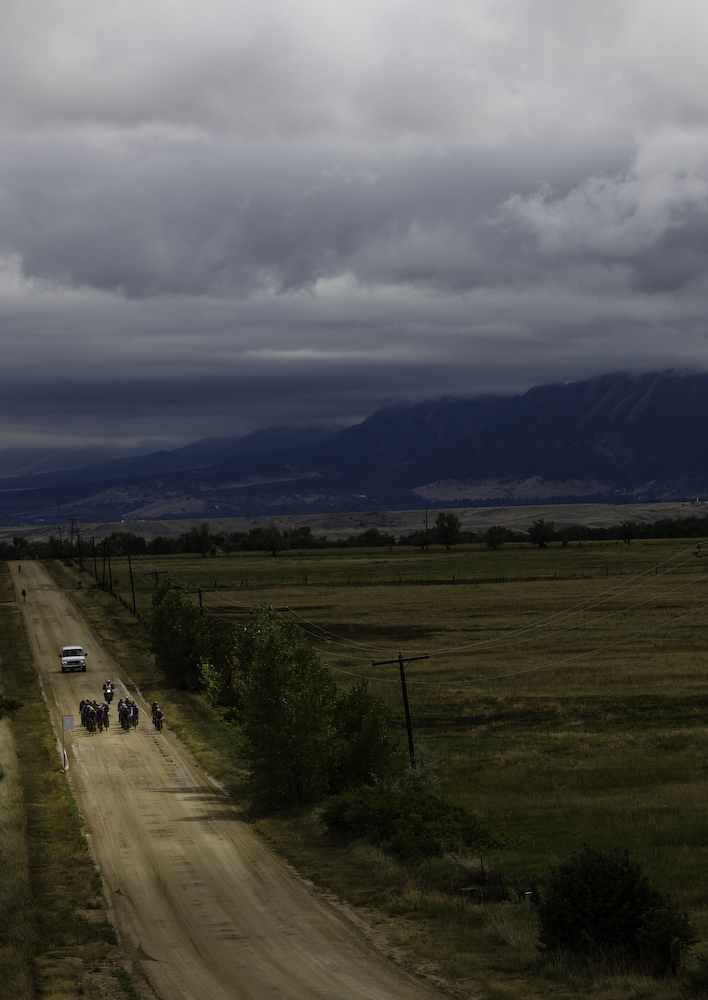
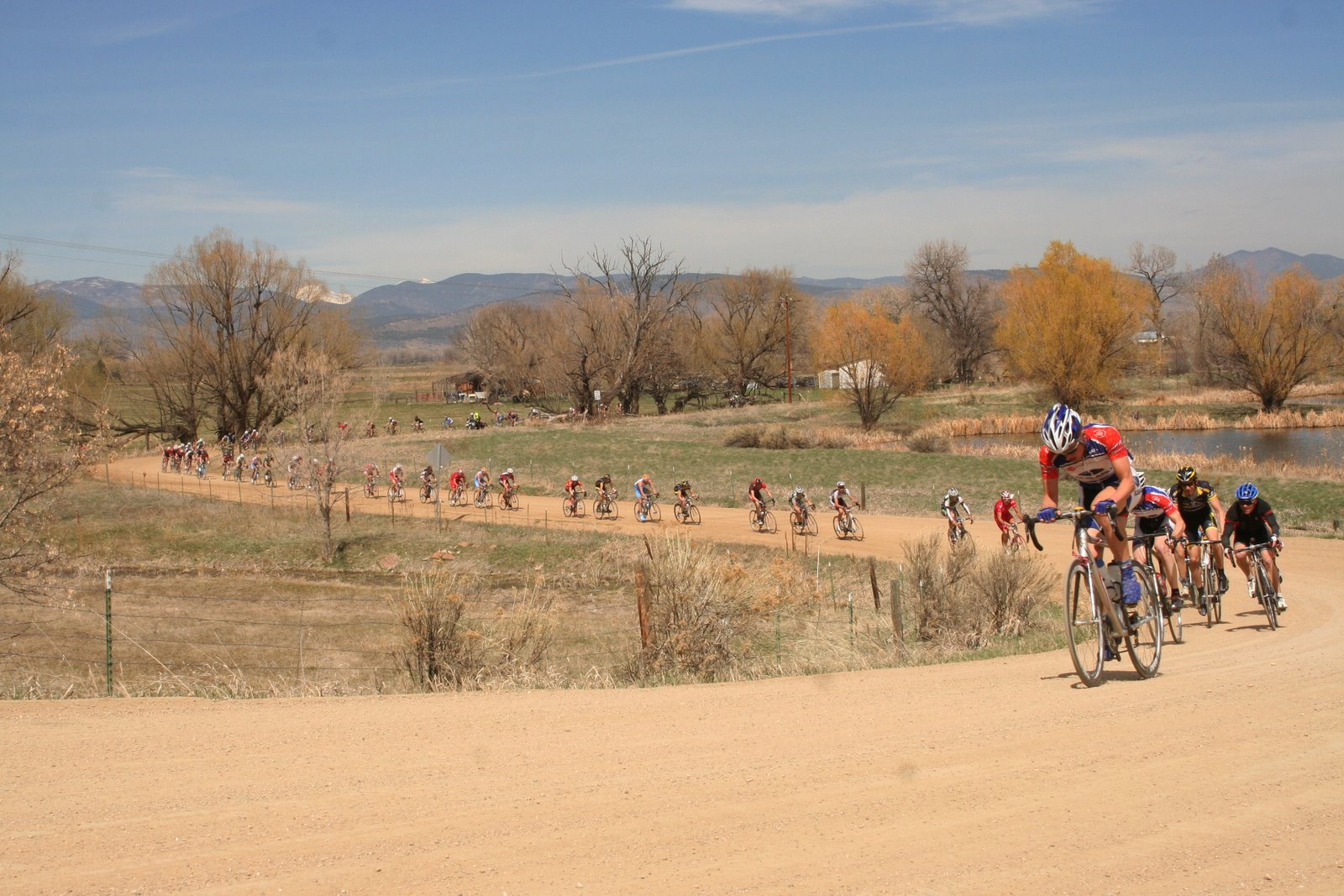
BOULDER, Colorado (January 14, 2022) — About one thousand athletes from 15 states will converge in Boulder on Saturday, April 16 for Colorado’s oldest and most popular one-day bicycle race. The Boulder Roubaix Road Race features hilly, gravel roads and fast, smooth pavement on a 18.7-mile circuit. Held the day before the European Classic, Boulder Roubaix is our local tribute to Paris Roubaix.

Photo courtesy Boulder Roubaix

The first Boulder Roubaix took place in 1992 and has since become one of the most well-attended amateur road races in the United States. Gran Fondo Guide recently recognized the Boulder Roubaix as one of the “All Time Best Spring Classic Races in North America”.

Boulder Roubaix is held every other year and offers 32 race categories, allowing everyone from 9/10- year-old juniors to pro/elite level racers to national and international teams trace. Veteran pros and amateurs alike revere Boulder Roubaix and know that a win can elevate an up-and-coming racer to get noticed by pro teams. Some of the biggest names in U.S. cycling have won here including Roy Knickman, Scott Moninger, Chris Baldwin, and Olympian Mara Abbott.

Photo courtesy Boulder Roubaix x

The 2022 course is a challenging 18.7-mile circuit with 60% dirt roads and the rest paved. The pro men will complete five laps of almost 96 miles and the pro women will do three laps of about 56 miles. Beginner’s and first-timer’s races start at 8:00 am with other categories throughout the day. For the full schedule see www.boulderroubaix.com.

2022_Boulder_Roubaix_Course_Map

Payson McElveen’s “Crossing Iceland” Film Showcases History-Making Gravel Bike Journey

Documentary Chronicles First Human-Powered Traverse of the Country In a Single Day

REYKJAVIK, Iceland (January 11, 2022) — Professional endurance cyclist and Red Bull athlete Payson McElveen released “Crossing Iceland” a new short film from Stachehouse Productions through Red Bull TV. The 13-minute piece beautifully documents McElveen’s successful attempt at traversing the subarctic island country in a single bike ride. The cyclist became the first person to cross the country from coast-to-coast under human power in less than a day, completing the 257-mile route in 19 hours, 45 minutes. 

“I’m thrilled to bring viewers into my history-making Iceland adventure through my new film ‘Crossing Iceland,’” said McElveen. “This excursion was the truest test of my physical and mental stamina but set against the amazingly diverse landscape of Iceland. I hope that they can experience the same level of awe that I did in traversing this country.” 

Watch Crossing Iceland

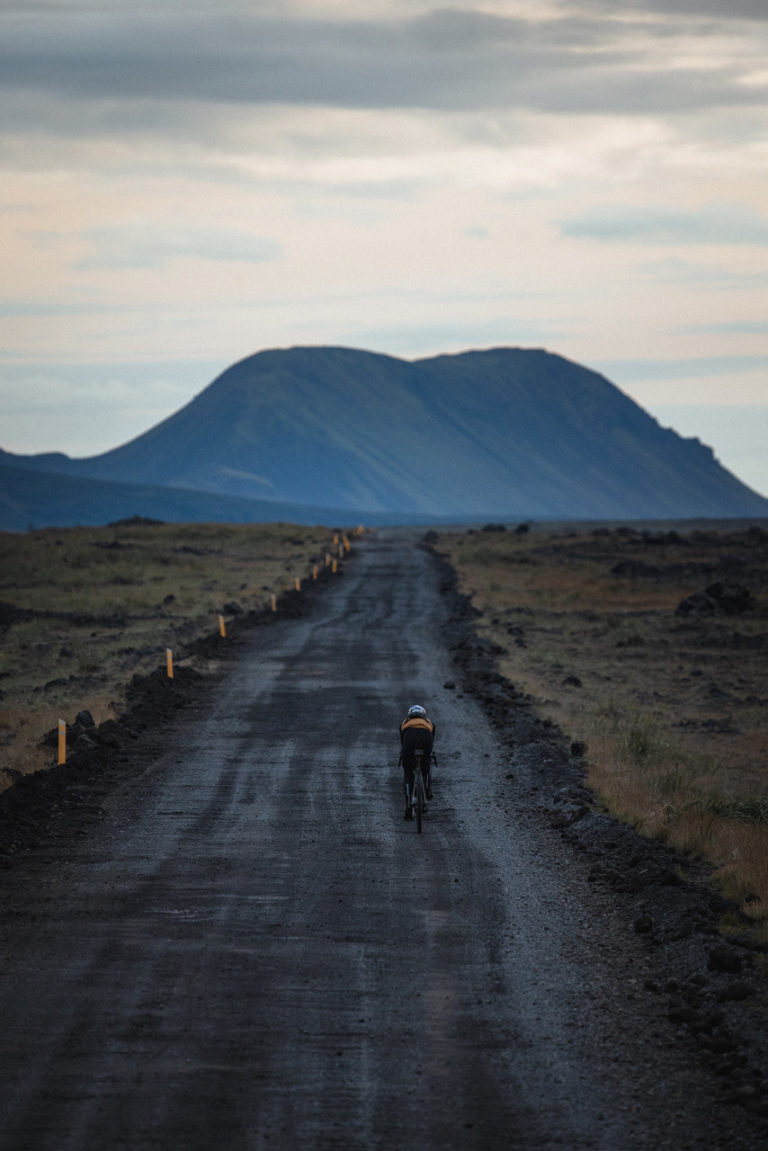
“Crossing Iceland ” highlights the challenges and freedom of self-supported adventure, which for McElveen required negotiating the infamous Iceland Highlands, a 15,500 square mile, lifeless expanse of volcanic rock and sand. His journey began at 4:15 AM at the Akureyrarkirkja church in Akureyri, a city on Iceland’s northern coast. Between him and the finish line, the turbulent ocean wash of Iceland’s southernmost coastal town, Vik, McElveen weathered strong winds, steady rains, glacial rivers, and subfreezing temperatures. He was racing the clock and also an incoming early season snow storm, for what he describes as the “ride of a lifetime.” 

Renowned photographer and adventurer Chris Burkard, an Icelandic team of filmmakers and overland guides joined the Durango-based rider to capture this historic ride. For him, it was less about the record attempt than the personal challenge and opportunity to experience the otherworldly country. “The competitor in me will always enjoy racing to throw down a fast time, but this project was less about an FKT effort and more about seeing if it was possible to ride across the whole country in less than a day. This ride has solidified my interest in geographically-based challenges like this. Start at one landmark and ride as fast as you can until you literally run out of road or trail…in this case that was hitting the ocean on the southside of the country,” the 28-year old rider explained.

Payson McElveen crossed Iceland in less than a day. Photo by Mirosław Tran/Stachehouse Productions

McElveen utilized The Highlands “F” roads, which are rugged, minimally maintained, double-track suitable only for high-clearance overland vehicles. With no refuel points along the route, McElveen carried more than 7,000 calories to fuel the journey.

Chris Burkard says that the feat inspired him for historical reasons, “More than just an athletic achievement, Payson’s ride pays homage to thousands of years of overland travel through this wild country. It’s nearly impossible to describe the experience to anyone who hasn’t sunk their tires deep into it’s remote and endless gravel roads. But this film captures the highs and lows of his impressive journey in a way that can only be compared to a near mythical achievement. Fitting for Iceland to say the least.” 

McElveen’s ride took advantage of a tight weather window, yet he still faced turbulent weather conditions, which he says despite the rough terrain was the biggest challenge. “It’s funny how a ‘weather window’ in Iceland would qualify as the worst riding weather you’d have all year elsewhere,” McElveen remarked. “Iceland’s weather is some of the most dynamic in the world, especially in September. I knew we were pushing it a bit in terms of the time of year, but I really wanted to try to complete this ride before we left. I chose my gear carefully, which was crucial in completing the ride.”  

Burkard agrees that the environmental changes are a defining aspect of adventure in Iceland, “This is an environment that’s so unforgiving that they literally tested the lunar rover on this landscape. To move through The Highlands with just the clothes on your back and the gear on your bike in under 24 hours…it’s mind blowing. Honestly when Payson set out, I was worried about what might happen if he got too cold, if the wind picked up, when moving between glaciers. But, even more so, I was rooting for him from the beginning–to see what he could do to marry his athleticism with the pure adventure that Iceland has to offer.” 

Payson says he’d love to see others attempt the coast-to-coast route at record attempt speed, but wants to make sure people understand the potential dangers of the route, “The interior of Iceland is an extremely harsh place. When I got up there and saw it for the first time, it felt completely otherworldly – like I was visiting an alien planet. It feels like you’re not supposed to be there. I had the distinct sense that I wanted to get through it and back down to safety as fast as I could. For others interested, I would strongly recommend riding in the warmer, dryer months of the summer, with more clothing and food than you think you need. Iceland is the most beautiful country I have ever ridden through, with volcanoes, glaciers, desert and weather that will make you feel extremely small and vulnerable. After this ride, I have a full appreciation for giving this wild land the respect and admiration it deserves.” 

USA Cycling Announces 2022 Mountain Bike Pro Cross-Country Tour Calendar

Soldier Hollow, Utah and Missoula, Montana are hosting two of the seven events

COLORADO SPRINGS, Colorado (January 11, 2022) — USA Cycling announced on Tuesday the calendar for the 2022 Professional Cross-Country Tour (Pro XCT). Athletes will have the opportunity to compete in several states including Arkansas, Utah, Wisconsin, Montana, and North Carolina.

The USA Cycling PRO XCT calendar for 2022 was announced today. Photo courtesy USA Cycling

The Pro XCT is comprised of the top mountain bike events in the United States. These races offer an opportunity for riders to earn Pro XCT and UCI points throughout the season. At the end of the series, points will be calculated and the top Elite man and woman will be awarded overall titles. Most of the events will also carry junior categories providing an opportunity for professionals and junior riders alike to compete on some of the top mountain bike courses in the country.

 “We are incredibly excited to announce this year’s Pro XCT calendar. Riders will have the opportunity to race at returning venues, as well as a new stop in North Carolina. We had an exciting season last year with Keegan Swenson and Alexis Skarda winning the Elite categories and are looking forward to seeing what happens this season,” said Tara McCarthy, USA Cycling Director of National Events.

Event
Date
Location
Classification
Moosejaw U.S. Pro Cup p/b OZ Trails
April 20, 2022
Fayetteville, AR
XCO C1 and Jr C1
Moosejaw U.S. Pro Cup p/b OZ Trails
April 23, 2022
Fayetteville, AR
XCO Jr C1 Jr Series
Moosejaw U.S. Pro Cup p/b OZ Trails
April 24, 2022
Fayetteville, AR
XCO C1
SoHo Bike Fest
May 14-15, 2022
Midway, UT
XCO C2 and Jr C2 Jr Series
Englewood Open & Junior Series
May 20-21, 2022
Fall River, WI
XCO Elite C1 & XCO Jr C1 w/ Jr Series & XCC C3
 Missoula & Junior XCO
June 10-12, 2022
Missoula, MT
XCO C2 and XCO Jr Series, XCC C3
Beech Mountain MTB Challenge
July 9, 2022
Beech Mountain, NC
XCO C2 and Jr C2


Visit USACycling.org for more information.

Katie Clouse, Honsinger, Hecht Top Names for USA Cyclocross Worlds Team

0

USA Cycling Names 38 Athletes to Compete at 2022 Cyclocross World Championships in Fayetteville, Arkansas, to be lead by 2-time Elite National Champion Clara Honsinger

COLORADO SPRINGS, Colorado (January 10, 2022) — USA Cycling announced the 38 athletes who will representing the United States at the 2022 UCI Cyclocross World Championships taking place in Fayetteville, Arkansas, January 28-30, 2022. The team constitutes the largest American delegation ever sent to the Cyclocross World Championships.

Katie Clouse raced the U23 Cyclocross Nationals in 2019-20 for Cannondale-Cyclocrossworld. She will continue to race for the team in 2021. Photo by Meg McMahon

“Having a World Championships in the USA is always a major honor, and we are proud to be fielding a full team of dedicated, skilled athletes who will compete at Fayetteville 2022,” said USA Cycling Cyclocross Director Jesse Anthony. “We are coming to the event well-prepared after several podium performances achieved during the holiday period of racing in Belgium. The MudFund-supported USA Cycling Development Program recently competed in three weeks of racing for the Junior and U23 racers. Many elite riders were also competing with their trade teams ahead of this monumental event. All of the riders are extremely motivated to put on a show for the home crowds in Fayetteville!”

Team USA will be attending Fayetteville with a strong group of contenders, including Clara Honsinger (Portland, Ore.; Cannondale p/b Cyclocrossworld.com), who at sixth is currently the top-ranked American in the in the UCI Elite Women’s category. Katie Clouse, who has been placing in the top 20 in European cyclocross races this season, will be leading the U23 Women’s squad.

Newly-crowned 2021 Pan American Cyclocross Champions, including Eric Brunner (Boulder, Colo.; Blue-Stages Racing), Raylyn Nuss (Lawrence, Kan.; Steve Tilford Foundation Racing), Scott Funston (Maple Valley, Wash.; Blue-Stages Racing), Madigan Munro (Boulder, Colo.; Trek Factory Racing), and Jack Spranger (Sammamish, Wash.; Bear National Team), will also be taking the course.

Elite Men

  • Eric Brunner (Boulder, Colo.; Blue-Stages Racing)
  • Gage Hecht (Parker, Colo.; Aevolo)
  • Lance Haidet (San Luis Obispo, Calif.; L39ion of Los Angeles)
  • Scott McGill (Fallston, Md.; Aevolo)
  • Caleb Swartz (Madison, Wis.; Giant Bicycles/ Neff Cycle Service)
  • Kerry Werner (Vinton, Va.; Kona/ Maxxis/ Shimano)
  • Curtis White (Delanson, N.Y.; Cannondale p/b Cyclocrossworld.com)

Elite Women

  • Hannah Arensman (Brevard, N.C.; Sycamore Cycles)
  • Caitlin Bernstein (Reno, Nev.; Easton Overland / McGovern Cycles)
  • Rebecca Fahringer (Bend, Ore.; Kona/ Maxxis/ Shimano)
  • Clara Honsinger (Portland, Ore.; Cannondale p/b Cyclocrossworld.com)
  • Anna Megale (Boise, Idaho; Trek Cyclocross Collective)
  • Raylyn Nuss (Lawrence, Kan.; Steve Tilford Foundation Racing)
  • Erica Zaveta (Brevard, N.C.; The Pony Shop p/b KPMG)

U23 Men

  • Scott Funston (Maple Valley, Wash.; Blue-Stages Racing)
  • Daxton Mock (Lake Mills, Wis.; Trek Cyclocross Collective)
  • Sam Noel (Shelburne, Vt.; Competitive Edge Racing)
  • Tommy Servetas (Loudonville, N.Y.; Competitive Edge Racing)
  • Andrew Strohmeyer (Mount Airy, Md.; CX Hairs Devo/ Trek Bikes)
  • Jules Van Kempen (Chapel Hill, N.C.; Alpha Bicycles Co. – Groove Subaru)

U23 Women

  • Katie Clouse (Park City, Utah; Cannondale p/b Cyclocrossworld.com)
  • Lizzy Gunsalus (Dudley, Mass.; Cannondale p/b Cyclocrossworld.com)
  • Cassidy Hickey (Parker, Colo.)
  • Ellie Mitchell (Anchorage, Alaska; NWCX Project)
  • Madigan Munro (Boulder, Colo.; Trek Factory Racing)
  • Bridget Tooley (Frisco, Texas; Easton-Liv)
  • Lauren Zoerner (Highlands Ranch, Colo.; Alpha Bicycles Co. – Groove Subaru)

Junior Men

  • Andrew August (Pittsford, N.Y.; Cannondale p/b Cyclocrossworld.com Devo)
  • Daniel English (San Ramon, Calif.; Voler/Easton/HRS/Rock Lobster p/b Joseph Kochlacs Wood Products)
  • Frank O’Reilly (Pearl River, N.Y.; FinKraft Cycling Team)
  • Marcis Shelton (Mill Valley, Calif.)
  • Jack Spranger (Sammamish, Wash.; Bear National Team)
  • Magnus White (Boulder, Colo.; Boulder Junior Cycling)

Junior Women

  • Mia Aseltine (Littleton, Colo.; Cannondale p/b Cyclocrossworld.com Devo)
  • Keira Bond (Louisville, Colo.; Boulder Junior Cycling)
  • Chloe Fraser (Boulder, Colo.; Boulder Junior Cycling)
  • Katherine Sarkisov (North Potomac, Md.; CX Hairs Devo/ Trek Bikes)
  • Elsa Westenfelder (Missoula, Mont.; Team Stampede/ Five Valley Velo)

Visit USACycling.org for more information on the athletes,