Home Blog Page 128

Idiotic-α: A Hastily Planned Loop Around Boulder Mountain, Utah

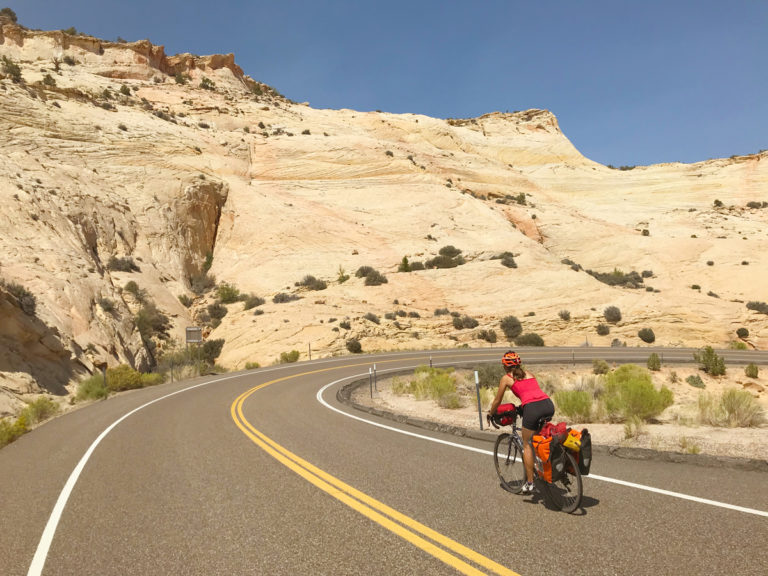
By Sean Quill — I get a text Thursday afternoon; it reads “possibly idiotic:” But there’s no question mark? Instead, a link. I click and see a big loop through an area of southern Utah I have never seen. My mind begins to make excuses; “it’s been a long week—not enough water—where are my bags in the garage—the smoke—the weather—goat heads—it’s Labor Day weekend!?”

My thoughts wrestle for a half an hour as I tried to logically find an excuse with google searches; “weather is good—sh*t—smoke should clear—that’s good—plenty of water—everyone will be in Zion.” Hmmm. This could be like, fun?

I reply; “I like idiotic…”

Thirty-six hours later I’m mooning the locals, trying to pull up my bib shorts outside the elementary school in Loa, Utah. Borderline criminal, I stretch my shirt down and shimmy them up hastily while a light breeze teases the awkwardness. It’s 10AM Saturday morning and I’m looking at the concerned face of a woman I barely know. I smile with trepidation. Her expression doesn’t change.

“Is that all the water you’re bringing?!” She asks.

I nervously laugh, “Uh yeah, haha.”

Her expression doesn’t change.

What have I gotten myself into?

Soon after my GPS mapping skills were deemed completely backwards and totally useless; she hands me a liter of water. My nerves relax and then return full-face as I try to finagle it onto my handle bar bag. It fits; kinda. I kick a leg over the hoods and spin the pedals; the front tire rubs immediately. She takes it back.

Good start dude.
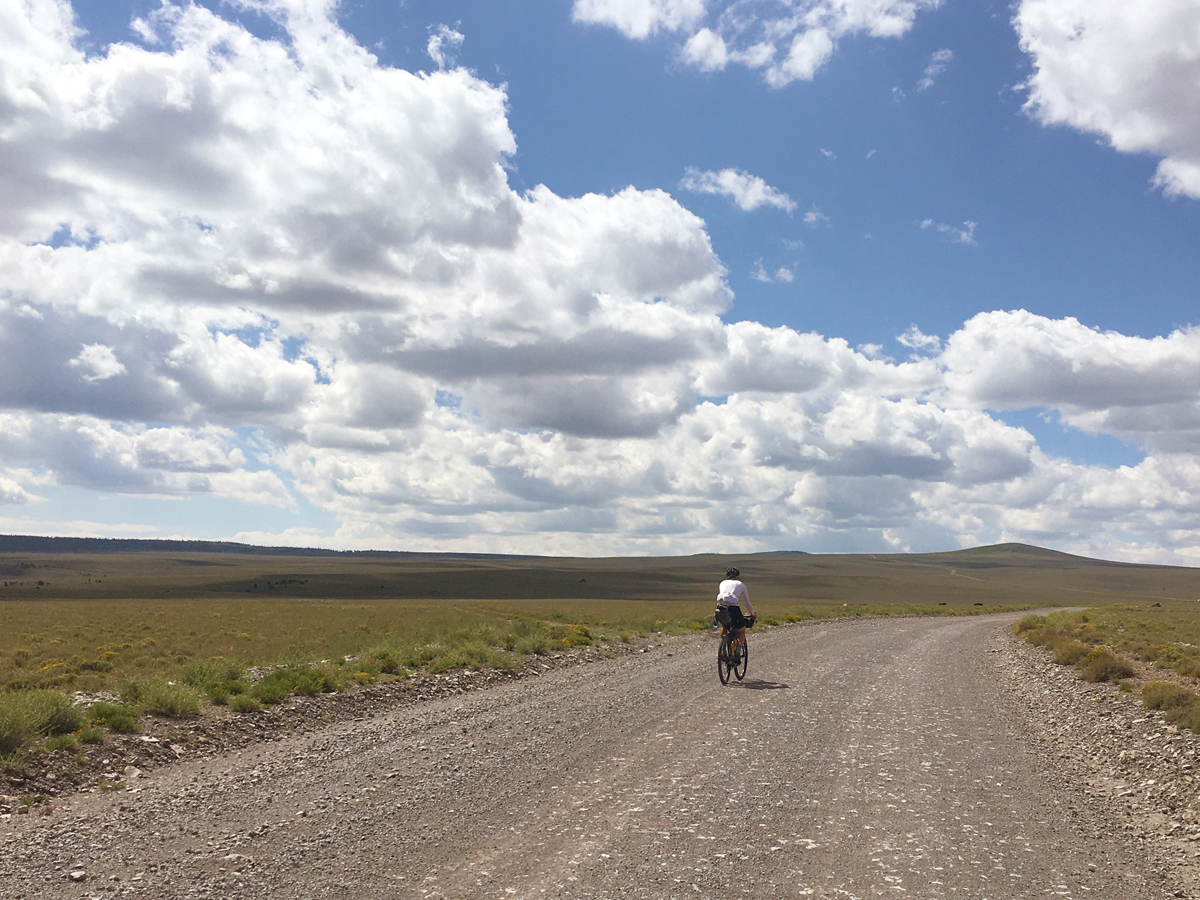
Chunky Monkey meets Rocky Road. Photo by Leisha

We head south. On the road out of town a four-wheeler and a few dirt bikes pass us on the road out of town, then abruptly turn back where the pavement ends. We both question each other if we were headed towards trouble but the gravel at the start of Big Rocks Road is smooth and dry—the ditch—appropriately named.

Hmmm.
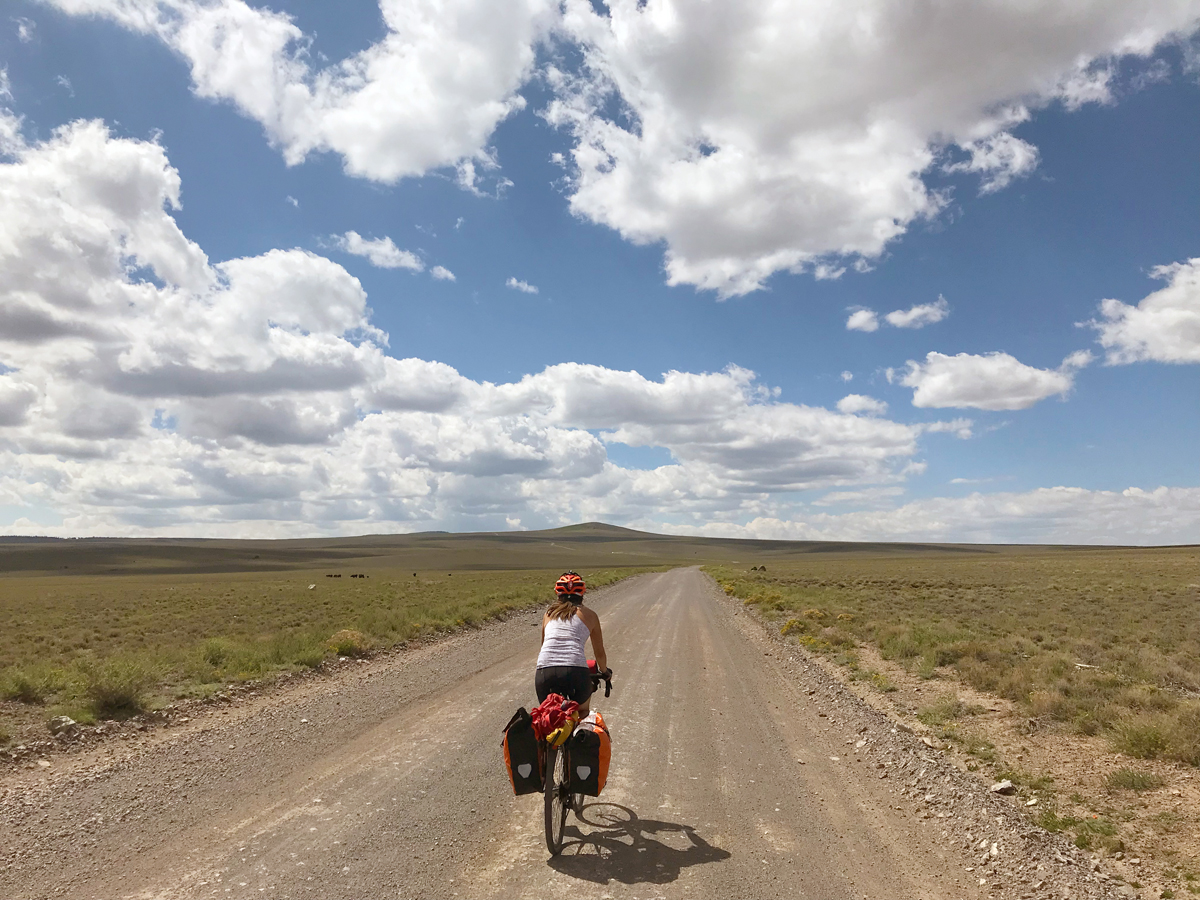
The view for the next hour. Photo by Sean Quill

The immediate landscape is a harsh mix of dark basalt boulders pressed against the sea foam green of silver sagebrush as we begin to climb onto the western flank of Boulder Mountain. At our heels, the tilted sandstone and shale slowly disappear. The road gets rough. Washboards knock Leisha’s rear wheel loose and we stop. “Holy crap this is heavy,” I tell her, gripping the frame as she straightens the wheel. She laughs, “Yeah! I’m carrying all the water!”

The rolling hills give way to a long steady climb into wide open fields. This is flavor country. A single tree stands alone in the distance. “Too bad the only shade is so far away,” she says. Fifteen minutes later sparse low clouds begin to evaluate our layers. On and off, zipped up, zipped down, until we reach the Dixie National Forest where they stay on. We stop for a second breakfast. Desert verbena and sparse Indian paintbrush wildflowers increase the contrast until it abruptly ends. Camouflaged men and women relax serious faces, smile and wave as they pass by slowly, as to minimize the spread of dust. We wave back. “Must be hunting season,” I say.

As we press on the landscape continues to change—from the grasslands of central Nebraska to the aspens of Steamboat Springs—topping out at just over 10,000ft. Progress is slow. Methodical. Cows lay in a field gazing with lazy interest.

The lumpy, up/down descent toward Posey Lake begins. The surface is chunky and loose with intermittent washboards descending; climbs are short and steep. “I saw 12% on the last one,” I say. No reply. We hear a convoy of ATVs approaching in the distance and pull off. I continue to remind myself on the descents that there’s no cell service, I’m probably an hour and a half away by air from the nearest trauma unit, with a near full ICU. We stop, shake off the tingles and snack.

At Posey Lake Campground we look for open sites. There’s only one right by the bathroom. Leisha objects. I don’t strikethrough.

Looking at the fee sign, returning the slip I ask:

“Why don’t they charge an even number?”

“So they get a six-dollar tip,” she says.

Hmmm.

We hog the water station for ten minutes, watch campers set up tents–giggling knowing the day is almost done-use the bathroom; then ride a mile down the road.

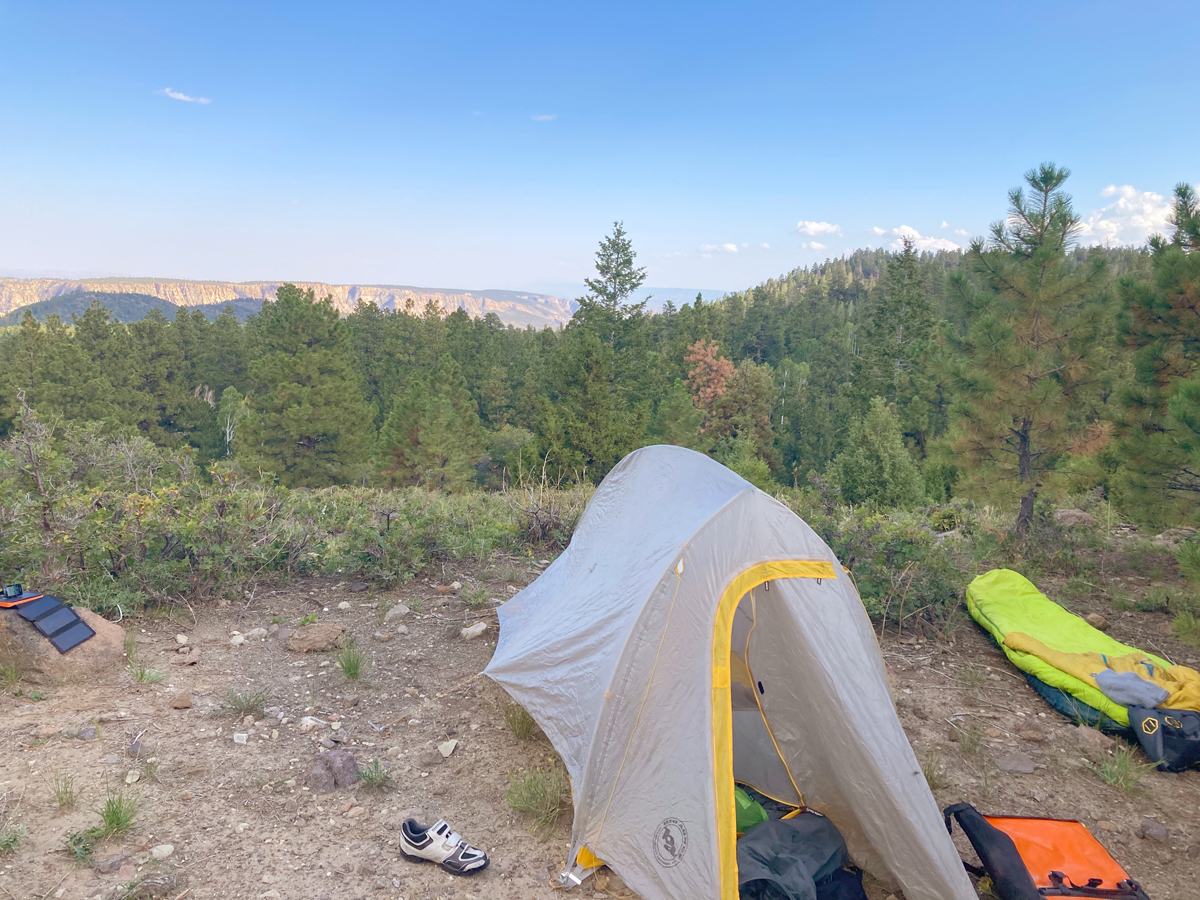
We set camp on a flat spot off the edge of a sharp curve. It’s got a magnificent view of the white cliffs across the Escalante River Valley, but it also looks man-made—to make it easier to winch out a vehicle that didn’t negotiate the turn. “Sure,” I say, withholding my last thought. She then tells the story of a bear that destroyed her last tent.

Hmmm.

I sleep under the stars. She watches the sunrise.

Packed up but not loaded, I ride up to grab water and use the restroom, drop a $5 in the tip slot and head back down. Upon return, Leisha’s already loaded and on the road. “You’ll catch up,” she says.

Sunday morning, coming down.
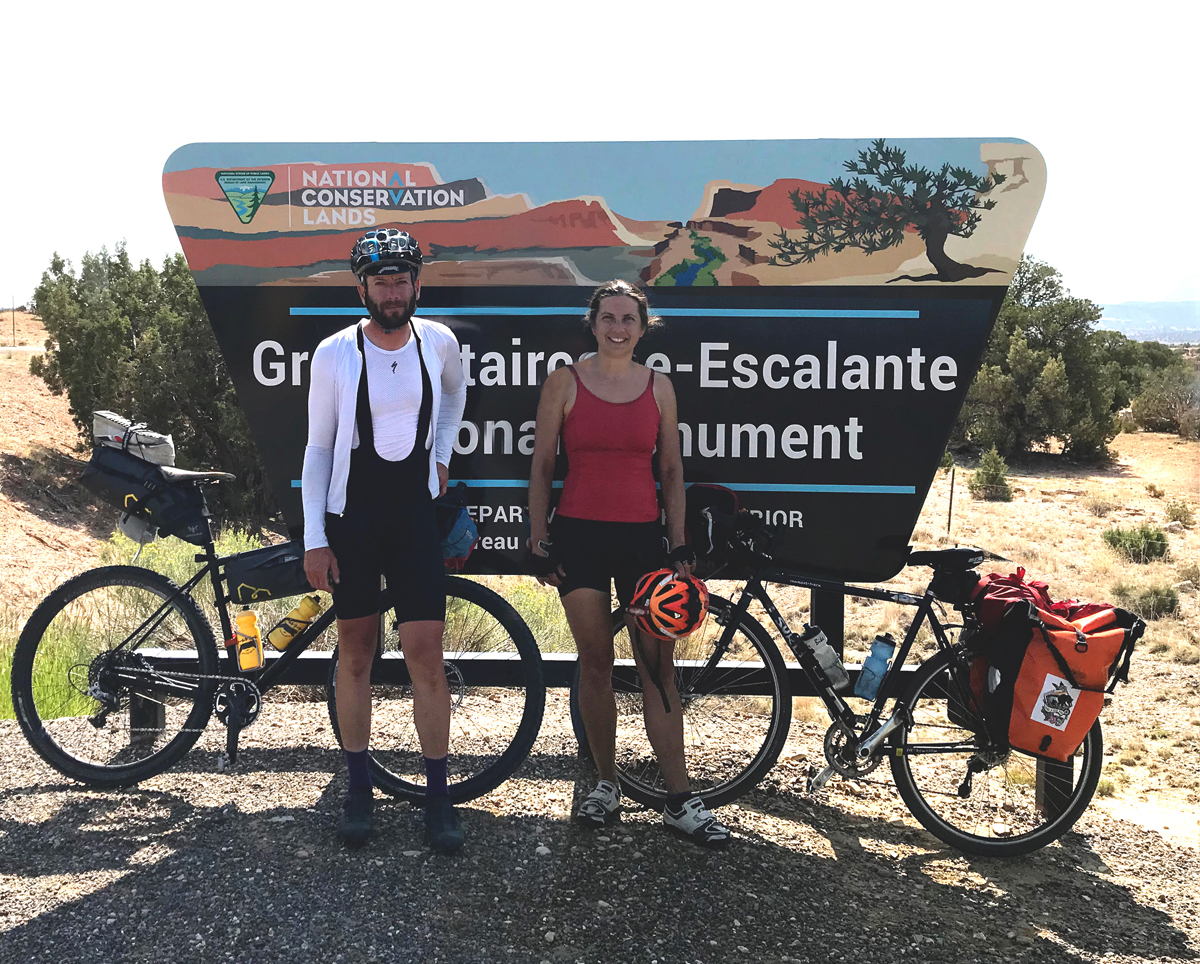
Sean and Leisha at the Grand Staircase Escalante National Monument. Photo by Sean and Leisha

The canopy opens around the curve just past the junction of Devils Backbone. “Now it looks like Utah!” I shout with excitement upon contact. “Sure does,” she says, smiling back.

The eroded red and white sandstone cliffs give way to light grey limestone and andesite faces scared by the periods of continuous cleaving. Junipers cling to near vertical walls. “This is Arizona,” she says. “I was thinking California,” I retort.

We skip the slot canyon and miss the non-existent sign for the petrified national forest-—hitting tarmac—smiling about the boost in spirit and speed. The promise of hot food and coffee in Escalante is motivating. I point to an open sign on the way up the hill. She goes sweet; I choose savory. It’s been a long 20 months for her.

Riding south east out of Escalante, Scenic Highway 12 is quiet. We slowly climb out of the arid rangeland, under a beating sun until suddenly it’s there: The other million-dollar highway with Grand-Staircase National Monument rising to the south. We snack, smile, and take pictures. Speed read the info signs and begin the beautiful descent. It’s steep and not a place where you want to lose sight of the road. Riding fast with extra weight will fade the brakes right as you lean in and see a cattle guard with an abrupt left turn and an eternal Zoom meeting of a shoulder.
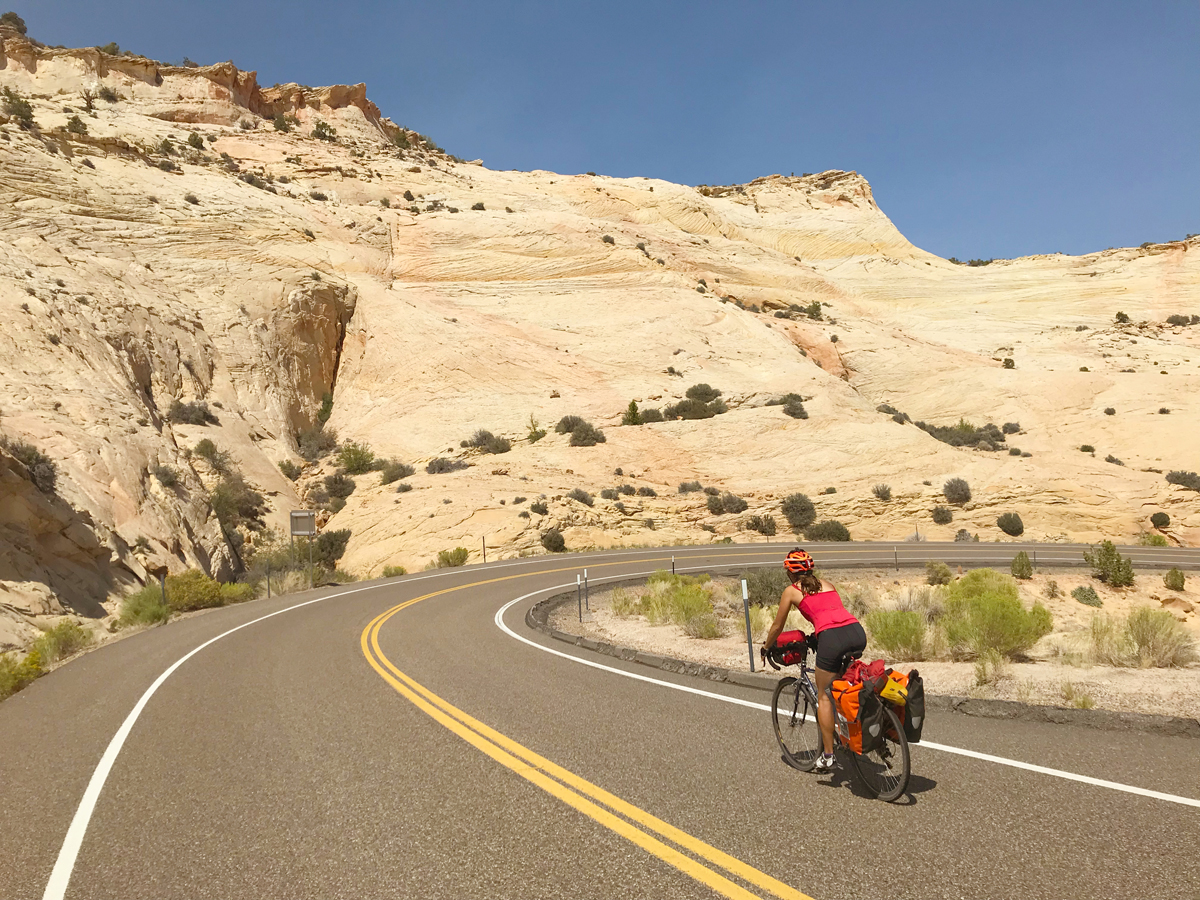
Highway 12. Photo by Sean Quill

What have I gotten myself into?

A short climb and another downhill. I point to a pullout. “YEEESSSS!” I hear through the wind. We stop. Leisha points a thousand feet straight down to the trailhead we are headed towards. I climb up the red stone and look over. She takes a photo. A vulture soars overhead.

At the Escalante Natural Bridge trailhead there’s no parking, (peanut butter surfers) so we lay our bikes down on a new sandbar and change shoes and clothes. Flash floods from the previous week had reshaped the flood plain, wiping most of the trail clear.

Shoes and socks off, we wade through the alkaline water of the Escalante River. Then barefoot—pounding heels into dry sand and milk thistle. Shoes on again. Shoes off again. Socks still in hand. Mud in the toes. “I think I see something,” she says.

Hmmm.

We watch the shadows move.

“Is it worth it? How far away?” asks a spry husband with the concerned look of his wife.

“Mmmm, it’s a ways (gesturing around the next riverbend) away but it’s just a rock,” I say giving the telling meh, shrugged shoulder gesture.

We change and Leisha filters water. There he is again at the trailhead. “Did you make it?” Leisha asks. “Mmmm no, we didn’t want to cross the river again and you said it’s just a rock,” looking at me.

I notice his Heavy Pedal T-shirt.

Hmmm.

Highway 12 again: it’s gorgeous, it’s hot, it’s steep, it’s narrow and traffic is mostly going the other way. Nearing the top at an overlook of the slot canyons I hear the rustle of Lower Calf Creek Falls 1,500 feet below. Leisha pulls up; we’re both tired from the climb and the 100°f heat of the afternoon. Several cars slowly drive past, occupants staring at us like we’re lizards or aliens. I comment, laughing “I want a T-shirt that says, ‘THANKS FOR STARING.’”

Leisha catches her breath and replies, “You’re just bitter.”

Hmmm.

We reach the top of the Hogback of Highway 12. There are no guardrails and in parts —a sparse shoulder—is the only thing keeping you from sudden death. Even at our loaded down pace it’s still something to think about. Trip Advisor gives it one star.
A little slice of heaven. Photo by Sean Quill

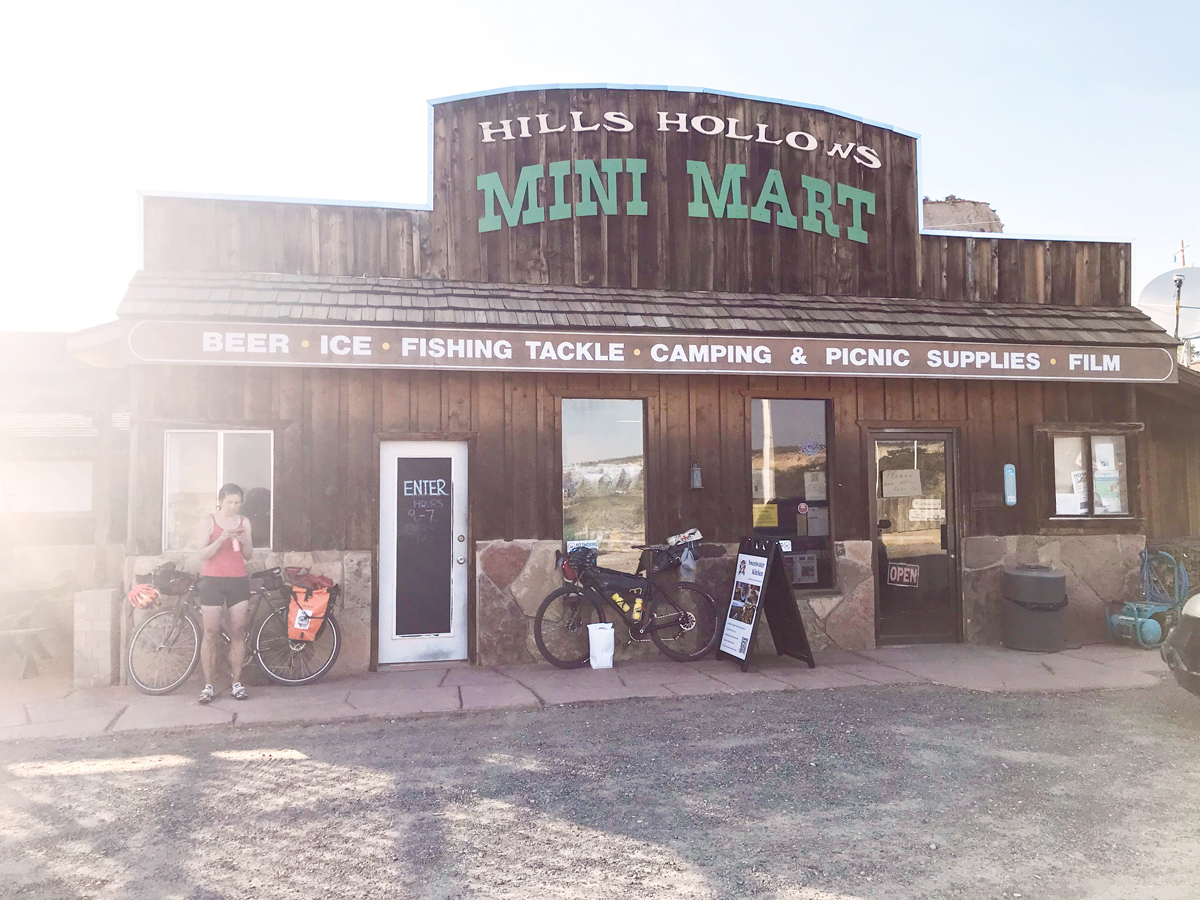
Four false summits and gravity hills later we look down upon the oasis that is Boulder, Utah. “I can see a gas station from here!” I extoll. My mouth begins to salivate. Outside the Mini Mart gathers travelers of all sorts. Ranchers, farmers, Jeep’s, motos, Subaru owners, and ourselves. It’s not a party atmosphere. Everyone looks blown, sunburned and equally salty in the face; just grateful and smiling to see an open sign. Inside is the antithesis of a gas station. The clerk gives us some directions, a story, a recommendation, then shrieks “You’re not going over the mountain, are you?”

“Not today,” Leisha says.

Outside, I try to wrestle the medium sized paper bag filled with salty chips, cheese, dried fruit, and pickled green beans onto my handle bars. I give Leisha a look. She sees my defeat.

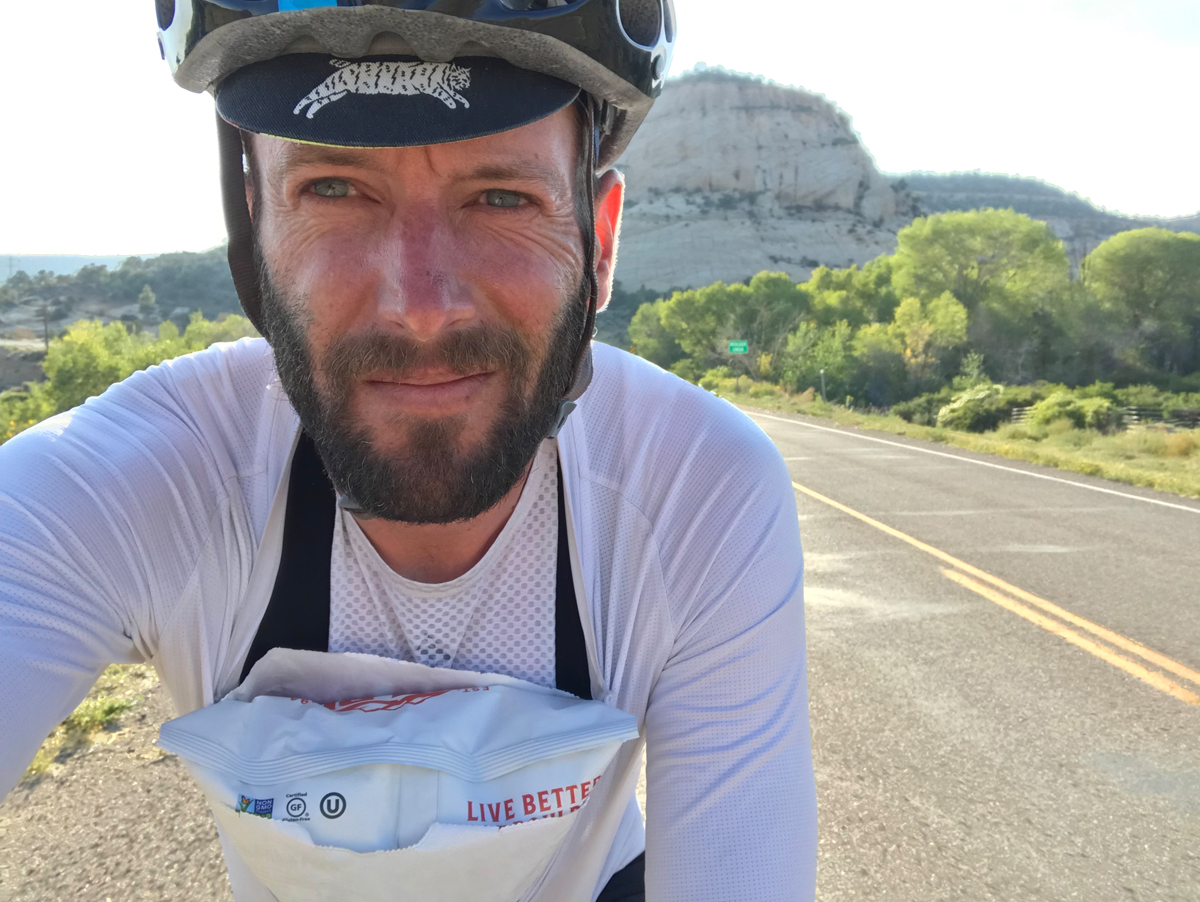
“Just zip it up in the front of your jersey,” she says.

Hmmm.
Dang good view for the evening. Photo by Leisha

Looking like a pregnant goat we ride east into town. I get embarrassing smiles from passing travelers. The town does have a unique bootstrap charm that could equal the backdrop of a David Lynch film. We stop in front of the Anasazi State Park Museum and check the map. The campground is an RV park. Without hesitation or question we continue on until we spot a mountain bike tire track leading off the road. It was an errant trail but there’s flat ground, a flowing stream and set camp. I pull the sweat soaked paper bag from my jersey, and we stuff our faces with some salty delight. Leisha looks at the route for tomorrow.

“Sooo, it’s 13 miles and about 4,000 feet,” she says, squinting at the screen at twilight. “So a categorized Hill Climb to start out the holiday? Nice!” I say with light sarcasm.

“I wonder if the Tour of Utah ever did this?” I rhetorically ask.

“What’s that?” she says.

Hmmm.

Labor Day breaks clear, slightly smokey, and with a headwind. Traffic on UT-12 is fairly light and courteous as we hit the city limit. We are on part of the American Discovery Trail, a network of continuous roads and trails that run from Washington D.C. to San Francisco with a split across the Midwest. Over a bluff we begin to see what’s ahead of us in the not-so-distant future. I lead in the wind for a bit, my pace is sporadic. I think Leisha is annoyed and rolls off the back. Maybe my bib shorts stink? Layers come off. Food and water go in. Around the bend I see the distance to the summit.

“I won’t say how far it is,” I say.

“I don’t know what’s more annoying,” she quips.

“She hates me,” I tell myself.

“I don’t get it!?” she yells when we meet at the next pull off. “Why do cars always seem to only pass me, randomly, in both directions, at the same time?”

“That’s chaos theory!” I yell back. We both are winded.

A cowboy on horseback is at the summit in the fields, working his dogs. We look down the road.

“This isn’t the real summit, is it?” she asks.

Without question, she’s right.

Truck and trailer traffic begin to get heavy as the road points downhill again. Going back to the grind aren’t we all. I’m well inside of the fog line when an RV gets a bit too close for comfort and I wobble in its wash and get sucked out into the roadway. Pins and needles. Fuming, I throw up my left hand, raised with question-—immediately angry—flipping the bird.

“That’s not helping either of us, or anyone else on a bike,” she says later.

Mmmm, hmmm.
Wildcat Guard Station. Photo by Sean Quill

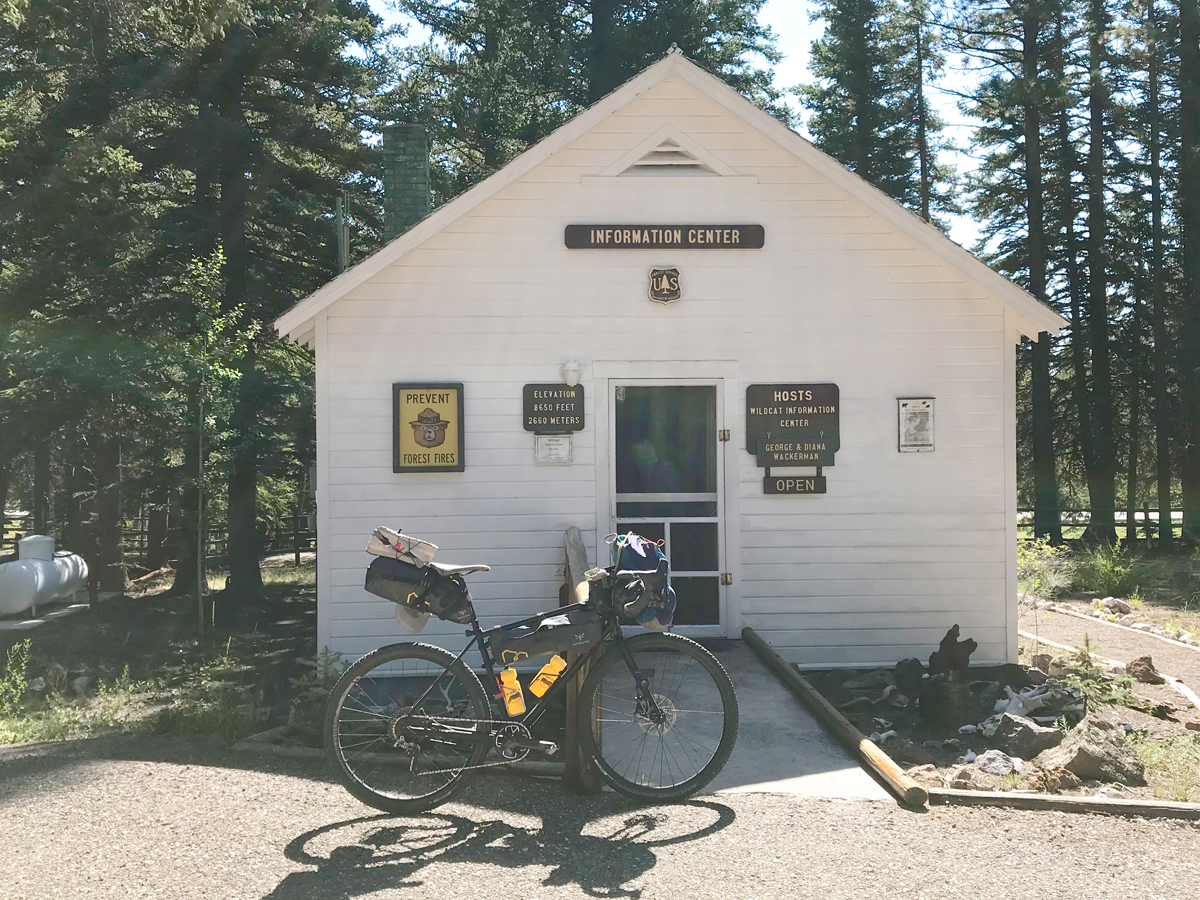
We need water now. Bad. Second breakfast had five-star views but was salty leftovers and left both tanks empty. Leisha says there was another ranger station down the road, except this one was old. When we arrive, the back door is open and Smokey the Bear is waving on the mast.

George greets Leisha behind the screen door.

“Where can we get water?” Leisha asks.

“It’s inside. Just a moment please.”

He returns: his face obscured. His wife Diana’s is as well. As is ours. They open the door.

The Wackermans have been a fixture at the Wildcat Guard Station for some time. Built by the Civil Conservation Corp in 1935, the white log cabin looks as good as new. The wood stove is 87 years old as George tells me and the place smells of hot apple pie. We fill out bottles. Diana tells a story of the last Tour of Utah that came by. “All my pictures were just a blur.” We laugh. They give us a map and show us an old one.

“Where are we in relation to us right now?” I ask.

“Just off the map, about here.”

The map is a 57-year-old relief. George’s finger pointing to the edge of the coffee table.

“About 18 miles to Torrey, 15 after that on 24 to Bicknell.” he says.

Hmmm.

We thank them and sign the guest book.

The road climbs slightly and over a left curve the forest opens to the views of the western flank of Capitol Reef National Park. The Henry Mountains to the east loom over what was once called “Wayne Wonderland,” the name given by local boosters before it was designated by F.D.R.in 1937. It didn’t open to the public until 1950 and the final road extension from Boulder to Torrey wasn’t built until 1985. The tarmac is maybe a few weeks old.
Selfie with snacks. Photo by Sean Quill

A long downhill takes us from ponderosa and white pine trees back into the tall grass, silver sagebrush and red stone cliffs along the banks of the Freemont River.

“You know what I’m thinking of?” I ask.

“A milkshake!’ Leisha replies.

It was ice cream, but “It’s close enough,” she says.

We turn west on Highway 24 in Torrey and get a whiff of hamburgers and French fries. This “thin slice of Americana,” Leisha calls is aptly named “Slackers,” and sits just off the road on the north side. The gravel lot is full. Inside, three-generations spill over tables and make small talk while a group of teenagers gawk at our attire. The corrugated aluminum walls reverberate the chatter and bustle of moms corralling playing children while the familiar whirl of a Cyclone whips up another custard. Outside we find a table under a large tree, away from a possible inquisition. The fries are salty. The shake needs a spoon to start. The conversation turns bleak as I begin to drip my now melted vanilla shake onto my already well salted shorts. As it’s been said: hesitation is devastation.

As we are about to leave an older gentleman walks up, looking at our bikes and asks, “Where ya’ coming from?” I explain our route and add, “I think we’re just past 100 miles, but this is our third day.”

His eyes grow large, he grumbles something incomprehensible as he comically turns away in a cartoonish motion and shimmies back to his table— only to wish us well as we ride past.

Traffic is now thick at times but somewhat courteous. The turnoff to Teasdale is up ahead.

“You wanna go to Teeeasdale Leisha!?” I yell over the growling headwind.

“Noooo!” I hear.

Legs are near death. Happy thoughts drift between salty food, a hot shower, soft sheets: then crash headlong into a stack of emails, cartwheel over voicemails and finally come to rest on Monday morning’s snooze button. It’s the point in time when the mind rumbles over the hiss of contemporary life—wind in the face and white noise in the ears.

We reach the turn off to Big Rocks Road again. “Wanna do it again?” I ask.

“I’d totally get fired,” she says.

Hmmm.

133mi/11,596ft | 222km/3,479m

Sean Quill is a semi-retired ski industry professional and an avid smile and wave cyclist.
New National Criterium Series Announces Full Schedule for 2022

COLORADO SPRINGS, Colorado. – On January 26, a core group of cycling stakeholders announced the full calendar of 10 events for a new national criterium series after announcing the founding events in December. The new events in the series are the Sunny King Criterium in Anniston, Ala., the MVP Health Care Rochester Twilight Criterium in Rochester, N.Y., The Harlem Skyscraper Cycling Classic in Harlem, N.Y., and part of Intelligentsia Cup in Lake Bluff, Ill. 

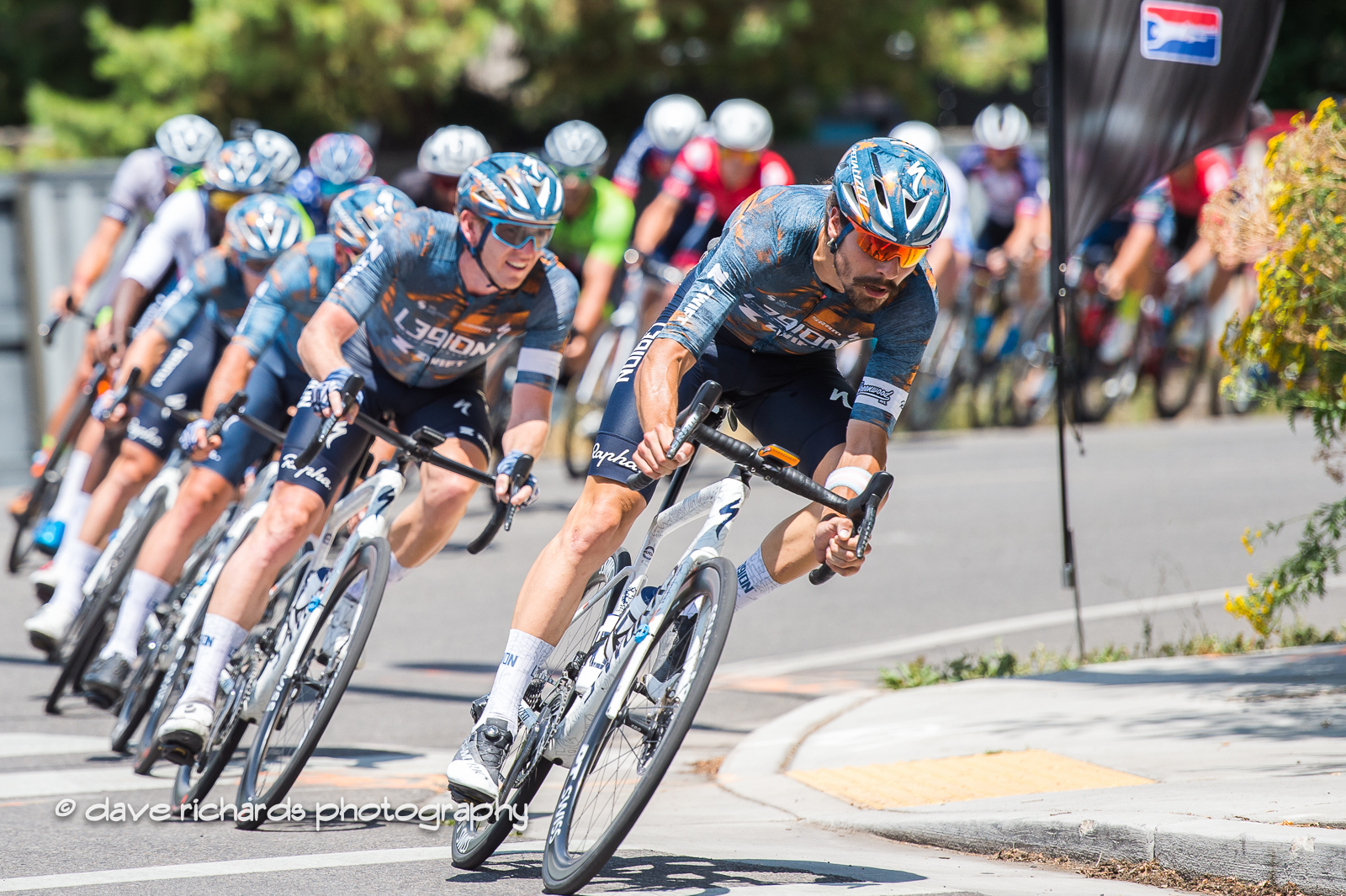
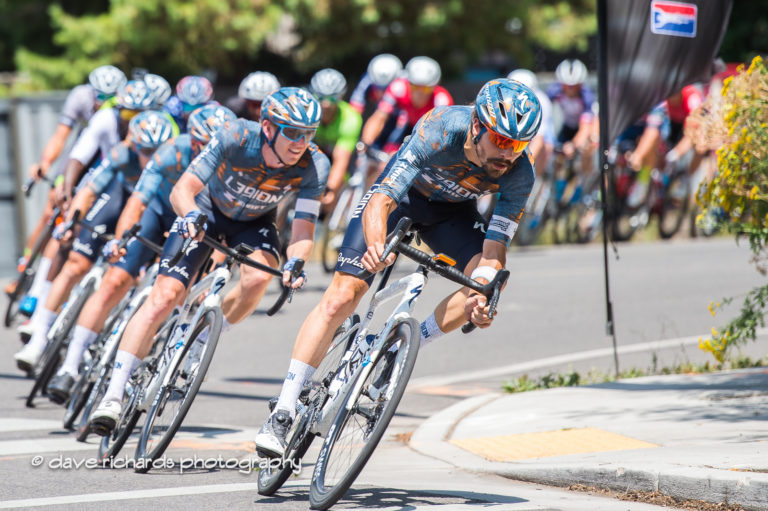
Salt Lake Criterium, USA CRITS series held downtown Holladay City (Photo by Dave Richards, daverphoto.com)

“We’re excited to be back to racing and to be included in the inaugural year for this series,” said Richard Cox, the Race Director for the Harlem Skyscraper Classic. “Our event has been around since 1973, the second oldest bike race in the U.S., and to be recognized as one of the top criteriums in America is a great honor. We’re looking forward to welcoming teams, racers, and spectators from across the country to Harlem in June.” 

As mentioned previously, the new series will offer $100,000 in overall prize money, equally split between the men and women in addition to individual event prize purses. All events in the series are committed to awarding equal prize money for the pro men’s and women’s fields in their prospective races. The additional information, including the official series name, is being finalized and will be announced in the coming weeks. 

Event Date Location
Sunny King Criterium April 9 Anniston, AL
MVP Health Care Rochester Twilight Criterium May 21 Rochester, NY
Saint Francis Tulsa Tough June 10* Tulsa, OK
Harlem Skyscraper Cycling Classic June 19 Harlem, NY
Bailey & Glasser LLP Twilight Criterium July 9 Boise, ID
Salt Lake City Criterium July 16* Salt Lake City, UT
Intelligentsia Cup July 30* Lake Bluff, IL
Littleton Criterium August 6 Littleton, CO
Momentum Indy August 27* Indianapolis, IN
Bommarito Audi Gateway Cup September 5* Saint Louis, MO
  • Specified series date for multi-day events.

Visit USACycling.org for more information on the athletes, events, and membership programs, and follow @USACycling across all channels for the latest on Team USA.


Interview: Peter Flax on Bicycle Culture

By Peter Abraham — Like my recent interview with Tamika Butler, the following text is an edited transcription of my on-camera discussion with Peter Flax. He’s an LA-based journalist and the former editor-in-chief of Bicycling Magazine. I interviewed him for the fifth and final episode of my video series on HBCU (Historically Black Colleges and Universities) cycling. Peter provided context and background around the importance of getting all people on bikes. Peter was able to look at racial justice issues through the lens of his deep and nuanced understanding of the various facets of bike culture. I learned a lot from him during this discussion.

Peter Abraham: What’s your own connection to bikes?

Peter Flax: I’m a journalist based in Los Angeles who’s been in and writing about bike culture for about 25 years. I started as a child riding around suburban New York where I grew up, and I’ve done bike touring. I’ve done bike racing. I’ve been editor-in-chief of the largest bike magazine in the world. My bike life now is mostly transit riding. That’s how I get to and from work and how I go to the store. Over the scope of all that time, I’ve gotten to get to know a lot of the different subcultures within bike culture. For me, bikes just connect to almost everything important in life. Bikes connect to my relationships, to my community, to big issues in popular culture. So they’re way more important than just a way to get around or a toy or a fitness instrument.

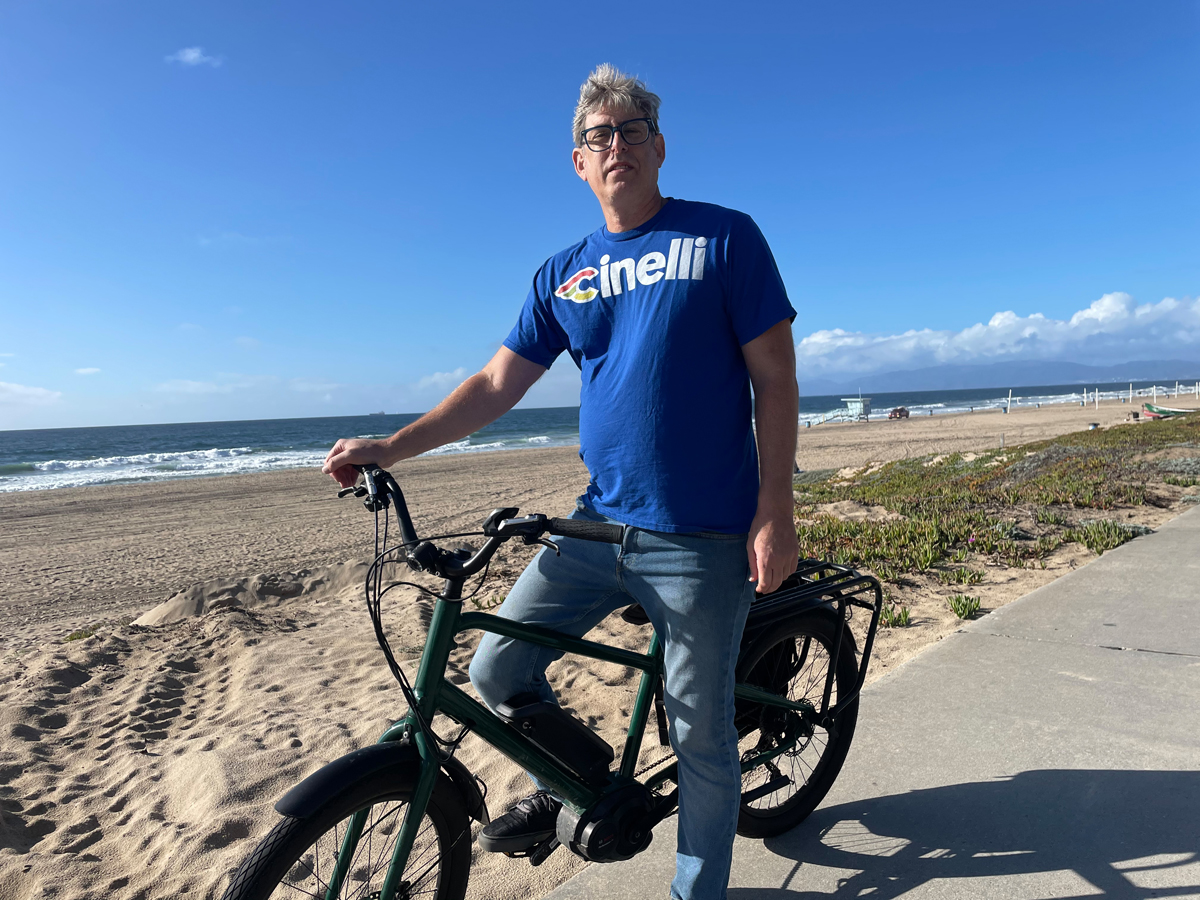
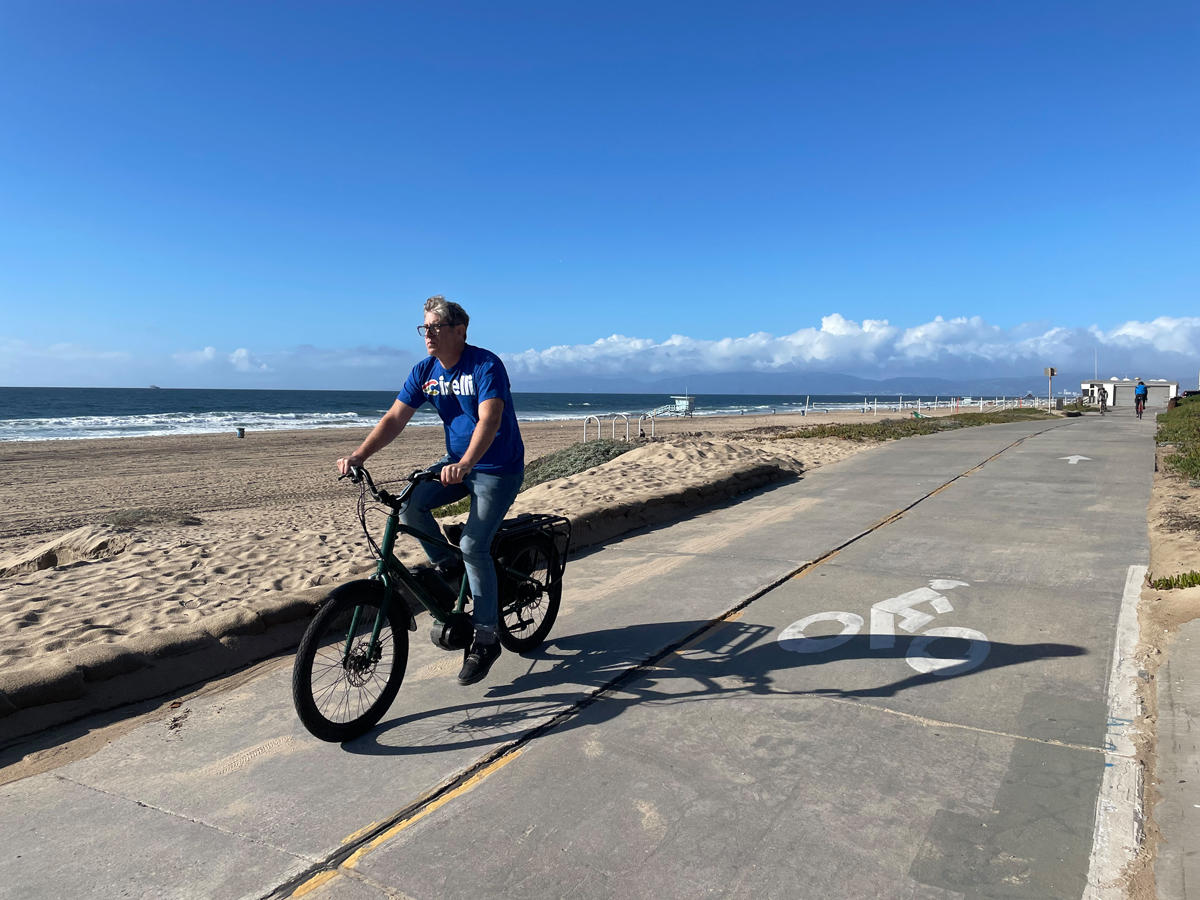
Peter Flax on his transit bike by the ocean bike path in Manhattan Beach, California. Photo by Lucas Flax

P.A.: How are bikes are so valuable for creating connections?

P.F.: Bikes are important connectors for a couple of reasons. One is just the act of sitting on a bike and pedaling just has this way of opening people up in this almost spiritual sort of way where they’re more open to the world. People who ride a lot already feel like a little bit like an outsider, like you have this niche passion. And so you feel like connected to everybody else who is part of that world. A lot of times I feel connected to people who ostensibly might not seem to have a lot in common to me, but I feel like they’re my brothers and sisters because they ride bikes. It’s hard to even count all the ways that it matters, that all kinds of people get on bikes, get access to riding.

P.A.: Why is it important for everyone to have the opportunity to ride a bike? P.F.: As someone who just is so deeply in love with bike culture, I just want everyone to be a part of it. I want the tent to be open to everyone. The more people that ride, there’s just all these repercussive benefits to the people who’ve been there already and the new people as well. I want bike culture to reflect what’s important in the broader culture. Having it be a world where people don’t feel excluded is important, especially because for so long bike riding felt like the province of affluent white people, especially men. The more that other kinds of people feel comfortable being a part of the culture, the richer the experience is for everybody.

P.A.: How did you first hear about the Saint Augustine’s University cycling team? P.F: I learned a little bit about the Saint Augustine’s team just through social media and this idea that the kids are connected to a historically black university. They were going to get into cyclocross, which is one of the nichier areas of bike racing, and that just warms my heart. The idea that that this group of people who would normally not be a part of that subculture were suddenly getting the chance to join. That team getting a platform and people paying attention to it is one piece of a larger puzzle where people who are fans of bike racing are just seeing all these instances where where people who weren’t part of the culture just a few years ago are being welcomed into it.

P.A.: What does it mean for Black folks to get on bikes?

P.F.: There have been Black people racing bikes for a pretty long time in the US, but they’ve always been like lonely outsiders. Now you get this feeling like tides have shifted. I’m excited about that kind of inclusivity coming to bike racing. I think that Justin Williams and the Legion of Los Angeles team, that when you show up to a race and the people there reflect your community, reflect the city you live in, it’s a totally different feeling. I have been to so many bike races where it was all just middle aged white guys or guys in their twenties. And it doesn’t have that same kind of feeling of like hope and excitement of like being a part of something that reflects the world you live in.

Peter Flax on his transit bike by the ocean bike path in Manhattan Beach, California. Photo by Lucas Flax

P.A.: What will be the ripple effect of these 12 kids at an HBCU deciding to race bikes?

P.F.: When a team that is made up of of Black racers goes out into the world, their impact is so repercussive in a lot of communities. Young people are not going to even think about about getting on a bike or trying bike racing if they don’t see people out there already that look like them, that have a connection to their world experience. It’s the exponential effects of these pioneers, like they impact like hundreds or thousands of people because someone will be on social media and see something and be like, “This is actually like a world that’s open to me.” The impact, I think, is enormous.

P.A.: What can bikes teach us?

P.F.: When I think about issues like like race and sexism and community and urbanism and transportation and class, bikes connect to all of those issues. It’s been like an accelerant in the last couple years, where people that didn’t think about that connection now see it. When the racial justice movement exploded people saw these ways that bikes were connected to that issue. They see the struggles of of Black people and indigenous people and women and trans athletes. Bikes become a lens to understand those issues in a personal way that they didn’t see or digest before.

P.A.: Where is all this going, if you look a few years into the future?

P.F.: It’s really exciting to think about where all of this is leading. Recently for work, I had a Zoom call related to a hip hop project, and I was on the call with 15 people. I was the only white guy on the call. That experience where I got to feel what it was like to be different than everybody else was really exciting. And I see that kind of change happening within bike culture, where you could just show up and really just have a sense that like the the multitudes of different kinds of people in our culture are also on bikes. Being part of this rich tapestry of people is makes me feel even more special about loving bikes.

P.A.: Can bikes change the world?

P.F.: I know that bikes can change the world because I’ve met so many people and been in so many communities where I’ve seen it firsthand. They can make people’s lives better in a physical way and an emotional way. The ripple effects of how getting people on bikes changes things is profound. There are people who who can literally feel like bikes have saved their lives or just totally changed the arc of their lives. And it has for many.

P.A.: Is there power in riding bikes?

P.F.: 100% that bikes are like an avenue to power. During the Black Lives Matter protests you saw that that certain communities were using them as a way to activate and be a part of their communities. It became a form of protest. Bikes became a symbol of what they were fighting for, which is why people got so upset when they saw bicycles also in the hands of the police, being instruments of excessive policing that they don’t like. Both sides touched the nerves within bike culture because I think people understand that bikes are symbols of power, of symbols of the good life symbols of people connecting to each other and the place they they live.
P.A.: You mention bike culture a lot. Why is that important?
P.F.: More people are attuned to bike culture now than a year and a half ago. The more people that ride, the better and stronger bike culture is. Having more women, having more black people, having people of all kinds who feel connected to it will just have all these repercussive benefits. It’ll make the bike industry stronger. It will make bike racing a stronger long term sport in the US. It will mean that everybody is safer when they ride on the road. It will mean that that communities will be friendlier to people. It’s like when I look at, say, a team of Black riders starting to race and then think about all the ways their story like permeates their worlds, it’s going to have like really strong long term benefits for everybody.
P.A.: Why is so much joy present in riding a bike?

P.F.: A lot of people can relate back to that feeling of being a child when you learn how to ride and then it’s like initially it is like this sense of freedom, this sense of joy. Being an adult, a lot of those sort of joys from childhood get sucked out of us. And yet when you get on a bike, that feeling is still there. You still feel this kind of euphoria of of doing something that feels so good on a cellular level everywhere. Your body feels good and your mind is relaxed and thinking and you’re out in your community and you’re seeing and hearing things going on. You you when you finish your ride, you feel mentally sharper than you would have otherwise. You feel this kinship with other people who are riding or other people who are just out and about where you are. You feel a sense of place and a connection. You feel rooted in a place in a way that most of the time adults just don’t feel, and you certainly don’t feel that driving in a car or sitting at a desk. People who ride know exactly like the kind of thing I’m talking about. I’m an atheist, and I don’t believe in a lot of things, but I feel something spiritual about about riding, where I can connect to something important and bigger than myself.

P.A.: How is bike culture changing?

P.F.: I use the term bike culture a lot. And for me, that’s like the broadest possible sense of like this thing that connects people who ride where I think that, like the old conventional wisdom was that there were all these like bike tribes and that, like people who rode mountain bikes were part of like mountain bike culture and and road racers were part of this roadie culture, and people who rode to work were part of a commuting culture. My feeling now is that everybody is starting to realize that we’re all part of something bigger. Instead of just thinking about what divides us by like what kind of clothes we’re wearing or what kind of tires or on our bike, we’re all like part of this unified space that that people who love to ride and feel like it’s an important part of their life are are connected. What I notice now is more lay people might be interested in racing than they had been before and and bike racing fans are more interested in like transportation issues than they used to be.

The gravel riding trend has created the sense where people are like, “Oh, I want different kinds of bikes to do different kinds of things.” There’s more connecting us than ever before. The question of how that’s going to evolve and change is happening right in front of us, right now. There is a dominant US team that’s uplifting Black racers and and treating women equitably. And there are small teams taking on cyclocross. You can go to almost any city now and see there are emerging bike subcultures for people of color. It’s just going to continue. It’s going to be more inclusive, more multicultural. Trans folks are starting to really speak up. There’s just all these different people that are important that have like maybe felt shut out of by culture that are going to become a part of it. They’re going to enrich it because then it’s not a subculture run by middle aged white guys like me. I’m super excited to just listen and learn and be a part of something that’s like complicated and bigger than me.

P.A.: Why is it important for someone like Saint Augustine’s University to be first in what they’re doing?

P.F.: What’s happening with Saint Augustine’s is important because somebody has to kick the door down so everyone else can come through. Someone’s got to push it open and take that first step and show other people that it’s possible. Sports history is full of examples of people who kick that door down in every sport for different communities, for women, for Black people, for people of different religions. In every case, you need those pioneers to show people that that particular activity is like open for inclusion.

P.A.: What’s significant about the place we’re conducting this interview?

P.F.: This interview is happening in Manhattan Beach, which is a community of L.A. and specifically, we’re at this park that’s known as Bruce’s Beach, which has been in national news this year. In the 1920s this was a resort for Black beachgoers. And ultimately, the the city and community of Manhattan Beach pushed the Bruce family out. Now finally, the city and the county have have offered restitution to the Bruce family. The land down closest to the beach now belongs to the Bruce family, and now the county has to lease that land back from them. It’s important in the context of this conversation because it’s just like the tug of war of justice that’s happening in many places. You can feel the tide turning here. Just like that, a century of generational wealth was taken from the Bruce family. But now there’s progress happening there. While I may wish that inclusivity had come sooner, it’s happening in a really beautiful way right now.


I-15 in Springville, Utah to Get Bike Safe Interchange

By Charles Pekow — Construction is slated to start next summer on a new interchange on I-15 in Springville, Utah. The project will include 10-foot-wide paths for bicyclists between Spanish Fork City Main Street and SR-51. The project should be completed by 2024.

Details at https://publicinput.com/i15springvillespanishfork#1


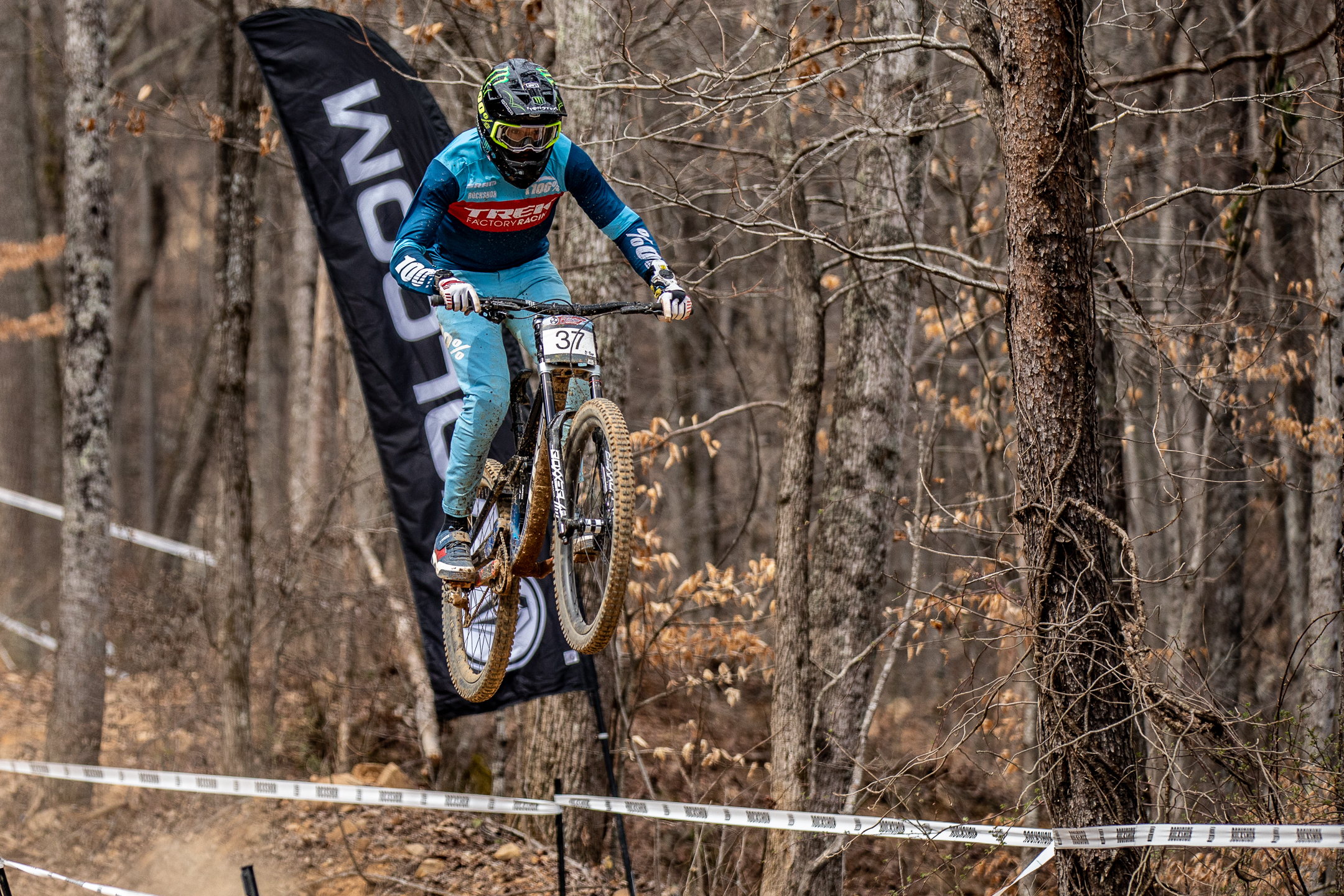
USA Cycling Announces 2022 National Downhill Series

Series features three returning events and one new venue TBA.

COLORADO SPRINGS, Colorado (February 3, 2022) – USA Cycling announced on Thursday the dates and locations for the 2022 National Downhill Series. The NDHS, formally known as the Pro Gravity Tour (Pro GRT), saw great success in 2021, despite several races canceling due to outside factors, including COVID.

Photo courtesy USA Cycling

“We are slated for some fantastic racing this season. With four races between March and September, we hope it allows racers multiple opportunities to grab points. Last season we saw top-notch athletes at the top of the standings along with newcomers in the elite women’s standings. We are looking forward to their return this season along with a continued junior points series,” said Tara McCarthy, USA Cycling’s Director of National Events. 

The season will open up at Windrock Bike Park in Oak Ridge, Tenn., with the Tennessee National taking place March 12-13, and the series will conclude with The Fox US Open of Mountain Biking in Killington, Vt. September 15-18. 

Event Date Location Classification
Tennessee National March 10-13 Oak Ridge, Tenn. UCI C2
Mountain Creek Spring National May 26-29 Vernon, N.J. UCI C3
TBA TBA TBA TBA
The Fox US Open of Mountain Biking September 15-18 Killington Resort, Vt. USAC Only

The 2021 National Downhill Series champions were Neko Mulally (Pisgah Forest, N.C.) on the Pro Men’s side and Kailey Skelton (Rancho Santa Margarita, Calif.; KHS Bicycles) on the Pro Women’s side. Ella Erickson (Hayden, Idaho; Commencal USA) won the Junior Women’s 17-18 category, and Brooks Hudson (Crested Butte, Colo.; Commencal USA Jr Cartel) won the Junior Men’s 17-18 category.

Kitsbow Opens Applications for 2022 Ambassador Program

OLD FORT, North Carolina (February 3, 2022) — Kitsbow Cycling Apparel is seeking applicants for its 2022 Ambassador program. The premium cycling apparel brand is looking for brand ambassadors who are passionate when it comes tocommunity, cycling and outdoor adventures.

Photo courtesy Kitsbow

Since relocating to Old Fort, N.C. in late 2019, Kitsbow has embraced numerous initiatives such as training a workforce with no prior experience making premium apparel, helping build trails in Old Fort for access by all, making PPE for first responders and medical professionals, making apparel in a sustainable way to better protect the planet, building and operating a unique retail service with excellent and healthy food made locally, hosting the first bike shop in Old Fort in decades, using only compostable materials in all shipping and packaging, and creating generous employee benefits, including 100% health insurance paid by the company. Kitsbow is now a public benefit corporation, and has started the process to certify as a B Corp.

Photo courtesy Kitsbow

“Kitsbow has been embracing social and public good since arriving in Western North Carolina to make clothing in 2019,” explains David Billstrom, CEO of Kitsbow. “We are looking to welcome brand ambassadors who give back, are community-minded and reflective of our amazing employee owners who are from diverse backgrounds.”

Photo courtesy Kitsbow

Kitsbow ambassadors will work closely with the brand to wear-test new gear, provide meaningful feedback, and represent the brand in their community. They’ll also be given a platform to share their adventures, projects, and stories on the Kitsbow blog – as well as social media channels and the brand’s daily emails and newsletter. As in prior years, the 2022 Ambassador commitment will be for one year.

Photo courtesy Kitsbow

The ambassador application period opens today, February 3, and will close on Sunday, February 13. Applications can be filled out online (https://www.kitsbow.com/blogs/ambassadors) and supplemental photos + video can be sent to [email protected]. Further details about applying to the Kitsbow Ambassador Program are outlined on the website: https://www.kitsbow.com/blogs/ambassadors.

Do You Qualify?

You care a great deal about what you wear when riding a bike, hiking, climbing, and navigating life’s adventures whether in the city or countryside. You care because you want your apparel to perform correctly, last a long time, and look good. You would rather have a few outstanding items than a closet full of infrequently used items.

You can’t help sharing good news about gear you’ve tested and love with others, and you love helping other people discover awesome gear.

You are visible, engaged and audible both online and in your local community. You’re interesting and interested. You care about things, people, and life. People look to you for information andinspiration.

How to Apply

To apply to the Kitsbow Ambassador Team, please fill out the online application (https://www.kitsbow.com/blogs/ambassadors) and email at least one video and one photo to [email protected]. Subject Line: 2022 Kitsbow Ambassador Application. The video and photo(s) should give us a sense of who you are and what you’re about! It should also give us a sense ofhow Kitsbow supports your life’s adventures.

For additional information about Kitsbow and stay up to date on news, sign up for email updates on kitsbow.com and follow us on InstagramFacebook, and YouTube.

About Kitsbow

Kitsbow was established in California 10 years ago, with each detail of our apparel vetted for quality and style. The clothes are also exceedingly durable, which means they last longer, and that the negative impact of production is minimized. Relocating to Old Fort, North Carolina in 2019, Kitsbow committed to a Just in Time manufacturing model, minimizing waste and maximizing flexibility to serve the customer. Kitsbow clothing (except for gloves and socks) is made in the USA, and all Kitsbow products are packaged and shipped using compostable packaging that’s ready to return to the Earth in your own garden. In 2022, Kitsbow rebooted as a public benefit corporation, and has started the process to become a certified B Corp. Kitsbow also is a Bicycle Friendly Business, designated at the highest level (Platinum) by The League of American Bicyclists. For additional information, please visit kitsbow.com.

LAB Releases Report on BIPOC Cycling Participation

By Charles Pekow — More Latinos and fewer Blacks and other people of color are cycling these days than in 2013. At least that’s the conclusion of a study on changing demographics of bike riders in the United States by the League of American Bicyclists. The League recently released a report called Reconnecting to the New Majority, an update to a report done in 2013 on demographics of American cyclists.

The downside to diversifying the cycling community: “We have seen significant increases in bicyclist deaths due to drivers of motor vehicles between 2013 and 2019 — and as documented in 2013, the people who are experiencing traffic violence continue to be disproportionately people of color,” the report notes.

The League states that since its earlier report “while bicycling continues to have changing demographics, there are significant differences in the adoption of bicycling by a diversifying America. Notably, Black Americans experienced a decrease in their share of bicycling trips from 2009 to 2017 and other data that is available on bicycle use, such as data on bike commuting, shows a persistently low rate of bicycle use among Black Americans.”

A higher unemployment rate among Blacks may partially explain the situation. The league based its findings on nationwide surveys.

Find the report at https://www.bikeleague.org/content/reconnecting-new-majority.


Tucson Bicycle Classic returns in March 2022

0

Tucson Bicycle Classic Promotes Equality through Equal Distances, Prize Money and Women’s New Racer Program

TUCSON, Arizona (January 24, 2022) — The Tucson Bicycle Classic is pleased to announce for the first time ever, the race will feature equal race distances for both women’s and men’s race categories, and will continue to offer equal prize purses for men and women.

“I’ve been speaking with professional and novice women who are so excited for this change and myself as director and our race committee are honored to be one of very few stage races where equality is the standard.” – Marco Colbert, Race Director

One of the women Colbert met with is Kathryn Bertine, a local legend in the Tucson cycling community. Bertine raced professionally, and spent years fighting for equality in sport.

“I’m incredibly honored to play a role in TBC’s equity initiative. During my professional career I raced the Tucson Bicycle Classic at a lesser distance than the men, but knew the women were capable of handling the same distances. To finally see TBC set a standard for equality is really special.” – Kathryn Bertine, former pro cyclist, author, and CEO of Homestretch Foundation

In addition to securing equal prize purses and distances for athletes, Tucson Bicycle Classic has created a Women’s New Racer Program to assist and mentor women to enter the sport.

Tucson’s Kathryn Bertine and Homestretch Foundation (an organization Bertine founded and serves as CEO) will support this effort. Pro athletes from Homestretch and other women’s pro cycling teams will help educate noviceathletes on race etiquette, tactics, nutrition and safety.

“The goal of Women’s New Racer Program is to help women feel welcomed into the sport. It can often be intimidating for women to enter a challenging, male-dominated sport, but we’re here to help. Women arebadasses and they belong in cycling.” – Kathryn Bertine

The Tucson Bicycle Classic is a 3-day stage race scheduled to take place March 4-6, 2022. TBC is USAC sanctioned, and offers equal cash purses for male and female athletes. Proceeds from this event will benefit El Grupo Youth Cycling, a nonprofit youth cycling organization in Tucson that empowers youth and encourages a lifelong love of riding.

“Tucson has one of the best cycling communities in the country and is a training destination for elite cyclists from all over the world. This community deserves a race that reflects the strength of local riders who are able to train hard 365 days a year in sunny, beautiful Tucson!” – Marco Colbert, Race Director

Bike Summit Returns April 19 to Layton, Utah

0

Annual Utah Bike Summit Addresses Streets, Trails, and Utah’s Future After Record Years of Outdoor Recreation, a Bike Boom, and Transportation Limitations

SALT LAKE CITY, Utah (January 31, 2022) — The last few years have been an incredible indicator of the great joy and necessity of bicycles in and across Utah. Bike Utah’s annual Utah Bike Summit, taking place April 19 in Layton, brings national and local experts together to share their perspectives on where we’re at, where we’re going, and how we can best get there on bikes. A primary focus of the summit is safety, accessibility, equity, and community development that includes safe roads and trail systems for bike commuters of all experience levels and socio-economic status.

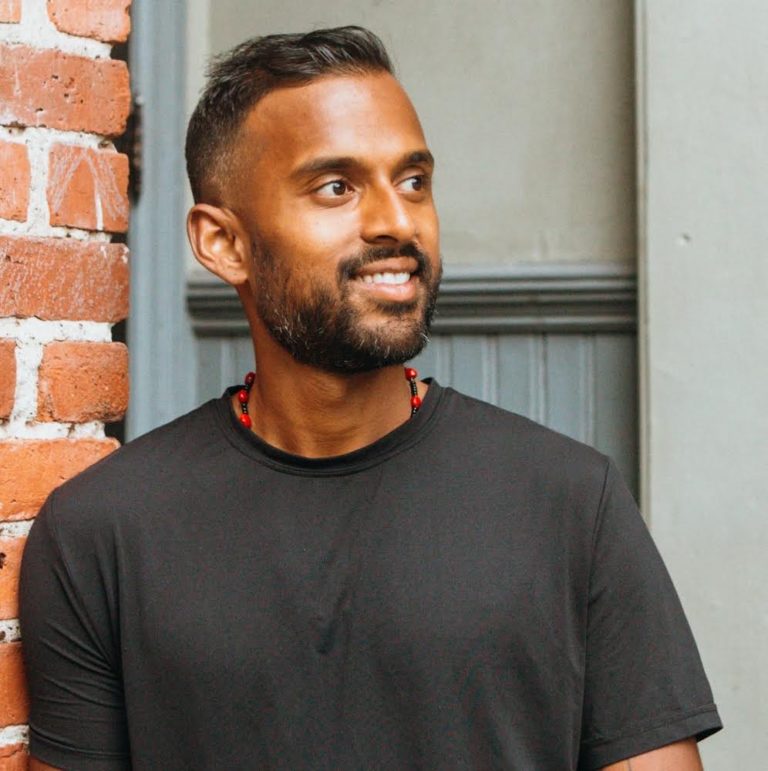
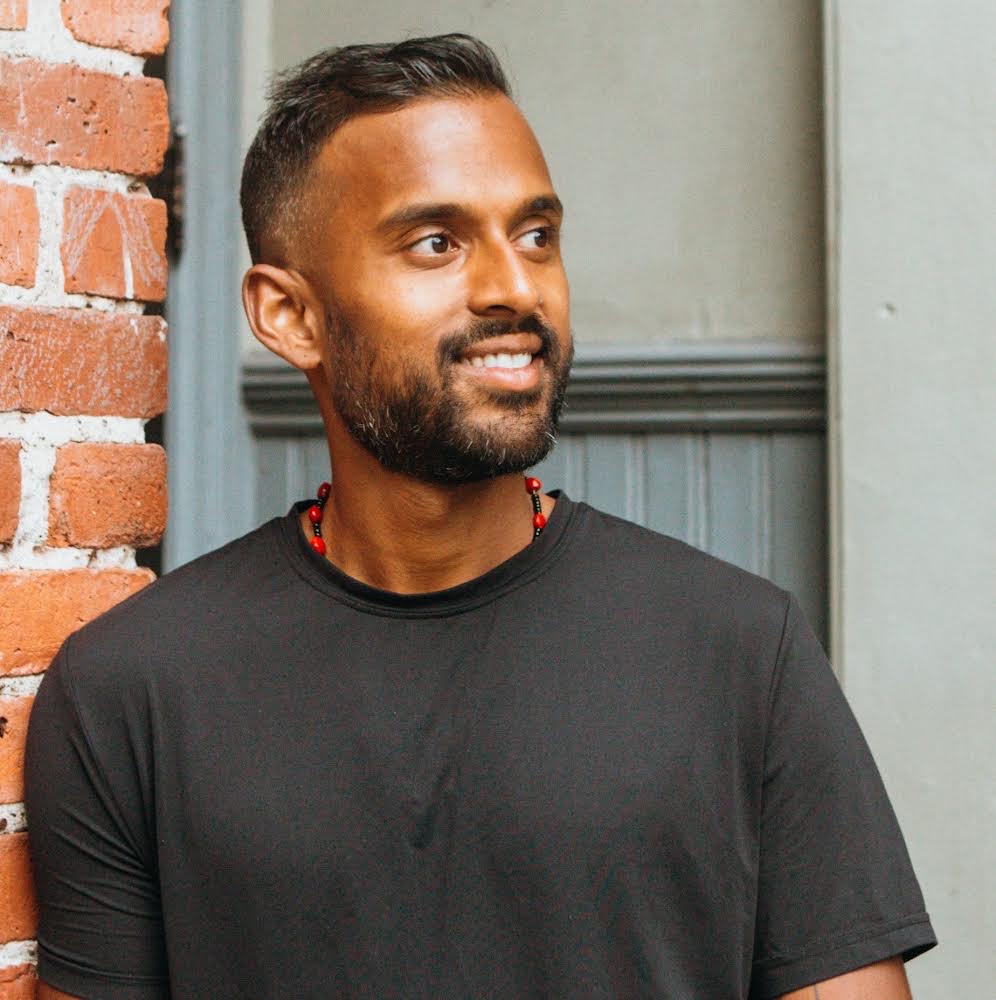
Keynote speaker Robin Mazumder

“This year’s summit will include traditional cycling discussions and activities as well as a social justice lens, giving mind to how some urban planning concepts directly impact or exacerbate mental health concerns,” said Jenn Oxborrow, executive director of Bike Utah. “By working collaboratively with partners—from planning to first response to education and mental health—we are better able to build and maintain safe spaces for everyone to ride.

Held at the Davis Convention Center, the one-day summit will feature nationally renowned Robin Mazumder as the keynote, a variety of breakout sessions, and will close with a family-friendly Cycling Social.

Registration for the summit is $150, with a $50 early bird discount available through January 29. Students may register at any time for $100. The Cycling Social is $30 per person.

More info/register: bikeutah.org/summit

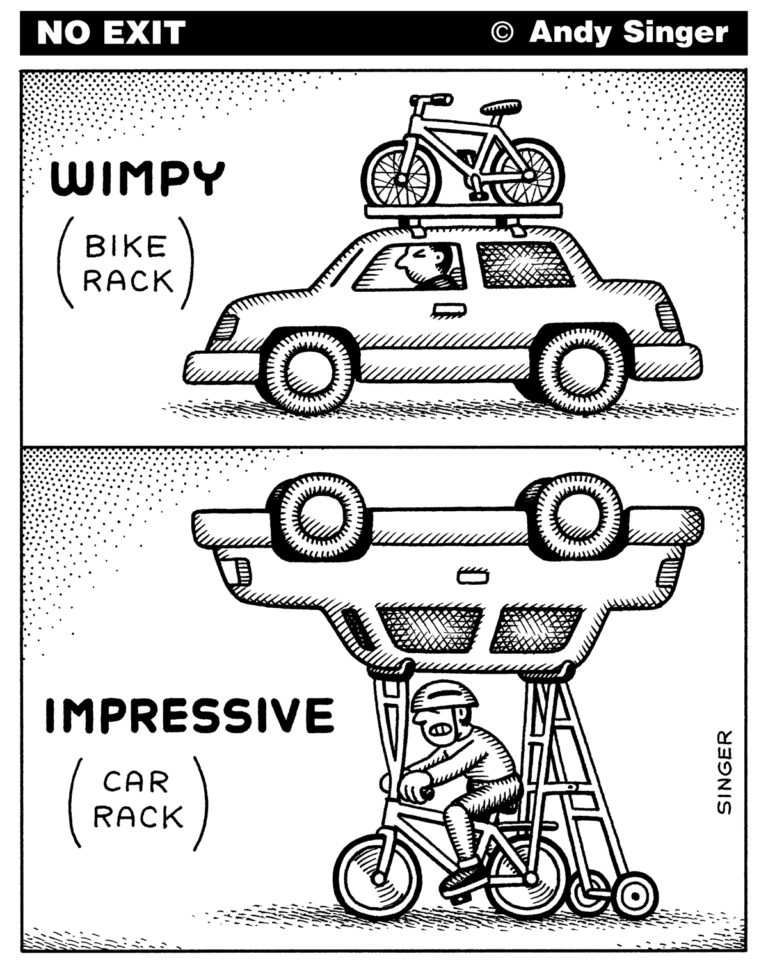
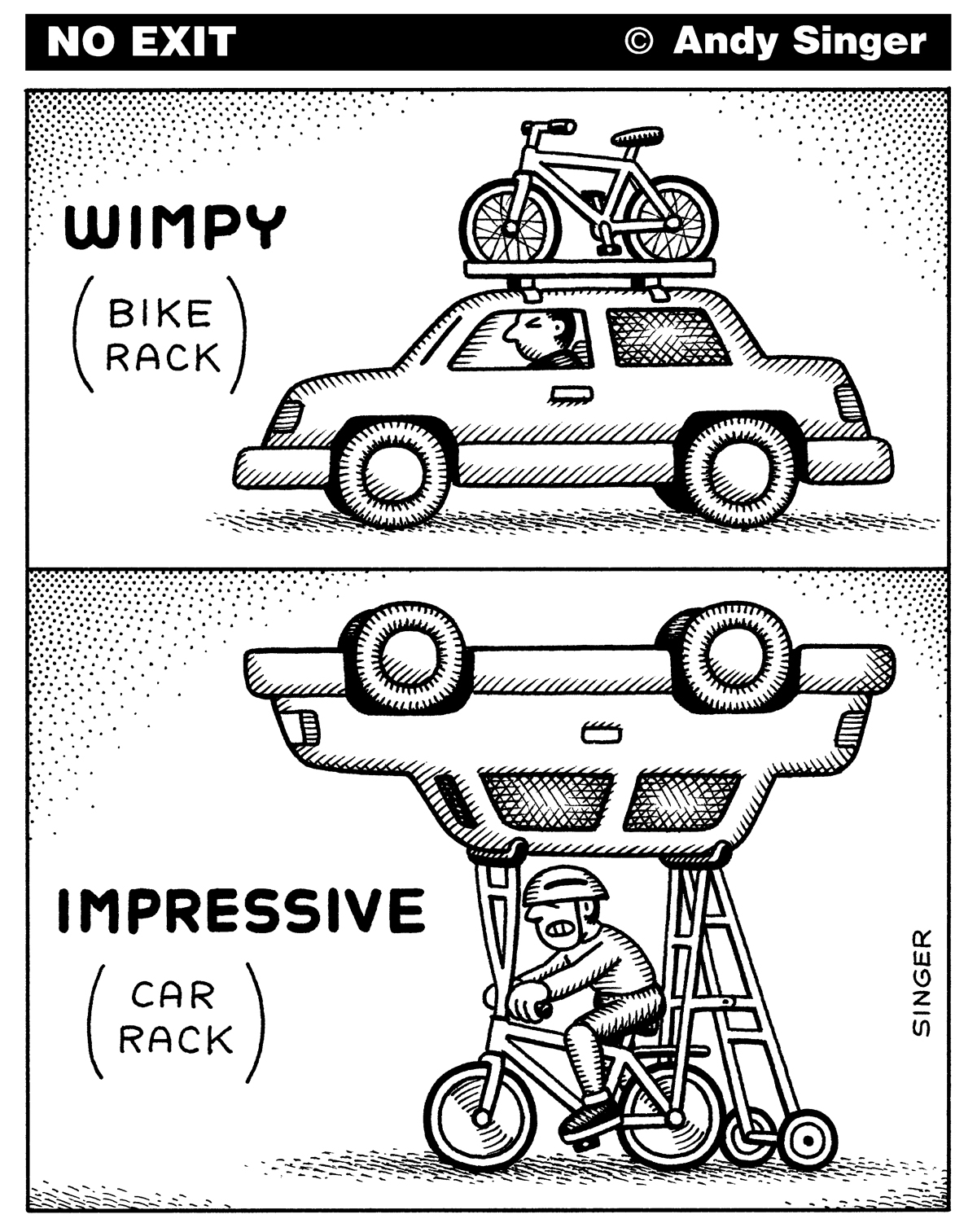
Cartoon Tuesday: Wimpy vs. Impressive

Bike rack on a car is wimpy, whereas car rack on a bike is impressive. Cartoon by Andy Singer

Spratt, Pannecoucke take top honors in 39th annual LoToJa Classic

First licensed woman to finish is novice Cat. 5 Melissa Aitken; comes close to breaking the women’s course record

By David Bern — New cycling talent emerged from morning rain and afternoon wind to take the top podium step in the Men’s and Women’s Pro 123 races during the 39th annual LoToJa Classic on Sept. 11.

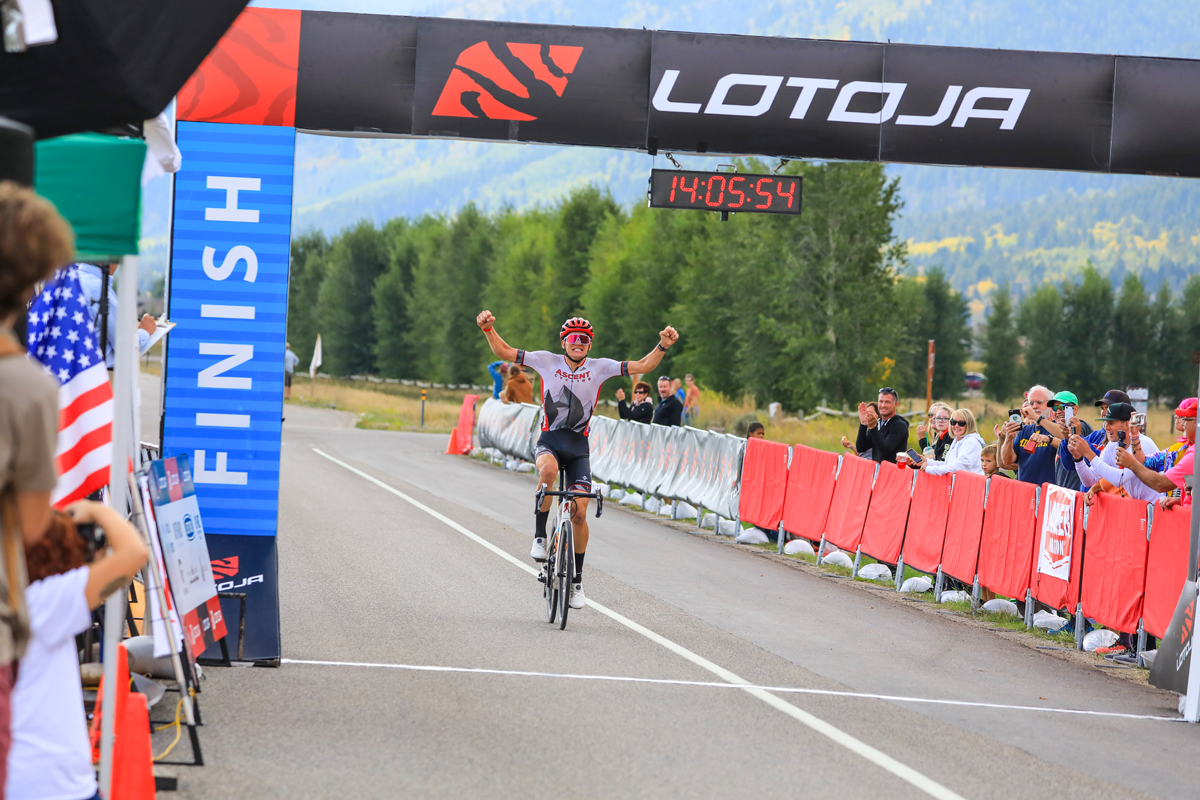
Winner: Nathan Spratt (Team Ascent) solos to the finish line at Jackson Hole Mountain Resort to win the Men Pro 123’s in the 39th annual LoToJa Classic on Sept. 11. The Cat. 2 cyclist from Millcreek, Utah, set a time of 8:31:18 in the 203-mile road race. Photo by SnakeRiverPhoto.com

Cat. 2 cyclist Nathan Spratt (Team Ascent Cycling p/b RB Health), 26, of Millcreek, Utah, showed grit in the 203-mile/327 kilometer one-day road race from Logan, Utah, to Jackson Hole Mountain Resort by winning the Men Pro 123’s with a time of 8:31:18.

He soloed across the line at Teton Village after powering away from three breakaway companions in the final kilometers.

“I’m so, so excited to have won,” Spratt said. “I’ve done a lot of podiums, but not a lot of wins.”

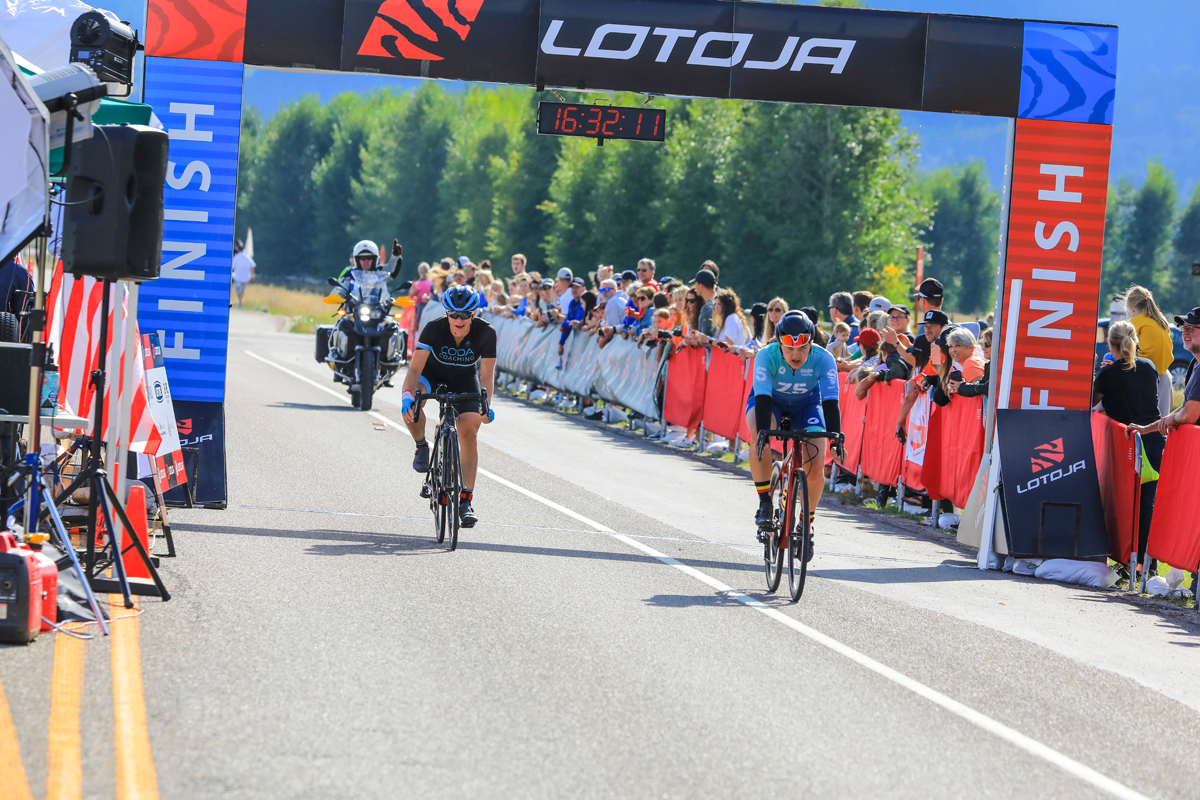
Winner: Cat. 2 Aileen Pannecoucke (right) crosses the line over Cat. 2 Jenny Leiser (Team Coda Coaching) to win the Women Pro 123’s in the LoToJa Classic at Jackson Hole Mountain Resort on Sept. 11. The Cat. 2 cyclist finished with a time of 9:45:36 in the 203-mile road race. Photo by SnakeRiverPhoto.com

Riding in her first LoToJa, Cat. 2 cyclist Aileen Pannecoucke (Team Zone 5), 24, of Pocatello, Idaho, won the Women Pro 123’s with a time of 9:45:36 after riding nearly the entire day in a breakaway with teammate Melissa Aitken (Team Zone 5), 32, of Salt Lake City, and Cat. 2 Jenny Leiser (Team Coda Coaching), 42, of Charlotte, North Carolina.

“I am very happy to have won!” Pannecoucke said. “… I was so nervous. I had never ridden over 103 miles before.”

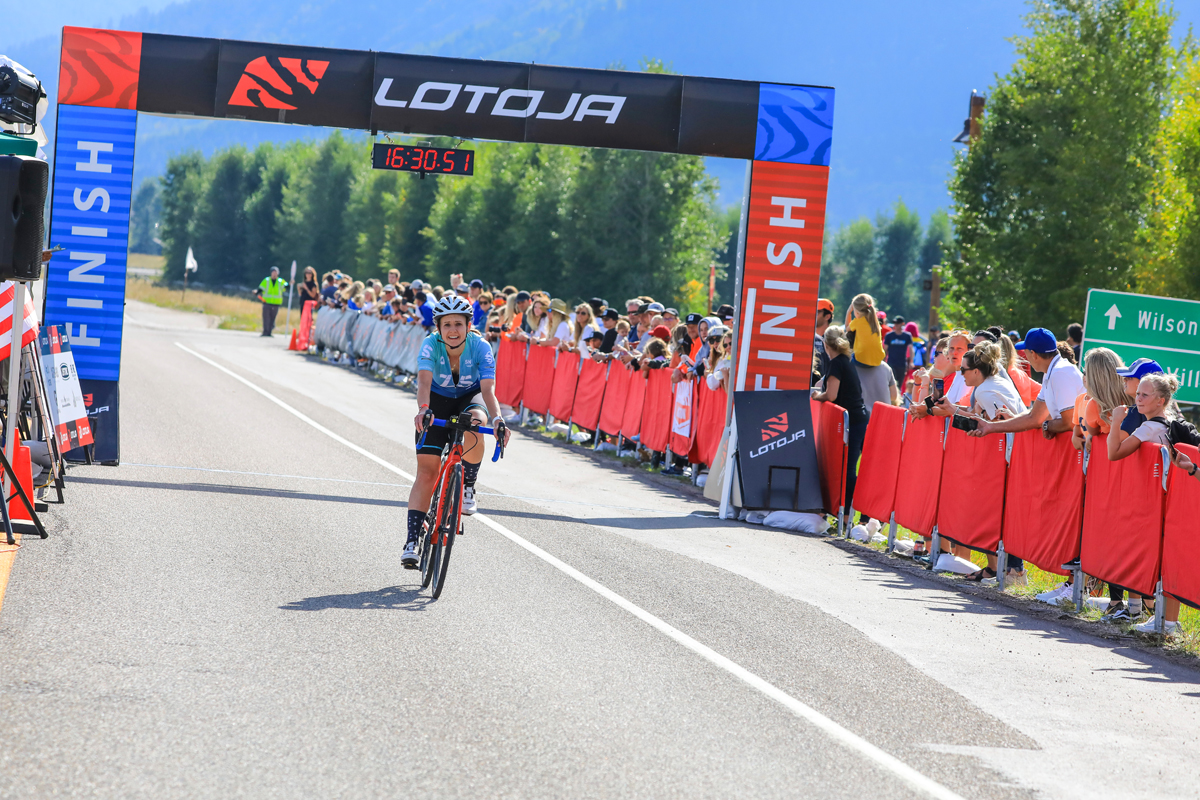
Winner: Melissa Aitken (Team Zone 5) appears relieved after being the first licensed woman to cross the finish line in the 39th annual LoToJa Classic at Jackson Hole Mountain Resort on Sept. 11. The Cat. 5 cyclist had only one bicycle race experience before riding LoToJa. She finished with a time of 9:44:15 in the 203-mile road race. Photo by SnakeRiverPhoto.com

Although she took top honors in the women’s toughest licensed category, Pannecoucke generously shared kudos with Cat. 5 newcomer and teammate Aitken, who was a revelation in the combined license category women’s race.

Due, in part, to a near mishap, and Pannecoucke’s tactical experience, Aitken opened a gap with less than five miles to go and soloed to the line with a time of 9:44:15. Not only was she the first and fastest woman finisher, but Aitken was also less than 10 minutes off from setting a new women’s course record.

Astonishingly, LoToJa was only her second — ever — bike race.

“I was so nervous and didn’t think I would place at all,” Aitken said. “But I’m determined and good at not quitting.”

The smell of rain was in the air when Spratt and 31 other Men Pro 123’s pedaled away in the dark from the start line at Sunrise Cyclery at 5:34 a.m. He and Cat. 3 Marc Spratt — his twin brother, teammate, and training partner — had watched the weather forecast closely the night before. It had rained hard with heavy wind gusts in Logan during registration packet pickup on Sept. 10.

“I looked at the [weather] radar at the start one last time,” Spratt said. “It looked like it was going to miss us. But we got pretty wet.”

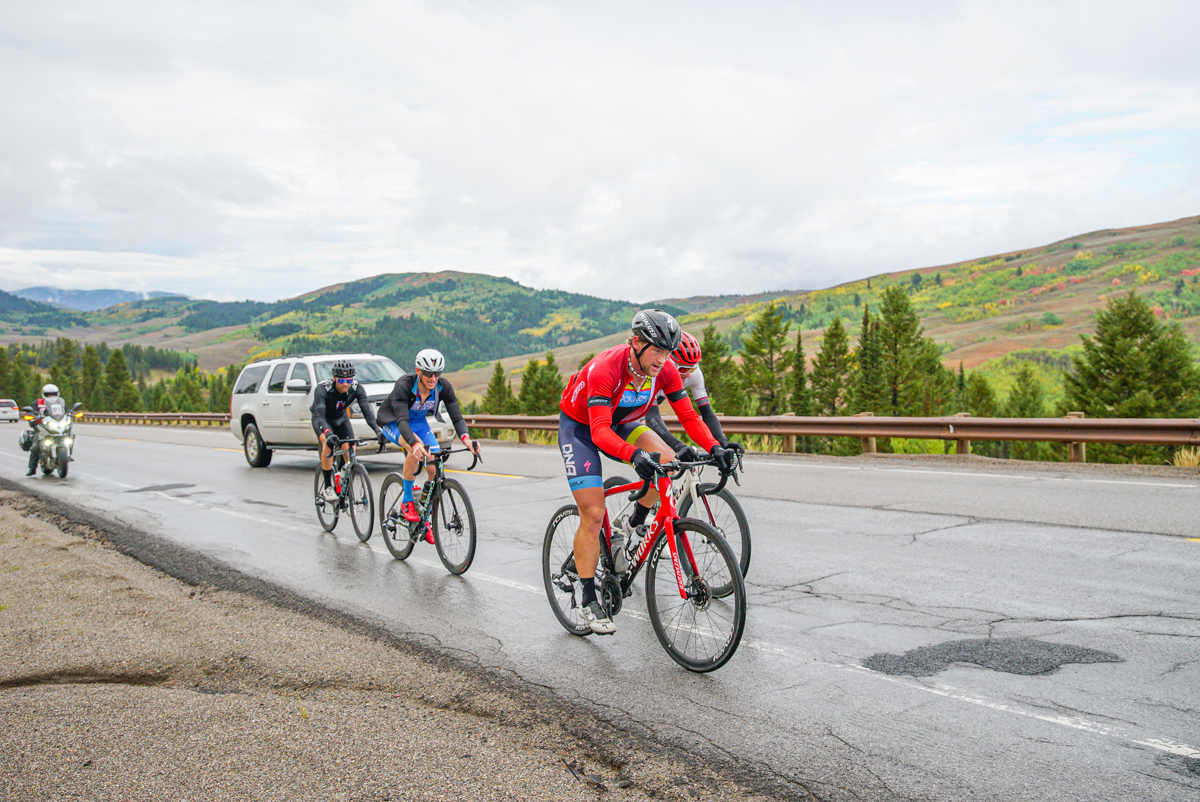
For the first time since 2005, hard rain fell throughout the morning during LoToJa. But that didn’t deter two-time winner Clinton Mortley (2011, 2013) from taking a flyer shortly after the start. The peloton caught him during the 22-mile climb to Strawberry Canyon’s 7,424-foot-high summit (57mi/92km). Soon after, Spratt went to the front.

“I enjoy the climbs,” he said. “I’m not a pure climber, but I like to make it hurt.”

Spratt was followed to the summit by his brother, along with Cat. 2 teammate Thomas Moncur (Team Ascent), 25, Farmington, Utah; Cat. 1 and 2019 LoToJa winner Roger Arnell (Team Johnson Elite Orthodontics), 36, Farmington, Utah; Cat. 3 Anders Johnson (Team Rouleur Devo p/b DNA), 23, Huntsville, Utah; Cat. 2 Gilberto Melendez (Team Stone House), 33, Eloy, Arizona; and Cat. 3 Danny Van Wagoner (Team Johnson Elite Orthodontics), 29, Farmington, Utah.

The seven-man break descended into Bear Lake Valley and stayed together through the first feed-zone at Montpelier (76mi/122km) and over 6,923-foot-high Geneva Summit (84mi/135km).

Long climb: Anders Johnson (right) looks determined to win KOM honors in the Pro Men 123’s on Salt River Pass during the 39th annual LoToJa Classic on Sept. 11. The Cat. 2 Team Roleur Devo rider was the fastest man to the top and also took third place in the 203-mile road race. Also pictured are Nathan Spratt, Roger Arnell and Gilberto Melendez. Photo by SnakeRiverPhoto.com

But on the four-mile climb to 7,630-foot-high Salt River Pass (106mi/171km), which features a 9-percent pitch during the last mile, the break was reduced to Spratt, Melendez, Johnson, and Arnell. Johnson took the King of the Mountain prize.

Spratt said the four-man break worked well together through Star Valley to Alpine Junction (156mi/251km) and to and after Hoback Junction (178mi/286km). He said everyone agreed not to attack on the bike path to Wilson (196mi/315km) because of recreational cyclists also using the route. But Spratt brought an end to the accord after the foursome turned onto Village Road for the final seven miles (11km) to the finish.

“Just after we got on Village Road, I did a hard attack and Roger [Arnell] bridged up to me,” Spratt said.

Johnson and Melendez did too. Spratt said the four men then began to easy pedal until one would commit. Arnell made the first big move. But Spratt didn’t panic.

“I played the waiting game,” he said. “I waited for Anders [Johnson] to bridge and I followed his wheel.”

Cameron Hoffman, after winning LoToJa for a fifth time last year, said that Nathan Spratt was his biggest rival and concern on the road during the 2020 race. “He is really, really strong,” Hoffman said.

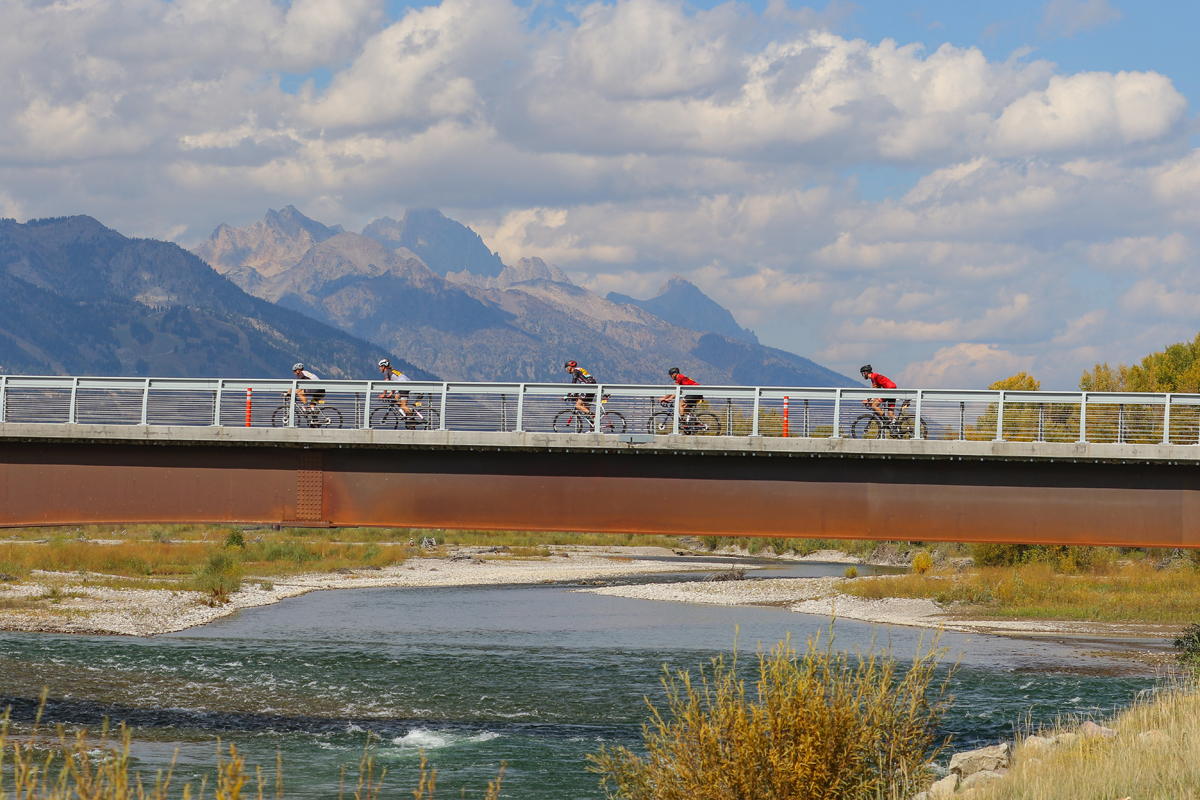
Almost there: With the Grand Teton looming in the background, racers cross the Wilson Bridge bike path in the 39th annual LoToJa Classic on Sept. 11. While crossing the bridge, cyclists have only eight miles left to the finish line in the 203-mile road race from Logan, Utah, to Jackson Hole Mountain Resort. Photo by SnakeRiverPhoto.com

That strength Hoffman highly regards went on display after Spratt and Johnson made contact with Arnell.

“I went as hard as I could for 15 seconds,” Spratt said. “I left it all out on the table — a 10-minute effort. A mile to go I saw that I had a decent gap, but I kept the power on to the barriers.”

He joyfully crossed the line alone, followed 26 seconds later by Arnell at 8:31:44, Johnson in 3rd at 8:31:59 and Melendez in 4th at 8:32:07. Marc Spratt took 5th at 8:41:35, Van Wagoner 6th at 8:50:06, Moncur 7th at 8:50:07, J. Trevor Robinson 8th at 8:54:44, Matthew Bailey 9th at 9:04:28, and Sean Burke 10th at 90:04:32.

“I was ecstatic,” Spratt said about his victory. “My parents were there as crew. I was stoked for them and for my brother.”

Spratt, a native of Indiana who moved to Utah in 2017 after graduating from the University of Purdue, said that he comes from an endurance sports background. He switched from triathlons to road cycling full-time during his junior year in college.

He said he plans to defend his LoToJa title next year, along with entering several gravel races, including Unbound Gravel and Crusher in the Tushar.

Pannecoucke also comes from an endurance sports background — one most serious cyclists would admire. Born and raised in Belgium, she immigrated to the U.S. in 2015 after earning a swimming scholarship to the University of Idaho. Although a competitive swimmer, bicycle racing is deeply etched in her DNA.

“My dad is a cyclist, my grandmother was a cyclist, my great aunt was good on the track. … and some other family members were pros,” Pannecoucke said. “Although I was a swimmer, I started bicycle racing in Belgium when I was 16. …My first race was very tough, very intense. There was a big crash and lots of riders with concussions. I didn’t get hurt, but it broke my Ridley Noah that I got from Lotto-Soudal. I cried.”

Yet despite having raced in Belgium against elite women cyclists, on narrow roads at high speeds, Pannecoucke said LoToJa’s distance and nearly 10,000 vertical feet of climbing made her “nervous.” What also unnerved her was her team’s race-day strategy: to attack from the start and break the current women’s record of 9:35:00 that was set in 2013.

The attack went as planned when the combined field of 44 licensed women left Sunrise Cyclery at 6:46 a.m. Cat. 2 Ingrid Smallman (Team Zone 5), 36, of Alpine, Utah, shot off the front. Pannecoucke followed, and the two flyers soon put a gap on the bunch. About 20 minutes later, Aitken and Leiser bridged up and the four women hammered in the rain through Cache Valley.

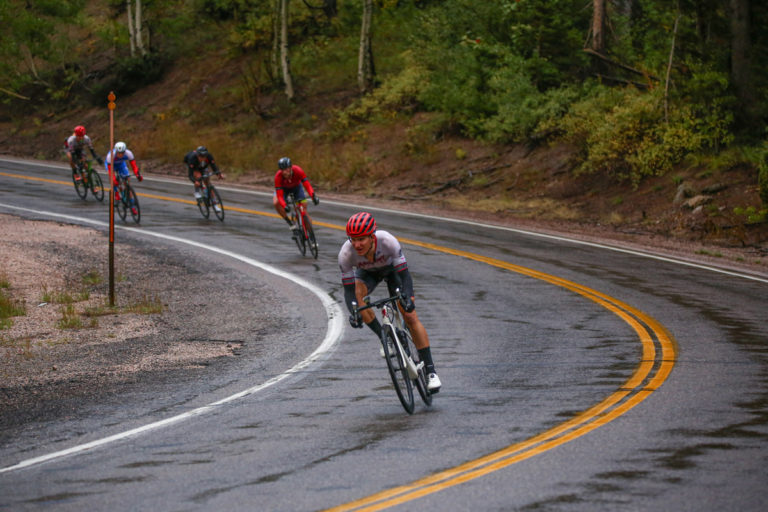
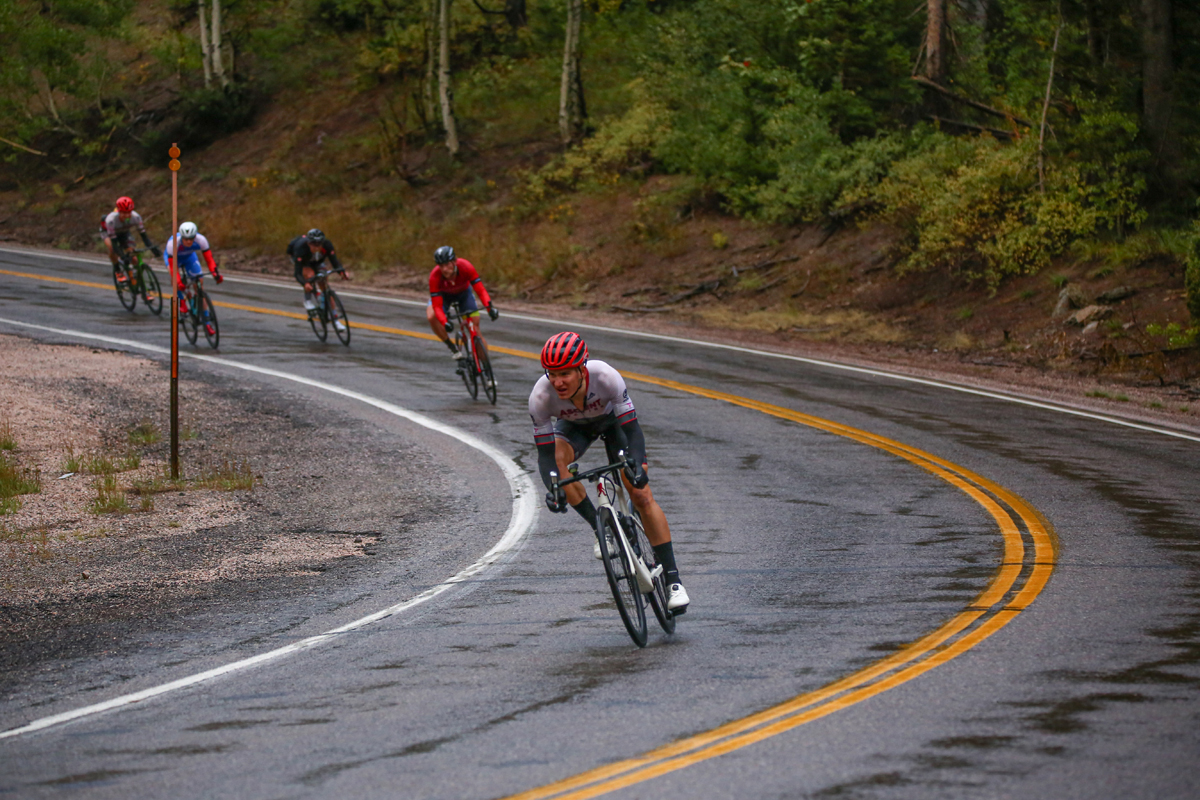
Strawberry descent: Nathan Spratt (Team Ascent) leads a 7-man break as it descends into Bear Lake Valley from the summit of Strawberry Canyon in the 39th annual LoToJa Classic on Sept. 11. Spratt went on to win the Pro Men 123’s in the 203-mile road race. Photo by SnakeRiverPhoto.com

The break stayed together up and over Strawberry Summit. But Smallman dropped off the back and called it a day during the push to Montpelier. Pannecoucke, Aitken and Leiser rode over Geneva Summit and stayed together to the base of Salt River Pass.

There, Pannecoucke and Leiser watched the lighter and smaller Aitken ride away to the summit, where she won QOM honors.

“I have a lot to learn about racing,” Aitken said. “… But I’m super competitive and good at climbing. … On Salt River I knew I would do it well.”

Which she did. The former runner and triathlete — who recently turned to cycling, trained for LoToJa on a stationary bike indoors during the pandemic with outdoor rides only on weekends, and did her first bike race last June — set the fifth-ever fastest Salt River QOM at 16:14. After reaching the top, Aitken made a quick bathroom stop at the neutral feed zone. Pannecoucke and Leiser reached the summit after Aitken stepped out of a port-a-loo.

“I had told Melissa [Aitken] before the climb to keep going if she wanted to keep going,” Pannecoucke said. “But she waited for us.”

Pannecoucke indicated that Aitken was smart to wait at the summit instead of going alone in Star Valley and wasting energy long before the finish. Pannecoucke said it was likely that she and Leiser would have eventually caught Aitken in Star Valley.

Together, the three women descended Salt River Pass, rolled through Star Valley and Alpine Junction, and rode alongside the scenic Snake River during the last 46-mile leg to Teton Village. They worked together, but with about 10 miles go to, Pannecoucke noticed that she and Aitken were doing longer pulls. Leiser looked tired.

On South Park Loop Road and the bike path bridge at Wilson, it appeared the trio would ride together to the line and settle matters with a sprint. But that possible outcome suddenly changed after they had crossed the bridge.

According to Pannecoucke, Aitken was slightly ahead when the three neared the right turn transition from the bike path onto Village Road. A recreational cyclist, going in the same direction as them on the bike path, appeared to veer to the left just as Aitken was about to turn right onto Village Road.

“I thought they were going to crash and I hit my brakes,” Pannecoucke said. The mishap didn’t occur, but by the time she got going again, Aitken had a gap.

Although Pannecoucke still felt good and was eager to sprint for the win, she chose to hold back. The reason: A teammate was up the road and the finish line was only a few miles away.

And another: Regardless of category and age, all licensed women cyclists at LoToJa start together because of lower field numbers. They are also allowed to ride together, but respective category wins are maintained despite mixed-category finishes.

“The gap was big enough it was up to Jen [Leiser] to pull [and close the gap],” Pannecoucke said. “I didn’t want to reel in Melissa [Aitken] and then have Jen [Leiser] sprint for the win over us. Jen was tired, but I had no idea how good of a sprinter she is. I didn’t want Melissa and me to get beat at the end. It was the right decision.”

As a result, the gap grew to over a minute. Unaware of the team tactics being deployed behind her, Aitken seized the moment. She went as hard as she could.

“I’m a runner. I want to beat everyone,” Aitken said, jokingly. “But I wanted to be the first woman in.”

She said that she felt miserable at Alpine Junction and her back was cramping. But with a few miles to go, she felt energized. When she crossed the line, she felt both “shock and pride.”

“I had never gone over 100 miles before,” Aitken said. “LoToJa was on my bucket list … I just wanted to ride with my team [in the race] until I couldn’t anymore.”

Aitken said the win has made her realize that “if I keep working at this, I could be really good. The door unlocked and look what I can do!”

Pannecoucke said it was intense with how it all played out on Village Road to the finish.

“Jen and I got to sprint at the end, and that was fun,” she said. “… I’m happy with how I rode the race. Everyone worked together all day. … We all three deserved it. It was an adventure for the three of us.”

Leiser took second with a time of 9:45:37, and Cat. 3 Lauren Riedle (Team Alp Cycles), 29, of Denver, Colorado, took third at 10:01:39. Except for Smallman, there were no other Women Pro 123’s that left the start line in Logan. Pannecoucke said she plans to defend her LoToJa title next year.

To underscore the feat of Aitken’s finishing time of 9:44:15, the next fastest women in her category (Cat. 5) had finish times over 11 hours.

The Men’s and Women’s Pro 123 races at LoToJa always get the biggest headlines, but in all there were 1,500 USA Cycling licensed and unlicensed riders at this year’s start line. There were 31 start groups, which included licensed race categories (724 participants), race relay teams (111 teams; 351 participants), cyclosportive ride categories (512 participants), and ride relay teams (154 teams; 506 participants). LoToJa start groups left Sunrise Cyclery in 4-minute intervals to better disperse riders as part of LoToJa’s Covid-19 Adaptations.

Also as part of those adaptations, non-competitive cyclosportive “ride” relay teams and full-distance cyclists finished at Jackson Hole High School instead of Jackson Hole Mountain Resort. For them, the day’s total distance was 197.4 miles (full distance) and 199.7 (relay teams). Race relay teams pedaled 208.8 miles to finish at the finish line in Teton Village.

Except for hard rain in the morning, the weather turned favorable by afternoon with mild fall temperatures and clear skies. However, cyclists were buffeted by crosswinds and headwinds at times.

LoToJa is billed as the longest one-day USA Cycling-sanctioned bicycle race in the U.S., with three mountain passes, and nearly 10,000 vertical feet of climbing. The 203-mile/327-kilometer parcours passes through northern Utah, southeastern Idaho, and western Wyoming.

The race was first held in 1983 with only seven cyclists. Now, 2,000 take part by riding the full-distance or a portion of the route as a relay teammate.

Despite additional planning and costs caused by the ongoing pandemic, LoToJa race director Brent Chambers said he was delighted with the success of this year’s race. Next year’s LoToJa will be held on September 10, and it will be the race’s 40th anniversary. LoToJa’s 2022 website will be launched next March with online registration opening in early April.

“Being the 40th annual, next year’s race will be a celebration,” Chambers said. “I am extremely grateful to everyone that contributes to the success of LoToJa year after year. The event would not be possible without the incredible support of our sponsors, vendors, and the communities we pass through.

“LoToJa could not be pulled off without its dedicated team of 650-plus volunteers,” he added. “LoToJa would not exist without the hundreds of cyclists that choose to sign-up, train for, and ride or race their bikes from Logan to Jackson every September. I am inspired, grateful, and humbled by this ongoing support.

For complete finish line results for 2021’s race, go to lotoja.com and click on the “results/records” tab in the navigation bar.


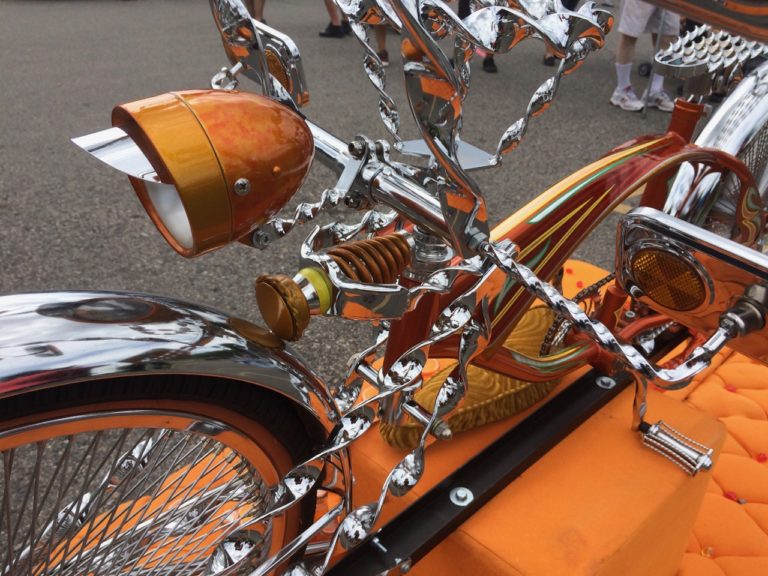
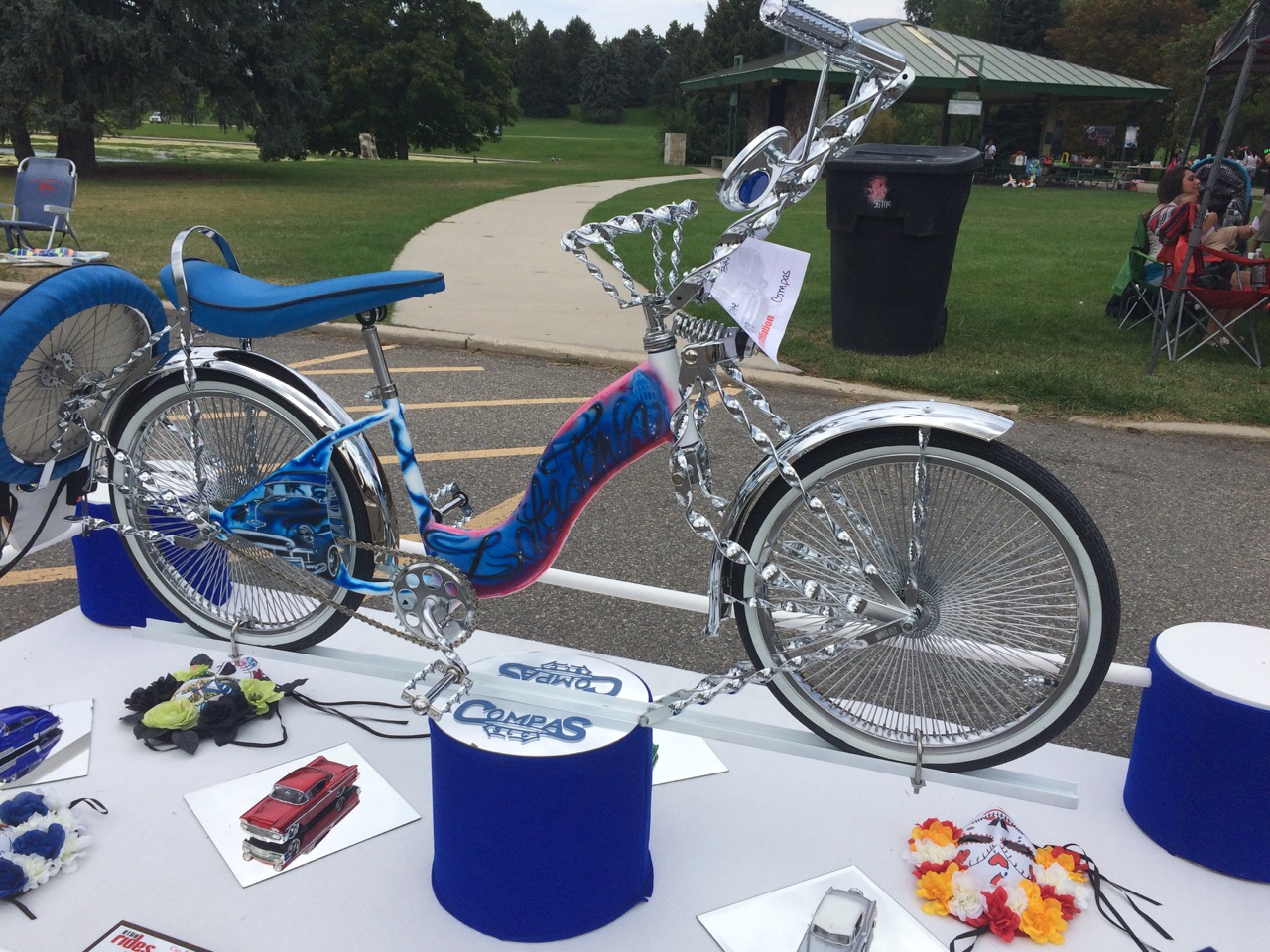
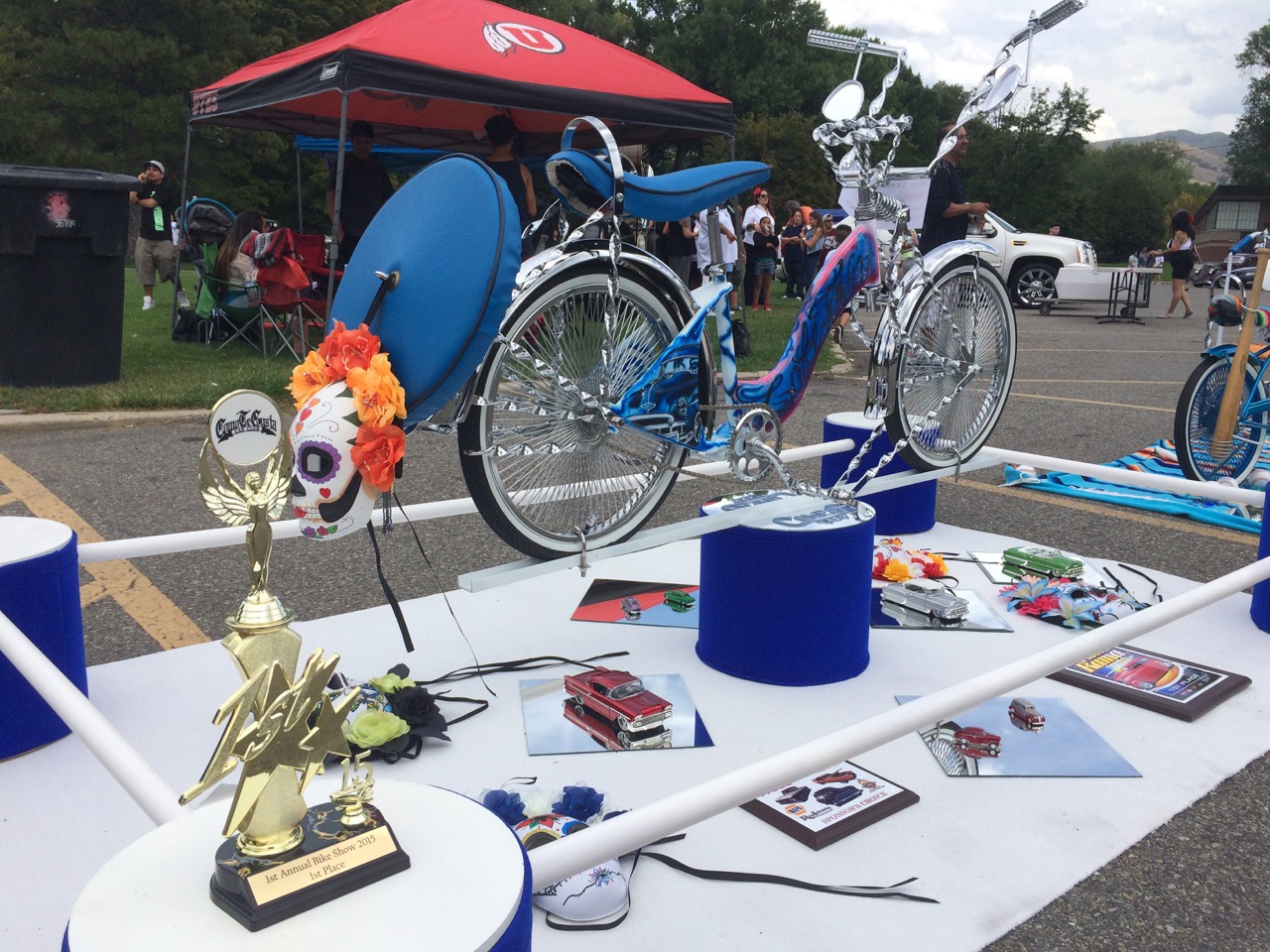
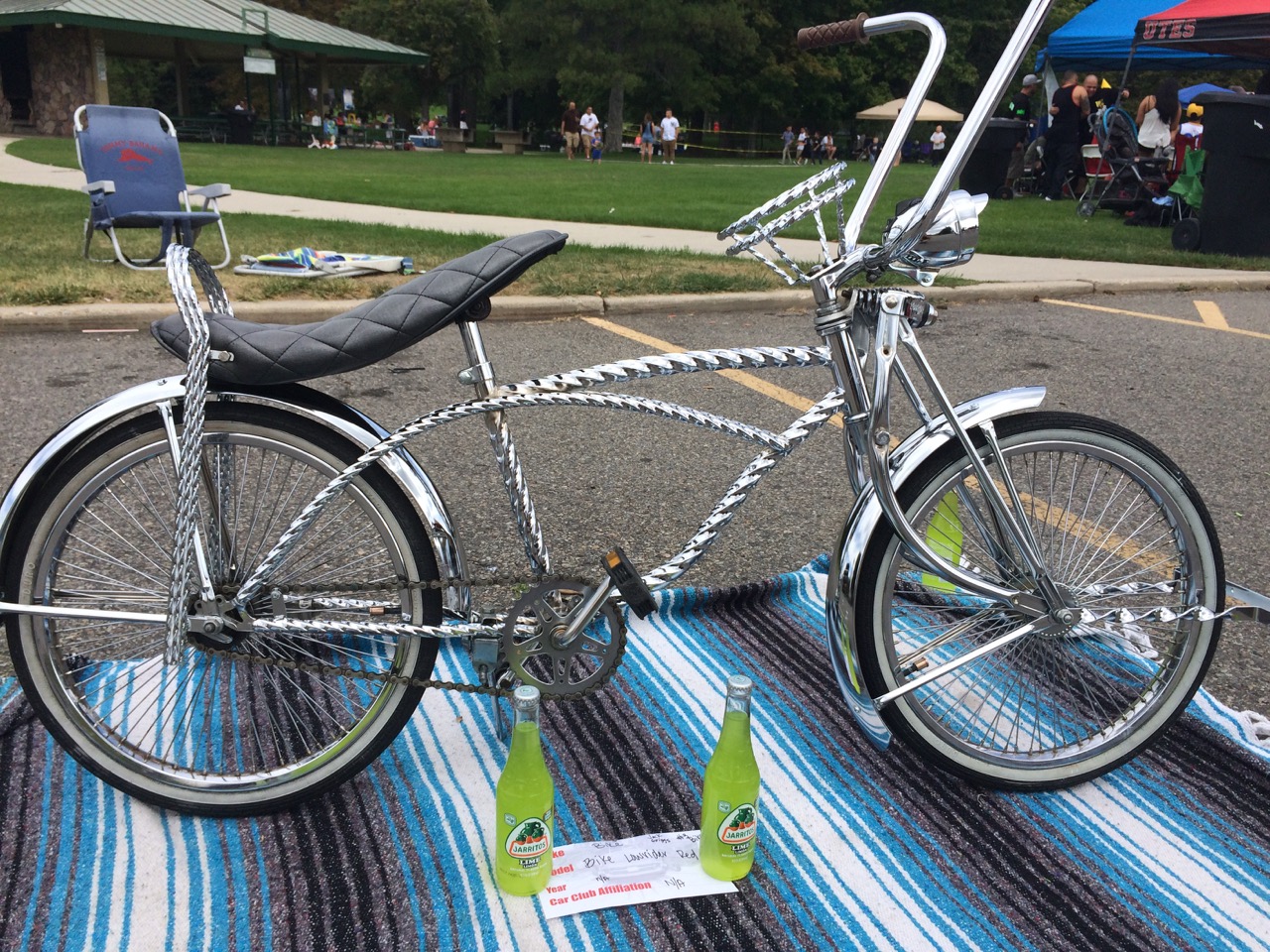
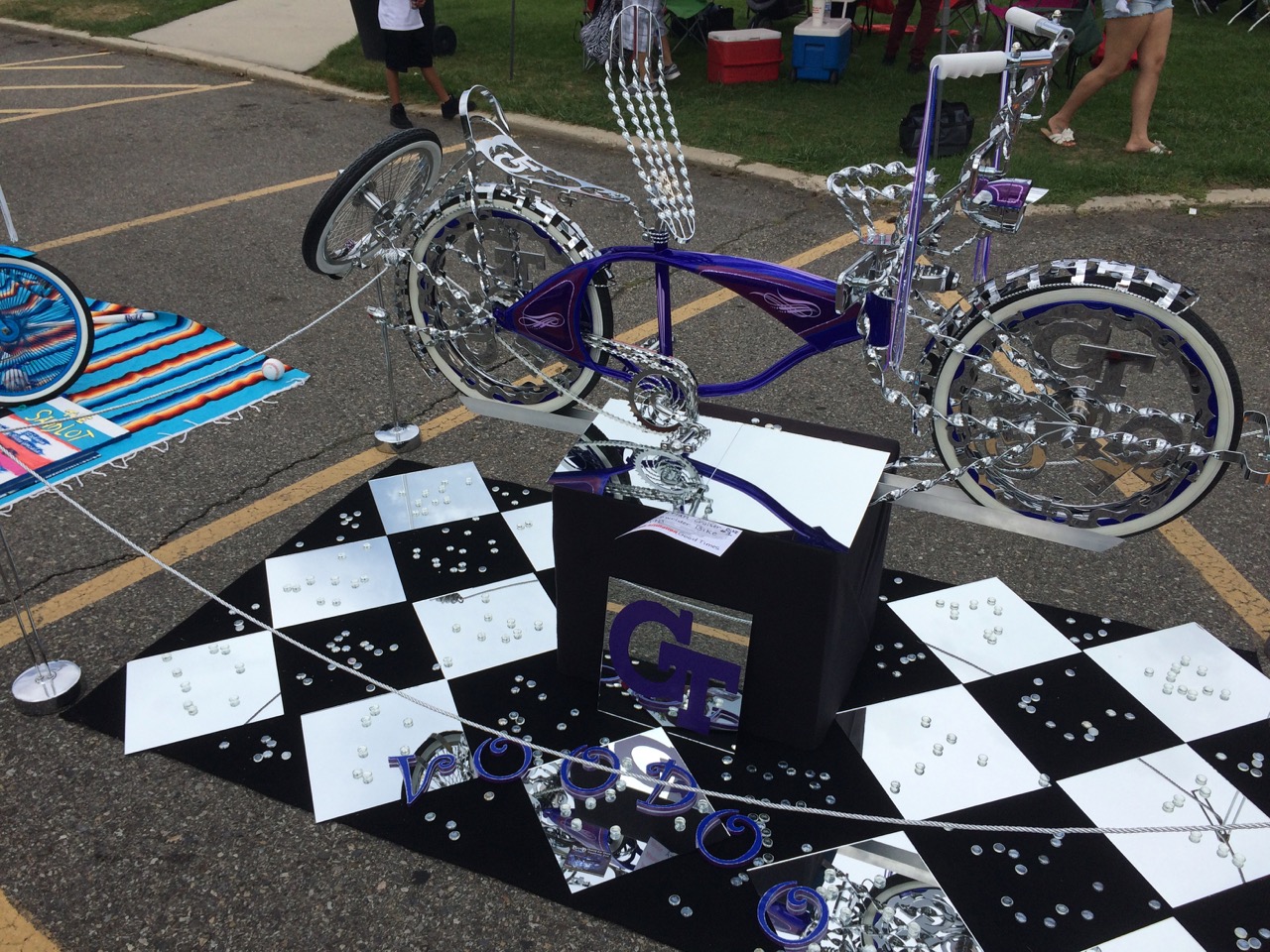
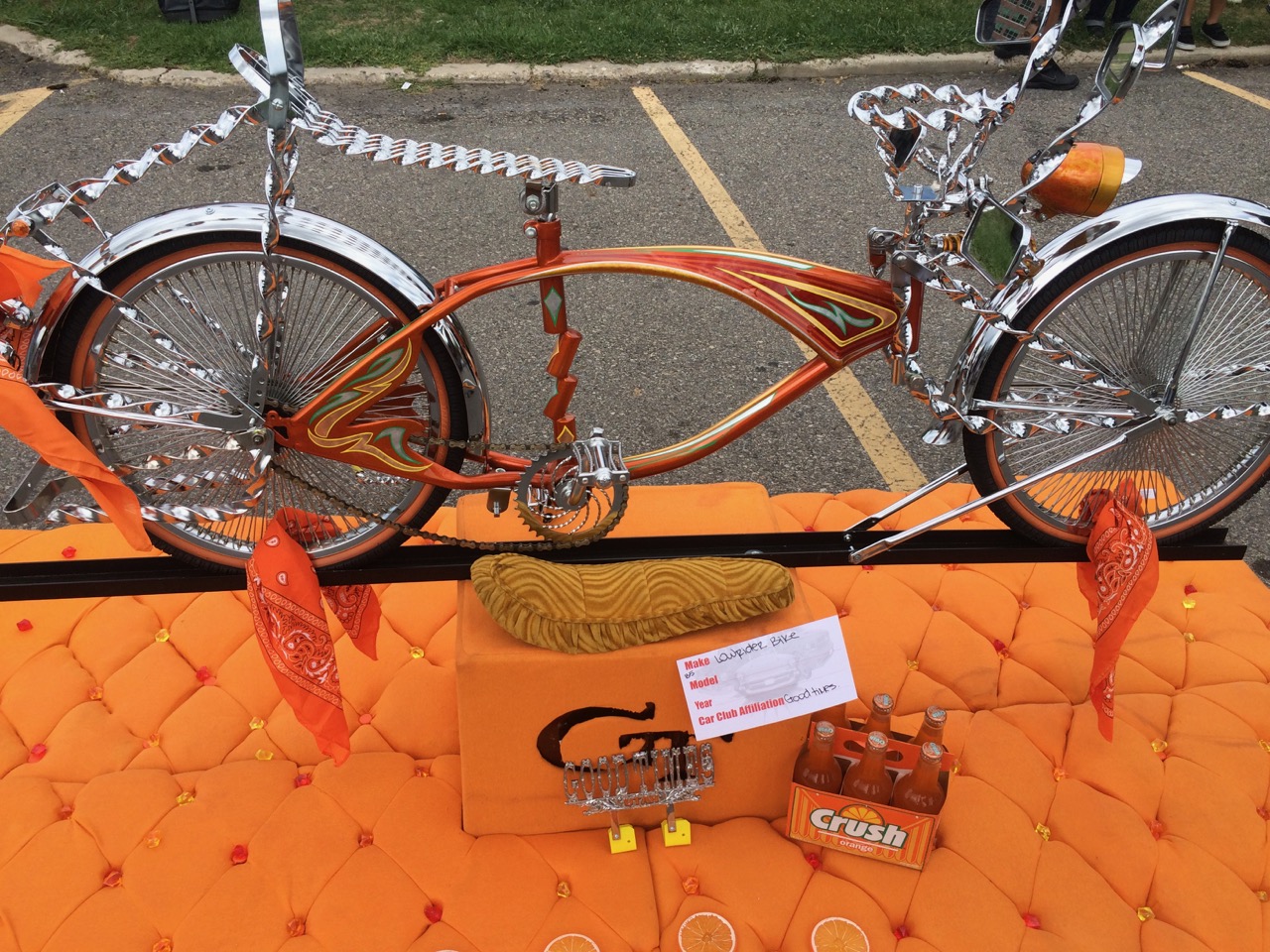
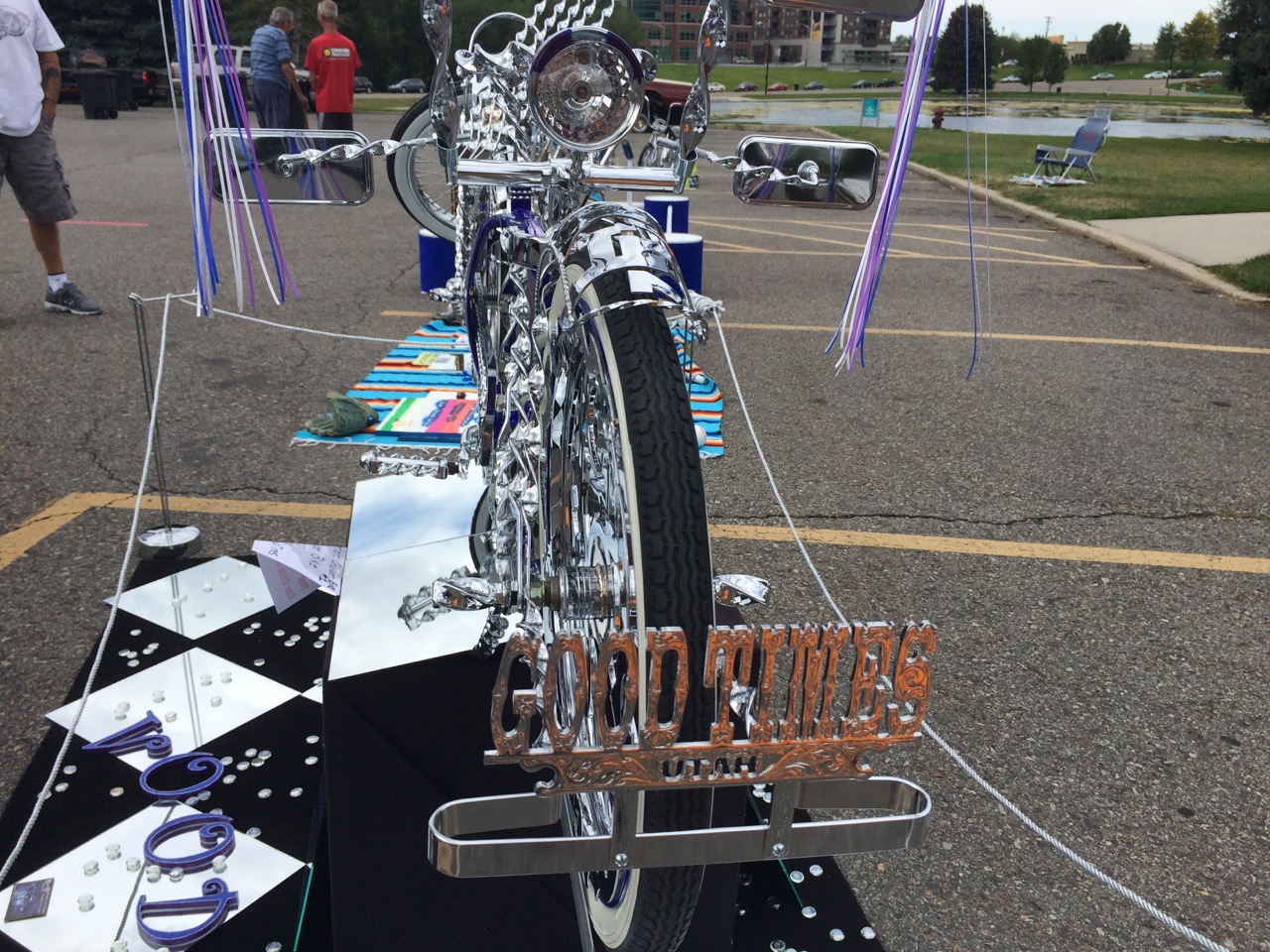
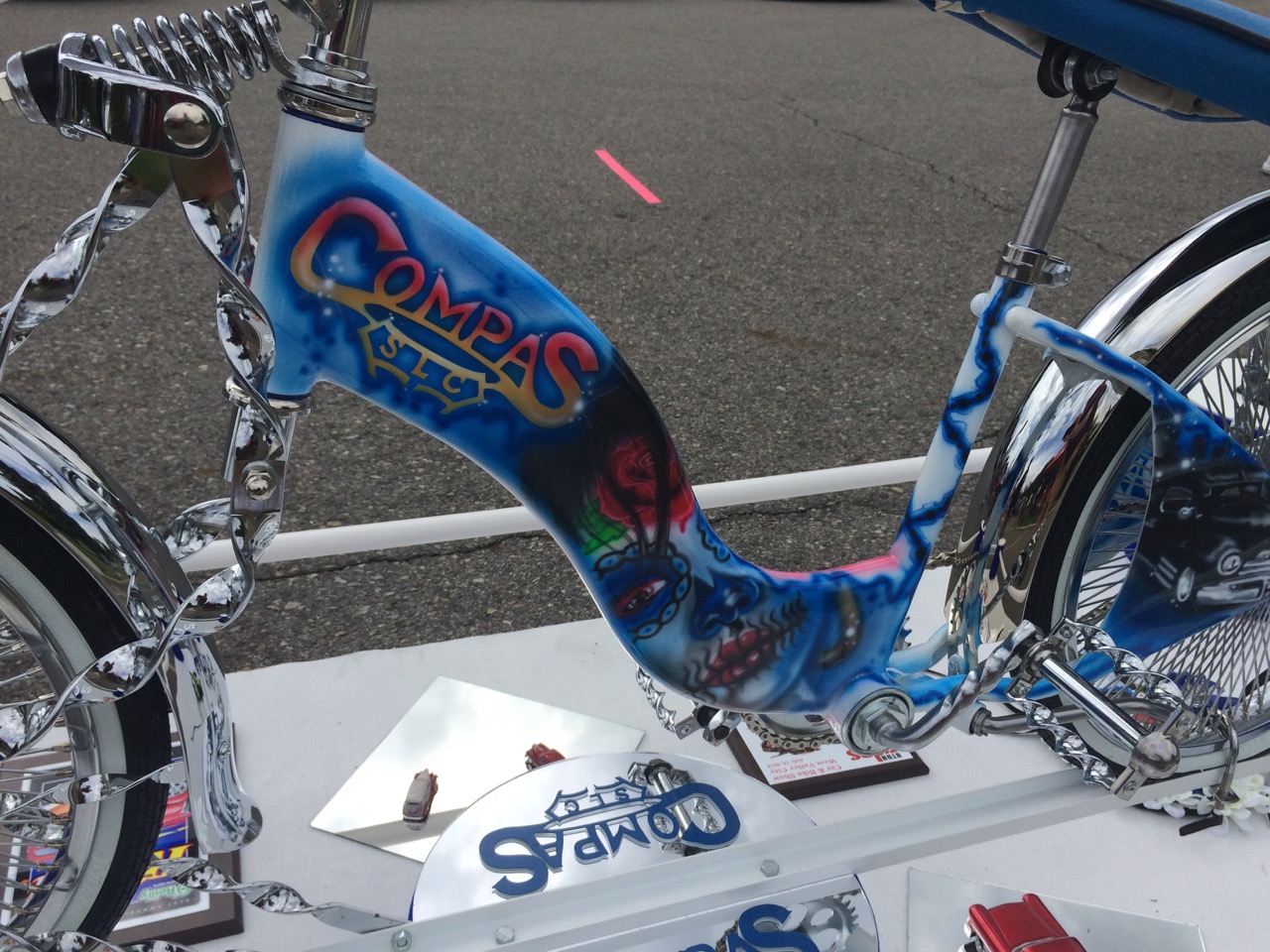
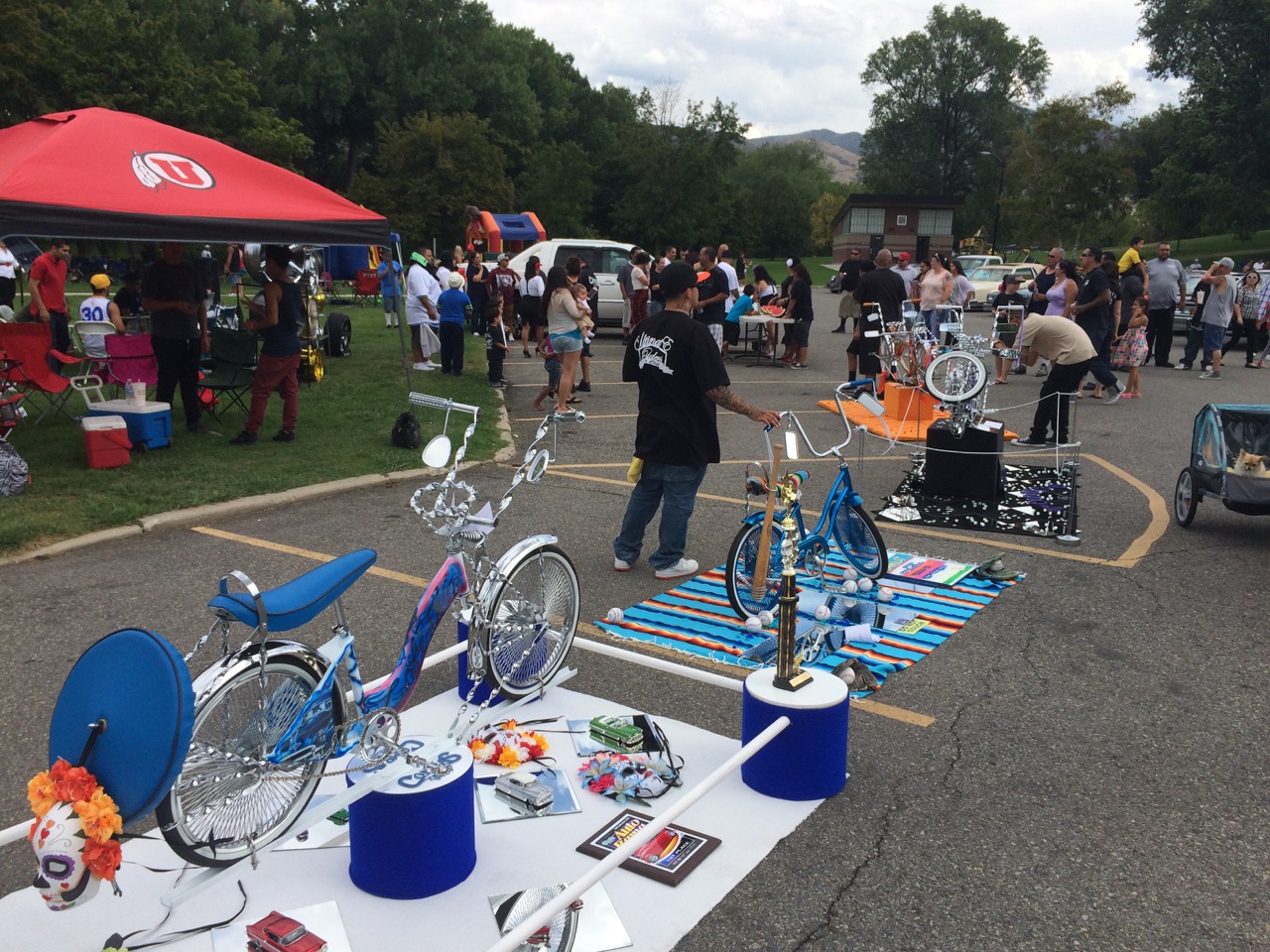
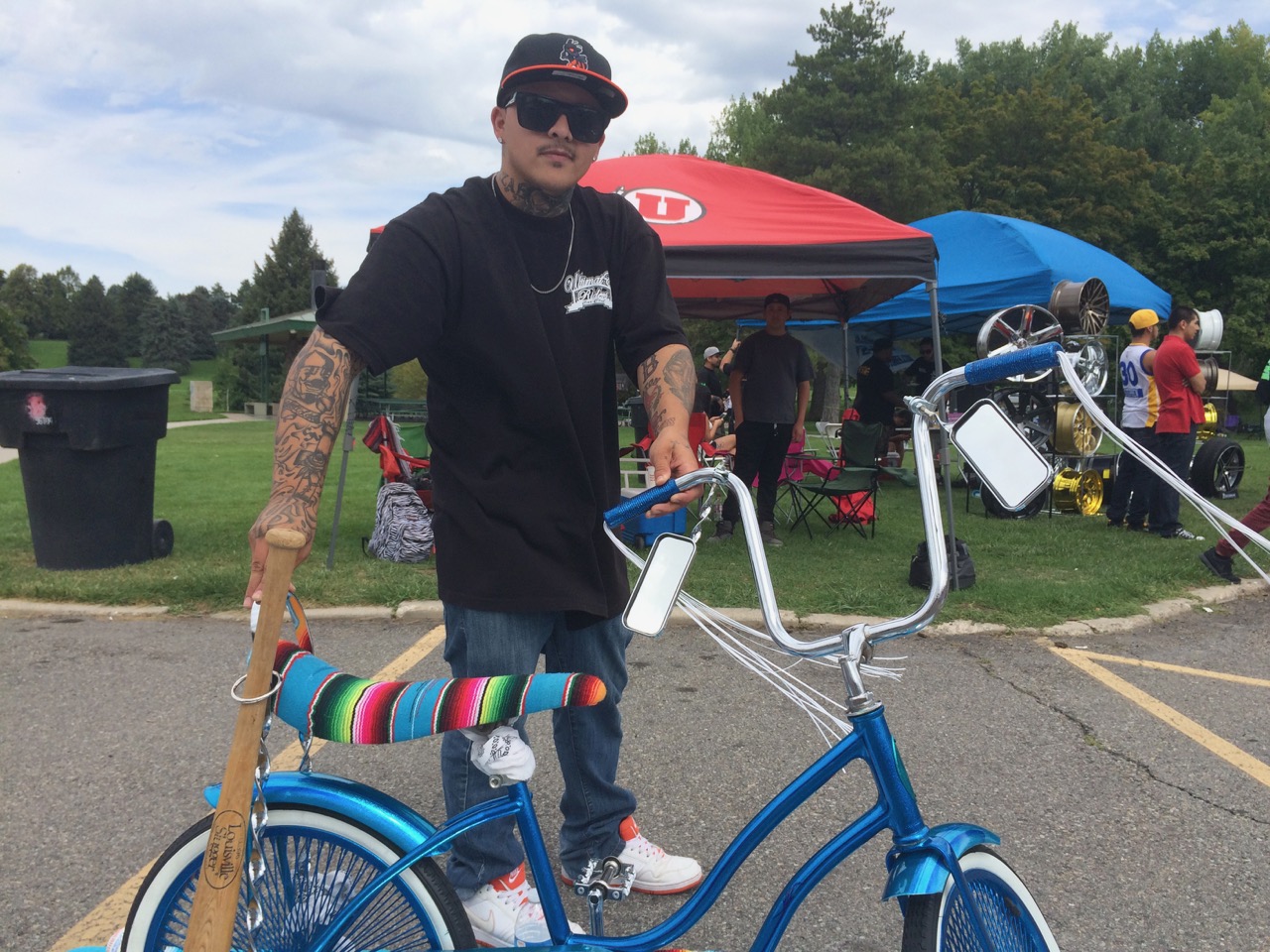
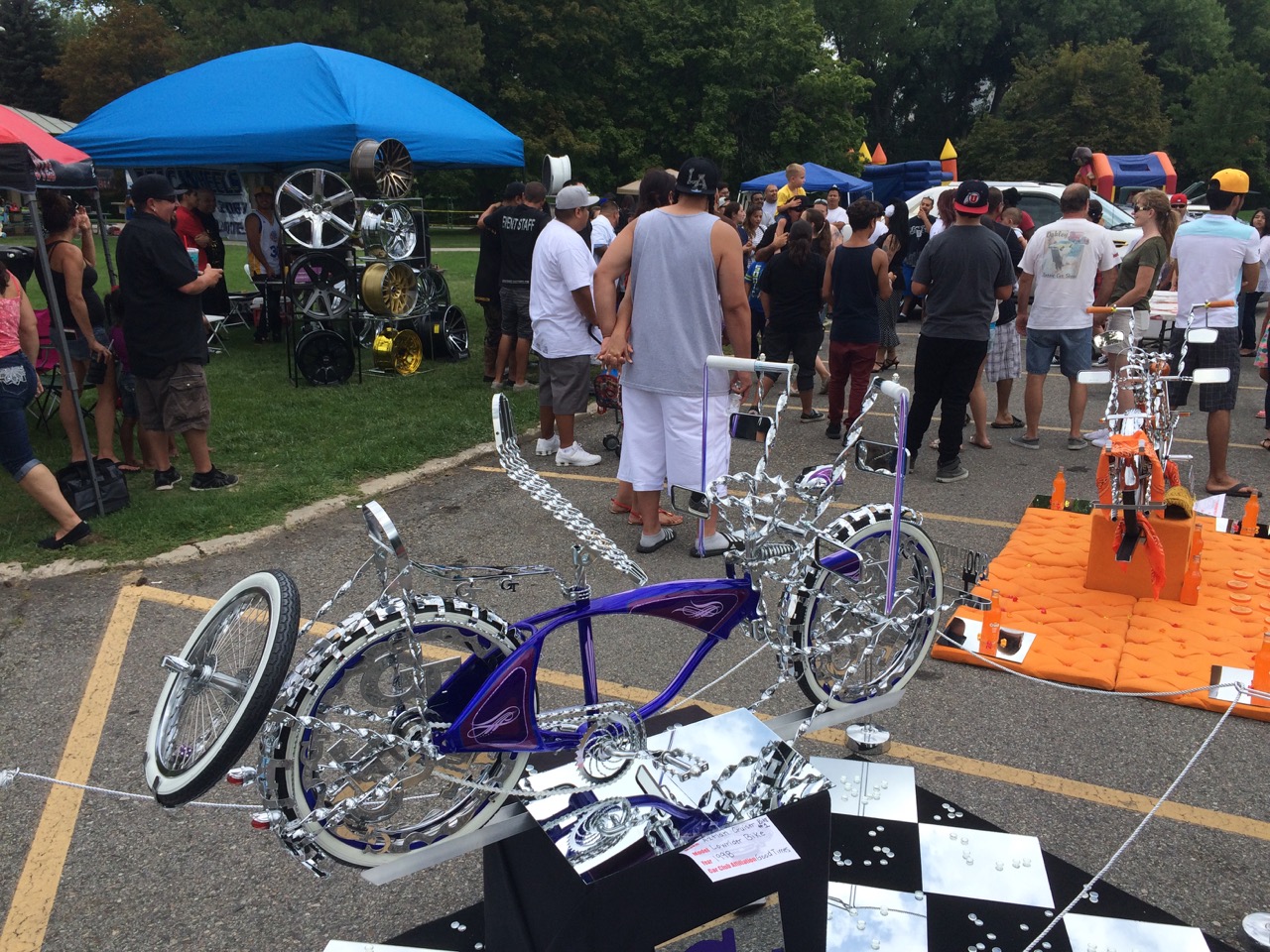
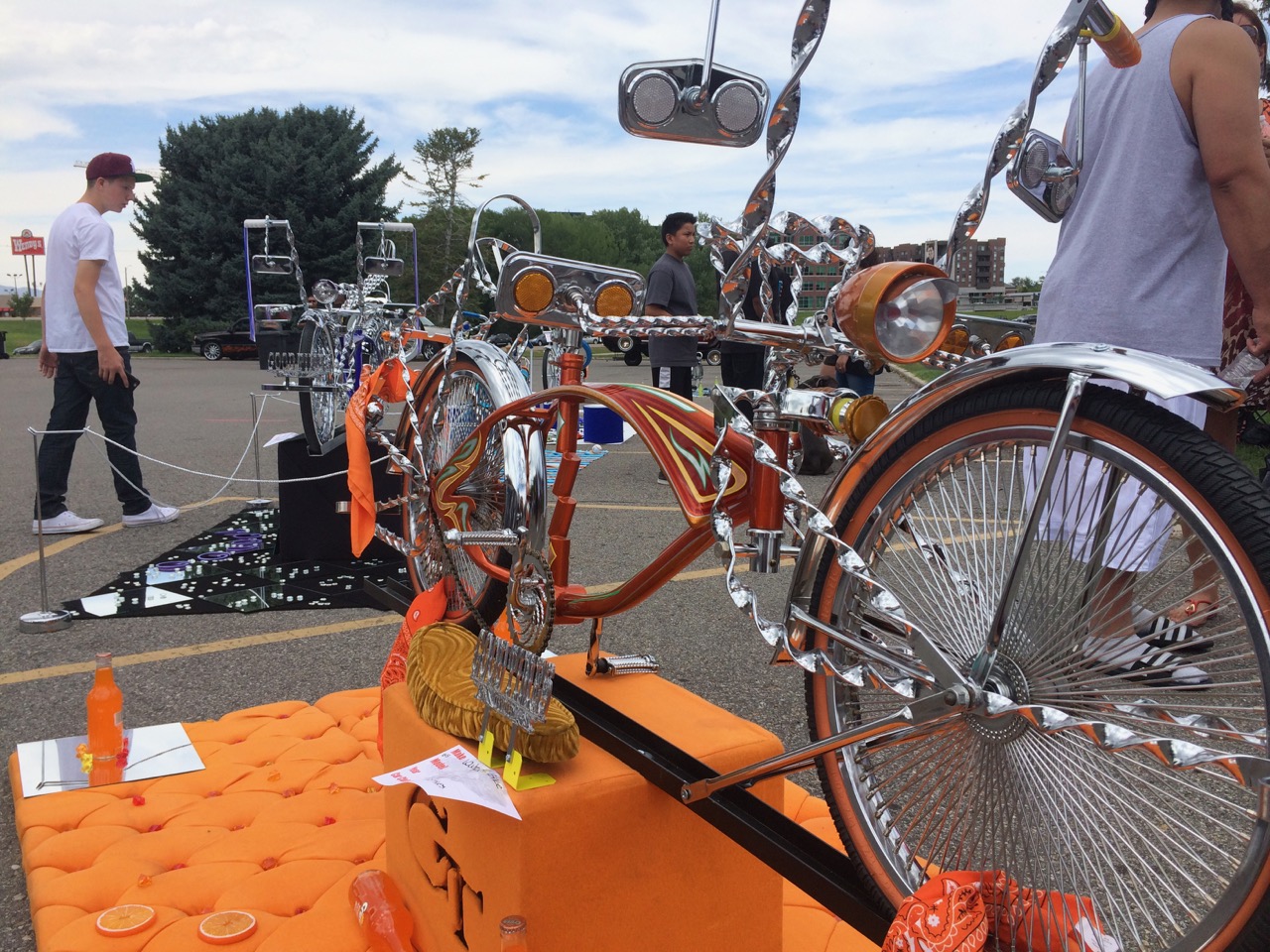
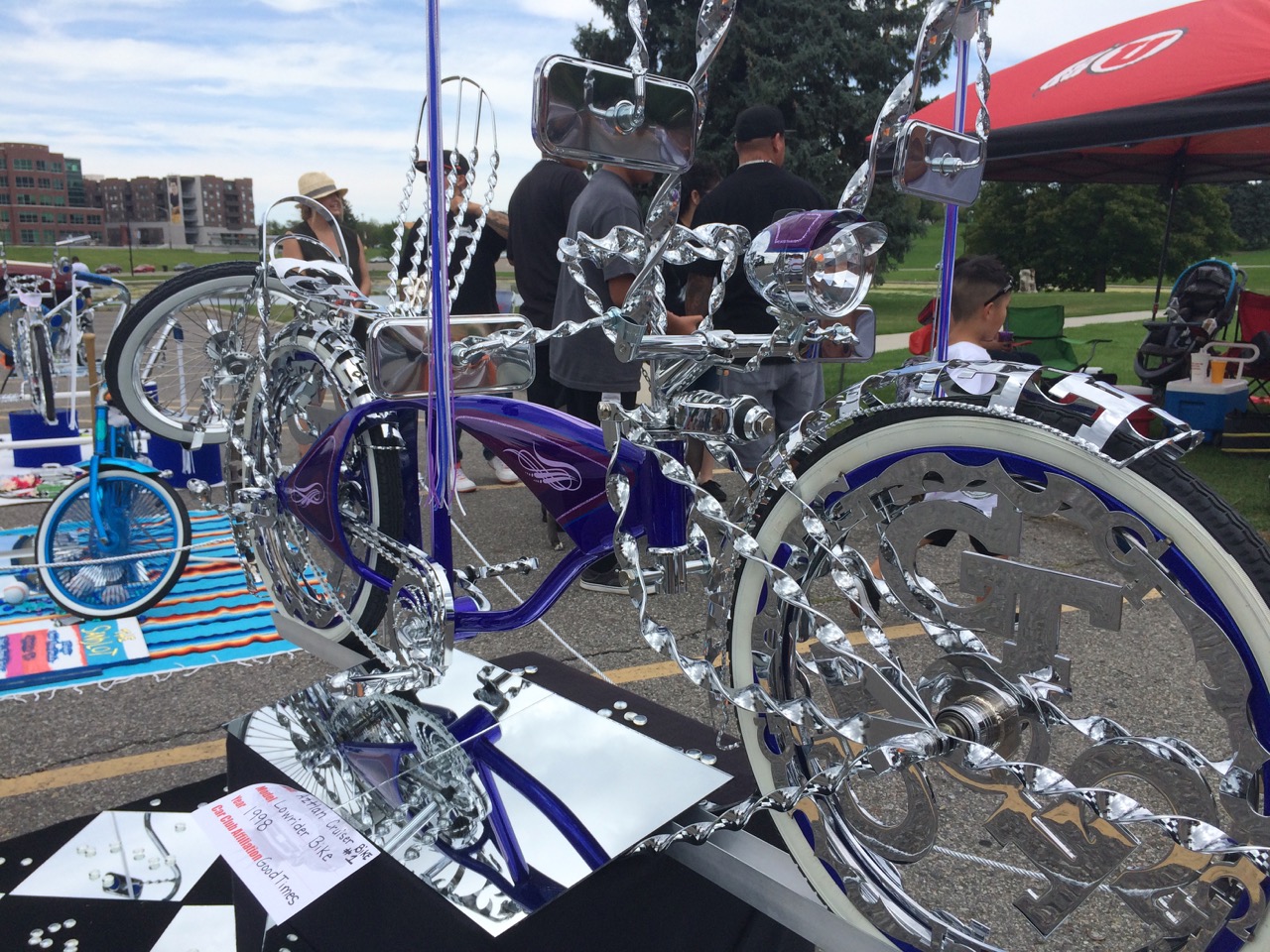
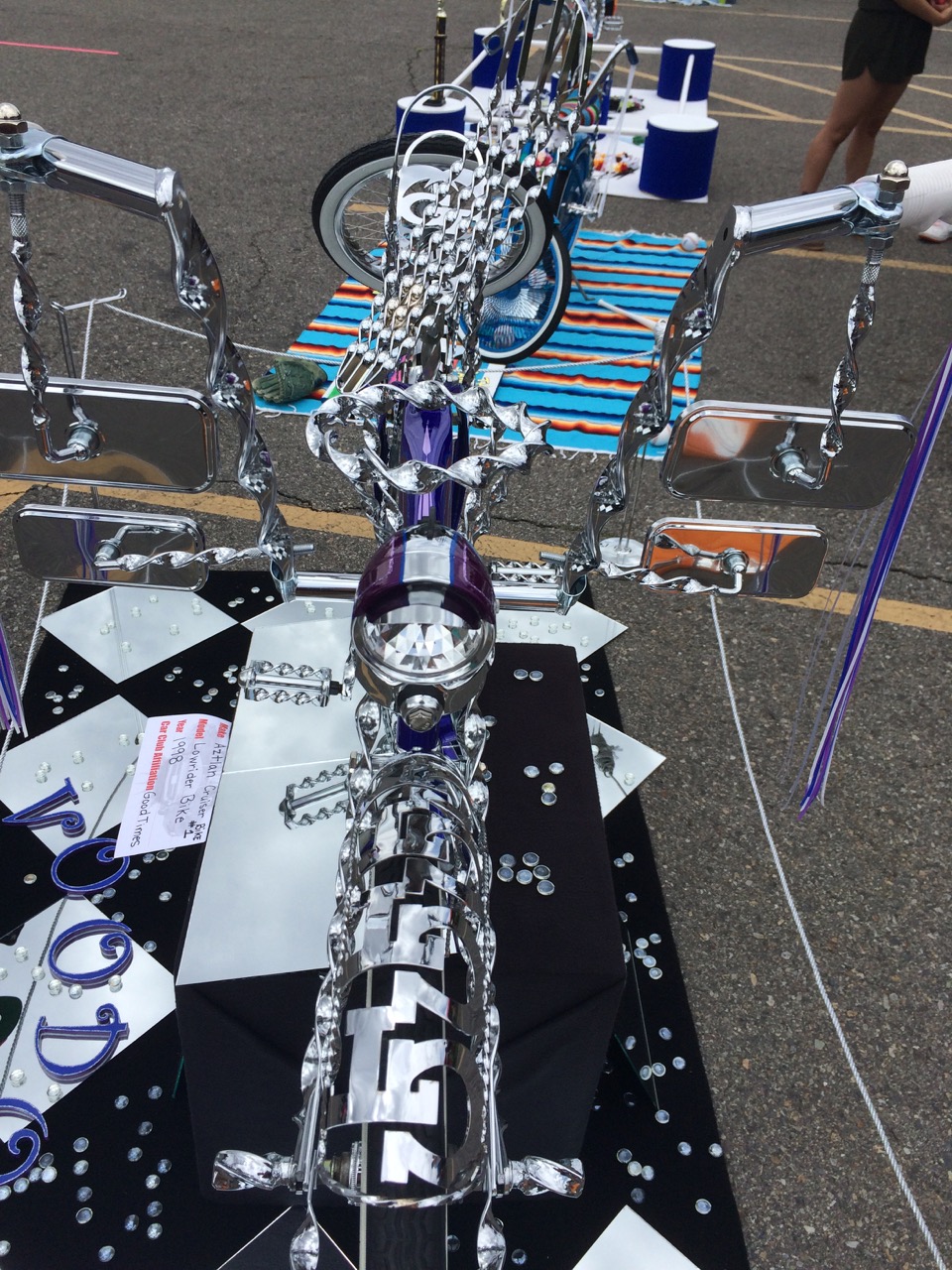
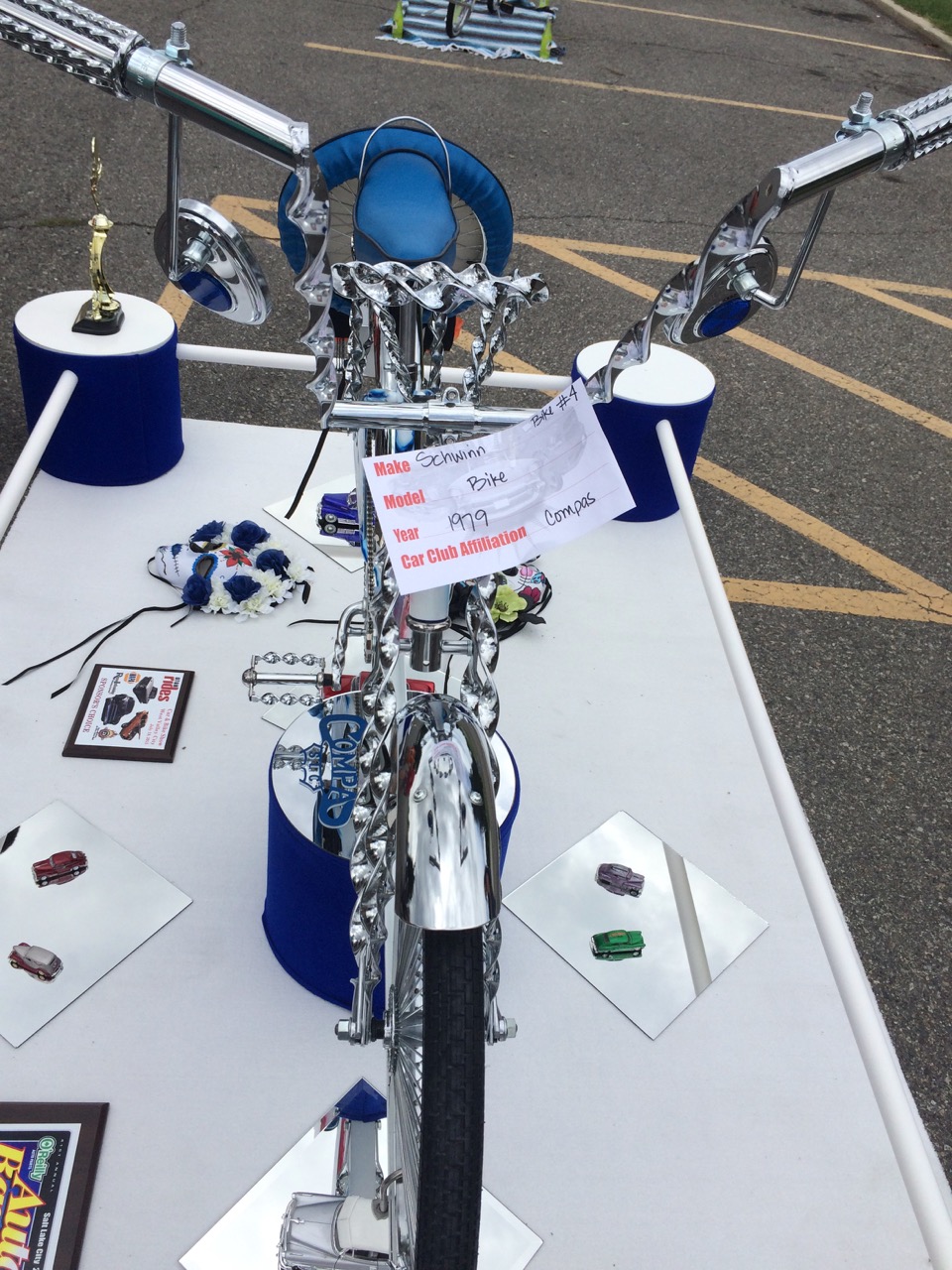
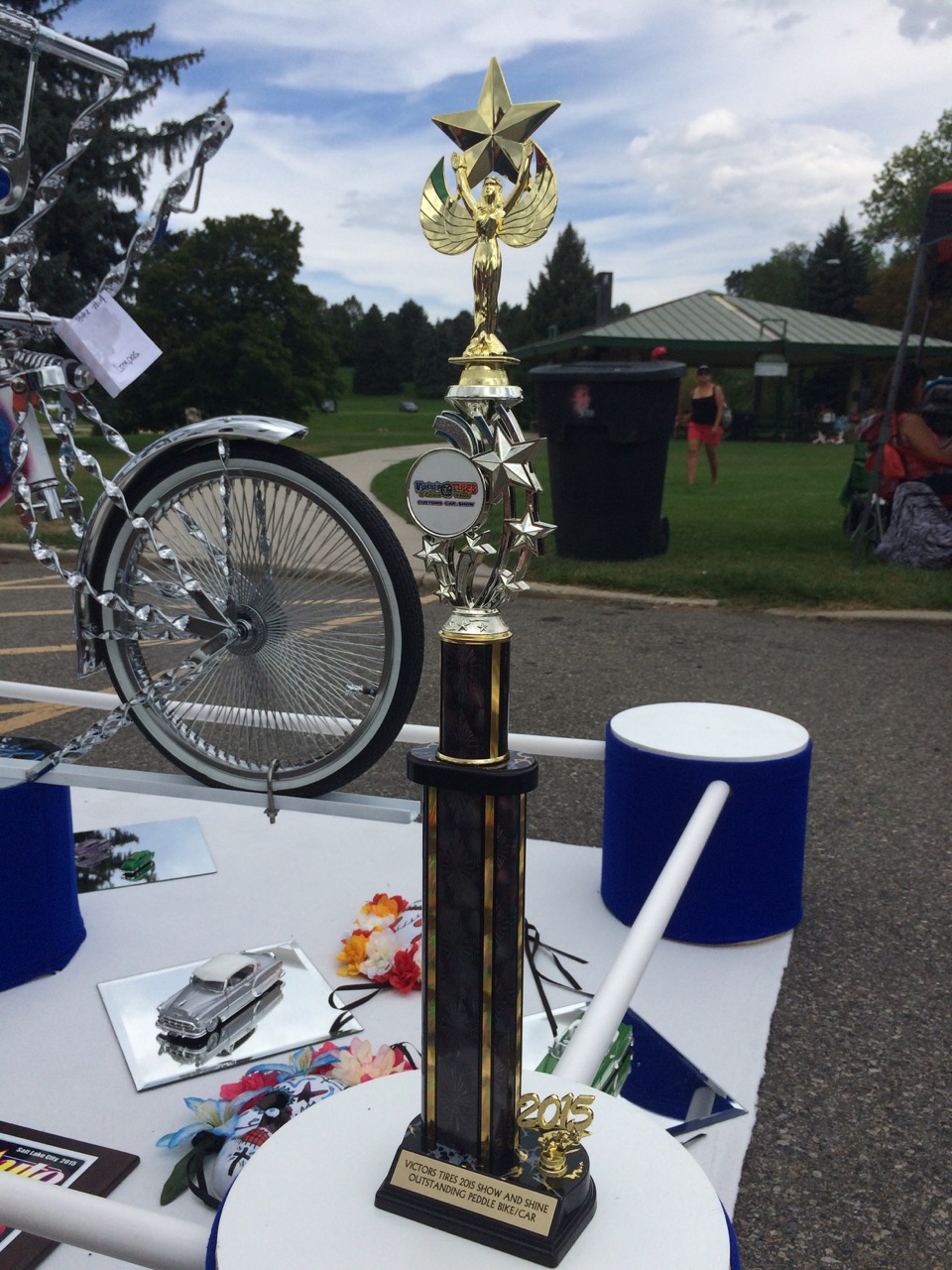
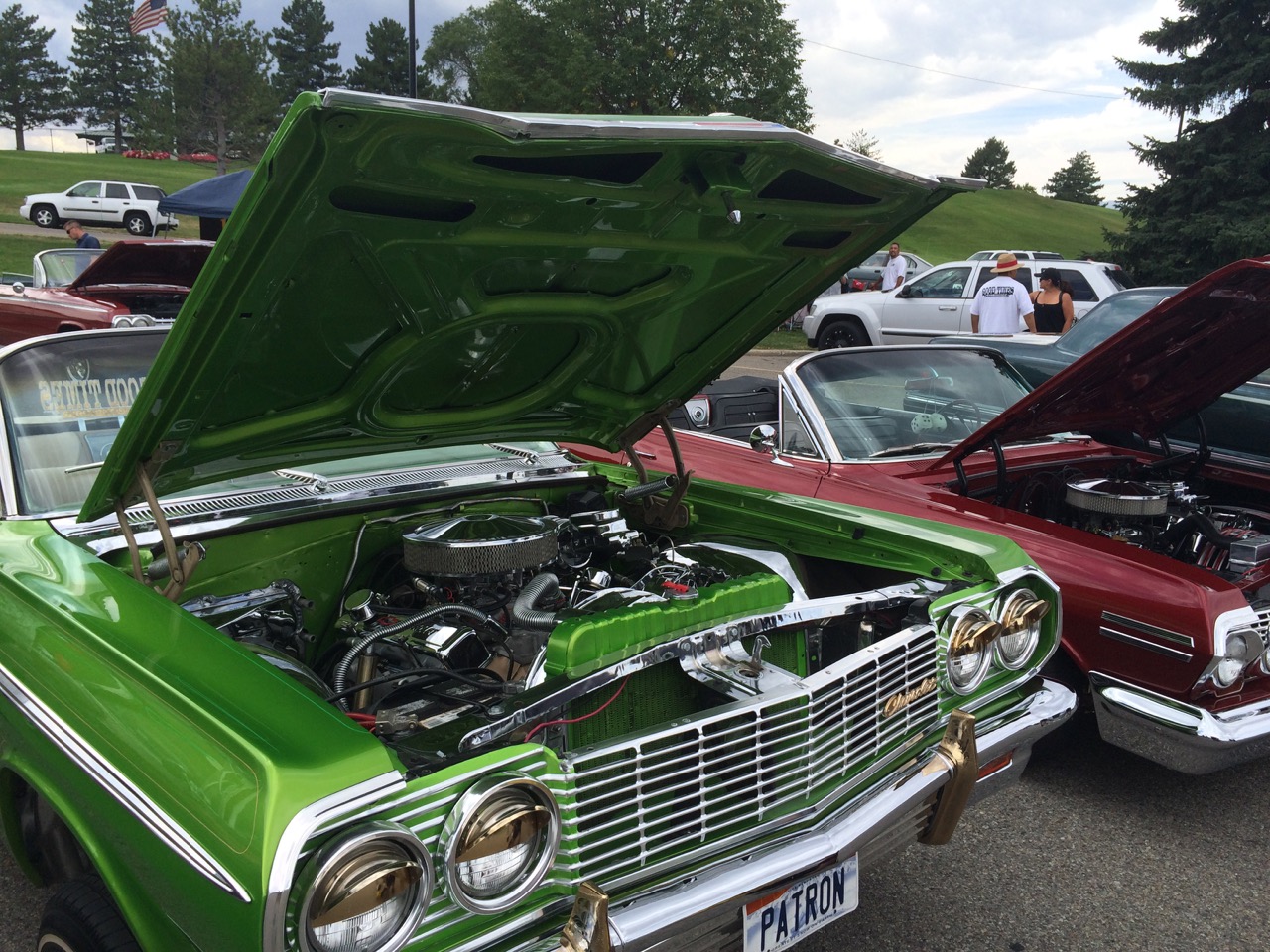
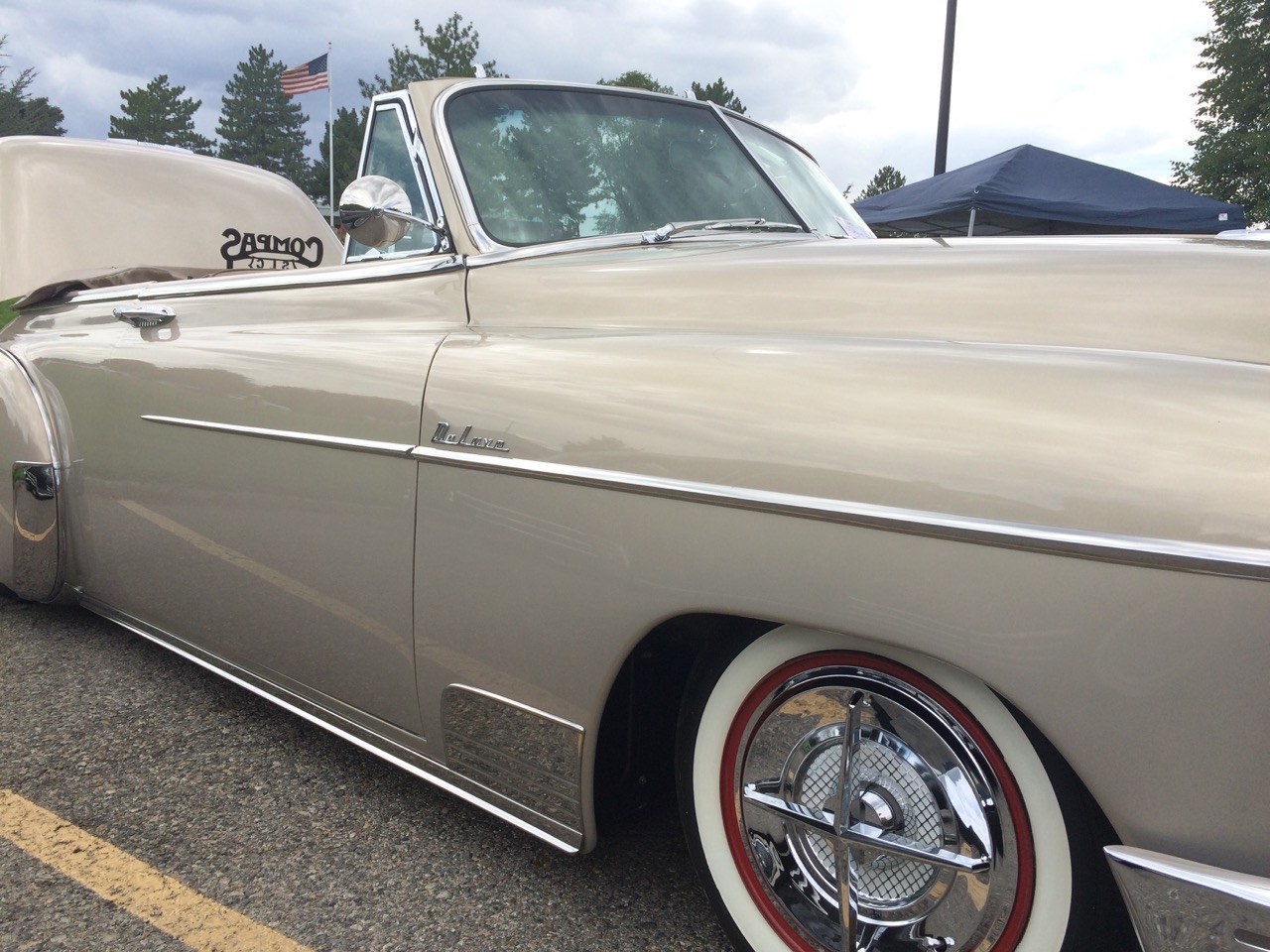
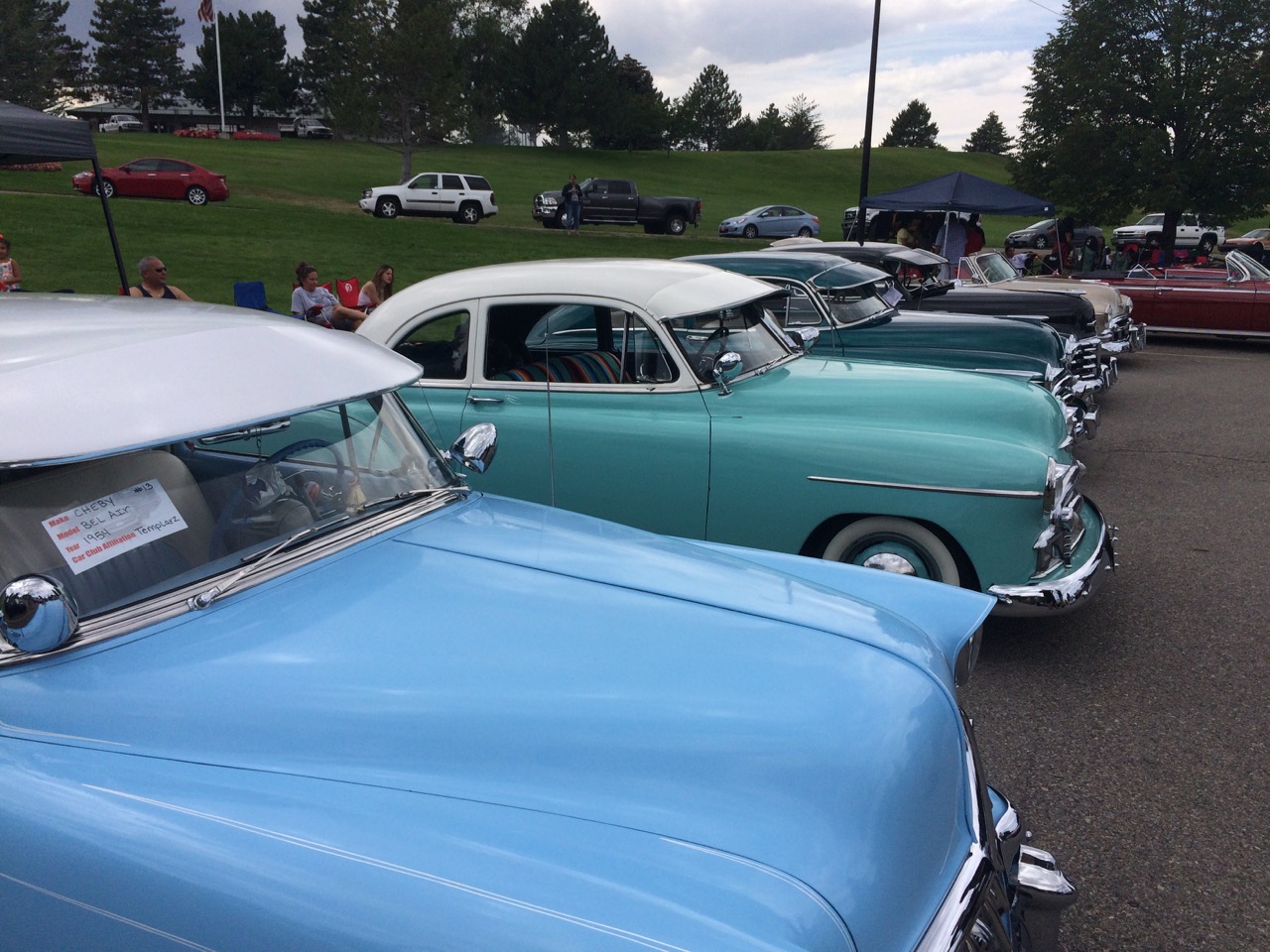
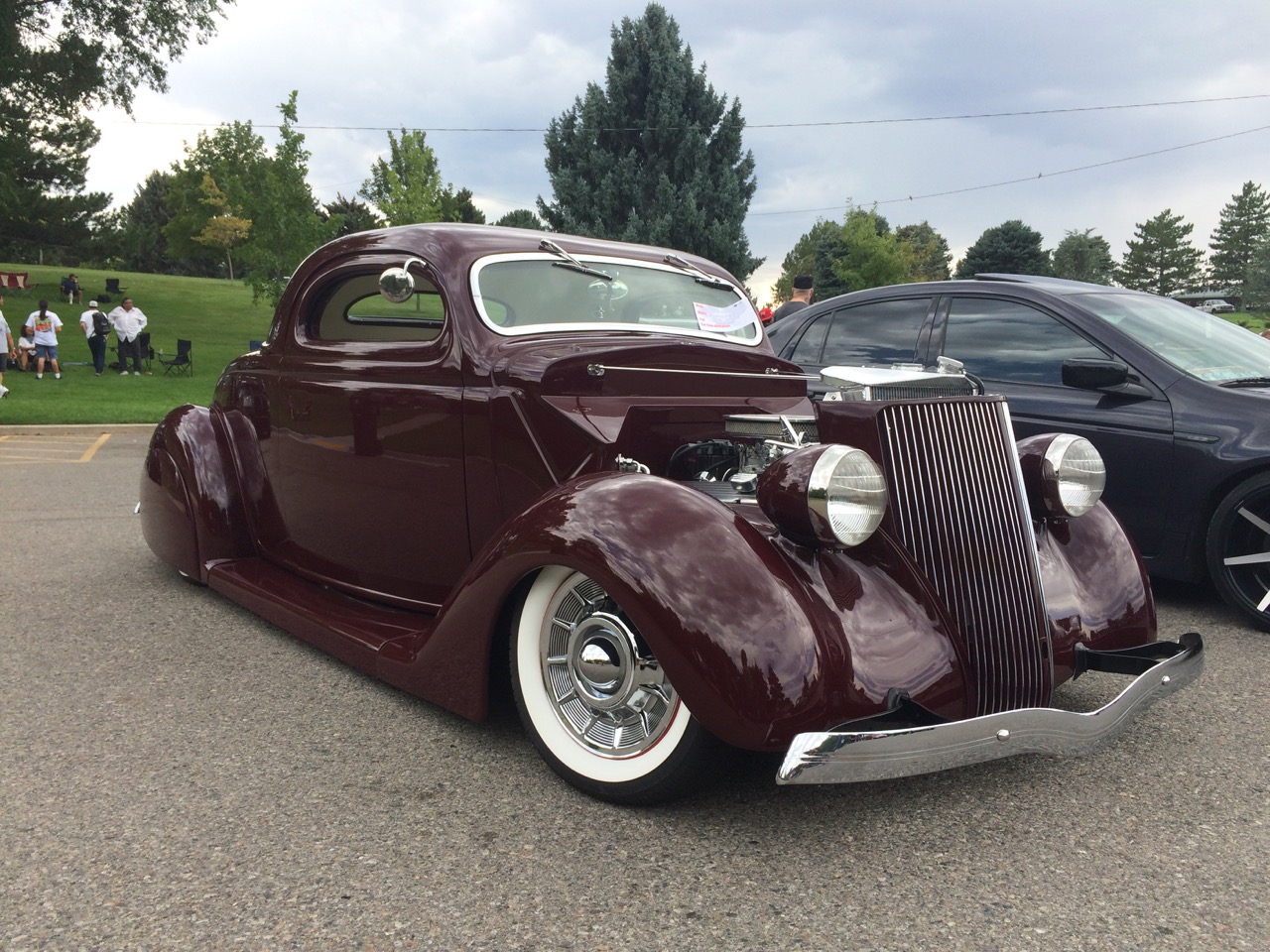
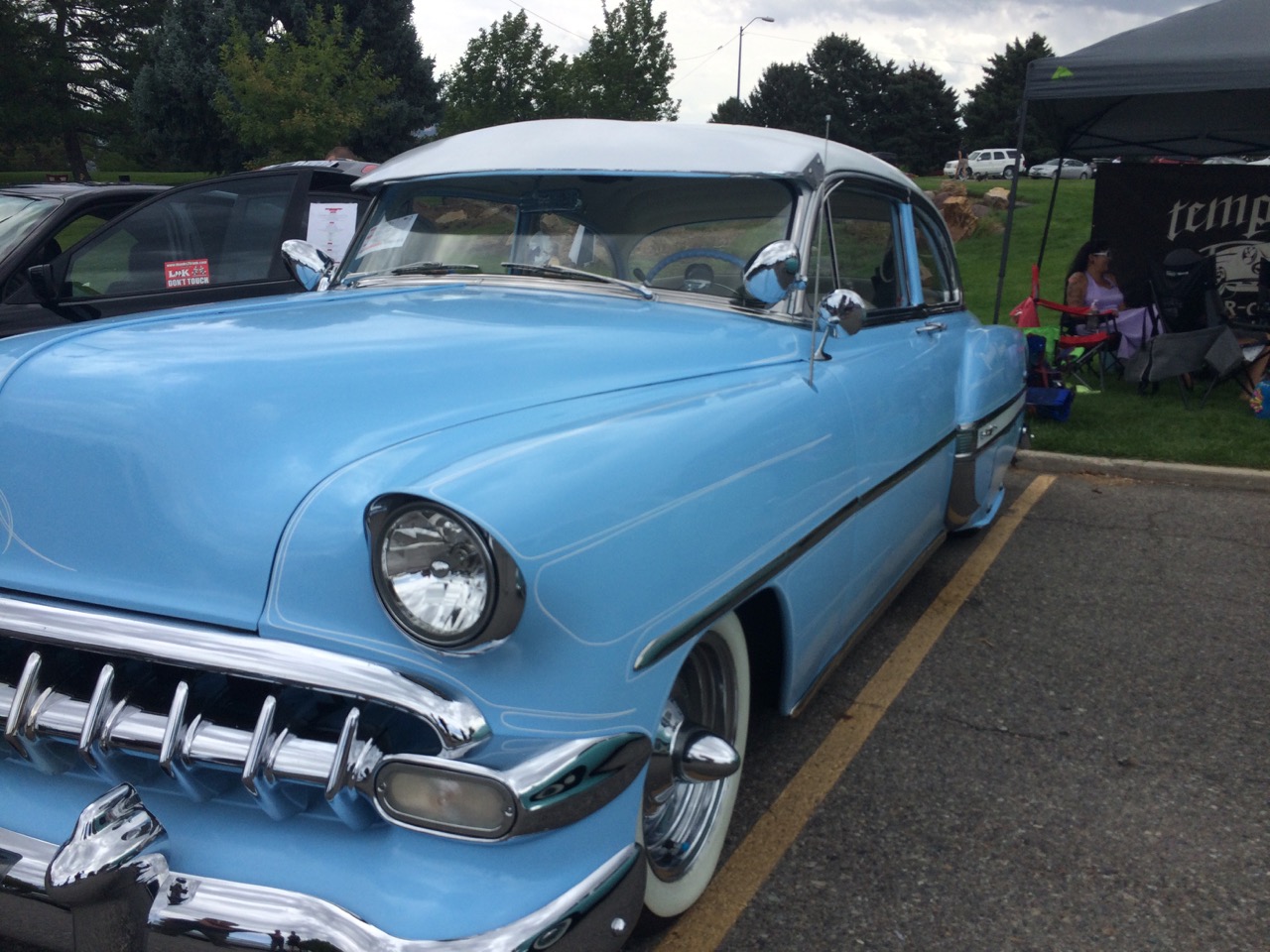
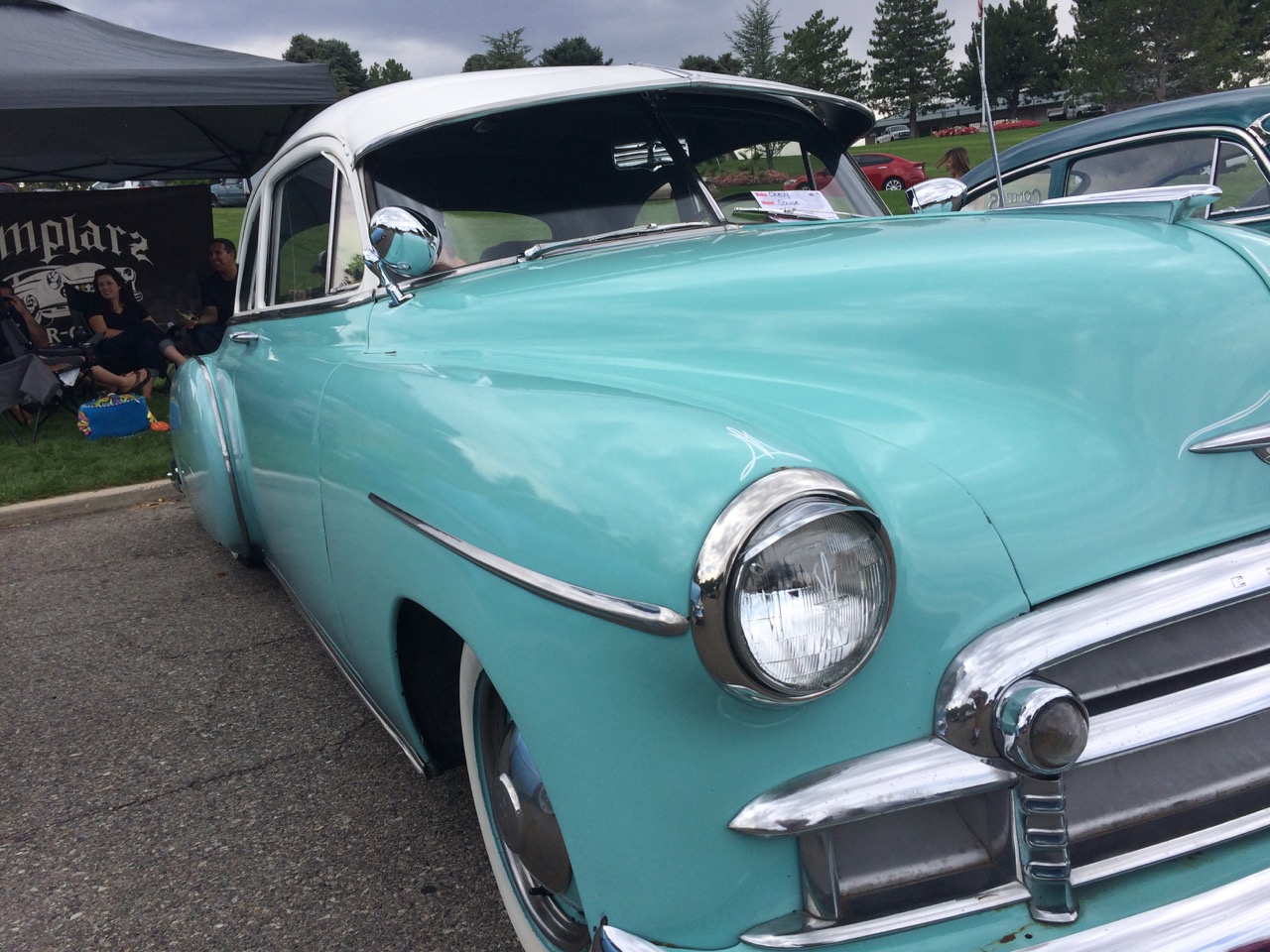
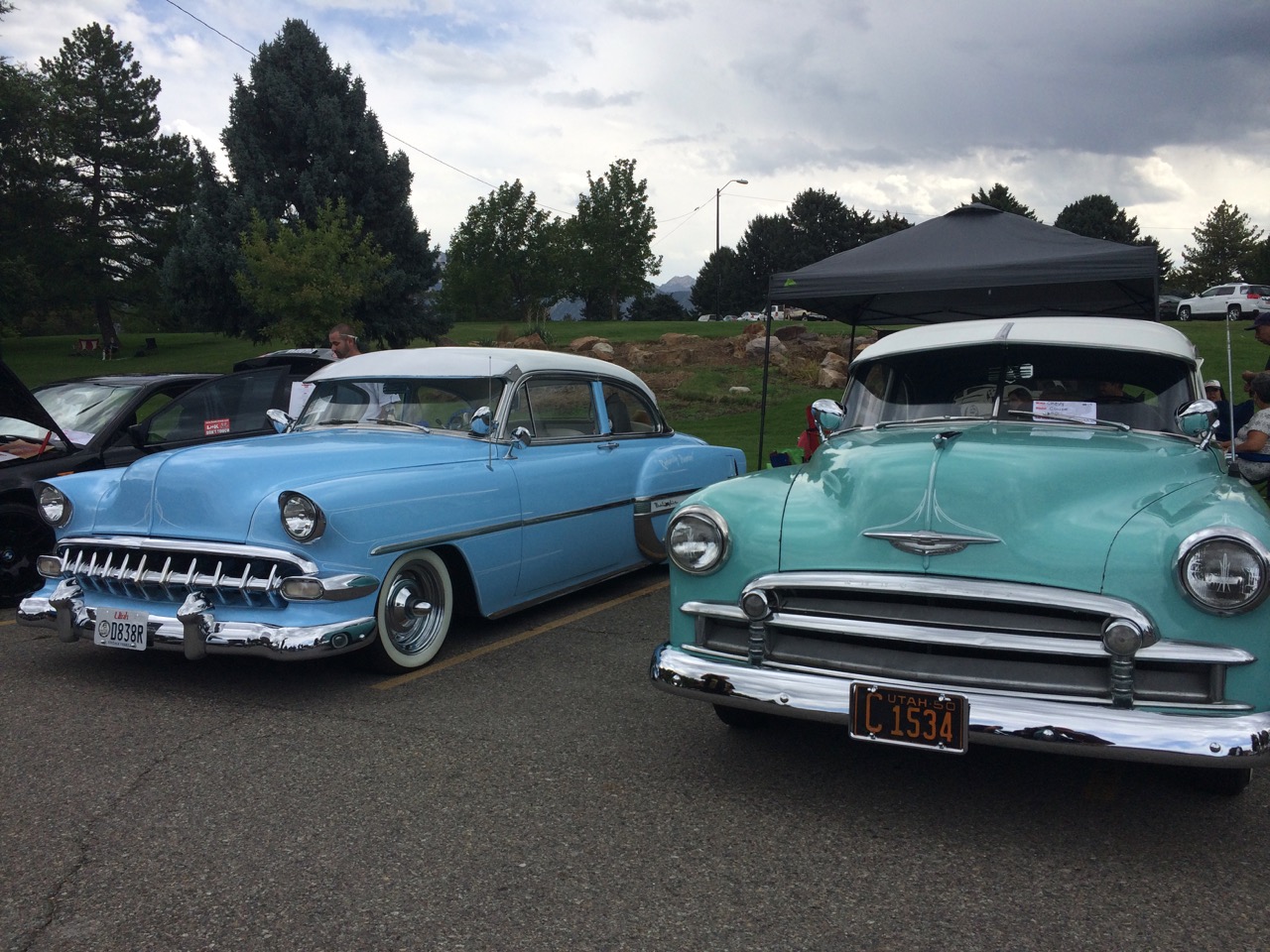
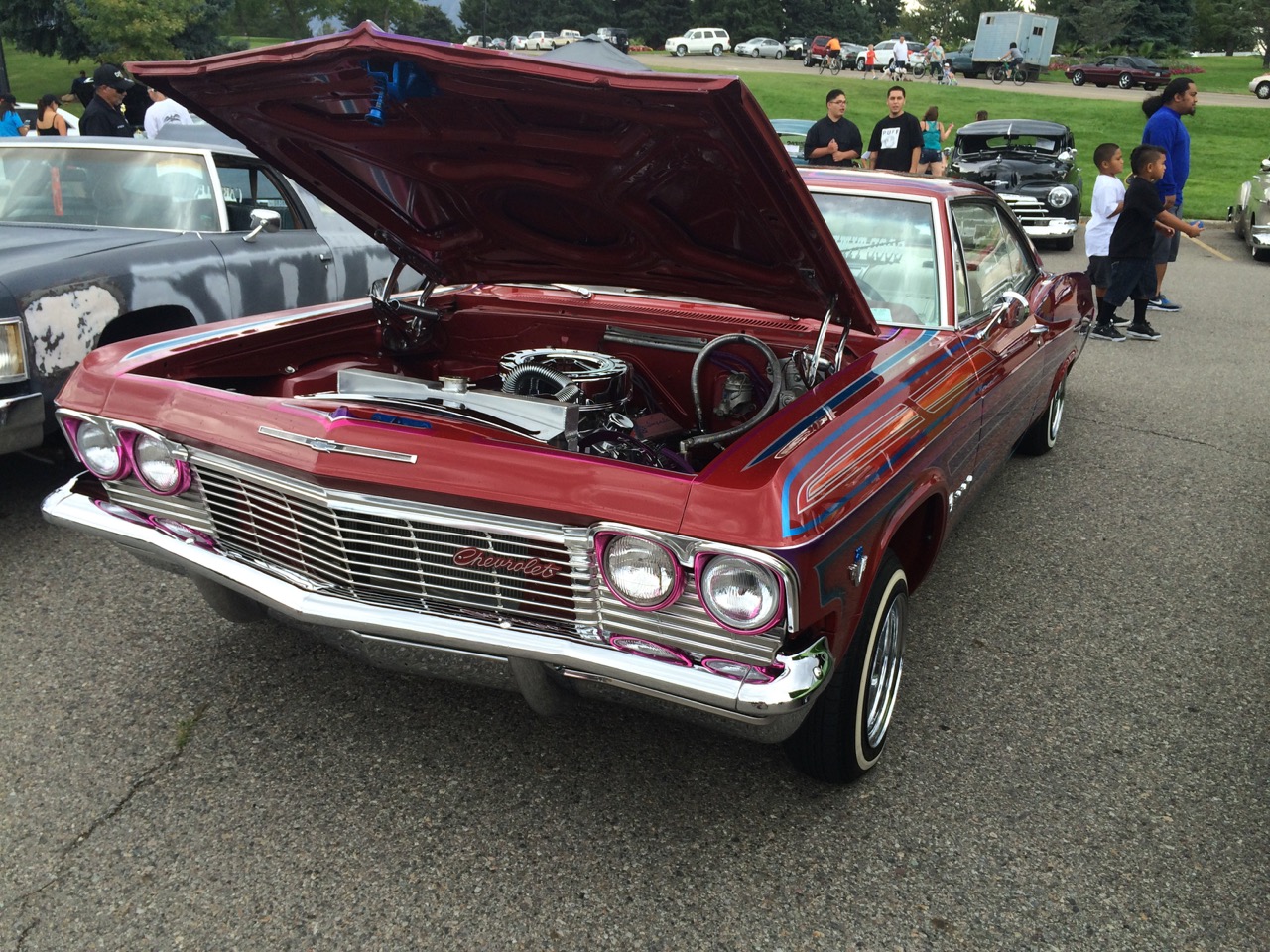
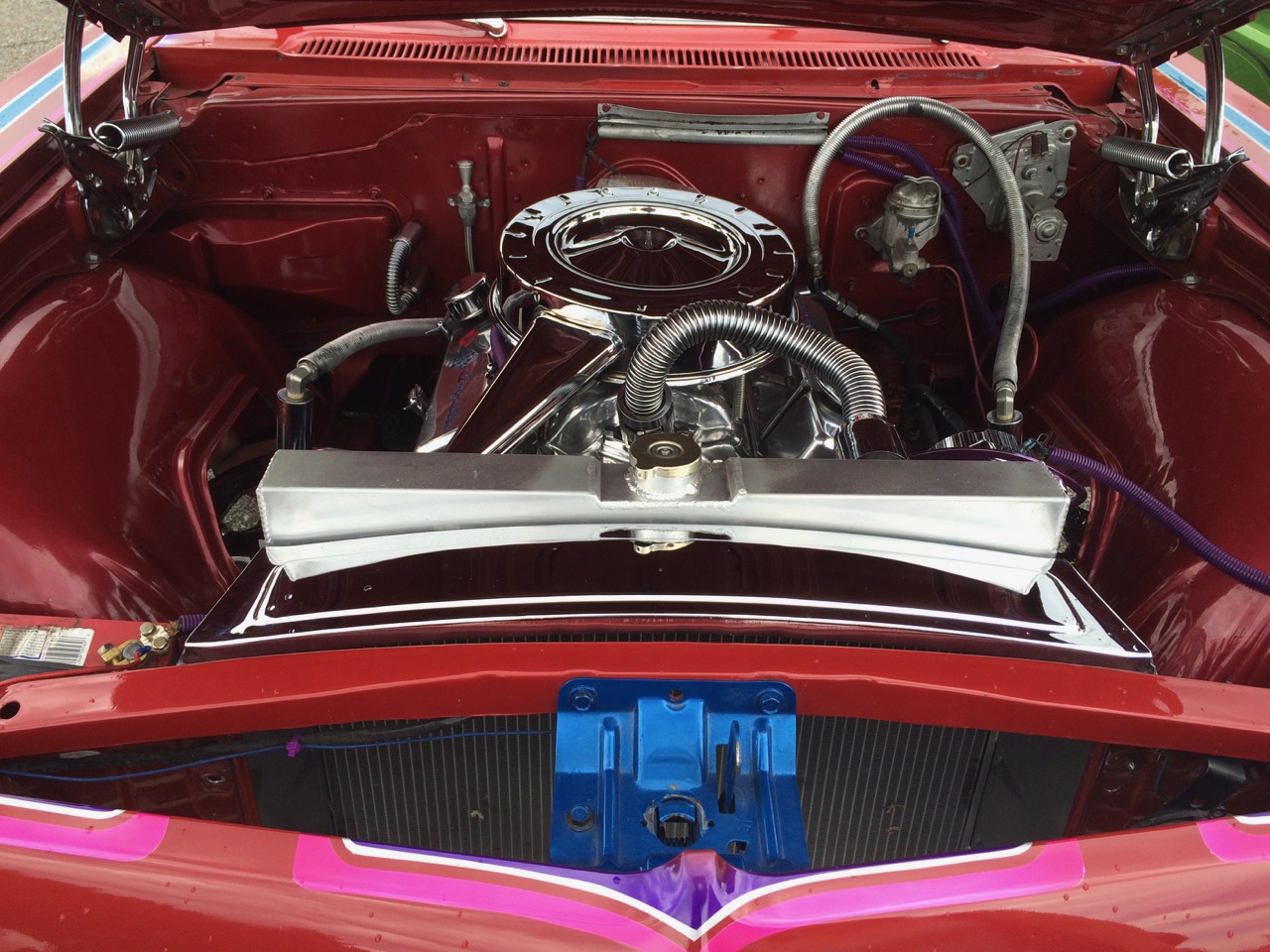
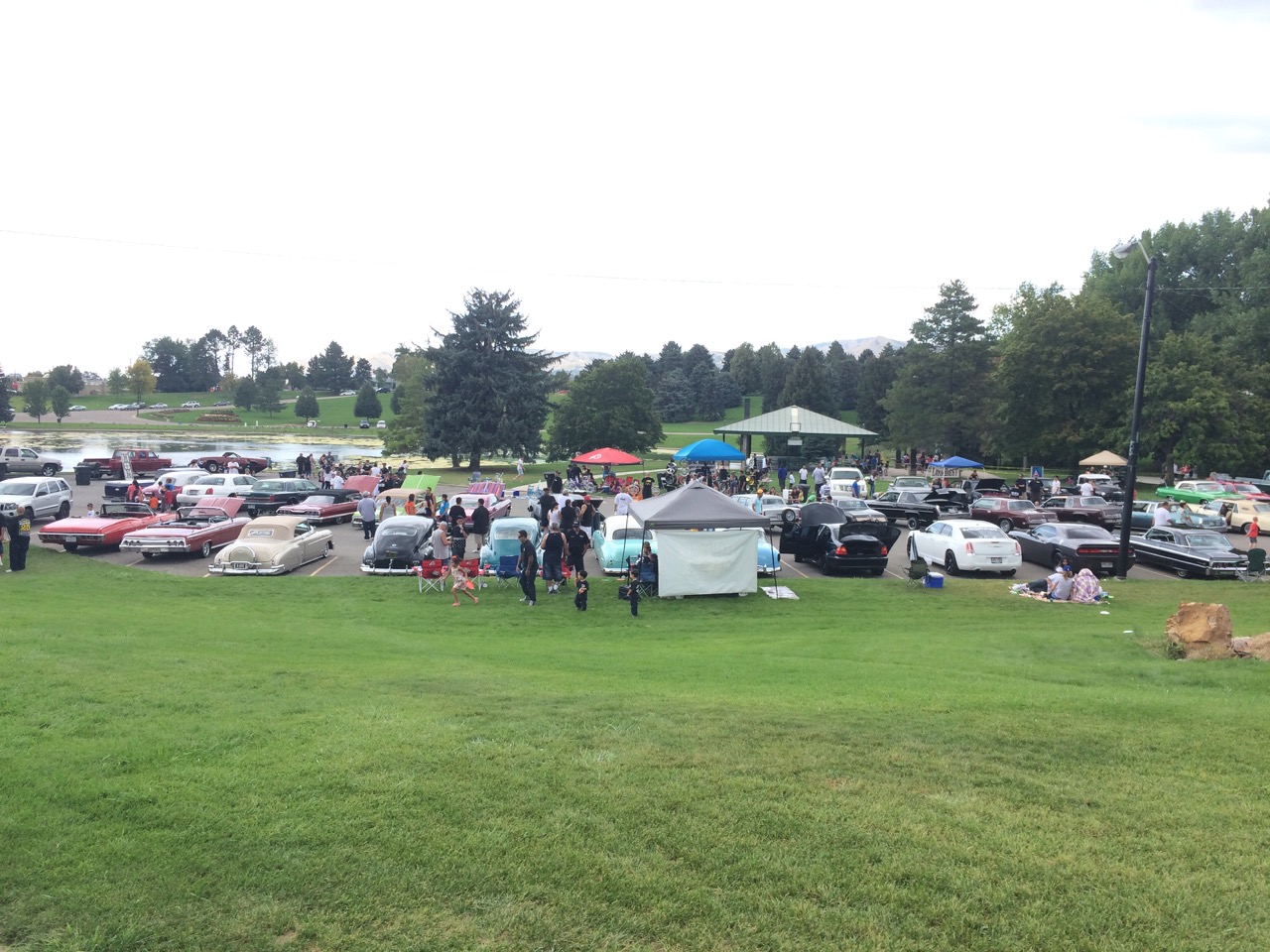
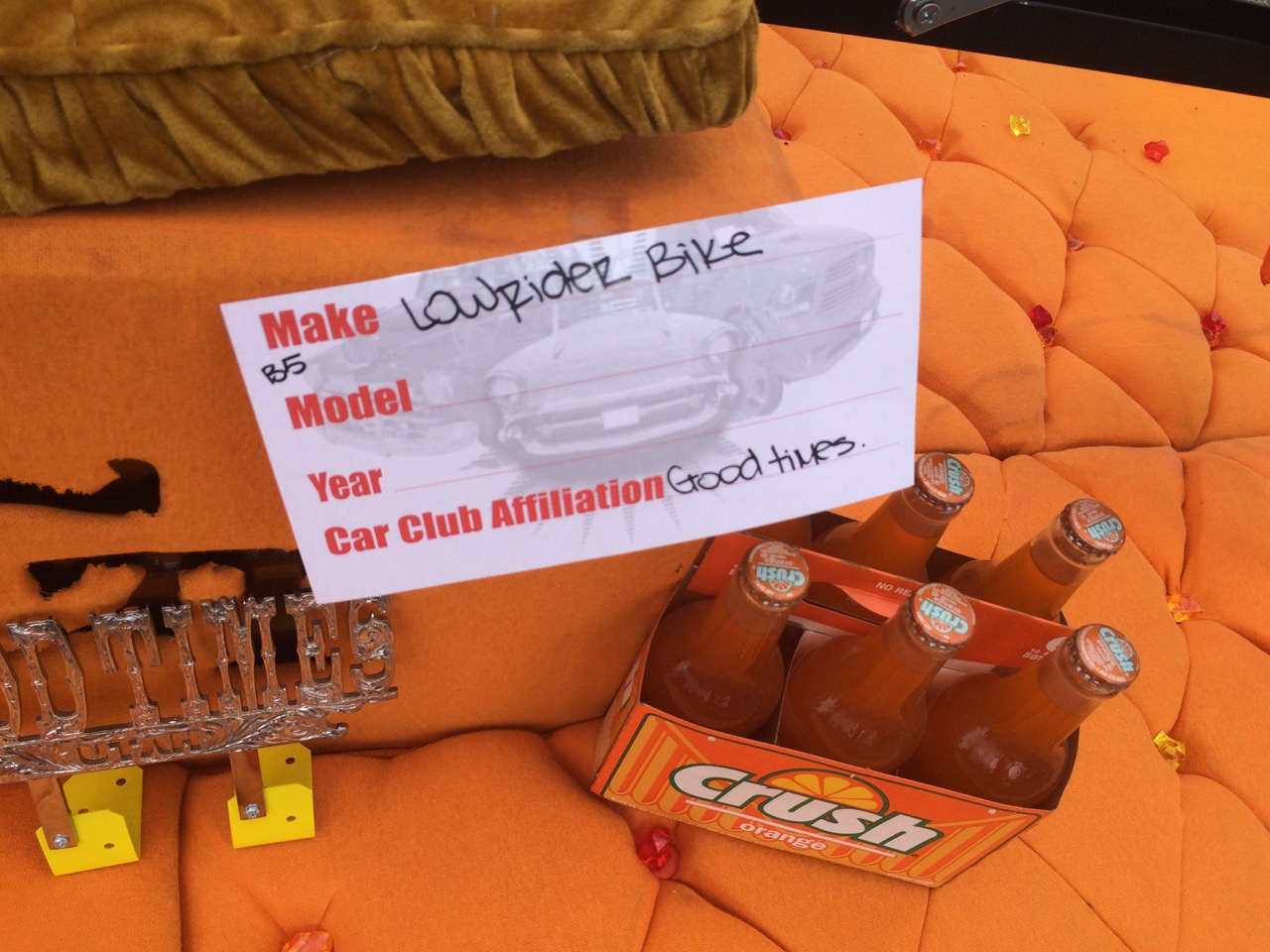
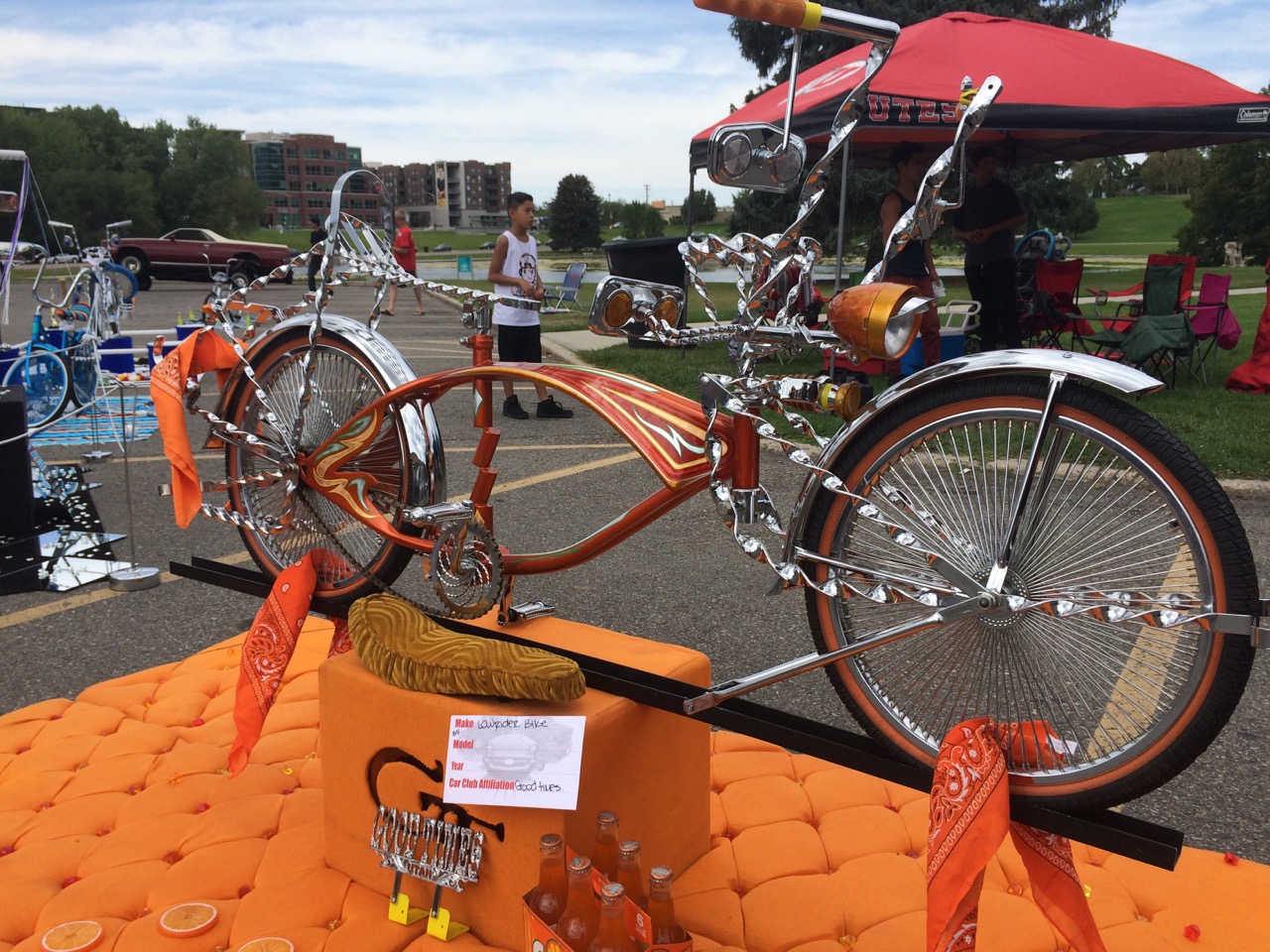
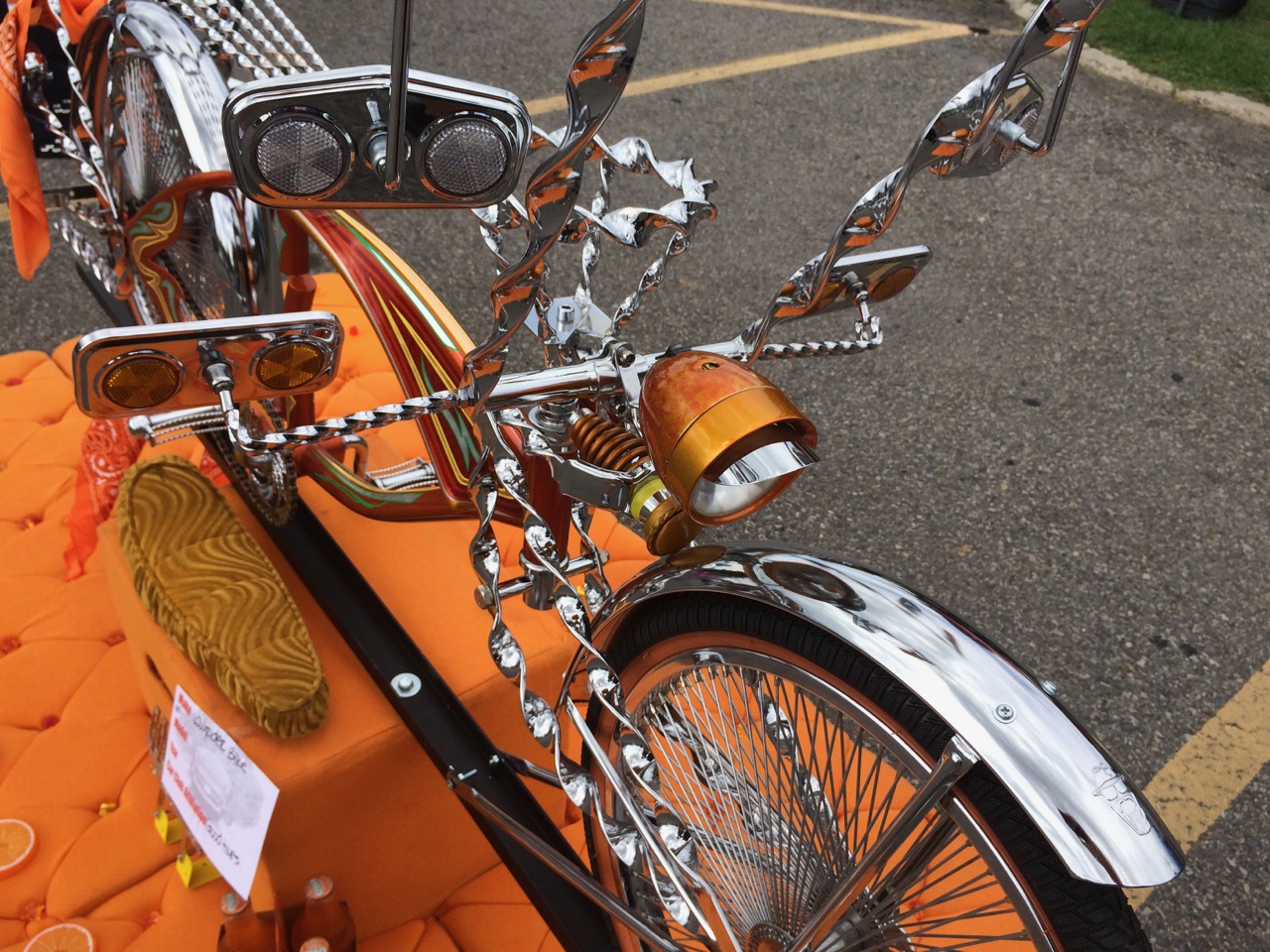
Sugarhouse Park Lowrider Bicycle and Car Show Photo Gallery 2015

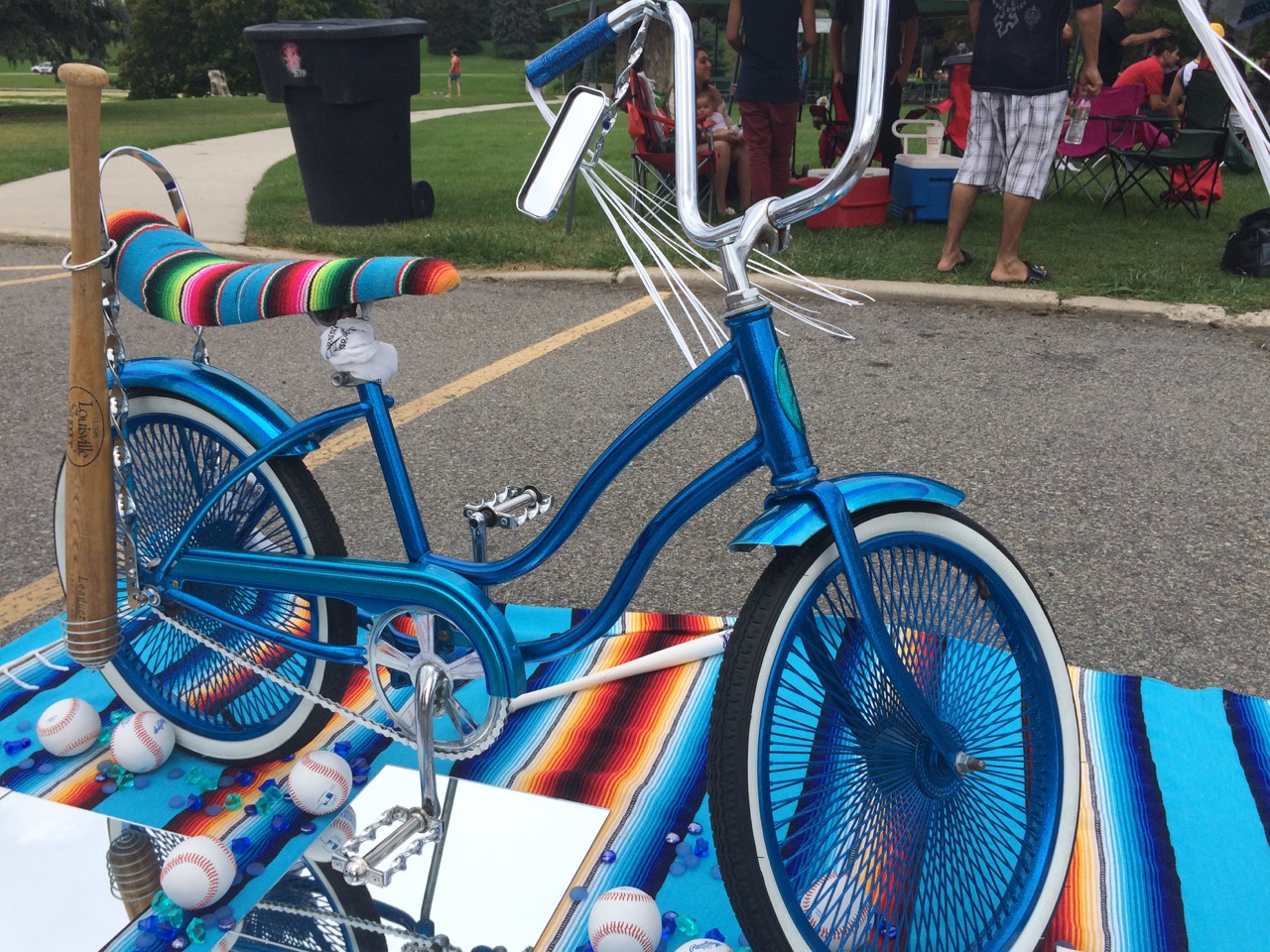
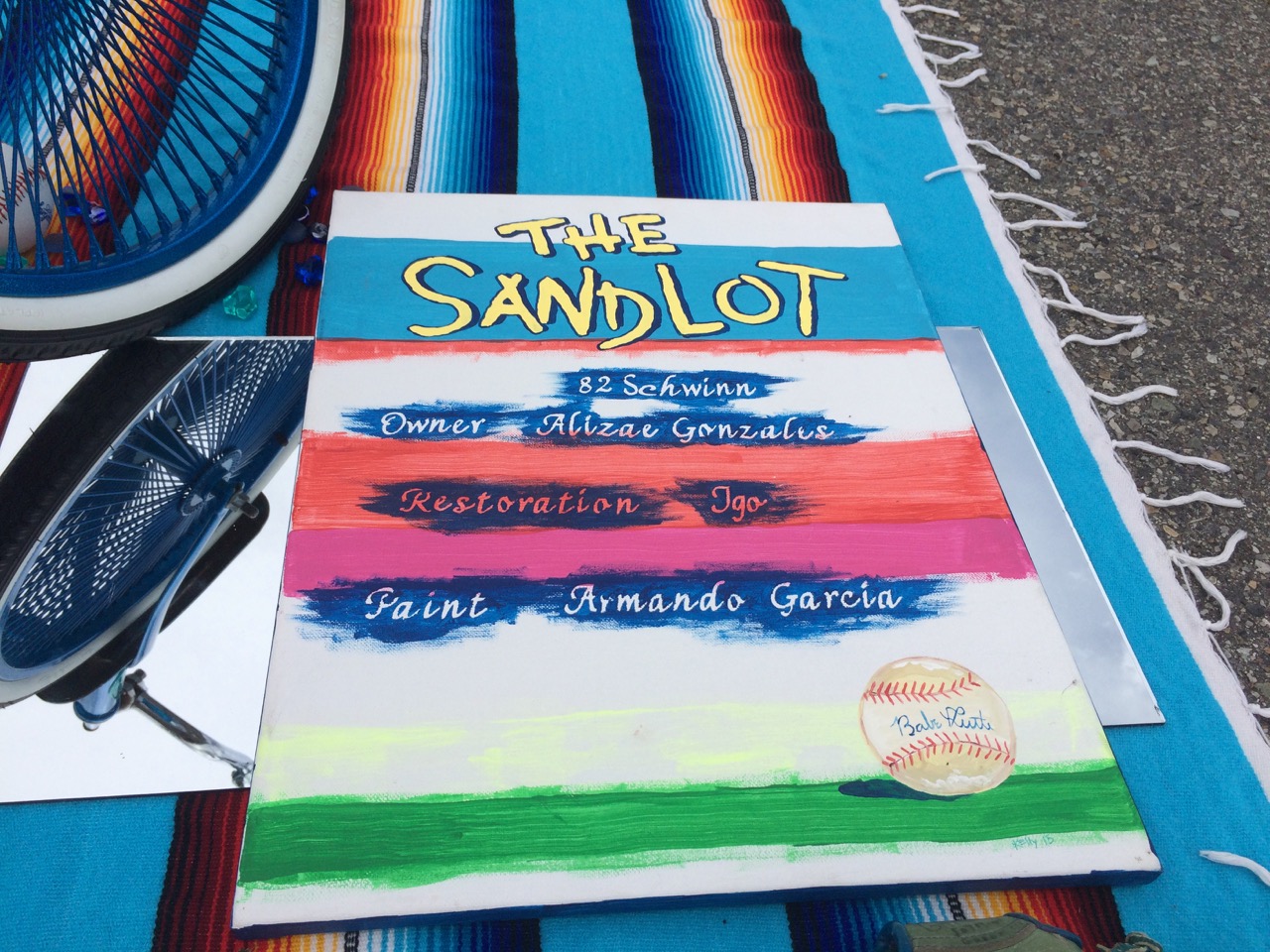
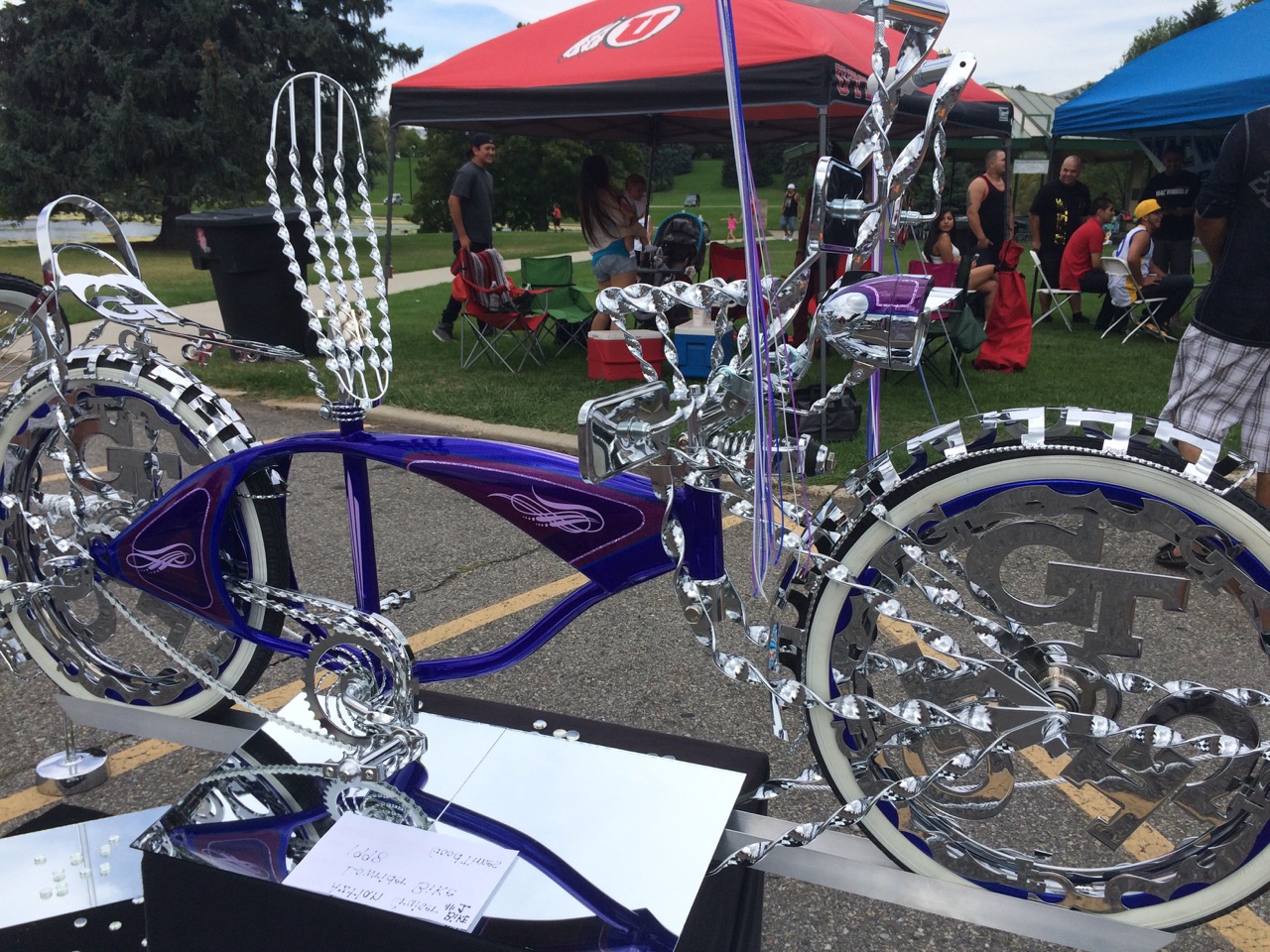
Cycling Utah visited the Sugarhouse Park Lowrider Bicycle and Car Show in Salt Lake City, Utah on August 30, 2015 and captured this gallery of 33 images. 

White Pine County, Nevada Wins $60M in Grants for MTB Trails

0

ELY, Nev. – White Pine County is set to receive a gigantic infusion of money thanks to grants from the Southern Nevada Public Land Management Act of 1998 (SNPLMA) and the U.S. Economic Development Administration (EDA). Nearly $60 million in grant money was awarded for improvements in the region. The projects range from trail expansion to new campgrounds and an extension of the Nevada Northern Railway into McGill. 

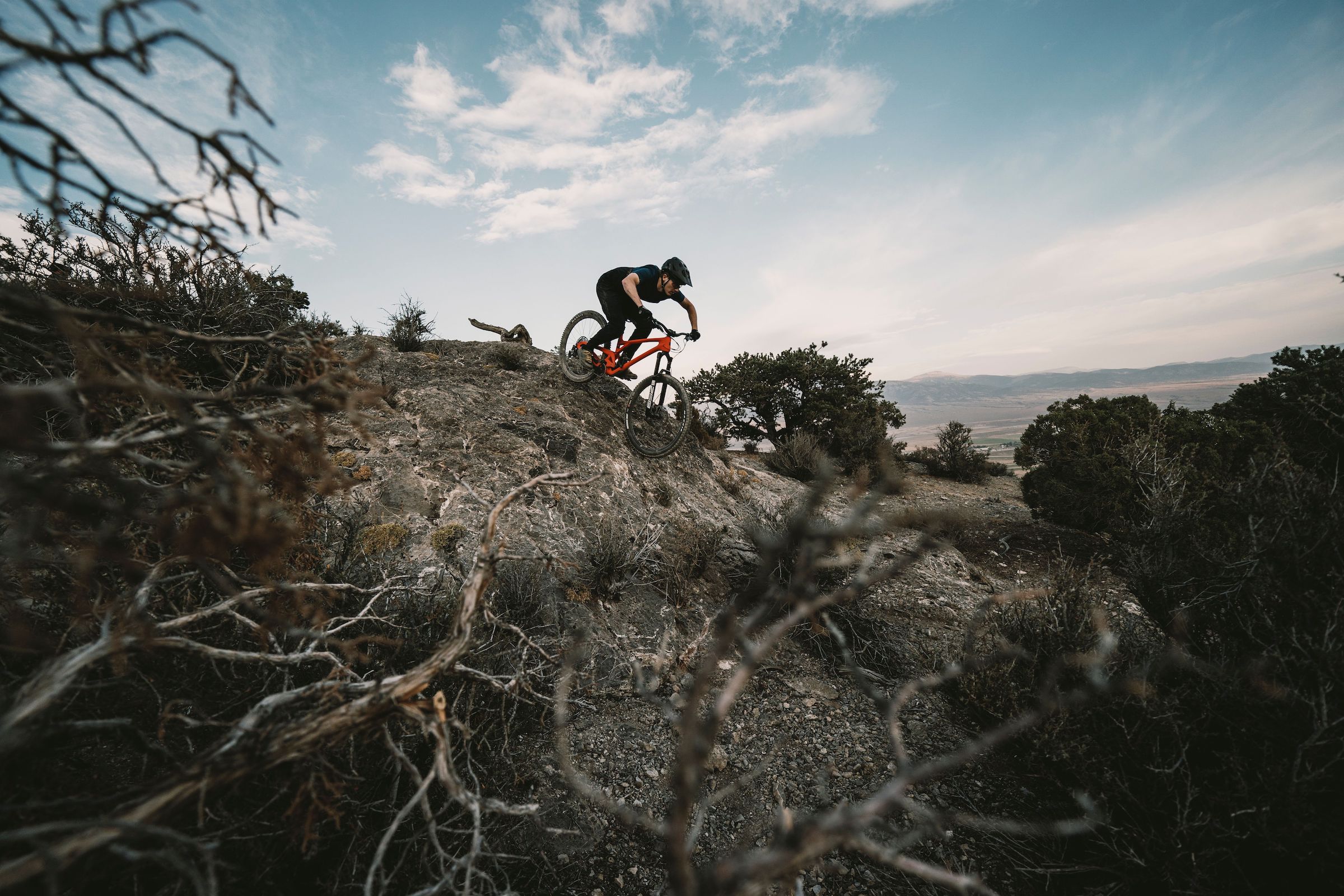
A rider tackling the trails in Ely, Nevada. Photo courtesy White Pines Tourism

“The projects based in White Pine County recently granted by the SNPLMA and EDA programs are extremely impactful and will have long-lasting positive effects on tourism and local quality of life,” says White Pine County Tourism Director,  Kyle Horvath.

Here’s a breakdown of the different grant awards and where the money will be going:

  • The US Forest Service received $2 million for the Ward Mountain Trail Expansion Plan. The plan includes 30 miles of non-motorized singletrack, trailhead improvements and signage and will improve on Ely’s already legendary mountain bike trail system.
  • The Bureau of Land Management received $10 million to improve the Garnet Hill Recreation Area. The plan includes road improvements, a new campground, picnic/toilet facilities, new garnet collection zones, 20 miles of non-motorized singletrack and 20 miles of motorized trail. The work will make the recreation area even more family-friendly.
  • White Pine County received $24 million for Heritage Park, a brand new park that will be built south of Ely. This major beautification project will be a new gateway to the community and a major hub for visitors and locals alike.
  • The Nevada Northern Railway received $10 million for track expansion and trail upgrades to connect the train tracks to McGill. The two miles of track will re-connect McGill to the historic train track system and allow steam locomotives to return there for the first time since the 1980s. In addition, a new trail will be built alongside the tracks for motorized and non-motorized use.
  • The Fairgrounds received $13 million for major renovations and improvements to the indoor rodeo arena and event center, home of the annual White Pine Fair and Horse Races.
  • From the U.S. Economic Development Administration (EDA), the Nevada-based Great Basin Institute also received a $160,000 grant to establish a professional recreation trail building school in Ely. 


Interview: Tamika Butler on Bicycles and Racial Justice

By Peter Abraham — I’ve just wrapped up an 18-month journey telling the story of the Saint Augustine’s University cycling team. This is the first HBCU (Historically Black College and University) with a cycling program, and I helped set up their sponsorship from Canyon Bikes then supervised the storytelling process in episodes of video, photography, writing and public relations. It’s been an incredibly rewarding, and educational, experience for me. We released Episode 5 of the Chasing History series (online at canyon.com/en-us/blog-content/st-augustine-hbcu-5-pioneers.html) last week. As part of the shoot, I conducted many on camera interviews. I may roll the cameras for over an hour but then only use 30 seconds of that scene. Unfortunately, so much great material ends up “on the cutting room floor.” The following are a couple interviews in written form in order to share the smart ideas of my guests.

Tamika Butler in downtown Los Angeles outside of the Los Angeles County Bicycle Coalition offices. Photo by Serena Grace

The first one of these is Tamika Butler. She was incredibly thoughtful and articulate about bicycles, transportation and racial justice. Tamika is a Stanford-educated attorney, the former Executive Director of the Los Angeles County Bicycle Coalition and now a graduate student at UCLA getting her Ph.D. in urban planning.

Peter Abraham: What’s important about bikes?

Tamika Butler: When I took my first job at the Bicycle Coalition, what I really thought was, you know, I remember riding a bike as a kid and feeling free, and this is going to be a fun job. And it was a fun job. Most fun job I’ve ever had. But I think people have to care about bikes because bikes are one of the most dynamic tools of fighting social injustice and equities. Bikes are this great thing that brings so many people together. Yes, it’s something you can do on your own solitary, but it’s something that builds community, brings community, has public health benefits and has really transformed lives. So power to me is intrinsically linked to bikes and both are part of this larger transportation picture and access picture.

P.A.: Where do bicycles and race overlap?

T.B.: I think for many years in our country, urban planning has been used as a tool of of racial injustice, a tool of white supremacy. And we see that there are many low income communities of color, black communities that have been geographically isolated and segregated from the city core. So whether or not that’s access to jobs or access to quality education are quality health care. Oftentimes, we have seen highways raze neighborhoods and keep people apart. And sometimes that is often mixed with other social inequities where you don’t have, you know, maybe a lot of money. There’s poverty. There are these public health disparities. And when you need to access those things and maybe you can’t afford a car, maybe there are racist systems that don’t let you get home. You can get a bike and you can get to that job. You can get to that school. Bikes have been tools to get us to that midnight shift, to get us to that corner store, to pick up the diapers our babies need. Bikes have given us access and freedom, not just as kids, but as adults.

Tamika Butler at Platform in Culver City. Photo by Heather Young

P.A.: Why is important for everyone, and all races, to be represented on bikes?

T.B.: When we need a way to get to the places we need to be and the people we need to be, it’s really important for everybody to show up on bikes. And whether or not you’re talking about, you know, recreational riders in spandex or the the kids cruising down the street to to hit up the candy store. Or whether or not you’re talking about professionally — transit agencies and graduate programs. Whether or not you’re talking about bicycle advocacy groups. When I first thought about going to the LA County Bike Coalition, I thought, “I’m a civil rights racial justice lawyer. This is going to ruin my street cred. This is a white thing, right?” Bike lanes are the first sign of gentrification, and I think the reality is that it’s not that black and brown and indigenous folks. It’s not that we’re not biking. We are biking. A lot of us are invisible bikers. People don’t realize it, but what we are biking. And the reality is that just like any aspect of society, it is richer, it is fuller and it is better when we can all enjoy the equal benefits of privileges of that activity. And you know, as a black person, I’m always rooting for everybody black. I think we bring a lot of swag to things. I think we make things dope. And I think that, you know, when you get black folks involved, the possibilities are endless.

P.A.: How did you hear about the Saint Augustine’s University HBCU cycling team?

T.B.: As somebody that is really involved in the bike world and especially now in a research capacity, I pride myself in and keeping abreast to what’s going on with bikes. And the first time I heard about the team was actually through Bicycling magazine. You know, seeing this feature and then hearing a little bit about about the film crew coming together. And I just started watching these videos on YouTube with my three year old son. I want my son to see Black folks biking. I want him to see that joy. I don’t want little Black kids to think that they have to go play basketball. And if he wants to be an accountant, I want him to be an accountant. But I want him to always hold on to that feeling of happiness that he sees I get when I’m on a bike. And also that he’s seeing these young people at this, this university experience. I want him to know about HBCUs and all that they do for our Black identity.

P.A.: Why is it important for an HBCU to start a cycling team?

T.B.: I want to break down this idea that there are there are things only white people do, because I don’t think bicycling is something only white people do. I think the ripple effect that this is going to have and frankly is already having is huge. On weekends, my three year old son says, “Mom, I want to go out on my bike like the big kids.” He calls these HBCU students the big kids, right? And I think beyond that, I’m hoping other university campuses are starting teams: NC State, Duke, North Carolina. I’m hoping those programs start to look different. I’m hoping that even at the high school level. When I was a lawyer, one of the jobs I had was working on Title Nine for high school girls playing sports. And we know that if you can get girls and young folks of color involved at the high school level, it not only changes their ability to perform and compete at the collegiate level, it also changes their long term employment prospects. It changes the way they view themselves and their confidence. And you know, I think I think someone said earlier in the series, If you could get good at this, you would be successful at other things. Because cycling is hard.

P.A.: Where could this trend of HBCU cycling go in the long run?

T.B.: When you see folks who look like you, when you can see yourself reflected whether that’s on screen or on two wheels, you have a confidence that you can do something that for too long folks have told you can’t do or you don’t belong. I think there will be campuses across the country where there are teams of Black cyclists in spandex looking fly with their natural hair. I’m hoping that companies will have to make helmets that fit our hair. I’m hoping that they’re going to have to think about the dimensions of the folks who fit into the spandex and change the models on their website. I hope the effect will be dramatic, transformative, and huge.

P.A.: Can bikes change the world?

T.B.: I think bikes can change the world. I’m biased, because I’m choosing an academic research career, focusing on transportation, bikes and race. So I think that bikes can change the world. But I always tell people whether or not you’re thinking about an institution or a bike, people are involved, and people can change the world. Don’t just think of someone as a cyclist; that is a person. It’s a person who rides a bike. They may be a son. They may be a daughter or niece or nephew, a mother or a father. That is a person. And what we’ve seen over the last year, what we’ve seen throughout history, when people stand up and say “The way things are is no longer OK, and we demand better.” When we can follow the lead of Black folks and Black women in particular, we can find a way towards liberation. Bikes are a tool to change the world. We have to believe in people’s capacity to want to do it and to do the hard work to actually do it.

P.A.: What is the role of the white community in welcoming more Blacks into bike culture?

T.B.: Since since my ancestors were enslaved and brought here, we’ve been trying to get free. And I truly believe that black people are always going to fight for liberation and lead the way. I don’t think we are dependent on white folks for that to happen, but I do think it will happen faster with them. I do think it will be more sustainable if we’re in this together. And I think that that’s what’s so special about this team.

P.A.: Why are bikes such a powerful tool to connect different cultures?

T.B.: There might be an old white business professor and there might be a first year student, and they think we don’t have much in common: “I’m just here so I can take this class and move on.” And then you see that professor on a bike and you’re like, What are those small tires? And you just start a conversation. And I think that’s the beauty of bikes. So many conversations start on bikes. You see somebody roll by, what’s that? You see somebody with this fancy thing and you’re like, Whoa, where are you going? What are you doing? That’s the potential of bikes, whether or not you’re on a trail somewhere or whether or not you’re stopped at a traffic light. There is something about being on a bike where you see someone and you see a bit of yourself and you just say hello. It breaks down these barriers. All of a sudden, it’s not about what did your ancestors do to my ancestors? It’s about what where are you now? Where am I now? And how are we moving forward? That doesn’t mean at this HBCU that is so steeped in history that you’re forgetting about the past. It doesn’t mean we forget about all that Major Taylor had to go through just to be in the sport. It means we’re building upon that past. We’re saying, “We can do this together.” This isn’t about egos. This is about how can we move forward, and bikes have that power.

P.A.: Can this team inspire others to get on bikes?

T.B.: You’re watching the series, and it felt like you were on a journey with this team. You weren’t sure it was going to happen. You put this team together, you’re seeing them stand in a circle and talk about clipping in and what that means. And you’re like, I don’t know if this is going to make it. And then to see the dedication of these young folks when there’s a pandemic. They’re still doing their diaries. They’re still getting on the stationary bike. They’re still trying to get better seeing that first race and the high expectations. And maybe it doesn’t end how they want, but they feel like they’re learning. They feel like they’re growing. Too often black folks are limited by other people’s expectations of us. Not by who we are, what we can do, but by what other people think we can do. What this season showed is don’t settle on what you’ve always thought or what you’ve always believed. We can do anything if we’re trusted, given the tools to succeed, if we’re just given an opportunity and a chance. These folks have run with it. It’s going to continue into the next year. And my hope is that not only does this team continue to grow. Do some people say, I’m going to this school because they have a cycling team? I like the business school. I like the program. I’m going to join a historically black fraternity or sorority. But I’m also here because I want to cycle. Because I see how these young folks stayed committed to the sport. I see how they got to be themselves. There was a wide variety of young folks, different gender representation, different experiences, different countries they were from, and they all came together. I hope that continues. I hope the team grows. And I hope this is an example to other folks watching, people of color, Black folks. But certainly white folks don’t limit us by your expectations, realize that we’re just as capable. We’re just as ready. And next time you’re on a bike ride and you say, Oh, you know, I would invite this coworker, but they’re Black and I don’t know if they’re really into the cycling thing, just ask. Just try and see what can build, see the momentum that can be gained, and we’ll be talking about more of these teams in no time.

Peter started racing bikes in high school and has continued to ride his entire life. He also runs the Abraham Studio (ABRHM.com), which works with purpose-driven brands in sports, technology and healthcare to find their voices and tell their stories. He lives in Los Angeles, California.

2021 Federal Transportation Bill Has Twice the Support for Cycling

By Charles Pekow — Twice as much federal support for bicycling will be coming, but communities and advocates have to learn how to use it. Congress just passed a mammoth surface transportation reauthorization bill, the Infrastructure Investment and Jobs Act, that the U.S. Department of Transportation is trying to implement. Spending for most programs will increase a small amount each year for the next five years.

Among many other potential benefits, the bill includes more than $2.5 billion a year for the Congestion Mitigation and Air Quality Improvement Program, which funds innovative projects that can include infrastructure to encourage bicycling as a way to cut pollution. It also includes about $600 million a year for the Tribal Transportation Program, which can fund bike projects on Native American lands. In addition, more than $400 million can go to the Federal Lands Transportation Program that can build and improve bike trails in national parks, forests, monuments, wildlife preserves, etc.

The bill also requires an update to the Manual on Uniform Traffic Control Devices to protect bicyclists. It also funds a research program to find ways to protect “vulnerable road users,” including bicyclists. Projects can examine everything from traffic calming devices to bike lanes, tools to evaluate efforts to protect bicyclists, and ways to help states collect cyclist/pedestrian injury and fatality data.

While the bill doesn’t earmark funds for Safe Routes to School, it opens the program up for high schools, requires each state to employ a full-time coordinator and allows infrastructure grants to improve bicycle routes within two miles of a school.

The bill also funds a $200 million/year Safe Streets and Roads for All Grant Program to pay for “Vision Zero” community projects to develop comprehensive local strategies to make streets safer for everyone, specifically including bike riders. The bill also calls for a report on ways states have successfully improved bike safety within two years.