
Amsterdam loves its bicycles. Shown here is a Sunflower Art Bike by the Petite Gallery.

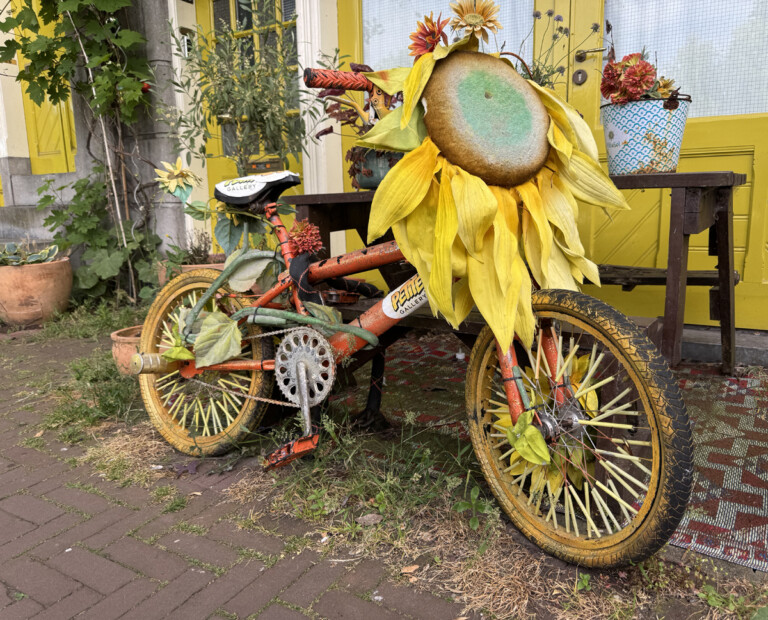
Amsterdam loves its bicycles. Shown here is a Sunflower Art Bike by the Petite Gallery.
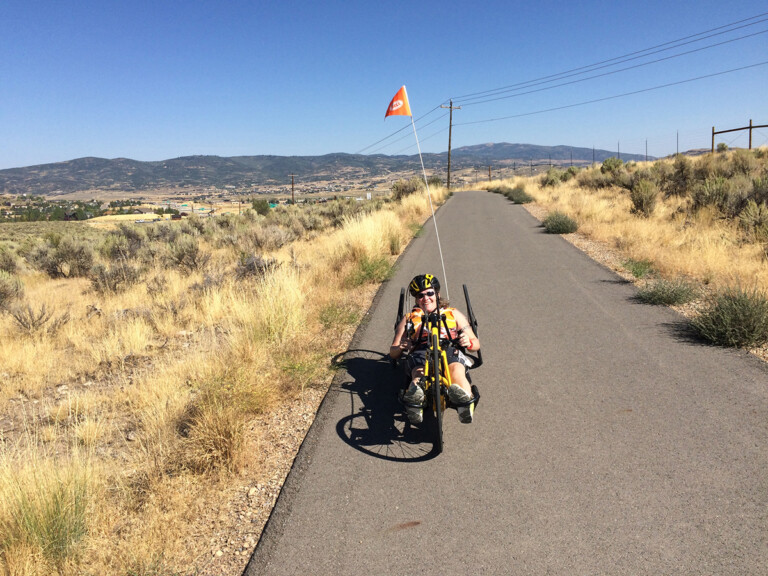
SUMMIT COUNTY, Utah (October 9, 2025) — Summit County Transportation has begun the process of updating the county’s Active Transportation Plan. This 2025 Active Transportation Update will build on the 2019 recommended facilities to create a countywide active transportation network.
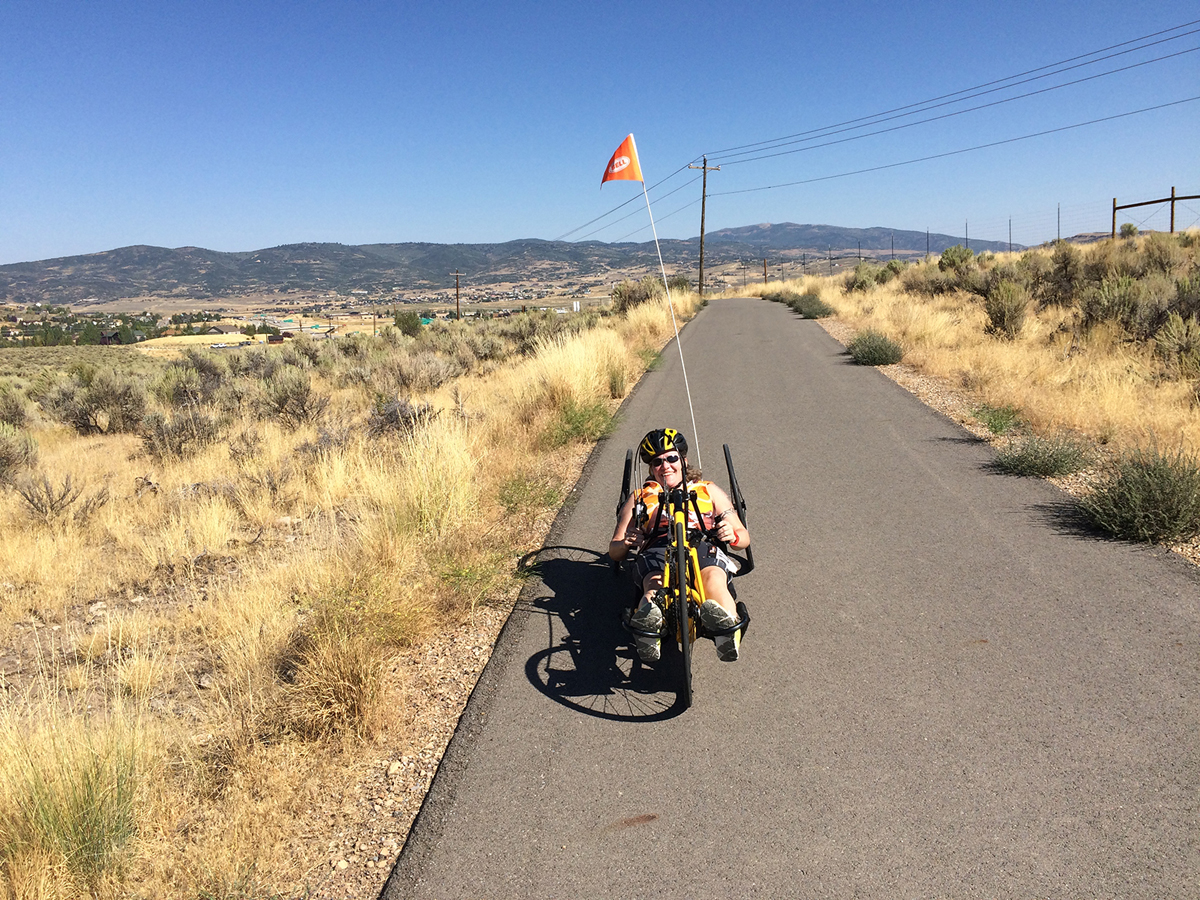
Active Transportation includes all forms of human-powered mobility like walking, cycling, and even non-mechanized wheelchair use. After 6 years of hard work securing funds, collaborating with partners, and building connections, Summit County is seeking public input on how to increase connectivity, safety, accessibility, and sustainability within its active transportation network.
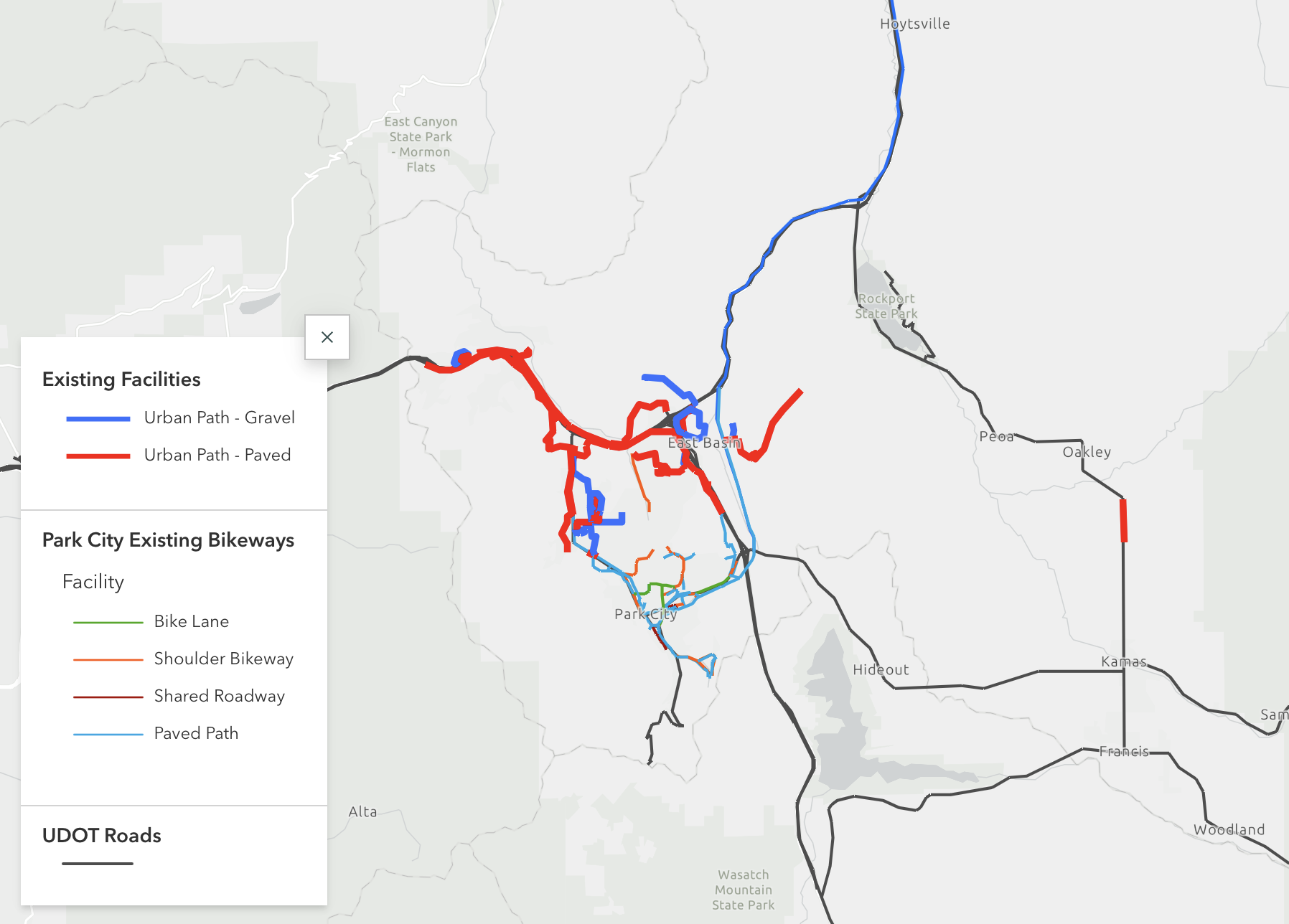
The plan will encompass Summit County, but will exclude Park City. The plan will, however, connect to Park City’s biking and walking infrastructure.
Go to summitcounty.info/activetransportation to see a map of existing conditions, learn about areas of concern, and find out what’s coming in the near future. Whether you live or work in Summit County, visit for recreation, or enjoy the trails and open spaces in any way: please submit your comments in this survey: Survey Link.
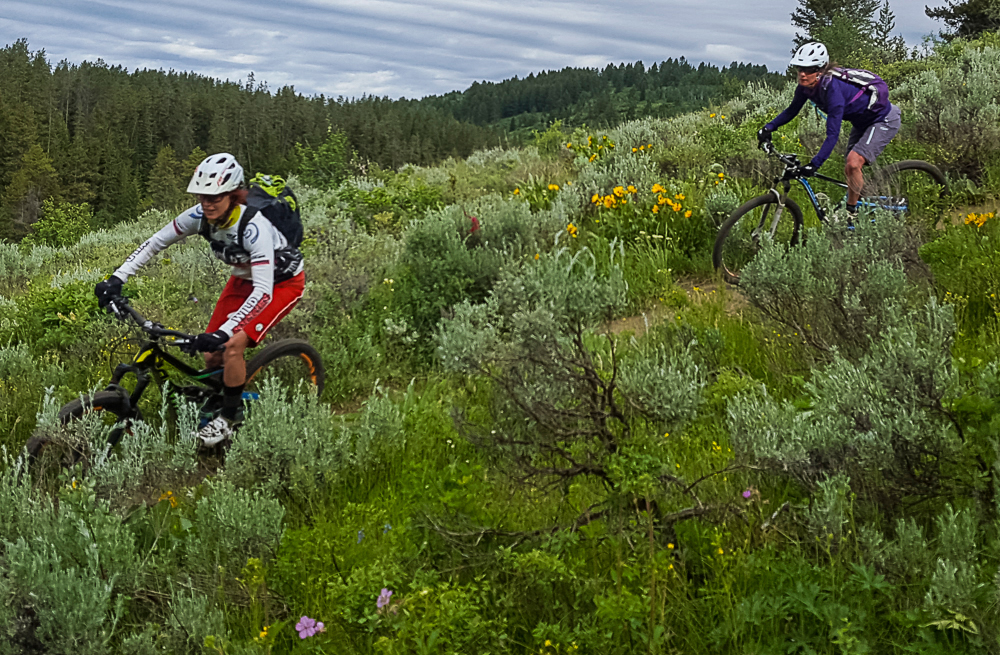
VICTOR, Idaho (October 1, 2025) — Riders in Teton County, Idaho, are getting a major boost with the protection of a 10.2-acre parcel that will serve as a trailhead into thousands of acres of Bureau of Land Management land.
Landowners Steven and Theresa Scott donated the property along Fox Creek in partnership with Trust for Public Land. The new access point opens up 5,000 acres of neighboring BLM land and links into tens of thousands more acres stretching across National Forest lands and Grand Teton National Park.
“In close coordination with the community, the Bureau of Land Management, and local partners, we are thrilled to protect this land to open access to miles of public trails and world-class recreation in Teton County’s backyard. With BLM as the future steward, we can ensure these lands will be protected and accessible for generations to come,” said David Weinstein, Northern Rockies Director at Trust for Public Land. “This is an amazing conservation opportunity and TPL is grateful to the Scott family for their vision and generosity.”
The BLM will manage the land long-term.
Mountain Bike the Tetons and Teton Valley Trails and Pathways have been working with the BLM for over a decade to build trails in the area. The BLM’s recent approval of a new travel management plan cleared the way for construction.
First up is the AJ Linnell trail system, scheduled to break ground next summer. The phased buildout will eventually deliver up to 20 miles of new singletrack for hikers and mountain bikers, with riding accessible directly from town without needing to drive.
“Having owned this land for the last 35 years, we understand and have enjoyed its natural beauty. We wanted to ensure that future generations have the same opportunity. Once we understood its potential to help unlock existing public lands and connect to the larger trails vision, we could not be happier to be donating the land towards the development of the AJ Linnell trail in Teton Valley,” said Steven and Teresa Scott.
“We have been working with the BLM and the community to provide new trails along the eastern side of Teton Valley for over 10 years now. BLM’s recent approval of its new travel management plan opens the door to that happening, but the real success is the community support and partnerships that will enable the AJ Linnell trail and access points to come to reality,” says Dan Verbeten, the Executive Director of Teton Valley trails and Pathways.
Trust for Public Land and partners are raising funds for the trailhead and future trail construction.

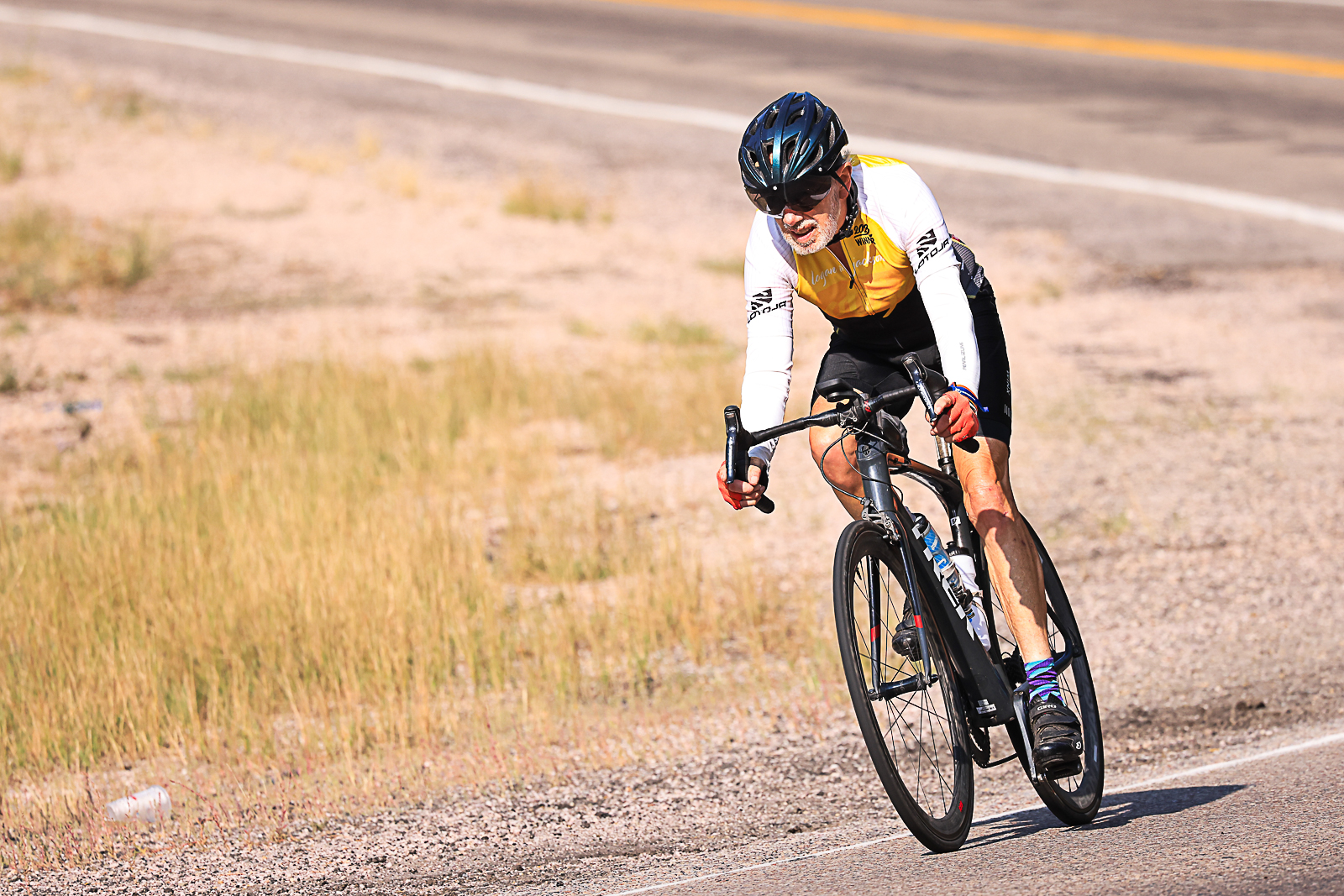
By David Bern — The LoToJa Classic family is mourning the loss of one of the race’s most passionate competitors and supporters.
Larry Peterson, 81, of Centerville, Utah, died on Sept. 7 from injuries sustained in a crash the day before while racing in the 43rd annual LoToJa Classic.
Peterson, who has ridden LoToJa 13 times and won four of its category titles, crashed on US 89 a few miles west of Montpelier, Idaho.
No other cyclists or vehicles were involved. A physician on scene reportedly said it appeared Peterson had passed out before the crash.
He was transported by ambulance to a hospital in Montpelier and then airlifted to a hospital in Pocatello. He underwent emergency surgery that afternoon, but died the next day with family by his side.
A funeral service for Peterson was held on Sept. 18 in Centerville. Graveside services were held the next day at Sutton Cemetery in Rexburg, Idaho.
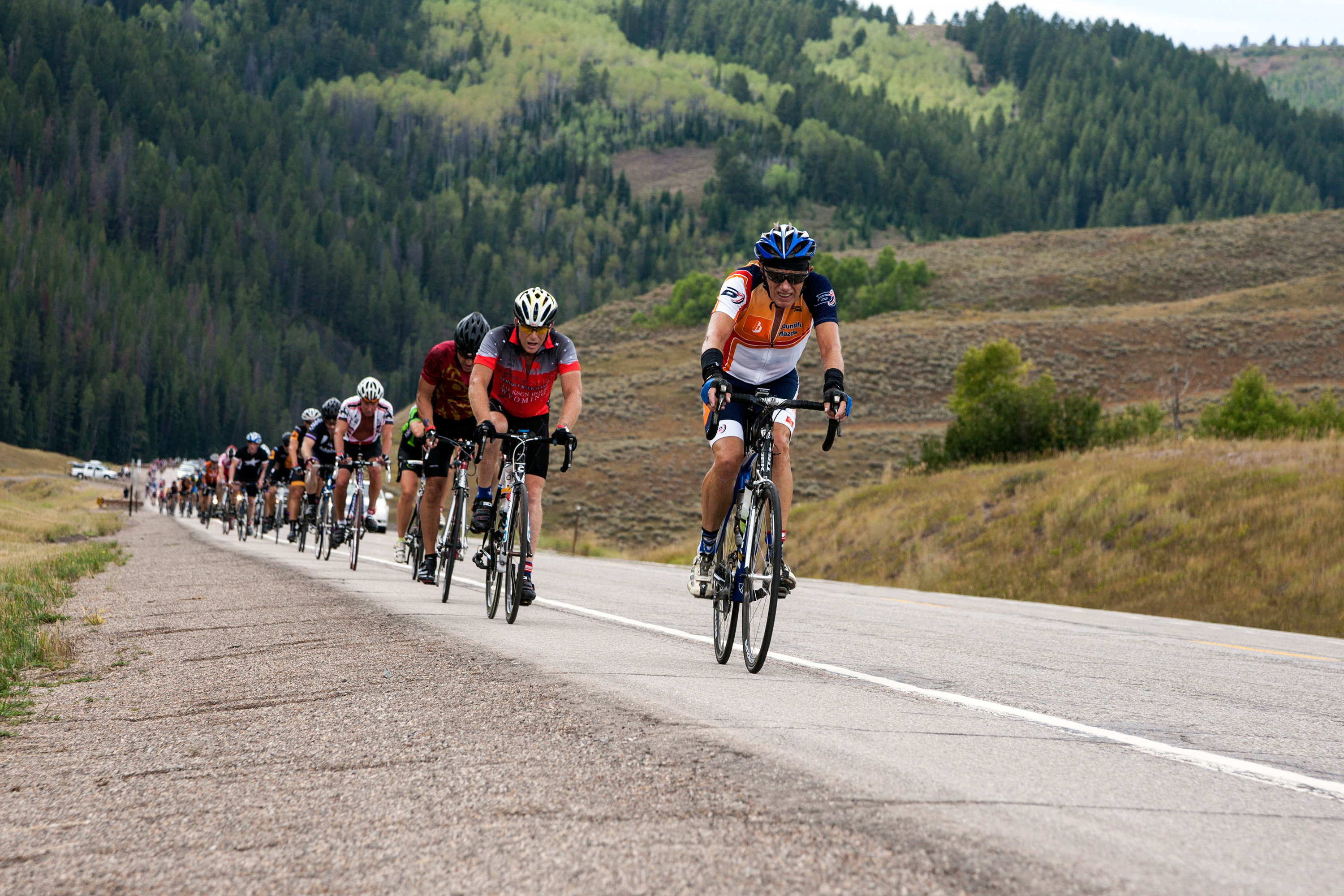
Peterson was more than a frequent LoToJa participant. He started riding a bike at age 63 and quickly fell in love with the sport. He accrued thousands of training miles every year and participated in many cycling events and races.
His passion for the bike inspired countless other cyclists to join him on the road. He loved being competitive, but also loved helping others new to the sport. He often drifted back to help new riders who couldn’t keep up during group rides.
That desire to help also led to acts of community service. At charity rides over the years, he raised more than $52,000 for the Huntsman Cancer Institute.
LoToJa race director Brent Chambers said that Peterson was known as a cycling legend, not only for his passion for the bike and winning exploits in the race, but also for his generous spirit.
“I feel blessed to have known Larry and I express my heartfelt condolences to his family for their loss,” Chambers said. “I will miss him, his friendship, his input to help make LoToJa more accessible for older riders, and the energy he brought to LoToJa every time he rode it. He was an inspiration. And he will continue to inspire.”
The family has asked for those who would like to honor Peterson, to do so by making a donation in his name to the Huntsman Cancer Institute at hope.huntsmancancer.org/diy/larrypeterson.
Editor’s note: This tribute was scheduled to be published alongside the LoToJa race story in the Fall magazine, but could not be finalized before deadline.


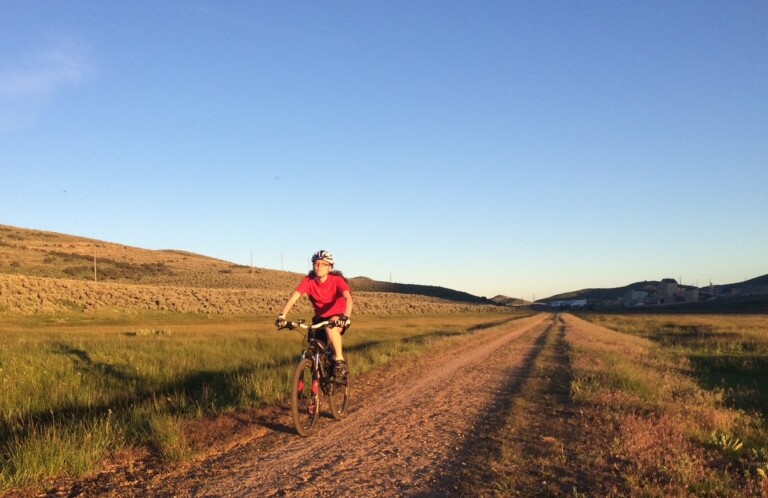
By Charles Pekow — Railbanking law—which has converted more than 4,250 miles of abandoned railroad into trails—is under fire in Congress. Rep. Sam Graves (R-MO) has introduced the Rails to Trails Landowner Rights Act (H.R. 4924), a measure that could significantly weaken the 42-year-old National Trails System Act Amendments by granting adjacent landowners veto power over rail-to-trail conversions.
The bill would also require the Surface Transportation Board to propose federal trail maintenance standards and establish an advisory committee to recommend those standards.

Perhaps the most prominent example of railbanking is Missouri’s Katy Trail, the nation’s longest rail-trail, which runs across much of Graves’ home state. Five Republicans have cosponsored the bill, including two other Missourians and Rep. Harriet Hageman (WY).
The legislation has been referred to the House Committee on Natural Resources.
Read the bill at: https://www.congress.gov/bill/119th-congress/house-bill/4924/all-actions
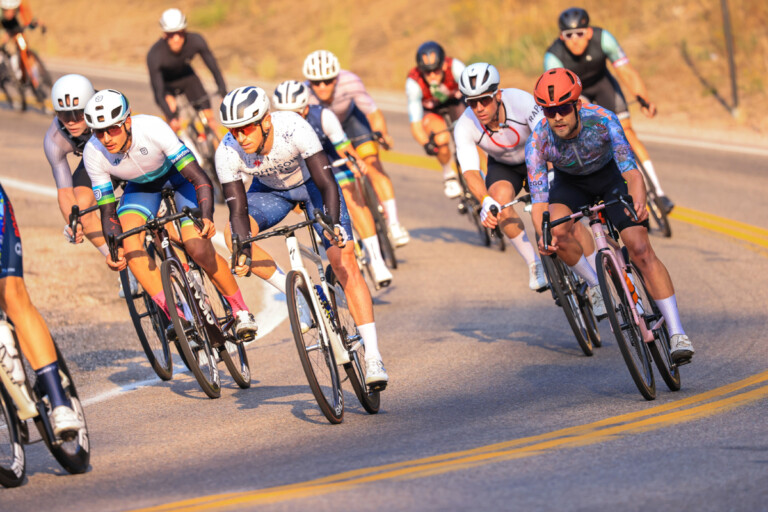
By David Bern — The winner’s podium in the 43rd annual LoToJa Classic honored two new Pro 1/2/3 victors who tapped into self-belief and grit to win one of America’s most revered bicycle races.
Cat. 3 Justin Spangler, 34, (Team Mi Duole) of Salt Lake City, free-wheeled alone across the finish at Jackson Hole Mountain Resort in 8:29:28 with an average speed of 23.8 mph.
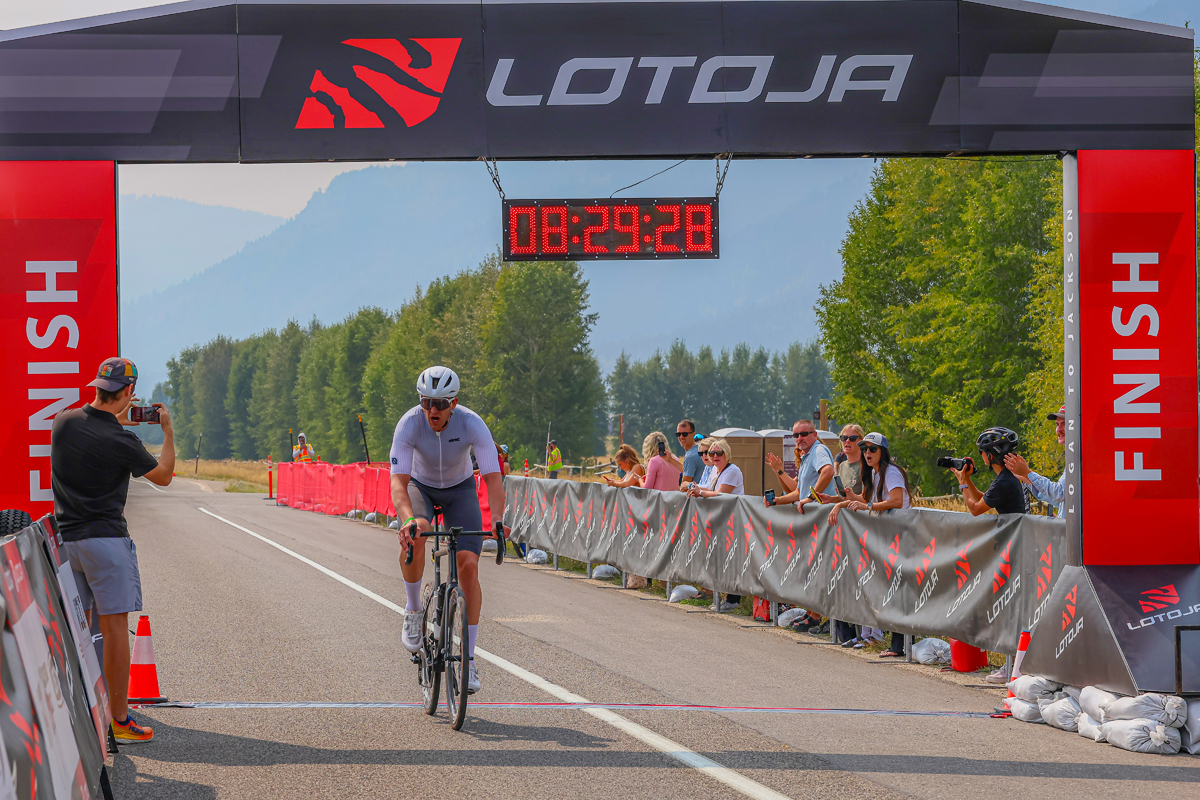
He beat more practiced Cat. 1/2’s in the 203 mile/327 kilometer race with only three years of training and racing experience. He also did it without the typical lightweight build of an endurance cyclist: He weighs a muscular 205 pounds and is 6 feet 6 inches tall.
But Spangler showed that when you mix passion and goals with lots of high, durable watts, great things can happen.
“LoToJa is the Tour de France of Utah,” he said while explaining his desire to win a race that only a few ever achieve. “I like goal-setting. The discipline, the structure… When I set the goal to win LoToJa, I shot for the stars.”
That shot nearly netted Spangler another prize too. He just missed breaking the men’s course record of 8:18:29 by less than 12 minutes.
But Cat. 3 Bailey Hinz, 39, (Team Go-Fast) of Las Vegas, Nevada, blew past the stars to win the Women Pro 1/2/3’s and shatter the women’s course record of 9:35:00 that was set by Melinda MacFarlane in 2013.

At an average speed of 21.6 mph, Hinz reached the ski resort in 9:20:45 and beat the record by more than 14 minutes.
She did it while riding solo for more than 90 miles after pulling away from a break on Salt River Pass and winning the Queen of the Mountain prize. She also beat higher category women to the finish.
“I had heard a lot about LoToJa from others and thought I never could do it,” Hinz said.
Inspired by a late friend’s unfulfilled wish to ride LoToJa, Hinz started having success riding 100 miles. Bigger miles were on the horizon when she rode last year’s 206-mile Seattle-to-Portland Bicycle Classic in a day.
She said she felt “great” at STP’s finish line. After that, Logan to Jackson no longer seemed “never.”
“I love long training days. To put in the work,” Hinz said. “LoToJa gave me a goal to set my sights upon.”
Race morning conditions in Logan on Sept. 6 were clear, windless and 50 degrees when 31 Men Pro 1/2/3 and Men Veteran 35+A riders rolled away at 5:30 a.m. from Sunrise Cyclery. The two categories are allowed to race together because of lower field numbers, similar ability and experience.
According to Spangler, the usual early-morning breakaway in the dark didn’t immediately occur after the peloton left the neutral rollout in West Logan. But a few miles later, Cat. 1 Dylan Fluckiger, 23, (Team Velovit Elite) of Kimberly, Idaho, jumped off the front. It wasn’t an all-out effort, “but it woke everyone up,” Spangler said.
Fluckiger was soon caught and the peloton stayed together through Cache Valley and Preston (29 mi/47 km). It appeared everyone was saving their guns before reaching the foot of LoToJa’s first major climb: 22-mile-long Strawberry/Emigration Canyon and its 7,424-foot-high summit (57 mi/92 km).
Except for one.
Cat. 1 Jesse Hogin, 36, (Unattached) of Las Vegas, Nevada, rolled off the front after the descent to Riverdale (35 mi/56 km). He made the identical move at the same spot last year and soloed for nearly 100 miles before being caught.

And he didn’t get dropped or just ride wheels afterward. He worked into the chase group’s rotation to the line and took sixth in the Men Pro 1/2/3’s. His strength and endurance awed fellow racers.
But despite Hogin’s strong showing last year, no one gave chase — for now.
“After we turned right [at Riverdale], I put a little pressure on the pedals and saw that I had a gap,” Hogin said about this year’s solo move. “Whenever I was out of sight over a roller or around a curve, I increased the pressure on the pedals to increase the gap.”
And like last year, he stayed out of sight for most of the day.
Spangler said as the field began to climb Strawberry, Fluckiger went to the front and set a pace that “blew up everyone like crazy.”
On Strawberry’s false flat, which is approximately three miles from the summit, Fluckiger and Cat. 3 Mitt Niederhauser, 21, (Team Brainstoke) of Mountain Green, Utah, were off the front with a 20- to 30-second gap.
Spangler said several riders who got dropped before the false flat regained contact as the summit approached. A chase group of about 20 then formed.

“We did a historic descent down Strawberry,” he said in effort to catch Fluckiger and Niederhauser. They were caught before Ovid (70mi/113km) in Bear Lake Valley. Spangler said he did most of the work during the chase.
Which is why he stayed alert when several riders stopped for a pee break a few miles west of the first feed zone at Montpelier (76 mi/122 km). He noticed Cat. 1 Roger Arnell, 40, (Team Johnson Elite Orthodontics) of Farmington, Utah, and Cat. 1 Matthew Clark, 40, (Team Ascent) of North Salt Lake, Utah, go up the road.
Spangler had relieved himself before climbing Strawberry and didn’t need to stop. After the hard chase on the descent into Bear Lake Valley, Spangler didn’t want to needlessly burn more matches to catch Arnell, who won LoToJa in 2019, and Clark, who finished seventh last year.
So, he joined them. Spangler said that choice proved to be pivotal, because he, Arnell and Clark weren’t caught by the chase group until 10 miles later at the base of 6,923-foot-high Geneva Summit (84 mi/135 km). He had saved some matches for later in the day.
On the climb Fluckiger went to the front even though he had just helped catch Spangler, Arnell and Clark. After the summit and descent to Geneva (90 mi/145 km), Spangler said the chase group rode into a brutal headwind for 11 miles to the base of 7,630-foot-high Salt River Pass (106 mi/171 km).
Making that headwind even harder was knowing that Hogin was several minutes ahead and it would take a Herculean effort to catch him.
At this point the chase group consisted of Spangler, Fluckiger, Arnell, Niederhauser and Clark, along with Cat. 1 Grant Simonds, 28, (Team Landscape to Lifescape) of Salt Lake City; Cat. 4 Men Master 35+A Daniel Cherkis, 41, (Team Troll Training) of Park City, Utah; Cat. 3 Payson Norman, 20, (Team BrainStoke) of Mountain Green, Utah; Cat. 4 Men Master 35+A Creighton Green, 40, (Team BrainStoke) of Mountain Green, Utah; Cat 3 McKade Jaussi, 23, (Team Plan 7) of Lehi, Utah; and Cat. 3 Blair Perkes, 26, (Team BrainStoke) of Grand Junction, CO.
Salt River Pass is four miles long with a steady pitch of six to eight percent and vertical gain of 1,012 feet. The climb is renowned for causing pelotons and chase groups to detonate, and to establish the day’s final selections for the finish 97 miles away.
Arnell went to the front soon after the climb’s start and set a hard pace. Aware of Arnell’s climbing prowess, Spangler jumped on his wheel. The two created a gap and held it to the top with Fluckiger and others chasing behind.
Arnell beat Spangler for the King of the Mountain prize with a time of 13:38 and an average speed of 15.4 mph. Spangler crossed the line just seconds later at 13:44.
It was the second KOM prize for Arnell, who won it in 2023. With the race’s last major climb done, the two riders let gravity and their pedals propel them down into Star Valley.
“Roger and I descended from Salt and Dylan (Fluckiger) caught us on the descent,” Spangler said. “Matt (Clark) brought a crew with him. He’s such a fast descender. He gets so aero.”
The 11-man chase group hurried into the feed zone at Afton (122 mi/196 km) to refuel. Spangler said because of traffic, his support crew barely made it to the feed zone in time. His sister had to run to hand him a bottle.
A construction zone control light stopped the chase group after Afton. Spangler said they were delayed there for six minutes. A race official told them that Hogin was delayed at the light for only 40 seconds, which meant he was even farther ahead than before.
After the light, the chasers resumed their effort to catch Hogin. But one of the riders knew it wasn’t enough.
“That’s when Dylan (Fluckiger) yelled that we have to get serious. That none of us are here just to take second place,” Spangler said.
Fluckiger’s words hit a nerve. And inspired focus and purpose.
“After that everyone started to pull through the paceline,” Spangler said. “Everyone gave it their all… I will always love that paceline. It was that cool.”
The 11-man chase group sped for 25 miles through the rest of Star Valley to the feed zone at Alpine (156 mi/251 km). Their effort continued for another 15 miles along the Snake River before they caught Hogin.
“I could tell that he [Hogin] was hurting bad,” Spangler said. “He had done a mind-boggling effort for 130 miles just to get caught.”
And just like last year, Hogin didn’t drop back but began to work. Spangler noted that Hogin likely would have soloed to the finish if the chase group hadn’t ridden so hard for 90 minutes to catch him.
Hogin said he heard that his gap in Star Valley was eight to nine minutes — and possibly more after the chase group lost six minutes at the control light — but he started to feel gassed at Thayne (137 mi/220 km).
“I tried to keep the power and gap as high as possible,” he said. “Once I was an hour into the effort, and it being my last race of the season, I wanted to make it as hard as possible as I could.”
But after Alpine and losing time, he realized he wouldn’t make it solo to the finish. He pulled back on the power and rested while he waited to get caught.
What the chase group had done to catch Hogin began to show. Spangler said everyone was cramping and some were visibly nauseous from the effort. Spangler then began a series of attacks before and after Hoback Junction (178 mi/286 km) to winnow the group and “set the podium.”
Hogin said Cherkis and Spangler got away on South Loop Road with about 14 miles to go after Cherkis attacked and Spangler chased him down.
The two worked together and had a gap when they rode onto the bike path after South Loop Road. While they sped across the Wilson Bike Path Bridge (196 mi/315 km), Spangler suddenly felt emotional. He was fast approaching a spot immediately after the bridge that was a source of deep disappointment for him.
While racing as a Cat. 3/4 in his first LoToJa in 2023, he hit a pothole on the bike path after the bridge and before Village Road. He fixed the flat, but never caught the lead group before the finish.
And in last year’s LoToJa, Spangler said he suffered heatstroke at the same spot after the bridge and had to stop. He rested for 30 minutes before he could get back on his bike to finish.
But after passing the spot with Cherkis, and texts of encouragement from family and friends chirping on his bike computer, his motivation to win spiked.
The two turned onto Village Road and faced the last seven miles/11 kilometers to the finish. They worked together to prevent getting caught. Spangler was confident of his chances, but also knew that Cherkis was “so insanely strong.”
That strength again showed when Cherkis attacked hard just before the 3 km sign. Spangler responded, caught Cherkis, and then immediately counterattacked. He said he went as hard as he could for 15 to 20 seconds. It was the winning move.
Spangler said with 1K to go he saw that Cherkis wouldn’t catch him. He eased up as the finish line neared. He said in those final meters, he thought about all of the work he had done to reach this point. He also thought of the sacrifices his wife, family, friends and work colleagues had done for him to attain his goal.
Spangler crossed the line with gratitude and tears in his eyes.
Cherkis finished a few seconds later with a time of 8:29:37. He finished second overall and took first place in the Men Veteran 35+A category. Despite racing solo for 130 miles, Hogin took third overall and second in the Men Pro 1/2/3’s with a time of 8:30:48.28.
Fluckiger was with Hogin at the line and took fourth overall and third in the Men Pro 1/2/3’s with a time of 8:30:48.46. Taking second place in the Men Master 35+ and fifth overall was Green at 8:31:11. The rest of the chase group consisted of Men Pro 1/2/3’s and rolled in with Clark at 8:32:56, Niederhauser at 8:35:15, Simonds at 8:49:22.48, Norman at 8:49:22.89, Arnell at 8:49:25 and McKade at 8:49:57.
Hogin said that Fluckiger gave him a push before the line to make sure he took second place. It was evidently a gesture of respect for the solo break Hogin had done, and for the work the two did in the final miles trying to catch Spangler and Cherkis.
Spangler, who is married, a father, and is a field sales representative for Google Cloud, celebrated with family, friends and his coach at the finish.
He said since 2023 he has ridden more than 45,000 miles, climbed 2.1 million vertical feet and cracked five frames to win LoToJa. That distance and vertical is almost equivalent to riding around Earth’s equator twice and climbing to the International Space Station twice.
“It’s kind of mind-numbing to be on the other side of a goal,” he said.
But he’s not done with LoToJa. Or goals. The former marathon runner who caught “the cycling bug in 2023,” plans to defend his title next year, with an eye on him, or helping someone else, to break the men’s course record.
“I would really like to be part of that,” he said.
Hinz now knows what it feels like to win the Pro Women 1/2/3’s and also break the women’s course record. But doing both without teammates posed a hard challenge for her as she and 50 other women rolled away from Sunrise Cyclery at 6:34 a.m.
Due to lower field numbers, all USA Cycling licensed women start and race together in LoToJa. Respective category wins and placings are maintained despite mixed-category finishes.
While in the neutral rollout after the start, Hinz said Cat. 1 Women Master 45+ Jennifer Halladay, 54, (Team Hammer) of Kuna, Idaho, said to her “we have a chance at breaking the record today.”
As a seven-time category winner of LoToJa, Halladay’s words weren’t to be taken lightly.
Hinz said that she had no teammates in the race and hoped the peloton would stay intact to share the workload through Cache Valley and over Strawberry. But attrition took its toll on the 22-mile-long climb. By the summit, it was Hinz and seven other women that had formed a break.
That seven included Halladay, plus Cat. 3 Women Master 45+ Maggie Chan-Roper, 50, (Team Zone 5) of Saratoga Springs, Utah; Cat. 2 Katie Bonebrake, 34, (Unattached) of Salt Lake City; Cat. 3 Amy Hotchkiss, 44, (Team Night Owls) of Kyle, Texas; Sarah Esmeier, 28, (Team Pay N’ Take) of Flagstaff, Arizona; Cat. 2 Ashley Maginot, 32, (Unattached) of North Salt Lake, Utah; and Women Master 45+ Shauna Flach, 47, (Team Midway) of Park City, Utah.
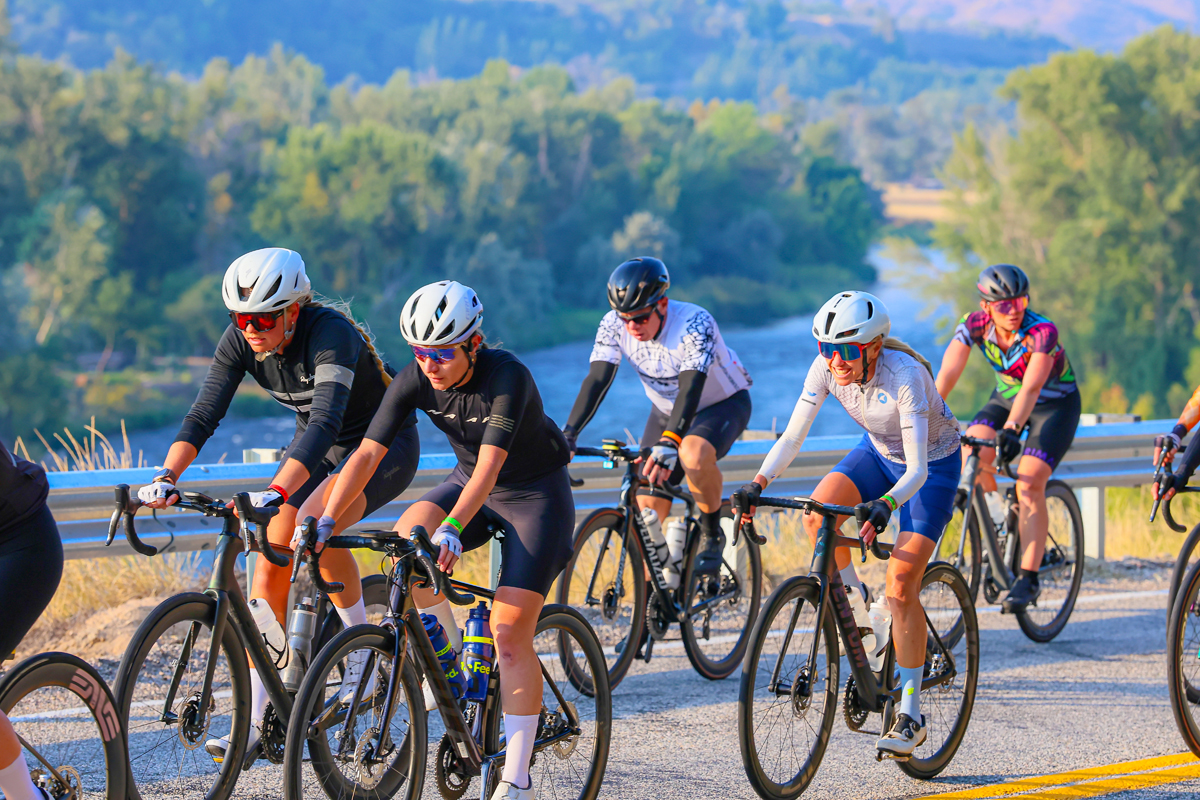
The break held and gained time on the descent into Bear Lake Valley. Hinz said everyone agreed to stop at the feed zone in Montpelier to refuel. Afterward, the eight women worked together toward Geneva summit. Halladay lost contact before the summit.
The seven women descended Geneva together and reached the base of Salt River Pass intact.
After that it was all Hinz.
“I put in a dig for the QOM (Queen of the Mountain),” she said simply about her attack. A while later Hinz turned around to see who was with her. She had dropped everyone.

Hinz kept her pace high and won the QOM with a time of 15:32 and speed of 13.5 mph. She missed breaking the QOM record of 14:19 — set by Marci Kimball in 2018 — by 1:13.
Nearly a minute back, Esmeier reached the summit in 16:26, followed by Bonebrake in 17:01. The other members of the break soon followed.
“[Chan-Roper] is a great descender and I thought she would bridge up with others,” Hinz said about the descent into Star Valley. “But she didn’t. I kept pressure on myself on the descent.”
And after the descent too. The former marathon runner and triathlete went full gas. At the feed zone in Afton, she learned from her boyfriend that the gap was around three minutes.
Hinz said she got delayed about eight minutes at the construction zone control light after Afton. She worried that the chase group would catch her. But it never arrived.
“I had no clue what my gap was at that point,” she said. “I wish I had known.”
After the delay Hinz got back to work. She tried not to blow herself up and stayed in a “high Zone 2.” In her mind she thought if the chase group caught her, “we could work together” to the finish.
“But if not, this is good because I don’t have a sprint left in my legs,” she said.
Hinz also thought about the course record as she worked her way to Alpine. After the delay at the stop light, she speculated the opportunity was gone.
However, after the feed zone at Alpine, she did the math and realized that she could do it without any mishap.
“I tried to stay focused,” she said about riding the last 47 miles/76 kilometers to the finish. The air was smoky from wildfires and she could feel it in her lungs. She also had to avoid illegal drafting.
“I had to play leap frog around the men and make sure I didn’t break the rules,” she added.
After several hours on the road, Hinz said the bike path between South Loop and Village roads was “fun.” But she still didn’t know her gap time and was getting tired.
On Village Road, Hinz said it wasn’t until the last mile before the finish that she stopped worrying about getting caught. She smiled and pumped her right fist in joy while crossing the line.
“I was overwhelmed with disbelief and started to cry,” Hinz said. “It felt surreal and joyful. Days after, it still feels surreal.”
A gap of more than 12 minutes passed before the rest of the original break started to cross the finish. Maginot took second in the Women Pro 1/2/3’s with a time of 9:32:45.37 immediately followed by Bonebrake in third at 9:32:45.47 and Esmeier in fourth at 9:32:46.58.
Flach came in next at 9:35:53.46 and won first place in the Women Master 45+. She was followed by Chan-Roper who placed second in the Women Master 45+ with a time of 9:43:40.51. Hotchkiss was the eighth finisher of the original break, taking fifth in the Women Pro 1/2/3’s with a time of 10:13:06.
Other first place USAC licensed women finishers include: Cat. 5 winner Micah Fredrick, 27, (Unattached) of Salt Lake City with a time of 9:52:16; Cat. 4/5 winner Kate Hick, 46, (Team Unattached) of Ladera Ranch, CA, with a time of 10:34:23; Women Master 60+ winner Dixie Madsen, 61, (Team Zanconata) of Layton, Utah, with a time of 10:44:03; Women Master 35+ winner Julie Nelson, 44, (Team Markees Cycling) of Kennewick, WA, with a time of 10:51:02; and Women Master 55+ winner Heidi Nielson, 59, (Team Plan 7) of Salt Lake City with a time of 11:21:15.
Complete finish line results are available at lotoja.com. Click on the “Results/Records” tab in the navigation bar to access.
Hinz, who is a psychotherapist that specializes in trauma therapy for adolescents and adults, said she plans to defend her title next year.
She also wants to try to set another new course record. And this time, she’s setting a goal that perhaps shoots for the stars.
“I would like to see a woman go under nine hours,” she said. “That’s the next benchmark.”
Longtime LoToJa Classic participant Larry Peterson, 81, of Centerville, Utah, died on Sept. 7 after having a medical emergency and falling while racing in a three-man relay during LoToJa. No other cyclists or vehicles were involved.
This year’s LoToJa featured approximately 1,550 USAC licensed and non-licensed cyclists. There were 23 separate start groups that included USAC licensed race categories, plus non-licensed cyclosportive categories and relay teams.
The start groups left Sunrise Cyclery Logan in four-minute intervals to separate race and ride categories on the road. Each group contained an average of 40-50 cyclists.
Despite its 203-mile distance, LoToJa always sees a variety of ages at the start and finish lines.
The oldest female cyclist to start and finish was Betsy Cordes, 67, (Team Cinch Cycline), of Bozeman, MT, with a time of 11:49:26. The oldest male cyclist to start and finish was Richard Linton, 75, (Unattached), of Draper, Utah, with a time of 11:19:16.
The youngest female to start and finish was Avery Gadd, 17, (Team PLUNJ) from St. George, Utah, with a time of 13:13:10. The youngest male was Solomon Perkins, 15, (Team Maybird Reyes-Psych) from Salt Lake City, with a time of 9:05:10.
LoToJa is the longest one-day USAC-sanctioned bicycle road race in the U.S. Its 203-mile parcours passes through northern Utah, southeastern Idaho and western Wyoming. It crosses flat, hilly and mountainous terrain, and features nearly 10,000 feet of climbing.
The first edition was held in 1983 with seven riders who started at Sunrise Cyclery and finished in downtown Jackson. The winner was Bob VanSlyke with a time of 9:00:28.
The 44th annual LoToJa Classic will be held on Sept. 12. The race’s 2026 website will be launched next March with online registration beginning in mid-April.
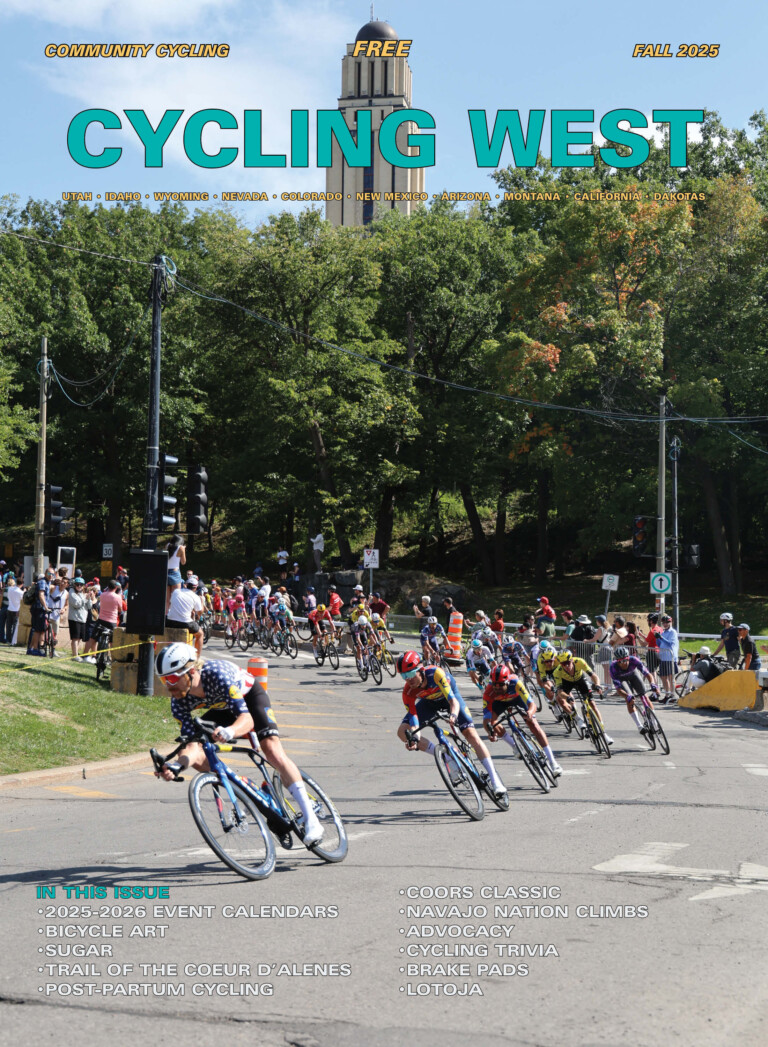
Cycling West and Cycling Utah Magazine’s Fall 2025 Issue is now available as a free download (8 MB download). Pick up a copy at your favorite Utah, Idaho, Wyoming, Nevada, Montana, Colorado, Arizona, New Mexico, North Dakota, South Dakota, and Northern California bike shop or other location.

Contents
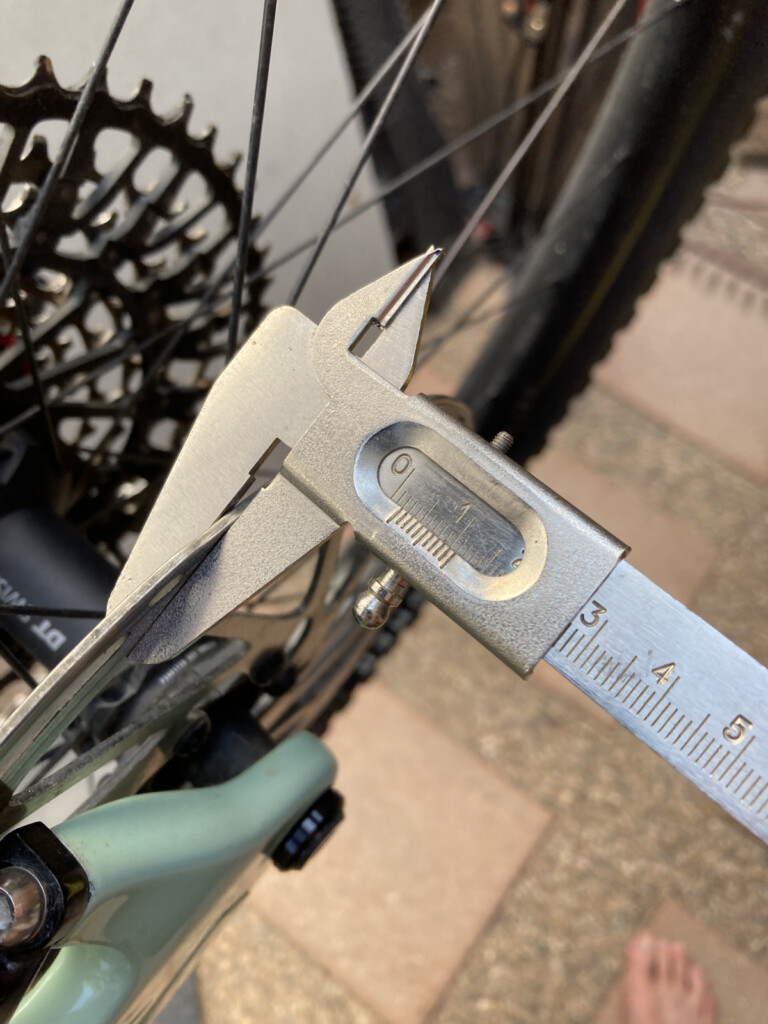
By Tom Jow — During the first couple rides on my mountain bike this year the brakes felt different. They sounded different too. I noticed that under light to moderate pressure they felt a little rough. Under moderate to heavy pressure not only did they feel rougher, but they were also making a loud grinding sound. To me it was obvious, it was time to inspect the brake pads and rotors.
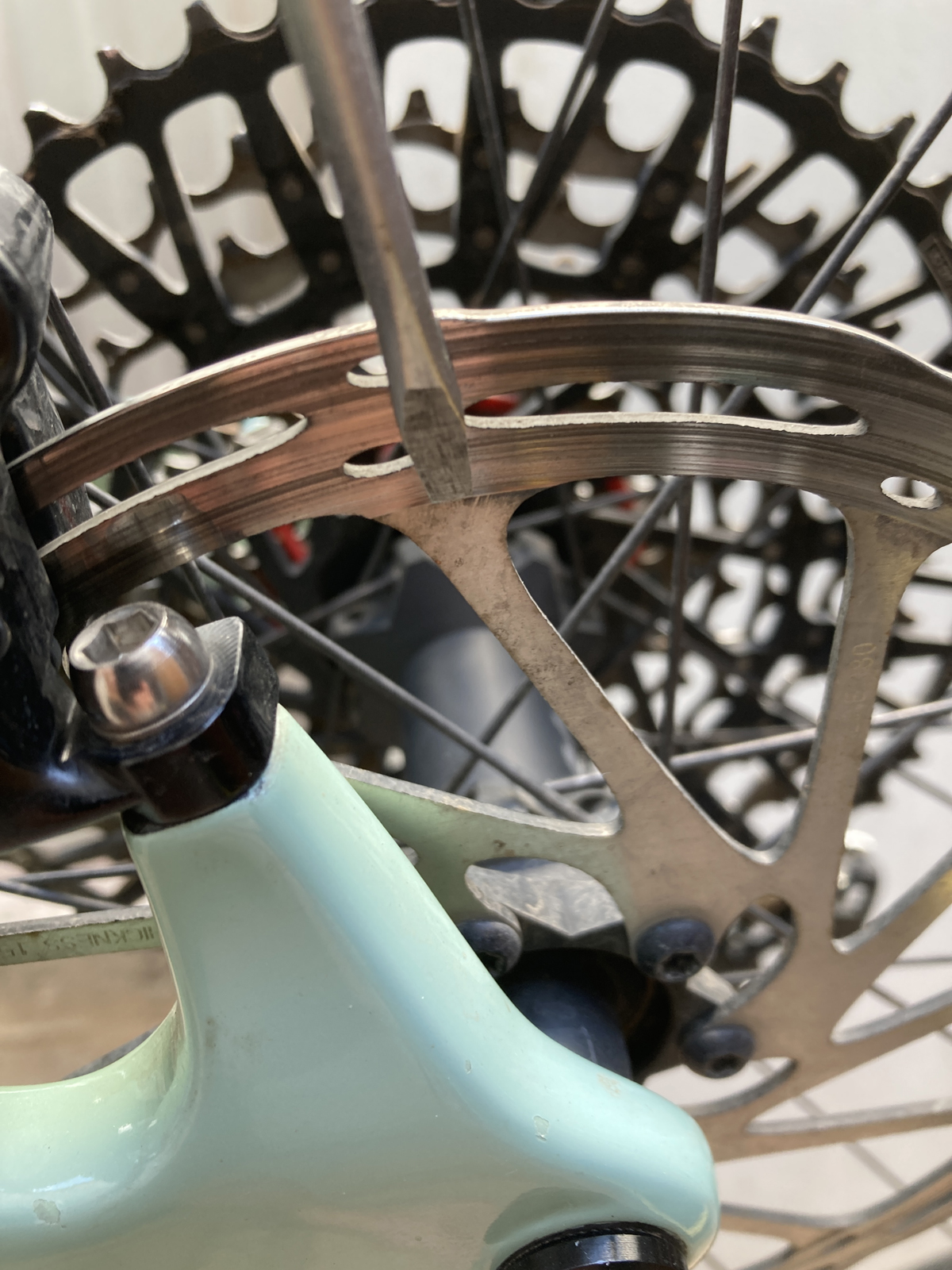
Inspecting disc brake pads and rotors is an easy thing to do and really, it should be done regularly. I start with the rotors. Visually inspect the braking surface, looking for deep wear marks and discoloration. It can be helpful to use a small (clean) screwdriver to feel the surface of the rotor. Especially on mountain and gravel bikes, dirt and small stones can get between the pads and rotors to damage and increase the wear of the components. After checking the brake surface, scrape the rotor toward the center at one of the tines. A well-worn rotor will have a noticeable difference of thickness here (photo 1). For a precise measurement of the thickness, use a metric caliper (photo 2). Manufacturers print the minimum thickness on the rotor. If the measured thickness is anywhere near the minimum the rotor should be replaced.

Should the rotor need to be replaced, it is important to identify the mounting type. One uses six bolts that thread into the hub and the other, called “centerlock” slides onto a splined mount on the hub (photo 3). While it is best to have the exact type for the hub, it is important to know that six-bolt rotors can be adapted to use on centerlock but not the other way around.

In terms of absolute wear, it is easy to inspect the brake pads also. Looking into the brake caliper, we can see the rotor, some light on each side (hopefully), and the brake pads (photo 4). The brake pads are made up of friction material bonded to a metal plate. When the friction material is one millimeter or less, replacement is necessary. Whether or not the brakes are grinding like mine were, it is also a good idea to remove them and inspect the surface (photo 5). To do this, carefully remove the brake pad pin retaining clip. Then, unscrew the brake pad pin and remove. Grasp the tabs of the brake pads and gently pull up (photo 6). If the pads are of a reusable thickness, keep fingers off the brake pad surface.

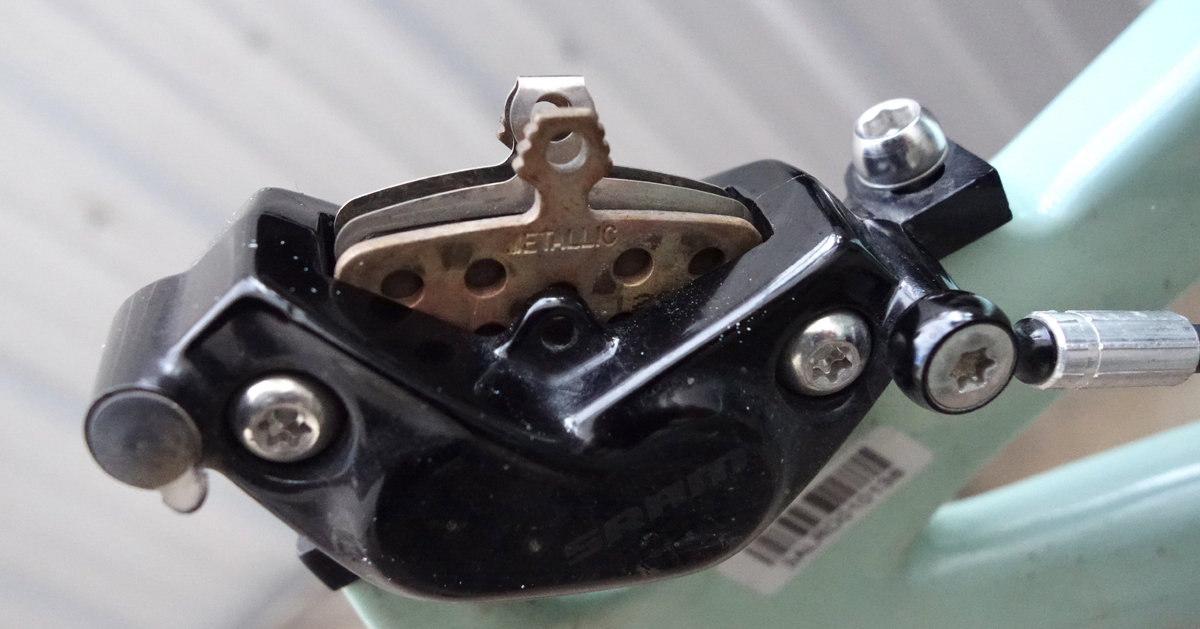

With the pads out, we can also identify the friction compound. This is printed on the back of the pads. This is especially important in the event we want to replace our pads only. The reason for this is that friction material “embeds” itself into the rotor. Mixing the two materials greatly diminishes braking performance.
To ensure having the best braking performance possible, replace the pads and rotors together. It may be a little more time and expense, but it is so nice to have brakes that feel like new. There’s a joke at the bike shop, “brakes just slow you down”. When you need to slow down though, you want to be able to.
Next time: a step-by-step guide to brake pad replacement.
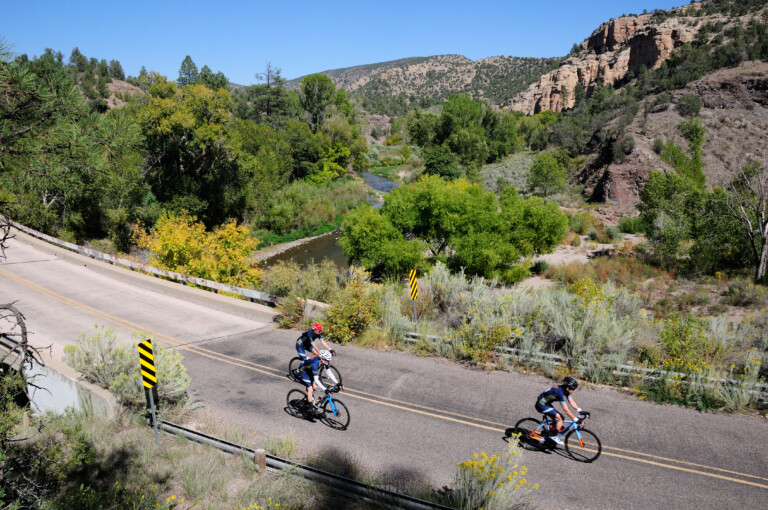
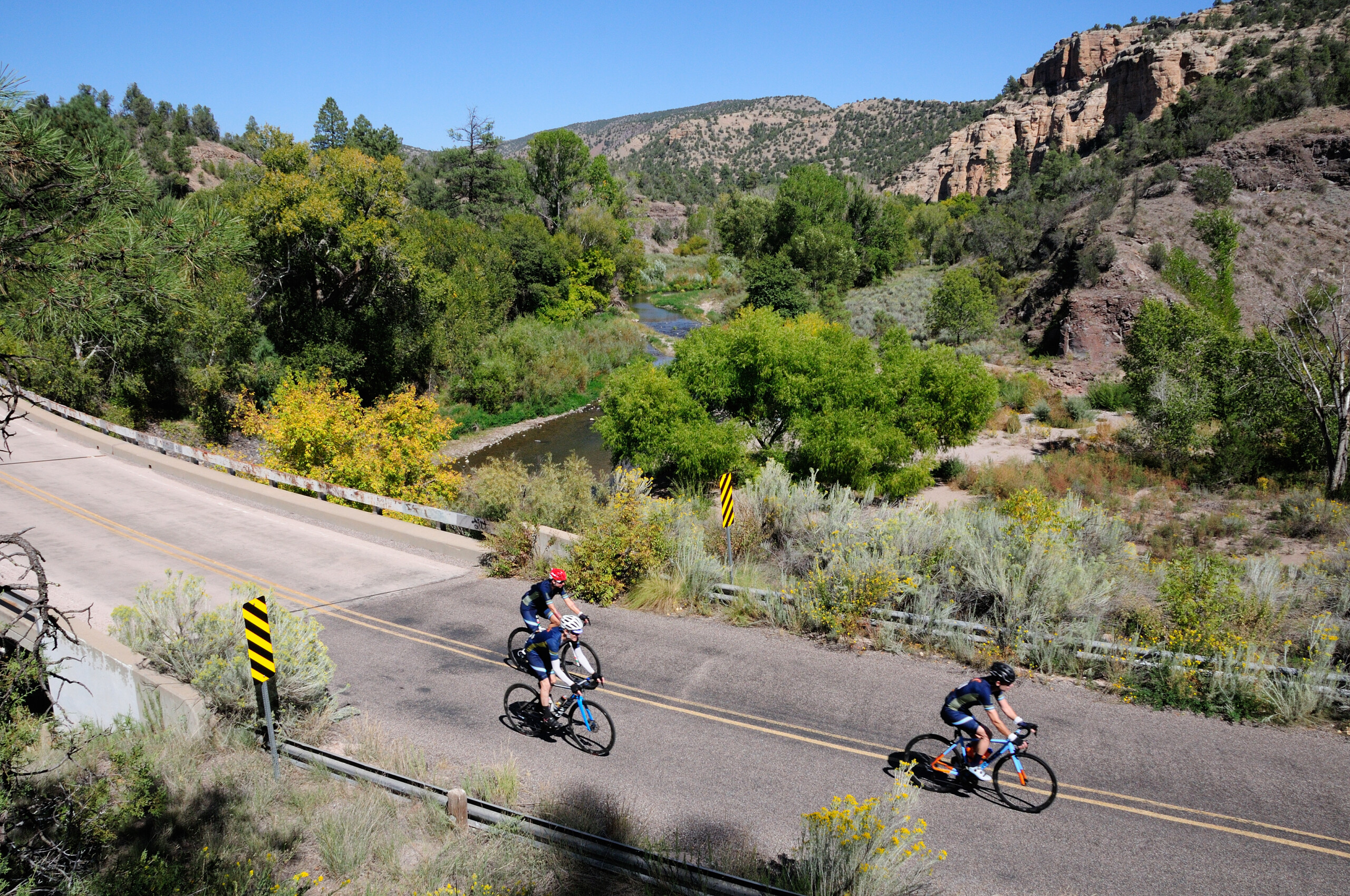
SILVER CITY, New Mexico (September 17, 2025) — Recreational cyclists will soon get to experience the same challenge that Tour of the Gila competitors do. With three ride distances covering mountainous roads near Silver City, the Lael Wilcox Gila Monster Gran Fondo is set for Saturday, October 11, 2025.
“This annual event brings cyclists at all levels together on our pro racecourses,” says board member and race director Jack Brennan. “Ultra endurance cyclist Lael Wilcox will again enjoy the crisp October weather and an iconic New Mexico bicycling route alongside other participants. She’s an inspiring personality who recognizes what makes both our race and the gran fondo special.”
The Lael Wilcox Gila Monster Gran Fondo is designed to be fun for recreational cyclists and competitive racers alike. The 80-, 60- and 30-mile out-and-back routes each follow New Mexico Highway 15, a segment of the Trail of the Mountain Spirits Scenic Byway.
The 80-mile Gran Fondo delivers 10,696 feet of climbing. Starting at 9 a.m. from Gila Hike and Bike, the ride includes seven rest stops and turns around at the Gila Cliff Dwellings National Monument Visitor Center, finishing in Pinos Altos.
The 60-mile Medio Fondo provides 6,966 feet of climbing with five rest stops along the way. Also starting at Gila Hike and Bike in Silver City, this ride turns around at the Clinton P. Anderson Overlook and finishes in Pinos Altos.
The 30-mile Nano Fondo starts and finishes at the Buckhorn Saloon & Opera House in Pinos Altos, climbing 2,870 feet to Wild Horse Mesa and back.
Rest stops include drinking water, energy drinks and foods, and toilet facilities, as well as extra tubes and inflation. A sag wagon following each ride will also have water, tubes and inflation.
An After-Ride Party will run from 4 to 6 p.m. at the Buckhorn Saloon & Opera House. At 7:30 p.m., Lael Rides Around the World will show at the Silco Theater. Tickets ($5) are available at thesilcotheater.com.
Information available at tourofthegila.com.
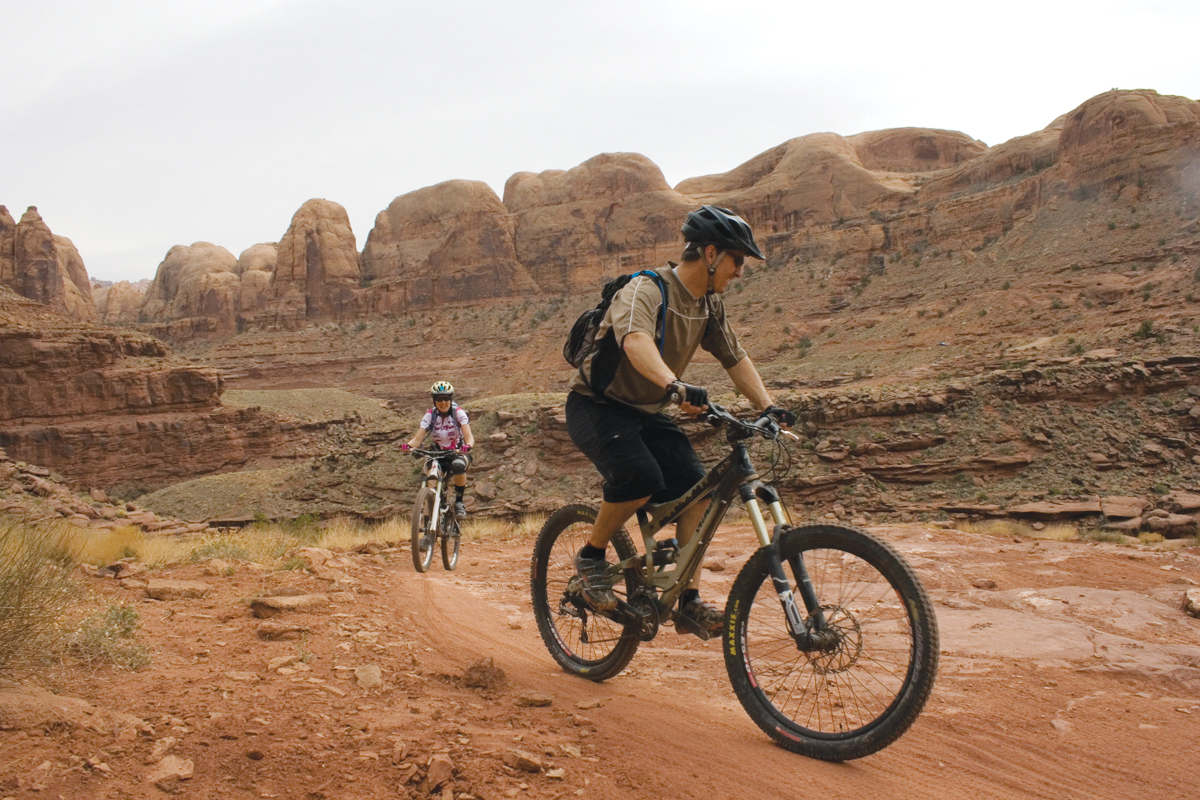
MOAB, Utah (September 29, 2025) — The Bureau of Land Management officials have announced that they will open more than 200 miles of mountain bike trails around Moab to class 1 e-bikes.
“Opening trails to class 1 e-bike users will expand recreational opportunities and experiences, while allowing users to disperse across the landscape, minimizing impacts,” said Moab Field Office Manager Dave Pals.
After careful consideration of community and public input, the following areas will now be available to class 1 e-bike users:
The trails that will remain open to mountain bikes, but will not allow e-bikes, are Lower Porcupine Singletrack (commonly called LPS), Eagle Eye, Porcupine Rim Singletrack, Fisher Mesa, and Hidden Valley.
Class 1 e-bikes must have operable pedals, where power is only provided when pedaling. Power is only provided up to 20 miles-per-hour. Non-motorized, mountain bike trails will remain closed to class 2 e-bikes with a throttle and class 3 e-bikes that provide power up to 28 miles per hour.
The BLM will monitor these trail networks for public safety, visitor experience, and trail/resource impacts.
The environmental assessment, finding of no significant impact, decision record, and other project related documents, including an interactive map, are available online at the BLM NEPA register.
For questions about trail access, visitors can contact the Moab Field Office.

KIGALI, Rwanda (September 28, 2025) — There’s something almost cruel about watching greatness unfold in real time. On the cobbled slopes of the Côte de Kimihurura, beneath the unforgiving Rwandan sun, Tadej Pogačar didn’t just win his second consecutive world championship—he dismantled the very notion that anyone else belonged on the same stretch of tarmac.
The 267.5-kilometer odyssey through Rwanda’s “land of a thousand hills” was supposed to be a test of attrition, a brutal examination of who could survive 5,475 meters of elevation gain at altitude. Instead, it became a masterclass in how to make the impossible look inevitable.
At the starting line, Pogačar stood “with a smile—lighthearted as a child, ready to chase glory.” The Slovenian’s demeanor betrayed nothing of the violence he would soon unleash upon the field. Around him, the peloton bristled with nervous energy, 267 riders preparing for what many would later describe as one of the most demanding races of their careers.
The early exchanges played out with the familiar choreography of a grand tour stage, though the script was being rewritten from the opening kilometers. Red Walters of Grenada took the first tentative stab at glory, his attack immediately drawing interest from the Continental squad riders hungry for television time. Menno Huising from the Dutch team gave chase, quickly joined by Germany’s Marius Mayrhofer and Portugal’s Ivo Oliveira—a trio of seasoned campaigners who understood the value of patience over panic.
As the cobbled Côte de Kimihurura announced itself for the first time, Denmark’s Anders Foldager and Switzerland’s Fabio Christen bridged across, creating a formidable six-man alliance. France’s Julien Bernard, ever the opportunist, made it seven after three laps of increasingly aggressive racing, his move coming as the peloton began to show the first signs of the day’s selective nature.
But even as the break established itself, shadows began to fall across the race with ominous frequency. The first major casualty came via a crash involving several big nations—Belgium’s Ilan Van Wilder, bronze medallist in the previous Sunday’s time trial, found himself eliminated from contention alongside Spain’s Marc Soler. Britain’s Bjorn Koerdt initially remounted but soon abandoned, his hopes extinguished as quickly as they had been kindled.
More ominously, two-time world champion Julian Alaphilippe launched one of his trademark accelerations, bridging to Mongolia’s Tegsh-Bayar Batsaikhan before the peloton’s collective anxiety brought them back. But the Frenchman’s erratic behavior—aggressive one moment, dropping out the back the next—suggested all was not well. His early withdrawal due to illness proved a portent of the carnage to come, as France’s team strength ebbed with Louis Barré also abandoning, their roster reduced from nine to seven before the real racing had even begun.
For 160 kilometers, the race followed a deceptively controlled script. Slovenia and Belgium shared the pacemaking duties like negotiating partners, content to let the break dangle at a manageable two-and-a-half minute distance. Behind them, the peloton began to hemorrhage riders with alarming regularity—Georg Zimmermann laboring on the cobbles, Luke Plapp surprisingly distanced despite his climbing pedigree, Will Barta abandoning after his early work for the USA.
Rwanda’s Eric Manizabayo provided moments of local theater, launching a series of attacks that delighted the roadside crowds. His desperate bid to join the leaders spoke to something deeper than mere patriotism—this was a rider seizing his moment on cycling’s biggest stage, knowing such opportunities might never come again.
But as the riders approached Mont Kigali—the day’s longest and steepest ascent at 5.9 kilometers averaging 6.7 percent—the atmosphere shifted perceptibly. Teams began positioning themselves with the urgency of generals preparing for battle.
Florian Vermeersch, Belgium’s workhorse, finally succumbed to the accumulated strain, his day’s work complete. It was a small sign of what was to come—even the strongest domestiques were reaching their limits.
The breakaway, meanwhile, had begun its own process of natural selection. Biniam Girmay, the African star who had publicly lamented the route’s climbing bias, was among the first casualties as gradients bit deep into legs already softened by altitude and humidity. More riders fell away with each pedal stroke, including Slovenia’s Luka Mezgec, reducing Pogačar’s support network just as he would need it most.
Then, with the casual brutality that has become his trademark, Pogačar moved to the front and began to turn the screws. Among the fallen was Remco Evenepoel, the time trial world champion who had dominated the Slovenian just days earlier. The sight of the rainbow jersey contender sliding backwards through the field carried the weight of prophecy. Even more ominous was his body language—mechanical issues that would prove to be the first of several that would define his day.
Behind them, Richard Carapaz briefly tried to follow the move before he too was spat out the back, leaving only Juan Ayuso clinging to Pogačar’s wheel as they crested the summit. The peloton, suddenly robbed of its favorites, could only watch as the race’s destiny was rewritten in real time.
What followed was a clinic in controlled violence, though the opening moves betrayed little of the chaos to come. Juan Ayuso clung to Pogačar’s wheel as they crested Mont Kigali, the young Spaniard’s face already betraying the strain of matching the Slovenian’s tempo. Behind them, Isaac Del Toro—the Mexican prodigy whose Giro d’Italia performances had marked him as a future grand tour contender—bridged across on the technical descent, his fearless descending bringing three UAE Emirates riders together at the vanguard of cycling’s most prestigious one-day race.
The irony was not lost on observers: three teammates, representing three different nations, suddenly finding themselves in perfect position to control the world’s most important one-day race. But this was merely the overture to what would become a symphony of suffering.
As they hit the Mur de Kigali—that 400-meter strip of cobbled hell averaging a leg-breaking 11 percent—the gradients began their own process of selection. The crowds here were enormous, their energy providing a stark contrast to the private agony being played out on the climb. Ayuso, his Tour de France pedigree no match for the accumulated fatigue and altitude, finally cracked, leaving Pogačar and Del Toro to dance alone at the front.
Behind them, chaos reigned. A chase group of ten riders formed, desperately trying to limit their losses, but Evenepoel was conspicuously absent. The Belgian found himself marooned in a second group, his mechanical issues having cost him precious positioning at the crucial moment. Even more significantly, he wasn’t even the leading Belgian rider—that honor belonged to Cian Uijtdebroeks, trapped in the first chase group and unable to provide the support Evenepoel would desperately need.
The psychological impact of this reversal cannot be overstated. Evenepoel had arrived in Rwanda with the confidence of a man who had just demolished the field in the time trial, delivering Pogačar one of his most humbling defeats. Now, less than a week later, he found himself chasing desperately as his world championship dreams began to unravel on the very roads where he had hoped to complete a historic double.
For 30 kilometers, this unlikely duo worked in harmony, their collaboration born of necessity rather than friendship. Del Toro, despite his youth and relative inexperience at this level, matched Pogačar pedal stroke for pedal stroke, their lead stretching steadily toward a minute as chaos erupted behind them.
The Mexican’s presence at the front represented more than mere opportunism. His brilliant riding at the Giro earlier in the year had marked him as a genuine future contender, but his team’s limitations—just two domestiques to support him, one of whom, David Ruvalcaba, had already abandoned—meant this might be his only realistic chance at rainbow jersey glory. The sight of the young climber trading pulls with the world’s best rider carried its own poetic justice.
But if Del Toro was writing his own fairy tale, Evenepoel was living through a nightmare of mechanical failures and mounting frustration. “Frantically putting his arm up in the air for attention, wanting to sort out his latest bike problem,” the Belgian’s day was unraveling in the most public manner possible. Despite having changed bikes earlier, he remained “not a happy bunny,” giving “his handlebars a real bash, clearly not content with his bike.”
When his team car finally arrived, he was seen “kicking something on the ground while he waits,” the image of a champion’s frustration laid bare for the world to see. The mechanical delay cost him precious seconds and, more importantly, left him marooned with “a few riders with him, but getting no assistance from any of them.”
Meanwhile, Victor Campanaerts, one of Evenepoel’s key domestiques and the man whose Tour de France work for Jonas Vingegaard had earned widespread praise, abandoned the race. His departure represented another nail in the coffin of Belgian hopes, leaving Evenepoel increasingly isolated just as the race entered its most critical phase.
The contrast with Pogačar’s serene progress at the front could not have been more stark. While Evenepoel battled equipment failures and isolation, the Slovenian appeared to glide over the terrain with metronomic precision, his partnership with Del Toro extending their advantage with each passing kilometer.
The decisive moment came with 67 kilometers remaining, on the cobbled slopes of Kimihurura where Pogačar had been practicing his trade all morning. Del Toro, the young Mexican who had ridden so brilliantly at the Giro earlier in the year, finally succumbed to the relentless pace.
“Del Toro’s been dropped again, and this time Pogačar isn’t waiting!”
What followed was 60 kilometers of solitary suffering—not for Pogačar, who appeared to glide over the terrain with metronomic precision, but for everyone else. Behind him, the race for the minor medals played out with its own desperate intensity.
Evenepoel, having overcome his mechanical demons, launched a series of attacks that would have broken lesser riders. On the Côte de Kimihurura, with 21 kilometers remaining, he finally managed to distance Denmark’s Mattias Skjelmose and Ireland’s Ben Healy, but by then it was far too late.
As Pogačar entered the final kilometers, the numbers told their own story. Of 267 starters, only 30 would see the finish line. The man at the front led by more than a minute, his advantage growing with each pedal stroke.
“I was alone quite early, and I was fighting with myself like last year,” he would later reflect. “I’m so happy I made it. For sure, I doubted. The climbs were getting harder and harder every lap. The final laps were so hard… But you have to push through and hope for the best.”
The final kilometer was a procession. Pogačar crossed the line with arms aloft, his second consecutive rainbow jersey secured with a margin of 1:32 over Evenepoel. Healy completed the podium, delivering Ireland its first elite men’s road race medal since Sean Kelly in 1989.
Tom Pidcock, finishing more than five minutes down, perhaps captured the day best: describing it as “the most unenjoyable race of the year” due to its sheer difficulty.
In claiming victory, Pogačar achieved something that had eluded even Eddy Merckx: back-to-back Tour de France and world championship doubles. The Slovenian’s dominance across multiple terrains and disciplines has reached a level that transcends simple excellence, entering the realm of the historical.
“On the Mur de Kigali, he danced away, writing his own tale—stroke after stroke, turn after turn—until the final, glorious salute. His black Colnago Y1Rs, silent and sleek, was his companion for a 60km flight into legend.”
This was not merely a victory; it was a statement of intent from a rider who has redefined what’s possible in professional cycling. In the land of a thousand hills, Pogačar climbed them all, leaving his rivals to wonder not if they could catch him, but whether anyone ever will.
| Rank | Rider | Country | Time | Gap | Speed |
|---|---|---|---|---|---|
| 1 | Tadej Pogačar | Slovenia | 6:21:20 | — | 42.089 km/h |
| 2 | Remco Evenepoel | Belgium | 6:22:48 | +1:28 | 41.928 km/h |
| 3 | Ben Healy | Ireland | 6:23:36 | +2:16 | 41.840 km/h |
| 4 | Mattias Skjelmose | Denmark | 6:24:13 | +2:53 | 41.773 km/h |
| 5 | Toms Skujins | Latvia | 6:28:01 | +6:41 | 41.364 km/h |
| 6 | Giulio Ciccone | Italy | 6:28:07 | +6:47 | 41.354 km/h |
| 7 | Isaac del Toro Romero | Mexico | 6:28:07 | +6:47 | 41.354 km/h |
| 8 | Juan Ayuso Pesquera | Spain | 6:28:07 | +6:47 | 41.354 km/h |
| 9 | Afonso Eulalio | Portugal | 6:28:26 | +7:06 | 41.320 km/h |
| 10 | Thomas Pidcock | Great Britain | 6:30:25 | +9:05 | 41.110 km/h |
| 11 | Primož Roglič | Slovenia | 6:30:25 | +9:05 | 41.110 km/h |
| 12 | Mikkel Honore | Denmark | 6:30:27 | +9:07 | 41.106 km/h |
| 13 | Paul Seixas | France | 6:30:27 | +9:07 | 41.106 km/h |
| 14 | Harold Alfonso Tejada Canacue | Colombia | 6:30:27 | +9:07 | 41.106 km/h |
| 15 | Pavel Sivakov | France | 6:31:07 | +9:47 | 41.036 km/h |
| 16 | Jai Hindley | Australia | 6:31:21 | +10:01 | 41.012 km/h |
| 17 | Andrea Bagioli | Italy | 6:31:26 | +10:06 | 41.003 km/h |
| 18 | Marc Hirschi | Switzerland | 6:31:26 | +10:06 | 41.003 km/h |
| 19 | Michael Storer | Australia | 6:31:32 | +10:12 | 40.993 km/h |
| 20 | Carlos Canal Blanco | Spain | 6:31:32 | +10:12 | 40.993 km/h |
| 21 | Bauke Mollema | Netherlands | 6:31:32 | +10:12 | 40.993 km/h |
| 22 | Gianmarco Garofoli | Italy | 6:31:36 | +10:16 | 40.986 km/h |
| 23 | Kevin Vermaerke | USA | 6:31:36 | +10:16 | 40.986 km/h |
| 24 | Artem Nych | Israel-Premier Tech | 6:31:36 | +10:16 | 40.986 km/h |
| 25 | Andreas Leknessund | Norway | 6:31:38 | +10:18 | 40.982 km/h |
| 26 | Cian Uijtdebroeks | Belgium | 6:31:38 | +10:18 | 40.982 km/h |
| 27 | Embret Svestad-Bardseng | Norway | 6:32:08 | +10:48 | 40.930 km/h |
| 28 | Valentin Paret Peintre | France | 6:32:19 | +10:59 | 40.911 km/h |
| 29 | Jan Christen | Switzerland | 6:33:15 | +11:55 | 40.814 km/h |
| 30 | Amanuel Ghebreigzabhier | Eritrea | 6:33:24 | +12:04 | 40.798 km/h |
Only 30 of 267 starters finished the 267.5km race featuring 5,475m of elevation gain.

KIGALI, Rwanda (September 27, 2025) — In the land of a thousand hills, where eucalyptus trees cast long shadows across red earth roads and the air hangs thin at 1,800 metres, a twenty-four-year-old from Sherbrooke, Québec wrote herself into cycling folklore. Magdeleine Vallières Mill had arrived in Kigali carrying the weight of expectation—not just her own, but that of a nation that had never tasted Elite World Championship gold on the road.
The EF Education-Oatly rider had prepared meticulously for this moment, her form honed during a pre-race altitude camp that left her confident she was flying. From the start, her Canadian teammates—including EF Education-Oatly’s Alison Jackson—rode for her, understanding that sometimes dreams need a supporting cast to become reality.
The penultimate day of the 2025 UCI Road World Championships unfolded like the best of cycling’s great narratives: tactical chess played at 50 kilometres per hour, with the Rwandan hills serving as both stage and executioner.
Across 164.6 brutal kilometres—eleven laps of a 15.1-kilometre circuit that climbed 3,350 metres of vertical punishment—the women’s Elite field would be dissected by two savage ascents. The Côte de Kigali Golf, 800 metres at 8.1 percent, came first on each lap like a persistent question. Then the cobbled Côte de Kimihurura, lurking within the final three kilometres, delivered the answer.
Austria’s Carina Schrempf understood the assignment early, slipping away on lap two with the conviction of a rider who knew her moment had arrived. For three hours, she carved a solitary furrow through the Rwandan countryside, her advantage swelling to three minutes as the peloton played the waiting game behind. But road racing is rarely about the first to leave; it’s about who remains when the mathematics of suffering finally add up.
The chase began to coalesce with surgical precision. Belgium’s Julie Van de Velde bridged to Schrempf on the cobbles of Kimihurura with 77 kilometres remaining, then Shirin van Anrooij marked the move for the Netherlands. The race was beginning to show its true face. Van Anrooij’s solo bid lasted until lap seven, where Spain’s Mireia Benito and Switzerland’s Noemi Rüegg seized the narrative thread. But cycling’s cruelest truth is that someone must always pay for ambition, and with three laps to go, the intensity reached its crescendo.
Italy’s Elisa Longo Borghini—a rider whose palmarès reads like a dissertation on tactical acumen—accelerated from the bunch as the lead duo succumbed to the chasers. Yet even her timing, so often impeccable, proved insufficient against what was to come.
On the penultimate ascent of the Côte de Kigali Golf, the race distilled itself to its essential elements. Spain’s Mavi García, New Zealand’s Niamh Fisher-Black, and Canada’s Magdeleine Vallières Mill—a former trainee at the UCI World Cycling Centre in Aigle—emerged from the carnage as the trilogy that would decide the rainbow jersey. Germany’s Antonia Niedermaier and the Netherlands’ Riejanne Markus joined them for the final act, but by then, the script was already being written in Vallières Mill’s mind.
The final lap exploded at every echelon. Switzerland threw everything into the furnace—Marlen Reusser and Elise Chabbey lighting the touchpaper, while France’s Pauline Ferrand-Prévot added her own accelerant to the fire. But Vallières Mill had read the race perfectly, joining the late move and keeping its momentum alive by pushing on the front while the pre-race favorites in the peloton looked at each other with uncertainty.
When she reached the bottom of the final climb, all that remained was to unleash everything she had stored during those altitude training sessions. “I knew I probably wouldn’t win in a sprint against Niamh, because she’s so strong,” she would later reflect. “We were both really committed to the break, working really hard. I saw that she was fading a little bit, so I told myself I just have to go all in now and try.” When Vallières Mill kicked at the bottom of the final ascent of Kimihurura, nobody possessed the currency to match her transaction.
She crossed the line 23 seconds clear of Fisher-Black, with García completing the podium at 27 seconds. Chabbey, who had made the final selection, settled for fourth at 41 seconds—a cruel reminder that in cycling, proximity to greatness offers no guarantee of sharing in it.
“It was my dream to win it, and it’s true now! It’s crazy!” she said through tears of joy at the finish, the emotion of a lifetime’s ambition finally realised overwhelming her composure.
“The girls believed in me, so I believed in myself and I really committed to going for it,” Vallières Mill said afterward, her voice carrying the weight of a nation’s cycling dreams finally realised. “I prepared well, so I knew I was in good form. I just tried and told myself I didn’t want to have any regrets… I don’t! It’s great to do it here, and with the Worlds next year in Montréal, it’s perfect.”
Standing on the podium afterward, emotion evident in her voice, she reflected further: “It was my dream to win.” The disbelief was still palpable: “I don’t believe it yet, for sure not… I’ve been dreaming about this for a while now!”
In the land of a thousand hills, Canada had finally found its cycling summit. The rainbow jersey, that most coveted of cycling’s prizes, would fly north across the Atlantic, carried by a rider who understood that sometimes the greatest victories come not from overwhelming power, but from the courage to seize the moment when it arrives.
As Longo Borghini reflected in defeat: “Sometimes it’s not the one with the biggest power that wins, it’s the most clever.” In Kigali, on this September afternoon, cleverness wore Canadian colours and spoke with the voice of a champion who had dared to dream of rainbows in Rwanda.
| Rank | Rider | Country | Time |
|---|---|---|---|
| 1 | Magdeleine Vallières Mill | Canada | 4:34:48 |
| 2 | Niamh Fisher-Black | New Zealand | +0:23 |
| 3 | Mavi García | Spain | +0:27 |
| 4 | Elise Chabbey | Switzerland | +0:41 |
| 5 | Riejanne Markus | Netherlands | +0:57 |
| 6 | Antonia Niedermaier | Germany | +1:17 |
| 7 | Demi Vollering | Netherlands | +1:34 |
| 8 | Kimberley Le Court Pienaar | Mauritius | s.t. |
| 9 | Marlen Reusser | Switzerland | s.t. |
| 10 | Kasia Niewiadoma | Poland | s.t. |
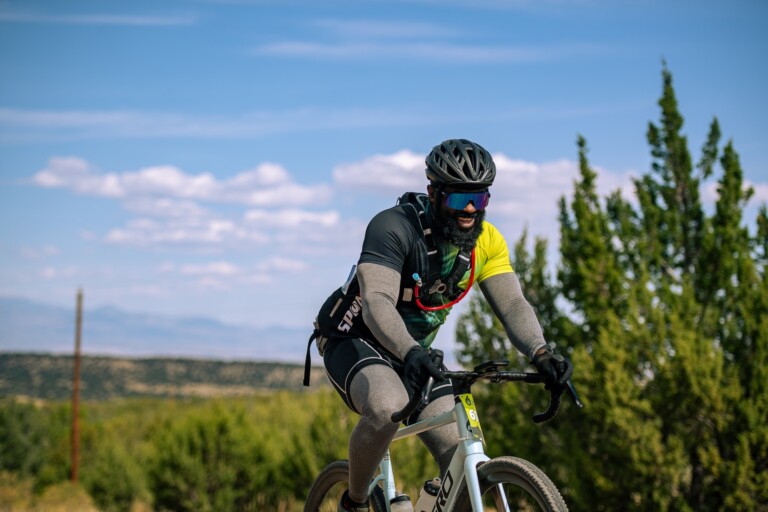
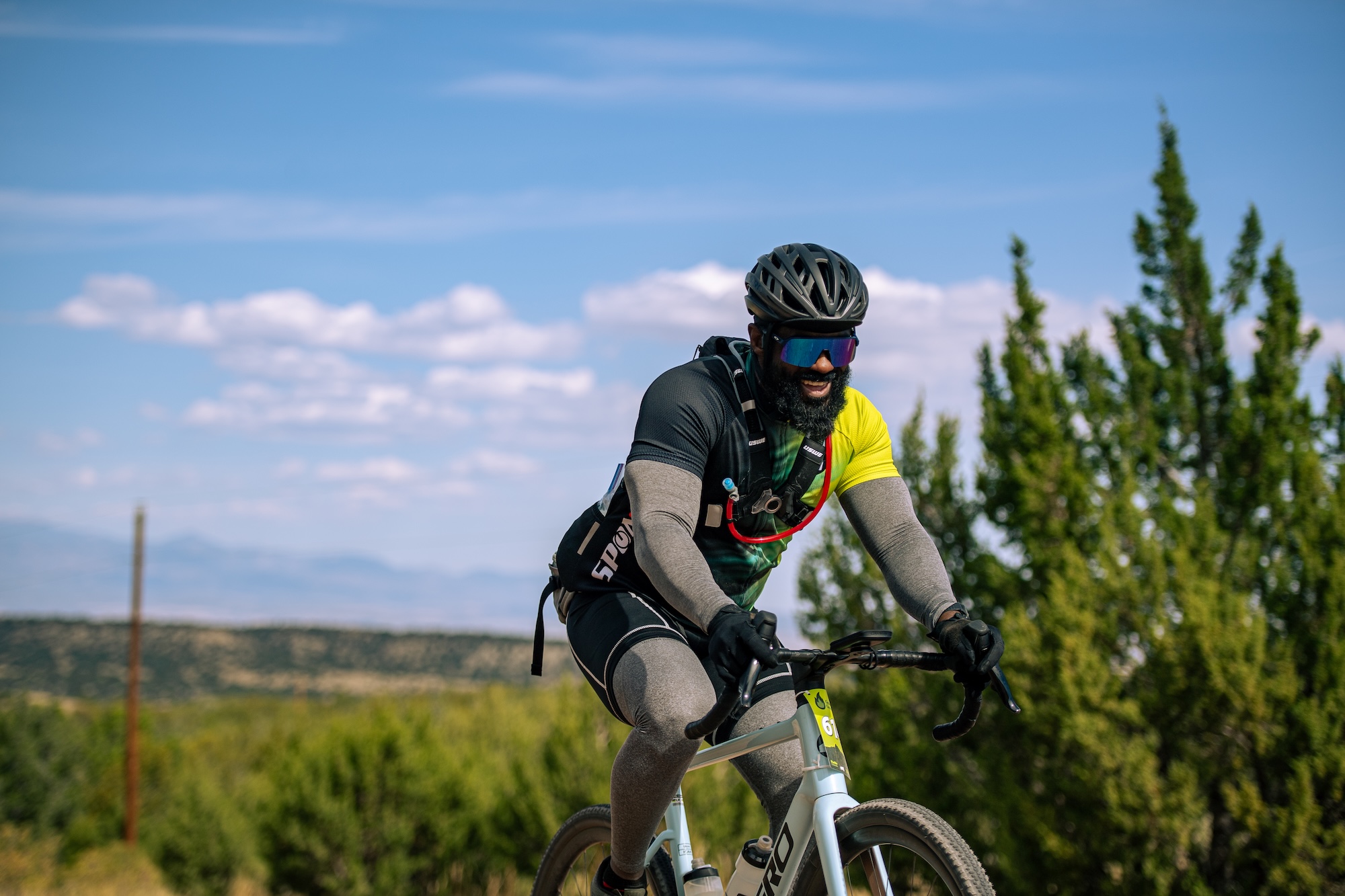
PUEBLO, Colorado (September 25, 2025) — Now in its third year, Grassroots Gravel powered by UCHealth has quickly become one of Colorado’s most dynamic gravel events. Founded in 2023 by Pueblo local Adam Davidson, the race was designed as “a race for everyone.” The 2025 edition, set for October 10–11, is expected to draw more than 1,000 riders to downtown Pueblo.
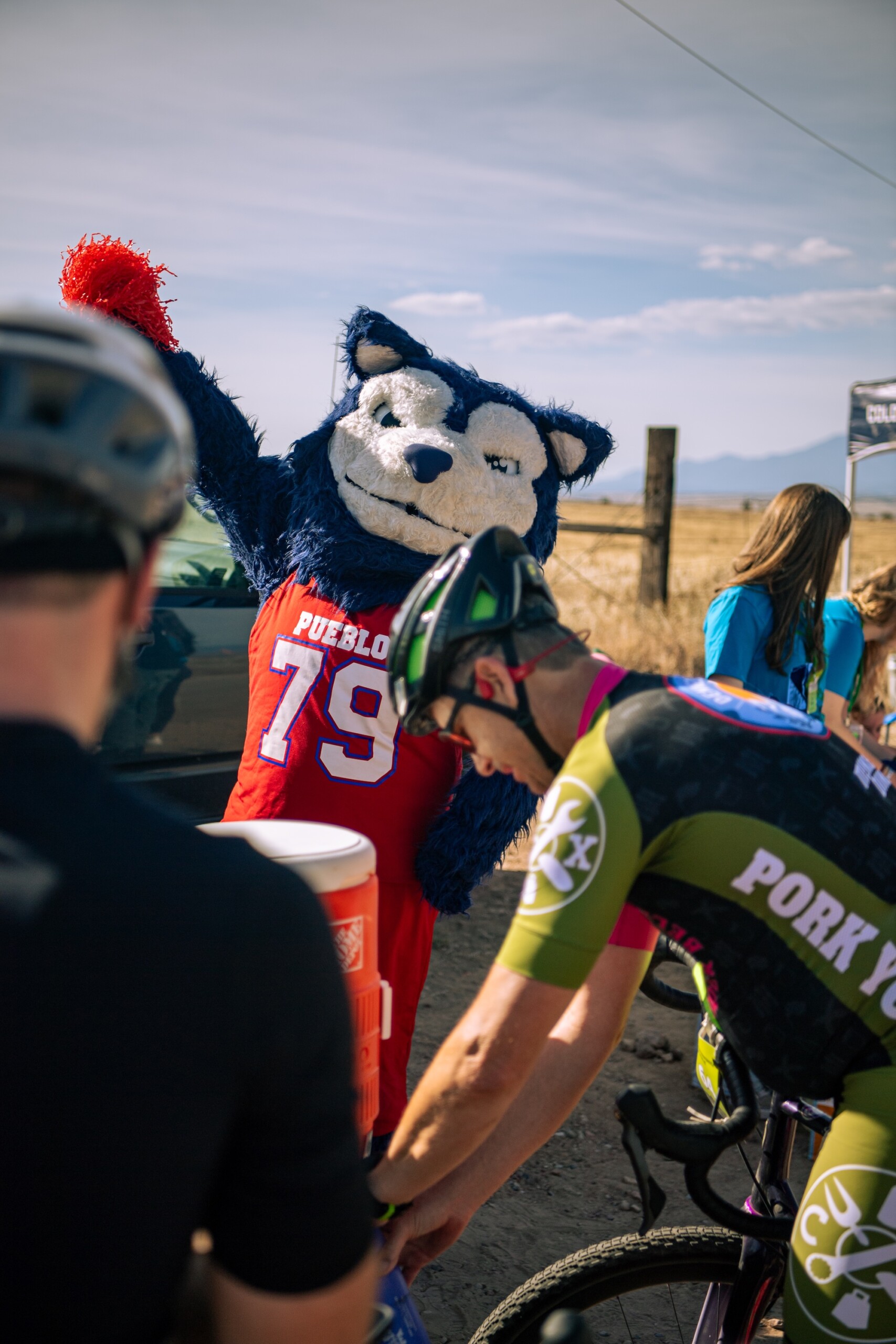
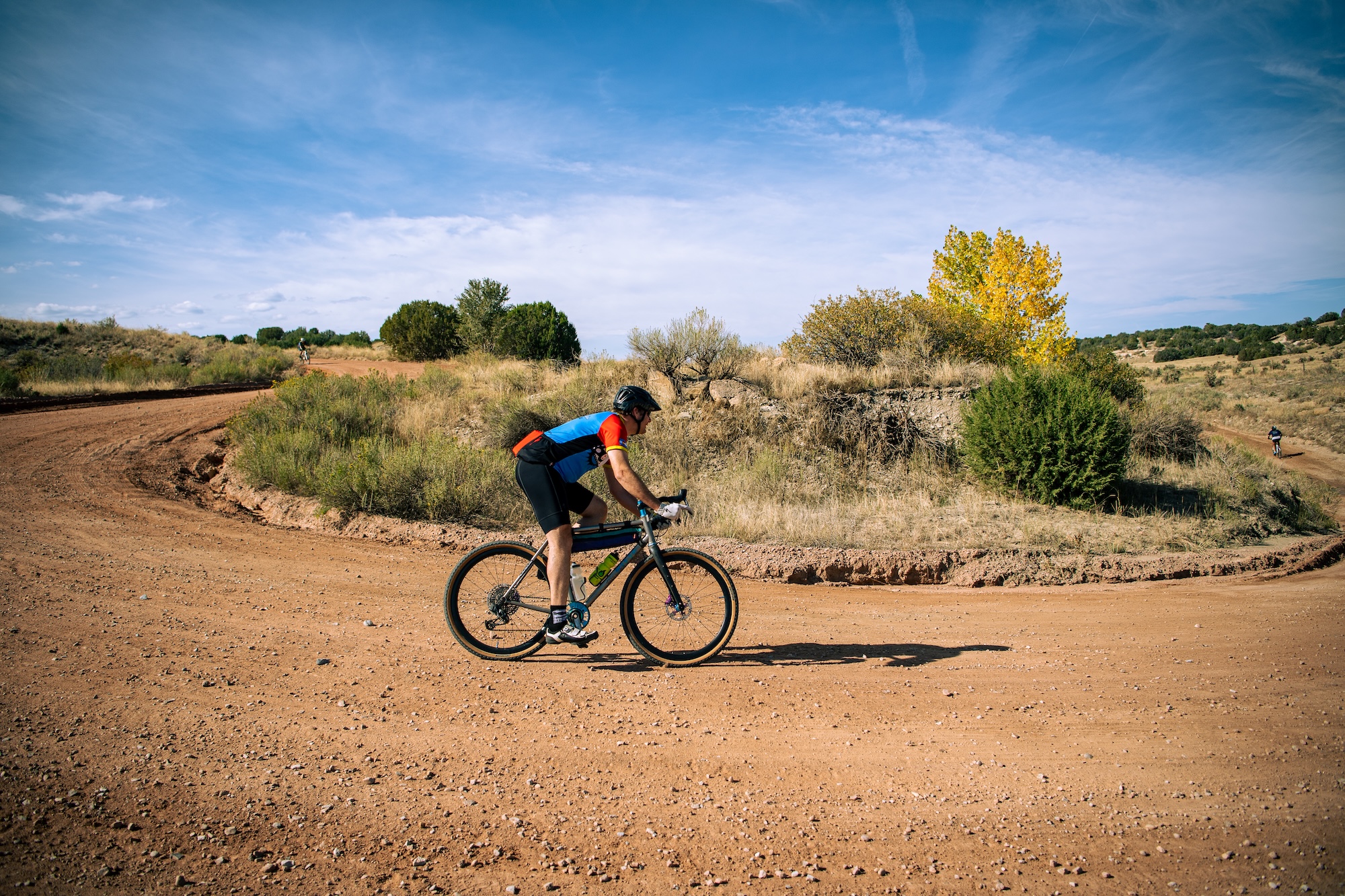
Four route options range from 15 to 113 miles, all primarily on the gravel roads of Pueblo County. Riders can count on full support, regardless of speed or experience. Last year’s field of over 800 participants included everyone from internationally recognized pros to first-time racers and local youth.

The race starts and finishes in the heart of downtown Pueblo at Main Street and Alan Hamel Avenue, with plenty for spectators to enjoy. Alongside the racing, the event features a two-day outdoor industry expo, a Friday night concertpresented by T-Fiber and produced by SoCO Student Media with Los Mocochetes and The Savage Blush, plus a Saturday night afterparty headlined by international drum & bass DJ BC#9.
Long-course riders will face the Solar Roast Coffee Climb, a massive hill west of Beulah with both cash and coffee on the line for podium finishers.
Proceeds from Grassroots Gravel support the Ride Together Grant and a wide range of nonprofits and community organizations, including Red Creek Volunteer Fire & Rescue, Boys & Girls Clubs of Pueblo, Nature & Wildlife Discovery Center, Beulah Fire, Bicycle Colorado, Adaptive Adventures, Ride For Racial Justice, and Radical Adventure Riders.
Full event details and registration are available at grassrootsgravel.com

As summer fades into autumn, professional cycling saves some of its most dramatic chapters for the season’s closing weeks. The Fall Monuments—Paris–Tours and the Giro di Lombardia—offer contrasting challenges: one a high-speed dash across the flat roads of France, the other a punishing test of climbing strength in the Italian lakes. Alongside them sits the UCI Road World Championships, where riders compete not for trade teams but for national glory, and where records of youth, endurance, and brilliance have been etched into cycling history. This week’s trivia takes a closer look at these races, their legends, and the extraordinary feats that still echo through the sport.
Q1. Paris–Tours has undergone various experimental changes throughout its history to make the race more challenging for sprinters. In 1965, what unusual equipment restriction was imposed on riders, and despite this limitation, which Dutch first-year professional still managed to set a remarkable speed record?
Q2. The Giro di Lombardia, one of cycling’s five Monuments, features the brutal climb of the Muro di Sormano. This wall-like ascent was removed from the race route after 1962 due to its extreme gradient, but was controversially reintroduced in 2012. What is the maximum gradient percentage of this climb, which has caused even professional riders to dismount and walk?
Q3. Fausto Coppi holds the record for most victories at the Giro di Lombardia, including an unprecedented streak of consecutive wins. How many times did Coppi win this Monument, and of those victories, how many were consecutive (and in what years)? Has any other rider matched either of Coppi’s records?
Q4. The UCI Road World Championships has seen some remarkably young winners throughout its history. Who holds the record as the youngest-ever winner of the men’s elite road race, and at what age did he achieve this feat?
Q5. The 1921 Paris–Tours stands as one of the most epic tales of suffering and determination in cycling history. Known for brutal weather conditions that saw half the field abandon in Chartres, this race was won by Francis Pélissier under extraordinary circumstances. What legendary act of desperation did Pélissier perform when he punctured late in the race, and how did this enable him to secure one of cycling’s most remarkable victories?

About Cycling West: Cycling West is a print publication and website that works to grow, connect, and inform the cycling community in Utah, Idaho, Wyoming, Montana, Nevada, N. Arizona, N. California, and Western Colorado. We have a complete calendar of events in the region, and strive to reach cyclists of all types. We distribute approximately 13000-15000 copies each month throughout the region. We also post the issue for digital download. Our mission is to make the world a better place through bicycling. Please join us! Contact us: [email protected]
Contact us: [email protected]
© Newspaper WordPress Theme by TagDiv