Editorial staff note: This month we considered the importance of asking Coach Noak a big question of our own. As many athletes now gradually say goodbye to the temperate time of year in the West, they reflect upon their respective sports and their own personal performance and achievements. Many anticipate and prepare for different sports disciplines as they enjoy beautiful fall colors and as temperatures begin to drop. In Utah, athletes live in an idyllic place to enjoy sports as different – and as complementary – as cycling and cross-country skiing, as running and other snow sports. Not to mention indoor cross-training. Learn from one of the West’s best mentors.
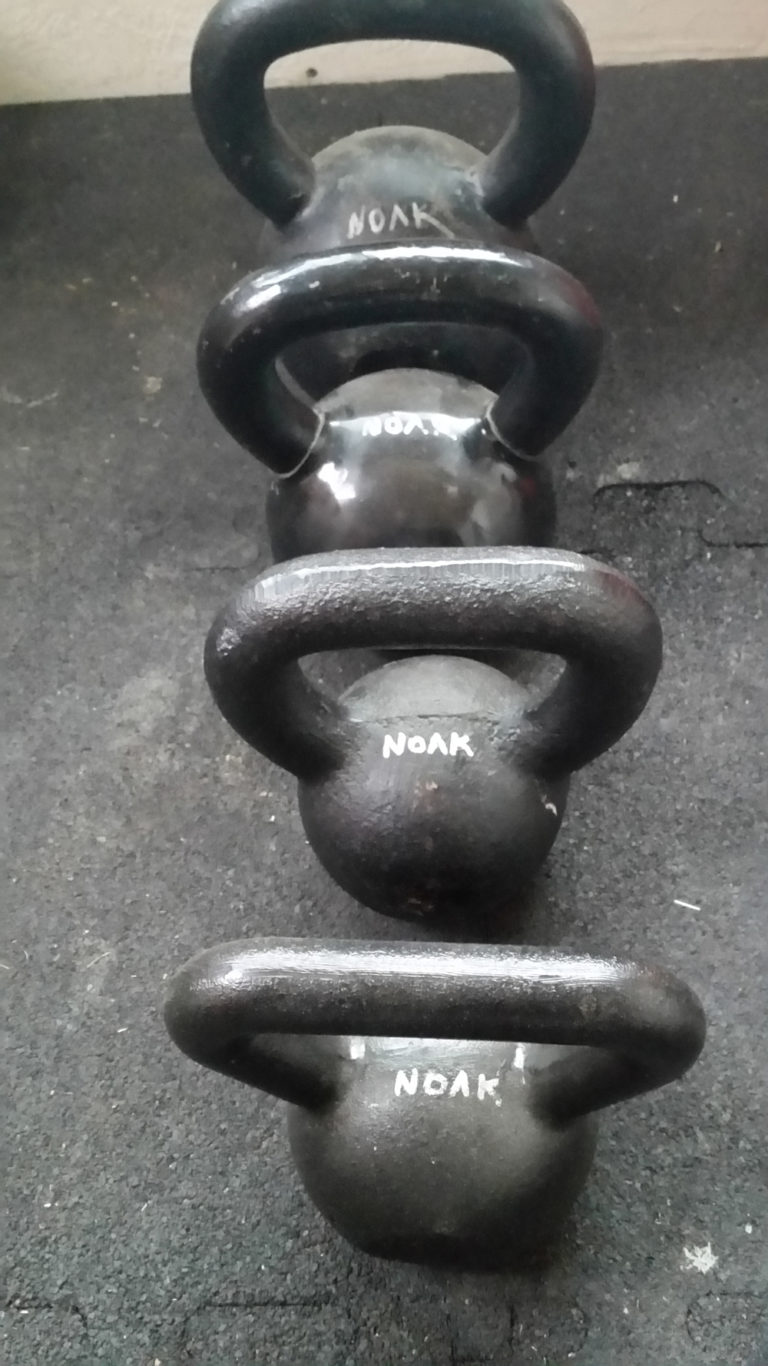
Kettleballs! Proper technique is crucial when using these for strength training. Photo by Tom Noaker
In place of the Ask Noak Q&A column, I have been asked this month to contribute my “Three most important lessons from decades of endurance sports participation.” I tried, but just cannot reduce that much experience to just three bullet points. So, here are six recurring themes you might find helpful – or possibly just amusing…
Pay attention to advice from experienced athletes. You cannot live long enough to learn all of the lessons acquired by those before you. Contemporary sports science and technology have made private coaching universally available, but too often knowledge of the sort needed doesn’t begin with information, it begins with experience and perception.You may not find the Holy Grail that leads to gold medals, but eventually trends in responses from multiple sources will generally steer you away from the cul de sac of parked athletes. Of course, not all advice is reputable – an example: In my earliest category seasons of competition, a certain “respected” individual would occasionally dispense dead end training advice to monitor the time to failure of his un-suspecting subjects. “Trust but verify”; not all PhD’s have a background in ethics.
Consistency is the glue that binds training plans. Nothing disrupts a plan more than skipped days and inconsistent efforts. Most amateur athletes have time constraints, but within those restrictions maintaining consistency – not just in the micro but also macro plan – is the key to enhanced gains. It is easier to boost duration or intensity on any regularly scheduled training day than it is to randomly add additional sessions or hours.Whenever your training and racing are compromised, it is best to return to “plan A” ASAP. Attempting to regain lost ground quickly is an invitation to over-training and/or injury, and either of those two conditions can scuttle an entire season.
Rest is as important as effort. Without proper recovery, consecutive days of hard training or racing are counterproductive. Much like high altitude climbers, even the pros experience a performance decline during the later stages of grand tours. While you may not experience the catabolic effects of these extreme situations, the benefits of progressive overload are muted without adequate rest. Sleep is often the sacrificial element in our culture, and the price an athlete pays is a plateau in performance that leads to stagnant or degraded results. It may sound heretical to suggest, but even a 10 to 20-minute random catnap can boost your body’s ability to bounce back from a particularly tedious day.
Go long. This probably seems contrarian to the abundance of emphasis on intensity training for the “time constrained” athlete, but the endurance paced “duration” or “fat burning” workout does wonders, not only for base fitness, but also mental toughness. Treat it like a prison break from the incarceration of intervals. Even If you need to invoke dawn patrol rules to fit in extra hours around weekend chores, a periodic over-distance day will help sustain an extended race schedule.
Strength training matters. This is an area that cannot be neglected, regardless of age or experience. Years ago I was a subject (victim) in a graduate level project during the “off season” that emphasized heavy weight room training for endurance athletes. The subsequent lean muscle mass gain and an ability to press huge stacks in the leg sled resulted in very marginal gains on the bike. But the experience led to functional resistance training; full range of motion around multiple joints involving concentric and eccentric contractions of long chain rather than isolated muscle groups. It’s less about one rep max or max reps, and more about movement patterns through full range of motion. You don’t need a complete gym or even full hour sessions to realize meaningful gains from Kettlebell and calisthenic workouts, but you do need professional instruction to avoid developing bad habits. After a year of “home schooling” with books and YouTube videos, I enrolled in a Russian Kettlebell cert where all 16 attendees (including myself) demonstrated incorrect form in multiple movements that would likely have invoked future injuries. The first rule of strength training; “Do no harm.”
Stretch. Do active stretches before (activation) and static stretches post workout, plus foam roll time to “iron out” the knots. Next to sleep deprivation, this is one of the areas most frequently neglected, when in fact it should be the last thing omitted. The benefits of stretching are maximized when not rushed. Even 20 minutes set aside each day can be significant in a successful approach to training and overall well being.
Tom Noaker is a well respected and accomplished sales rep and business owner in both the bicycle and ski industries. He has won sixteen State Championships in cycling across four age divisions, as well as three Mountain Bike National Championships, and competes as a cross-country skier at the elite and elite Masters levels. Tom coaches some of the best young riders in the country, and is board president of the South Summit Trails Foundation.
by CalBike — SACRAMENTO, CA (September 11, 2019) – On the afternoon of September 11, the Complete Streets for Active Living Bill (SB 127) championed by California State Senator Scott Wiener, was passed by the state legislature and has been sent to the desk of Governor Gavin Newsom for his signature.
The bill would require Caltrans to consider bicycle and pedestrian safety improvements when it repairs or repaves state routes that serve as local streets. This bill aims to ensure state roads that run through local communities (e.g. 19th Avenue in San Francisco, Santa Monica Boulevard in Los Angeles, San Pablo Avenue in the East Bay, Santa Rosa Street in San Luis Obispo) are safe for people to walk and bike along those routes.
The Complete Streets Bill has strong support. A recent poll found that 78 percent of California voters support a policy requiring safety improvements when improving a road. They want children to be able to safely walk or bike to school. Hundreds of schools exist within a half-mile of a California State Route and these streets remain some of the most deadly in the state. The interim leadership of Caltrans opposes the bill.
Complete Streets advocates celebrated a victory for safety.
Linda Khamoushian, California Bicycle Coalition:
We commend the leadership of Senator Weiner and the Assembly in response to the overwhelming support from California voters. Caltrans is responsible for more than just the fast movement of cars and trucks. Dangerous state-owned roads that cut through our communities can become streets where people going to school, work, and shopping will be able to safely walk and bike. Streets designed for safe travel for people young and old are long overdue.
Jonathan Matz, Safe Routes (to School) Partnership:
SB 127 lays out a process for implementing what the State has long identified as a goal: providing safe infrastructure for people walking and biking on the stretches of the State Highway system that function as local streets. SB 127 will give the Department of Transportation the tools it needs to serve all Californians more effectively. We thank the legislature for recognizing the cost efficiency and potential to save lives when routine repaving projects include Complete Streets improvements, and we urge the Governor to demonstrate California’s commitment to safe infrastructure and transportation alternatives by signing SB 127.
Nancy McPherson, AARP California:
As a longtime advocate for Complete Streets policies in California, AARP is pleased to see SB 127 pass the Assembly today. Legislation like SB 127 is critical to ensuring our roads are safe for people walking, biking, and taking public transportation, thus allowing older adults to live healthy, active lives in their communities. Thank you, Senator Wiener, for your leadership on this critical issue, and to all members of the Legislature who have supported SB 127.
Tony Dang, California Walks:
Crossing the street should never be a matter of life or death–that’s why we applaud the Assembly’s passage of Senator Wiener’s Complete Streets Bill. SB 127 will bring an unprecedented level of accountability at Caltrans to ensure that our kids and families can walk and bike without fear on local and main streets that just happen to be owned by the state. We’re grateful to Senator Wiener and his colleagues in the Senate and Assembly for standing up for complete streets to make our communities safer, healthier, and happier.
American Heart Association:
“Creating more complete streets in all neighborhoods will help encourage people to take the first step to living a longer, healthier life,” said Joe Aviance (aka Papa Joe), an American Heart Association volunteer who took to the streets and walked to lose 250 pounds. “I was 450 pounds when I decided to make a change for the better and started walking. Fortunately for me, I live in a neighborhood that has sidewalks and pedestrian-friendly streets, so the sidewalks became my treadmill. Access to safe, walkable streets is not an available option for some communities of color where investment is sorely needed. Our leaders in Sacramento have taken a big step to help Californians live healthier lives by passing SB 127. I urge the Governor to do the same.”
COMPLETE STREETS BACKGROUND
In California from 2007-2013, nearly 1.7 million people were injured in traffic incidents, including 95,758 while walking along or across the street. In those crashes, 22,117 people were killed, with pedestrians accounting for one-fifth of the total persons killed. The problem is often concentrated around Caltrans roads that go through low-income neighborhoods where more people get around via transit, biking, and walking.
Caltrans often claims to make streets safer when they repair them. But in practice, they prioritize fast traffic over the communities demanding more livable streets almost every single time. Caltrans needed stronger direction from the Legislature. The Complete Streets for Active Living Bill will provide that direction, and force the safety improvements necessary to stop the killing and maiming on state-owned roads.
The bill is not strict. Caltrans won’t have to implement safety improvements if they’re not appropriate for some reason—for example, if they’re too expensive. And the law only applies to sections where you’re likely to see people walking and biking, about 17% of the total system. But it will force Caltrans to implement safety improvements when it’s cheapest to do so: when they’re repaving the street anyway.
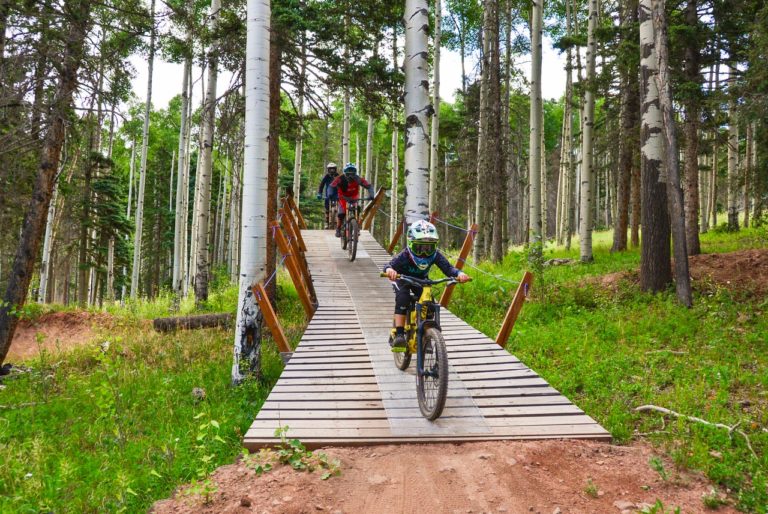
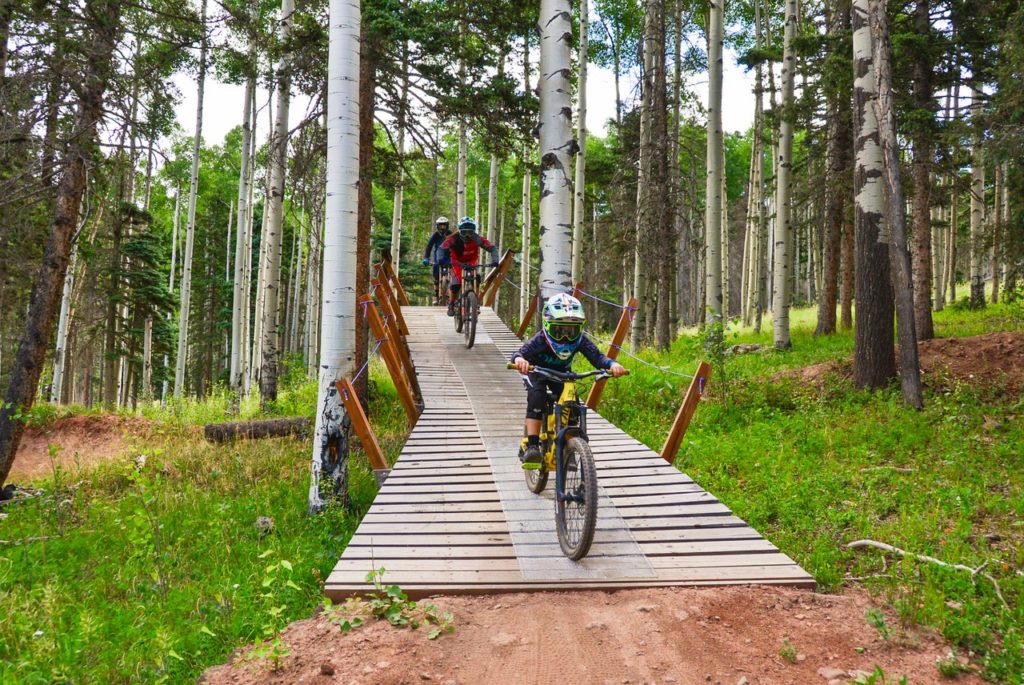
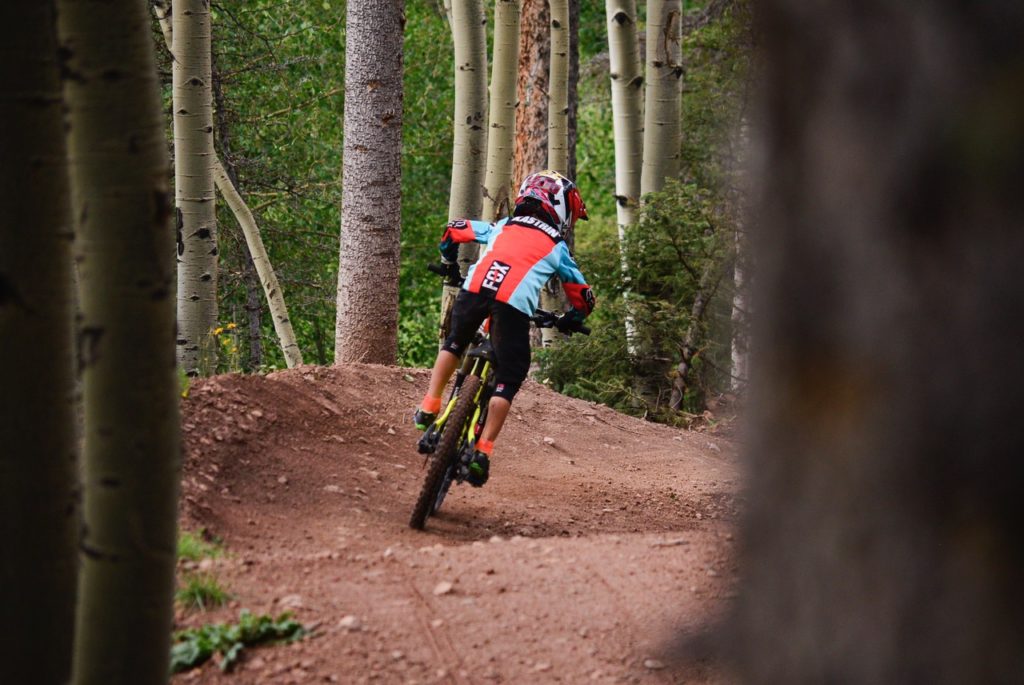
Angel Fire Resort announced on September 19, 2019 that they are extending the season at the Bike Park until November 3.
This is the latest that the Park is keeping their bike chairlift open, and means that Angel Fire Bike Park will have the longest season in North America. The park is also opening the new Smoke Signals trail this fall.
New Trail Opening:
Smoke Signals is the newest trail from Angel Fire Bike Park opening this fall.
Events:
Gravity Games OCTOBER 12: Angel Fire Bike Park’s Annual Gravity Games celebrates mountain biking with fun competitions, great prizes, and tons of gravity! Bring the whole family to enjoy a bike-filled day of fun!
Fire 5 Final Race of the Season OCTOBER 13 & 14: Angel Fire Bike Park’s Fire 5 is the premier downhill race series in the Rocky Mountains presented by Schwalbe. This series consists of three unique downhill races held at Angel Fire Bike Park throughout the bike season. Amateurs and pros alike are invited to join us for one or all three races.
By Sarah Kaufmann — One aspect of training that is completely unique to women is managing training around a menstrual cycle. The hormonal symptoms you experience; lethargy, weakness, poor balance, lack of motivation, dehydration, etc., are not in your head. There are real changes in body chemistry occurring that are causing these issues. Fortunately, understanding what is causing them and tracking your personal variations can be useful in mitigating the symptoms. There are also some simple steps you can take to help.
Women’s cycles are different so you will need to do some self-tracking to understand how your own cycle plays out and how to best manage it. Most women are on a 28 day cycle that is broken into two 14 day halves in terms of hormone balance and how you will feel. The first half, the follicular phase begins on the first day of your period. Starting after the first couple days of your period, estrogen begins to rise. This is when you can expect to feel your best. You are set up well to handle large volume and intense training. Your balance and equilibrium should be spot on, so technical skills training for off-road cyclists can be done with the best precision.
Ovulation occurs on approximately day 14, at which point estrogen drops (before rising again) and progesterone rises. This is the beginning of the luteal phase. You may retain water and experience an increased appetite and and/or cravings. The retention of water and constriction of your blood vessels increases blood pressure, resulting in a decrease in blood plasma. Progesterone also elevates core temperature approximately one degree. Up to 75% of your body’s energy can be diverted to thermoregulation during exercise so this increase in core temperature can be consequential and cause a marked decline in athletic performance.
Later in the luteal phase, progesterone also drops and initiates your period. This is a big ask of your body and energy resources that you may want to devote to training are otherwise disposed. As a result, you may feel tired, lethargic and unmotivated. When you do get on the bike, you may find that it is difficult to hit power numbers and other athletic markers can suffer, including balance and coordination. The fatigue will peak during the week before you get your period so it is a good time to schedule a light rest week.
All of this being the case, here are some helpful tips to mitigate some of these symptoms:
To combat the bloating and water retention, make sure you stay hydrated. Water alone will not be sufficient to maintain balanced osmotic concentration. Use a dedicated prehydration product or add sea salt to your water. Salting your food can be helpful as well.
The cramping experienced by many women is the result of prostaglandins which cause the uterus to contract prior to shedding its lining. Try taking baby aspirin (80mg dose). Note that other pain relievers and NSAIDS do not combat prostaglandins in the same way as aspirin so will not be as effective.
Many women use hormonal contraceptives to manage their menstrual cycles and symptoms. This is a personal decision but can be consequential and have its own side effects, which is a topic for another discussion.
A great resource for further explanation on this subject is the book ROAR by Stacy Sims, PhD. Additional questions can also be directed to the author, contact info below.
Sarah Kaufmann is an elite XC and CX racer and the owner of K Cycling Coaching. She is based in Salt Lake City, UT and can be reached at [email protected] or 413.522.3180.
The downside of the bicycling boom lies in the parallel boom in bicycling fatalities. While bicycling deaths in the United States had been steadily declining between at least 1975 (when tracking started) and 2010, they have steadily increased since then, according to a study released by the Governors Highway Safety Association (GHSA). Auto insurer State Farm financed the study, entitled A Right to the Road: Understanding & Addressing Bicyclist Safety (https://www.ghsa.org/resources/bicyclist-safety2017).
Between 2010 and 2015, the number of bicyclists killed or mortally wounded on the road or trail steadily increased from 621 to 818, a record high, the report says. About half the deaths occurred in darkness, but since 80 percent of the riding takes place in daytime, nighttime riding presents greater hazards.
A variety of causes are at work. “Bicycle-motor vehicle crashes are often the result of the motorist failing to notice the bicyclist. Riders, on the other hand, are more likely to see the vehicle and expect the driver to give way. When they do not, bicyclists often cannot stop in time to avoid a crash,” GHSA states. Also 22 percent of cyclists and 12 percent of drivers were legally defined as drunk. More than half of killed cyclists weren’t wearing helmets.
The report also faults a change in federal law that prohibits states from using highway infrastructure money for bicycle safety education. It advises states and communities to better track crash data to see who is getting hurt and killed (males outnumbered females in deaths six to one, for instance, a ratio far greater than the percentage of male riders).
Some law enforcement agencies are taking creative steps to address the problems. The Utah Department of Public Safety and police in Las Vegas and Fort Collins Colo., for instance, use a 3CFT ultrasonic detector that tracks how close bicycles are to other vehicles and can thus help enforce three-foot passing laws. On the other hand, Utah and Montana specifically exempt bicyclists from drunk driving laws. In most other states, the law remains unclear as to whether cyclists can be cited for riding under the influence.
Laws are also unclear about electric bicycles. Only four states (including Utah) define them as bicycles. Only three states, including Nevada, have assessed their bicyclist and pedestrian safety programs based on federal guidelines.
By Russ Hymas and Ken Christensen – For decades, cyclists have been subject to aggressive behavior by motorists. They cut us off, throw water bottles or other garbage at us as they speed by, yell obscenities, and mistake the “3-foot rule” for a 3-inch rule. Many cyclists have felt vindicated by recent technological advances (such as GoPro’s and social media) which provide concrete support to – and easy dissemination of – these types of incidents. And rightfully so! However, it’s also important for us to look in the mirror on occasion and ask ourselves whether we’re being good ambassadors of the cycling community in this ongoing debate.
As bicycle accident attorneys, we advocate for cyclists in the courtroom, at seminars, and in media interviews. But we lose credibility by taking a “pro-cyclist” stance in situations where a cyclist has blatantly disregarded the law. A couple of years ago, we were thrilled when a KSL reporter asked us to be interviewed for a cycling story. The thrill turned to frustration, though, when we learned that the crux of the investigative piece revolved around video footage of multiple cyclists speeding down Emigration Canyon, blazing past school buses with flashing red lights.
Acknowledgement of our contributions to the animosity that often exists between cyclists and motorists is crucial to achieving mutual respect on the road. Take a moment to reflect on some common violations of the rules of the road:
Do I stop at red lights and stop signs, or roll right through them? A primary complaint of motorists and pedestrians involves some variation of a collision or near-miss with a cyclist that ignored traffic signals and blew through an intersection. Remember, though, that a recent change in the law does allow a cyclist to proceed through a red light – assuming it’s safe to do so – after waiting 90 seconds.
Do I ride more than two abreast (or single file, where traffic may be impeded)? One of organizers of the popular LoToJa race recently lamented receiving repeated complaints from locals about cyclists training for the race during the summer months. The cyclists were climbing Strawberry Canyon and riding three, four, and even five abreast, preventing frustrated motorists from passing.
Do I swarm or mushroom out at a stop light on group rides? The diagram shows another illegal, but fairly common, practice of group riders, bunching up at a stop light and impeding the path of the car behind them attempting to make a right-hand turn.
Do I consistently use hand signals when stopping or turning? We all get frustrated with motorists who don’t signal their intention to turn, but our own failure to do the same can limit a driver’s reaction time.
Am I guilty of other violations that could be an irritant to motorists or a danger to pedestrians or myself?
The diagram shows another illegal, but fairly common, practice of group riders, bunching up at a stop light and impeding the path of the car behind them attempting to make a right-hand turn.
Many can answer the above questions appropriately, but the cyclists that are truly changing motorists’ attitudes are those that are going the proverbial extra mile. Cyclists are wisely concerned about documenting poor motorist behavior with a GoPro … are we as conscientious about acknowledging courteous motorist actions with a wave to the driver?
There are many ways we can curry favor with the non-cycling community. Last summer, a local cyclist took an afternoon ride in 101-degree heat. As he passed a parked car, he thought he heard a baby crying. The cyclist turned around and returned to the parked car, only to find a baby that had been left in the hot sun. He knocked on the door of the nearest home and located the baby’s parents, who were mortified to learn of what would have been a fatal mistake were it not for the actions of a cyclist that had paid attention to his surroundings.
As cyclists, we are always looking for ways to log a few “extra miles” in the saddle. Let’s be equally assertive in looking for ways to go the “extra mile” by doing our part to mend relationships with the motorists with whom we share the road.
Ken Christensen and Russ Hymas are avid cyclists and Utah attorneys at UtahBicycleLawyers.com. Their legal practice is devoted to helping cyclists injured in collisions with motor vehicles. They are authors of the Utah Bicycle Accident Handbook and are nationally recognized legal experts on cycling laws and safety.
Silver City, NM (September 17, 2019) — Silver City, NM will play host to hundreds of avid cyclists this October 12, 2019, for the Gila Monster Gran Fondo. This long distance, timed cycling event is for all levels and offers the opportunity to “ride like a pro for a day” and become “Gila Proven.”
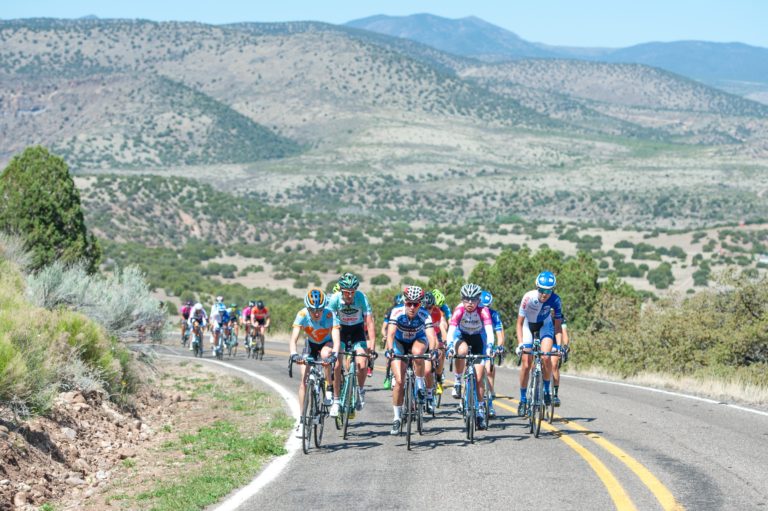
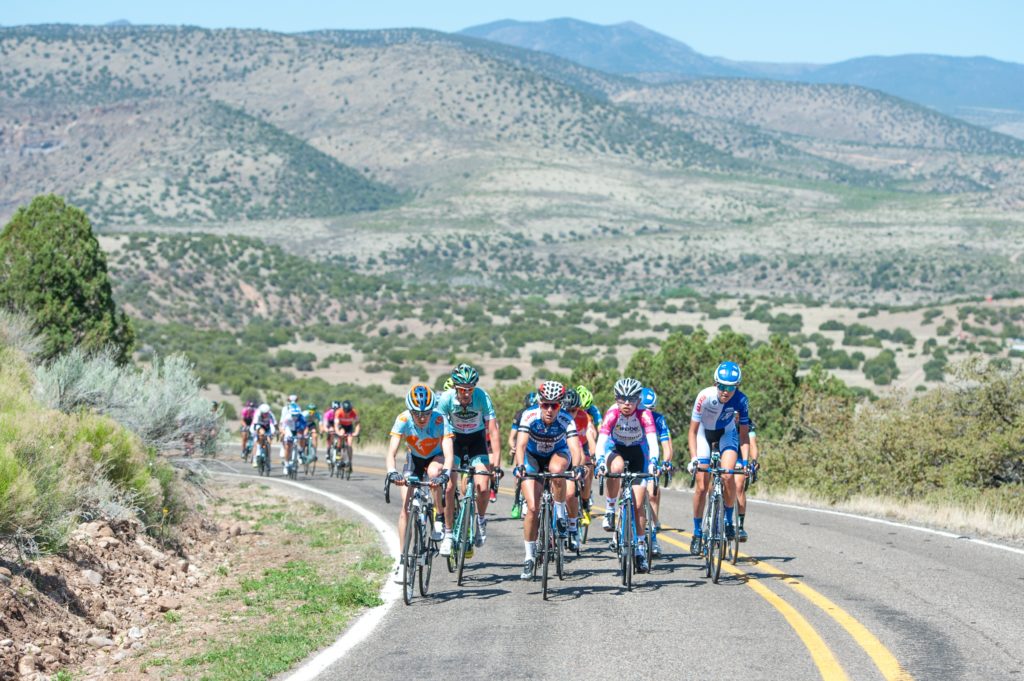
The women’s field racing on the Gila Monster at the Tour of the Gila in Silver City, NM. Photo courtesy Gila Monster Gran Fondo.
The Gila Monster Gran Fondo begins in Silver City and follows the same course as the iconic Tour of the Gila “Gila Monster” road race through some of the most beautiful routes in New Mexico. Three different distances are available including the 103-mile Gran Fondo, the 69-mile Medio Fondo and 39-mile Nano Fondo.
Race activities begin in Gough Park which also plays host to the event day expo. All races end in Pinos Altos, a beautiful, quaint mining village.
The race has become more than just a draw for visitors; it has become recognized nationally and internationally as an iconic American cycling race.
Whether you are racing for competition or fun, or cheering from the sidelines, the Gila Monster Gran Fondo is a great anchor to a fun-filled weekend in Silver City for riders, families and friends. The great fall weather is ideal for the area’s outstanding outdoor activities beyond cycling. With exceptional dining offerings and unique art galleries, there are plenty of things to see and do in downtown Silver City during your stay.
The Gran Fondo is presented by Q’s Southern Bistro; Medio Fondo is presented by Hidalgo Medical Services; and the Nano Fondo is presented by PNM.
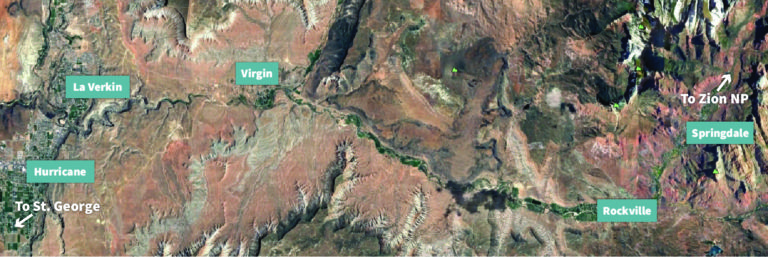
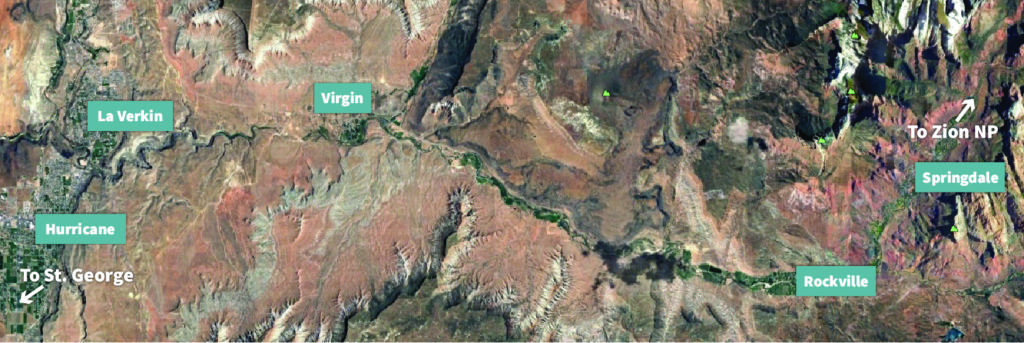
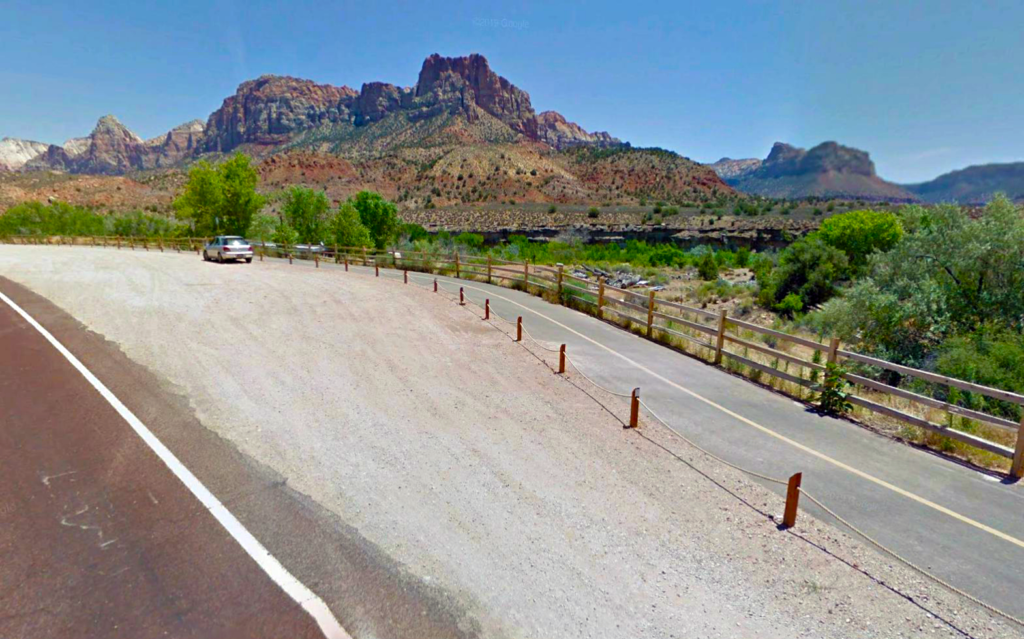
Zion Regional Collaborative (ZRC) is working with local organizations and partners to plan a walking and biking trail extending from Zion National Park to Hurricane City – a distance of approximately 22 miles. When complete, the Zion Corridor Trail will create connections for recreation and transportation throughout the communities of Springdale, Rockville, Virgin, La Verkin, and Hurricane. The trail will also become an amenity for the many who live, work and play throughout the region.
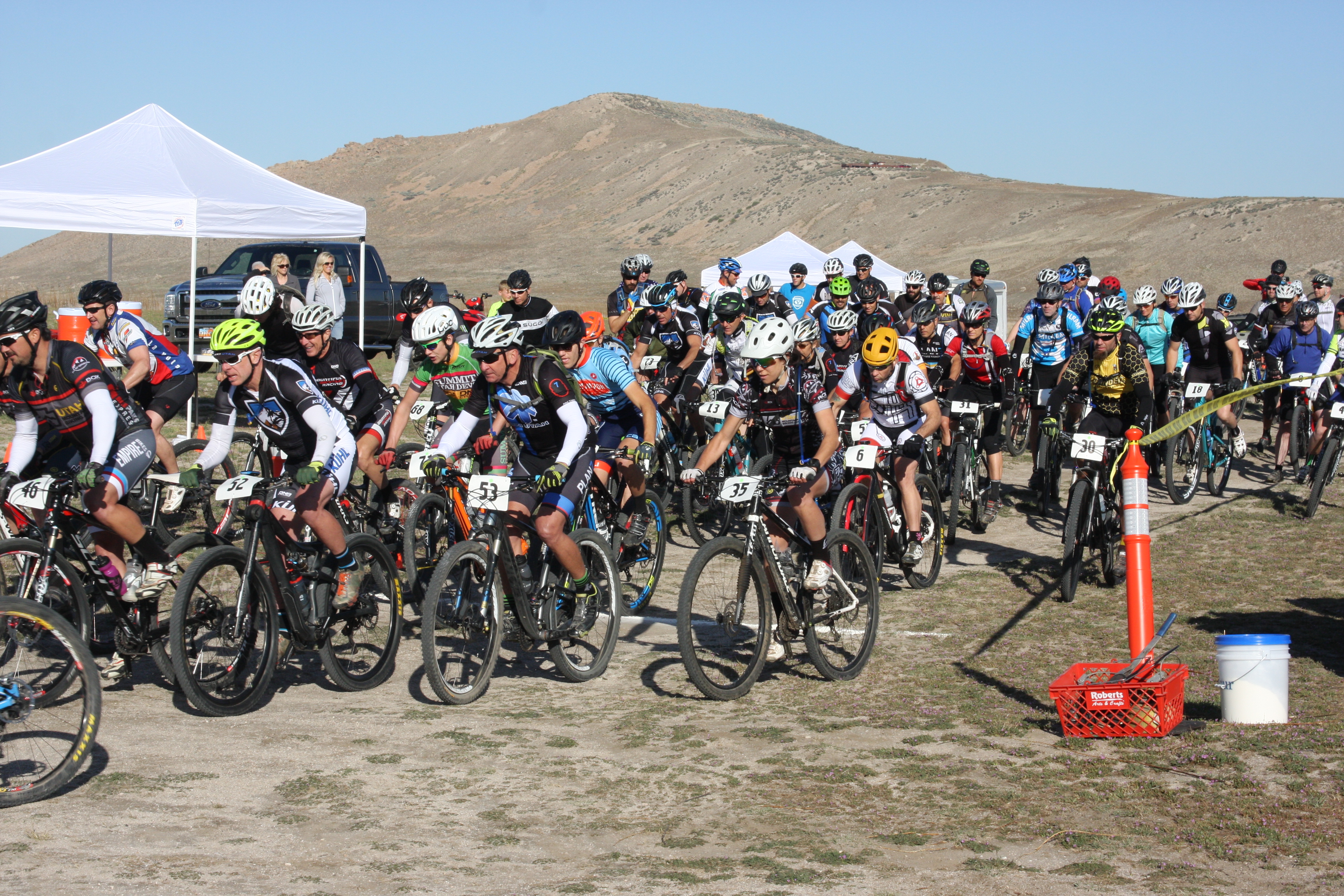
Enduraevents has announced the annual Antelope Island 50K, 25k, and 13K Mountain Bike Race, which will be held Saturday September 28, 2019 at Antelope Island State Park.
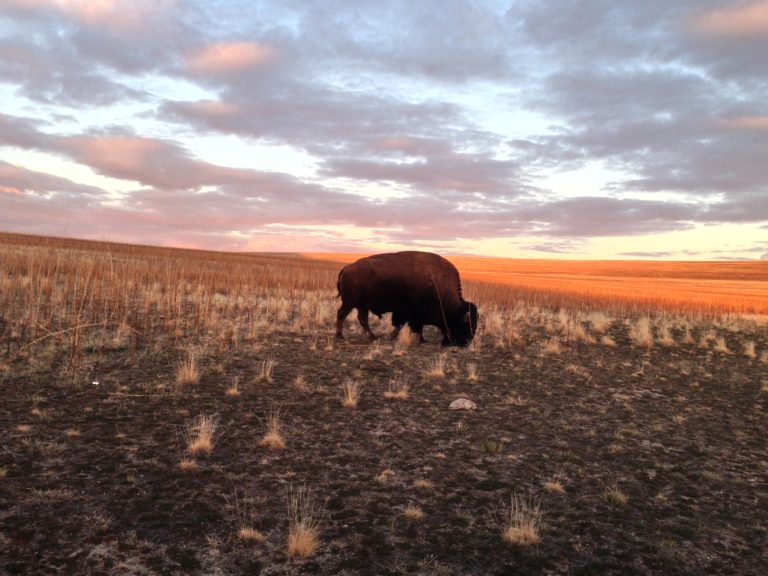
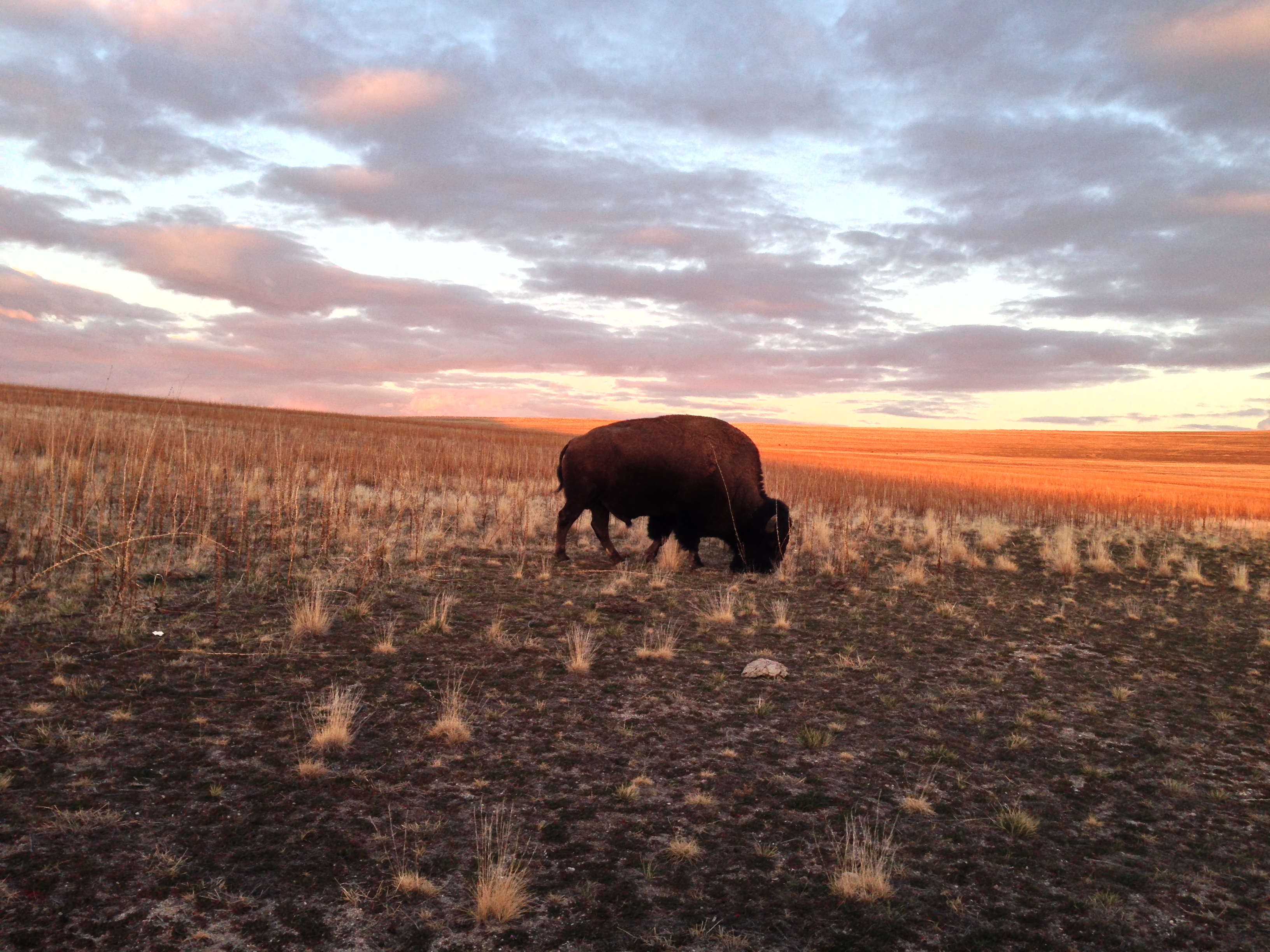
One of the many bison on Antelope Island. Photo courtesy Enduravvents.
Antelope Island, the largest island in the Great Salt Lake is celebrating its 50th anniversary. Antelope Island opened to the public as a state park in 1959. The island boasts unmatched vistas, a wide variety of wildlife and unique hiking, mountain biking, and horseback riding trails. There is a herd of over 500 free roaming bison, with an annual bison round up open to the public every October. Antelope Island takes its name from the pronghorn antelope that are scattered through out the island. Over 40 fresh water springs provide the water needed for the different wildlife species that inhabit the island.
Photo courtesy Enduraevents.
The Antelope 50K MTB race provides a unique opportunity for riders to experience cycling on a desert island. There are skill levels for every type of mountain biker. The 13k route gives everyone a chance to participate in a race that offers some climbing with lots of level trail and an exhilarating rolling down hill ride back to the finish line.
The 25k gives the intermediate to expert riders just enough technical single track with elevation and bonsai downhill to have a primo ride while enjoying the breathtaking vistas of the Great Salt Lake and abundant wildlife.
50K riders not only need the skills for the 25K loop, but also the stamina to start all over after the first loop and ride a second loop around the one-of-a-kind course. There is a mix of single track, service road, 3000 feet of elevation and technical sections to keep everyone on their toes. Throw in the interaction with bison, antelope, deer, and other wildlife along with the unsurpassed scenic panoramic views, and you will have an unforgettable experience.
As bicycle accident attorneys, we often discuss the importance of carrying uninsured/underinsured motorist coverage on cyclists’ automobile insurance policies in the event they’re hit and injured by a motorist with minimal limits of coverage, or no auto insurance at all. But incidents involving bicycles are not limited to collisions with cars. Cyclists must also consider the risks of bicycle theft, damage (to their bike or body) from a crash that doesn’t involve a motor vehicle, and liability a cyclist might have for causing damage or injury to another cyclist, pedestrian, or motorist.
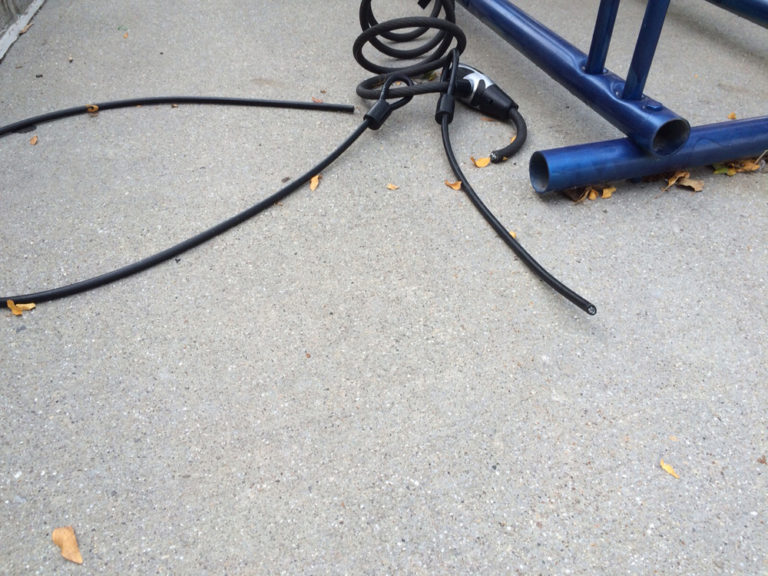
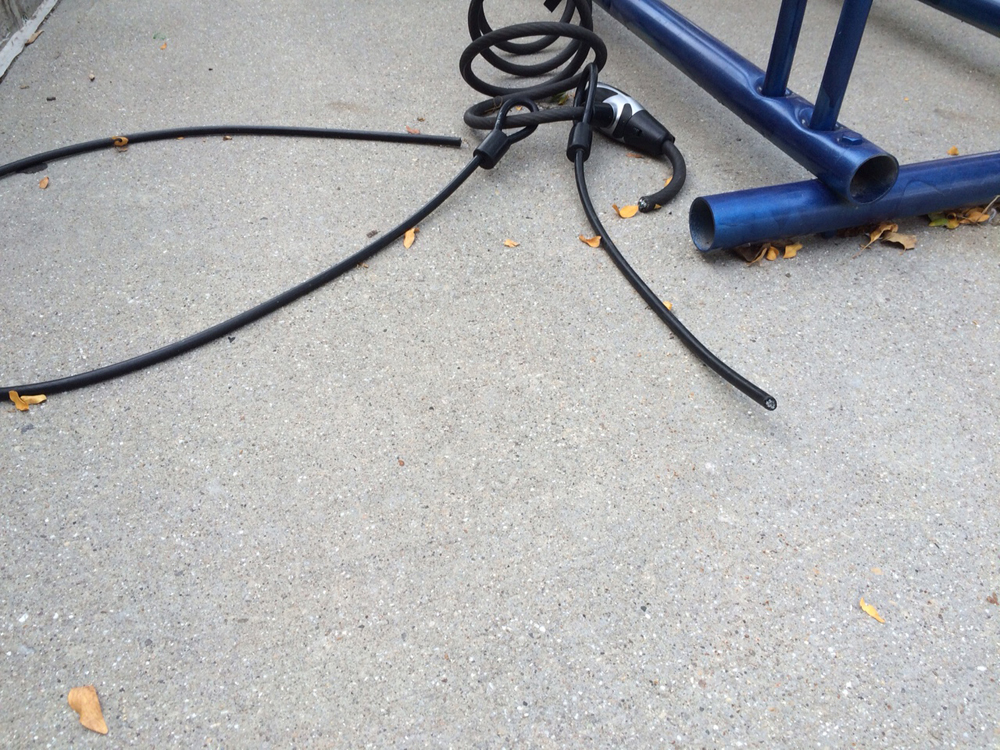
Bicycle insurance can cover theft, liability, and crash damage. Homeowner’s and renter’s insurance doesn’t always fully protect against loss. Photo by Dave Iltis
Is it in your best interest to purchase a stand-alone bicycle policy to insure against theft, damage, and/or liability? The truth is, “it depends.” That’s not just a lawyerly cliché. The value of such insurance depends on a number of factors that are discussed below.
Bicycle Theft:
Bicycle theft is a concern of all cyclists, and for good reason. According to the National Bike Registry, over 1.5 million bikes stolen in the US each year. Many cyclists correctly assume that their homeowner’s or renter’s insurance will provide coverage for the theft of their bicycle. However, few cyclists have actually read their policies and are unaware of exclusions or limitations of coverage for theft.
Cyclists are often surprised to learn that theft may not be covered by their homeowner’s policy if the bike was stolen outside of the home, or that it is not available if the cyclist failed to put a lock on the bike. In addition to these exclusions, there may be other restrictions on the homeowner’s policy that could limit cyclists’ ability to get full value of their bicycle.
For example, some homeowner’s policies consider bicycles as “sporting equipment” with maximum coverage limits of $500 or $1,000. Other policies require the cyclist to purchase a “rider,” or extension of your homeowner’s or renter’s insurance, to obtain full value of the bike. These riders are often required for personal property items of higher value – such as expensive jewelry or a $10,000 bicycle – and each piece of property needs to be itemized and include an appraisal or proof of the value of the property.
Even if your homeowner’s policy provides does provide coverage for the full value of your bicycle, it’s worth considering whether you want to make a claim on your policy. Homeowner’s policy deductibles typically range between $1,000-$1,500. And often times, making a claim on that policy will result in an increase in your premium (or even cancellation of the policy, if you’ve made previous claims). If your bicycle is worth less than $3,000-$4,000, it may not be worth the expense of a high deductible and increased premiums.
Bicycle insurance policies, on the other hand, insure the bicycle for full value in the event of theft – or damages in an attempted theft – wherever the location. Another benefit is that the deductible for such a policy is $100-$500, significantly lower than homeowner’s or renter’s policy deductibles. It’s important to keep in mind, however, that some bicycle policies still require the cyclist to keep the bike locked.
Crash Damage:
Although crashes are often the result of a careless action of a motorist, all of us know cyclists who have crashed hitting a pothole or debris in the road, or flown over their handlebars on a mountain-biking trail, or been involved in a pile-up at a race. These crashes often result in significant damage to your bicycle, as well as injuries that require medical treatment.
Bicycle insurance policies are great in these instances. They cover any type of crash or accidental damage – whether you get tangled up in a criterium, slide out going around a corner, or even forget that your bike is on the roof rack of your car and crash into the garage. (We won’t tell you which one of us has done that, but suffice it to say we sympathize with those of you that have made this embarrassing mistake.) Most policies also offer medical coverage that can be added on to the policy for injuries you might sustain, though that coverage is generally an additional cost.
The value of bicycle insurance for you to protect against crash damage will depend on the coverages you already have in place. Medical coverage may be unnecessary if you carry good health insurance. We’ve also found that some homeowner’s policies will cover damage to your bike from a crash, but they’re the exception to the rule. If your homeowner’s policy is one of the few that do afford crash damage coverage, the cautions noted above regarding limits on value and the possibility of increased premiums are worth considering.
Liability Coverage:
None of us ever thinks that he/she will be the cause of a wreck that results in damage or injury to another. But an increase in cycling traffic on Utah’s roads and trails has also led to a rise in the number of these incidents. One cyclist recently made the news for serious injuries he caused by colliding with a runner coming down Emigration Canyon at a high rate of speed. Cyclist vs. cyclist collisions are also commonplace. In these situations, cyclists are wise to ensure they have liability insurance so they are not having to pay the damages they’ve caused out of their pocket.
Again, we strongly recommend a careful review of your homeowner’s or renter’s insurance policy. Surprisingly, several of these policies will cover a cyclist’s personal liability. But you’ll want to know whether you are protected, and the instances in which your homeowner’s or renter’s policy would not provide coverage.
Most bicycle insurance companies offer liability insurance as add-on coverage at an additional cost. An online quote we received from one of the major carriers offered $25,000 of liability coverage for an extra $50 per year on the premium. If your homeowner’s policy doesn’t provide coverage, that’s not a significant amount to give you some peace of mind while out on the road or trails.
Other Considerations / Cost:
The concept of bicycle insurance is relatively new, but several companies have jumped onto the scene to compete for cyclists’ business. Some of the notable nationwide carriers are Velosurance, Sundays Insurance, BigRing Insurance, and Markel. [Note that Spoke Insurance has stopped offering coverage.] We mention these companies specifically because they boast an “A” insurance rating, or are backed by such a company (for example, BigRing is backed by Transamerica). Cyclists should consider insurance ratings to make sure the company they select is financially secure enough to issue you a check if you ever have to make a claim.
These companies will note that, in addition to the types of coverage discussed above, their policies also offer: rental reimbursement; coverage for apparel, helmet & bike computer; event fee reimbursement; and bicycle airline shipping coverage. But given the cost of premiums, even the CEO’s of these companies acknowledge that stand-alone bicycle insurance usually doesn’t start to make sense unless the value of your bike is over $3,000.
Most bicycle insurance companies offer online quotes and even provide sample policies on their websites. The cost of bicycle insurance will vary depending on the value of your bike (with upgrades such as wheels and componentry), the deductible amount you desire, and whether you want add-on coverages such as liability or medical coverage. We found bicycle insurance premiums for as little as $150 per year, but it’s easy to spend $400+ per year if you want all the bells and whistles on a policy. Most policies currently seem to fall in the $250-$300 range, with discounts often available for members of USA Cycling, USA Triathlon and other cycling associations.
Ken Christensen and Russ Hymas are avid cyclists and Utah attorneys at UtahBicycleLawyers.com. Their legal practice is devoted to helping cyclists injured in collisions with motor vehicles. They are authors of the Utah Bicycle Accident Handbook and are nationally recognized legal experts on cycling laws and safety.
Pat the Bunny said, “A punk rock song will never change the world, but I can tell you about a couple that changed me.”
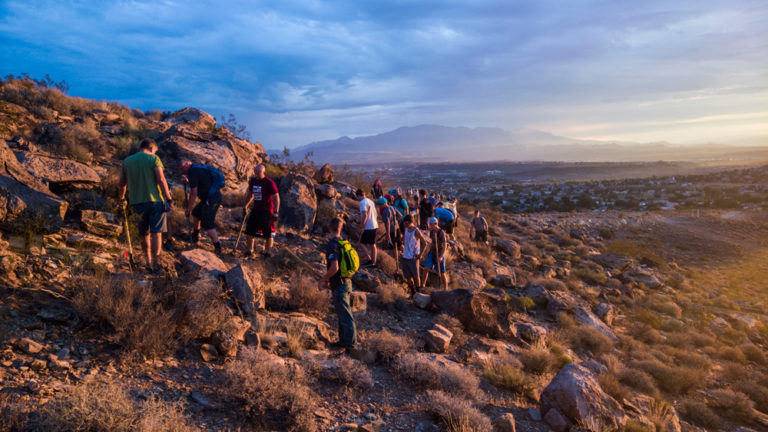
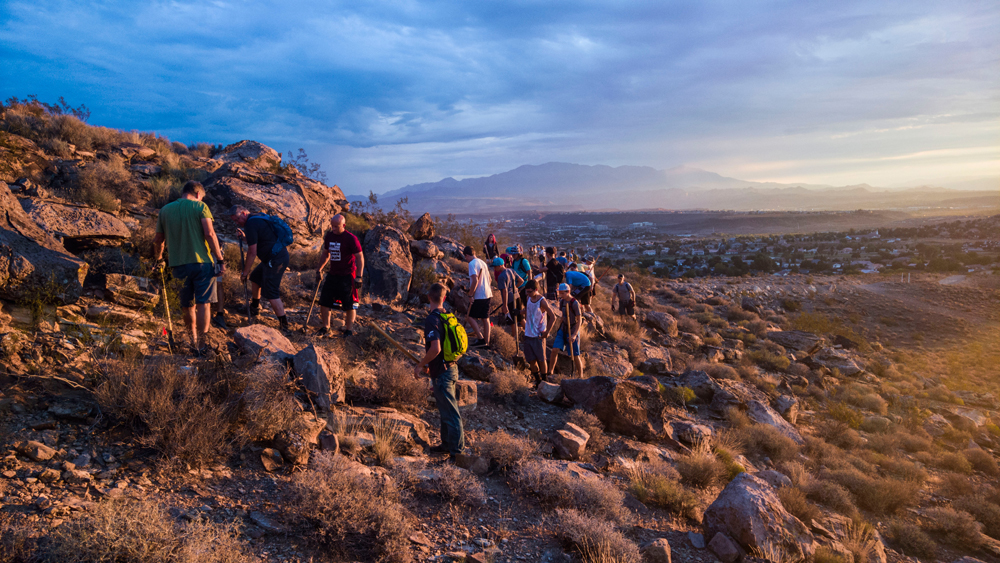
It’s 7:17 AM. The sun has crested casting a golden light that could be compared to the approving gaze of god looking down up on this band of folks working. There’s about 60 of us, give or take a few, no official count was taken. I’m racing up and down the line of people swinging pick axes, Macleods, shovels and rakes. As soon as I get done answering one question, I hear my name from the other side of the line and off I go to try and keep the train from coming off the tracks.
Yup, we built a line in the dirt. Photo by Lukas Brinkerhoff
8:30 AM rolls around, our official quitting time. In an hour and a half, we have built what would normally take us 4-5 dig days. Huge rocks were removed, brush cleared, benches built and all of it raked out and finished.
Standing at the end of the trail I had watched be constructed, by people who had never done any type of trail building before (at least very few of them had) in 1.5 hours, I got kind of excited. Ok, let’s be honest I was stoked. You couldn’t wipe the grin off my face regardless of how hard you hit it with a high five. It also made me question what was possible. In such short time, on one occasion we had built just over ¼ mile of trail. What if we did that every weekend? Or even just once a month?
The local NICA team, the Flying Monkeys, helps build a section of the Kentucky Lucky Chicken Trail. Photo by Lukas Brinkerhoff
The late Utah Phillips said that toil is what you do when someone else pays you, labor is what you do for yourself. It’s what your life purpose is and while it might take some serious effort, it’s not work because it’s what you are meant to do.
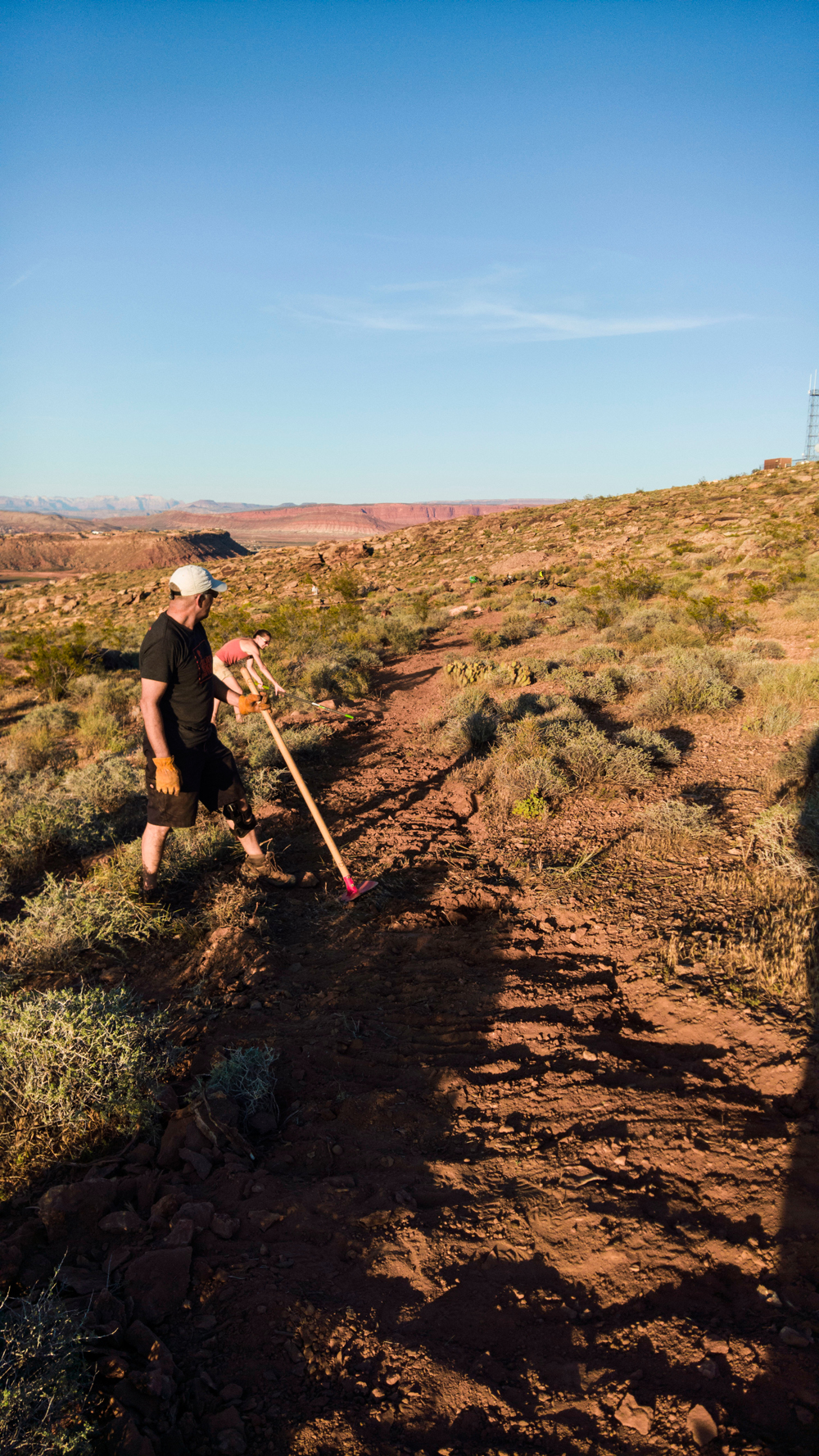
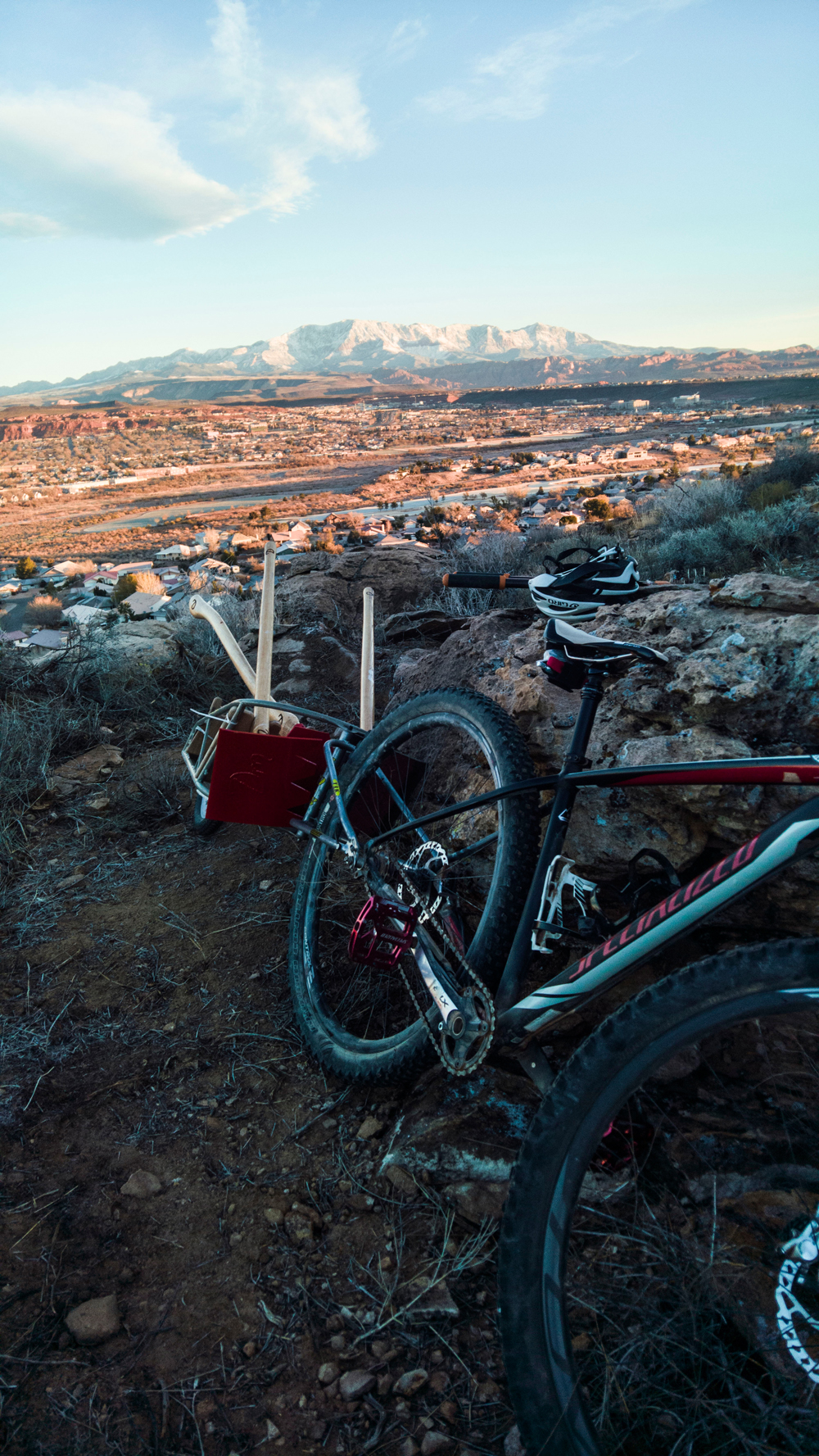
If you’ve ever dug a trench in your front yard, you know that it’s hard work. Most of trail building is pretty much the same thing. Pick axe goes through and begins cutting the bench. The Macleod follows dragging the dirt out widening the tread and creating a rough trail. Then the finishing work begins, smoothing it all out, removing any roots and rocks that may have been left behind. This process can go fast, but more often than not it takes hours to build short sections of trail.
And while this process is almost identical “work” as what is required to dig a trench, it’s actually fun. You couldn’t pay me enough to want to dig a hole in my yard, but put a shovel in my hand and tell me that I can build a trail and it’s a trail that I can then ride a bike on. Well, you won’t have to pay me anything for me to want to be there.
There are few things I find more enjoying than riding a trail for the first time. Each turn is new and there’s an excitement to see what’s around that next bend. Is there a sweet rock feature? Maybe a beautifully constructed roller that looks super sketchy but rolls out perfectly? Or just some smooth, flowy bench cut trail that seems to go for miles and miles and miles. It doesn’t matter what it is, I want to see it. I want to ride it.
There’s only one way to get things done and that’s by doing them yourself. Photo by Lukas Brinkerhoff
The only thing that is more satisfying than cleaning a sketchy section of trail, is building a sketchy section of trail. Take the side of a hill, draw a line and then dig it in. You are no longer a passive participant in the art, you become the protagonist. You get to decide if the line will go left or right, if you go over the rock, around it or if it has to come out. Is there a cholla patch, a tree or some hill you want to ride through? Well, that’s up to you. You are the digger.
“But I guess it comes down to what kind of world you want to live in” – Propogandhi
I want to live in a place that you could hop on your bike and after a short pedal, you could hit some sweet singletrack. That line in the ground would lead you to more lines in the ground that spread out in a myriad of directions. Each way would not only take you to a different chunk of real estate, but to a different type of trail. Want to hit miles of smooth, flowy dirt, go right. Want chunky rocks that will make you wish for more suspension and make you pucker a little bit, go left. That’s the kind of place I want to live.
I have an inkling that most mountain bikers would agree. If there is a universally held desire, it’s the wish for more trails and more time to ride them. The flip side to that is that trails do not build themselves. I’ve wished for trails in certain places for years and never once has one popped up. It isn’t until someone takes the initiative and puts for the effort that the line in the ground we call singletrack and that is so vital to our sport, appears.
And while Gandhi may have said that we need to be the change that we want to see in the world, I haven’t quite figured out how to be a trail. However, watching 60 or so high school kids build a ¼ mile of trail certainly gave me hope for the future. It made me see the possibility of having more people involved. What if every mountain biker gave 3 hours a month to trails? How many miles would we have? How much better maintained would the trails be? Would we then be able to say that there is a plethora of trails? And more importantly, wouldn’t they be the kinds of trails that we want?
Who knows? I certainly don’t. I guess I’ll just keep digging.
Note: To participate in trail building days in St. George, visit http://dmbta.org/news/events/ for times and locations.
Lukas Brinkerhoff blogs about mountain biking and life at mooseknuckleralliance.org.
Second Edition of Ain’t No Mountain High Enough will Tackle all 5 Salt Lake Valley Canyons in One Day.
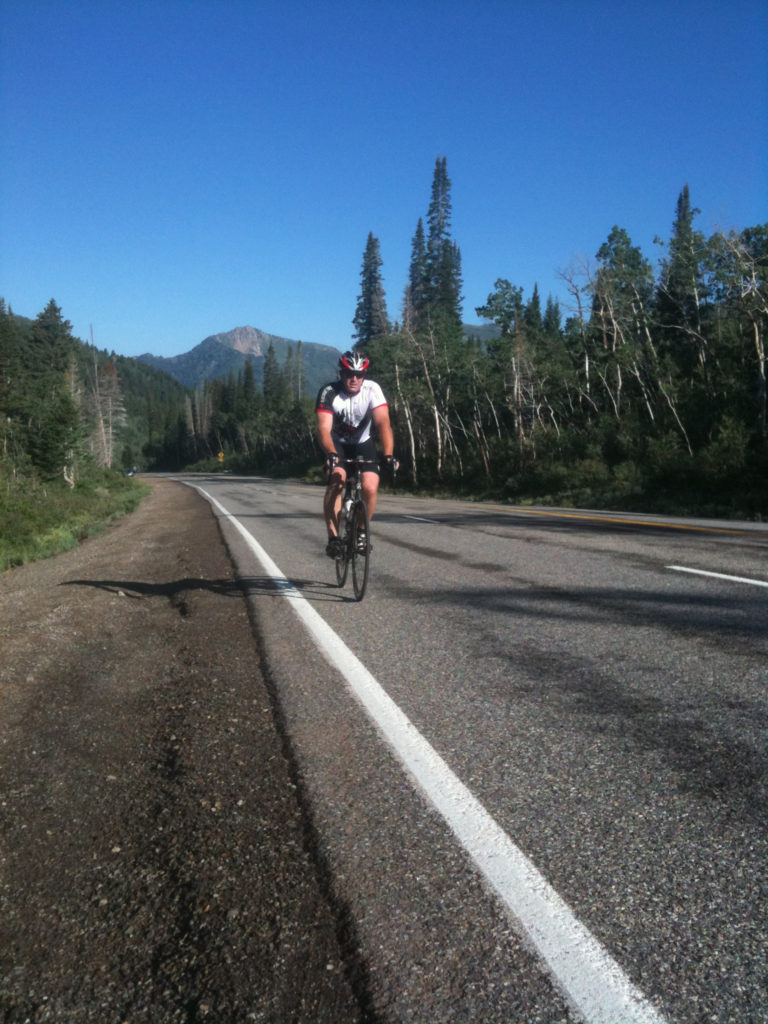
By Greg Hoole – The beauty and serenity of an early morning canyon ride is unmatched. And, there is no more abundance of beautiful canyons in all the world than right here along the Wasatch Front. Many cyclists will enjoy a breath-taking (literally) ride up one of these canyons and then call it a day. Some will occasionally string a few canyons together to up the ante. But how many cyclists have tackled all five of the major riding canyons surrounding Salt Lake City—in one day?
Wheels of Justice is throwing down the challenge to every cyclist who is looking for a new conquest. Ain’t No Mountain High Enough, a new ride in the Salt Lake valley will take place on September 21, 2019. Wheels of Justice is a local cycling club dedicated to ending childhood trauma. A nonprofit corporation, Wheels of Justice raises awareness and money to support four outstanding organizations making a difference in our community: Prevent Child Abuse Utah (“PCAU”), the Children’s Justice Center (the “CJC”), Operation Underground Railroad (“O.U.R.”), and the Utah Domestic Violence Coalition (“UDVC”).
The mission of PCAU is to prevent child abuse through public awareness and educating children and adults about such things as appropriate relationships, bullying, and internet safety. The CJC is an award-winning program that helps children who have been abused. The CJC’s expert staff help break the cycle of abuse and empower victims to become survivors. O.U.R. works to put an end to modern slavery in the form of child sex trafficking. The UDVC is recognized nationally for providing expertise concerning issues of domestic and sexual violence to member programs, community partners and others in Utah.
Wheels of Justice recognizes that even the most serious of problems can be addressed in a fun way. Hence, a bike club and an amazing annual ride.
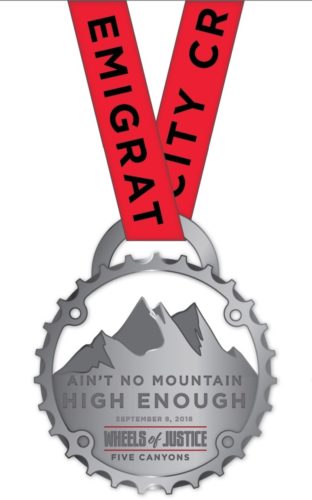
The ride will start at the Black Bear Diner in Sandy, where the good people there will provide participants with a free pancake breakfast. Then it will ascend all five of Salt Lake City’s riding canyons: Little Cottonwood Canyon, Big Cottonwood Canyon, Millcreek Canyon, Emigration Canyon, and then City Creek Canyon. Riders can choose one, two, three, four, or all five canyons. Those who conquer all five canyons will receive a killer finisher’s medal, courtesy of Utah-based DNA Cycling (Drive Marketing).
A rider tackles Big Cottonwood Canyon. Photo by Dave Iltis
The Black Bear Diner and DNA Cycling are just two of the many companies that have stepped up to partner with Wheels of Justice in this effort. The list includes local bike shops, ski resorts, and restaurants, as well as many other local businesses. DNA Cycling has also made its coveted BIO Fit jersey and Elite bib shorts (custom made in Italy) available to Wheels of Justice members (it costs nothing to join) at a steeply discounted price to assist in its fund-raising efforts. These kits are now available at Flynn Cyclery in Holladay.
All riders, regardless of how many mountains they conquer, will receive a free Specialized 2nd Gen Big Mouth water bottle, courtesy of UtahBikingLaw.com. There will also be some very cool prizes awarded in a number of different categories, including ski passes, backpacks, bluetooth speakers, gift cards, and more.
More information about Wheels of Justice and Ain’t No Mountain High Enough is available at teamwheelsofjustice.org.
Ride Details:
September 21, 2019 — Wheels of Justice, Ain’t No Mountain High Enough, Sandy, UT, The ride will ascend each of Salt Lake City’s five riding canyons, for a total of 116.3 miles and 14,272 feet—one of the most challenging one-day bike rides in Utah!, Greg Hoole, 801-272-7556, [email protected], teamwheelsofjustice.org
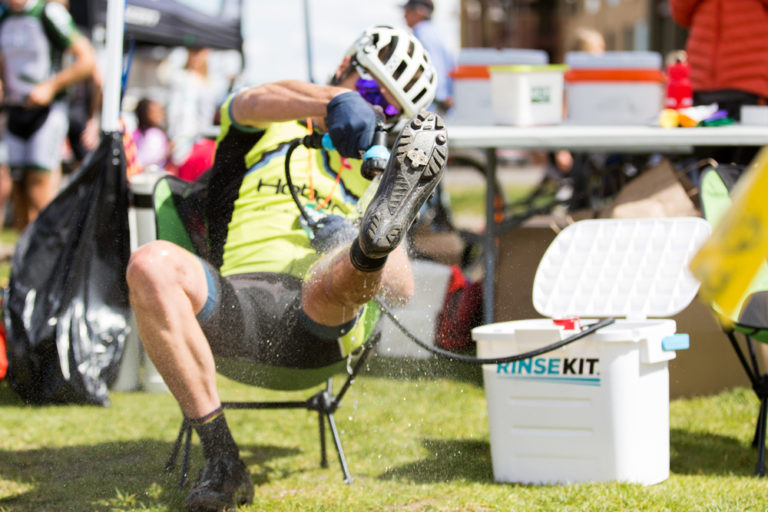
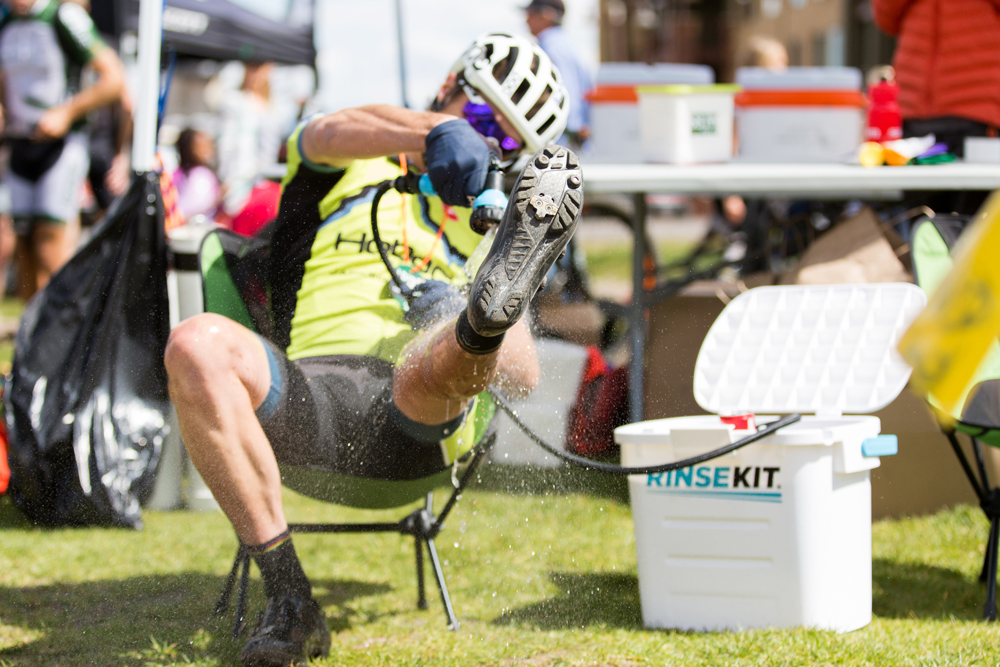
September is upon us and the fall racing season has begun. For many, the next 3 months are just an extension of the summer season. For others, this is their racing season. How we prepare for our event is important to our success, whether it is a podium finish or a personal best. How do we do that? First, we get our bike ready. Then, we pack our riding kit. Finally we make our race food and drink. What about after the race? Recovery drink? A sandwich? An often overlooked part of race preparation is what to do after the race.
Cooling off and cleaning up at the P2P finish line. Photo by Angie Harker, selective-vision.com
It’s not difficult to do. Some food and drink for recovery. A towel and water for cleaning up. Some dry riding clothes for warming down. Perhaps some warmer clothes for hanging out.
It’s fun to hang out after a ride and socialize. However, it is difficult to do when you’re wet, cold and hungry. Be prepared.
STEAMBOAT SPRINGS, Colo. (Aug. 27, 2019) – The town of Steamboat Springs uniquely melds Colorado mountain town culture with the ambiance and warmth that only a ranching community can offer. Couple that unique atmosphere with the region’s physical attributes, like altitude and hundreds of miles of scenic, gravel county roads. With this formula, it was only a matter of time for cycling’s newest and fastest-growing discipline – gravel riding – to find a home in Routt County, Colorado.
And find a home it did. The weekend of Aug. 17-18, 1,500 gravel cyclists hailing from seven countries and all 50 of the United States converged on Steamboat for the inaugural SBT GRVL event, presented by Canyon Bicycles. Three course distances – 141-, 100- and 37-miles – were offered to riders and racers of all ability levels, ages and genders.
The inaugural SBT GRVL race, presented by Canyon Bikes, launched with a field of 1,500 riders, including 400 women. Over 500 of them tackled the Black Course, a 141-mile, 9,000-foot elevation gain course that offered 100 miles of gravel roads winding through Steamboat Springs and surrounding Routt County.
“Every single rider signed up for the event sight unseen back in December 2018,” said Mark Satkiewicz, co-founder of SBT GRVL. “SBT GRVL was sold out in an unprecedented six days, and from all we keep hearing, we delivered the memorable experience our founding riders were hoping for.”
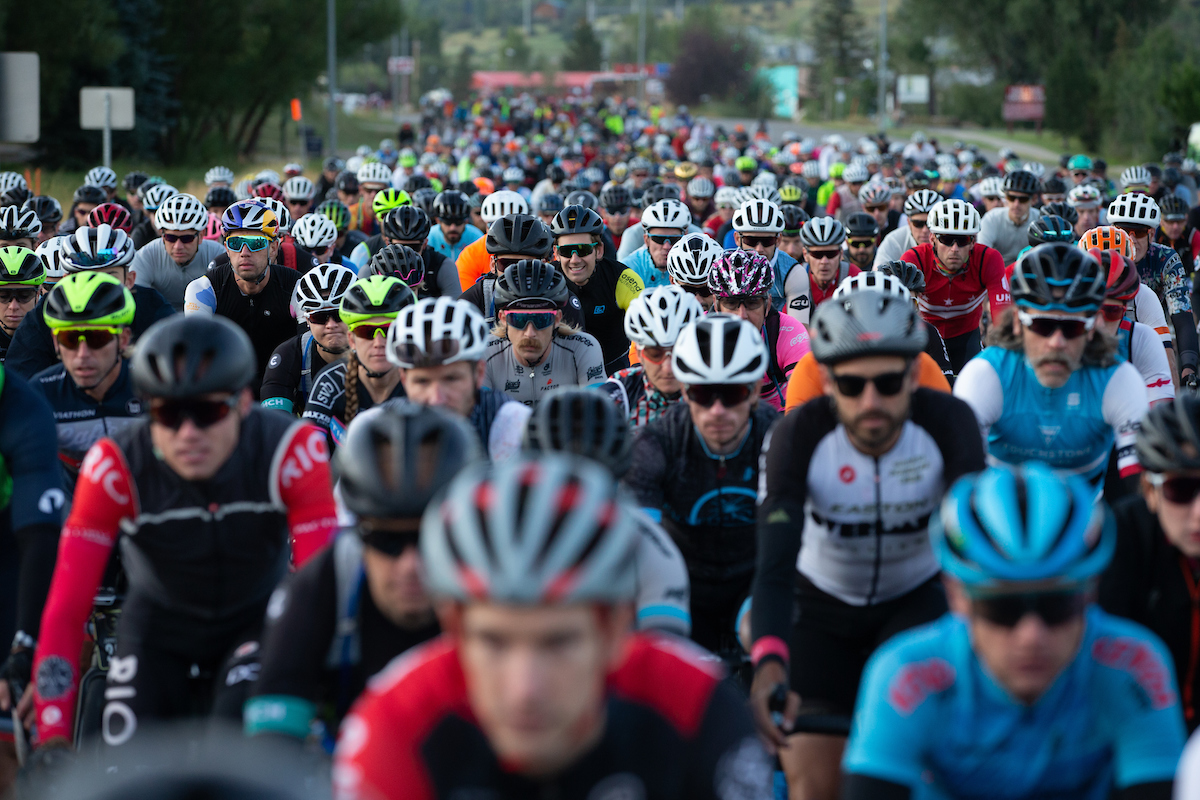
1500 people started the inaugural SBT Gravel Race in Steamboat Springs, Colorado. Photo: SBT GRVL/Wil Matthews.
The success of the event was multi-faceted. It can be partially attributed to the family-friendly hospitality of the community, as well as the beauty of Steamboat Springs. Discovery of the region’s hundreds of miles of gravel roads was certainly a factor. But in the fast-growing world of gravel riding and racing, SBT GRVL was considered to be a must-ride from the start because it truly honored the spirit of this new discipline of cycling.
“One of the best aspects of gravel is that everyone is welcome. It’s not run by teams, marketing or profits. It’s pure and open for anyone interested in having an adventurous ride, and we wanted to uphold that from day one of SBT GRVL,” said Satkiewicz.
SBT GRVL also launched with a commitment to parity, inclusivity and equality for all riders – no matter their ability level, their race or their gender. This commitment is what fueled the race to re-open three months after registration was at capacity, to offer 200 more spots for female riders. As a result, 400 women showed up to ride on Sunday, just under 30-percent of the field. The founders are working to achieve a 50-50 ratio of male/female riders in the coming years.
The success of the event was also due, in part, to the start list of professional cyclists of multiple disciplines who signed up to compete. World Tour road riders, marathon mountain bike riders and up-and-coming gravel racing stars lined up shoulder to shoulder at the start. Gravel cycling isn’t sanctioned or regulated, which made the multi-faceted pro field possible. And there was a sizeable prize purse – $28,000 – that was divided equally among men and women.
Amateurs and enthusiasts were able to ride with the pros and watch the attacks and race action as they unfolded on course. Aid stations reflected camaraderie of the experience of all of the riders, together, out on course. Amateur winners were counted in every course distance as well as in the pro ranks.
Brodie Chapman, of Tibco-Silicon Valley Bank Pro Women’s road-racing team, took the top step of the women’s podium after climbing over 9,000 feet on the course. For the men, it was former world-tour road cycling pro Ted King, the 2018 winner of the 2018 Dirty Kanza 200 gravel race, who took the win.
Throughout the weekend riders praised the beauty of the rural gravel roads and mountain backdrops and exchanged wildlife and livestock stories from encounters on the course. Participants shared that this was one of the most well organized cycling events they’d done to date, and also commented on the welcoming vibe from the friendly community of Steamboat Springs.
The riders were treated to a weekend of all-things-gravel, including a pre-ride of the SBT GRVL course, a pro panel discussion and a robust brand expo in downtown Steamboat Springs on Saturday, and the rides on Sunday.
Steamboat’s unique offerings and established bed base allowed SBT GRVL riders and their families to make a vacation out of the destination race. Participants and their families explored the outdoor experiences and recreation opportunities like the rodeo and the Strawberry Park Natural Hot Springs.
While inclusion, parity, and equality were a top priority amongst all riders, SBT GRVL also prioritized giving back to local non-profits to support Routt County’s ranching community, Boy’s & Girl’s club as well as youth athletic programming in Steamboat Springs.
“So much of the success of the event is largely due to the hospitality of the community, as well as the support from the kind, engaged local volunteers that helped make the first year one to remember,” said Satkiewicz.
Ted King Named Overall Male Winner of Inaugural SBT GRVL
The inaugural race attracted a high caliber men’s and women’s pro field, comprised of World Tour road racers, including some retirees like six-time Tour de France Green Jersey winner Erik Zabel and Ted King, who last rode professionally for Cannondale-Garmin’s UCI Pro Team. It also counted active pros among its ranks, hailing from cycling disciplines including marathon-distance, mountain bike and gravel racing.
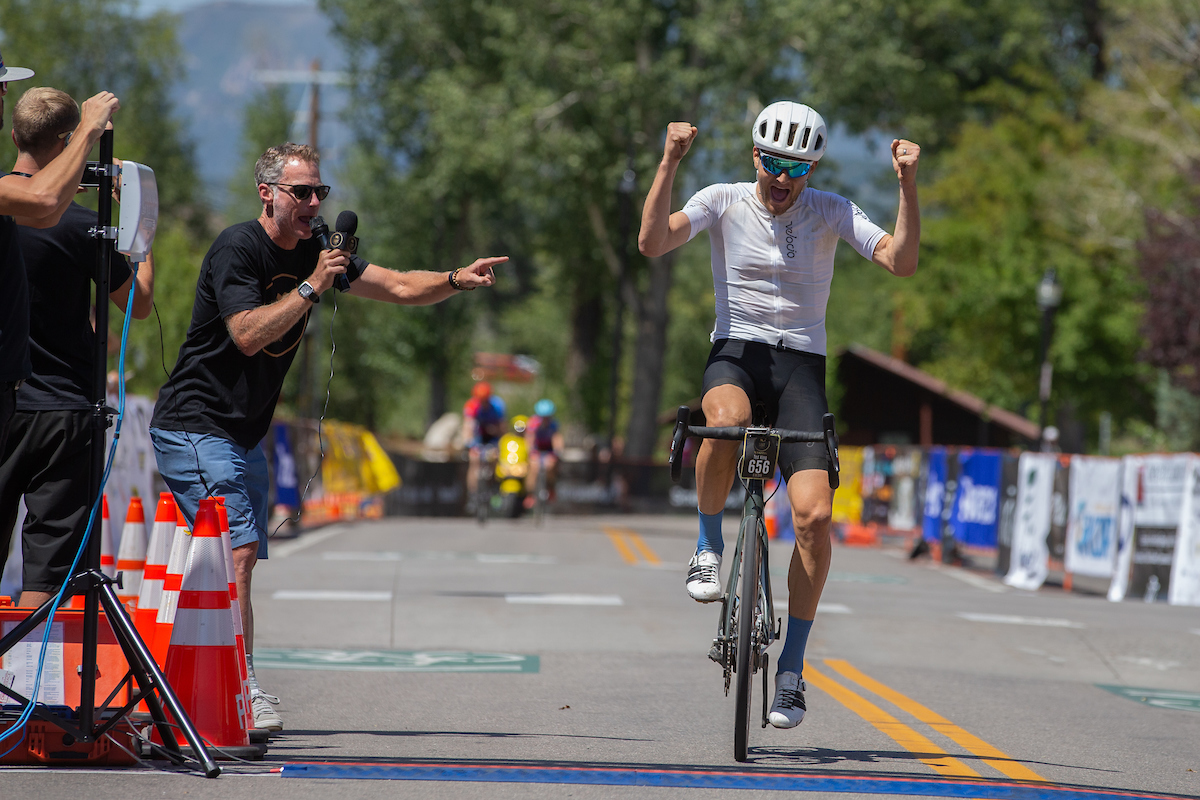
Ted King wins the Men’s race at the inaugural SBT GRVL Race in Steamboat Springs, Colorado. Photo: SBT GRVL/Wil Matthews.
Course conditions were improved from rains on Saturday, and the race unfolded under a blue sky with temperatures that reached 85-degrees. It turned out to be a perfect day for King, and marathon mountain bike and gravel road racer Payson McElveen, to duke it out for most of the 141 miles of the course.
King broke away to take the lead during the rolling gravel flats between climbs two and three. He had to fight hard and consistently through the last 20 miles at Cow Creek to best McElveen, who continued to attack King on the toughest climbs of the day.
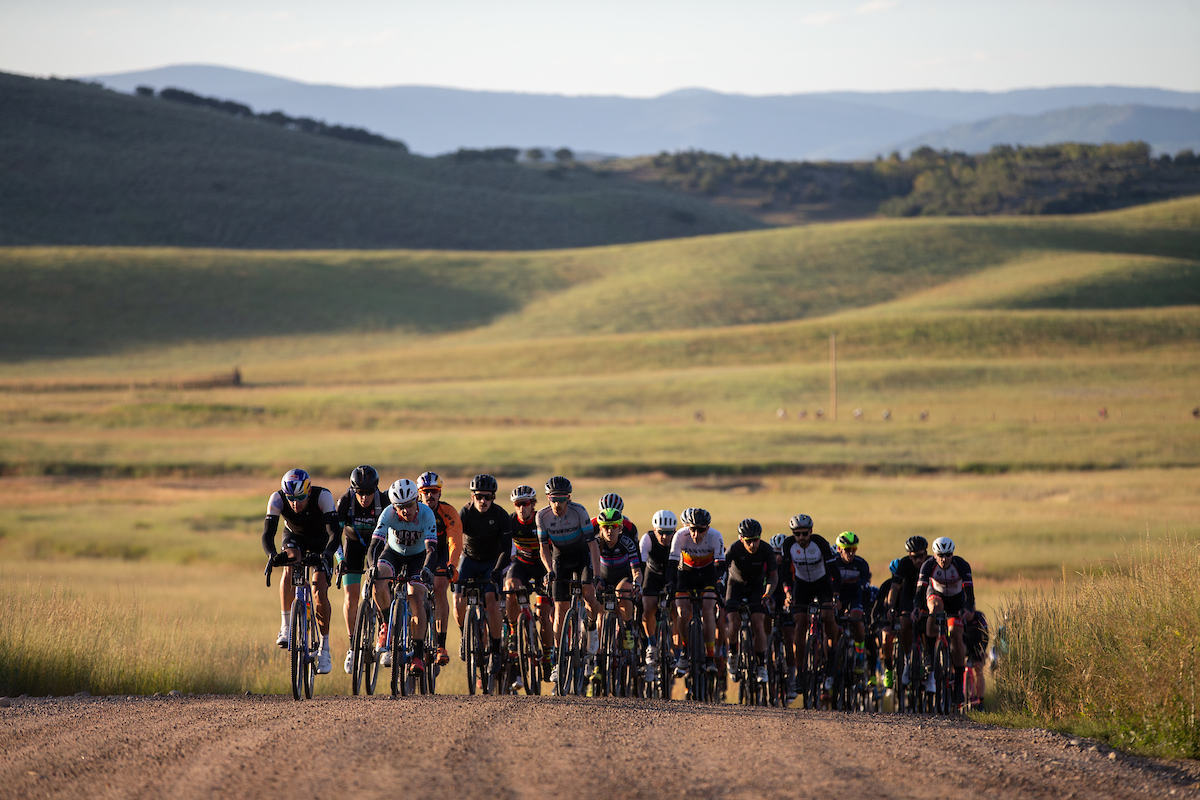
Riders take to the gravel roads surrounding Steamboat Springs, Colorado for the inaugural SBT GRVL Race. Photo: SBT GRVL/Wil Matthews.
King ultimately prevailed with a 00:01:54 gap on McElveen, adding the win to his gravel palmares, which includes the 2018 win of the Dirty Kanza 200 gravel race.
“This event – and the best gravel events – happen with an amazing amount of camaraderie,” said King, the men’s Black Course winner. “It’s been a year of ‘almosts’ (for me) and (it was) really fun to duke it out with these guys.”
King said that he and second-place winner McElveen were talking with each other at the end of the race, between attacking each other.
“We were just saying how stunning the landscape of this race is, it’s outstanding. Steamboat has been such an amazing (host) community; we’ve really loved this whole weekend.”
In addition to the second-step on the podium, McElveen was awarded a hard-fought King of the Mountain title in the inaugural SBT GRVL. He rode the three main climbs on the Black Course, which total almost 9,000-vertical feet, with the fastest cumulative time of the day (48:32:00), and brings home a valuable prize package from race sponsors Panaracer, Roka, OtterBox, Feedback Sports, GU Energy, Primal and SmartWool.
Colin Strickland (overall men’s winner of this year’s Dirty Kanza), Jacob Ruthe and Jonathan Baker rounded out the top five men, who together will split $22,000 of the $28,000 prize purse.
The remaining $6,000 is allocated to the winners of the Blue Course, which was 100 miles with over 70 miles of gravel and 6,000-feet climbing, and the Green Course, a 38-mile race with 20-miles of gravel and 2,000-feet of climbing.
Gary Holt of Littleton, Colo., secured the overall win for the Blue Course amongst male riders, finishing with an overall time of 4:57:58. Jacob Peterson, also a Littleton, Colo., local, is the overall men’s Green Course winner with a finish time of 1:49:09.
Other notable results for the men’s field include Lucas Clarke of Denver, who was the fastest single-speed rider of the day, on the Black Course.
Brodie Chapman of Tibco-Silicon Valley Bank Pro Women’s Road Racing Team, Wins First-Ever SBT GRVL Race
Perhaps one of the most memorable facets of the inaugural SBT GRVL race, which launched today with three course distances that wove through the beautiful rural gravel roads in and around Steamboat Springs, Colo., is the fact that the event drew 400 female riders. That’s just under 30-percent of the 1,500 riders who signed up to ride.
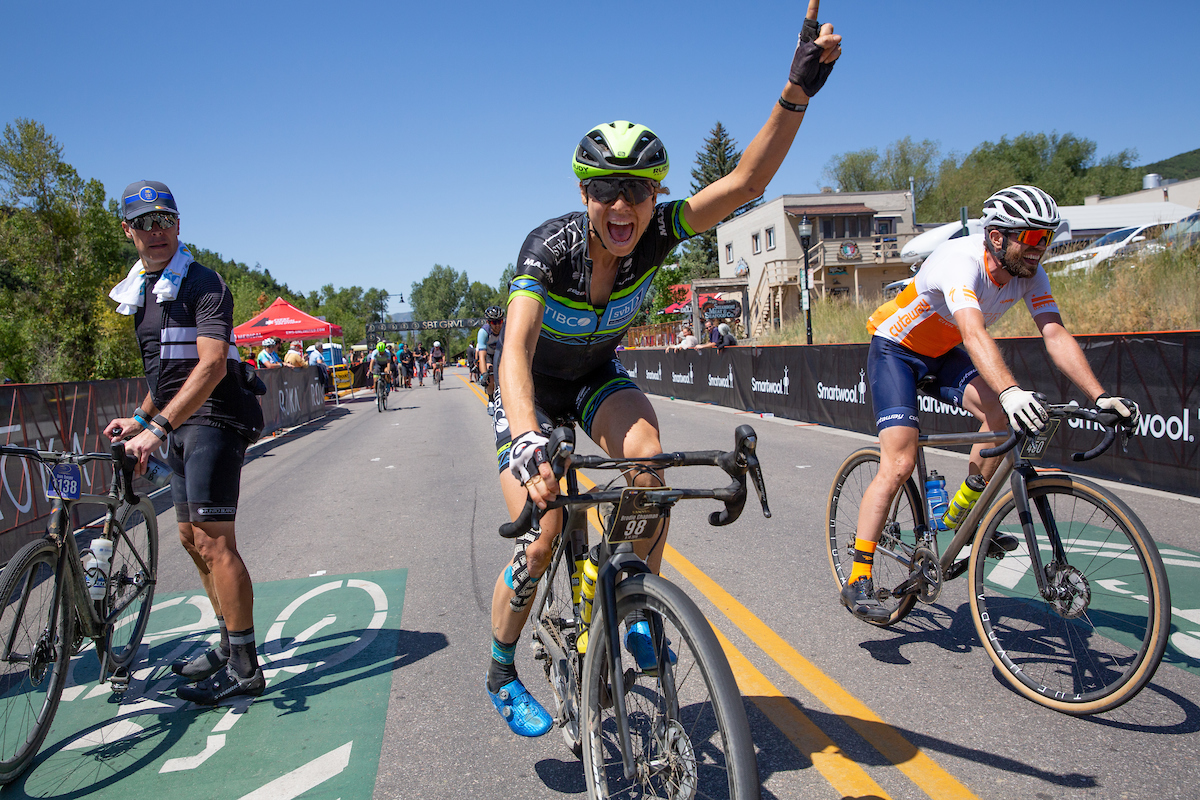
Brodie Chapman (Tibco SVB) wins the Women’s field at the inaugural SBT GRVL Race, in Steamboat Springs, Colorado. Photo: SBT GRVL/Wil Matthews.
That’s a strong showing of female gravel riders for a first-year event. And all 400 of them showed up ready to ride at 6:30 a.m., sharp, 1,500 riders left Steamboat’s Yampa Street ready to take on the Black Course (141-miles, 100 of which were gravel, with 9,000-feet of climbing), Blue Course (100- miles, over 70 miles of gravel, with 6,000-feet of climbing) and Green Course (37-miles, with 20 miles of gravel, and 2,000-feet of climbing).
Among those 400 female riders, an incredible pro women’s cycling field went to battle for an equally split prize purse of $22,000, the majority of which was awarded to the top five finishers of the Black Course. Another $6,000 was earmarked for winners of the Blue and Green Courses, respectively, as well as age-group top finishers*.
At the end of the day, it was Brodie Chapman of Tibco-Silicon Valley Bank Pro Women’s road-racing team who took the top step of the podium with a winning time of 6:56:40.
Sarah Sturm (Specialized-Rocket Espresso) took third in the Women’s field at the SBT GRVL Race in Steamboat Springs, Colorado. Photo: SBT GRVL/Wil Matthews
Second place went to Chapman’s teammate Lauren Stephens, while Sarah Sturm took third. Sturm placed second in the Leadville 100 Mountain Bike Race last weekend, and also won the Belgium Waffle Ride in the spring of this year. The top five women’s winners also include multi-discipline cycling pro Alison Powers and Nina Laughlin, a pro cyclist and coach for Carmichael Training Systems.
Brodie held a consistent pace and position at the start of the ride, racing head-to-head with second place finisher, Lauren Stephens. By the time Chapman topped the first climb, she put in a seven-minute gap on Stephens after she suffered a flat tire. Chapman, named ‘Gravel and Tar Champion’ as well as the first-overall winner in the Tour of the Gila in 2019, held on to the lead for the rest of the race.
“I came here to win,” said Chapman. “Unfortunately my teammate Lauren got a flat and I knew I had to keep going so I just pushed on and tried to hold the wheel and stay out of the wind; and it got really fast.”
The inaugural Queen of the Mountain title for the climb-heavy Black Course goes to Stephens, who had a cumulative climbing time of 53:40:00 over the three major Black Course climbs.
UCI Women’s Canyon–SRAM cyclist, Ella Harris of New Zealand, secured the overall win on the Blue Course, finishing with an overall time of 4:59:40. Harris is also the only female to break five hours on the Blue Course. Canyon-SRAM teammate, Tiffany Cromwell, secures the second-place finish with a time of five hours six minutes. Four of the top five female finishers (with the exception of Sturm) lined up to race the Colorado Classic Women’s Road Race four days later.
Takeshita Kae Takeshita is named Female Champion of the thirty-eight-mile green course. Takeshita finishes third overall in the Green group finishing with a time of 1:50:19.
Crystal Wintle from Stillwater, Okla., who was the only female single-speed racer of the Black Course and was named the winner of that category.
Input is needed from the public to help guide the planning process. Please take the survey linked further down the article to comment.
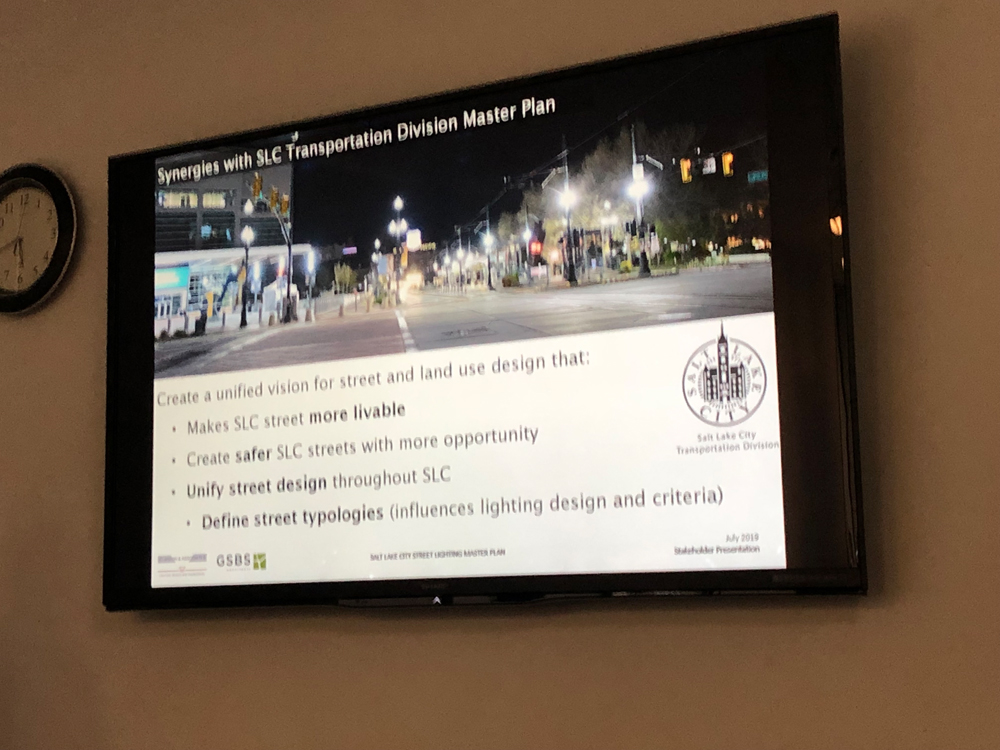
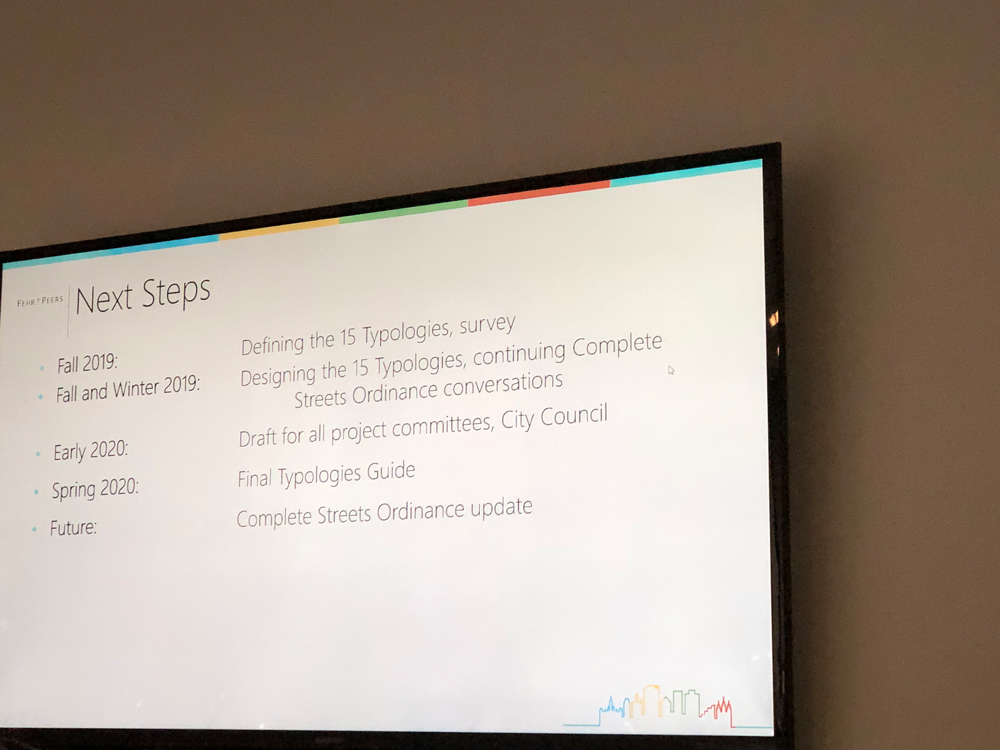
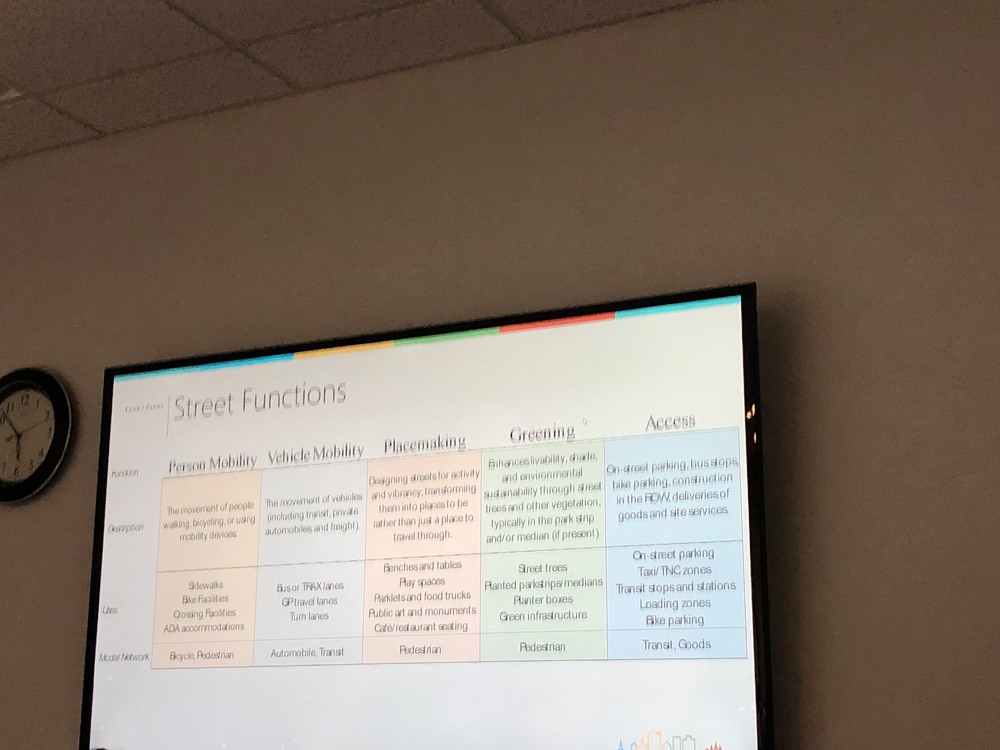
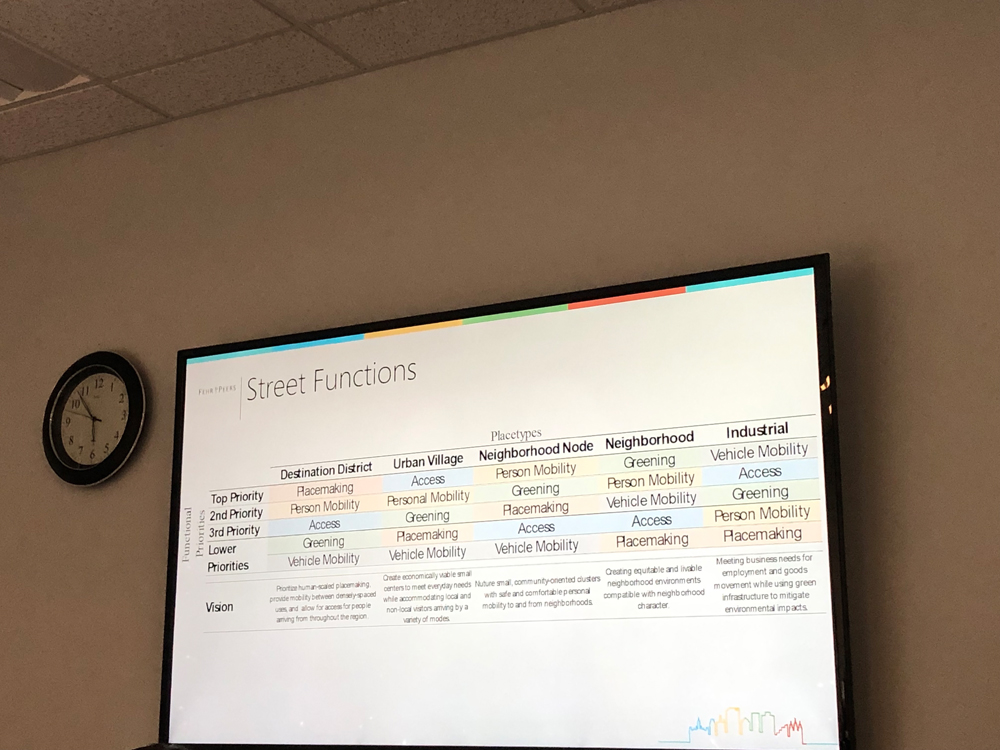
September 17, 2019 – Salt Lake City is revisiting how it classifies streets in order to create better solutions for how a street will look after it is rebuilt. Currently, streets have the following classifications: freeways, arterials, collectors, local streets, and neighborhood byways (like a Bike Boulevard). The current system from Salt Lake City Transportation Master Plan of 2006 is limited, and doesn’t really specify what a street would look like after reconstruction. For more on the plans for the new guide, see: https://www.slc.gov/transportation/2019/08/30/typologies/
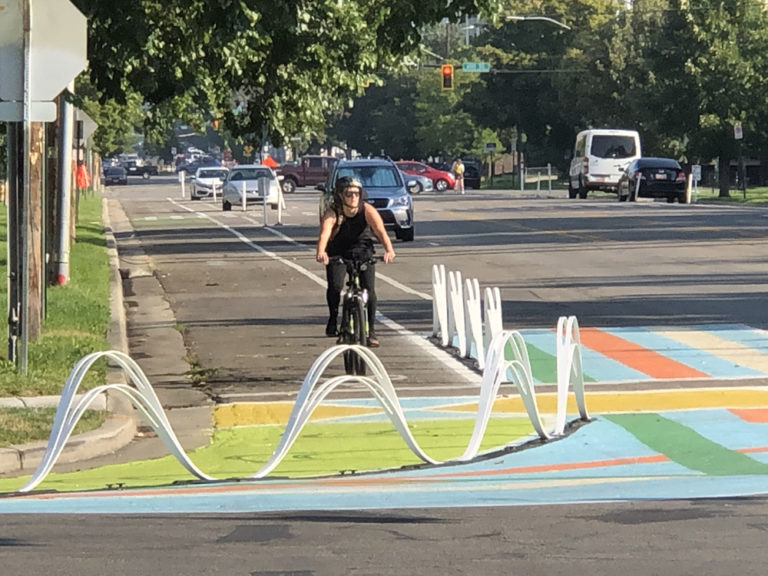
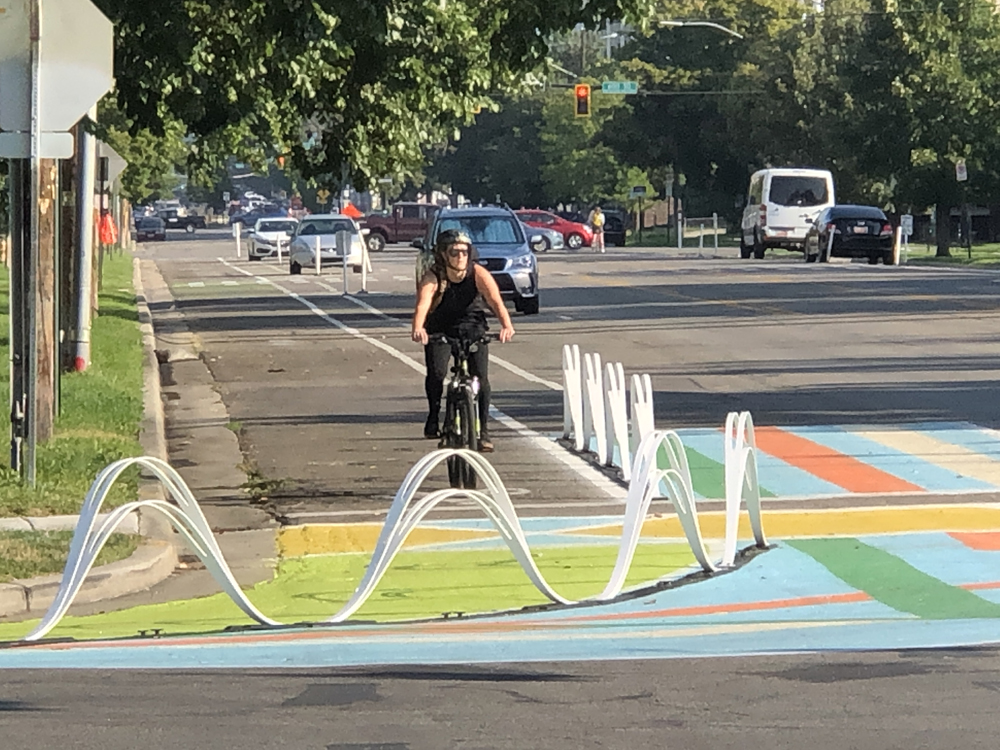
Salt Lake City is planning 15 new street classifications as part of their upcoming guide to street typologies. The new protected intersection at 300 E and 700 S is shown here. Photo by Dave Iltis
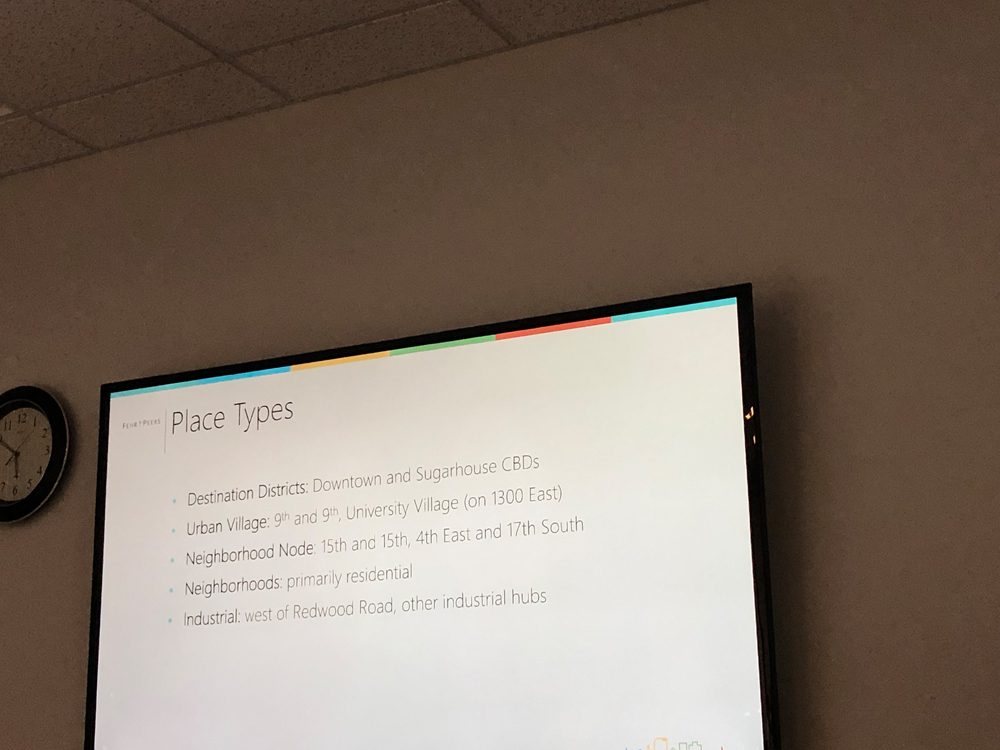
The guide will be loosely based off of Seattle’s street typologies plan which has 12 different typologies. Salt Lake City is working with 5 neighborhood types that will ultimately lead to the 15 new street typologies. These are: Destination Districts (like downtown or Sugarhouse), Urban Village (like 9th and 9th), Neighborhood Nodes (like 15th and 15th), Neighborhoods (residential), and Industrial (like the area west of Redwood Road).
The new system will have 15 different design solutions or typologies, complete with a cross section and desired outcome.
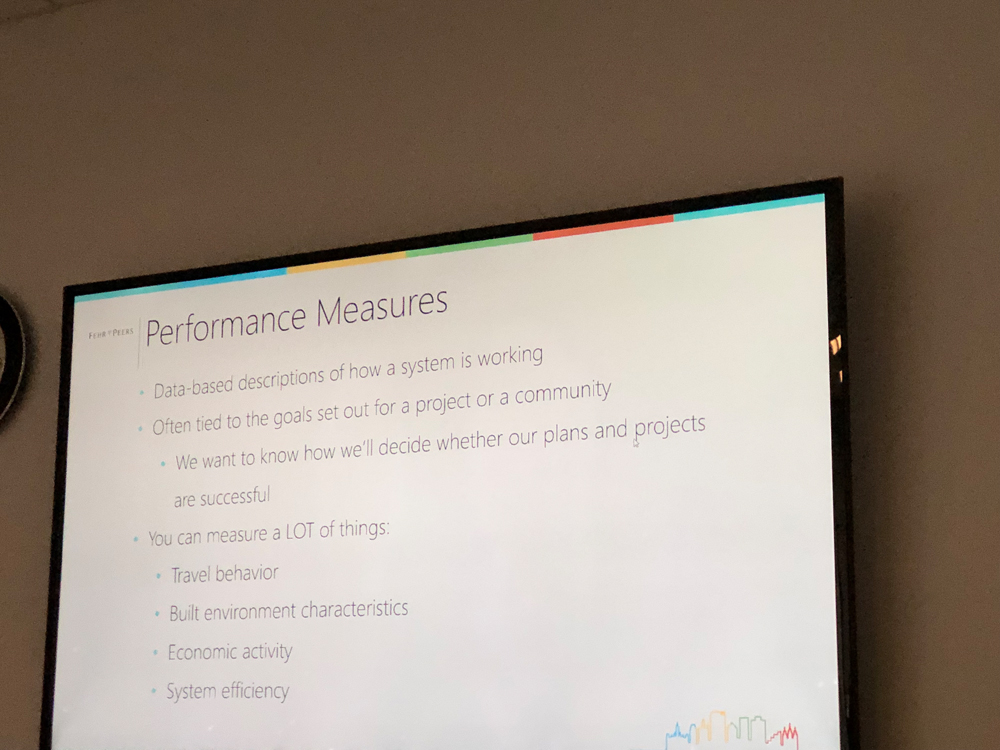
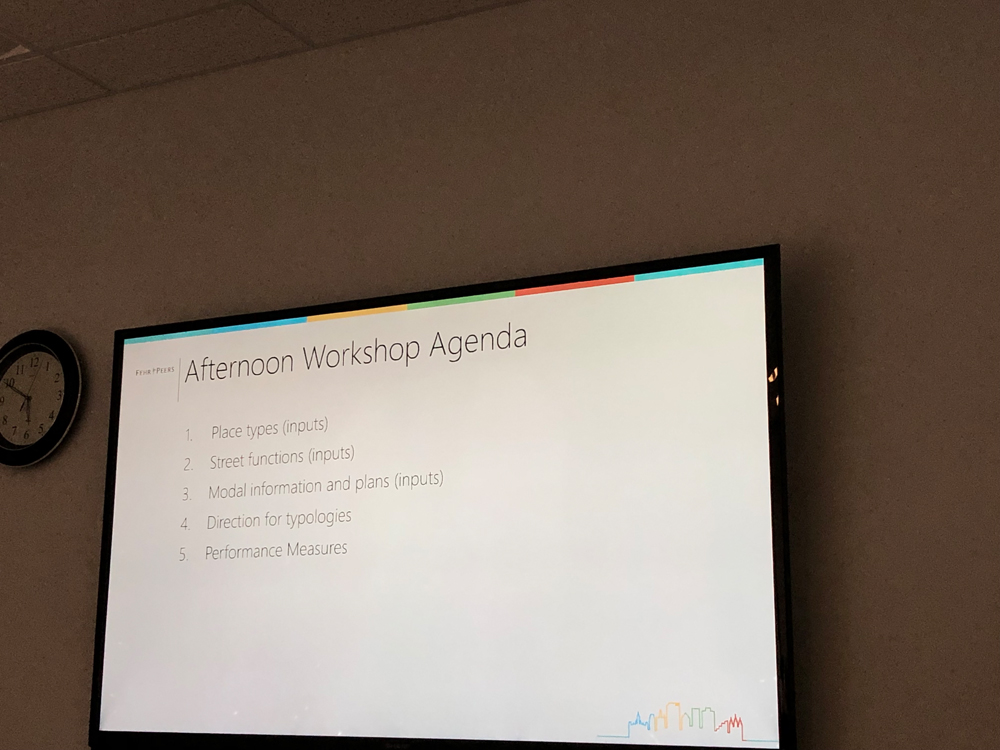
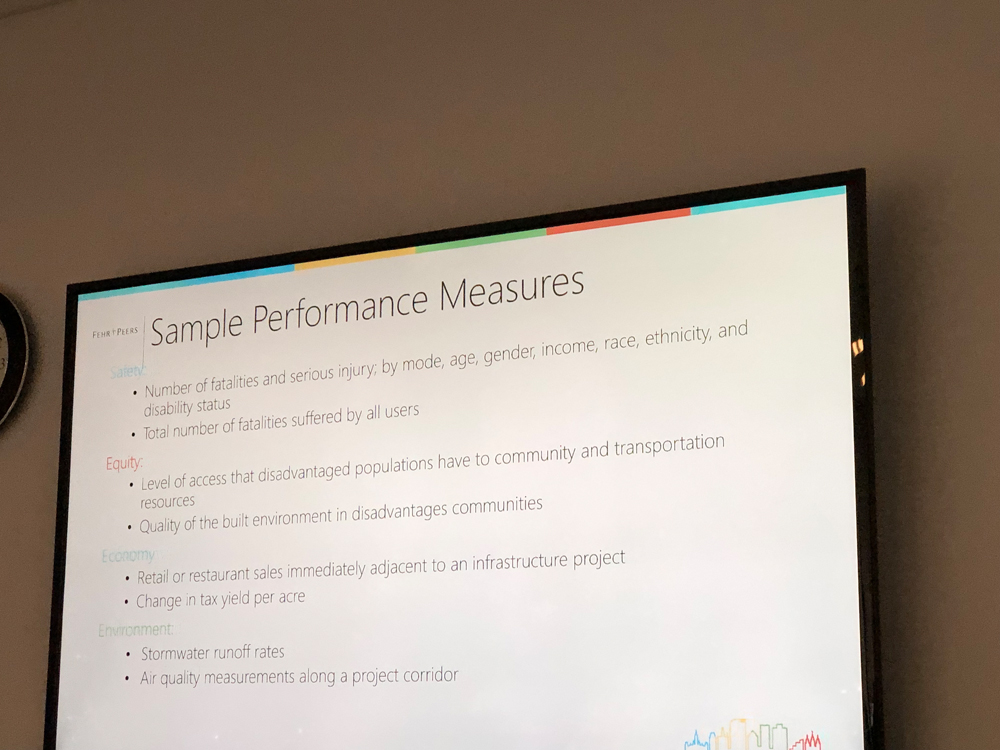
At the Salt Lake City Bicycle Advisory Committee Meeting on September 16, 2019, Salt Lake City gave a presentation about the new plan. It’s estimated that the plan will be complete in 2020, and will be followed by a revisting of the Salt Lake City Complete Streets Ordinance.
Our Comments:
Overall the concept of the guide seems like a good one that will result in better streets once implemented. And, a better Complete Streets Ordinance.
Note that we haven’t seen any of the 15 draft typologies as these have not been shared publically yet. It seems like a lot, but may be necessary to classify Salt Lake City’s multitude of roadways.
Salt Lake City’s streets need a number of the following improvements: Narrower lane widths, traffic calming measures, slower speed limits, reduced car parking reduced lanes (more road diets), and bike lanes on pretty much every major street, and many neighborhood streets.
The whole way that Salt Lake City looks at streets in terms of design, safety, and accommodations needs to change. Currently, it’s an autocentric mess with ‘Complete Streets’ and all of the accompanying changes such as those suggested above are often afterthoughts in the design process or conveniently ignored.
Look at 900 W for example, and the decisions to a) not reduce the speed limit to 25 or 30 after the redesign, and b) to not extend the bike lanes to 2100 S. Both of these lead to less safe, less complete streets that are not for people, but are for cars and trucks.
This street typology exercise is interesting, and will hopefully have some good outcomes, but only if Salt Lake City is willing to do what is needed to create streets where people – people on foot, people in wheelchairs or other personal mobility devices, people on bikes, people on scooters, and people in buses or rail come before cars and trucks.
In regards to street design itself, each and every street repaving and restriping should add bike lanes on any major streets. More attention needs to be paid to pedestrian crossings and signals so that pedestrians come before cars. This is not the case.
The plan should reduce lane widths to slow down motorized traffic and reduce speed limits citywide to slow down motorized traffic.
We’d like to see more (any?) parklets in neighborhoods such as 9thand 9th, and downtown. Many other cities have had great success with these, but Salt Lake City only does these as demonstration projects.
The plan should look at the sidestreets in downtown SLC and figure out on which ones you can remove or reduce car traffic and create a higher level of comfort for pedestrians. Where could we have a pedestrian only street? Main Street? 300 South between State and Main? The heart of Sugarhouse?
And, in regards to this exercise in street typologies, please don’t use the many different potential typologies to keep bike lanes from being installed on industrial streets. Good bike lanes and good sidewalks are needed especially in those areas so that they foster a reduced dependence on cars.
Regarding the Complete Streets ordinance, and how this fits in with street typologies, a great start would be if Salt Lake City would actually follow their own ordinance instead of ignoring it like they have on 2100 S, 700 S, 100 S, and the street to the new Stadler Rail complex.
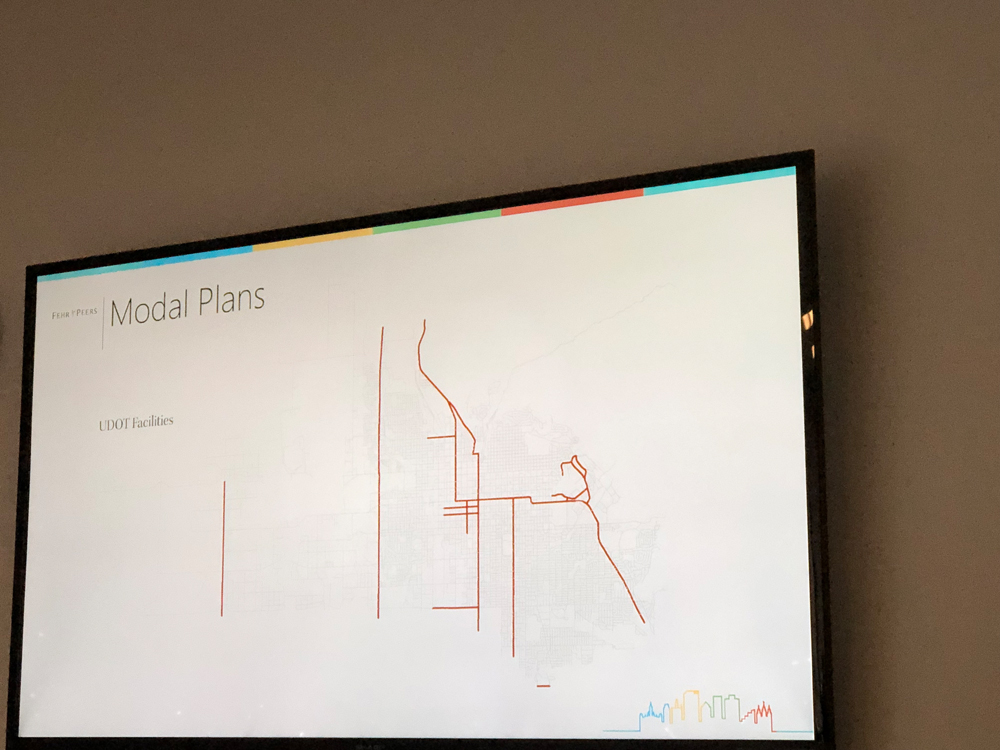
Additionally, we wonder if UDOT will be on board with whatever Salt Lake City comes up with. Often, UDOT owned roads do not follow along with Salt Lake City’s plans (see for example the recently repaved W. Temple section in downtown Salt Lake City that has 6 lanes of traffic, lower traffic volume, and no bike lanes).
Salt Lake City really needs to step up and change. The measures that we have been doing are not enough to have people first streets, which will lead to a more dynamic, healthy, and safe city. The Street Typologies guide is a step in the right direction.