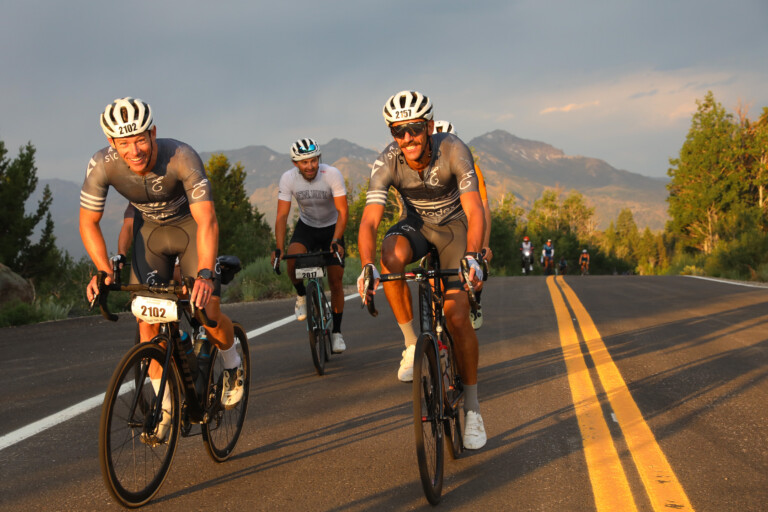
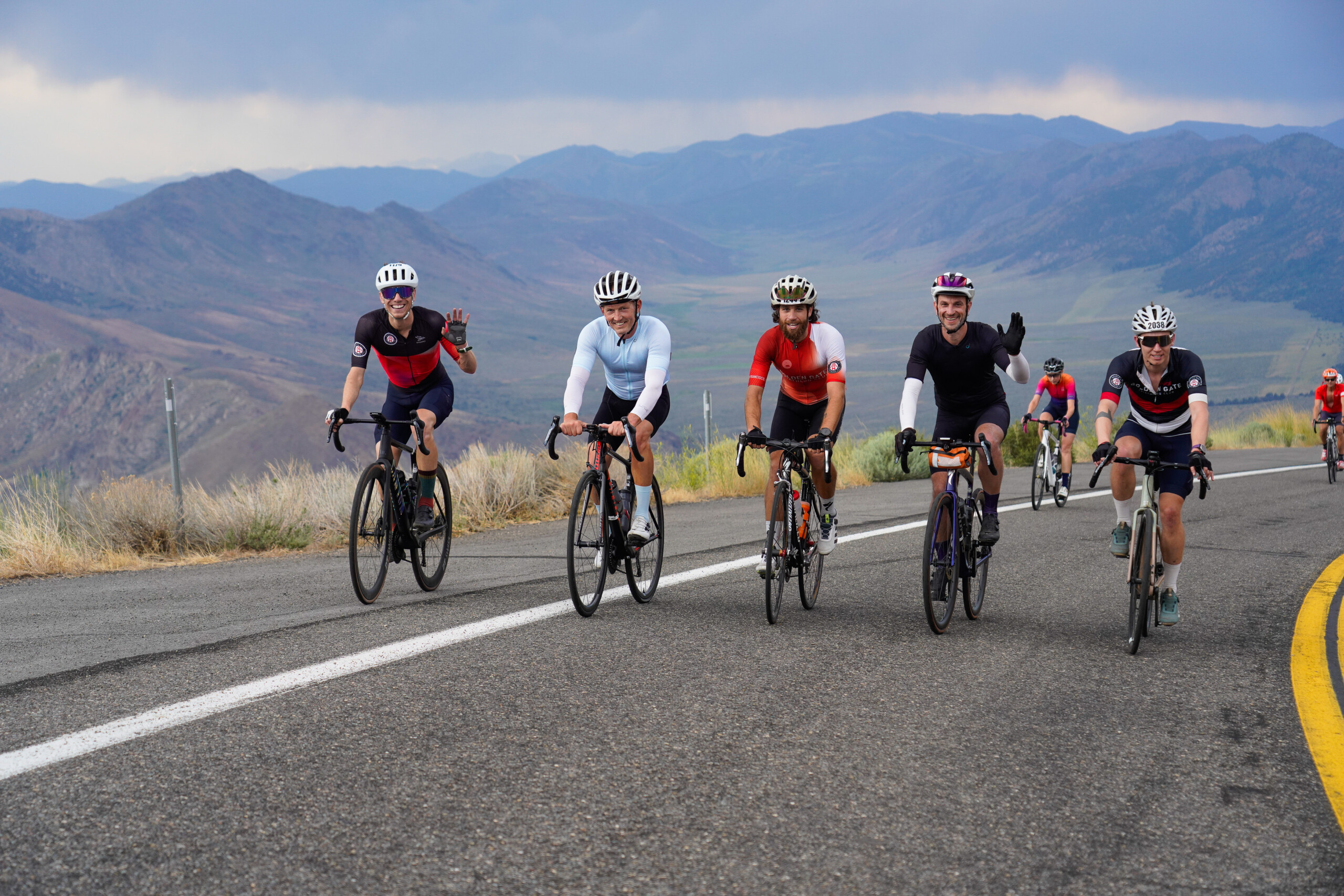
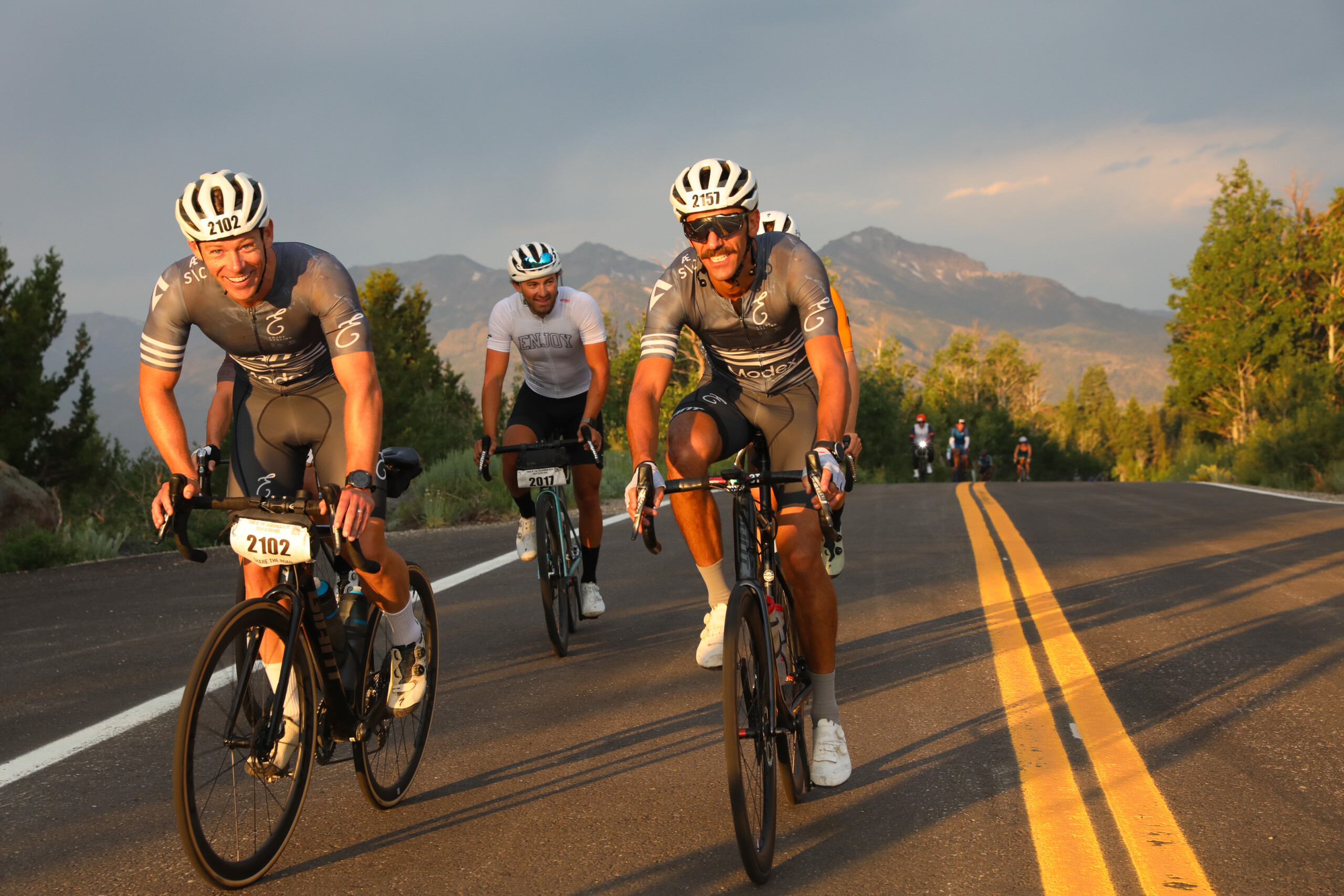
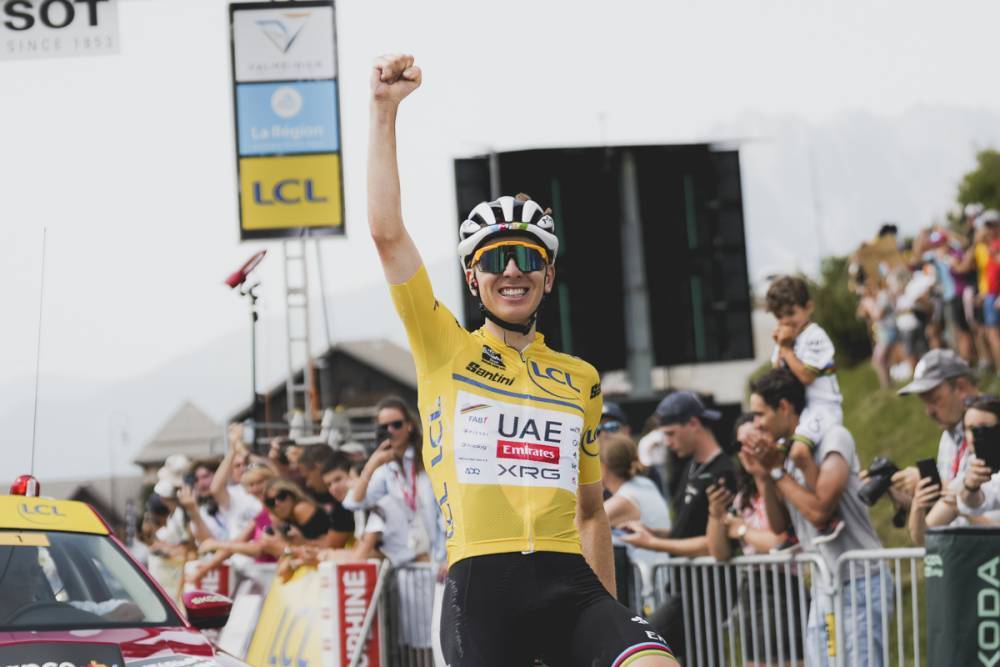
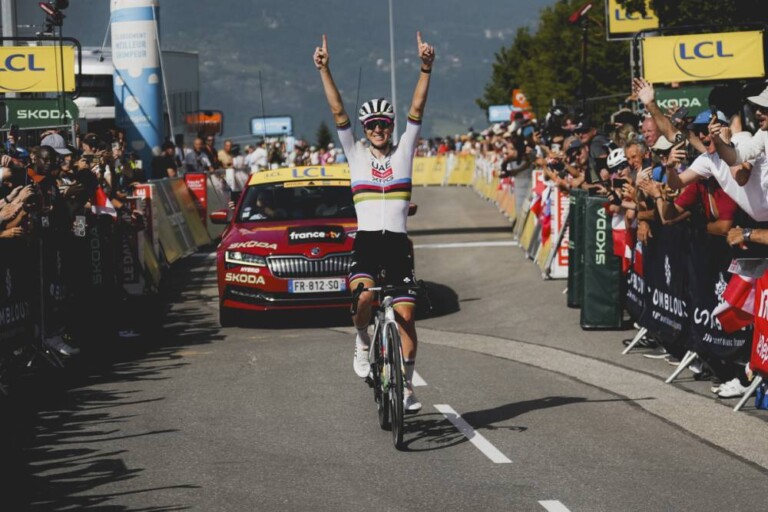
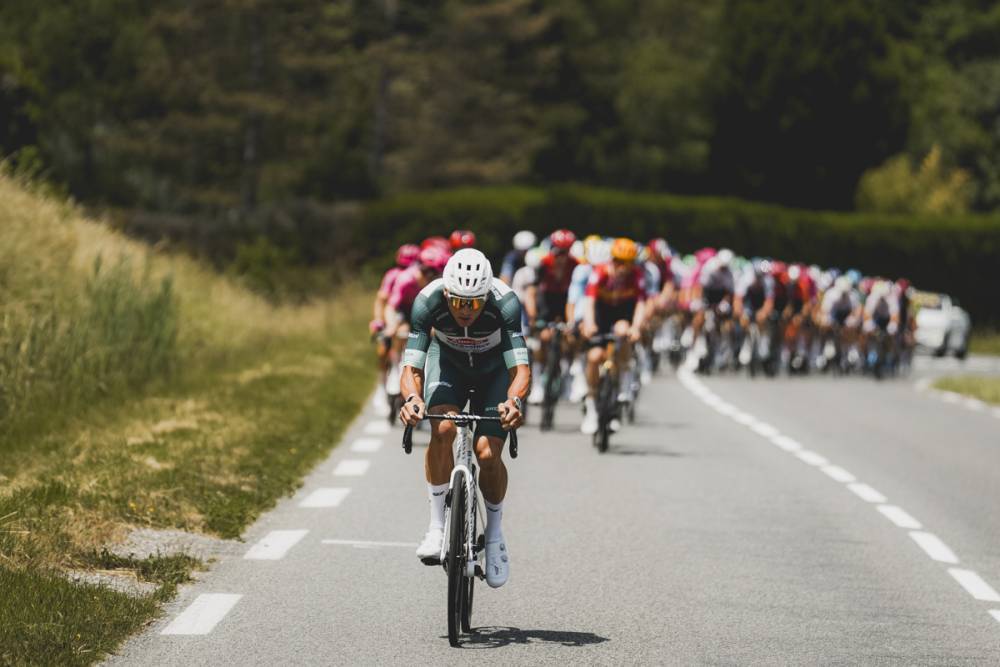
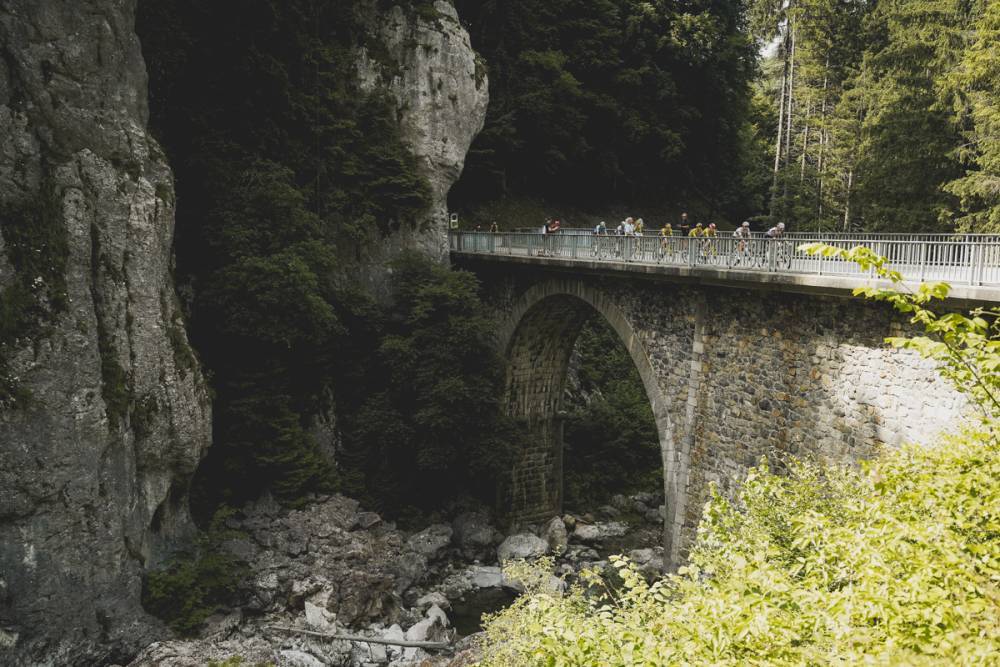
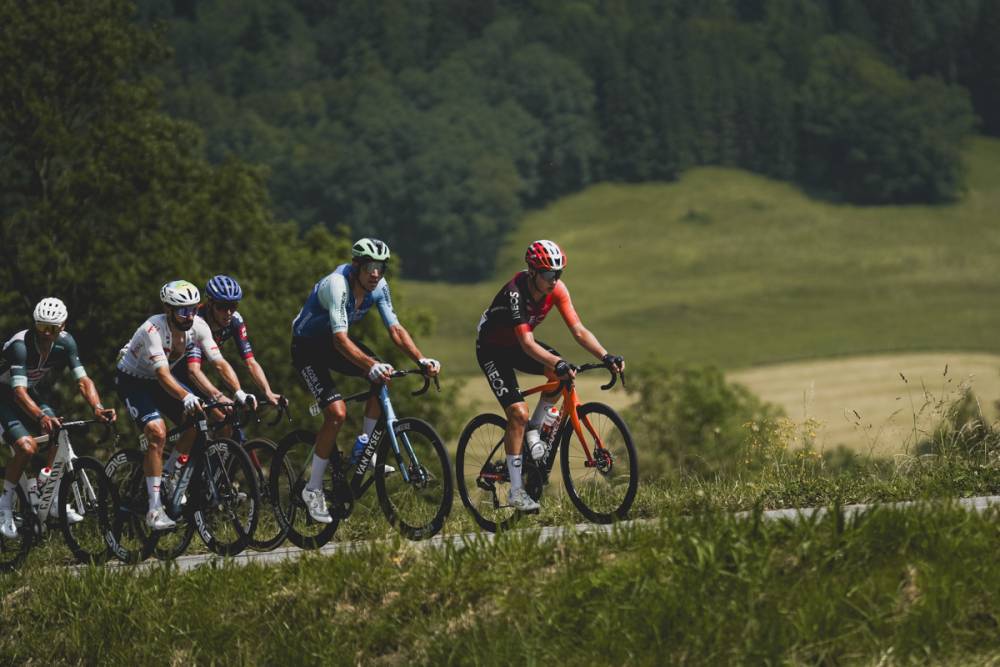
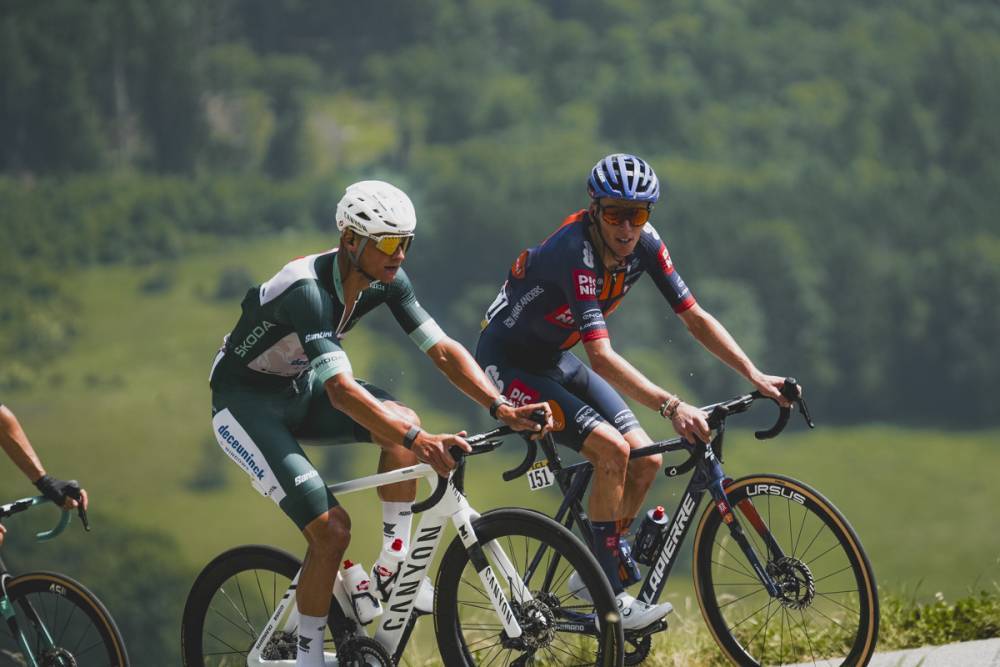
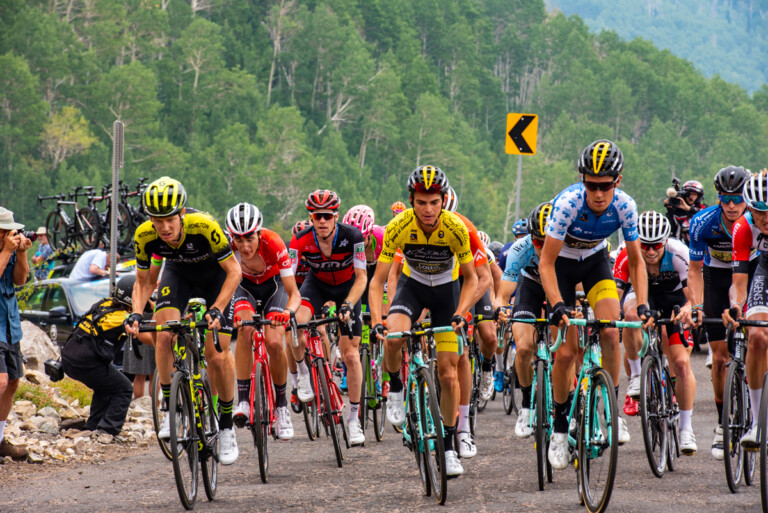
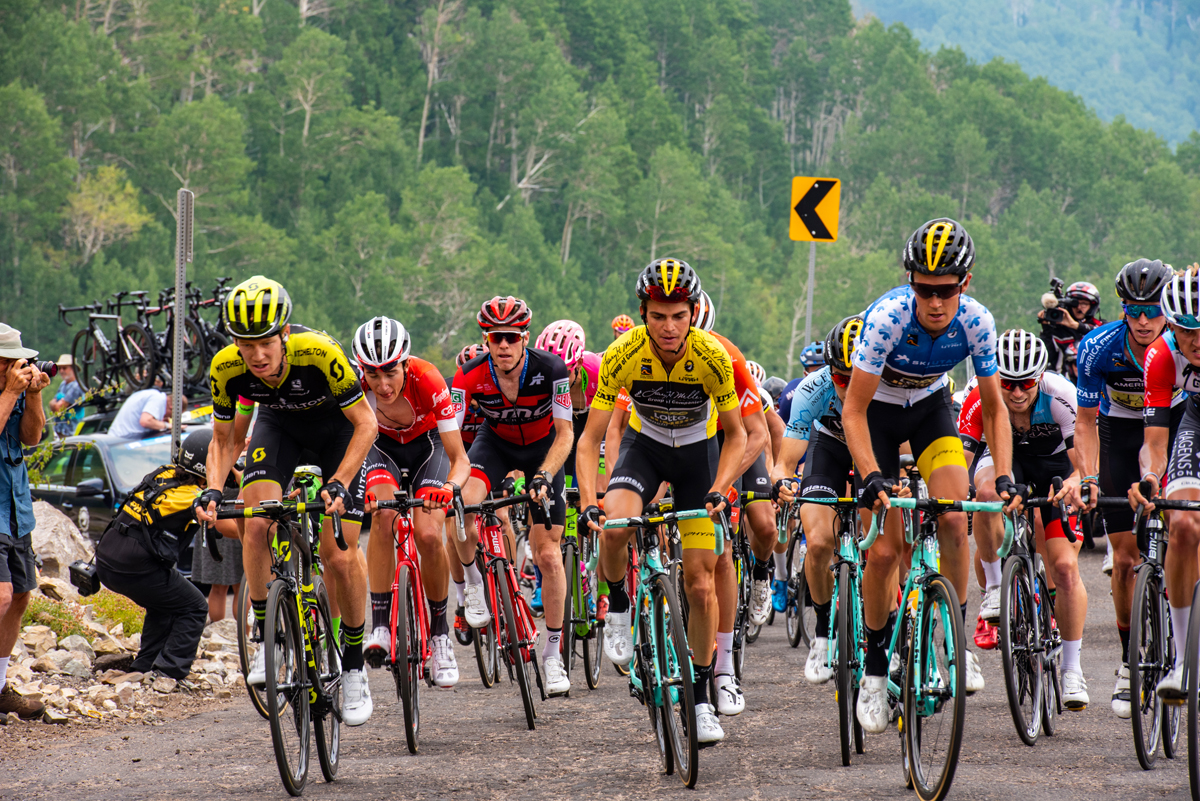
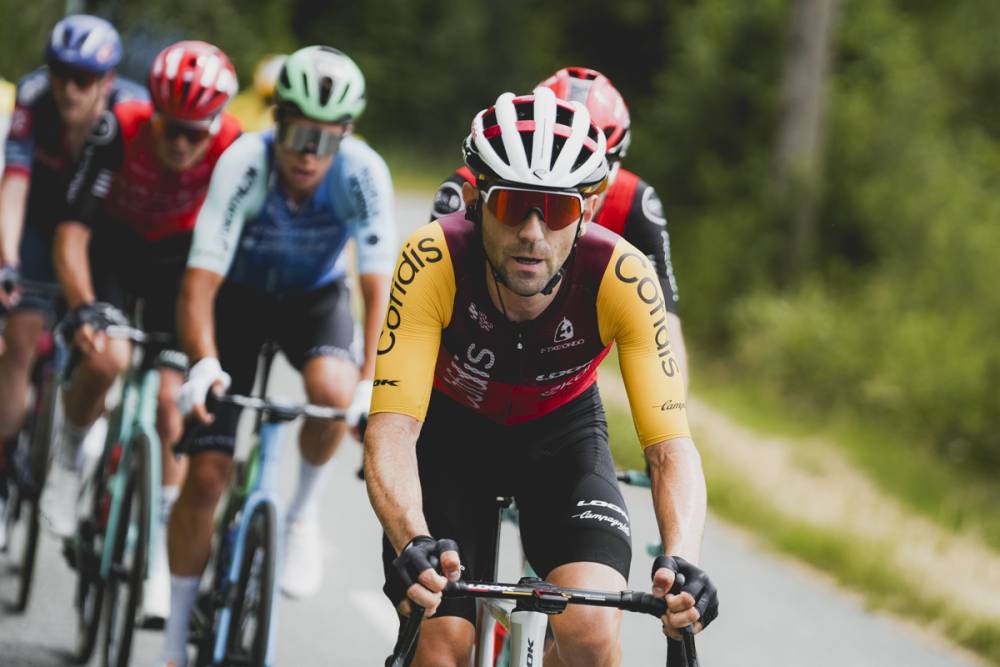
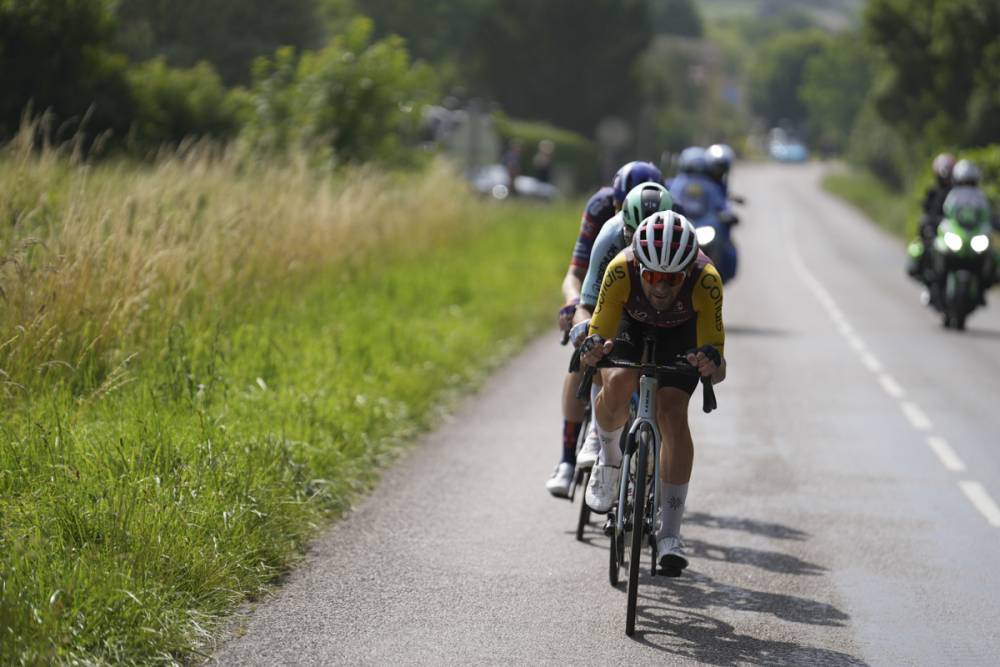
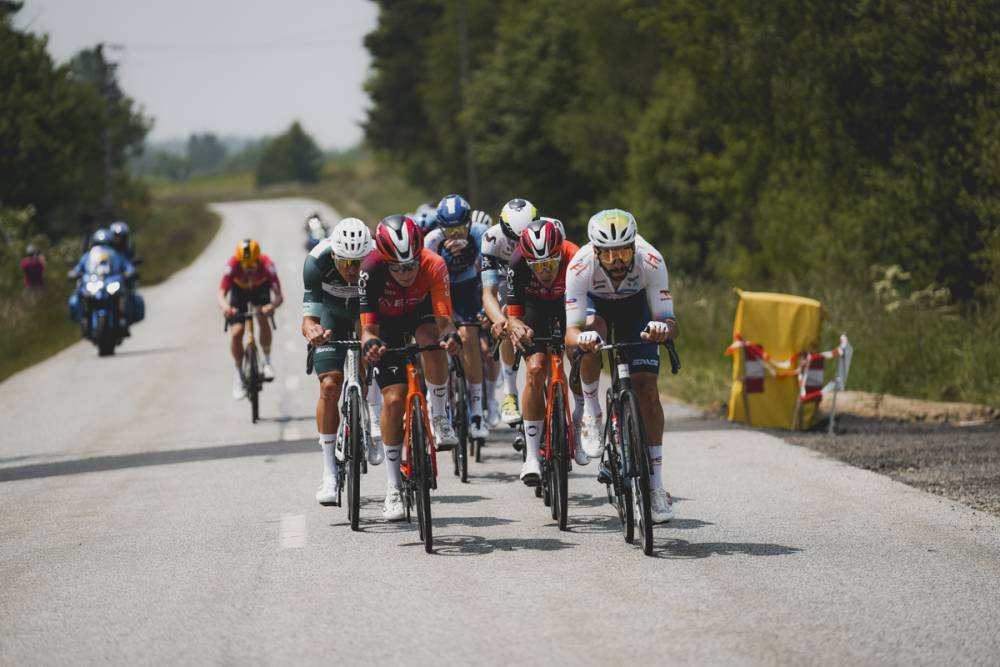
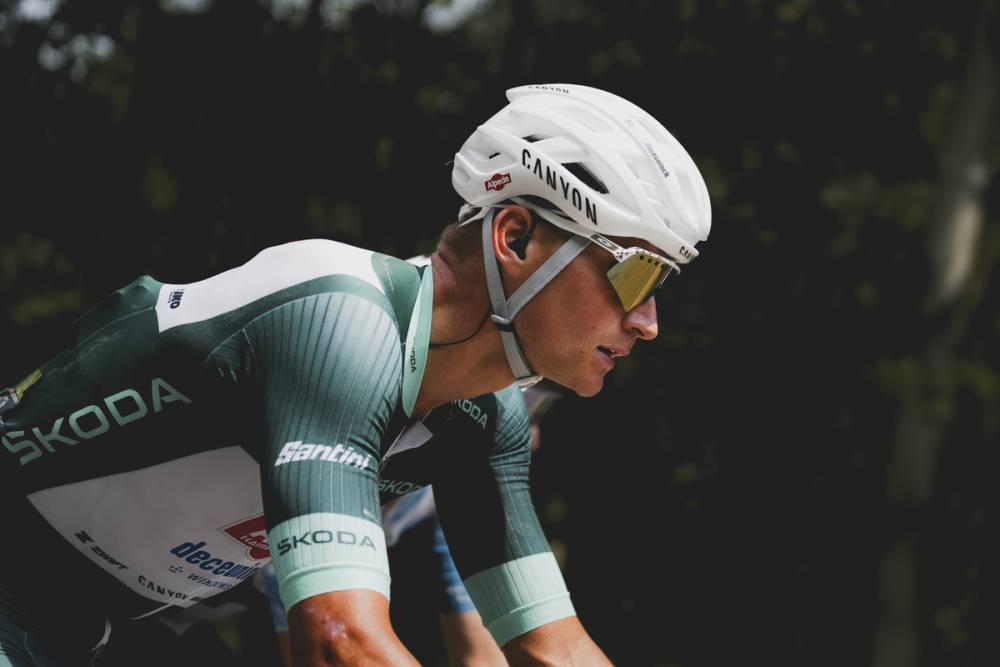
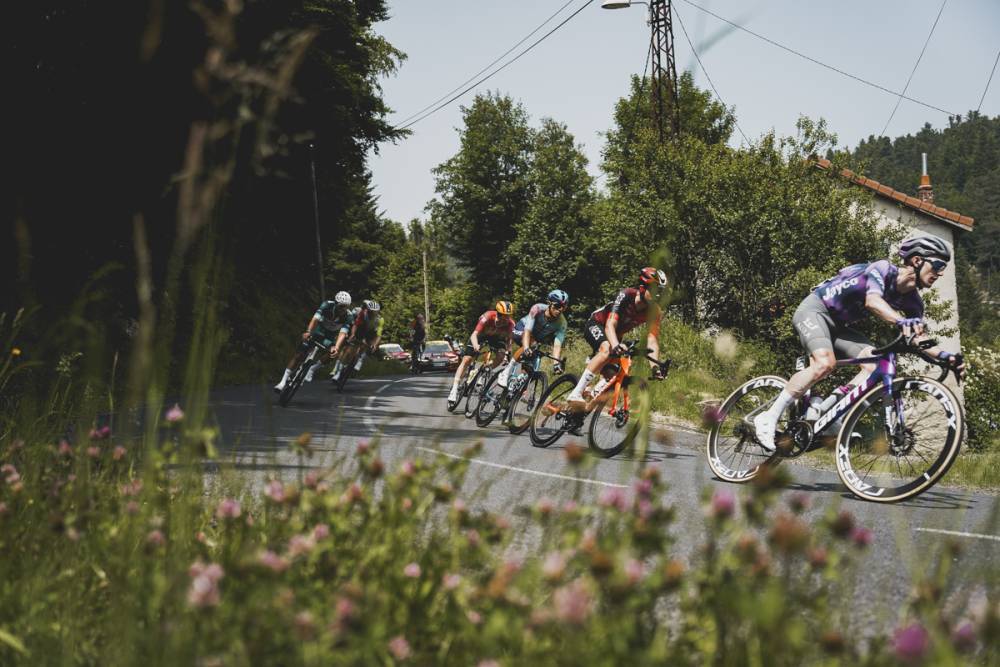
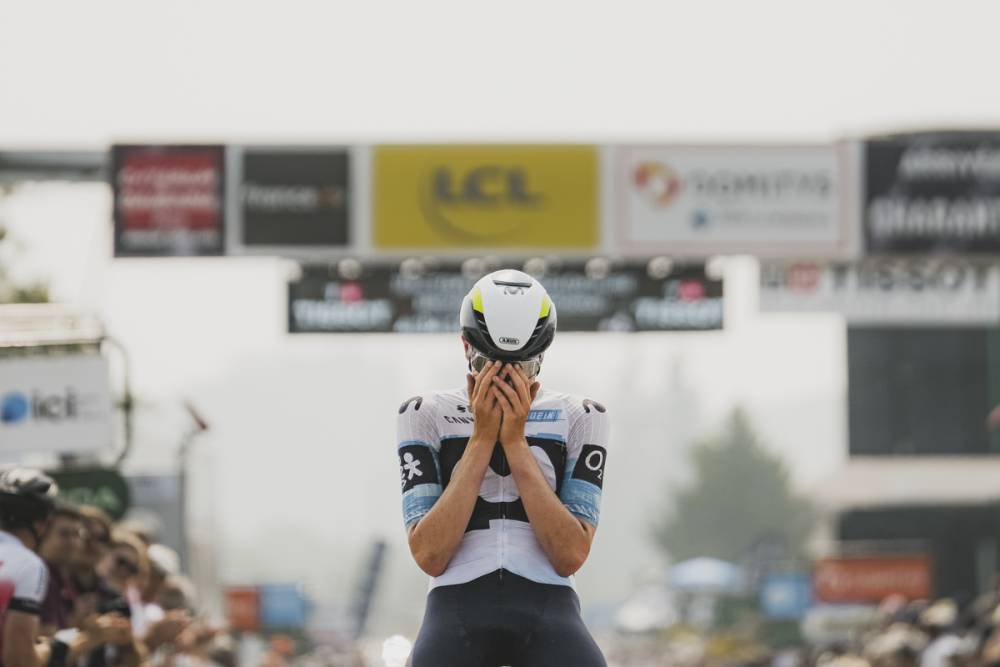
MARKLEEVILLE, California — There are few rides in the United States that inspire both awe and anxiety in equal measure. The Tour of the California Alps – Death Ride, now in its 44th edition, is one of them. With 103 miles, over 14,000 feet of elevation gain, and six high-altitude passes on the menu, it’s not so much a ride as it is a rite of passage.
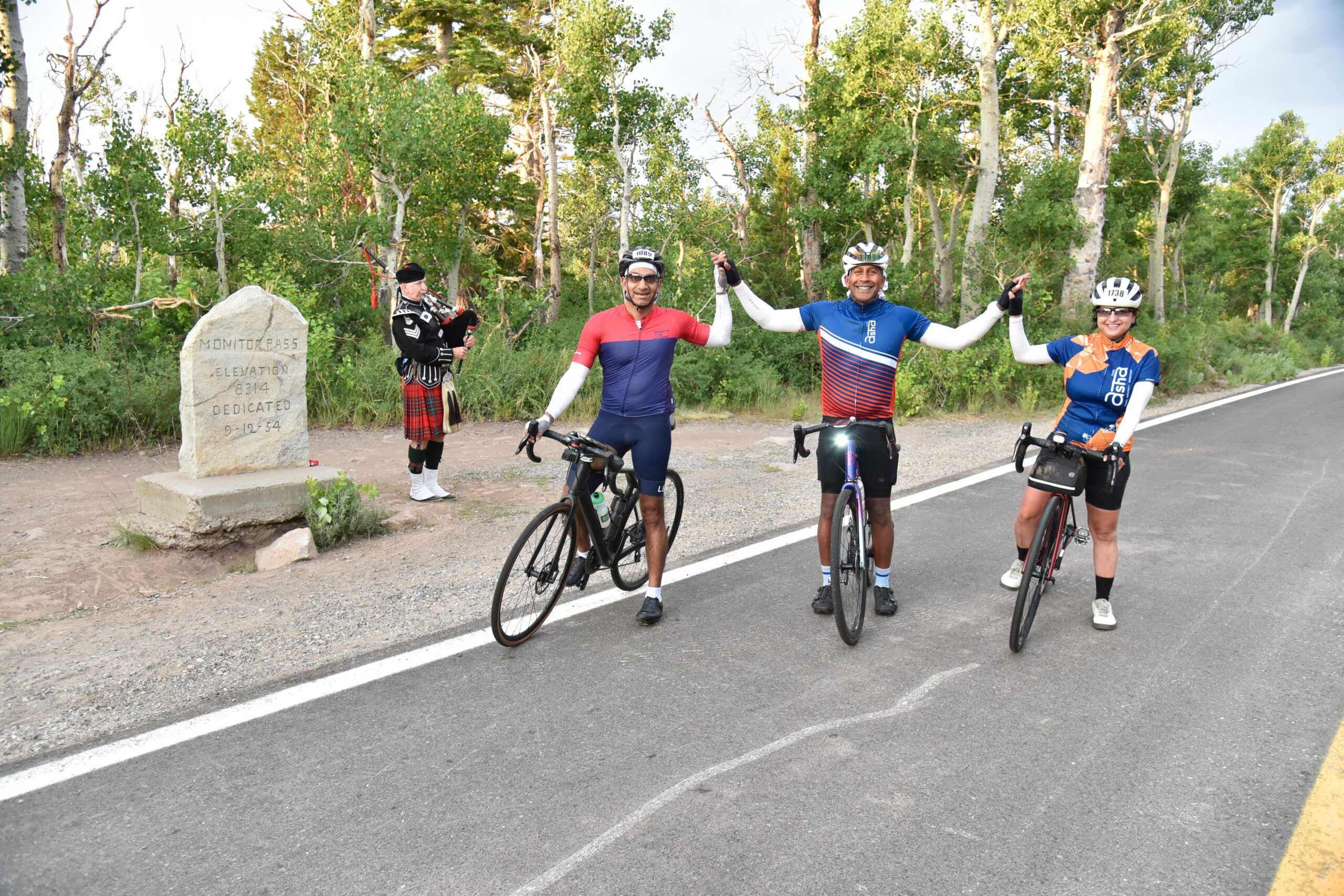
On Saturday, July 12, hundreds of riders will gather in the small mountain town of Markleeville to take on this legendary challenge. The course winds its way through the Sierra Nevada, tackling Monitor Pass (twice), Ebbett’s Pass (twice), and Pacific Grade and Carson Pass, depending on your legs—and your limits. For those aiming for full bragging rights, all six climbs are required. But in recent years, organizers have taken a more inclusive approach: ride one, two, or three passes if that’s where your journey begins.
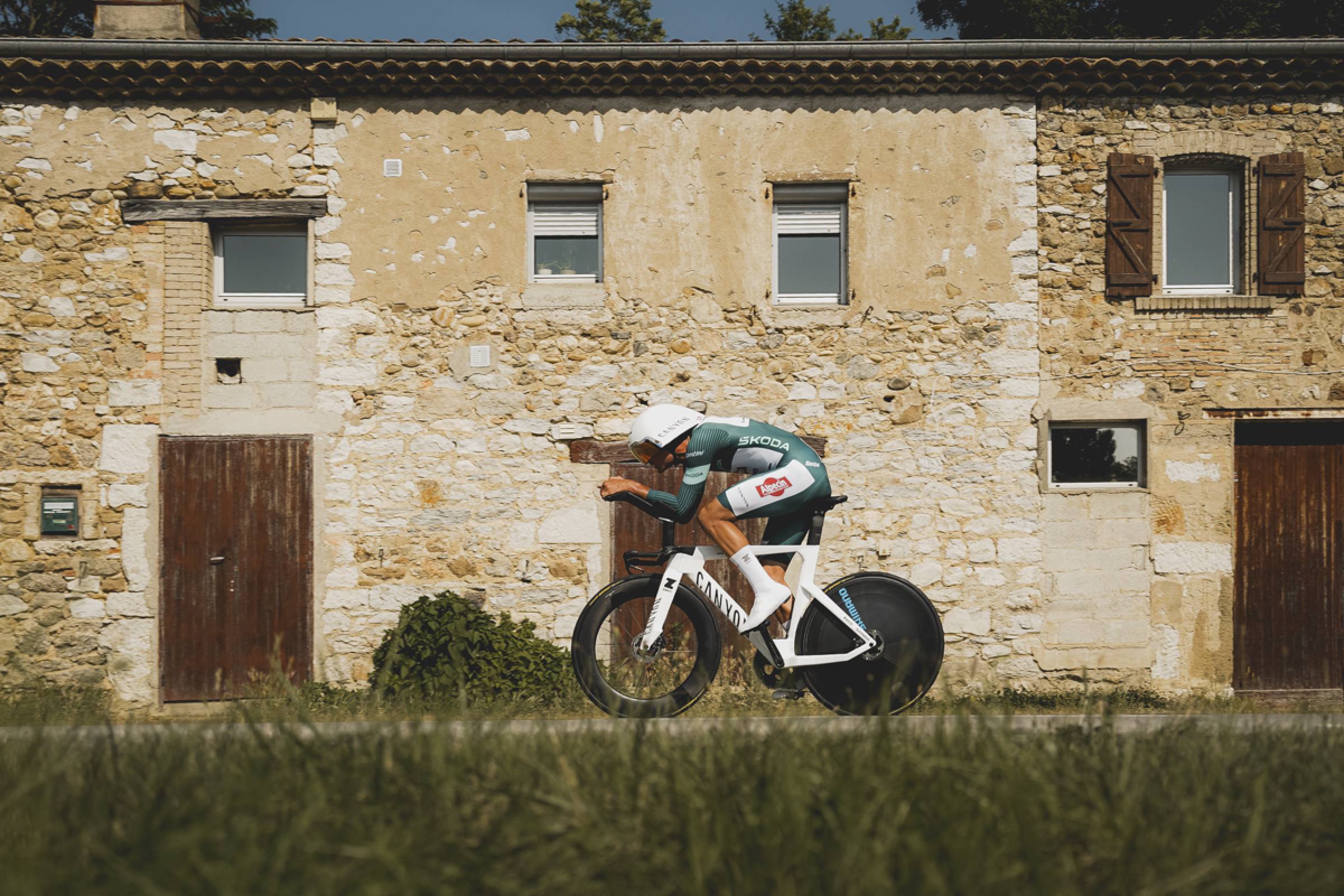
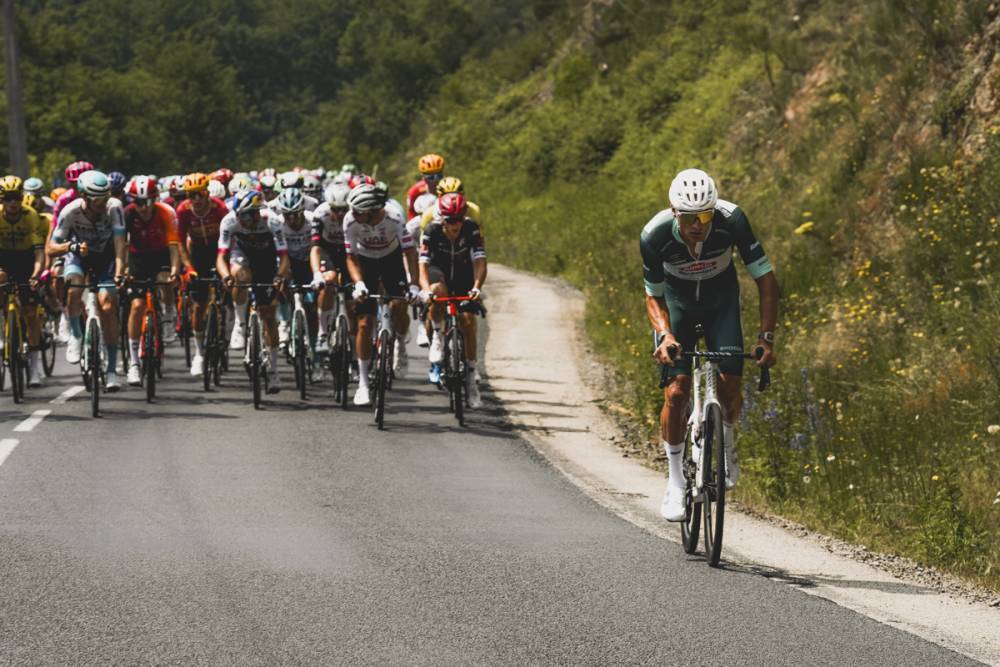
Photos courtesy of Tour of the California Alps-Death Ride/Captivating Sports Photos
“This event isn’t just a ride — it’s a test of will, endurance, and heart,” says Dennis StaAna, a three-time six-pass finisher. “Every climb pushes you to your limit, and every descent rewards you with views that remind you why you’re here. The camaraderie, the challenge, the raw beauty of the California Alps—there’s simply nothing else like it.”
The Death Ride offers a rare combination of logistical polish and alpine solitude. Nearly 90% of the route is closed to vehicles, and the course is fully supported with aid stations, medical crews, SAG vehicles, and even a proper lunch stop. With over 200 volunteers, the Death Ride feels more like a communal effort than a commercial event.
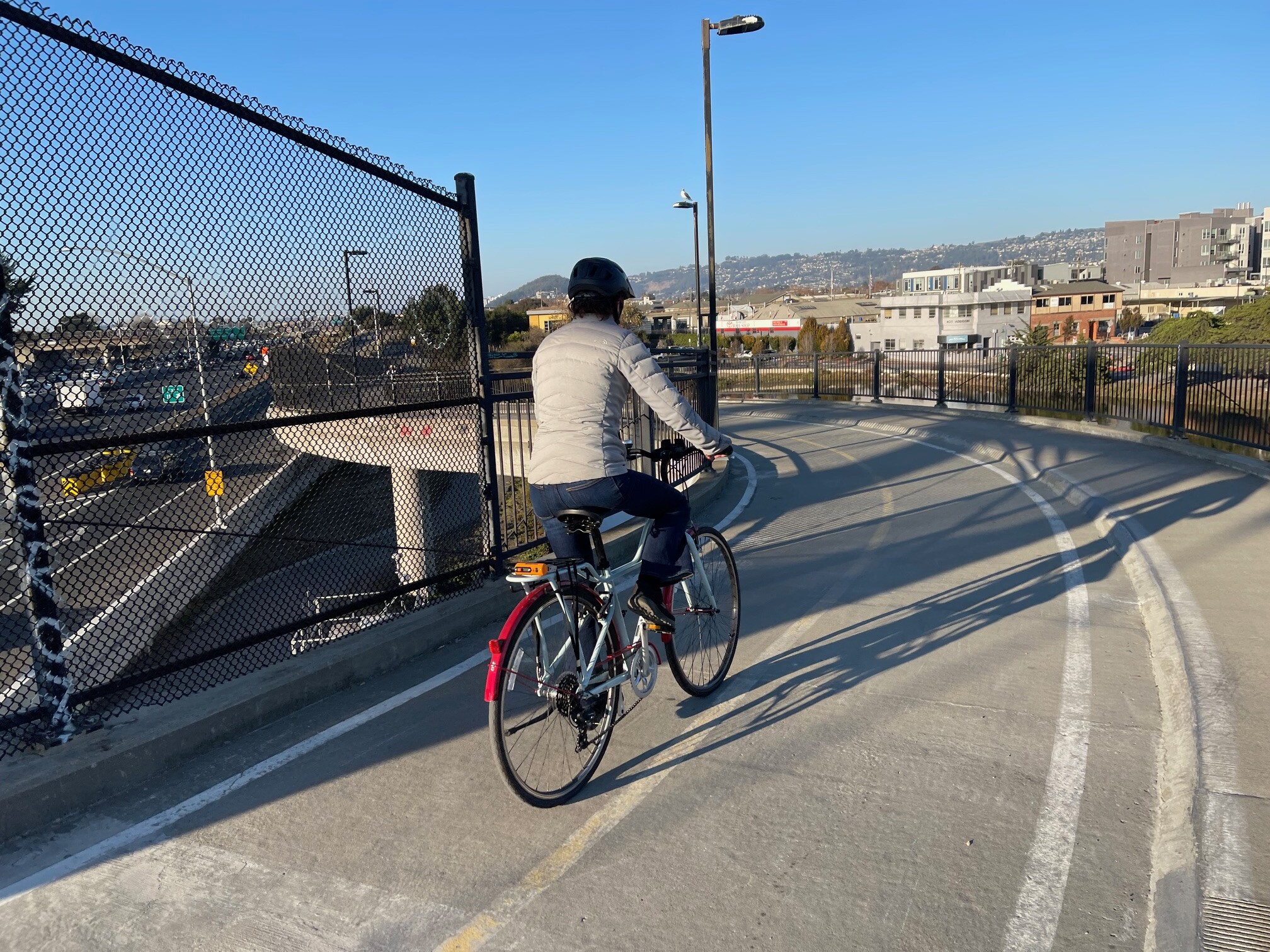
Photos courtesy of Tour of the California Alps-Death Ride/Captivating Sports Photos
And when it’s over? Turtle Rock Park becomes a finish-line festival: live music, raffles, bike vendors, food trucks, massage tents, and the ever-popular Sierra Nevada Brewing Co., which returns as Platinum Sponsor for another year of post-ride celebration.
Ride Director Curtis Fong says the event is evolving to welcome a wider range of riders. “Not everyone is here to go full sufferfest,” he says. “We’ve opened the door to riders recovering from injury, new cyclists, families—even those on Class 1 and 3 e-bikes who want to experience the Alps without fear of cutoff times. The Death Ride is still a massive challenge, but it’s also a celebration of personal goals and community.”
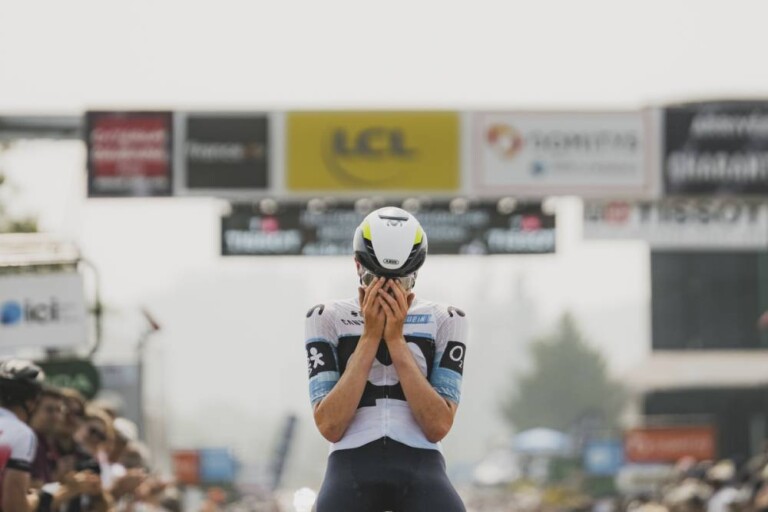
Photos courtesy of Tour of the California Alps-Death Ride/Captivating Sports Photos
Expect full road closures throughout the day: Highway 89 from Markleeville to the Highway 4 junction will be closed from 5 a.m. to noon, while Highway 4 to Lake Alpine remains closed until 4 p.m. Riders will have from sunrise to sunset to complete their chosen challenge.
Whether you’re a hardened six-pass veteran or a first-time climber hoping to tick off your first high mountain pass, the Death Ride remains one of North America’s most breathtaking — and brutal — days on a bike.
Registration, route details, and sponsorship info are available at www.deathride.com. Follow the ride on Instagram @tourofthecaliforniaalps and Facebook @DeathRideOfficial.
Slovenian champion strikes decisive blow on climb to Valmeinier 1800, putting rivals at distance with one stage remaining
VALMEINIER 1800, France — The question was never if Tadej Pogačar would attack on Saturday’s queen stage of the Critérium du Dauphiné. The only mystery was when.
“Why wait?” the world champion replied when asked about his tactical approach, a philosophy that has served him well throughout a season already marked by 10 victories.
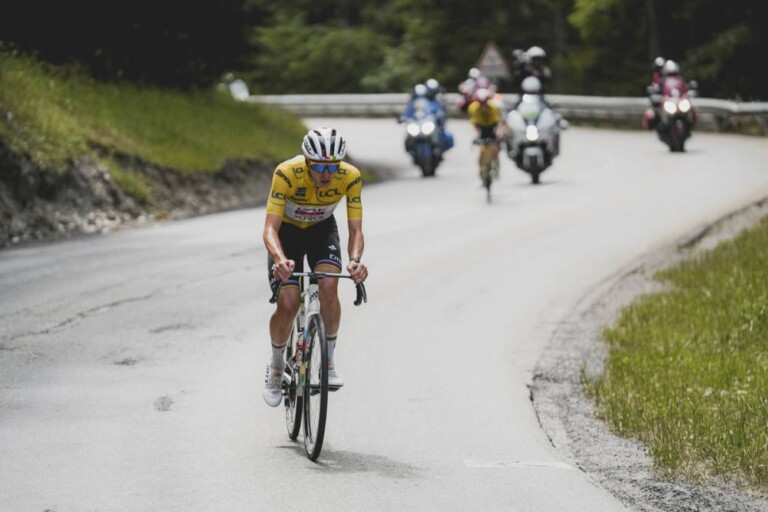
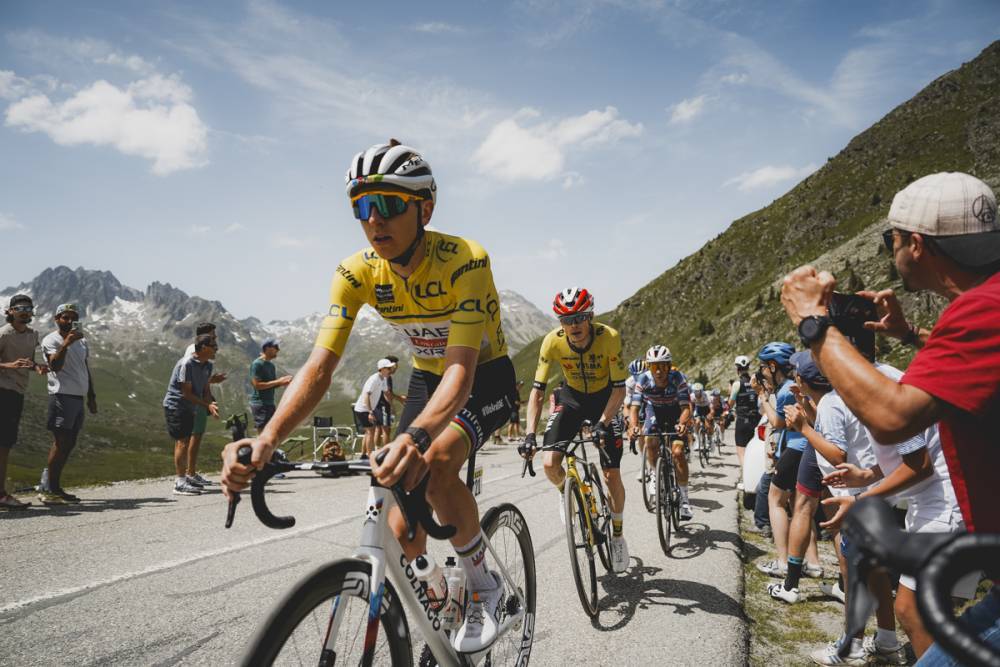
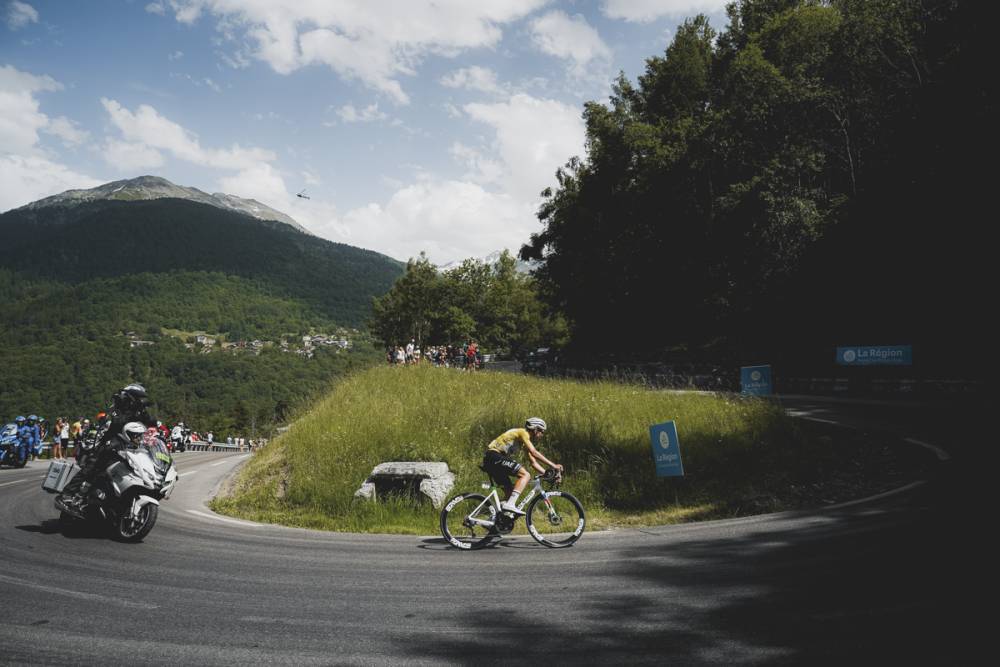
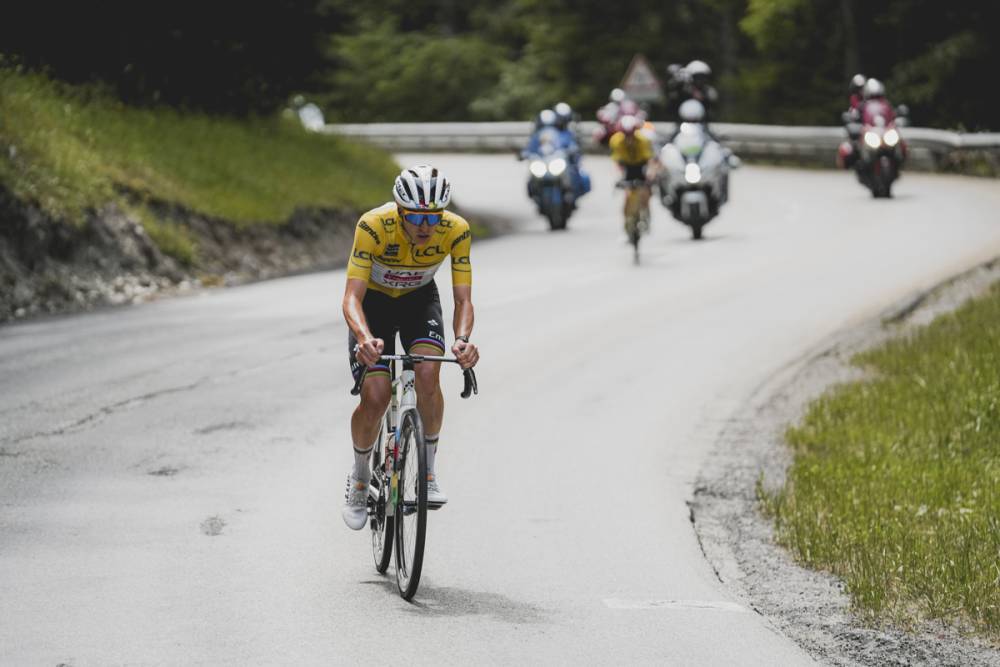
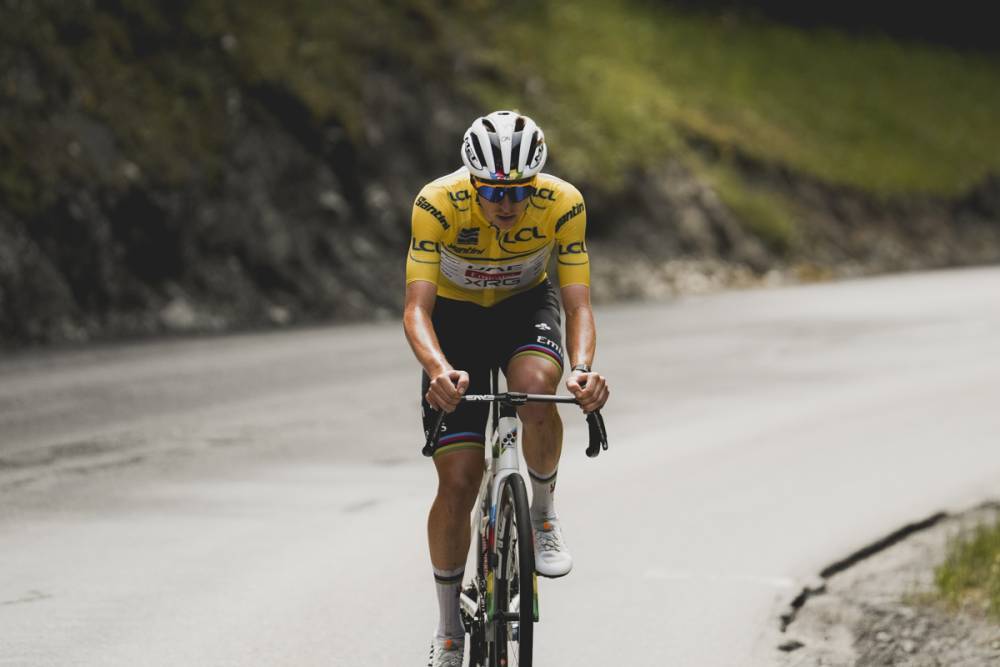
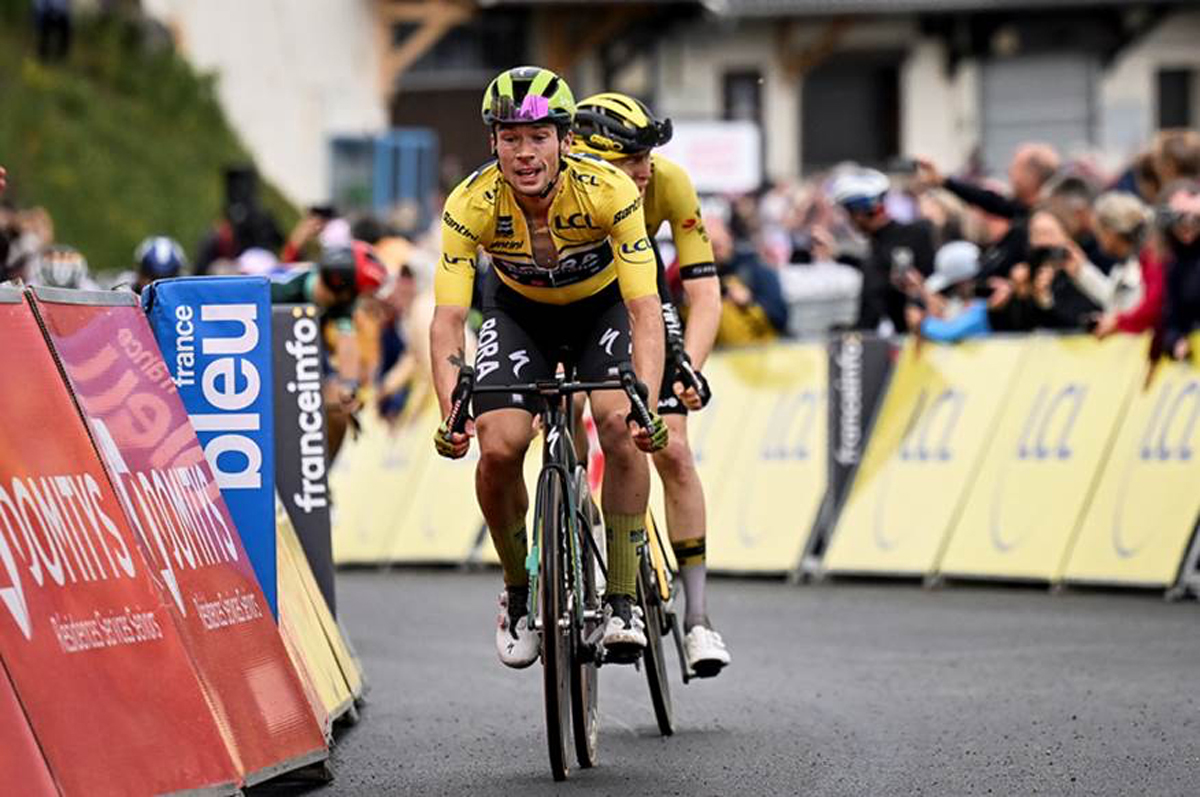
On a brutal day that took the peloton over three hors catégorie climbs and 4,800 meters of elevation gain, Pogačar didn’t wait. With 12 kilometers remaining on the final ascent to Valmeinier 1800, the UAE Team Emirates-XRG leader launched the decisive attack that would net him his third stage victory of this Dauphiné and extend his overall lead to 1 minute, 1 second over Jonas Vingegaard.
The stage had been billed as the ultimate showdown between cycling’s three biggest names — Pogačar, Vingegaard, and Remco Evenepoel — but the Slovenian had already struck a major blow the day before with his victory in Combloux. Saturday’s 131.6-kilometer journey from Grand-Aigueblanche would only confirm his supremacy.
Early Fireworks on La Madeleine
From the moment the 135-man peloton rolled out at noon, the racing was fierce. The first major climb, the Col de la Madeleine, immediately triggered aggressive moves as teams positioned themselves for what everyone knew would be a day of selection.
Visma-Lease a Bike, Vingegaard’s squad, showed their intentions early. Victor Campenaerts fired the opening salvo, followed by attempts from Matteo Jorgenson. Eventually, it was Sepp Kuss who managed to slip away in what would become a 15-man breakaway group.
The escape included notable names: Valentin Paret-Peintre of Soudal Quick-Step and Bruno Armirail of Decathlon AG2R La Mondiale took the initial lead from kilometer 8, eventually joined by a who’s who of climbing talent including Santiago Buitrago, Sergio Higuita, Ben Healy, and veteran French climber Romain Bardet.
Behind them, Pogačar’s UAE Team Emirates-XRG controlled the pace with clinical precision, never allowing the gap to grow beyond manageable proportions.
The Race Explodes at La Croix de Fer
The intensity reached another level on the Col de la Croix de Fer, the second hors catégorie ascent of the day. Here, Visma-Lease a Bike showed their hand, brutally lifting the pace in an attempt to isolate Pogačar from his teammates and put pressure on the race leader.
The Dutch team’s aggressive tactics had their intended effect. The acceleration forced the breakaway to respond, while behind, the peloton began to fracture under the relentless pace. Guillaume Martin-Guyonnet managed to bridge from the main group to the leaders, but others weren’t so fortunate as Paret-Peintre was among those dropped.
At the summit, Buitrago crested first from the break, but more importantly, the general classification group had been whittled down to just eight riders: Jorgenson led over a reduced group featuring the main protagonists — Vingegaard, Pogačar, Evenepoel, Maxim Van Gils, Florian Lipowitz, Tobias Johannessen, and the impressive French teenager Paul Seixas.
The gap to the leaders had shrunk to just 18 seconds. The stage was set for the final act.
Bardet’s Moment of Glory
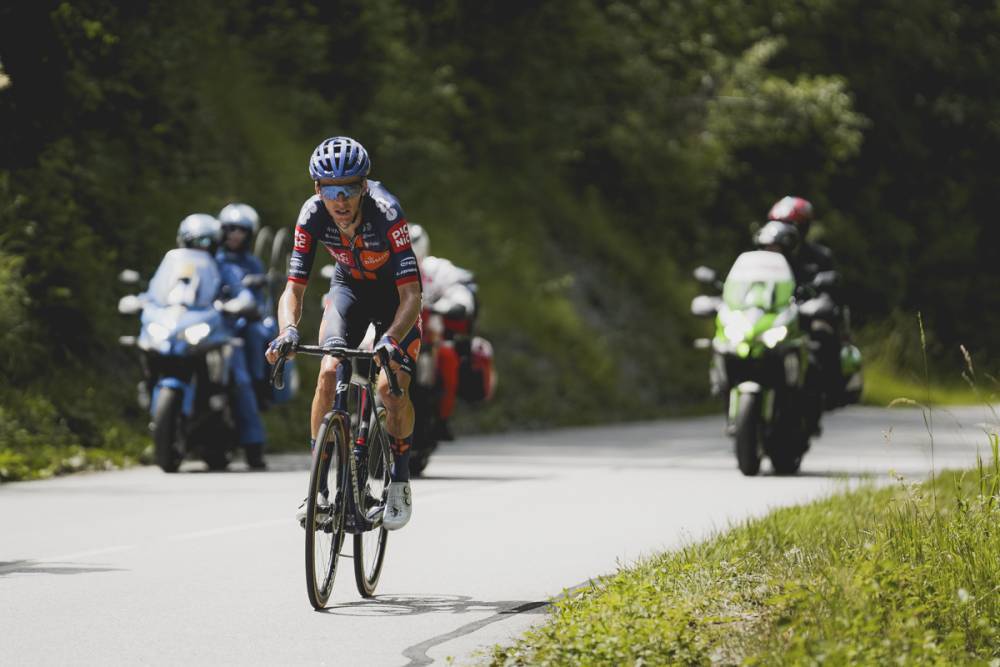
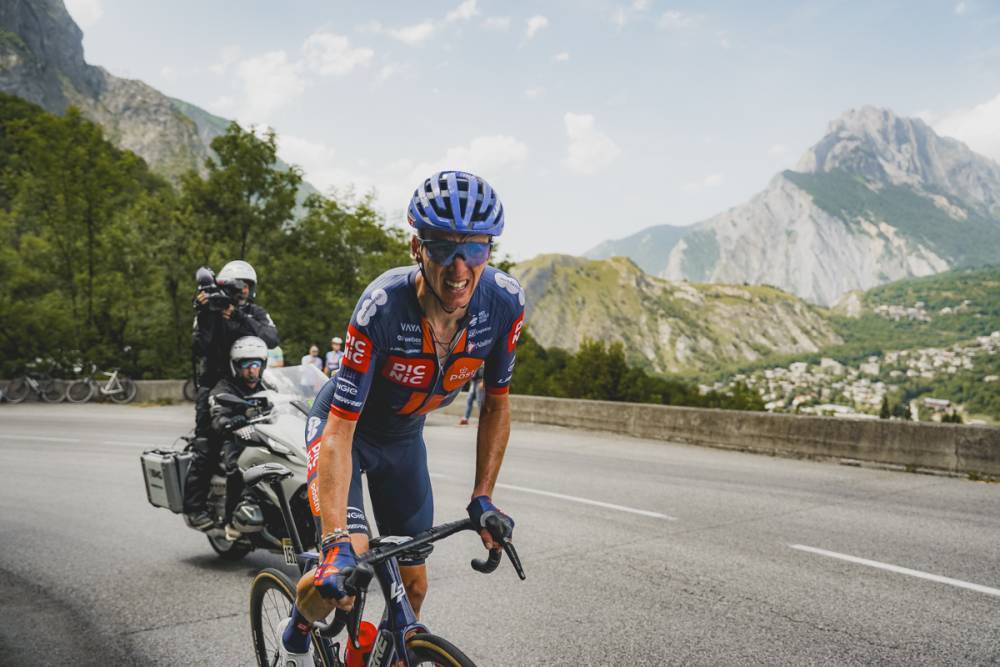
On the descent toward Saint-Jean-de-Maurienne, romance briefly entered the equation. Romain Bardet, the veteran French climber, accelerated away from the breakaway in a move that seemed equal parts tactical and sentimental.
“I don’t know if it was panache, I think it was more of a desperate move,” Bardet would later reflect. “But when you can enjoy yourself, you have to seize these moments.”
For Bardet, passing through Saint-Jean-de-Maurienne held special significance — it was here in 2015 that he claimed his first Tour de France stage victory. The 34-year-old carved out a 35-second advantage at the base of the final climb, providing a stirring subplot as the race entered its crucial phase.
“To pass alone in the lead at Saint-Jean-de-Maurienne meant a lot to me,” Bardet said. “Being at the front of the race was also a way of thanking everyone for the affection I’ve received, both this week and over many years.”
The Decisive Moment
Pavel Sivakov, Pogačar’s key lieutenant, had returned from earlier duties to control the gap to Bardet as the race hit the lower slopes of Valmeinier 1800. The French climber’s romantic escape was caught with 13 kilometers to go, setting up the final confrontation between the race’s protagonists.
Kuss tried an attack. Sivakov covered it. Then, with 12 kilometers remaining and the gradient biting, Pogačar made his move.
It was, as he would later describe it, “a form of defence.”
“I didn’t necessarily need to take loads of time today,” Pogačar explained. “Attacking was a form of defence and then I just tried to pace myself to the top and ease up in the last kilometres.”
Vingegaard, yesterday’s best of the beaten according to race observers, attempted to respond. The Danish champion had been identified as the rider most likely to challenge Pogačar on the longer, high-altitude climbs — exactly the terrain they now faced. Lipowitz tucked in behind the Visma leader, hoping to benefit from any acceleration.
But the slope, as Pogačar noted, “puts everyone in their place.”
The Reckoning
What followed was a masterclass in controlled aggression. Pogačar, riding in the yellow and blue jersey of general classification leader, steadily extended his advantage over the chasing group. Behind him, Vingegaard dug deep but couldn’t match the pace, while Lipowitz held on grimly for what would become third place on the stage.
With one kilometer to go, Vingegaard trailed by 30 seconds. At the line, that gap had been reduced to 14 seconds, but the damage was done. Pogačar celebrated his 98th professional victory — just two shy of the century mark — while extending his overall lead to more than a minute.
“It was a super hard day from the start again,” Lipowitz said. “I was really happy with my legs again and with the way we raced as a team. I paced myself on the last climb. I suffered a lot in the last five kilometres and I was really happy when I saw the last kilometre mark.”
Johannessen finished fourth at 2:26, with Evenepoel rounding out the top five at 2:39 — a disappointing result for the Belgian, who had been expected to challenge for the stage victory.
Looking Ahead
With one stage remaining — another mountain test to Val-Cenis — Pogačar sits in a commanding position. The question now is whether he can reach that symbolic 100th victory on the final day.
“So far, so good. But let’s arrive tomorrow,” he said with characteristic understatement.
For Vingegaard, the task is clear but daunting. At 43 seconds behind in the overall standings, the Dane’s “only chance of victory is said to lie in the longer climbs at high altitude.” Tomorrow’s final stage will provide one last opportunity, but Pogačar’s dominance has been so complete that even his rivals seem resigned to their fate.
Lipowitz, meanwhile, dares to dream of a podium finish in his first Dauphiné.
“Finishing on the podium of the Critérium du Dauphiné would be incredible but tomorrow is another really hard day,” he said. “So far, I don’t really think about the Tour. I really focus on this race and then we still have a bit of time to get ready.”
The stage also provided encouragement for French cycling fans, with 18-year-old Paul Seixas making his way into the provisional top 10 in eighth place overall. Today’s challenge provided further insight into the teenager’s considerable potential.
As for Bardet, the veteran climber found satisfaction in his spirited effort, even as the victory ultimately eluded the breakaway.
“With my current level, I couldn’t have done much more in this Dauphiné, but I like the way I gave it my all,” he said. “I’ve never raced to be on the podium, it’s more of a personal quest. In any case, I feel good about what I achieved today, and I’ll feel good on Monday morning too.”
With the general classification battle all but decided, Sunday’s final stage to Val-Cenis looms as an opportunity for Pogačar to add to his victory tally while his rivals try to salvage what they can from a race that has been thoroughly dominated by the world champion.
The Slovenian’s approach — why wait? — has once again proven devastatingly effective.
The Slovenian star delivers a crushing blow to his rivals on the climb to Domancy, reclaiming the yellow jersey with authority
COMBLOUX, France — The question that would define the day came not from a journalist in the post-race press conference, but from Tadej Pogačar himself, posed with characteristic directness: “Why wait?”
It was a query that perfectly encapsulated the world champion’s approach to cycling, delivered after he had torn apart the field on the first mountain stage of the 77th Critérium du Dauphiné, claiming his 11th victory while wearing the rainbow jersey and reclaiming the race lead with devastating effect.
While the cycling world had penciled in Saturday’s stage to Valmeinier 1800 as the decisive battleground between the sport’s three premier climbers, Pogačar had other plans. On a shortened but brutally steep 126.7-kilometer route from Valserhône to Combloux, packed with 2,630 meters of elevation gain, the UAE Team Emirates leader struck first and struck hard.
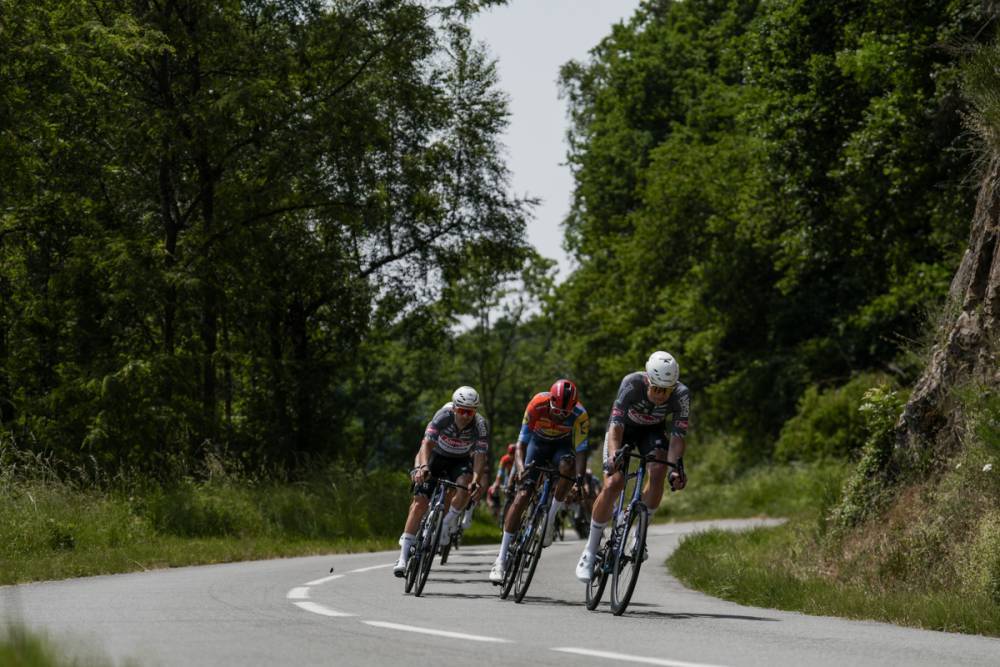
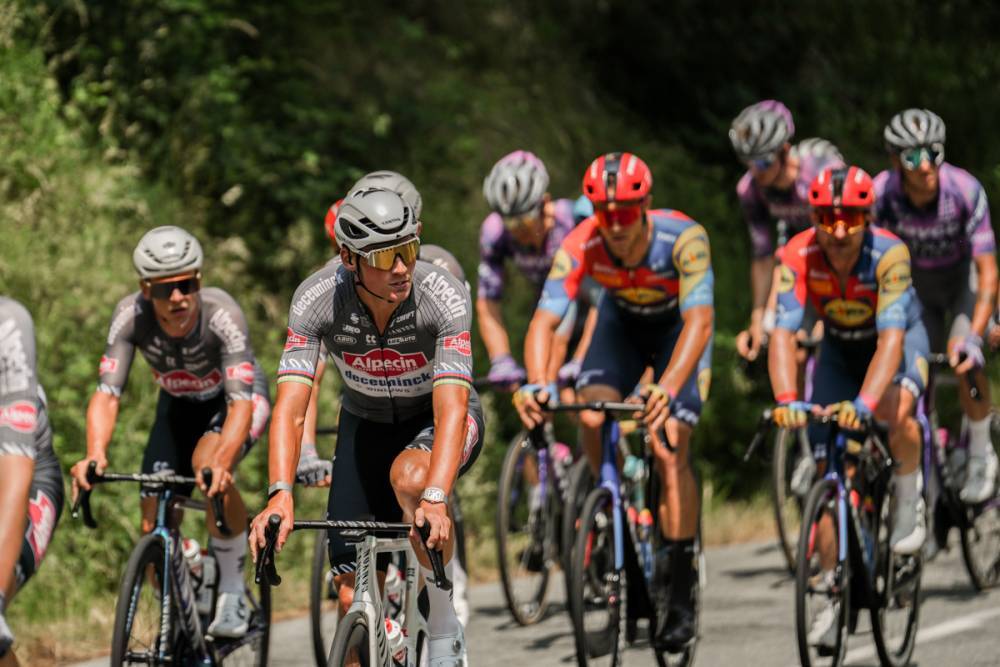
The stage began with the familiar ritual of breakaway attempts, Mathieu Van der Poel of Alpecin-Deceuninck leading the early charge from kilometer zero. But it was the mountains that would provide the real theater, and the first act opened with violence on the Côte du Mont-Saxonnex, a category-1 climb averaging 8.7% over 5.4 kilometers.
The Race Explodes
UAE Team Emirates had been pulling the bunch, keeping the eight-man breakaway on a tight leash with a gap that never exceeded 2 minutes and 10 seconds. As the road tilted upward at kilometer 87.6, the careful chess match of the early kilometers gave way to open warfare.
In the breakaway, Alex Baudin of EF Education-EasyPost — riding toward his home region — and Michael Shea Leonard of Ineos Grenadiers proved strongest. Behind them, the peloton immediately fractured. Sepp Kuss of Visma-Lease a Bike tested the waters first, but Pogačar’s response was instant and decisive. The world champion marked the move, with rising German star Florian Lipowitz of Red Bull-Bora-Hansgrohe launching a counter-attack in response.
The elastic stretched and snapped. By the summit, only a select group of 27 riders remained in contention, with the general classification contenders reduced to a who’s who of modern climbing: Pogačar, Jonas Vingegaard of Visma-Lease a Bike, Lipowitz, Matteo Jorgenson of Visma-Lease a Bike, Remco Evenepoel of Soudal Quick-Step, 18-year-old French sensation Paul Seixas of Decathlon AG2R La Mondiale, Enric Mas of Movistar, and Eddie Dunbar of Jayco AlUla.
As they descended toward the valley, stragglers managed to rejoin the group. The tension was palpable — everyone knew what was coming.
The Côte de Domancy Beckons
The Côte de Domancy loomed ahead, a climb forever associated with Bernard Hinault’s triumph at the 1980 World Championships, but also the site of Pogačar’s crushing defeat to Vingegaard in the 2023 Tour de France. History hung heavy in the Alpine air as the 27-man group approached the base of the ascent.
Leonard and Baudin still held a 1 minute and 15 second advantage, but UAE Team Emirates-XRG had other ideas. Tim Wellens, Jon Narvaez, and Pavel Sivakov had done “an amazing job,” as Pogačar would later reflect, controlling the race throughout the day except for that explosive moment when Visma attacked on the Mont-Saxonnex.
At the bottom of the Côte de Domancy, Baudin made his move, setting off alone from the breakaway. Behind him, UAE Team Emirates-XRG set a brutal pace that immediately began to splinter the select group.
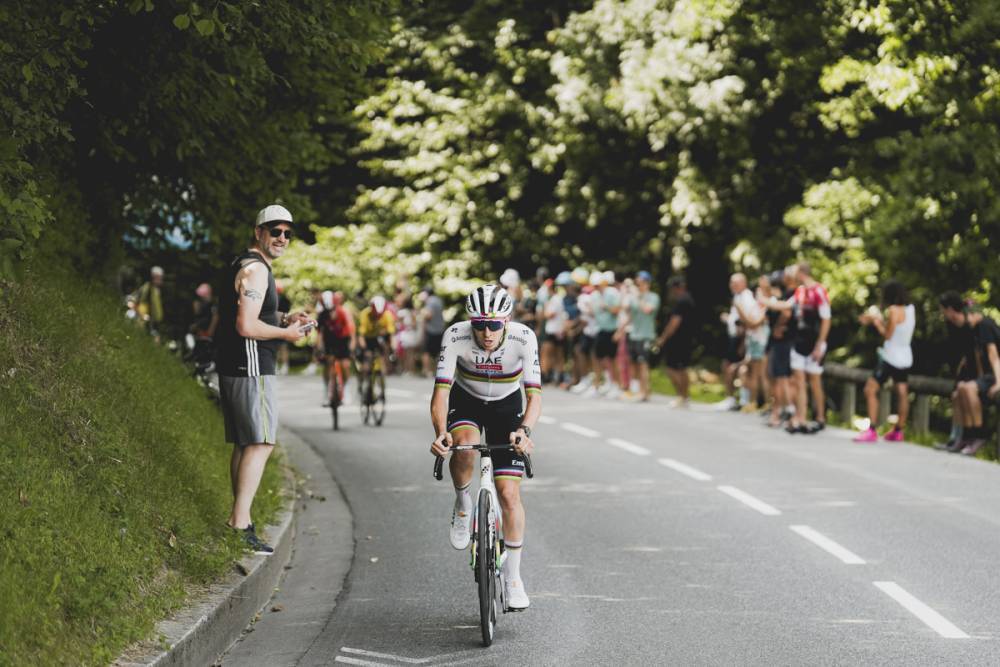
Then, with one kilometer remaining to the summit and still more than seven kilometers from the finish line, Pogačar made his decisive move.
The Rainbow Strike
The acceleration was devastating in its simplicity. Vingegaard, the only rider with the credentials to potentially match Pogačar’s climbing prowess, tried desperately to respond. But the Slovenian was already gone, flying away up the slopes with the fluid power that has made him the sport’s most feared climber.
“The Dane may have the intention and the means to push the yellow and blue jersey to its limits,” read the pre-stage analysis, “but nothing is less certain.” Those words proved prophetic as Pogačar caught the struggling Baudin and went solo with 6.5 kilometers remaining.
For Baudin, the young Frenchman who had dared to dream, the moment of reckoning was brutal but realistic. “When I was caught by ‘Pogi’, I stood up on my pedals but I didn’t even try to stick to his wheel,” he said afterward. “I knew I would have blown up. Getting to the climb with that gap and with the little energy I had left, it was impossible.”
Behind the flying world champion, the battle for the remaining podium places intensified with each pedal stroke. The gaps grew relentlessly as Pogačar powered toward the line, his rainbow bands a blur against the mountain backdrop.
Victory and Vindication
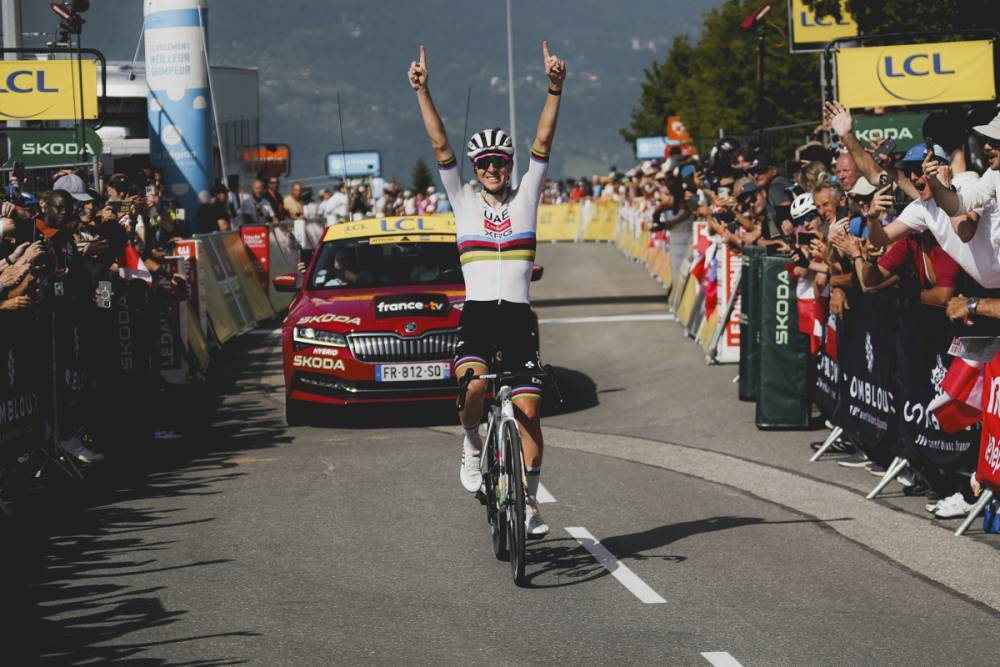
When Pogačar crossed the finish line, arms raised in triumph, the damage was comprehensive. Vingegaard, yesterday’s best of the beaten, trailed by 1 minute and 1 second. Lipowitz, the promising German who had been gaining time through earlier breakaway moves, finished 1 minute and 22 seconds back. Jorgenson lost 1 minute and 30 seconds, while Evenepoel, the Belgian star, dropped a significant 1 minute and 50 seconds.
“I’m super happy to be back in yellow,” Pogačar said, his satisfaction evident. “It was a very good day for us. I’m getting very good answers from this Dauphiné. I wasn’t too stressed after the time trial and the shape is here.”
For Lipowitz, despite the defeat, there were reasons for optimism. “My legs were really good today and the team did an amazing job,” he said. “I’m super happy with the performance. Tomorrow’s climbs are really long and normally that suits me quite well. I expect a super hard start and some racing full gas until the end.”
The young German’s confidence wasn’t misplaced — he had shown he belonged in this elite company, holding off Evenepoel for third place on the stage while the Belgian struggled to fifth.
French Promise and Future Battles
Among the revelations of the day was the performance of 18-year-old Paul Seixas, whose eighth place in the general classification delighted French fans hungry for homegrown talent in the mountains. The teenager’s presence in the provisional top 10 hinted at a bright future for French climbing.
Baudin, despite his disappointment at being caught, found silver linings in his effort. The polka dot jersey of mountains classification leader wasn’t planned, he admitted, but “now it could become a goal.” More meaningful to the young rider was the symbolic value of the following day’s stage starting near his childhood club, the Guidon d’Or La Léchère — “a good way to pay tribute to them.”
Setting the Stage
With two stages remaining, the general classification had been dramatically reshuffled. Pogačar now held a commanding 43-second lead over Vingegaard, with Lipowitz a further 11 seconds back in third. The gaps were significant but not insurmountable, particularly with Saturday’s monster stage to Valmeinier 1800 featuring three hors catégorie climbs and nearly 65 kilometers of steep slopes, including two passages above 2,000 meters altitude.
“Tomorrow is going to be really hard with longer climbs,” Pogačar acknowledged. “But right now I enjoy today’s stage and I can be confident with my shape and the team’s.”
The stage had answered questions about form and revealed the current hierarchy, but the mountains of Saturday would provide the definitive examination. For Vingegaard, whose “only chance of victory is said to lie in the longer climbs at high altitude,” the Col de la Madeleine, Col de la Croix de Fer, and final ascent to Valmeinier 1800 represented perhaps his last realistic opportunity to turn the tide.
The rainbow jersey had spoken with authority on the Côte de Domancy, delivering a message that reverberated through the peloton and beyond: in the mountains of the Dauphiné, as elsewhere, Tadej Pogačar was the man to beat.
By Peter Abraham — Over the last 20 years, I’ve done a lot of work in both cycling and running. That has included serving as the CMO of the Los Angeles Marathon and, on the cycling side, working with athletes, events, sponsors, athletes and teams on marketing and sponsorship. So I’ve seen sponsorship issues from 360 degrees in different sports. And finding cycling sponsors has been very hard, for many reasons. There is not a single American pro cycling team (that I’m aware of) with a major sponsor from outside the bike industry. EF Education is owned by it’s non-American sponsor. Lidl-Trek, while owned by Trek, is comprised of mostly international riders. So I don’t count those as “American” teams.
I am writing this just after American trade tariffs have kicked in. And where they end up is anyone’s guess. I realize that, because of the tariff situation dramatically impacting the bike industry, cycling sponsorship is about to get even more difficult than it has been in the recent past. But I’m still putting these ideas out there, because the sport goes on.
Here’s what I’ve learned.
The peloton, led by Sepp Kuss and the LottoNL-Jumbo team nears the top of the second KOM at Guardsman Pass in the 2018 Tour of Utah. Pro road races face sponsorship difficulty and there are few UCI races here in 2025. The Tour of Utah’s last edition was in 2019. Photo by Steven Sheffield
Cycling is an expensive sport.
Teams are having to travel up to 30 riders around the world all year with equipment, vehicles and support staff. Bike races (particularly on the road) need to close hundreds of miles of roads and (often) set up an expensive live video broadcast to cover all of that ground. All of this takes resources and money.
For sponsors, there’s very little measurable ROI in cycling. Unless a race is the Tour de France (approximately 3.5 billion TV viewers for the men’s race in 2024 and 18 million for the women’s race) there aren’t many people watching cycling events. And nobody buys tickets to sit in a stadium and watch a bike race. So what exactly do sponsors get in return when they write a check to a team or race or athlete? If the sponsor wants to do their own content creation, they actually can get quite a bit for their money. Red Bull, for example, has many events, teams and athletes in niche sports (including bikes) that they create lots of compelling media around. But that sponsor is highly unusual: the Red Bull Media House is a big operation with over 1,000 employees. At the same time, if a potential cycling sponsor just wants a checklist of assets that are already in place, sponsorship of, say, a soccer team might be a better investment. English Premier League soccer team Arsenal FC, for example, played before 2 million live spectators in 2024, and their TV broadcasts were available in over half a billion homes. That’s the kind of scale many large sponsors sign up for. And that’s why Emirates Airlines pays approximately £50 million per season to put their name on the front of the Arsenal jersey.
As I’ve written about before, any sport not called the NFL or NBA or EPL is essentially a niche sport, with a niche fanbase. Cycling is on the small side of this framing, with only one truly global event (Tour de France) and many relatively tiny ones. So while fans do exist around the world, it’s a very thin group.
Pro cycling sponsorship is particularly challenging for American brands, because the sport mostly happens in Europe. Imagine going to European brands and asking them to sponsor Major League Baseball teams in the US. That’s what it’s like for cycling. An American cycling team has to say to potential sponsors: “Write us a check and we’ll put the money to work for a team that competes 6,000 miles away, and our athletes may never even set foot in the United States.”
Gravel racing has not fully taken off yet.
While it is getting popular in the US, and Europe is catching up, it’s not yet televised (outside of rare exceptions like Garmin Gravel Worlds) and gravel race mass participation fields are not yet at the scale of, for example, marathons. So while there is potential with this new discipline, it will need live streaming to even get into second gear. Otherwise it will languish as a niche within a niche.
A path forward. Bike racing is for me still an incredibly compelling and beautiful sport. Road, gravel, MTB — I like all of it. So I’d love to see it thrive. Here are some ideas:
National teams.
What if these were more of a thing, going all season long? There’s currently no organized cycling development system in particular for women. Talk to any female aspiring pro cyclist, and you will understand that there is no clear route through the system. While USA Cycling does put together national teams for some races in North America and Europe, these are inconsistent and subject to funds being available. Imagine if there were national teams for both junior and U23 levels, for both men and women, that were in place all year long, with different athletes rotating on an off the teams based on availability. Imagine that these were completely funded from donations or sponsors. So developing riders could count on the opportunity to learn their craft at important races.
An organized U.S. road calendar & series.
The current American road racing scene (separate from criteriums, which are like a different sport) feels like it’s hanging on by a thread. But there are signs of life. Tour of the Gila, a UCI race, is still going. The Maryland Cycling Classic is back this year. The Redlands Classic just celebrated it’s 40th year, and the newer Tour de Bloom in Washington just added UCI classification for its women’s stage race. And the Joe Martin Stage Race may come back in 2026 as the Tour of Arkansas, which would be exciting. It feels to me that road racing is poised for a comeback. But some organization and collaboration will go a long way. All of the events I mention here run on their own, without working together as a system, which is how it should be. This system, or overall series, would be a great sponsorship opportunity. And it would not be that hard to put together.
An onramp for European bike racing.
While USA Cycling does have a residence for athletes in Sittard, The Netherlands, there needs to be more of this. Friction needs to be removed from the process of learning to race in Europe. The skills a rider picks up there — huge, fast pelotons, foreign food and language, narrow roads — cannot be learned in the United States. Those things don’t exist here. So let’s make it easy, and relatively cheap, for junior teams and young cyclists to go there and learn. The house could be more like a commercial dorm for young cylists from around the world. Again, this is a great sponsorship opportunity.
Levi’s Granfondo.
This event, which took place in Sonoma County, California last weekend, is using a gravel race format for road racing, which is promising. The 1,500 fondo participants help fund the professional race at the front end. Here’s what I wrote for The Outer Line newsletter (where I’m a contributor) in this week’s edition:
Saturday was the second edition of the Levi’s Granfondo Growler professional race, held in Northern California’s beautiful Sonoma County. The Growler is a recent addition to Levi Leipheimer’s long running fondo event and featured a 137-mile paved course with almost 14,000 feet of climbing, and surprisingly the $156,000 USD prize purse made it the world’s richest one day bike race, and by some margin. (Yes, you’re reading that correctly: more than famous monuments like the Tour of Flanders — $65,000 total prize money this year and Paris-Roubaix — about $120,000 this year.) The Growler organizers took some of the defining characteristics of a big gravel race — equal prize purse for men and women, the same tough course for everyone — and applied those things to a road race. They also created a competent and engaging live broadcast, with Matt Stephens and Hannah Walker calling the race. The women’s race on Saturday was won by Lauren Stephens, and the men’s race by Keegan Swenson — who might arguably be America’s most successful bike racer at the moment, pound for pound, and cross-discipline. While there was some racing on open roads — which looked dangerous and may need future remediation — expect this race to grow if organizers find a way to attract top WT riders from the European peloton. Regardless, the race is a promising sign of life to an otherwise stagnant American road racing scene.
Second Stop of the American Crit Cup will feature top US Pro Racers
SANDY, Utah (June 13, 2025) — Utah’s biggest weekend for bike racing and community celebration is back! The 6th Annual Utah Crits, formerly known as the Salt Lake Criterium, will take over Sandy City on June 14–15, 2025 for two days of adrenaline-fueled cycling, community celebration, and family-friendly entertainment.
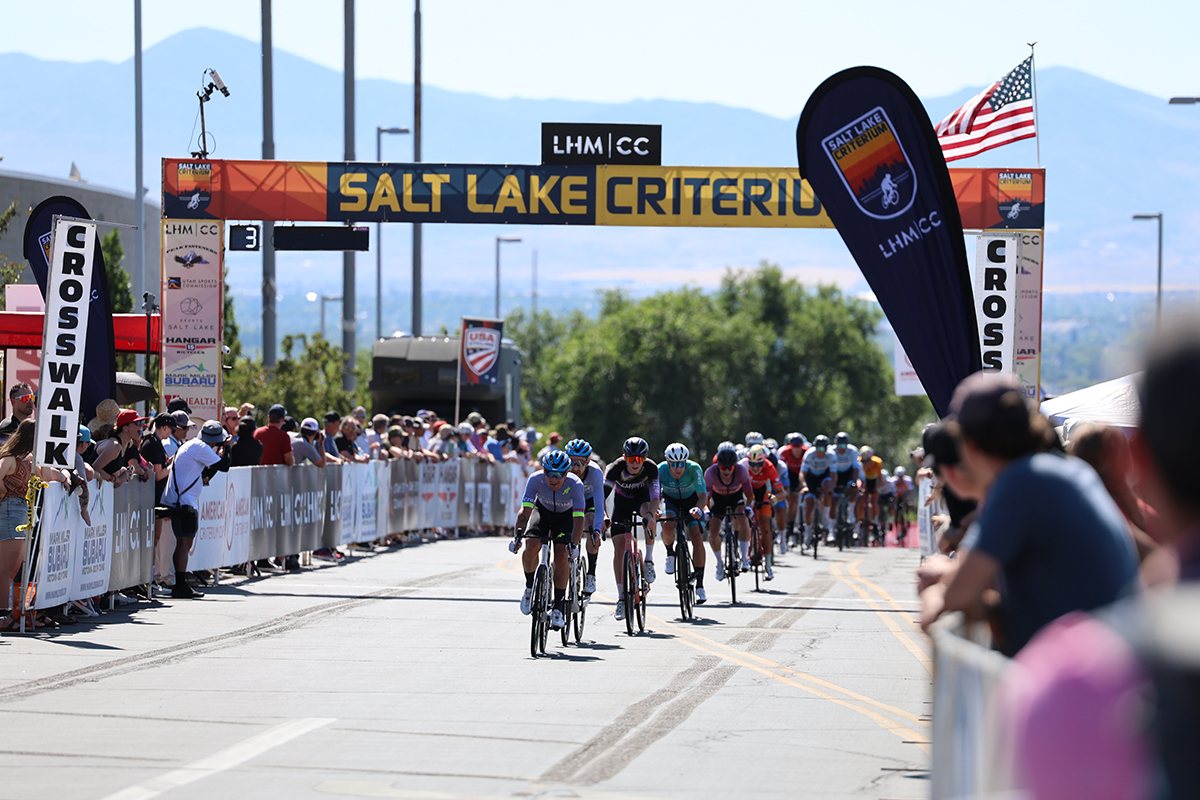
Salt Lake Criterium Men’s Pro, 1, 2 Race held at America First Stadium, Sandy, Utah, July 7, 2024. Photo by Dave Iltis
As the second stop on the American Crit Cup, Utah Crits attracts the nation’s top professional cyclists—many of whom will be racing for crucial series points and their share of a $100,000 prize purse. The event will feature fast, high-energy criterium-style bike races on closed city streets, designed to deliver maximum action for spectators.
Day 1 – Saturday’s races will take place at the Sandy Promenade. The day kicks off with a 5K fun run in the morning, followed by a full schedule of amateur cycling races, youth events, and fan-friendly entertainment. Spectators can explore the interactive expo, grab a bite from local food trucks, and enjoy live music and giveaways throughout the day. The fast, flat course makes it easy to catch the action from just about anywhere.
Day 2 – Sunday’s racing shifts to the streets surrounding America First Field, where the course features long straightaways, technical corners, and a slight elevation gain—ideal for intense racing and exciting sprint finishes. Fans can stroll through the Low Rider Bike Show, check out more local vendors, and settle in for the final showdown: the professional men’s and women’s races, where top riders from around the country compete for critical American Crit Cup points and series standing. This is the day to see the best of the best go all out.
“We want this weekend to be just as thrilling for the community as it is for the athletes,” said Eric Gardiner, event director and founder of Utah Crits. “There’s something for everyone—whether you’re a cycling fan, a family looking for a fun day out, or a local business wanting to get involved.”
Admission is free for all spectators, and the entire course is accessible for viewing. Community members are encouraged to bring lawn chairs, cowbells, and energy to cheer on the riders as they fly past at speeds topping 30 mph. Local Sandy businesses are invited to support the event by hosting the Friday Shakeout Ride, an informal meet-up and ride with visiting pro cyclists, and participating in early packet pickup events.
Find the 2025 Utah Crit registration, sponsors, and event schedule on our website utahcrits.com, where you can also request a media pass, find information on volunteering and other ways to get involved with our event.
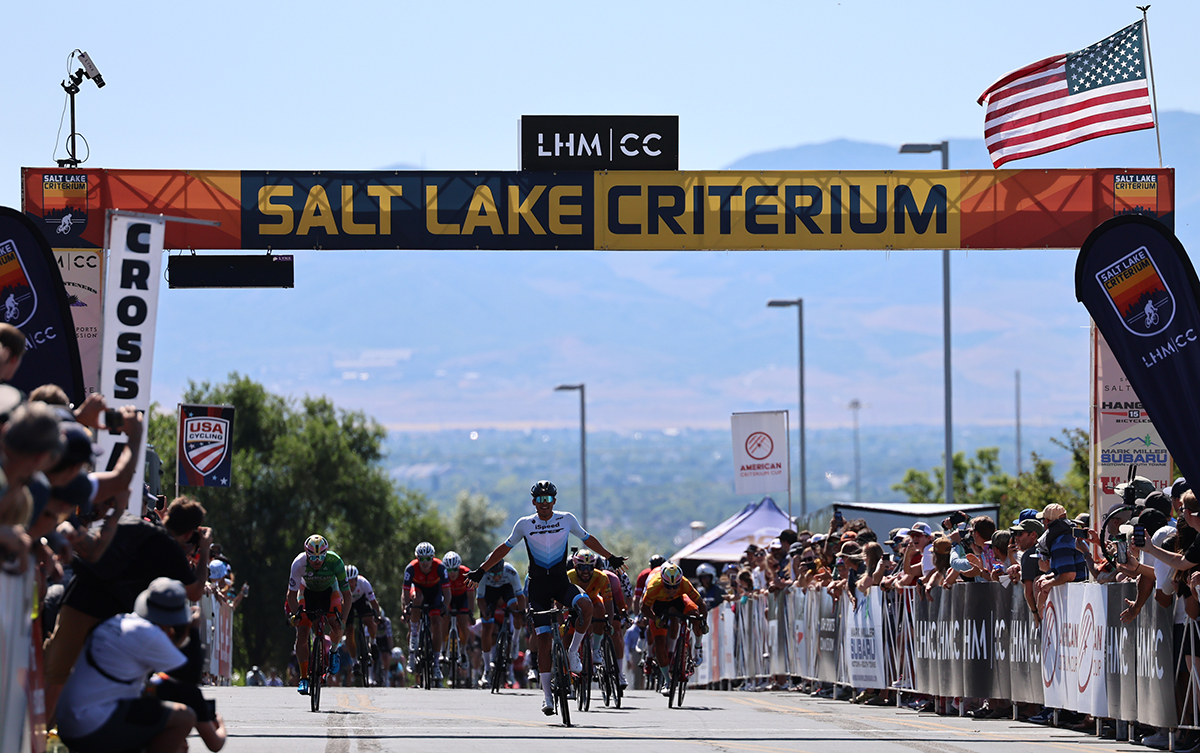
Salt Lake Criterium Men’s Pro, 1, 2 Race held at America First Stadium, Sandy, Utah, July 7, 2024. Photo by Dave Iltis
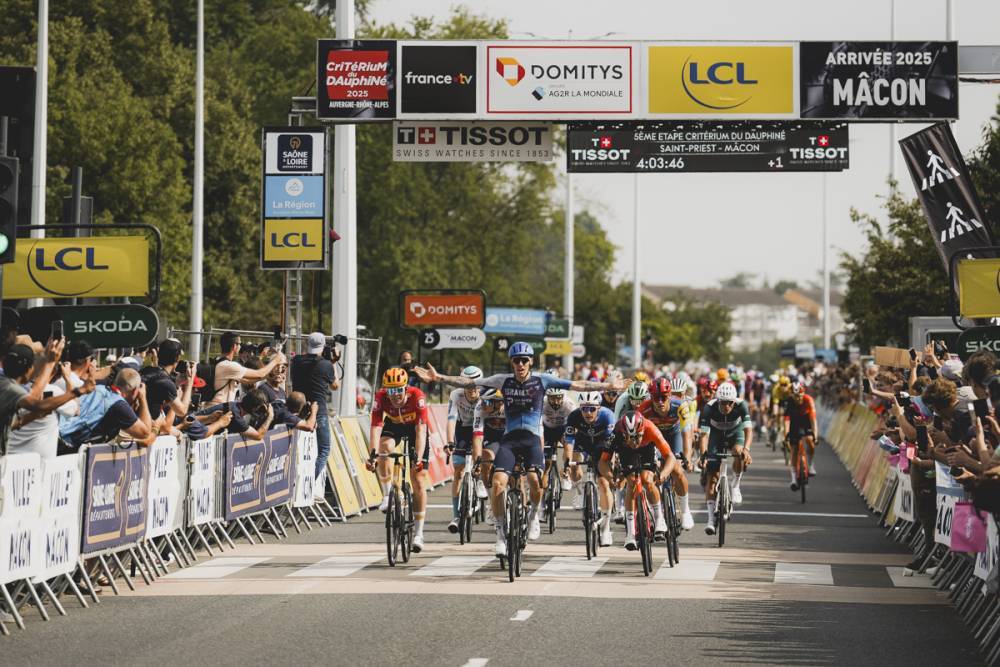
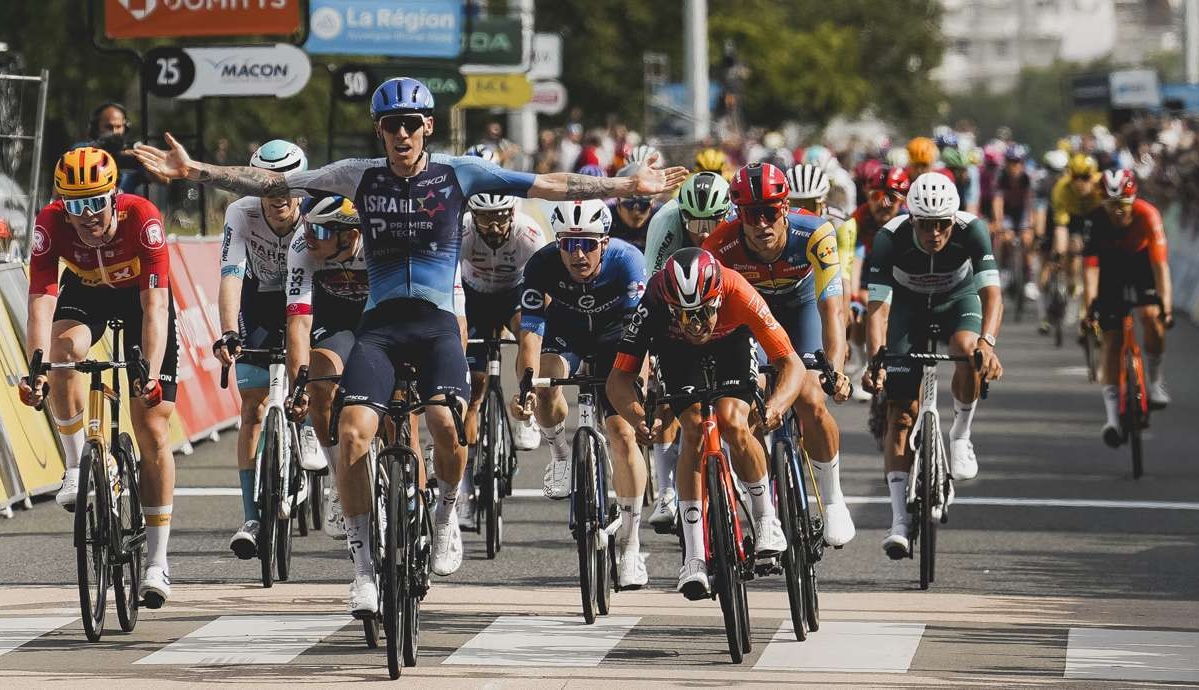
Israel-Premier Tech sprinter prevails in Mâcon as race leader prepares for Alpine showdown
MÂCON, France — Jake Stewart powered to his breakthrough UCI World Tour victory on Thursday, timing his sprint to perfection as the final flat stage of the Critérium du Dauphiné concluded in dramatic fashion with race leader Remco Evenepoel hitting the deck in the finale but escaping serious injury.
The 183-kilometer stage from Saint-Priest to Mâcon represented the calm before the storm, with three grueling Alpine stages looming on the horizon. But what appeared on paper as sprinters’ terrain delivered tactical intrigue and breathless racing as breakaway artists tested the resolve of the fast men’s teams throughout the hilly middle section.
“It’s huge! That one feels really good,” Stewart said after his victory. “Apart from the Tour de France, it doesn’t really come bigger than winning at the Critérium du Dauphiné. It’s certainly the biggest win of my career.”
The stage began with immediate aggression as Enzo Leijnse and Pierre Thierry escaped at kilometer 1.5, quickly joined by Jordan Labrosse. The peloton, marshaled by sprint powerhouses Lidl-Trek and Israel-Premier Tech, kept the breakaway on a tight leash, allowing a maximum gap of just 2 minutes and 10 seconds.
The tactical complexion shifted dramatically as the race entered its hilly midsection. Benjamin Thomas and Thibault Guernalec bridged to the leaders at kilometer 75, extending their advantage to 1:50. But the rolling terrain of the Côte de Saint-Amour and subsequent category-3 climbs sparked a flurry of counterattacks that would define the stage.
Mathieu Burgaudeau, Matteo Vercher, and Tobias Foss launched a dangerous move on the Col de Fontmartin, soon joined by Alex Baudin and Gregor Muhlberger. The multiple groups ahead created a complex chess match behind, with sprint teams forced to chase while climbing specialists sensed opportunity.
“We tried to hold off the peloton on the climbs and make up time on the descents,” explained Thomas, who emerged as the most dangerous attacker. “We came a little short with the headwind in the final kilometers. I think that prevented us from going all the way.”
The decisive moment came on the day’s final climb, the Côte des Quatre Vents, with 27 kilometers remaining. Jonathan Milan, the race’s only previous sprint winner, was distanced near the summit—a vulnerability that rival teams had anticipated and exploited throughout the week.
“We’ve seen Jonathan Milan struggle a bit on the climbs the last few days but he was really strong today,” Stewart acknowledged. “I was following him into the last three kilometers, then I navigated a bit and I found my way through.”
Milan’s Lidl-Trek teammates executed a perfect rescue operation, bringing the Italian powerhouse back to the peloton as multiple teams collaborated to reel in the stubborn breakaway. The catch came with less than two kilometers remaining, setting up a mass gallop that had seemed unlikely just hours earlier.
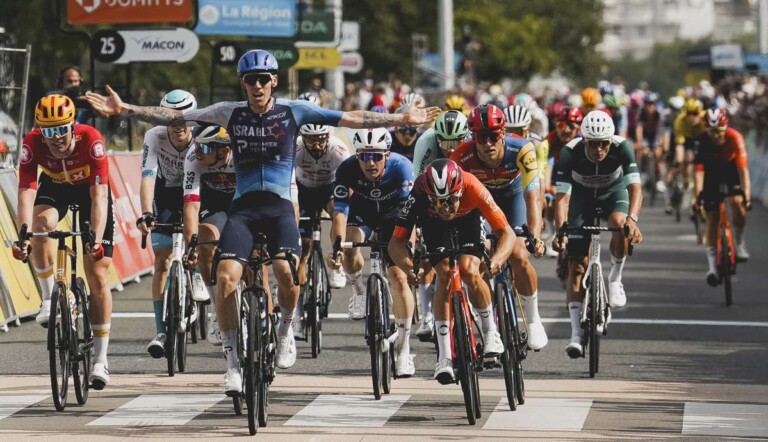
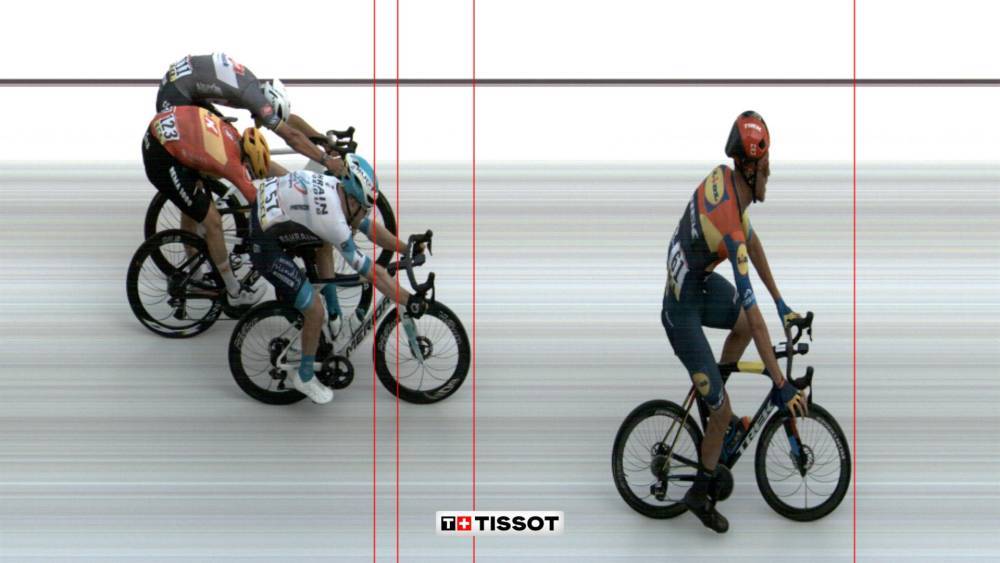
Stewart positioned himself perfectly behind Milan in the closing kilometers, then unleashed his decisive kick with 300 meters to go. The Israel-Premier Tech rider held off the charging Axel Laurance and Soren Waerenskjold to claim his first victory at cycling’s highest level.
“I knew I needed to kick before Milan,” Stewart explained. “I went with 300 metres to go and I managed to hold it to the line.”
The victory celebration was briefly overshadowed by concern for Evenepoel, who crashed in the finale but quickly reassured fans about his condition. The Belgian, who dominated Thursday’s time trial to seize the race lead, maintained his four-second advantage over Florian Lipowitz heading into the crucial mountain stages.
“I don’t really have an explanation for what happened when I fell in the finale,” Evenepoel said. “But my hands were really wet and I lost my grip on the handlebars. In any case, I’m not in any pain, I just have a graze on my right knee, but it won’t affect me going forward.”
Looking ahead to Saturday’s mountain stage, Evenepoel struck a measured tone that belied the intense competition expected in the Alps. “We’ll need to be ready for tomorrow, as it will be the first big test in the battle we’re going to face over the next three days,” he said. “The final climb is maybe twenty minutes of effort at most, which is nothing compared to what we’ll have on Saturday.”
The stage marked the end of opportunities for pure sprinters, with Jonathan Milan managing only fifth place despite his team’s controlling efforts. The Italian’s struggles on the climbs this week have provided a preview of the challenges he’ll face in next month’s Tour de France, where mountain stages will test his developing climbing abilities.
“In any case, there will certainly be a lot of riders trying to break away, so it will be very lively at the start,” Evenepoel predicted. “And then we’ll see who’s in great shape and who’s not quite so good.”
As the race heads into the Alps, the general classification remains tantalizingly close, with defending Tour de France champion Jonas Vingegaard lurking just 16 seconds behind Evenepoel, and former winner Tadej Pogačar positioned at 38 seconds back despite a disappointing time trial performance.
The three-day Alpine finale promises to reshape the race entirely, with Saturday’s mountain stage offering the first true test of the contenders’ form ahead of the Tour de France. For Stewart and Israel-Premier Tech, however, the mission is already accomplished—a breakthrough victory that validates years of development and positions the British sprinter among cycling’s elite fast men.
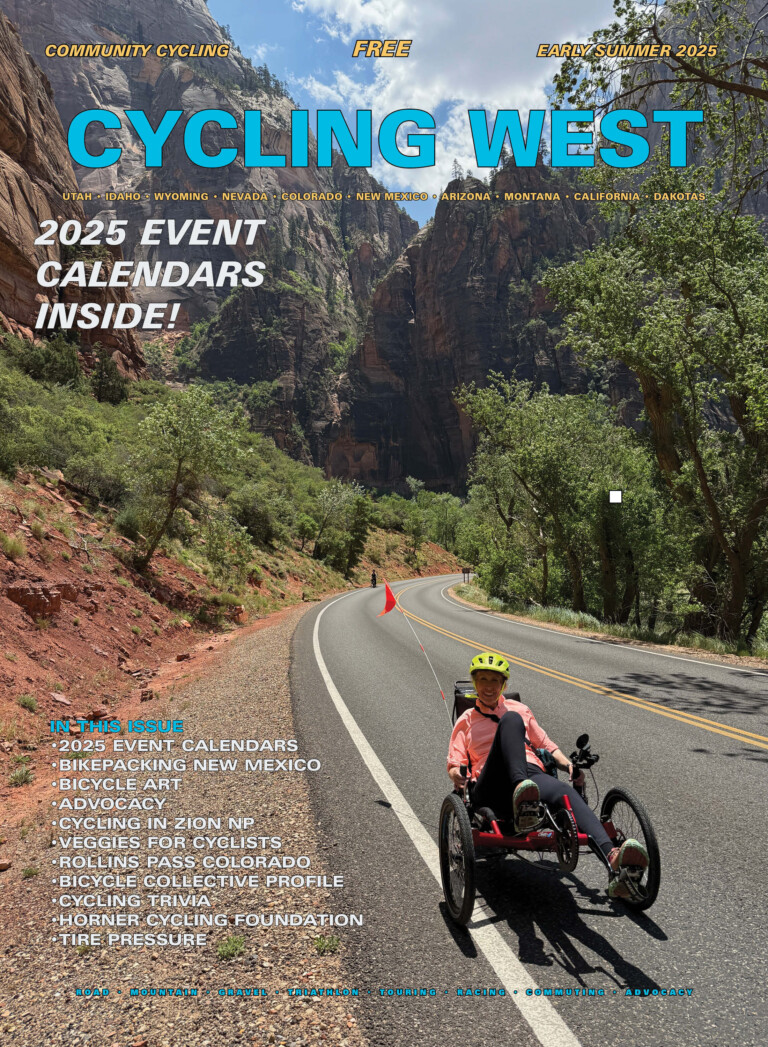
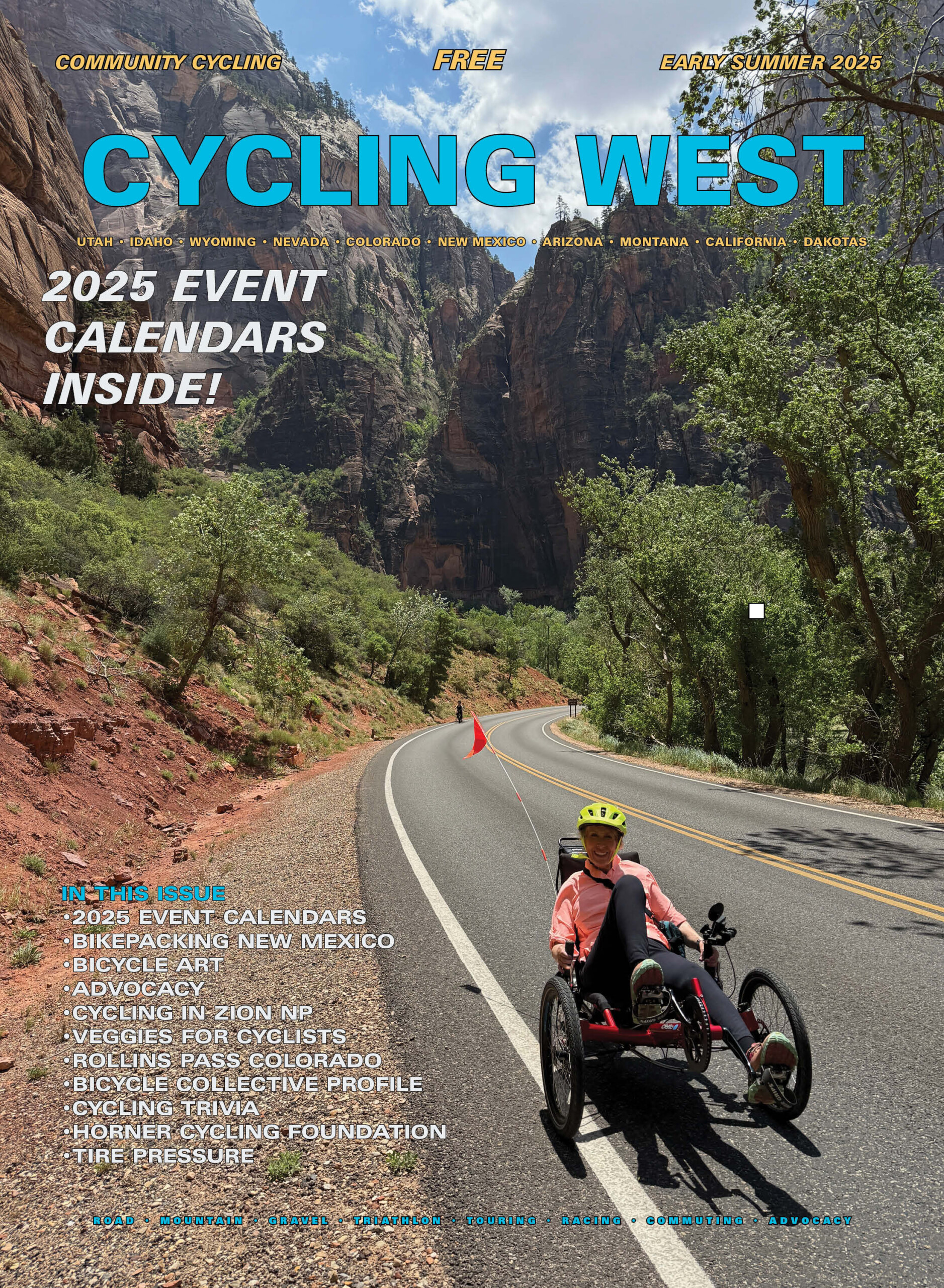
Cycling West and Cycling Utah Magazine’s Early Summer 2025 Issue is now available as a free download (10 MB download). Pick up a copy at your favorite Utah, Idaho, Wyoming, Nevada, Montana, Colorado, Arizona, New Mexico, North Dakota, South Dakota, and Northern California bike shop or other location. Or join to get a copy of our next issue delivered to your actual mailbox!
Belgian world champion delivers crushing performance against Pogačar and Vingegaard in crucial showdown
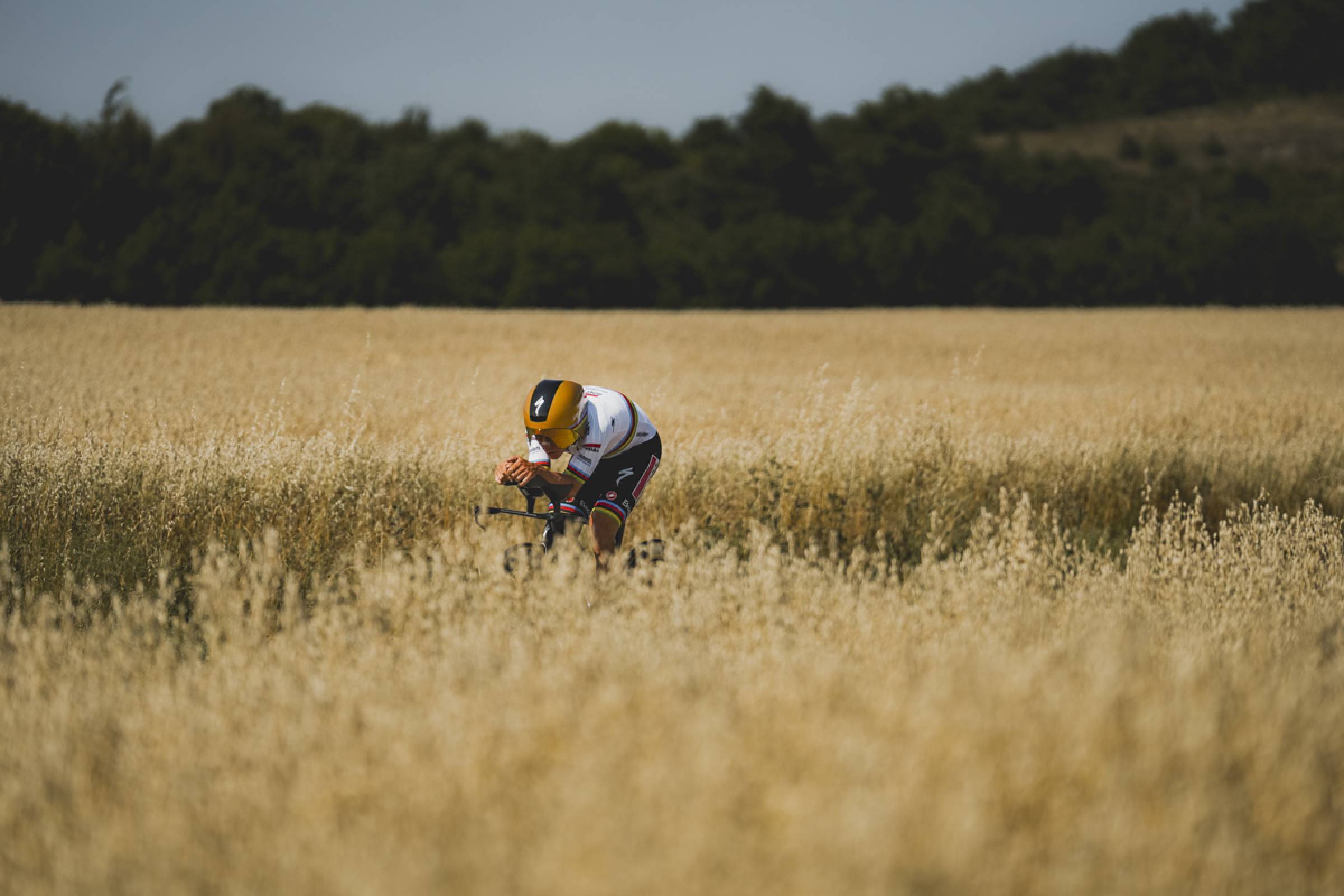
SAINT-PÉRAY, France — The much-anticipated duel between cycling’s elite turned into a solo demonstration of power as Remco Evenepoel crushed his rivals in the fourth stage of the Critérium du Dauphiné, claiming both the stage victory and the overall race lead with a dominant time trial performance.
Under bright sunshine on the 17.4-kilometer course from Charmes-sur-Rhône to Saint-Péray, the Belgian world and Olympic champion delivered a masterclass in racing against the clock, finishing in 20 minutes and 50 seconds at an average speed of 50.1 kilometers per hour. His margin of victory told the story of complete supremacy: 21 seconds ahead of Jonas Vingegaard, 38 seconds clear of Matteo Jorgenson, and a commanding 49 seconds faster than Tadej Pogačar.
The time trial had been billed as the first major confrontation between the sport’s biggest names after three days of careful positioning. As Evenepoel noted before the start, the discipline strips away all pretense: “I just have to go all in.” By its very nature, the time trial creates a pure contest—every rider alone against the ticking clock, with successive passages over identical terrain building tension like a “royal rumble.”
Evenepoel had identified this particular course as suiting his strengths, describing it as having “a fast start, a hard middle part and a fast finish.” The 2-kilometer climb positioned halfway through the stage would prove to be where he delivered his decisive blow.
The day began with early riders setting modest benchmarks. Domen Novak launched the proceedings at 2:15 p.m. with a time of 24 minutes and 43 seconds, quickly eclipsed by Norwegian champion Søren Waerenskjold’s 23-minute reference. Tobias Foss, the 2022 world time trial champion, raised the standard significantly with a 22-minute performance at 47.4 kilometers per hour.
But it was Rémi Cavagna, known as the “TGV from Clermont-Ferrand,” who first hinted at the day’s exceptional pace. The French specialist clocked 21 minutes and 57 seconds, averaging 47.6 kilometers per hour and holding a 17-second lead at the intermediate checkpoint. His advantage lasted just long enough for the real contenders to take the stage.
Matteo Jorgenson elevated the competition further, improving Cavagna’s benchmark by 28 seconds. Yet even this impressive performance paled when Evenepoel began his assault on the course.
The Belgian’s dominance was evident from the intermediate timing point, where he led Jorgenson by 30 seconds. That gap only expanded through the crucial climbing section and technical finish, with Evenepoel crossing the line 37 seconds clear—a margin that would prove insurmountable for his most dangerous rivals.
Vingegaard, runner-up in the last two Tours de France, could manage only the second-fastest time, losing 20 seconds to the Belgian despite his reputation as one of cycling’s premier time trialists. Even more surprising was Pogačar’s struggle, the Slovenian finishing a distant fourth, 11 seconds behind Jorgenson and nearly a full minute adrift of Evenepoel.
The overall classification battle proved equally decisive. Ivan Romeo, the defending Under-23 world time trial champion who had worn the leader’s jersey, needed to finish within 1 minute and 17 seconds of Evenepoel to retain his advantage. Instead, the Spaniard, fatigued from previous efforts, lost 1 minute and 25 seconds, tumbling to third overall behind Florian Lipowitz.
“I’m surprised with the gaps,” Evenepoel admitted afterward. “It’s quite big on quite a short TT so I’m very happy to have put over a second per kilometer on everybody, and even two seconds per kilometer on some.”
The victory carried additional significance as the 1,000th in Soudal Quick-Step’s history. But for Evenepoel, the performance represented validation of months of meticulous preparation ahead of the Tour de France.
“In terms of weight, I’m already good, better than I was last year at this point,” he explained. “I’ve been working super hard behind the scenes, day by day, trusting the process, and today was a day I wanted to perform.”
The Belgian emphasized his tactical approach to the demanding course: “My goal was to go as fast as possible until the intermediate and then keep a steady pace. I had an advantage with a lot of headwind in the valley so I used that to make the most of my position, and then I went as fast as possible on the climb with a perfect pacing strategy.”
Even Mathieu van der Poel, finishing sixth despite his energy expenditure in the previous day’s breakaway, expressed satisfaction with his performance. “I was motivated to give it my all in this TT,” said the Dutch star, who had asked Evenepoel weeks earlier whether he could finish within a minute of the time trial specialist. At 1 minute and 2 seconds back, he nearly achieved that goal.
“It was close but I still have some work to do!” van der Poel acknowledged.
The psychological impact of Evenepoel’s performance cannot be understated. With the Tour de France still six weeks away, the Belgian has served notice to his rivals while acknowledging the challenges ahead.
“I need to test myself against Tadej and Jonas on the high mountains. That’s what I worked for,” Evenepoel said. “The climb today was already a bit of a test. I think I did it how I wanted. I’m feeling happy, I’m feeling good on the climb and the flat as well.”
The Critérium du Dauphiné now heads into a mountainous weekend that will provide the first true examination of Evenepoel’s climbing form against Pogačar and Vingegaard. With 49 seconds and 16 seconds respectively separating him from those rivals in the overall standings, the Belgian has created a significant buffer—but as he noted, “there is still a long way before reaching Paris on July 27.”
The seconds gained on Wednesday may well be crucial come July, but for now, Evenepoel has delivered the kind of statement performance that transforms race narratives. In a sport where marginal gains often decide major victories, his dominant display suggests the balance of power may be shifting as cycling’s biggest names prepare for their ultimate showdown at the Tour de France.
SACRAMENTO, California (June 9, 2025) — CalBike and other advocates had a modest ask from California’s nearly $20 billion 2025 transportation budget: give back $400 million stripped from the Active Transportation Program (ATP) in 2024, as the legislature promised to do in last year’s budget. Yet the legislature’s version, released today, includes no additional funding for the ATP.
Last year’s cutbacks limited the program to funding just 13 projects for safe biking and walking infrastructure across the state. The missing funds could immediately jumpstart 30 local infrastructure projects that applied for funding and are ready to break ground.
A cyclist rides on the I-80 bicycle bridge in Berkeley, California. California’s 2025 budget prioritizes freeways over safe streets. Photo by Dave Iltis
In tight budget years like 2025, cuts aren’t distributed evenly. Programs backed by powerful industries, such as money to build new highway lanes, receive billions despite their negative impact on air quality and greenhouse gas emissions, while the Active Transportation Program, which saves lives and provides climate solutions, is left begging for crumbs.
“The Active Transportation Program is the victim of its own success, continuously oversubscribed. Yet the governor and some of our lawmakers fail to recognize its value,” says CalBike Policy Director Jared Sanchez. “The disregard for biking and walking at the state level undercuts state climate policy and makes it harder for local governments to meet residents’ demands for safer streets.”
Improvements that reduce traffic fatalities and make it safer and more appealing to walk and bike are very popular in California communities. The number of projects looking for ATP funding grows every cycle, and the number of high-scoring projects eligible for funding increases.
The demand for local active transportation infrastructure, which has been proven to reduce injuries and fatalities for people using all transportation modes and moves California closer to its climate goals, continues to grow. We should increase the budget for the ATP, yet lawmakers have slashed its budget, nearly leading the California Transportation Commission to cancel the most recent funding cycle due to a lack of funds.
Climate change isn’t something we can deal with down the road; it’s here, now. Safer streets shouldn’t be a “someday when we have extra cash” project, but an urgent necessity to prevent more children and other vulnerable road users from dying needlessly. Our budget priorities show our values. This year, California has sided with polluters over people.
Young Spaniard powers away from breakaway featuring Mathieu van der Poel to claim stage win and race lead
CHARONTONNAY, France — Young Spanish rider Ivan Romeo delivered a masterclass in tactical racing on Tuesday, powering away from a star-studded breakaway to claim victory on stage 3 of the Critérium du Dauphiné while simultaneously seizing the race leader’s yellow and blue jersey.
The 21-year-old Movistar rider’s triumph came on a day that began as a celebration of retiring French cycling icon Romain Bardet in his hometown of Brioude, but evolved into a fierce 207.2-kilometer battle featuring more than 3,000 meters of elevation gain and a rolling finish in Charantonnay.
Romeo’s victory was far from guaranteed in a breakaway that included cycling heavyweights Mathieu van der Poel and rising German star Florian Lipowitz. The young Spaniard, already the reigning UCI Under-23 Individual Time Trial World Champion, had been eyeing this stage for weeks.
“To be honest, I don’t believe this! I need to see pictures of myself with the yellow jersey for it to actually sink in,” Romeo said after his emotional victory. “I’ve actually had this stage on my mind for a month now, since training in Sierra Nevada with the team. I’m very grateful to them for giving me this chance.”
The stage began with 153 riders lining up in Brioude, where local hero Bardet (Picnic PostNL) received warm tributes from his hometown as he prepares to retire at the end of the week. After ruling the first two days of racing, favorites Tadej Pogačar and sprint stage winner Jonathan Milan would face a different challenge on the mountainous terrain that promised to be “a most intense battle.”
The tactical blueprint for the day became clear immediately: as cycling wisdom dictates, “there are no preparation races, and no transition days,” and the aggressive riders quickly recognized their opportunity. Van der Poel, the Dutch superstar leading Alpecin-Deceuninck, initiated the day’s warfare with a flurry of attacks on what the race organization had identified as “beautiful launchpads” for escapees. The category-3 Côte de Cornille at kilometer 8.9 and the category-2 Côte de la Barbate at kilometer 18 provided exactly that—early testing grounds that would determine who had the legs for the 207.2-kilometer odyssey ahead.
“This morning we thought the breakaway would have a chance, and that’s what happened despite having Florian Lipowitz in our group,” van der Poel reflected. “I took a gamble on this stage, but it was difficult to win.”
The intense early pace proved tactically decisive, halving the size of the peloton and eliminating key players from contention. Milan, wearing the leader’s jersey, was among the casualties, along with polka-dot jersey holder Paul Ourselin and strong climbers Ben Healy, Guillaume Martin-Guyonnet, and Magnus Sheffield. The selection was swift and brutal—exactly what aggressive racing was designed to achieve on terrain featuring “more than 3,000 metres of elevation” with a demanding “uphill start.”
At the intermediate sprint in La Chaise-Dieu, Pogačar and Remco Evenepoel managed to collect bonus seconds—four for the Slovenian, two for the Belgian—while Louis Barré launched another attack that would prove pivotal. After several waves of counter-attacks, a formidable 13-rider leading group emerged.
The breakaway featured an impressive roster: Axel Laurance, Michael Shea Leonard of Ineos Grenadiers, Romeo, Brieuc Rolland of Groupama-FDJ, Lipowitz from Red Bull-Bora-Hansgrohe, Julien Bernard of Lidl-Trek, Harold Tejada of XDS Astana, van der Poel, Andreas Leknessund of Uno-X Mobility, Ed Dunbar of Jayco AlUla, Barré of Intermarché-Wanty, and Anthony Turgis of Total Energies.
The presence of van der Poel, sitting just two seconds behind in the overall classification, transformed this from a standard breakaway into a genuine threat that demanded immediate tactical response. The peloton’s strategic calculus was complicated further by other general classification contenders in the move: Lipowitz, who finished second in Paris-Nice 2025, Romeo, fourth in the UAE Tour 2025, Dunbar, 11th in last year’s Vuelta with two stage wins, and Tejada, eighth in Paris-Nice. These weren’t merely opportunistic escapees—they were legitimate contenders capable of defending significant time gaps.
Recognizing the danger, the general classification teams abandoned any thoughts of letting the break ride freely. Pogačar’s UAE Team Emirates-XRG, Evenepoel’s Soudal Quick-Step, and Vingegaard’s Visma-Lease a Bike formed an unusual alliance, working together to control the tempo. Their tactical discipline kept the gap manageable, peaking at just 2 minutes 35 seconds at kilometer 73—tight enough to maintain pressure but not so close as to discourage the breakaway’s collaboration.
The tactical endgame began at the base of the category-3 Côte du Château Jaune, where the peloton’s relentless pursuit had reduced the gap to a precarious 50 seconds. The climb’s specifications—1.2 kilometers at 9.2 percent average gradient with sections “over 10%” and positioned just 19 kilometers from the finish—made it the perfect launching pad for the breakaway’s final selection.
Lipowitz, representing Red Bull-Bora-Hansgrohe’s tactical ambitions, “put the hammer down at the bottom of the climb,” immediately fracturing the 13-rider group. His attack was surgical in its timing and devastating in its effect, creating the first significant selection within the breakaway itself. Over the summit, only Tejada, Bernard, and Leknessund had managed to follow the German’s fierce pace.
The tactical chess match continued as van der Poel and Barré bridged across with 13 kilometers remaining, their experience and tactical acumen allowing them to time their effort perfectly. Romeo, Laurance, Dunbar, and Rolland completed the regrouping with 11 kilometers to go, reforming a dangerous 10-rider selection while the gap to the increasingly distant peloton expanded back to 1 minute 15 seconds.
Romeo’s winning move came with six kilometers to go, and his tactical patience proved decisive. “It was already so hard to get in the breakaway and I didn’t feel really good when I was in there. So I waited for the last moment,” he explained. “I know I have good instinct in this kind of finale. When the others didn’t chase me for a minute or so, I knew I just had to go flat out until the end.”
The Spaniard’s solo effort carried him to victory 14 seconds ahead of Tejada, Barré, and Lipowitz, while the main peloton finished 1 minute 6 seconds behind.
Van der Poel, despite his aggressive racing throughout the stage, acknowledged the difficulty of the finale. “There were a lot of us in the finale and each time it was up to me to react to the acceleration, but that’s normal after all,” he said. “To succeed in this kind of scenario, I’d have had to have extraordinary legs. But with everything I’d given up just to stay in the breakaway, that wasn’t the case any more.”
Romeo’s victory represents a significant breakthrough in what he describes as a rebuilding process. “Hard work always pays off and today it was the case. It’s been hard to return to a good shape after a good start of the season but now I think I can say I did,” he said.
When asked about comparisons to fellow young Spanish star Carlos Alcaraz, Romeo showed his humor alongside his ambition: “I’m nowhere close to Carlos Alcaraz,” he laughed. “He’s won five grand slams, I’ve won two professional races. But I’ll try to catch him!”
The victory positions Romeo perfectly for Wednesday’s individual time trial from Charmes-sur-Rhône to Saint-Péray, a 17.4-kilometer test against the clock where his credentials as the reigning Under-23 world champion in the discipline could prove decisive.
Van der Poel, meanwhile, reflected positively on his racing despite missing out on victory. “All in all, I’ve got three good results, but I’d have preferred to win just one and finish a long way back on the others,” he said. “In any case, these first few days have been very positive, and what I’m looking for here in terms of sensations is impossible to find in training.”
The stage served as a poignant reminder of cycling’s generational transitions, beginning with tributes to the retiring Bardet and ending with Romeo’s breakthrough victory. As the race heads into its crucial time trial stage, the young Spaniard finds himself in the enviable position of wearing yellow while possessing the skills to defend it against the clock.
Italian sprinter overcomes mountain difficulties to claim stage win and overall lead in French race
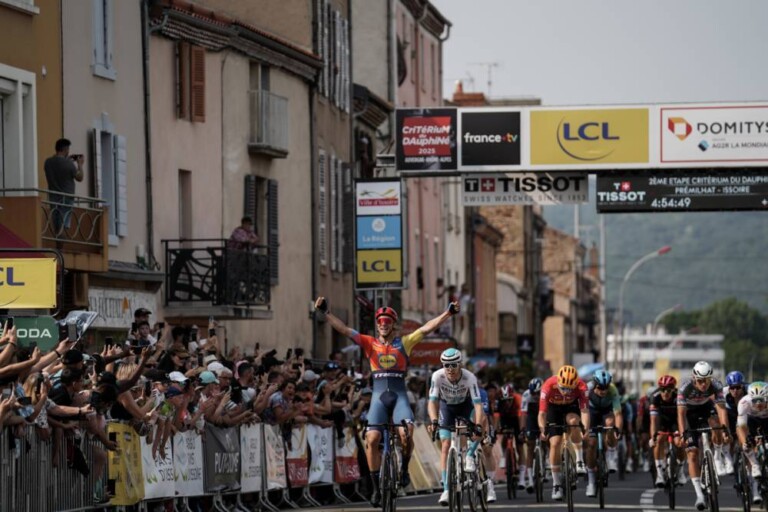
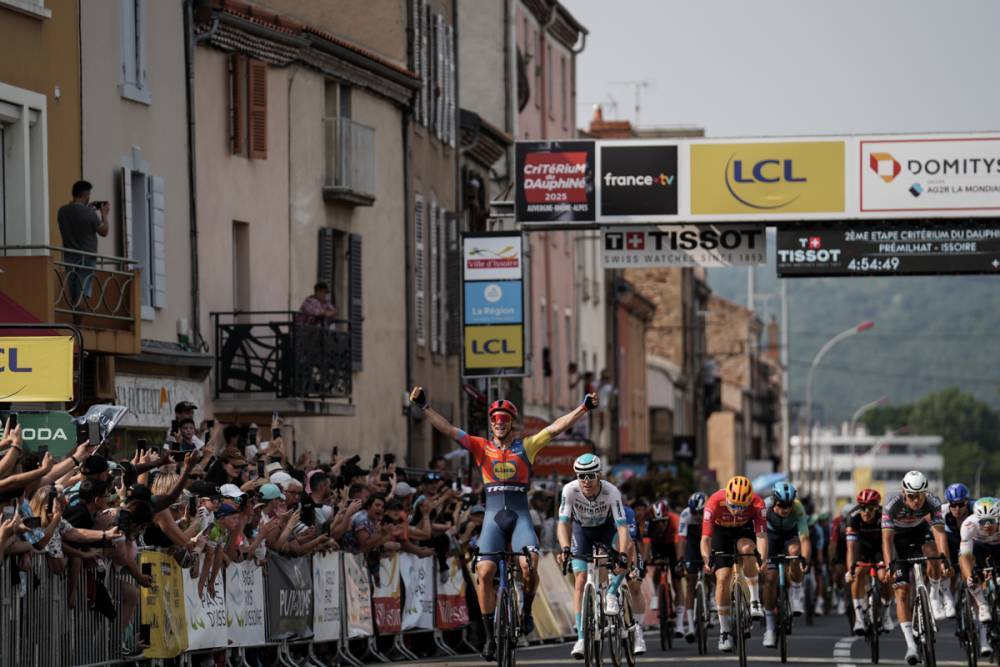
ISSOIRE, France — Jonathan Milan demonstrated his raw power on Monday, overcoming being dropped on the day’s climbs to win stage 2 of the Critérium du Dauphiné. The Italian’s commanding sprint finish delivered his first stage win at the French race and elevated him to the overall lead, taking the yellow and white jerseys from Tadej Pogačar.
Milan’s victory came at the end of a 204.6-kilometer stage from Prémilhat to Issoire, where his Lidl-Trek team executed a rescue operation after their sprinter was dropped on the category-2 Côte du Château de Buron with 55 kilometers remaining. The triumph marked Milan’s sixth victory of the season in his maiden participation at the Dauphiné.
“It was really tough!” Milan said after claiming the stage victory. “I came here to keep building up the condition and get some nice results after altitude training. Yesterday, I really suffered, it was my first race in a long time… And I suffered a lot again today. It will take me a bit to recover after this day but this victory gives me a big smile and a lot of confidence.”
The stage began with the sun out as the 153-man peloton set off from Prémilhat at midday. The uphill start inspired attackers but the sprinters didn’t want to let too big a group get away. After eight kilometers of battle, Paul Ourselin of Cofidis got away alone.
The leader of the mountains classification opened a gap as high as 6’30” at kilometer 25 and collected six points atop the Côte de la Font Nanaud (category 4, km 33.4), Côte de Saint-Priest-des-Champs (category 4, km 50.5), Côte des Rivauds (category 3, km 61.1) and Côte de Saint Jacques d’Ambur (category 3, km 71.8) to secure the polka-dot jersey for another day.
“At the start of the stage, I was in a slightly more attacking state of mind, but in the end I found myself alone at the front,” Ourselin explained. “That allowed me to pick up the points for the first four climbs, so it was the right strategy. It’s true that being alone made it feel a bit long but after all it was nice, the weather was good.”
Behind Ourselin, several riders tried to counter-attack but Milan’s Lidl-Trek and Mathieu van der Poel’s Alpecin-Deceuninck joined forces to control the day. Atop the Côte de Saint Jacques d’Ambur, the gap was still up to 5’05”. It dropped down to 1’15” at the intermediate sprint in Olby at kilometer 102, halfway through the stage.
Three counter-attackers set off to join Ourselin: Romain Combaud (Picnic PostNL), Victor Guernalec (Arkea-B&B Hotels) and Chris Juul-Jensen (Jayco AlUla). The peloton only trailed by 20″ at kilometer 106 but the leaders pushed the gap back up to 1’35” with 70 kilometers to go.
On the main ascent of the day, the category-2 Côte du Château de Buron (3.3km at 6.9%), Juul Jensen increased the pace. Guernalec went first over the top while Ourselin and Combaud were caught by the bunch, trailing by 55″.
Milan was dropped with 55 kilometers to go. After a 10-kilometer pursuit with four Lidl-Trek teammates, the Italian got back to the bunch as they entered the final 42.9km circuit.
“I got dropped at one point and I was really on the limit to come back,” Milan reflected. “I have to say a massive thanks to my teammates. If I had been alone, it would have been really complicated to come back but with a team like that supporting you, believing in you, it becomes much easier. They gave me extra-motivation.”
On his childhood roads, Romain Bardet (Picnic PostNL) attacked up the Côte de Nonette (category 4) and opened a gap of 8″ at the summit with 17.9 kilometers to go. The Frenchman pushed his lead to 20″ but he was caught just inside the last 10 kilometers, racing on the eve of the start from Brioude, his hometown.
Lidl-Trek took control of the bunch inside the last three kilometers to lead out Milan. Van der Poel followed the Italian’s wheel, but nobody could match Milan’s power when he put the hammer down. Fred Wright (Bahrain Victorious) and van der Poel followed him in the stage’s top-3. With Pogačar finishing 41st, Milan also took the yellow and blue jersey.
“There was a battle to follow Milan’s wheel. Everybody knows he’s fastest,” van der Poel said. “And I knew it would be hard to beat Milan, one of the best sprinters in the world. It’s almost impossible for me to beat him in a sprint like that so I’m happy with my performance.”
Van der Poel reflected on both stages: “I’m pretty happy with these two days I had, it was better than I expected. This is also exactly what I needed in terms of shape and there’s a few more days to try and win a stage. Yesterday, normally, I should have been able to win this sprint but given the circumstances, I was already happy to be in the front group. And today, a sprint was inevitable.”
Milan described the perfect execution: “We knew we had to take the last corner at the front and it was just a perfect lead-out. It’s nice to also take the yellow jersey. It means a lot, not just for me, but for the whole team. We’ll see if I can also have it in the Tour. Let’s take things step by step!”
Ourselin looked ahead to future stages: “And then after that I was in the company of three other riders, which was quite nice. Even though I quickly realised that I couldn’t go much further and that I wouldn’t be taking the points on the cat-2 climb. Now I can say that I’m getting the hang of it and I’ve thrown some strength into the battle. So I think I can try to keep the jersey until the stage after Mâcon.”
When corporate priorities eclipse athlete safety, everyone loses
Klara Sofie Skovgaard lay broken in a roadside ditch for 90 minutes while helicopters flew overhead, capturing perfect footage for Life Time’s global broadcast. Her helmet had split on impact. Her shoulder was shattered, her knee torn open. As hypothermia set in and shock took hold, she watched those same camera helicopters pass by—close enough to film her suffering, too distant to offer help.
This wasn’t an accident. This was an organizational failure of staggering proportions, one that Life Time (and apparently the American cycling press) still refuses to acknowledge. The only coverage I have seen thus far has been from the British publication Cycling Weekly,
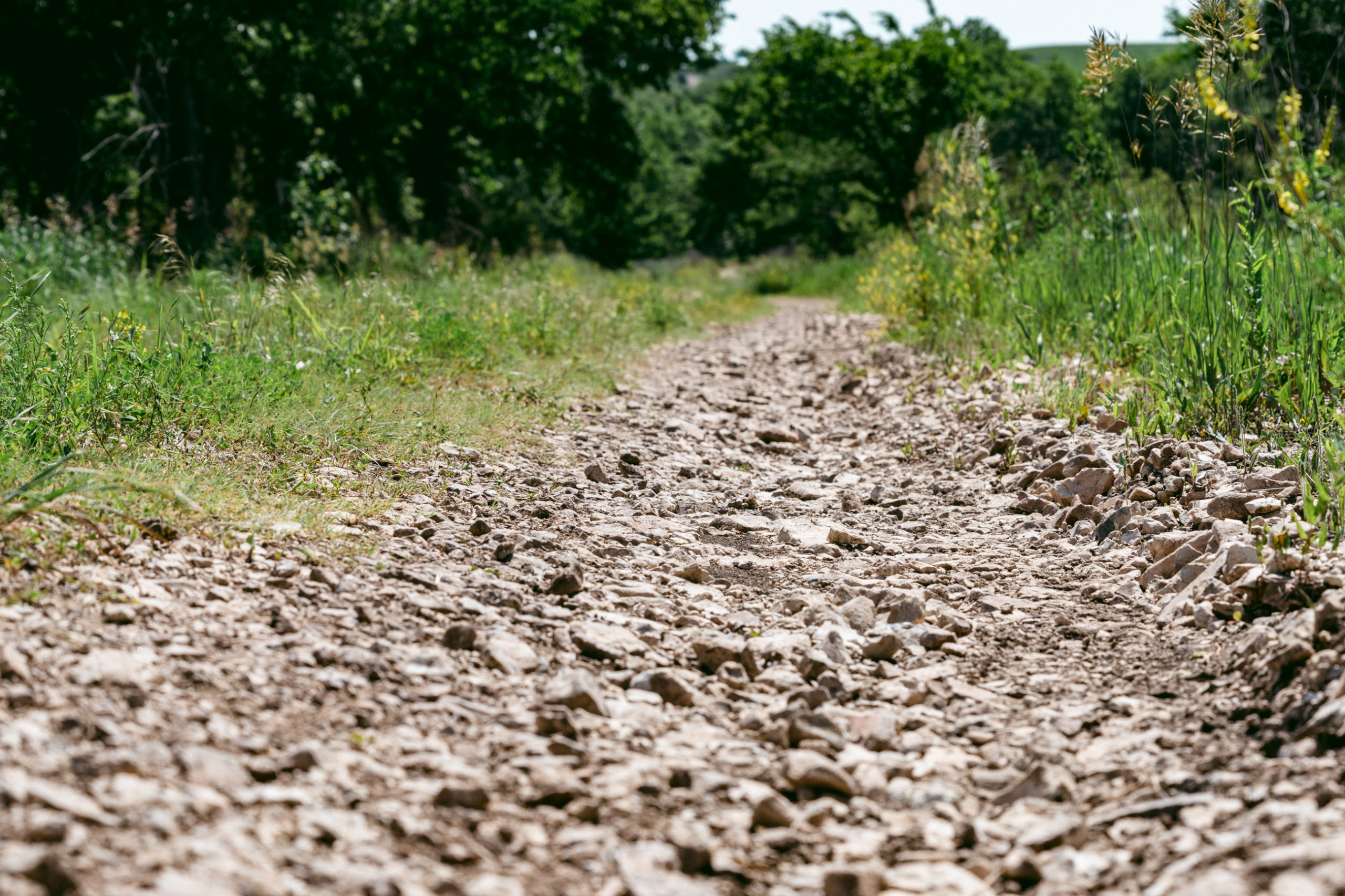
As cyclists, we’ve grown accustomed to celebrating the grit and self-reliance that defines gravel racing. We romanticize the remote courses, the technical challenges, the “figure it out yourself” mentality that separates gravel from road racing’s pampered pelotons. But somewhere along the way, event organizers began conflating authentic challenge with willful negligence. What happened to Skovgaard at the 2025 UNBOUND Gravel strips away that romantic veneer and exposes an uncomfortable truth: when billion-dollar corporations prioritize spectacle over safety, athletes pay the price in blood.
UNBOUND Gravel has alwasy been known for the severity of its mud (seen here in 2021) and gravel. Photo by Ian Matteson, courtesy ENVE Composites.UNBOUND Gravel has alwasy been known for the severity of its mud and gravel (seen here in 2021) . Photo by Ian Matteson, courtesy ENVE Composites.
The heroes of this story aren’t wearing Life Time logos. Luise Valentin and Lucy Hempstead—both elite competitors with their own race ambitions—made a choice that Life Time’s organization couldn’t. They abandoned their competitions, sacrificed their results, and stayed with Skovgaard until medical help finally arrived nearly two hours after her crash.
Think about that for a moment. In Life Time’s premier event, with its multimillion-dollar production budget and global media presence, the difference between life and death came down to the compassion of fellow athletes, not the competence of event management.
“It should not be other riders’ responsibility,” Skovgaard later told Cycling Weekly, articulating what should be obvious to anyone running a major sporting event.
This year’s UNBOUND featured Life Time’s most ambitious live coverage yet. Helicopters tracked the leaders through Kansas’s Flint Hills. Camera motos captured every surge and attack. The world watched in real-time as drama unfolded on gravel roads. But as Skovgaard fought for consciousness in that ditch, those same production resources became a cruel irony. The infrastructure existed to document her suffering but not to address it. The technology was there to broadcast her pain but not to relieve it.
“It felt ironic looking up at a livestream media helicopter,” she reflected, a statement that should haunt every Life Time executive involved in this event.
Skovgaard’s ordeal wasn’t isolated. According to a report on Cyclingnews.com, the 2025 UNBOUND saw Sarah Sturm crash out with a concussion, Hannah Shell abandon after a crash on Divide Road, and Belgian rider Jelle Van Damme finish bloodied after tangling with barbed wire. The elite women’s field recorded 14 DNFs, most from crashes rather than mechanical failures or fitness limitations. This wasn’t bad luck. This was systemic failure masquerading as authentic gravel racing.
In the days following these incidents, Life Time’s response has been deafening in its absence. No press releases. No acknowledgments. No indication that they recognize the severity of what occurred, much less any commitment to preventing future occurrences. This silence isn’t oversight—it’s strategy. By refusing to acknowledge the problem, Life Time avoids accepting responsibility for it. But their calculated quiet only amplifies the message they’re actually sending: profit margins matter more than rider welfare.
Gravel racing will always carry inherent risks. Remote locations, challenging terrain, and unpredictable conditions are part of what draws us to this discipline. But there’s a fundamental difference between accepting the risks that make gravel racing authentic and tolerating the negligence that makes it dangerous. Riders sign up for mechanical failures, weather challenges, and the physical demands of racing on gravel. They don’t sign up to be abandoned when those challenges result in serious injury.
“Traveling across the world to race means accepting risks—but I never expected to feel unsafe. I truly hope the organizers work to improve emergency access,” Skovgaard posted on her social media, capturing the distinction that Life Time seems unable to grasp.
UNBOUND Gravel markets itself as gravel racing’s premier event—the discipline’s equivalent to the Tour de France. If Life Time wants that comparison, they must accept the responsibilities that come with it. Professional cycling’s biggest events maintain comprehensive medical coverage not because they’re risk-averse, but because they understand that managing risk responsibly is what separates legitimate competition from reckless endangerment. The Tour de France doesn’t leave riders suffering in ditches while helicopters film overhead. If it did, the backlash would end careers and reshape the sport.
Life Time stands at a crossroads. They can acknowledge their failure, implement meaningful safety improvements, and demonstrate that they take their duty of care seriously. Or they can continue their silence, hoping this controversy fades while they plan next year’s broadcast package. The choice they make will define not just UNBOUND’s future, but the standard of care that athletes can expect from corporate-backed gravel events.
Because if Life Time won’t accept responsibility for keeping their athletes safe, who will?
As participants and fans of this sport, we have our own choice to make. We can accept Life Time’s silence as the price of premium gravel racing, or we can demand better. Skovgaard survived her ordeal, but that’s not the point. The point is that her survival depended on factors entirely outside Life Time’s control—the kindness of competitors, the resilience of her own body, and sheer chance. That’s not a business model. That’s not a safety protocol. That’s not acceptable.
The gravel racing community deserves events that challenge our bodies without abandoning our welfare. We deserve organizations that understand the difference between embracing risk and enabling negligence. Most importantly, we deserve better than silence when things go wrong.
Slovenian champion edges Van der Poel in final 25 meters after Vingegaard’s late attack sets up dramatic conclusion
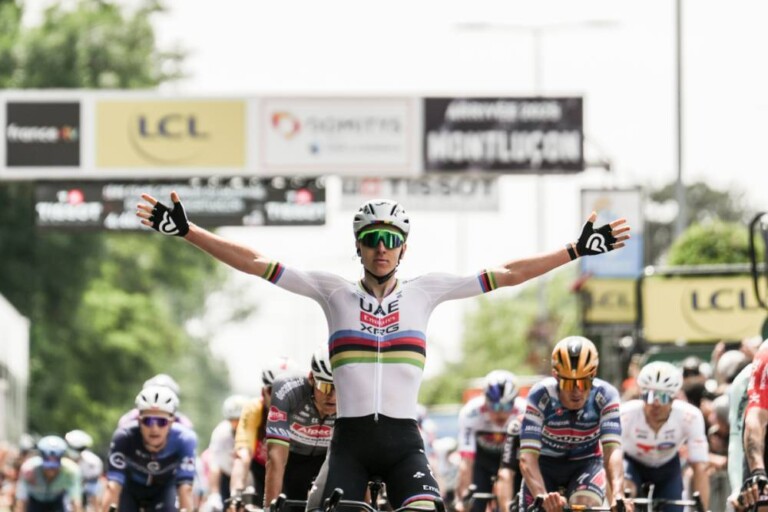
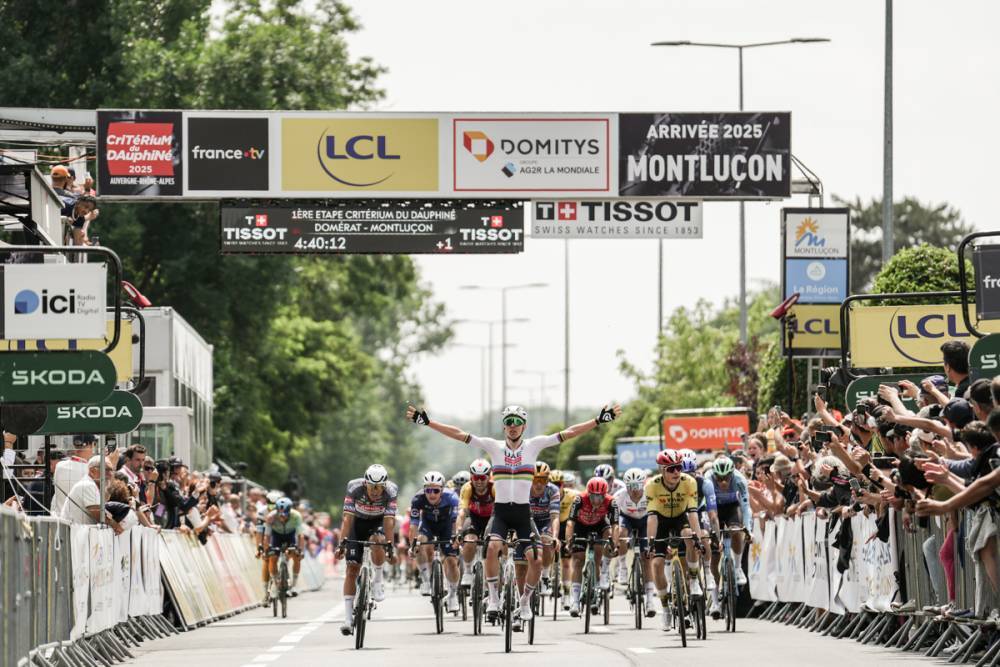
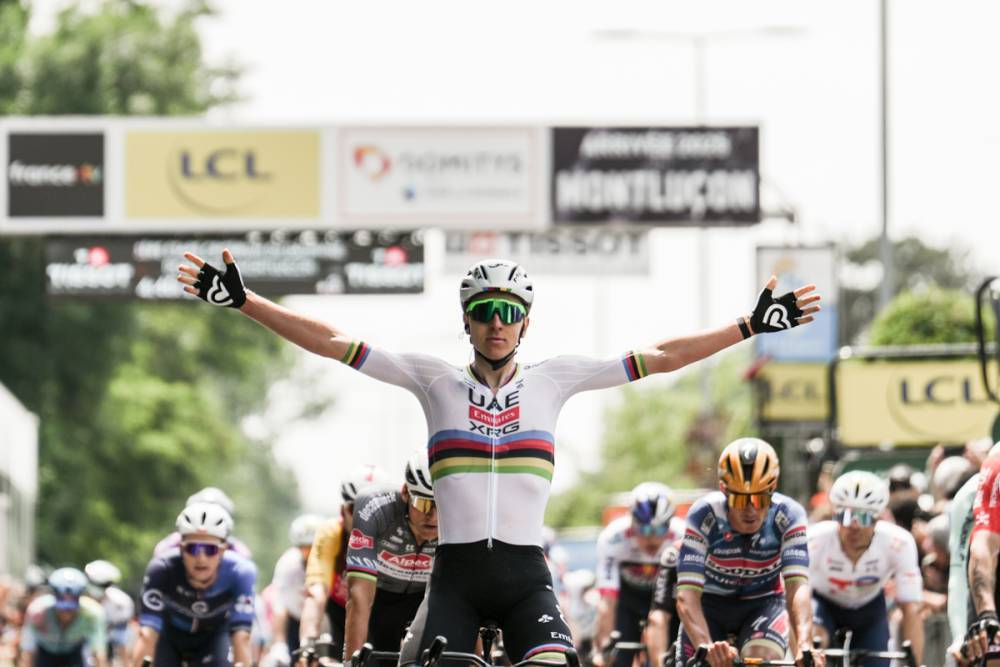
MONTLUÇON, France — Tadej Pogačar delivered a masterclass in tactical racing Sunday, outsprinting Mathieu van der Poel in the final 25 meters to claim his first-ever stage victory at the Critérium du Dauphiné. The Slovenian’s triumph came after a dramatic finale that saw cycling’s four biggest stars—Pogačar, Jonas Vingegaard, Remco Evenepoel, and van der Poel—battle for supremacy on the opening day of France’s premier warm-up race for the Tour de France.
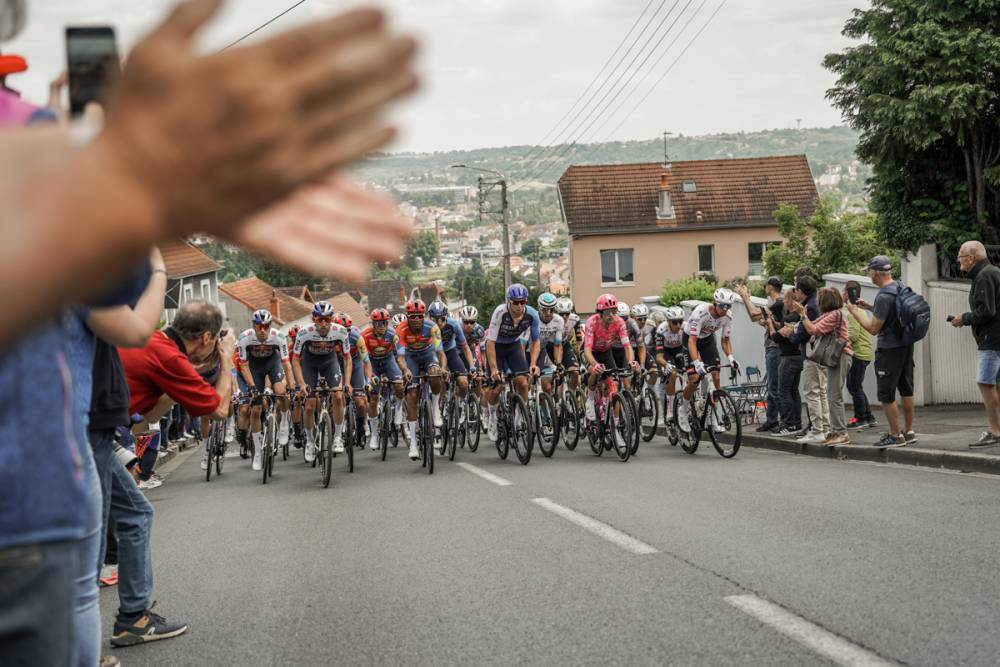
The 195.8-kilometer stage from Domérat to Montluçon set the tone for what promises to be an explosive week of racing, with Vingegaard initiating the decisive move with just over five kilometers remaining. His attack on the final ascent of the Côte de Buffon immediately drew responses from his three major rivals, creating a select group that would ultimately contest the stage victory.
“I was not expecting to win,” Pogačar admitted after his tenth victory as the reigning world champion. “I was prepared to go to the bus after the finish, take a shower and enjoy the rest of the day… I don’t mind being here! I hadn’t won in the Dauphiné yet so it’s a nice feeling.”
The stage began with an early breakaway from two French riders, Paul Ourselin of Cofidis and Pierre Thierry of Arkéa-B&B Hotels, who established a maximum advantage of 3’55” by the 12-kilometer mark. Ourselin dominated the day’s categorized climbs, taking maximum points atop four summits to virtually secure the polka-dot jersey before being dropped by his companion.
“When we spoke to the team this morning, I was named to try and get into the breakaway,” Ourselin explained. “It really means something to wear this jersey in a race like the Dauphiné, especially as it escaped me on stage 1 of Paris-Nice two years ago.”
The tactical fireworks began when EF Education-EasyPost increased the pace on the second passage of the Côte de Buffon, prompting Pogačar to test his rivals with nearly 40 kilometers remaining. Vingegaard immediately marked the move, setting up the day’s decisive confrontation.
Fred Wright of Bahrain Victorious briefly animated the finale by bridging to the lone leader Thierry and extending their advantage to 45 seconds entering the final circuit. However, their collaboration ended on the steep slopes of the Côte de Buffon, where Vingegaard’s calculated attack with 5.6 kilometers to go proved to be the race-defining moment.
“Jonas [Vingegaard] put the cherry on the top with his attack. It was a painful one,” Pogačar recalled. “Then, I could recover on the downhill to the finish. And from 2 kilometers to go, I started thinking of the sprint.”
Evenepoel was forced to dig deep to bridge the gap to the leaders, a move that surprised even the Belgian. “It’s a bit of a surprise, I didn’t expect to be racing for victory on this stage,” he said. “When Jonas Vingegaard attacked, it wasn’t in a place where he’s used to. So I had to work hard to bridge the gap, but I had the legs to do it.”
The five-man group—Pogačar, Vingegaard, van der Poel, Evenepoel, and Colombian climber Santiago Buitrago—raced toward the finish with the peloton in hot pursuit. The sprinters managed to reconnect in the final kilometer, but van der Poel had already begun his sprint when the groups merged.
In a thrilling finale that showcased the tactical acumen of cycling’s elite, only Pogačar and Vingegaard possessed the speed to overtake the Dutch champion in the final meters. Evenepoel secured fourth place, while Buitrago was caught by the charging peloton.
“I knew Mathieu Van der Poel was the fastest but after such a finale you can’t discard anyone,” Pogačar said of his sprint calculation. Evenepoel noted the challenging conditions, suggesting that “in the finale, there was a headwind, and I think that in other conditions, Mathieu Van der Poel would have won easily.”
The stage victory, combined with time bonuses, gives Pogačar a four-second advantage over Vingegaard in the general classification, with van der Poel a further two seconds back. The result marks a significant psychological victory for the Slovenian, who now wears the yellow jersey with the race’s time trial and mountain stages still to come.
“I can already be happy with my Dauphiné but I want to see how the legs will be in the TT and on the mountains,” Pogačar said. “We have to see how we defend the jersey in the coming days. We’ll rapidly be at the ITT and we’ve seen how strong Remco [Evenepoel] and Jonas are. The main ambition is to have the jersey next Sunday.”
For Thierry, whose aggressive riding animated much of the stage, the day represented a perfect introduction to the Dauphiné. “I’m discovering the Dauphiné and I think this is the best way to do it!” he said. “I’m in the running for the mountain classification, so we’ll see how we work on that with the team.”
The opening stage served as an early indicator of the form and tactics that will likely define the remainder of the race, with all four superstars demonstrating their readiness for the battles ahead. With time trial specialists like Evenepoel and climbers like Vingegaard yet to showcase their strengths on terrain better suited to their abilities, Pogačar’s early advantage may prove short-lived in what promises to be one of the most competitive editions of the Dauphiné in recent memory.
By Dave Campbell — As the peloton prepares for the Tour de France, several key French races held in June serve as critical tune-ups for cycling’s biggest event. Chief among them is the Critérium du Dauphiné, which runs from June 8–15 this year and features stages across the French Alps. Widely regarded as the premier preparatory race for the Tour, the Dauphiné has been a launchpad for many eventual Tour de France champions.
In addition to the Dauphiné, three smaller French stage races have historically played a role in Tour preparation, though only one remains active today. Each carries a rich legacy, with impressive rosters of past champions:
Route d’Occitanie: Formerly known as La Route du Sud, this race began in 1977 as the Tour du Tarn, became the Tour Midi-Pyrénées in the 1980s, and was known from 1988–2017 as La Route du Sud. After a brief hiatus in 2024, it returns this year from June 18–21 under its current title.
Grand Prix du Midi Libre: Held from 1949 to 2004, this now-defunct race once drew some of the sport’s biggest names.
Tour de l’Aude: Active between 1957 and 1986, the Tour de l’Aude also served as a valuable preparation race for the Tour de France.
Q1. The Critérium du Dauphiné has seen more American winners than any other elite European stage race, with five Americans having claimed victory—though two of those wins were later vacated. Can you name all five?
Q2. No American ever won the Tour de l’Aude, but one English-speaking rider (referred to in the 1980s peloton as an “Anglophone”) claimed the title twice. Who was he?
Q3. Only one American ever won the Grand Prix du Midi Libre. Do you know who it was?
Q4. Two Americans have won the Route du Sud, though one title was later stripped. Can you name them?
Q5. When was the last time a rider won one of these French preparatory races and then went on to win the Tour de France in the same year?