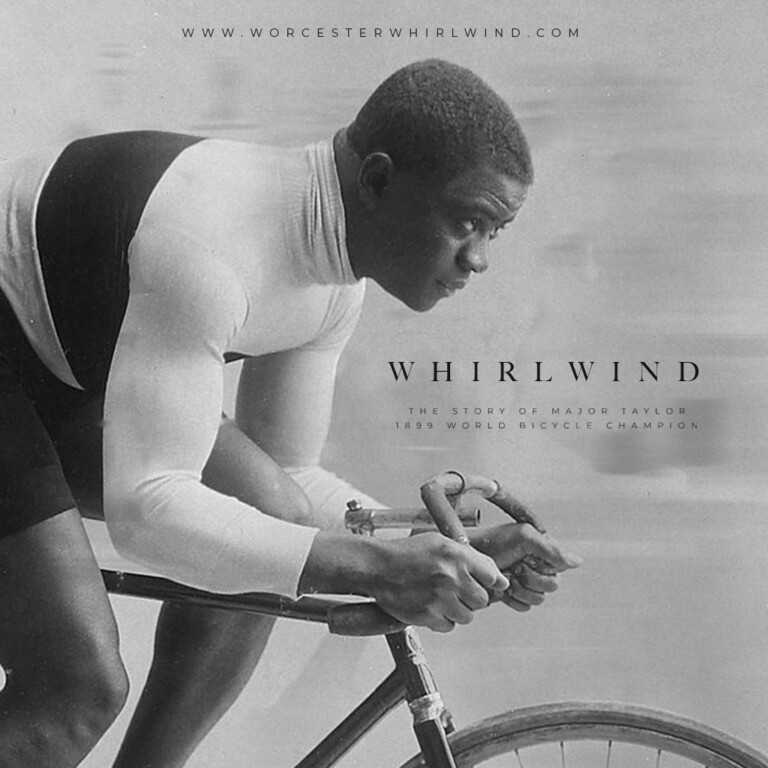
WORCESTER, Massachusetts — “Whirlwind”, a film documentary in the making about the life and career of Marshall Major Taylor, is set to release its concept trailer on November 26; which happens to be Taylor’s birthday.
This historical, groundbreaking documentary aims to explore in depth the life and times of the first African American world bicycle champion Major Taylor.
Image courtesy Whirlwind
More than a hundred years ago, when bicycle races drew crowds that filled Madison Square Garden, the biggest draw of all was Major Taylor. As a superstar athlete in the most popular sport of his era, 1899 world bicycling champion Major Taylor saw his racing victories well chronicled in mainstream newspapers as well as cycling publications.
Throughout his career, Major Taylor had embodied the role carved out for him by promoters, the press, and the fans, who fed off each other’s desires for drama and dollars. “The Black Cyclone” was allowed on the starting line because of his exceptional talent, but he was constantly reminded, on and off the bike—as a Black American–of his place in the racial order. He could compete against white riders as long as he didn’t act “uppity”.
White race promoters and competitors made it clear that his elite position was not to be used as a platform to overtly demand that equality be extended to other members of his race. Taylor had to contend with a balancing act familiar to Black athletes in America before and since. The backlash against football player Colin Kaepernick taking a knee during the national anthem, as well as controversies related to NBA and WNBA player support of Black Lives Matter, attest to ongoing disputes about Black athletes who take a stand against racial injustice.
In a post-Civil War era governed by Jim Crow laws in the South and overt racism nationwide, Major Taylor managed to be the first Black champion of the world in cycling and one of the first black world champions in any sport… His fame grew not only in America but in Europe and Australia as newspapers around the world reported his triumphs. The Boston Globe labeled him “The World Beater” in a headline in August 1899.
The team plan to produce a feature documentary for national and international broadcast on the life and times of Major Taylor. The film will be a compelling combination of rare archival material, reenactments, and interviews with scholars, writers, bicycle historians and prominent athletes.
The film will be directed by independent documentary filmmaker Cyrille Vincent, and PhD. Janette Thomas Greenwood of Clark University’s History Department will serve as chief historical advisor. A panel of other humanities scholars from universities, associations and research centers around the country will serve as advisors as well.
“There is a significance in keeping Major Taylor’s story and legacy alive as American History. We need to do something and show something to people. If they see, they might understand easier.” said Cyrille Vincent, director and executive producer of the documentary. “It’s very exciting when you come in with the perspective of Major Taylor in mind. He was always optimistic and strategic about everything.”
COLORADO SPRINGS, Colo. (February 23, 2023) — USA Triathlon today announced the nine local gravel triathlon events that make up the 2023 USA Triathlon Gravel Triathlon Series.
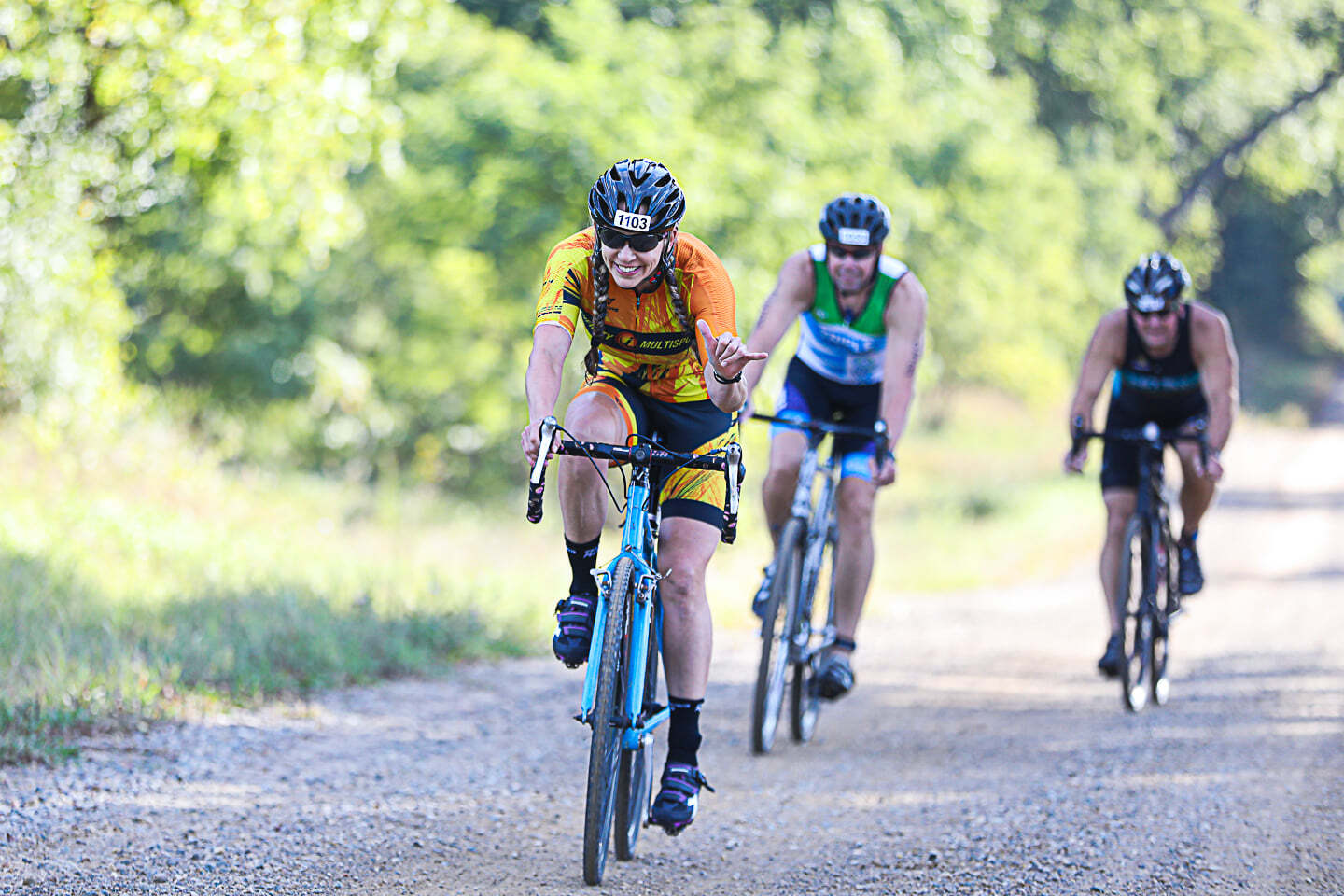
“Gravel triathlon is an exciting way for athletes to test their skills and try a unique race experience, and not surprisingly it has taken off in popularity,” said Victoria Brumfield, USA Triathlon CEO. “It’s such a fun and accessible way to be a part of the multisport lifestyle, and a discipline I am very passionate about. Most weekends, and even some weekdays, you can find me on my gravel bike around Colorado. We are thrilled to again partner with local USA Triathlon race directors across the country to offer the second year of the USA Triathlon Gravel Triathlon Series and help expose more people to gravel.”
Photo courtesy USA Triathlon
Held in conjunction with the second annual USA Triathlon Gravel National Championships to be held June 2 in Fayetteville, Arkansas, the 2023 USA Triathlon Gravel Triathlon Series offers endurance sports enthusiasts a new way to experience swim, bike, run multisport racing at gravel events in each region of the United States.
Qualification is not required to participate in the USA Triathlon Gravel Triathlon Series or the USA Triathlon Gravel National Championships. The USA Triathlon Gravel Triathlon Series spans the multisport season from May through October and features events across the U.S., with races in Arkansas, California, Colorado, Illinois, Michigan, Nebraska, New Jersey and Texas. Race series participants will receive special USA Triathlon Gravel Triathlon Series stickers.
As part of USA Triathlon’s commitment to and support for local racing, each event in the Gravel Triathlon Series receives increased marketing and communications support to drive registration, including promotion on USA Triathlon’s website and social media pages. Gravel Triathlon Race Series Race Directors are also eligible to apply for USA Triathlon’s Gatorade Endurance Race Director Program, which provides Gatorade Endurance formula to select USA Triathlon Sanctioned events.
Organized by Ready Set Go Adventures, XTERRA New Jersey on May 7 takes place at Wawayanda State Park and features a sprint-distance gravel triathlon and Olympic-distance gravel triathlon as well as other multisport disciplines involving gravel, including aquabike (swim-gravel bike) and duathlon (trail run-gravel bike-trail run). For more information and to register, visit the event’s website.
Gravel Triathlon and Gravel Duathlon National Championships
On June 2-3, gravel and mountain-biking haven, Fayetteville, Arkansas, will host the USA Triathlon Gravel and Off-Road National Championships. Both events will be held in conjunction with the Ozark Valley Triathlon. In addition, the event will also host the Off-Road Duathlon National Championships. Both the Off-Road Triathlon and Off-Road Duathlon National Championships will qualify age group athletes for the Cross Triathlon and Cross Duathlon World Championships, hosted by World Triathlon. To learn more about the events and to register, visit the Ozark Valley Triathlon event website. Qualification is not required to participate in the USA Triathlon Gravel and Off-Road National Championships.
The Forge Off-Road Triathlon
The Forge Off-Road Triathlon on July 22 in Lemont, Illinois, takes place at The Forge: Lemont Quarries, with the course weaving through the trails of the Heritage Quarries Recreation Area, and I&M Trails, all located adjacent to historic downtown Lemont. The event includes a sprint-distance gravel triathlon and a gravel aquabike race. Registration and more information can be found at the event’s website.
Ugly Dog Gravel Tri
Launched in 2018, the Ugly Dog Gravel Tri on July 23 takes place at Waterloo Recreation Area in Grass Lake, Michigan, and is organized by Tris4Health. With a sprint-distance gravel triathlon, an Olympic-distance gravel triathlon, gravel duathlon, gravel aquabike and relay race options, the Ugly Dog Gravel Tri has options for every athlete on a scenic, wooded course. For more information and to register, visit the event’s website.
Stagecoach Gravel Triathlon
Set at quiet and picturesque Stagecoach Reservoir near Steamboat Springs, Colorado, the Stagecoach Gravel Triathlon on Aug. 6 is organized by Without Limits Productions and features a bike course on rolling, gravel, country roads. The event includes a sprint-distance gravel triathlon, gravel aquabike and a stand-up paddle-board option for the non-swimmers. To register and for more information, visit the event’s website.
GoodLife Gravel Triathlon
The GoodLife Gravel Triathlon on Aug. 12 in Raymond, Nebraska, is organized by GoodLife Racing, the cycling team of GoodLife Brands, which strives to foster development and connection for competitive riders in Nebraska and surrounding areas. To learn more about the race, visit the event’s website.
Gravel X Triathlon
The Gravel X Triathlon Sept. 9 in Granite Bay, California is organized by TBF Racing, the gravel event is located at Negro Bar State Park and features a sprint-distance gravel triathlon and an Olympic-distance gravel triathlon with a course featuring nearly 85% gravel. For more information, visit the event’s website.
The Dirty Mitten
Organized by Tris4Health, The Dirty Mitten Sept. 24 in Middleville, Michigan, takes place at the YMCA’s Camp Manitou-Lin and Lake Barlow and features sprint, Olympic-distance and half-distance gravel triathlons as well as relays, gravel aquabikes and gravel duathlons at each distance. For more information and to register, visit the event’s website.
Brick House Triathlon and Duathlon
The final race in the series, the Brick House Triathlon on Oct. 22 in Navasota, Texas. The fifth year for the event, the Brick House Triathlon features a gravel course at Magnolia Hill Ranch. The event, organized by Trifit-XT, also has an adventure race with a trail run, bike and kayak/stand-up paddleboard. For more information and to register, visit the event’s website.
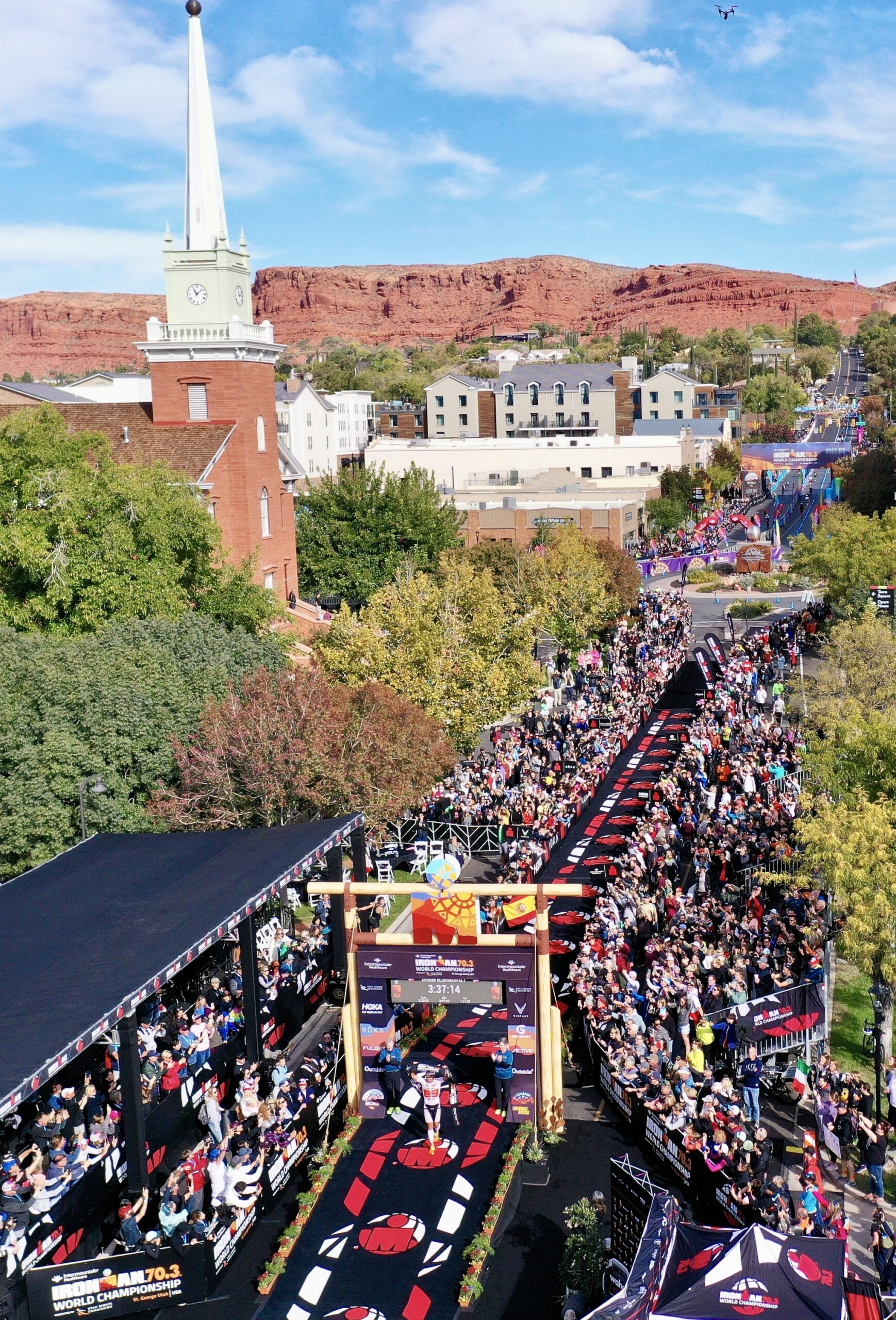
TAMPA, Florida (February 21, 2023) — IRONMAN has announced its 2023 season calendar of racing in the United States and Canada mixing some iconic longstanding favorites with a variety of new host communities across the VinFast IRONMAN®North America Series and IRONMAN® 70.3® Series. Athletes looking to experience of one of the world-class IRONMAN and IRONMAN 70.3 triathlons across the United States and Canada can register by visiting www.ironman.com/races.
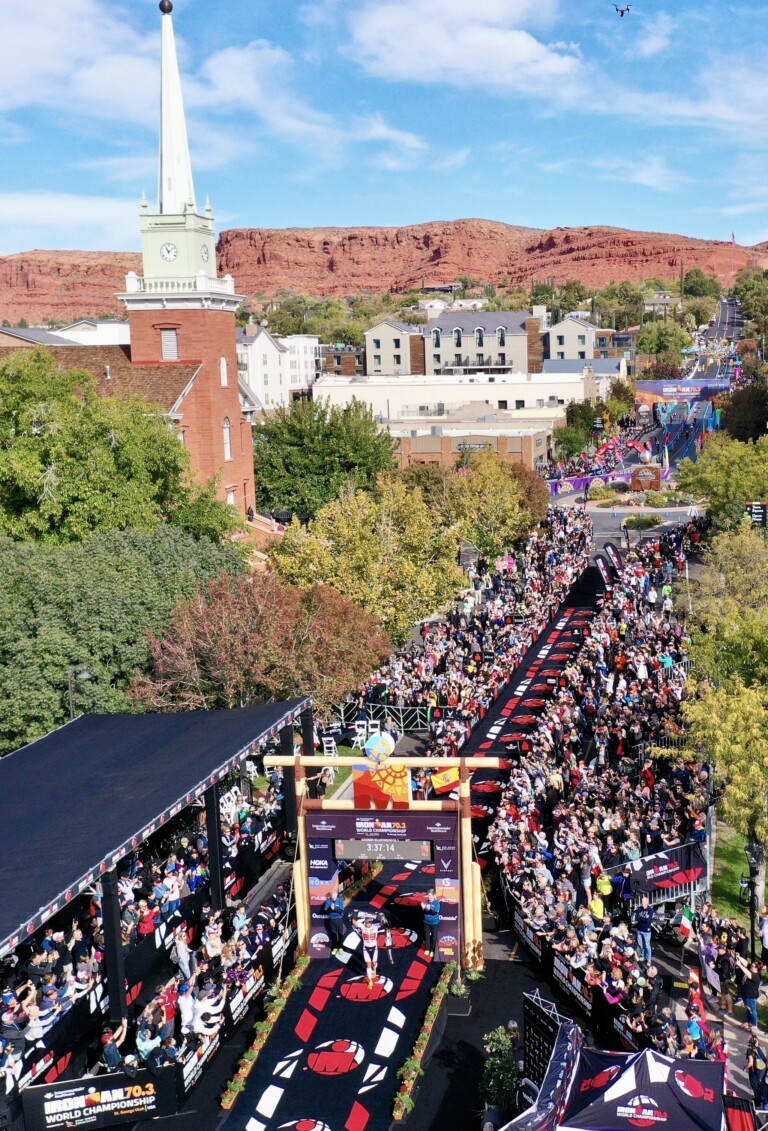
Photo by Donald Miralle/IRONMAN
“We are excited to roll out our series of IRONMAN and IRONMAN 70.3 triathlons in the U.S. and Canada this year,” said Elizabeth O’Brien, Managing Director, North America for The IRONMAN Group. “With some of the most beautiful, breathtaking and inspiring venues across the continent, we know that athletes will have the opportunity to add to their race experience when they participate in an IRONMAN or IRONMAN 70.3 triathlon in North America. We are proud to partner with host communities to bring these iconic race experiences to a global field of dedicated athletes.”
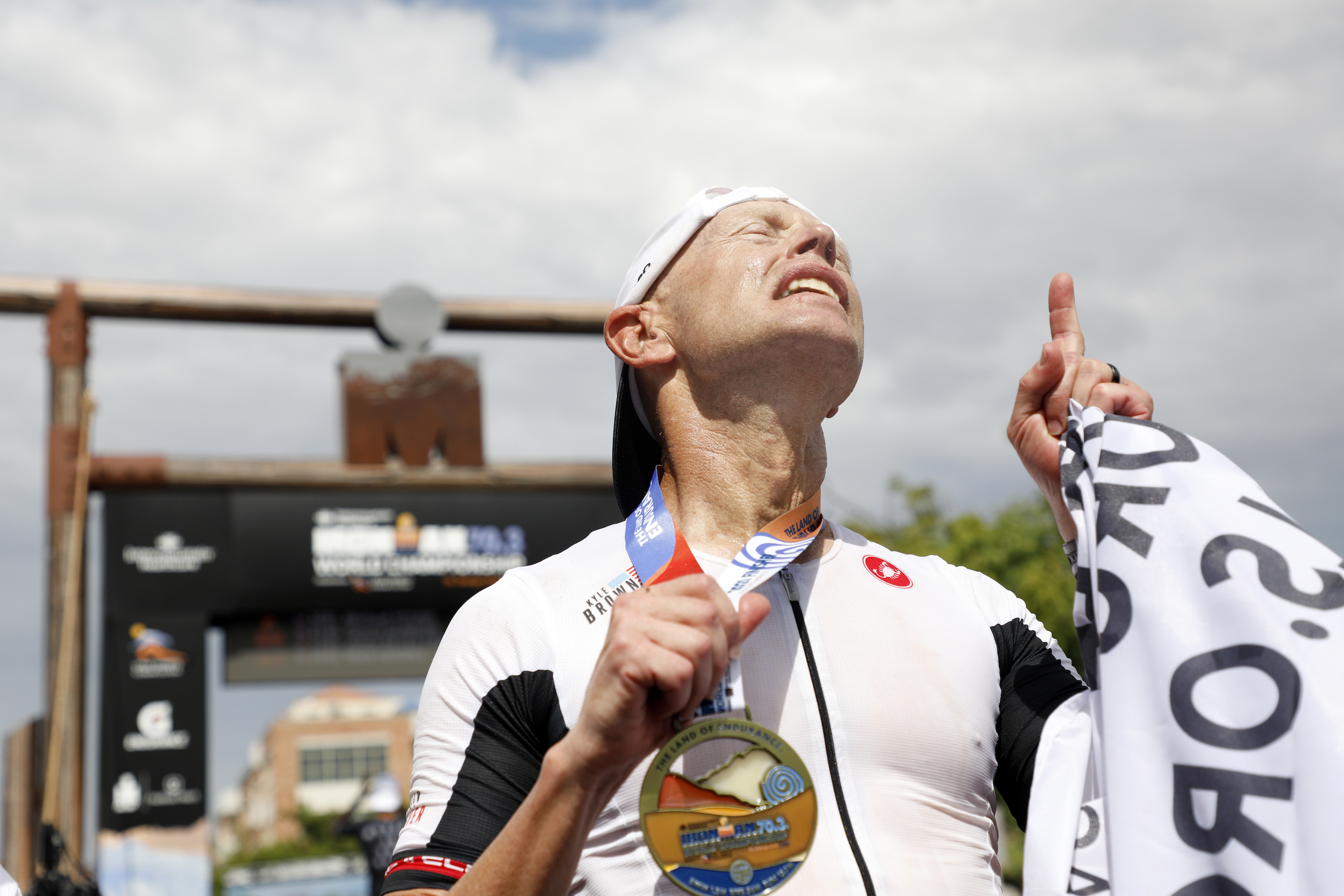
ST GEORGE, UTAH – SEPTEMBER 18: Kyle Brown reacts after finishing the IRONMAN 70.3 World Championship on September 18, 2021 in St George, Utah. (Photo by Patrick McDermott/Getty Images for IRONMAN)
The 2023 VinFast IRONMAN North America Series schedule features some of the most iconic venues in sport, including the likes of: IRONMAN Canada, the first North American IRONMAN triathlon established in 1983 which returned to its roots in Penticton, British Columbia in 2022; Athletic Brewing IRONMAN Lake Placid, which has hosted the longest running IRONMAN triathlon in the continental United States deep in the Adirondack Mountains since 1999; as well as the immensely popular IRONMAN Wisconsin triathlon, which has seen athletes flock to the Wisconsin State Capitol in Madison for over twenty years, there are races with a vibrant and exciting histories on tap.
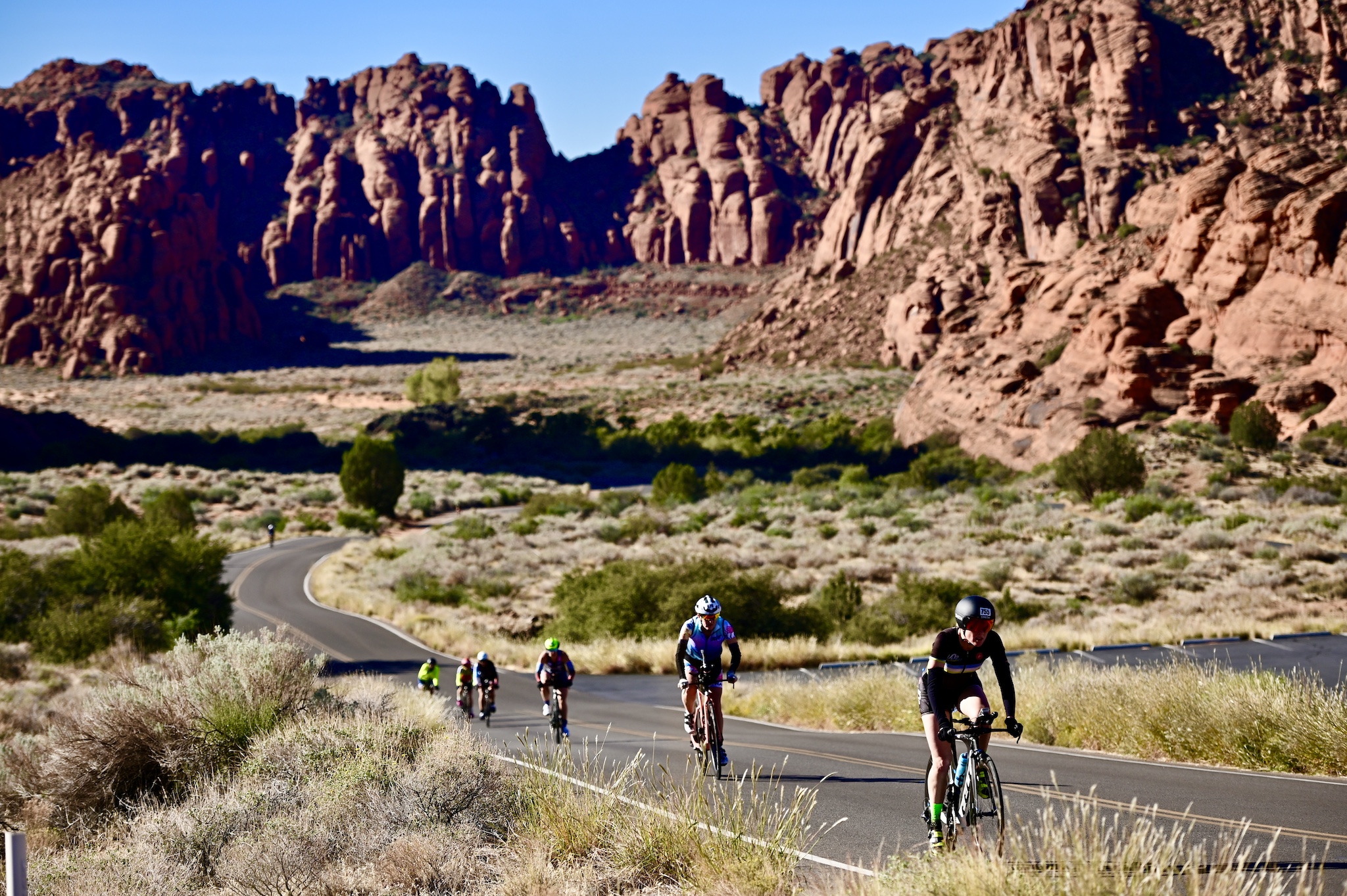
Photo by Donald Miralle/IRONMAN
Additionally, other notable full-distance IRONMAN races in North America this year include: Memorial Hermann IRONMAN Texas, which will serve as The Americas Championship in 2023; IRONMAN Mont-Tremblant, located in the best four-season resort in Eastern North America in Quebec’s Laurentian Mountains, northwest of Montréal; and IRONMAN Arizona, which offers an unforgettable racing experience featuring urban charm and scenic desert vistas in Tempe and the greater Phoenix, Arizona area.
2023 VinFast IRONMAN North American Series schedule of events to include:
DATE
RACE
LOCATION
04.22.2023
Memorial Hermann IRONMAN Texas
The Americas Championship
The Woodlands, Texas, USA
05.21.2023
Certified Piedmontese Beef IRONMAN Tulsa
Tulsa, Oklahoma, USA
06.25.2023
IRONMAN Coeur d’Alene
Coeur d’Alene, Idaho, USA
07.23.2023
Athletic Brewing IRONMAN Lake Placid
Lake Placid, New York, USA
08.20.2023
IRONMAN Mont-Tremblant
Mont-Tremblant, Quebec, Canada
08.27.2023
IRONMAN Canada
Penticton, British Columbia, Canada
09.10.2023
IRONMAN Wisconsin
North American TriClub Championship
Madison, Wisconsin, USA
09.16.2023
IRONMAN Maryland
Cambridge, Maryland, USA
09.24.2023
IRONMAN Chattanooga
Chattanooga, Tennessee, USA
10.22.2023
Kaiser Permanente IRONMAN California
Sacramento, California, USA
11.04.2023
Visit Panama City Beach IRONMAN Florida
Panama City Beach, Florida, USA
11.19.2023
IRONMAN Arizona
Tempe, Arizona, USA
As the largest series in the company’s portfolio, the IRONMAN 70.3 North American race schedule will not disappoint when it comes to options featuring unforgettable racing from coast-to-coast. From Pacific Northwest Urban Wilderness offered at IRONMAN 70.3 Washington, to the Southwestern alure of Intermountain Health IRONMAN 70.3 St. George – North American Championship, to the rolling countryside surrounding the shores of Lake Michigan at the IRONMAN 70.3 Michigan triathlon, to the abundance of West Tennessee and Shelby Farms Park that host St. Jude IRONMAN 70.3 Memphis, and new editions to the circuit such as IRONMAN 70.3 Western Massachusetts, IRONMAN 70.3 Morro Bay race in central California, and IRONMAN 70.3 New York – Jones Beach, just to name a few. Athletes can choose from a plethora of race venues and types of courses to enhance their race experience.
2023 IRONMAN 70.3 North American schedule of events to include:
DATE
RACE
LOCATION
04.01.2023
Athletic Brewing IRONMAN 70.3
Oceanside North American TriClub Championship – Southwest
Oceanside, California, USA
04.02.2023
IRONMAN 70.3 Texas
Galveston, Texas, USA
05.06.2023
Intermountain Health IRONMAN 70.3
North American Championship St. George
St. George, Utah, USA
05.13.2023
Visit Panama City Beach IRONMAN 70.3 Gulf Coast
Panama City Beach, Florida, USA
05.20.2023
IRONMAN 70.3 Morro Bay
Morro Bay, California, USA
05.21.2023
IRONMAN 70.3 Chattanooga
Chattanooga, Tennessee, USA
05.21.2023
IRONMAN 70.3 Tulsa
Tulsa, Oklahoma, USA
05.28.2023
IRONMAN 70.3 Victoria
North American Championship – West
Victoria, British Columbia, Canada
06.03.2023
IRONMAN 70.3 Hawai’i
Kohala Coast, Hawai`i, USA
06.04.2023
Carilion Clinic IRONMAN 70.3
Virginia’s Blue Ridge North American TriClub Championship – Southeast
Roanoke, Virginia, USA
06.10.2023
IRONMAN 70.3 Boulder
Boulder, Colorado, USA
06.11.2023
Certified Piedmontese Beef IRONMAN 70.3 Des Moines
Des Moines, Iowa, USA
06.11.2023
IRONMAN 70.3 Eagleman
Cambridge, Maryland, USA
06.11.2023
IRONMAN 70.3 Western Massachusetts
Springfield, Massachusetts, USA
06.25.2023
Maytag IRONMAN 70.3
Steelhead North American TriClub Championship – Midwest
By Sarah Kaufmann — Before you begin a new cycling season, it is a good practice to plan out your goal events or races and take the time to organize your calendar and prioritize these events with A/B/C (or 1/2/3) designation. You will probably only have a few ‘A’ races, a handful of ‘B’ races and mostly ‘C’ races. It can be a little difficult to prioritize your events this way; of course we want to be fast for all of them! Unfortunately it is not physiologically possible to carry our best fitness through an entire season. I will save for another article how to plan a periodized season of macro and micro training cycles. But suffice to say, prioritizing your season around certain high and low priority races will allow you to carry your best fitness for your biggest goals and utilize other events as key training sessions to build toward those goals.
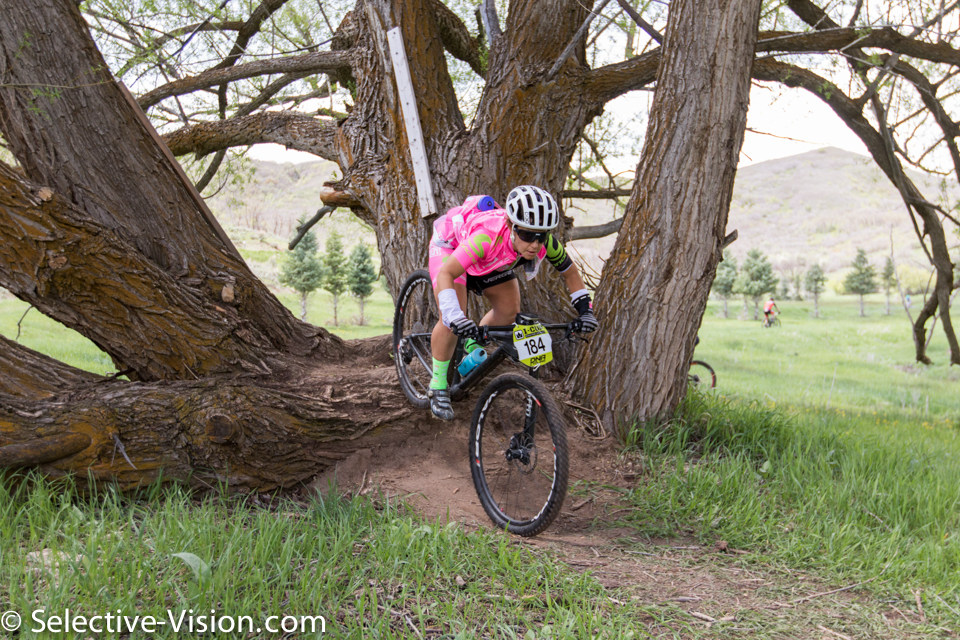
Sarah Kaufmann shows her skill as she makes her way to 3rd place in the Pro-Women’s Class at the Soldier Hollow Intermountain Cup race on May 7, 2016. Photo by Angie Harker; Selective-Vision.com
There are different schools of thought around how to approach training races. I prefer to send athletes into training races or events with some rest but not tapered or peaked. I choose to do this for a couple of reasons. While there are some benefits to racing at the end of a training block with tired legs in order to squeeze out the last available bit of work, I find that depending on an athlete’s capacity for training (and outside/life stress), it can flirt dangerously close with overtraining. Especially as it gets deeper into the season and cumulative training load is high. Additionally, with even a couple days of light riding to rest the legs, an athlete will be able to dig a little deeper in a training race and, as a result, get a little more out of the event from a training perspective.
Training races are great tools for getting the most out of yourself. Most people can find a little more in the tank when there are other people around. For that reason, sometimes a hard group ride or ride with fast friends can offer the same benefit. That outside stimulus pulls a little more out of us than we can often pull out on our own.
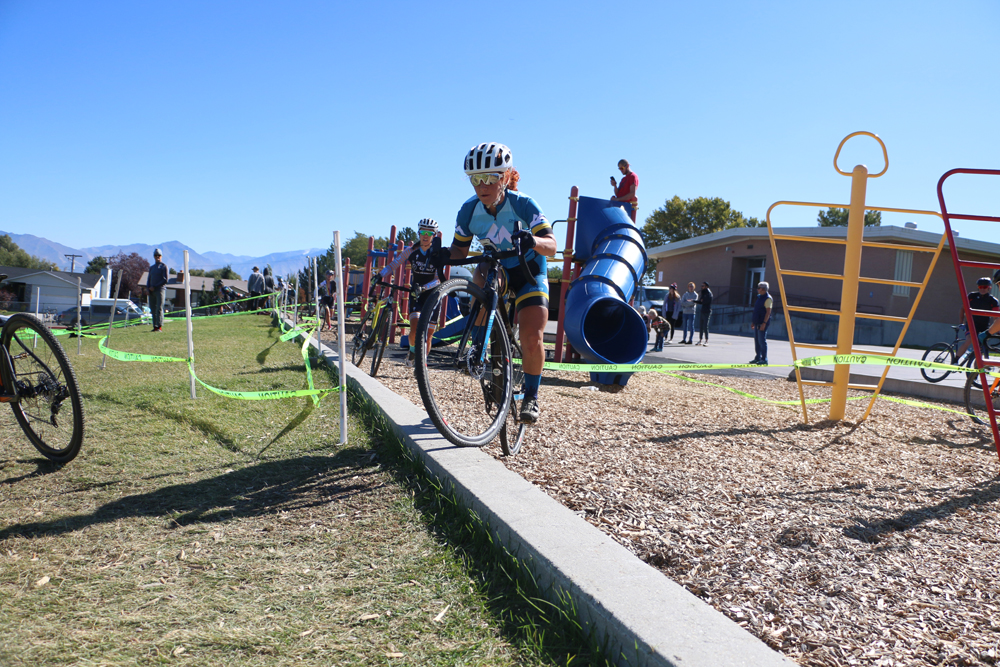
Sarah Kaufmann putting her mountain bike skills to the test in the 2017 Utah Cyclocross Series. Photo by Dave Iltis
For a training race to make sense within the greater picture of a macro cycle or season of training, it does not need to be the exact type of race or event as the ‘A’ priority goal. The more similar it is, the more effective it will be in priming the athlete for their bigger goals. But many different types of events can be worked into a training plan to be beneficial. The key is placing them strategically as tuners of specific types of fitness (endurance, top end, etc). So a longer race will address endurance/tempo fitness for a micro cycle of training; a shorter more intense race will address top end for a given period. Of course, these also need to be worked into the larger context of where an athlete is in their season.
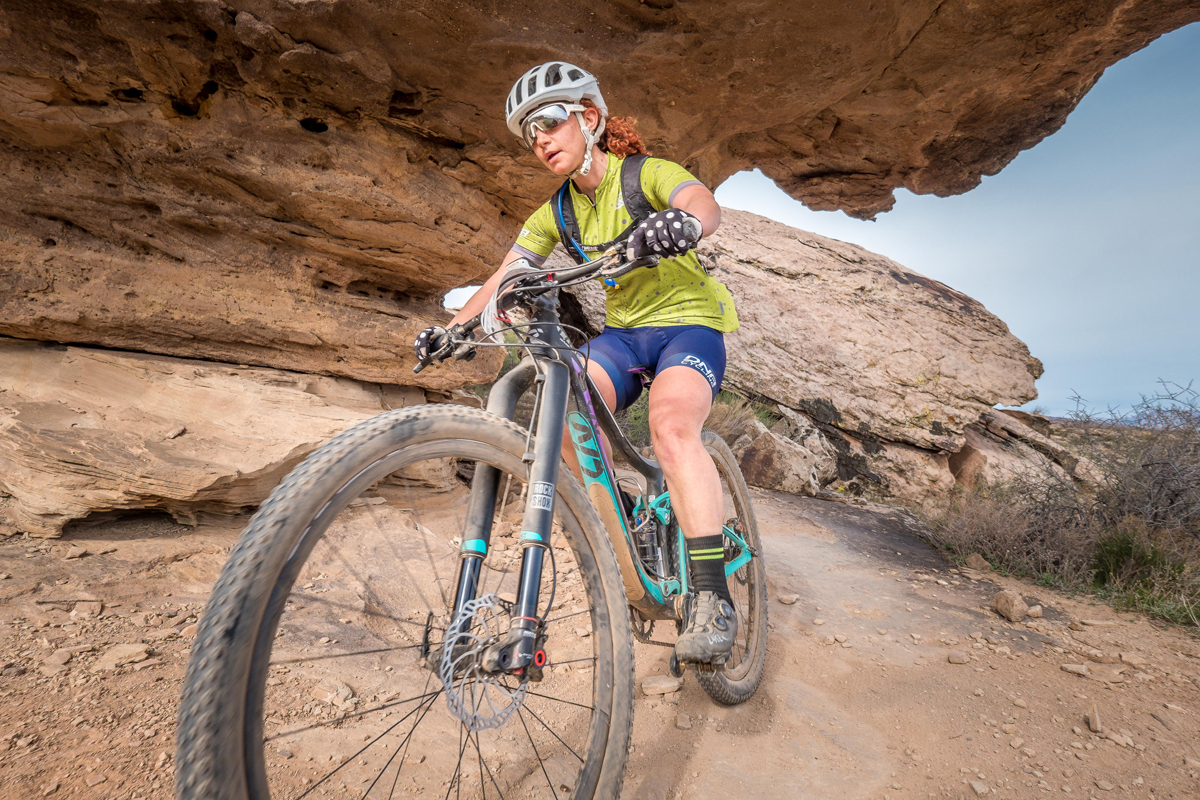
Sarah Kaufmann descends on Zen Trail in the 2018 True Grit Mountain Bike Race. Photo by Crawling Spider, find your photo at crawlingspider.com
Training races can also be great simply to practice execution. For example, in long races, an athlete will need to have a fueling and pacing strategy. These are really difficult to nail first time (or 100th time!). I usually have a strategic briefing session with my athletes before an event to hammer out the execution details. But there is no substitute for actually doing it. While your belly might be very happy eating certain foods on long training rides, it might completely revolt at the same foods at the higher intensity or longer duration of a race. You won’t know until you get out there and try it. Better to learn these things in a training race or event than your ‘A’ priority goal.
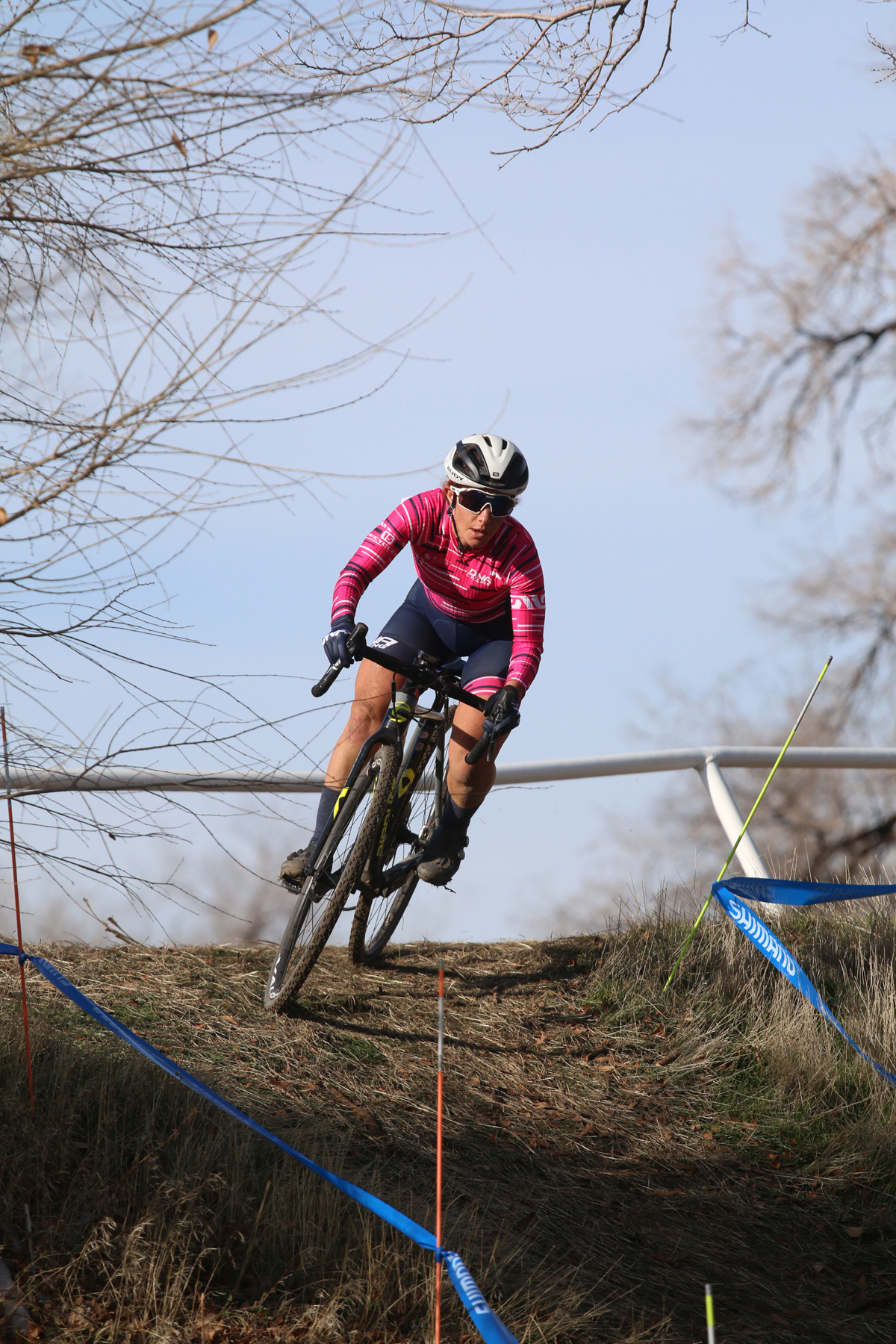
Sarah Kaufmann racing in the Utah Cyclocross Series race on December 4, 2021. Photo by Dave Iltis
For those newer to racing, training races are also a great opportunity to get comfortable in race situations and develop your pre-race routine. As with execution, our brains often don’t work as well with the nerves, excitement and fatigue of race situations. The more comfortable and used to race situations that you are, the more likely you will be to think clearly and execute your plan as well as pull off smart strategic moves.
Racing and training are a balancing act, it’s all a learning process and unique for each person. Once you let go of the desire to carry peak fitness all year, you will reach new highs for your biggest goals. Periodized training is all about creating and timing those highs. Racing strategically within your training can be very effective to that end!
By Madeline Bashore — For weeks I had been asking my mom, Emilie, about my grandpa’s adventures on a bike after seeing him ride down to the Riverton 4th of July parade. She told me that he liked doing long-distance bike rides and I wondered if I could ever do one. I had not been on a bike in years, but the idea kindled in my mind until about a week before we were to go to my grandparent’s house for dinner. I asked my mom if she would let me and wondered if my grandpa would take me on one with him. Her answer was, “You could ask him. I’d let you go.”
At the Christmas party I walked in the door with one thing on my mind—ask Grandpa about doing a ride with him. I sat by him on the couch and asked, “Hey Clampa. Do you still do bike rides?”
He looked surprised that I’d asked, but he responded, “Yes.”
I asked him, “Do you think I could go on a ride with you?” wondering what he would say, but his answer got me excited.
“Well sure!” he said, looking shocked at my question. Then he became serious and started telling me about all of the pros and cons about bike rides. But the only thing I was worried about was slowing him down and my backside hurting. We looked at his past articles and adventures and it looked great!
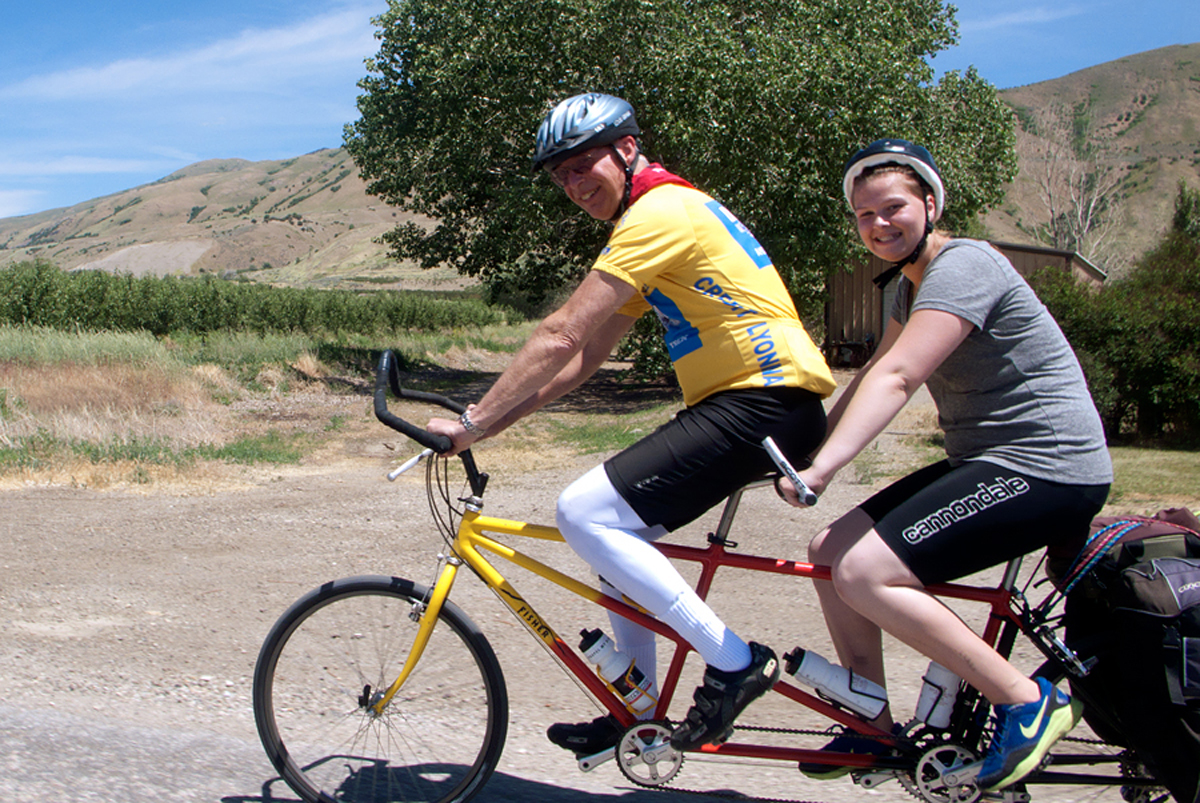
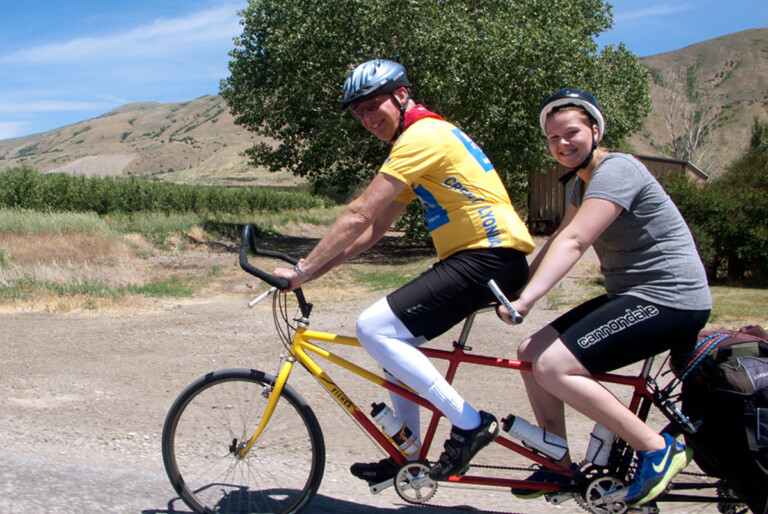
Mel and Madeline Bashore, cruising through Perry. Photo by Martin Neunzert
I didn’t have the kind of bike I needed so I went to my parents to see what to do. My dad gave the idea of riding a tandem bike and the first thought into my head was, “I haven’t been on a normal bike in years! How am I supposed to ride a tandem?” We got the bike and decided to give it a try.
Practices went well. The first practice started a bit tough, but got better as we went on. I felt like I was about to tip over and fall off every turn we made. It did not help that I couldn’t see in front of me. I could only see the sides so I had to trust that my grandpa wouldn’t run into anything and that he would tell me when I had to put my feet down to stop and balance us. I believe that we made a pretty good team and that after a couple of practices, I was ready for the ride.
The day of the ride started a little rough because I woke up to find that my house had been toilet-papered and that my cat decided to mark his territory on the pants I was going to wear for the trip. I told my parents everything that had happened and luckily my dad had an extra pair of shorts I could use. And as for the toilet-papering job, we found written on a piece of toilet paper that said that the people who creatively decorated my house loved my brother. I’m sure he enjoyed cleaning up that mess.
On the bike, we made it about two and a half miles before getting our first flat tire. We stopped in front of a church and sat in the shade of a tree trying to fix our flat. Once on the road again, we just happened to get another flat tire about 300 yards from our last one. We decided to call my dad to pick us up a new tire. Also, my grandpa had to call the people we were meeting up with because we wouldn’t be able to catch the train at the time we had planned. As we waited, we watched a biking race and sat on a rock by my high school seminary building.
Finally arriving at the Trax station, we missed the train by 10 seconds and had to catch the next one. On that train a man in a wheel chair was frustrated with us for having our bike in the handicapped area. We tried to explain to him that our bike would not fit in the bike car, but I don’t believe he was listening. The man made conversation with my grandpa, but I gave up trying to listen because out of the whole conversation I only could understand three things he said—which were: Evel Knievel, his Jazzy, and the word “anyways” which he said about once every five seconds. At our stop to get off in Ogden, I met the people we were going to ride with. They seemed nice.
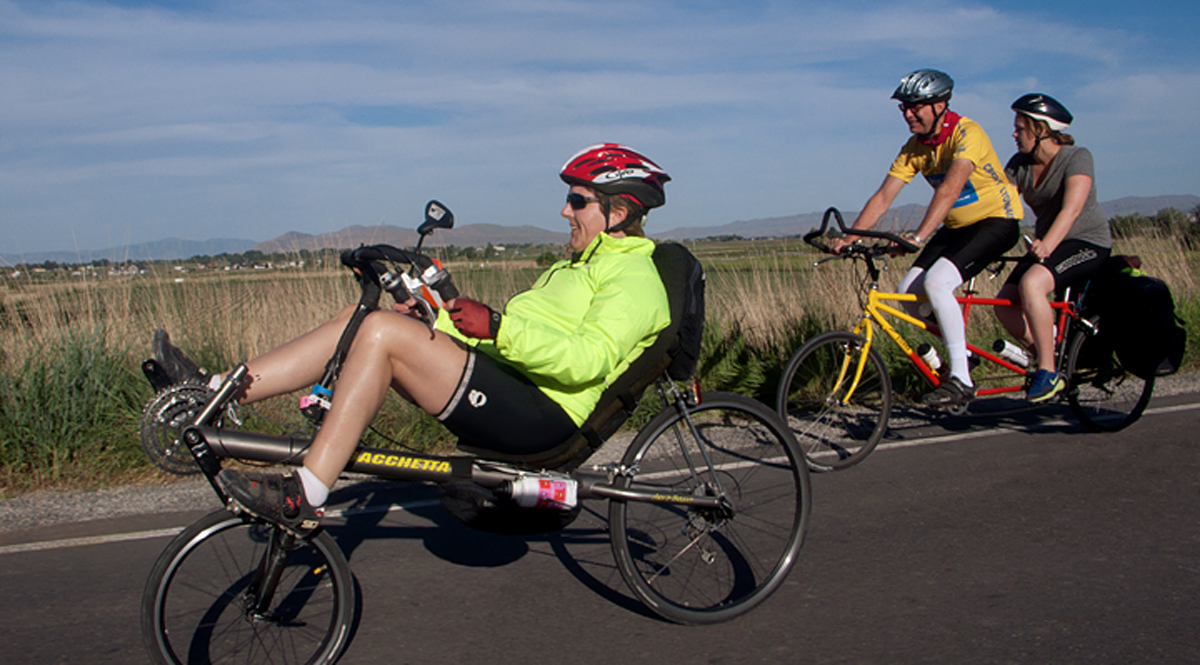
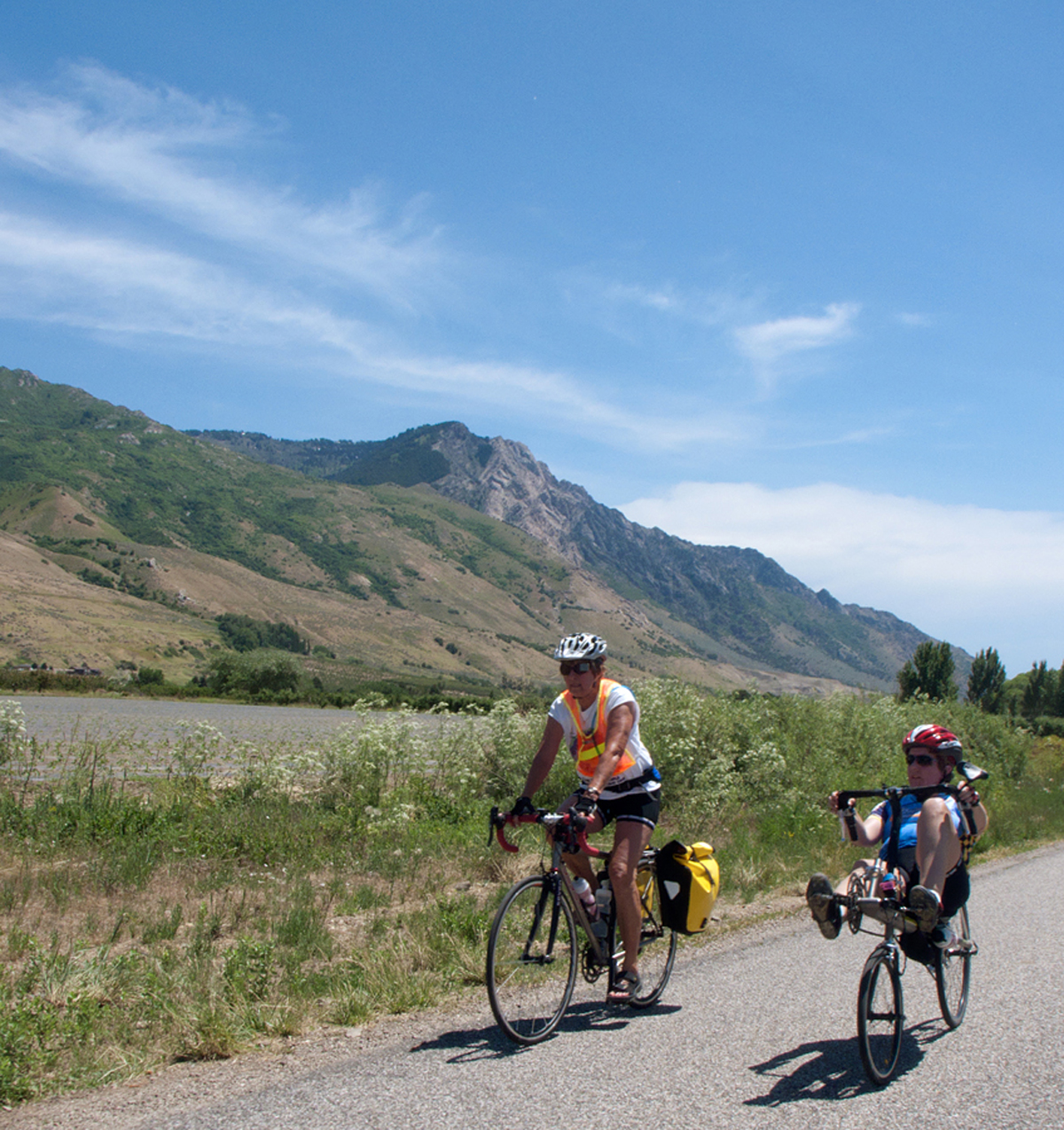
Molly Mooers, Mel and Madeline Bashore, returning to Brigham City. Photo by Martin Neunzert
Riding through the country was beautiful. We went by field after field of cherry trees and even saw some kittens running through the grass looking for mice. The first day of riding was only 40 miles. But still, that’s more than I’ve ever done in a day. We stopped at a place to eat by the Brigham City Temple and I had the best smoothie I believe I’ve ever tasted and a hamburger! When we continued to ride, my grandpa explained to us the story of the Paramount Pictures symbol because we were riding past the mountain (Ben Lomond Peak) that the symbol is based off of.
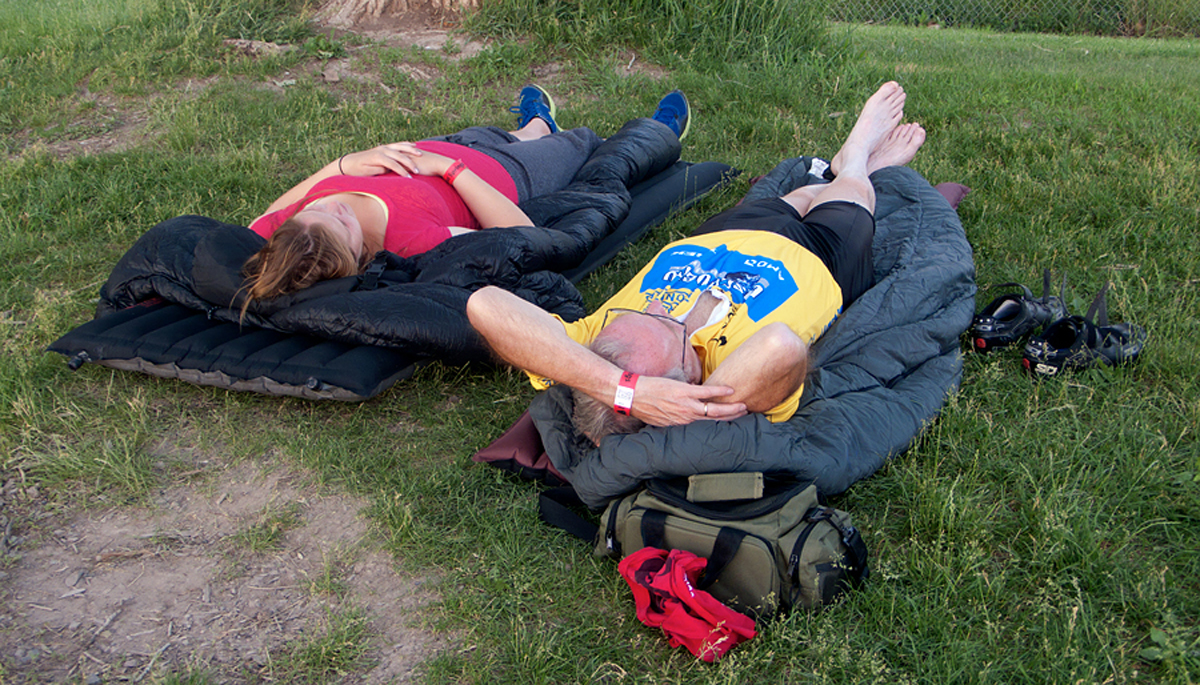
Mel and Madeline Bashore, relaxing at Crystal Hot Springs. Photo by Martin Neunzert
Crystal Hot Springs was nice. We arrived at our destination and got checked in. Then we went into the pools and my grandpa and I agreed that the warm pool was the best. Not many people spoke English, so we never fully understood what some of the people were saying, but we didn’t mind. We camped overnight under the stars and when I woke up, my grandpa told me that I had slept through a train and a boy playing drums in the middle of the night! The day before we went to the store and bought oranges so we ate them for breakfast before we had to leave to start heading home.
Set on getting home, we started early in the morning. The air was a bit chilly, but it heated up more as the day went on and our backsides were sore from the previous day’s journey. We would be traveling 20 more miles than we did the day before. On the Rail Trail we passed through a couple small towns and eventually we got to my dad’s friend’s house where we completed our ride, got picked up, and went to McDonald’s to get smoothies.
In conclusion, I had tons of fun on this ride. For a first ride it was a good trip for me to take—not too hard. I would love to do it again. In fact, I asked my mom today if I could take a ride with her and my brother to Moonstone Beach in California.
By Mel Bashore — “Grandpa, do you still go on long bike rides?” asked my 14-year-old granddaughter, Madeline. “Yes,” I answered. “Do you think I could go on a ride with you?” she asked.
Suddenly I was no longer focused solely on our Christmas dinner. My only granddaughter, who had never before expressed an interest in my biking adventures, now wanted to come along on one! Was she serious? What prompted this surprising question? That and a number of other thoughts raced through my head.
Most people, upon hearing that I like to go on long bike jaunts every year, think I’m a bit crazy. They can’t imagine what could be fun in riding a bike long distances for days and weeks on end. Then when they learn that I generally ride solo and do what I term “sleeping in a ditch,” their opinion about me being crazy is confirmed in their minds.
Madeline’s expression of interest in accompanying me on a biking adventure took me by complete surprise—coming as it did out of right field. That night, the food on our plates grew cold as we talked over what we might do, when we might go—the logistics of a successful bike tour.
There is a certain romance to bike touring, especially for those who have a fondness for adventure. I wondered if it was this that had sparked Madeline’s interest in going on a bike ride. Had she heard me talk about my adventures or read articles that I had written? I tried to remember back to when I was a youngster and had gone off on long bike adventures. I think I may have been about her age or even a little younger when I ventured off on my first long ride. But whatever had motivated her to ask about joining me on a ride, I needed to open her eyes to some of the hard realities of bike touring.
Long bike rides are not all fun and adventure and great food—especially, at least for me, they are way short of the latter. I told her there would be hard things—like head winds and very sore bottoms. But it’s one thing to tell a person these things and quite another to experience them firsthand. Knowing this, I determined that our first bike ride should be somewhat short, safe, and sensible. I immediately thought of two things: Crystal Hot Springs and a recumbent-riding acquaintance in Ogden.
Mel and Madeline Bashore, cruising through Perry. Photo by Martin Neunzert
Crystal Hot Springs is a camp/resort located just north of Honeyville. It is reputed to have the highest mineral content of any hot springs in the United States and possibly, the world. If Madeline needed to nurse a sore seat and muscles after a day in the saddle, the mineral waters in that northern Utah resort might be most welcome for her. I had stopped there several times after long rides upon returning to Utah from the north.
I had met Martin Neunzert, a recumbent nut from Ogden, several years earlier when he was riding around the Oquirrh Mountains (see Cycling Utah, March 2011). I was on an archaeological dig at Camp Floyd when our paths crossed. We pitched our tents together that night near the historic cemetery. For several years we nurtured this casual acquaintanceship through regular e-mails, sharing experiences about rides we were doing. Although we had never found occasion to ride together before this, I invited Martin to join us in our little jaunt.
To make it even safer and more sensible for a first-time rider like Madeline, we could take the Trax train near her house in Herriman, ride it to Salt Lake, and then catch the FrontRunner train to Ogden. In that way, we could shorten her ride to a very do-able 40-mile ride the first day and eliminate some of the dangers from driving in city conditions.
In late April, she assured me that she was still interested in going on a ride—in fact, still excited about the prospect, but she only had a big cruiser bike. So I told her dad, my son (Adam), that we needed to find some kind of touring or road bike for her. A work colleague of Adam’s had a tandem and offered the use of it to us. The bike was just sitting in a garage in Kaysville so Adam trucked it home to Herriman.
Then the fun began. Neither of us had ever ridden a tandem. They may look easy to ride, but they aren’t. They take coordination, communication, and good balance. We began practicing in the evenings on the hills of Herriman. The front pedals were clip-ins so I was seriously depending on Madeline to brace and hold us up when I braked for a stop. That would be a key element to keep us vertical. I admit that I had my worries about that, but Madeline turned out to be a good teammate.
We scheduled to start on our ride the day following her graduation from 9th grade in early June. We had yet to ride with loaded panniers, but fortunately they seemed to make us even more stable. We opted to get by with only the rear panniers. With a single overnight ride, there was no need to pack a lot of gear.
We set out from her house before 7 am, hoping to catch the first Trax train from the end of the line in Herriman into Salt Lake. We only got a few miles before the rear tire went flat. It’s always the rear tire. Not a fortuitous start. But Madeline was a good sport and helped me pull the wheel. I could see that there was a weak place in the tube, undoubtedly caused by sitting around unused for months in a garage. As I thought, the patch job held up for less than a mile.
I called for rescue. Adam went shopping for two new spare tubes and brought them to us. While waiting for her dad to come to our rescue, I told Madeline that these misadventures happen on bike rides. In my way of thinking, they become part and parcel of the adventure. I don’t know if Madeline was convinced, but she didn’t seem at all disappointed. She was still very excited to be on our ride.
By the time we were rolling again, we were about an hour and a half off our schedule. We contacted Martin in Ogden and were delighted to learn that he had talked two of his cycling friends, Molly Mooers and Janice Tolhurst, into joining us on our little excursion, too.
Fortunately the threesome we were to meet in Ogden didn’t seem to be put out by our tardy arrival. Long tourers all, they were most understanding. And Madeline enjoyed the train rides immensely—her first on a big diesel train. The flat tires were a distant memory.
After a quick bite at a nearby restaurant, we set out with Martin in the lead. This was his town—and he was an able guide through the back roads of Ogden’s west side. Although Highway 89 isn’t bad riding going north out of Ogden, his way was better. I was amazed at the nearness of an agricultural side to downtown Ogden within its city limits. It made for very pleasant riding. But it took an experienced Ogdenite to guide us. I doubt I could retrace our route.
Somewhere north of Ogden, Madeline said, “Grandpa, this is so fun. We can talk because we’re riding on the same bike.” We did talk. It was really fun.
Janice Tolhurst and Molly Mooers, in Perry. Photo by Martin Neunzert
As we headed up the “Fruit Way” on Highway 89 past Willard, Martin drew us off on a little side road at one point. He explained that we were on the original old highway. Apparently it scooted around a bit of a hill that the present highway just barrels over. It was just a short stretch, but it was fun to think we were riding on an old historic road—and getting away from the hustle and bustle of today’s traffic. We continued on the almost-deserted back roads of Perry, coming back to “civilization” at the Wal-Mart.
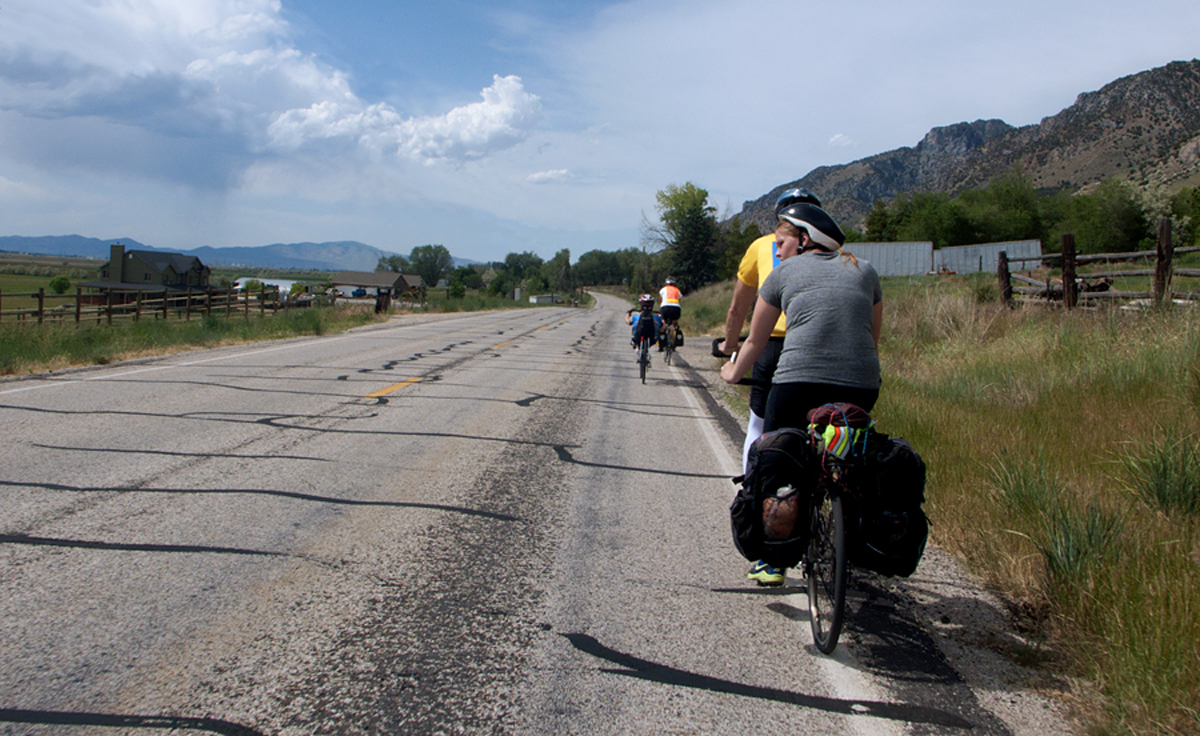
Janice Tolhurst (leading), Molly Mooers, Mel and Madeline Bashore, north of Brigham City
Brigham City would be our last town that would offer us meal choices before we reached Crystal Hot Springs. I had told Madeline that we would eat our dinner at a good burger joint. She was primed. I knew just the place. I had stopped there last September on my ride from the Oregon coast to Utah (see Cycling Utah, Fall-Winter 2011). We pulled in, tongues hanging out, and put in our orders. While waiting for them to be prepared, the owner came to our outdoor table and asked us about our journey. She told us that last September a fellow came through on a ride from Oregon. “That fellow was me,” I said. She said how amazed she was and how she had shared the story of my ride with all her employees. We had a nice little reunion visit. It’s these kind of moments that help make touring such fun.
Now filled with good food and drink, Madeline and I were ready to push on. Unfortunately, Madeline spotted a little spider on my helmet—and came unglued. And it was just a little spider! I told her, “What would you have done with that scorpion that I slept with on my ride that I took to Colorado?” Molly and Janice shouted in unison, “What! Was that you?” I had written up my little adventure about sleeping two nights with a scorpion en route to Colorado in a past issue of Cycling Utah (see Fall-Winter 2010-11). Molly and Janice told me that they had recounted that story dozens of times to people who they had ridden with on other cycling tours. Then they stepped back and started taking pictures of me!
Mel and Madeline Bashore, relaxing at Crystal Hot Springs. Photo by Martin Neunzert
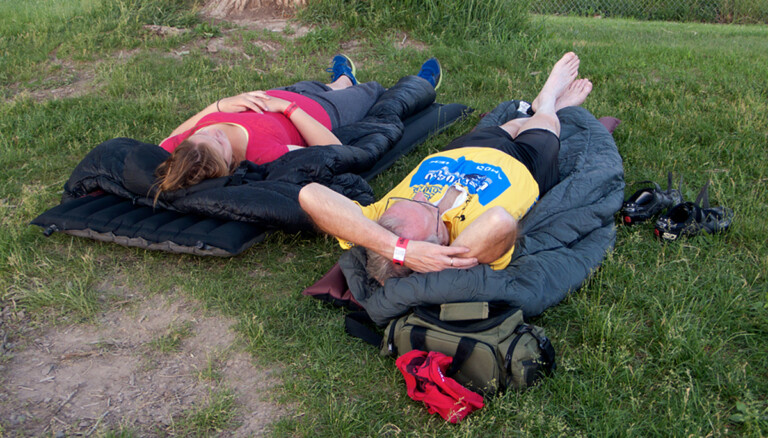
But the hot springs were beckoning so off we went. It was just a little over ten miles through the country to get there. We soon arrived, settled in our reserved campsite, and Madeline and I set out for the pools. We enjoyed ourselves in every pool—from cool to warm to hot (but not unbearable). We had our fill after three hours of soaking. Then we went up and laid down on our sleeping bags until nightfall came and we tucked ourselves in.
I knew from previous camping there that trains would come very close to the camp a couple of times during the night. They did—and each woke me with their blaring horns. The next morning I asked Madeline if she had heard any trains. She said, “What trains?” She was so tired that she never heard them at all!
While Martin, Janice, and Molly cooked nourishing breakfasts, I treated Madeline to my usual spartan bike-touring fare: Fig Newtons and oranges. I thought the oranges were a healthy touch and different from my norm. Usually I just choke down a couple of spoonfuls of peanut butter and call it good.
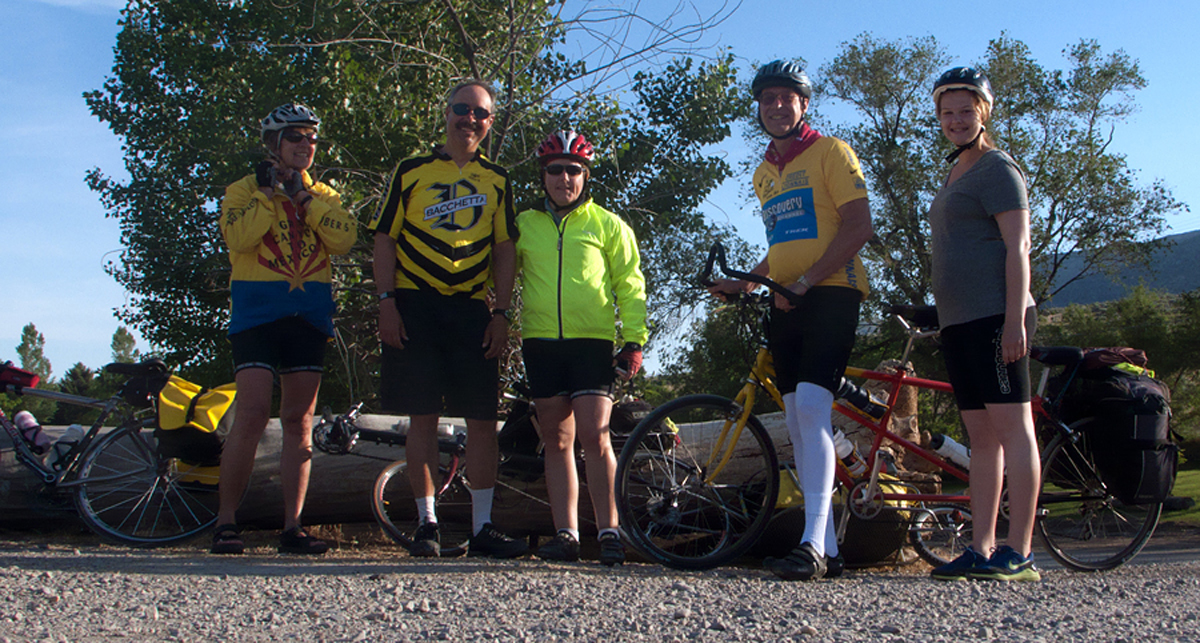
(left to right) Janice Tolhurst, Martin Neunzert, Molly Mooers, Mel Bashore and Madeline Bashore, ready to start Day 2. Photo by Martin Neunzert
After breaking camp, we set out for home, following the same route as before in reverse. The nearby mountains shielded us for a time from what would soon turn into an extra-warm early June day. In fact, it came close to setting a record in some Utah towns. I could tell by the relative silence of our return ride that Madeline was undoubtedly feeling saddle-weary. Where we had enjoyed a chipper chatter on our ride north the previous day, she would be taxed somewhat by our fifty-plus mile return ride. By the time we reached the outskirts of Ogden, our water bottles had warmed considerably. At some point northwest of Ogden, Martin pointed out the road where Madeline and I would go our separate ways. We said goodbye to our tour-mates and set off to find the Roy trailhead of the paved Denver and Rio Grande Western Rail Trail.
We worked our way south, stopping for a burger and drink, before reaching the trailhead. We encountered very few pedestrians and almost no bikes on the rail trail. We were grateful for a safe corridor on this recently-completed trail, but found the bike gates at each cross street to be an exasperation. Every mile or so, we had to stop and dismount to get our tandem through these gates. In each section, we’d just begin to enjoy some good progress when the next bike gate would loom up. What’s up with this! The rail trail seemed more geared for walking than biking although road bikes without panniers might negotiate the gates certainly better than we could. Without street or town signs posted at the gates on the trail, it was also difficult to know exactly where we were at any given cross street.
We were trying to find Kaysville so we could return the tandem to its owner and get picked up by Madeline’s dad for a ride home. By asking some other trail users, we finally found the cross street in Kaysville we were searching for. We left the rail trail at this point. Other riders interested in continuing on to the rail trail’s southern terminus in Farmington can there make an easy connection with the Legacy bike trail.
On this extra-hot day, both Madeline and I were happy to reach our destination.
“Would you like to do another bike ride?” Madeline’s dad asked as we transferred our gear into the trunk of their car. There was a considerable pause before she answered. “Yes,” she hesitantly said.
I heard later from my daughter-in-law (Madeline’s mother) that she talked about it for days and weeks. As the body aches and pains receded in her memory, the fun little ride we shared came more into focus. And it’s an adventure her grandfather will cherish for years to come.
By Charles Pekow — Separated bike lanes do improve safety. At least that’s what New York City found after examining a decade of safety improvement projects, including more than 100 miles of bike lanes. The New York City Department of Transportation examined before and after crash data for two or three years.
Protected bike lanes like this one on 200 West in Salt Lake City are a key part of a safe transportation system. Photo by Dave Iltis
With conventional bike lanes, the rate of injury increased 1.1 percent but it dropped 14.8 percent for protected lanes. But other safety improvements probably played a role, including signal timing, speed cameras, fewer traffic lanes and turn lanes.
Results do not include ebike and scooter users because of insufficient data.
By Charles Pekow — We don’t know as much as we should about how major transportation projects improve bicycling conditions. That’s because evaluations often don’t include “active transportation.” And that, in turn, is because federal rules don’t generally require it as part of evaluations of major projects which is illustrated in Measuring Investments in Active Transportation When Accomplished as Part of Other Projects: A Synthesis of Highway Practice, a report from the National Cooperative Highway Research Program.
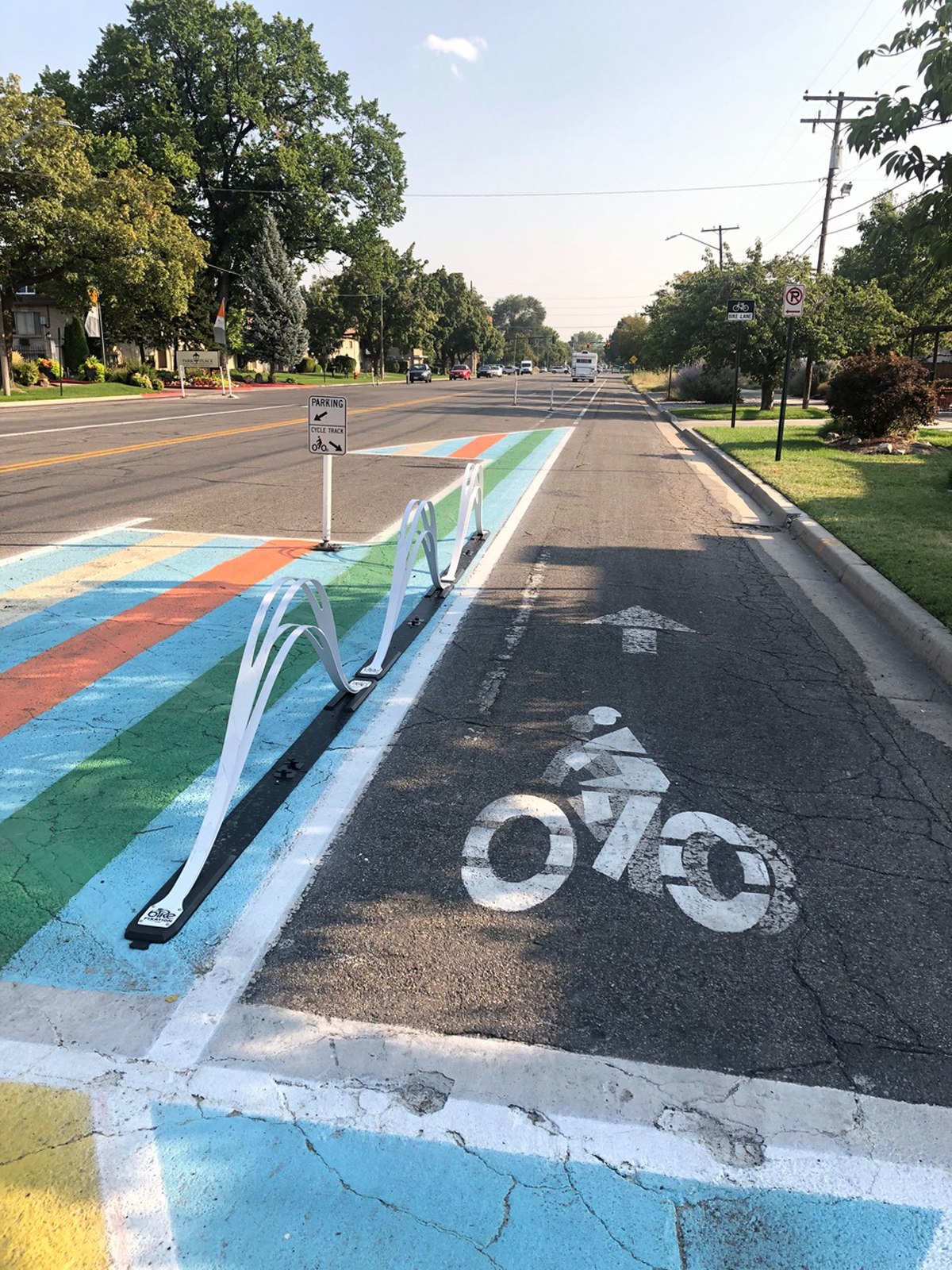
Wave delineated bike lanes at the intersection of 700 South and 300 East in Salt Lake City. Projects like this help encourage more active transportation. Photo by Turner Bitton
“Because it is difficult to track active transportation investments that are not stand-alone projects, states may be underreporting their investments in active transportation,” the report warns. It has proven too much of a burden to separate the costs and benefits.
UDOT Faulted
The report specifically faults the Utah Department of Transportation (UDOT), saying it “does not consistently track active transportation component project investments. There is some tracking done to meet reporting requirements relating to federal funding, but it only aims to demonstrate that minimum requirements are being met and likely does not reflect a full account of active transportation projects or components.”
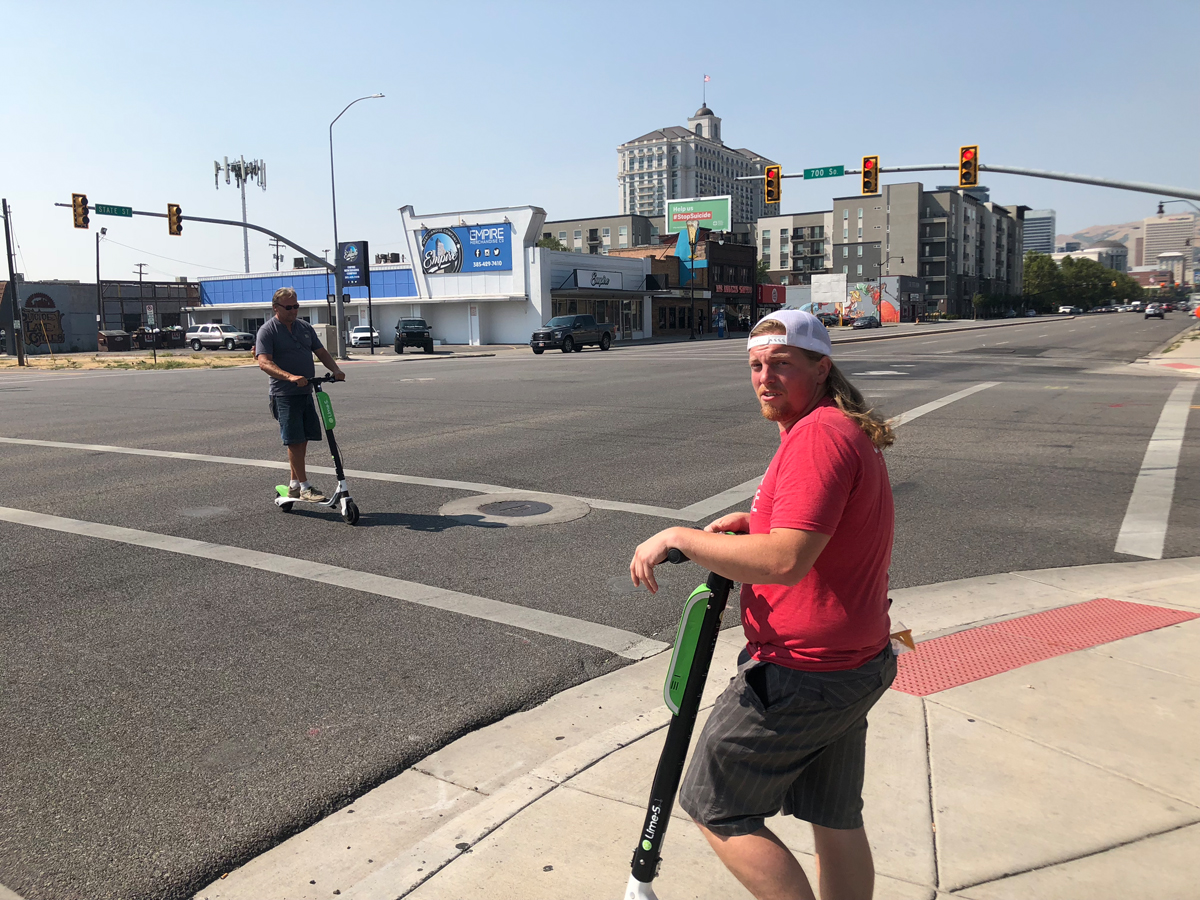
Scooters are a new form of active transportation on State Street in Salt Lake City. Photo by Dave Iltis
The study also notes that UDOT faces “little external pressure from advocacy groups to report on active transportation. UDOT completes the League of American Bicyclists biannual survey about funding and implementation of bicycle facilities to the best of its ability, but local advocacy groups have not been requesting a quantification or documentation of active transportation investments.”
Heidi Goedhart, UDOT active transportation manager, said she had seen the report and acknowledged “we just haven’t institutionalized processes that record active transportation investment to the degree we should.” When the state buys asphalt for a road project, for instance, it’s hard to calculate exactly how much went for bike lanes, she noted. “We don’t have the capability or human bandwidth to calculate all that stuff.” UDOT’s $100 million active transportation budget for FY 24 may help, she said.
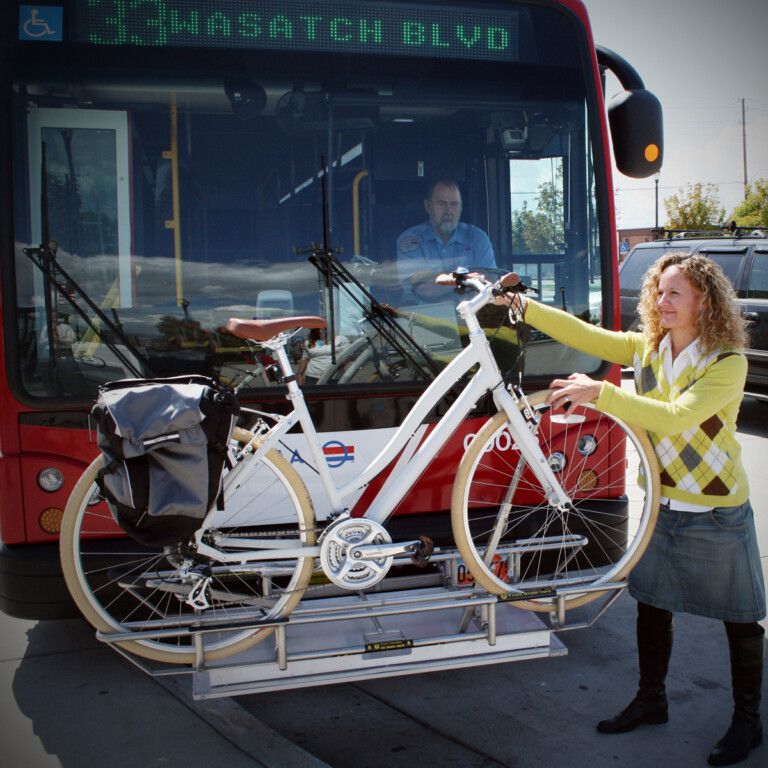
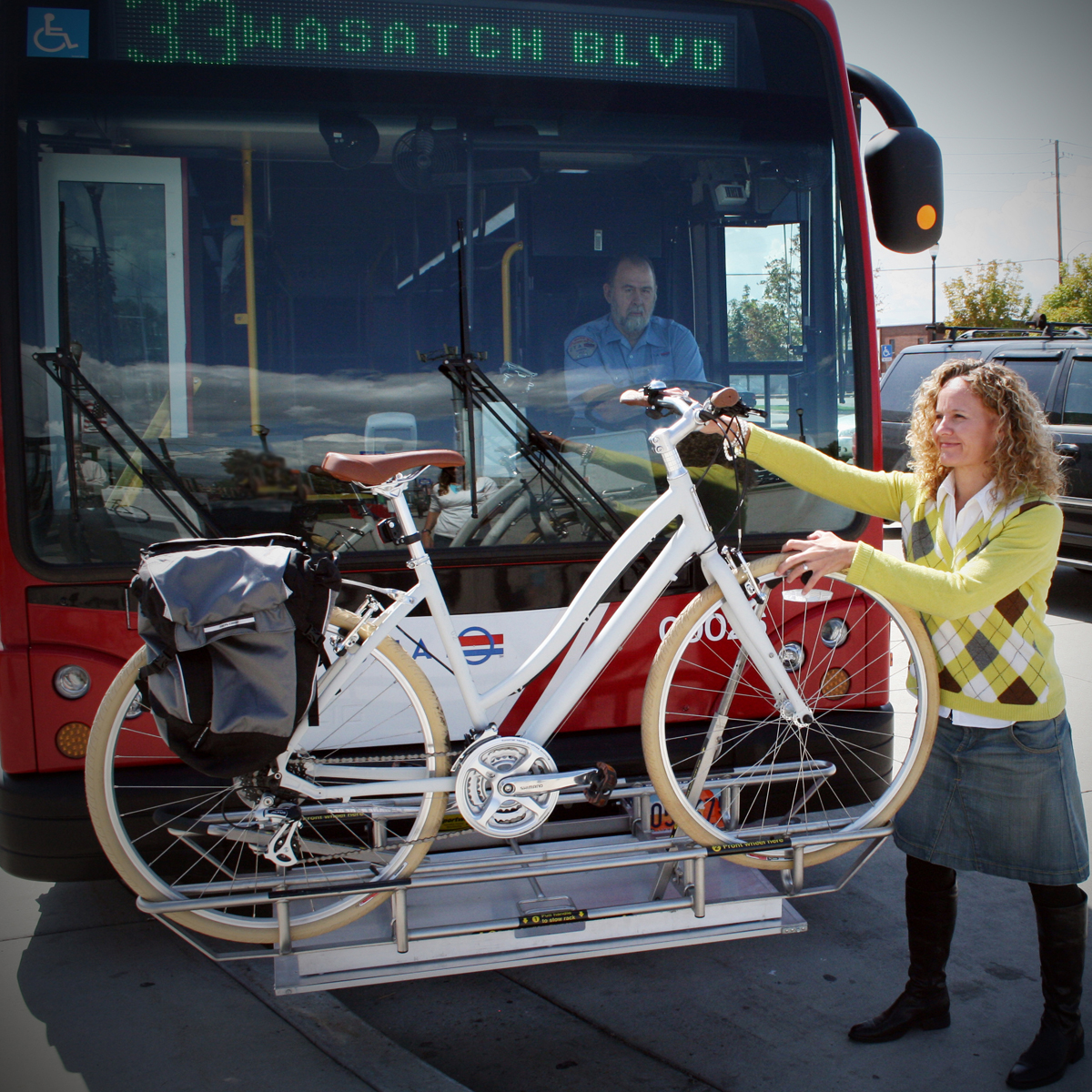
Combining bikes and public transportation is a great way to get to work. All new UTA buses will hold 3 bikes. Photo: Jessie Keller
UDOT does collect data, such as visual images of transportation, and might be able to use it to see how many people are using active transportation on projects, she added. “The software we are using for program management is kind of antiquated, honestly. When we update that software, let’s make sure we are purchasing software (that can factor in active transportation) and we have staff that have the time to input these data so we know what we are spending.”
Chris Wiltsie, 1,000 miles program director for Bike Utah, said he hadn’t seen the report. But he said ”I don’t know that holding UDOT accountable for all these problems is necessarily productive because they’re just one piece of the total project.” Nor can Bike Utah do all the pushing. “There aren’t that many local bike advocacy groups in Utah though more people are getting in the act. It has grown a lot since I started this job (more than four years ago). We’re headed in the right direction.”
Bicycle Collective turns former St. George diner into a hub for everyday riders like me
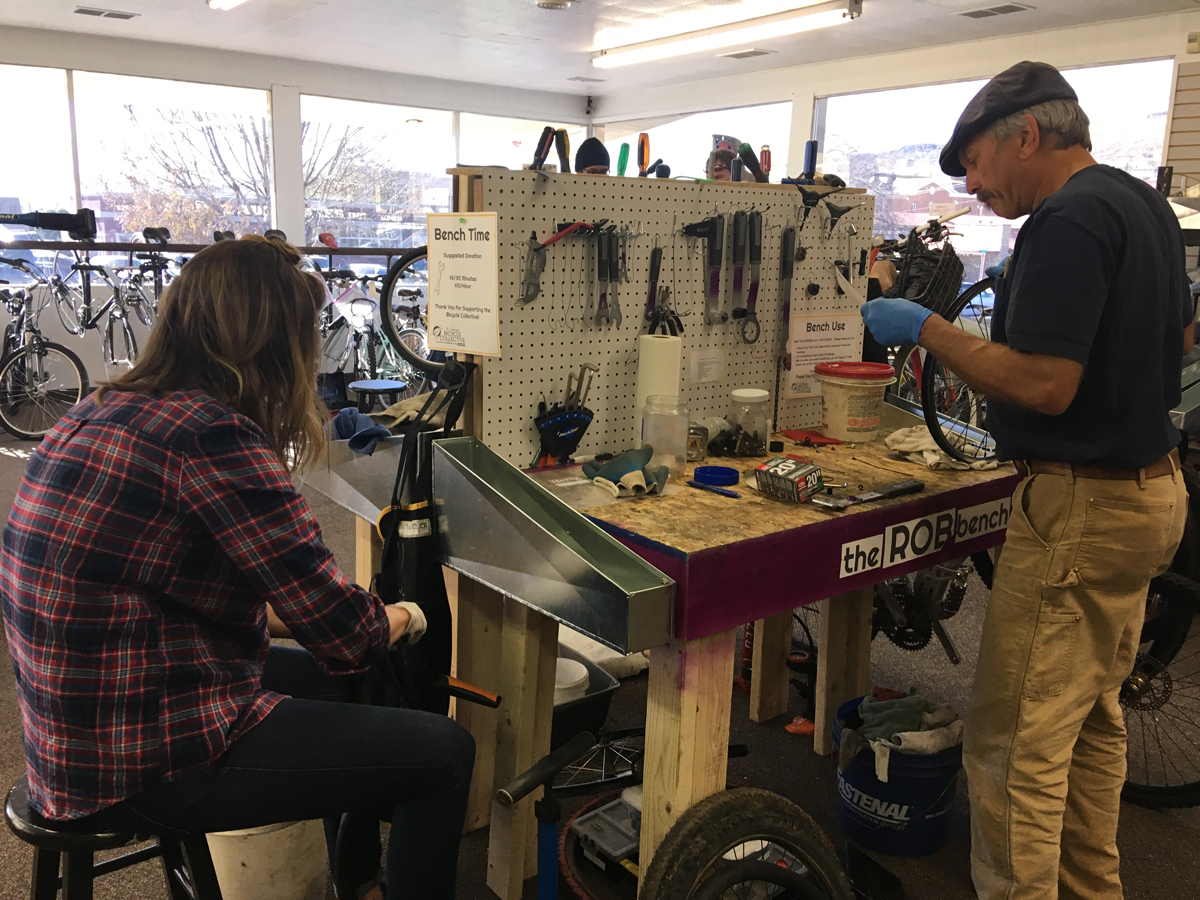
By Judith Rognli — St. George is known for great mountain biking. It hosts road and multisport races through gorgeous landscapes. Thousands flock to the region to enjoy mild shoulder-season weather and great trails. But if you venture off the trail and into town, you’ll see far fewer bikes on the road than on the hitch-racks of (oft-idling) SUVs.
When I moved to town from Germany in 2016, I had little time for recreational riding thanks to the trans-Atlantic relocation, a 6-month-old son, and a husband starting a new job. Instead of cycling for sport, I I strapped my son in a bike trailer and rode for transportation. This is what most of us do in northern Germany, for no special reason other than getting around by bike is more practical, and cheaper than stepping into a car.
Our initial move to Utah’s Dixie landed us in a short-term rental in the sprawl just North of I-15. Riding to get groceries and to my son’s daycare presented emotional and mental challenges. It was clear that this was an environment that was not built for cyclists or pedestrians. At times, there were no shoulders, no sidewalks, and no environment that would encourage anything in the way of awareness or consideration from drivers.
But I kept at it. I rode because I was not willing to give up the freedom to move my body for being stuck in a car and in traffic.
We escaped I-15 with a move to an apartment in Ivins, a good bike-commuting-distance from my husband’s office, and close to beautiful trails. We enrolled my son in a different daycare at the edge of Santa Clara and I started pulling him there 4 miles in his trailer, almost every day of the week.
Bike trails in that area are great, but when summer approached, I hit more and more open consternation from drivers, especially driving parents. Despite UV protective trailer covers, plenty of water, and wet washcloths, I was finding it difficult to keep my son cool. How could I put my son through this. This is much too hot. What you are doing is dangerous. I found chewing gum stuck to my saddle outside my son’s daycare. Twice.
Talking about my experiences with friends, neighbors, or acquaintances in the suburbs, I rarely got any reactions beyond blank looks and changes of topic.
This is when I realized that my default way of living was in fact activism. And a much needed form of it. Southern Utah was becoming home to me and I was well aware of the epidemics that the country was facing, and the effective mitigation that cycling offers.
Fast forward a year to summer 2017, my husband and I decided to buy a house in downtown St. George. Ivins was pretty. But by trying to keep the car parked and rely on our bikes for transportation, we’d managed to isolate ourselves at the edge of a burgeoning suburban community that was built to connect people via their vehicles. Streets and playgrounds were often empty. A big box grocery chain served as the de-facto town square.
Downtown St. George (up-and-coming we rationalized) filled our wish to experience social and cultural life, trail access and stores without ever having to use a car. We wanted to get to know the bicycling community better, and bike to rides and trails.
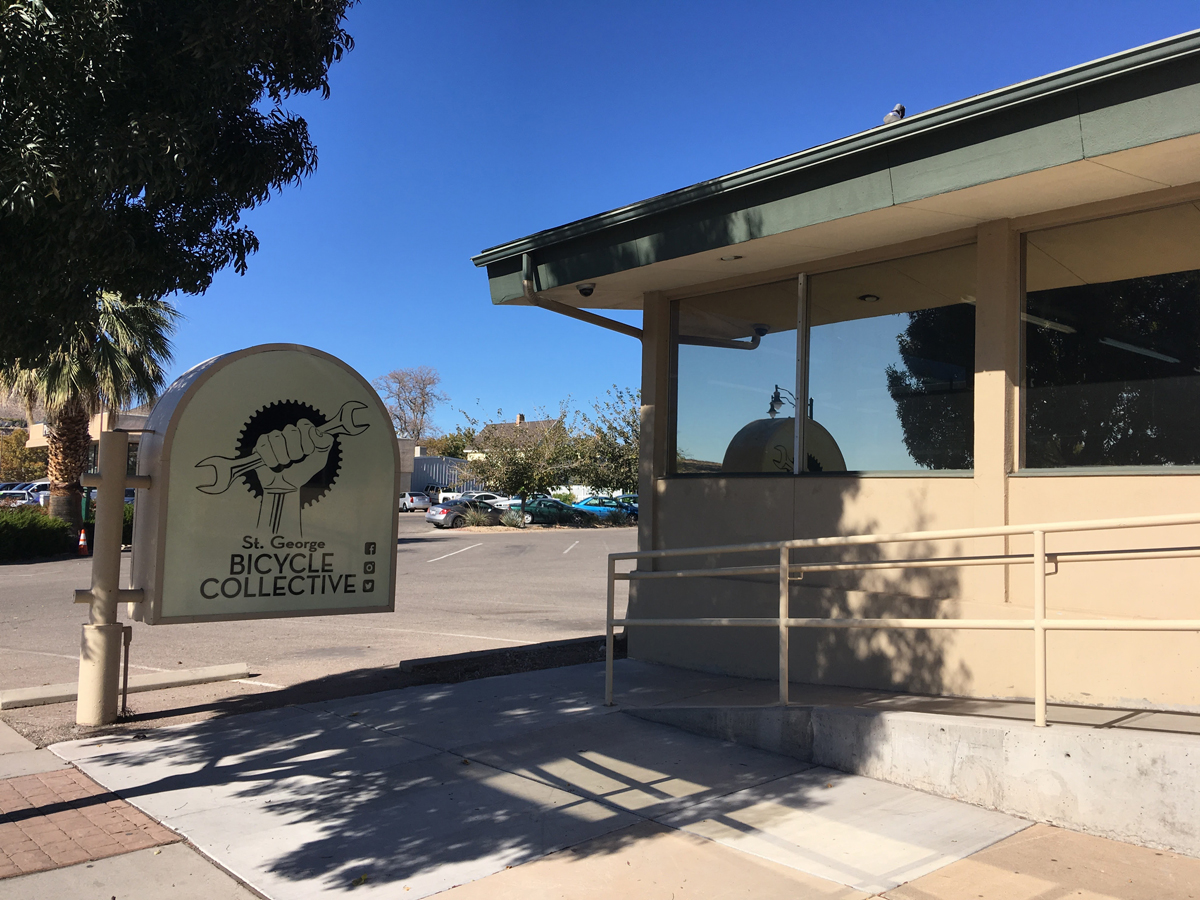
The St. George Bicycle Collective launched in the fall of 2017 with a new building. Photo by Judith Rognli
Only days after our move, I found out about the St. George Bicycle Collective. The St. George Bicycle Collective had to this point been a group of volunteers building tremendous amounts of bikes for people in need out of the yard of L&L Mechanical, an air conditioning company located outside of St. George. The group had started off as the ‘Bike Kitchen’, building bikes for clients from the local homeless shelter and the soup kitchen. The volunteers had worked hard and collaborated with city officials to get a community bike shop started in the center of town. When I first met the group, the City of St. George had agreed to donate the lease for the old Hospital Thrift Store building (itself an old motel diner) on 70 W St. George Blvd. All the local bike shops were already actively supporting the volunteers’ efforts. The Salt Lake City Bicycle Collective 501(c)3 had agreed to take St. George under its wings and hire a full-time Location Director for the new shop.
Walking into this diner-turned-thrift shop-turned-Collective for the first time one Saturday morning that August, all off a sudden, I felt at home. Volunteers, among them many city officials, were painting walls. This was finally a community where folks could relate to and understand my concerns about our dystopian but rapidly improving cycling infrastructure. People were open to discussing questions of bicycling infrastructure and trail accessibility and I did not get the usual blank looks I was used to when bringing up these topics in the past.
I was not looking for a job. With ambitions to complete my PhD and to plant a garden in our new yard, and with our newfound ped-friendly access to a social life, I was finally feeling settled and happy. But the chance to work with the cycling community was too tempting. I applied for the Location Director position. My motivation letter was by far the most passionate I ever wrote.
Fast forward another two months, in October 2017 we were celebrating the Grand Opening of the St. George Bicycle Collective. The Mayor and other city officials, the Chamber of Commerce, and a great deal of local friends and supporters were present. After all the consternation I received riding around town with my son in a trailer, I expected to spend the first months, if not years, of my job as the Location Director just trying to drum up support for the idea of a community bike shop. But I’d underestimated the community. Right from the beginning, support was overwhelmingly strong from all walks of St. George life and beyond. The local bike shops, the City, local businesses, media, churches, Boy-Scouts, you name it. The idea of a community bike shop, of bicycling, and of making bikes accessible and affordable for all turned out ot have huge appeal to many Southern Utahns.
Volunteers work on bikes at the St. George Bicycle Collective. The bikes are fixed up and donated or sold to those in need of sustainable transportation. Photo by Judith Rognli
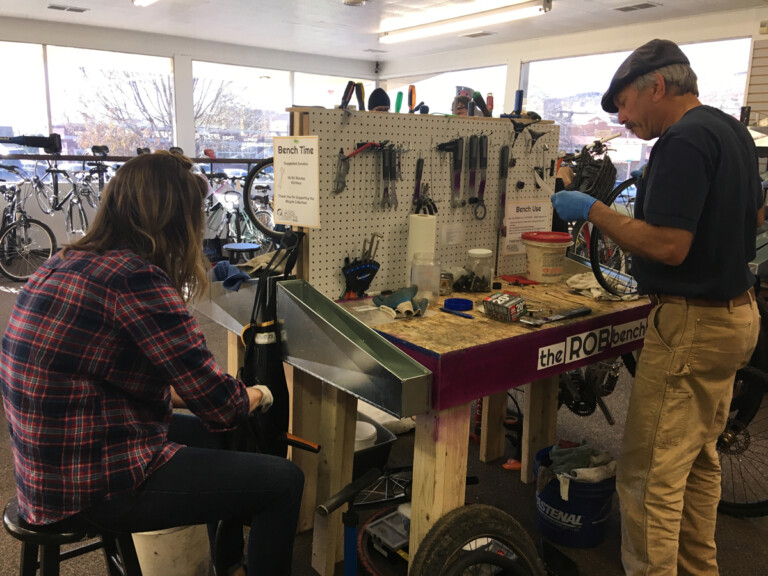
Fast forward to April 2018, we had grown to 4 employees, a database of about 400 supporters, and 20 plus regular volunteers that helped us provide educational opportunities and bicycles to adults and children. More and more people learn about us and decide to pick up a bike to ride down one of the cities beautiful paved trails. We provide bikes to people in need, almost 50 this year to date. We also sell used parts, some higher end road and mountain bikes, childrens’ and BMX bikes. Our workbenches are open and free to the public, and we offer free repair help to people who can’t afford to pay for getting their bikes fixed.
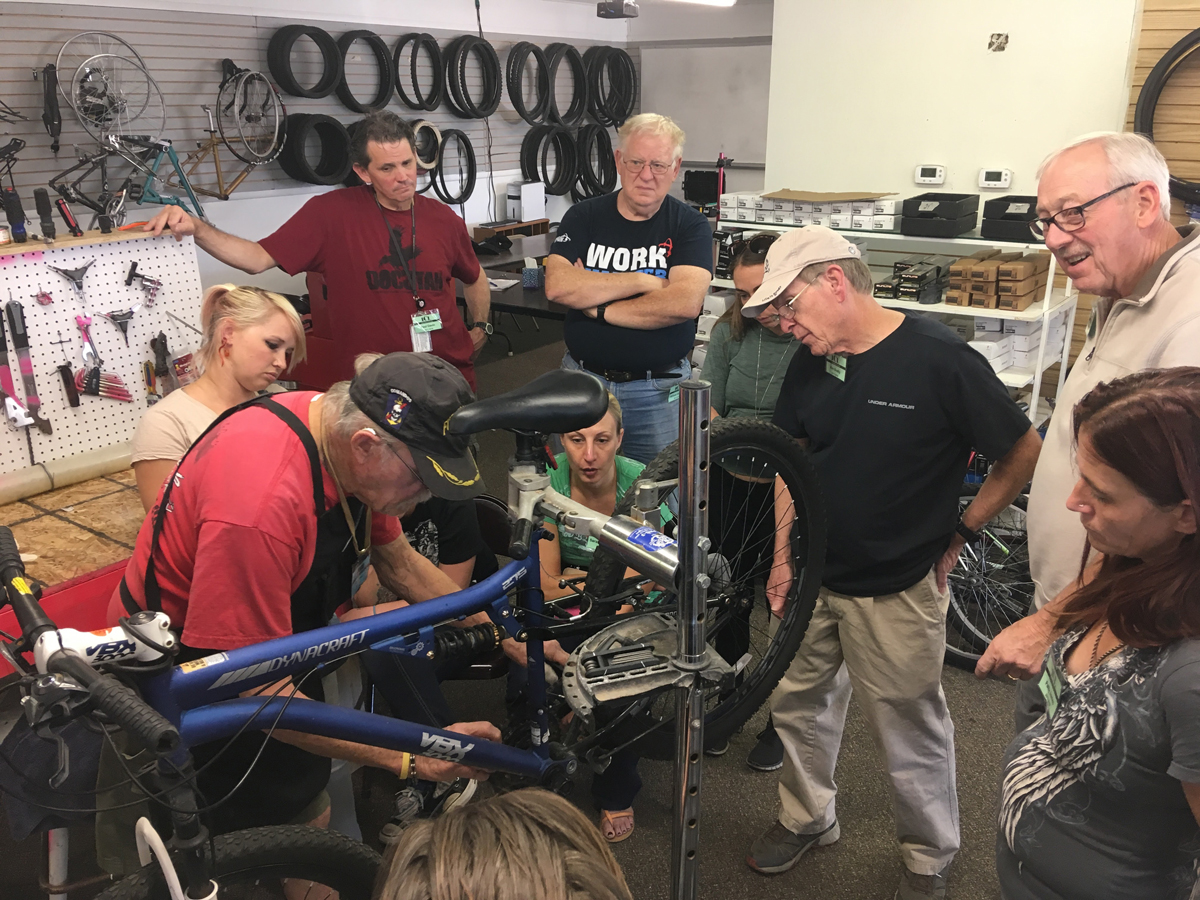
Volunteers at the St. George Bicycle Collective learning to fix bikes. Photo by Judith Rognli
Since this was my first spring living in downtown St. George, I can’t tell you whether we are seeing a surge in transportation and leisure cycling around town. But it feels like it. It feels like a lot more people than ever before are choosing to go by bike. St. George recently launched its bike share program with a better-than-anticipated surge in ridership, and the mild and dry winter has helped create some tail winds as well. I’d like to think of the Collective as part of a cycling-friendly change in the transportation climate.
My mission and the mission of the Collective is to put more bikes on the road and to enable everyone to enjoy the freedom of going somewhere under your own power. I am seeing the Collective turning into a meeting place for people excited about bikes and biking. For me, this sense of community means that I no longer feel alone. More and more bike-packers and -tourers stop by as well, bring stories from the road, use our services, grab a drink and lend a helping hand.
But while the cycling climate may be changing, driver courtesy does not seem to be warming. Far too many drivers are on their cell-phones, failing to see cyclists at a stop light or elsewhere. We are in a transition period. The Bicycle Collective is a huge step in the right direction to make bicycling a cornerstone of our community, but we cannot stop here. Together, we must create the infrastructure and the conditions that make it common sense for all of us to pick up our bikes and ride, to build a city that allows parents to ride with children, and without constant fear of distracted drivers. I cannot wait for the day when bike paths, riding to school, to work, or to Bear Claw Poppy along the beautiful paved Virgin River trail, are no-brainers, and am more than grateful to be able to work with the St. George Bicycle Collective to build a town with more bikes on the road than on hitch racks.
To find out more about the St. George Bicycle Collective, visit us on 39 South Bluff Street, Saint George, Utah 84770, find us on www.bicyclecollective.org, facebook, twitter, and instagram, or call or text us: 435-574-9304
Judith Rognli was the Location Director of the St. George Bicycle Collective from September 2017 to November 2019. This article was originally written during her tenure. The Bicycle Collective continues to grow and serve the community of St. George and surrounding areas and has moved to a new location in St. George: 39 South Bluff Street, Saint George, Utah 84770.
Salt Lake City CHVRCH Cycling and Former WNBA Player Lisa Leslie to Host Indoor Cycling Fundraiser on February 17, 2023 for Women of the World, a local non-profit that gives fresh starts to women in need
Ride with Lisa Leslie to Live Music, Take Spin Classes, and Shop: Benefits Women of the World
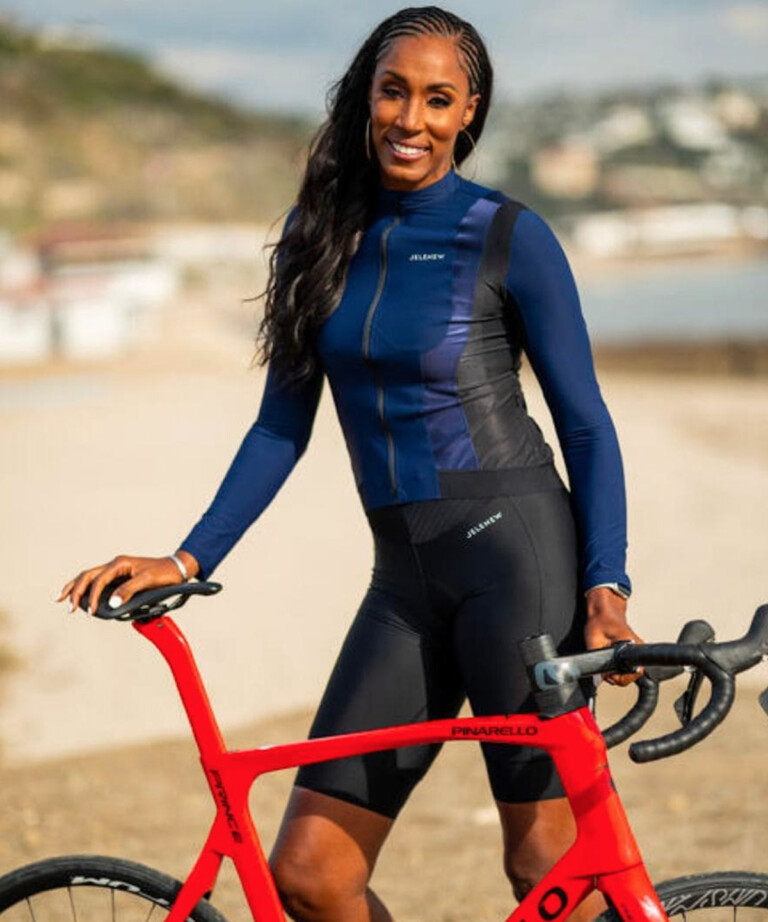
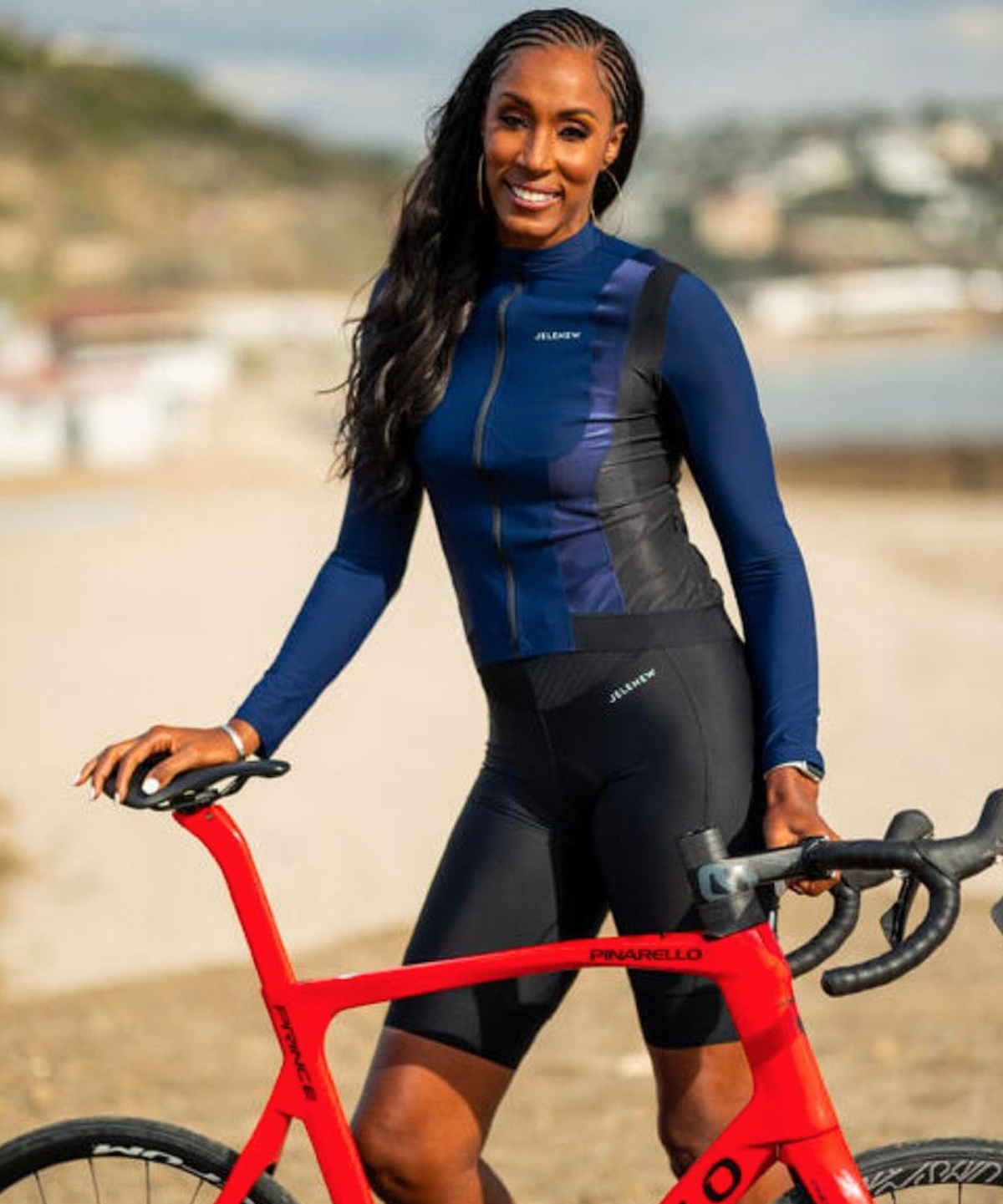
Former WNBA star Lisa Leslie will lead a fundraiser for Women of the World. Photo courtesy CGPR
SALT LAKE CITY, Utah (February 15, 2023) — CHVRCH, a Salt Lake City based local indoor cycling studio, former WNBA player Lisa Leslie, and Jelenew, a cycling apparel line for women, are hosting a spinning fundraiser for Women of the World, a local non-profit that gives a fresh start to women in need.
The event will take place on Friday, February 17th from 12:30-1:00 pm and 1:30 – 2:00 pm at CHRVCH, 126 West 900 South, Salt Lake City, Utah.
The public can purchase tickets online for $50 tickets which includes:
Bike reservation for Live DJ Ride – beats by DJ Spaz
Meet/greet with Lisa Leslie
Fresh juice post-ride from our partners at The Juice Shop
Access to shop the JELENEW showroom before their indoor cycling line releases to the general public. Each rider will also receive a 20% off coupon to shop in store or online
PHOENIX, Arizona (February 14, 2023) — It’s been a long winter for many mountain bikers. If you’re suffering from cabin fever, want to test your early-season fitness, or just need a weekend of fun in the sun, mark your calendar for this year’s Specialized Cactus Cup.
Arizona’s original mountain bike stage race is back with three days of adrenaline-fueled racing and family-friendly events. Festivities kick off at McDowell Mountain Regional Park on Friday, March 10, and run through Sunday, March 12.
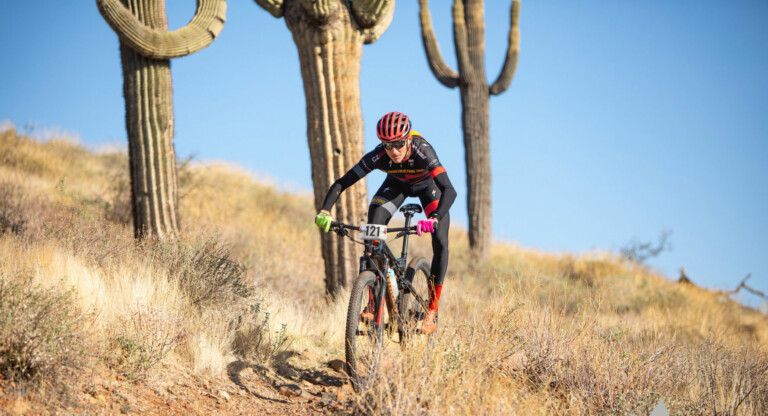
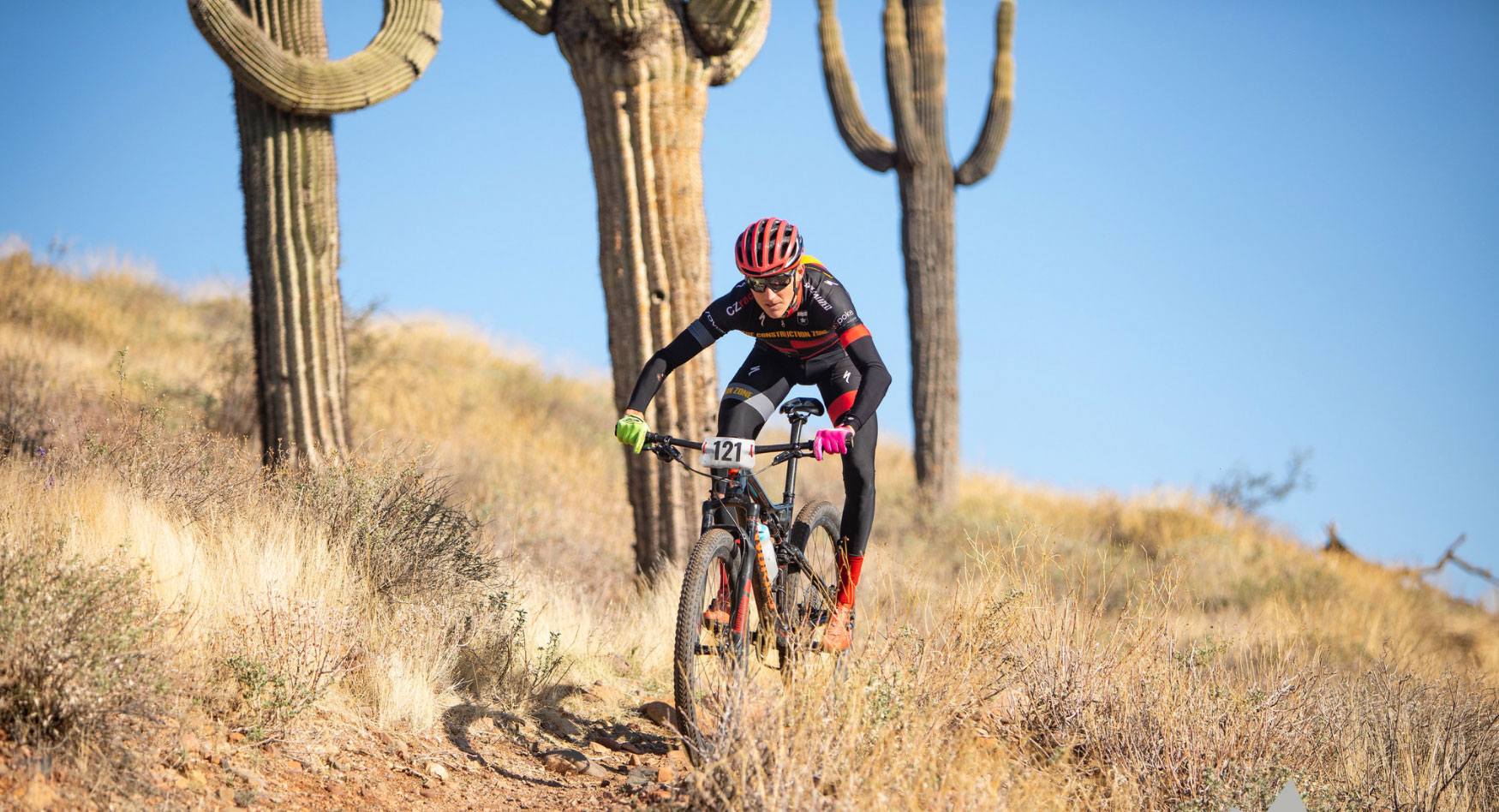
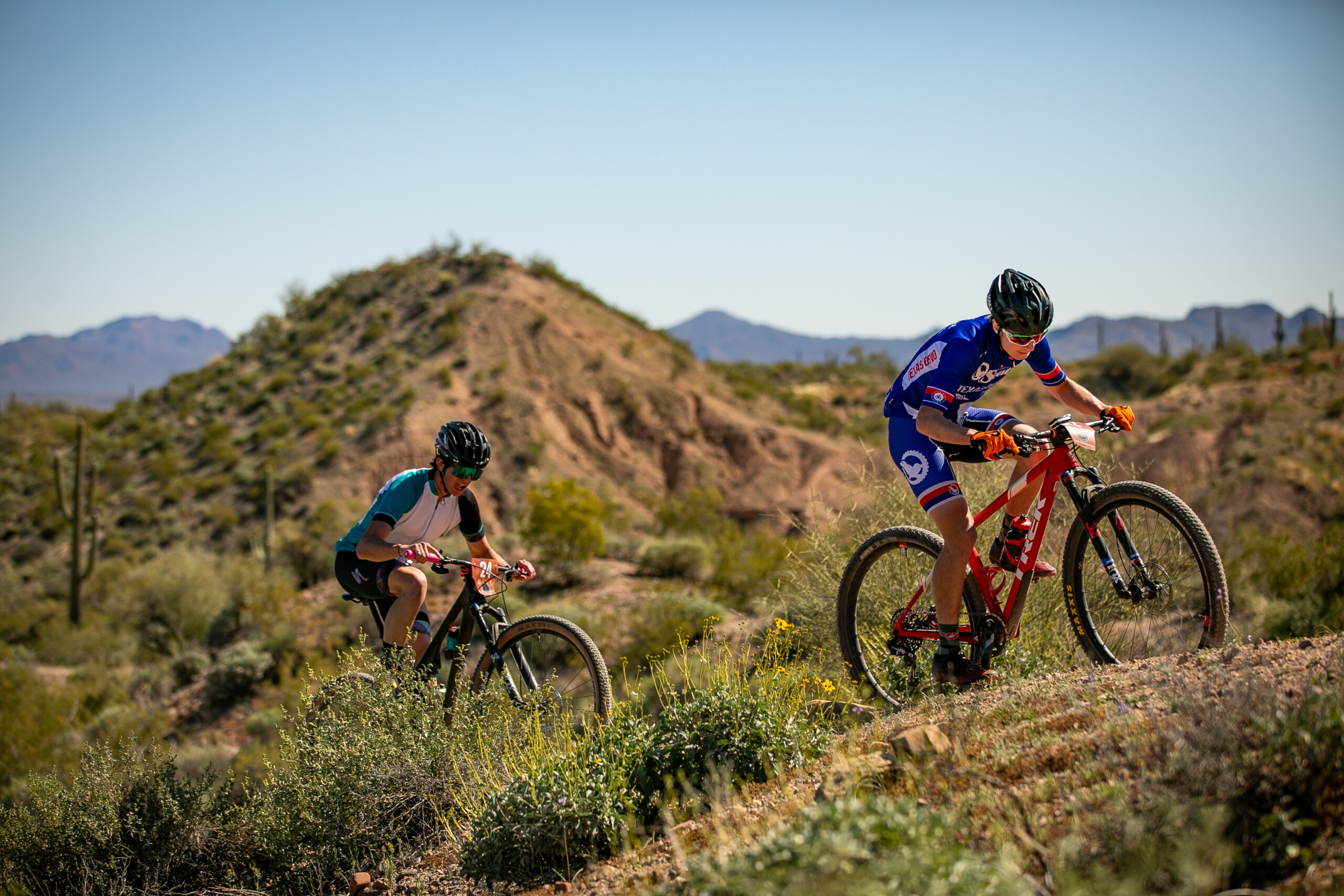
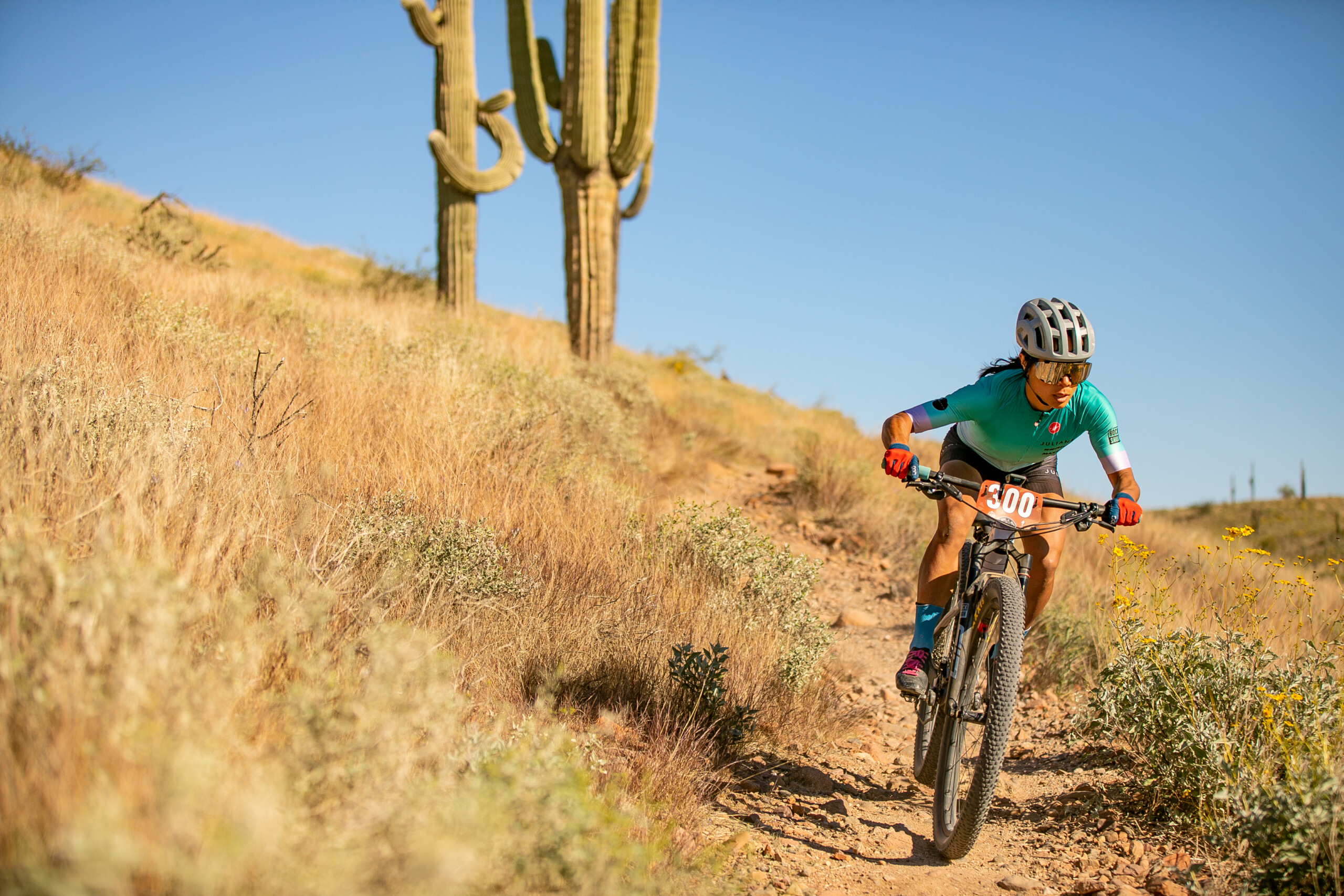
Action from the 2022 Specialized Cactus Cup. Photo credit: Let’s Wander Photography
“I’ve been racing the Cactus Cup since 1996. It’s great to have an early-season event to target as a way to motivate my training over the winter. We now make a family vacation out of it, and both my son and I race. With a contained venue, pump track and skills park for the kids and warm weather, it’s the perfect place for us to spend our spring break. I can’t think of a better way to kick off the season,” said 12-time National Mountain Bike Champion Todd Wells.
Action from the 2022 Specialized Cactus Cup. Photo credit: Let’s Wander Photography
The three-day stage race includes a mountain bike time trial/short-track race, a 40-mile cross-country race, and an XC-focused enduro. The top professional and amateur mountain bike racers will go head-to-head in pursuit of a $7,000 cash purse. There will also be sport beginner, age group, and e-bike categories that cater to riders of all fitness levels.
Action from the 2022 Specialized Cactus Cup. Photo credit: Let’s Wander Photography
In addition to racing, this year’s Cactus Cup features non-competitive fun rides and family-friendly events, including a kids’ mountain bike camp that will allow parents to race while their kids develop new skills and make new friends.
“We think we’ve got the perfect mix of competition and festivities at this year’s Cactus Cup. No matter what your age or ability level, you’ll have a great time soaking up the Arizona sun and challenging yourself on our singletrack trails,” said event promoter Sage Melley.
Veteran event directors create new entity to grow Colorado’s leading portfolio of road, gravel, and mountain bike events
Boulder, Colorado (February 13, 2023) – The Ride Collective has purchased the Outside Interactive series of cycling events. The Ride Collective is a new company created by two veteran employees for the purpose of operating Copper Triangle, Crooked Gravel, Enchanted Circle, and five other popular sportives in the series. As part of the partnership, The Ride Collective will acquire this portfolio of annual rides and races, with Outside continuing as a sponsor and promotional supporter.
The Ride Collective is the brainchild of Scott Olmsted and Chandler Smith, longtime event directors with 40 years of combined experience managing events across the Rocky Mountain West. For the last four years, the pair has been running the Outside Events Cycling Series, welcoming new cyclists to legendary rides like Tour of the Moon while launching new courses like Wild Horse Gravel. Olmsted and Smith will now own and manage the series under The Ride Collective, supported by a multiyear marketing partnership with Outside designed to increase exposure and participation.
“The only thing I love more than riding my bike is watching a new cyclist cross the finish line at an event like Copper Triangle,” said Robin Thurston, CEO of Outside. “Learning to ride really can change a person’s life, and that’s why we acquired these events four years ago after financial challenges had put their future at risk. It’s also why we’re delighted that Scotty and Chandler will be shepherding them into the future. These events are an important part of Colorado history and outdoor culture, and there’s no team more suited to champion them than these guys.”
“With cycling participation at an all-time high and pandemic restrictions lifted, the future of enthusiasts riding events is really bright,” said Olmsted. “With a focus on community, courses, and exceptional support, we’re committed to curating meaningful and fun experiences both on and off the bike,” shared Smith. “We’re grateful to Outside for the opportunity to take these rides forward and the marketing support they’ll provide in our ongoing partnership.” In addition to orchestrating the eight events, The Ride Collective is also committed to growing the next generation of cyclists through a Youth Development Program where kids 16 years or younger may participate for free in their road rides and gravel races.
Registration is now open for the 2023 rides and races at theridecollective.com. The full calendar of events includes:
By Lou Melini — Racing, commuting to work, and recreational rides have been an enjoyable part of my cycling life going back to 1971. However beginning with my 1975 ride across the United States, bicycle touring became, and still is, the pinnacle of fun on a bike. With 9 months of lifetime bike travel (plus another 9 months of backpacking that includes the Appalachian Trail) I am still a “rookie” compared to some of my friends and acquaintances. I will include the advice from Park City resident Rusty Gardner who has ridden across the U.S. 3 times, a ride on the Pacific Coast and numerous other rides including 2 with me that have totaled about 1000 miles. Rusty has also hiked the Appalachian Trail 3 times and the Pacific Crest trail once. This year I will make my second crossing of the U.S (Julie’s first) on the TransAmerica route mapped by the Adventure Cycling Association (ACA).
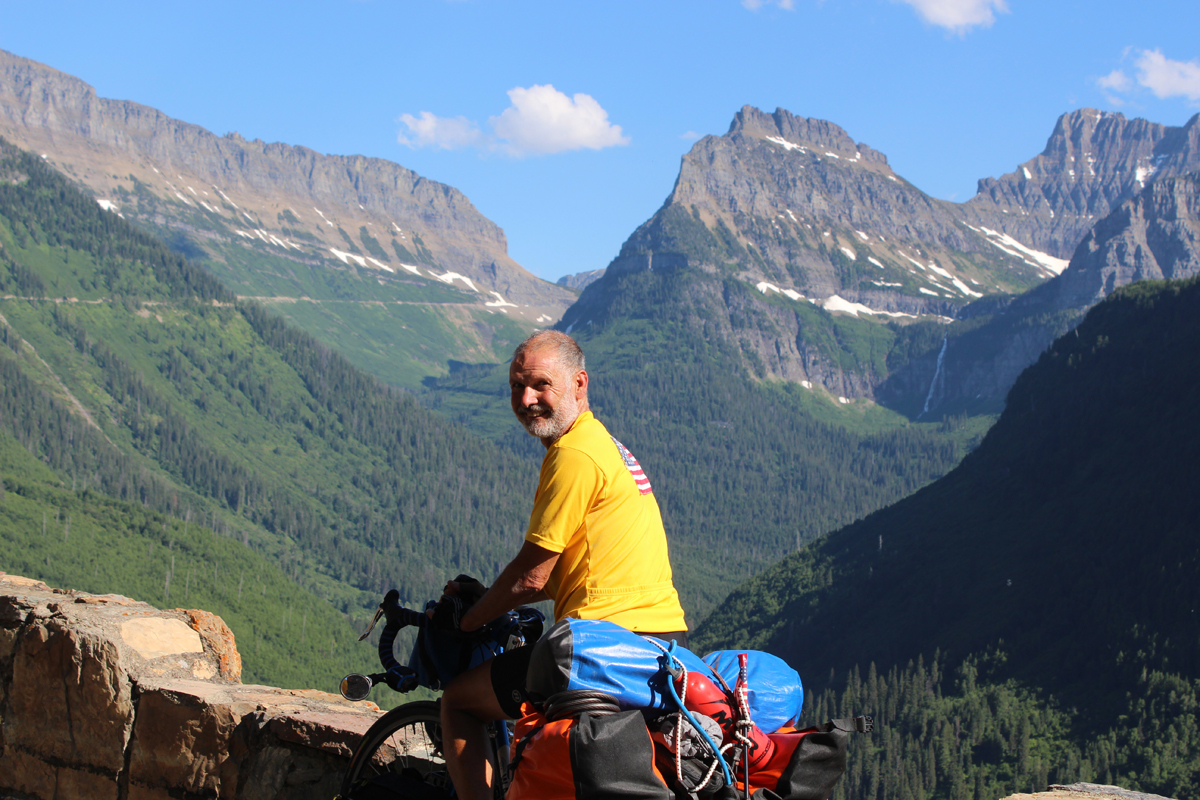
Lou at the location that inspired the Monte Dolack painting, Going to the Sun Highway, Glacier National Park. Photo by Julie Melini
Planning a Tour
Available time, desired destinations, physical capability, goals and travel time to and from your desired ride are the initial decisions one needs to make to start a ride. These considerations alone could make for a book chapter. In 1975 I had no clue what I was doing nor did anyone else at that time. I quit my job as a tax auditor for the state of New Jersey, flew to Seattle with my friend Jeff and began a journey with the goal of riding back to my home. We did not know how long it would take, how far we could travel each day, nor where we would sleep each night among a host of other uncertainties. We picked up state maps at each border.
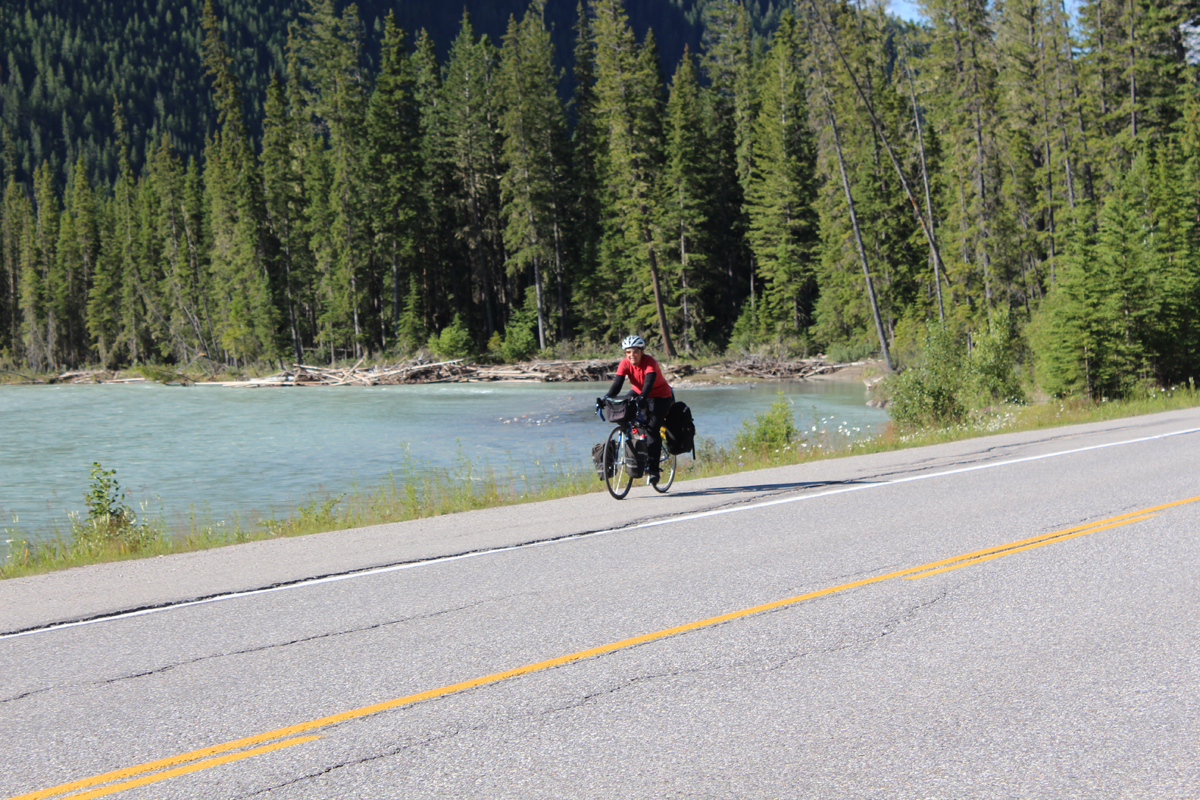
Julie riding along the Kootenay River, Kootenay National Park, Canada. Photo by Lou Melini
Now with Julie as my riding buddy I know how far we can travel each day and plan our distances roughly around that. I utilize ACA maps whenever possible for planning. Knowing where campgrounds, grocery stores and other amenities are located make our rides more efficient. (If you are going to Europe consider looking at EuroVelo routes.) With over 46,000 miles of mapped routes, utilizing maps from the ACA maps is a great source of information. On the other hand, I’ve spoken to a few travelers that don’t use them as “they take the adventure out of the tour”. Personally I want my tours to be vacations. I tell people that if the tour becomes an “adventure” it is due to my failure to plan and execute.
I only create a general plan of our trips, detailing our days as we travel. For example, a 16 day tour becomes 4 4-4day tours with the upcoming 4 days having more detailed planning. Julie and I ride with 4 sets of fresh bike shorts so that every 3-4 days is a “short” travel day in order to do laundry, check and clean the bikes, rest our legs, and whatever else is needed or desired.
All that Weight
There are plenty of cyclists terrified by “carrying all of that weight”, a fear I have heard multiple times. It isn’t that bad. One can ride with a loaded touring bike 60-80% of the distance compared to a recreational ride on their much lighter road bike. Go for a day ride with all of your gear to determine how far you can travel with a loaded touring bike.
Different Types of Tours
An overnight bike tour is another way to experience touring. There are many ways to do a tour, and each person should determine which way suits him, her or we. Some like Julie and I primarily camp, cook our own food and are fully self-sufficient. Others may do a “credit card” tour, staying in motels and eating out. Commercial tours are another way to travel — though other than the ACA, few offer camping and reasonably priced options. The ACA offers self-contained group tours.
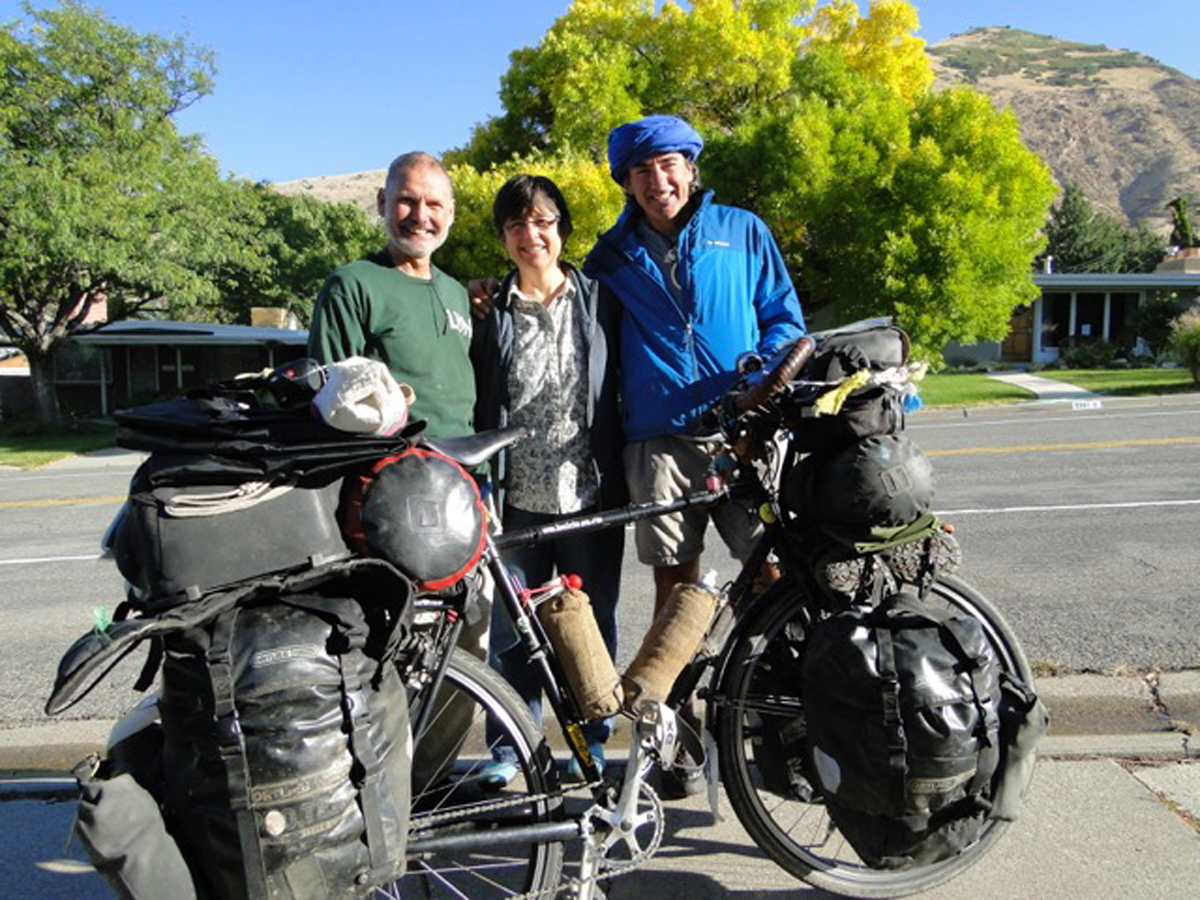
Biciclown is Alvaro Neil de Guzman, a lawyer from Spain who also happens to be a professional clown, hence Biciclown or bicycle clown. He puts on performances in 3rd world countries for kids. In Cambodia his translator told him that the kids had no concept of what a clown was. It was tricky because the kids had no preconceived idea that a clown meant “funny and laughs”. Biciclown will say in his presentations that as a lawyer and a clown he sometimes confuses the two. Biciclown spent a week with Lou. Photo by Ben Melini
What to Bring
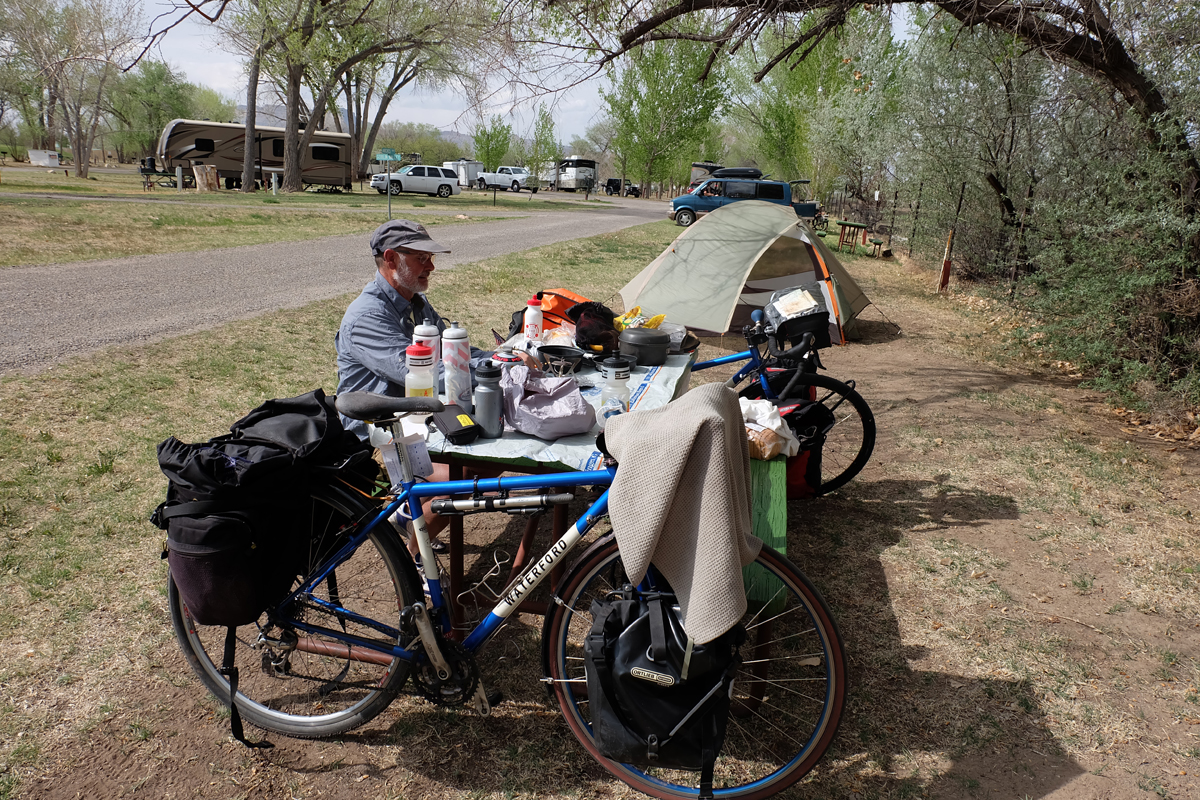
What one takes on a tour and how far one travels is another COMPLETELY personal decision. Ride YOUR ride; make it a fun and a memorable experience. A friend of mine, Alvaro Neil de Guzman of Spain (AKA Biciclown), traveled for 14 years pedaling with 150 pounds including the weight of his bike in order to bring comfort to his travels along with cameras and computers and other equipment to make documentaries. Julie and I carry more stuff than most bike travelers. Julie and I usually average 60-70 mile days, sleeping comfortably in a 3-person tent, sitting comfortably in our folding camp chairs, and eating well with our kitchen set up that includes a tablecloth and plastic placemats for those sometimes not-so-clean picnic tables. We have varied our tours. On one 9-day Southern Utah trip we averaged a rather pedestrian 35 miles/day so that we could include about 35 miles of hiking during our trip. It was a great tour.
Traveling to the Start of Your Tour
Probably one of my biggest causes of angst preceding a trip is getting to and from the start of a tour. I fortunately love touring in the west so the proximity of our destinations has made transportation easier. Leaving our car with friends a couple of times, utilizing the empty parking lot of a ski resort in Idaho, ride the Salt Lake Express bus to begin a tour, and in Garfield County we parked our car, with permission, in the spot reserved for the ranking sheriff. Flying with bikes is expensive as our Germany trip proved, but one can avoid the airline fee with folding bikes or using S & S couplers. Acquaintances of ours have shipped bikes in the U.S. to and from bike shops close to the airport that they were flying into and out of. Other friends have used one-way car rentals or getting to a touring destination by shuttling cars for car rental agencies.
Getting dinner ready at Shady Oaks campground; or Not So Shady Oaks Campground. Photo by Julie Melini
Where to Sleep
Where to sleep is the second concerning item on my list. Again, utilizing the ACA maps help immensely. When we are off the ACA grid, we’ve had a few discussions about where we would stealth camp, a rare occurrence. The only time we made advanced reservations was an anticipated arrival in Mt. Rainier National Park on the 4th of July. We’ve only been turned away from one private campground, though we have had to “negotiate” a few times. There are now many campgrounds that “don’t do tents”. On two occasions at Lake Louise campground in Banff National Park we were waved to the front of the line and accommodated despite the “campground full” sign. Hiker/Biker sites are always welcoming in many state and national parks and some states (not Utah) have a no turn-away policy for state parks. If you are only utilizing motels, reservations may at times be necessary, as one does not know if there is a soccer tournament in town. I have done a few tours with groups, and found that reservations are good in this situation (more than 2 tents or more than 4 people). As a former member of the Board of Directors I can attest that Warmshowers, an international organization that can provide a place to sleep for touring cyclists, is a great way to obtain housing. But please, be polite, thankful, donate and become a host as well as a guest.
Traveling Companions
Despite occasional condescending remarks that I “drag Julie on bike tours”, I will proclaim that I am very fortunate that I have a spouse that loves to travel on her bike with me. I would be doing a lot less bike travel if she didn’t like to come along. I prefer to not travel alone. However, for most of the guests Julie and I have had at our house, traveling alone is the preferred method. Traveling alone gives one complete freedom to make all the decisions in a trip. On the other hand, one camps alone and loses some face-to-face social contact which is the part of traveling alone I don’t like. Our Warmshowers hosting has provided welcome social contact for many cyclists from around the world; a few of which we have kept in touch with for many years.
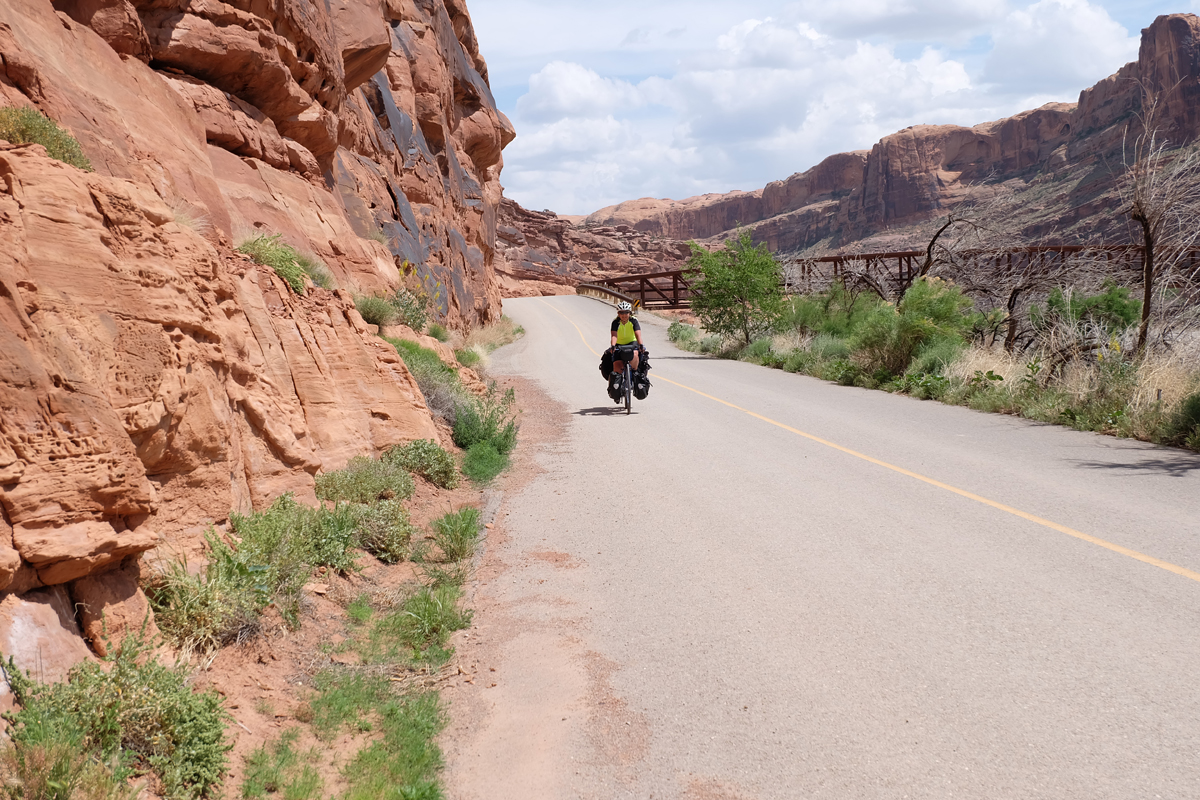
Julie on the bike trail showing off why the Moab Bike Trail may be the most scenic bike trail in the country. Photo by Lou Melini.
Problems may arise when traveling (bike touring or backpacking) with another person or with a larger group due to the unique physical and psychological stresses that occur during a long trip. A long stretch of rainy weather can dampen personalities, no pun intended. Small differences in travel styles such as lodging (camping vs. motels), eating (dining out vs. eating in camp), money issues, getting out on the road late in the morning, riding late into the evening or having a negative attitude can end relationships during a trip. In the days long before cell phones (~1980) I had a guy ride off on the 2nd day of an Oregon coast tour, never to be seen again during the trip. He had the tent poles of the tent that he shared with one of the remaining riders! The good news is that on my trips with others I have acquired lifetime friendships and great follow-up conversations.
The Bike
I have seen a large variety of bikes used for touring in my lifetime of touring including bikes that are normally seen in a racing peloton. In 1975 I used a bike from Sears to cross the country. Now Julie and I have matching custom made Waterford built in Julie’s home state of Wisconsin. Touring bikes from Co-Motion are another popular American brand. In the 1980’s and 90’s Trek 520’s were the number one touring bike but today I would say that the Long Haul Trucker by Surly is the best selling tour bike. Soma and Rivendell also have nice touring models. In general, any bike with a rack or the ability to fit the new bike packing bags will due. Rusty and I both agree that a bike built for touring is best and to be sure that it is in great mechanical condition before the tour. The general description of a good touring bike is that it rides better with weight and I agree. I’ve had friends break spokes, chains and a derailleur on the first day of a short tour after taking their “vintage bike off the garage wall”. Discussion of parts and accessories are beyond this article.
Bike Maintenance
During my 1975 bike trip across the U.S. it seemed that some bike parts were meant to fail. Even the patches to fix a flat were terrible. Today one could tour for 10,000 miles and only need to replace tires, chain, and brake and derailleur cables and housing. Bike parts are good. Even lower priced Shimano parts are better than the stuff I rode with in the ‘70’s. I had no mechanical experience before my cross- country ride. Don’t make that mistake. For a longish tour you should be comfortable fixing flats, repairing a chain and trouble shooting minor mechanical problems. I’ve had two different Warmshowers guests that had ridden from Denver with a brake pad rubbing on a wheel rim as they were unable to fix the problem. (They were appreciative of the 5-minute fix.). I’ve lent out front racks to 2 riders including one that rode up my driveway with a front rack that had bent in a 90-degree angle. In 10,000 miles of travels with Julie, I’ve had to twice adjust her rear wheel spokes, fix a chain once and on one occasion troubleshoot a front derailleur that lost a pivot pin. We’ve only had a few flats. Perhaps the worst problem occurred when my bike fell over partially dislodging the brake lever from the housing. Fortunately I had a brake lever at the time that allowed me to work the lever back in place without completely destroying it. In this era, you can always FedEx parts, tools and whatever to your location. I still laugh about my friend Daisuke from Japan (11 years of travel) cursing at a chain he purchased in India; “s**t chain; s**t chain”. The new chain broke within 50 kilometers after putting it on his bike. (I was surprised he didn’t carry a spare chain and tool in that part of the world). A bike shop from Israel shipped him a chain and tool as a follow up to his email rant!
Extras to Bring
Riding over 350 miles/week for weeks on end is physically and mentally tiring. I bike travel a bit heavier vs. backpacking. A 3-person tent adds plenty of room for the added weight along with a thicker sleeping pad. A tablecloth adds to the campground cleanliness. Plastic placemats that double as cutting boards allow me to set a sandwich down on a clean surface no matter where I am, a 2-ounce addition that some of my long distance travelers have copied. My kitchen is adequate for many great meals. I carry a water filter in southern Utah and (occasionally) bear spray in bear country. I am able to tighten every bolt on my bike, have a chain tool, and extensive patch kit and spare tubes. I’ve used my spare tire on 2 occasions due to bad cuts. And of course there are the books to end the day.
Conclusion
I will end the “Cliff Notes” version of bicycle travel. The best lesson to learn about how to travel on your bike is simply to go out on your bike and do it. You will be surprised to find that after about a total of 2 weeks of bike travel experience you will gain enough confidence to keep going. If you still need more information about bike touring go online and Google bicycle touring. For your first tour consider an early spring or fall tour to the National Parks of Utah, a Yellowstone tour, or the off-road Idaho mountain bike hot springs tour. I’ve done all 3 and enjoyed each one for different reasons. Enjoy your ride.
Editor’s Note: Cyclingutah.com and past issues of Cycling Utah / Cycling West have plenty of touring stories, overnight tours, long tours, tips, and suggestions.