By Lou Melini — Power Grips are straps that you attach to your pedals to enhance power to pedaling motion, especially uphill. I purchased my first, and only, set of Power Grips in the fall of 2016. Prior to retiring, I rode to work clipped into my Speedplay Frog pedals. I could leave shoes at work, so being clipped in wasn’t a issue. If I went to the grocery store, I would just ride the short distance on top of the Frog pedals with hiking shoes.
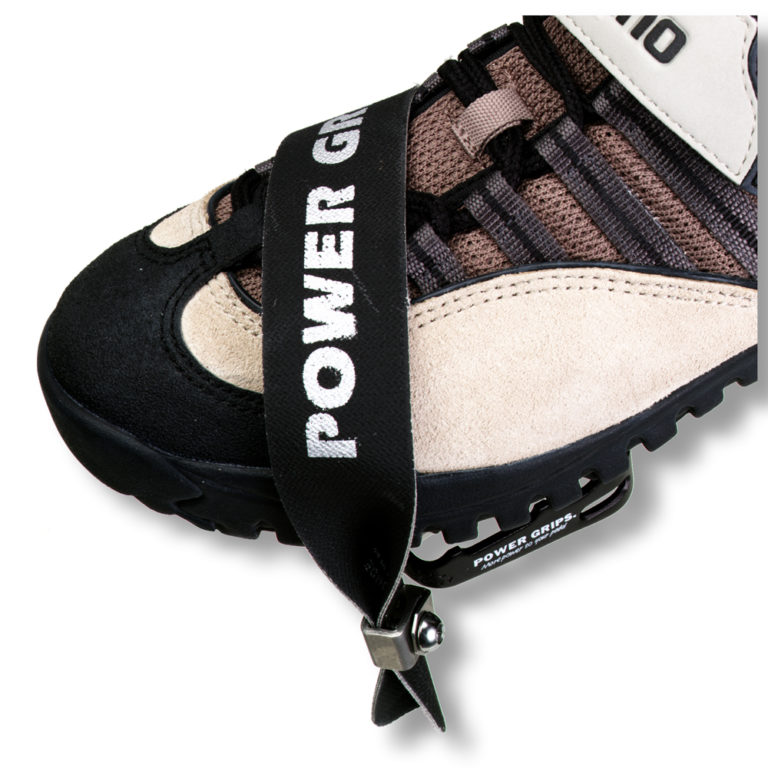
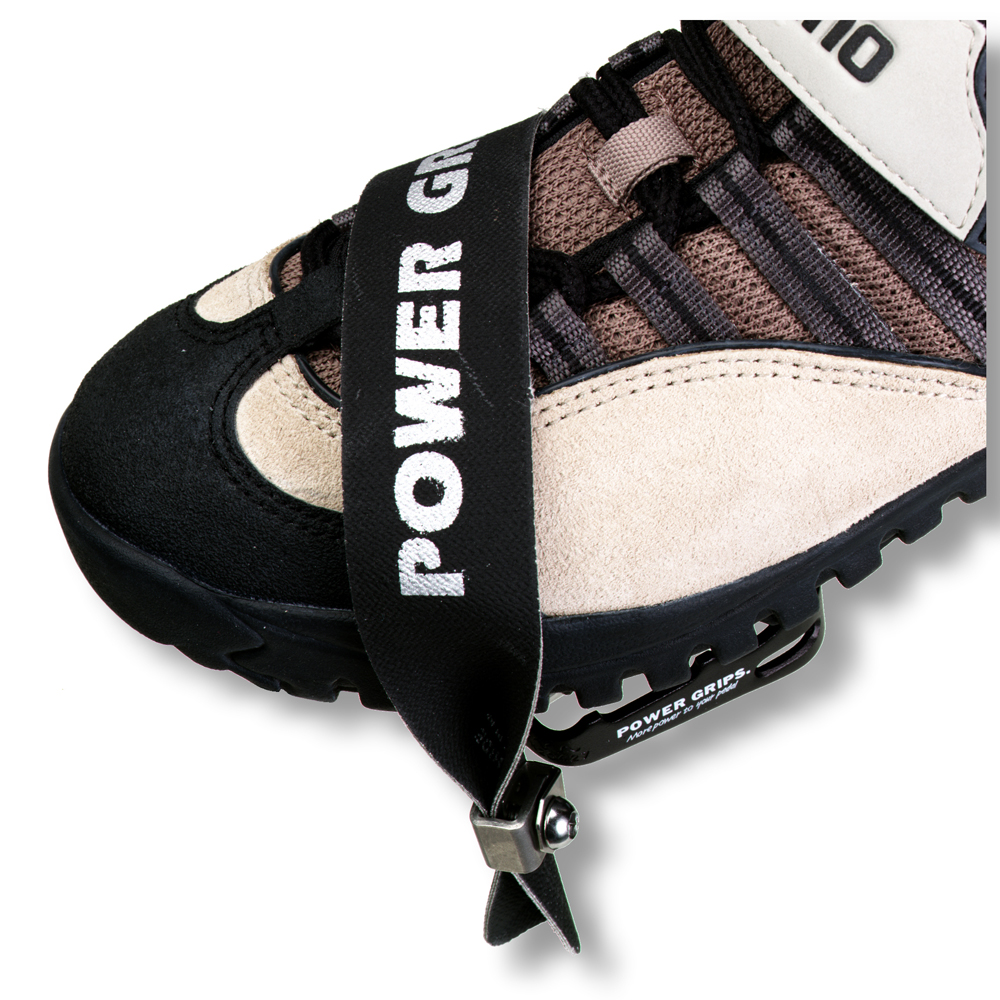
A Power Grip with the foot in the pedal. Photo courtesy MRP
After retirement and the start of a volunteer job, riding clipped in was no longer a suitable option. Carrying shoes to the volunteer job was inconvenient. I purchased the Power Grips after looking at a few other pedal strap systems. According to the Power Grip website over 250,000 Power Grips have been purchased. I have not been disappointed with my choice.
I am assuming that I have about 10,000 miles of use with the Power Grips. I don’t have the clipped in power I had, but I have enough to make my commutes easier than if I just rode on flat pedals without the straps. The straps are showing age, but I think they will last several more years. One reviewer on the Adventure Cycling Association stated he had his Power Grips for 10 years, though he did not state mileage.
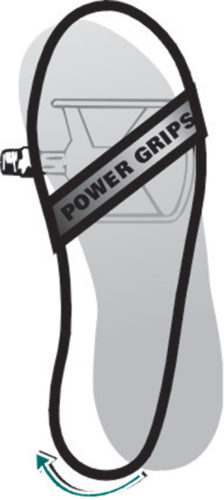
How the Power Grip works. Photo courtesy MRP
The straps are simple to install. I’ve tightened the bolts once or twice since installation. The strap is adjustable for different shoe sizes. At the adjustment clamp, I’ve had the strap pull out on 3 occasions but it’s a simple fix. Putting your foot into the strap is also simple, perhaps because I still can remember the 25 years that I used toe clips and straps on my pedals. There are a few reviews of Power Grips that complain about the difficulty of getting into Power Grips. On occasion this may be true. Overall, I have had an easy time inserting and releasing my foot from the Power Grips.
I would highly recommend the straps for cyclists for cyclists that currently use flat pedals but need to negotiate uphill terrain. You can buy the straps to attach to your current pedals or purchase straps and pedals as a set. Prices for the straps start at $22.50 and go to $40 for the extra long size. The strap/pedal systems range from $40 to $85 depending on pedal quality.
Lou Melini is a lifelong bicycle commuter, and the former Commuter Column editor for Cycling West.
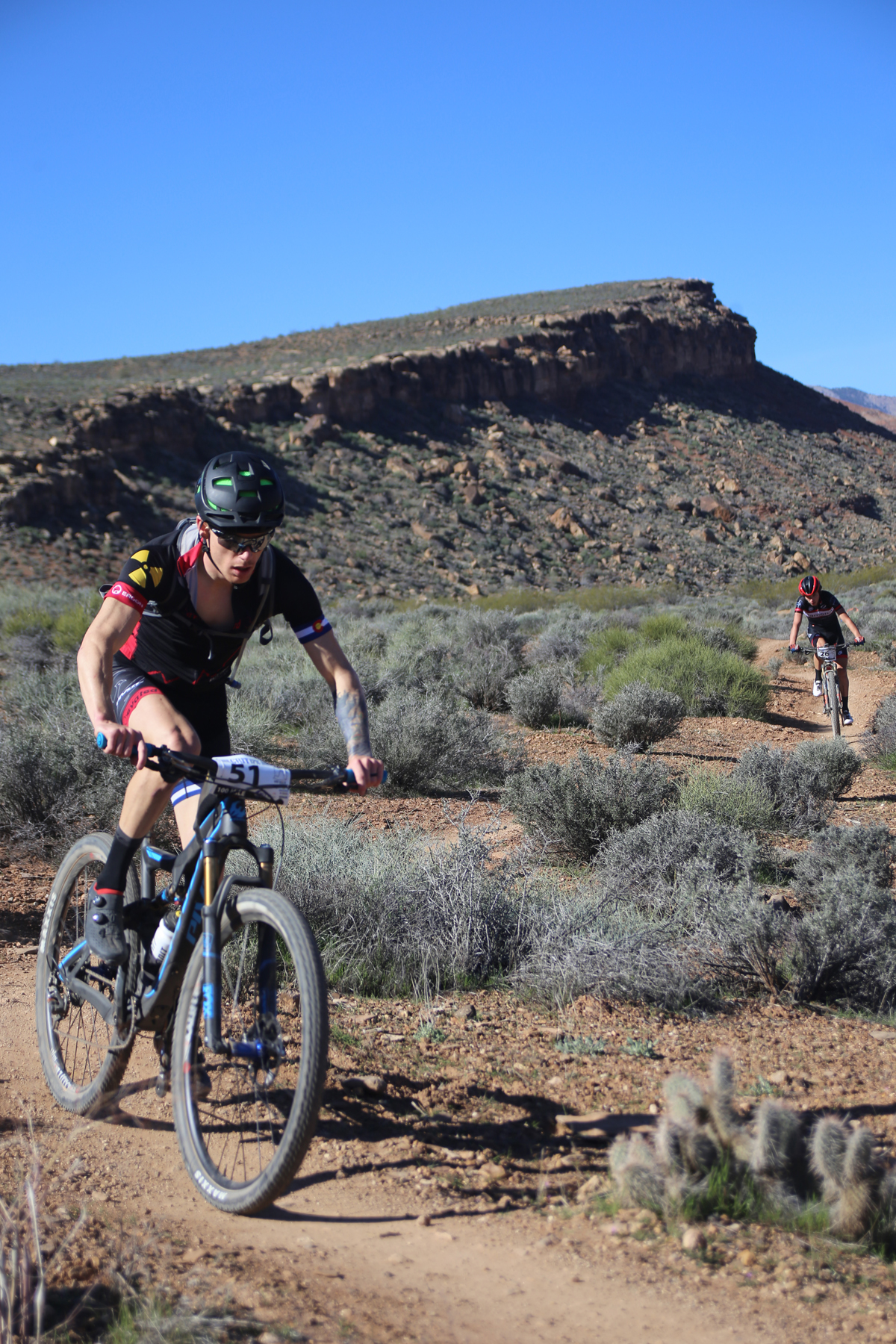
The True Grit race in Saint George, held this year on March 11, 2018, has become a staple season opener for many MTB racers. For those of us in winter climates, it gives an excuse to head south in the months prior to prep and a big carrot of motivation dangling through the winter. As the cherry on top, it has developed a reputation as a well-run and organized event on some of southern Utah’s best rocky, technical singletrack. It attracts riders of all levels of experience and ability from first time racers seeking a fun challenge to seasoned pro’s looking to open their legs for a season of racing.
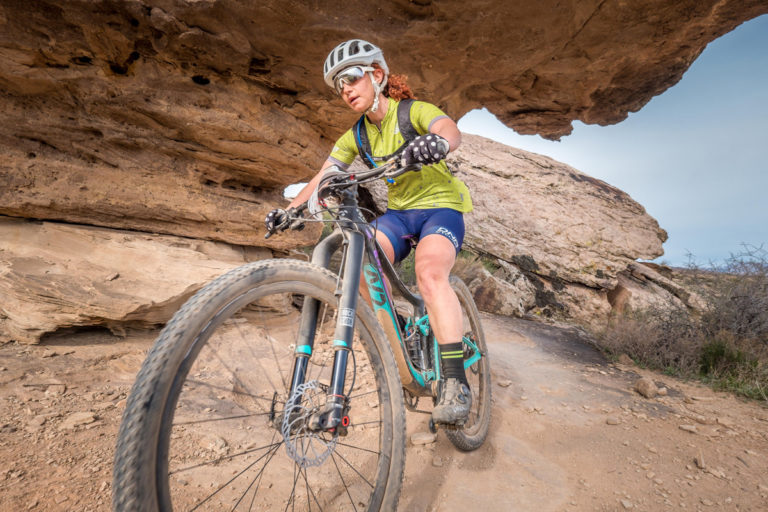
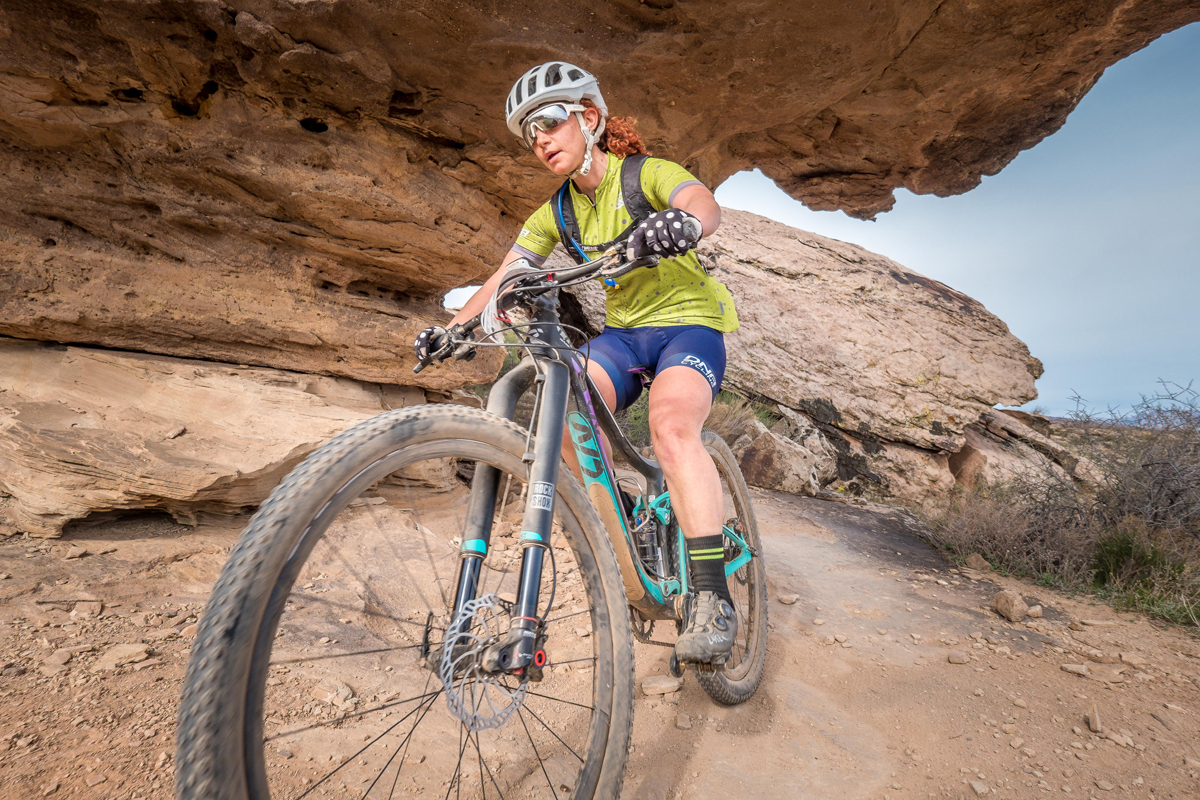
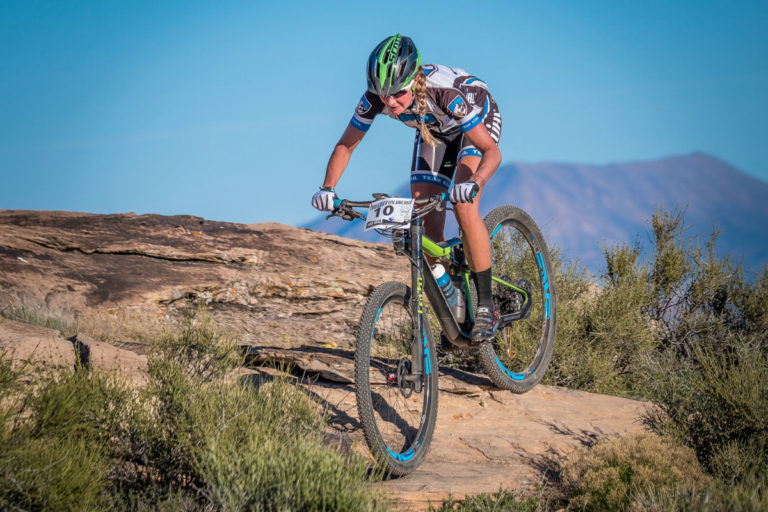
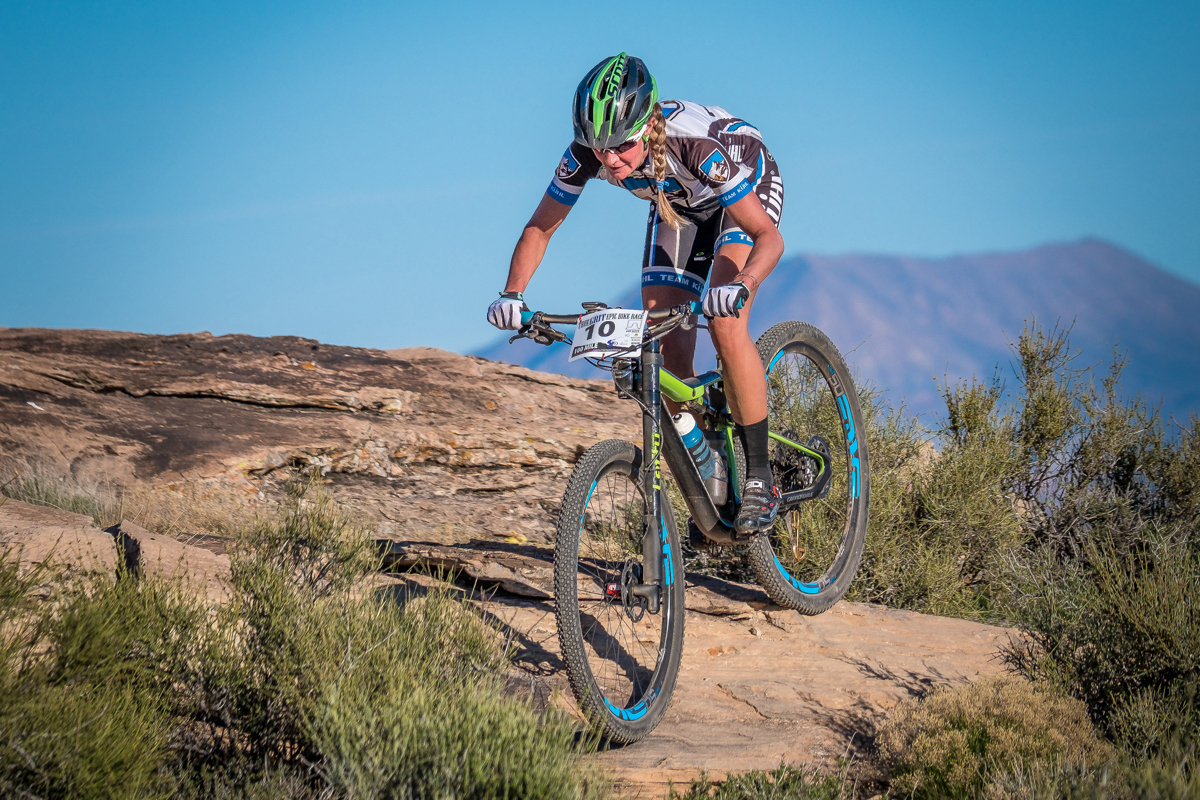
Sarah Kaufmann descends on Zen Trail in the 2018 True Grit Mountain Bike Race. Photo by Crawling Spider, find your photo at crawlingspider.com
Personally, I went looking for some answers at True Grit. After a solid 2017 MTB season, I had a disappointing fall CX season. I used the winter to reset and True Grit was a motivating goal in front of me. But as the race approached, I found the competitive spirit that usually drives me was not very sharp. For the first time that I have experienced, training felt like a chore.
Lining up on race day, I knew it would go one of two ways; either the race atmosphere would reignite the fire for me or I would get a definitive answer that a longer break from racing is necessary right now. As the race got underway, I got my answer as I watched the race around me, feeling completely detached, ambivalent to the other riders and no drive to chase and compete. I did not feel sad or disappointed. Instead, I enjoyed an amazing day and smiled my way through every bit of rocky singletrack.
Feeling less attached to my own racing and knowing how much people love this race, I was curious to hear about others’ experiences this year at True Grit. I chatted with riders across the spectrum of experience about their races.
Last year’s pro women’s winner Jennifer Smith came into True Grit with an open mind. The two and three years prior, she had suffered race ending mechanicals in both editions. Then last year, she put it together for the win. Jennifer spent the better part of the month prior to the race in her native country of New Zealand. A quick turnaround to True Grit, she traveled for four and a half days in the week prior to the race.
“Riding a section of the course the day before, I was concerned that my legs felt flat and I knew the travel was getting to me.” Happily, on race day Jennifer found her legs and stayed close to the two leaders, finishing in third and securing a spot on the podium. She summed it up with, “You never know how it will go until you line up!”
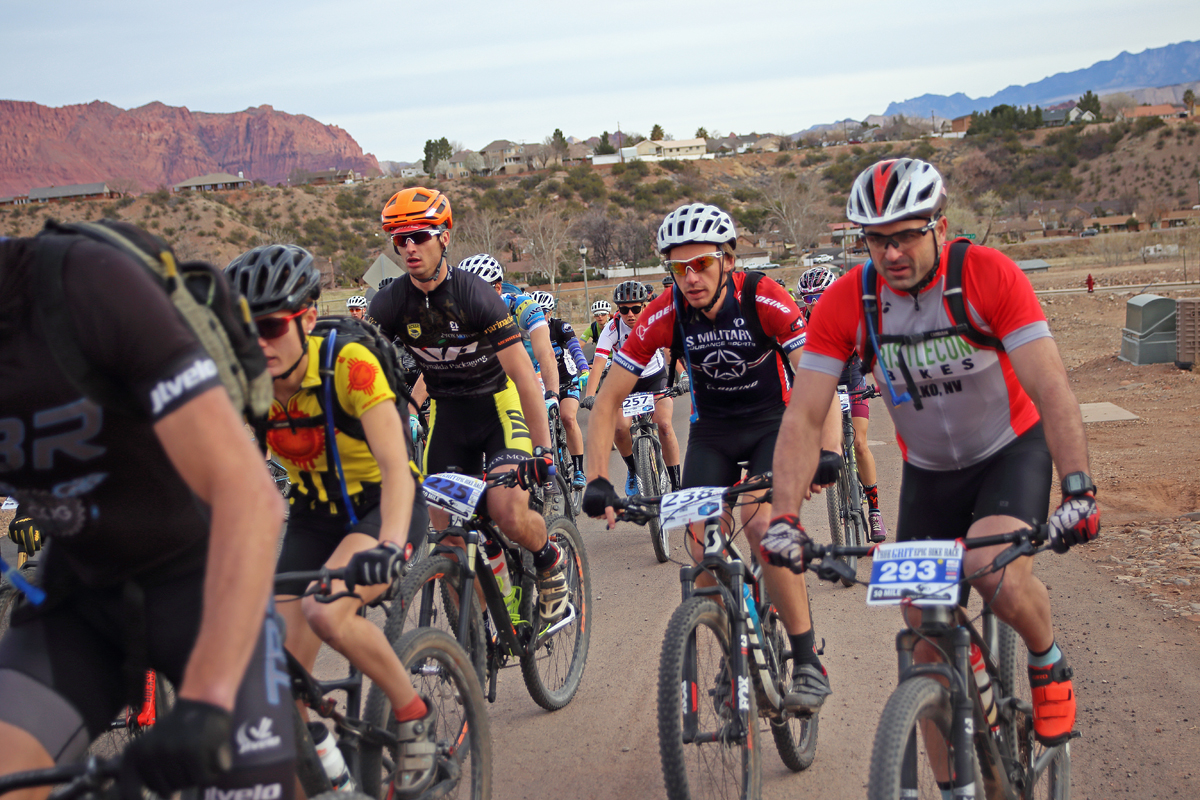
Ryan Honea (far right) moving up at the start of the race. Photo by Crawling Spider, find your photo at crawlingspider.com
Ryan Honea is quickly moving through the amateur race ranks and opted to move up to the open class for True Grit this year. After a disappointing 2017 True Grit, he hired me to coach him and finished out the season exceeding his goals and hungry for more. “I spent the winter slogging more miles on my stationary trainer than I had before and the numbers were there to support a great ride at True Grit.”
As the race got underway, Ryan and I cruised along the first section on pavement together and I encouraged him to get up to the front of the race where he belonged. After a strong start, Ryan was riding in the top 20 on the notoriously technical Zen Trail nearly halfway through the race when disaster struck as he wrecked on a high speed section. When he got up and tried to ride, he found that the left side of his body was not functional and he couldn’t hold the bars or pedal. (He had sustained a neck sprain that was affecting his ability to control the left side of his body).
Fortunately he was close to an aid station and Ryan found out firsthand how amazing the True Grit volunteers were as he was helped by an EMT and transported to the ER by two other volunteers who then stayed with him the entire time and drove him back to his vehicle at the start/finish when he was released. In addition to the neck sprain, he had a concussion and a number of stitches. “I was seriously bummed that I wasn’t able to finish the race, especially after a great start. But I am encouraged that I exceeded my expectations up to that point. I’ll be back in 2019 to get revenge – for the second year in a row!”
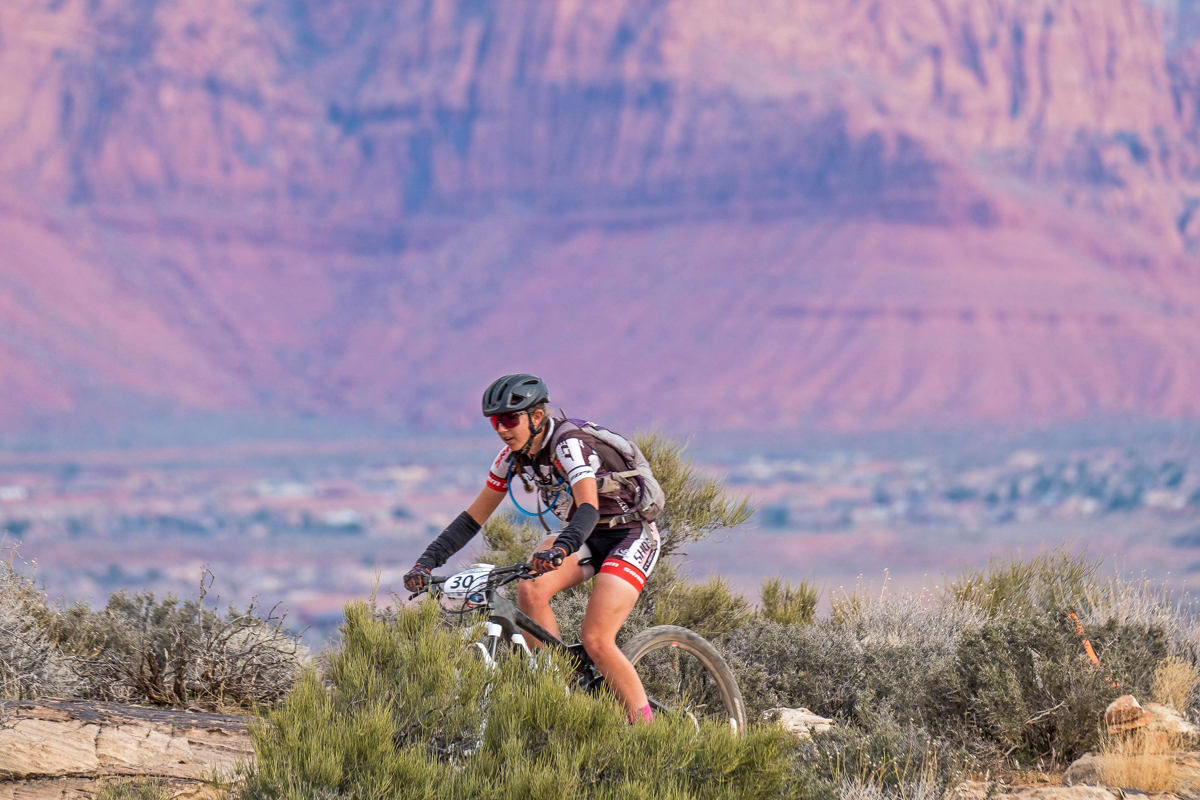
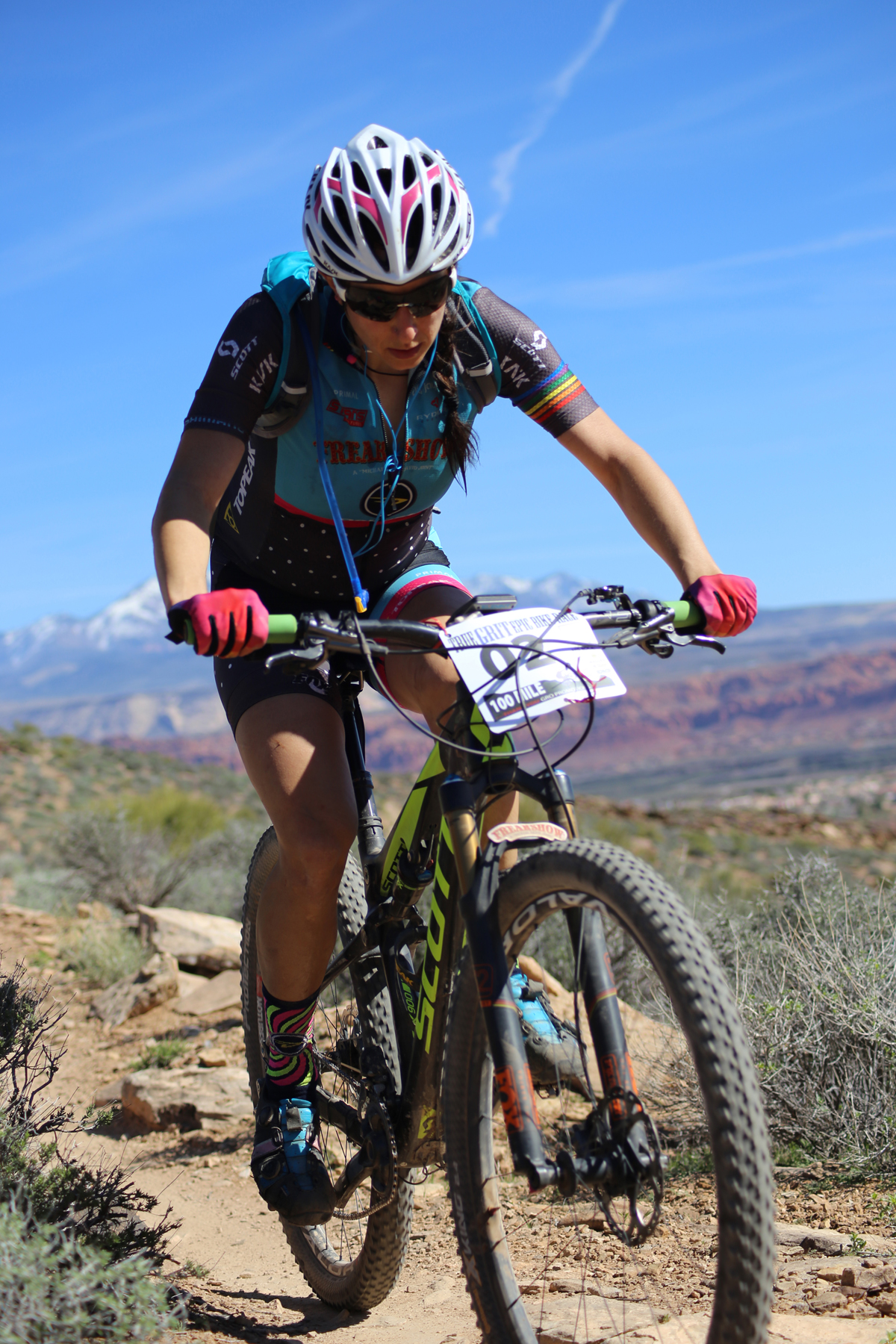
Larissa Connors on her way to winning the 100 Mile Women’s Race at the 2018 True Grit Epic, held on March 10 in Santa Clara, Utah. Photo by Crawling Spider, find your photo at crawlingspider.com
Kelly Konopa and Danita Ritter are both part of the WomenMTB group based in Salt Lake who signed up for the race together and pushed and motivated each other through the winter. Kelly juggled training with work and parenting but found it motivating to have the goal. An experienced racer in other disciplines, Kelly is new to mountain biking and she destroyed her goal to beat the cutoff times. “I’m so glad I did the race for so many reasons – staying in shape through the winter, sessioning sections of the course enough to master them and bonding with this awesome group of women!”
Danita also enjoyed the lead up and motivation that the race held through the winter. A high speed crash before the halfway point of the race that bloodied her knee and hand forced Danita to choose whether to embrace the GRIT or call it a day. She chose the former and carried on despite her injuries, finishing with the extra satisfaction of having conquered additional adversity along the way. “It was the most epic feeling when I crossed the finish line. I will be back again next year!”
Nic Beechan is an experienced XC and endurance racer amongst the pro ranks but 2018 was his first go at True Grit. Without the opportunity to preride, he was a little nervous about letting it go on the notoriously technical terrain. Nic’s skills and fitness shined and he finished fourth in his first attempt at the race. Nic was the ONLY rider I talked to who expressed regret at having not done the two-lap 100 mile event instead, “I had an awesome time, however I’m thinking that had I done the 100 miler, I could have pre-ridden for the second lap and gotten twice as much practice on the wicked square edged slickrock terrain.” That’s GRIT!
Congrats to all who tackled this beast! Good luck this year!
Sarah Kaufmann is the owner of K Cycling Coaching. She is an elite level XC and CX racer based in Salt Lake City, UT and can be reached at [email protected] or 413.522.3180.
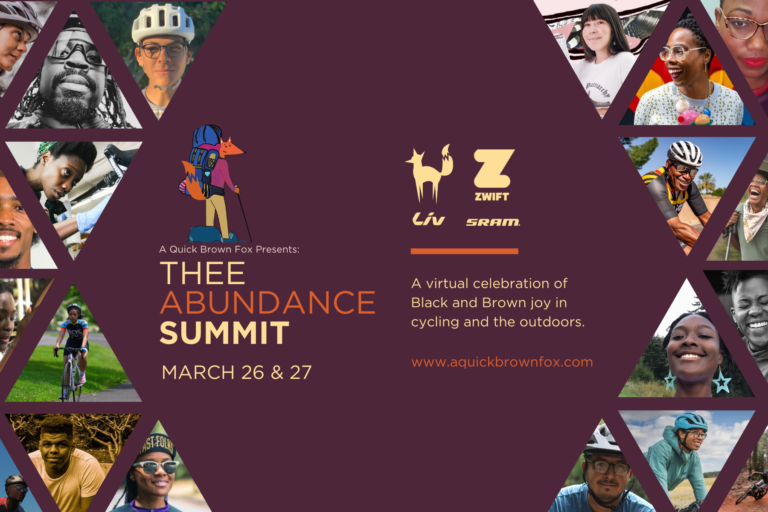
ATLANTA, GA (February 26, 2021) — The first African-American female professional road racer, Ayesha McGowan launches her inaugural Thee Abundance Summit , a virtual celebration and convening of Black and Brown folks in the outdoors. The event is for, by, and about Black and Brown folks, though everyone is welcome and invited to attend.
“I think it’s absolutely necessary that I host a celebration of joy. All too often we are only invited to share our pain, our struggles, and our sorrows. This is a space where we, as Black and Brown people in the cycling and outdoor communities, can bring our full selves with the sole
purpose of having a good time.”
Co-hosted by Jools Walker and Olivia Williams, Thee Abundance Summit will include:
A Keynote from Courtney Williams of The Brown Bike Girl and the NYC Bike Mayor
Workshops from Diversify Van Life, Storytelling on Instagram with Rachel Olzer, Basic Photography with Eric Arce, How to Purchase a Bike with Laura Solís, and Creating Zines with Christina Torres
Panels on insights from youth cyclists and OG adventurers in the outdoors, including US Olympic Silver Medalist Nelson Vails
A Group Ride on Zwift led by The Black Foxes
Tea Time with Ayesha McGowan featuring special guests
A Live DJ Dance Party with DJ Black Daria
The Abundance Summit is supported by Zwift, Liv Cycling, SRAM, and Backcountry.com. The event is free and will be streamed on YouTube on Friday, March 26 and Saturday, March 27.
There will be an opportunity for voluntary donations to a mini-grant program McGowan is developing to help provide a pathway to inspiration, experience, and upgrade points for Black and Brown women who are amateur or beginner road racers.
All panels and workshops will be accessible to the hearing impaired. For more information, visit www.aquickbrownfox.com.
By Sonya Looney — The feeling of Zen is an intimate level of pure focus between the body and mind where nothing but the present moment matters. It’s common in mountain biking. That feeling of focus is where each movement provides a specific action. Technical riding is far more than just a physical effort, it’s calculated, sometimes chaotic, and a true Zen state of mind. There are two states of mind when tackling a technical trail: where you think you might be able to ride something and the state of mind where you believe you will ride something. The difference seems minor, but identifying that difference in you is the fine line between attacking versus attempting something. Where you think “I might be able to” versus “I can and I will.” The same goes for ultra-endurance racing. There’s a state where your mind becomes a more powerful indicator of your physical state; where there is full commitment; that what it takes to compete in the True Grit 100.
Sonya Looney battled back from an earyly mechanical and overheating to finish 4th in the 100 miler in the 2017 True Grit Mountain Bike Race. Photo by CrawlingSpider.com, find your photo from the race.
Thoughts of excitement, curiosity, anxiety, and possibly even “what the hell am I getting myself into?” were swimming in the heads of the racers who lined up for the sold out NUE Opener, the True Grit Epic 100. For some, the 89 mile mountain bike race was just another day in the saddle. For others, it would be the hardest challenge of their lives. Under the soft light of dawn, the vast desert was waiting to offer adventure, challenges, and in some cases, defeat. Her curves were in the form of different size rock rolls, her demeanor temperamental. She can be unsympathetic with windy, fatiguing terrain. She’ll make you feel lonely and vulnerable. She can be short-tempered and uncompromisingly hot and barren should you push too hard and play with her fire. But if you’re lucky, she can be hospitable and hypnotize you into a state of trance where no climb is too hard, no rocky section unrideable. Over the course of 89 miles and 7+ hours exploring her frontiers, most racers see every side of her.
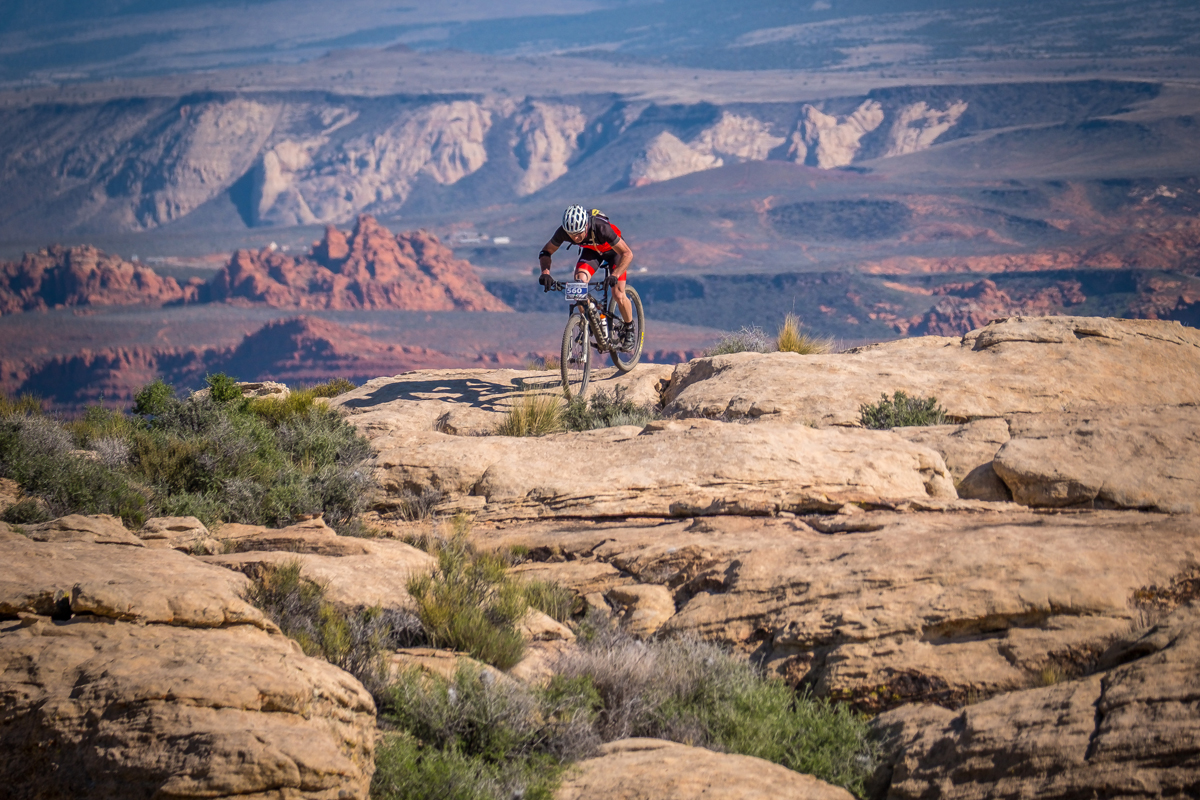
Mark Esplin rides through the incredible scenery that is everywhere in the True Grit Mountain Bike Race. Photo by CrawlingSpider.com, find your photo from the race.
The True Grit’s tagline of “long, tough, and technical” began with a steep climb out of the modest town of St George, Utah. Winding tracks through gullies with brittle walls lead the way into the first loop. The course becomes increasingly more chunky, a real mountain bike race in its own right, with uphill rock faces requiring hard surges of power and stalky spiny barrel cacti. By the time you start to feel fatigued, the infamous waterfall descent taunts your dignity. The key is to trust your bike, stay off the front brake and look ahead.
Women’s 100 Mile winner Joey Lythgoe in the True Grit Mountain Bike Race. Photo by CrawlingSpider.com, find your photo from the race.
My third True Grit was off to a great start. My previous visit was in 2015 where I had a smooth, drama-free win through the 2 laps of the race course. I was hoping to repeat that performance this year when my first challenge of the day struck just 6 miles into the race; bad mechanical. I watched my lead disappear and the entirety of the field come and go as I worked as quickly as I could to get my bike up and running again. The desert tried to test me with loneliness, but she didn’t win. I chased hard and after the desert’s first inhospitable gesture with the mechanical. I didn’t find the back of the race for nearly 15 minutes, but I was now feeling strong and at home and effortlessly ripping through the singletrack. The desert offered that zone of trance and pure focus, and I glady accepted it.
Taylor Lideen on his way to winning the 100 mile race at the 2017 True Grit Mountain Bike Race. Photo by CrawlingSpider.com, find your photo from the race.
The Zen loop welcomed me with grippy rock and fun descents and it offered me what is in the name: focus and presence. Technical descending is my favorite part of mountain biking. By the time I got to the back section of the course, I had worked my way through the field back up to 4th and was closing in on the top three women. The bobsled singletrack was a blast and the headwind on the way to the latter part of the course didn’t even phase me. However, after I left Aid-3, the fickle desert showed another side of her mood; heat; 90 degrees Fahrenheit to be exact. Normally, I thrive in the heat but after a long, cold winter in Canada, the temperature was arduous. The last loop of the lap has been my favorite with expansive red and beige extra-terrestrial views on top of the plateau. This year, it was more challenging as the symptoms of heat exhaustion began to wear me down. No matter how much water I drank, it felt like my stomach was an undraining water bag. My pores refused to squeeze out cooling sweat and even goosebumps appeared. At first I thought they were from excitement until my pace slowed and I lost coordination. I went from trying to win the race to simply trying to finish. I wondered if I should quit because heat stroke can be serious, but I decided to keep going.
Now was my challenge – turn the experience around so that I could get something positive out of it. I hadn’t been in a dark place in a long time in a race. I wanted to prove to myself that I could beat it. I took it one mile at a time and tried to see how many colors I could see in the desert at any given time. Instead of thinking how far I had to go or how bad I felt, I tried to focus on each minute. When I saw other people, I tried to relish in a positive human connection and camaraderie.
When I finally made it to the gentle flat pavement back to the finish line, I could hear the band. It wasn’t pretty, but I got there and I had given it my best shot finishing 4th on the day to some talented, determined ladies. Racing would be boring if it always went to plan or if it wasn’t hard. Even though I was disappointed that things didn’t go as smooth as I had hoped, I was thankful for the lessons the desert offered me. And she knows I’ll be back.
Sonya Looney has raced her mountain bike in the Sahara Desert, Himalayas, tropical jungles, and mountain ranges all over the world. Her spirit for adventure, personal growth, and taking on new challenges has driven her to over 25 race wins in her career on just about every continent. For more of her writings, see sonyalooney.com
Name of product: Model Year 2017-2020 Masi Evoluzione and Gran Corsa bicycles
Hazard: The bicycle’s fork steerer tube can break, causing the rider to lose control, fall and suffer injuries.
Remedy: Replace, Repair
Recall date: March 3, 2021
Units: About 510
Consumer Contact: Haro Bicycles at 800-289-4276 from 8 a.m. to 5 p.m. PT Monday through Friday, email at [email protected] or online at www.harobikes.com and click Helpful Links then Recall for more information.
Recall Details
Description: This recall involves the following bicycles:
2017 Masi Evoluzione Dura Ace (gloss UD carbon/blue/red)
The bicycles have carbon frames with carbon fiber forks and carbon steer tubes. The Masi logo is on the frame and forks. The model name is printed on the frame, on the front portion of the top tube.
Remedy: Consumers should immediately stop using the recalled bicycles and contact their local Haro Bicycles dealer for a free inspection, and repair or replacement of the fork and compression plug.
Incidents/Injuries: The firm has received five reports of the bicycle forks breaking, including three reports of minor injuries including bumps, bruises and scrapes.
Sold At: Bicycle specialty stores including Sun and Ski and Erik’s Bikes and Fitness stores nationwide from December 2016 through February 2021 for between $1,400 and $6,200.
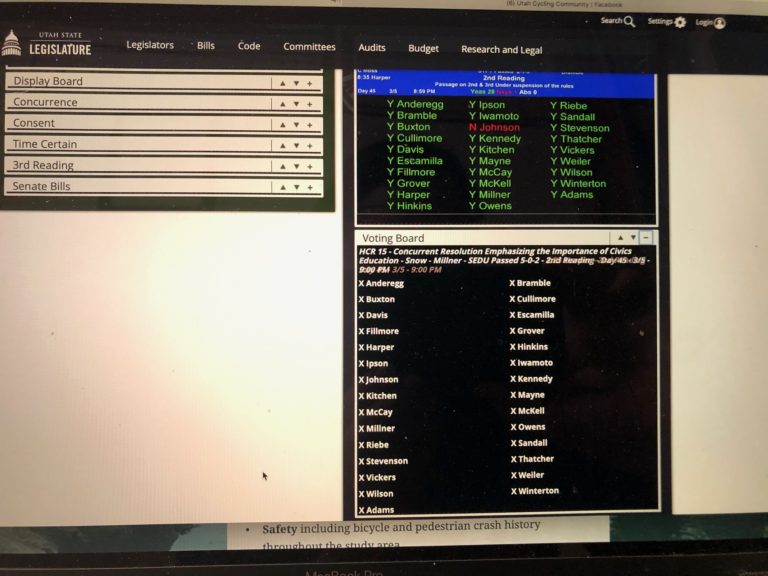
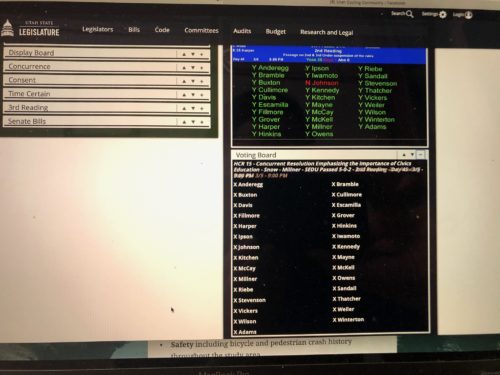
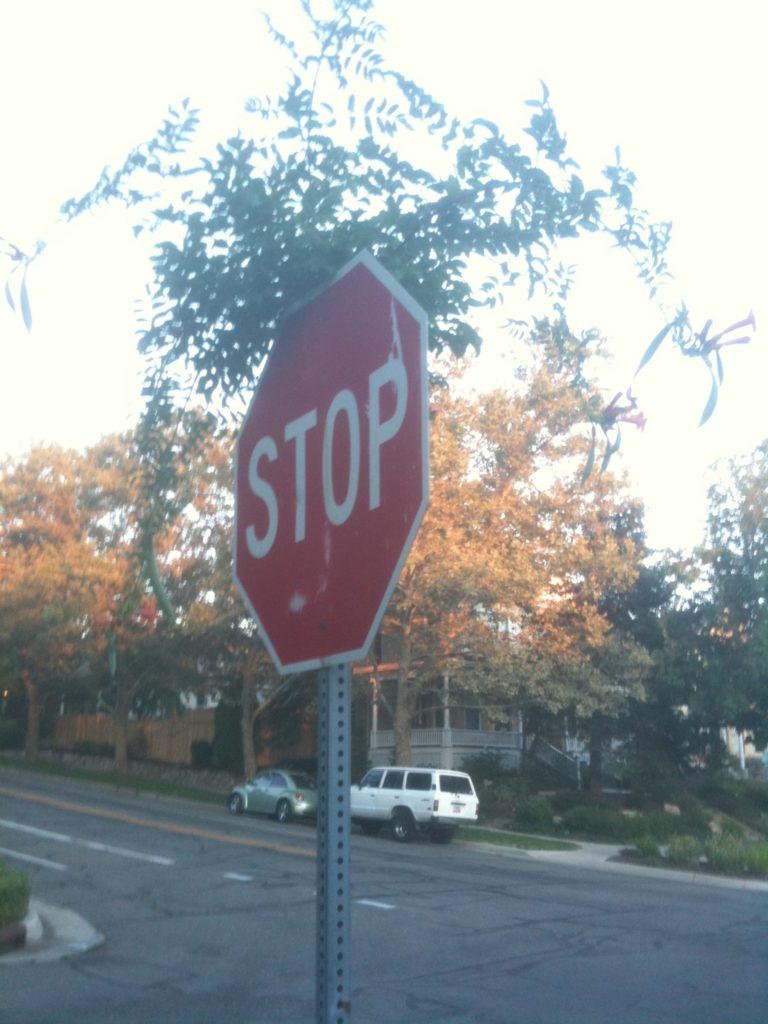
March 5, 2021 – In the last hours of the 2021 legislative session, the Utah Yield Law, HB 142, passed the Utah Legislature today with a final vote in the Senate of 28-1. The bill would allow cyclists to treat stop signs as yield signs. Rep. Carol Moss has put this bill forward since 2011, and after the fifth try, the bill finally passed. Even Sen. Harper, a previous foe of the bill, voted to pass, and noted, “I’d like to explain my vote. I’ve had concerns with this for ever year it’s come up. It’s time to stop, and Rep. Moss has won, therefore I vote Aye.” Sen. Bramble sponsored the bill in the senate. Sen. Johnson was the only no vote.
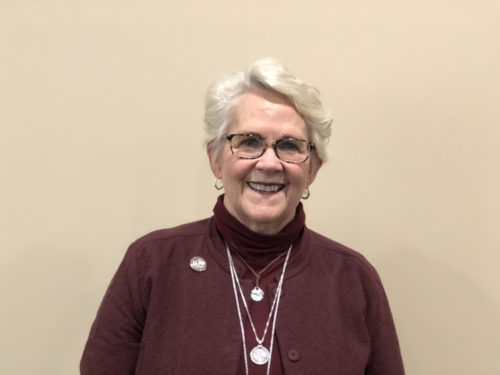
Rep. Moss commented, “With the continual support and encouragement of our great community of cyclists, I persisted in running this bill. One big difference this year is that more legislators than in the past are cyclists, so they get it now. I’m thrilled to have Utah joining Idaho, Oregon, Arkansas, and Delaware. I believe Utah will be leading the way in encouraging more and safer cycling.”
Rep. Carol Moss worked for 11 years to get the Stop as Yield Law (Idaho Stop) passed in Utah. Photo by Dave Iltis
This year, the bill was modified to remove stop lights as those already do have a provision in Utah code for cyclists to cross after 90 seconds if they don’t trigger for cyclists.
Utah joins Idaho, Oregon, Delaware, and Arkansas as the current states where the Idaho Stop has passed.
The next step before it becomes law is for Gov. Cox to sign the bill. If he signs the bill, it would be enacted later this year. Cyclists are cautioned to stop at stop signs until the law is enacted.
(5) (a) As used in this Subsection (5), “immediate hazard” means a vehicle approaching
91 an intersection at a proximity and rate of speed sufficient to indicate to a reasonable person that
92 there is a danger of collision or accident.
93 (b) Except as provided in Subsection (6), an individual operating a bicycle approaching
94 a stop sign may proceed through the intersection without stopping at the stop sign if:
95 (i) the individual slows to a reasonable speed; and
96 (ii) yields the right-of-way to:
97 (A) any pedestrian within the intersection or an adjacent crosswalk;
98 (B) other traffic within the intersection; and
99 (C) oncoming traffic that poses an immediate hazard during the time the individual is
100 traveling through the intersection.
101 (6) Subsection (5)(b) does not apply to an intersection with an active railroad grade
102 crossing as defined in Section 41-6a-1005.
HB 142, the Utah Yield / Idaho Stop bill, passed the Senate 28-1. This is the voting board.
LEHI, UTAH — March 2, 2021 — Serial 1 Cycle Company, a dedicated eBicycle brand formed in partnership with iconic American motorcycle manufacturer Harley-Davidson, Inc., announces the establishment of Western U.S. headquarters in Salt Lake City’s neighboring Lehi, Utah. The area, home to a growing number of other technology start-ups, is known as Silicon Slopes.
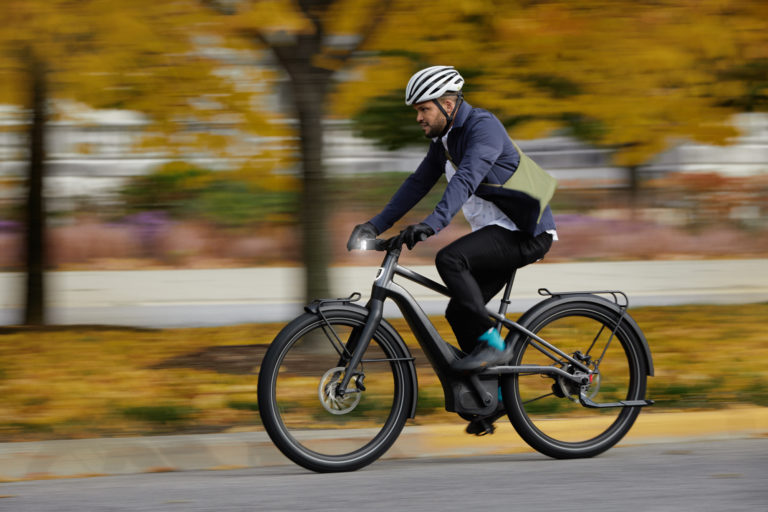
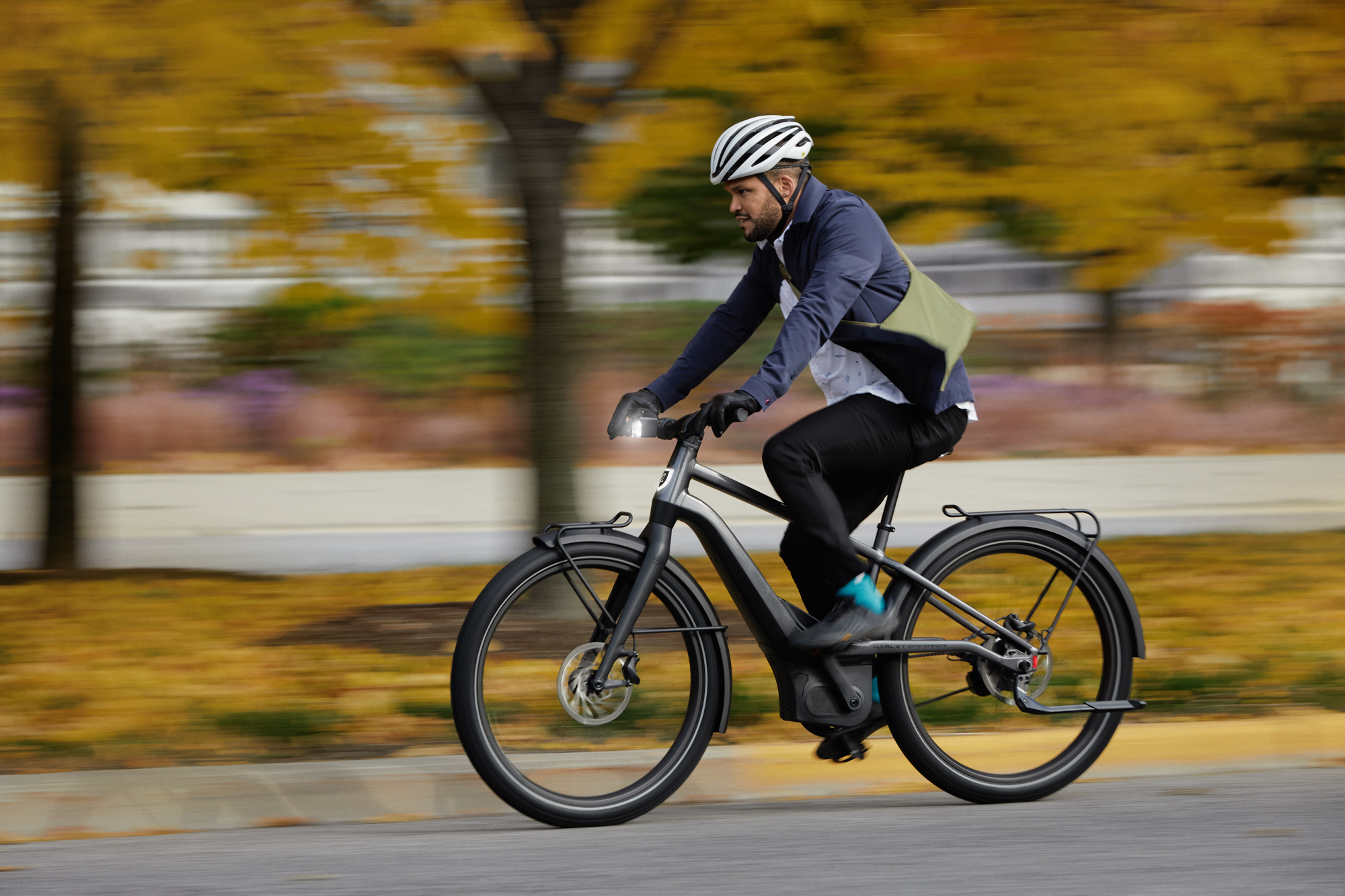
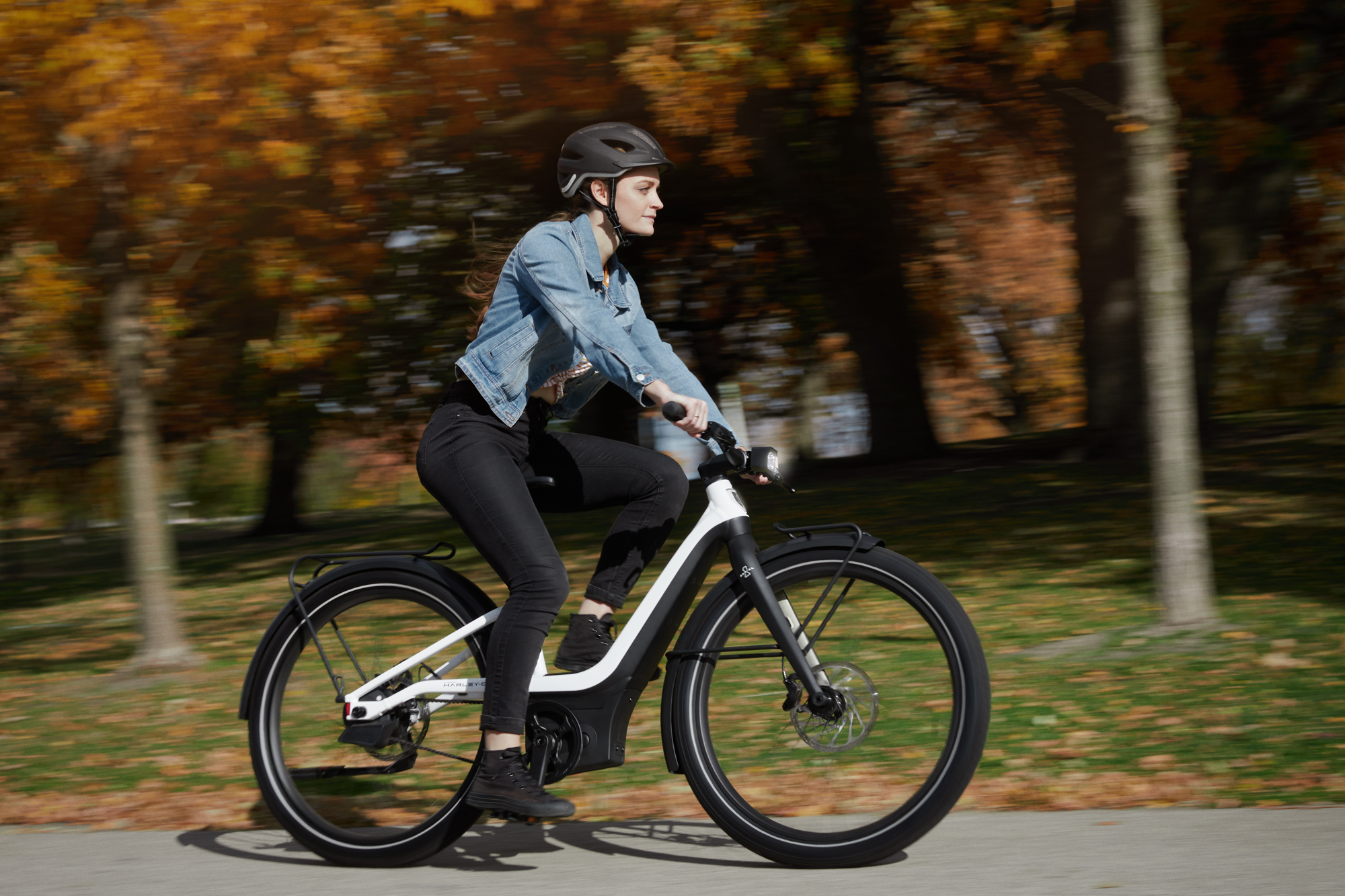
Serial One RUSH/CTY SPEED eBicycle. Photo courtesy Serial One
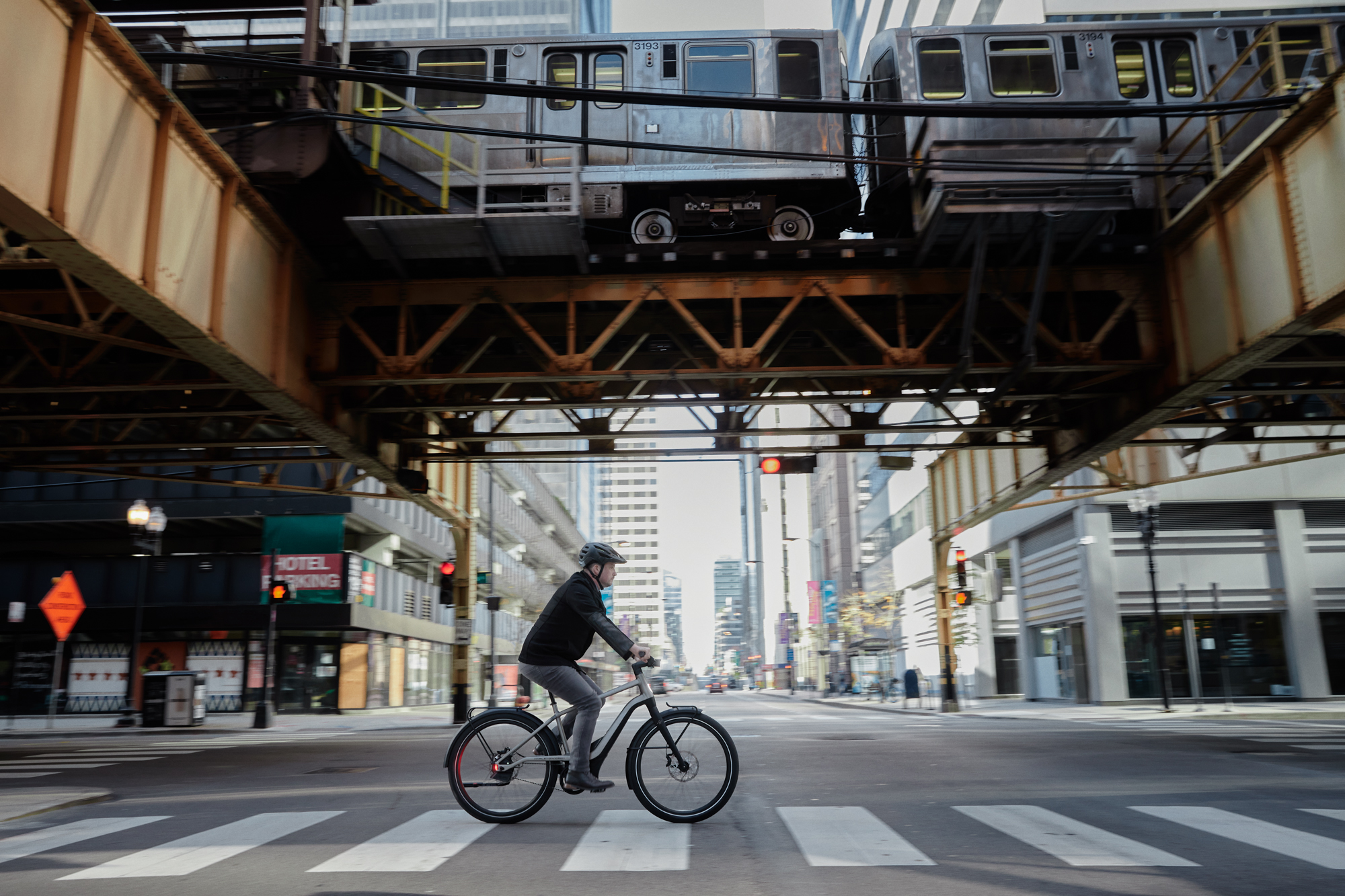
Serial 1 has a full line of /CTY eBicycles designed for commuting and recreational riding. The bikes will feature aluminum frames, mid-mount motors, and four ride modes.
Serial 1 inhabits a private office in Lehi coworking space, kiln, known for its full-service amenities and mountain views. Recent hires include Vice President of Sales & Service, Brandon Proctor, who is relocating to the Salt Lake City-region from Dallas, and Jon Ward, Vice President of Marketing.
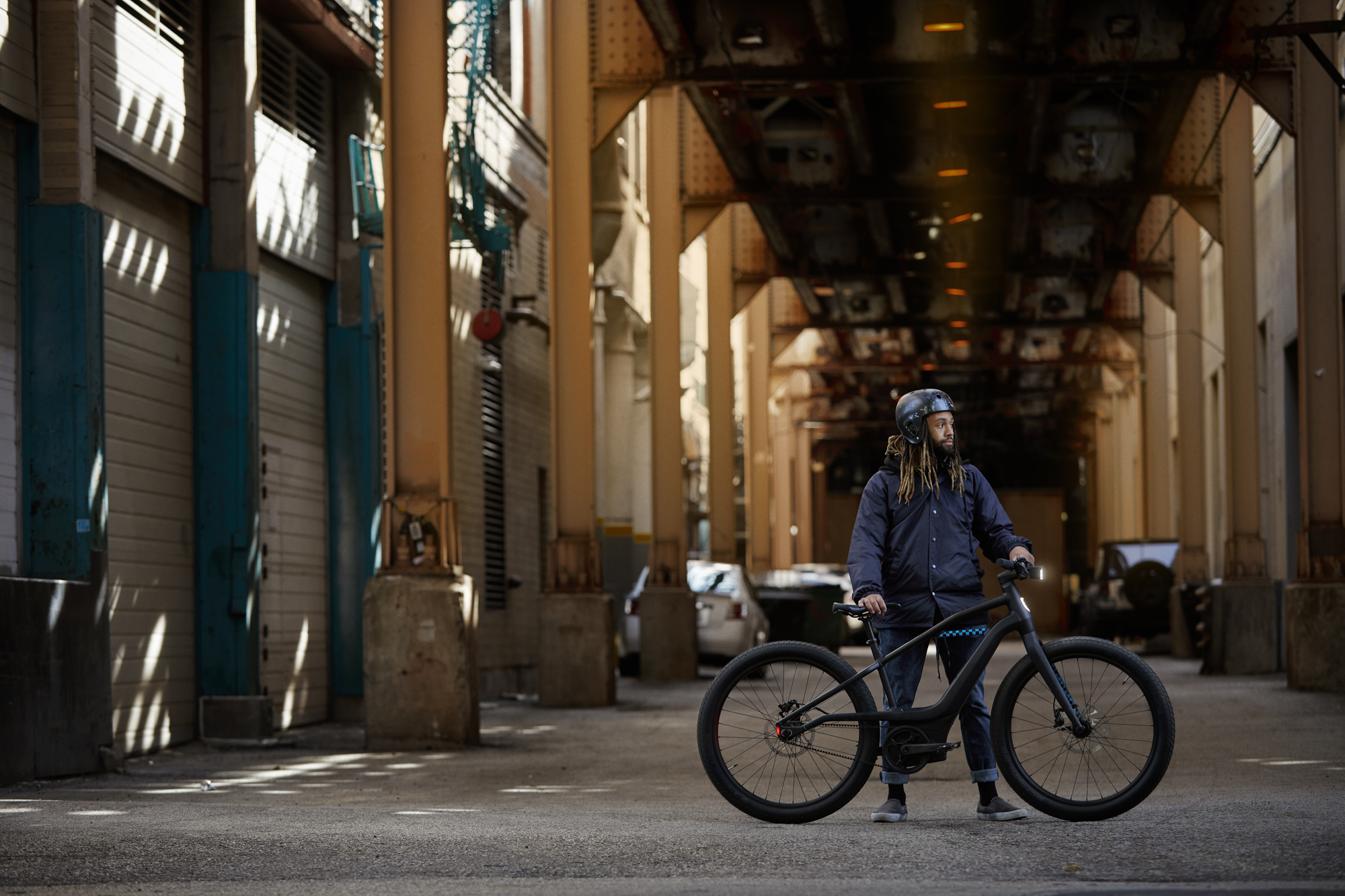
Serial One MOSH/CTY eBicycle. Photo courtesy Serial One
“We are inspired by the energy, growth and passion for entrepreneurship in the burgeoning Silicon Slopes,” said Jason Huntsman, President of Serial 1 Cycle Company. “Plus, Utah is an incredible place to enjoy the outdoors and we’re looking forward to exploring the many bike paths and bike lanes on our eBicycles.”
Serial 1 anticipates hiring at least 20 additional staff members in the Utah office over the next twelve months. Current open positions include: sales, customer service, ecommerce and web development.
Serial One RUSH/CTY STEPTHRU eBicycle. Photo courtesy Serial One
Serial 1 will maintain an office in Milwaukee, the birthplace and headquarters of Harley-Davidson, where the Serial 1 engineering department works closely with the iconic American motorcycle manufacturer.
Taking its name from “Serial Number One,” the nickname for Harley-Davidson’s first motorcycle, Serial 1 Cycle Company combines Harley-Davidson’s world-class product development capability and leadership in two-wheel electric propulsion with the agility and innovation of a start-up brand dedicated exclusively to the eBicycle product and customer.
The company will deliver its first eBicycles, available for presale now, in Spring 2021.
Nearly 1,000 advocates for better biking to attend the National Bike Summit
February 24, 2021 — Washington, DC — With more people biking and more Americans than ever before supporting increased investment in biking and walking infrastructure, the League of American Bicyclists’ will bring together nearly 1,000 attendees at its 22nd annual National Bike Summit with a shared goal to make bicycling safer, easier, and more accessible to more people. This year’s theme is “Bikes: Our Vehicle for Change”.
The Summit will take place entirely online from February 28 – March 3, 2021, offering people across the globe the opportunity to participate in the movement to build a Bicycle Friendly America for everyone.
The General Admission registration fee for the event is $180.00.
Just like previous Summits, #BikeSummit21 will conclude its programming with a Lobby Day on March 3, where hundreds of advocates for better biking will meet with their representatives in Congress and ask lawmakers to support transformative investments in transportation.
Media may request access to the National Bike Summit by emailing [email protected] for instructions.
Plenary speakers at the 2021 National Bike Summit include:
Representative Peter DeFazio, Chairman, House Committee on Transportation & Infrastructure
Senator Tom Carper, Chairman, Senate Committee on Environment and Public Works
Charles T. Brown, MPA, researcher and thought leader
Representative Earl Blumenauer, Co-Chair of the Congressional Bike Caucus
Representative Adriano Espaillat, Sponsor of HR 463, the Transportation Alternatives Enhancements Act
Panel sessions include:
“Slow Streets and Quick Builds: Infrastructure in the Age of COVID” featuring speakers from Oakland, California, and Cambridge, Massachusetts
“Empowering More Women to Bicycle for Everyday Transportation through Women Specific Bike Events” where attendees can learn from women who have organized and led successful events
“Self-Enforcing Streets and Slower Speeds” which will look at ways to design roads and public spaces that are safe for all people and reduce armed enforcement
“Making Cars That Don’t Kill”, a discussion on the many ways we could reshape the automotive industry to design cars that are safer for everyone on the road
“Data & Counting Tools to Keep the Bike Boom Going” including insights on bike ridership during the pandemic and what the future holds
Representatives from the Federal Highway Administration will present information and research on their bicycling programs
Multiple opportunities to hear about how making biking better in communities has improved the public health of people living in those communities
“Reaching & Teaching Motorists the ‘Share the Road’ Message” featuring three approaches to reaching and teaching motorists the message of Sharing the Road
Other programming highlights:
Virtual rides around Delft in the Netherlands with Chris and Melissa Bruntlett, with Modacity, and around Washington, DC, with Jeff Miller, the DC Cycling Concierge
Access to the Bicycle Film Festival, and the world premiere of “Together We Cycle”
Workshop for bike clubs sponsored by SRAM on how to get even more people riding in 2021, with post-pandemic guidance from USA Cycling’s Chief Medical Officer Dr. Michael Roshon
Sessions for state and local advocacy groups sponsored by PeopleForBikes on how to keep our momentum moving towards a Bicycle Friendly America for everyone
Wednesday sessions for non-Lobby Day participants, including targeted programming for college and university representatives and local government officials
The full agenda and registration may be accessed at bikeleague.org/summit. Registration for the Summit is open throughout the conference. Thanks to the Summit sponsors, scholarships have been made available to participants.
Congratulations on your recent signing with Rally Cycling. We will get to that in a little bit, but first I’d like to ask you a few background questions for our readers. First a few quick shots, and then into the real questions.
Nickname(s): KT, KTC, roommates call me Kat
Favorite food: Tacooossss!!
Favorite coffee/tea beverage: Cappuccino
Favorite book: Animal Farm
Favorite movie: Talladega Nights
Favorite music: I love old country, George Strait is one my favorite artists
Favorite quote: “It ain’t over till it’s over.”
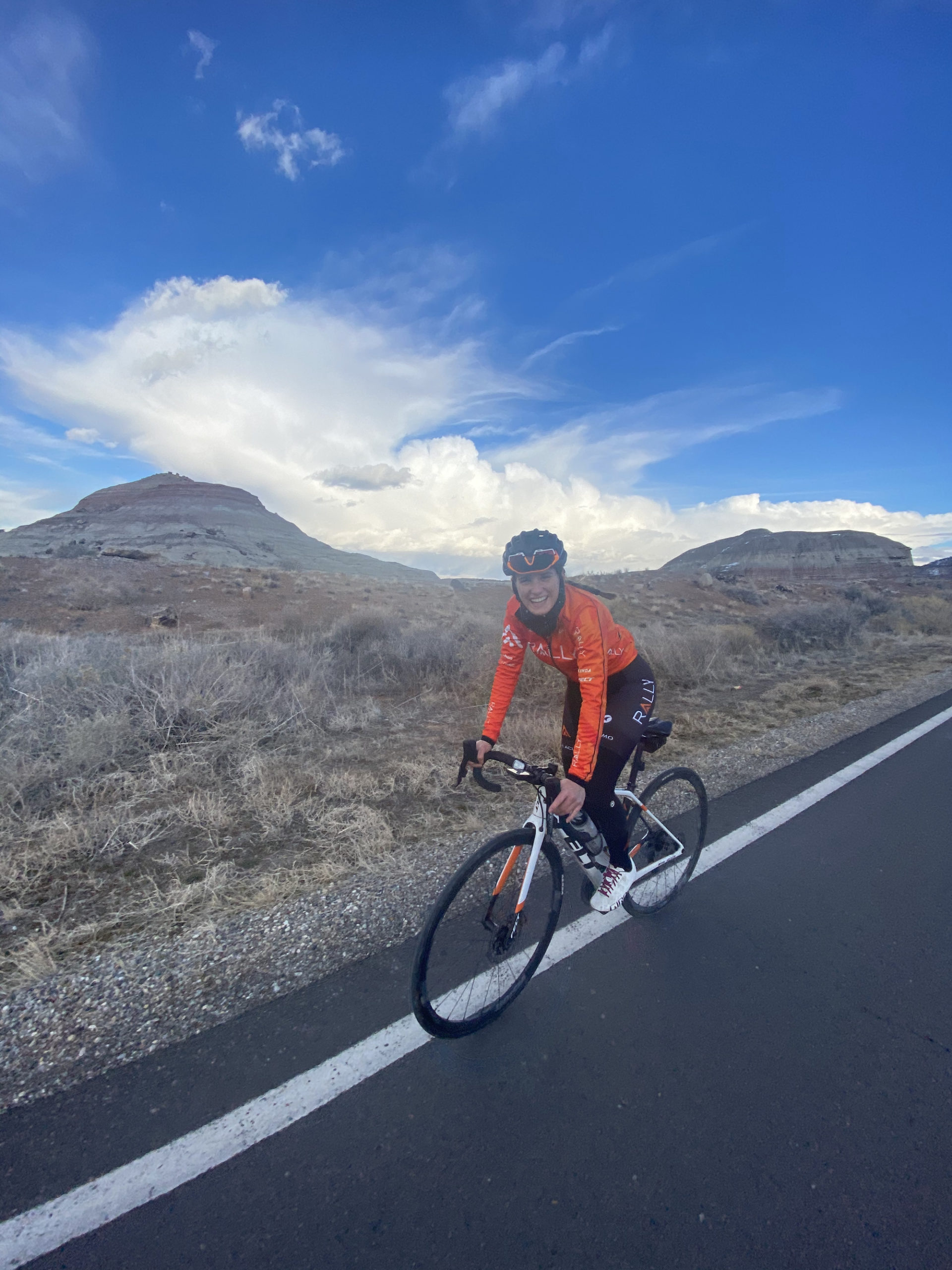
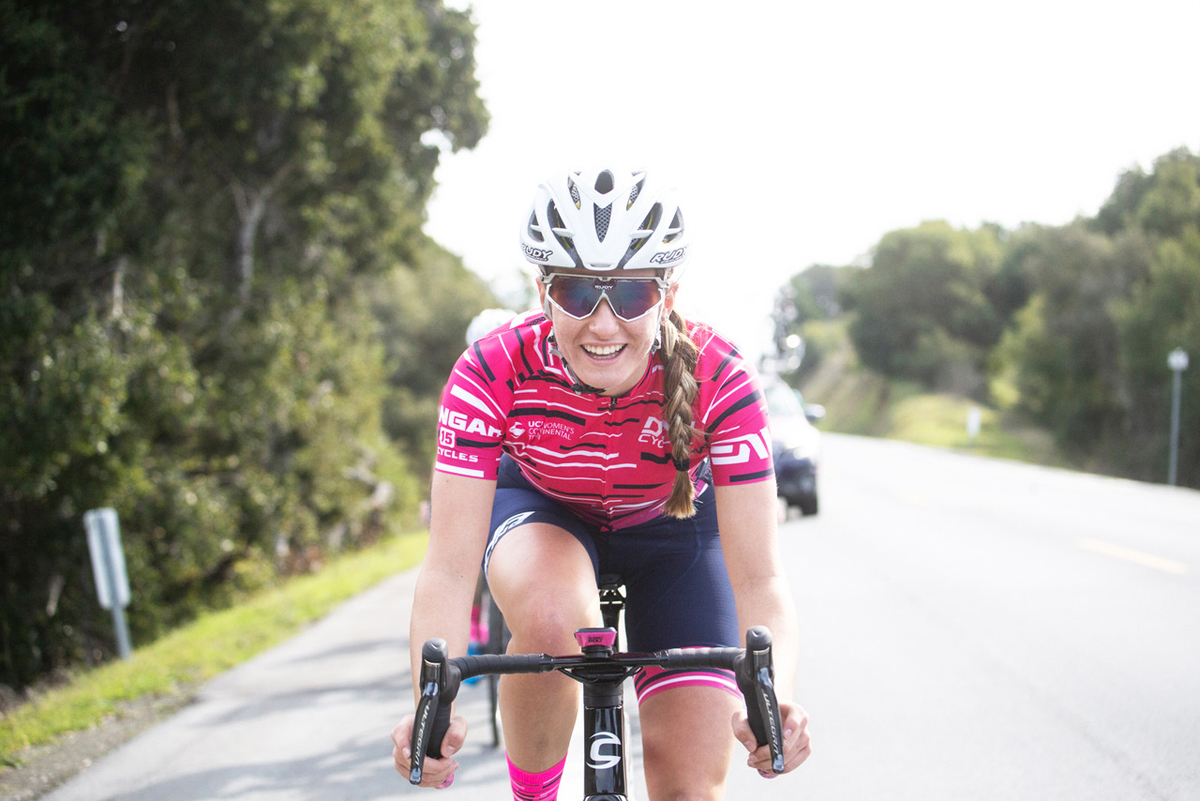
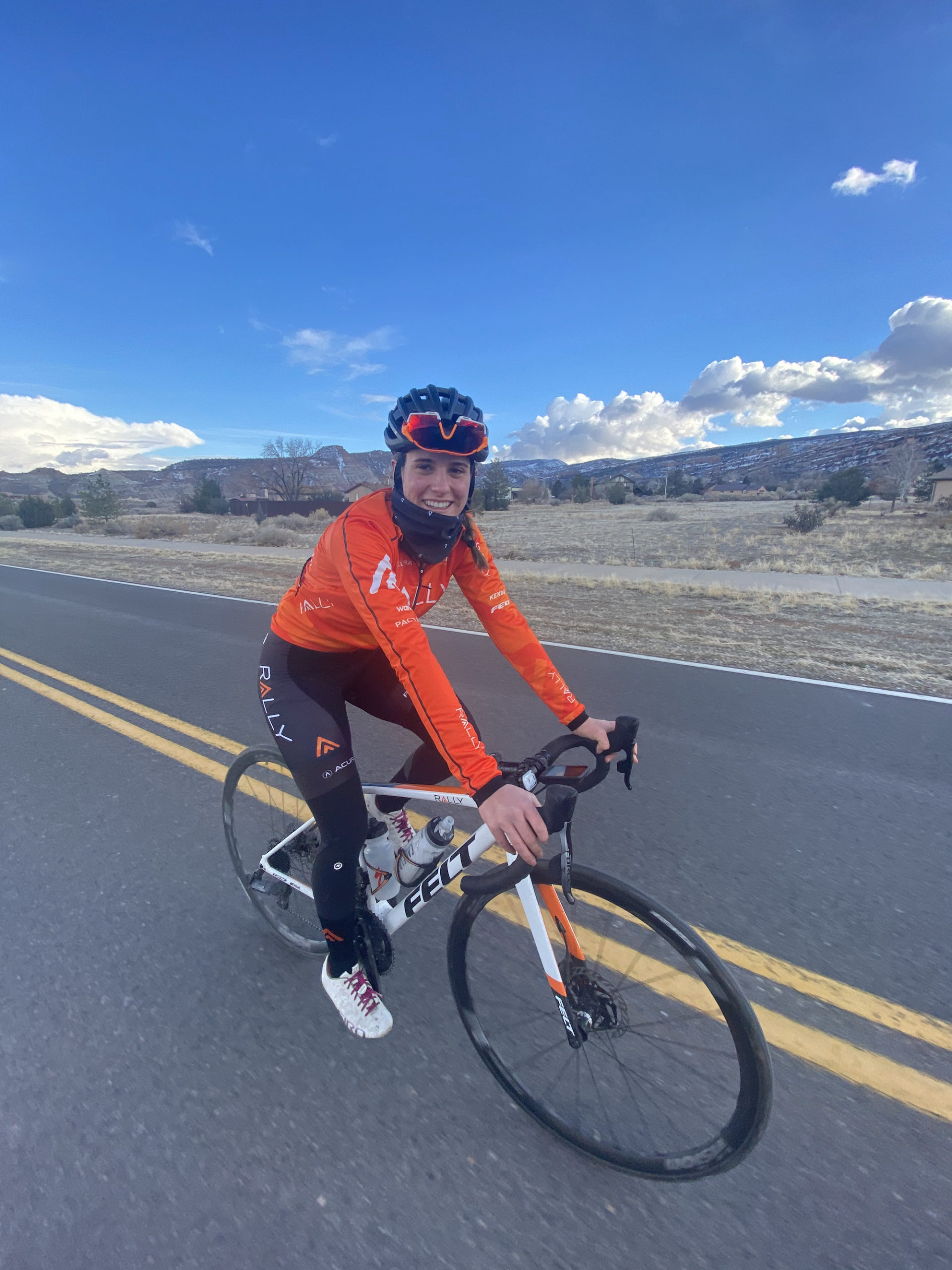
Utah’s Katie Clouse has joined Rally Cycling for 2021. Photo courtesy Katie Clouse
SLS: How did you first get into cycling, and when did you realize that the sport is something you really have a talent for?
KTC: I first started riding MTBs outside off my backyard around 8 years old. I grew up skiing and always thought that was where I would end up. I really was not great my first few MTB races but as soon as I got the gist of it, it’s like something clicked for me and I went from and 8 year-old who basically just got off training wheels to winning a national championship the following year.
SLS: Who are your heroes and inspirations as a cyclist?
KTC: I had a lot of heroes and role models growing up. The whole Utah cycling community were my heroes. I raced with girls who pushed me to be better every race. Women who were still congratulating me at age 12 when I was racing against them. Cole Sport, DNA Cycling and Hangar 15 (Canyon Bicycles at the time) were my heroes because they put me into this sport and gave me the pathway to succeed for the rest of my career. Though, if I had to choose one person as my inspiration it would probably be Pauline Ferrand-Prévot. I think I was around 13 when I saw her win Worlds in every single discipline she did. That lit a fire inside me because I knew that is what I wanted to do when I was older, even if people said it was not possible.
SLS: You are just 19 years old, but have already won 31 national championships, across various age categories and disciplines. Is there a particular championship race that really stands out against the rest?
KTC: All of them are so special to me. I, and everyone around me, has worked so hard to be able to get where I am today and have 31 National Championships. If I honestly had to pick one result, it would be the race I won at collegiate Mountain Bike National Championships (in 2019). I won in the short track with a stacked field of MTB racers.
I was nervous because I hadn’t raced much MTB that season and didn’t have a good weekend at regular MTB Nationals earlier in July. I came into Collegiate Nationals off my training from Road Worlds, which was probably the hardest and most dedicated I’ve ever been on a bike. Road Worlds went poorly for me with crashes and not being able to show my true potential. So being able to go into Collegiate Nationals and take a win with such high-level girls in my field felt amazing. It put me right back on track heading into cross season!
SLS: I got to know you when you were just starting out doing the Utah Cyclocross Series, but I understand you had already been mountain biking for a couple of years before that. When it comes down to it, what is your favorite discipline in the sport; when are you the happiest on the bike?
KTC: Racing my cyclocross bike probably gives me the most joy while racing from any of the other disciplines. But riding my MTB is probably when I have the most fun on a bike. While I’m in an off-season, I usually will take that time and go explore and ride my mountain bike for fun. It’s a good reset going into a new season of racing. I love riding my road bike as well, I have the best time on all three.
SLS: Cycling is an expensive sport, not just with equipment, but with travel as well. What kind of support have you had through your career thus far to get you to where you are?
KTC: I was lucky that my dad knew multiple people already in the cycling community before I started. I grew up racing through Cole Sports which gave me the capability to race and travel. Since it’s such an expensive sport, I really got lucky with the amount of people that were looking after me and supporting me even from when I was a little girl. Even with all this support, my parents put an immense amount of time and money into my brother and I. I am so grateful for all my sponsors and team and community that has been there supporting me, but I couldn’t of done all of this without the support of my family.
Katie Clouse is moving from DNA Cycling to Rally Cycling in 2021. Photo by Cathy Fegan-Kim
SLS: You have spent the past couple of years splitting your time between the DNA Pro Cycling Team on the road, Cannondale-Cyclocrossworld.com for cyclocross, as well as racing collegiately for Colorado Mesa University.
How did the contract with Rally Cycling come about? Has making this step been in the works for a couple of years, or is it a more recent event?
KTC: I had talked a little to Rally in previous years, nothing serious just some conversations. I think at the time they were looking for someone to really commit to all road and I was still racing ‘cross and mountain bikes at the time. DNA also was the best fit for me at the time. I wasn’t looking to do any bigger races than what I was at the time, and DNA was giving me the perfect schedule and flexibility to do all three disciplines.
This year Rally reached out to me about 2021 season and with all the uncertainty of racing next year, especially in the US, I felt like I couldn’t pass up an opportunity to race in Europe.
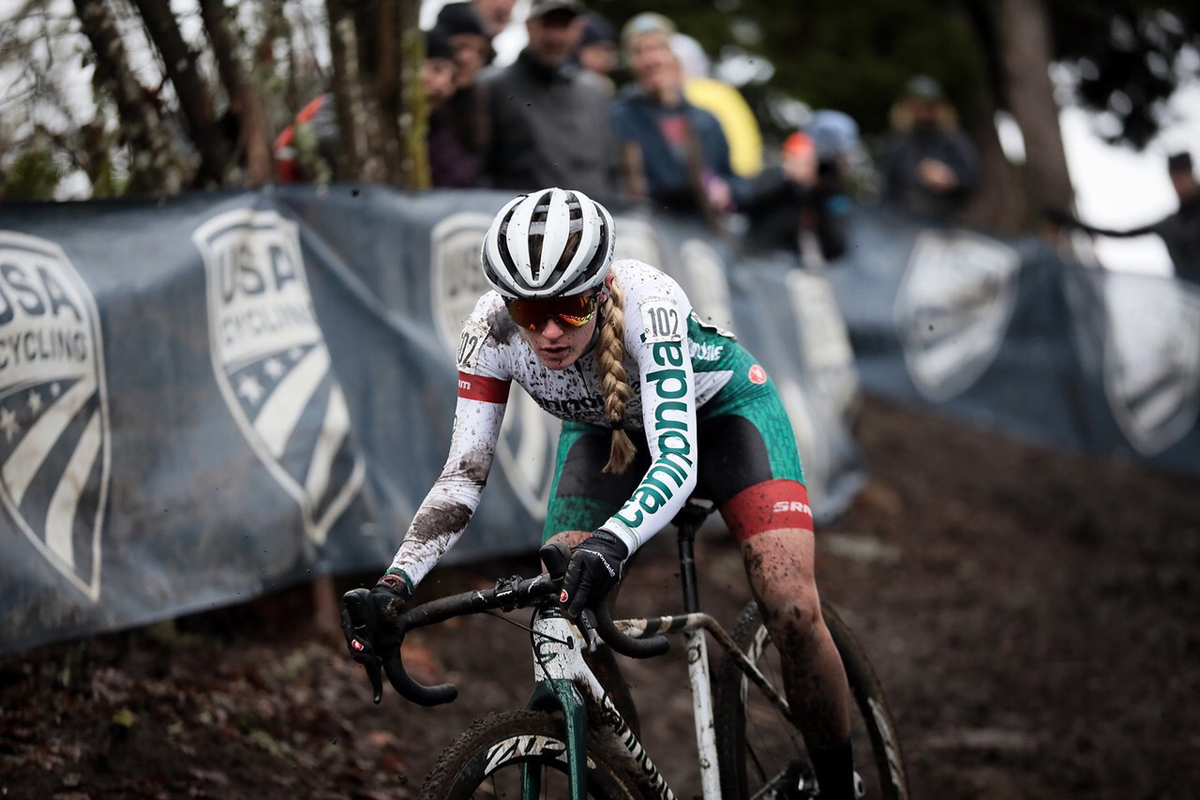
Katie Clouse raced the U23 Cyclocross Nationals in 2019-20 for Cannondale-Cyclocrossworld. She will continue to race for the team in 2021. Photo by Meg McMahon
SLS: How will racing for Rally on the road affect your ability to still race collegiately while you’re in school, and cyclocross in the winter (and will you still be racing with Cannondale-Cyclocrossworld.com or will you be racing cyclocross for Rally as well)?
KTC: I talked a lot with Rally before committing, because I know they wanted a rider who could commit to the road. I also wanted a team that would allow the type of flexibility that I needed to race Cyclocross and Collegiate with my CMU team. What drew me to Rally was the ability to be in Europe and allowing me to still race with my collegiate and cyclocross teams. I will still race ‘cross with Cannondale-Cyclocrossworld when the road season is over!
SLS: What does your program with Rally Cycling look like? How much time do you expect to spend racing in Europe in 2021?
KTC: Depending on racing, it sounds like there will be about 3 trips to Europe, about 2-4 weeks long depending on what races we get invited to and what races are able to be held with COVID-19. In between European trips, we hope to be able to race the North American stage races, Pro Nationals, etc.
SLS: Thanks so much for taking the time to answer our questions, Katie. Is there anything else you’d like to let the readers of Cycling West know?
KTC: Right now [mid-November] I am recovering from a shoulder surgery I had about 4 weeks ago caused by multiple dislocations of my shoulder. This will be my first cyclocross season that I’m not racing due to a torn labrum. My Cannondale teammates are actually over in Europe right now. I have about 2 more weeks in a sling and then another 12 weeks of PT. I’m moving forward though and feeling better everyday!
The UCI Women’s Continental Team Rally Cycling has signed junior standout Katie Clouse for the 2021 season. Born and raised in Park City, Utah, Clouse is a true all-rounder. Over the last 10 seasons, Clouse has earned 31 national titles in a variety of disciplines spanning from mountain biking, to road cycling and cyclocross, at the Junior, U23, and Collegiate levels.
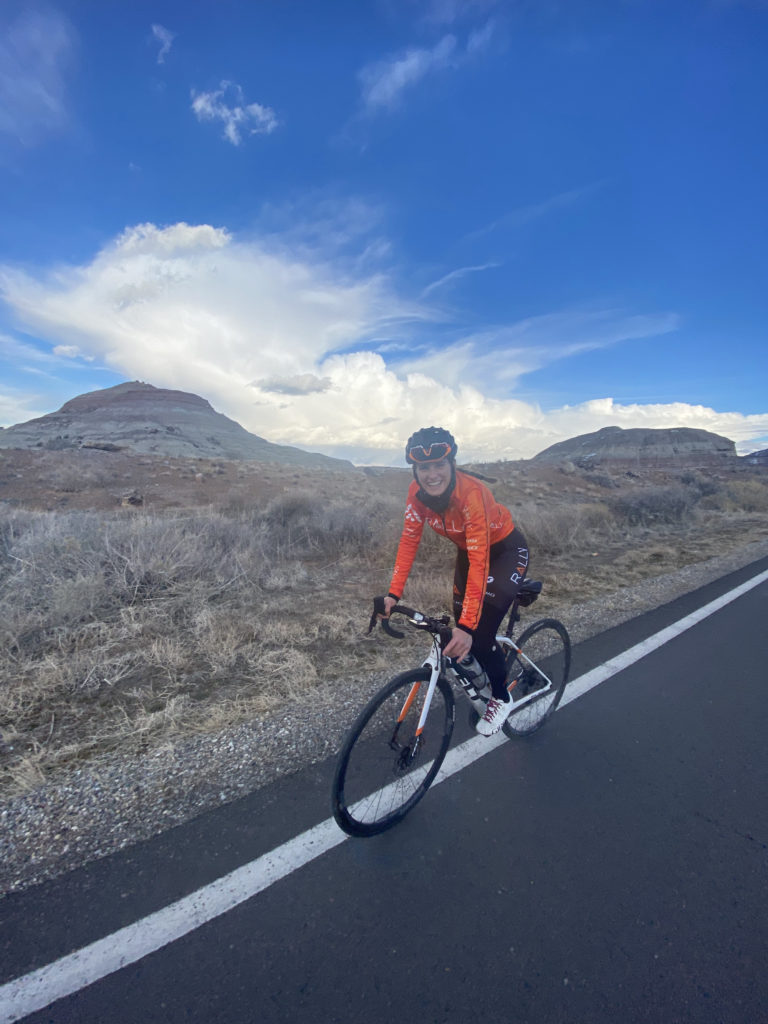
Utah’s Katie Clouse has joined Rally Cycling for 2021. Photo courtesy Katie Clouse
Currently studying Exercise Science at Colorado Mesa University, Clouse has spent the past several seasons with the DNA Pro Cycling Team, gaining experience in criteriums and domestic stage races. After a number of successful stints in Europe with the US National Team, she now feels ready to take the next step in advancing her career.
“When Jonas Carney reached out this season, I felt like I was ready to make the move to a bigger team and race bigger races,” said Clouse. “Rally Cycling has a big presence in Europe and I’m excited to take the next step in my career.”
The Utah native is an experienced bike rider, but in her mind, she still hasn’t learned what she’s best at, and is hoping to discover her specialty in the coming seasons.
In the meantime, Clouse knows what she’s looking forward to most.
“European one-days are my absolute favorite kind of racing,” said Clouse. “My cyclocross background really comes in handy when racing short, punchy climbs over mixed terrain. I can’t wait to get over there with the team.”
Despite her significant haul of national titles, Clouse is most proud of her sixth-place finish at Trofeo Binda and fifth in Gent-Wevelgem, both Junior Nations Cup races she competed in with the US National Team in 2019. The taste of success in Europe was too hard to ignore.
“I’m very motivated to help people win big races against the best competition in the world,” added Clouse. “I believe that helping teammates win in Europe is what’s going to make me a stronger and better bike racer.”
Clouse recently had surgery to repair a torn labrum after dislocating her shoulder. Her recovery is going well as she faces six weeks in a sling and is confident she will be back on the trainer in the coming days. Clouse is expected to be fully healed and ready to join her new teammates at their first training camp in Oxnard, California this winter.
BOULDER, COLO. (Feb. 17, 2021) — The Better Bike Share Partnership (BBSP), a collaboration funded by The JPB Foundation to build equitable and replicable shared micromobility systems, is pleased to announce the selection of its Living Lab grantees. BBSP will provide five organizations with funding, support and additional resources as they work to develop best practices addressing significant barriers to shared micromobility.
“Being a Living Lab means taking a deep dive into addressing the obstacles that affect access to and use of shared micromobility systems,” said Tangier Barnes Wright, partnership and program manager at the PeopleForBikes Foundation, a founding partner of the BBSP. “At the end of two and a half years, the Living Labs communities will share unique and replicable approaches to achieving equity in shared micromobility that can be utilized nationwide.”
The Living Labs grantees will build on the work of Philadelphia — the first BBSP Living Lab city — and many others by piloting, expanding, replicating or scaling strategies and tactics to improve shared micromobility for historically marginalized populations.
“These five organizations crafted creative and thoughtful proposals to look deeply at how and why people use shared micromobility — or don’t,” said Zoe Kircos, director of grants and partnerships at PeopleForBikes. “We look forward to sharing the progress, challenges and lessons learned from these Living Labs in the years ahead.”
The following projects received Living Labs funding:
Bikes for Belmont Cragin (Chicago, IL)
The Northwest Side Housing Center will work with partners to amplify the voice of youth in Chicago’s micromobility planning and implementation efforts. Teens from the Belmont Cragin neighborhood will help design and roll out a community education campaign that will focus on bikes as a way to connect the neighborhood to other transit options. Additionally, members of the Belmont Cragin Youth Leadership Council will learn bike mechanic and handling skills, which they will use to help educate their community about bike share and the many benefits of bicycling.
Building the Bike-to-Bus Connection (Detroit, MI)
MoGo, a Detroit-based nonprofit organization, and its partners will work together to identify and address the technical, behavioral and structural barriers associated with bus and bike share trips in order to create better connected transportation options in Metro Detroit. Feedback and data collected from local residents will inform strategies that MoGo will pilot and test over the course of the grant.
Indego BBSP Team (Philadelphia, PA)
The City of Philadelphia, along with partners at Bicycle Transit Systems and the Bicycle Coalition of Greater Philadelphia, will continue to refine and expand its ambassador programs and deep community engagement work, with a particular focus on the new neighborhoods that will be served by Indego’s (Philadelphia’s bike share program) extensive expansion. Additional program offerings, such as the Indego Champions and Changing Gears programs, will also be scaled up based on pilot projects completed in 2020.
PDX Prescribe-a-Bike (Portland, OR)
The Portland Bureau of Transportation and its partner, the Multnomah County REACH (Racial and Ethnic Approaches to Community Health) Program, will help local community health workers provide BIKETOWN (Portland’s bike share program) access, education and support for clients who receive county health assistance, all with the overall goal of improving health outcomes.
Red Bike Go (Cincinnati, OH)
Red Bike (Cincinnati’s bike share system) will supercharge its highly successful Red Bike Go program, implementing and assessing a variety of new strategies to increase community involvement as it expands into two new neighborhoods. Its approach will include creative partnerships with schools and community-based organizations, youth ambassadors and youth-focused programming with the integration of art throughout.
Many athletes have engraved this message into their brains: The lighter I am, the better I will perform. While lugging around excess flab can indeed slow you down, many dieting athletes are already lean for their genetics—yet may yearn to be even leaner. These tenacious dieters overlook the fact that weight is more than a matter of willpower, and ask:
What is wrong with my diet? For all the exercise I do, I should be pencil-thin by now. What should I be eating to lose weight…?
Why am I not losing weight? Am I eating too much … or too little?
When I first lost weight, I got faster and set PRs. Now, I just get injury after injury. Do you think that’s because of my diet?
If any of this sounds familiar, keep reading.
Weight-conscious athletes must remember they need to “nourish to flourish.” Denying the body of food denies it of valuable fuel and nutrients. Athletes in sports focusing on leanness or weight classes get stuck between a rock and a hard place. Speaking at the Academy of Nutrition and Dietetics (AND) annual Food and Nutrition Conference and Exposition (FNCE), Mary Jane De Souza PhD and Nancy Williams ScD, Penn. State University professors renowned for their research with female athletes, presented information that can help us learn why the quest for a lighter body commonly backfires into injuries and health issues that take a toll. Here are some key points to ponder:
You can only perform at your best if you are fueled at your best. You cannot reach peak performance when you are poorly fed. While some athletes might improve in the initial stages of weight loss, extended food restriction can lead to injuries as the body breaks down and lacks nutrients to heal quickly. Athletes with a high drive for thinness might set PRs – until they get stress fractures, torn ligaments, or a cascade of other muscle and bone injuries.
Your body needs fuel, not only to perform optimally, but also to function (pump blood, make hormones, grow hair, etc.). The energy needed to stay alive—your resting metabolic rate (RMR)—accounts for about 60 to 70% of all that you eat. You do not have to exercise to deserve to eat!
When energy availability is low, the body initiates a dangerous cascade of adaptations that lowers one’s RMR, curbs growth, and hinders reproduction. Women can stop having regular menstrual periods, and men can experience a drop in libido and sperm quality/motility. Both males and females need to eat enough to support normal body functions as well as their exercise.
Historically, female athletes thought loss of menses (amenorrhea) was a sign of training “hard enough” and being “lean enough” to be a successful competitor. We now know that amenorrhea means a 2 to 4 times higher risk of getting stress fractures (as compared to female athletes with regular menstrual periods). Athletes who experience one stress fracture are at high risk for getting more stress fractures. The combination of an energy imbalance and altered hormonal status contributes to reduced bone density and culminates in stress fractures now, and osteoporosis in the future.
Weight-conscious male cross-country runners, cyclists, and jockeys commonly have low bone density, similar to that seen in female athletes. Their bone injuries can often be linked to eating disorders. Yes, male athletes get eating disorders just like women do, though males, as compared to females, require a more severe energy deficit before bone and reproductive problems occur.
Bone loss in the spine and hip can be 2.5% per year if left unchecked. Bone loss is slow to recover and not all reductions in bone density are reversible. Nutrition strategies to improve bone health include eating more food/calories, consuming a calcium-rich food at least 2 to 3 times a day, and boosting vitamin D if blood levels are low.
To resolve the energy imbalance, athletes want to increase their food intake by at least 350 calories/day. This additional fuel can reverse the negative changes in men within a week, whereas in women, resuming menses can take months. Active women who eat more and still do not get a period for six months should consult with a reproductive endocrinologist to rule out any medical reasons for the amenorrhea.
Failing to consume enough calories can happen intentionally (with dieting) or unintentionally (with “eating only healthy foods”). Hunger can be inadequate to cue an adequate intake. So how can you tell if you are undereating? Energy deficiency can be difficult to identify because an under-fueled athlete can be weight-stable. The body simply conserves energy, which stops fat loss. That’s when athletes start to wonder: Am I overeating or undereating? If under-eating, surely the athlete would be losing fat, right? No. Nature wants to protect athletes from starving themselves to death.
Measuring energy balance is challenging and fraught with error. Counting calories and tracking how many calories you burned off with exercise can get obsessive and is generally inaccurate in that you have to account for your non-exercise calories. That is, after exercising for two-hours, do you then become a “sedentary athlete” for the rest of the day as you watch NetFlix?
Getting your RMR measured is one way to assess if you are eating enough. A simpler method is to notice if you are always cold, hungry, and thinking about food all day. If yes, and not losing body fat, you could easily be undereating. Experiment with eating more, to learn if feel warmer, less hungry, and are no longer thinking about food all the time.
The bottom line: When striving to lose weight to perform at your best, keep in mind health needs to be your most important goal. Without healthy bones and normal hormone levels, you cannot be the best athlete you want to be. You might be able to perform well at a lower-than-normal weight for a season or two but not for the long run. The best athlete is genetically gifted, well trained, and well fed. The website femaleandmaleathletetriad.org offers more information.
By David Bern — Even a global pandemic can’t keep the race faithful away from legendary road race
When it comes to the LoToJa Classic’s pantheon of multiple winners, Cameron Hoffman and Lindsey Stevenson have VIP status.
Both Utah cyclists showed that not even a coronavirus pandemic, or a hiatus from bike racing, could stop them from returning to the top of the podium in the renowned 203-mile/327-kilometer road race from Logan, Utah, to Wyoming’s Jackson Hole Mountain Resort on September 12.
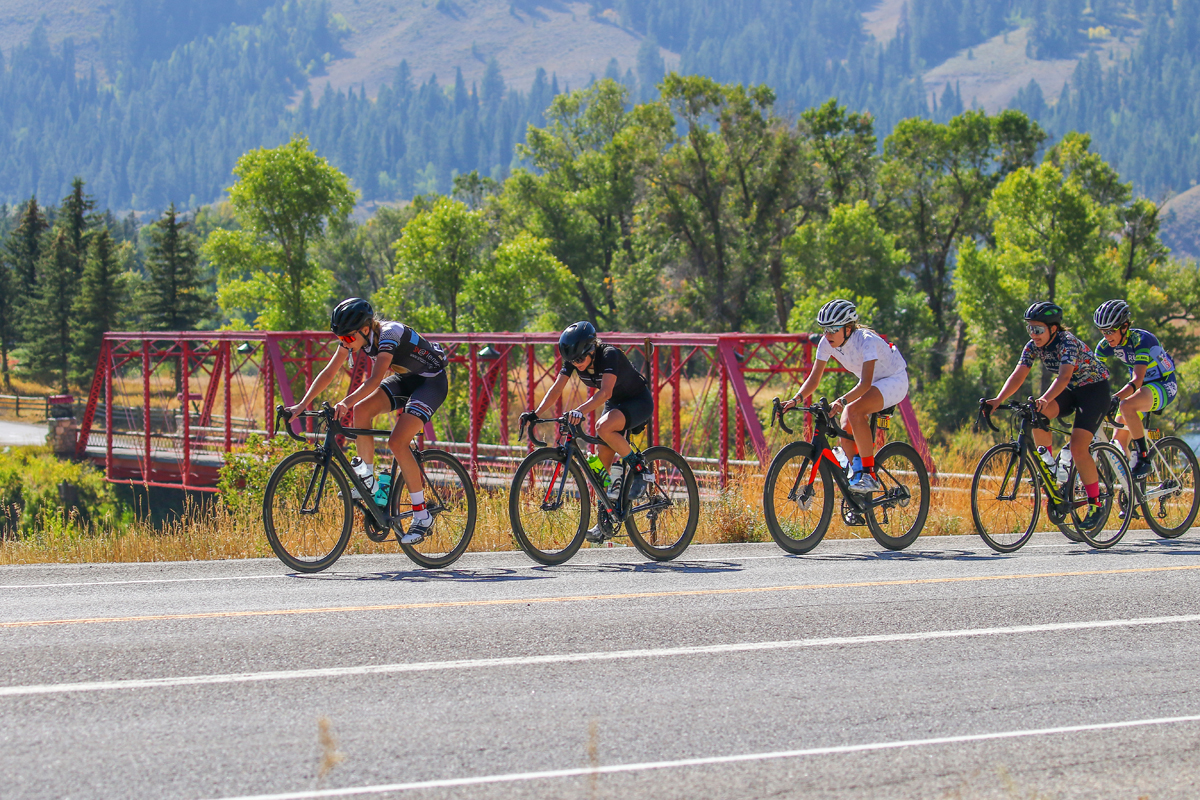
A peloton of women cyclists work a pace line along the Snake River a few miles south of Hoback Junction, Wyoming, in the 38th annual LoToJa Classic on Sept. 12. A total of 41 licensed women cyclists ranging from Pro 123s to Women’s Master 45+ Open competed in the race. Photo courtesy of Snake River Photo.
Hoffman, (Team Endurance360), a 42-year-old Cat. 1 rider from Clearfield, Utah, won the Men’s Pro 123 race in 9:02:48 after a 200-meter sprint to the line against 2018 winner Spencer Johnson (Team Johnson Elite Orthodontics) of Riverton, Utah, and three other cyclists who were part of the day’s break.
It was Hoffman’s fifth LoToJa win since taking his first Men’s Pro 123 title in 2007. Three more followed in 2008, 2009 and 2014. In 2014 he set a new course record of 8:45:38 that held until 2017 when Kai Applequist of Boise, Idaho, set a new record of 8:42:31. That mark fell dramatically in 2018 when Johnson reset the record by 24 minutes (8:18:29) after a day of strong tailwinds.
“Everything came together for me in small ways at the right time,” Hoffman said about his fifth LoToJa win.
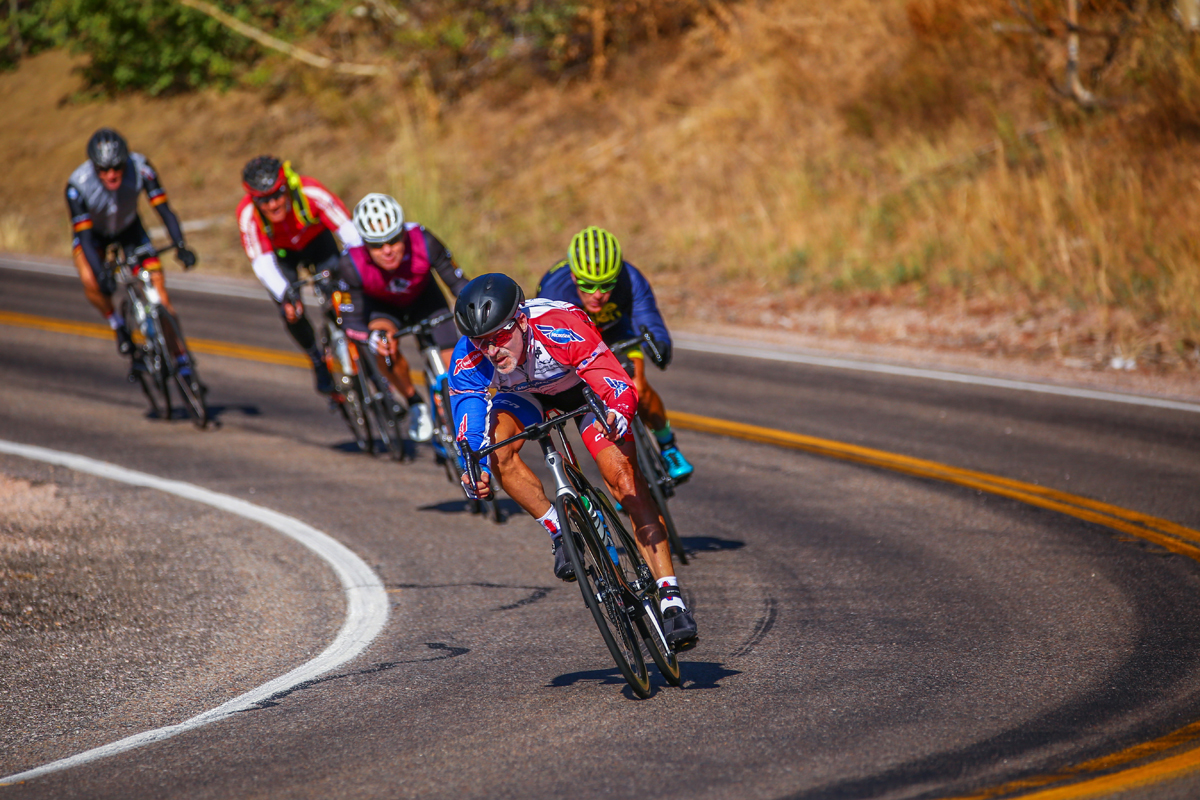
Mark Schaefer (Team Maddog Racing P/B Hammer Nutrition) arcs a turn while descending into Bear Lake Valley from Strawberry Summit in the 38th annual LoToJa Classic on Sept. 12. He won the Men’s Master 60+ open category with a time of 9:45:24. Photo courtesy of Snake River Photo.
Stevenson, 31, (Team Spry/Zone 5), a Cat. 2 rider from Cottonwood Heights, Utah, won her third LoToJa Women’s Pro 123 title with a time of 10:07:48. She soloed across the finish despite flatting before Afton and waiting nearly 5 minutes for a wheel change. She and Amy Heaton (Team Johnson Elite Orthodontics), a Cat. 4 rider from Salt Lake City, were off the front when Stevenson had the mechanical.
Heaton continued alone, winning the Women’s Cat. 4/5 title with a time of 10:02:17, and was the first licensed woman to cross the finish. Regardless of category and age, all licensed women cyclists at LoToJa start together because of lower field numbers. They are also allowed to ride together, but respective category wins are maintained despite mixed-category finishes.
“It was a good day,” Stevenson said about winning her third LoToJa. She won in 2017 and 2018. “It was still a really good result for me. … In a personal way, it was a victory.”
Hoffman said he knew it was going to be a “tough day” when he saw how many Pro 123 riders pedaled away from the 4:50 a.m. start at Sunrise Cyclery in Logan. He said 37 had registered, but only 19 showed up. With so few racers, those who were there to win would have to work harder. Hoffman said five of the 19 cyclists were from Team Johnson Elite Orthodontics (JEO) — and he was there without any teammates. The Men’s Pro 123 riders usually start a few minutes after 6 a.m., but started at 4:50 a.m. because of the pandemic and LoToJa’s COVID-19 adaptations to further disperse riders on the parcours, at feed zones, and at the finish.
“They’re all fast, potential winners,” Hoffman said of JEO’s riders, whom along with Spencer Johnson, included 2019 LoToJa winner Roger Arnell of Farmington, Utah; Nathan Manwaring of Morgan, Utah; Chad Chenoweth of Salt Lake City, Utah; and Justin Wagner of Midvale, Utah.
But according to Hoffman, his biggest threat on the road was Nathan Spratt (Team Ascent Cycling p/b RB Health) of Salt Lake City.
“He is really, really strong,” Hoffman said.
Spratt soon put that strength on display. After the 14-man peloton rode through Cache Valley to Preston, Idaho, (29mi/47km) in the dark and morning chill of 35 degrees, Spratt attacked during the 22-mile climb to Strawberry Canyon’s 7,424-foot-high summit (57mi/92km). He eventually created a gap that reached several minutes.
With Spratt’s solo break, Team JEO riders went to the front, which Hoffman said was good for him. Hoffman said he and about 12 cyclists rode high tempo over Strawberry Canyon’s summit, through Bear Lake Valley to Montpelier (76mi/122km) and over 6,923-foot-high Geneva Summit (84mi/135km).
But on the four-mile climb to 7,630-foot-high Salt River Pass (106mi/171km), the chase group whittled down to Hoffman, Johnson, Arnell, Nathan Spratt’s brother, Marc Spratt (Team Groove Subaru), and Bonn Turkington (Team Hangar 15). LoToJa’s highest summit features a 9-percent pitch during the last mile. Johnson was the first to reach the summit, but the riders regrouped and descended into Star Valley. The headwind they had been fighting since Cache Valley intensified on the way to Alpine Junction (156mi/251km). Along the way Turkington dropped off, leaving Hoffman, Johnson, Arnell and Marc Spratt as the remaining chase group. Nathan Spratt was still several minutes out on a flyer.
“For me, Star Valley is just to get through it,” Hoffman said. “It is the most stressful part of the entire race.” He noted rumble strips in the shoulder and sometimes heavy traffic contribute to that stress.
Hoffman said attacks began in earnest before and through Hoback Junction (178mi/286km). He and the chase group caught Nathan Spratt just before Hoback, who had been off the front for 120-plus miles. Hoffman said Spratt was hunched over and ill with apparent stomach problems.
“Poor Nate,” Hoffman said. “He didn’t look good.”
But then Hoffman realized that Nathan Spratt wasn’t the only cyclist riding for the win who was in trouble. With Spratt’s brother, Marc, in the group, along with JEO riders Johnson and Arnell, Hoffman concluded, “I’m the odd man out here. Nobody is going to help me.”
But with four LoToJa titles to his name, he’d been in this spot before. He knew what had to be done to be the victor at Jackson Hole Mountain Resort.
“When your back is to the wall, you have to fight, you have to focus hard,” he said. “And that’s hard to do during a 7- to 8-hour endurance event.”
Hoffman said the attacks from Johnson and Arnell before and after Hoback Junction were “frequent and severe.” He said he chased everyone down alone. He said the Spratt brothers were both “completely fried” and didn’t give chase.
The attacks from Johnson and Arnell continued on South Loop Road, Hoffman said, and further increased during the seven-mile run on Village Road to the finish.
“It was game on,” Hoffman said about the duel between him, Johnson and Arnell on Village Road. “Spencer and Roger continued to trade off attacks. … But I just wouldn’t let them open up a gap. Not an inch or they’d take a mile.”
Hoffman said at less than a mile to go, he was at the front of the 5-man group. He slowed down to around 15 mph, but no one would come around. At that moment, Hoffman knew he would have to sprint like on a velodrome, which he knew how to do. In 2016 he won a USA Cycling Masters Track National Championship in the points race at Major Taylor Velodrome in Indianapolis.
“At the cones about 450 meters out, I was still at the front going about 15 miles per hour,” he said. “At about 225 meters to go, I went for it. I gave it everything I had. … It felt like a match sprint.”
With a bike throw at the line he held off Johnson by half a wheel, followed immediately by Nathan Spratt, Arnell and Marc Spratt. Coming in at sixth place was Manwaring at 9:19:39, followed by Mike Price (Team Alcatrazz) of Salt Lake City at 9:19:39 for 7th; Paul Thomas (Team Squad Cycles) of Tucson, Arizona, at 9:26:09 for 8th; Matt Moncur (Team Ascent Cycling p/b RB Health) of Boise, Idaho, at 9:27:19 for 9th, and Thomas Moncur (Team Ascent Cycling P/B RB Health) of Farmington, Utah, at 9:28:58 for 10th.
Hoffman indicated the win was extraordinary because he returned to bike racing in 2020 after a 3-year break. He hung up his wheels in 2017 until this year to spend more time with family. But when the pandemic hit earlier this year, his three children’s after school sports activities stopped — which gave him time to get back on the bike.
“I didn’t race or do any organized training during that time,” he said about his time off the bike. “When I started riding this year, I had to lose 12 pounds. … I had a battle getting back into shape, into winning form.”
But the battle soon paid off. In May he won the Goshen Circuit Race, took fifth in the West Mountain Road Race in June, and first at the John Lauck Memorial (Tax Day Circuit Race) in Marsh Valley, Idaho, in August.
“Goshen was my first race in three years — and I won,” he said. “That was cool.”
But not as cool as winning LoToJa for the fifth time, under challenging conditions, and during his first year back on the bike. He offered no definitive commitment, but said he thinks he’ll be back next September to defend his title.
Women’s Race
Although Lindsey Stevenson wasn’t off the bike for three years, she faced her own battle to get race fit for this year’s LoToJa. In June 2019 she gave birth to her first child. Although Stevenson rode during the pregnancy, it was just to maintain some fitness. She said she was back to racing six weeks after the delivery while working through post-partum. She didn’t ride last year’s LoToJa.
Going into 2020 and with post-partum behind her, Stevenson increased her training and took 2nd place in the Goshen Circuit Race in May, 7th at the West Mountain Road Race in June, and 1st at the Suncrest Hill Climb in August.
Despite the limited racing this year caused by the pandemic, and only 15 months after having a baby, Stevenson felt confident of her abilities as the 44-women field of Pro 123s (4), Cat. 4/5s (12), Cat. 5s (9), Masters 35+Open (7) and Masters 45+Open (12), pulled away from Sunrise Cyclery at 6:30 a.m.
Stevenson said the peloton rolled well through Cache Valley, with everyone taking good turns off the front in the 38-degree chill. She, and her two Spry/Zone 5 teammates, Eleise Lowe of Pleasant Grove, Utah, and Liz Apking of South Jordan, Utah, stayed together and waited for the climb to Strawberry summit.
“Eleise was animating the race through the rollers on the way to Strawberry,” Stevenson said. “I attacked on Strawberry. I didn’t want to red line. I just wanted to drop most of the field. … It’s ideal to have just four to six women over the top.”
But instead of a small bunch nearing the summit, Stevenson and Lowe were alone. As they crested Strawberry, Heaton bridged up. The three riders began the fast descent into Bear Lake Valley.
“Everyone worked together,” Stevenson said. “Amy is super tiny, but she took her turns [at the front].”
The women stopped briefly at the feed zone in Montpelier (76mi/122km) to maintain their lead over the peloton. After climbing 6,923 foot-high Geneva Summit (84mi/135km), the three worked together to the base of Salt River Pass. There, they quickly stopped for a bathroom break, and then began the 4-mile climb to the summit.
“On the climb, Eleise started to cramp,” Stevenson said. “I told her to start eating and drinking.”
But it was too late. Lowe lost contact while Stevenson and Heaton raced to the top for the Queen of the Mountain prize, which Heaton won with a time of 17:04.4. Stevenson was just behind at 17.04.7.
The two descended Salt River Pass into Star Valley and Stevenson kept looking back for Lowe to bridge up. But Lowe never made it. It looked like the day’s final break would be Heaton and Stevenson. But just before Afton (122mi/193km), Stevenson flatted.
“It was a weird moment, because Amy and I are not in the same category,” Stevenson said. “She asked me what she should do, and I told her to do what she felt she needed to do.”
Heaton rode away and got nearly four minutes up the road before Stevenson got a new wheel. Stevenson initially gave chase into the headwind, but after only gaining back about a minute by Thayne (137mi/220km), she chose to ride steady into the finish.
“I thought I would get caught by Eleise, but she was 7 minutes back,” Stevenson said. “By Thayne and Alpine, I started to get discouraged. I was getting passed by pacelines of men, but I couldn’t join them [to avoid disqualification].”
Stevenson explained that she loves to win LoToJa, but what she enjoys most is racing with a small group of women after Strawberry summit to the finish — working and racing, sharing the camaraderie of the day on the road — instead of soloing for 100-plus miles to the line for the win.
Yet, she still savors her latest — and third — LoToJa victory.
“It feels really good to take another win in the P 123 field at LoToJa,” she said. “Anyone who has done LoToJa knows how much times goes into training all year, and it’s definitely a combined effort when you have kids. This was my first LoToJa as a mom, so it felt especially good to come back and win after having a baby last year.”
Lowe took 2nd place in the Women’s Pro 123’s with a time of 10:12:09. Anne Donley (Team Wingman Smart Energy) of Denver, Colorado, took 3rd at 10:17:12; and Apking of South Jordan, Utah, took 4th at 10:49:41.
Stevenson added that she felt her stamina wasn’t at the level it needed to be for this year’s LoToJa. “I was pretty wrecked at the end,” she said. “The legs felt sore.”
She also expressed disappointment in getting the flat, but stressed mechanicals during a race are “part of the game.” She said Heaton saw an opportunity and went for it, calling her solo effort “phenomenal.”
Stevenson also said she plans to return next year to defend her title.
In other Women Cat. 4/5 placings, Kelsi Crotts (Team Rigr Wheels) of American Fork, Utah, took 2nd place at 10:12:17; 3rd went to Erin Ray (Unattached) of Las Vegas, Nevada, at 10:17:58; 4th to Camille Stringham (Team Jeppson) of River Heights, Utah, at 10:37:18; 5th to Krista Smith (Team LHM Cycling) of Highland, Utah, at 10:45:29; and 6th to Laurie Evans (Unattached) of Riverton, Utah, at 10:49:46.
In all there were 1,225 USA Cycling licensed and unlicensed riders at the 2020 LoToJa start line, which featured 33 categories including licensed racers (623 individuals), relay teams (193 teams; 580 participants), and cyclosportive riders (409 individuals). Categories left Logan in 5-minute intervals instead of the usual 3-minute intervals to further disperse riders on the road and at feed zones as part of the race’s Covid-19 adaptations.
Also, as part of those adaptations, non-competitive cyclosportive “ride” relay teams and full-distance cyclists finished at Jackson Hole High School instead of Jackson Hole Mountain Resort. For them the day’s total distance was 200 miles (322 kilometers).
Except for the cold start in the upper 30s, weather was favorable with mild fall temperatures and clear skies. But a stiff headwind buffeted cyclist for most of the day.
LoToJa is billed as the longest one-day USA Cycling-sanctioned bicycle race in the U.S., with three mountain passes, and nearly 10,000 vertical feet of climbing. The 203-mile/327-kilometer parcours passes through northern Utah, southeastern Idaho and western Wyoming.
The race was first held in 1983 with only seven cyclists. Now, nearly 2,000 ride LoToJa every year.
But that number was cut by approximately 20 percent this year as part of the event’s Covid-19 adaptations. Chambers had incorporated over 50 specific health safety actions and requirements to further mitigate viral transmission.
Both Hoffman and Stevenson said they felt entirely safe from Covid-19 before, during and after the event. They both expressed confidence in Chambers’ efforts to reduce infection risk to riders, support crews and staff.
“Brent did the best he could to prepare riders and just about everyone else,” Hoffman said. “A lot of people thought it [LoToJa] wasn’t going to happen, but we showed each of the cities we can do it. We can keep everyone safe. Nothing but high praise from me.”
Stevenson said for her and her husband, “It didn’t seem like a huge issue, we felt good about doing it. We decided let’s support the race and support Brent. He had the permits. … And they did a good job with getting ready for COVID-19.”
Chambers said despite the additional workload, logistics and costs caused by the pandemic, the 2020 race was a success and plans are well underway for the 39th annual LoToJa, which will be held on Sept. 11. LoToJa’s 2021 website will be launched March 1 with online registration opening in early April.
“Thanks to our team of volunteers, and with the help of communities along the course, we were able to safely run LoToJa despite Covid-19,” Chambers said. “I’m proud of that accomplishment, and grateful to everyone who participated and helped to make LoToJa happen this year.”
For complete finish line results for 2020’s race, go to lotoja.com and click on the “results/records” tab in the navigation bar.
LoToJa’s pantheon of multiple winners
Just who and how many cyclists hold a place in LoToJa’s pantheon of multiple winners? According to Chambers and the event’s prodigious data base, there are 41 who have won three or more LoToJa titles since Epic Events assumed organizing the race in 1998. The list consists of both licensed and unlicensed racers. It has been alphabetized by last name. Some of the winners have multiple categories in which they competed and won over the years. Results from 1983 through 1997 are not included.
The list: Dwaine Allgier, Salt Lake City, Utah – 6 wins; Roger Arnell, Farmington, Utah – 3 wins; Brent Cannon, Salt Lake City – 3 wins; William Doucette, Logan, Utah – 8 wins; Kirk Eck, Smithfield, Utah – 4 wins; Patrick English, Salt Lake City – 9 wins; Gary Gardiner, Centerville, Utah – 6 wins; Justin Gibson, Pleasant View, Utah – 3 wins; Kent Gunnell, Burley, Idaho – 4 wins; Jenn Halladay, Kuna, Idaho – 5 wins; Dana Harrison, Sandy, Utah – 4 wins; Cameron Hoffman, Clearfield, Utah – 5 wins; Adam Krommenhoek, Springville, Utah – 3 wins; John Lauck, Centerville – 4 wins; Shirley Leydsman, Ivins, Utah – 3 wins; Erika Lloyd, Salt Lake City – 5 wins; Tiffany Mainor, Las Vegas, Nevada – 4 wins; John McKone, Park City, Utah – 3 wins; Michael Olsen, Las Vegas – 3 wins; Nate Pack, Salt Lake City – 9 wins; Jeff Pease, Hamilton, Montana – 4 wins; Larry Peterson, Centerville – 3 wins; Tom and Jeanne Petzold, Birmingham, Michigan – 3 wins; Gary Powers, Salt Lake City – 3 wins; Elton Reid, Park City – 4 wins; Mark Schaefer, Ogden, Utah – 7 wins; Dave Sharp, Salt Lake City – 4 wins; Gary Simmons, Layton, Utah – 6 wins; Mark Smith, Thornton, Colorado – 3 wins; Jason Speirs, Idaho Falls, Idaho – 5 wins; Ira Sorensen, South Jordan, Utah – 4 wins; Randall Steinfeldt, Ogden – 3 wins; Lindsey Stevenson, Cottonwood Heights, Utah – 3 wins; Camille Stringham, River Heights, Utah – 3 wins; Alfred Thresher, Las Vegas – 3 wins; Zan Treasure and Kelly Crawford, Ogden – 5 wins; John Weyhrich, Missoula, Montana – 8 wins; and Steven Wilson, Salt Lake City – 3 wins.
2020 LoToJa Trivia and Factoids
LoToJa is the longest one-day USAC-sanctioned bicycle race in the United States (2020 LoToJa Course: Race Full Route: 203.9 miles; Race Relay Route: 209.8 miles; Cyclosportive Ride and Relay Route: 199.3 miles)
The course features almost 9,800 feet of climbing — most of it is in the first 110 miles
The 2020 LoToJa featured 19 “race” and 14 “ride” start groups
Tandem: Gary Gardiner & John Lauck, Centerville, Utah — 9:05:57 (2014)
2-Person Race Relay: Men’s Team: Bryce and Jeffrey Olsen, Ogden, Utah — 8:45:01 (2018); Women’s Team: Mary Emerson and Nina Madsen, Millcreek, Utah — 9:28:52 (2018); Mixed Team: Theron Jeppson and Camille Stringham, River Heights, Utah — 9:27:22 (2017)
3 to 5 Person Race Relay: Men’s Team: M. Acostra, J. Crawford, C. Nielsen, T. Olsen, and N. Starnes, Ogden, Utah — 8:47:55 (2013)
King of Mountain: D. Justin Daniels, Cedar City, Utah — 12:21.814 (2017)
Queen of Mountain: Marci Kimball, Salt Lake City, Utah — 14:19.37 (2018)
LoToJa involves over 600 course volunteers; 150 are HAM radio operators providing radio communications and neutral support. LoToJa’s fundraising efforts for Huntsman Cancer Foundation (HCF) exceeds $2.2 million. The National Ability Center, Common Ground Outdoor Adventures, Utah High School Cycling League, Bike Utah, and several community organizations/youth groups also benefit from the event.
2021 Event Info:
September 11 — LOTOJA Classic Road Race, Logan, UT, 39th Annual, 1 day, 3 states, 200-plus mile road race from Logan, UT to Jackson Hole, WY, Brent Chambers, 801-546-0090, [email protected], lotoja.com
PARK CITY, UT (February 16, 2021) – The Big Gear Show is proud to host their inaugural event in Park City, Utah from August 3-5, 2021, with the support of the Utah State Government. The Big Gear Show supports nationwide brands and retailers and welcomes them to Utah, highlighting the state’s commitment to supporting responsible outdoor recreation across all the activities, from climbing to cycling, overlanding to paddlesports.
Attendance is limited to representatives and buyers from 500 outdoor retailers. The show will not be open to the general public.“We are excited to play host to the Big Gear Show 2021, an event that both celebrates the great outdoor recreation offerings of the state and the spirit of innovation and commerce that drives the modern economy here,” said Spencer Cox, Governor of Utah.
The Big Gear Show was created with the needs of buyers front of mind, with the demo aspect fully integrated into the event. The founders chose Park City for its incredible access to trails, roads and water for paddling, biking, and gear testing opportunities conveniently located onsite. Park City is an outdoor paradise in the summer, offering legendary outdoor access that the state of Utah is famous for.
“Utah is known as the crossroads of the west and has always been a gathering place for outdoor recreation and the industry. Deer Valley is a perfect place to experience the latest and greatest gear and connect with all the people that make the outdoor industry special. I am excited for some in-person time in the outdoors with all our friends from across the country,” added Pitt Grewe, Director of the Utah Office of Outdoor Recreation.
“There are so many incredible outdoor venues across the country, but none can match the
accessibility of Park City and Utah’s Wasatch Range for adventuring and having an authentic and inspiring business gathering of outdoor recreationists,” said Kenji Haroutunian, show Director. “In 20 years of producing events at various venues in the region, I have found Deer Valley Resort to deliver the most amazing mix of inspiring venues, a world-class network of well-managed trails, as well as watercraft testing and waterfront views to fuel inspired business conversations. The Big Gear Show’s formula for success isn’t something we’re sharing openly, but it certainly includes a world-class venue.”
Additionally, Park City’s affordability, ideal summer weather, and convenience from the Salt
Lake City International Airport just 40 minutes away, makes the iconic mountain town an obvious and easy choice for retailers and brands across the country.
To learn more about the show or to request an invitation, please visit thebiggearshow.com.
On Thursday, February 4th, Day 17 of the 2021 Utah legislative session the Utah State House of Representatives debated and voted on H.B. 142, the Cyclist Traffic Amendments. This bill allows an individual operating a bicycle to yield at stop signs under certain circumstances such as no other visible vehicles approaching, or waiting, or when pedestrians are approaching with discretion to be left to the cyclist or any police officer if a resulting crash occurs. I’m not writing to comment directly in favor or against the bill, but rather to ask both cyclists, legislators, and everyone to consider perspectives and needs outside of those that directly impact themselves.
During the debate in the general session prior to a vote, legislators talked about the efficiency of momentum. The hassle of constantly unclipping from pedals. That most cyclists already operate in accordance with the bill, and that studies of similar legislation have shown crashes decline as a result of implementation. They also questioned the equity present if cyclists are allowed to yield at stop signs but tractors in the country are still required to and the “slippery slope” this could open up. The lack of insurance required for cyclists. A strange, and seemingly unrelated story about the spouse of a legislator’s car being hit by a recreational cyclist and then having to pay his medical bills. Also, an admittance by a representative in favor of the bill describing for some reason describing an instance of riding down a hill with a speed limit of 45 mph at 68 mph in order to get a ticket to prove how fast he was going. I’m pretty sure Representative Strong who told this story was bragging about committing a crime during a legislative session…
It’s difficult not to notice that these perspectives only focus on the experience of recreational riders, the annoyance of rural communities with recreational riders, and those concerned with “gateway legislation”. This leaves out a multitude of groups such as those who commute via cycle but may not identify as a cyclist and simply ride because it’s the choice they have to get around. It leaves out the potential for discretionary legislation to negatively impact over-policed communities. It leaves out consideration for the ripple effect of discretionary legislation as it allows those who are privileged enough to treat a ticket as a burden rather than a major hurdle to roll through quickly and leave others to stop at every stop sign just in case. It leaves out the perspective of pedestrians, runners, and kids interacting with roadways, and really, the debate reminds me of listening to folks debate which new bike to buy because theirs is two years old and no longer socially relevant. Cyclists, all of us, much like our representatives, need to do better in considering who rides, why they ride, and the impacts of legislation beyond simply their own experience.
The bill passes the house with 45 Yeas and 26 Neas and moved on to Senate for further consideration after the debate on February 4th, 2021.